

写日记如何改善心理健康
How Journaling Improves Mental Health
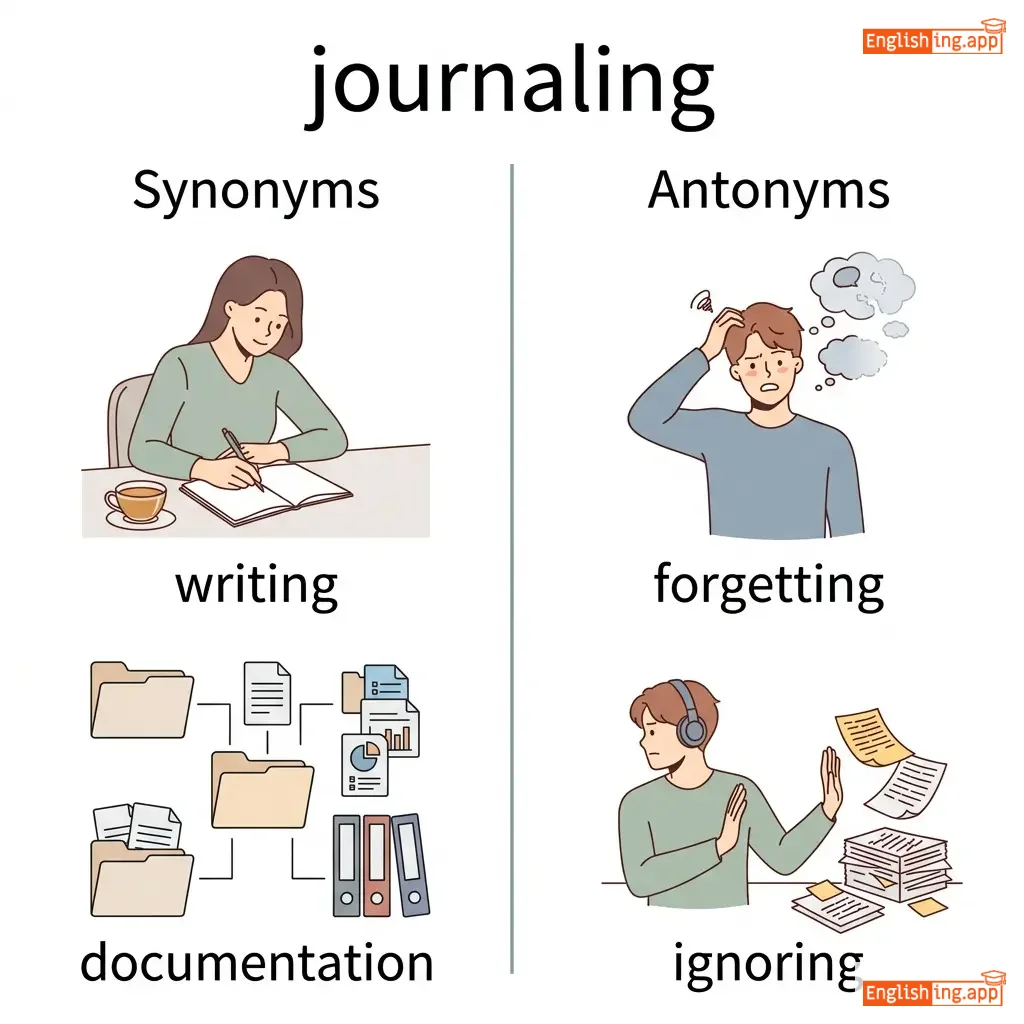
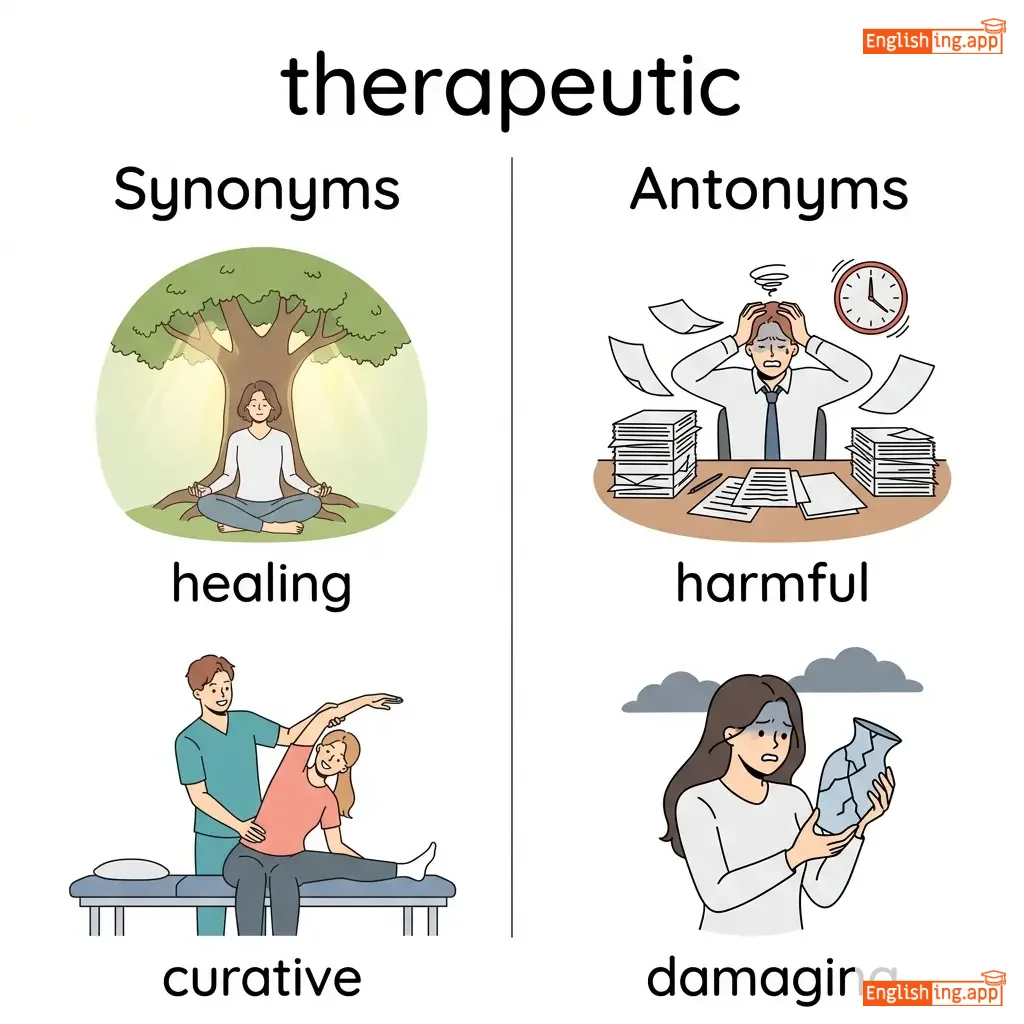
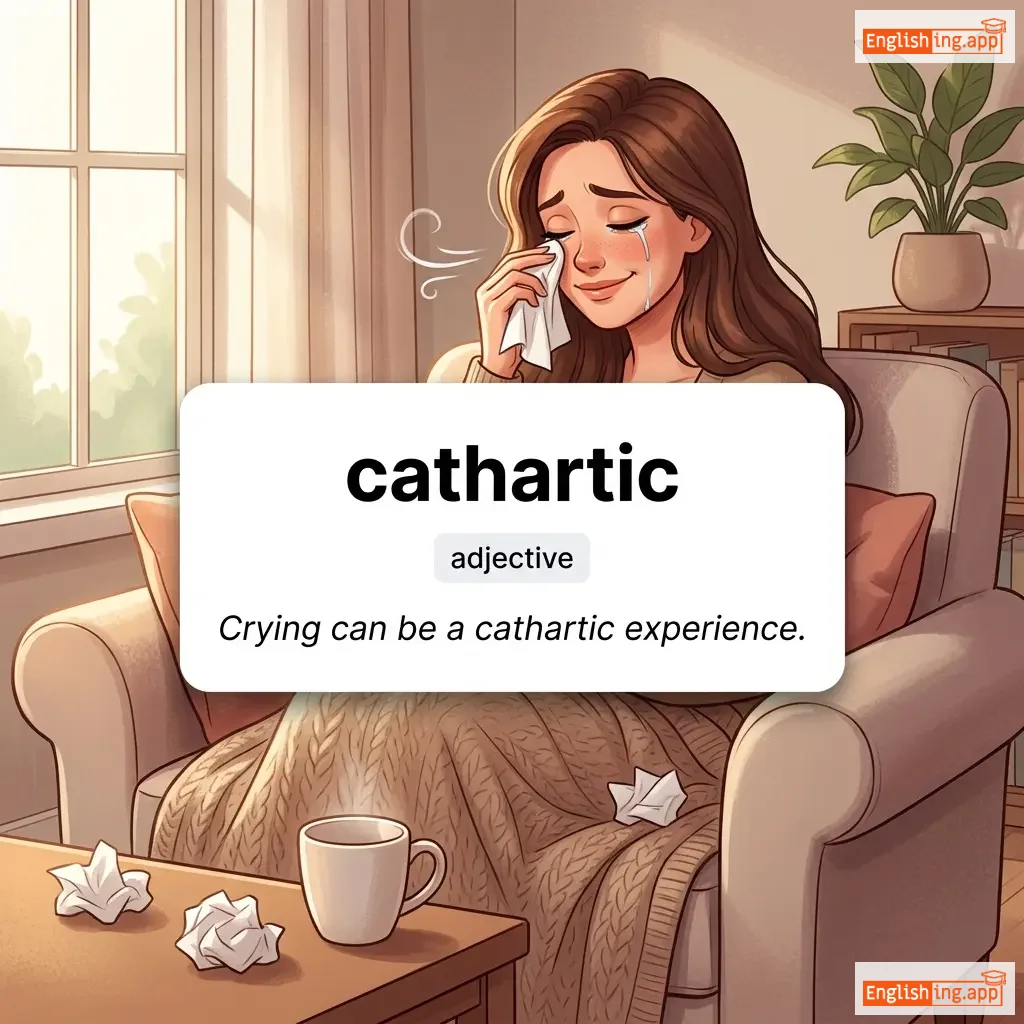
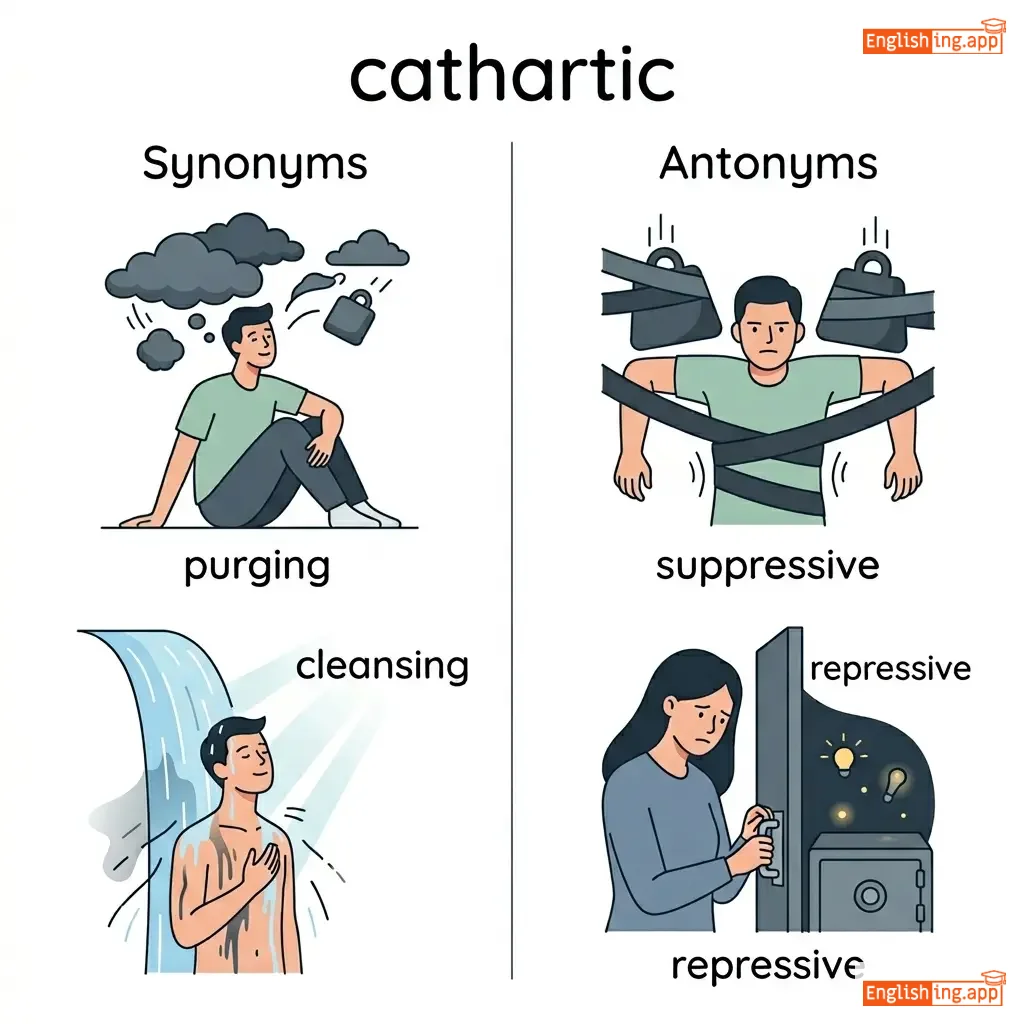
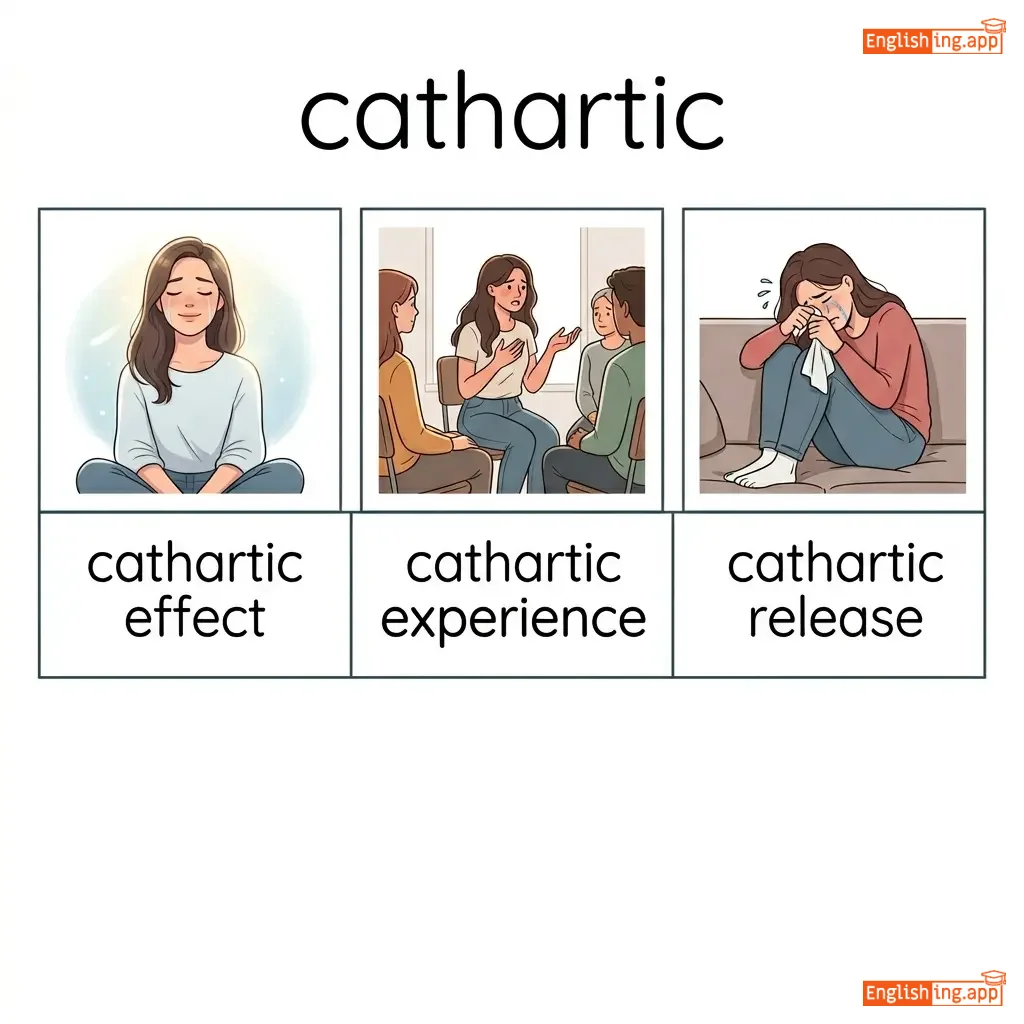
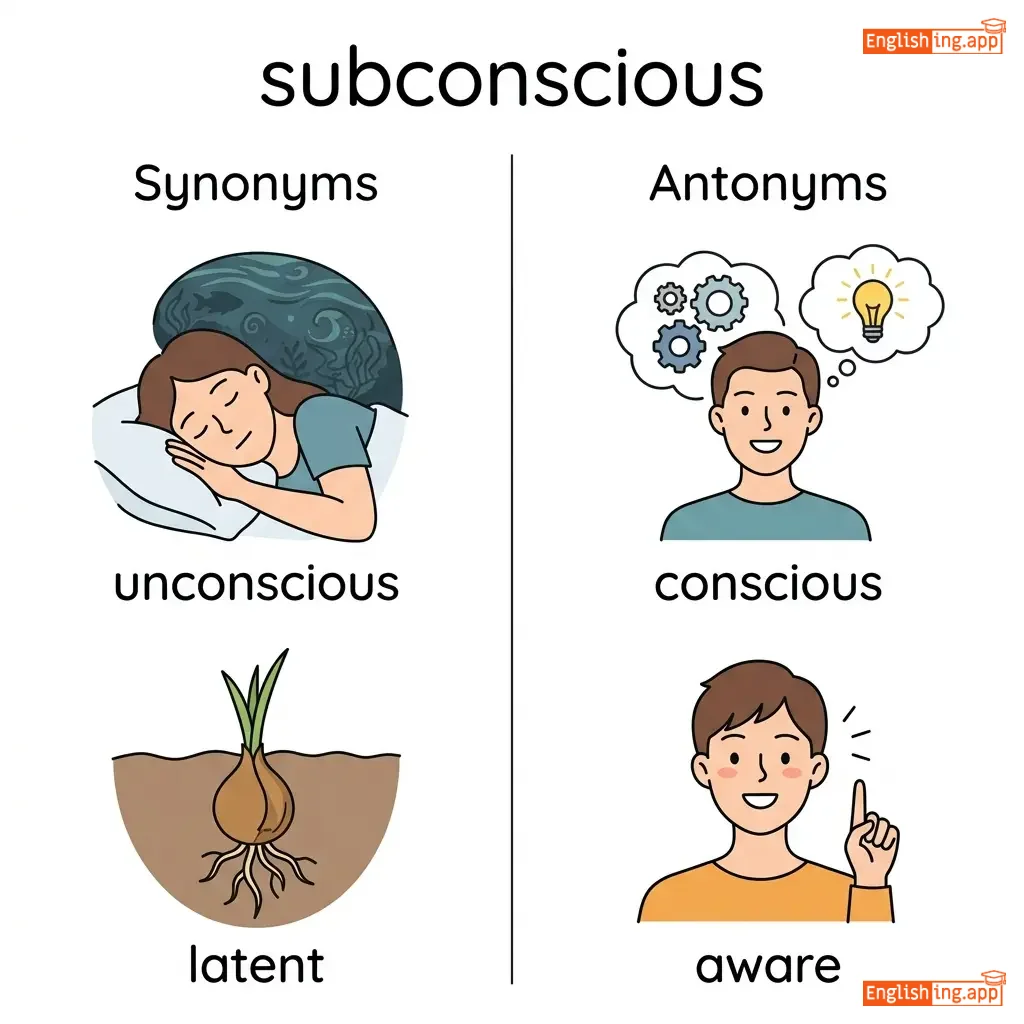
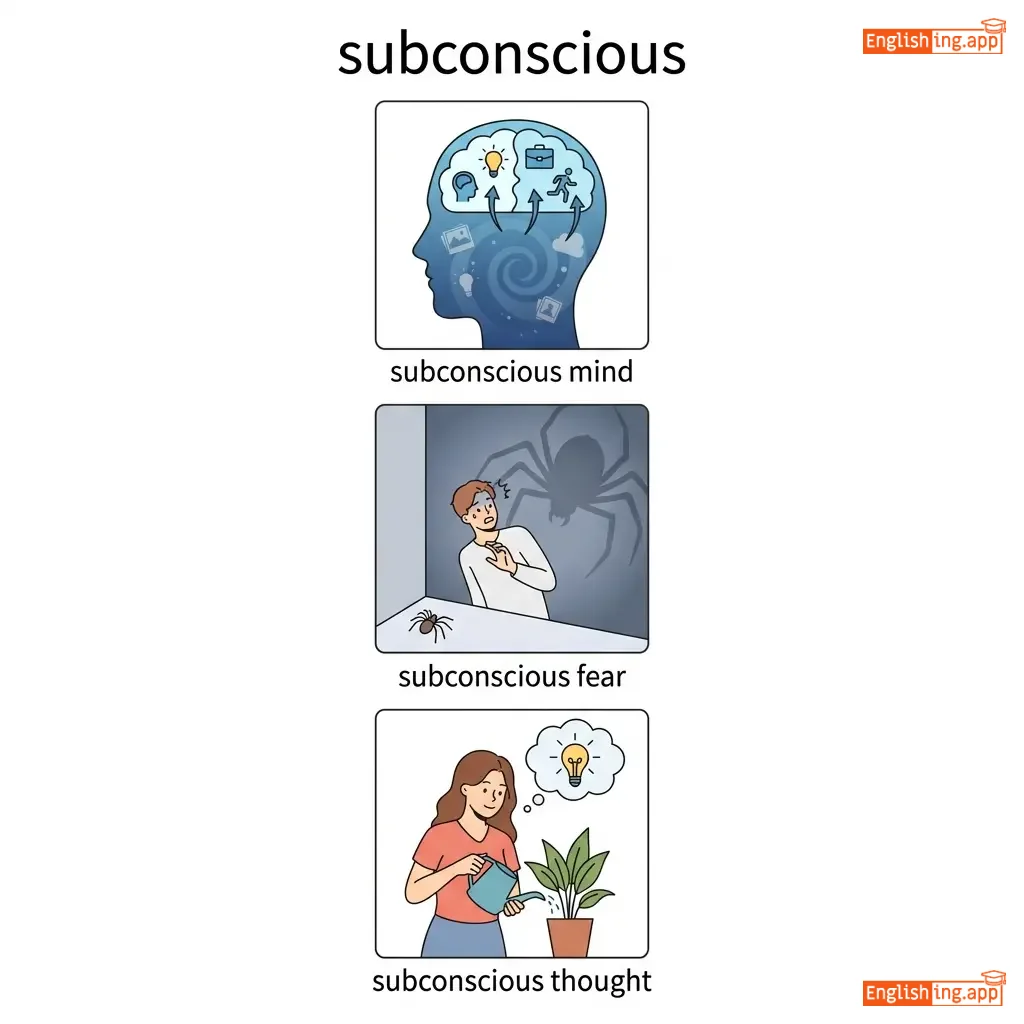
Journaling 对心理健康非常 therapeutic。它为我们提供了一种 cathartic 的方式来表达思想,使我们能够释放 subconscious 的情感。
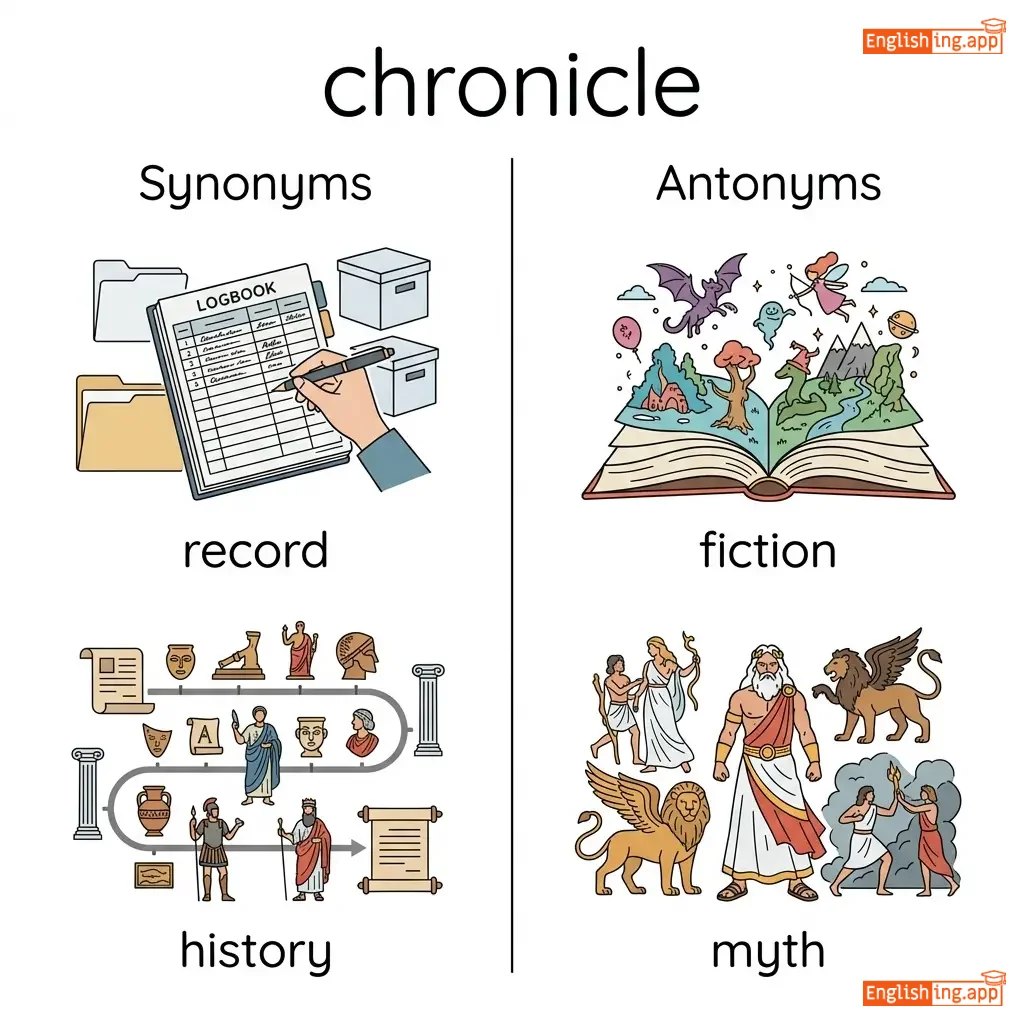
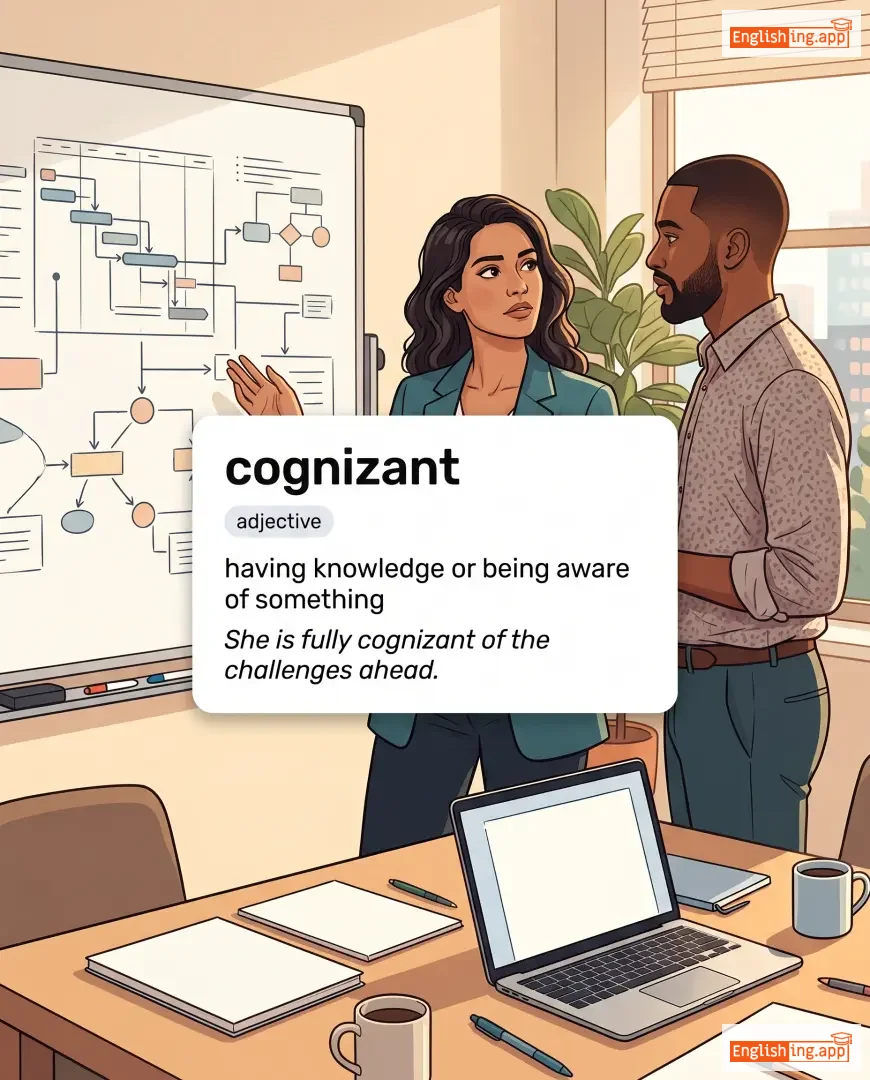
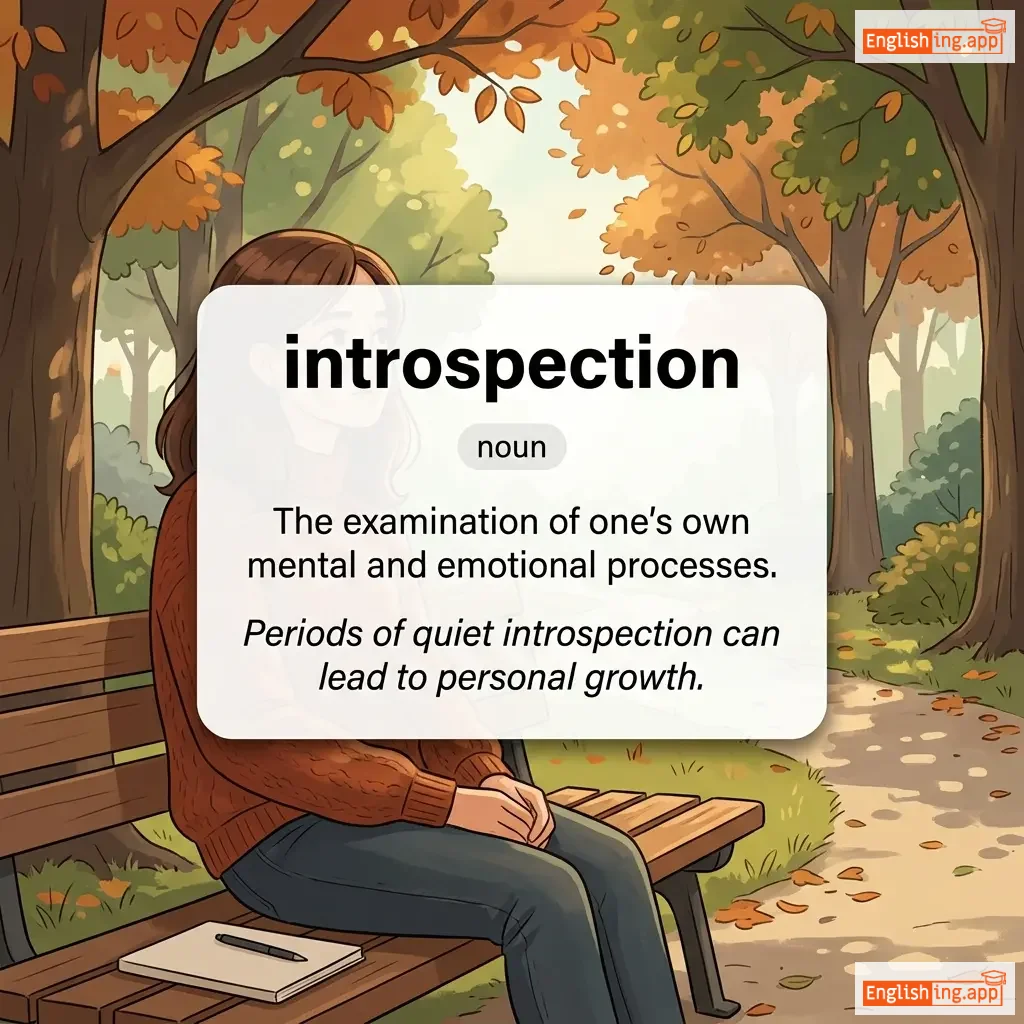
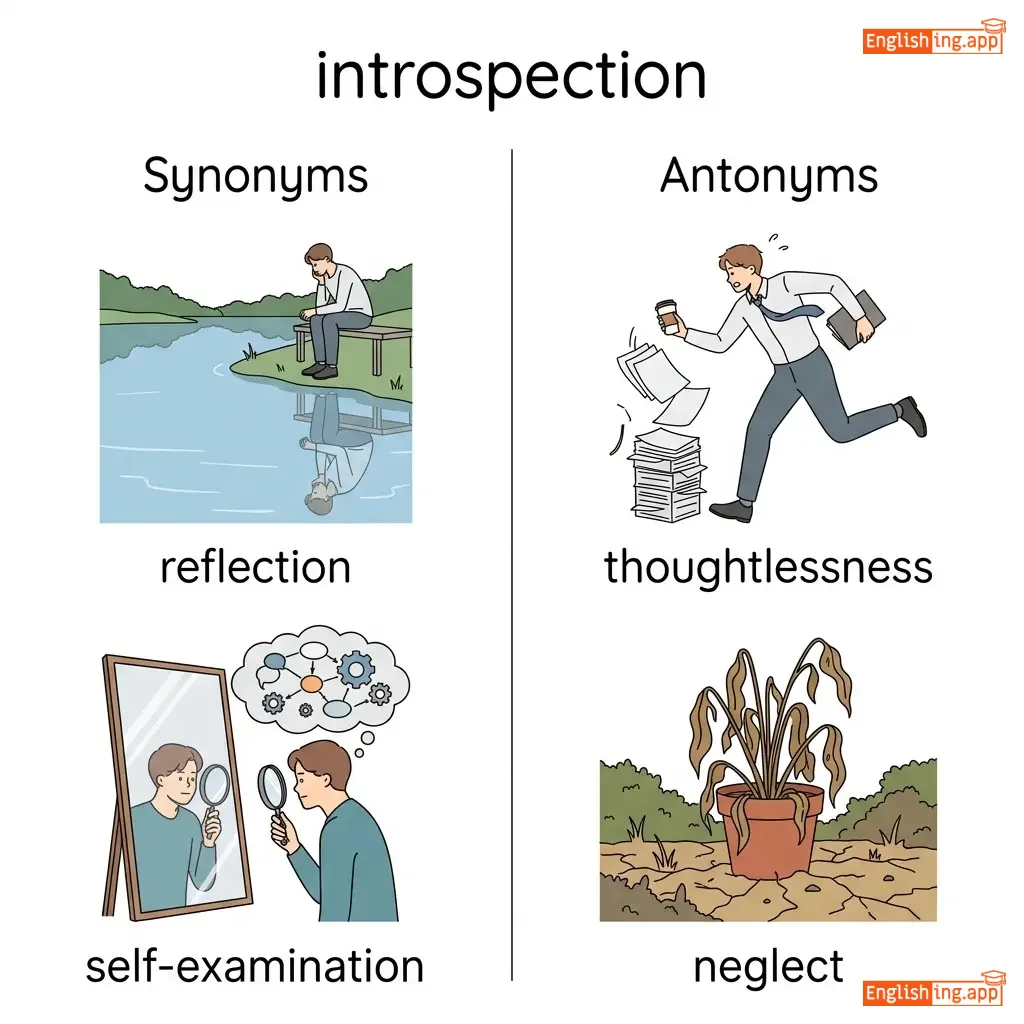
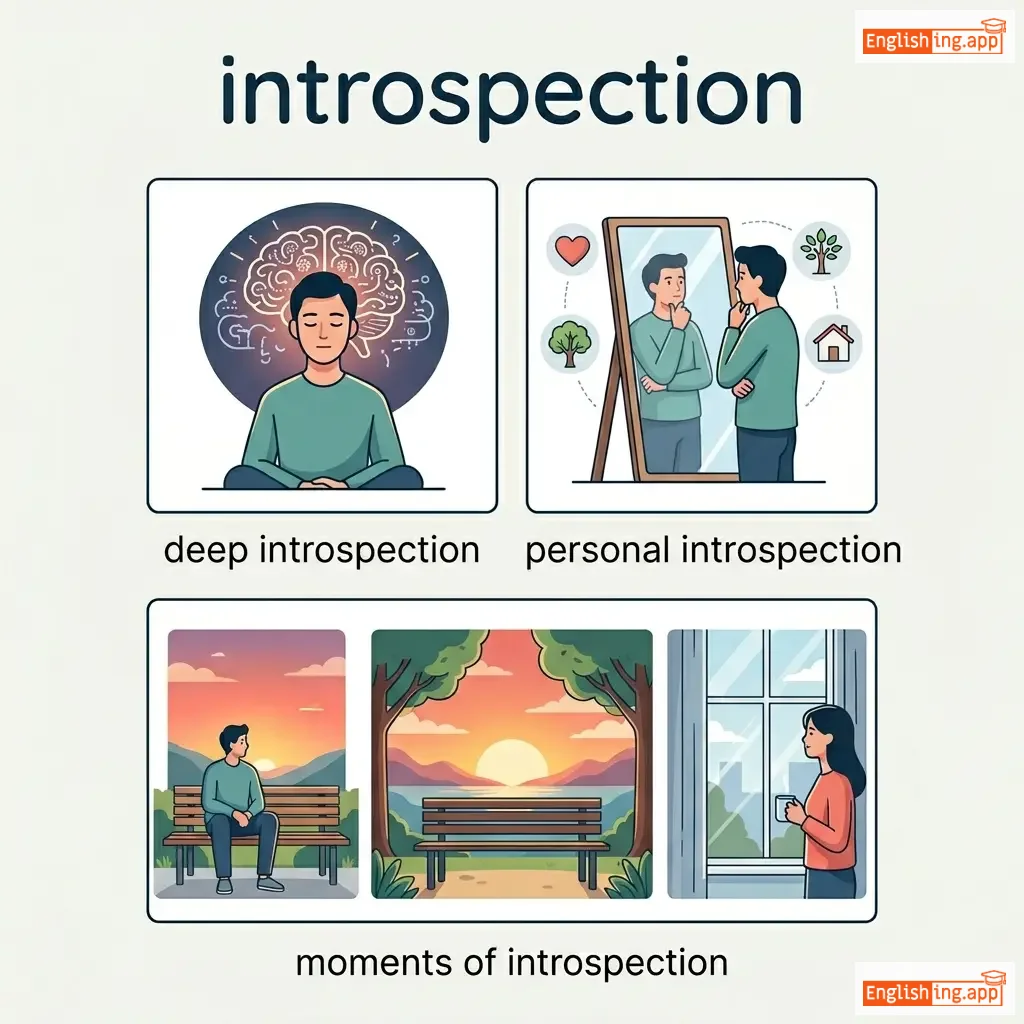
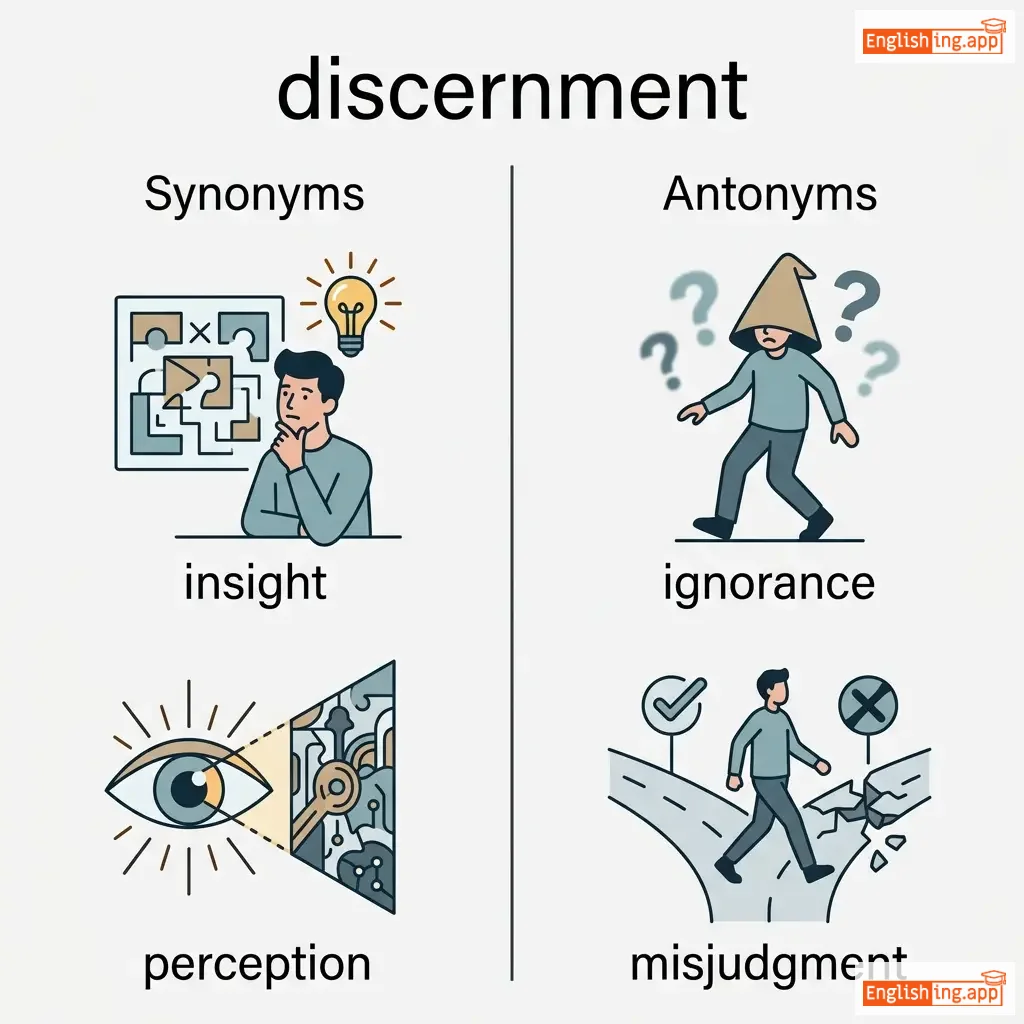
当一个人 chronicles 自己的感受时,他会变得更加 cognizant 于自己的经历。记录每天的想法和经验能增加 introspection 并提升我们的 discernment。
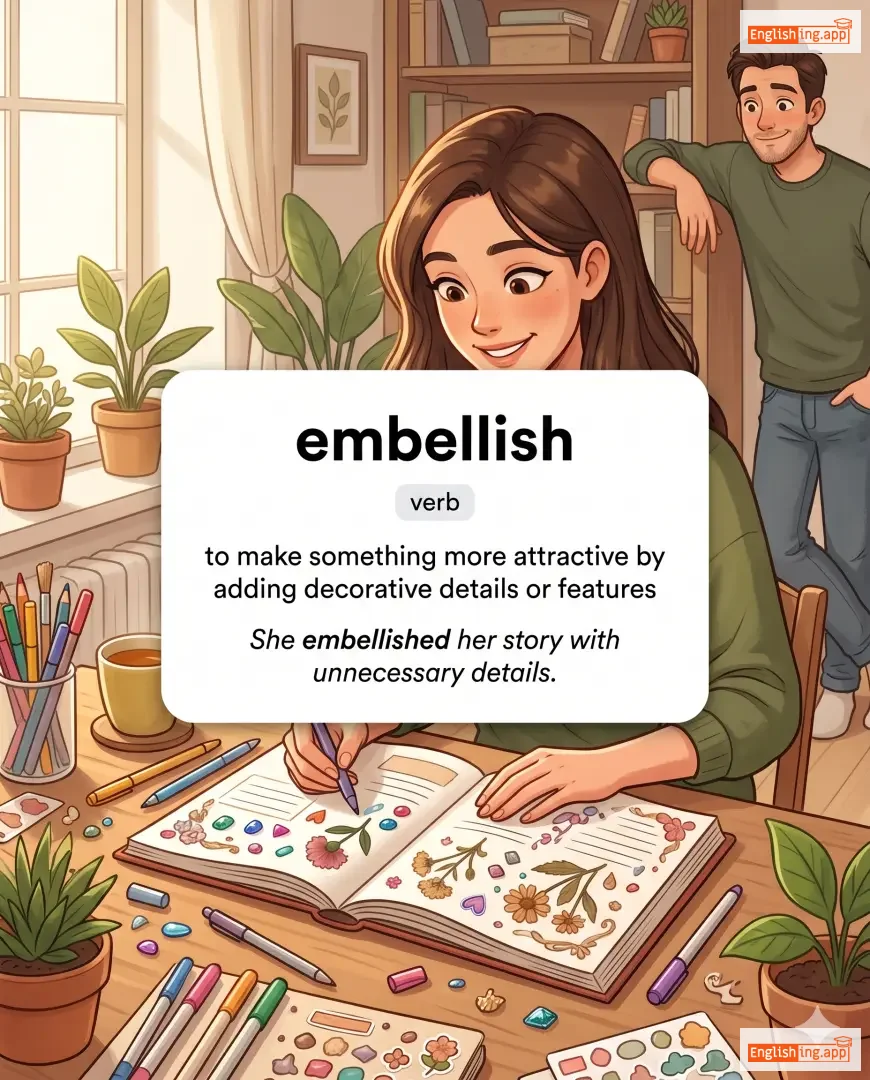
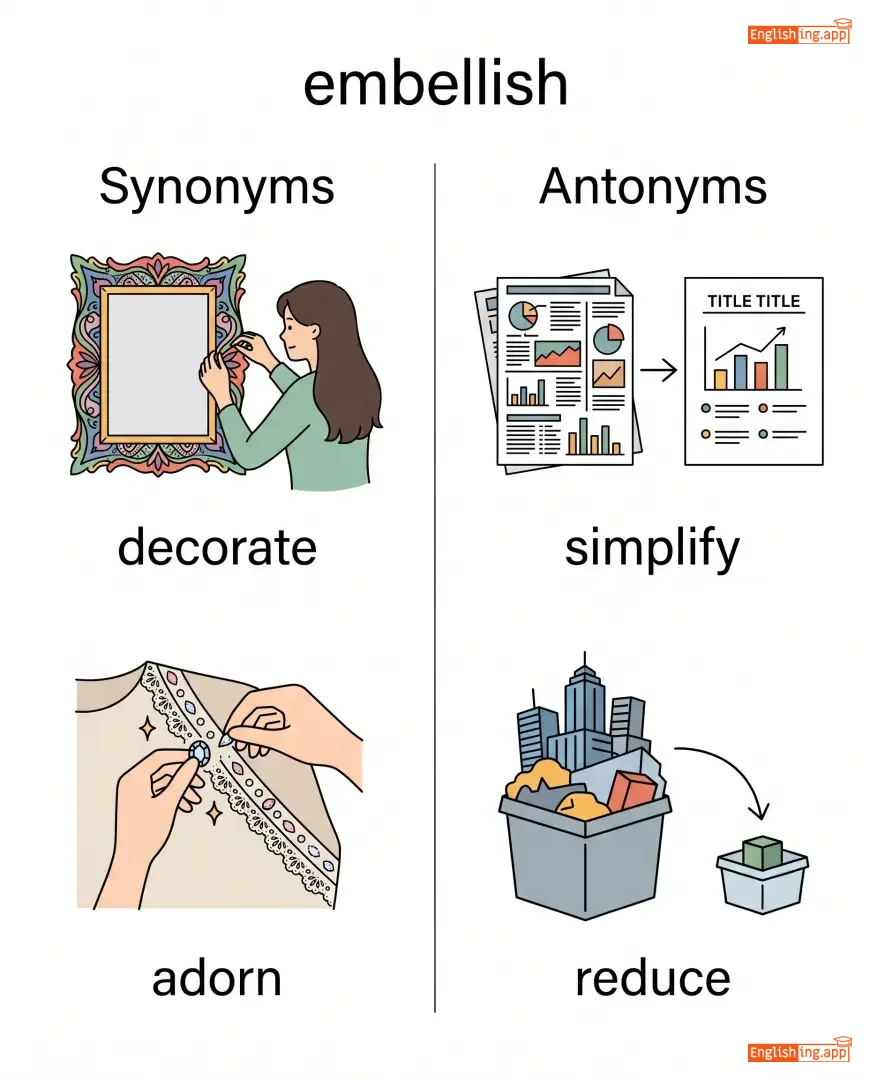
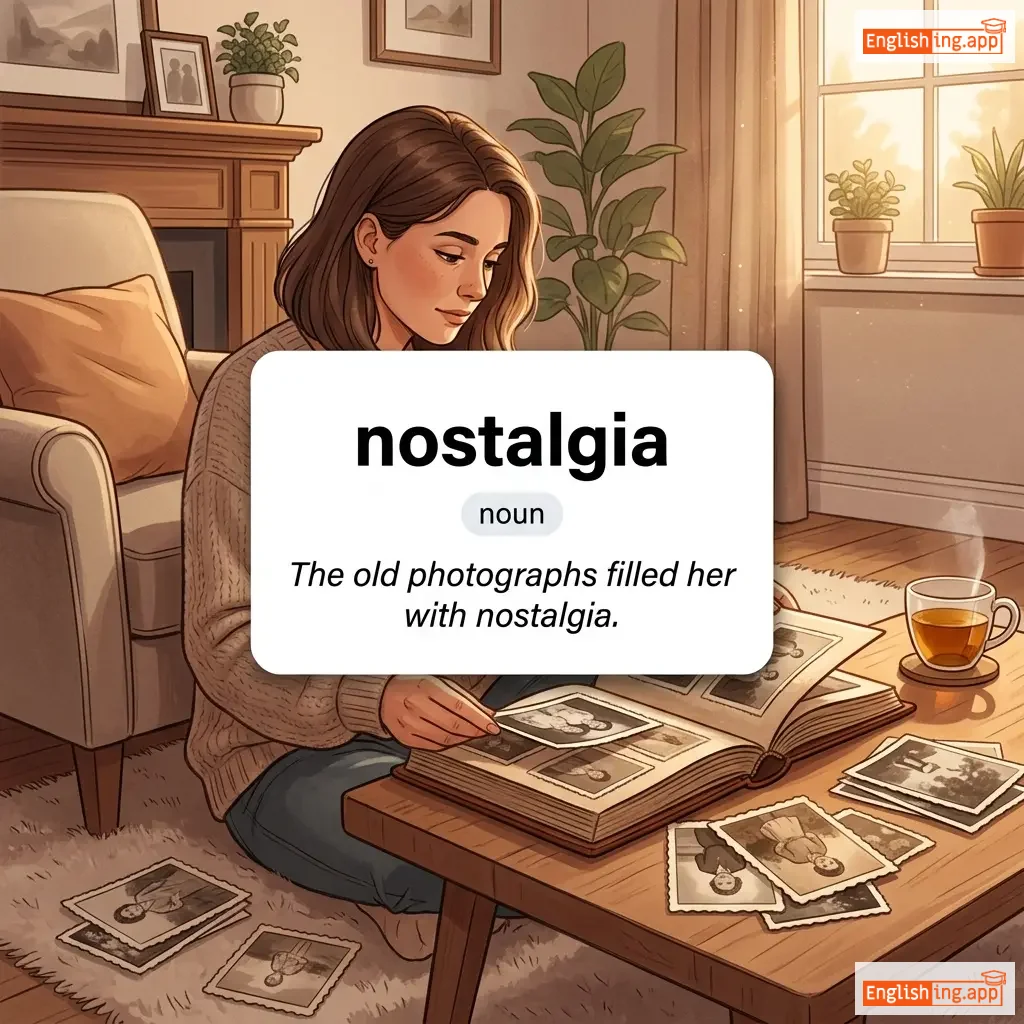
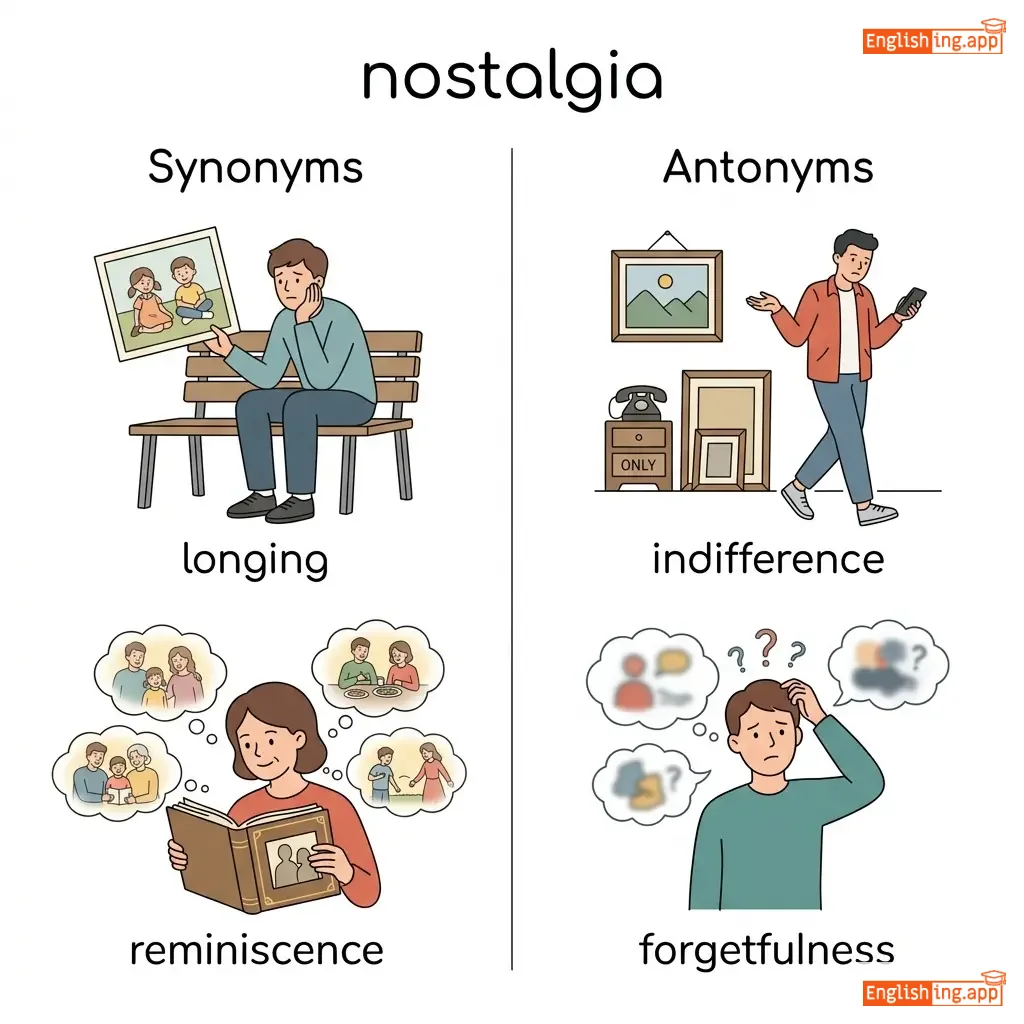
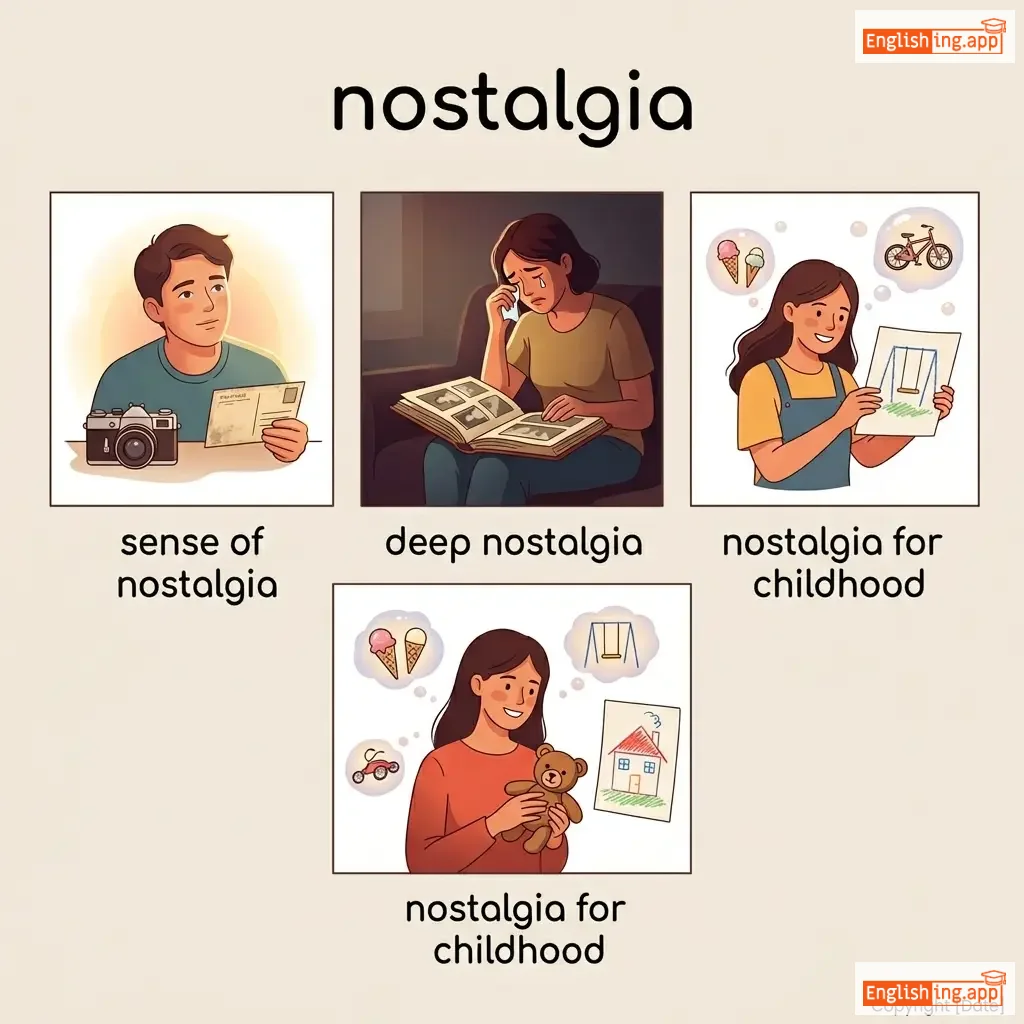
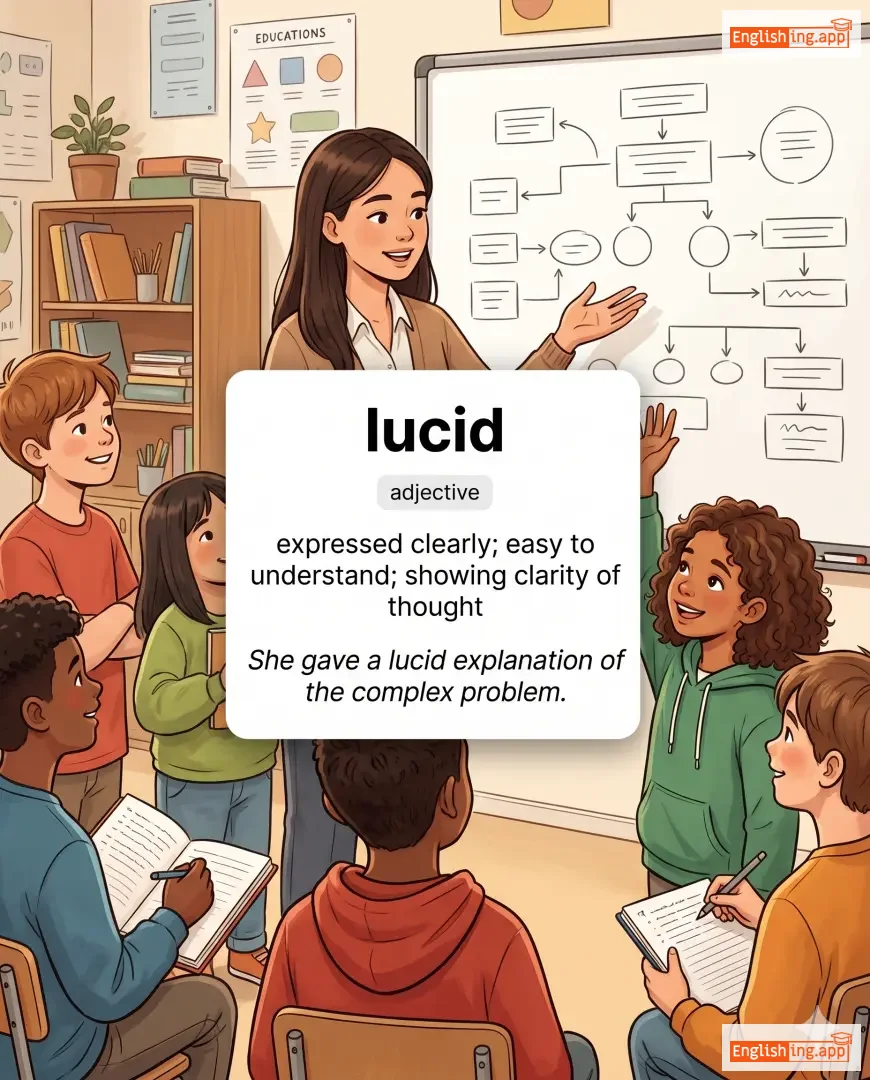
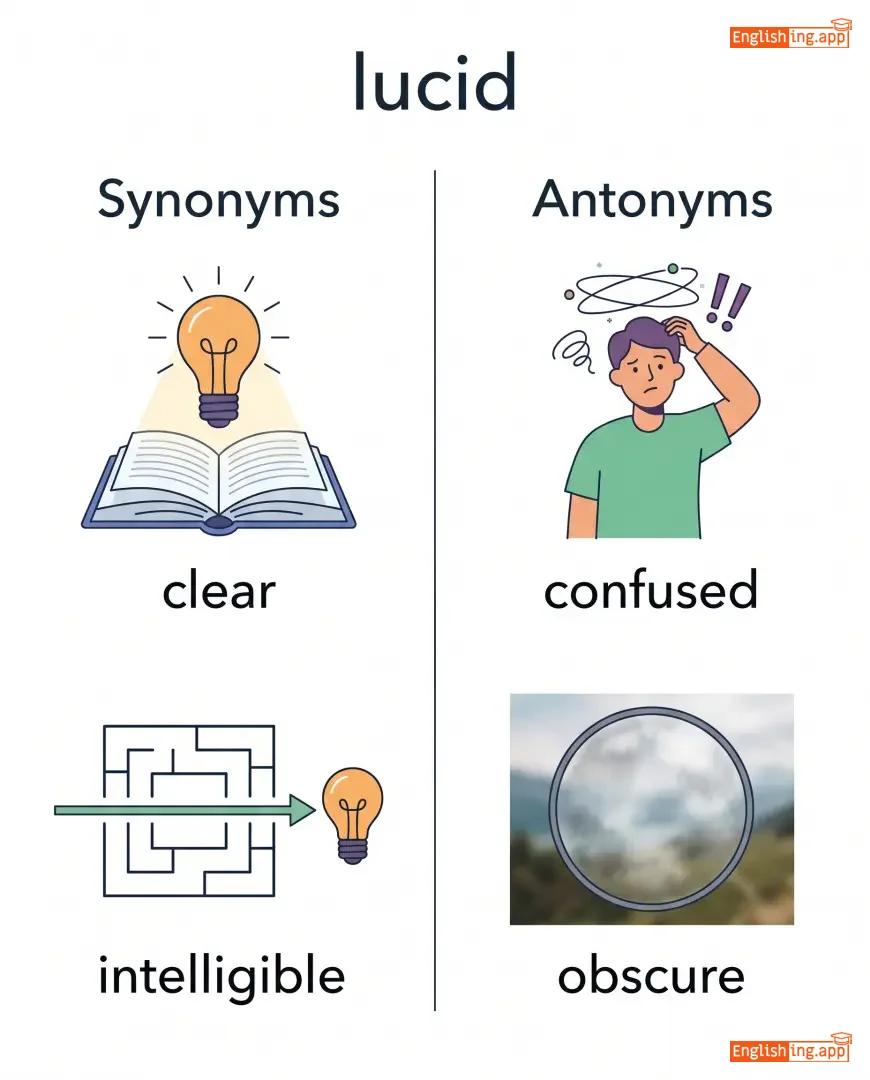
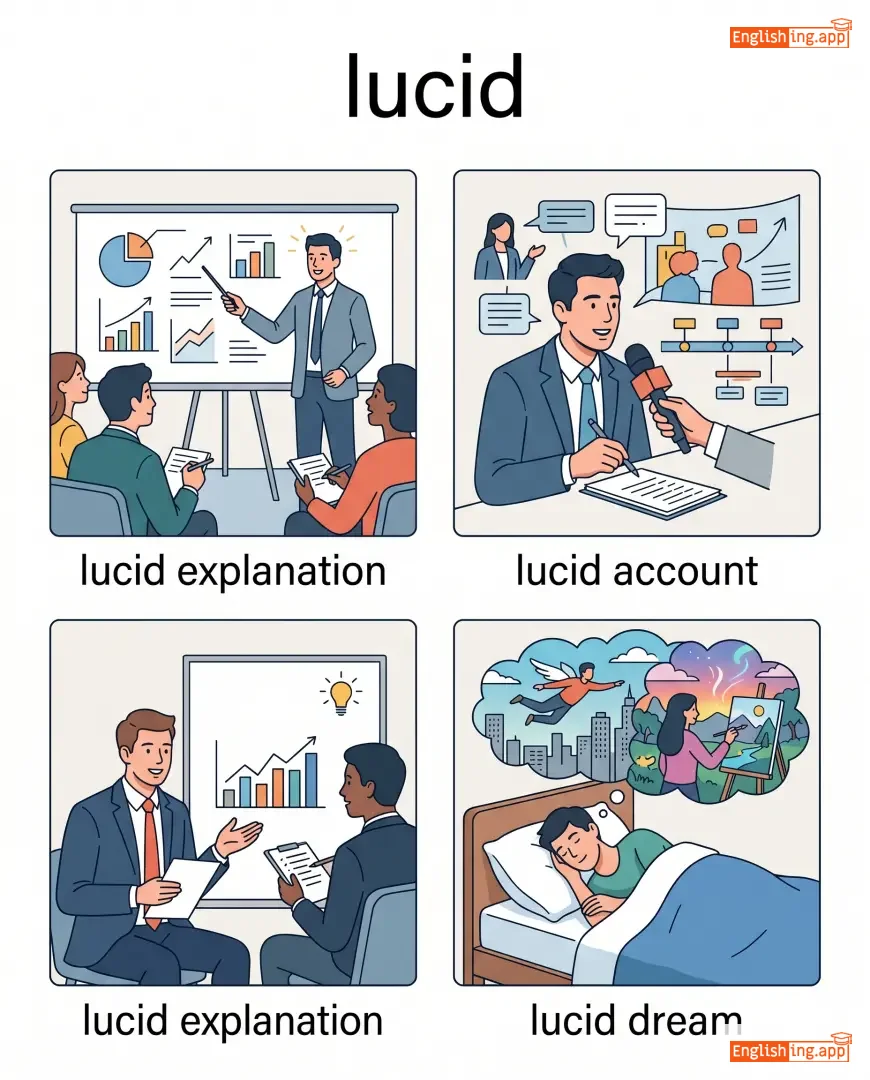
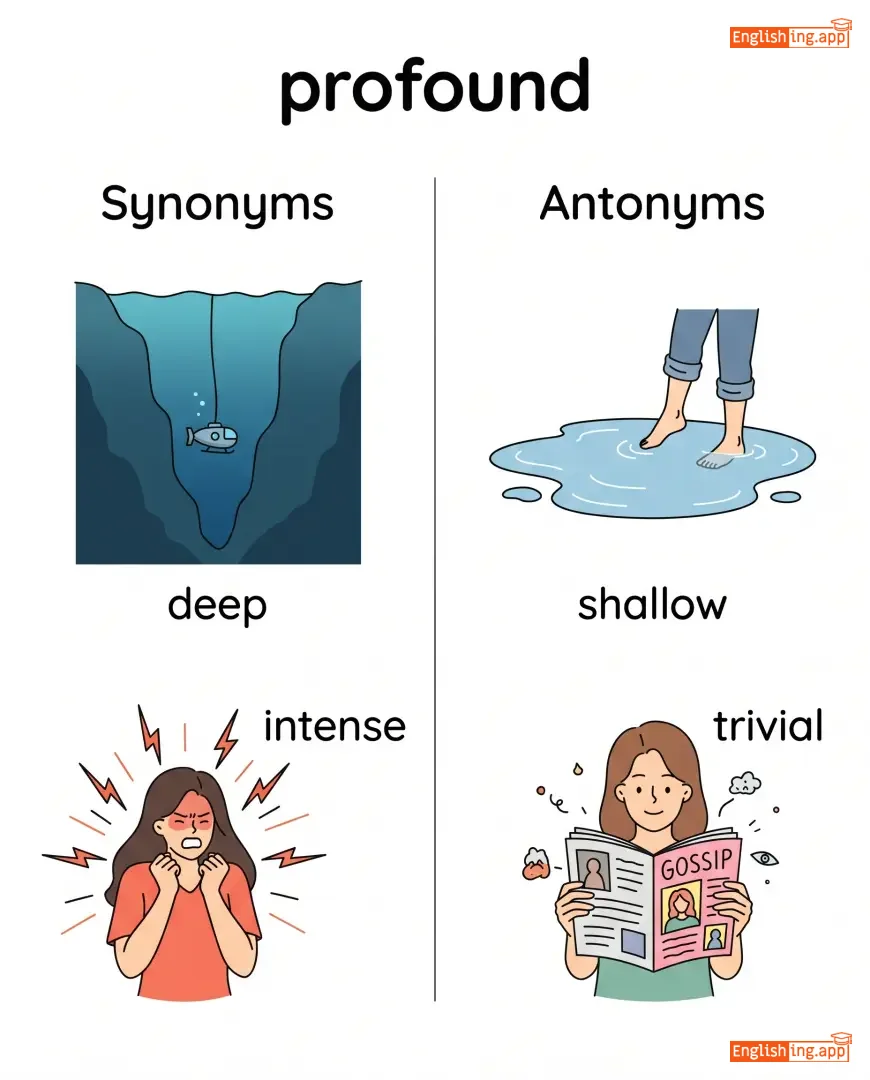
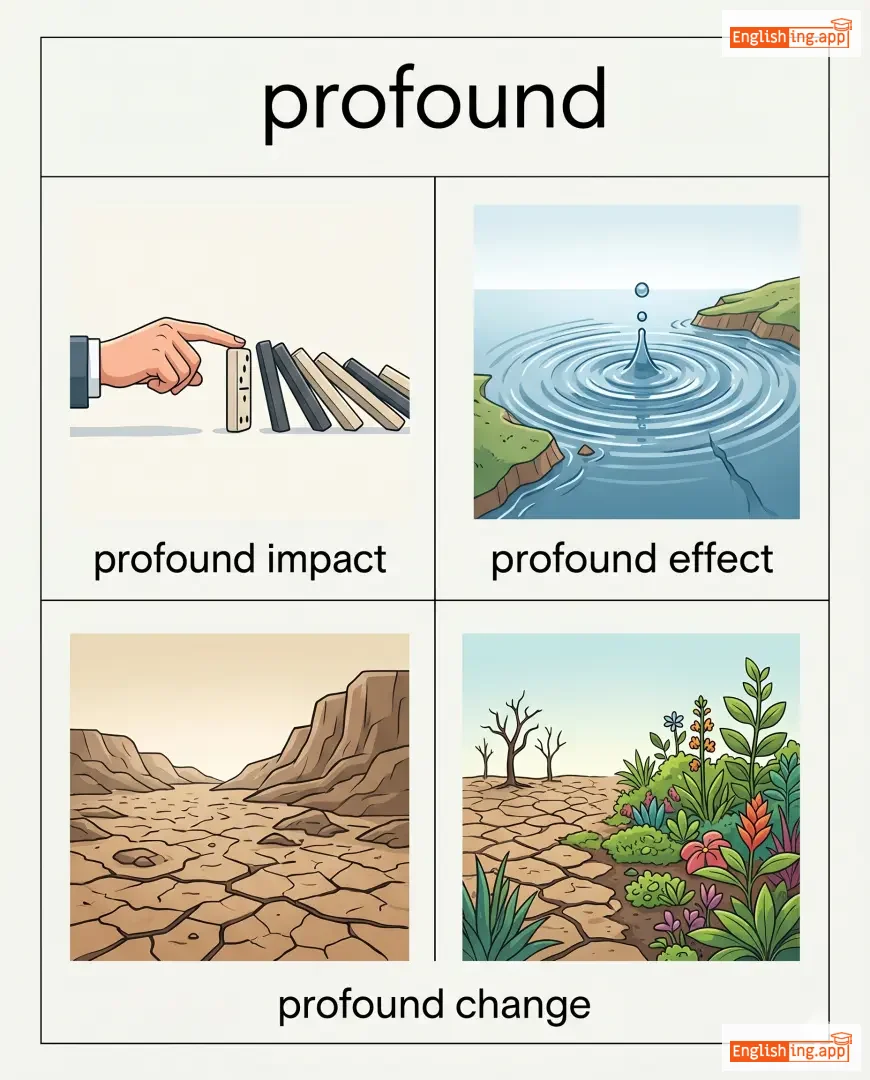
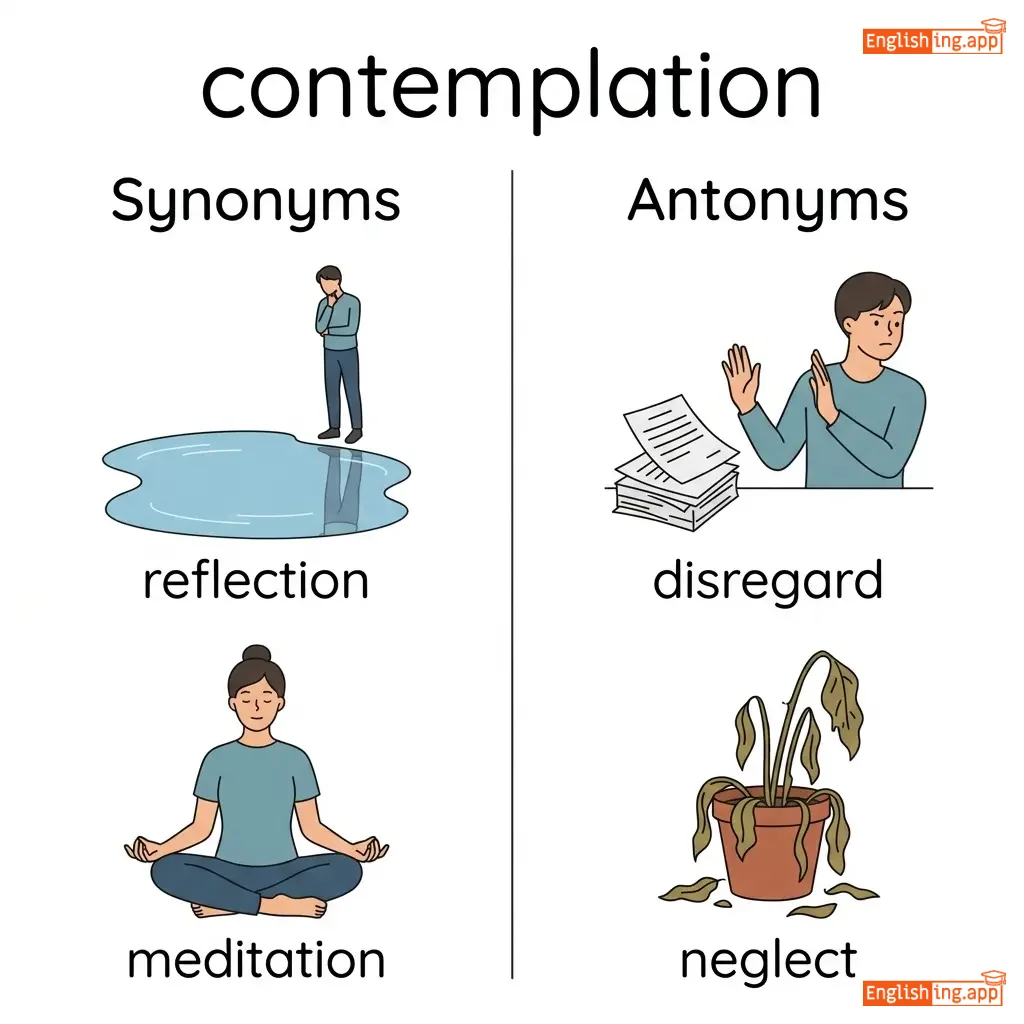
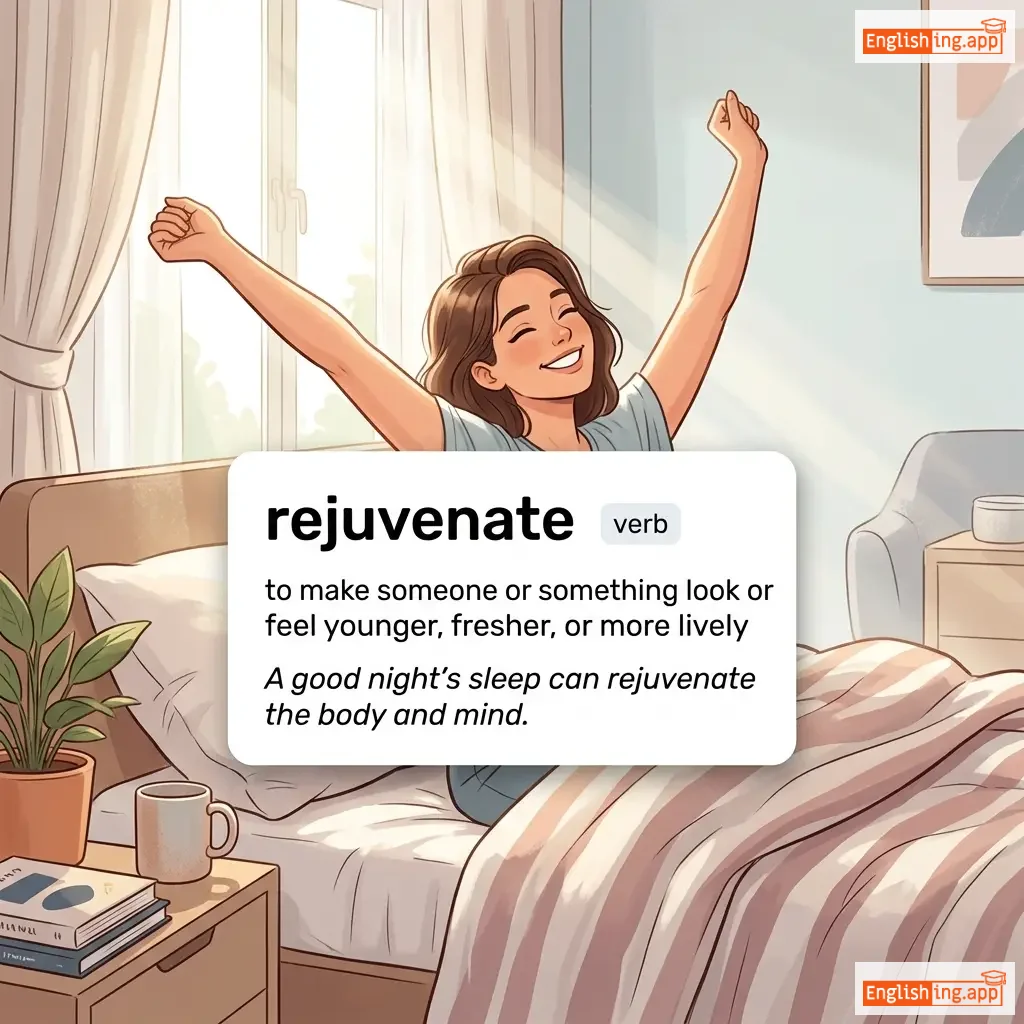
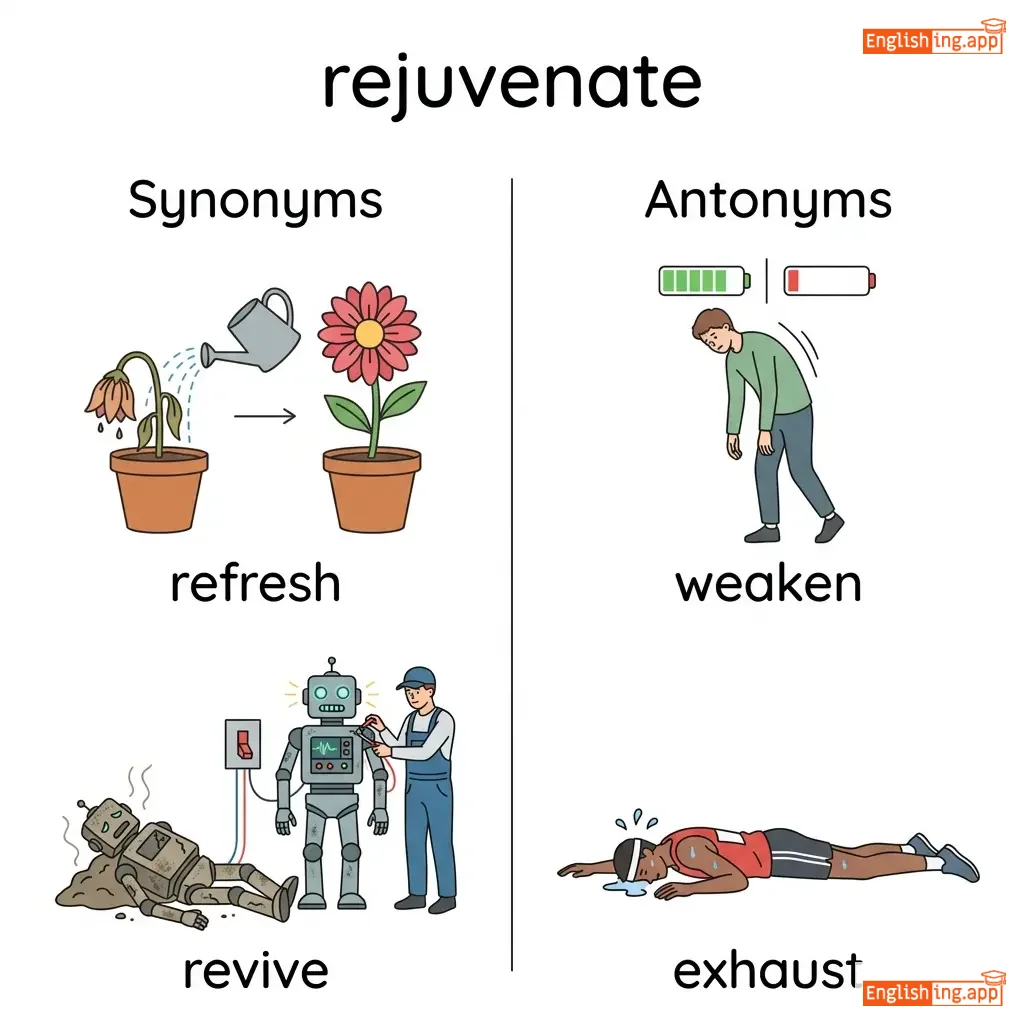
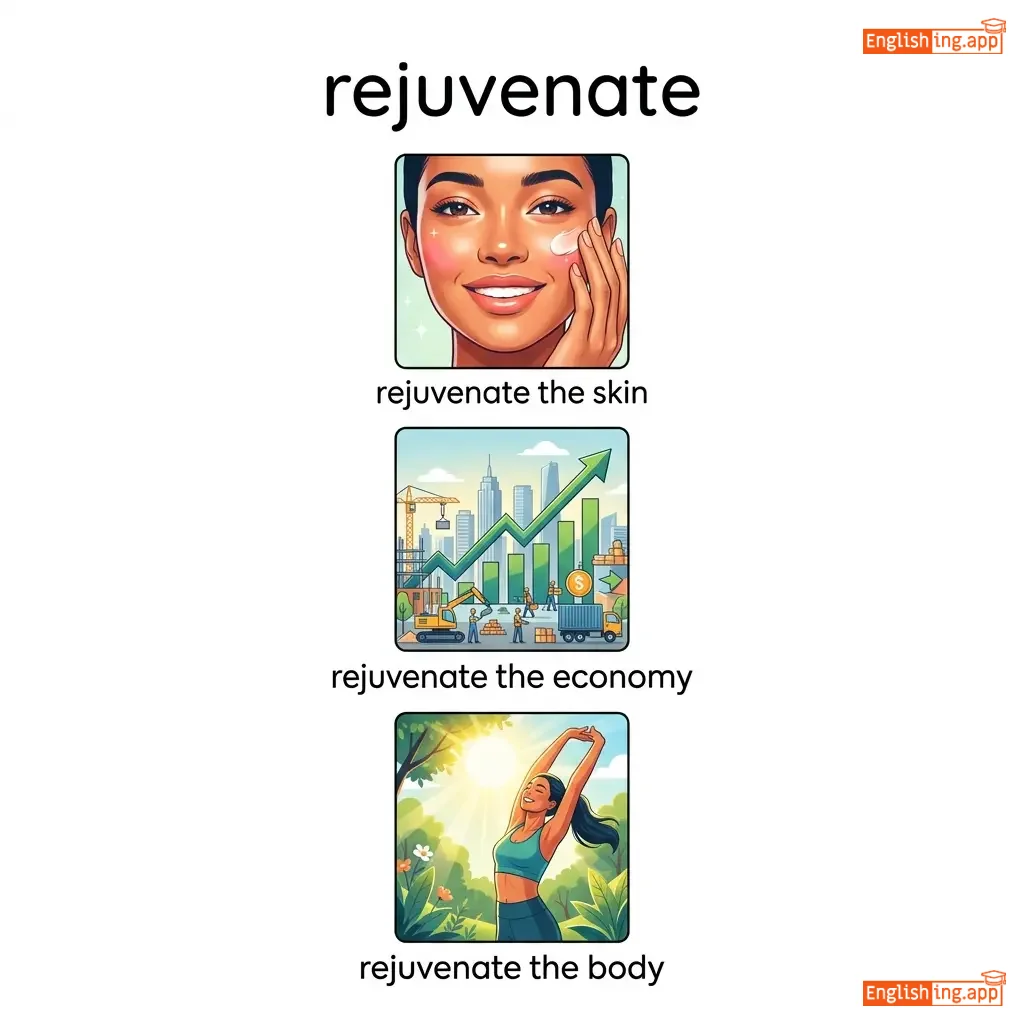
我们经常会 embellish 我们的记忆,从而增强 nostalgia,但写日记能让我们对过去有更 lucid 的看法。它不仅是表达情绪的媒介,更能教会我们 profound 的思考并增强 contemplation。经常写作可以 rejuvenate 我们的心灵,带来心理平静。
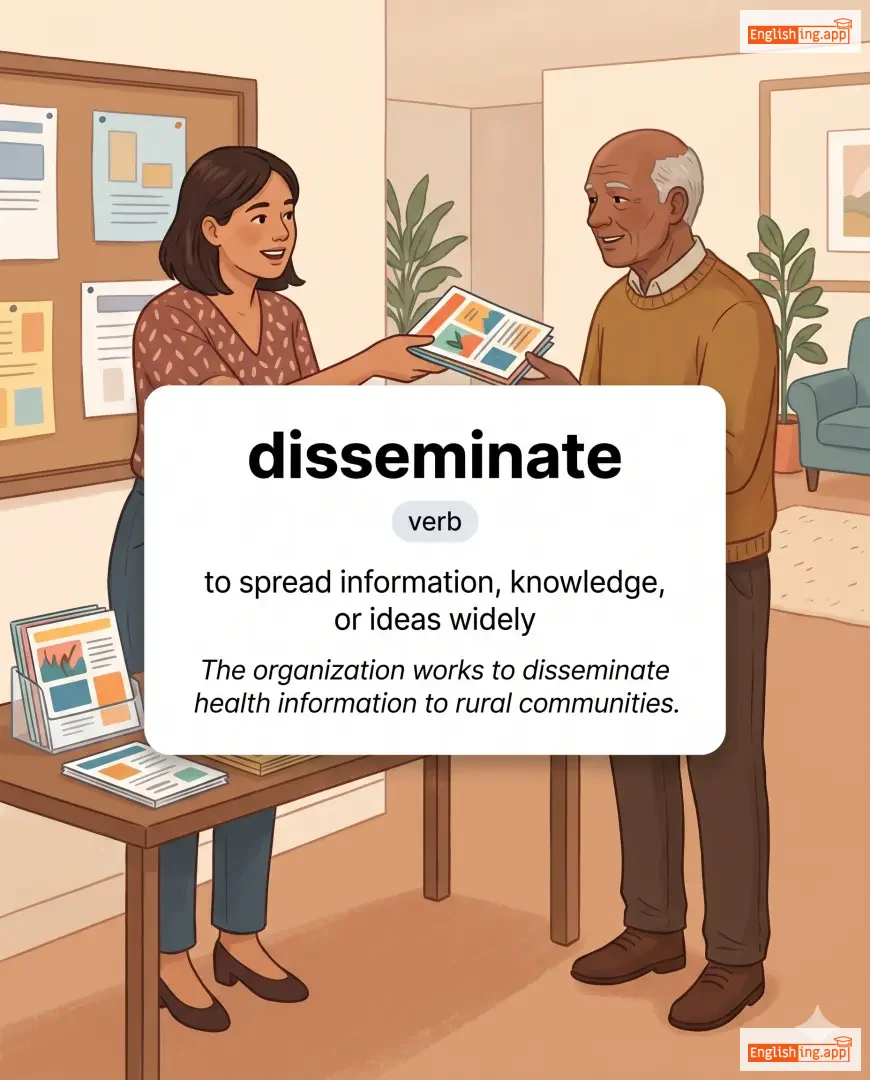
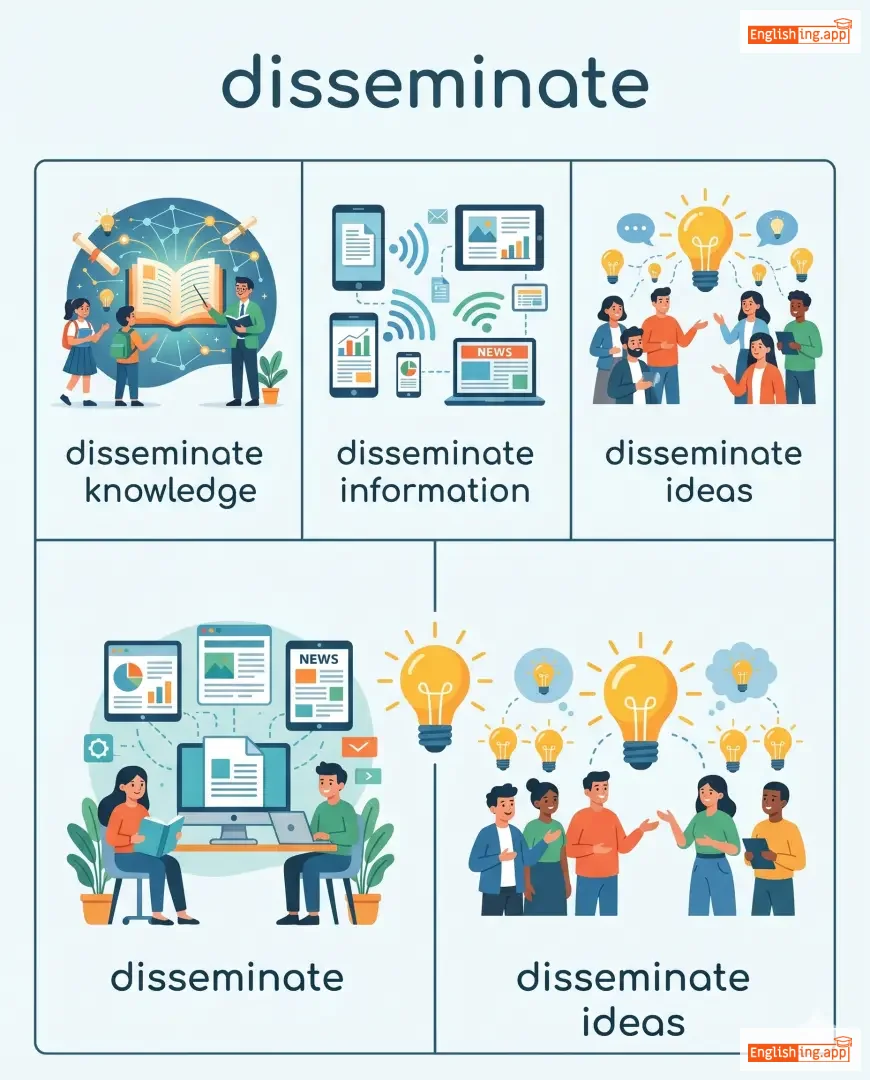
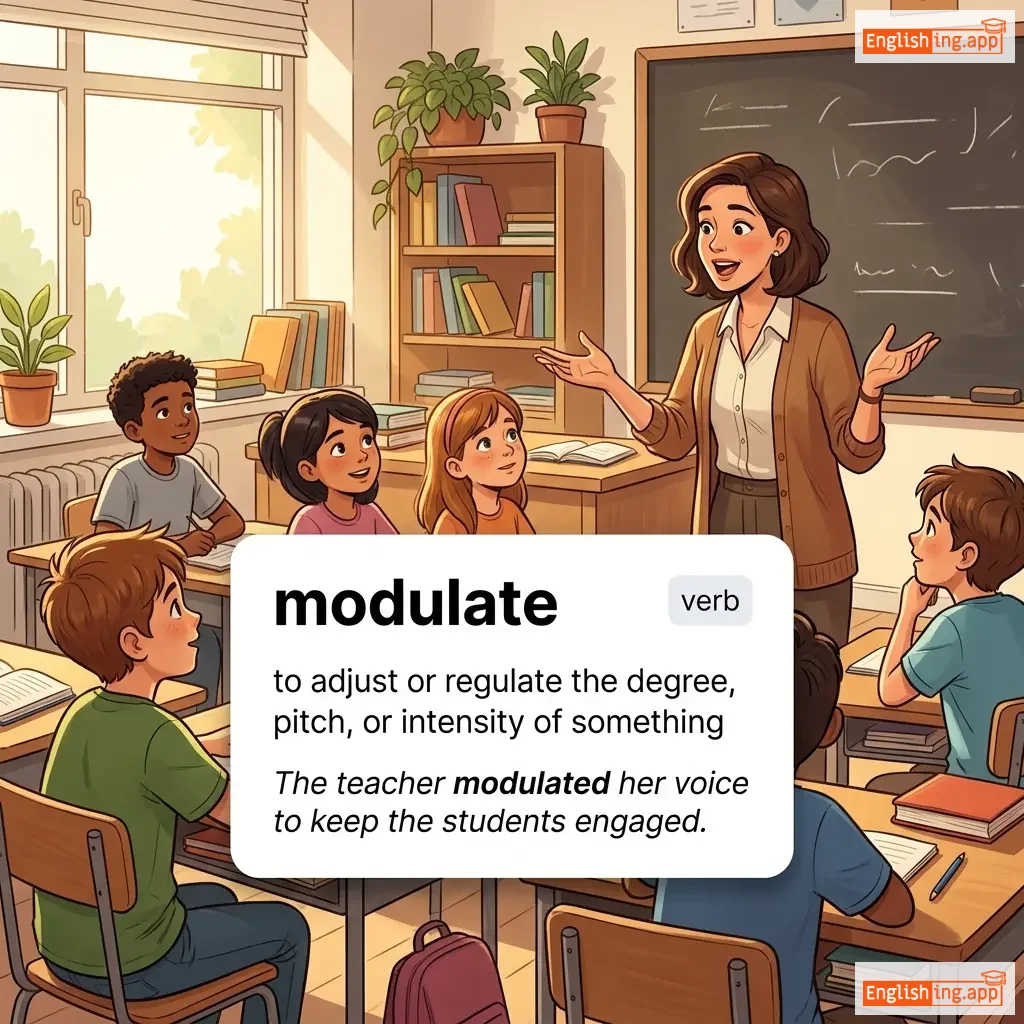
因此,写日记不仅是为了 disseminating 当前的想法,还能帮助我们更好地 modulate 未来。










Swipe left or right, or use the buttons. Tap image to zoom.
例句翻译
单词
How Journaling Improves Mental HealthHow Journaling Improves Mental Health - 遮罩切换
|
表情符号
|
单词 | Images | 翻译 | 含义 | 例句 | 例句翻译 | 同义词 | 反义词 | 助记符 |
|---|---|---|---|---|---|---|---|---|---|
|
#2001
📝
|
/ˈdʒɝː.nə.lɪŋ/
noun
(日记写作)
••••••
|
|
写日记
xie riji
••••••
|
The practice of writing down your thoughts, feelings, and experiences regularly.
••••••
|
Journaling helps in organizing thoughts and reducing stress.
日记写作有助于整理思绪并减少压力。
••••••
|
日记写作有助于整理思绪并减少压力。
Riji xiezuo youzhu yu zhengli sixu bing jianshao yali.
••••••
|
writing, documentation, diary-keeping
••••••
|
forgetting, ignoring, disregarding
••••••
|
写日记可以帮助整理思绪,减轻压力。
••••••
|
|
#2002
💊
|
/ˌθɛr.əˈpjuː.tɪk/
adjective
(治疗性)
••••••
|
|
治疗性
zhì liáo xìng
••••••
|
Having a healing or beneficial effect on the body or mind.
••••••
|
Meditation is highly therapeutic for mental well-being.
冥想对心理健康非常有治疗作用。
••••••
|
冥想对心理健康非常有治疗作用。
Míngxiǎng duì xīnlǐ jiànkāng fēicháng yǒu zhìliáo zuòyòng.
••••••
|
healing, restorative, soothing
••••••
|
harmful, stressful, aggravating
••••••
|
治疗性 = 治疗 (treatment) + 性 (nature), like the therapeutic nature of healing.
••••••
|
|
#2003
🌊
|
/kəˈθɑːr.tɪk/
adjective
(kāthàrtík)
••••••
|
|
宣泄的
xuānxiè de
••••••
|
Providing psychological relief through the open expression of strong emotions.
••••••
|
Writing about emotions can be a cathartic experience. |
写下情感可能是一次宣泄的体验。
Xiě xià qínggǎn kěnéng shì yīcì xuānxiè de tǐyàn.
••••••
|
purging, cleansing, emotionally releasing
••••••
|
repressive, suppressive, unexpressive
••••••
|
宣泄的 = 宣泄, 通过情感的表达来释放心情。
••••••
|
|
#2004
🧠
|
/ˌsʌbˈkɒn.ʃəs/
adjective
(sʌbˈkɒn.ʃəs)
••••••
|
|
潜意识
qian yishi
••••••
|
Of or concerning the part of the mind which one is not fully aware of but which influences actions and feelings.
••••••
|
Fears often come from the subconscious mind. |
恐惧常常来自潜意识。
Kongju changchang laizi qian yishi.
••••••
|
unconscious, deep-seated, instinctive
••••••
|
conscious, aware, deliberate
••••••
|
潜意识就像一个隐形的力量,操控着我们的行为和情感。
••••••
|
|
#2005
📚
|
/ˈkrɒn.ɪ.kəl/
verb/noun
(编年史)
••••••
|
|
按照事件发生的顺序记录
ànzhào shìjiàn fāshēng de shùn xù jìlù
••••••
|
To record events in the order in which they happened; a written record of historical events.
••••••
|
She decided to chronicle her journey through a blog. |
她决定通过博客记录她的旅行。
Tā juédìng tōngguò bókè jìlù tā de lǚxíng.
••••••
|
record, document, log
••••••
|
erase, omit, suppress
••••••
|
编年史和时间顺序的记忆法
••••••
|
|
#2006
👁️
|
/ˈkɒɡ.nɪ.zənt/
adjective
(cognizant)
••••••
|
|
意识到
yìshí dào
••••••
|
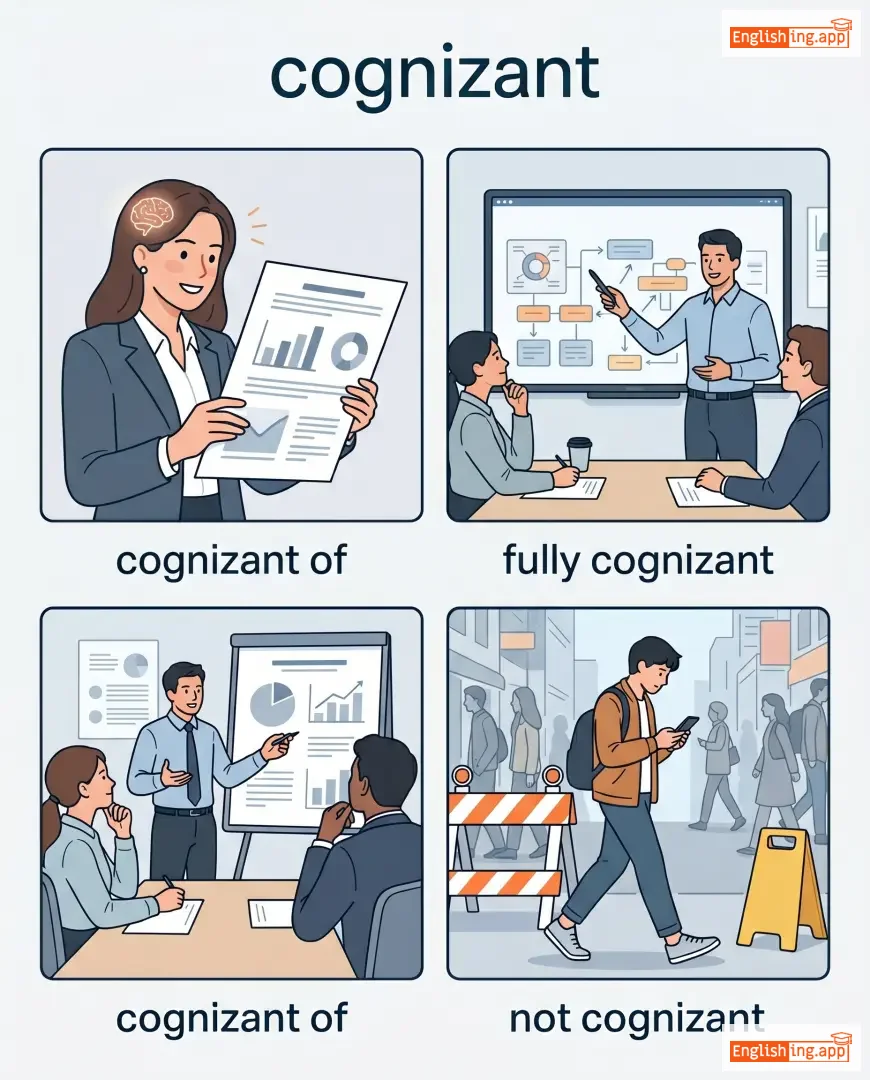
Having knowledge or being aware of something.
••••••
|
He was cognizant of the risks before making a decision.
在做出决定之前,他对风险有足够的意识。
••••••
|
在做出决定之前,他对风险有足够的意识。
Zài zuòchū juédìng zhīqián, tā duì fēngxiǎn yǒu zúgòu de yìshí.
••••••
|
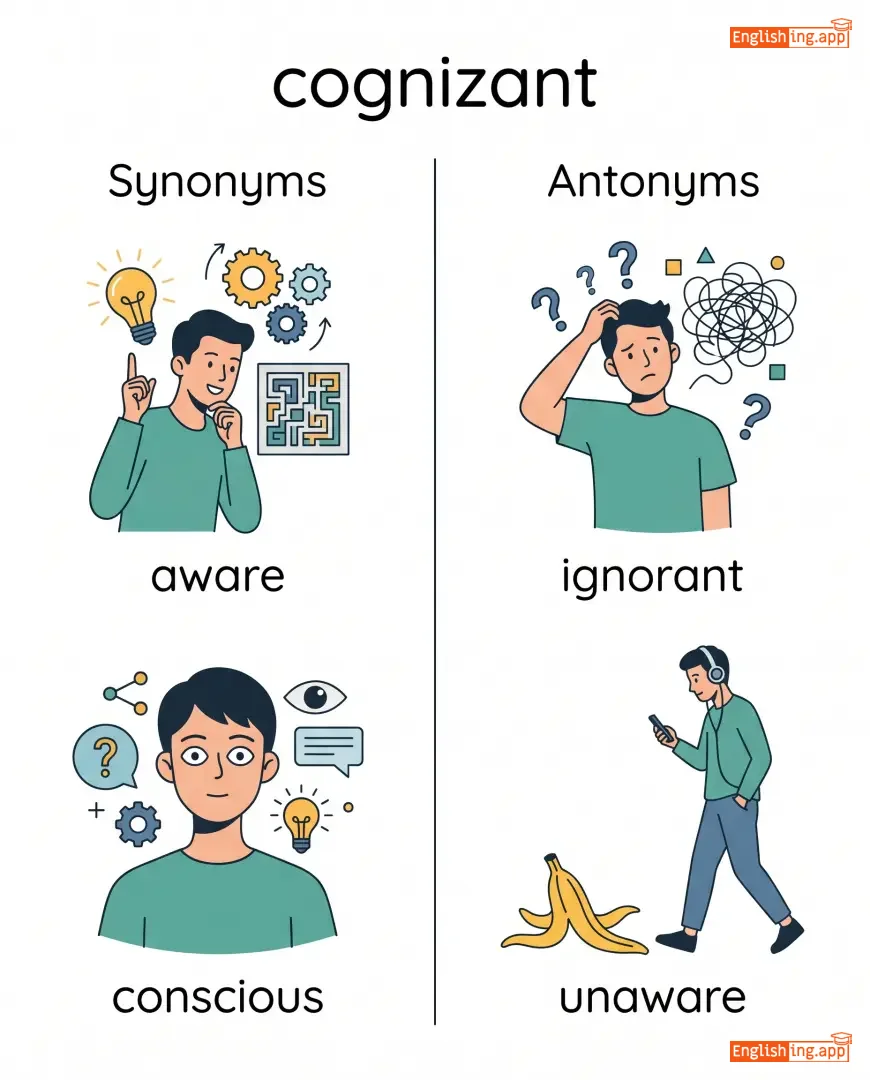
aware, mindful, informed
••••••
|
oblivious, unaware, ignorant
••••••
|
意识到是当你意识到某事时,像一个认知的人。
••••••
|
|
#2007
🤔
|
/ˌɪn.trəˈspek.ʃən/
noun
(内省)
••••••
|
|
内省
neixing
••••••
|
The examination or observation of one's own mental and emotional processes.
••••••
|
Introspection helps people understand their emotions better.
内省帮助人们更好地理解自己的情感。
••••••
|
内省帮助人们更好地理解自己的情感。
Neixing bangzhu renmen geng hao de lijie ziji de qinggan.
••••••
|
self-reflection, contemplation, self-analysis
••••••
|
neglect, indifference, external focus
••••••
|
内省是理解自我情感的钥匙。
••••••
|
|
#2008
🔍
|
/dɪˈsɜːrn.mənt/
noun
(迪萨恩门特)
••••••
|
|
洞察力
dòngchá lì
••••••
|
The ability to judge well; good judgment and understanding.
••••••
|
His discernment helped him make wise decisions.
他的洞察力帮助他做出明智的决定。
••••••
|
他的洞察力帮助他做出明智的决定。
Tā de dòngchá lì bāngzhù tā zuòchū míngzhì de juédìng.
••••••
|
insight, perception, judgement
••••••
|
ignorance, misjudgment, indiscretion
••••••
|
洞察力 = 明智的选择
••••••
|
|
#2009
✨
|
/ɪmˈbɛl.ɪʃ/
verb
(因贝利什)
••••••
|
|
装饰
zhuangshi
••••••
|
To make something more attractive by adding decorative details or exaggerating.
••••••
|
He tends to embellish stories to make them more interesting. |
他倾向于装饰故事,使其更加有趣。
Tā qīngxiàng yú zhuāngshì gùshì, shǐ qí gèngjiā yǒuqù.
••••••
|
decorate, enhance, exaggerate
••••••
|
simplify, minimize, understate
••••••
|
装饰和 embellish 都是让东西变得更好看。
••••••
|
|
#2010
🌅
|
/nɒsˈtæl.dʒə/
noun
(nòu sī tǎ ěr jí yà)
••••••
|
|
怀旧
huáijiù
••••••
|
A sentimental longing for the past, typically for a period or place with happy personal associations.
••••••
|
Listening to old songs fills me with nostalgia. |
听老歌让我充满怀旧之情。
Tīng lǎo gē ràng wǒ chōngmǎn huáijiù zhīqíng.
••••••
|
sentimentality, reminiscence, longing
••••••
|
indifference, disinterest, forgetfulness
••••••
|
Huáijiù is the Chinese word for nostalgia, a feeling of longing for the past.
••••••
|
|
#2011
💡
|
/ˈluː.sɪd/
adjective
(路西德)
••••••
|
|
清晰的
qingxi de
••••••
|
Expressed clearly; easy to understand.
••••••
|
His explanation was so lucid that everyone understood it.
他的解释非常路西德,人人都明白了。
••••••
|
他的解释非常清晰,大家都明白了。
tade jieshi feichang qingxi dajia dou mingbai le
••••••
|
clear, coherent, transparent
••••••
|
confusing, ambiguous, obscure
••••••
|
Lucid like ‘清晰的’ (qingxi de) — imagine ideas as clear as crystal water.
••••••
|
|
#2012
🌊
|
/prəˈfaʊnd/
adjective
(普罗方德)
••••••
|
|
深远
shēn yuǎn
••••••
|
Very great or intense; having deep insight or understanding.
••••••
|
The speech had a profound impact on the audience.
演讲对听众产生了深远的影响。
••••••
|
演讲对听众产生了深远的影响。
Yǎnjiǎng duì tīngzhòng chǎnshēngle shēnyuǎn de yǐngxiǎng.
••••••
|
deep, intense, meaningful
••••••
|
superficial, shallow, insignificant
••••••
|
深远的影响
••••••
|
|
#2013
🧘
|
/ˌkɒn.təmˈpleɪ.ʃən/
noun
(kòngtèmplèixīn)
••••••
|
|
深思
shen si
••••••
|
The action of looking thoughtfully at something for a long time; deep reflective thought.
••••••
|
She sat in contemplation before making her decision. |
她在做出决定之前沉思了很久。
Tā zài zuòchū juédìng zhīqián chénsī le hěnjiǔ.
••••••
|
reflection, meditation, deliberation
••••••
|
impulsiveness, negligence, thoughtlessness
••••••
|
深思,就像是长时间的对事情的深度思考。
••••••
|
|
#2014
🌱
|
/rɪˈdʒuː.və.neɪt/
verb
(rijuvenet)
••••••
|
|
恢复年轻
huīfù niánqīng
••••••
|
To make someone or something look or feel younger, fresher, or more energetic.
••••••
|
A vacation can rejuvenate your mind and body. |
度假可以恢复你的身心。
Dùjià kěyǐ huīfù nǐ de shēn xīn.
••••••
|
revitalize, refresh, renew
••••••
|
exhaust, weaken, deteriorate
••••••
|
恢复年轻 = 恢复 (recovery) + 年轻 (young), 带来新的活力和青春。
••••••
|
|
#2015
📡
|
/dɪˈsɛm.ɪ.neɪt/
verb
(传播)
••••••
|
|
传播
chuanbo
••••••
|
To spread or give out something, especially news, information, ideas, etc., to a lot of people.
••••••
|
Social media helps to disseminate information quickly. |
社交媒体帮助迅速传播信息。
Shèjiāo méitǐ bāngzhù xùnsù chuánbō xìnxī.
••••••
|
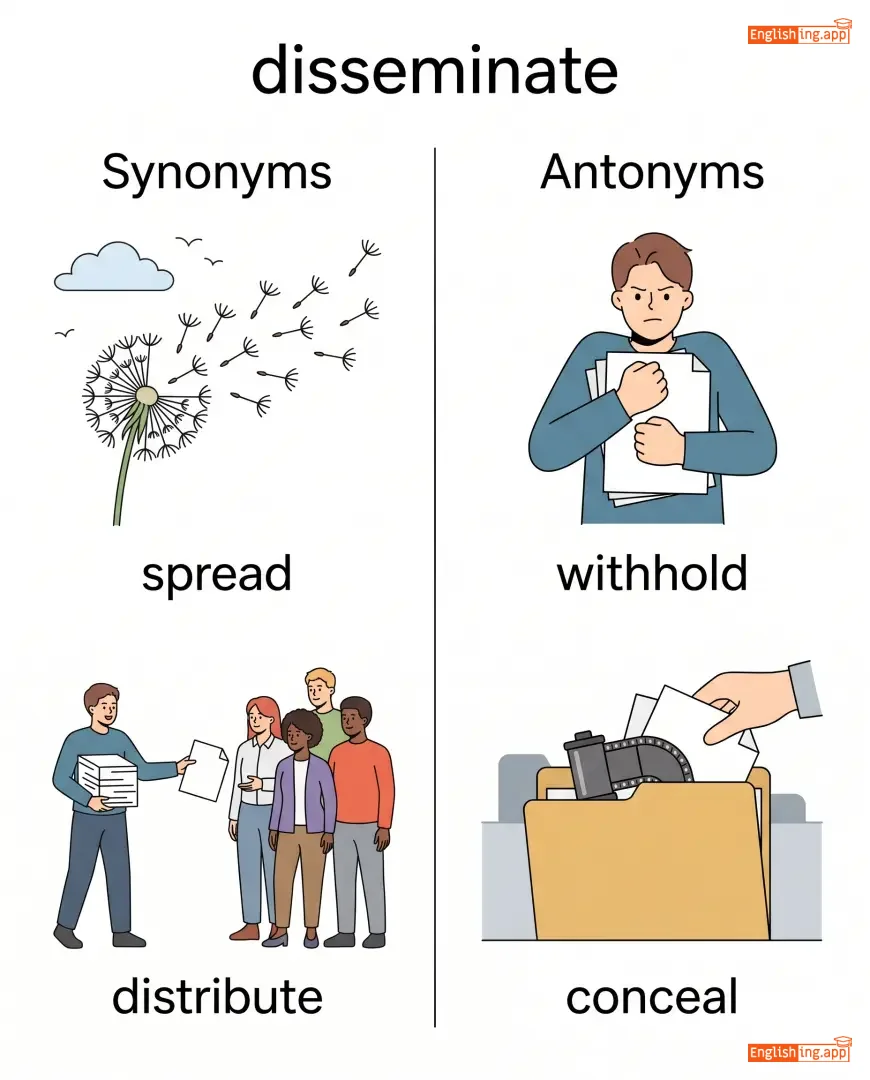
distribute, spread, circulate
••••••
|
conceal, withhold, suppress
••••••
|
传播消息,像信息的种子撒播出去。
••••••
|
|
#2016
🎚️
|
/ˈmɒd.jʊ.leɪt/
verb
(莫度雷特)
••••••
|
|
调节
tiaojie
••••••
|
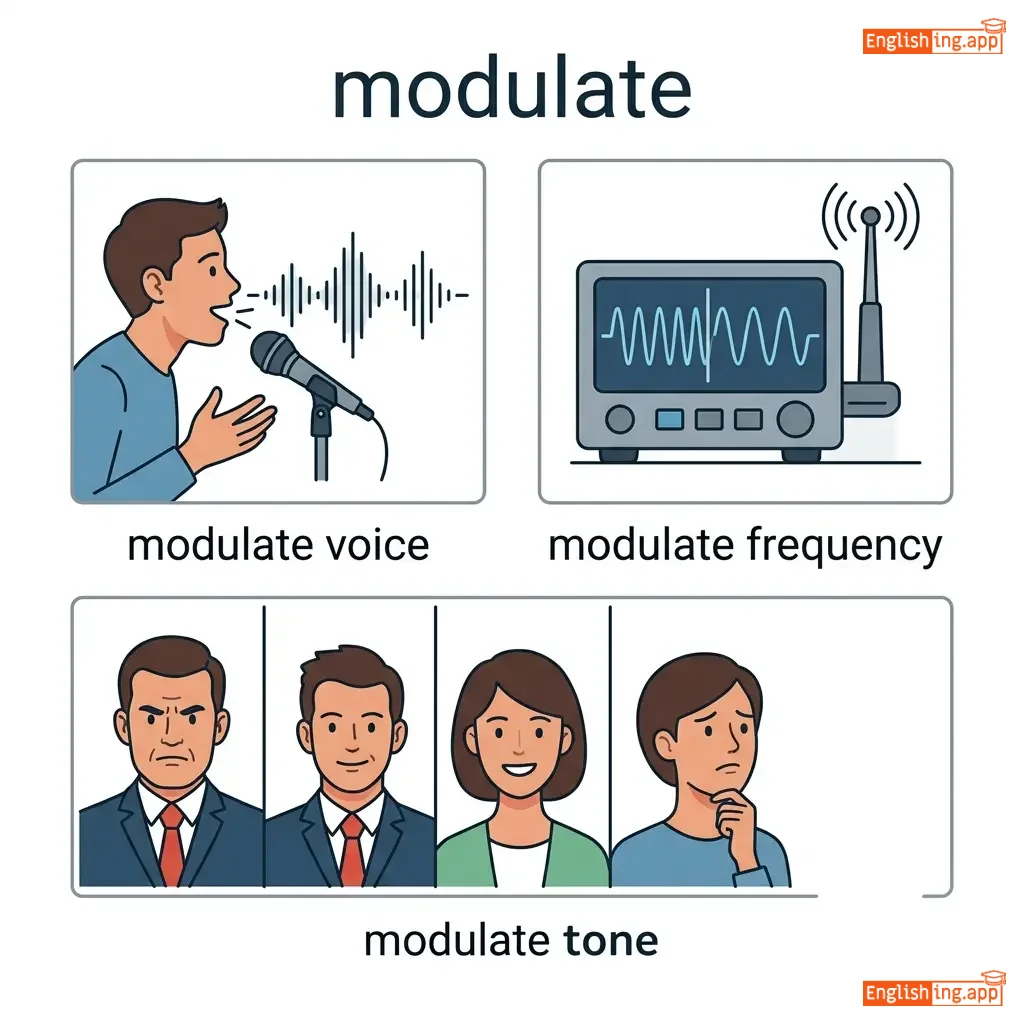
To change the strength, tone, or pitch of something; to adjust or regulate.
••••••
|
A good speaker knows how to modulate their voice. |
一个好的演讲者知道如何调节自己的声音。
Yīgè hǎo de yǎnjiǎng zhě zhīdào rúhé tiáojié zìjǐ de shēngyīn.
••••••
|
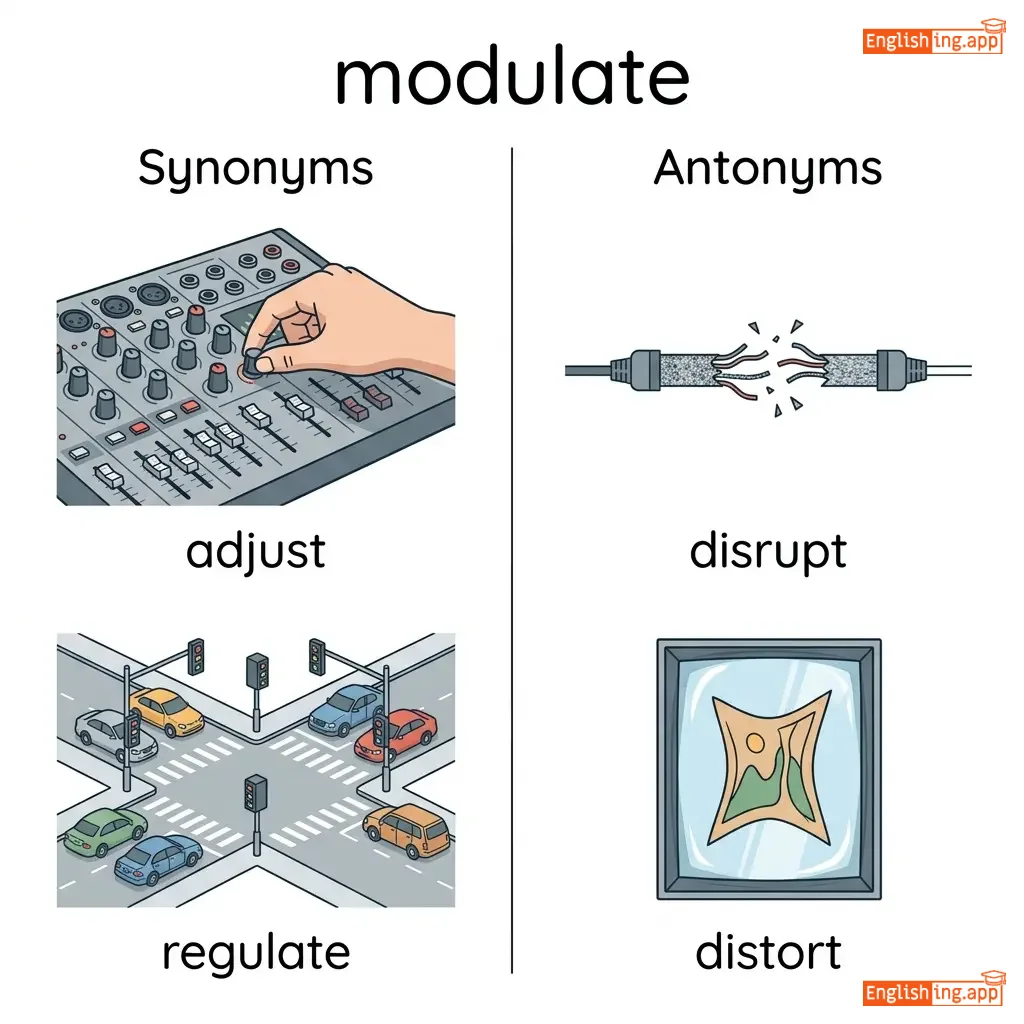
adjust, regulate, modify
••••••
|
intensify, distort, unbalance
••••••
|
调节 sounds similar to 'modulate' in Chinese.
••••••
|
Vocabulary Quiz
Test your vocabulary by matching words with their translations or meanings.
Login to take the quiz
Comments (0)
Share your thoughts and join the discussion.
Join the discussion by logging in
Login to CommentNo comments yet
Be the first to share your thoughts!