

双城记
A Tale of Two Cities
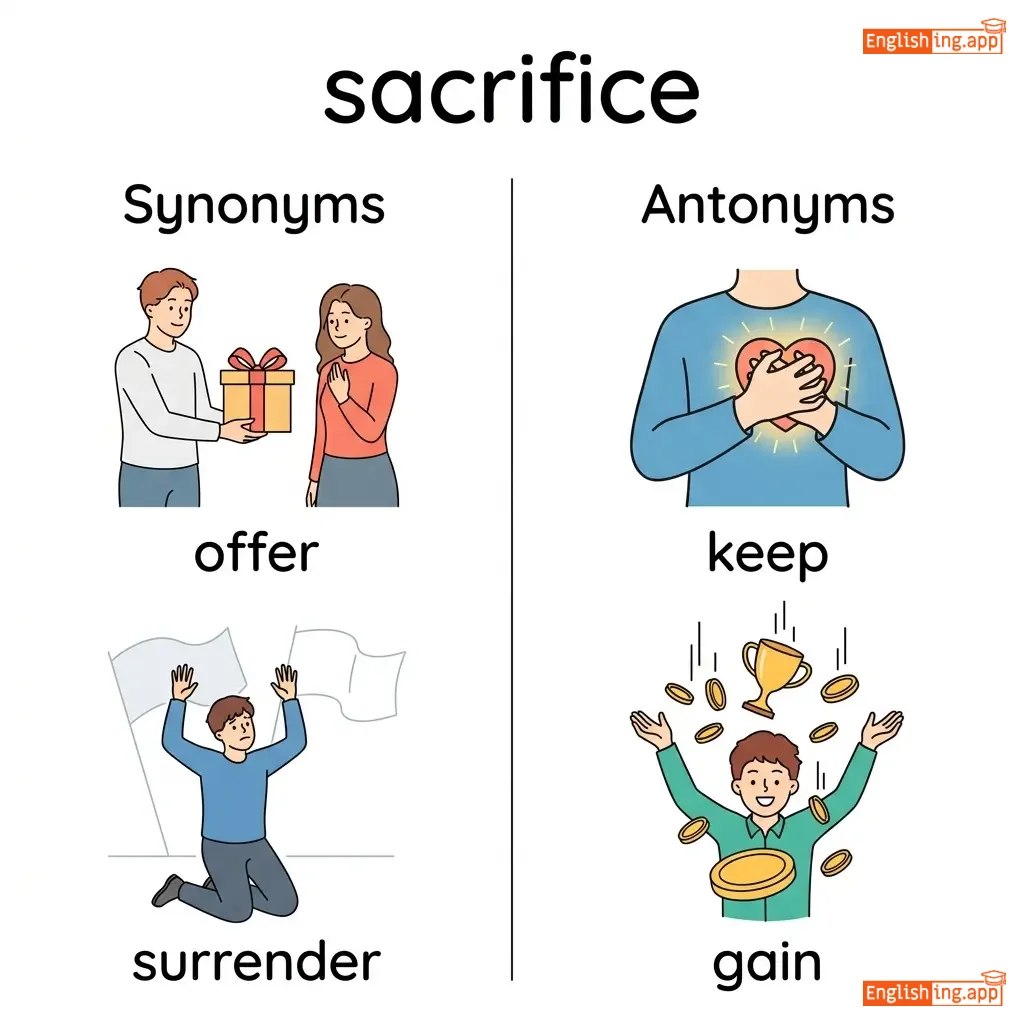
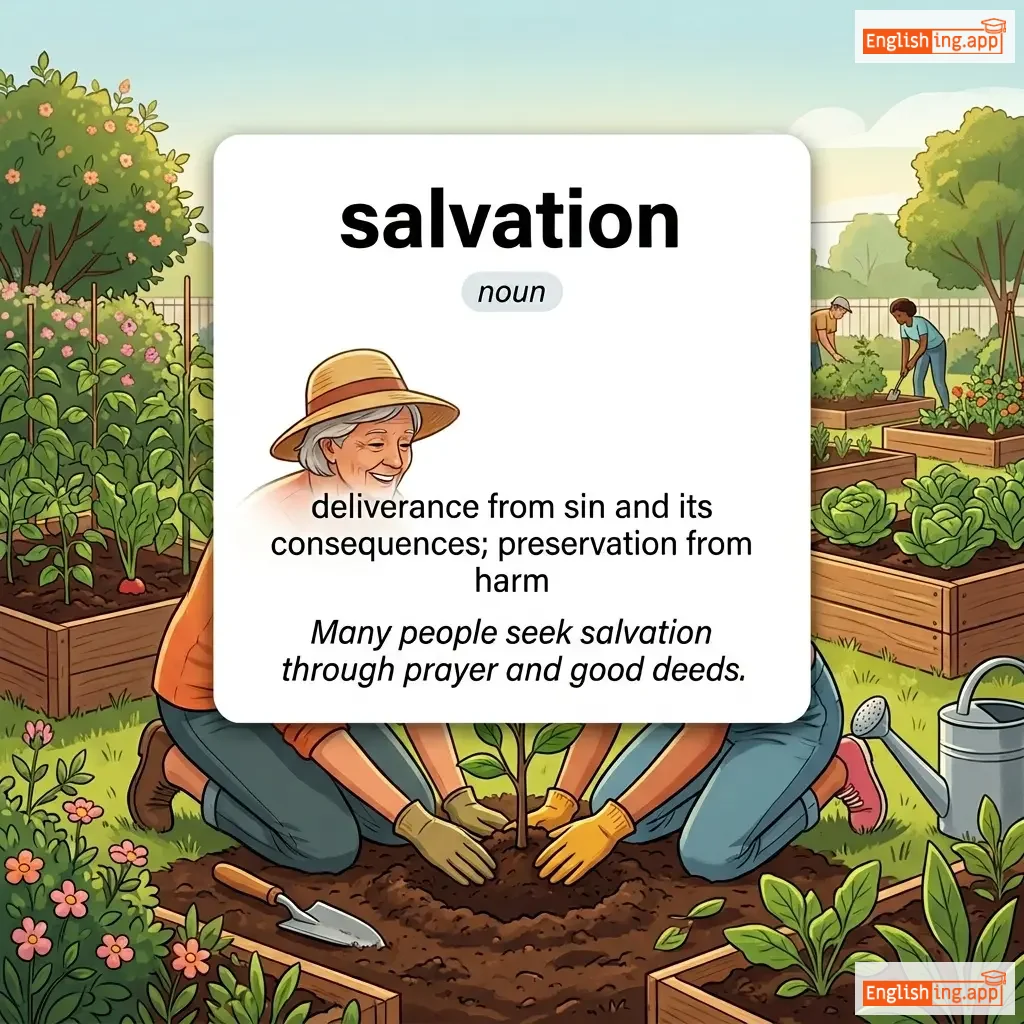
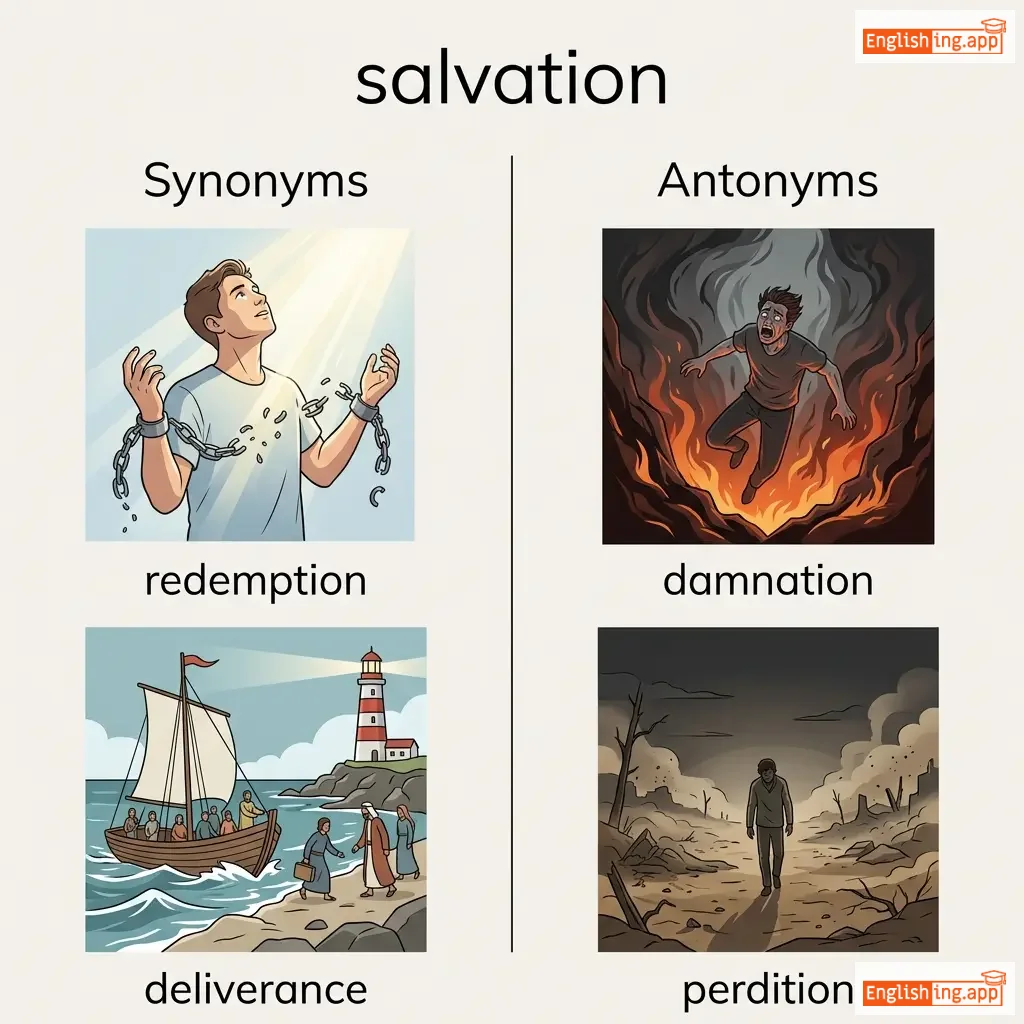
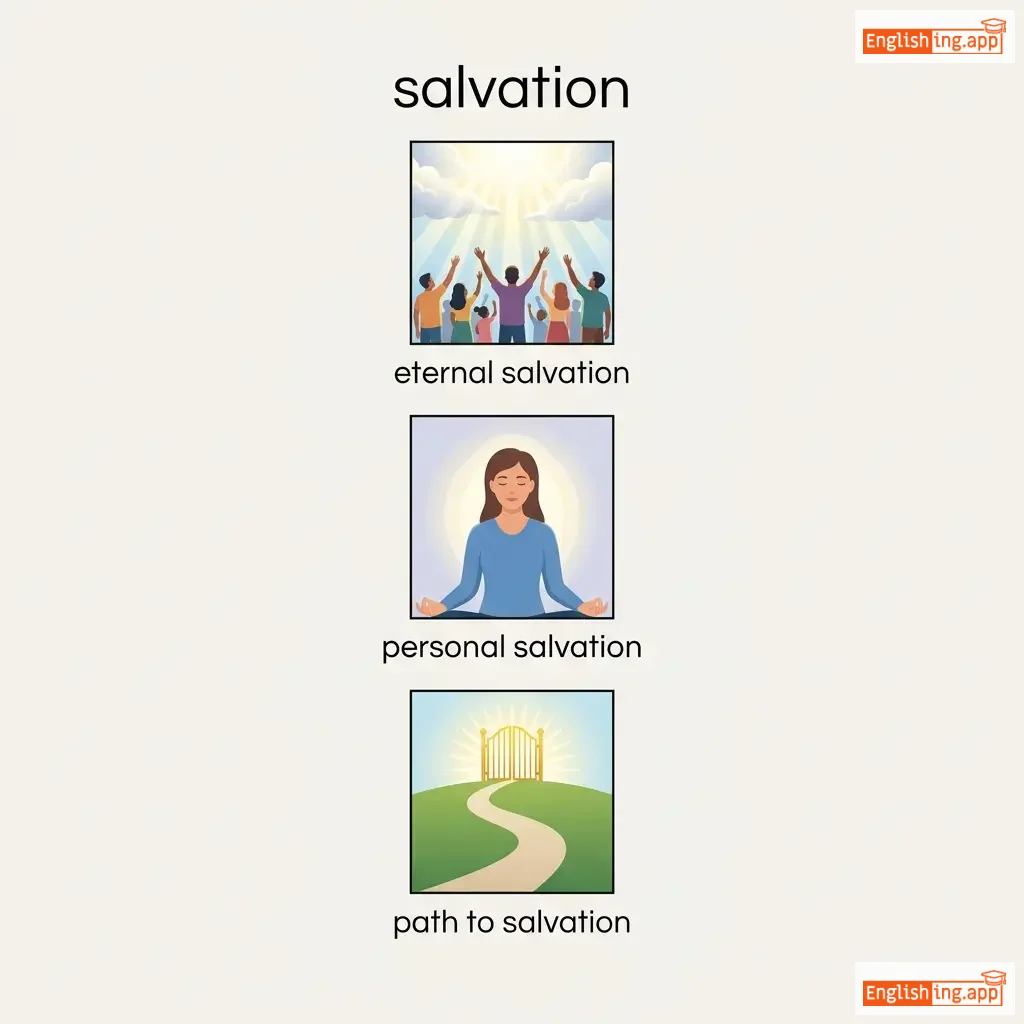
A Tale of Two Cities 是查尔斯·狄更斯的 greatest triumph,以 sacrifice 和 salvation 为主题。这部以 French Revolution 为背景的 timeless story 深深打动了读者的心。小说突出了伦敦与巴黎两座城市之间关系的双重性。
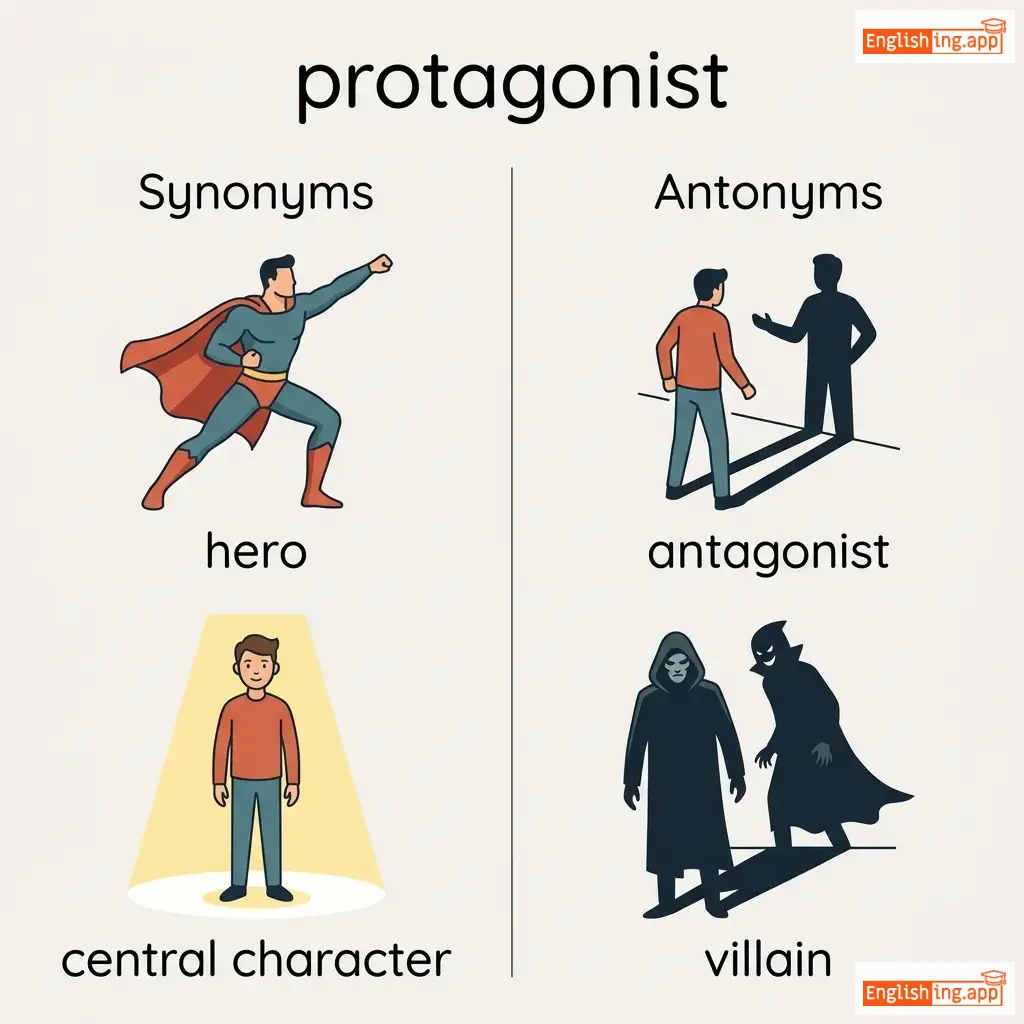
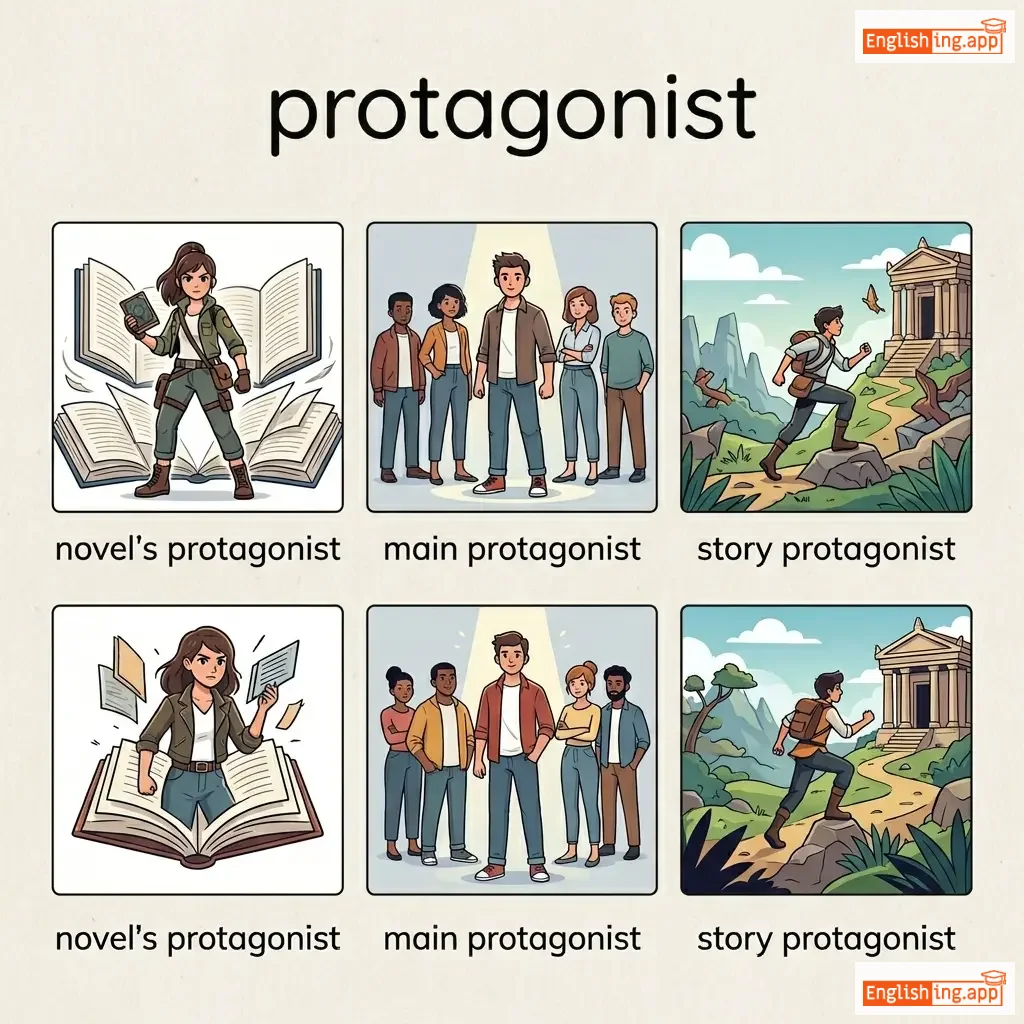
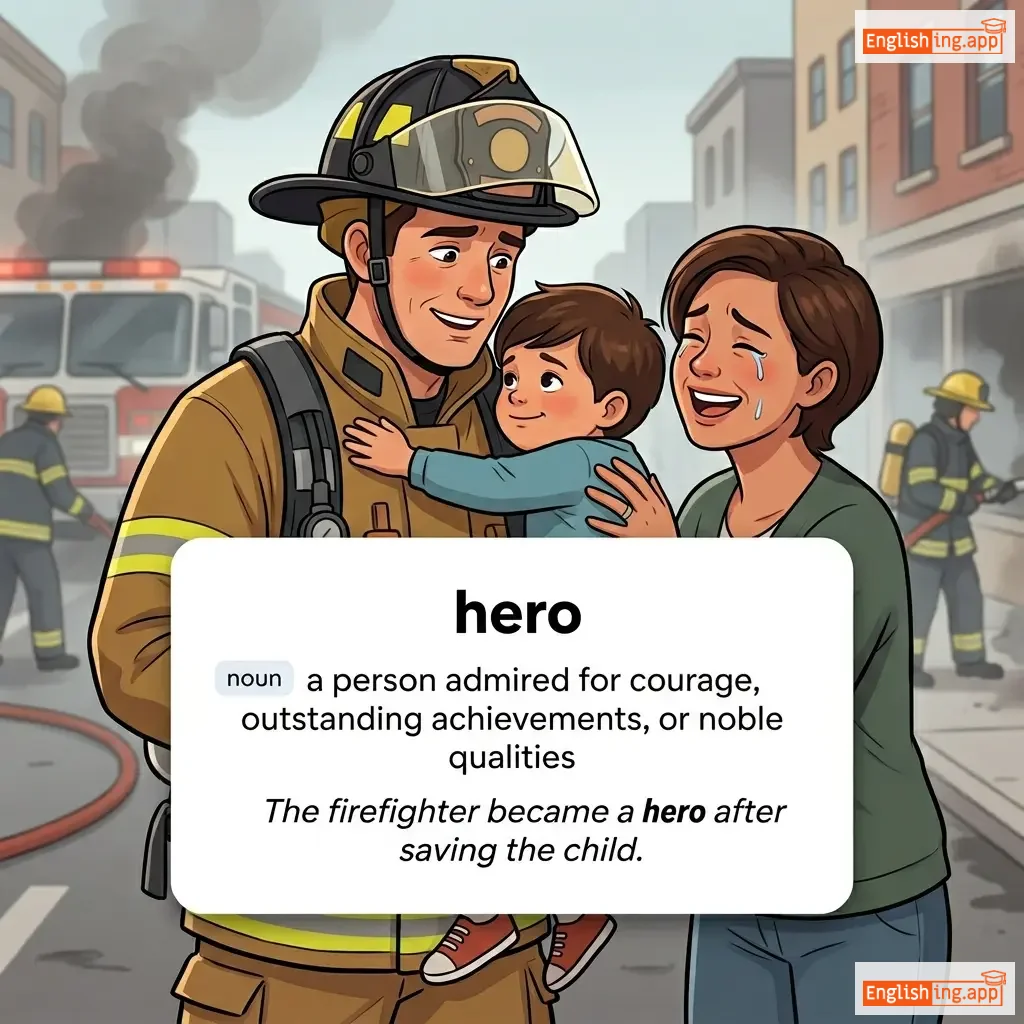
故事展示了 protagonist 查尔斯·达尔内与 hero 西德尼·卡顿的人生 parallel journey。西德尼·卡顿的 self-sacrifice 是全书中最感人的时刻之一。卡顿那句著名台词——“It is a far, far better thing that I do, than I have ever done”——深深铭刻在读者心中。这句 iconic line 是勇气与牺牲的终极象征。
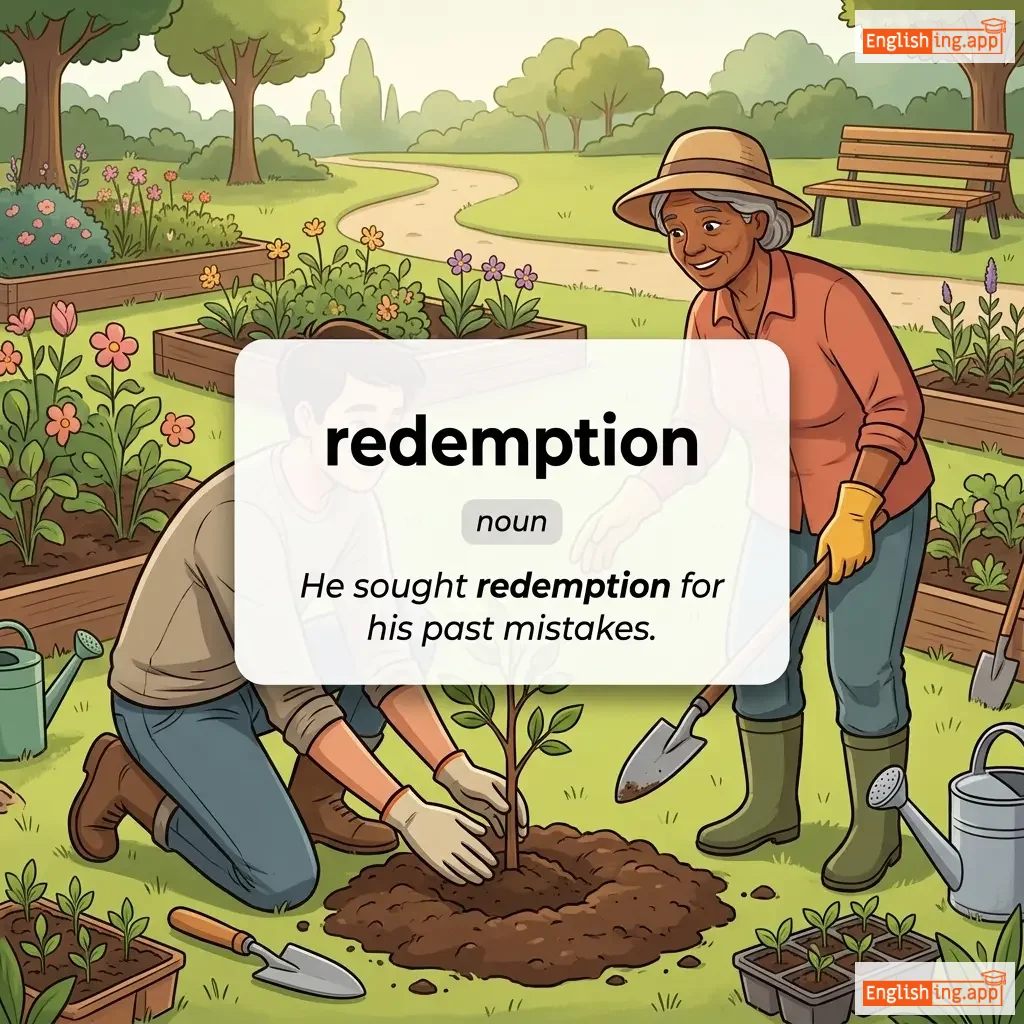
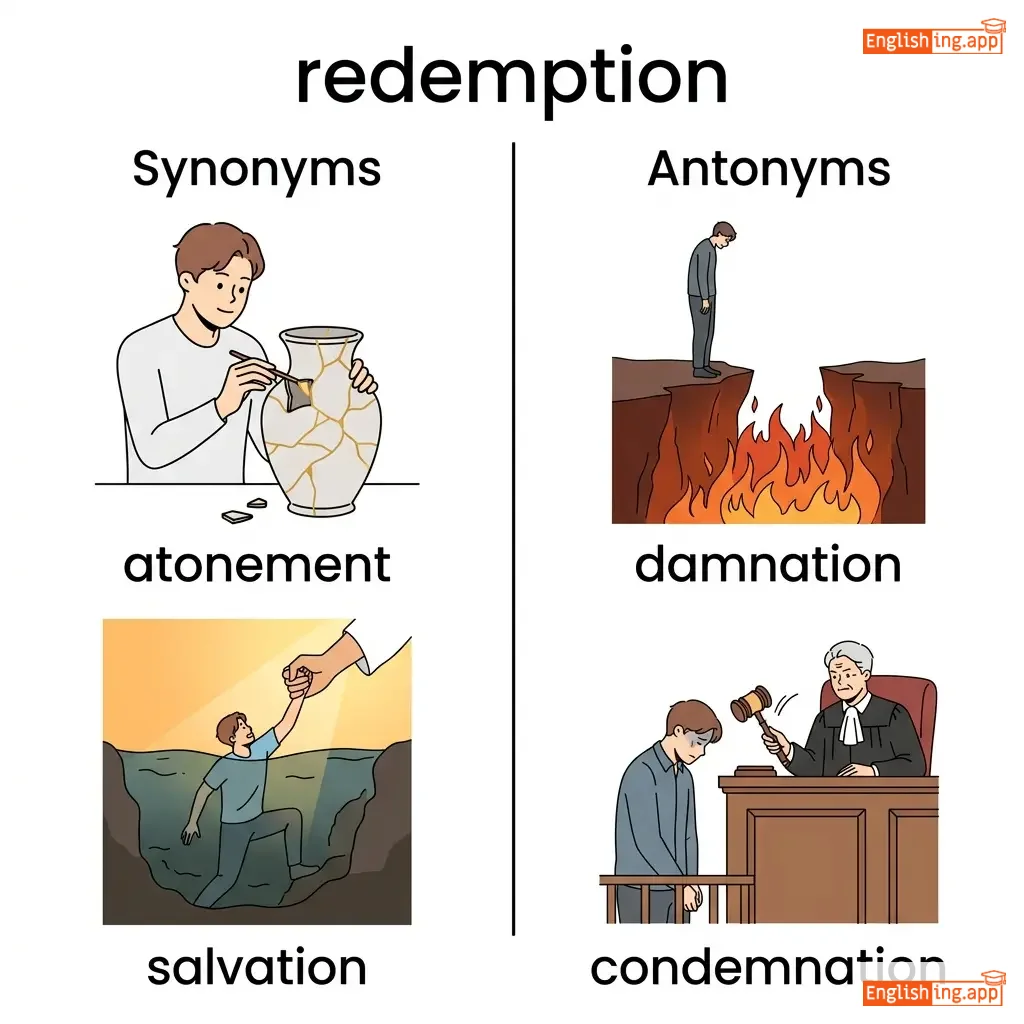
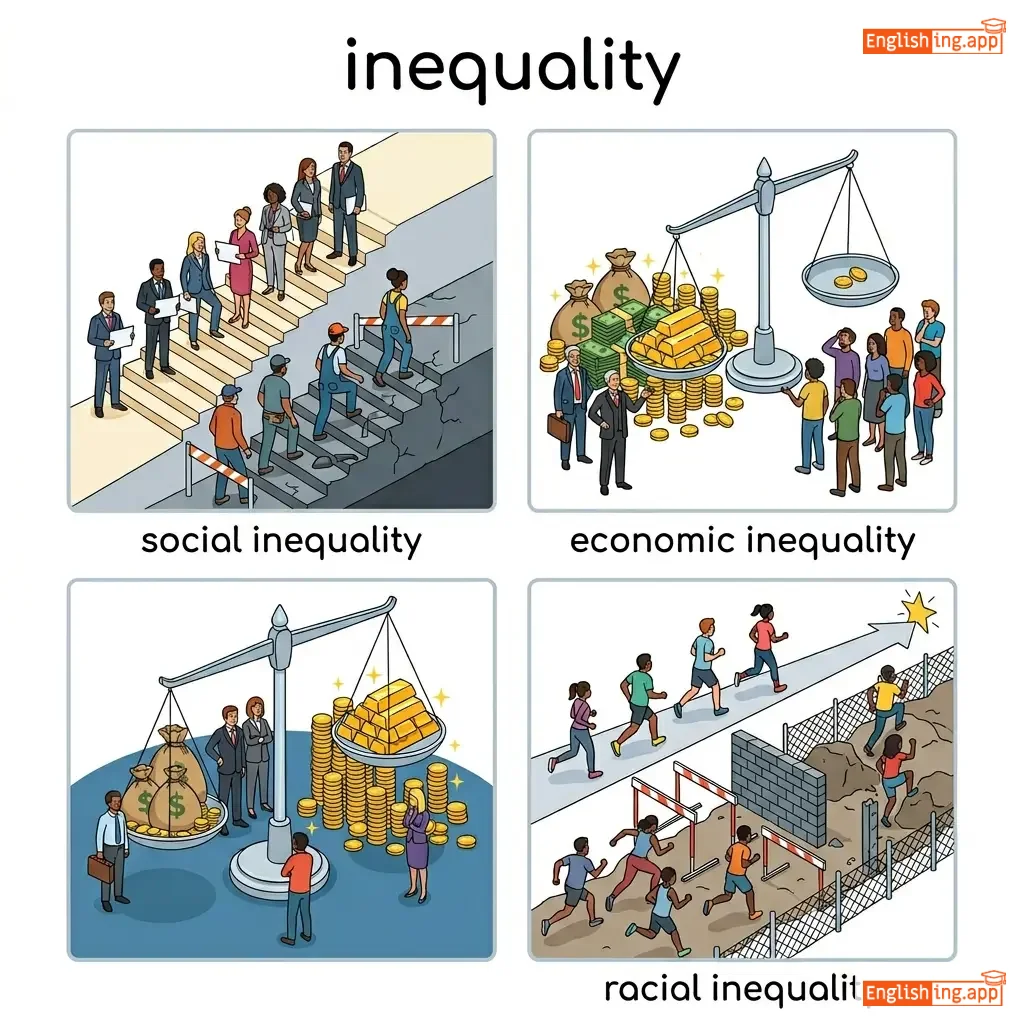
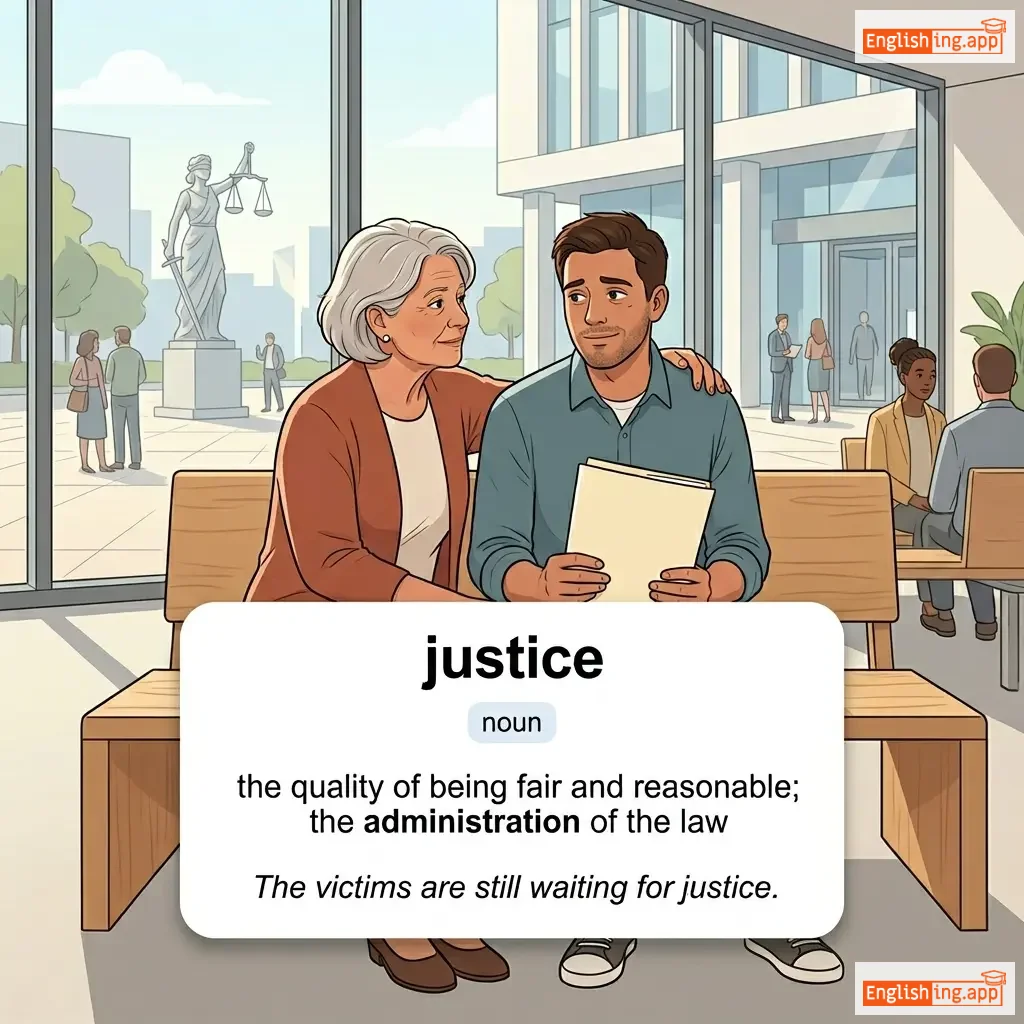
故事的 themes 包括爱情、redemption 和 revolutionary justice。其中反映了阶级 conflict、violence 和社会 inequality。狄更斯通过其 symbolism 与 narrative style 使故事栩栩如生。
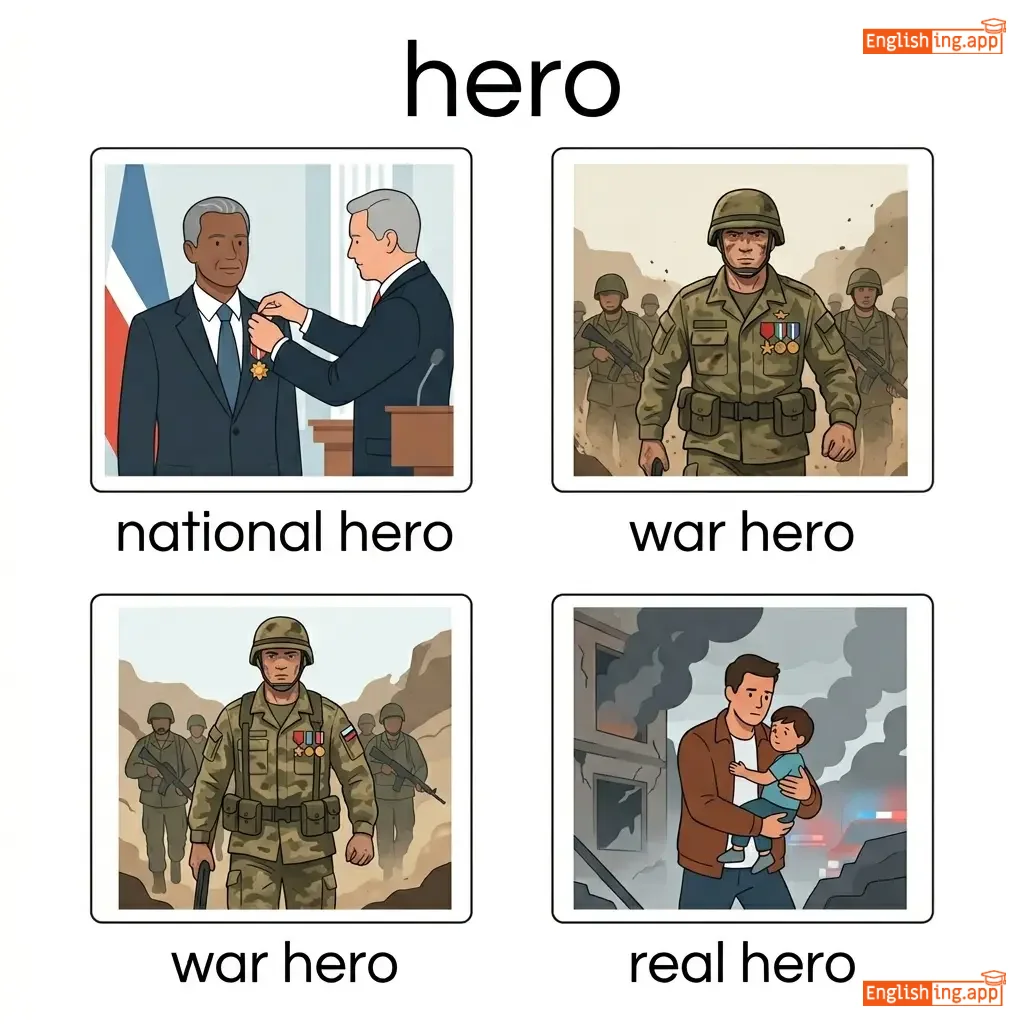
这部 timeless masterpiece 不仅涉及 historical context,还促使我们思考 human nature 和 moral values。作为 sacrifice 的终极典范,悉尼·卡顿仍然是 literature 中最具影响力的 heroes 之一。


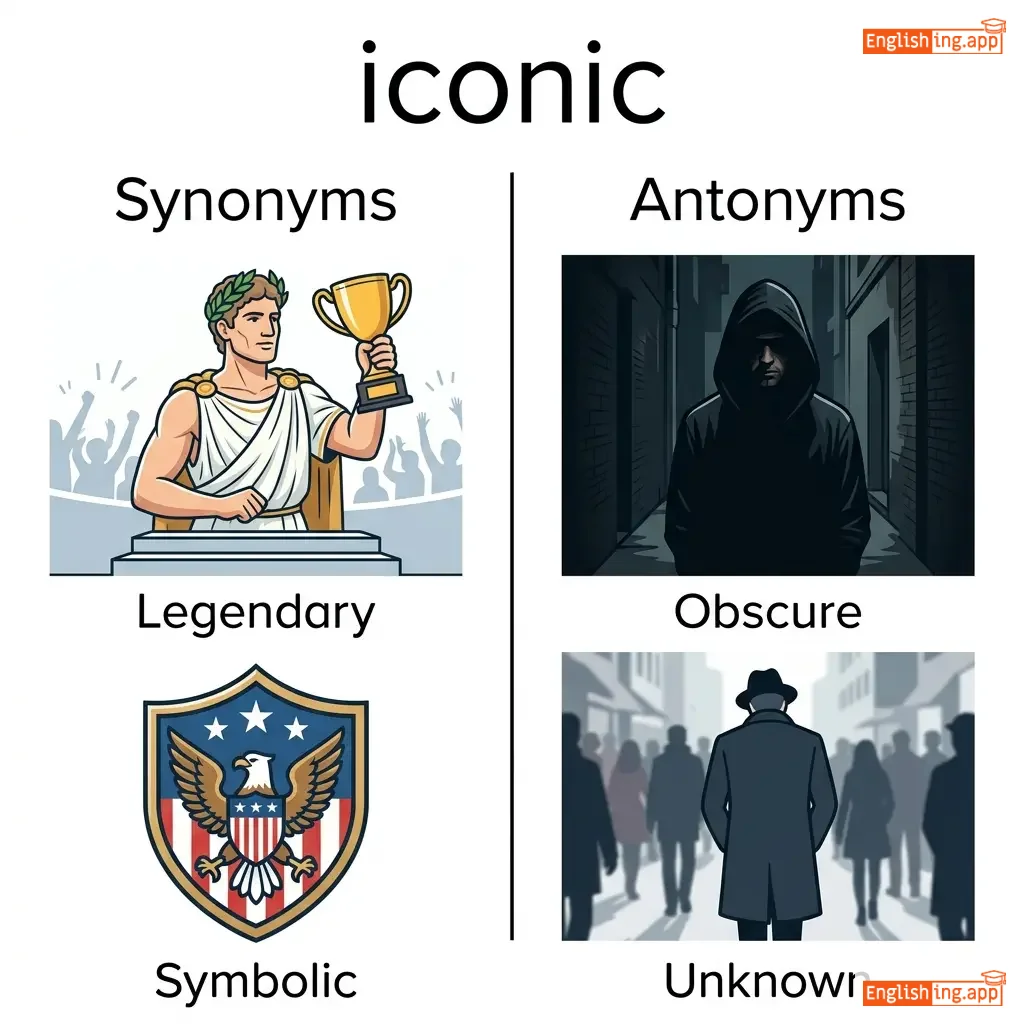






Swipe left or right, or use the buttons. Tap image to zoom.
例句翻译
单词
A Tale of Two CitiesA Tale of Two Cities - 遮罩切换
|
表情符号
|
单词 | Images | 翻译 | 含义 | 例句 | 例句翻译 | 同义词 | 反义词 | 助记符 |
|---|---|---|---|---|---|---|---|---|---|
|
#1054
🙏
|
ˈsækrɪfaɪs
noun
(sàkè lǐ fǎi sī)
••••••
|
|
牺牲
xīshēng
••••••
|
The act of giving up something valued for the sake of something else regarded as more important or worthy.
••••••
|
Sacrifice is a central theme of the story.
牺牲是故事的一个核心主题。
••••••
|
牺牲是故事的一个核心主题。
Xīshēng shì gùshì de yīgè héxīn zhǔtí.
••••••
|
offering, surrender, giving up, devotion, selflessness, martyrdom
••••••
|
selfishness, greed, self-interest, preservation, keeping, hoarding
••••••
|
牺牲: '为了更大的目标放弃自己重要的东西'.
••••••
|
|
#1055
⛪
|
sælˈveɪʃən
noun
(sāo wéi shēn)
••••••
|
|
救赎
jiùshú
••••••
|
Deliverance from sin and its consequences, believed by Christians to be brought about by faith in Christ.
••••••
|
The story revolves around the theme of salvation.
故事围绕救赎的主题展开。
••••••
|
故事围绕救赎的主题展开。
Gùshì wéirào jiùshú de zhǔtí zhǎn kāi.
••••••
|
deliverance, redemption, rescue, liberation, release, freedom
••••••
|
damnation, despair, condemnation, perdition, ruin, destruction
••••••
|
救赎 (jiùshú) = 从困境中解救别人.
••••••
|
|
#1056
🏆
|
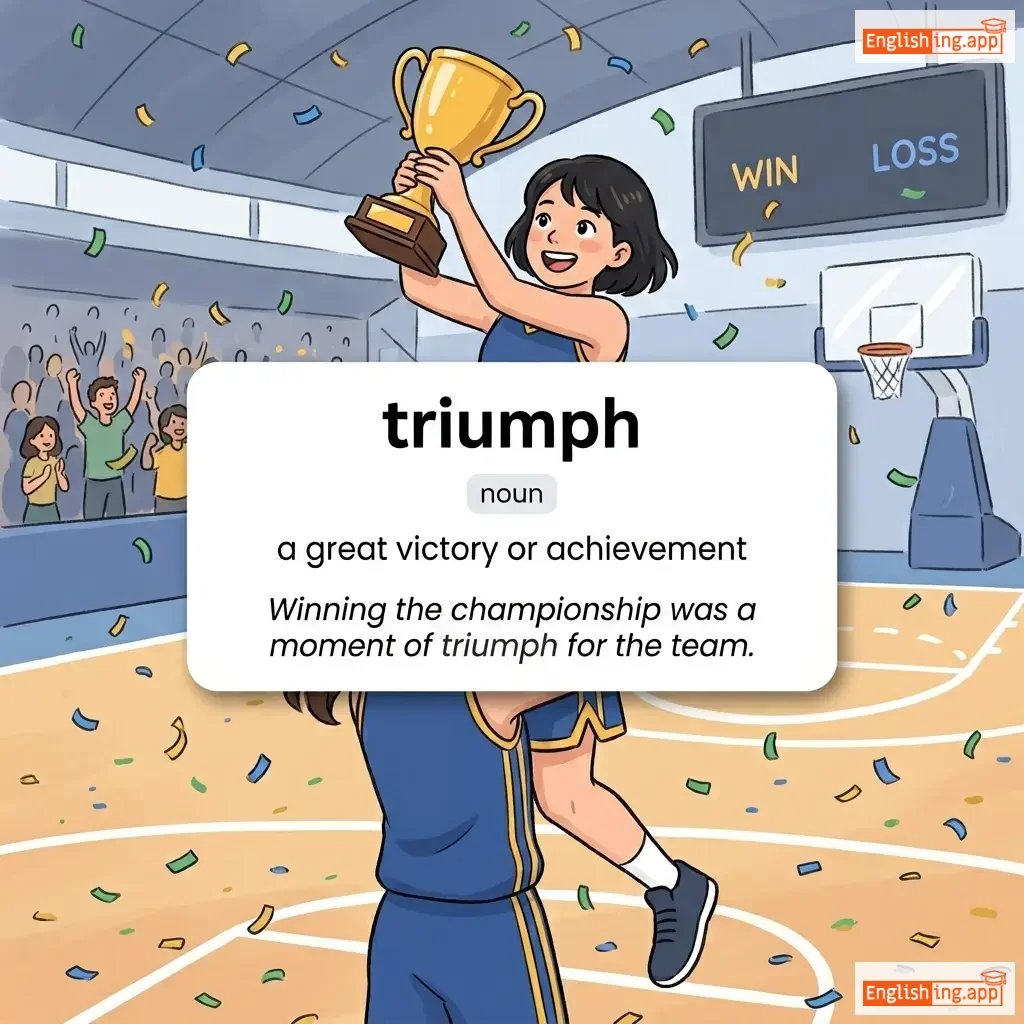
ˈtraɪəmf
noun
(chuángyì)
••••••
|
|
胜利
shengli
••••••
|
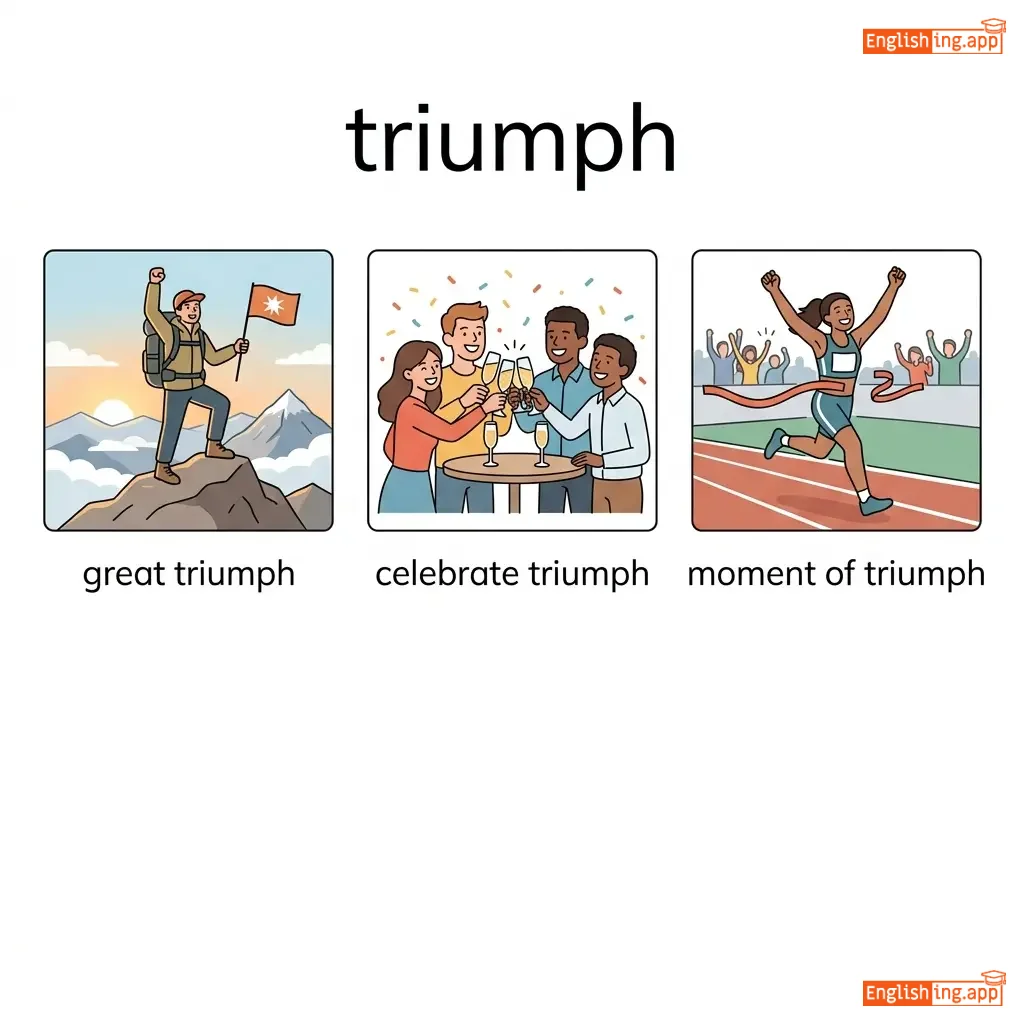
A great victory or achievement.
••••••
|
The novel is considered one of Dickens' greatest triumphs. |
这部小说被认为是狄更斯最伟大的胜利之一。
Zhè bù xiǎoshuō bèi rènwéi shì Díkèngsī zuì wěidà de shènglì zhī yī.
••••••
|
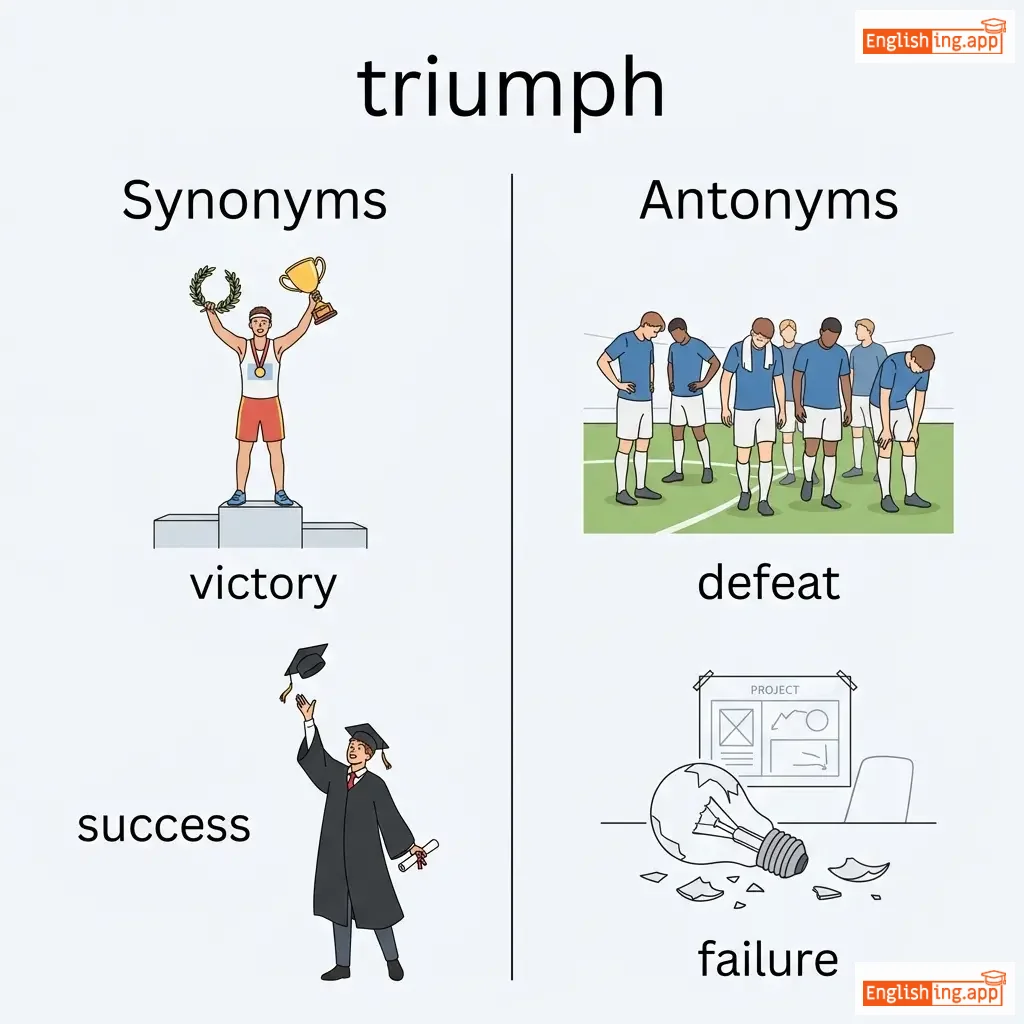
victory, success, conquest, achievement, accomplishment, win
••••••
|
defeat, failure, loss, setback, disappointment, catastrophe
••••••
|
胜利 (shengli) in Chinese means 'victory', which is the essence of triumph.
••••••
|
|
#1057
⭐
|
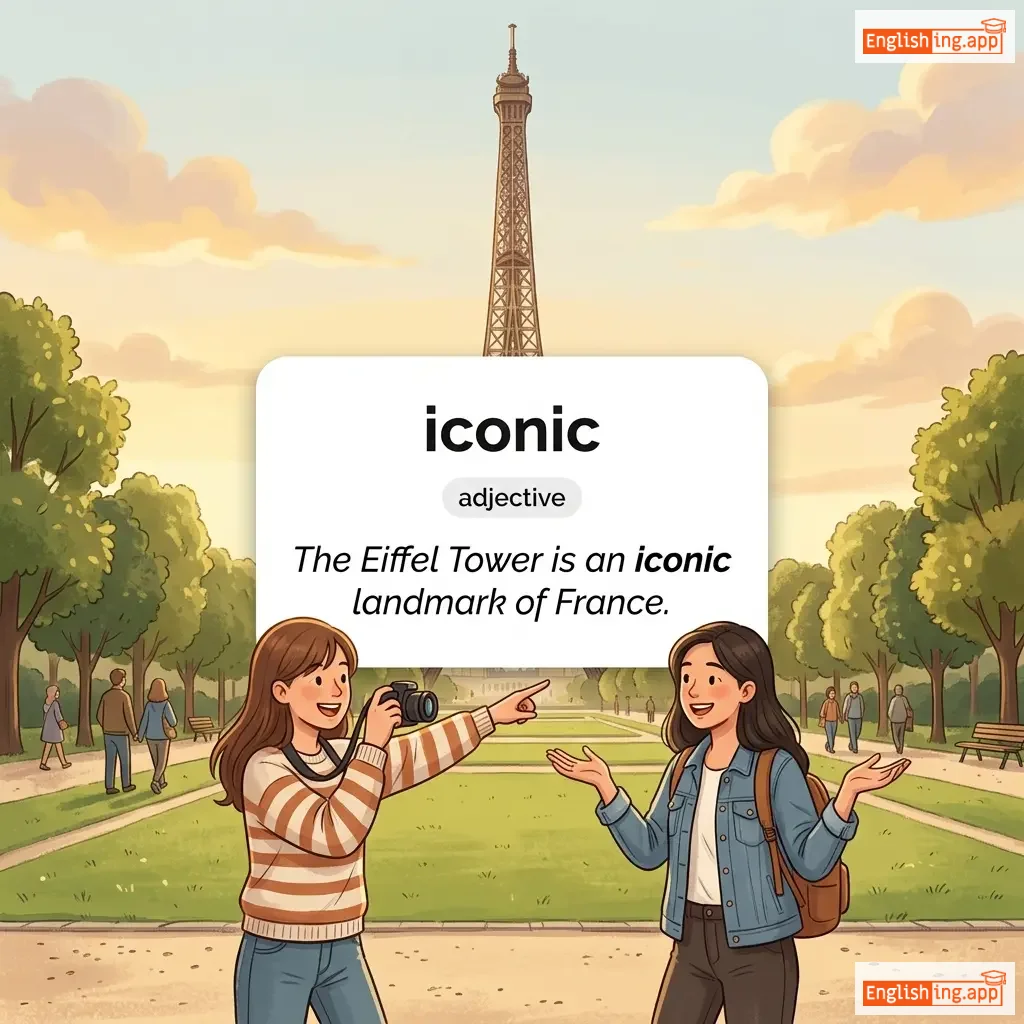
aɪˈkɒnɪk
adjective
(ai-kó-ník)
••••••
|
|
标志性的
biaozhixing de
••••••
|
Very famous or popular, especially being considered to represent particular opinions or a particular time.
••••••
|
The line "It was the best of times..." is iconic.
那句 "这是最美好的时光..." 是标志性的。
••••••
|
那句 "这是最美好的时光..." 是标志性的。
Nà jù "Zhè shì zuì měihǎo de shíguāng..." shì biāozhìxìng de.
••••••
|
legendary, classic, famous, memorable, emblematic, representative
••••••
|
unremarkable, forgettable, ordinary, insignificant, unknown, obscure
••••••
|
标志性事件代表了某个时代的象征。
••••••
|
|
#1058
🙌
|
rɪˈdɛmpʃən
noun
(rídémpshēn)
••••••
|
|
救赎
jiùshú
••••••
|
The action of saving or being saved from sin, error, or evil.
••••••
|
The story highlights the theme of redemption.
这个故事突出了救赎的主题。
••••••
|
这个故事突出了救赎的主题。
Zhège gùshì tūchūle jiùshú de zhǔtí.
••••••
|
salvation, deliverance, rescue, recovery, reclamation, atonement
••••••
|
condemnation, punishment, damnation, perdition, guilt, sin
••••••
|
救赎,像‘拯救’,从错误和邪恶中被拯救出来。
••••••
|
|
#1059
🎭
|
prəˈtæɡənɪst
noun
(主角)
••••••
|
|
主角
zhǔjué
••••••
|
The leading character or one of the major characters in a drama, movie, novel, or other fictional text.
••••••
|
Charles Darnay is one of the protagonists of the story.
查尔斯·达尔内是故事中的主角之一。
••••••
|
查尔斯·达尔内是故事中的主角之一。
Chá'ěr sī·Dá'ěr nèi shì gùshì zhōng de zhǔjué zhī yī.
••••••
|
main character, leading character, principal character, central character, hero, heroine
••••••
|
antagonist, villain, opponent, enemy, adversary, rival
••••••
|
主角(Zhǔjué) - 就是故事中最重要的人物!
••••••
|
|
#1060
🦸
|
ˈhɪrəʊ
noun
(英雄)
••••••
|
|
英雄
yingxiong
••••••
|
A person who is admired or idealized for courage, outstanding achievements, or noble qualities.
••••••
|
Sydney Carton becomes the ultimate hero through his sacrifice.
悉尼·卡顿通过他的牺牲成为了终极英雄。
••••••
|
悉尼·卡顿通过他的牺牲成为了终极英雄。
Xīní kǎdùn tōngguò tā de xīshēng chéngwéile zhōngjí yīngxióng.
••••••
|
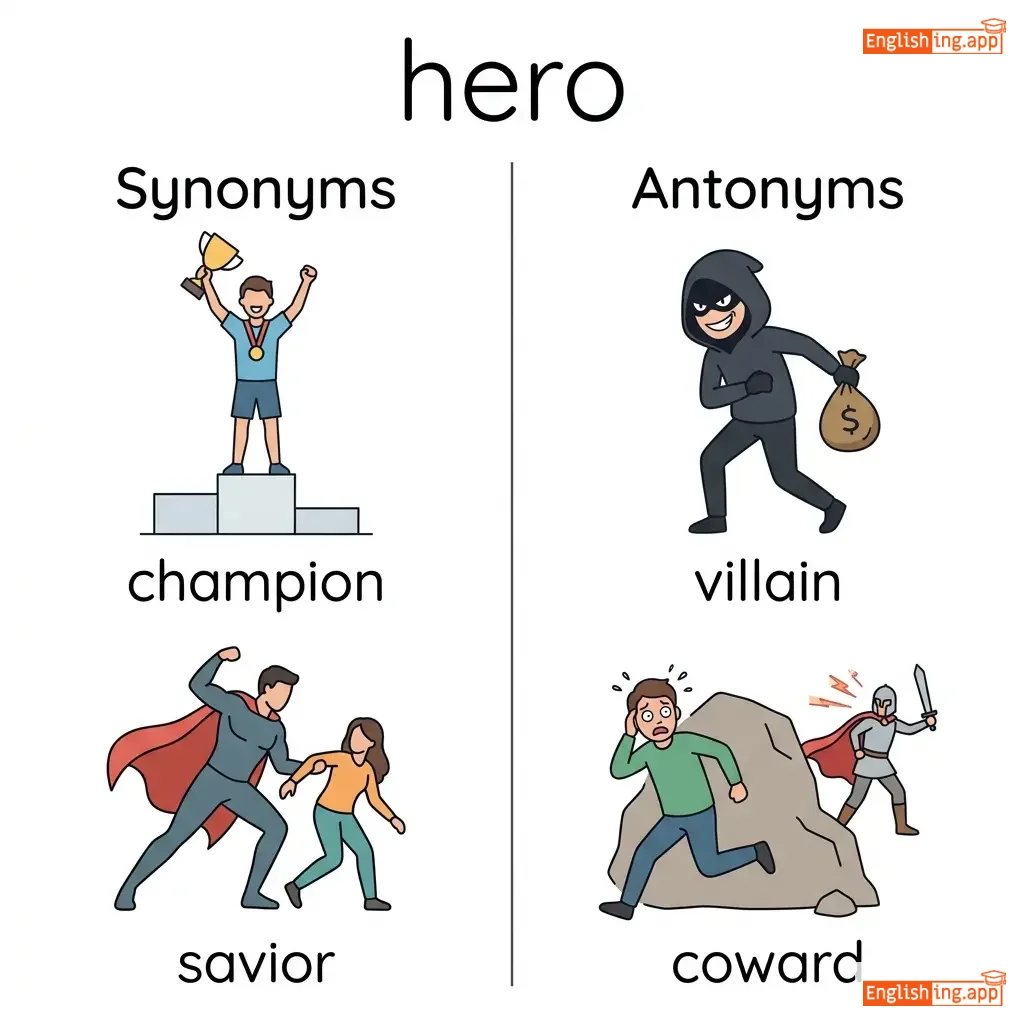
champion, brave person, courageous person, protagonist, idol, legend
••••••
|
villain, opponent, coward, enemy, antagonist, adversary
••••••
|
In Chinese, '英雄' (yingxiong) is someone whose bravery and sacrifice make them legendary.
••••••
|
|
#1061
📈
|
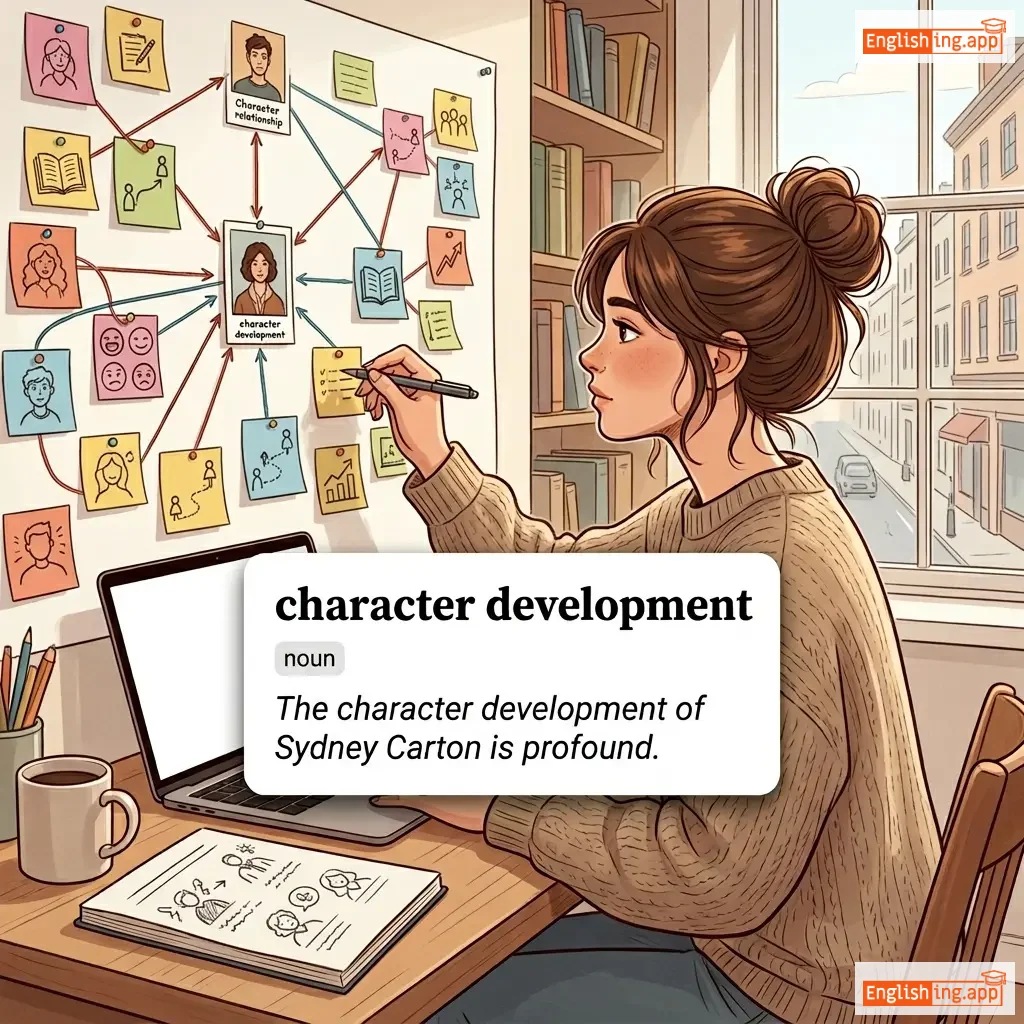
ˈkærɪktər dɪˈvɛləpmənt
noun
(kǎràkètè dè wěi lè pùmènt)
••••••
|
|
角色发展
juésè fāzhǎn
••••••
|
The process of creating a believable character in fiction by giving the character depth and personality.
••••••
|
The character development of Sydney Carton is profound. |
悉尼·卡顿的角色发展深刻。
Xīní Kǎdùn de juésè fāzhǎn shēnkè.
••••••
|
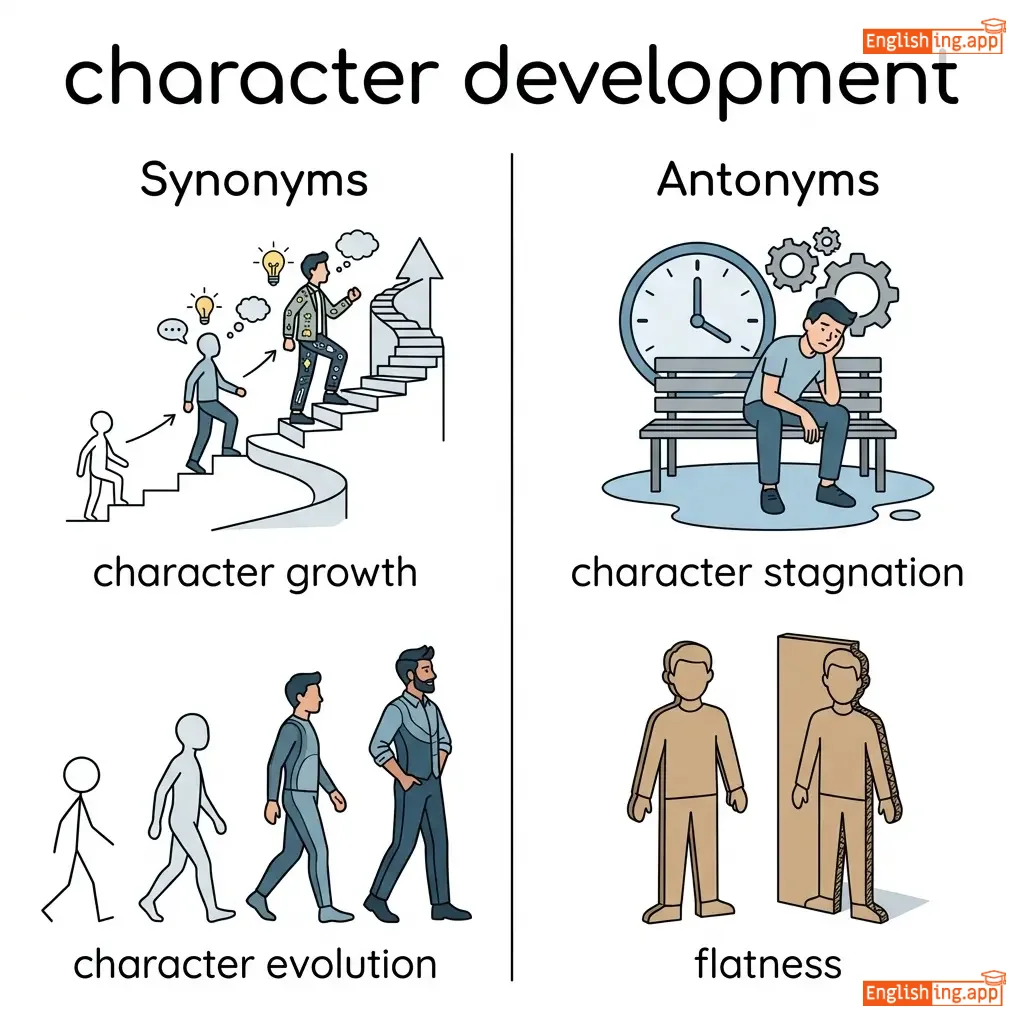
character growth, character evolution, character progression, personality development
••••••
|
character stagnation, flatness, one-dimensional character, static character
••••••
|
像雕刻雕塑一样,角色发展使人物更有生命力。
••••••
|
|
#1062
📝
|
ˈnærətɪv staɪl
noun
(叙述风格)
••••••
|
|
叙事风格
xushi fengge
••••••
|
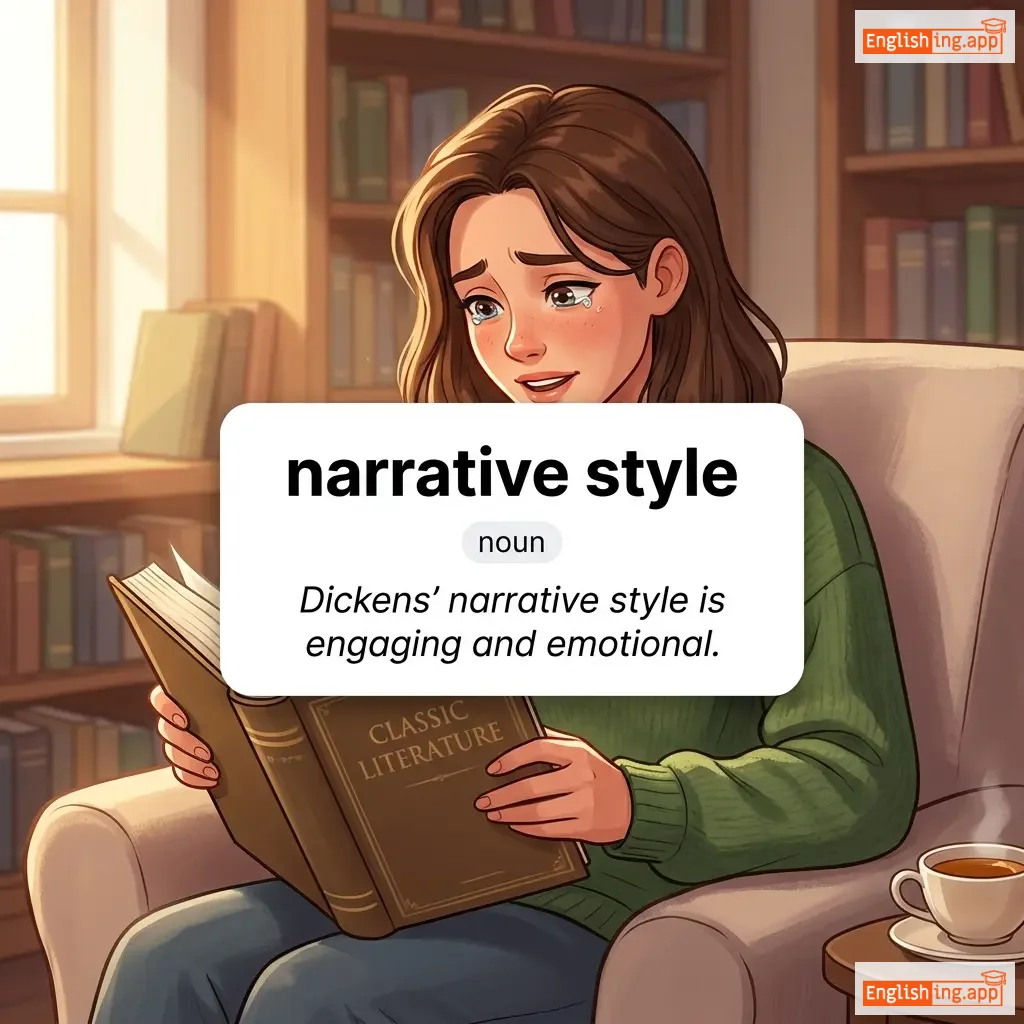
The way in which a story is told, including the point of view and the voice of the narrator.
••••••
|
Dickens' narrative style is engaging and emotional. |
狄更斯的叙事风格引人入胜且富有情感。
Dí gèngsī de xùshì fēnggé yǐn rén rù shèng qiě fùyǒu qínggǎn.
••••••
|
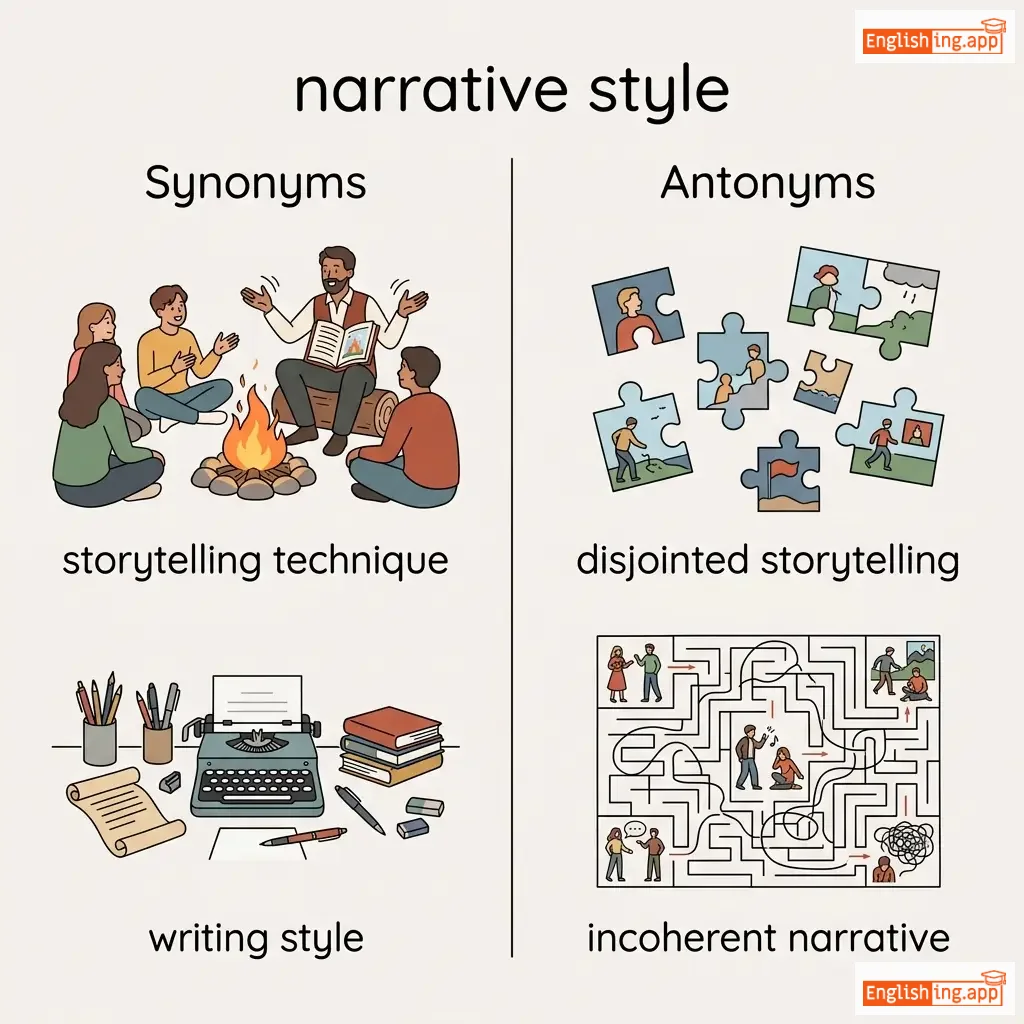
storytelling technique, writing style, narrative technique, literary style
••••••
|
disjointed storytelling, incoherent narrative, poor writing style
••••••
|
叙事风格:讲故事的方式。
••••••
|
|
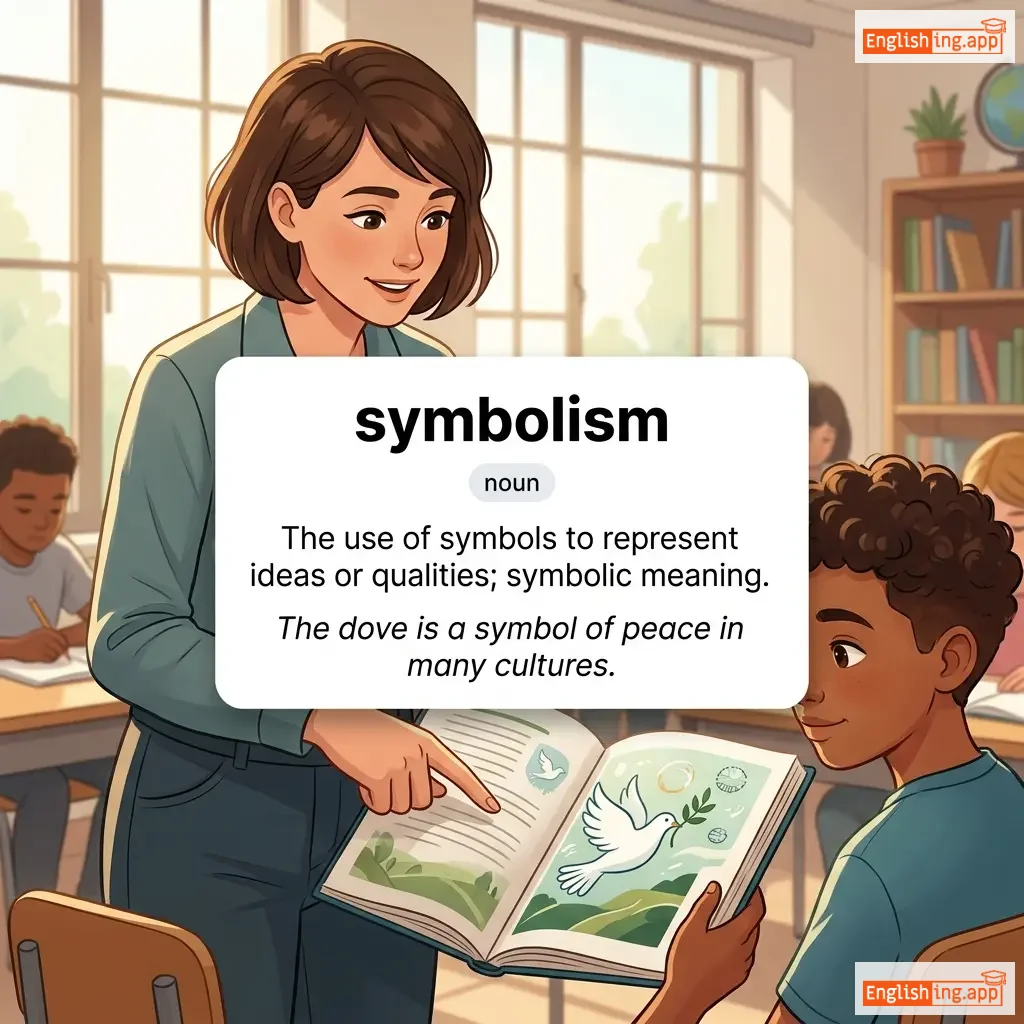
#1063
🔣
|
ˈsɪmbəlɪzəm
noun
(象征主义)
••••••
|
|
象征主义
xiangzheng zhuyi
••••••
|
The use of symbols to represent ideas or qualities.
••••••
|
The use of symbolism in the novel is masterful.
小说中的象征主义运用巧妙。
••••••
|
小说中的象征主义运用巧妙。
Xiǎoshuō zhōng de xiàngzhēng zhǔyì yùnyòng qiǎomiào.
••••••
|
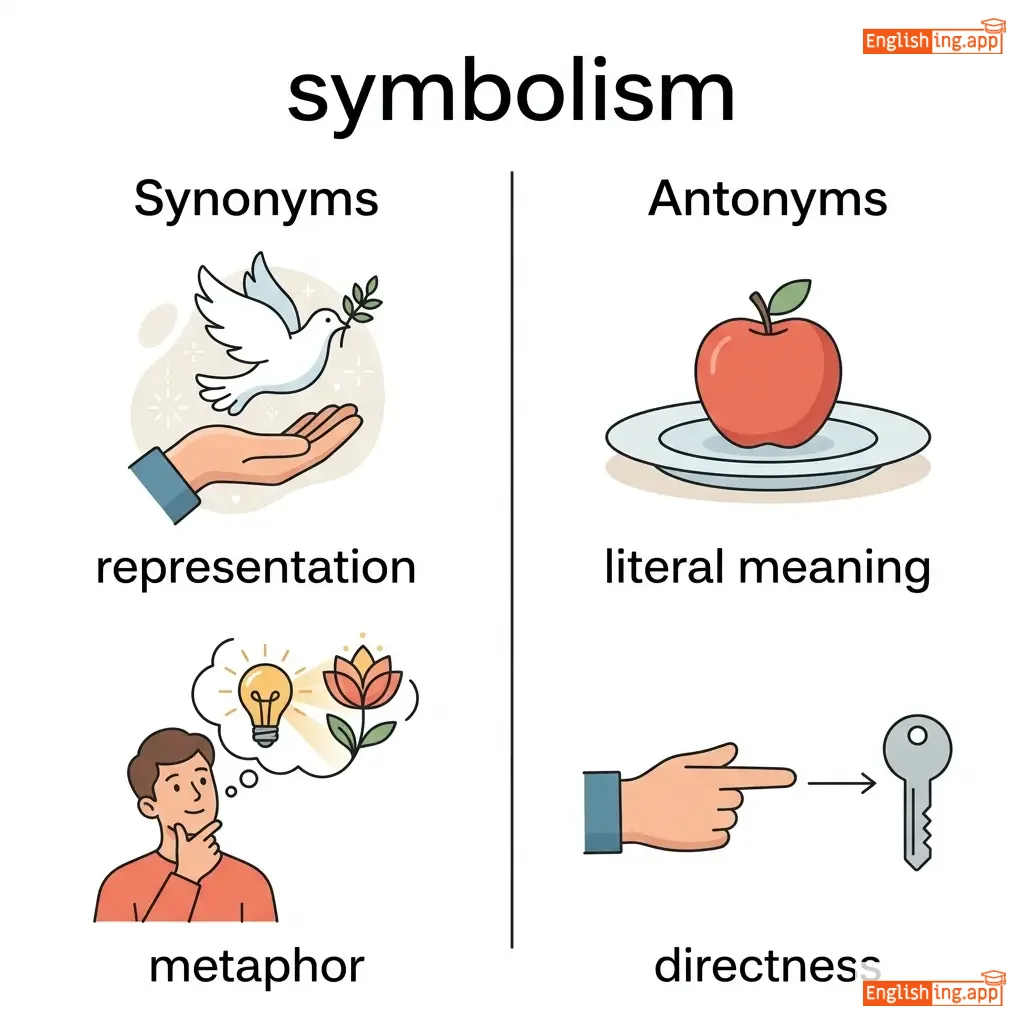
metaphor, allegory, representation, imagery, figurative language
••••••
|
literalism, directness, plain language, straightforwardness
••••••
|
象征的符号传达深刻思想。
••••••
|
|
#1064
📖
|
plɒt
noun
(普洛特)
••••••
|
|
情节
qingjie
••••••
|
The main story of a piece of writing, or the series of events that happen in it.
••••••
|
The plot of A Tale of Two Cities is intense and gripping. |
'双城记'的情节紧张且引人入胜。
'Shuang Cheng Ji' de qingjie jinzhang qie yinren rù shèng.
••••••
|
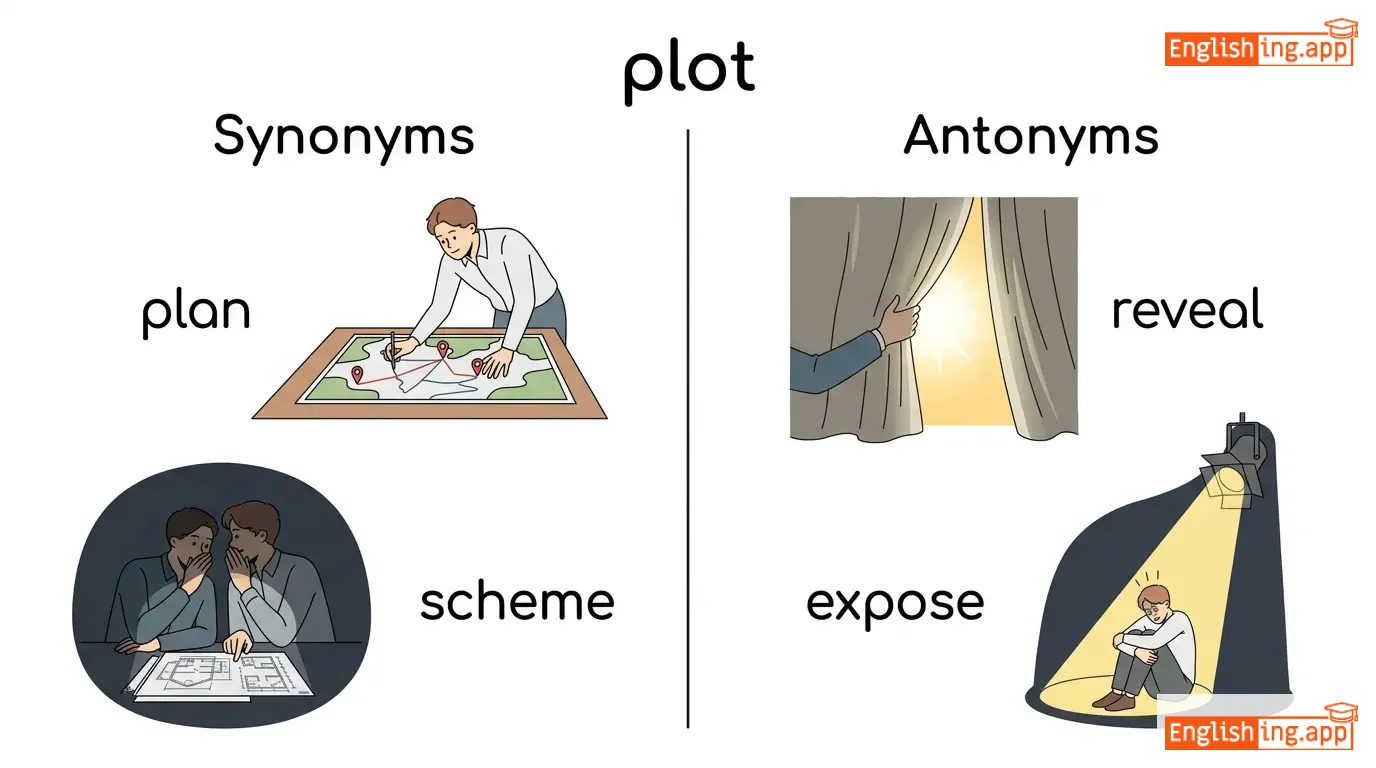
storyline, narrative, story, sequence of events, framework
••••••
|
chaos, disorder, confusion, randomness
••••••
|
A plot is the 'qingjie' that makes a story unforgettable!
••••••
|
|
#1065
💡
|
θiːm
noun
(tʰiːm)
••••••
|
|
主题
zhuti
••••••
|
The subject of a talk, a piece of writing, a person's thoughts, or an exhibition; a topic.
••••••
|
Sacrifice and redemption are major themes in the story.
牺牲和救赎是这篇故事中的主要主题。
••••••
|
牺牲和救赎是这篇故事中的主要主题。
Xīshēng hé jiùshú shì zhè piān gùshì zhōng de zhǔyào zhǔtí.
••••••
|
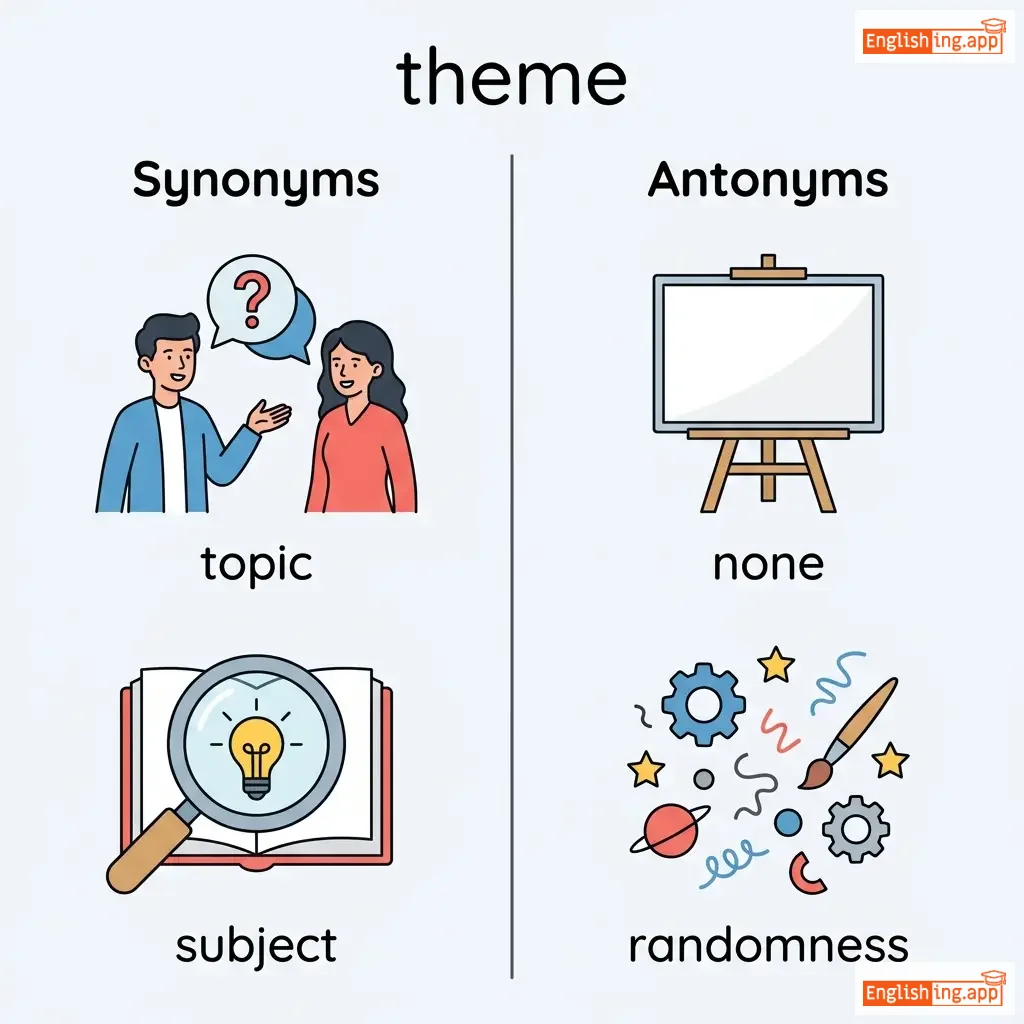
subject, topic, motif, idea, central idea, message
••••••
|
randomness, insignificance, irrelevance, chaos
••••••
|
把主题想成是故事的核心,带领着故事的发展。
••••••
|
|
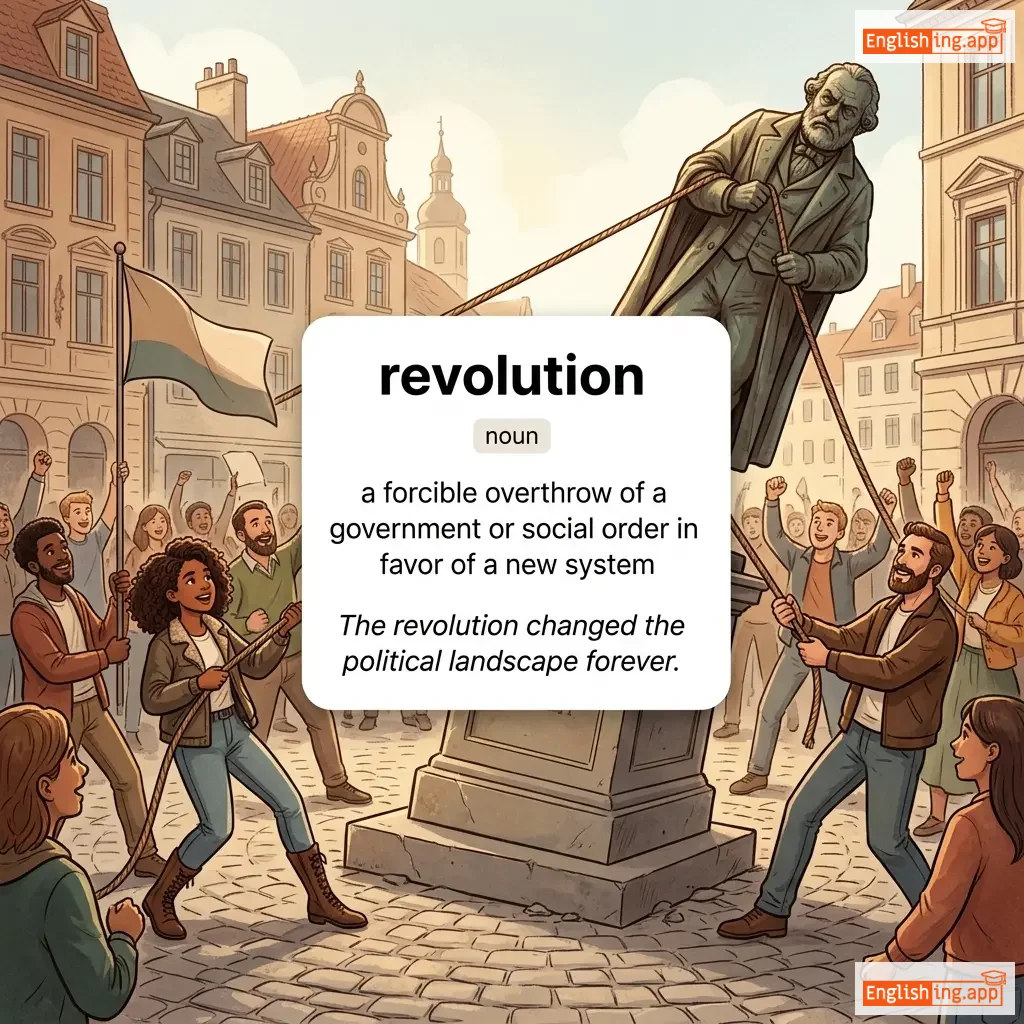
#1066
⚔️
|
ˌrɛvəˈluːʃən
noun
(rui-wu-lu-xun)
••••••
|
|
革命
geming
••••••
|
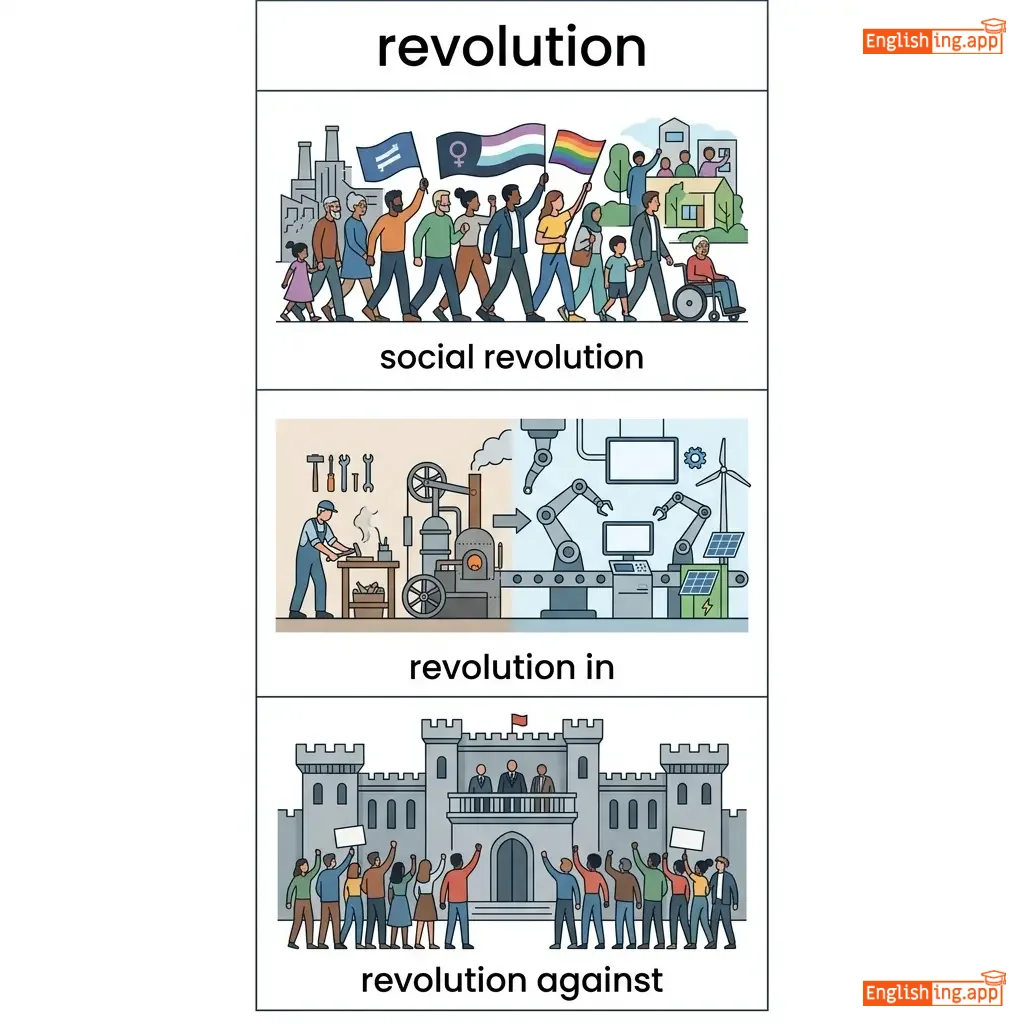
A forcible overthrow of a government or social order, in favor of a new system.
••••••
|
The story is set during the French Revolution.
故事发生在法国大革命期间。
••••••
|
故事发生在法国大革命期间。
Gùshì fāshēng zài Fàguó dà gémìng qījiān.
••••••
|
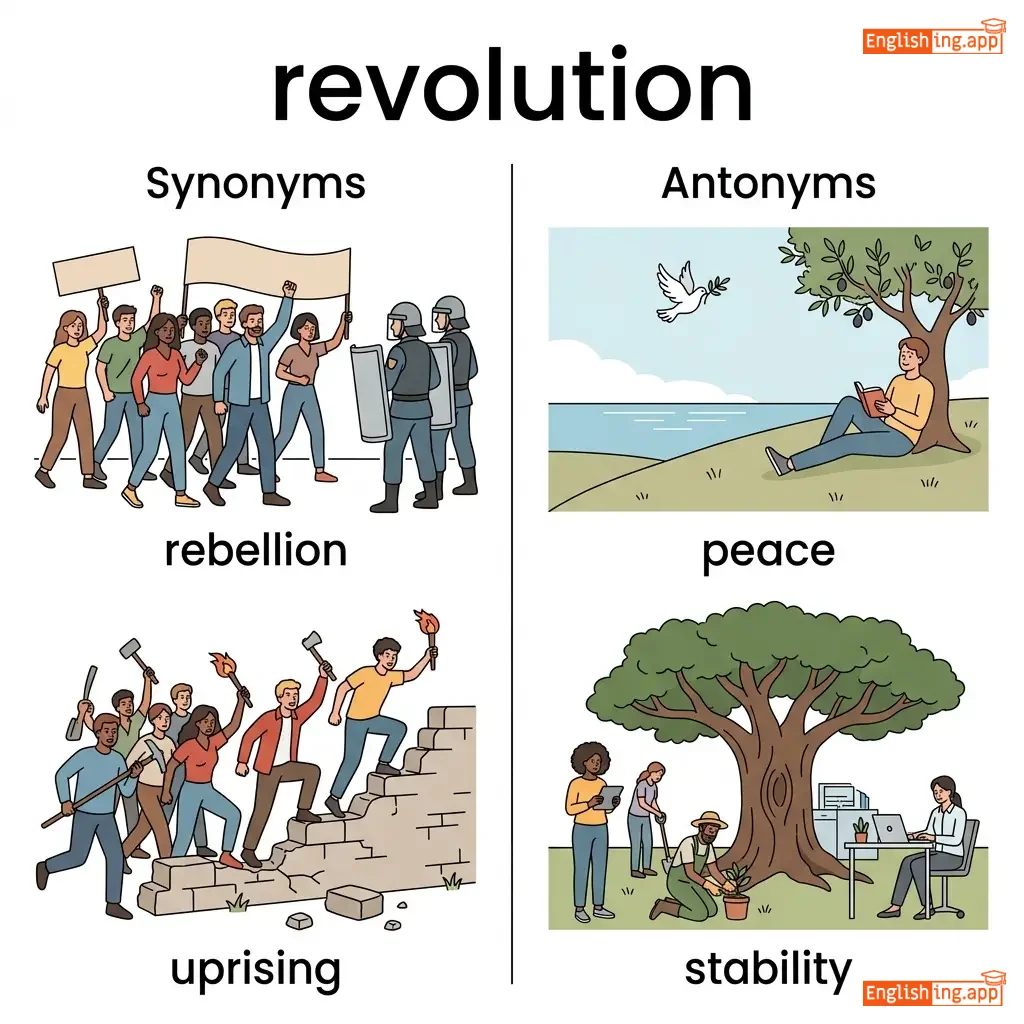
uprising, revolt, rebellion, coup, insurrection, overthrow
••••••
|
stability, peace, order, status quo, continuity
••••••
|
革命改变了历史的进程。
••••••
|
|
#1067
⚖️
|
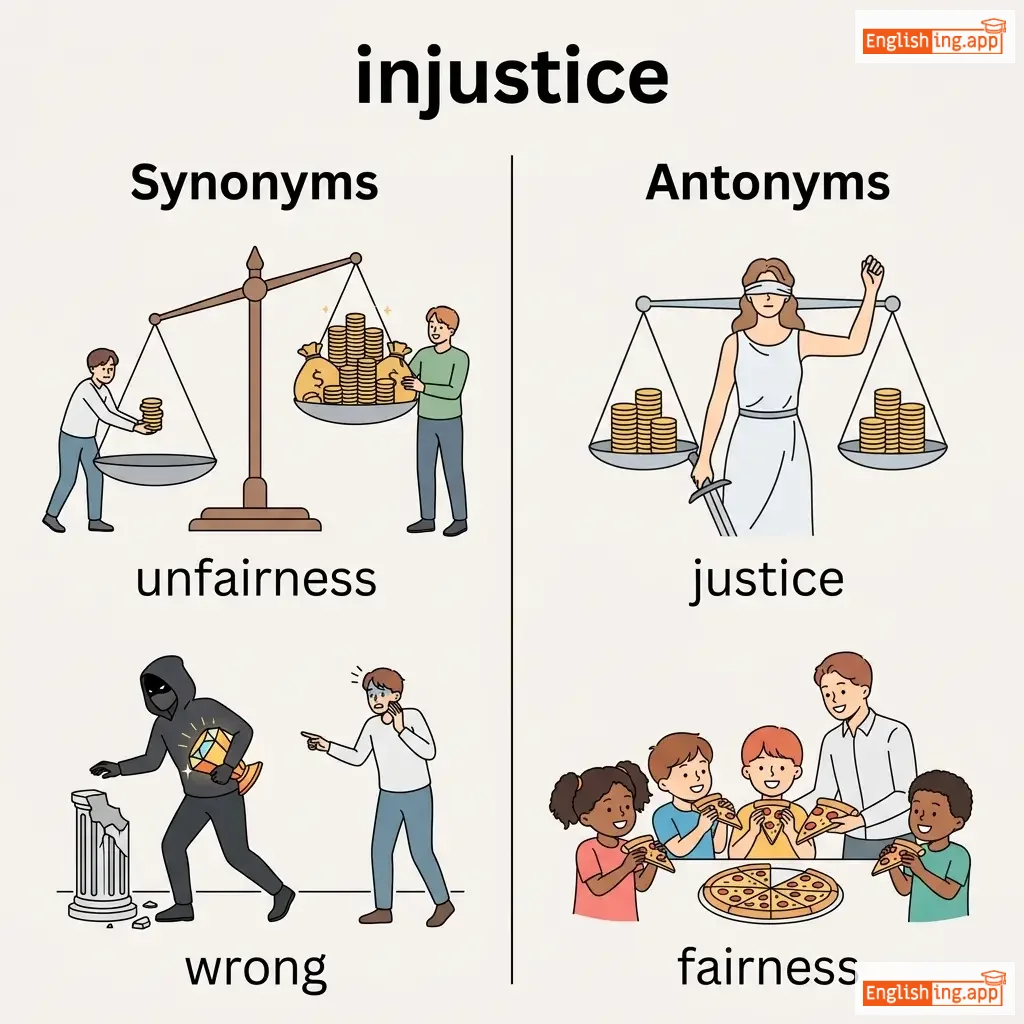
ɪnˈdʒʌstɪs
noun
(不公正)
••••••
|
|
不公正
bugongzheng
••••••
|
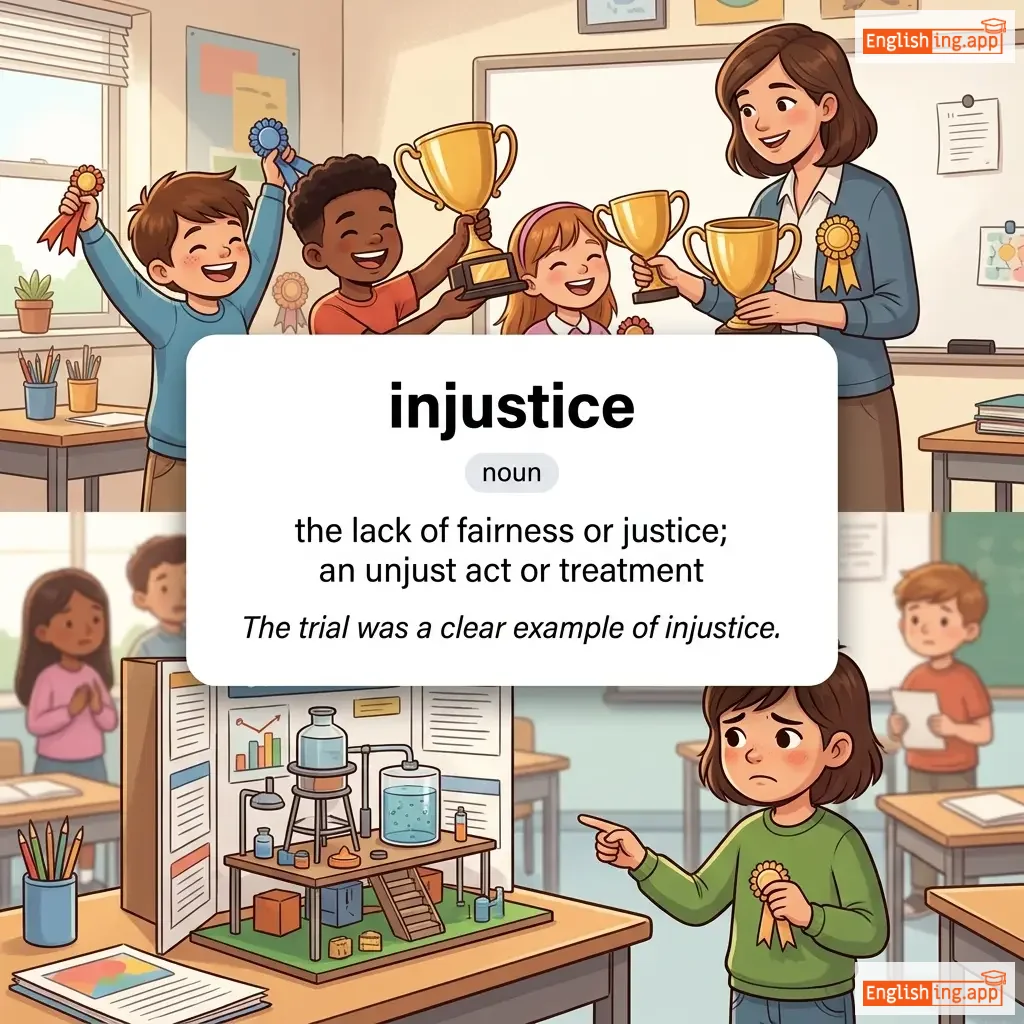
Lack of fairness or justice; the practice of being unjust or unfair.
••••••
|
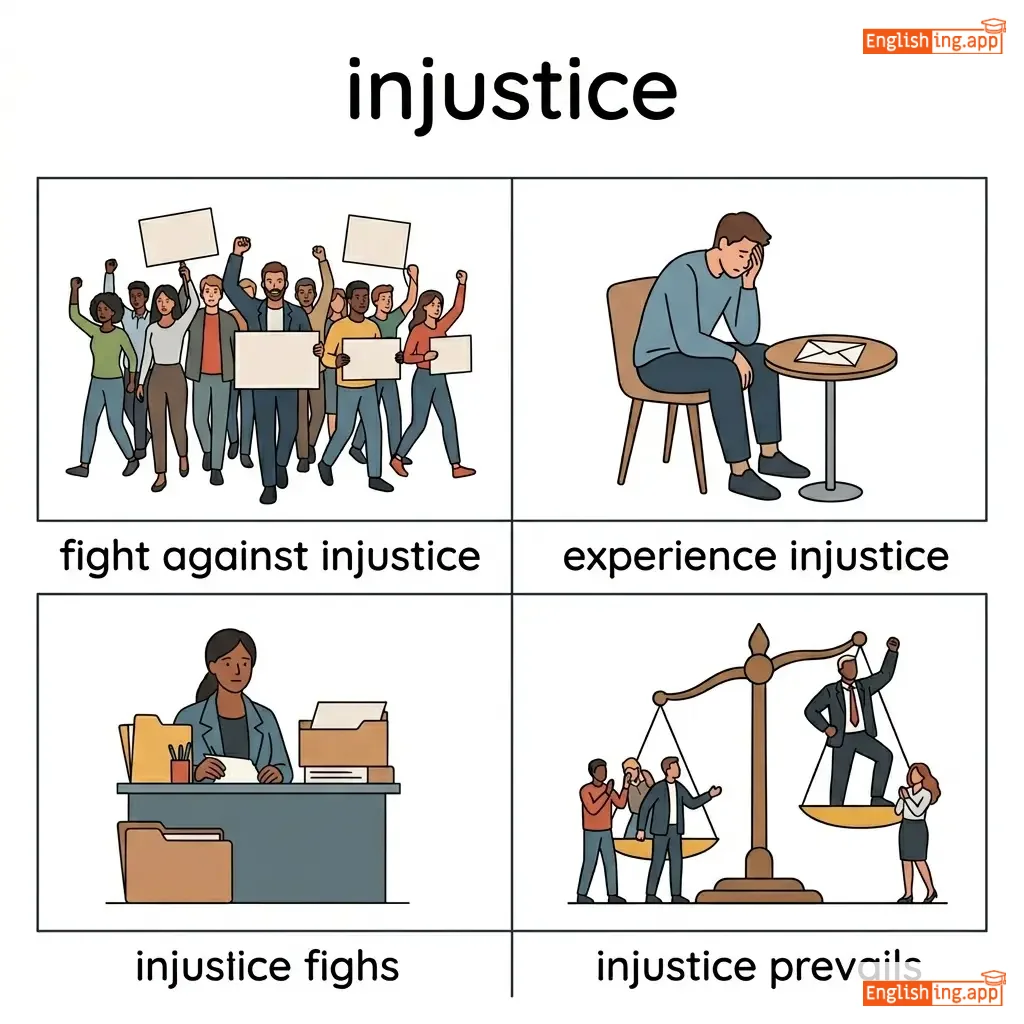
The story portrays the injustices faced by the common people.
故事描绘了普通人面临的不公正。
••••••
|
故事描绘了普通人面临的不公正。
Gushi miaohui le putong ren mianlin de bugongzheng.
••••••
|
unfairness, inequity, wrongdoing, oppression, discrimination, bias
••••••
|
justice, fairness, equity, righteousness, impartiality
••••••
|
不公正意味着要追求正义,抵制不公平。
••••••
|
|
#1068
⚖️
|
ˌɪnɪˈkwɒlɪti
noun
(不平等)
••••••
|
|
不平等
bù píng děng
••••••
|
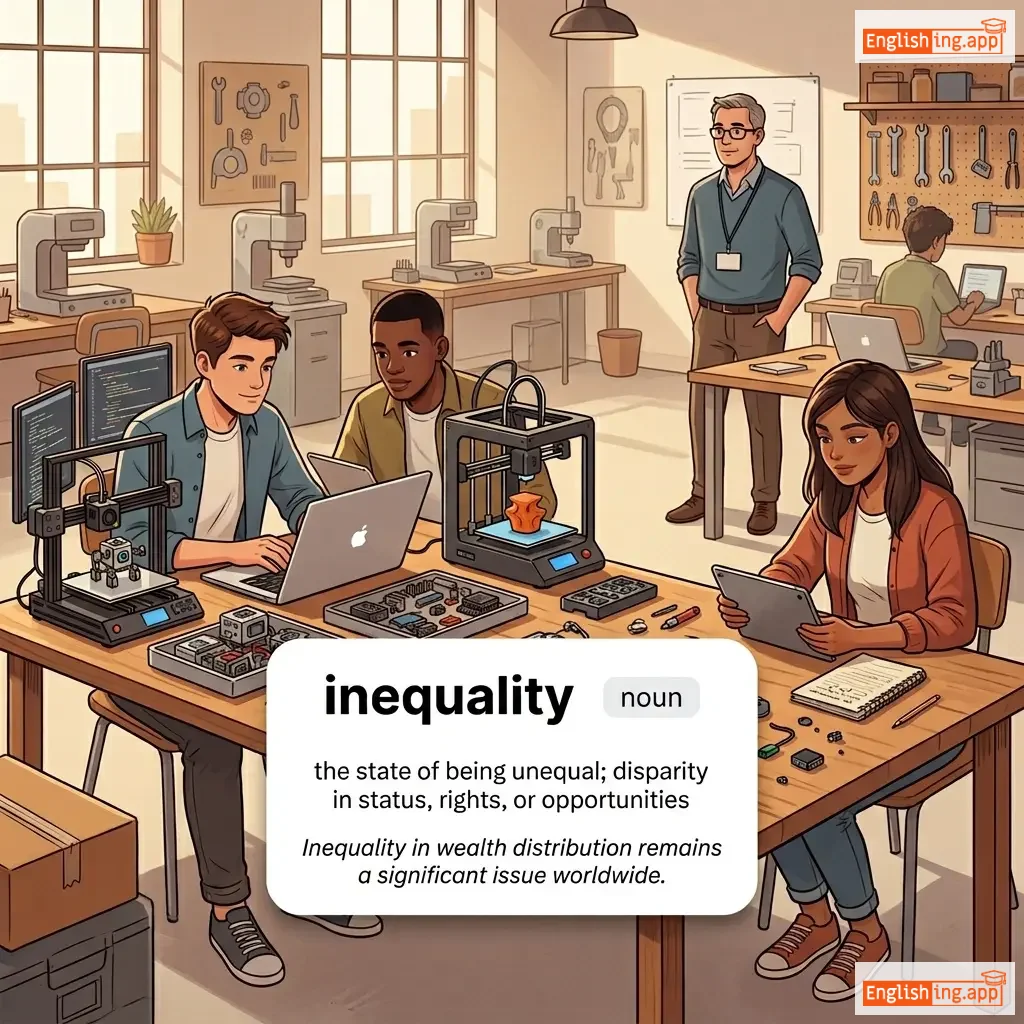
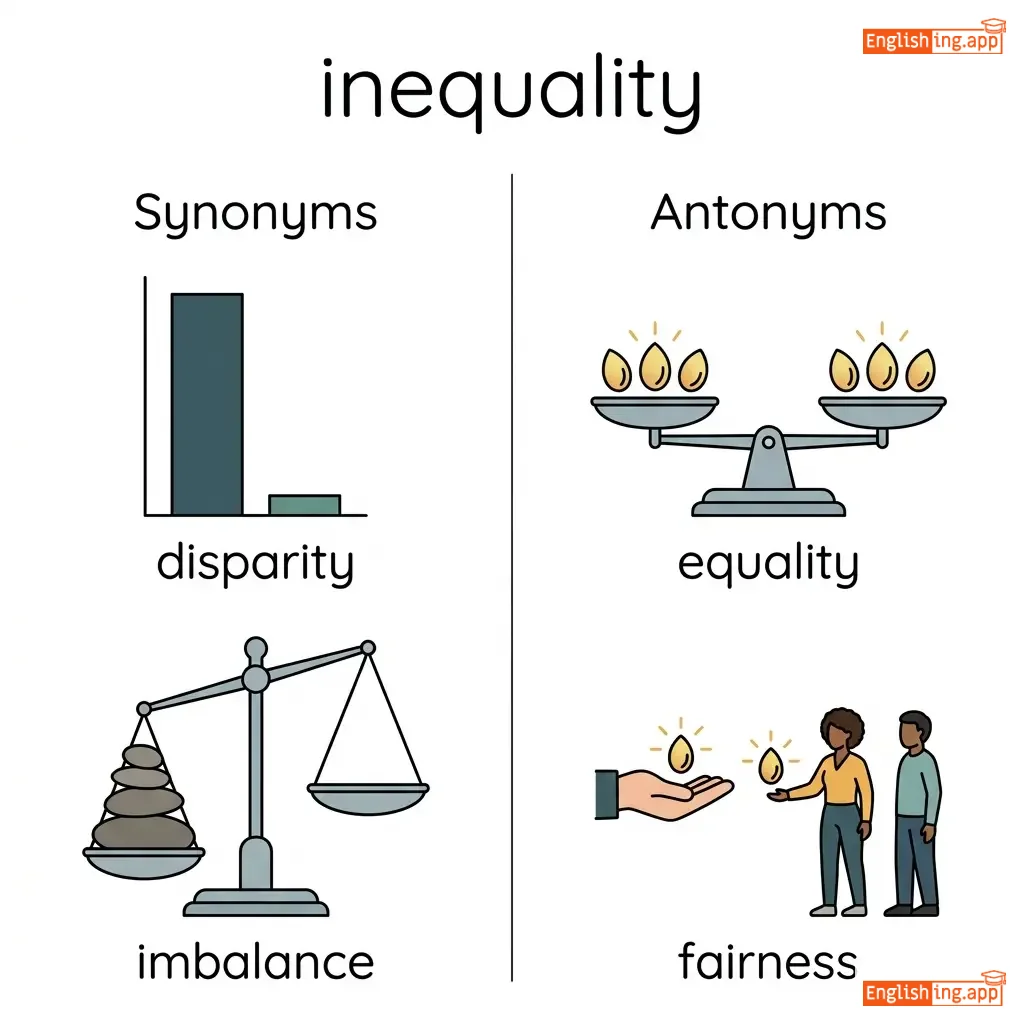
Difference in size, degree, circumstances, etc.; lack of equality.
••••••
|
The theme of inequality is prominent throughout the story. |
不平等的主题在整个故事中是显著的。
Bù píng děng de zhǔ tí zài zhěng gè gù shì zhōng shì xiǎn zhù de.
••••••
|
disparity, imbalance, unfairness, discrimination, bias, prejudice
••••••
|
equality, fairness, balance, uniformity, parity
••••••
|
不平等造成的麻烦在生活中时刻存在。
••••••
|
|
#1069
⚖️
|
ˈdʒʌstɪs
noun
(正义)
••••••
|
|
正义
zhèngyì
••••••
|
Just behavior or treatment; the quality of being fair and reasonable.
••••••
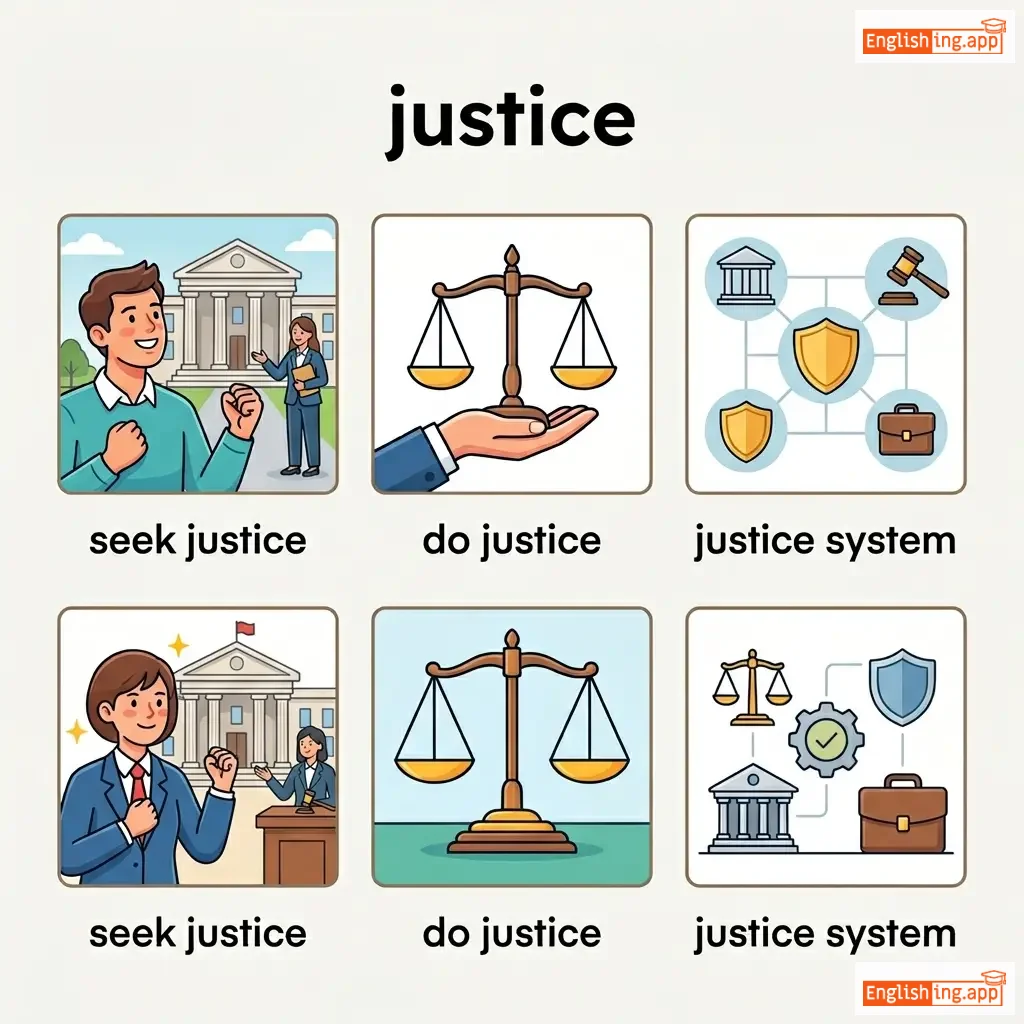
|
Justice is sought by the oppressed characters in the story. |
在故事中,受压迫的角色寻求正义。
Zài gùshì zhōng, shòu yā pò de juésè xúnqiú zhèngyì.
••••••
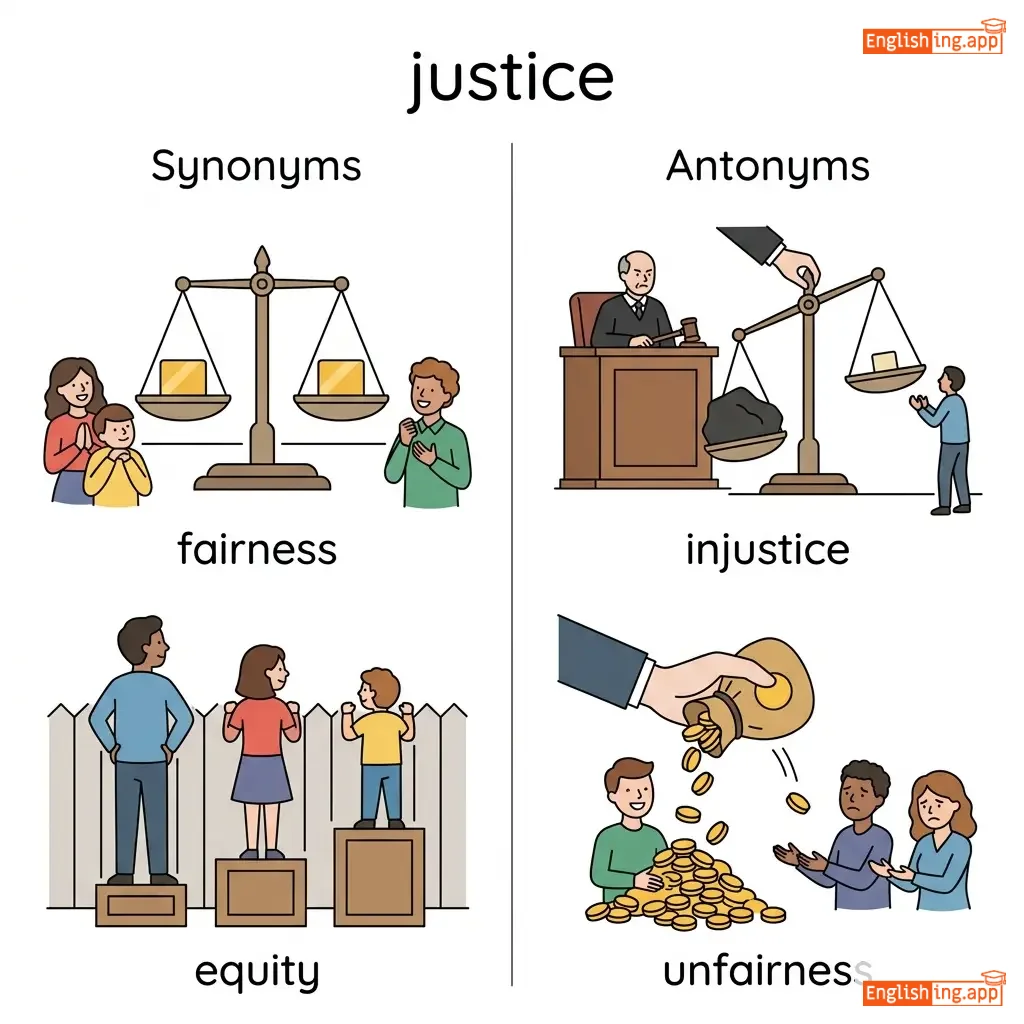
|
fairness, equity, righteousness, impartiality, lawfulness, morality
••••••
|
injustice, unfairness, bias, prejudice, discrimination, oppression
••••••
|
In Chinese, justice means 'zhèngyì', sounds similar to 'right' in English.
••••••
|
Vocabulary Quiz
Test your vocabulary by matching words with their translations or meanings.
Login to take the quiz
Comments (0)
Share your thoughts and join the discussion.
Join the discussion by logging in
Login to CommentNo comments yet
Be the first to share your thoughts!