

专注在学习中的作用
The Role of Focus in Learning
对于学生来说,focus 不仅仅是必要的,而且是成功的 epitome。在任何教育领域,concentration 和 discernment 都是至关重要的,它们有助于新知识的 assimilation。
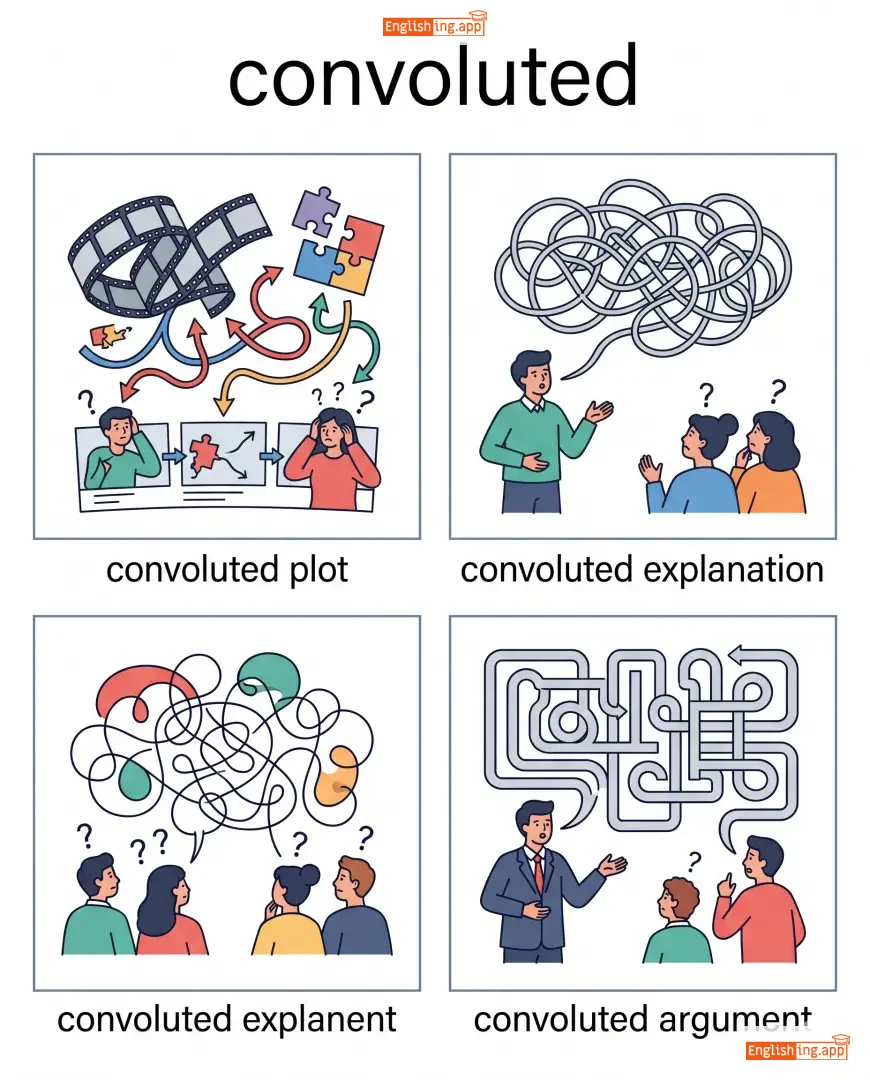
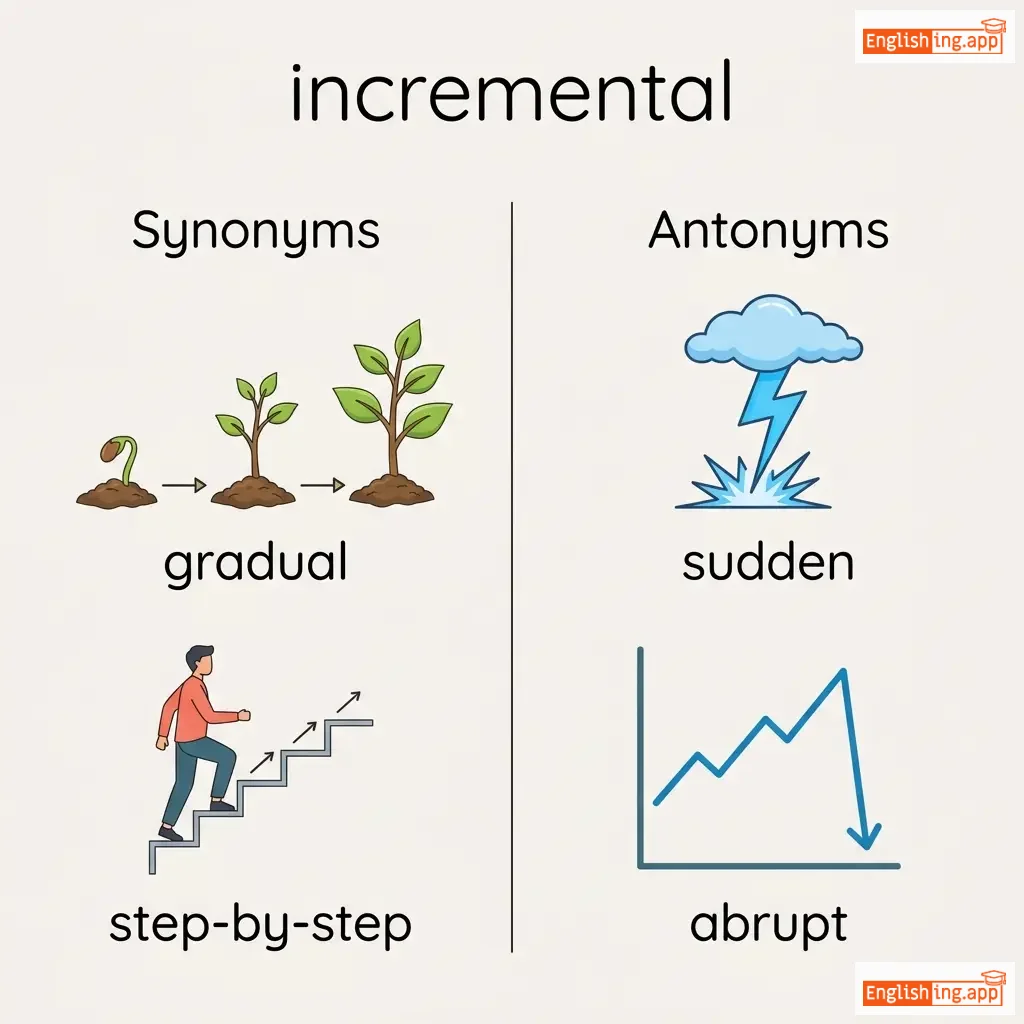
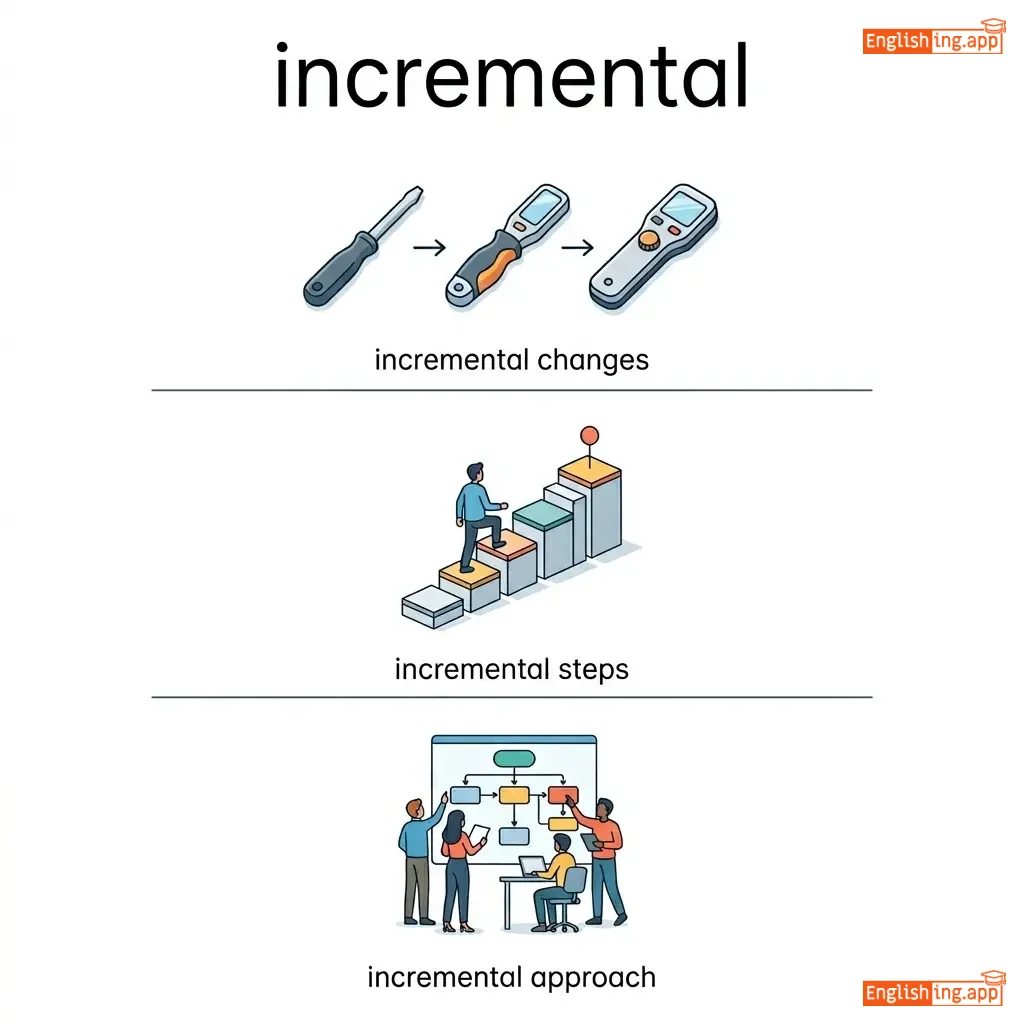
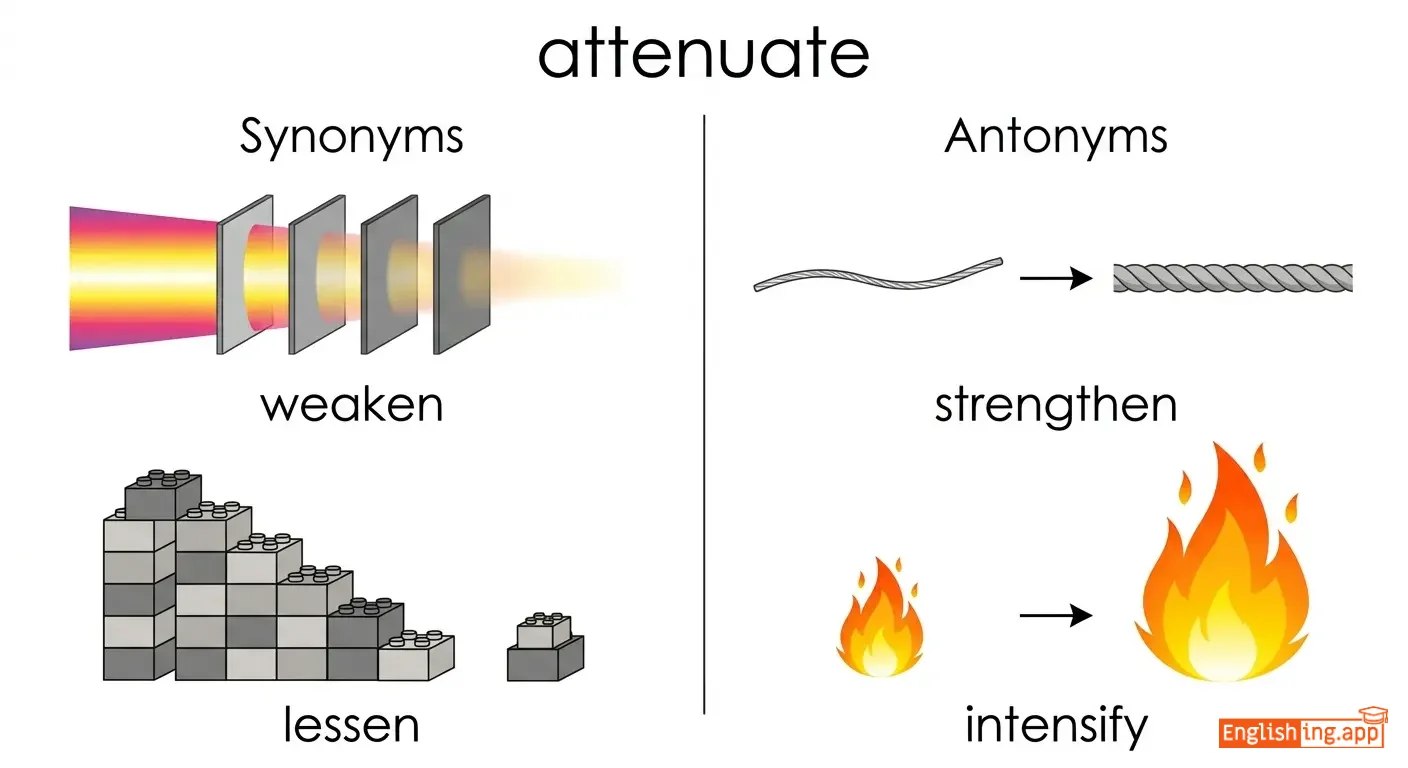
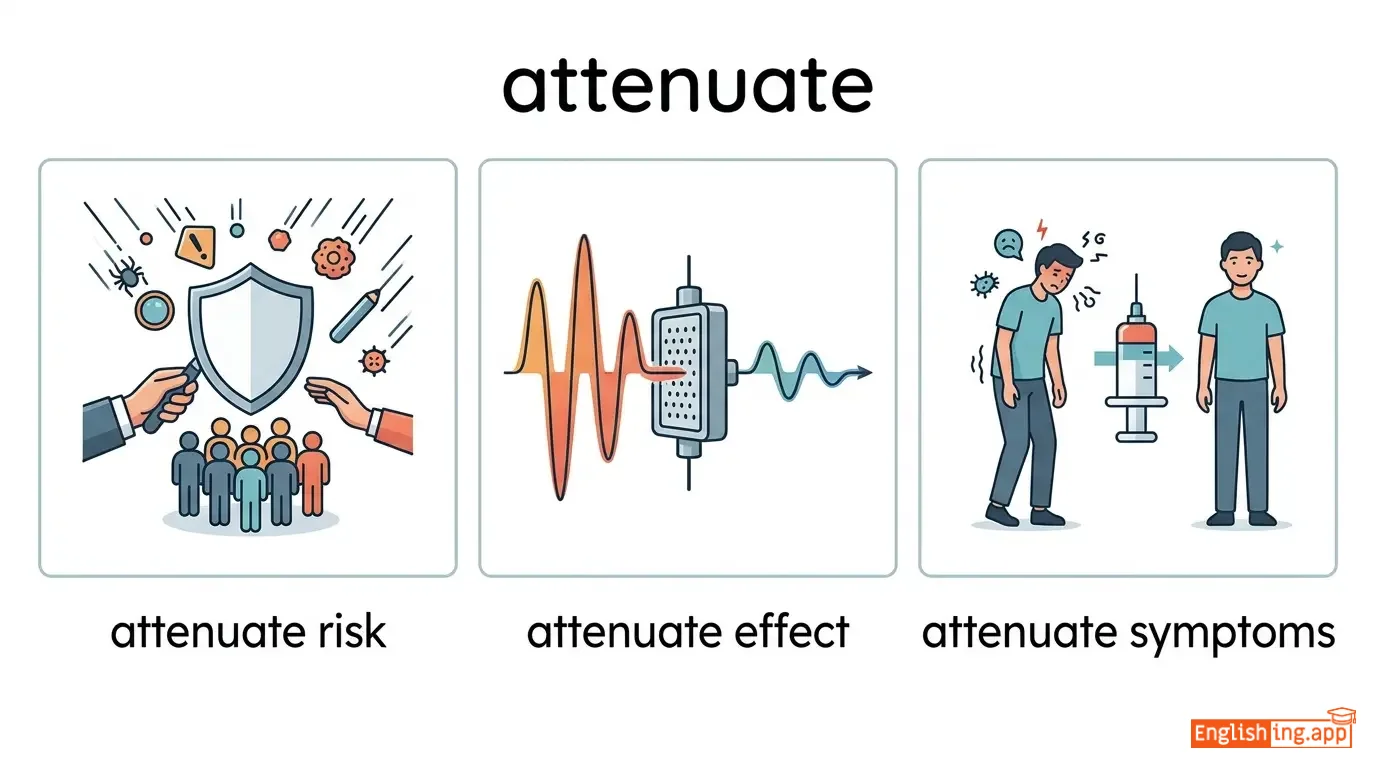
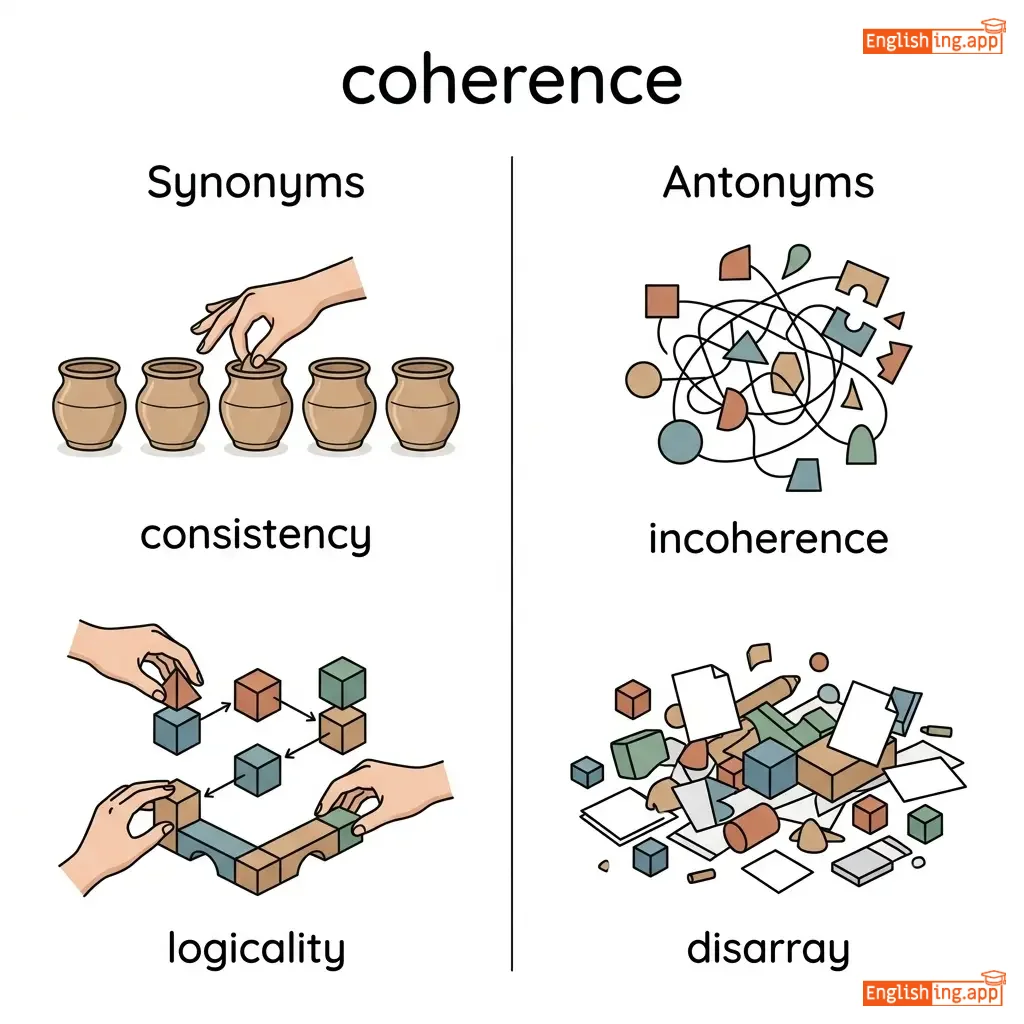
如果某个主题看起来非常 convoluted,那么需要耐心通过 incremental 方法来提高 comprehension。我们的注意力经常 attenuate,因为我们试图同时做多件事,这破坏了 coherence。
要实现真正的 erudition,仅仅记住信息是不够的;相反,必须发展 synthesis 和 extrapolate 的能力。Meticulous 的练习和 fortitude 有助于克服学习道路上的障碍。
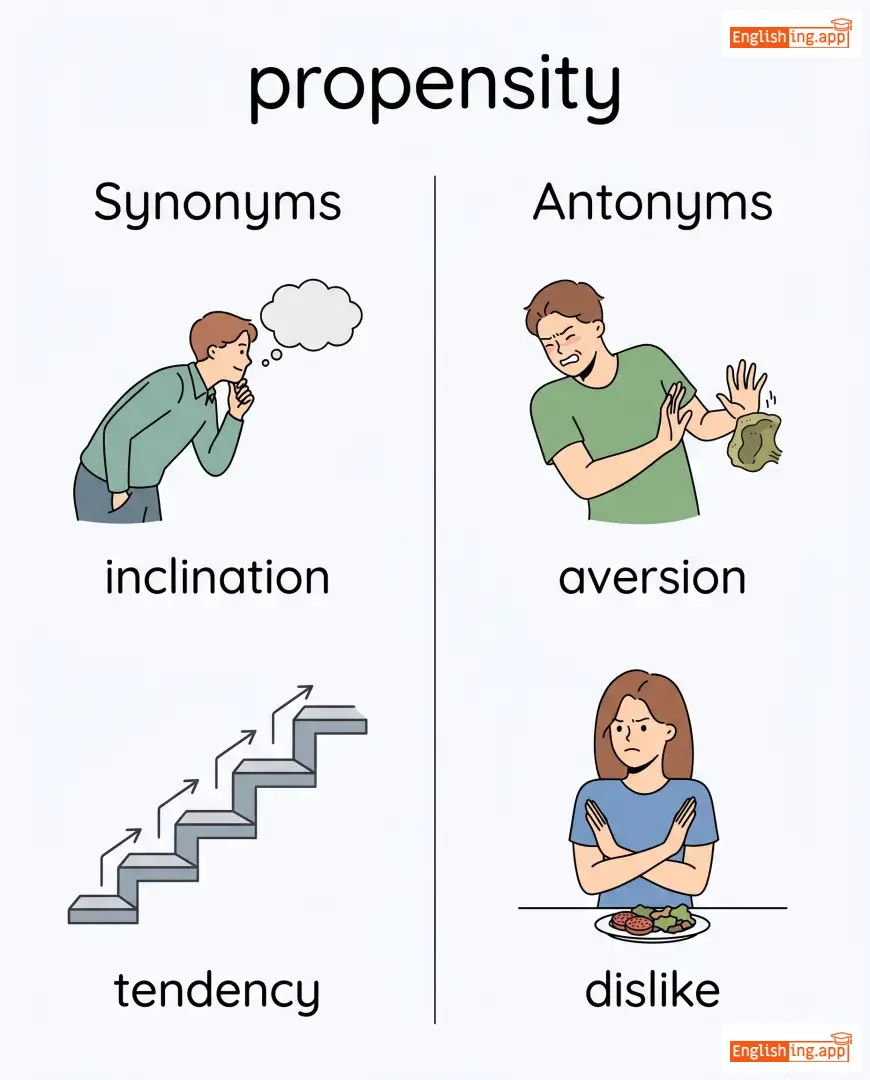
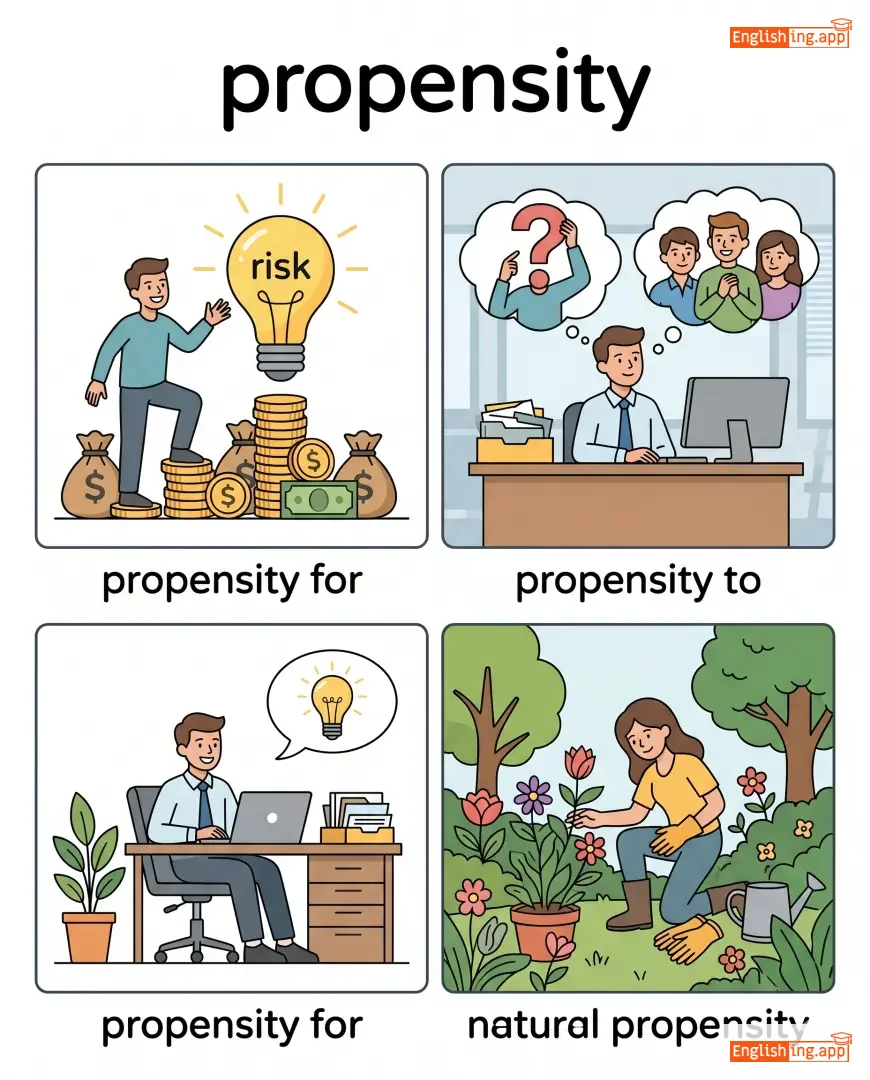
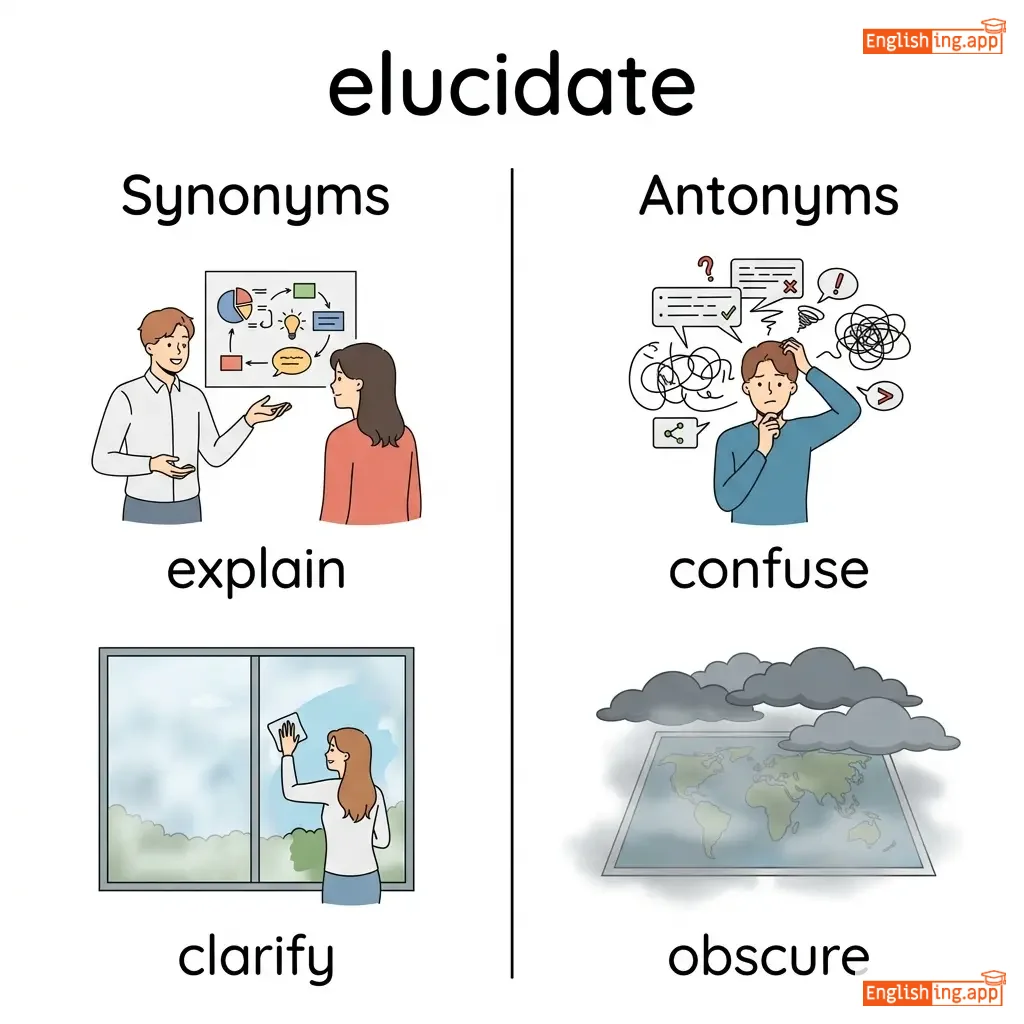
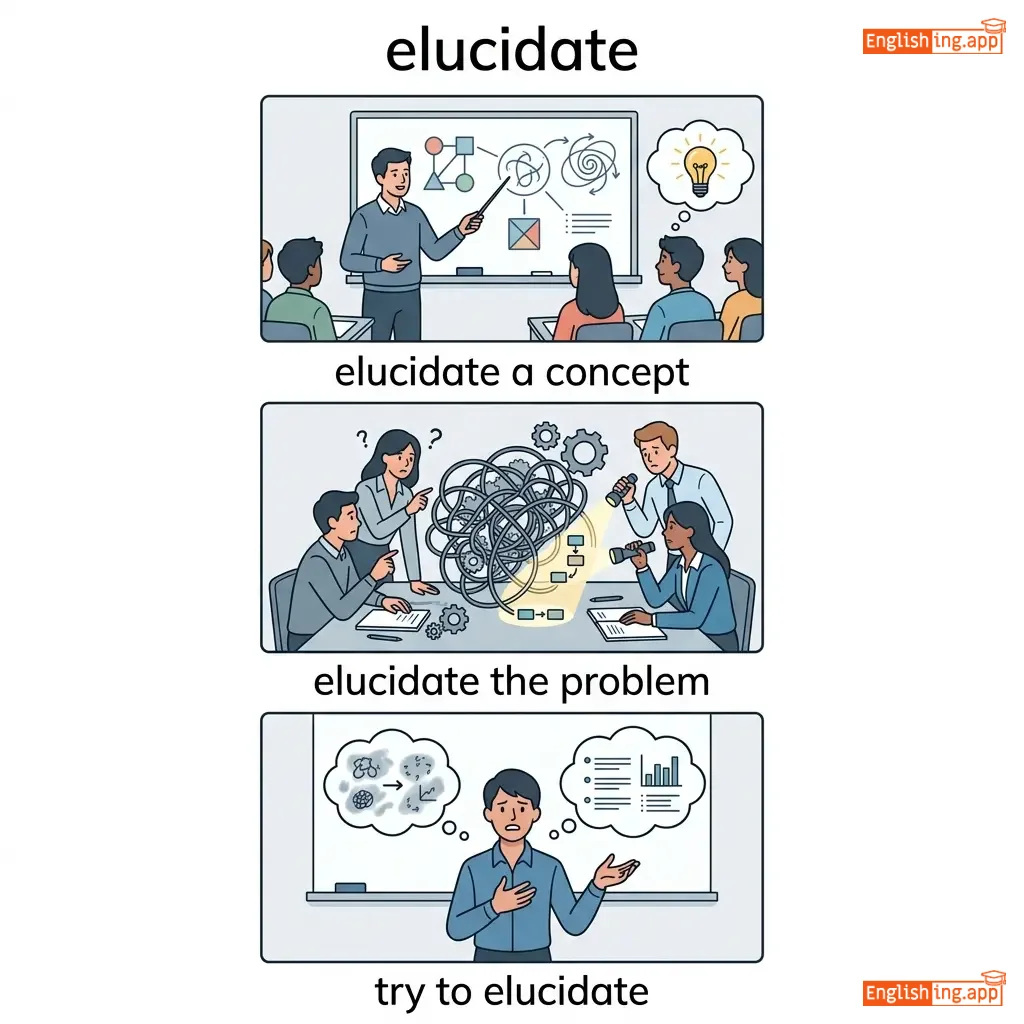
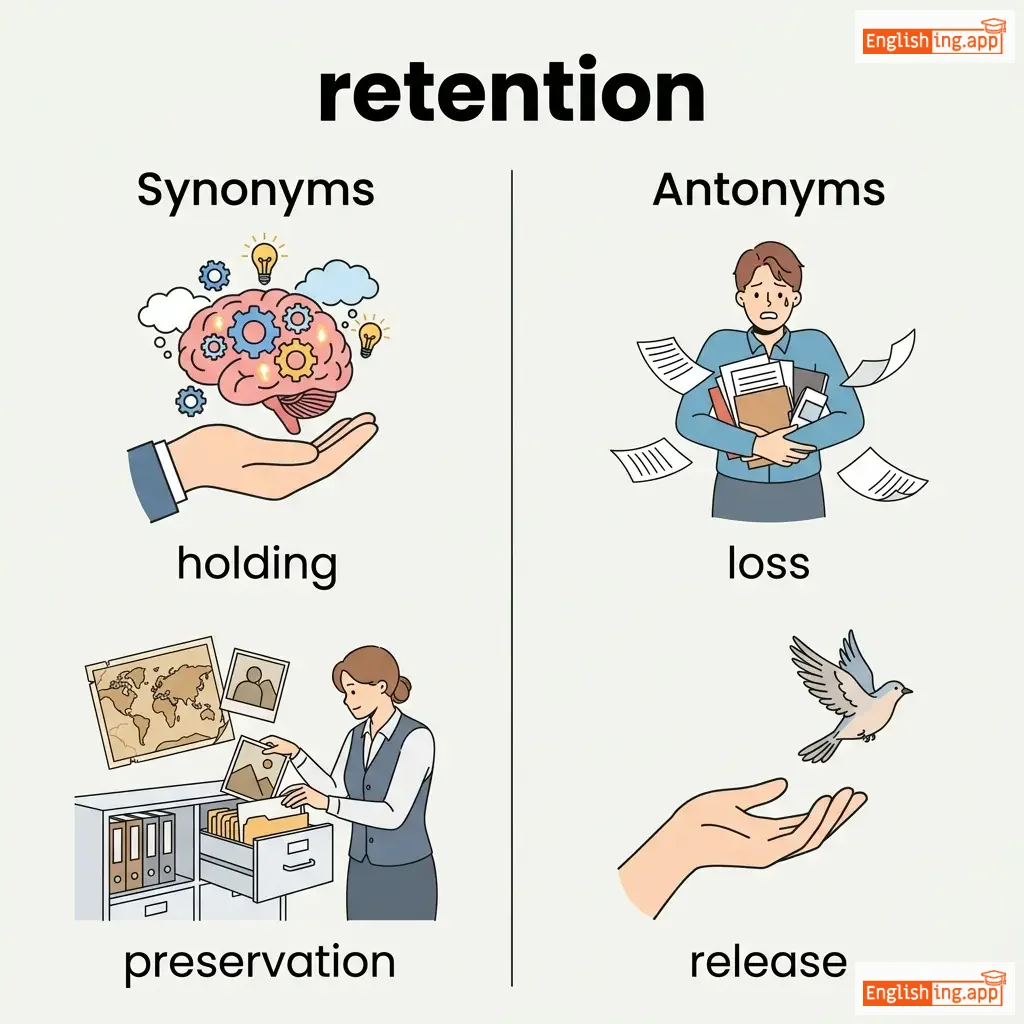
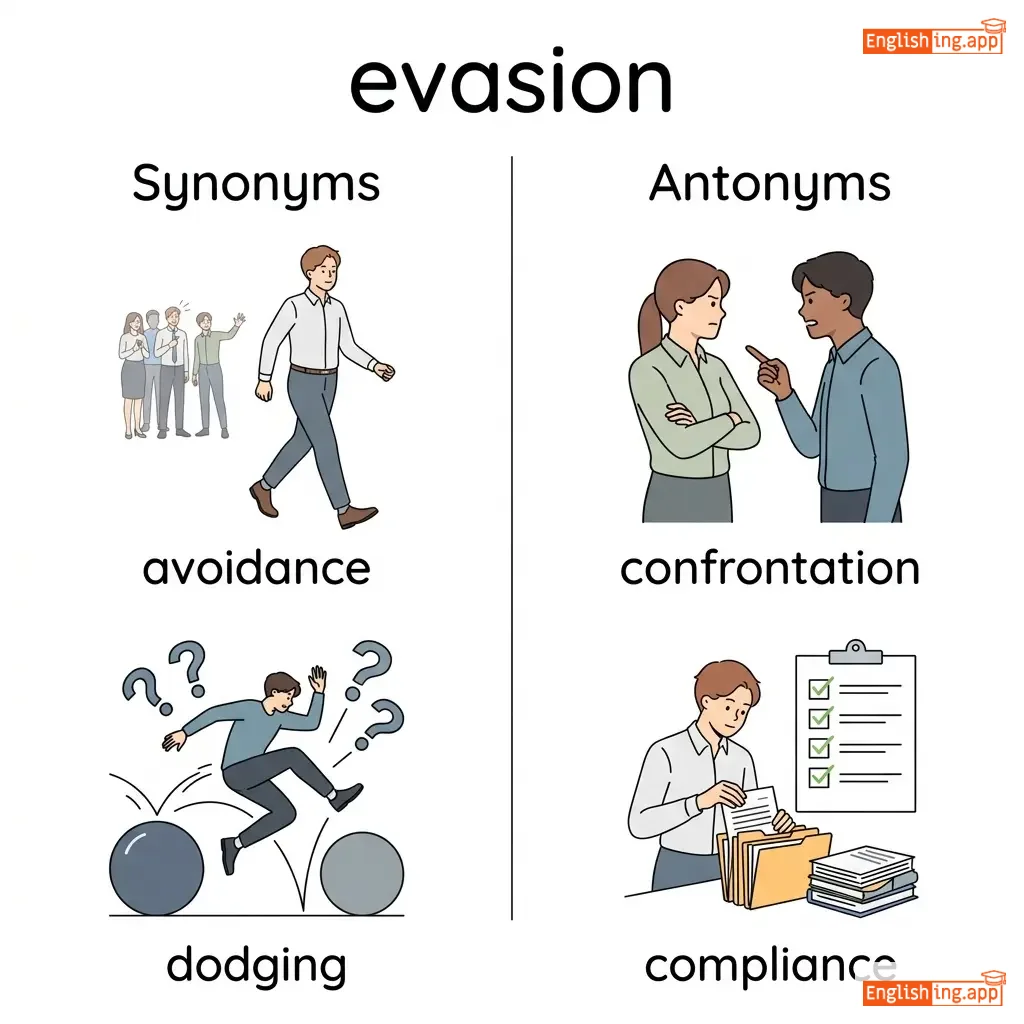
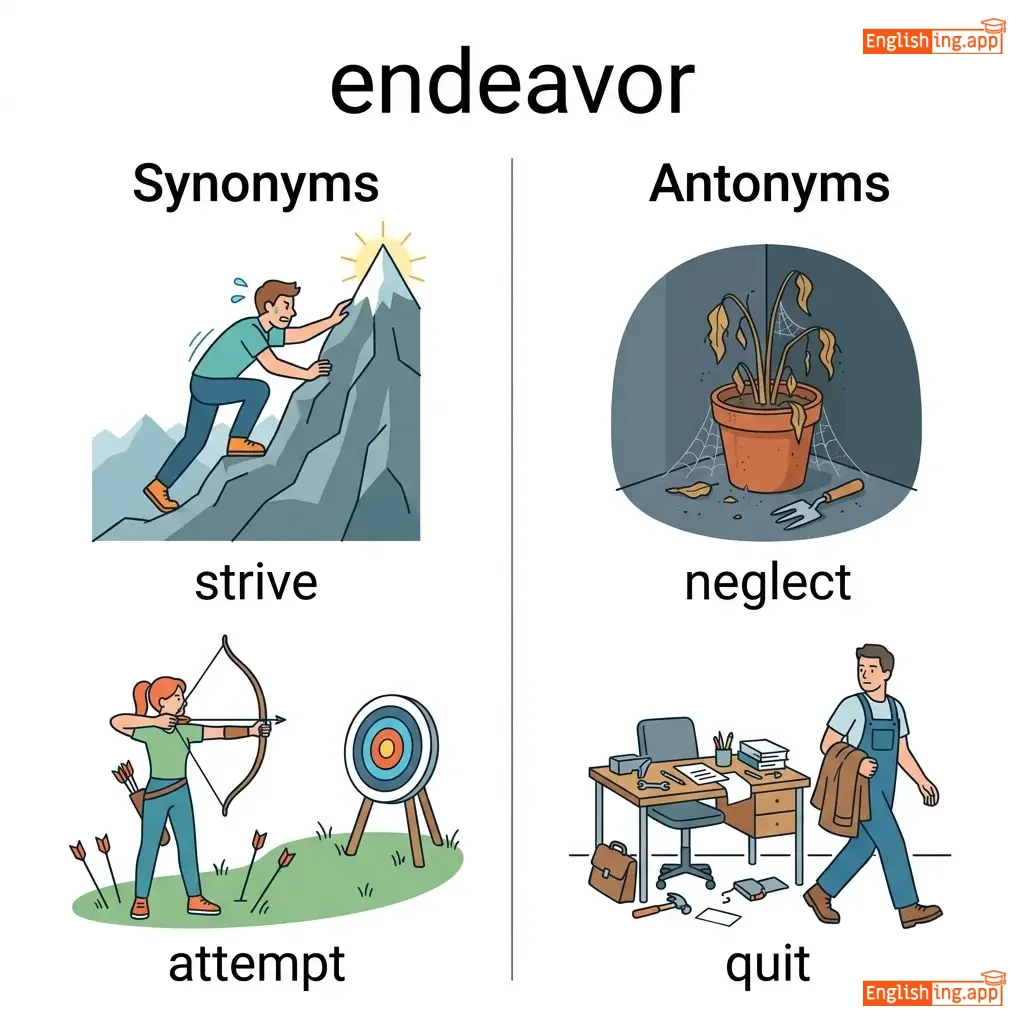
那些真正有 propensity 学习的人可以 elucidate 困难的课题。因此,要增加 retention,必须在学习期间增加 endeavor,而不是 evasion。



























Swipe left or right, or use the buttons. Tap image to zoom.
例句翻译
单词
The Role of Focus in LearningThe Role of Focus in Learning - 遮罩切换
|
表情符号
|
单词 | Images | 翻译 | 含义 | 例句 | 例句翻译 | 同义词 | 反义词 | 助记符 |
|---|---|---|---|---|---|---|---|---|---|
|
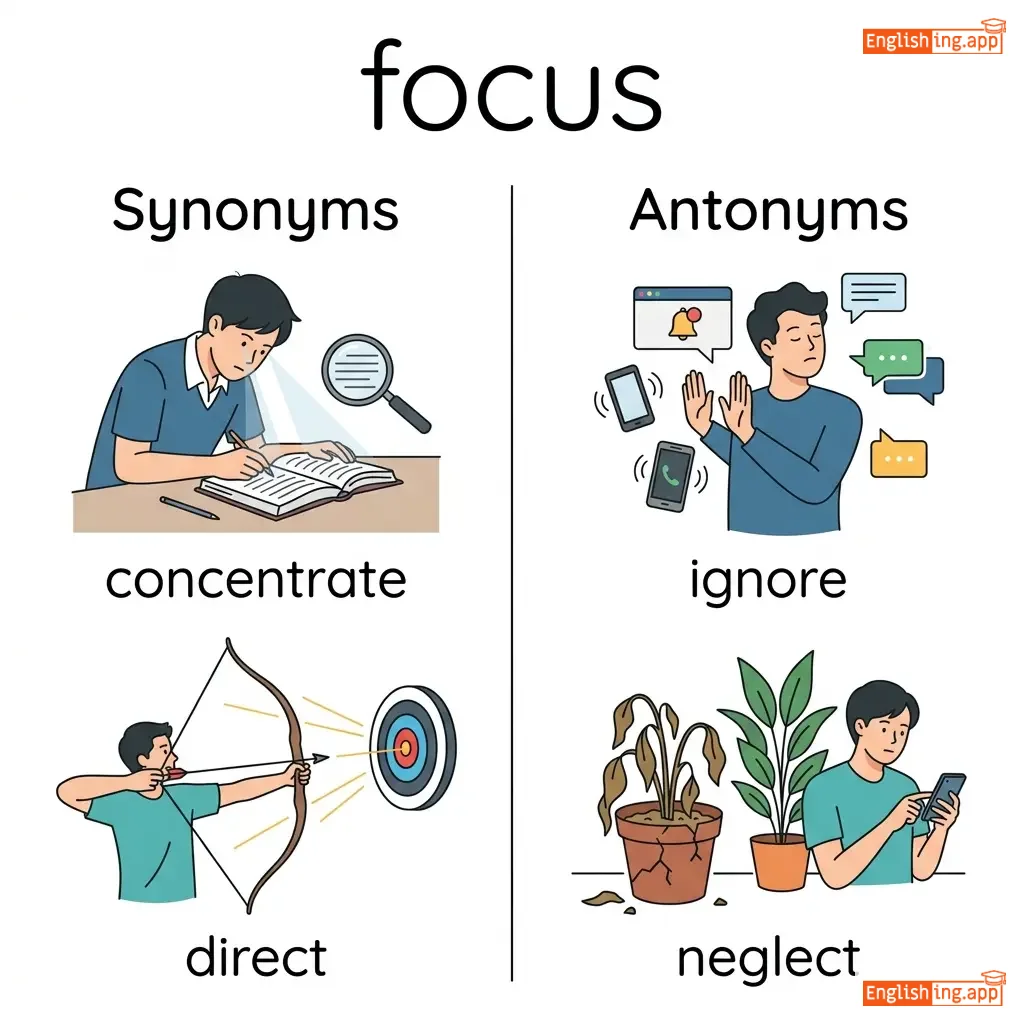
#3527
🎯
|
ˈfoʊ.kəs
noun/verb
(焦点)
••••••
|
|
集中注意力
jízhōng zhùyì lì
••••••
|
To concentrate attention or effort on something specific; the center of interest or activity.
••••••
|
To succeed, you must focus on your goals. |
为了成功,你必须集中注意力于你的目标。
Wèile chénggōng, nǐ bìxū jízhōng zhùyì lì yú nǐ de mùbiāo.
••••••
|
attention, concentration, emphasis
••••••
|
distraction, neglect, inattention
••••••
|
Focus (焦点) is like concentrating (集中) on your goals.
••••••
|
|
#3528
⭐
|
ɪˈpɪt.ə.mi
noun
(艾皮托米)
••••••
|
|
完美的例子
wanmei de lizi
••••••
|
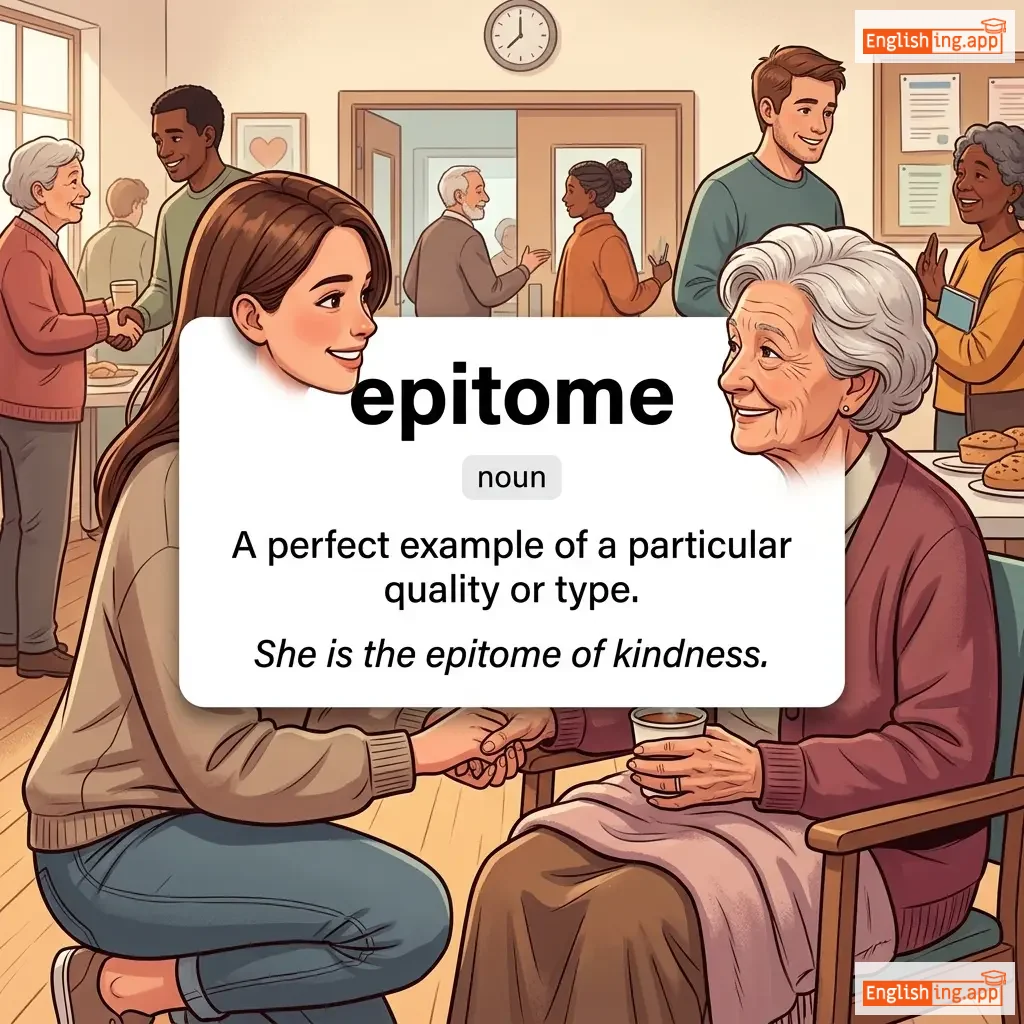
A perfect example of a particular quality or type; the essence of something.
••••••
|
She is the epitome of patience and kindness. |
她是耐心和善良的完美例子。
Tā shì nàixīn hé shànliáng de wánměi lìzi.
••••••
|
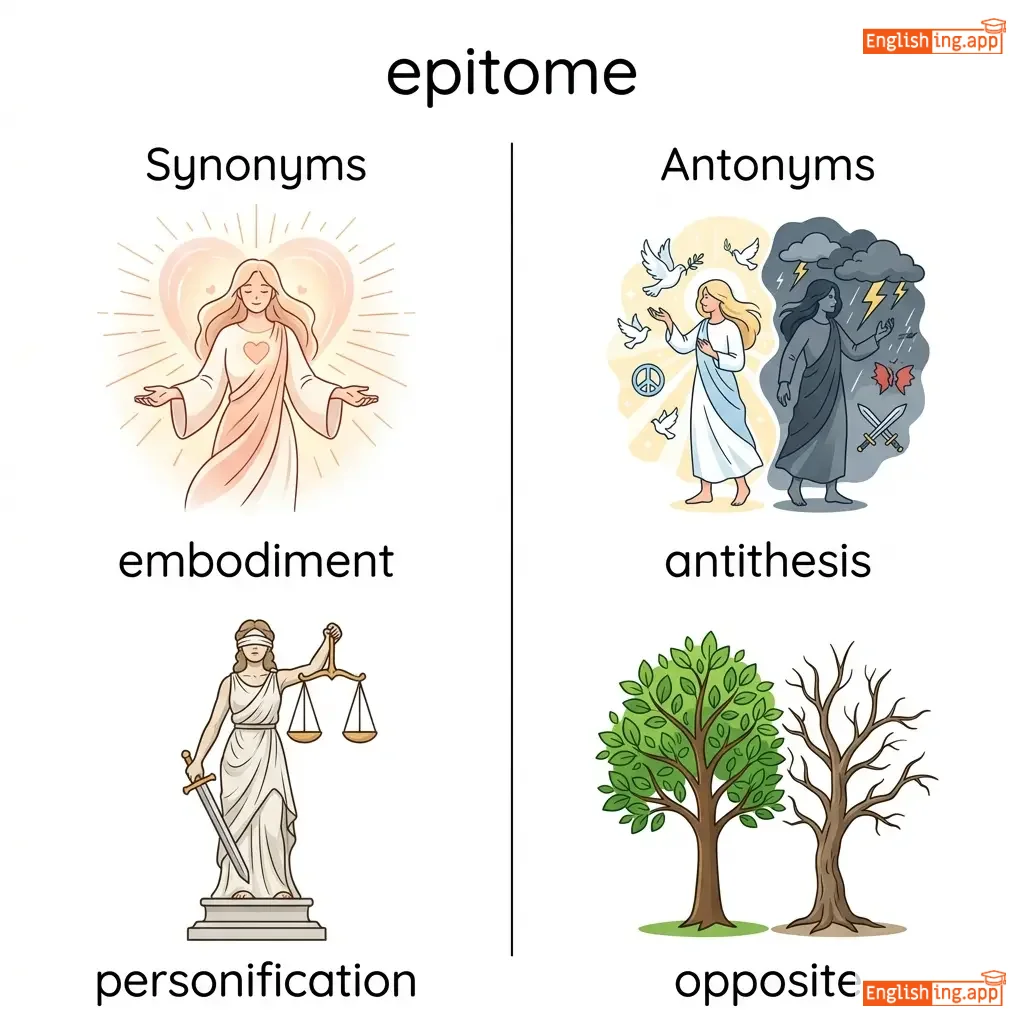
embodiment, essence, ideal
••••••
|
imperfection, antithesis, opposite
••••••
|
幸福是完美的例子,它来源于内心的平静。
••••••
|
|
#3529
🧠
|
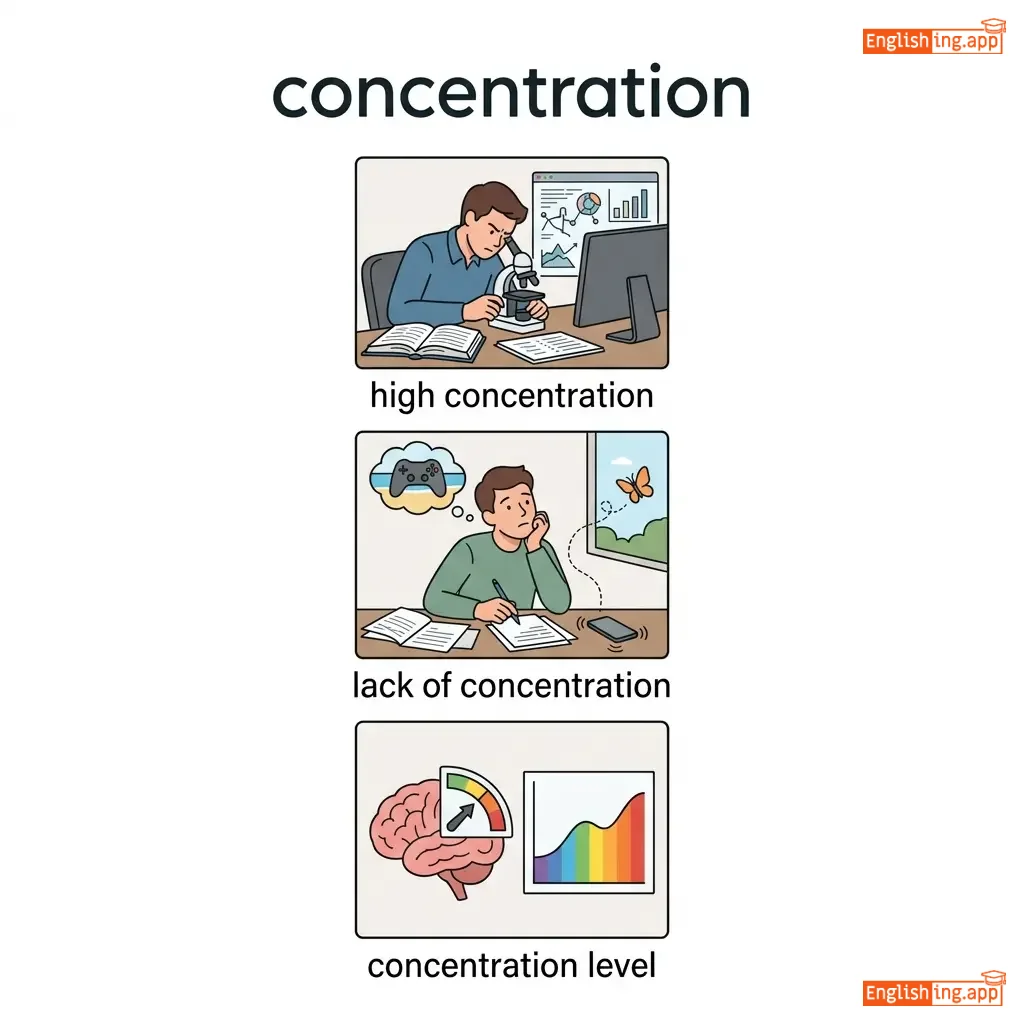
ˌkɒn.sənˈtreɪ.ʃən
noun
(kòn sèntèɹéɪʃən)
••••••
|
|
专注
zhuānzhù
••••••
|
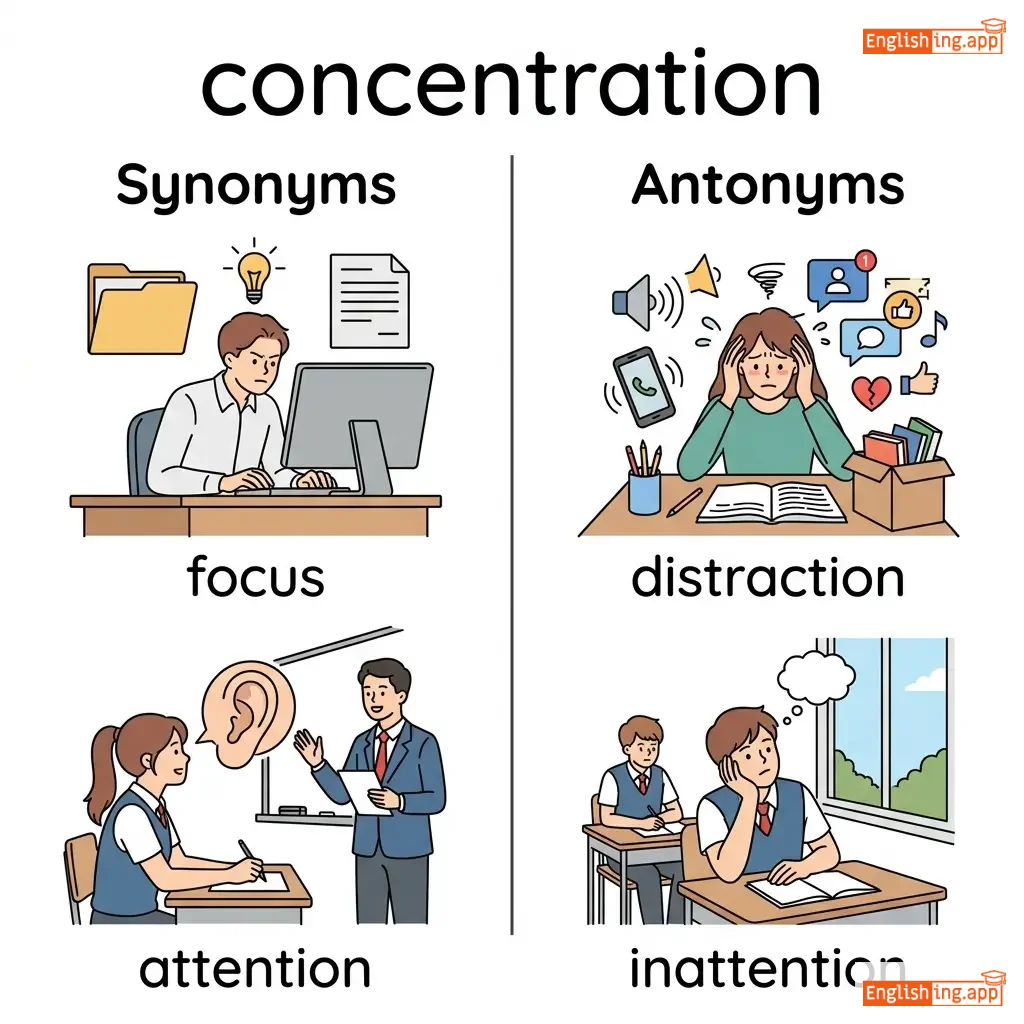
The ability to give your attention to one particular thing; focused mental effort.
••••••
|
Meditation improves concentration and mental clarity. |
冥想有助于改善专注力和精神清晰度。
Míngxiǎng yǒu zhù yú gǎishàn zhuānzhù lì hé jīngshén qīngxī dù.
••••••
|
focus, attention, mindfulness
••••••
|
distraction, confusion, diversion
••••••
|
集中精力,得到清晰的思维
••••••
|
|
#3530
👁️
|
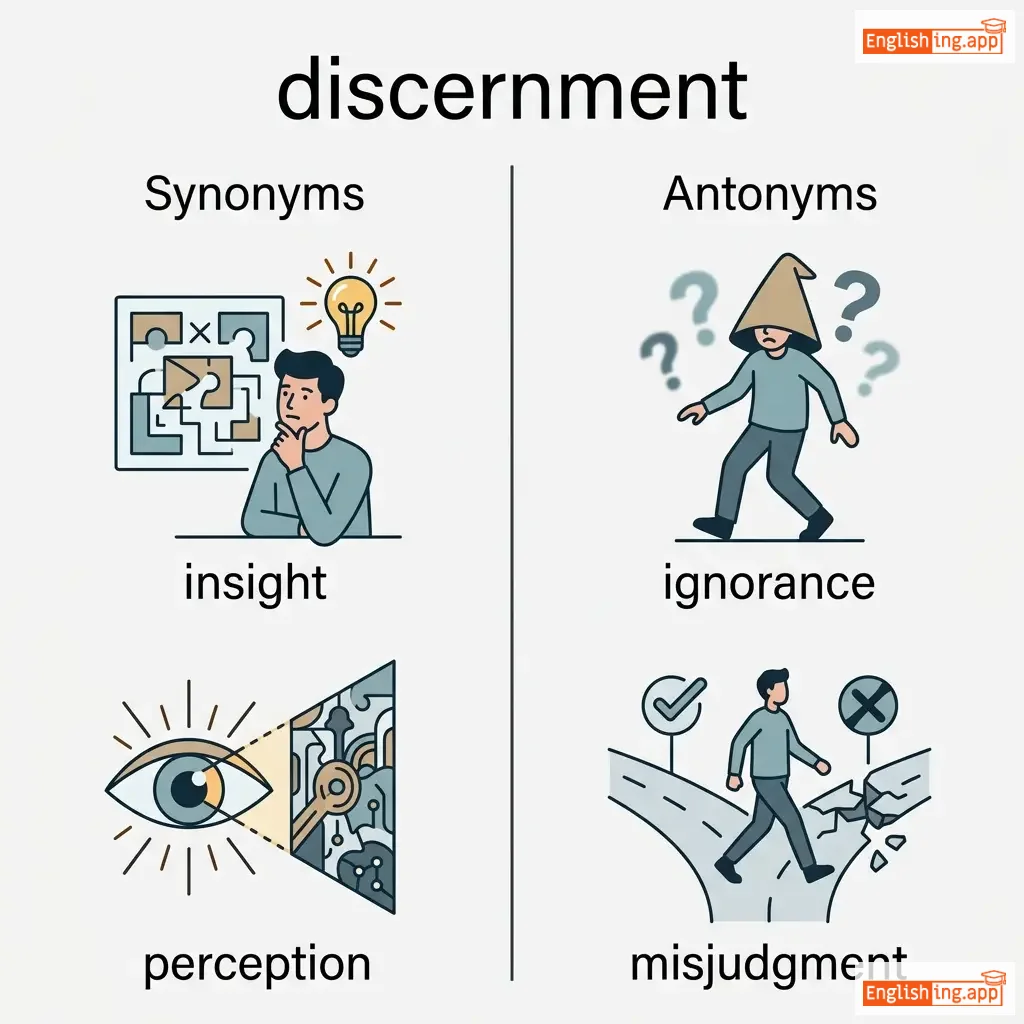
dɪˈsɜːn.mənt
noun
(迪瑟内门特)
••••••
|
|
洞察力
dong cha li
••••••
|
The ability to judge well; keen insight and good judgment.
••••••
|
His discernment helped him make wise decisions. |
他的洞察力帮助他做出了明智的决定。
Ta de dong cha li bang zhu ta zuo chu le ming zhi de jue ding.
••••••
|
insight, perception, judgement
••••••
|
ignorance, misjudgment, indiscretion
••••••
|
洞察力 - 就像看到未来,做出正确的选择。
••••••
|
|
#3531
🧩
|
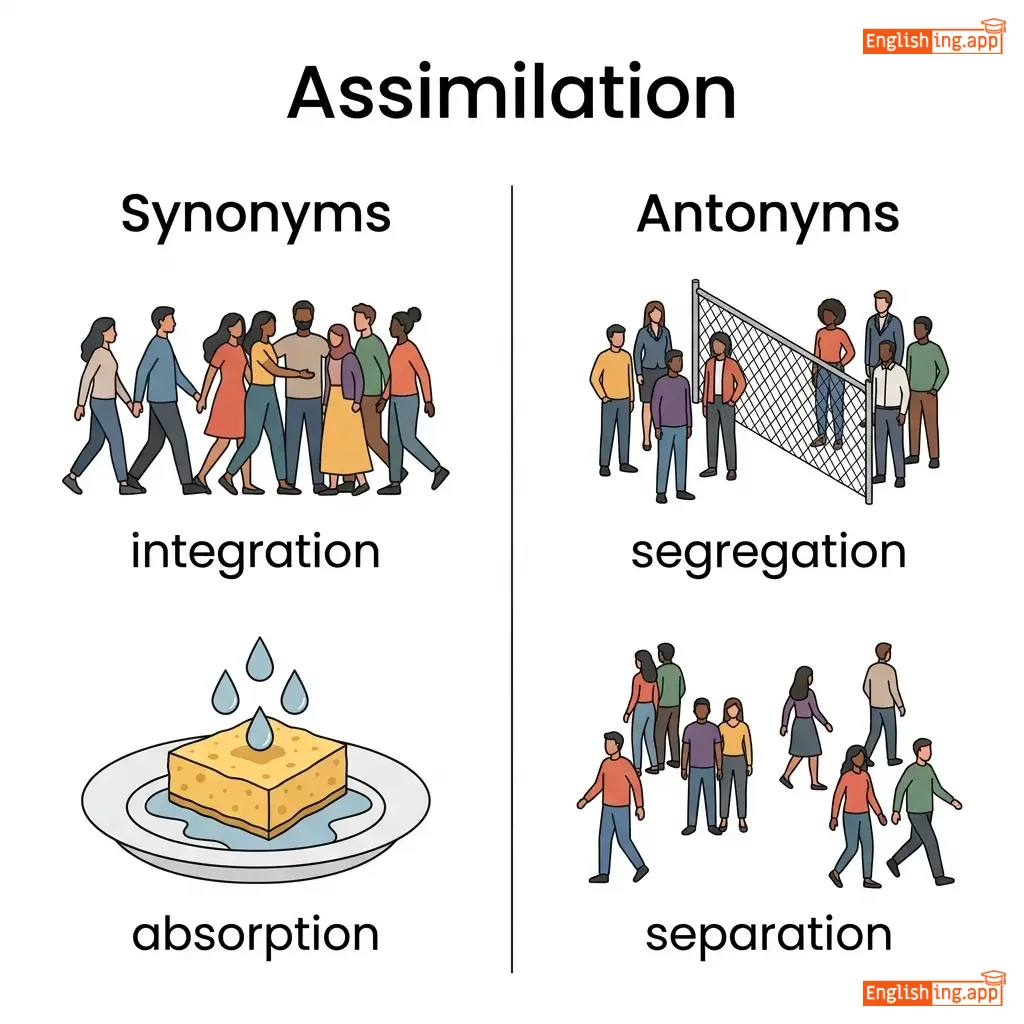
əˌsɪm.ɪˈleɪ.ʃən
noun
(同化)
••••••
|
|
同化或吸收
tónghuà huò xīshōu
••••••
|
The process of taking in and fully understanding information or ideas.
••••••
|
Language assimilation is easier for young children. |
语言同化对小孩子来说更容易。
Yǔyán tónghuà duì xiǎo háizi lái shuō gèng róngyì.
••••••
|
integration, absorption, adaptation
••••••
|
rejection, isolation, resistance
••••••
|
同化就像完全吸收某物,就像孩子们吸收语言一样。
••••••
|
|
#3532
🌀
|
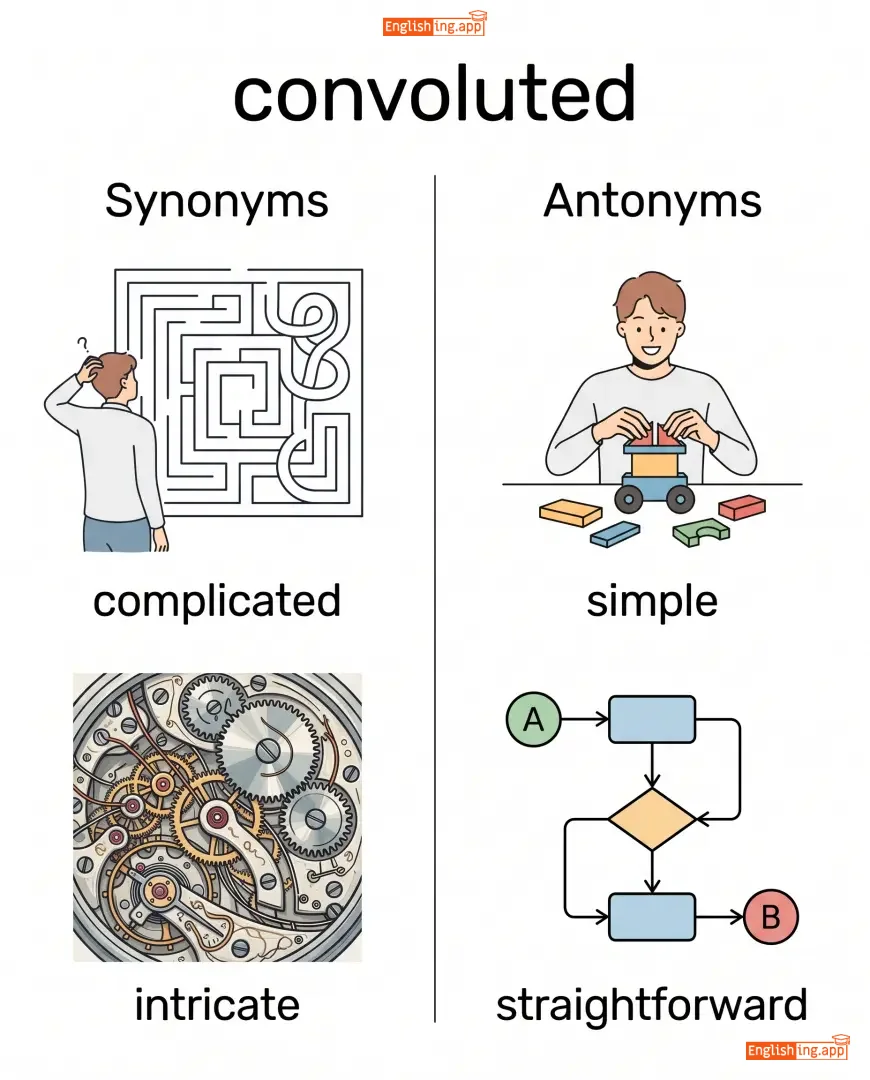
ˈkɒn.və.luː.tɪd
adjective
(kón.və.luː.tèd)
••••••
|
|
复杂
fuza
••••••
|
Extremely complex and difficult to follow; twisted or intricate.
••••••
|
His argument was so convoluted that no one understood it. |
他的论点如此复杂,以至于没有人理解它。
Tā de lùndiǎn rúcǐ fùzá, yǐzhì yú méiyǒu rén lǐjiě tā.
••••••
|
complex, complicated, intricate
••••••
|
simple, clear, straightforward
••••••
|
复杂的争论就像错综复杂的迷宫
••••••
|
|
#3533
💡
|
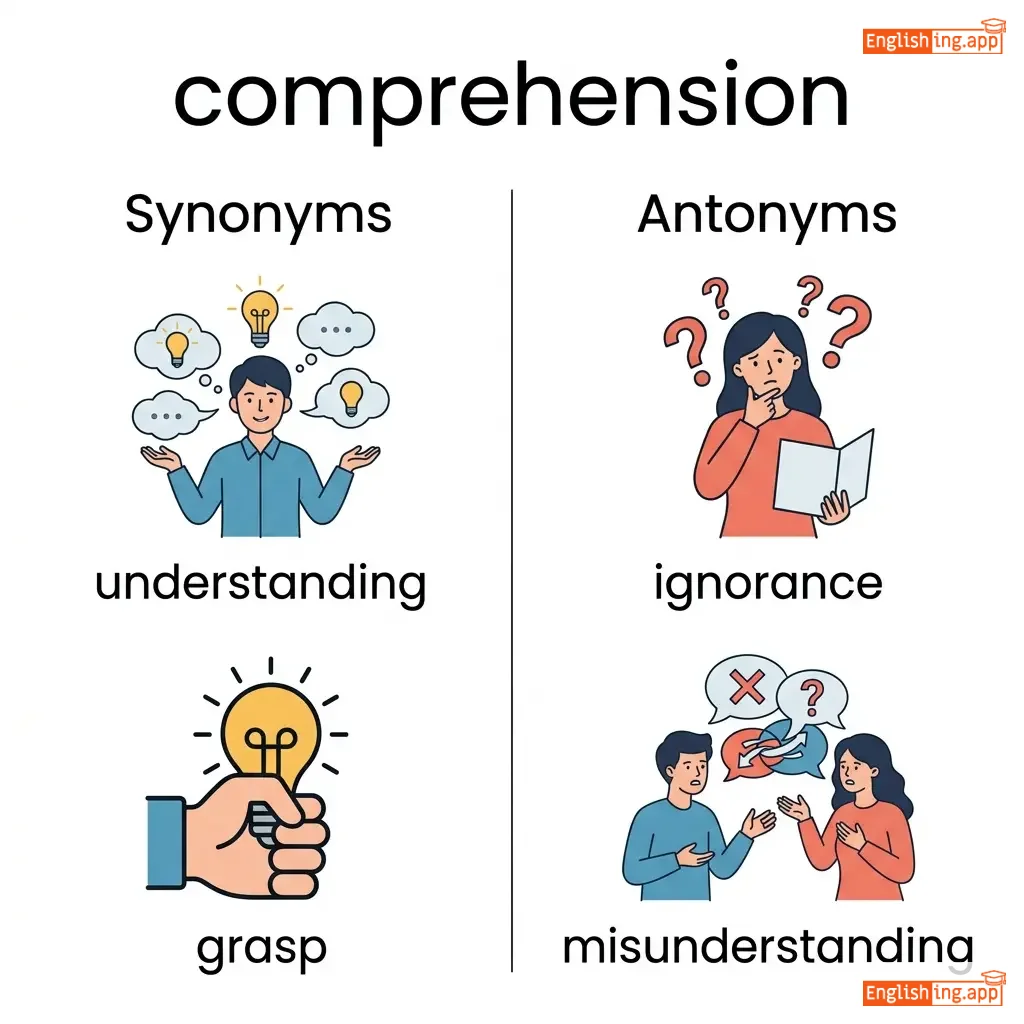
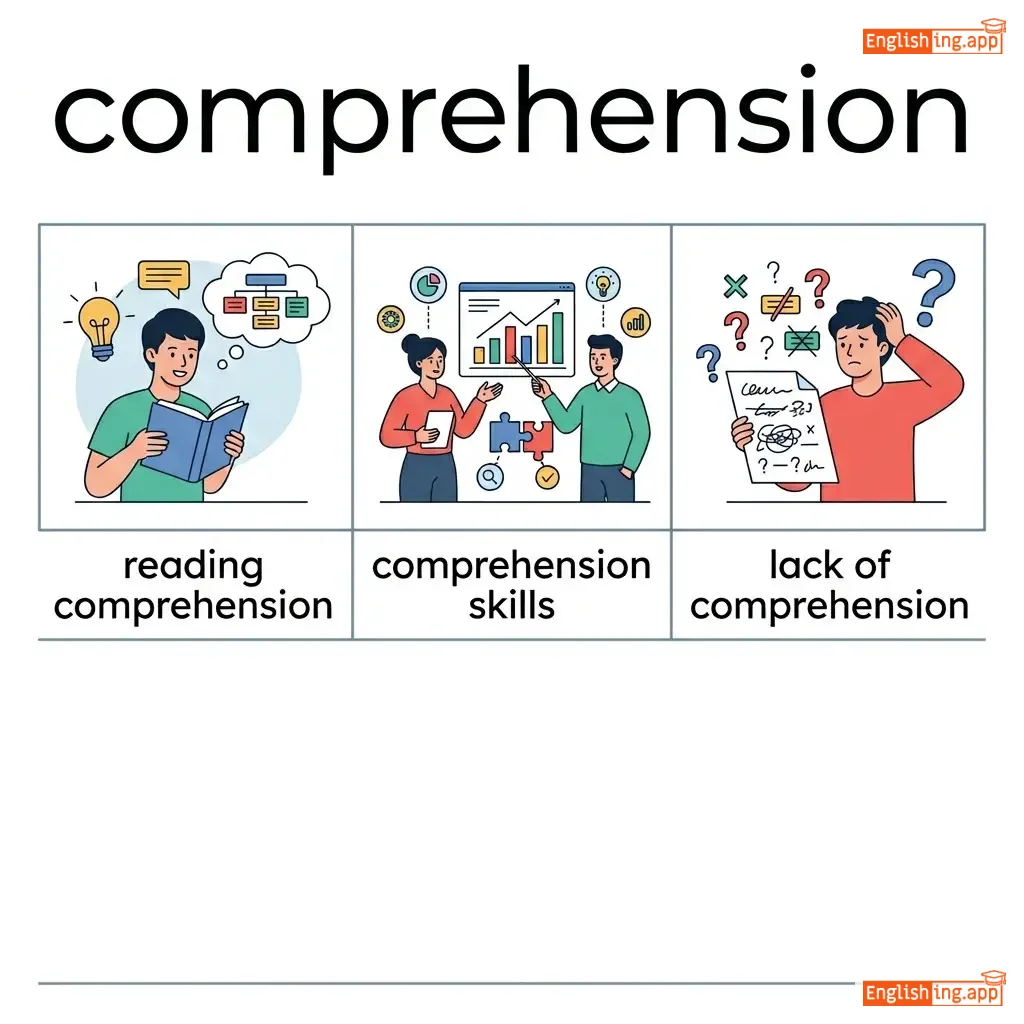
ˌkɒm.prɪˈhɛn.ʃən
noun
(理解力)
••••••
|
|
理解某事的能力;对意义的理解
lijiě mǒu shì de nénglì; duì yìyì de lǐjiě
••••••
|
The ability to understand something; understanding or grasp of meaning.
••••••
|
Reading improves vocabulary and comprehension skills. |
阅读能提高词汇量和理解能力。
Yuèdú néng tígāo cíhuì liàng hé lǐjiě nénglì.
••••••
|
understanding, grasp, interpretation
••••••
|
misunderstanding, confusion, ignorance
••••••
|
理解通过反复阅读和记忆逐渐增强
••••••
|
|
#3534
📈
|
ˌɪn.krəˈmɛn.təl
adjective
(增量)
••••••
|
|
逐步增加
zhúbù zēngjiā
••••••
|
Relating to or denoting an increase or addition; gradual step-by-step progress.
••••••
|
The company is making incremental improvements to its services. |
公司正在对其服务进行逐步改善。
Gōngsī zhèngzài duì qí fúwù jìnxíng zhúbù gǎishàn.
••••••
|
gradual, progressive, step-by-step
••••••
|
sudden, drastic, immediate
••••••
|
像小步骤一样逐步前进的进步。
••••••
|
|
#3535
📉
|
əˈtɛn.ju.eɪt
verb
(啊特纽埃特)
••••••
|
|
减轻
jianqing
••••••
|
To reduce the force, effect, or value of something; to make weak or thin.
••••••
|
The medicine helps attenuate the pain.
这种药有助于缓解疼痛。
••••••
|
这种药有助于缓解疼痛。
Zhe zhong yao you zhu yu huanjie tengtong.
••••••
|
weaken, reduce, diminish
••••••
|
strengthen, intensify, enhance
••••••
|
减轻就像是让声音变小,像把音量调低一样。
••••••
|
|
#3536
🔗
|
koʊˈhɪə.rəns
noun
(连贯性)
••••••
|
|
连贯性
liánguànxìng
••••••
|
The quality of being logical and consistent; clarity and logical flow.
••••••
|
His speech lacked coherence, making it hard to follow. |
他的演讲缺乏连贯性,难以理解。
Tā de yǎnjiǎng quēfá liánguànxìng, nányǐ lǐjiě.
••••••
|
consistency, logical flow, clarity
••••••
|
incoherence, disorder, confusion
••••••
|
连贯性像流动的思想,清晰且有条理。
••••••
|
|
#3537
📚
|
ˌɛr.jʊˈdɪʃ.ən
noun
(博学)
••••••
|
|
广泛的知识或学习; 博学
guǎngfàn de zhīshì huò xuéxí; bóxué
••••••
|
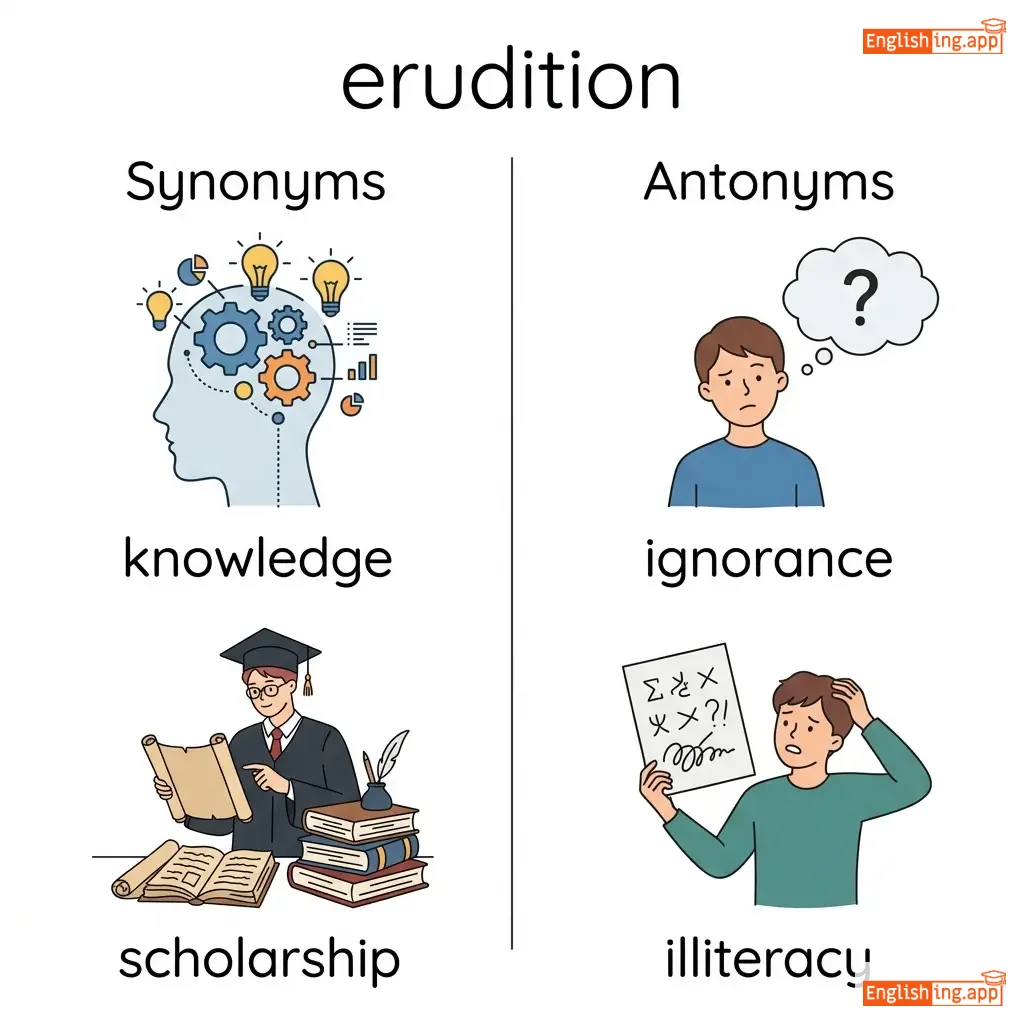
The quality of having or showing great knowledge or learning; scholarship.
••••••
|
His erudition in history impressed the entire audience. |
他在历史方面的博学令所有观众印象深刻。
Tā zài lìshǐ fāngmiàn de bóxué lìng suǒyǒu guānzhòng yìnxiàng shēnkè.
••••••
|
scholarship, knowledge, learning
••••••
|
ignorance, illiteracy, inexperience
••••••
|
博学 = 博学 = 一个拥有广泛知识的人可以用博学来形容他。
••••••
|
|
#3538
⚗️
|
ˈsɪn.θə.sɪs
noun
(合成)
••••••
|
|
合成
hecheng
••••••
|
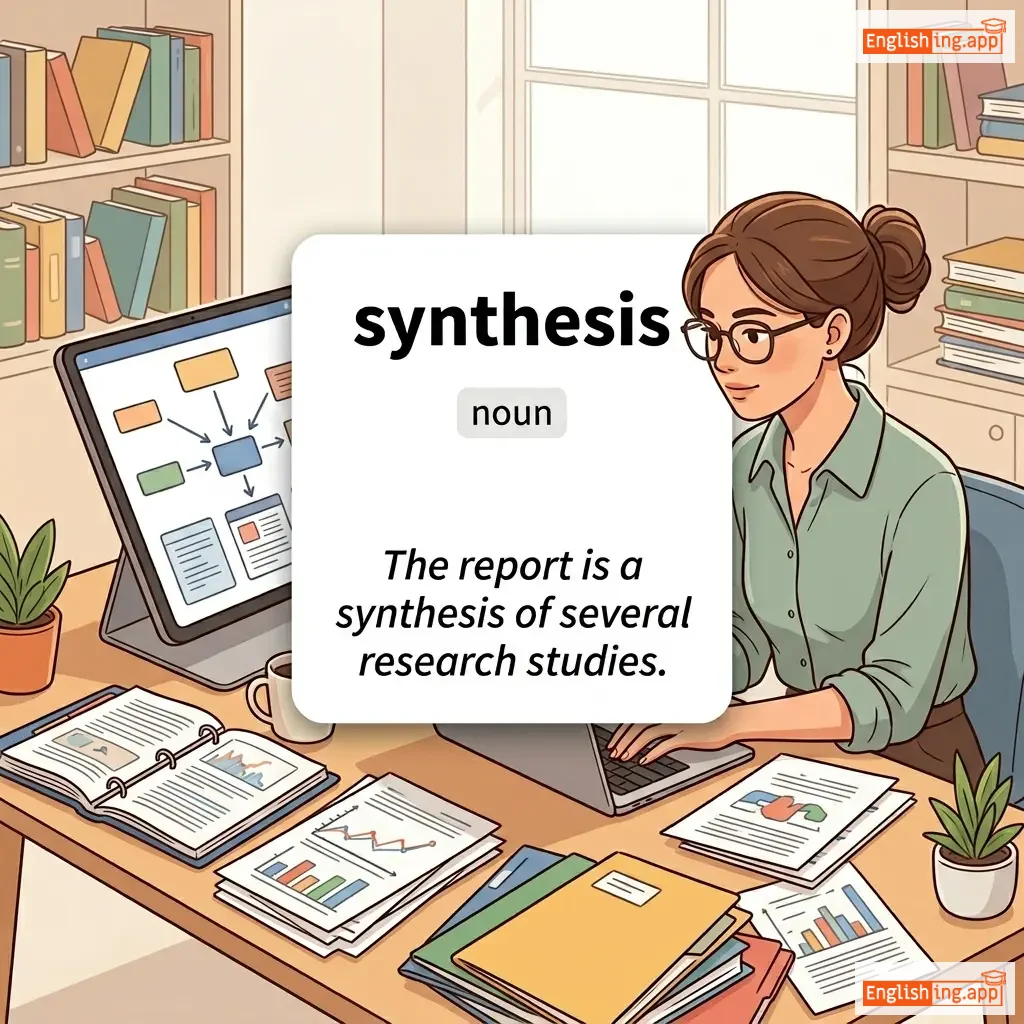
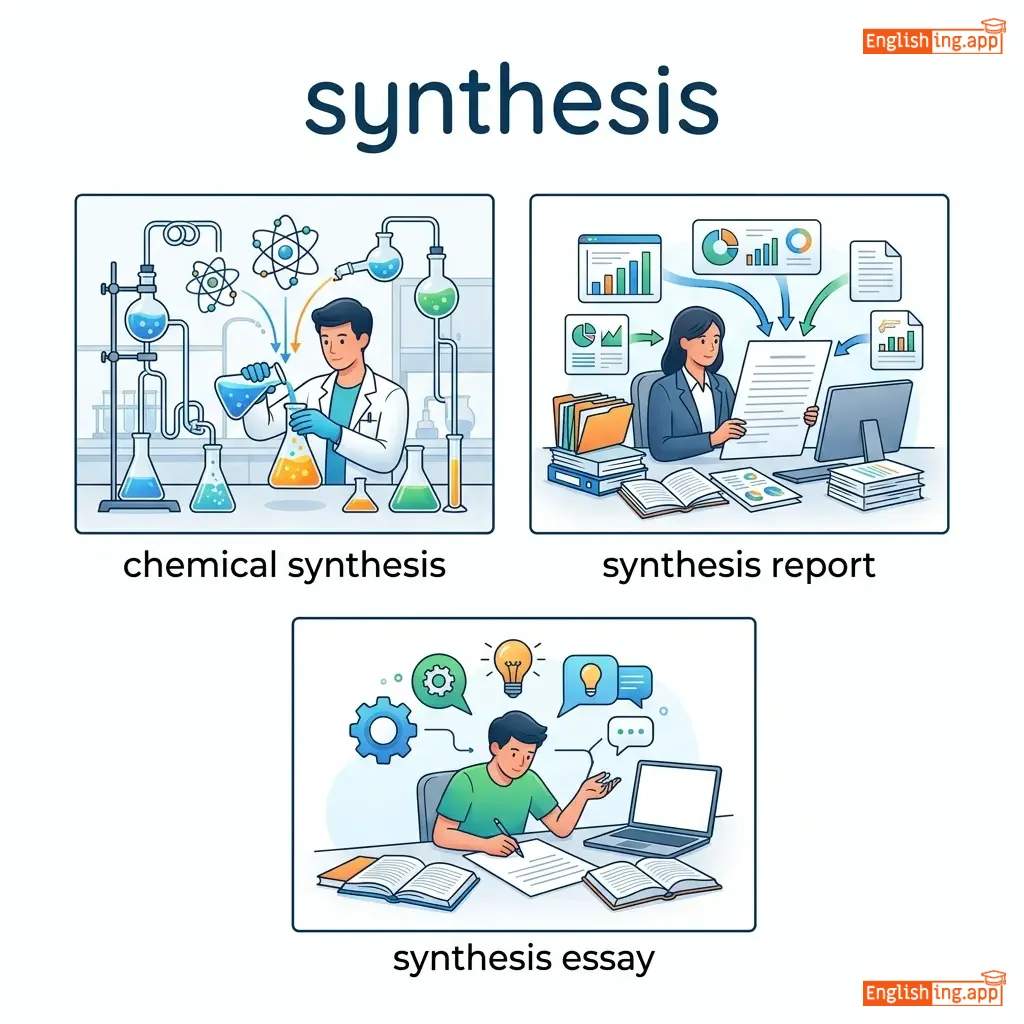
The combination of ideas to form a theory or system; the composition of complex entities from simpler ones.
••••••
|
The research paper presents a synthesis of multiple theories. |
这篇研究论文展示了多种理论的合成。
Zhe pian yanjiu lunwen zhanshi le duozhong lilun de hecheng.
••••••
|
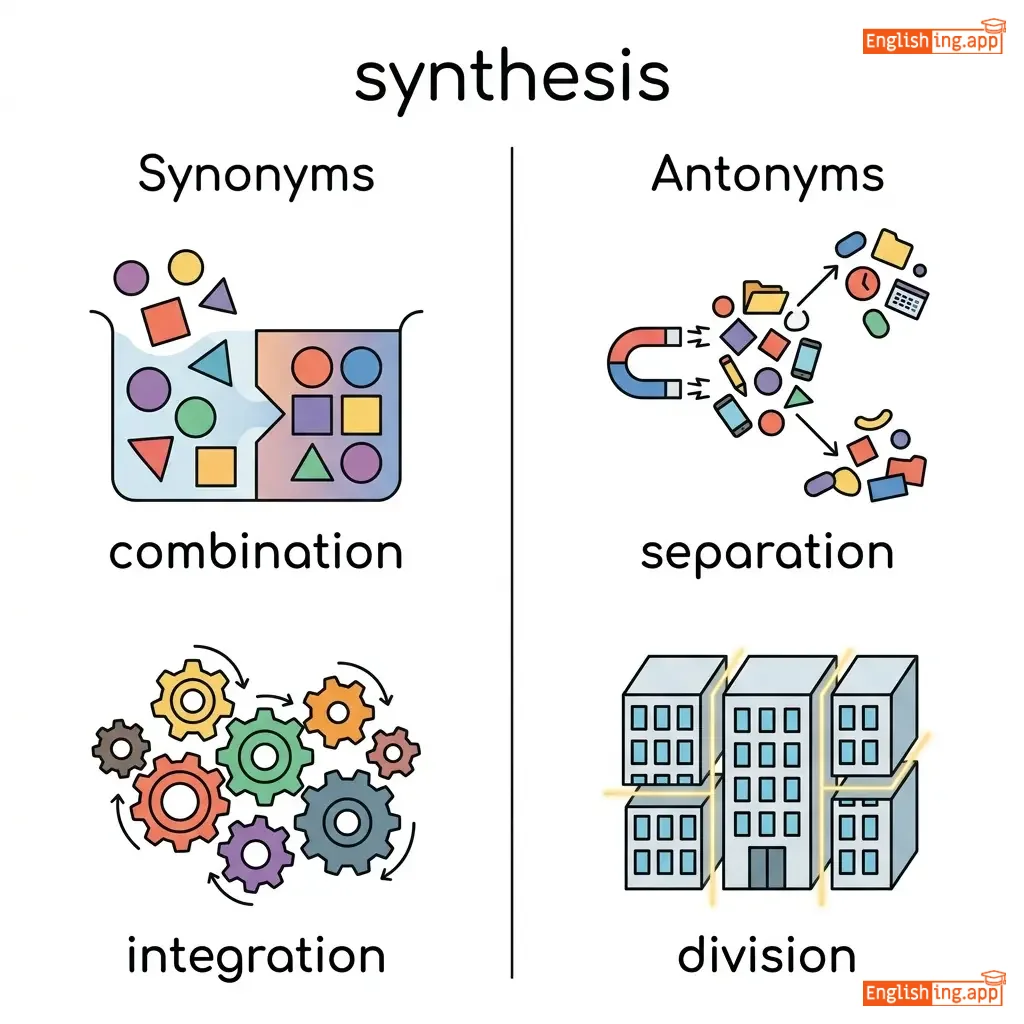
combination, integration, fusion
••••••
|
separation, division, fragmentation
••••••
|
合成是将不同的思想融合成一个新的理论。
••••••
|
|
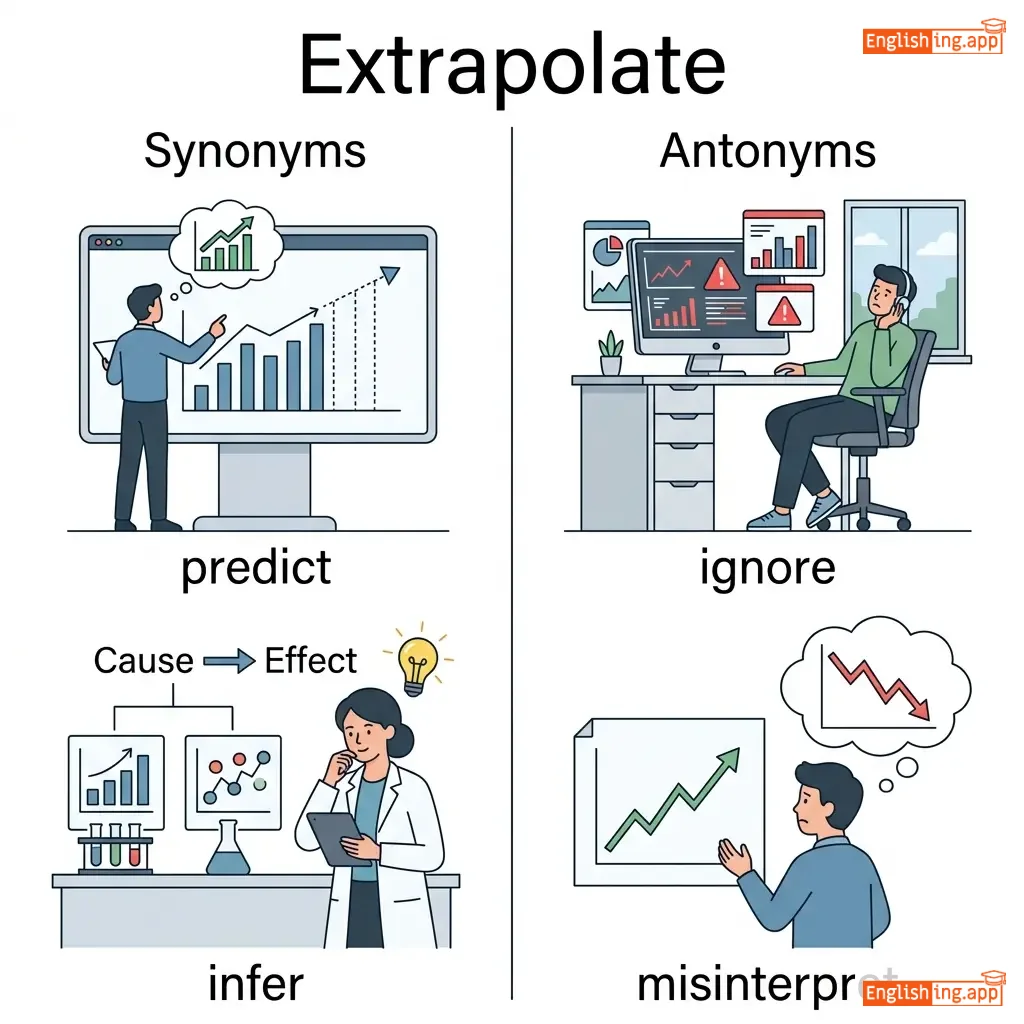
#3539
🔮
|
ɪkˈstræp.ə.leɪt
verb
(艾克斯特拉波雷特)
••••••
|
|
外推
wai tui
••••••
|
To extend the application of a method or conclusion to an unknown situation by assuming that existing trends will continue.
••••••
|
Scientists extrapolate climate trends based on past data.
科学家根据过去的数据对气候趋势进行外推。
••••••
|
科学家根据过去的数据对气候趋势进行外推。
kexuejia genju guoqu de shuju dui qihou qushi jinxing waitui
••••••
|
infer, predict, deduce
••••••
|
misinterpret, misjudge, distort
••••••
|
OutPush 未来桥: 想象 数据 像 桥梁 从 past 延伸 到 future, 外推 就是 将 趋势 推向 未来
••••••
|
|
#3540
🔍
|
məˈtɪk.jə.ləs
adjective
(缜密)
••••••
|
|
一丝不苟
yī sī bù gǒu
••••••
|
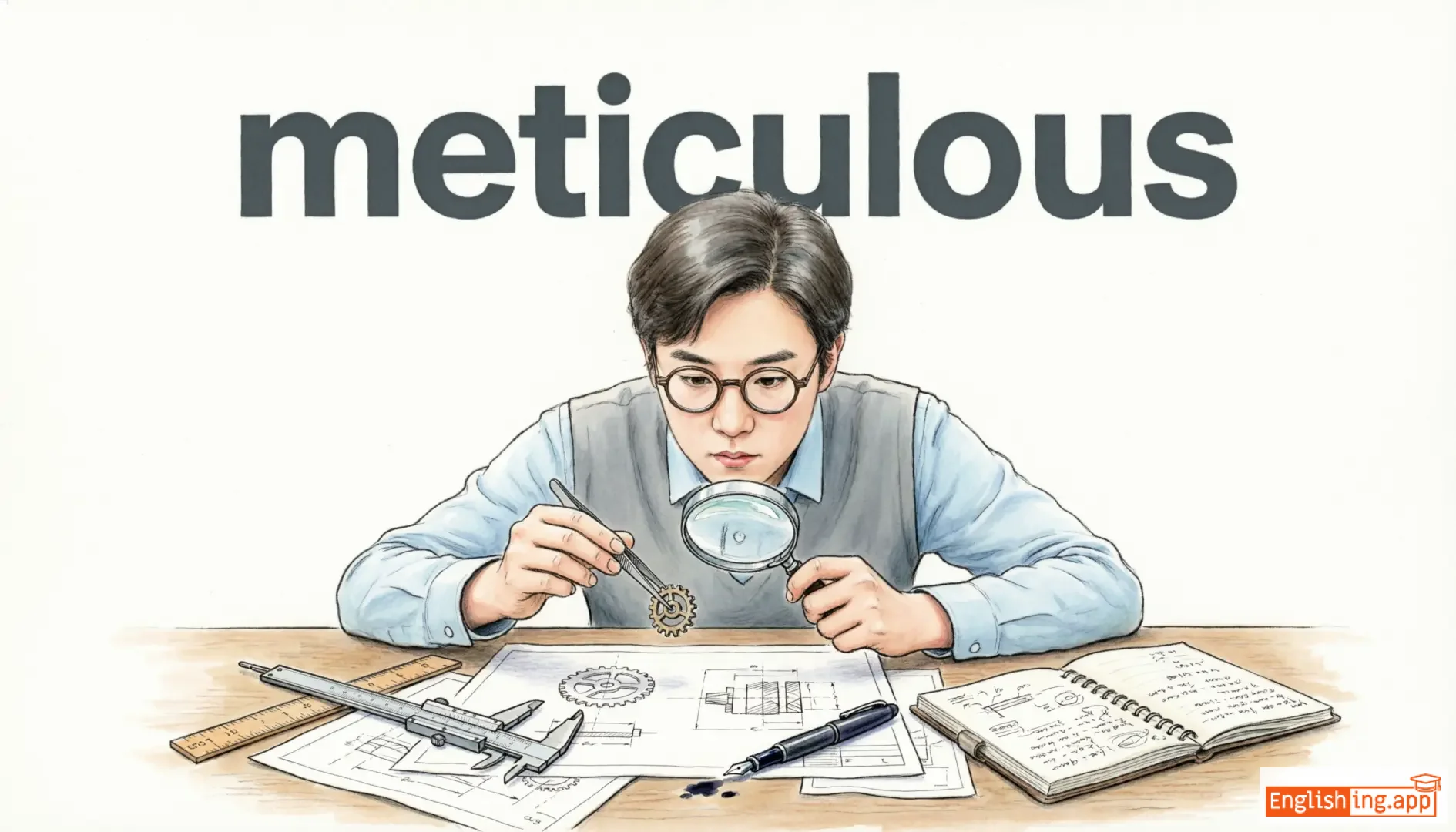
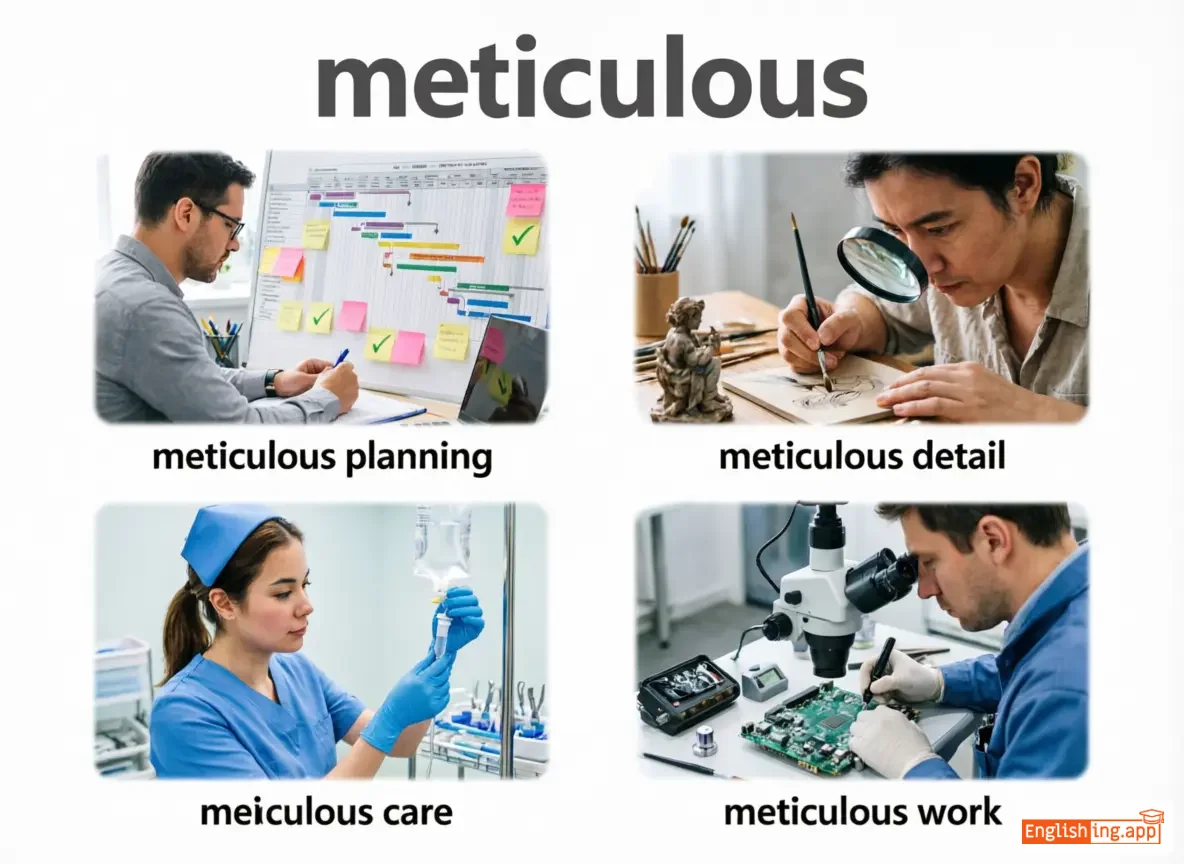
Showing great attention to detail; very careful and precise.
••••••
|
She is meticulous about every detail in her work. |
她对每一个工作细节都一丝不苟。
Tā duì měi yī gè gōngzuò xìjié dōu yī sī bù gǒu.
••••••
|
precise, careful, thorough
••••••
|
careless, inaccurate, negligent
••••••
|
Chinese '一丝不苟' (yī sī bù gǒu) means 'meticulous attention to detail'.
••••••
|
|
#3541
💪
|
ˈfɔːr.tɪ.tjuːd
noun
(福尔蒂图德)
••••••
|
|
毅力
yìlì
••••••
|
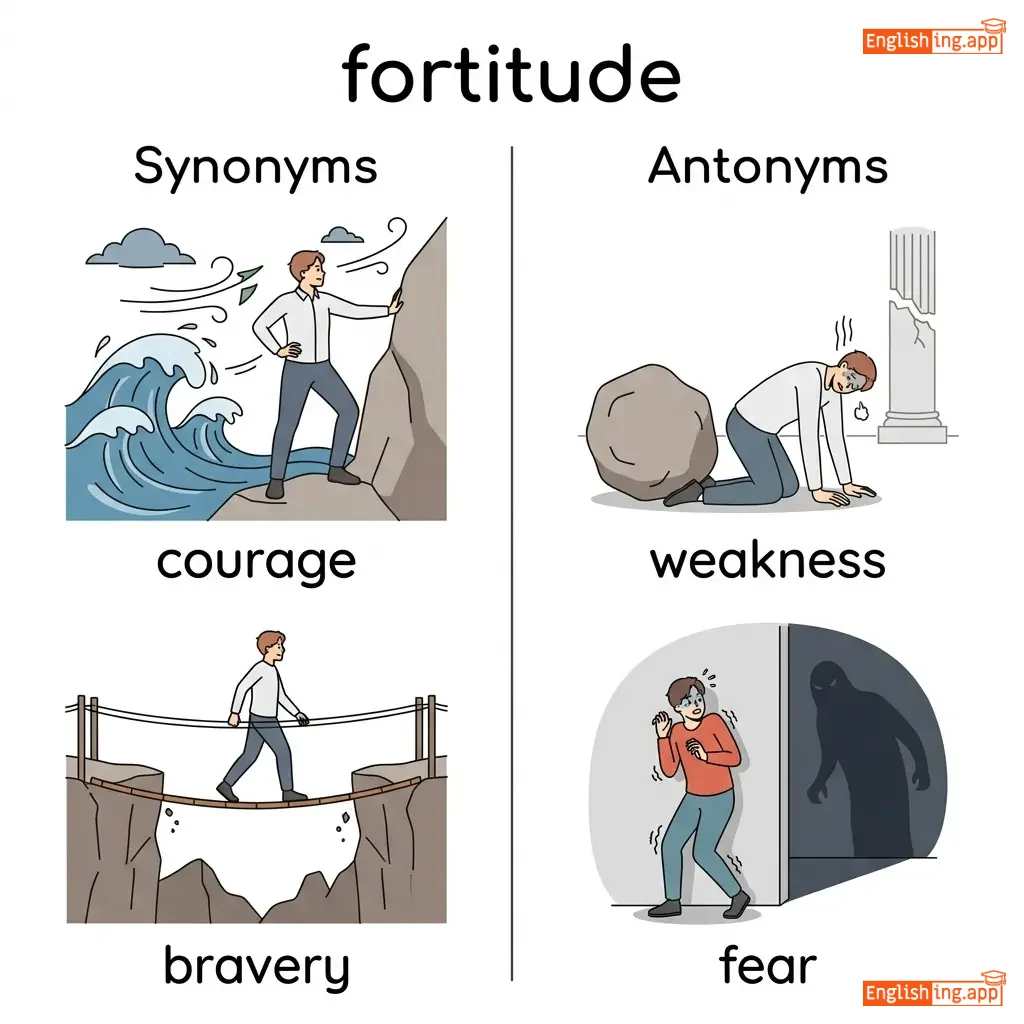
Courage in pain or adversity; mental and emotional strength in facing difficulty.
••••••
|
She showed great fortitude during the crisis.
她在危机期间表现出了极大的毅力。
••••••
|
她在危机期间表现出了极大的毅力。
Tā zài wēijī qījiān biǎoxiàn chūle jí dà de yìlì.
••••••
|
resilience, courage, perseverance
••••••
|
weakness, fear, cowardice
••••••
|
Fortitude在中文中是'毅力' – 面对挑战时的坚定决心。
••••••
|
|
#3542
⚡
|
prəˈpɛn.sə.ti
noun
(普罗彭西蒂)
••••••
|
|
倾向
qingxiang
••••••
|
An inclination or natural tendency to behave in a particular way.
••••••
|
He has a propensity to take risks in business.
他在商业中有冒险倾向。
••••••
|
他在商业中有冒险倾向。
Ta zai shangye zhong you maoxian qingxiang.
••••••
|
tendency, inclination, predisposition
••••••
|
aversion, disinclination, avoidance
••••••
|
在商业中冒险的倾向
••••••
|
|
#3543
💬
|
ɪˈluː.sɪ.deɪt
verb
(阐明)
••••••
|
|
阐明
chanming
••••••
|
To make something clear; to explain in detail.
••••••
|
The professor elucidated the complex theory in simple terms. |
教授用简单的词汇阐明了复杂的理论。
Jiaoshou yong jiandan de cihui chanming le fuza de lilun.
••••••
|
explain, clarify, illuminate
••••••
|
confuse, obscure, muddle
••••••
|
阐明就像灯光照亮模糊,让事情清晰可见。
••••••
|
|
#3544
🧠
|
rɪˈtɛn.ʃən
noun
(rɪˈtɛnʃən)
••••••
|
|
保持
bǎochí
••••••
|
The continued possession, use, or control of something; the ability to retain knowledge or memory.
••••••
|
Regular practice improves knowledge retention.
定期练习提高知识的保持能力。
••••••
|
定期练习提高知识的保持能力。
Dìngqī liànxí tígāo zhīshì de bǎochí nénglì.
••••••
|
preservation, memory, maintenance
••••••
|
loss, forgetfulness, discarding
••••••
|
Retention means keeping what you know, like regular practice keeps knowledge.
••••••
|
|
#3545
🏃♂️
|
ɪˈveɪ.ʒən
noun
(逃避)
••••••
|
|
逃避
taobi
••••••
|
The practice of avoiding or escaping from something, especially responsibility or duty.
••••••
|
His evasion of responsibilities frustrated his colleagues. |
他逃避责任的行为使同事们感到沮丧。
Tā táobì zérèn de xíngwéi shǐ tóngshìmen gǎndào jǔsàng.
••••••
|
avoidance, dodging, escape
••••••
|
confrontation, engagement, compliance
••••••
|
逃避就像跳过责任来轻松生活。
••••••
|
|
#3546
🚀
|
ɪnˈdɛv.ɚ
noun/verb
(恩代沃)
••••••
|
|
努力
nǔlì
••••••
|
An attempt to achieve a goal; to try hard to do or achieve something.
••••••
|
His endeavor to start a business was successful.
他的创业尝试取得了成功。
••••••
|
他的创业努力取得了成功。
Tā de chuàngyè nǔlì qǔdéle chénggōng.
••••••
|
attempt, effort, struggle
••••••
|
inactivity, neglect, idleness
••••••
|
Endeavor in Chinese = 努力, it means striving for something.
••••••
|
Vocabulary Quiz
Test your vocabulary by matching words with their translations or meanings.
Login to take the quiz
Comments (0)
Share your thoughts and join the discussion.
Join the discussion by logging in
Login to CommentNo comments yet
Be the first to share your thoughts!