

克服沟通中的 Barriers
Overcoming Barriers in Communication
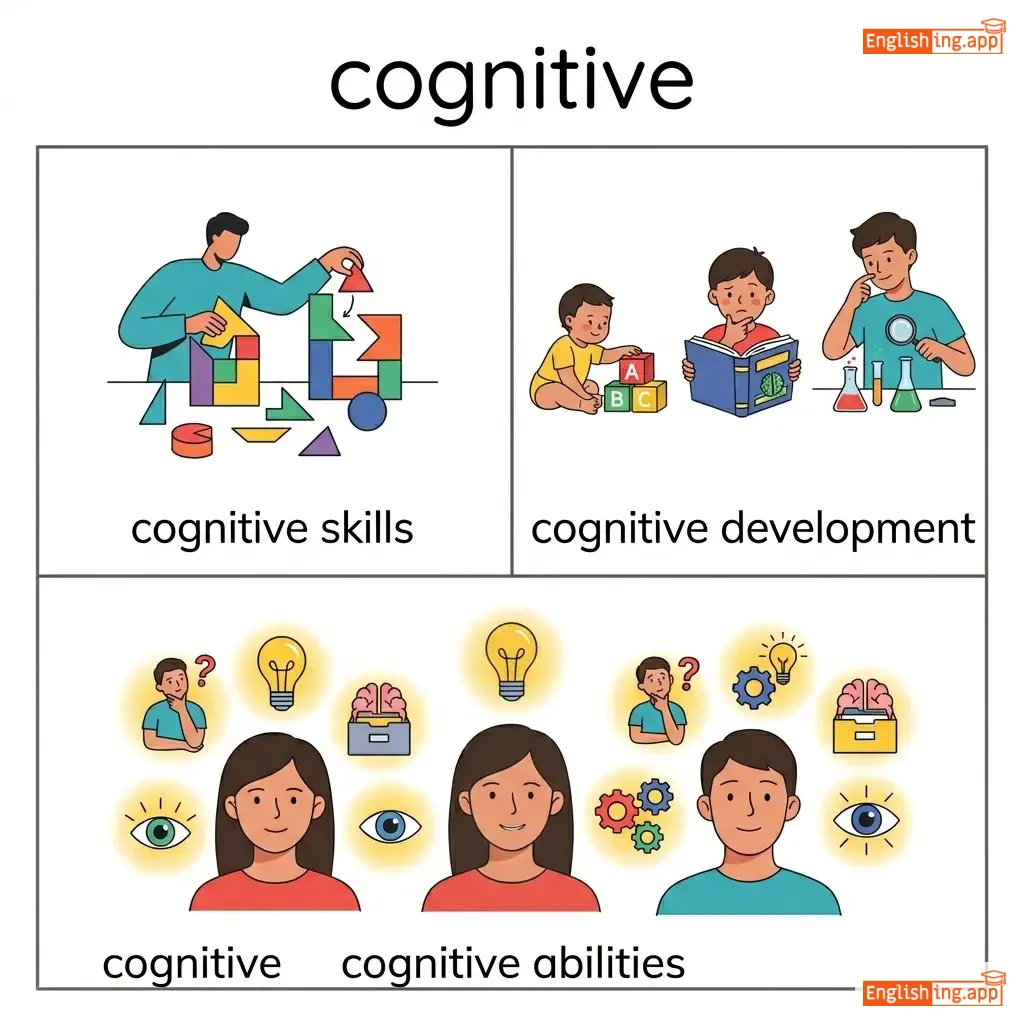
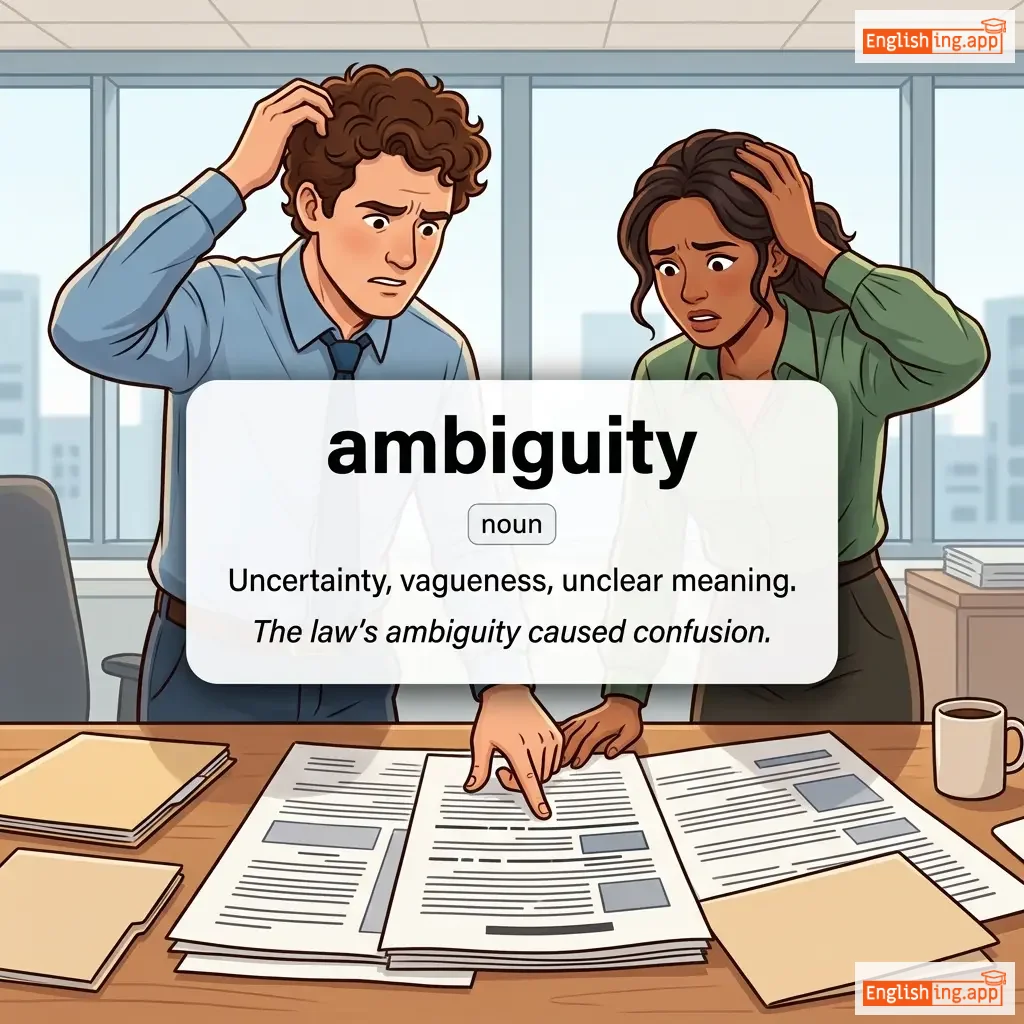
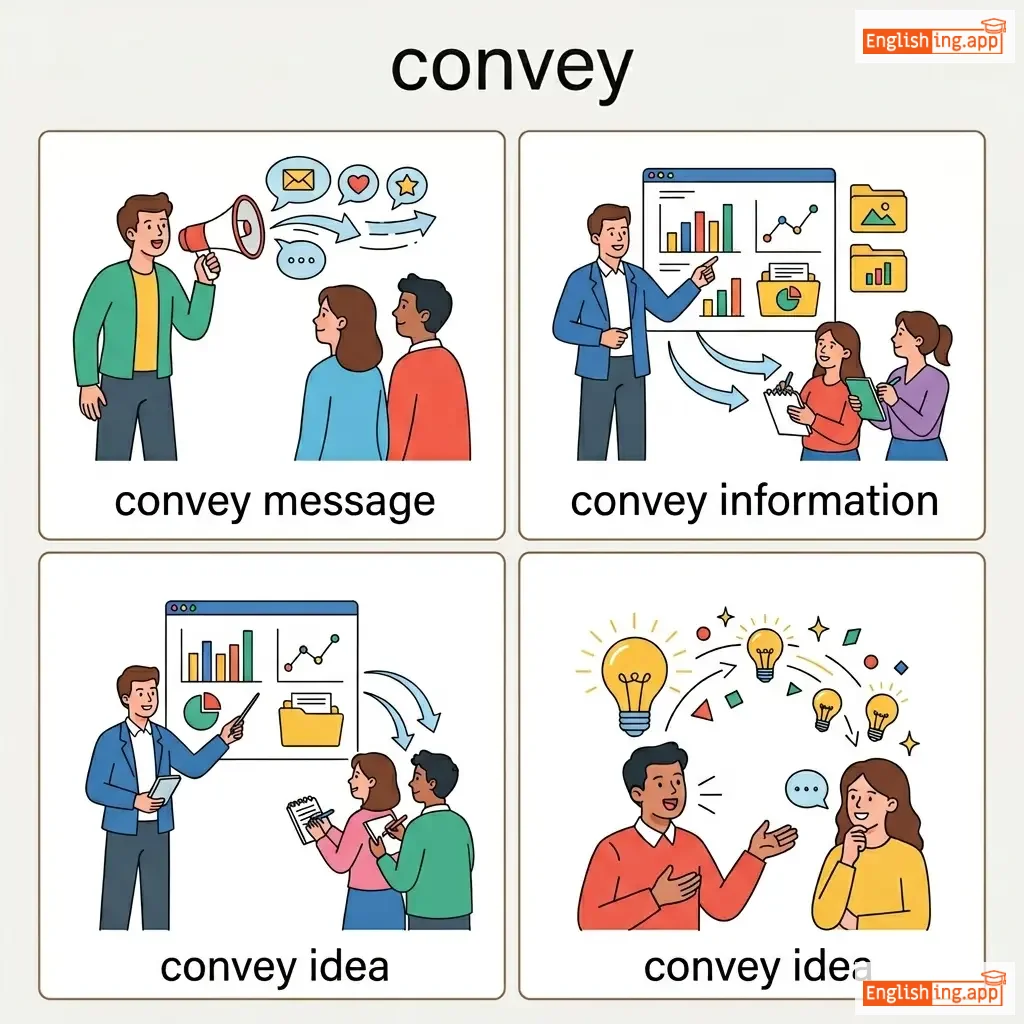
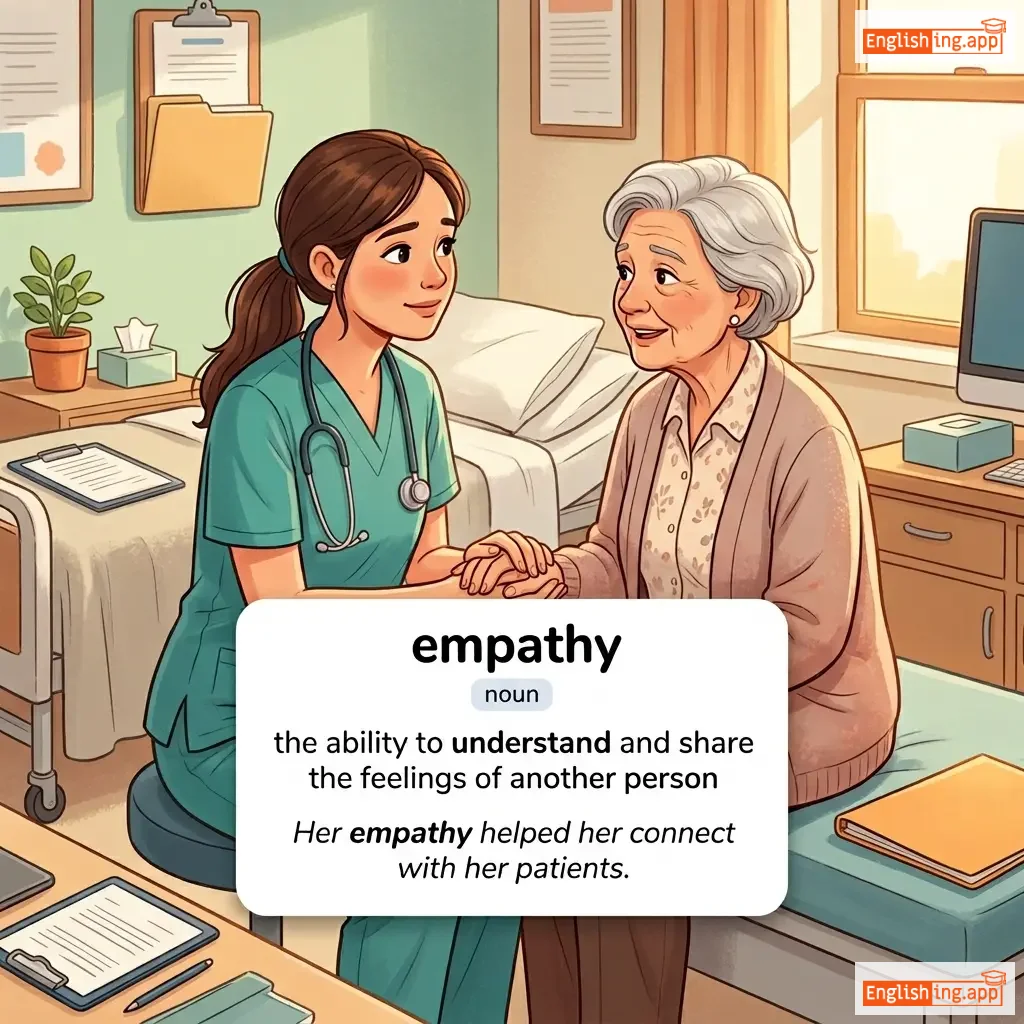
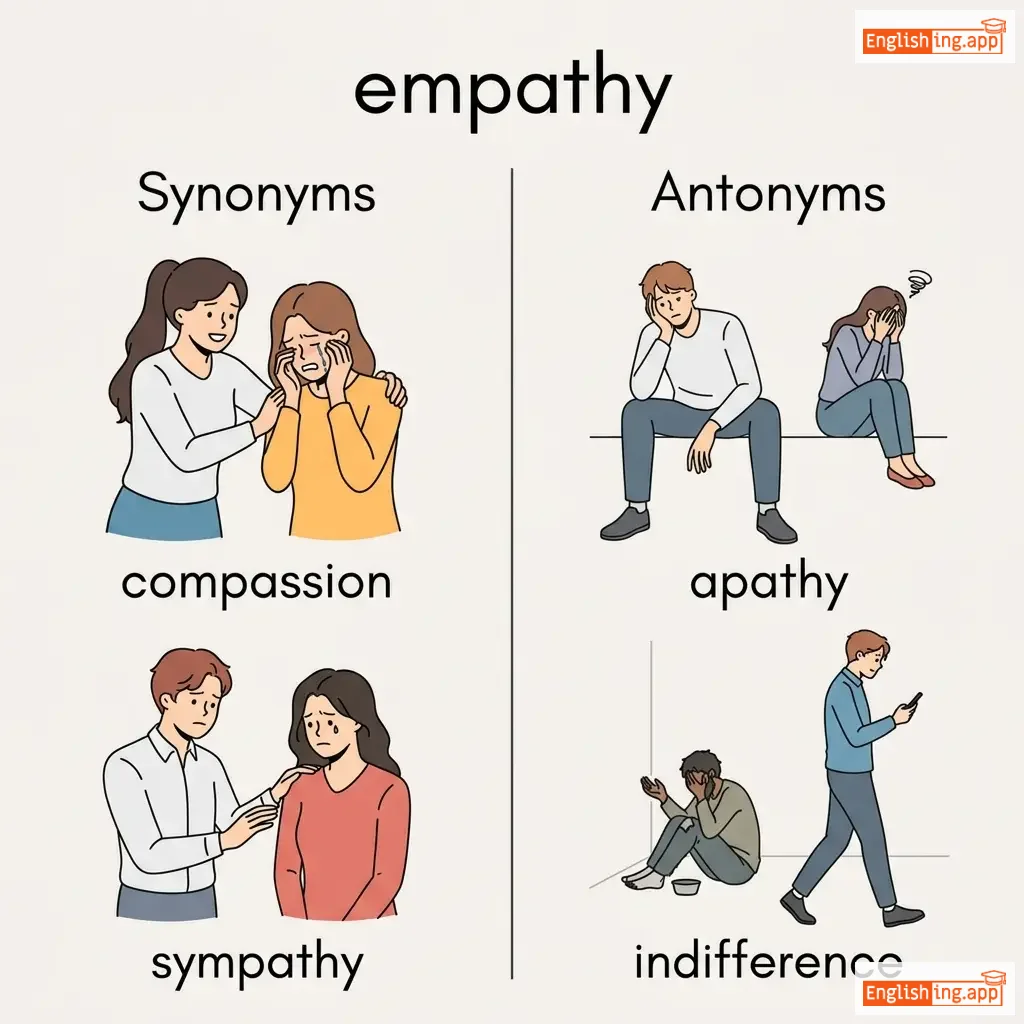
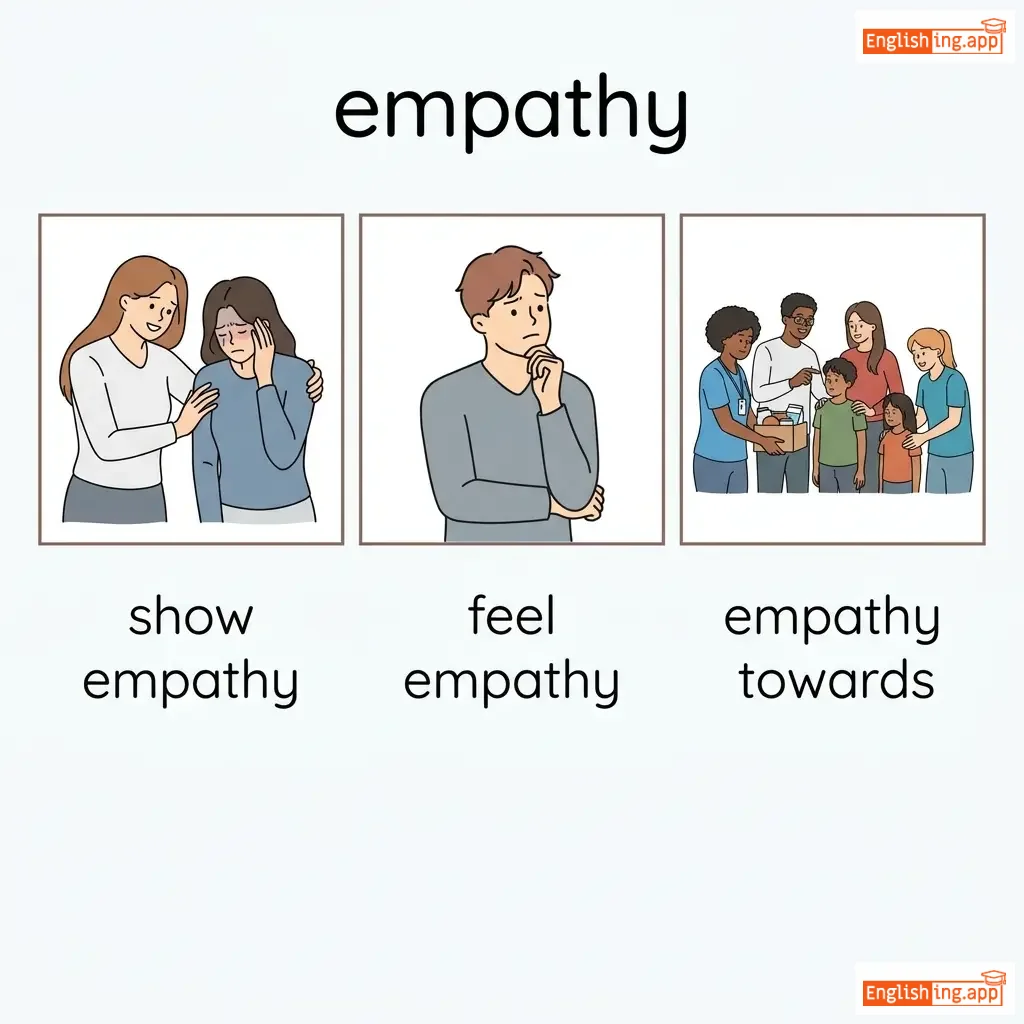
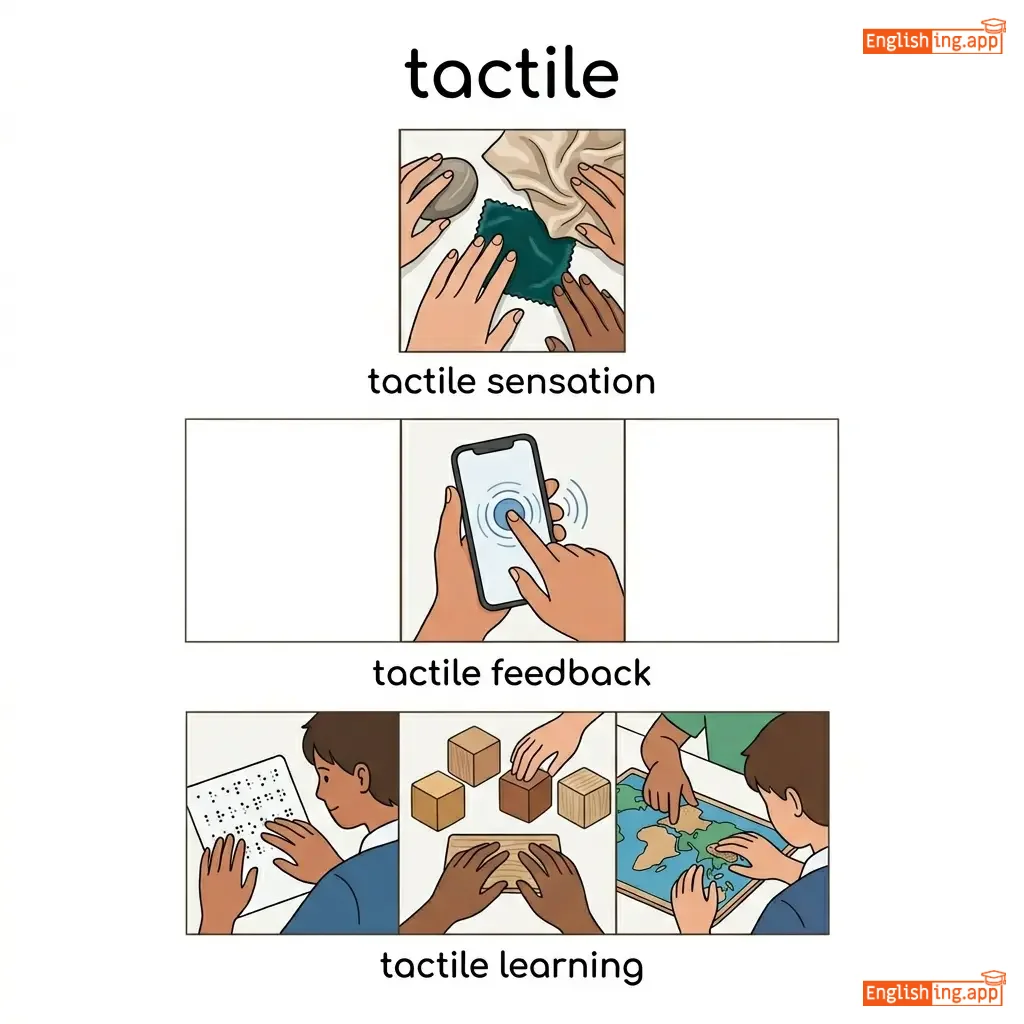
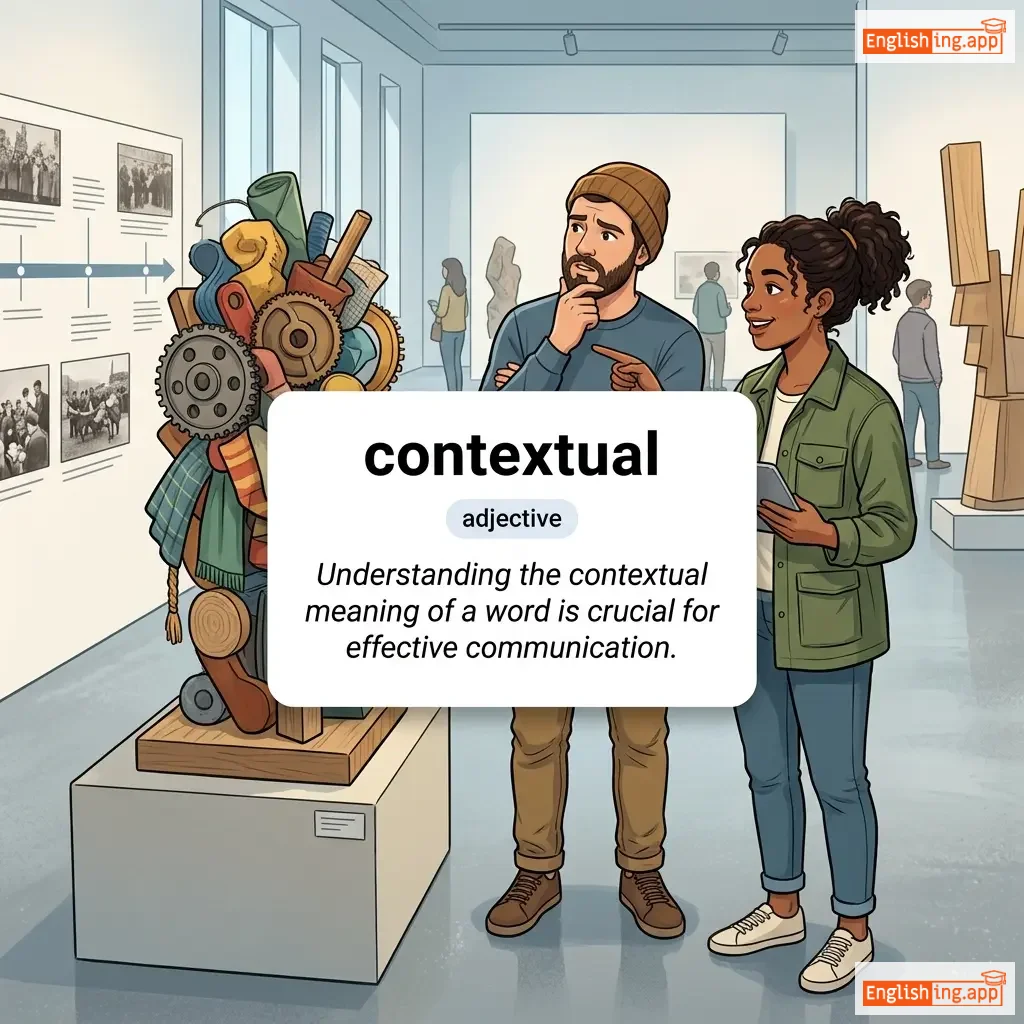
沟通可能会面临各种类型的 barriers——verbal、non-verbal 或 cognitive。当我们与他人交流时,可能会出现 ambiguity 或误解。Clarification 对消除这些问题非常重要。此外,可能存在 discrepancy,即一个人想表达的内容与他如何 convey 之间的差异。如果存在 empathy 和 engagement,正确的 perception 和反应就会变得更容易。然而,stereotyping 会影响我们的思维过程,从而产生沟通 barriers。通过 enunciation 和 vocalization 提高清晰度,可以减少 impediments。然而,许多时候 subtle 手势和 tactile 沟通也很重要,它们的作用甚至超过口头语言。通过理解 contextual 含义,我们可以建立更好的关系,使沟通更加有效。









Swipe left or right, or use the buttons. Tap image to zoom.
例句翻译
单词
Overcoming Barriers in CommunicationOvercoming Barriers in Communication - 遮罩切换
|
表情符号
|
单词 | Images | 翻译 | 含义 | 例句 | 例句翻译 | 同义词 | 反义词 | 助记符 |
|---|---|---|---|---|---|---|---|---|---|
|
#2667
🚧
|
/ˈbæɹɪəz/
noun
(bǎliè'ěr)
••••••
|
|
障碍
zhàng'ài
••••••
|
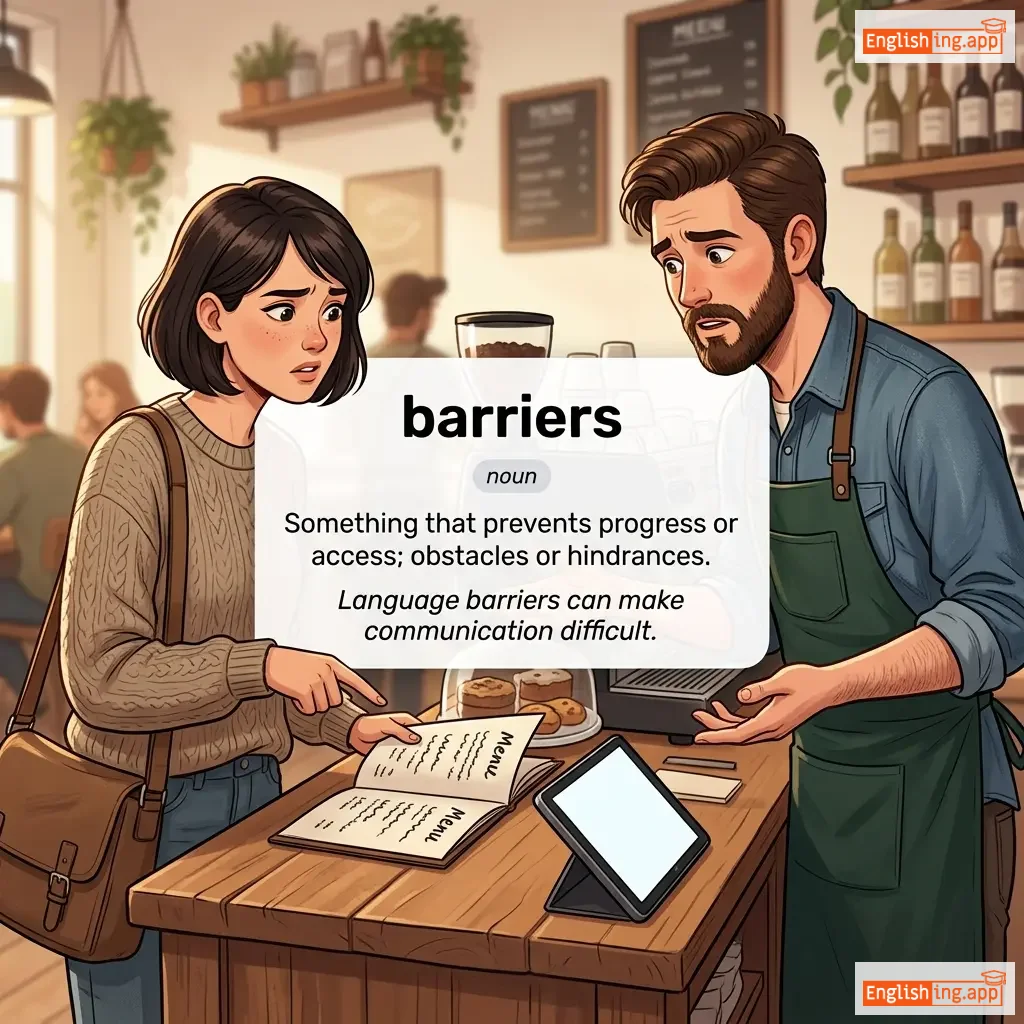
Something that prevents progress or access; obstacles or hindrances.
••••••
|
Language barriers can make communication difficult.
语言障碍可能会使沟通变得困难。
••••••
|
语言障碍可能会使沟通变得困难。
Yǔyán zhàng'ài kěnéng huì shǐ gōutōng biàn dé kùnnán.
••••••
|
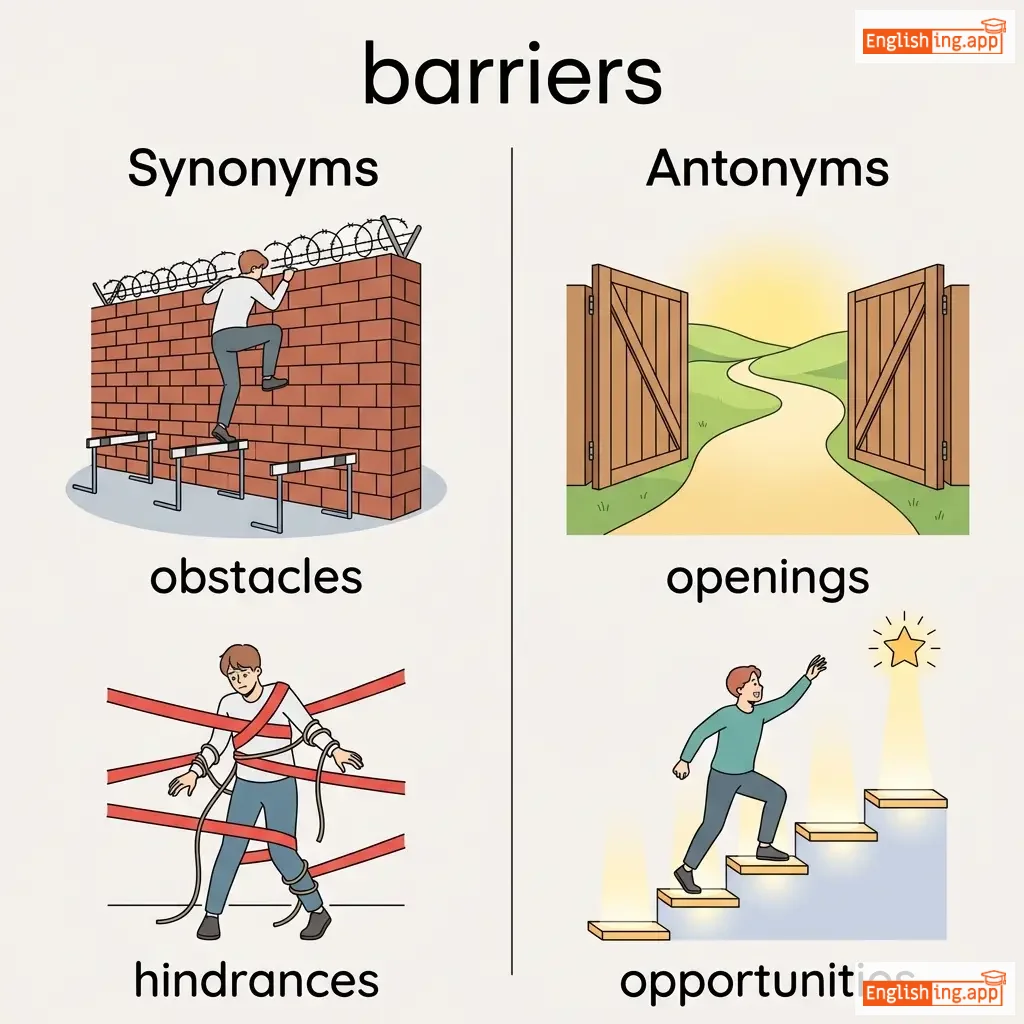
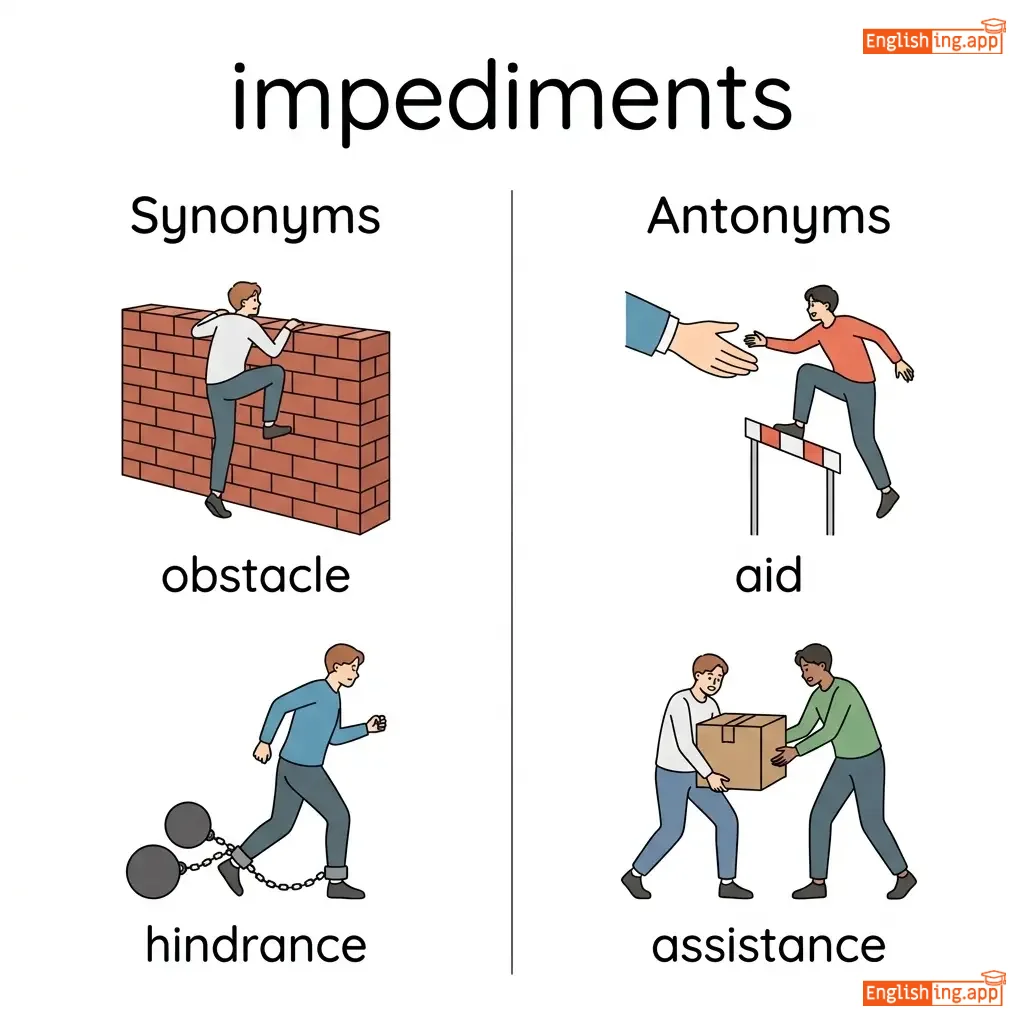
obstacles, hindrances, blockages, obstructions, impediments, hurdles
••••••
|
openings, opportunities, pathways, gateways, access, clearances
••••••
|
Language barriers can hinder communication, just like a wall blocking the way.
••••••
|
|
#2668
🗣️
|
/ˈvɜː.bəl/
adjective
(维尔布尔)
••••••
|
|
口头的,通过文字表达
kǒutóu de, tōngguò wénzì biǎodá
••••••
|
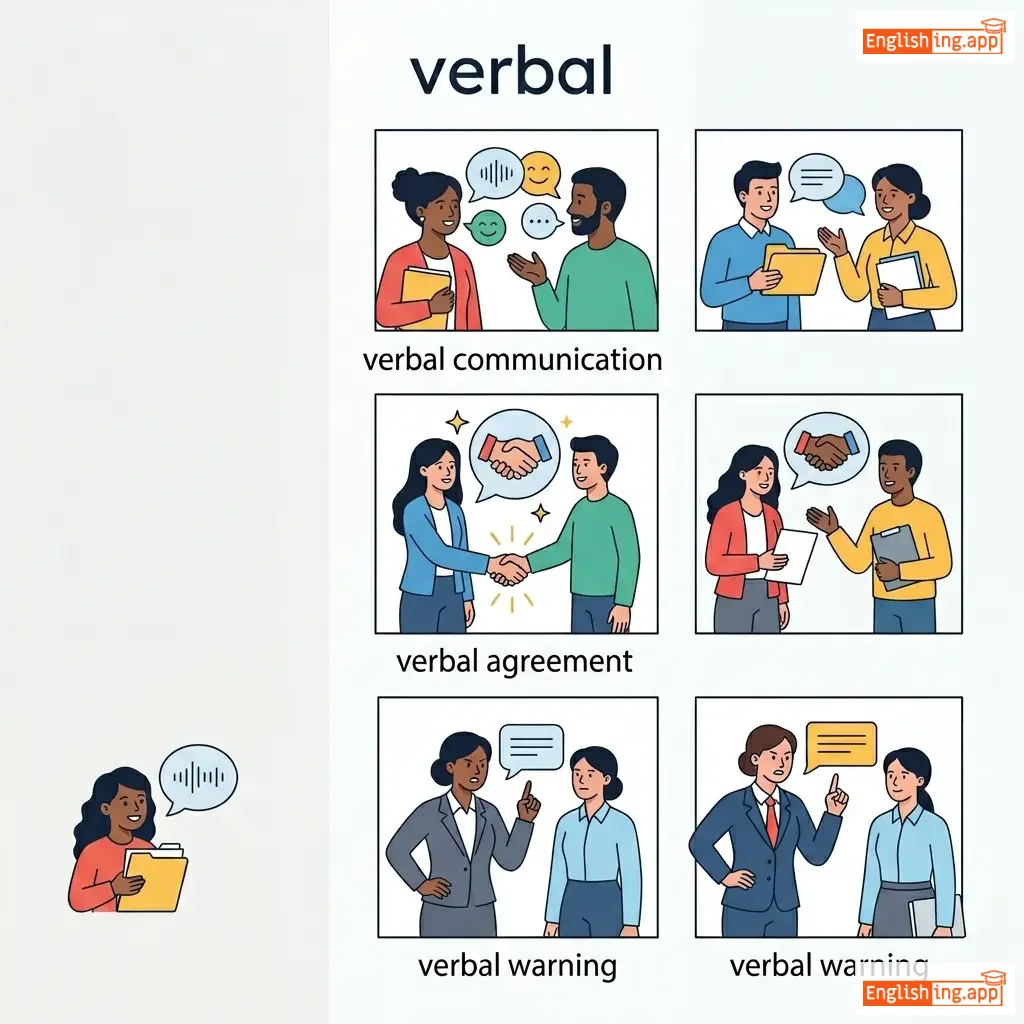
Relating to or in the form of words; spoken rather than written.
••••••
|
Verbal communication is essential in most situations.
口头沟通在大多数情况下是必需的。
••••••
|
口头沟通在大多数情况下是必需的。
Kǒutóu gōutōng zài dà duōshù qíngkuàng xià shì bìxū de.
••••••
|
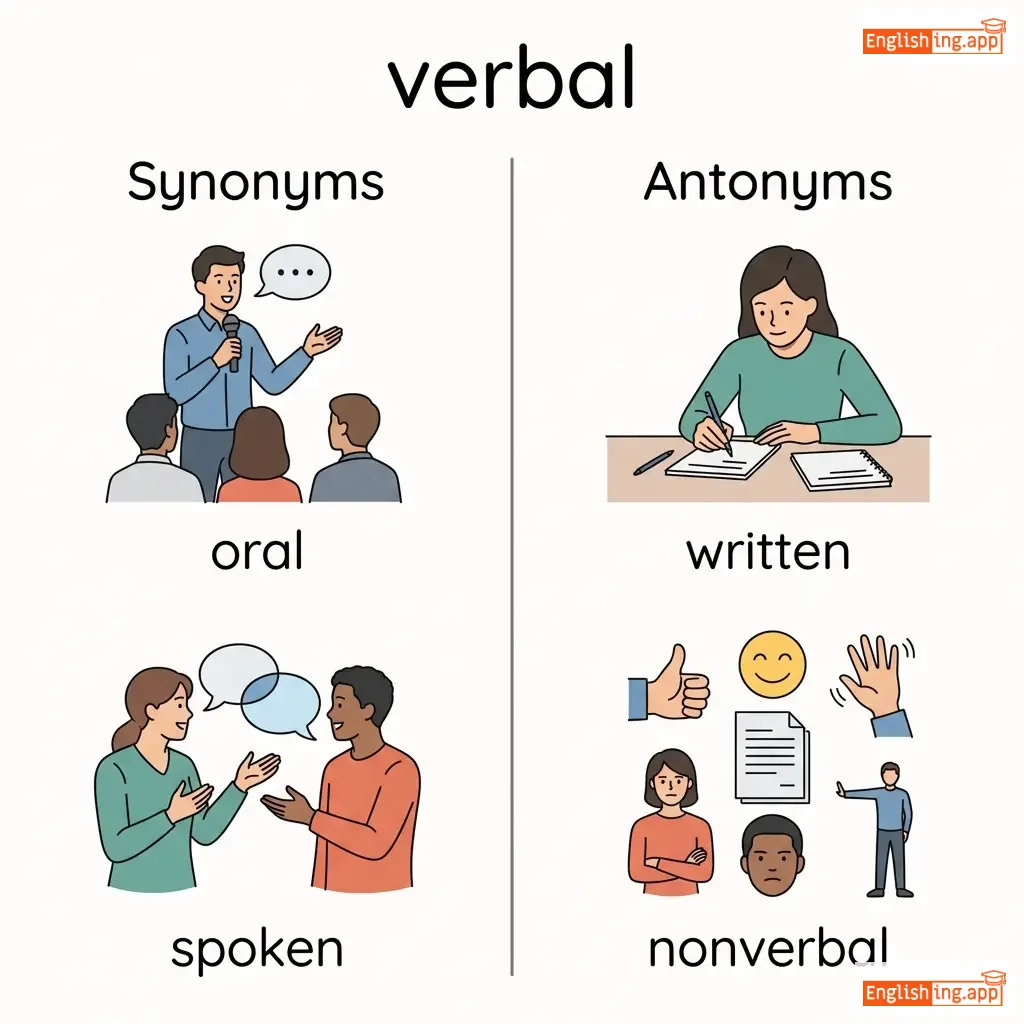
oral, spoken, vocal, articulated, uttered, expressed
••••••
|
non-verbal, written, silent, unspoken, tacit, implied
••••••
|
口头语言沟通表达
••••••
|
|
#2669
🤐
|
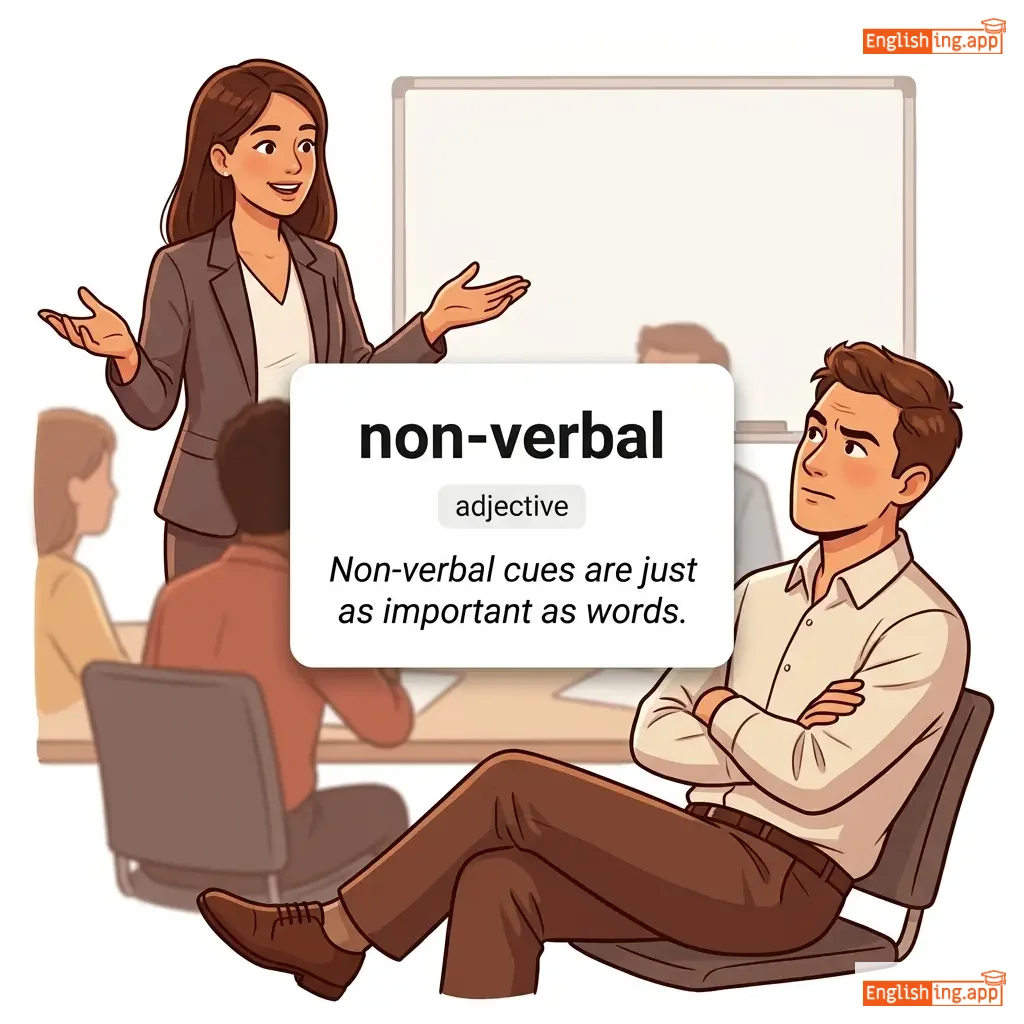
/ˌnɒnˈvɜː.bəl/
adjective
(非语言)
••••••
|
|
不涉及或使用语言或演讲; 通过手势、肢体语言或面部表情进行交流。
Bù shèjí huò shǐyòng yǔyán huò yǎnjiǎng; tōngguò shǒushì, zhītǐ yǔyán huò miànbù biǎoqíng jìnxíng jiāoliú.
••••••
|
Not involving or using words or speech; communicated through gestures, body language, or facial expressions.
••••••
|
Non-verbal cues are just as important as words.
非语言提示与言语同样重要。
••••••
|
非语言提示与言语同样重要。
Fēi yǔyán tíshì yǔ yányǔ tóngyàng zhòngyào.
••••••
|
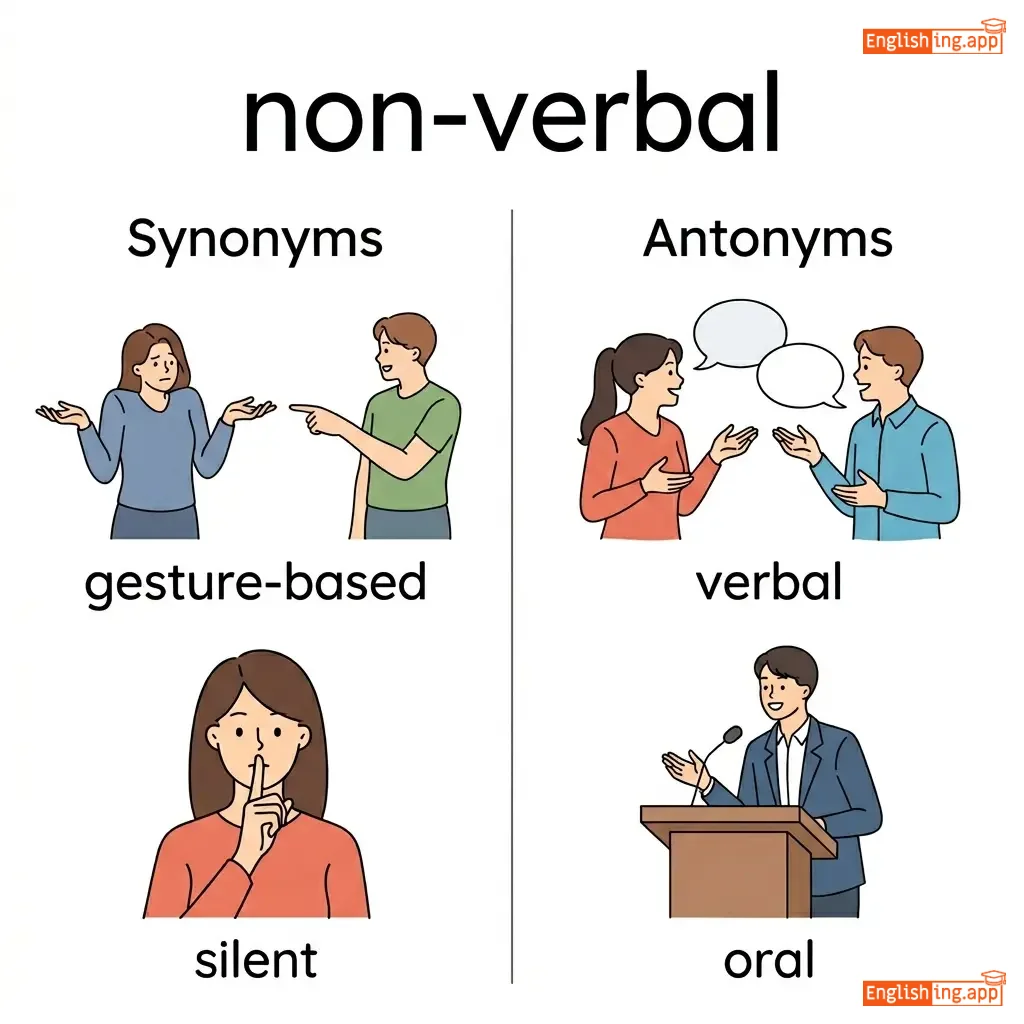
gesture-based, silent, wordless, unspoken, tacit, implied
••••••
|
verbal, oral, spoken, articulated, vocal, expressed
••••••
|
Non-verbal zhōngwén shì bù yòng huàhuò, zhǐ shìyòng shǒushì, zhītǐ yǔyán, hé miànbù biǎoqíng lái tōngzhī.
••••••
|
|
#2670
🧠
|
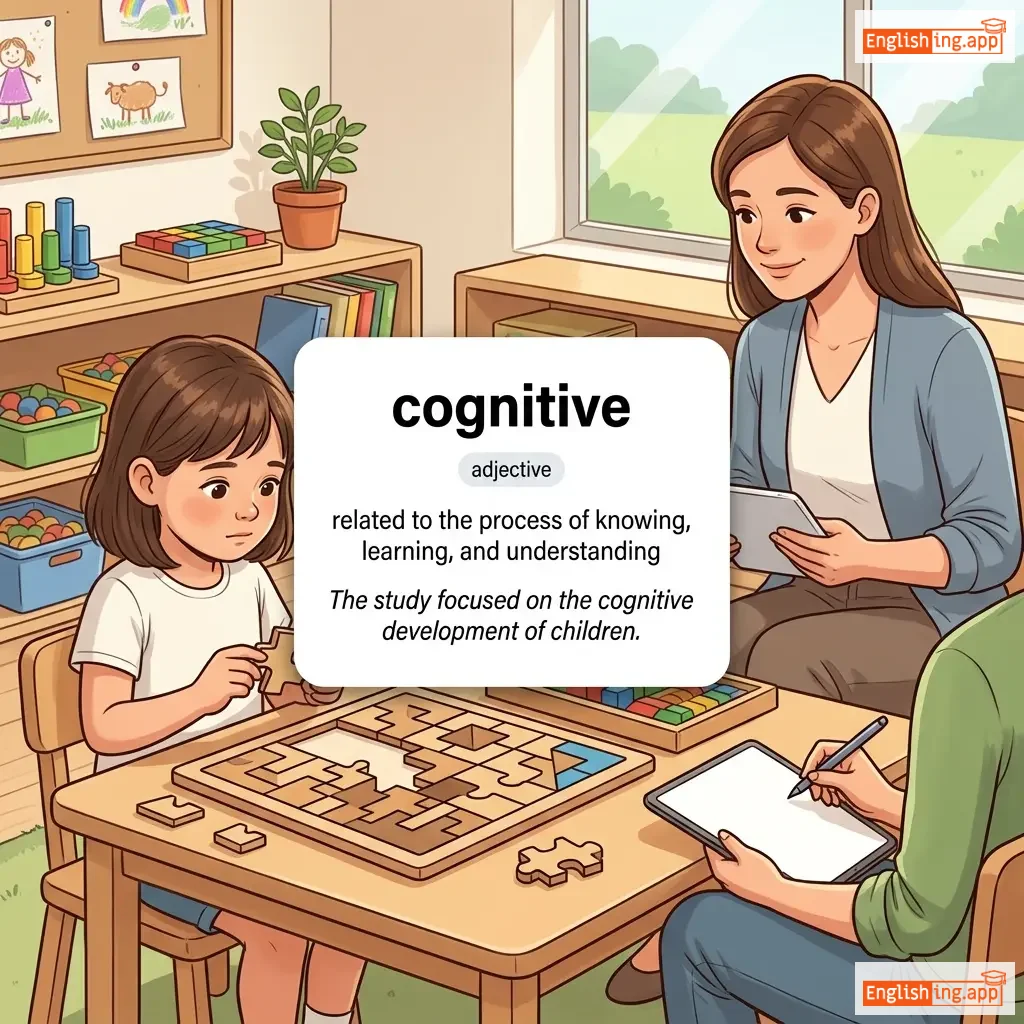
/ˈkɒɡ.nɪ.tɪv/
adjective
(认知)
••••••
|
|
认知的
rèn zhī de
••••••
|
Related to the mental processes of perception, memory, judgment, and reasoning.
••••••
|
Cognitive skills are essential for problem-solving. |
认知能力对于解决问题至关重要。
Rèn zhī néng lì duì yú jiě jué wèn tí zhì guān zhòng yào.
••••••
|
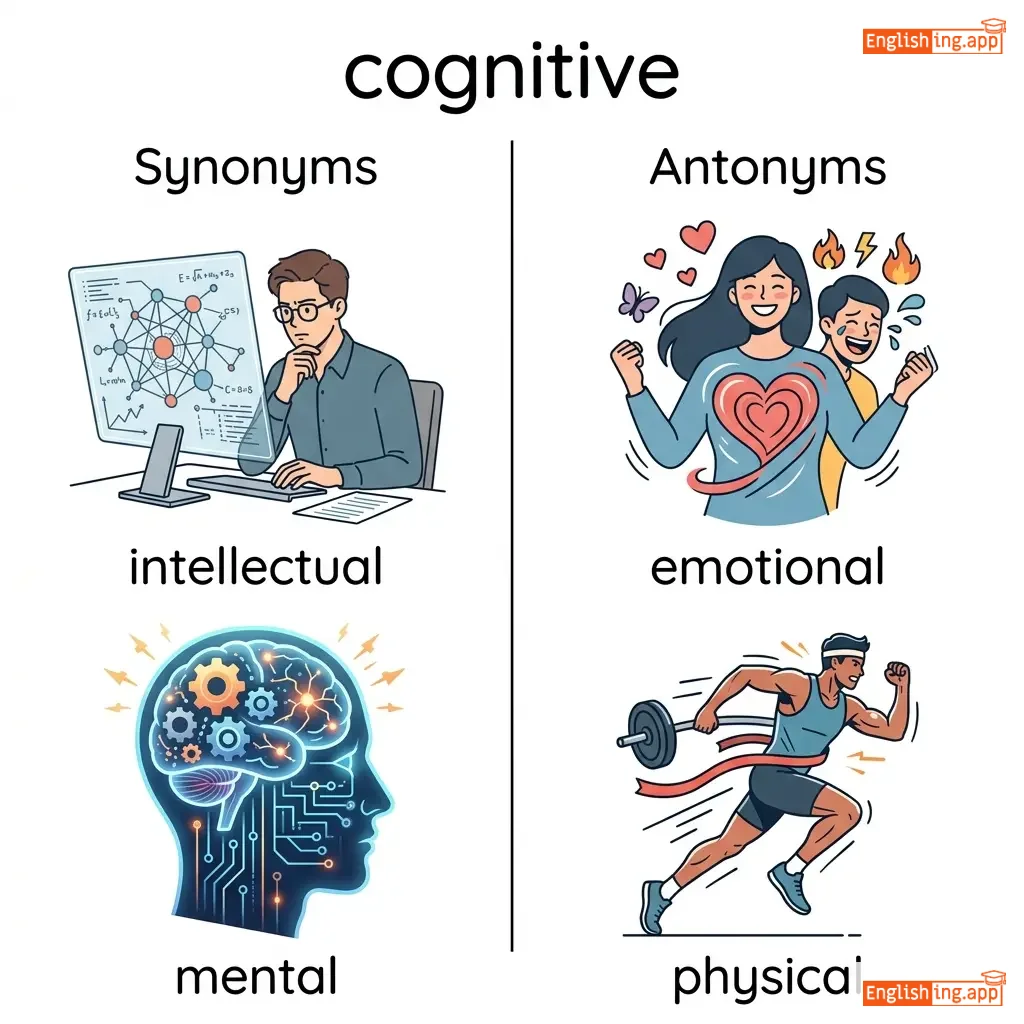
intellectual, mental, cerebral, rational, thinking, reasoning
••••••
|
non-cognitive, physical, emotional, instinctive, intuitive, automatic
••••••
|
Cognitive in English relates to '认知的' in Chinese, both referring to mental processes.
••••••
|
|
#2671
❓
|
/ˌæm.bɪˈɡjuː.ɪ.ti/
noun
(安布吉尤蒂)
••••••
|
|
歧义
ambigyueti
••••••
|
The quality of being open to more than one interpretation; having a double meaning or uncertainty.
••••••
|
The ambiguity in his answer made it difficult to understand.
他回答中的歧义使人难以理解。
••••••
|
他回答中的歧义使人难以理解。
tahuidazhongdeqiyishirenanyilijie
••••••
|
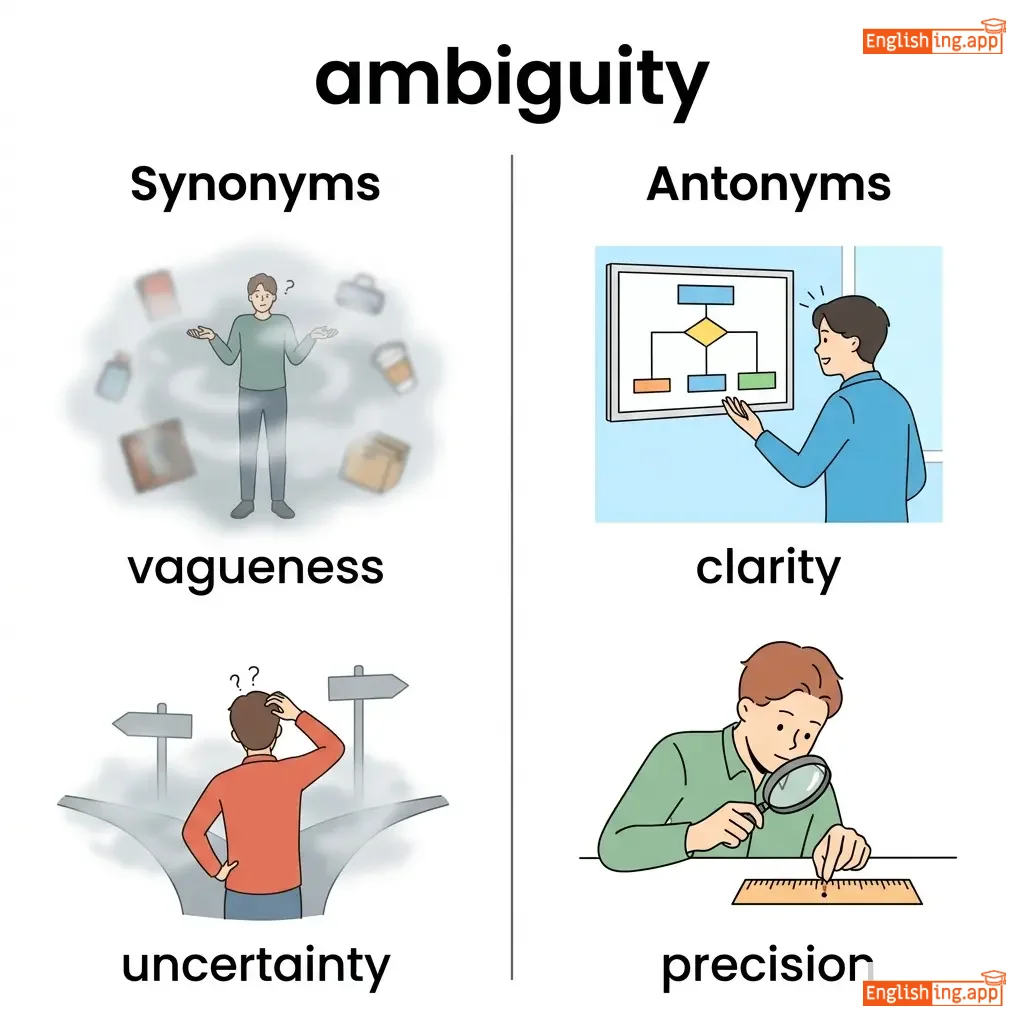
vagueness, uncertainty, confusion, obscurity, unclearness, indefiniteness
••••••
|
clarity, precision, certainty, definiteness, explicitness, unambiguousness
••••••
|
Ambiguity记忆法: A M B I G U I T Y 这几个字母像路口标志 提醒你 有 多 种 理解
••••••
|
|
#2672
💡
|
/ˌklærɪfɪˈkeɪʃən/
noun
(klærɪfɪˈkeɪʃən)
••••••
|
|
澄清
chengqing
••••••
|
The action of making a statement or situation less confused and more clearly comprehensible.
••••••
|
The manager requested clarification on the project details. |
经理要求对项目细节进行澄清。
Jīnglǐ yāoqiú duì xiàngmù xìjié jìnxíng chéngqīng.
••••••
|
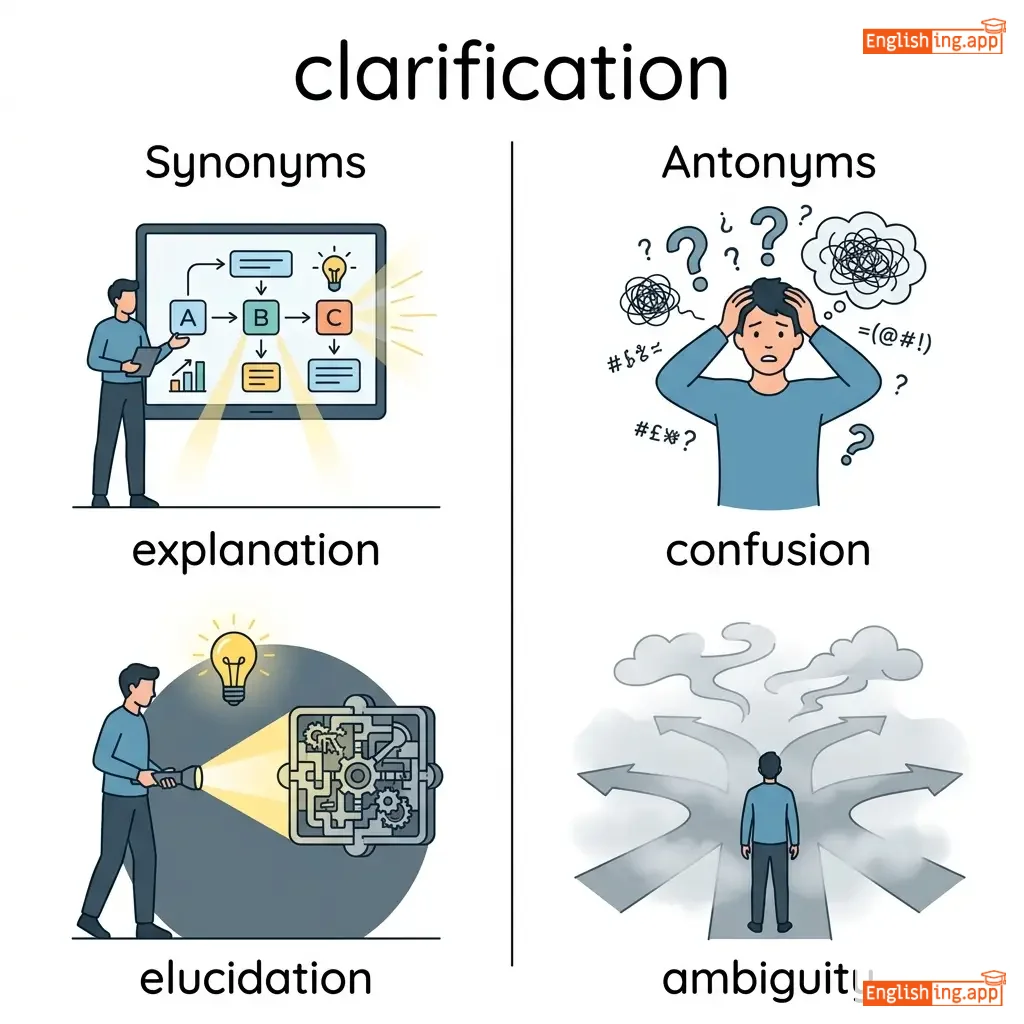
explanation, elucidation, illumination, interpretation, explication, enlightenment
••••••
|
confusion, ambiguity, obfuscation, mystification, obscuration, complication
••••••
|
澄清让事物变得清晰!
••••••
|
|
#2673
⚖️
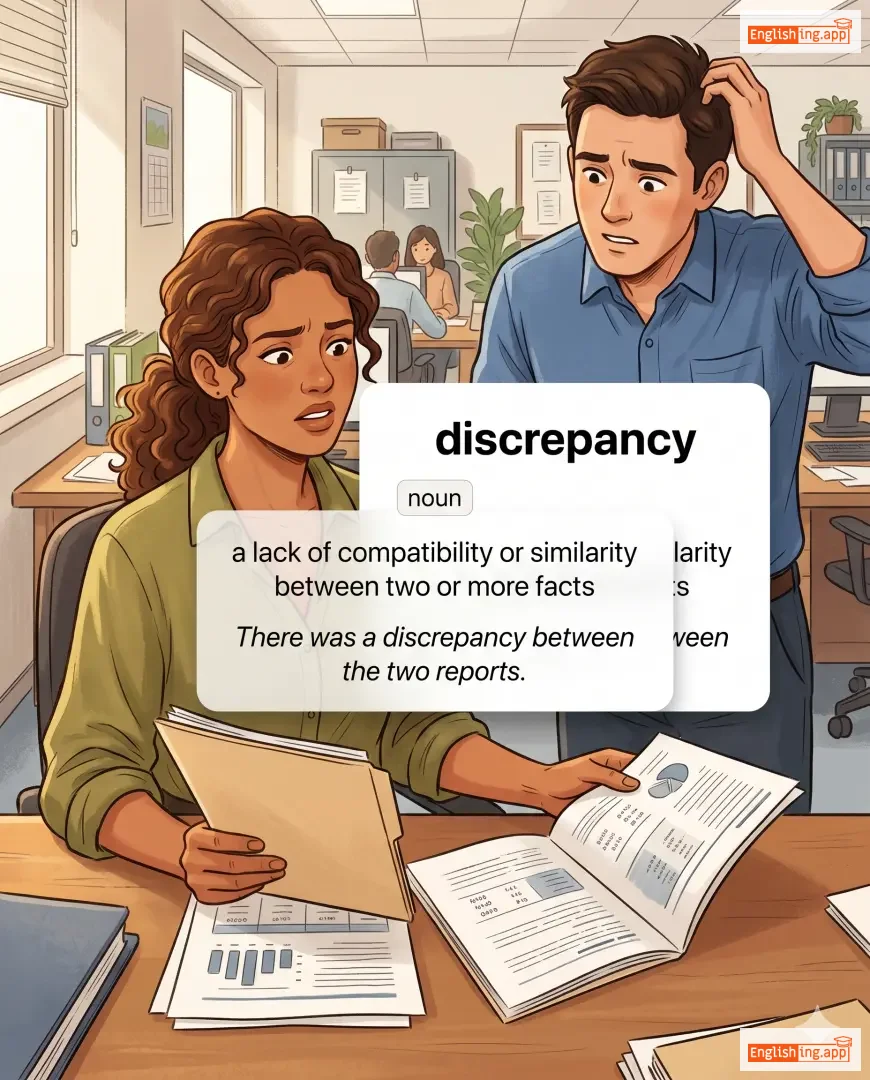
|
/dɪsˈkrɛpənsi/
noun
(迪斯克雷潘西)
••••••
|
|
差异
chayi
••••••
|
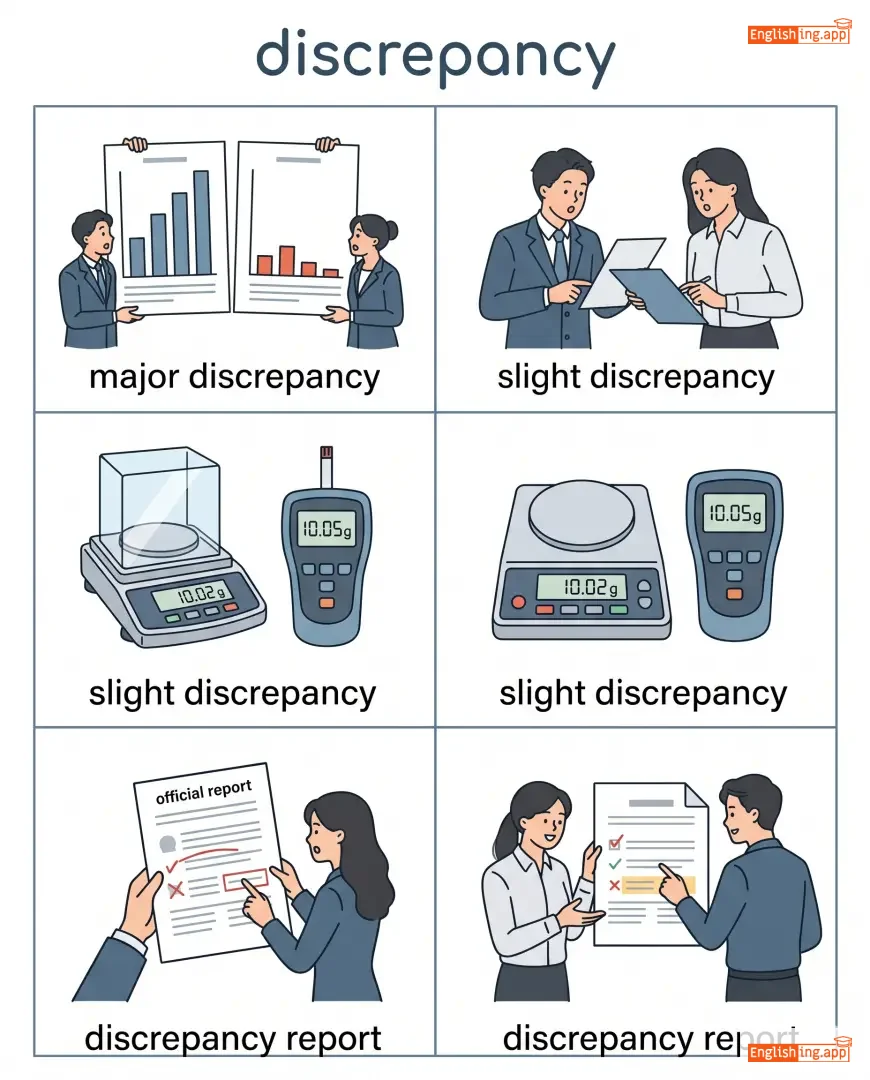
A lack of compatibility or similarity between two or more facts or claims; inconsistency.
••••••
|
There was a discrepancy between the two reports.
两个报告之间存在差异。
••••••
|
- •••••• |
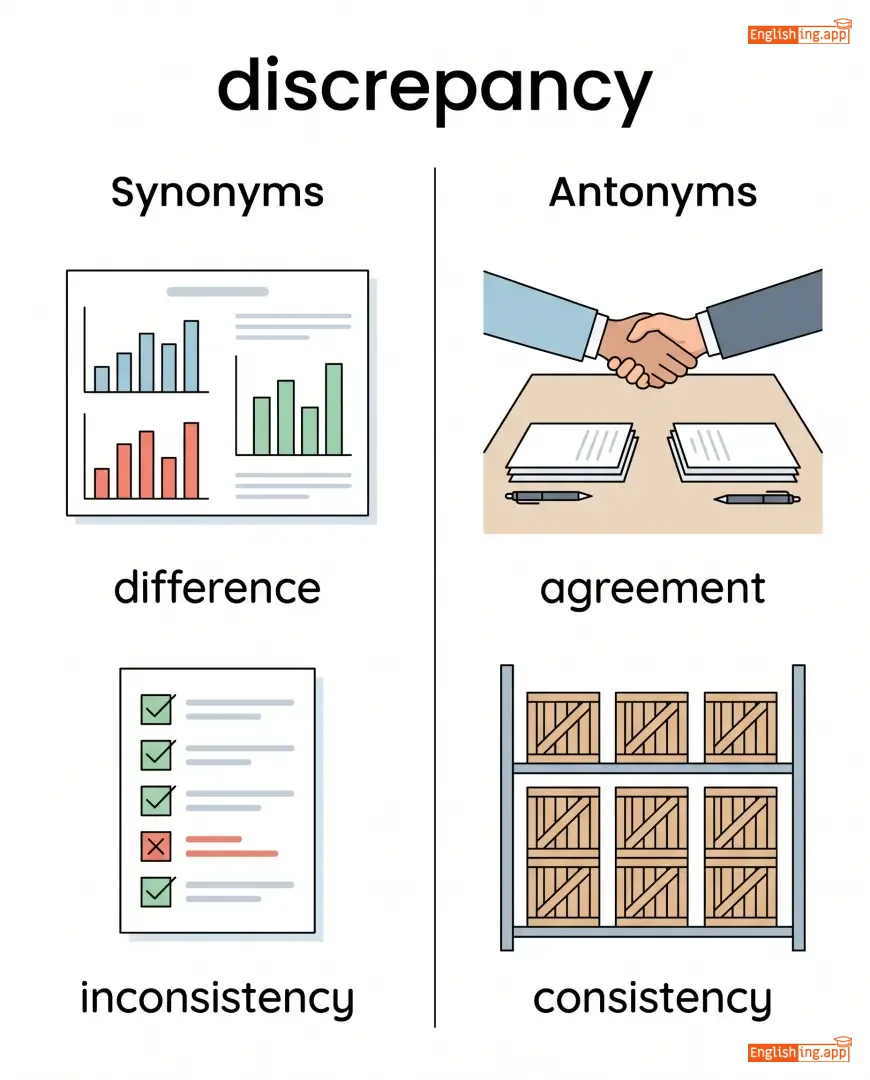
inconsistency, disagreement, difference, variance, disparity, contradiction
••••••
|
consistency, agreement, harmony, correspondence, compatibility, uniformity
••••••
|
No •••••• |
|
#2674
📢
|
/kənˈveɪ/
verb
(kənˈveɪ)
••••••
|
|
传达, 沟通, 运输
chuándá, gōutōng, yùnshū
••••••
|
To communicate or make known; to transport or carry from one place to another.
••••••
|
The teacher conveys the lesson clearly to students. |
老师清楚地把课程传达给学生。
Lǎoshī qīngchǔ de bǎ kèchéng chuándá gěi xuéshēng.
••••••
|
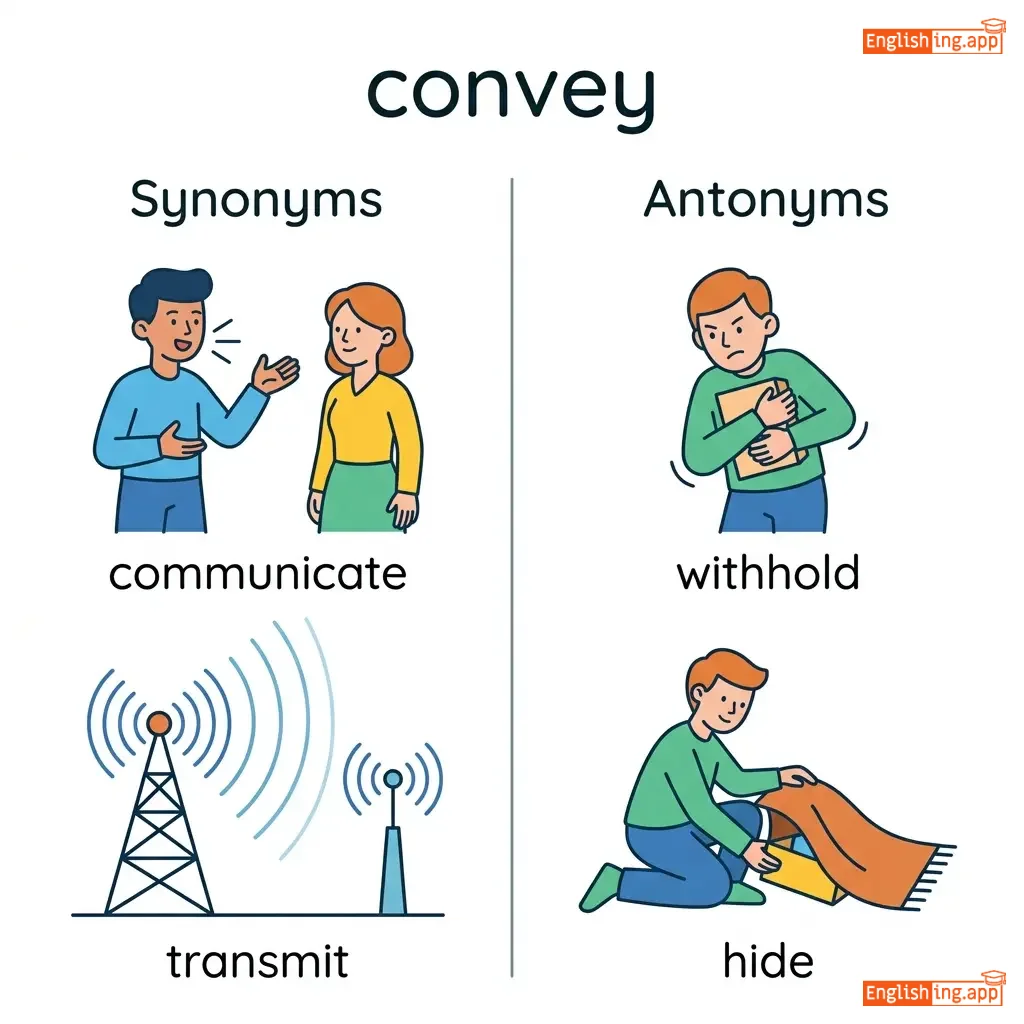
communicate, transmit, express, impart, relay, deliver
••••••
|
conceal, withhold, suppress, hide, retain, keep
••••••
|
通过沟通传递信息
••••••
|
|
#2675
❤️
|
/ˈɛmpəθi/
noun
(艾姆帕西)
••••••
|
|
同理心,理解并分享他人感受的能力
tóng lǐ xīn, lǐ jiě bìng fēn xiǎng tā rén gǎn shòu de néng lì
••••••
|
The ability to understand and share the feelings of another person.
••••••
|
Empathy is crucial for building strong relationships. |
同理心对于建立强大关系至关重要。
Tóng lǐ xīn duì yú jiàn lì qiáng dà guān xì zhì guān zhòng yào.
••••••
|
compassion, understanding, sympathy, sensitivity, caring, concern
••••••
|
indifference, apathy, callousness, insensitivity, coldness, detachment
••••••
|
同理心让你能站在他人的角度,感受他们的快乐或痛苦。
••••••
|
|
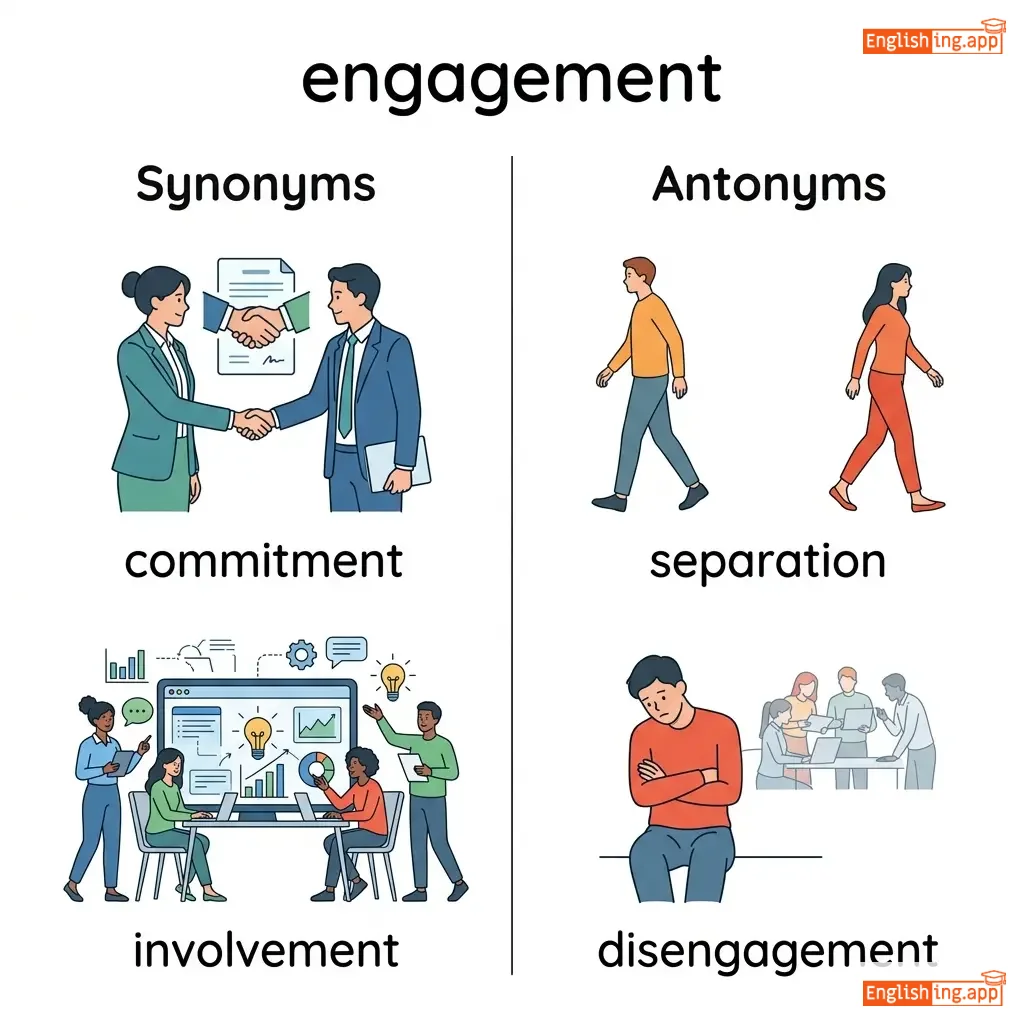
#2676
🤝
|
/ɪnˈɡeɪdʒ.mənt/
noun
(engagement)
••••••
|
|
参与,投入,参与度
can yu, tou ru, can yu du
••••••
|
The action of engaging or being engaged; participation or involvement in an activity.
••••••
|
Active engagement in discussions leads to better learning.
在讨论中的积极参与带来了更好的学习。
••••••
|
在讨论中的积极参与带来了更好的学习。
Zai taolun zhong de jiji canyu dai laile geng hao de xuexi.
••••••
|
involvement, participation, commitment, interaction, contribution, collaboration
••••••
|
disengagement, indifference, detachment, withdrawal, non-participation, apathy
••••••
|
Engagement = Participate actively to improve your learning!
••••••
|
|
#2677
👁️
|
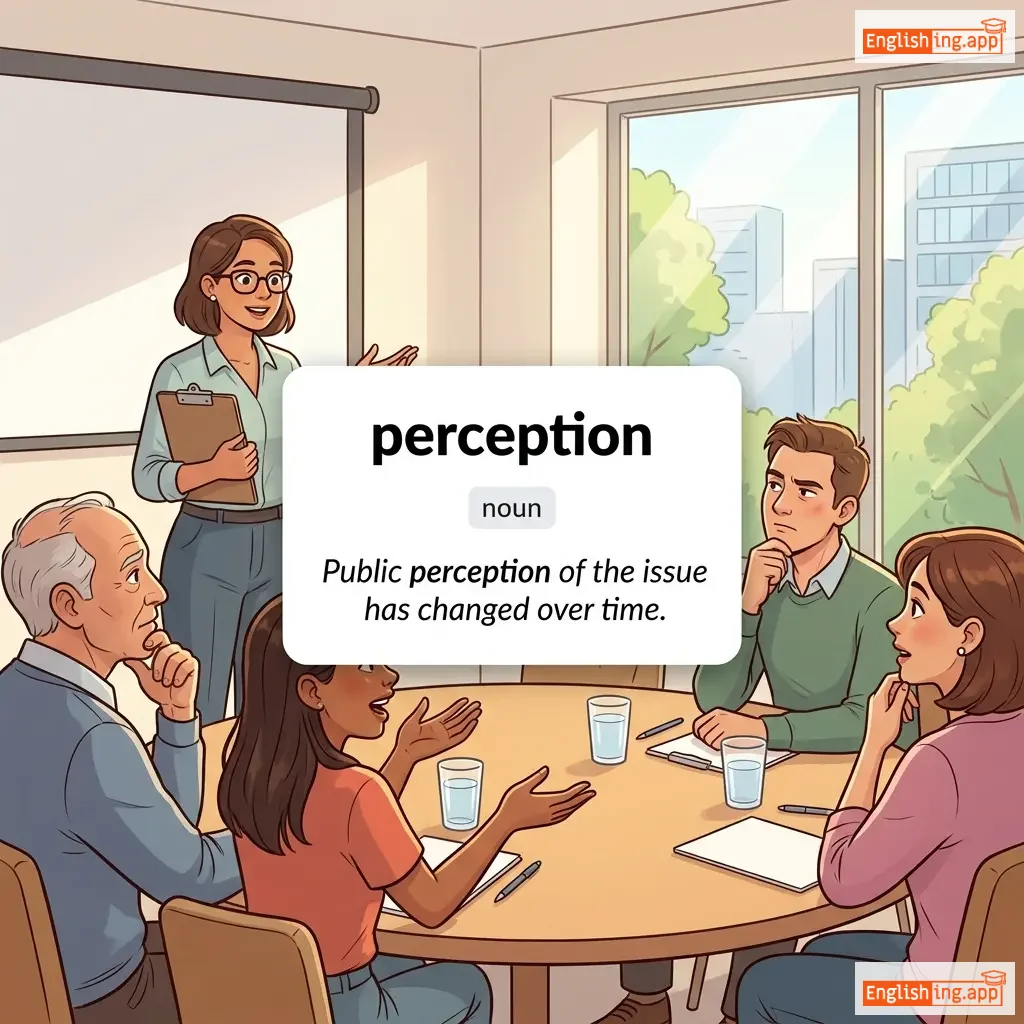
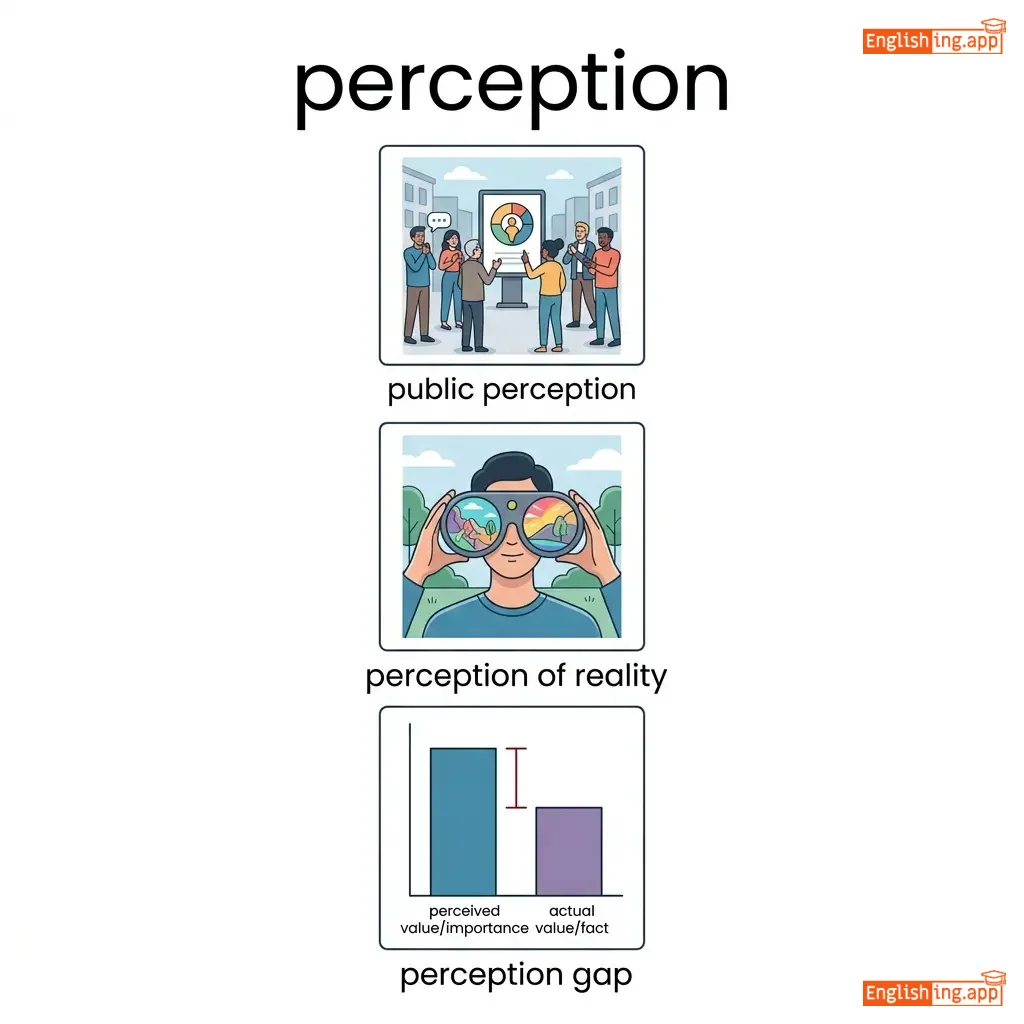
/pəˈsɛpʃən/
noun
(感知)
••••••
|
|
感知,认识
gǎnzhī, rènshí
••••••
|
The ability to see, hear, or become aware of something through the senses; a way of regarding or understanding something.
••••••
|
People's perception of the situation was clouded.
人们对局势的感知变得模糊。
••••••
|
人们对局势的感知变得模糊。
Rénmen duì júshì de gǎnzhī biàn dé móhu.
••••••
|
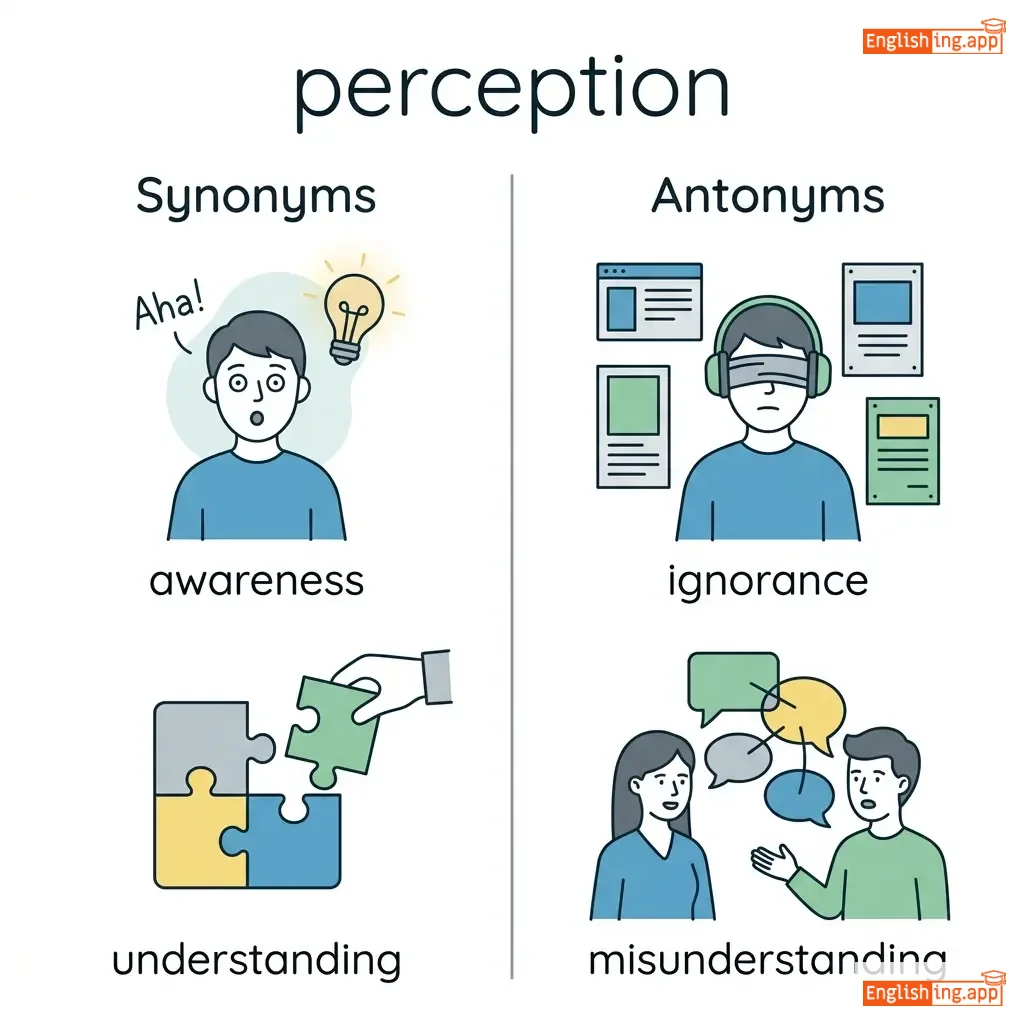
insight, awareness, understanding, recognition, comprehension, realization
••••••
|
misunderstanding, confusion, ignorance, unawareness, misconception, blindness
••••••
|
Perception in Chinese sounds like 'gǎnzhī', which means 'awareness'.
••••••
|
|
#2678
⚡
|
/rɪˈækʃən/
noun
(反应)
••••••
|
|
反应
fǎnyìng
••••••
|
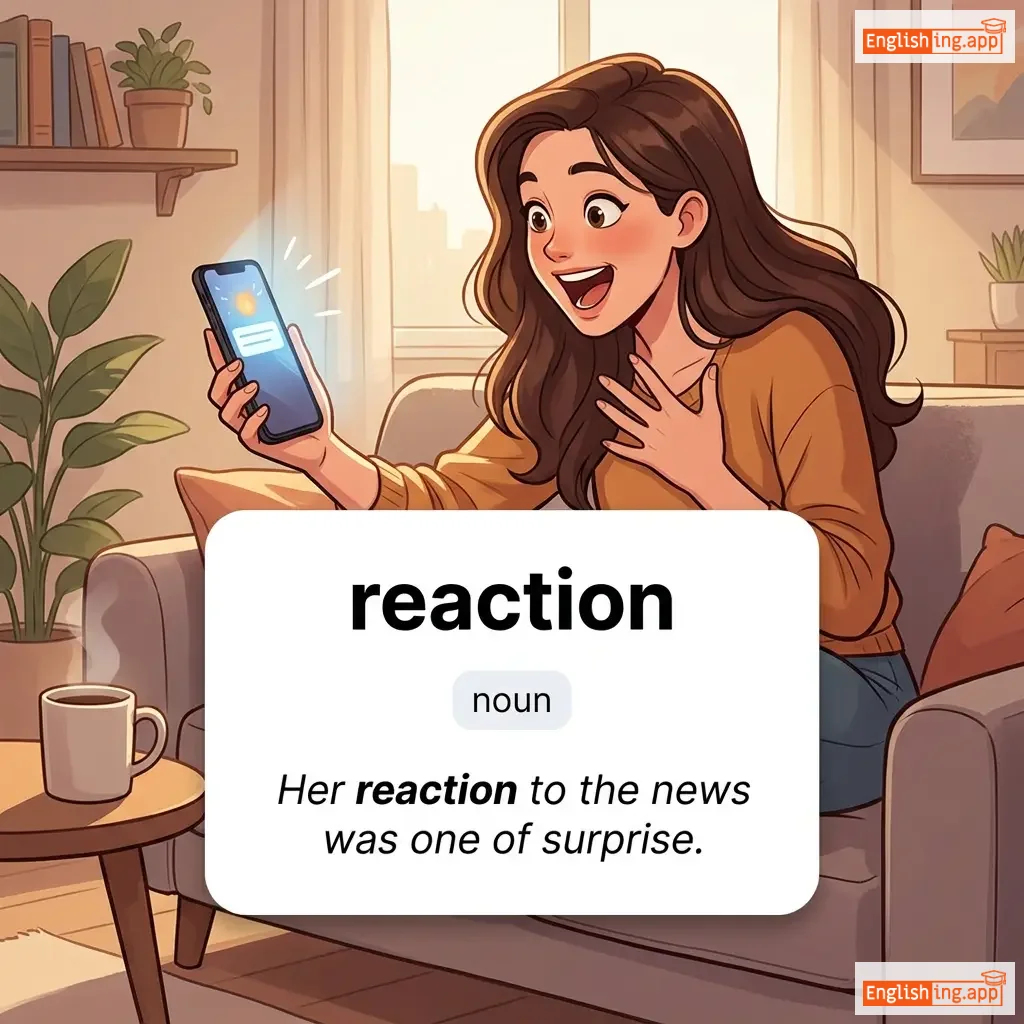
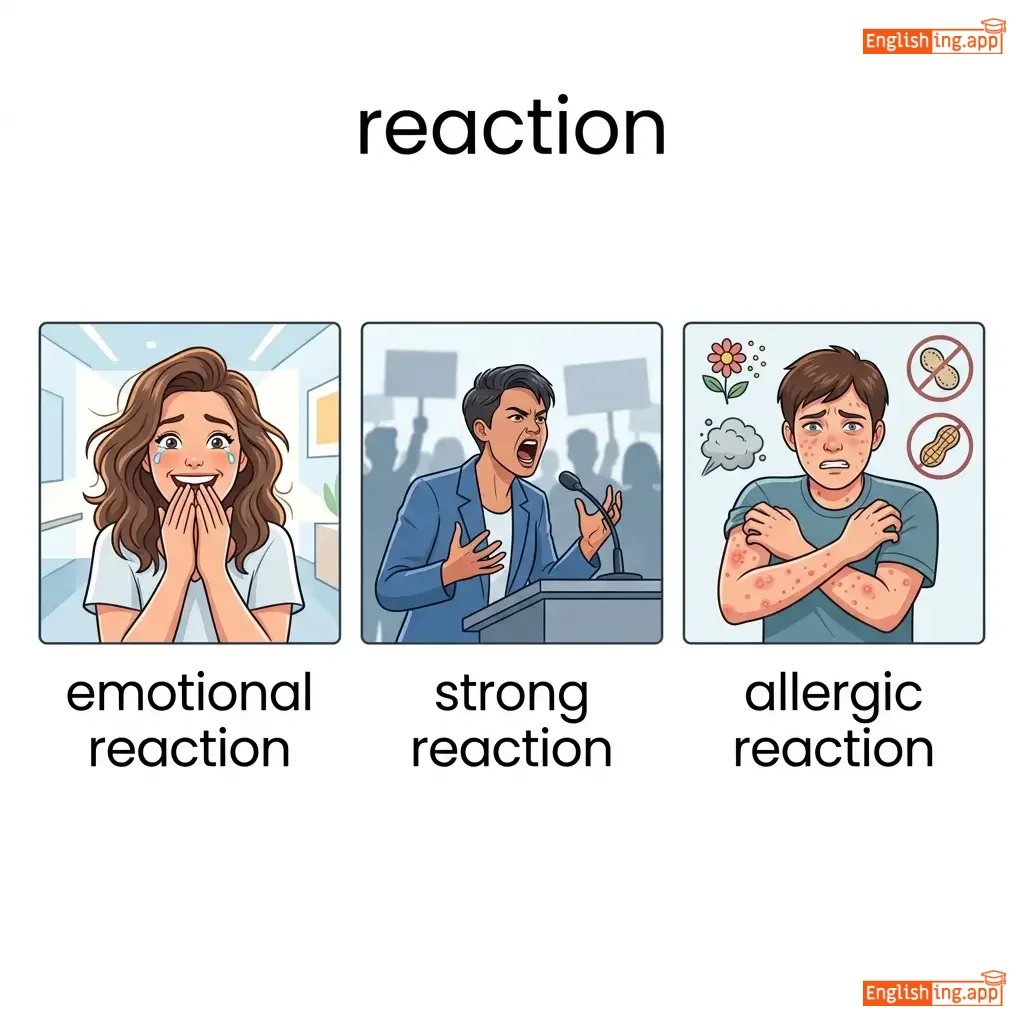
An action performed or a feeling experienced in response to a situation or event.
••••••
|
His reaction to the news was one of shock.
他对新闻的反应是震惊。
••••••
|
他对新闻的反应是震惊。
Tā duì xīnwén de fǎnyìng shì zhènjīng.
••••••
|
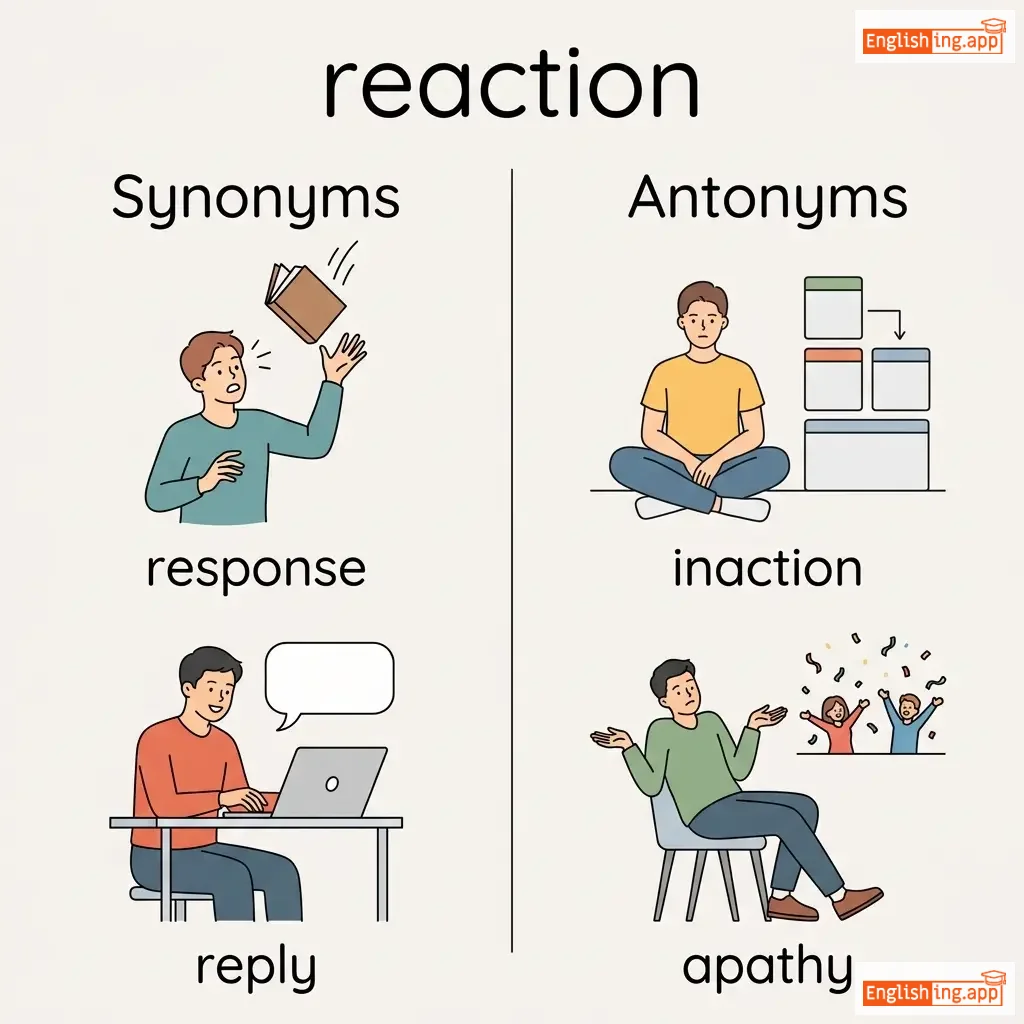
response, reply, feedback, answer, reflex, consequence
••••••
|
indifference, apathy, inaction, non-response, passivity, stillness
••••••
|
'Fǎnyìng' sounds like 'reaction' and represents the response to something.
••••••
|
|
#2679
🏷️
|
/ˈstɛə.rɪ.əʊˌtaɪ.pɪŋ/
noun
(刻板印象)
••••••
|
|
刻板印象
kèbǎn yìnxiàng
••••••
|
A widely held but fixed and oversimplified image or idea of a particular type of person or thing.
••••••
|
Stereotyping people based on their race is harmful.
基于种族的刻板印象是有害的。
••••••
|
基于种族的刻板印象是有害的。
Jīyú zhǒngzú de kèbǎn yìnxiàng shì yǒuhài de.
••••••
|
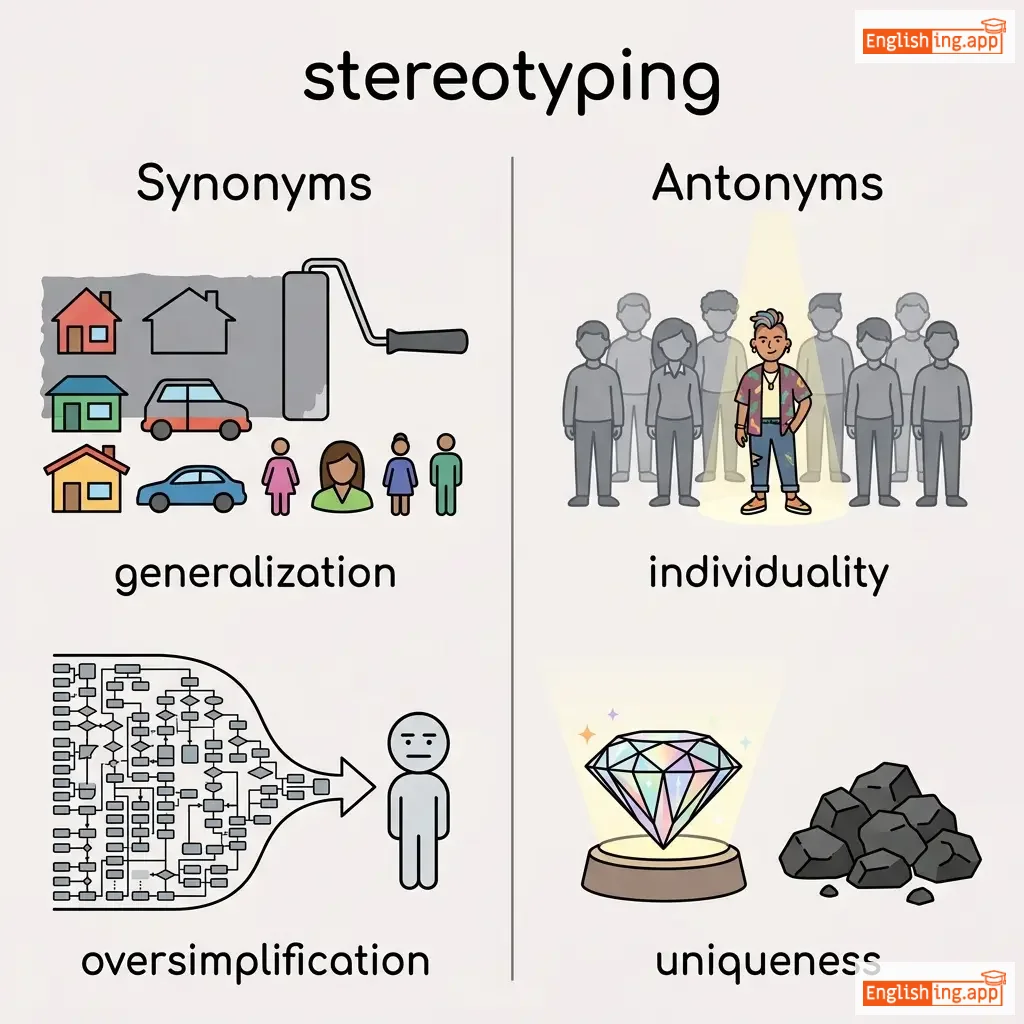
generalization, oversimplification, categorization, labeling, pigeonholing, typecasting
••••••
|
individuality, uniqueness, personalization, specificity, distinctiveness, originality
••••••
|
刻板印象就像是在没有深入了解之前就给别人贴上标签。
••••••
|
|
#2680
🗣️
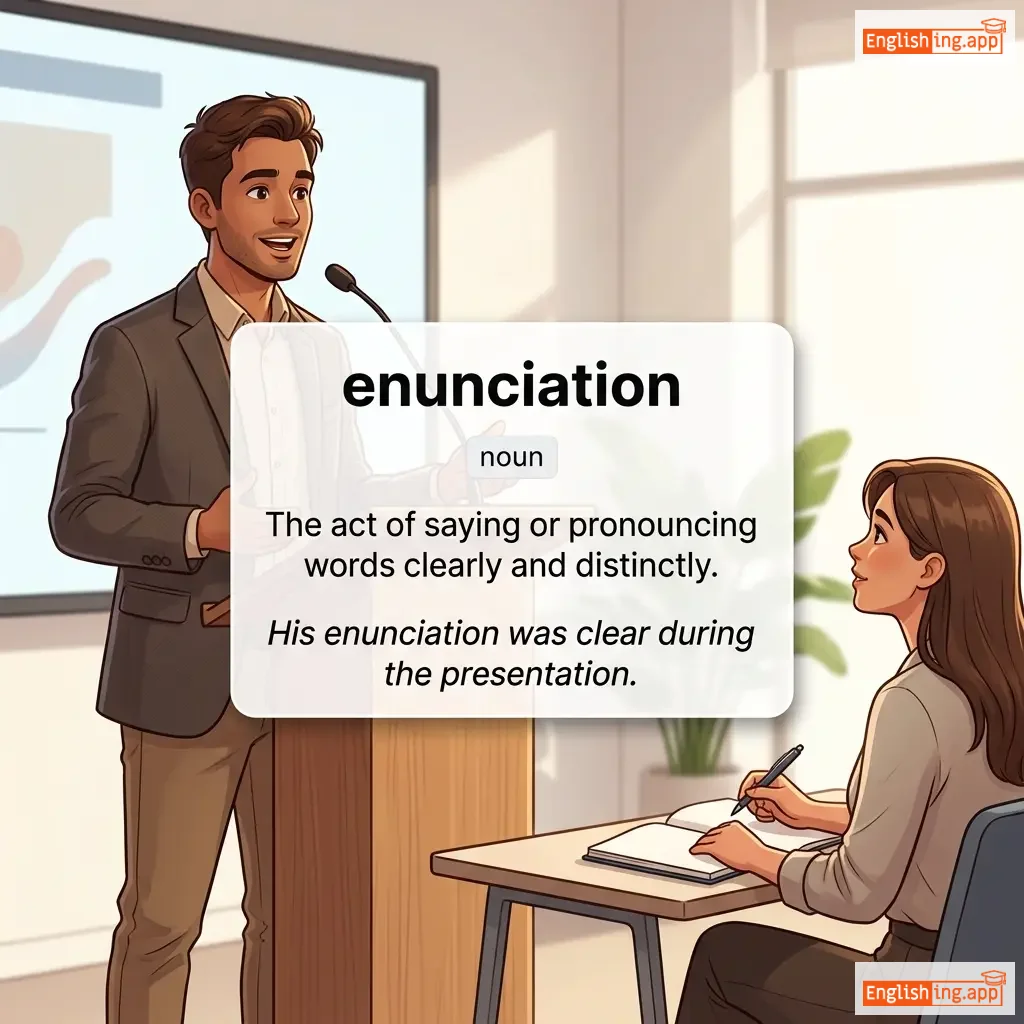
|
/ɪˌnʌn.siˈeɪ.ʃən/
noun
(enunsijie)
••••••
|
|
发音,清晰发音
fayin, qingxi fayin
••••••
|
The act of saying or pronouncing words clearly and distinctly.
••••••
|
His enunciation was clear during the presentation.
他的发音在演讲中很清晰。
••••••
|
他的发音在演讲中很清晰。
Tā de fāyīn zài yǎnjiǎng zhōng hěn qīngxī.
••••••
|
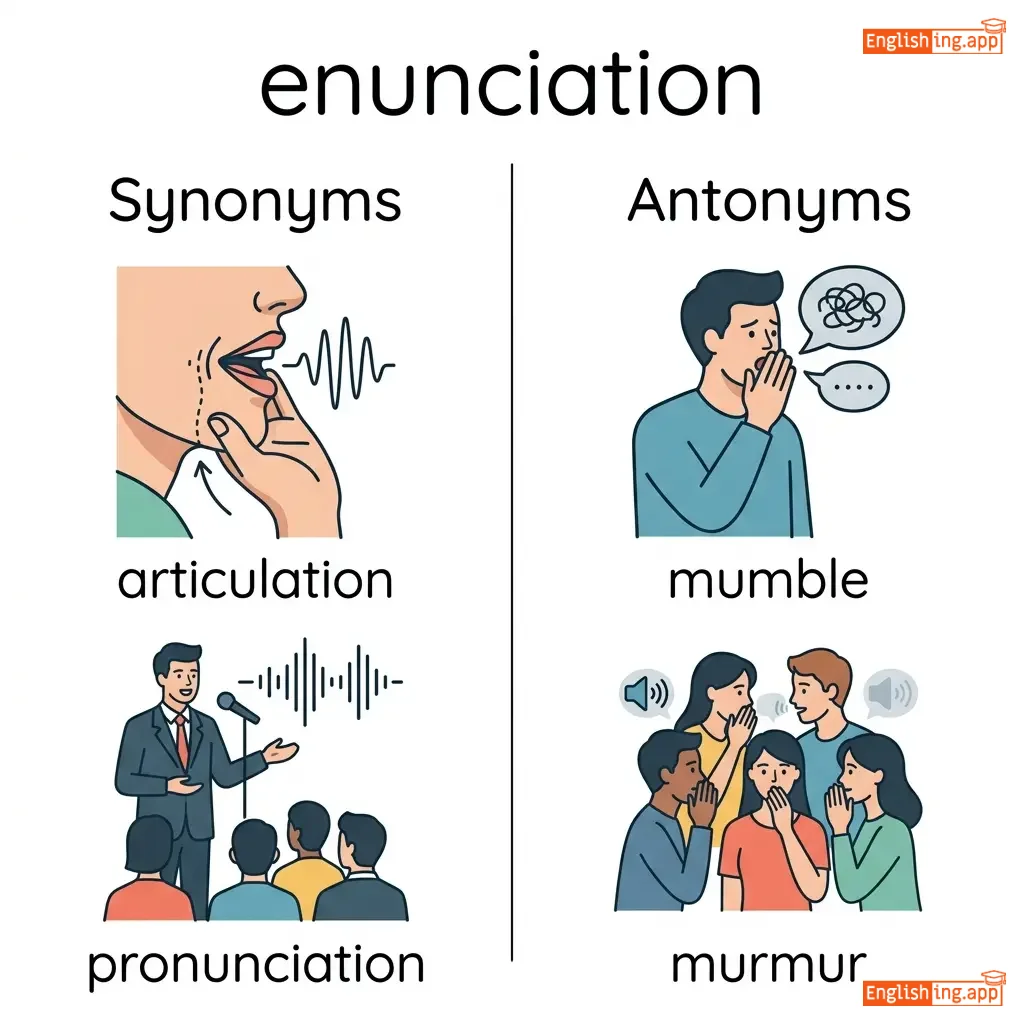
articulation, pronunciation, diction, delivery, expression, utterance
••••••
|
mumble, murmur, slur, garble, mutter, whisper
••••••
|
In Chinese, '发音' reminds of the importance of clear pronunciation in enunciation.
••••••
|
|
#2681
🎵
|
/ˌvəʊ.kəl.aɪˈzeɪ.ʃən/
noun
(发声)
••••••
|
|
发声,表达思想或情感的语言
fāshēng, biǎodá sīxiǎng huò qínggǎn de yǔyán
••••••
|
The action of producing sounds with the voice; the expression of thoughts or feelings in spoken words.
••••••
|
The vocalization of the singer captivated the audience.
歌手的发声吸引了观众。
••••••
|
歌手的发声吸引了观众。
Gēshǒu de fāshēng xīyǐnle guānzhòng.
••••••
|
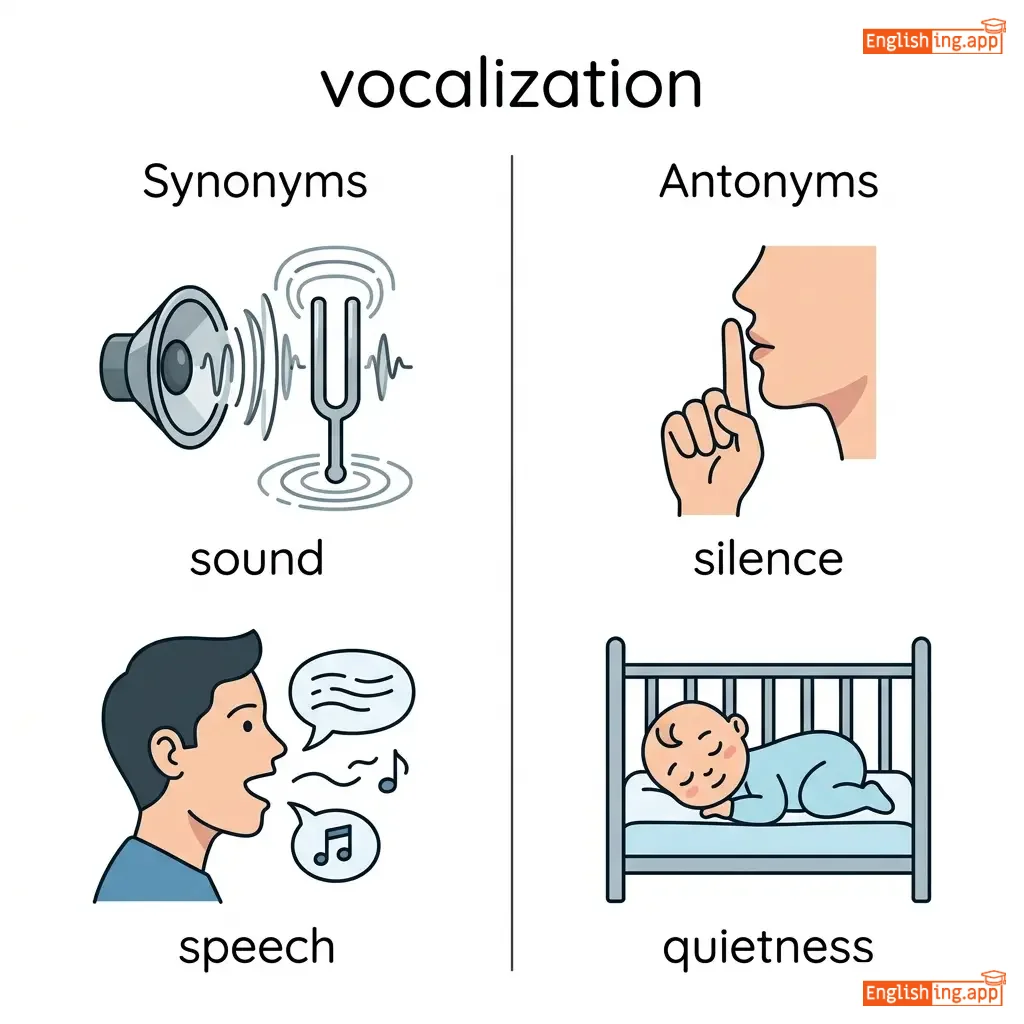
sound, speech, utterance, voice, expression, articulation
••••••
|
silence, quietness, muteness, stillness, speechlessness, voicelessness
••••••
|
发声 = 声音 + 产生,声意味着声音,产生意味着创造。
••••••
|
|
#2682
🚫
|
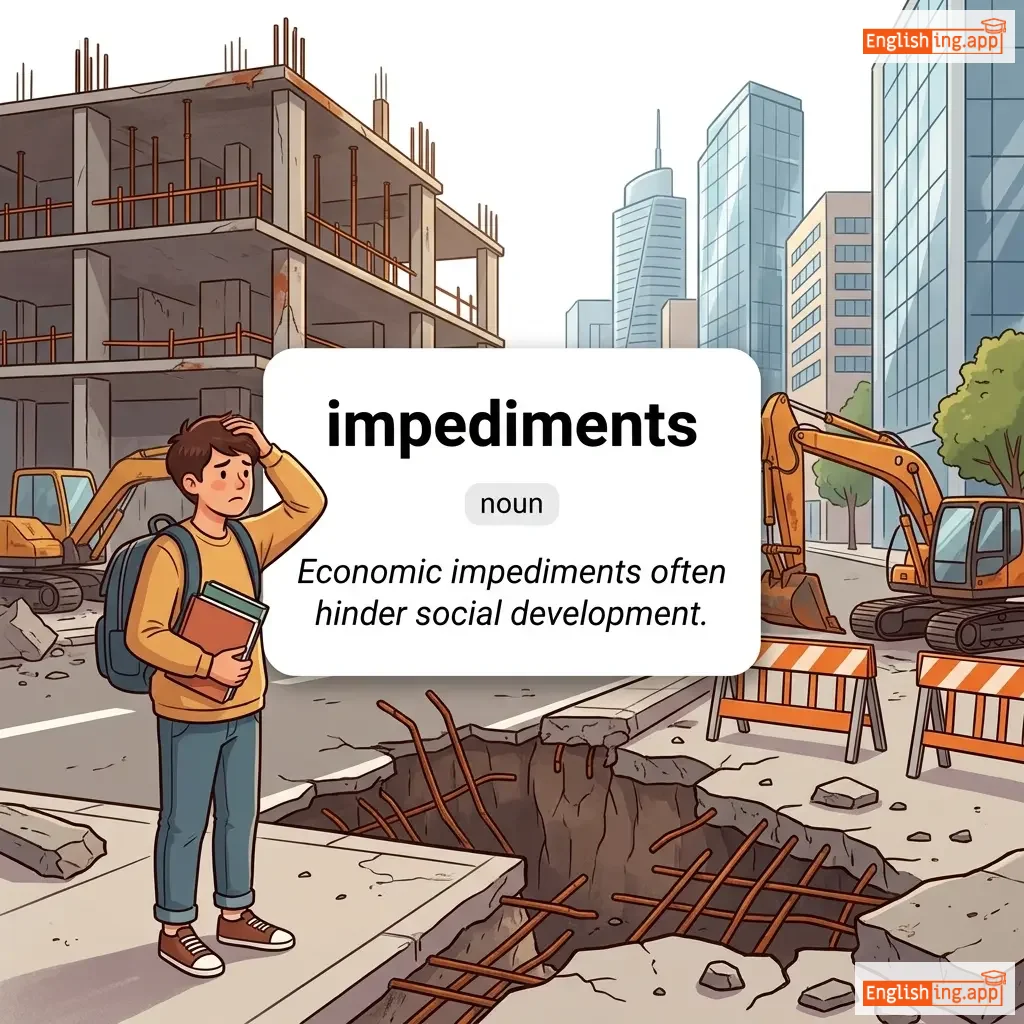
/ɪmˈpɛdɪmənt/
noun
(impediments)
••••••
|
|
障碍
zhàng'ài
••••••
|
A hindrance or obstruction in doing something; things that prevent progress or achievement.
••••••
|
Economic impediments often hinder social development. |
经济障碍常常阻碍社会发展。
Jīngjì zhàng'ài chángcháng zǔ'ài shèhuì fāzhǎn.
••••••
|
obstacle, hindrance, barrier, obstruction, difficulty, drawback
••••••
|
aid, assistance, help, support, advantage, benefit
••••••
|
Impediments = 障碍, 阻碍前进的东西。
••••••
|
|
#2683
🔍
|
/ˈsʌt.əl/
adjective
(sàtè ěr)
••••••
|
|
微妙, 轻微, 精细
weimiao, qingwei, jingxi
••••••
|
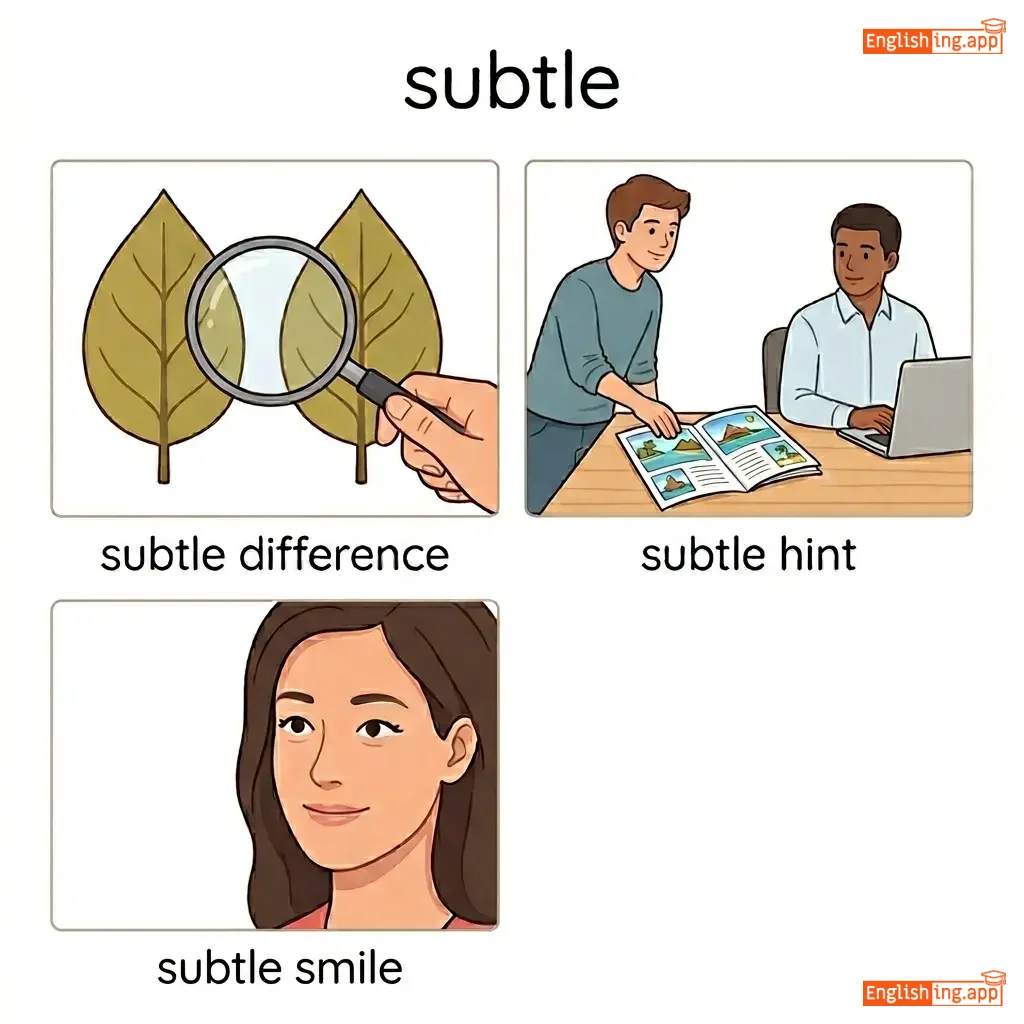
So delicate or precise as to be difficult to analyze or describe; making use of clever and indirect methods.
••••••
|
The artist's use of color was subtle yet powerful. |
艺术家对色彩的运用既微妙又有力。
Yishujia dui secai de yun yong ji weimiao you youli.
••••••
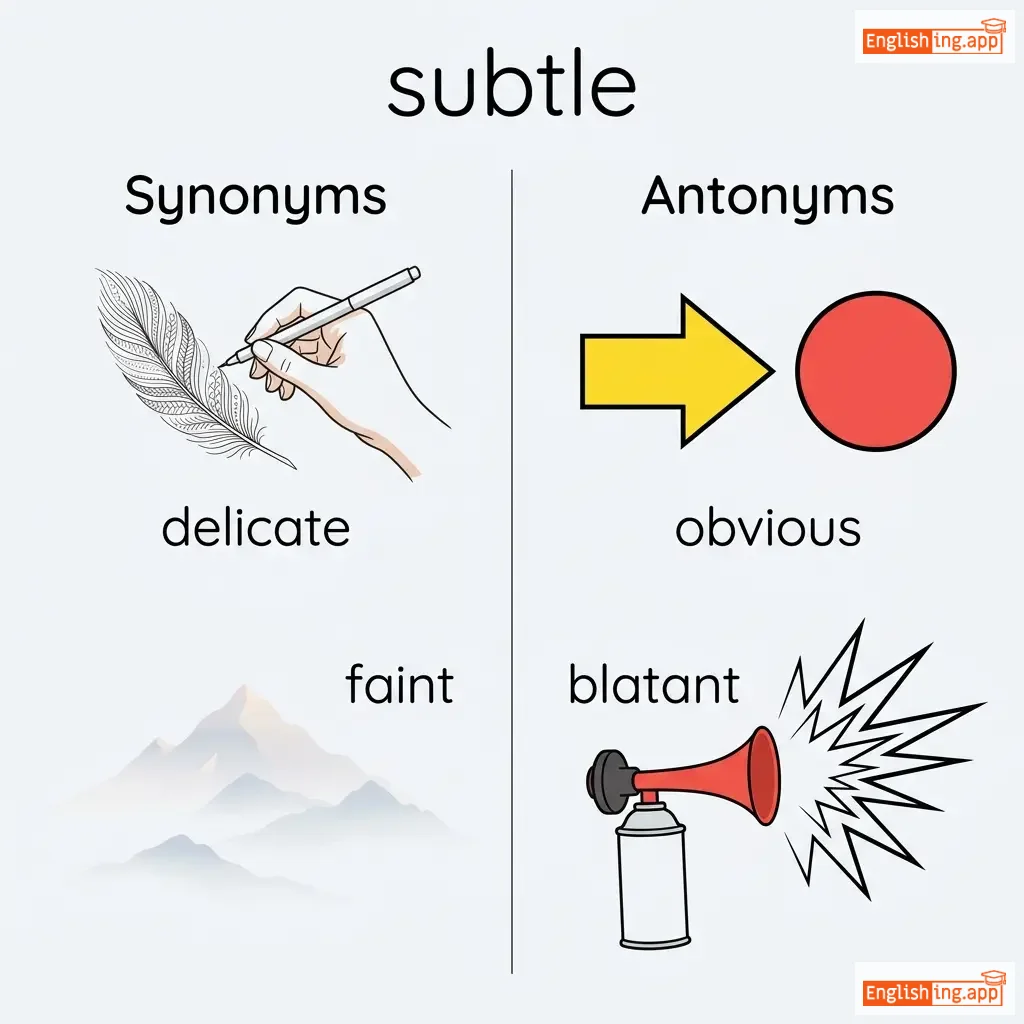
|
delicate, refined, understated, nuanced, gentle, mild
••••••
|
obvious, blatant, crude, harsh, stark, glaring
••••••
|
No •••••• |
|
#2684
✋
|
/ˈtæk.taɪl/
adjective
(触觉的)
••••••
|
|
触觉的
chùjué de
••••••
|
Connected with the sense of touch; perceptible by touch or giving a sensation when touched.
••••••
|
The tactile experience of the fabric was soft and smooth.
面料的触觉体验柔软而光滑。
••••••
|
面料的触觉体验柔软而光滑。
Miànliào de chùjué tǐyàn róuruǎn ér guānghuá.
••••••
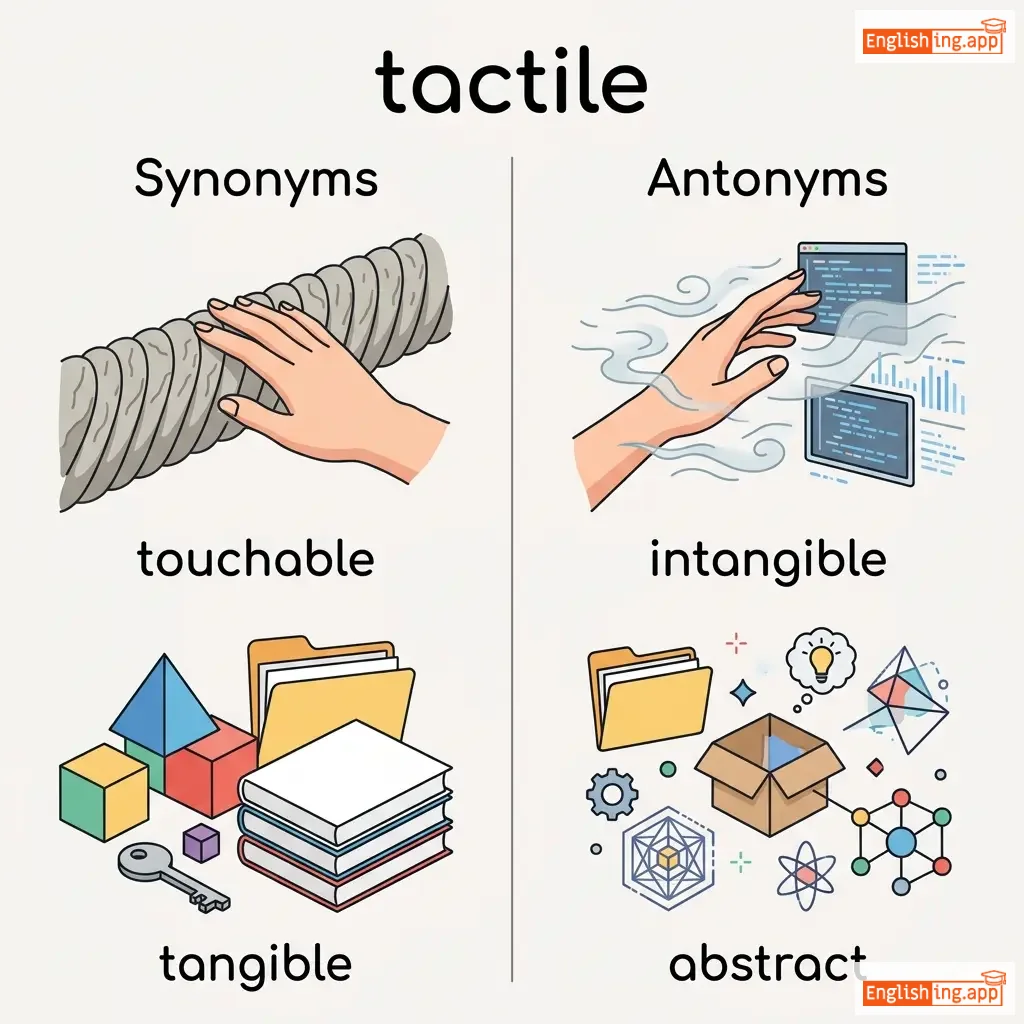
|
touchable, perceptible, tangible, palpable, physical, material
••••••
|
intangible, impalpable, imperceptible, untouchable, immaterial, abstract
••••••
|
触觉与感知相关,能通过触摸体验。
••••••
|
|
#2685
📚
|
/kənˈtɛk.stju.əl/
adjective
(kōntèxīuǎl)
••••••
|
|
情境的,依赖于上下文
qíngjìng de, yīlài yú shàngxiàwén
••••••
|
Depending on or relating to the context or circumstances in which something occurs.
••••••
|
His actions were understood in a broader contextual framework.
Tā de xíngwéi zài yīgè guǎngfàn de kēntèxīuǎl jiàgòu zhī nèi bèi lǐjiě.
••••••
|
他的行为在更广泛的情境框架中得到了理解。
Tā de xíngwéi zài gèng guǎngfàn de qíngjìng kuàngjià zhōng dédào le lǐjiě.
••••••
|
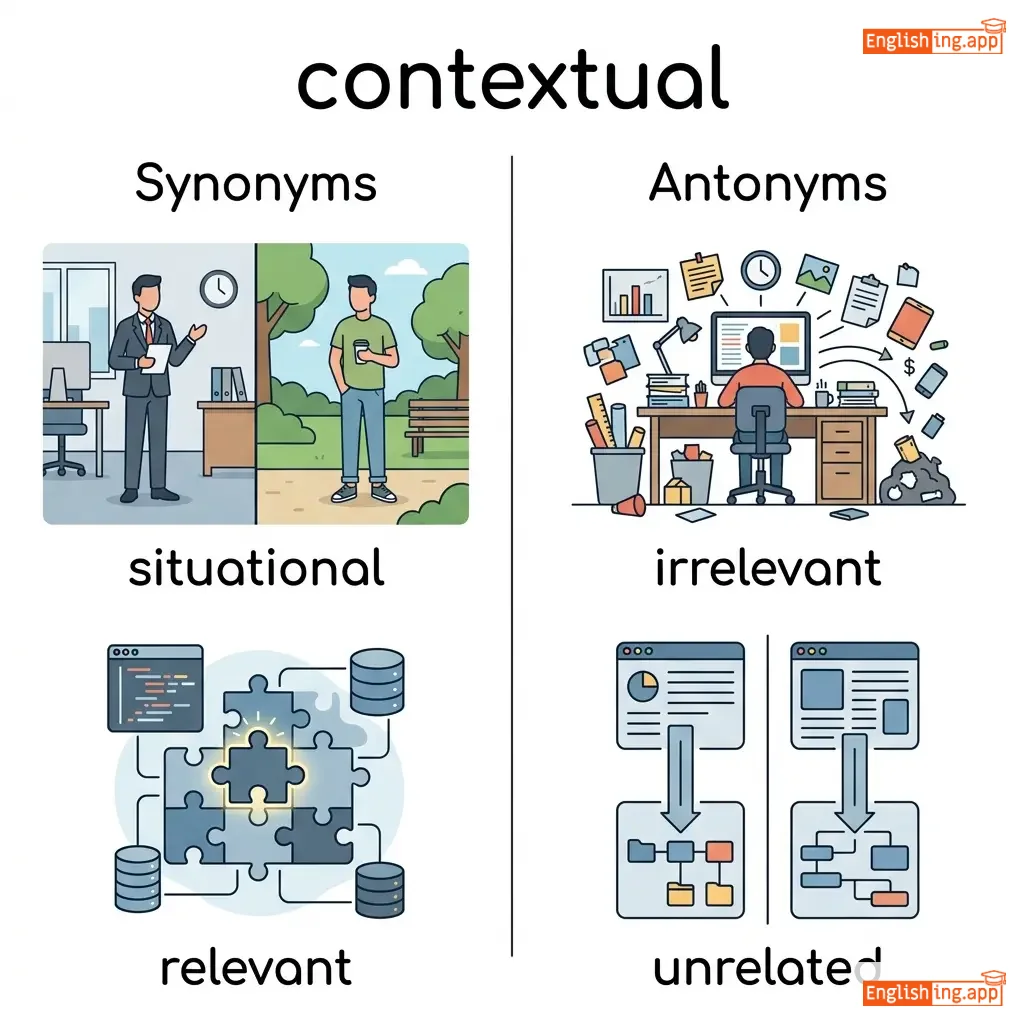
situational, circumstantial, environmental, conditional, relative, dependent
••••••
|
out-of-context, irrelevant, absolute, independent, unconditional, isolated
••••••
|
Think of how understanding something changes in different contexts, like fitting the pieces of a puzzle.
••••••
|
Vocabulary Quiz
Test your vocabulary by matching words with their translations or meanings.
Login to take the quiz
Comments (0)
Share your thoughts and join the discussion.
Join the discussion by logging in
Login to CommentNo comments yet
Be the first to share your thoughts!