

家长在家庭教育中的时间管理技巧
Time Management Tips for Homeschooling Parents
时间管理 对于进行家庭教育的父母来说可能是一个巨大的 难题。在日常任务中保持 协调 并确保时间的 公平分配 并不容易。
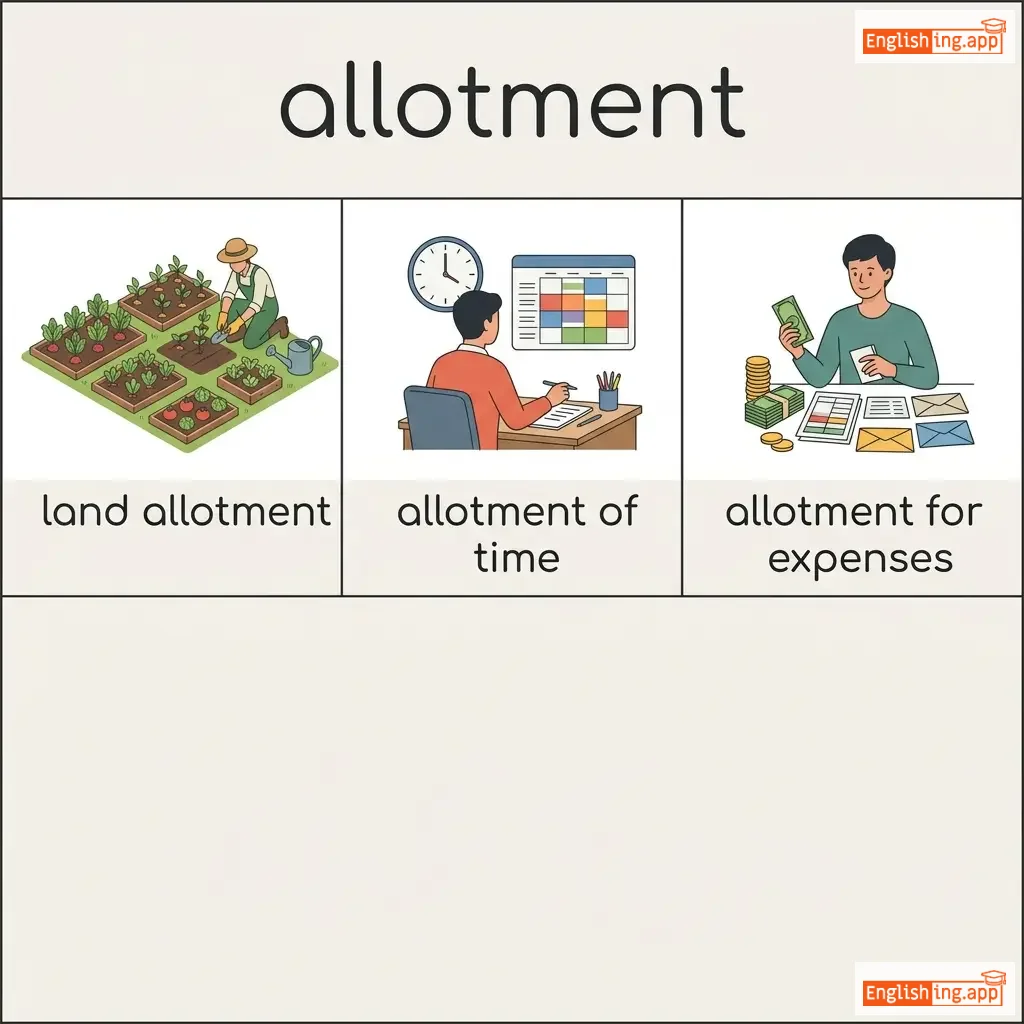
首先,父母应该 分配 时间,以便给予每个科目足够的重视。需要 划定 每项任务何时完成,以便一切能 同步 进行。
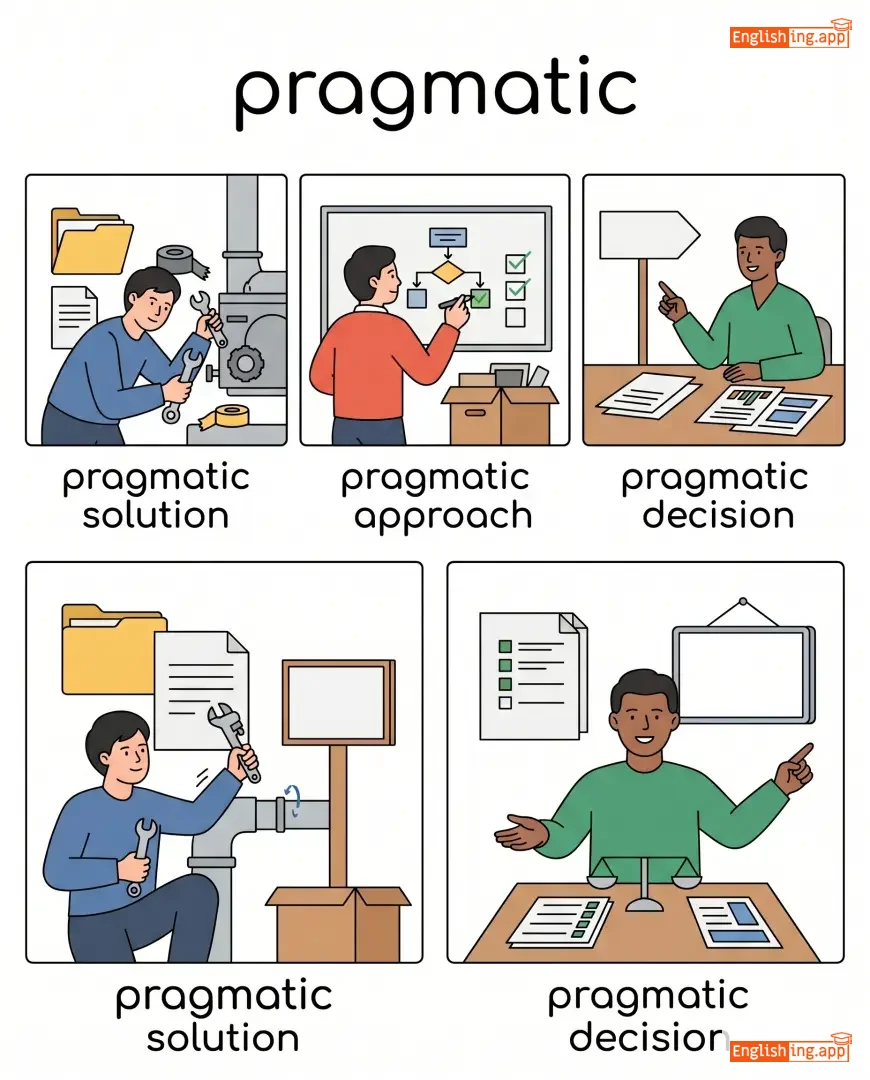
其次,采取 务实 的方法是必要的,这对孩子的学习是 有利 的。他们需要有机会发展 技巧 并成为在时间管理方面 熟练 的人。第三,父母需要 细心,因为浪费时间可能会造成 障碍。如果正确使用时间,它可以 改善 教育质量和生活的 后果。
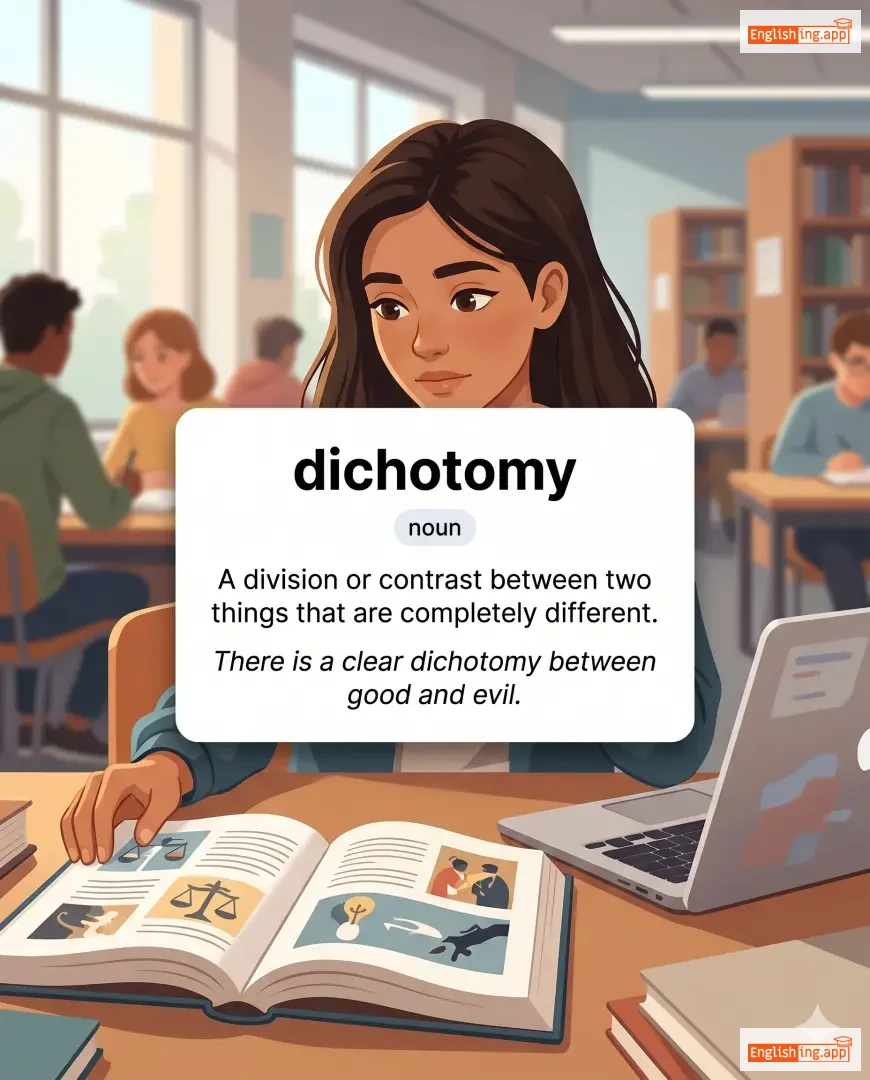
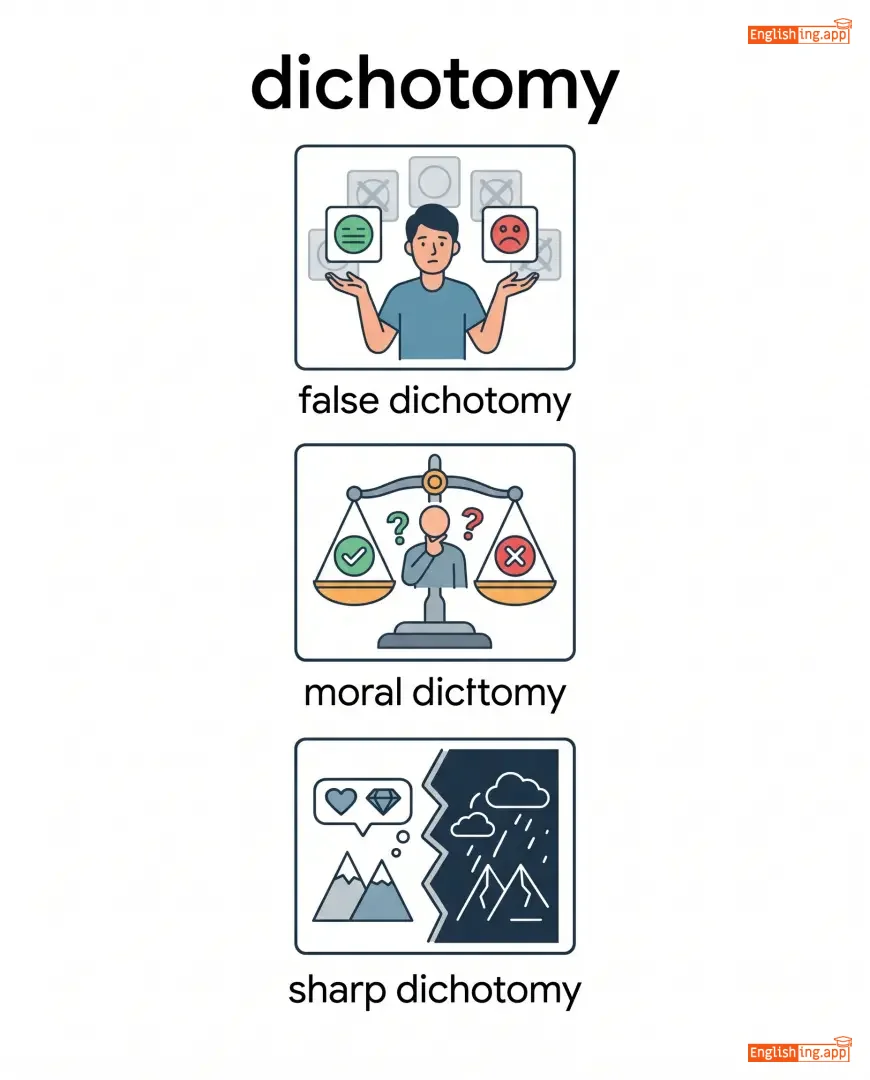
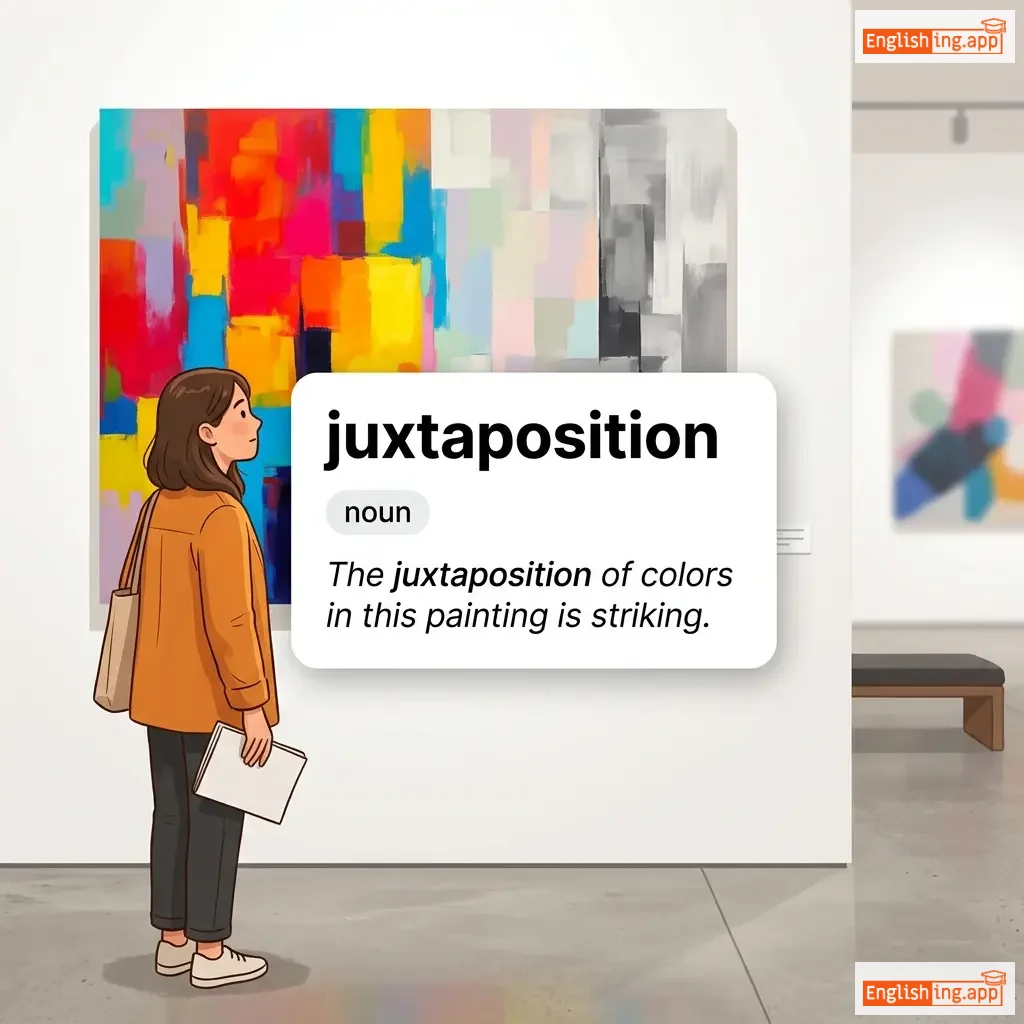
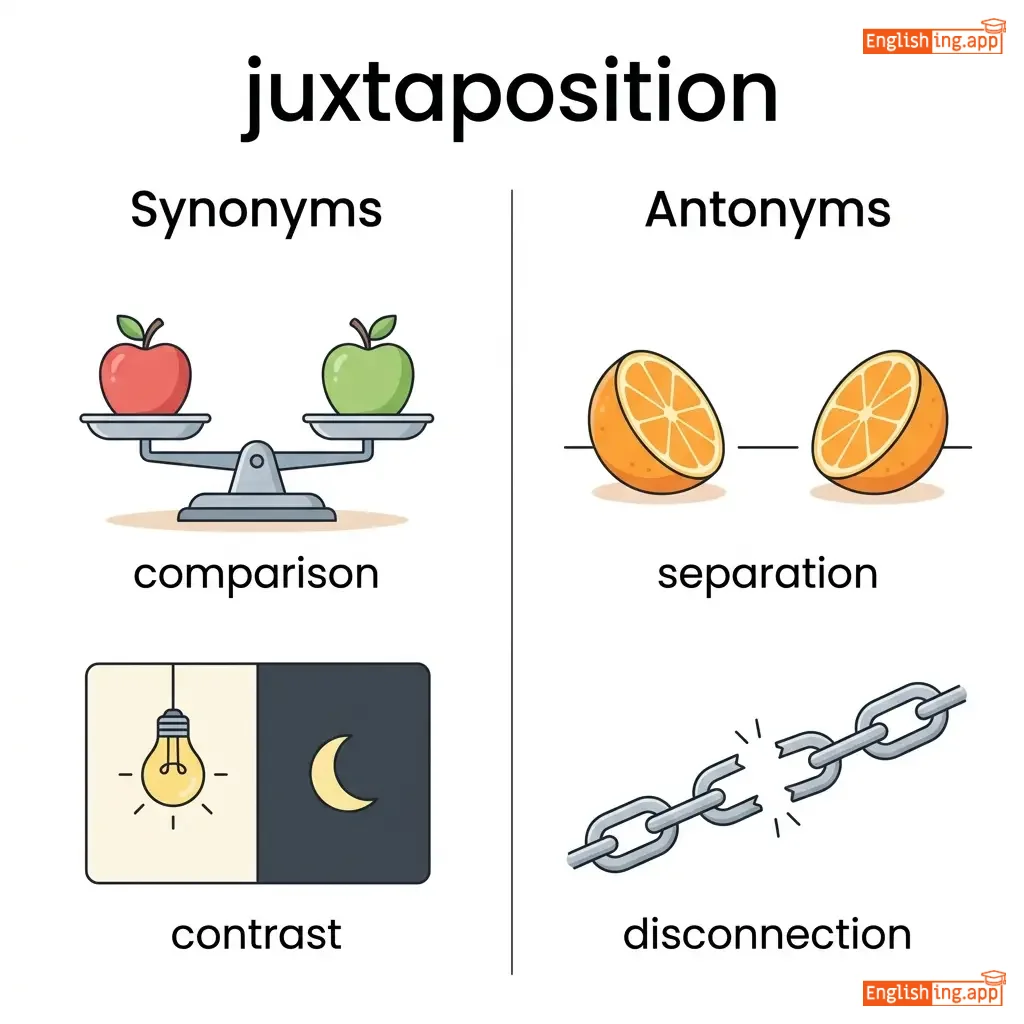
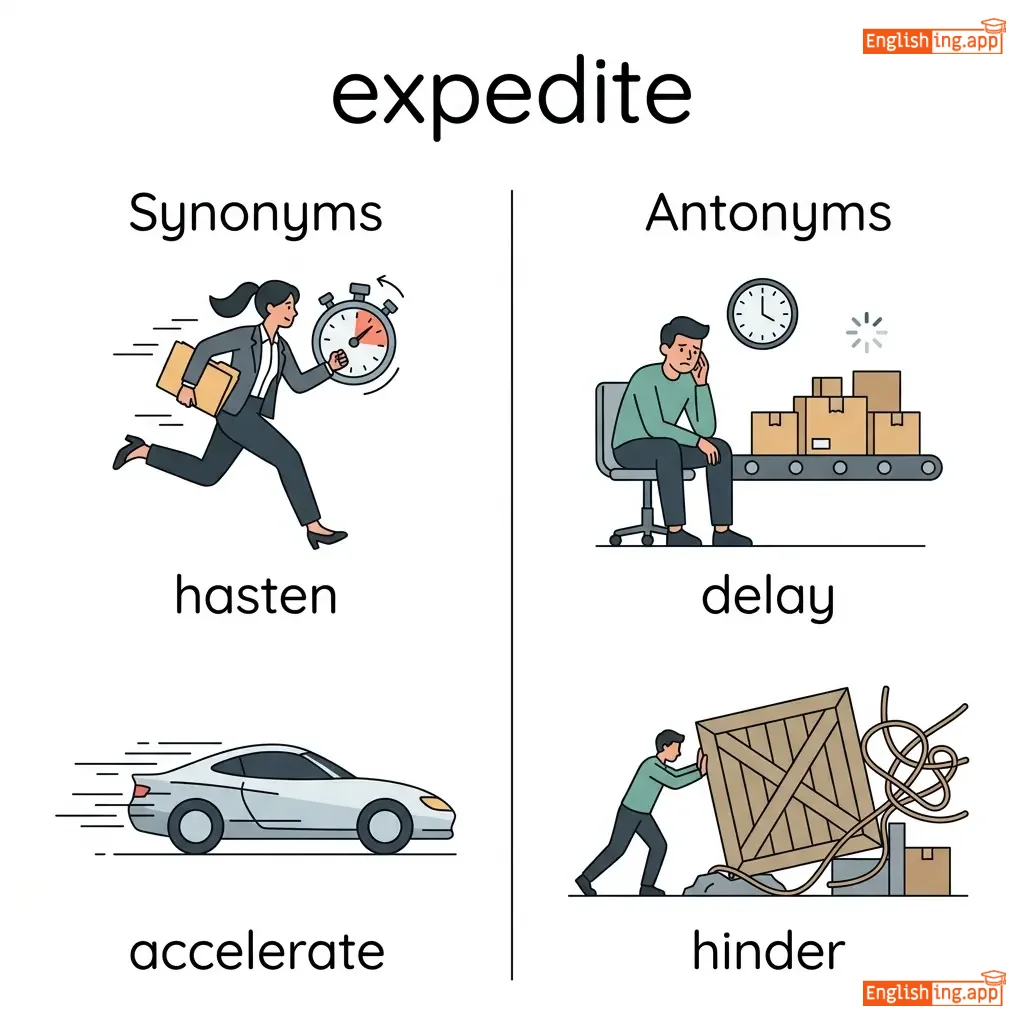
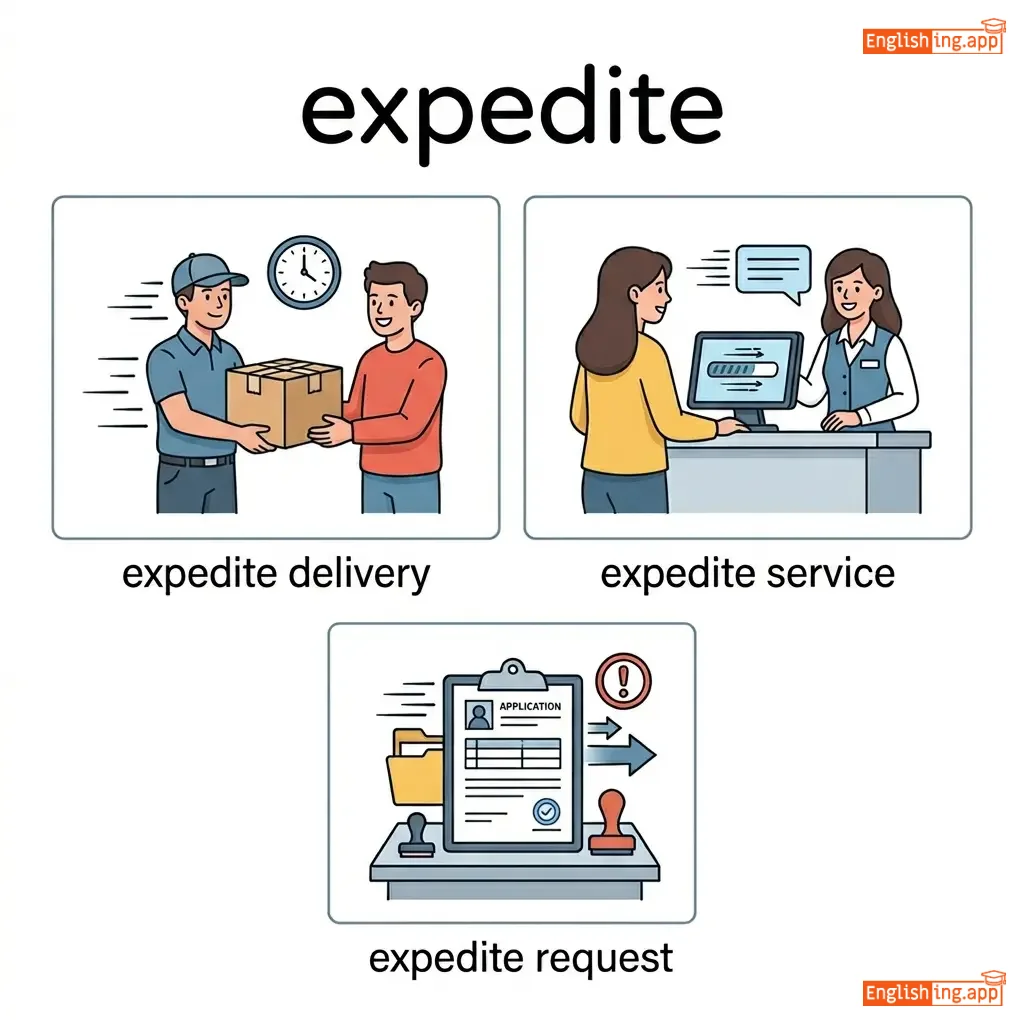
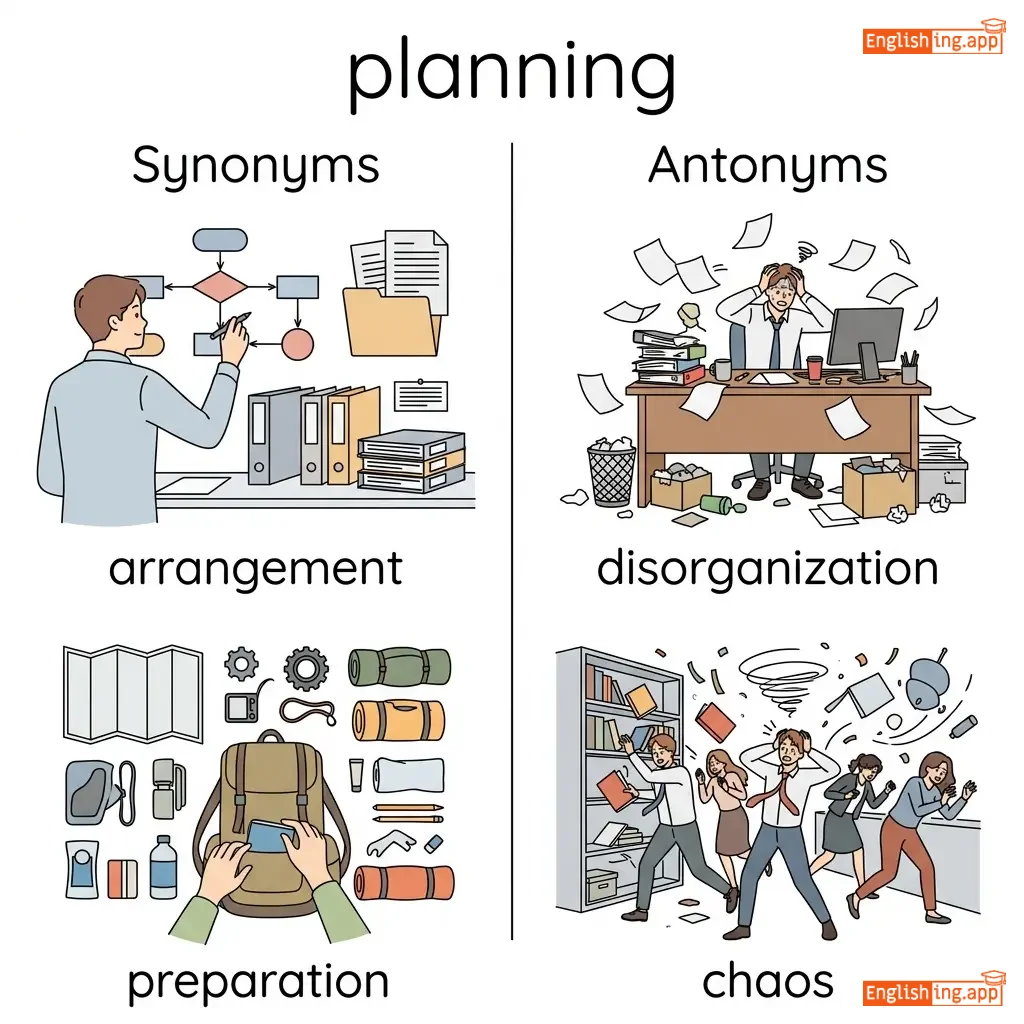
最后,避免 二分法,计划必须有效实施,以避免教育与个人时间之间的 并列。为了 加速 正确的 规划,除了适当的策略外,还需要调整教学技巧。







Swipe left or right, or use the buttons. Tap image to zoom.
例句翻译
单词
Time Management Tips for Homeschooling ParentsTime Management Tips for Homeschooling Parents - 遮罩切换
|
表情符号
|
单词 | Images | 翻译 | 含义 | 例句 | 例句翻译 | 同义词 | 反义词 | 助记符 |
|---|---|---|---|---|---|---|---|---|---|
|
#3796
⏰
|
/taɪm ˈmæn.ɪdʒ.mənt/
noun
(taim mánèjmént)
••••••
|
|
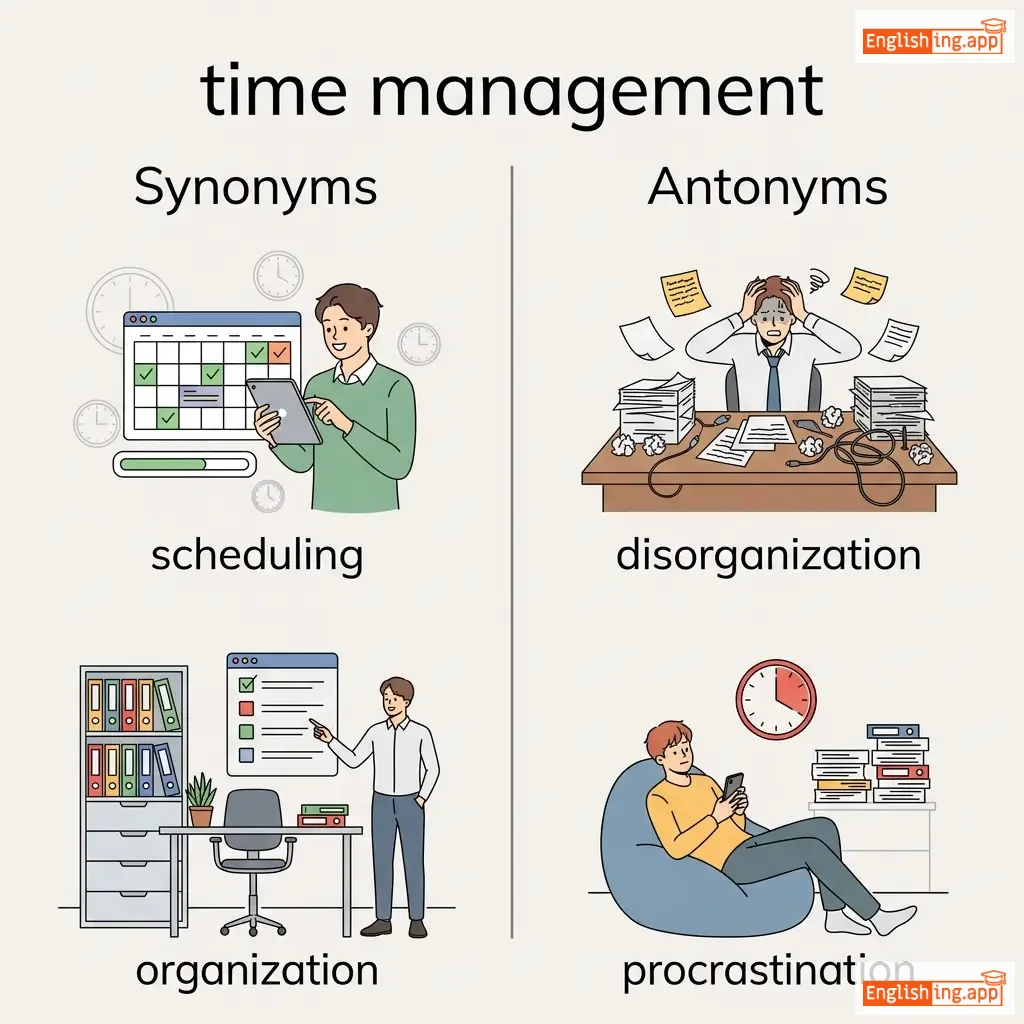
时间管理
shijian guanli
••••••
|
The process of planning and exercising conscious control of time spent on specific activities to increase effectiveness, efficiency, and productivity.
••••••
|
Time management is essential for success.
时间管理对成功至关重要。
••••••
|
时间管理对成功至关重要。
Shijian guanli dui chenggong zhiguang zhongyao.
••••••
|
organization, scheduling, productivity
••••••
|
procrastination, disorganization, inefficiency
••••••
|
时间管理能帮助你更有效地工作和生活。
••••••
|
|
#3797
🤔
|
/kəˈnʌn.drəm/
noun
(kəˈnʌn.drəm)
••••••
|
|
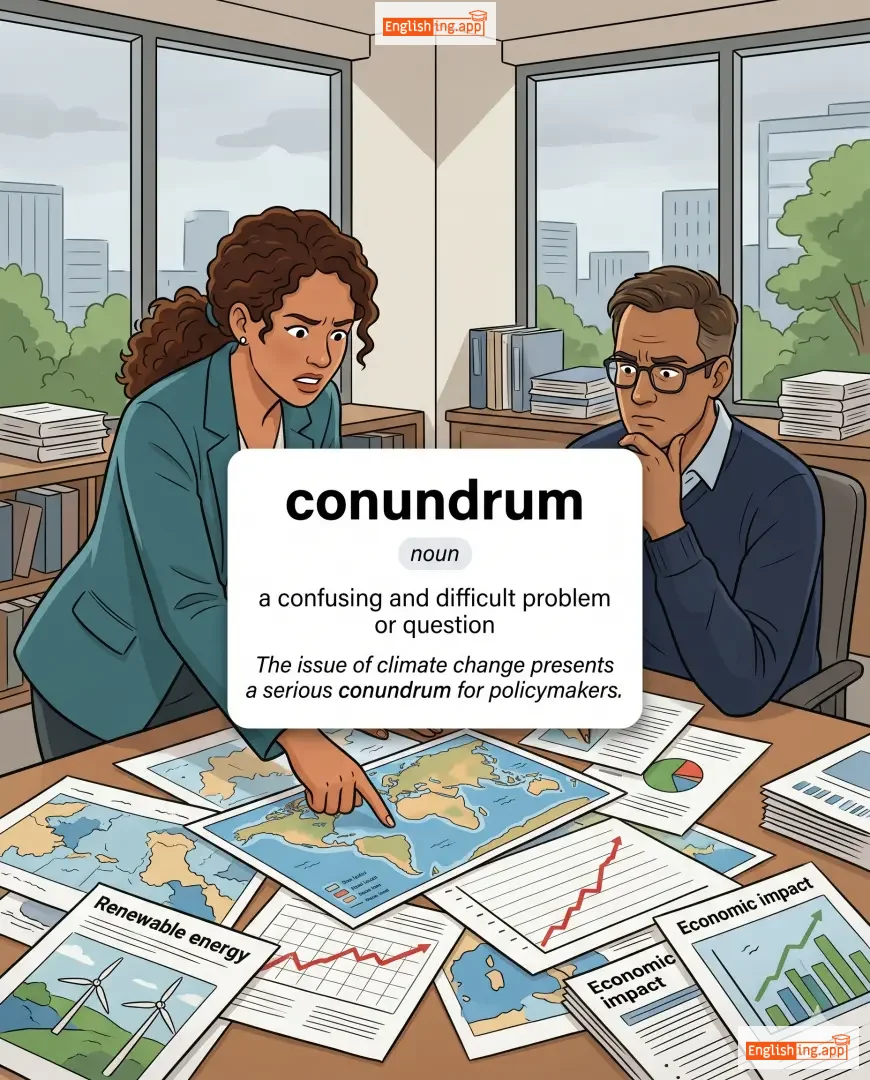
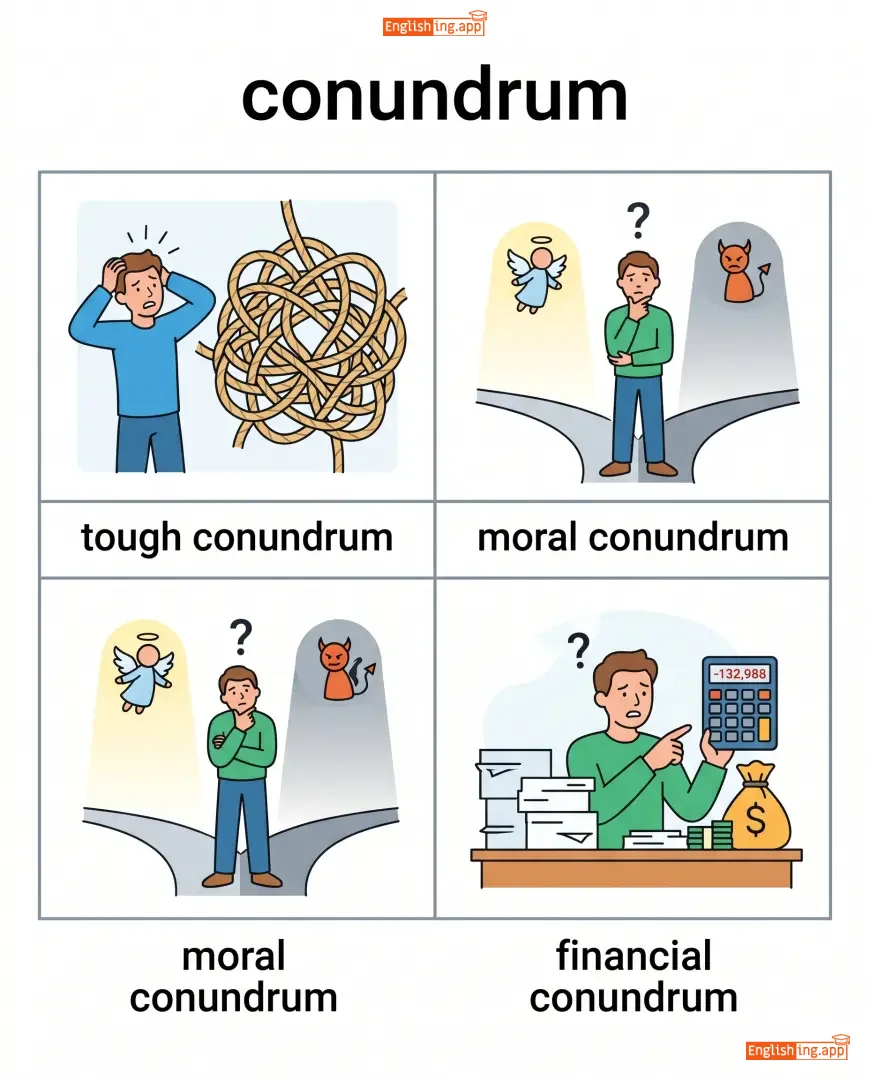
难题
nanti
••••••
|
A confusing and difficult problem or question; a puzzle or riddle.
••••••
|
The scientist faced a conundrum in the experiment. |
科学家在实验中遇到了一个难题。
Kexuejia zai shiyan zhong yudao le yi ge nanti.
••••••
|
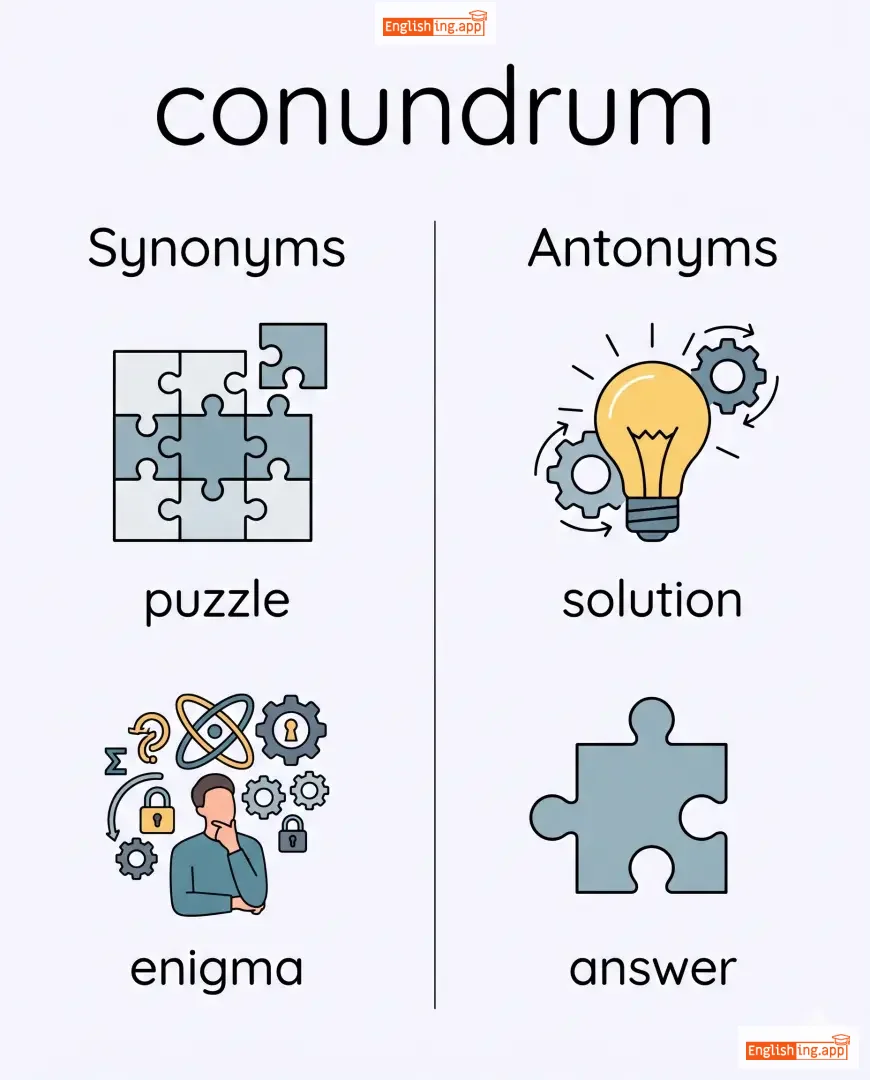
puzzle, enigma, dilemma
••••••
|
solution, answer, clarity
••••••
|
难题和conundrum是需要解决的复杂问题。
••••••
|
|
#3798
🤝
|
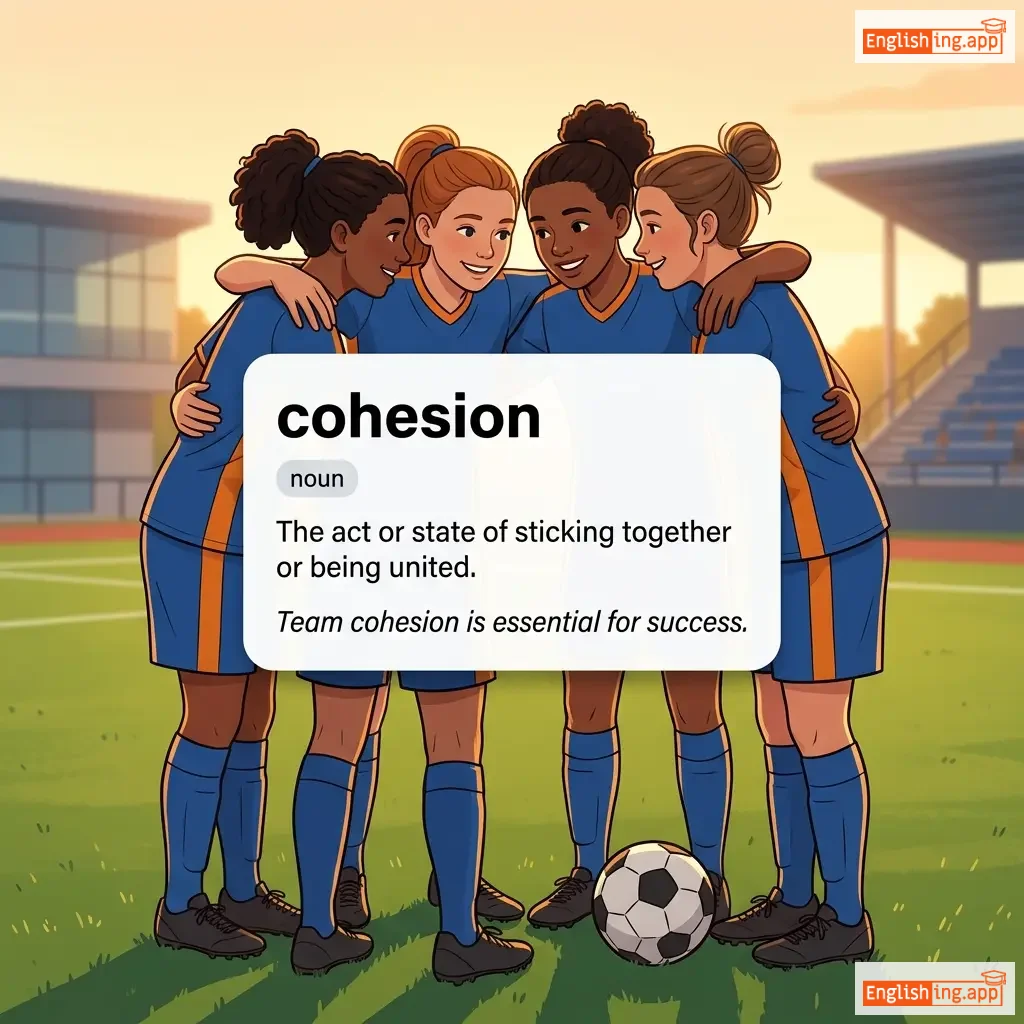
/kəʊˈhiː.ʒən/
noun
(kòu xié)
••••••
|
|
凝聚力
ningjuli
••••••
|
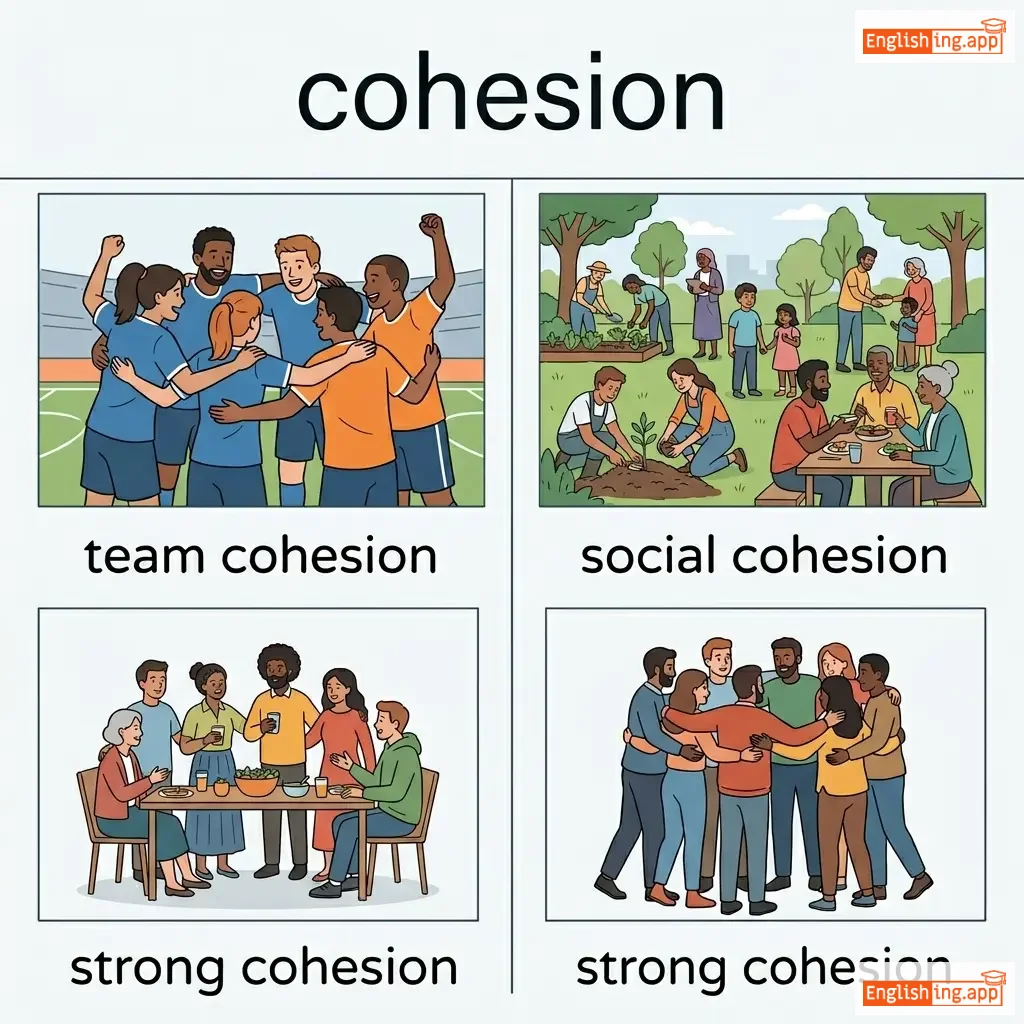
The action or fact of forming a united whole; unity and solidarity.
••••••
|
The team's cohesion was vital for their success.
团队的凝聚力对他们的成功至关重要。
••••••
|
团队的凝聚力对他们的成功至关重要。
Tuan dui de ningju li dui tamen de chenggong zhiguang zhongyao.
••••••
|
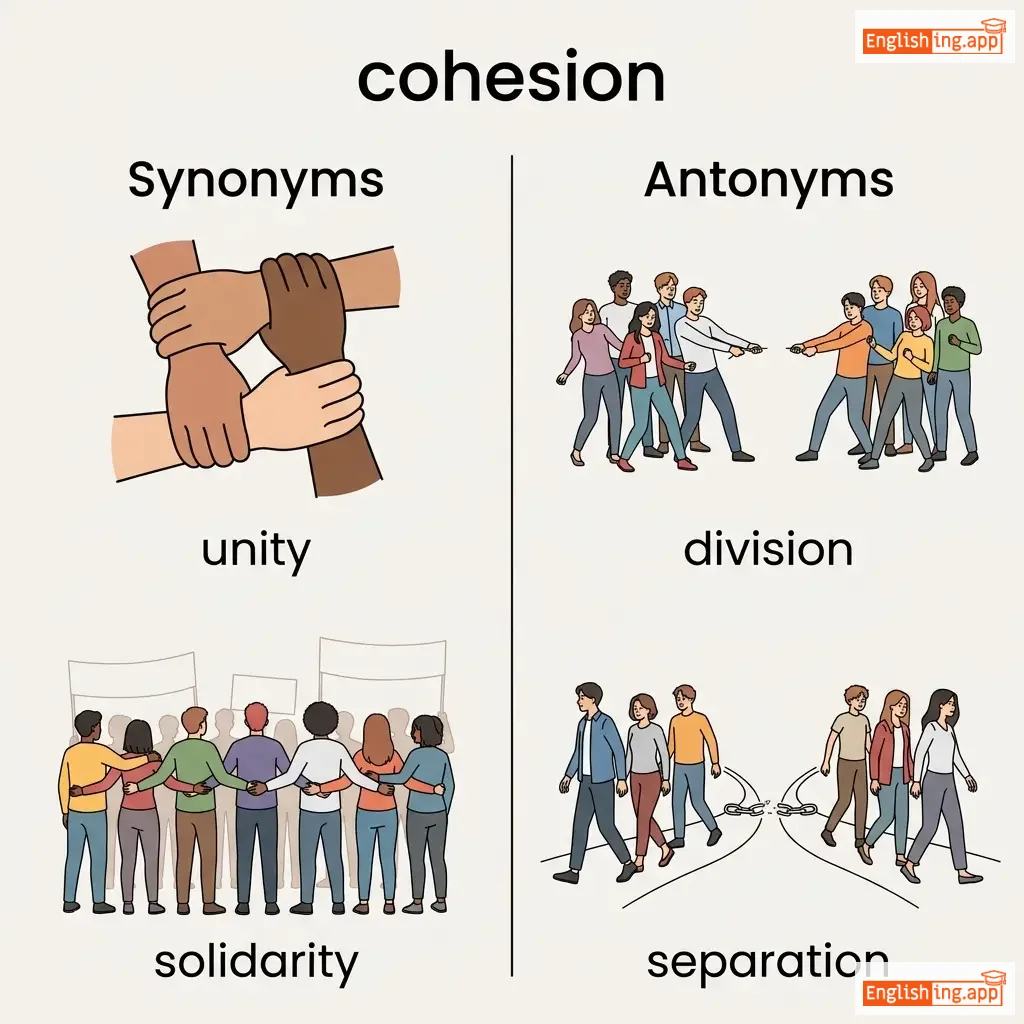
unity, bonding, consistency
••••••
|
fragmentation, disunity, separation
••••••
|
凝聚力就像粘合剂,让团队紧密相连。
••••••
|
|
#3799
⚖️
|
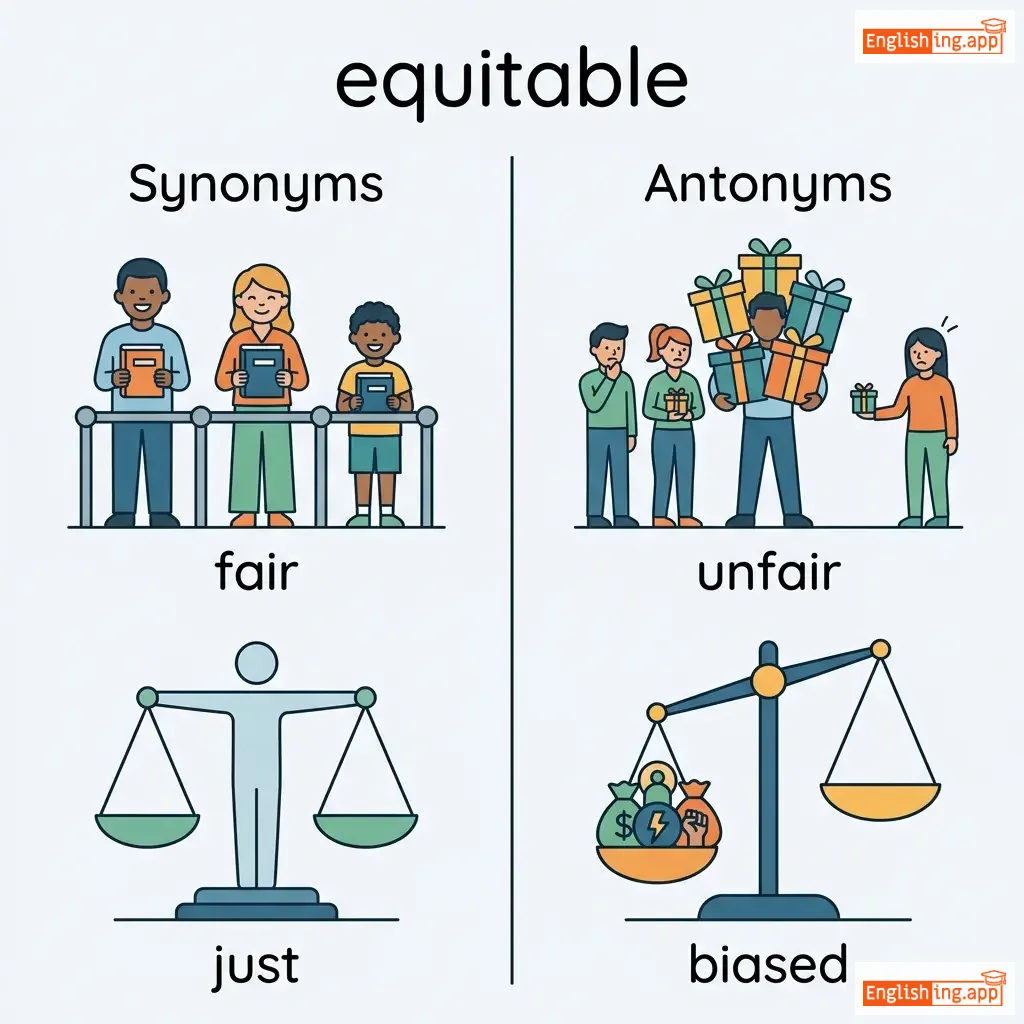
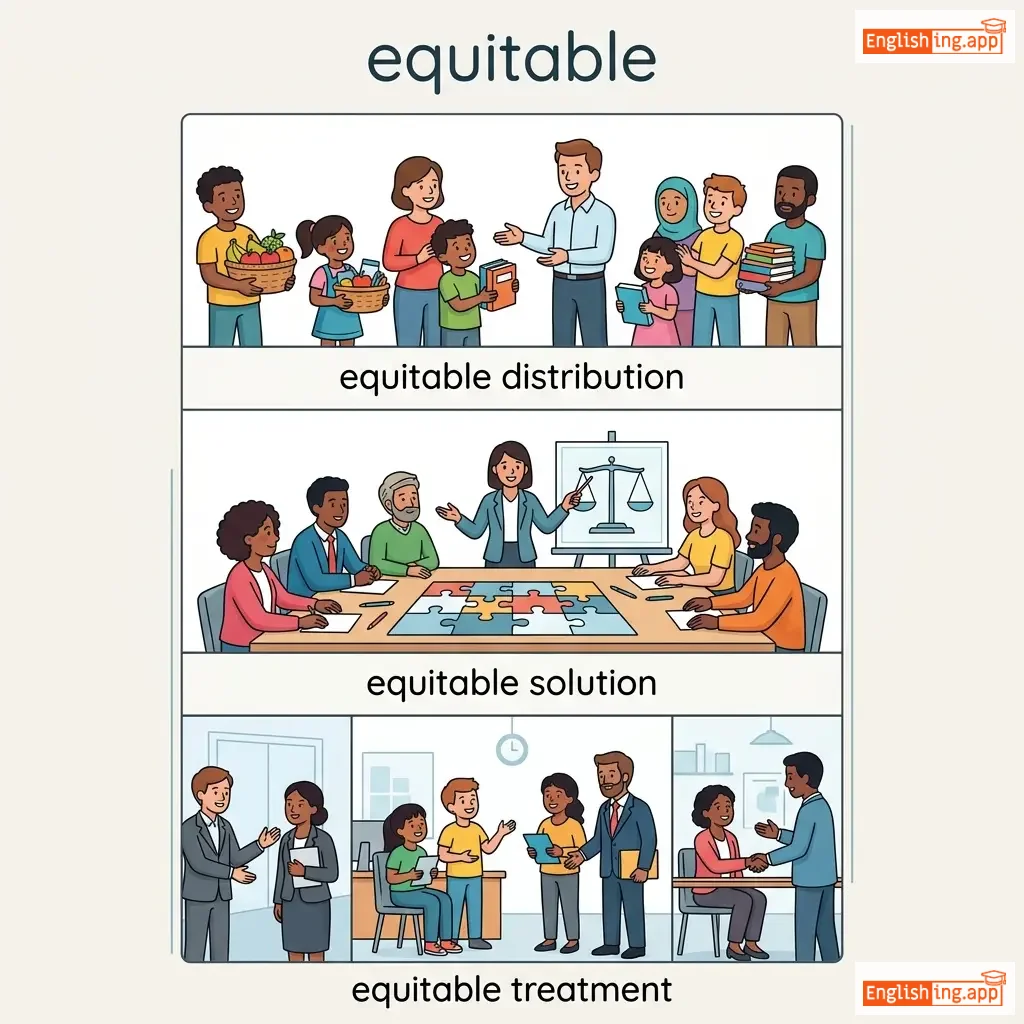
/ˈek.wɪ.tə.bəl/
adjective
(ekwiˈtəbəl)
••••••
|
|
公正的
gongzheng de
••••••
|
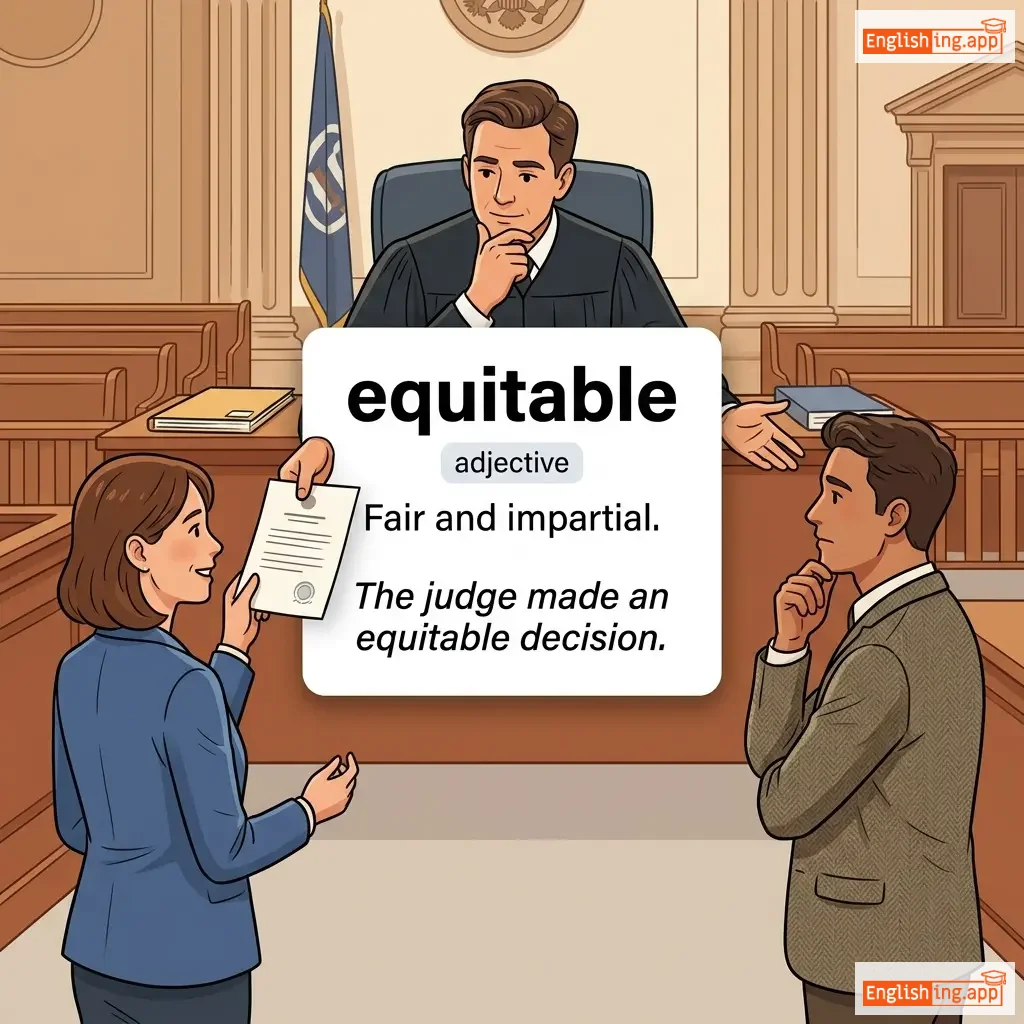
Fair and impartial; treating everyone equally.
••••••
|
The judge gave an equitable decision. |
法官做出了公正的决定。
Fǎguān zuòchūle gōngzhèng de juédìng.
••••••
|
fair, just, impartial
••••••
|
biased, unfair, discriminatory
••••••
|
Gong (fair) and zheng (just) combine to form gōngzhèng, meaning equitable.
••••••
|
|
#3800
📊
|
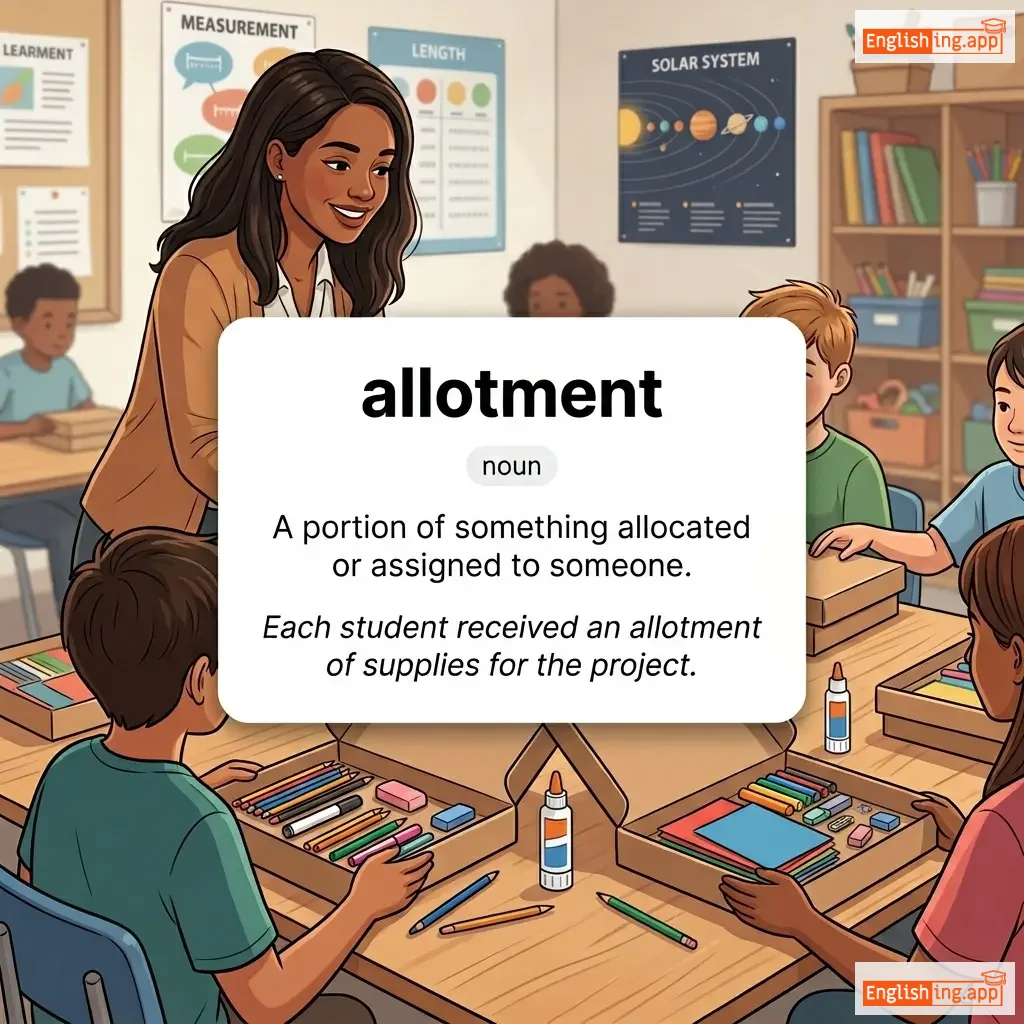
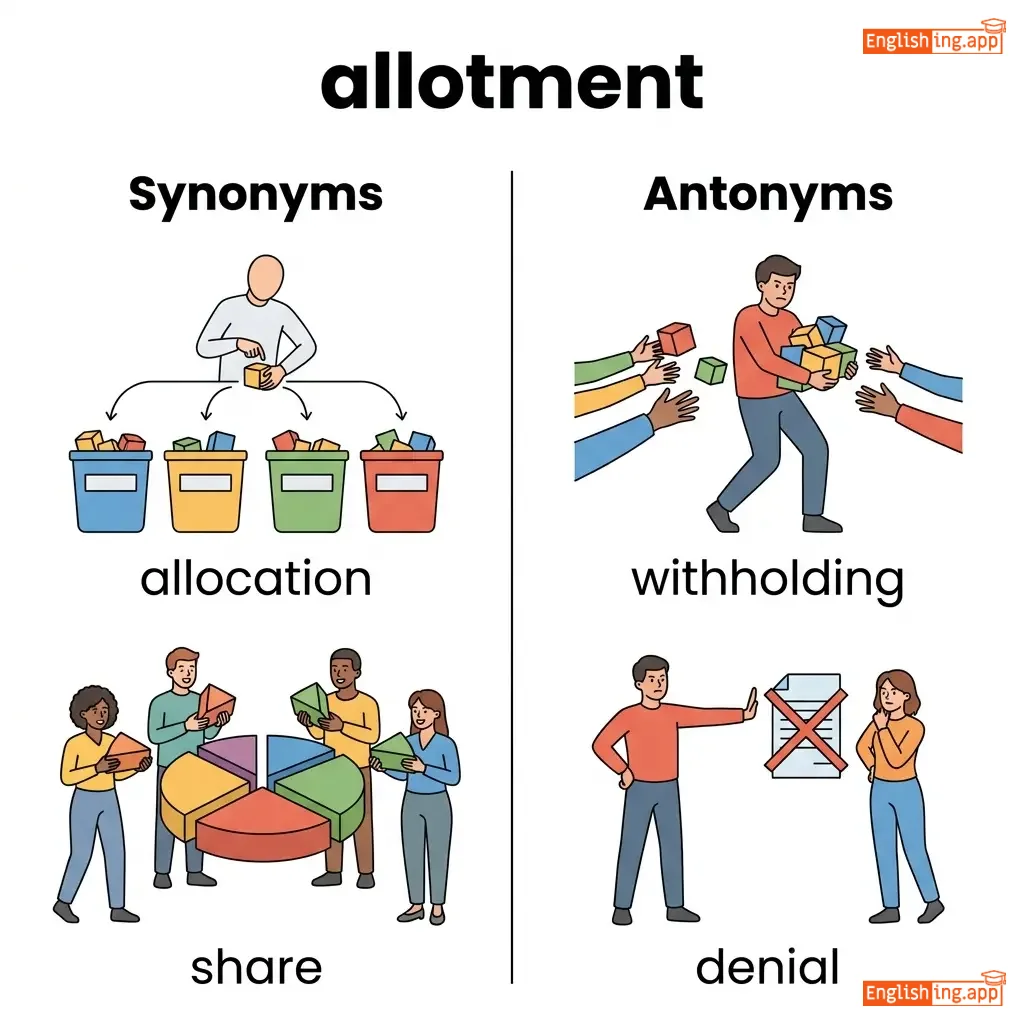
/əˈlɒt.mənt/
noun
(alotment)
••••••
|
|
配给
peiji
••••••
|
The action of allotting or assigning something as a share or portion.
••••••
|
The government announced the allotment of funds.
政府宣布了资金的配给。
••••••
|
政府宣布了资金的配给。
Zhèngfǔ xuānbùle zījīn de pèijǐ.
••••••
|
distribution, allocation, assignment
••••••
|
withdrawal, retraction, reduction
••••••
|
Peiji is like allotment, when you assign things as shares.
••••••
|
|
#3801
📦
|
/ˌkɒm.pɑːt ˈmen.təl.aɪz/
verb
(划分)
••••••
|
|
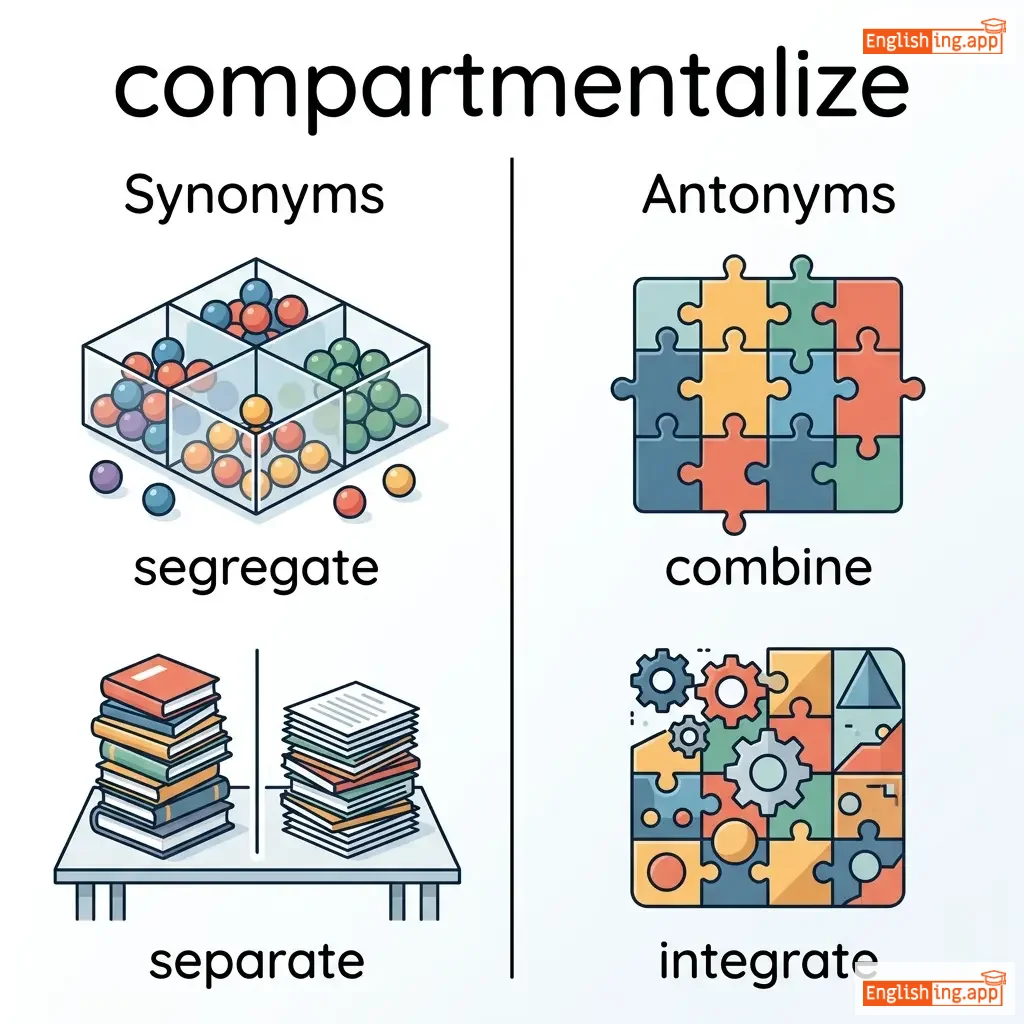
分隔
fēngé
••••••
|
To divide into separate sections or categories; to separate into distinct parts.
••••••
|
She tends to compartmentalize her personal and work life.
她倾向于划分个人和工作生活。
••••••
|
她倾向于将个人和工作生活分开。
Tā qīngxiàng yú jiāng gèrén hé gōngzuò shēnghuó fēnkāi.
••••••
|
categorize, classify, segregate
••••••
|
integrate, merge, unify
••••••
|
就像将东西分开存放,你也在生活中划分个人与工作。
••••••
|
|
#3802
📝
|
/dɪˈlɪn.i.eɪt/
verb
(dɪˈlɪn.i.eɪt)
••••••
|
|
描述
miáoshù
••••••
|
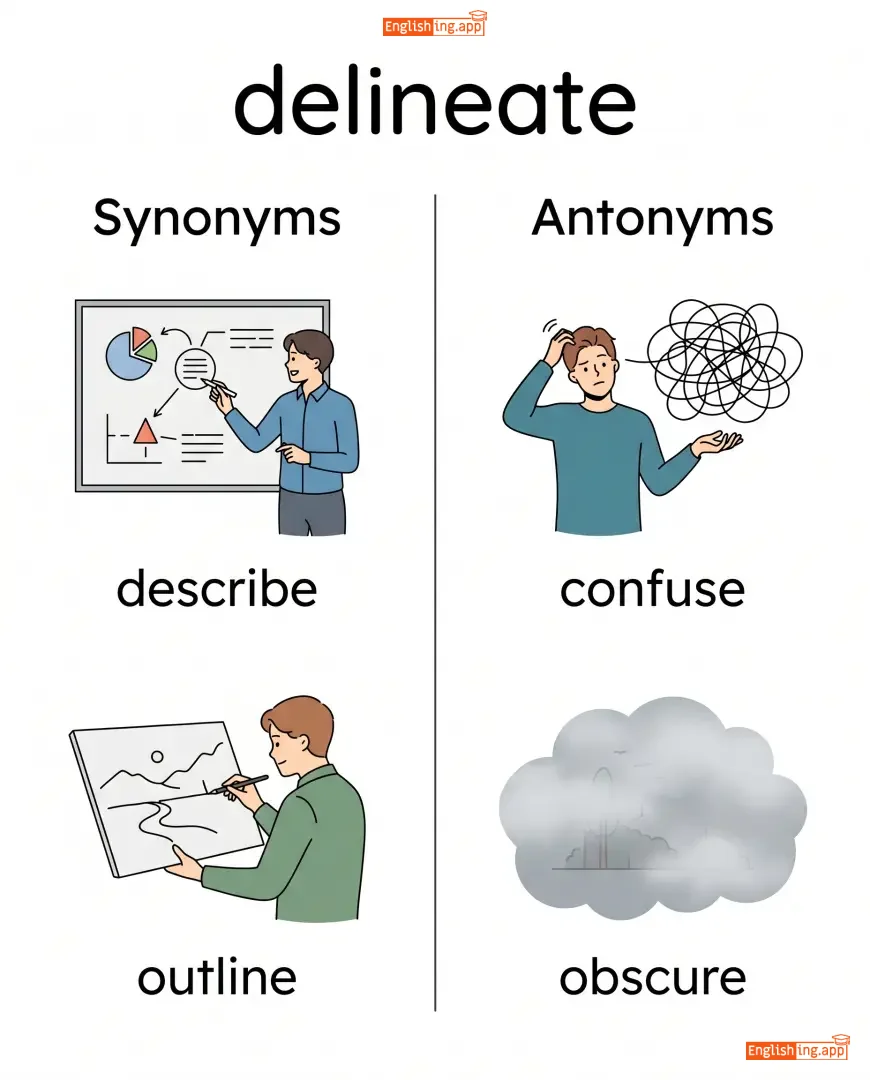
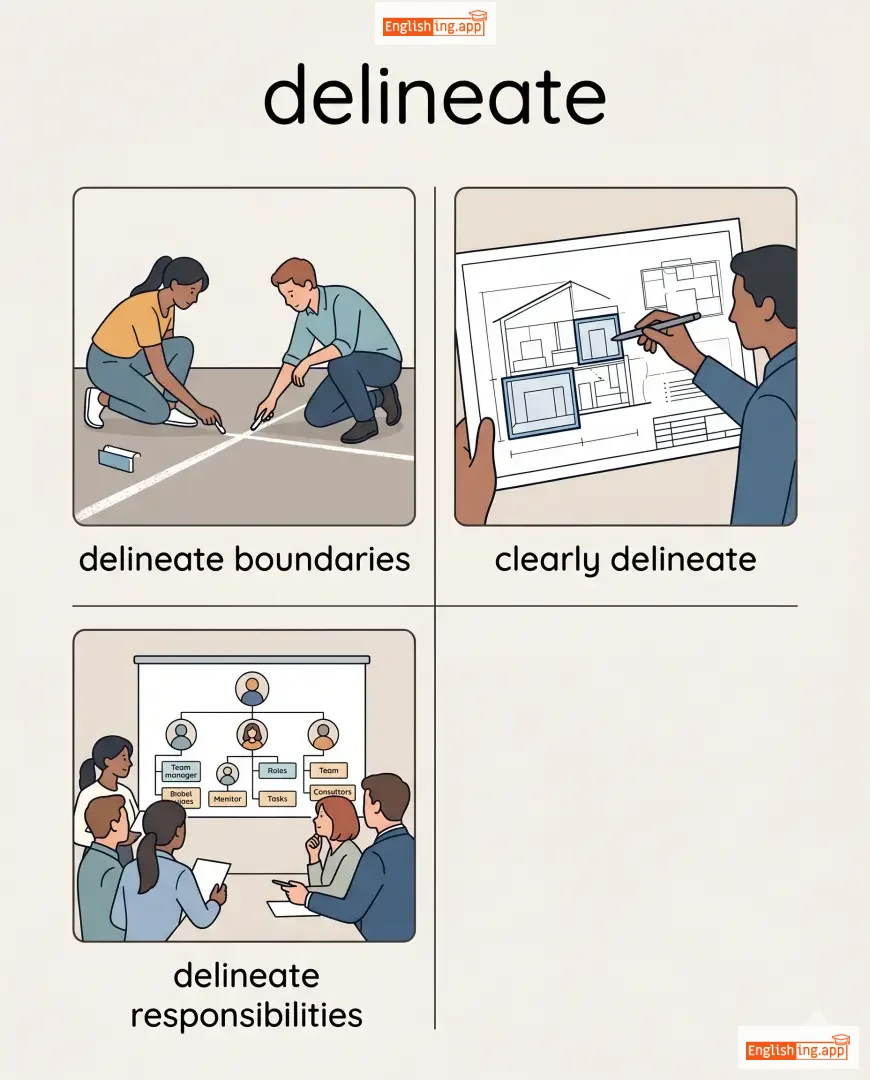
To describe or portray something precisely; to outline or define clearly.
••••••
|
The report delineates the roles of employees.
报告明确划分了员工的角色。
••••••
|
报告明确划分了员工的角色。
Bàogào míngquè huàfēn le yuángōng de juésè.
••••••
|
describe, outline, define
••••••
|
obscure, confuse, misrepresent
••••••
|
Chinese and English mix: '描述' means 'to delineate'.
••••••
|
|
#3803
🔄
|
/ˈsɪŋ.krə.naɪz/
verb
(同步)
••••••
|
|
同步
tóngbù
••••••
|
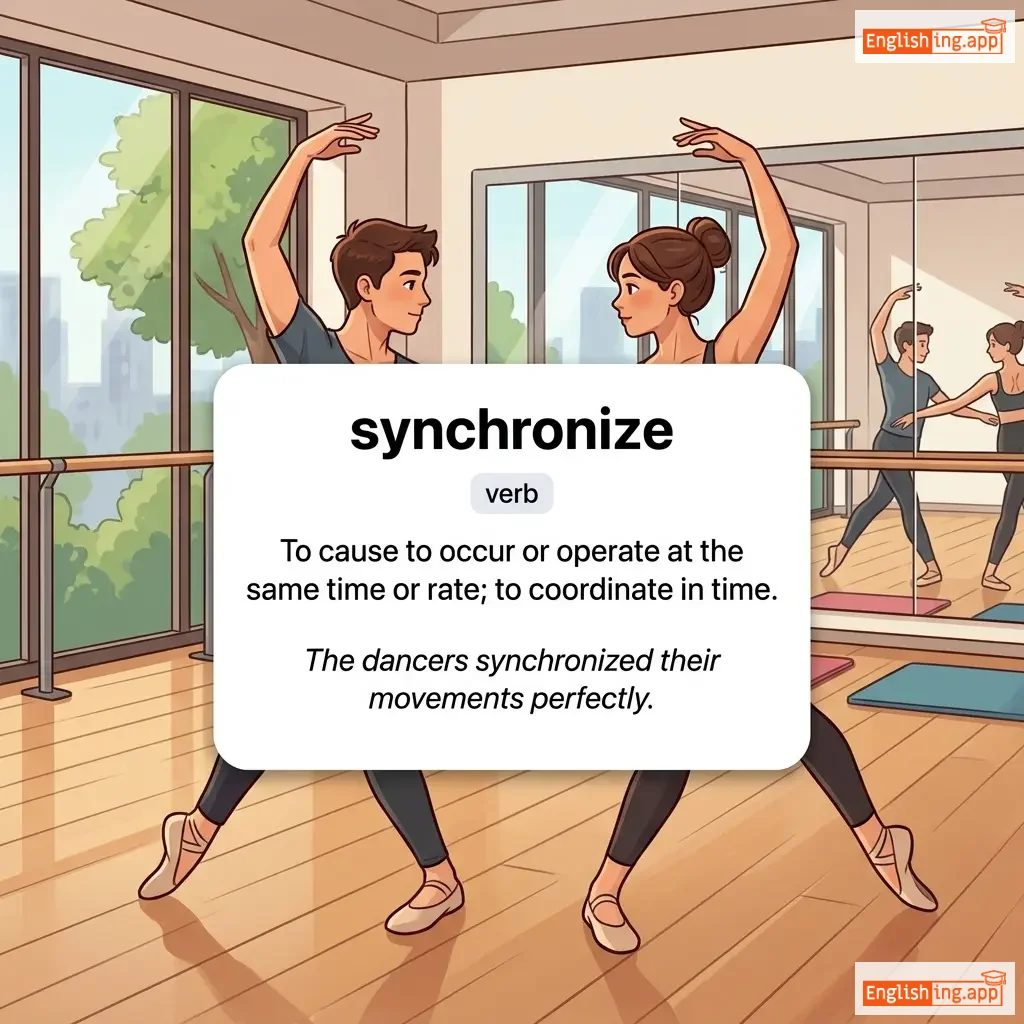
To cause to occur or operate at the same time or rate; to coordinate in time.
••••••
|
The dancers synchronized their movements perfectly. |
舞者们完美地同步了他们的动作。
Wǔzhěmen wánměi de tóngbù le tāmen de dòngzuò.
••••••
|
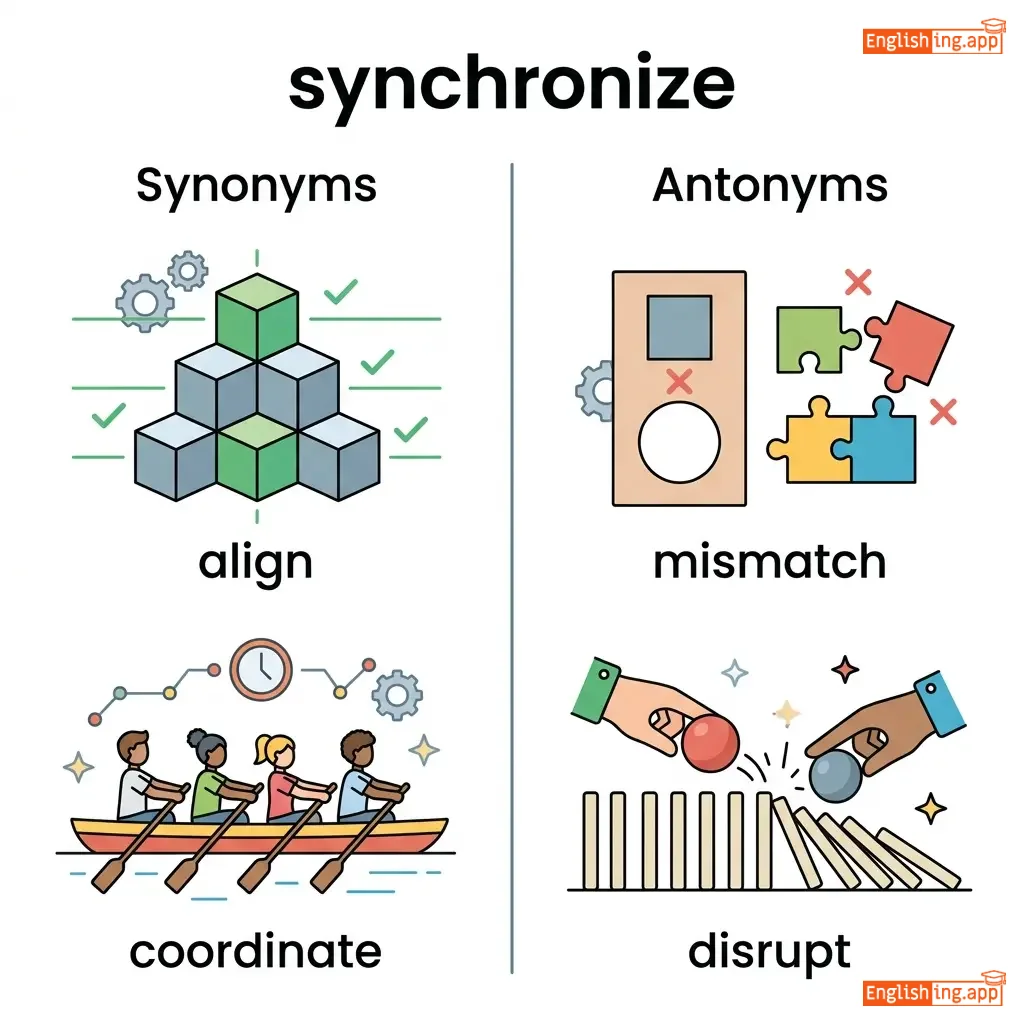
align, coordinate, harmonize
••••••
|
mismatch, disrupt, desynchronize
••••••
|
同步意味着让一切都在同一节奏下进行。
••••••
|
|
#3804
🎯
|
/præɡˈmæt.ɪk/
adjective
(实用主义的)
••••••
|
|
务实的
wùshí de
••••••
|
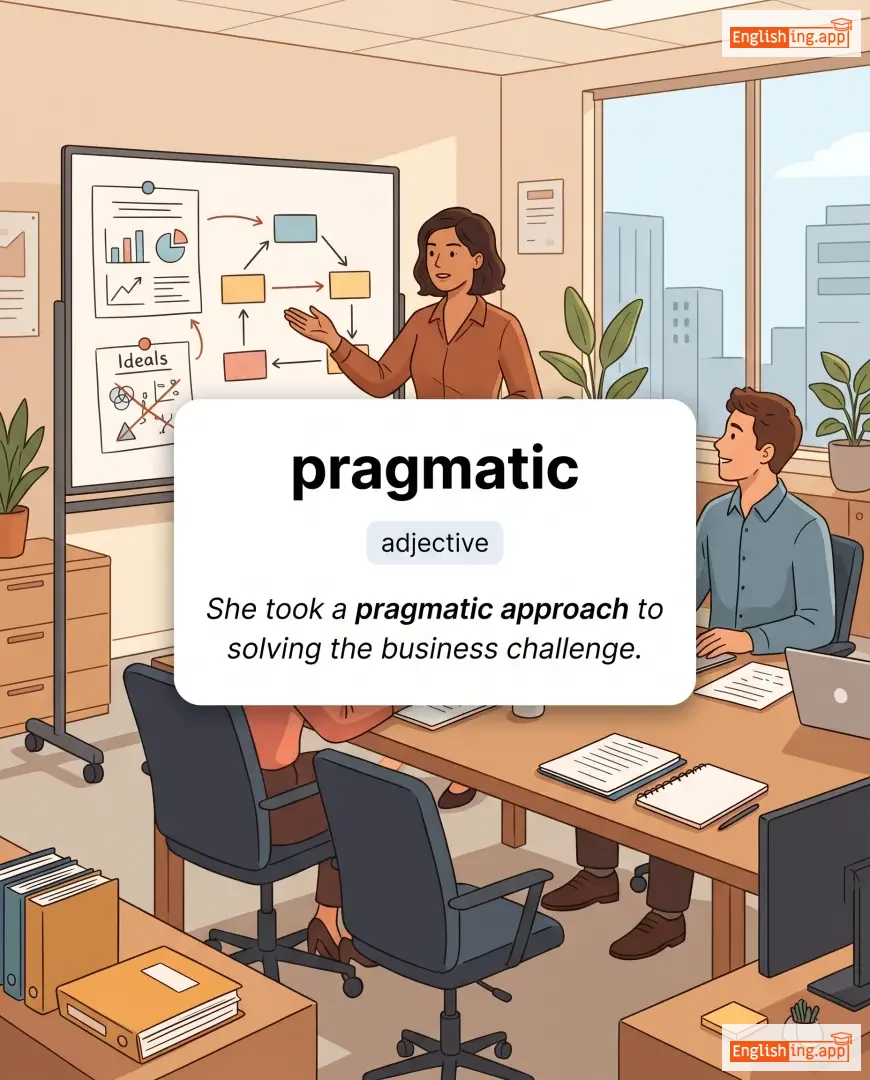
Dealing with things sensibly and realistically in a way that is based on practical rather than idealistic considerations.
••••••
|
He takes a pragmatic approach to solving problems. |
他采用务实的方式解决问题。
Tā cǎiyòng wùshí de fāngshì jiějué wèntí.
••••••
|
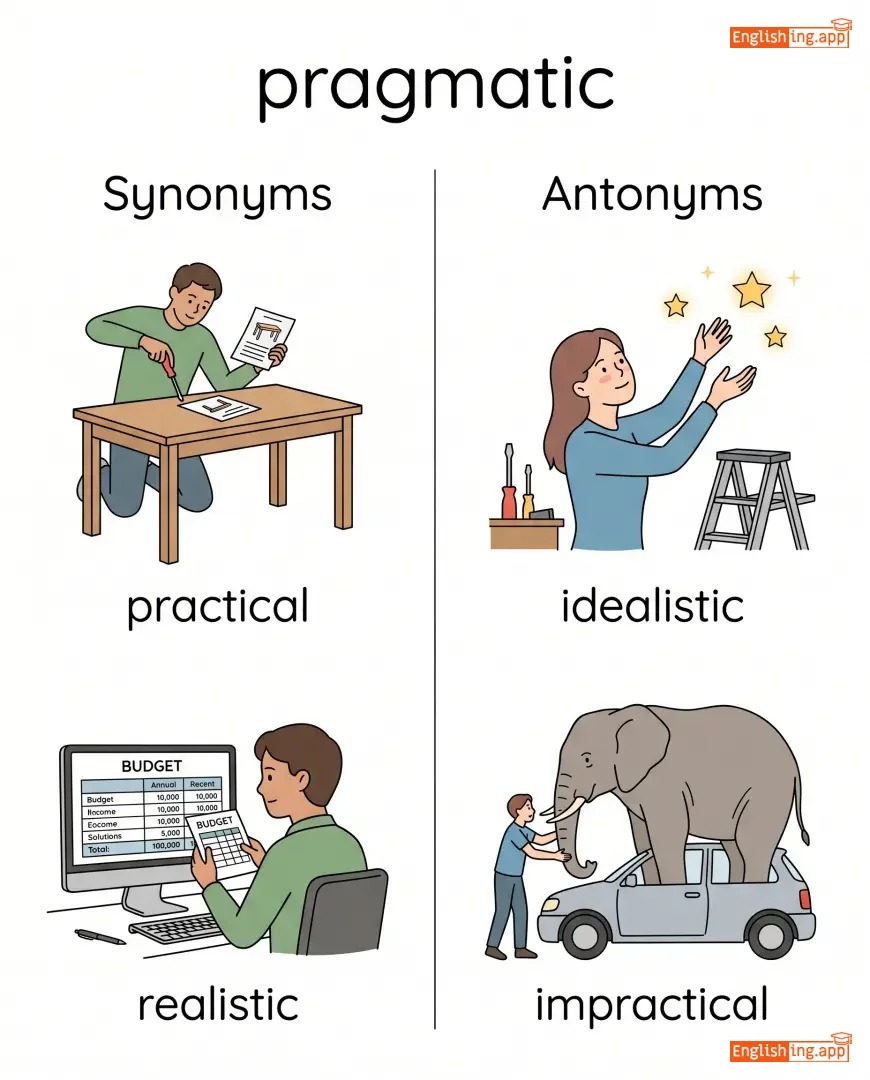
practical, realistic, sensible
••••••
|
idealistic, impractical, theoretical
••••••
|
务实的方式能让我们更好地解决问题。
••••••
|
|
#3805
🌱
|
/kənˈdjuː.sɪv/
adjective
(kənˈdjuːsɪv)
••••••
|
|
有助于
you zhu yu
••••••
|
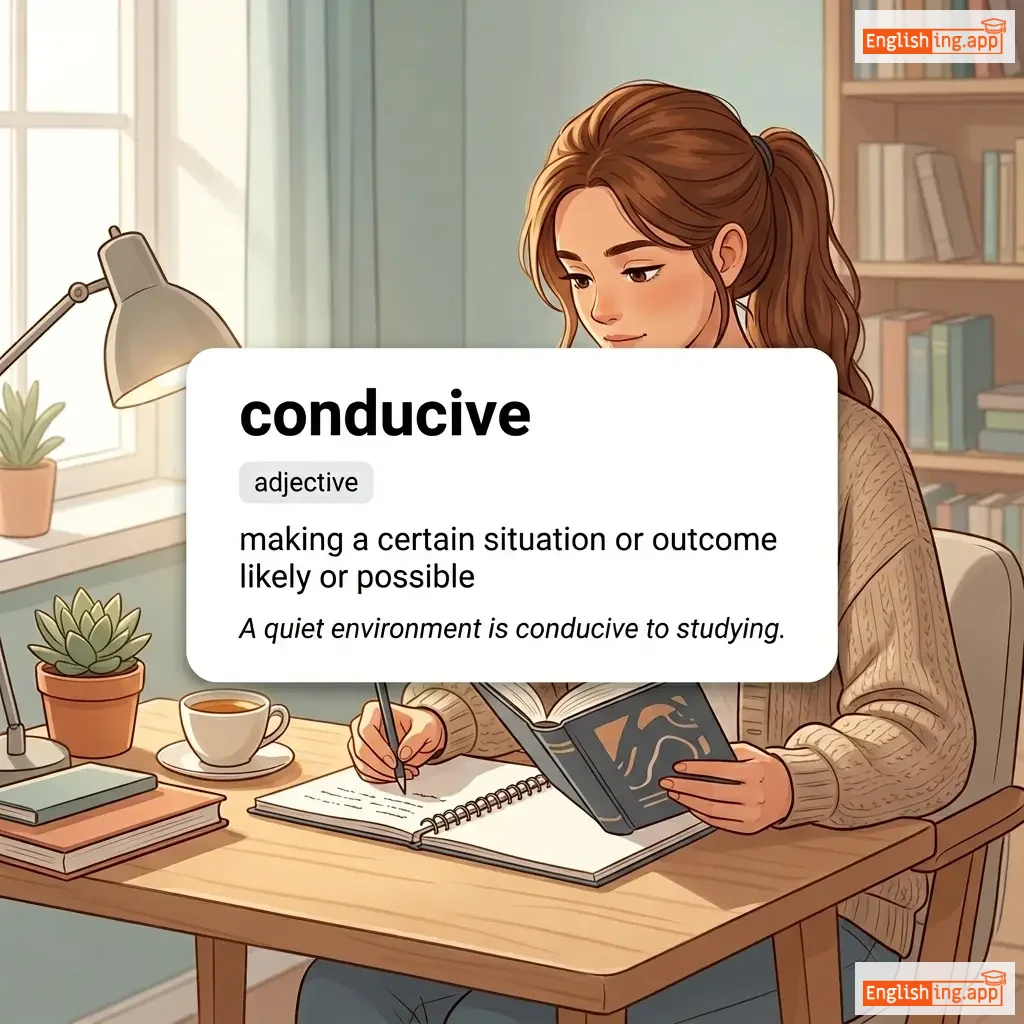
Making a certain situation or outcome likely or possible; favorable to.
••••••
|
A quiet environment is conducive to studying.
A quiet environment is conducive to studying.
••••••
|
安静的环境有助于学习。
Anjing de huanjing you zhu yu xuexi.
••••••
|
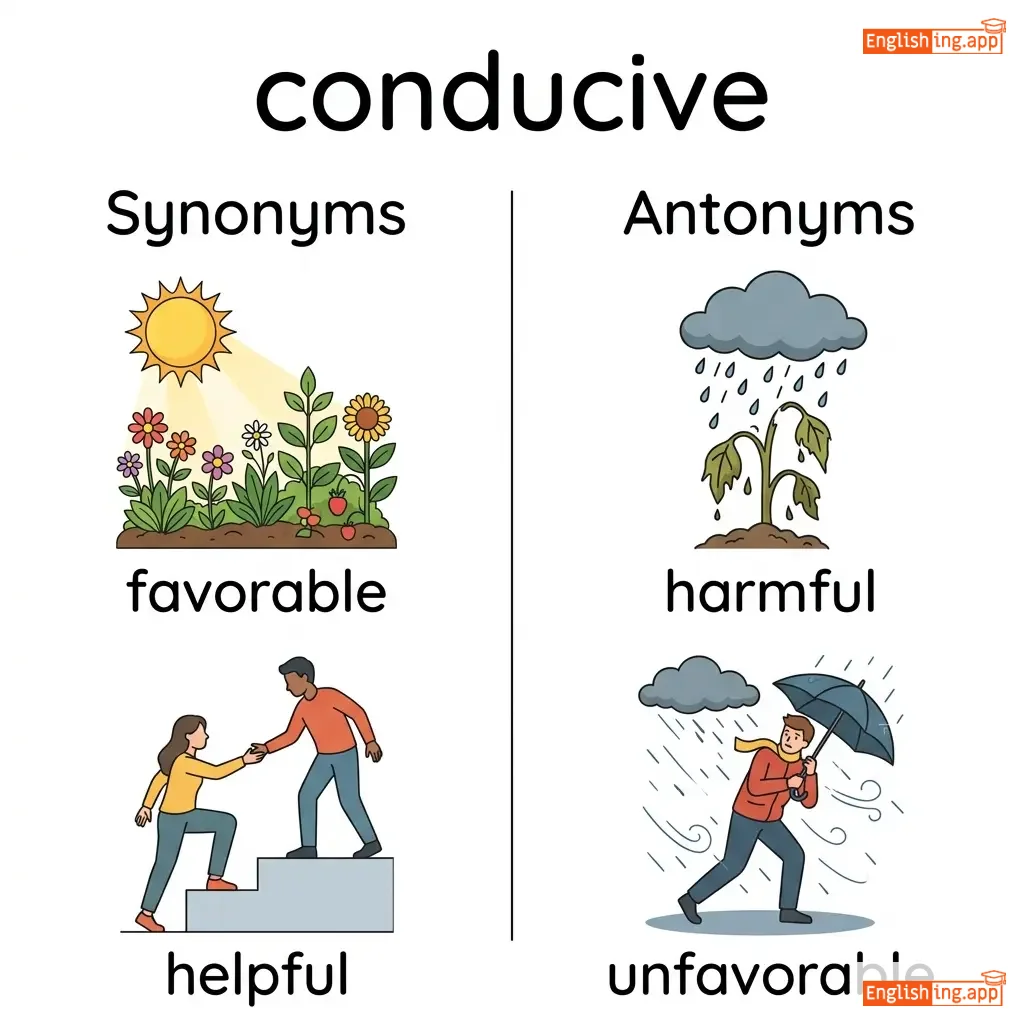
favorable, beneficial, supportive
••••••
|
hindering, obstructive, detrimental
••••••
|
A quiet room is conducive, like '有助于' for helpful conditions.
••••••
|
|
#3806
🎨
|
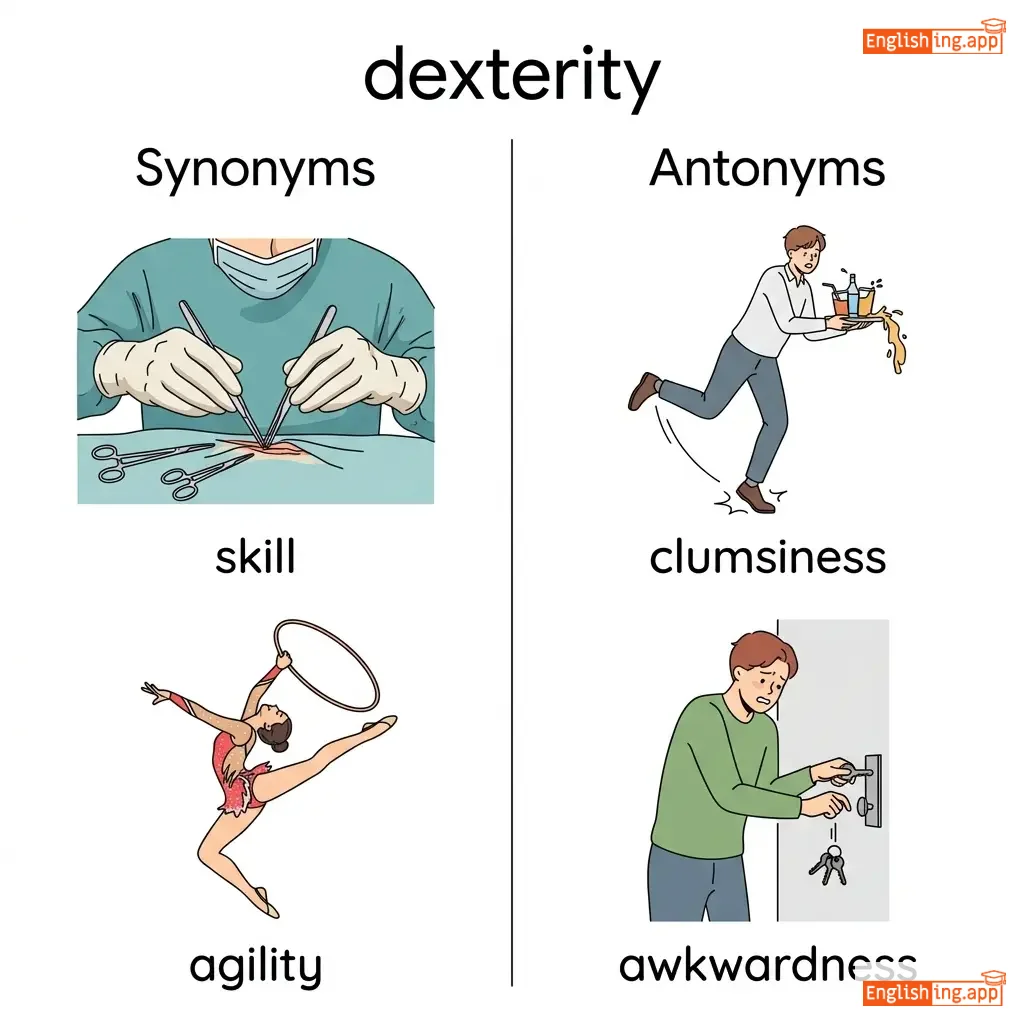
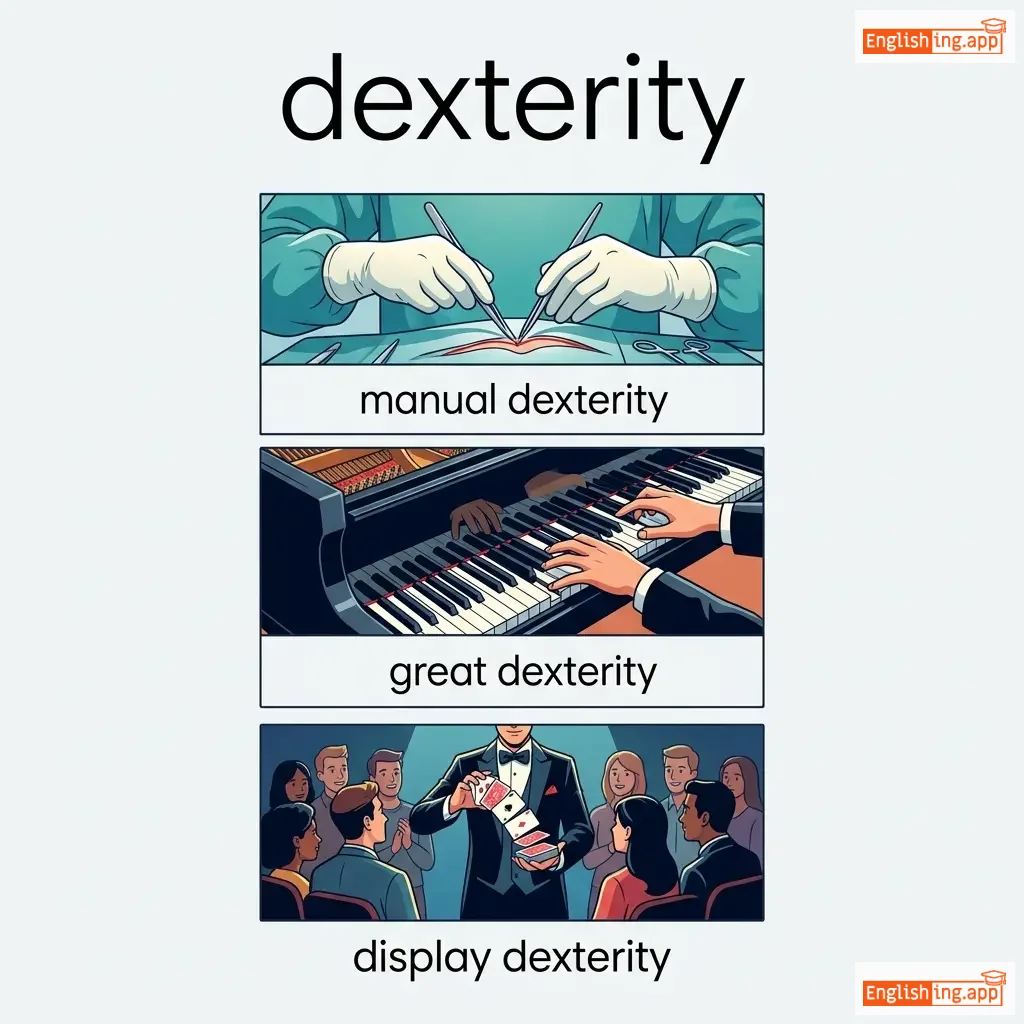
/dɛkˈstɛr.ɪ.ti/
noun
(dexteriti)
••••••
|
|
灵巧
lingqiao
••••••
|
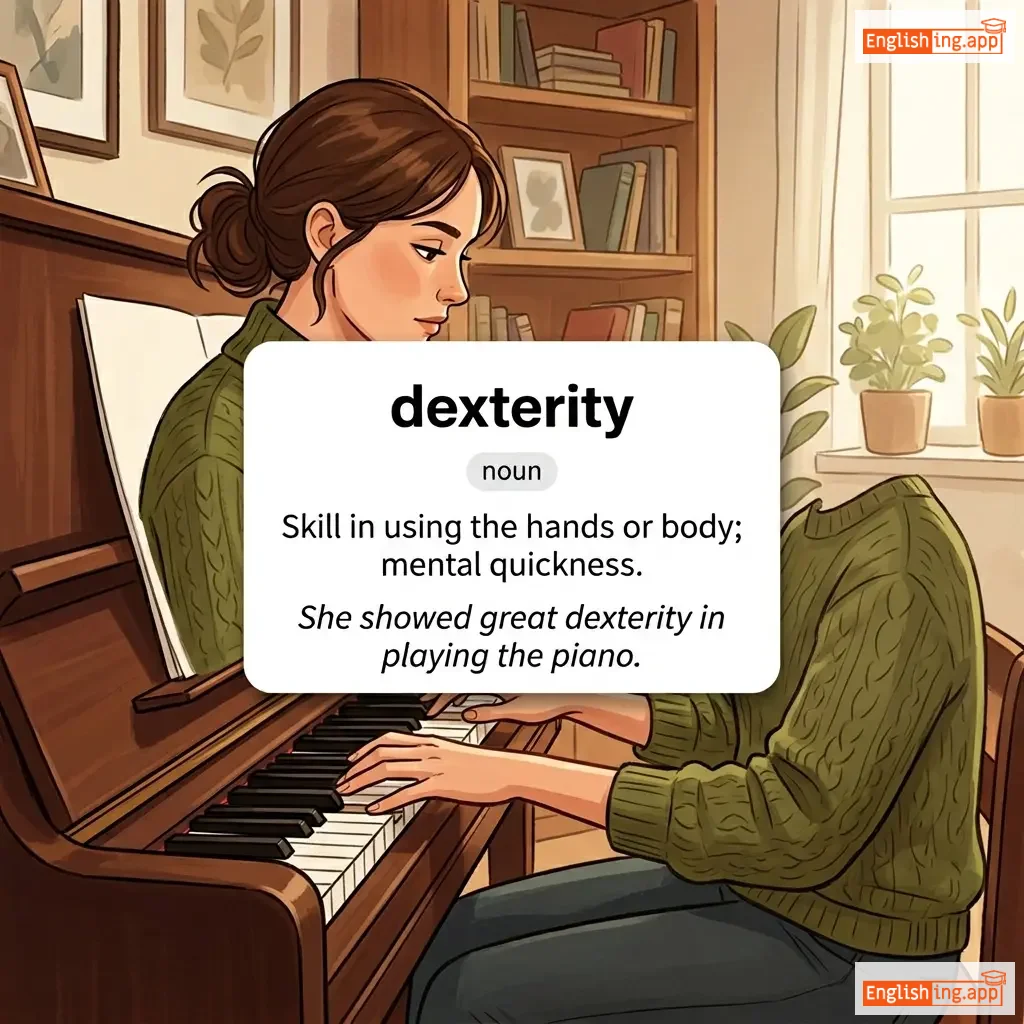
Skill in performing tasks, especially with the hands; mental skill or adroitness.
••••••
|
His dexterity in playing the violin is remarkable.
His dexterity in playing the violin is remarkable.
••••••
|
他在拉小提琴方面的灵巧令人印象深刻。
Tā zài lā xiǎotíqín fāngmiàn de língqiǎo lìng rén yìnxiàng shēnkè.
••••••
|
agility, proficiency, finesse
••••••
|
clumsiness, ineptitude, incompetence
••••••
|
灵巧是通过灵活的手部动作和智慧完成任务的能力。
••••••
|
|
#3807
💪
|
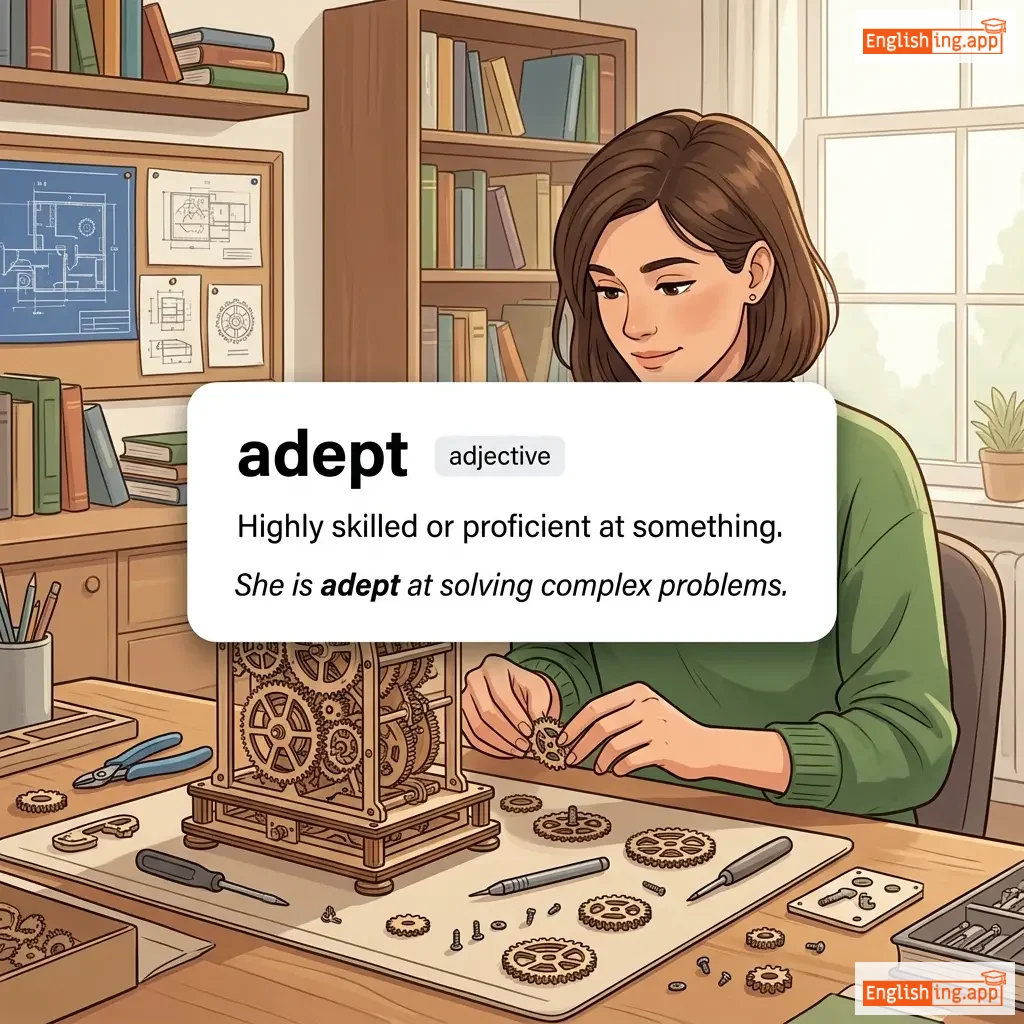
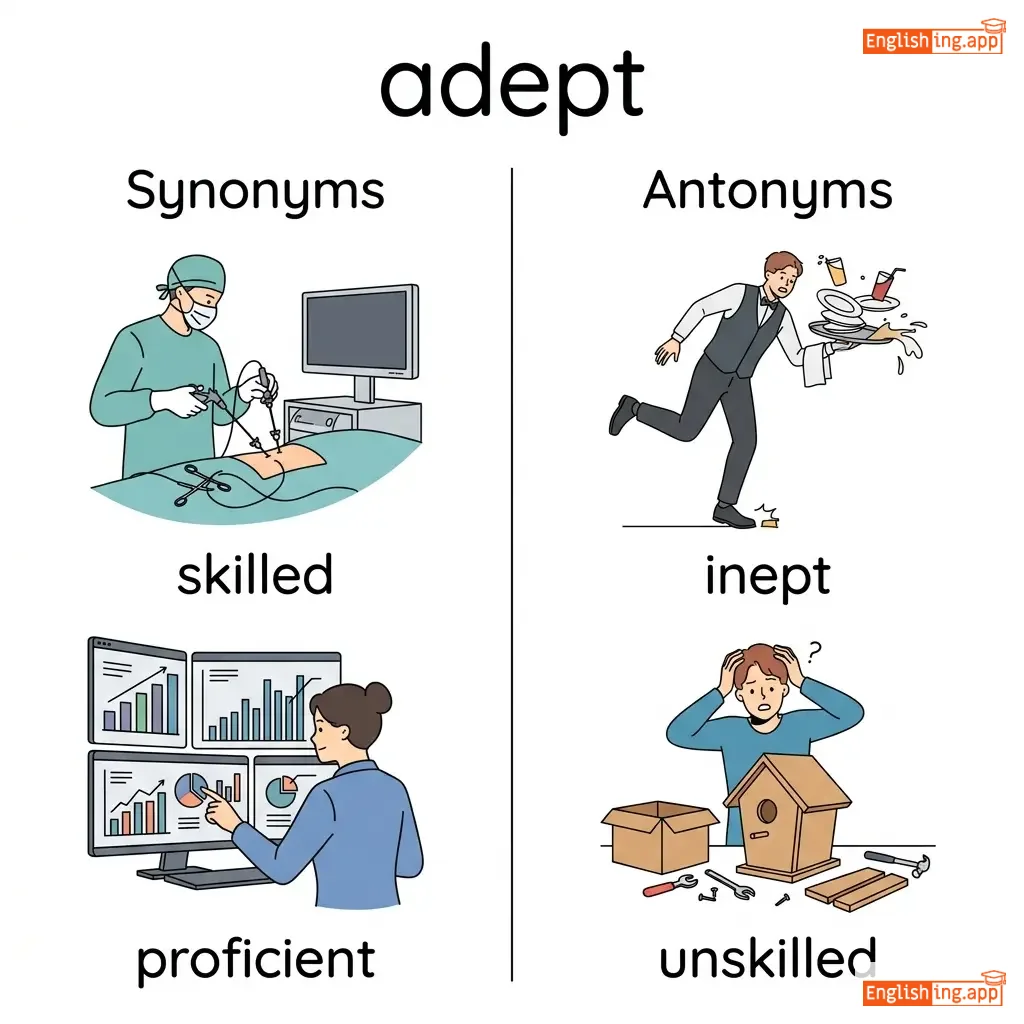
/əˈdɛpt/
adjective
(阿代普特)
••••••
|
|
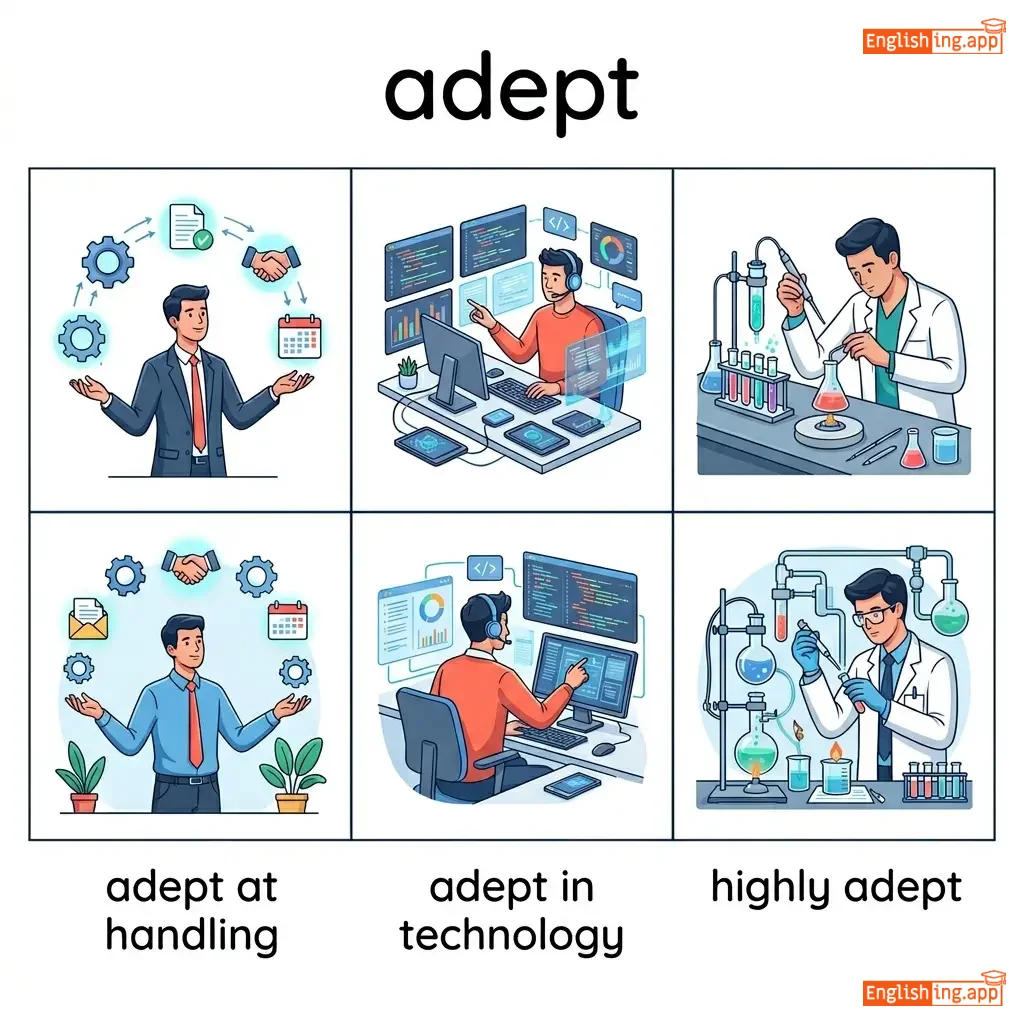
熟练
shulian
••••••
|
Very skilled or proficient at something; expert.
••••••
|
She is adept at solving complex problems.
她擅长解决复杂的问题。
••••••
|
她擅长解决复杂的问题。
Ta shanchang jiejue fuza de wenti.
••••••
|
skilled, proficient, masterful
••••••
|
inept, unskilled, amateur
••••••
|
熟练 = 熟悉处理问题
••••••
|
|
#3808
🔍
|
/məˈtɪk.jə.ləs/
adjective
(缜密)
••••••
|
|
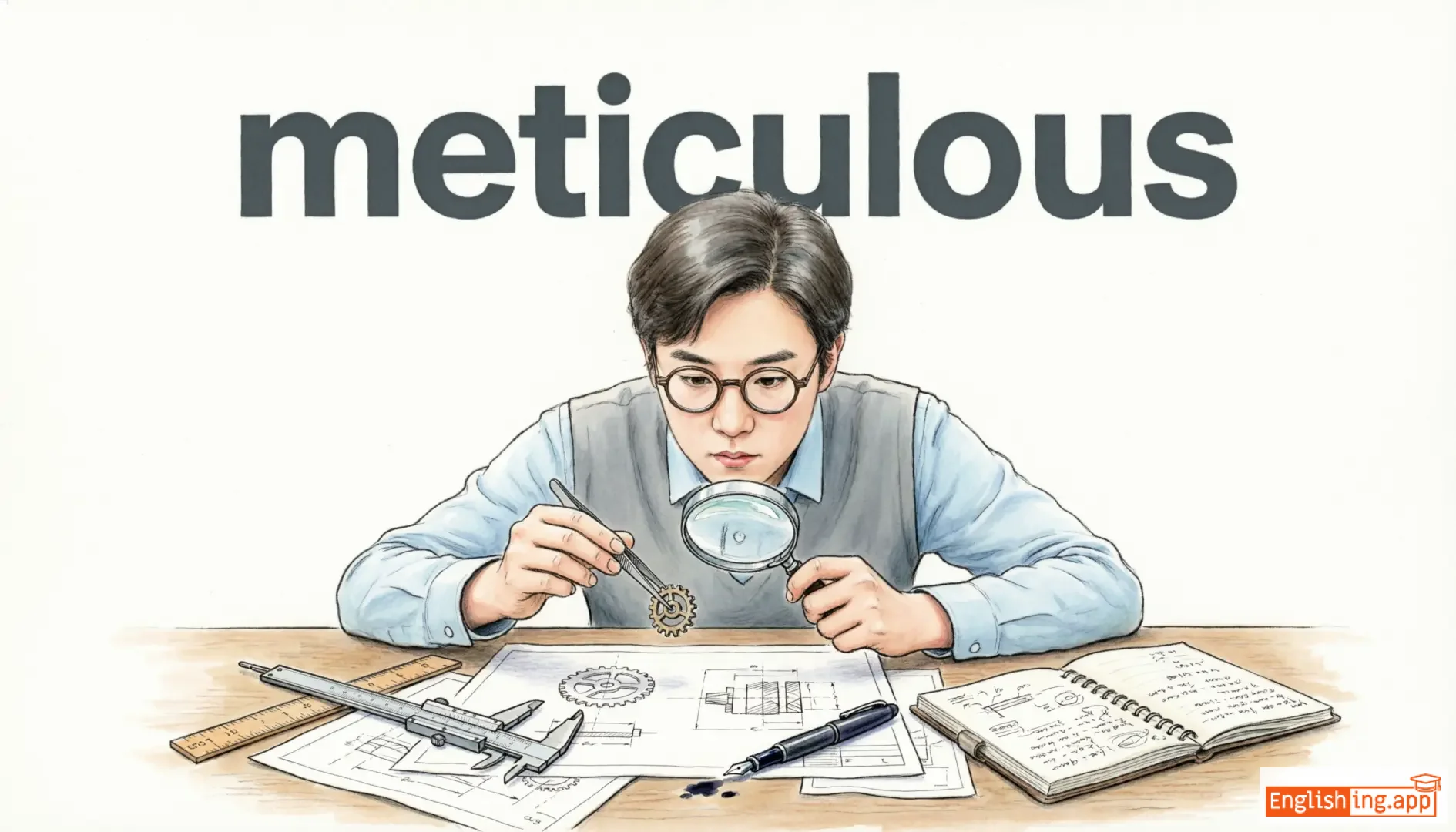
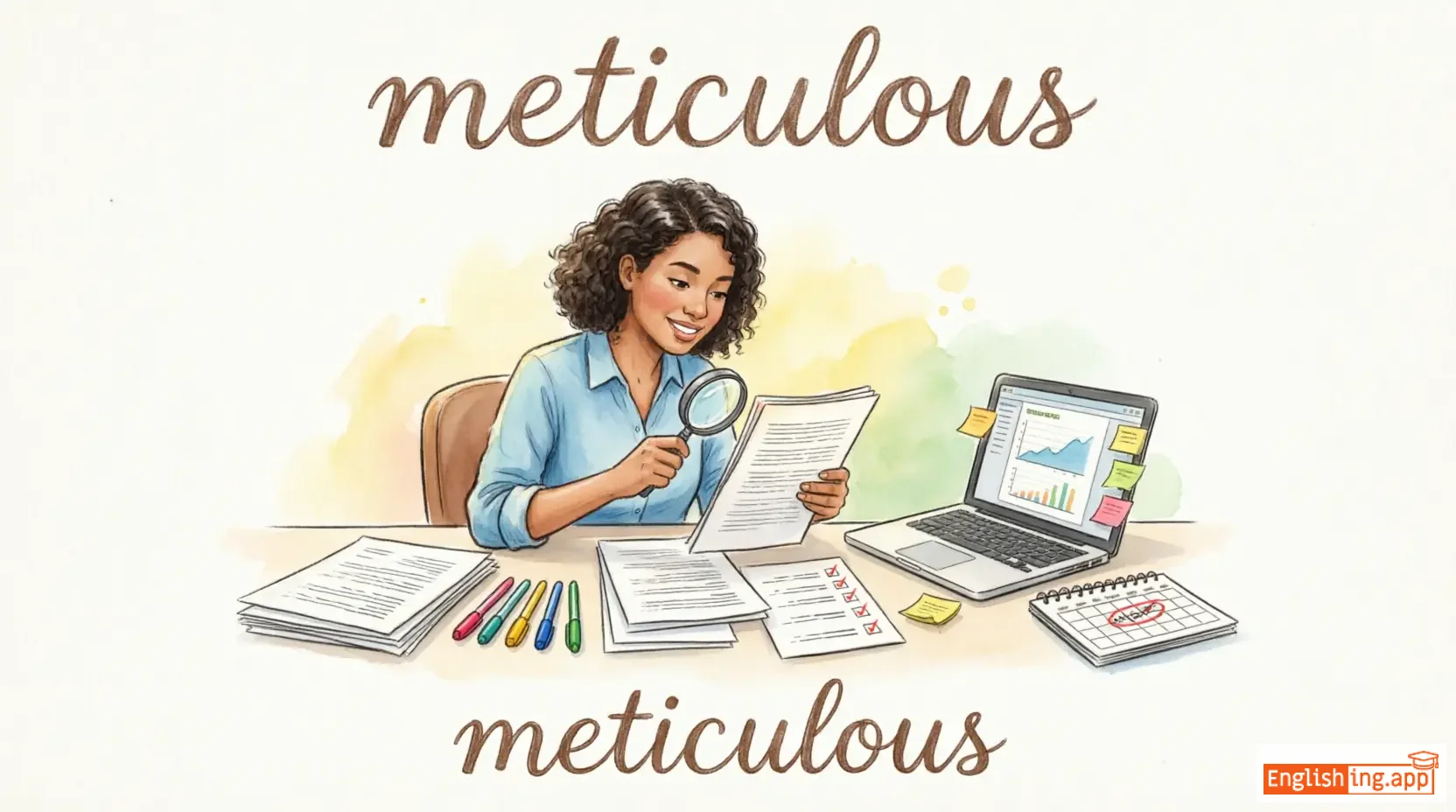
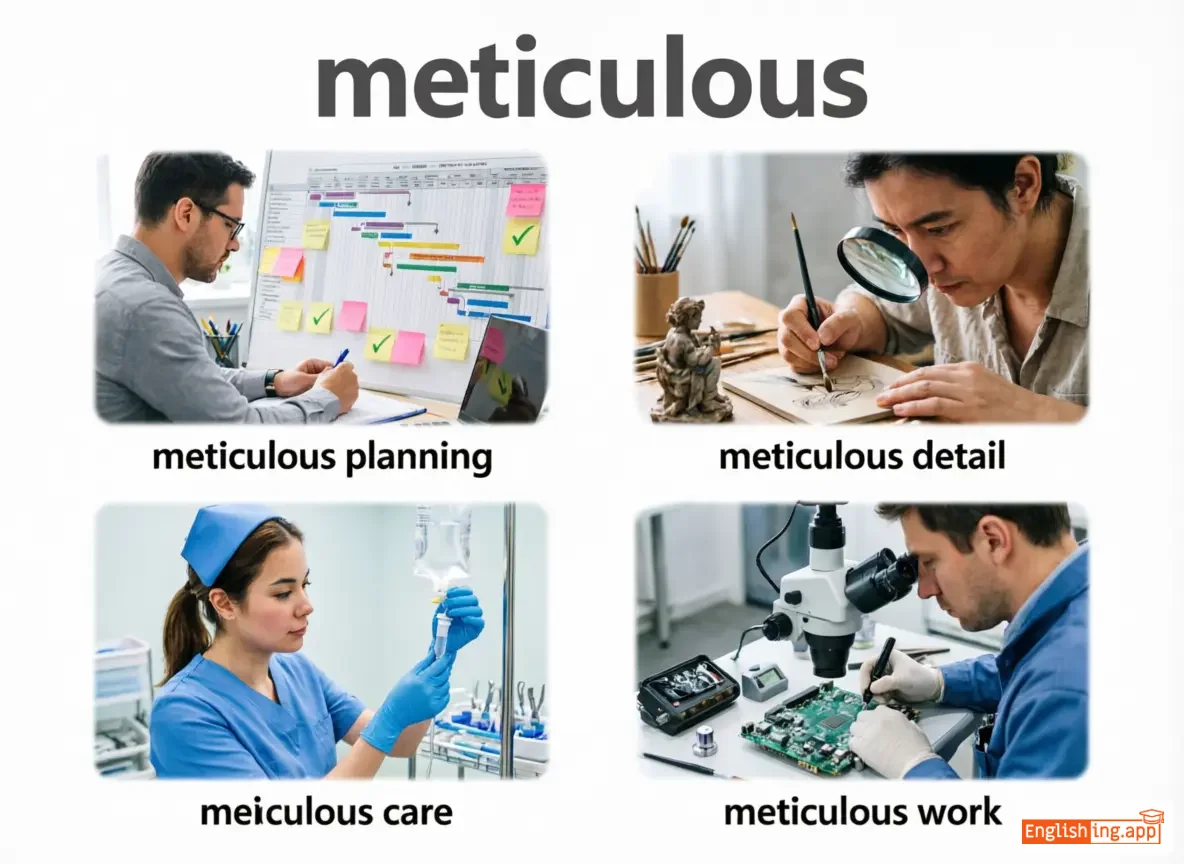
一丝不苟
yī sī bù gǒu
••••••
|
Showing great attention to detail; very careful and precise.
••••••
|
The architect is meticulous about every detail.
建筑师在每一个细节上都很缜密。
••••••
|
建筑师在每一个细节上都很一丝不苟。
Jiànzhú shī zài měi yī gè xìjié shàng dōu hěn yī sī bù gǒu.
••••••
|
precise, thorough, detailed
••••••
|
careless, negligent, sloppy
••••••
|
一丝不苟的人在每个细节上都不放松,像建筑师一样仔细。
••••••
|
|
#3809
🚧
|
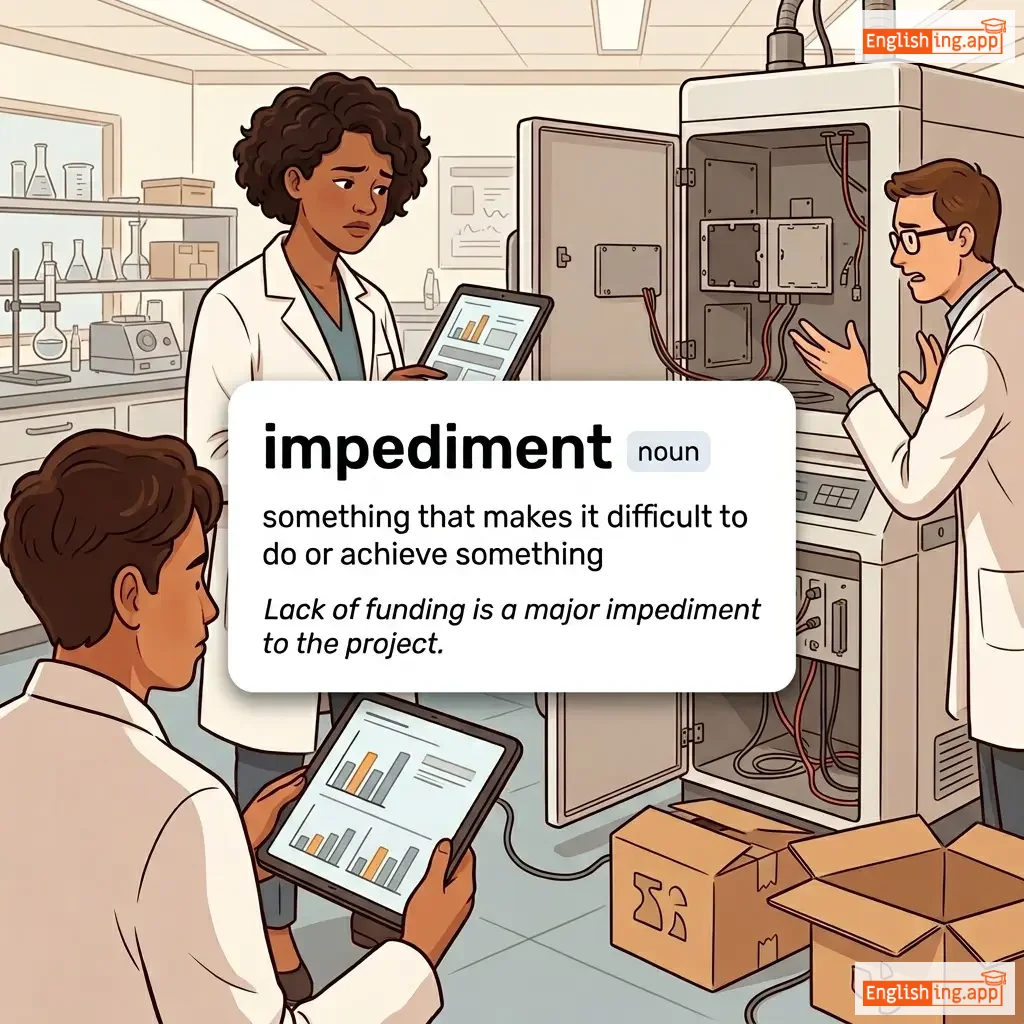
/ɪmˈpɛd.ɪ.mənt/
noun
(阻碍)
••••••
|
|
障碍
zhàng'ài
••••••
|
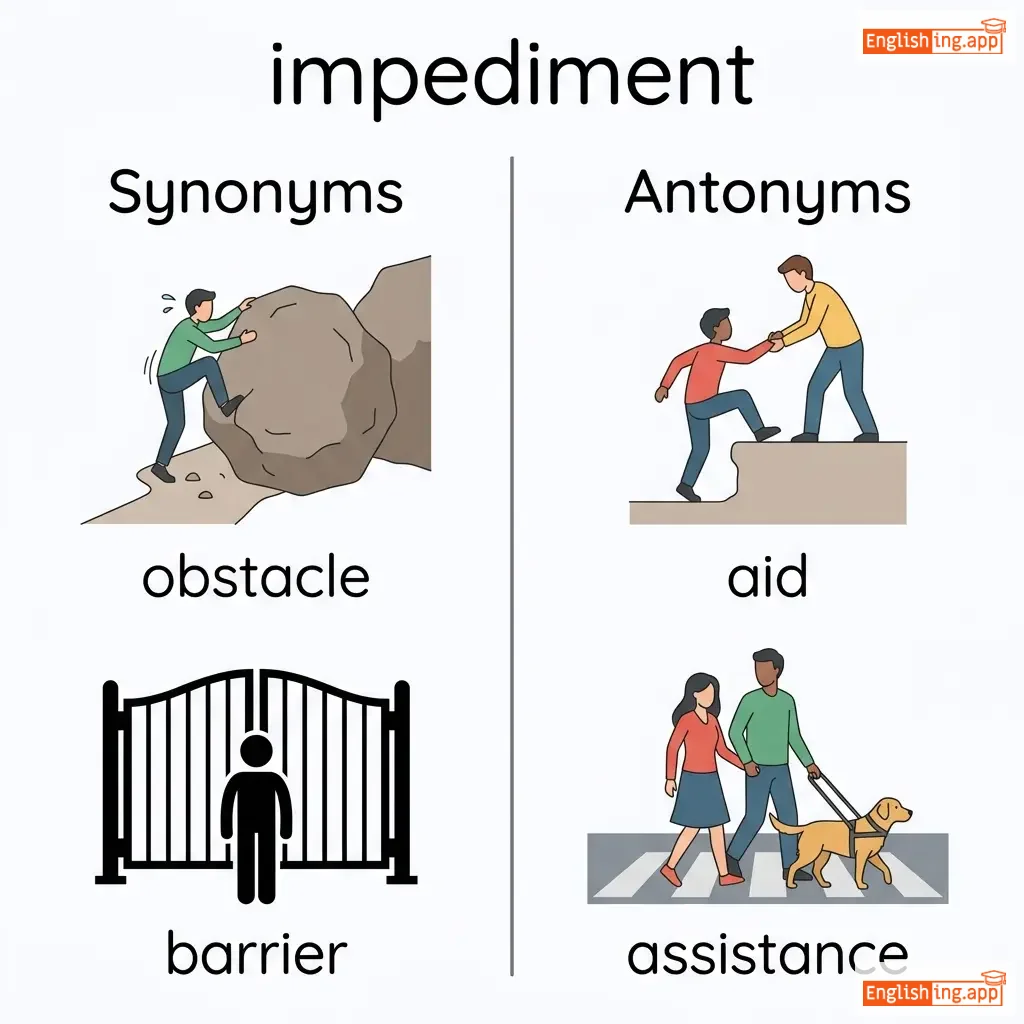
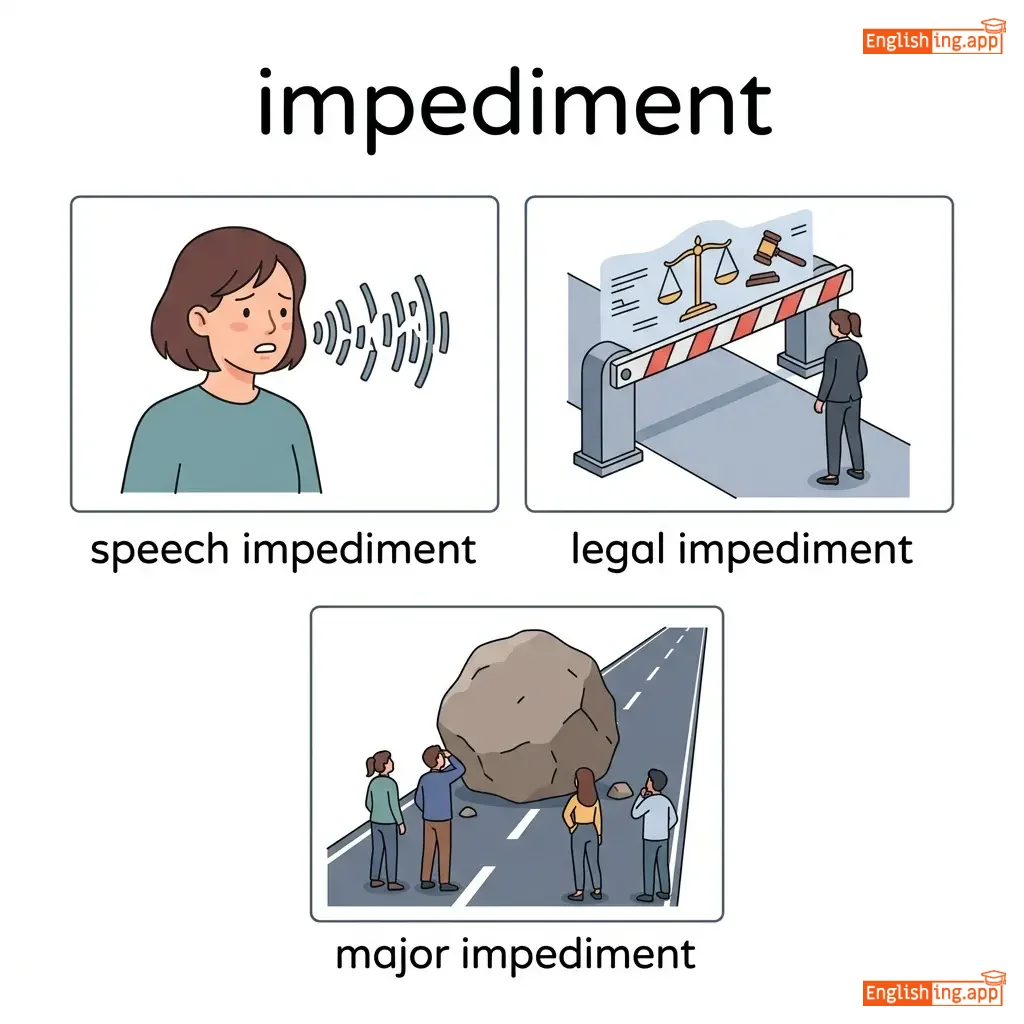
A hindrance or obstruction in doing something; a barrier.
••••••
|
His lack of funds was a major impediment to his success. |
他缺乏资金是他成功的一个主要障碍。
Tā quēfá zījīn shì tā chénggōng de yīgè zhǔyào zhàng'ài.
••••••
|
obstacle, hindrance, barrier
••••••
|
assistance, aid, facilitation
••••••
|
障碍 (zhàng'ài) is like 'zhang' and 'ai', representing a block on your way.
••••••
|
|
#3810
📈
|
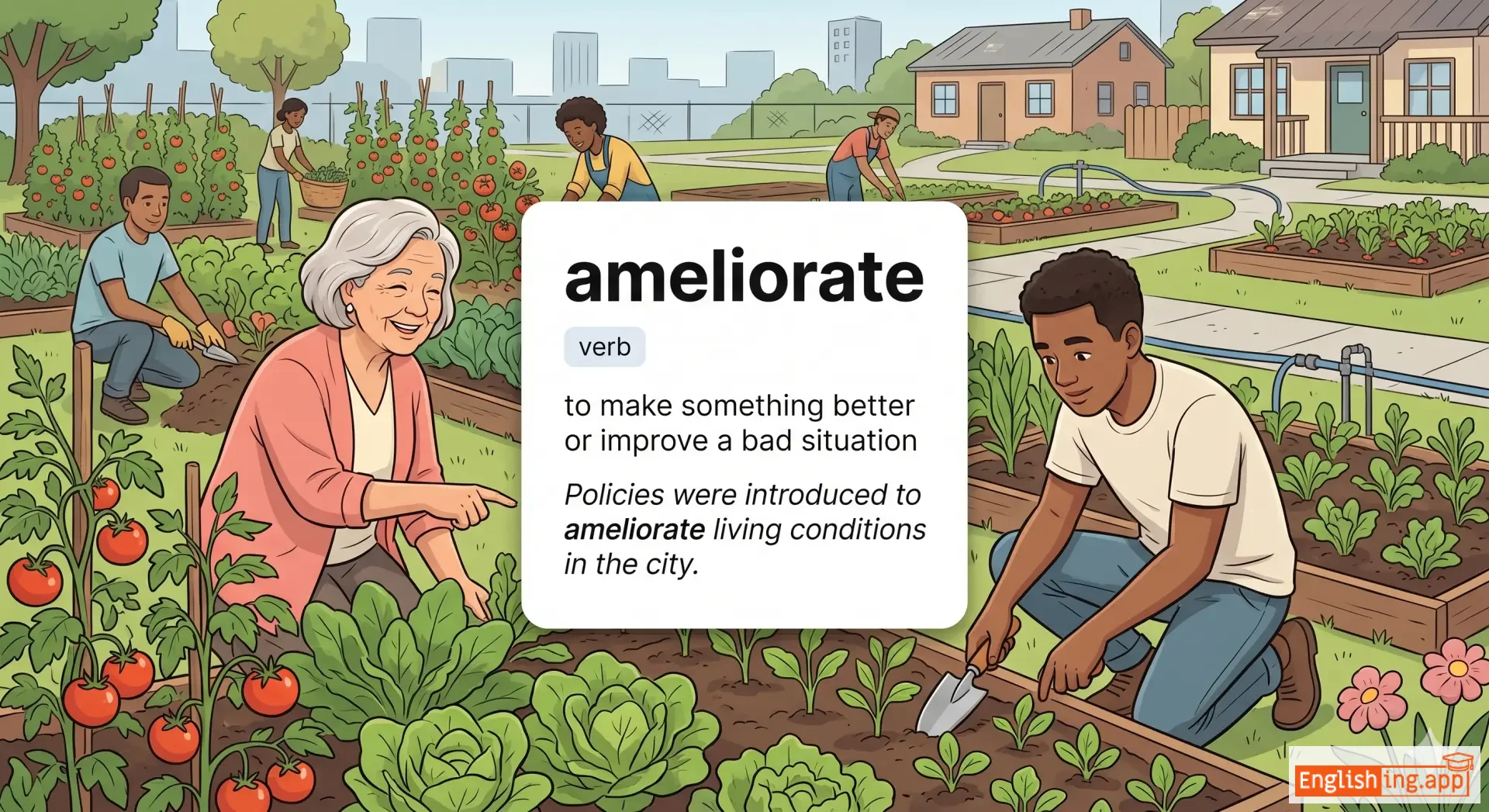
/əˈmiː.li.ə.reɪt/
verb
(ameliorate)
••••••
|
|
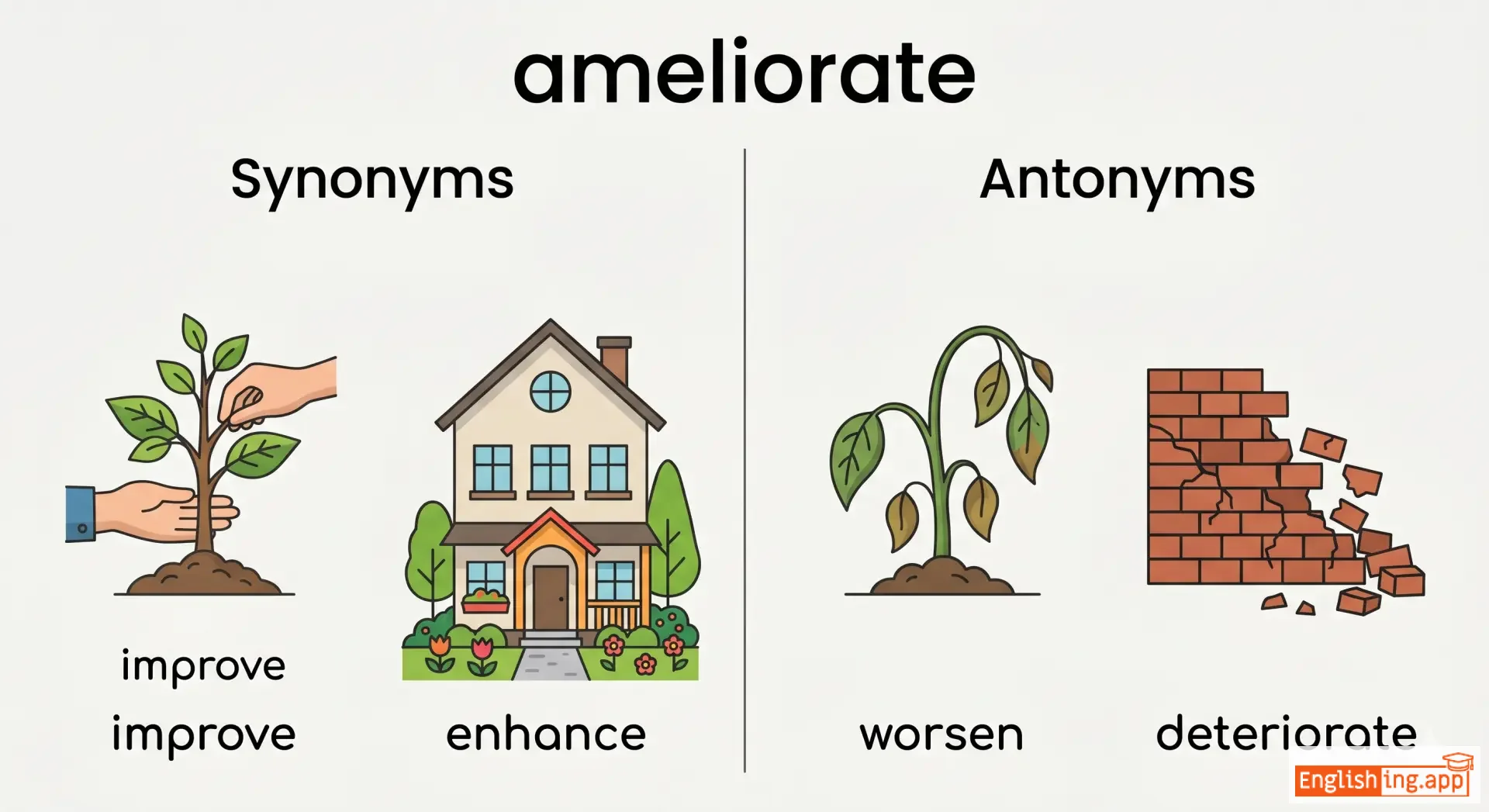
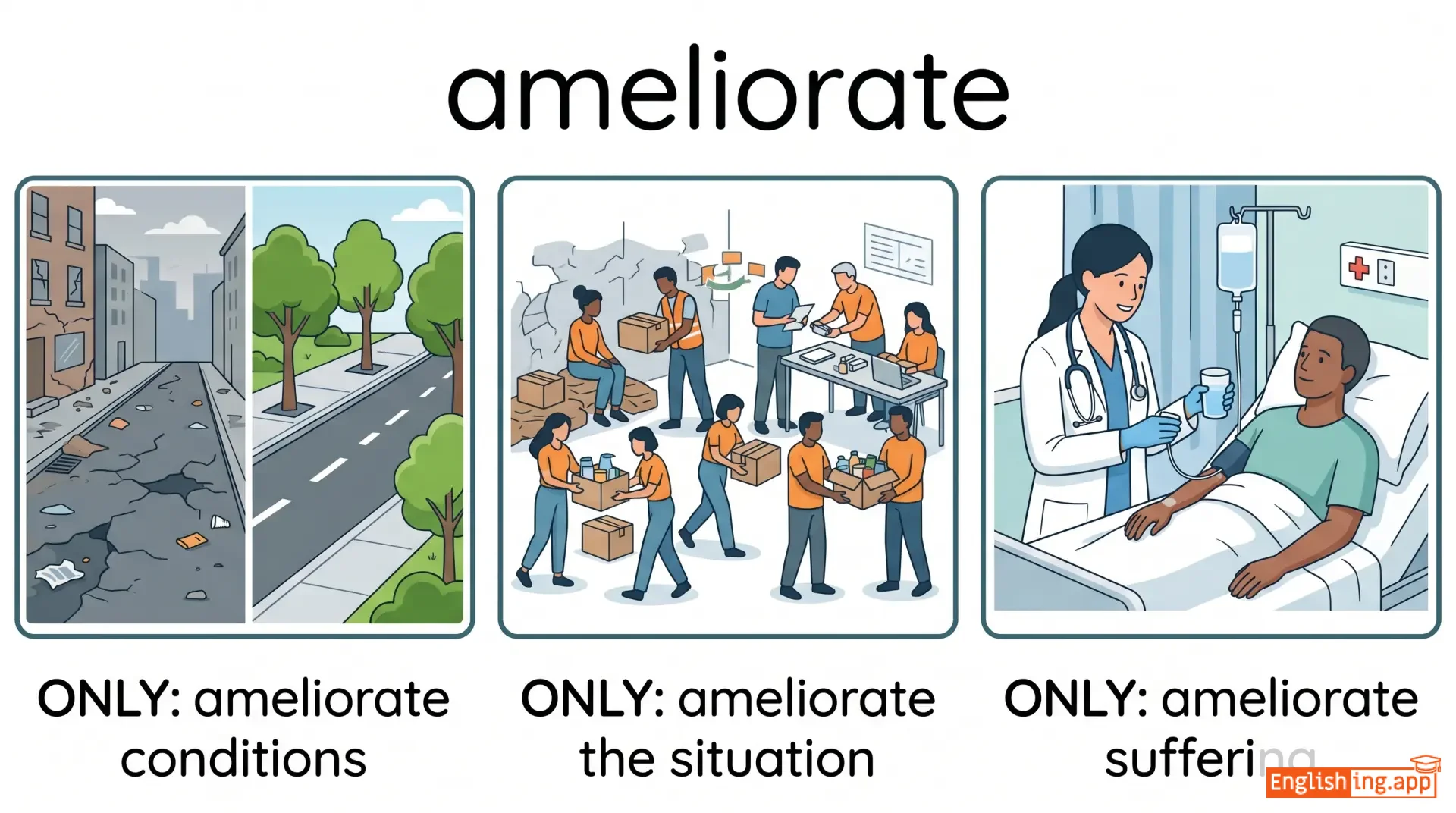
改善
gaishan
••••••
|
To make or become better; to improve or enhance.
••••••
|
The new policies aim to ameliorate working conditions. |
新政策旨在改善工作条件。
Xin zhengce zhi zai gaishan gongzuo tiaojian.
••••••
|
improve, enhance, alleviate
••••••
|
worsen, degrade, deteriorate
••••••
|
改善意味着改进现有的事情,就像改善健康一样。
••••••
|
|
#3811
🌊
|
/ˌriː.pəˈkʌʃ.ənz/
noun
(rīpékèshēnsi)
••••••
|
|
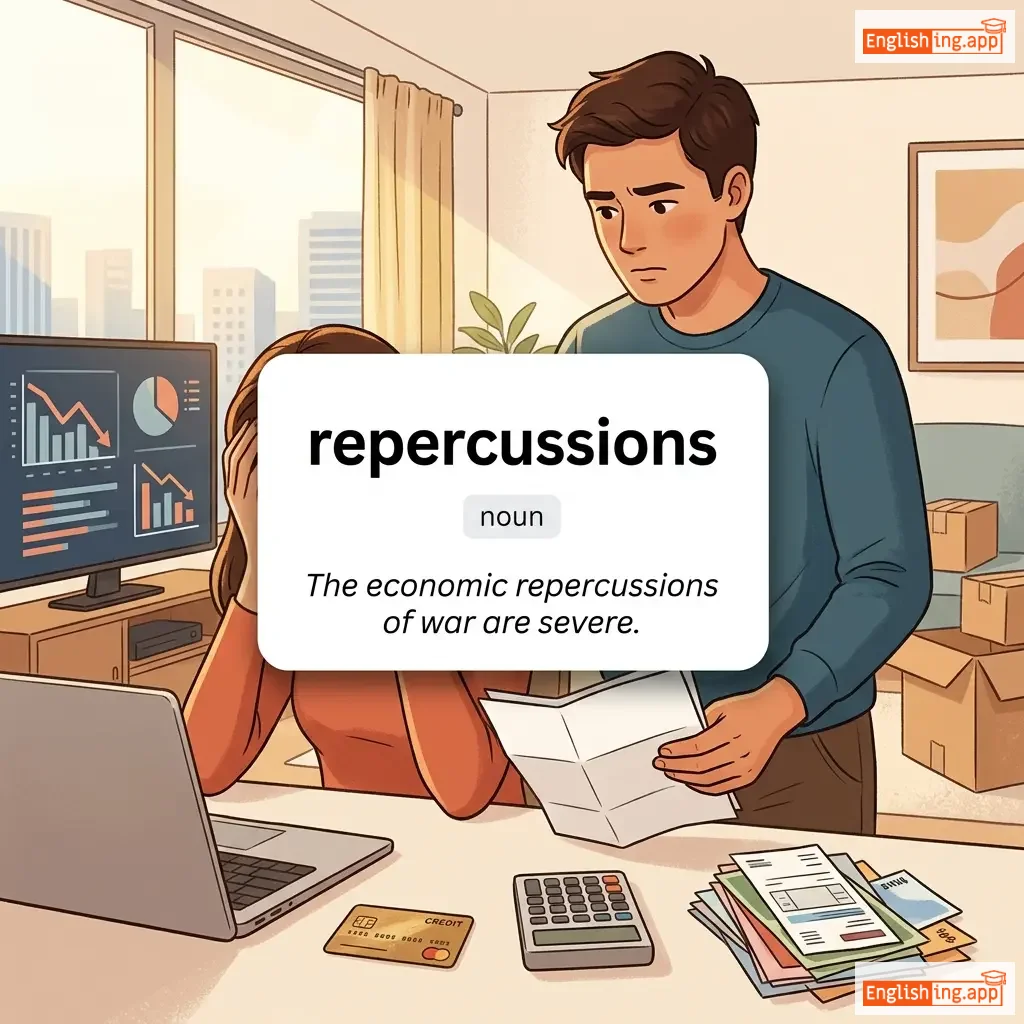
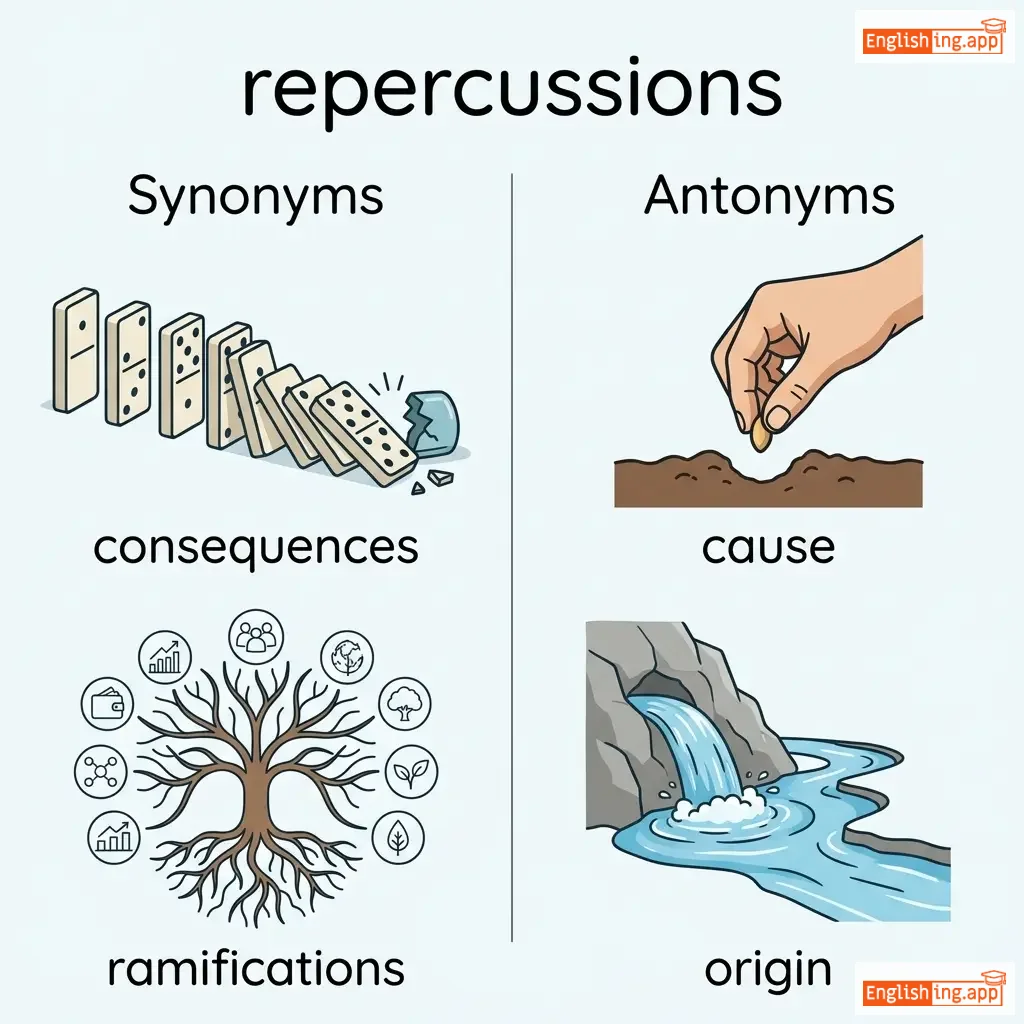
后果
houguo
••••••
|
An unintended consequence occurring some time after an event or action; the effects or results of something.
••••••
|
The economic repercussions of war are severe. |
战争的经济后果是严重的。
Zhànzhēng de jīngjì hòuguǒ shì yánzhòng de.
••••••
|
consequences, ramifications, aftermath
••••••
|
cause, origin, ignorance
••••••
|
In Chinese, '后果' directly means 'consequence,' helping reinforce the idea of negative repercussions after actions.
••••••
|
|
#3812
⚡
|
/daɪˈkɒt.ə.mi/
noun
(dàikètāmí)
••••••
|
|
二分法
èrfēn fǎ
••••••
|
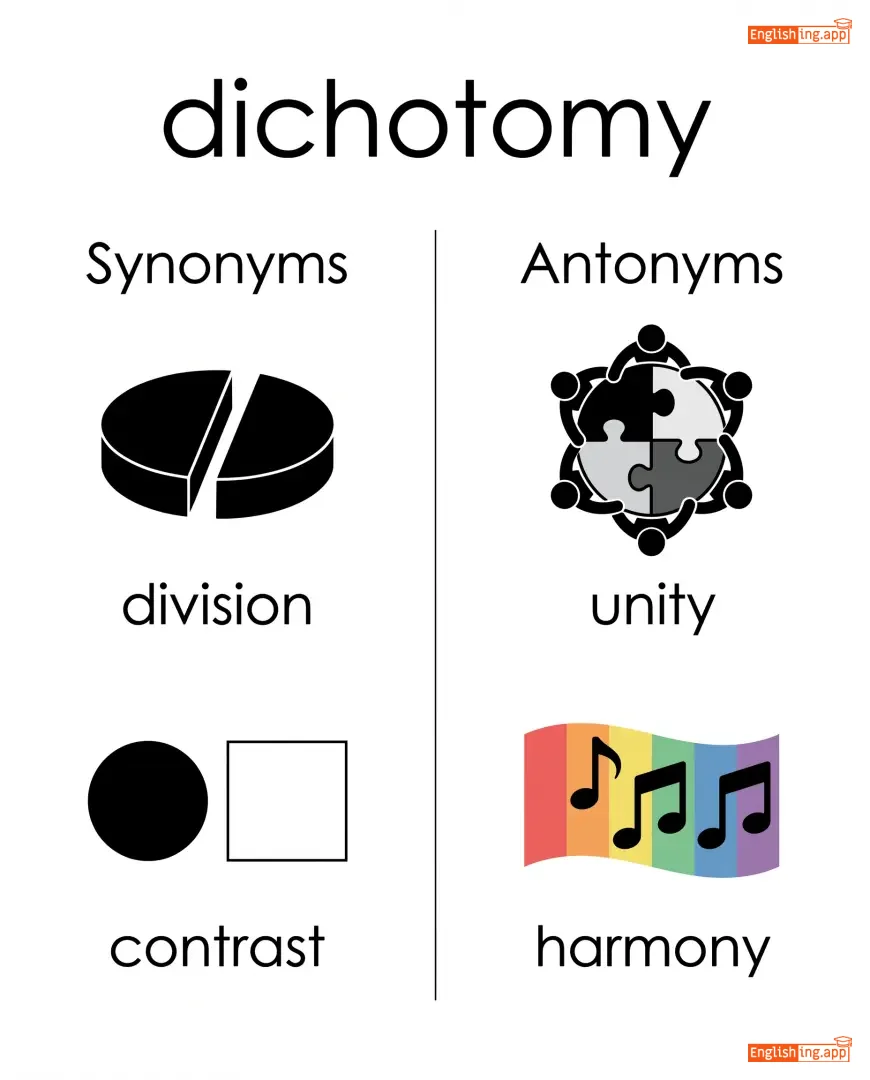
A division or contrast between two things that are or are represented as being opposed or entirely different.
••••••
|
The dichotomy between tradition and modernity is evident.
传统与现代性之间的二分法是显而易见的。
••••••
|
传统与现代性之间的二分法是显而易见的。
Chuántǒng yǔ xiàndàixìng zhī jiān de èrfēn fǎ shì xiǎn'ér yìjiàn de.
••••••
|
division, contrast, polarity
••••••
|
unity, similarity, consistency
••••••
|
记住传统与现代之间的分界线,帮助你理解二分法。
••••••
|
|
#3813
🎭
|
/ˌdʒʌk.stə.pəˈzɪʃ.ən/
noun
(jùkèstàpózishèn)
••••••
|
|
并列
bìngliè
••••••
|
The fact of two things being seen or placed close together with contrasting effect.
••••••
|
The juxtaposition of colors in this painting is striking. |
这幅画中的色彩并列效果非常显眼。
Zhè fú huà zhōng de sècǎi bìngliè xiàoguǒ fēicháng xiǎn yǎn.
••••••
|
comparison, contrast, adjacency
••••••
|
separation, disconnection, isolation
••••••
|
并列 = 两个事物放一起观察它们之间的差异
••••••
|
|
#3814
⚡
|
/ˈɛk.spɪ.daɪt/
verb
(eks-pi-dait)
••••••
|
|
加速
jiā sù
••••••
|
To make an action or process happen sooner or be accomplished more quickly.
••••••
|
The government plans to expedite the vaccine distribution.
政府计划加快疫苗分发。
••••••
|
政府计划加快疫苗分发。
Zhèngfǔ jìhuà jiākuài yìmiáo fēnfa.
••••••
|
accelerate, hasten, facilitate
••••••
|
delay, hinder, obstruct
••••••
|
Jiā sù = Faster to speed up the process.
••••••
|
|
#3815
📋
|
/ˈplæn.ɪŋ/
noun
(plānɪŋ)
••••••
|
|
规划
guīhuà
••••••
|
The process of making plans for something; detailed arrangement beforehand.
••••••
|
Planning ahead is crucial for success.
提前规划对成功至关重要。
••••••
|
提前规划对成功至关重要。
Tíqián guīhuà duì chénggōng zhìguān zhòngyào.
••••••
|
strategy, organization, preparation
••••••
|
disorganization, improvisation, unpreparedness
••••••
|
规划 (guīhuà) 引领成功。
••••••
|
Vocabulary Quiz
Test your vocabulary by matching words with their translations or meanings.
Login to take the quiz
Comments (0)
Share your thoughts and join the discussion.
Join the discussion by logging in
Login to CommentNo comments yet
Be the first to share your thoughts!