

Dopamine detoxing 的常见错误
Common Mistakes in Dopamine Detoxing
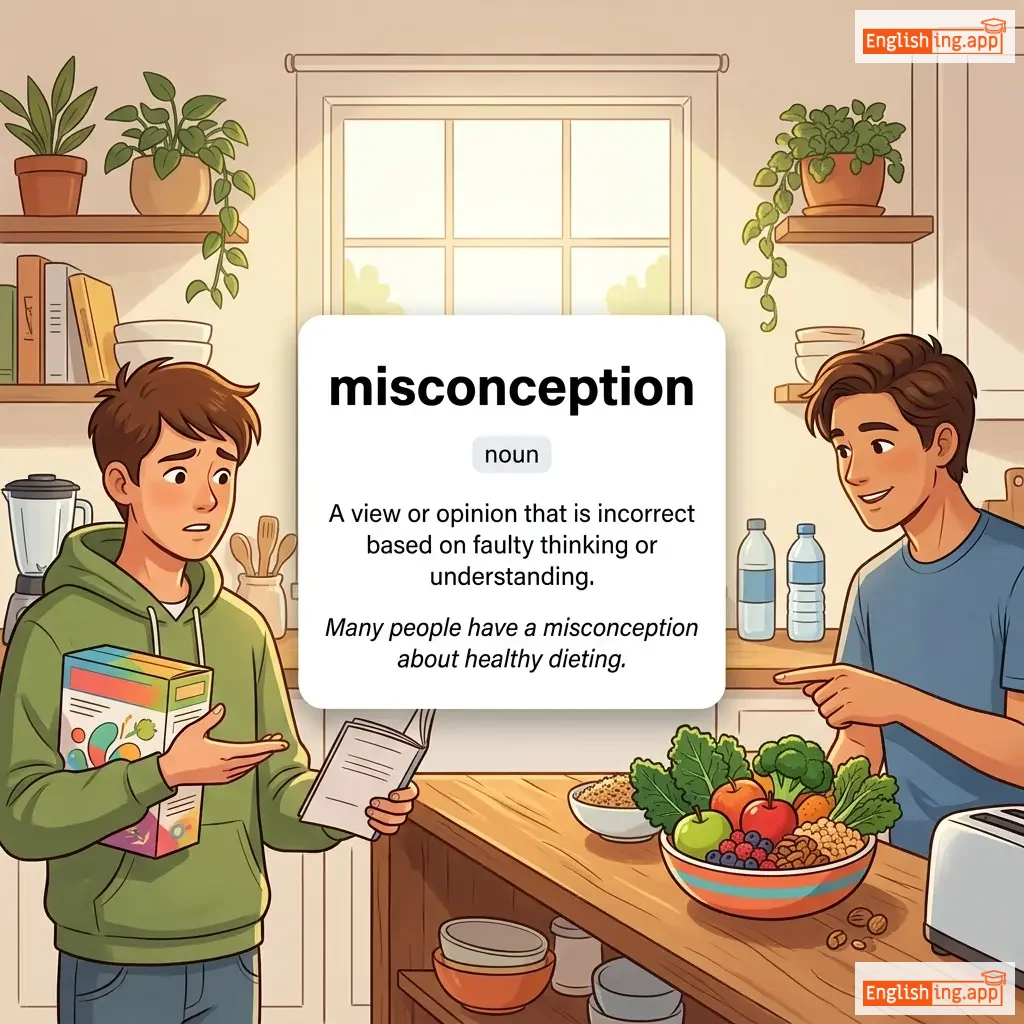
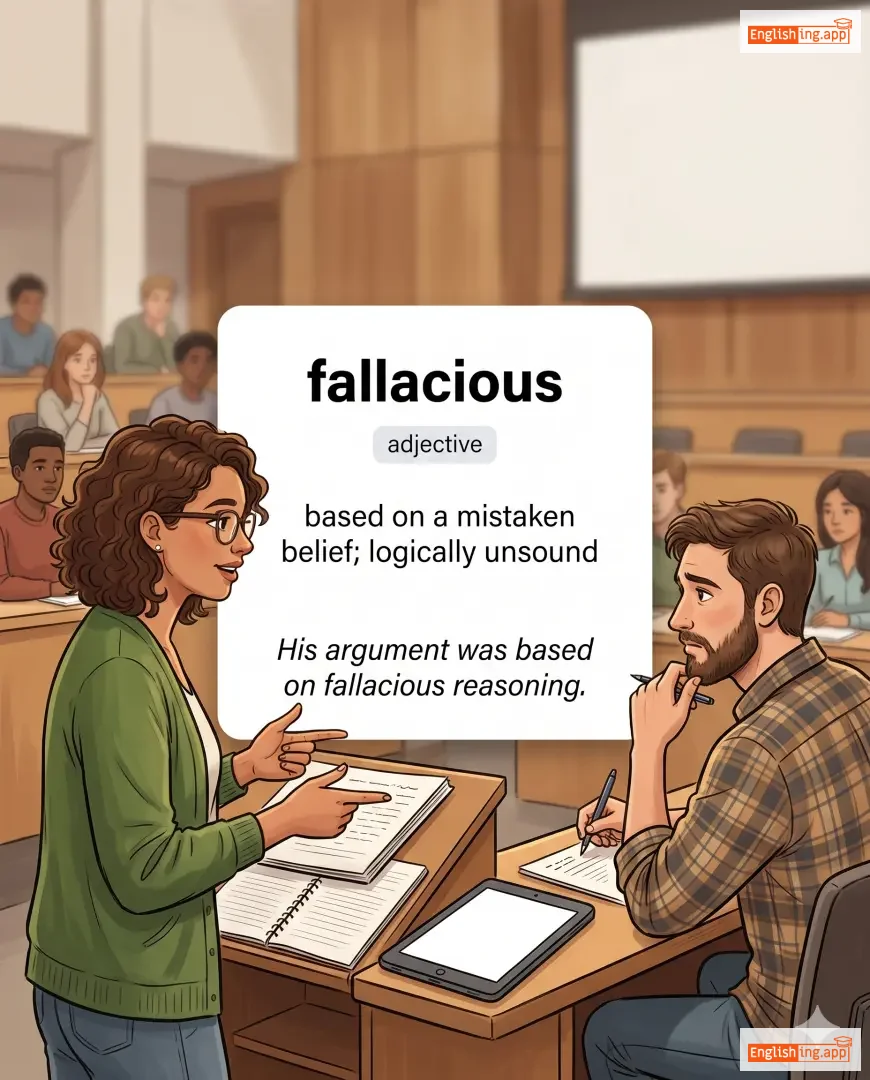
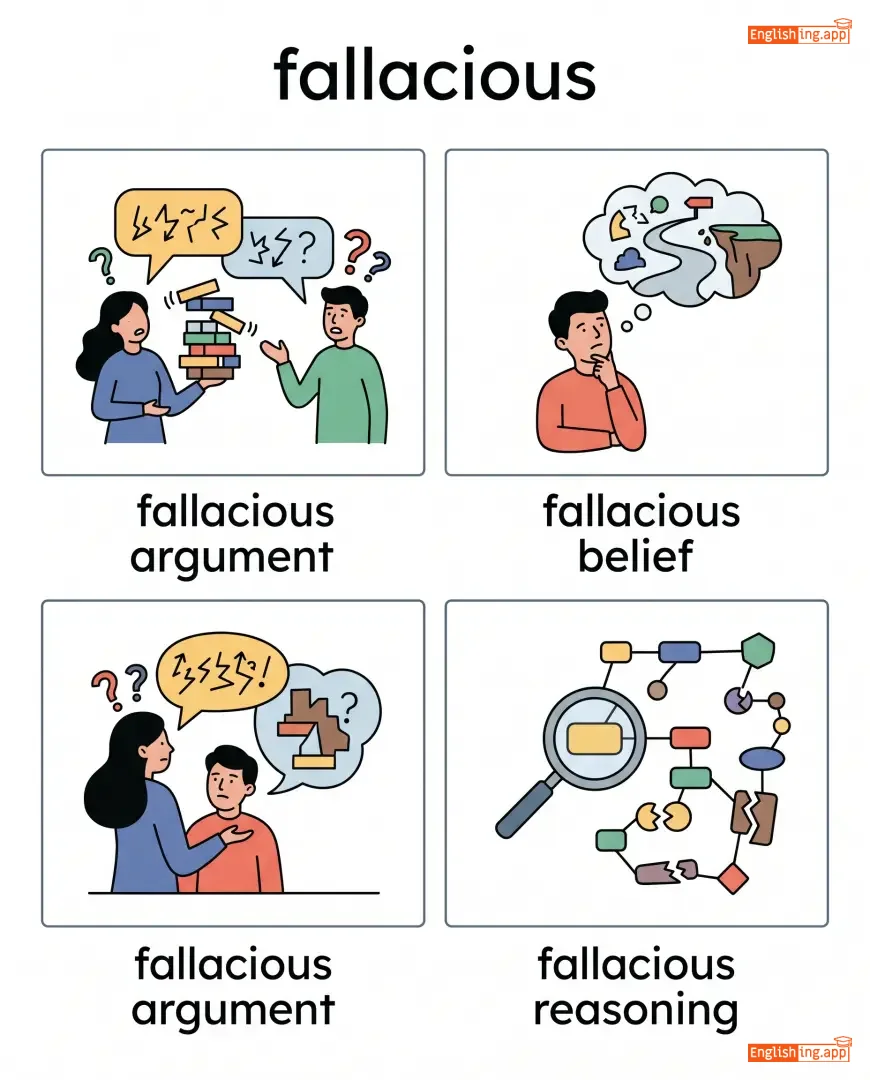
Dopamine detoxing 有许多 misconceptions,让人感到困惑。许多人认为这意味着完全远离所有快乐的来源,这其实是一个完全 fallacious 的想法。
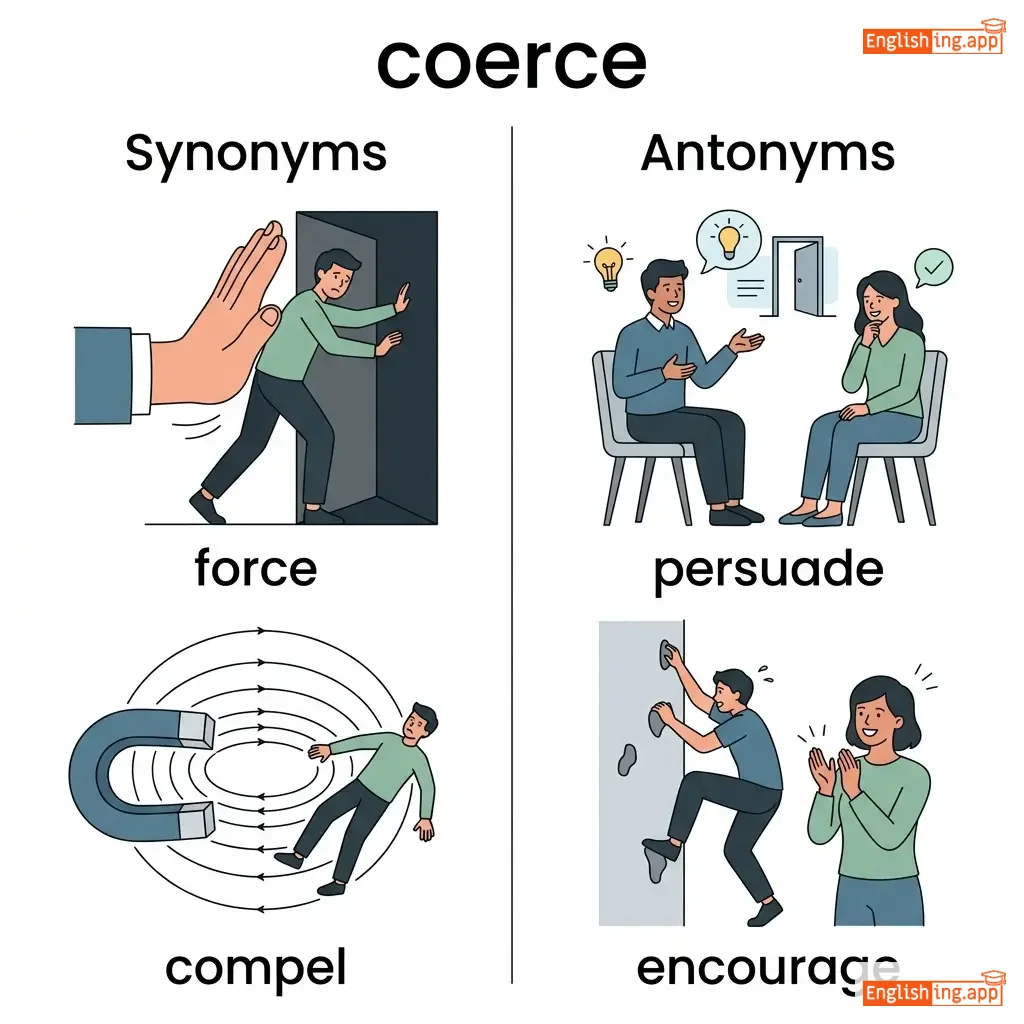
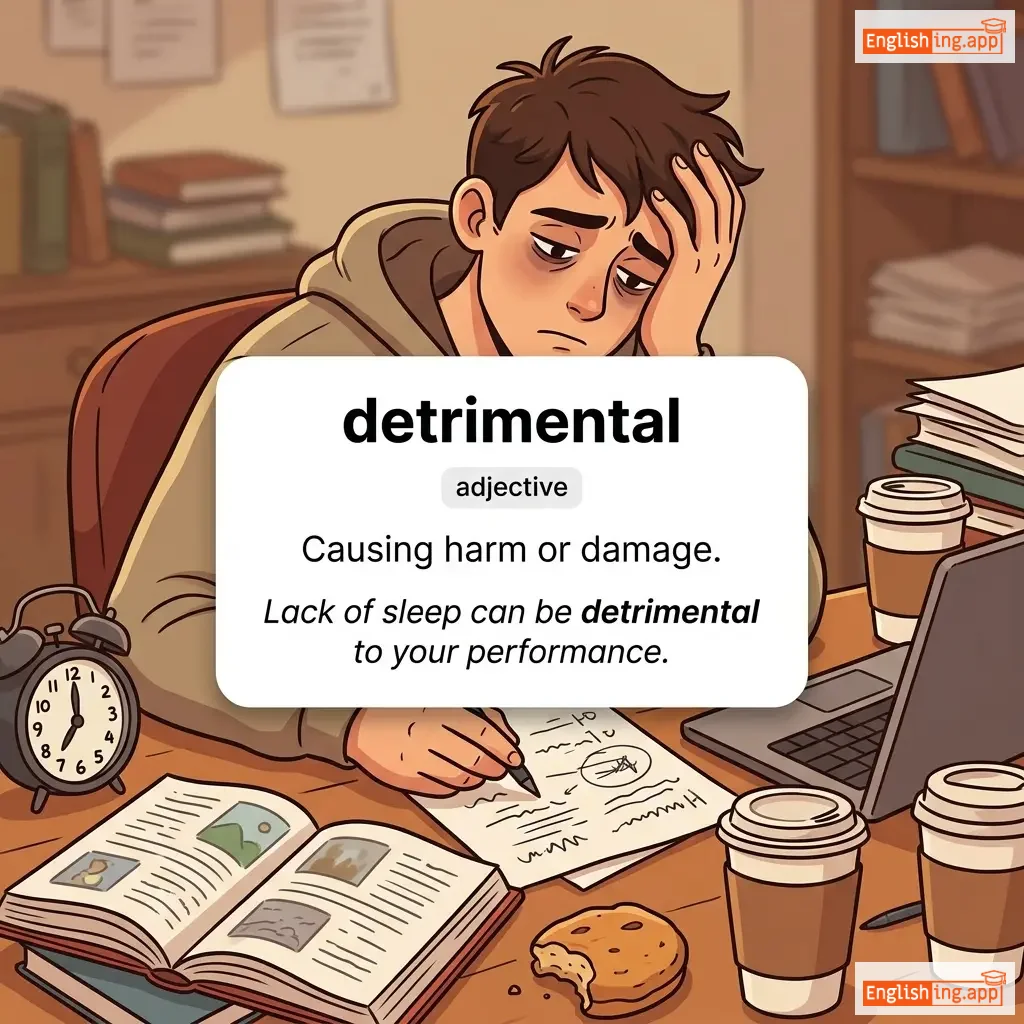
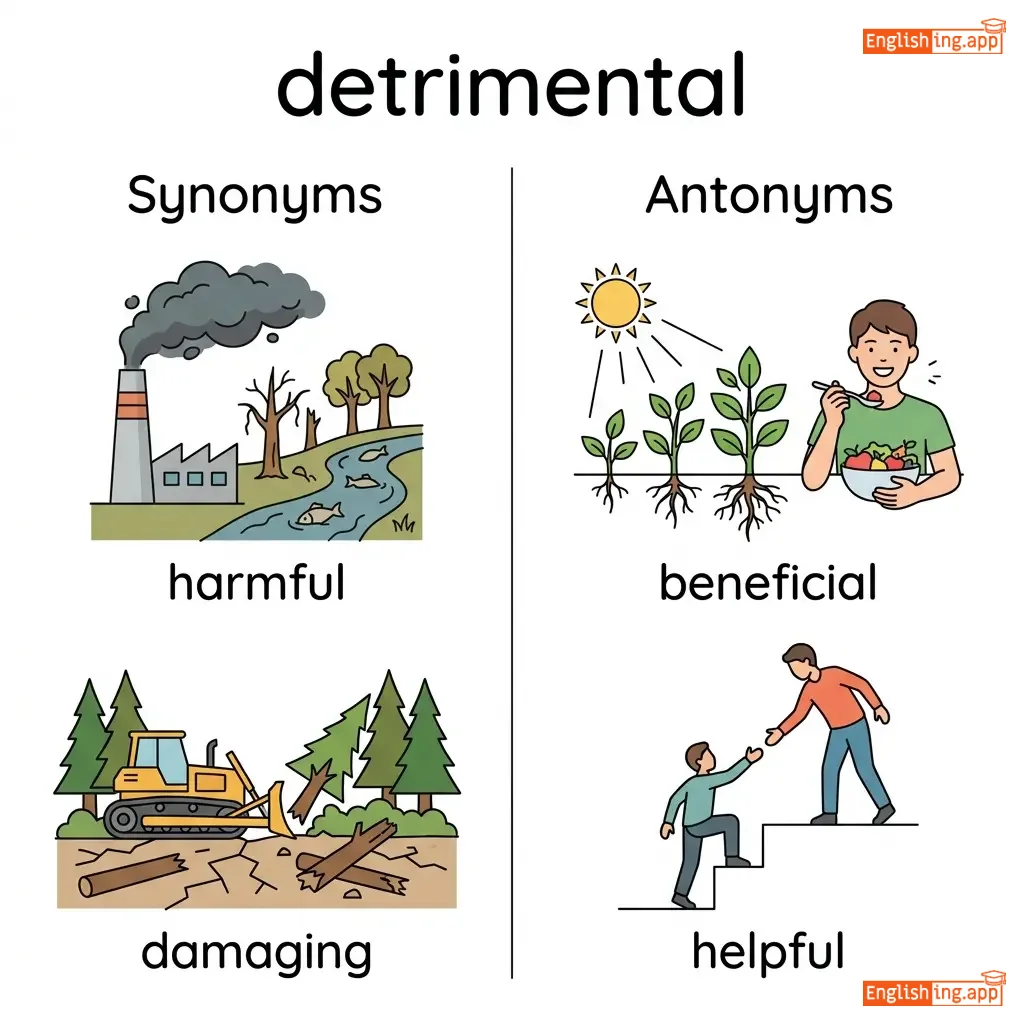
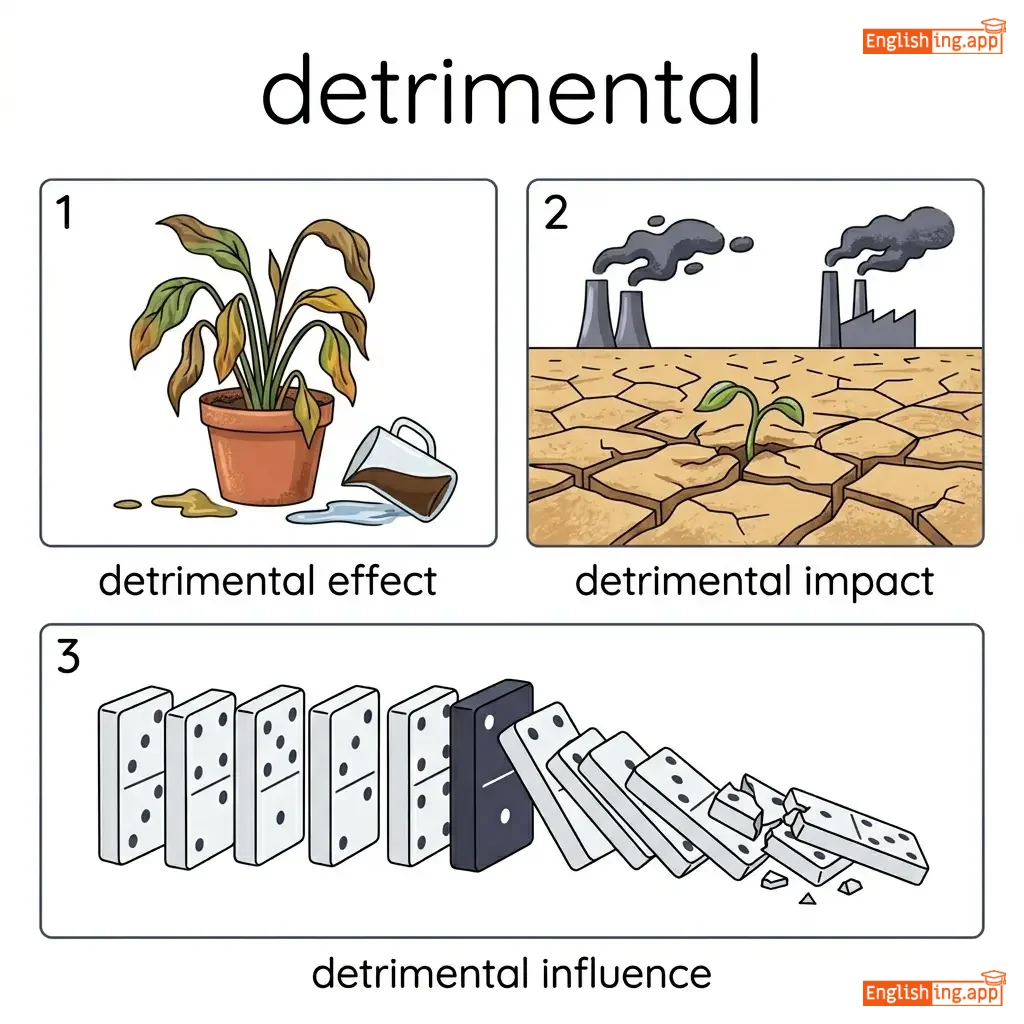
首先,有些人强迫 (coerce) 自己遵守严格的规则,这对心理健康可能是 detrimental 的。改变应该是逐步进行的,而不是突然的。
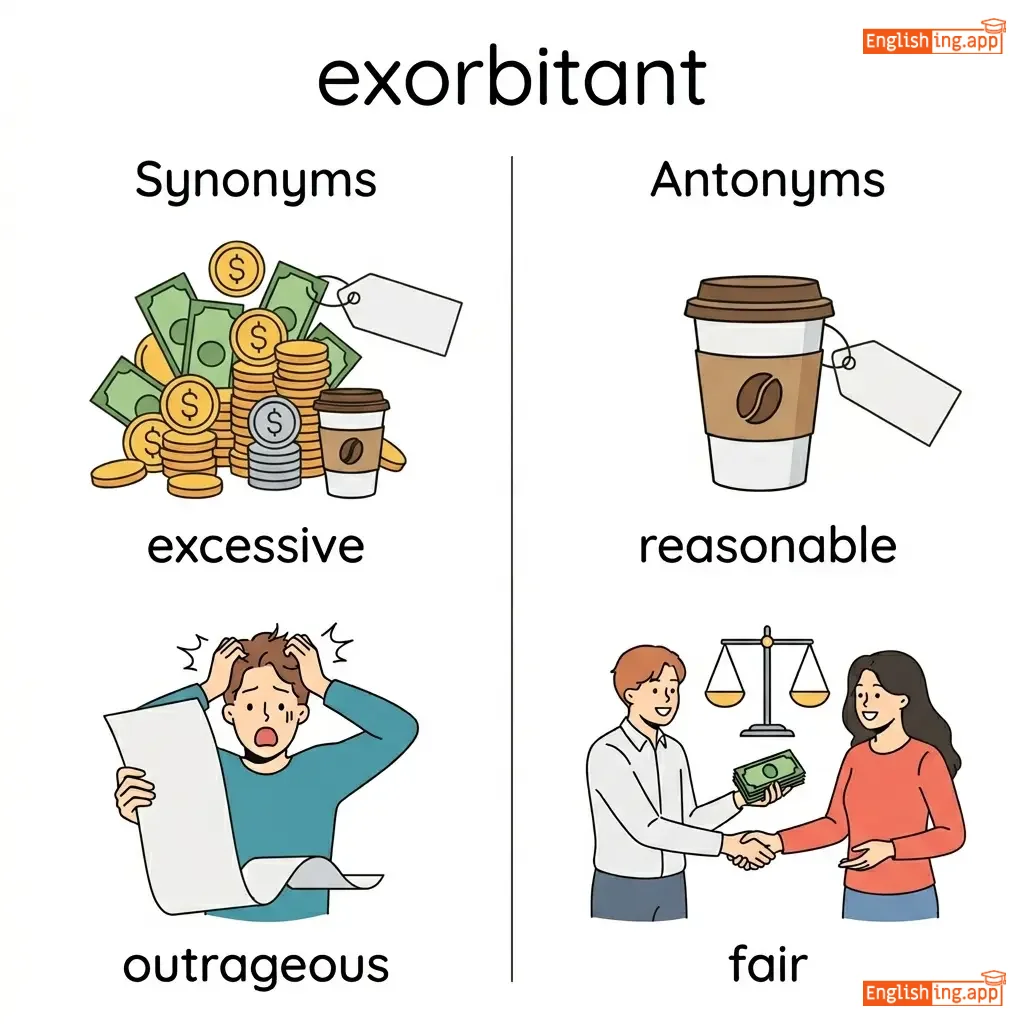
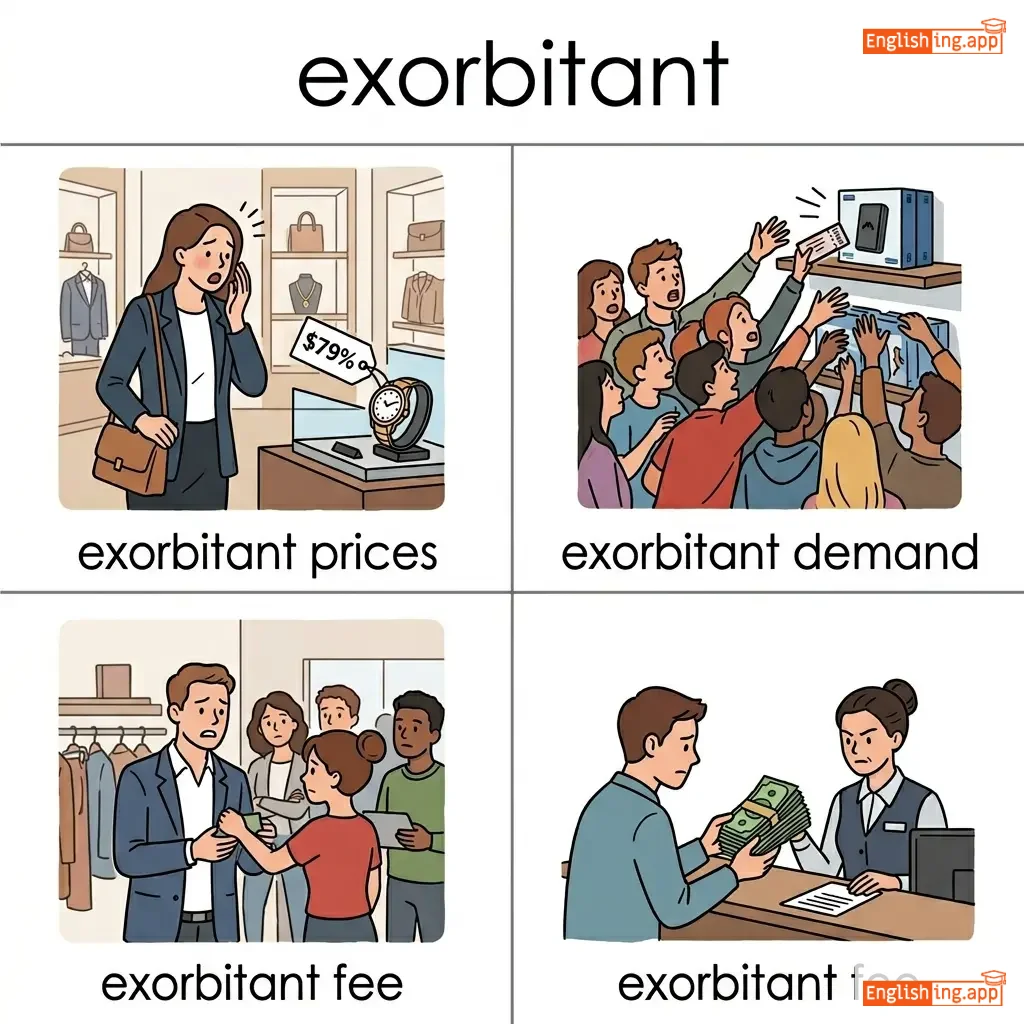
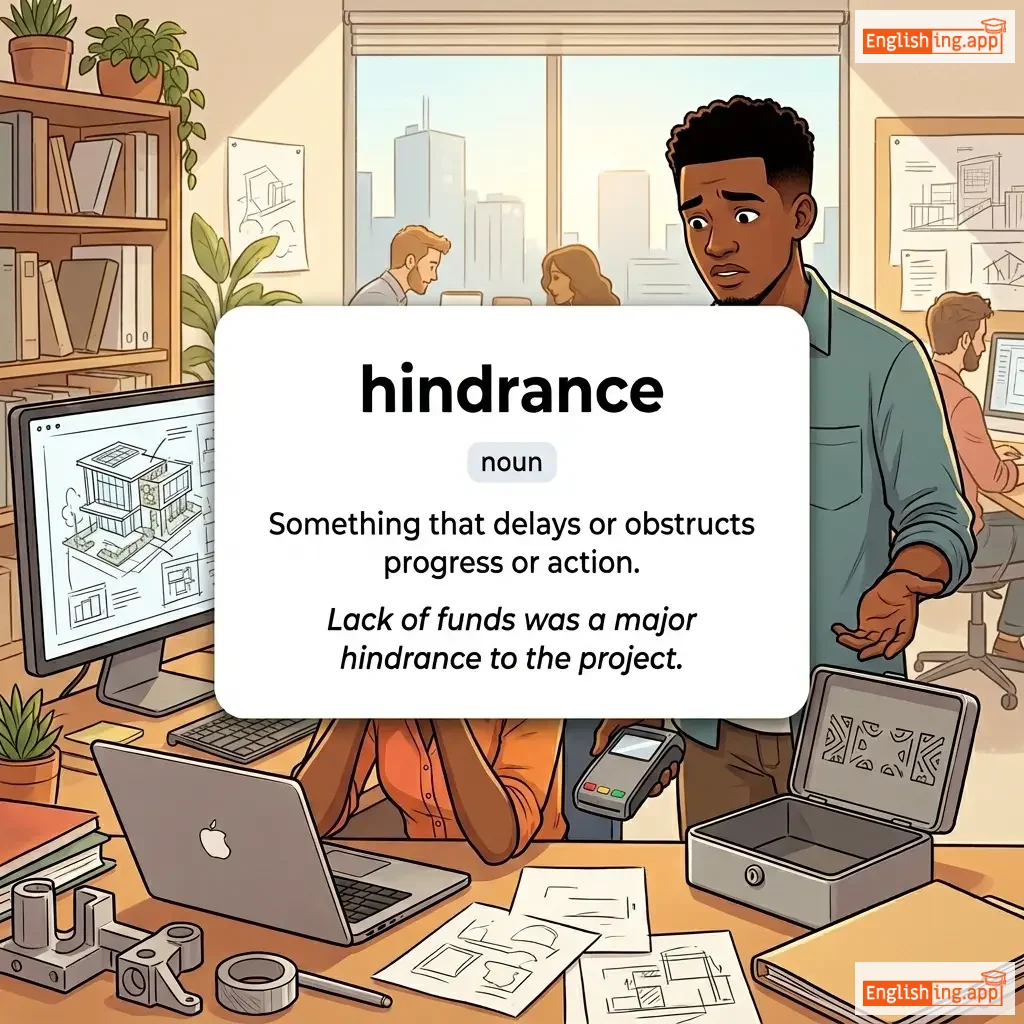
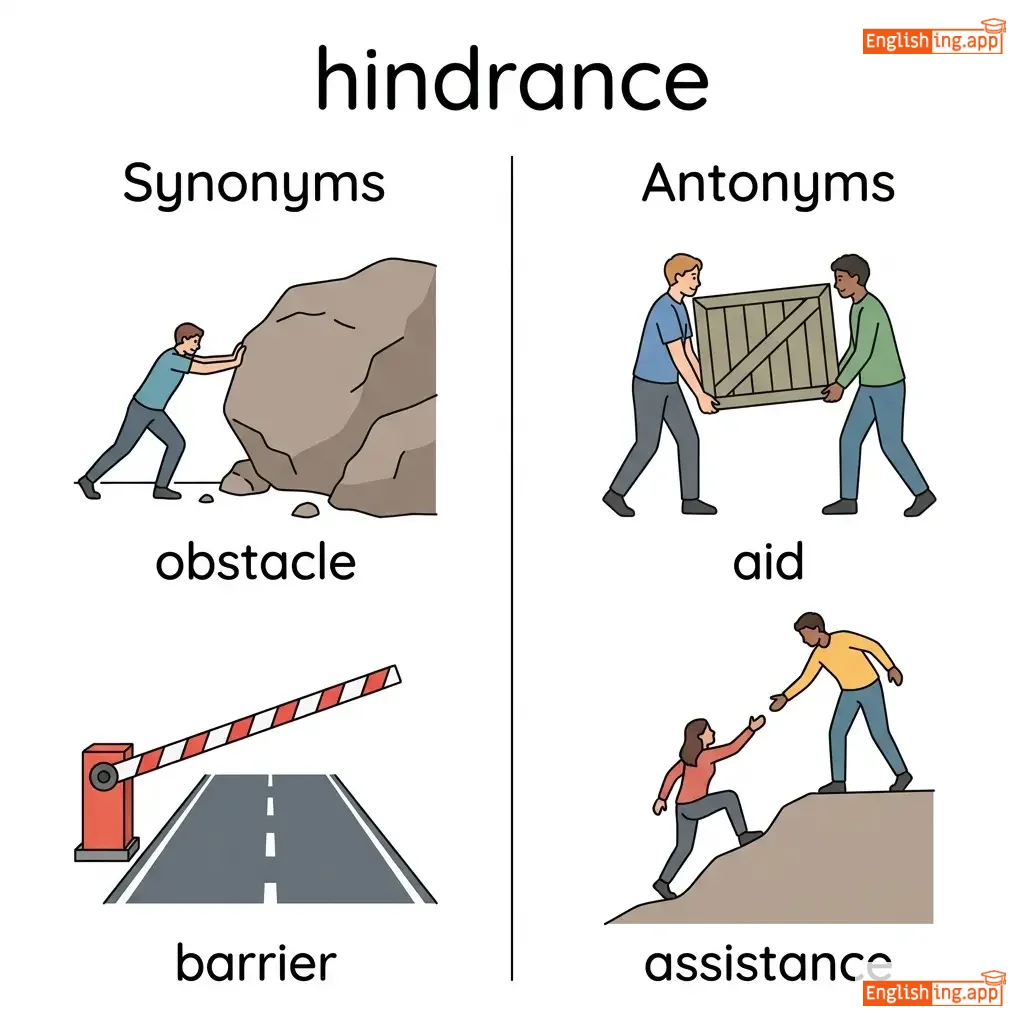
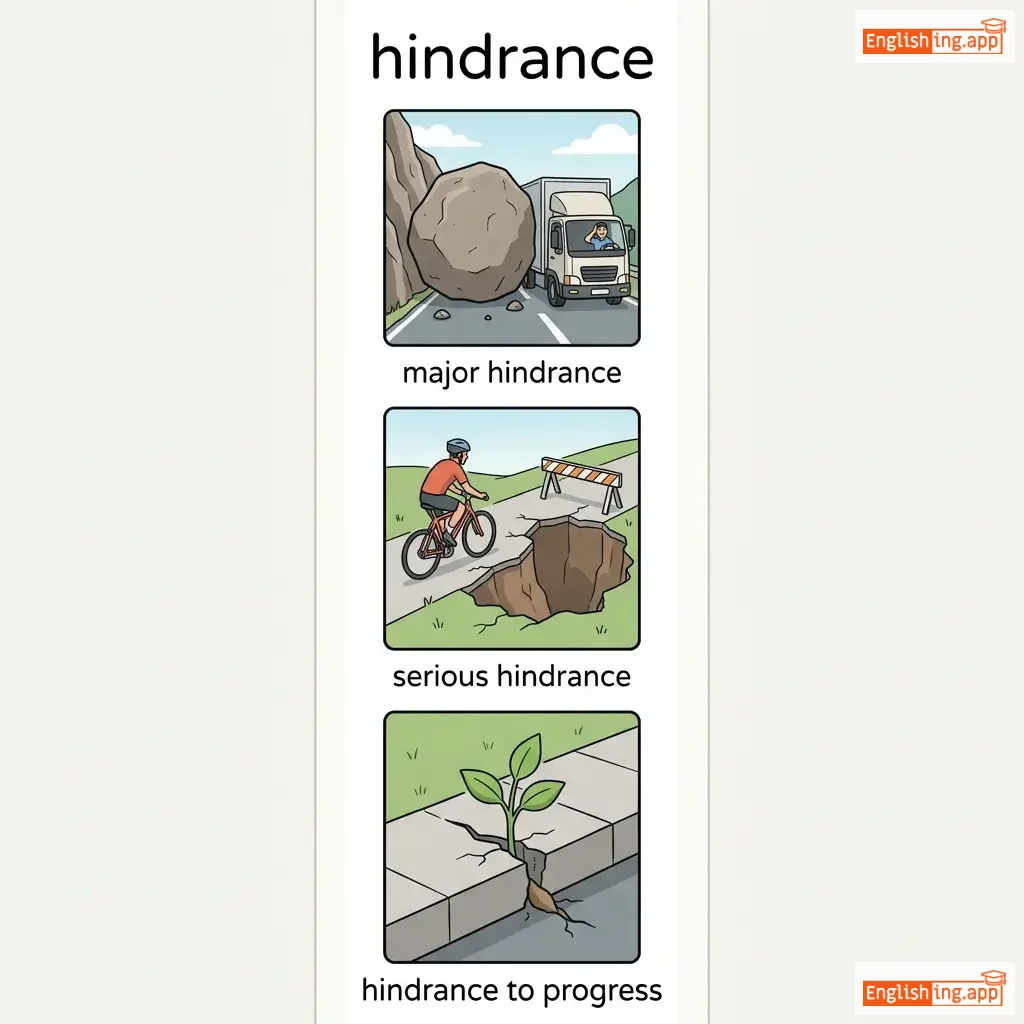
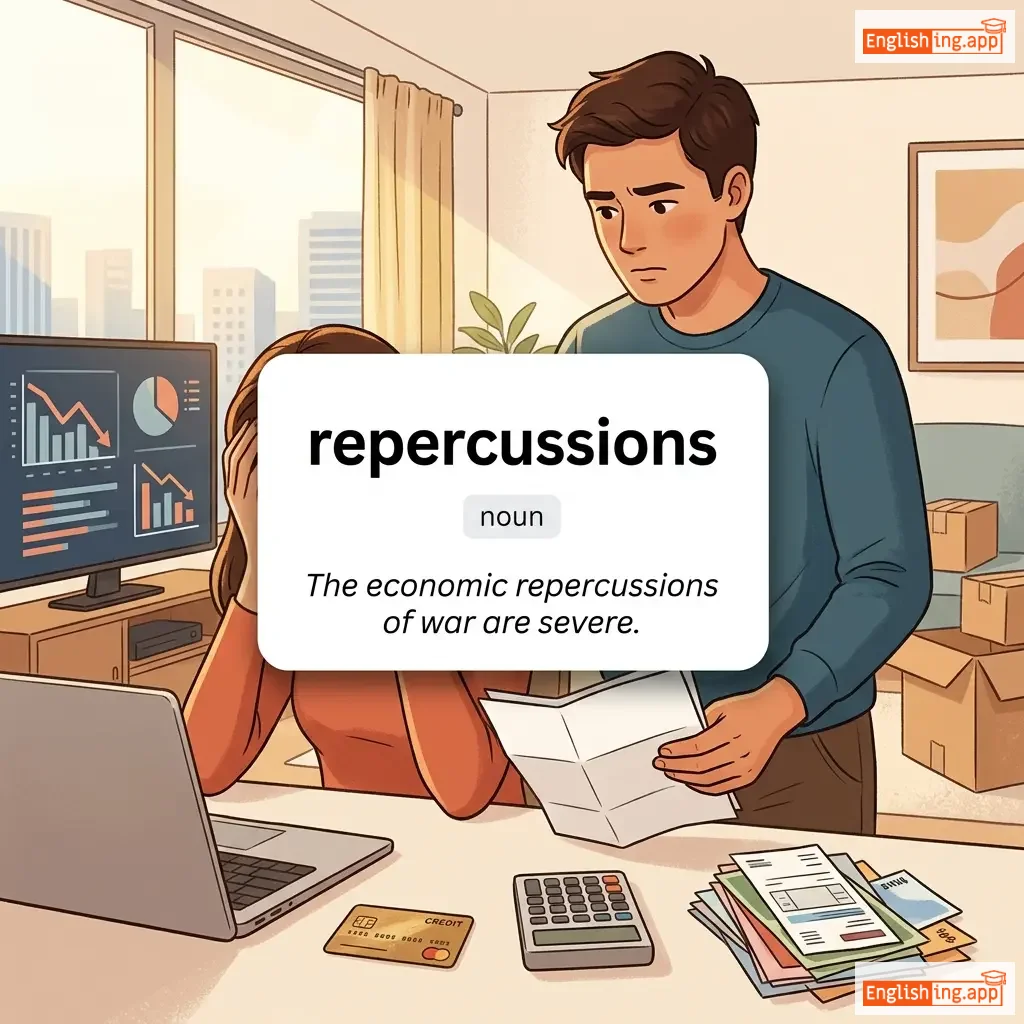
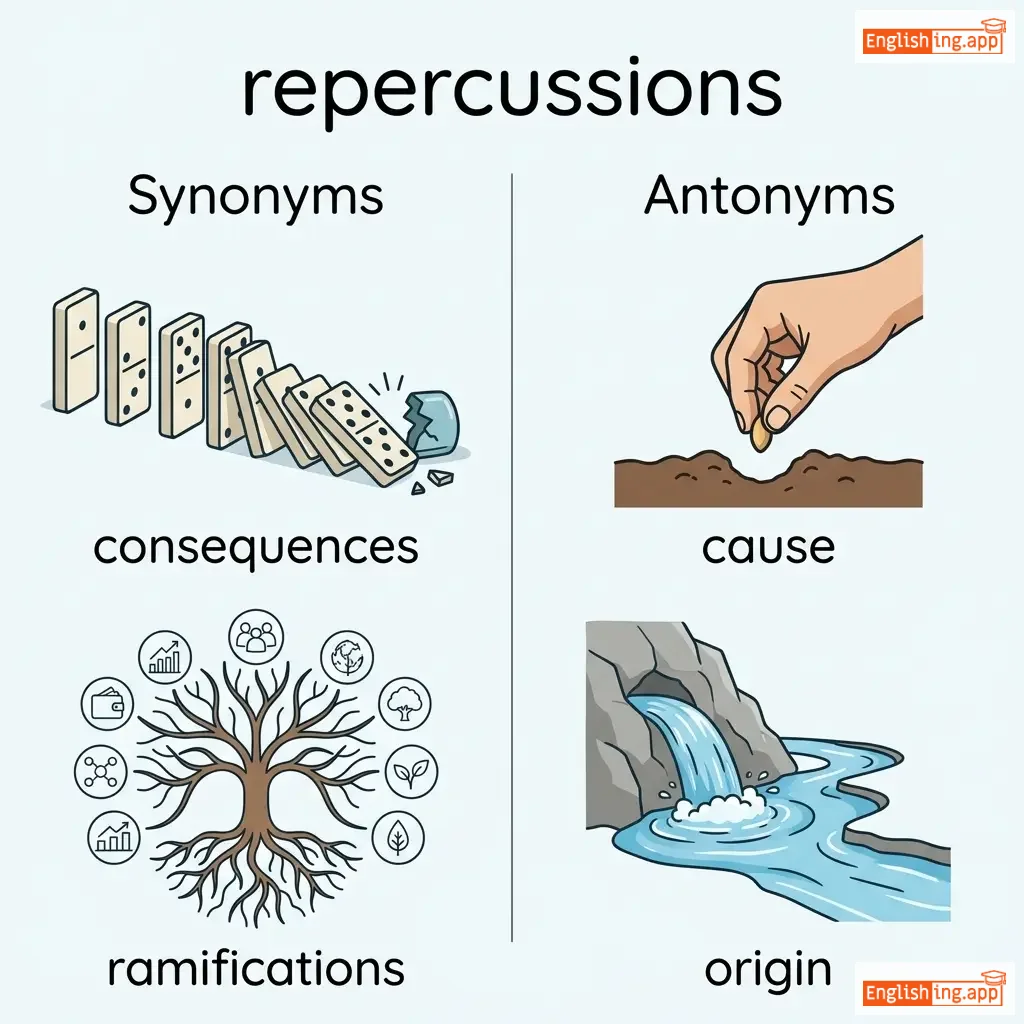
其次,有些人遵循过于严格的政策,这些政策变得 exorbitant,使他们难以适应正常生活。这可能会造成 hindrance 并带来长期的 repercussions。
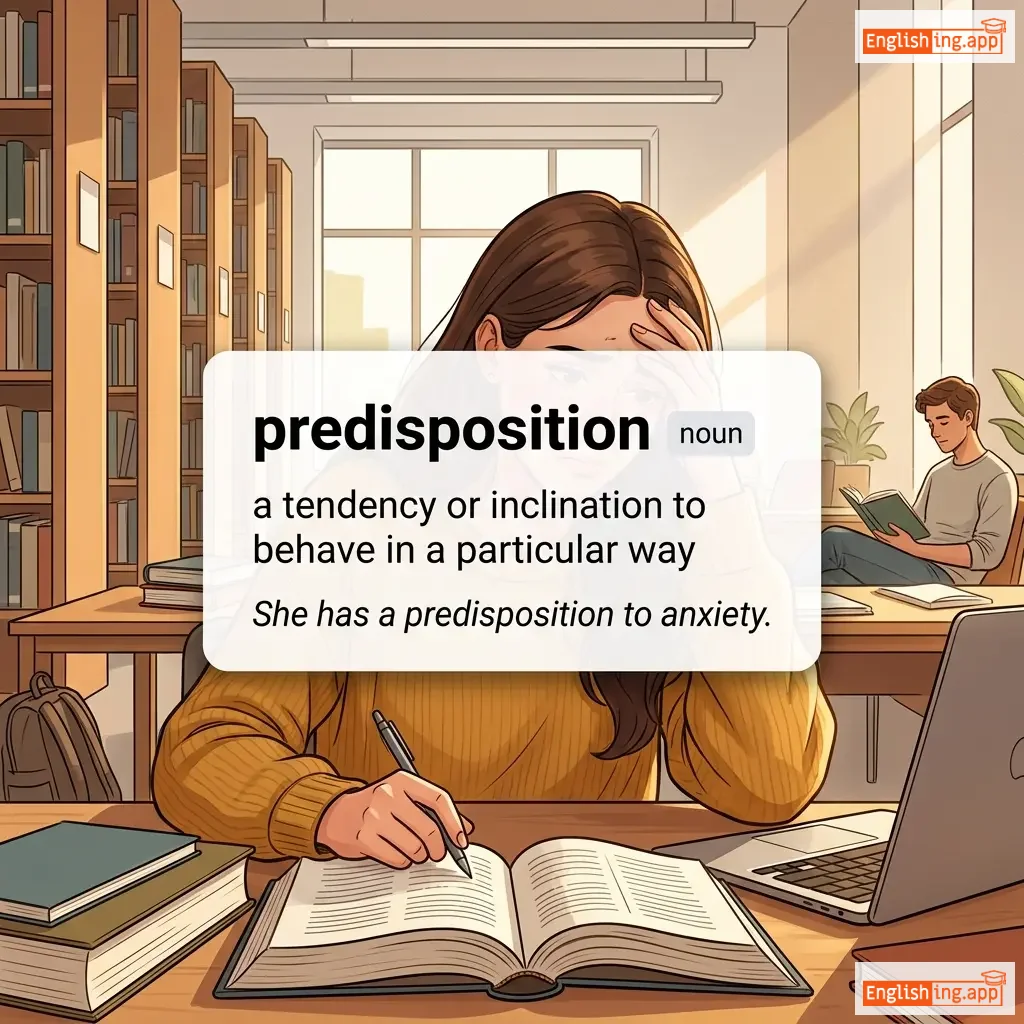
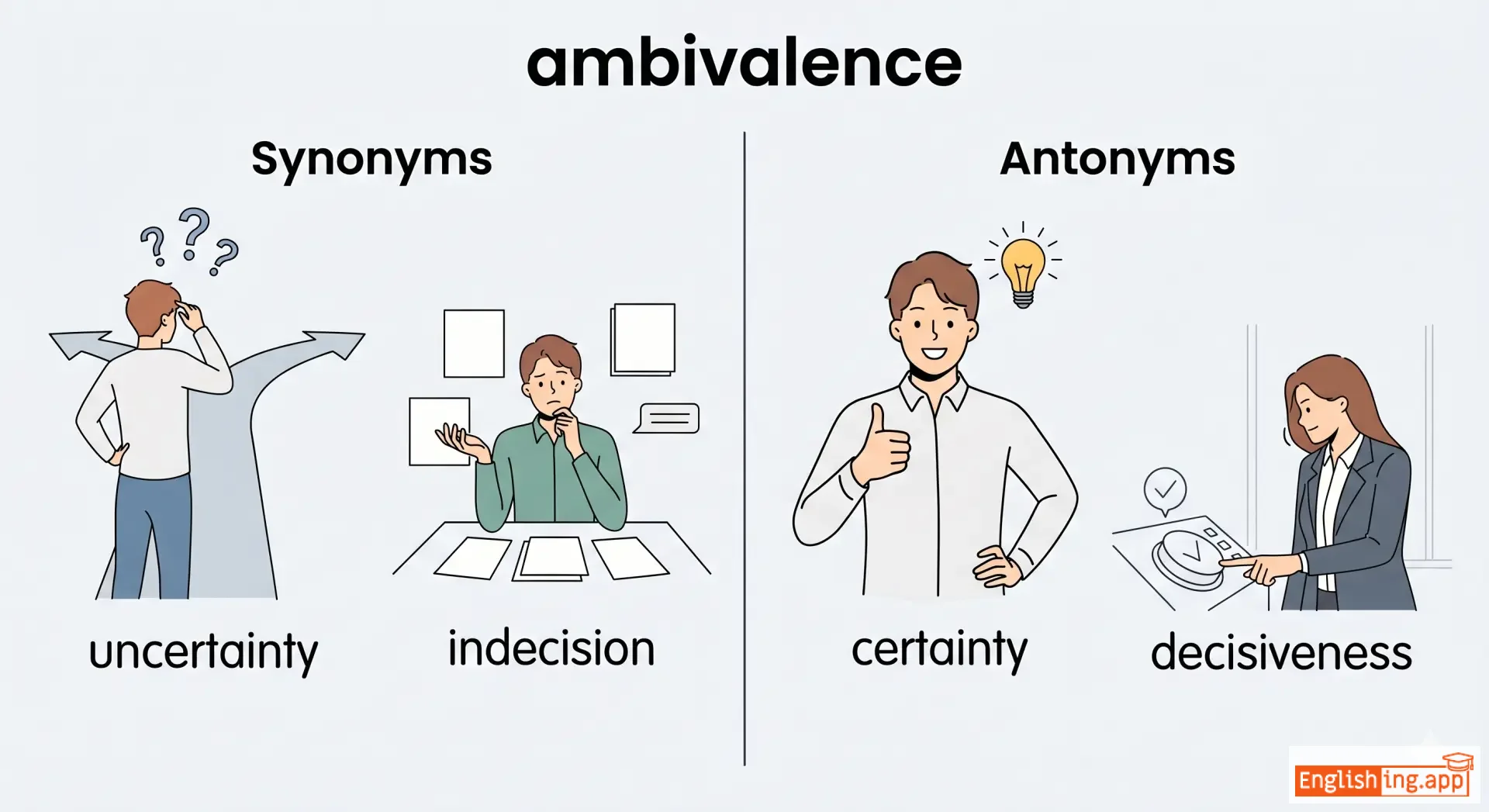
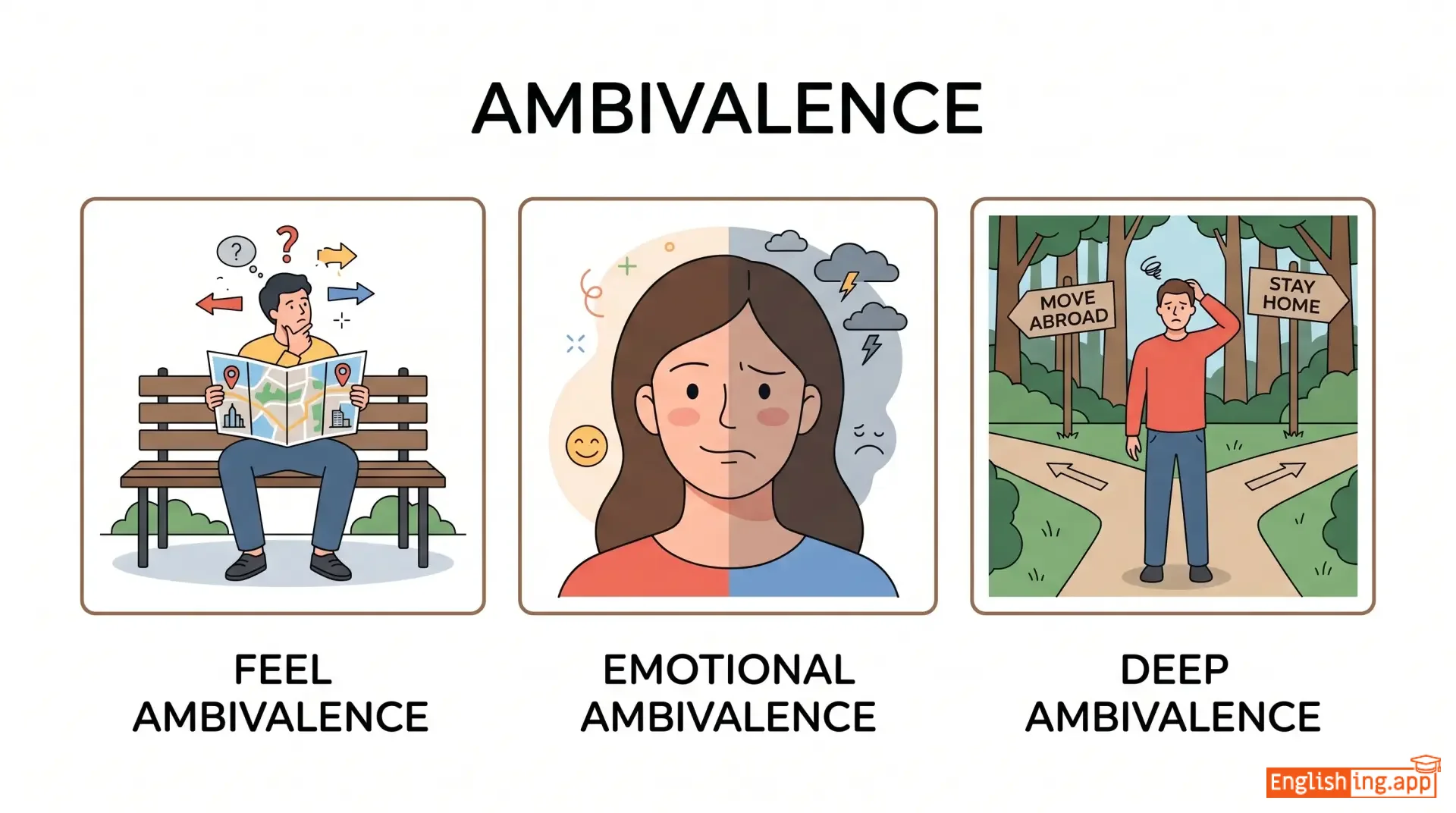
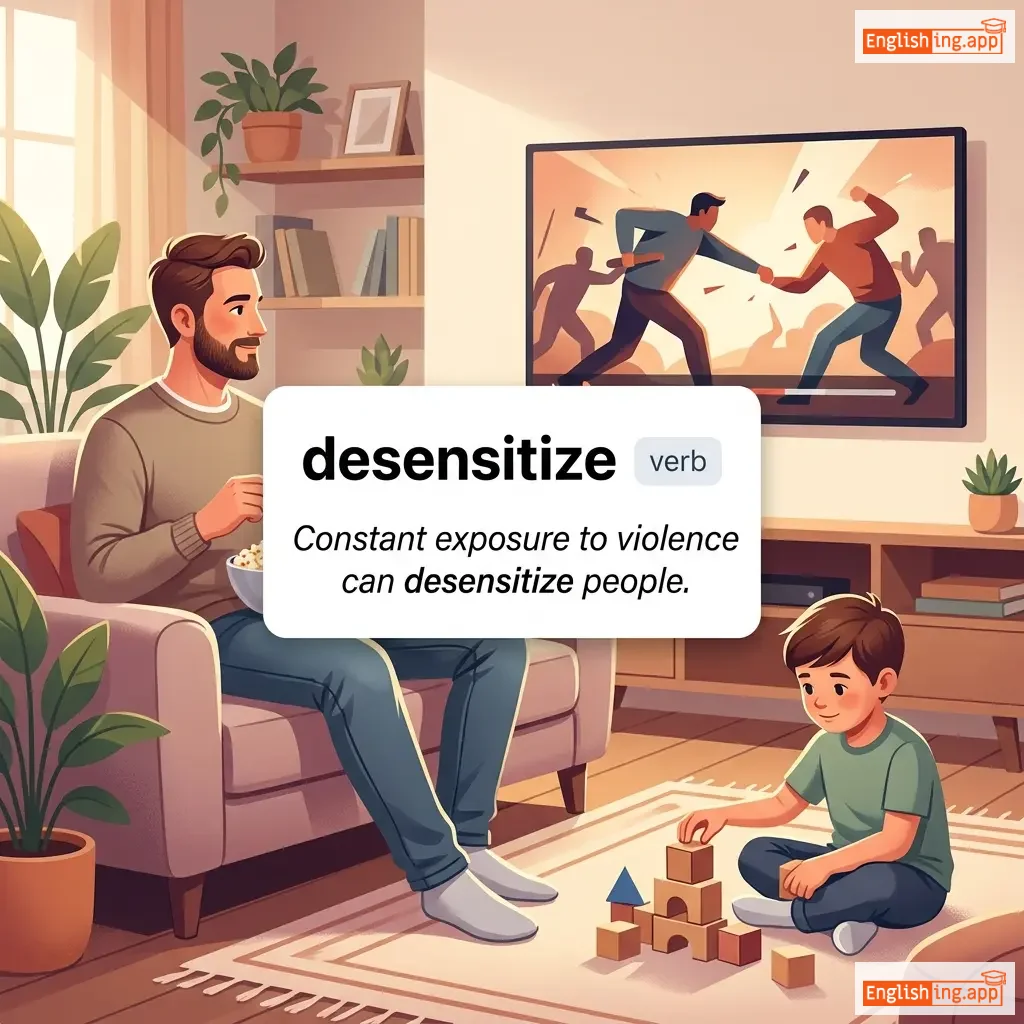
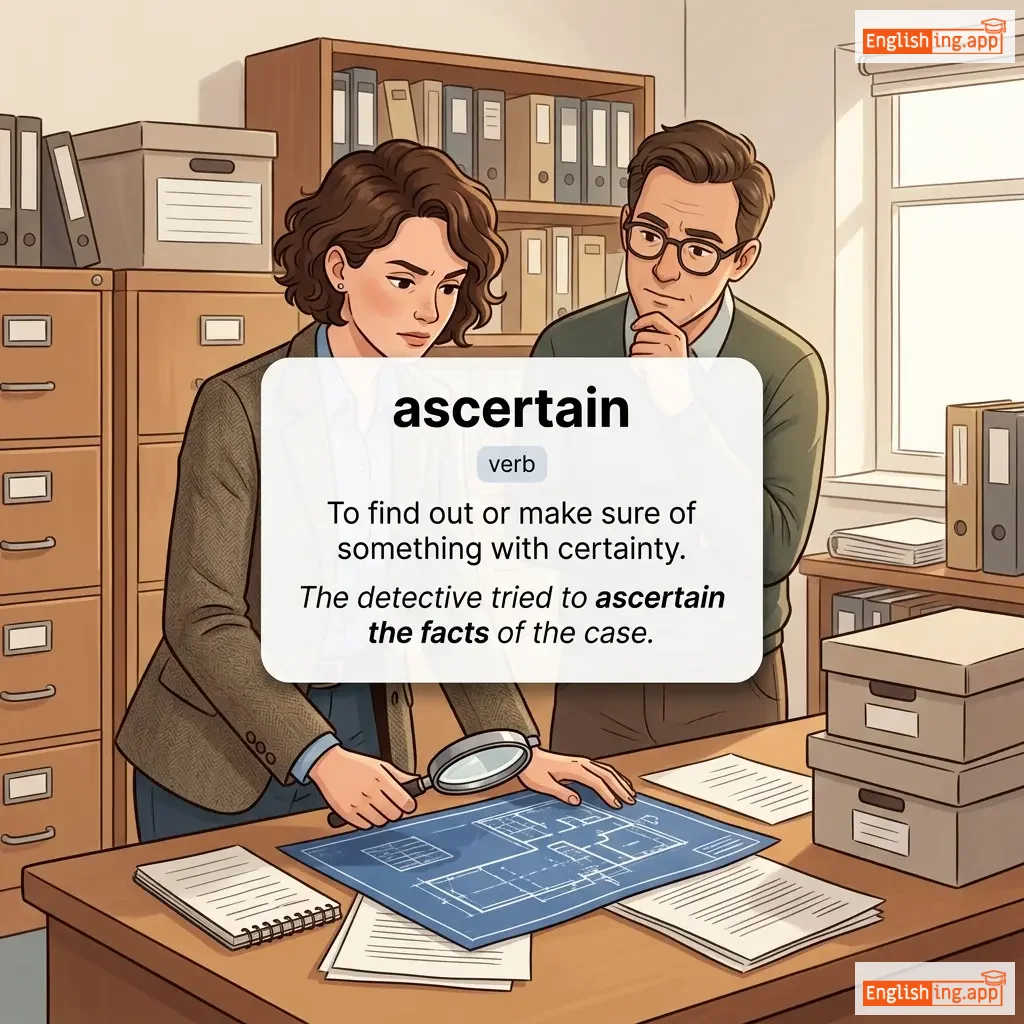
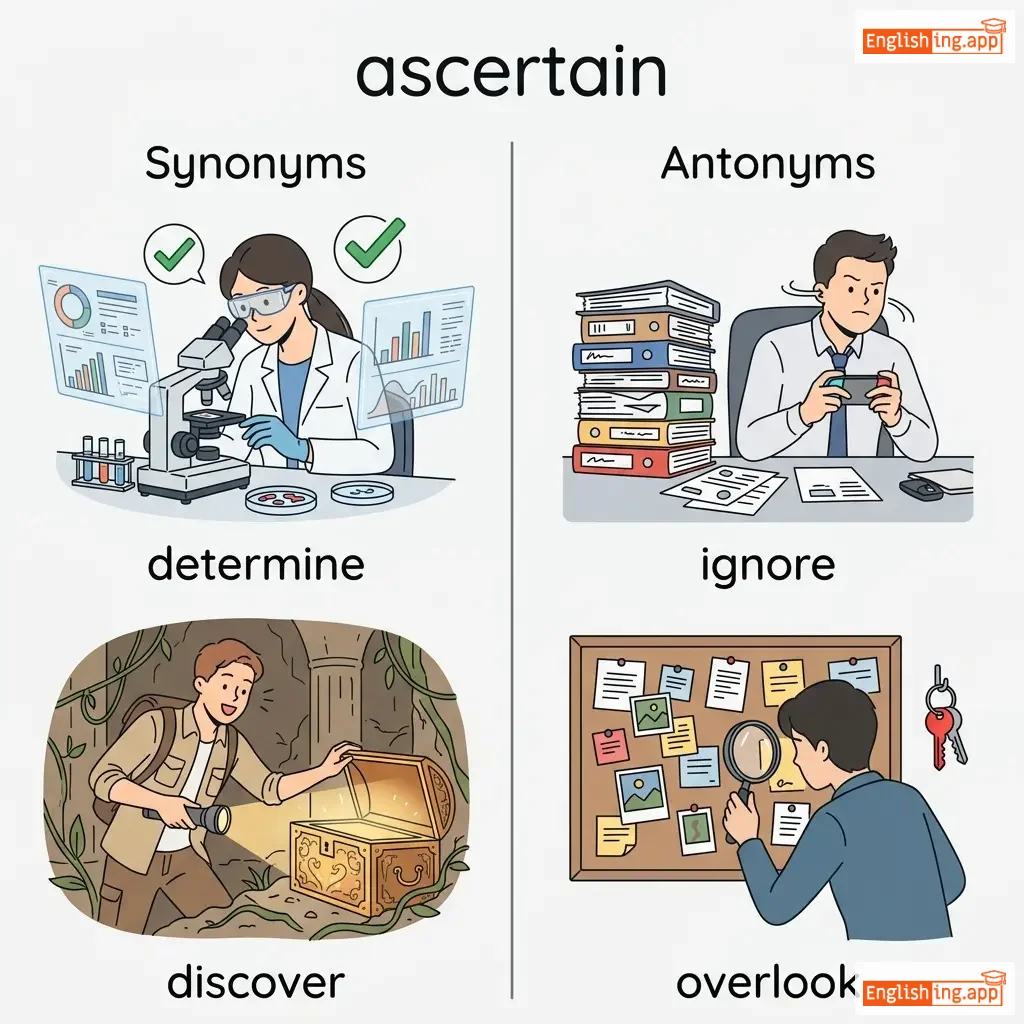
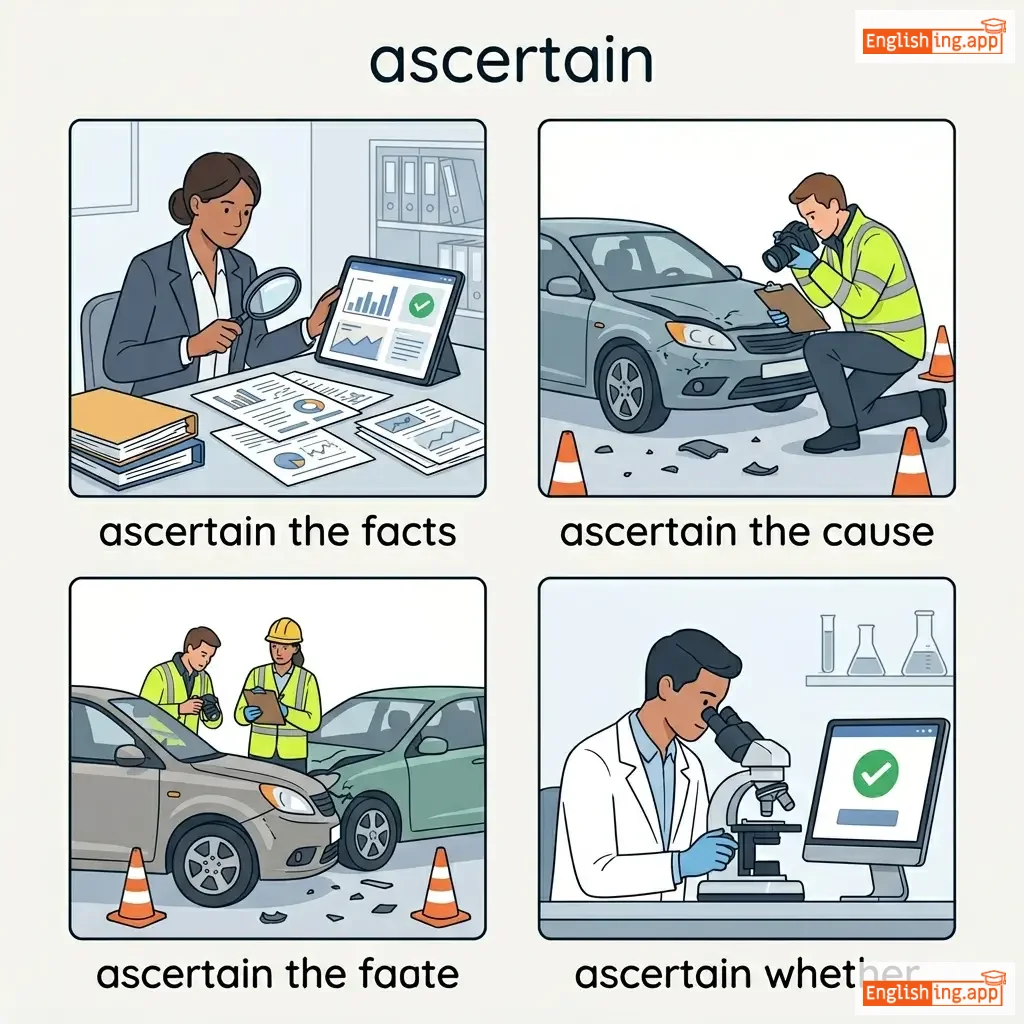
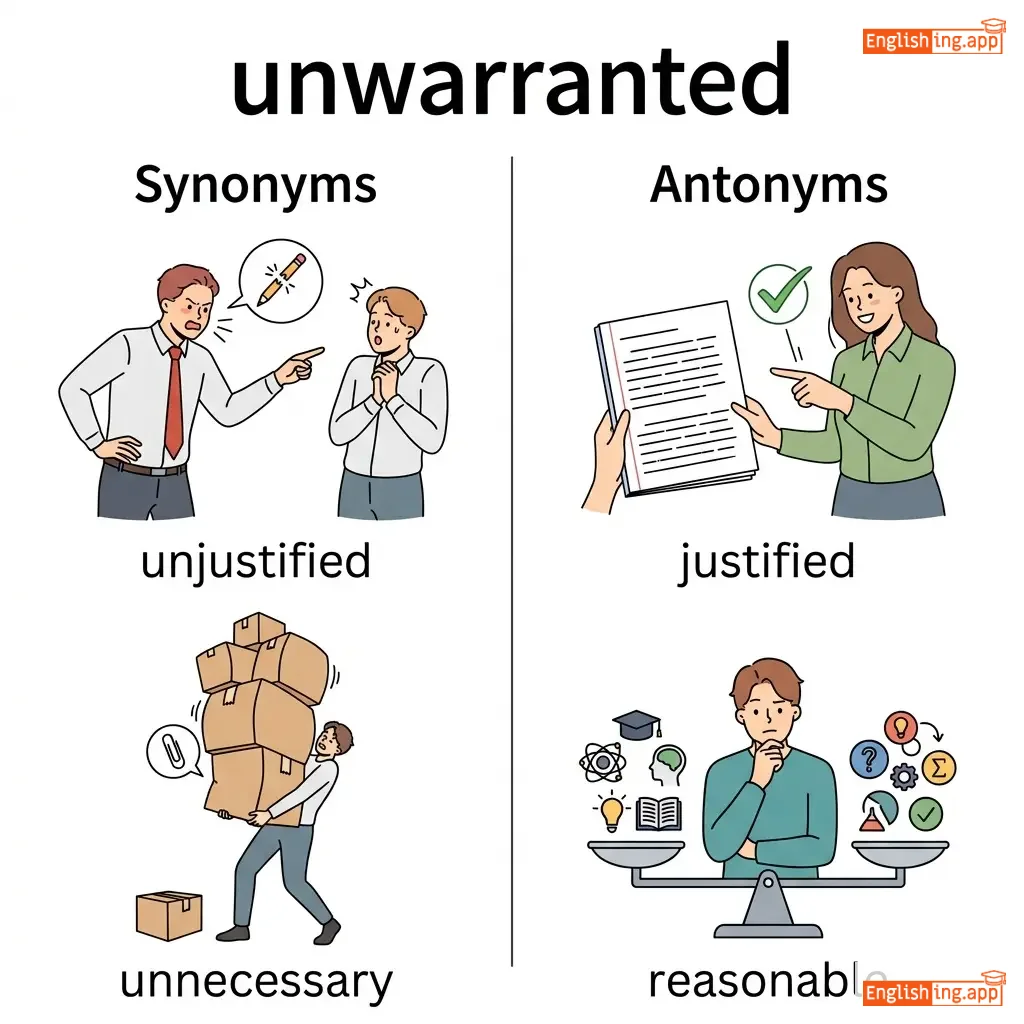
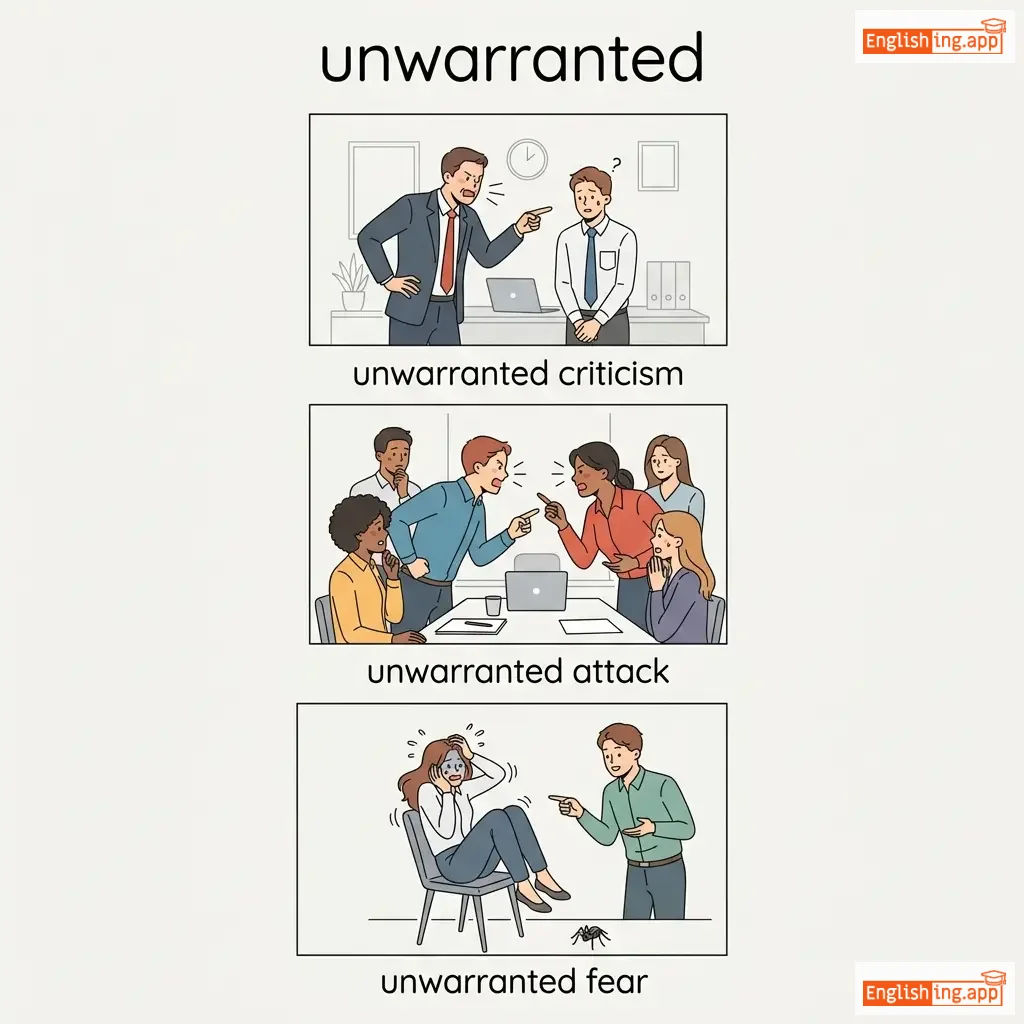
此外,许多人在不了解自己真实 predisposition 的情况下做出 ambiguous 决定。结果,他们变得 desensitized,无法带来真正的改变。为了成功的 dopamine detox,我们需要 ascertain 哪些习惯是真正有害的,哪些只是被社会认为 unwarranted 的。





Swipe left or right, or use the buttons. Tap image to zoom.
例句翻译
单词
Common Mistakes in Dopamine DetoxingCommon Mistakes in Dopamine Detoxing - 遮罩切换
|
表情符号
|
单词 | Images | 翻译 | 含义 | 例句 | 例句翻译 | 同义词 | 反义词 | 助记符 |
|---|---|---|---|---|---|---|---|---|---|
|
#1351
🤔
|
ˌmɪs.kənˈsɛp.ʃən
noun
(mi-si-kun-sep-xion)
••••••
|
|
误解
wùjiě
••••••
|
A wrong idea or false understanding about something.
••••••
|
There is a common misconception that success happens overnight.
有一个常见的误解,认为成功是一天之内发生的。
••••••
|
有一个常见的误解,认为成功是一天之内发生的。
Yǒu yīgè chángjiàn de wùjiě, rènwéi chénggōng shì yītiān zhī nèi fāshēng de.
••••••
|
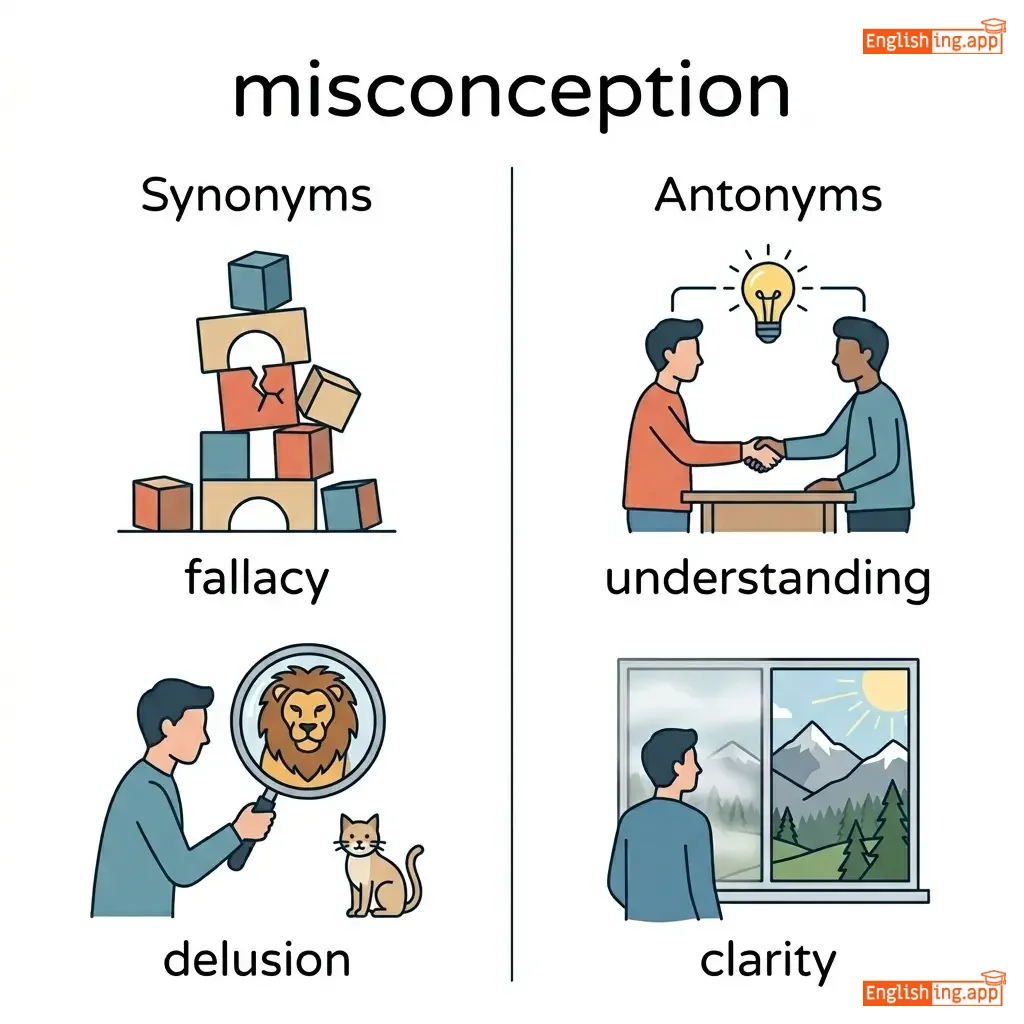
misinformation, fallacy, delusion
••••••
|
truth, understanding, accuracy
••••••
|
成功不是一夜之间的事情,而是需要时间的努力。
••••••
|
|
#1352
❌
|
fəˈleɪ.ʃəs
adjective
(法雷舍斯)
••••••
|
|
虚假的
xūjiǎ de
••••••
|
Based on false reasoning or misleading arguments.
••••••
|
His argument was based on fallacious reasoning. |
他的论点是基于虚假的推理。
Tā de lùndiǎn shì jīyú xūjiǎ de tuīlǐ.
••••••
|
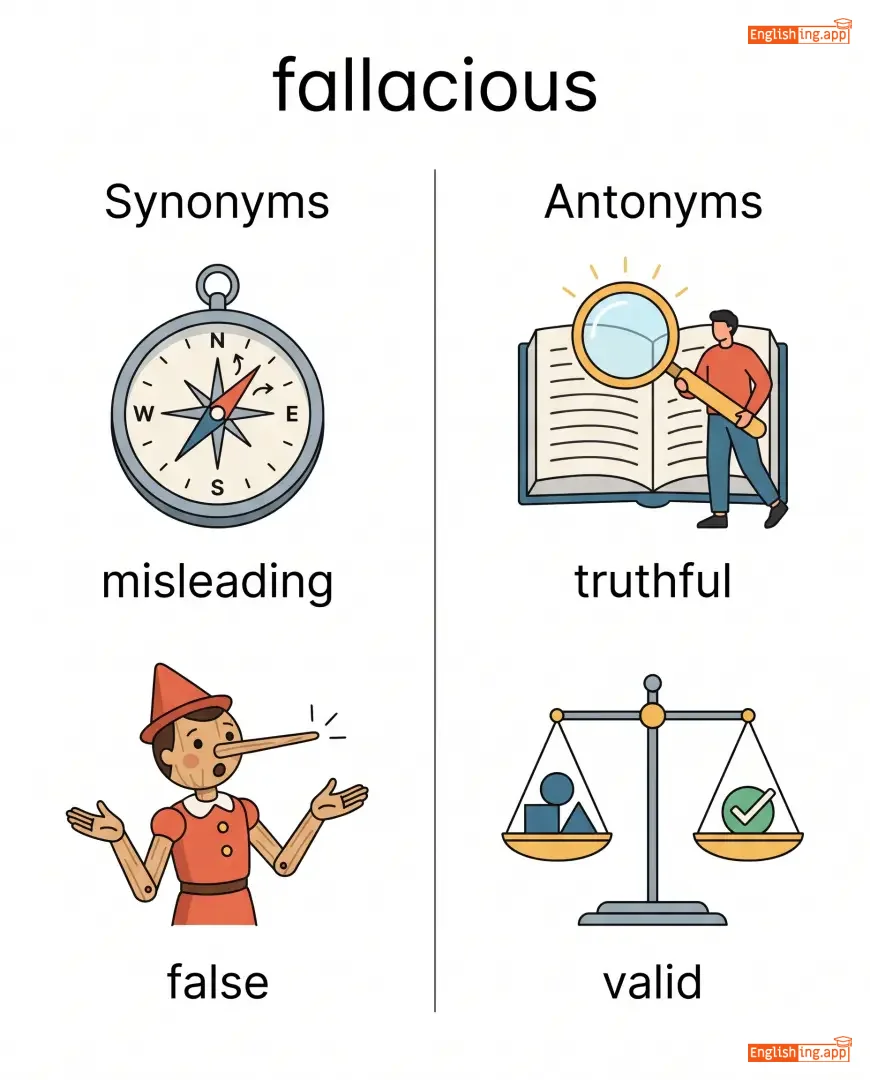
false, misleading, deceptive
••••••
|
logical, truthful, valid
••••••
|
虚假和fallacious有相似之处
••••••
|
|
#1353
⚡
|
koʊˈɜrs
verb
(kòu'ěrsī)
••••••
|
|
强迫
qiǎngpò
••••••
|
To force someone to do something against their will using threats or intimidation.
••••••
|
The manager tried to coerce the employees into working overtime.
经理试图迫使员工加班。
••••••
|
经理试图迫使员工加班。
Jīnglǐ shìtú pòshǐ yuángōng jiābān.
••••••
|
force, compel, intimidate
••••••
|
persuade, encourage, allow
••••••
|
强迫 = Force
••••••
|
|
#1354
⚠️
|
ˌdɛ.trɪˈmɛn.təl
adjective
(detrimental)
••••••
|
|
有害
youhai
••••••
|
Causing harm or damage to something or someone.
••••••
|
Lack of sleep is detrimental to mental health.
缺乏睡眠对心理健康有害。
••••••
|
缺乏睡眠对心理健康有害。
Quefashuimian dui xinli jiankang youhai.
••••••
|
harmful, damaging, adverse
••••••
|
beneficial, helpful, advantageous
••••••
|
有害就是造成伤害或损害的意思。
••••••
|
|
#1355
💸
|
ɪɡˈzɔr.bɪ.tənt
adjective
(ɪksɔːr.bɪ.tænt)
••••••
|
|
过高的
guò gāo de
••••••
|
Unreasonably high in price or amount; excessive.
••••••
|
The hotel charged an exorbitant price for a basic room.
酒店收取了过高的价格,提供一个普通的房间。
••••••
|
酒店收取了过高的价格,提供一个普通的房间。
Jiǔdiàn shōuqǔle guò gāo de jiàgé, tígōng yīgè pǔtōng de fángjiān.
••••••
|
excessive, overpriced, outrageous
••••••
|
reasonable, affordable, moderate
••••••
|
Guò gāo de = Exorbitant
••••••
|
|
#1356
🚧
|
ˈhɪn.drəns
noun
(hɪn.drəns)
••••••
|
|
障碍
zhang'ai
••••••
|
Something that creates difficulties or delays in progress.
••••••
|
Lack of funds was a major hindrance to the project.
资金不足是该项目的一个主要障碍。
••••••
|
资金不足是该项目的一个主要障碍。
Zījīn bùzú shì gāi xiàngmù de yīgè zhǔyào zhàng'ài.
••••••
|
obstacle, impediment, barrier
••••••
|
aid, assistance, facilitation
••••••
|
Zhang'ai (Hindrance) - Like a zhang'ai, hindrances block progress.
••••••
|
|
#1357
🔄
|
ˌriː.pɚˈkʌʃ.ənz
noun
(ˈrɛpərkʌʃənz)
••••••
|
|
后果
houguo
••••••
|
The unintended consequences or effects of an action or event.
••••••
|
The new policy had unintended repercussions on the economy.
新的政策对经济产生了意外的影响。
••••••
|
新的政策对经济产生了意外的影响。
Xīn de zhèngcè duì jīngjì chǎnshēngle yìwài de yǐngxiǎng.
••••••
|
consequences, aftermath, ramifications
••••••
|
cause, beginning, origin
••••••
|
后果 = 事情的后效
••••••
|
|
#1358
🧬
|
ˌpriː.dɪs.pəˈzɪʃ.ən
noun
(先天倾向)
••••••
|
|
倾向
qingxiang
••••••
|
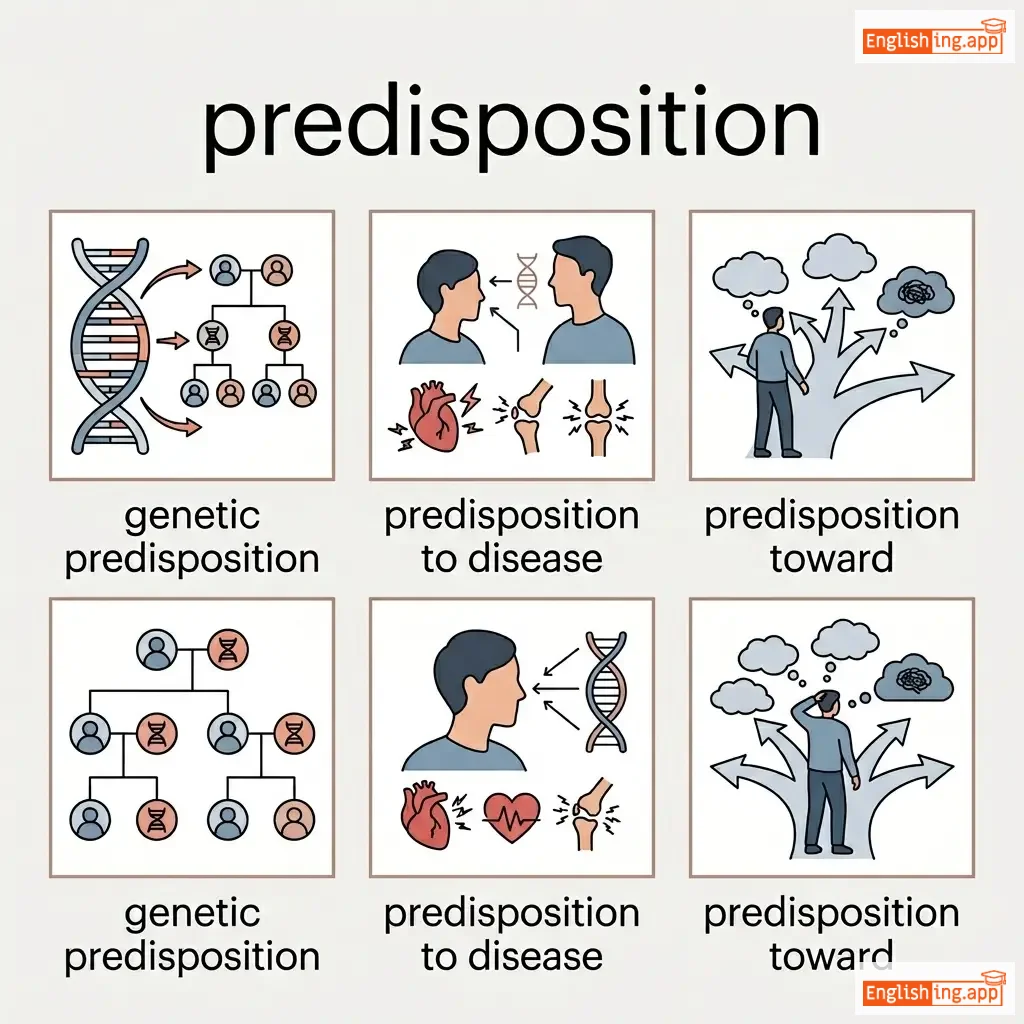
A natural tendency or inclination toward a particular behavior or condition.
••••••
|
Genetic factors can influence a person's predisposition to diseases.
基因因素可以影响一个人对疾病的先天倾向。
••••••
|
基因因素可以影响一个人对疾病的先天倾向。
Jiyin yinsu keyi yingxiang yige ren dui jibing de xiantian qingxiang.
••••••
|
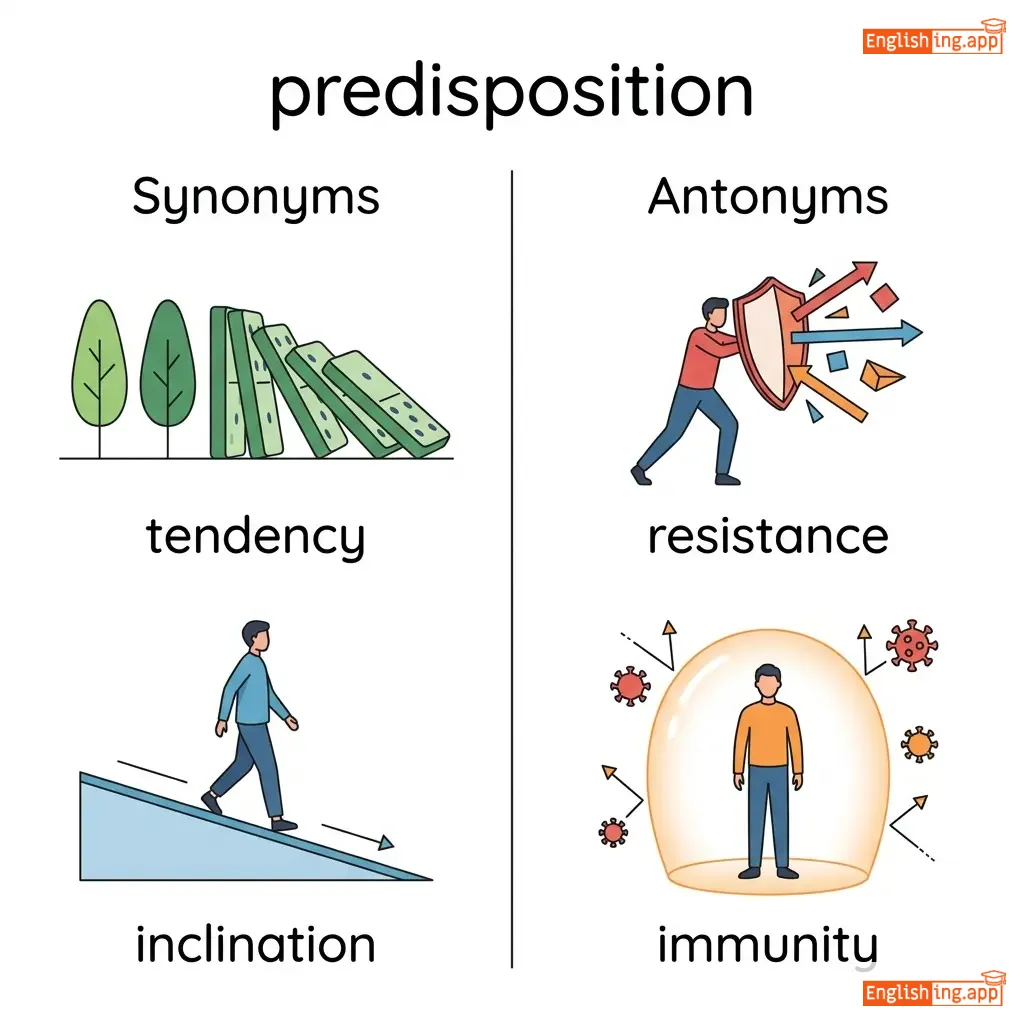
inclination, tendency, susceptibility
••••••
|
immunity, resistance, avoidance
••••••
|
倾向是自然的,像先天对疾病的倾斜。
••••••
|
|
#1359
❓
|
æmˈbɪɡ.ju.əs
adjective
(模糊的)
••••••
|
|
模糊的
móhú de
••••••
|
Having more than one possible meaning; unclear or vague.
••••••
|
His statement was too ambiguous to understand. |
他的声明模糊不清,无法理解。
Tā de shēngmíng móhú bùqīng, wúfǎ lǐjiě.
••••••
|
vague, unclear, uncertain
••••••
|
clear, explicit, definite
••••••
|
模糊就像迷雾,什么都看不清
••••••
|
|
#1360
😐
|
diːˈsɛn.sɪ.taɪz
verb
(dī sèn sī tái zī)
••••••
|
|
脱敏
tuō mǐn
••••••
|
To make someone less sensitive or reactive to something through repeated exposure.
••••••
|
Constant exposure to violence can desensitize people.
持续的暴力暴露可能会使人们麻木。
••••••
|
持续的暴力暴露可能会使人们麻木。
Chíxù de bàolì bàolù kěnéng huì shǐ rénmen mámù.
••••••
|
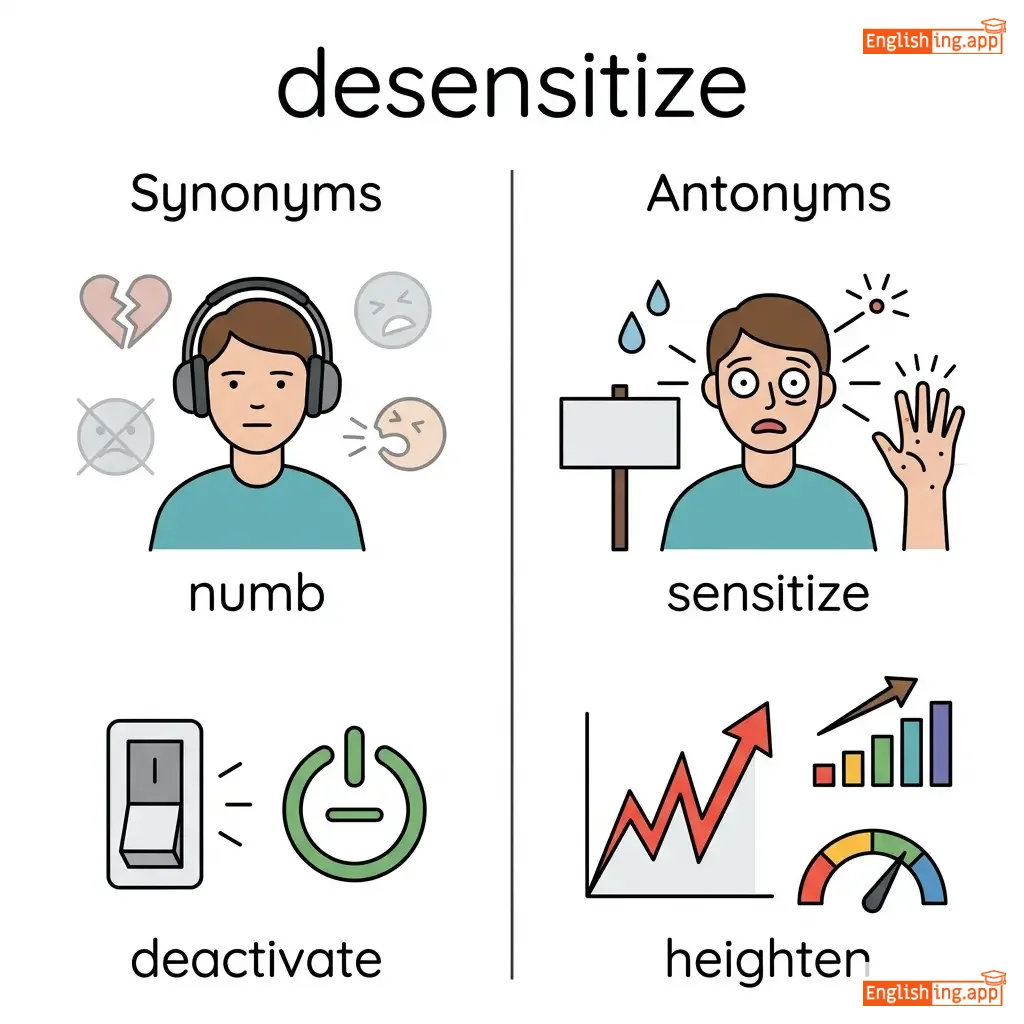
numb, deactivate, harden
••••••
|
sensitize, heighten, strengthen
••••••
|
通过过度的接触来逐渐失去敏感性
••••••
|
|
#1361
🔍
|
ˌæs.ɚˈteɪn
verb
(啊瑟顿)
••••••
|
|
核实
heshi
••••••
|
To find out or discover something with certainty; to verify.
••••••
|
The police tried to ascertain the cause of the accident. |
警方试图核实事故的原因。
Jingfang shitu heshi shigu de yuanyin.
••••••
|
determine, verify, confirm
••••••
|
assume, ignore, overlook
••••••
|
像警方确认事故原因一样核实信息。
••••••
|
|
#1362
🚫
|
ʌnˈwɔːr.rən.tɪd
adjective
(ànwòntèd)
••••••
|
|
不合理的
bù hé lǐ de
••••••
|
Not justified or necessary; without good reason.
••••••
|
His anger toward the staff was completely unwarranted.
his ángar tóu wórd de staf wás cómpletli anwórnted
••••••
|
他对员工的愤怒是完全不合理的。
Tā duì yuángōng de fènnù shì wánquán bù hé lǐ de.
••••••
|
unjustified, baseless, unreasonable
••••••
|
justified, reasonable, valid
••••••
|
不合理的 = unreasonable
••••••
|
Vocabulary Quiz
Test your vocabulary by matching words with their translations or meanings.
Login to take the quiz
Comments (0)
Share your thoughts and join the discussion.
Join the discussion by logging in
Login to CommentNo comments yet
Be the first to share your thoughts!