

Dopamine detoxing における一般的な間違い
Common Mistakes in Dopamine Detoxing
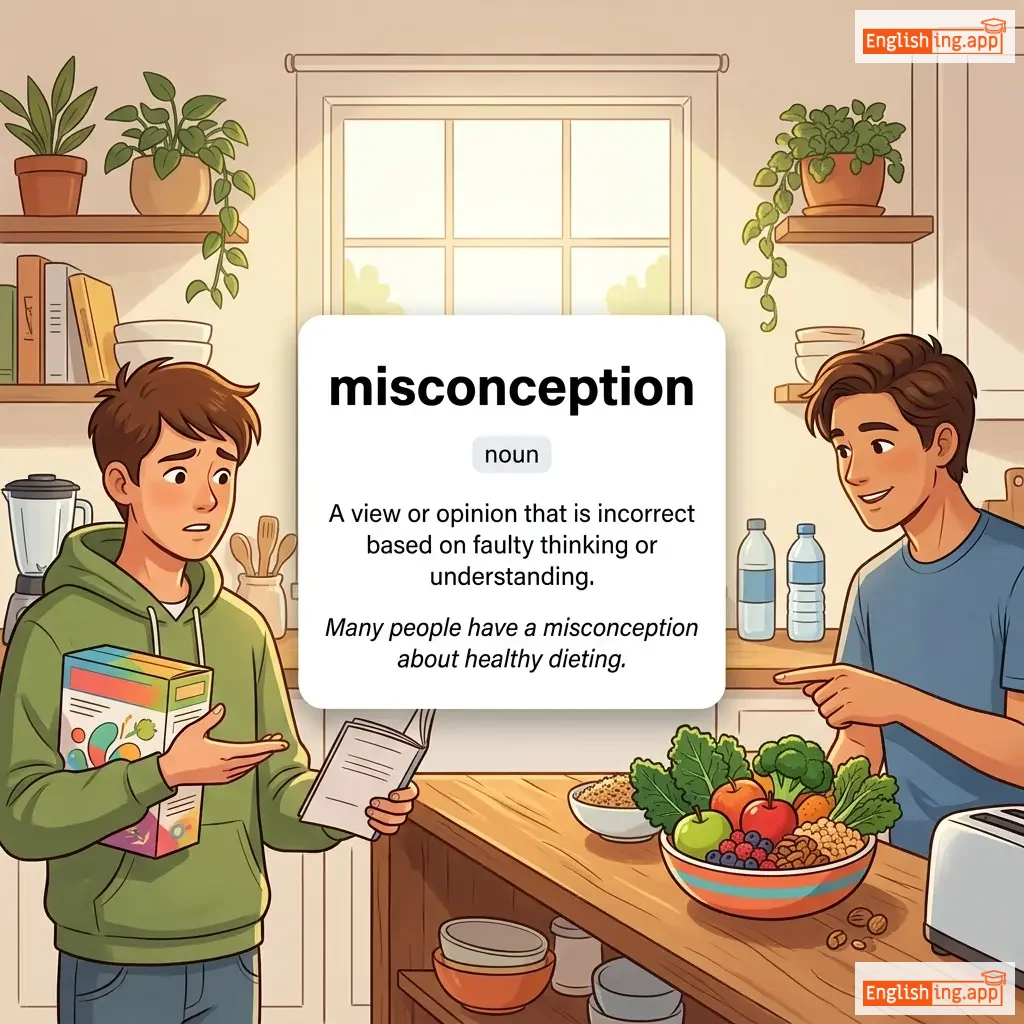
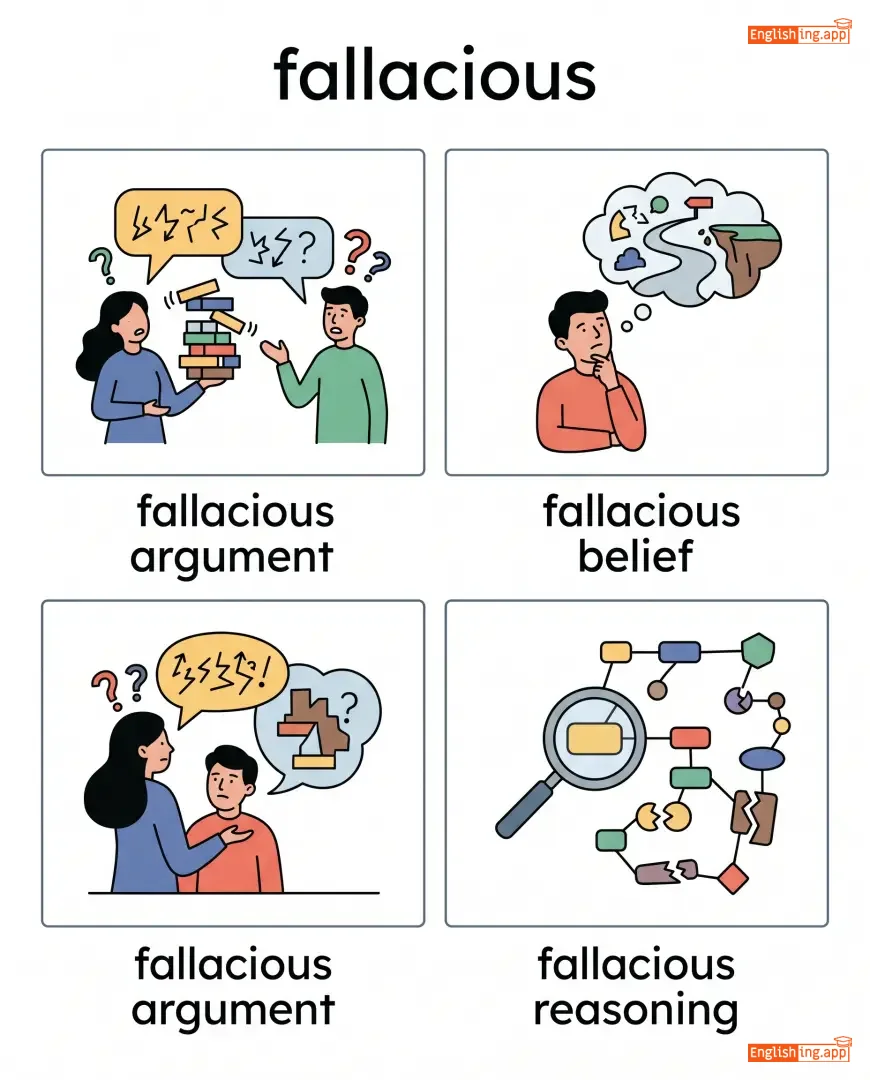
Dopamine detoxing には多くの misconceptions があり、人々を混乱させます。多くの人は、すべての喜びの源から完全に離れることだと考えますが、それは完全に fallacious な考えです。
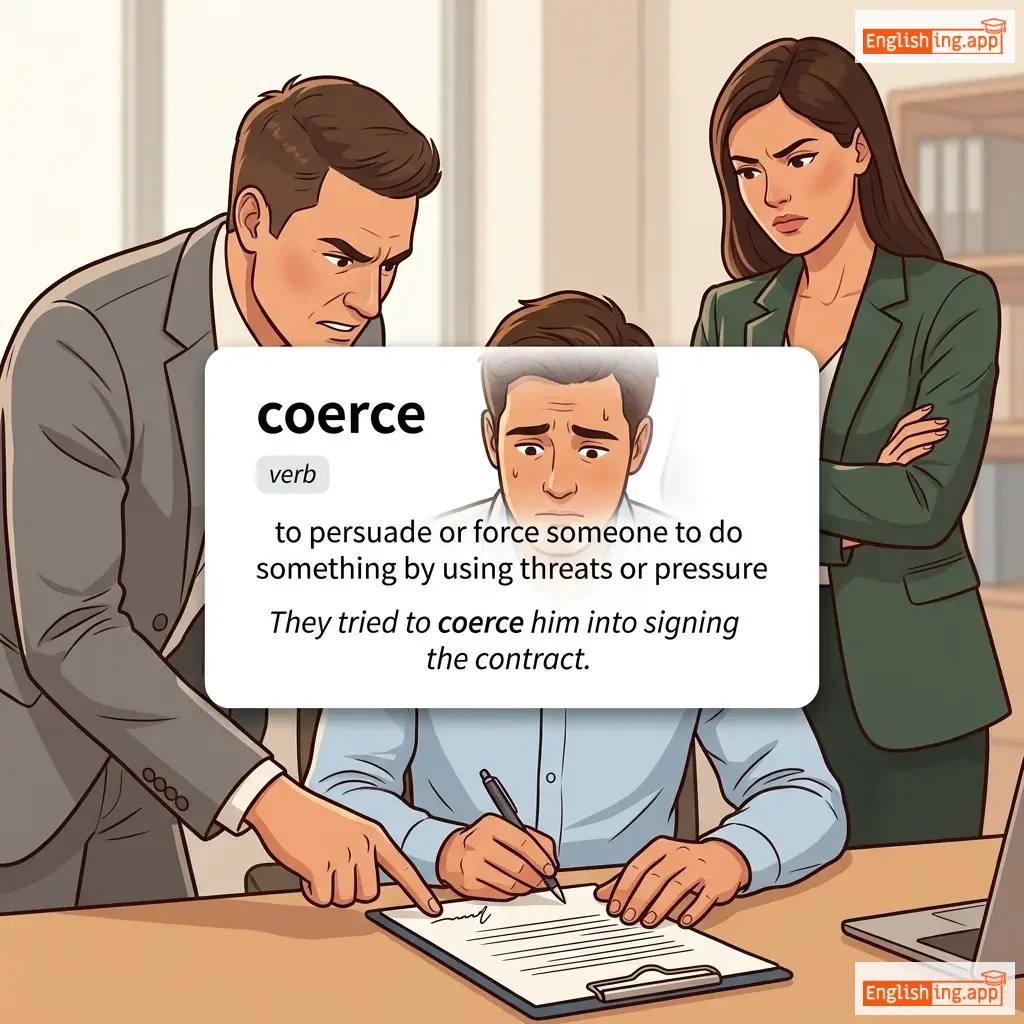
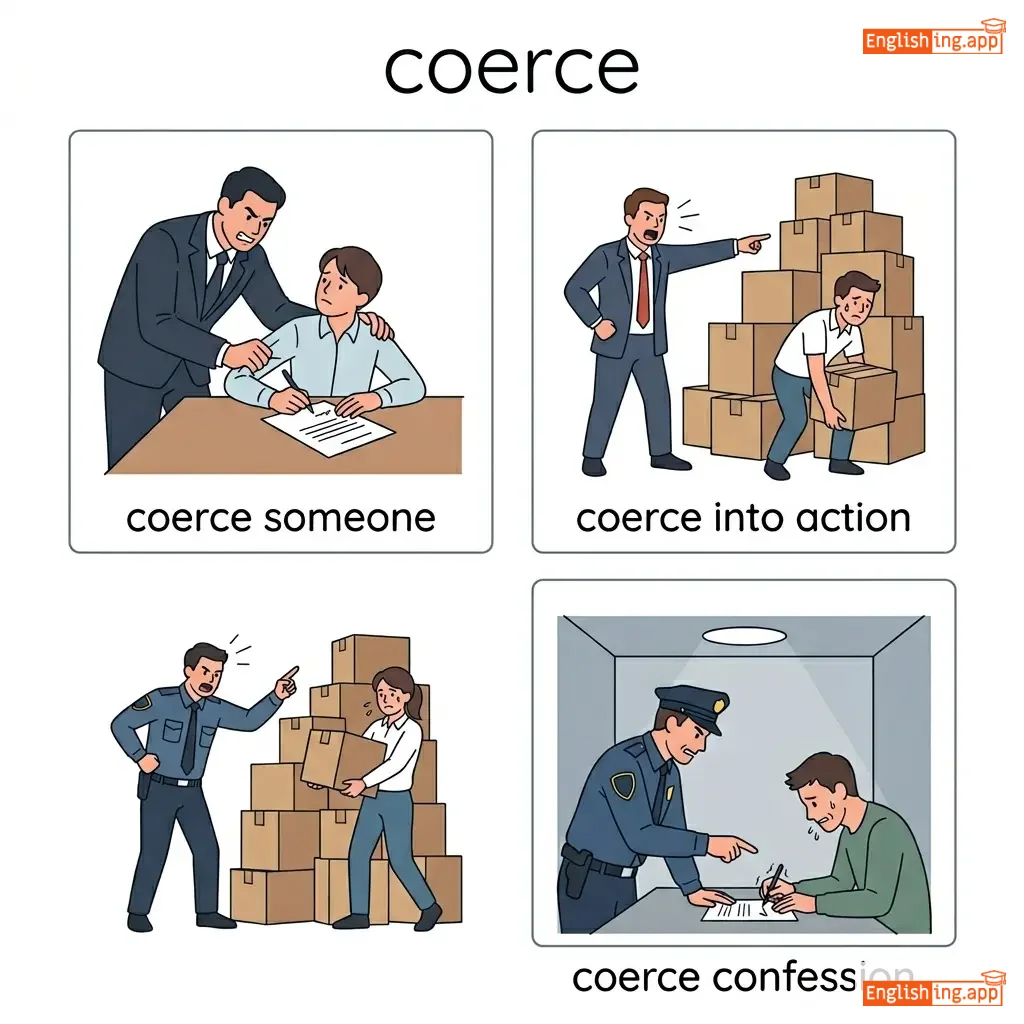
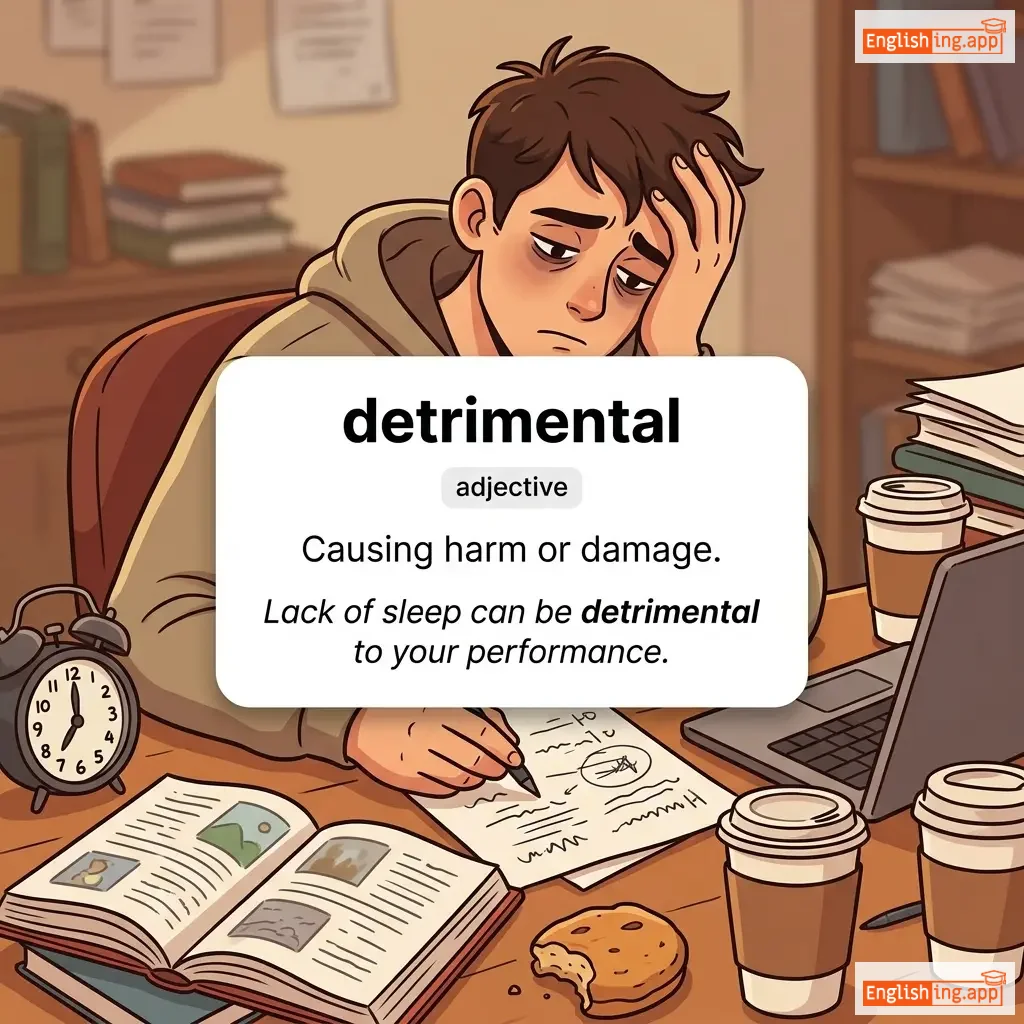
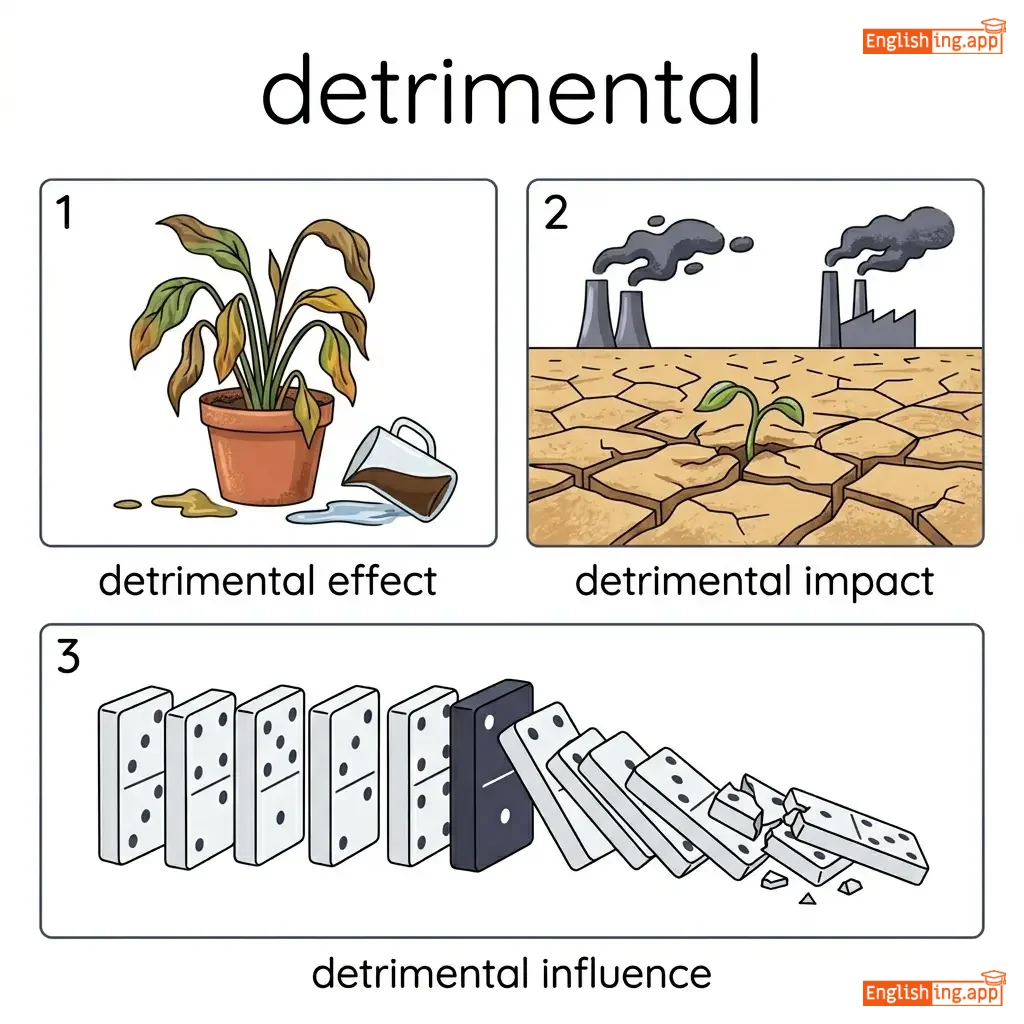
まず、一部の人々は自分自身を厳しいルールに coerce しますが、これは精神的健康に detrimental です。変化は突然ではなく、徐々に行うべきです。
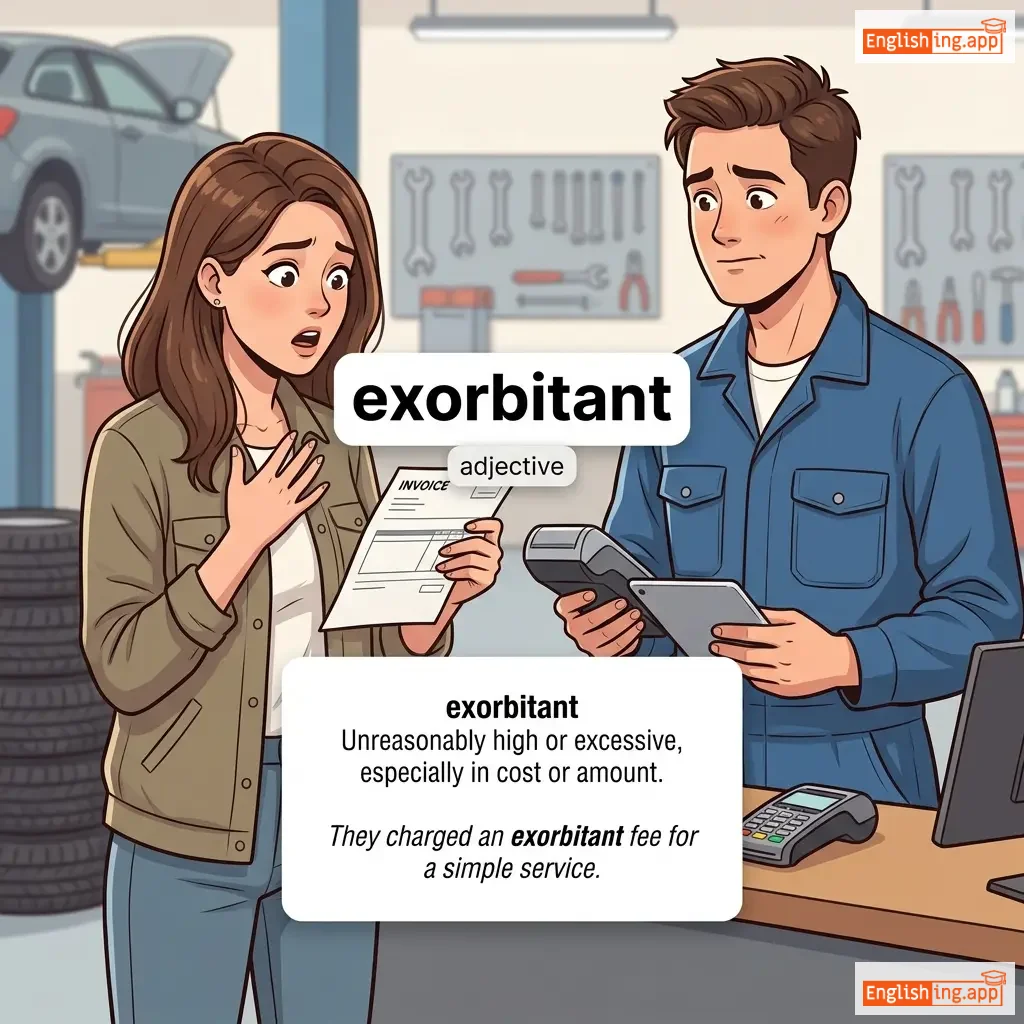
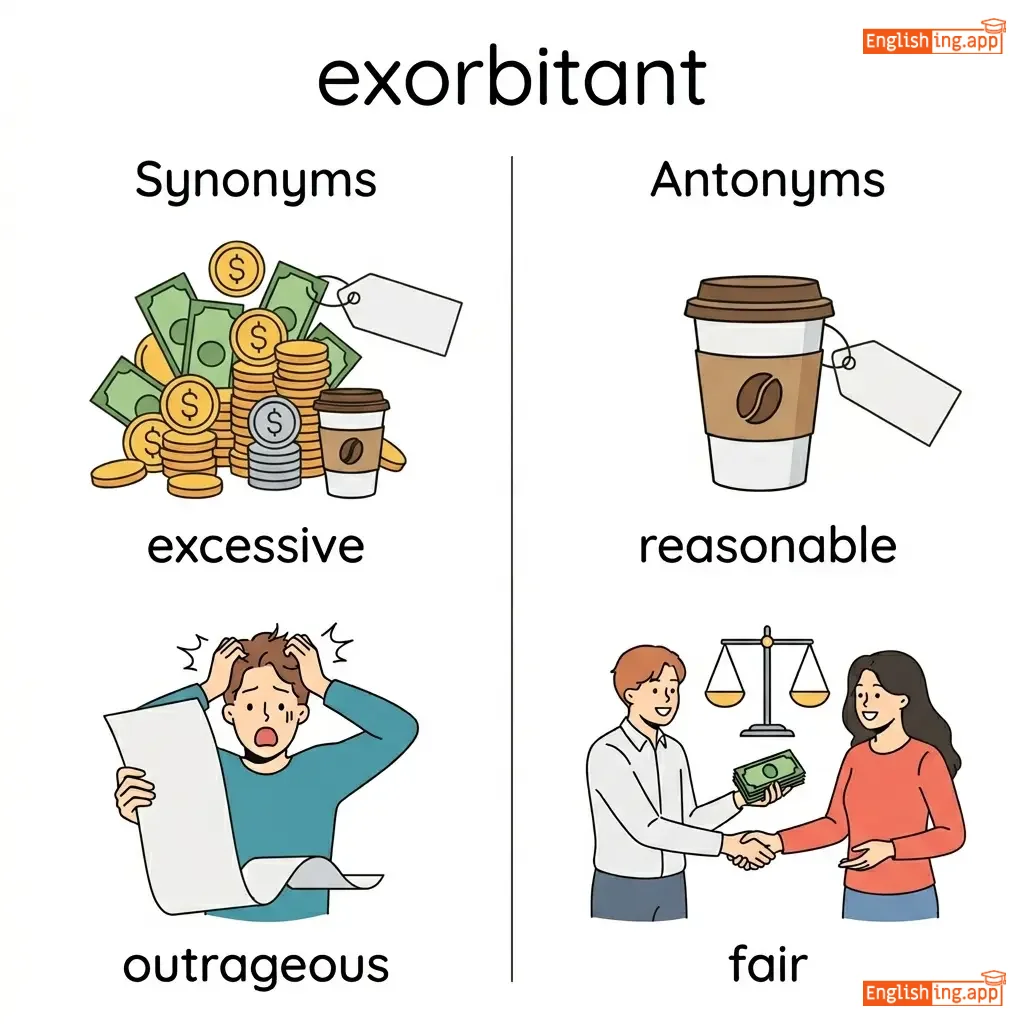
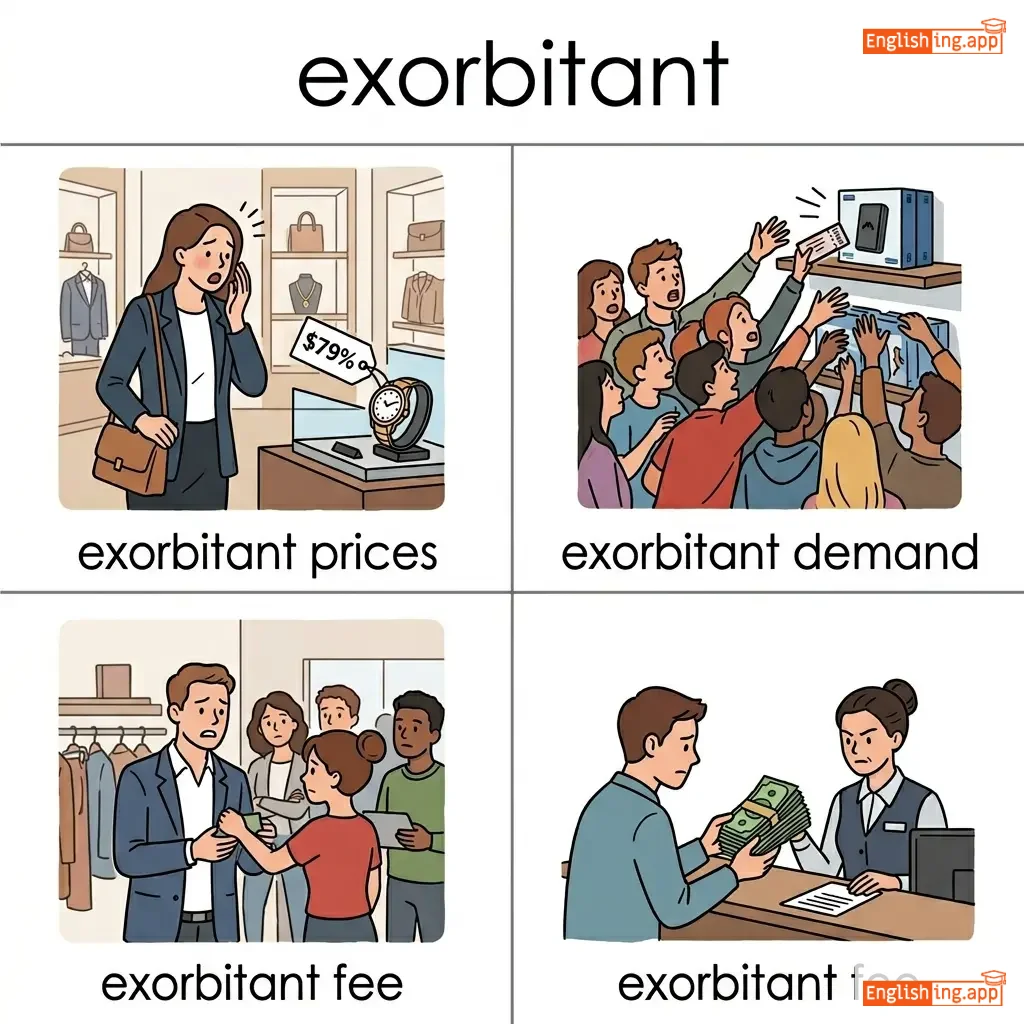
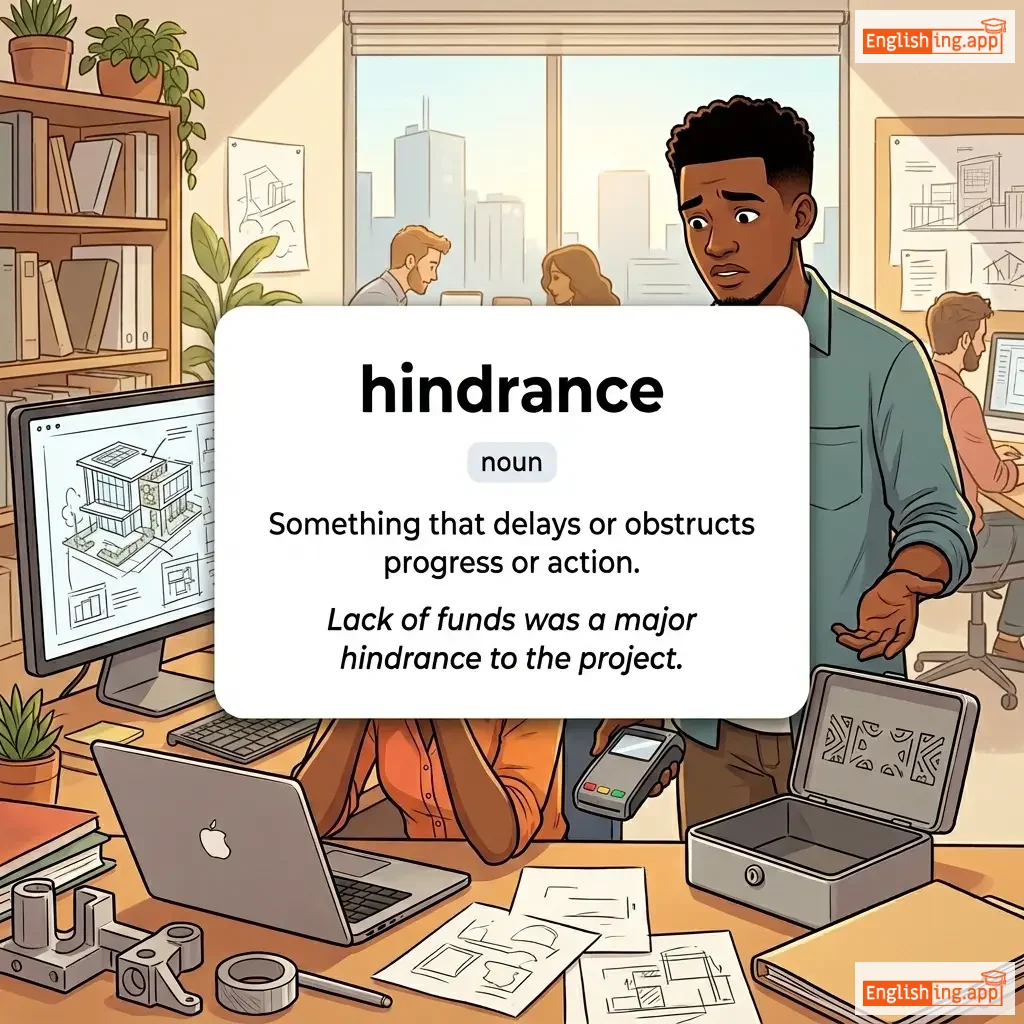
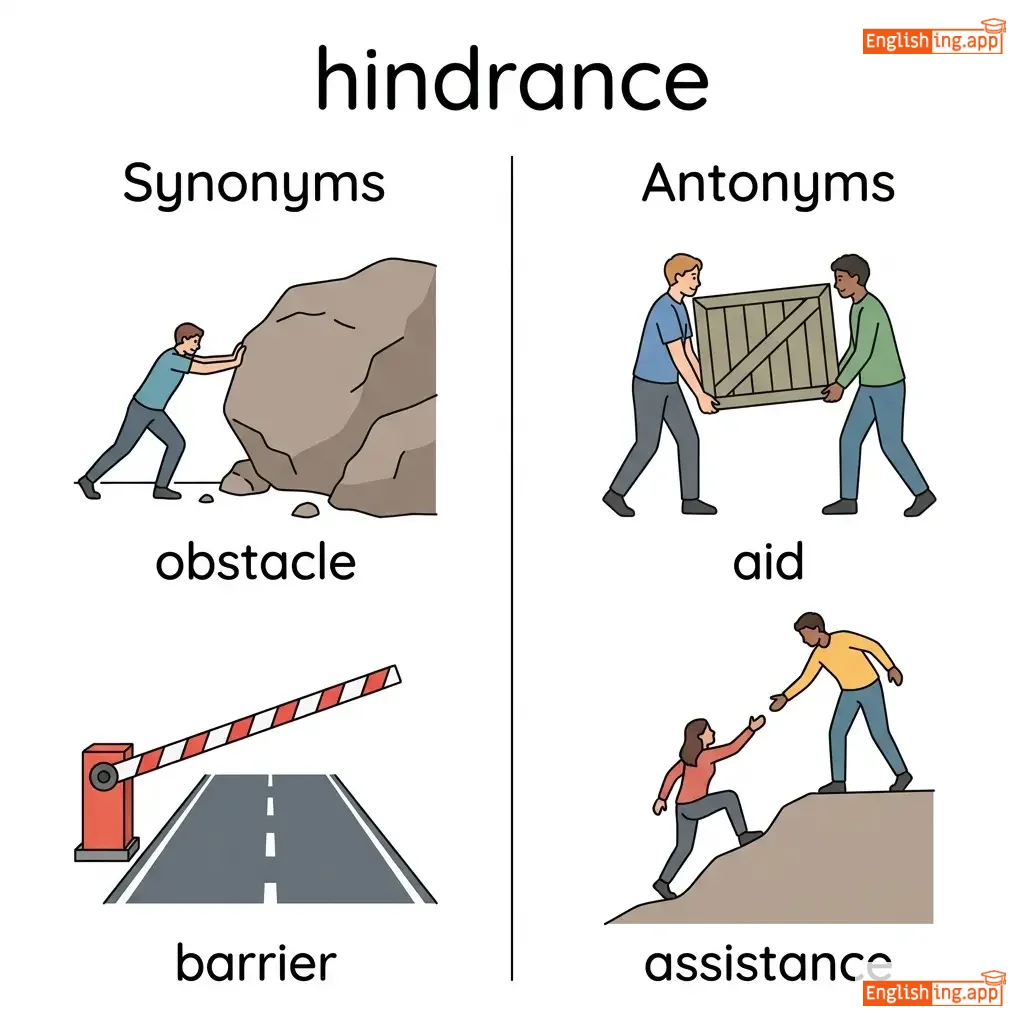
次に、非常に厳しい方針に従う人もおり、それが exorbitant になって普通の生活に適応しづらくなります。これは hindrance を生み、長期的な repercussions をもたらす可能性があります。
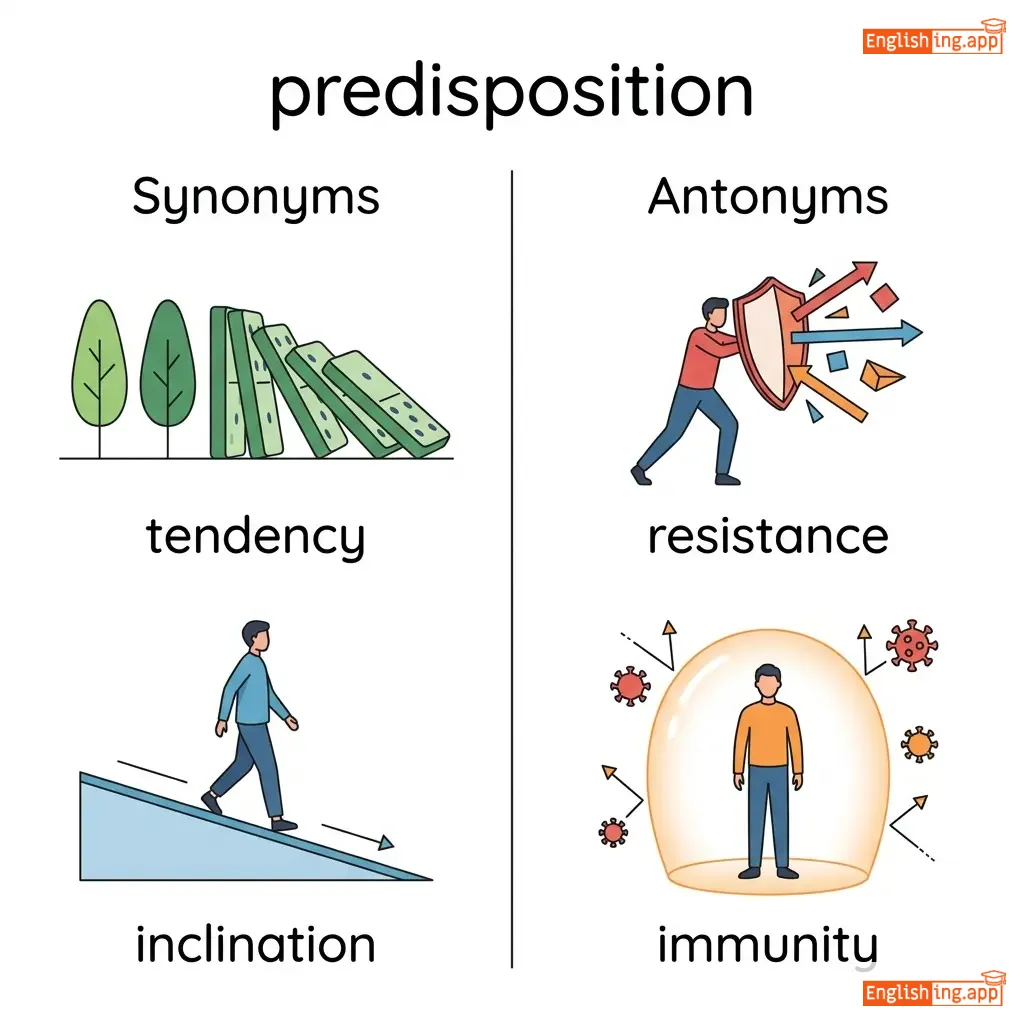
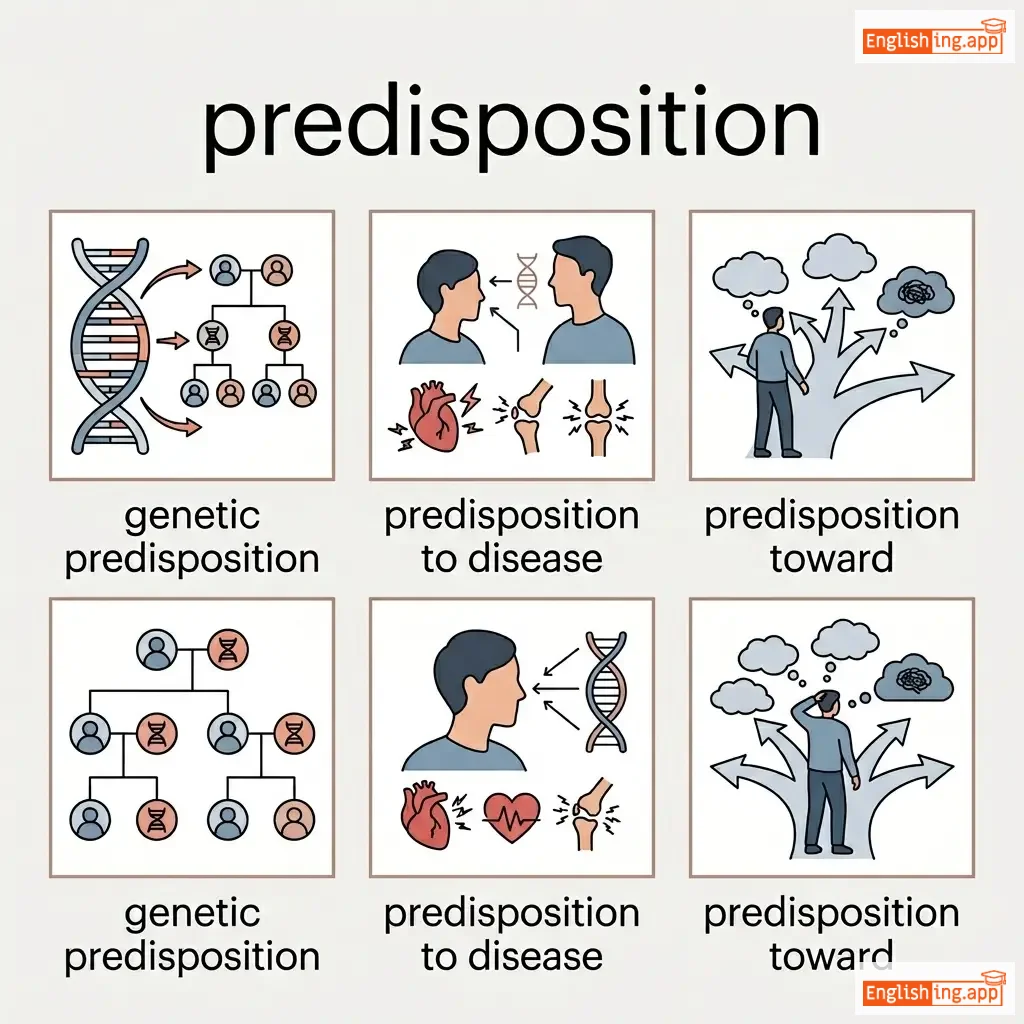
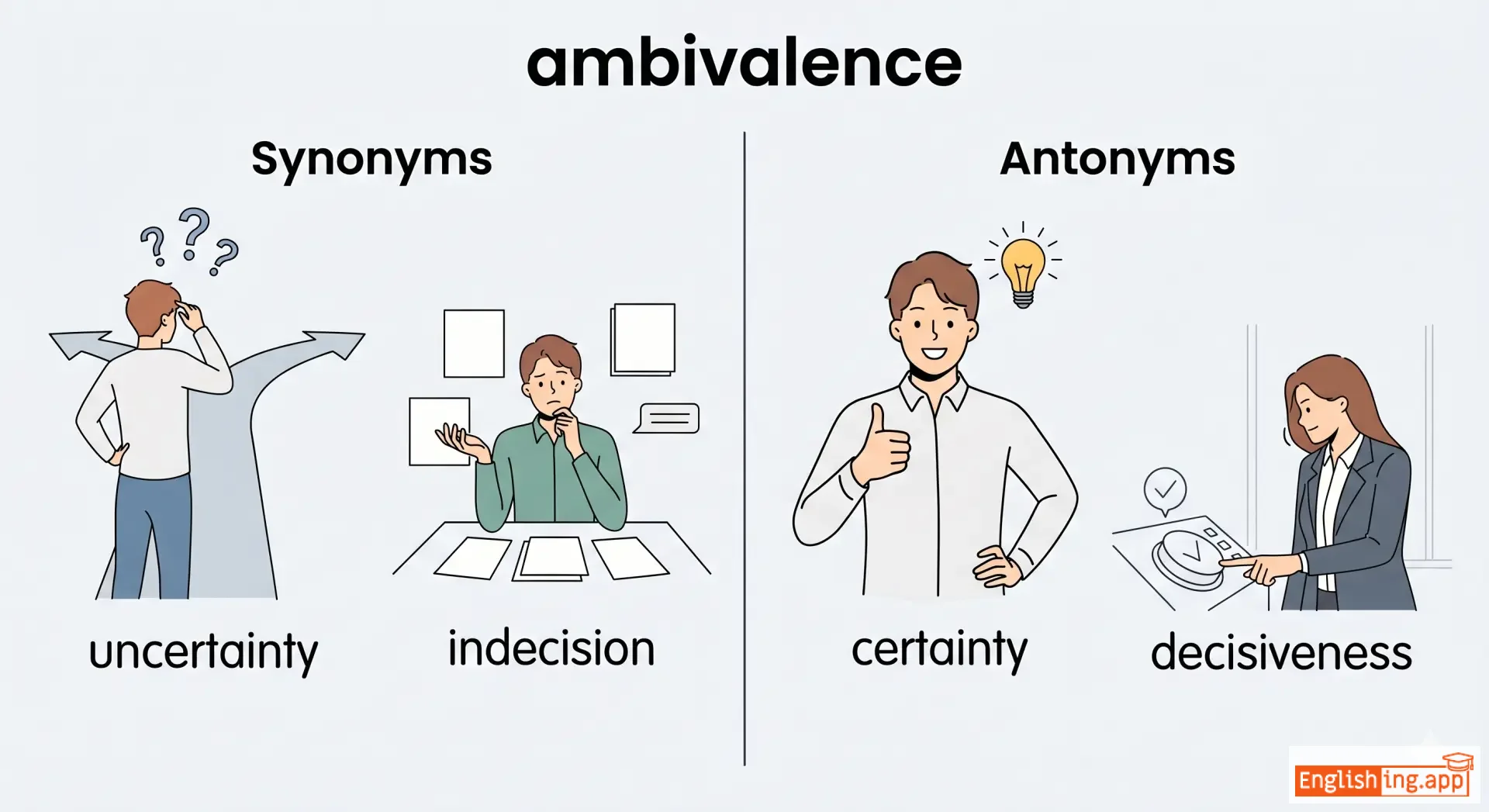
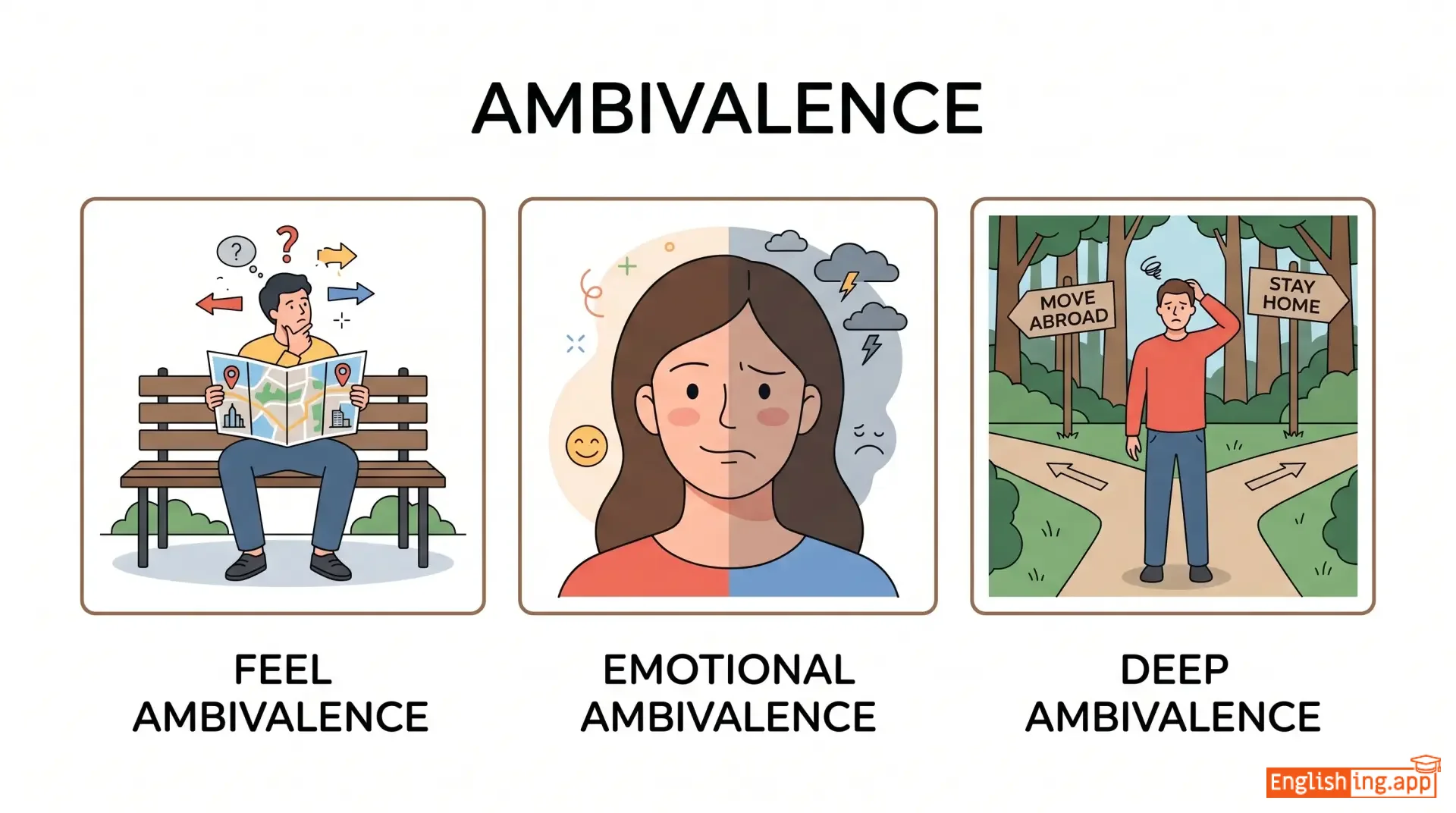
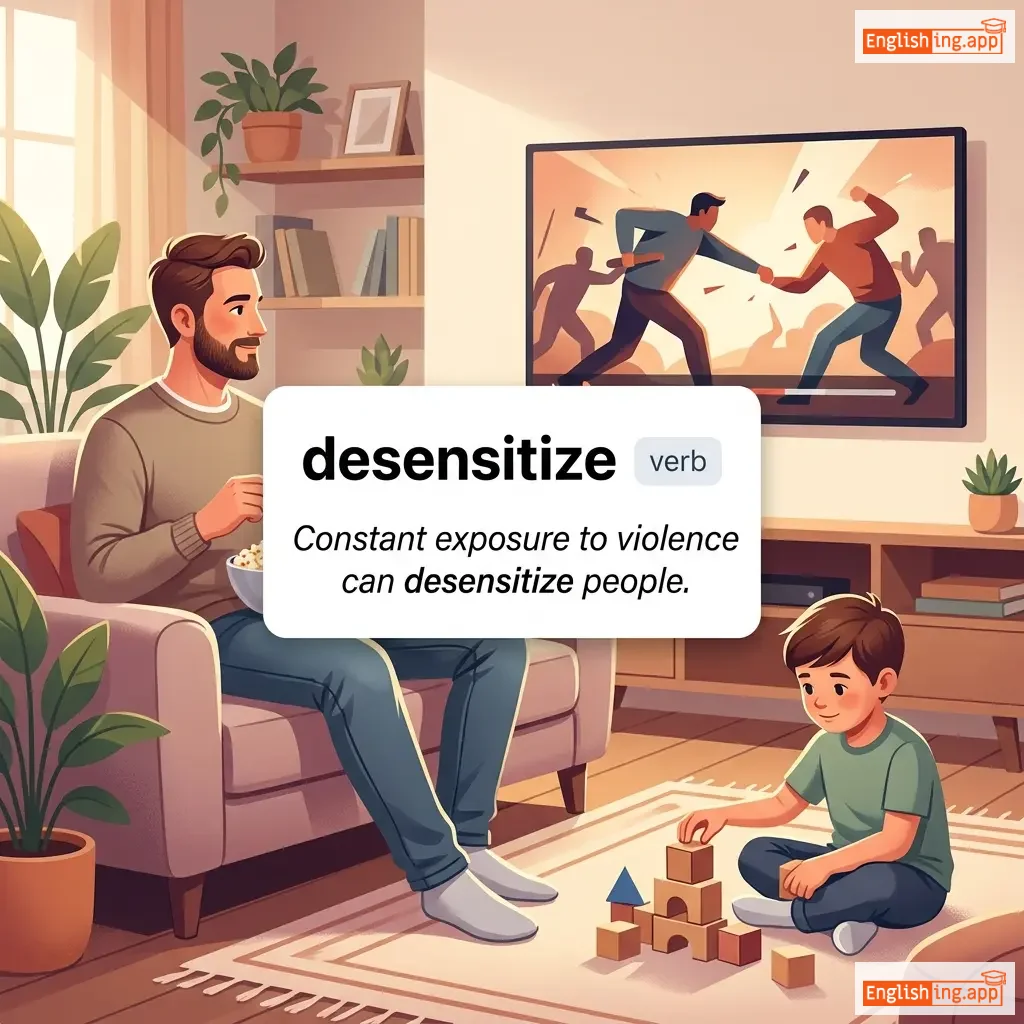
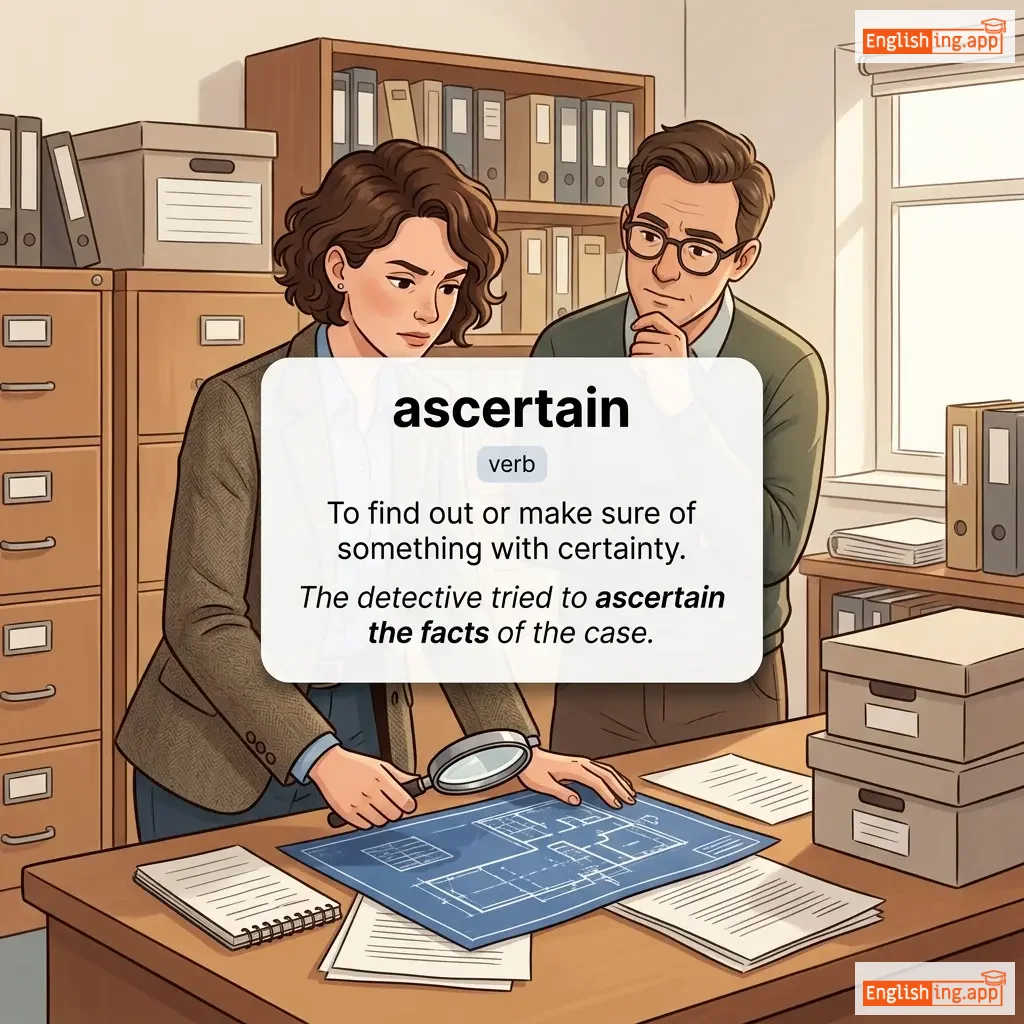
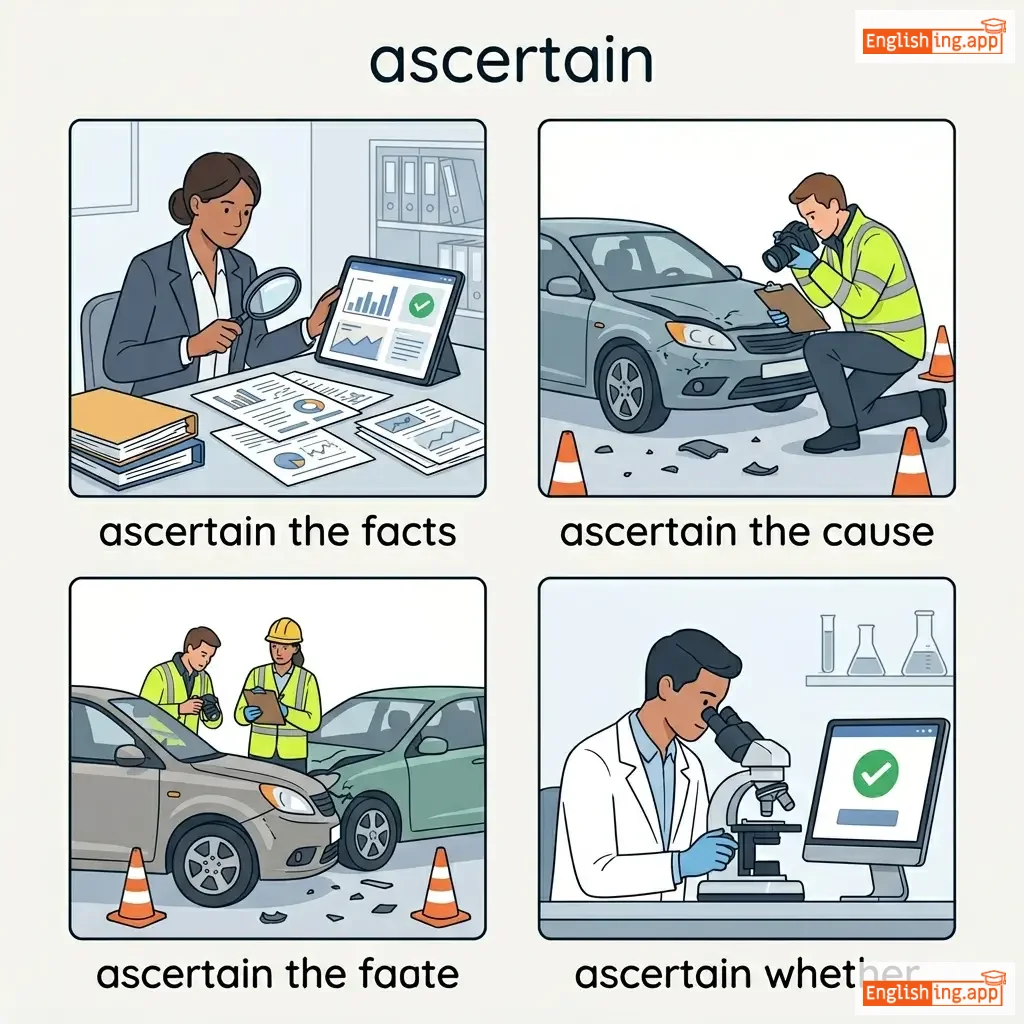
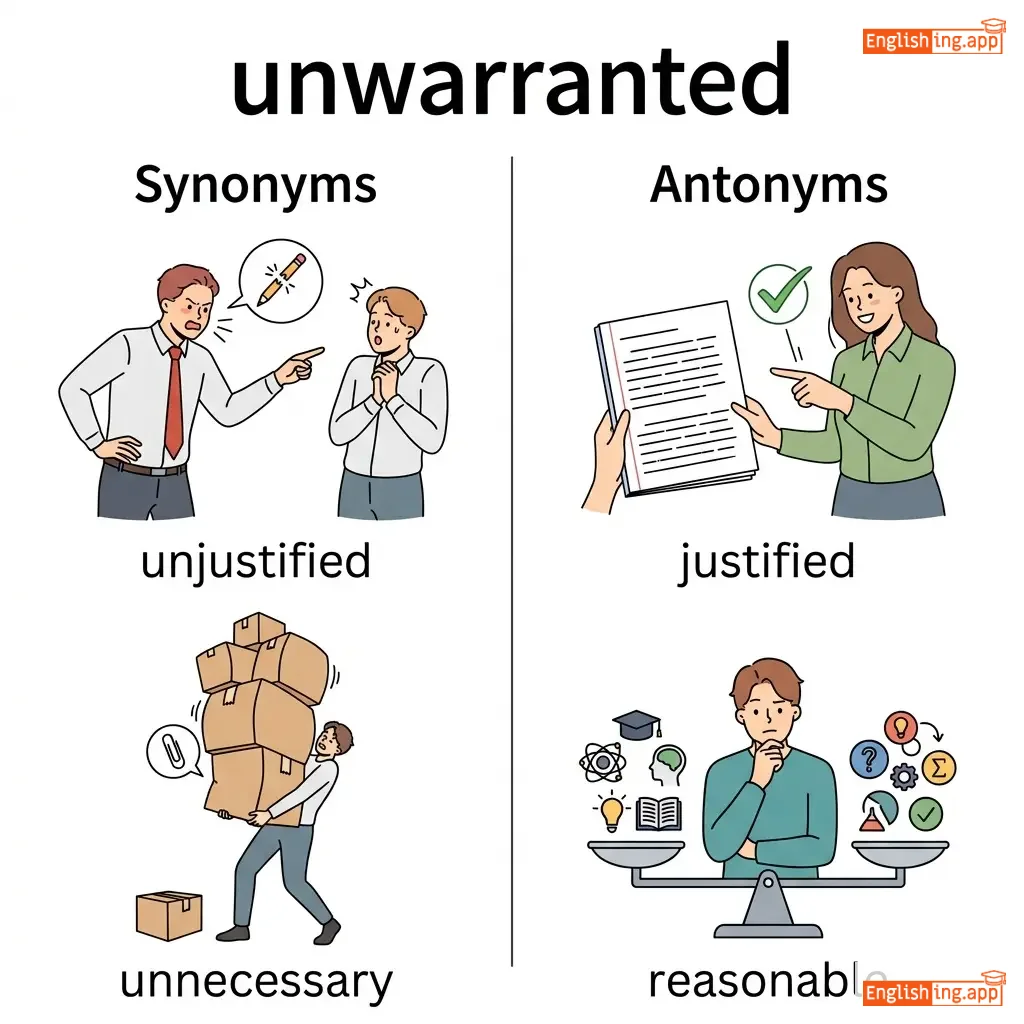
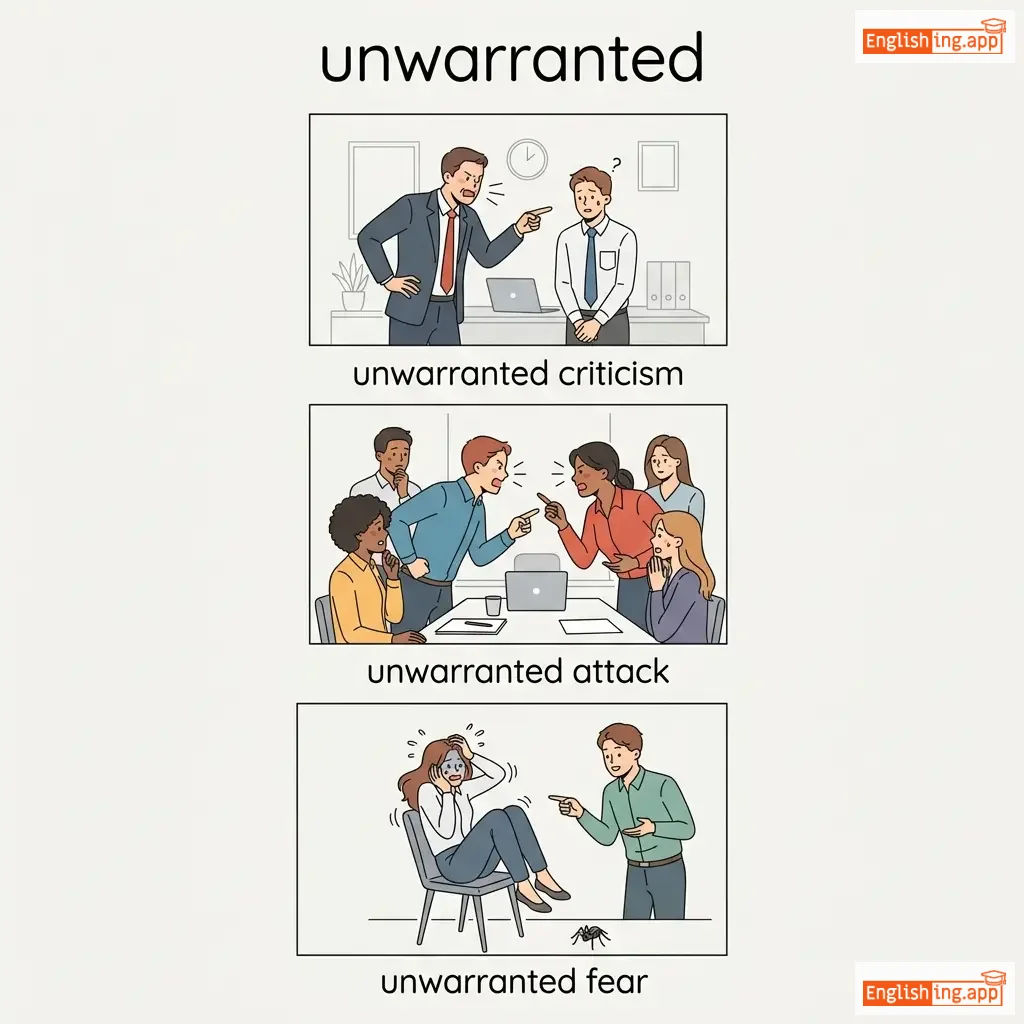
さらに、多くの人が自分の本当の predisposition を理解せずに ambiguous な決定を下します。その結果、彼らは desensitized になり、実際の変化を起こせません。成功する dopamine detox のためには、どの習慣が本当に有害で、どれが単に社会的に unwarranted と見なされているのかを ascertain する必要があります。
翻訳
過去
過去分詞
三人称単数
動名詞
意味
例文
例文の翻訳
同義語
対義語
コロケーション
ニーモニック
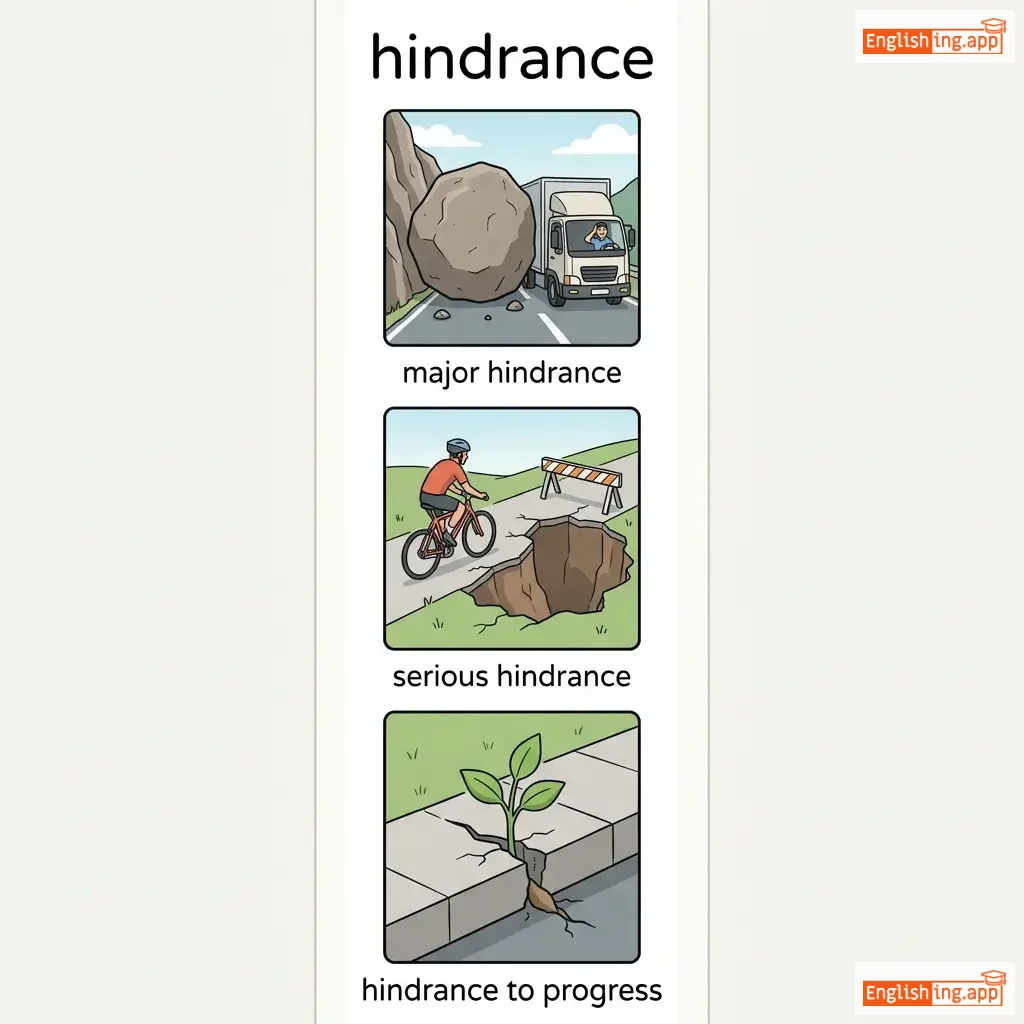
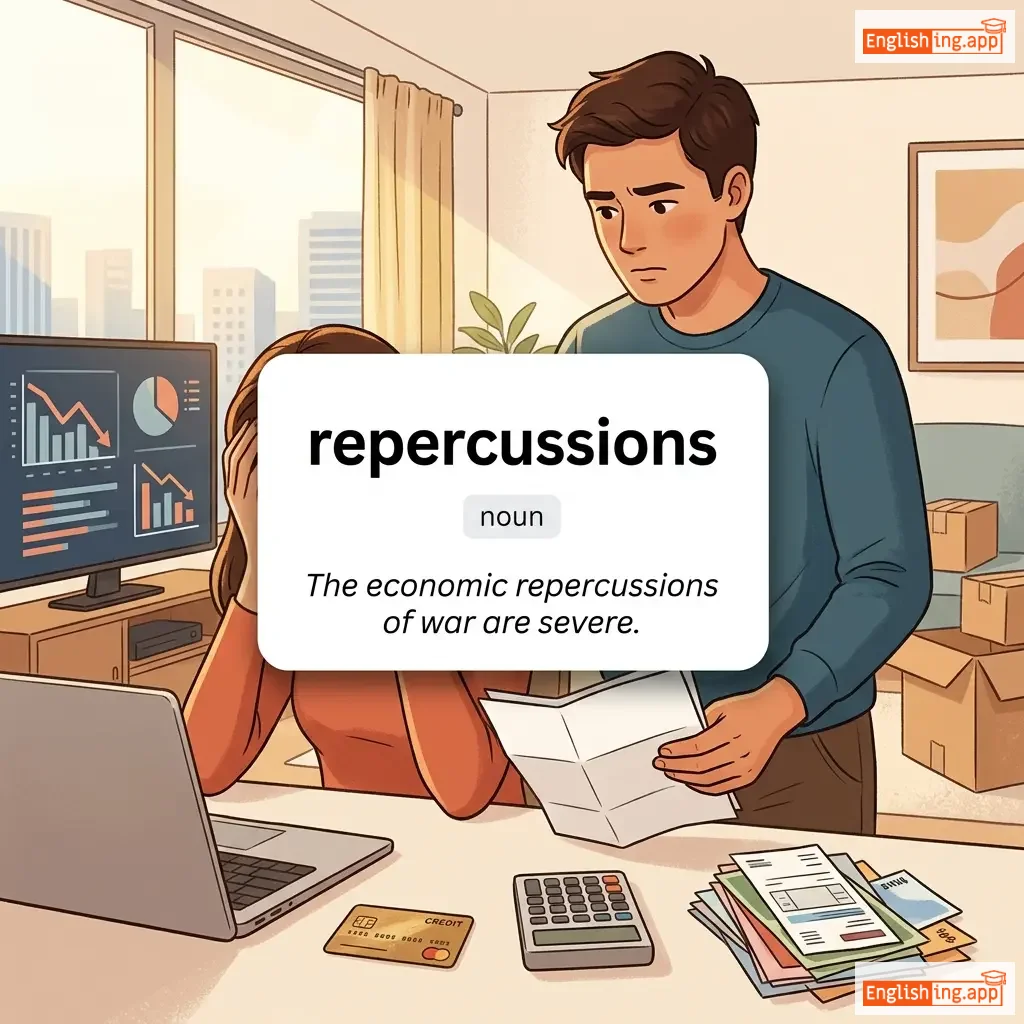
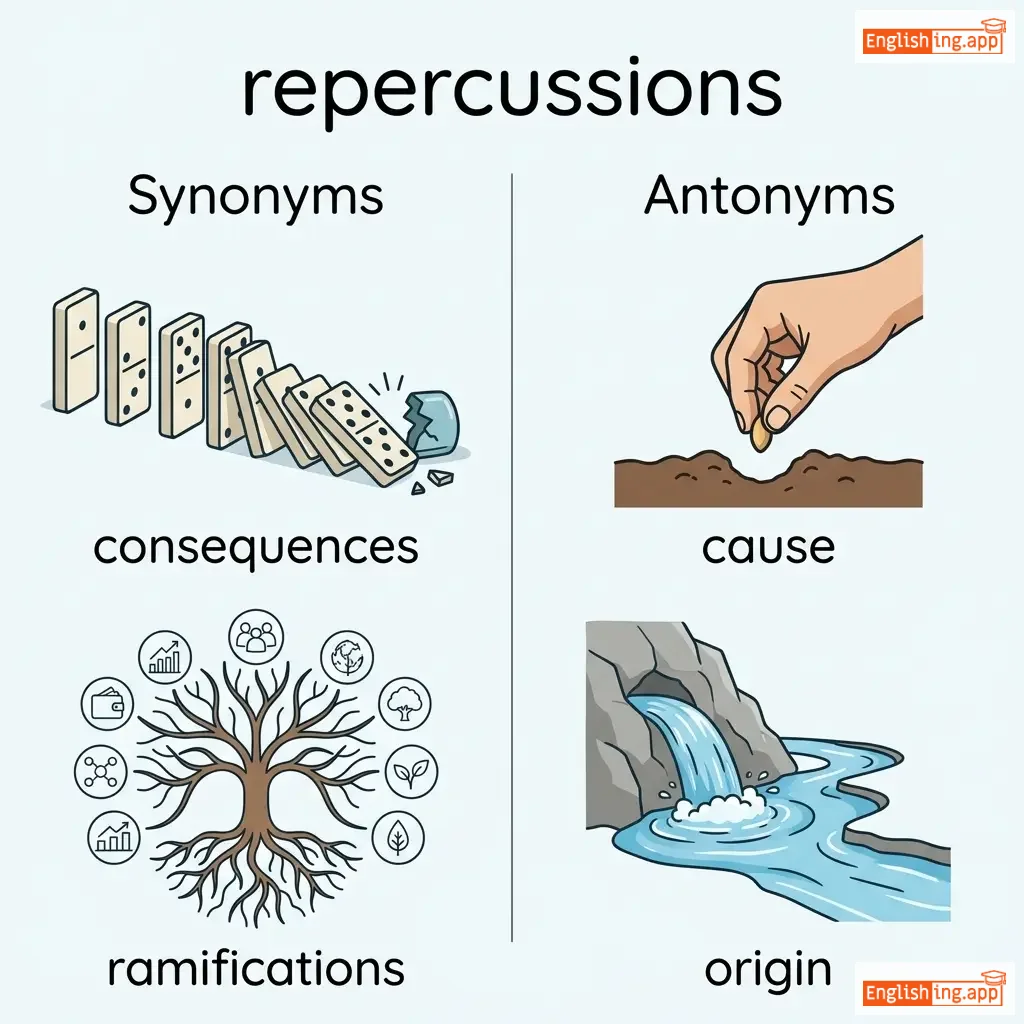
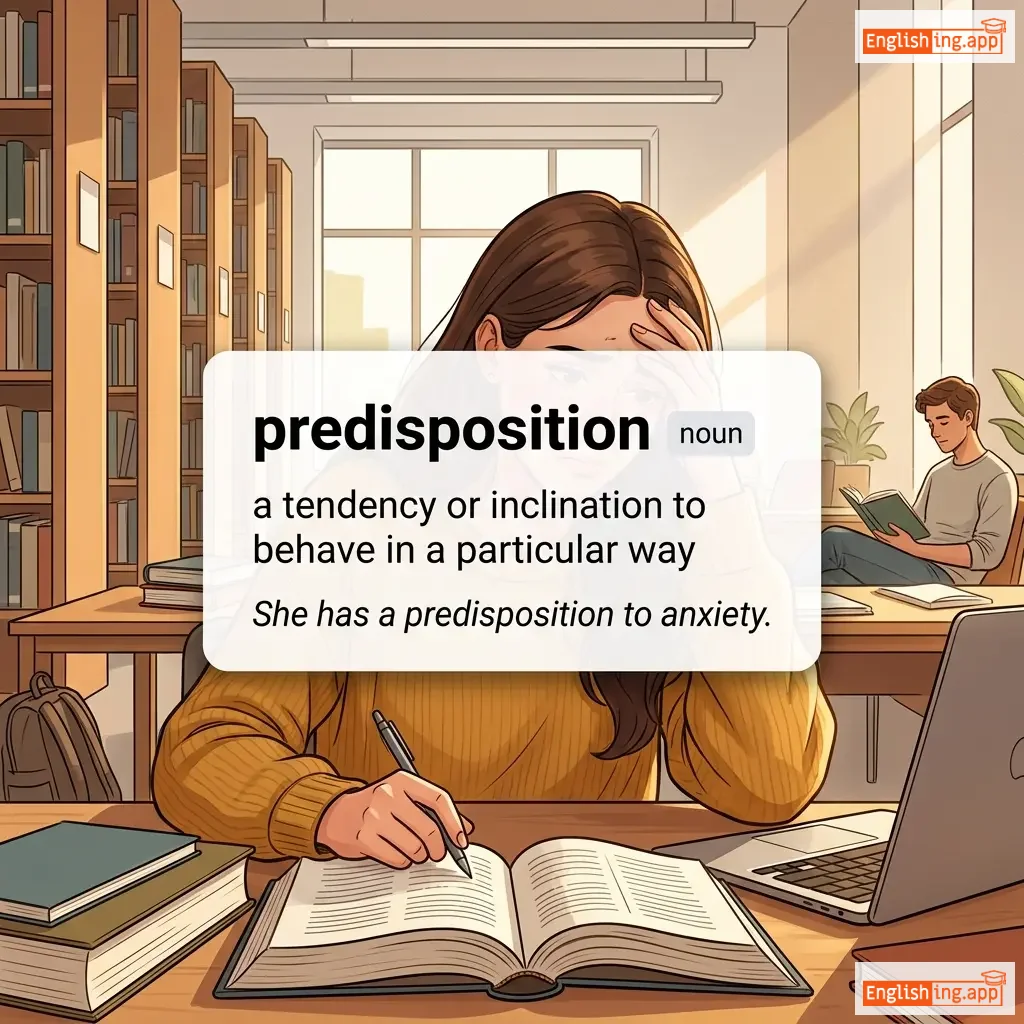


Swipe left or right, or use the buttons. Tap image to zoom.
例文の翻訳
単語
Common Mistakes in Dopamine DetoxingCommon Mistakes in Dopamine Detoxing - マスクトグル
|
絵文字
|
単語 | Images | 翻訳 | 意味 | 例文 | 例文の翻訳 | 同義語 | 対義語 | ニーモニック |
|---|---|---|---|---|---|---|---|---|---|
|
#1351
🤔
|
ˌmɪs.kənˈsɛp.ʃən
noun
(misu-kon-sep-shon)
••••••
|
|
誤解
gokai
••••••
|
A wrong idea or false understanding about something.
••••••
|
There is a common misconception that success happens overnight.
成功は一夜にして成るという誤解が広まっている。
••••••
|
成功は一夜にして成るという誤解が広まっている。
Seikou wa ichiya ni shite naru to iu gokai ga hiromatte iru.
••••••
|
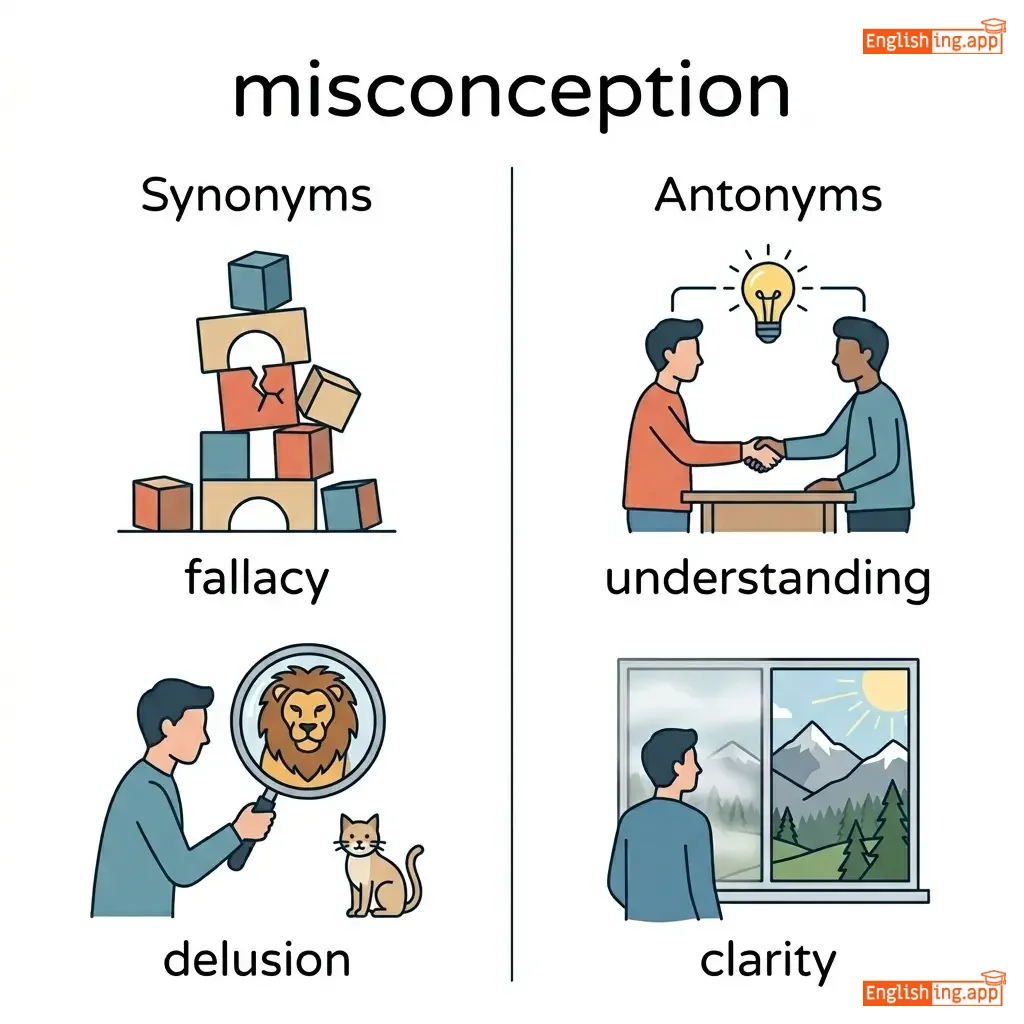
misinformation, fallacy, delusion
••••••
|
truth, understanding, accuracy
••••••
|
成功には時間がかかるので、誤解を避けるためには現実を理解することが大切です。
••••••
|
|
#1352
❌
|
fəˈleɪ.ʃəs
adjective
(ファレイシャス)
••••••
|
|
虚偽の
kyogi no
••••••
|
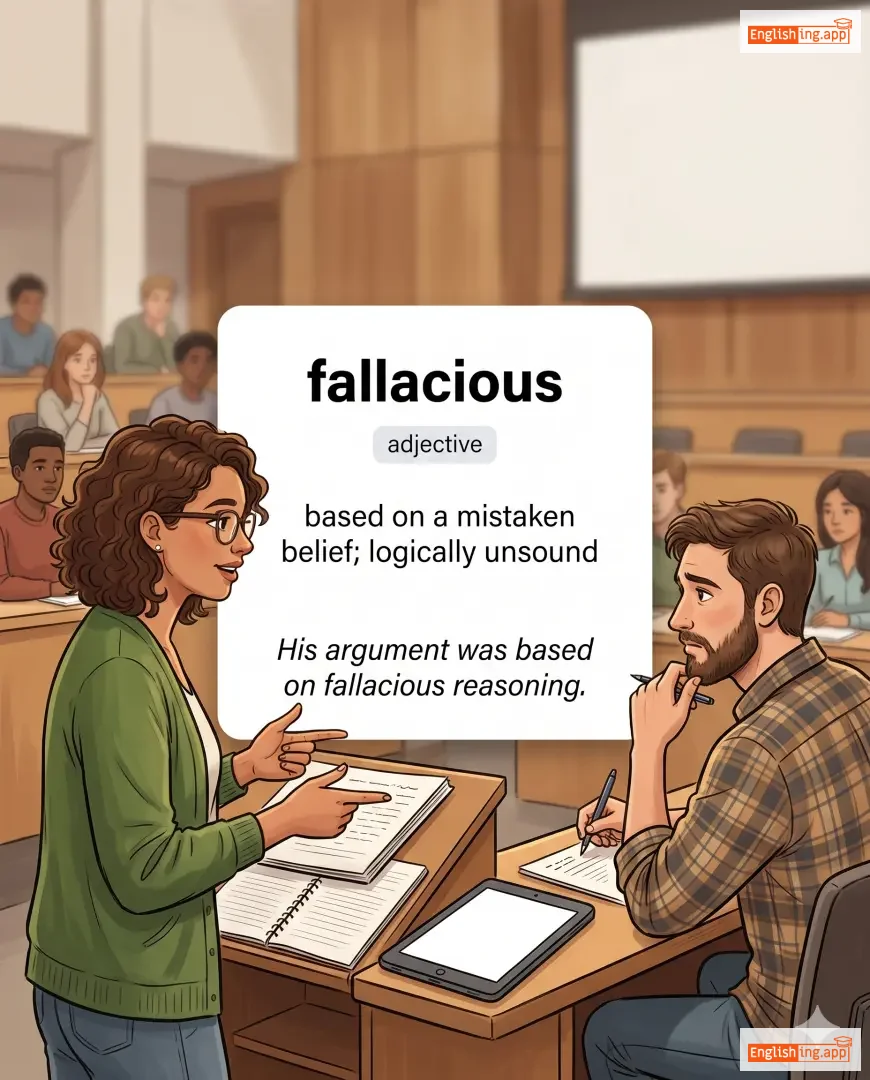
Based on false reasoning or misleading arguments.
••••••
|
His argument was based on fallacious reasoning. |
彼の主張は虚偽の理由に基づいていた。
Kare no shuchou wa kyogi no riyū ni motozuite ita.
••••••
|
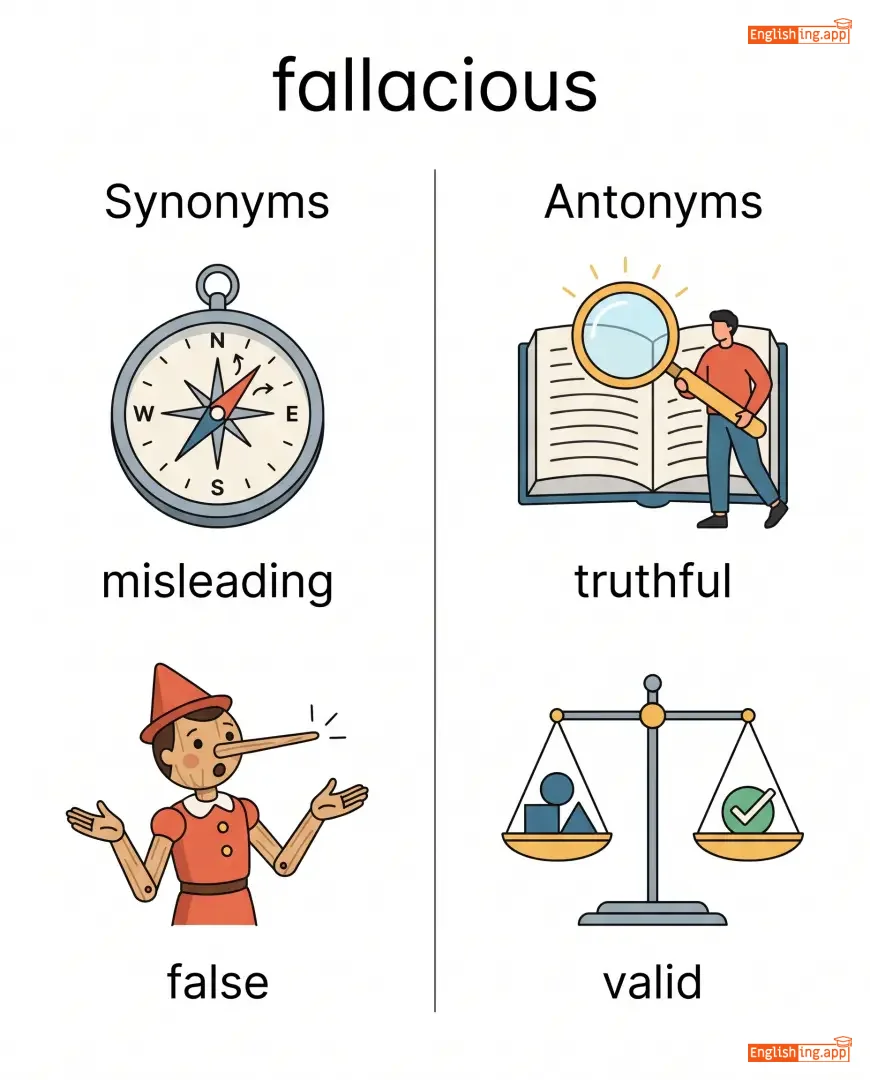
false, misleading, deceptive
••••••
|
logical, truthful, valid
••••••
|
虚偽とfallaciousは意味が似ている
••••••
|
|
#1353
⚡
|
koʊˈɜrs
verb
(コアース)
••••••
|
|
強制する
kyousei suru
••••••
|
To force someone to do something against their will using threats or intimidation.
••••••
|
The manager tried to coerce the employees into working overtime.
マネージャーは従業員を強制的に残業させようとしました。
••••••
|
マネージャーは従業員を強制的に残業させようとしました。
Manējā wa jūgyōin wo kyōsei-teki ni zangyō saseyō to shimashita.
••••••
|
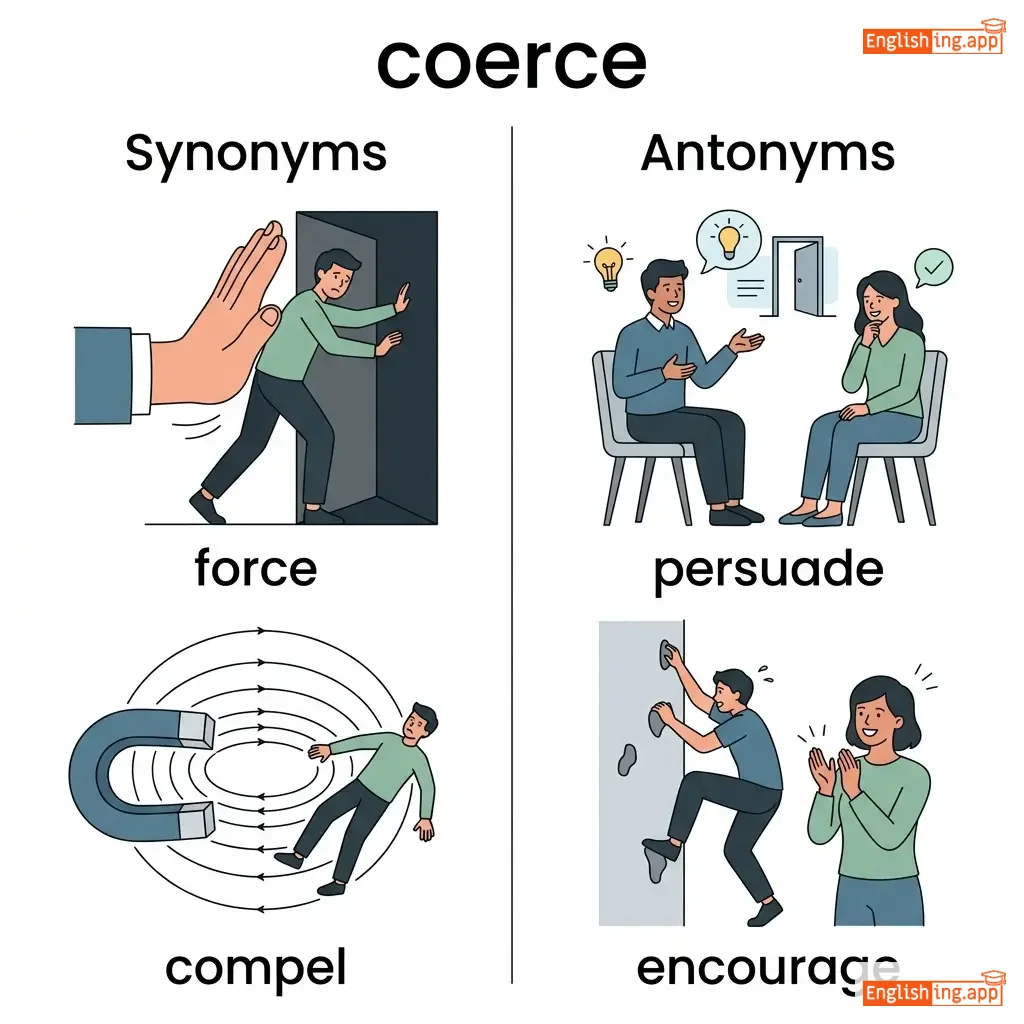
force, compel, intimidate
••••••
|
persuade, encourage, allow
••••••
|
強制する = Compel
••••••
|
|
#1354
⚠️
|
ˌdɛ.trɪˈmɛn.təl
adjective
(デトリメンタル)
••••••
|
|
有害
yūgai
••••••
|
Causing harm or damage to something or someone.
••••••
|
Lack of sleep is detrimental to mental health.
睡眠不足は精神的健康に有害です。
••••••
|
睡眠不足は精神的健康に有害です。
Suimin busoku wa seishinteki kenko ni yūgai desu.
••••••
|
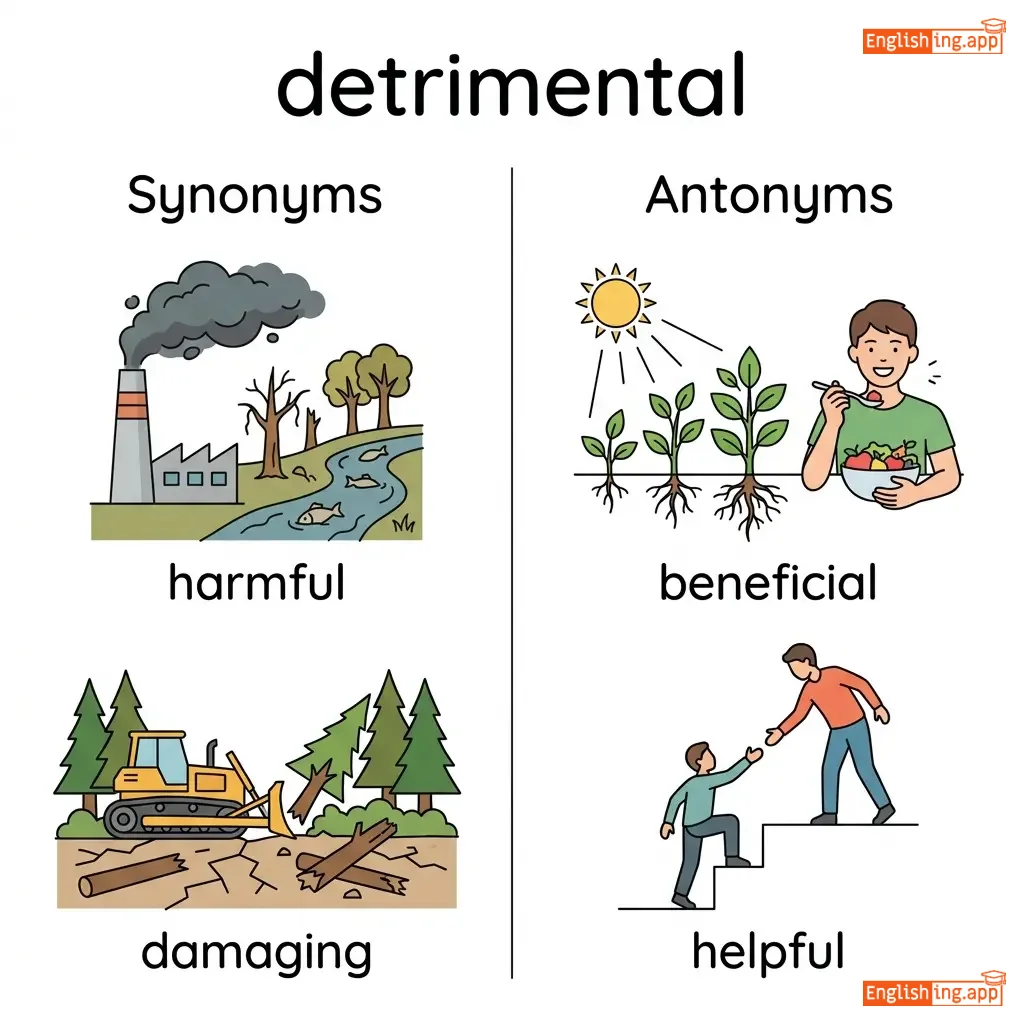
harmful, damaging, adverse
••••••
|
beneficial, helpful, advantageous
••••••
|
有害は害を与えるという意味です。
••••••
|
|
#1355
💸
|
ɪɡˈzɔr.bɪ.tənt
adjective
(イクソービタント)
••••••
|
|
法外な
hōgaina
••••••
|
Unreasonably high in price or amount; excessive.
••••••
|
The hotel charged an exorbitant price for a basic room.
ホテルは基本的な部屋に対して過剰な料金を請求しました。
••••••
|
ホテルは基本的な部屋に対して過剰な料金を請求しました。
Hoteru wa kihonteki na heya ni taishite kajōna ryōkin o seikyū shimashita.
••••••
|
excessive, overpriced, outrageous
••••••
|
reasonable, affordable, moderate
••••••
|
Hōgaina = Kadō
••••••
|
|
#1356
🚧
|
ˈhɪn.drəns
noun
(ハンドレンス)
••••••
|
|
障害
shougai
••••••
|
Something that creates difficulties or delays in progress.
••••••
|
Lack of funds was a major hindrance to the project.
資金不足はプロジェクトの大きな障害でした。
••••••
|
資金不足はプロジェクトの大きな障害でした。
Shikin fusoku wa purojekuto no ookina shougai deshita.
••••••
|
obstacle, impediment, barrier
••••••
|
aid, assistance, facilitation
••••••
|
Shougai (Hindrance) - Like 'shougai,' hindrances create delays in progress.
••••••
|
|
#1357
🔄
|
ˌriː.pɚˈkʌʃ.ənz
noun
(リパーカッションズ)
••••••
|
|
影響
eikyou
••••••
|
The unintended consequences or effects of an action or event.
••••••
|
The new policy had unintended repercussions on the economy.
新しい政策は経済に予期しない影響を与えました。
••••••
|
新しい政策は経済に予期しない影響を与えました。
Atarashī seisaku wa keizai ni yokishinai eikyō o ataemashita.
••••••
|
consequences, aftermath, ramifications
••••••
|
cause, beginning, origin
••••••
|
影響 = 結果の影響
••••••
|
|
#1358
🧬
|
ˌpriː.dɪs.pəˈzɪʃ.ən
noun
(プレディスポジション)
••••••
|
|
素因
soin
••••••
|
A natural tendency or inclination toward a particular behavior or condition.
••••••
|
Genetic factors can influence a person's predisposition to diseases.
遺伝的要因は、病気に対する人の素因に影響を与える可能性があります。
••••••
|
遺伝的要因は、病気に対する人の素因に影響を与える可能性があります。
Iden teki youin wa, byouki ni taisuru hito no soin ni eikyou o ataeru kanousei ga arimasu.
••••••
|
inclination, tendency, susceptibility
••••••
|
immunity, resistance, avoidance
••••••
|
素因とは、病気に対する先天的な傾向のことです。
••••••
|
|
#1359
❓
|
æmˈbɪɡ.ju.əs
adjective
(アンビギュアス)
••••••
|
|
曖昧
aimai
••••••
|
Having more than one possible meaning; unclear or vague.
••••••
|
His statement was too ambiguous to understand. |
彼の発言は理解するにはあまりにも曖昧だった。
Kare no hatsugen wa rikai suru ni wa amari ni mo aimai datta.
••••••
|
vague, unclear, uncertain
••••••
|
clear, explicit, definite
••••••
|
曖昧は雲のようにふわふわしている
••••••
|
|
#1360
😐
|
diːˈsɛn.sɪ.taɪz
verb
(ディーセンシタイズ)
••••••
|
|
脱感作
datsukansaku
••••••
|
To make someone less sensitive or reactive to something through repeated exposure.
••••••
|
Constant exposure to violence can desensitize people.
継続的な暴力の露出は人々を鈍感にする可能性があります。
••••••
|
継続的な暴力の露出は人々を鈍感にする可能性があります。
Keizokuteki na bouryoku no rokutsu wa hitobito o donkan ni suru kanousei ga arimasu.
••••••
|
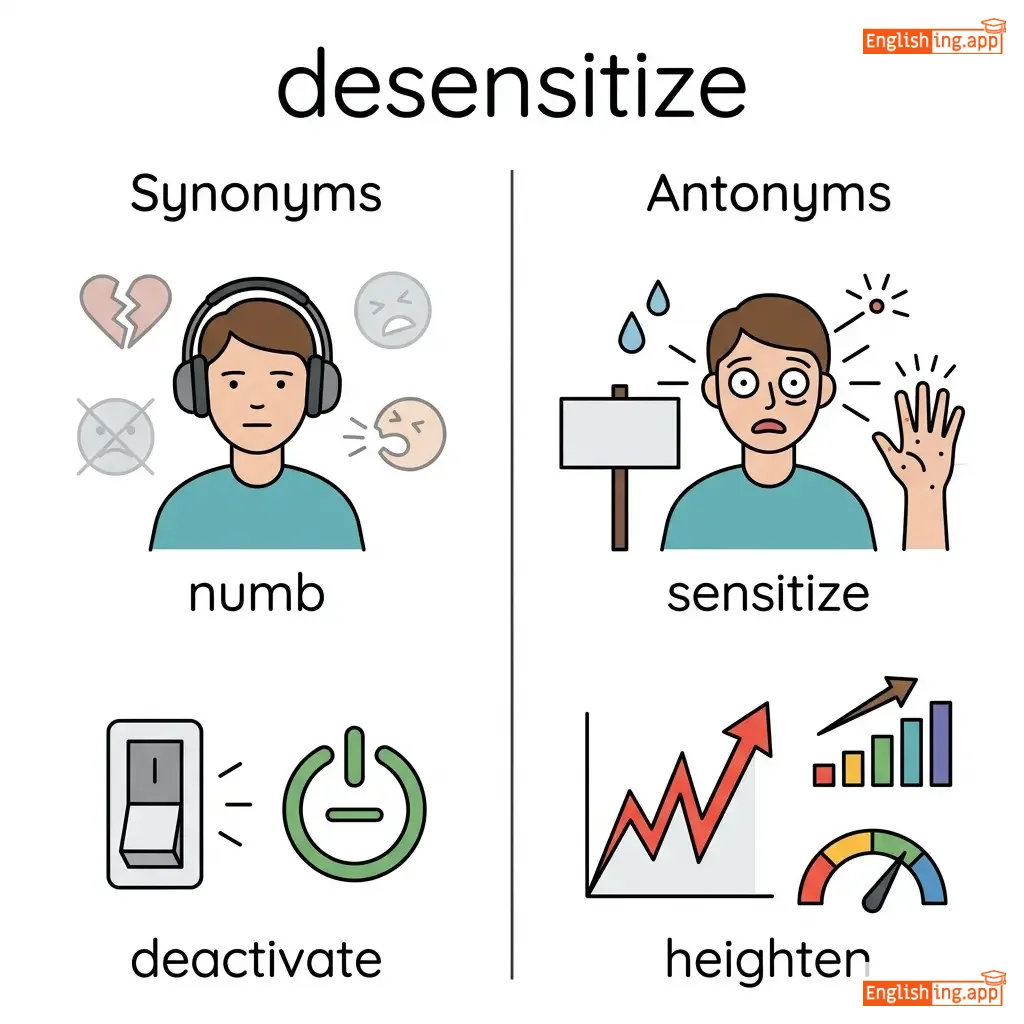
numb, deactivate, harden
••••••
|
sensitize, heighten, strengthen
••••••
|
暴力にさらされると、人々はだんだん鈍くなる。
••••••
|
|
#1361
🔍
|
ˌæs.ɚˈteɪn
verb
(アサーテン)
••••••
|
|
確認する
kakunin suru
••••••
|
To find out or discover something with certainty; to verify.
••••••
|
The police tried to ascertain the cause of the accident. |
警察は事故の原因を確認しようとしました。
Keisatsu wa jiko no gen'in o kakunin shiyou to shimashita.
••••••
|
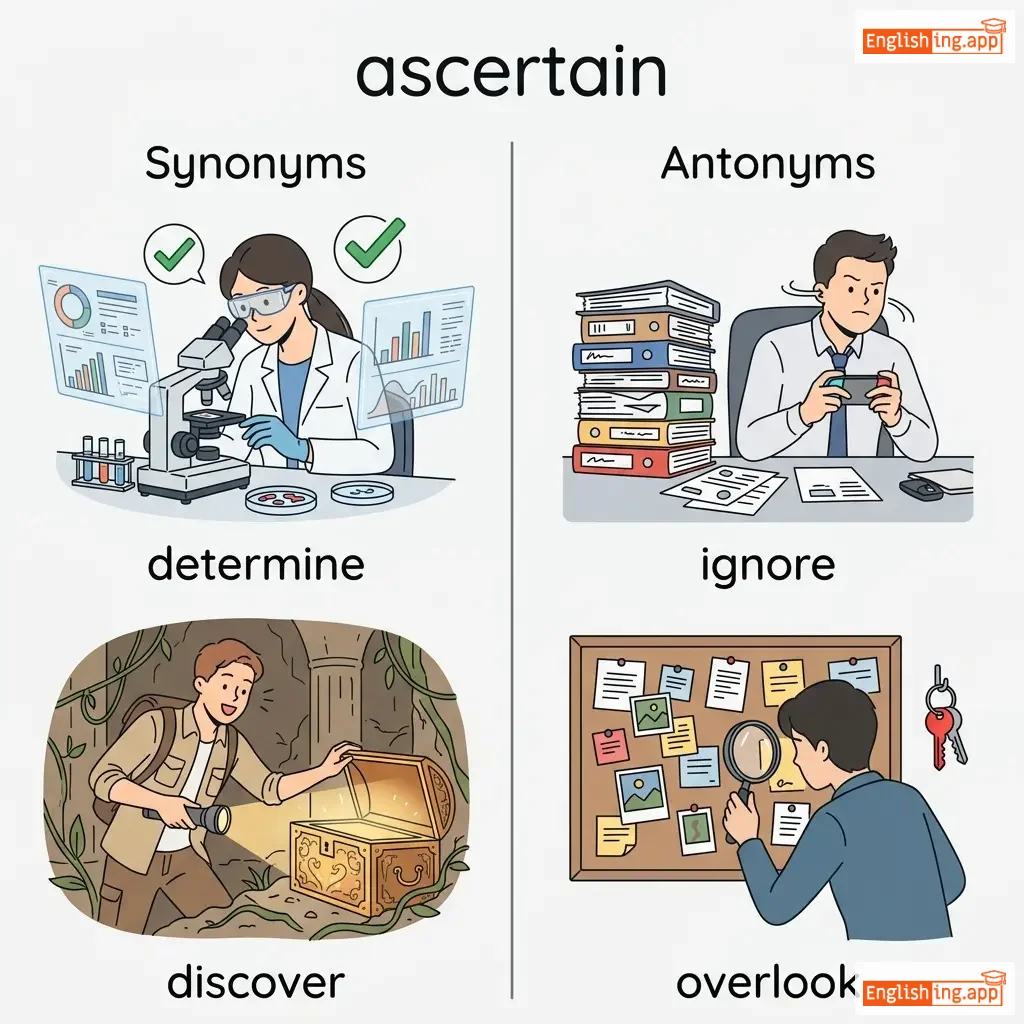
determine, verify, confirm
••••••
|
assume, ignore, overlook
••••••
|
警察が事故原因を確認するように確認する。
••••••
|
|
#1362
🚫
|
ʌnˈwɔːr.rən.tɪd
adjective
(アンワーントゥド)
••••••
|
|
不当な
futōna
••••••
|
Not justified or necessary; without good reason.
••••••
|
His anger toward the staff was completely unwarranted.
his ángar tóu wórd de staf wás cómpletli anwórnted
••••••
|
スタッフに対する彼の怒りは完全に不当でした。
Sutaffu ni taisuru kare no ikari wa kanzen ni futō deshita.
••••••
|
unjustified, baseless, unreasonable
••••••
|
justified, reasonable, valid
••••••
|
不当な = unjustified
••••••
|
Vocabulary Quiz
Test your vocabulary by matching words with their translations or meanings.
Login to take the quiz
Comments (0)
Share your thoughts and join the discussion.
Join the discussion by logging in
Login to CommentNo comments yet
Be the first to share your thoughts!