

貿易が経済に与える影響
The Impact of Trade on Economies
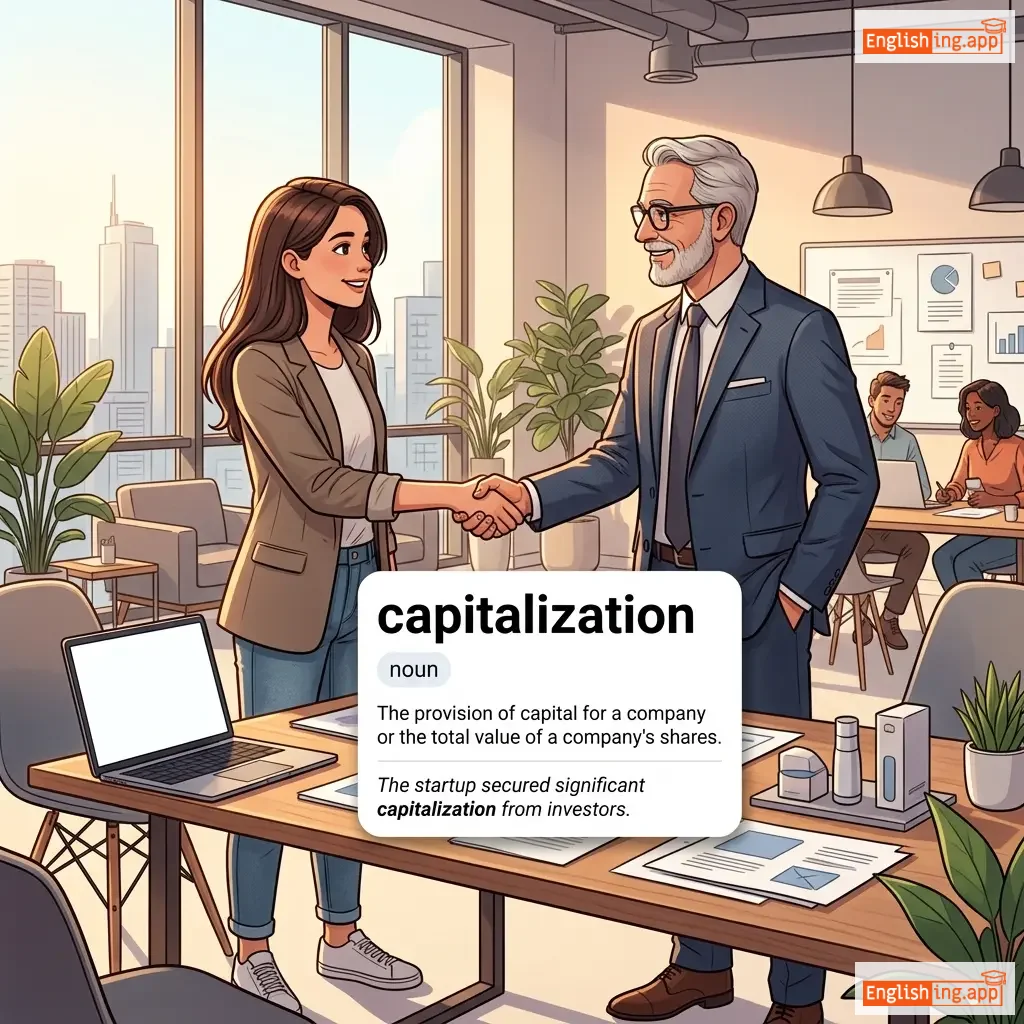
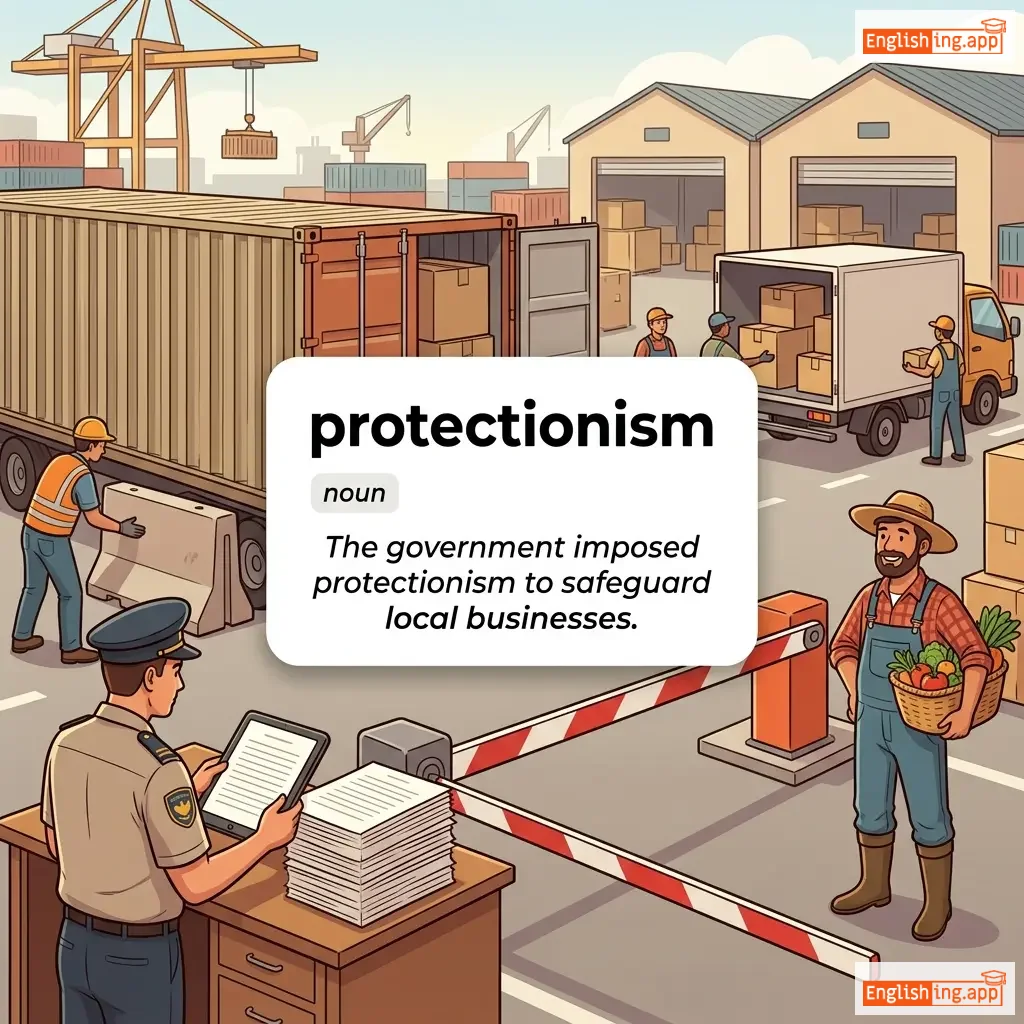
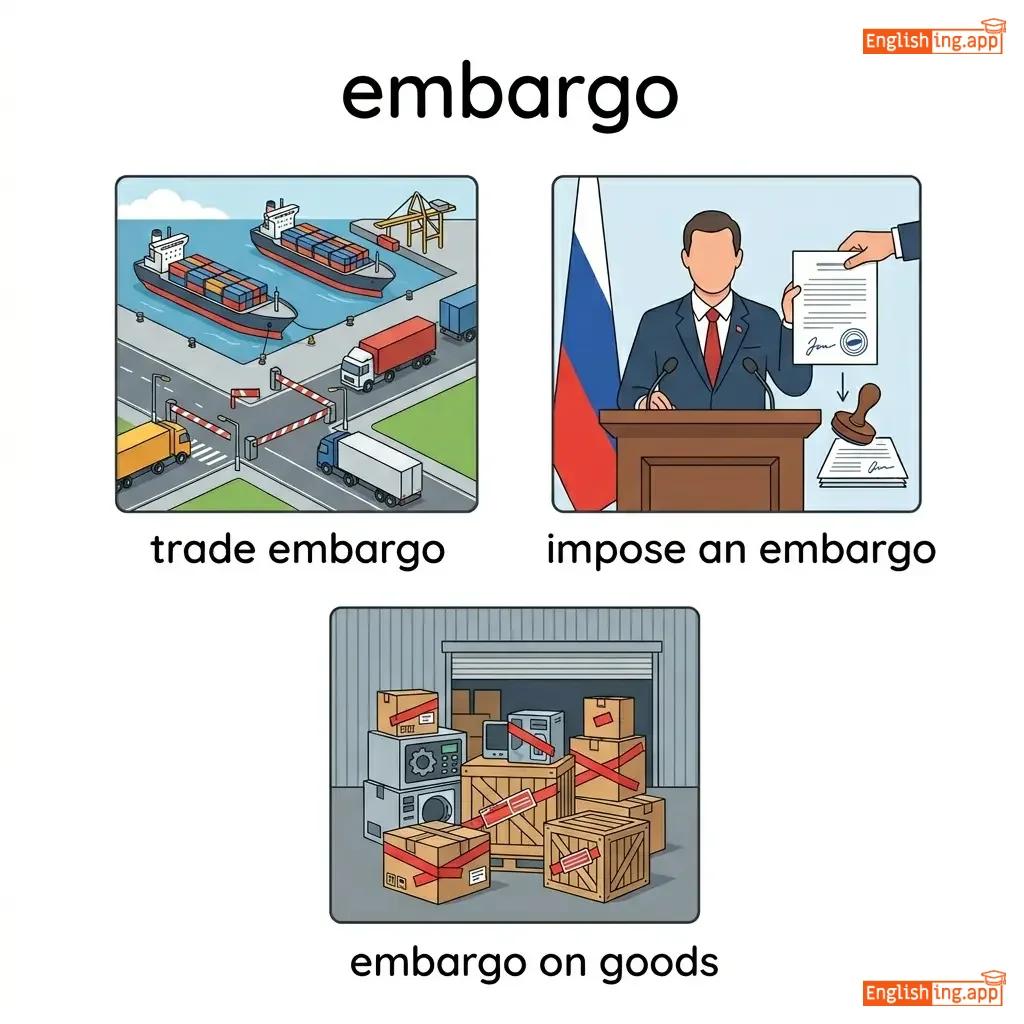
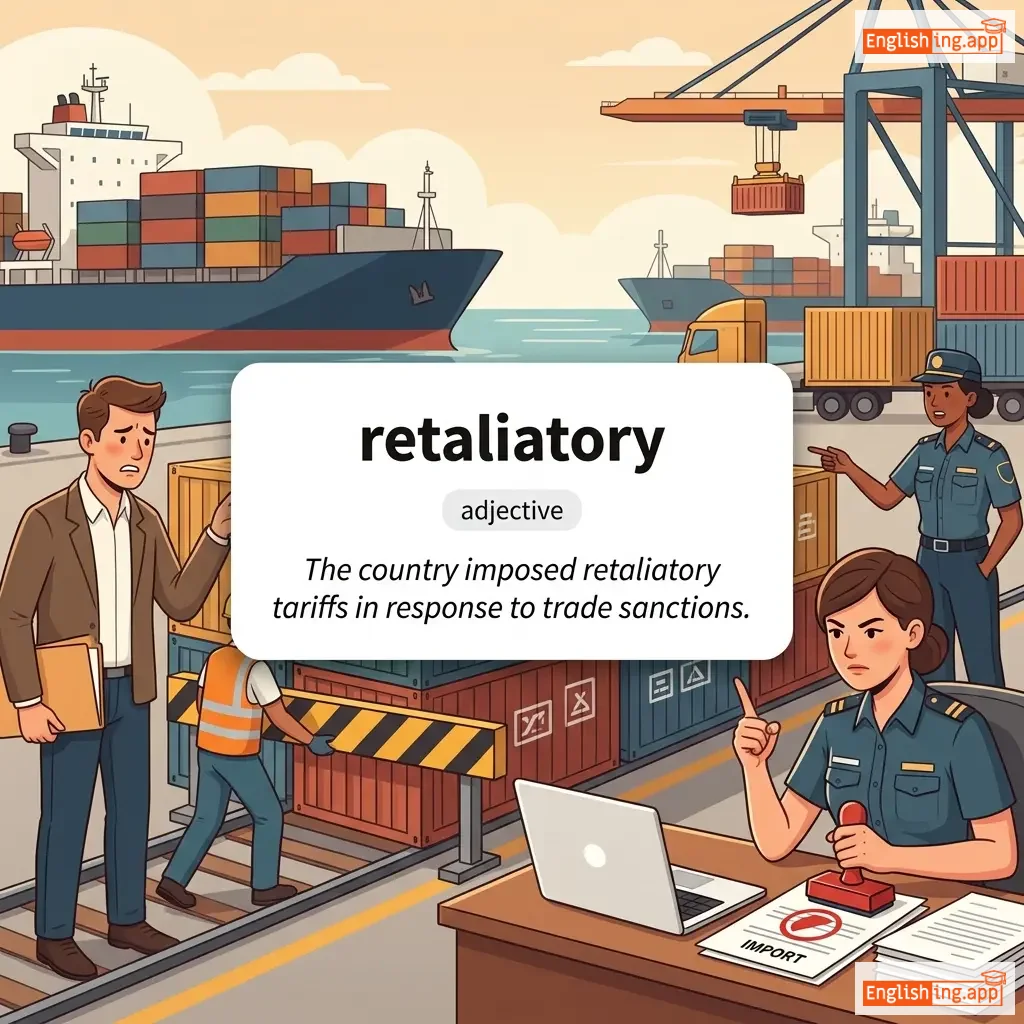
国際貿易は、国のマクロ経済の安定を維持する上で重要な役割を果たします。2つの国が二国間の商業関係を協定によって確立する時、両国は経済的な資本化の増加を経験します。しかし、時には国内生産者を保護するために、保護主義政策が採用され、関税を通じて外国の競争を制御します。また、国が禁輸や報復的制裁を課すと、ビジネスにおける不均衡が生じ、経済に悪影響を与えます。
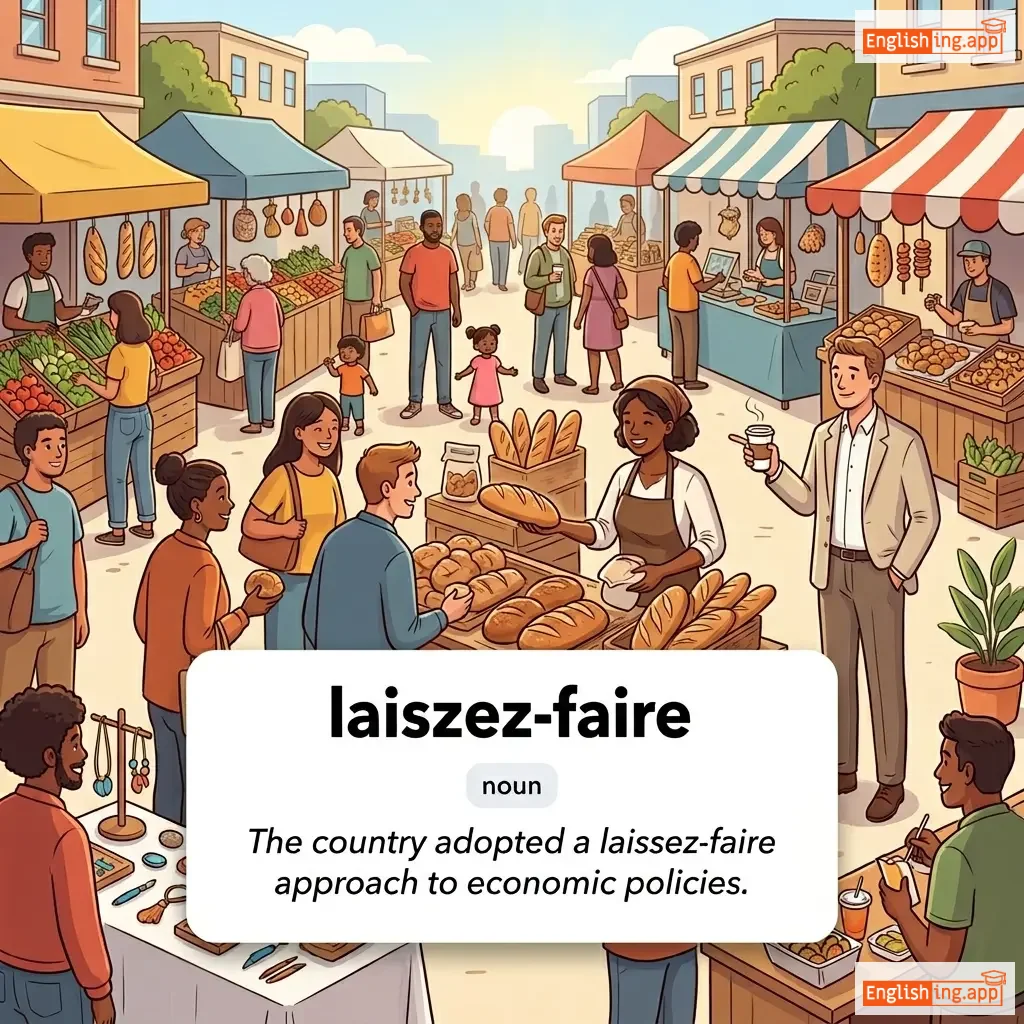
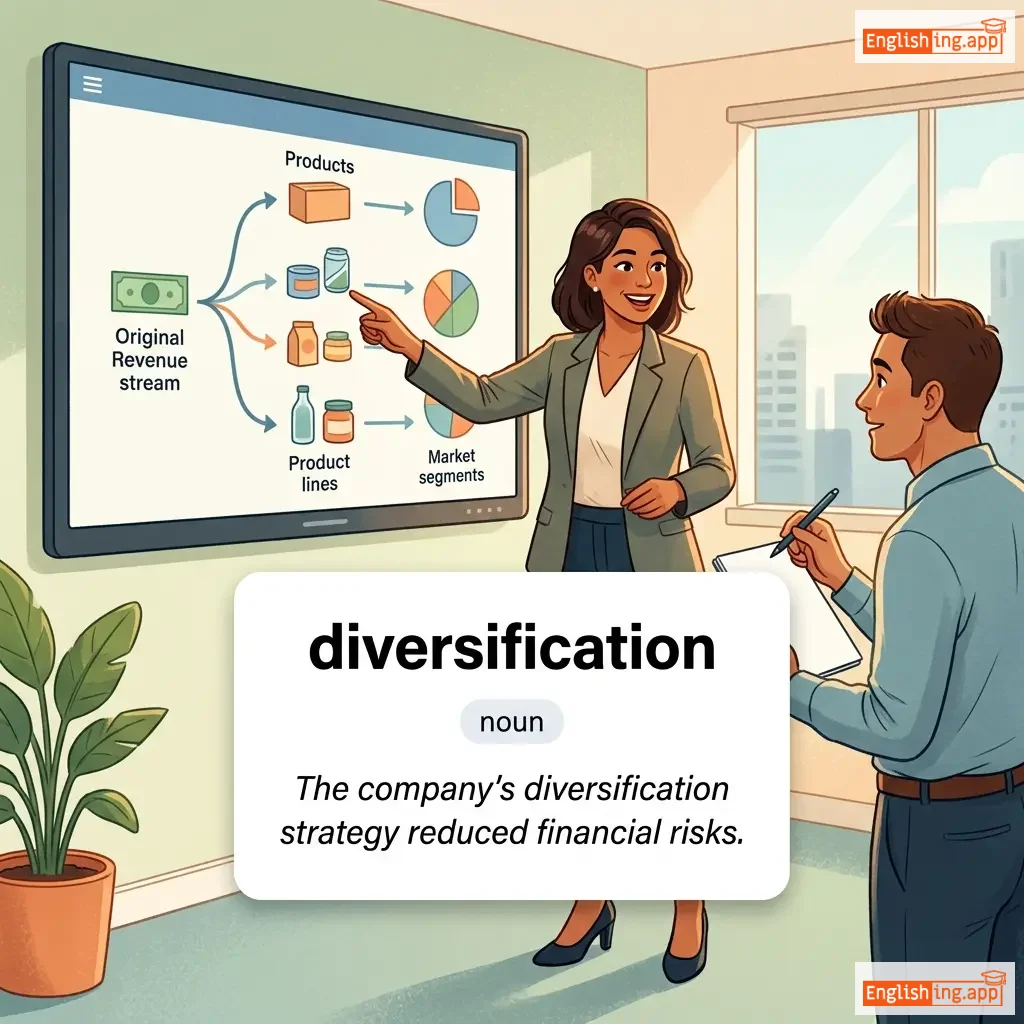
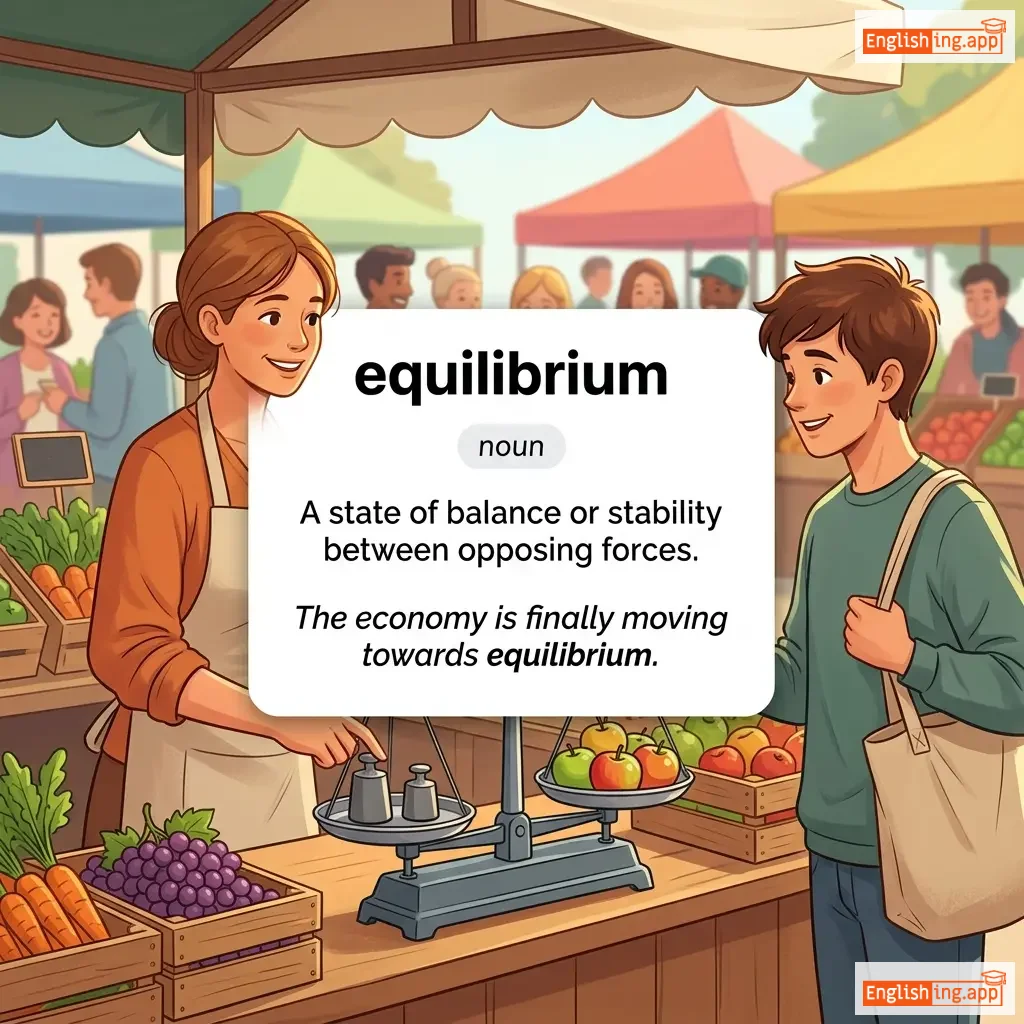
多くの国々は、市場における自由放任の環境を作るために規制緩和政策を採用し、多様化の増加を通じて新たなビジネスチャンスを生み出します。一方で、過度な補助金や収用政策は、市場の均衡を乱す可能性があります。
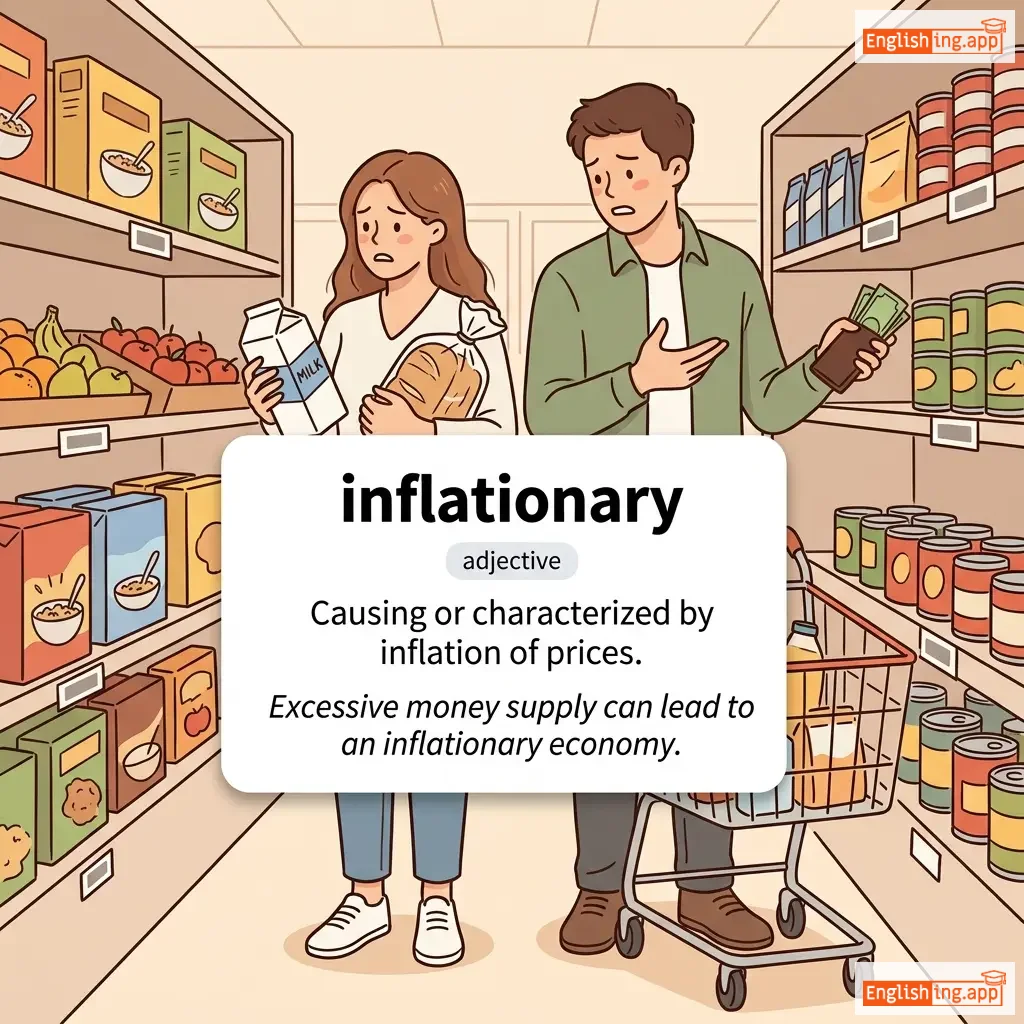
したがって、貿易が適切に行われると、インフレ圧力をコントロールし、経済の貨幣化を高めることによって全体的な発展を確保します。
翻訳
過去
過去分詞
三人称単数
動名詞
意味
例文
例文の翻訳
同義語
対義語
コロケーション
ニーモニック
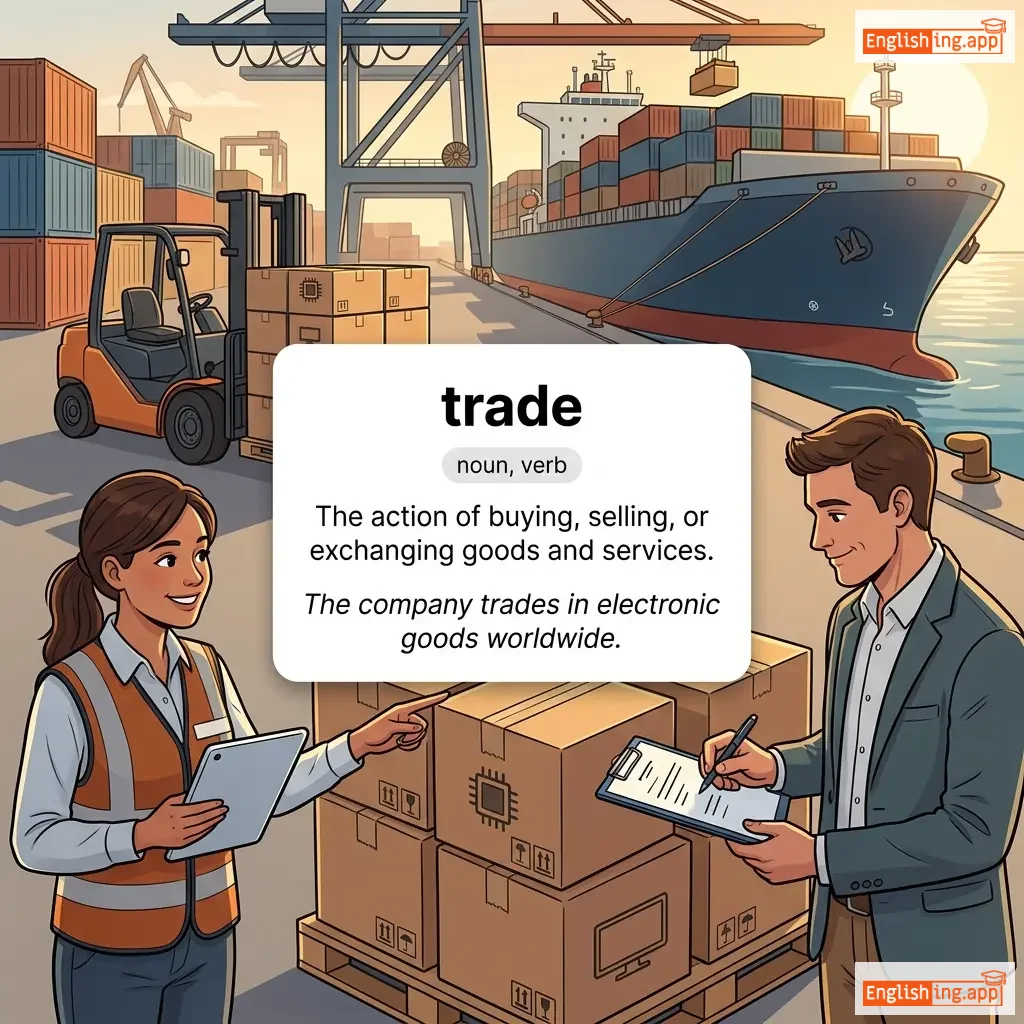
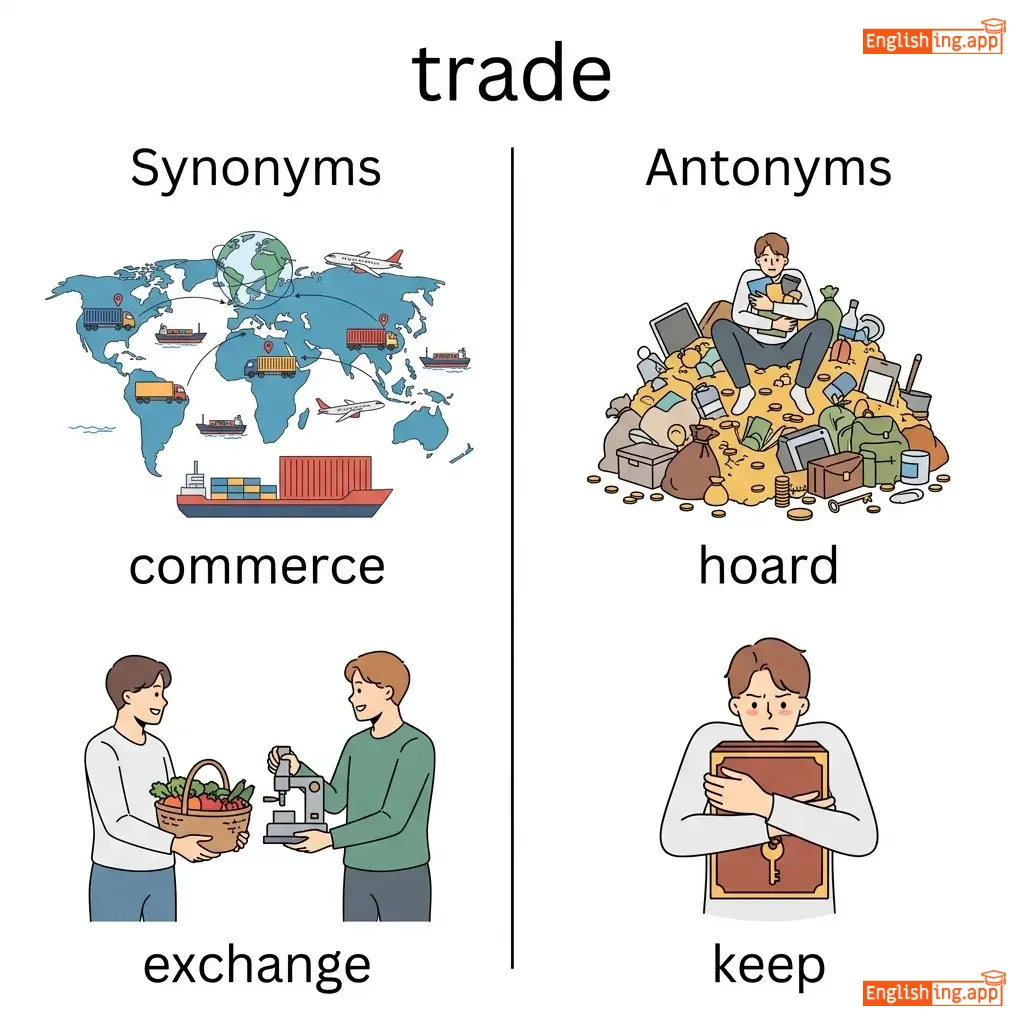
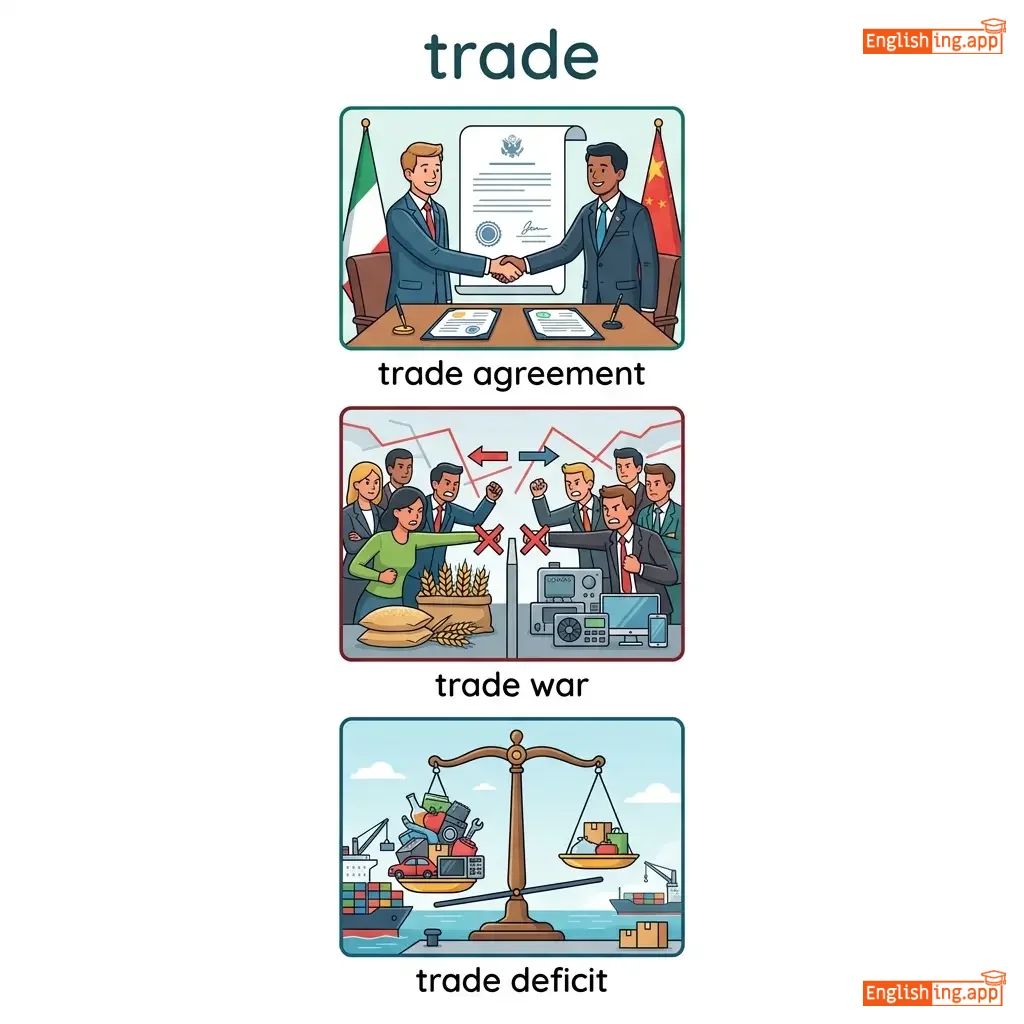
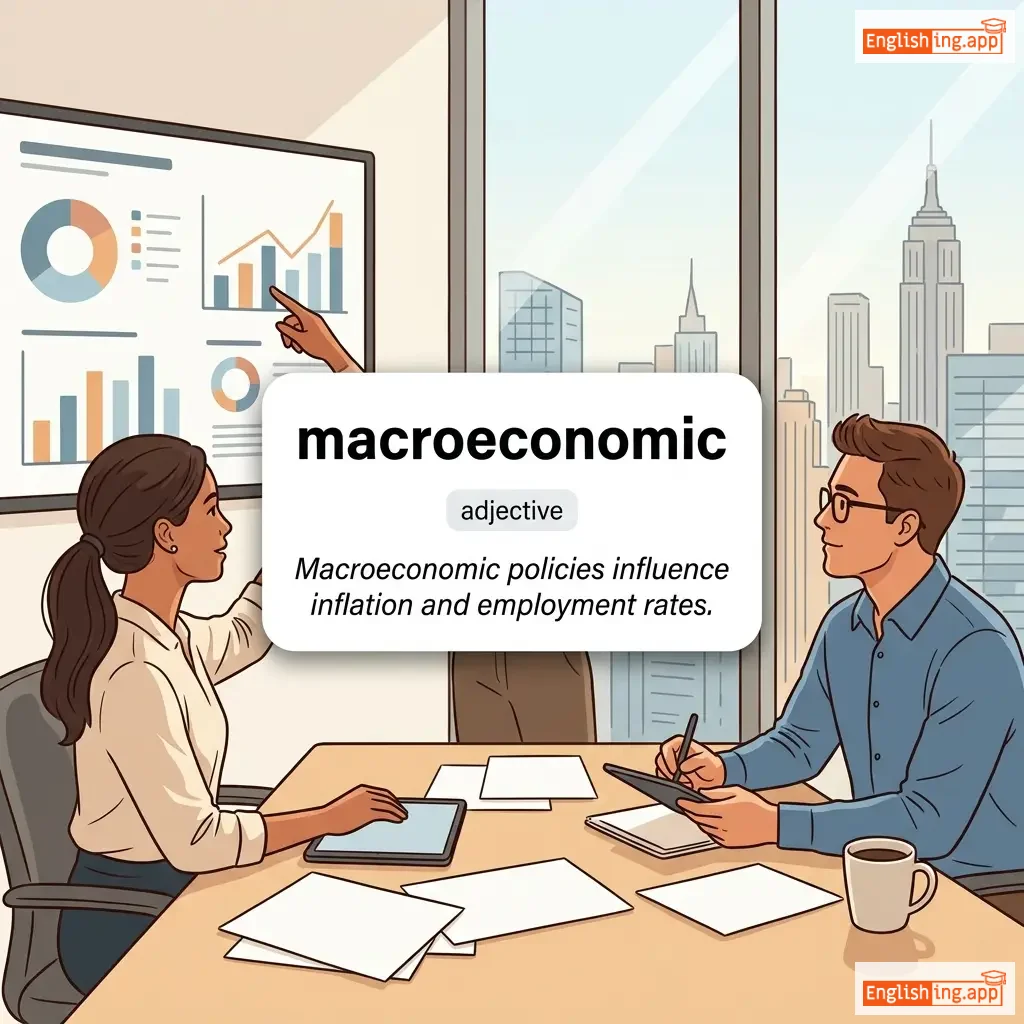
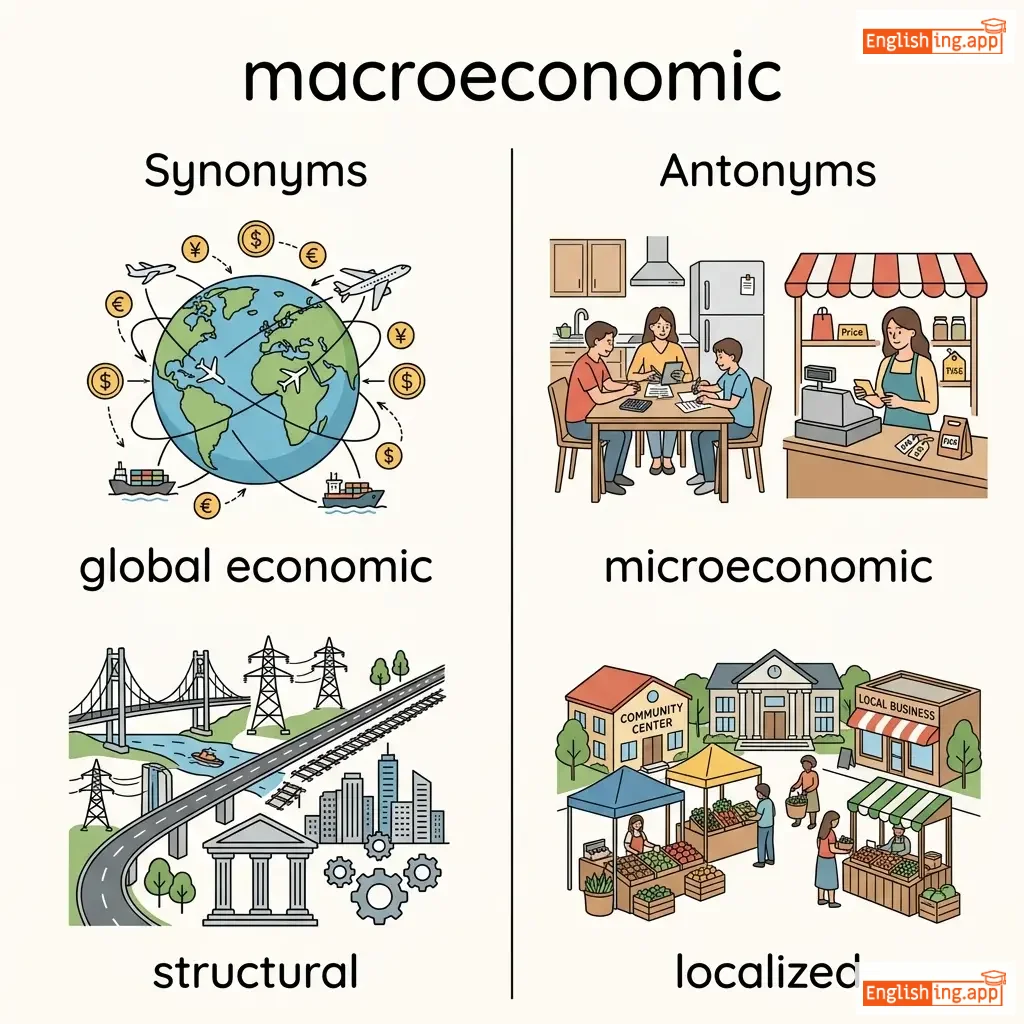
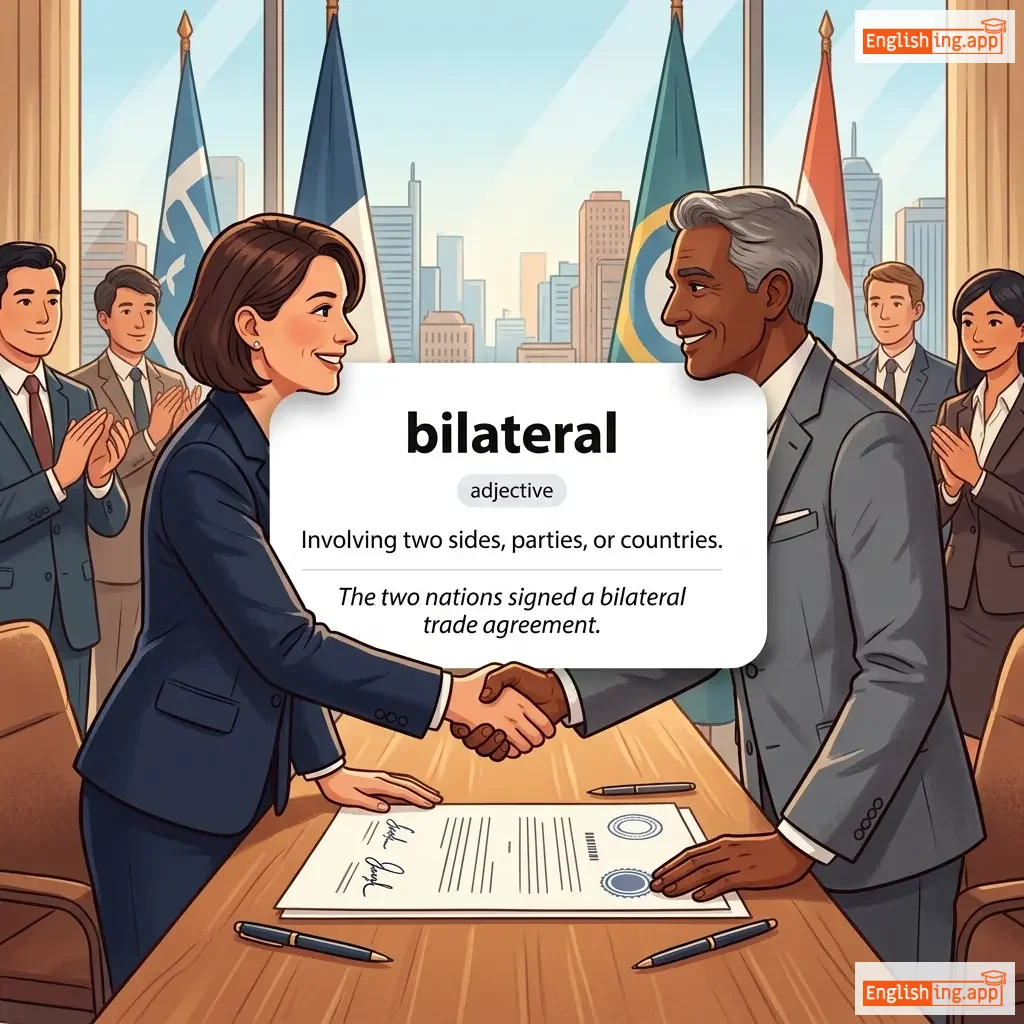
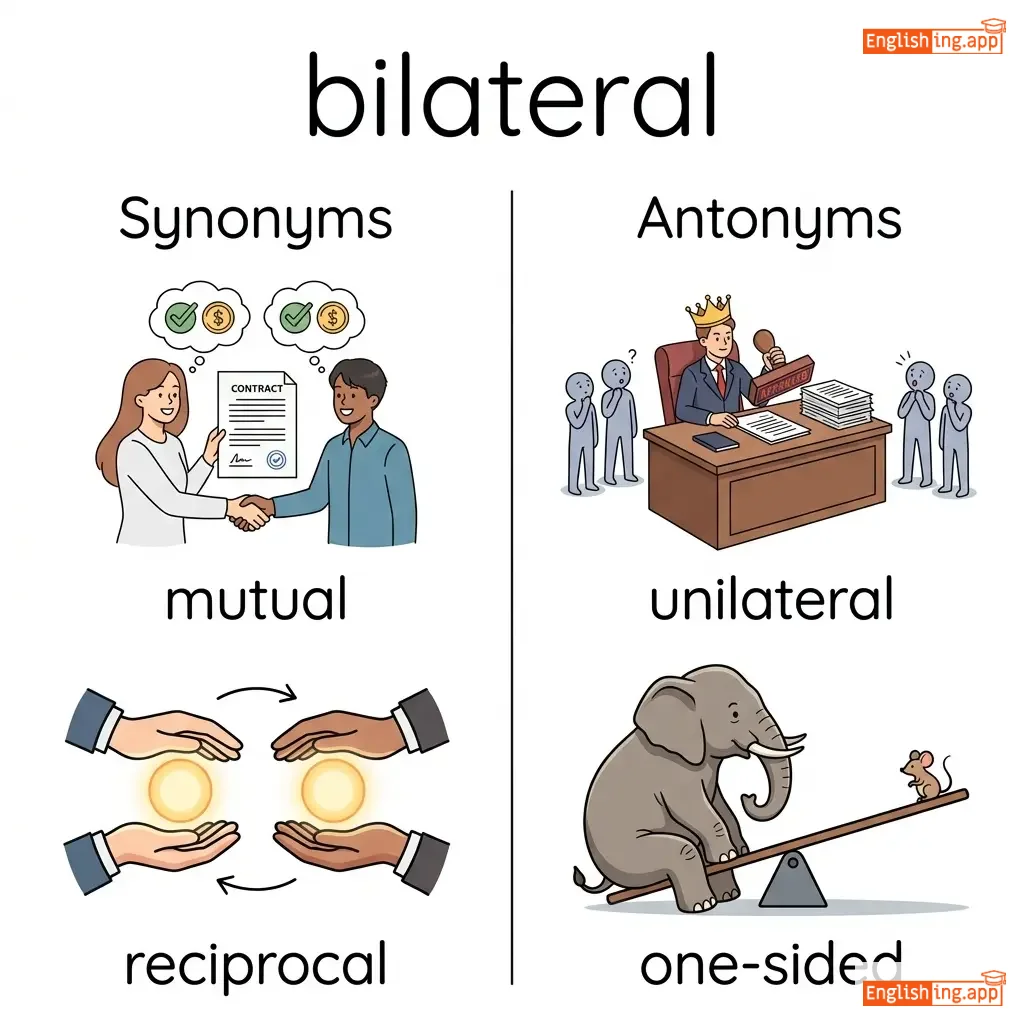
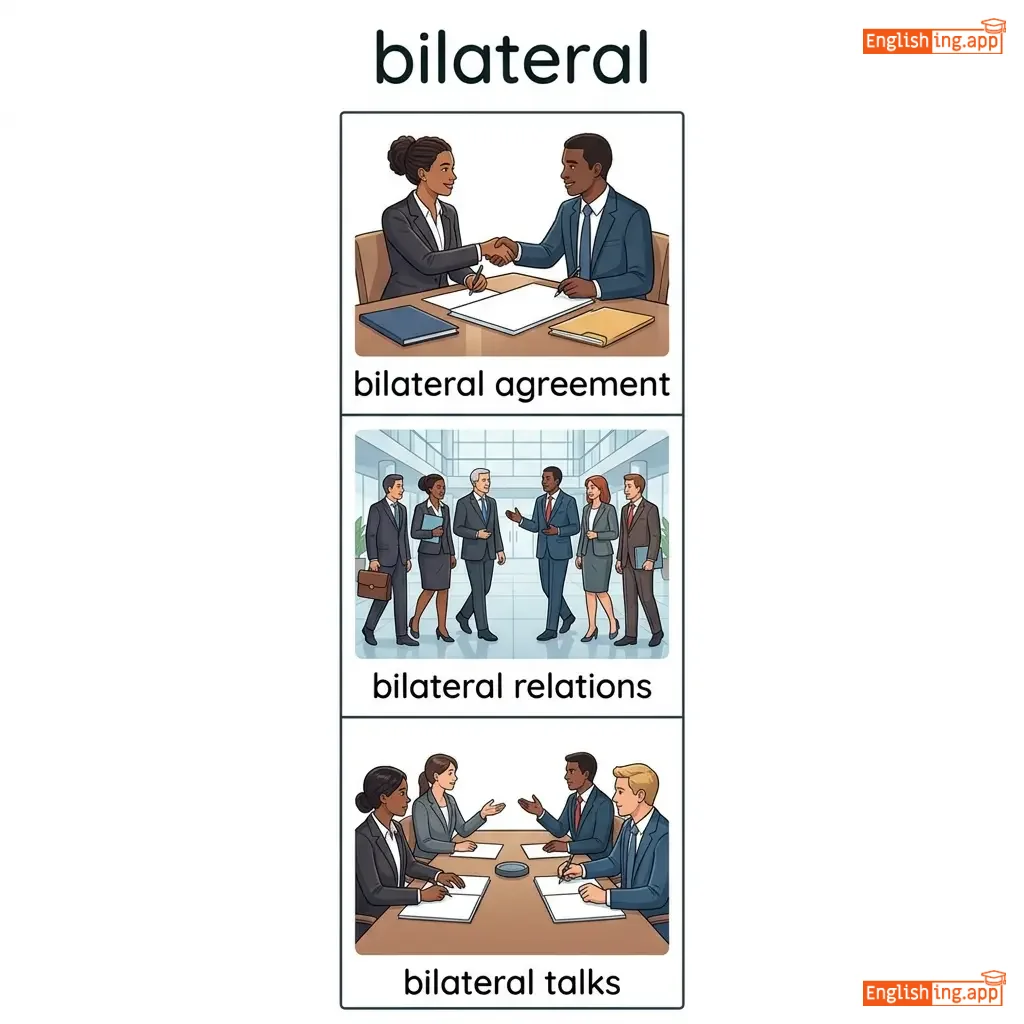
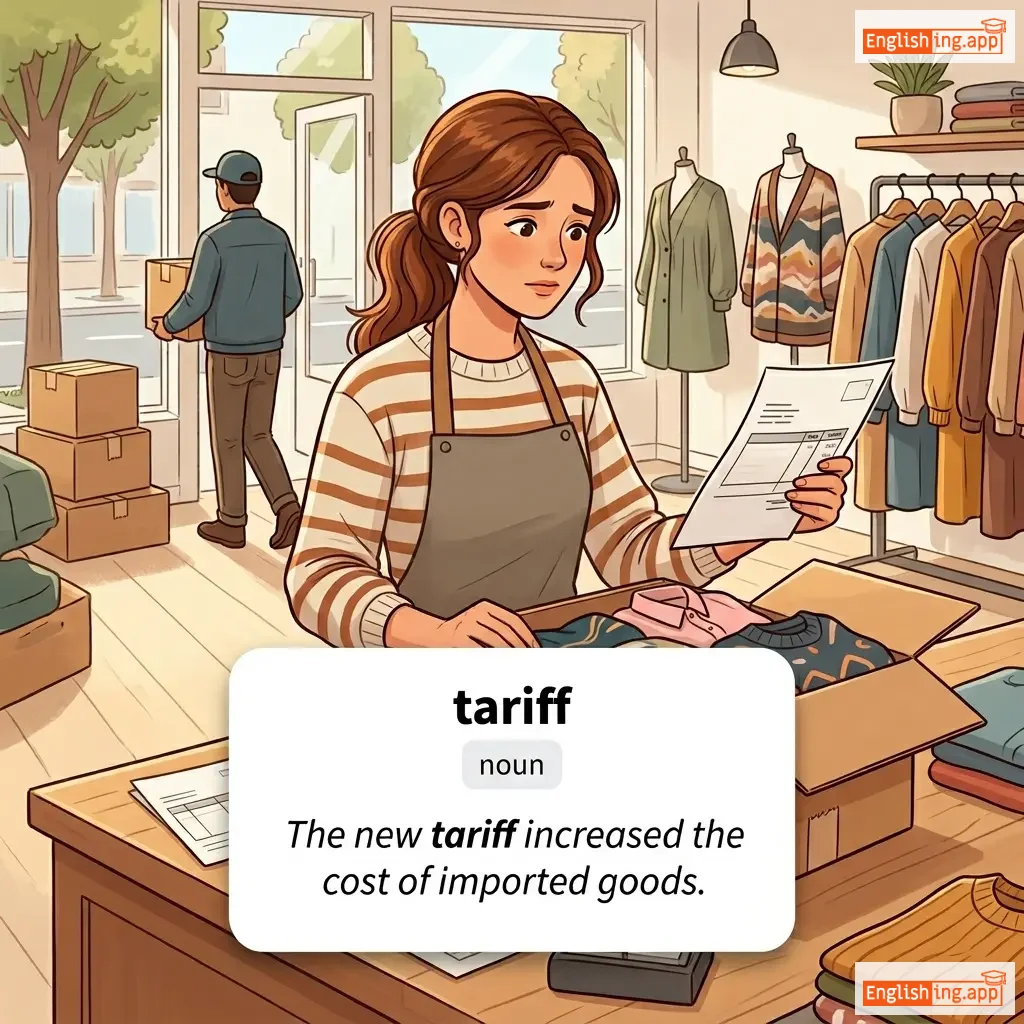
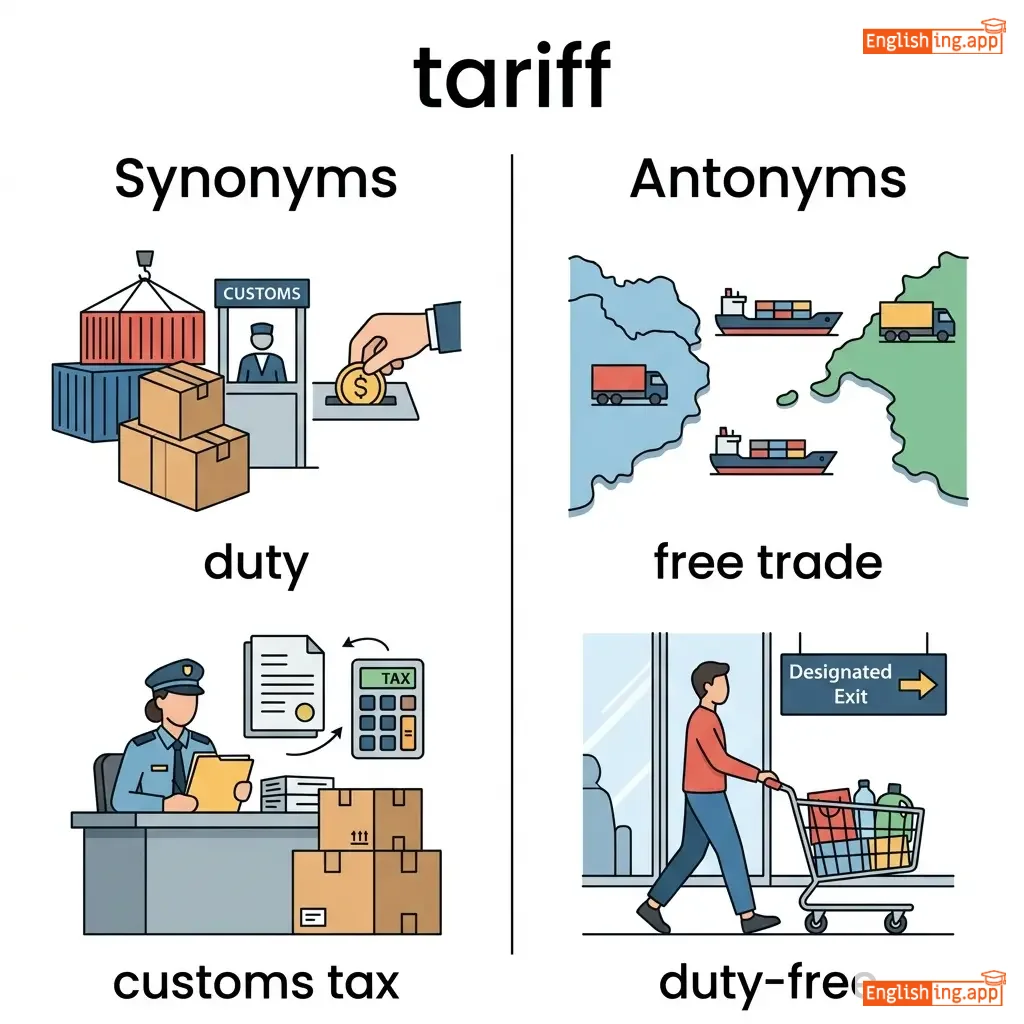
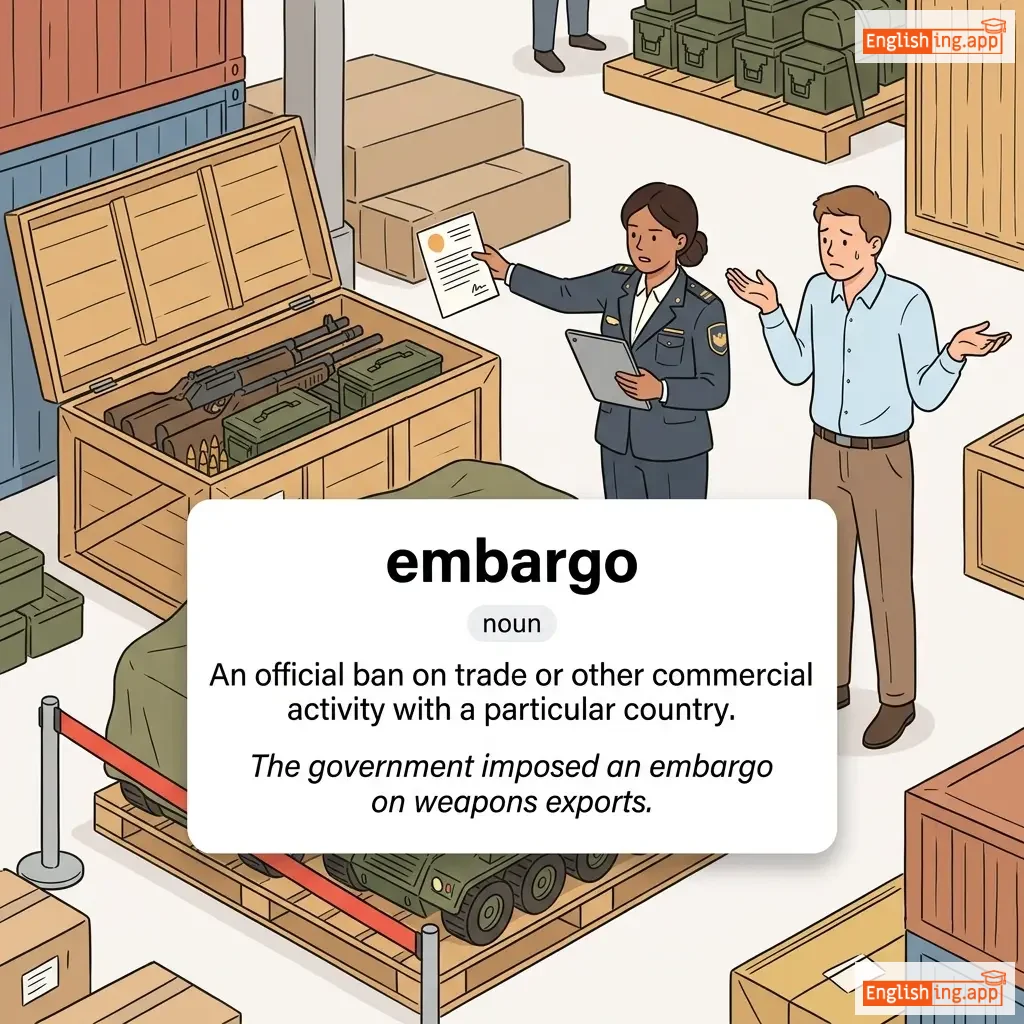
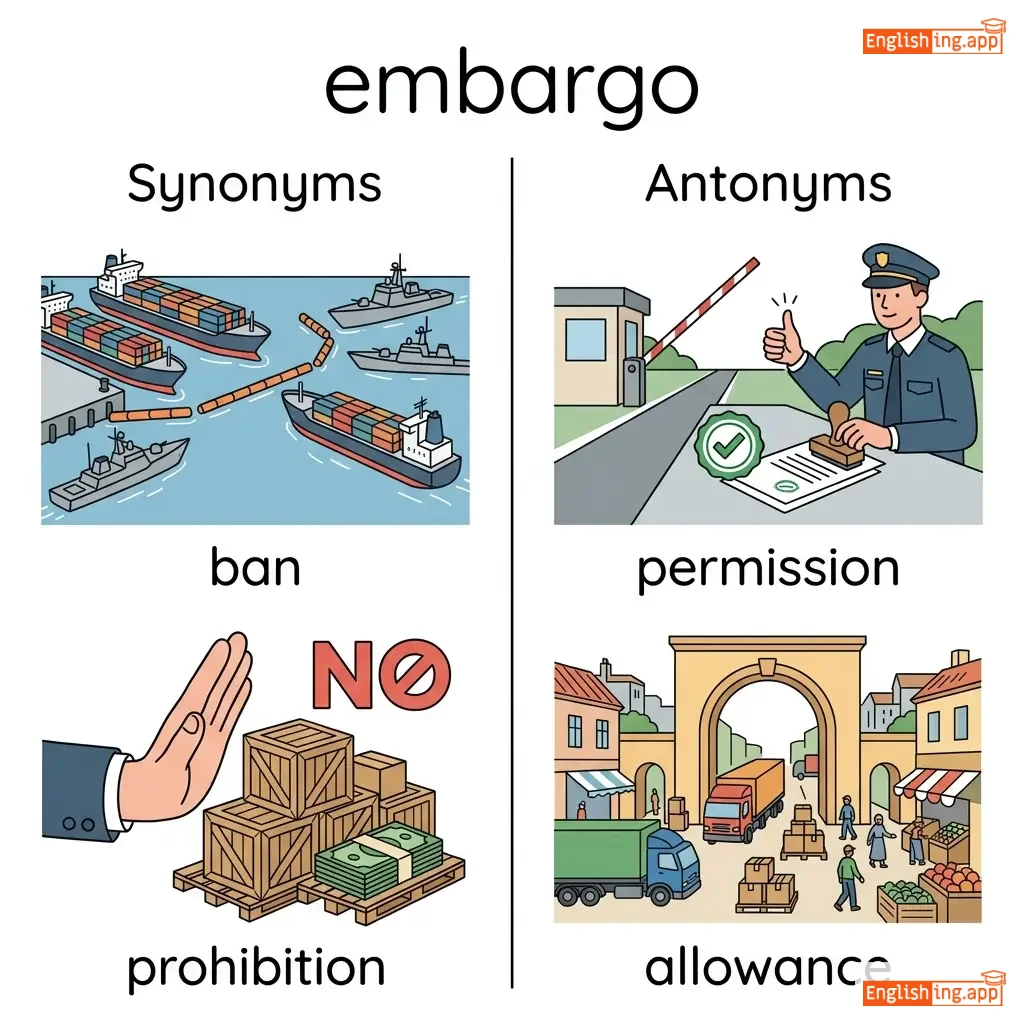
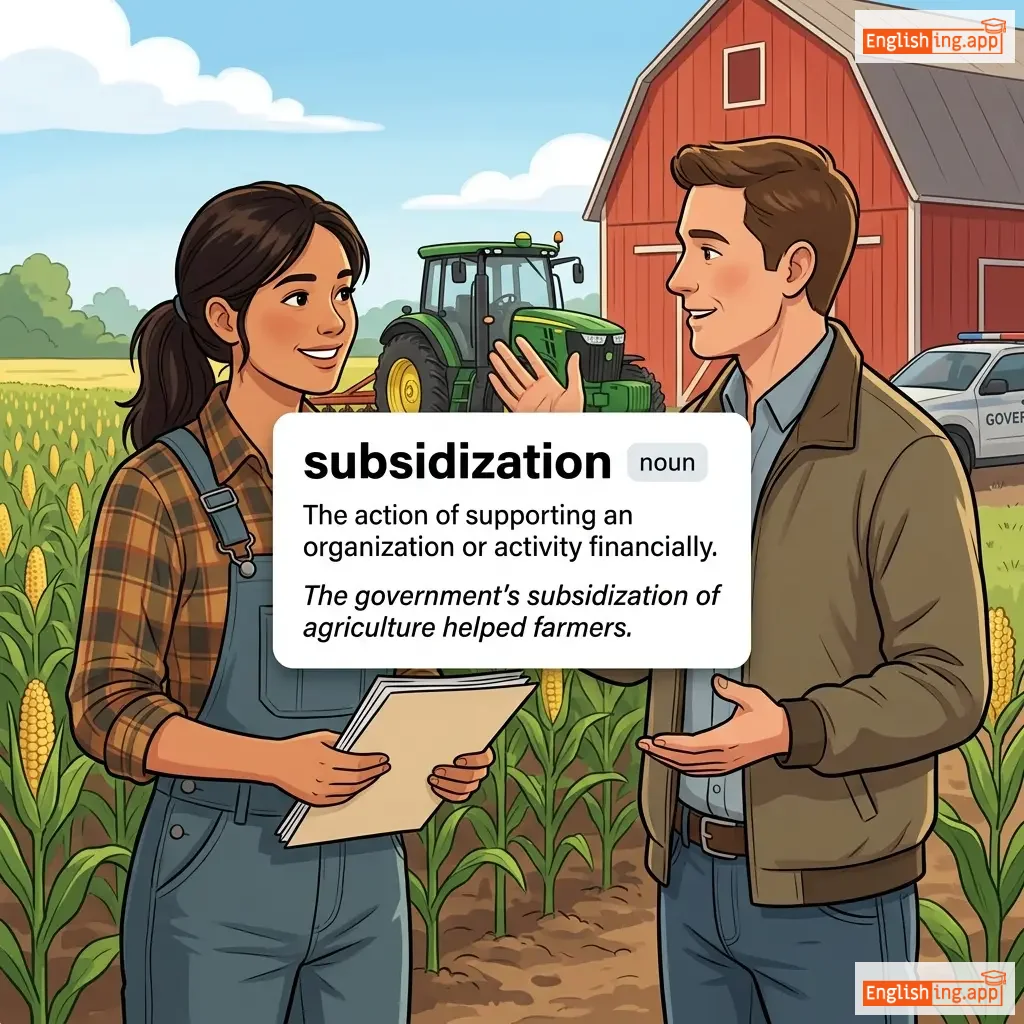
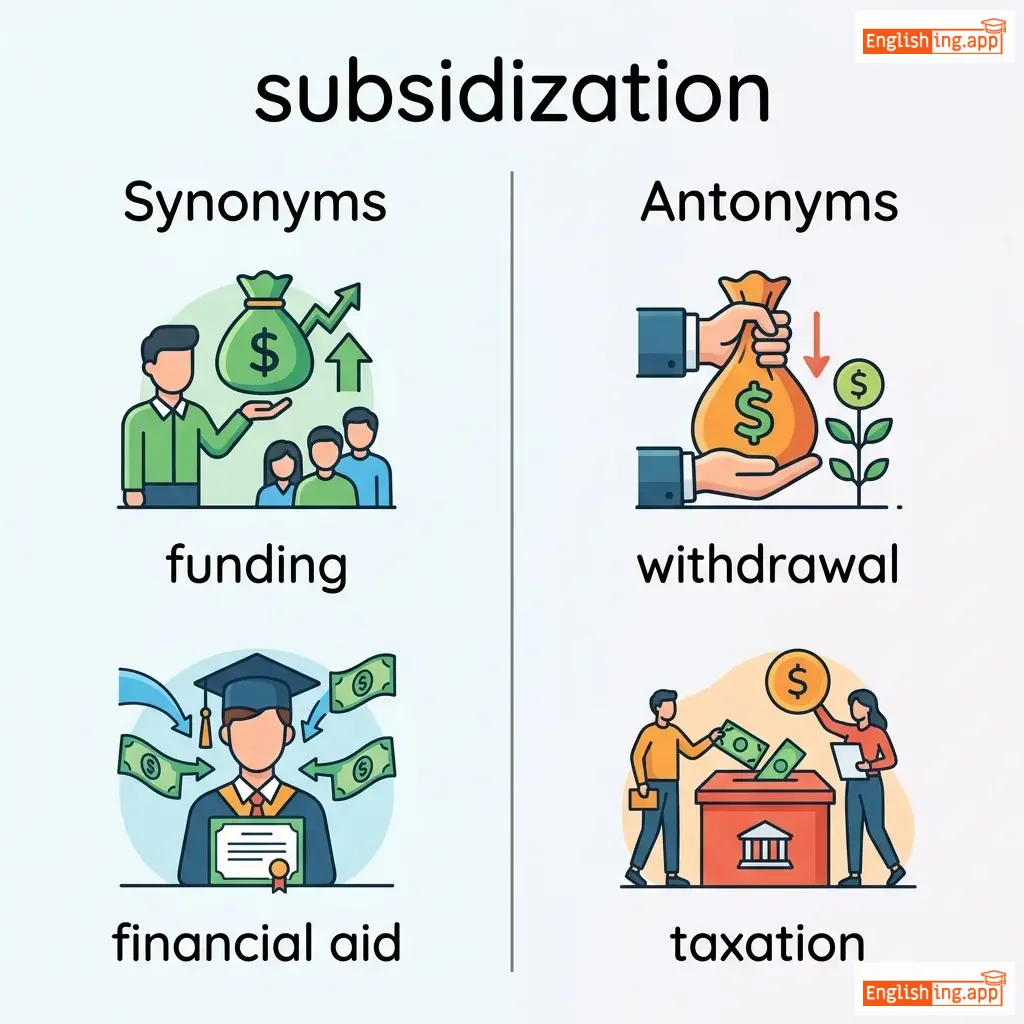
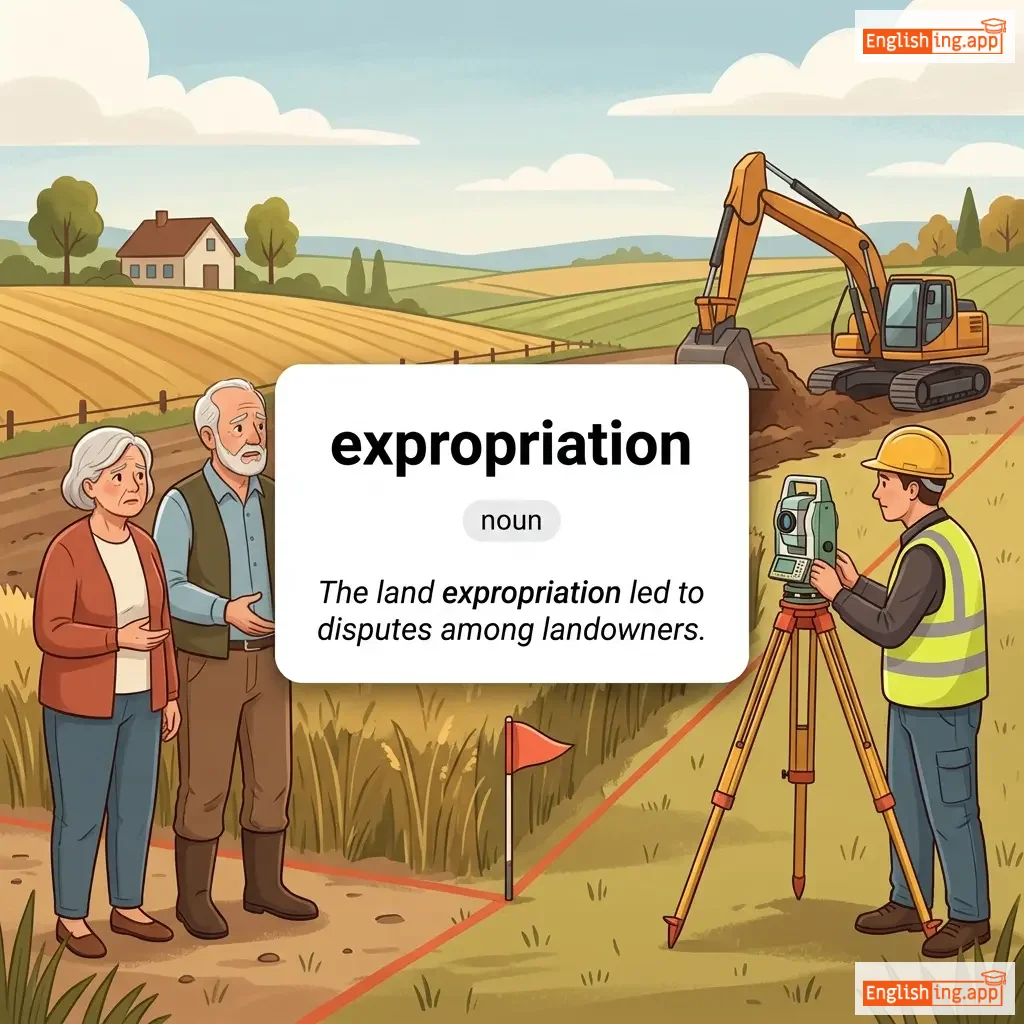
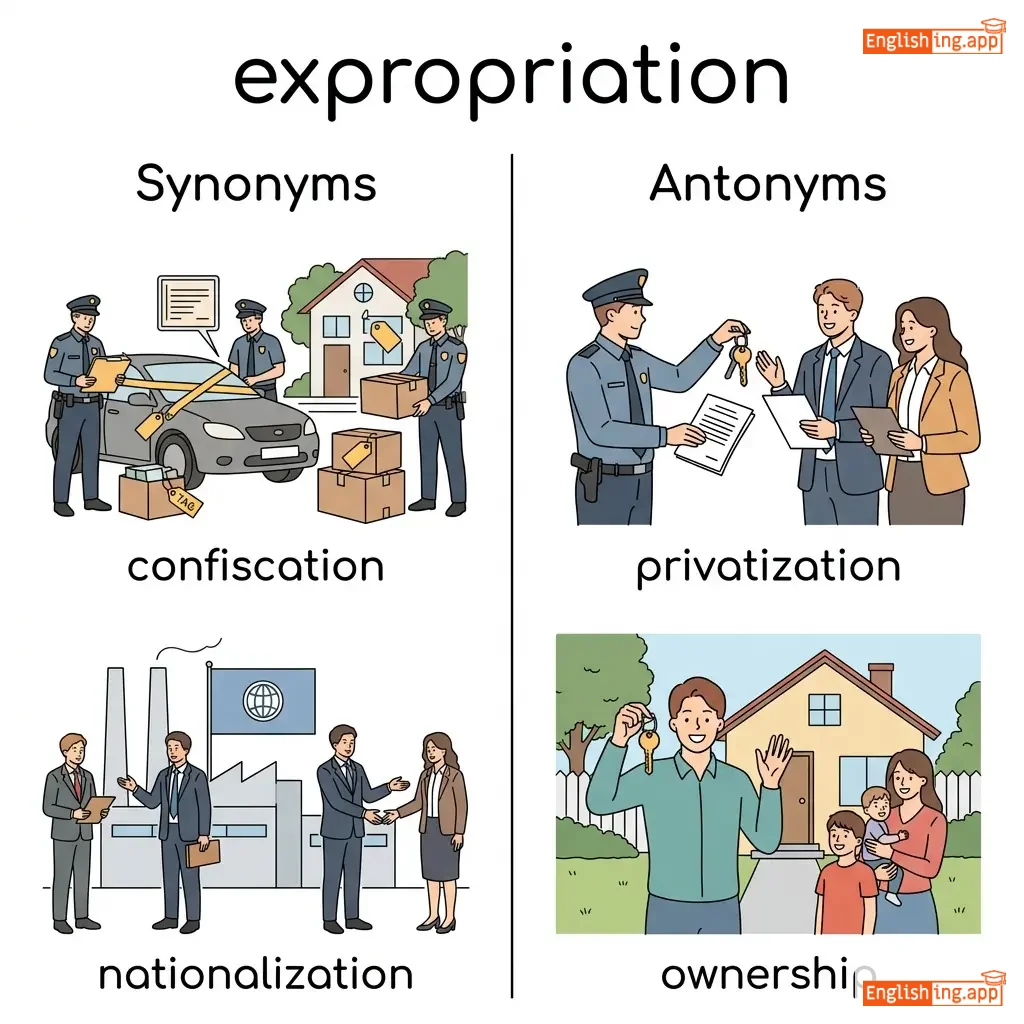

Swipe left or right, or use the buttons. Tap image to zoom.
例文の翻訳
単語
The Impact of Trade on EconomiesThe Impact of Trade on Economies - マスクトグル
|
絵文字
|
単語 | Images | 翻訳 | 意味 | 例文 | 例文の翻訳 | 同義語 | 対義語 | ニーモニック |
|---|---|---|---|---|---|---|---|---|---|
|
#3265
🏪
|
/treɪd/
noun/verb
(トレード)
••••••
|
|
貿易
bōeki
••••••
|
The exchange of goods and services or the commercial buying and selling process.
••••••
|
International trade fosters economic growth. |
国際貿易は経済成長を促進します。
Kokusai bōeki wa keizai seichō o sokushin shimasu.
••••••
|
commerce, exchange, business
••••••
|
isolation, self-sufficiency, autarky
••••••
|
貿易は国々をつなぐ橋のようなものです。
••••••
|
|
#3266
📊
|
/ˌmæk.roʊ.iː.kəˈnɒm.ɪk/
adjective
(マクロ経済の)
••••••
|
|
マクロ経済の
makuro keizai no
••••••
|
Related to the overall economic matters of a country including national economy, economic trends, and large-scale financial systems.
••••••
|
Government policies impact macroeconomic stability. |
政府の政策はマクロ経済の安定性に影響を与えます。
Seifu no seisaku wa makuro keizai no anteisei ni eikyō o atae masu.
••••••
|
national economy, economic trends, large-scale financial system
••••••
|
microeconomic, individual finance, localized economy
••••••
|
マクロ経済の安定性は国の発展の鍵です。
••••••
|
|
#3267
🤝
|
/ˌbaɪˈlæt.ər.əl/
adjective
(バイラテラル)
••••••
|
|
二国間
nikokukan
••••••
|
An agreement or relationship between two parties that is mutual, two-sided, or reciprocal.
••••••
|
The two countries signed a bilateral trade agreement. |
二国は二国間貿易協定に署名しました。
Nikoku wa nikokukan bōeki kyōtei ni shomei shimashita.
••••••
|
mutual, two-sided, reciprocal
••••••
|
unilateral, one-sided, independent
••••••
|
Japanese: 二つの国が合意
••••••
|
|
#3268
💰
|
/ˌkæp.ɪ.təl.aɪˈzeɪ.ʃən/
noun
(キャピタリゼーション)
••••••
|
|
資本化
shihonka
••••••
|
The total value of a business's assets or investments, including investment, financing, and asset allocation.
••••••
|
The company's capitalization reached $1 billion in market value. |
その会社の資本化は、10億ドルの市場価値に達しました。
Sono kaisha no shihonka wa, 10 oku doru no shijō kachi ni tasshimashita.
••••••
|
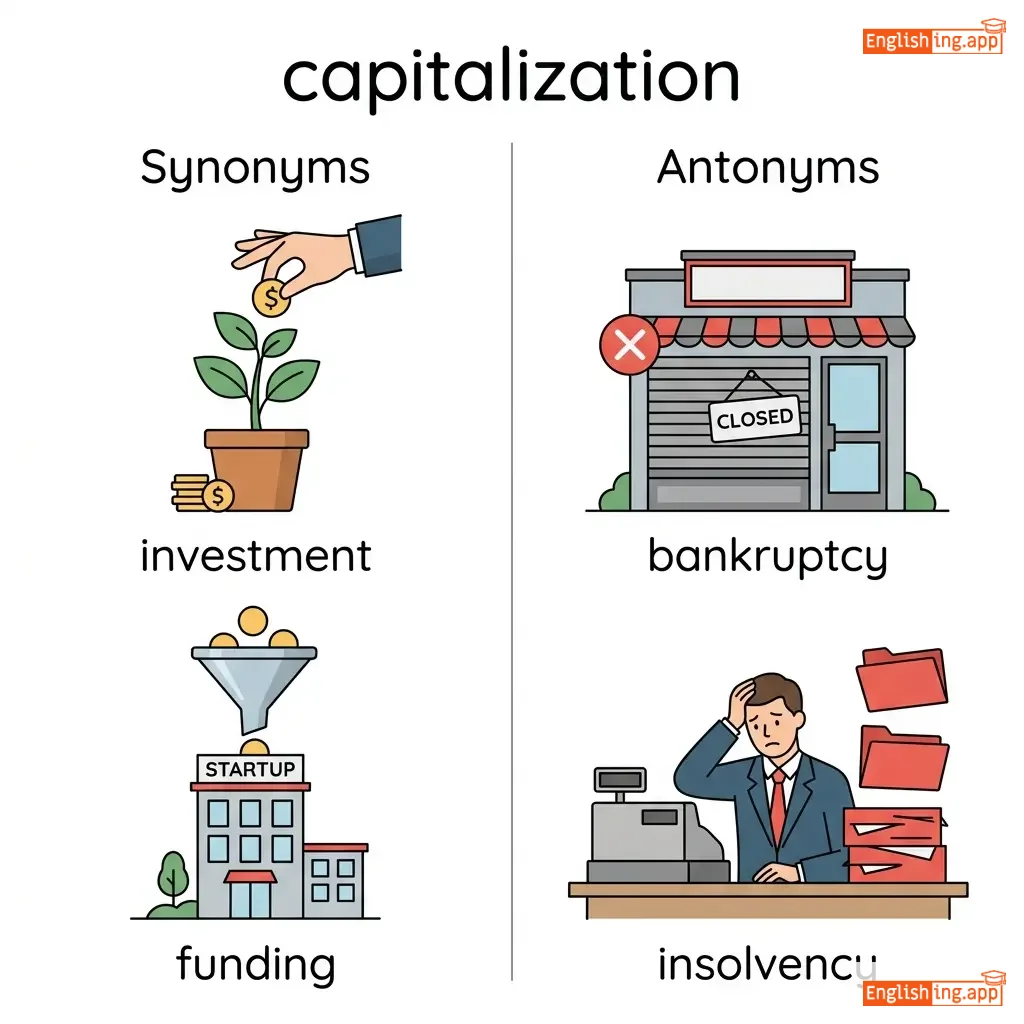
investment, financing, asset allocation
••••••
|
underfunding, bankruptcy, insolvency
••••••
|
資本化は企業の全体的な価値を示します。
••••••
|
|
#3269
🛡️
|
/prəˈtɛk.ʃəˌnɪz.əm/
noun
(プロテクショニズム)
••••••
|
|
保護主義
hogoshugi
••••••
|
A trade policy that restricts imports to safeguard domestic industries through trade restriction, economic nationalism, or isolationism.
••••••
|
The government imposed protectionism to safeguard local businesses.
政府は地元の企業を保護するために保護主義を導入した。
••••••
|
政府は地元の企業を保護するために保護主義を導入した。
Seifu wa jimoto no kigyou o hogo suru tame ni hogoshugi o dounyushita
••••••
|
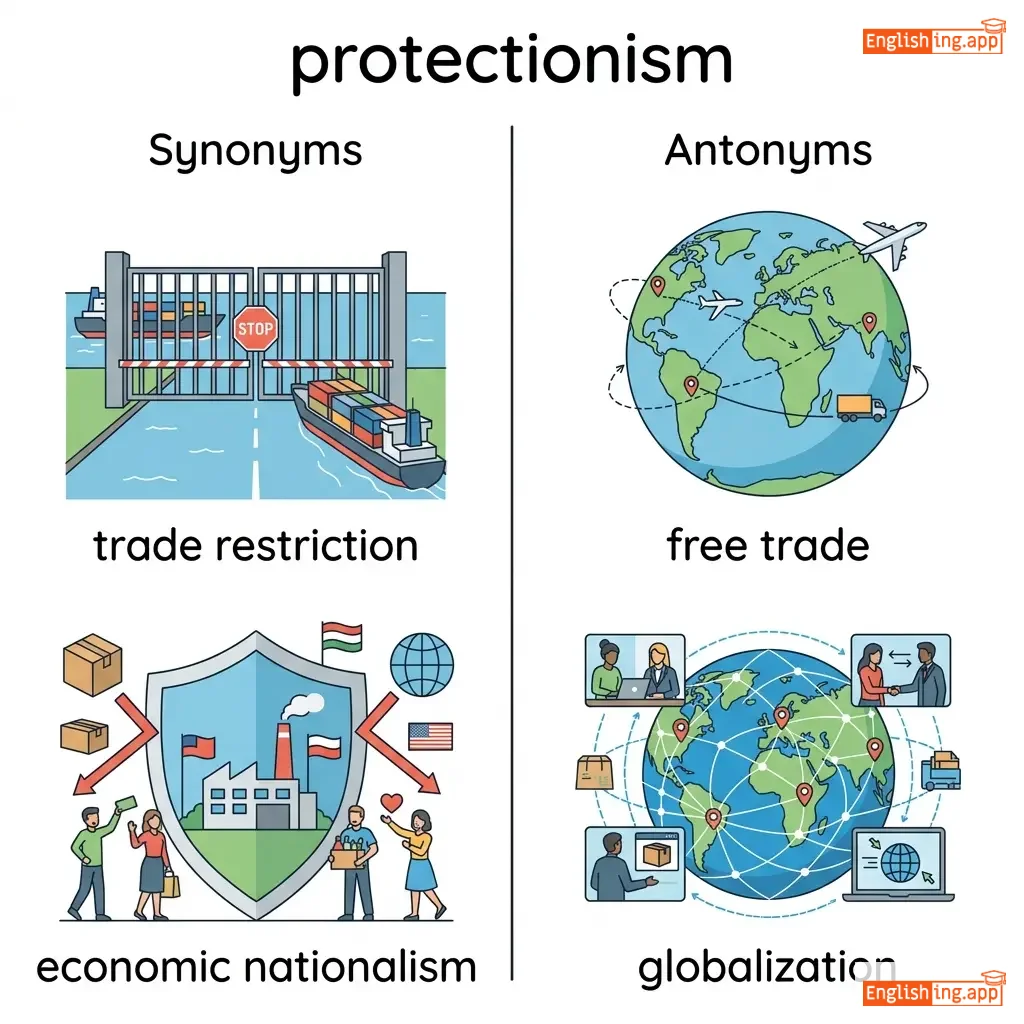
trade restriction, economic nationalism, isolationism
••••••
|
free trade, globalization, open markets
••••••
|
PROTECT YOUR SHUGI: PROTECT + 主義, imagine a shield guarding domestic shops
••••••
|
|
#3270
💲
|
/ˈtær.ɪf/
noun
(タリフ)
••••••
|
|
関税
kansetai
••••••
|
A tax imposed by the government on imported or exported goods, also known as duty, customs tax, or levy.
••••••
|
The new tariff increased the cost of imported goods.
新しい関税は輸入品のコストを増加させました。
••••••
|
新しい関税は輸入品のコストを増加させました。
Atarashī kansetai wa yunyūhin no kosuto o zōka sasemashita.
••••••
|
duty, customs tax, levy
••••••
|
free trade, duty-free, exemption
••••••
|
関税は輸入品に関する税金です。
••••••
|
|
#3271
🚫
|
/ɪmˈbɑː.ɡoʊ/
noun
(エンバーゴ)
••••••
|
|
貿易禁止
boueki kinshi
••••••
|
A trade ban, restriction, or prohibition imposed by a government or international organization on a country.
••••••
|
The UN imposed an embargo on arms exports.
国連は武器輸出に対してエンバーゴを課しました。
••••••
|
国連は武器輸出に対して禁輸を課しました。
Kokuren wa buki yushutsu ni taishite kinyu o kase mashita.
••••••
|
trade ban, restriction, prohibition
••••••
|
trade agreement, free trade, open market
••••••
|
貿易禁止は国際的な取引の制限を意味します。
••••••
|
|
#3272
⚔️
|
/rɪˈtæl.i.ə.tɔːr.i/
adjective
(リタリアトリー)
••••••
|
|
報復的
hōfukuteki
••••••
|
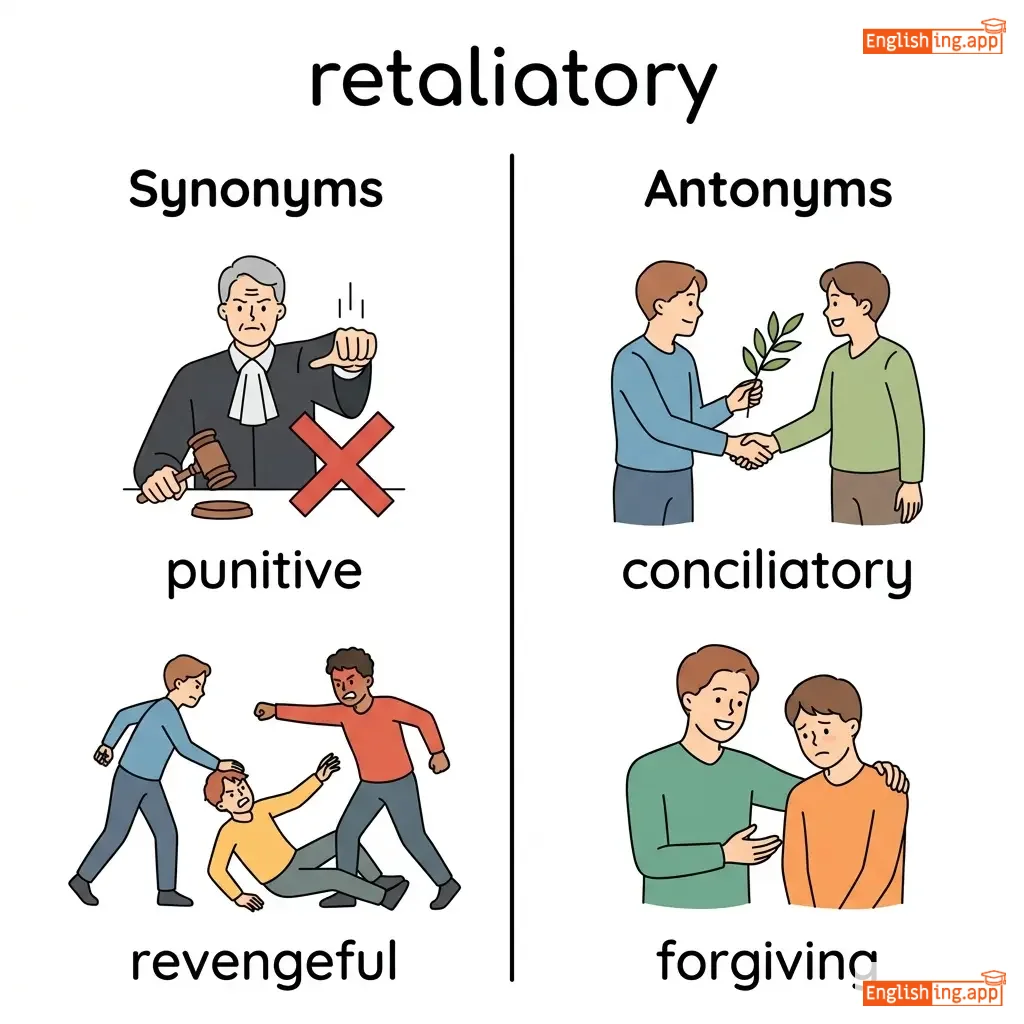
Taking action in response to another's action, characterized as punitive, revengeful, or counteractive.
••••••
|
The country imposed retaliatory tariffs in response to trade sanctions.
その国は貿易制裁に対して報復的な関税を課しました。
••••••
|
その国は貿易制裁に対して報復的な関税を課しました。
Sono kuni wa bōeki seisai ni taishite hōfukuteki na kansui o kashimashita.
••••••
|
punitive, revengeful, counteractive
••••••
|
conciliatory, forgiving, passive
••••••
|
報復的な行動を覚えるために'報復'を思い出しましょう。
••••••
|
|
#3273
⚖️
|
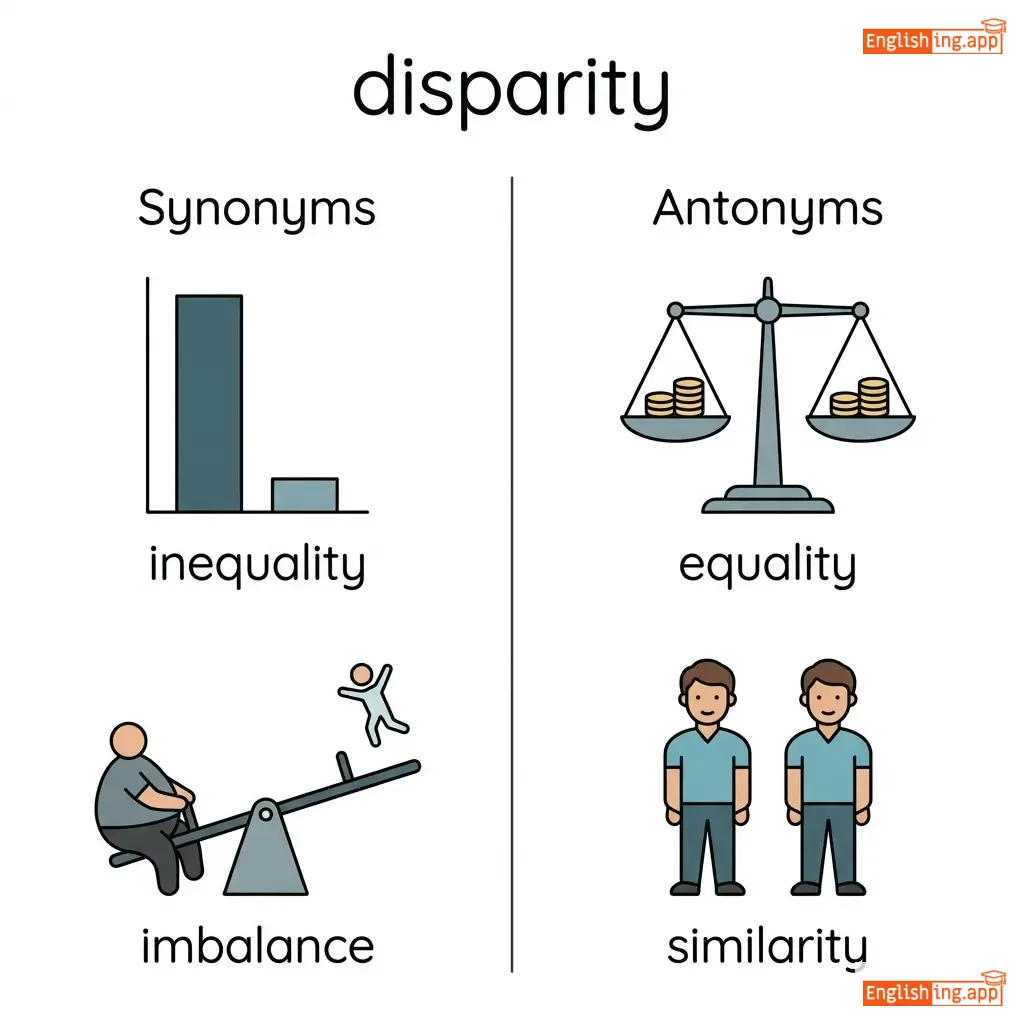
/dɪˈspær.ə.ti/
noun
(ディスパリティ)
••••••
|
|
格差
kakusa
••••••
|
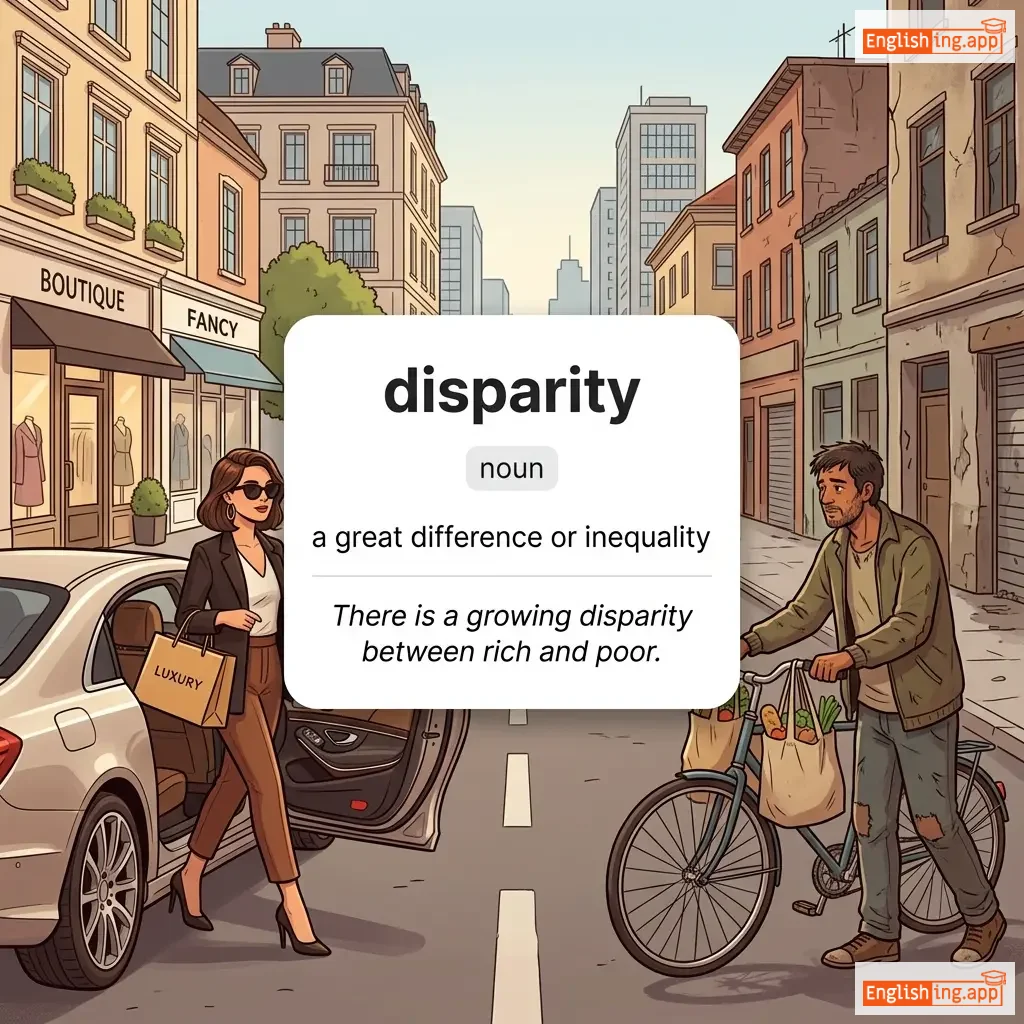
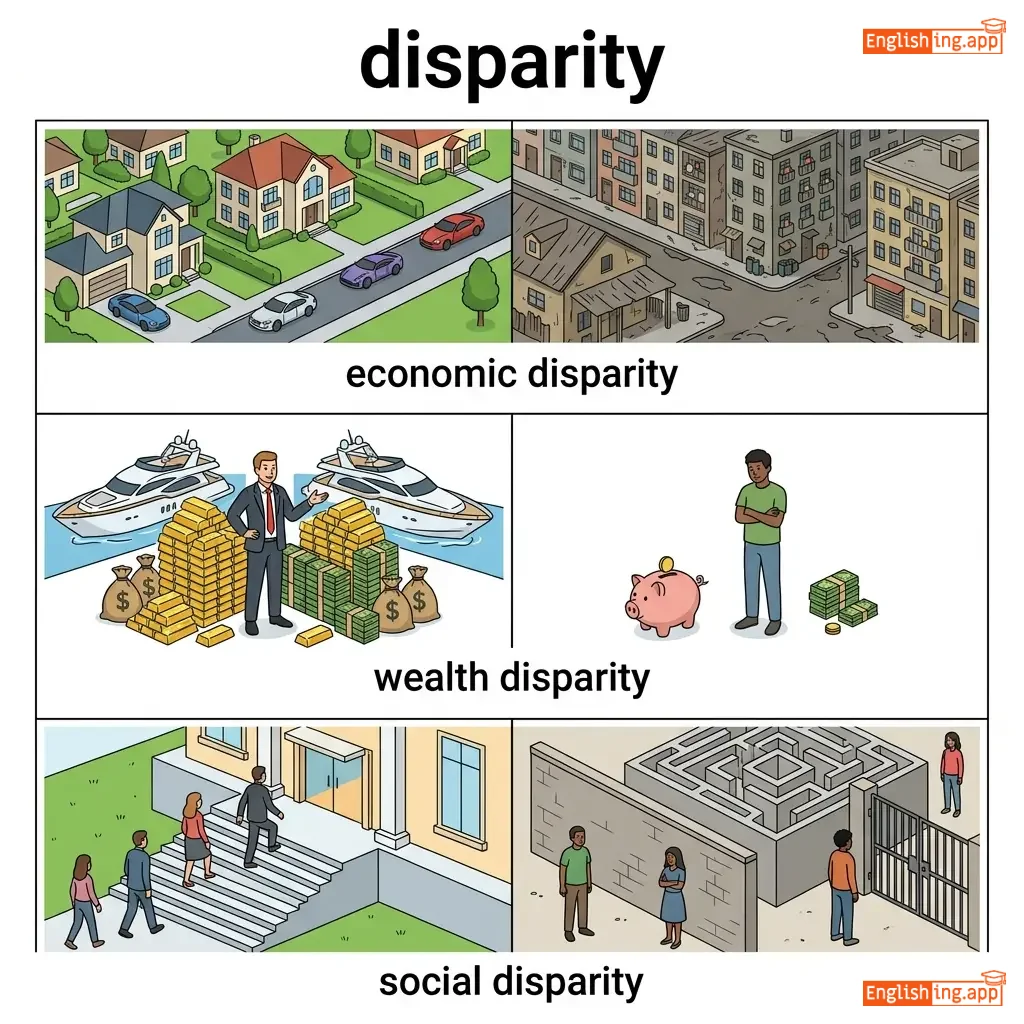
Inequality, difference, or imbalance between two or more things.
••••••
|
The disparity in income between rich and poor is increasing. |
金持ちと貧乏人の間の収入の格差が増加しています。
Kanemochi to binbōnin no aida no shūnyū no kakusa ga zōka shiteimasu.
••••••
|
inequality, difference, imbalance
••••••
|
equality, similarity, parity
••••••
|
格差は不均衡を象徴します。重い物と軽い物を持つ天秤を想像してください。
••••••
|
|
#3274
🔓
|
/ˌdiː.rɛɡ.jʊˈleɪ.ʃən/
noun
(ディレギュレーション)
••••••
|
|
規制緩和
kisei kanwa
••••••
|
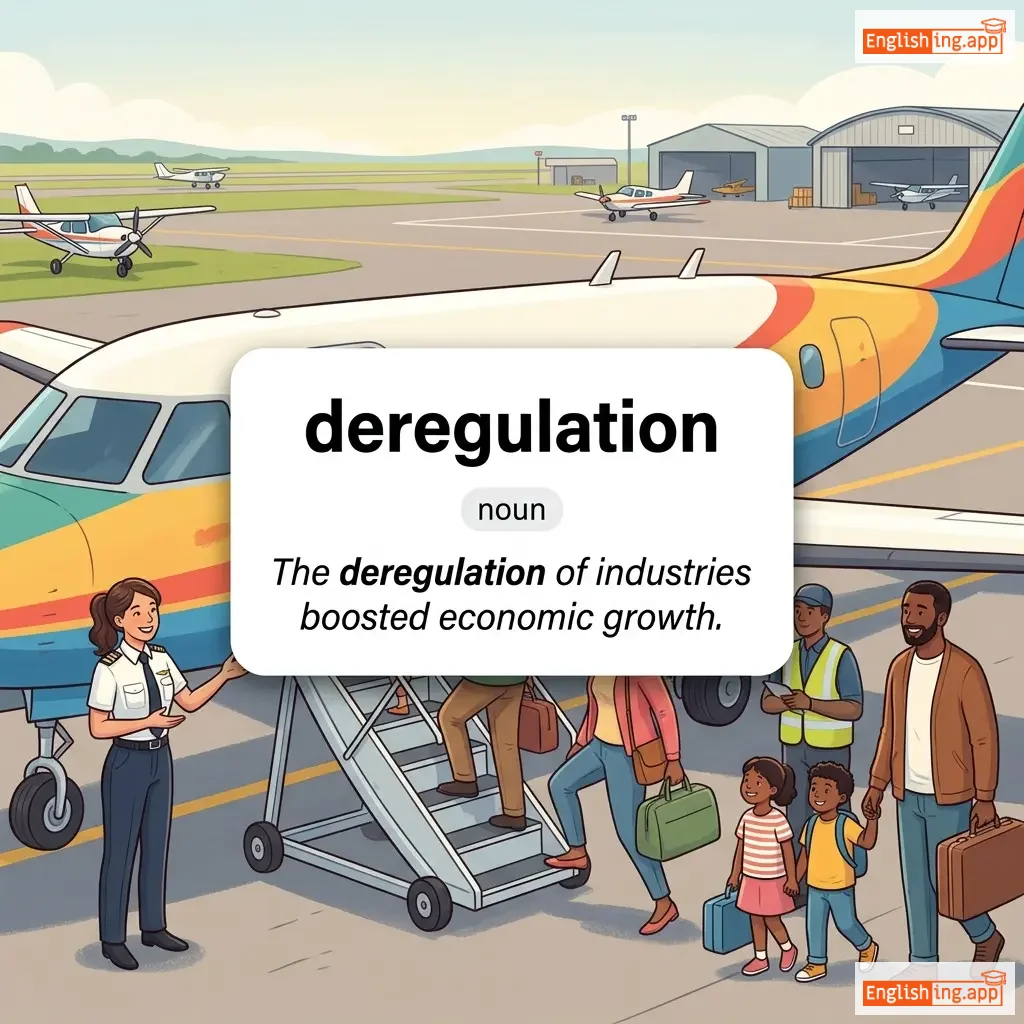
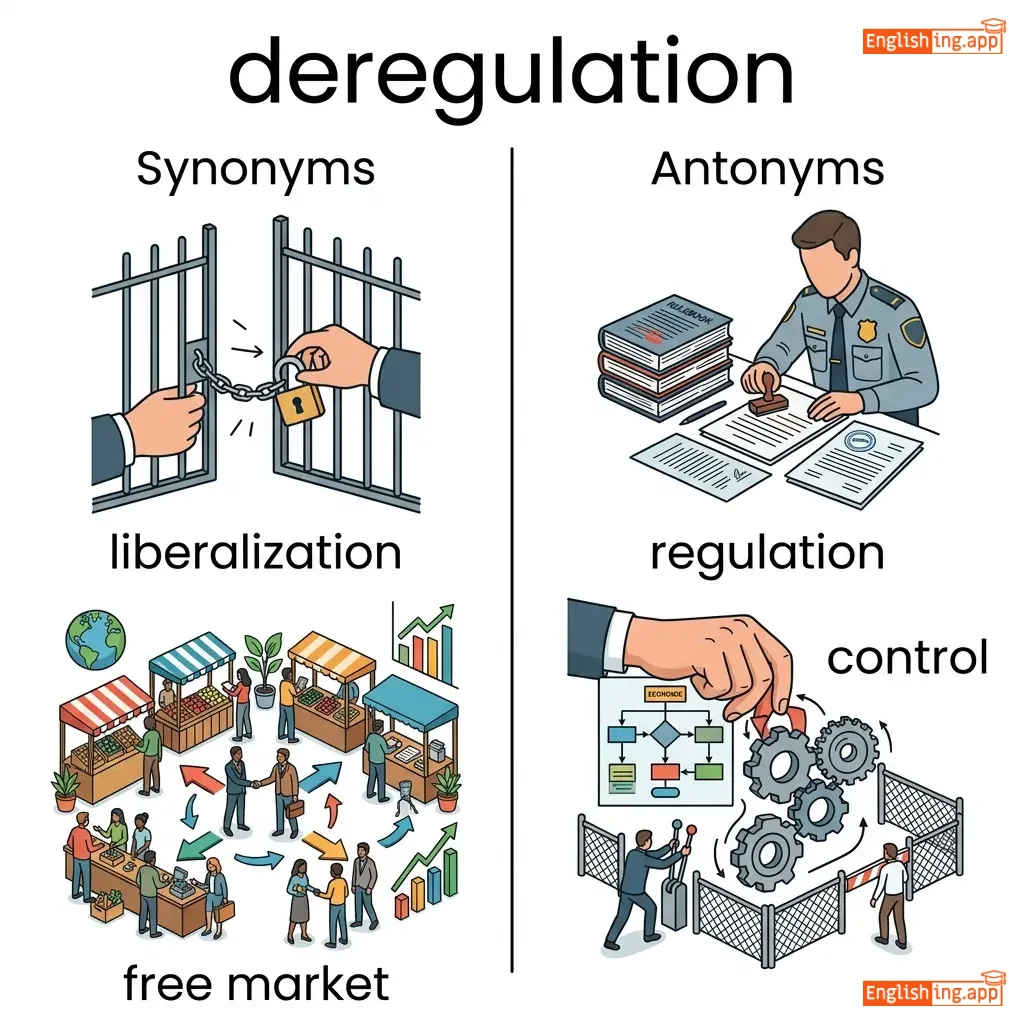
The removal or reduction of government regulations and controls, often involving liberalization, free market policies, or privatization.
••••••
|
The deregulation of industries boosted economic growth. |
産業の規制緩和は経済成長を促進した。
Sangyō no kisei kanwa wa keizai seichō o sokushin shita.
••••••
|
liberalization, free market, privatization
••••••
|
regulation, control, restriction
••••••
|
規制緩和は、ブレーキを外して車を速く走らせるようなものです。
••••••
|
|
#3275
🏛️
|
/ˌlɛ.seɪˈfɛər/
noun
(レセフェール)
••••••
|
|
不干渉政策
fukan-shou seisaku
••••••
|
A free-market policy of minimal government intervention in economic affairs, characterized by non-interventionism and capitalism.
••••••
|
The country adopted a laissez-faire approach to economic policies.
その国は経済政策においてレセフェールアプローチを採用した。
••••••
|
その国は経済政策においてレセフェールアプローチを採用した。
Sono kuni wa keizai seisaku ni oite reseferu apurōchi o sai-yō shita.
••••••
|
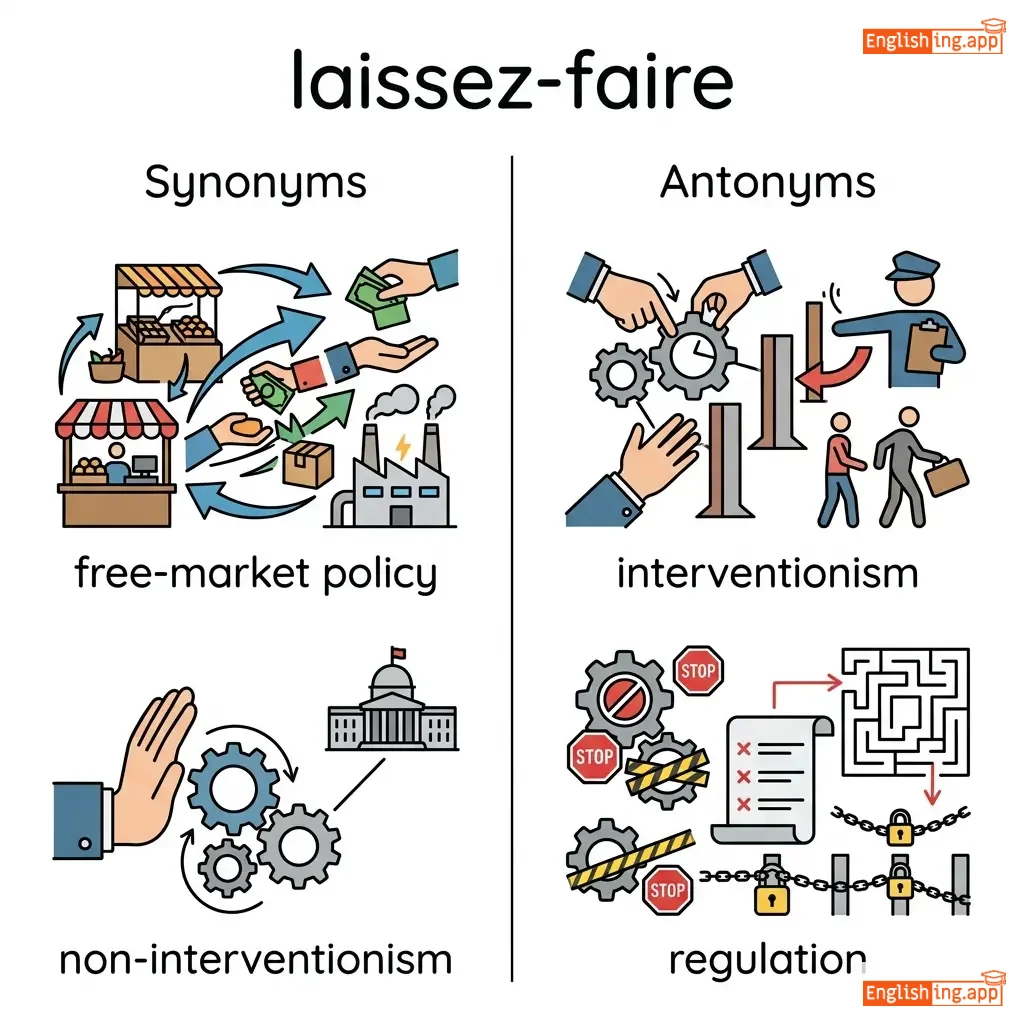
free-market policy, non-interventionism, capitalism
••••••
|
interventionism, regulation, protectionism
••••••
|
Laissez-faireは、政府が市場に干渉しない政策、経済を自由に保つ考え方です。
••••••
|
|
#3276
🌐
|
/daɪˌvɜː.sɪ.fɪˈkeɪ.ʃən/
noun
(ダイバーシフィケーション)
••••••
|
|
多様化
tayouka
••••••
|
The process of expanding into different areas or markets to reduce risk, involving expansion, variety, and differentiation.
••••••
|
The company's diversification into new markets increased its revenue. |
会社の新しい市場への多様化は収益を増加させた。
Kaisha no atarashī shijō e no tayōka wa shūeki o zōka saseta.
••••••
|
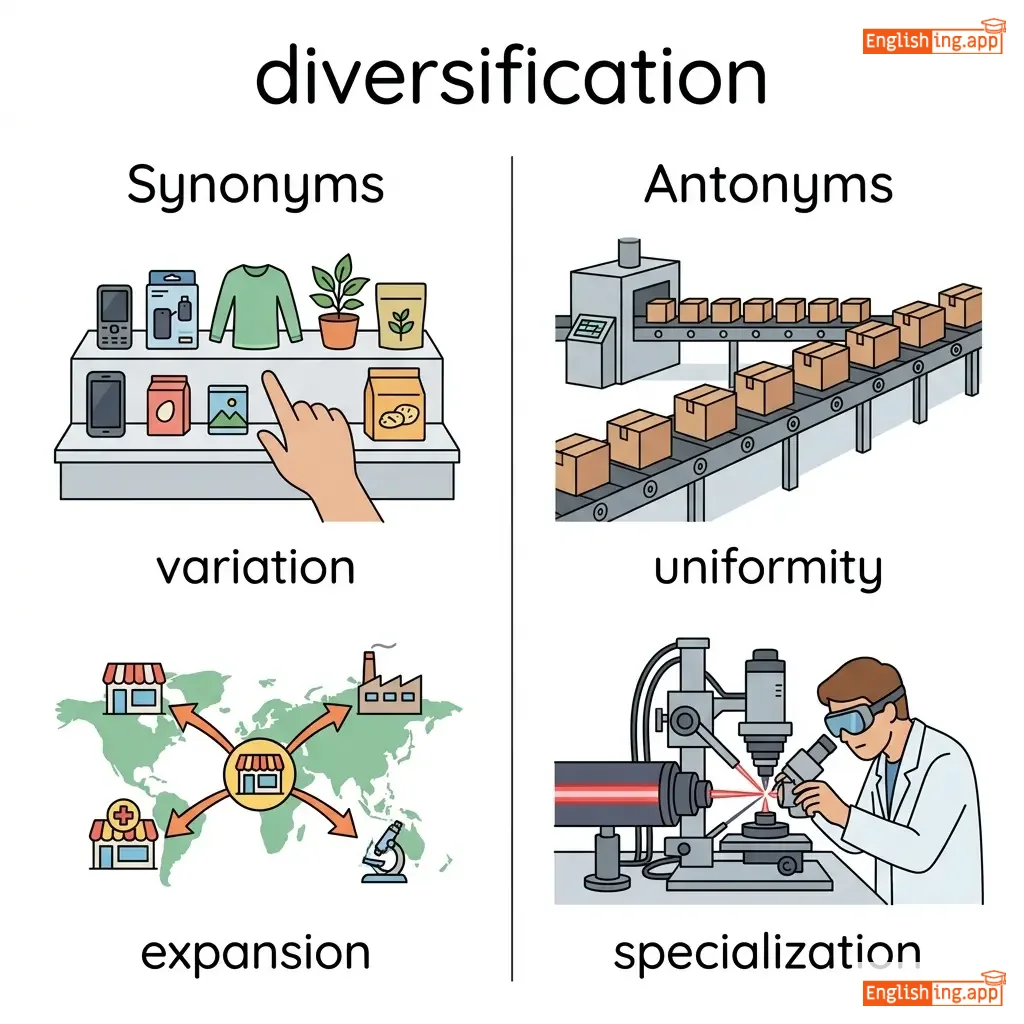
expansion, variety, differentiation
••••••
|
specialization, uniformity, concentration
••••••
|
多様化 = 異なる市場への拡大でリスクを減らす!
••••••
|
|
#3277
💸
|
/ˌsʌb.sɪ.dɪˈzeɪ.ʃən/
noun
(サブシディエーション)
••••••
|
|
補助金
hojokin
••••••
|
Financial assistance provided by government or organizations, also known as financial aid, grant, or sponsorship.
••••••
|
The government provided subsidization to support farmers.
政府は農民を支援するために補助金を提供しました。
••••••
|
政府は農民を支援するために補助金を提供しました。
Seifu wa nōmin o shien suru tame ni hojokin o teikyō shimashita.
••••••
|
financial aid, grant, sponsorship
••••••
|
taxation, financial withdrawal, self-sufficiency
••••••
|
政府が農民を助けるために補助金を与えています。
••••••
|
|
#3278
🏛️
|
/ɪkˌsprəʊ.priˈeɪ.ʃən/
noun
(エクスプロプリエーション)
••••••
|
|
収用
shūyō
••••••
|
The act of government taking private property, also known as confiscation, nationalization, or seizure.
••••••
|
The land expropriation led to disputes among landowners.
土地のエクスプロプリエーションは土地所有者間で争いを引き起こしました。
••••••
|
土地の収用は土地所有者間で争いを引き起こしました。
Tochi no shūyō wa tochi shoyūsha kan de arasoi o hikiokoshimashita.
••••••
|
confiscation, nationalization, seizure
••••••
|
privatization, ownership, reimbursement
••••••
|
政府が土地を収用する場面を想像してください。
••••••
|
|
#3279
⚖️
|
/ˌiː.kwɪˈlɪb.ri.əm/
noun
(エクイリブリウム)
••••••
|
|
平衡
heikou
••••••
|
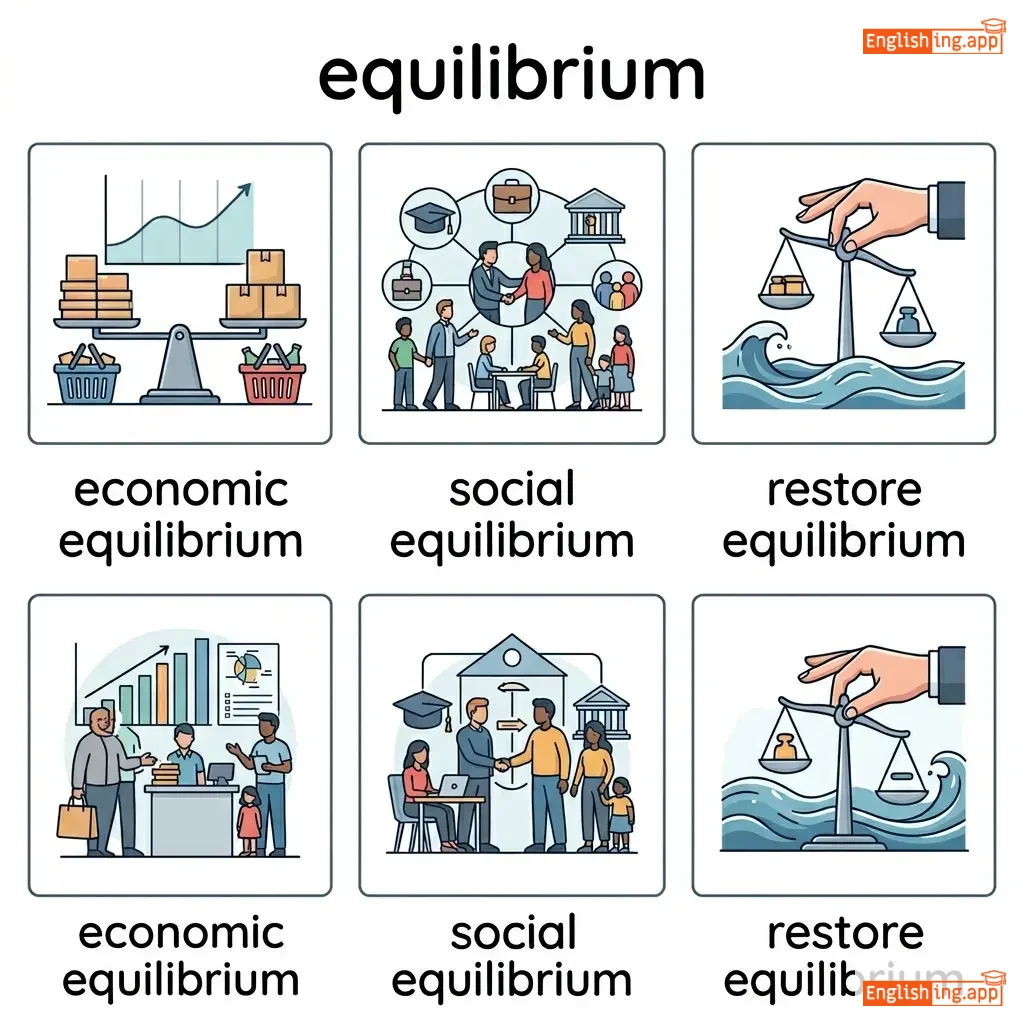
A state of balance, stability, and steadiness between supply and demand or different forces.
••••••
|
The market reached equilibrium between supply and demand. |
市場は供給と需要の間の均衡に達しました。
Shijou wa kyoukyuu to juuyou no aida no kinkou ni tasshimashita.
••••••
|
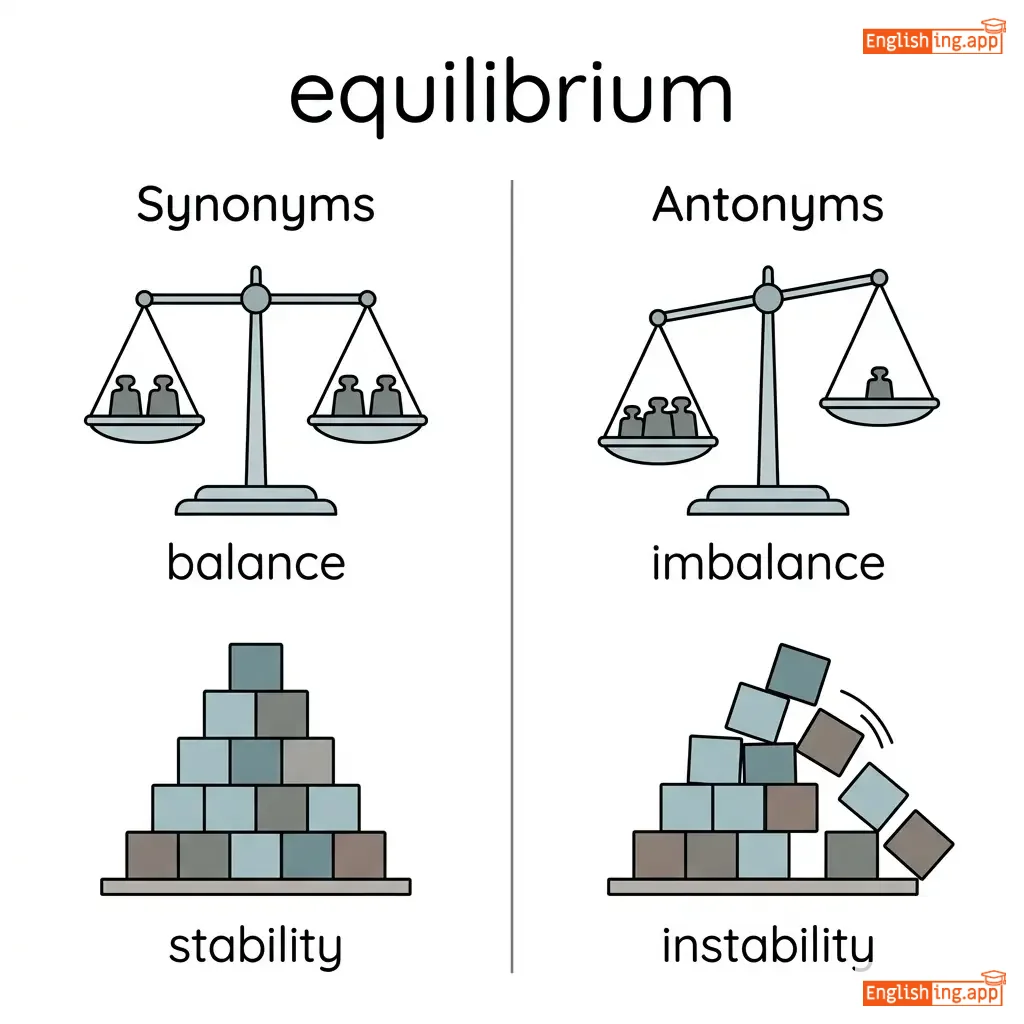
balance, stability, steadiness
••••••
|
imbalance, instability, disproportion
••••••
|
平衡 = Balance
••••••
|
|
#3280
📈
|
/ɪnˈfleɪ.ʃən.ər.i/
adjective
(インフレの)
••••••
|
|
インフレの
infure no
••••••
|
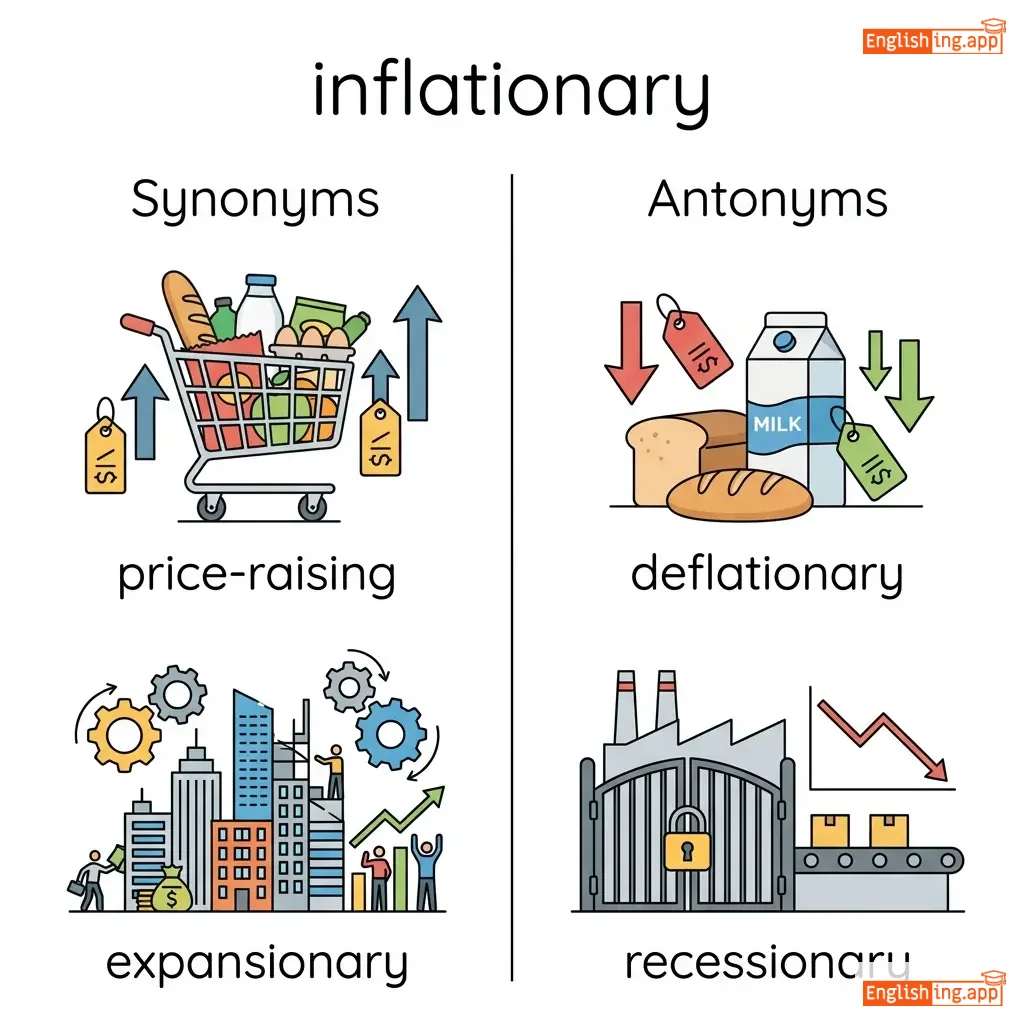
Related to rising prices and decreasing purchasing power of money, characterized as price-rising, cost-increasing, or expansionary.
••••••
|
The country faced an inflationary crisis due to excessive money printing. |
過剰な貨幣の印刷のため、国はインフレ危機に直面した。
Kajōna kahei no insatsu no tame, kuni wa infure kiki ni chokumen shita.
••••••
|
price-rising, cost-increasing, expansionary
••••••
|
deflationary, price-reducing, contractionary
••••••
|
インフレの記憶法:貨幣の増加と価格の上昇が関係する。
••••••
|
|
#3281
💱
|
/ˌmɒn.ɪ.taɪˈzeɪ.ʃən/
noun
(マネタイズ)
••••••
|
|
マネタイズ
manetaizu
••••••
|
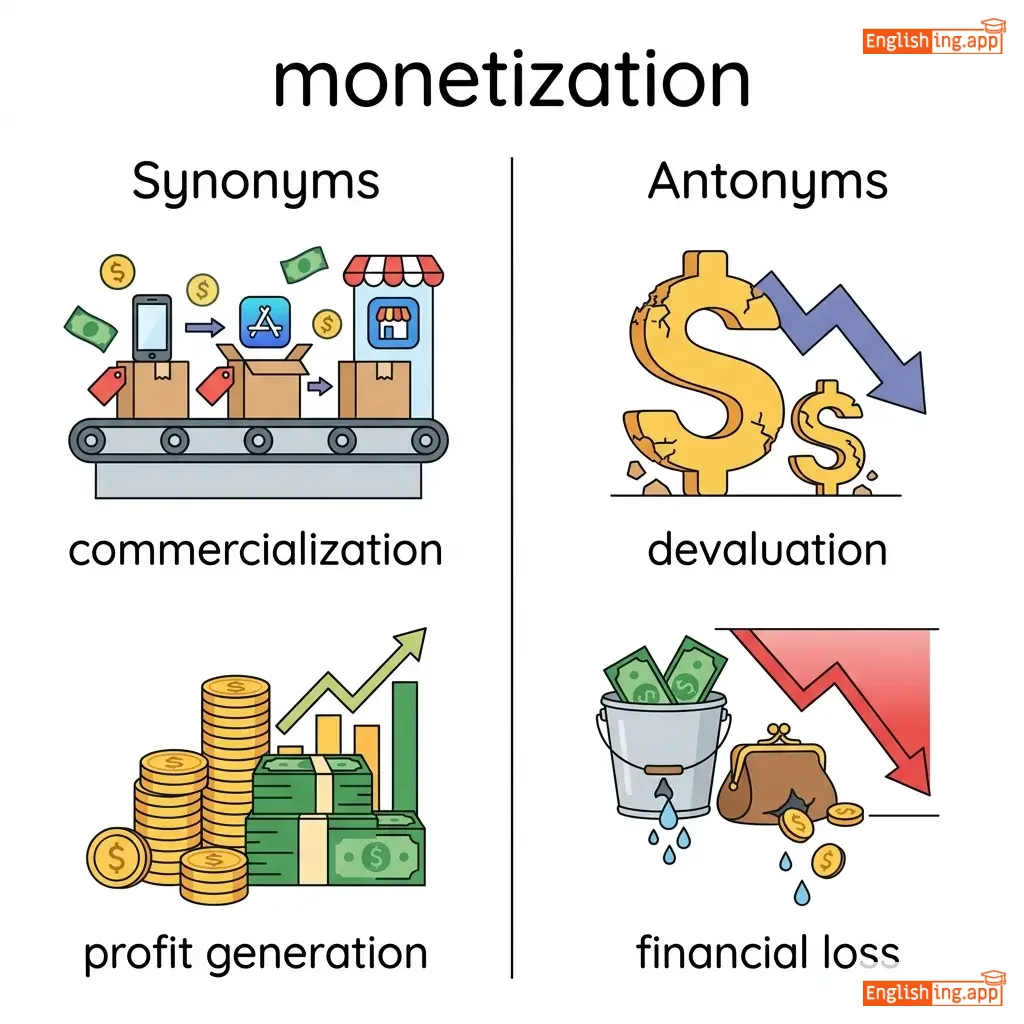
The process of converting assets or services into money, involving commercialization, profit generation, and revenue creation.
••••••
|
The monetization of digital content has created new income streams. |
デジタルコンテンツのマネタイズは新しい収入源を生み出しました。
Dejitaru kontentsu no manetaizu wa atarashī shūnyūgen o umidashimashita.
••••••
|
commercialization, profit generation, revenue creation
••••••
|
devaluation, financial loss, depreciation
••••••
|
マネタイズ = お金 + 創出 (収益を生み出す)
••••••
|
Vocabulary Quiz
Test your vocabulary by matching words with their translations or meanings.
Login to take the quiz
Comments (0)
Share your thoughts and join the discussion.
Join the discussion by logging in
Login to CommentNo comments yet
Be the first to share your thoughts!