

憲法改革委員会
Constitutional Reform Commission
2024年10月6日、バングラデシュで Constitutional Reform Commission が設立されました。Renowned political scientist アリ・リアズ教授がこの9人の組織の長に appointed されました。Commission の主な目的は、existing provisions を見直し、necessary amendments に関する提言を行うことです。
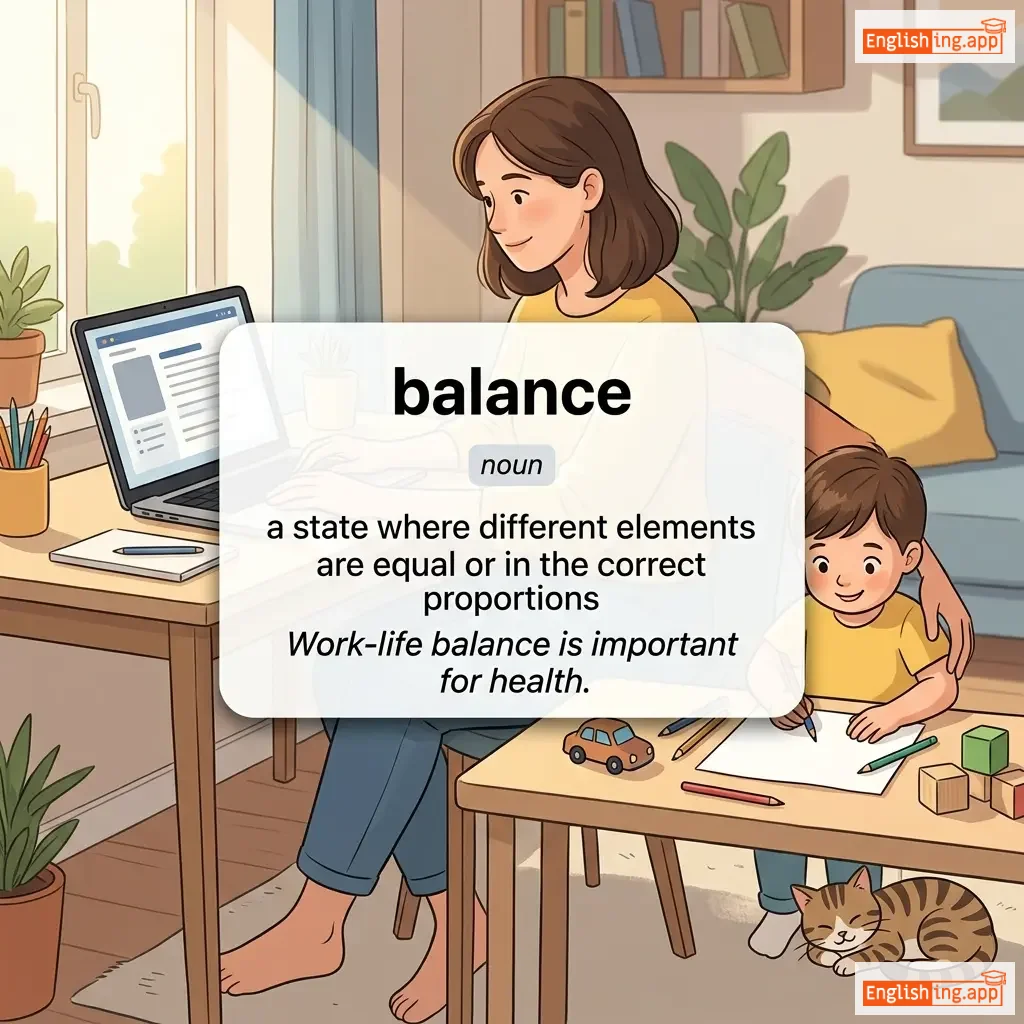
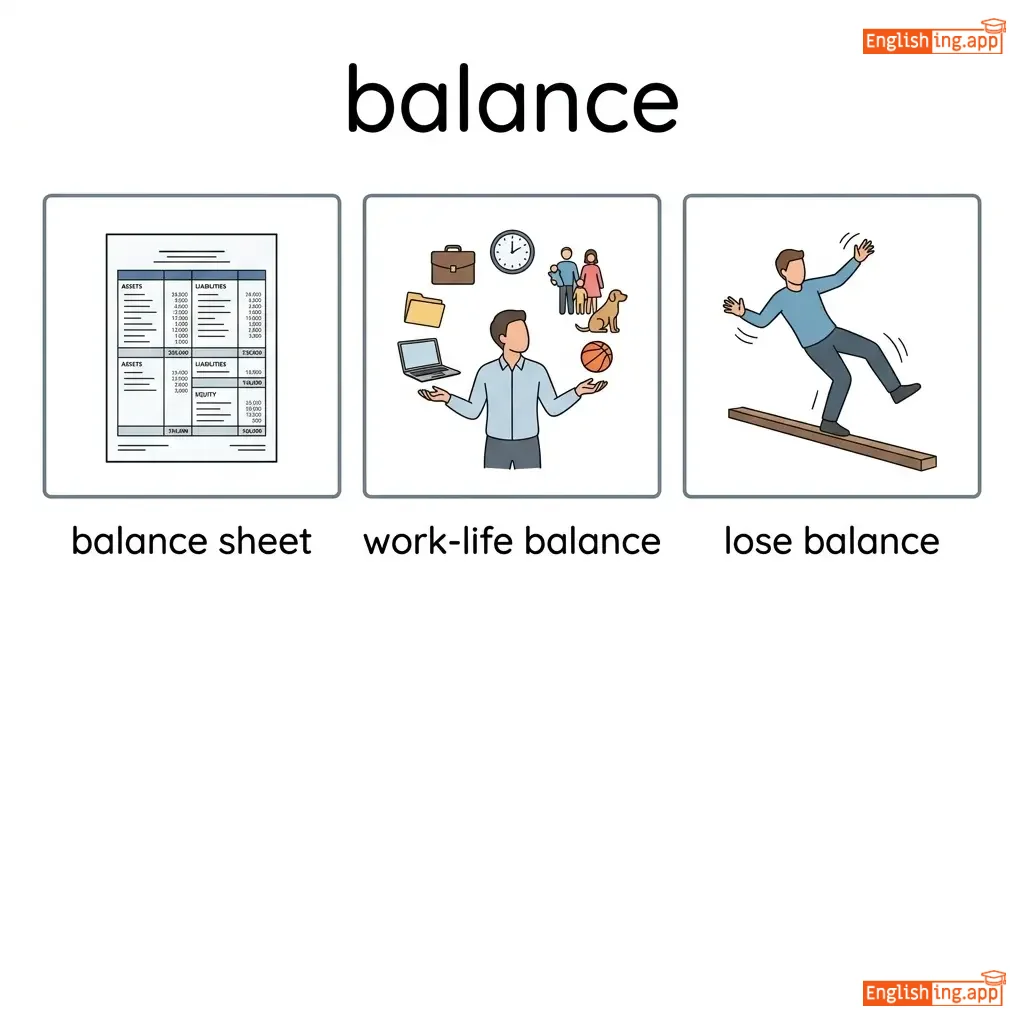
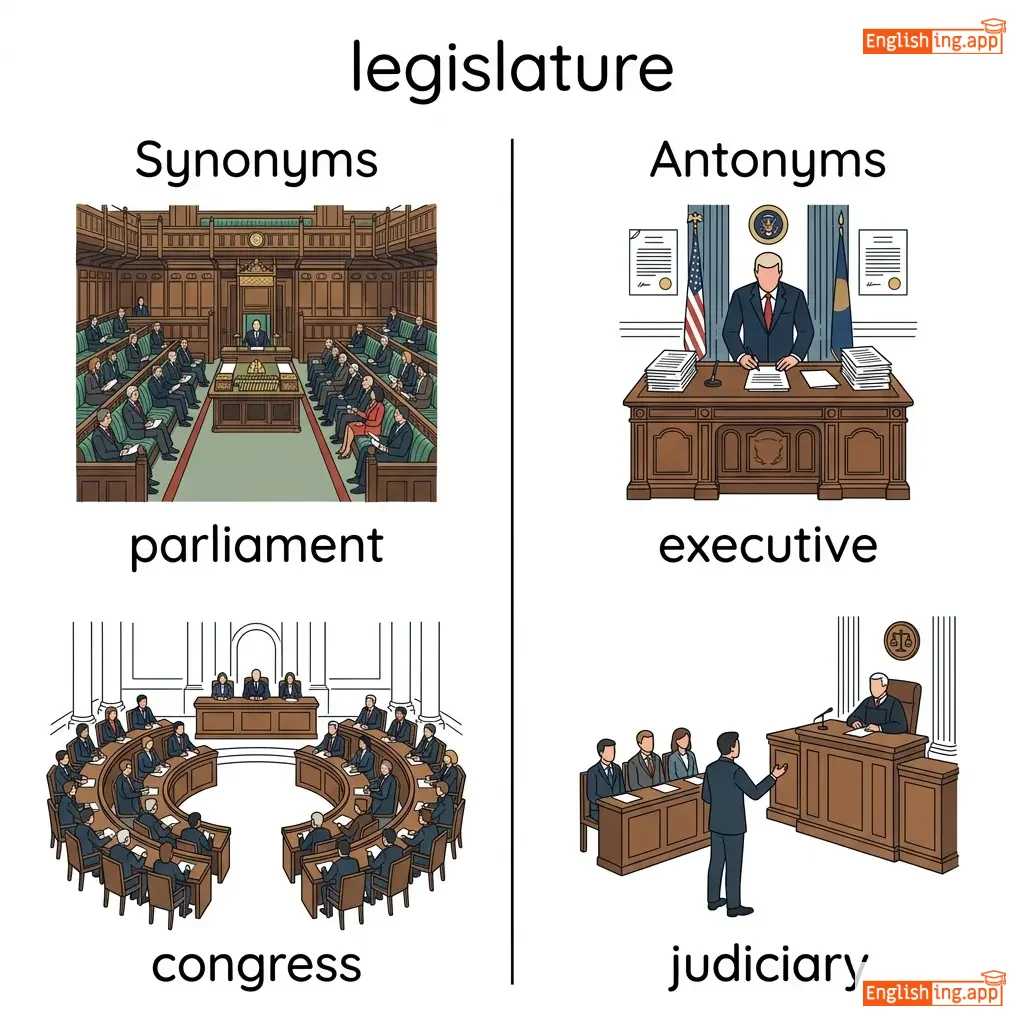
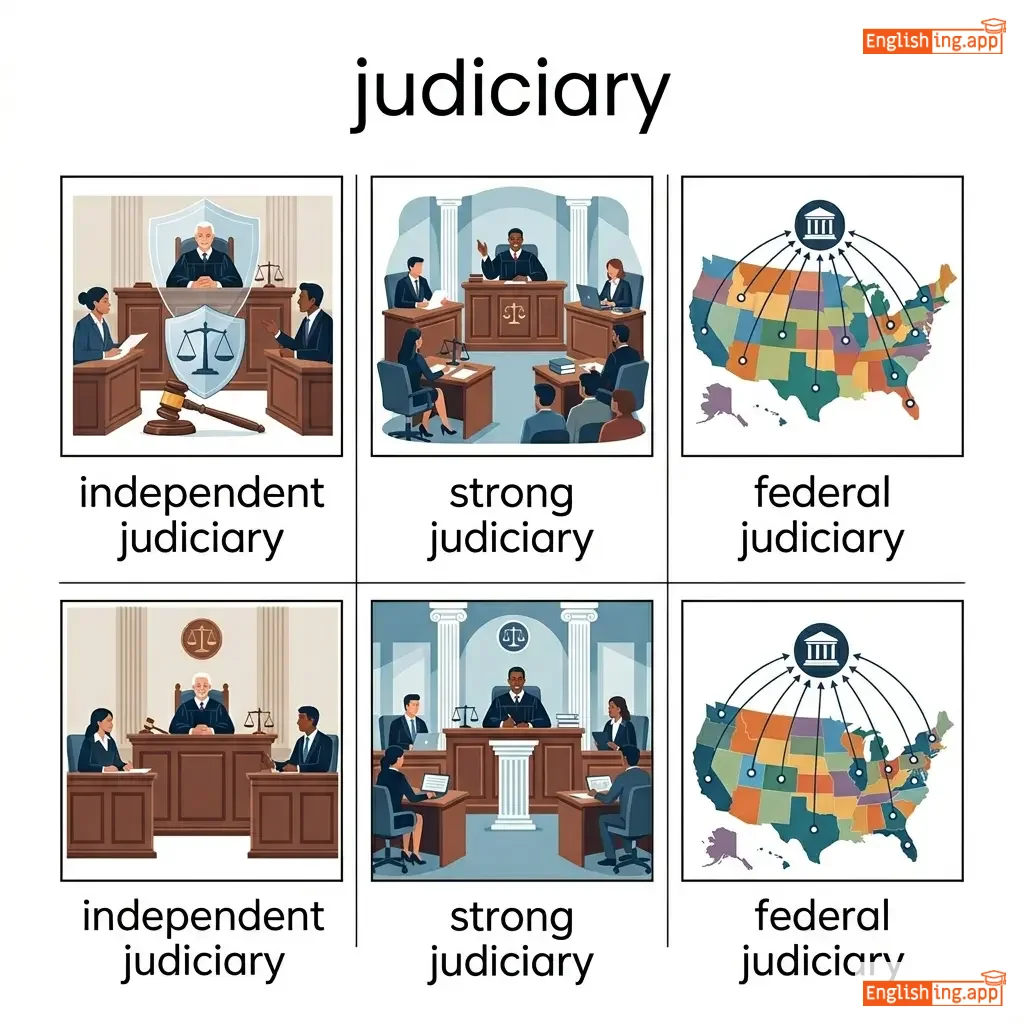
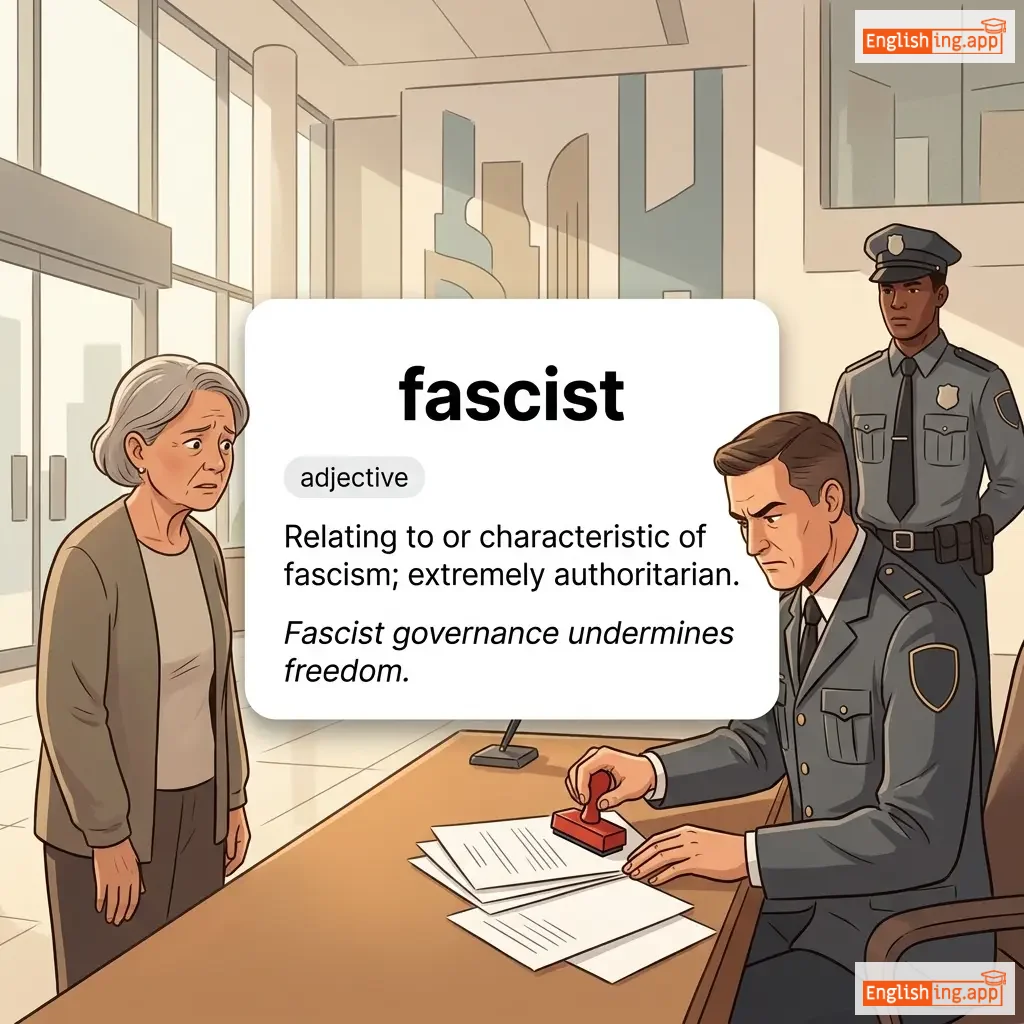
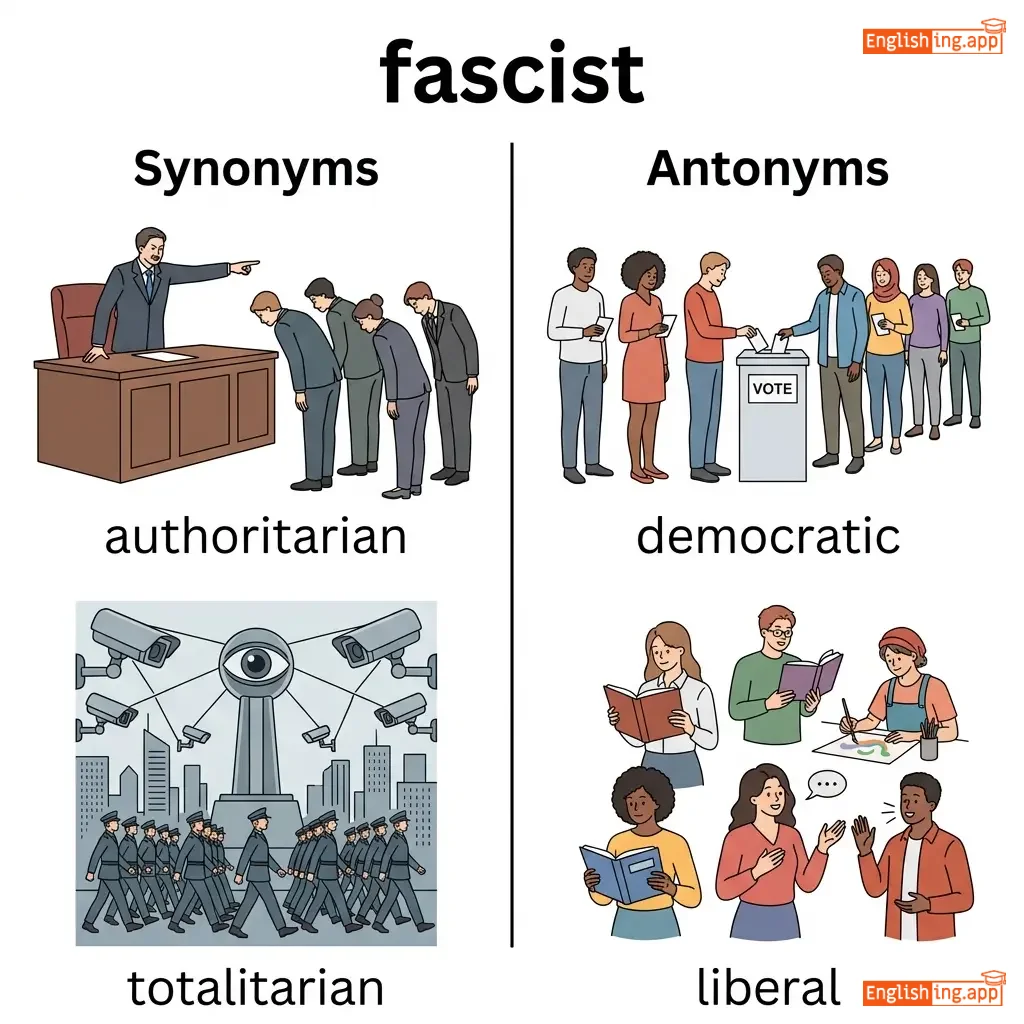
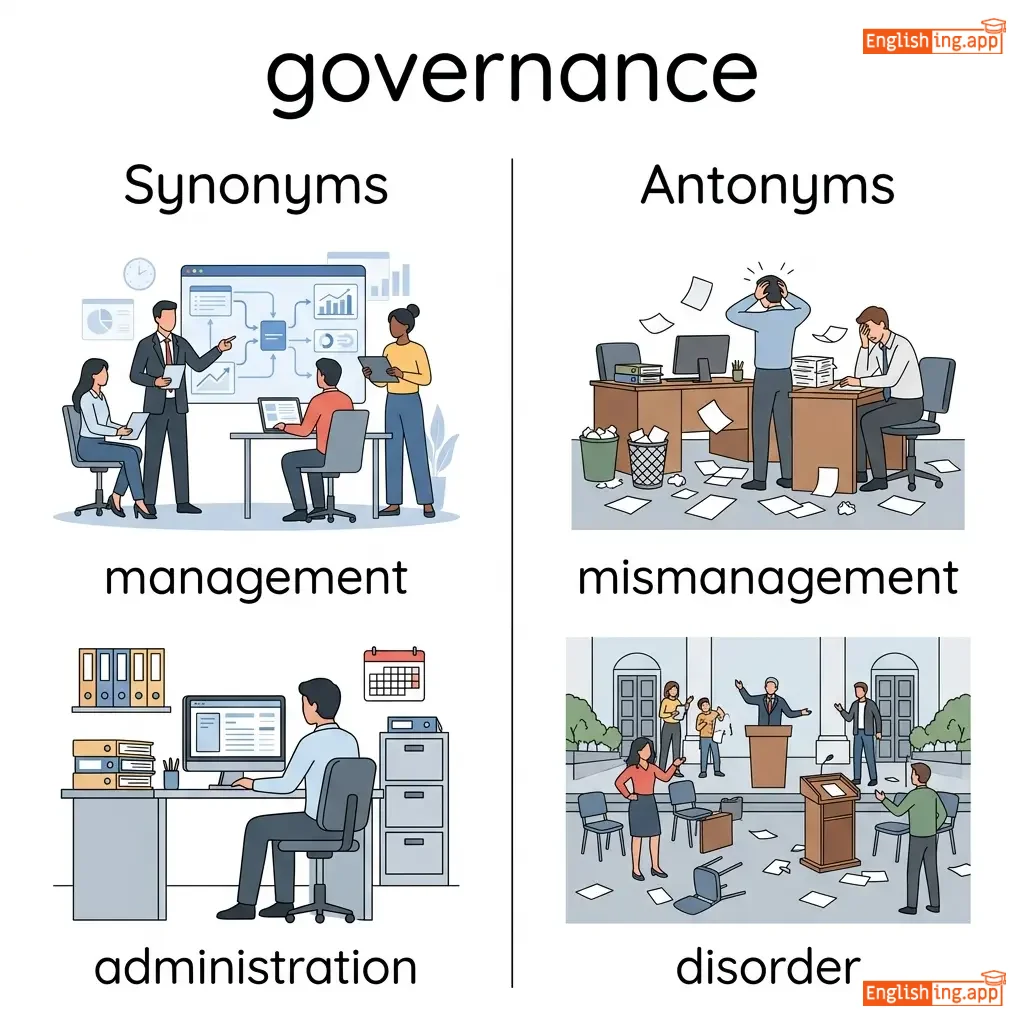
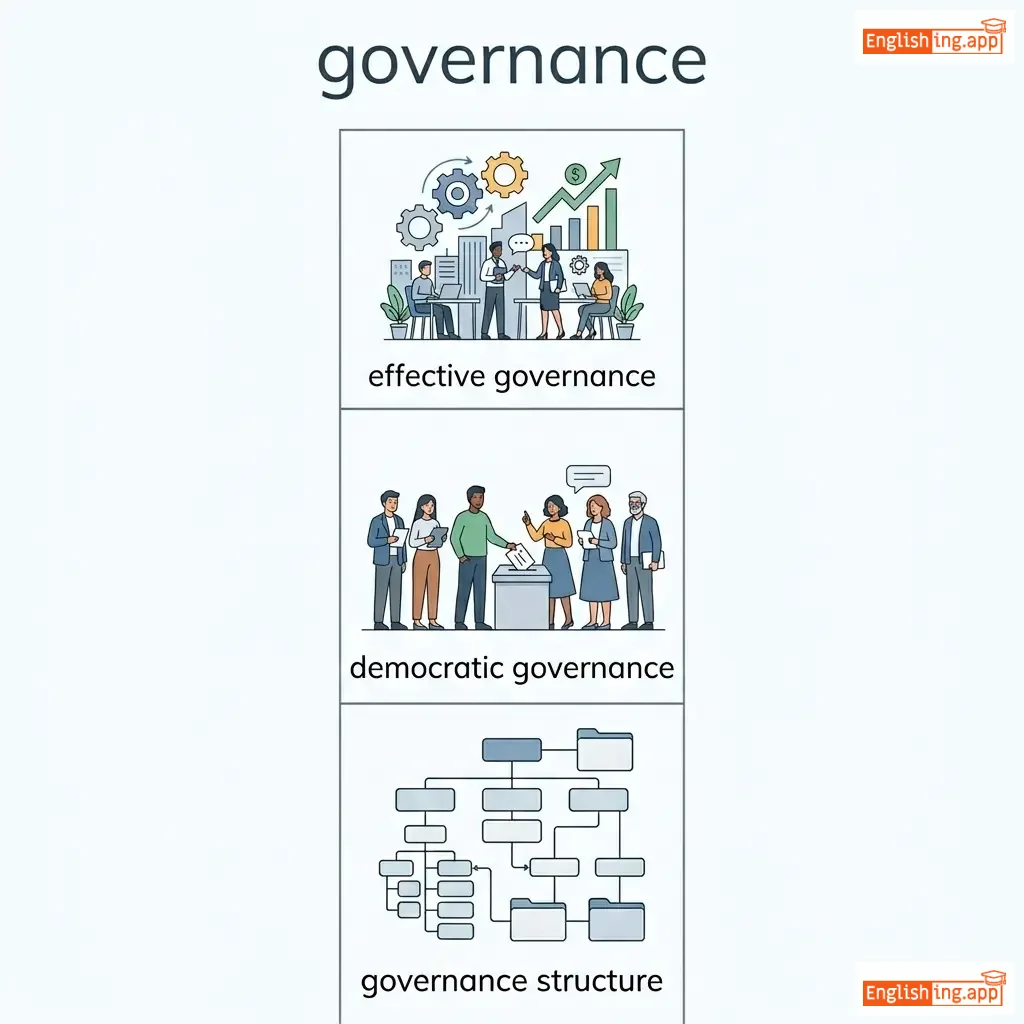
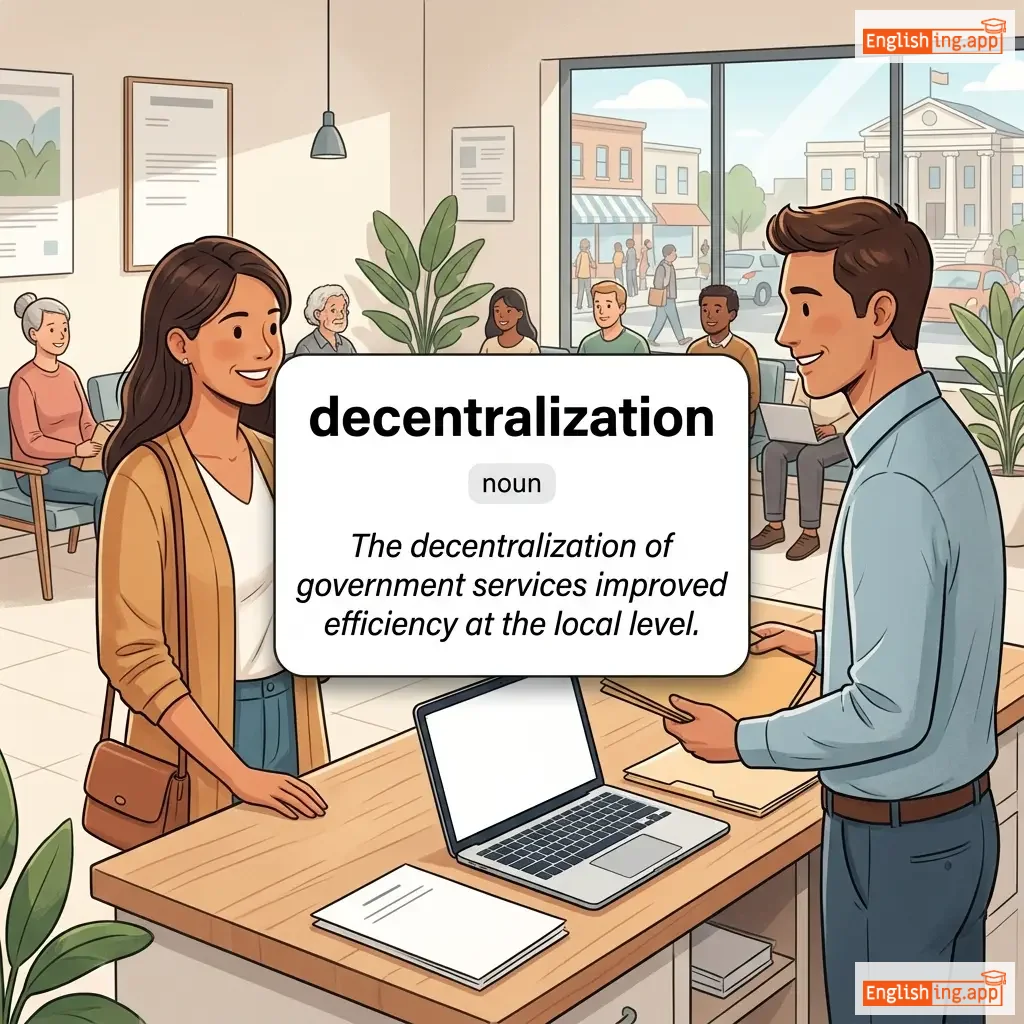
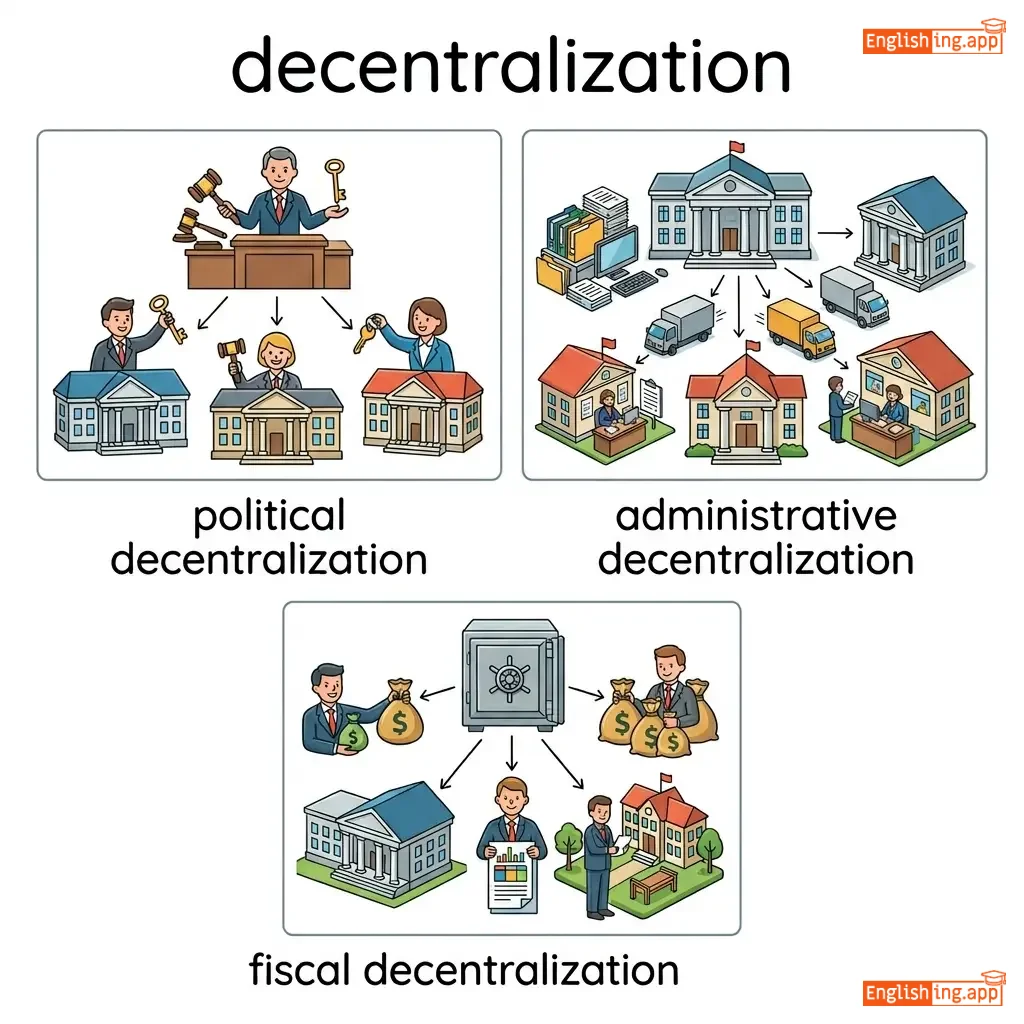
Commission の仕事には、憲法の modifications を通じて equality、social justice、および balance of power を確保することが含まれます。国家の三権——executive、legislature、および judiciary——の間のバランスを確立し、fascist governance prevention と effective decentralization を推進することが commission の主要な目標です。
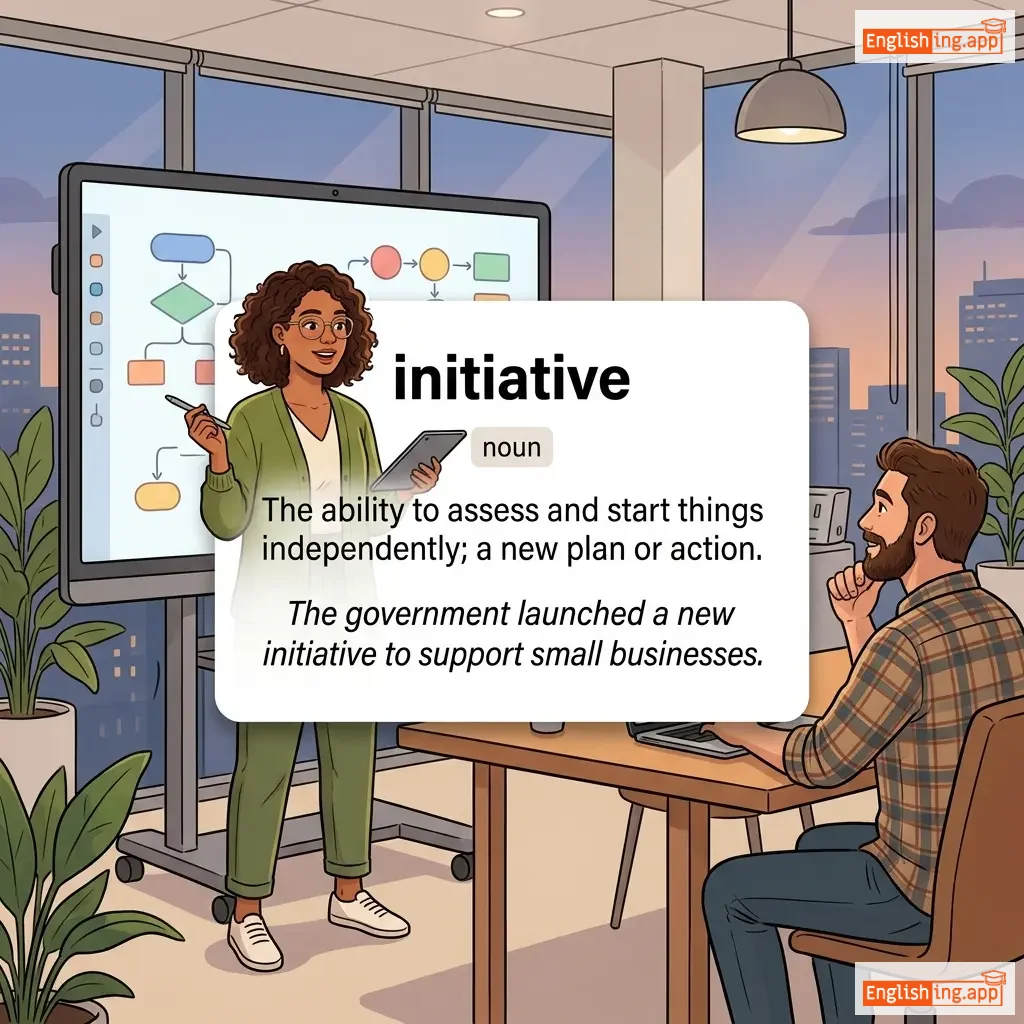
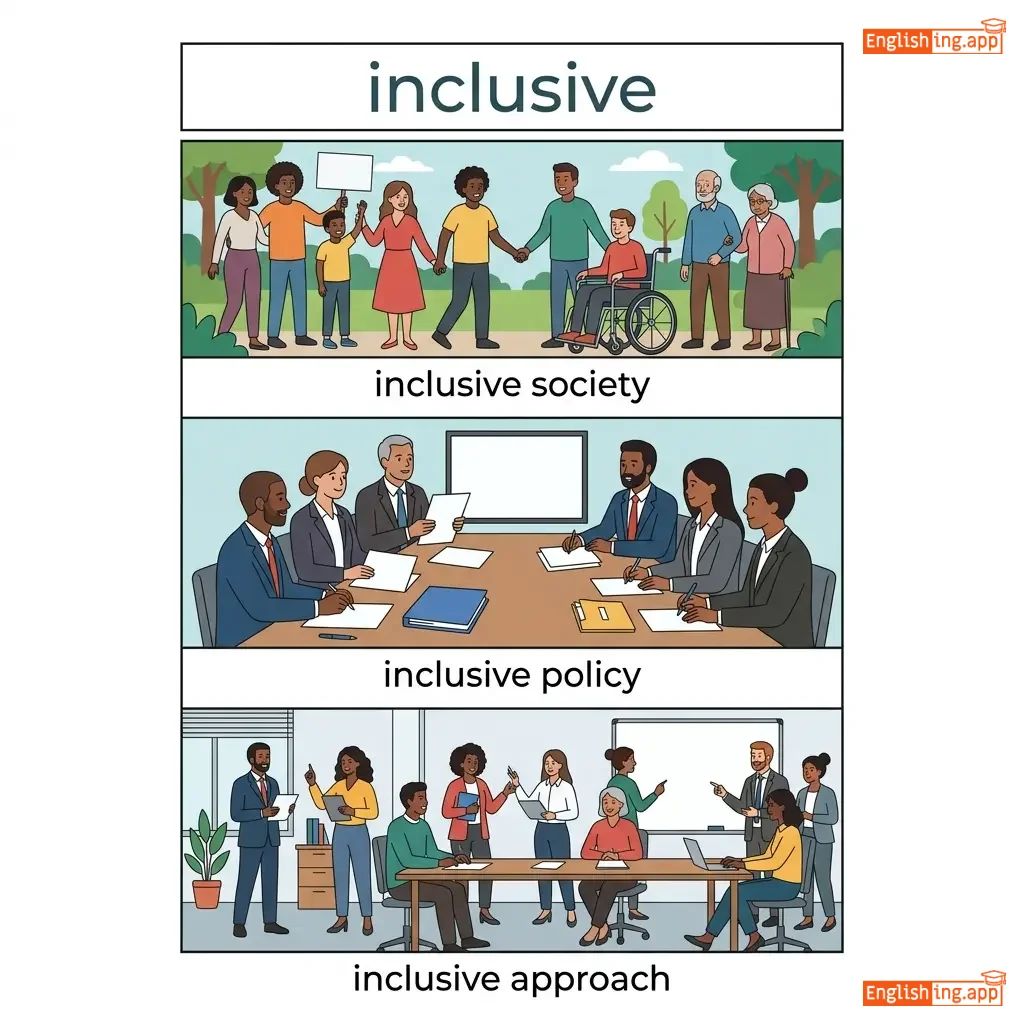
この initiative は、inclusive democratic framework を構築し、国民の願望を反映した inclusive constitution を策定する上で重要な役割を果たします。Commission は90日以内に最終的な recommendations を interim government に提出します。
翻訳
過去
過去分詞
三人称単数
動名詞
意味
例文
例文の翻訳
同義語
対義語
コロケーション
ニーモニック
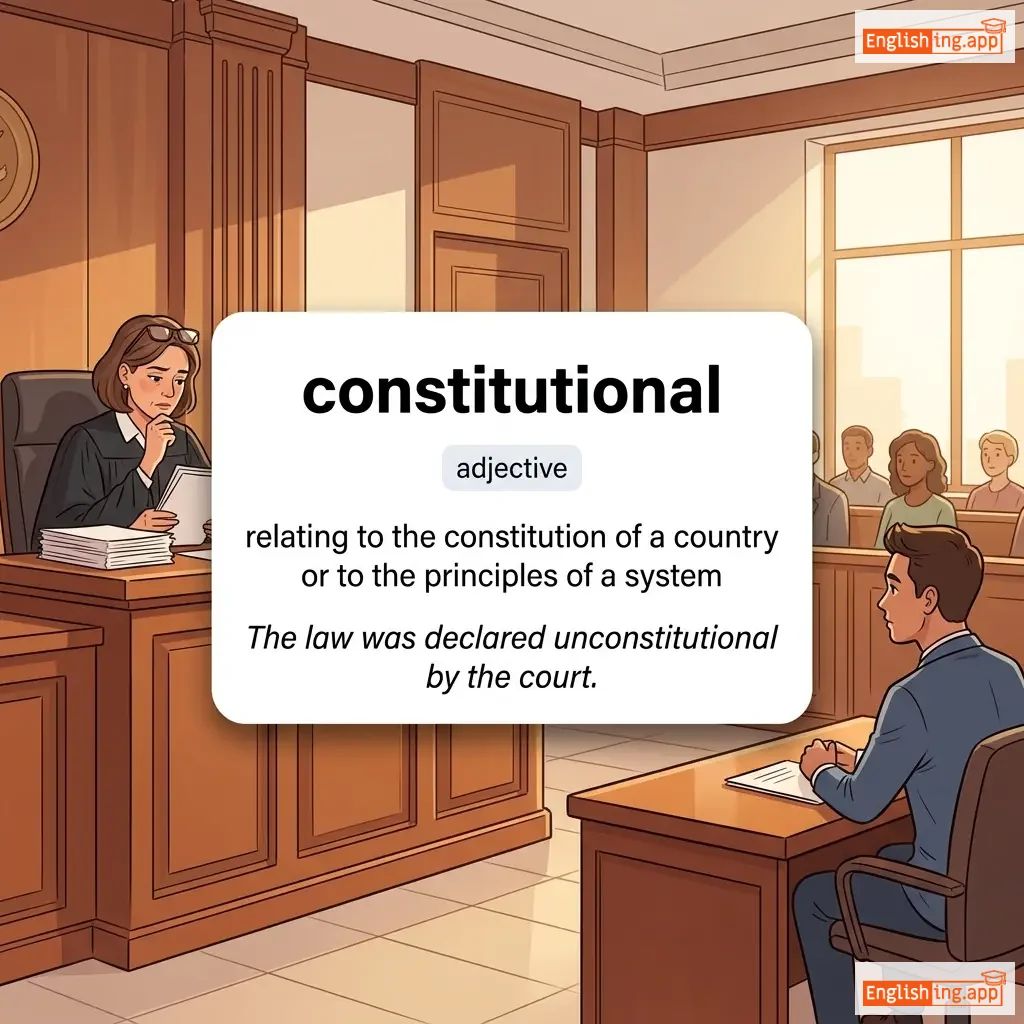
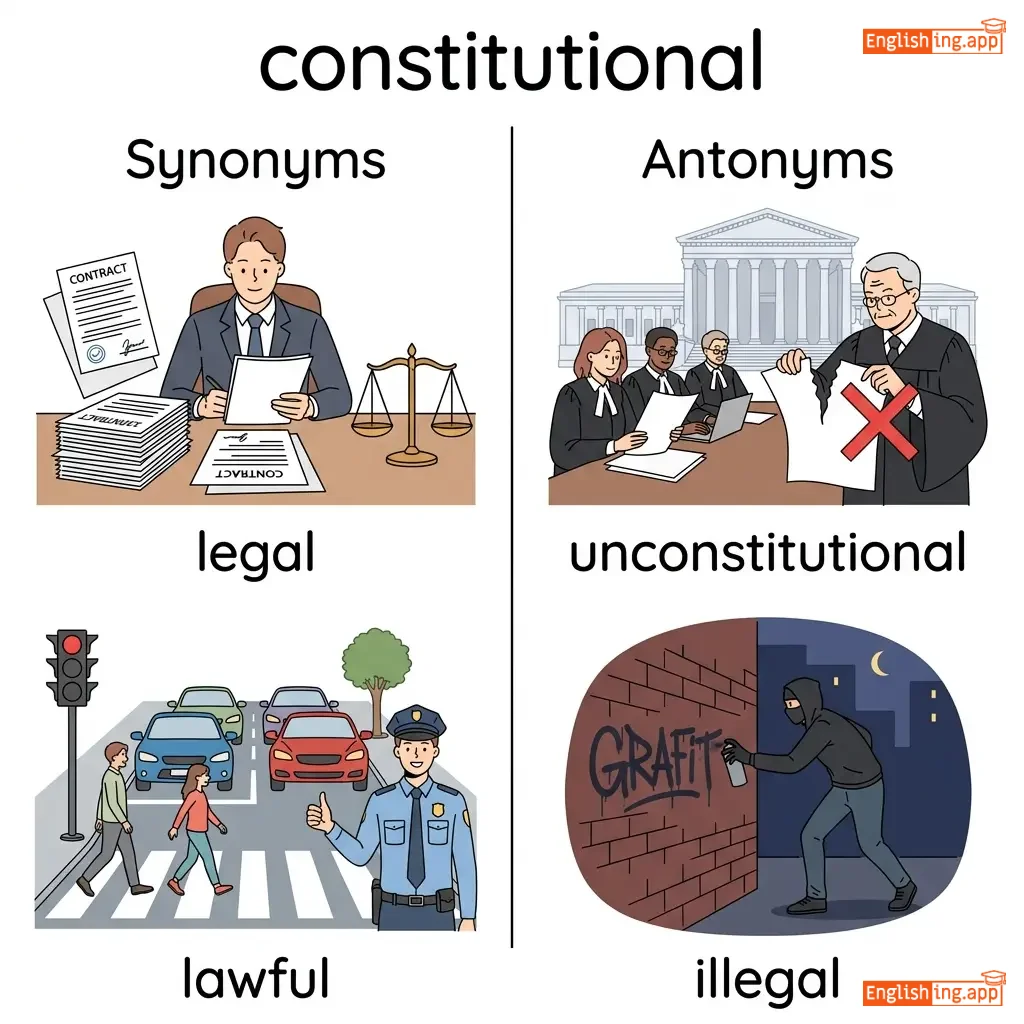
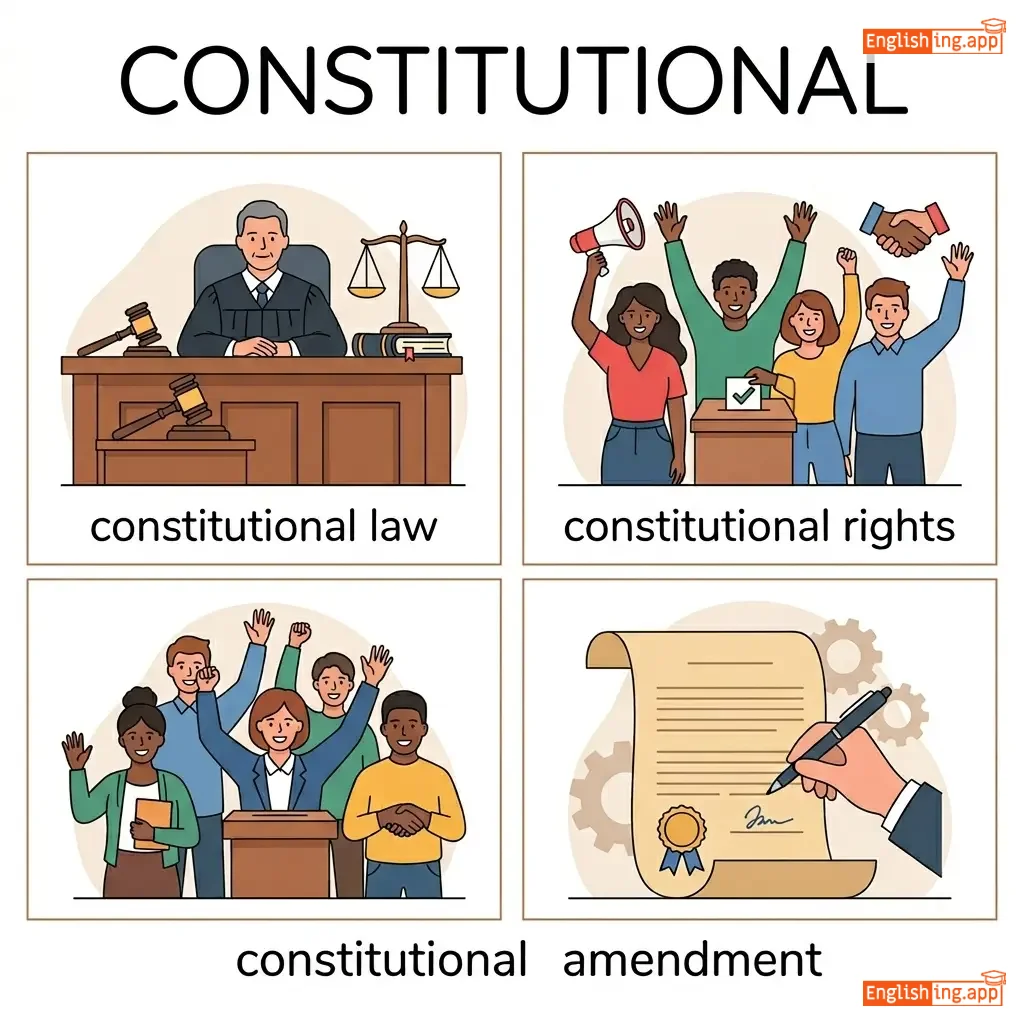
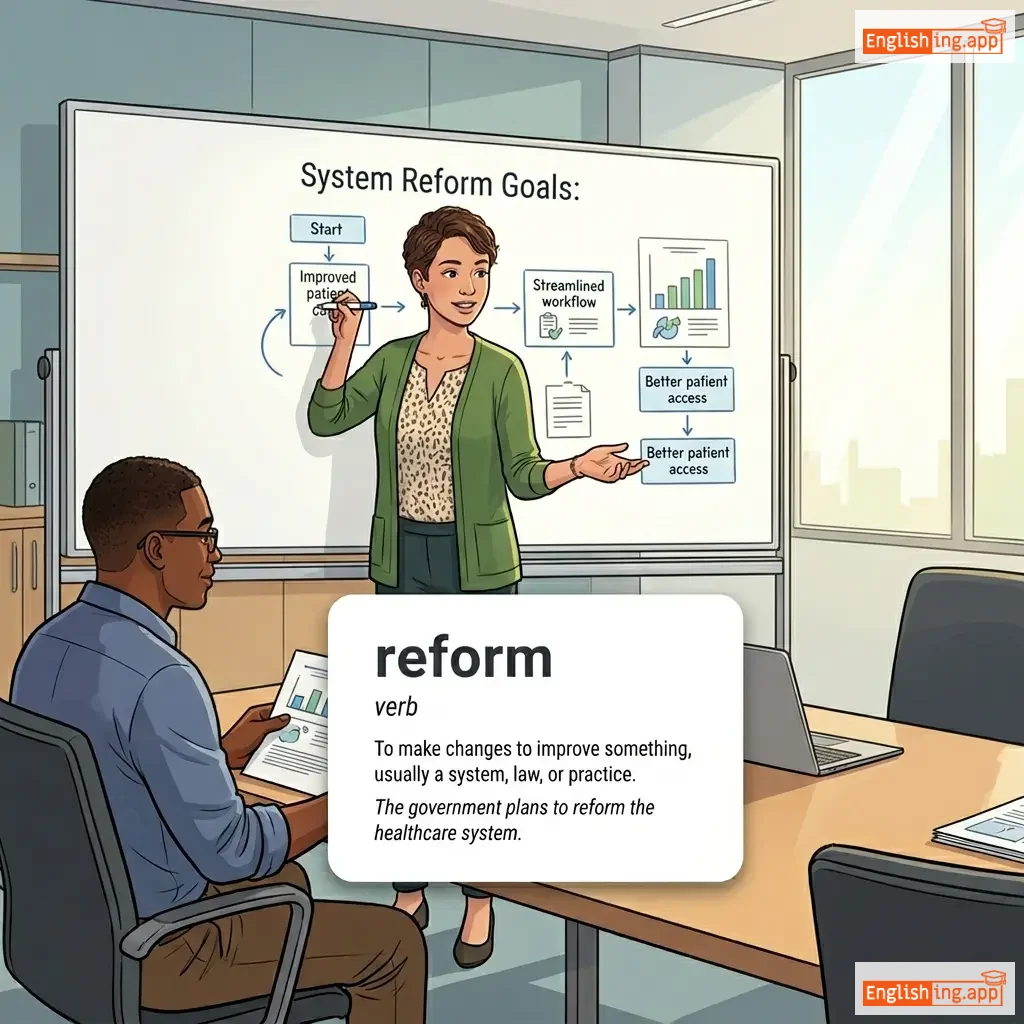












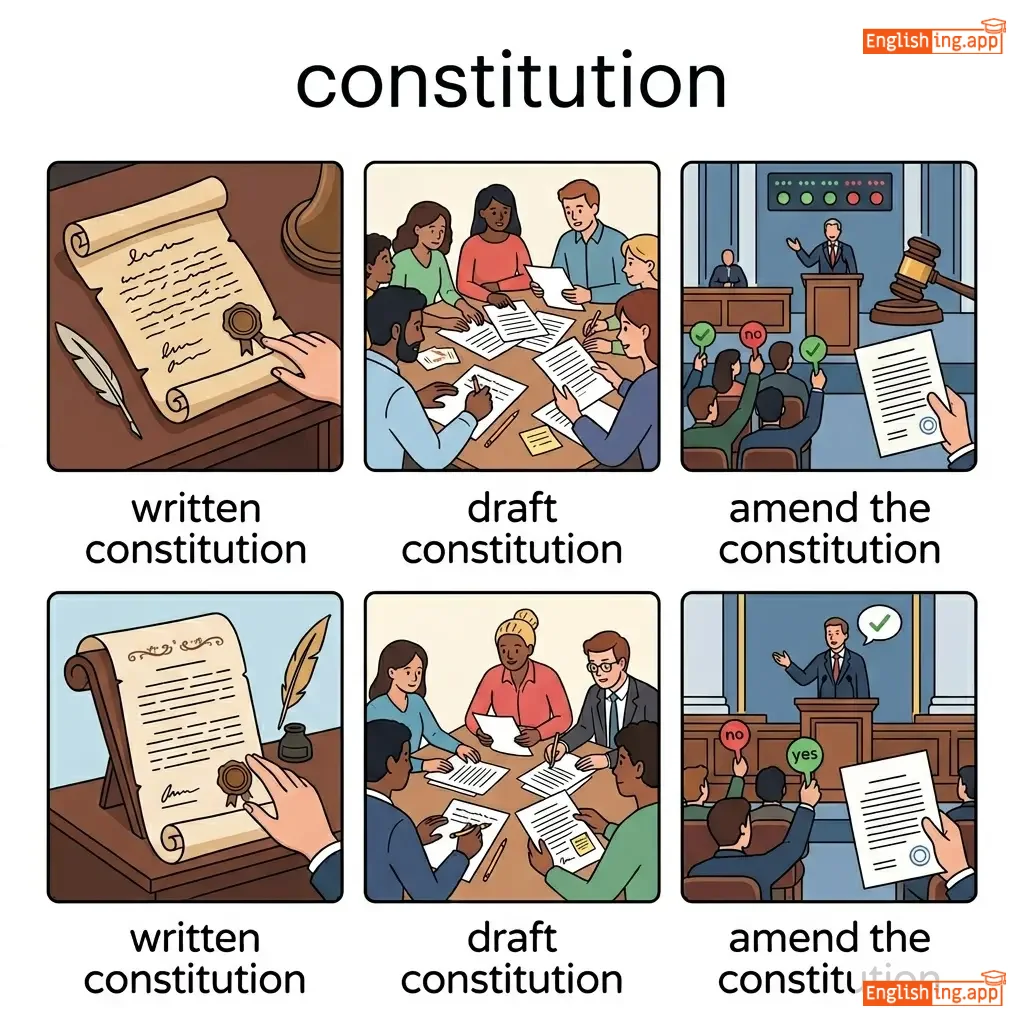

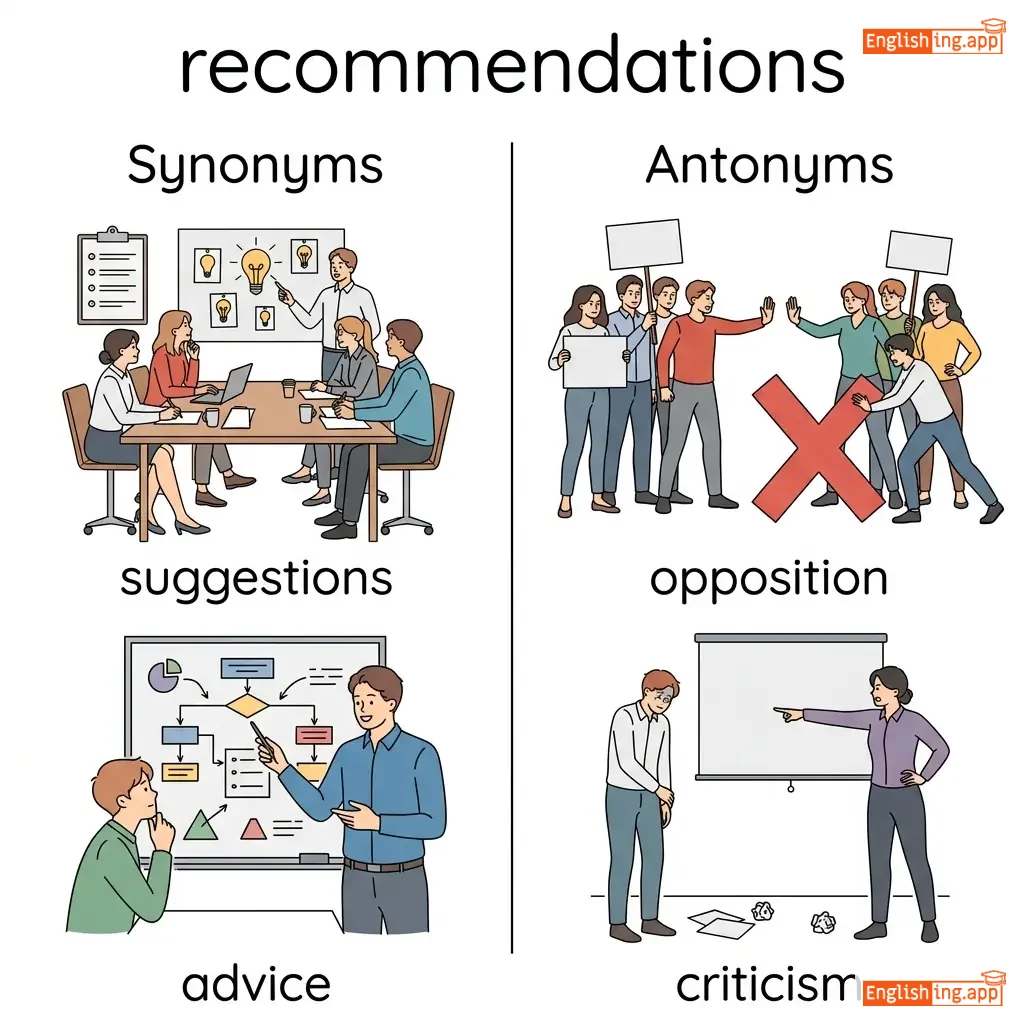

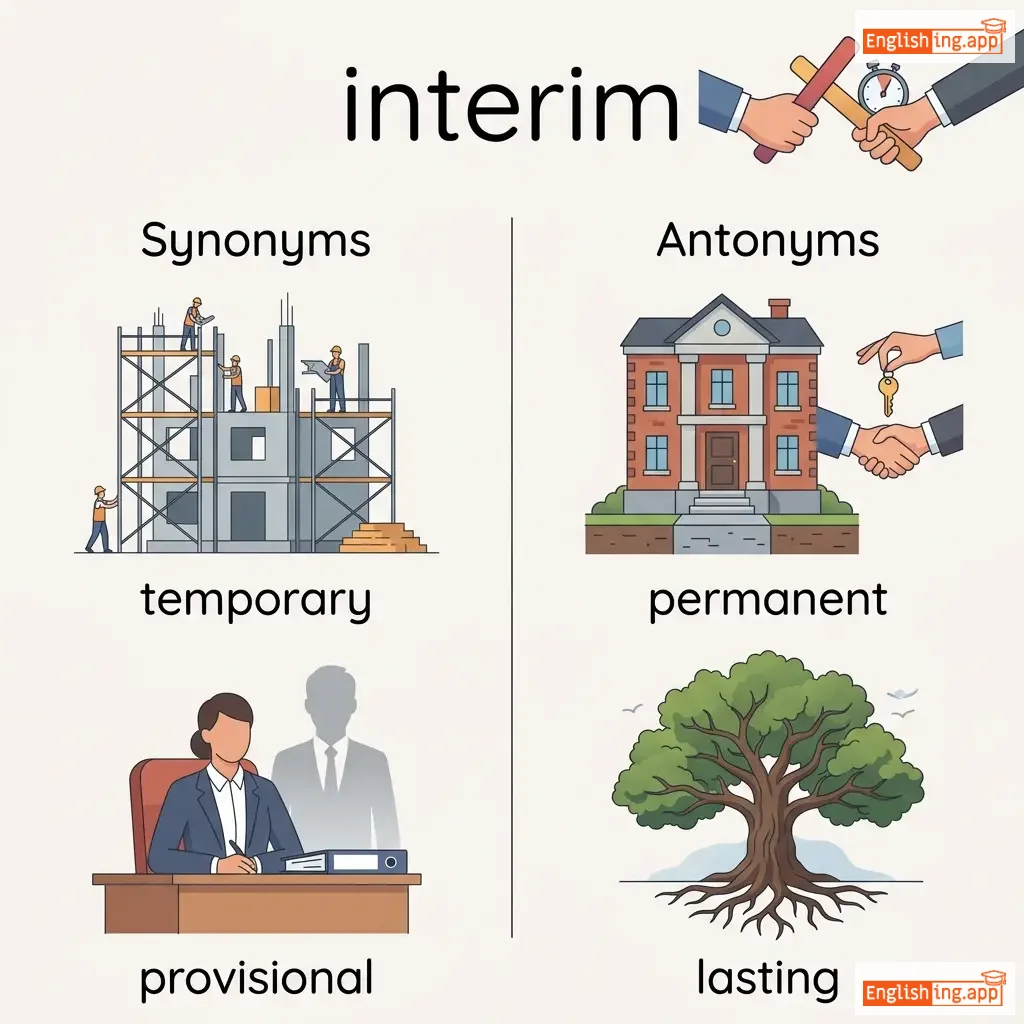
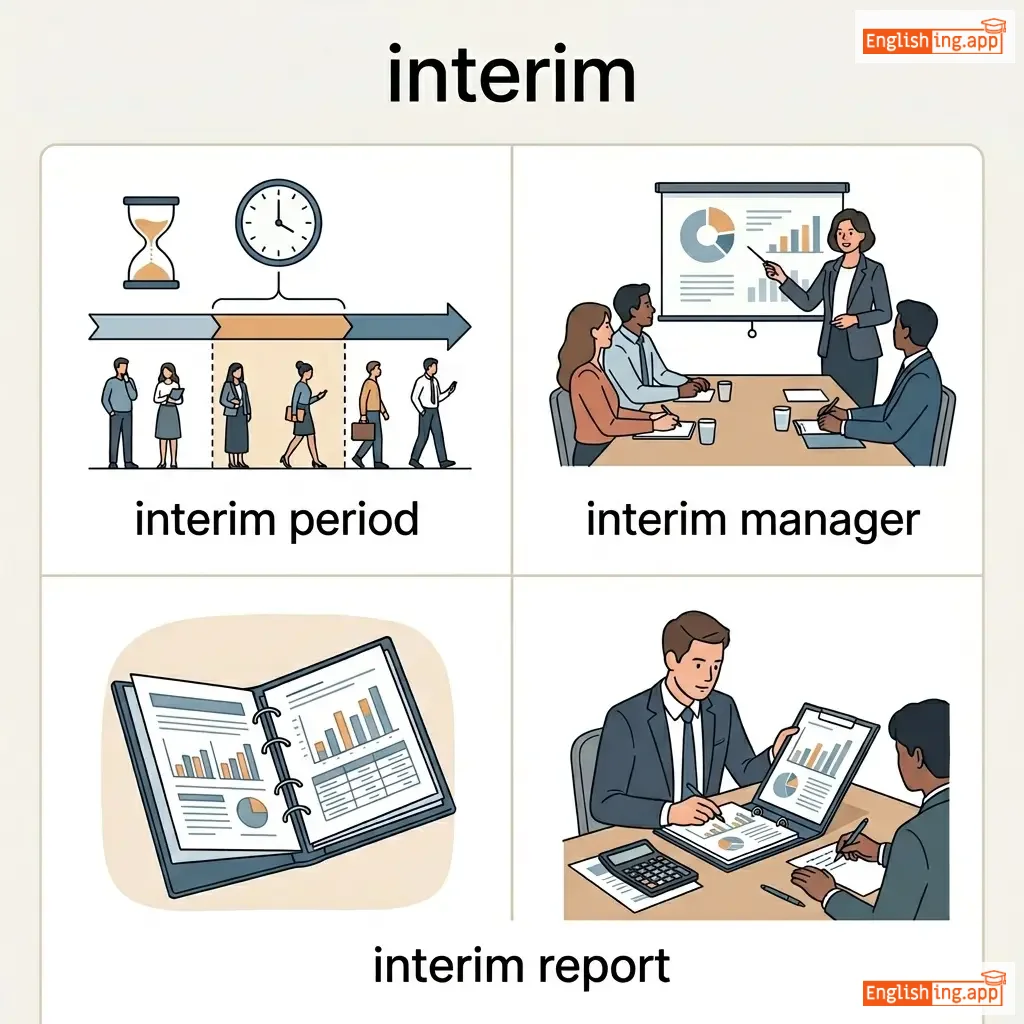
Swipe left or right, or use the buttons. Tap image to zoom.
例文の翻訳
単語
Constitutional Reform CommissionConstitutional Reform Commission - マスクトグル
|
絵文字
|
単語 | Images | 翻訳 | 意味 | 例文 | 例文の翻訳 | 同義語 | 対義語 | ニーモニック |
|---|---|---|---|---|---|---|---|---|---|
|
#858
📜
|
ˌkɒn.stɪˈtjuː.ʃən.əl
adjective
(憲法の)
••••••
|
|
憲法の
kenpou no
••••••
|
Relating to or in accordance with a constitution, especially of a country.
••••••
|
Constitutional provisions ensure fairness.
憲法の規定は公正を保証する。
••••••
|
憲法の規定は公正を保証する。
Kenpou no kitei wa kousei o hoshou suru.
••••••
|
legal, chartered, authorized, lawful, legitimate, statutory
••••••
|
unconstitutional, illegal, unlawful, unauthorized, illegitimate, invalid
••••••
|
‘憲法’と‘規定’を組み合わせて、‘憲法の’を覚えよう。
••••••
|
|
#859
🔄
|
rɪˈfɔːm
noun
(リフォーム)
••••••
|
|
改革
kaizen
••••••
|
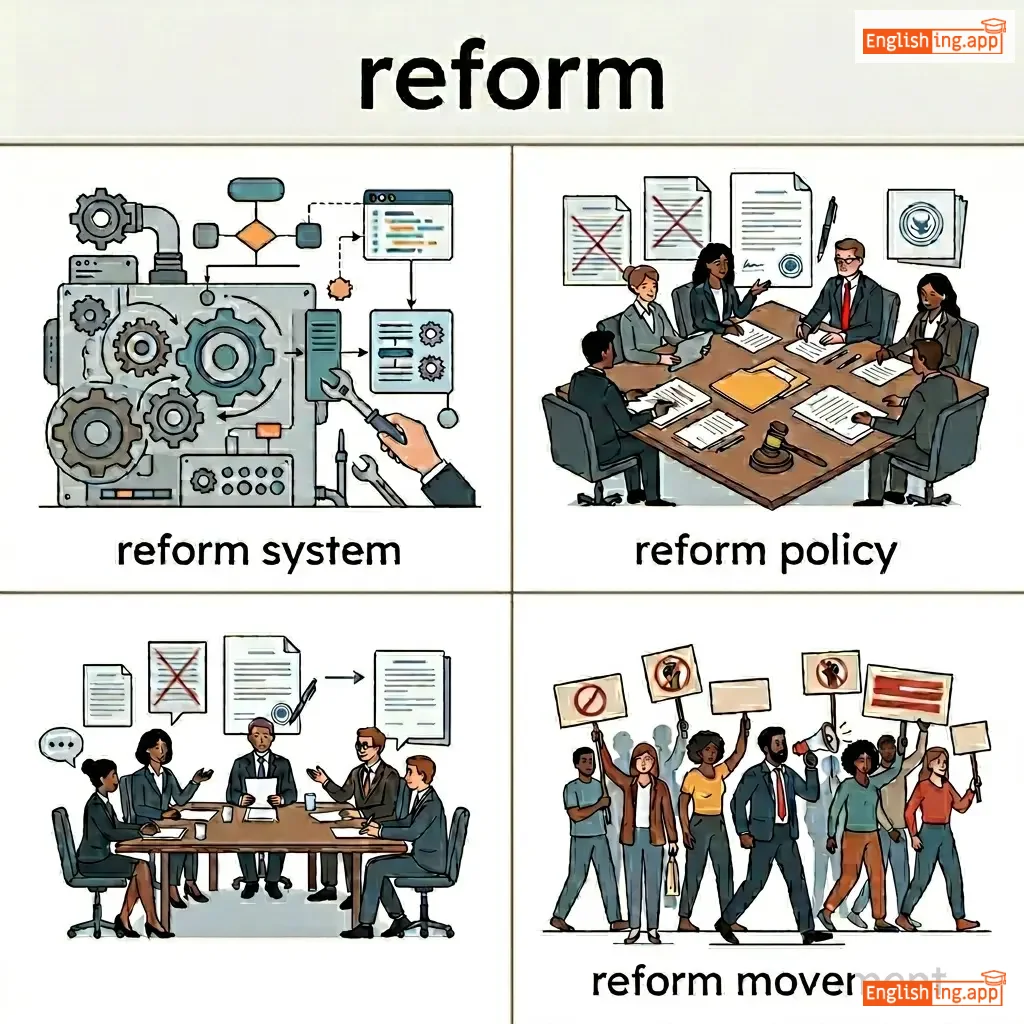
The action of reforming an institution or practice; improvement or amendment.
••••••
|
Reform strengthens governance systems.
改革はガバナンスシステムを強化します。
••••••
|
改革はガバナンスシステムを強化します。
Kaizen wa gabanasu shisutemu o kyoka shimasu.
••••••
|
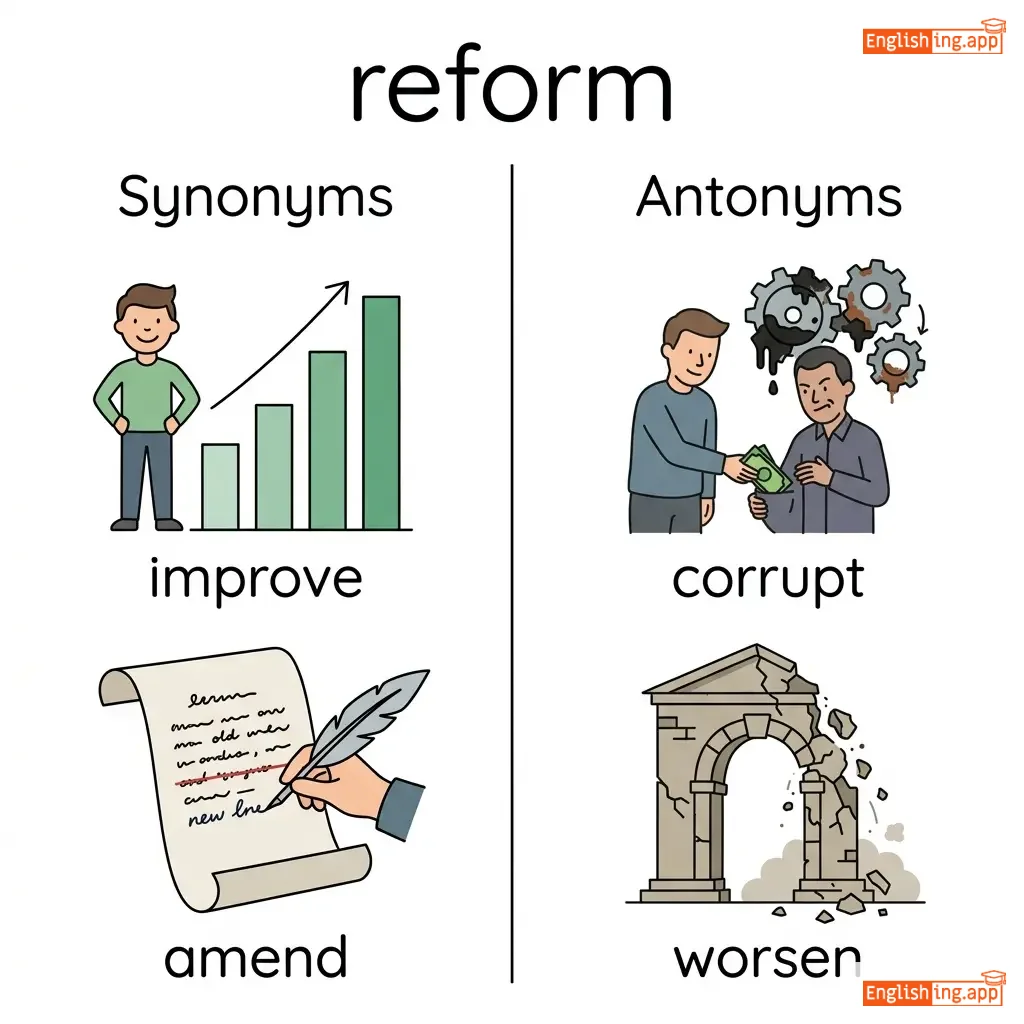
improvement, amendment, revision, modification, restructuring, transformation
••••••
|
deterioration, corruption, regression, decline, stagnation, decay
••••••
|
改革は新しい未来を作り出します。
••••••
|
|
#860
👥
|
kəˈmɪʃ.ən
noun
(コミッション)
••••••
|
|
委員会
Iinkai
••••••
|
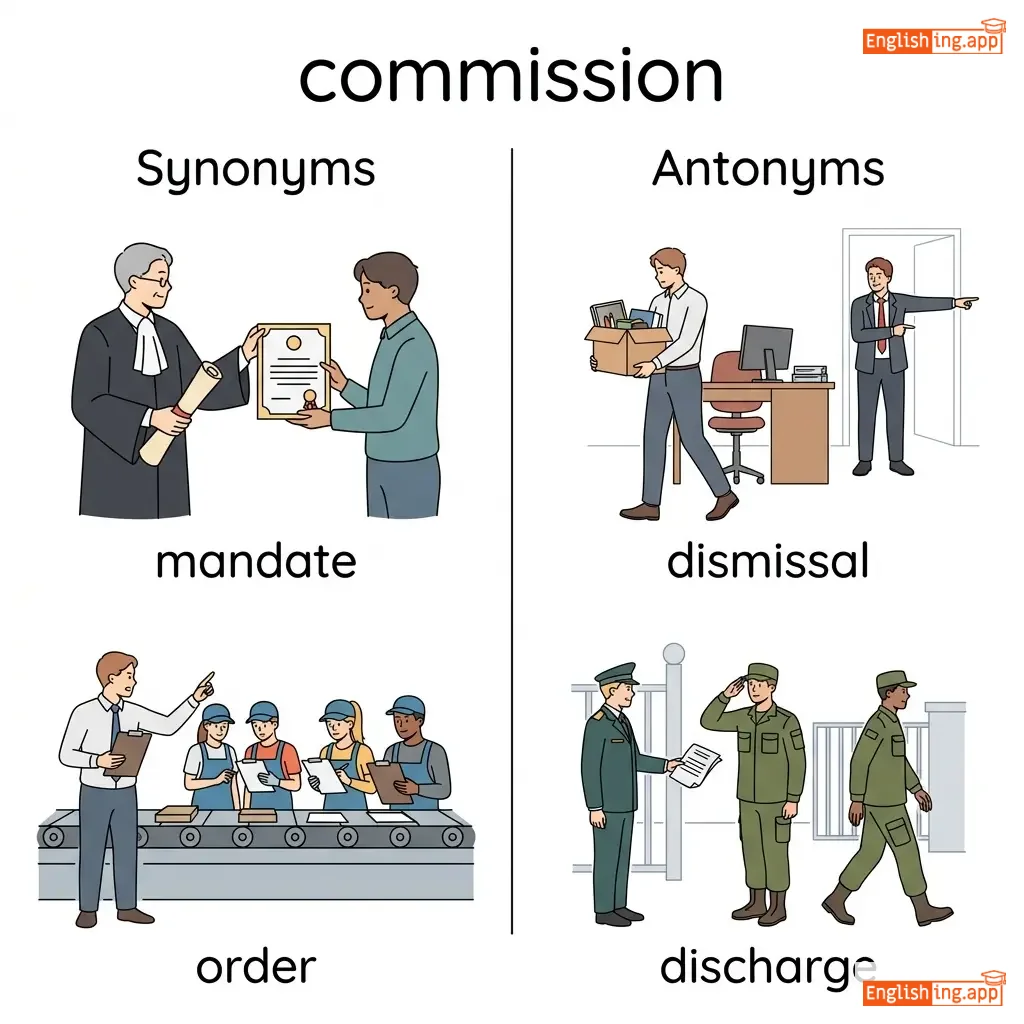
An official group of people entrusted by a government with a particular function.
••••••
|
The commission recommends constitutional reforms.
委員会は憲法改正を提案します。
••••••
|
委員会は憲法改正を提案します。
Iinkai wa kenpō kaisei o teian shimasu.
••••••
|
panel, board, committee, council, body, authority
••••••
|
individual, solo entity, single person, lone actor, unilateral body, independent unit
••••••
|
日本語の委員会はcommissionに似ている
••••••
|
|
#861
⭐
|
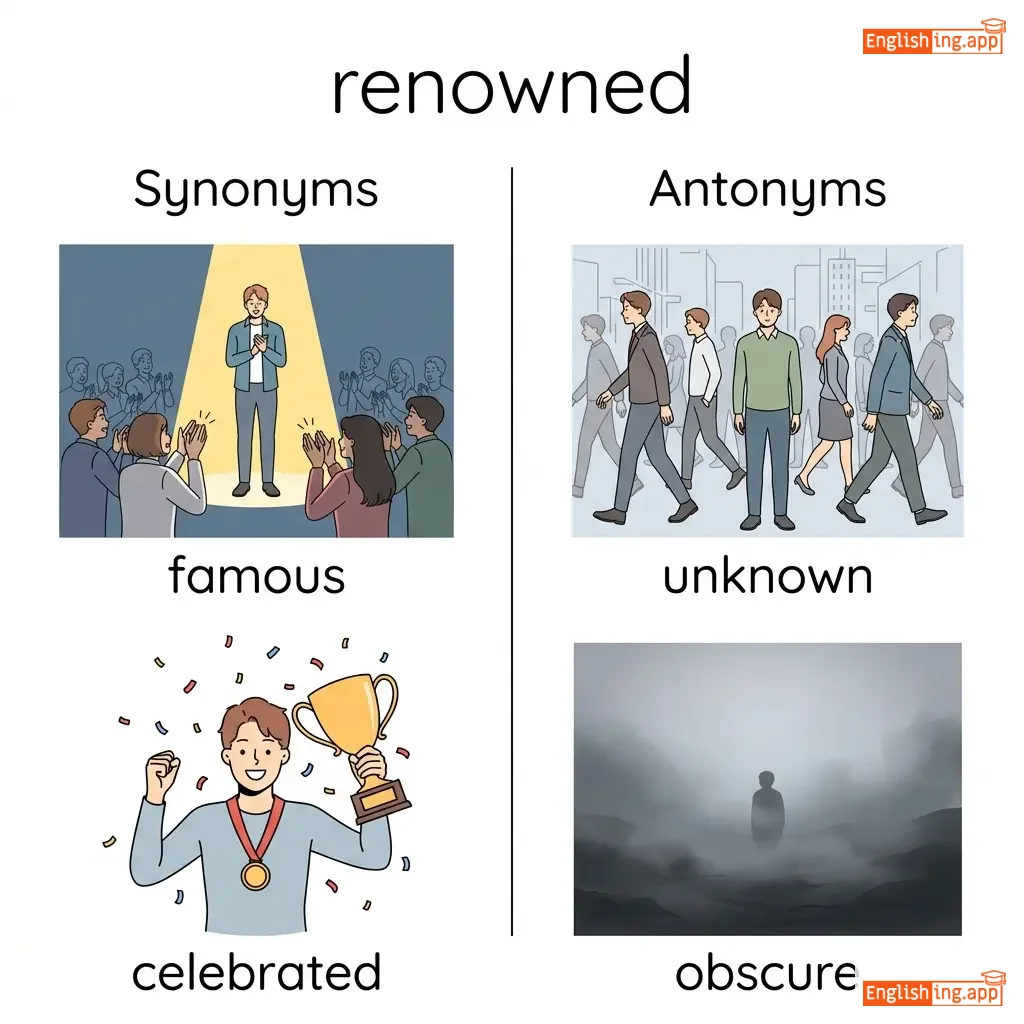
rɪˈnaʊnd
adjective
(renaund)
••••••
|
|
著名
chomei
••••••
|
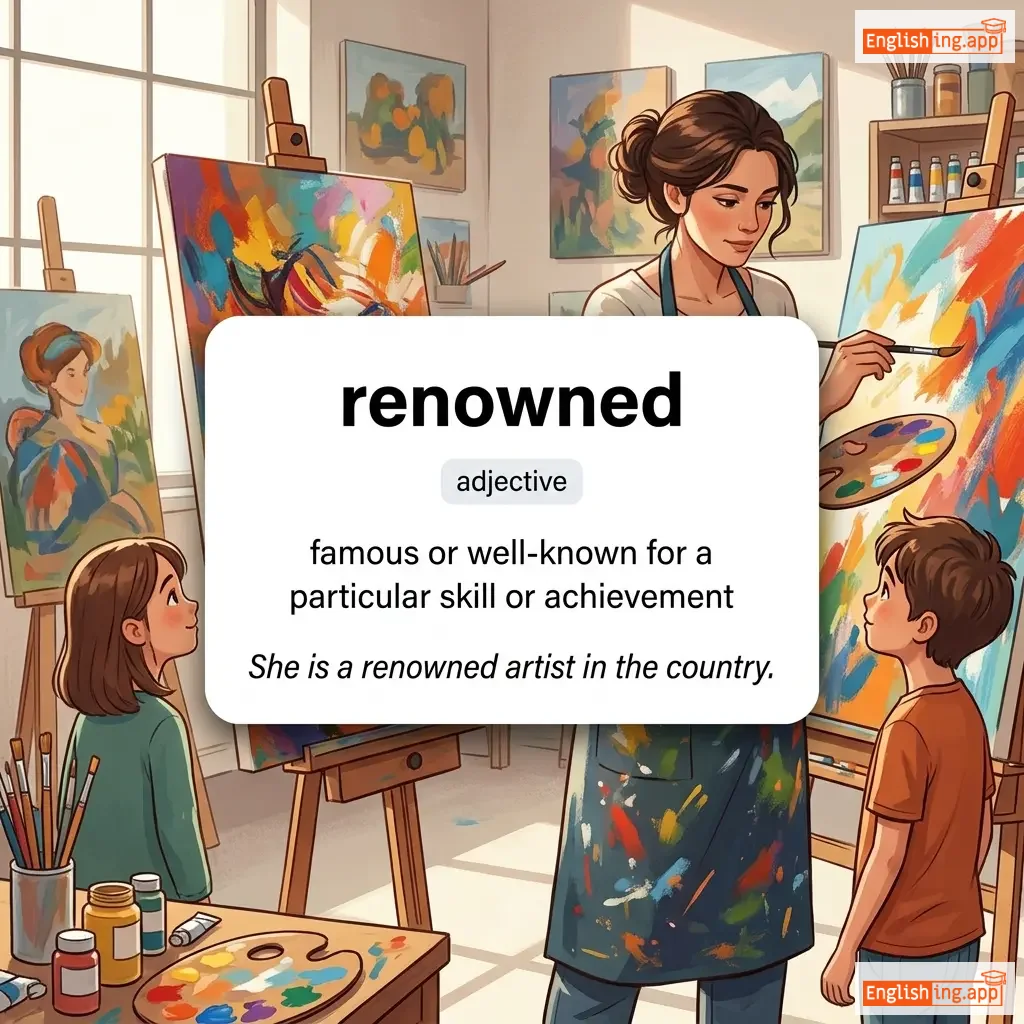
Known or talked about by many people; famous.
••••••
|
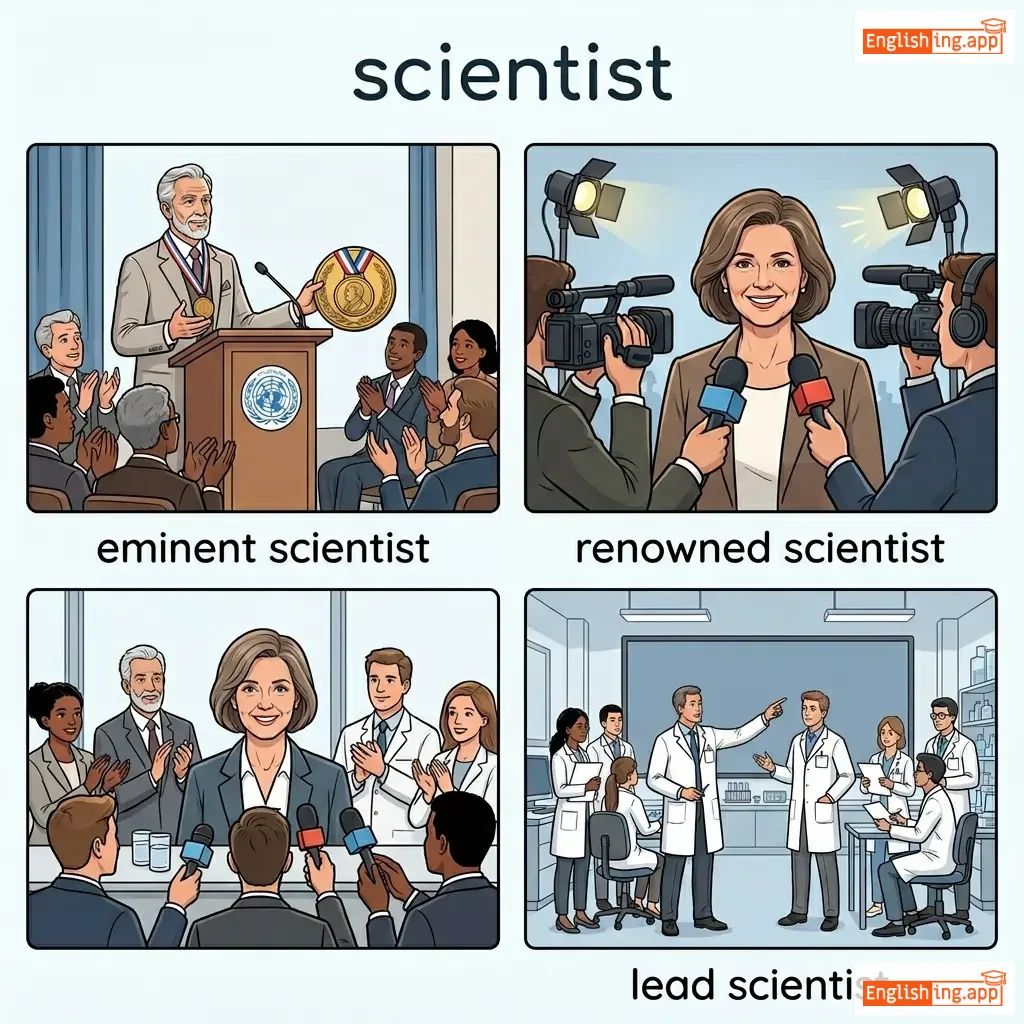
The renowned scientist led the reform panel.
その著名な科学者は改革パネルを指導しました。
••••••
|
その著名な科学者は改革パネルを指導しました。
Sono chomei na kagakusha wa kaikaku paneru o shidō shimashita.
••••••
|
famous, prominent, distinguished, celebrated, acclaimed, notable
••••••
|
unknown, obscure, anonymous, unrecognized, unheard of, insignificant
••••••
|
著名な科学者のようにみんなに知られている。
••••••
|
|
#862
🏛️
|
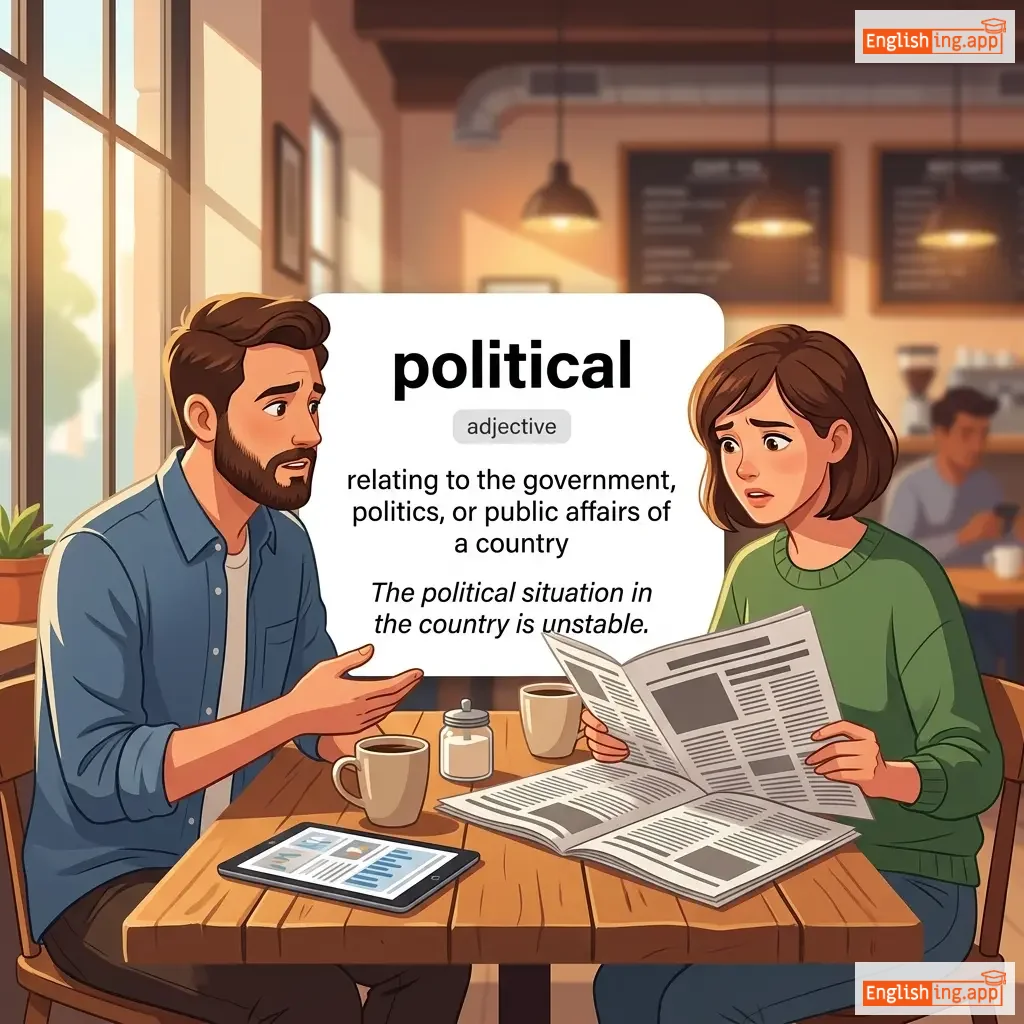
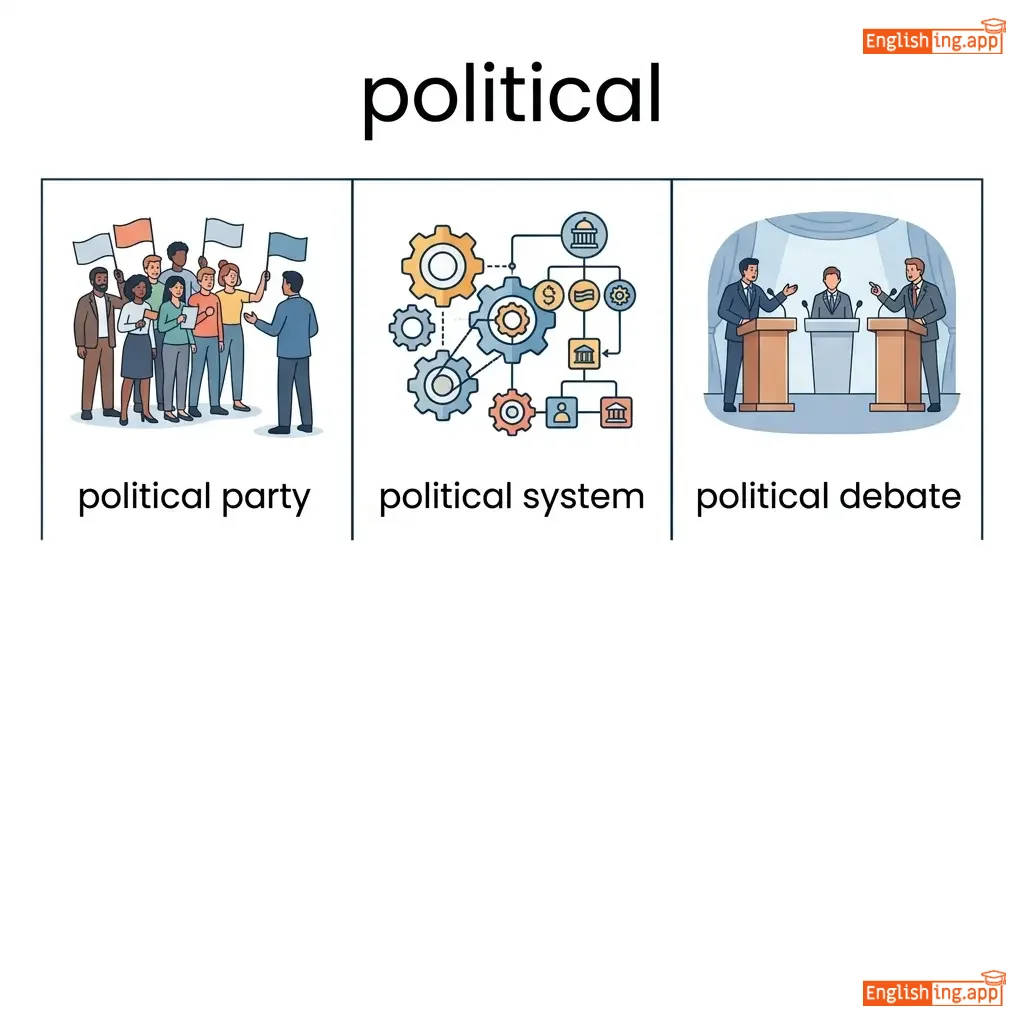
pəˈlɪt.ɪ.kəl
adjective
(ポリティカル)
••••••
|
|
政治的
seijiteki
••••••
|
Relating to the government or public affairs of a country.
••••••
|
Political changes influence social reforms.
政治的な変化は社会改革に影響を与えます。
••••••
|
政治的な変化は社会改革に影響を与えます。
Seijiteki na henka wa shakai kaikaku ni eikyō o ataemasu.
••••••
|
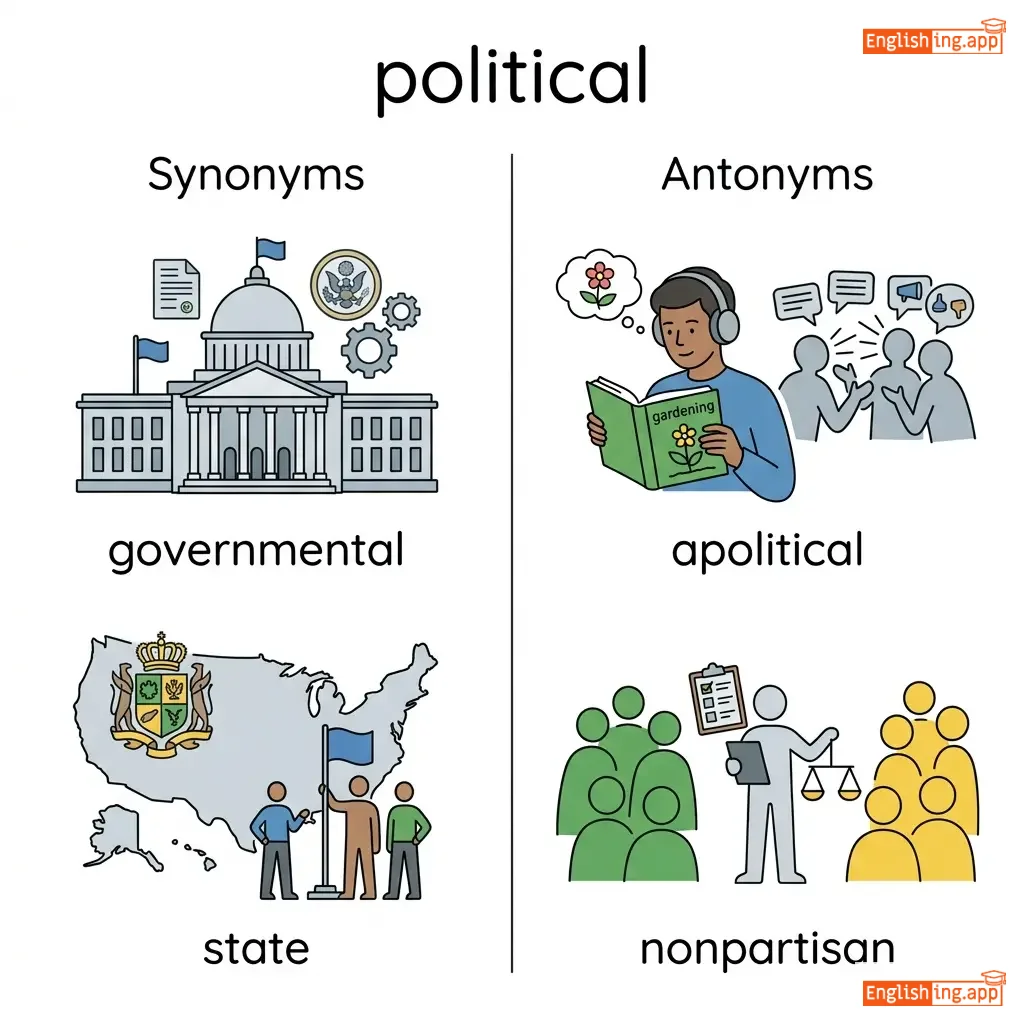
governmental, civic, public, administrative, state, official
••••••
|
non-political, apolitical, private, personal, non-governmental, civilian
••••••
|
社会を変える政治の力を感じよう。
••••••
|
|
#863
🔬
|
ˈsaɪən.tɪst
noun
(サイエンティスト)
••••••
|
|
科学者
kagakusha
••••••
|
A person who is studying or has expert knowledge of one or more of the natural or physical sciences.
••••••
|
The scientist proposed data-driven reforms.
その科学者はデータ駆動型の改革を提案しました。
••••••
|
その科学者はデータ駆動型の改革を提案しました。
Sono kagakusha wa deeta kudō-gata no kaikaku o teian shimashita.
••••••
|
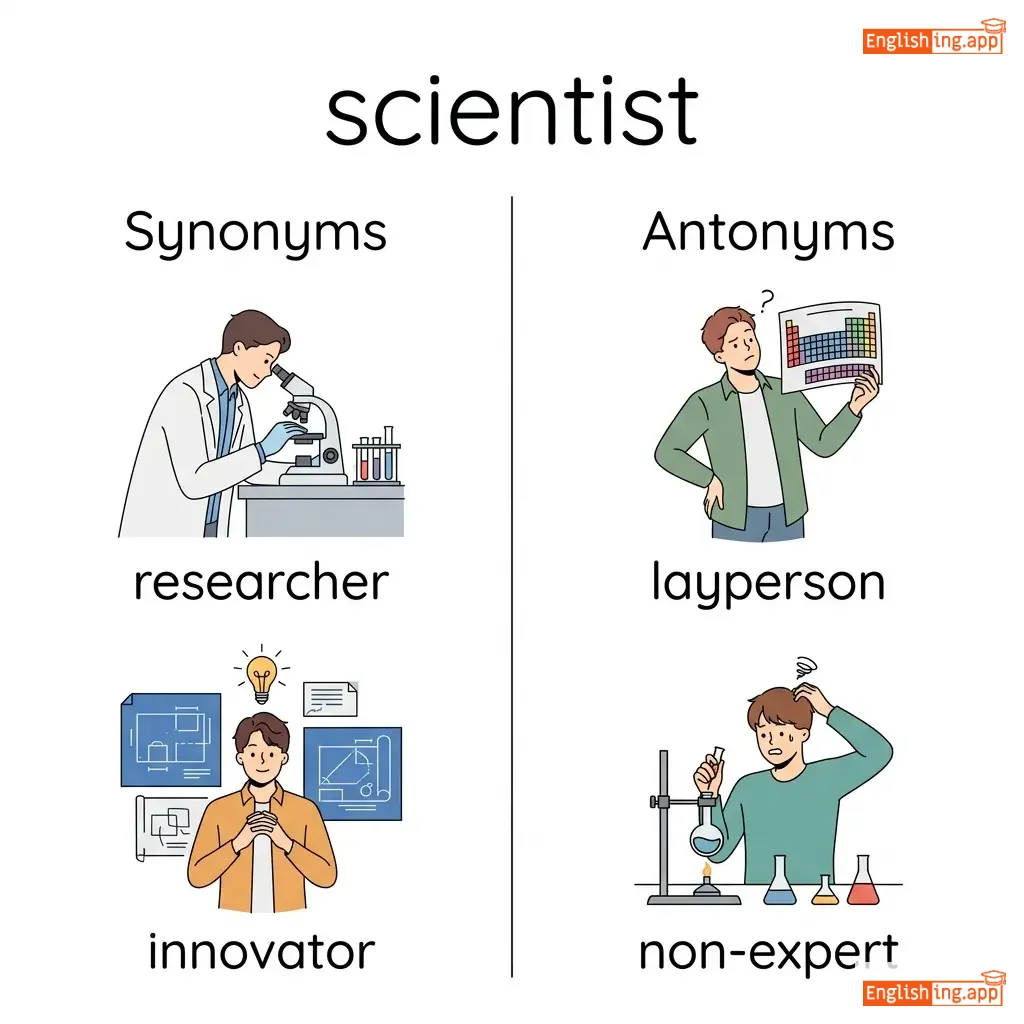
researcher, scholar, expert, academic, investigator, analyst
••••••
|
layperson, amateur, novice, non-expert, generalist, outsider
••••••
|
In Japanese, '科学者' (kagakusha) refers to a person studying or researching science.
••••••
|
|
#864
👔
|
əˈpɔɪn.tɪd
verb
(アポインテッド)
••••••
|
|
任命された
ninmei sareta
••••••
|
Assigned to a job or role; nominated or designated for a position.
••••••
|
He was appointed as the commission leader. |
彼は委員会のリーダーに任命されました。
Kare wa iinkai no rīdā ni ninmei saremashita.
••••••
|
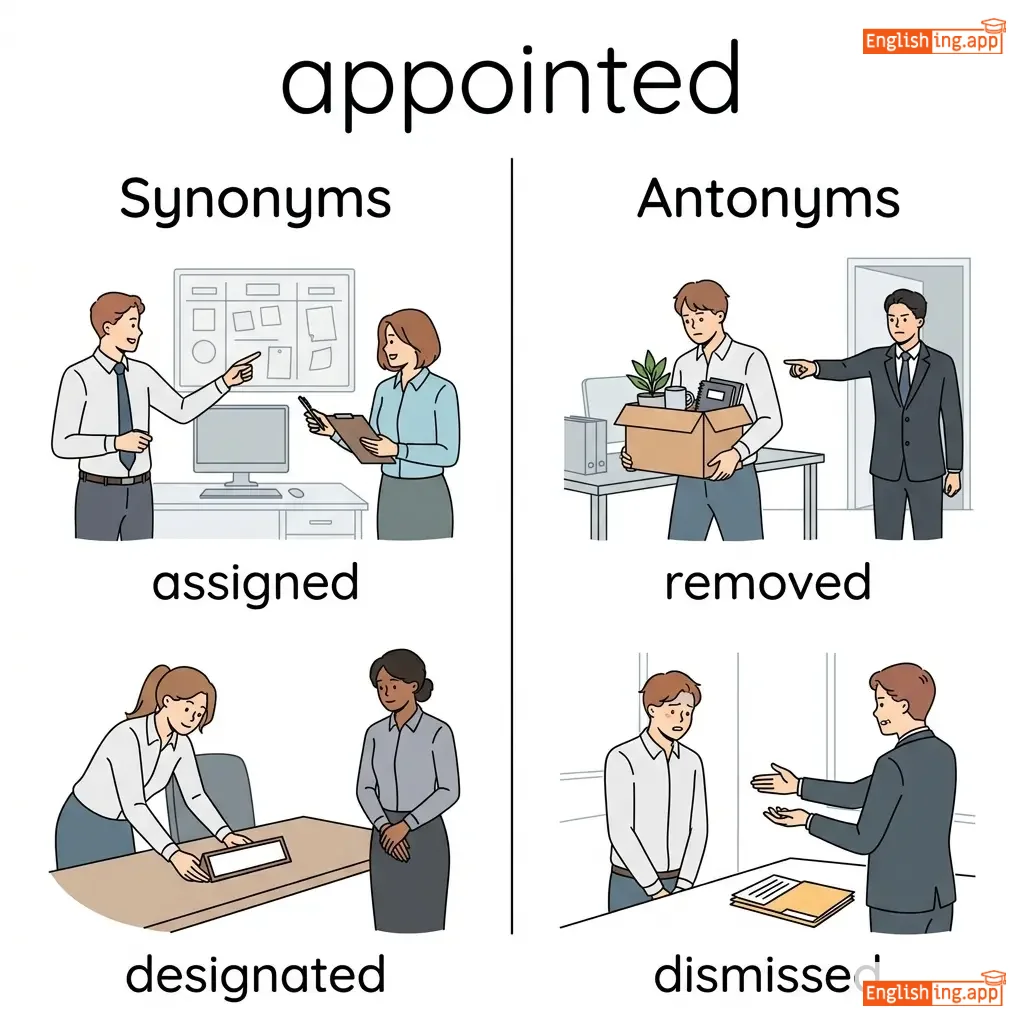
assigned, designated, nominated, selected, chosen, commissioned
••••••
|
removed, dismissed, discharged, fired, terminated, unassigned
••••••
|
任命された人はその役割に選ばれる。
••••••
|
|
#865
📋
|
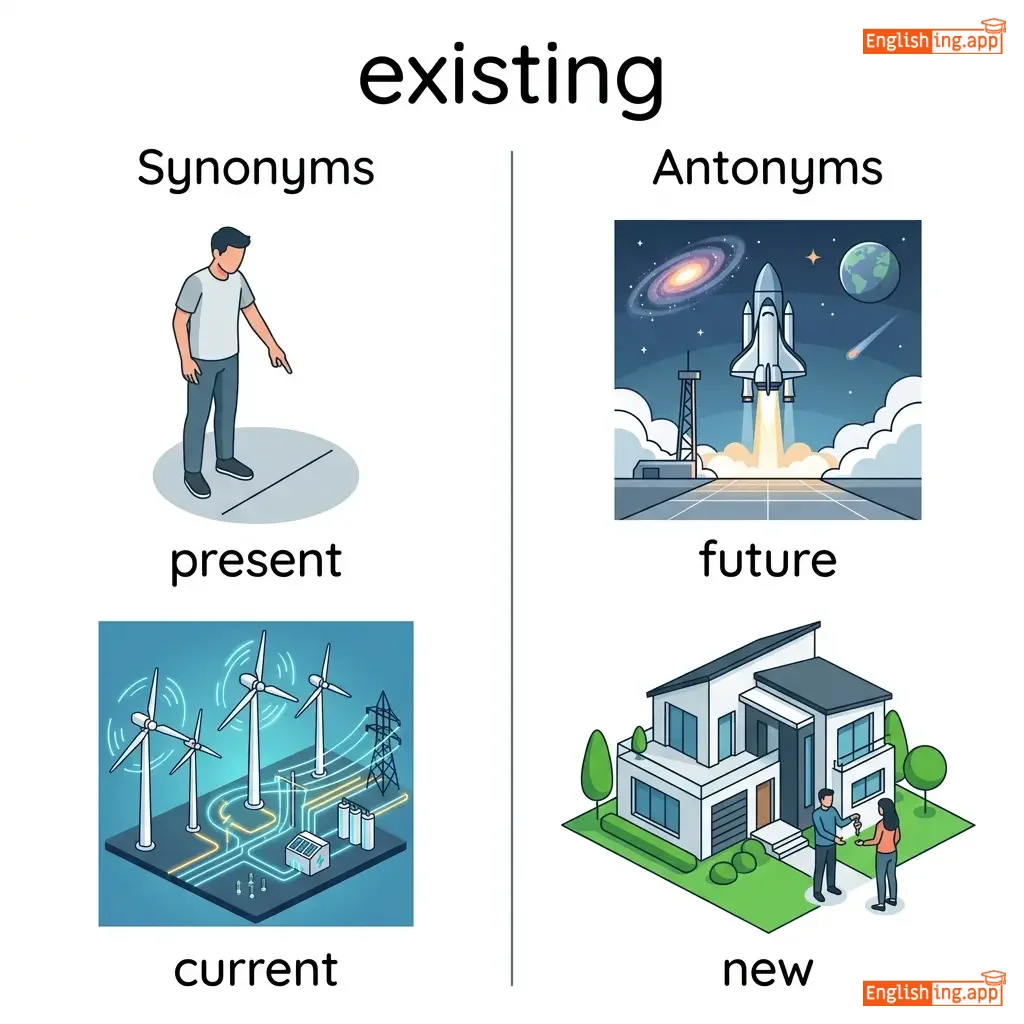
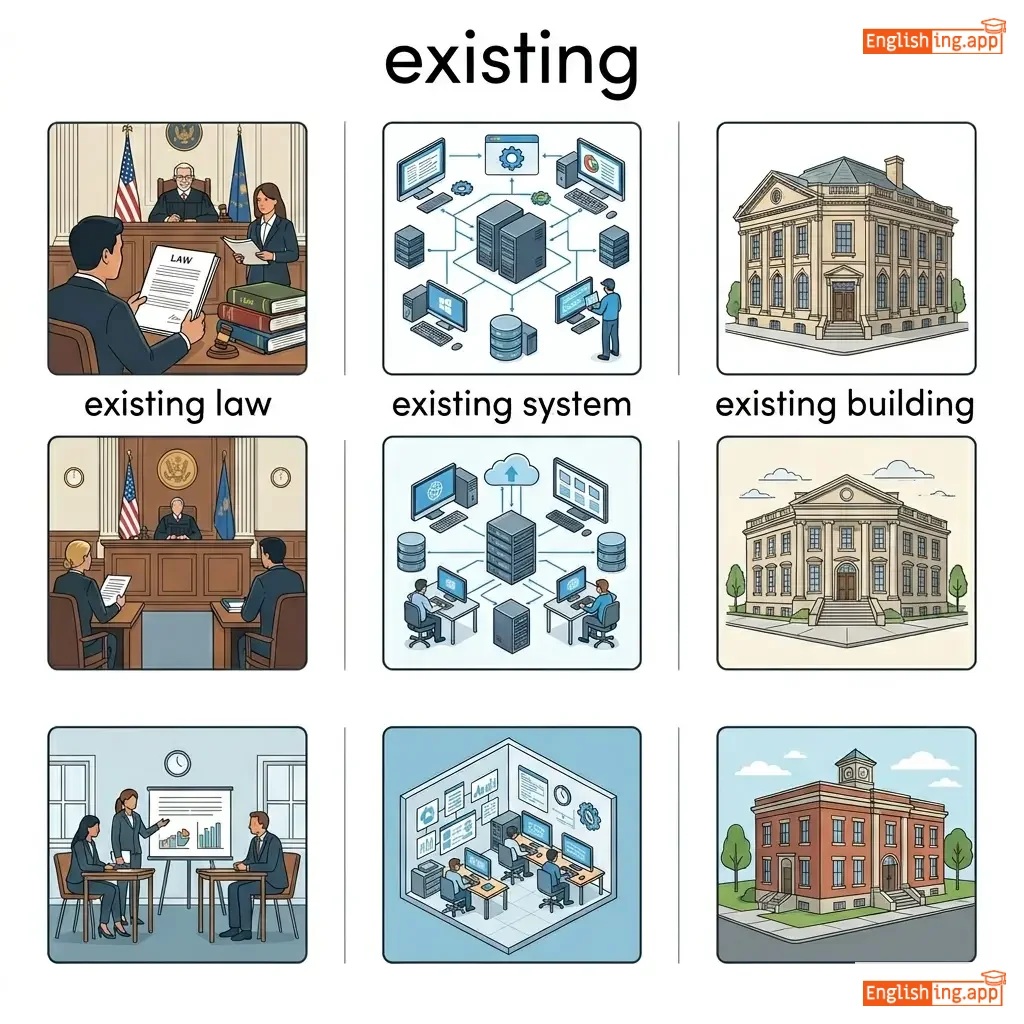
ɪɡˈzɪs.tɪŋ
adjective
(イグジスティング)
••••••
|
|
存在する
sonzai suru
••••••
|
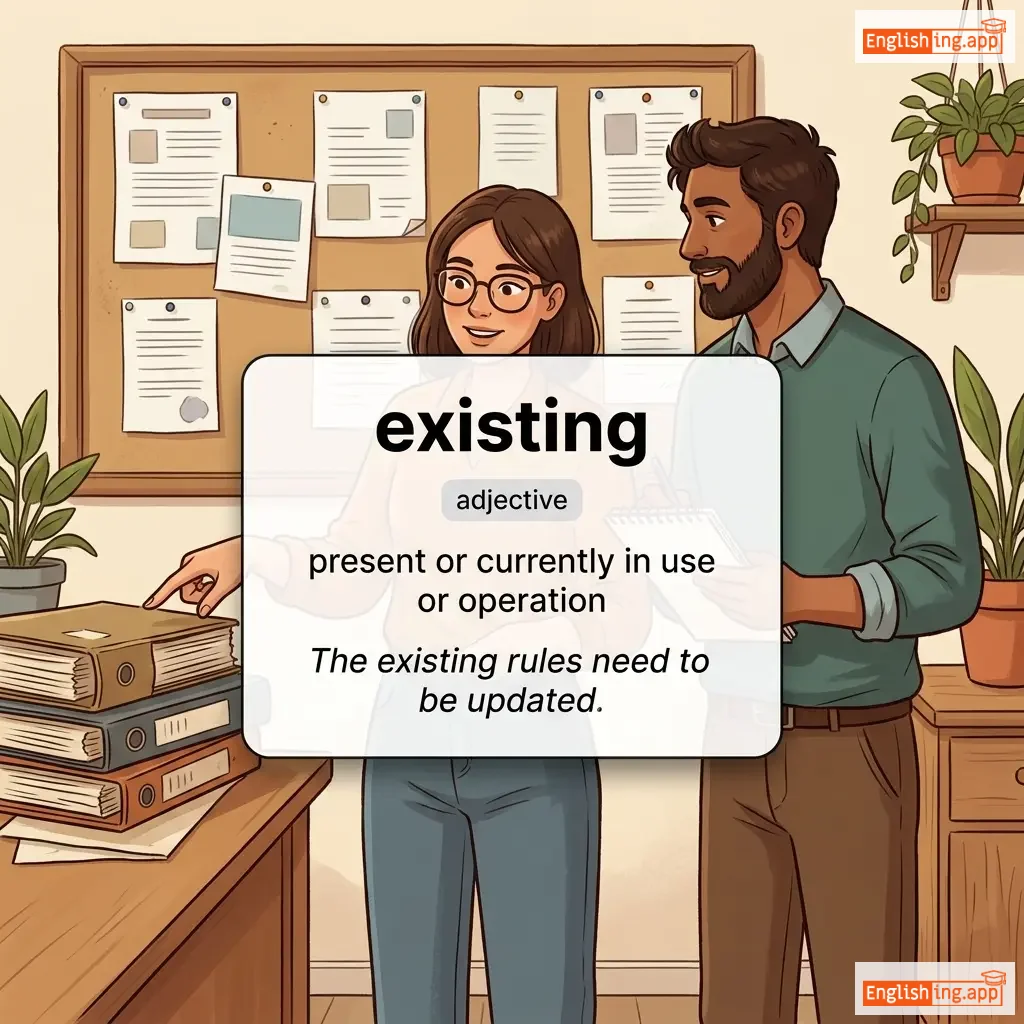
In existence; present; current.
••••••
|
The commission reviews existing provisions. |
委員会は現在の規定を確認しています。
Iinkai wa genzai no kitei o kakunin shiteimasu.
••••••
|
present, current, ongoing, established, in place, active
••••••
|
absent, obsolete, discontinued, terminated, non-existent, expired
••••••
|
日本語の'存在する'と英語の'existing'の混合
••••••
|
|
#866
📑
|
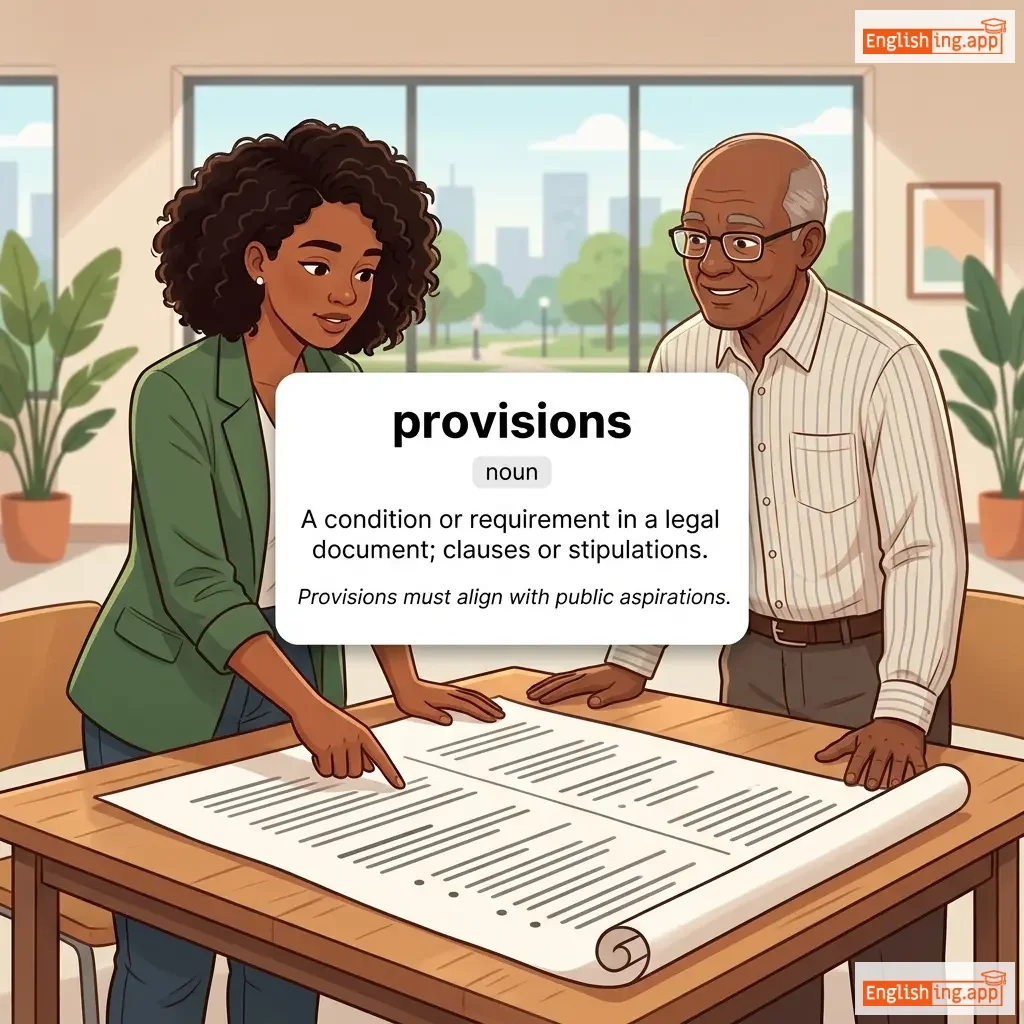
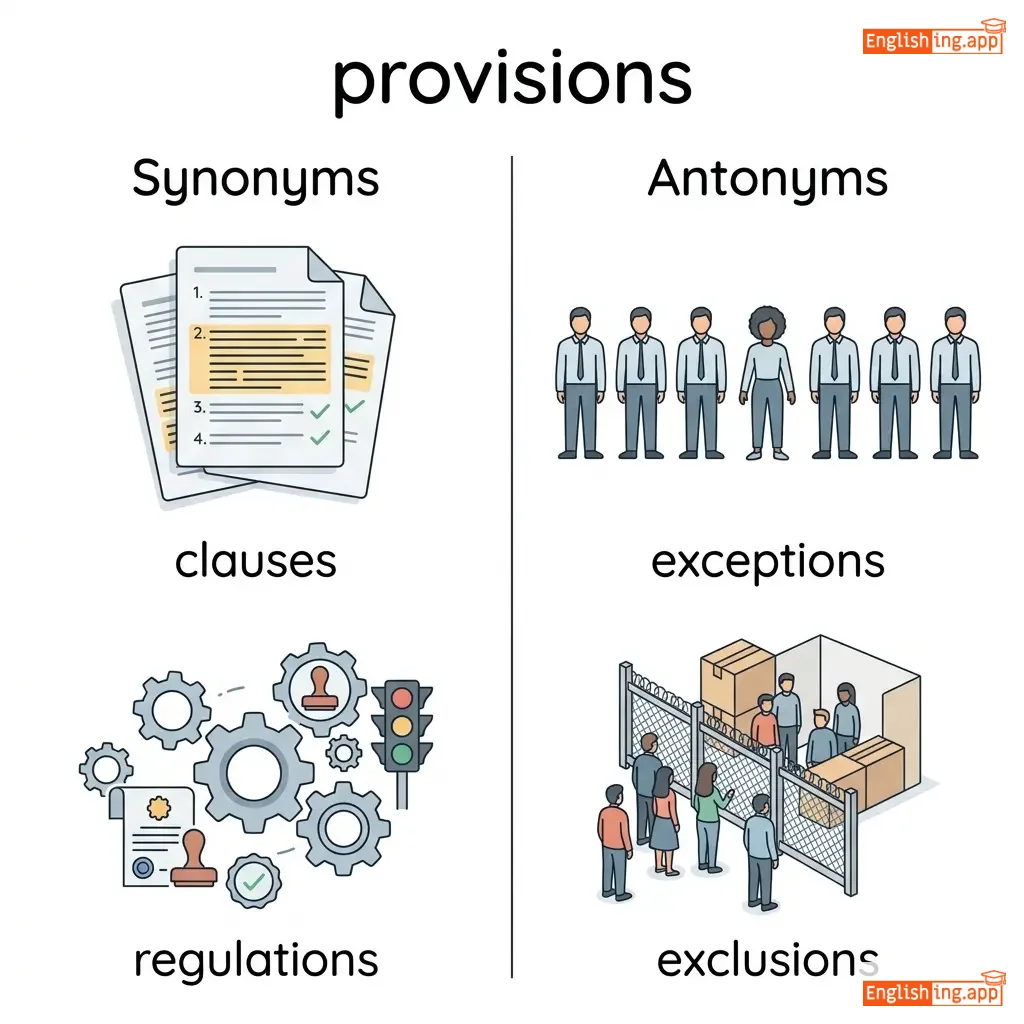
prəˈvɪʒ.ənz
noun
(プロビジョンズ)
••••••
|
|
規定
kitei
••••••
|
A condition or requirement in a legal document; clauses or stipulations.
••••••
|
Provisions must align with public aspirations. |
規定は公衆の期待と一致しなければならない。
Kitei wa kōshū no kitai to icchi shinakereba naranai.
••••••
|
clauses, regulations, stipulations, terms, conditions, requirements
••••••
|
exceptions, exclusions, omissions, gaps, loopholes, exemptions
••••••
|
規定は法律文書における規則や要件であり、契約にも含まれる。
••••••
|
|
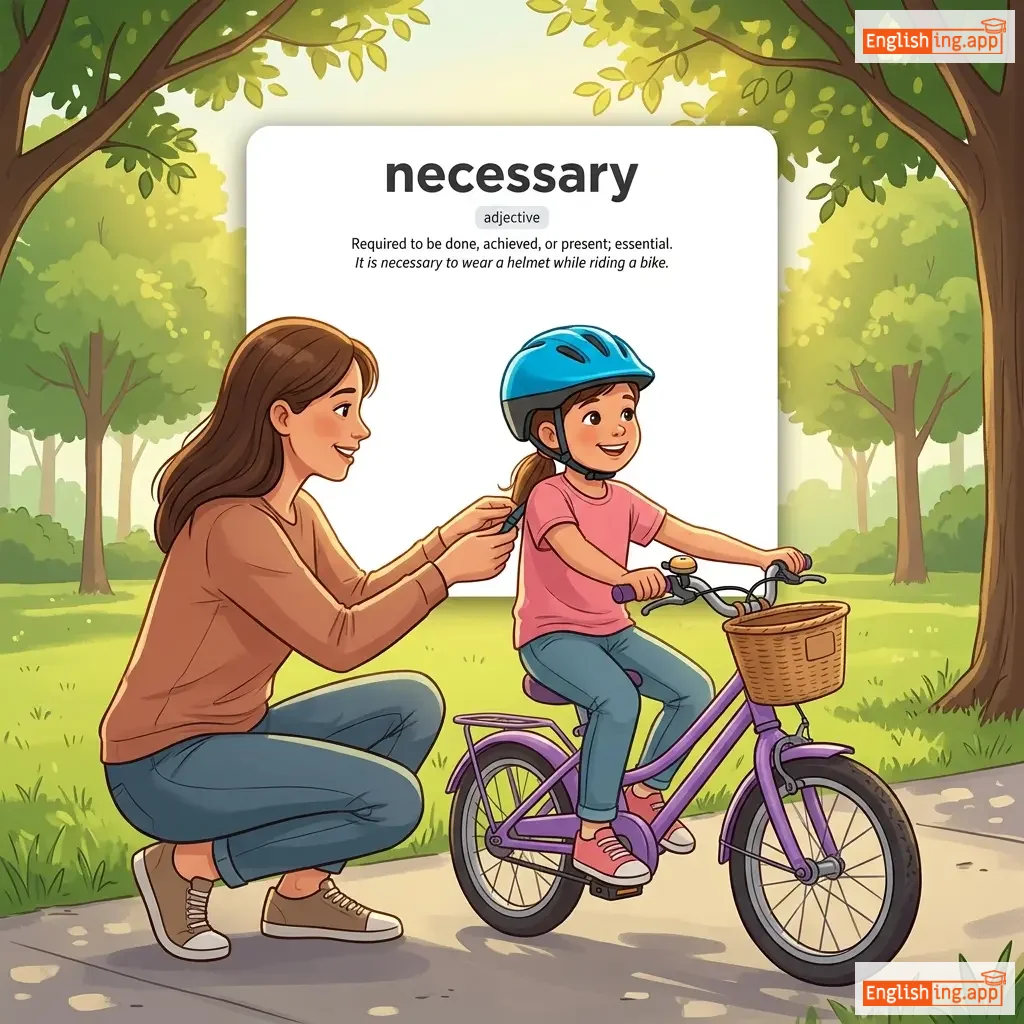
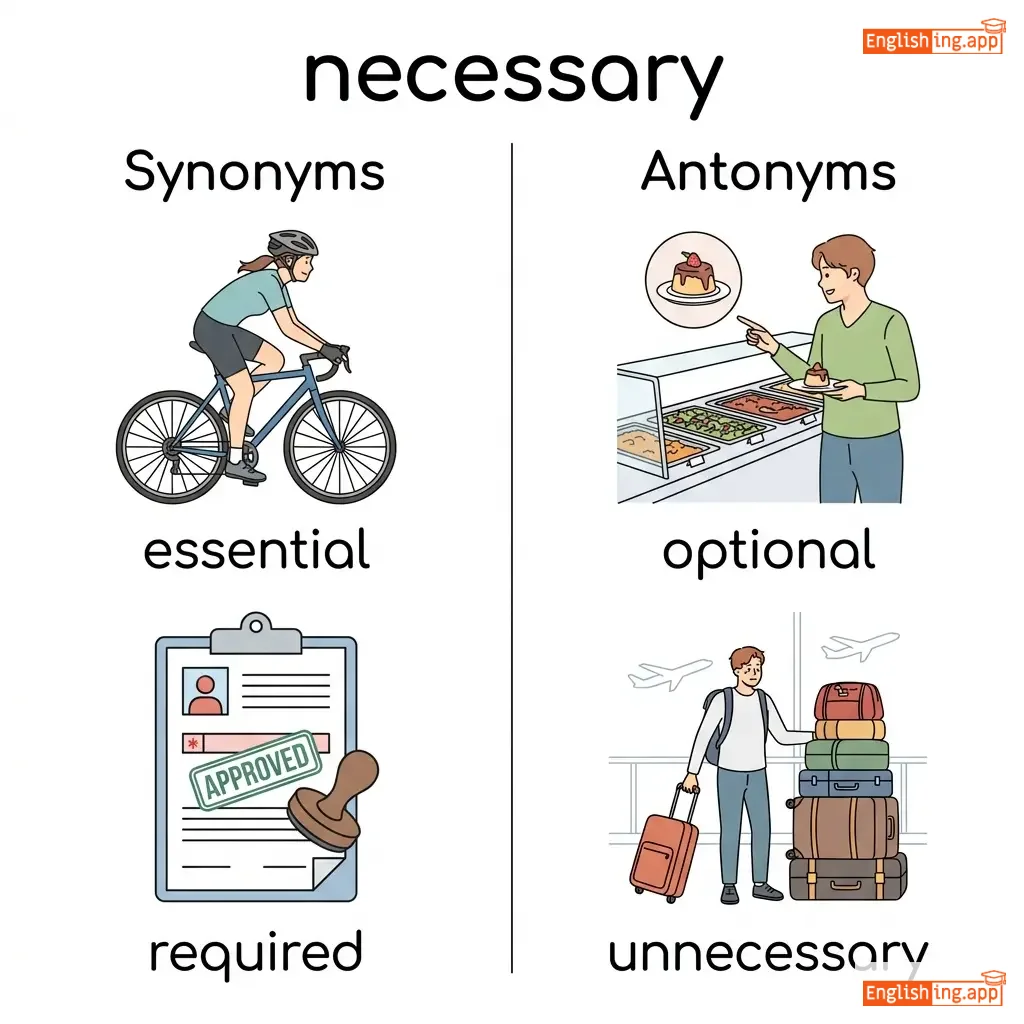
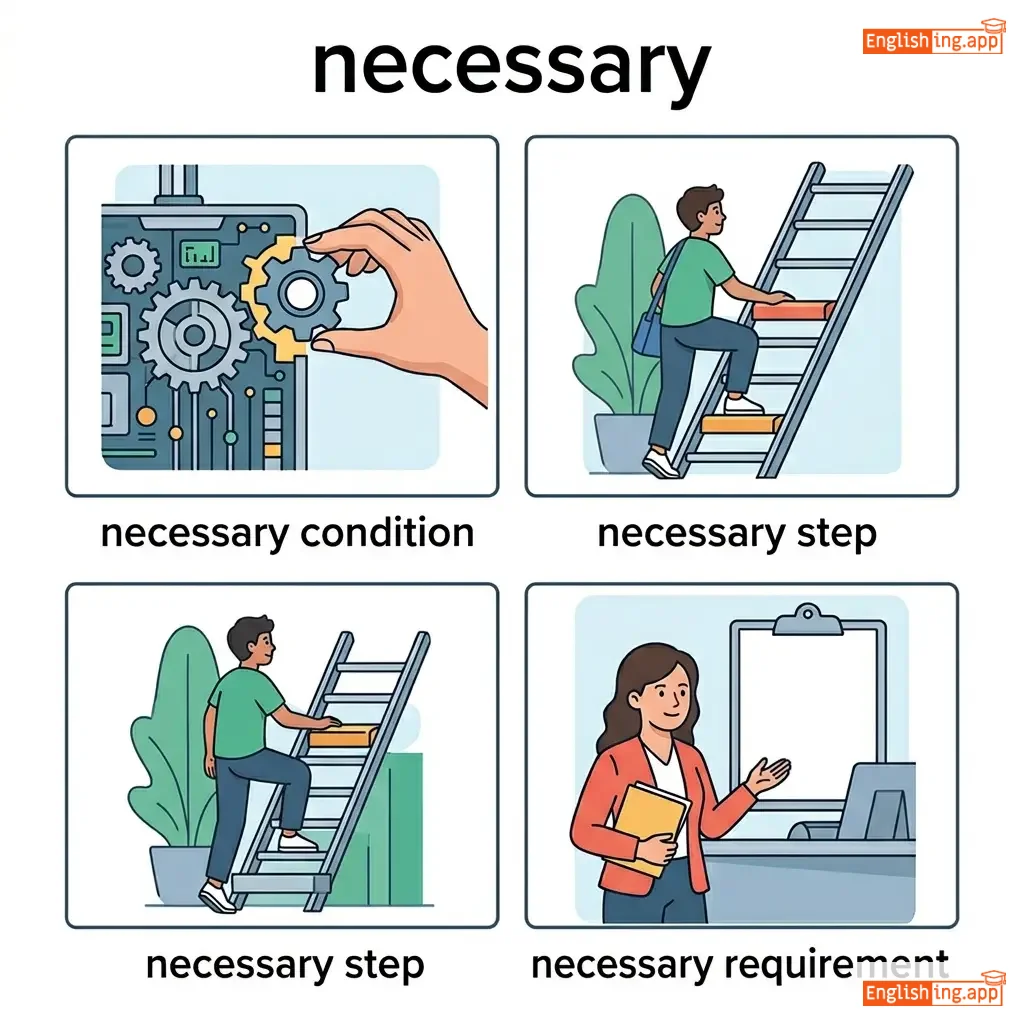
#867
❗
|
ˈnes.ə.ser.i
adjective
(ネセサリー)
••••••
|
|
必要
hitsuyou
••••••
|
Required to be done, achieved, or present; needed; essential.
••••••
|
Necessary reforms improve governance.
必要な改革は統治を改善します。
••••••
|
必要な改革は統治を改善します。
Hitsuyou na kaikaku wa touchi wo kaizen shimasu.
••••••
|
essential, mandatory, required, vital, crucial, indispensable
••••••
|
optional, unnecessary, dispensable, voluntary, superfluous, redundant
••••••
|
Necessary reforms wa hitsuyou for improving governance.
••••••
|
|
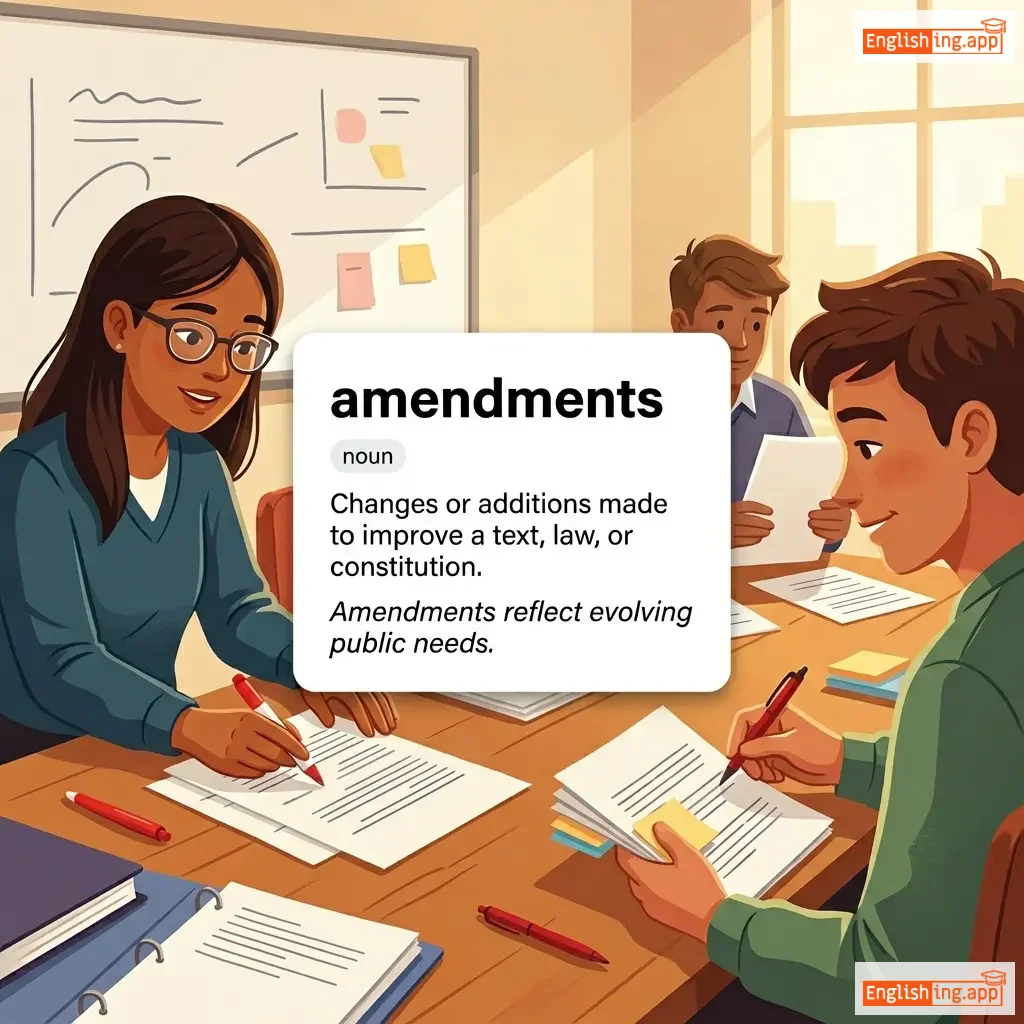
#868
✏️
|
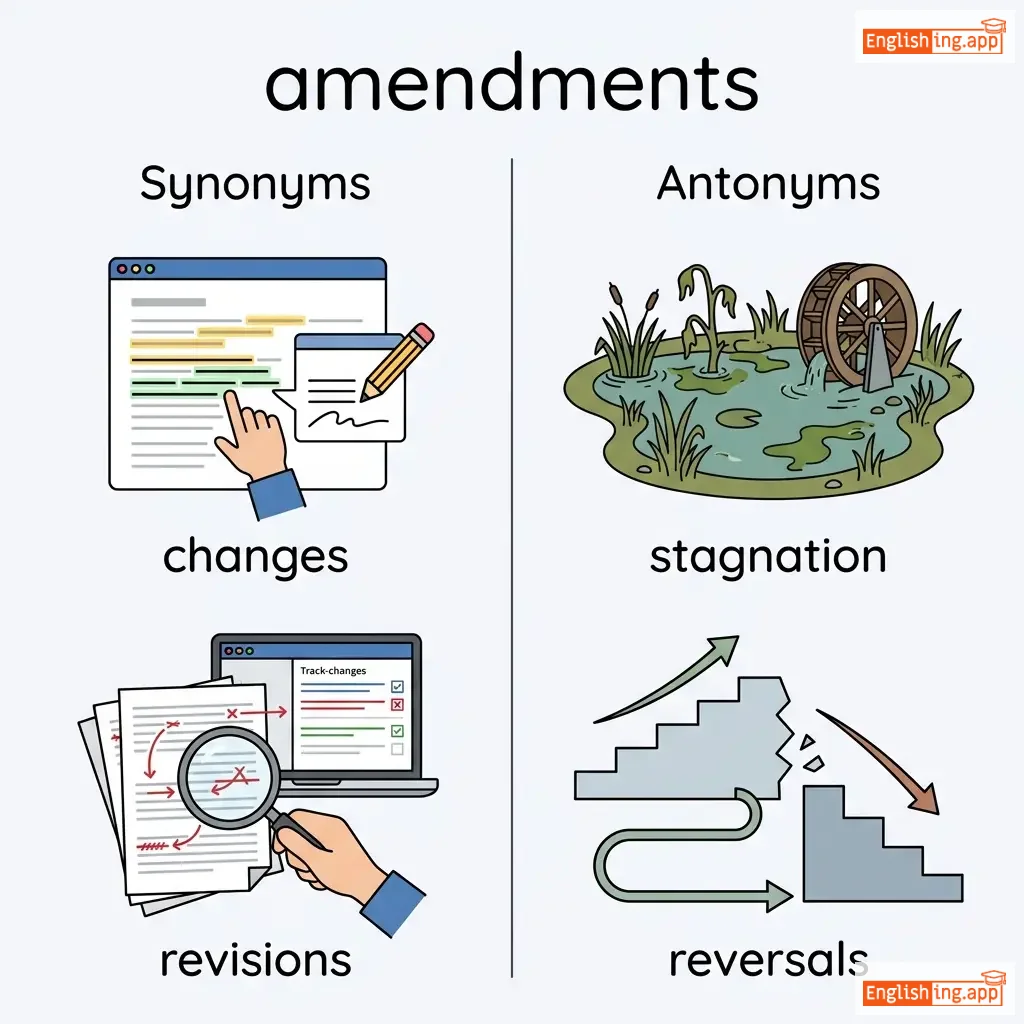
əˈmend.mənts
noun
(アメンドメンツ)
••••••
|
|
修正案
shūseian
••••••
|
Changes or additions made to improve a text, law, or constitution.
••••••
|
Amendments reflect evolving public needs. |
修正案は進化する公共のニーズを反映しています。
Shūseian wa shinka suru kōkyō no nīzu o han'ei shiteimasu.
••••••
|
changes, revisions, modifications, alterations, improvements, updates
••••••
|
stagnation, reversals, deterioration, regression, corruption, decline
••••••
|
修正案: 進化する社会を支える改善案
••••••
|
|
#869
🔧
|
ˌmɒd.ɪ.fɪˈkeɪ.ʃənz
noun
(モディフィケーションズ)
••••••
|
|
変更
henkou
••••••
|
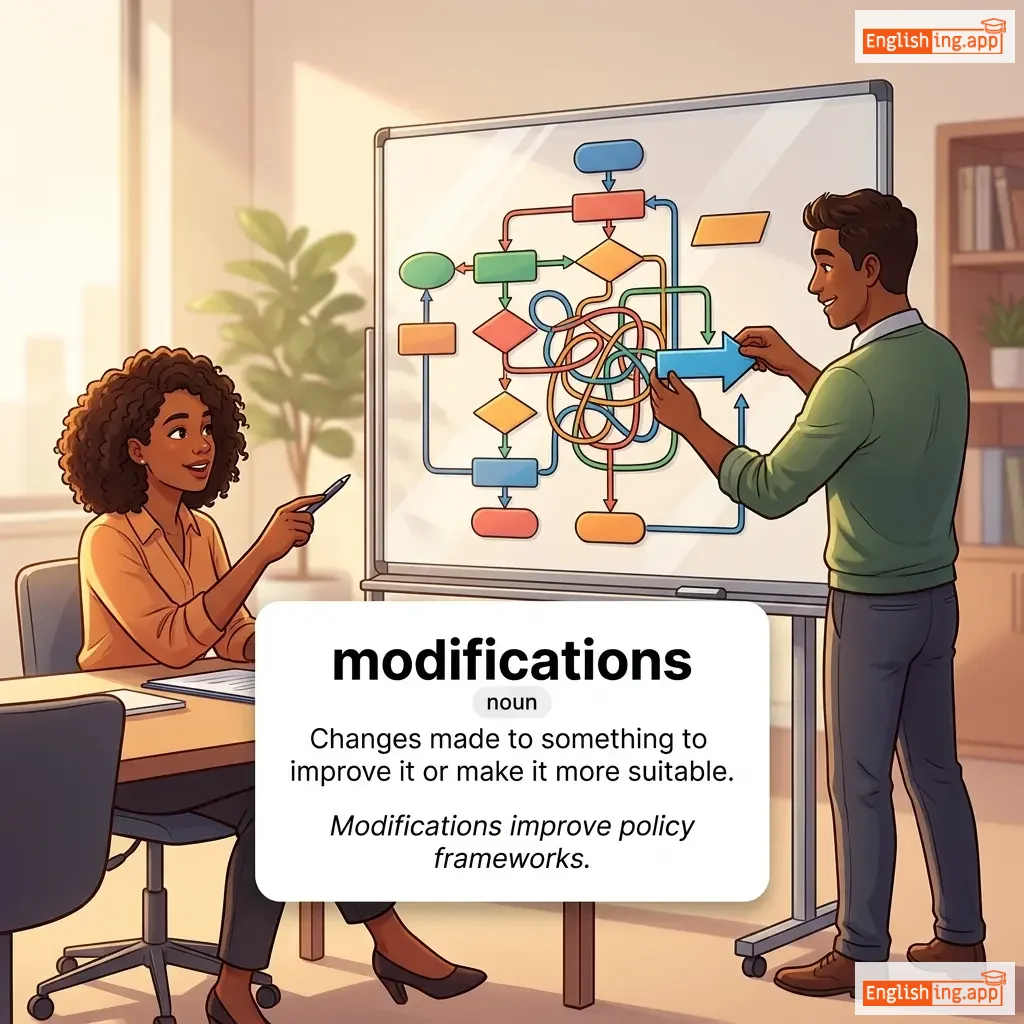
Changes made to something to improve it or make it more suitable.
••••••
|
Modifications improve policy frameworks.
モディフィケーションズは政策フレームワークを改善します。
••••••
|
変更は政策フレームワークを改善します。
Henkou wa seisaku fureemuwaaku o kaizen shimasu.
••••••
|
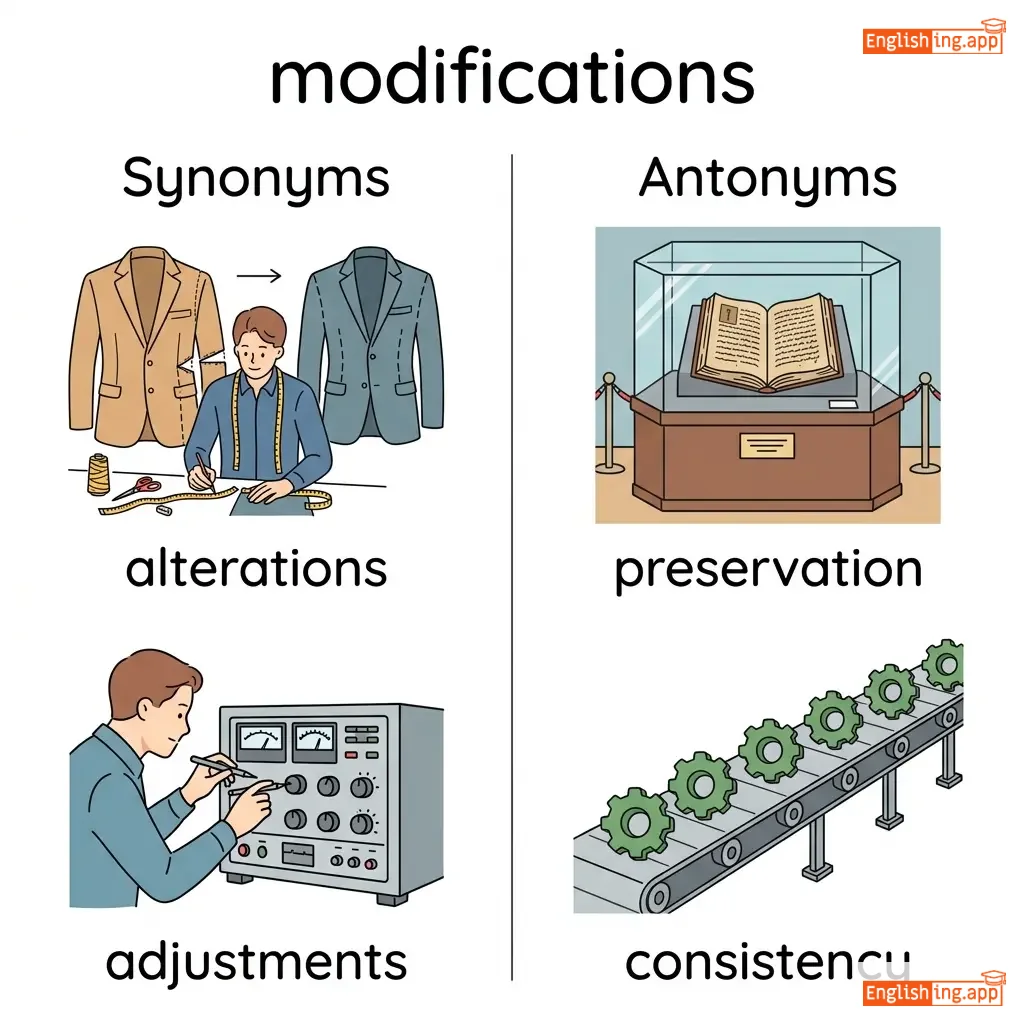
alterations, adjustments, changes, revisions, improvements, adaptations
••••••
|
preservation, consistency, maintenance, stagnation, immutability, rigidity
••••••
|
In Japanese, 'henkou' (変更) sounds similar to 'modifications', helping to link the two.
••••••
|
|
#870
⚖️
|
iːˈkwɒl.ɪ.ti
noun
(ikwariti)
••••••
|
|
平等
byoutou
••••••
|
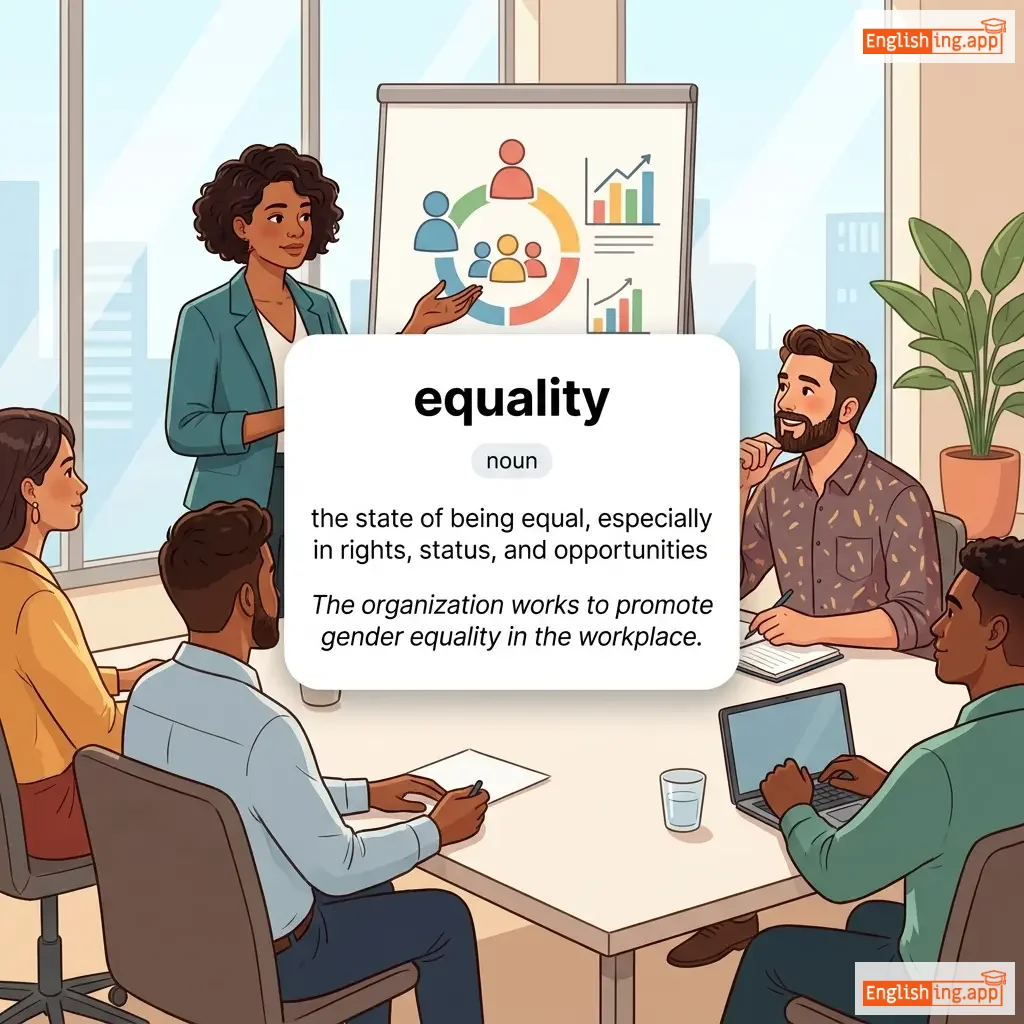
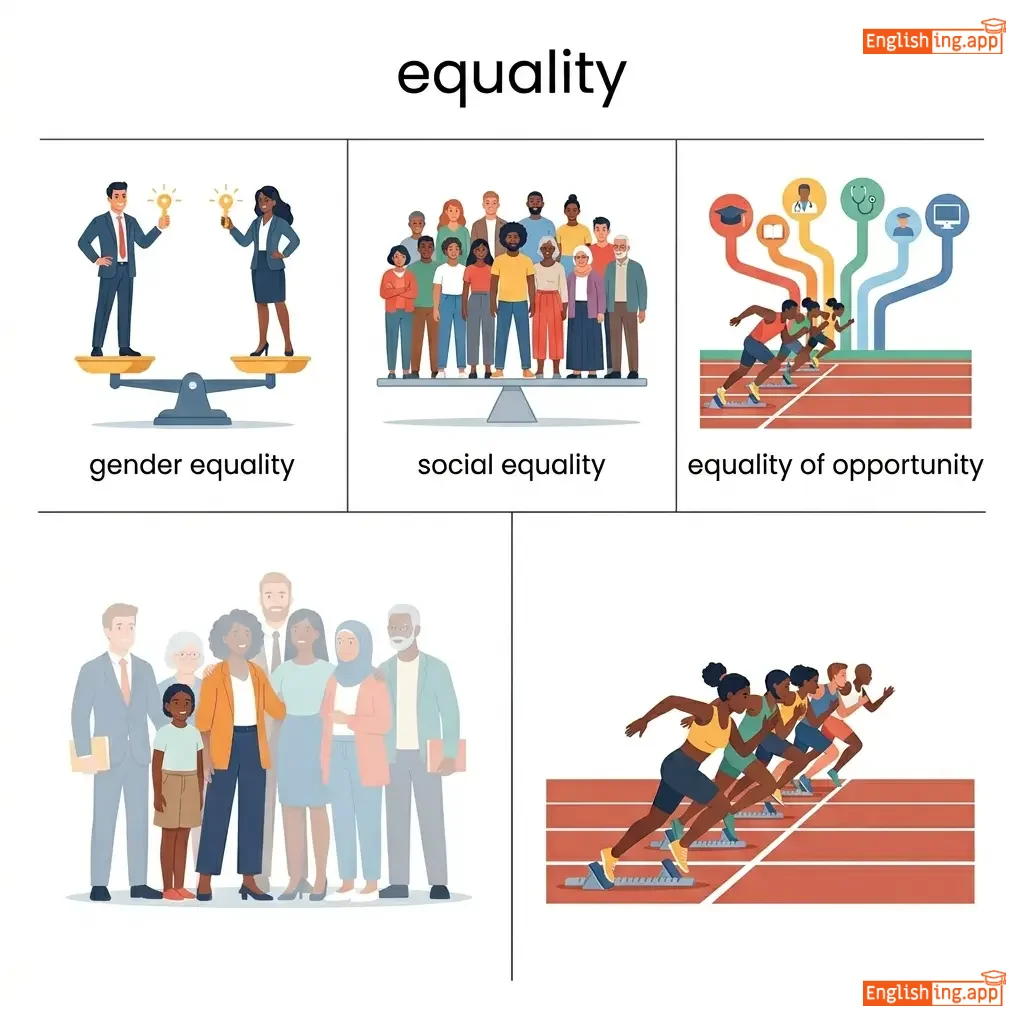
The state of being equal, especially in status, rights, and opportunities.
••••••
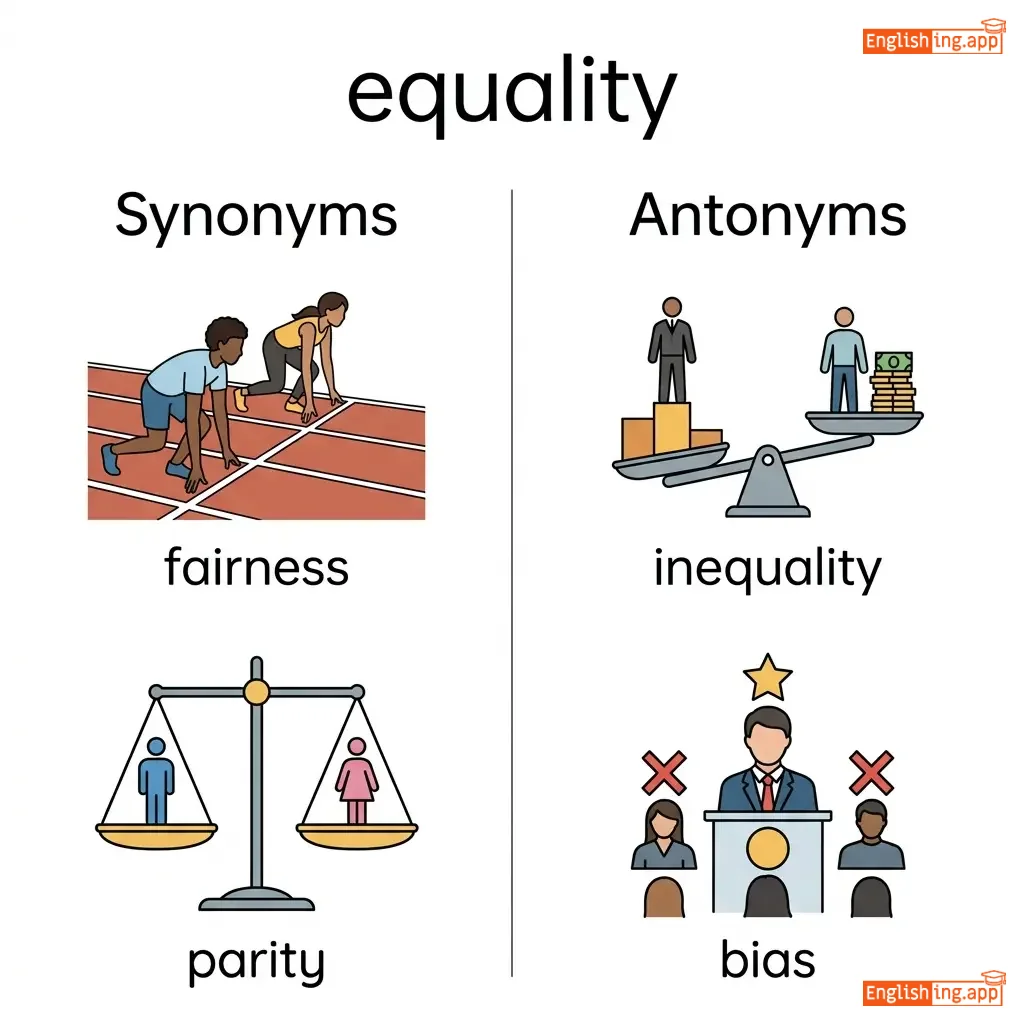
|
Equality fosters harmony in society. |
平等は社会の調和を促進します。
Byoutou wa shakai no chouwa o sokushin shimasu.
••••••
|
fairness, parity, justice, balance, equity, uniformity
••••••
|
inequality, bias, discrimination, disparity, unfairness, imbalance
••••••
|
平等 - Hei (equal) and tou (strong) - strong equals.
••••••
|
|
#871
🤝
|
ˈsəʊ.ʃəl ˈdʒʌs.tɪs
noun
(so-shi-al jus-tis)
••••••
|
|
社会的正義
shakai teki seigi
••••••
|
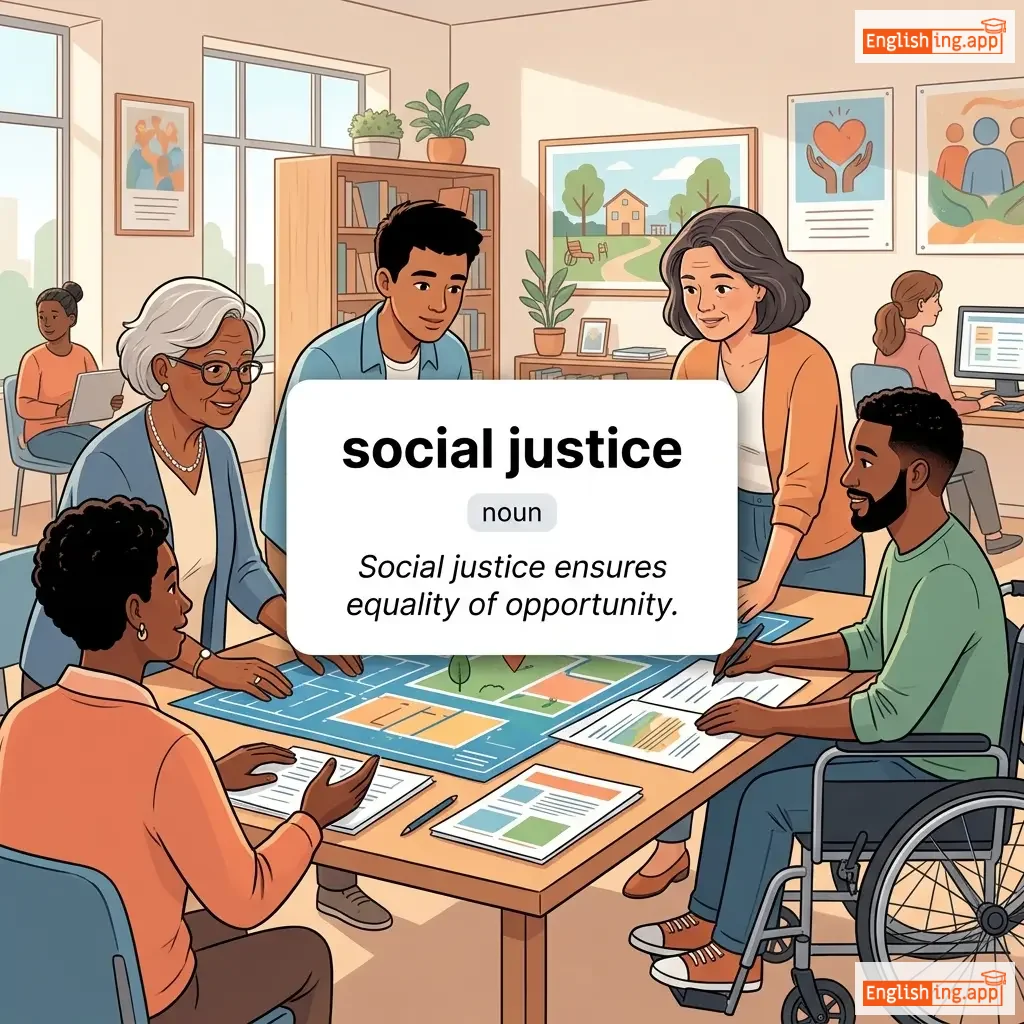
Justice in terms of the distribution of wealth, opportunities, and privileges within a society.
••••••
|
Social justice ensures equality of opportunity.
So-shi-al jus-tis ga kyo-yu no kenri o sun-shi-chitsu shimasu.
••••••
|
社会的正義は機会の平等を保証します。
Shakai teki seigi wa kikai no byodou o hoshou shimasu.
••••••
|
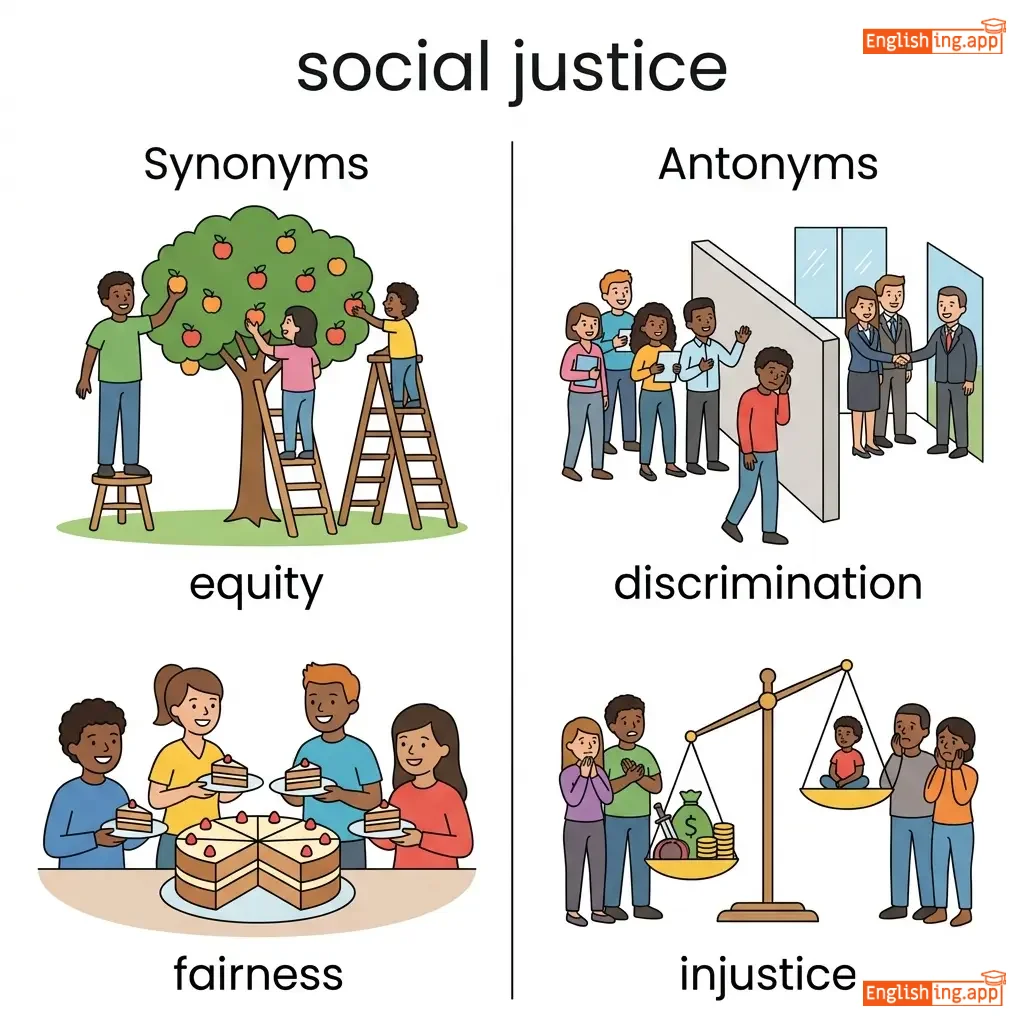
equity, fairness, equal rights, civil rights, human rights, justice
••••••
|
discrimination, injustice, inequality, oppression, prejudice, bias
••••••
|
社会に公平をもたらすための社会的正義。
••••••
|
|
#872
⚖️
|
ˈbæl.əns
noun
(バランス)
••••••
|
|
バランス
baransu
••••••
|
A condition in which different elements are equal or in the correct proportions.
••••••
|
Balance among powers prevents conflicts.
権力のバランスは対立を防ぎます。
••••••
|
権力のバランスは対立を防ぎます。
Kenryoku no baransu wa tairitsu o fusegimasu.
••••••
|
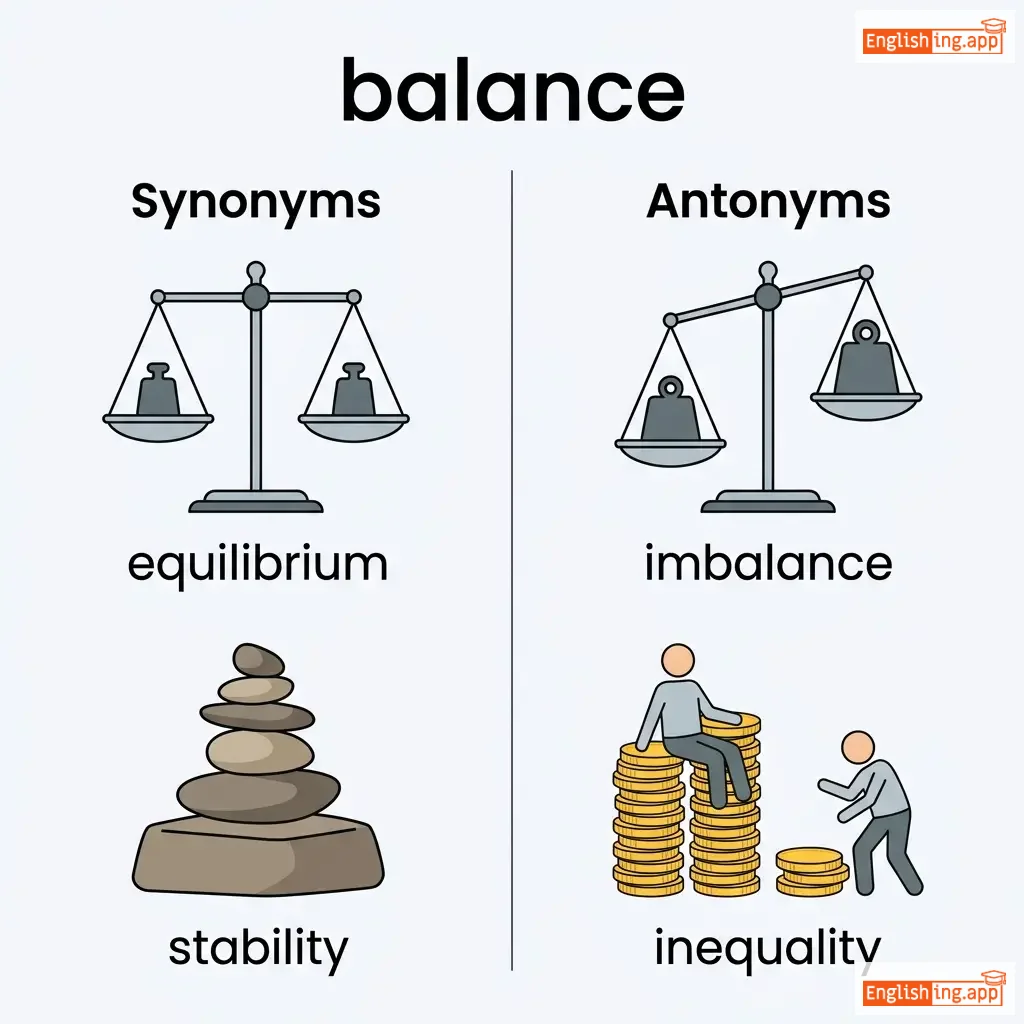
equilibrium, stability, harmony, proportion, symmetry, poise
••••••
|
imbalance, disorder, instability, disproportion, chaos, disruption
••••••
|
Japanese 'バランス' reminds you of harmony and balance in life's challenges.
••••••
|
|
#873
💪
|
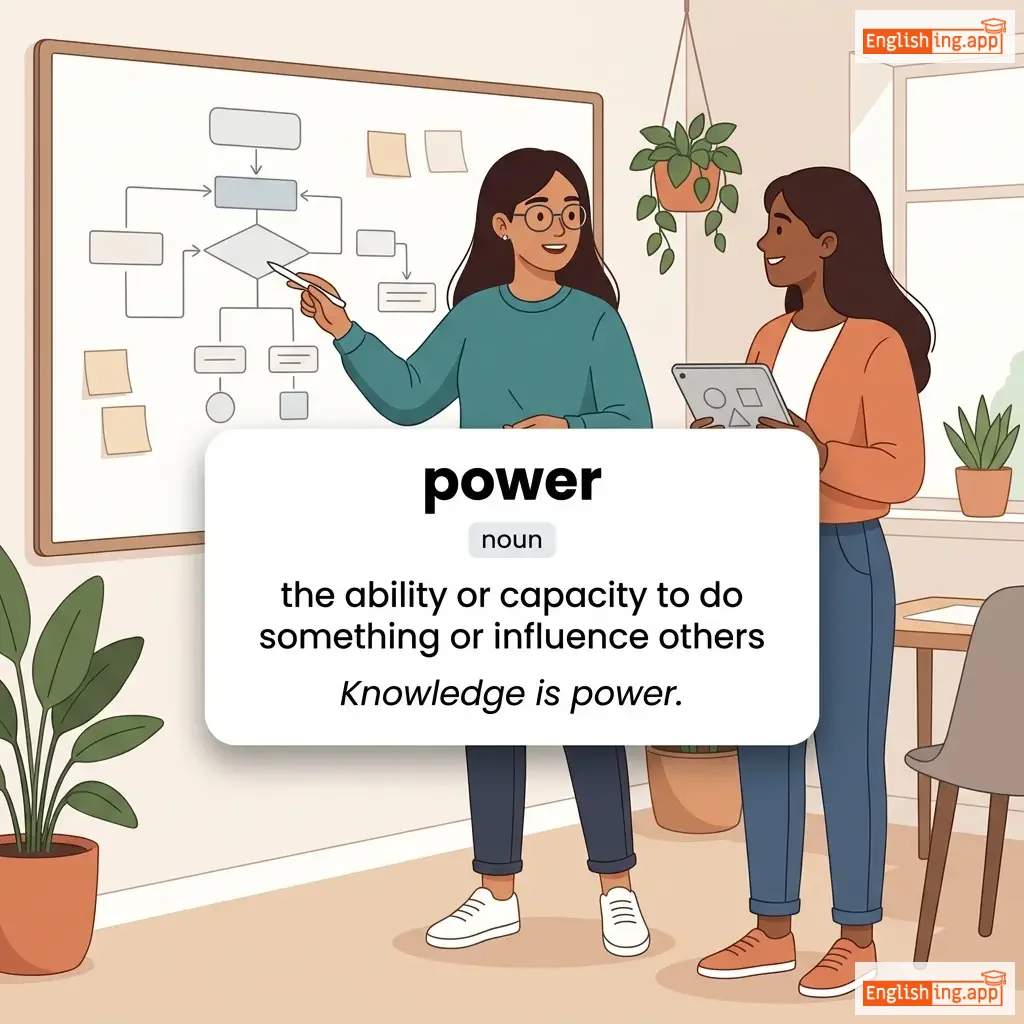
ˈpaʊ.ər
noun
(パワー)
••••••
|
|
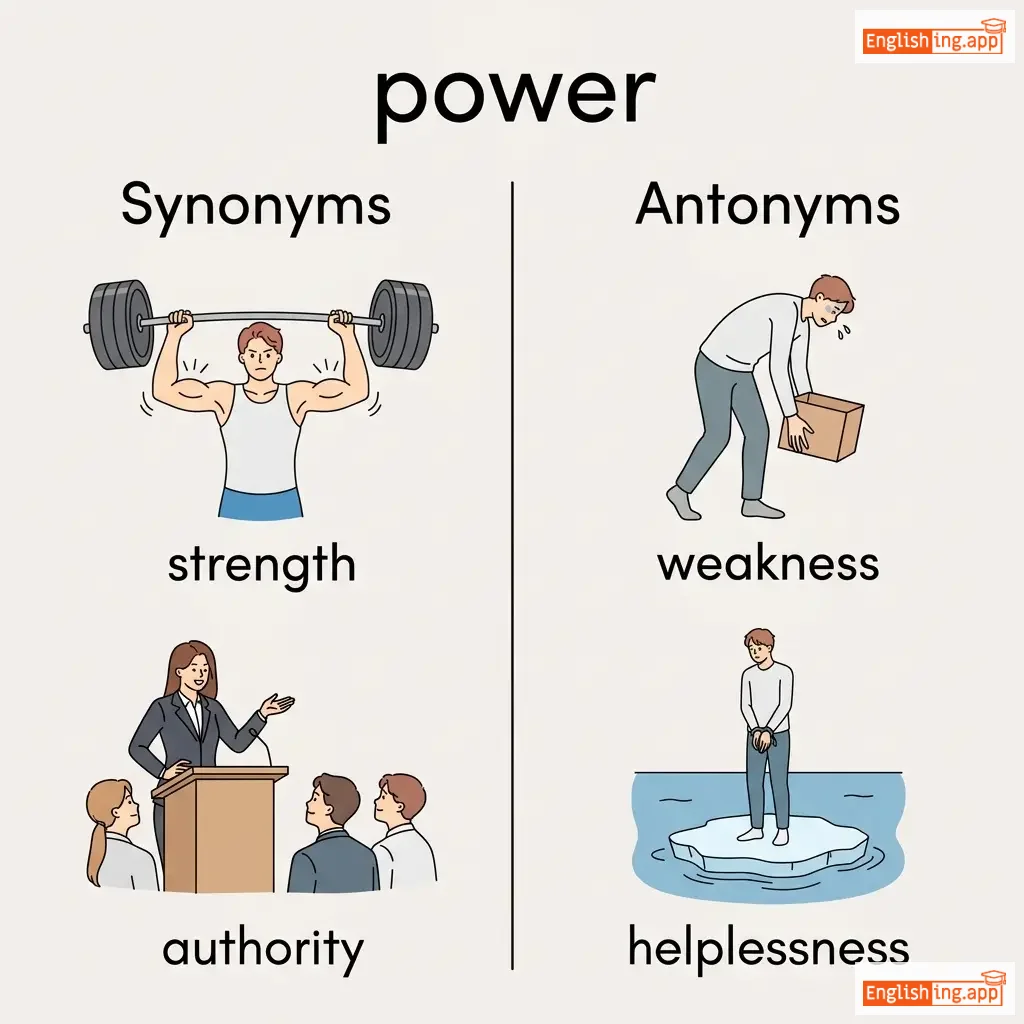
力
chikara
••••••
|
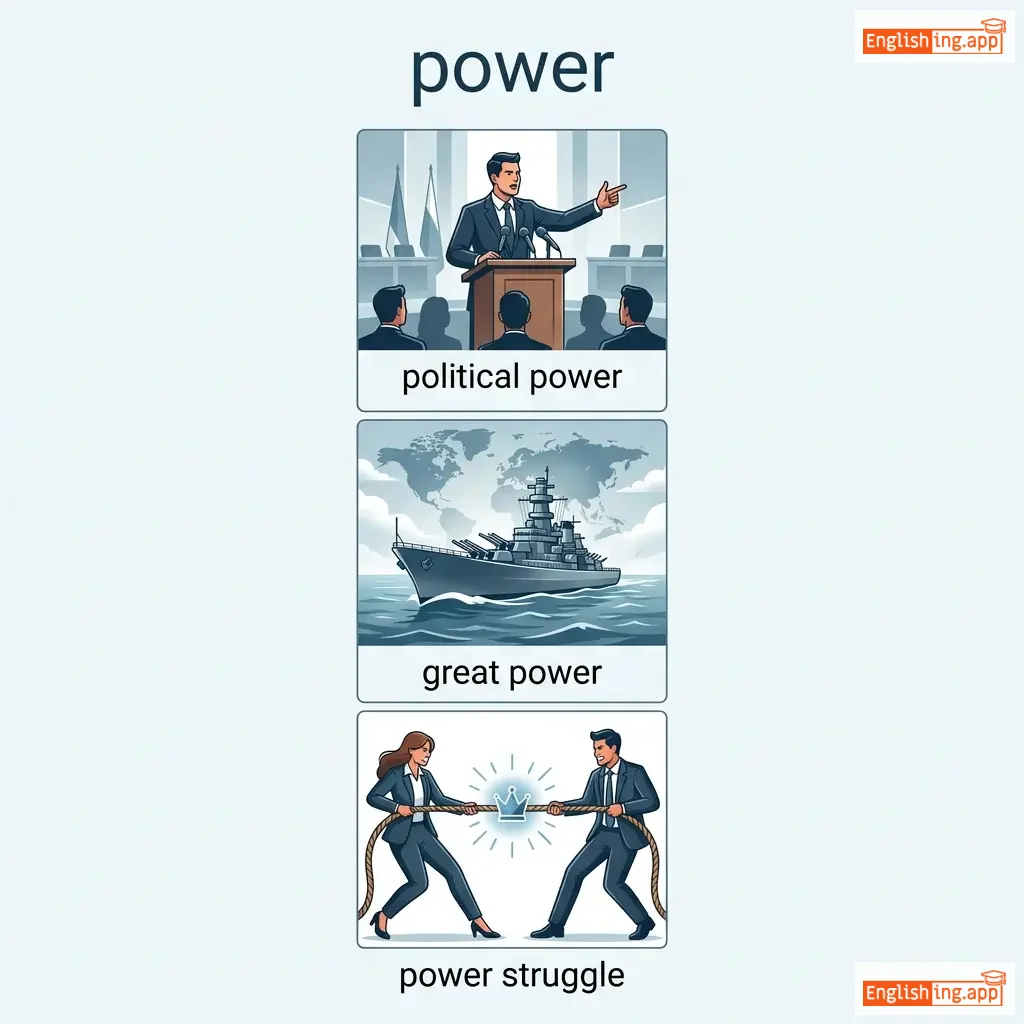
The ability or capacity to do something or act in a particular way; authority.
••••••
|
Power distribution ensures efficiency.
パワーの配分は効率を保証する。
••••••
|
力の配分は効率を保証する。
Chikara no haibun wa kōritsu o hoshō suru.
••••••
|
authority, control, influence, strength, force, dominance
••••••
|
weakness, impotence, helplessness, powerlessness, inability, incapacity
••••••
|
力を持つことは、エネルギーの効率と似ている。
••••••
|
|
#874
👨💼
|
ɪɡˈzek.jə.tɪv
noun
(エグゼクティブ)
••••••
|
|
執行機関
shikkō kikan
••••••
|
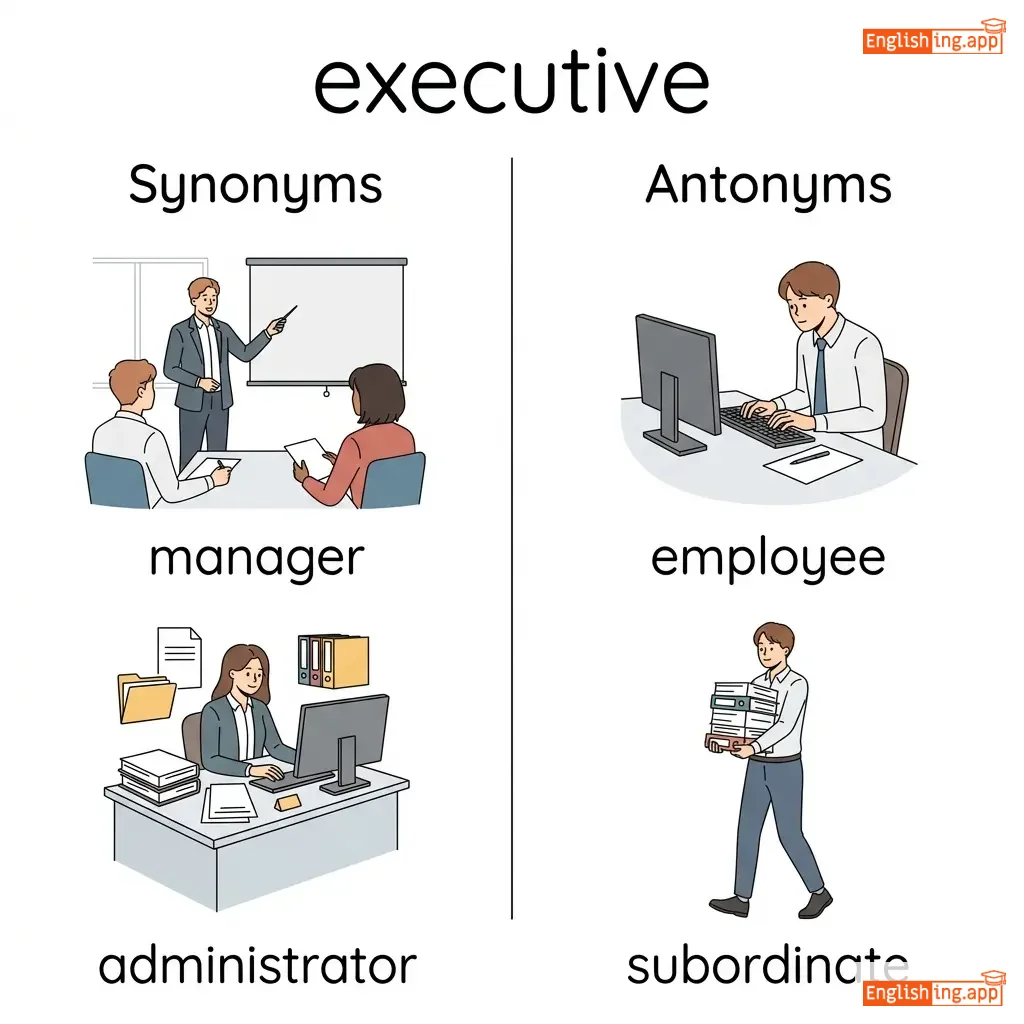
The branch of government responsible for implementing and enforcing laws.
••••••
|
The executive body enforces policies.
エグゼクティブ機関は政策を実行します。
••••••
|
執行機関は政策を実行します。
Shikkō kikan wa seisaku o jikkō shimasu.
••••••
|
administrator, director, manager, leader, official, head
••••••
|
subordinate, follower, employee, worker, underling, assistant
••••••
|
In Japan, '執行機関' refers to the executive body that enforces policies.
••••••
|
|
#875
🏛️
|
ˈledʒ.ɪ.slə.tʃər
noun
(レジスレーター)
••••••
|
|
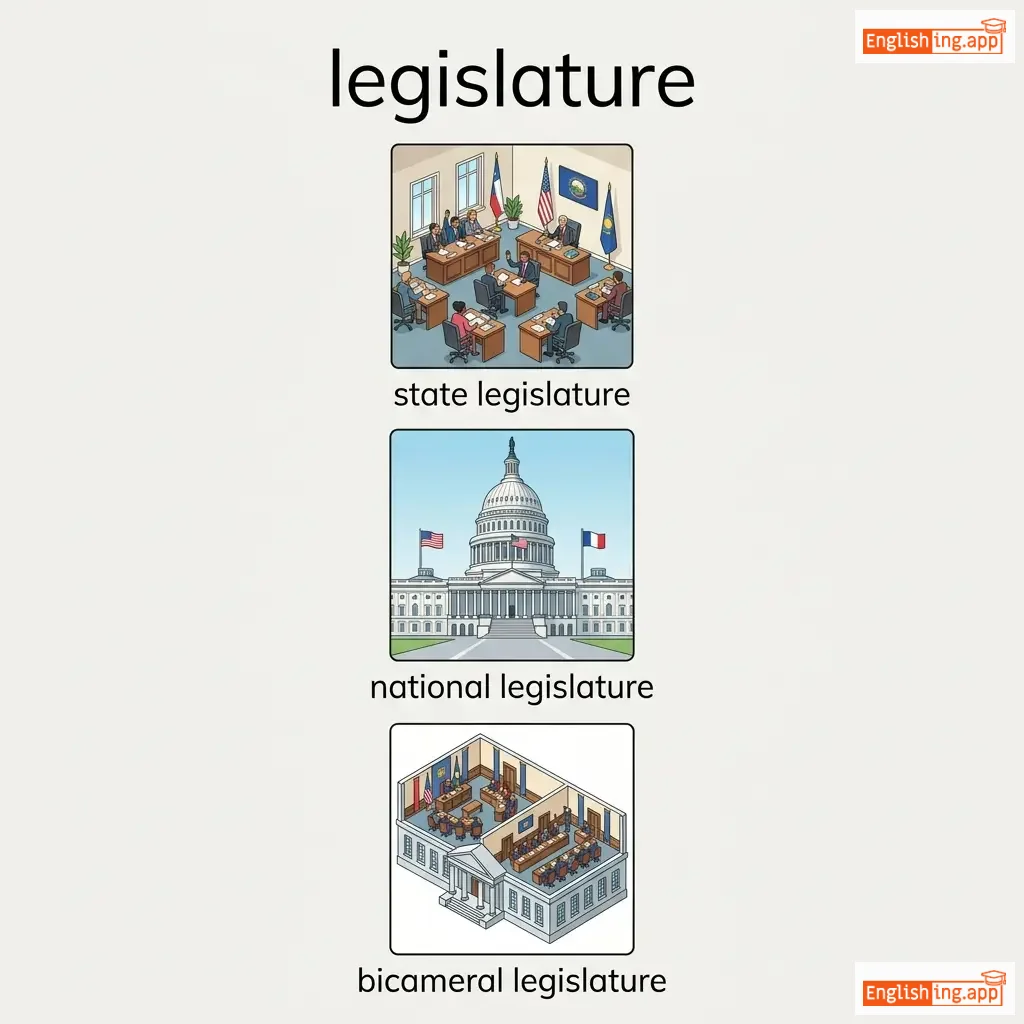
立法機関
Rippō Kikan
••••••
|
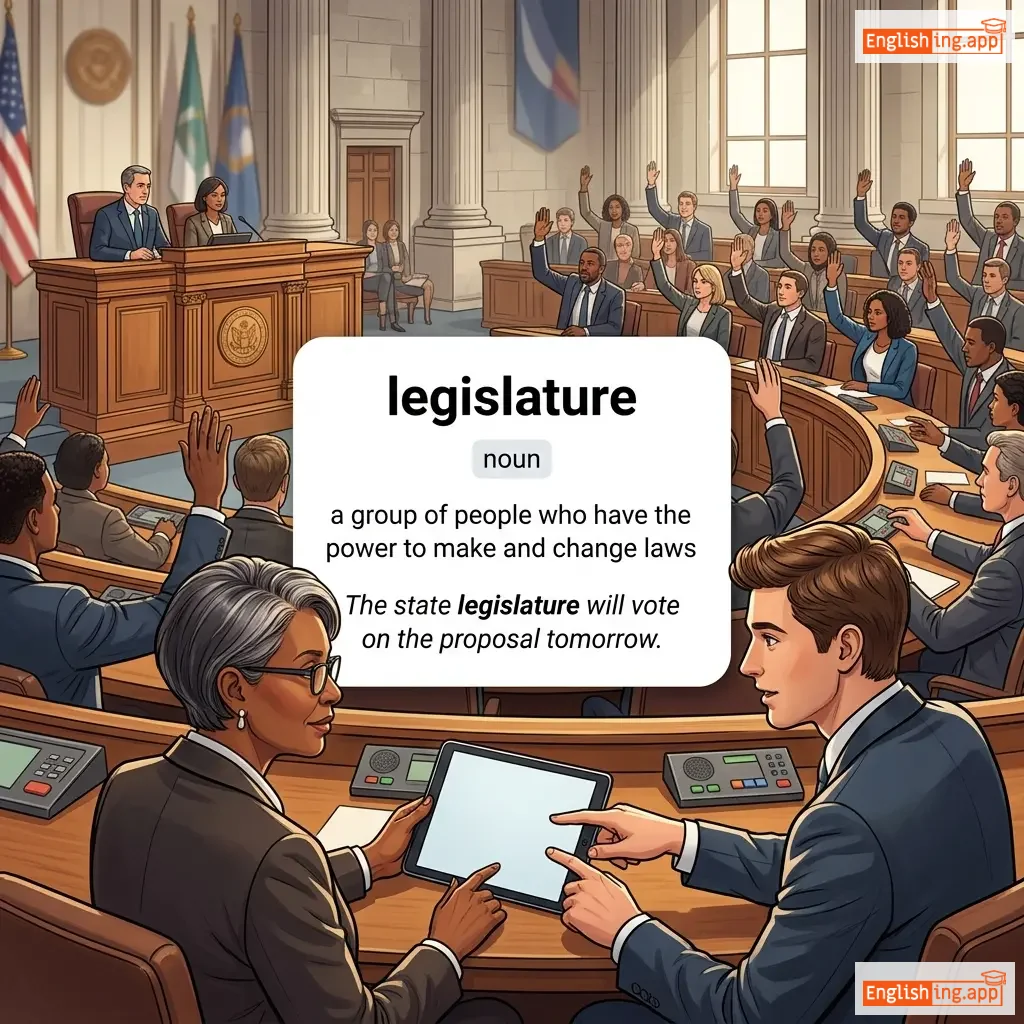
The legislative body of a country or state; the branch of government that makes laws.
••••••
|
The legislature drafts laws for governance.
立法機関は統治のための法律を起草します。
••••••
|
立法機関は統治のための法律を起草します。
Rippō kikan wa tōchi no tame no hōritsu o kisō shimasu.
••••••
|
parliament, assembly, congress, council, senate, house
••••••
|
judiciary, executive, administration, bureaucracy, enforcement, implementation
••••••
|
立法機関: 立法 (法律を作る) + 機関 (組織)
••••••
|
|
#876
⚖️
|
dʒuːˈdɪʃ.ər.i
noun
(ジュディシャリー)
••••••
|
|
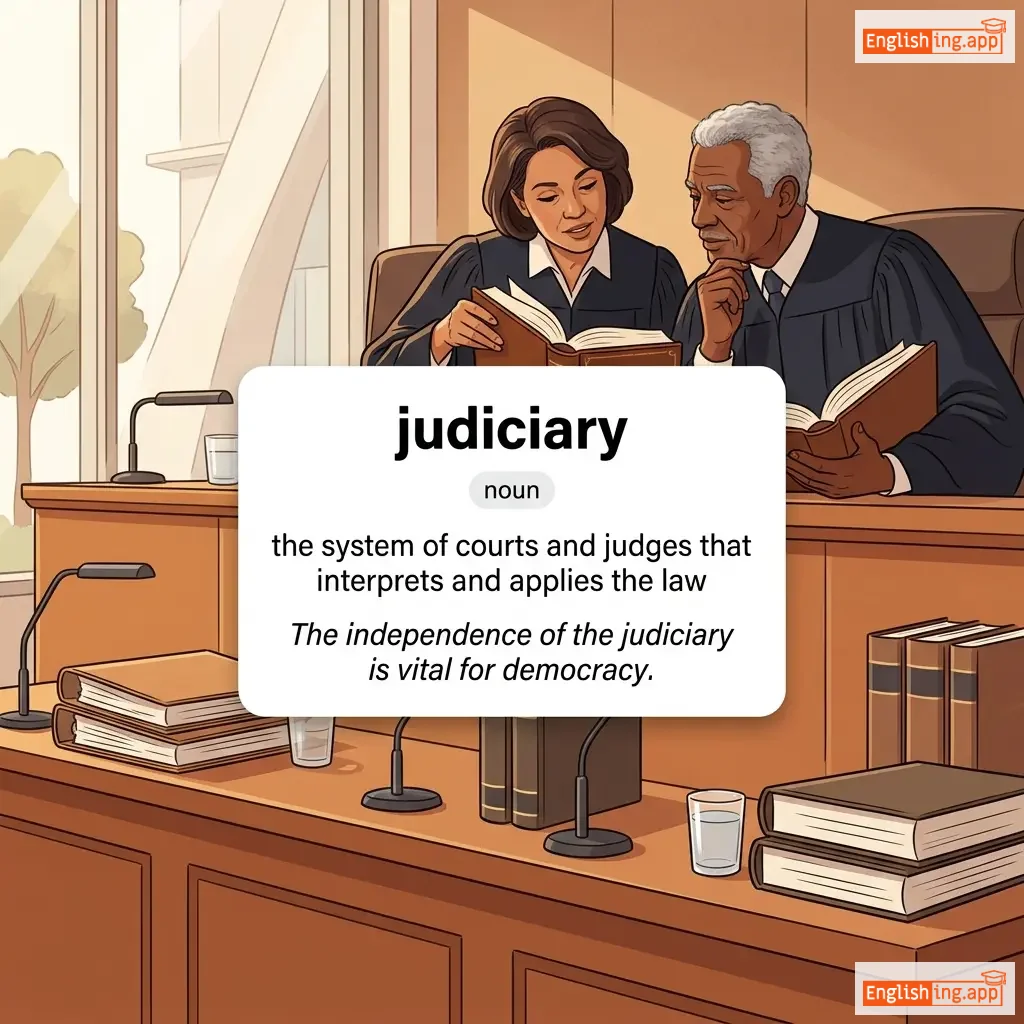
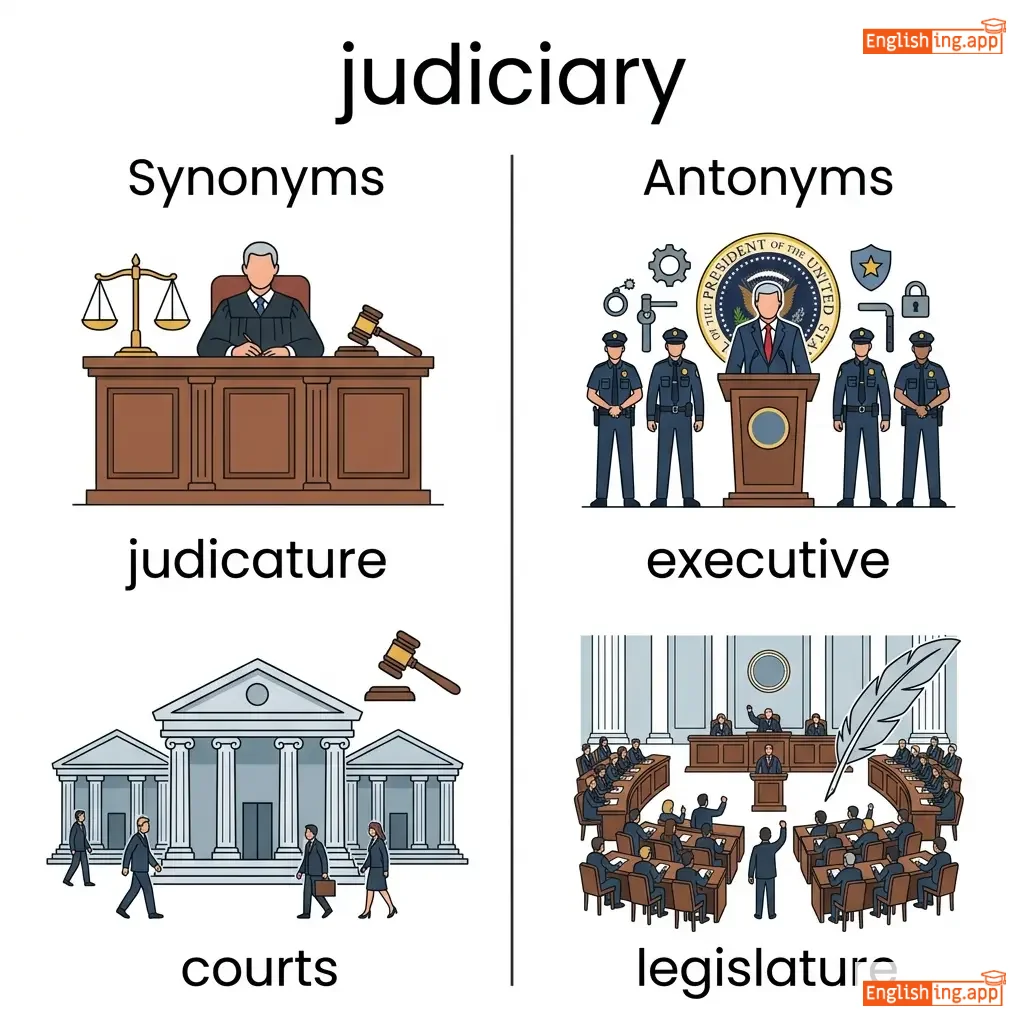
司法制度
shihō seido
••••••
|
The judicial authorities of a country; the system of courts that interprets and applies the law.
••••••
|
The judiciary ensures the rule of law. |
司法制度は法の支配を保障する。
Shihō seido wa hō no shihai o hoshō suru.
••••••
|
court, bench, tribunal, judicial system, legal system, justice system
••••••
|
legislature, executive, administration, government, enforcement, politics
••••••
|
司法制度(Shihō seido)は、法の支配を守るために存在します。
••••••
|
|
#877
🚫
|
ˈfæʃ.ɪst
adjective
(ファシスト)
••••••
|
|
ファシスト
fashisuto
••••••
|
Relating to or characteristic of fascism; extremely authoritarian.
••••••
|
Fascist governance undermines freedom. |
ファシスト政権は自由を脅かす。
Fashisuto seiken wa jiyu o odokasu.
••••••
|
authoritarian, totalitarian, dictatorial, oppressive, tyrannical, despotic
••••••
|
democratic, liberal, free, libertarian, progressive, egalitarian
••••••
|
ファシストは自由を脅かし、力を握る。
••••••
|
|
#878
🏛️
|
ˈɡʌv.ən.əns
noun
(ゴバーナンス)
••••••
|
|
ガバナンス
gabanansu
••••••
|
The action or manner of governing; the system by which a state or organization is controlled.
••••••
|
Governance reforms enhance efficiency. |
ガバナンス改革は効率性を向上させます。
Gabanansu kaikaku wa kōritsu-sei o kōjō sasemasu.
••••••
|
administration, management, leadership, control, government, rule
••••••
|
disorder, mismanagement, anarchy, chaos, lawlessness, dysfunction
••••••
|
ガバナンス = 政府 (Government), governance means how it's managed!
••••••
|
|
#879
🛡️
|
prɪˈven.ʃən
noun
(プリベンション)
••••••
|
|
予防
yobō
••••••
|
The action of stopping something from happening or arising.
••••••
|
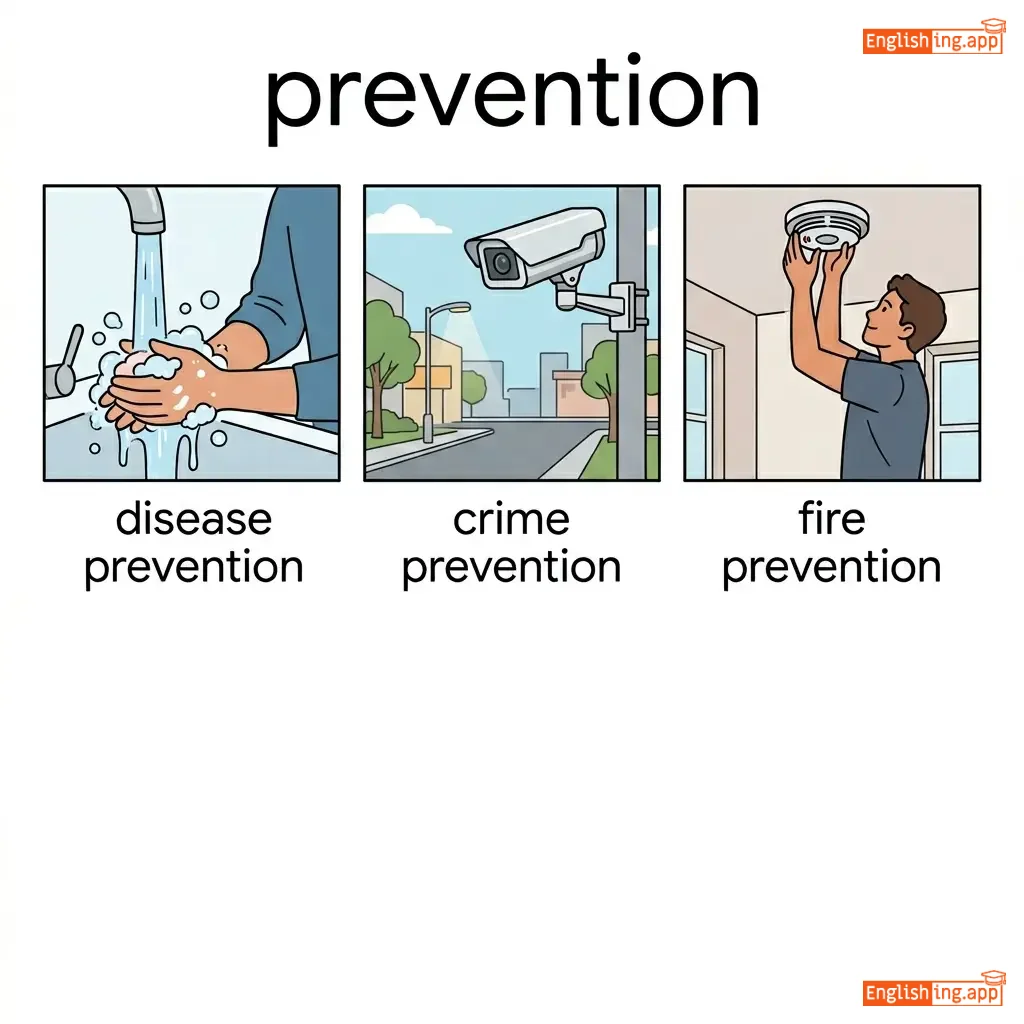
Prevention of fascism ensures democracy.
ファシズムの予防は民主主義を保証する。
••••••
|
ファシズムの予防は民主主義を保証する。
Fashizumu no yobō wa minshushugi o hoshō suru.
••••••
|
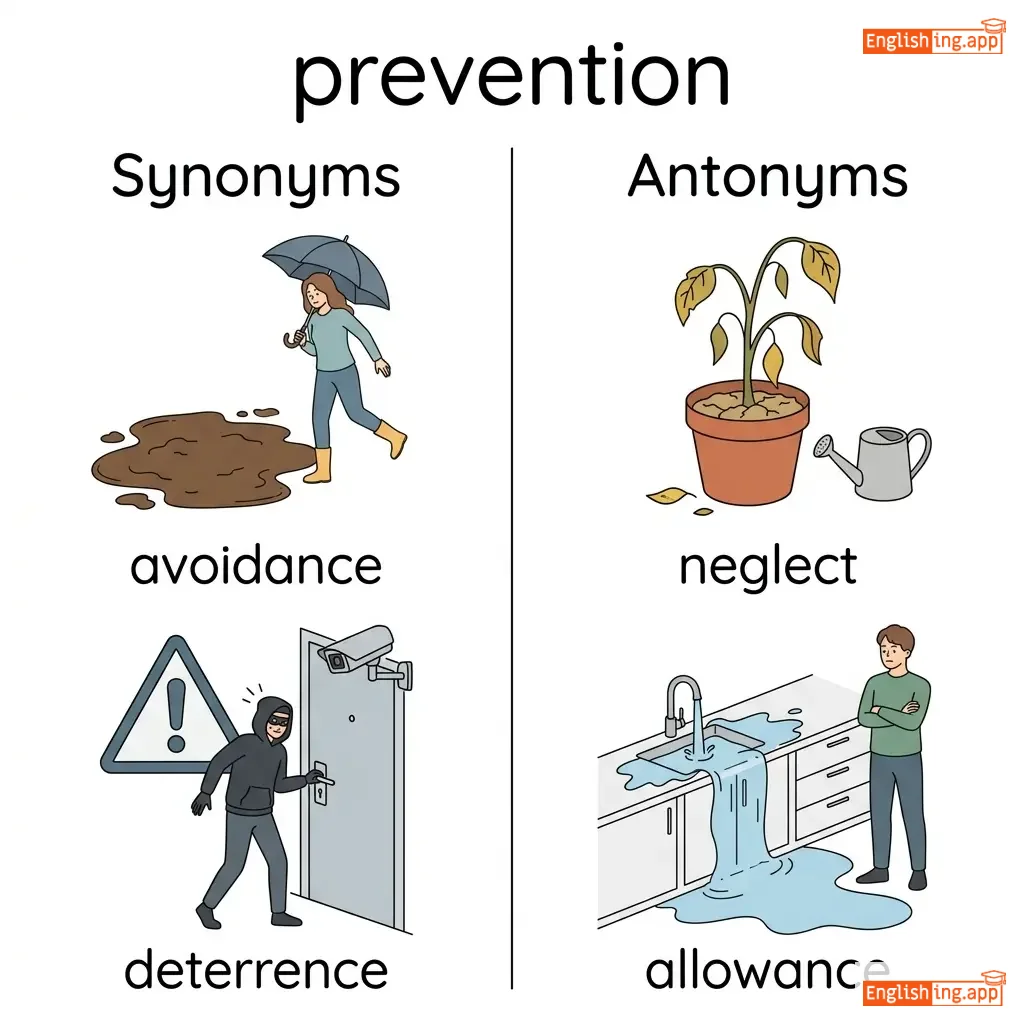
hindrance, deterrence, obstruction, blockage, inhibition, restraint
••••••
|
encouragement, facilitation, promotion, assistance, support, advancement
••••••
|
予防 (Yobō) は問題を未然に防ぐために行われます。
••••••
|
|
#880
✅
|
ɪˈfek.tɪv
adjective
(エフェクティブ)
••••••
|
|
効果的
kōkateki
••••••
|
Successful in producing a desired or intended result.
••••••
|
Effective reforms enhance governance quality.
効果的な改革はガバナンスの質を向上させます。
••••••
|
効果的な改革はガバナンスの質を向上させます。
Kōkateki na kaikaku wa gabanasu no shitsu o kōjō sasemasu.
••••••
|
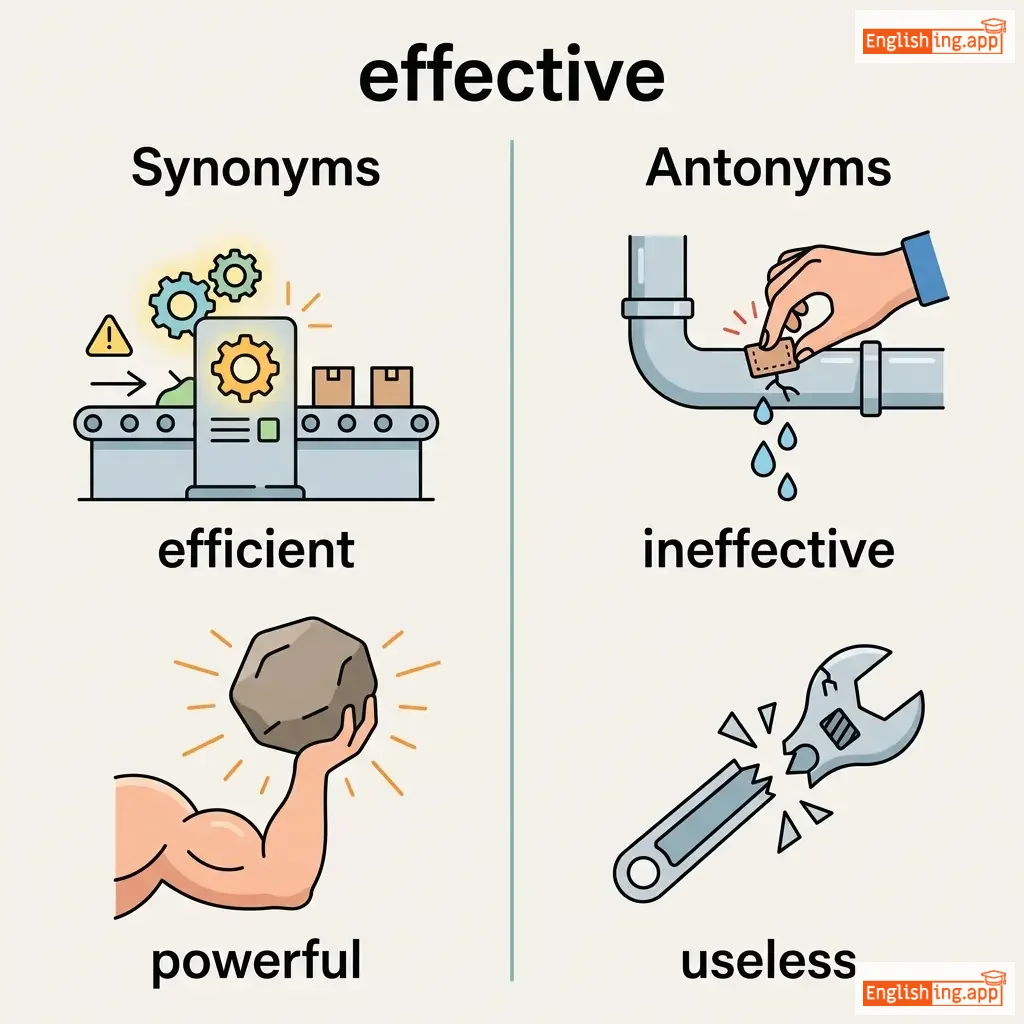
efficient, productive, successful, useful, beneficial, advantageous
••••••
|
ineffective, unproductive, useless, unsuccessful, harmful, disadvantageous
••••••
|
Effective = Kōkateki (効果的な結果)
••••••
|
|
#881
🌐
|
ˌdiː.sen.trə.laɪˈzeɪ.ʃən
noun
(ディセントラライゼーション)
••••••
|
|
分権
bunken
••••••
|
The transfer of authority from central to local government.
••••••
|
Decentralization promotes regional autonomy. |
分権は地域の自立を促進します。
Bunken wa chiiki no jiritsu o sokushin shimasu.
••••••
|
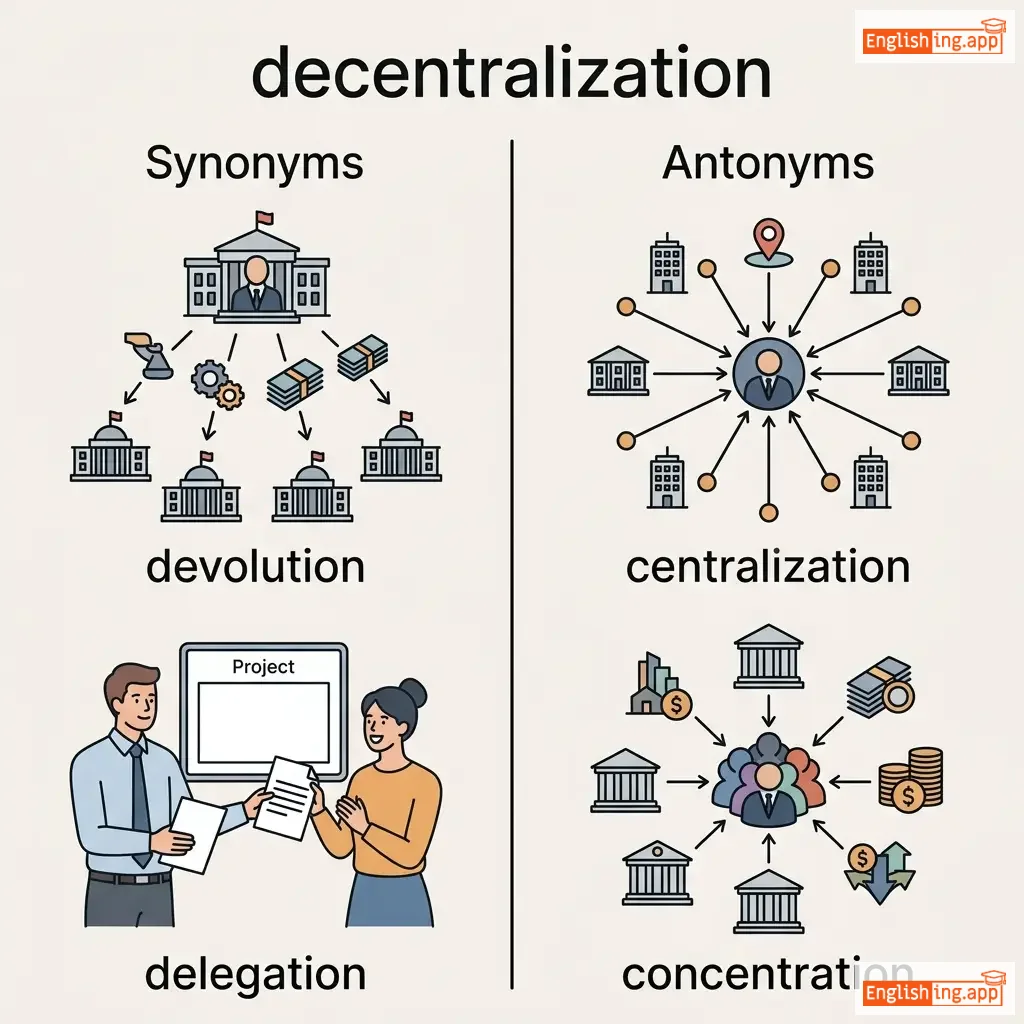
delegation, devolution, distribution, dispersal, deconcentration, localization
••••••
|
centralization, monopoly, concentration, consolidation, unification, centralization
••••••
|
中央から地方へ、力を分ける分権の考え。
••••••
|
|
#882
🚀
|
ɪˈnɪʃ.ə.tɪv
noun
(イニシアティブ)
••••••
|
|
イニシアティブ
inishiatibu
••••••
|
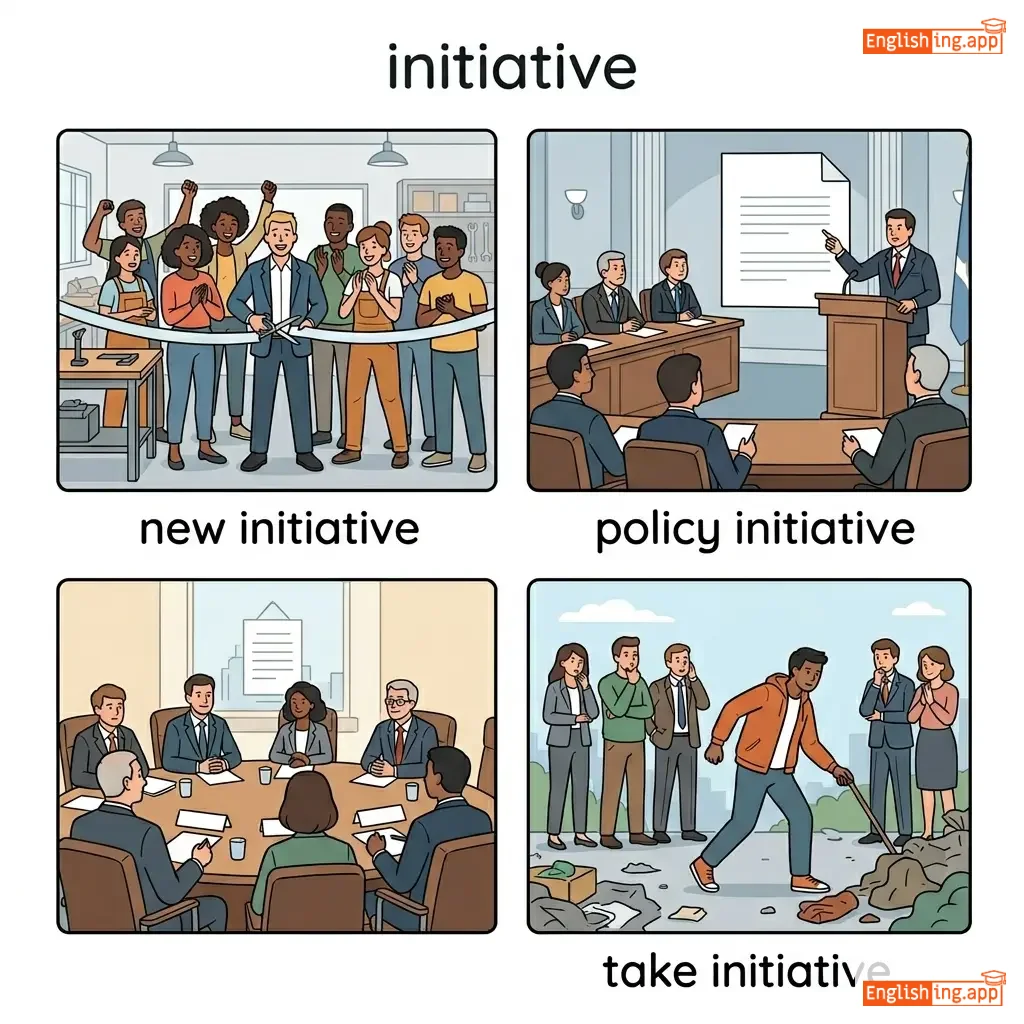
An act or strategy intended to resolve a difficulty or improve a situation.
••••••
|
This initiative aims to strengthen democracy.
このイニシアティブは、民主主義を強化することを目的としています。
••••••
|
このイニシアティブは、民主主義を強化することを目的としています。
Kono inishiatibu wa, minshushugi o kyōka suru koto o mokuteki to shiteimasu.
••••••
|
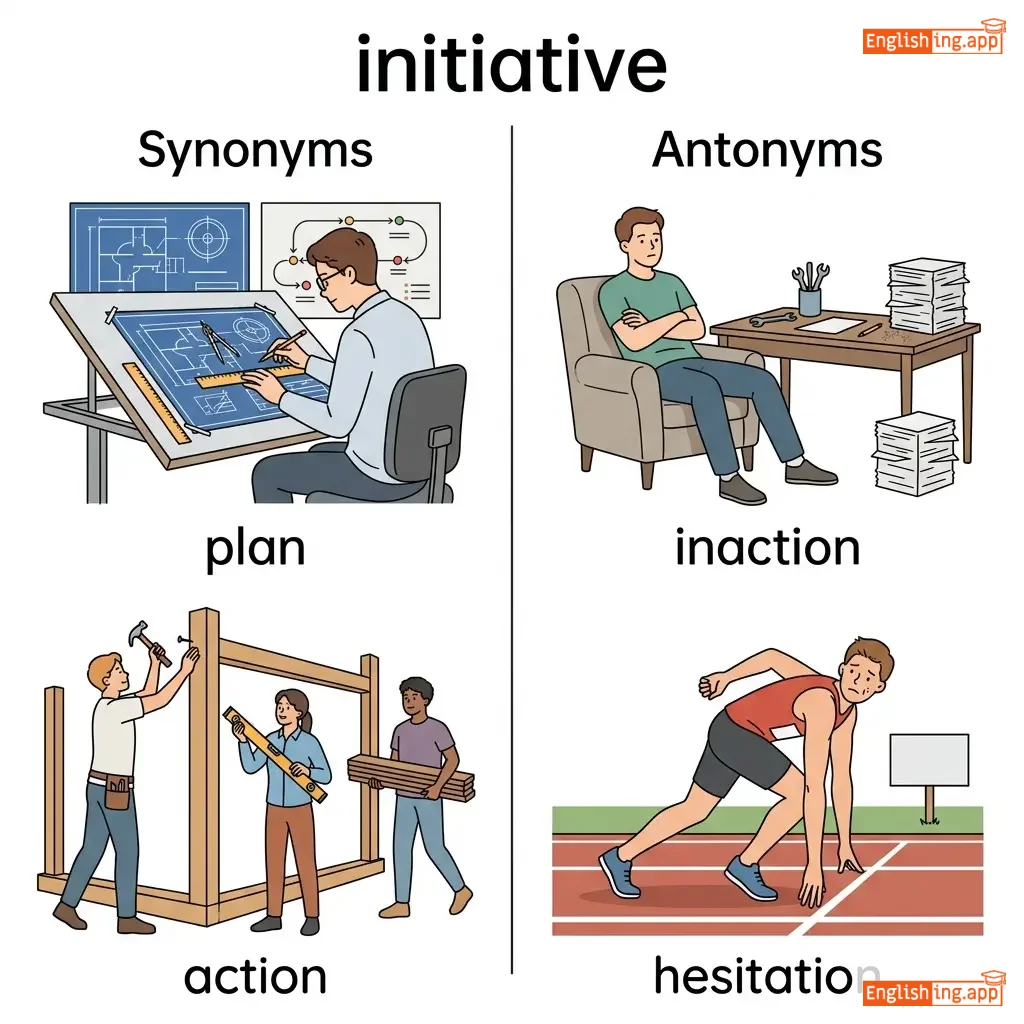
proposal, action, plan, project, scheme, program
••••••
|
inaction, apathy, passivity, neglect, indifference, stagnation
••••••
|
Initiative - A Japanese way to improve things with a new *inishiatibu*.
••••••
|
|
#883
🤗
|
ɪnˈkluː.sɪv
adjective
(インクルーシブ)
••••••
|
|
包摂的
hōsetuteki
••••••
|
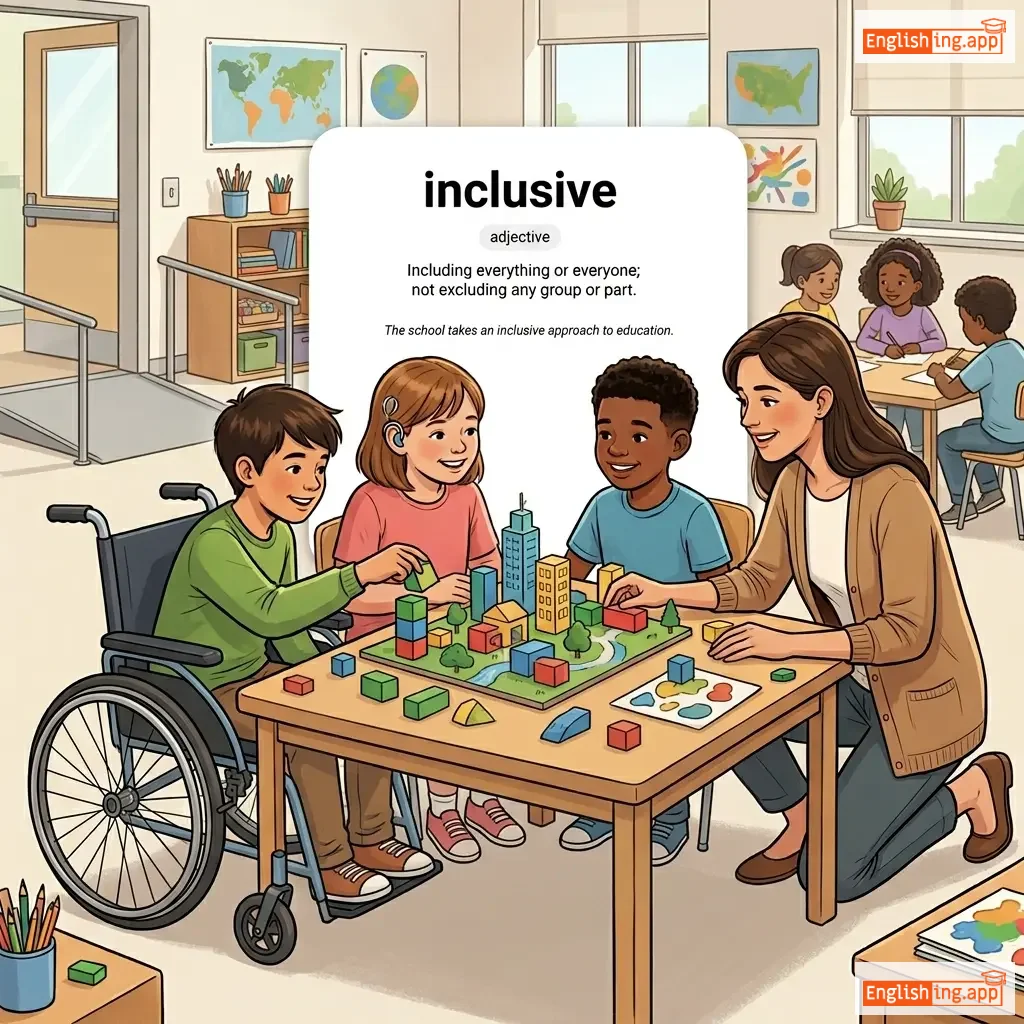
Including all the services, facilities, or items normally expected or required.
••••••
|
An inclusive framework reflects public needs.
インクルーシブな枠組みは公共のニーズを反映しています。
••••••
|
包摂的な枠組みは公共のニーズを反映しています。
Hōsetuteki na wakugumi wa kōkyō no nīzu o han'ei shiteimasu.
••••••
|
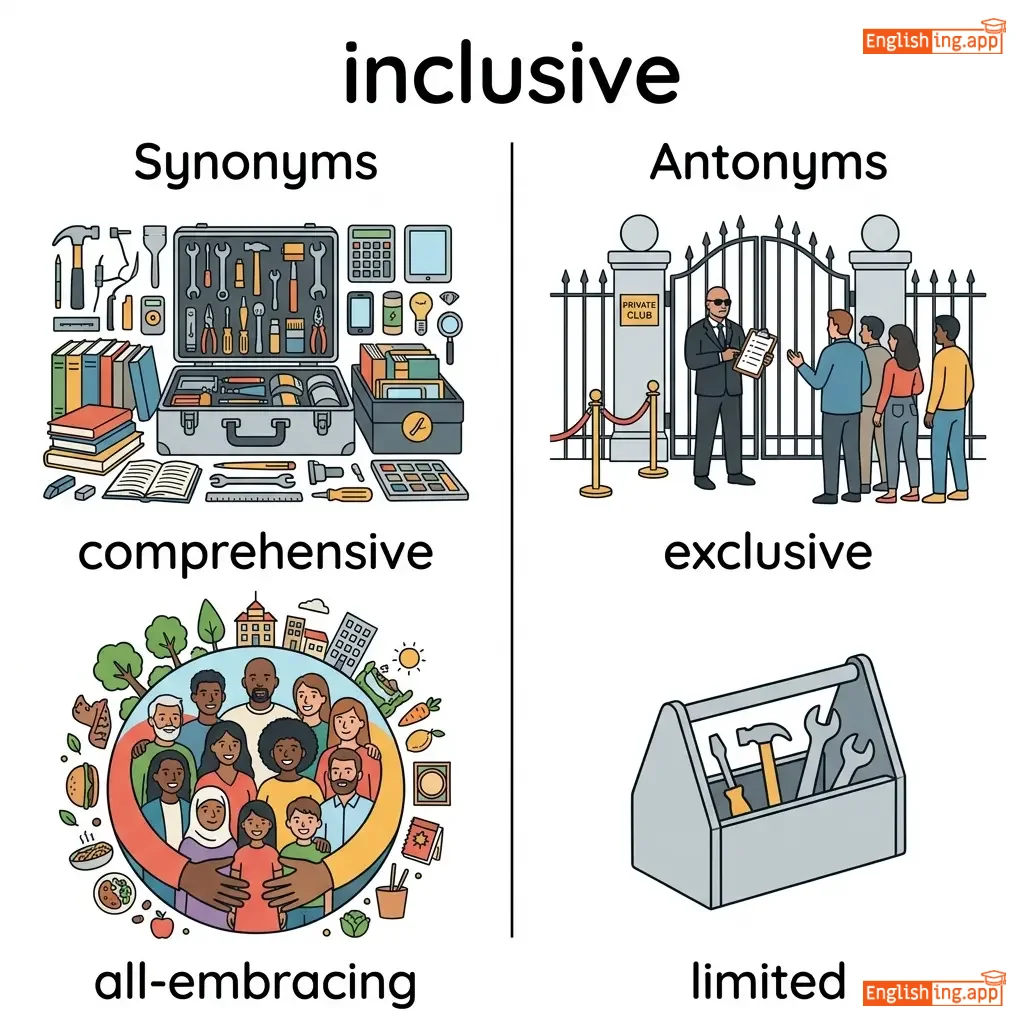
comprehensive, integrative, broad, universal, all-encompassing, holistic
••••••
|
exclusive, selective, restrictive, limited, narrow, discriminatory
••••••
|
包摂的にすべてを受け入れることで、社会のニーズに対応します。
••••••
|
|
#884
🗳️
|
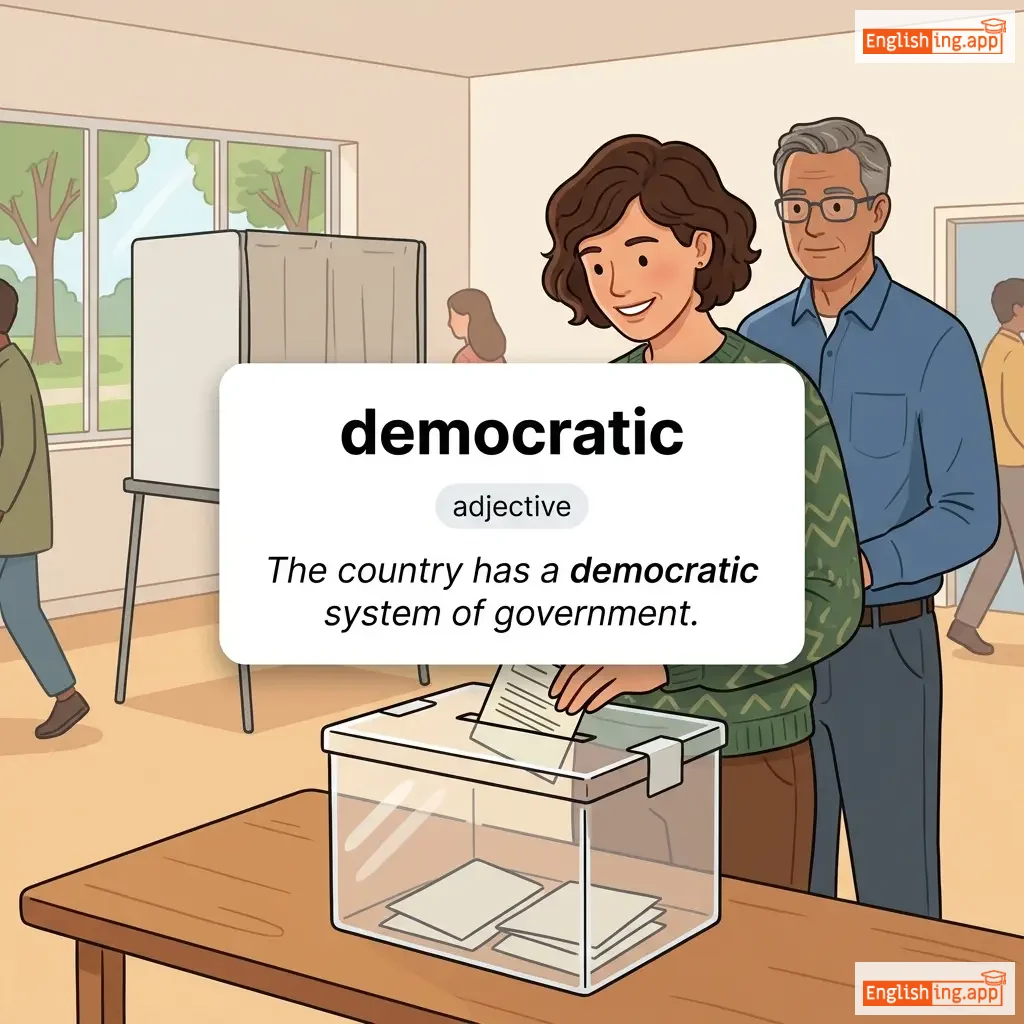
ˌdem.əˈkræt.ɪk
adjective
(デモクラティック)
••••••
|
|
民主的
minshuteki
••••••
|
Relating to or supporting democracy or its principles.
••••••
|
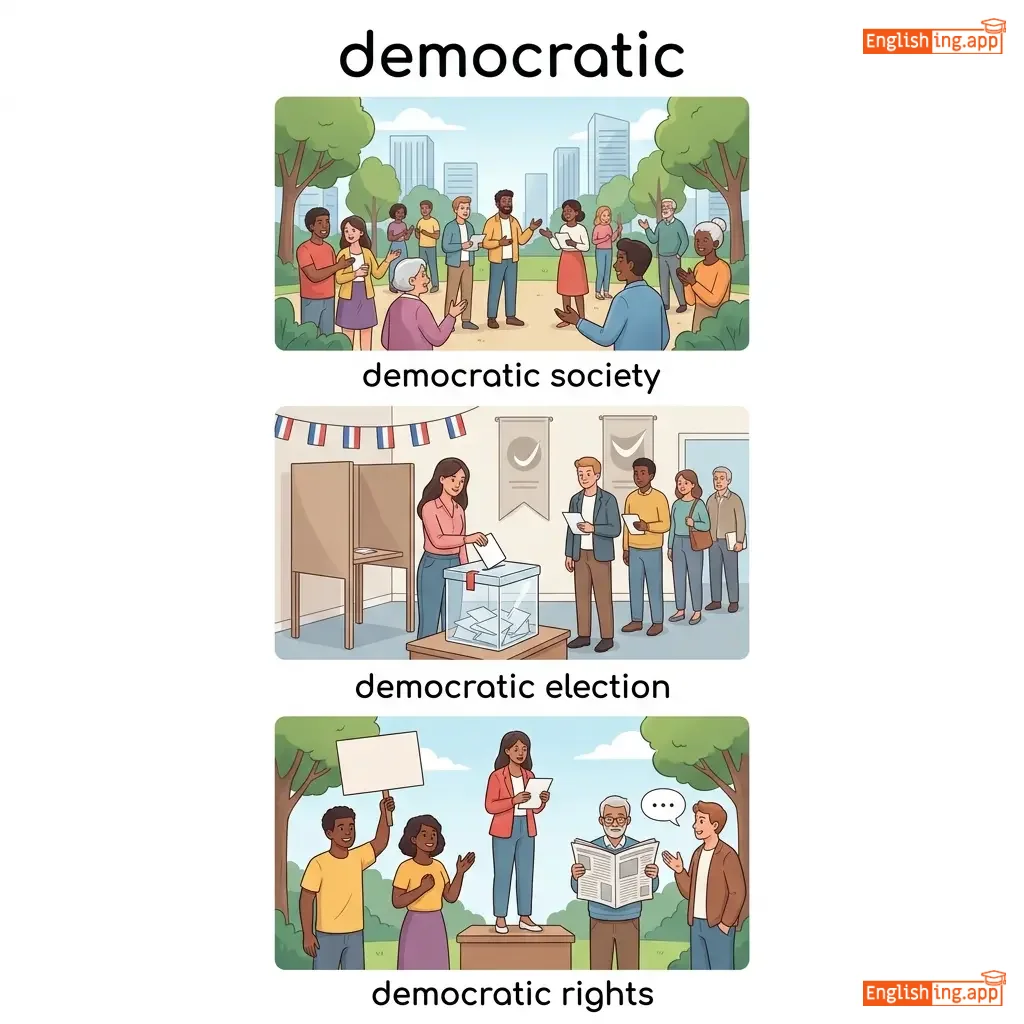
Democratic governance ensures equal rights. |
民主的な統治は平等な権利を保証します。
Minshuteki na tochi wa byoudou na kenri o hoshou shimasu.
••••••
|
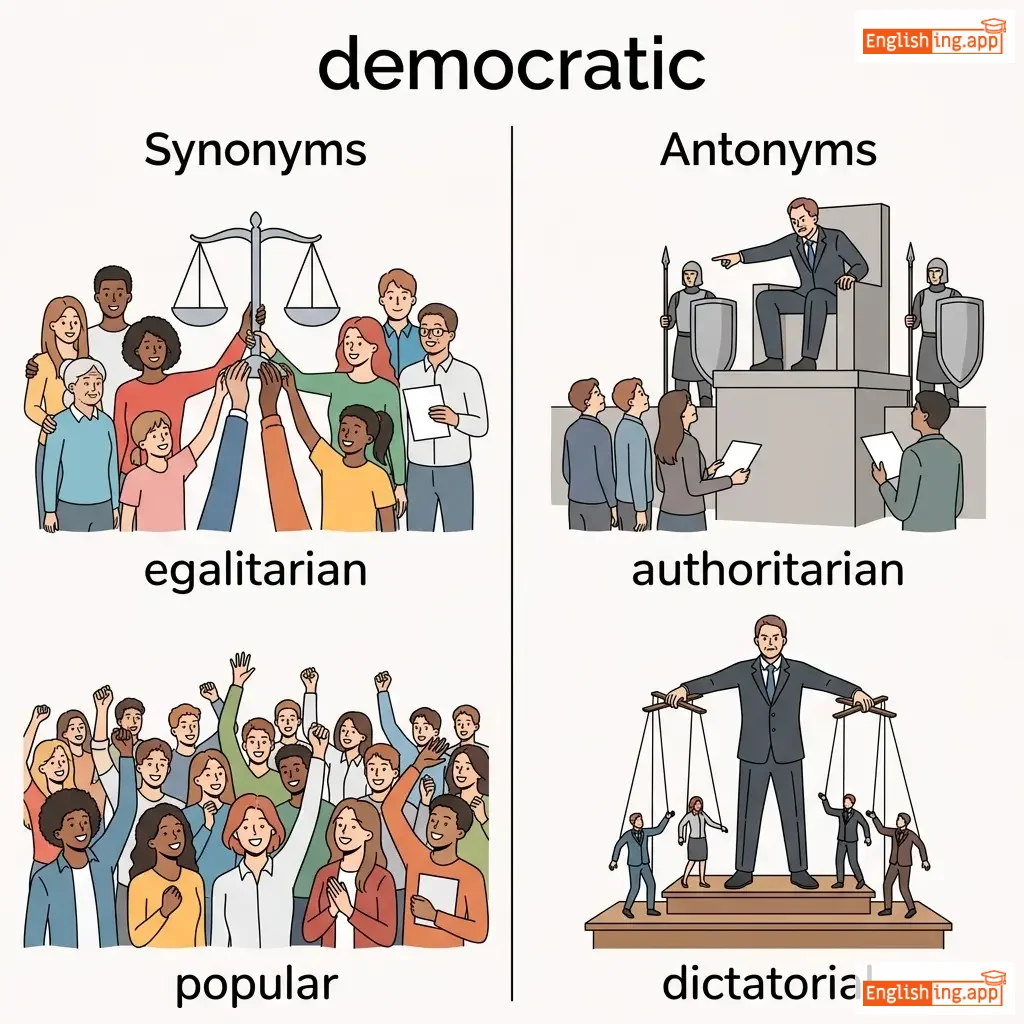
republican, participatory, egalitarian, popular, representative, constitutional
••••••
|
authoritarian, fascist, dictatorial, totalitarian, autocratic, tyrannical
••••••
|
民主主義では、すべての人が平等な権利を持っています。
••••••
|
|
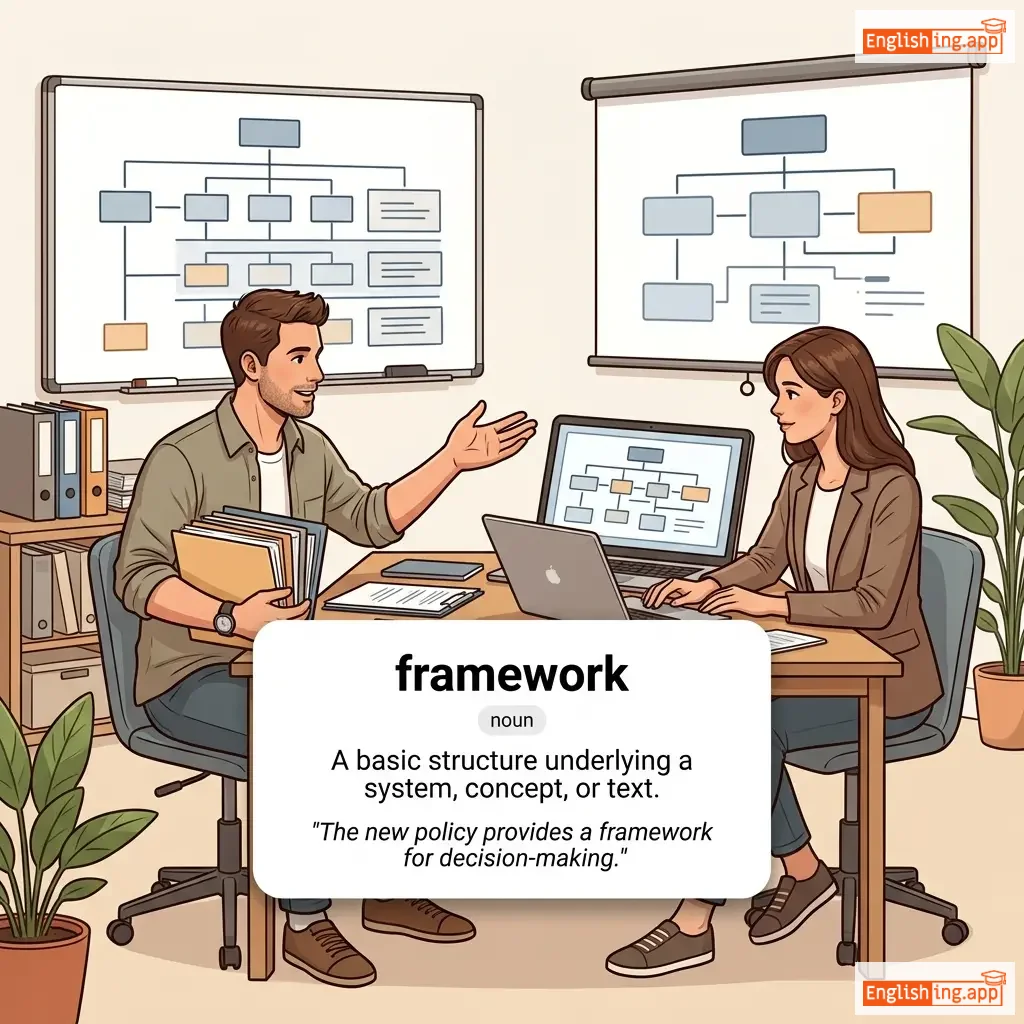
#885
🏗️
|
ˈfreɪm.wɜːk
noun
(フレームワーク)
••••••
|
|
枠組み
wakugumi
••••••
|
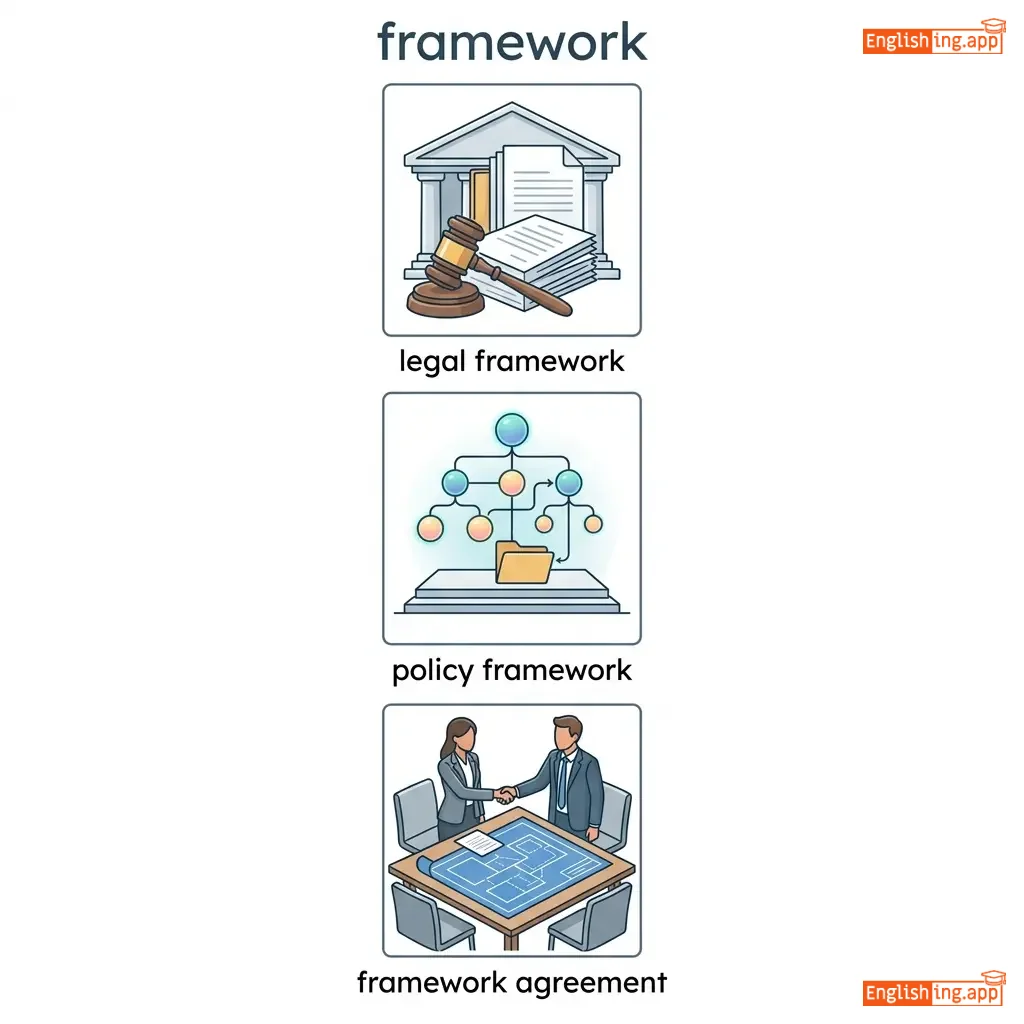
A basic structure underlying a system, concept, or text.
••••••
|
A robust framework ensures transparency.
強力なフレームワークは透明性を保証します。
••••••
|
強力なフレームワークは透明性を保証します。
Kyōryoku na fure-muwāku wa tōmeisei o hoshō shimasu.
••••••
|
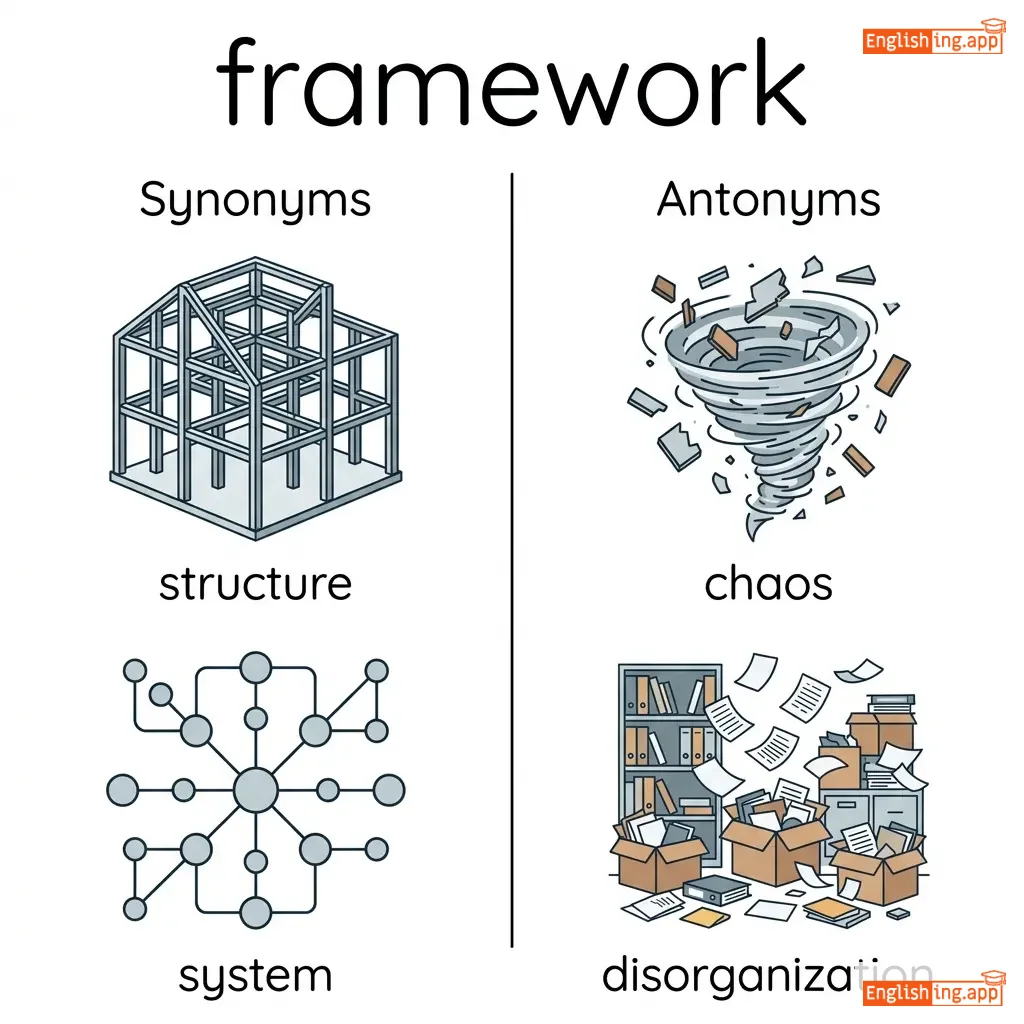
structure, foundation, system, architecture, scaffold, skeleton
••••••
|
chaos, disarray, disorder, confusion, randomness, anarchy
••••••
|
Think of a solid framework (枠組み) holding everything together.
••••••
|
|
#886
📜
|
ˌkɒn.stɪˈtjuː.ʃən
noun
(konstitushon)
••••••
|
|
憲法
kenpou
••••••
|
A body of fundamental principles or established precedents according to which a state is governed.
••••••
|
Constitutional reforms ensure equity.
憲法改正は平等を保障します。
••••••
|
憲法改正は平等を保障します。
Kenpou kaisei wa byoudou o hoshou shimasu.
••••••
|
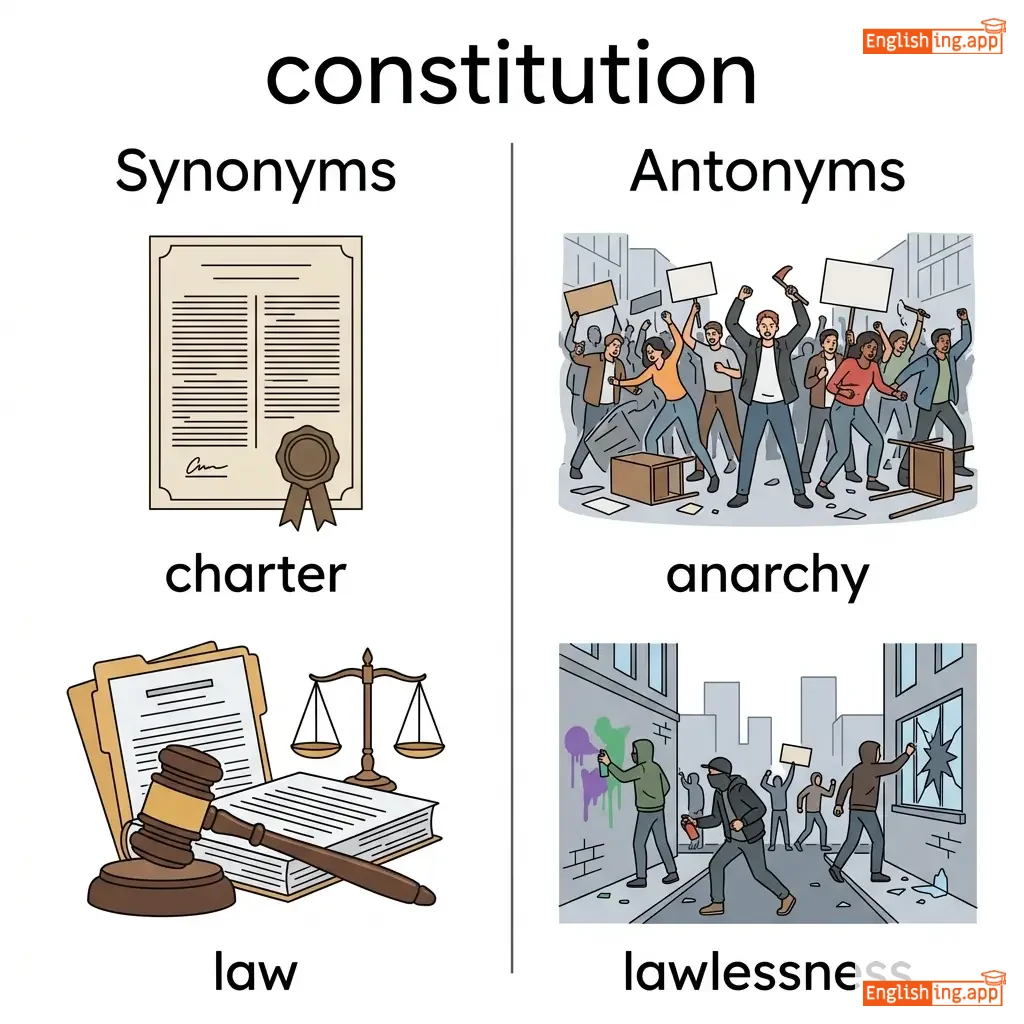
charter, bylaws, code, statute, fundamental law, basic law
••••••
|
anarchy, disorganization, lawlessness, chaos, disorder, arbitrary rule
••••••
|
Kenpou wa, koku no seiritsu o tamotsu honshiki desu.
••••••
|
|
#887
📋
|
ˌrek.ə.menˈdeɪ.ʃənz
noun
(rekomenˈdeɪʃənz)
••••••
|
|
推薦
suisen
••••••
|
Suggestions or proposals as to the best course of action.
••••••
|
The commission submitted their recommendations. |
委員会はその推薦を提出しました。
Iinkai wa sono suisen o teishutsu shimashita.
••••••
|
suggestions, advice, proposals, guidance, counsel, directions
••••••
|
opposition, criticism, disapproval, rejection, condemnation, objection
••••••
|
推薦は提案やアドバイスのようなもの。英語のrecommendと似ているよ。
••••••
|
|
#888
⏳
|
ˈɪn.tər.ɪm
adjective
(インタリム)
••••••
|
|
暫定的
zanteiteki
••••••
|
In or for the intervening period; provisional or temporary.
••••••
|
Interim governments manage transitional phases. |
暫定政府は移行段階を管理します。
Zantei seifu wa ikō dankai o kanri shimasu.
••••••
|
temporary, provisional, transitional, short-term, acting, caretaker
••••••
|
permanent, final, lasting, definitive, established, enduring
••••••
|
In Japanese, '暫定的' (Zanteiteki) means provisional or interim, like a temporary solution.
••••••
|
|
#889
🏛️
|
ˈɡʌv.ən.mənt
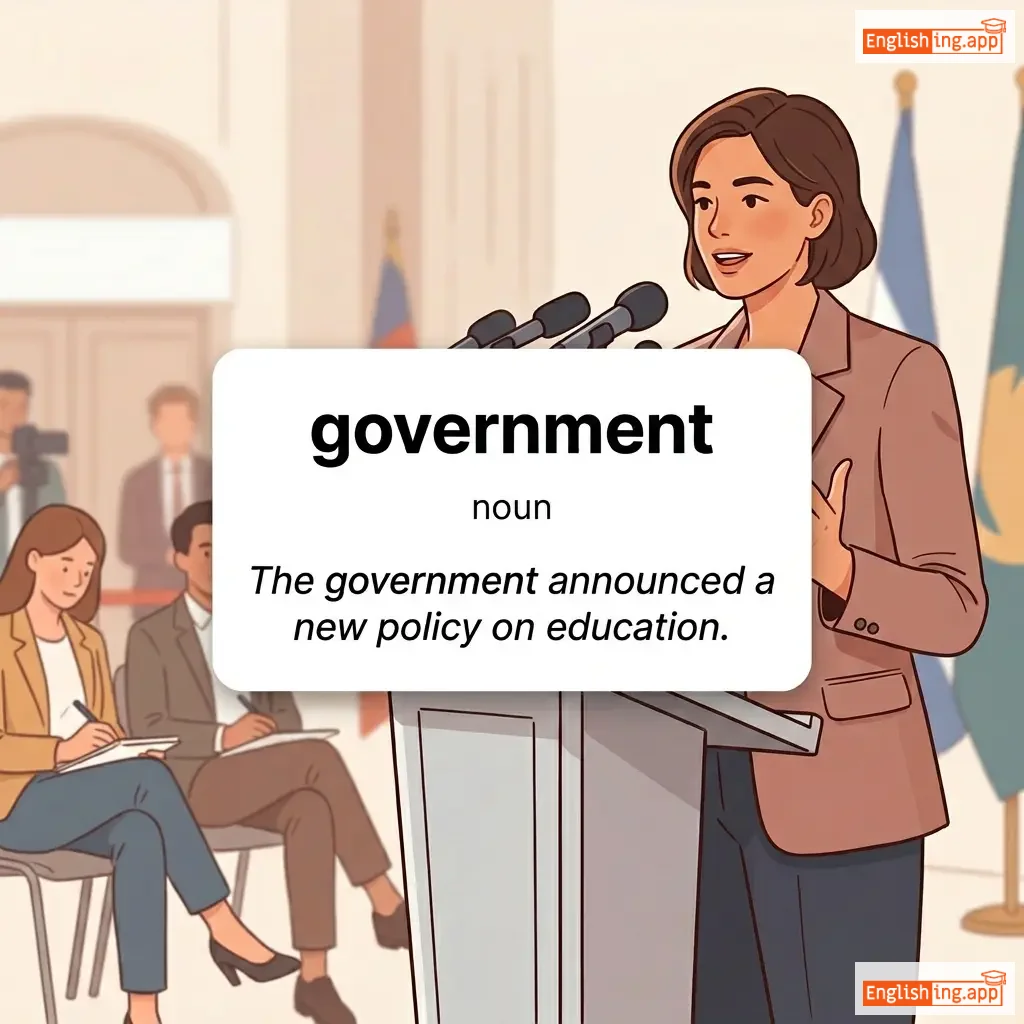
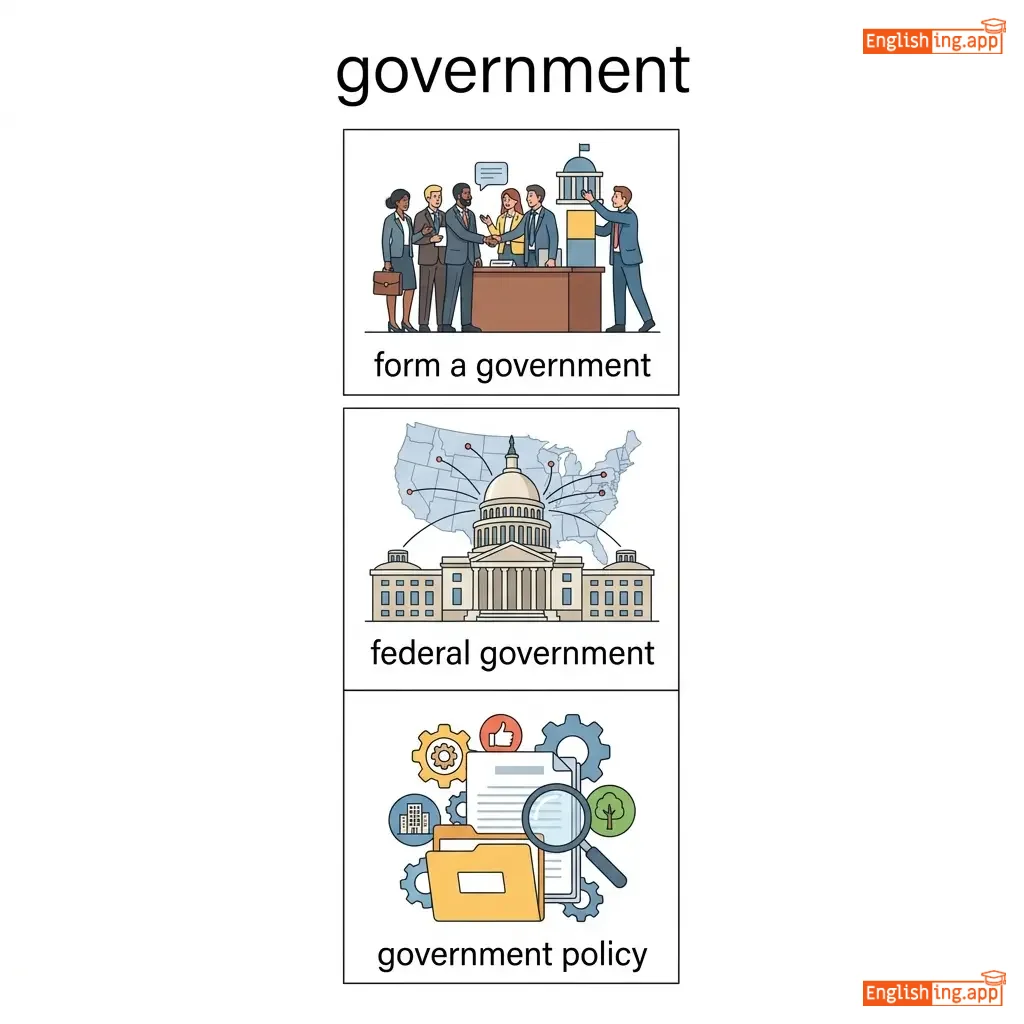
noun
(ガヴァメント)
••••••
|
|
政府
seifu
••••••
|
The governing body of a nation, state, or community.
••••••
|
Governments ensure law and order.
ガヴァメントス エンシュア ロー アンド オーダー。
••••••
|
政府は法律と秩序を確保します。
Seifu wa hōritsu to chitsujo o kakuho shimasu.
••••••
|
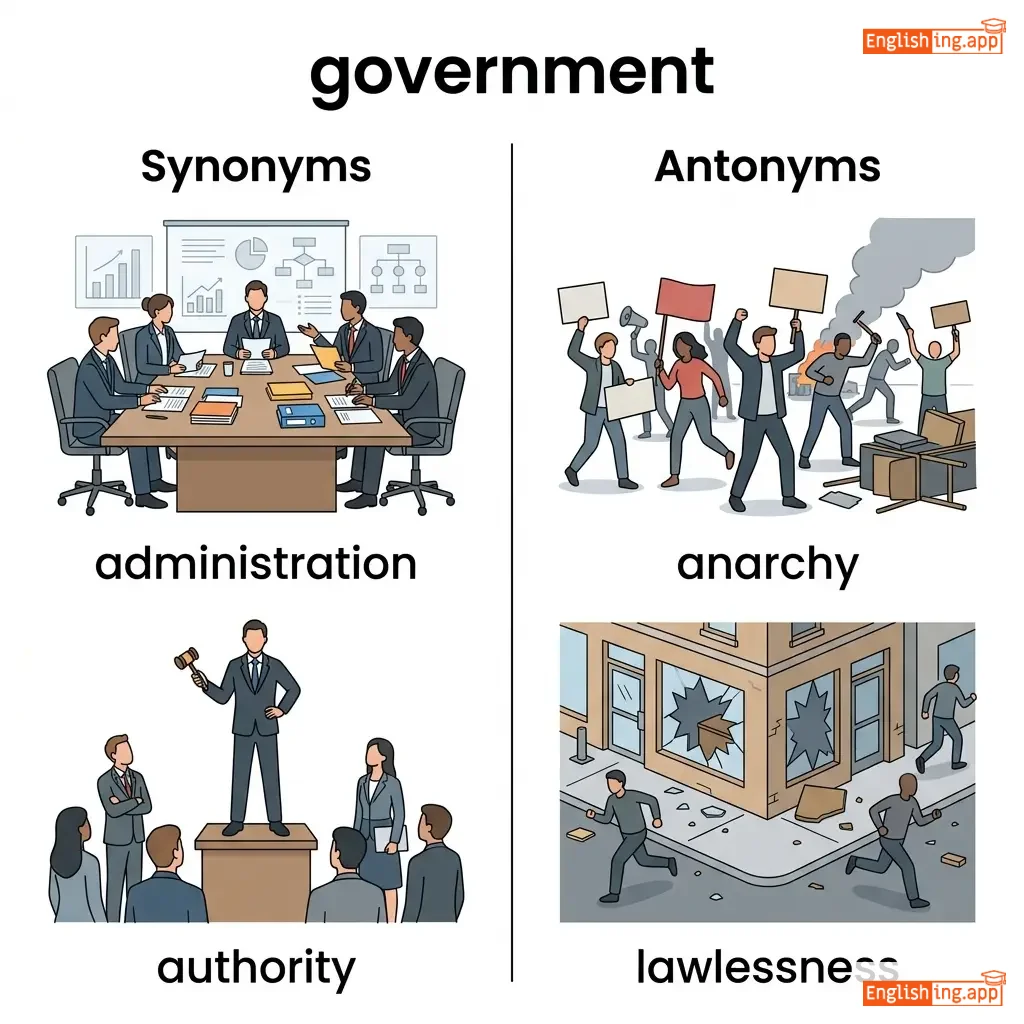
administration, authority, regime, state, executive, leadership
••••••
|
anarchy, chaos, disorder, lawlessness, rebellion, revolution
••••••
|
In Japanese, 政府 means government, ensuring law and order, just like in every nation.
••••••
|
Vocabulary Quiz
Test your vocabulary by matching words with their translations or meanings.
Login to take the quiz
Comments (0)
Share your thoughts and join the discussion.
Join the discussion by logging in
Login to CommentNo comments yet
Be the first to share your thoughts!