

物語を通して語彙を学ぶ
Learn Vocabulary Through Stories
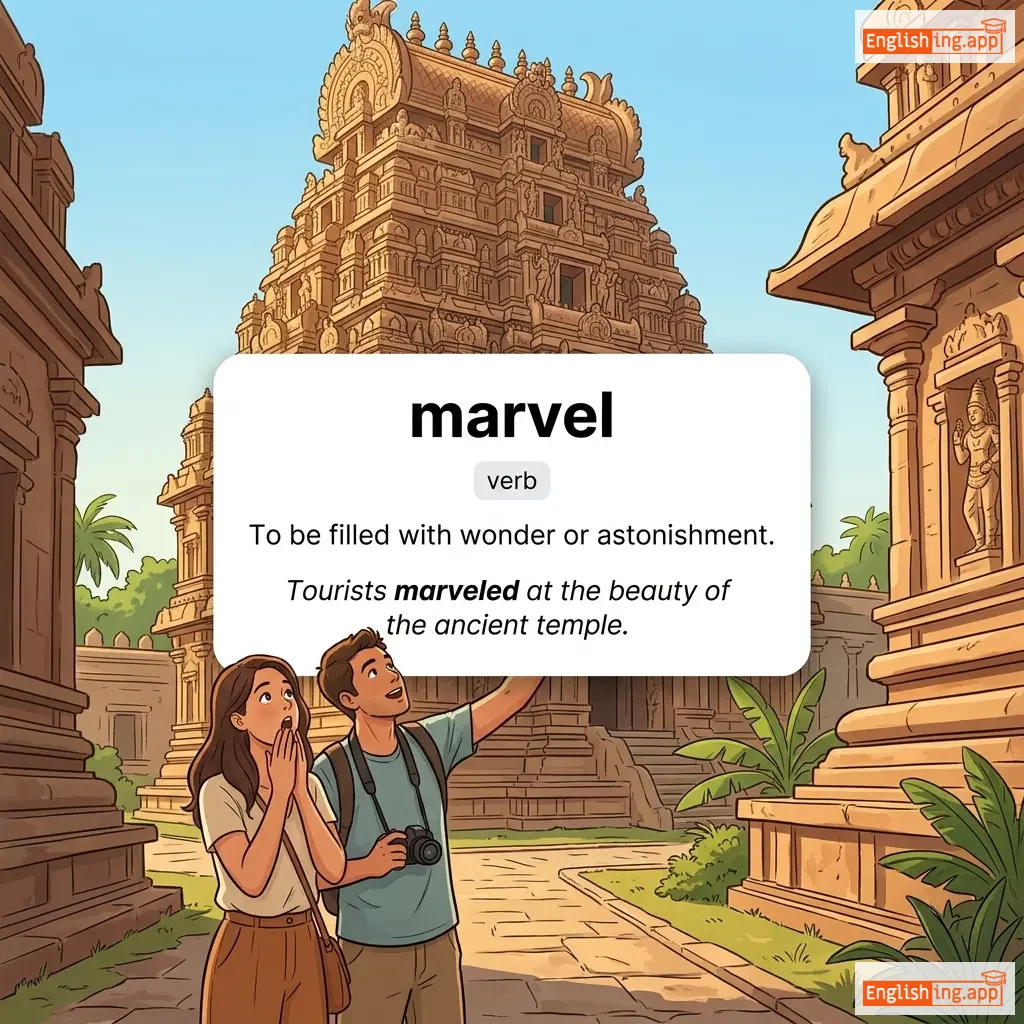
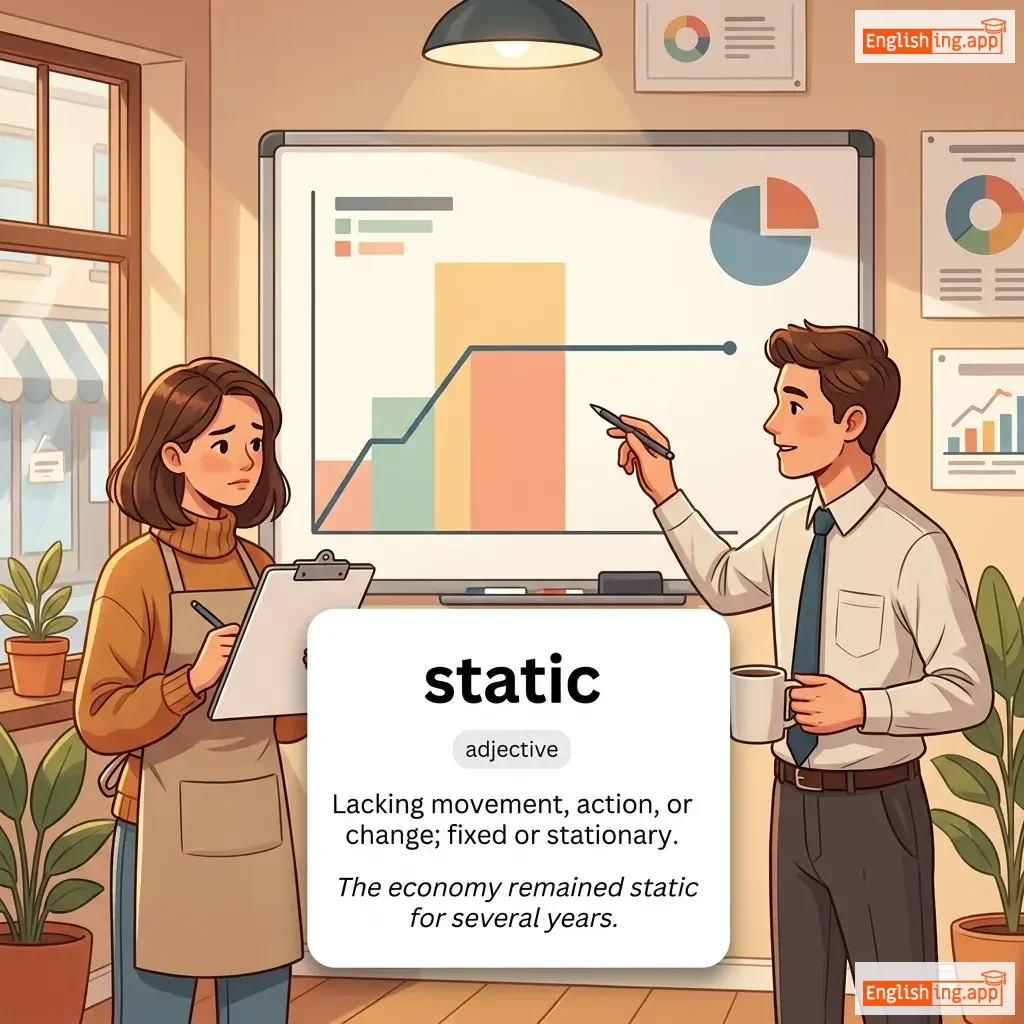
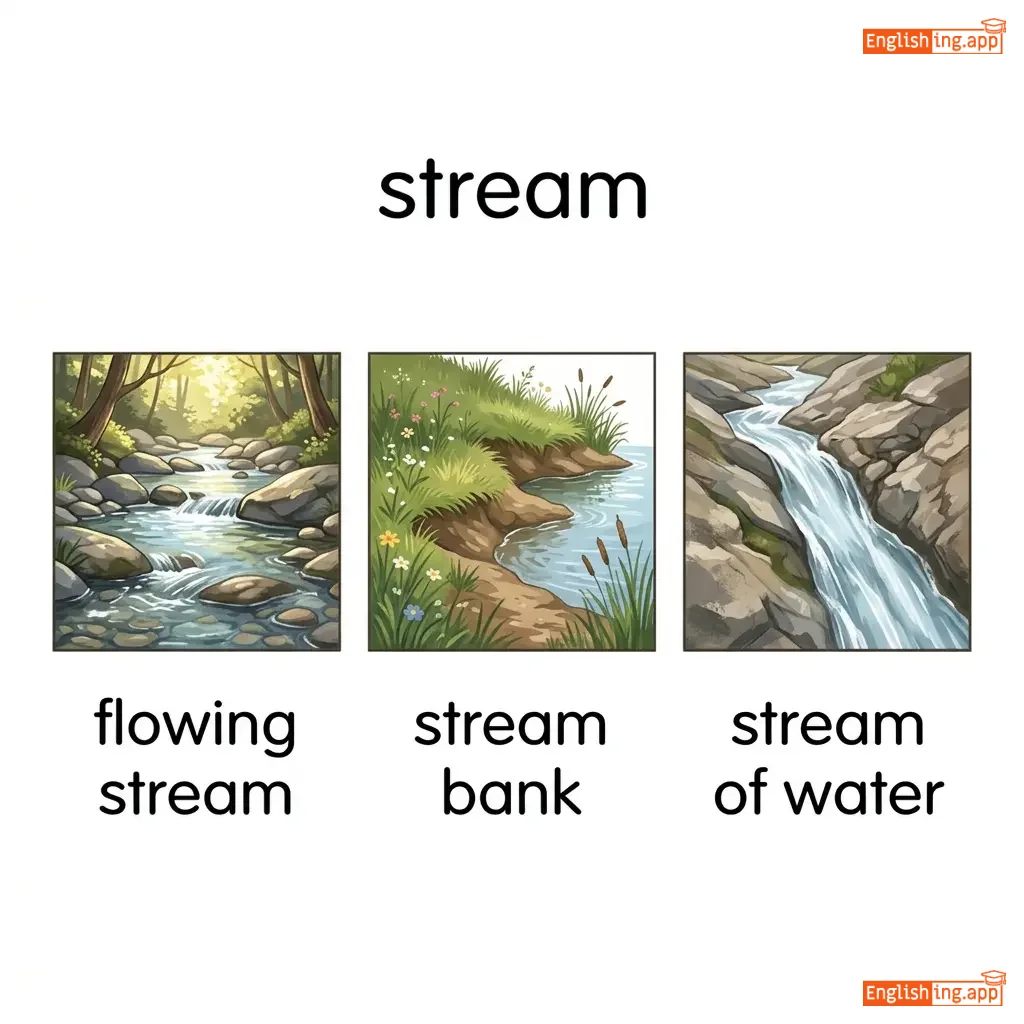
人間にとって最大の enigma は自分自身である。彼らは自らの creations に marvel する。時間のベールに覆われると、過去を振り返ることは識別できなくなる。過去の生活は static、immovable で、積み重なっている。その隣には生命の dynamic stream が流れている。
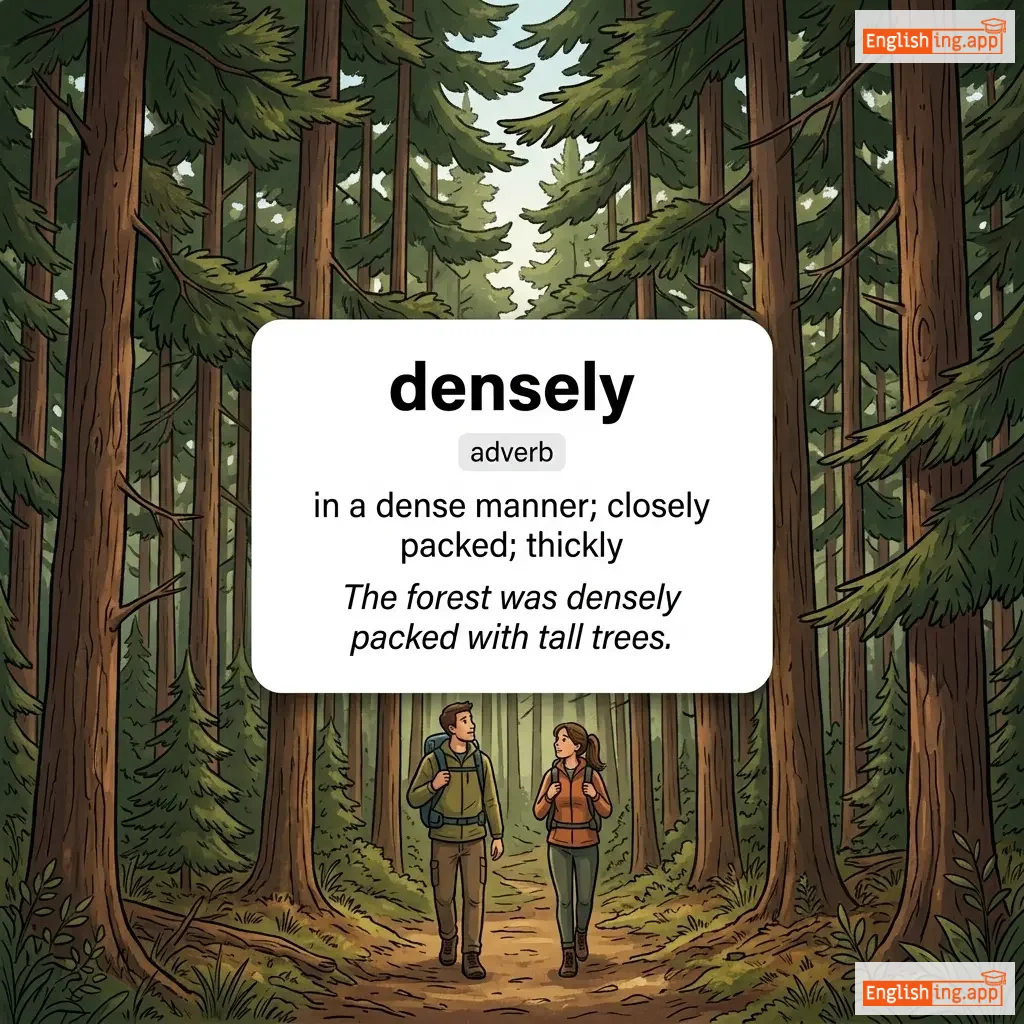
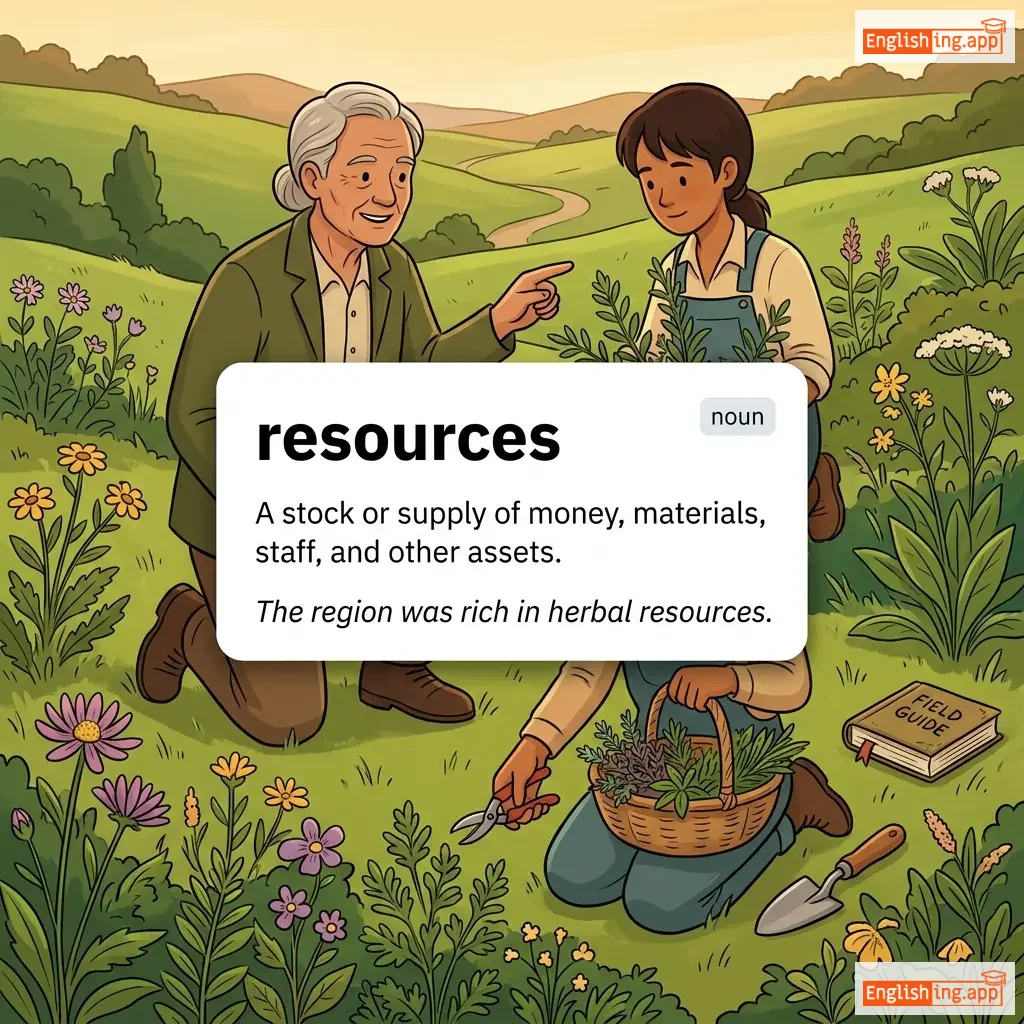
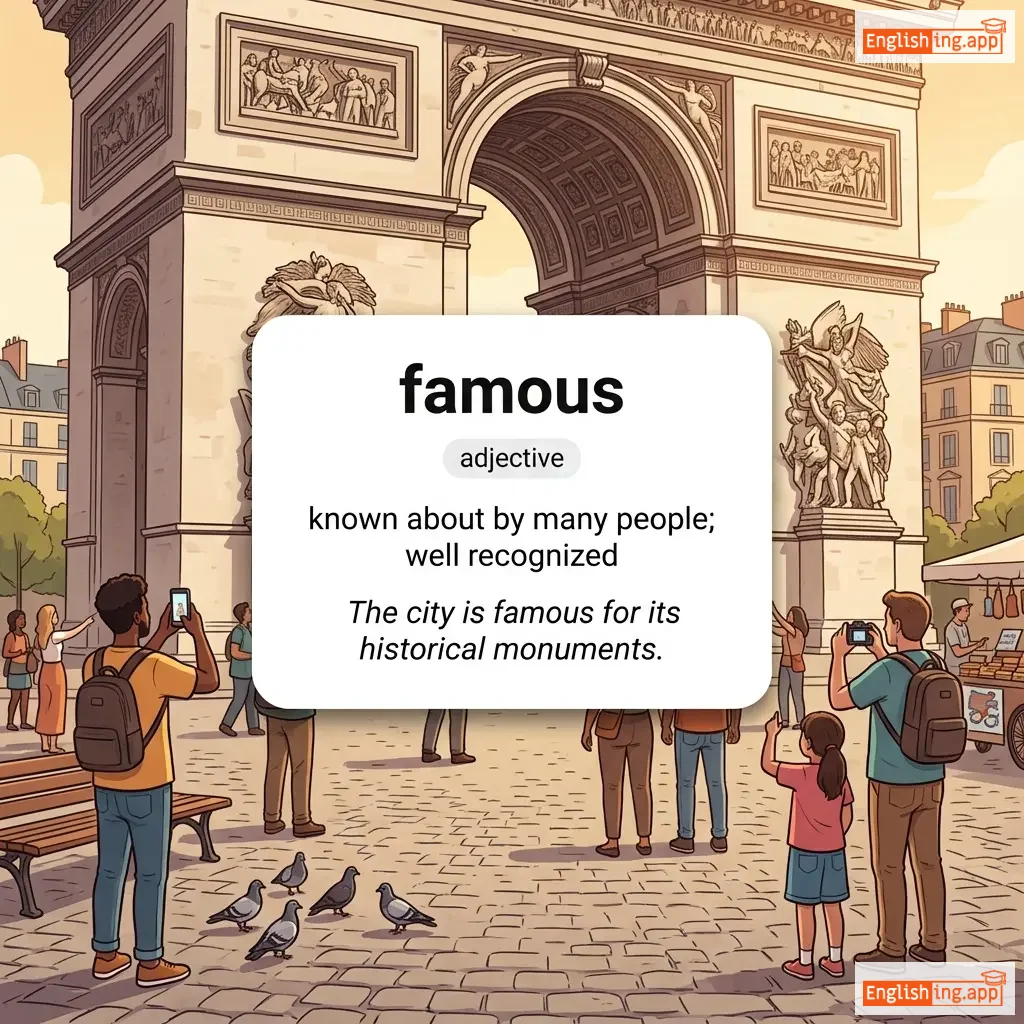
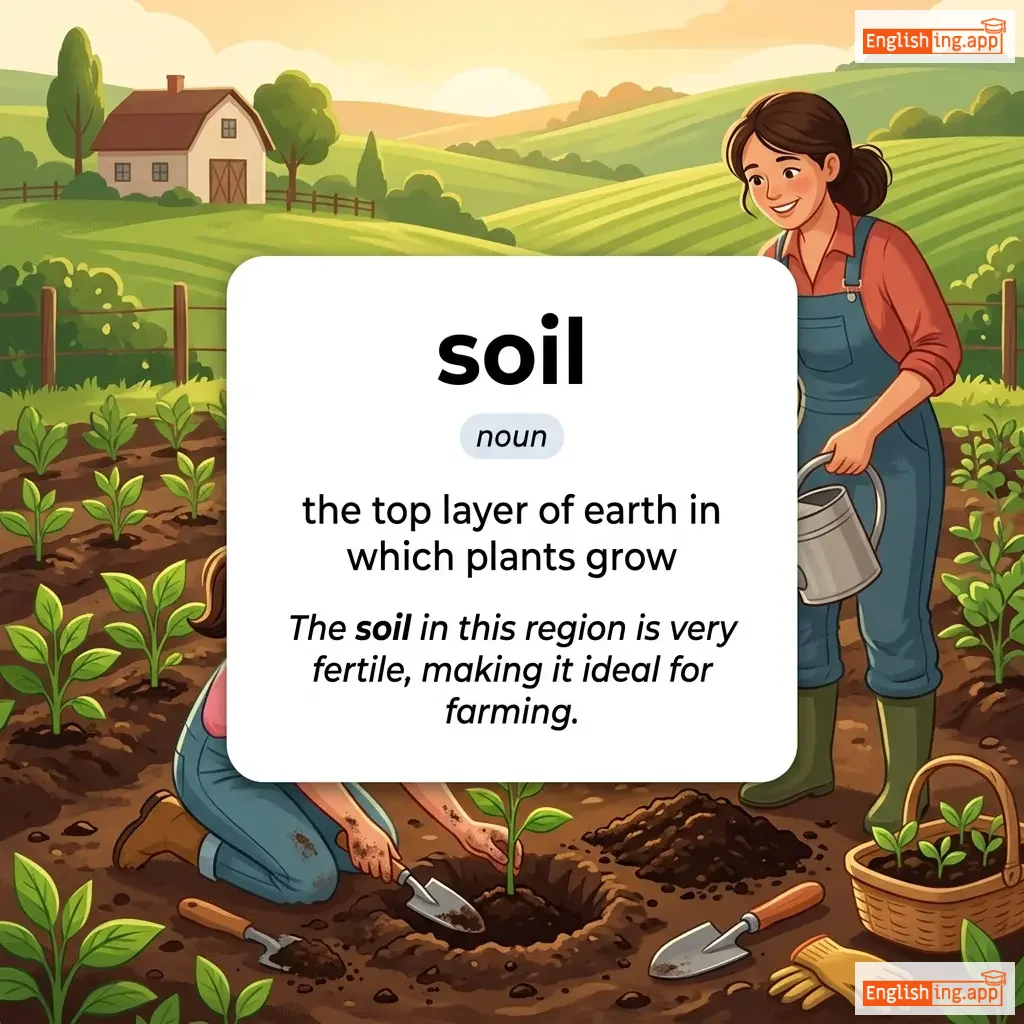
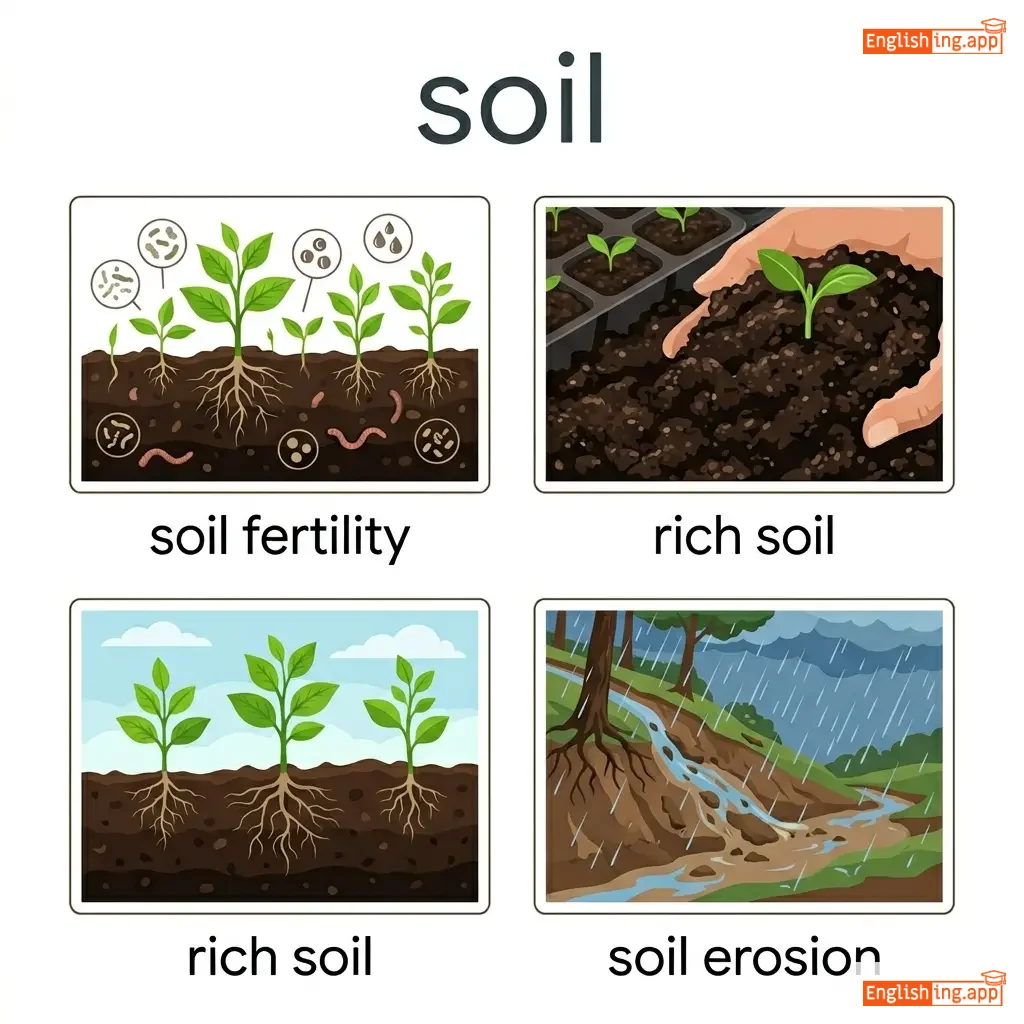
かつてこの地域は densely covered の密林に覆われており、希少な herbal resources で famous だった。地形の soil は赤みを帯びており、普通の sedimentary soil とは異なる。ここにはかつてサールの森があった。
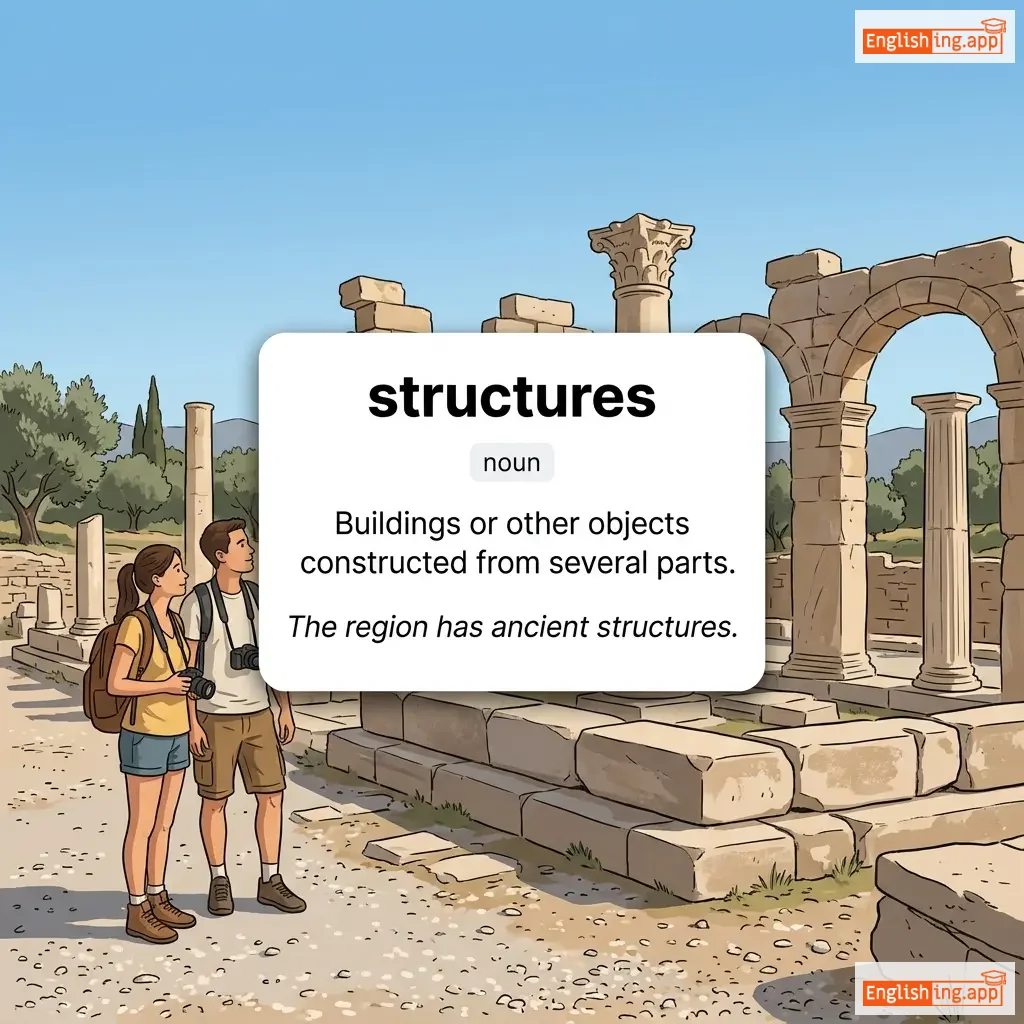
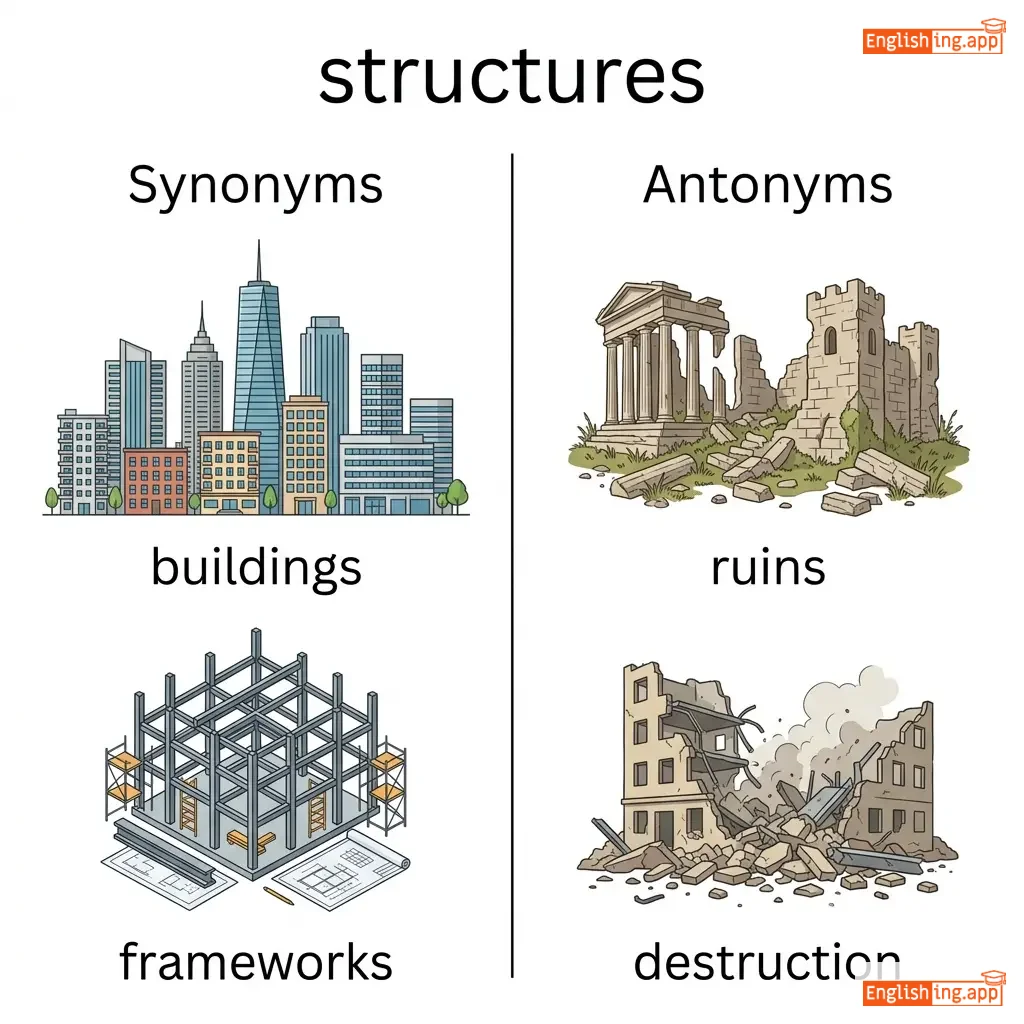
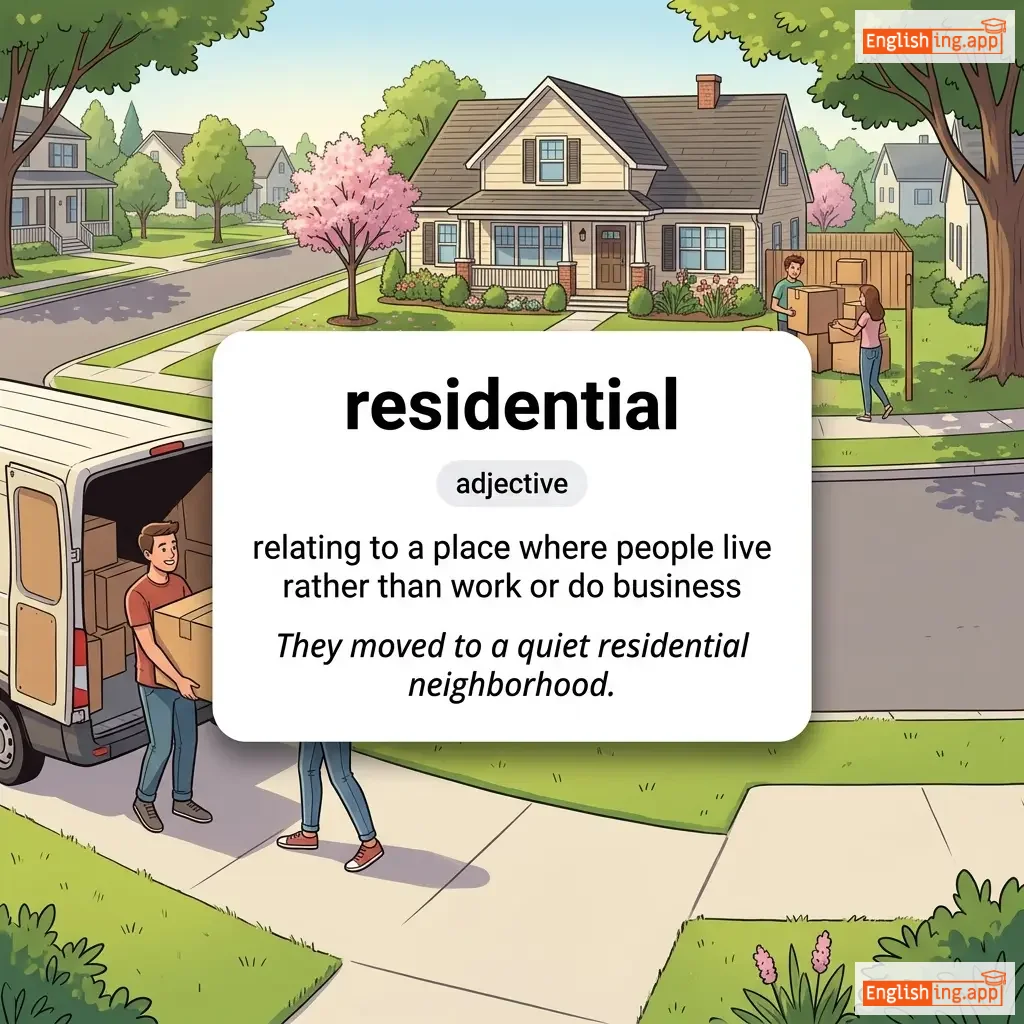
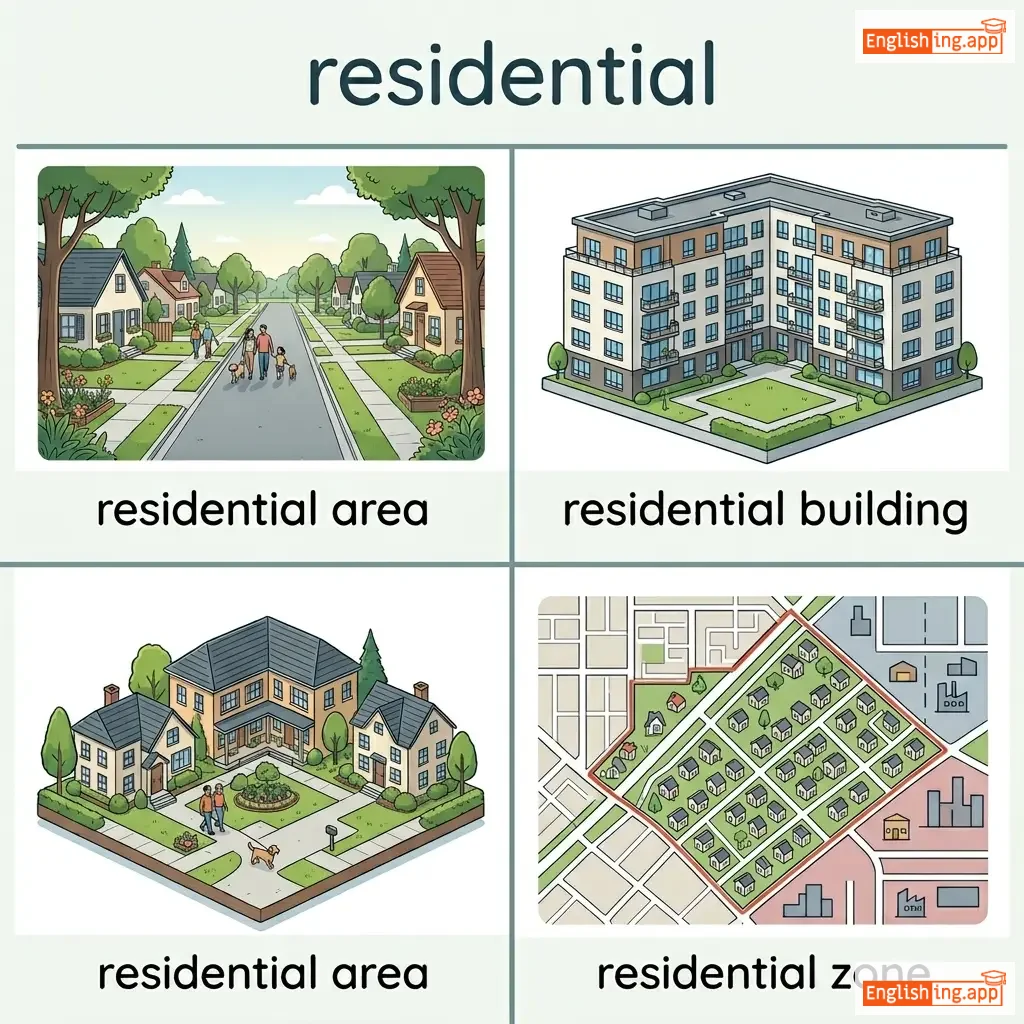
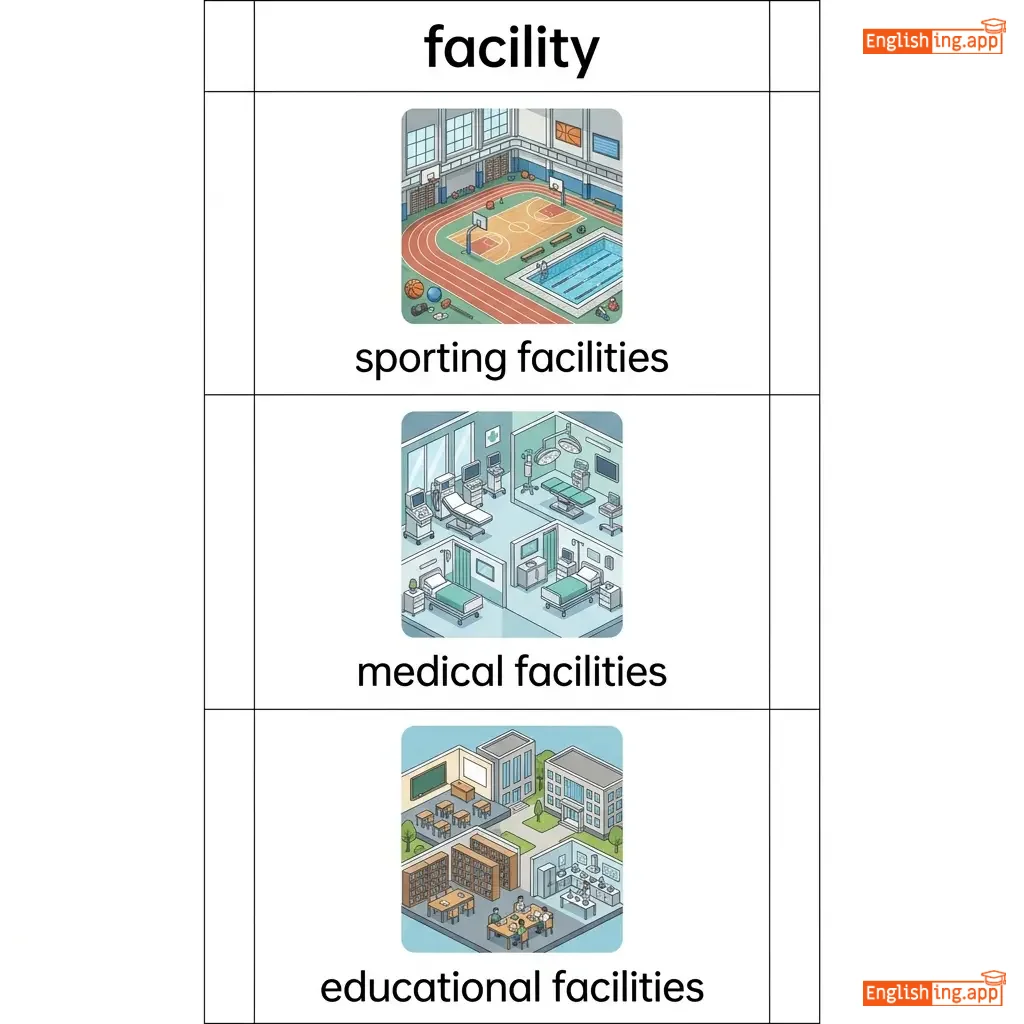
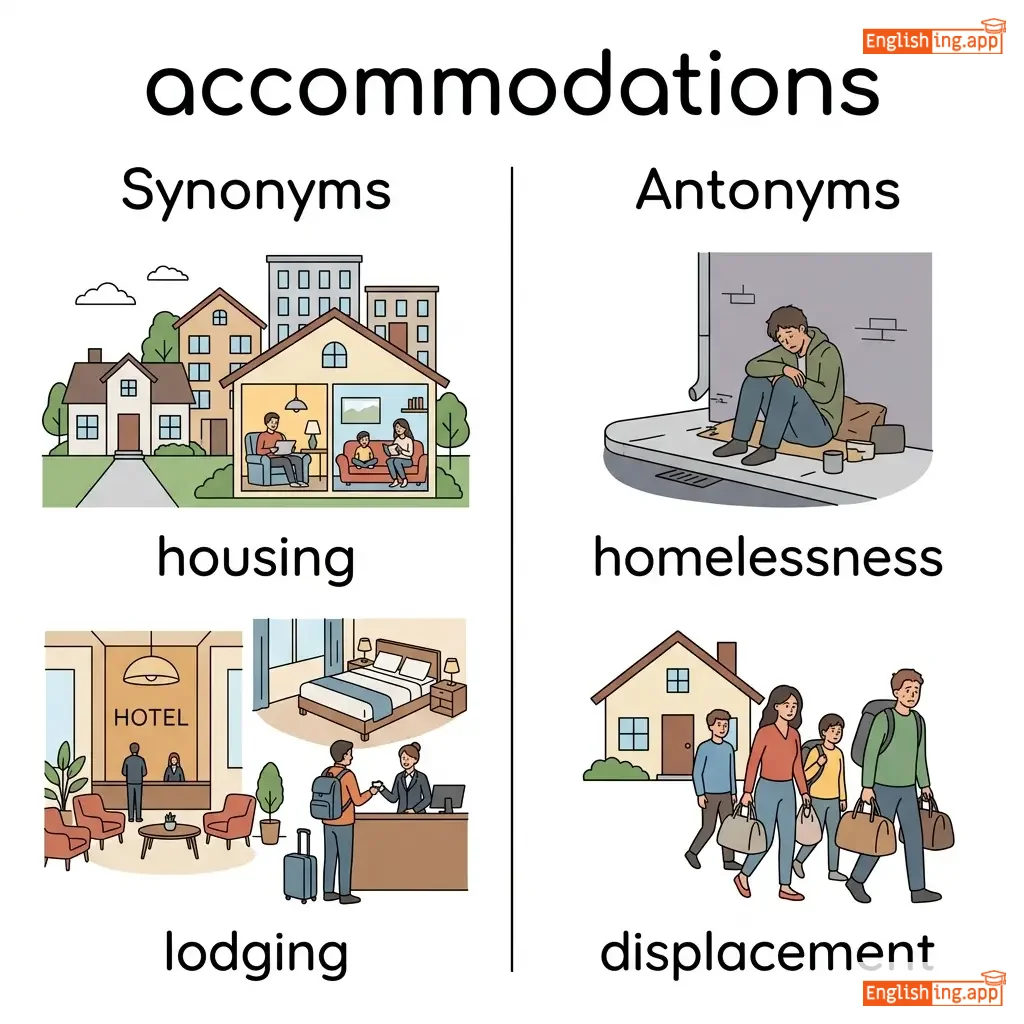
多くの structures の中で、これは最もよく知られている。それは residential educational facility であり、students は7世紀からここで教育を受けていた。学生のための accommodations もあった。
翻訳
過去
過去分詞
三人称単数
動名詞
意味
例文
例文の翻訳
同義語
対義語
コロケーション
ニーモニック





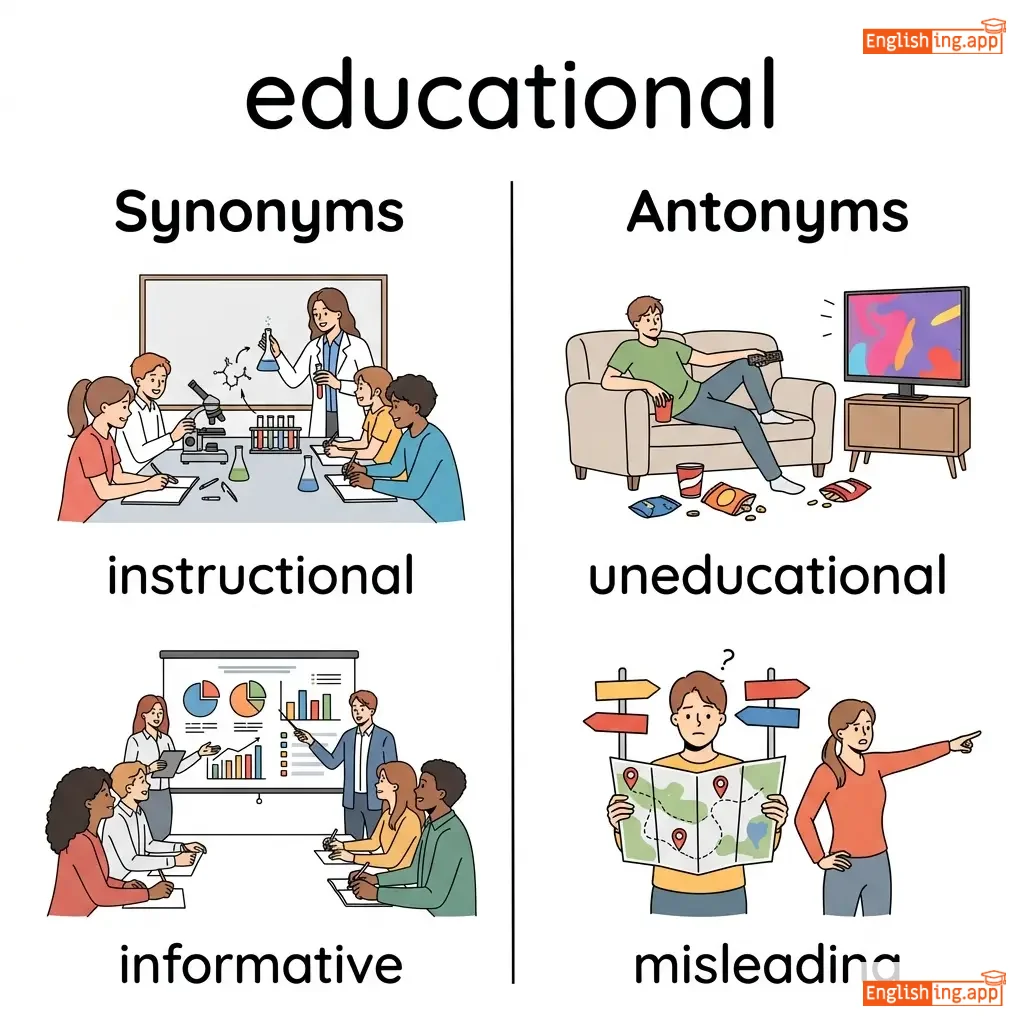
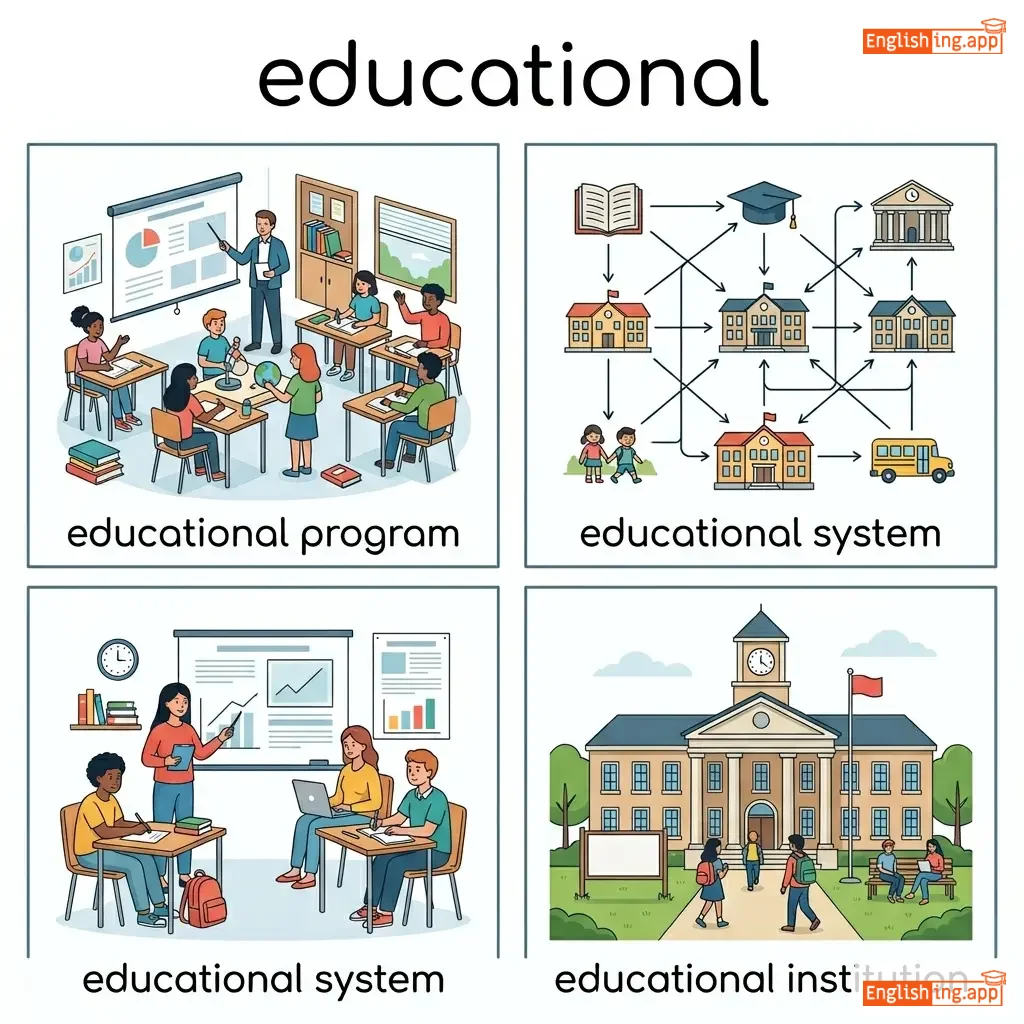
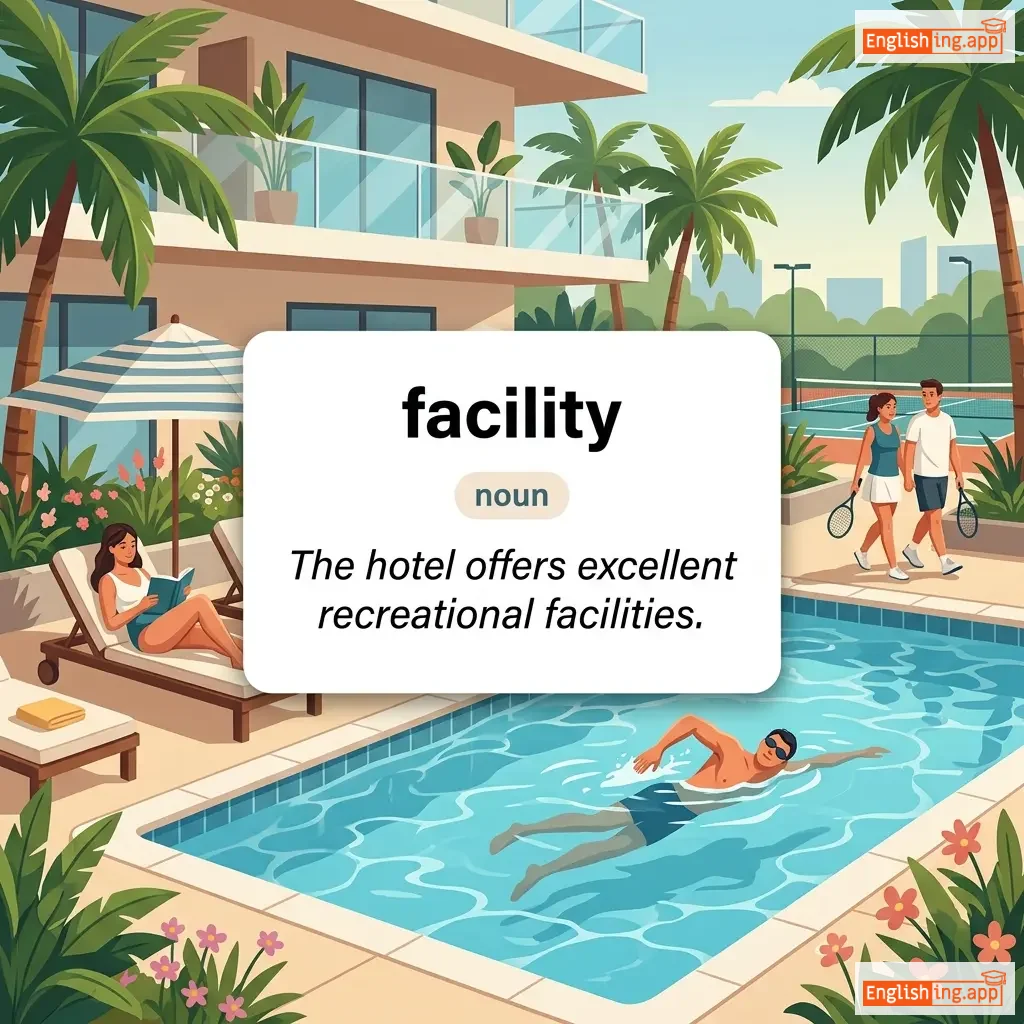
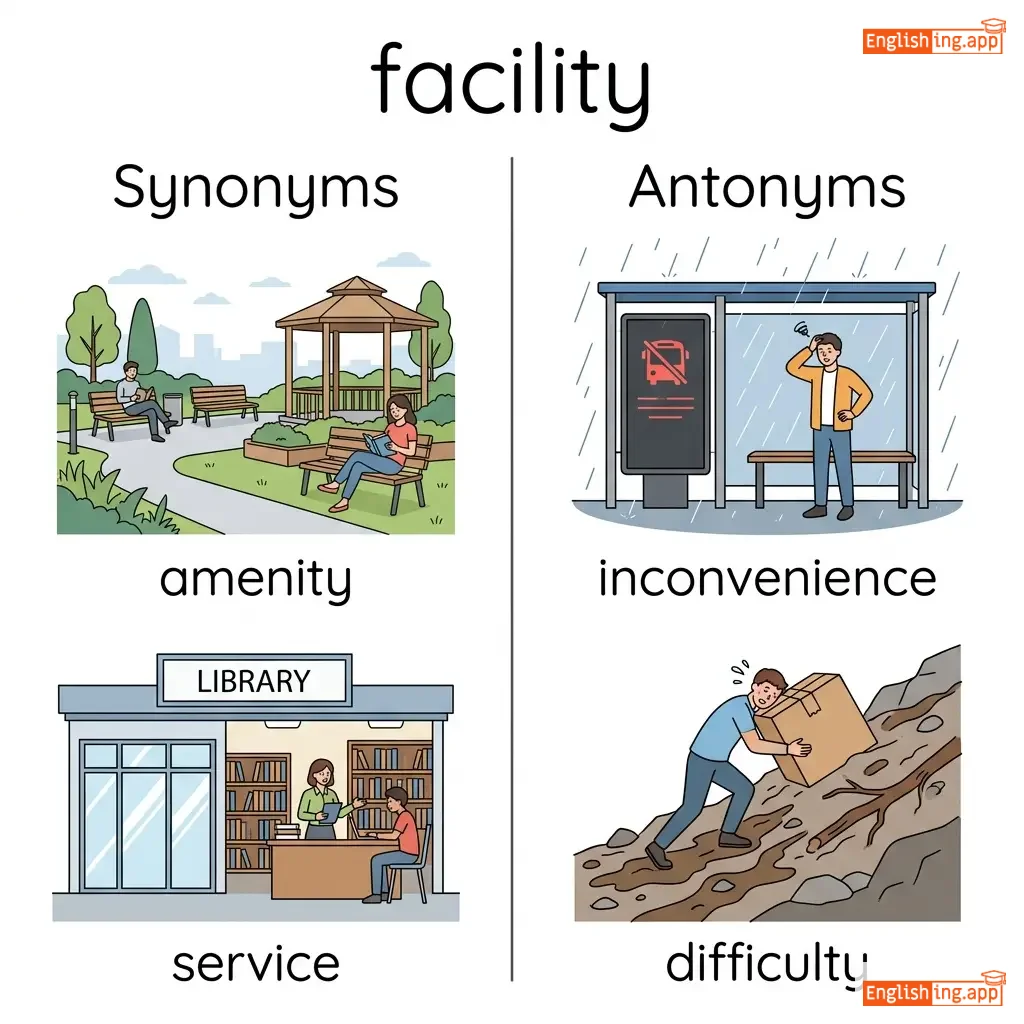

Swipe left or right, or use the buttons. Tap image to zoom.
例文の翻訳
単語
Learn Vocabulary Through StoriesLearn Vocabulary Through Stories - マスクトグル
|
絵文字
|
単語 | Images | 翻訳 | 意味 | 例文 | 例文の翻訳 | 同義語 | 対義語 | ニーモニック |
|---|---|---|---|---|---|---|---|---|---|
|
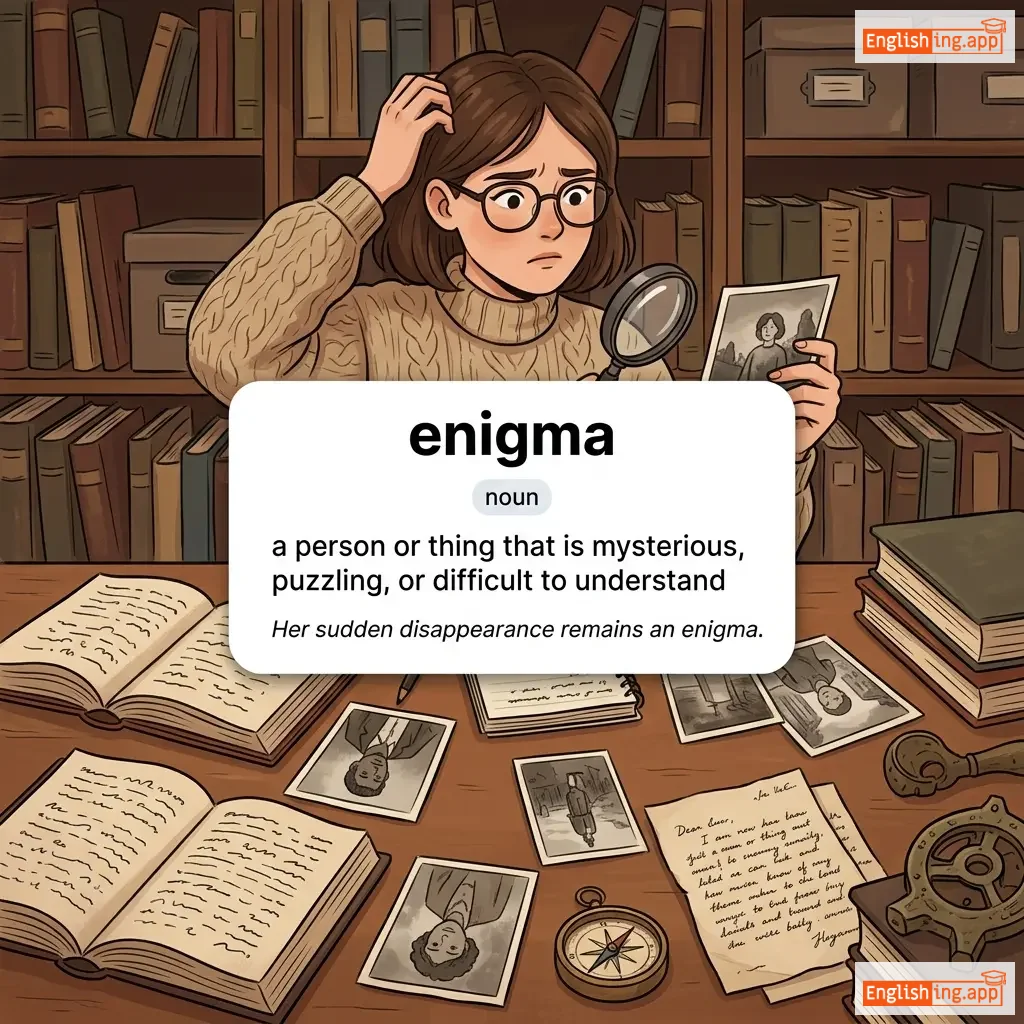
#486
🔍
|
/ɪˈnɪɡ.mə/
noun
(エニグマ)
••••••
|
|
謎
nazo
••••••
|
A person or thing that is mysterious, puzzling, or difficult to understand.
••••••
|
Life remains an enigma to many.
人生は多くの人にとって謎のままです。
••••••
|
人生は多くの人にとって謎のままです。
Jinsei wa ooku no hito ni totte nazo no mama desu.
••••••
|
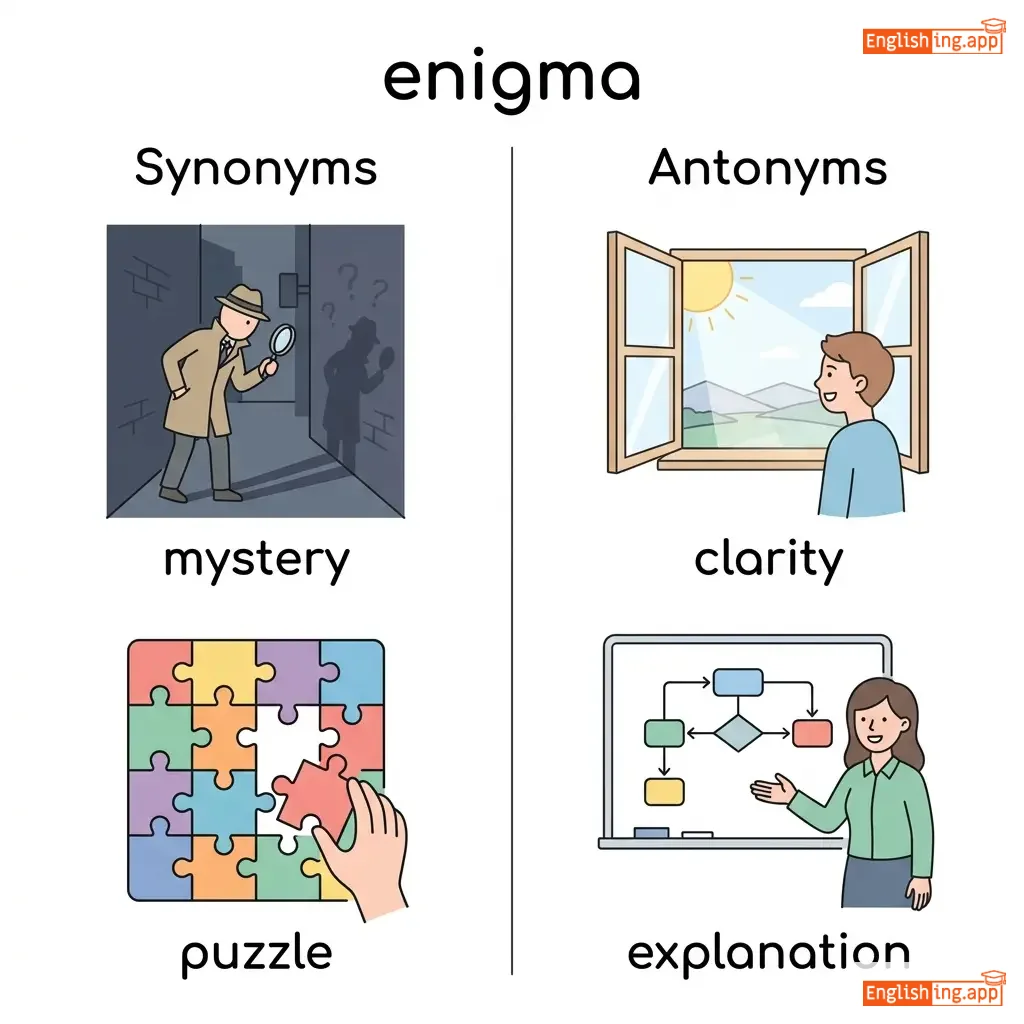
mystery, puzzle, riddle, conundrum
••••••
|
certainty, clarity, solution, answer
••••••
|
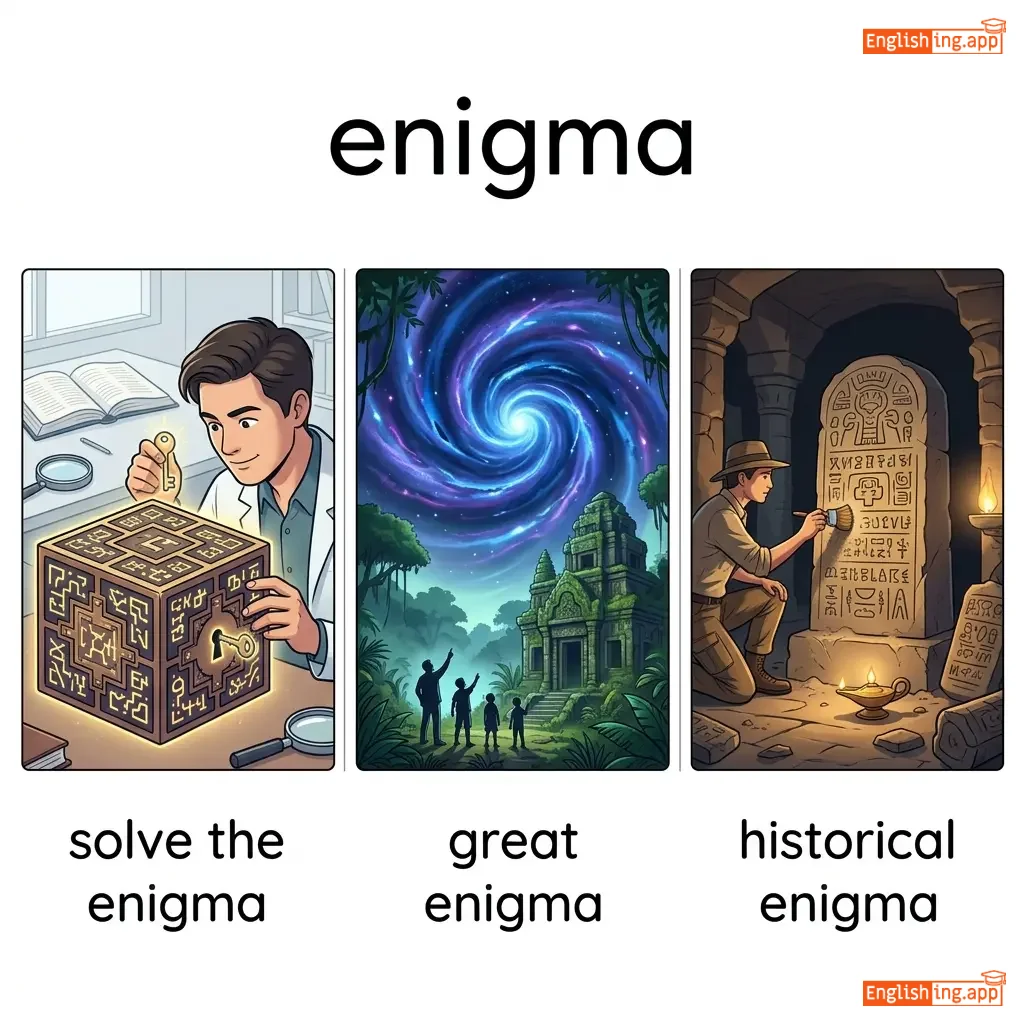
Enigma is like a 'nazo' in Japanese, a puzzle waiting to be solved.
••••••
|
|
#487
🎨
|
/kriˈeɪ.ʃənz/
noun
(クリエーションズ)
••••••
|
|
創作物
sousakubutsu
••••••
|
Things that have been created, especially works of art or imaginative works.
••••••
|
His creations astonished the world.
彼のクリエーションは世界を驚かせた。
••••••
|
彼の創作物は世界を驚かせた。
Kare no sousakubutsu wa sekai o odorokaseta.
••••••
|
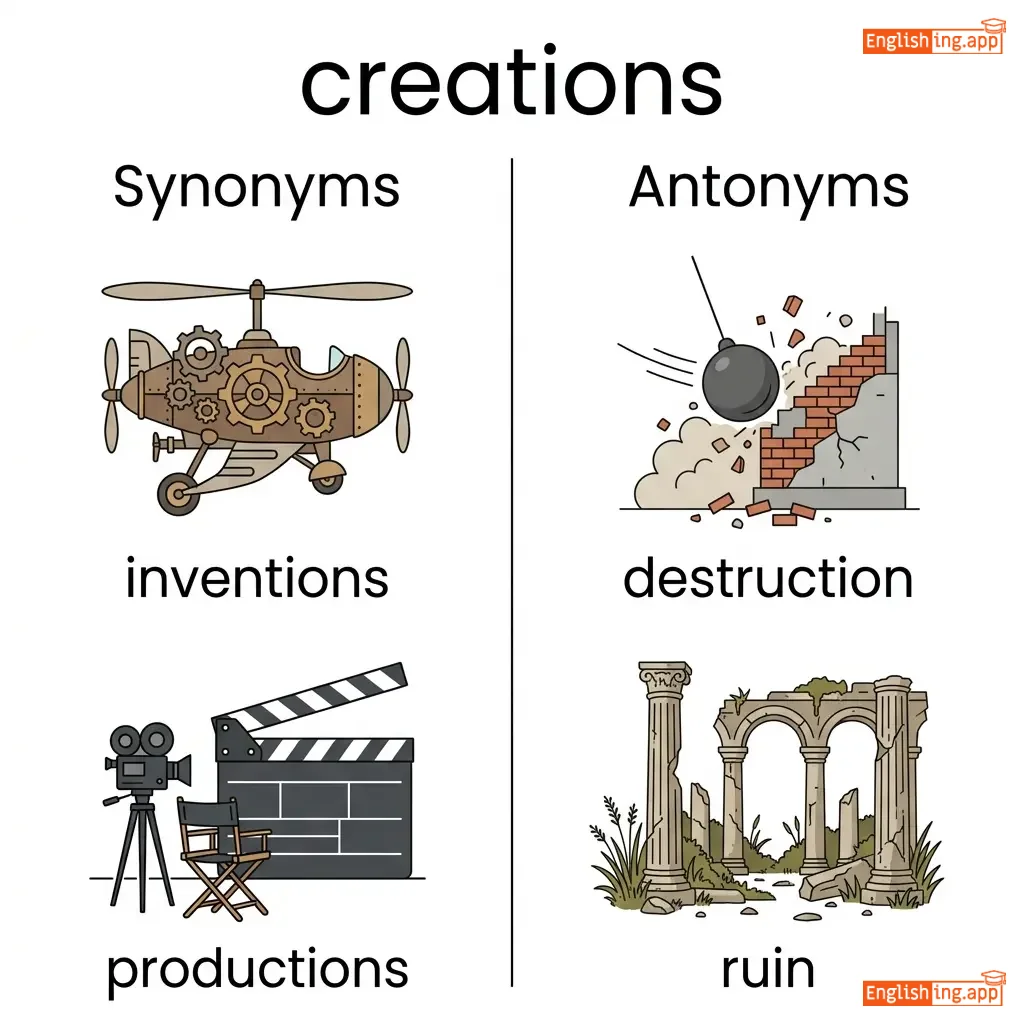
inventions, productions, works, masterpieces
••••••
|
destruction, ruin, demolition, annihilation
••••••
|
創作物はいつでも驚きを与える。
••••••
|
|
#488
😲
|
/ˈmɑː.vəl/
verb
(マーヴェル)
••••••
|
|
驚嘆する
kyōtan suru
••••••
|
To be filled with wonder or astonishment.
••••••
|
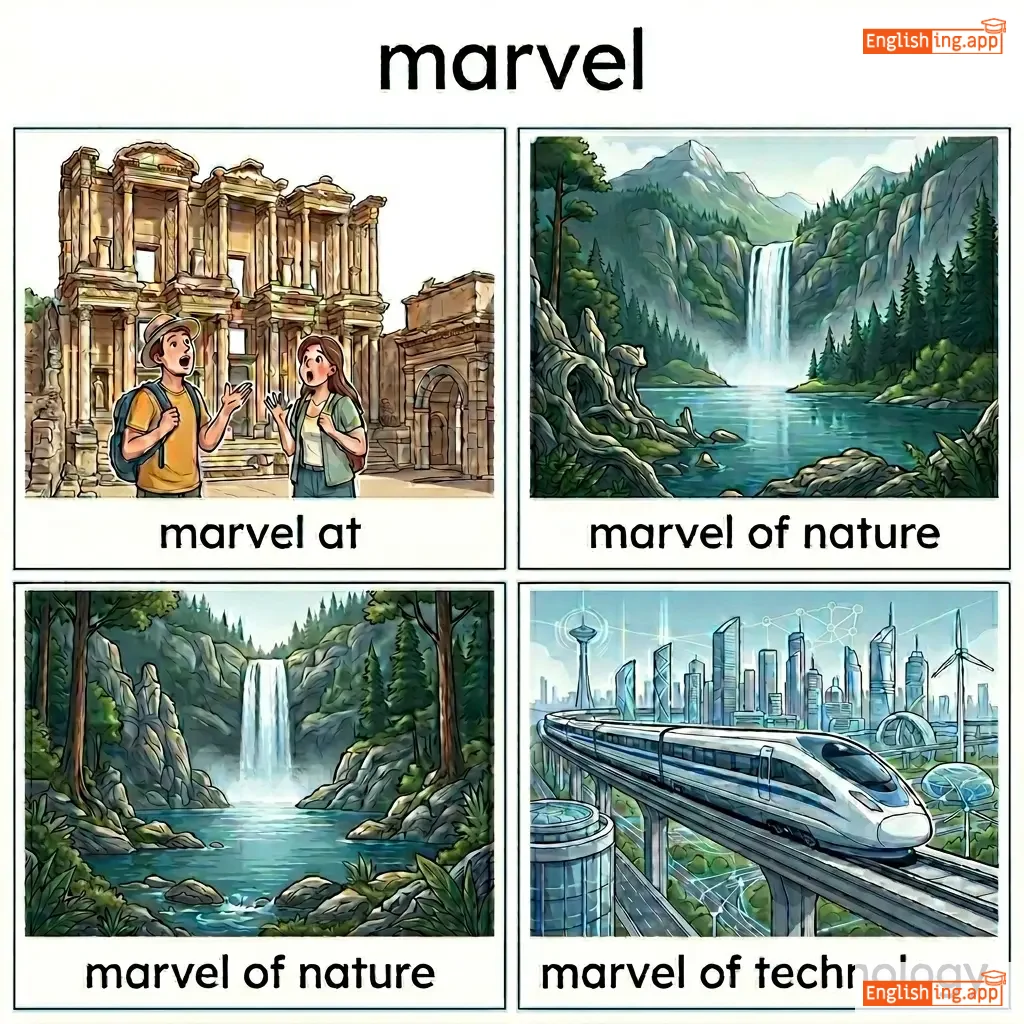
People marvel at their surroundings. |
人々は自分の周りの環境に驚嘆しています。
Hitobito wa jibun no mawari no kankyō ni kyōtan shiteimasu.
••••••
|
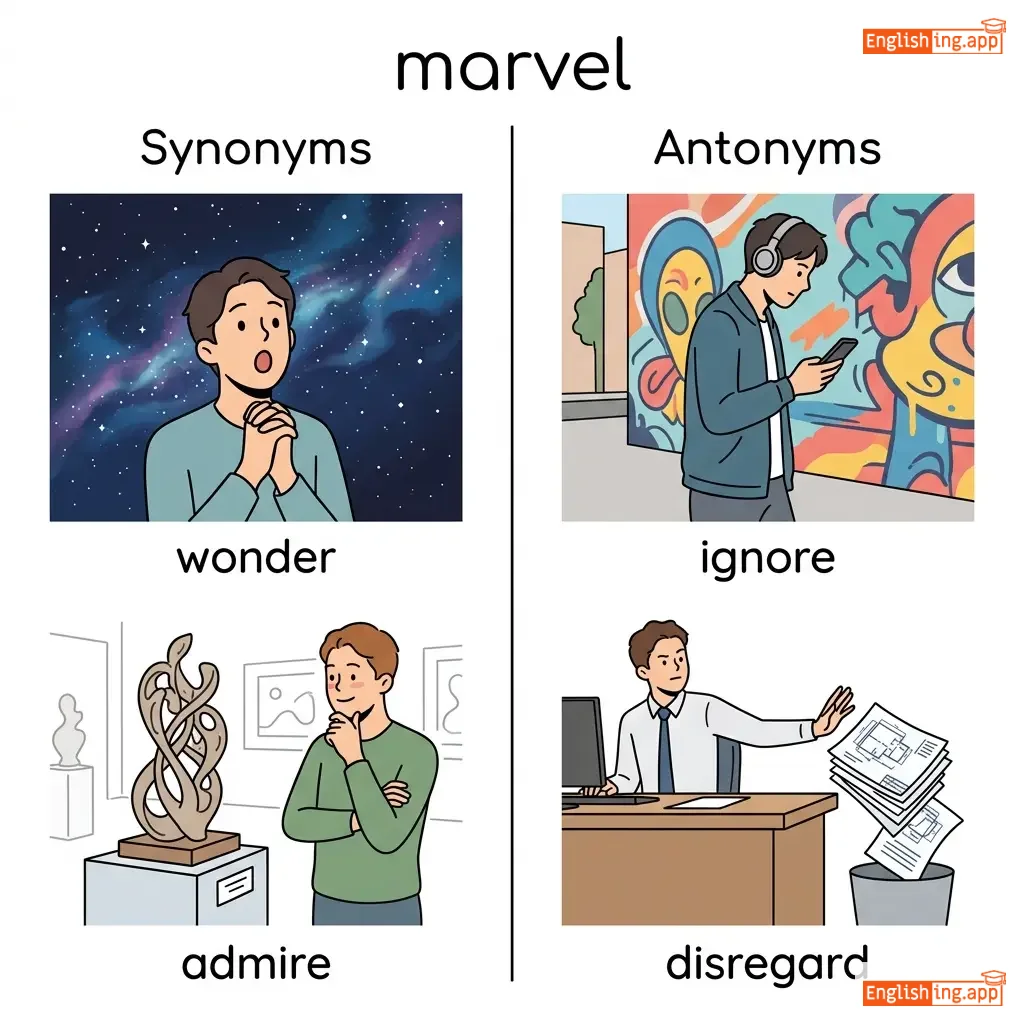
amaze, wonder, astonish, astound
••••••
|
ignore, dismiss, overlook, disregard
••••••
|
Marvel - 何かを見て驚く気持ち。
••••••
|
|
#489
⏸️
|
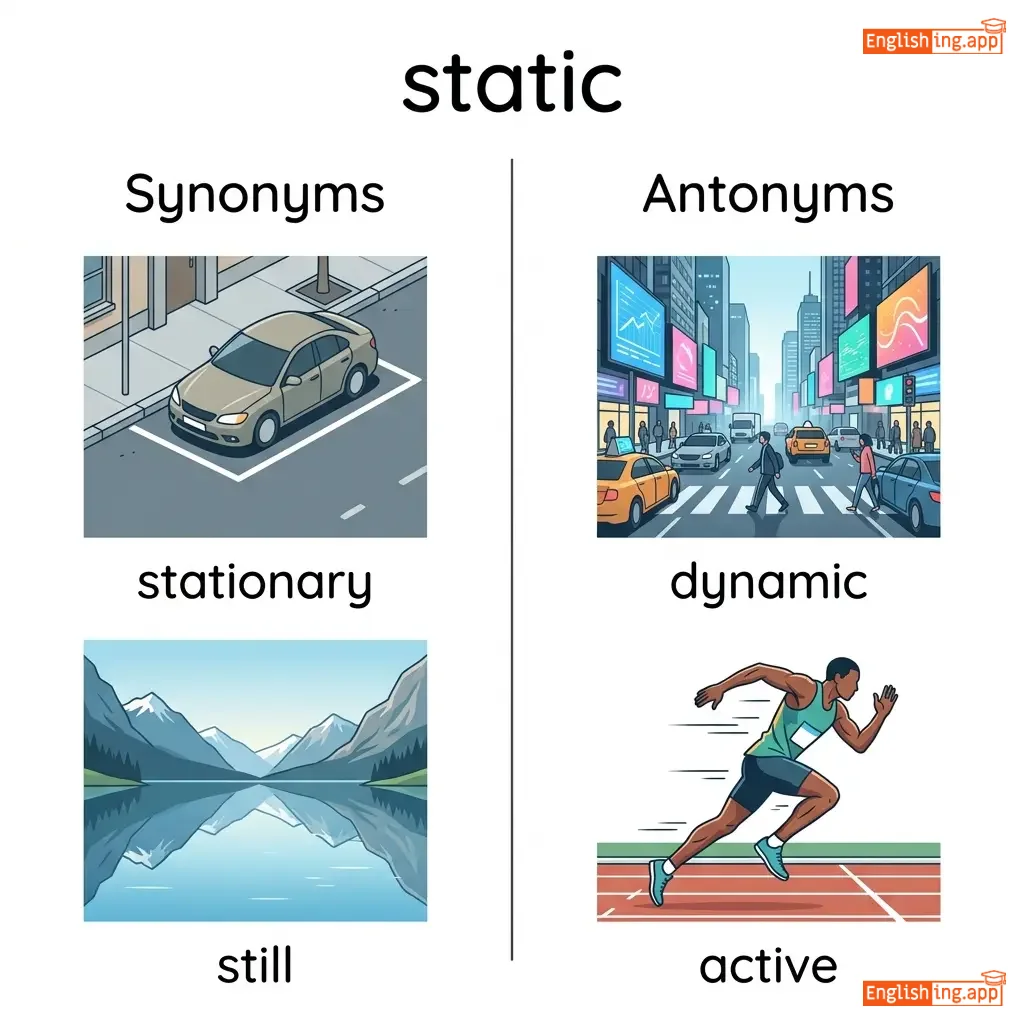
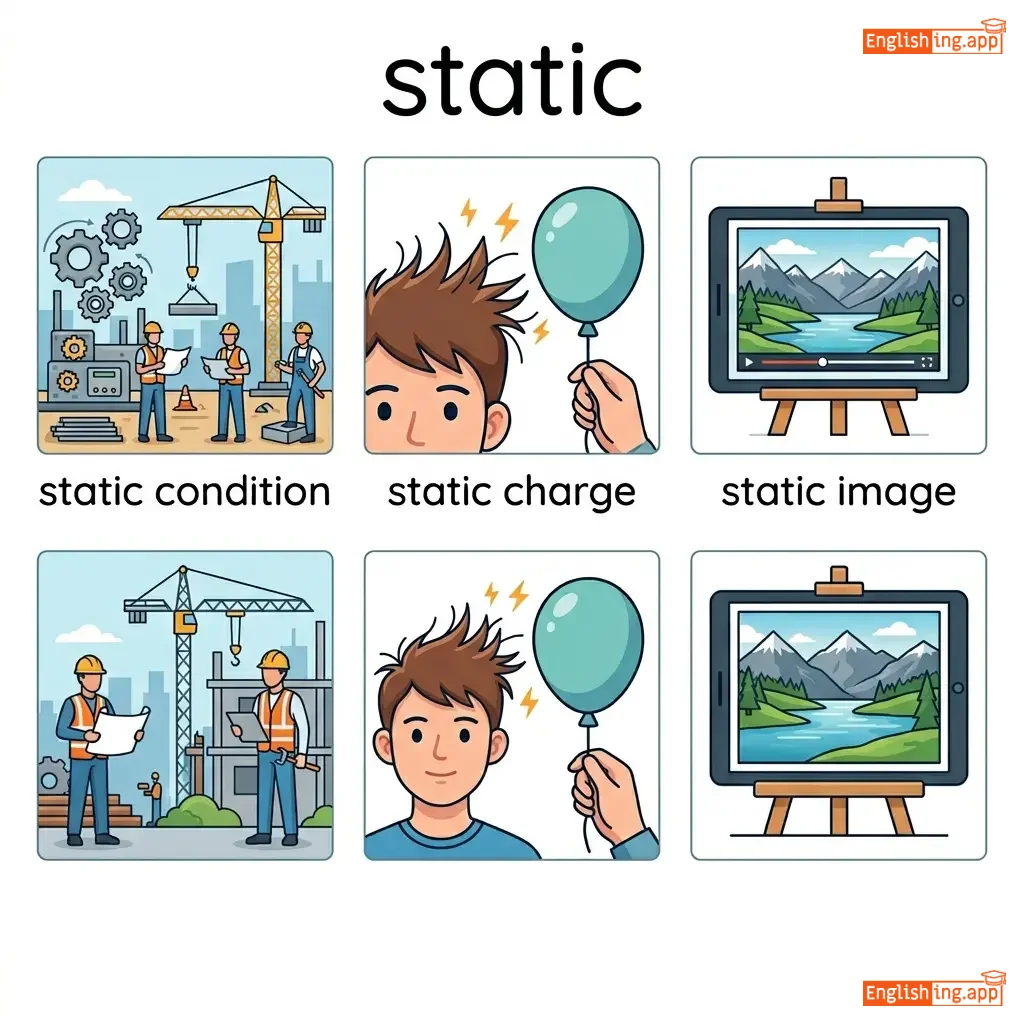
/ˈstæt.ɪk/
adjective
(スタティック)
••••••
|
|
静的
seiteki
••••••
|
Lacking in movement, action, or change; stationary.
••••••
|
Static ideas hinder progress.
静的な考えは進展を妨げる。
••••••
|
静的な考えは進展を妨げる。
Seiteki na kangae wa shinten o samatageru.
••••••
|
still, unchanging, motionless, stationary
••••••
|
dynamic, active, moving, changing
••••••
|
静的は静止していることを示し、変化のない状態を意味します。
••••••
|
|
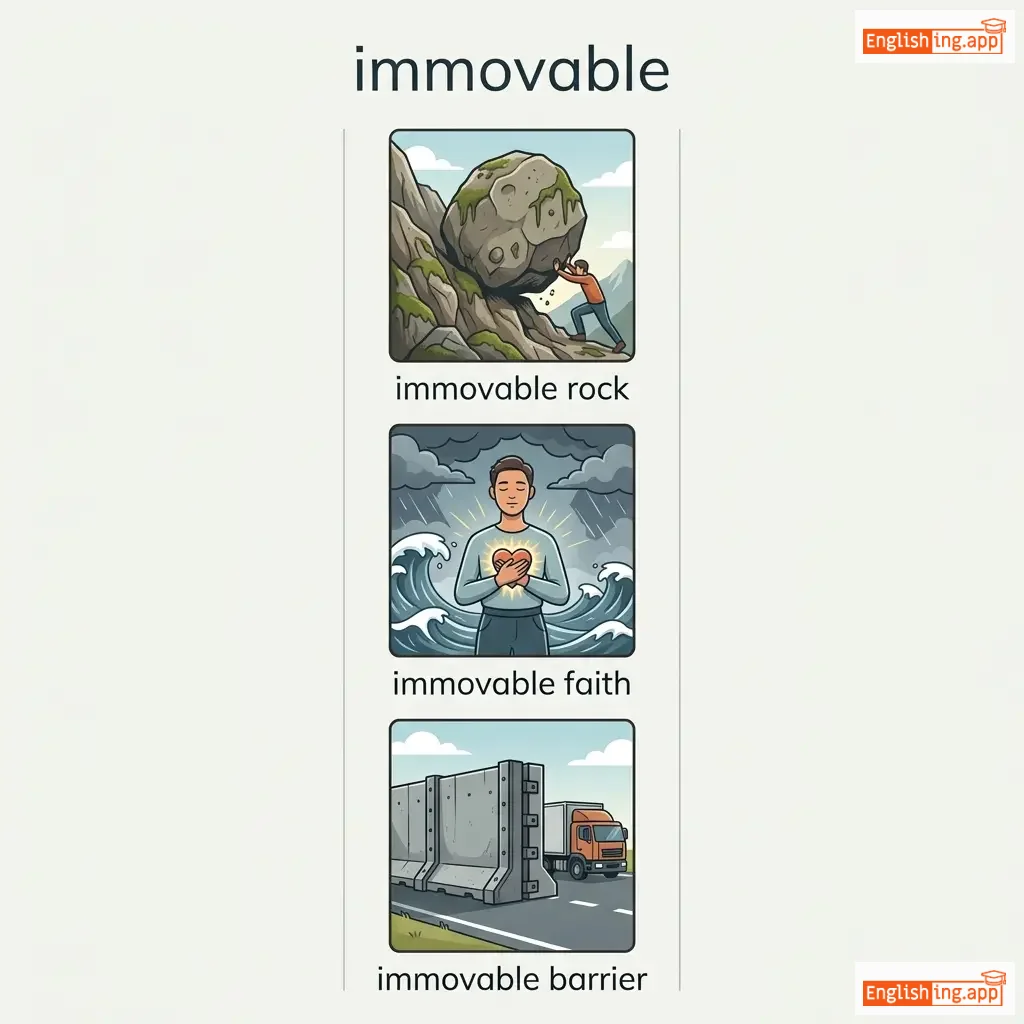
#490
🗿
|
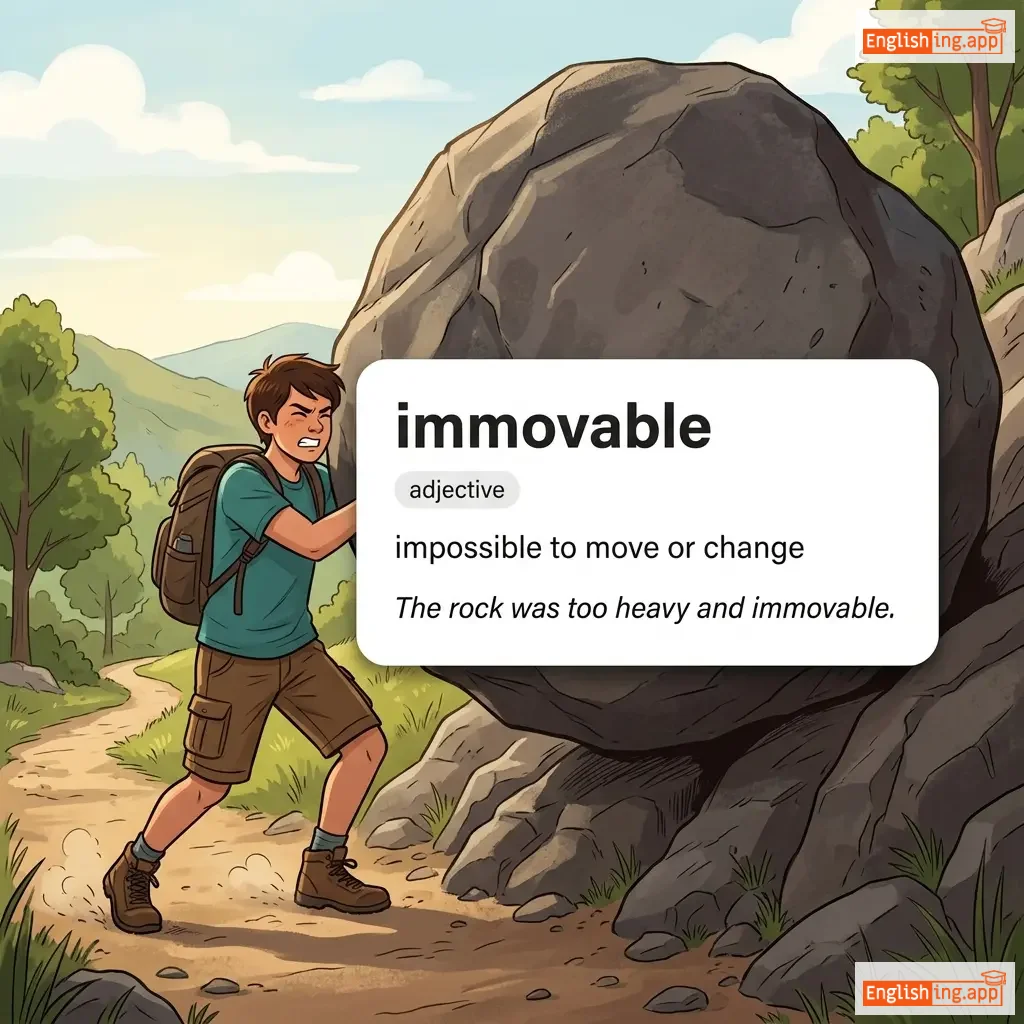
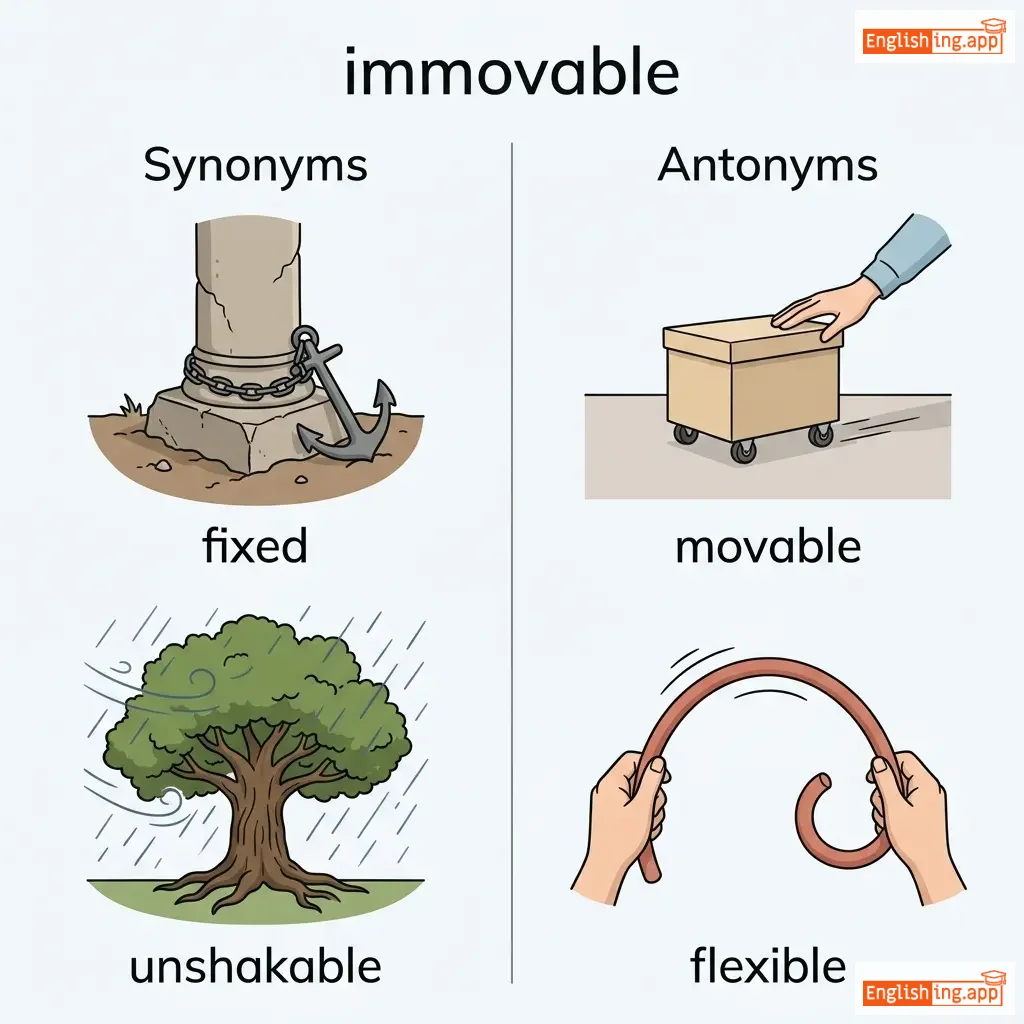
/ɪˈmuː.və.bəl/
adjective
(イムーヴェイブル)
••••••
|
|
動かせない
ugokasenai
••••••
|
Not able to be moved; fixed in position.
••••••
|
Immovable barriers prevent change. |
動かせない障害物が変化を妨げる。
Ugokasenai shougai-mono ga henka o samatageru.
••••••
|
fixed, rigid, unmovable, stationary
••••••
|
movable, flexible, mobile, portable
••••••
|
動かせないものは変わらない、壁のように固定されている。
••••••
|
|
#491
⚡
|
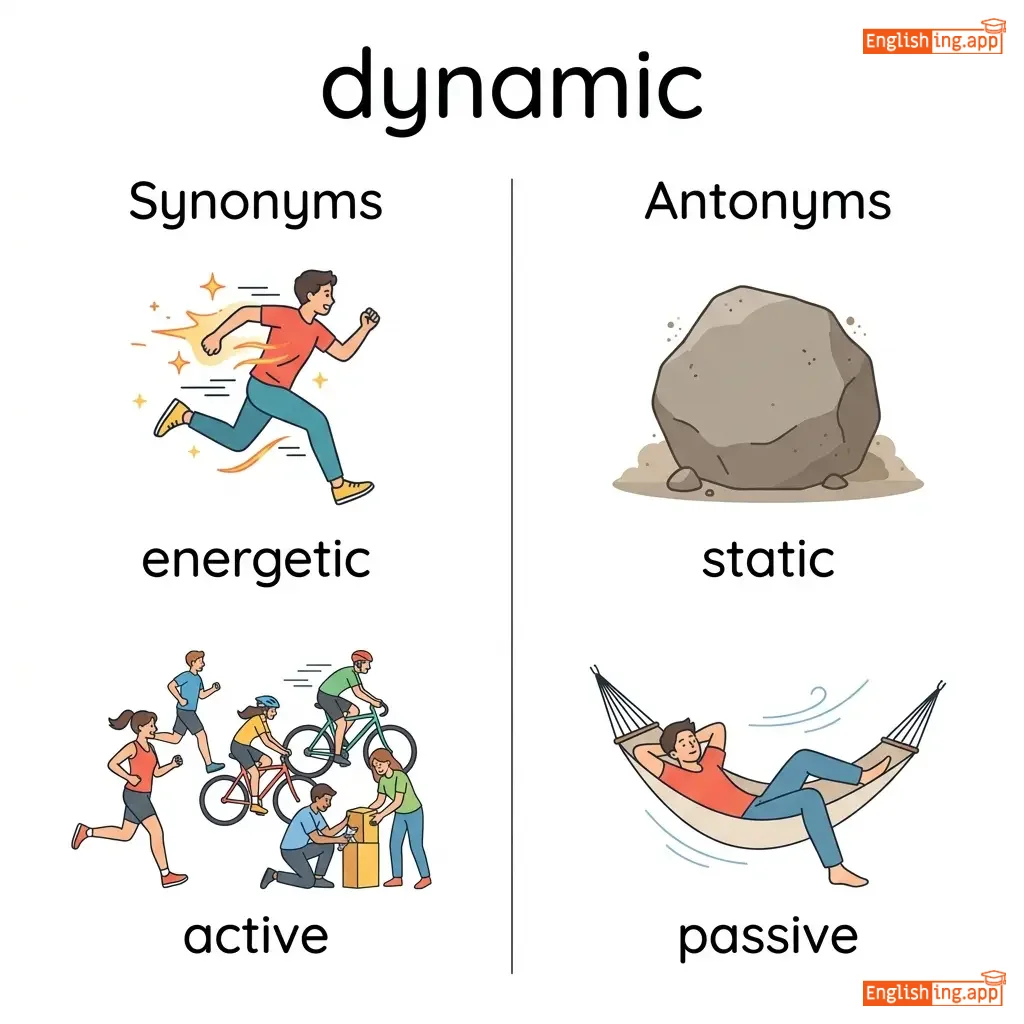
/daɪˈnæm.ɪk/
adjective
(ダイナミック)
••••••
|
|
ダイナミック
dainamikku
••••••
|
Characterized by constant change, activity, or progress.
••••••
|
Life flows in a dynamic stream.
人生はダイナミックな流れの中で流れています。
••••••
|
人生はダイナミックな流れの中で流れています。
Jinsei wa dainamikku na nagare no naka de nagareteimasu.
••••••
|
energetic, vigorous, active, lively
••••••
|
static, inactive, stagnant, motionless
••••••
|
流れる川のように、ダイナミックで活発に変化するイメージを持ってください。
••••••
|
|
#492
🌊
|
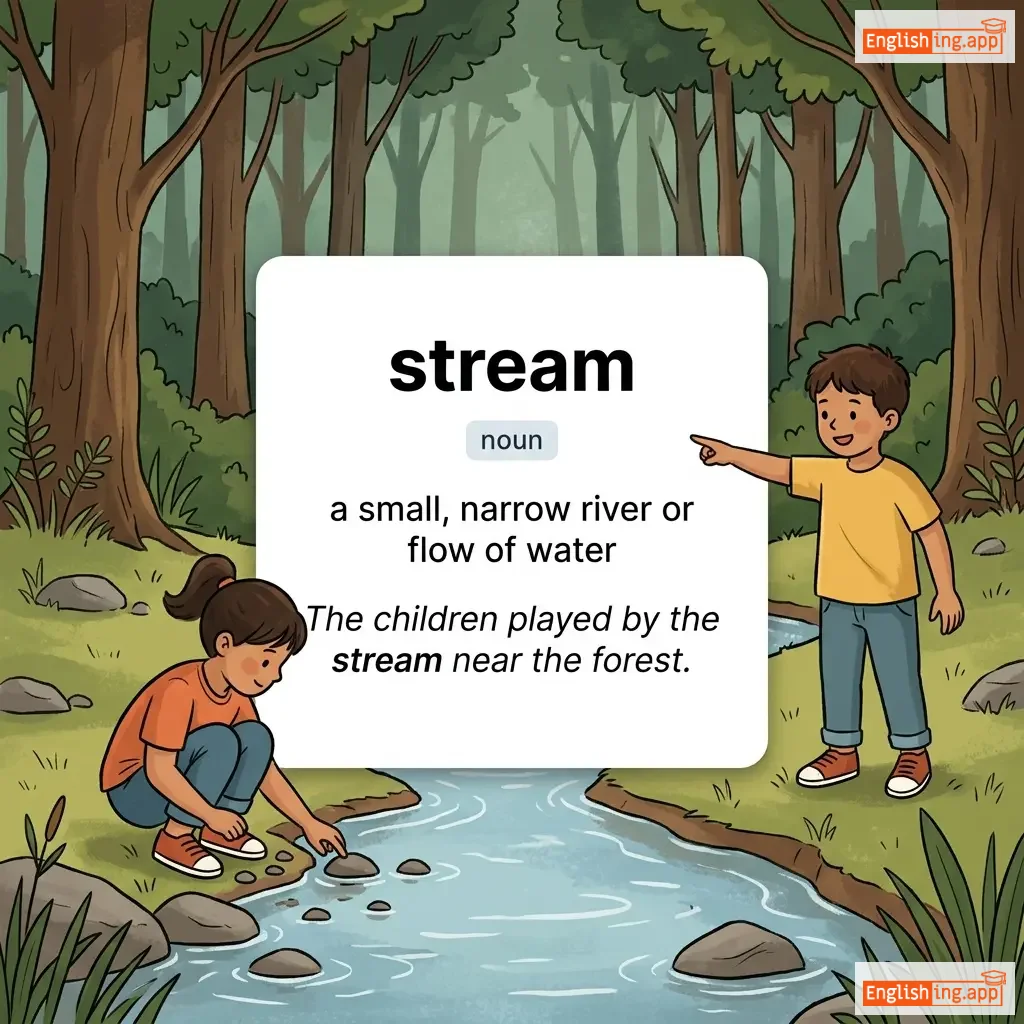
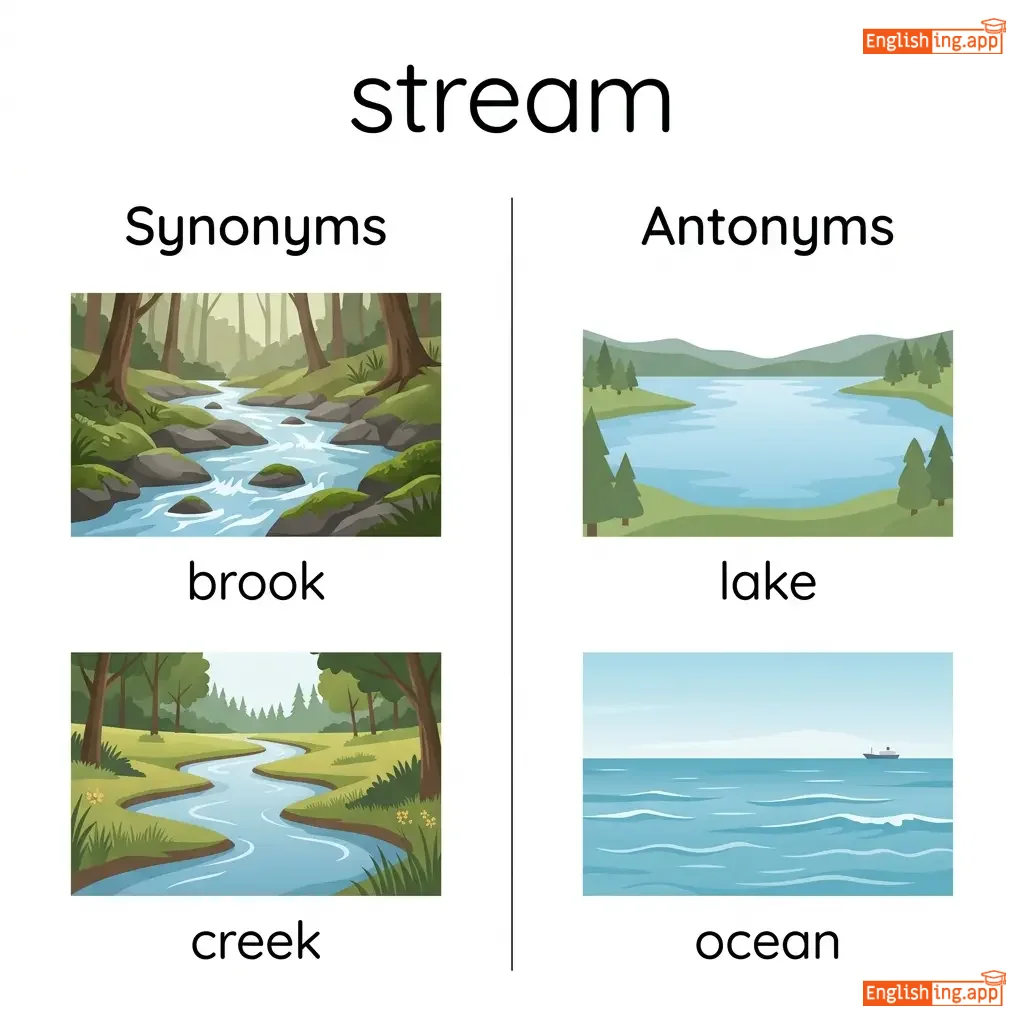
/striːm/
noun
(sutorīmu)
••••••
|
|
流れ
nagare
••••••
|
A small, narrow river; a continuous flow of something.
••••••
|
The stream of life is unstoppable.
人生の流れは止められない。
••••••
|
人生の流れは止められない。
Jinsei no nagare wa tomerarenai.
••••••
|
flow, current, brook, rivulet
••••••
|
stagnation, block, obstruction, dam
••••••
|
流れ (流れる水) + Stream (絶え間ない流れ)
••••••
|
|
#493
🌲
|
/ˈden.sli/
adverb
(デンスリー)
••••••
|
|
密に
mitsu ni
••••••
|
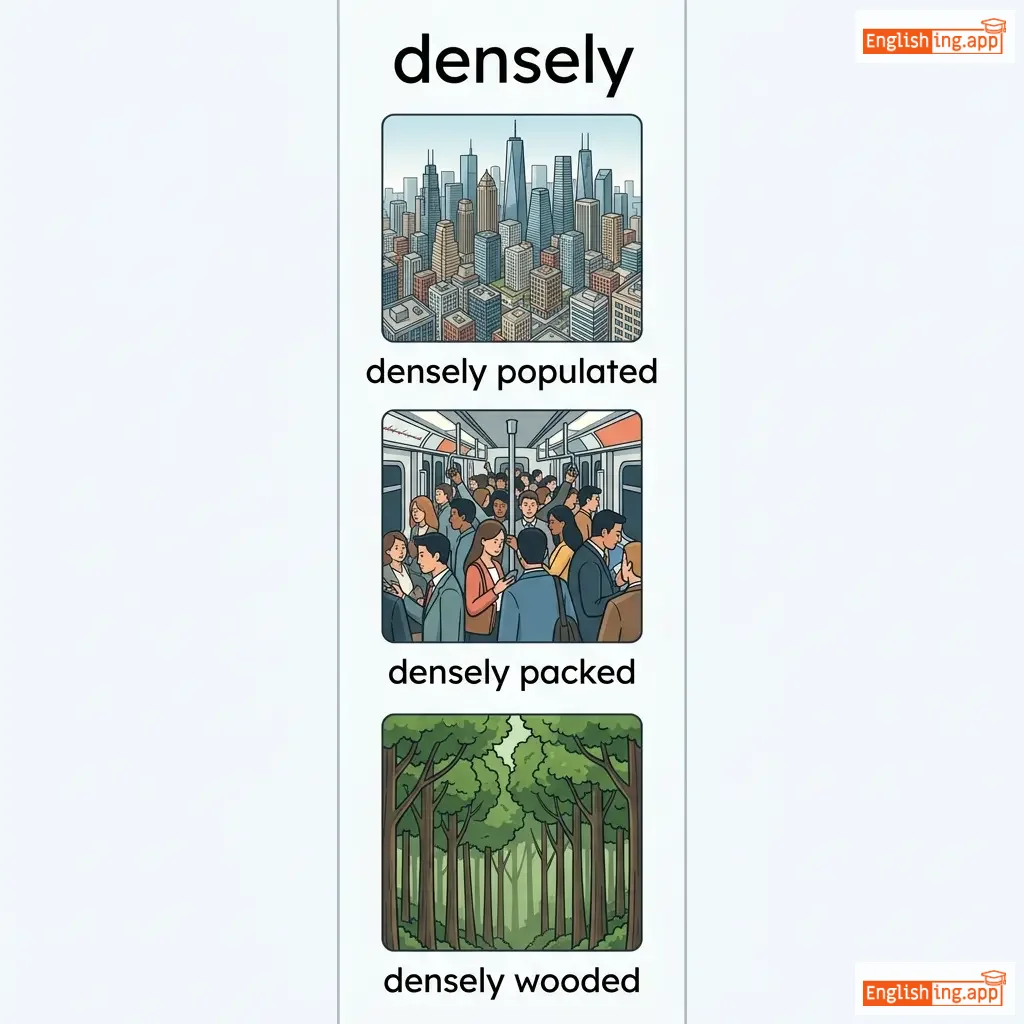
In a closely compacted or crowded manner.
••••••
|
The area is densely covered with trees.
その地域は密に木々で覆われています。
••••••
|
その地域は密に木々で覆われています。
Sono chiiki wa mitsu ni kigi de ōwareteimasu.
••••••
|
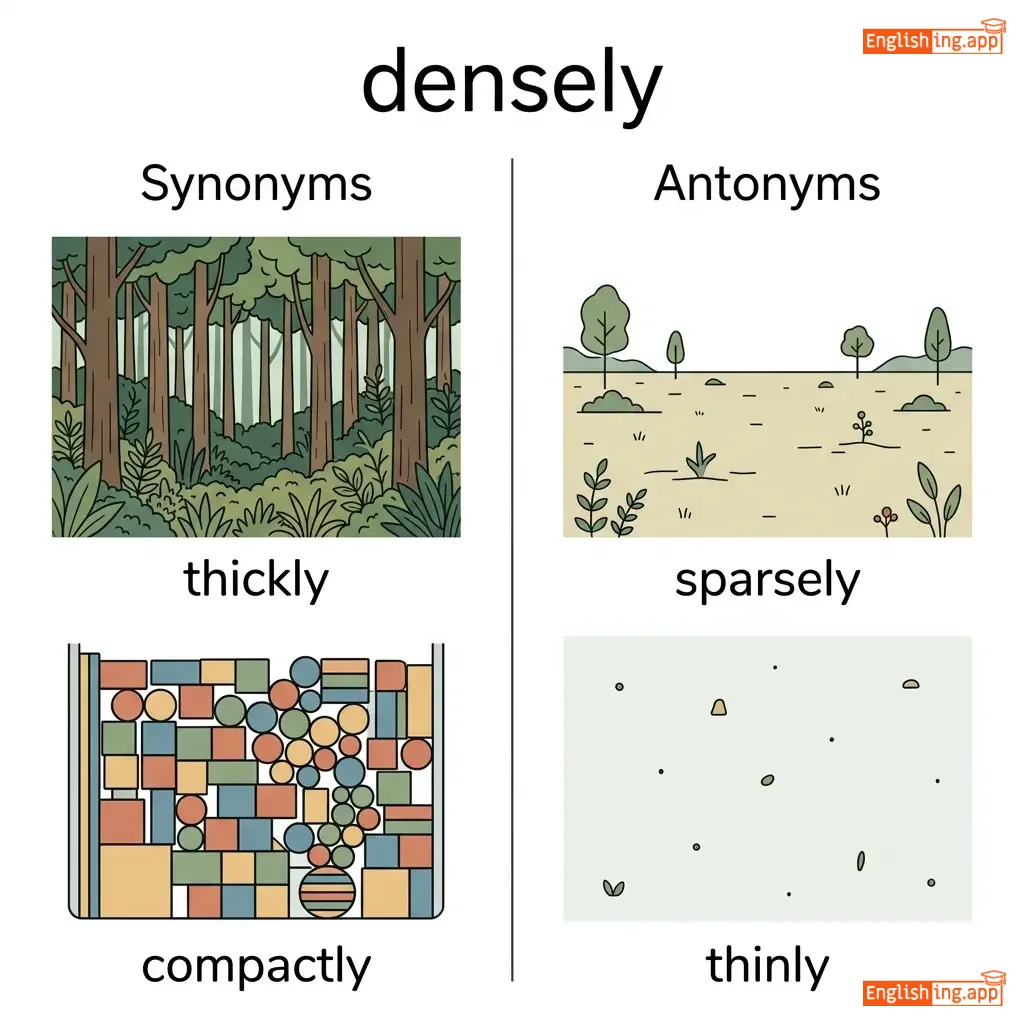
thickly, compactly, closely, heavily
••••••
|
sparsely, thinly, lightly, scattered
••••••
|
木々が密に立っている森を想像してください。
••••••
|
|
#494
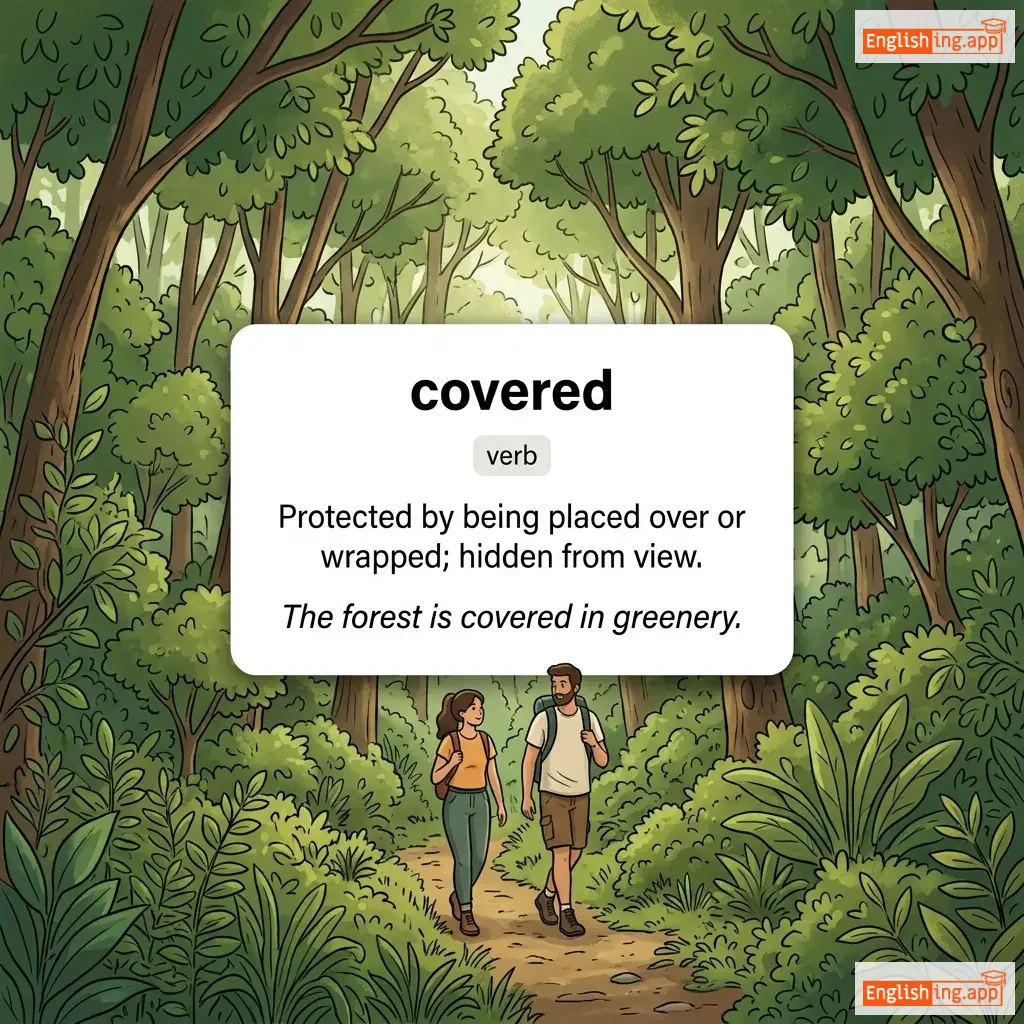
🫥
|
/ˈkʌv.ərd/
verb
(カヴァード)
••••••
|
|
覆われた
ōwareta
••••••
|
Protected by being placed over or wrapped; hidden from view.
••••••
|
The forest is covered in greenery. |
森は緑で覆われています。
Mori wa midori de ōwareteimasu.
••••••
|
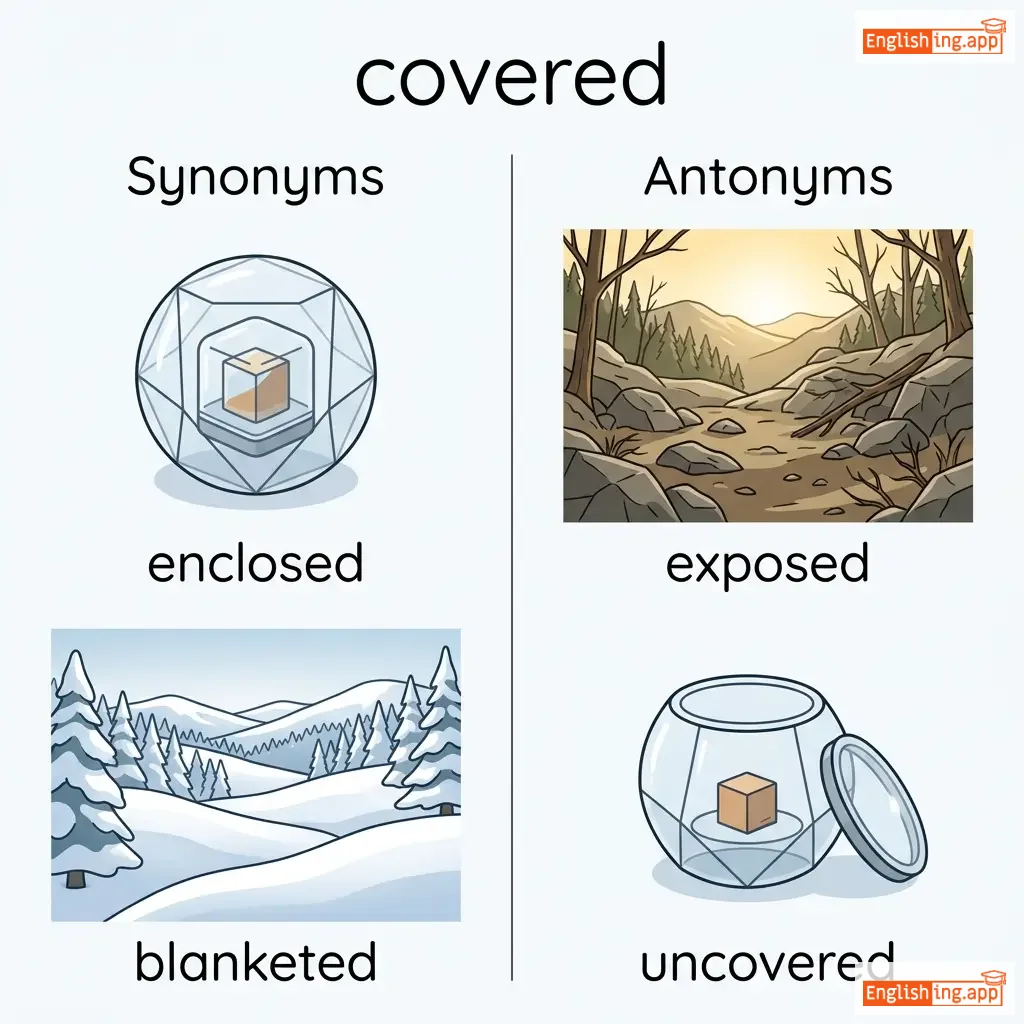
enclosed, blanketed, concealed, protected
••••••
|
exposed, uncovered, revealed, naked
••••••
|
Covered = 覆われた = 覆うものに包まれて隠れる
••••••
|
|
#495
🌿
|
/ˈhɜː.bəl/
adjective
(ハーバル)
••••••
|
|
ハーバル
hābaru
••••••
|
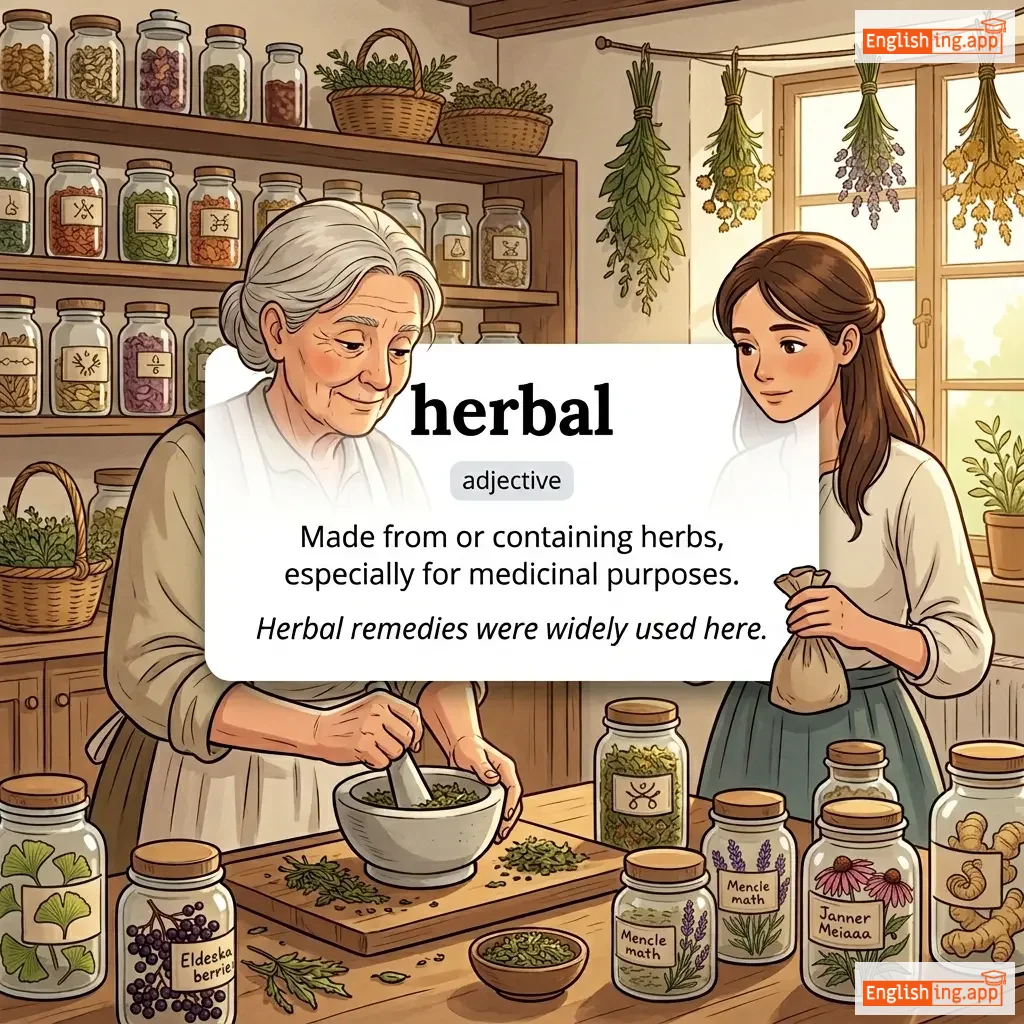
Made from or containing herbs, especially for medicinal purposes.
••••••
|
Herbal remedies were widely used here.
ここではハーバル療法が広く使われていました。
••••••
|
ここではハーバル療法が広く使われていました。
Koko de wa hābaru ryōhō ga hiroku tsukawarete imashita.
••••••
|
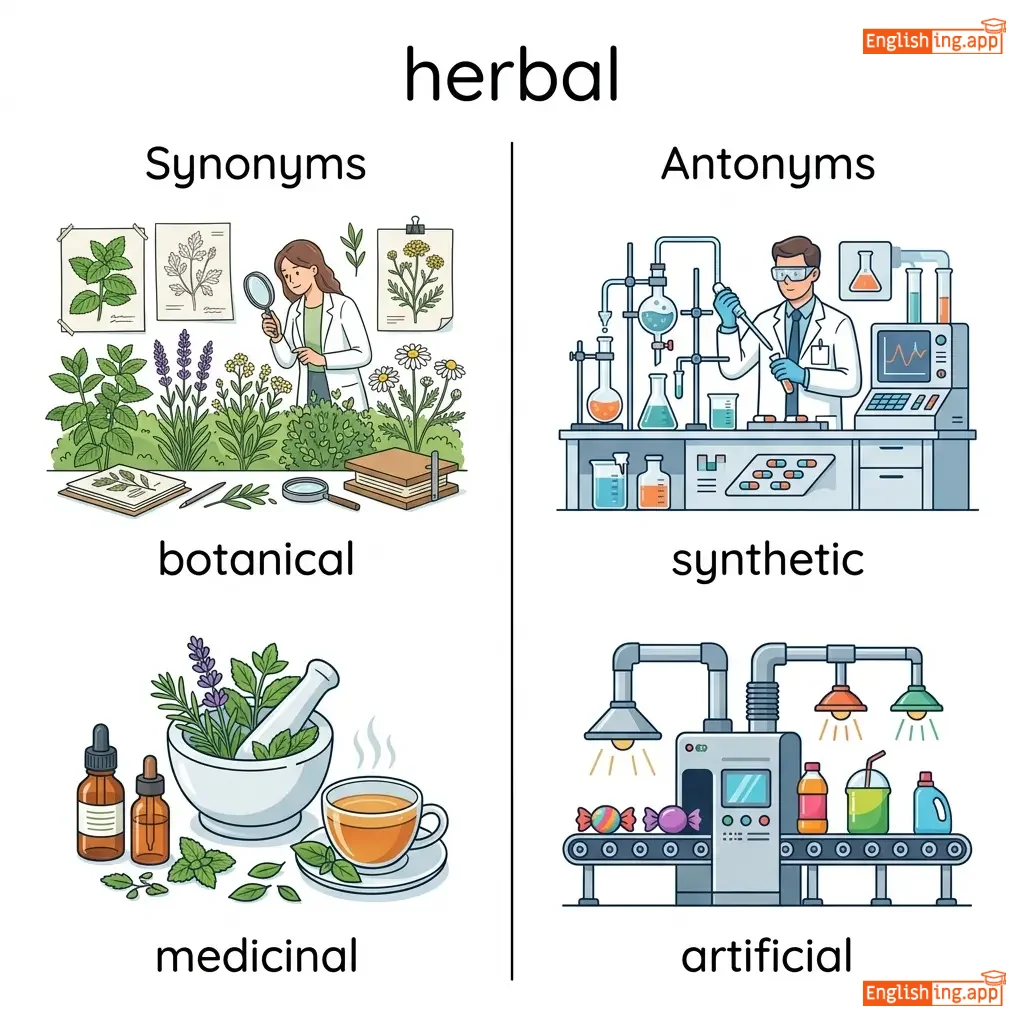
botanical, medicinal, natural, plant-based
••••••
|
synthetic, artificial, chemical, manufactured
••••••
|
ハーバル = Herbal. ハーブの健康治療法!
••••••
|
|
#496
💎
|
/rɪˈzɔː.sɪz/
noun
(リソース)
••••••
|
|
資源
shigen
••••••
|
A stock or supply of money, materials, staff, and other assets.
••••••
|
The region was rich in herbal resources.
その地域は薬草のリソースが豊富でした。
••••••
|
その地域は薬草の資源が豊富でした。
Sono chiiki wa yakusou no shigen ga houfu deshita.
••••••
|
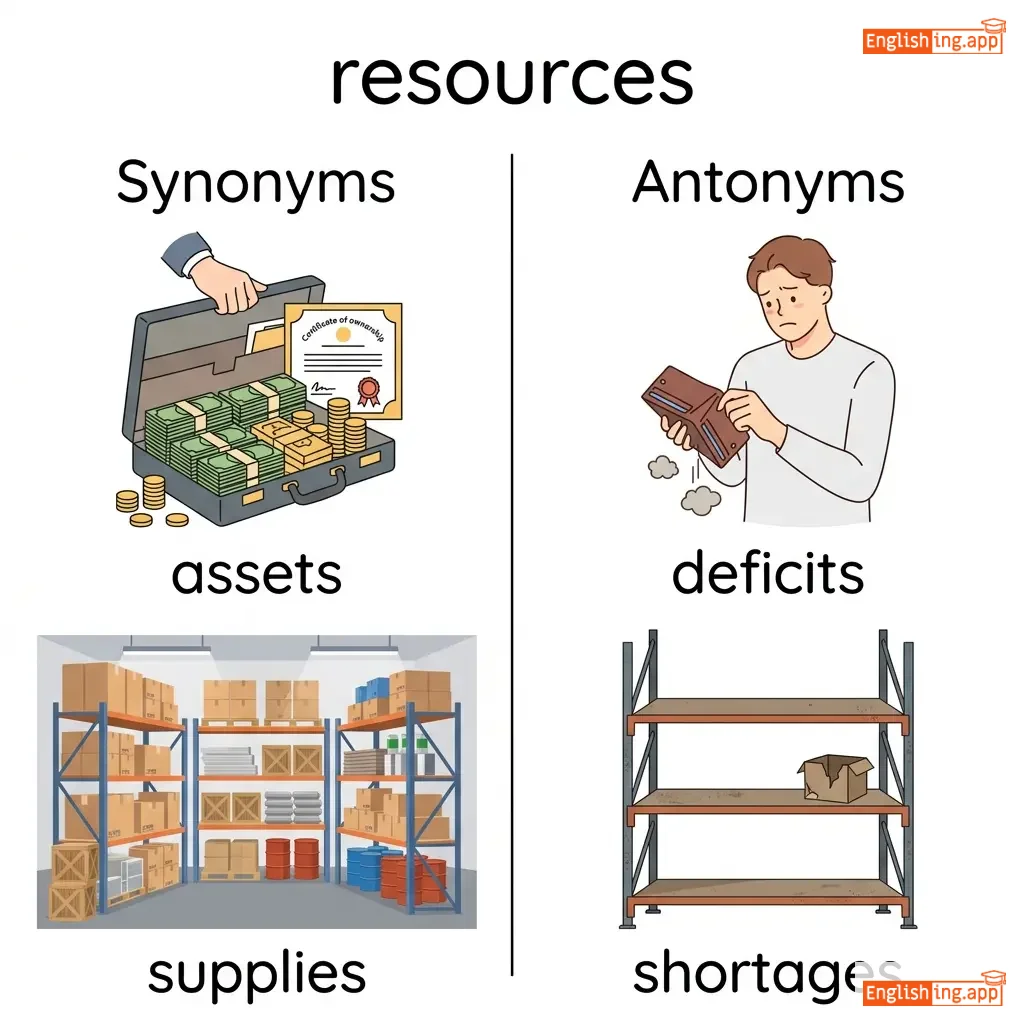
assets, supplies, materials, reserves
••••••
|
deficits, shortages, scarcities, lacks
••••••
|
資源 = 未来を支えるもの
••••••
|
|
#497
⭐
|
/ˈfeɪ.məs/
adjective
(fey-məs)
••••••
|
|
有名
yūmei
••••••
|
Known about by many people; renowned.
••••••
|
This area is famous for its unique heritage. |
この地域はそのユニークな遺産で有名です。
Kono chiiki wa sono yunikuna isan de yūmei desu.
••••••
|
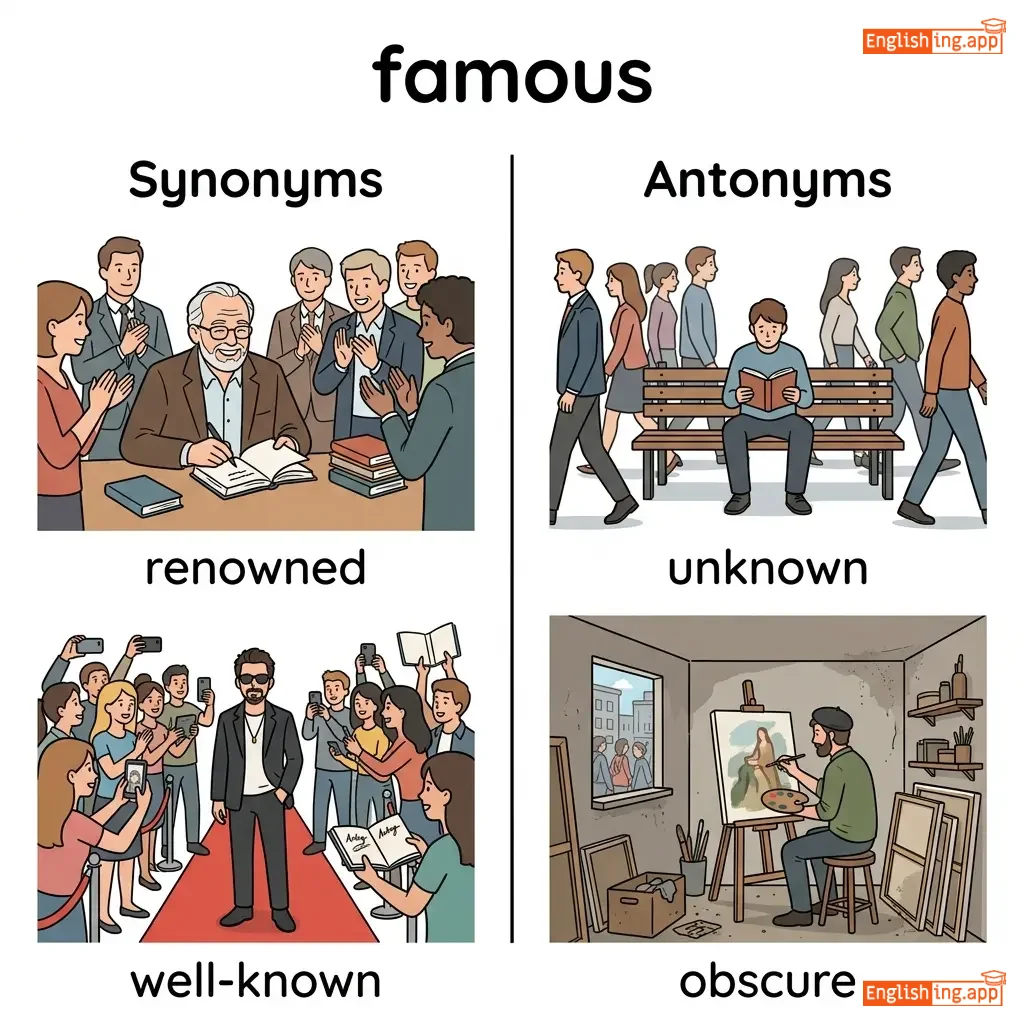
renowned, celebrated, well-known, prominent
••••••
|
unknown, obscure, anonymous, forgotten
••••••
|
Yūmei means famous in Japanese, and you can think of the word 'yūmei' when you hear 'famous'!
••••••
|
|
#498
🌱
|
/sɔɪl/
noun
(ソイル)
••••••
|
|
土壌
dojō
••••••
|
The upper layer of earth in which plants grow.
••••••
|
The soil in this area is reddish.
ザ ソイル イン ディス エリア イズ レディッシュ。
••••••
|
この地域の土壌は赤みがかっています。
Kono chiiki no dojō wa akami ga katteimasu.
••••••
|
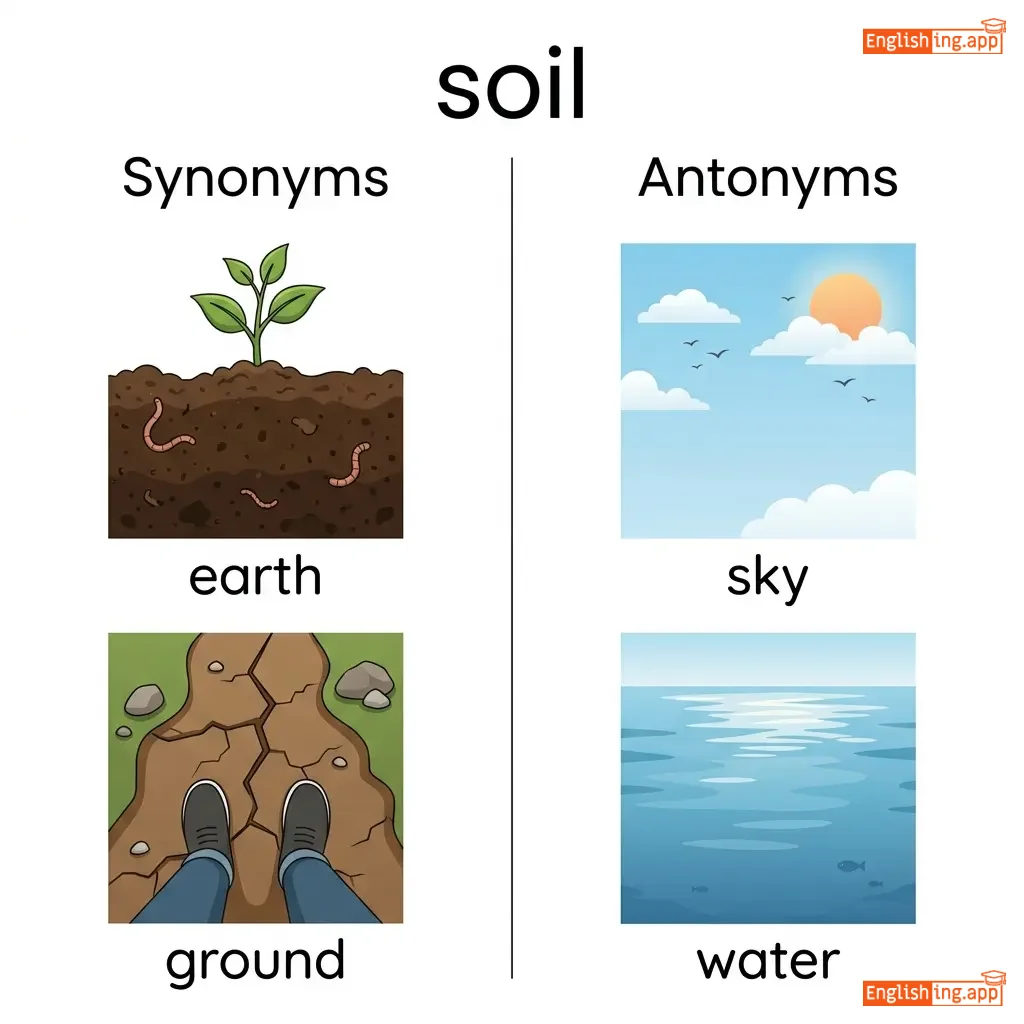
earth, ground, dirt, land
••••••
|
rock, stone, concrete, pavement
••••••
|
土壌 (dojō) と soil は植物を育てるために必要です。
••••••
|
|
#499
🏛️
|
/ˈstrʌk.tʃərz/
noun
(ストラクチャーズ)
••••••
|
|
構造物
kōzōbutsu
••••••
|
Buildings or other objects constructed from several parts.
••••••
|
The region has ancient structures.
その地域には古代の構造物があります。
••••••
|
その地域には古代の構造物があります。
Sono chiiki ni wa kodai no kōzōbutsu ga arimasu.
••••••
|
buildings, frameworks, constructions, edifices
••••••
|
ruins, destruction, demolition, debris
••••••
|
構造物は、想像すると大きな建物や古代の遺跡になります。
••••••
|
|
#500
🏠
|
/ˌrez.ɪˈden.ʃəl/
adjective
(レジデンシャル)
••••••
|
|
住宅の
juutaku no
••••••
|
Designed for people to live in.
••••••
|
The institution was fully residential.
その施設は完全にレジデンシャルでした。
••••••
|
その施設は完全に住宅のものでした。
Sono shisetsu wa kanzen ni juutaku no monodeshita.
••••••
|
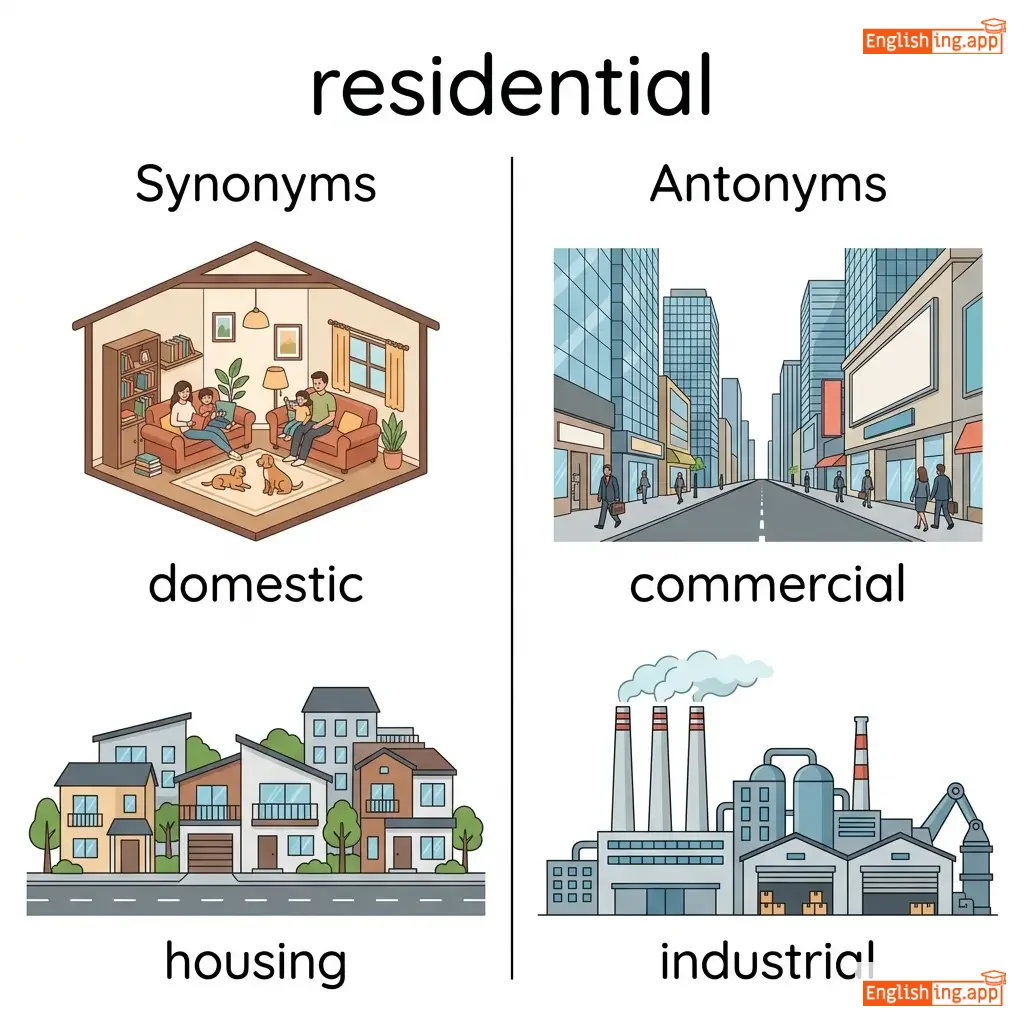
habitable, domestic, housing, living
••••••
|
industrial, commercial, business, non-residential
••••••
|
住宅街は人々が住むために設計された場所です。
••••••
|
|
#501
📚
|
/ˌedʒ.ʊˈkeɪ.ʃən.əl/
adjective
(エデュケーショナル)
••••••
|
|
教育的
kyōikuteki
••••••
|
Relating to the provision of education.
••••••
|
The institution had an educational purpose.
その機関は教育的な目的を持っていました。
••••••
|
その機関は教育的な目的を持っていました。
Sono kikan wa kyōikuteki na mokuteki o motte imashita.
••••••
|
academic, instructional, scholastic, pedagogical
••••••
|
non-educational, recreational, entertainment, leisure
••••••
|
Educational = 教育的, 'Kyōiku' means education.
••••••
|
|
#502
🏢
|
/fəˈsɪl.ɪ.ti/
noun
(ファシリティ)
••••••
|
|
施設
shisetsu
••••••
|
A place, amenity, or piece of equipment provided for a particular purpose.
••••••
|
The facility was well-maintained. |
施設はよく管理されていました。
Shisetsu wa yoku kanri sarete imashita.
••••••
|
amenity, service, resource, establishment
••••••
|
hindrance, obstacle, impediment, barrier
••••••
|
施設 (facility) は特定の目的のために提供された資源や場所です。
••••••
|
|
#503
🛏️
|
/əˌkɒm.əˈdeɪ.ʃənz/
noun
(アコモデーションズ)
••••••
|
|
宿泊施設
shukuhaku shisetsu
••••••
|
Lodging; room and board; places to stay.
••••••
|
The students had proper accommodations.
学生たちは適切な宿泊施設を持っていた。
••••••
|
学生たちは適切な宿泊施設を持っていた。
Gakuseitachi wa tekisetsu na shukuhaku shisetsu o motte ita.
••••••
|
housing, lodging, quarters, boarding
••••••
|
homelessness, displacement, eviction, expulsion
••••••
|
Japanese '宿泊施設' means accommodation, a place to stay.
••••••
|
Vocabulary Quiz
Test your vocabulary by matching words with their translations or meanings.
Login to take the quiz
Comments (0)
Share your thoughts and join the discussion.
Join the discussion by logging in
Login to CommentNo comments yet
Be the first to share your thoughts!