

農業における土壌の役割
The Role of Soil in Farming
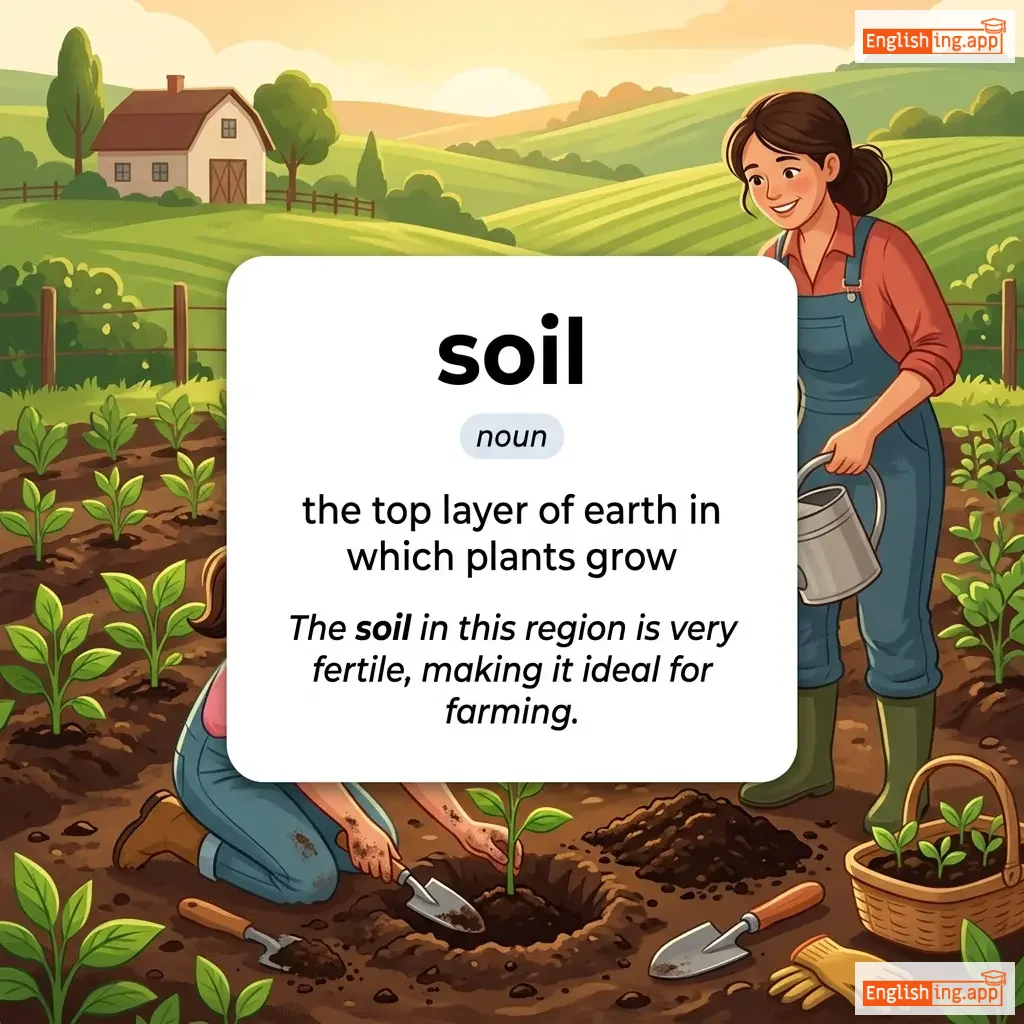
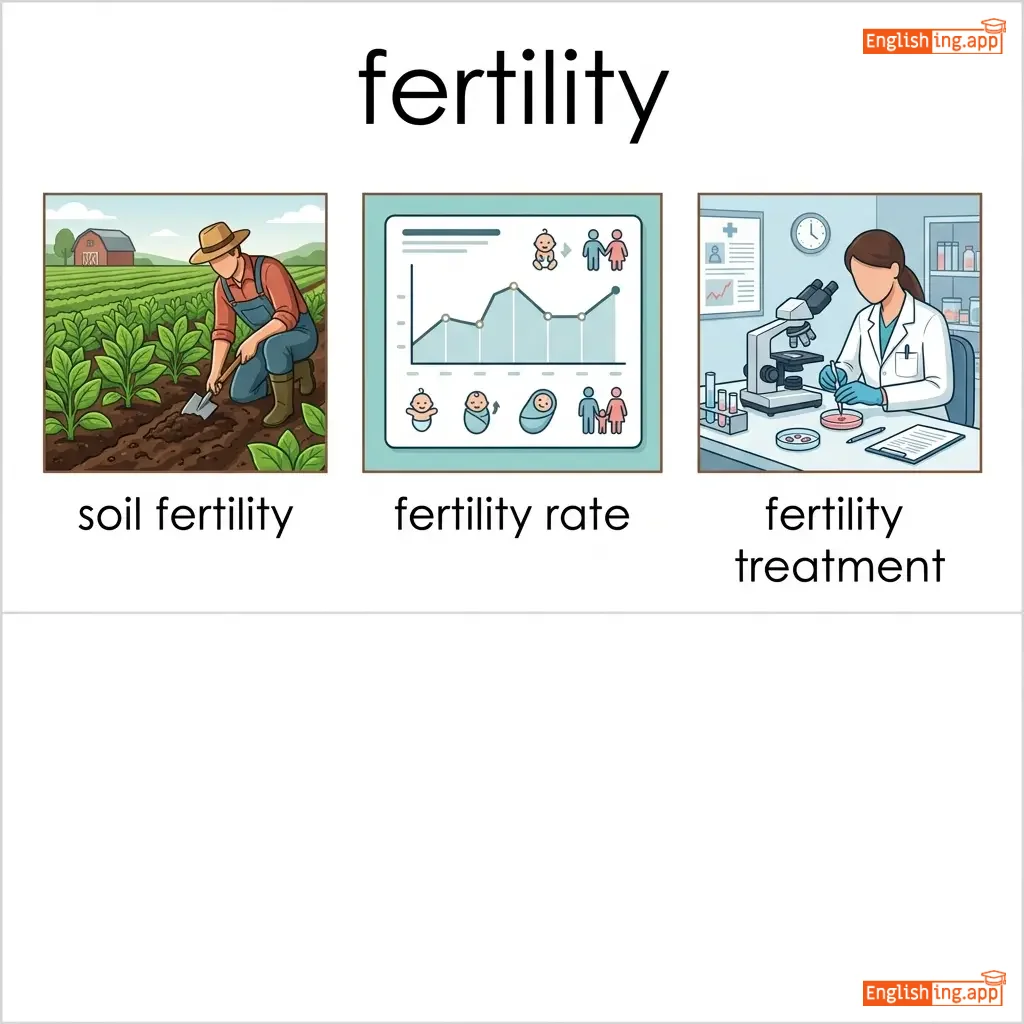
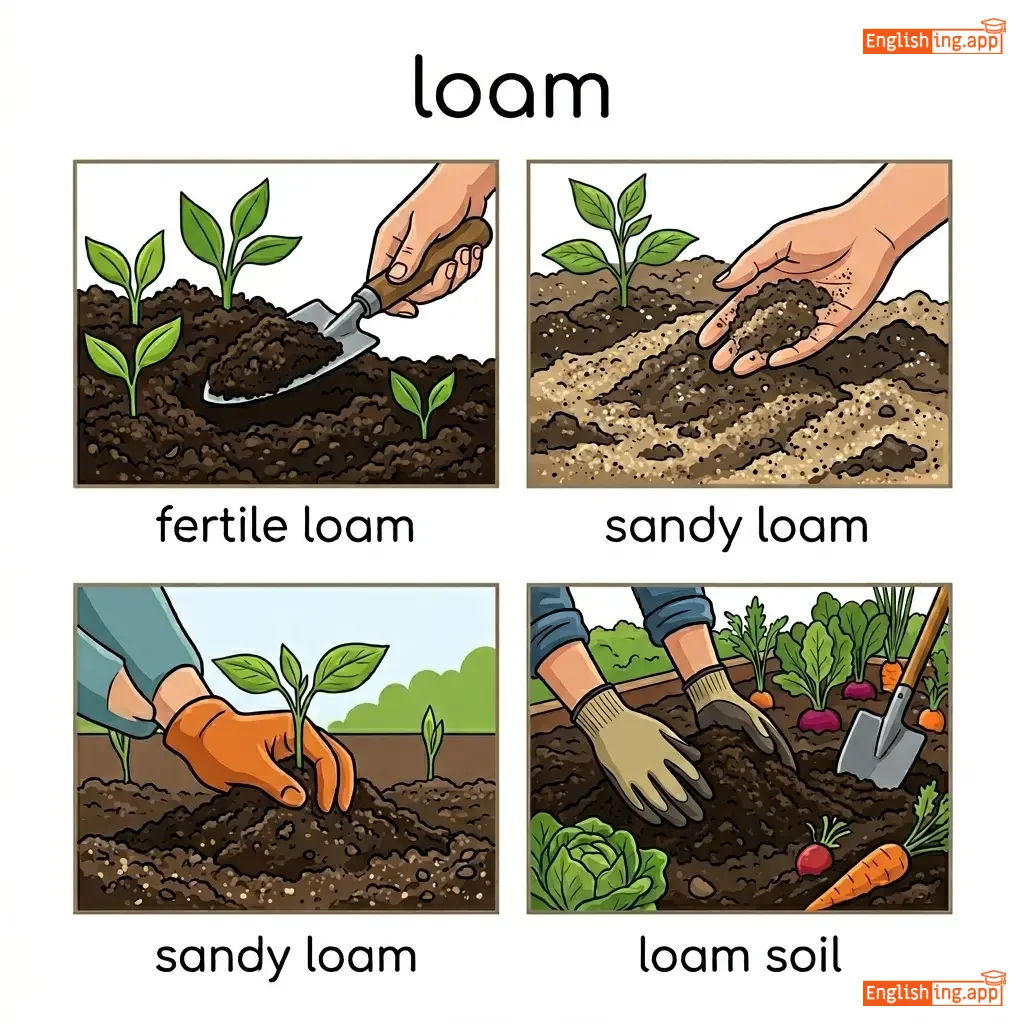
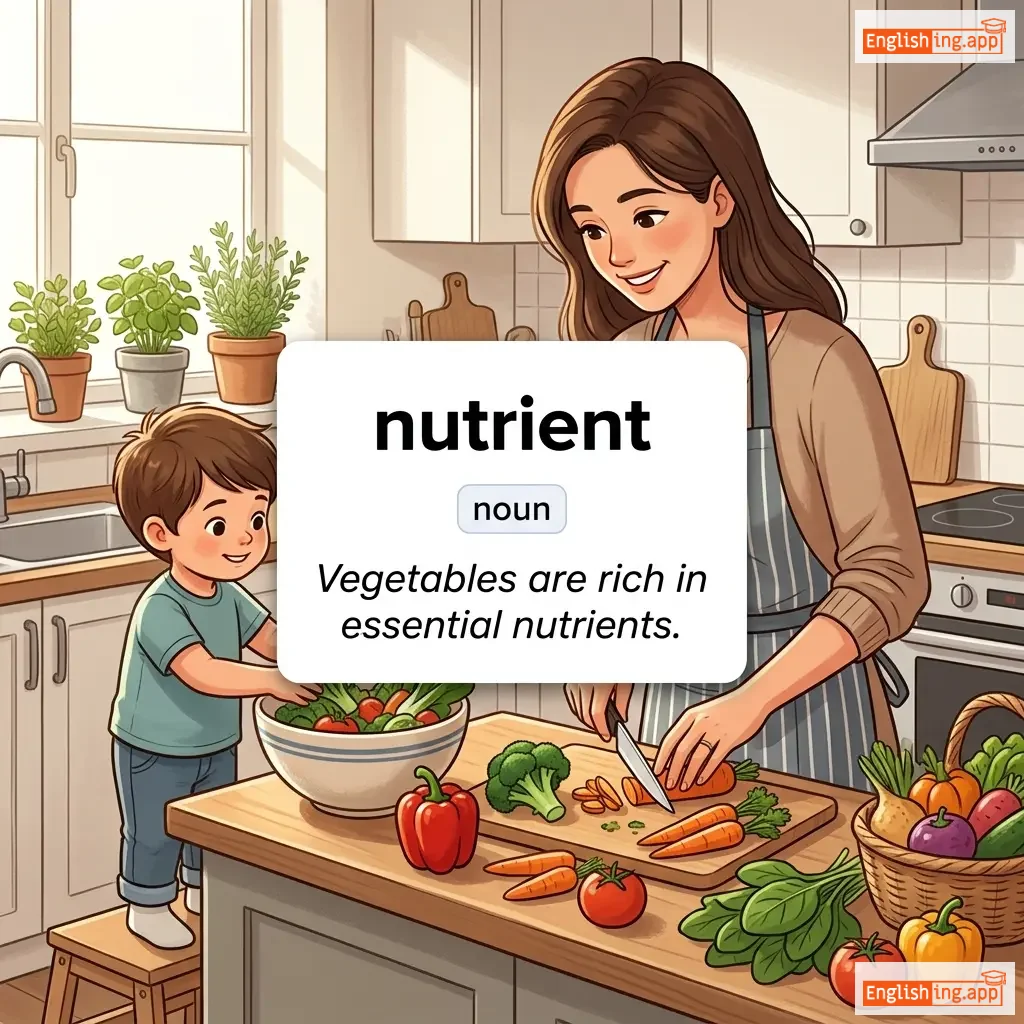
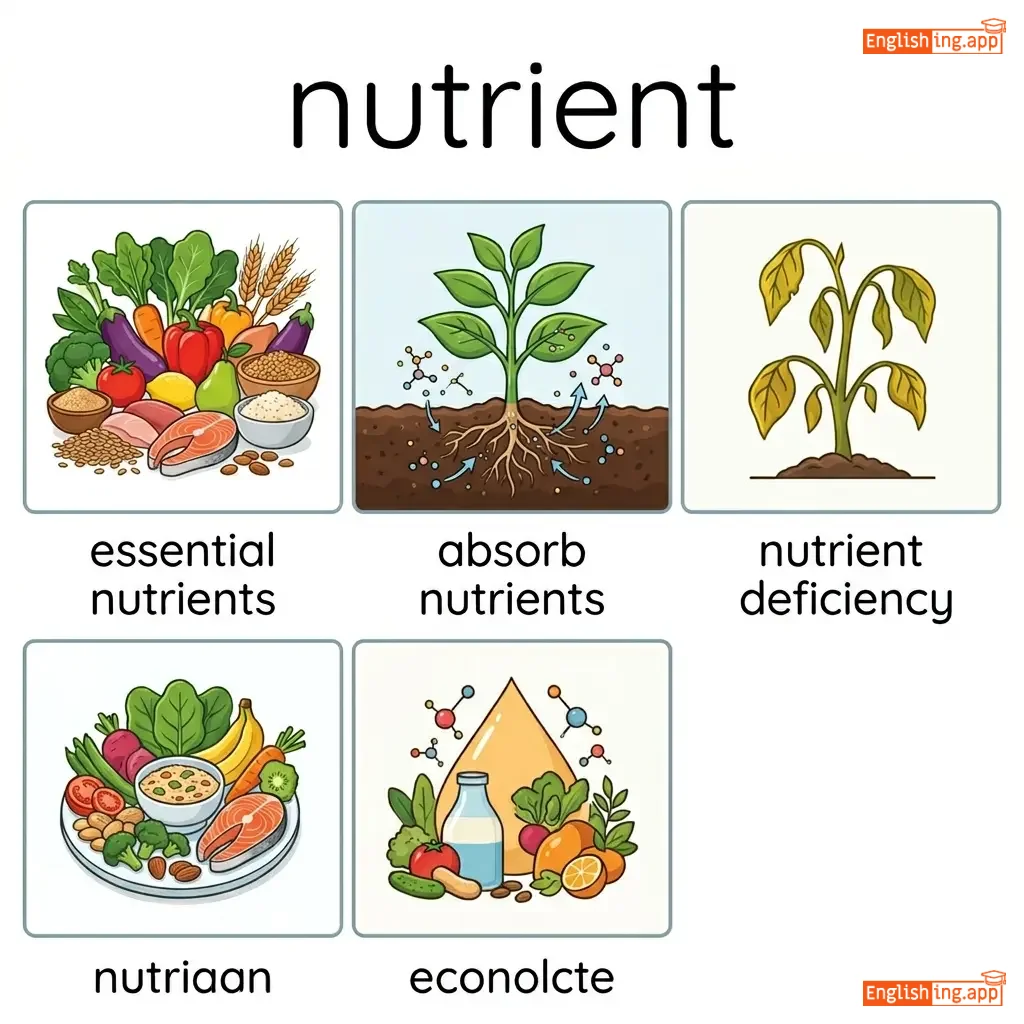
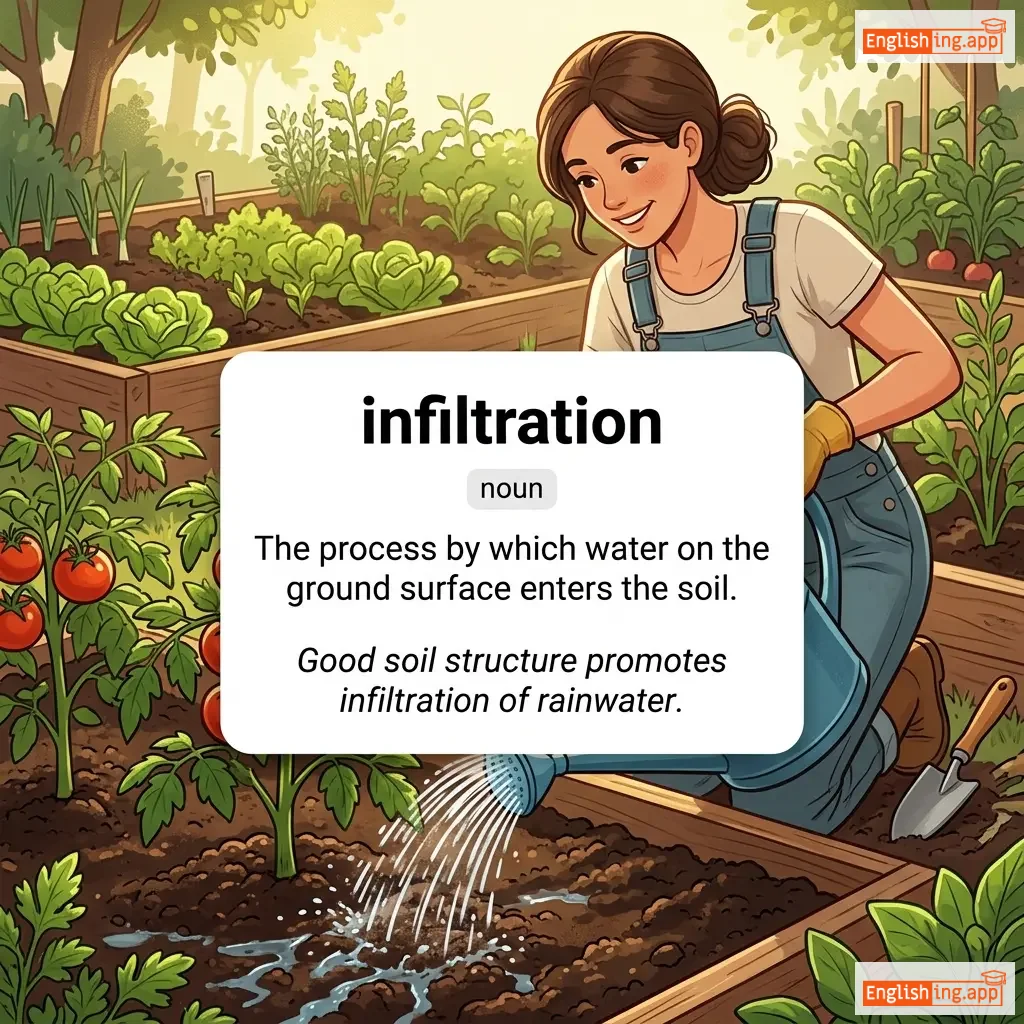
Soil は農業の主要な要素の一つで、作物の fertility がそれに依存しています。良い loam 土壌は nutrients を保持する能力を持ち、infiltration プロセスを通じて水を吸収することができます。
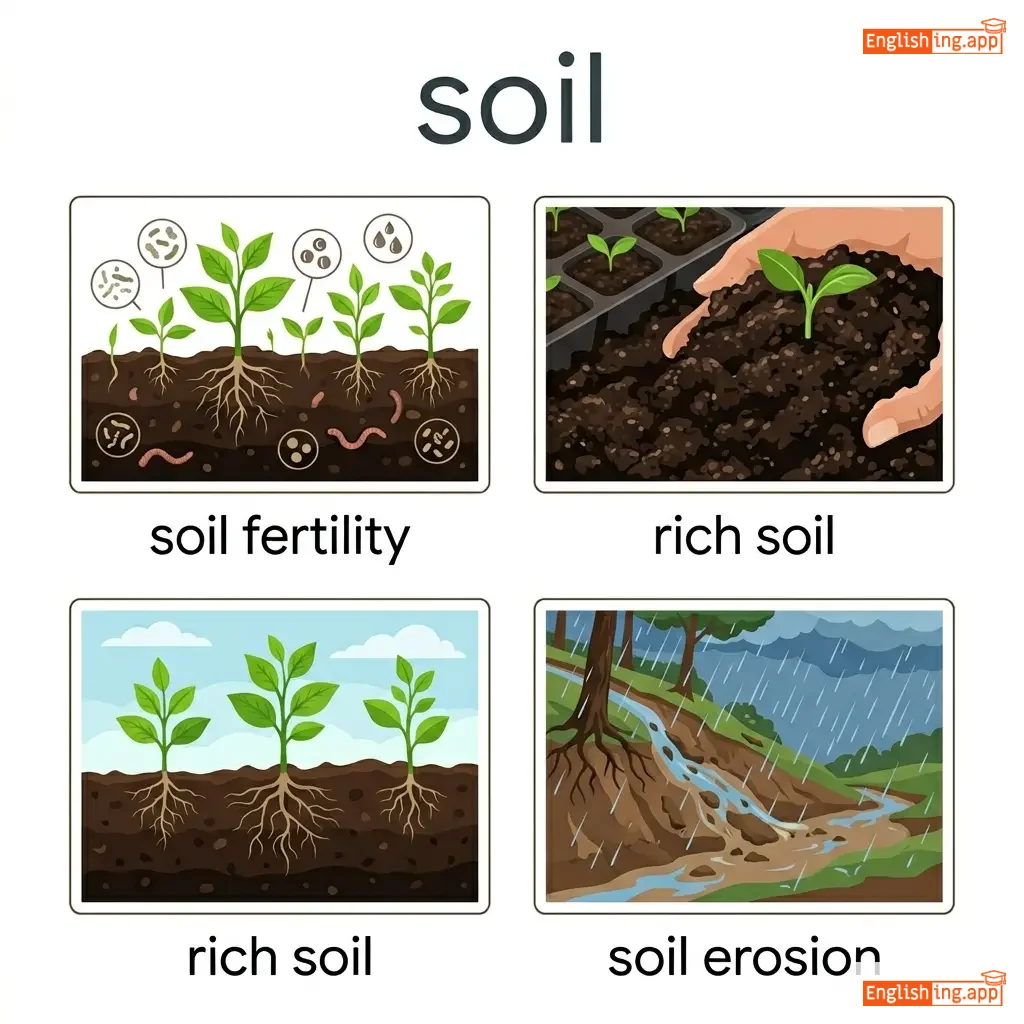
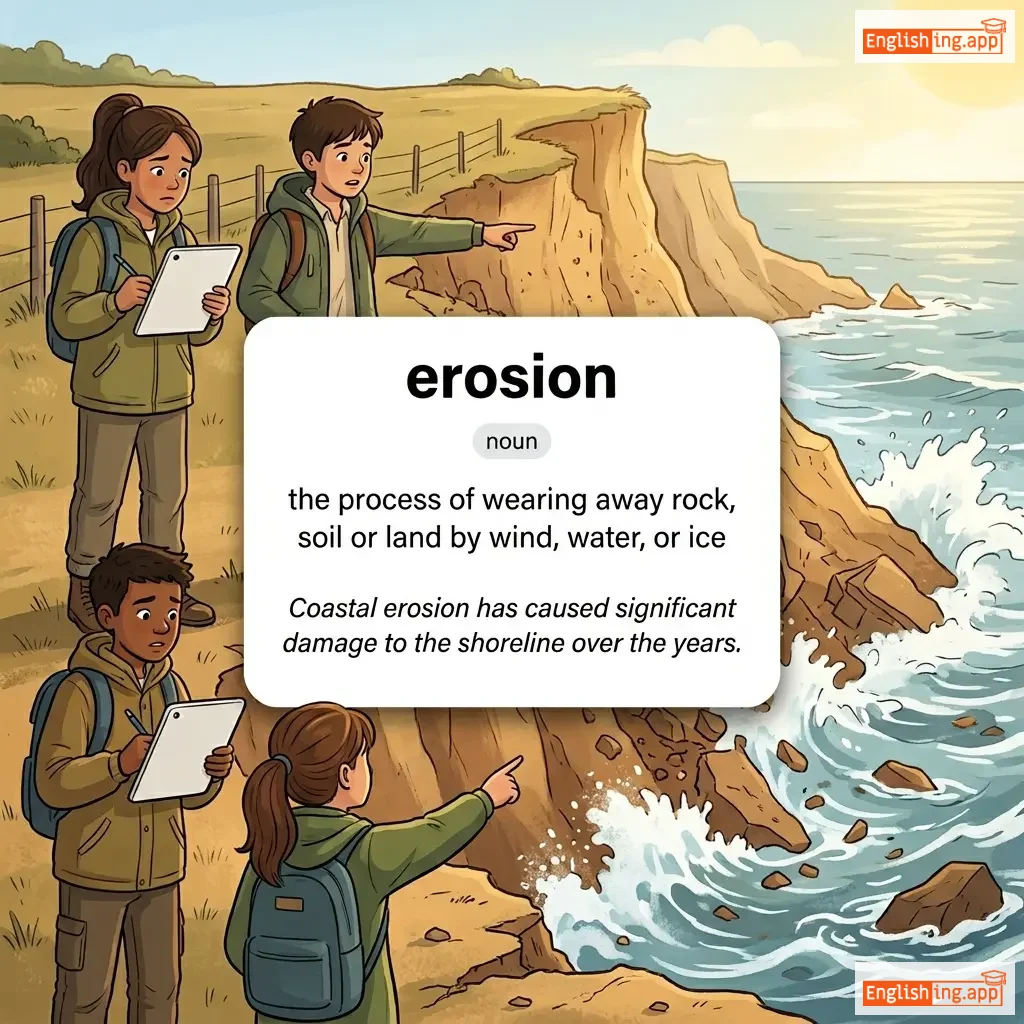
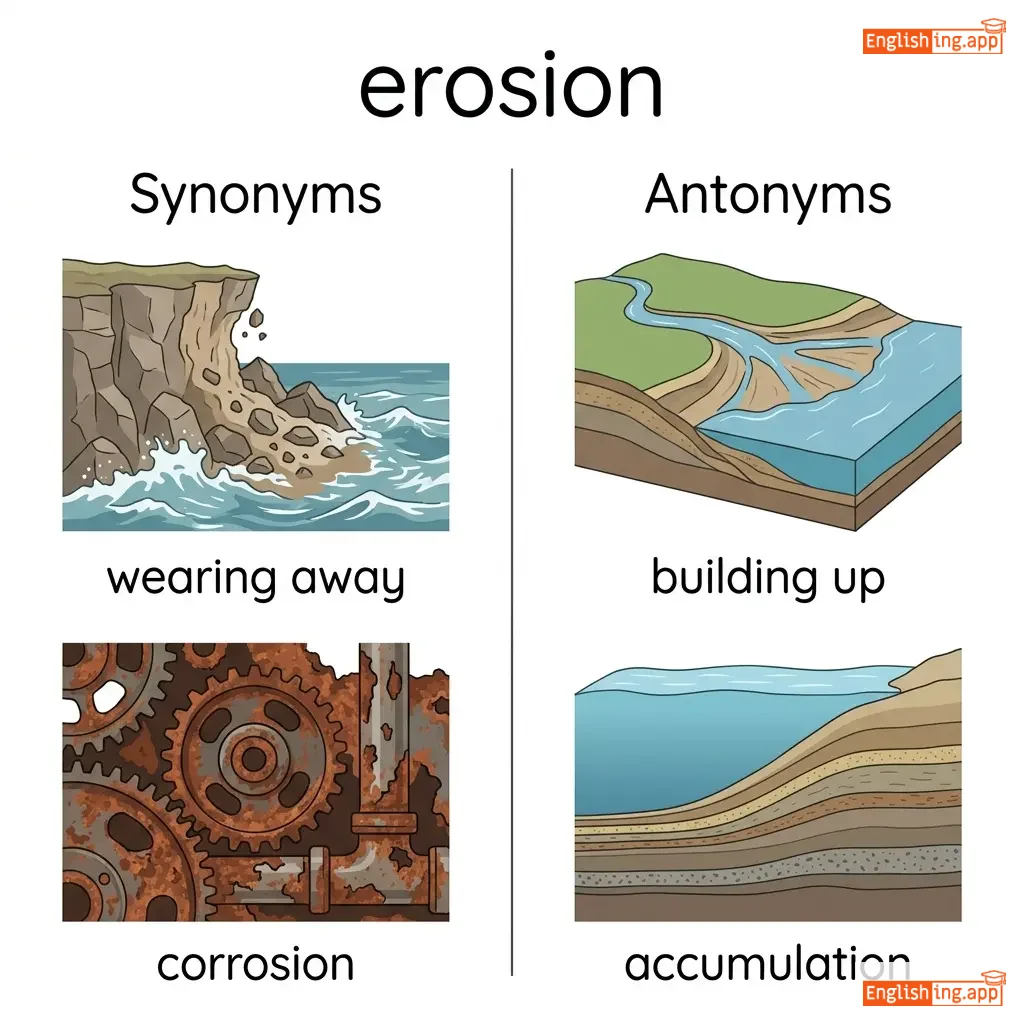
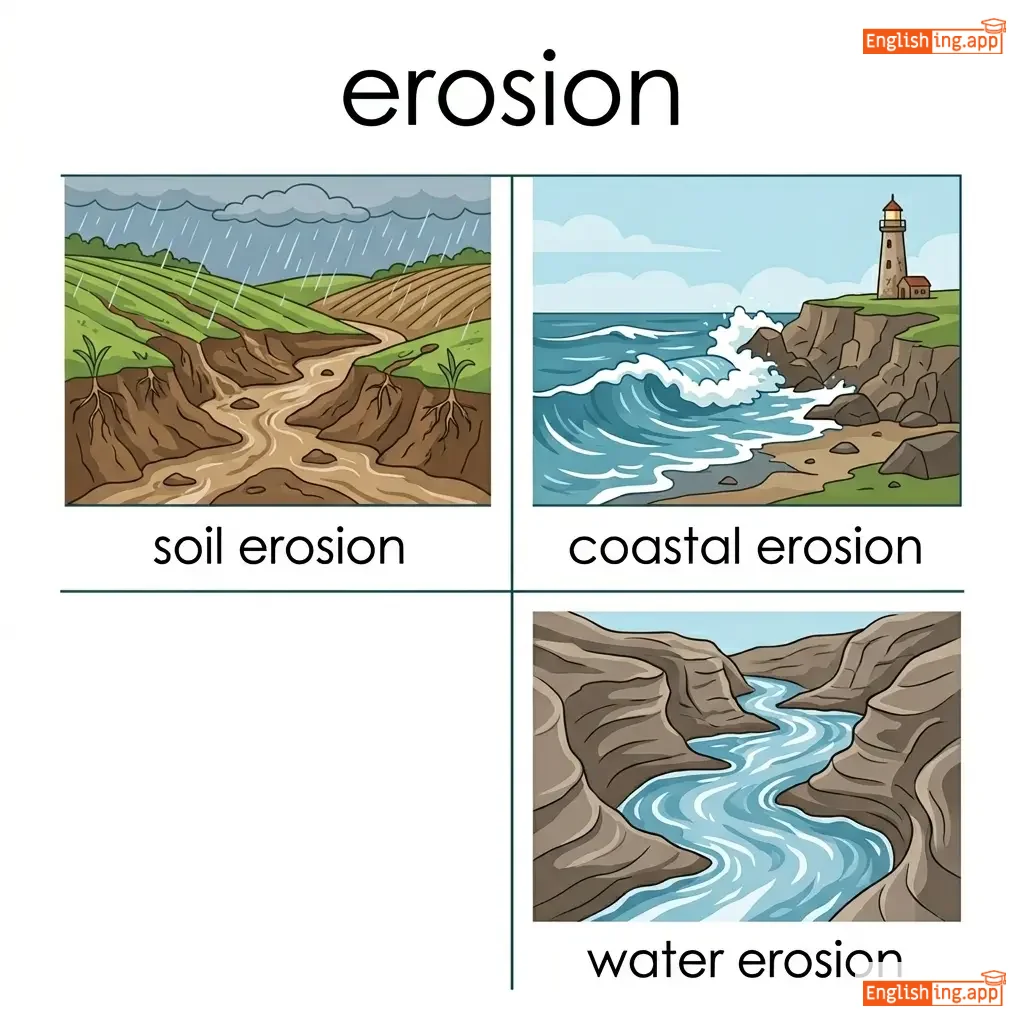
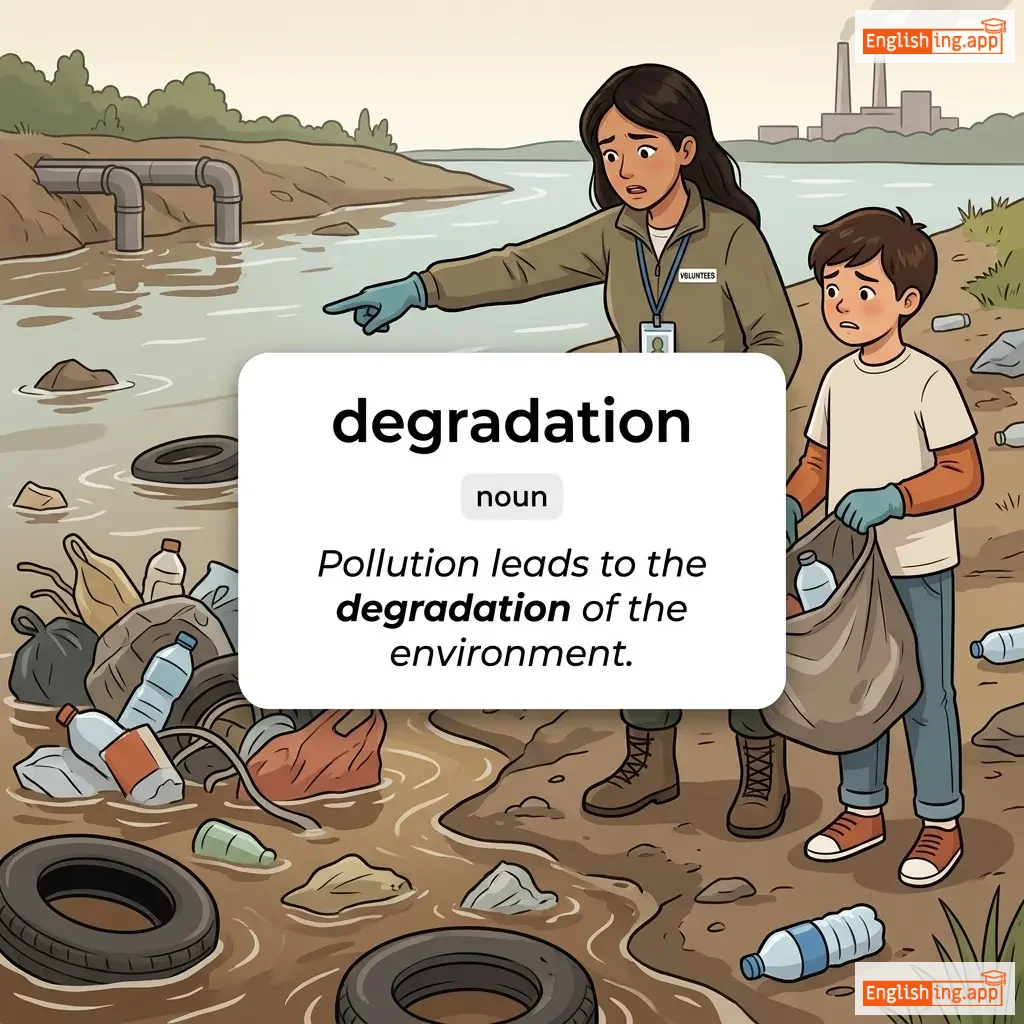
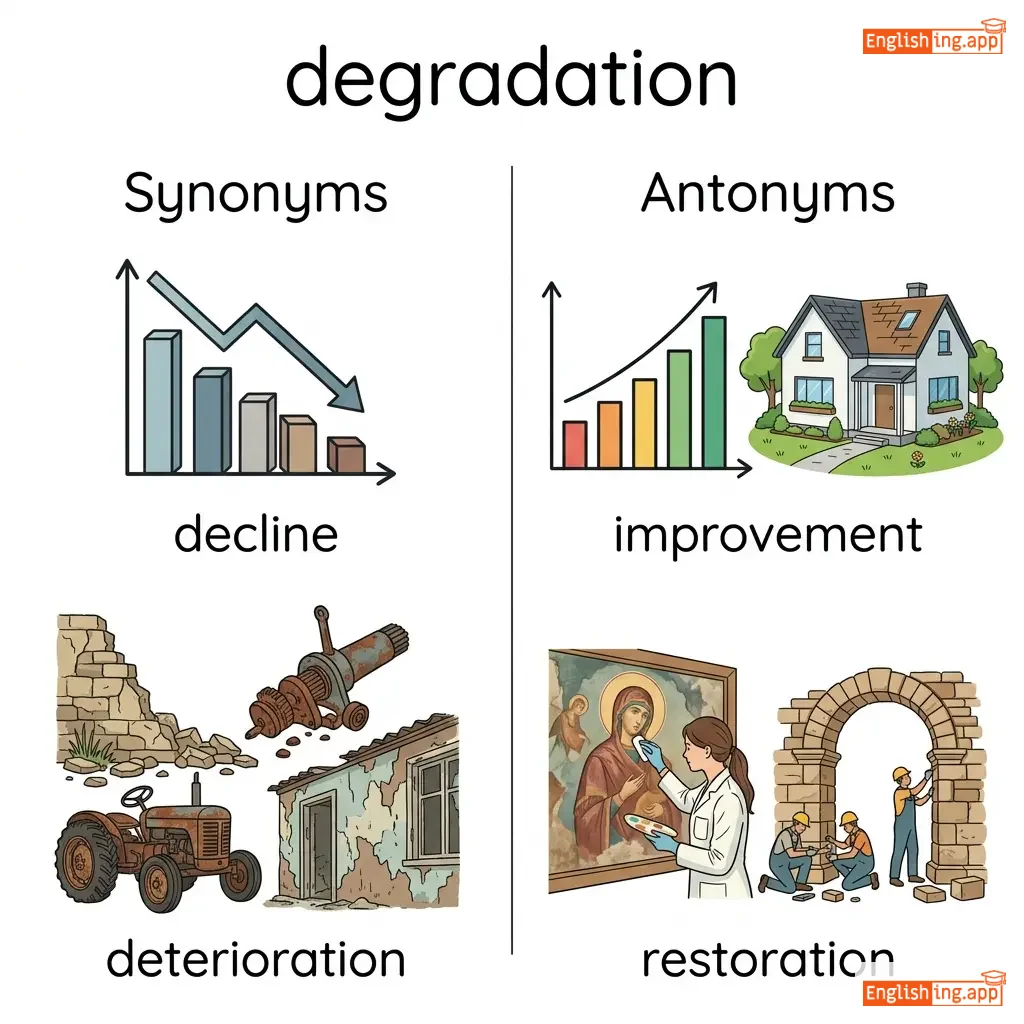
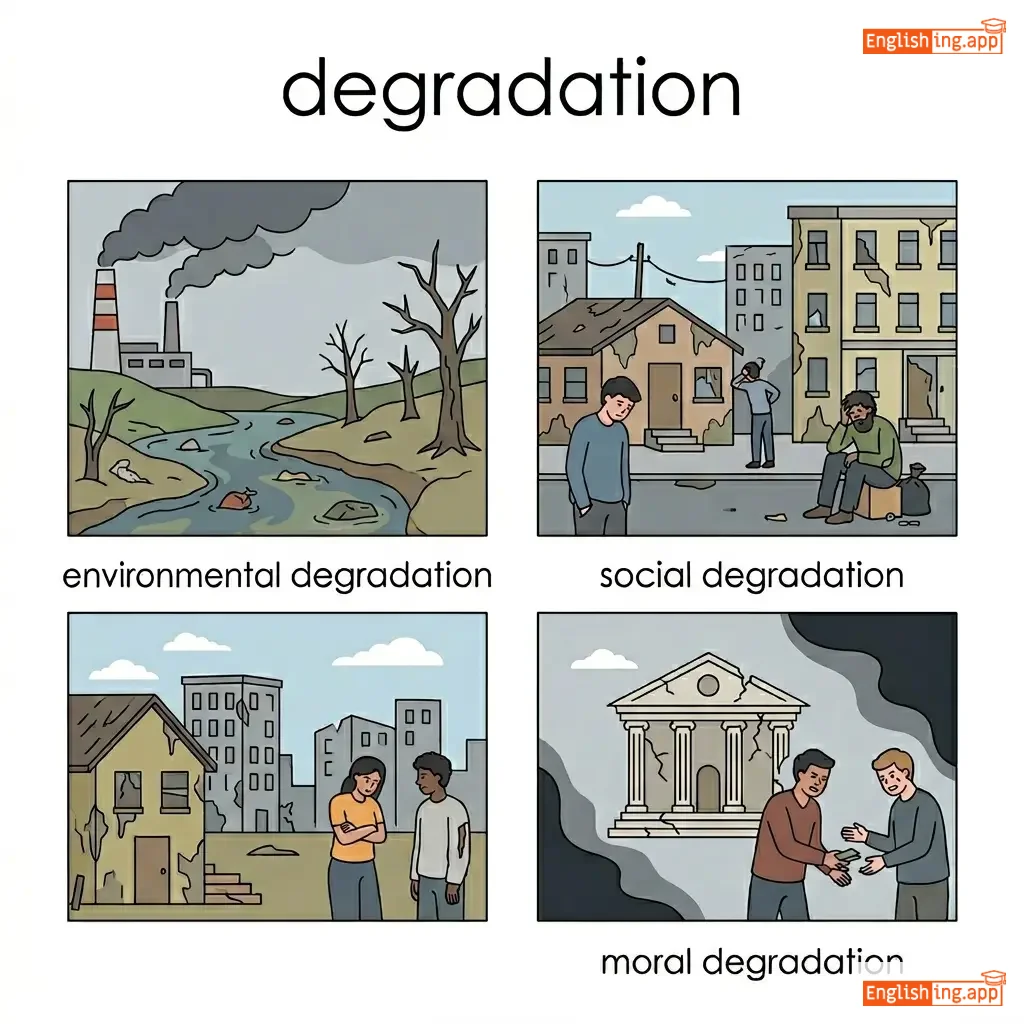
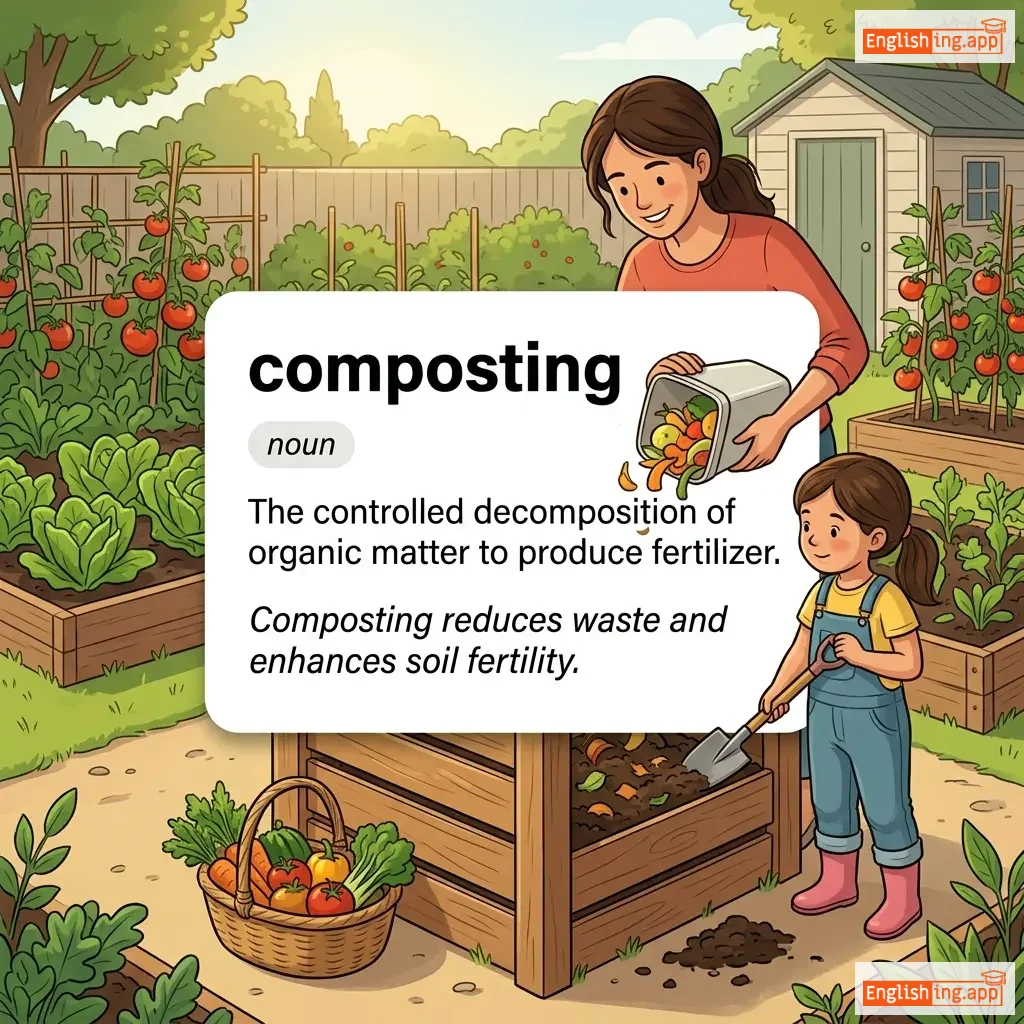
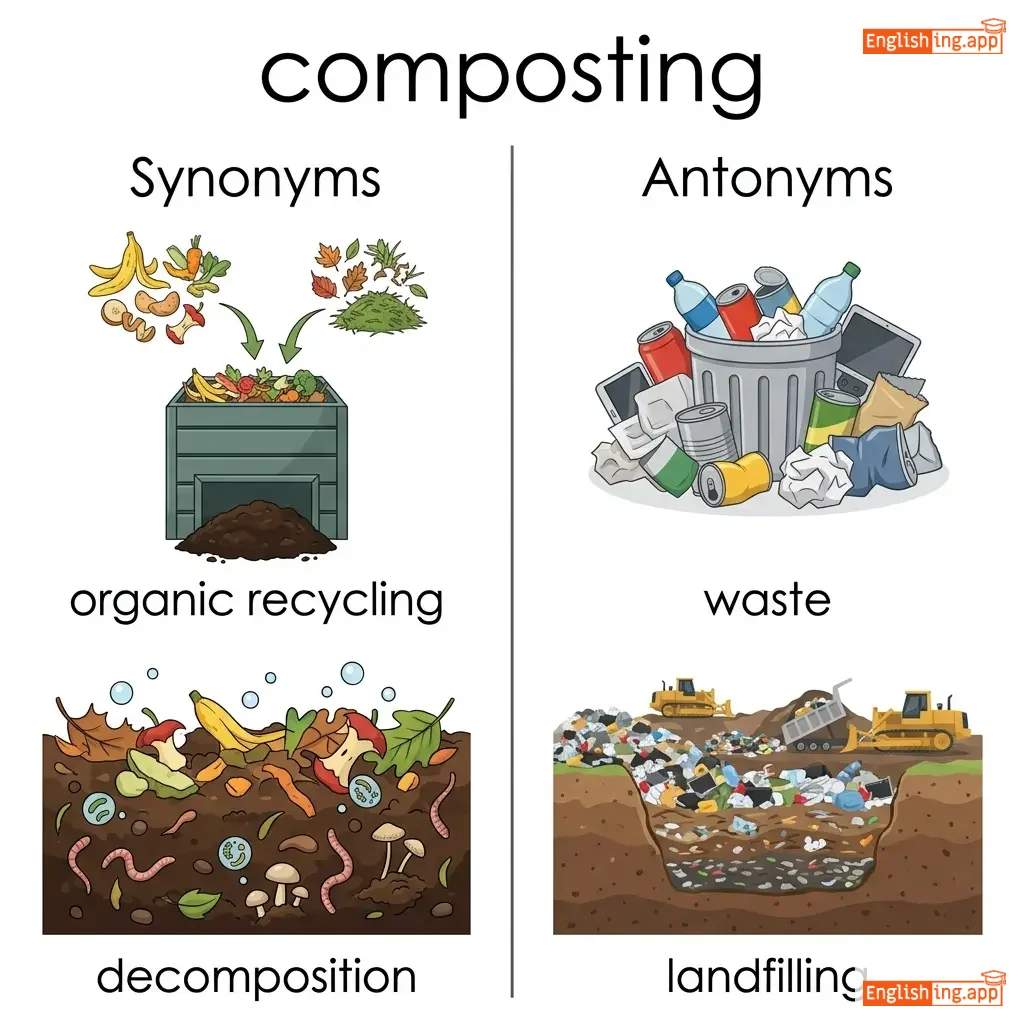
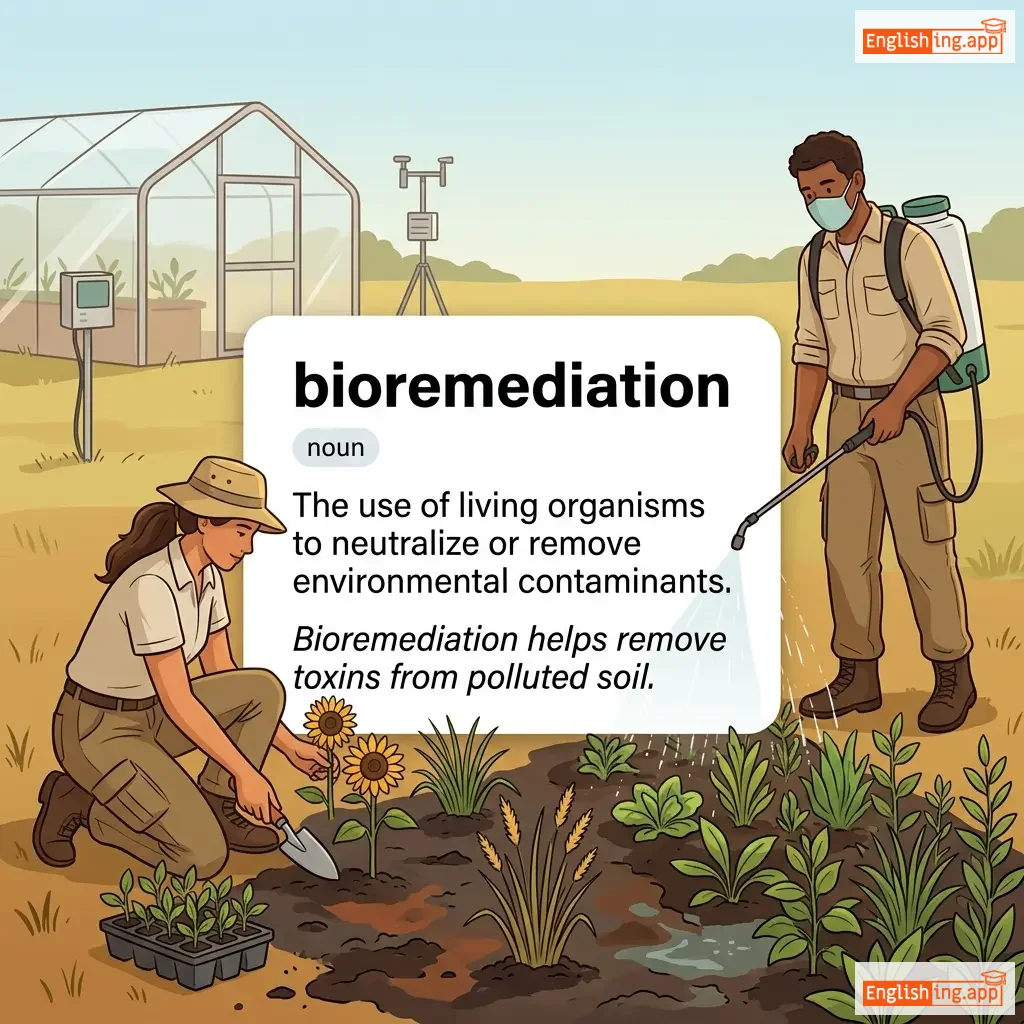
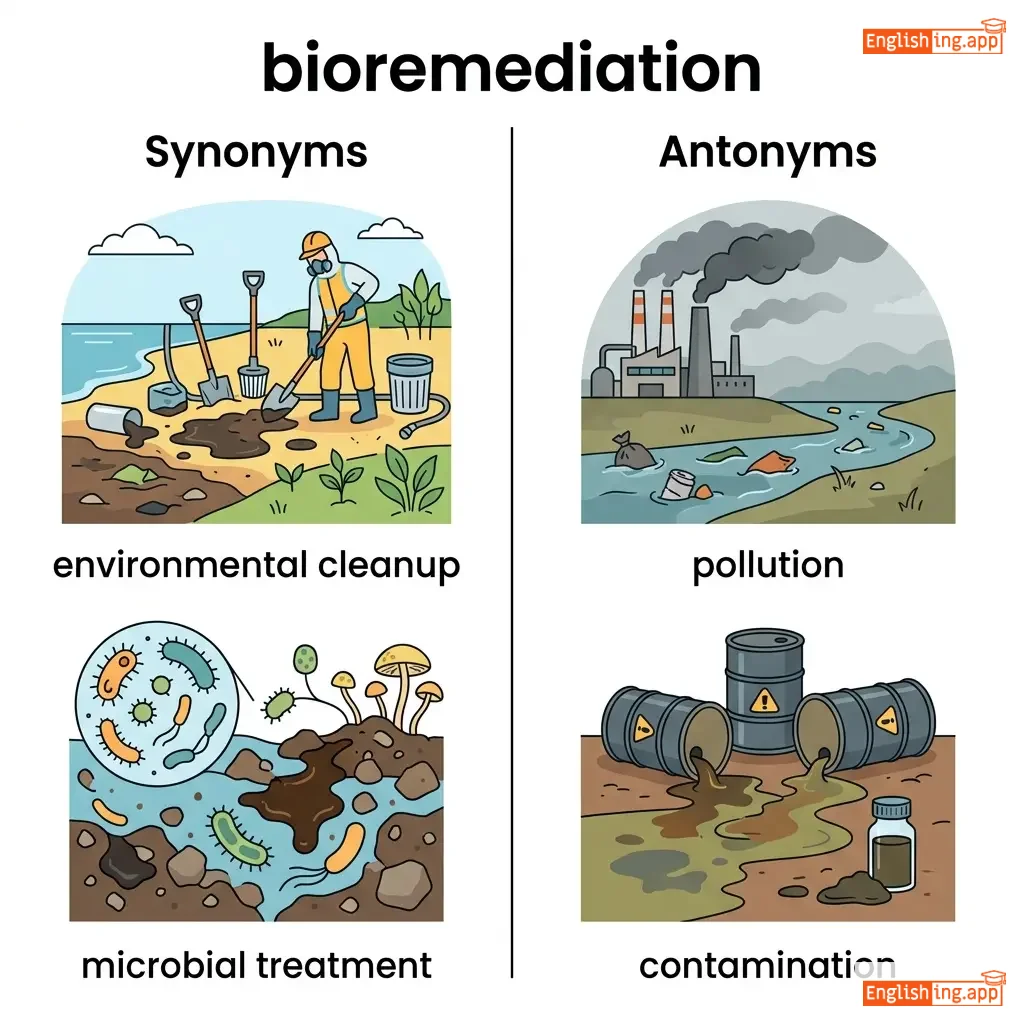
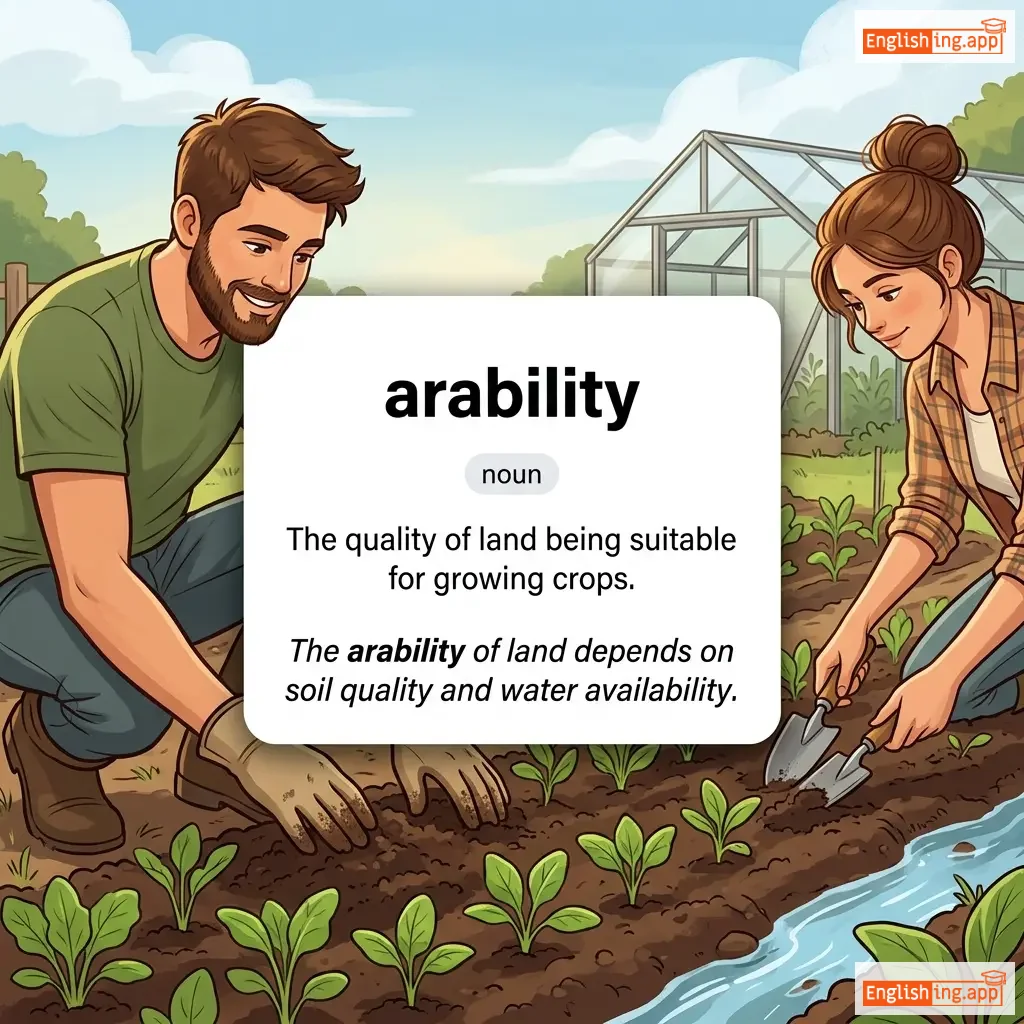
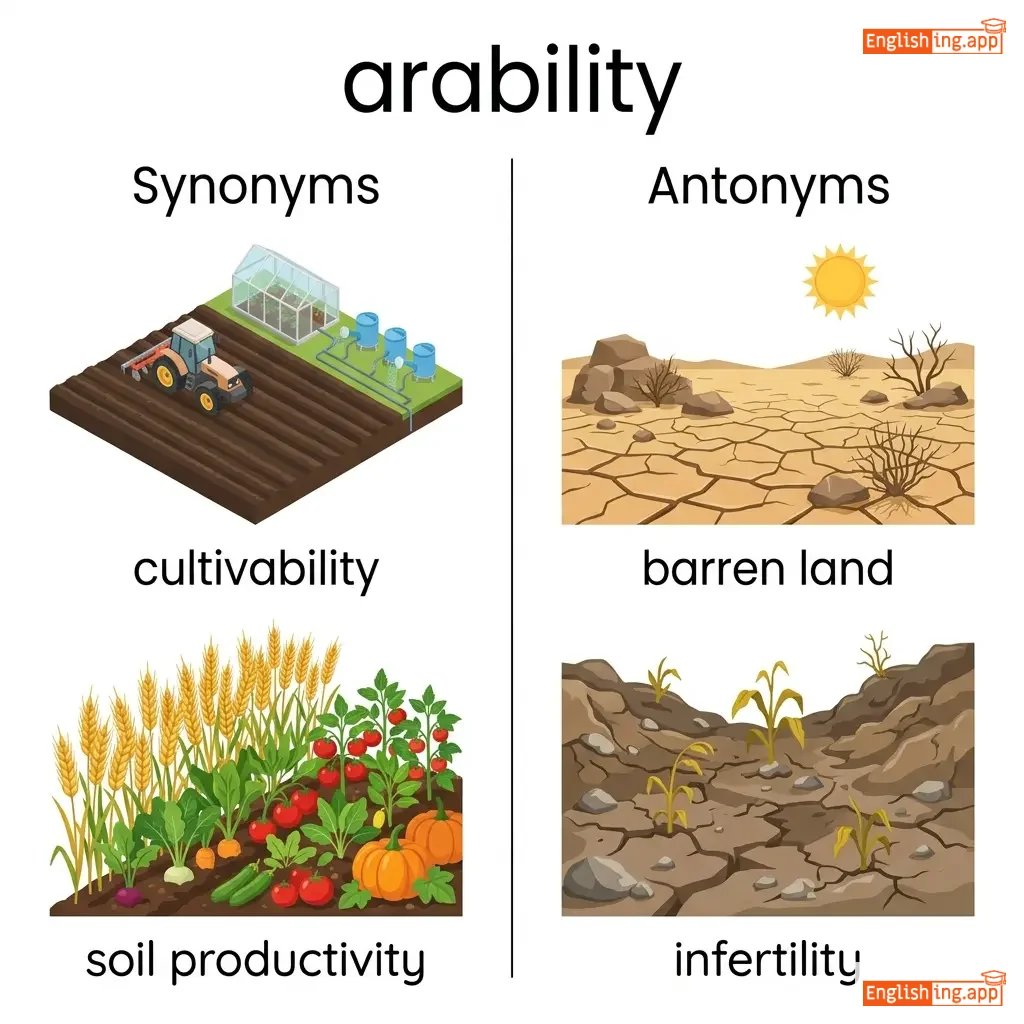
自然の erosion と degradation は土壌の質を損なう可能性があります。しかし、composting と bioremediation 方法によって、土壌の arability を回復することができます。
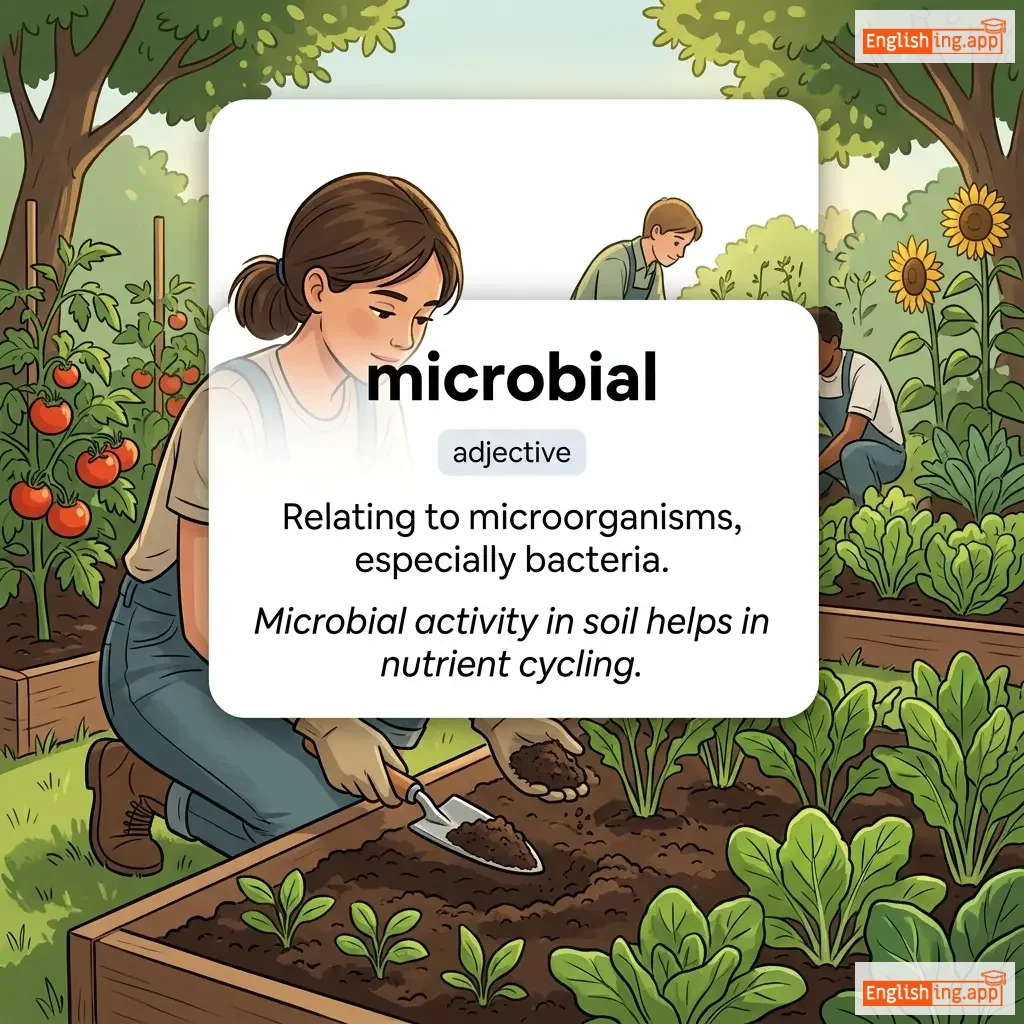
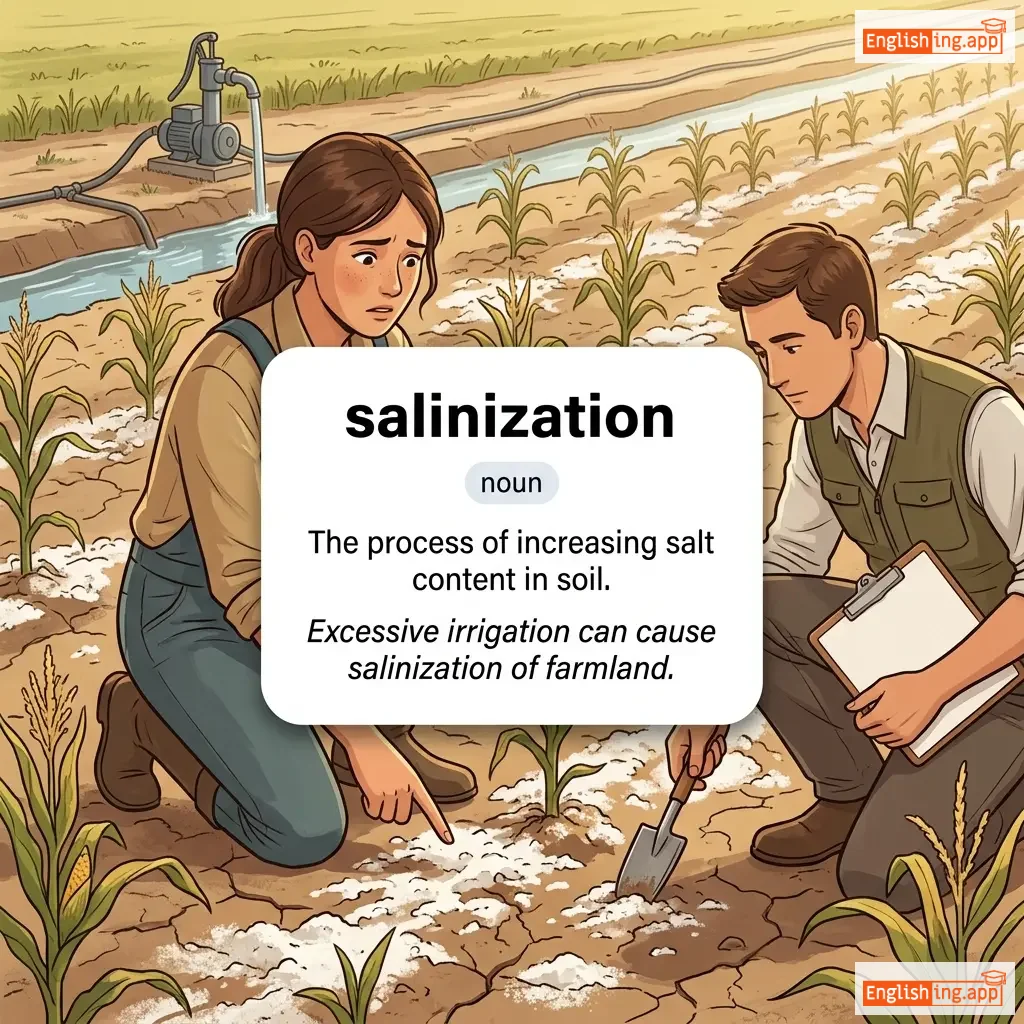
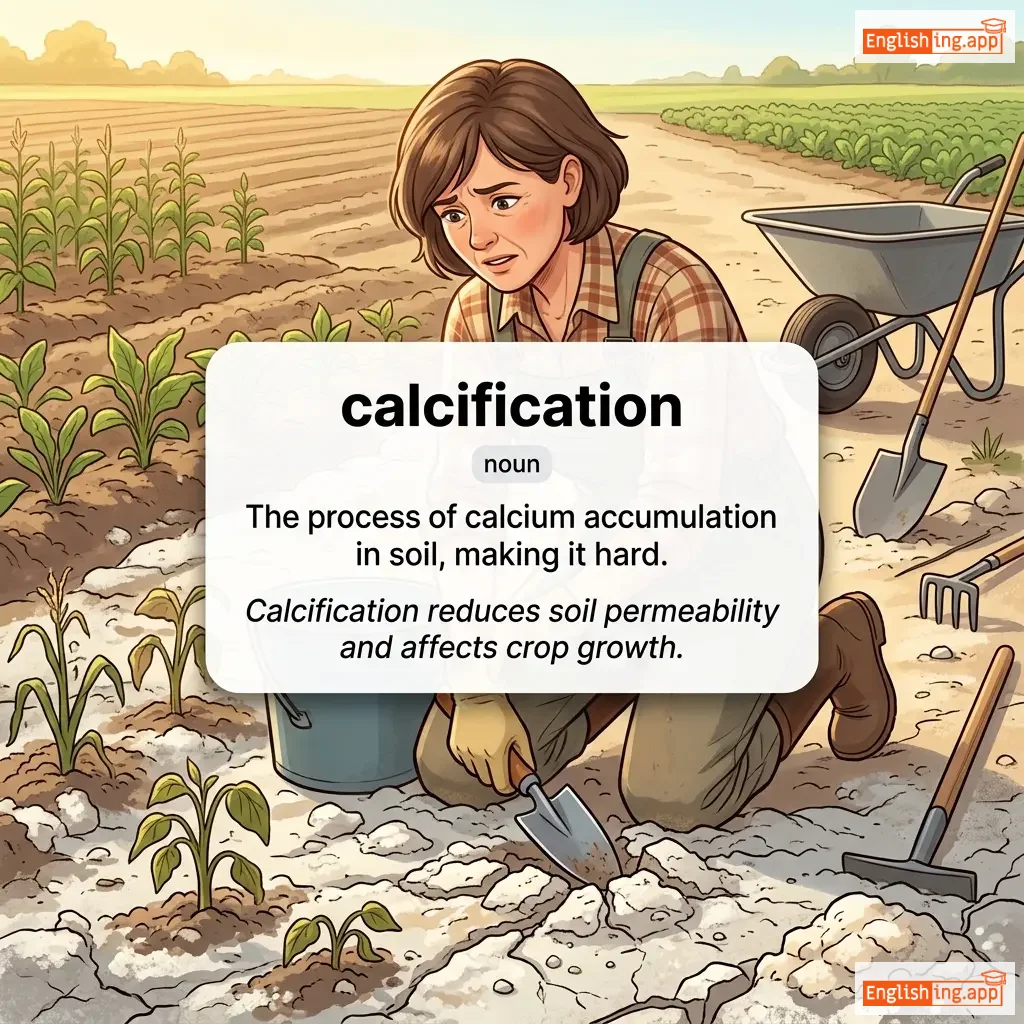
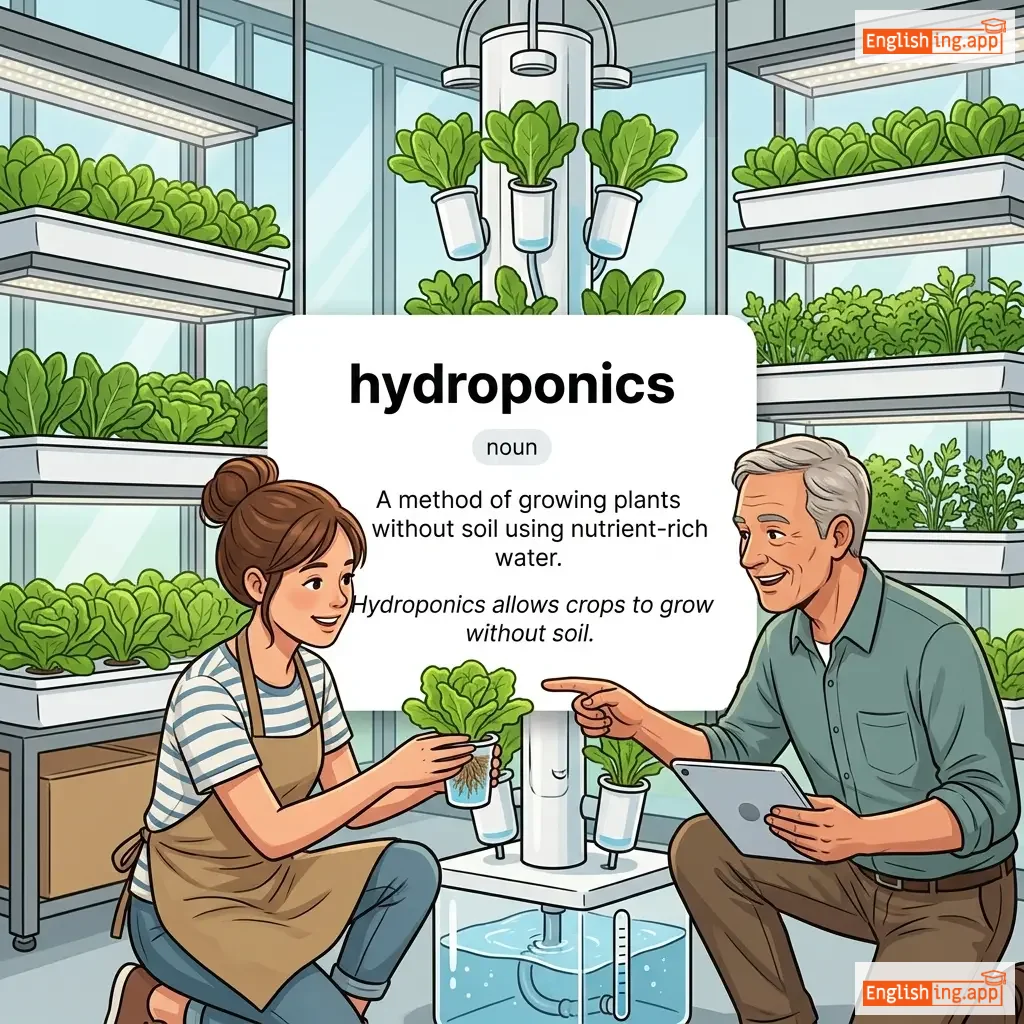
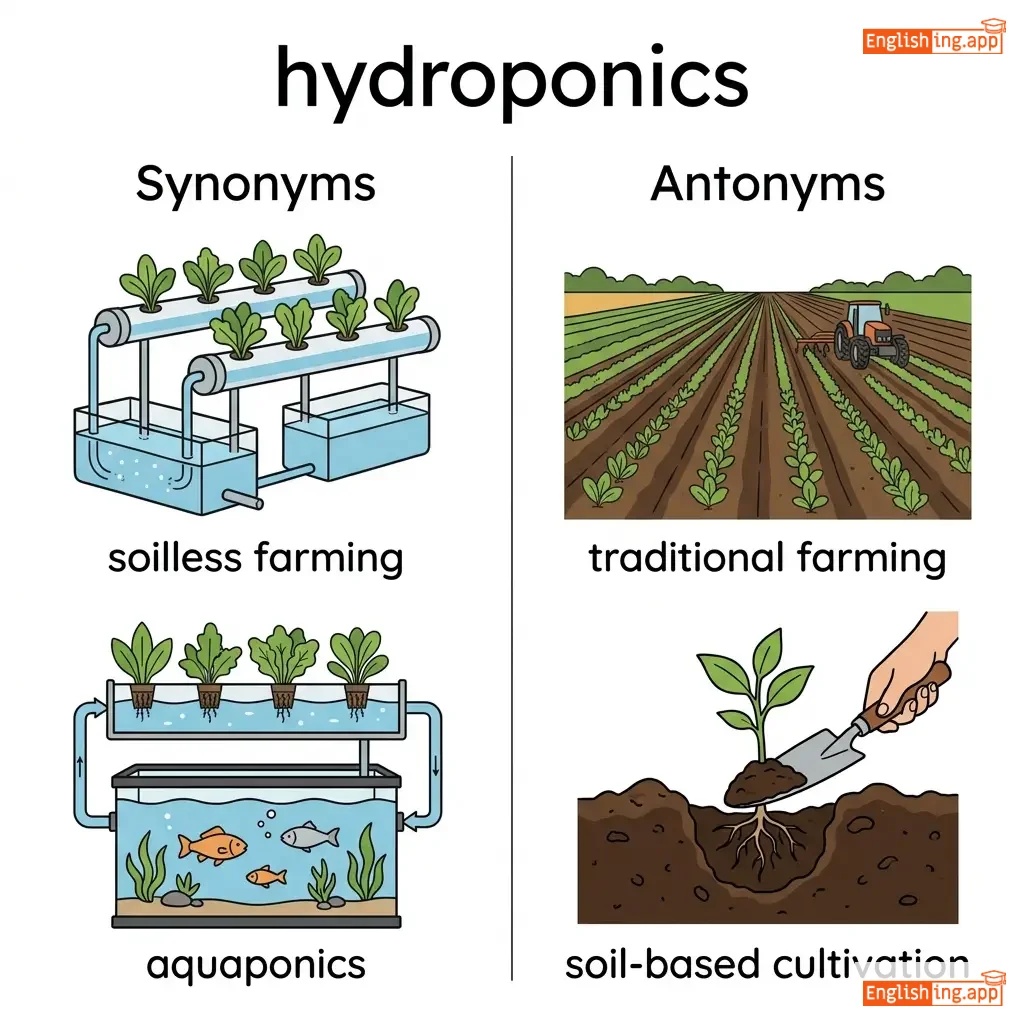
土壌中の microbial 活動は作物の成長を助けます。Pedology の専門家は、土壌が高い cation-exchange 能力を持っていれば、土壌がより肥沃になると言います。いくつかの地域では、salinization と calcification が土壌の質を損ないます。したがって、hydroponics は土壌の代わりに栄養豊富な水を使用する代替手段となる可能性があります。
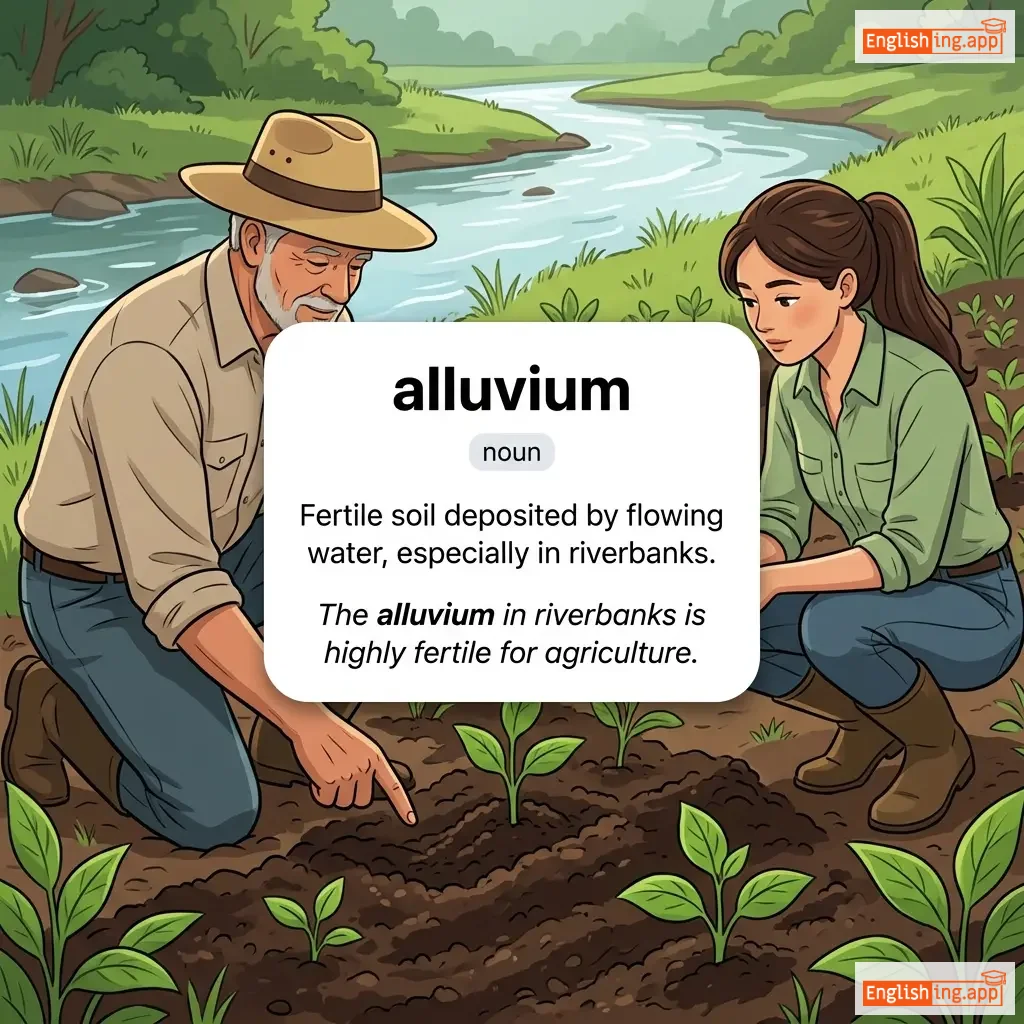
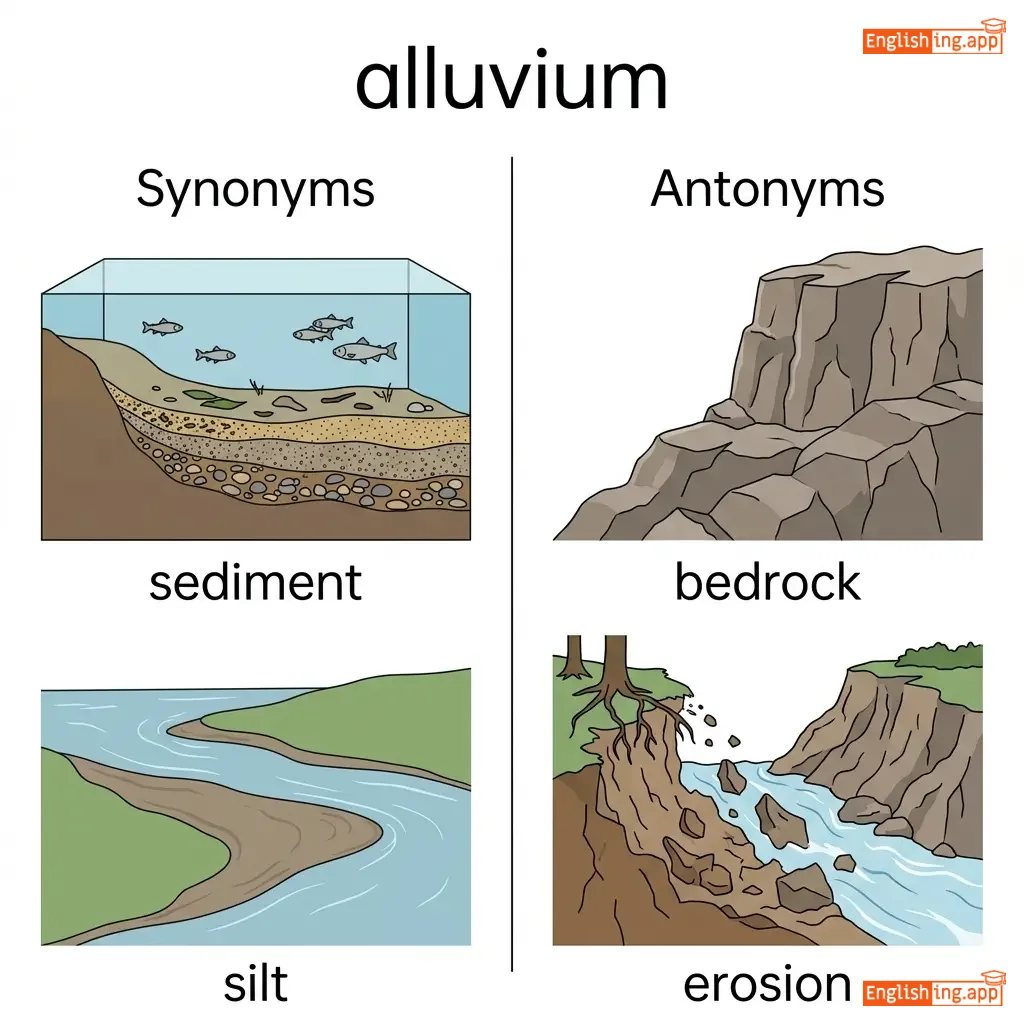
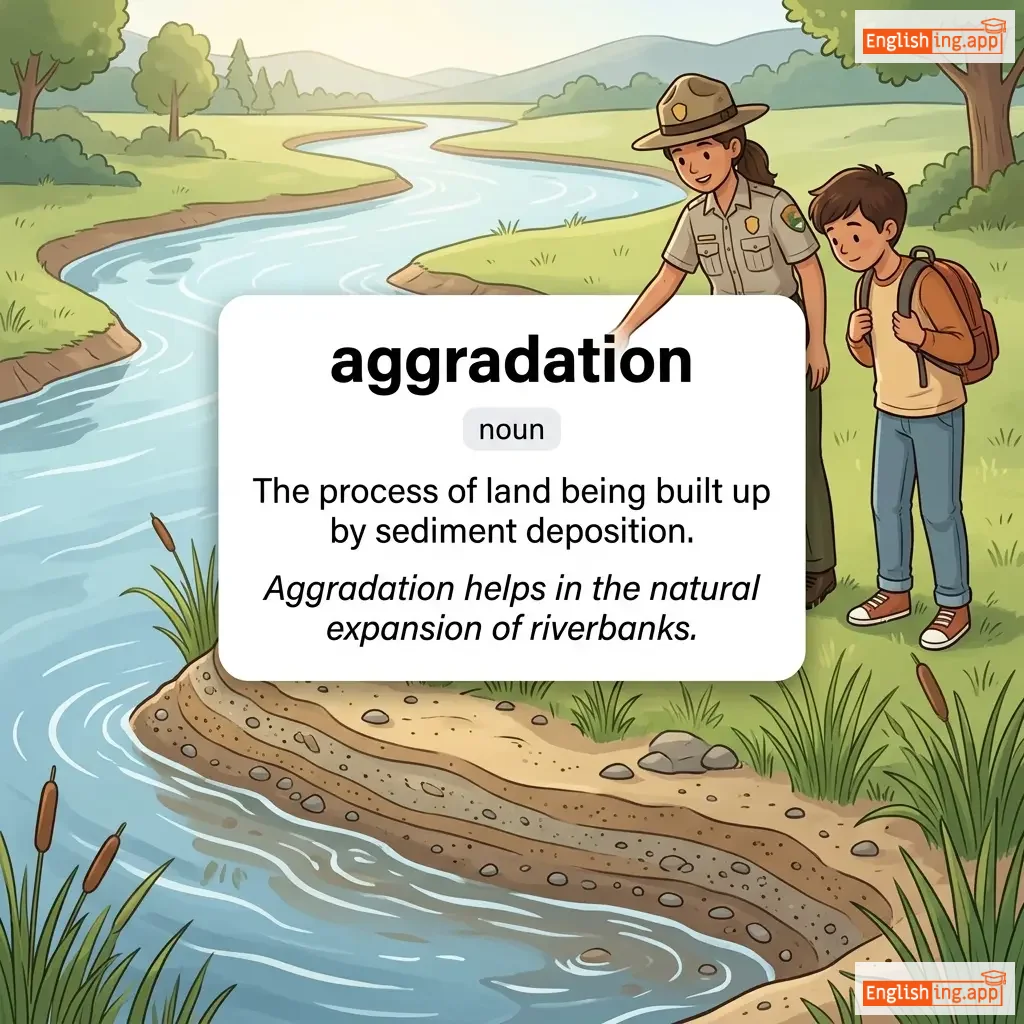
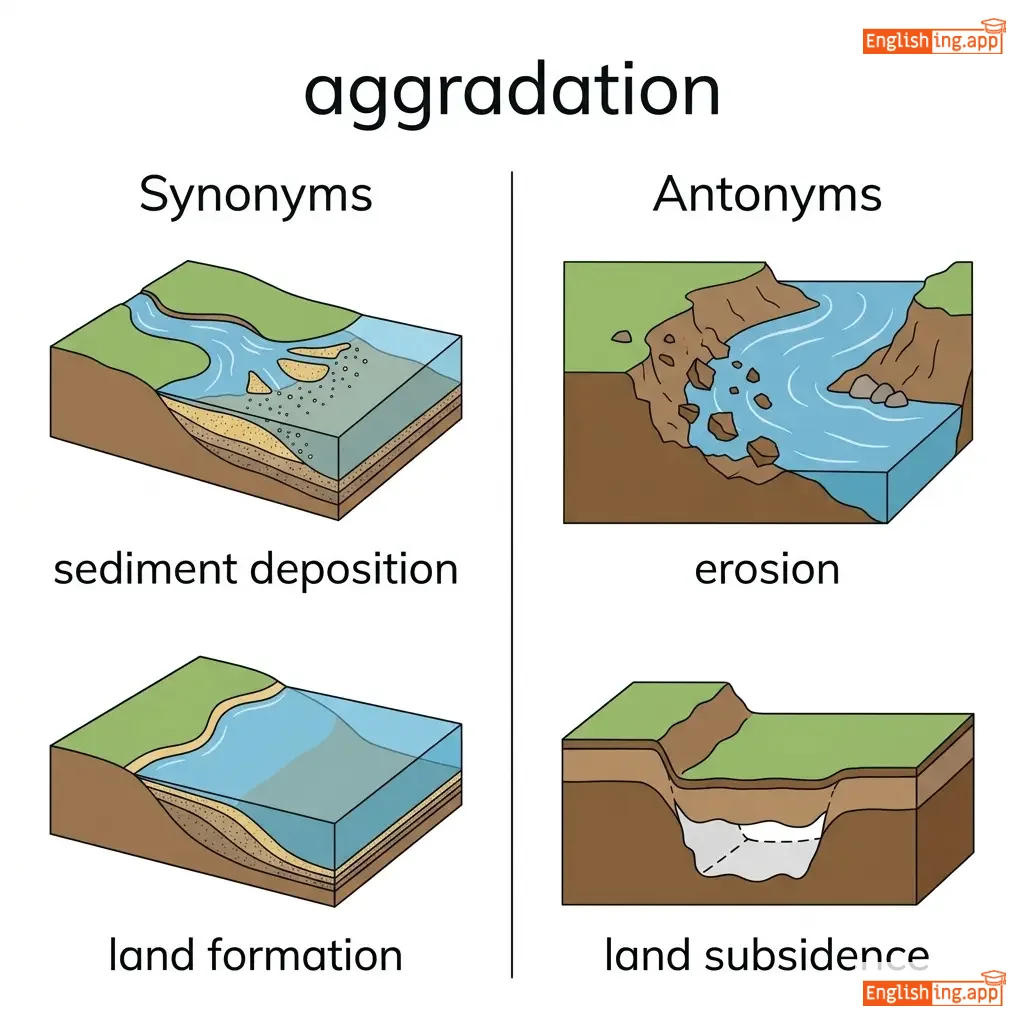
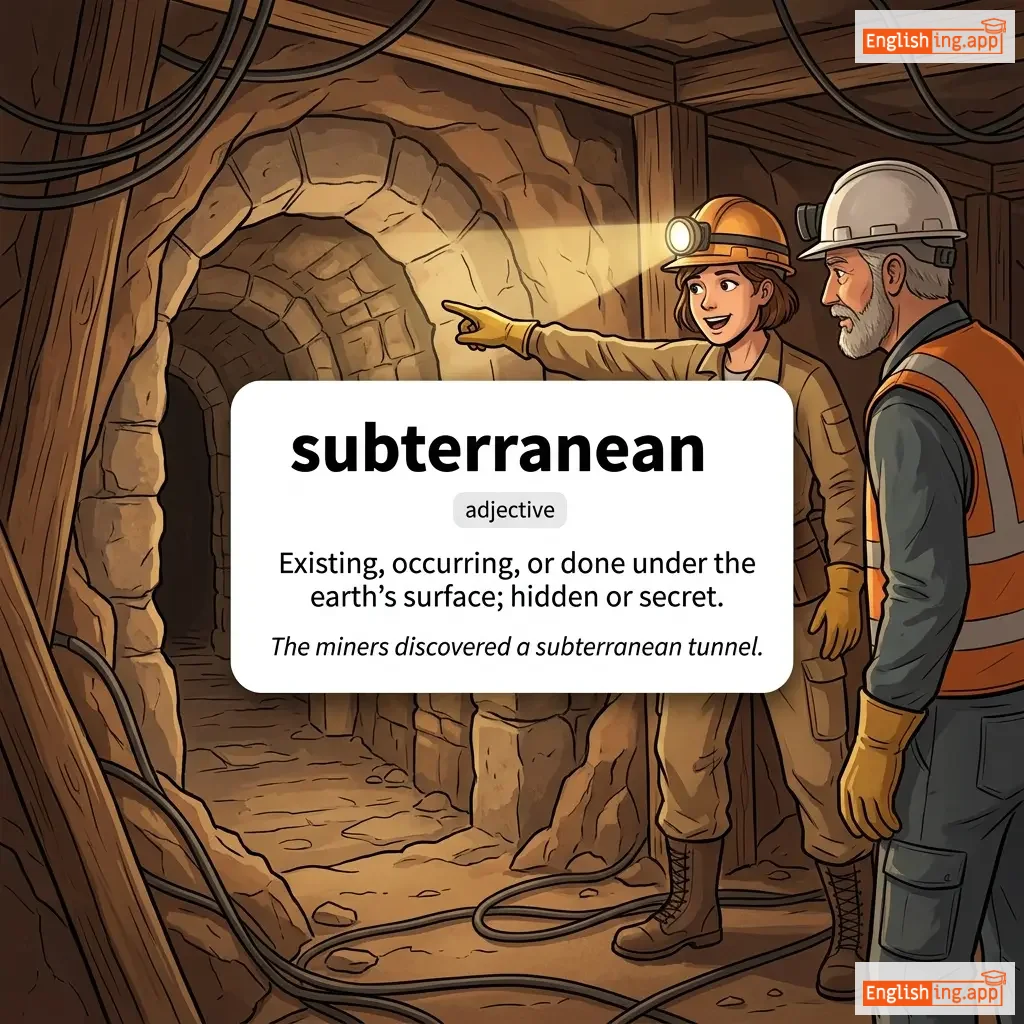
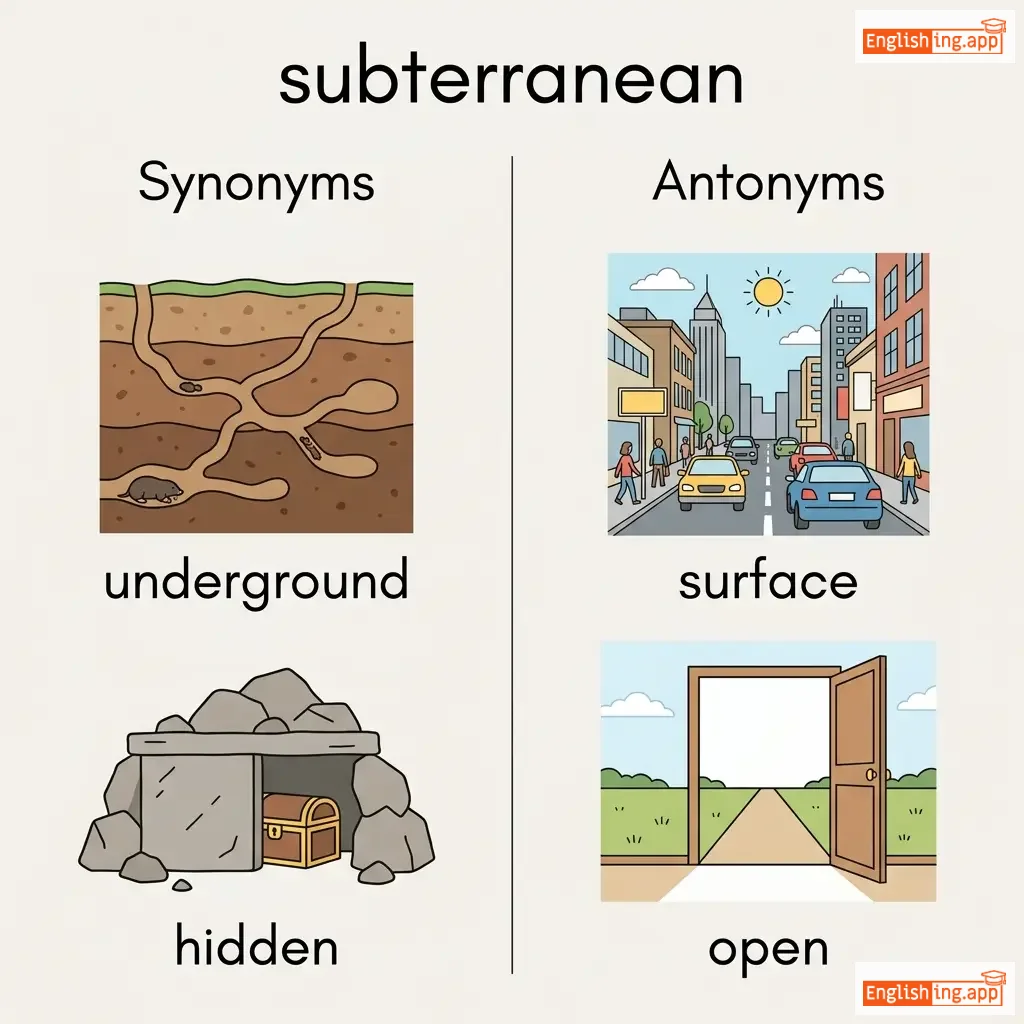
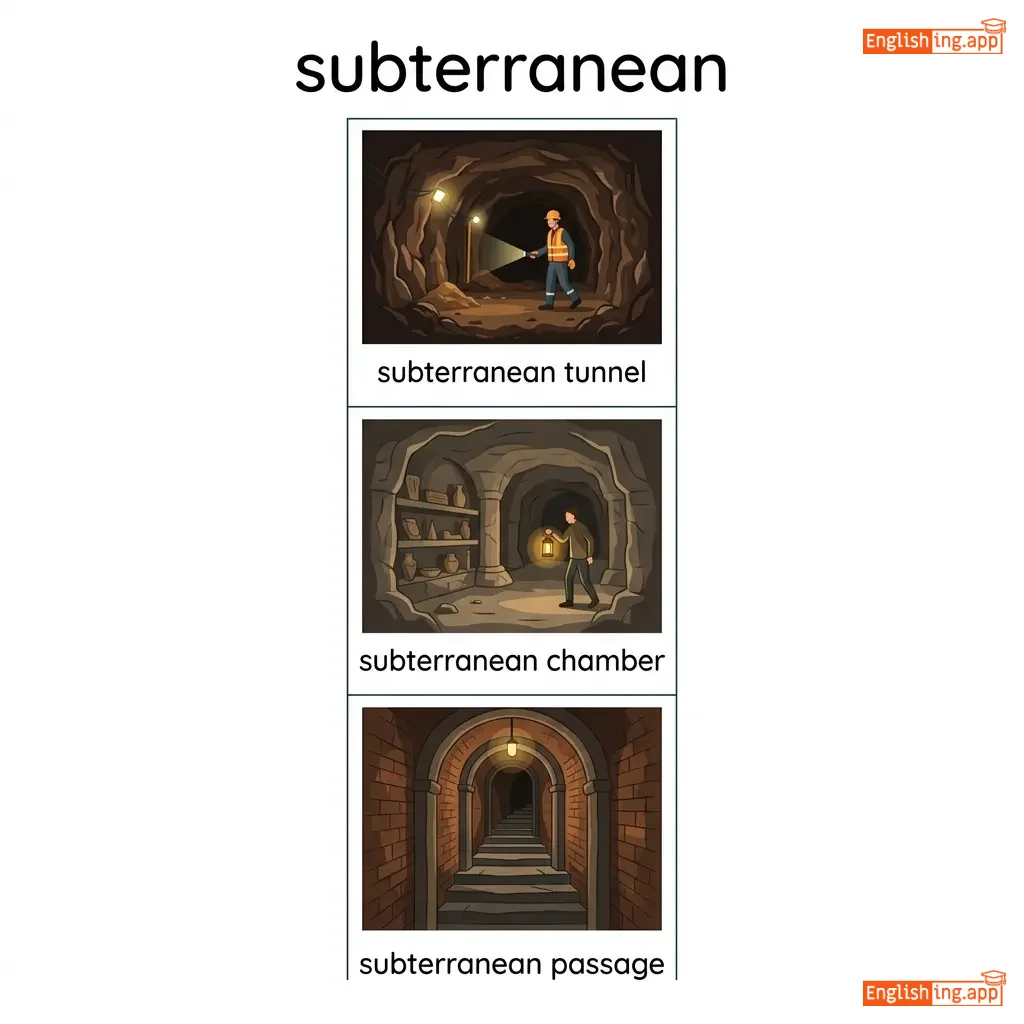
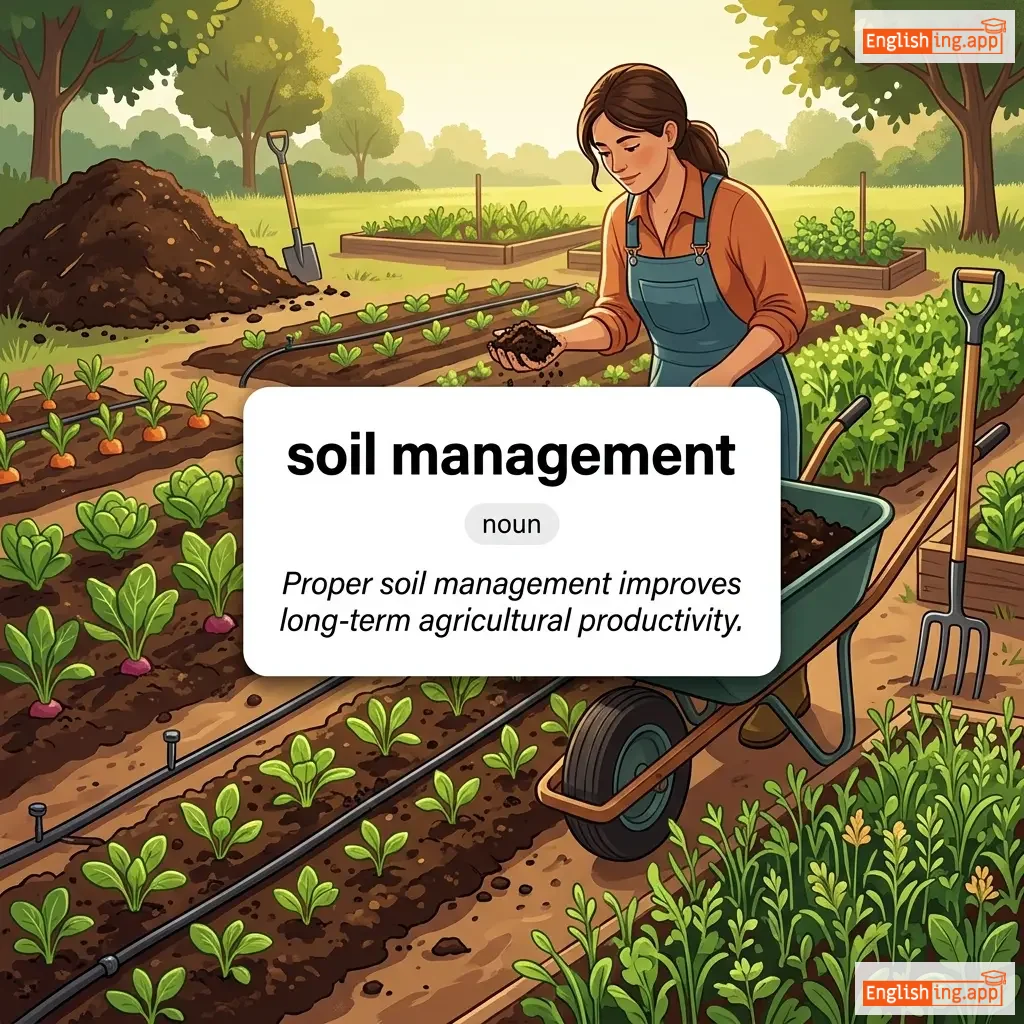
毎年 alluvium が蓄積し、土壌の aggradation を増加させ、humification プロセスを通じて、有機物が subterranean 層で土壌を豊かにします。したがって、農業における適切な soil management を確保することは非常に重要です。
翻訳
過去
過去分詞
三人称単数
動名詞
意味
例文
例文の翻訳
同義語
対義語
コロケーション
ニーモニック

Swipe left or right, or use the buttons. Tap image to zoom.
例文の翻訳
単語
The Role of Soil in FarmingThe Role of Soil in Farming - マスクトグル
|
絵文字
|
単語 | Images | 翻訳 | 意味 | 例文 | 例文の翻訳 | 同義語 | 対義語 | ニーモニック |
|---|---|---|---|---|---|---|---|---|---|
|
#3629
🌱
|
/sɔɪl/
noun
(ソイル)
••••••
|
|
土壌
dojou
••••••
|
The upper layer of earth's surface where plants grow.
••••••
|
Farmers depend on soil quality for good crop yields.
農家は良い作物の収穫のために土壌の品質に依存している。
••••••
|
農家は良い作物の収穫のために土壌の品質に依存している。
Nouka wa yoi sakubutsu no shuukaku no tame ni dojou no hinshitsu ni izon shite iru.
••••••
|
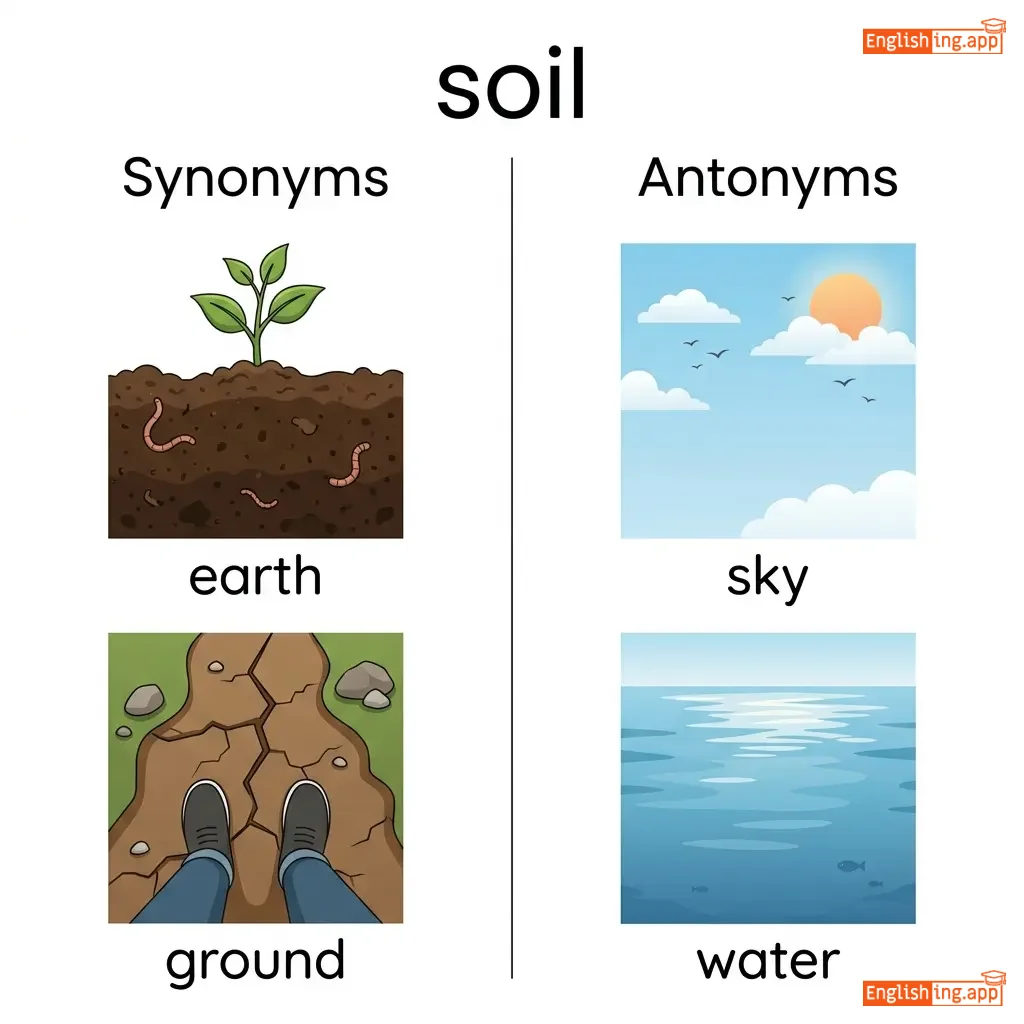
earth, ground, dirt
••••••
|
rock, barren land, concrete
••••••
|
Soil = So i ru, 土壌 dojou, roots Grow In the Ground
••••••
|
|
#3630
🌾
|
/fɜːˈtɪl.ɪ.ti/
noun
(fɛʁˈtɪlɪti)
••••••
|
|
肥沃
hiyoku
••••••
|
The ability of soil to produce crops or vegetation.
••••••
|
Proper crop rotation maintains soil fertility.
適切な作物の輪作は土壌の肥沃さを保ちます。
••••••
|
適切な作物の輪作は土壌の肥沃さを保ちます。
Tekisetsu na sakumotsu no rensaku wa dojō no hiyokusa o tamochimasu.
••••••
|
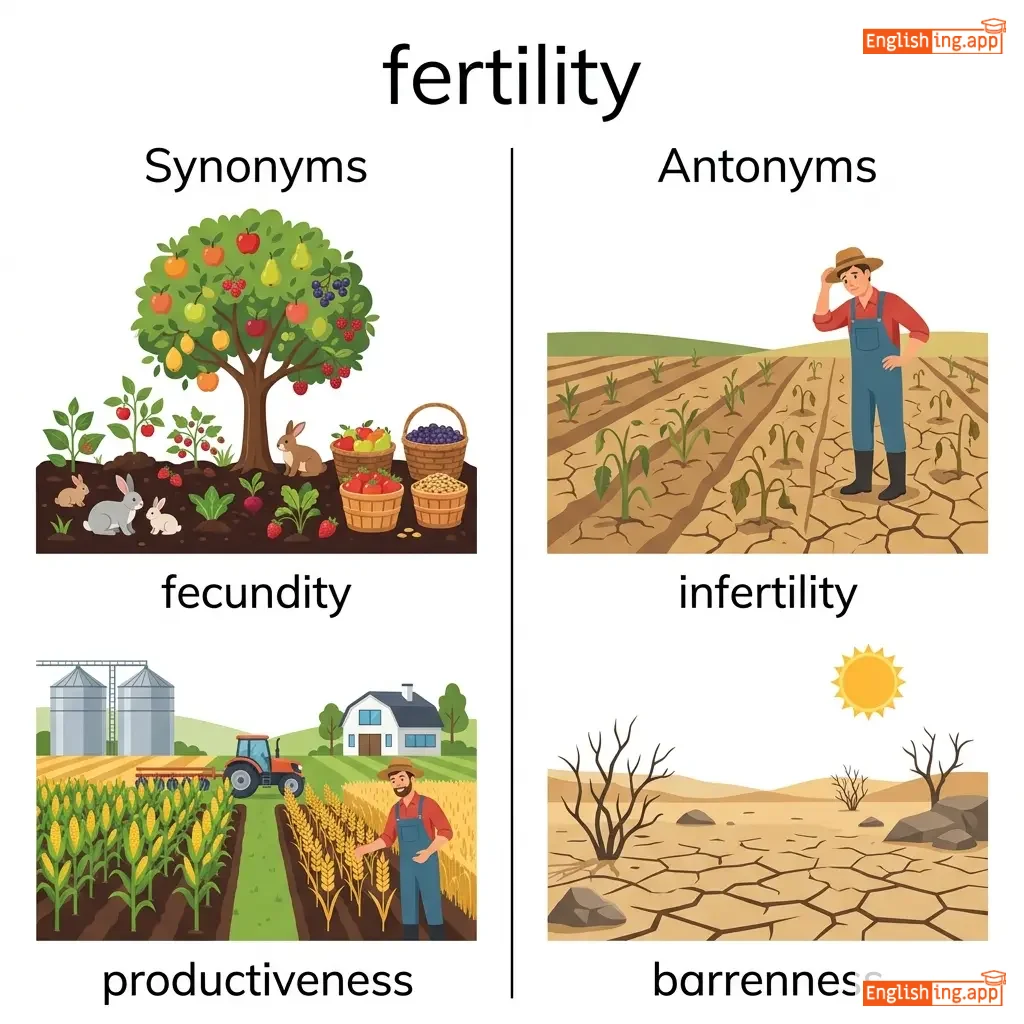
productivity, soil richness, fruitfulness
••••••
|
infertility, barren, depletion
••••••
|
肥沃とは土壌が作物を育てる能力です。
••••••
|
|
#3631
🏞️
|
/loʊm/
noun
(ローム)
••••••
|
|
肥沃な粘土質土壌
hiwaku na nendo-shitsu dojou
••••••
|
Fertile soil mixture of sand, clay, and organic matter.
••••••
|
Loam soil is ideal for agriculture due to its nutrient content.
ローム土壌は、その栄養素の含有量のため、農業に最適です。
••••••
|
ローム土壌は、その栄養素の含有量のため、農業に最適です。
Rōmu dojou wa, sono eiyōso no ganiyō-ryō no tame, nōgyō ni saiteki desu.
••••••
|
rich soil, humus, clayey sand
••••••
|
dry soil, infertile ground, hard clay
••••••
|
Loam = 農業に最適な土壌
••••••
|
|
#3632
🧪
|
/ˈnuː.tri.ənt/
noun
(nyuutoriento)
••••••
|
|
栄養素
eiyouso
••••••
|
A substance that provides nourishment essential for growth and health of plants or animals.
••••••
|
Plants absorb nutrients from the soil for growth.
植物は成長のために土壌から栄養素を吸収します。
••••••
|
植物は成長のために土壌から栄養素を吸収します。
Shokubutsu wa seichou no tame ni dojo kara eiyouso o kyushushimasu.
••••••
|
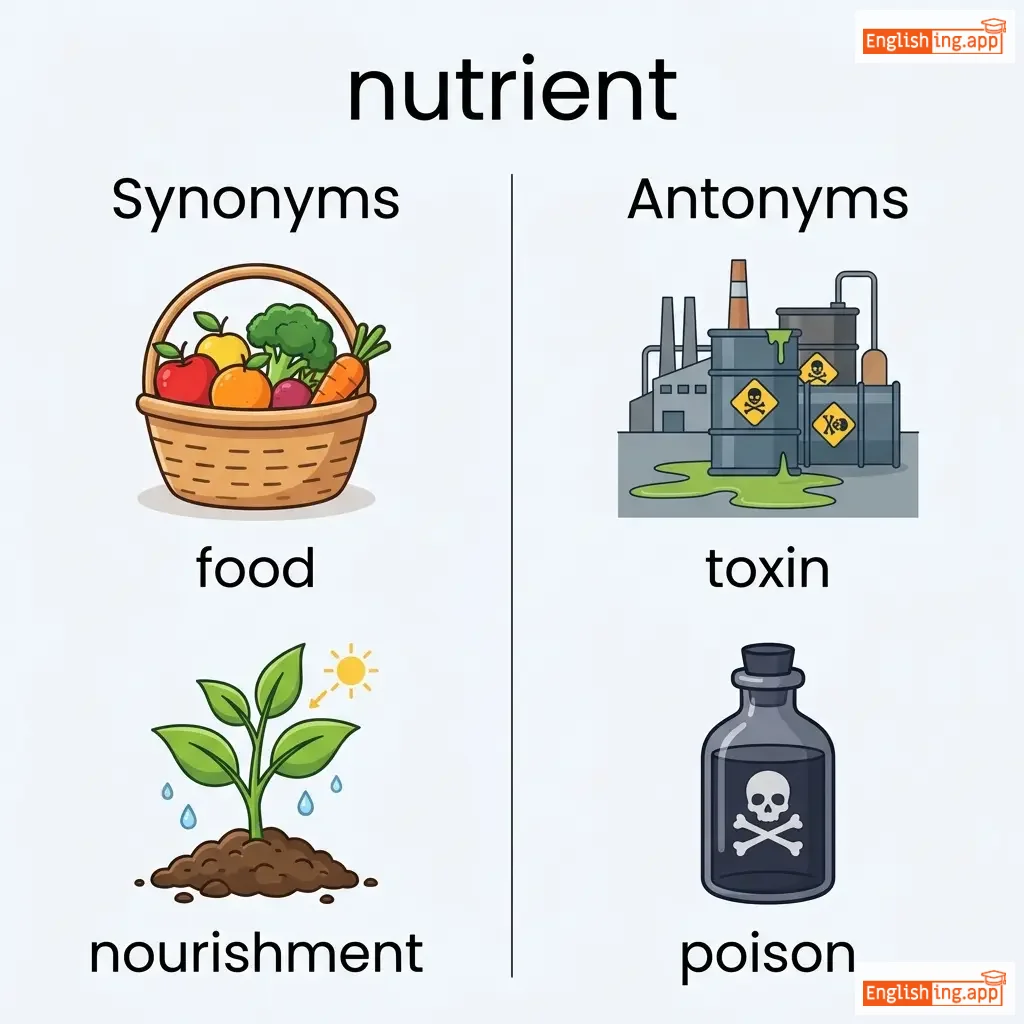
minerals, vitamins, elements
••••••
|
deficiency, toxin, waste
••••••
|
栄養素 (nutrient) は植物の成長に不可欠です。
••••••
|
|
#3633
💧
|
/ˌɪn.fɪlˈtreɪ.ʃən/
noun
(インフィルトレーション)
••••••
|
|
浸透
infirutoreeshon
••••••
|
The process by which water on the ground surface enters the soil.
••••••
|
Good soil structure promotes infiltration of rainwater.
適切な土壌構造は雨水の浸透を促進する。
••••••
|
適切な土壌構造は雨水の浸透を促進する。
good soil structure promotes infiltration of rainwater
••••••
|
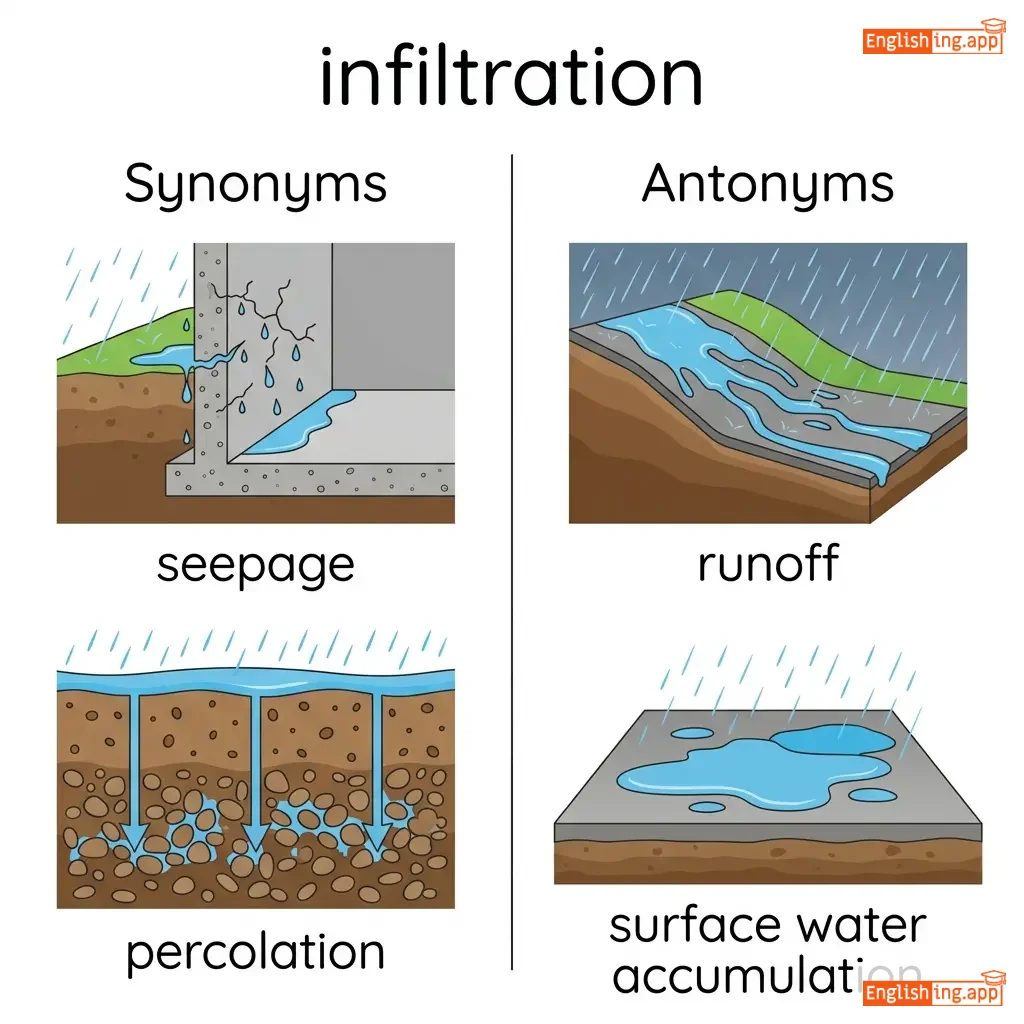
seepage, percolation, absorption
••••••
|
runoff, surface water accumulation, waterlogging
••••••
|
IN + FI + ル + トレーション: imagine rainwater seeping into 土壌 through a filter; 土壌へ雨水がじわりと浸透するイメージ
••••••
|
|
#3634
🌊
|
/ɪˈroʊ.ʒən/
noun
(エロージョン)
••••••
|
|
浸食
shinsoku
••••••
|
The process of eroding or being eroded by wind, water, or other natural agents.
••••••
|
Deforestation increases erosion in hilly areas. |
森林伐採は山岳地帯での浸食を悪化させます。
Shinrin bassai wa sangaku chitai de no shinsoku o akka sasemasu.
••••••
|
degradation, wear, displacement
••••••
|
deposition, stability, preservation
••••••
|
浸食は自然の力で土地が削られる過程です。
••••••
|
|
#3635
📉
|
/ˌdɛɡ.rəˈdeɪ.ʃən/
noun
(劣化)
••••••
|
|
劣化
rekka
••••••
|
The condition or process of degrading or being degraded.
••••••
|
Soil degradation reduces agricultural productivity.
土壌劣化は農業生産性を低下させます。
••••••
|
土壌劣化は農業生産性を低下させます。
Dojo rekka wa nogyo seisantachi wo teika sasemasu.
••••••
|
deterioration, decline, decay
••••••
|
improvement, restoration, enhancement
••••••
|
劣化 = 質の低下、土地が悪化するように。
••••••
|
|
#3636
♻️
|
/ˈkɒm.pɒ.stɪŋ/
noun
(コンポスティング)
••••••
|
|
コンポスト化
konposuto-ka
••••••
|
The controlled decomposition of organic matter to produce fertilizer.
••••••
|
Composting reduces waste and enhances soil fertility.
コンポスティングは廃棄物を減らし、土壌の肥沃度を高めます。
••••••
|
コンポスティングは廃棄物を減らし、土壌の肥沃度を高めます。
Konposutingu wa haikibutsu o herashi, dojo no hiwaku-do o takamemasu.
••••••
|
organic recycling, decomposition, fertilization
••••••
|
waste, landfilling, chemical fertilization
••••••
|
Composting reduces waste and improves soil fertility, like making natural fertilizer.
••••••
|
|
#3637
🦠
|
/ˌbaɪ.oʊ.rɪˌmiː.diˈeɪ.ʃən/
noun
(バイオリメディエーション)
••••••
|
|
バイオレメディエーション
baioremediēshon
••••••
|
The use of living organisms to neutralize or remove environmental contaminants.
••••••
|
Bioremediation helps remove toxins from polluted soil. |
バイオレメディエーションは汚染された土壌から毒素を取り除くのに役立ちます。
Baioremediēshon wa osen sareta dojou kara dokuso o torinozoku no ni yakudachimasu.
••••••
|
environmental cleanup, microbial treatment, ecological restoration
••••••
|
pollution, contamination, toxin accumulation
••••••
|
バイオレメディエーションで自然の力を借りて土壌をきれいにする。
••••••
|
|
#3638
🌾
|
/ˌær.əˈbɪl.ɪ.ti/
noun
(アラビリティ)
••••••
|
|
耕作能力
kōsaku nōryoku
••••••
|
The quality of land being suitable for growing crops.
••••••
|
The arability of land depends on soil quality and water availability.
土地のアラビリティは土壌の質と水の利用可能性に依存しています。
••••••
|
土地の耕作能力は土壌の質と水の利用可能性に依存しています。
Tochi no kōsaku nōryoku wa dojo no shitsu to mizu no riyō kanō-sei ni izon shiteimasu.
••••••
|
cultivability, soil productivity, farmability
••••••
|
barren land, infertility, unsuitability
••••••
|
農作物の栽培に適した土地の品質を想像してください。
••••••
|
|
#3639
🔬
|
/maɪˈkroʊ.bi.əl/
adjective
(微生物の)
••••••
|
|
微生物に関連する
biseibutsu ni kanren suru
••••••
|
Relating to microorganisms, especially bacteria.
••••••
|
Microbial activity in soil helps in nutrient cycling. |
土壌中の微生物活動は栄養素の循環に役立ちます。
Dojo-chu no biseibutsu katsudō wa eiyōso no junkan ni yakudachimasu.
••••••
|
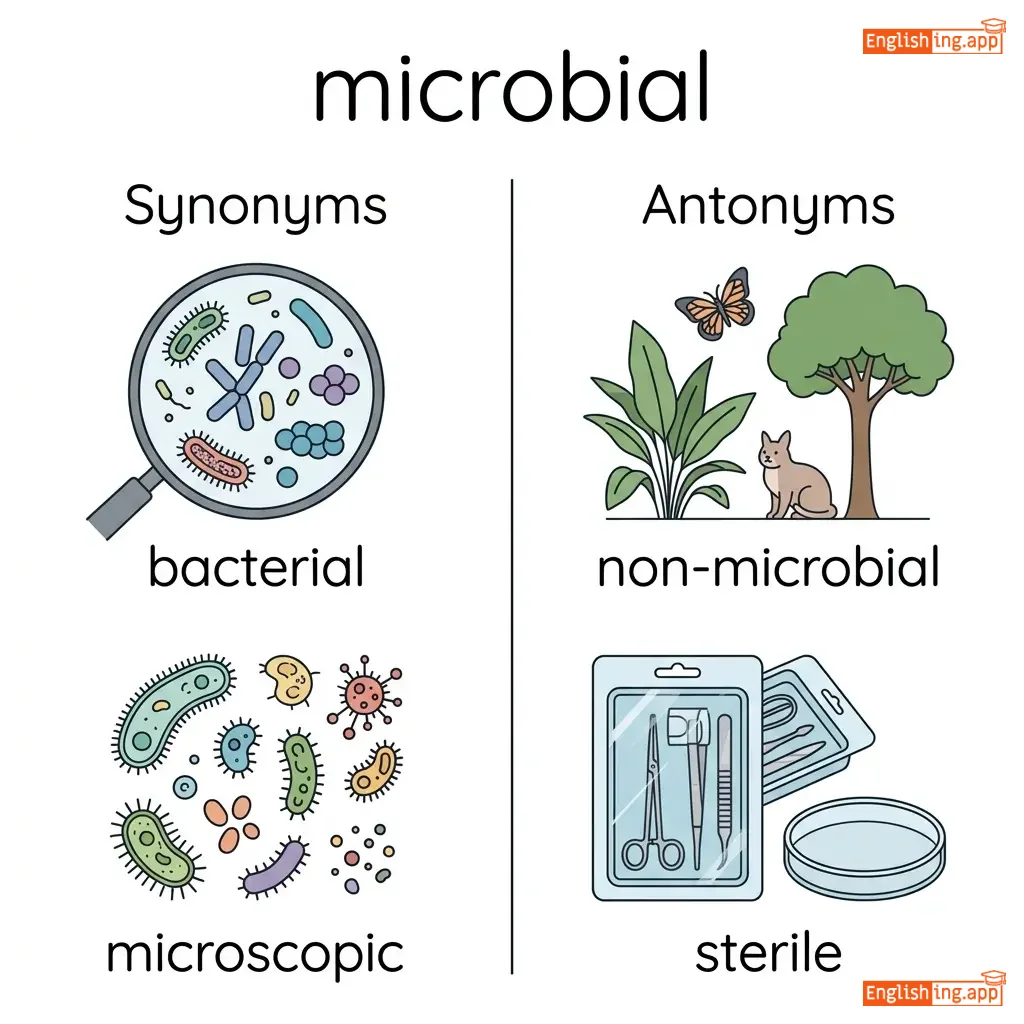
bacterial, microscopic, microorganismic
••••••
|
non-microbial, sterile, macro-organismic
••••••
|
微生物が土壌中の栄養素の循環に貢献しています。
••••••
|
|
#3640
🧑🔬
|
/pɪˈdɒl.ə.dʒi/
noun
(ペドロジー)
••••••
|
|
土壌学
dojōgaku
••••••
|
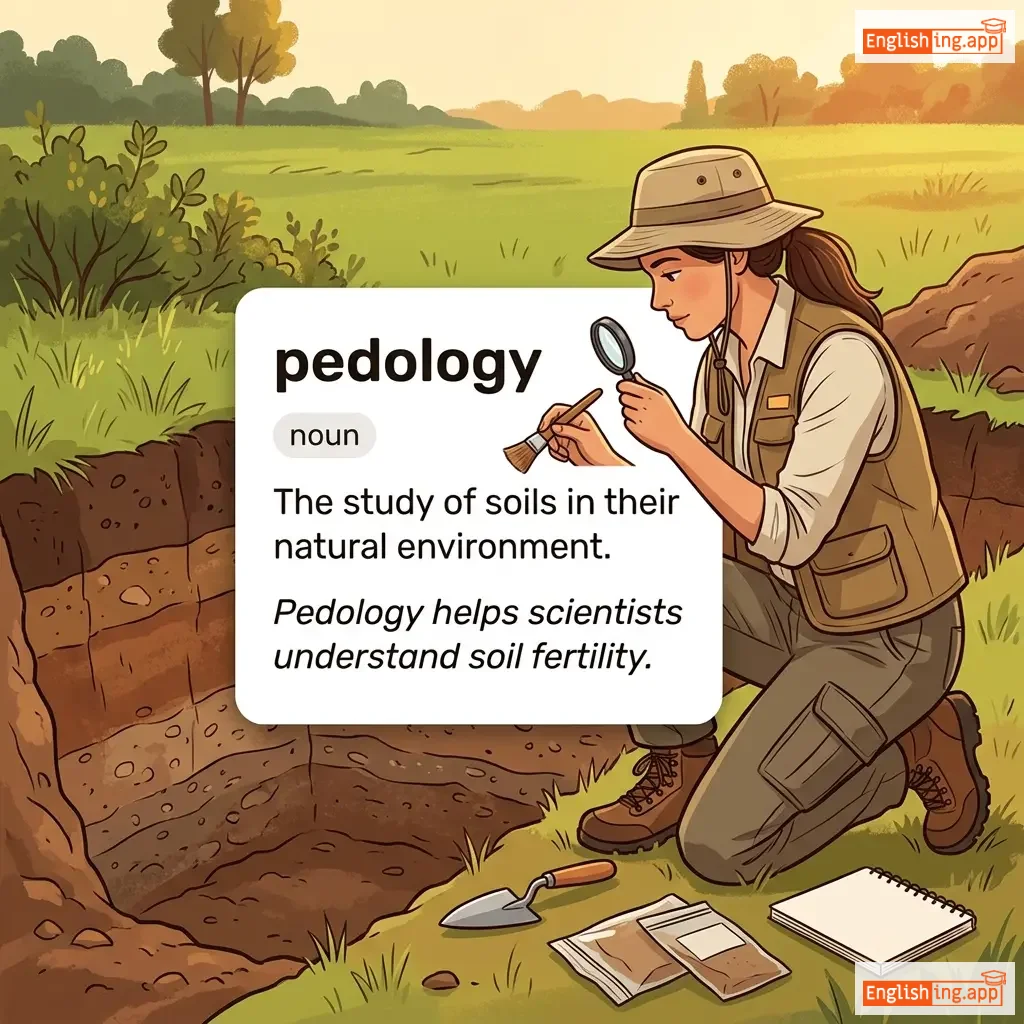
The study of soils in their natural environment.
••••••
|
Pedology helps scientists understand soil fertility. |
ペドロジーは科学者が土壌の肥沃さを理解するのに役立ちます。
Pedorojī wa kagakusha ga dojō no hiyokusa o rikai suru no ni yakudachimasu.
••••••
|
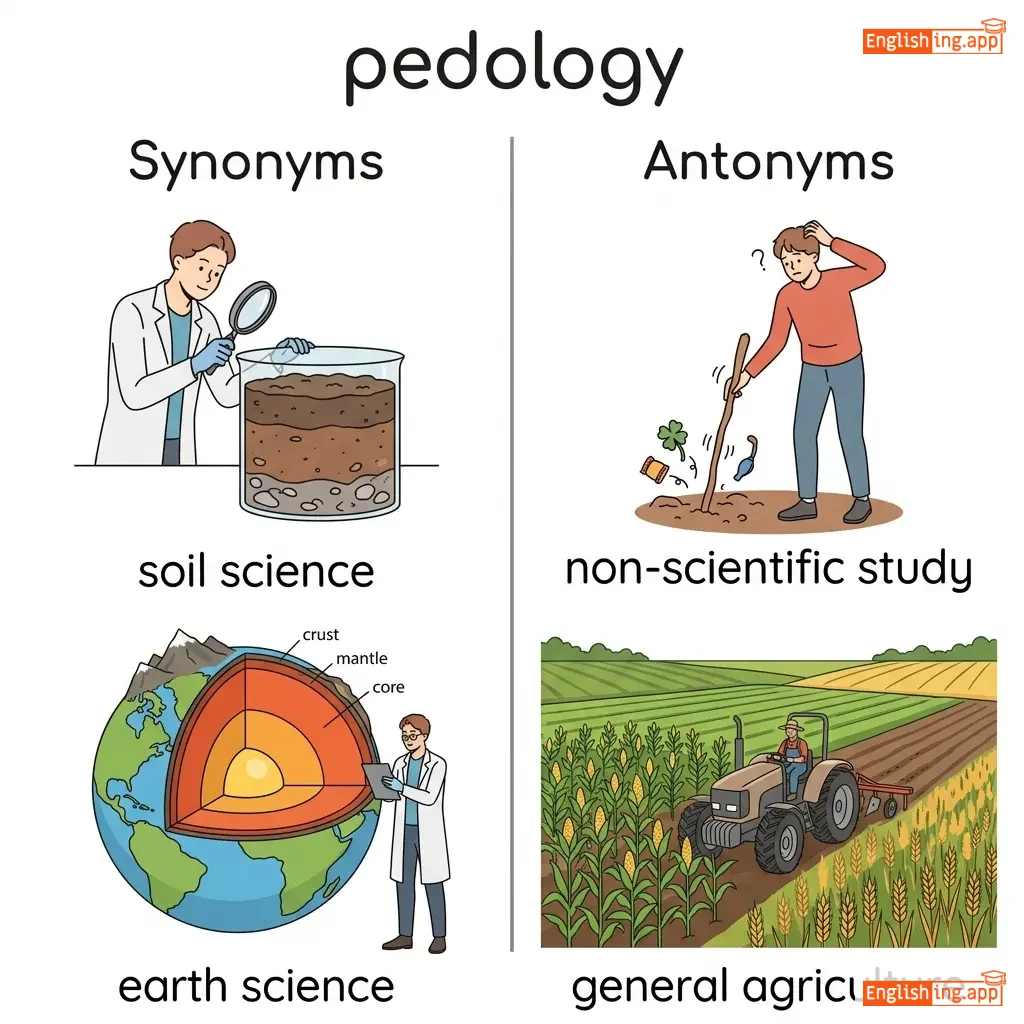
soil science, earth science, geology
••••••
|
non-scientific study, general agriculture
••••••
|
ペドロジー = 土壌学で土壌の肥沃さを理解
••••••
|
|
#3641
⚗️
|
/ˈkæt.aɪ.ɒn ɪksˌtʃeɪndʒ/
noun
(カチオンエクスチェンジ)
••••••
|
|
陽イオン交換
kachionekusuchenji
••••••
|
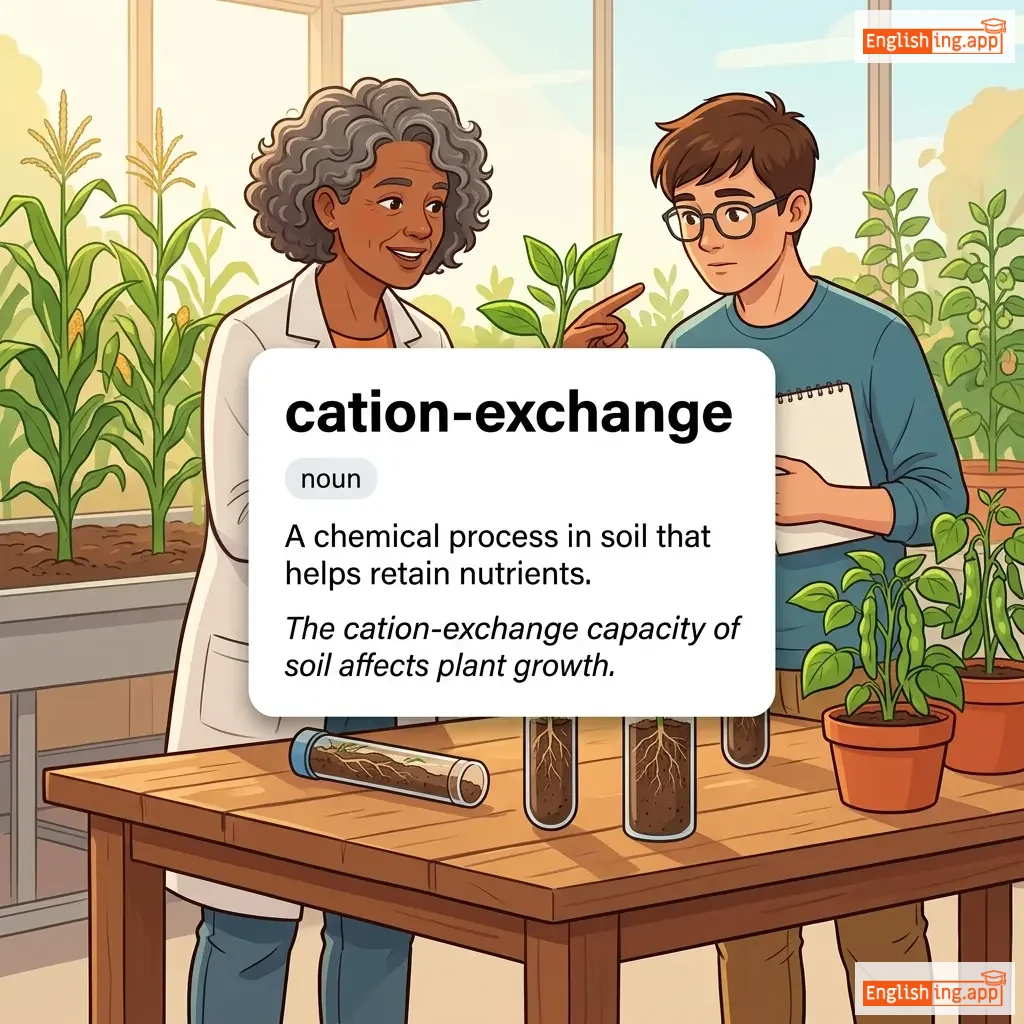
A chemical process in soil that helps retain nutrients.
••••••
|
The cation-exchange capacity of soil affects plant growth.
土壌の陽イオン交換容量は植物の成長に影響を与える。
••••••
|
土壌の陽イオン交換容量は植物の成長に影響を与える。
dojou no youion koukan youryo wa shokubutsu no seicho ni eikyou o ataeru
••••••
|
ion-exchange, soil chemistry, nutrient retention
••••••
|
nutrient loss, soil depletion, unstable soil
••••••
|
Kachi on Exchange = 土壌の陽イオンを 交換して 栄養素を hoji suru soil guardian のイメージ
••••••
|
|
#3642
🧂
|
/ˌsæl.ɪ.naɪˈzeɪ.ʃən/
noun
(サリネイゼーション)
••••••
|
|
塩分増加
enbun zouka
••••••
|
The process of increasing salt content in soil.
••••••
|
Excessive irrigation can cause salinization of farmland.
過剰な灌漑は農地のサリネイゼーションを引き起こす可能性があります。
••••••
|
過剰な灌漑は農地の塩分増加を引き起こす可能性があります。
Kajou na kangai wa nouchi no enbun zouka wo hikiokosu kanousei ga arimasu.
••••••
|
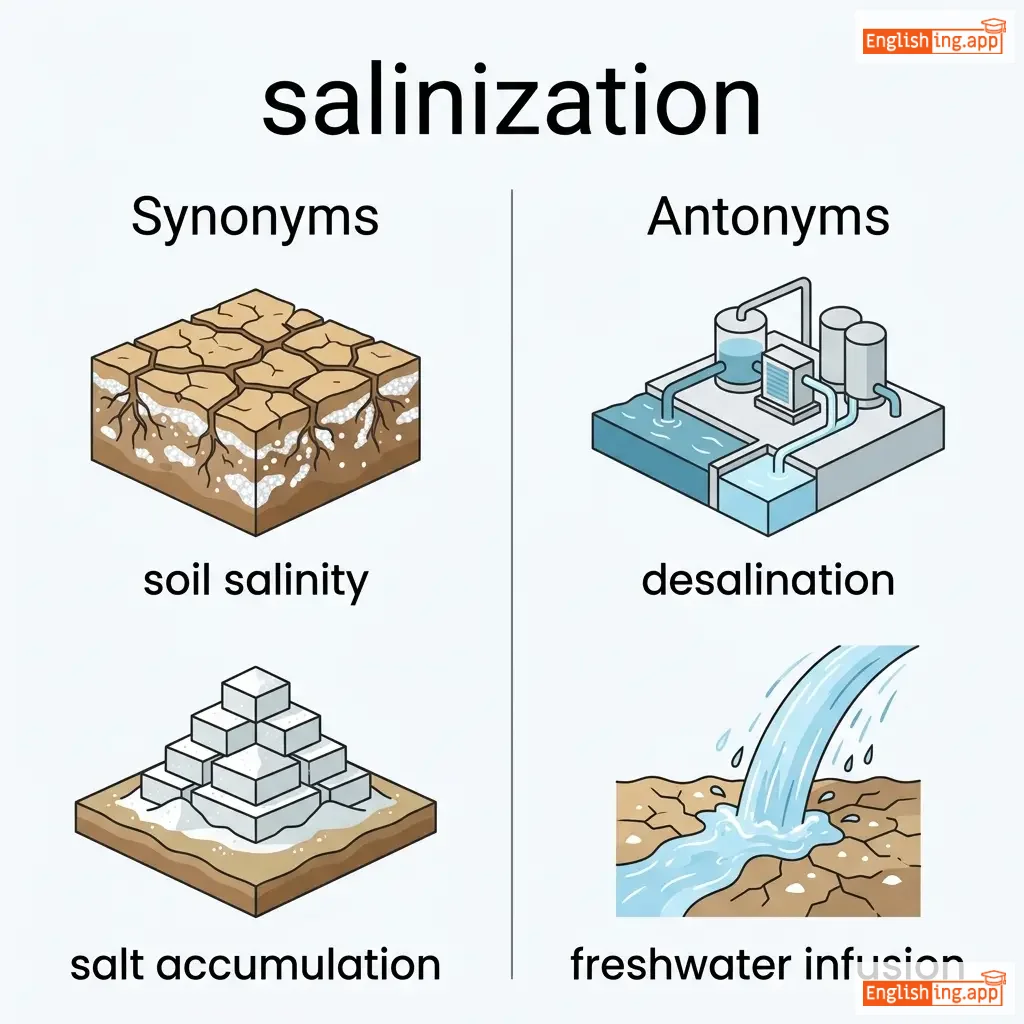
soil salinity, salt accumulation, degradation
••••••
|
desalination, freshwater infusion, soil restoration
••••••
|
過剰な灌漑で塩分が増える
••••••
|
|
#3643
🪨
|
/ˌkæl.sɪ.fɪˈkeɪ.ʃən/
noun
(カルシフィケーション)
••••••
|
|
カルシフィケーション
karushifikēshon
••••••
|
The process of calcium accumulation in soil, making it hard.
••••••
|
Calcification reduces soil permeability and affects crop growth.
カルシフィケーションは土壌の透過性を減らし、作物の成長に影響を与えます。
••••••
|
カルシフィケーションは土壌の透過性を減らし、作物の成長に影響を与えます。
Karushifikēshon wa dojo no tōkasei o herashi, sakumotsu no seichō ni eikyō o atae masu.
••••••
|
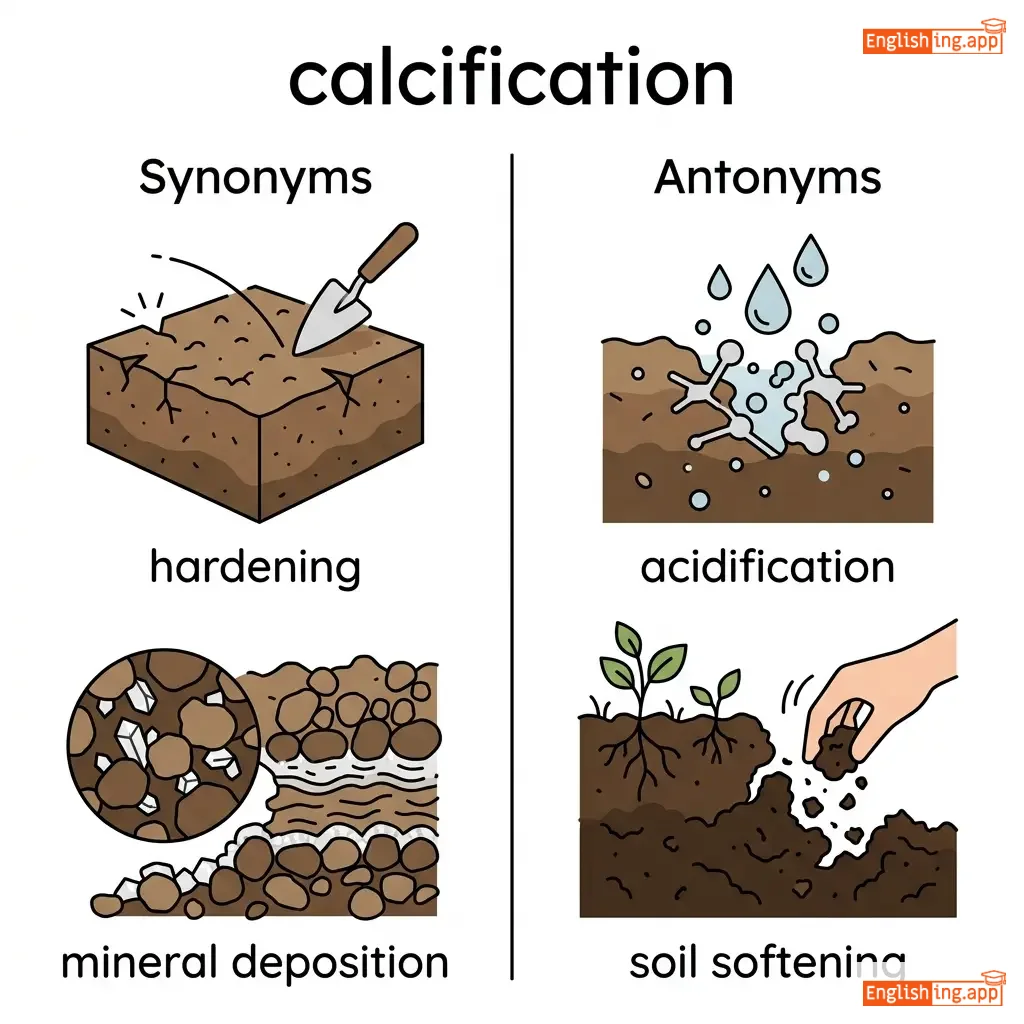
hardening, mineral deposition, soil alkalinity
••••••
|
acidification, soil softening, nutrient balance
••••••
|
In Japanese, 'カルシフィケーション' sounds like calcium affecting the soil.
••••••
|
|
#3644
💧
|
/ˌhaɪ.droʊˈpɒn.ɪks/
noun
(ハイドロポニクス)
••••••
|
|
水耕栽培
suikousaibai
••••••
|
A method of growing plants without soil using nutrient-rich water.
••••••
|
Hydroponics allows crops to grow without soil.
水耕栽培は土を使わずに作物を育てることを可能にします。
••••••
|
水耕栽培は土を使わずに作物を育てることを可能にします。
suikousaibai wa tsuchi o tsukawazu ni sakubutsu o sodateru koto o kanou ni shimasu
••••••
|
soilless farming, aquaponics, controlled agriculture
••••••
|
traditional farming, soil-based cultivation, land-dependent agriculture
••••••
|
水のpony が soil なしで grow する hydroponics の イメージで 覚えよう
••••••
|
|
#3645
🏞️
|
/əˈluː.vi.əm/
noun
(アリューヴィウム)
••••••
|
|
沖積土
chousekido
••••••
|
Fertile soil deposited by flowing water, especially in riverbanks.
••••••
|
The alluvium in riverbanks is highly fertile for agriculture.
川の岸辺にあるアリューヴィウムは農業に非常に肥沃です。
••••••
|
川の岸辺にあるアリューヴィウムは農業に非常に肥沃です。
Kawa no kishibe ni aru aryuviumu wa nougyou ni hijou ni hiwoku desu.
••••••
|
sediment, silt, deposited soil
••••••
|
bedrock, erosion, sterile land
••••••
|
アリューヴィウムは川の岸辺にある農業に適した土です。
••••••
|
|
#3646
⬆️
|
/ˌæɡ.rəˈdeɪ.ʃən/
noun
(アグレデーション)
••••••
|
|
堆積物によって土地が作られるプロセス
taisekimono ni yotte tochi ga tsukurareru purosesu
••••••
|
The process of land being built up by sediment deposition.
••••••
|
Aggradation helps in the natural expansion of riverbanks. |
アグレデーションは河川の自然な拡張を助けます。
Agredeshon wa kasen no shizen na kakuchou o tasukemasu
••••••
|
sediment deposition, land formation, accretion
••••••
|
erosion, land subsidence, depletion
••••••
|
アグレデーション = 堆積物が土地を作る
••••••
|
|
#3647
🍃
|
/ˌhjuː.mɪ.fɪˈkeɪ.ʃən/
noun
(ヒューミフィケーション)
••••••
|
- •••••• |
腐植化
fushokuka
••••••
|
The process of organic matter decomposition to form humus in soil.
••••••
|
Humification enhances soil structure and fertility. |
腐植化は土壌の構造と肥沃度を向上させます。
Fushokuka wa dojo no kōzō to hiyokudo o kōjō sasemasu.
••••••
|
organic decomposition, soil enrichment, humus formation
••••••
|
decomposition prevention, organic depletion, soil sterility
••••••
|
腐植化は有機物を腐植に変え、土壌を豊かにします。
••••••
|
|
#3648
🌍
|
/ˌsʌb.təˈreɪ.ni.ən/
adjective
(サブテレニアン)
••••••
|
|
地下
chika
••••••
|
Existing, occurring, or done under the earth's surface.
••••••
|
Subterranean water sources help sustain agriculture. |
地下の水源は農業の維持に役立ちます。
Chika no suigen wa nōgyō no iji ni yakudachimasu.
••••••
|
underground, buried, concealed
••••••
|
surface-level, exposed, above-ground
••••••
|
地下 - just like subterranean, both mean underground!
••••••
|
|
#3649
🌱
|
/sɔɪl ˈmæn.ɪdʒ.mənt/
noun
(ソイルマネジメント)
••••••
|
|
土壌管理
dojō kanri
••••••
|
The application of operations, practices, and treatments to protect soil and enhance its performance.
••••••
|
Proper soil management improves long-term agricultural productivity. |
適切な土壌管理は、長期的な農業生産性を向上させます。
Tekisetsu na dojō kanri wa, chōkiteki na nōgyō seisansei o kōjōsasemasu.
••••••
|
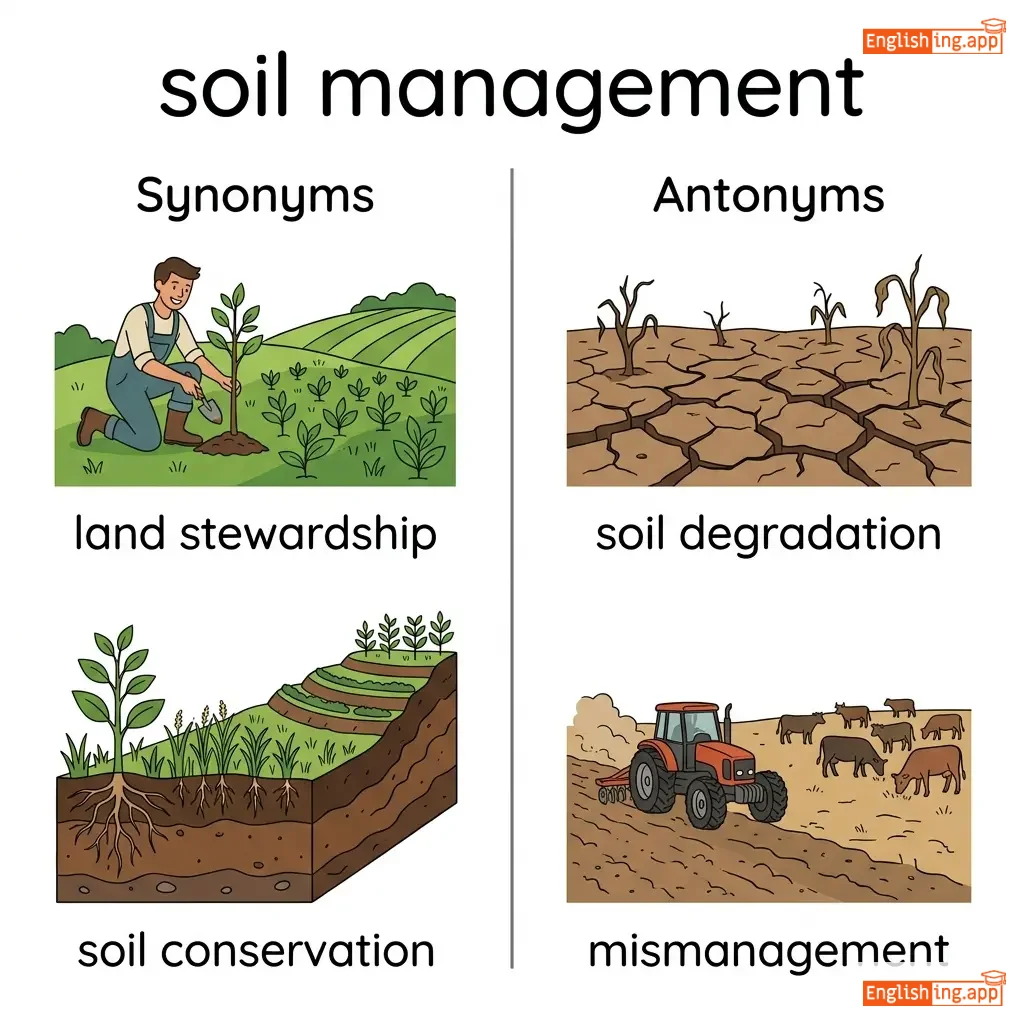
land stewardship, soil conservation, agricultural maintenance
••••••
|
soil degradation, mismanagement, erosion
••••••
|
土壌管理 = 生産性向上
••••••
|
Vocabulary Quiz
Test your vocabulary by matching words with their translations or meanings.
Login to take the quiz
Comments (0)
Share your thoughts and join the discussion.
Join the discussion by logging in
Login to CommentNo comments yet
Be the first to share your thoughts!