

マルチタスクが生産性を低下させる理由
Why Multitasking Reduces Productivity
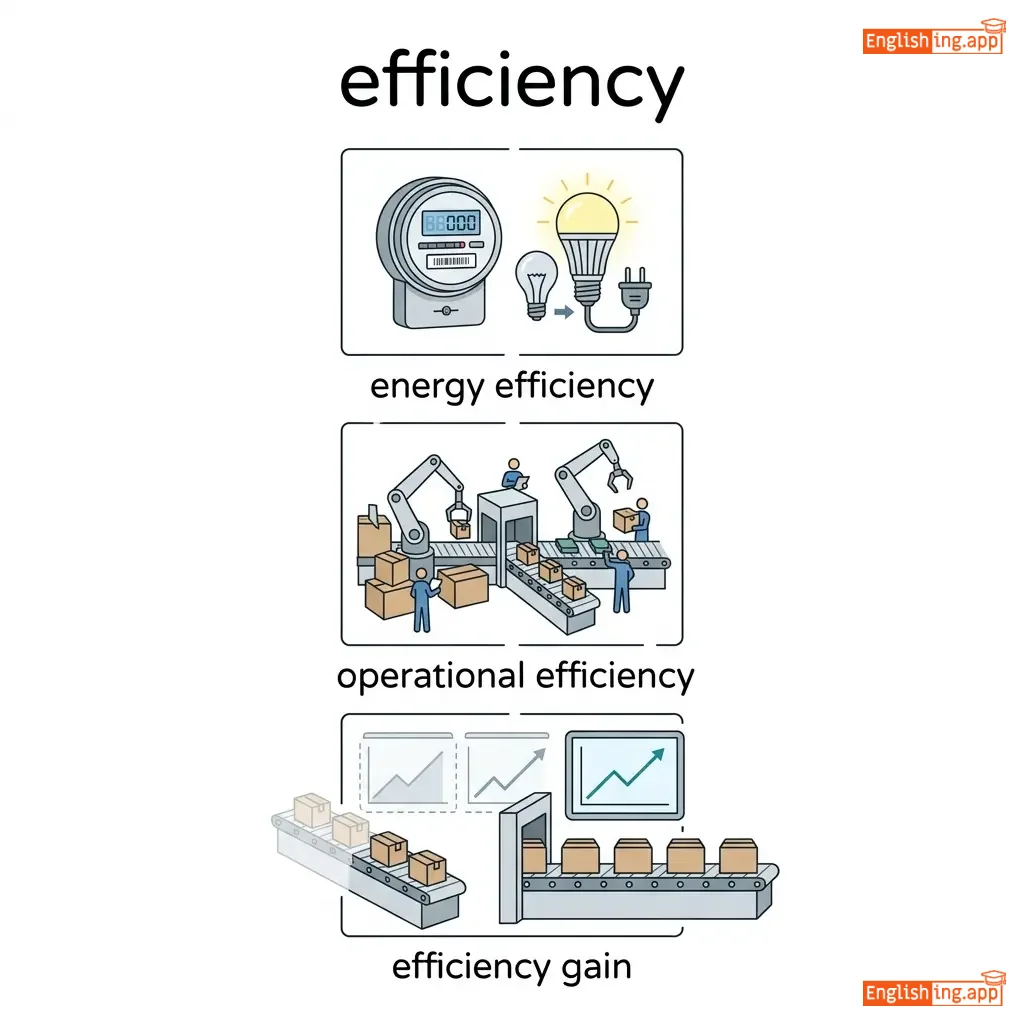
現代社会では、multitasking は非常に人気がありますが、productivity を低下させる可能性があります。複数のタスクを simultaneously 実行すると、cognitive 集中力が欠如します。複数のタスク間で distraction が発生し、作業の efficiency が低下します。
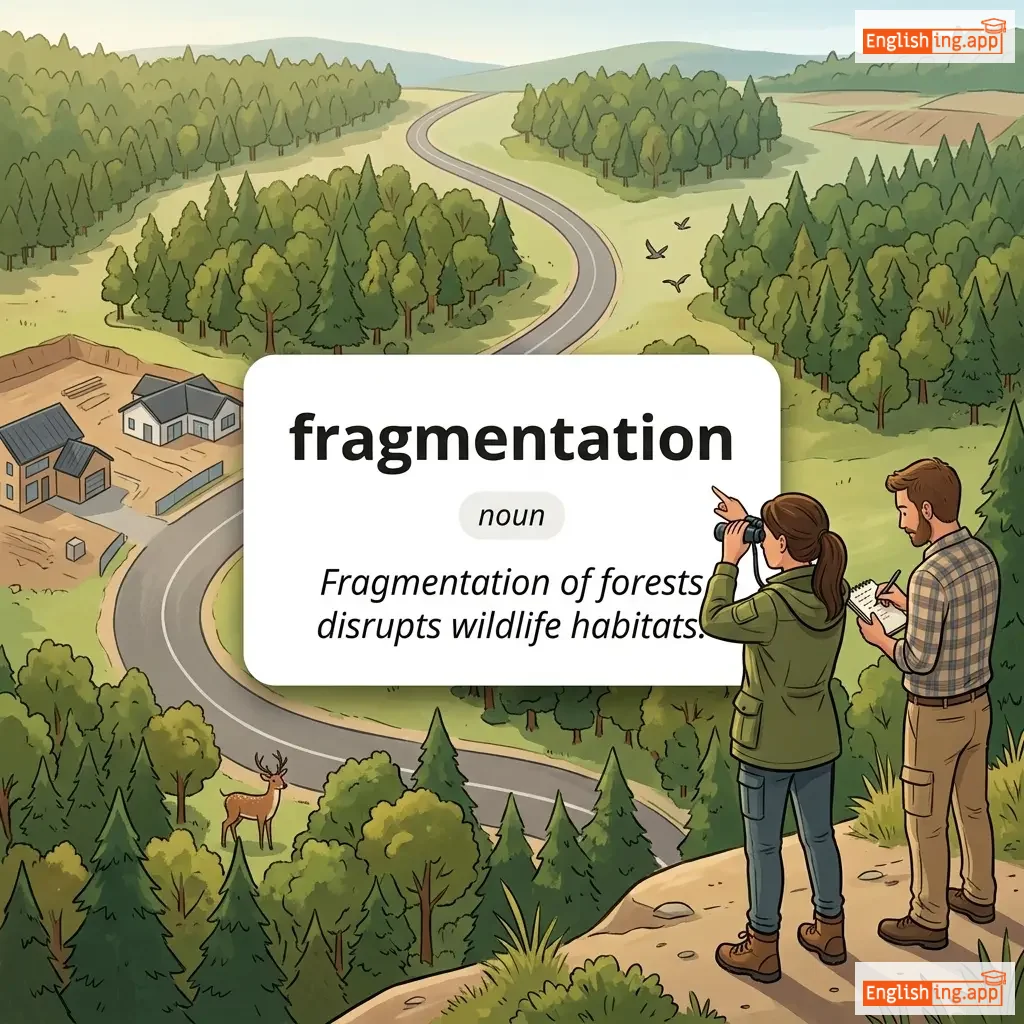
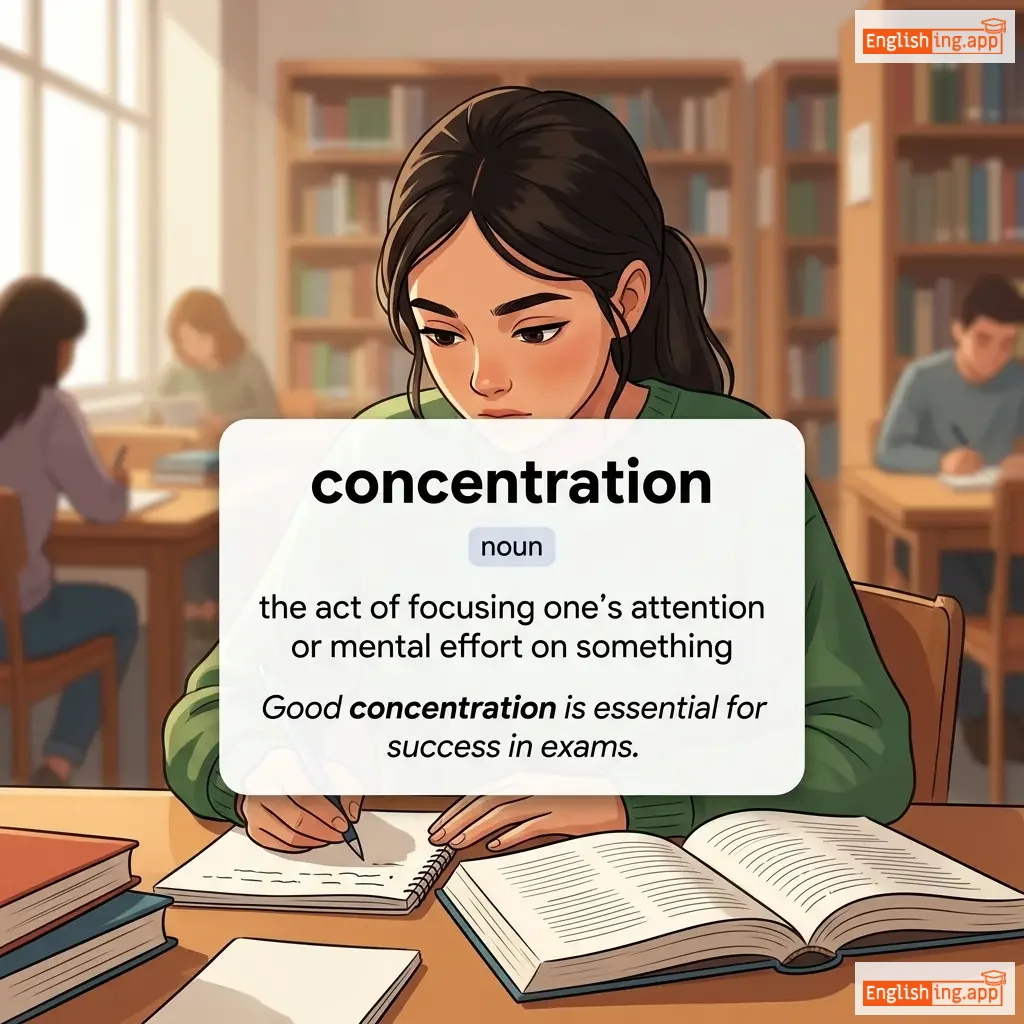
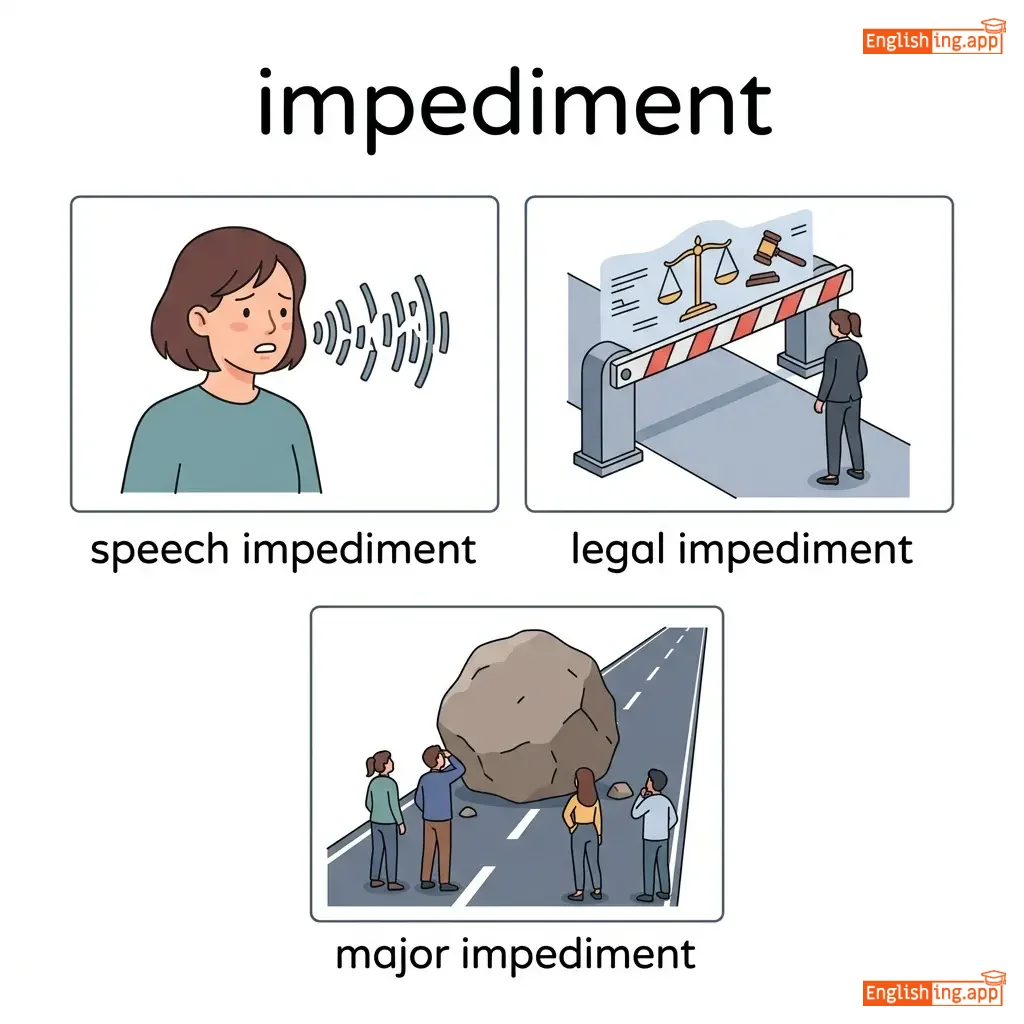
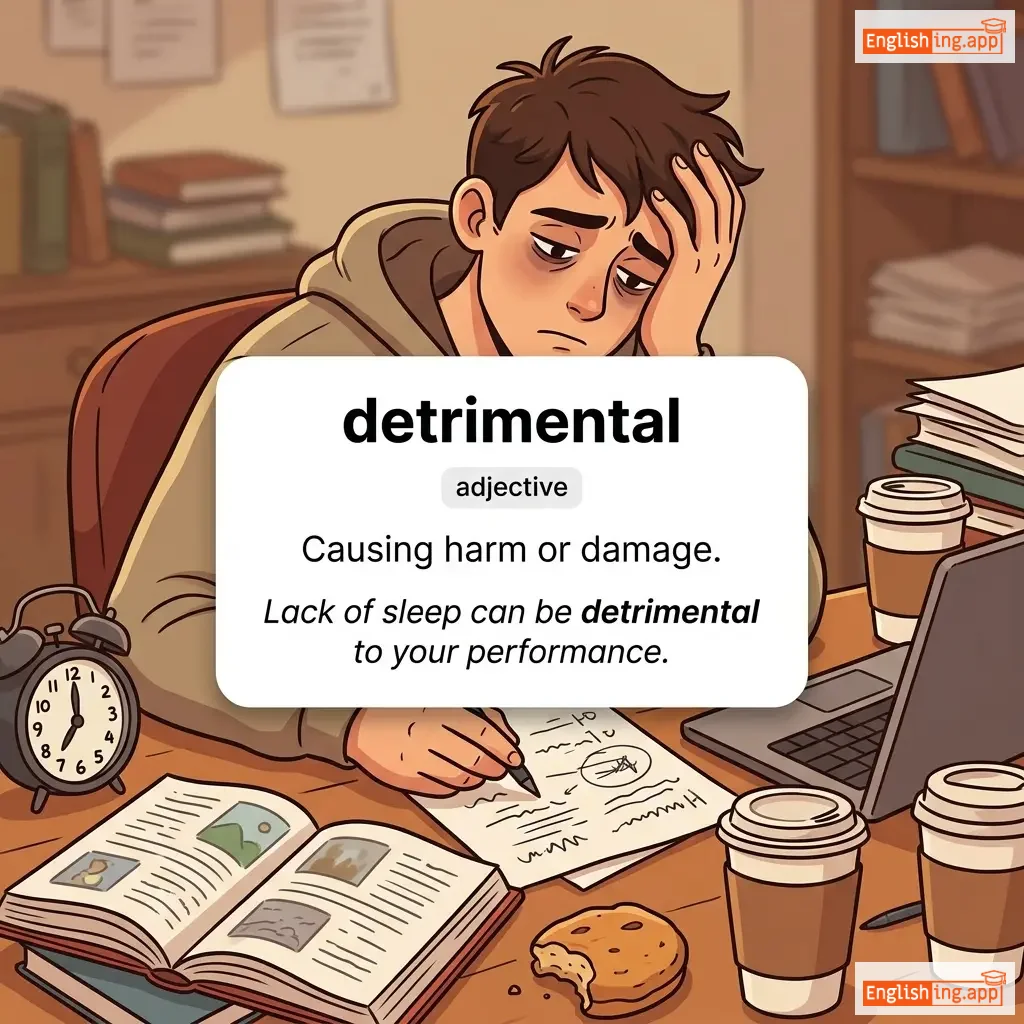
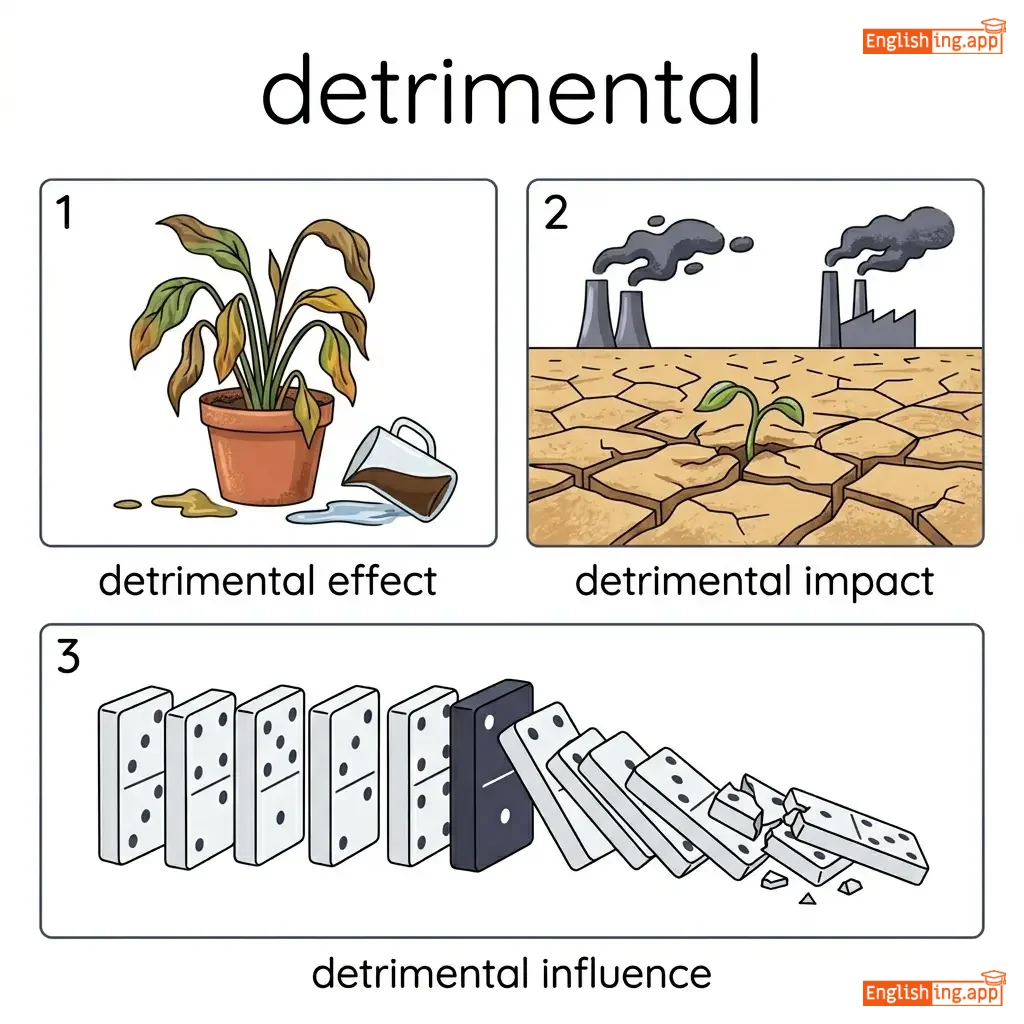
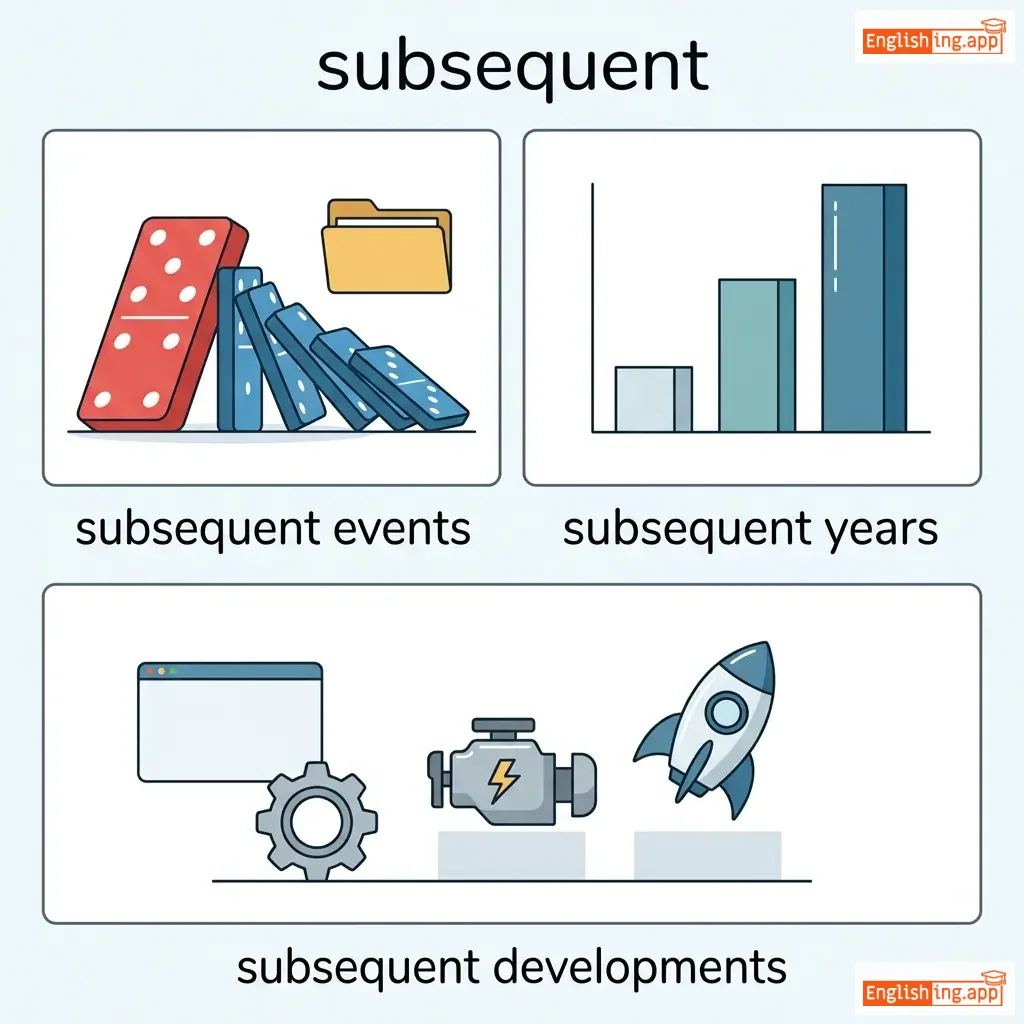
異なるタスク間で fragmentation が発生し、各タスクに十分な concentration を与えることができません。これらの impediments は最終的に detrimental な影響を与え、subsequent の作業が適切に完了しません。
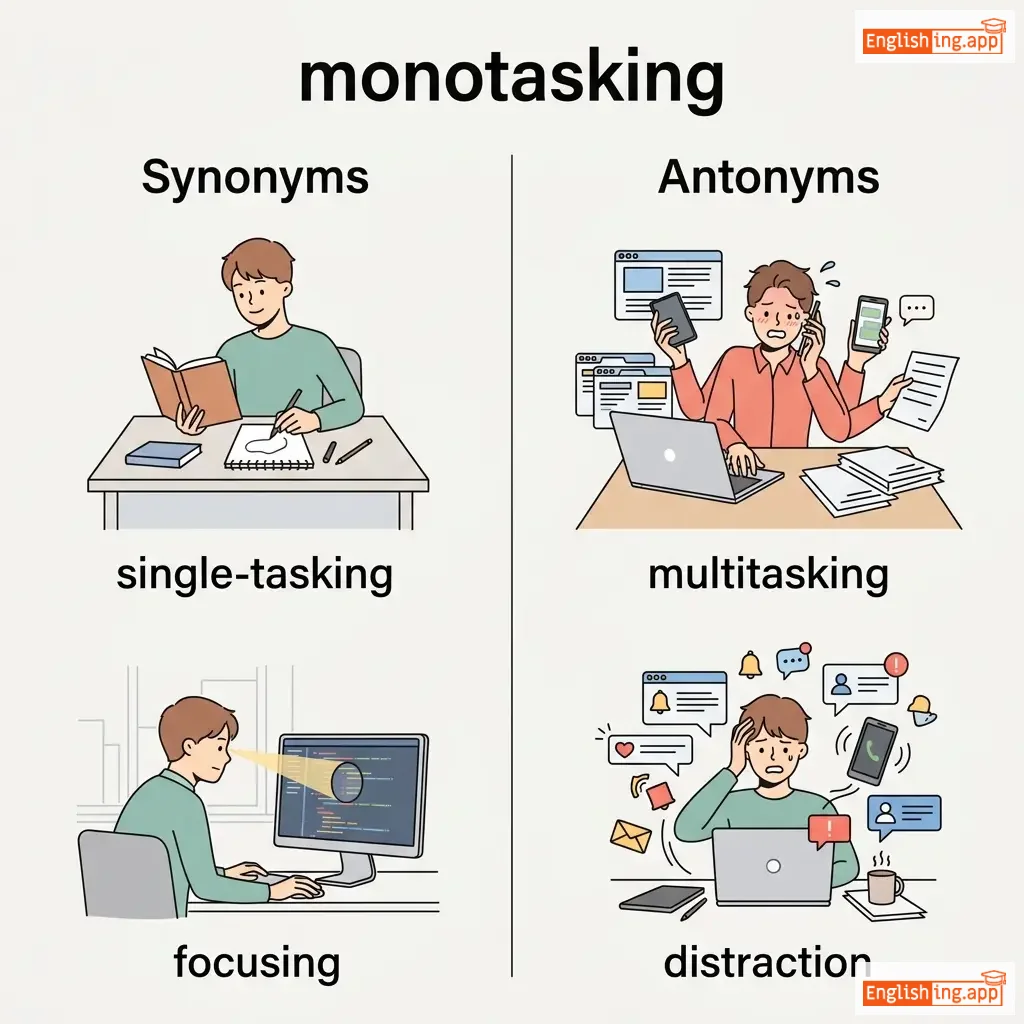
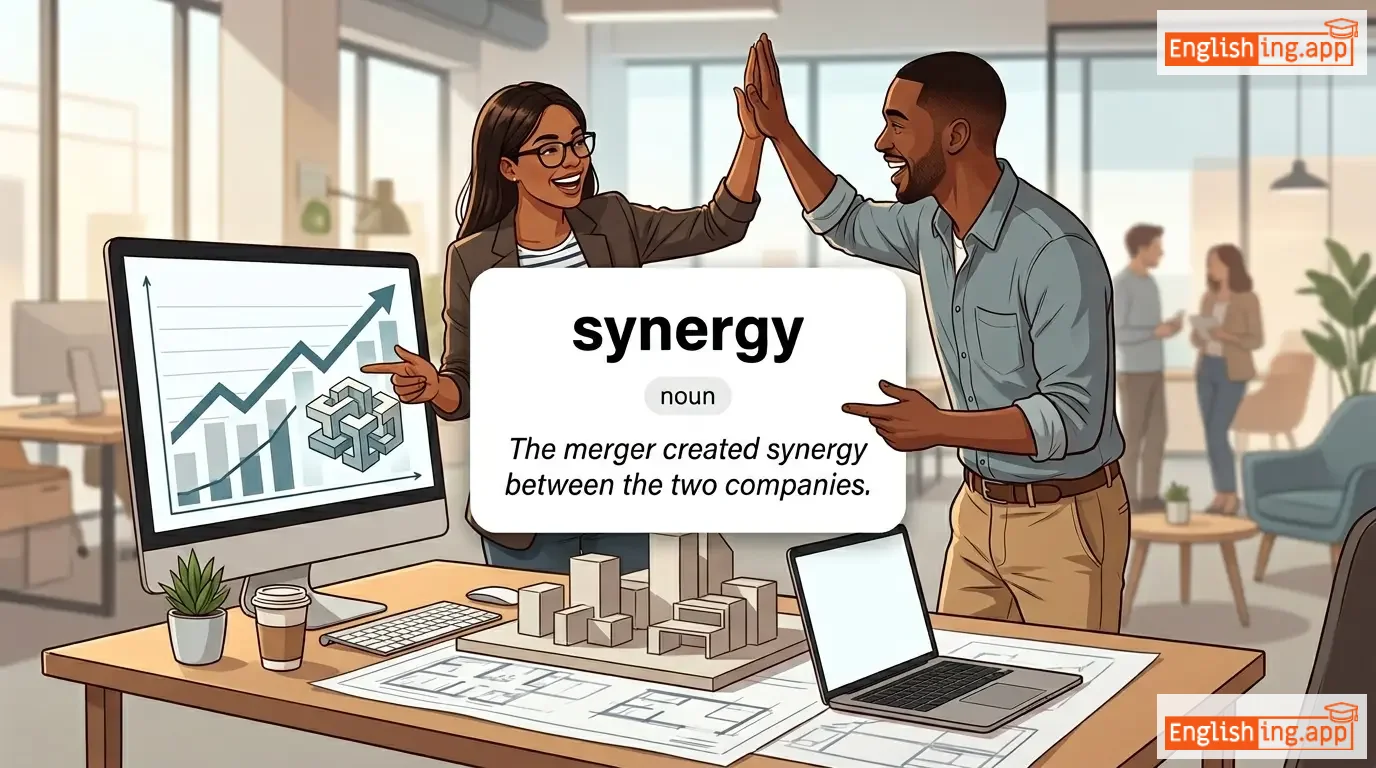
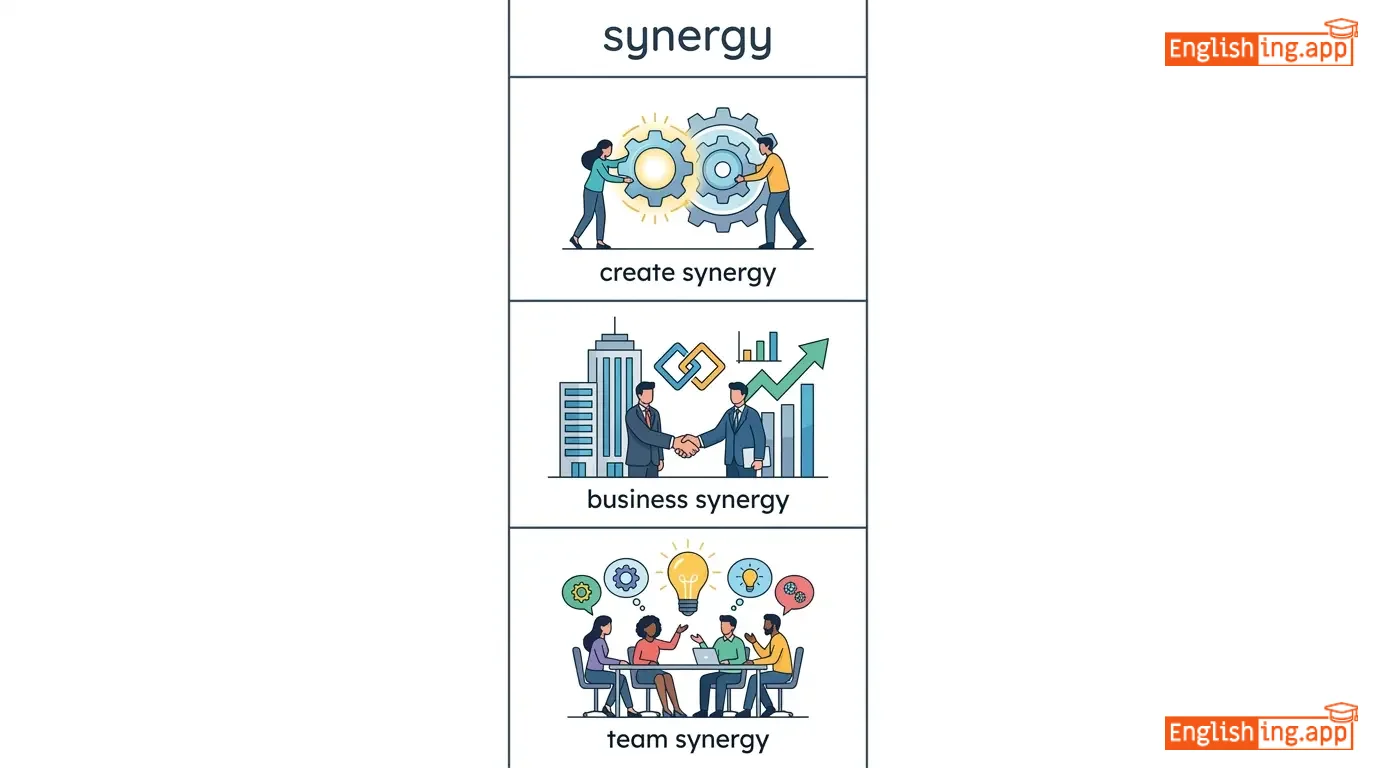
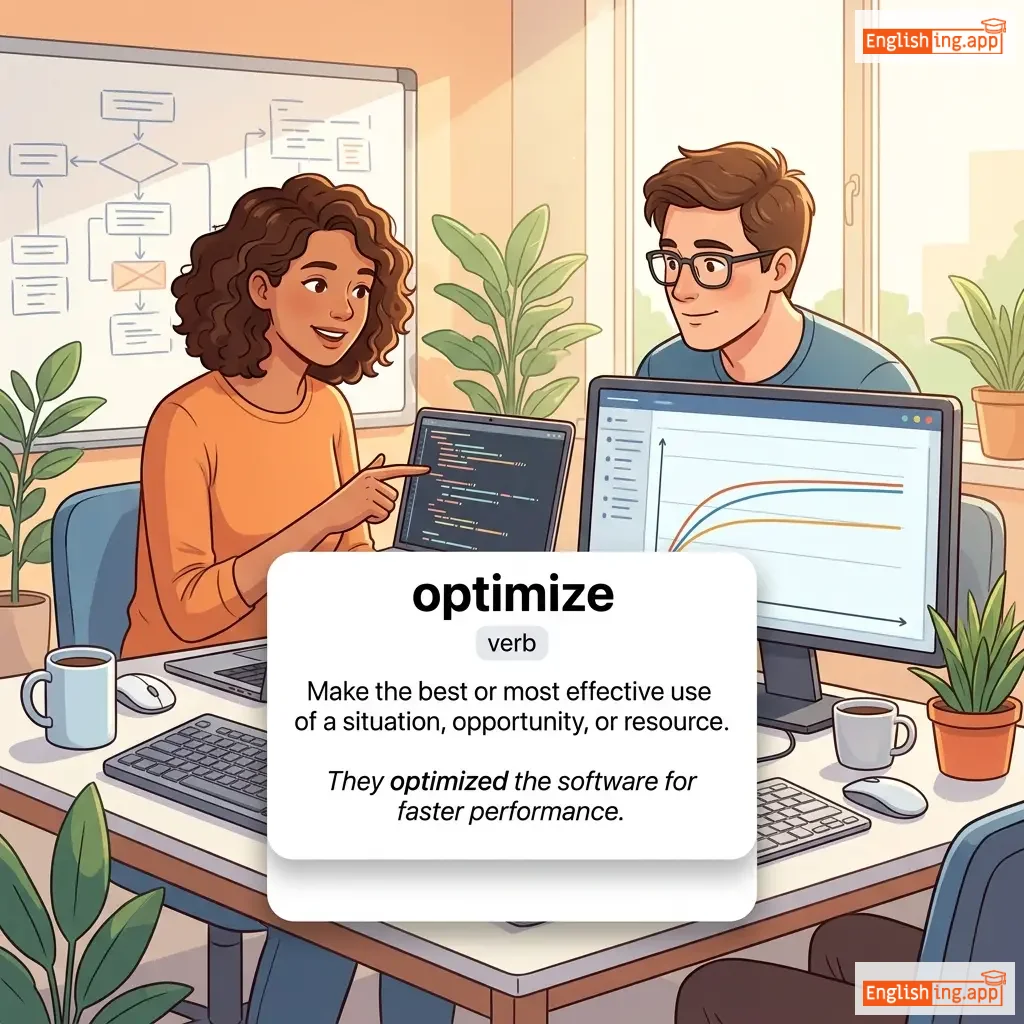
しかし、monotasking または一度に一つの仕事をすることで、私たちの集中力と synergy が向上します。これは作業に集中し、時間の使い方を optimizes します。
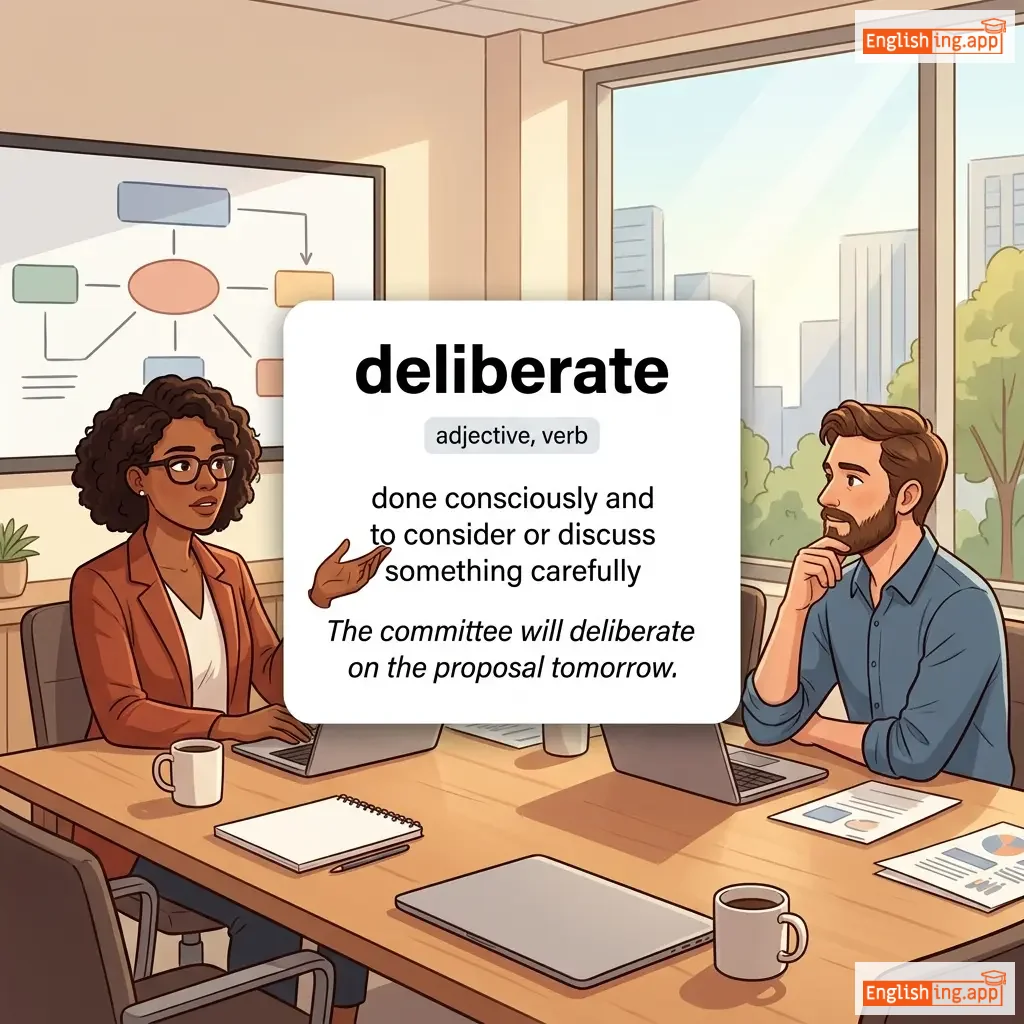
したがって、multitasking で exorbitant な量の workload を処理するよりも、deliberate で個別の作業の方がより productive です。
翻訳
過去
過去分詞
三人称単数
動名詞
意味
例文
例文の翻訳
同義語
対義語
コロケーション
ニーモニック


Swipe left or right, or use the buttons. Tap image to zoom.
例文の翻訳
単語
Why Multitasking Reduces ProductivityWhy Multitasking Reduces Productivity - マスクトグル
|
絵文字
|
単語 | Images | 翻訳 | 意味 | 例文 | 例文の翻訳 | 同義語 | 対義語 | ニーモニック |
|---|---|---|---|---|---|---|---|---|---|
|
#3957
🔀
|
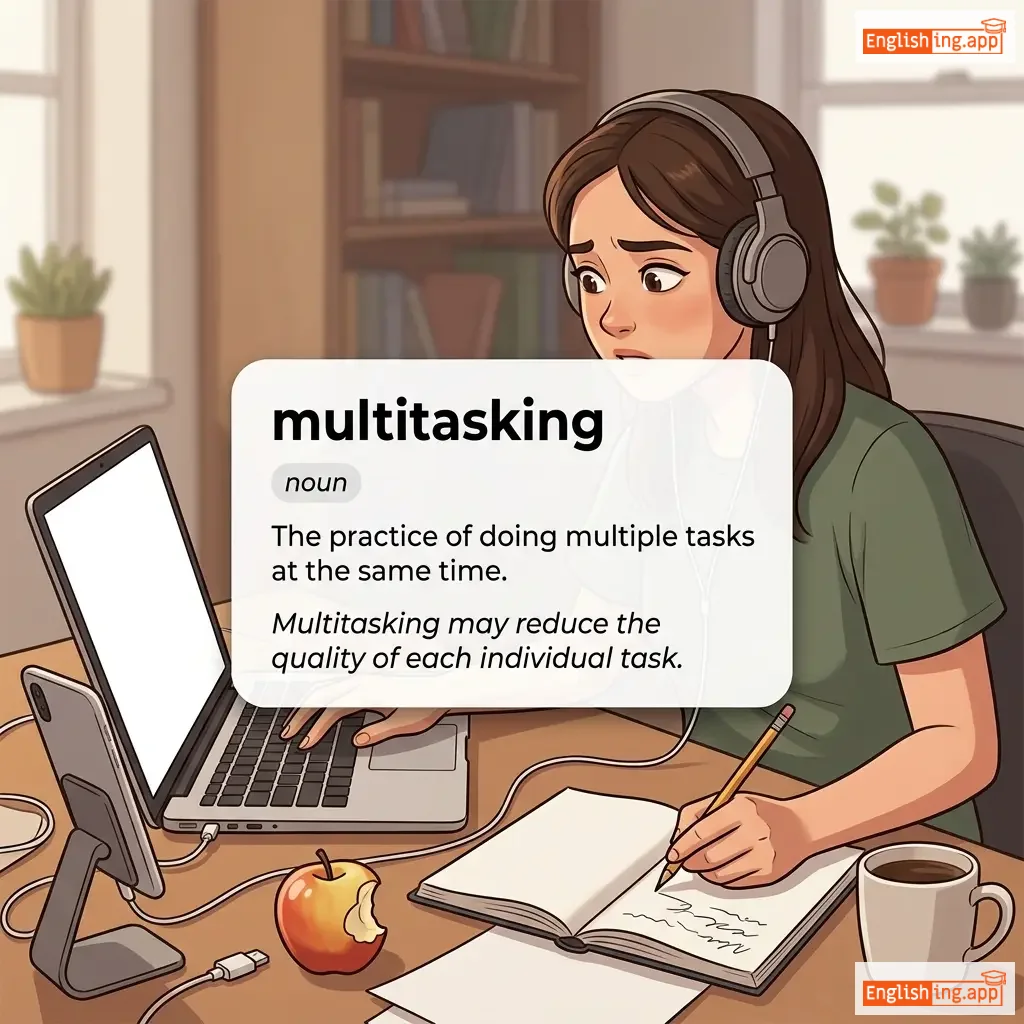
ˈmʌltɪˌtɑːskɪŋ
noun
(マルチタスキング)
••••••
|
|
複数のタスクを同時に行うこと
fukusū no tasuku o dōji ni okonau koto
••••••
|
The practice of doing multiple tasks at the same time.
••••••
|
Multitasking may reduce the quality of each individual task. |
マルチタスキングは、各タスクの品質を低下させる可能性があります。
Maruchitaskingu wa, kaku tasuku no hinshitsu o teika saseru kanōsei ga arimasu.
••••••
|
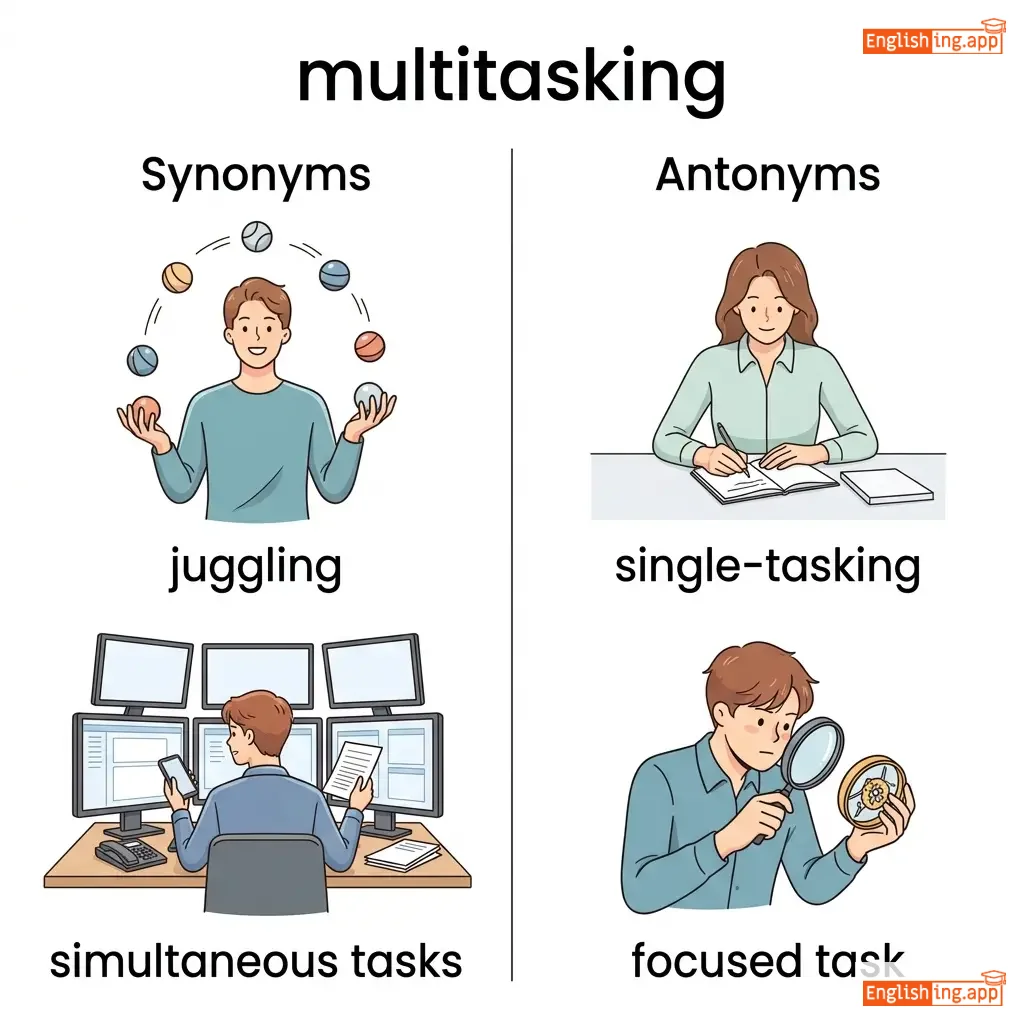
juggling, simultaneous tasks, concurrent work
••••••
|
single-tasking, focused task, unilateral task
••••••
|
Japanese: マルチタスキング = 複数のタスクを同時に | English: Multi-tasking = Doing several tasks simultaneously
••••••
|
|
#3958
📈
|
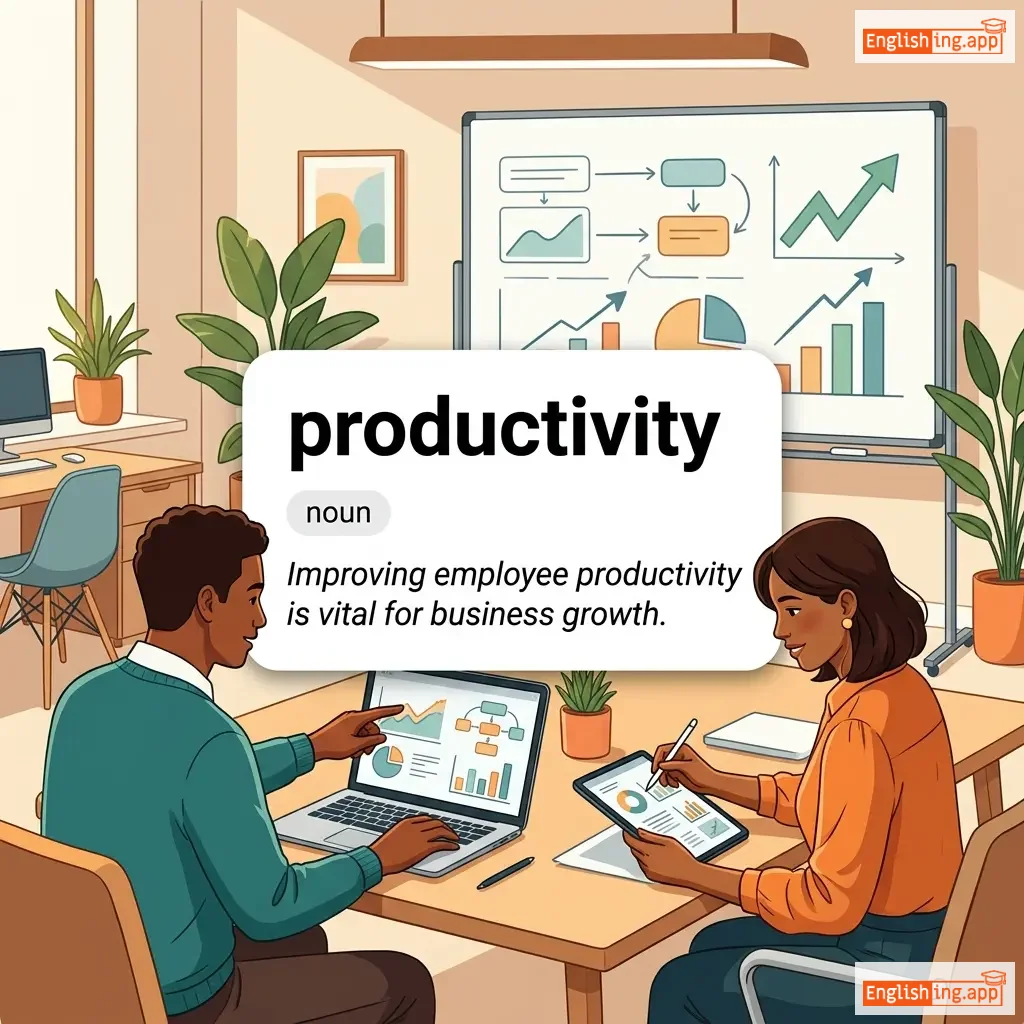
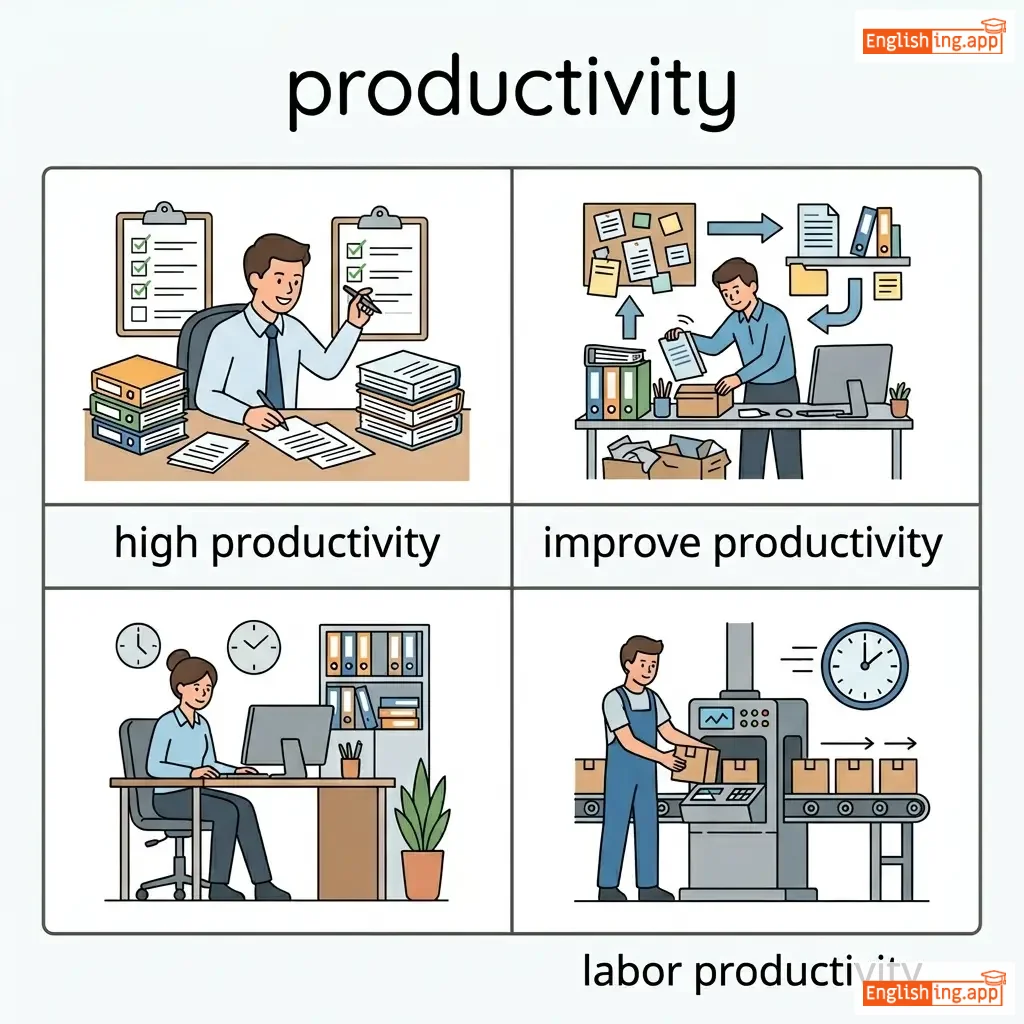
prəˈdʌktɪvɪti
noun
(プロダクティビティ)
••••••
|
|
生産性
seisansei
••••••
|
The effectiveness of productive effort, especially in industry, as measured in terms of the rate of output per unit of input.
••••••
|
The team's productivity has increased due to streamlined processes.
チームの生産性は、効率化されたプロセスのおかげで向上しました。
••••••
|
チームの生産性は、効率化されたプロセスのおかげで向上しました。
Chīmu no seisansei wa, kōritsuka sareta purosesu no okage de kōjō shimashita.
••••••
|
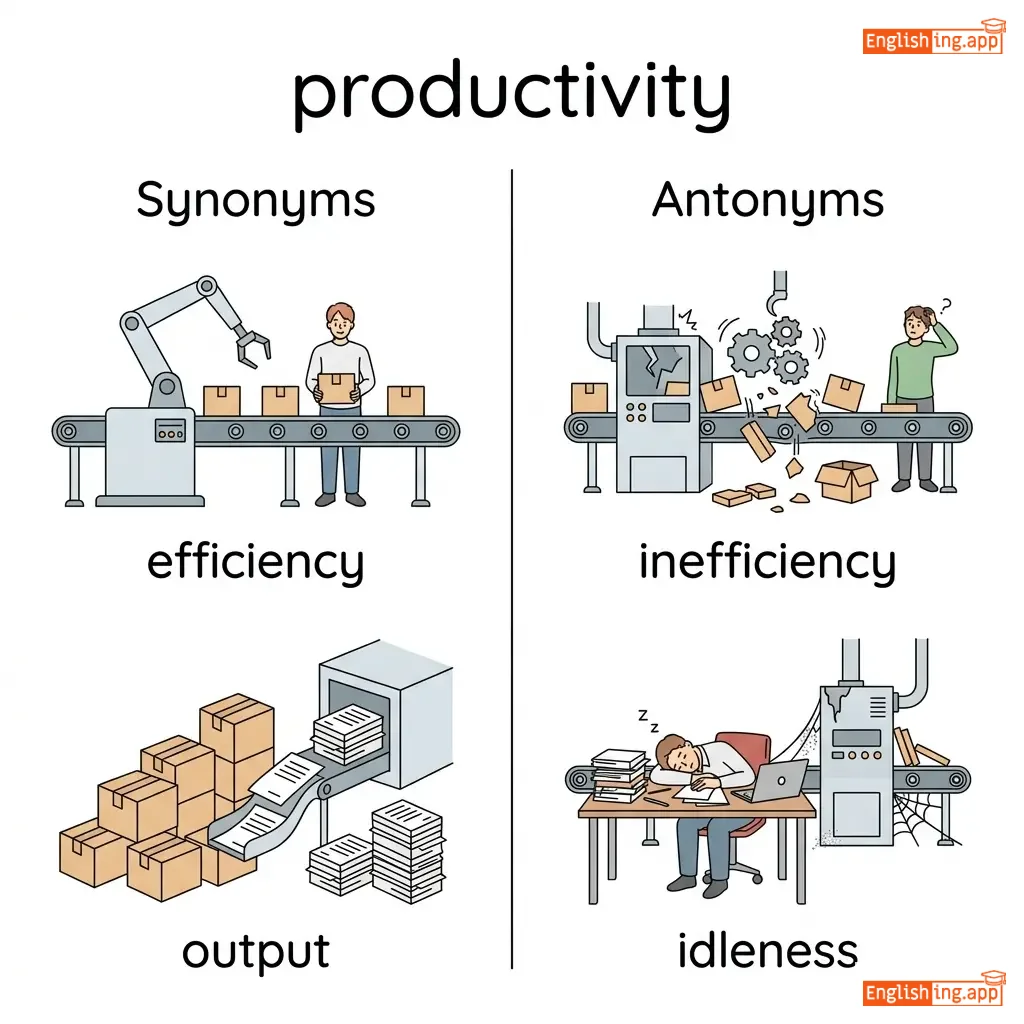
efficiency, output, performance
••••••
|
inefficiency, unproductiveness, stagnation
••••••
|
生産性は、少ない投入で多くの成果を得ることです。
••••••
|
|
#3959
⏱️
|
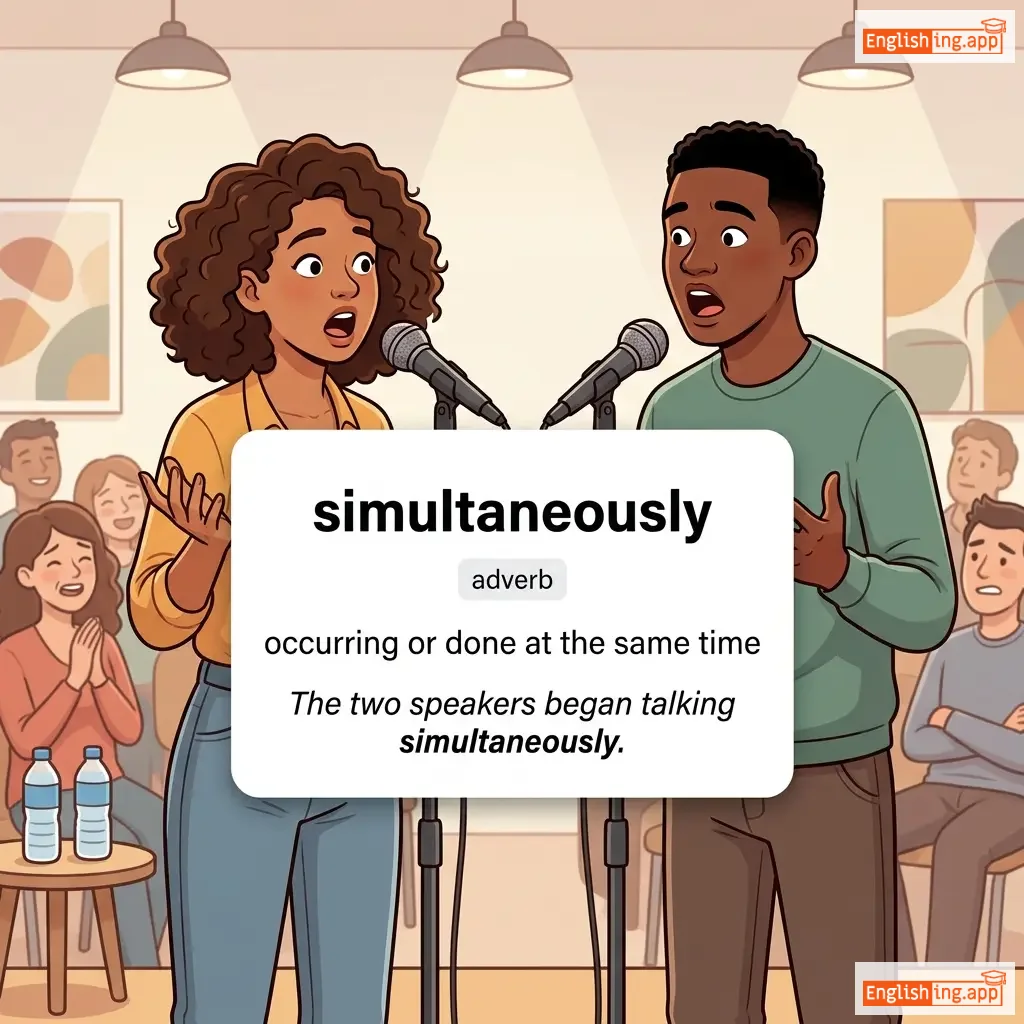
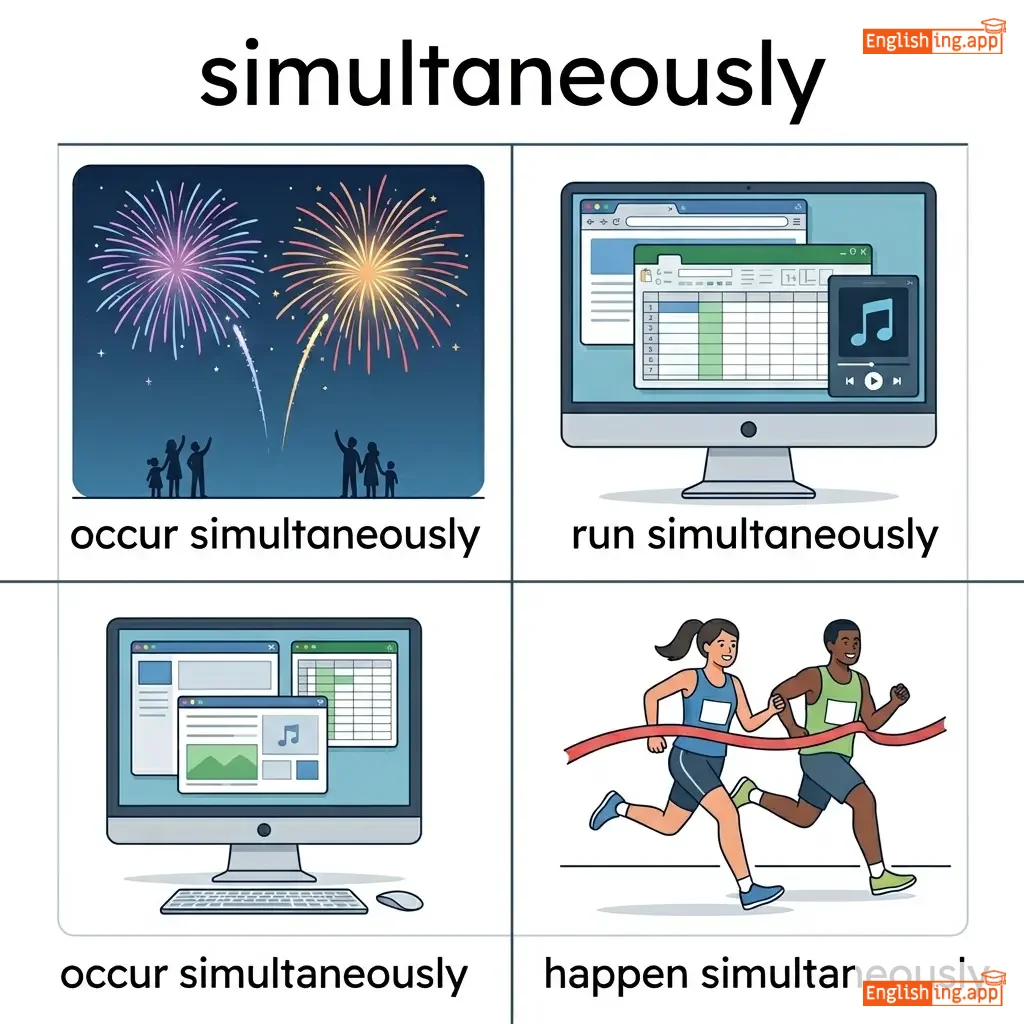
ˌsɪməlˈteɪnɪəsli
adverb
(シムルタネオスリー)
••••••
|
|
同時に
dōji ni
••••••
|
At the same time; occurring or existing at the same time.
••••••
|
He worked on two projects simultaneously. |
彼は二つのプロジェクトを同時に進めていました。
Kare wa futatsu no purojekuto o dōji ni susumete imashita.
••••••
|
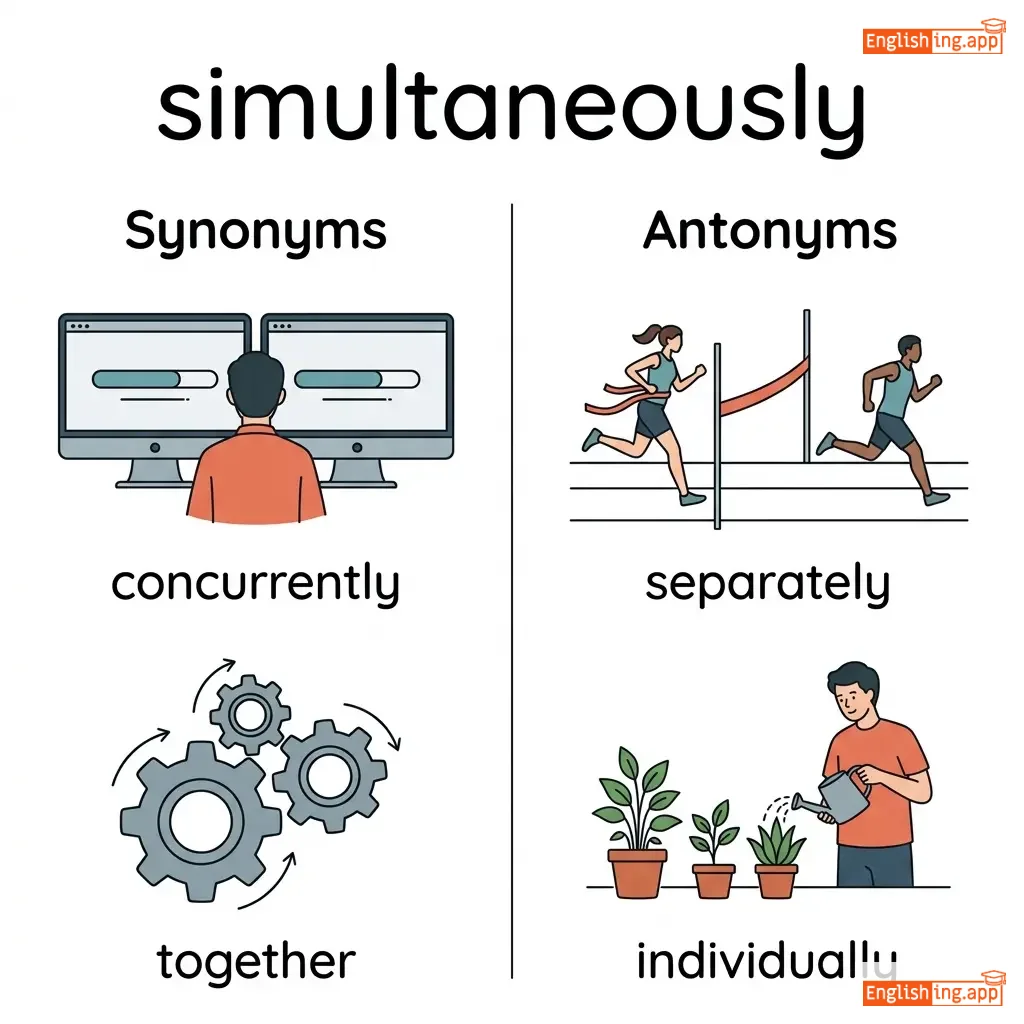
concurrently, in parallel, at the same time
••••••
|
separately, sequentially, disjointedly
••••••
|
同時に、すべてのことを一度にやるような感じ。
••••••
|
|
#3960
🧠
|
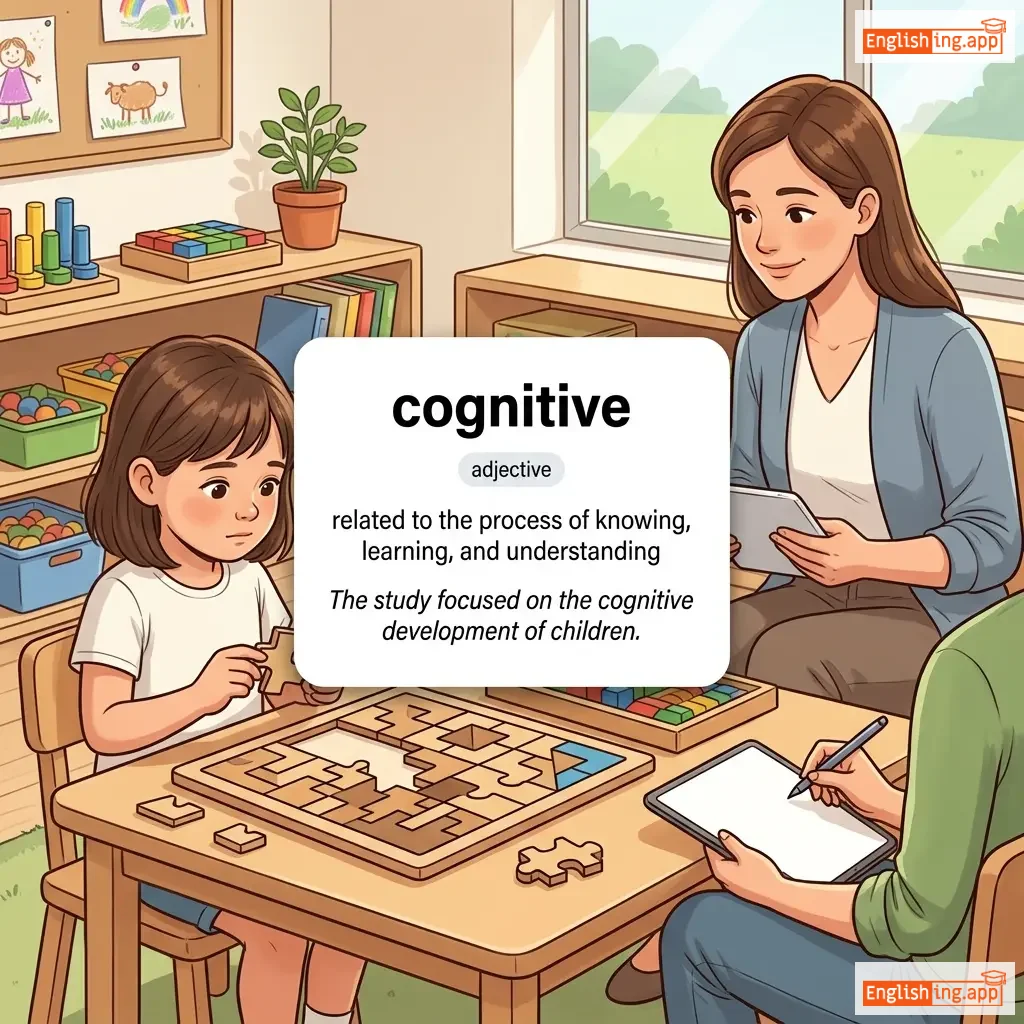
ˈkɒɡnɪtɪv
adjective
(コグニティブ)
••••••
|
|
認知的
kogunitibu
••••••
|
Related to cognition; involving or relating to thinking or conscious mental activities.
••••••
|
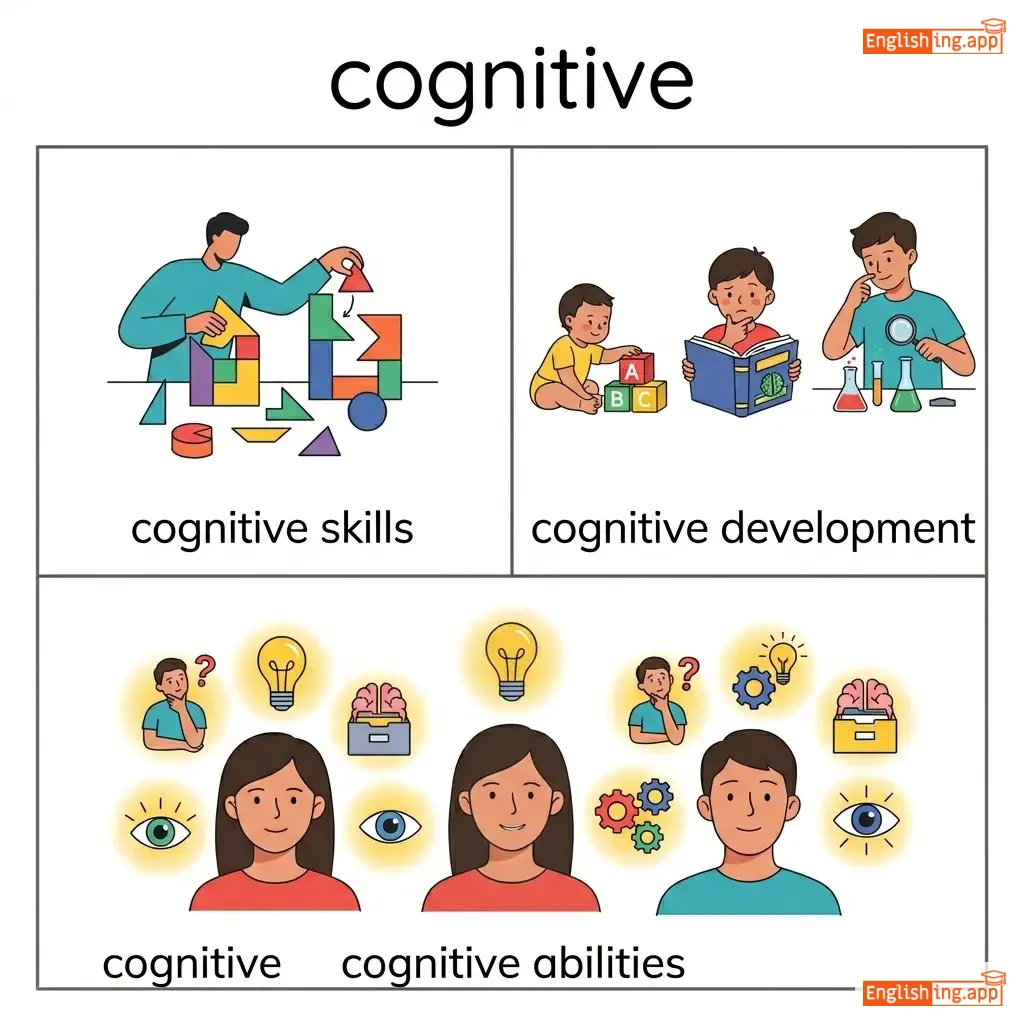
Cognitive skills are important for problem-solving.
認知能力は問題解決のために重要です。
••••••
|
認知能力は問題解決のために重要です。
ninchi nouryoku wa mondai kaiketsu no tame ni juuyou desu
••••••
|
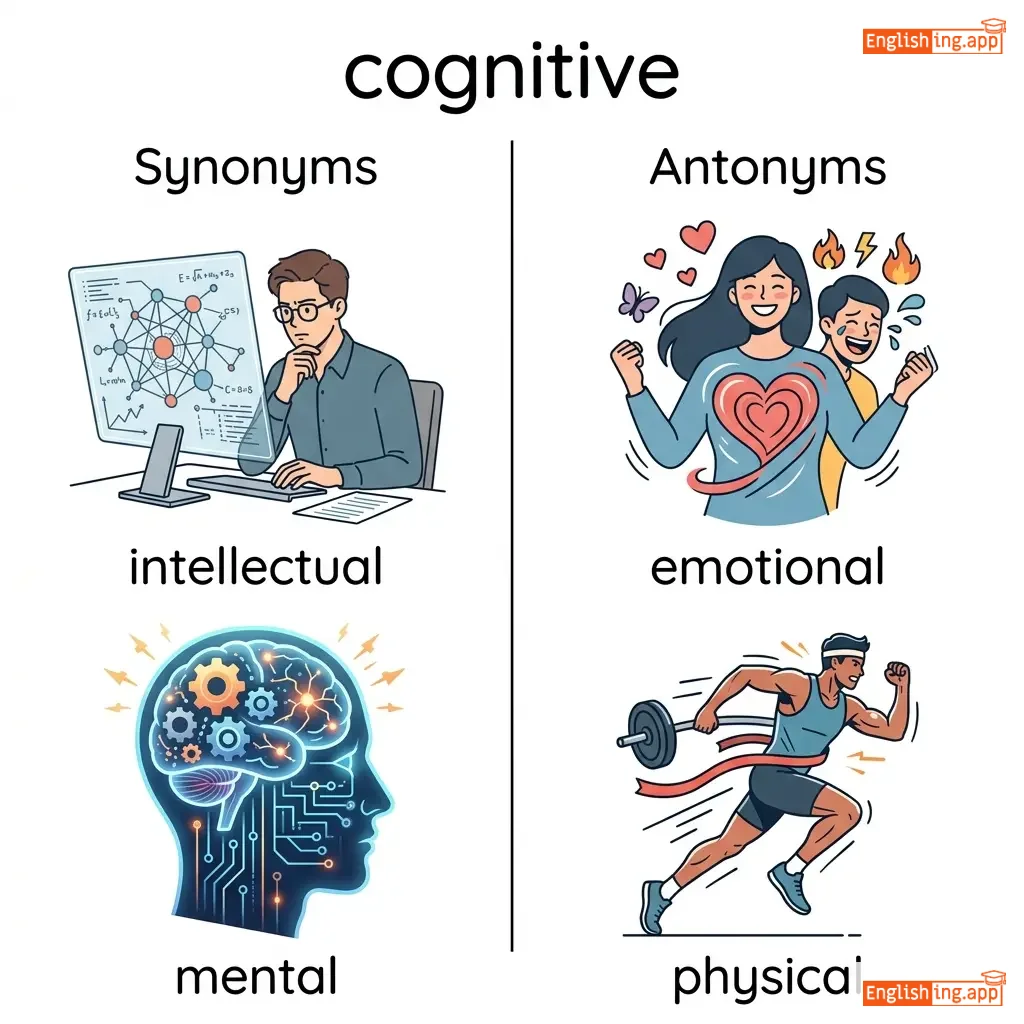
intellectual, mental, psychological
••••••
|
physical, emotional, unrelated
••••••
|
Think in ninchi, コグニティブ = brain thinking bridge between thinking and 認知
••••••
|
|
#3961
💭
|
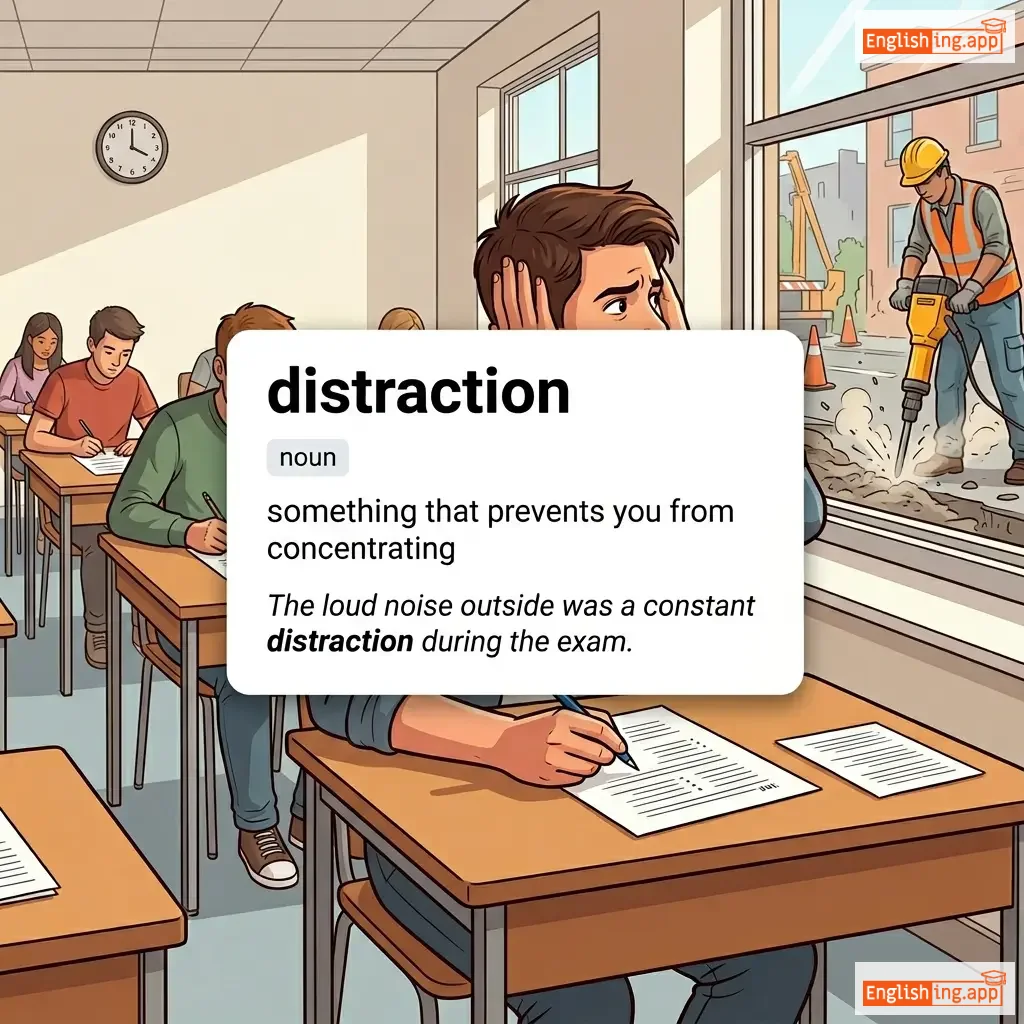
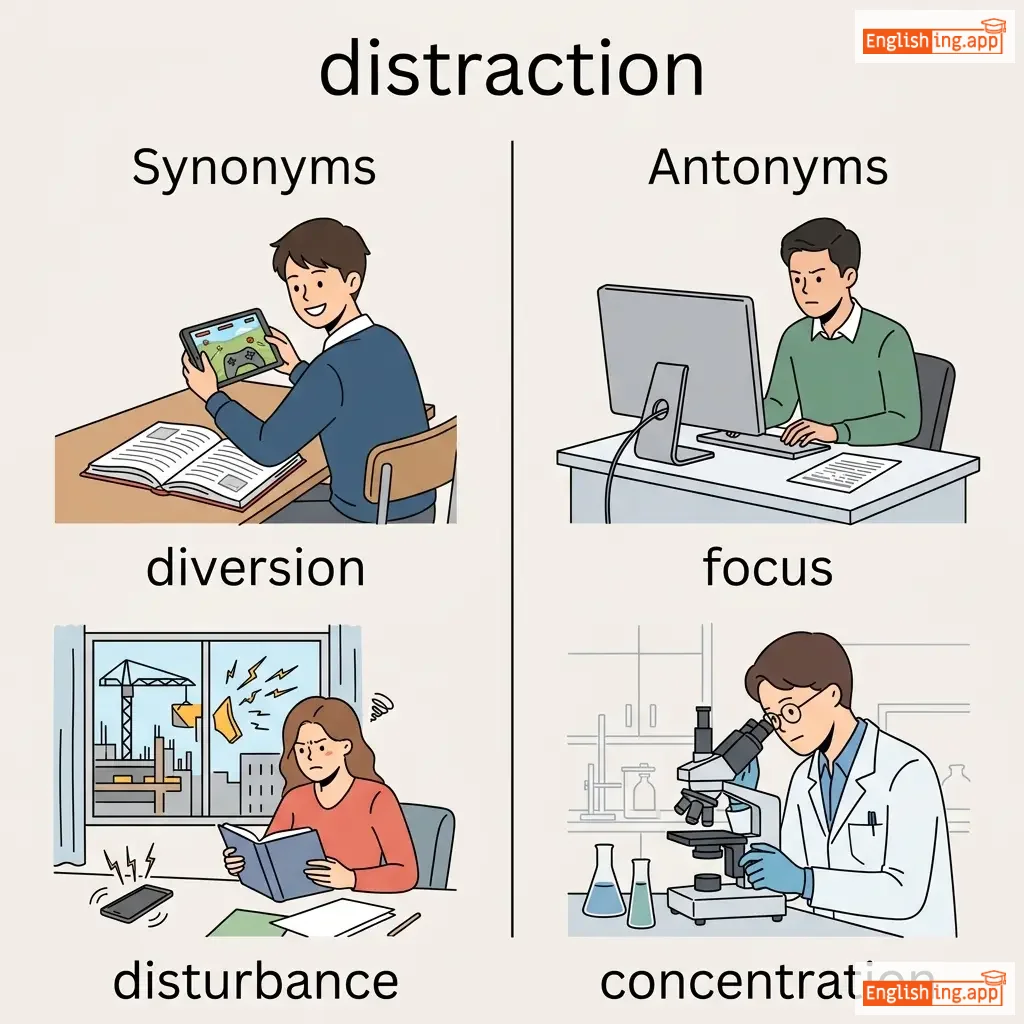
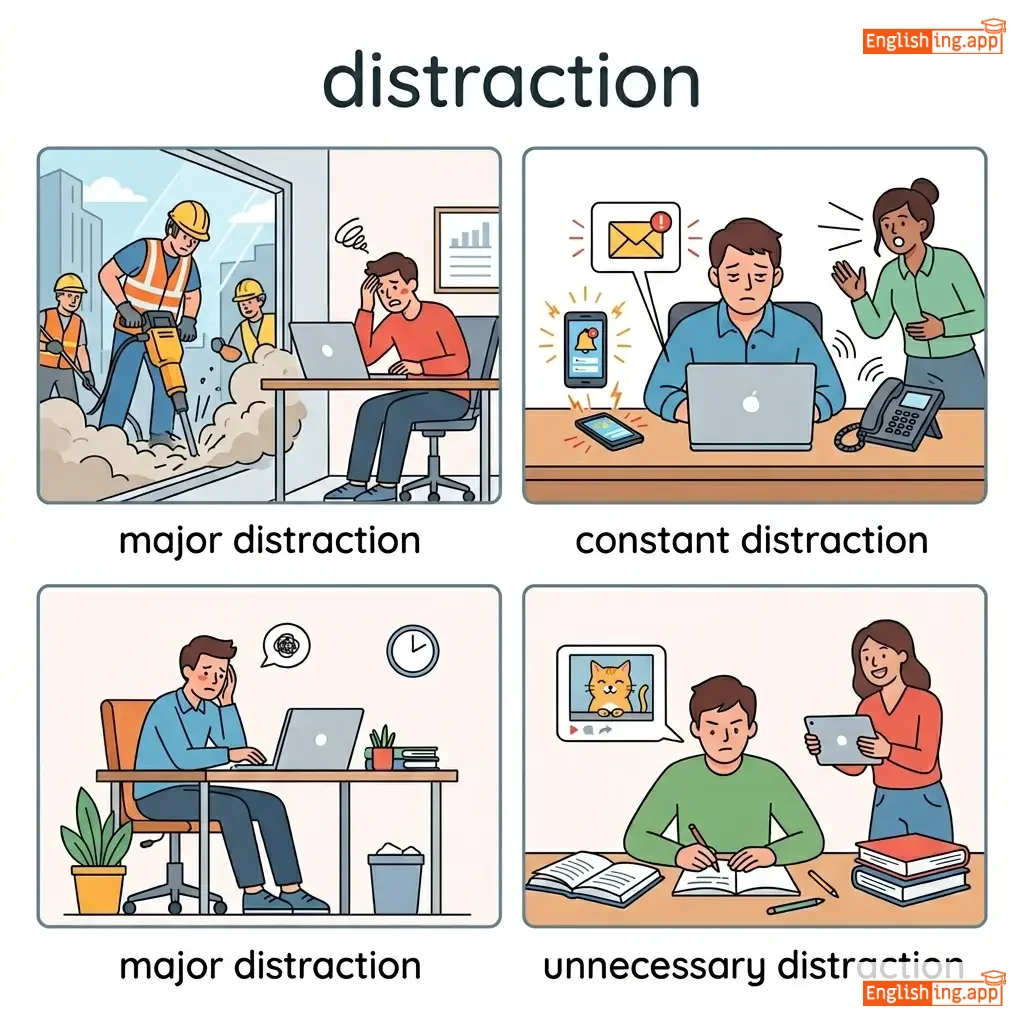
dɪˈstrækʃən
noun
(ディストラクション)
••••••
|
|
気を散らすもの
ki o chirasu mono
••••••
|
A thing that prevents someone from giving full attention to something else.
••••••
|
Distractions can reduce productivity in the workplace.
ディストラクションは職場での生産性を減少させる可能性があります。
••••••
|
気を散らすものは職場での生産性を減少させる可能性があります。
Ki o chirasu mono wa shokuba de no seisansei o genshō saseru kanōsei ga arimasu.
••••••
|
interruption, diversion, disturbance
••••••
|
focus, concentration, attention
••••••
|
気を散らすもの means something that distracts you, easy to remember from distraction.
••••••
|
|
#3962
⚡
|
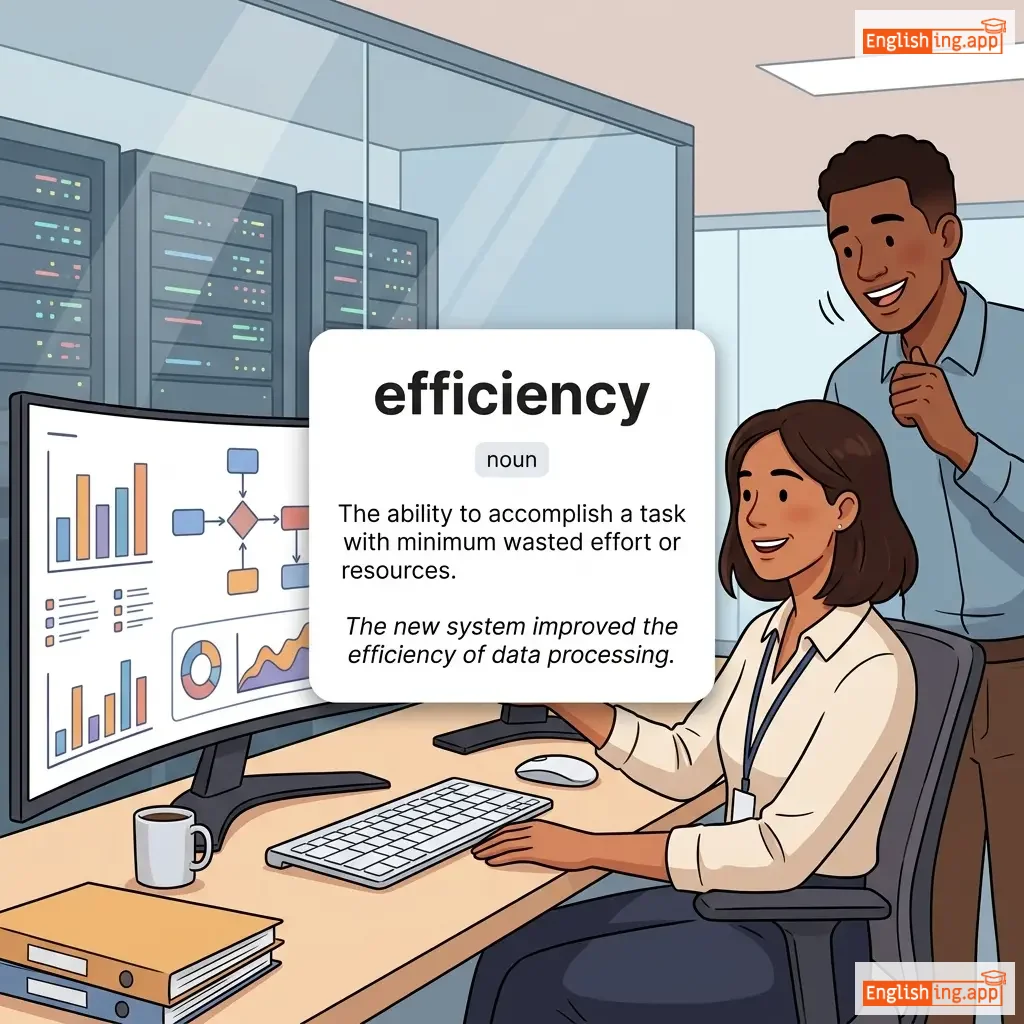
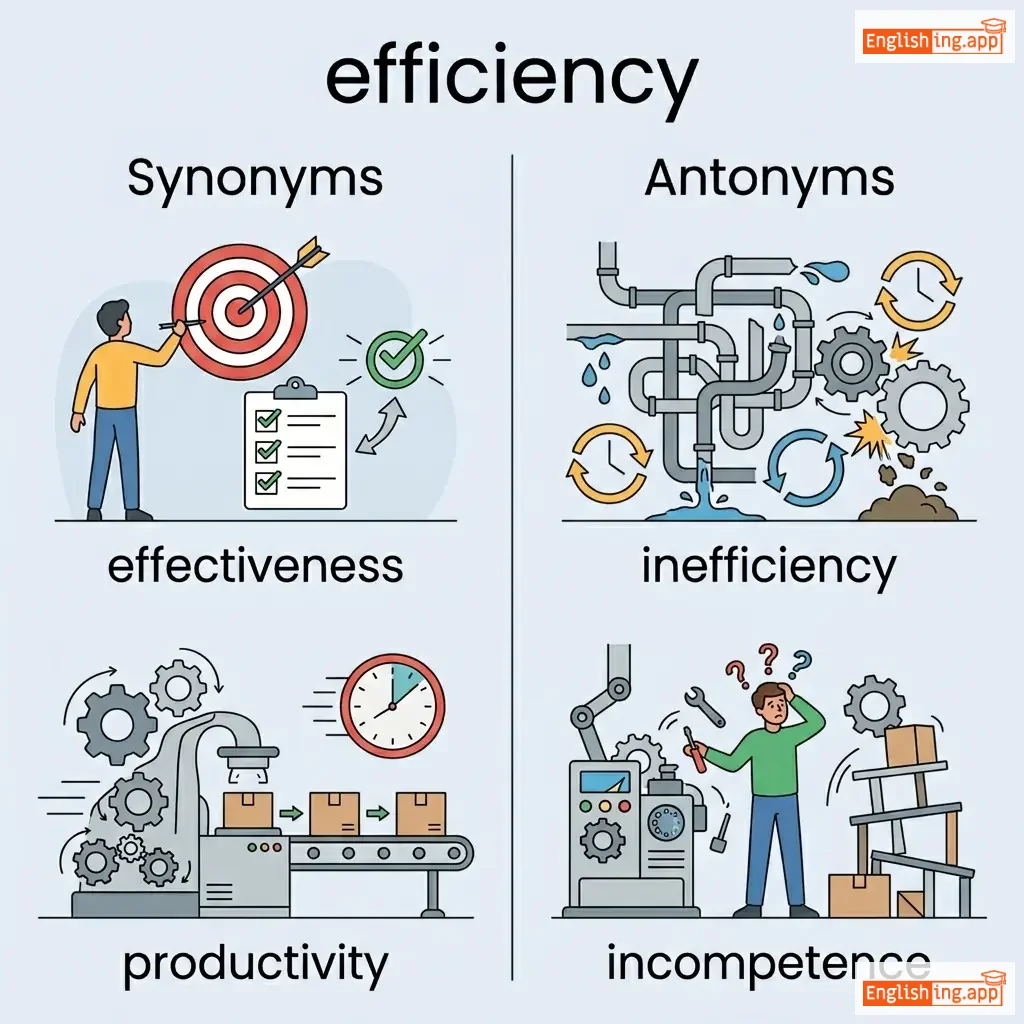
ɪˈfɪʃənsi
noun
(エフィシェンシー)
••••••
|
|
効率
kōritsu
••••••
|
The state or quality of being efficient; achieving maximum productivity with minimum wasted effort or expense.
••••••
|
His efficiency at work has increased significantly.
彼の仕事の効率は大幅に向上しました。
••••••
|
彼の仕事の効率は大幅に向上しました。
Kare no shigoto no kōritsu wa ōhaba ni kōjō shimashita.
••••••
|
productivity, effectiveness, competence
••••••
|
inefficiency, wastefulness, unproductiveness
••••••
|
効率 = 高速 + 効率 (速く、無駄なく、効率的に作業を進める)
••••••
|
|
#3963
🧩
|
ˌfræɡmɛnˈteɪʃən
noun
(フラグメンテーション)
••••••
|
|
断片化
danpenka
••••••
|
The process or state of breaking or being broken into fragments.
••••••
|
The fragmentation of the report made it difficult to understand.
レポートのフラグメンテーションは理解を困難にした。
••••••
|
レポートの断片化は理解を困難にした。
Repōto no danpenka wa rikai o kon'nan ni shita.
••••••
|
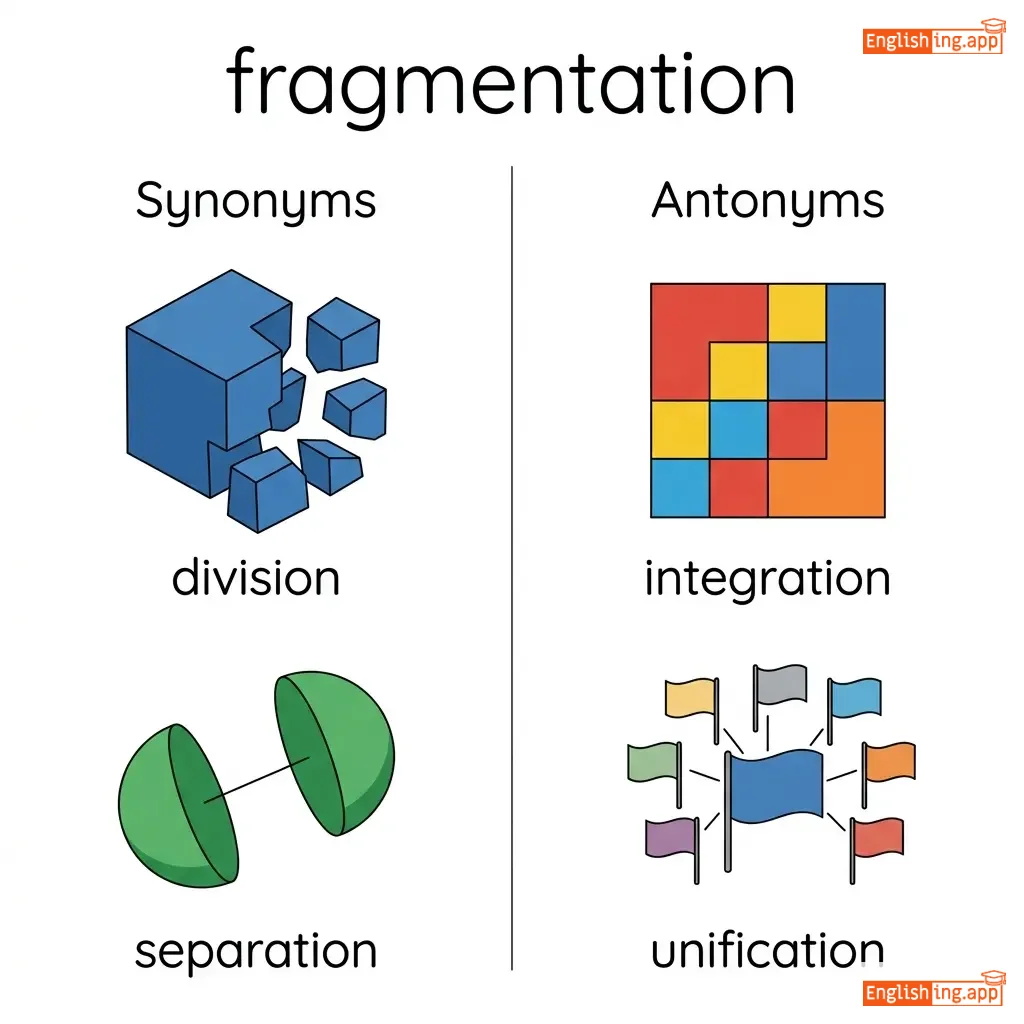
division, disintegration, separation
••••••
|
integration, unity, cohesion
••••••
|
断片化は理解を困難にする。
••••••
|
|
#3964
🎯
|
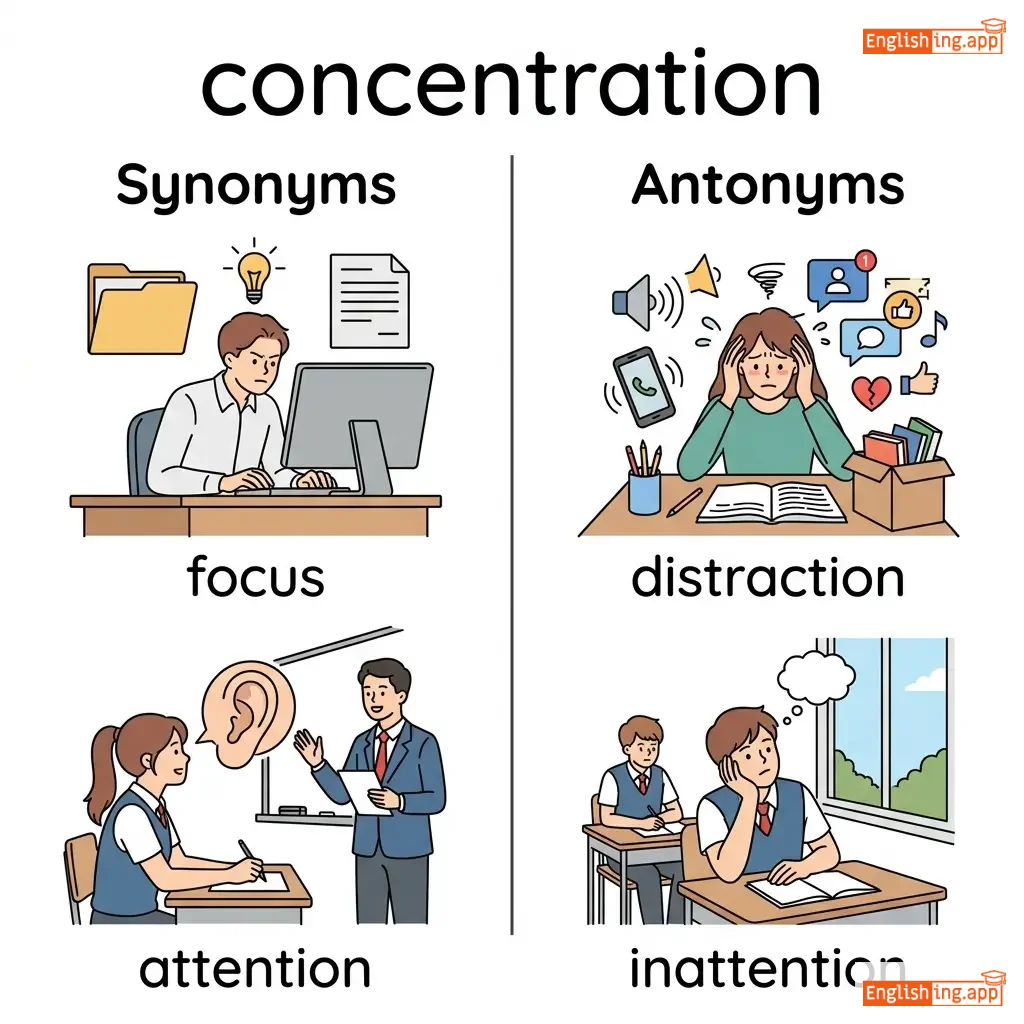
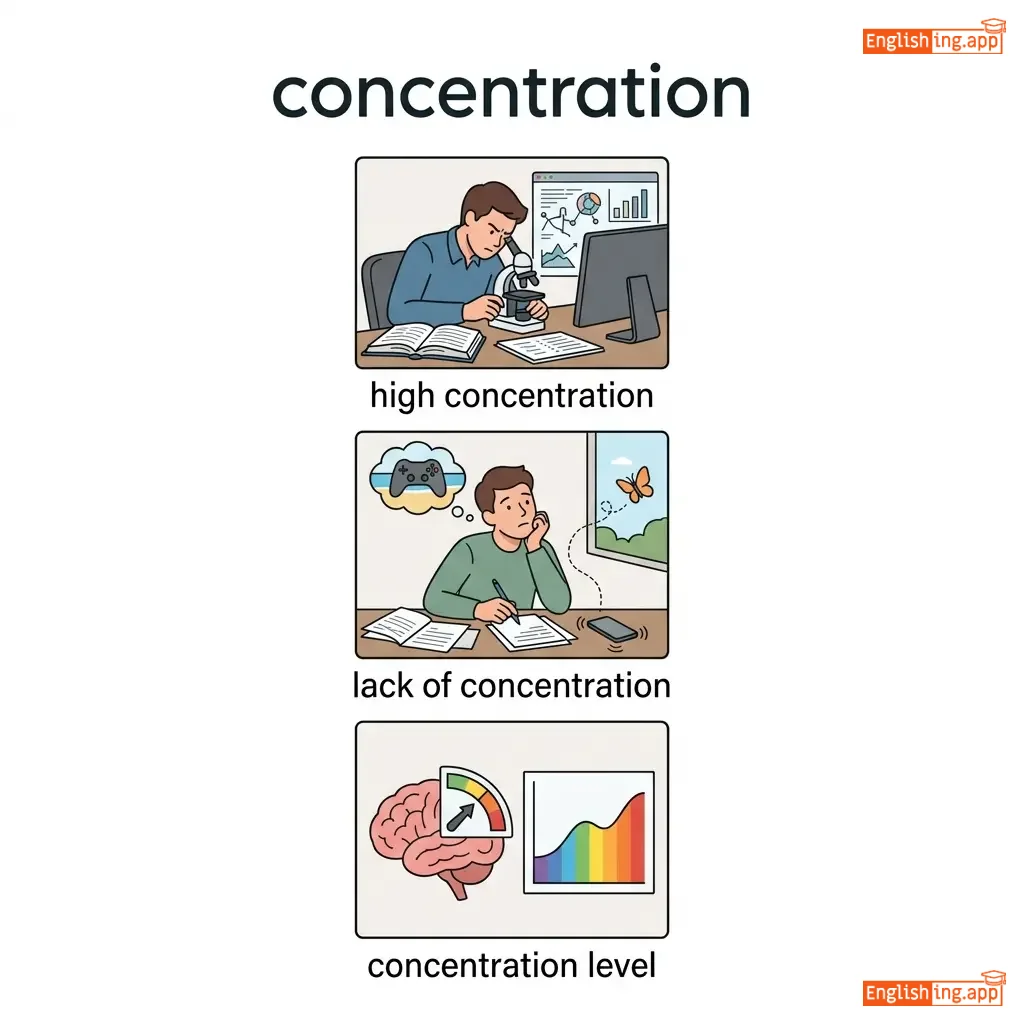
ˌkɒnsnˈtreɪʃən
noun
(コンセントレーション)
••••••
|
|
集中
shūchū
••••••
|
The action or power of focusing one's attention or mental effort on a particular object or activity.
••••••
|
Concentration is key to completing tasks efficiently. |
集中力は仕事を効率的に終わらせるための鍵です。
shūchūryoku wa shigoto o kōritsutekini owaraseru tame no kagi desu.
••••••
|
focus, attention, intensity
••••••
|
distraction, diverted attention, diffusion
••••••
|
集中 = 完全に集中すること、英語で言う 'concentration' と同じです。
••••••
|
|
#3965
🚧
|
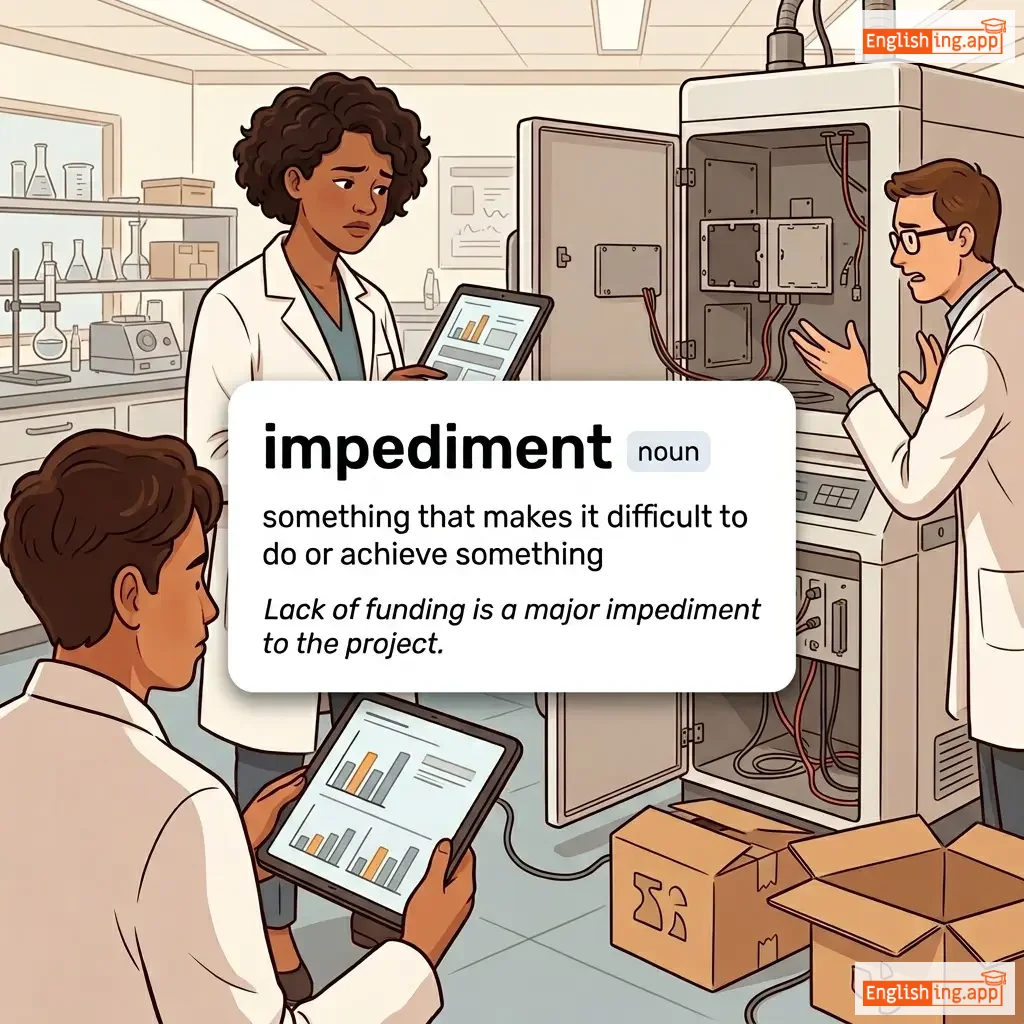
ɪmˈpɛdɪmənt
noun
(インペディメント)
••••••
|
|
障害
shougai
••••••
|
A hindrance or obstruction in doing something; an obstacle.
••••••
|
Language barriers can be an impediment to communication. |
言語の壁はコミュニケーションの障害となり得る。
Gengo no kabe wa komyunikeeshon no shougai to nariuru.
••••••
|
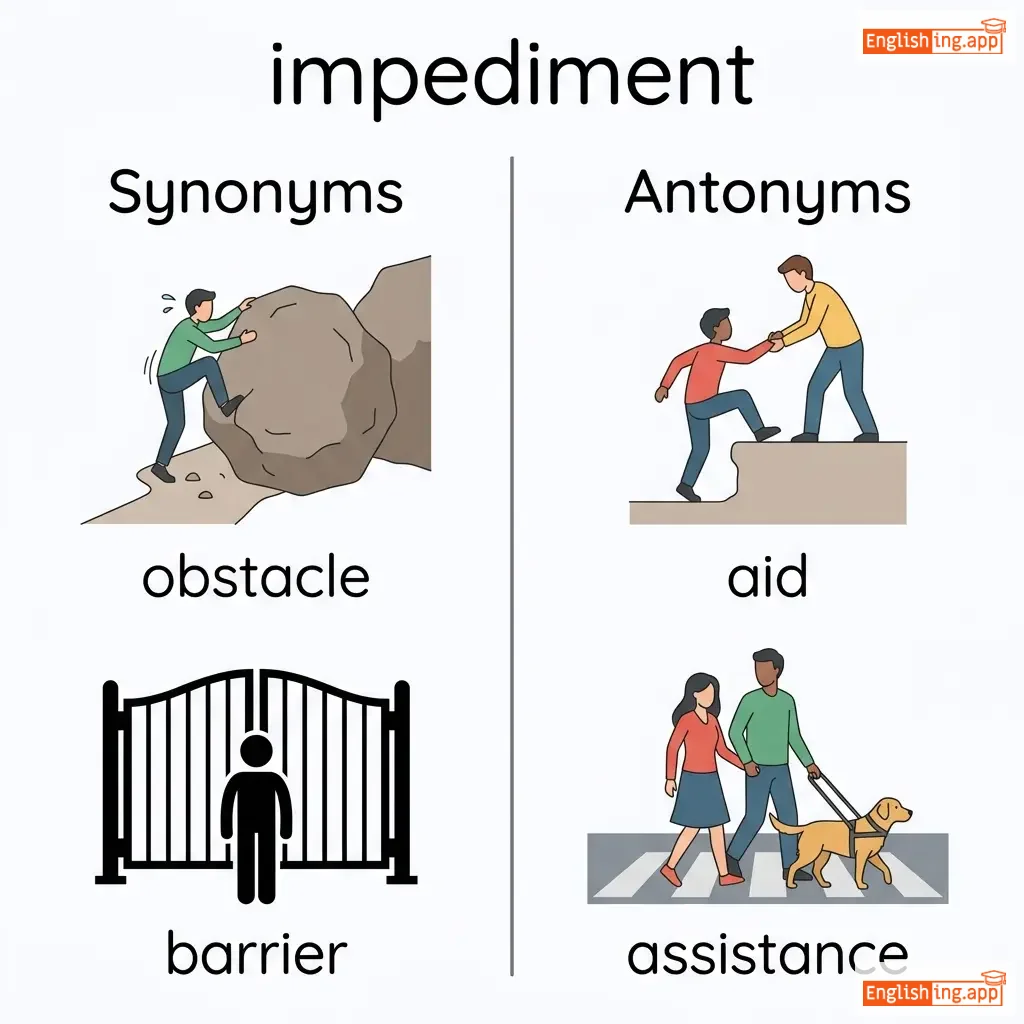
obstacle, barrier, hindrance
••••••
|
aid, assistance, help
••••••
|
障害がコミュニケーションを妨げる。
••••••
|
|
#3966
⚠️
|
ˌdɛtrɪˈmɛntəl
adjective
(detrimental)
••••••
|
|
有害な
yūgaina
••••••
|
Tending to cause harm; harmful or damaging.
••••••
|
Smoking has detrimental effects on health.
喫煙は健康に有害な影響を与えます。
••••••
|
喫煙は健康に有害な影響を与えます。
Kitsuen wa kenkō ni yūgaina eikyō o ataemasu.
••••••
|
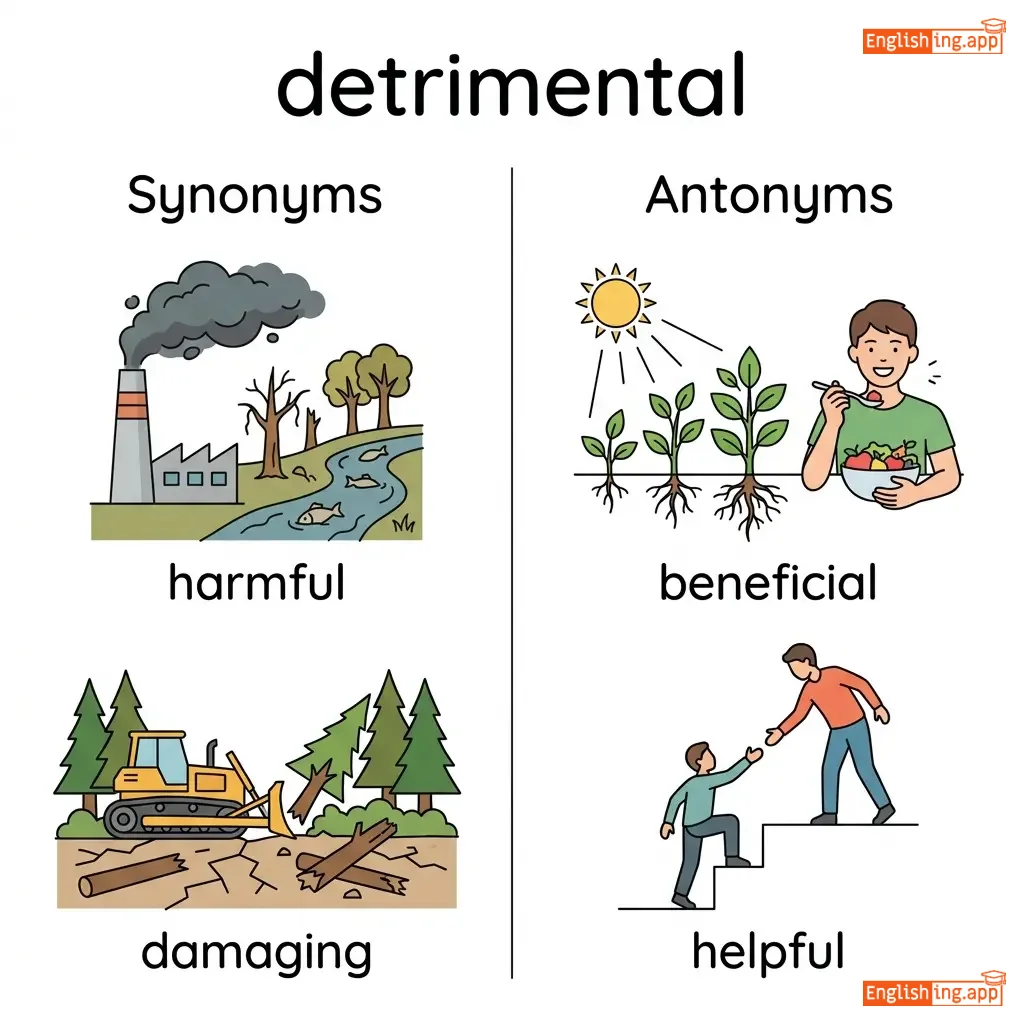
harmful, damaging, injurious
••••••
|
beneficial, advantageous, helpful
••••••
|
有害: 健康に悪影響を与えるもの
••••••
|
|
#3967
⏭️
|
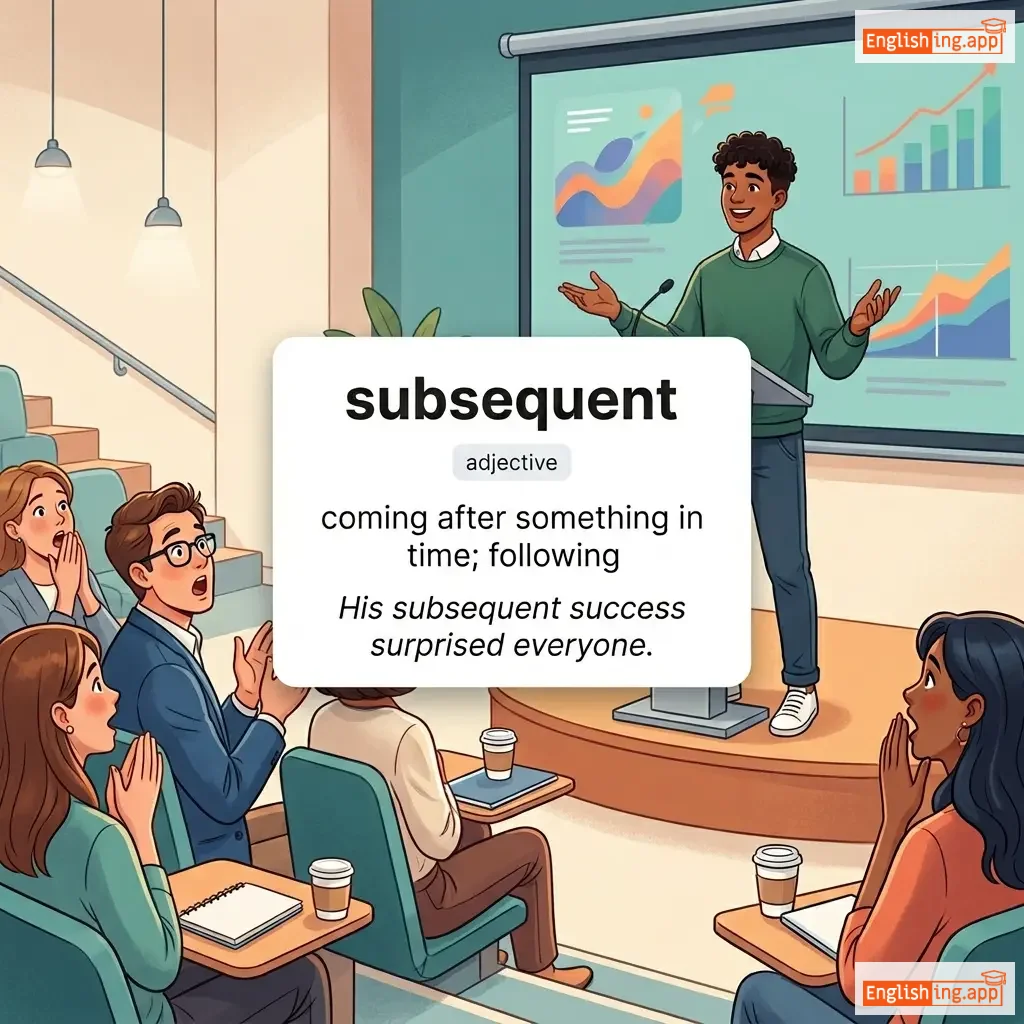
ˈsʌbsɪkwənt
adjective
(サブシクエント)
••••••
|
|
次の
tsugi no
••••••
|
Coming after something in time; following in time or order.
••••••
|
The subsequent meeting was more productive.
その後の会議はより生産的でした。
••••••
|
次の会議はより生産的でした。
Tsugi no kaigi wa yori seisan-teki deshita.
••••••
|
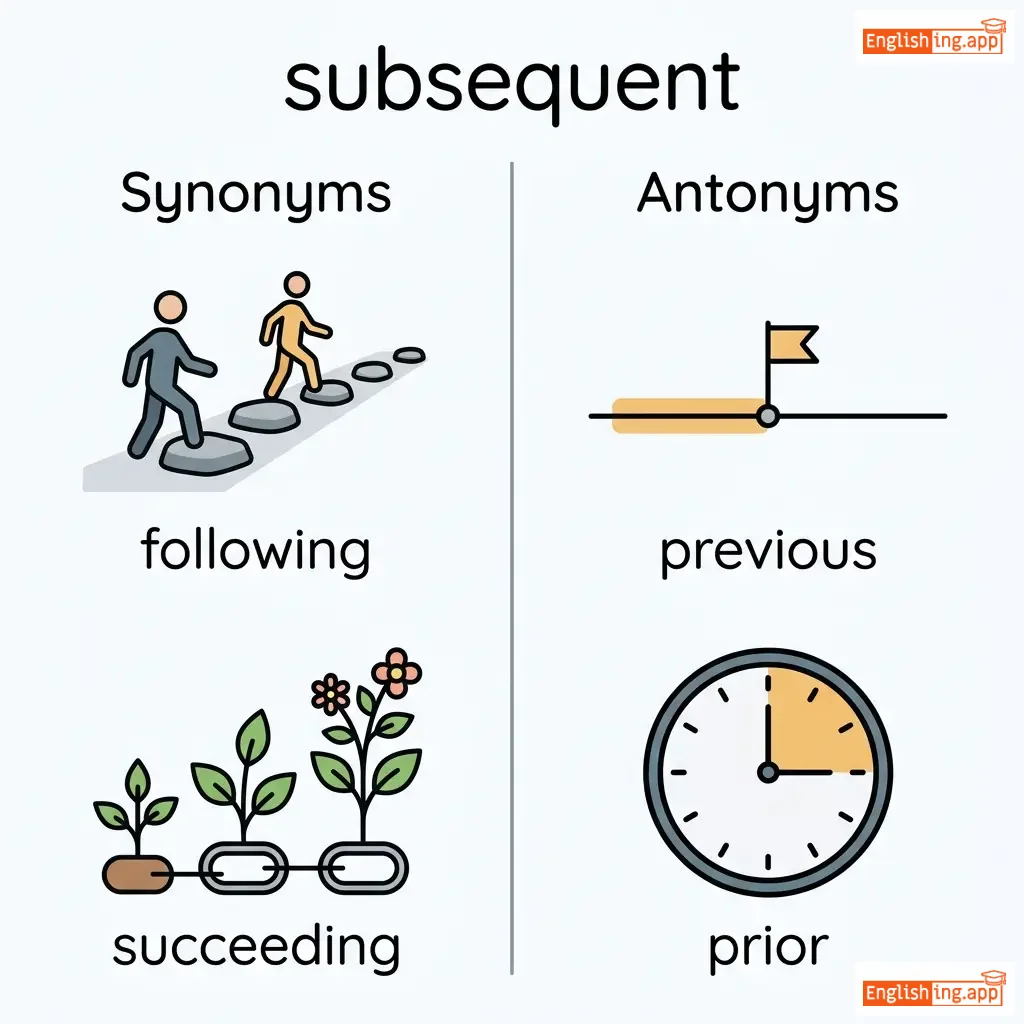
following, succeeding, afterward
••••••
|
preceding, prior, former
••••••
|
Subsequent は日本語で次のという意味で、次の会議がより生産的でした。
••••••
|
|
#3968
🎯
|
mɒnəˈtɑːskɪŋ
noun
(モノタスキング)
••••••
|
|
一度に一つの作業を行うこと
ichido ni hitotsu no sagyō o okonau koto
••••••
|
The practice of dedicating oneself to a given task and minimizing potential interruptions until the task is completed or a significant period of time has elapsed.
••••••
|
Monotasking can often lead to higher quality work. |
モノタスキングはしばしば高品質な仕事につながります。
Monotasking wa shibashiba kōhinshitsu na shigoto ni tsunagarimasu.
••••••
|
single-tasking, focusing, concentrating
••••••
|
multitasking, distraction, diversion
••••••
|
モノタスキングは、一度に一つの仕事に集中して、より良い結果を得ることです。
••••••
|
|
#3969
🤝
|
ˈsɪnərdʒi
noun
(シナジー)
••••••
|
|
相乗効果, 結束力
sōjō kōka, kessokuryoku
••••••
|
The interaction or cooperation of two or more organizations, substances, or other agents to produce a combined effect greater than the sum of their separate effects.
••••••
|
The synergy between the two teams led to great success. |
二つのチームの相乗効果が大きな成功をもたらした。
Futatsu no chīmu no sōjō kōka ga ōkina seikō o motarashita.
••••••
|
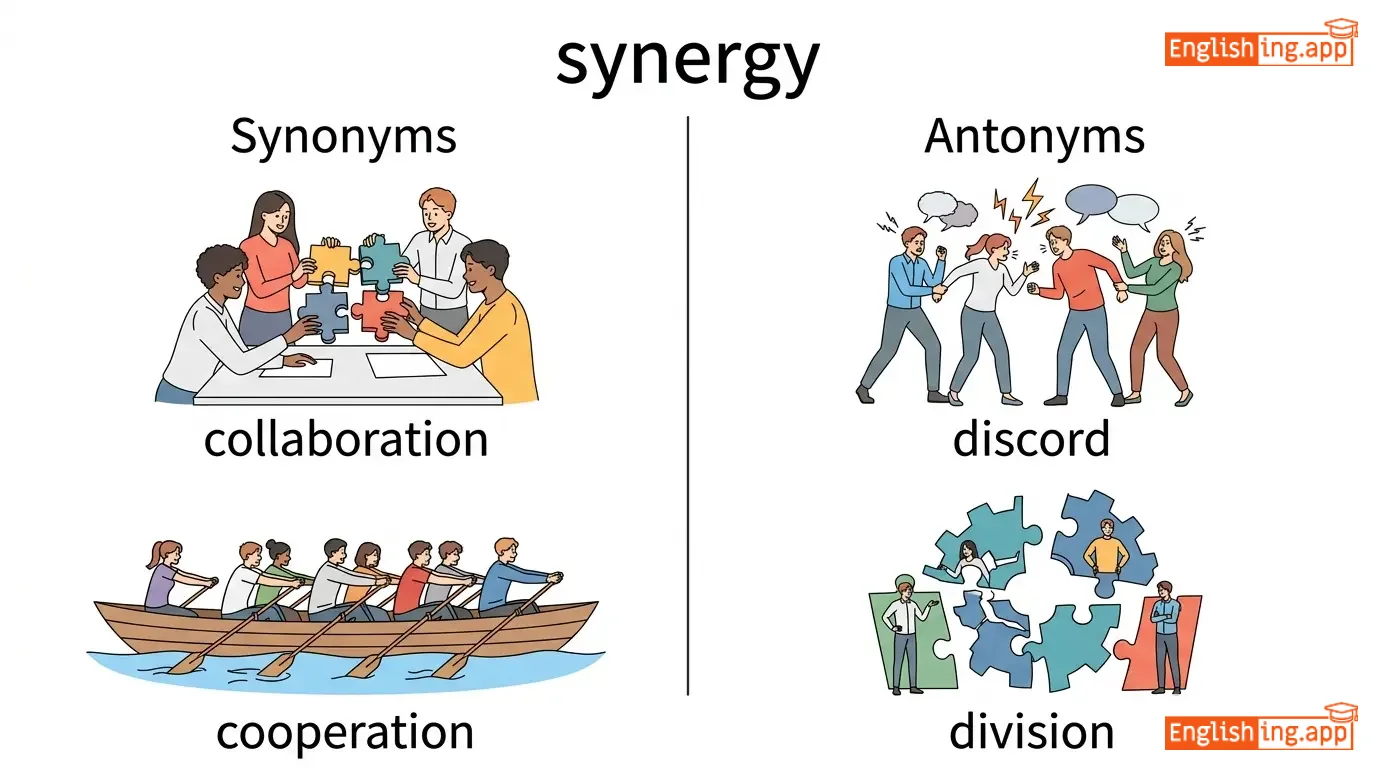
cooperation, collaboration, alliance
••••••
|
disagreement, conflict, disunity
••••••
|
相乗効果は力を合わせて、より大きな成果を生み出す力です。
••••••
|
|
#3970
⚙️
|
ˈɒptɪmaɪz
verb
(オプティマイズ)
••••••
|
|
最適化する, 改善する
saitekika suru, kaizen suru
••••••
|
Make the best or most effective use of a situation, opportunity, or resource.
••••••
|
They optimized the software for faster performance.
彼らはパフォーマンス向上のためにソフトウェアを最適化しました。
••••••
|
彼らはパフォーマンス向上のためにソフトウェアを最適化しました。
Karera wa pafōmansu kōjō no tame ni sofutowea o saitekika shimashita.
••••••
|
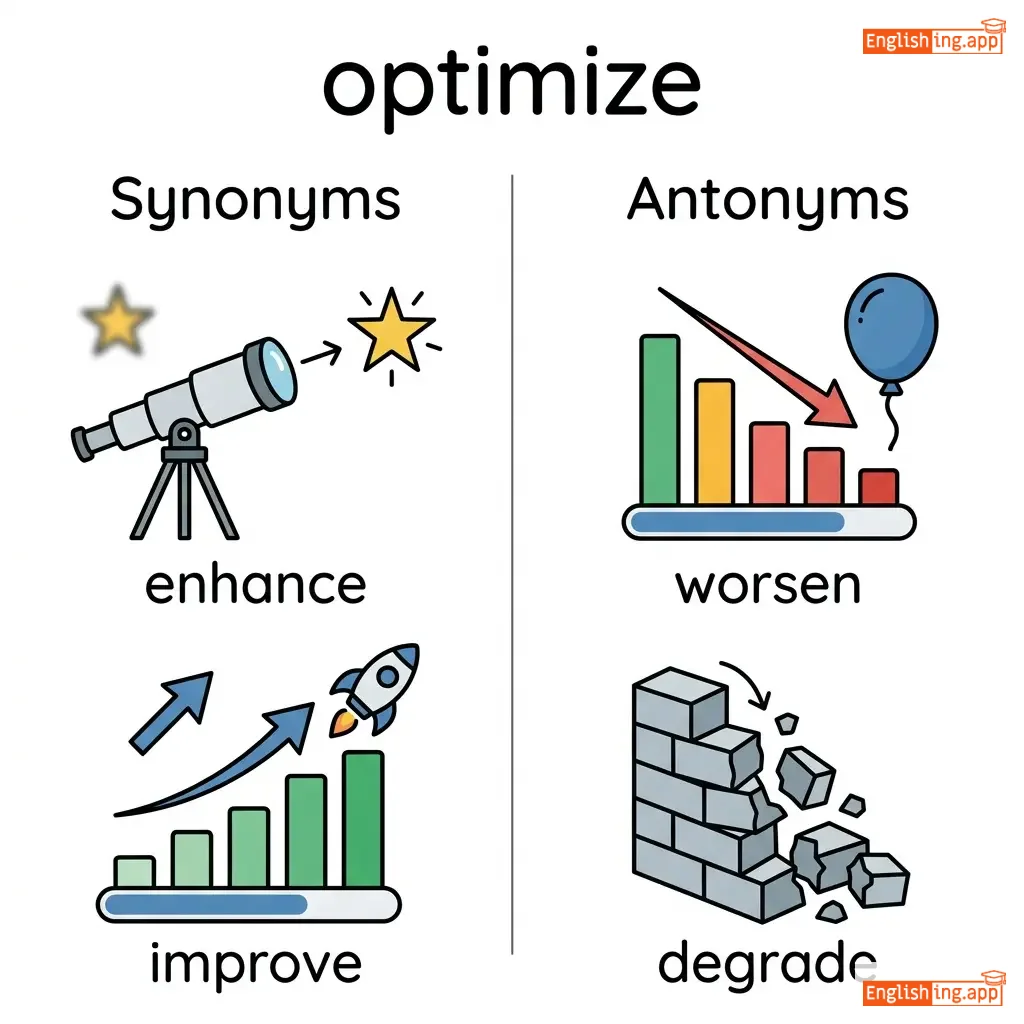
enhance, improve, refine
••••••
|
worsen, degrade, diminish
••••••
|
最適化 = 最良の資源活用
••••••
|
|
#3971
💰
|
ɪɡˈzɔːbɪtənt
adjective
(エクソービタント)
••••••
|
|
法外な, 過剰な
hōgaina, kajōna
••••••
|
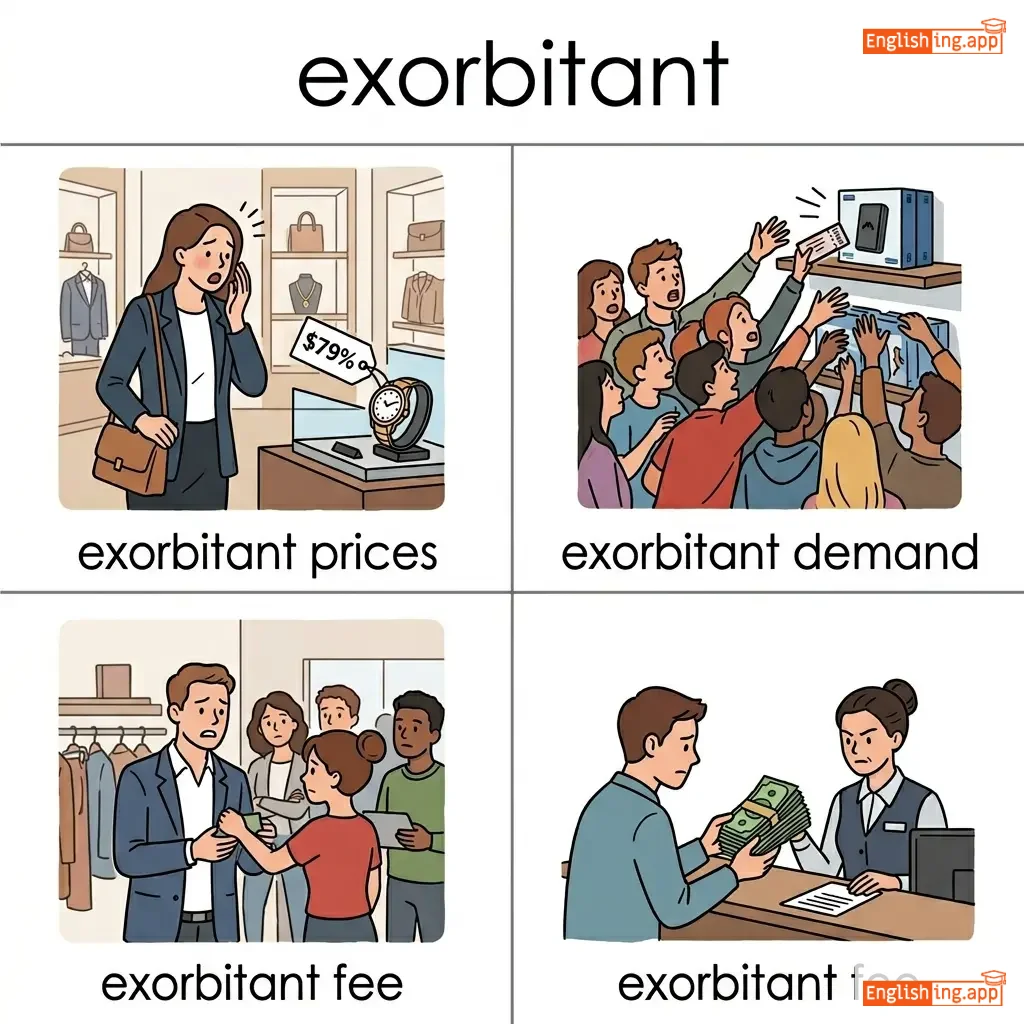
Unreasonably high in price or amount; excessive.
••••••
|
The price of the concert tickets was exorbitant.
コンサートのチケットの価格は法外だった。
••••••
|
コンサートのチケットの価格は法外だった。
Konsāto no chiketto no kakaku wa hōgai datta.
••••••
|
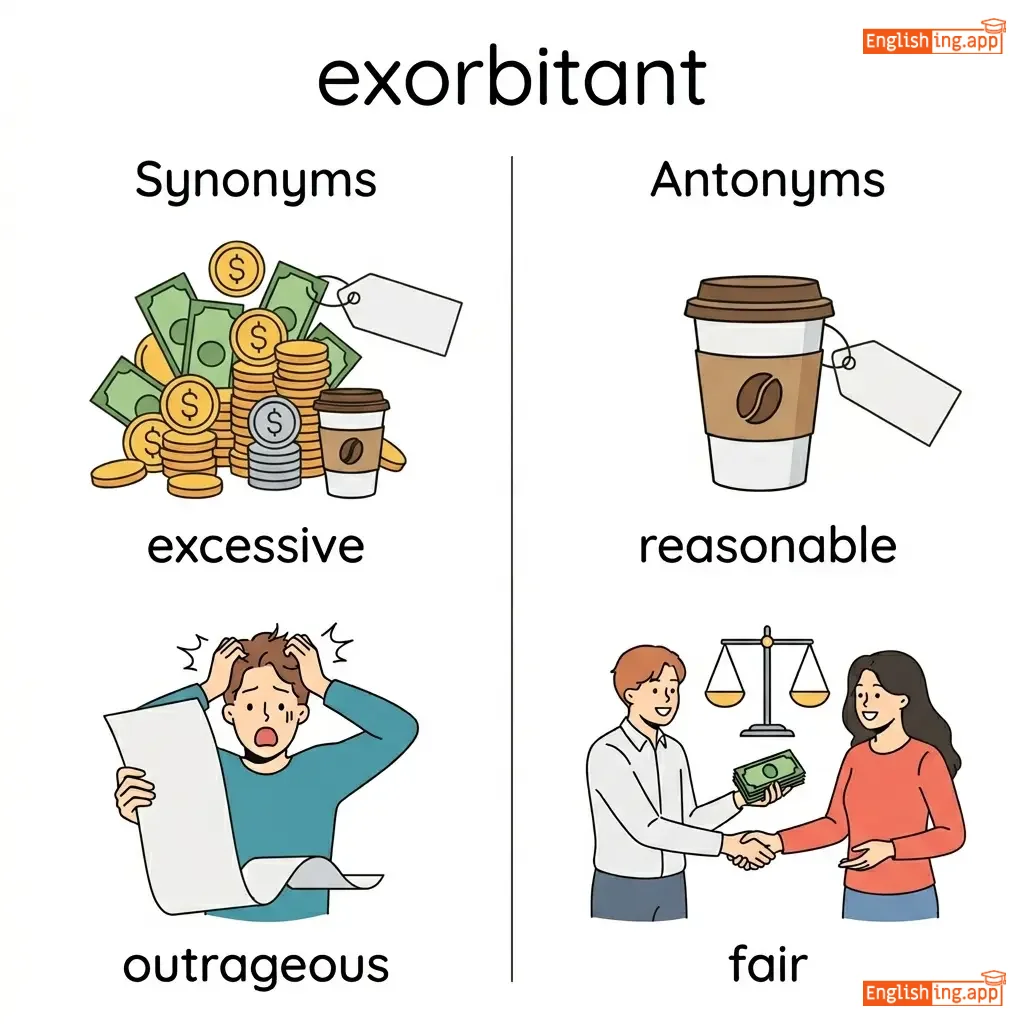
excessive, overpriced, outrageous
••••••
|
reasonable, affordable, modest
••••••
|
Imagine the price of a concert ticket that’s ‘out of bounds,’ far too much.
••••••
|
|
#3972
📊
|
ˈwɜːrkˌləʊd
noun
(ワークロード)
••••••
|
|
作業負荷
sagyou fuka
••••••
|
The amount of work to be done by someone or something.
••••••
|
His workload has increased dramatically in the past month.
彼のワークロードは先月劇的に増加しました。
••••••
|
彼のワークロードは先月劇的に増加しました。
Kare no wākurōdo wa sengetsu gekiteki ni zōka shimashita.
••••••
|
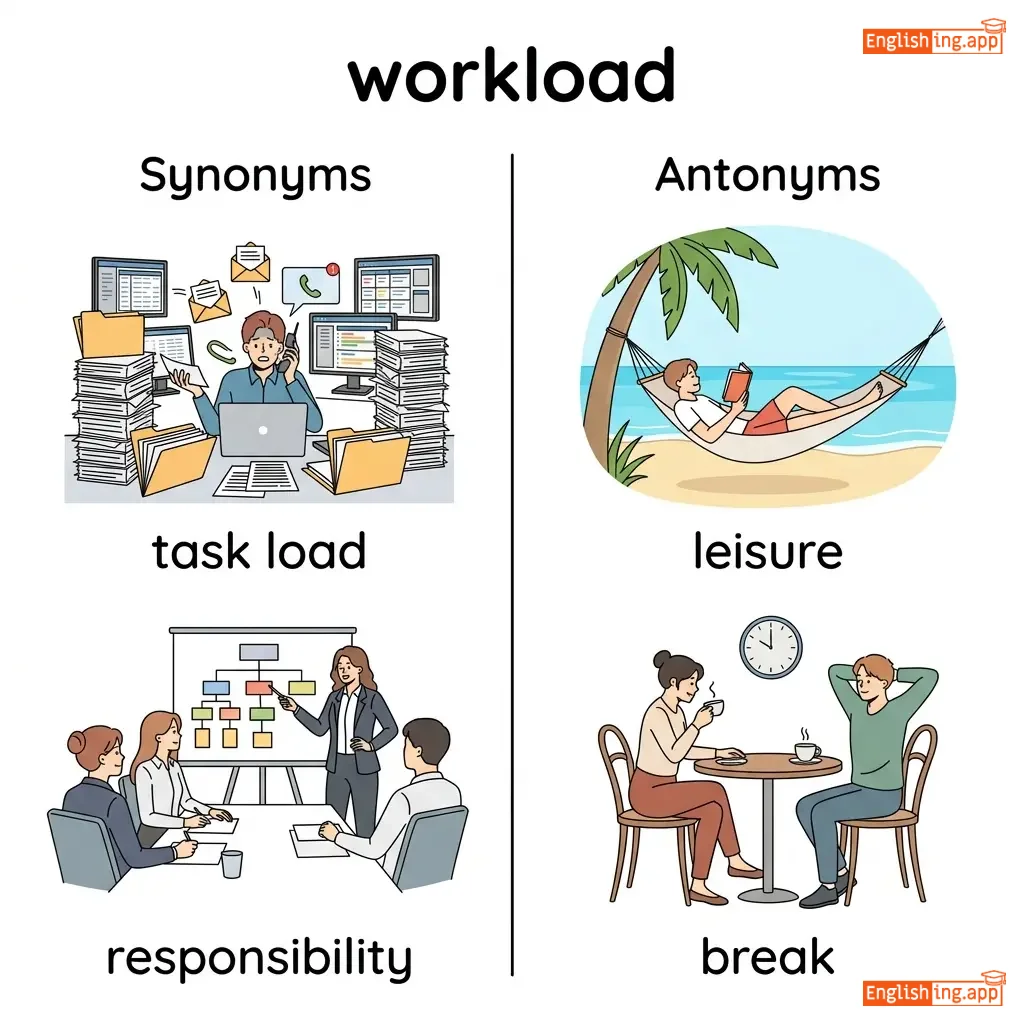
task load, responsibility, duty
••••••
|
leisure, break, rest
••••••
|
In Japanese, '作業負荷' means the load of work, just like workload.
••••••
|
|
#3973
🤔
|
dɪˈlɪbəreɪt
adjective
(デリバレイト)
••••••
|
|
意図的に行われた
itoteki ni okonawareta
••••••
|
Done consciously and intentionally; carefully considered.
••••••
|
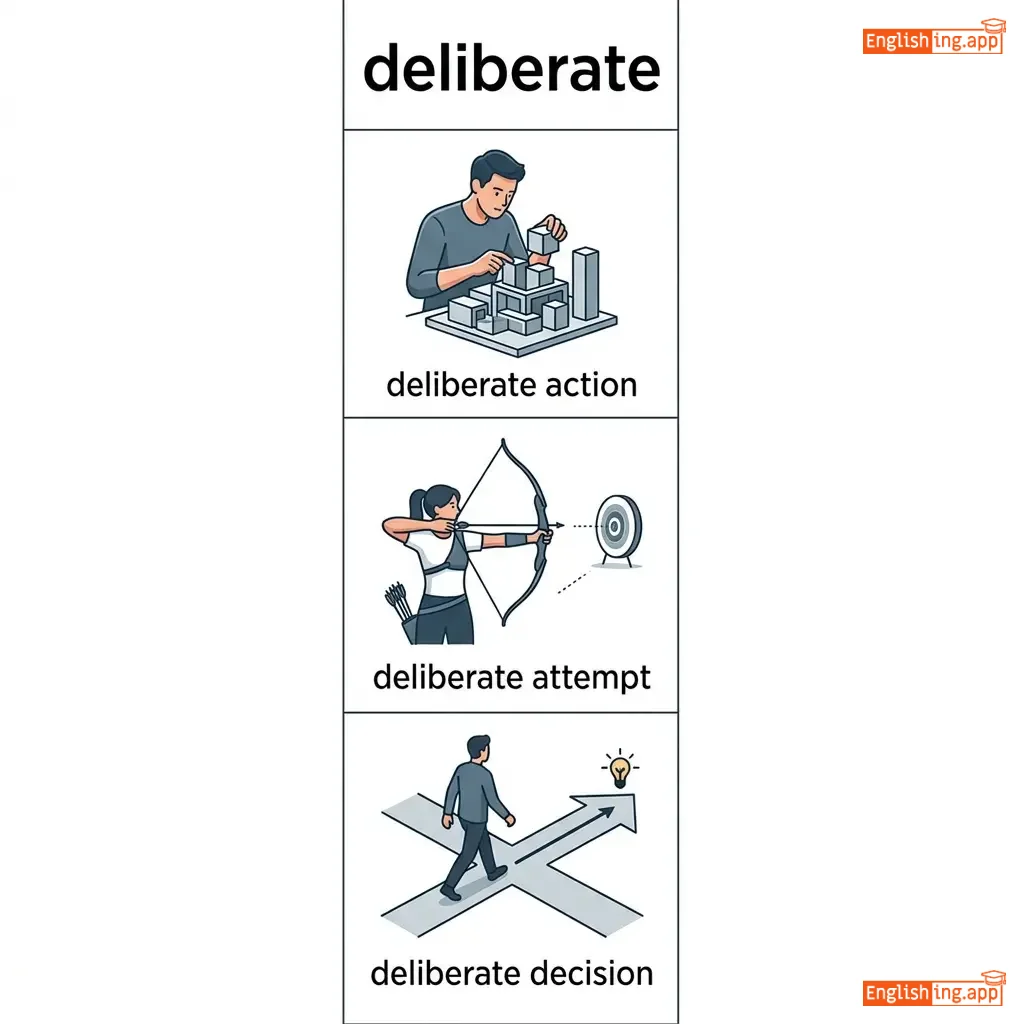
His deliberate actions showed great care and thoughtfulness. |
彼の意図的な行動は、大きな配慮と熟慮を示しました。
Kare no itoteki na kōdō wa, ōkina hairyo to jukuryo o shimeshimasita.
••••••
|
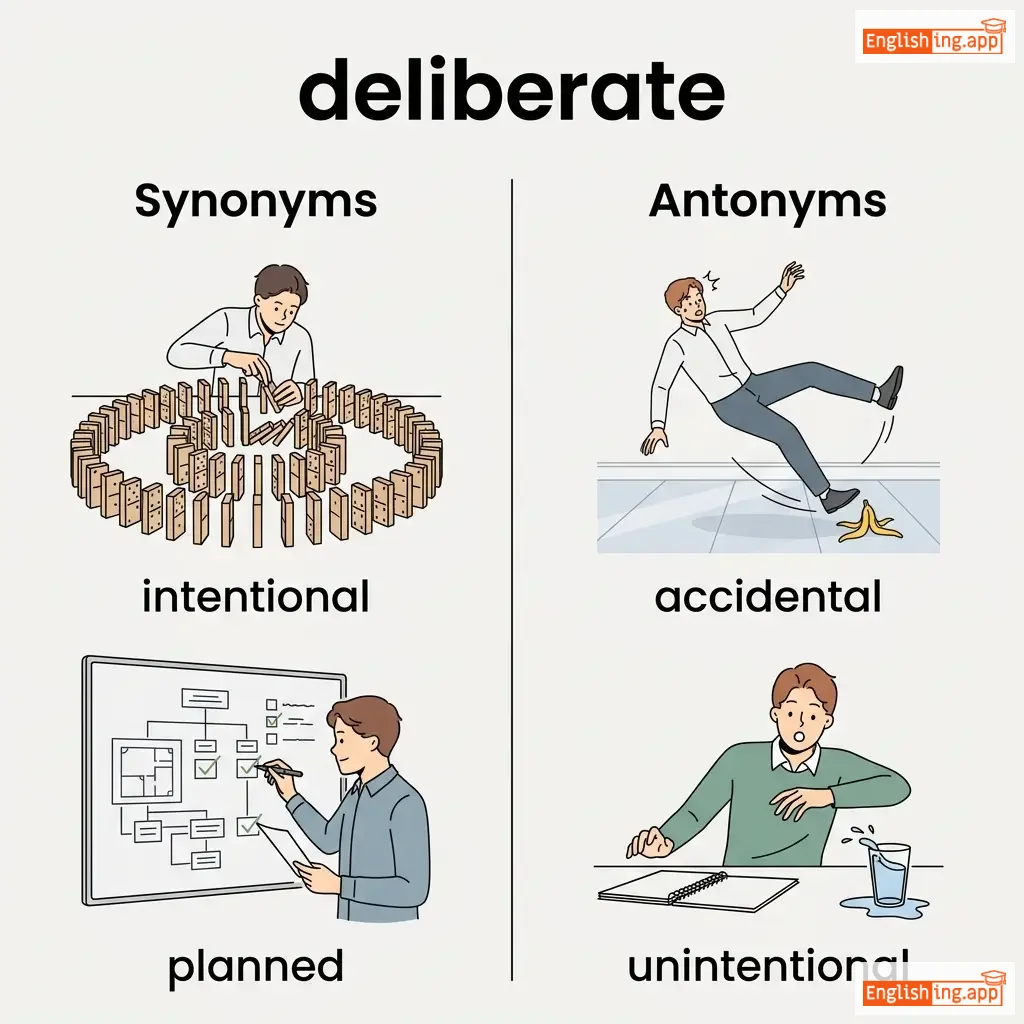
intentional, thoughtful, considered
••••••
|
hasty, impulsive, careless
••••••
|
意図的に行うことは、考え抜かれた行動です。
••••••
|
Vocabulary Quiz
Test your vocabulary by matching words with their translations or meanings.
Login to take the quiz
Comments (0)
Share your thoughts and join the discussion.
Join the discussion by logging in
Login to CommentNo comments yet
Be the first to share your thoughts!