

冬により多くの野菜が育つ理由
Why More Vegetables Grow in Winter
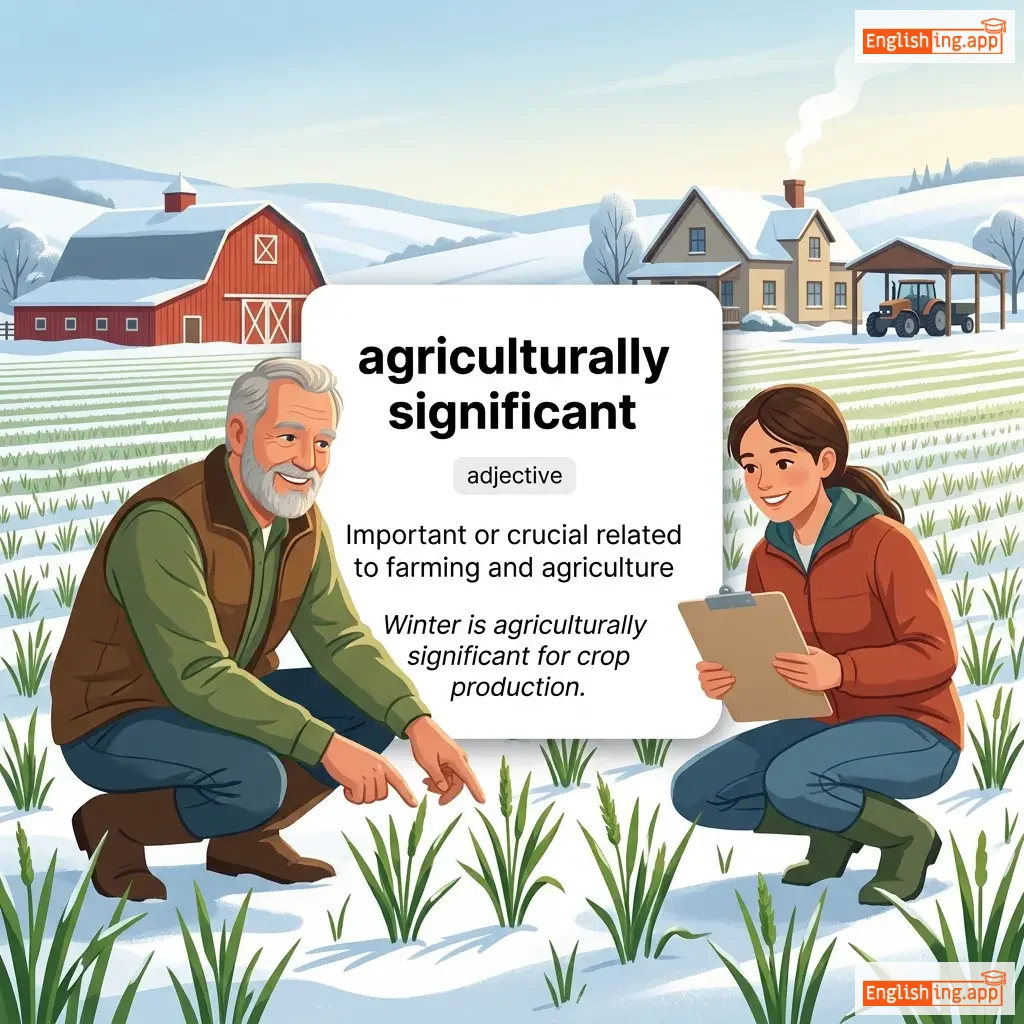
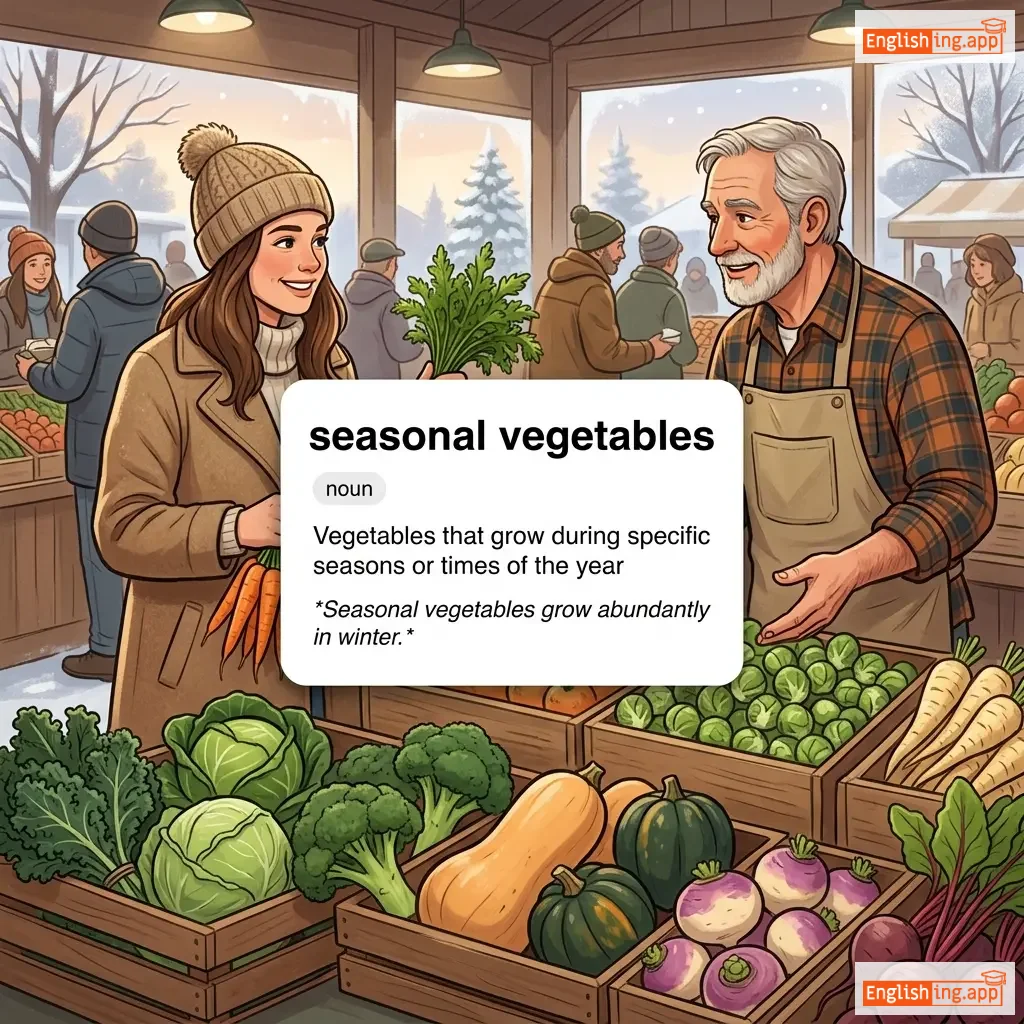
冬は私たちの国にとってagriculturally significantな季節です。米、小麦、トウモロコシなどの主要作物に加えて、さまざまなseasonal vegetablesが冬に栽培されます。キャベツ、カリフラワー、ニンジン、トマトなどのnutritious cropsは、他の季節では見られないほどのabundanceを示します。
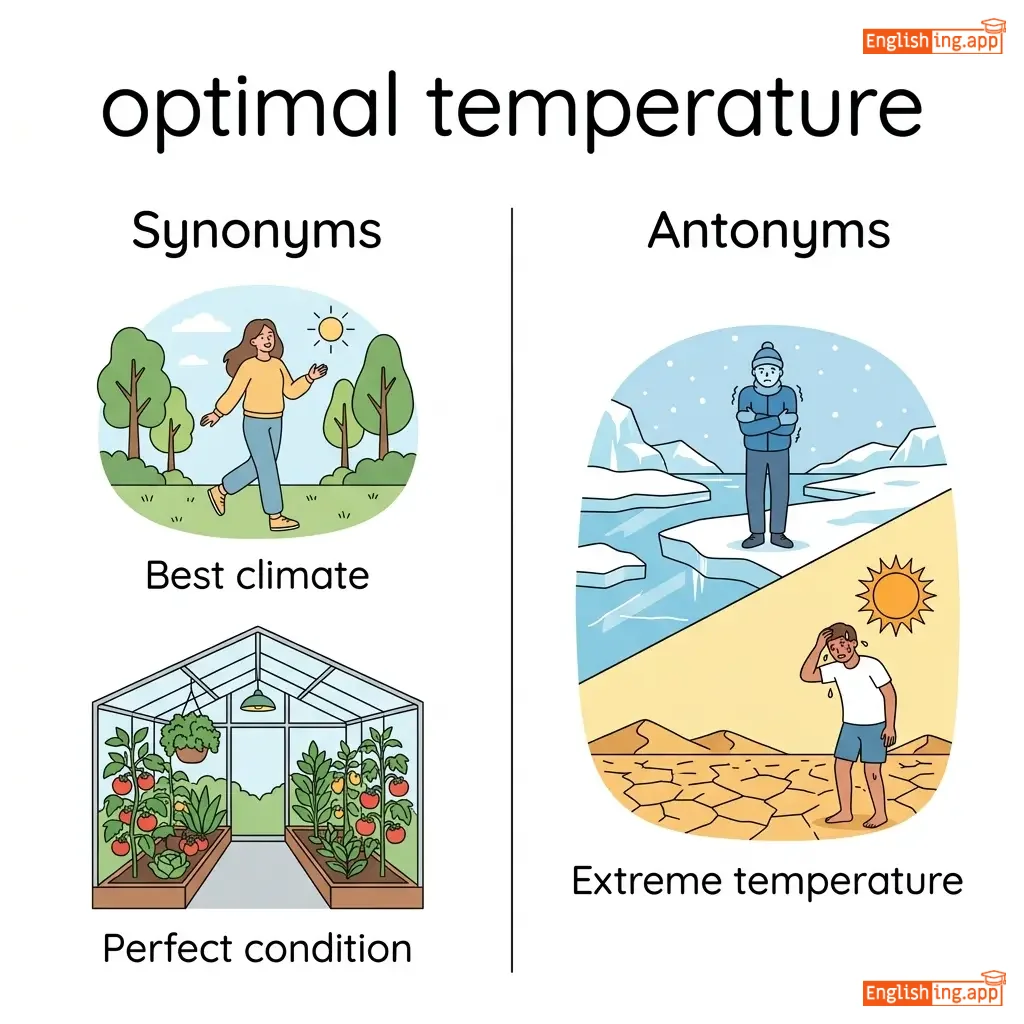
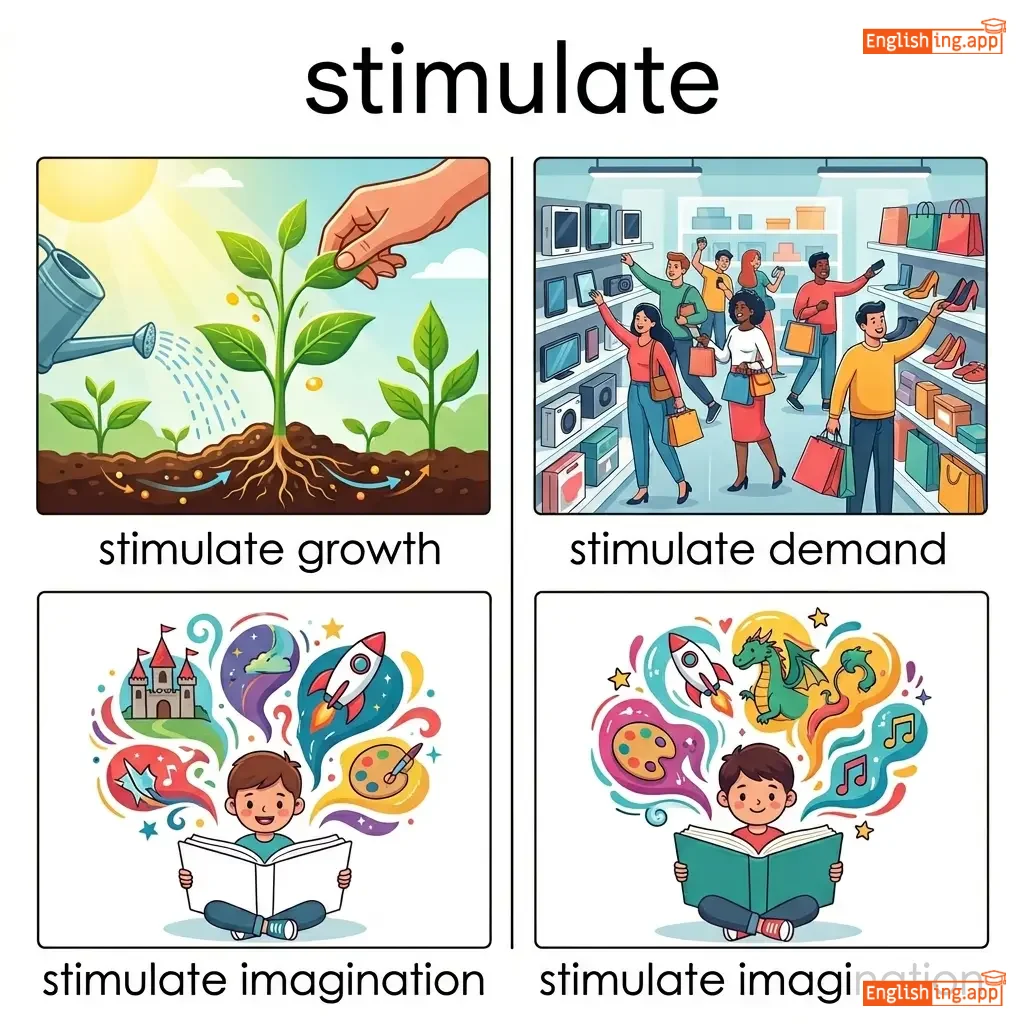
冬に多くの野菜が育つ理由は、favorable climatic conditionsと植物自体のadaptive featuresにあります。通常、過度の暑さや雨は野菜の成長をhinderします。しかし、冬のoptimal temperature(約15〜25度)と10〜12時間の日照がstimulate plant growthします。
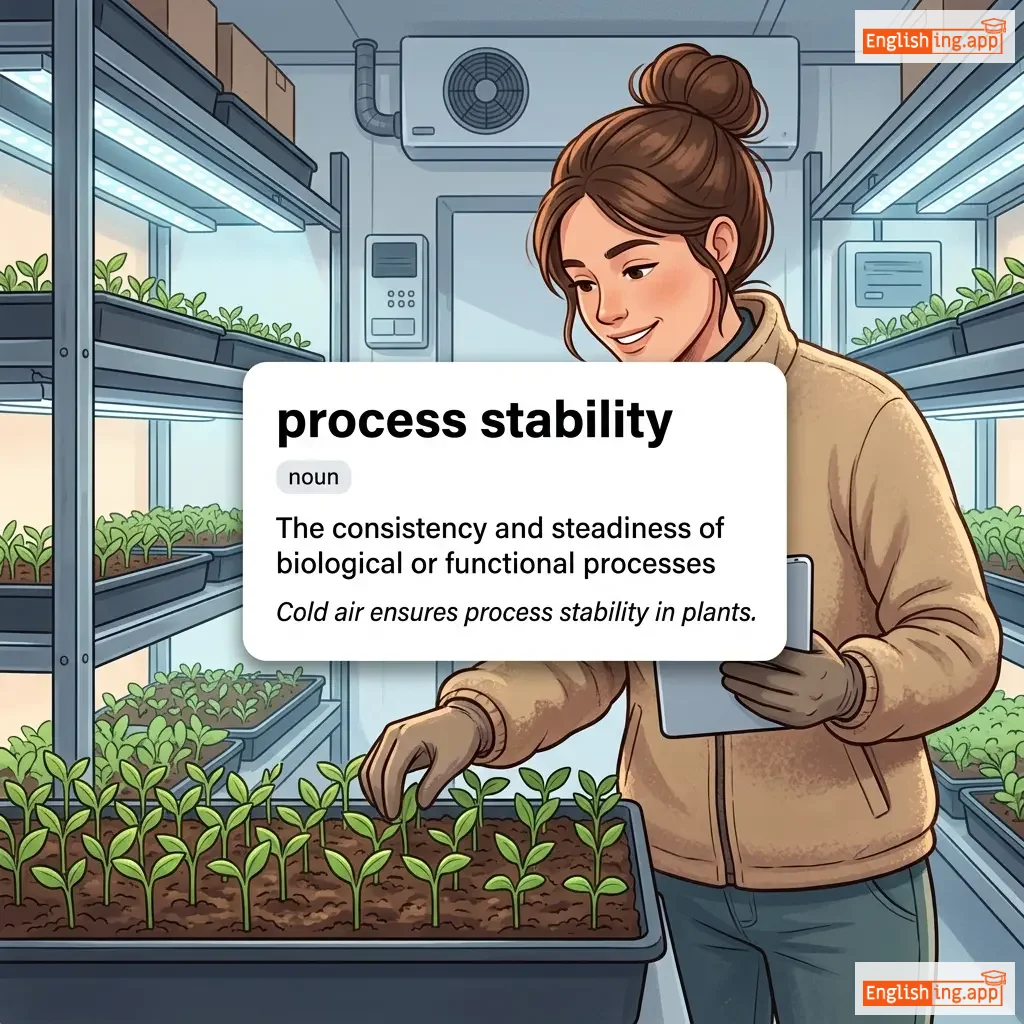
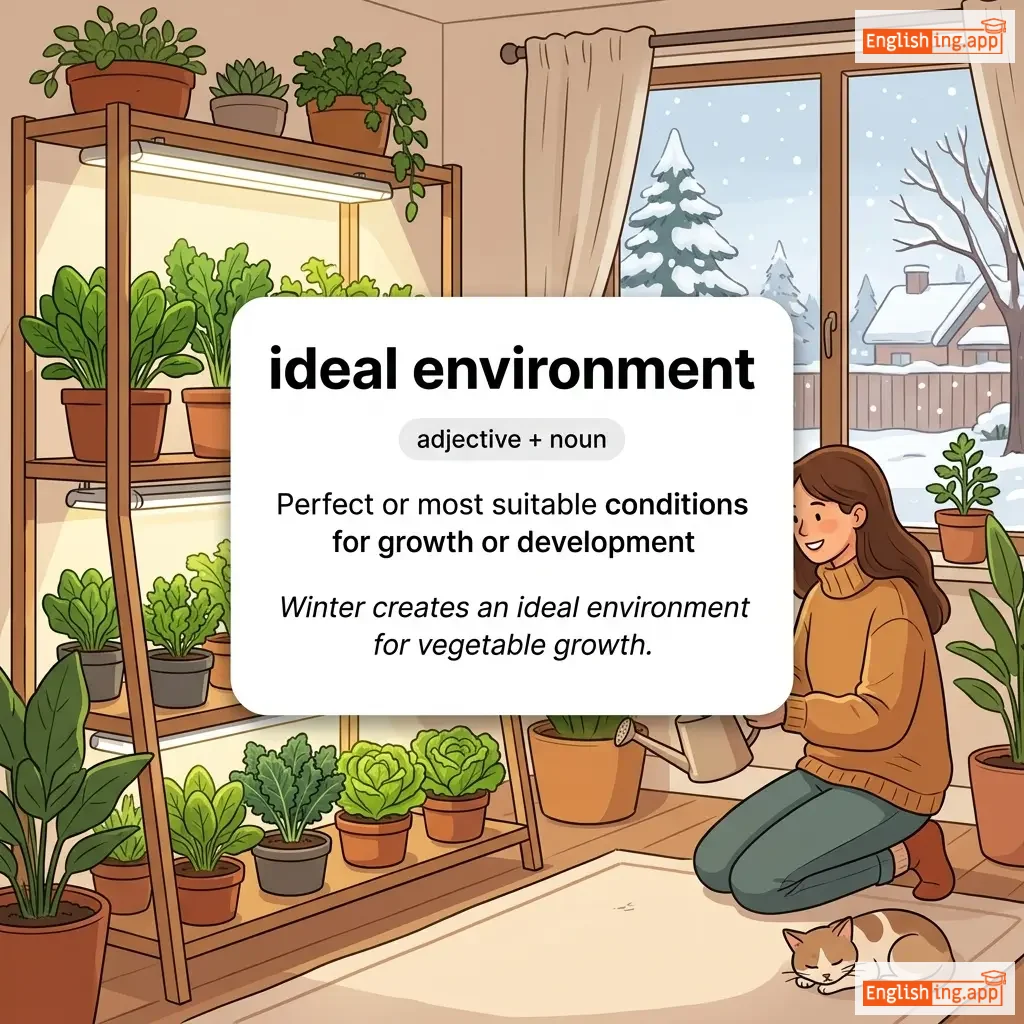
さらに、霧と冷たい空気が植物の生理的process stabilityを維持し、収穫量を増加させます。冬のideal environmentは植物にとってまさに恵みです。
翻訳
過去
過去分詞
三人称単数
動名詞
意味
例文
例文の翻訳
同義語
対義語
コロケーション
ニーモニック


Swipe left or right, or use the buttons. Tap image to zoom.
例文の翻訳
単語
Why More Vegetables Grow in WinterWhy More Vegetables Grow in Winter - マスクトグル
|
絵文字
|
単語 | Images | 翻訳 | 意味 | 例文 | 例文の翻訳 | 同義語 | 対義語 | ニーモニック |
|---|---|---|---|---|---|---|---|---|---|
|
#378
🌾
|
ˌæɡrɪˈkʌltʃərəli sɪɡˈnɪfɪkənt
adjective
(エイグリカルチャリー シグニフィカント)
••••••
|
|
農業に関連する重要な
nōgyō ni kanren suru jūyō na
••••••
|
Important or crucial related to farming and agriculture
••••••
|
Winter is agriculturally significant for crop production. |
冬は作物生産にとって農業に関連する重要な時期です。
Fuyu wa sakumotsu seisan ni totte nōgyō ni kanren suru jūyō na jiki desu.
••••••
|
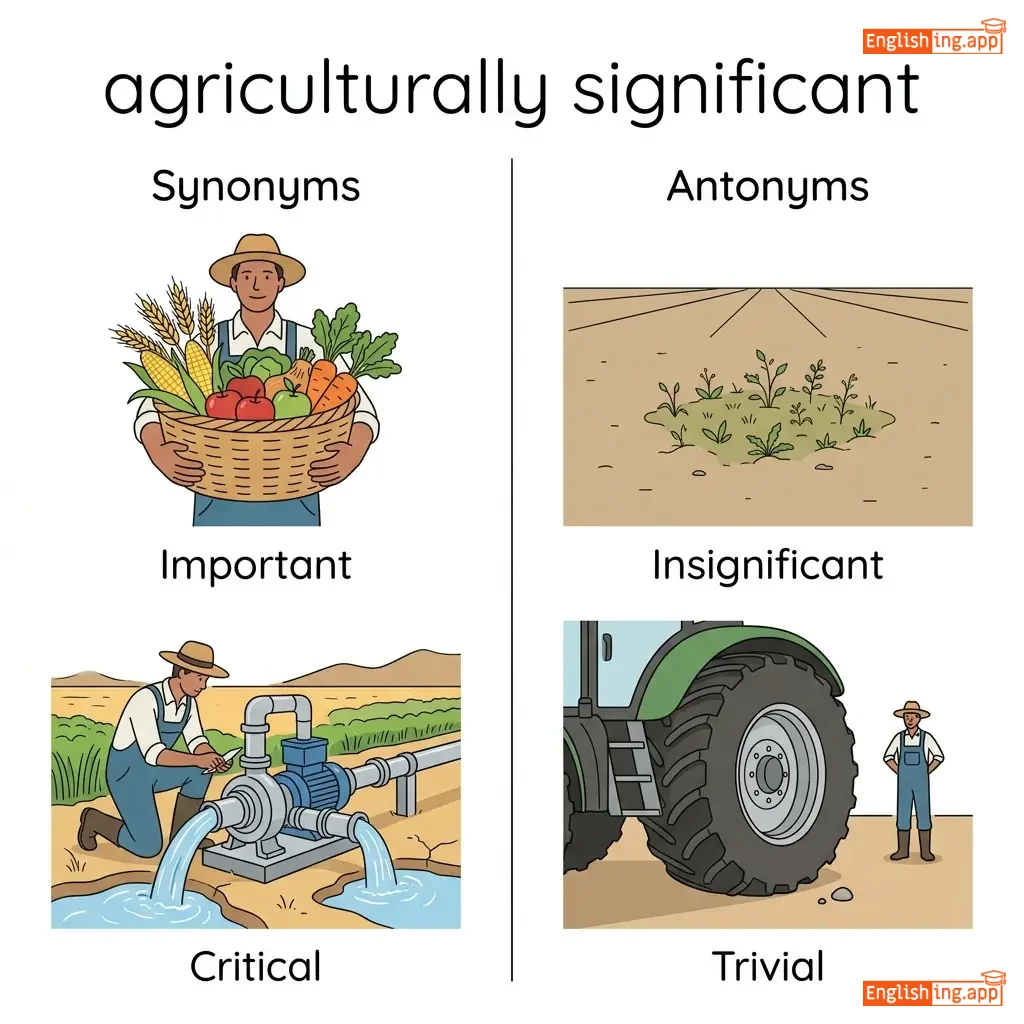
Important, Critical
••••••
|
Insignificant, Trivial
••••••
|
農業 + 重要 = 農業の意義
••••••
|
|
#379
🥬
|
ˈsiːzənəl ˈvedʒtəbəlz
noun
(シーズナル ベジタブルズ)
••••••
|
|
季節の野菜
kisetsu no yasai
••••••
|
Vegetables that grow during specific seasons or times of the year
••••••
|
Seasonal vegetables grow abundantly in winter. |
季節の野菜は冬に豊富に育ちます。
kisetsu no yasai wa fuyu ni houfu ni sodachimasu
••••••
|
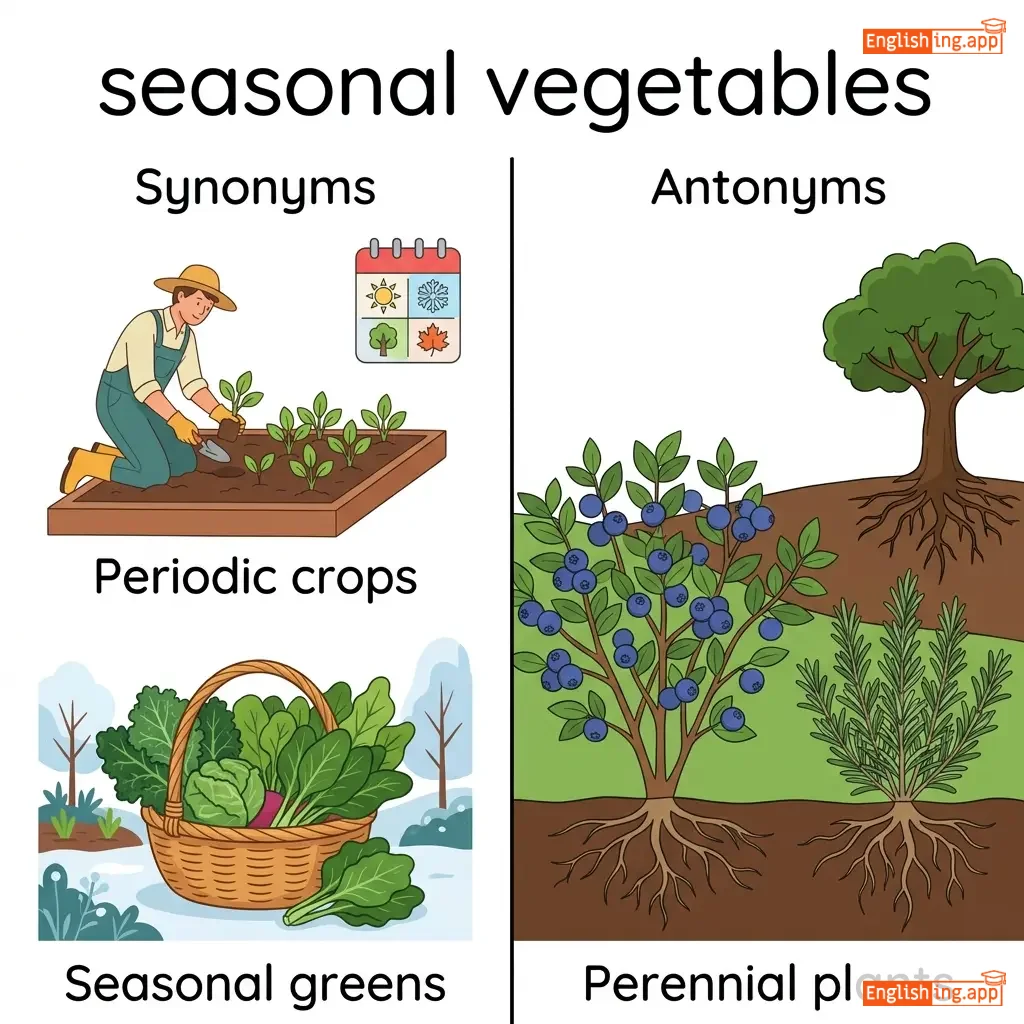
Periodic crops, Seasonal greens
••••••
|
Perennial plants
••••••
|
季節ごとに変わる野菜
••••••
|
|
#380
🌱
|
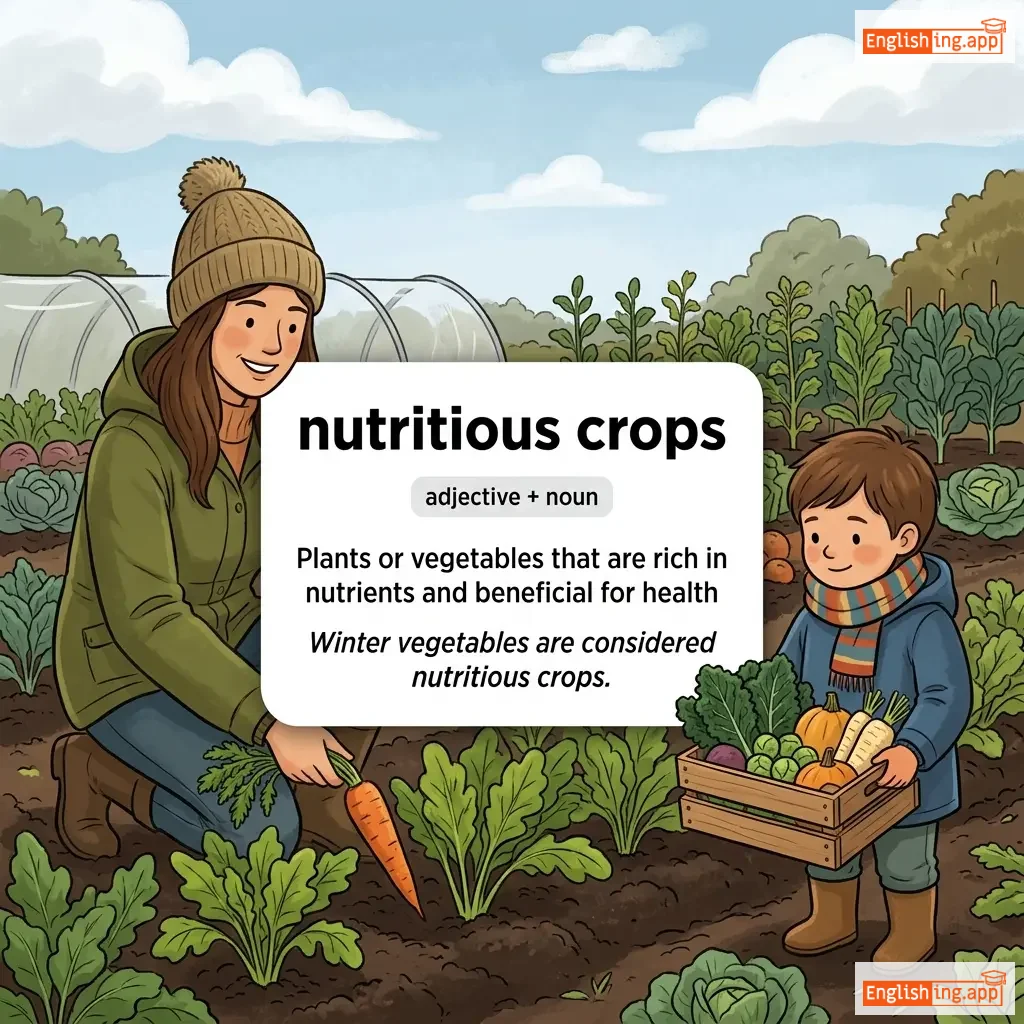
njuˈtrɪʃəs krɒps
adjective + noun
(ニュートリシャス クロップス)
••••••
|
|
栄養豊富な作物
eiyou houfu na sakumotsu
••••••
|
Plants or vegetables that are rich in nutrients and beneficial for health
••••••
|
Winter vegetables are considered nutritious crops.
冬の野菜は栄養価の高い作物と見なされています。
••••••
|
冬の野菜は栄養価の高い作物と見なされています。
Fuyu no yasai wa eiyouka no takai sakumotsu to minasareteimasu.
••••••
|
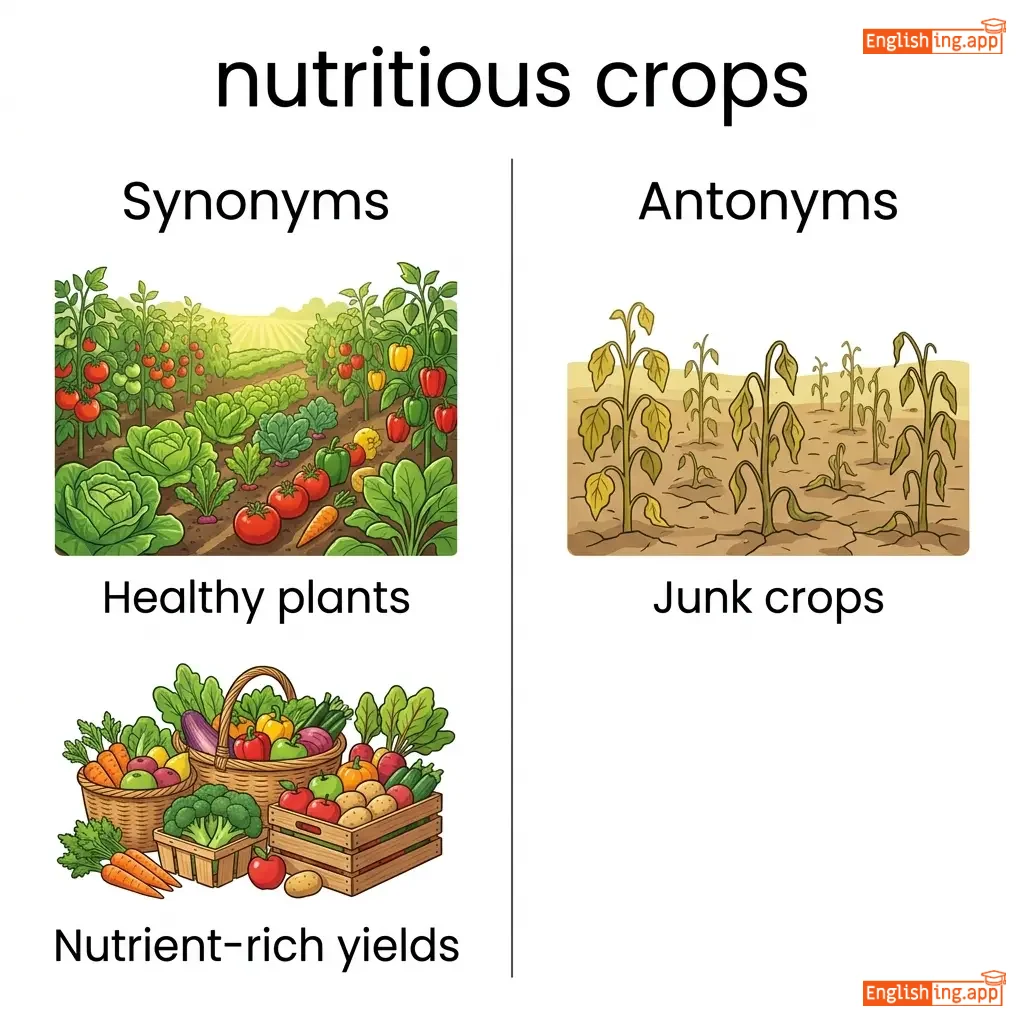
Healthy plants, Nutrient-rich yields
••••••
|
Junk crops
••••••
|
In Japanese, '栄養' (eiyou) means nutrition and '作物' (sakumotsu) means crops. Imagine nutrient-packed crops growing in winter.
••••••
|
|
#381
🌿
|
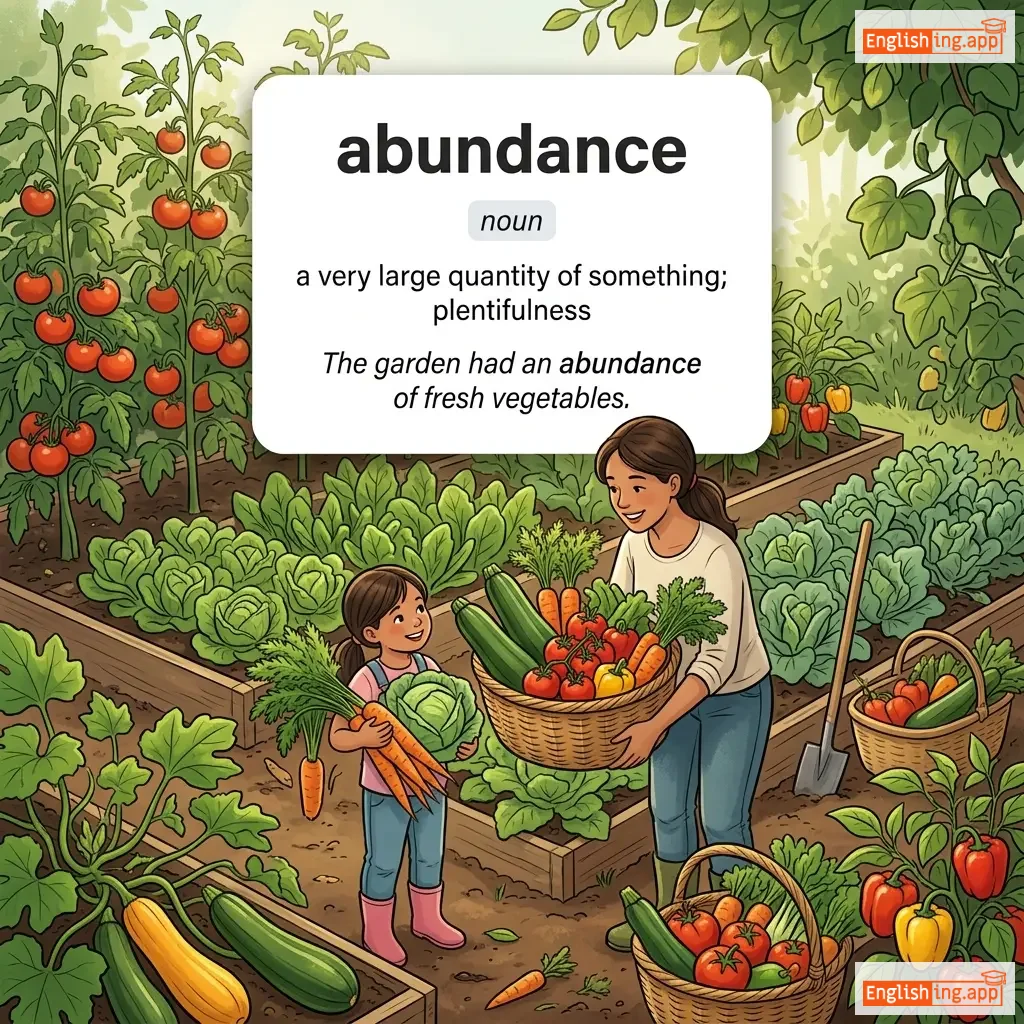
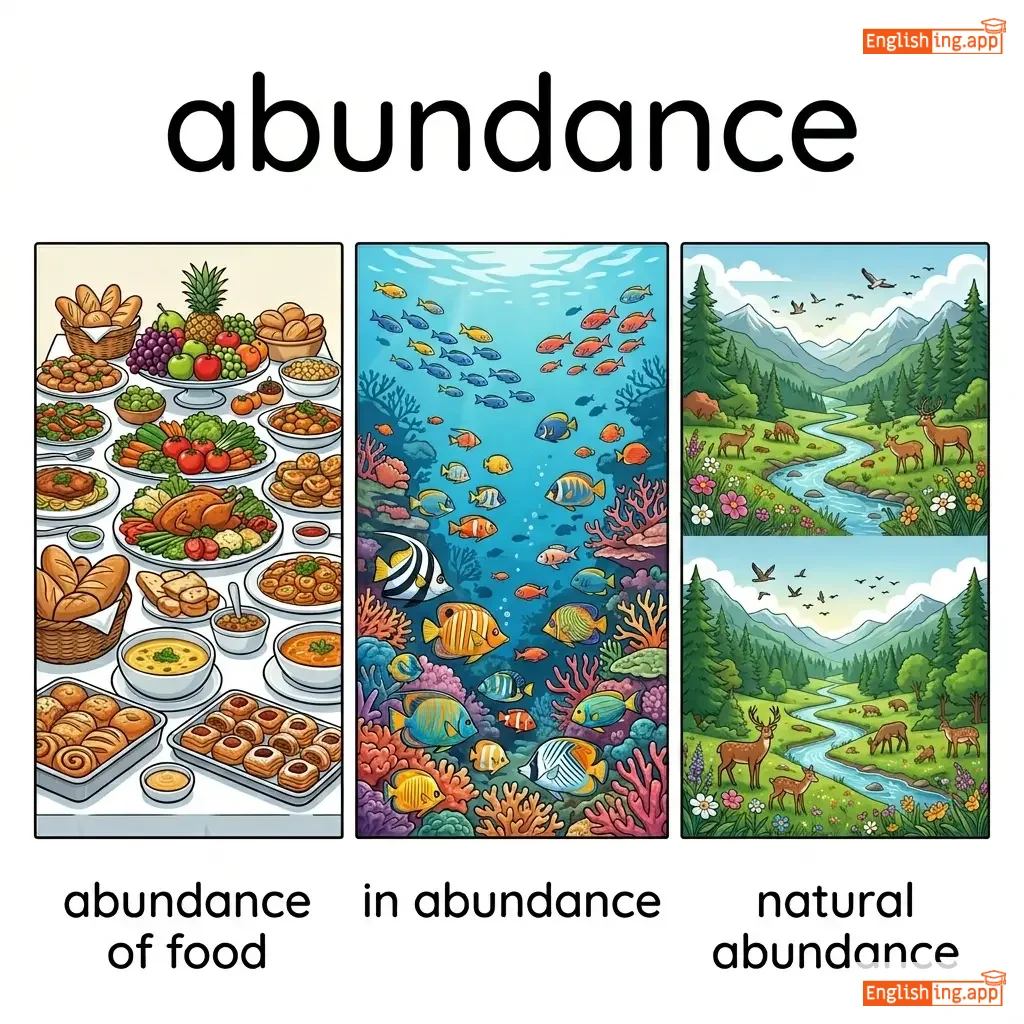
əˈbʌndəns
noun
(アバンダンス)
••••••
|
|
豊富
houfu
••••••
|
A very large quantity of something; plenty
••••••
|
The abundance of vegetables in winter is remarkable.
冬の野菜の豊富さは素晴らしい。
••••••
|
冬の野菜の豊富さは素晴らしい。
Fuyu no yasai no houfusa wa subarashii.
••••••
|
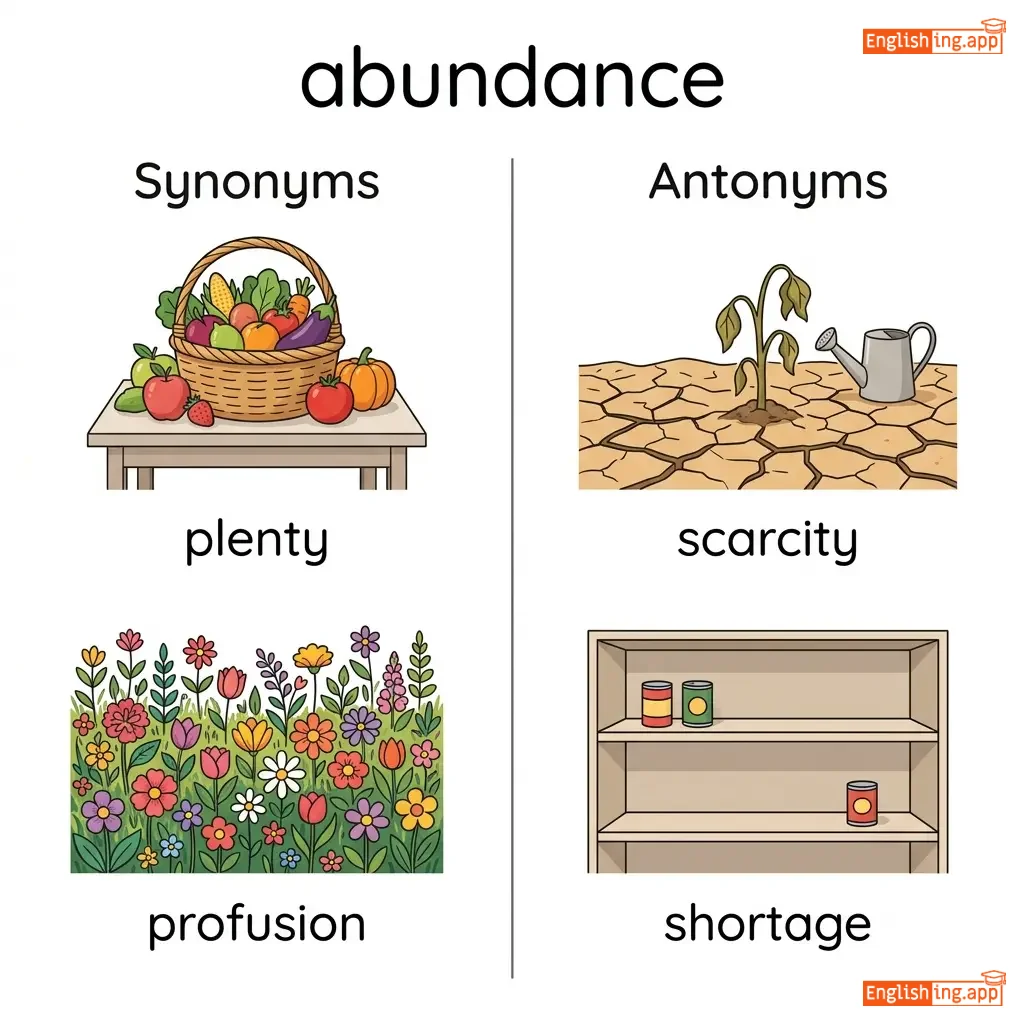
Plenty, Surplus
••••••
|
Scarcity, Shortage
••••••
|
Japanese '豊富' means abundance, imagine a plentiful winter harvest.
••••••
|
|
#382
🌤️
|
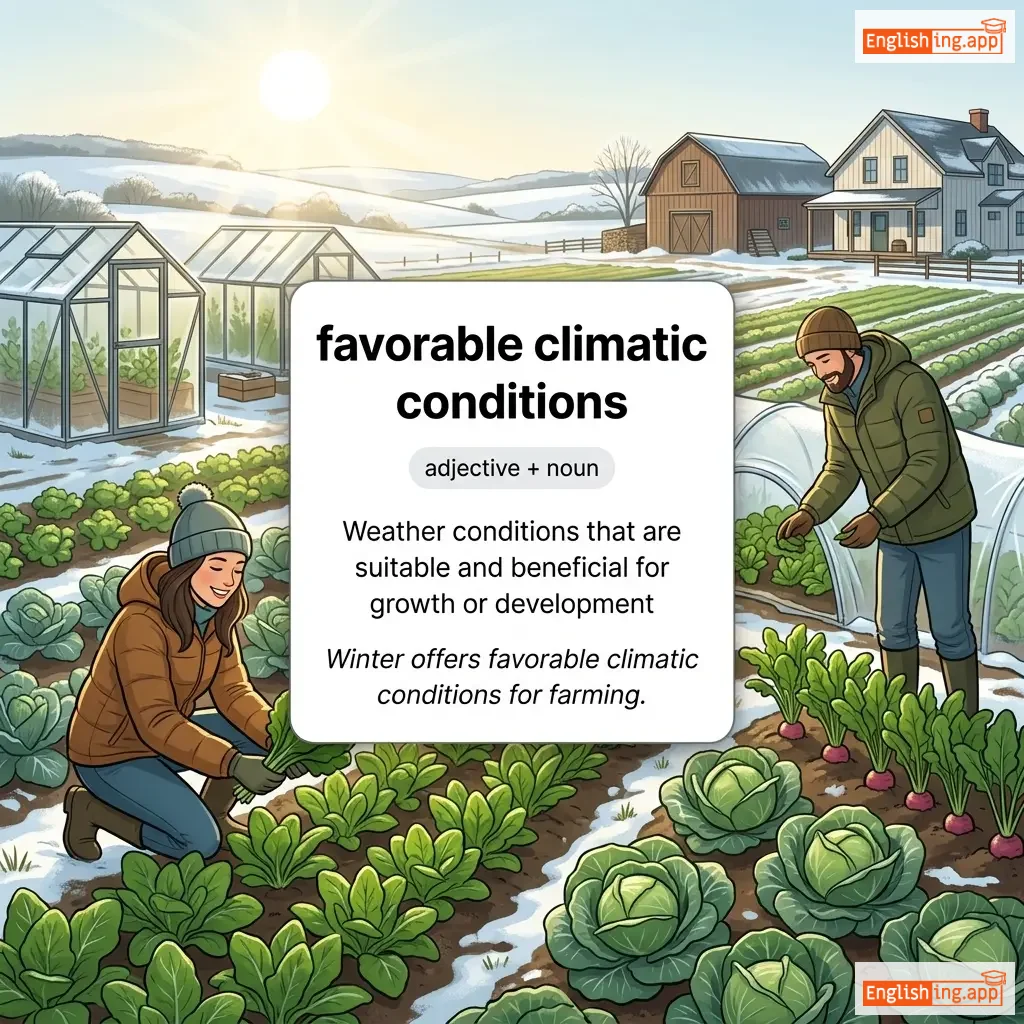
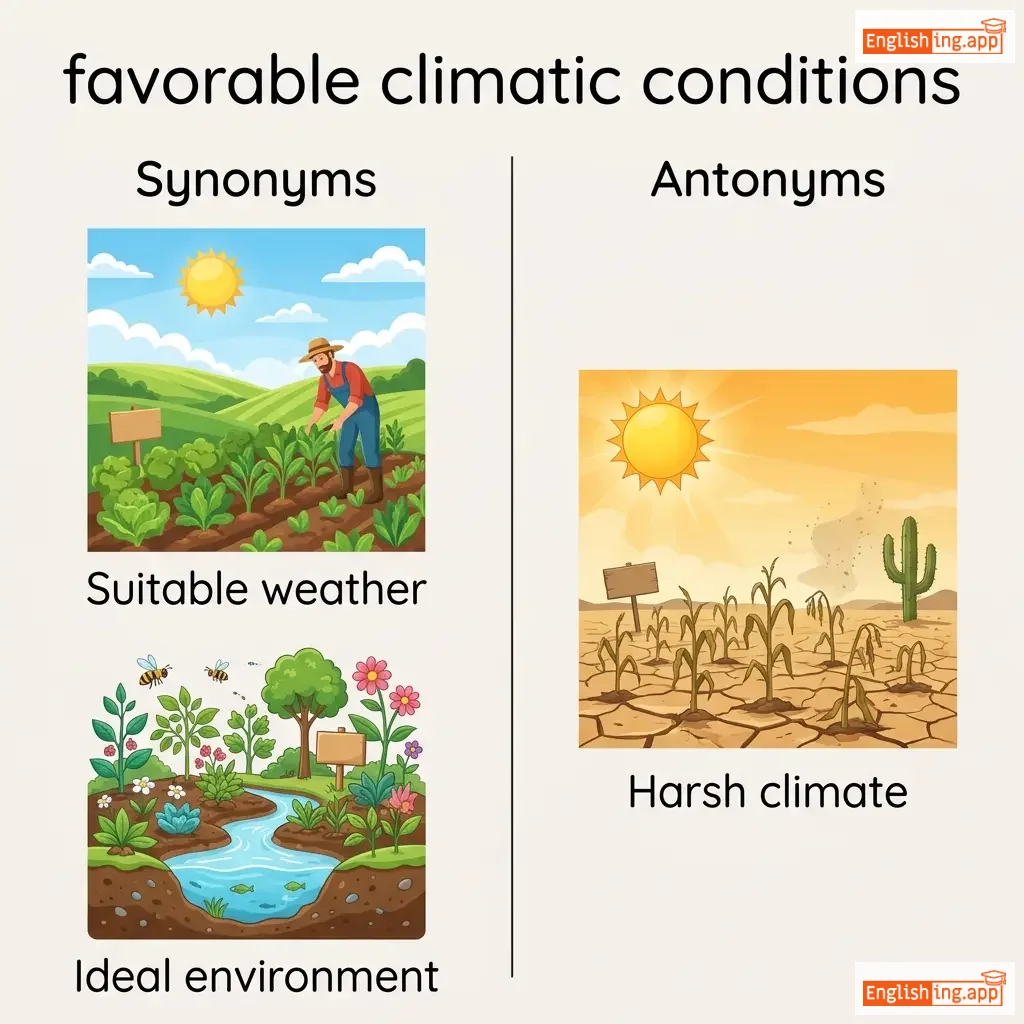
ˈfeɪvərəbəl klaɪˈmætɪk kənˈdɪʃənz
adjective + noun
(feɪvərəbəl klaɪˈmætɪk kənˈdɪʃənz)
••••••
|
|
好ましい気候条件
konomashii kikou jouken
••••••
|
Weather conditions that are suitable and beneficial for growth or development
••••••
|
Winter offers favorable climatic conditions for farming. |
冬は農業にとって好ましい気候条件を提供します。
Fuyu wa nougyou ni totte konomashii kikou jouken wo teikyou shimasu.
••••••
|
Suitable weather, Ideal environment
••••••
|
Harsh climate
••••••
|
冬の気候は農業にとって最適です。
••••••
|
|
#383
🔄
|
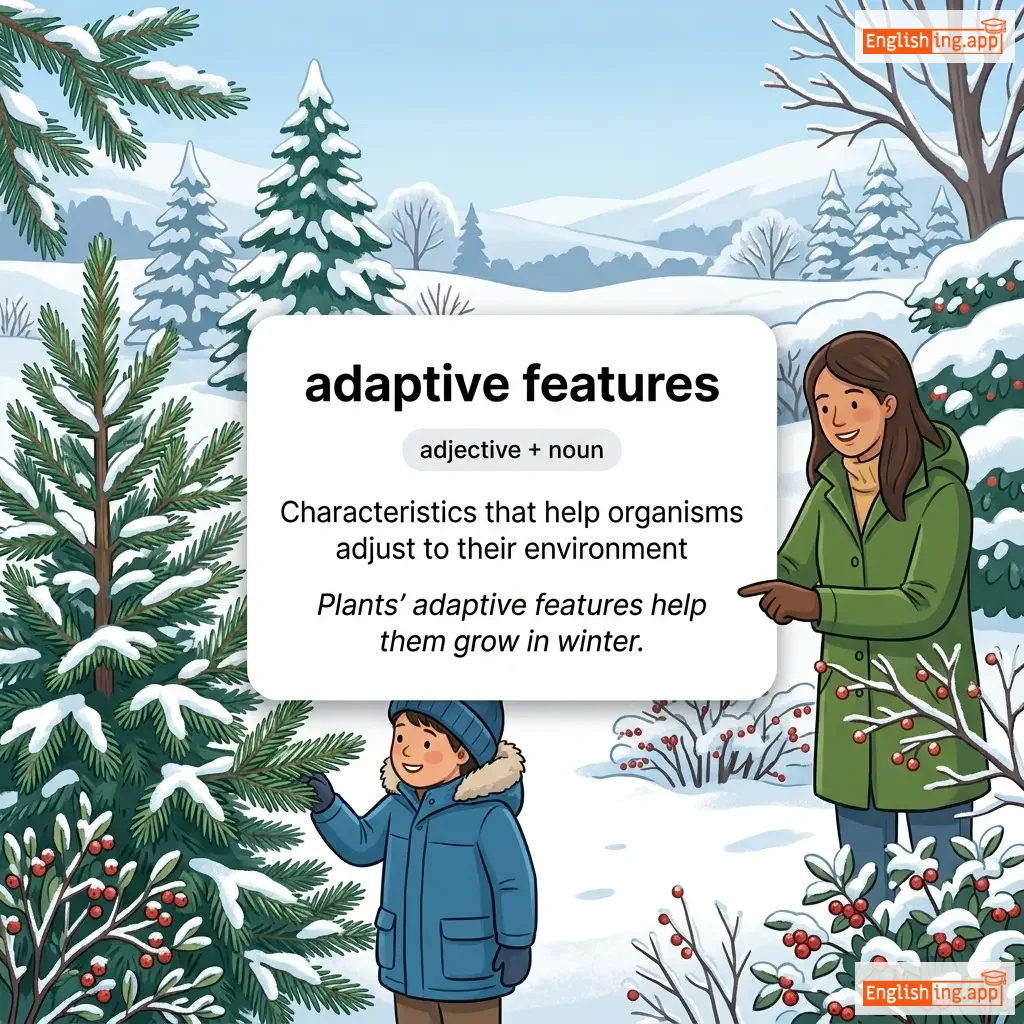
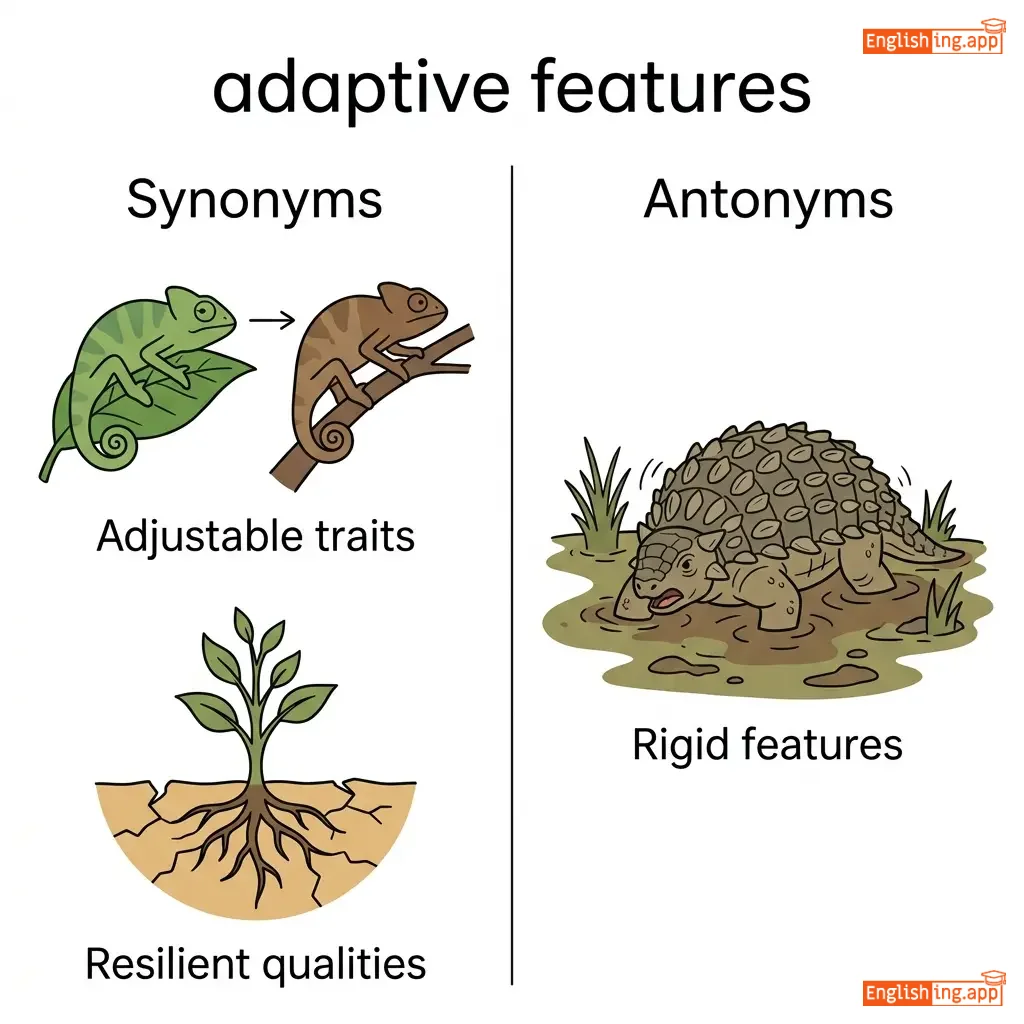
əˈdæptɪv ˈfiːtʃərz
adjective + noun
(アダプティブ フィーチャーズ)
••••••
|
|
適応機能
tekiou kinou
••••••
|
Characteristics that help organisms adjust to their environment
••••••
|
Plants' adaptive features help them grow in winter.
植物の適応機能は、冬に成長するのを助けます。
••••••
|
植物の適応機能は、冬に成長するのを助けます。
Shokubutsu no tekiou kinou wa, fuyu ni seichou suru no wo tasukemasu.
••••••
|
Adjustable traits, Resilient qualities
••••••
|
Rigid features
••••••
|
適応して育つ!
••••••
|
|
#384
🚫
|
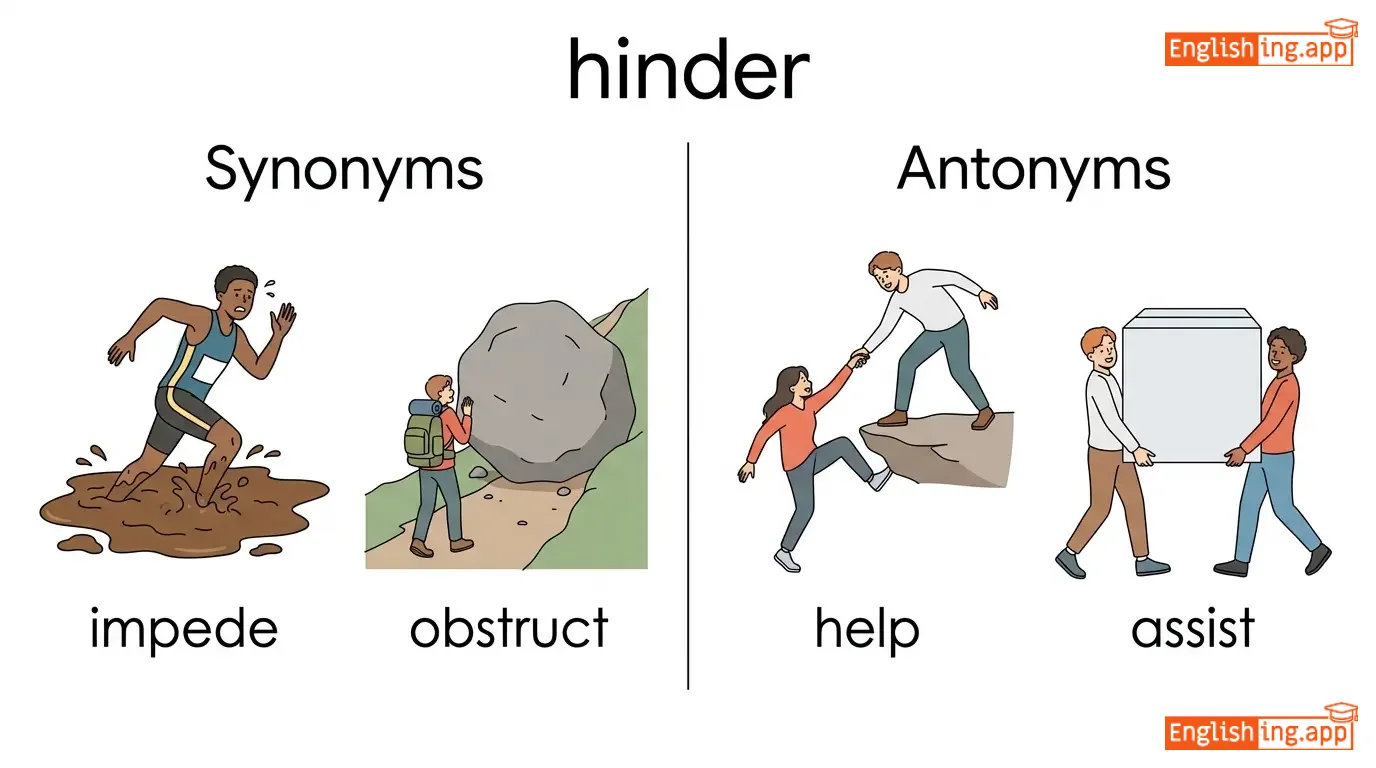
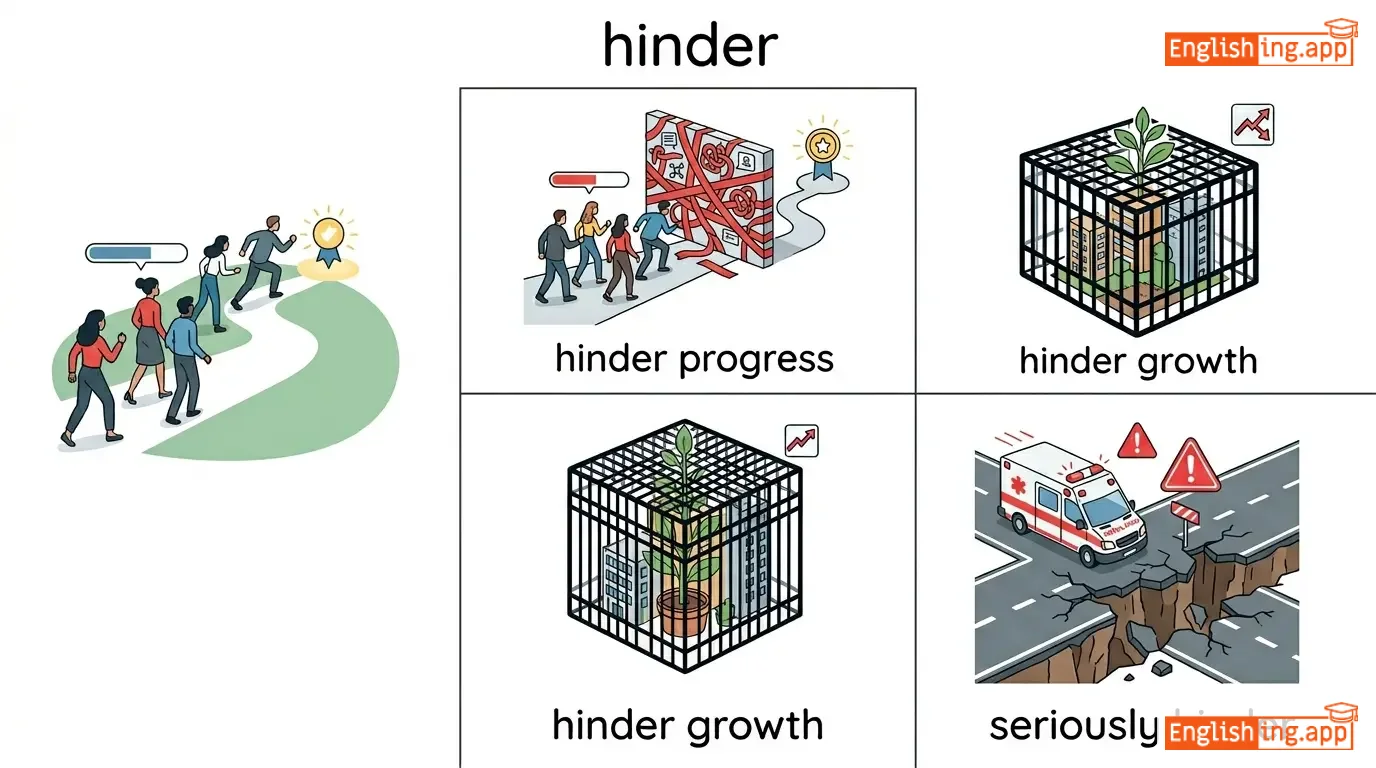
ˈhɪndər
verb
(ヒンダー)
••••••
|
|
妨げる
samatageru
••••••
|
To obstruct or delay the progress of something
••••••
|
Excessive rain hinders vegetable growth.
過剰な雨は野菜の成長を妨げます。
••••••
|
過剰な雨は野菜の成長を妨げます。
Kajou na ame wa yasai no seichou o samatagemasu.
••••••
|
Obstruct, Prevent
••••••
|
Facilitate, Promote
••••••
|
Hinder = 妨げる進歩
••••••
|
|
#385
🌡️
|
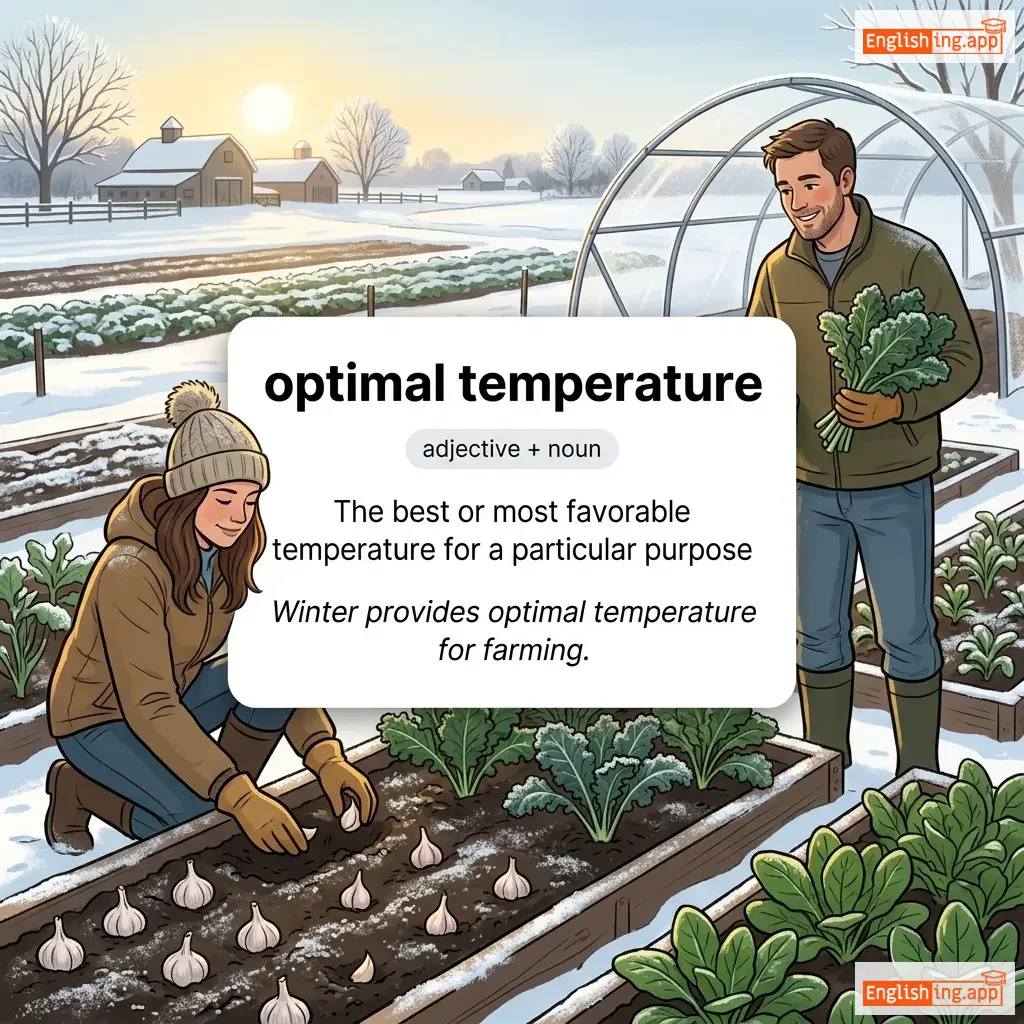
ˈɒptɪməl ˈtempərətʃər
adjective + noun
(オプティマル テンペラチャー)
••••••
|
|
最適温度
saiteki ondo
••••••
|
The best or most favorable temperature for a particular purpose
••••••
|
Winter provides optimal temperature for farming.
冬は農業に最適な温度を提供します。
••••••
|
冬は農業に最適な温度を提供します。
Fuyu wa nōgyō ni saiteki na ondo o teikyō shimasu.
••••••
|
Best climate, Perfect condition
••••••
|
Extreme temperature
••••••
|
最適温度 = 農業に最も適した温度
••••••
|
|
#386
⚡
|
ˈstɪmjəleɪt
verb
(スティムレート)
••••••
|
|
刺激する
shigeki suru
••••••
|
To encourage or promote the development or growth of something
••••••
|
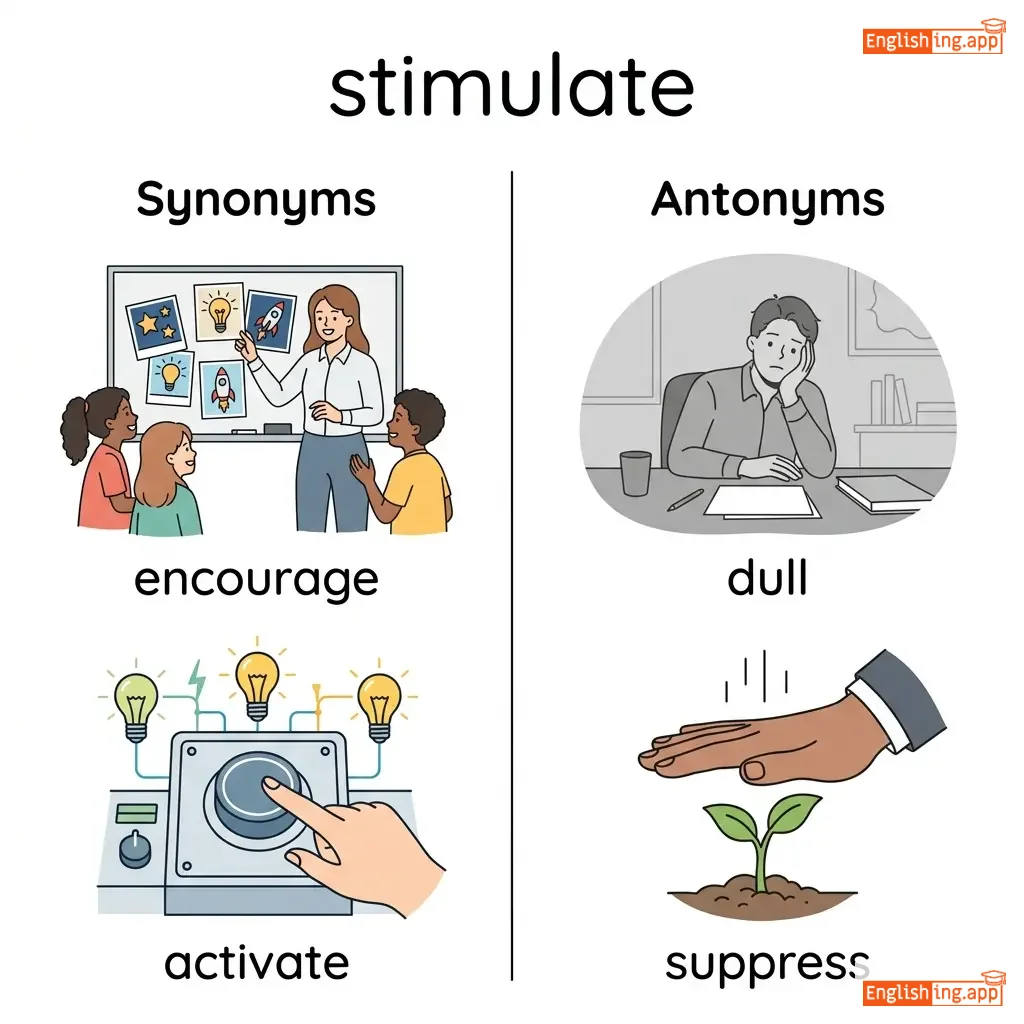
Proper sunlight stimulates plant growth. |
適切な日光は植物の成長を刺激します。
Tekisetsu na nikkou wa shokubutsu no seichou wo shigeki shimasu.
••••••
|
Trigger, Activate
••••••
|
Suppress, Inhibit
••••••
|
Stimulate = Shigeki suru: Think of sunlight as a 'shigeki' for plant growth.
••••••
|
|
#387
⚖️
|
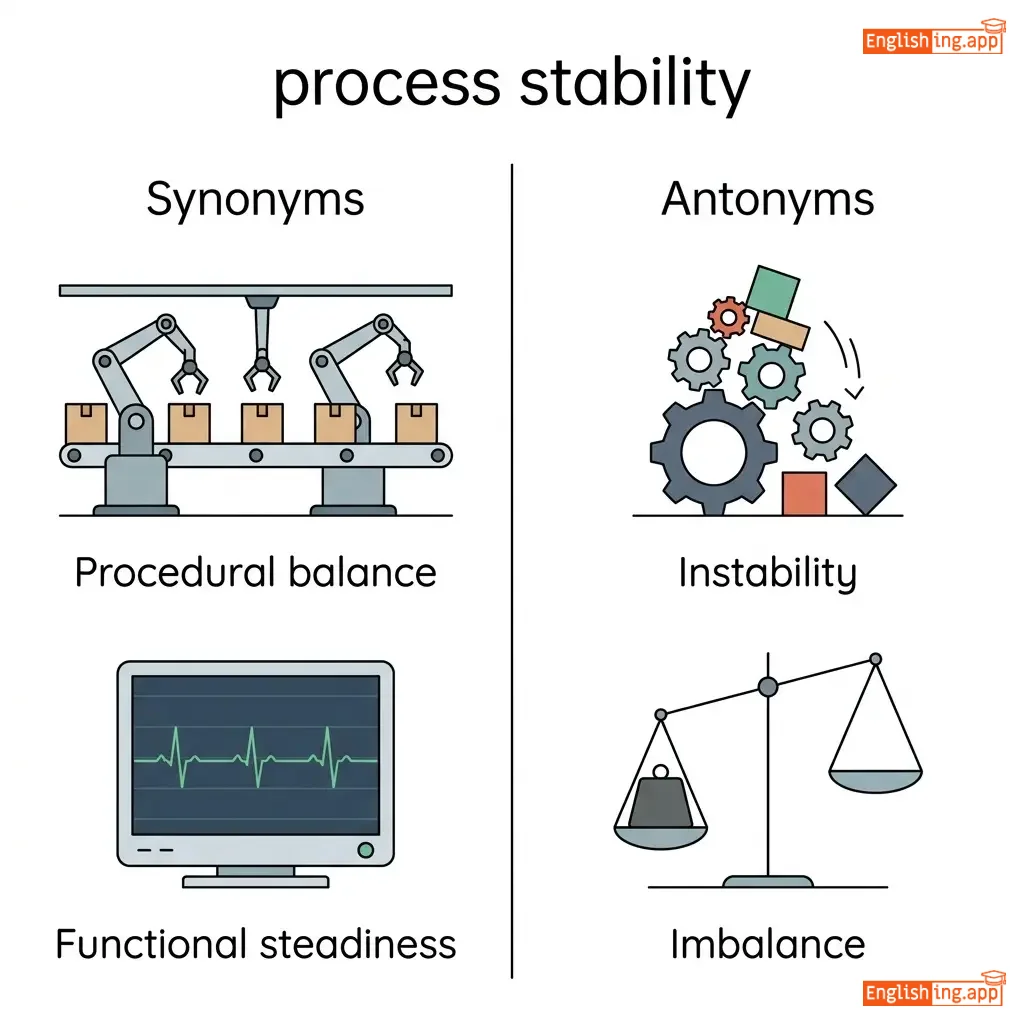
ˈprəʊses stəˈbɪlɪti
noun
(pu-roh-ses su-teh-bi-ree-tee)
••••••
|
|
プロセスの安定性
purosesu no anteisei
••••••
|
The consistency and steadiness of biological or functional processes
••••••
|
Cold air ensures process stability in plants.
kōrudo ēa en-shuāsu pu-roh-ses su-teh-bi-ree-tee in purantsu.
••••••
|
冷たい空気は植物のプロセスの安定性を確保します。
Tsumetai kūki wa shokubutsu no purosesu no anteisei o kakuho shimasu.
••••••
|
Procedural balance, Functional steadiness
••••••
|
Instability, Imbalance
••••••
|
プロセスの安定性は冷たい空気のように植物の安定を保つものです。
••••••
|
|
#388
🌍
|
aɪˈdiːəl ɪnˈvaɪrənmənt
adjective + noun
(アイディアル エンヴァイロンメント)
••••••
|
|
理想的な環境
risō-teki na kankyō
••••••
|
Perfect or most suitable conditions for growth or development
••••••
|
Winter creates an ideal environment for vegetable growth.
冬は野菜の成長に理想的な環境を作り出します。
••••••
|
冬は野菜の成長に理想的な環境を作り出します。
Fuyu wa yasai no seichō ni risō-teki na kankyō o tsukuridashimasu.
••••••
|
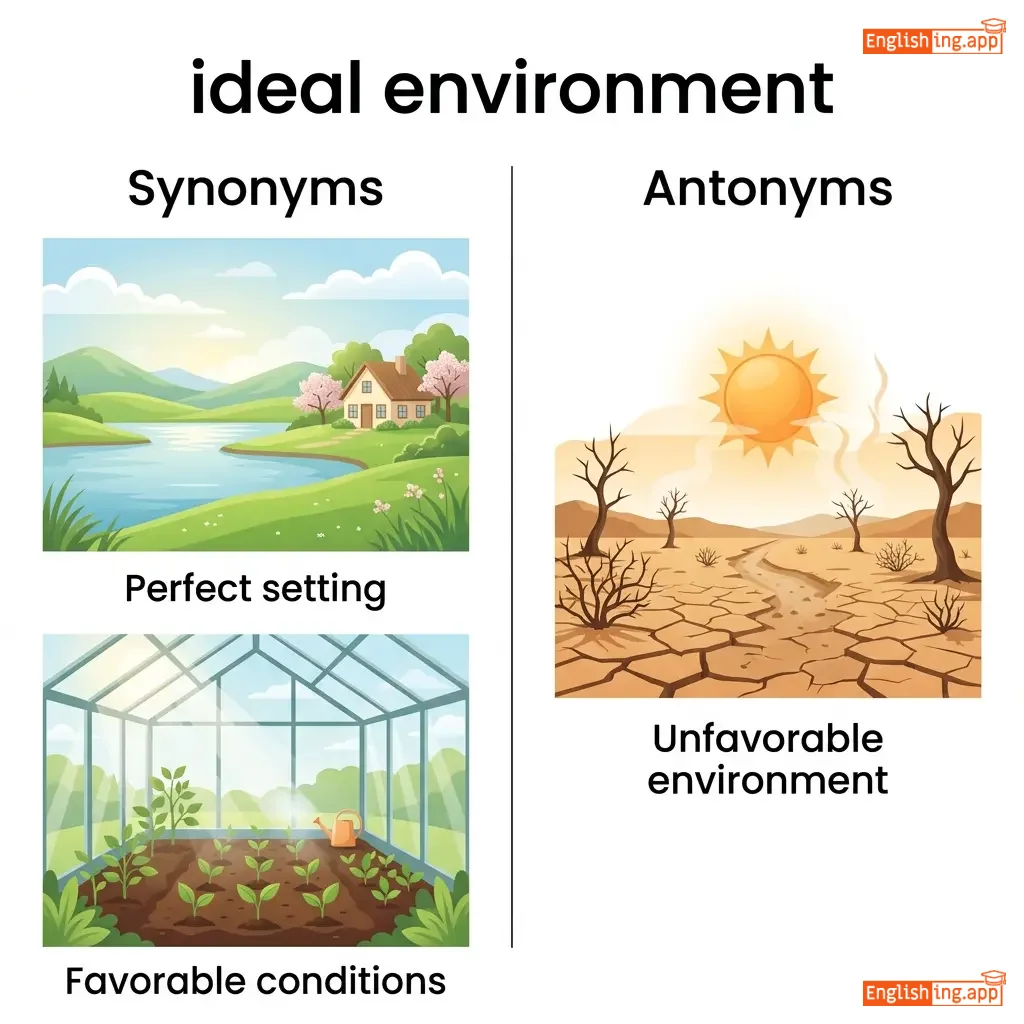
Perfect setting, Favorable conditions
••••••
|
Unfavorable environment
••••••
|
理想的 = ideal, 環境 = environment
••••••
|
Vocabulary Quiz
Test your vocabulary by matching words with their translations or meanings.
Login to take the quiz
Comments (0)
Share your thoughts and join the discussion.
Join the discussion by logging in
Login to CommentNo comments yet
Be the first to share your thoughts!