

なぜ多くのCEOがエンジニアなのか
Why So Many CEOs Are Engineers
今日の世界では、エンジニアが主要な企業のCEOとして存在することは、公理となっています。勤勉、適応力、および分析的なスキルを通じて、彼らは企業の世界で強力な地位を築いてきました。
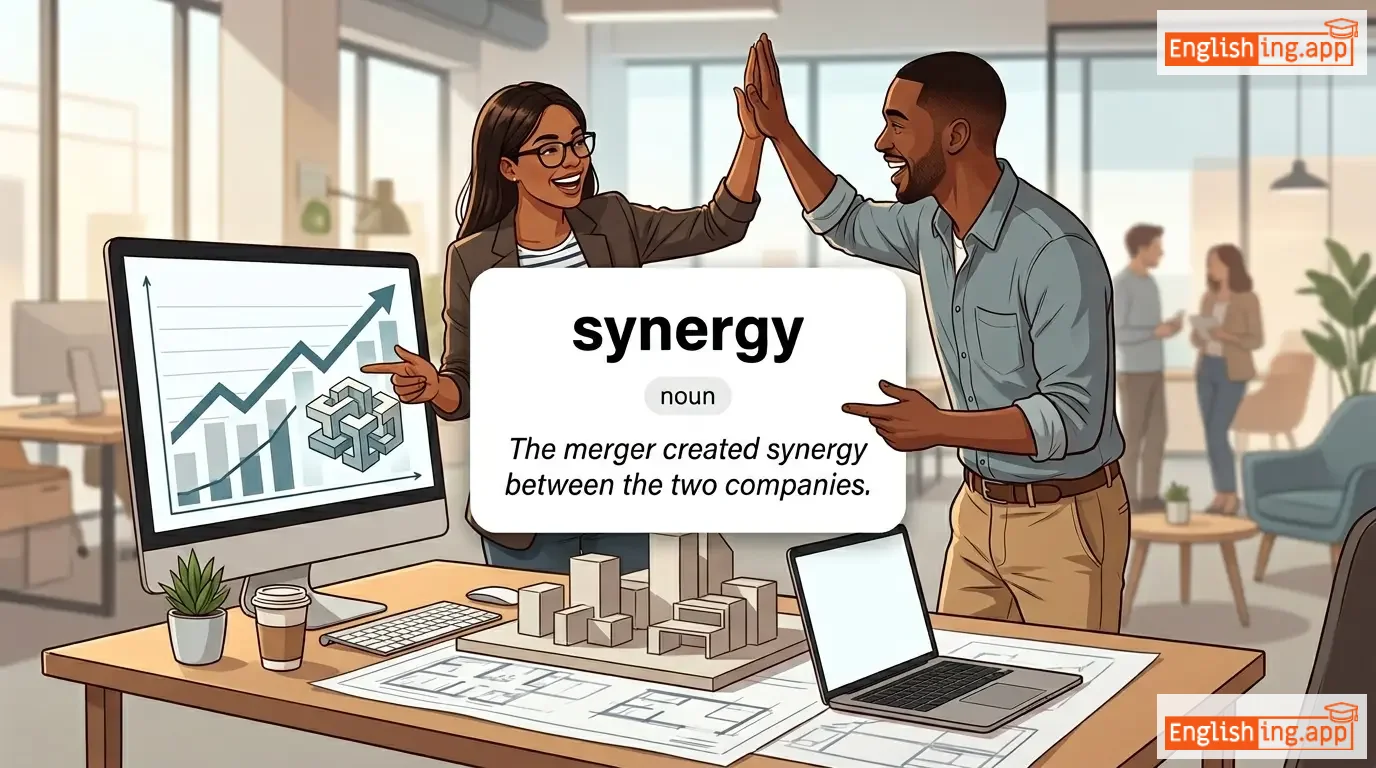
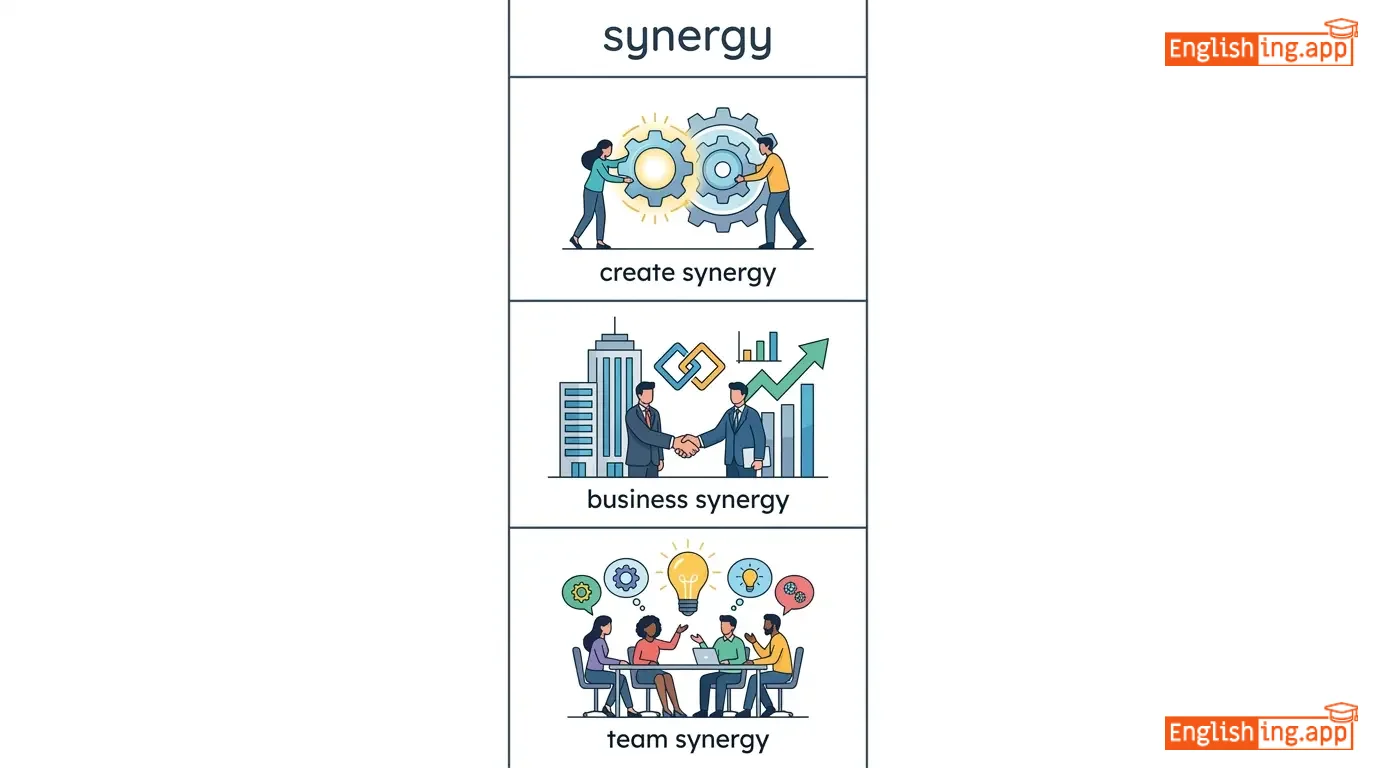
エンジニアは常に実務的な思考を従い、それが意思決定において効果的です。彼らの熟練度と識別力は、ビジネスを正しい方向に導くのに役立ちます。技術とビジネスの間にシナジーを生み出すために、彼らは体系的な計画を採用します。
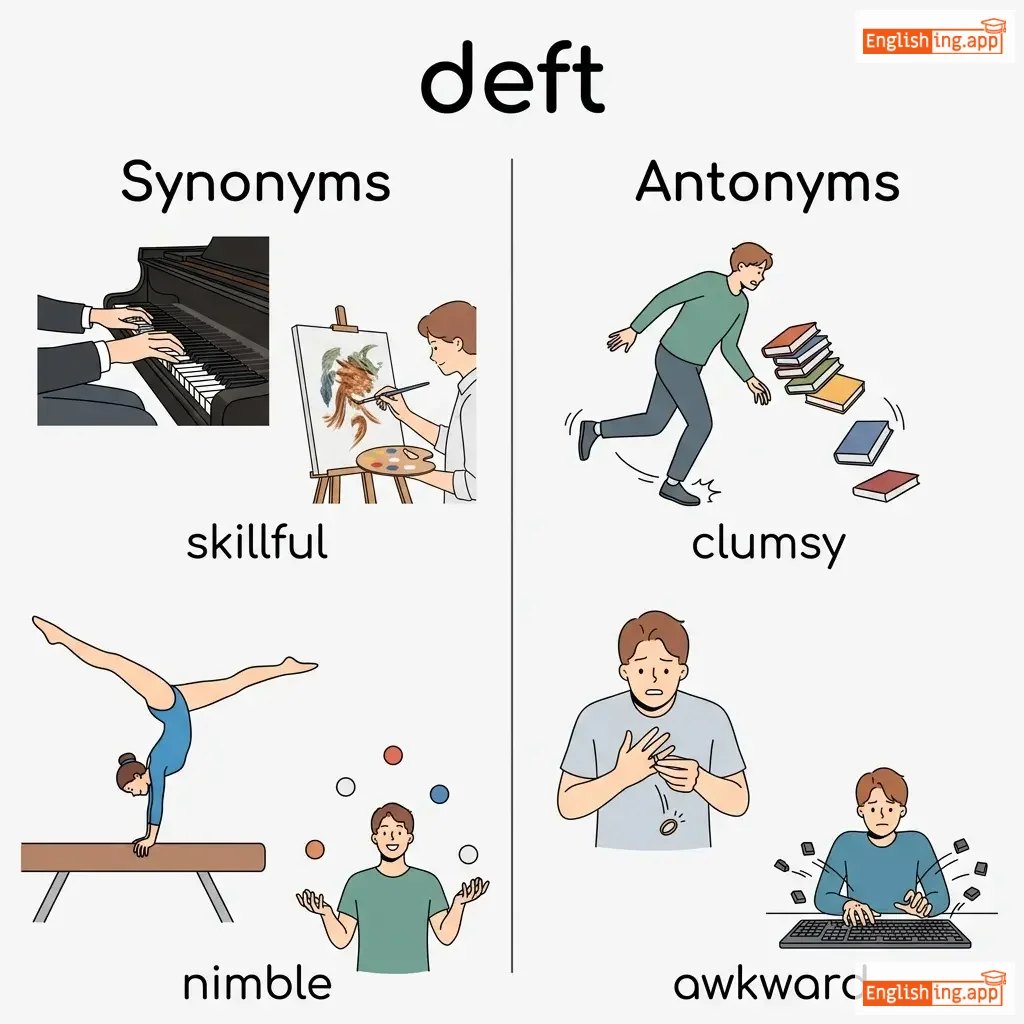
エンジニアの直感と鋭い視点が彼らをリーダーシップの地位に引き上げます。彼らの巧妙なスキルと効率は、新しい問題を解決する役割を果たします。ビジネスの進歩において結束したチームを作ることの重要性を理解し、具体的な目標を設定します。
技術革新の時代において、エンジニアは新しい概念を現実に変えるのに最も効果的です。彼らのもっともらしい解決策と確認された情報は、CEOとしての彼らの地位をさらに強化します。
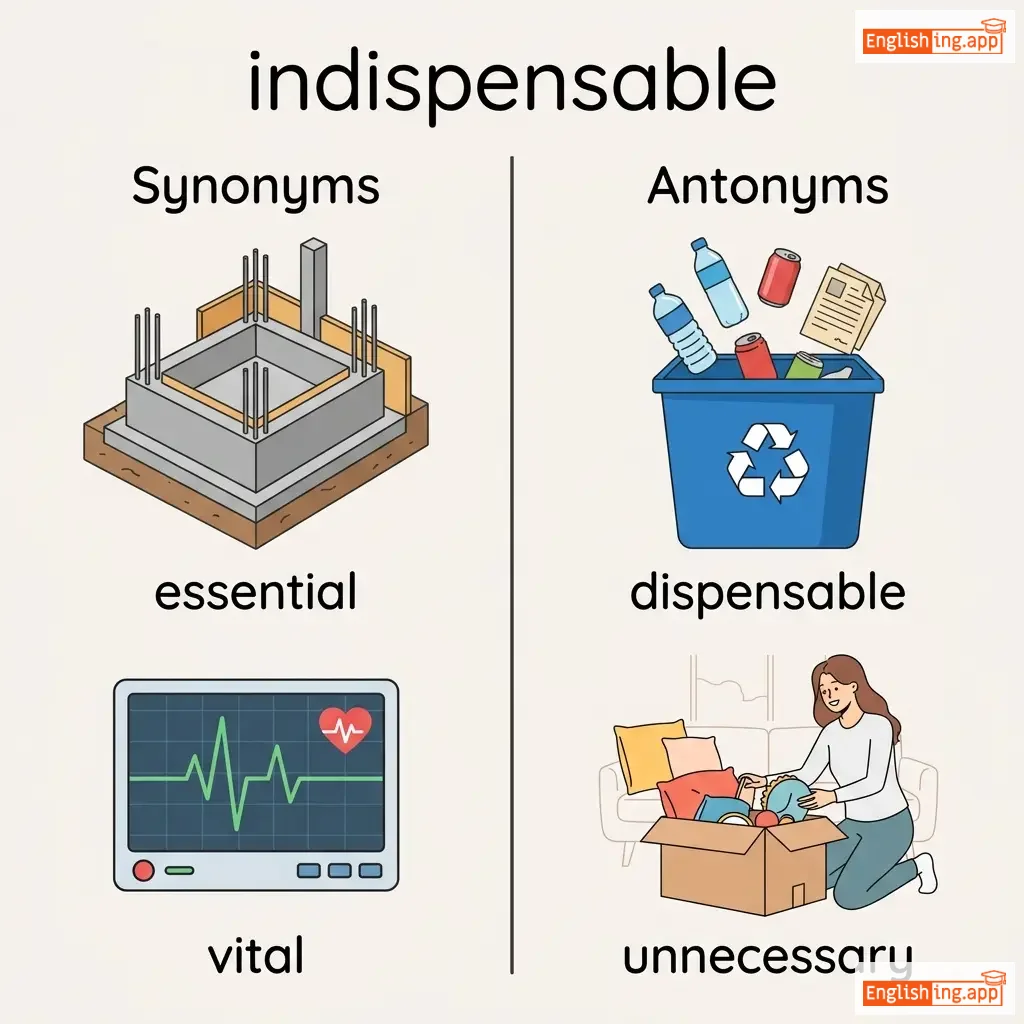
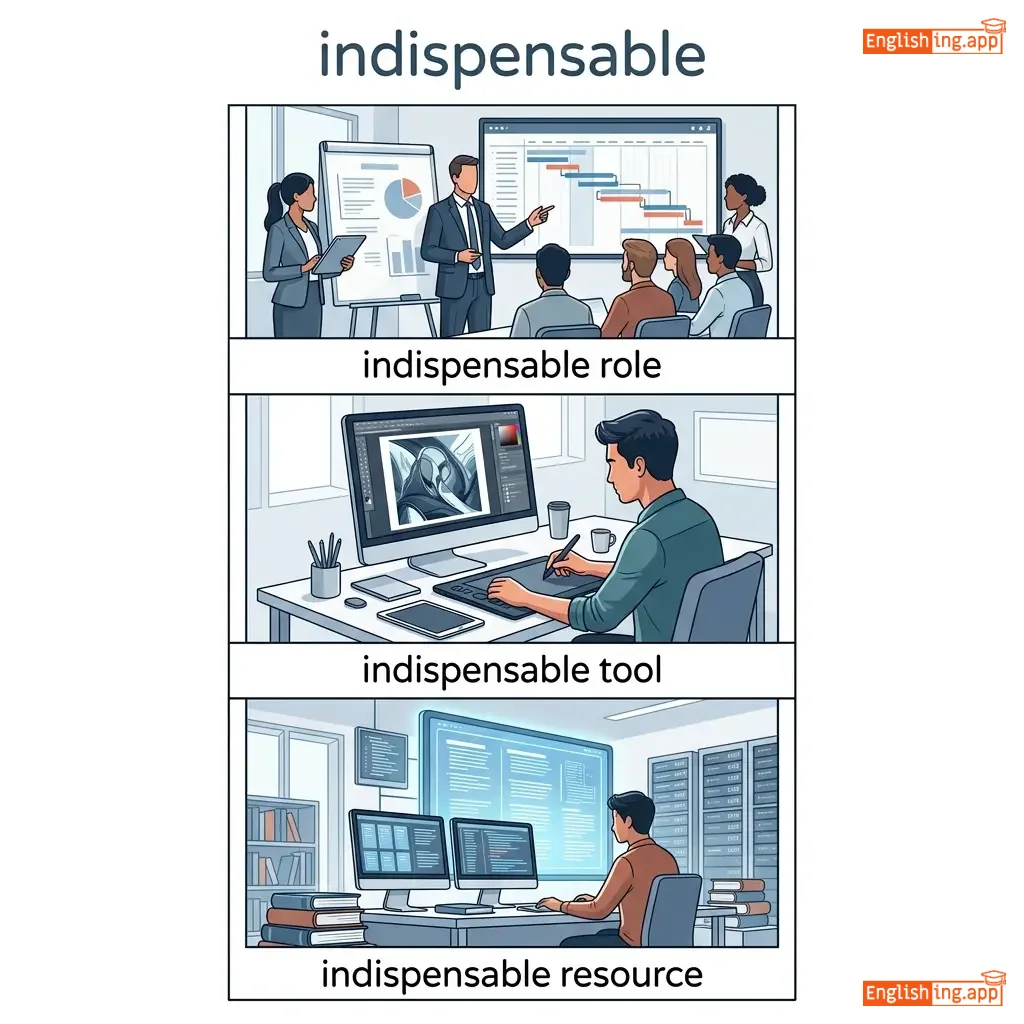
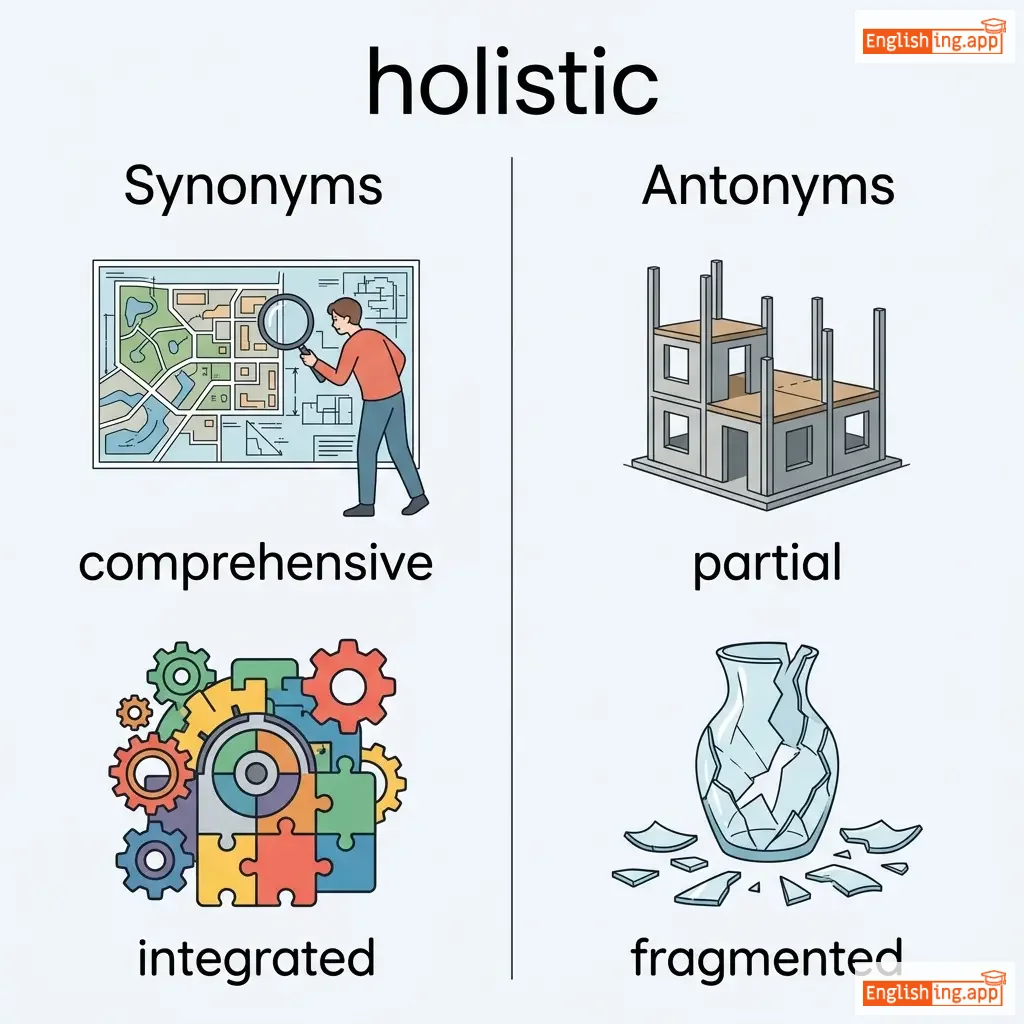
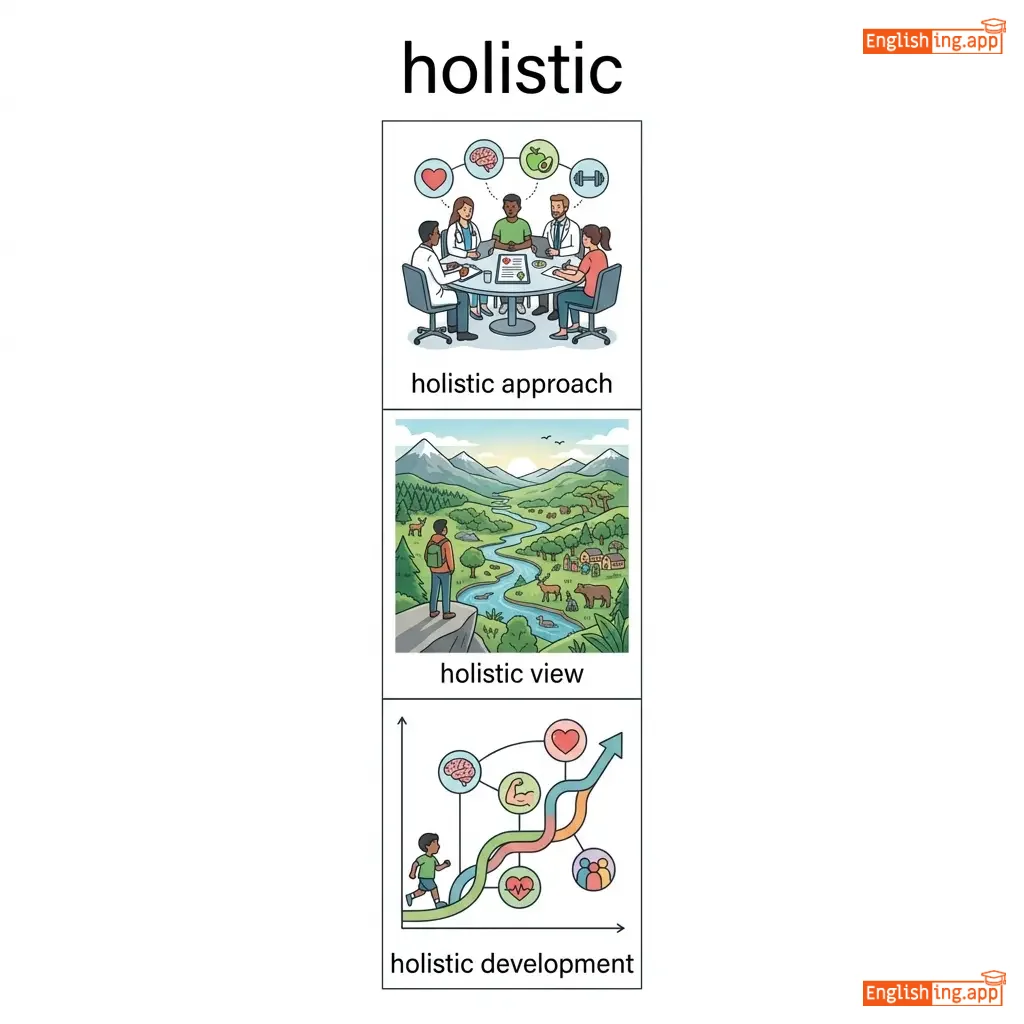
彼らはビジネスにとって不可欠なだけでなく、会社全体の全体的な改善にも貢献しています。エンジニアは、ビジネスで結束した環境を作り出し、他方では技術を進歩させます。
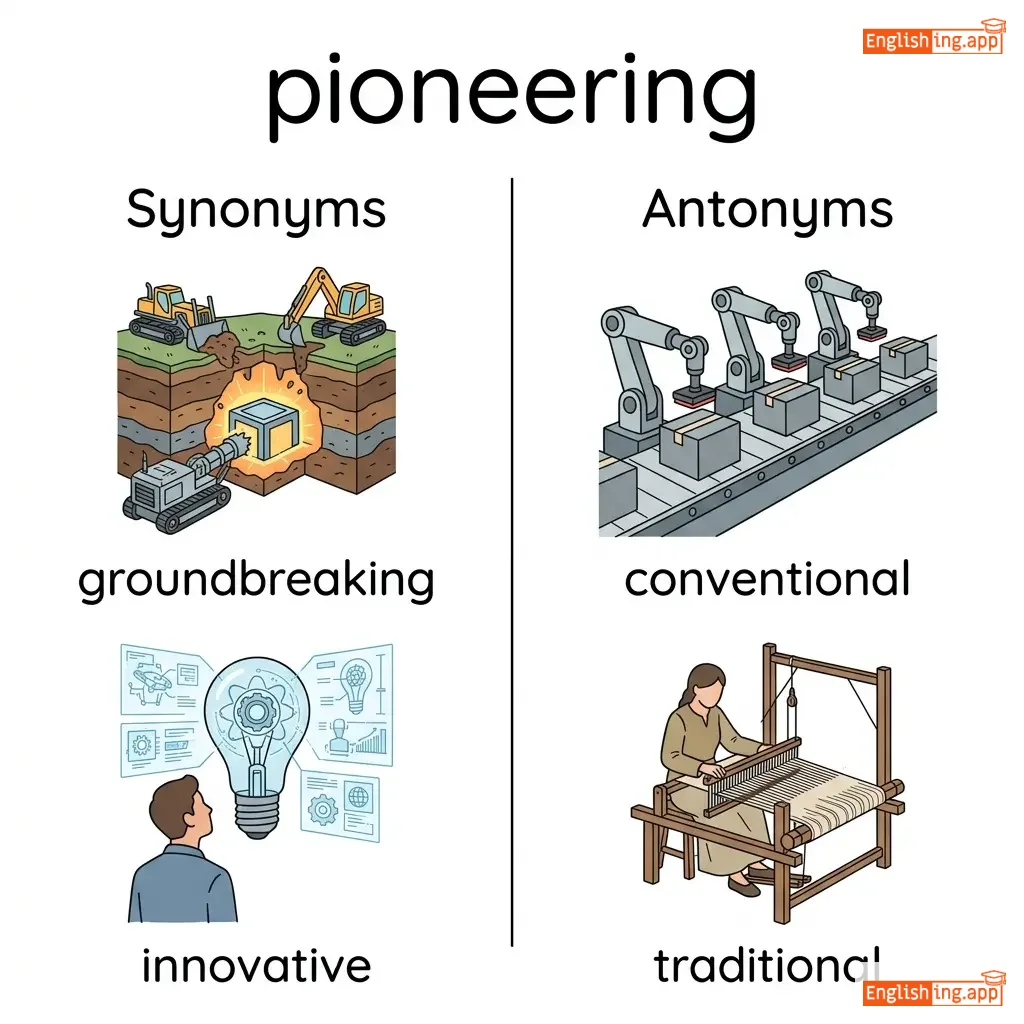
世界の大手企業におけるエンジニアの役割は、時間の経過とともにますます明確になり、彼らの先駆的なリーダーシップを反映しています。
翻訳
過去
過去分詞
三人称単数
動名詞
意味
例文
例文の翻訳
同義語
対義語
コロケーション
ニーモニック










Swipe left or right, or use the buttons. Tap image to zoom.
例文の翻訳
単語
Why So Many CEOs Are EngineersWhy So Many CEOs Are Engineers - マスクトグル
|
絵文字
|
単語 | Images | 翻訳 | 意味 | 例文 | 例文の翻訳 | 同義語 | 対義語 | ニーモニック |
|---|---|---|---|---|---|---|---|---|---|
|
#4023
📏
|
ˈæk.si.əm
noun
(akushion)
••••••
|
|
公理
kōri
••••••
|
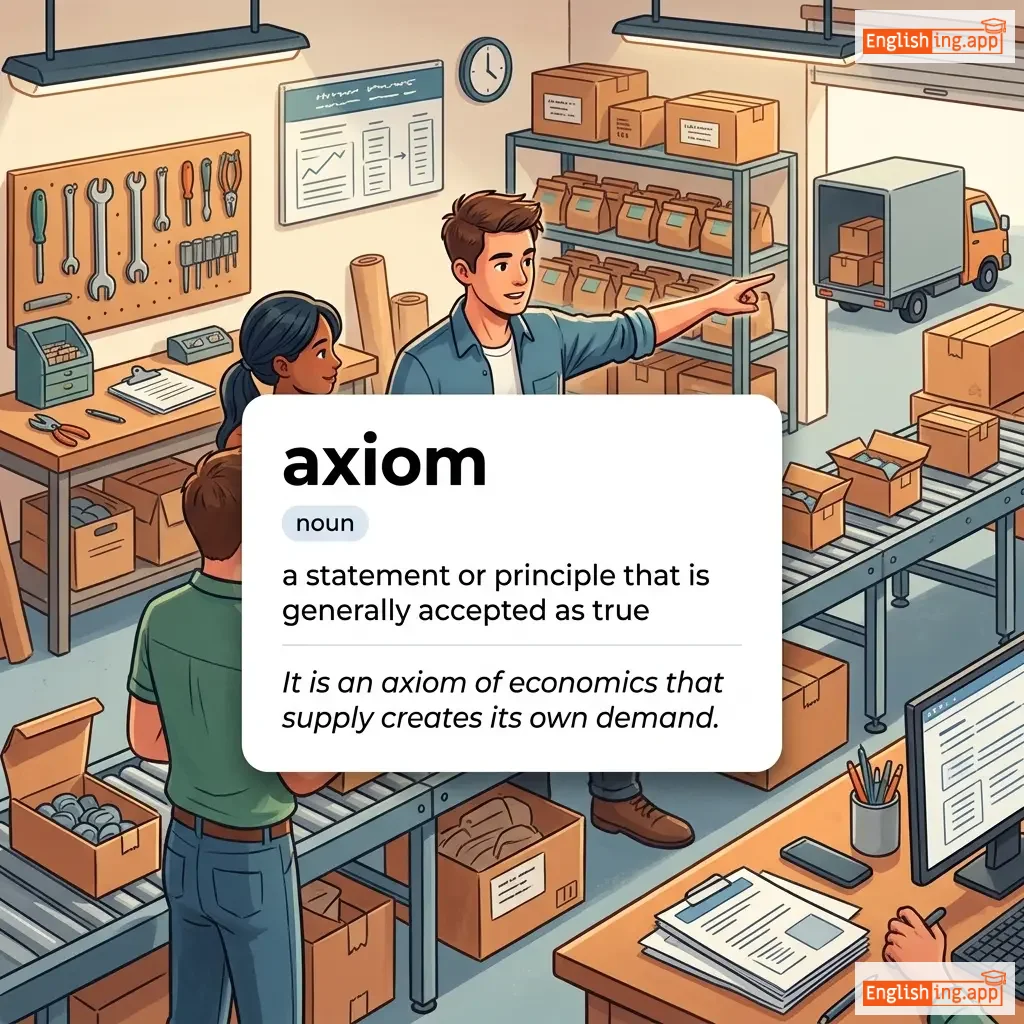
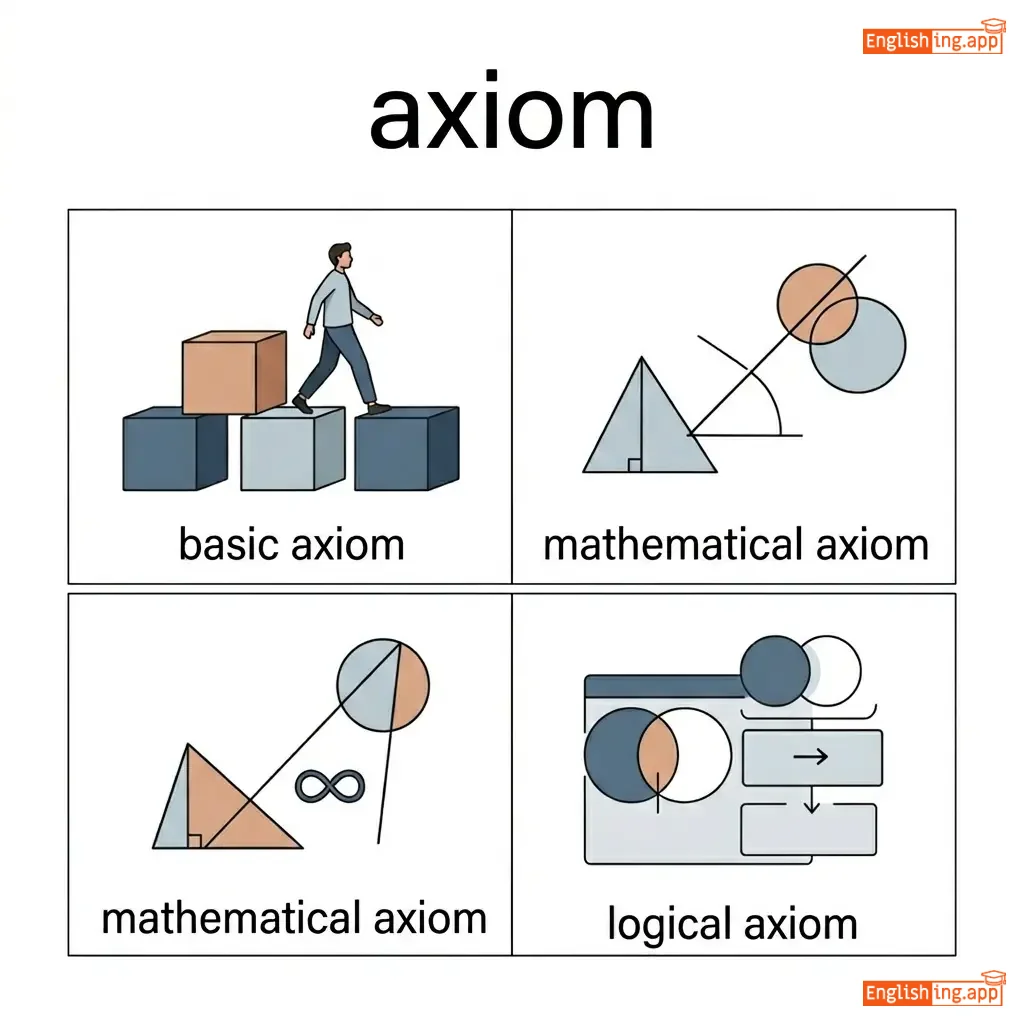
A statement or principle that is generally accepted as being true and that can be used as the basis for argument or inference.
••••••
|
The axiom that hard work leads to success is widely accepted.
努力が成功に繋がるという公理は広く受け入れられています。
••••••
|
努力が成功に繋がるという公理は広く受け入れられています。
Doryoku ga seikō ni tsunagaru to iu kōri wa hiroku ukeirareteimasu.
••••••
|
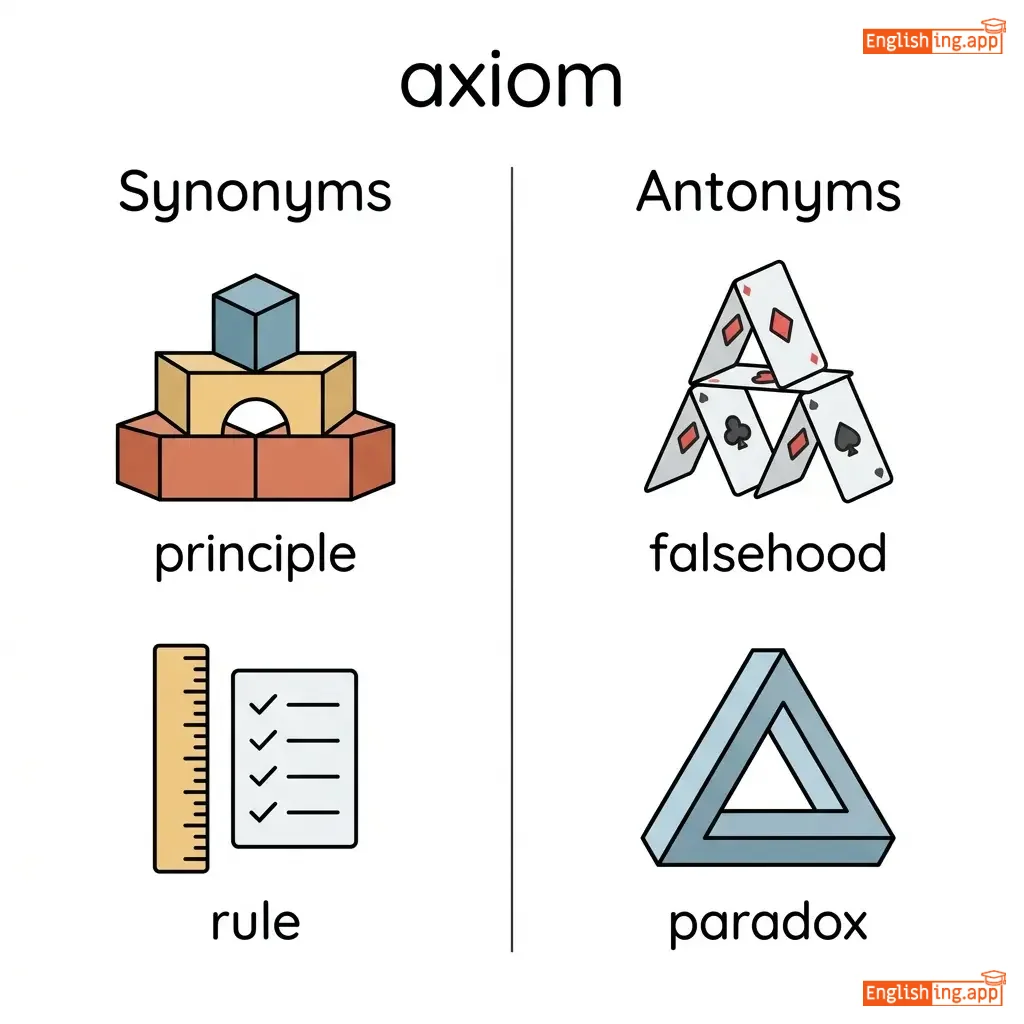
principle, maxim, truism, fundamental truth, basic principle, established fact
••••••
|
fallacy, misconception, error, falsehood, myth, delusion
••••••
|
努力することは公理のようなものです。
••••••
|
|
#4024
🔄
|
əˌdæp.təˈbɪl.ə.ti
noun
(アダプタビリティ)
••••••
|
|
適応力
tekiōryoku
••••••
|
The quality of being able to adjust to new conditions or circumstances.
••••••
|
Adaptability is crucial in an ever-changing world.
アダプタビリティは絶えず変化する世界で重要です。
••••••
|
適応力は絶えず変化する世界で重要です。
Tekiōryoku wa taezu henka suru sekai de jūyō desu.
••••••
|
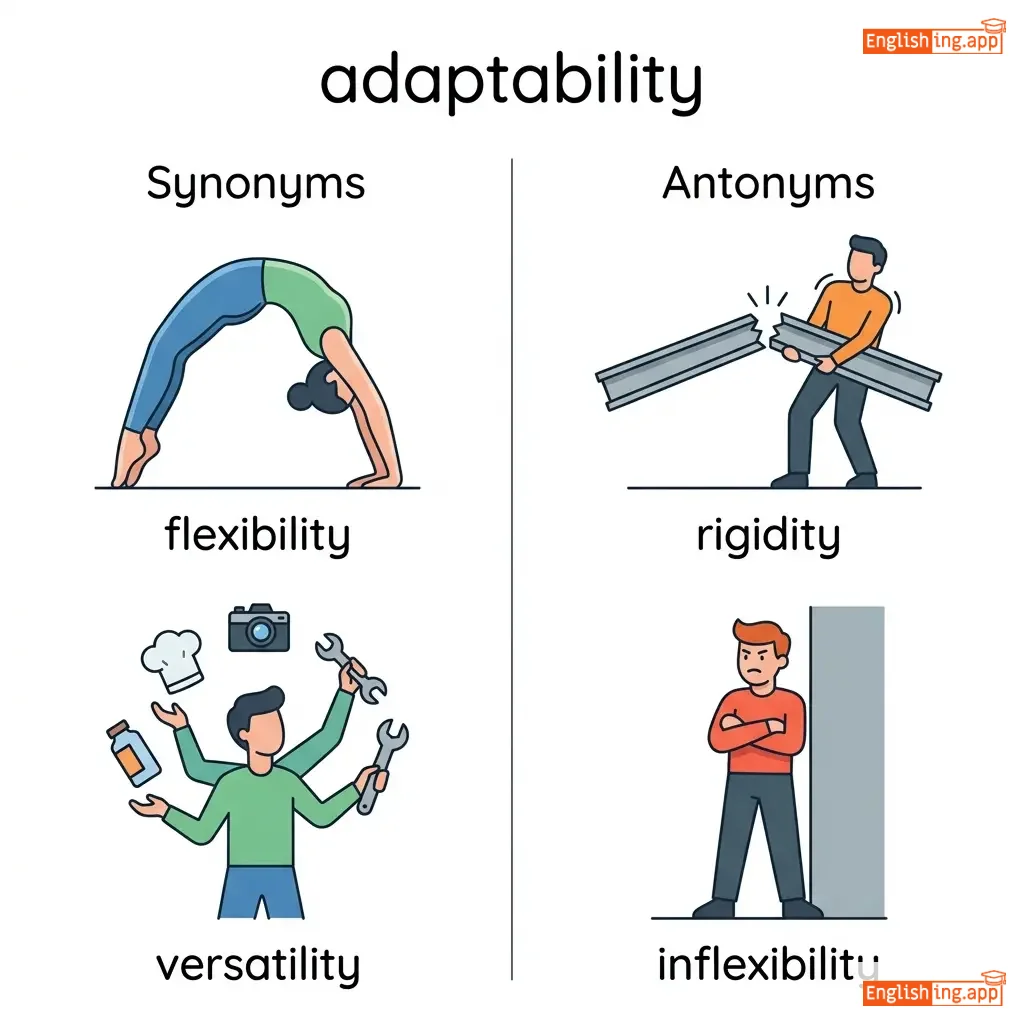
flexibility, versatility, adjustability, resilience, pliability, responsiveness
••••••
|
rigidity, inflexibility, stubbornness, immutability, fixity, obstinacy
••••••
|
適応力は、どんな環境でもうまく適応する力です。
••••••
|
|
#4025
🔍
|
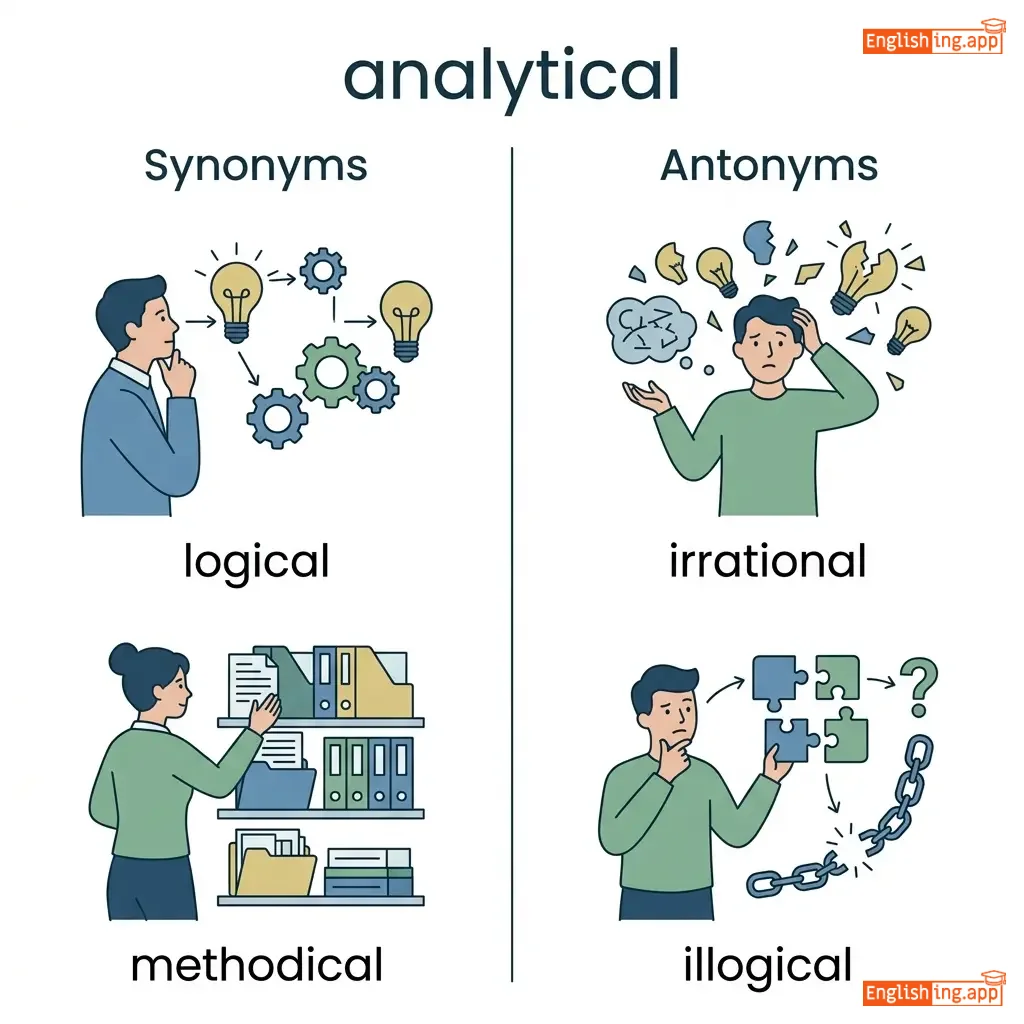
ˌæn.əˈlɪt.ɪ.kəl
adjective
(アナリティカル)
••••••
|
|
分析的
bunsenteki
••••••
|
Using analysis or logical reasoning; characterized by the use of analysis.
••••••
|
His analytical approach helped solve the problem.
彼の分析的アプローチは問題解決に役立ちました。
••••••
|
彼の分析的アプローチは問題解決に役立ちました。
Kare no bunsenteki apurōchi wa mondai kaiketsu ni yakudachimashita.
••••••
|
logical, methodical, systematic, rational, critical, investigative
••••••
|
irrational, illogical, unsystematic, intuitive, emotional, subjective
••••••
|
Japanese '分析的' is a natural counterpart to English 'analytical,' focusing on analysis.
••••••
|
|
#4026
💪
|
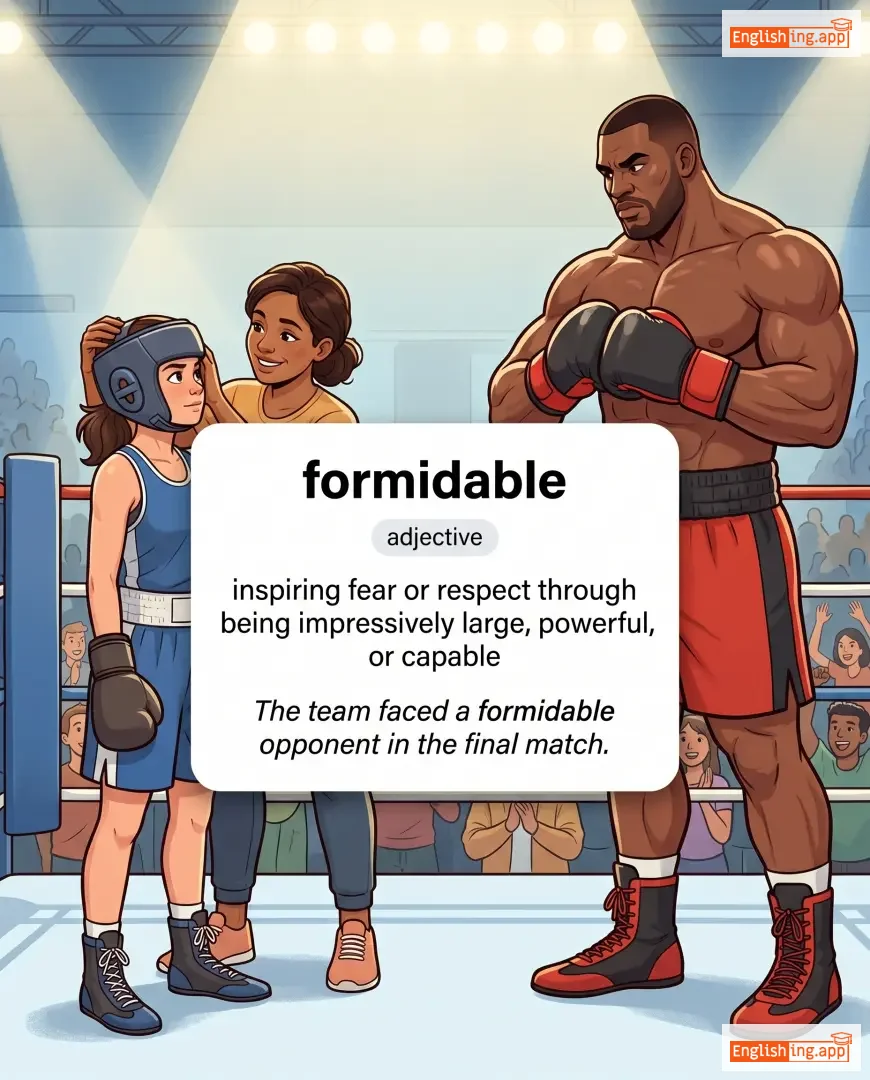
ˈfɔː.mɪ.də.bəl
adjective
(fɔː.mɪ.də.bəl)
••••••
|
|
手強い
tegoi
••••••
|
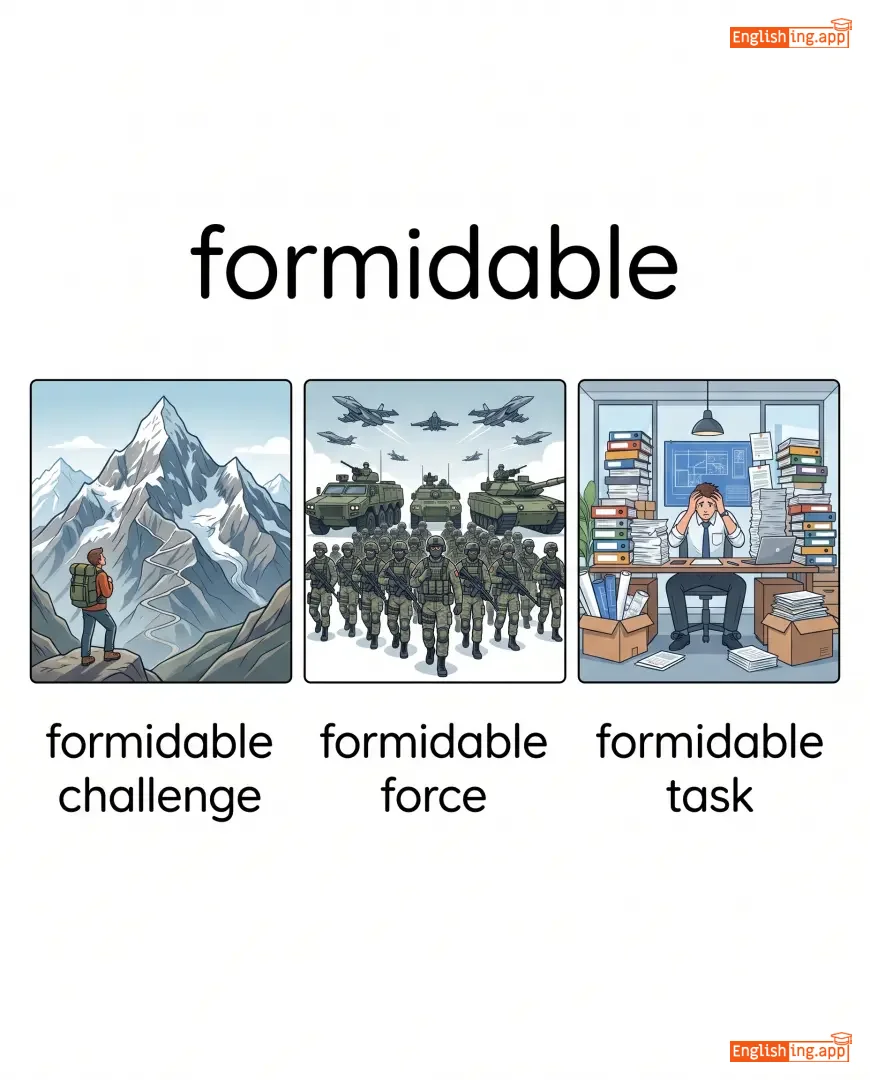
Inspiring fear or respect through being impressively large, powerful, intense, or capable.
••••••
|
The team faced a formidable opponent in the final.
チームは決勝で強力な対戦相手に直面しました。
••••••
|
チームは決勝で強力な対戦相手に直面しました。
Chīmu wa kesshō de kyōryokuna taisen aite ni chokumen shimashita.
••••••
|
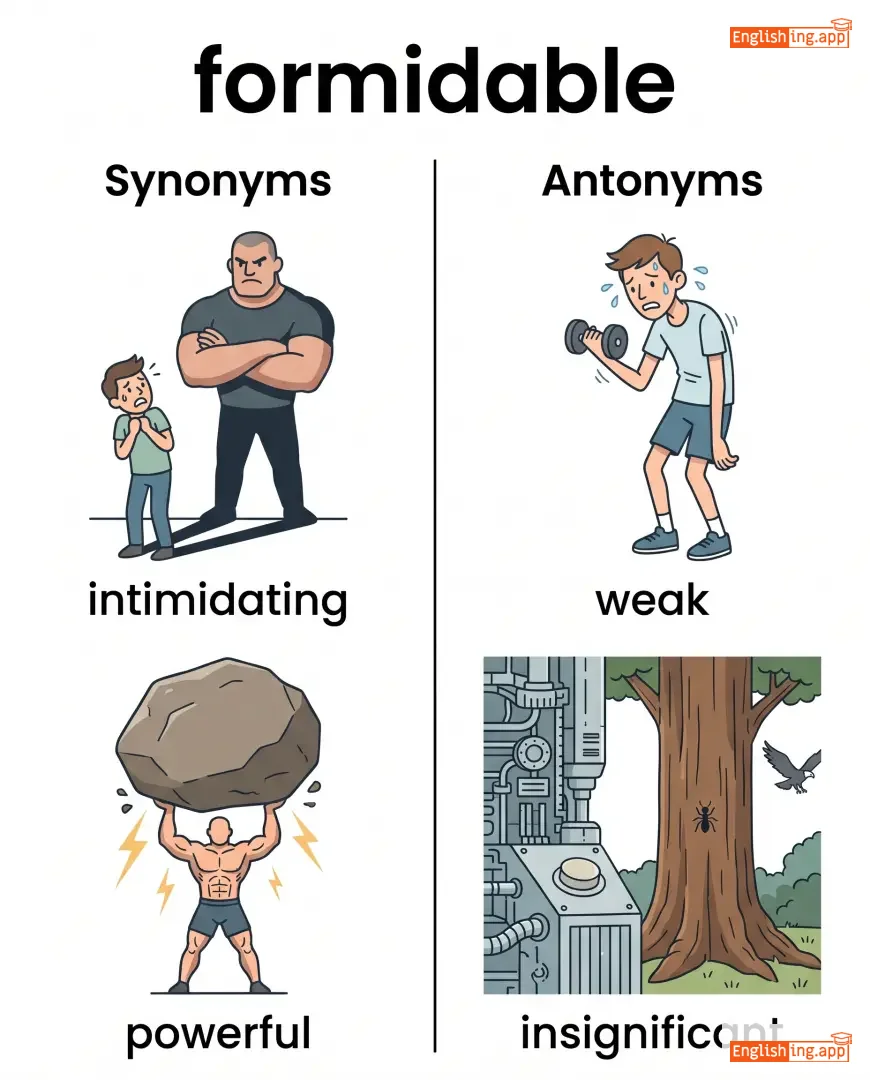
intimidating, powerful, mighty, impressive, daunting, imposing
••••••
|
weak, feeble, harmless, insignificant, powerless, mild
••••••
|
In Japanese, '手強い' is often used for something challenging, just like a formidable opponent.
••••••
|
|
#4027
🎯
|
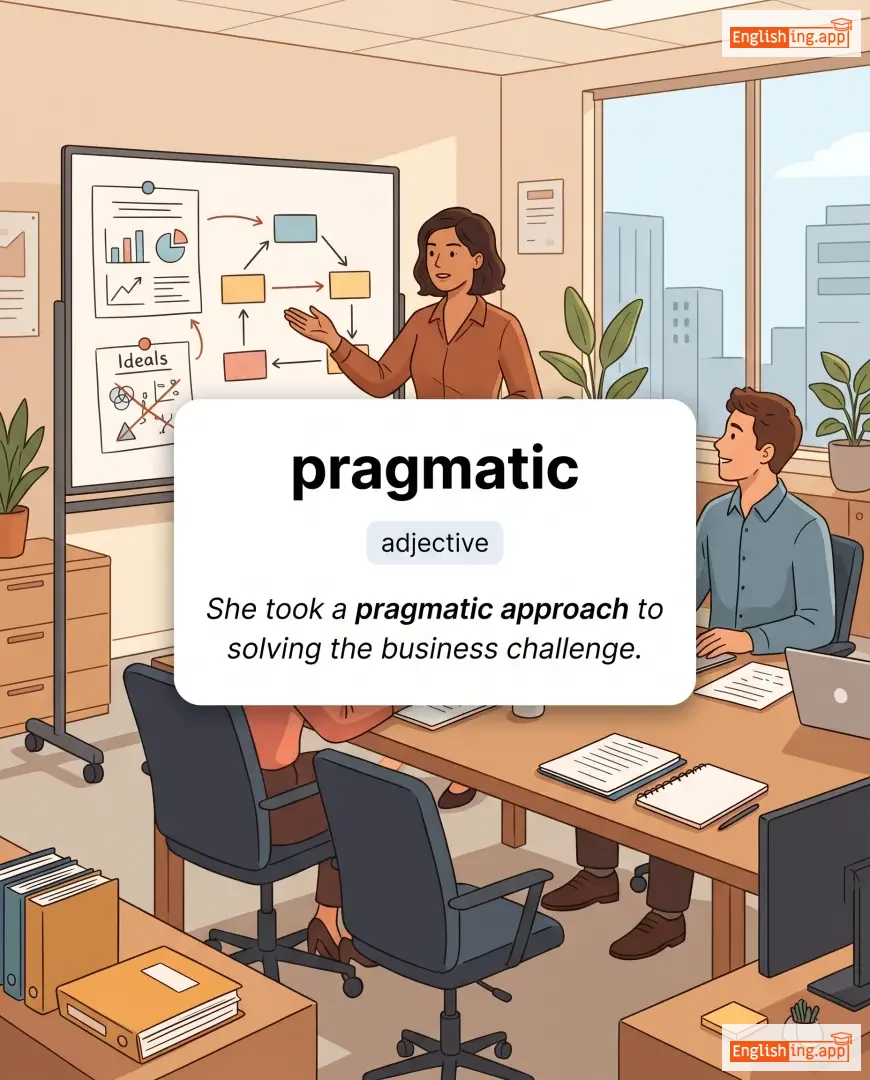
præɡˈmæt.ɪk
adjective
(プラグマティック)
••••••
|
|
現実的
genjitsuteki
••••••
|
Dealing with things sensibly and realistically in a way that is based on practical rather than idealistic considerations.
••••••
|
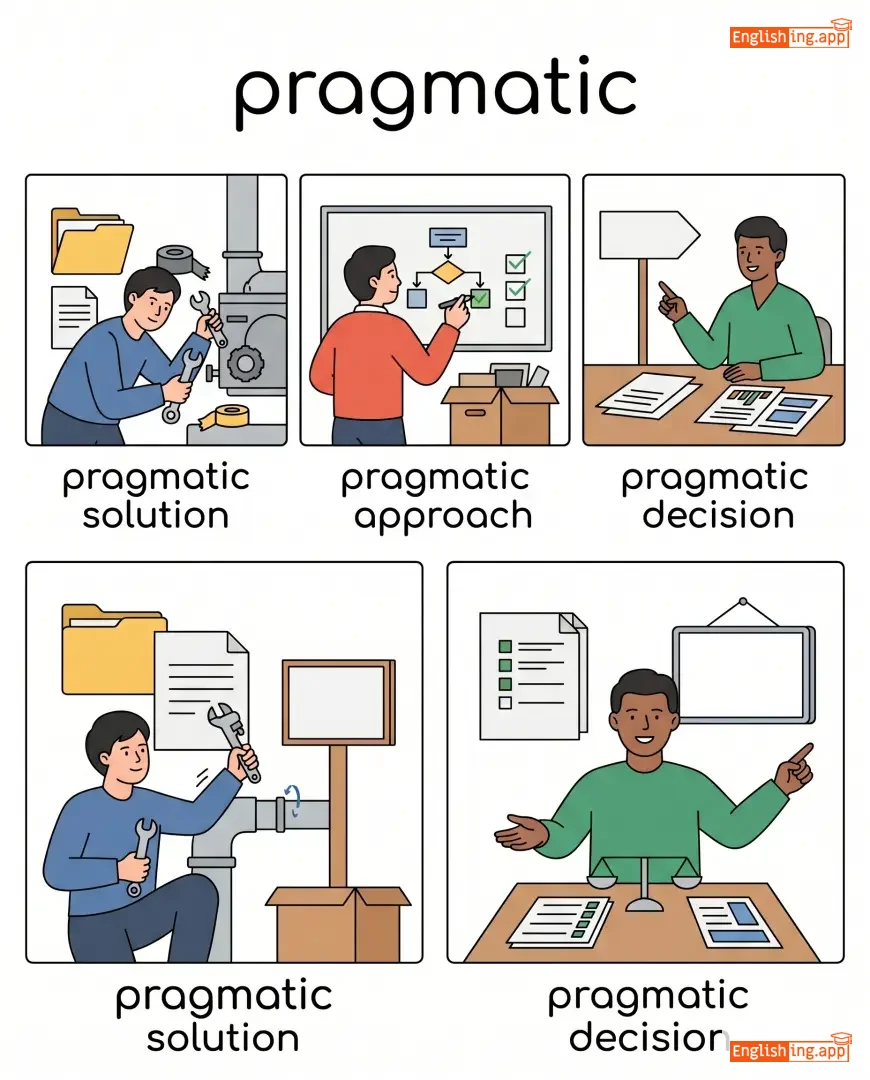
His pragmatic approach led to a quick resolution.
彼のプラグマティックなアプローチは迅速な解決に繋がった。
••••••
|
彼の現実的なアプローチは迅速な解決に繋がった。
Kare no genjitsuteki na apurōchi wa jinsoku na kaiketsu ni tsunagatta.
••••••
|
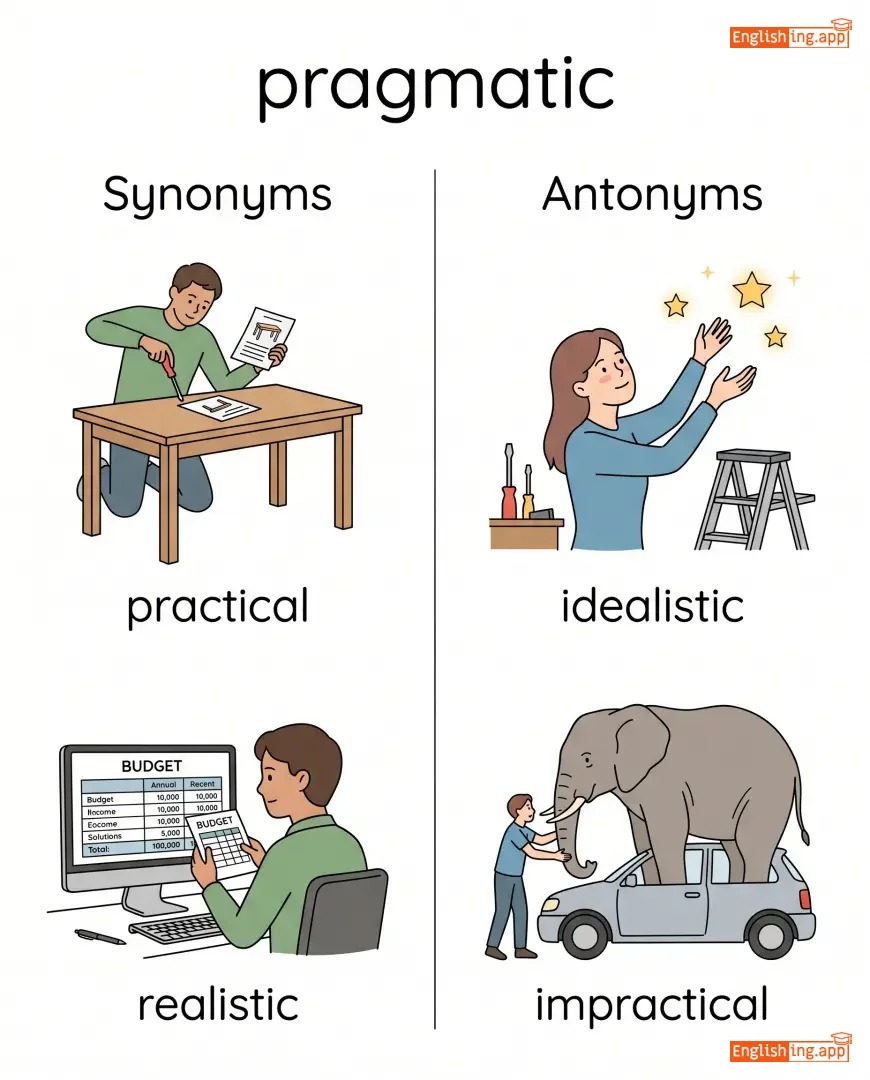
realistic, sensible, practical, down-to-earth, matter-of-fact, rational
••••••
|
idealistic, impractical, unrealistic, theoretical, romantic, utopian
••••••
|
現実的なアプローチは物事を素早く解決する手段です。
••••••
|
|
#4028
🎓
|
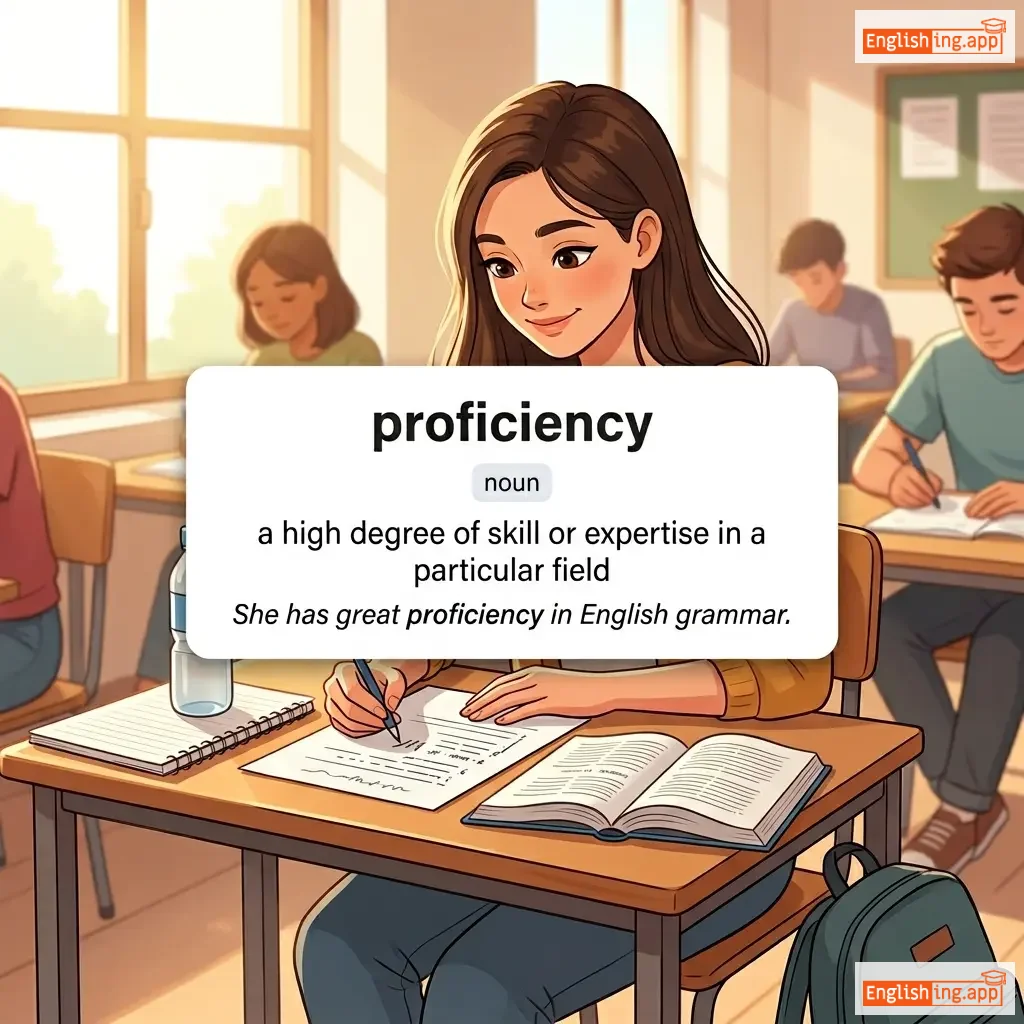
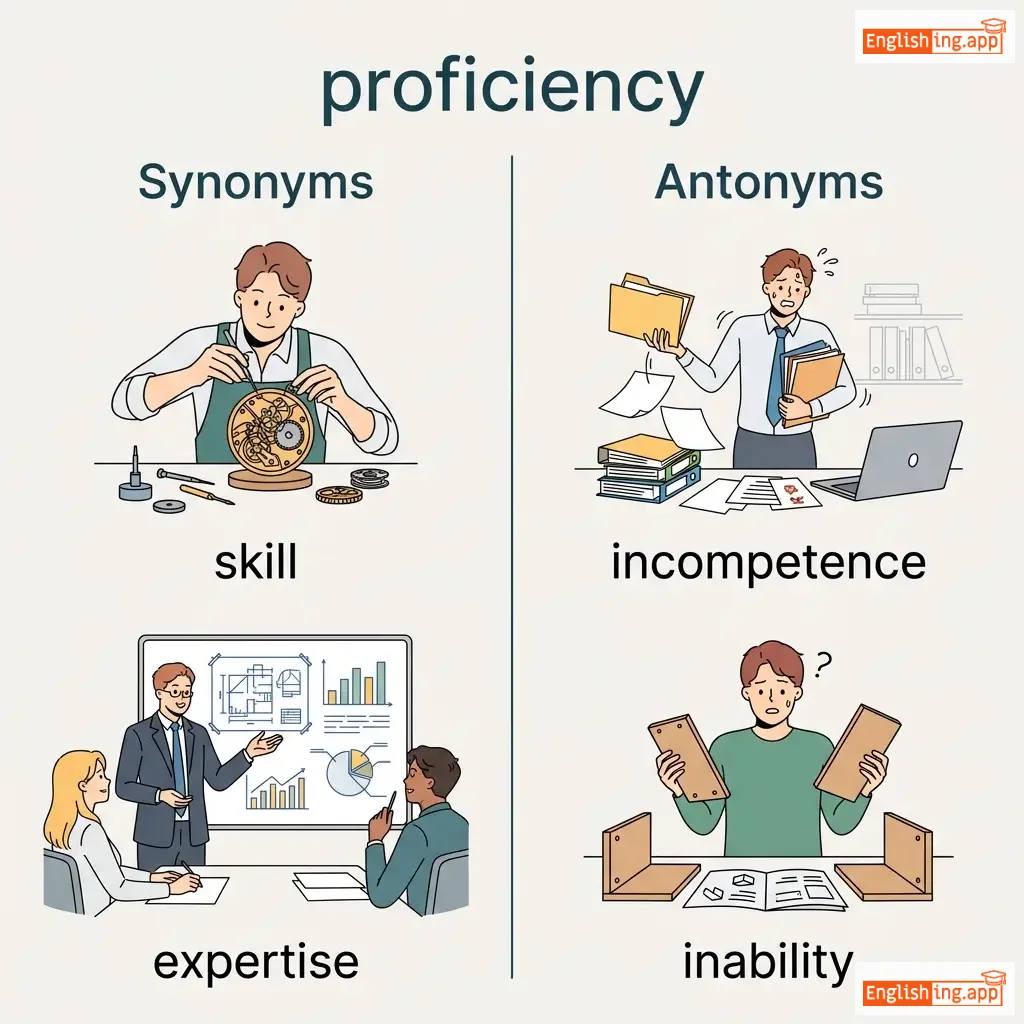
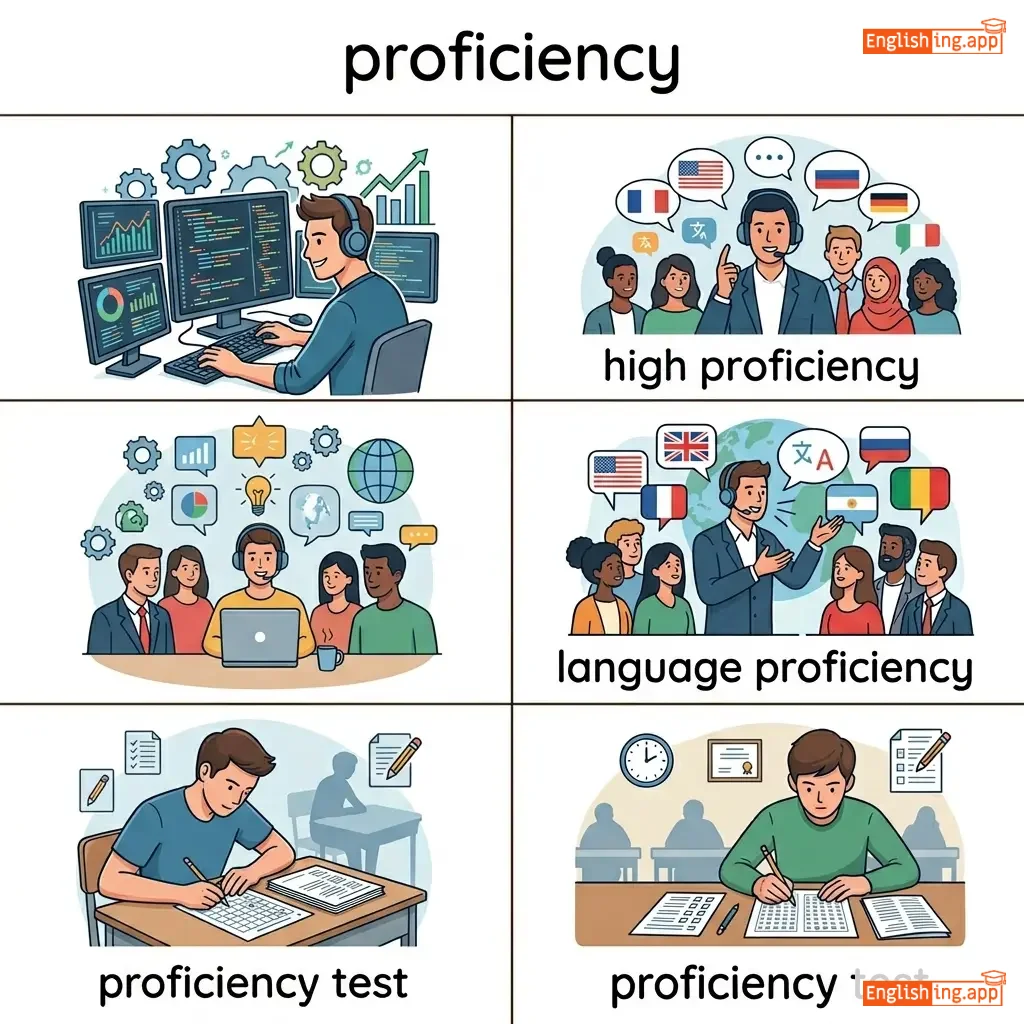
prəˈfɪʃ.ən.si
noun
(プロフィシエンシー)
••••••
|
|
熟練
jukuren
••••••
|
A high degree of competence or skill; expertise.
••••••
|
She demonstrated proficiency in multiple languages.
彼女は複数の言語での習熟度を示しました。
••••••
|
彼女は複数の言語での習熟度を示しました。
Kanojo wa fukusū no gengo de no shūryakudo o shimashita.
••••••
|
expertise, mastery, skill, competence, ability, aptitude
••••••
|
incompetence, ineptitude, inability, inexperience, amateurishness, clumsiness
••••••
|
熟練 - 熟(Jukuren)は、どんな技術にも熟練した人を示す。
••••••
|
|
#4029
👁️
|
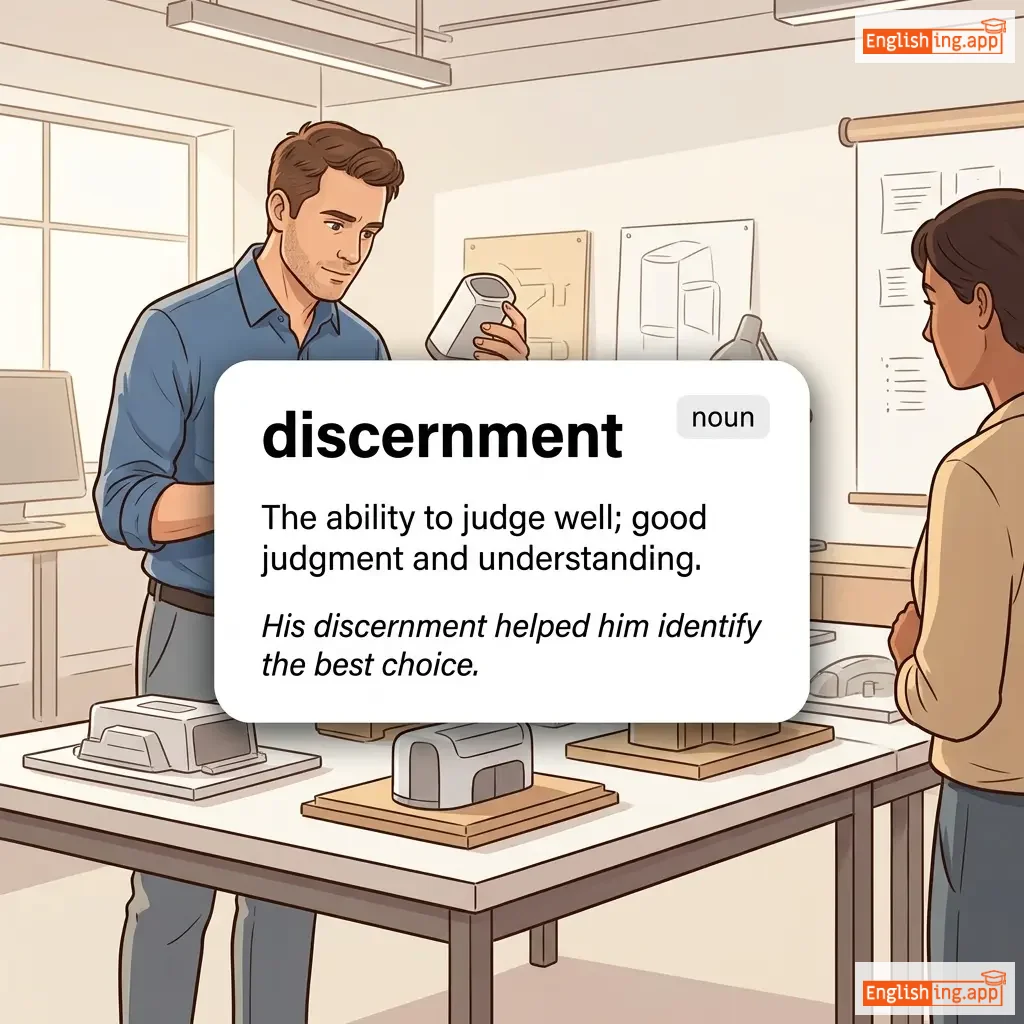
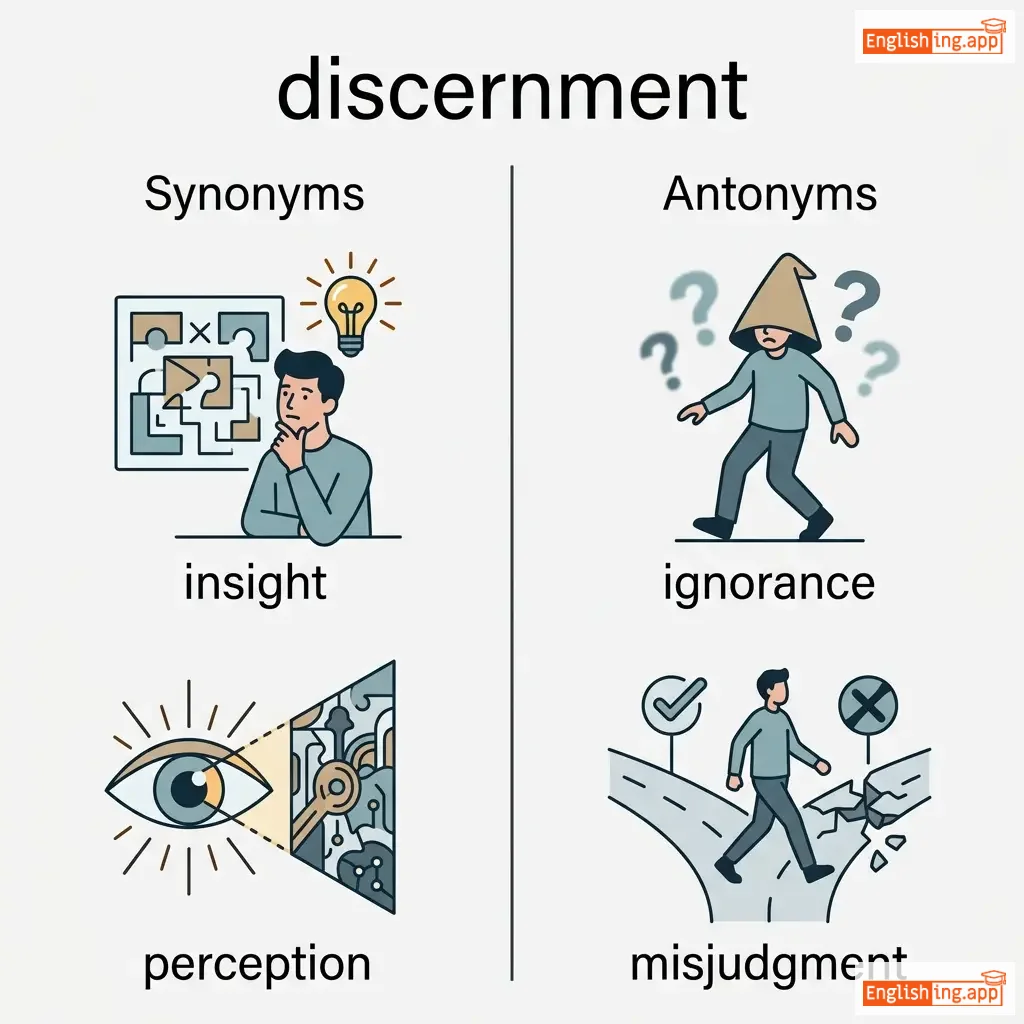
dɪˈsɜːn.mənt
noun
(ディサーニメント)
••••••
|
|
洞察力
dōsatsuryoku
••••••
|
The ability to judge well; good judgment and understanding.
••••••
|
His discernment helped him identify the best choice.
his discernment helped him identify the best choice.
••••••
|
彼の洞察力は、最良の選択肢を見極めるのに役立ちました。
Kare no dōsatsuryoku wa, sairyō no sentakushi wo mikiwameru no ni yakudachimashita.
••••••
|
insight, perception, judgment, wisdom, understanding, acumen
••••••
|
ignorance, misjudgment, blindness, naivety, obtuseness, insensitivity
••••••
|
洞察力 = より良い判断を下す能力。
••••••
|
|
#4030
🤝
|
ˈsɪn.ə.dʒi
noun
(シナジー)
••••••
|
|
相乗効果
sōjō kōka
••••••
|
The interaction or cooperation of two or more organizations, substances, or other agents to produce a combined effect greater than the sum of their separate effects.
••••••
|
The synergy between the departments increased efficiency. |
部門間の相乗効果が効率を向上させました。
Bumonkan no sōjō kōka ga kōritsu o kōjō sasemashita.
••••••
|
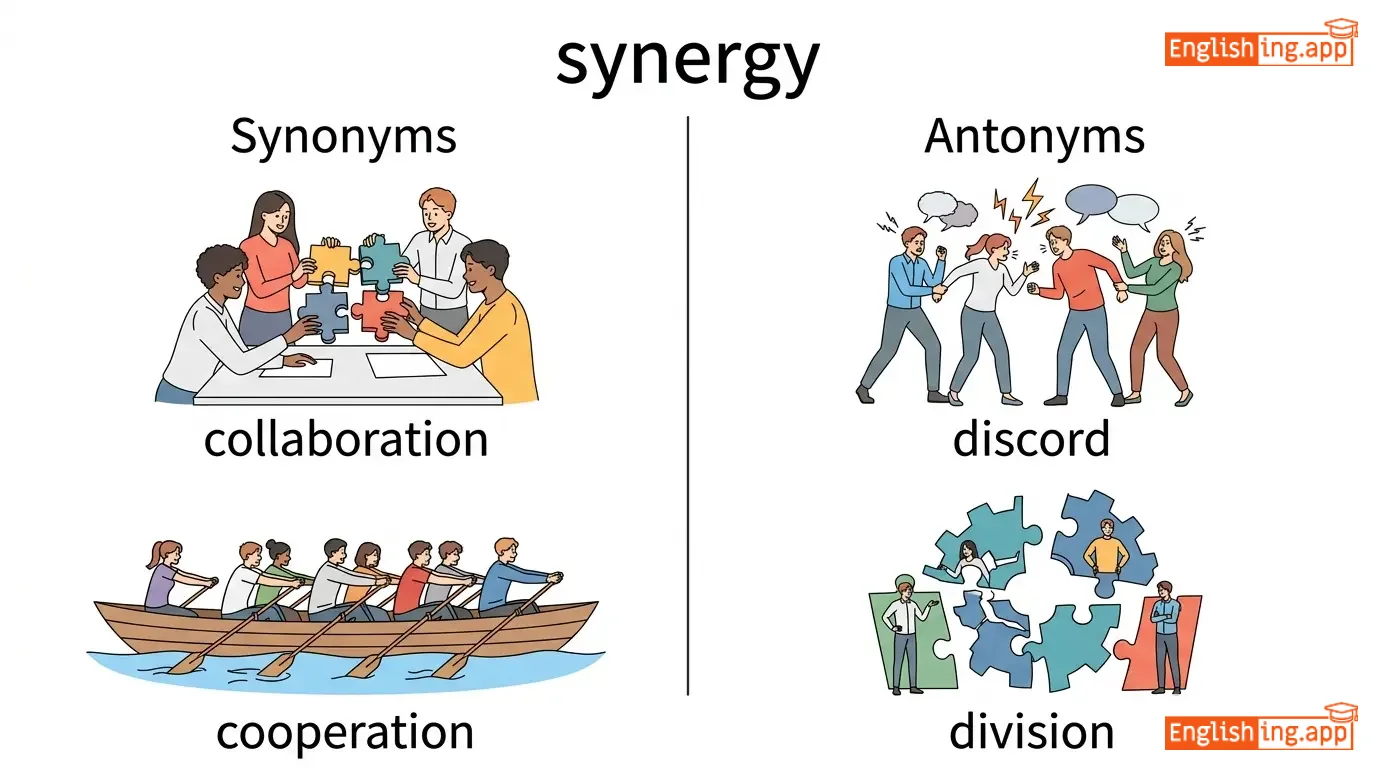
cooperation, collaboration, teamwork, coordination, unity, partnership
••••••
|
disunity, discord, conflict, antagonism, competition, rivalry
••••••
|
相乗効果 = 力を合わせてもっと強く
••••••
|
|
#4031
📋
|
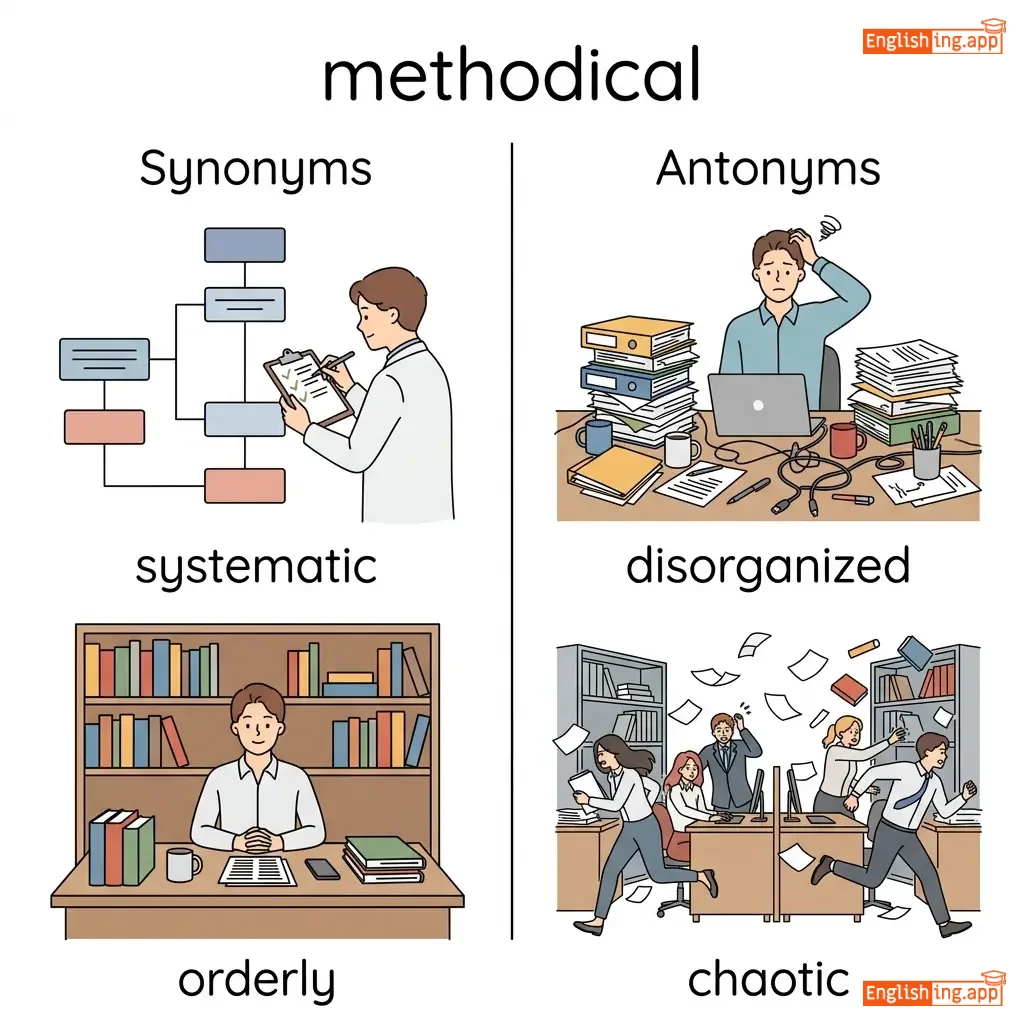
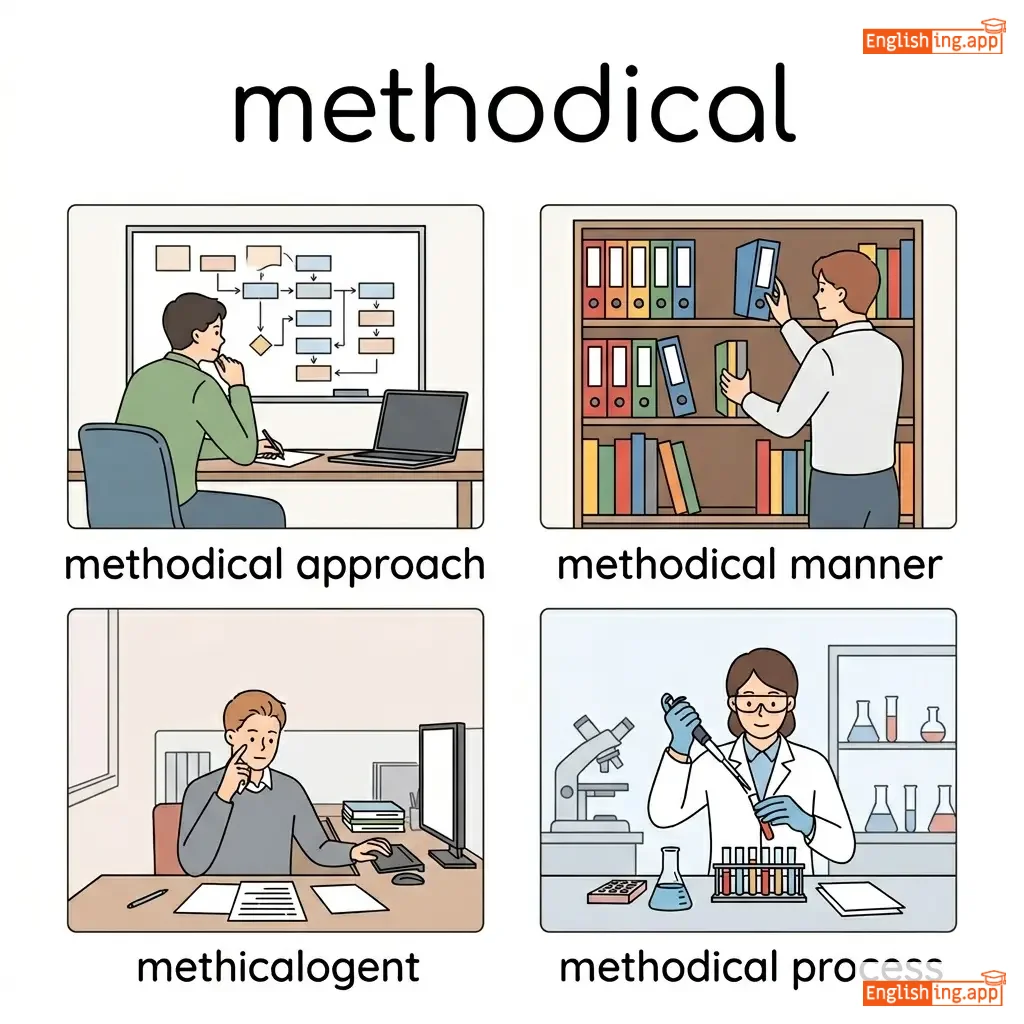
məˈθɒd.ɪ.kəl
adjective
(メソディカル)
••••••
|
|
方法的な
hōhōteki na
••••••
|
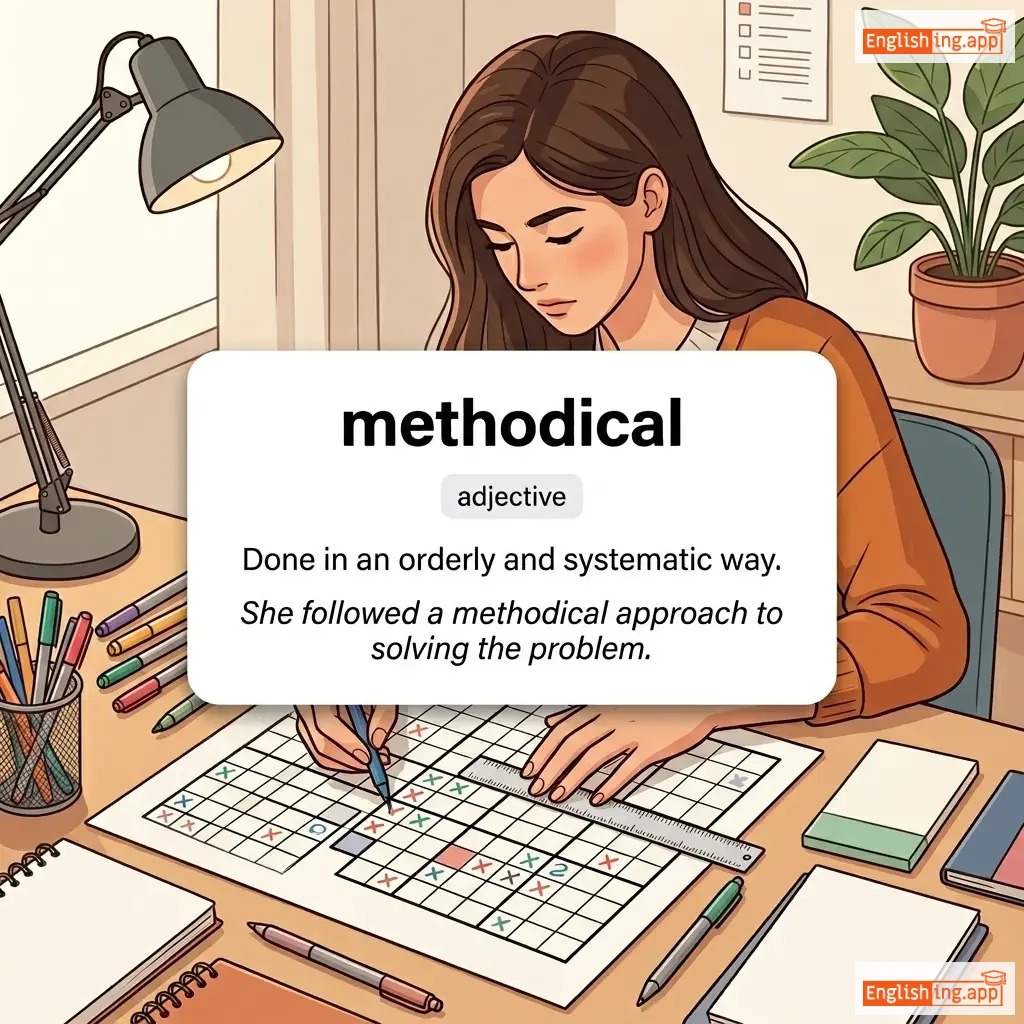
Done according to a systematic or established procedure; orderly and systematic.
••••••
|
His methodical research produced reliable results.
彼のメソディカルな研究は信頼できる結果を生み出した。
••••••
|
彼の方法的な研究は信頼できる結果を生み出した。
Kare no hōhōteki na kenkyū wa shinrai dekiru kekka o umidashita.
••••••
|
systematic, orderly, organized, structured, disciplined, meticulous
••••••
|
chaotic, disorganized, haphazard, random, unsystematic, careless
••••••
|
方法 (hōhō) を使って計画的に進めるのが方法的な仕事です。
••••••
|
|
#4032
💡
|
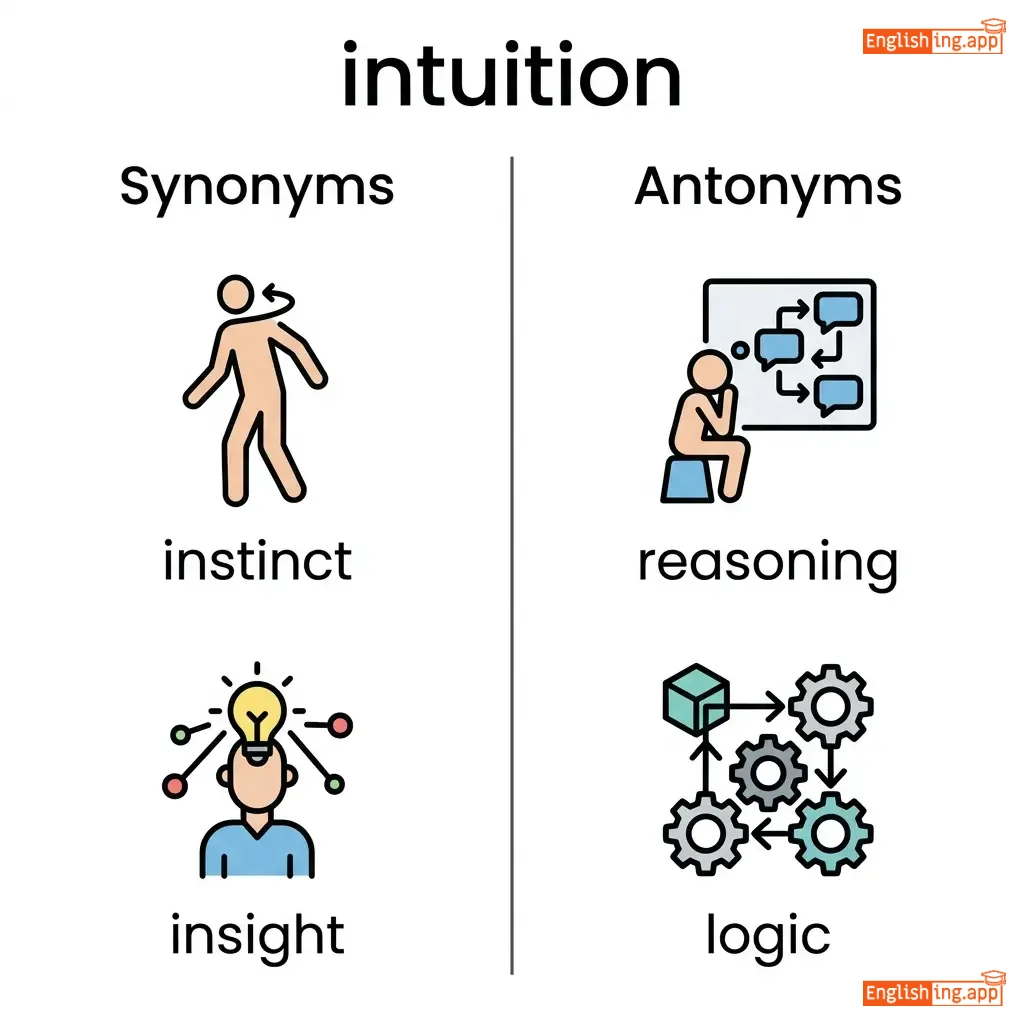
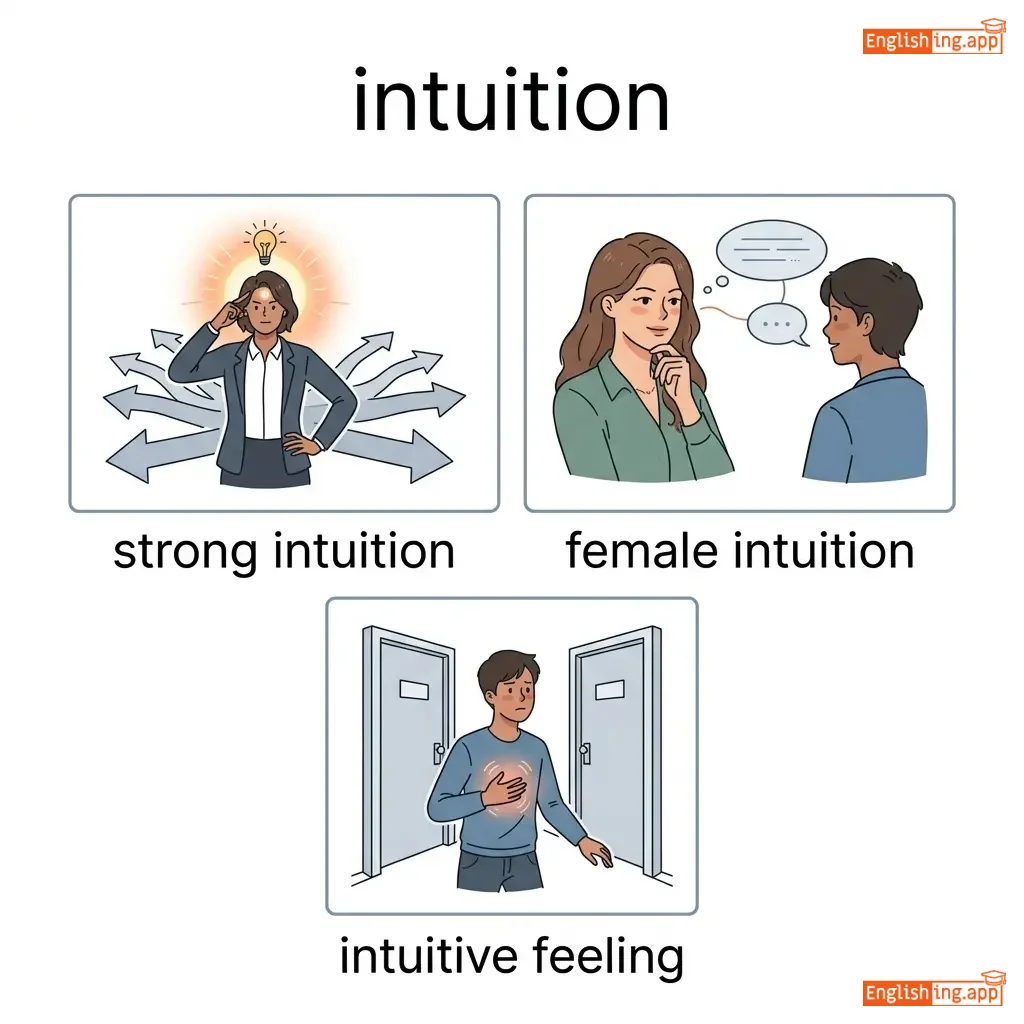
ˌɪn.tʃuˈɪʃ.ən
noun
(インテュイション)
••••••
|
|
直感
chokkan
••••••
|
The ability to understand something immediately, without the need for conscious reasoning.
••••••
|
Her intuition guided her in making the right decision. |
彼女の直感は彼女が正しい決断を下すのを導いた。
Kanojo no chokkan wa kanojo ga tadashii ketsudan o kudasu no o michibiita.
••••••
|
instinct, perception, insight, sixth sense, gut feeling, hunch
••••••
|
logic, analysis, reasoning, calculation, deliberation, rationality
••••••
|
直感は考えずに感じる力、決断の手助けをしてくれる。
••••••
|
|
#4033
⚡
|
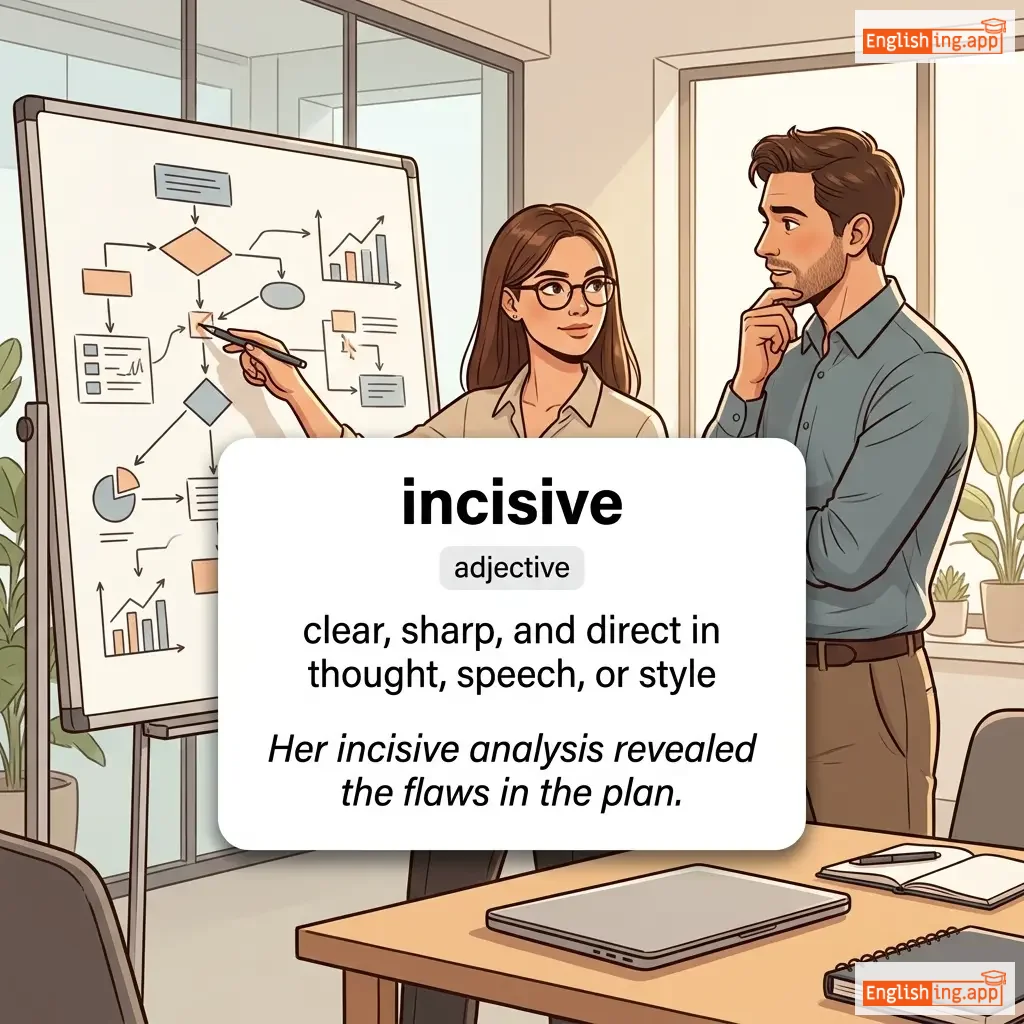
ɪnˈsaɪ.sɪv
adjective
(インシシヴ)
••••••
|
|
鋭い
surudoi
••••••
|
Intelligently analytical and clear-thinking; showing clear thought and good understanding of what is important.
••••••
|
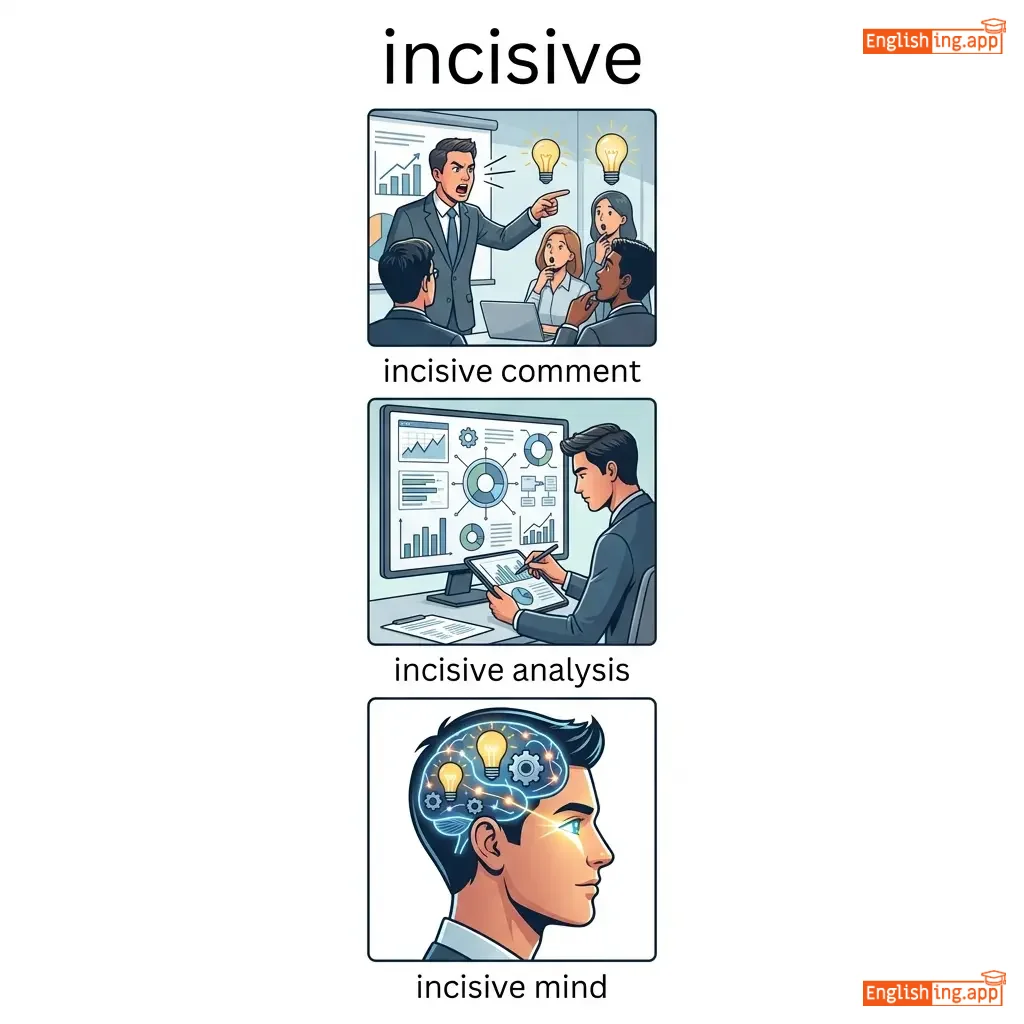
His incisive comments revealed the core issues.
彼の鋭いコメントは核心的な問題を明らかにしました。
••••••
|
彼の鋭いコメントは核心的な問題を明らかにしました。
Kare no surudoi komento wa kakushinteki na mondai o akiraka ni shimashita.
••••••
|
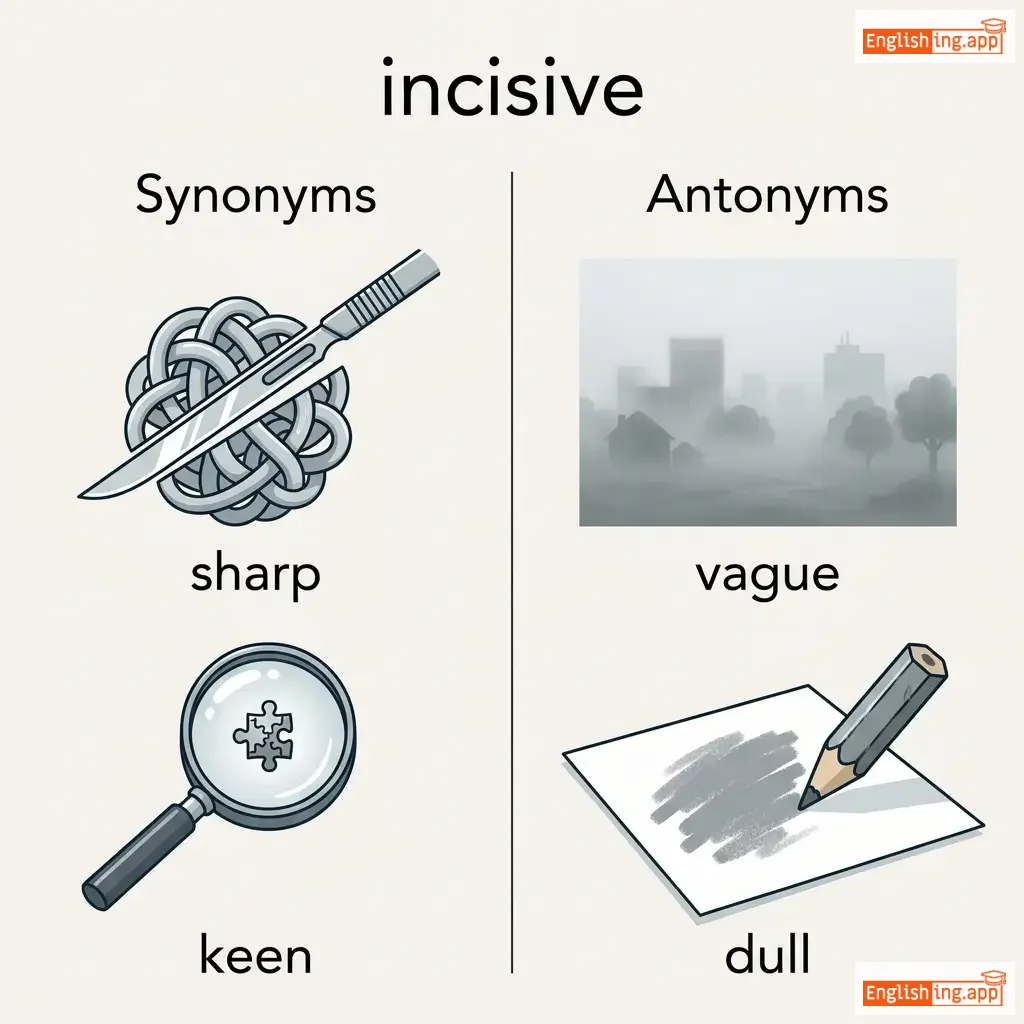
sharp, penetrating, acute, keen, perceptive, astute
••••••
|
dull, vague, obtuse, superficial, unclear, muddled
••••••
|
In Japanese, '鋭い' means sharp or keen, like incisive insights that reveal the core.
••••••
|
|
#4034
🤹
|
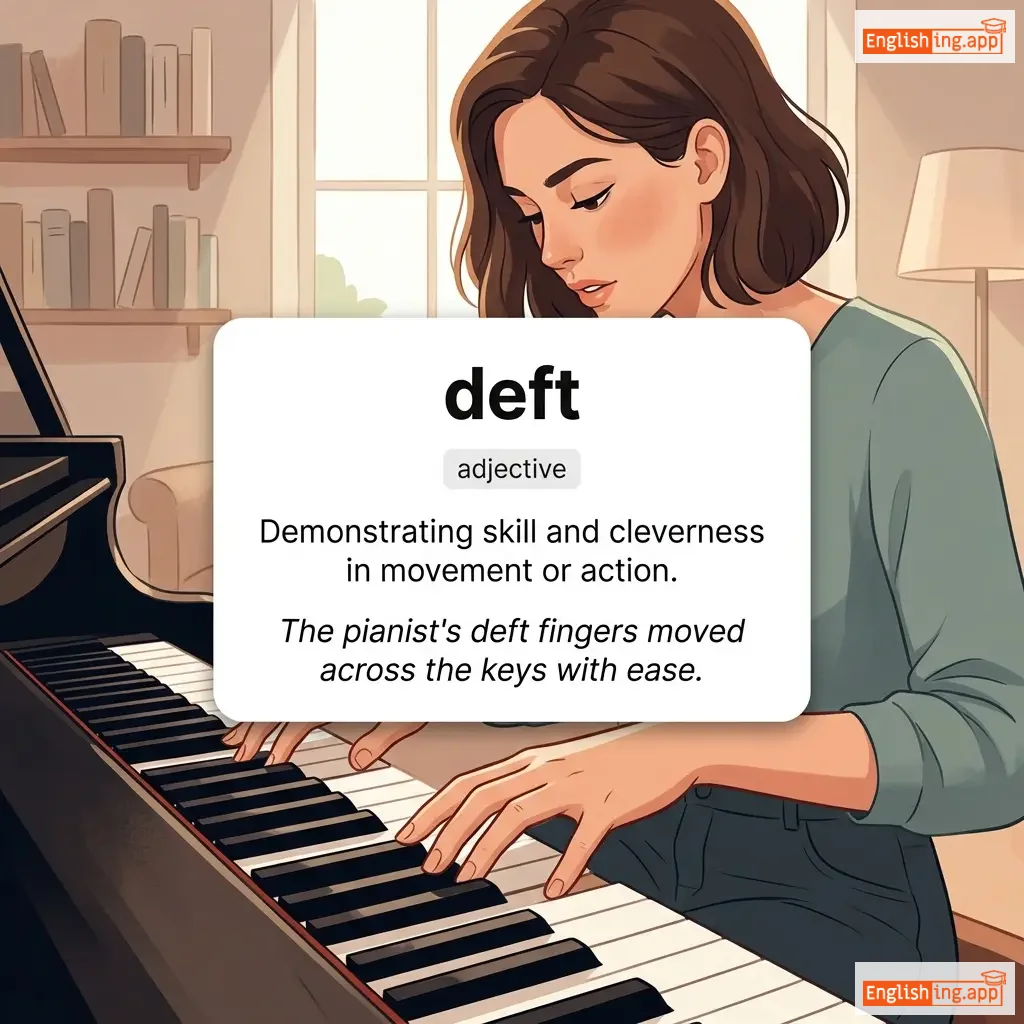
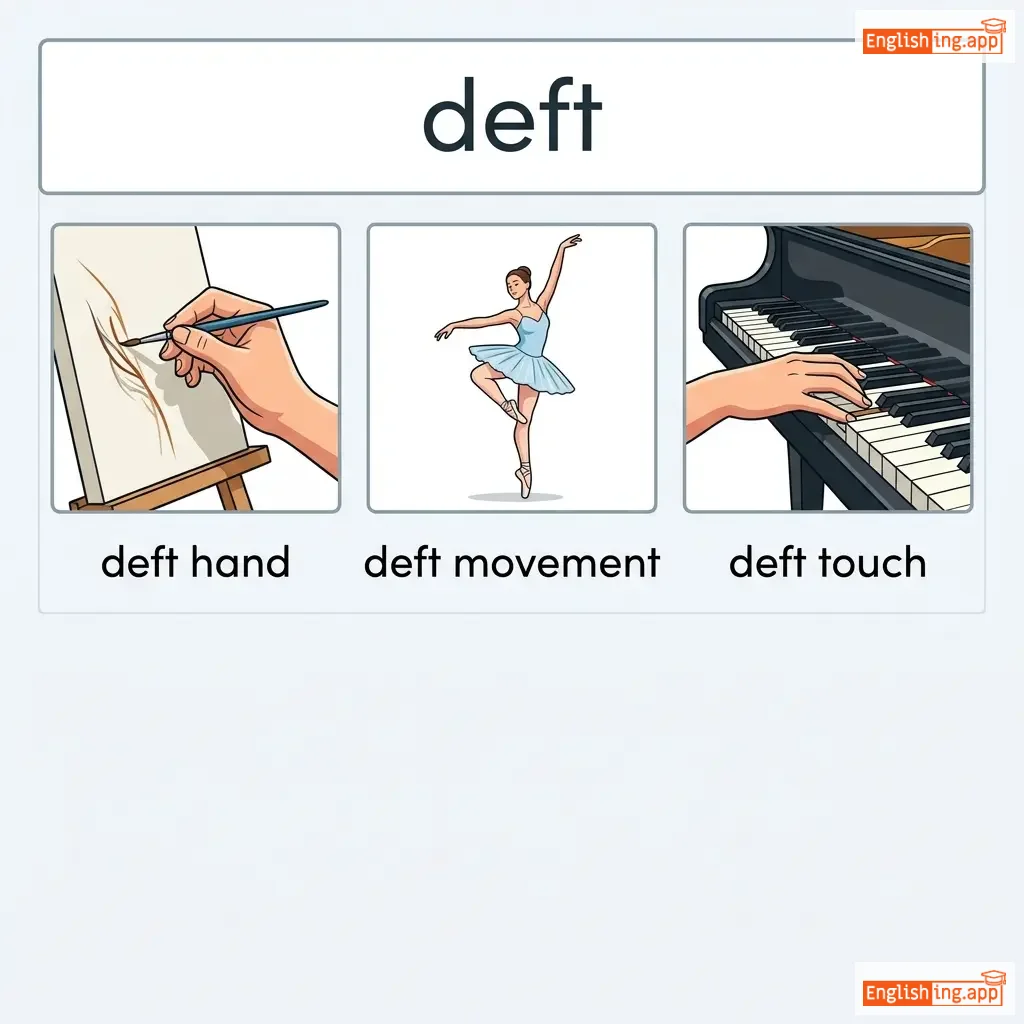
deft
adjective
(デフト)
••••••
|
|
器用
kiyou
••••••
|
Neatly skillful and quick in one's movements; showing skill and cleverness.
••••••
|
The pianist's deft fingers moved effortlessly. |
ピアニストの器用な指は、 effortless に動いていた。
Pianisuto no kiyou na yubi wa, effortless ni ugoite ita.
••••••
|
skillful, adroit, nimble, agile, expert, proficient
••••••
|
clumsy, inept, awkward, unskillful, fumbling, maladroit
••••••
|
器用な指の動き、まるでデフトなピアニストのよう。
••••••
|
|
#4035
✅
|
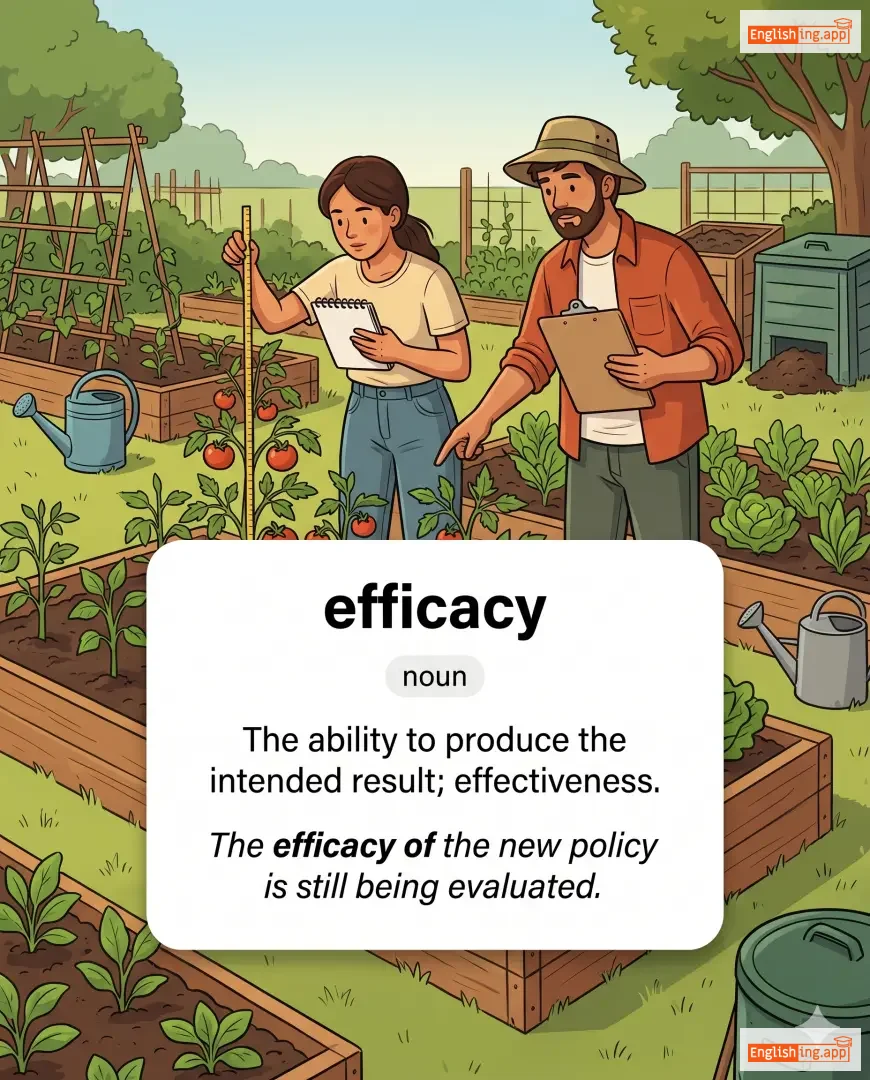
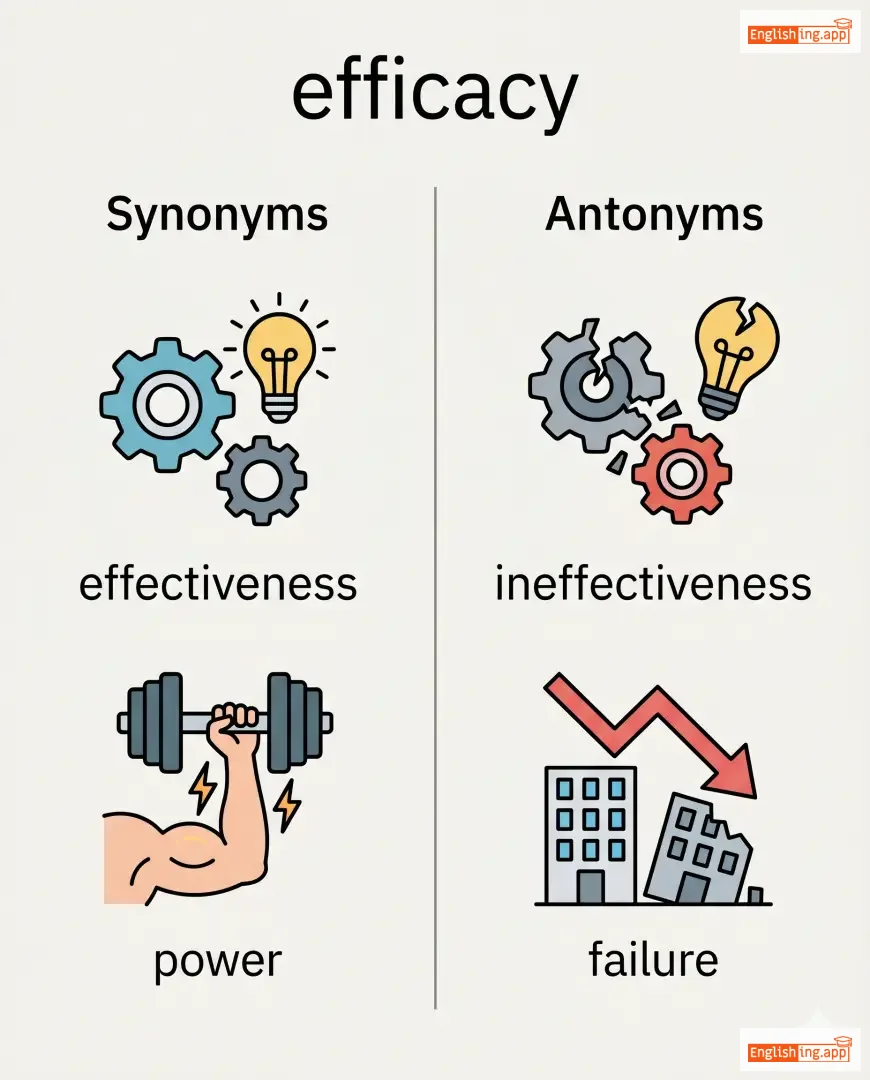
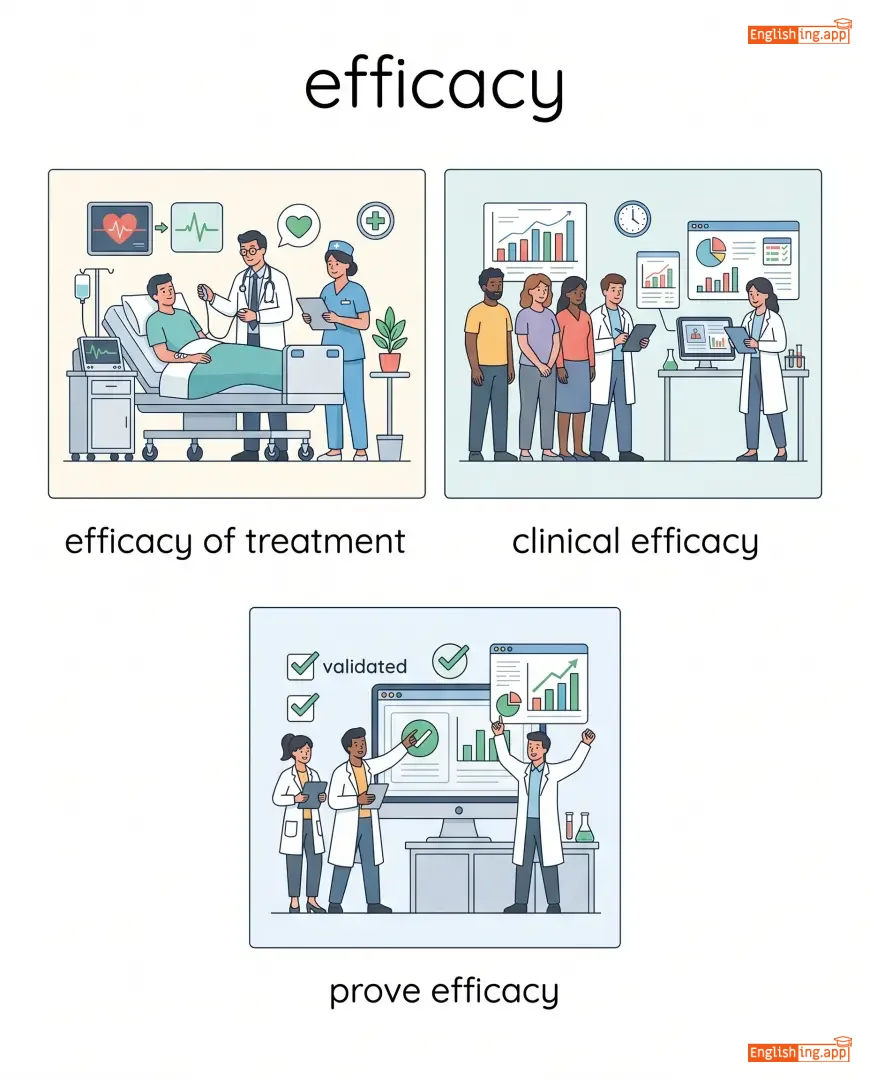
ˈef.ɪ.kə.si
noun
(efikeshi)
••••••
|
|
効果
kouka
••••••
|
The ability to produce a desired or intended result; effectiveness.
••••••
|
The efficacy of the new drug was tested in trials.
新薬の効果は試験でテストされました。
••••••
|
新薬の効果は試験でテストされました。
Shinyaku no kouka wa shiken de tesuto sare mashita.
••••••
|
effectiveness, potency, power, capability, success, productivity
••••••
|
ineffectiveness, failure, impotence, weakness, uselessness, futility
••••••
|
効果 = 成果 + 能力
••••••
|
|
#4036
🔗
|
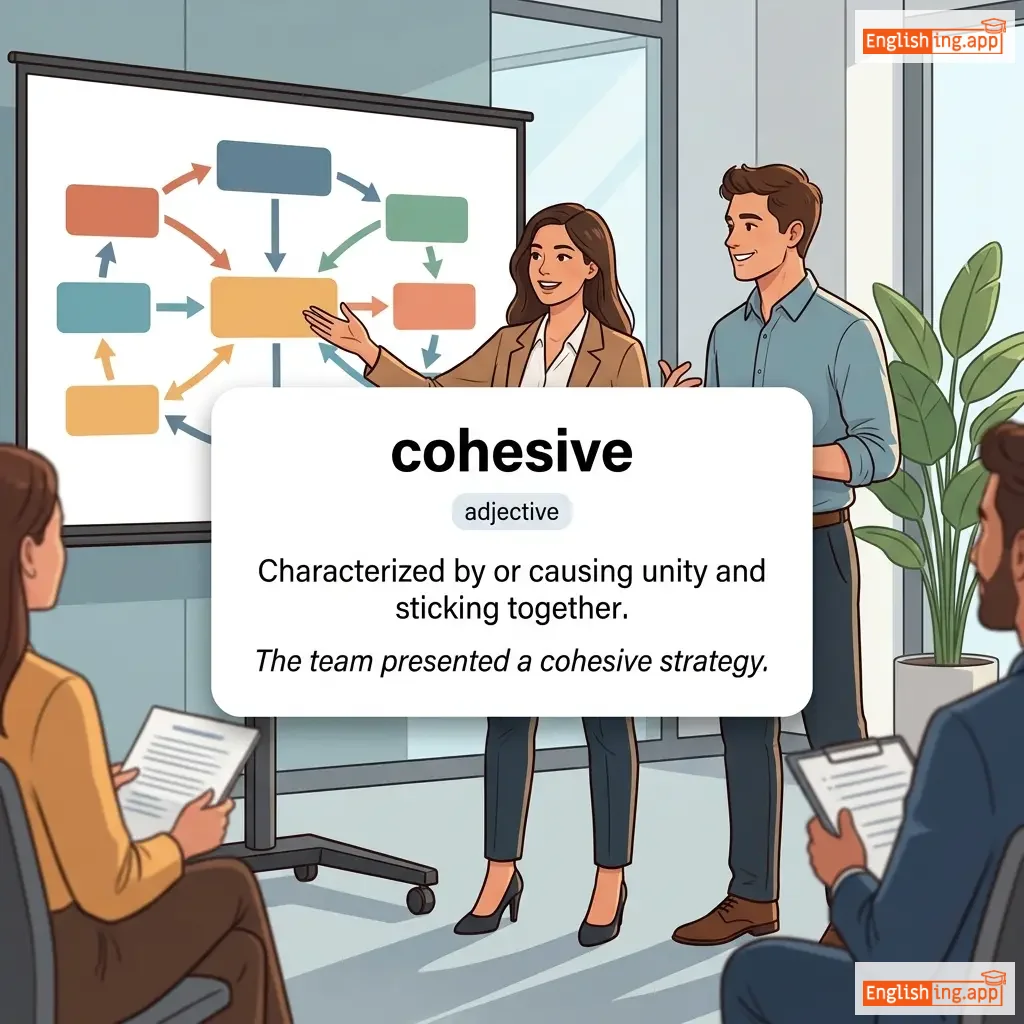
kəʊˈhiː.sɪv
adjective
(コヒーシブ)
••••••
|
|
結束力のある
kessokuryoku no aru
••••••
|
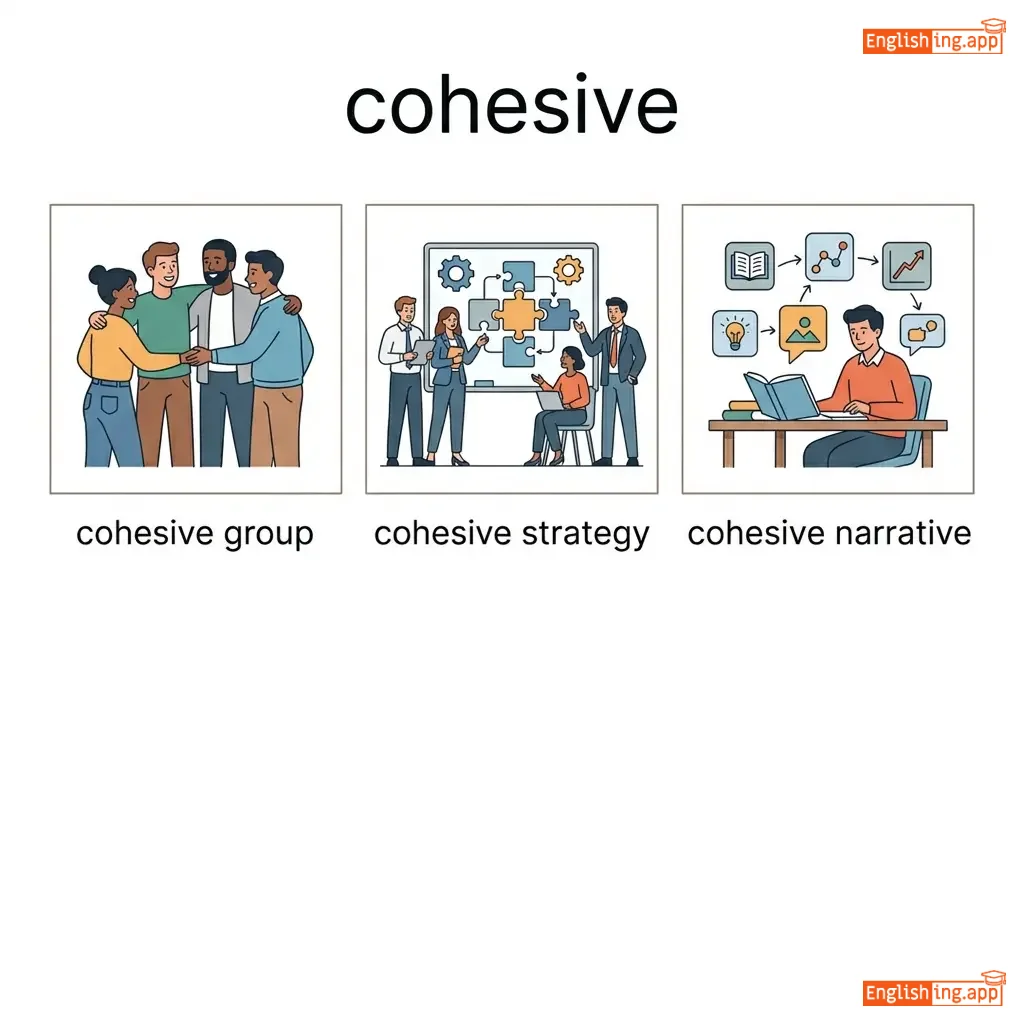
Characterized by or causing cohesion; forming a united whole.
••••••
|
The team displayed a cohesive strategy.
チームは一体感のある戦略を示しました。
••••••
|
チームは一体感のある戦略を示しました。
Chīmu wa ittaikan no aru senryaku o shimeshimashita.
••••••
|
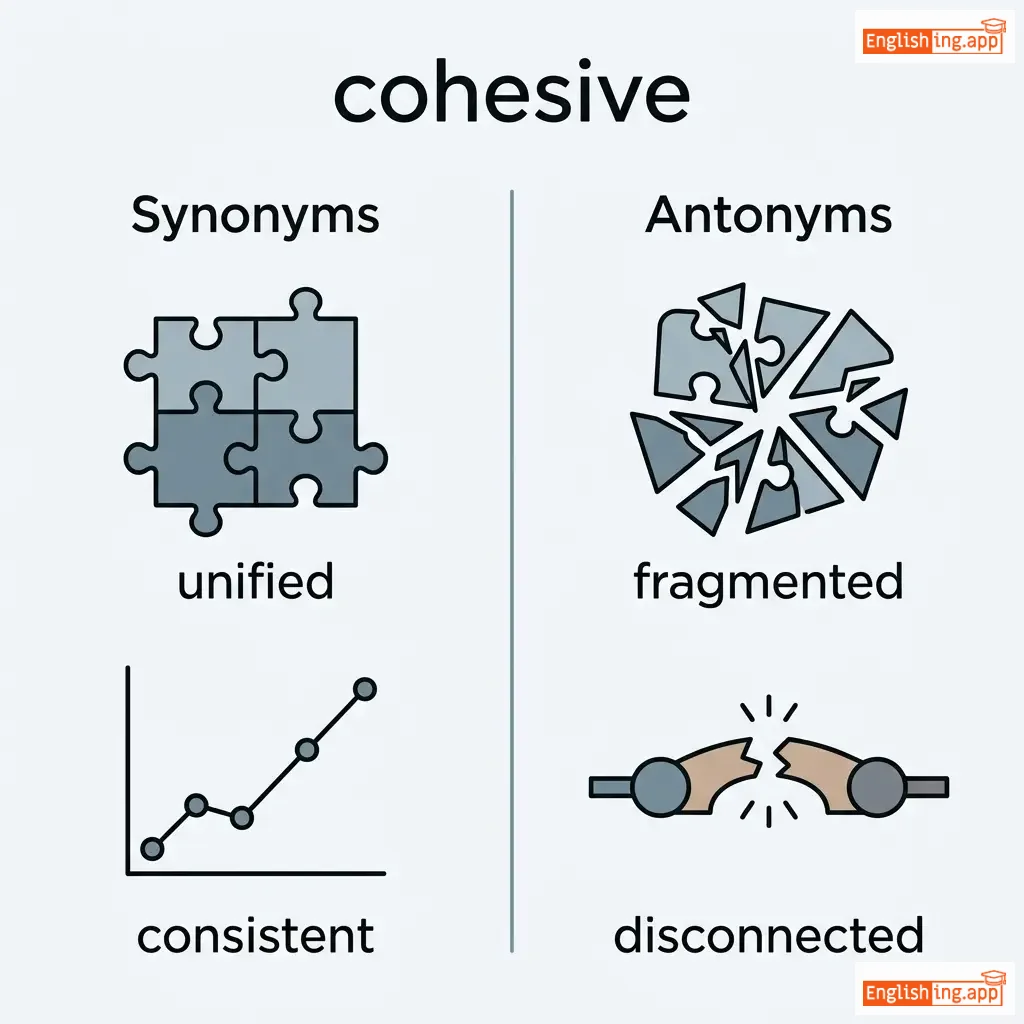
united, integrated, unified, consolidated, coordinated, harmonious
••••••
|
fragmented, disjointed, divided, scattered, incoherent, disconnected
••••••
|
In Japanese, 'kessokuryoku no aru' signifies the 'cohesive' force that unites everything.
••••••
|
|
#4037
👇
|
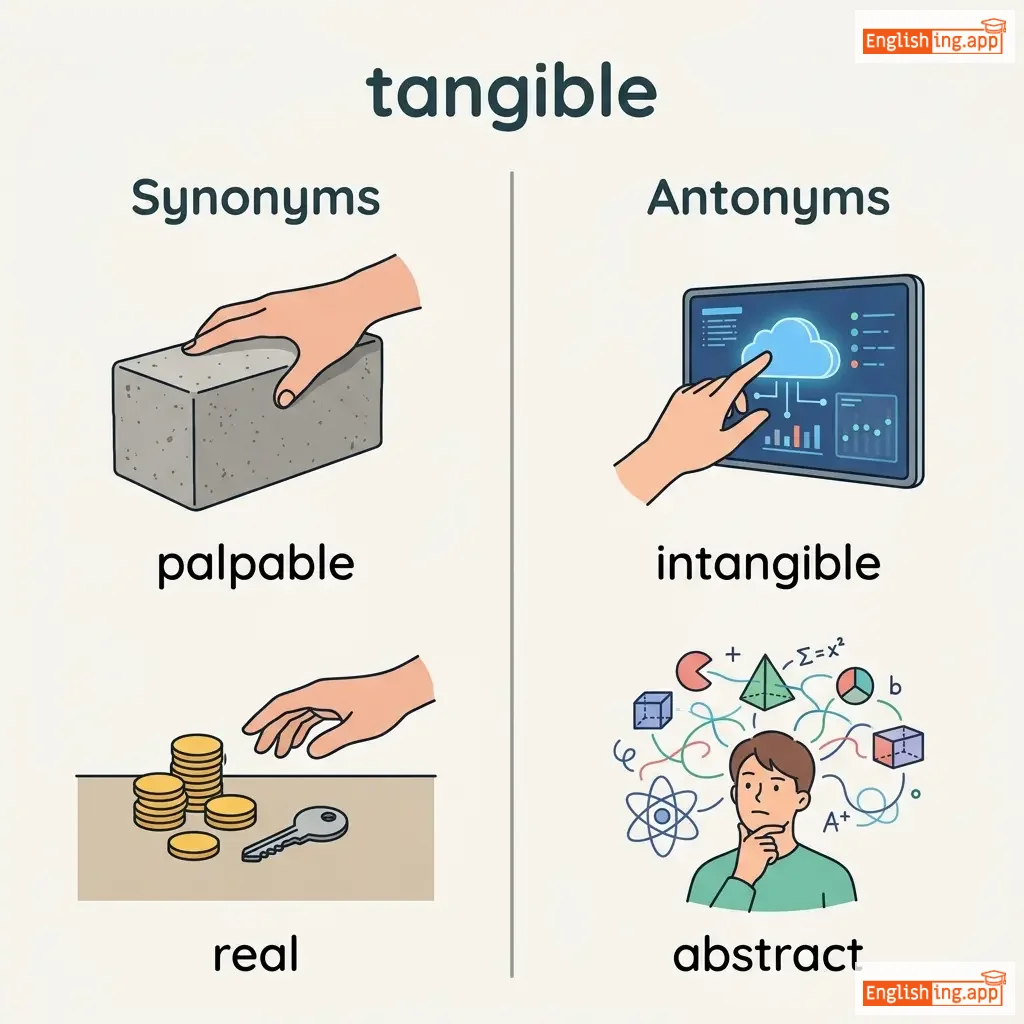
ˈtæn.dʒə.bəl
adjective
(タンジブル)
••••••
|
|
具体的
gutaiteki
••••••
|
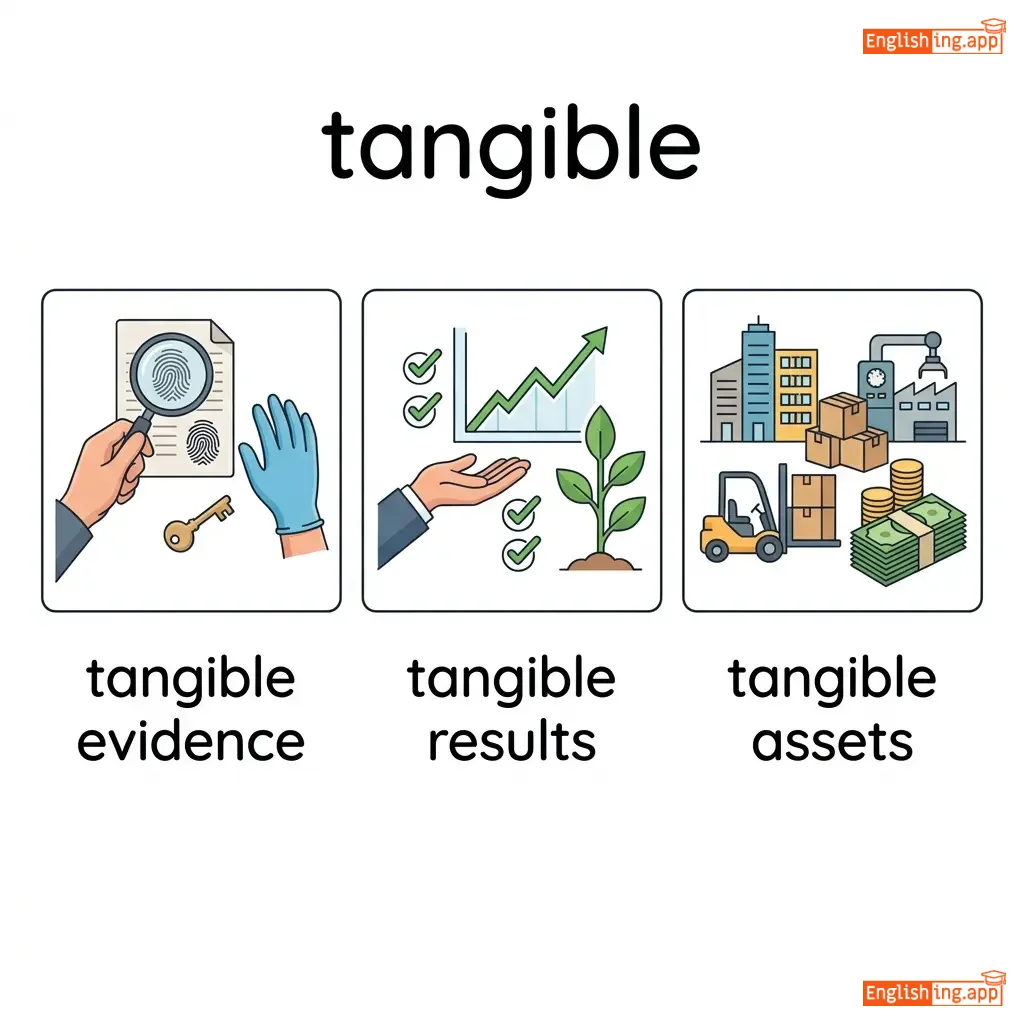
Clear and definite; real; perceptible by touch; capable of being touched or felt.
••••••
|
The company's success was seen in tangible profits. |
会社の成功は具体的な利益で見られました。
Kaisha no seikou wa gutaiteki na rieki de mirarimashita.
••••••
|
concrete, palpable, solid, real, physical, substantial
••••••
|
abstract, intangible, imperceptible, insubstantial, theoretical, imaginary
••••••
|
具体的 = 触れることができるもの。
••••••
|
|
#4038
🆕
|
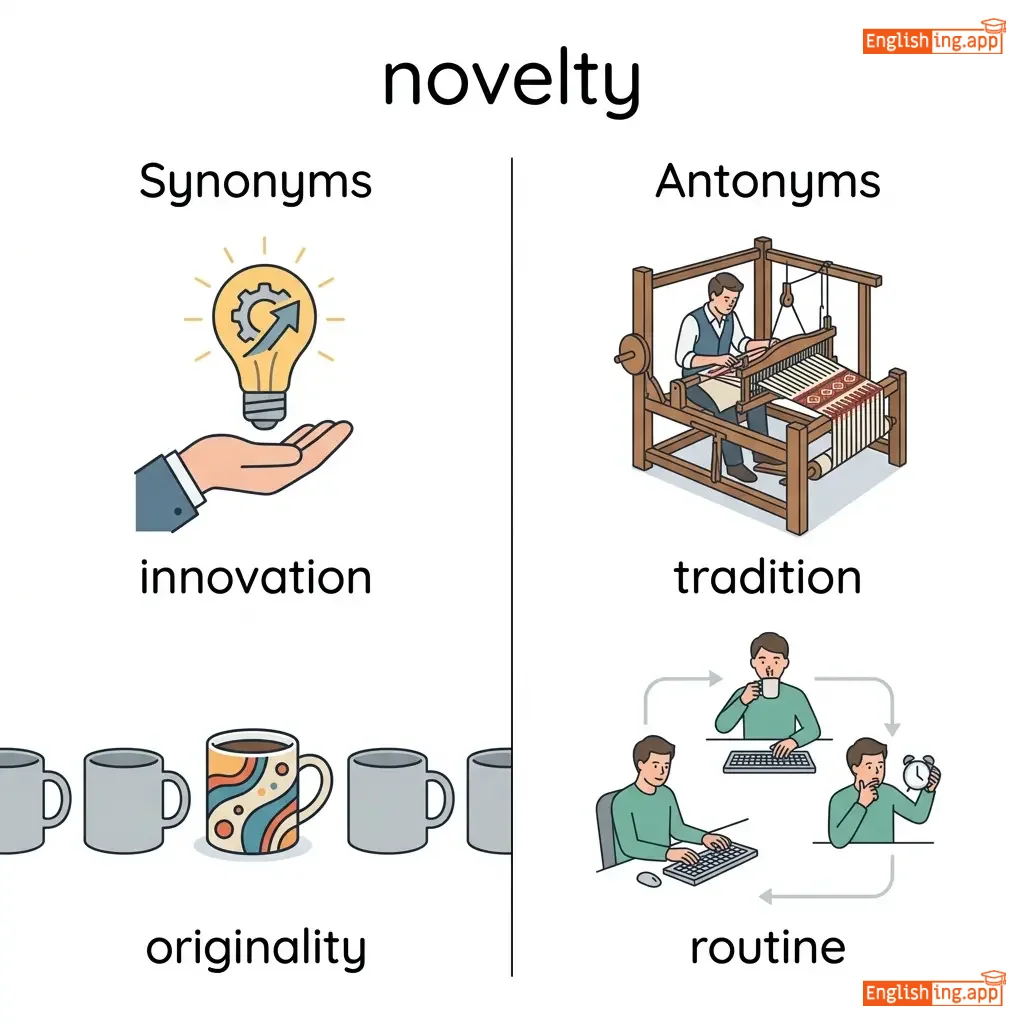
ˈnɒv.əl.ti
noun
(ノヴェルティ)
••••••
|
|
新規性
shinkisei
••••••
|
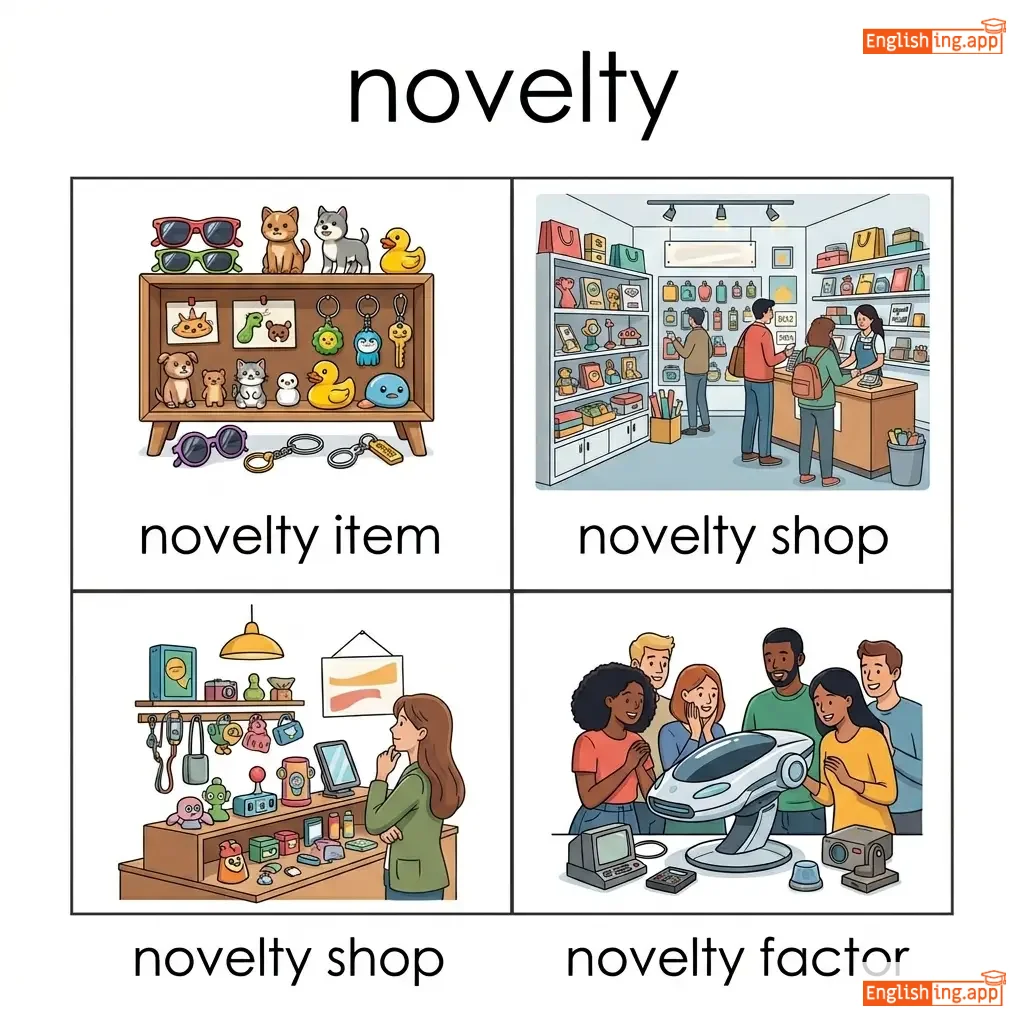
The quality of being new, original, or unusual; a new or unfamiliar thing or experience.
••••••
|
The novelty of the invention attracted investors.
発明の新規性が投資家を引き付けました。
••••••
|
発明の新規性が投資家を引き付けました。
Hatsumei no shinkisei ga tōshika o hikitsukemashita.
••••••
|
innovation, originality, newness, freshness, uniqueness, creativity
••••••
|
tradition, commonplace, familiarity, conventionality, staleness, ordinariness
••••••
|
新しい発明が投資家を引き付ける
••••••
|
|
#4039
🤔
|
ˈplɔː.zə.bəl
adjective
(プラウジブル)
••••••
|
|
もっともらしい
mottomorashii
••••••
|
Seeming reasonable or probable; appearing worthy of belief.
••••••
|
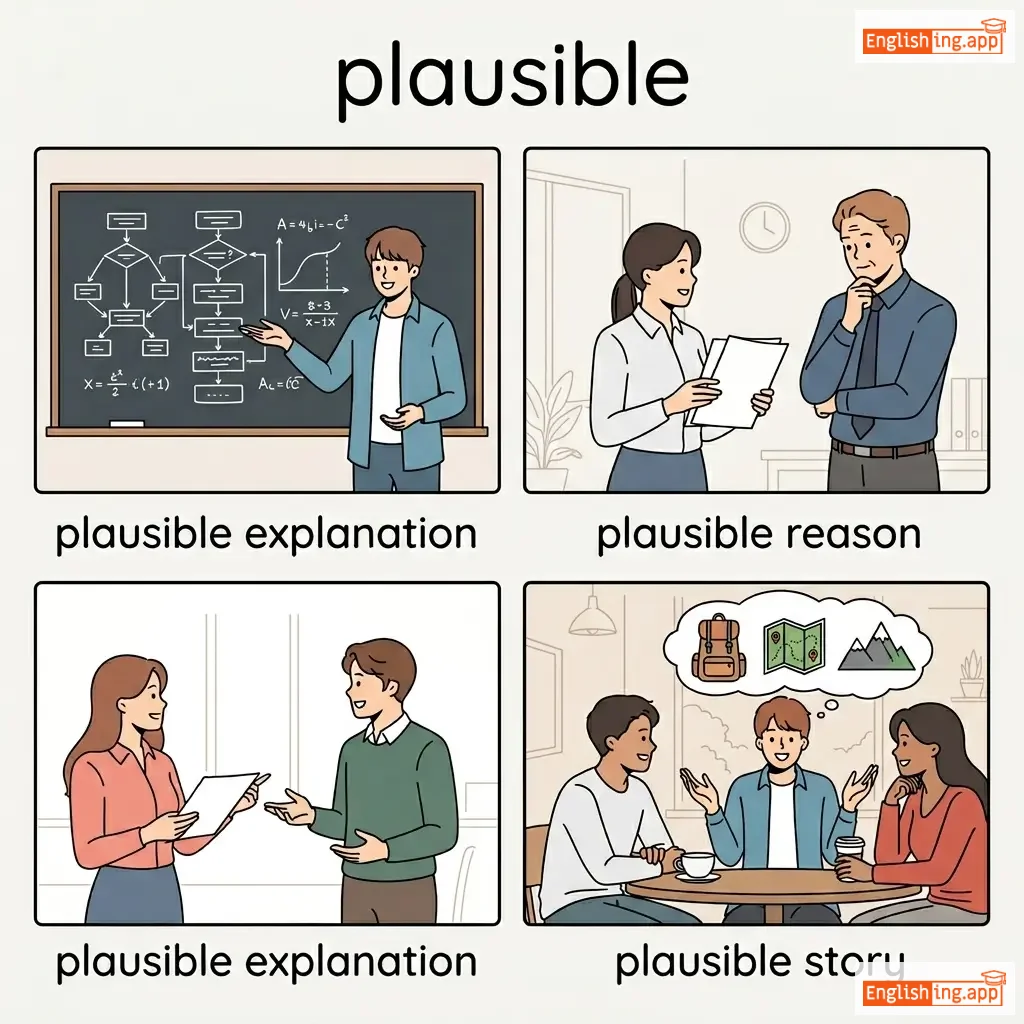
His explanation sounded plausible enough.
彼の説明は納得できるほど現実的だった。
••••••
|
彼の説明は十分にもっともらしかった。
Kare no setsumei wa jūbun ni mottomorashikatta.
••••••
|
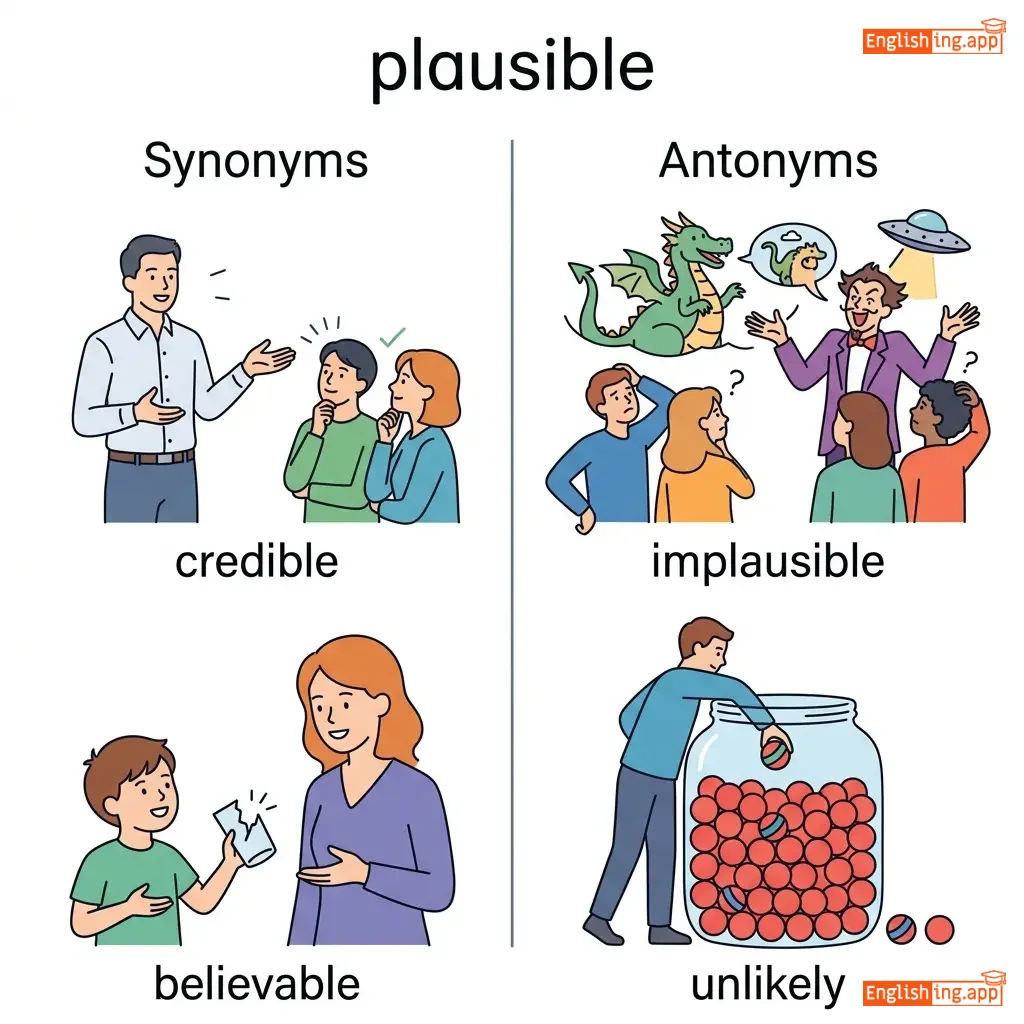
credible, reasonable, believable, convincing, likely, feasible
••••••
|
implausible, unbelievable, unlikely, incredible, unreasonable, doubtful
••••••
|
もっともらしい (mottomorashii) sounds like 'reasonable' in Japanese, fitting with its meaning.
••••••
|
|
#4040
✔️
|
kəˈrɒb.ə.reɪt
verb
(コロボレート)
••••••
|
|
確認する
kakunin suru
••••••
|
Confirm or give support to (a statement, theory, or finding).
••••••
|
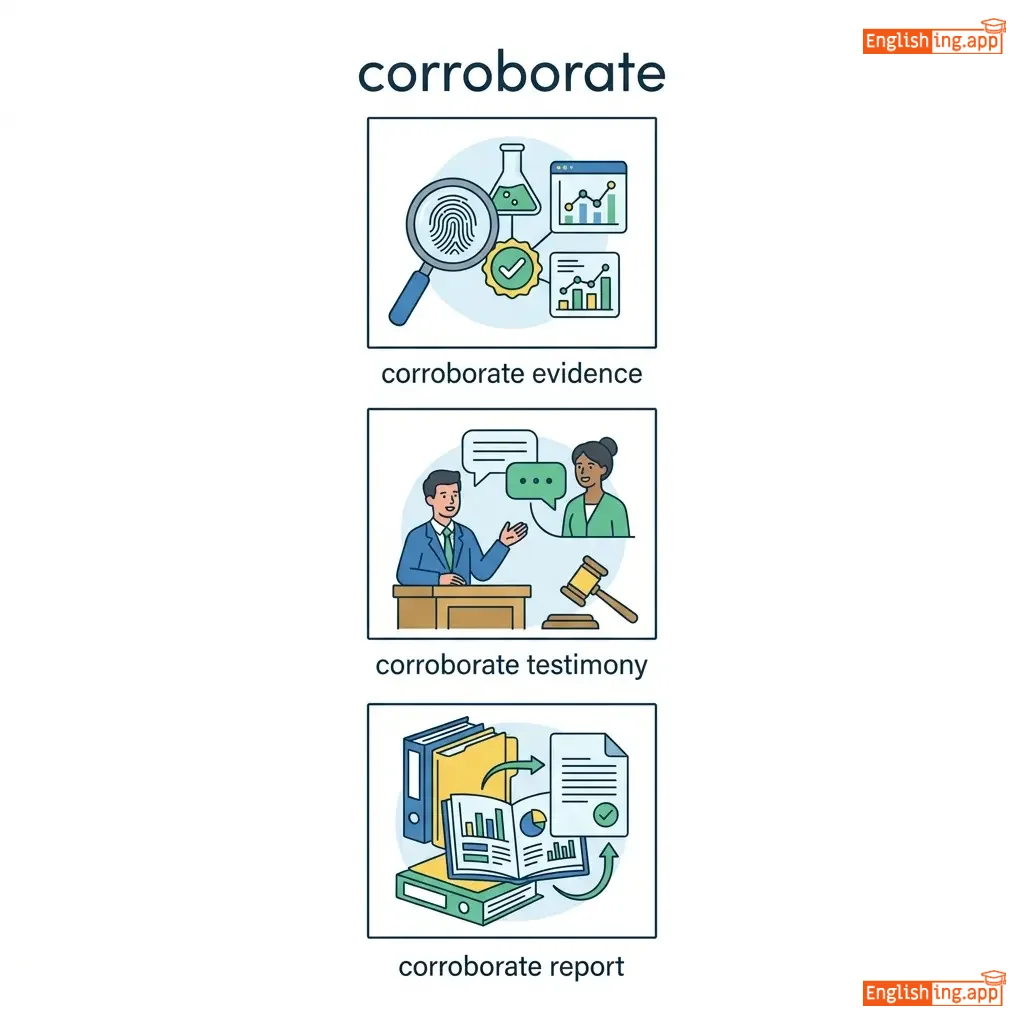
The evidence corroborated his alibi.
証拠が彼のアリバイを裏付けました。
••••••
|
証拠が彼のアリバイを裏付けました。
Shōko ga kare no aribai o urazukemashita.
••••••
|
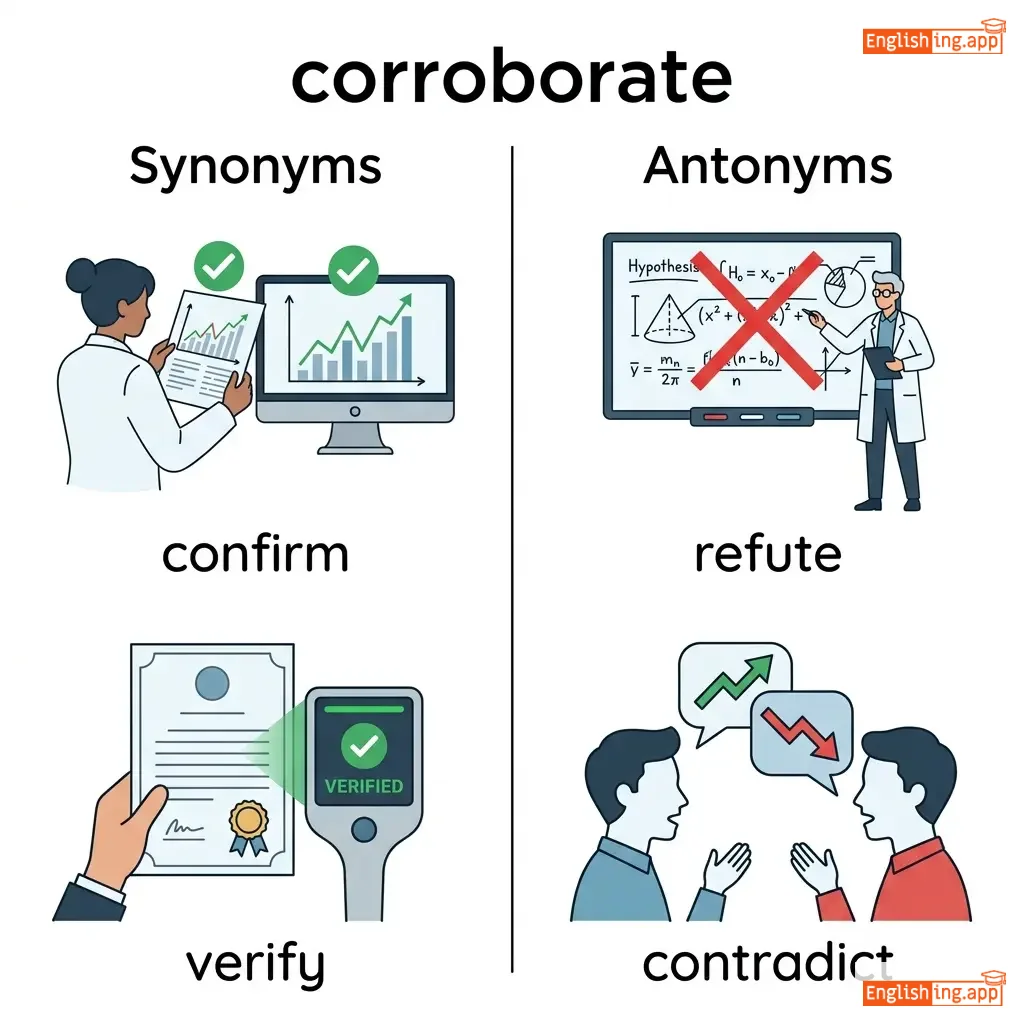
confirm, validate, verify, substantiate, support, authenticate
••••••
|
contradict, refute, disprove, deny, discredit, undermine
••••••
|
確認するは証拠を使って真実を確かめることです。
••••••
|
|
#4041
🔑
|
ˌɪn.dɪˈspen.sə.bəl
adjective
(インディスペンサブル)
••••••
|
|
不可欠
fukaketsu
••••••
|
Absolutely necessary; essential.
••••••
|
Water is indispensable for survival.
水は生存に不可欠です。
••••••
|
水は生存に不可欠です。
Mizu wa seizon ni fukaketsu desu.
••••••
|
essential, vital, crucial, necessary, required, fundamental
••••••
|
dispensable, nonessential, unnecessary, optional, expendable, superfluous
••••••
|
水は不可欠、生命にとって必須です。
••••••
|
|
#4042
🌐
|
həʊˈlɪs.tɪk
adjective
(ホリスティック)
••••••
|
|
全体的な
zentai-teki na
••••••
|
Characterized by the treatment of the whole person, taking into account mental and social factors, rather than just the symptoms of a disease; relating to or concerned with wholes or complete systems rather than with individual parts.
••••••
|
A holistic approach is needed for healthcare. |
医療には全体的なアプローチが必要です。
Iryō ni wa zentai-teki na apurōchi ga hitsuyōdesu.
••••••
|
comprehensive, all-encompassing, integrated, complete, unified, total
••••••
|
partial, fragmented, incomplete, narrow, limited, sectional
••••••
|
全体的な視点では、健康を部分的に見るのではなく、全体を考慮します。
••••••
|
|
#4043
🚀
|
ˌpaɪəˈnɪə.rɪŋ
adjective
(pa-i-o-neer-ing)
••••••
|
|
先駆的
senkouteki
••••••
|
Involving new ideas or methods; being the first to develop or use new methods, ideas, or products.
••••••
|
The scientist made pioneering discoveries.
科学者は先駆的な発見をしました。
••••••
|
科学者は先駆的な発見をしました。
Kagakusha wa senkōteki na hakken o shimashita.
••••••
|
groundbreaking, innovative, trailblazing, revolutionary, cutting-edge, progressive
••••••
|
conventional, traditional, orthodox, conservative, established, mainstream
••••••
|
先駆的な発見は、まるで科学者が新しい世界を切り開いているようです。
••••••
|
Vocabulary Quiz
Test your vocabulary by matching words with their translations or meanings.
Login to take the quiz
Comments (0)
Share your thoughts and join the discussion.
Join the discussion by logging in
Login to CommentNo comments yet
Be the first to share your thoughts!