

ストレスが幸福に与える影響
Impact of Stress on Well-being
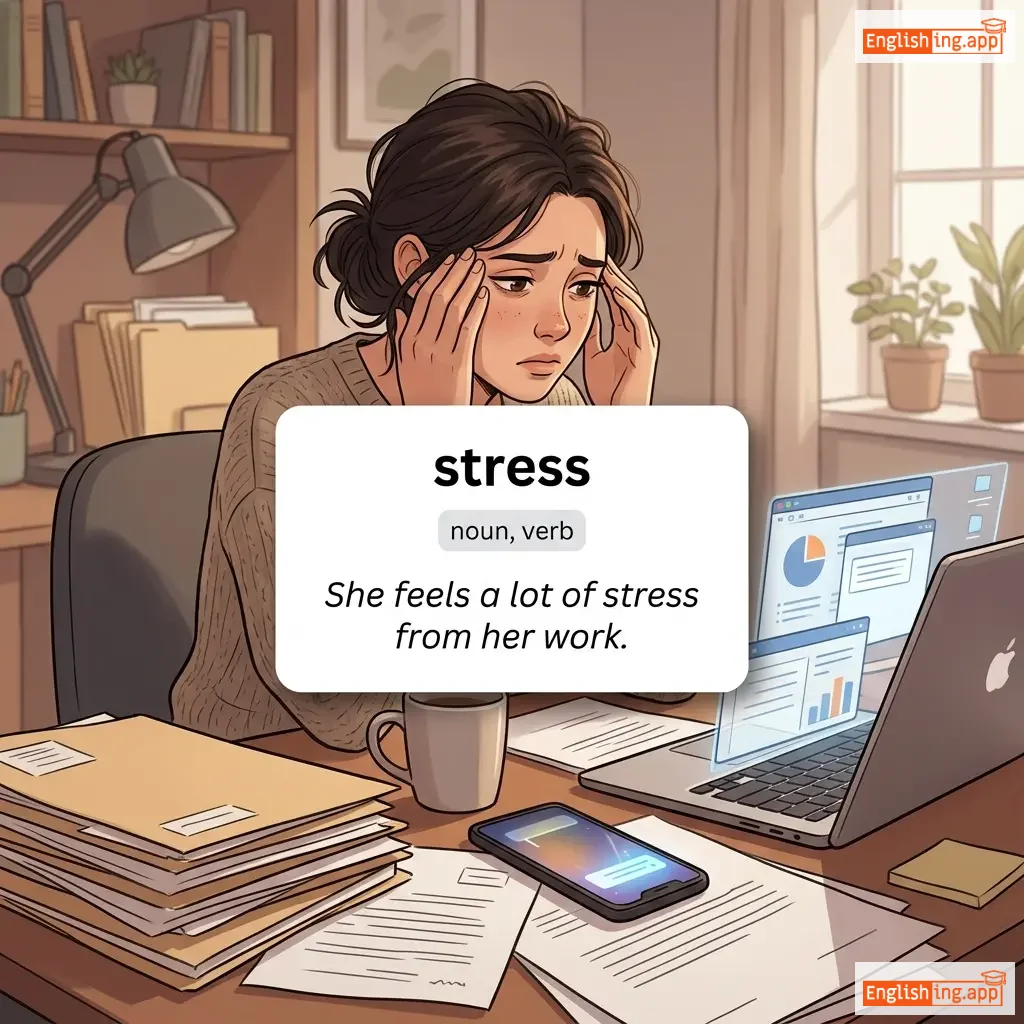
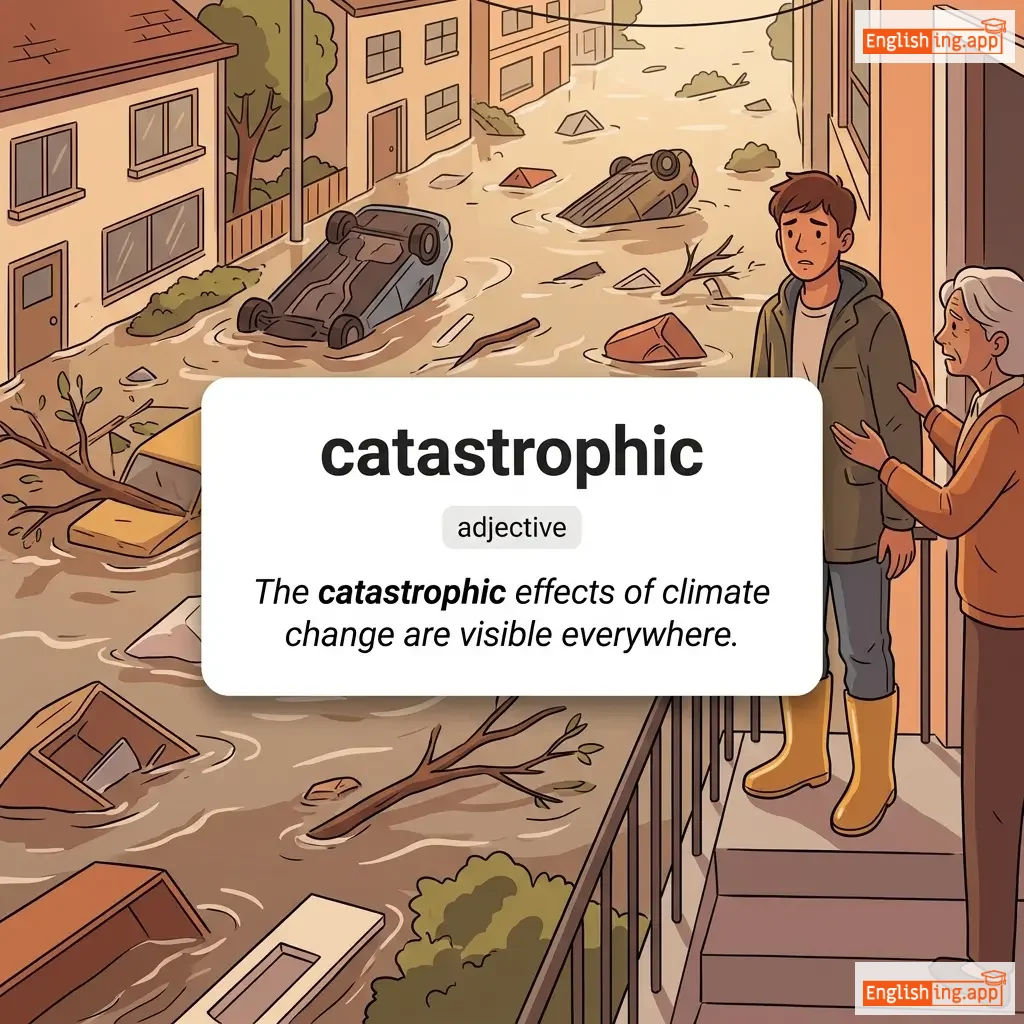
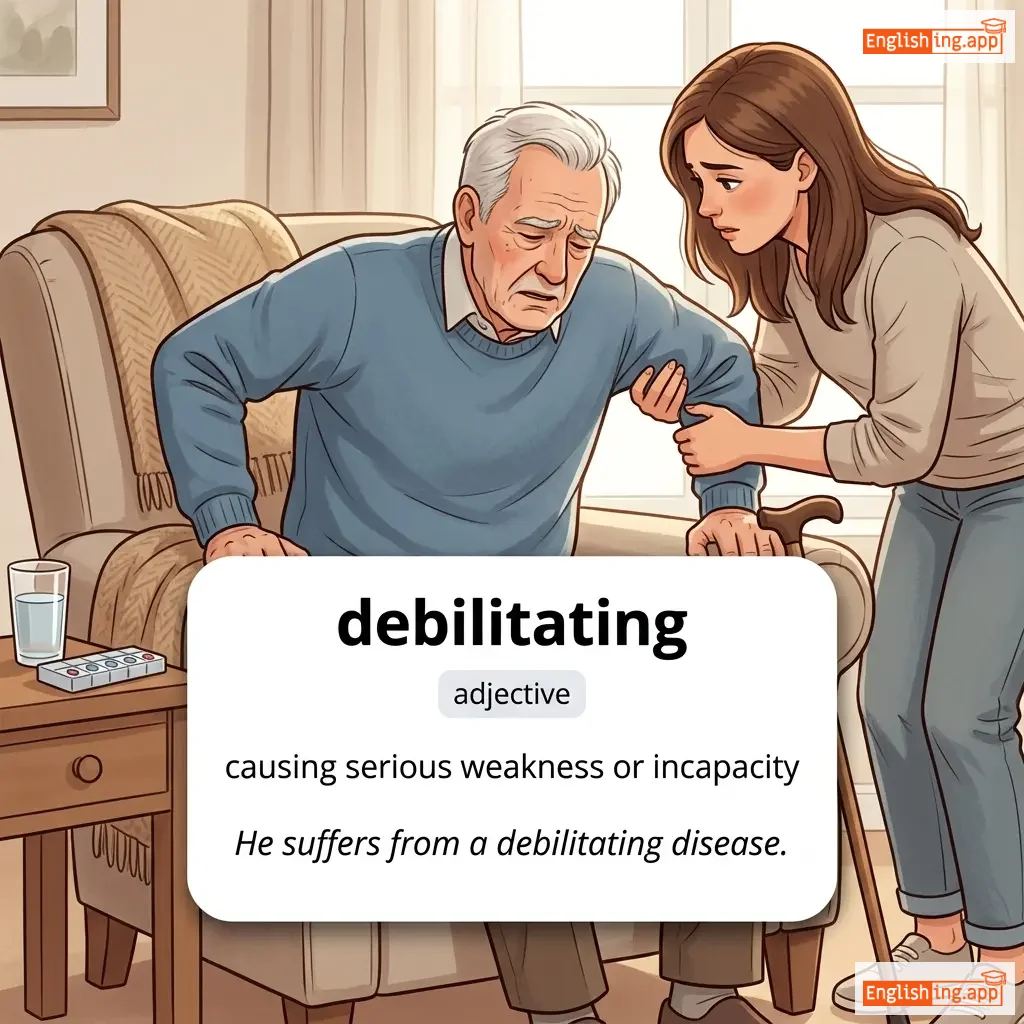
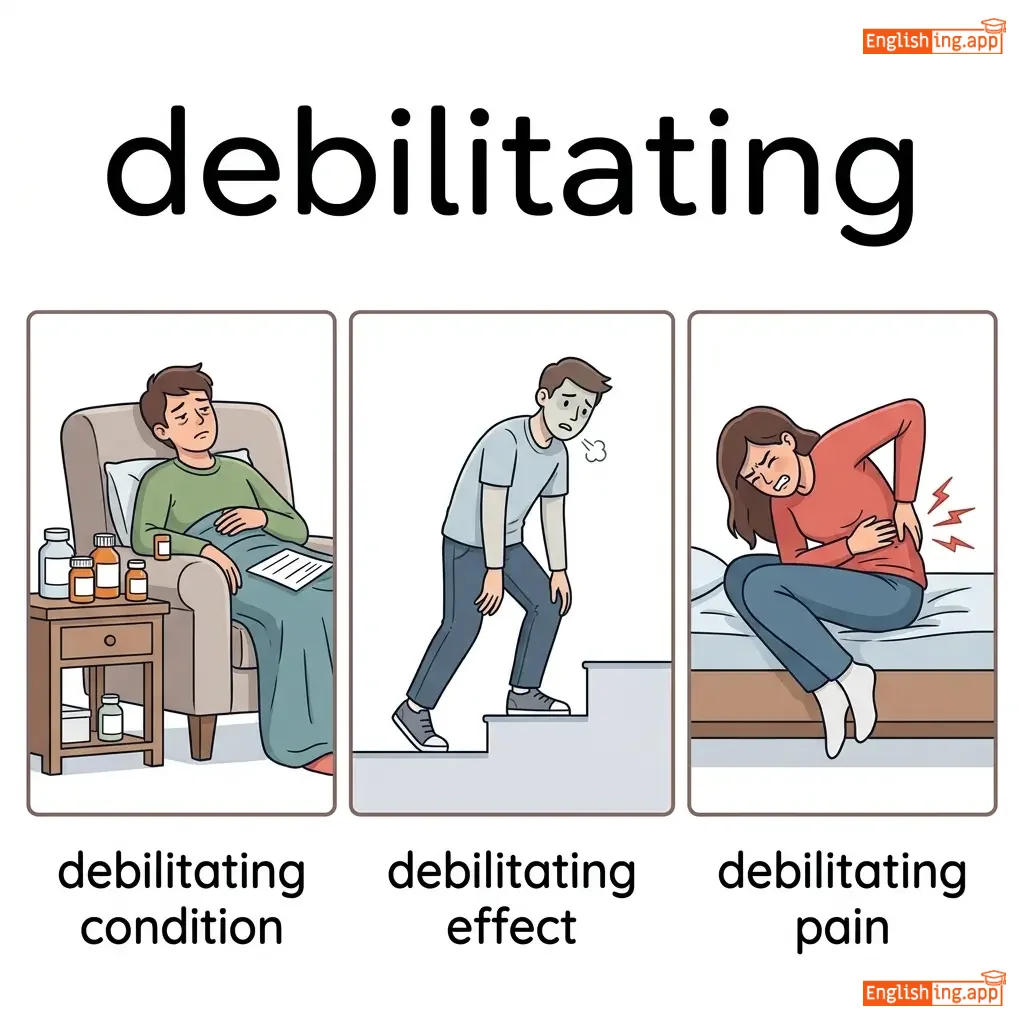
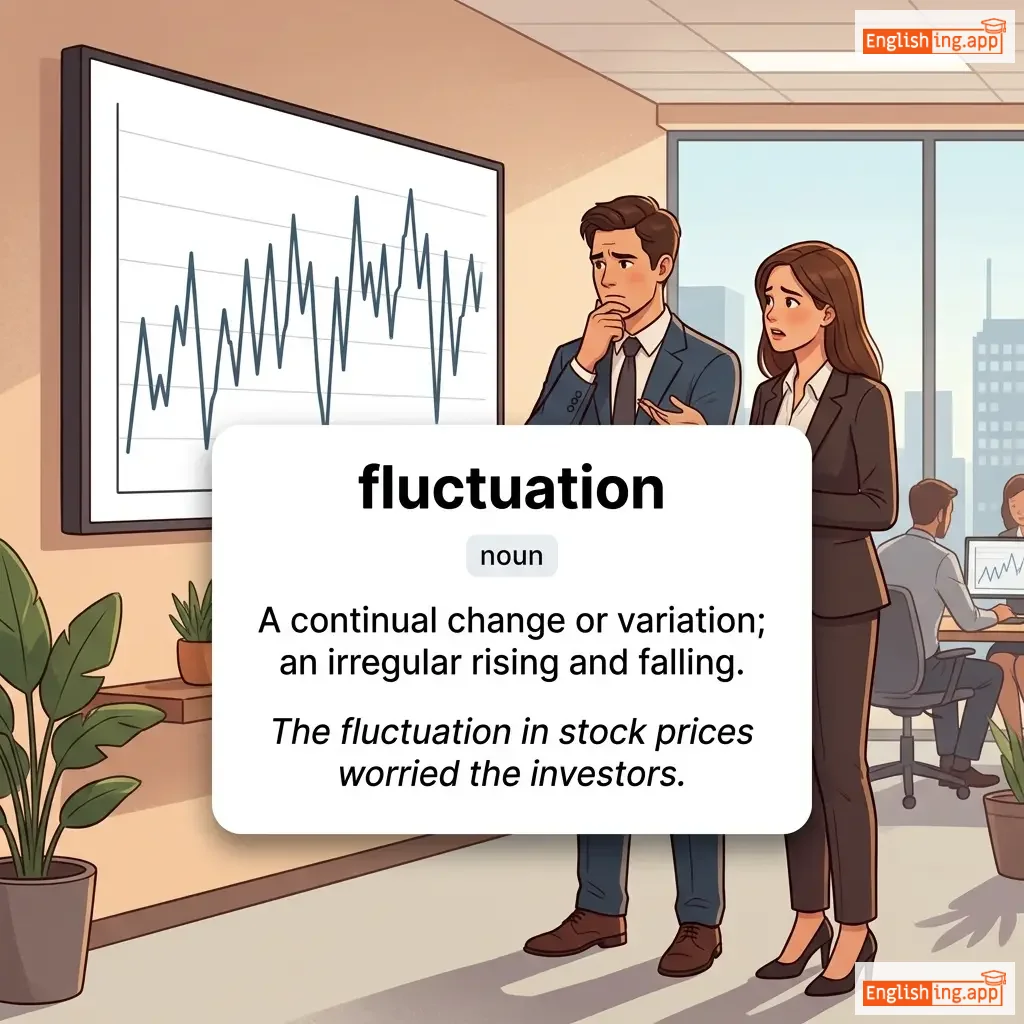
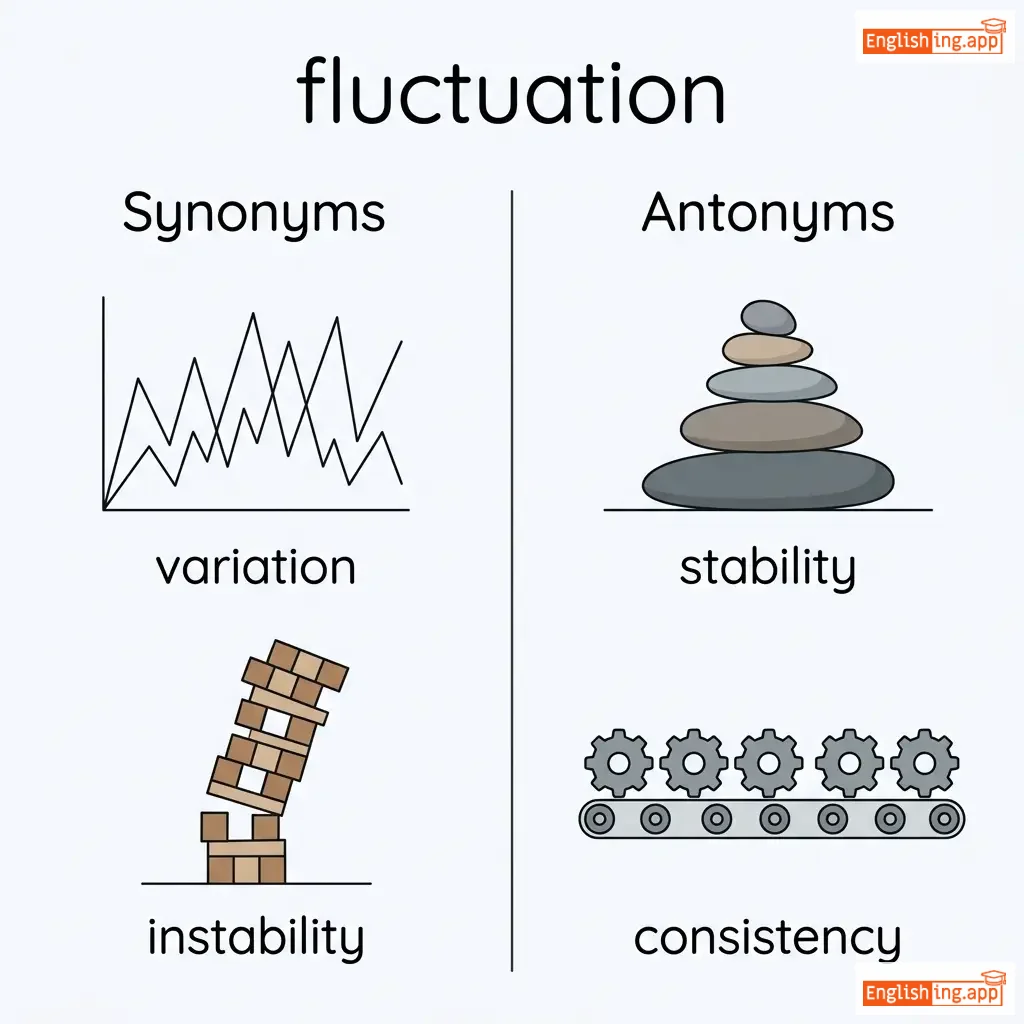
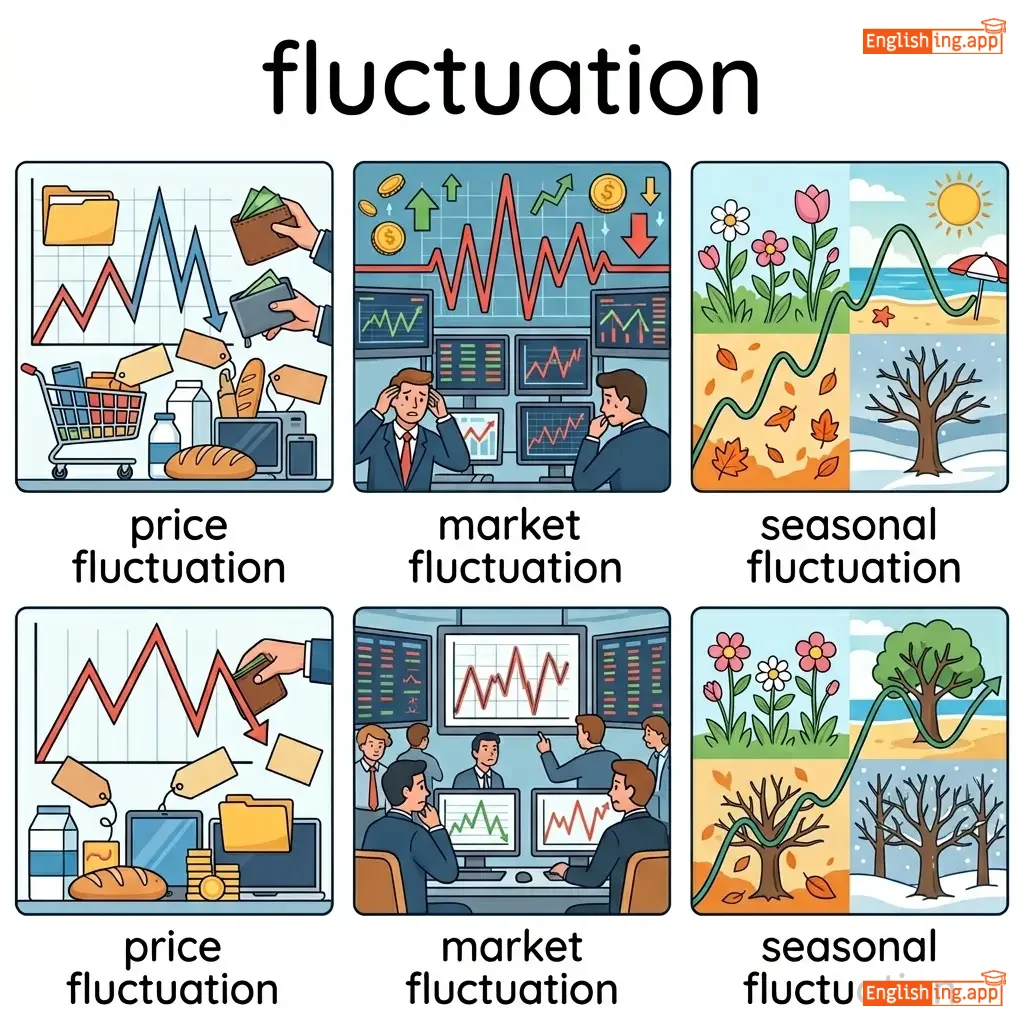
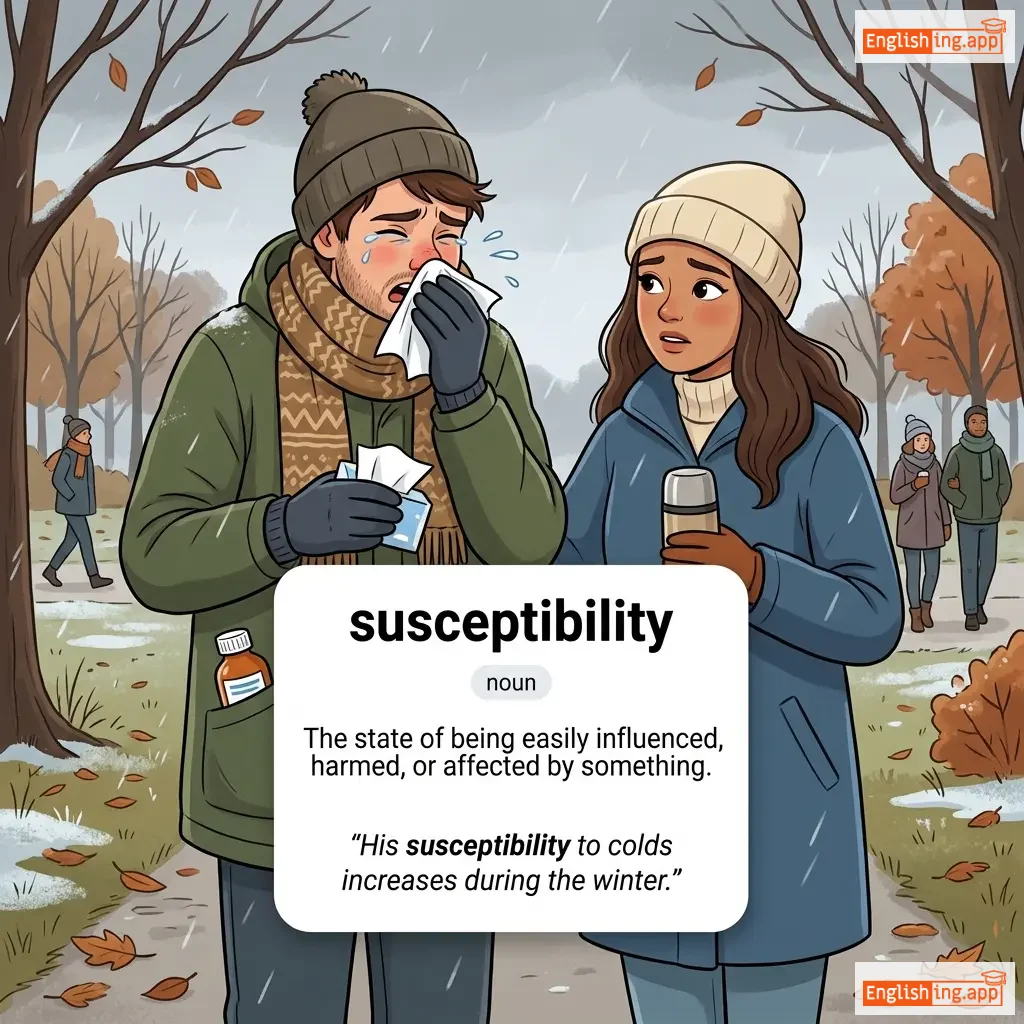
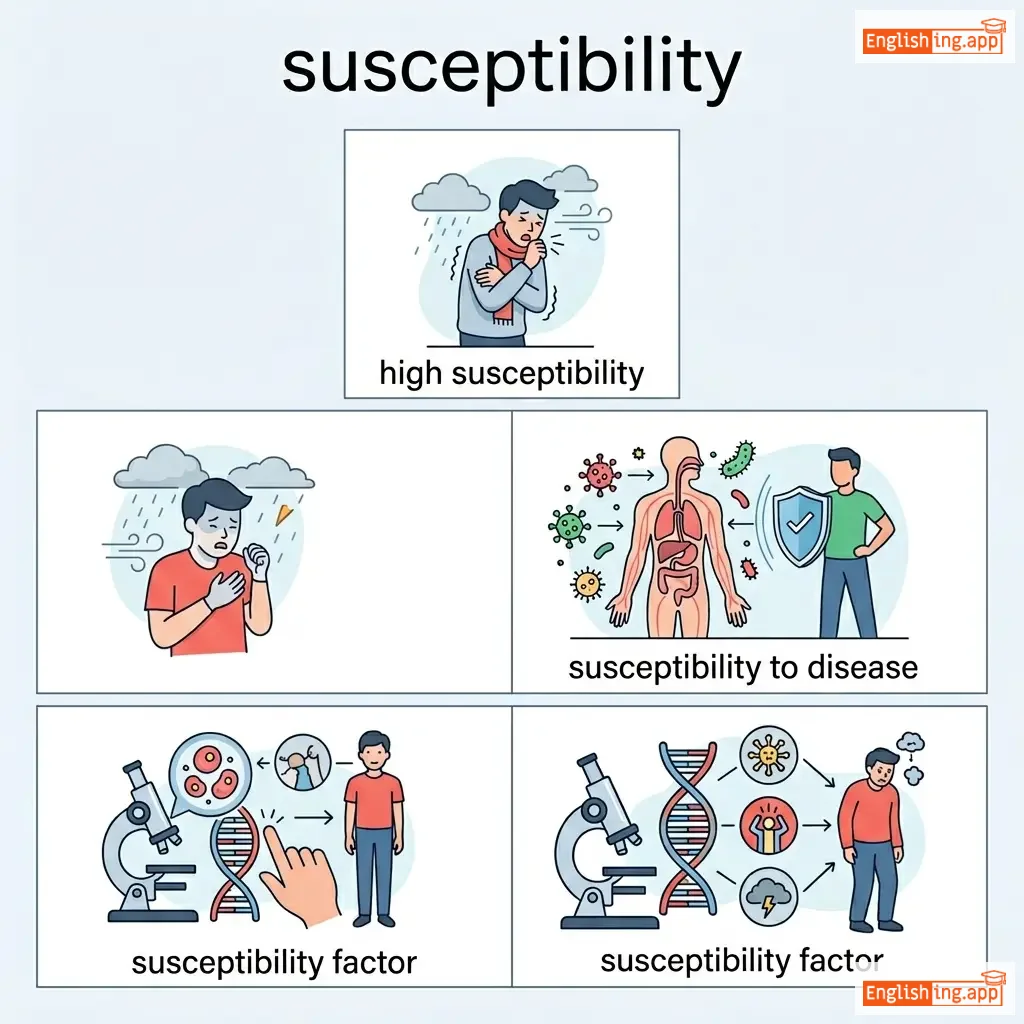
Stress は私たちの精神的および身体的健康に大きな影響を与えます。制御されない場合、catastrophic な結果をもたらす可能性があります。人間がプレッシャーを感じると、脳内に dissonance が生じ、それが思考能力を debilitating することがあります。徐々に起こる fluctuation は感情に影響を与え、susceptibility を高めます。
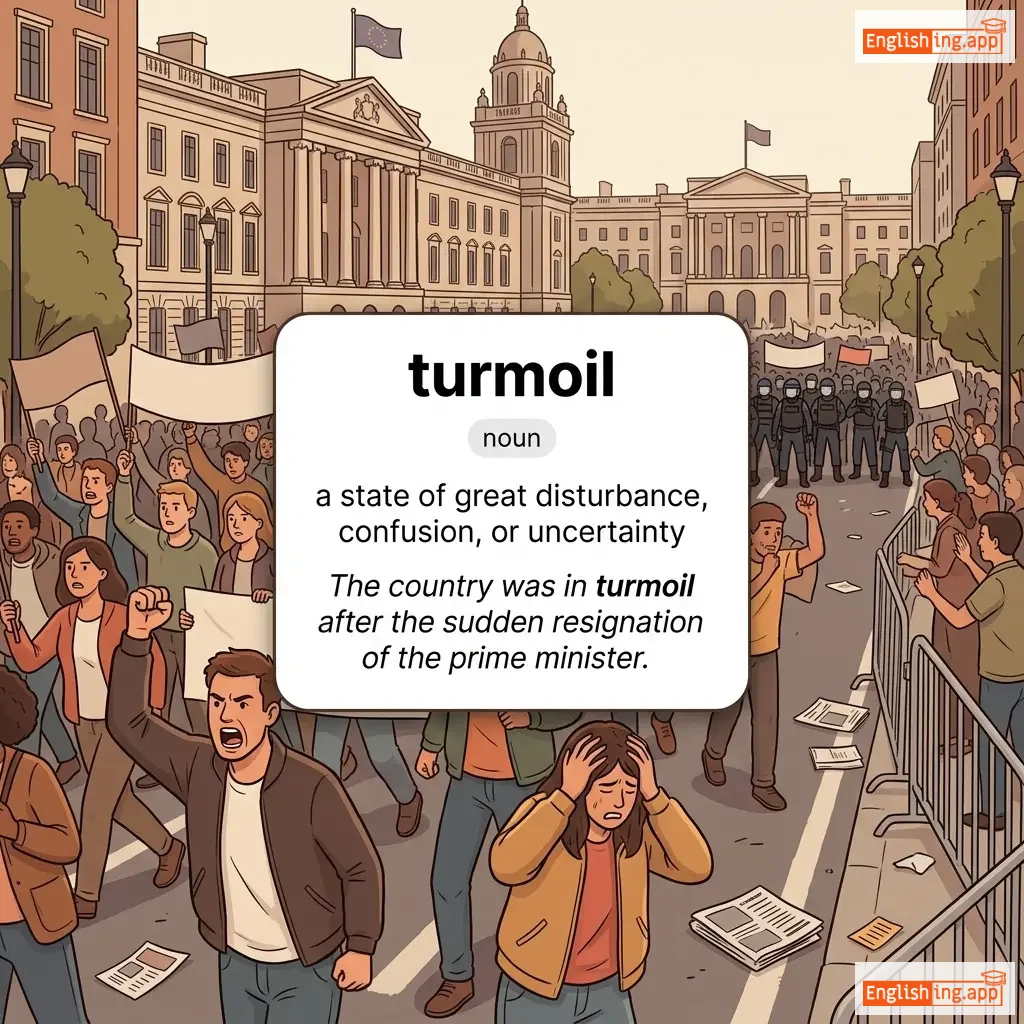
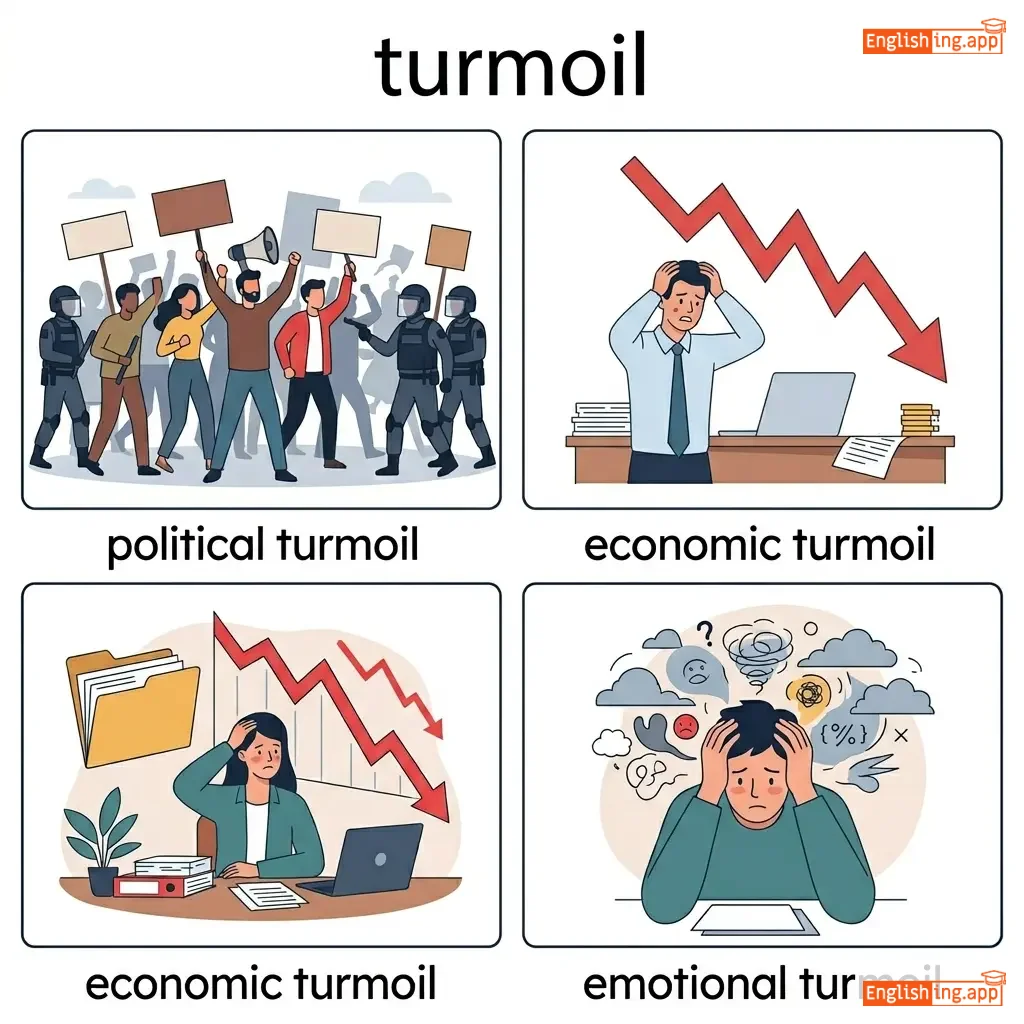
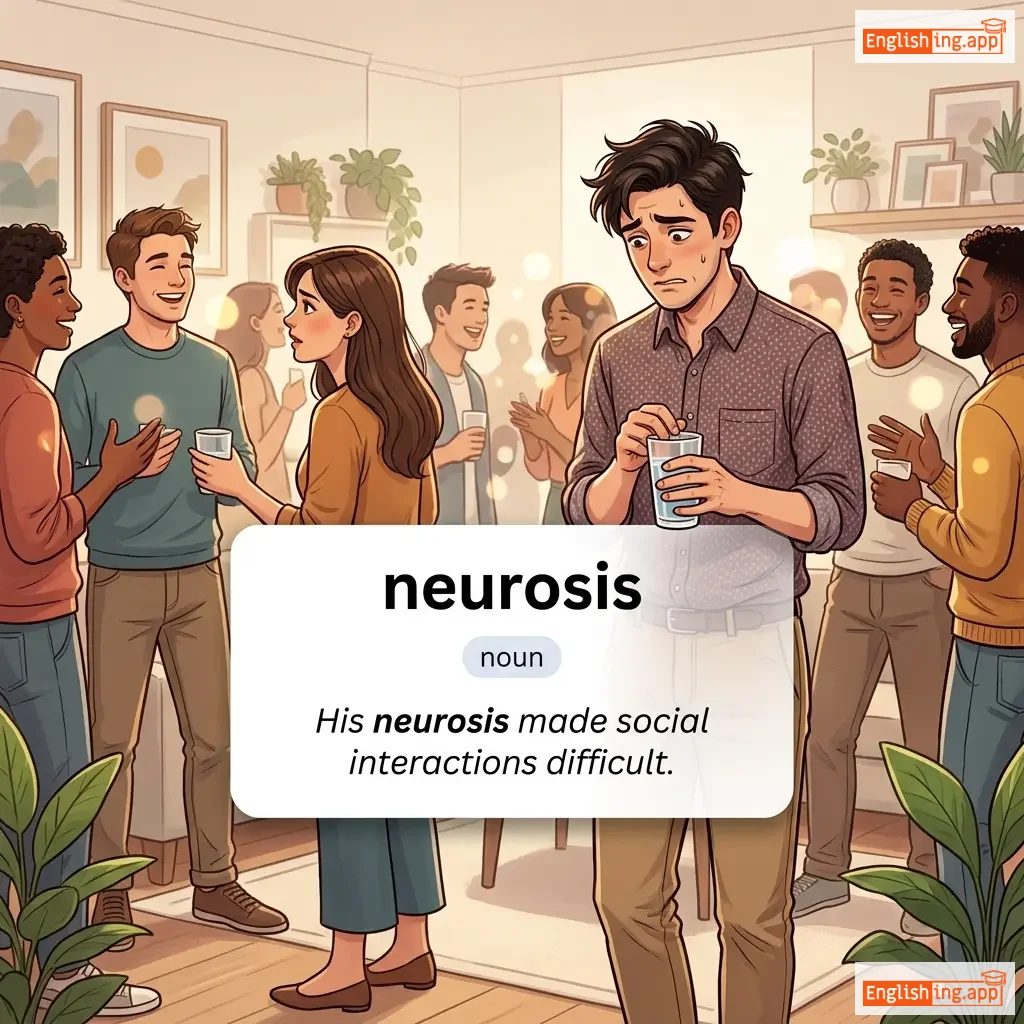
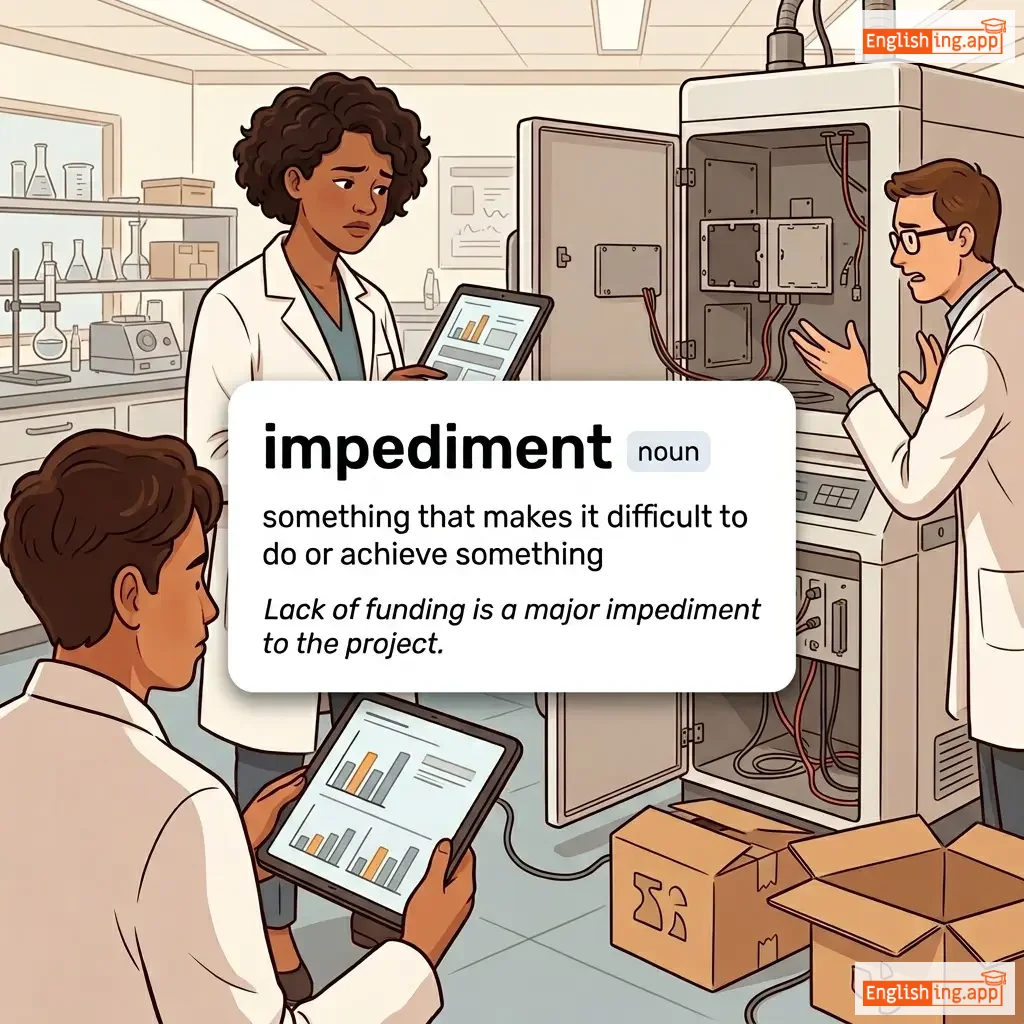
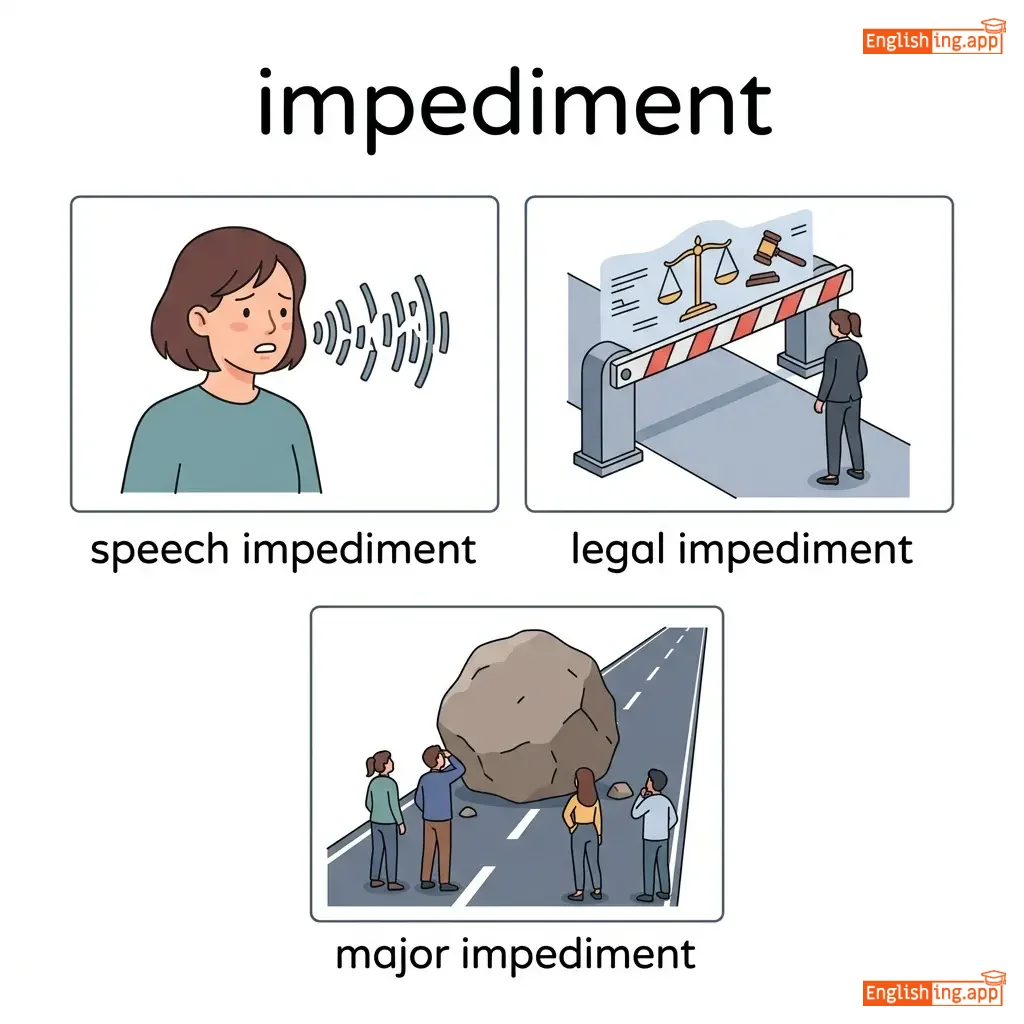
毎日精神的な turmoil を経験する人は、長期的な neurosis や不安に苦しむことがあります。これは心だけでなく、身体的な impediments を引き起こし、通常の生活を妨げます。
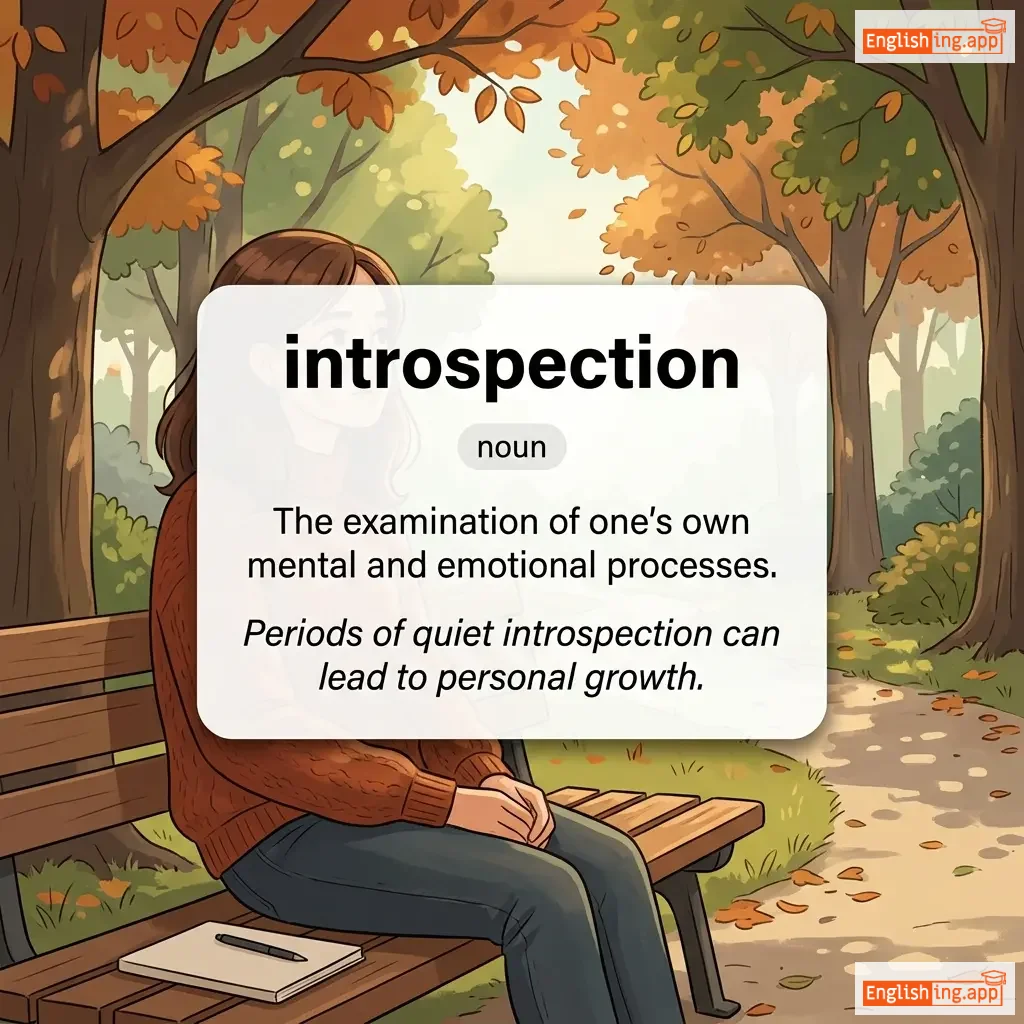
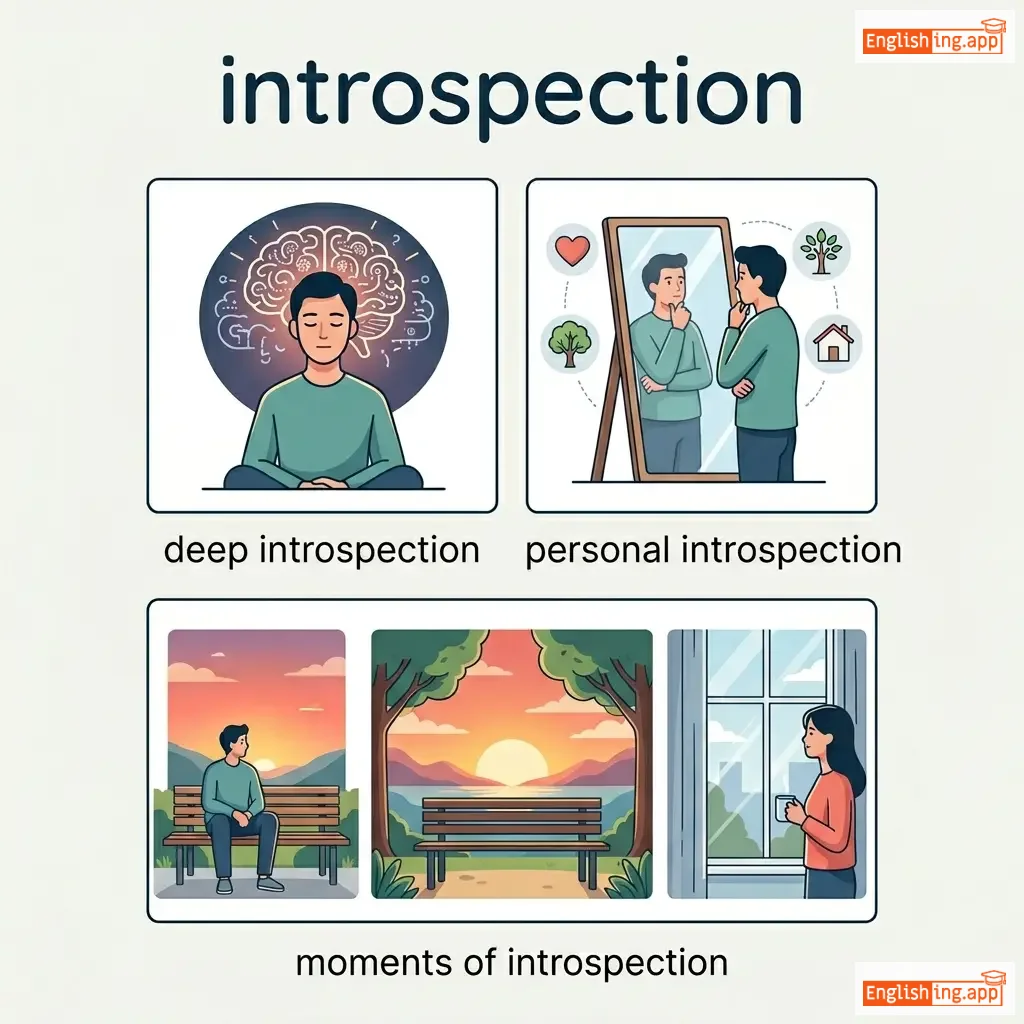
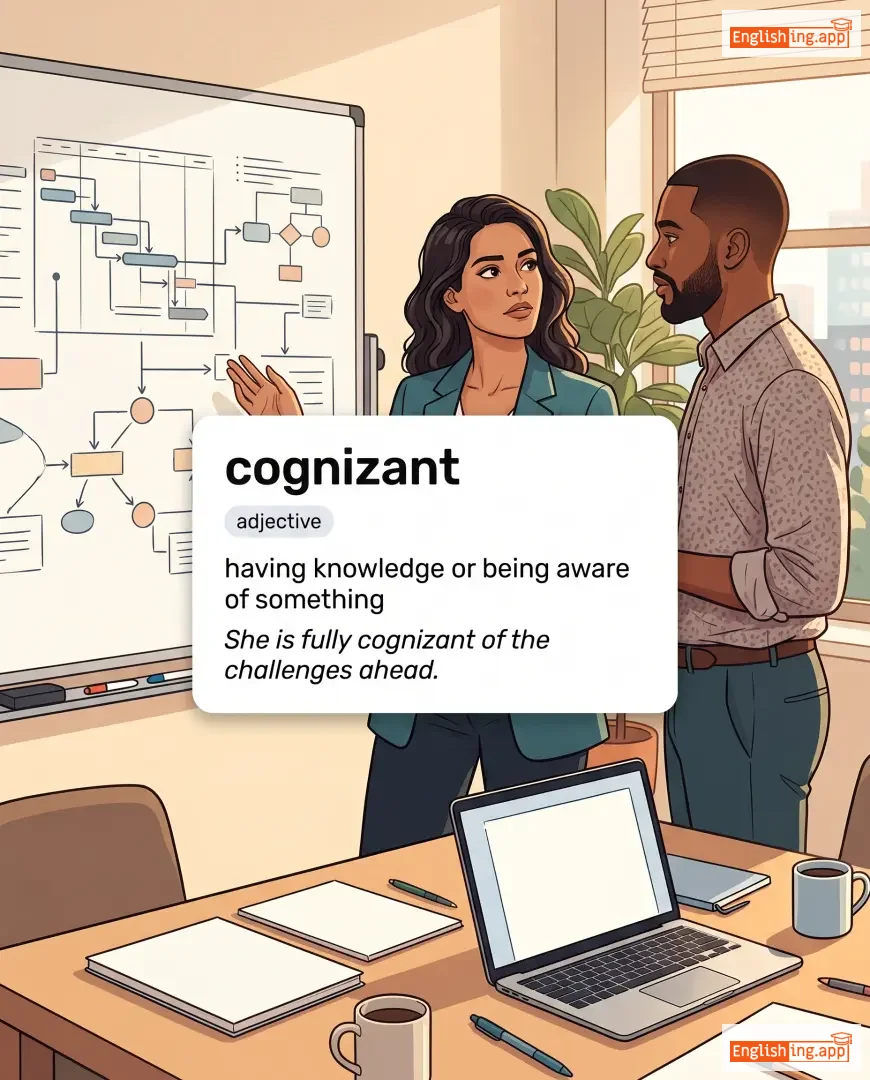
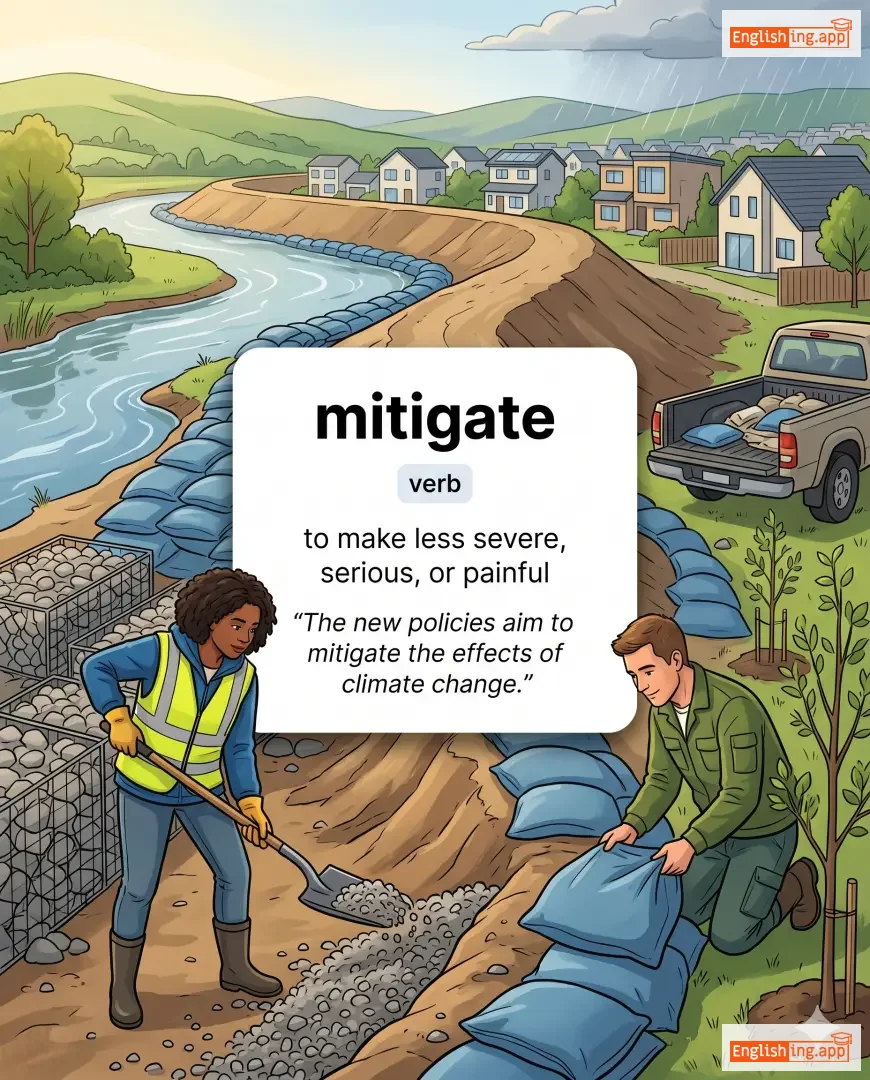
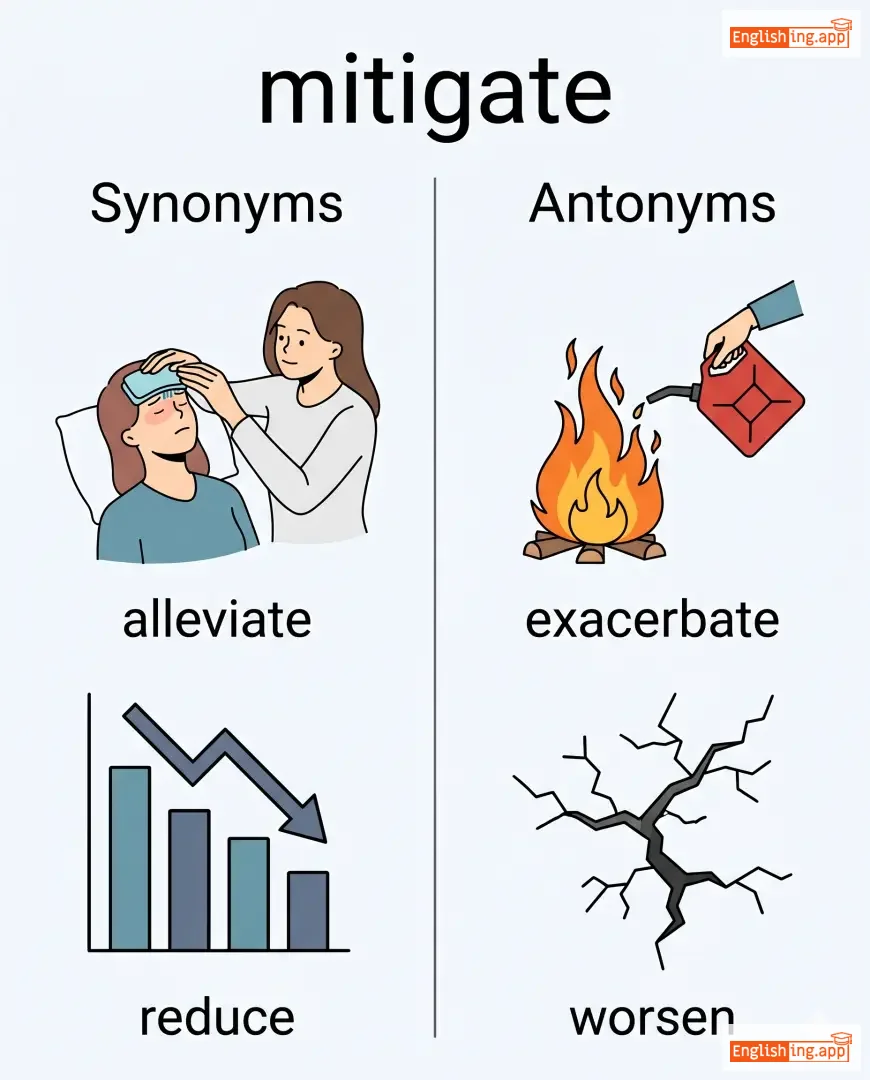
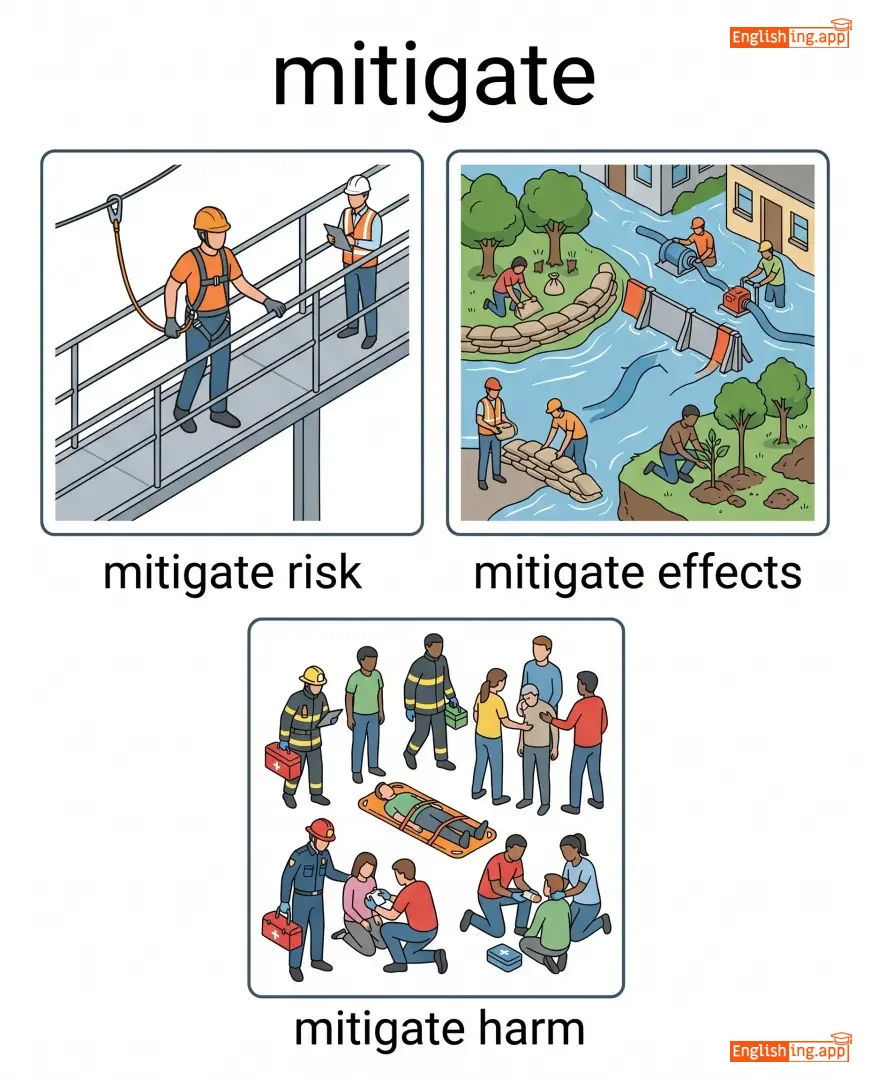
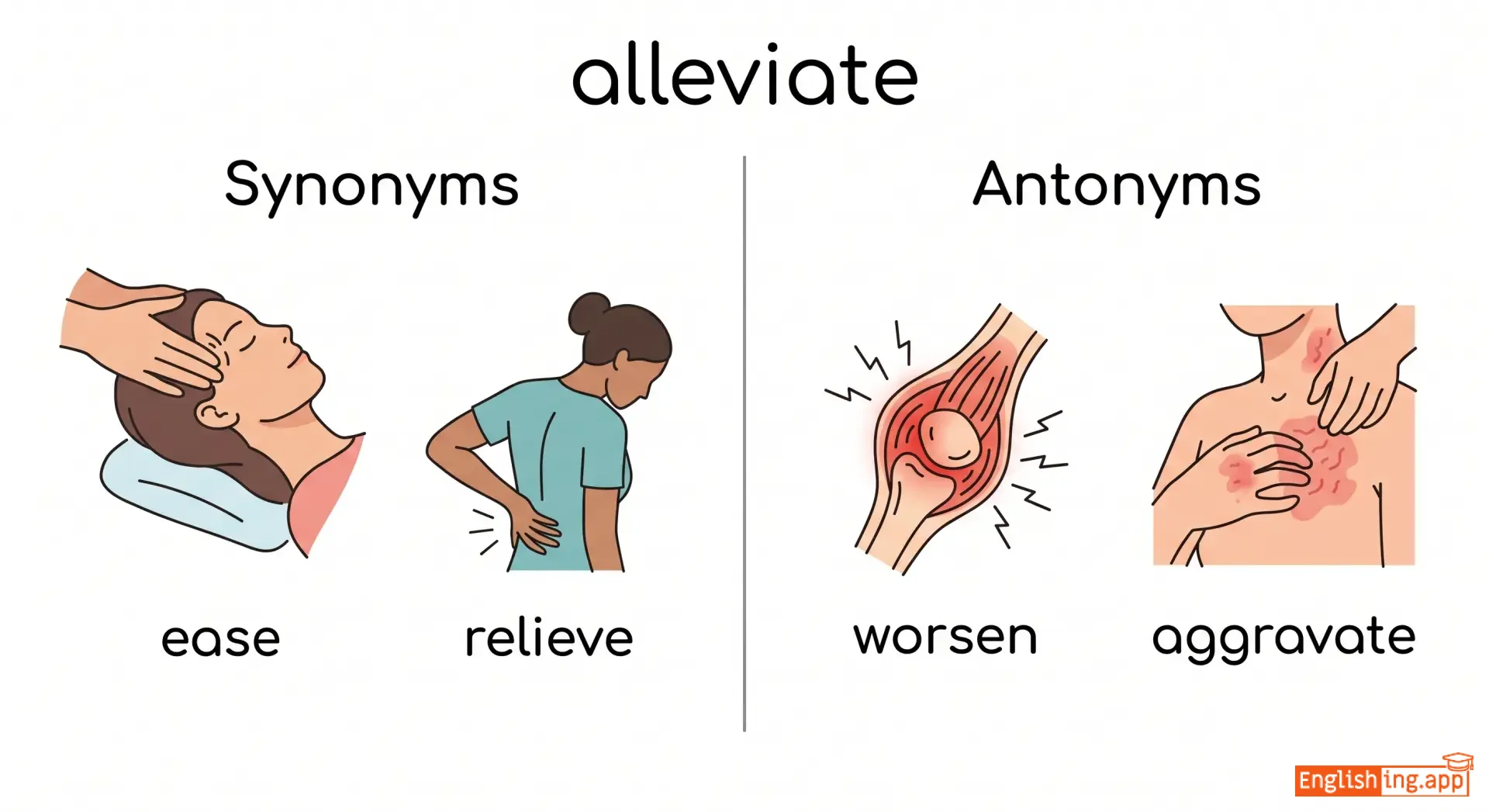
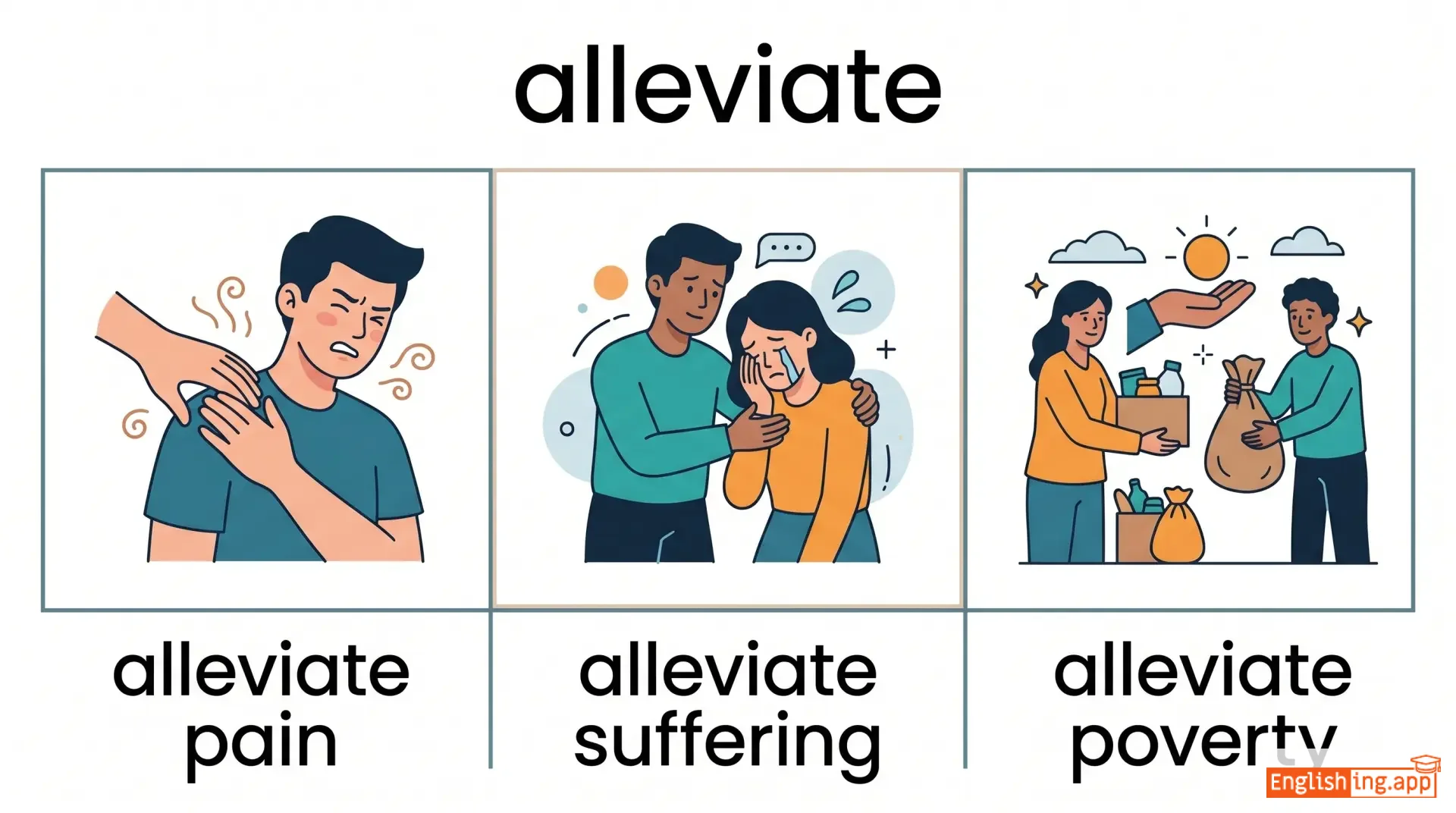
しかし、introspection と cognizant であることで、これらの問題を mitigate することができます。自分自身を理解し、必要な変化を行えば、ストレスは徐々に alleviate されます。
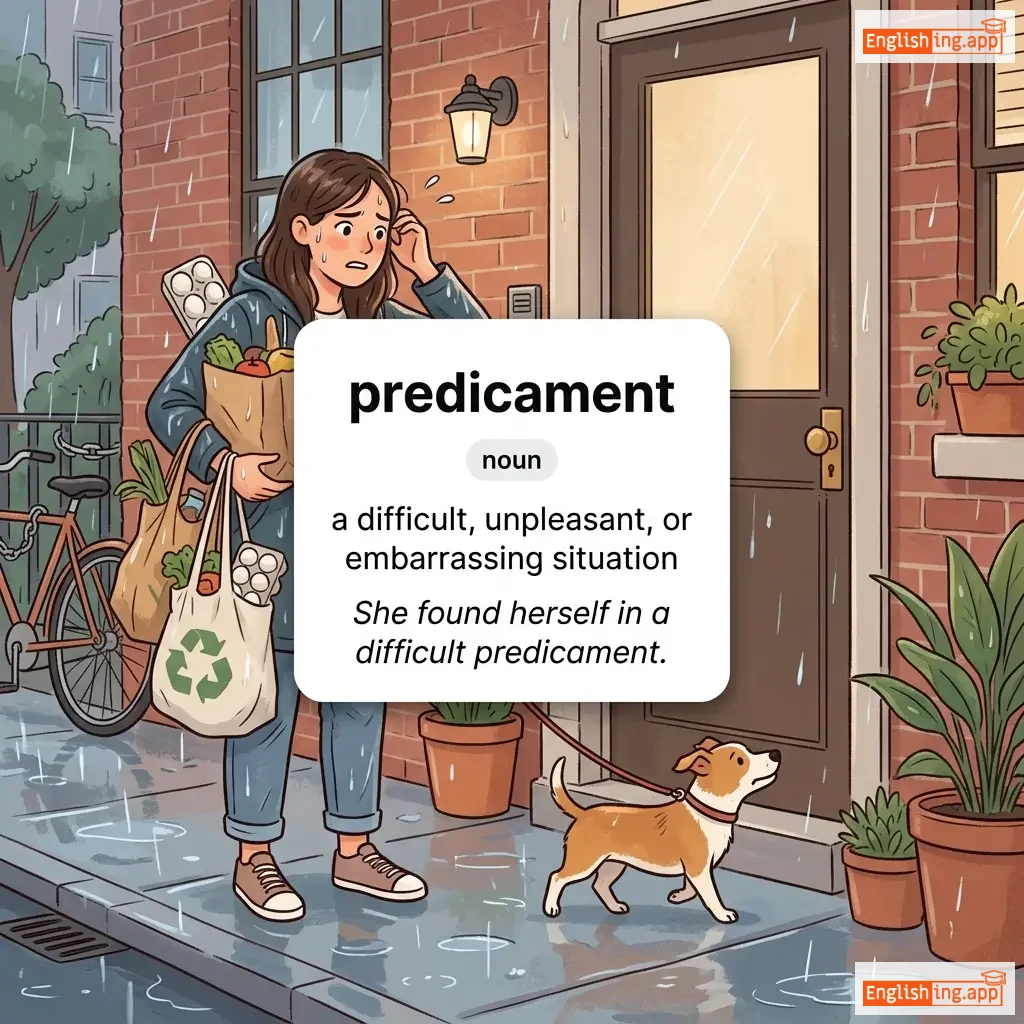
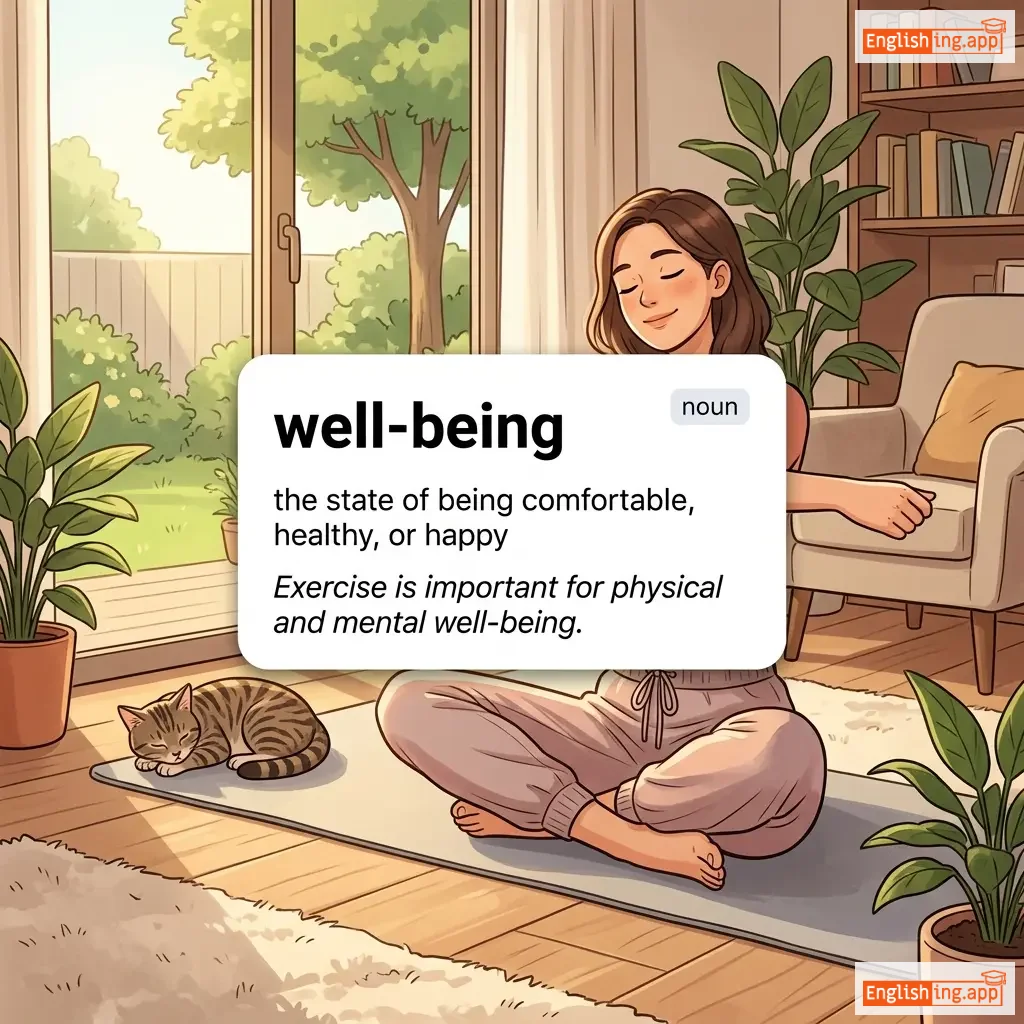
したがって、ストレスは単なる predicament ではなく、それへの対処の仕方が個人の全体的な well-being を決定します。
翻訳
過去
過去分詞
三人称単数
動名詞
意味
例文
例文の翻訳
同義語
対義語
コロケーション
ニーモニック

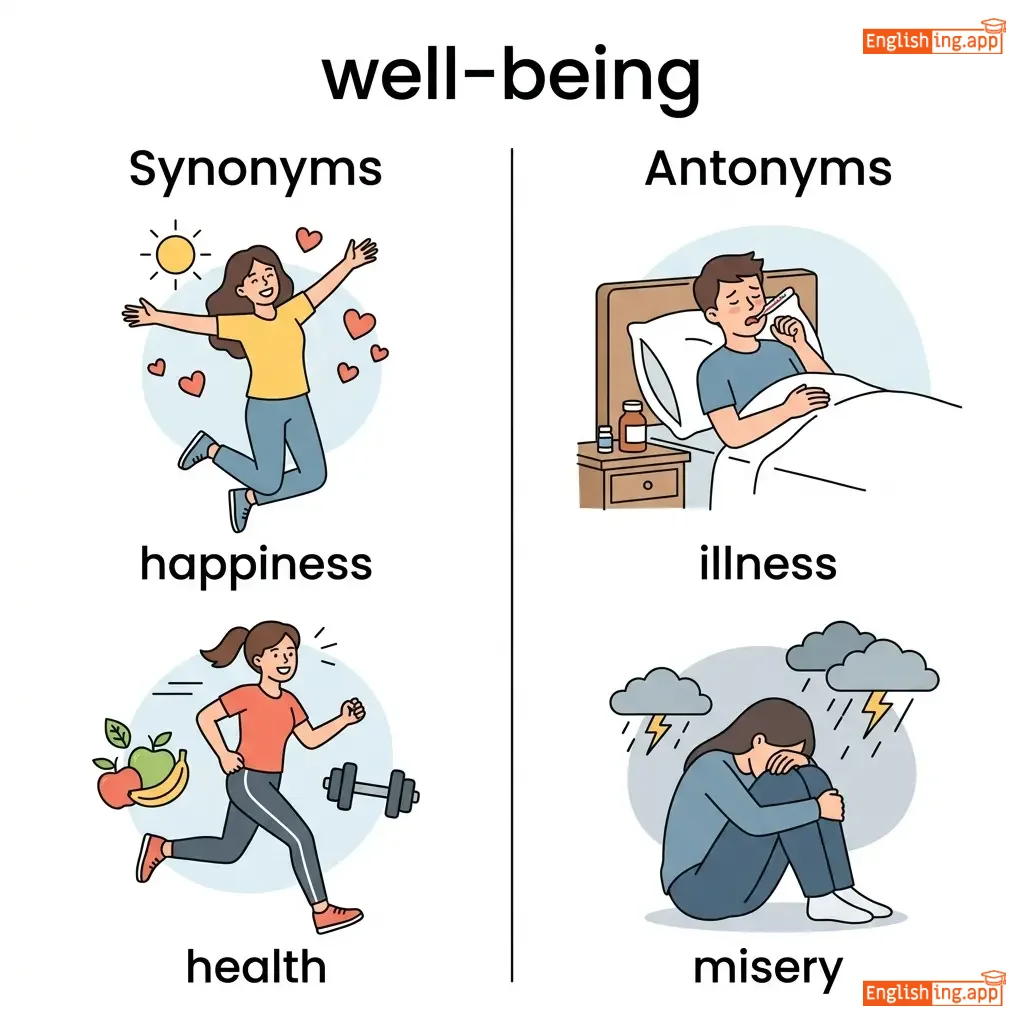
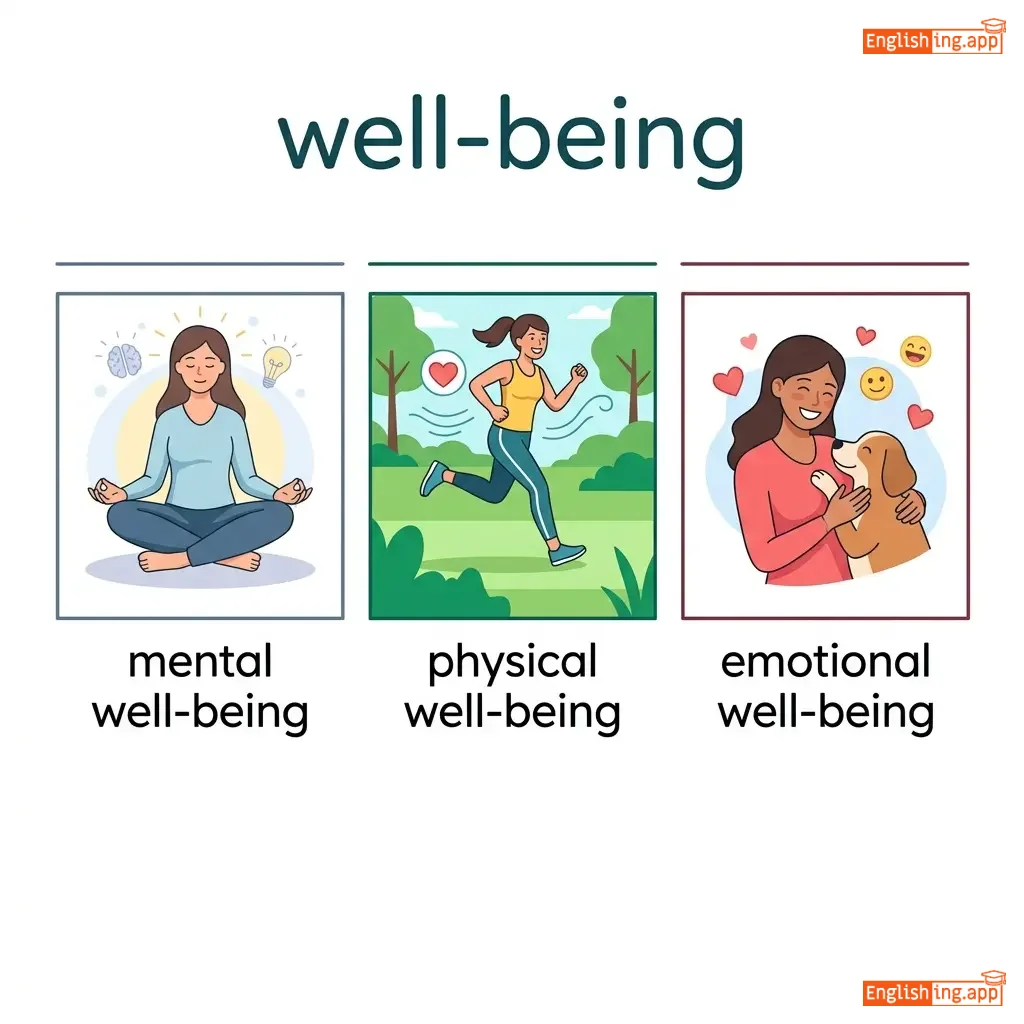
Swipe left or right, or use the buttons. Tap image to zoom.
例文の翻訳
単語
Impact of Stress on Well-beingImpact of Stress on Well-being - マスクトグル
|
絵文字
|
単語 | Images | 翻訳 | 意味 | 例文 | 例文の翻訳 | 同義語 | 対義語 | ニーモニック |
|---|---|---|---|---|---|---|---|---|---|
|
#2406
😰
|
/stres/
noun
(ストレス)
••••••
|
|
ストレス
sutoresu
••••••
|
Physical, mental, or emotional strain or tension.
••••••
|
Excessive stress can lead to health issues.
過度のストレスは健康に問題を引き起こす可能性があります。
••••••
|
過度のストレスは健康に問題を引き起こす可能性があります。
Kado no sutoresu wa kenko ni mondai o hikiokosu kanōsei ga arimasu.
••••••
|
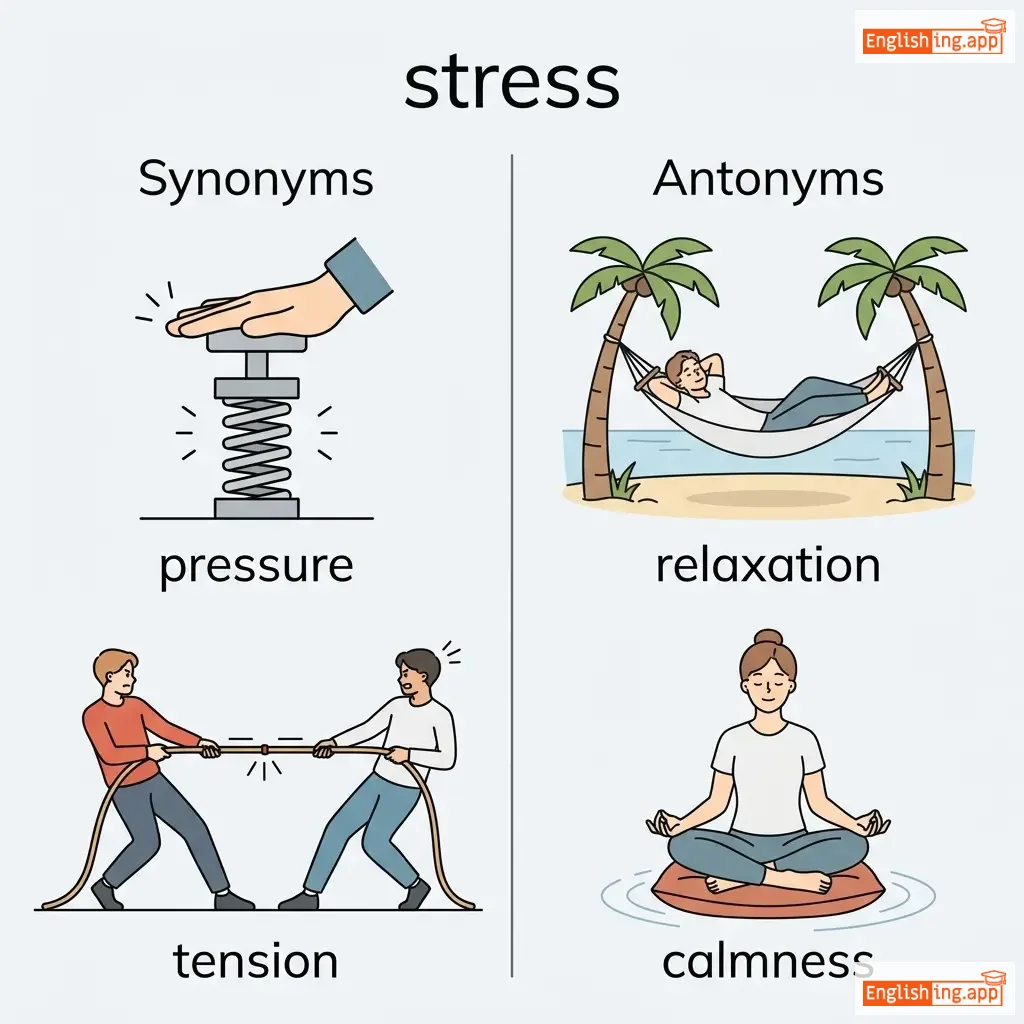
tension, anxiety, strain
••••••
|
relaxation, calmness, ease
••••••
|
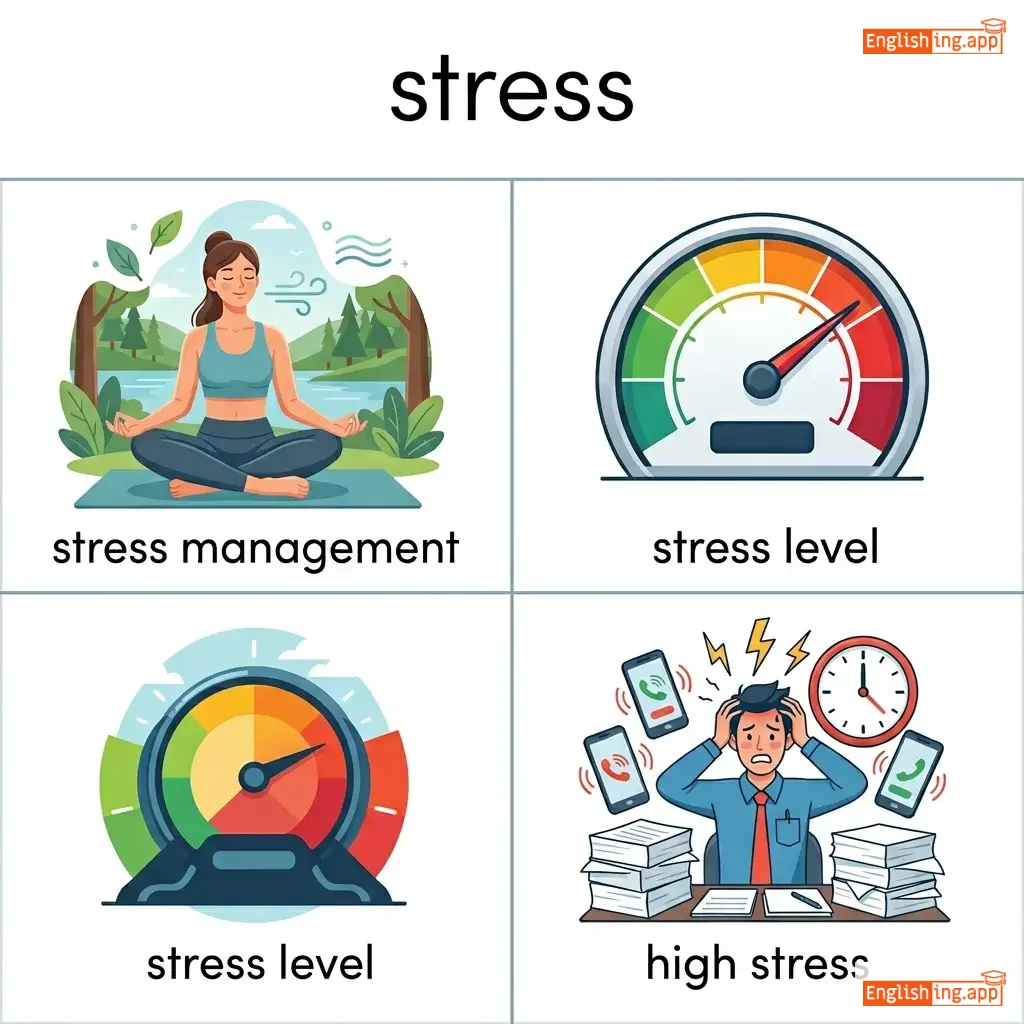
ストレスは心と体に負担をかけます。
••••••
|
|
#2407
💥
|
/ˌkæt.əˈstrɒf.ɪk/
adjective
(カタストロフィック)
••••••
|
|
壊滅的
kaimetsuteki
••••••
|
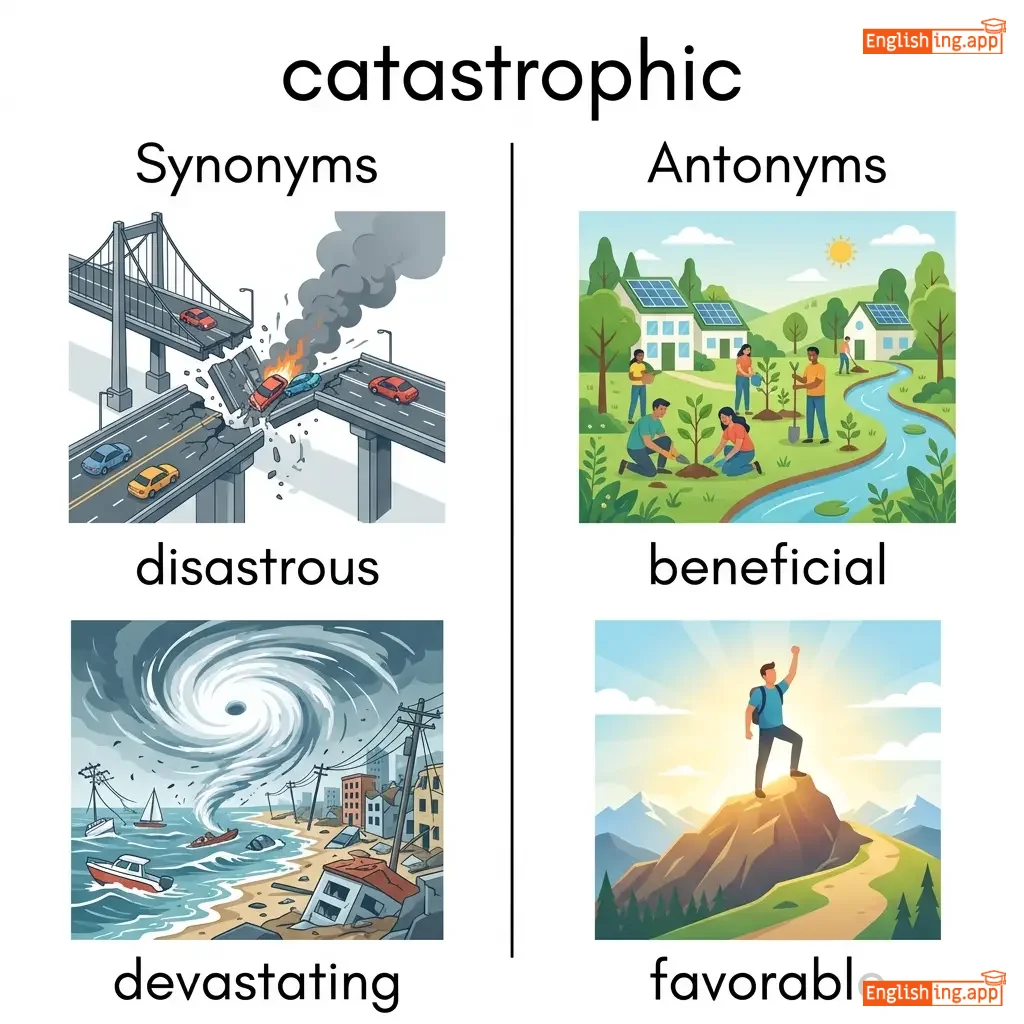
Extremely unfortunate or unsuccessful; involving or causing sudden great damage or suffering.
••••••
|
The earthquake had catastrophic consequences for the city. |
地震は都市に壊滅的な結果をもたらしました。
Jishin wa toshi ni kaimetsuteki na kekka o motarashimashita.
••••••
|
disastrous, devastating, ruinous
••••••
|
fortunate, beneficial, advantageous
••••••
|
‘壊滅的’は‘壊滅’のように、壊れることを意味します。
••••••
|
|
#2408
⚡
|
/ˈdɪs.ə.nəns/
noun
(ディソナンス)
••••••
|
|
不協和音
fukyouwaon
••••••
|
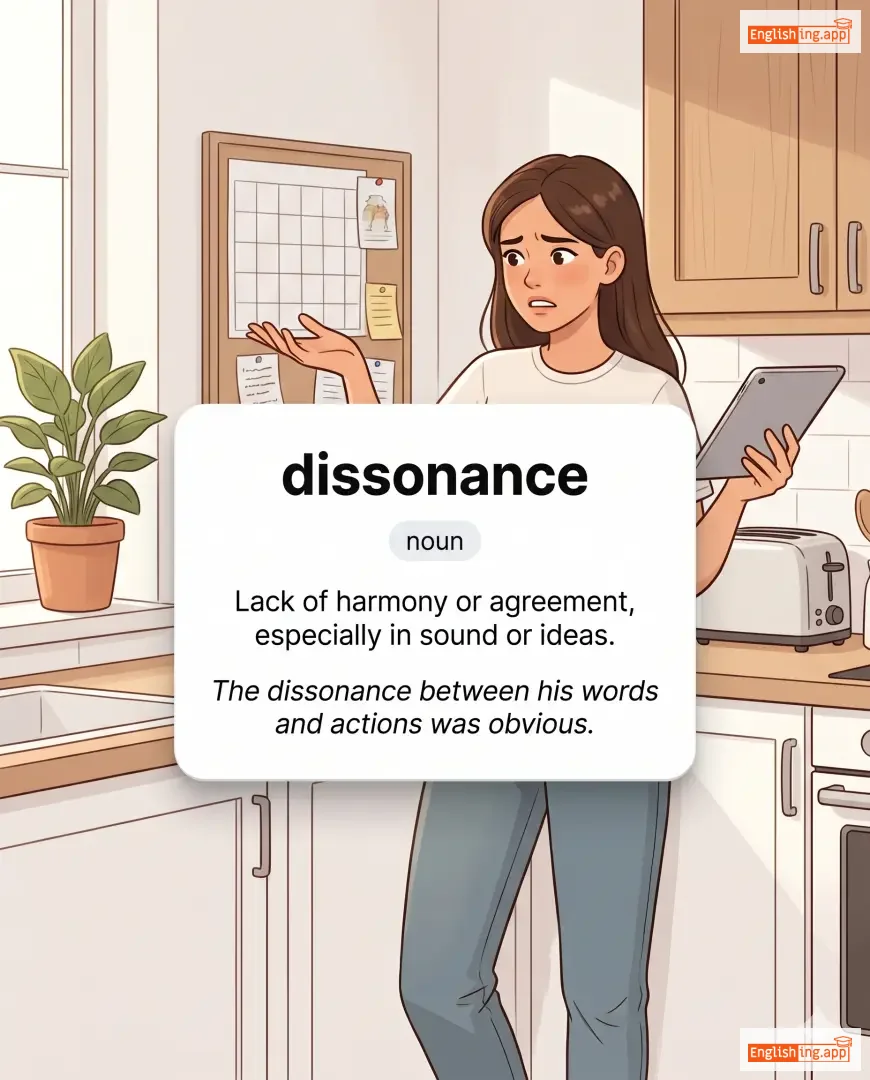
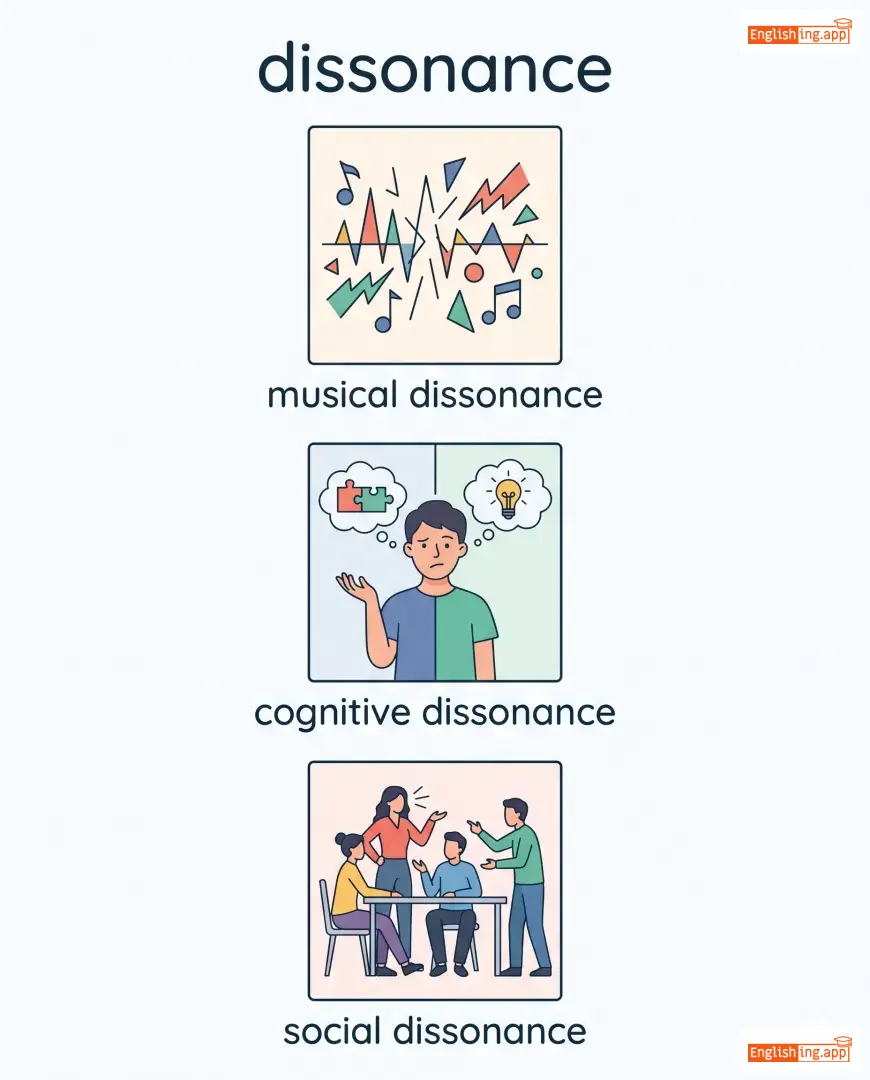
Lack of harmony among musical notes; disagreement or incongruity.
••••••
|
The political dissonance made decision-making difficult. |
政治的な不協和音が意思決定を困難にしました。
Seijiteki na fukyouwaon ga ishi kettei o kon'nan ni shimashita.
••••••
|
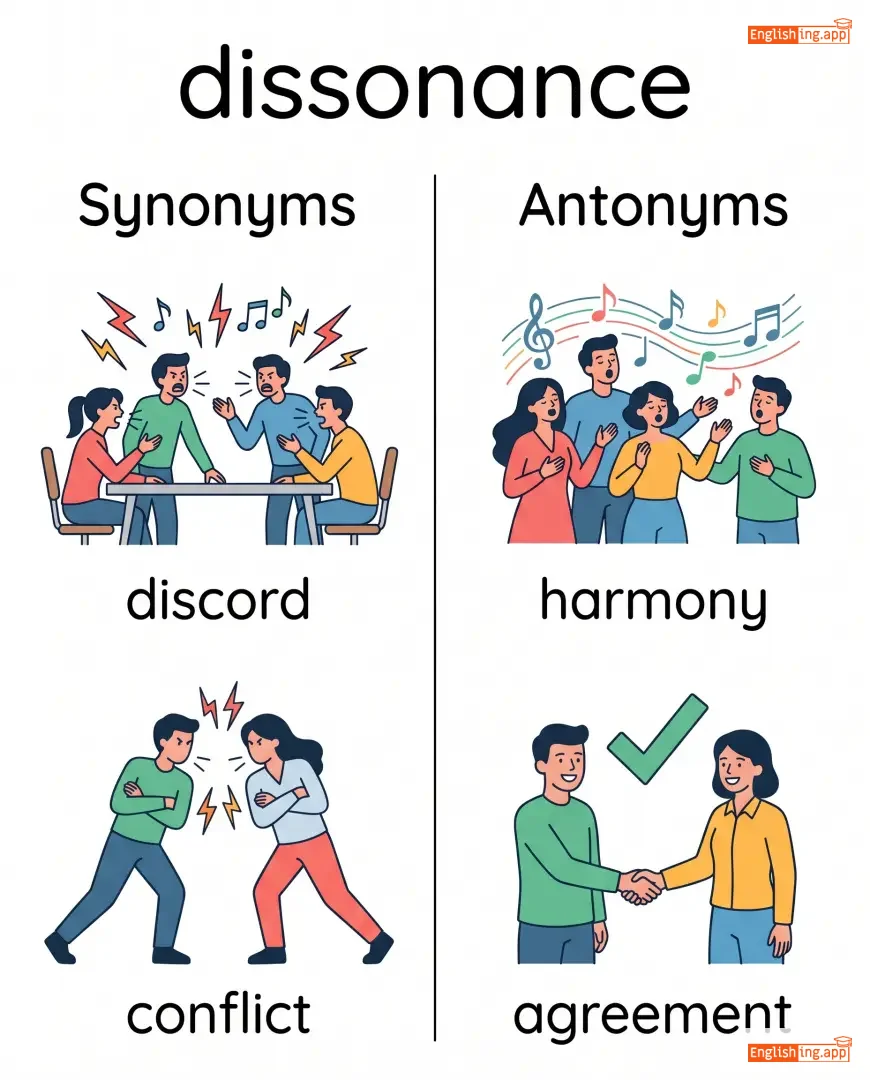
discord, conflict, discrepancy
••••••
|
harmony, agreement, concord
••••••
|
政治の不協和音が決断を難しくします。
••••••
|
|
#2409
😵💫
|
/dɪˈbɪl.ɪ.teɪ.tɪŋ/
adjective
(デビリテーティング)
••••••
|
|
衰弱させる
suijaku saseru
••••••
|
Making someone or something weak and infirm.
••••••
|
The disease had a debilitating effect on his health.
その病気は彼の健康に衰弱をもたらした。
••••••
|
その病気は彼の健康に衰弱をもたらした。
Sono byōki wa kare no kenko ni suijaku o motarashita.
••••••
|
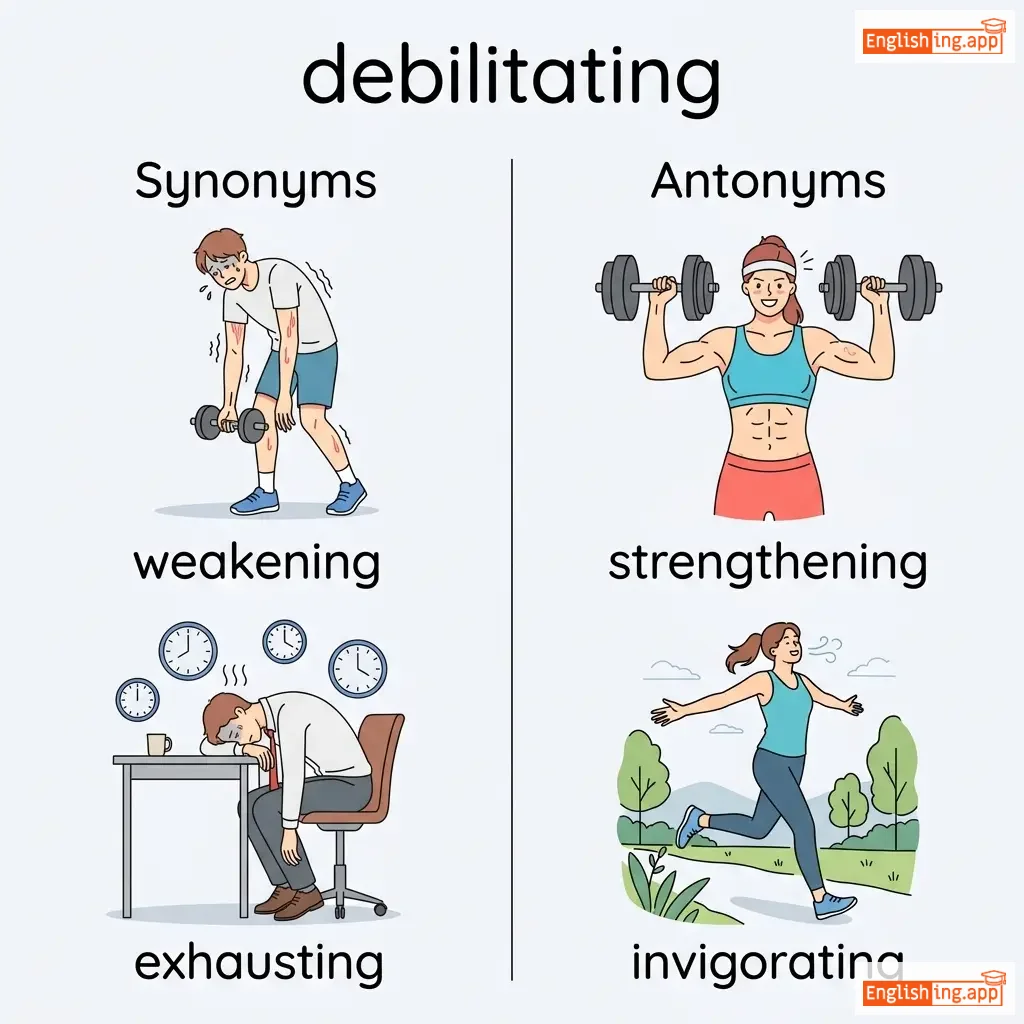
weakening, crippling, exhausting
••••••
|
strengthening, invigorating, energizing
••••••
|
「衰弱させる」と健康の衰弱を関連づける。
••••••
|
|
#2410
📊
|
/ˌflʌk.tʃuˈeɪ.ʃən/
noun
(フラクチュエーション)
••••••
|
|
変動
hendou
••••••
|
An irregular rising and falling in number or amount; a variation.
••••••
|
The stock market is experiencing constant fluctuation. |
株式市場は継続的な変動を経験しています。
Kabushiki shijou wa keizokuteki na hendou o keiken shiteimasu.
••••••
|
variation, instability, oscillation
••••••
|
stability, consistency, steadiness
••••••
|
Fluctuation = Frantic changes in stocks, and in Japanese, it's '変動', which means fluctuation.
••••••
|
|
#2411
🛡️
|
/səˌsɛp.təˈbɪl.ə.ti/
noun
(サセプティビリティ)
••••••
|
|
感受性
kanjusei
••••••
|
The state or fact of being likely or liable to be influenced or harmed by a particular thing.
••••••
|
Older adults have a higher susceptibility to infections.
高齢者は感染に対する感受性が高い。
••••••
|
高齢者は感染に対する感受性が高い。
Kōreisha wa kansen ni taisuru kanjusei ga takai.
••••••
|
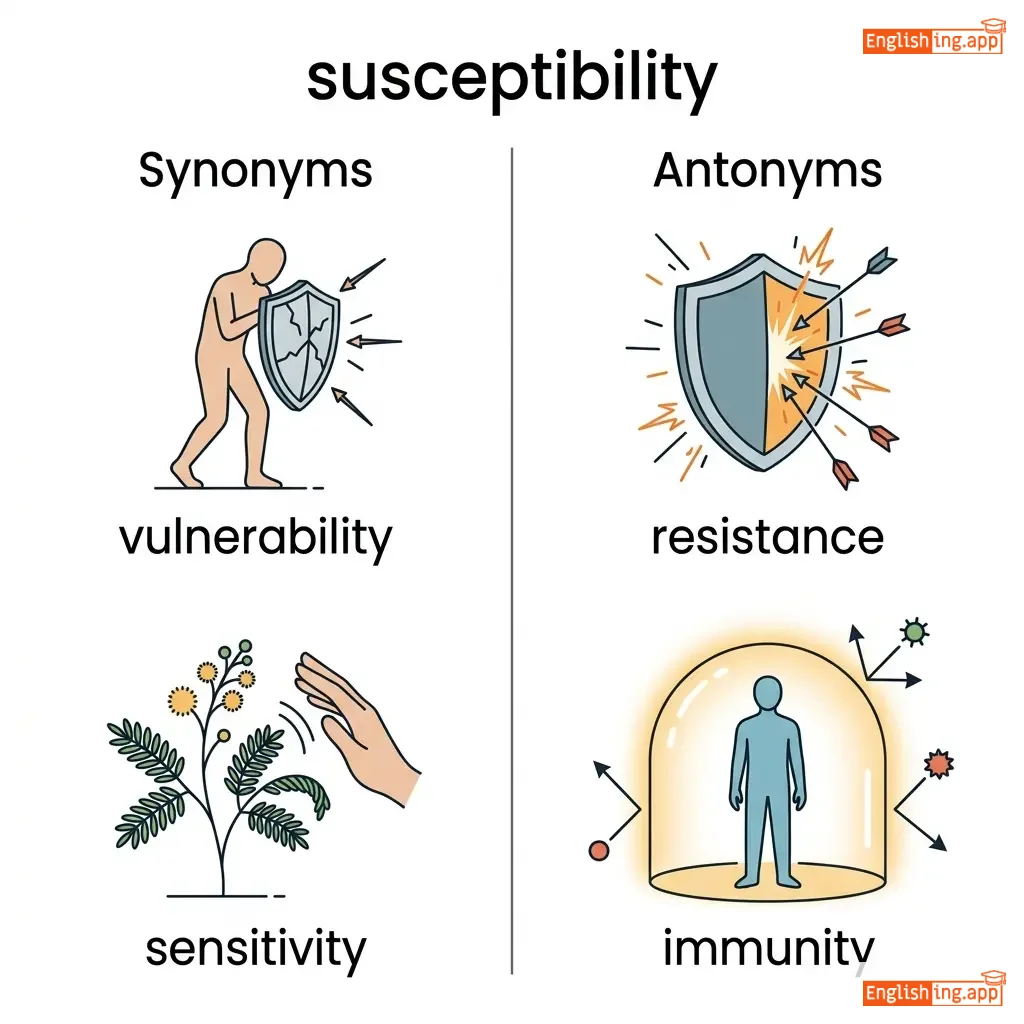
vulnerability, sensitivity, inclination
••••••
|
immunity, resistance, invulnerability
••••••
|
感受性は年齢とともに高まります。
••••••
|
|
#2412
🌪️
|
/ˈtɜː.mɔɪl/
noun
(ターモイル)
••••••
|
|
混乱
konran
••••••
|
A state of great disturbance, confusion, or uncertainty.
••••••
|
The political turmoil led to mass protests. |
政治的な混乱は大規模な抗議行動を引き起こした。
Seijiteki na konran wa daikibo na kōgi kōdō o hikiokoshita.
••••••
|
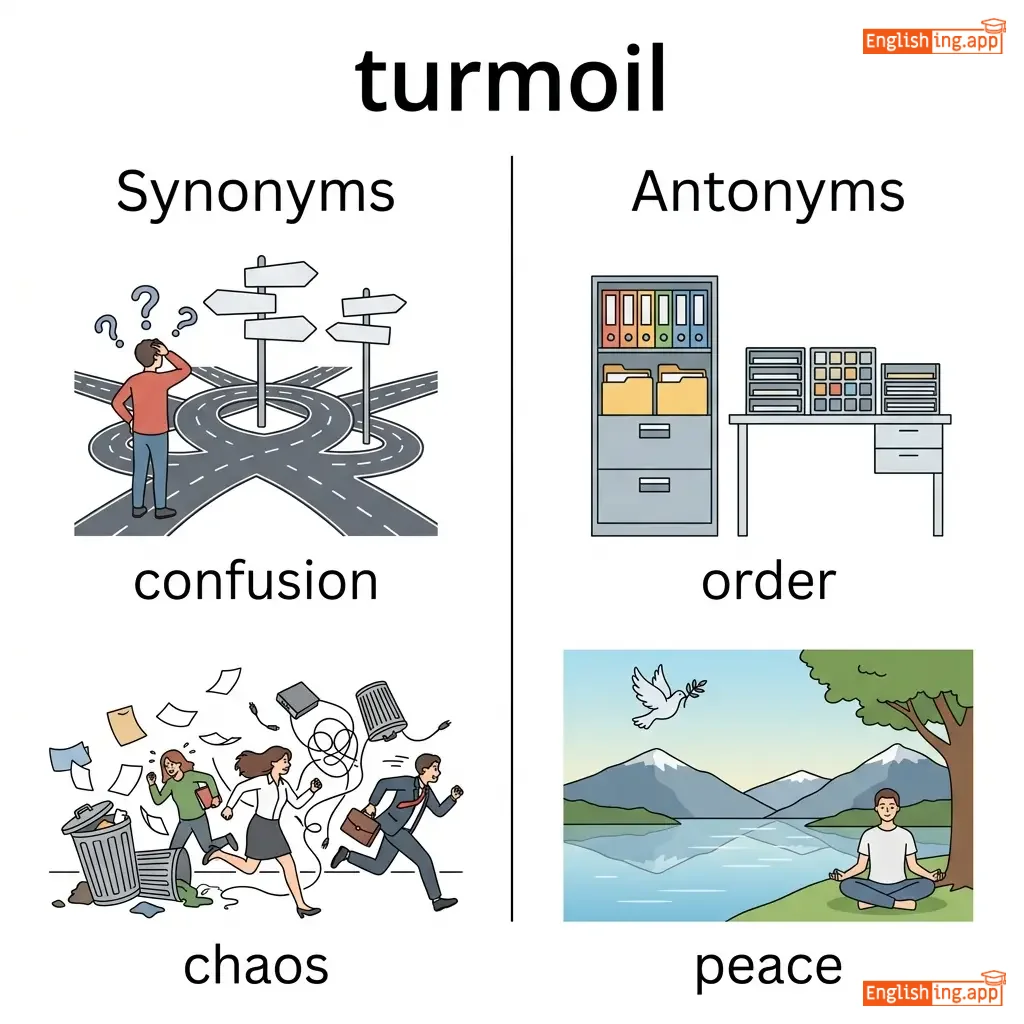
chaos, disorder, unrest
••••••
|
peace, order, stability
••••••
|
混乱はすべてを乱し、台風のようにすべてを覆す。
••••••
|
|
#2413
🧠
|
/njʊəˈrəʊ.sɪs/
noun
(ニューローシス)
••••••
|
|
神経症
shinkeishou
••••••
|
A relatively mild mental illness that is not caused by organic disease, involving symptoms of stress.
••••••
|
His neurosis made social interactions difficult.
彼の神経症は社会的な相互作用を困難にした。
••••••
|
彼の神経症は社会的な相互作用を困難にした。
Kare no shinkeishou wa shakaiteki na sōgo sayō o kon'nan ni shita.
••••••
|
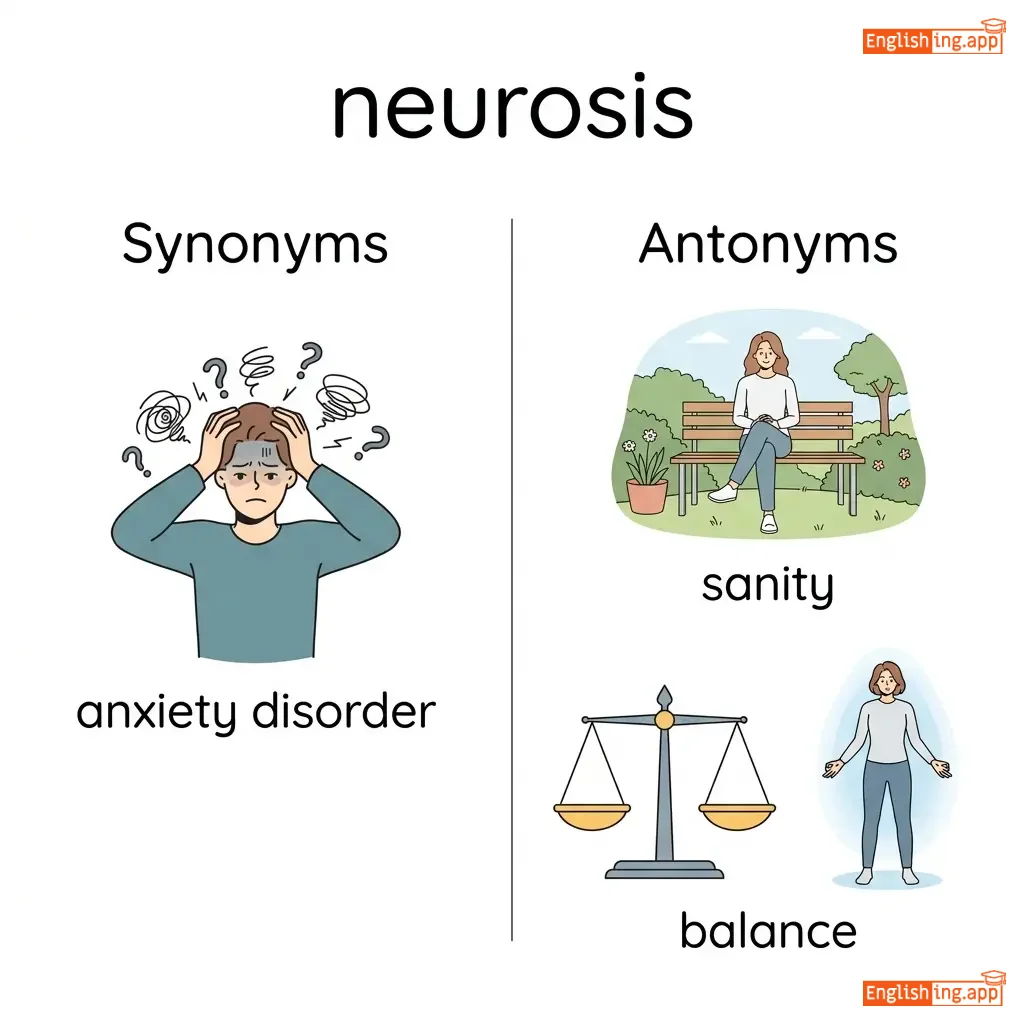
anxiety disorder, neurosis, obsession
••••••
|
sanity, balance, rationality
••••••
|
Japanese '神経症' sounds similar to 'neurosis', reminding of mental disorder.
••••••
|
|
#2414
🚧
|
/ɪmˈped.ɪ.mənt/
noun
(インペディメント)
••••••
|
|
障害
shougai
••••••
|
A hindrance or obstruction in doing something.
••••••
|
Lack of resources was a major impediment to progress. |
リソースの不足は進展の大きな障害でした。
Risōsu no fusoku wa shinten no ōkina shōgai deshita.
••••••
|
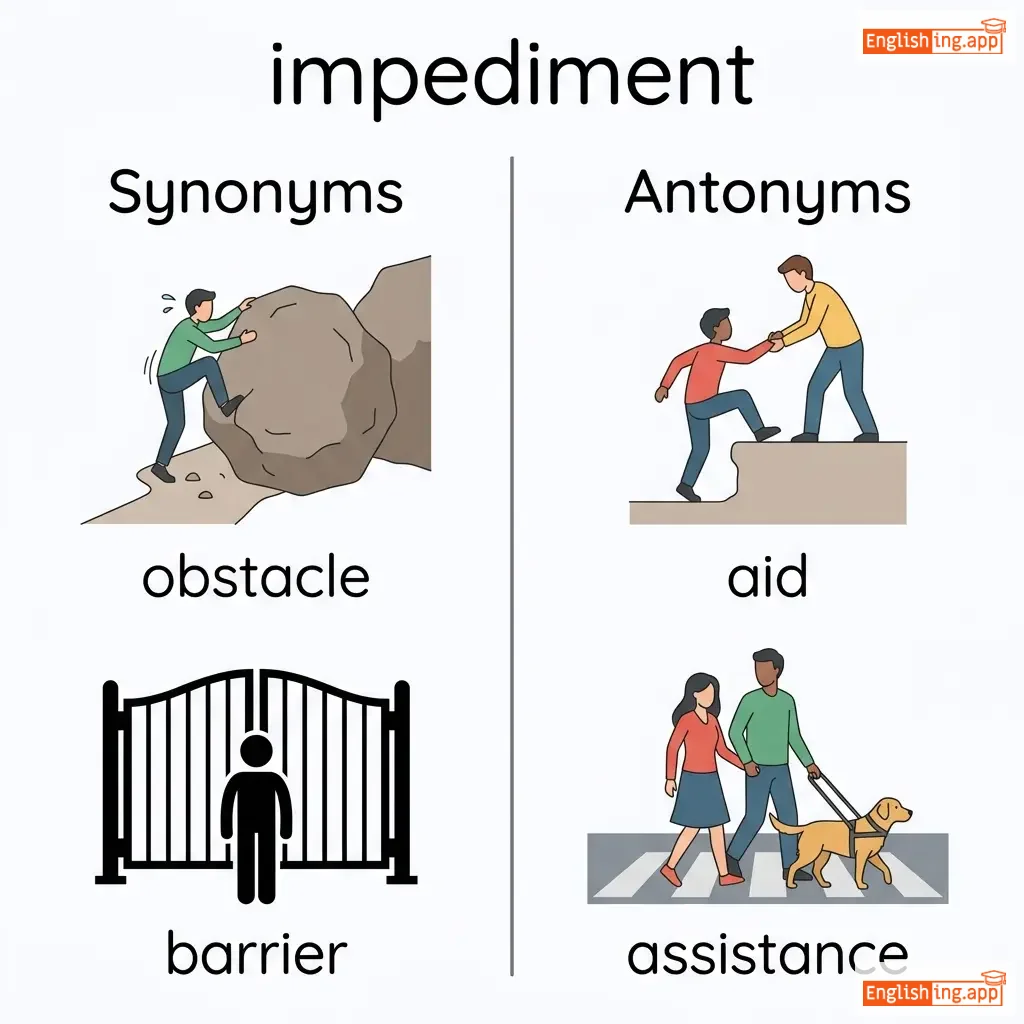
obstruction, hurdle, hindrance
••••••
|
assistance, facilitation, support
••••••
|
Shougai in Japanese blocks progress, just like an impediment.
••••••
|
|
#2415
🤔
|
/ˌɪn.trəˈspek.ʃən/
noun
(イントロスペクション)
••••••
|
|
内省
naisei
••••••
|
The examination or observation of one's own mental and emotional processes.
••••••
|
Introspection helps individuals understand their strengths and weaknesses. |
内省は人々が自分の強みと弱みを理解するのに役立ちます。
Naisei wa hitobito ga jibun no tsuyomi to yowami o rikai suru no ni yakudachimasu.
••••••
|
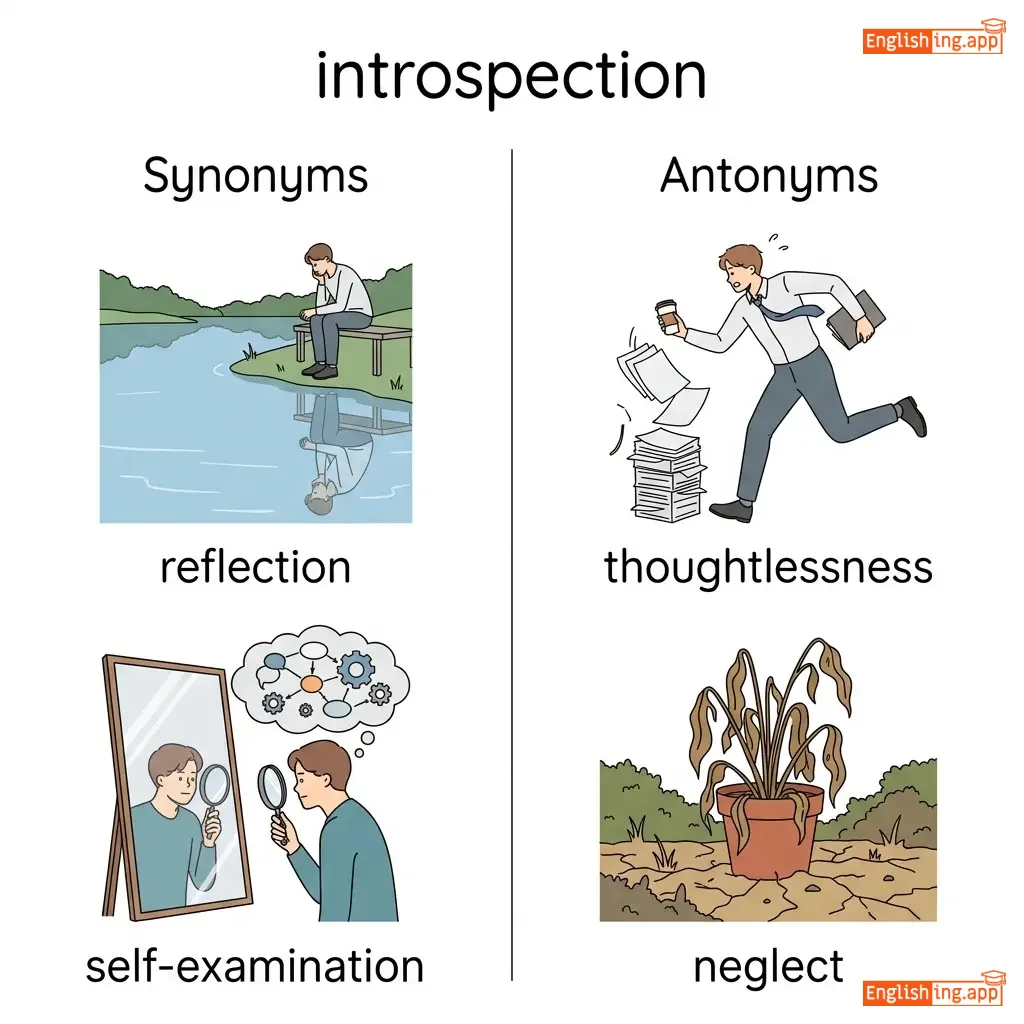
reflection, contemplation, self-examination
••••••
|
extroversion, disregard, heedlessness
••••••
|
内省: 自分を見つめ、強みと弱みを理解する。
••••••
|
|
#2416
👁️
|
/ˈkɒɡ.nɪ.zənt/
adjective
(コグニザント)
••••••
|
|
認識している
ninshiki shiteiru
••••••
|
Having knowledge or awareness of something.
••••••
|
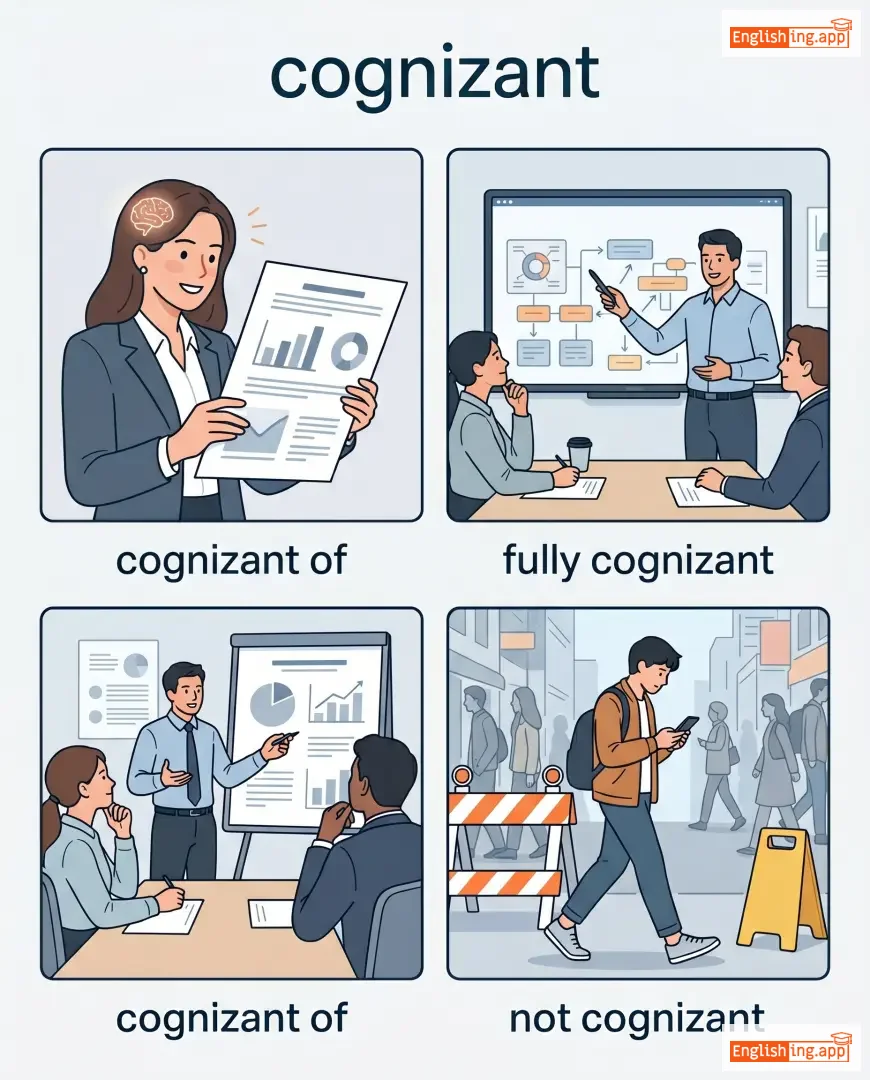
He is cognizant of the challenges in the industry.
彼は業界の課題を認識しています。
••••••
|
彼は業界の課題を認識しています。
Kare wa gyōkai no kadai o ninshiki shiteimasu.
••••••
|
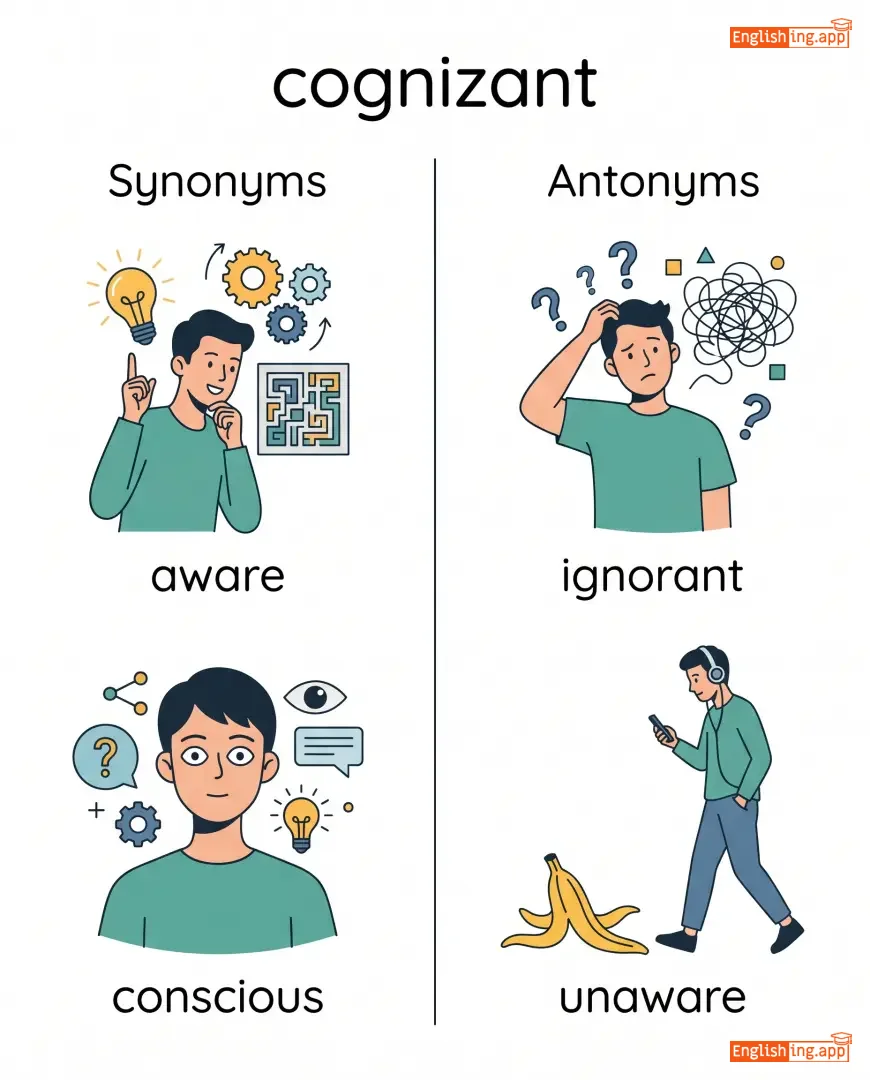
aware, informed, perceptive
••••••
|
oblivious, unaware, ignorant
••••••
|
認識している、つまり周りの出来事を理解していること。
••••••
|
|
#2417
🛡️
|
/ˈmɪt.ɪ.ɡeɪt/
verb
(ミティゲイト)
••••••
|
|
軽減する
keigen suru
••••••
|
To make less severe, serious, or painful.
••••••
|
Effective policies can mitigate environmental damage.
効果的な政策は環境へのダメージを軽減できます。
••••••
|
効果的な政策は環境へのダメージを軽減できます。
Kōkateki na seisaku wa kankyō e no damēji o keigen dekimasu.
••••••
|
lessen, reduce, alleviate
••••••
|
exacerbate, intensify, aggravate
••••••
|
軽減するとは、痛みや深刻さを減らすこと、環境を軽くするような感じ。
••••••
|
|
#2418
💊
|
/əˈliː.vi.eɪt/
verb
(アリヴィエイト)
••••••
|
|
和らげる
yawarageru
••••••
|
To make suffering, deficiency, or a problem less severe.
••••••
|
Proper medication can alleviate chronic pain. |
適切な薬は慢性の痛みを和らげることができる。
tekisetsu na kusuri wa mansei no itami o yawarageru koto ga dekiru.
••••••
|
relieve, ease, soothe
••••••
|
worsen, aggravate, intensify
••••••
|
和らげる = 痛みを和らげるために
••••••
|
|
#2419
😰
|
/prɪˈdɪk.ə.mənt/
noun
(プリディカメント)
••••••
|
|
困難
konnan
••••••
|
A difficult, unpleasant, or embarrassing situation.
••••••
|
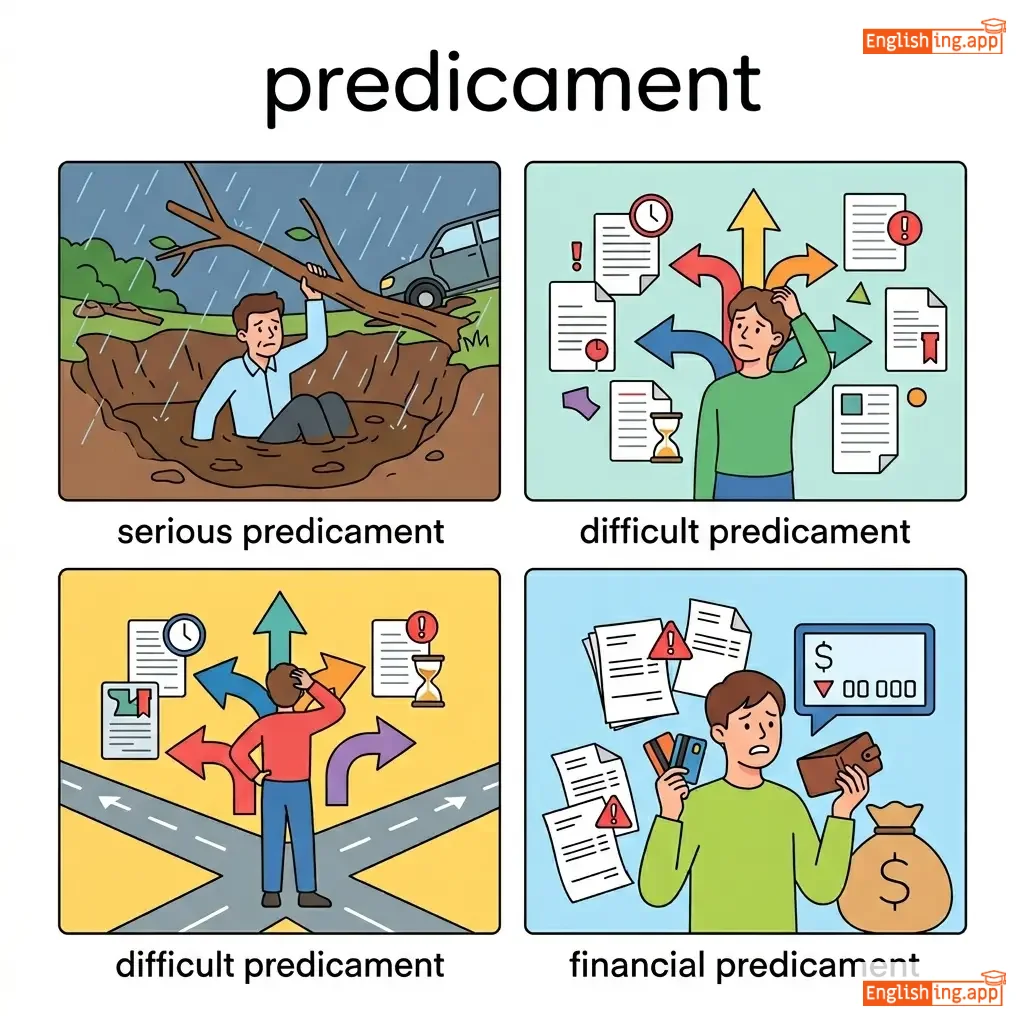
The unexpected loss put him in a financial predicament.
予期しない損失は彼を財政的な窮地に追い込んだ。
••••••
|
予期しない損失は彼を財政的な困難に追い込んだ。
Yokishinai sonshitsu wa kare wo zaiseiteki na konnan ni oikonda.
••••••
|
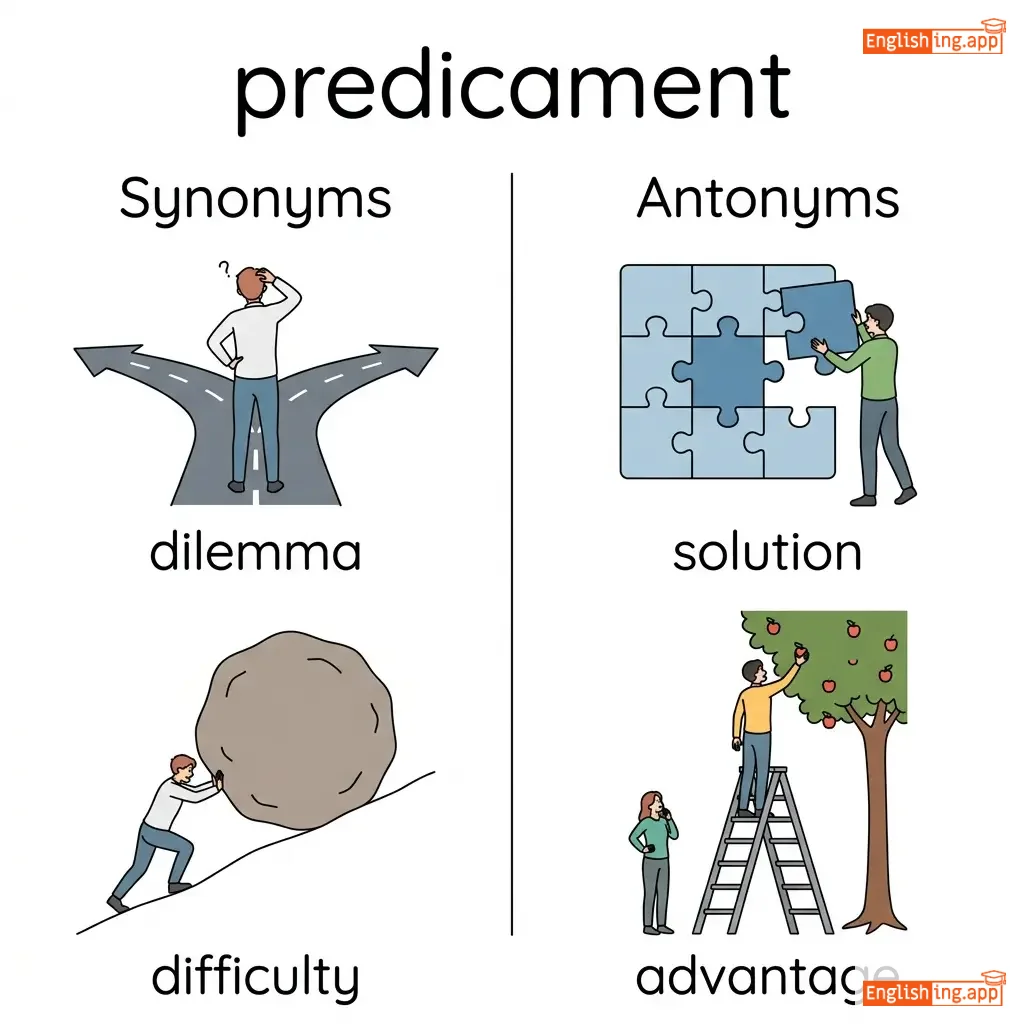
dilemma, hardship, quandary
••••••
|
solution, advantage, ease
••••••
|
Konnan (Konnan means difficulty in Japanese) for predicament.
••••••
|
|
#2420
🌟
|
/ˈwelˌbiː.ɪŋ/
noun
(ウェルビーイング)
••••••
|
|
幸福
kōfuku
••••••
|
The state of being comfortable, healthy, or happy.
••••••
|
Regular exercise contributes to overall well-being. |
定期的な運動は全体的な幸福に貢献します。
Teikitekina undō wa zentaiteki na kōfuku ni kōken shimasu.
••••••
|
health, prosperity, welfare
••••••
|
distress, suffering, hardship
••••••
|
幸福 (Kōfuku) means happiness, just like the state of well-being.
••••••
|
Vocabulary Quiz
Test your vocabulary by matching words with their translations or meanings.
Login to take the quiz
Comments (0)
Share your thoughts and join the discussion.
Join the discussion by logging in
Login to CommentNo comments yet
Be the first to share your thoughts!