

天の川を駆け抜ける謎の物体
Mysterious Object Racing Through the Milky Way
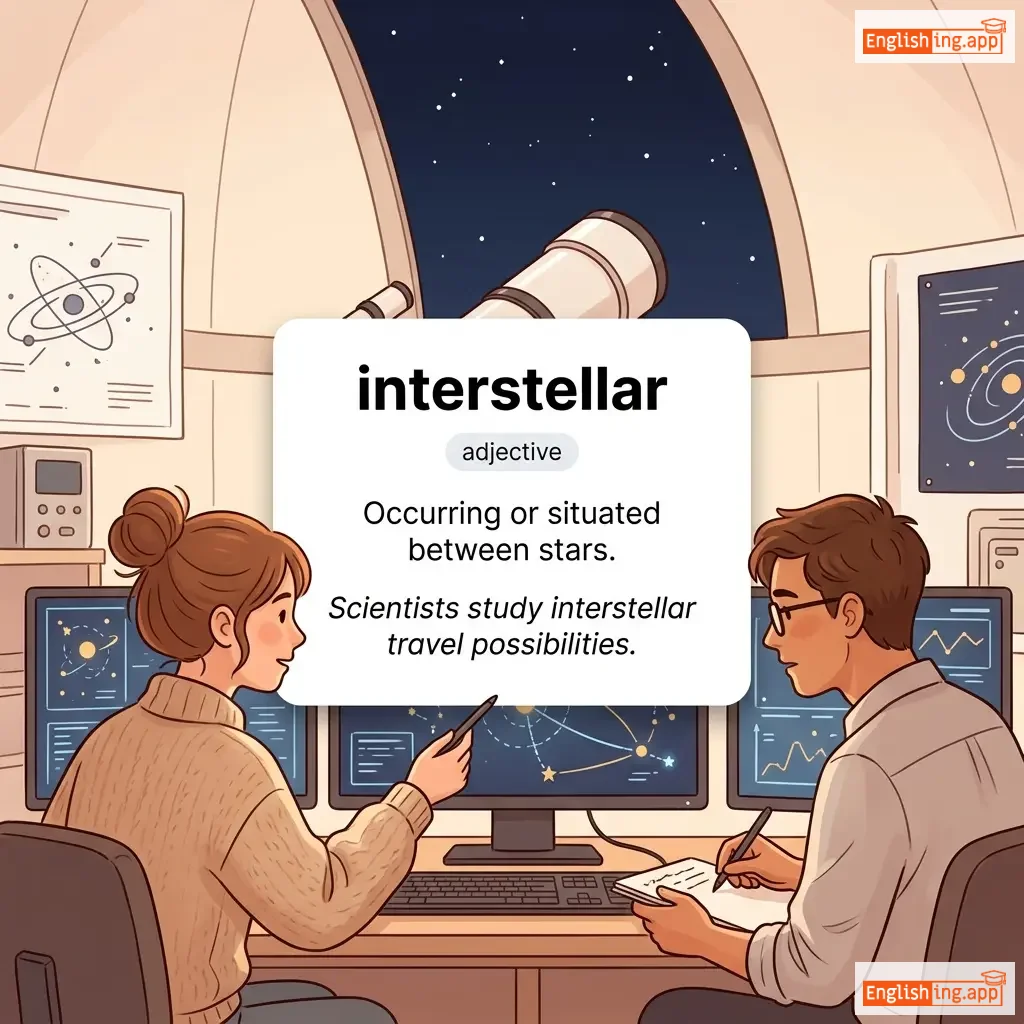
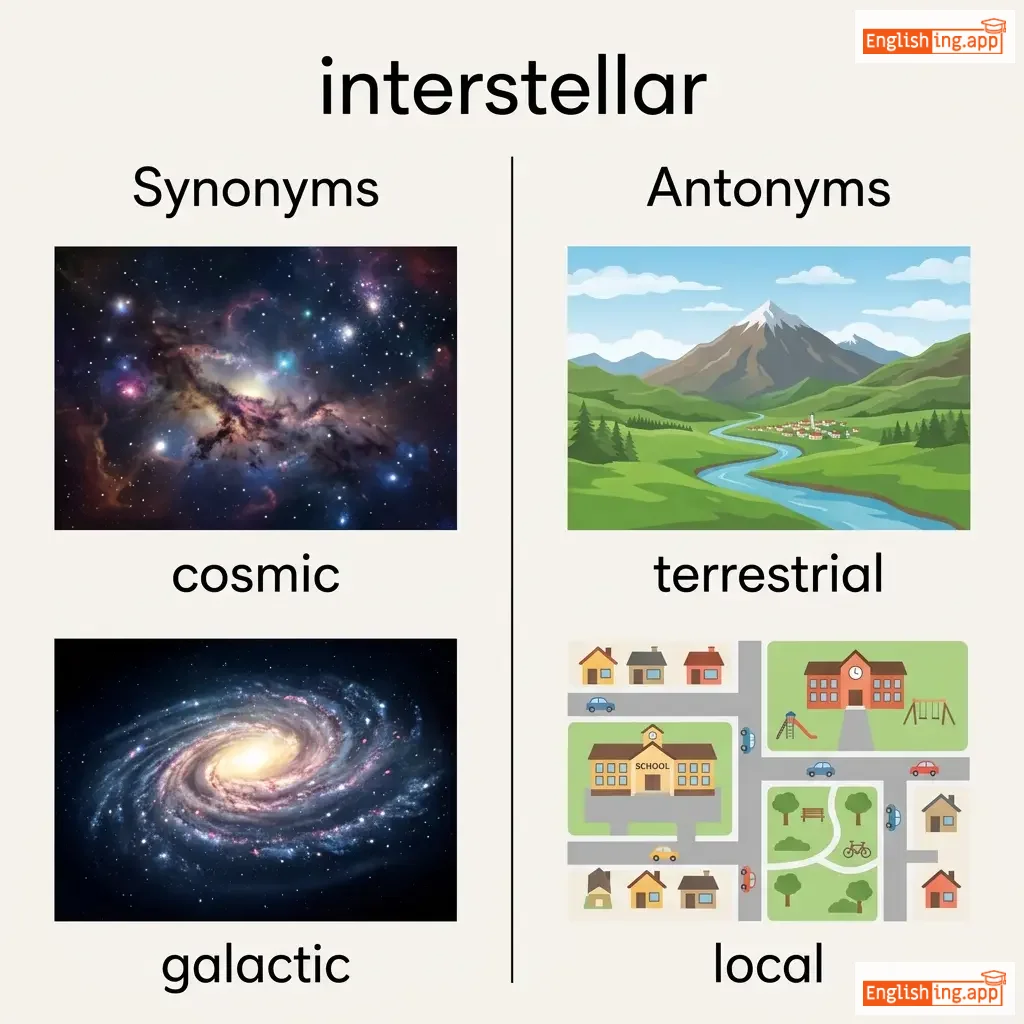
昨夜の空に突然、astounding光景が現れた。宇宙研究者によると、それはinterstellar速度で宇宙を駆け抜けるcelestial物体だった。
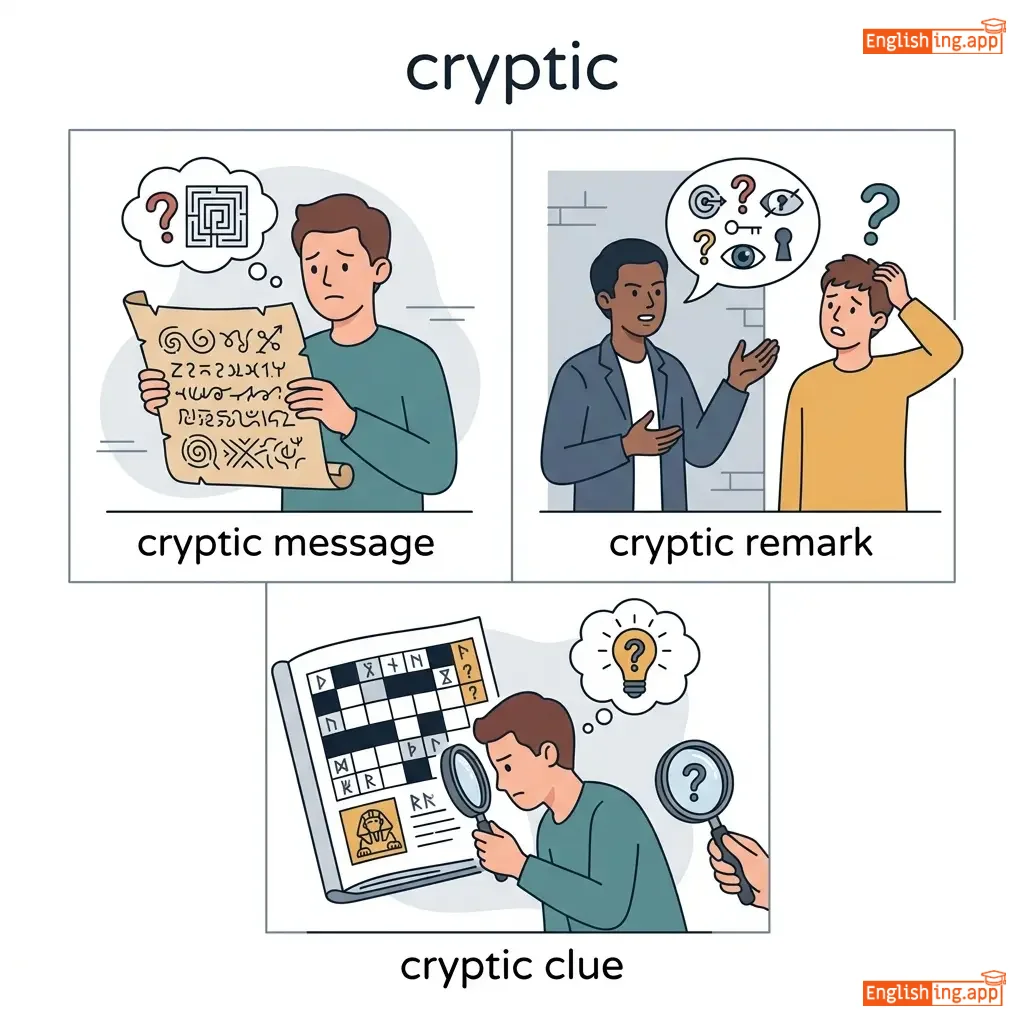
しかし、その物体は非常にcrypticで、誰もそれが何であるかを確実に言うことができなかった。ある者はそれをchimerical存在と呼び、別の者はhypothetical宇宙船だと主張した。
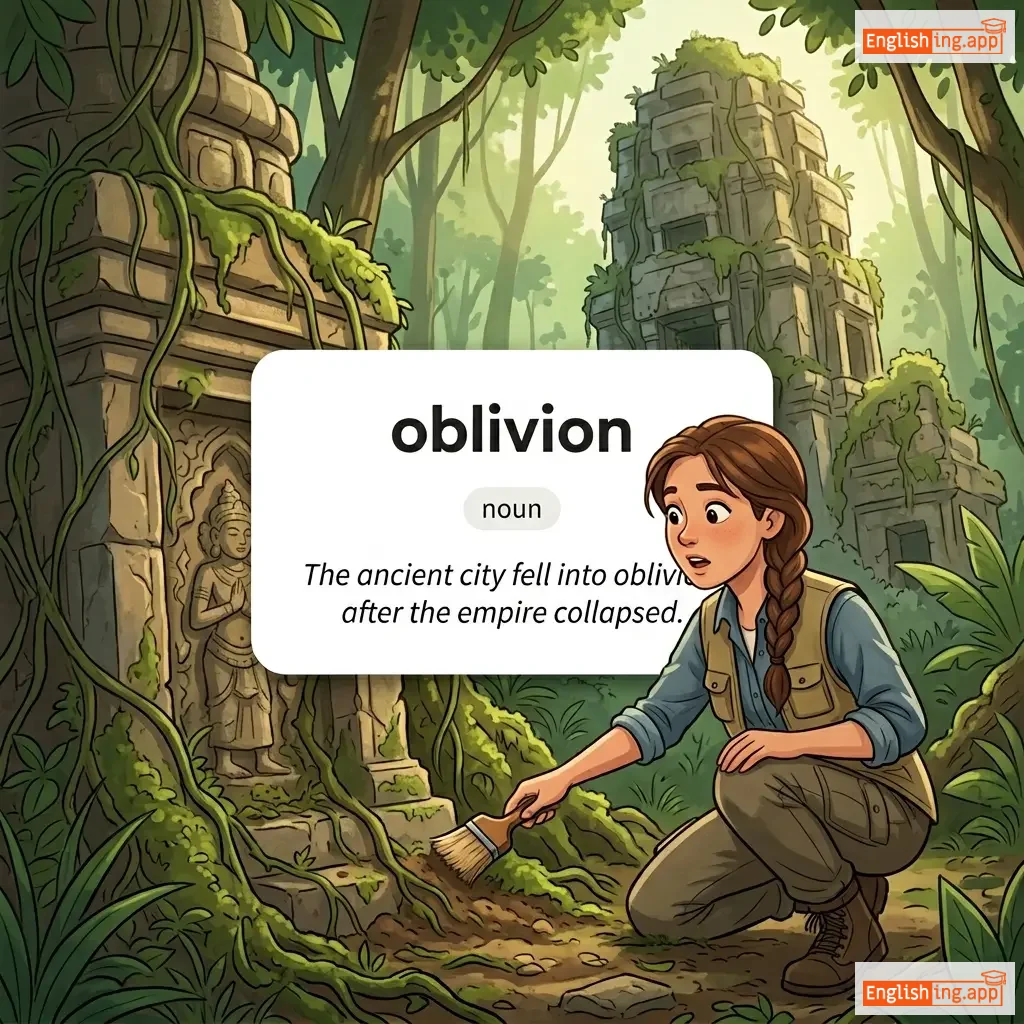
その物体が太陽に近づいたとき、突然evasive動きを見せ始めた。科学者たちはその軌道をextrapolateしようとしたが、物体はすぐにoblivionへと消えた。
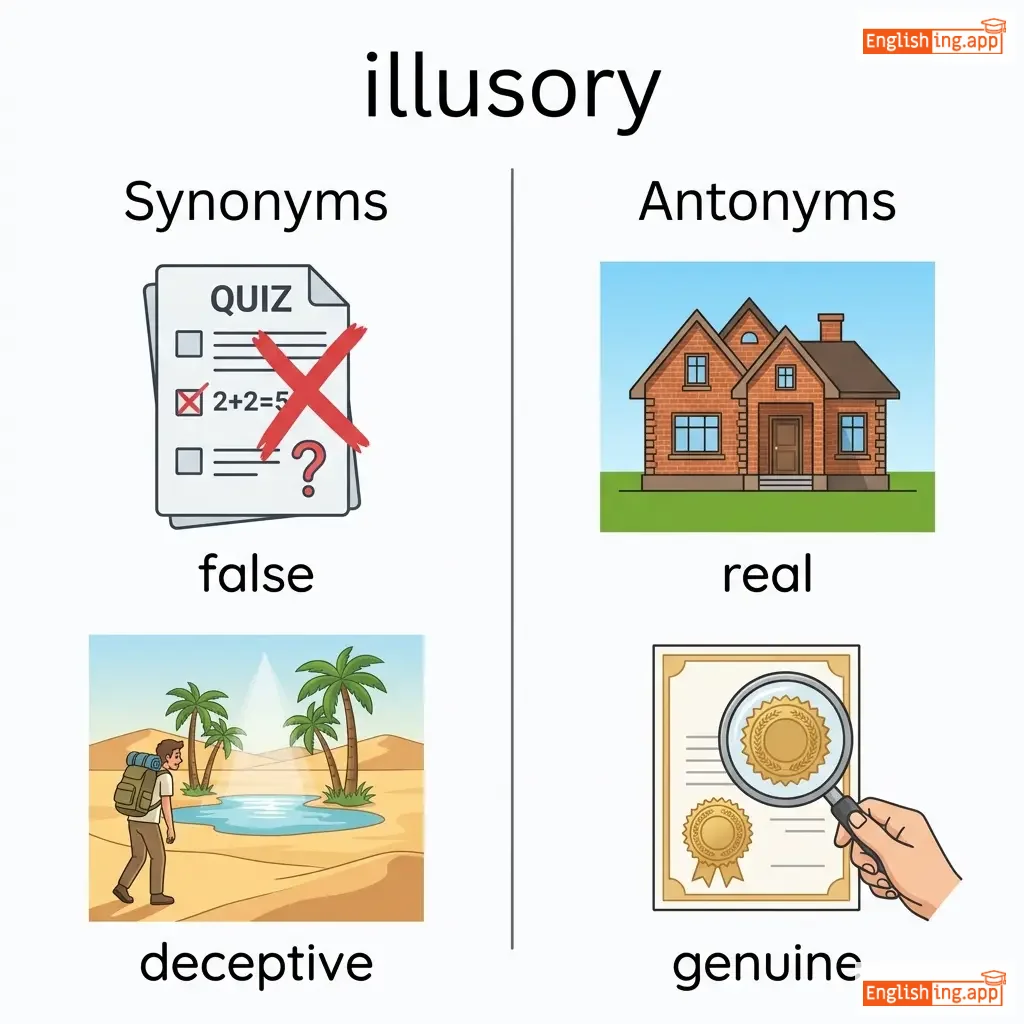
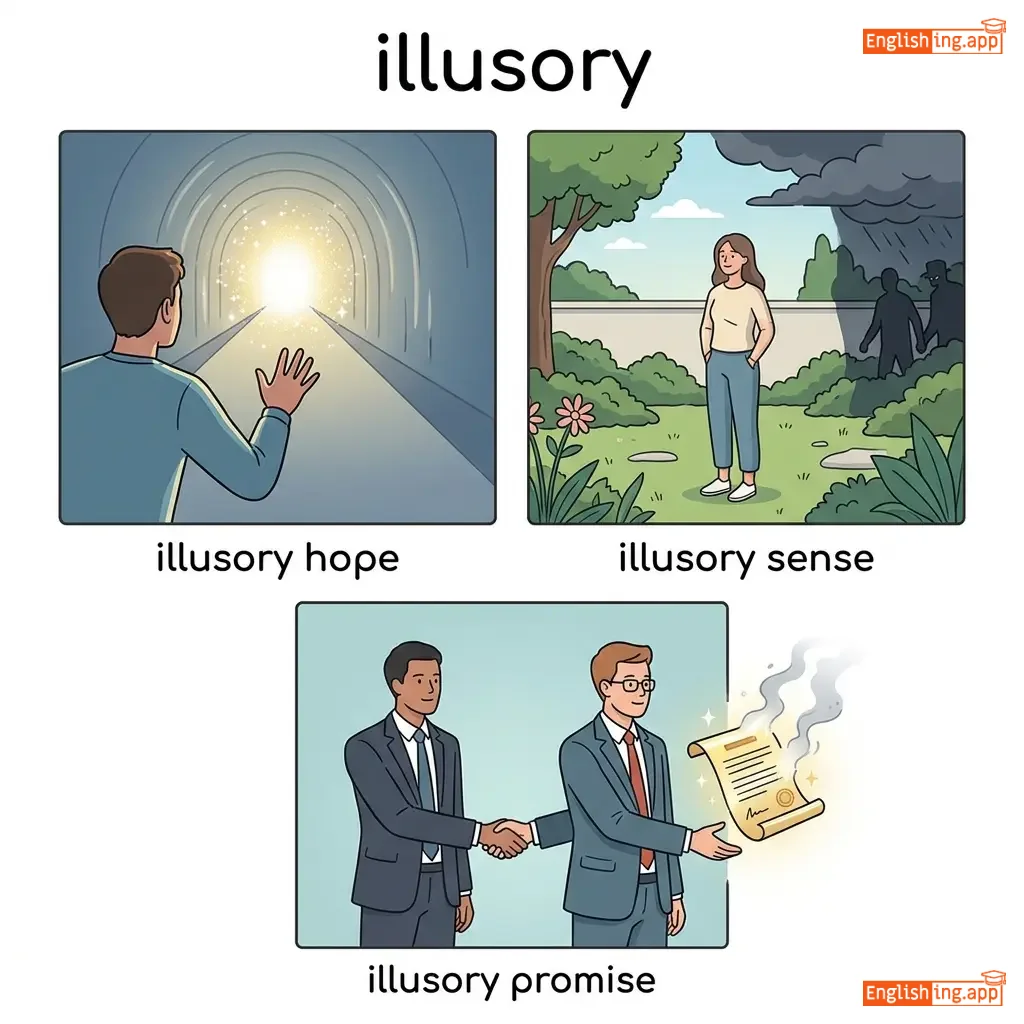
これは単なるillusory出来事だったのか、それとも人類文明の前に新たな謎が明らかになったのか?誰にもわからない。ただ確かなのは、これが今後の研究のquintessenceとして残るということだ。
翻訳
過去
過去分詞
三人称単数
動名詞
意味
例文
例文の翻訳
同義語
対義語
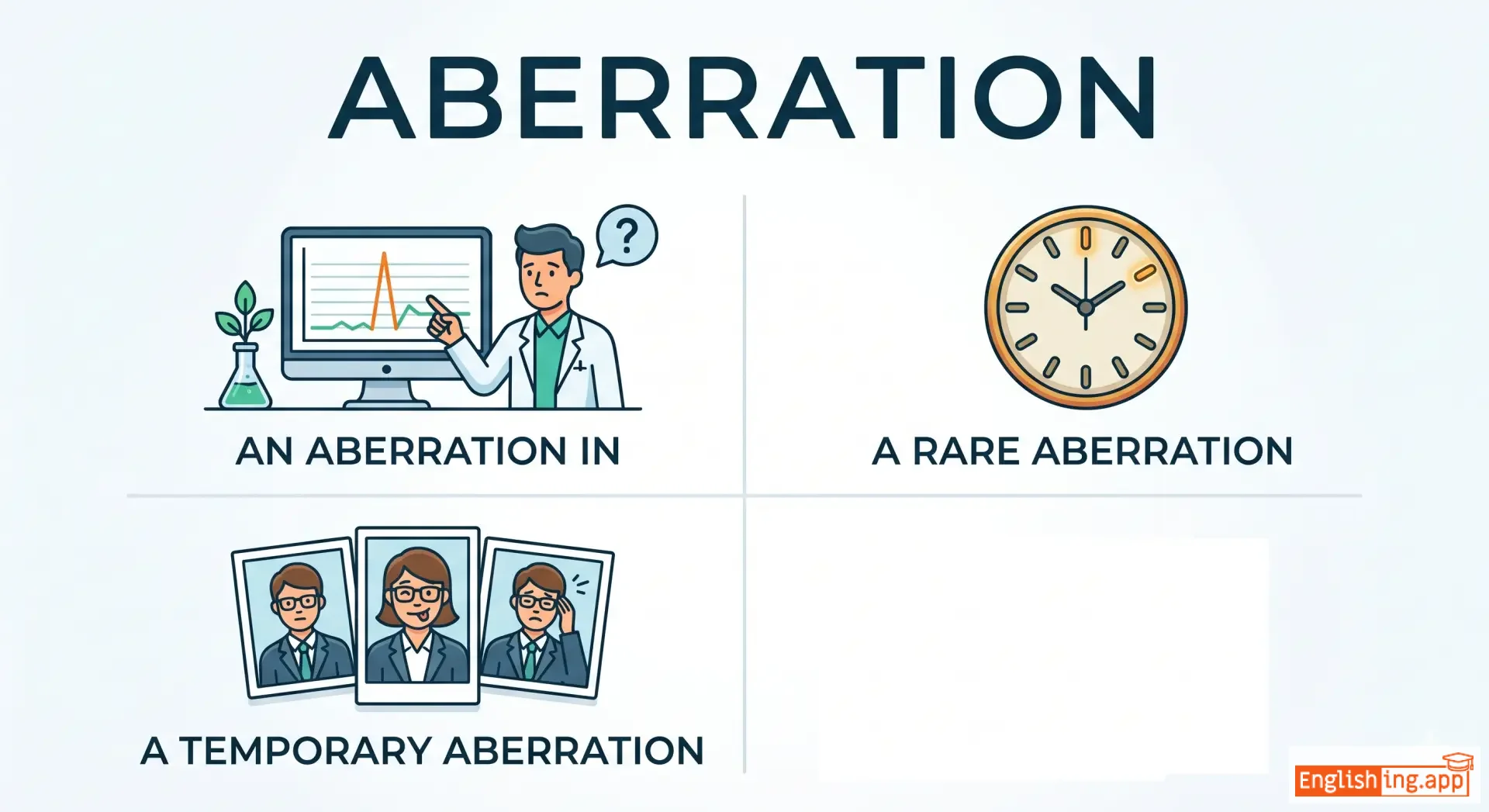
コロケーション
ニーモニック




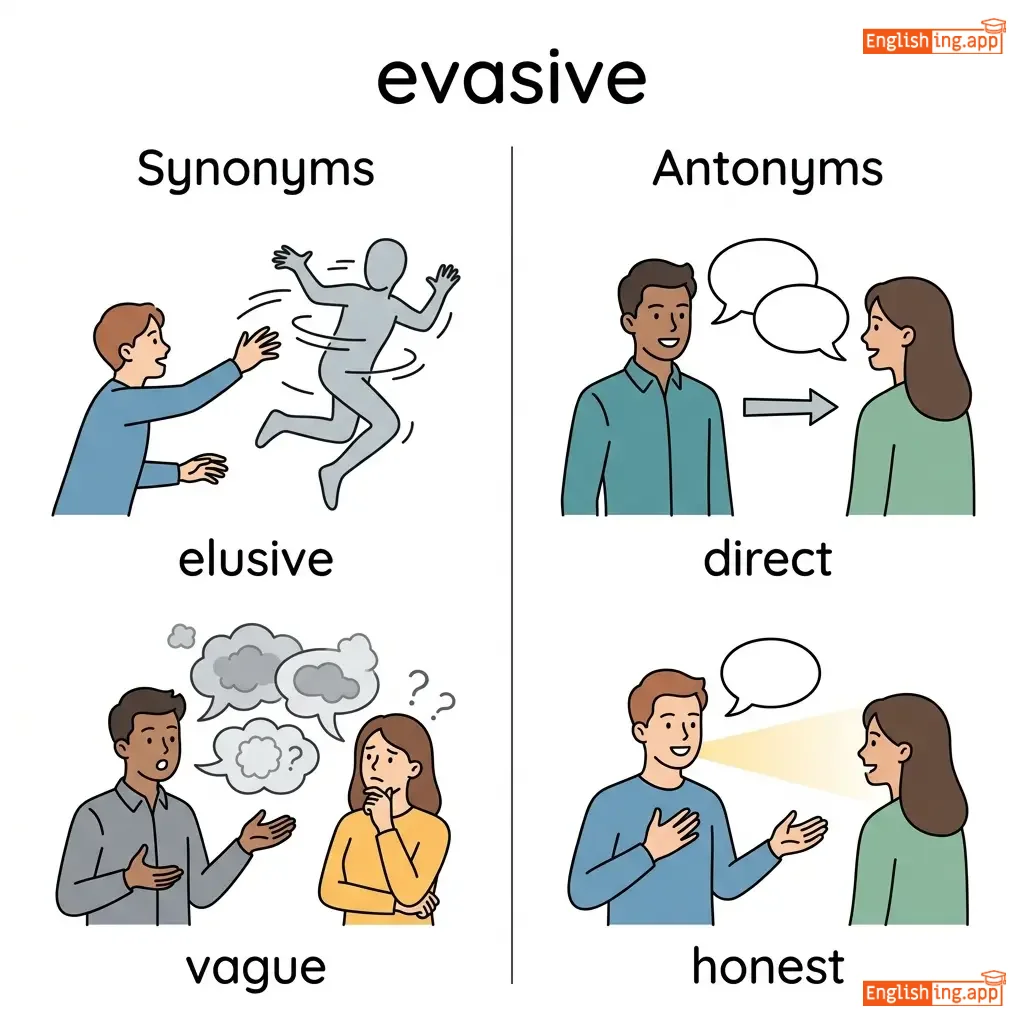

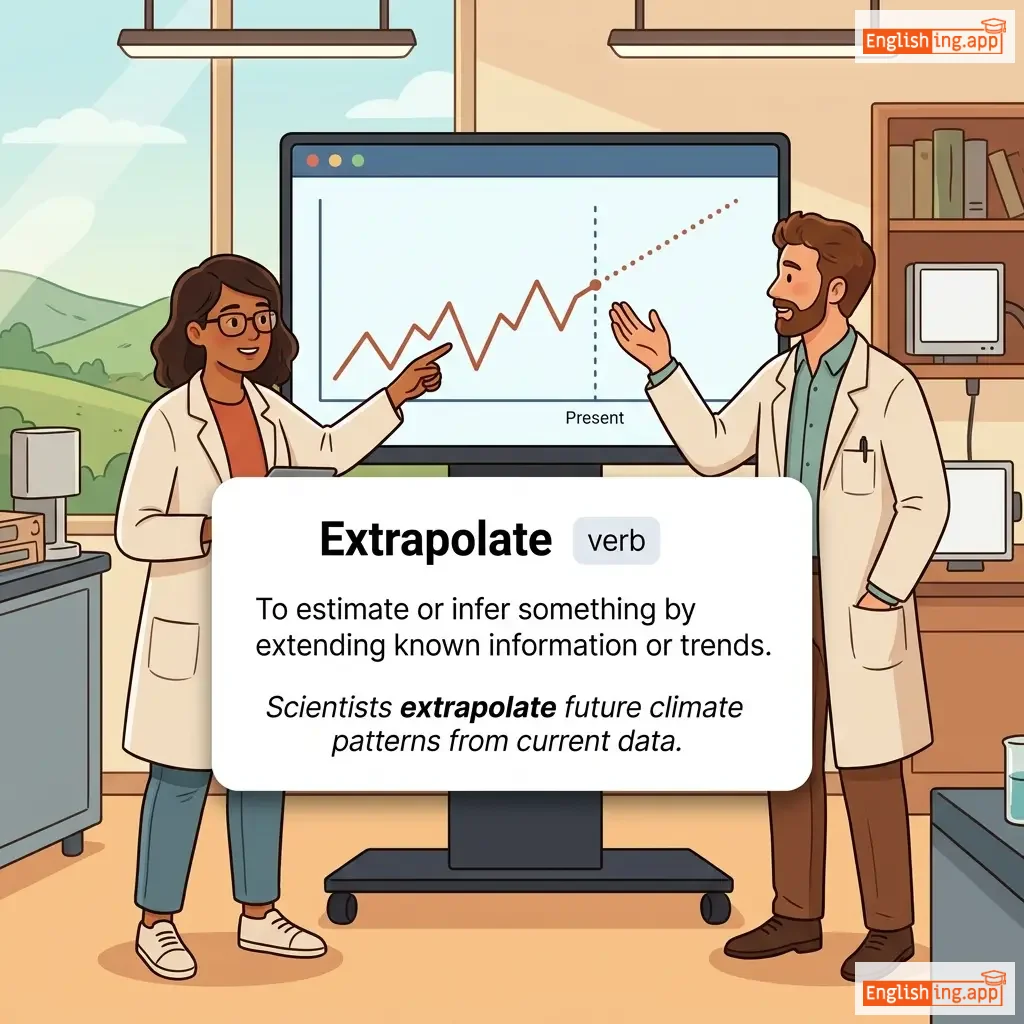
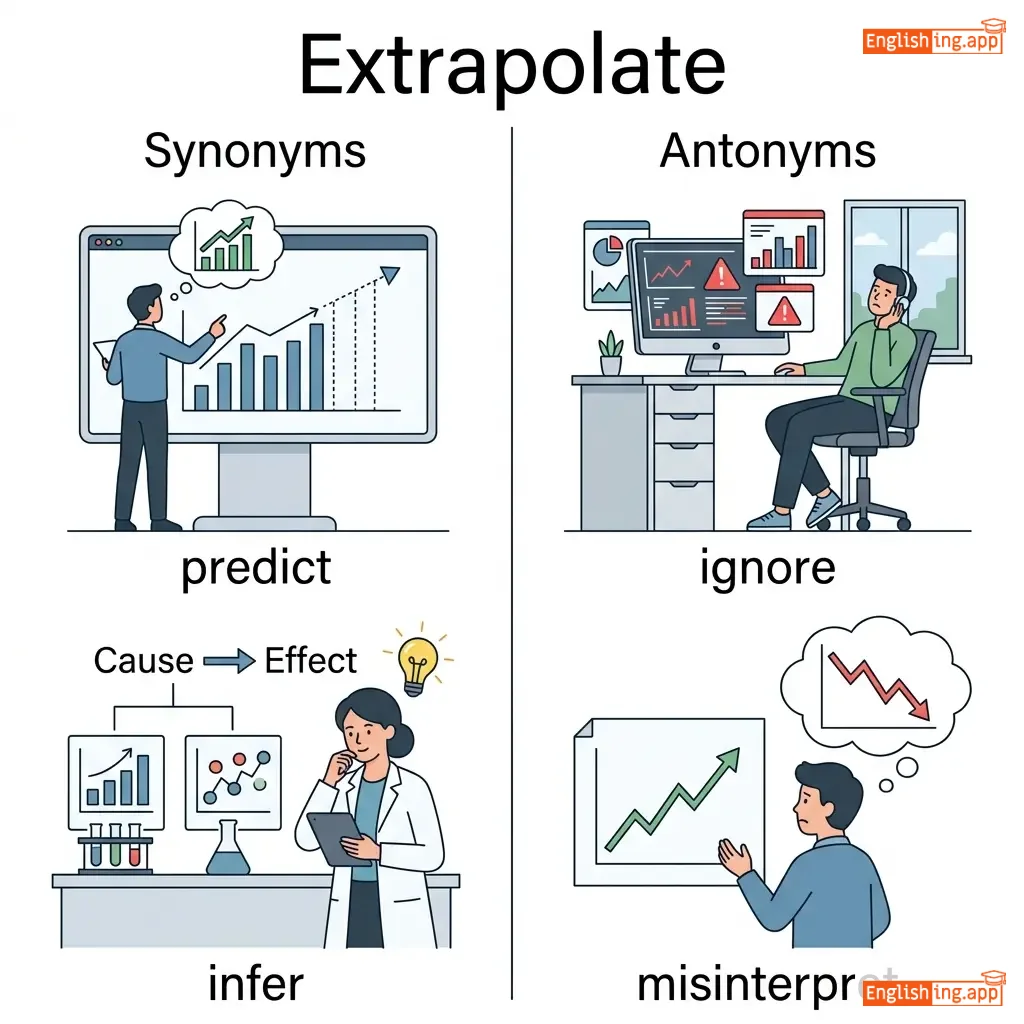
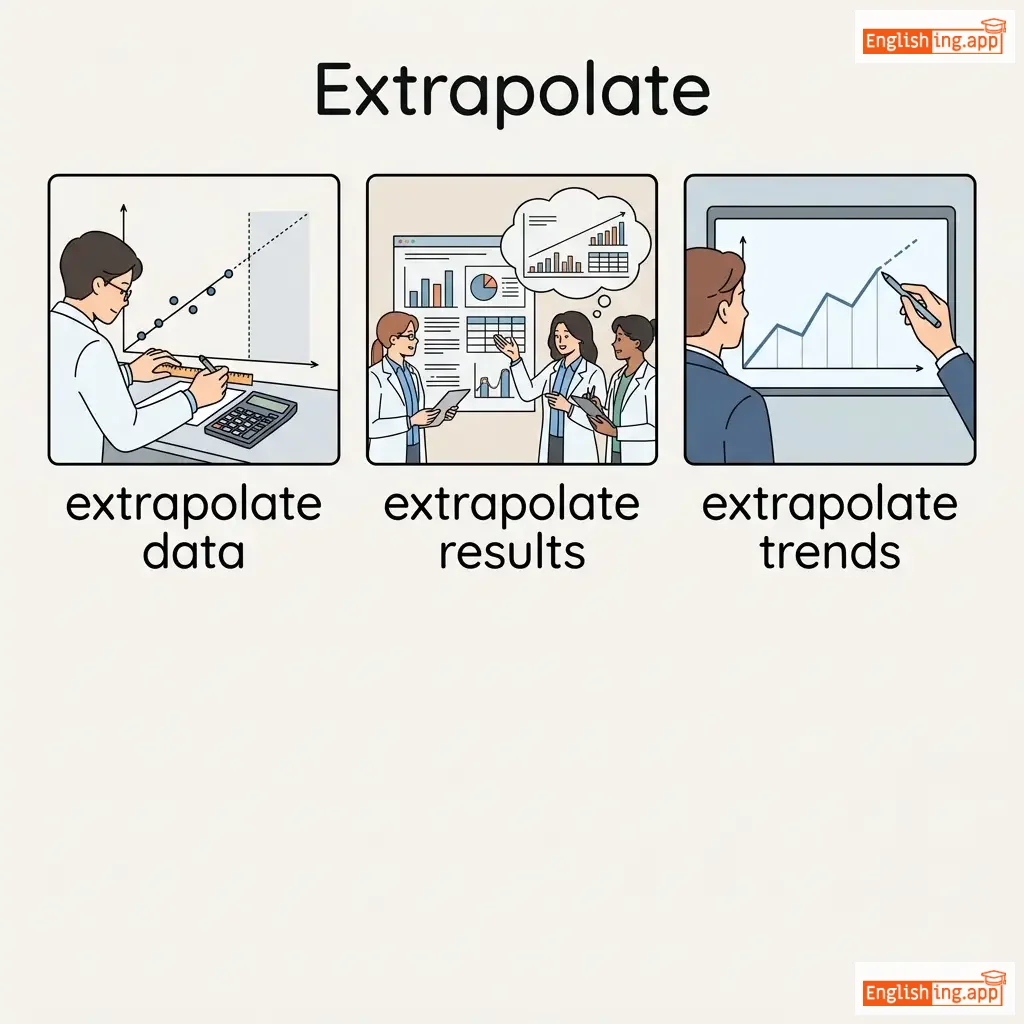
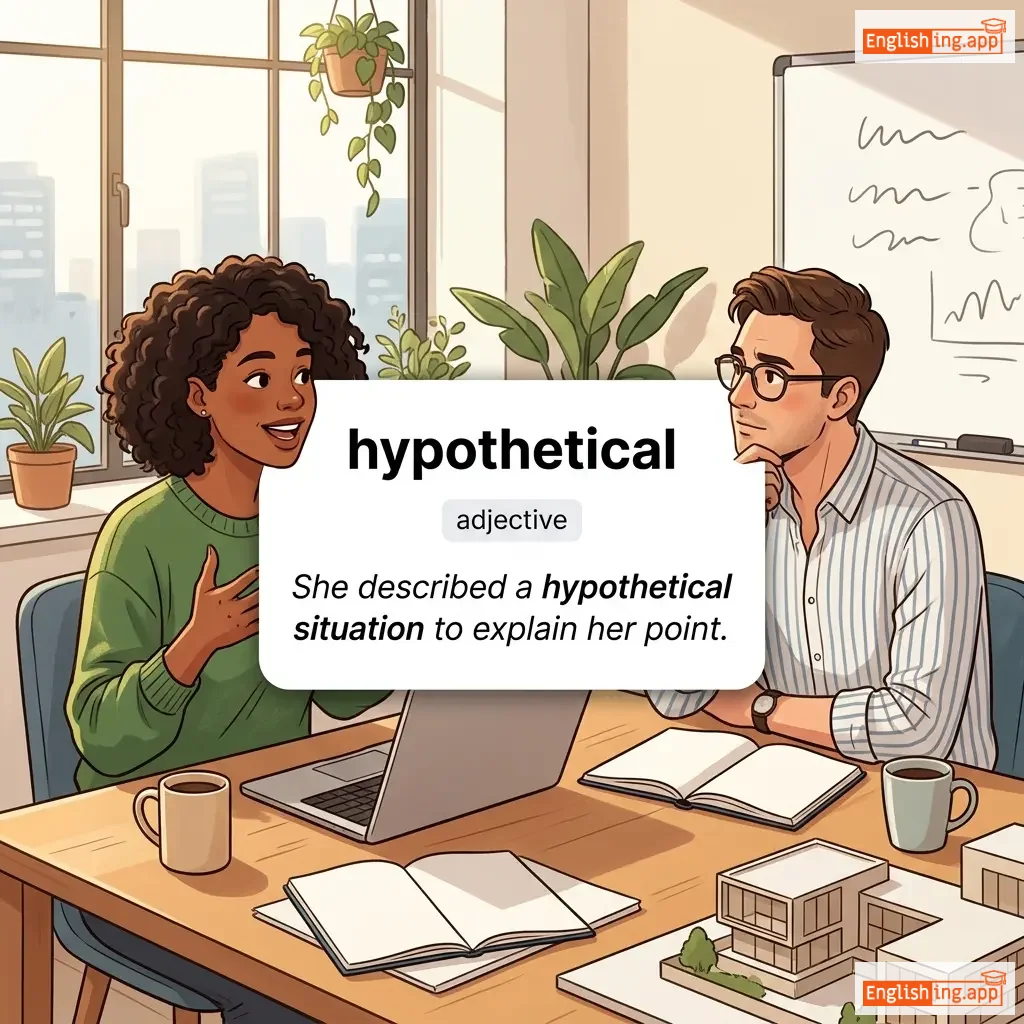
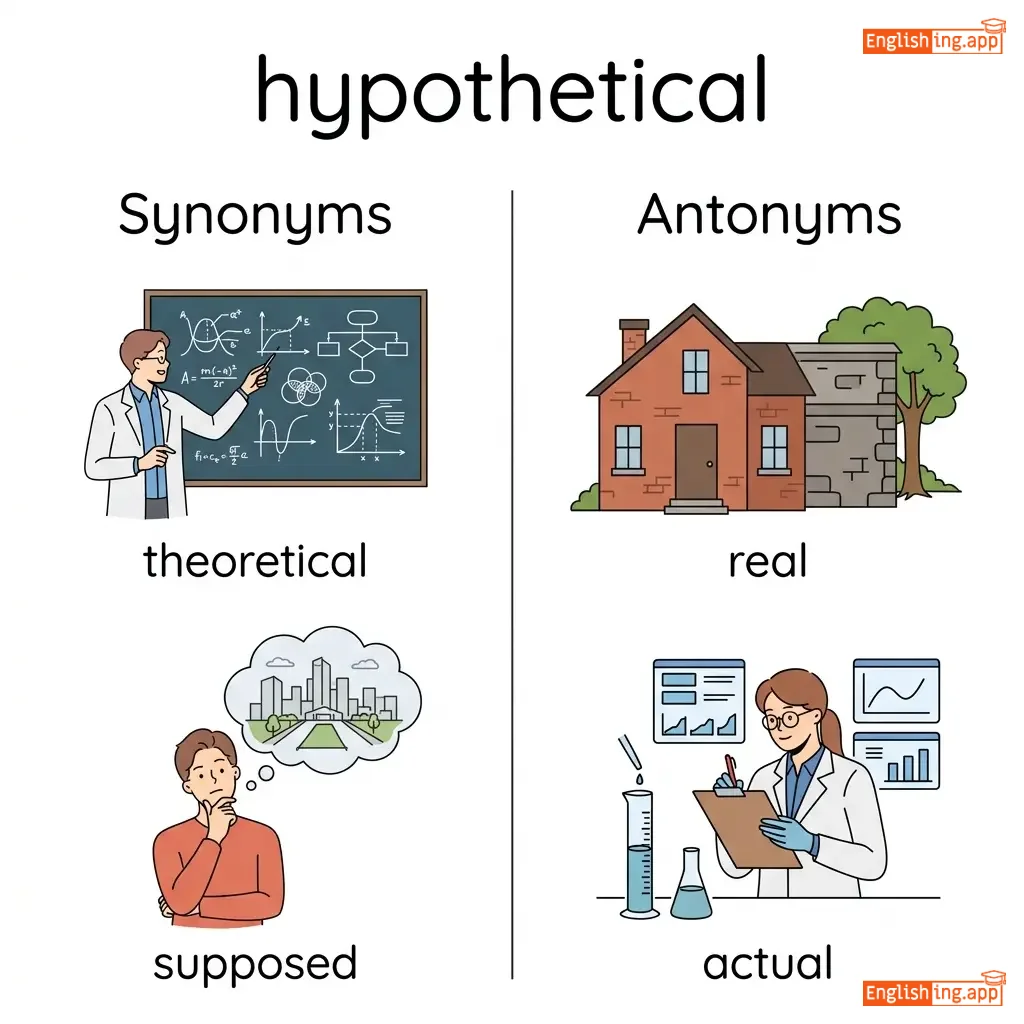
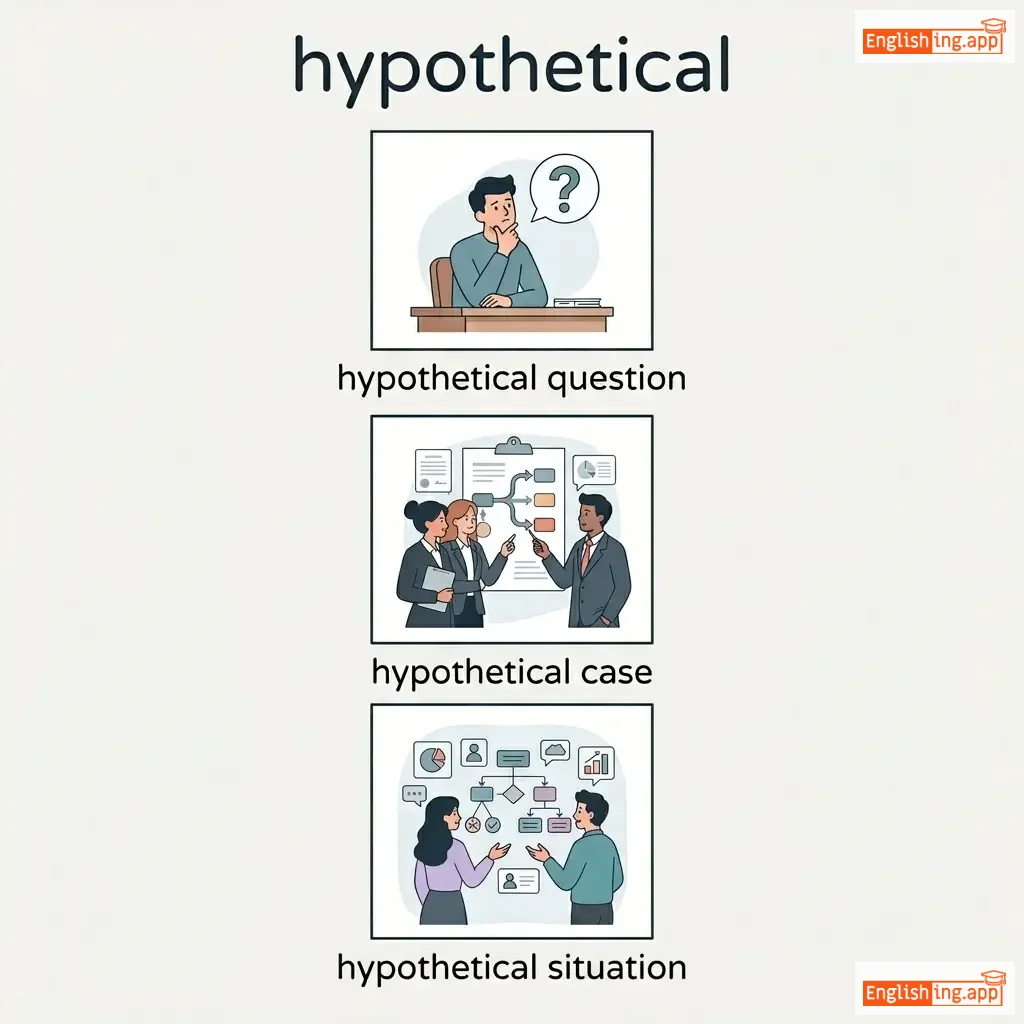
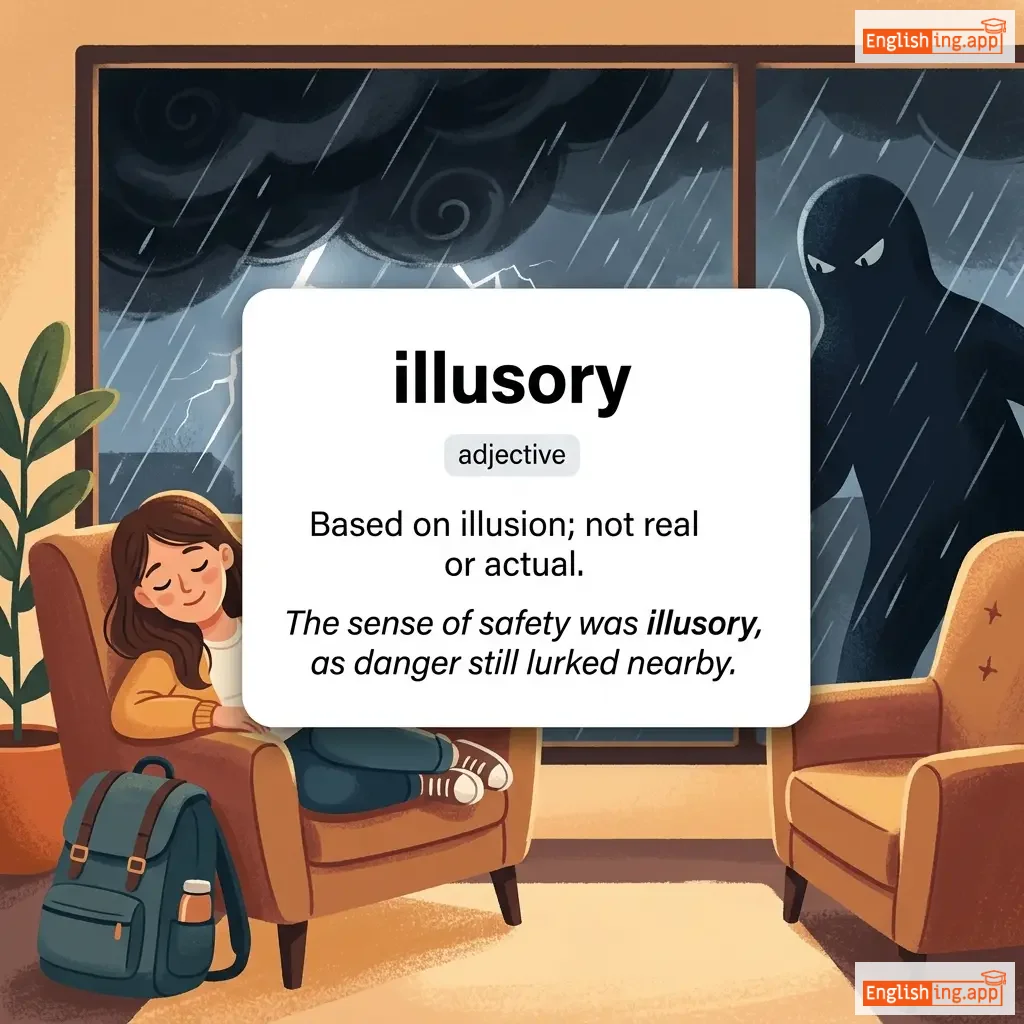
Swipe left or right, or use the buttons. Tap image to zoom.
例文の翻訳
単語
Mysterious Object Racing Through the Milky WayMysterious Object Racing Through the Milky Way - マスクトグル
|
絵文字
|
単語 | Images | 翻訳 | 意味 | 例文 | 例文の翻訳 | 同義語 | 対義語 | ニーモニック |
|---|---|---|---|---|---|---|---|---|---|
|
#2593
⚠️
|
ˌæb.əˈreɪ.ʃən
noun
(アベレイション)
••••••
|
|
逸脱, 異常, 偏差
itsudatsu, ijou, hensa
••••••
|
A departure from what is normal, usual, or expected, typically one that is unwelcome.
••••••
|
The scientist dismissed the data as an aberration.
科学者はデータを逸脱と見なした。
••••••
|
科学者はデータを逸脱と見なした。
Kagakusha wa dēta o itsudatsu to minashita.
••••••
|
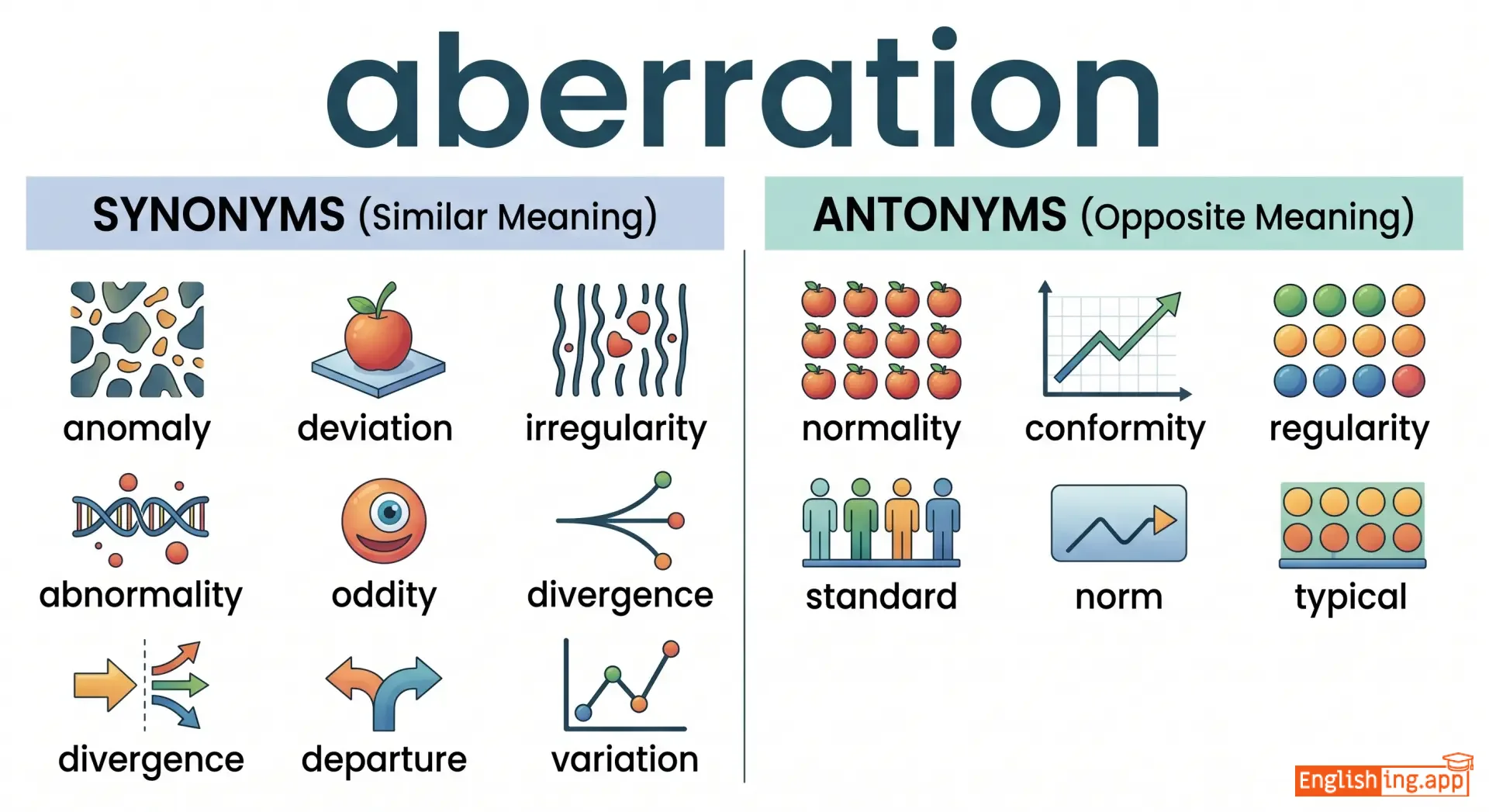
deviation, anomaly, irregularity, divergence, departure, variation
••••••
|
normality, conformity, regularity, standard, norm, typical
••••••
|
In Japanese, 'aberration' is '逸脱', a deviation from what is expected.
••••••
|
|
#2594
🤔
|
æmˈbɪɡ.ju.əs
adjective
(アンビギュアス)
••••••
|
|
あいまい, 二重の意味を持つ, 不確かな
aimai, nijū no imi o motsu, fukakushikana
••••••
|
Open to more than one interpretation; having a double meaning.
••••••
|
His ambiguous statement confused everyone.
彼の曖昧な発言は皆を困惑させた。
••••••
|
彼の曖昧な発言は皆を困惑させた。
Kare no aimai na hatsugen wa mina o konwaku saseta.
••••••
|
vague, unclear, equivocal, indefinite, imprecise, obscure
••••••
|
clear, definite, unambiguous, precise, explicit, obvious
••••••
|
二重の意味があれば、必ず曖昧な発言だと覚えよう!
••••••
|
|
#2595
😲
|
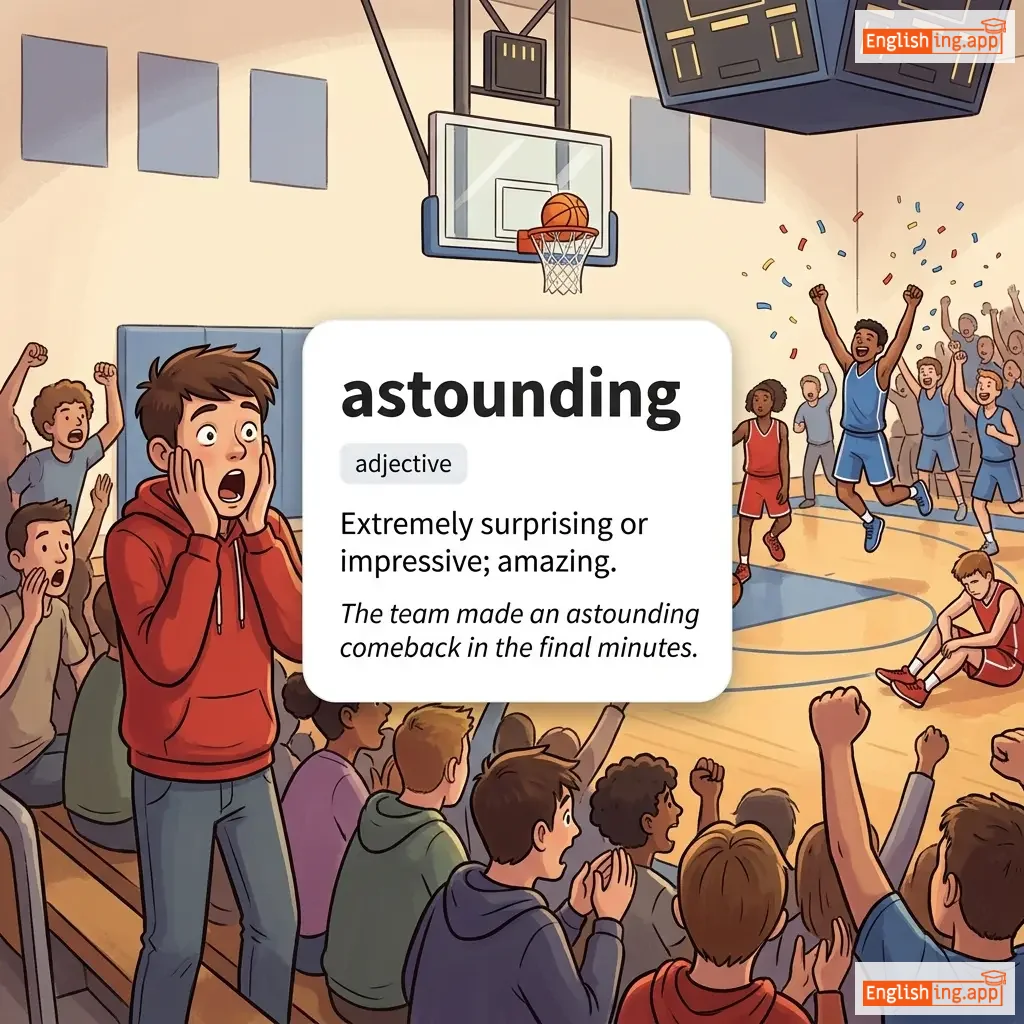
əˈstaʊn.dɪŋ
adjective
(アスタウンディング)
••••••
|
|
驚くべき、衝撃的な、すばらしい
odorokubeki, shougeki-teki na, subarashii
••••••
|
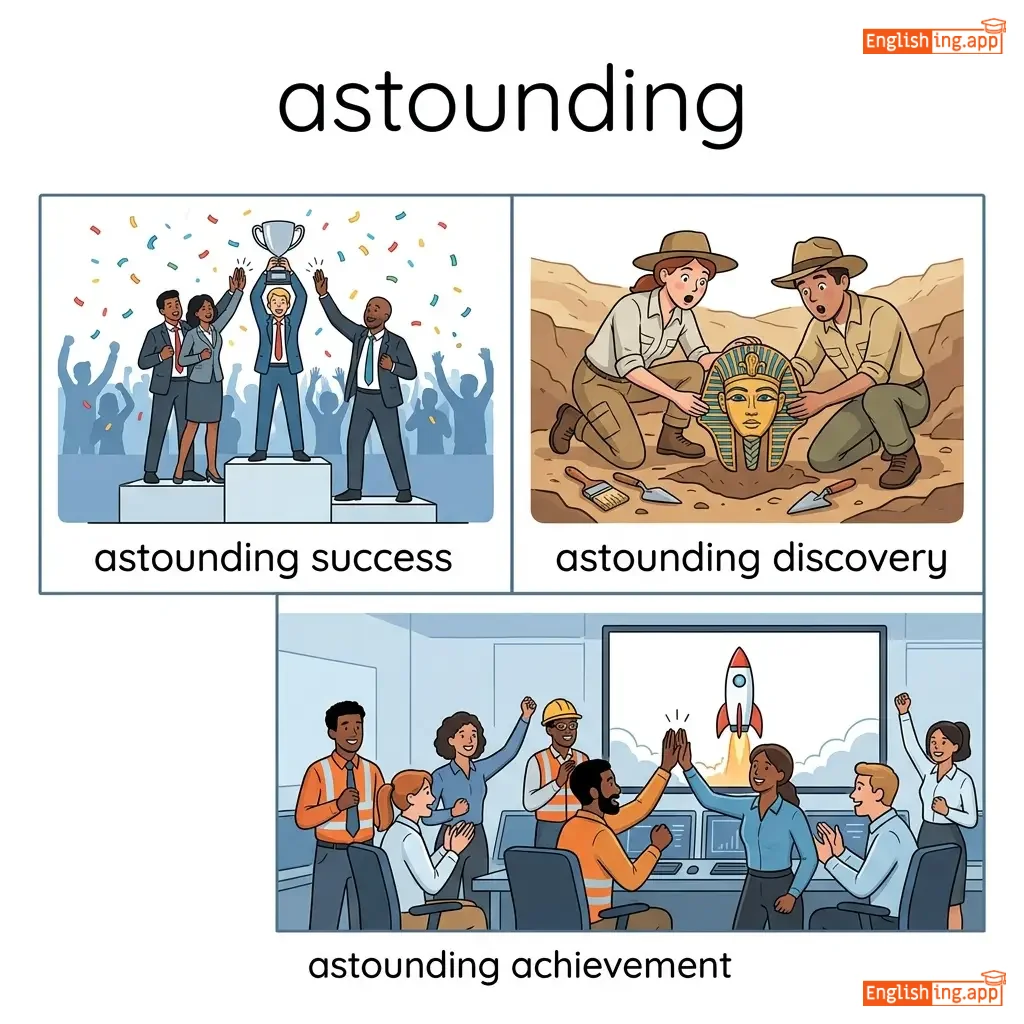
Surprisingly impressive or notable; causing shock or surprise.
••••••
|
The magician's astounding tricks left the audience speechless.
魔法使いのアスタウンディングなトリックは観客を言葉を失わせました。
••••••
|
魔法使いの驚くべきトリックは観客を言葉を失わせました。
Mahoutsukai no odorokubeki torikku wa kankyaku wo kotoba wo ushinawasemashita.
••••••
|
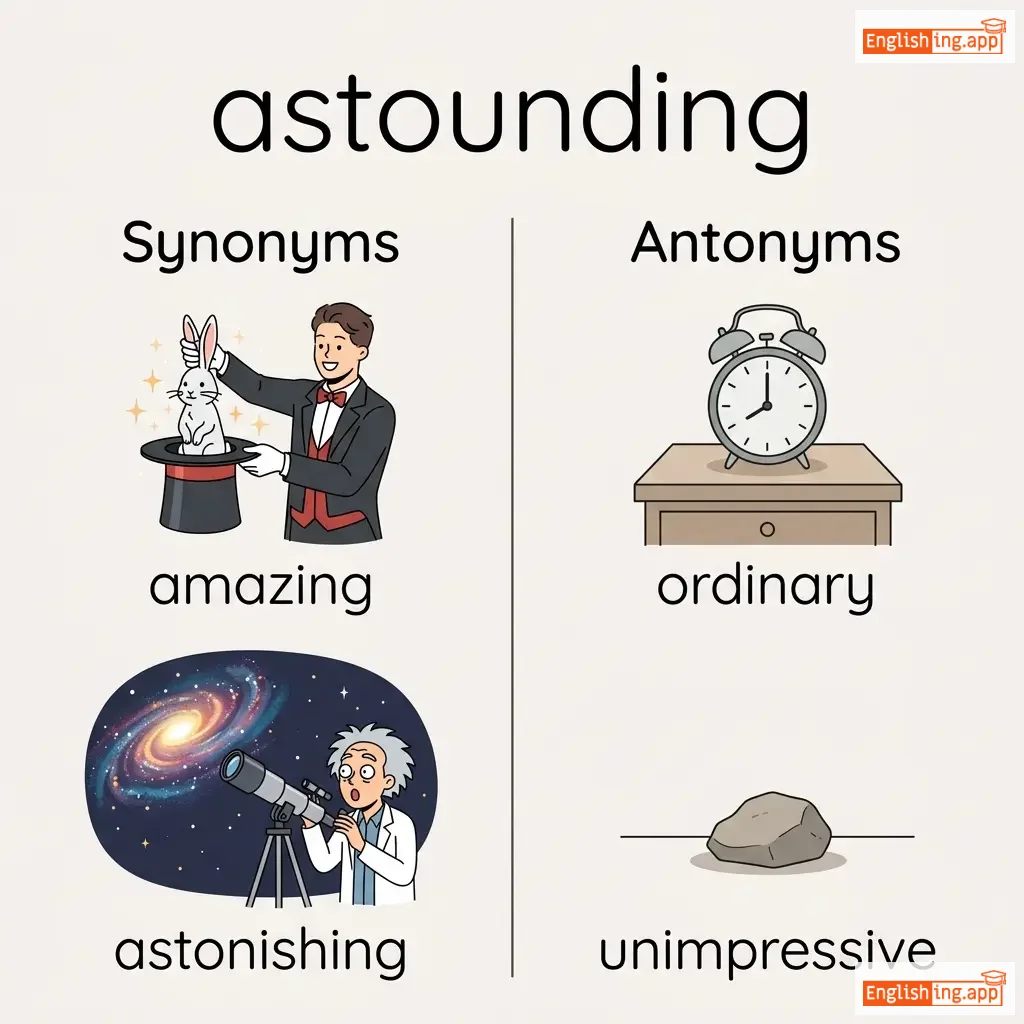
amazing, staggering, astonishing, remarkable, incredible, stunning
••••••
|
ordinary, unimpressive, mundane, common, typical, unremarkable
••••••
|
『驚くべき』トリックがあなたを言葉を失わせます!
••••••
|
|
#2596
🌟
|
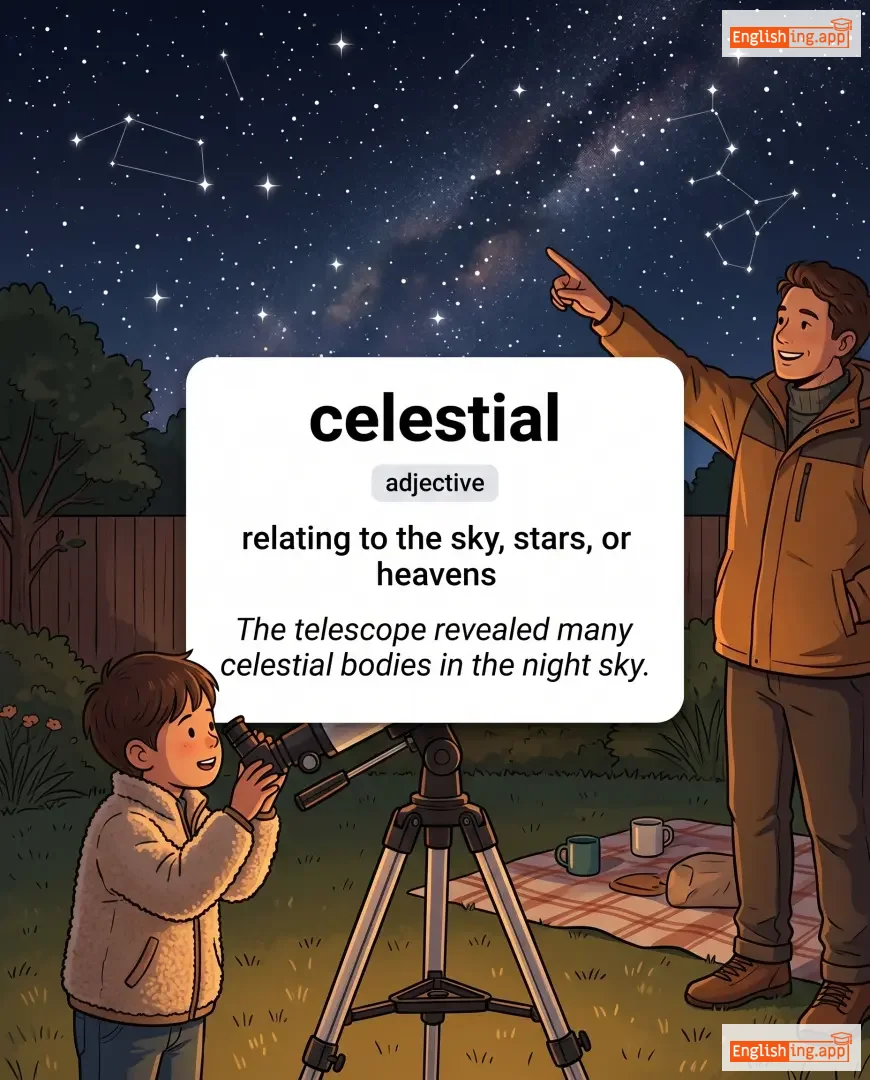
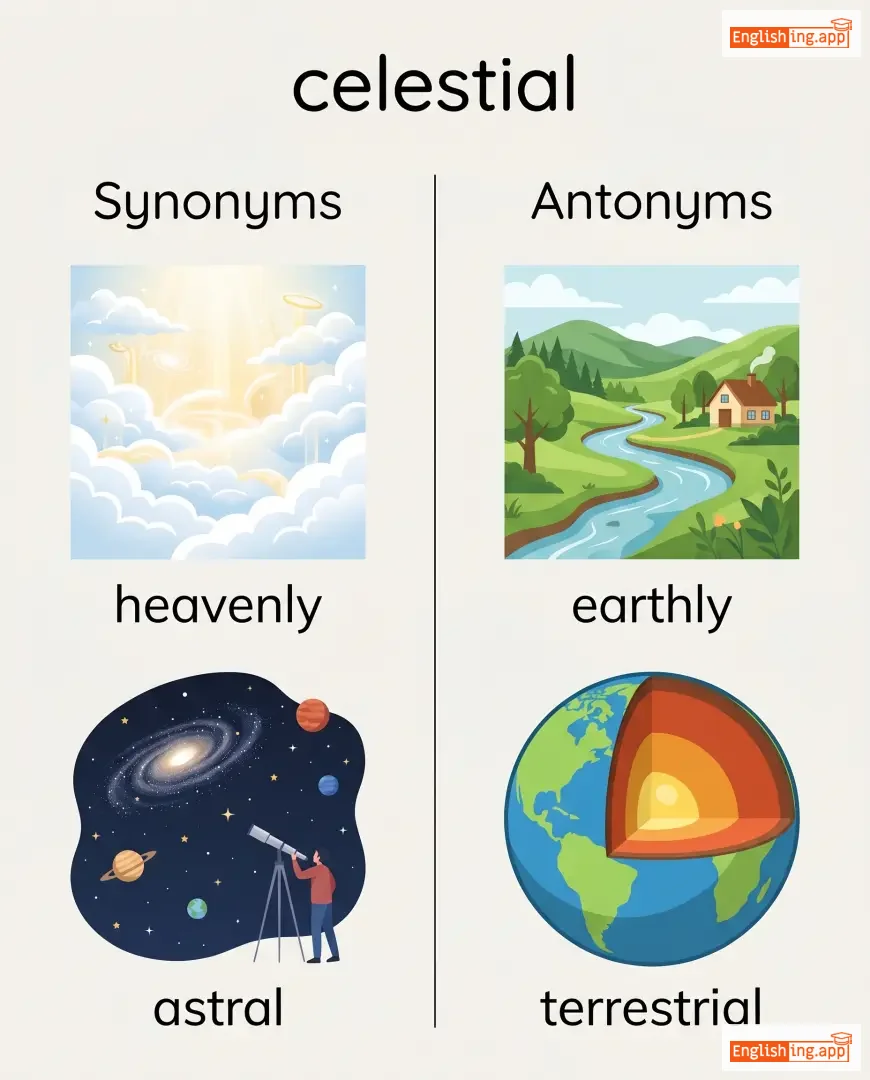
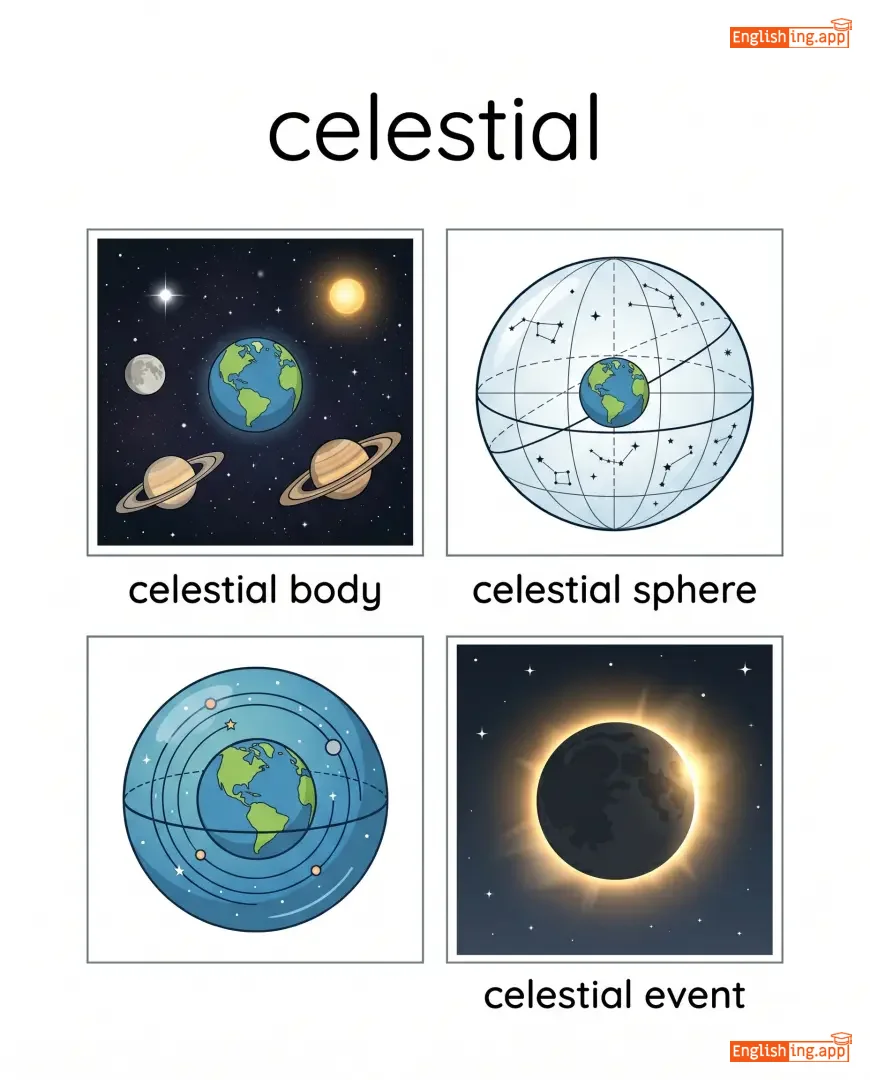
sɪˈles.ti.əl
adjective
(セレスティアル)
••••••
|
|
天の, 天文学的
ten no, tenmongakuteki
••••••
|
Positioned in or relating to the sky, or outer space as observed in astronomy.
••••••
|
The telescope revealed celestial wonders. |
望遠鏡は天の驚異を明らかにしました。
Bōenkyō wa ten no kyōi o akiraka ni shimashita.
••••••
|
heavenly, astral, stellar, cosmic, divine, ethereal
••••••
|
terrestrial, earthly, mundane, worldly, material, physical
••••••
|
天の驚異を望遠鏡で見るとき、それはまさに天文学的な発見です。
••••••
|
|
#2597
🦄
|
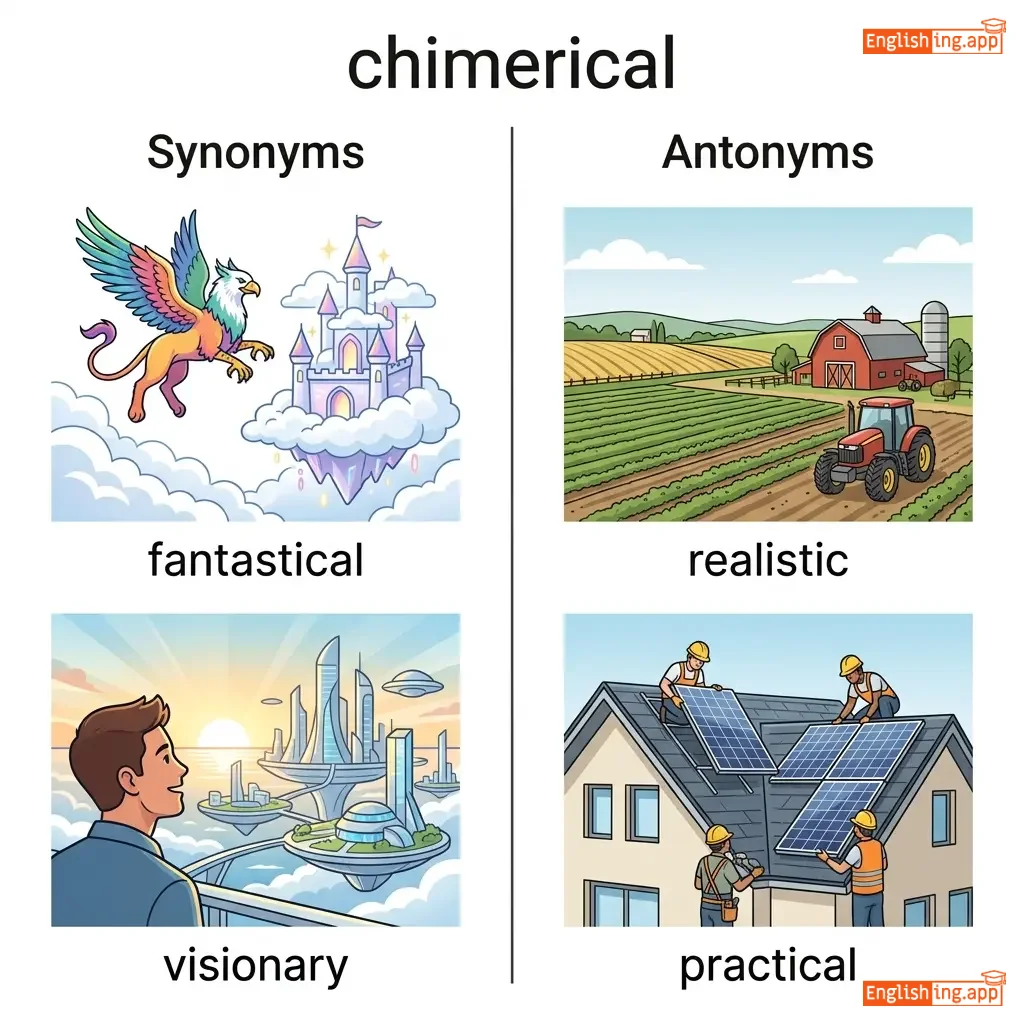
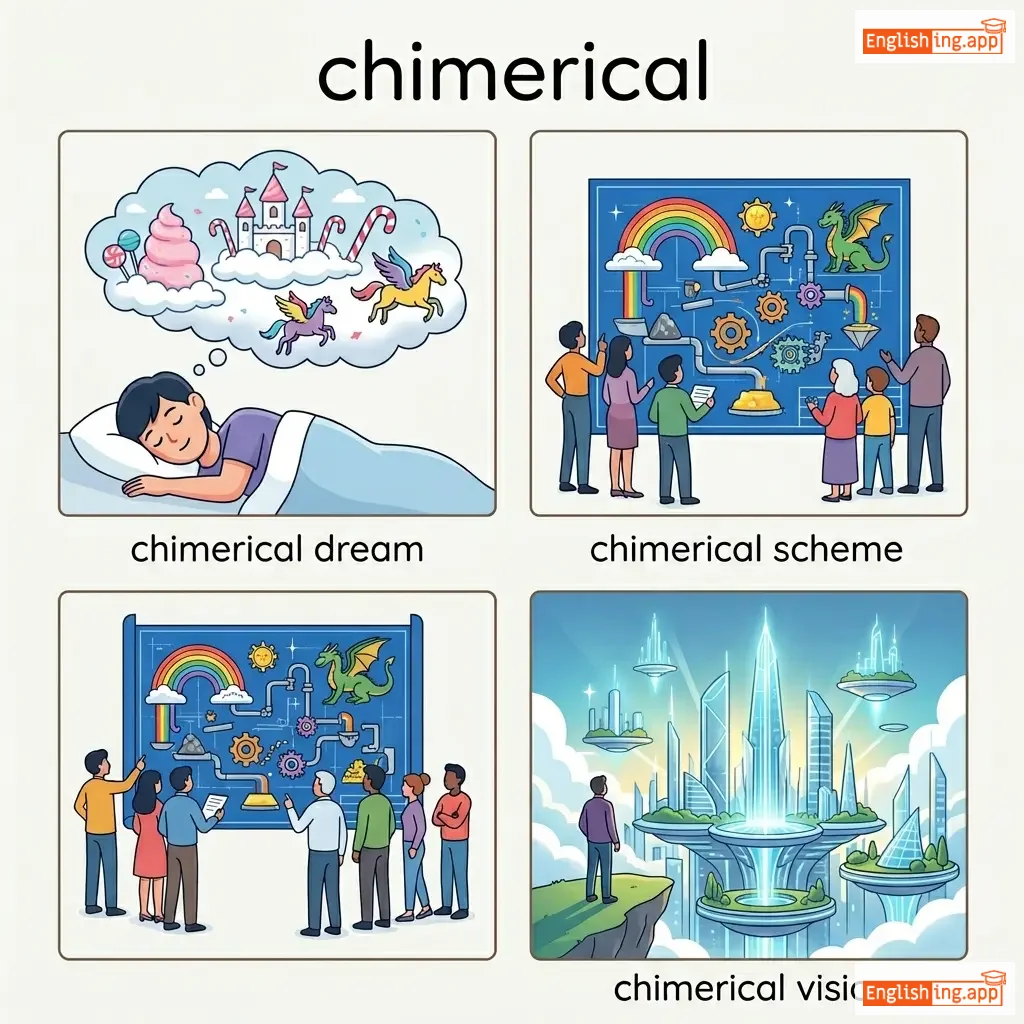
kaɪˈmɛr.ɪ.kəl
adjective
(カイメリカル)
••••••
|
|
空想的、不可能な
kūsō-teki, fukano na
••••••
|
Illusory or impossible to achieve; existing only in imagination.
••••••
|
His chimerical ideas often baffled realists. |
彼の空想的なアイデアはしばしば現実主義者を困惑させました。
Kare no kūsō-teki na aidea wa shibashiba genjitsu shugi-sha o konwaku sasemashita.
••••••
|
fanciful, unrealistic, imaginary, illusory, fantastic, utopian
••••••
|
practical, realistic, achievable, feasible, concrete, tangible
••••••
|
現実では手に入らないもの
••••••
|
|
#2598
💥
|
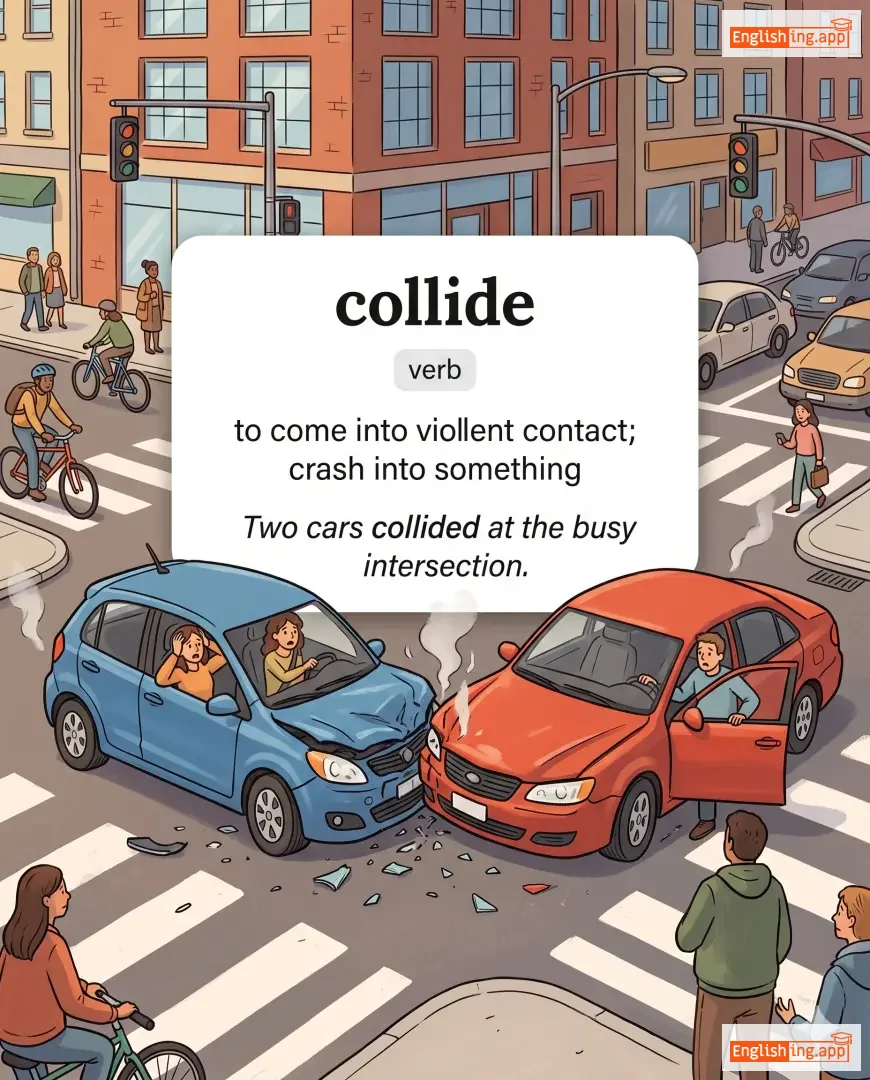
kəˈlaɪd
verb
(コライド)
••••••
|
|
衝突する、ぶつかる
shoutotsu suru, butsukaru
••••••
|
Hit with force when moving; come into conflict or opposition.
••••••
|
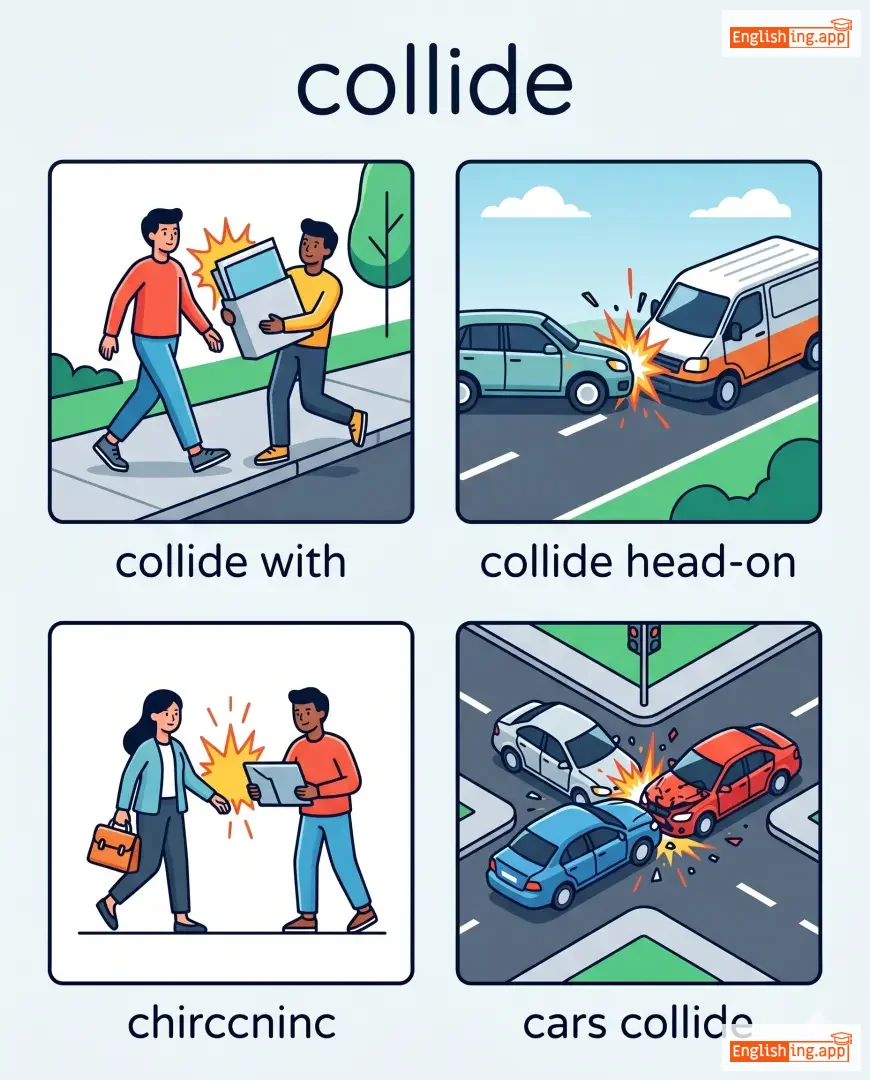
The two cars collided at the intersection.
二台の車が交差点で衝突しました。
••••••
|
二台の車が交差点で衝突しました。
Nidai no kuruma ga kousaten de shoutotsu shimashita.
••••••
|
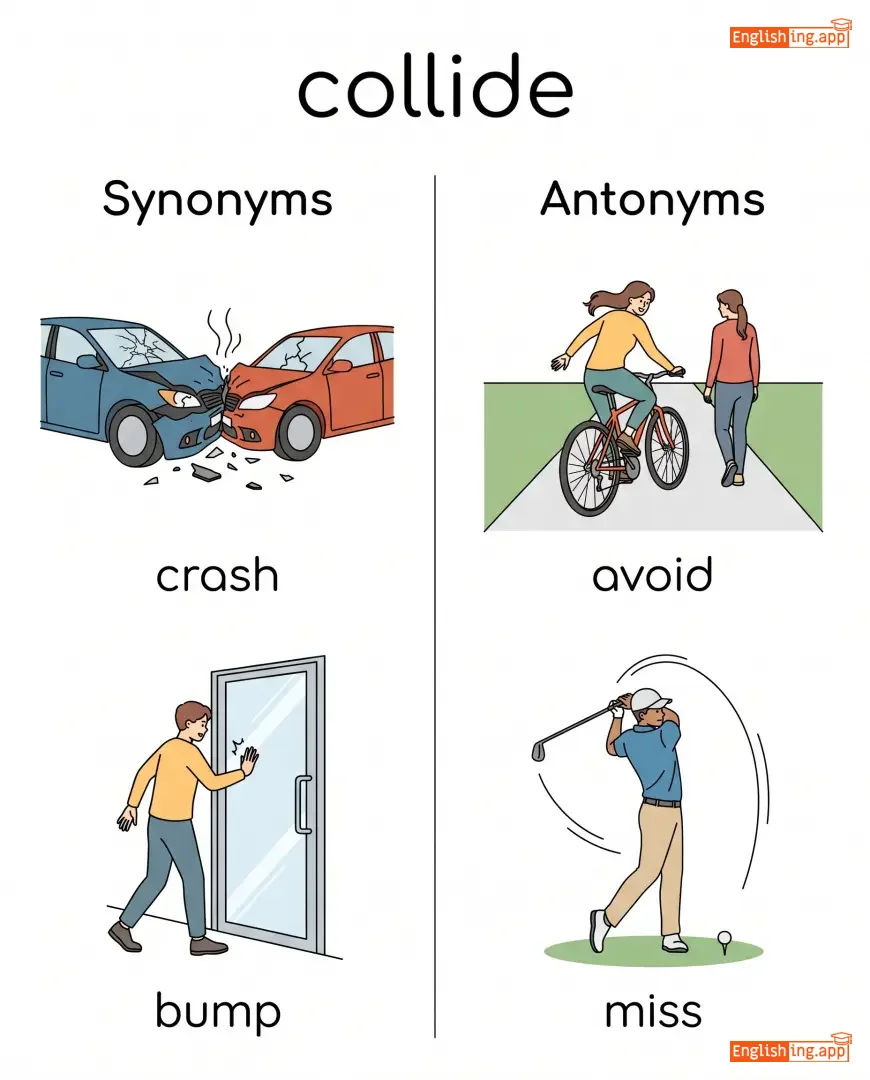
crash, bump, strike, impact, smash, clash
••••••
|
avoid, miss, dodge, evade, bypass, sidestep
••••••
|
コライド (collide) は二台の車が衝突することです。
••••••
|
|
#2599
🔍
|
ˈkrɪp.tɪk
adjective
(クリプティック)
••••••
|
|
暗号的, 謎めいた, 不明確な
angōteki, nazo meita, fumenkakuna
••••••
|
Having a meaning that is mysterious or obscure; difficult to understand.
••••••
|
The message was cryptic and hard to decipher. |
そのメッセージは暗号的で解読が難しかった。
Sono messe-ji wa angōteki de kaidoku ga muzukashikatta.
••••••
|
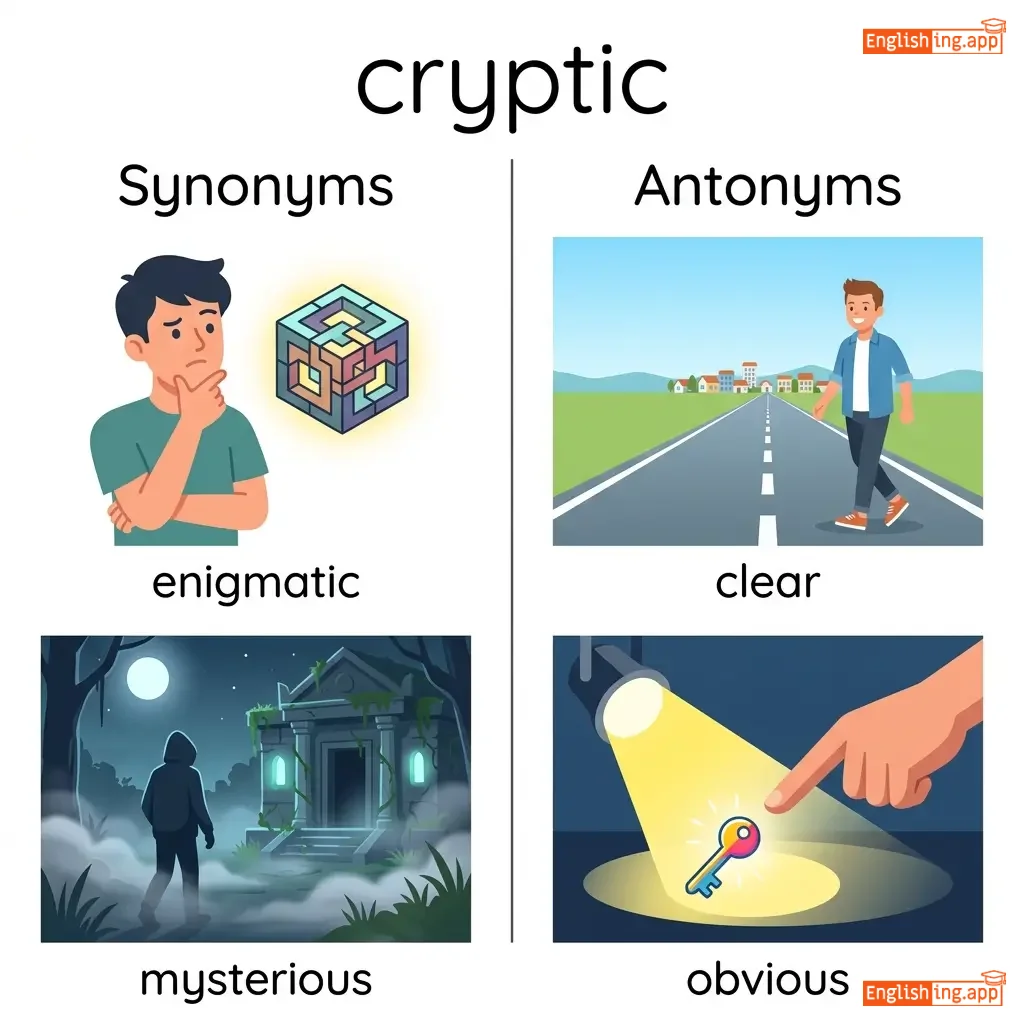
mysterious, enigmatic, obscure, puzzling, ambiguous, coded
••••••
|
obvious, straightforward, clear, explicit, transparent, plain
••••••
|
‘謎解き’を暗号的な意味で覚えることを考えてみましょう。
••••••
|
|
#2600
⚖️
|
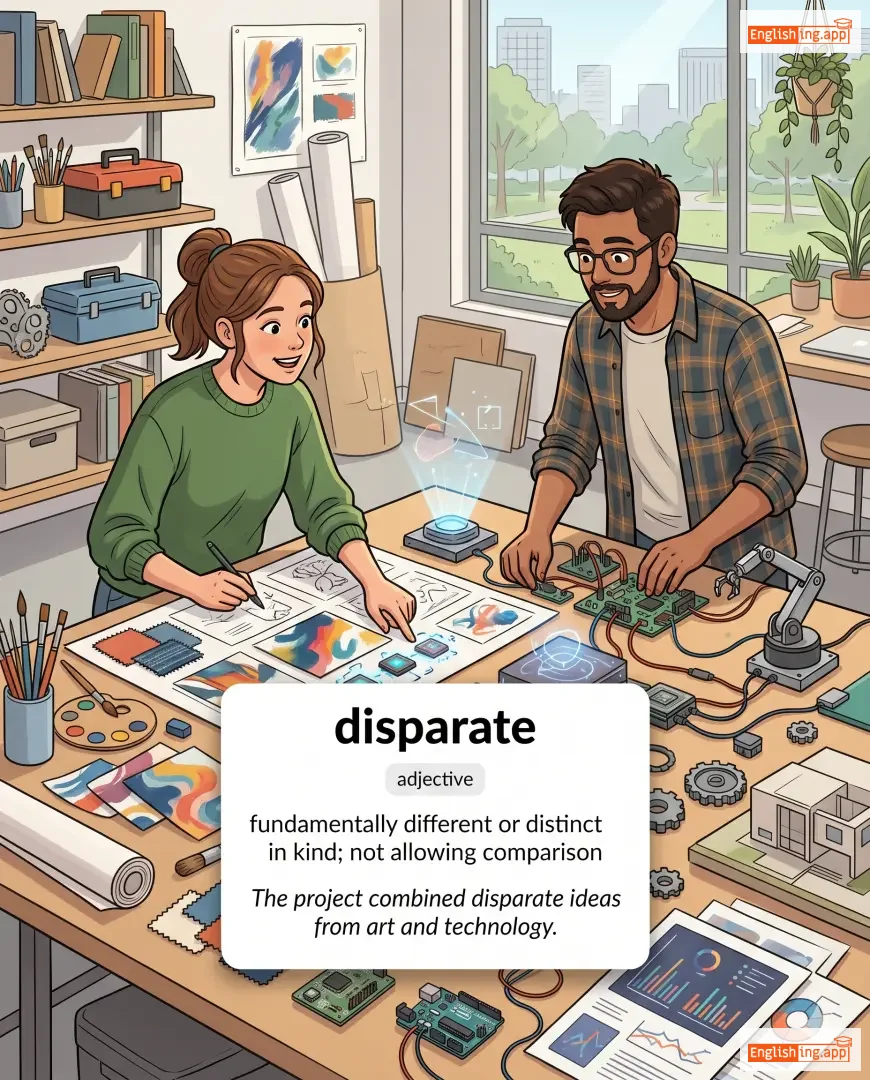
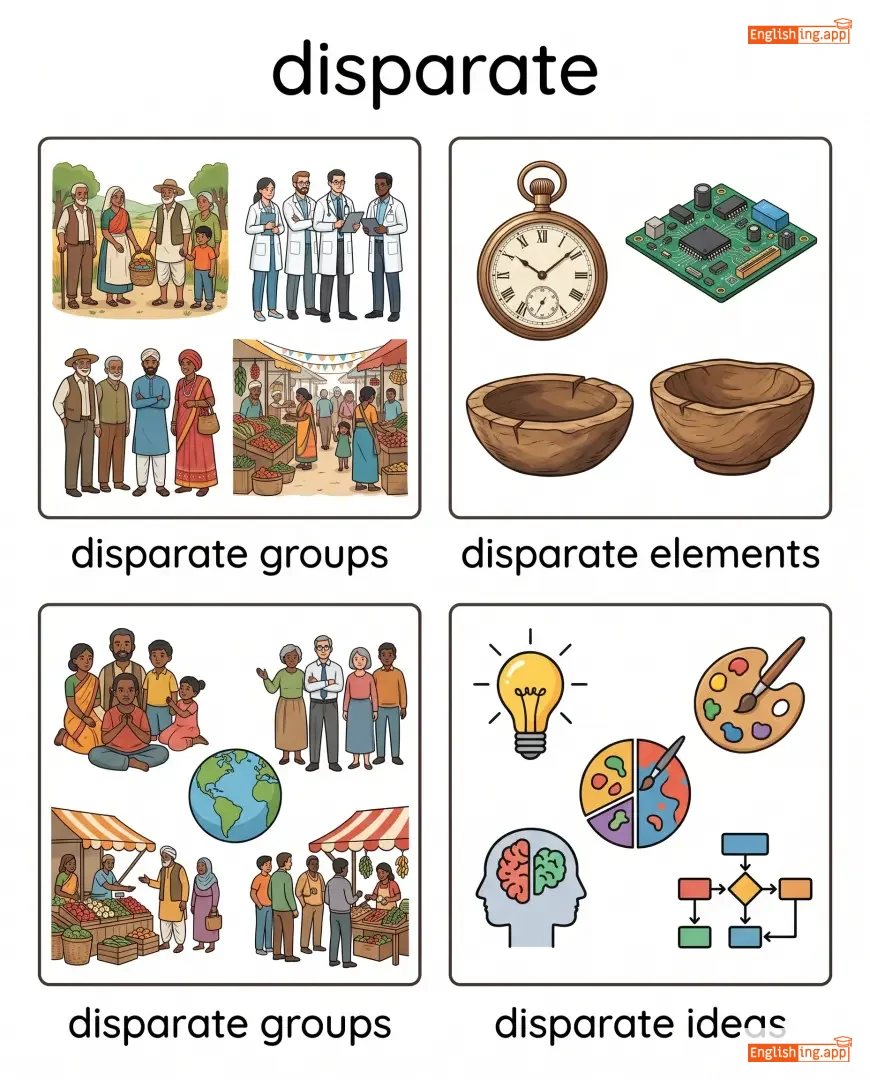
ˈdɪs.pər.ət
adjective
(ディスパレート)
••••••
|
|
異なった, 別々の, 相違する
kotonaatta, betsu betsu no, soui suru
••••••
|
Essentially different in kind; not allowing comparison.
••••••
|
The two cultures are completely disparate.
二つの文化は完全に異なっています。
••••••
|
二つの文化は完全に異なっています。
Futatsu no bunka wa kanzen ni kotonatte imasu.
••••••
|
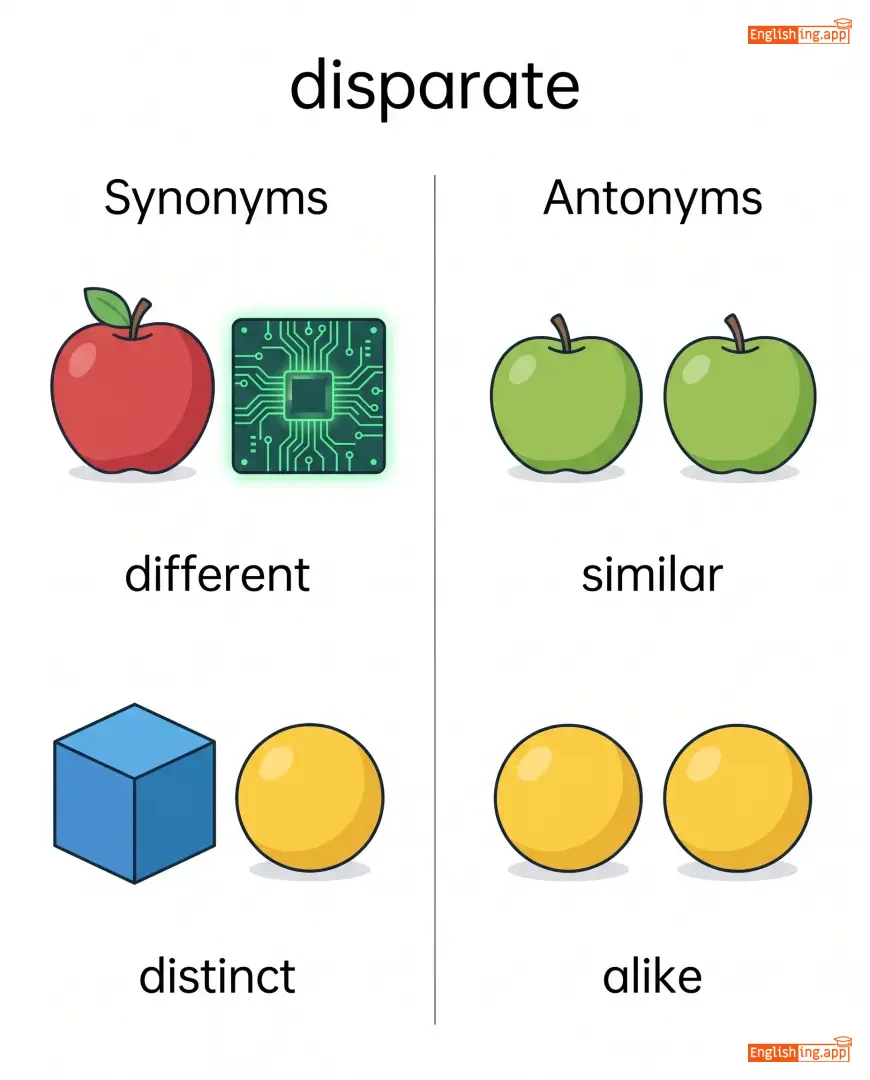
different, distinct, dissimilar, contrasting, diverse, unrelated
••••••
|
similar, identical, alike, comparable, uniform, homogeneous
••••••
|
‘Disparate’は比較できないほど違う、二つの異なる世界のようなものです。
••••••
|
|
#2601
👻
|
ɪˈθɪə.ri.əl
adjective
(エセリアル)
••••••
|
|
天上的, 精緻な, 超自然的
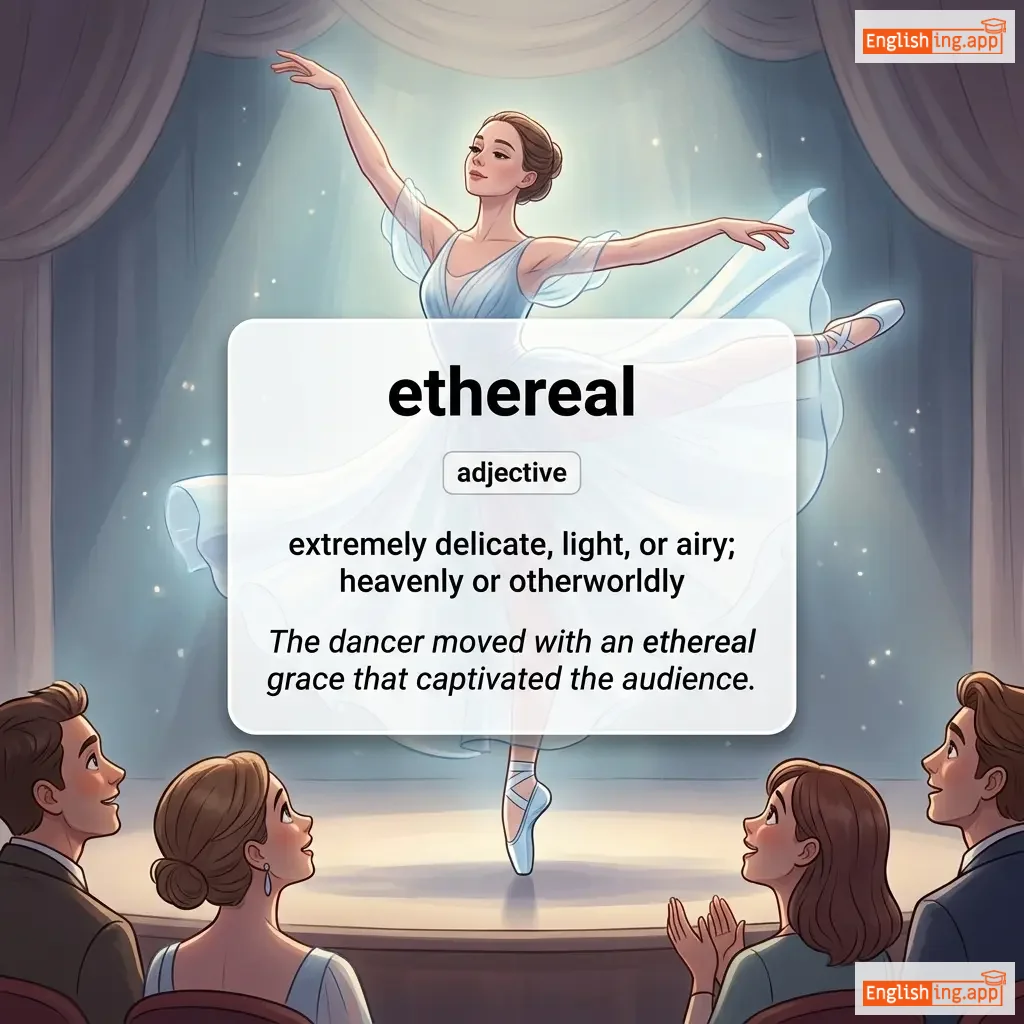
tenjō no, seishitsu na, chō shizen-teki
••••••
|
Extremely delicate and light in a way that seems too perfect for this world.
••••••
|
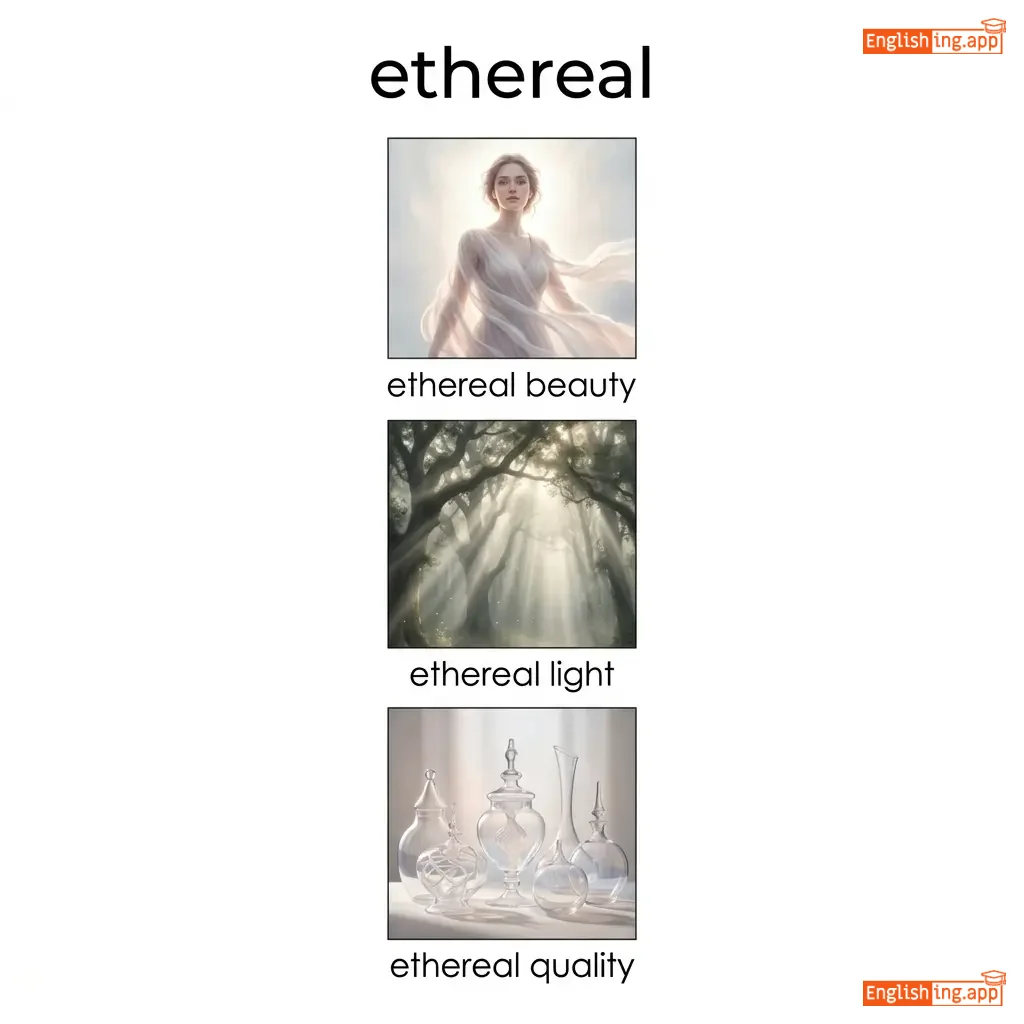
Her voice had an ethereal quality. |
彼女の声にはエセリアルな質感がありました。
Kanojo no koe ni wa eseriaru na shitsukan ga arimashita.
••••••
|
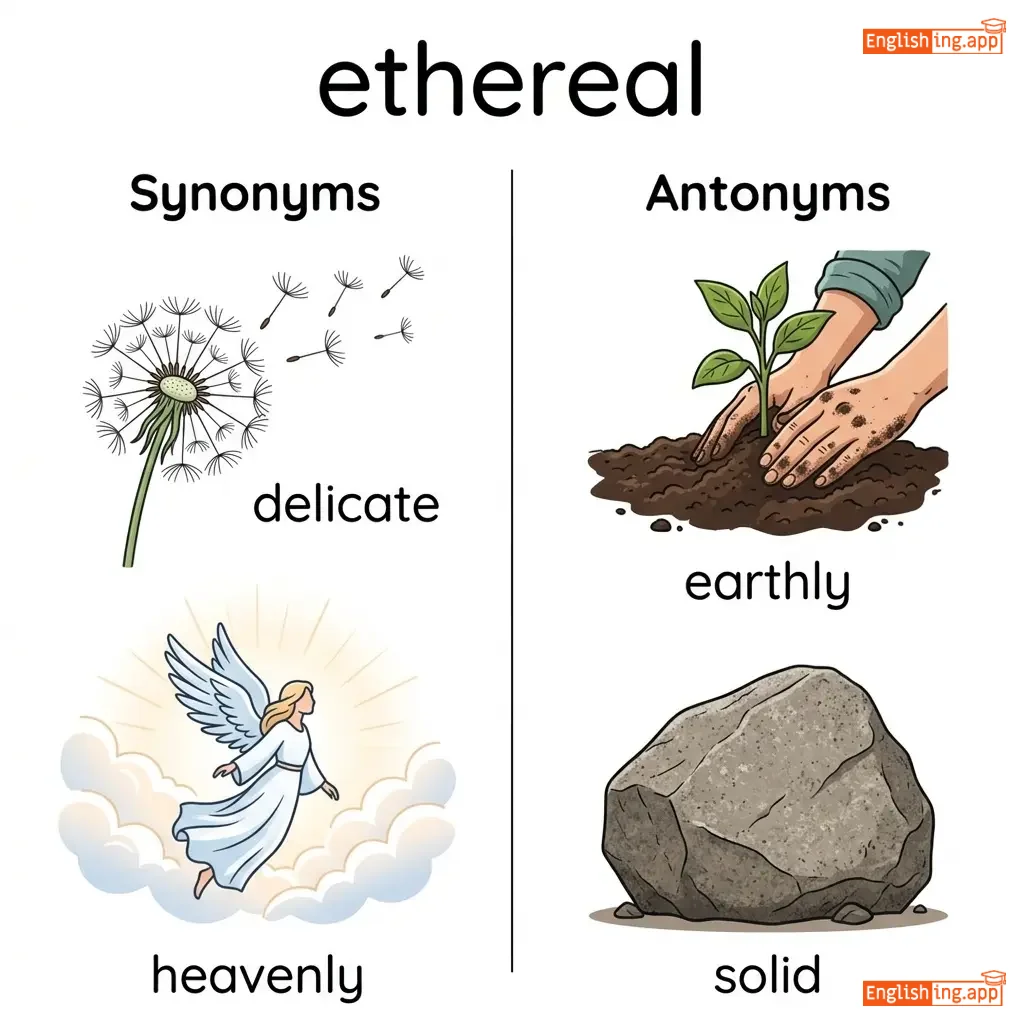
delicate, airy, heavenly, ghostly, spiritual, otherworldly
••••••
|
earthly, materialistic, physical, tangible, solid, concrete
••••••
|
天のように軽やかで、夢のように美しい。
••••••
|
|
#2602
🤷
|
ɪˈveɪ.sɪv
adjective
(イヴェイシヴ)
••••••
|
|
回避的な, 狡猾な, 曖昧な
kaibiteki na, kōka na, aimai na
••••••
|
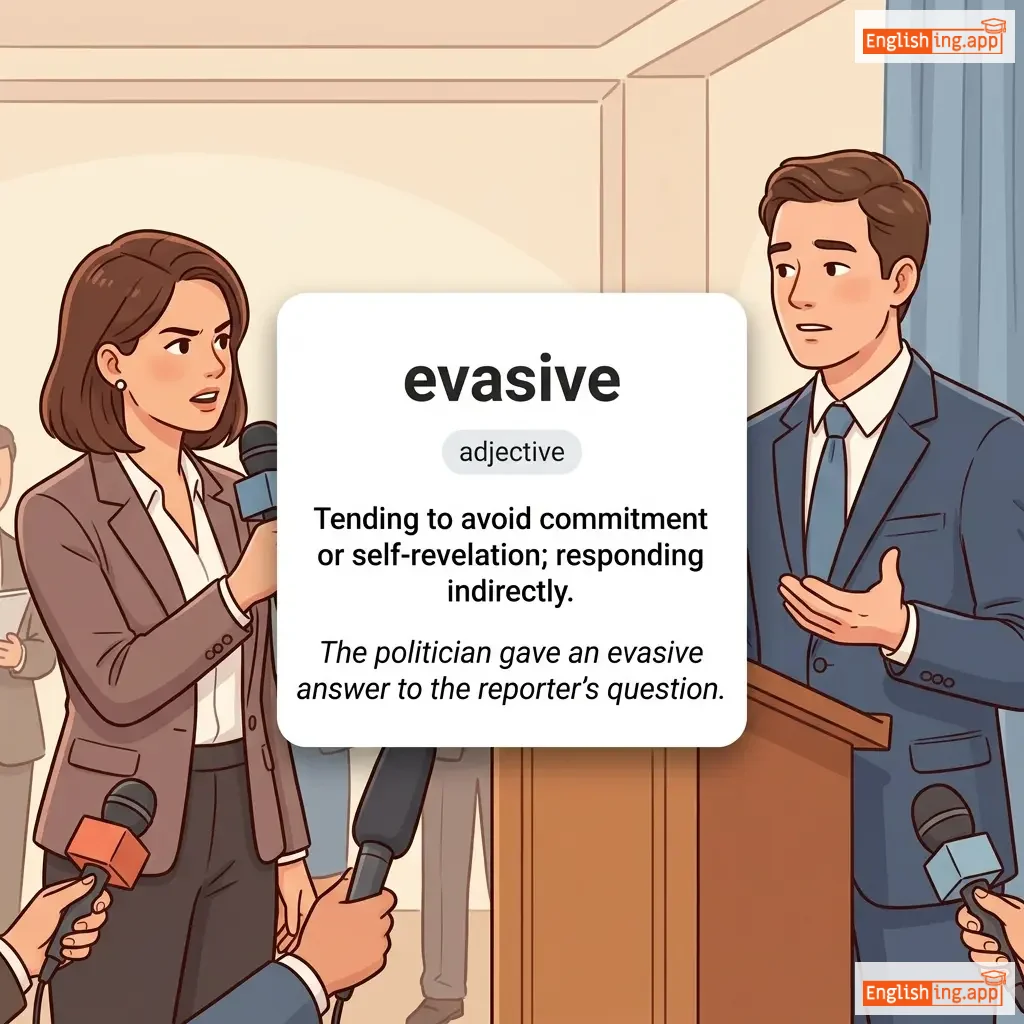
Tending to avoid commitment or self-revelation, especially by responding only indirectly.
••••••
|
He gave an evasive answer to avoid trouble. |
彼は問題を避けるために回避的な答えをしました。
Kare wa mondai o sakeru tame ni kaibiteki na kotae o shimashita.
••••••
|
elusive, deceptive, indirect, shifty, slippery, vague
••••••
|
direct, honest, straightforward, frank, candid, open
••••••
|
回避的な人はいつも問題を回避しようとする。
••••••
|
|
#2603
📊
|
ɪkˈstræp.ə.leɪt
verb
(エクストラポレート)
••••••
|
|
外挿, 推測, 予測する
ekusutoraporeeto, gaishou, suisoku suru
••••••
|
Extend the application of a method or conclusion to an unknown situation by assuming existing trends will continue.
••••••
|
Scientists extrapolate future trends from data. |
科学者たちはデータから未来の傾向を予測します。
Kagakusha tachi wa deeta kara mirai no keikou wo yosoku shimasu.
••••••
|
infer, predict, project, deduce, conclude, estimate
••••••
|
misinterpret, confuse, distort, misunderstand, misconstrue, garble
••••••
|
科学者は未来の予測のためにデータを外挿します。
••••••
|
|
#2604
🤨
|
ˌhaɪ.pəˈθet.ɪ.kəl
adjective
(ハイポセティカル)
••••••
|
|
仮定的, 想定的, 理論的
katei-teki, soutei-teki, riron-teki
••••••
|
Based on or serving as a hypothesis; supposed but not necessarily real or true.
••••••
|
The discussion was based on hypothetical scenarios. |
議論は仮定的なシナリオに基づいていました。
Giron wa katei-teki na shinario ni motozuite imashita.
••••••
|
theoretical, speculative, conjectural, supposed, assumed, imaginary
••••••
|
factual, certain, actual, real, proven, definite
••••••
|
仮定的な状況を使って、説明をしています。
••••••
|
|
#2605
🎭
|
ɪˈluː.sər.i
adjective
(イリュザリ)
••••••
|
|
幻の
maboroshi no
••••••
|
Based on illusion; not real although seeming to be.
••••••
|
His sense of security was entirely illusory.
ヒズ センス オブ セキュリティ ワズ エンタイアリー イリュザリ。
••••••
|
彼の安全感は完全に幻のものだった。
Kare no anzenkan wa kanzen ni maboroshi no mono datta.
••••••
|
deceptive, unreal, false, misleading, imaginary, fictitious
••••••
|
genuine, authentic, real, actual, true, factual
••••••
|
Illusory と日本語の '幻の' はどちらも「実在しないもの」という意味。
••••••
|
|
#2606
🌌
|
ˌɪn.təˈstel.ər
adjective
(インターステラ)
••••••
|
|
星間の、インターステラ、宇宙の
seikan no, intasutera, uchuu no
••••••
|
Occurring or situated between stars.
••••••
|
Scientists study interstellar travel possibilities.
科学者たちはインターステラ旅行の可能性を研究しています。
••••••
|
科学者たちはインターステラ旅行の可能性を研究しています。
Kagakusha-tachi wa intasutera ryokou no kanousei o kenkyuu shiteimasu.
••••••
|
cosmic, galactic, space-related, astronomical, celestial, stellar
••••••
|
terrestrial, local, earthly, planetary, regional, domestic
••••••
|
インターステラ: 星間旅行は未知の宇宙を探求すること。
••••••
|
|
#2607
🕳️
|
əˈblɪv.i.ən
noun
(オブリビオン)
••••••
|
|
忘却, 破壊, 消失
bōkyaku, hakai, shōshitsu
••••••
|
The state of being unaware or unconscious of what is happening; complete forgetfulness.
••••••
|
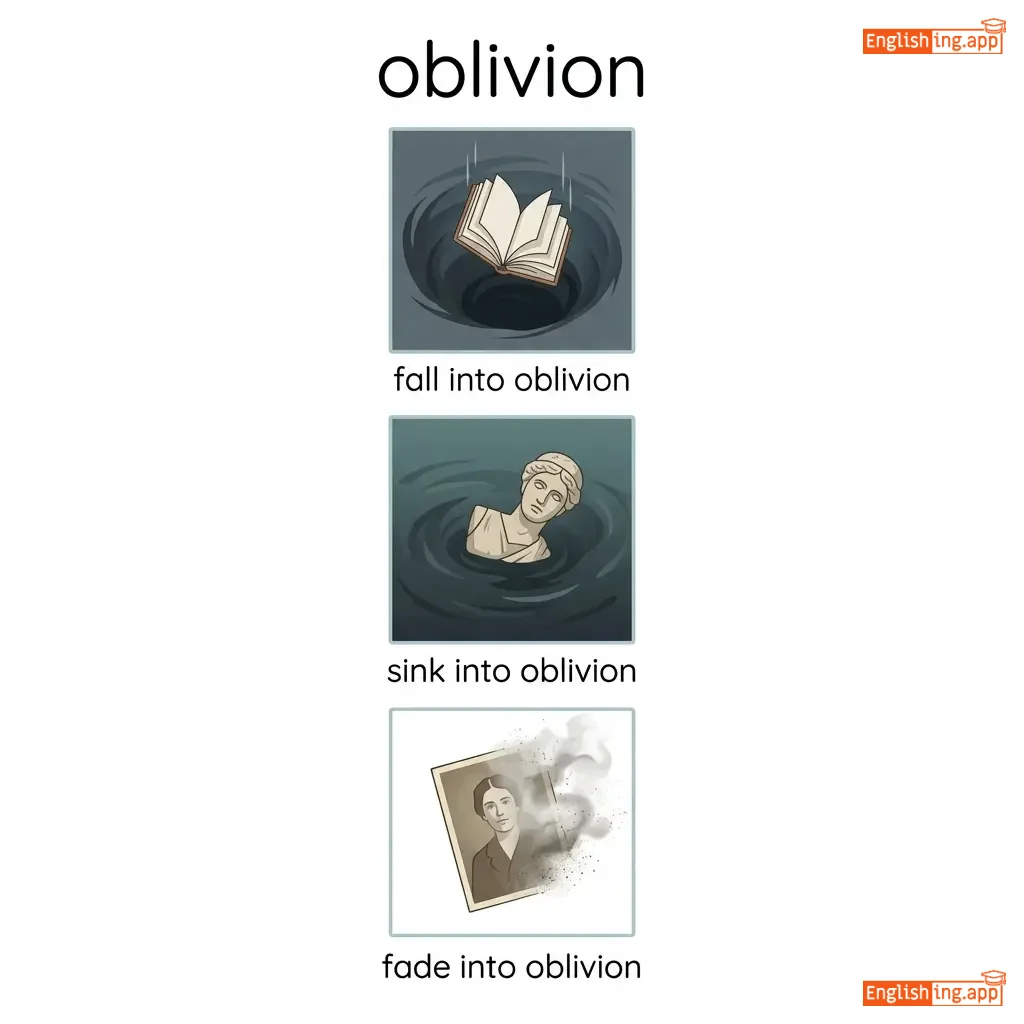
His name faded into oblivion over time. |
彼の名前は時と共に忘却の中に消えた。
Kare no namae wa toki to tomo ni bōkyaku no naka ni kieta.
••••••
|
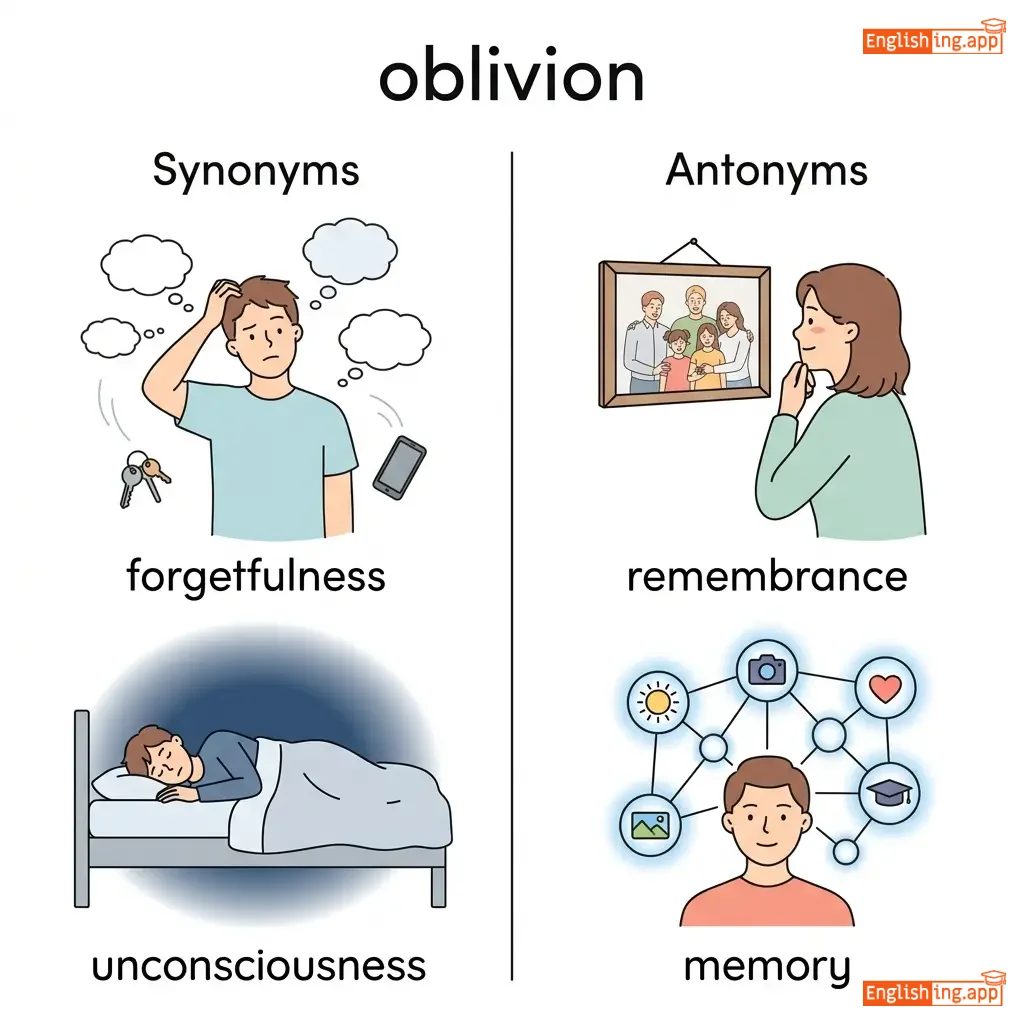
forgetfulness, neglect, unconsciousness, obscurity, void, nothingness
••••••
|
awareness, recognition, remembrance, consciousness, fame, prominence
••••••
|
日本語で 'オブリビオン' は '忘却' と同じ意味です。
••••••
|
|
#2608
🌫️
|
əʊˈpeɪk
adjective
(オペイク)
••••••
|
|
不透明, 理解しにくい
futoumei, rikai shinokui
••••••
|
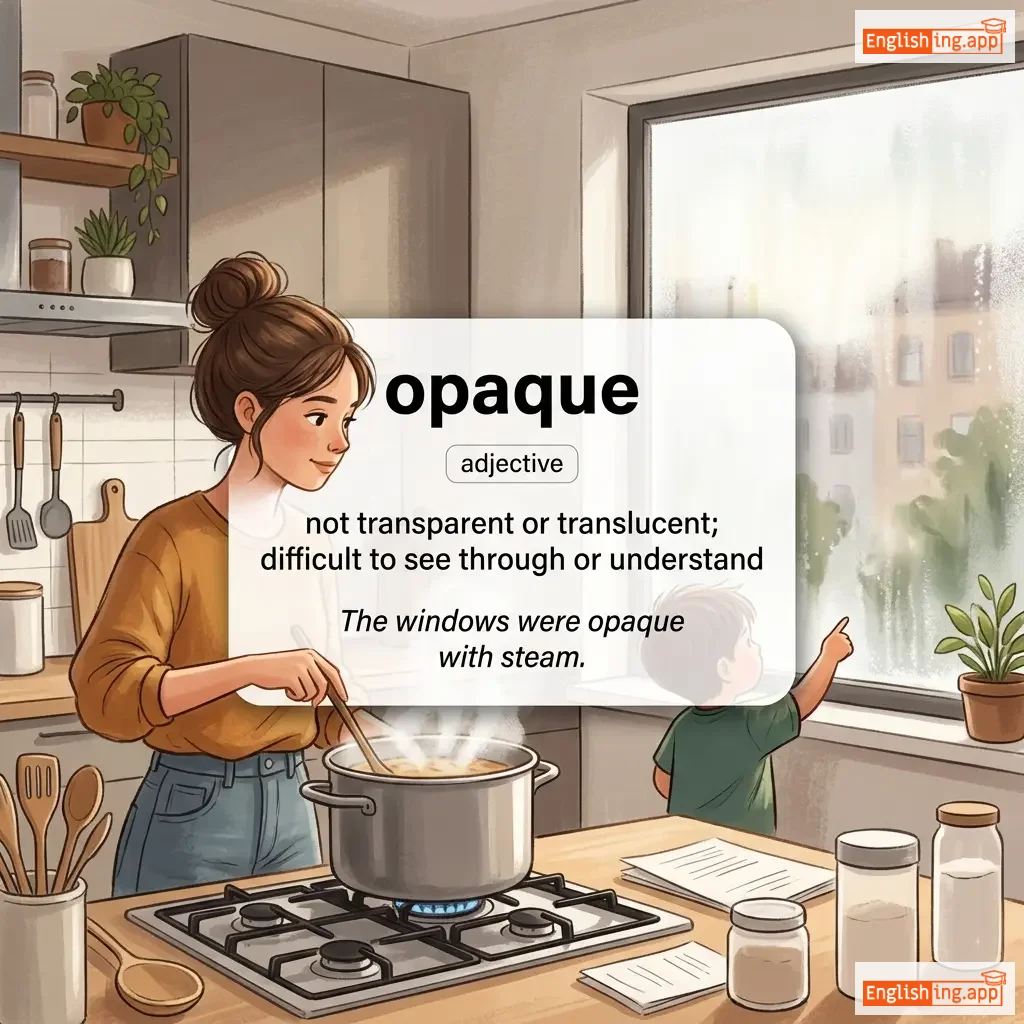
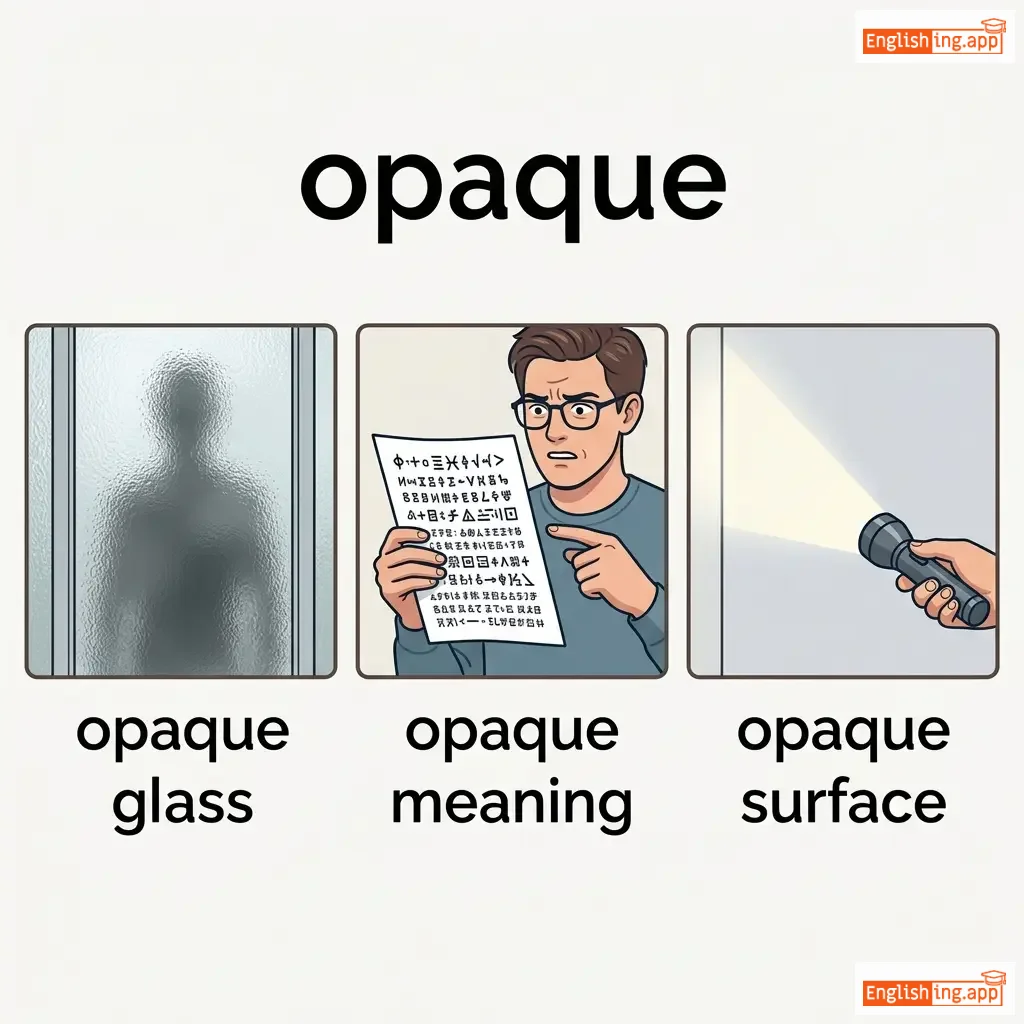
Not able to be seen through; not transparent; difficult to understand.
••••••
|
The glass was too opaque to see through. |
そのガラスは不透明すぎて、透けて見えませんでした。
Sono garasu wa futoumei sugite, sukete miemasen deshita.
••••••
|
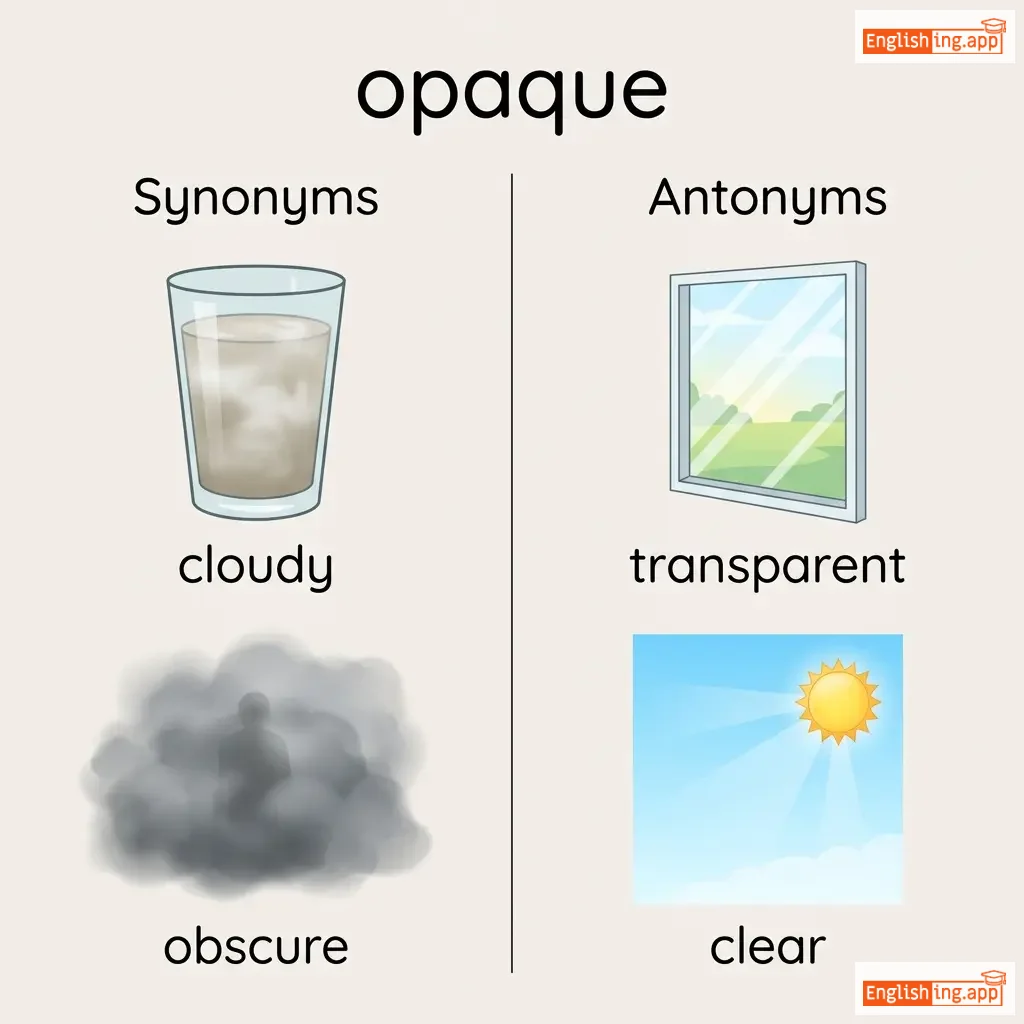
cloudy, impenetrable, non-transparent, murky, obscure, unclear
••••••
|
transparent, clear, translucent, see-through, obvious, comprehensible
••••••
|
Opaque = 不透明 (見えないガラス)
••••••
|
Vocabulary Quiz
Test your vocabulary by matching words with their translations or meanings.
Login to take the quiz
Comments (0)
Share your thoughts and join the discussion.
Join the discussion by logging in
Login to CommentNo comments yet
Be the first to share your thoughts!