

オリンピック競技大会の歴史
History of the Olympic Games
世界最大のスポーツ大会の一つであるOlympic Gamesは、約2700年前にギリシャでinceptionされました。これは単なるスポーツ大会ではなく、スポーツ文化のheritageであり、人類の団結のepitomeです。
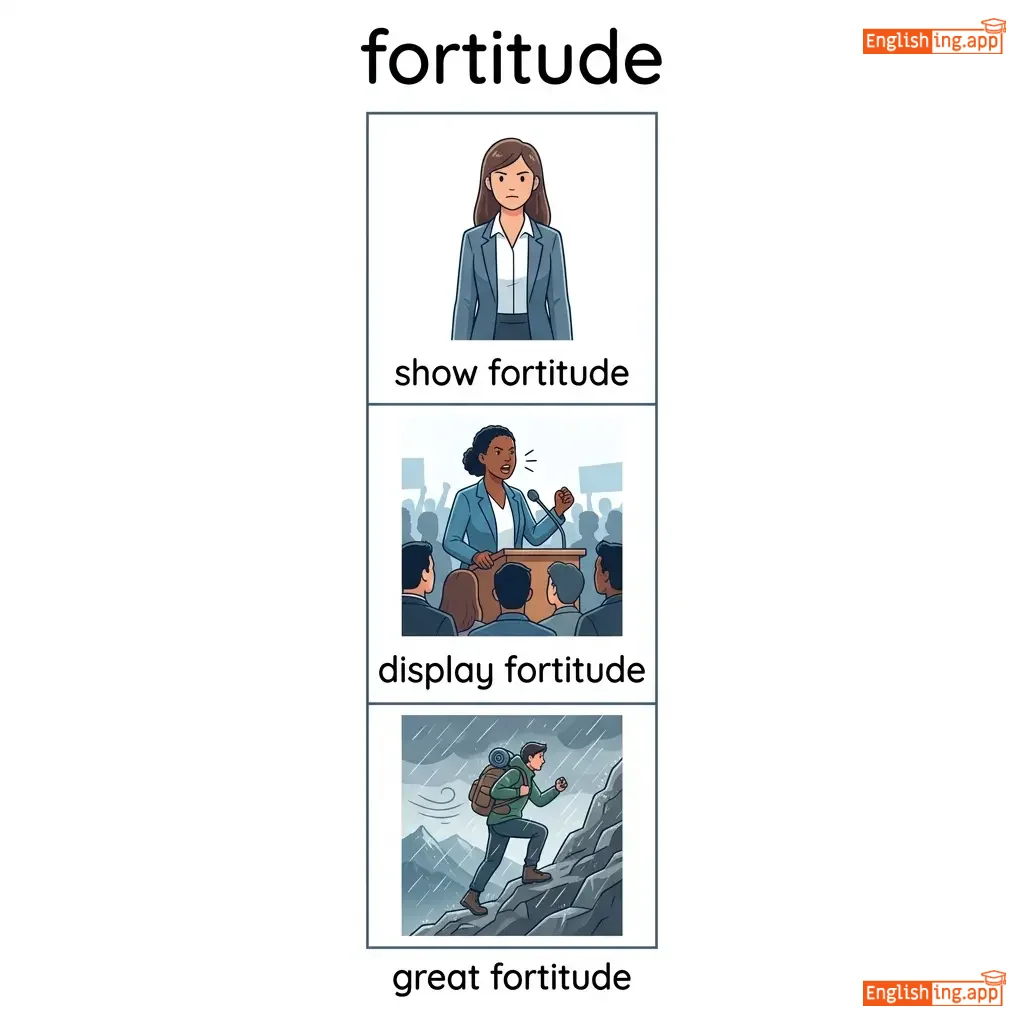
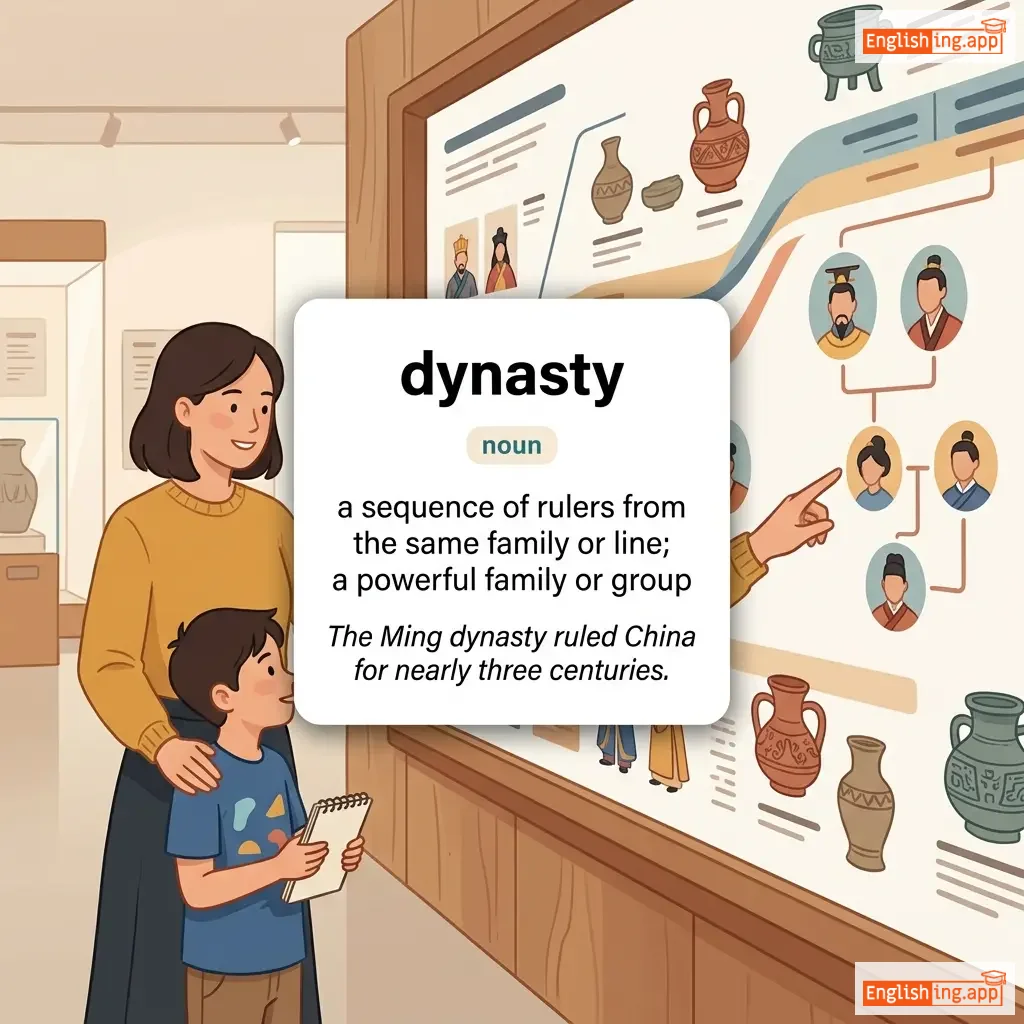
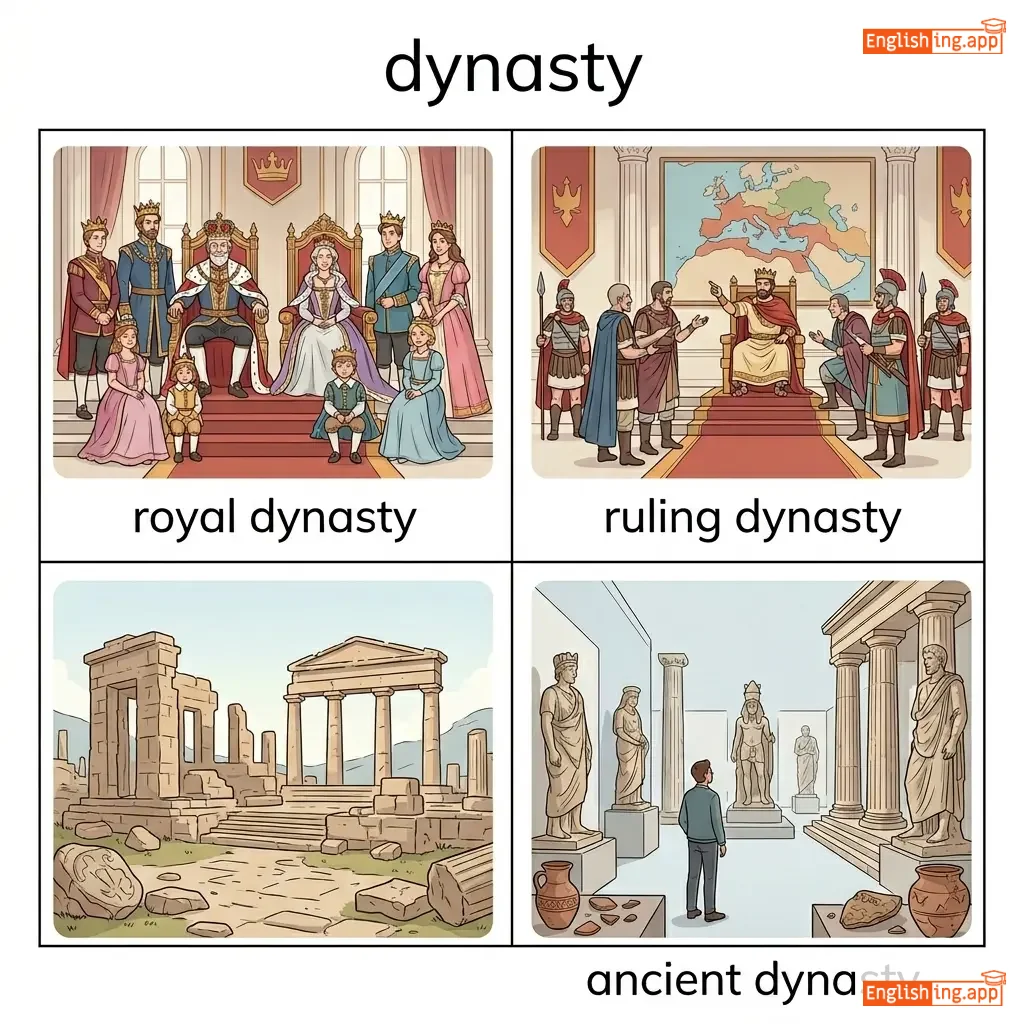
古代のantiquityにおいて、この大会は神ゼウスへのvenerationの手段でした。最初のcommencementはオリンピアの街で行われ、各地の選手たちは自らのfortitudeと力を示しました。時が経つにつれ、それはdynastyと帝国の象徴となりました。
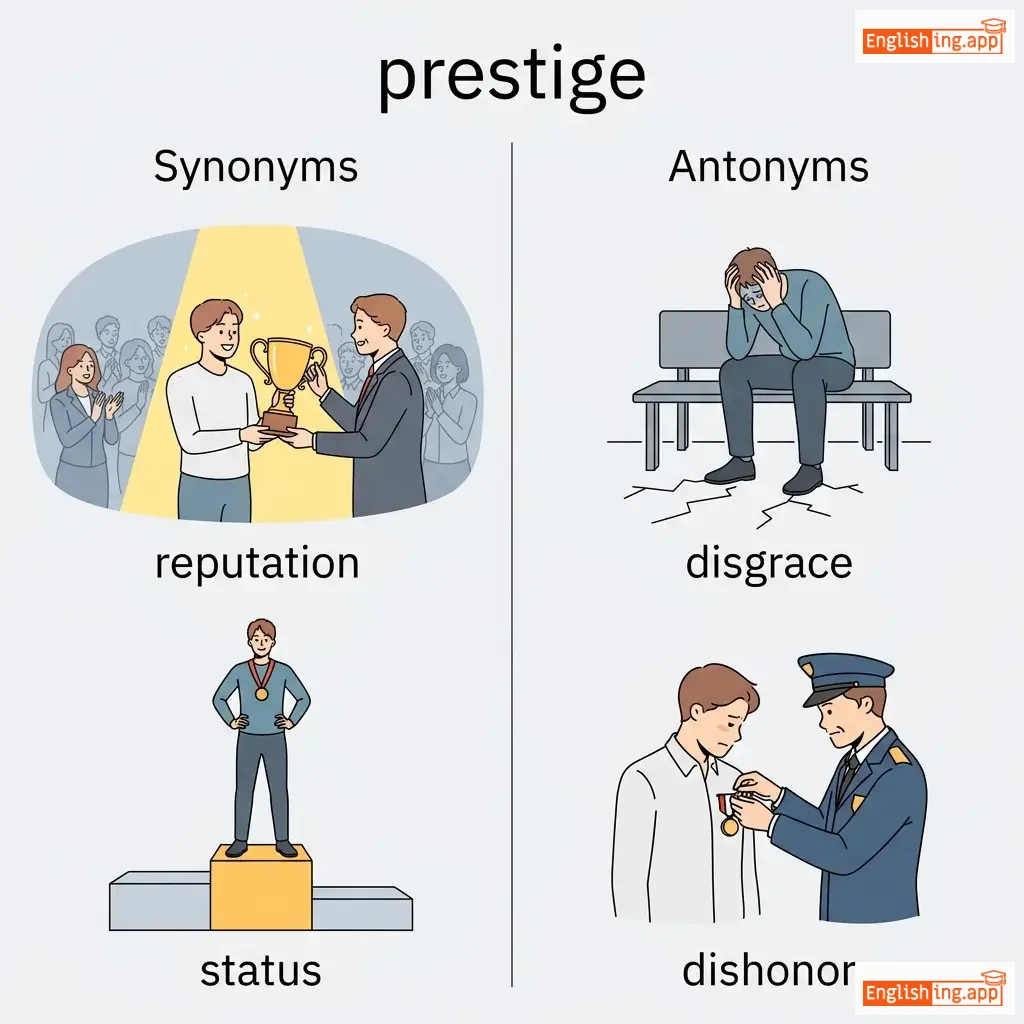
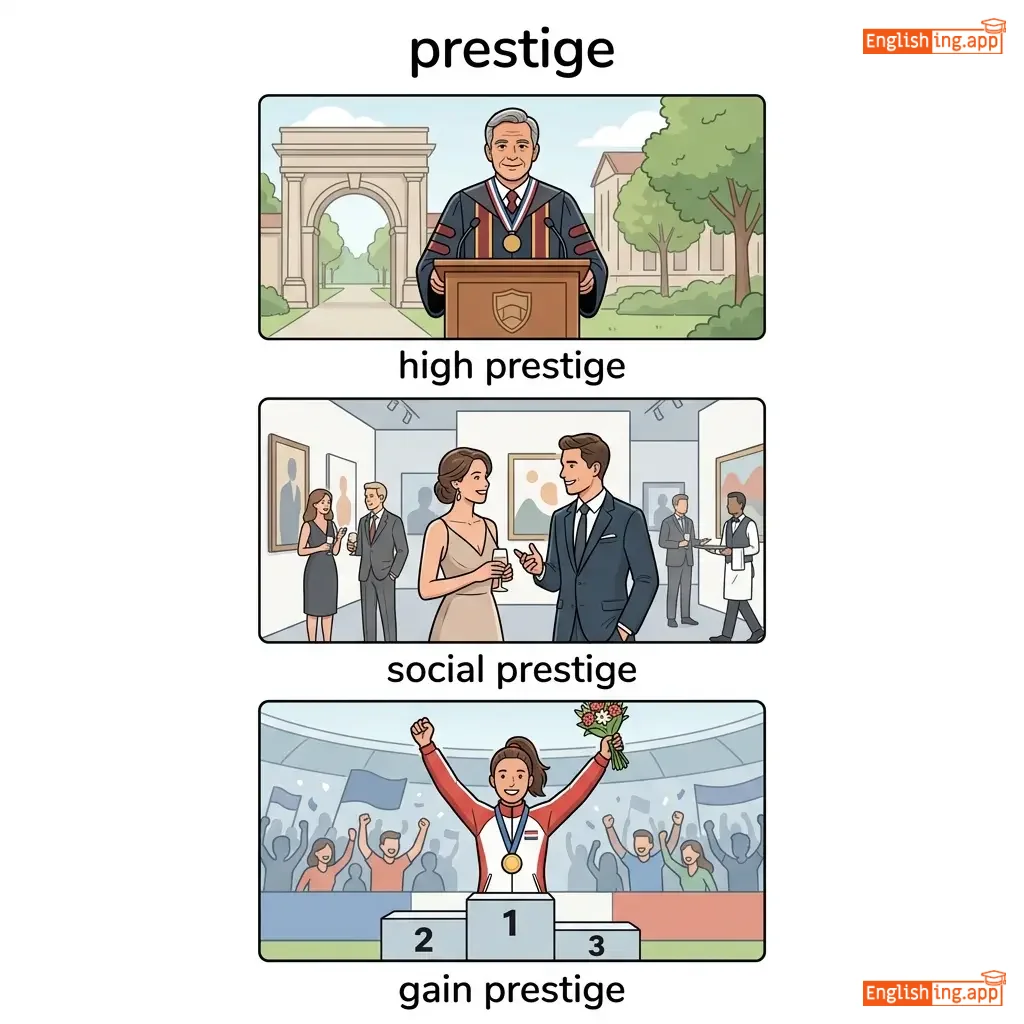
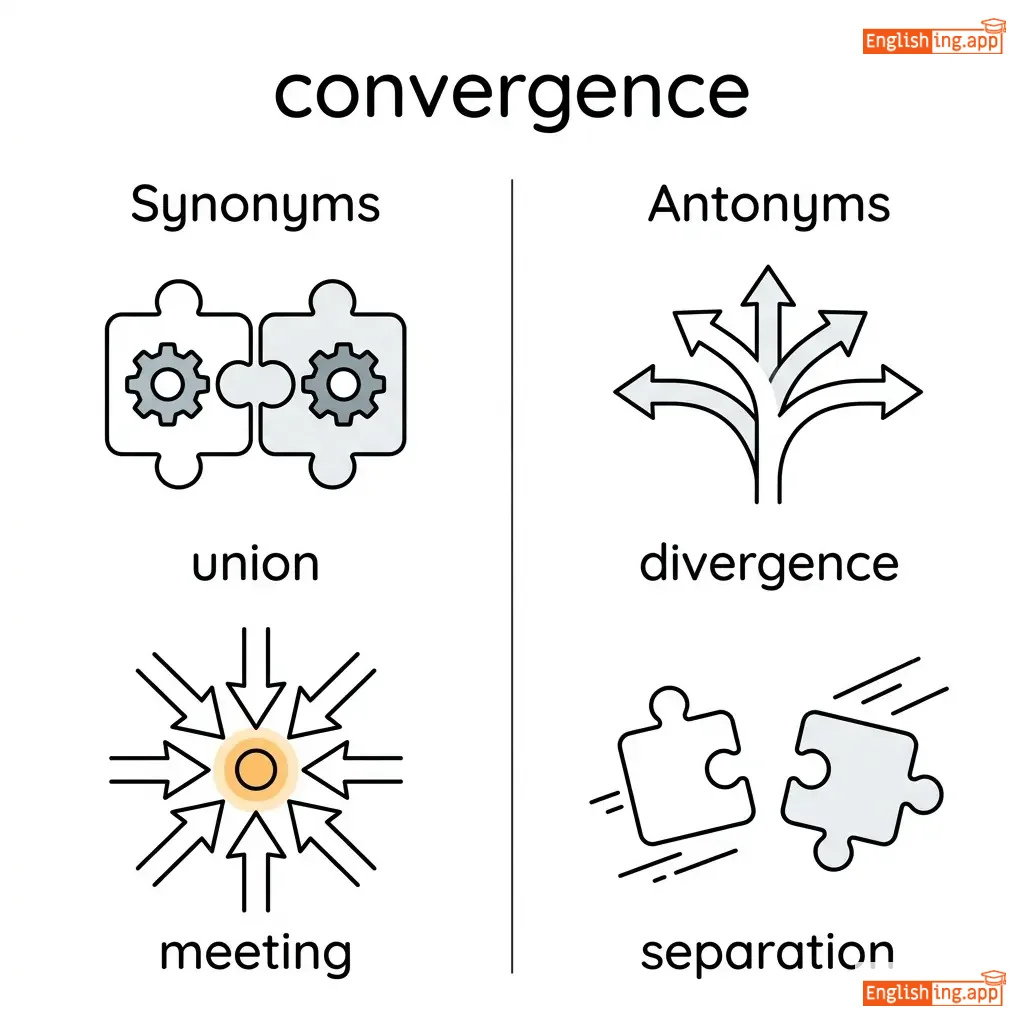
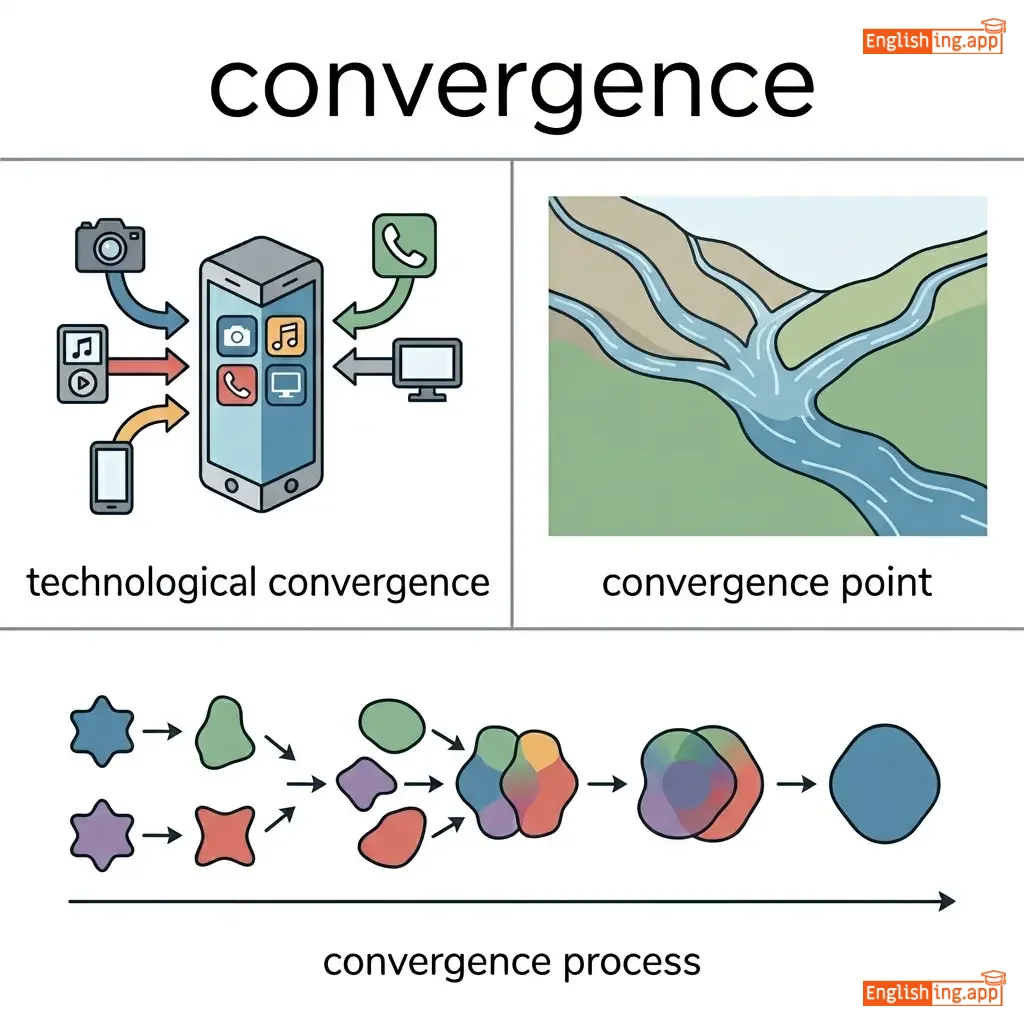
1896年、近代オリンピックのproliferationが始まり、新しいepochが世界中で開かれました。これにより、選手たちにprestigeが与えられ、国々の間にconvergenceが生まれました。オリンピックは今でも世界のquintessentialなスポーツ大会であり、legacyとmonumentalな栄光を受け継いでいます。
翻訳
過去
過去分詞
三人称単数
動名詞
意味
例文
例文の翻訳
同義語
対義語
コロケーション
ニーモニック






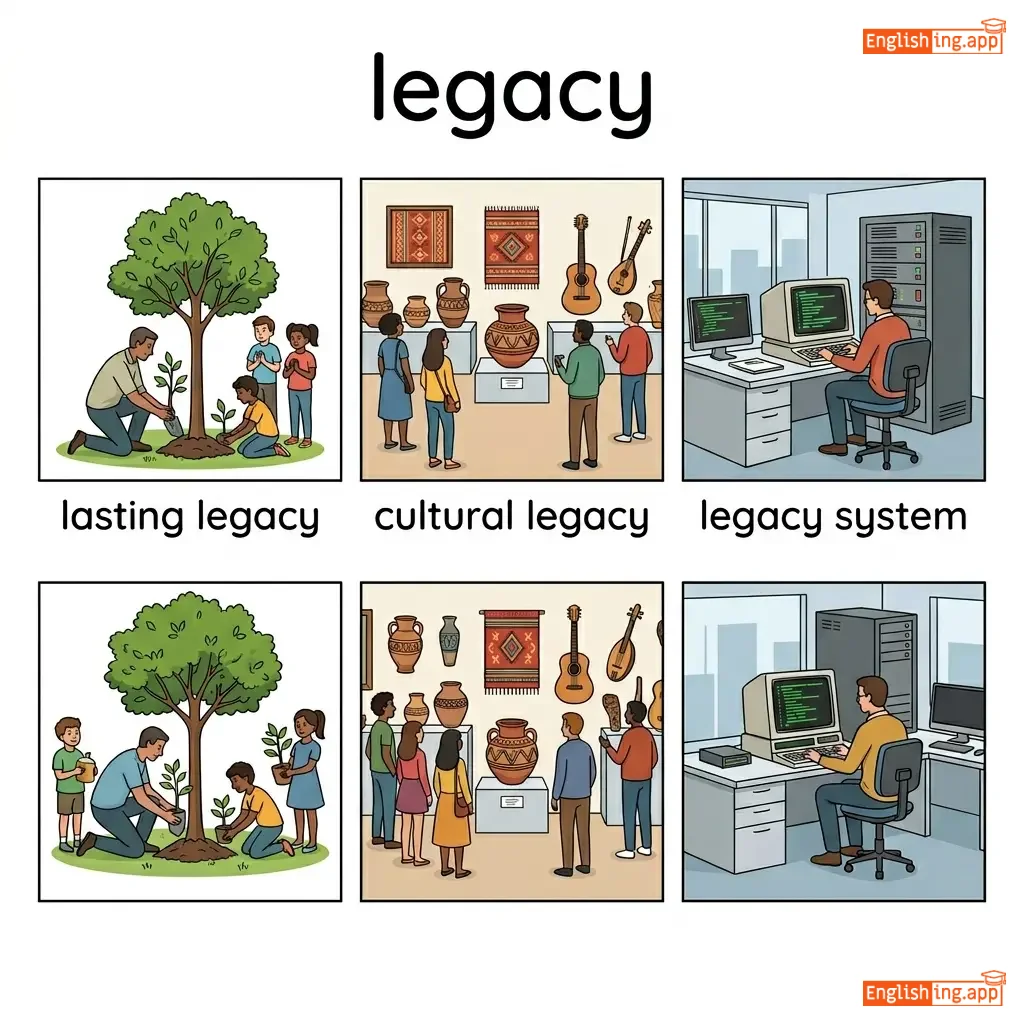
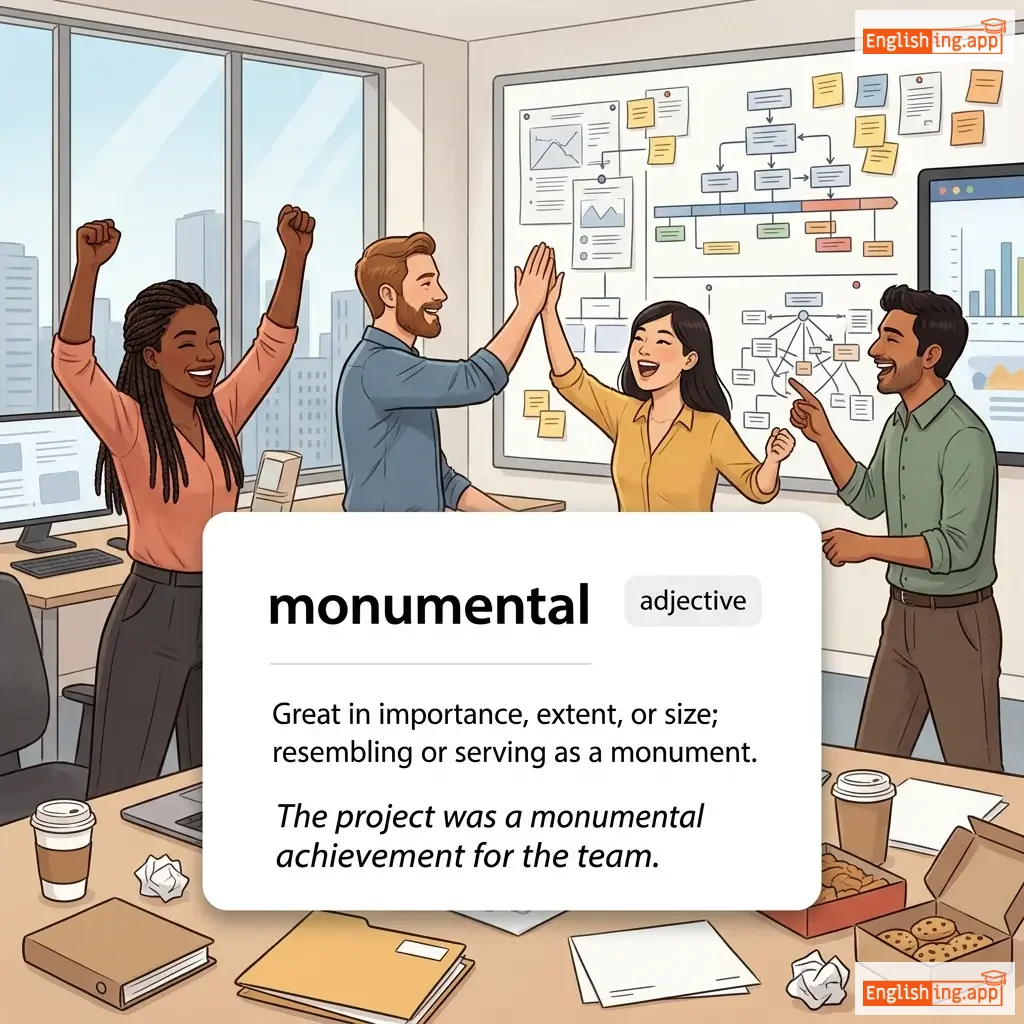
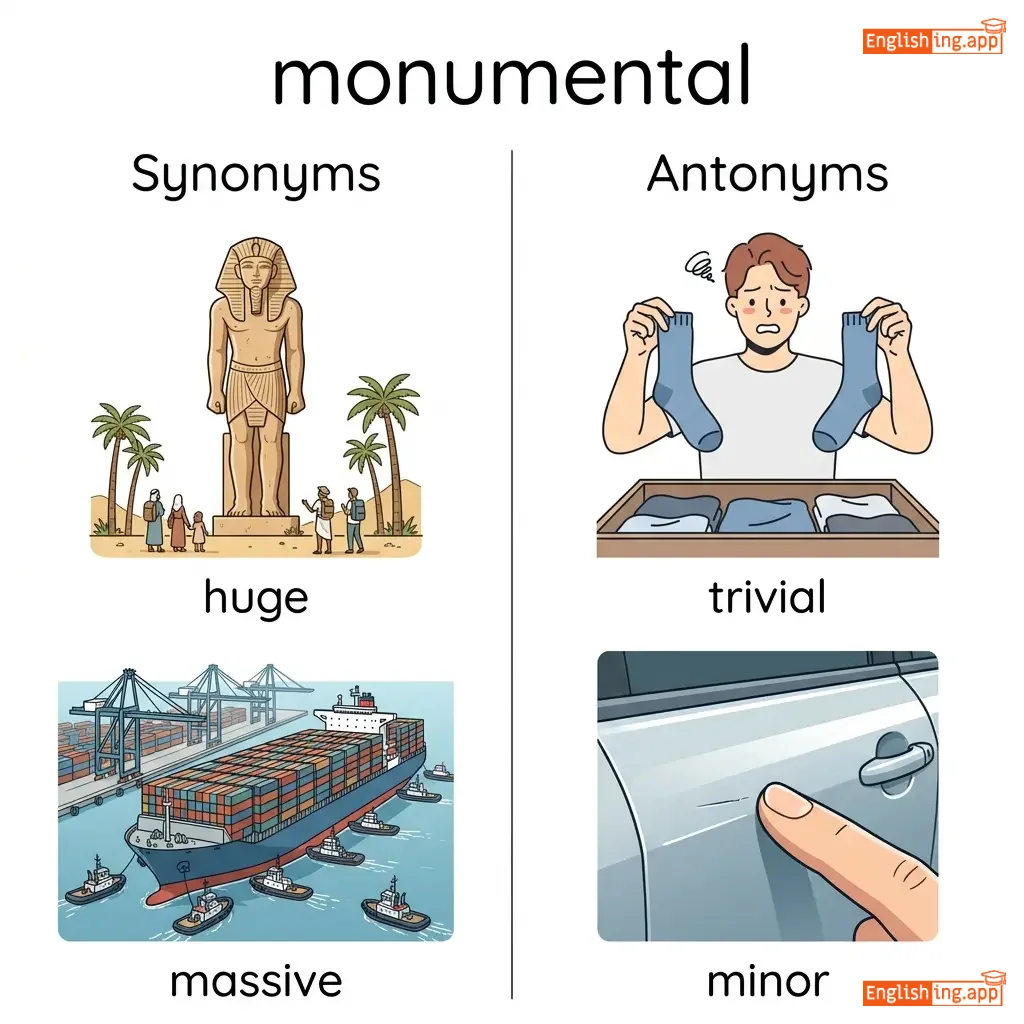
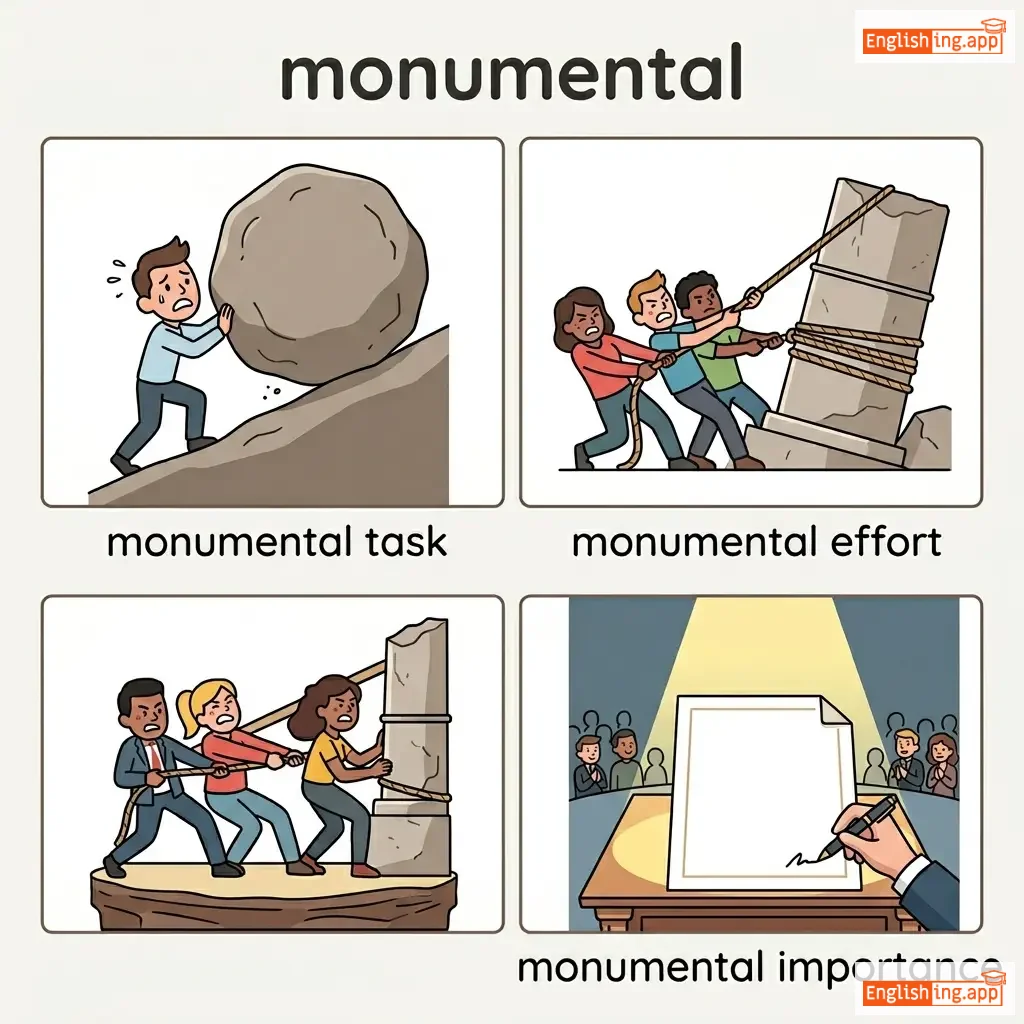
Swipe left or right, or use the buttons. Tap image to zoom.
例文の翻訳
単語
History of the Olympic GamesHistory of the Olympic Games - マスクトグル
|
絵文字
|
単語 | Images | 翻訳 | 意味 | 例文 | 例文の翻訳 | 同義語 | 対義語 | ニーモニック |
|---|---|---|---|---|---|---|---|---|---|
|
#1766
🏅
|
əˈlɪm.pɪk ɡeɪmz
noun
(オリンピック競技大会)
••••••
|
|
オリンピック競技大会
Orinpikku kyōgi taikai
••••••
|
The world's largest international sports competition held every four years, bringing together athletes from different countries to compete in various sports.
••••••
|
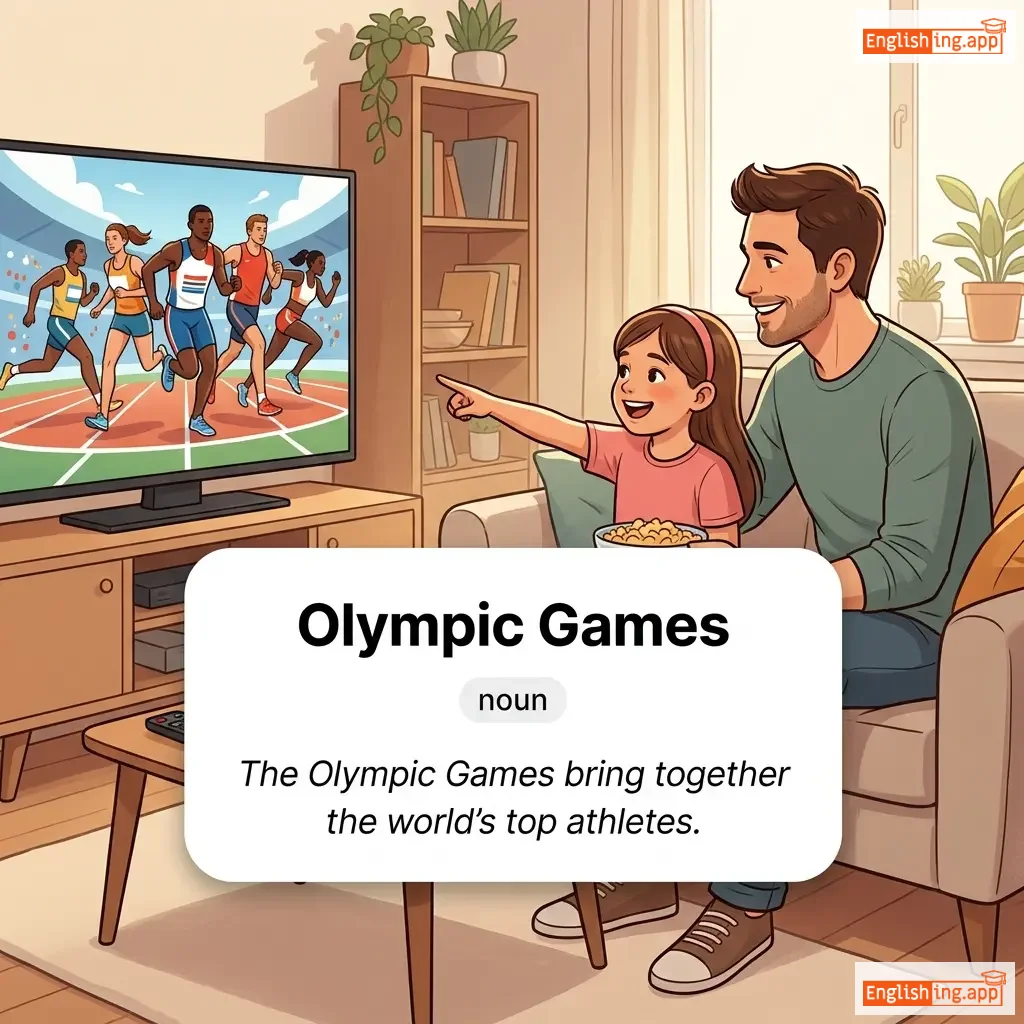
The Olympic Games bring together the world's top athletes. |
オリンピック競技大会は世界のトップアスリートを集めます。
Orinpikku kyōgi taikai wa sekai no toppu asurīto o atsume masu.
••••••
|
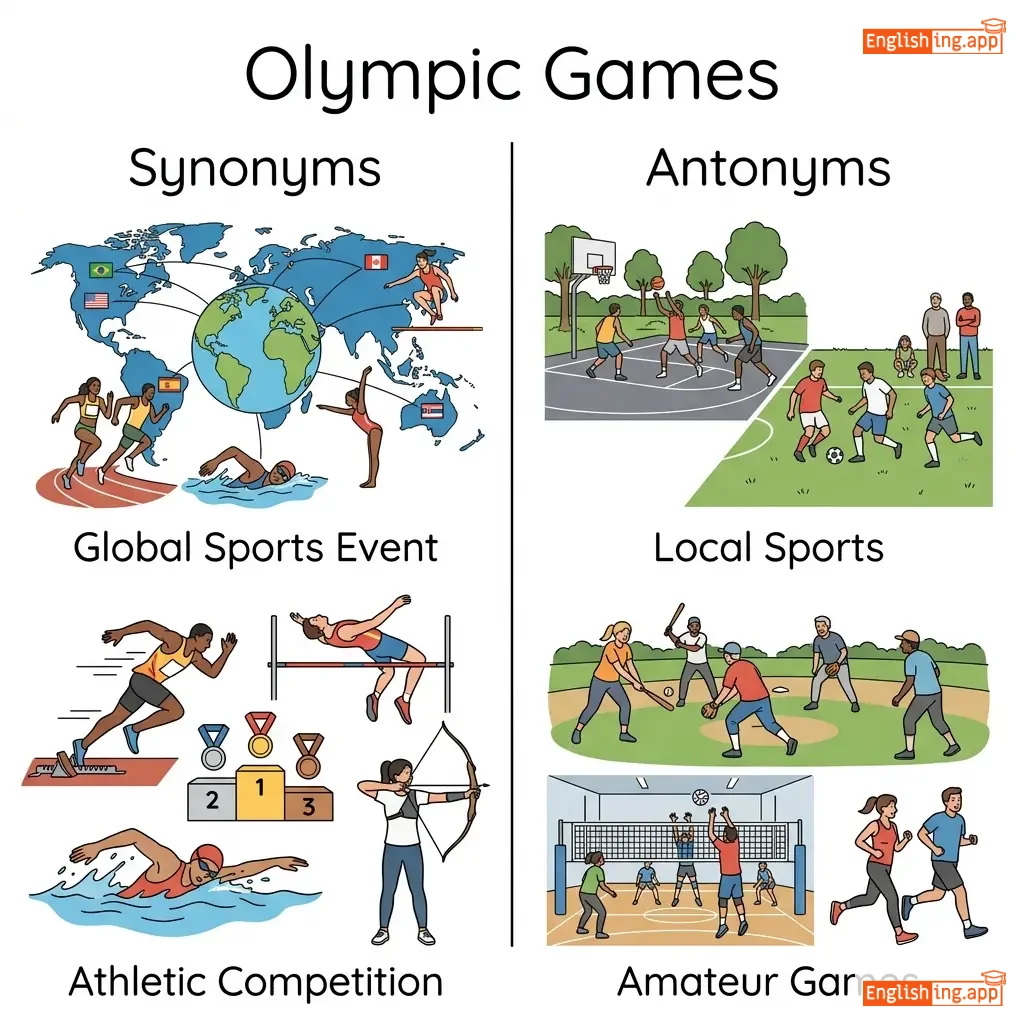
Global Sports Event, Athletic Competition, International Games
••••••
|
Local Sports, Amateur Games, Unrecognized Competition
••••••
|
オリンピック競技大会 in Japanese: '競技大会' means competition, think of athletes at the grand event!
••••••
|
|
#1767
🌱
|
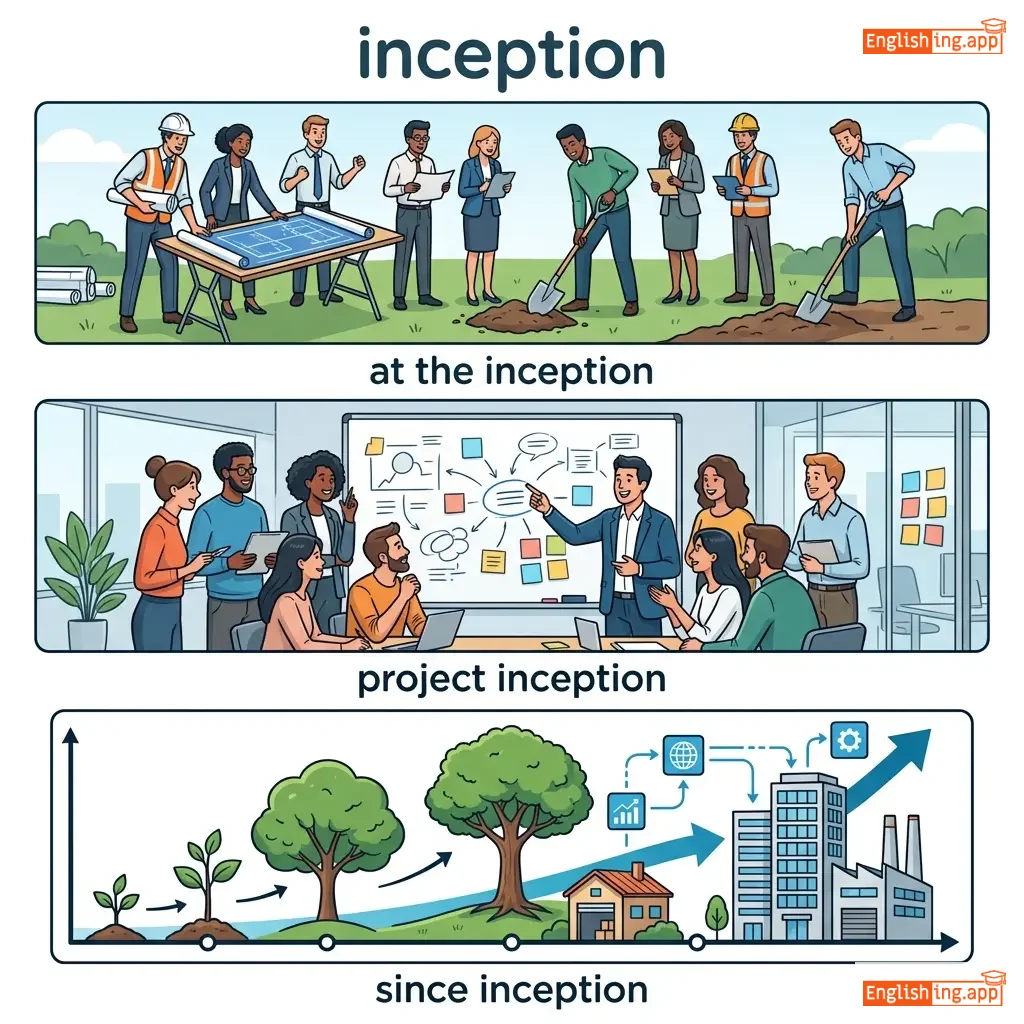
ɪnˈsɛp.ʃən
noun
(インセプション)
••••••
|
|
開始
kaishi
••••••
|
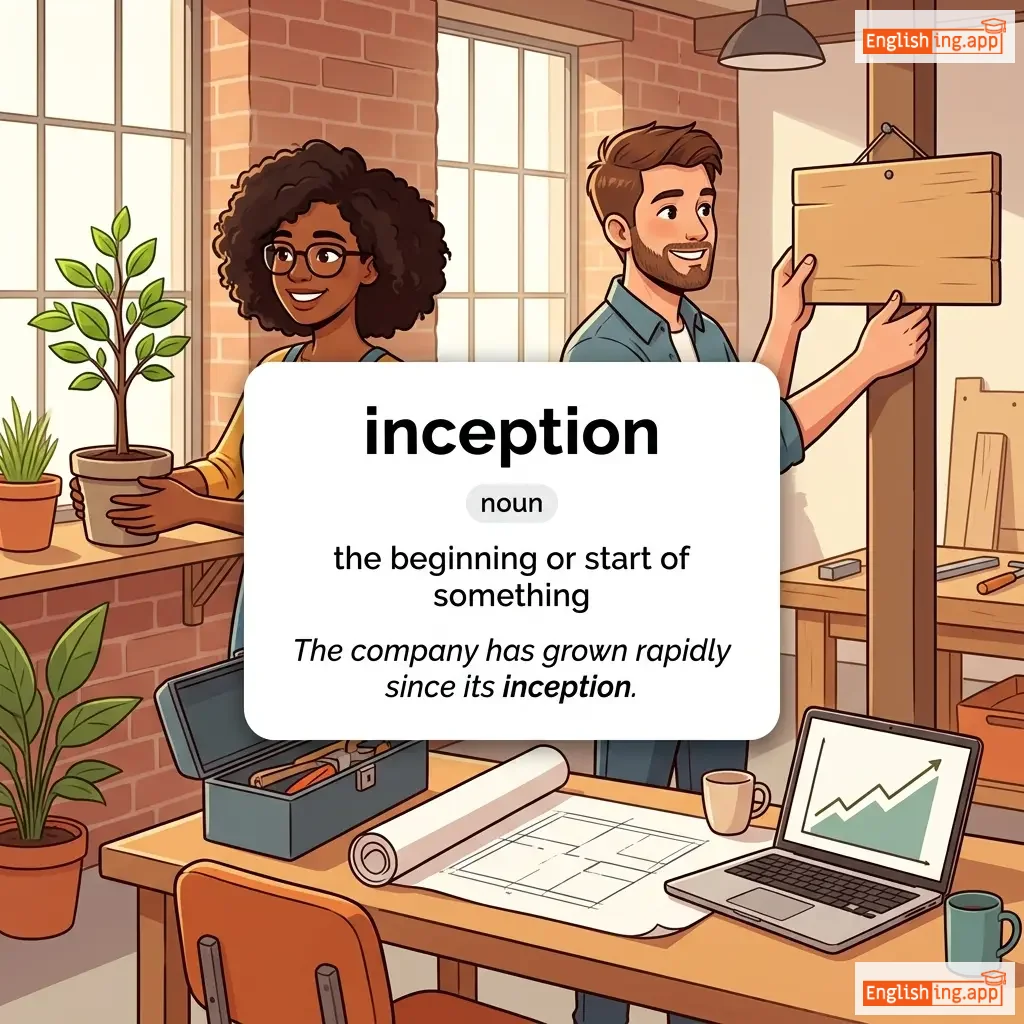
The establishment or starting point of an institution or activity; the beginning.
••••••
|
Since its inception, the company has grown rapidly. |
その開始以来、会社は急速に成長しました。
Sono kaishi irai, kaisha wa kyūsoku ni seichō shimashita.
••••••
|
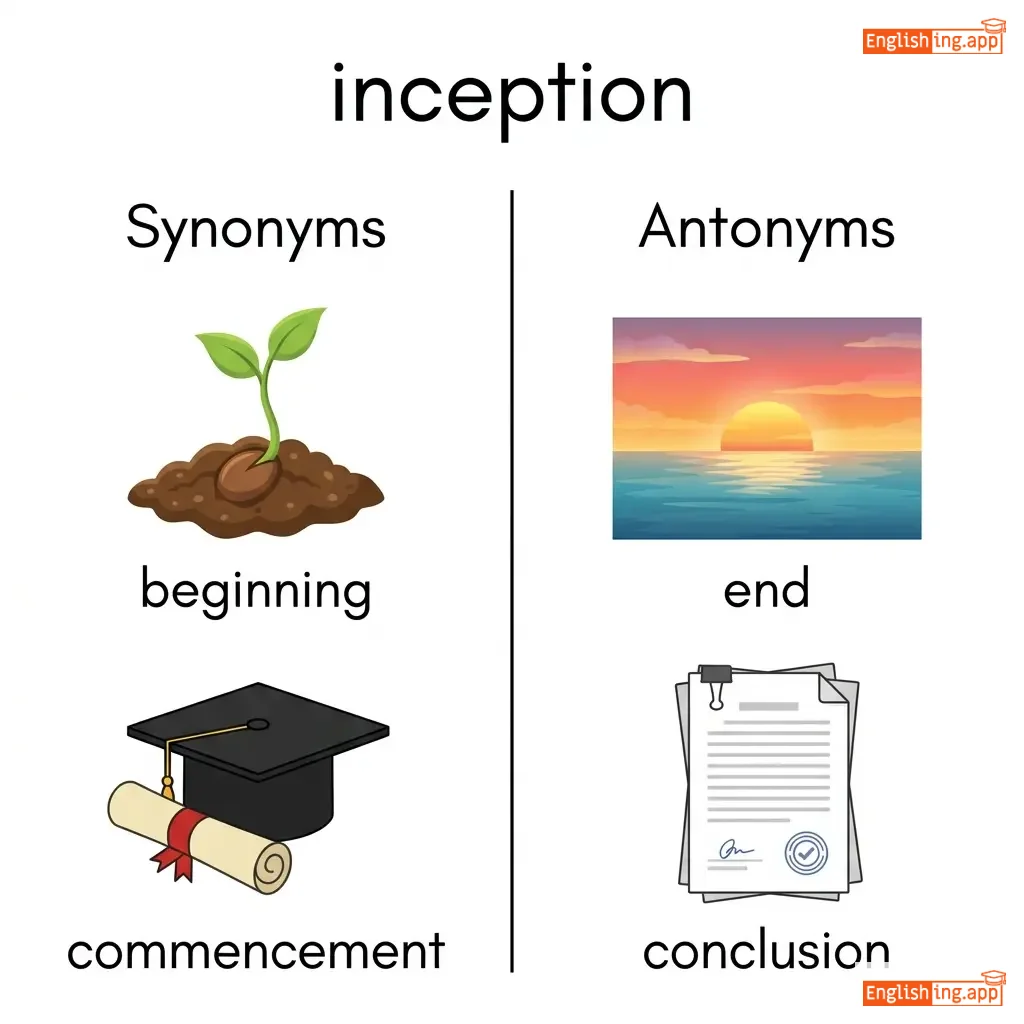
Beginning, Initiation, Foundation
••••••
|
Conclusion, End, Termination
••••••
|
開始から会社は急成長している、覚えておこう。
••••••
|
|
#1768
🏛️
|
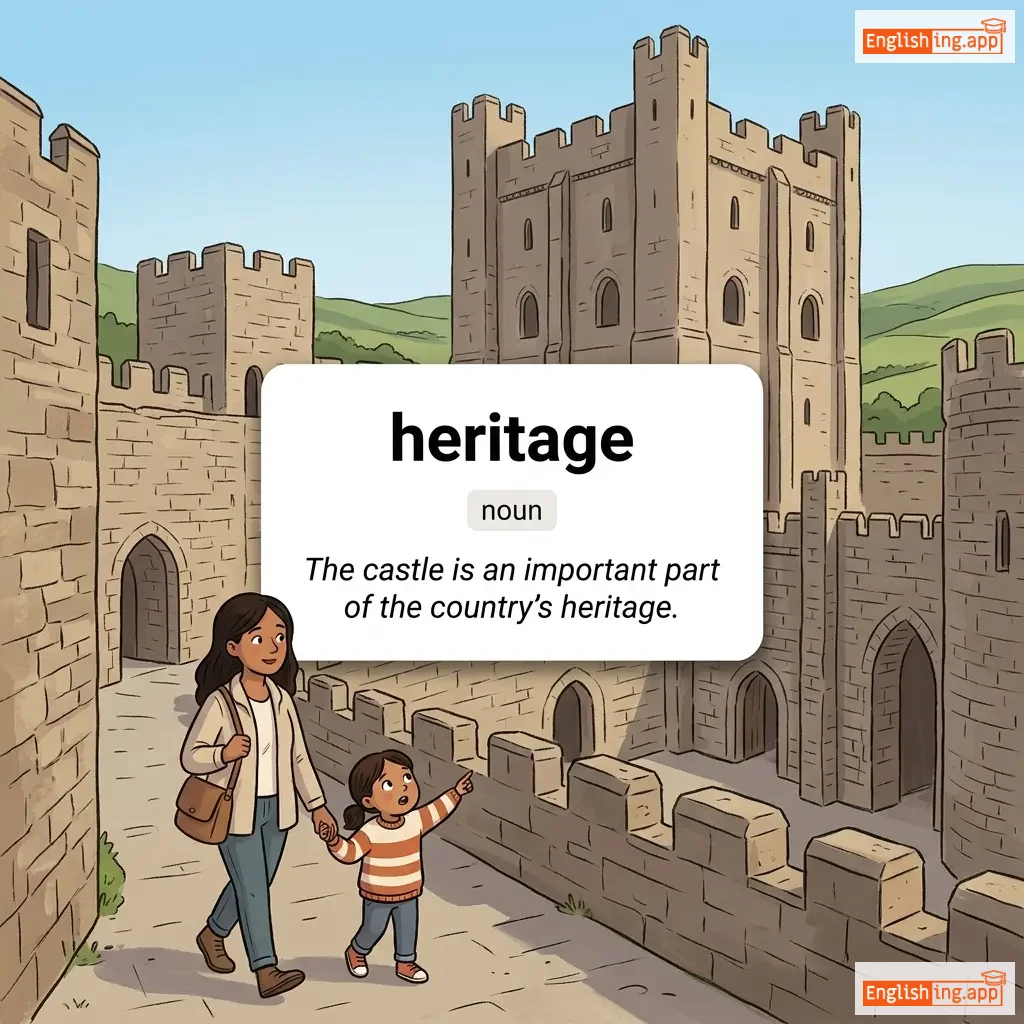
ˈhɛr.ɪ.tɪdʒ
noun
(ヘリテージ)
••••••
|
|
遺産
isan
••••••
|
Property that is or may be inherited; something transmitted by or acquired from a predecessor; cultural traditions and practices that are passed down.
••••••
|
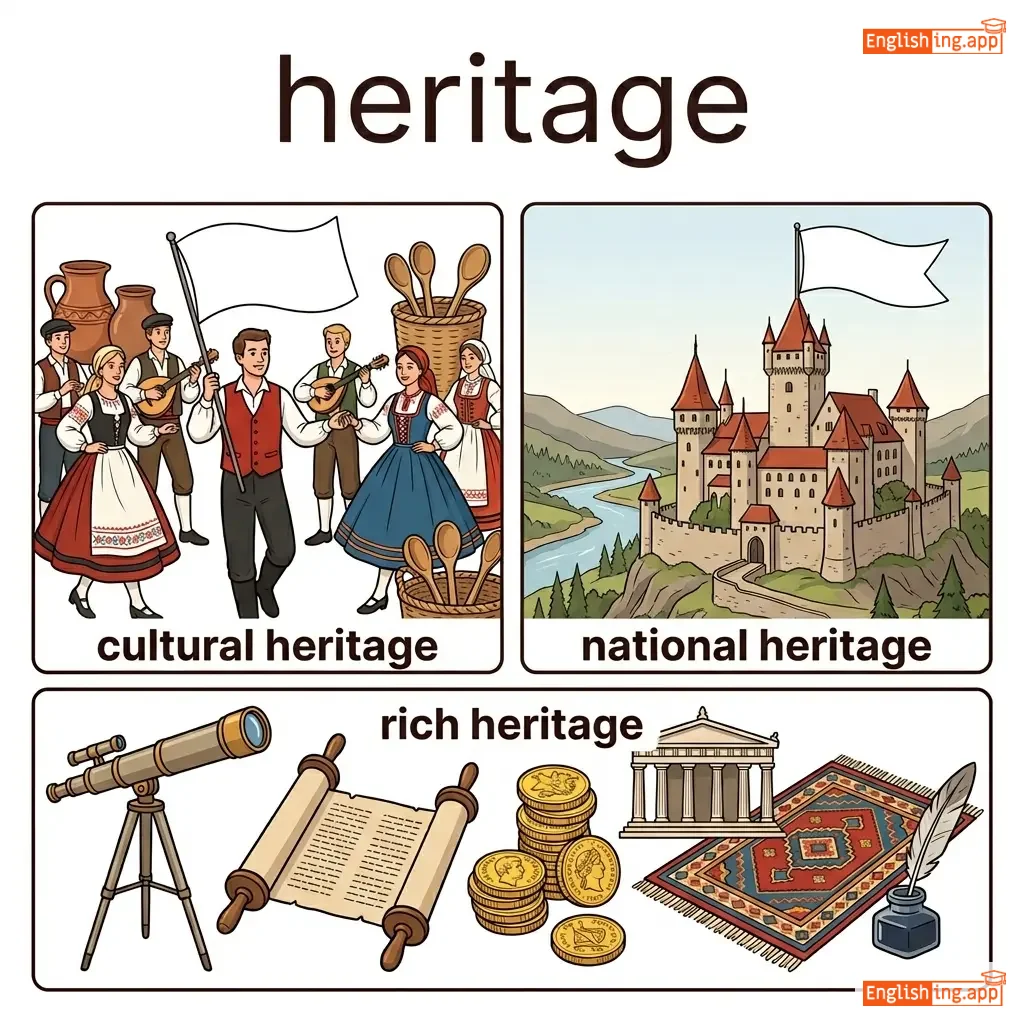
Bangladesh has a rich cultural heritage. |
バングラデシュには豊かな文化遺産があります。
Banguradeshuni wa yutakana bunka isan ga arimasu.
••••••
|
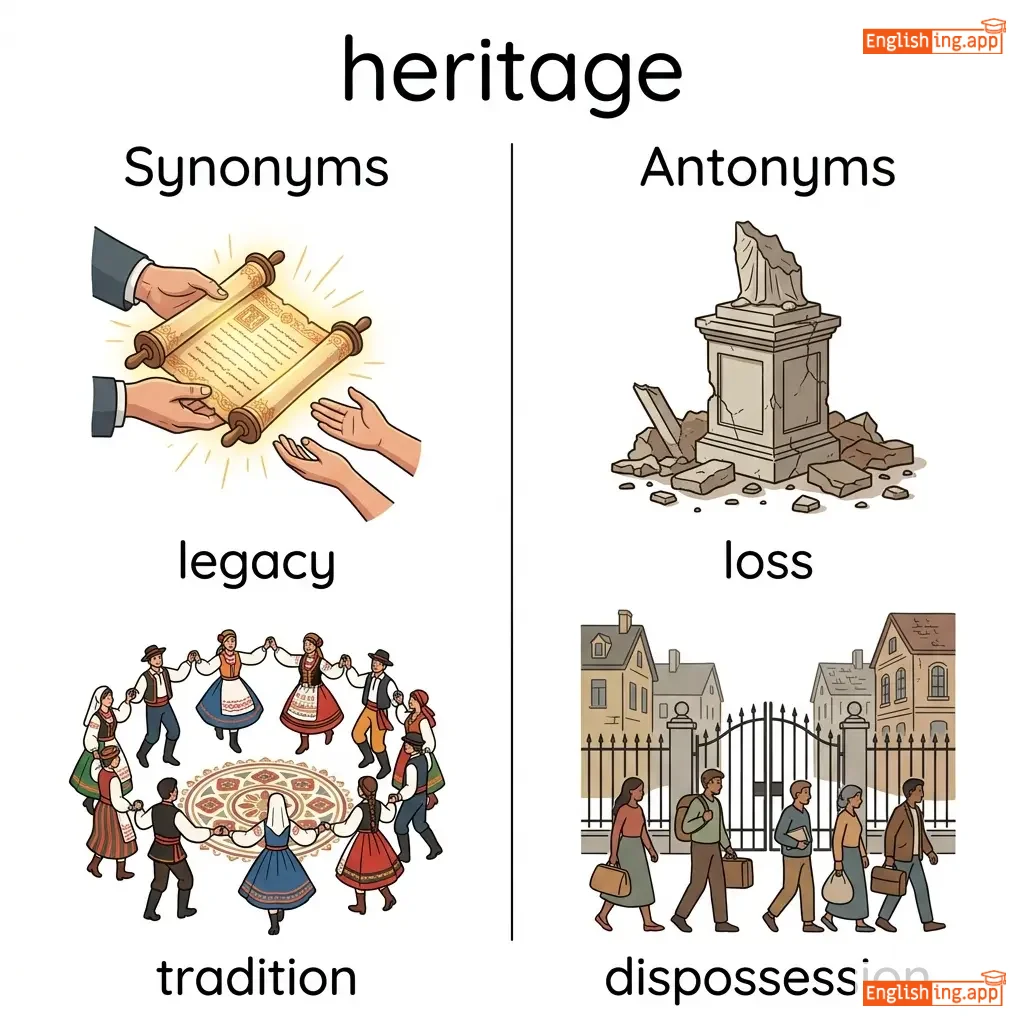
Legacy, Tradition, Ancestry
••••••
|
Disregard, Loss, Neglect
••••••
|
Isan (heritage) – imagine preserving a family heirloom for generations.
••••••
|
|
#1769
⭐
|
ɪˈpɪt.ə.mi
noun
(エピトミー)
••••••
|
|
典型
tenkei
••••••
|
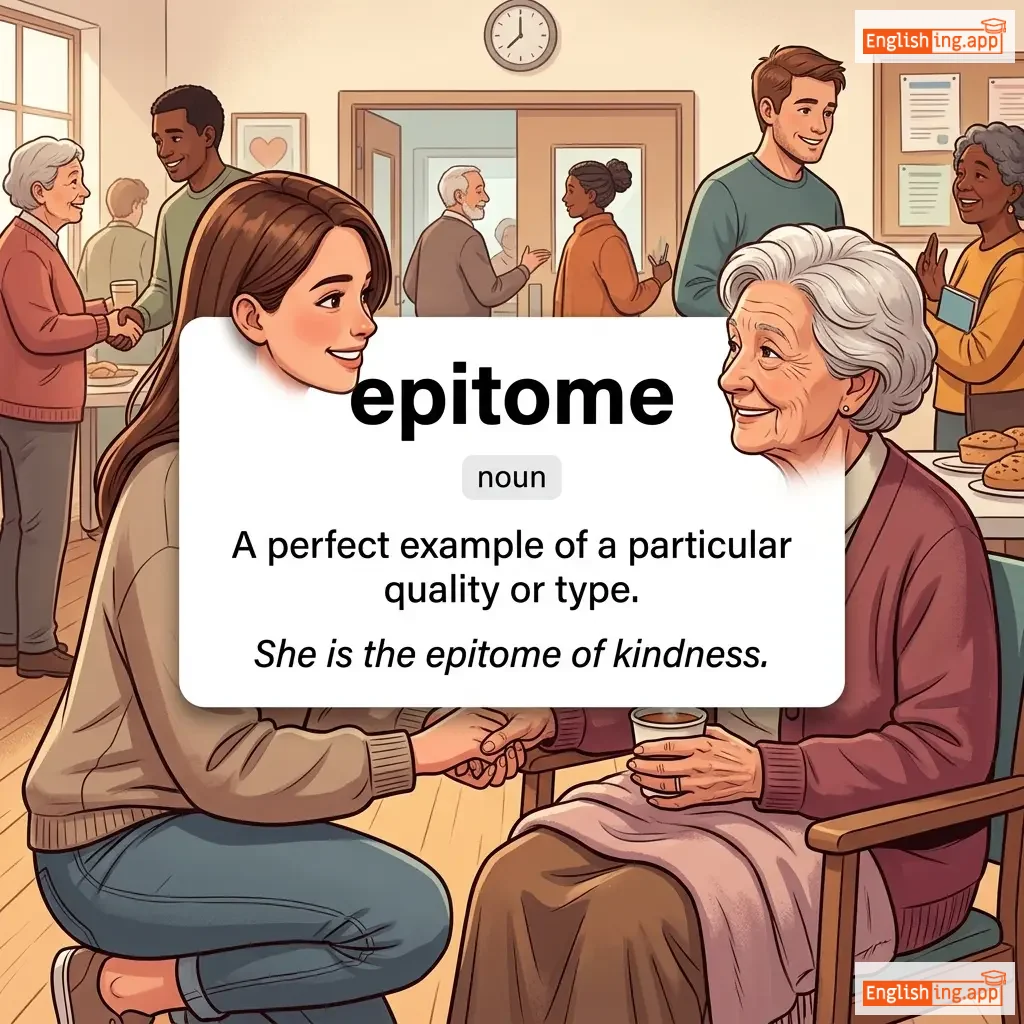
A person or thing that is a perfect example of a particular quality or type; the essence or embodiment of something.
••••••
|
He is the epitome of dedication and hard work.
彼は献身と努力の典型です。
••••••
|
彼は献身と努力の典型です。
Kare wa kenshin to doryoku no tenkei desu.
••••••
|
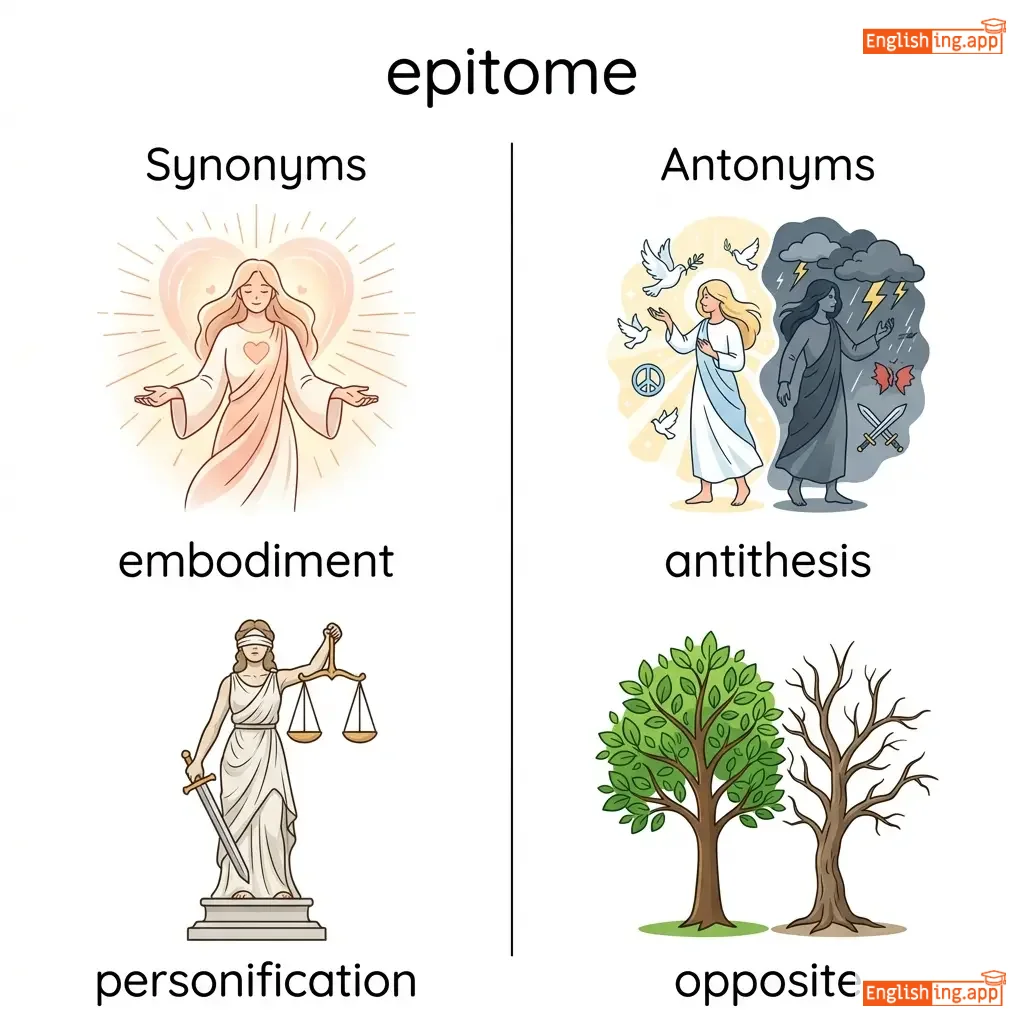
Embodiment, Essence, Ideal
••••••
|
Imperfection, Antithesis, Opposite
••••••
|
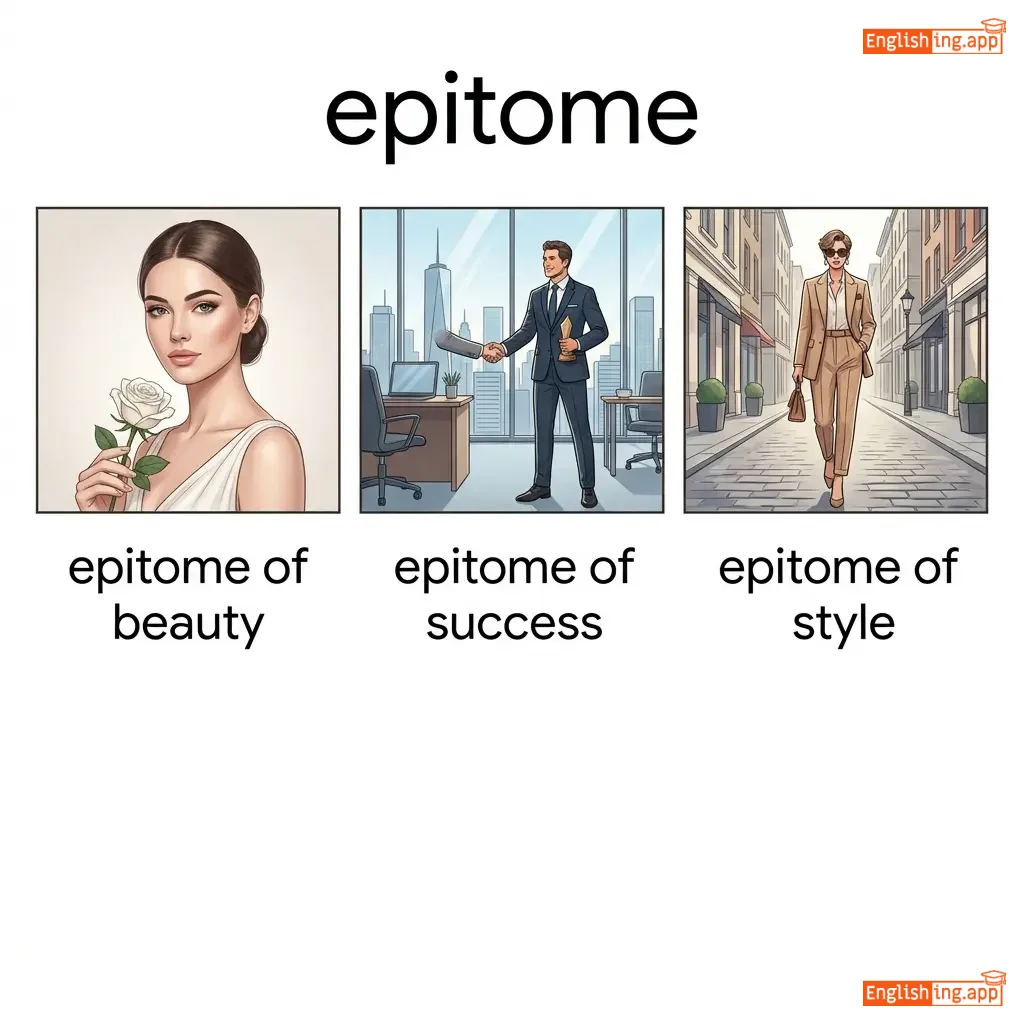
Epitome is the 'perfect example' in Japanese, like 'ideal' person.
••••••
|
|
#1770
🏺
|
ænˈtɪk.wə.ti
noun
(アンティクイティ)
••••••
|
|
古代
kodai
••••••
|
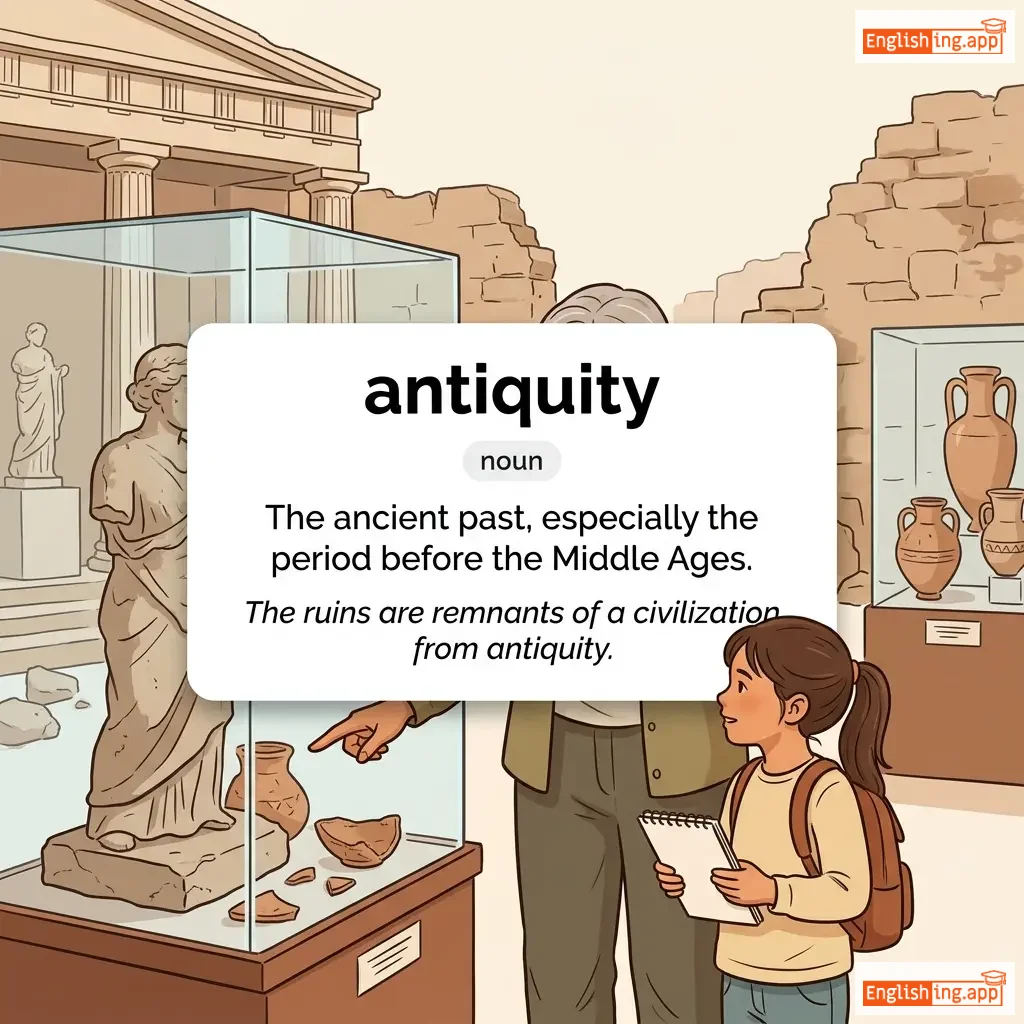
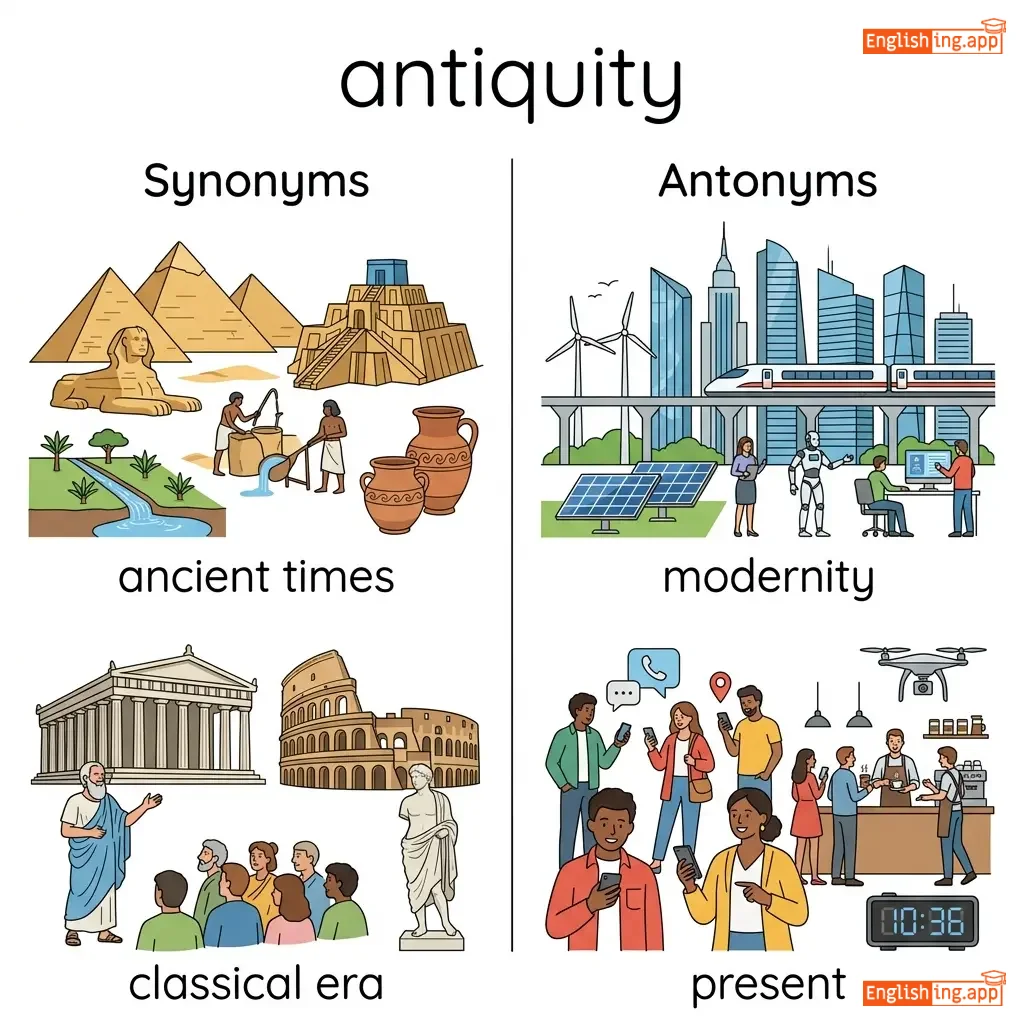
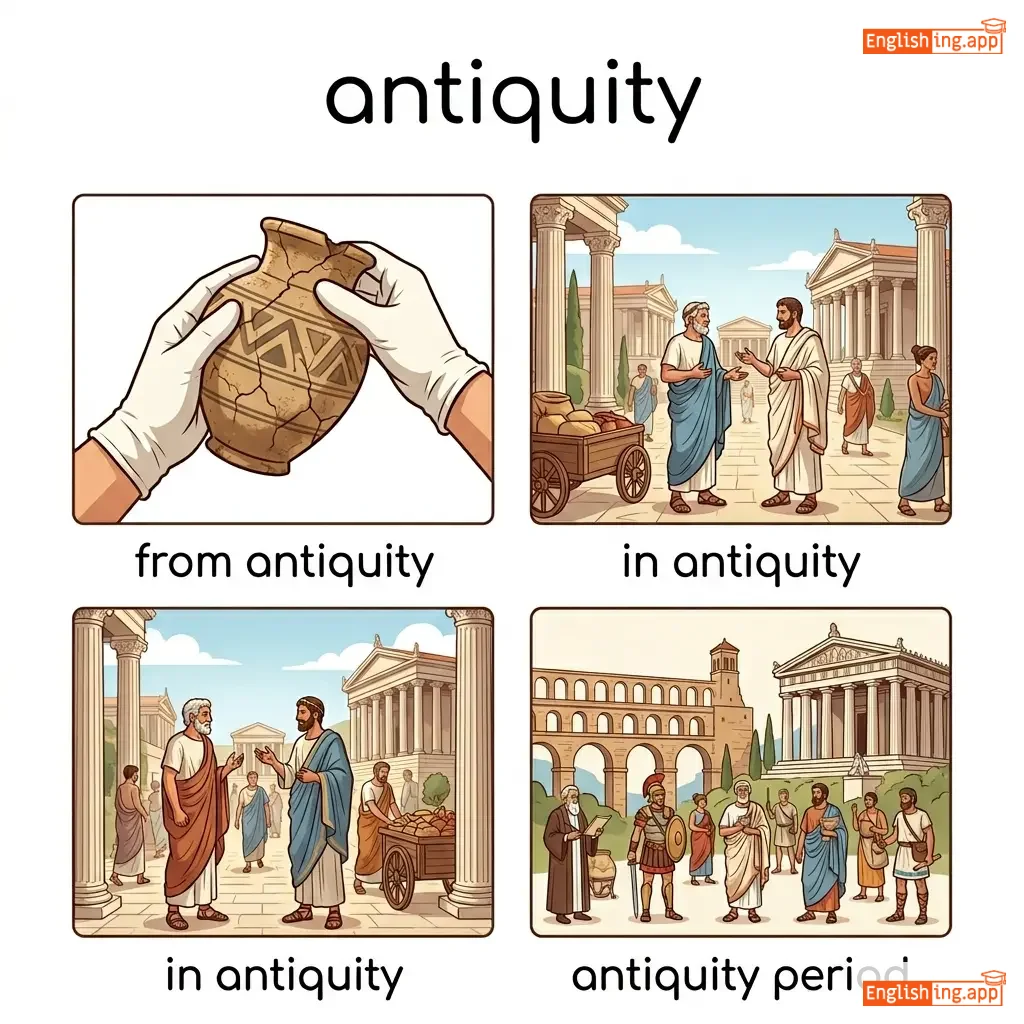
The ancient past, especially the period of classical and other human civilizations before the Middle Ages.
••••••
|
The ruins are a reminder of the city's antiquity.
遺跡はその都市の古代を思い出させるものです。
••••••
|
遺跡はその都市の古代を思い出させるものです。
Iseki wa sono toshi no kodai o omoidasaseru mono desu.
••••••
|
Ancient Times, Classical Era, Oldness
••••••
|
Modernity, Present, Contemporary
••••••
|
古代の遺跡を思い描き、古代を記憶に留めましょう。
••••••
|
|
#1771
🙏
|
ˌvɛn.əˈreɪ.ʃən
noun
(ヴェネレーション)
••••••
|
|
尊敬
sonkei
••••••
|
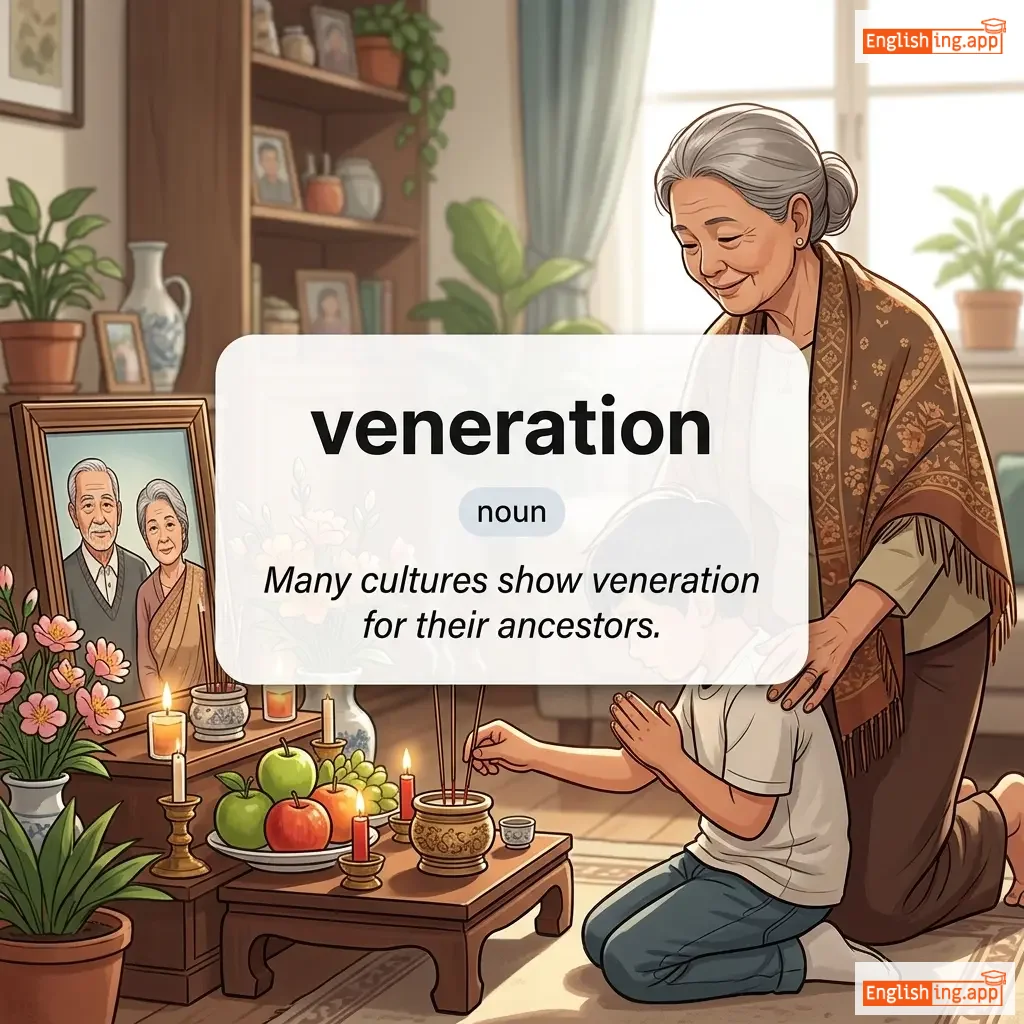
Great respect; reverence; the action of regarding with great respect or reverence.
••••••
|
Many cultures show veneration for their ancestors. |
多くの文化が祖先に対して尊敬を示します。
Ōku no bunka ga sosen ni taishite sonkei o shimeshimasu.
••••••
|
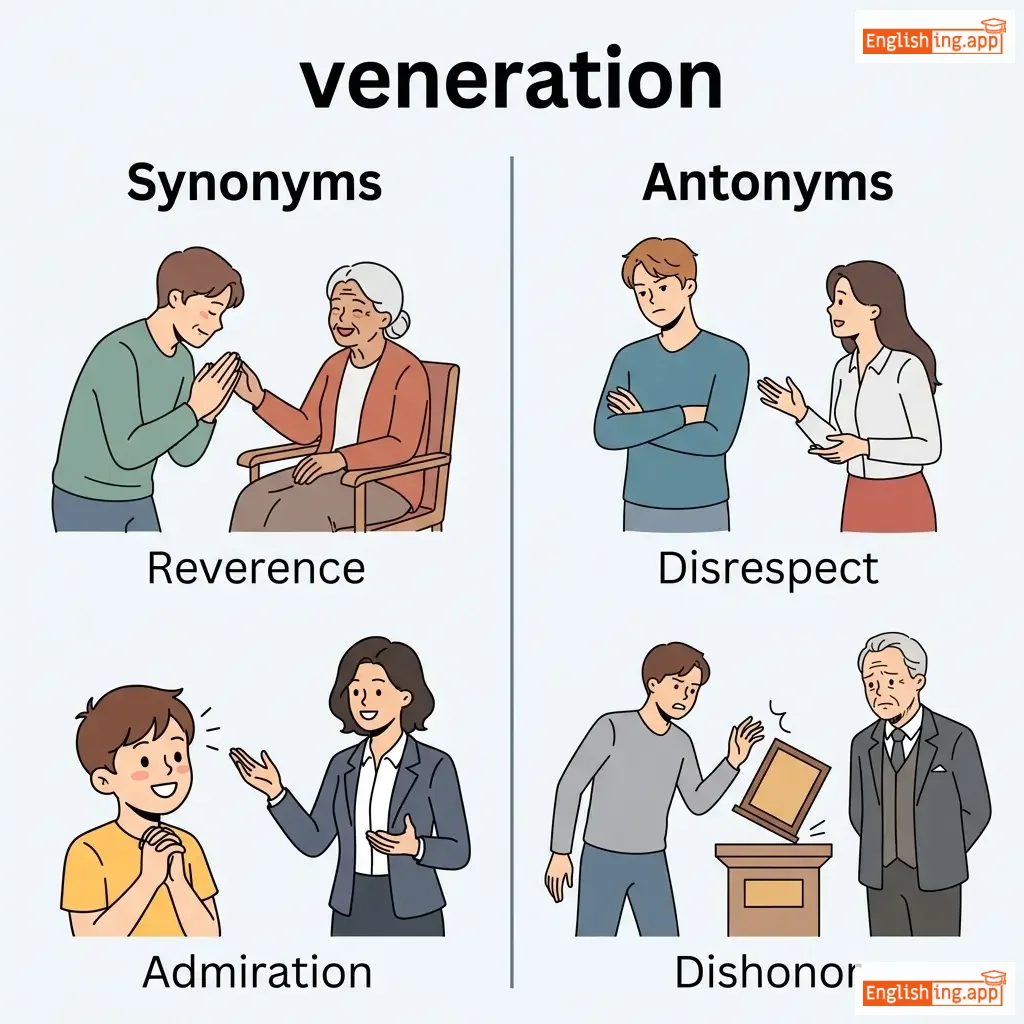
Reverence, Admiration, Worship
••••••
|
Disrespect, Dishonor, Contempt
••••••
|
'尊敬' (sonkei) は日本語で 'veneration' の意味と同じで、深い敬意を表します。
••••••
|
|
#1772
🚀
|
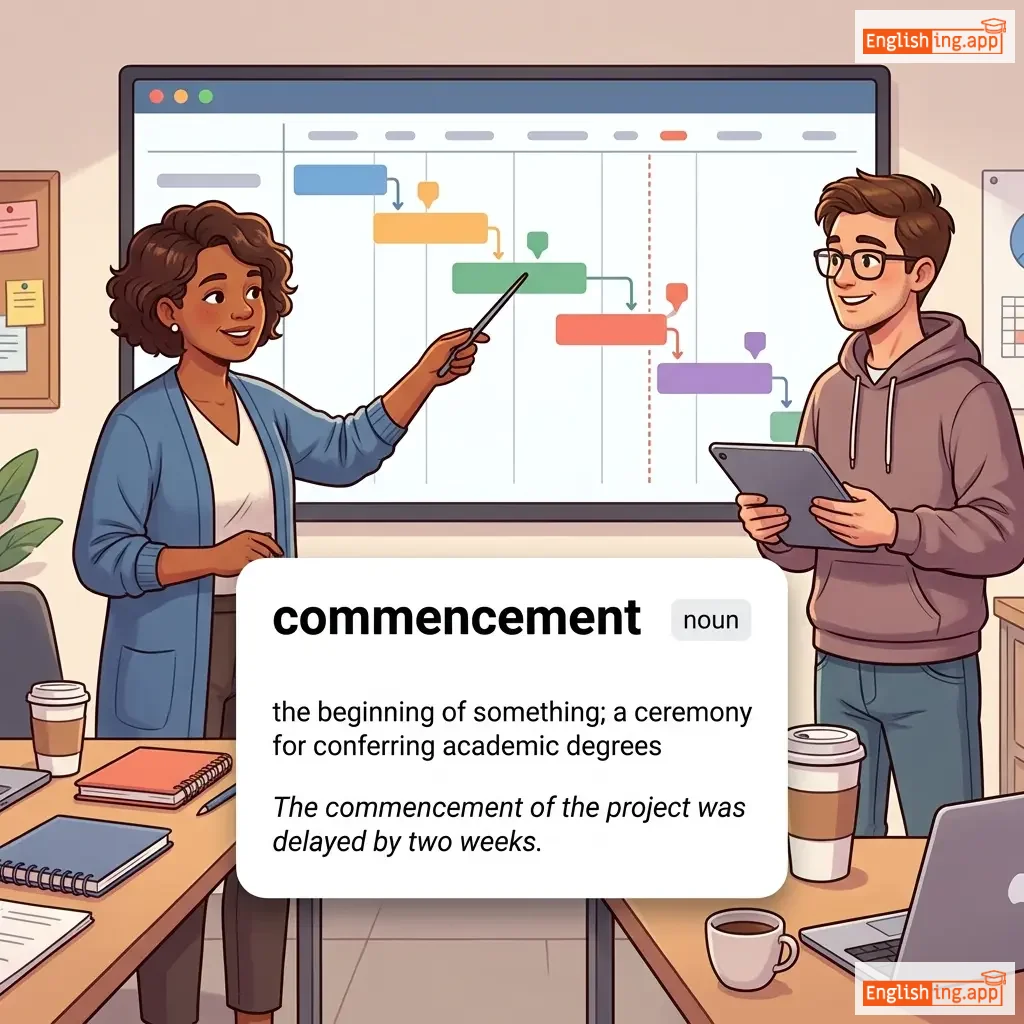
kəˈmɛns.mənt
noun
(komensumento)
••••••
|
|
開始
kaishi
••••••
|
The beginning of something; a ceremony at which degrees or diplomas are conferred on graduating students.
••••••
|
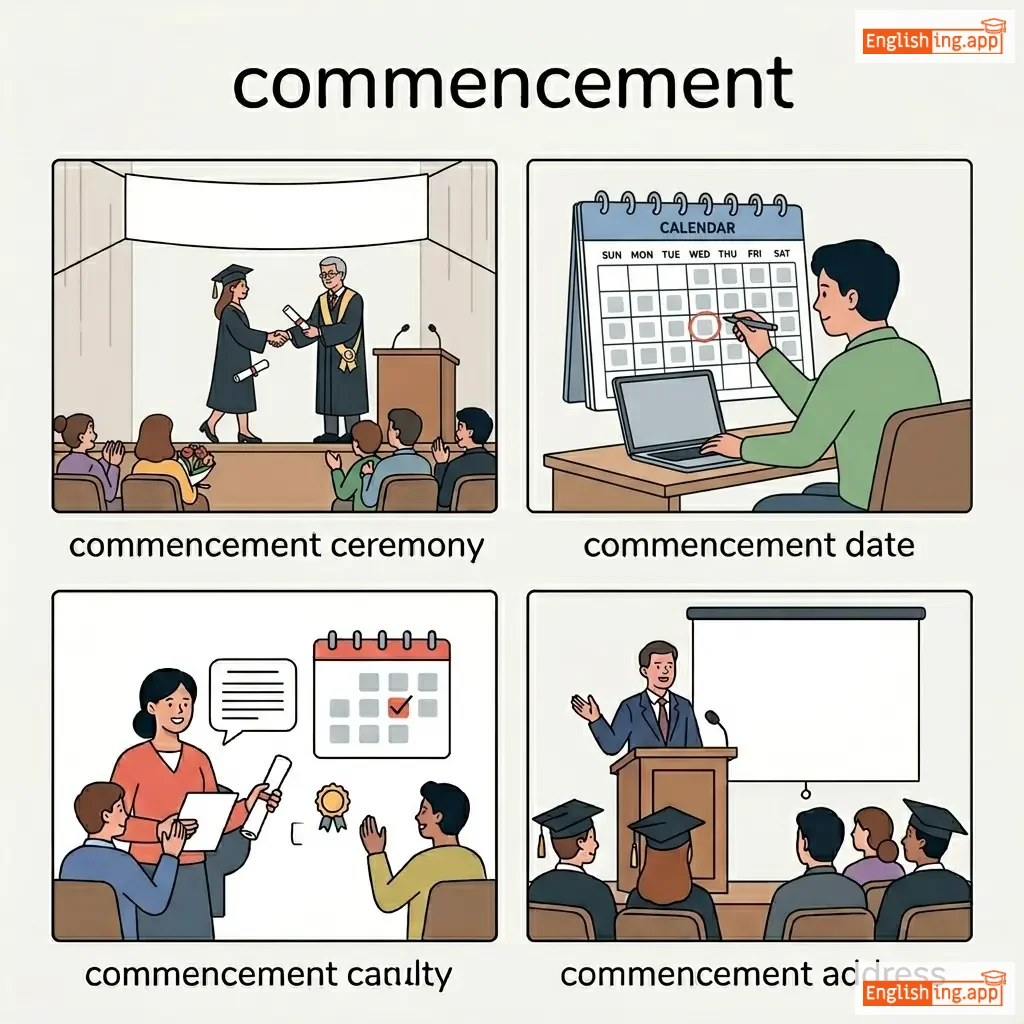
The commencement ceremony marked the start of a new journey.
卒業式は新しい旅の始まりを意味していました。
••••••
|
卒業式は新しい旅の始まりを意味していました。
Sotsugyoushiki wa atarashii tabi no hajimari o imi shiteimashita.
••••••
|
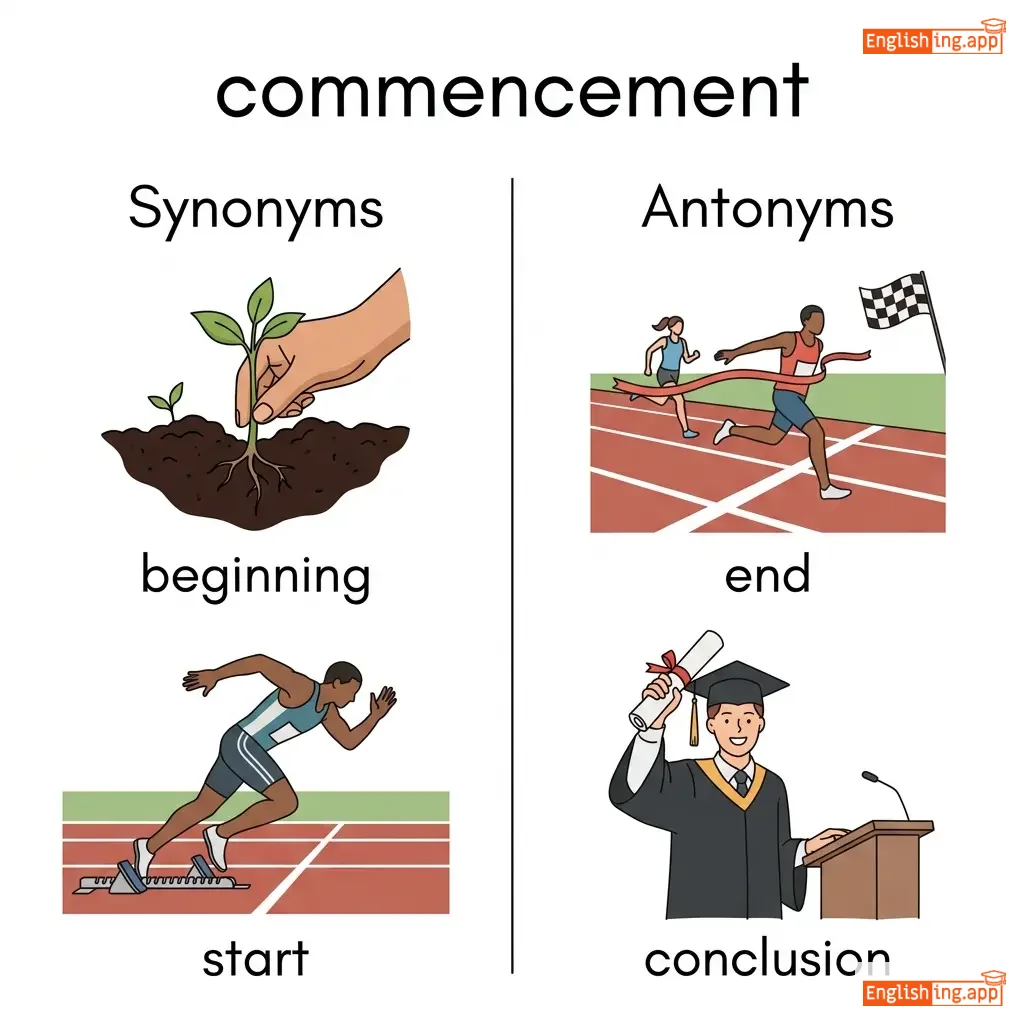
Beginning, Initiation, Opening
••••••
|
Completion, Conclusion, End
••••••
|
新しい道は式典から始まる。
••••••
|
|
#1773
💪
|
ˈfɔːr.tɪ.tjuːd
noun
(フォーティチュード)
••••••
|
|
不屈の精神
fukutsu no seishin
••••••
|
Courage in pain or adversity; mental and emotional strength in facing difficulty, adversity, danger, or temptation courageously.
••••••
|
She showed great fortitude during the crisis. |
彼女は危機の中で素晴らしい不屈の精神を示しました。
Kanojo wa kiki no naka de subarashī fukutsu no seishin o shimeshimashita.
••••••
|
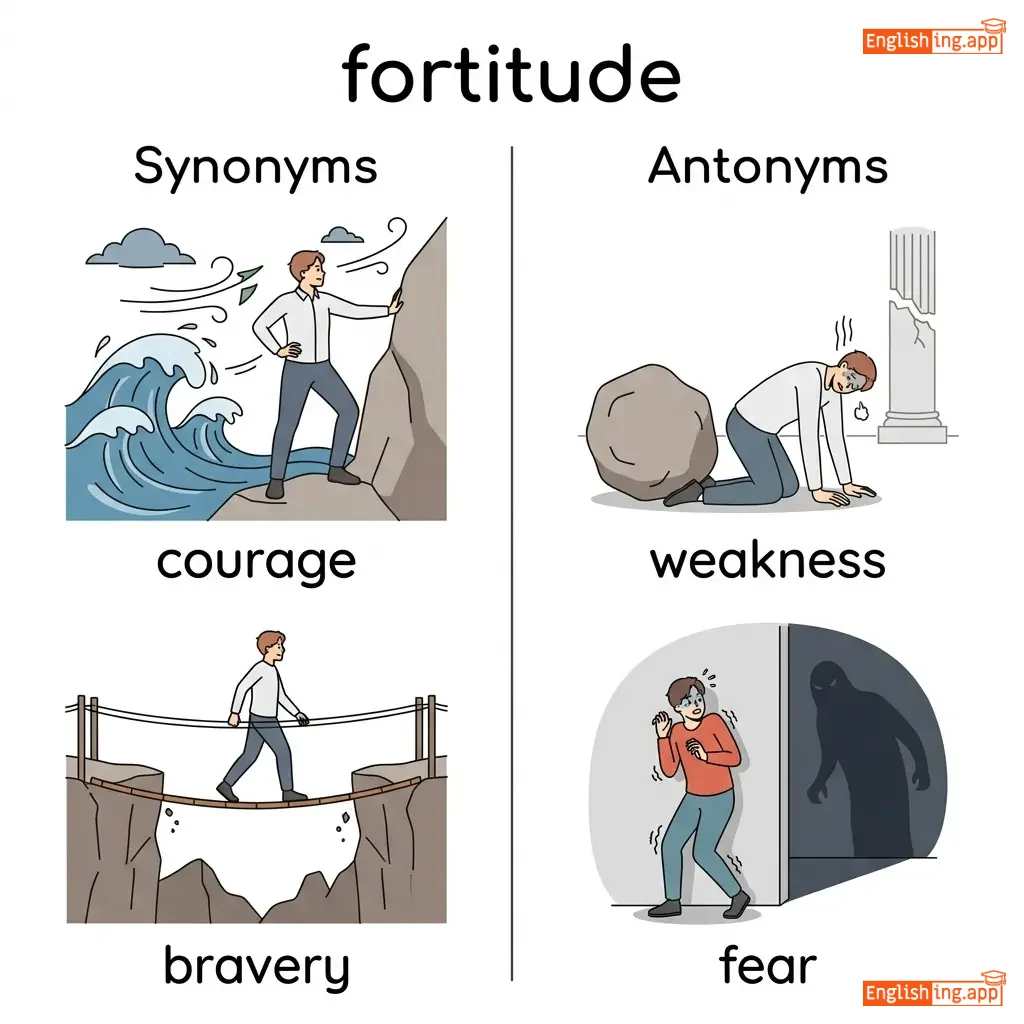
Resilience, Courage, Perseverance
••••••
|
Weakness, Fear, Cowardice
••••••
|
Fortitude = ‘Fort’ (strength), stay strong with Fuku-tsu (resilience).
••••••
|
|
#1774
👑
|
ˈdaɪ.nə.sti
noun
(ダイナスティ)
••••••
|
|
王朝
ōchō
••••••
|
A line of hereditary rulers of a country; a succession of people from the same family who play a prominent role in business, politics, or another field.
••••••
|
The Ming dynasty ruled China for centuries. |
明王朝は何世紀にもわたって中国を支配していました。
Mei ōchō wa nanseiki ni mo watatte Chūgoku o shihaishite imashita.
••••••
|
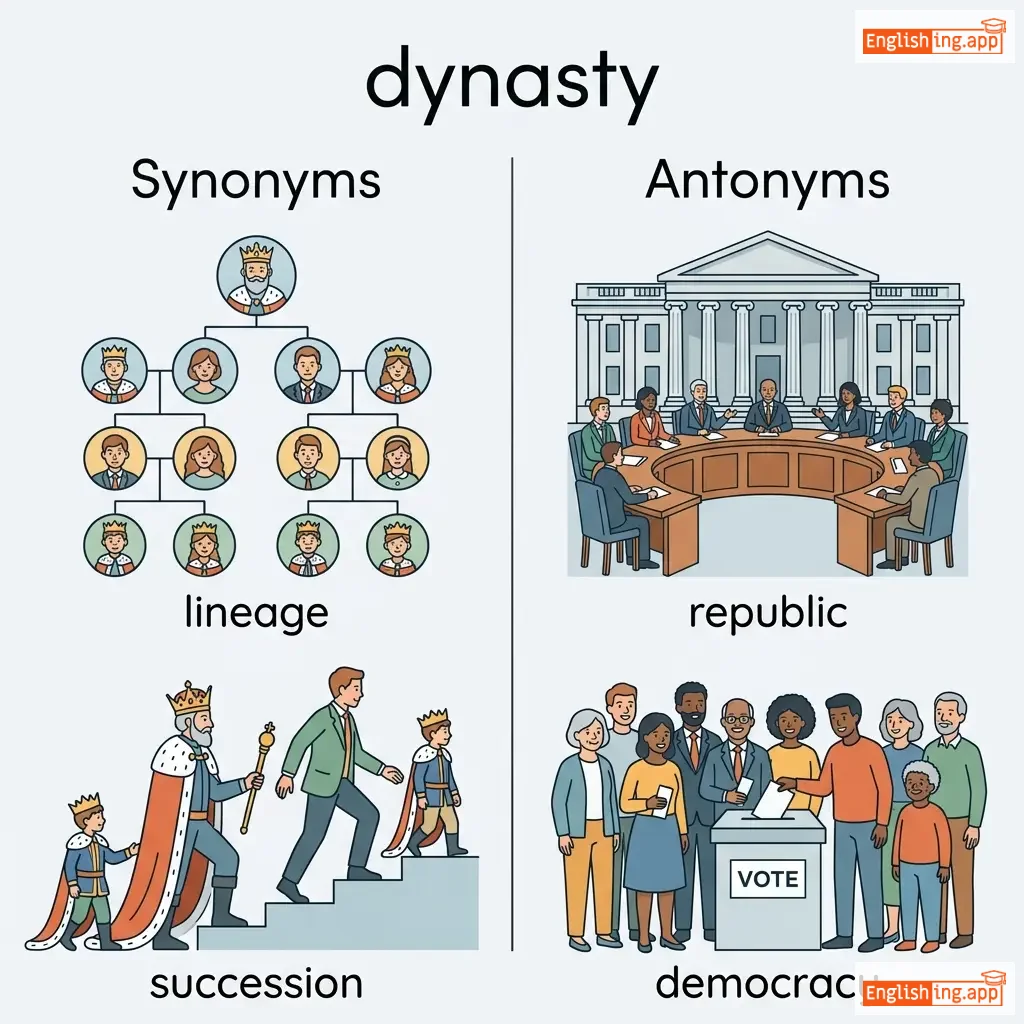
Lineage, Royal Family, Monarchy
••••••
|
Democracy, Anarchy, Individual Rule
••••••
|
Dynasty - 長く続く王家
••••••
|
|
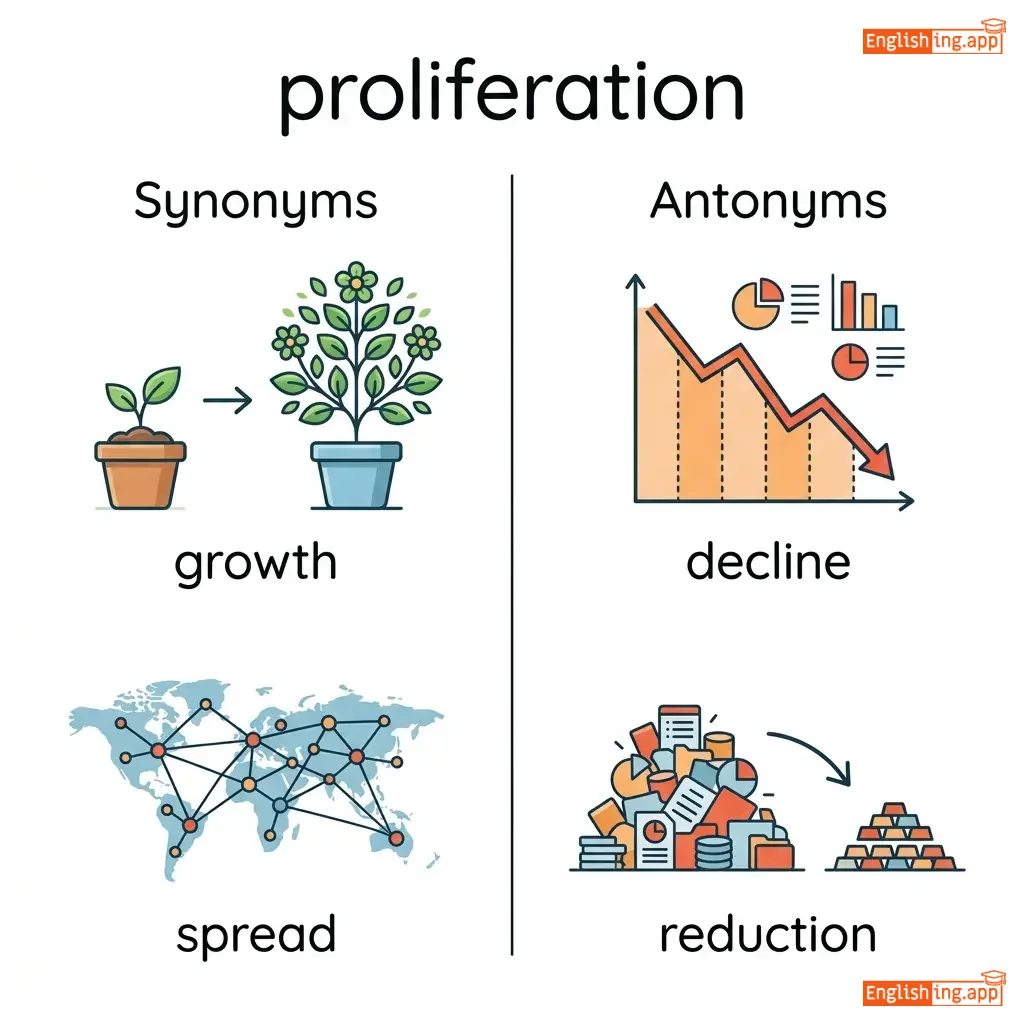
#1775
📈
|
prəˌlɪf.əˈreɪ.ʃən
noun
(プロリフェレーション)
••••••
|
|
急速な増加
kyūsokuna zōka
••••••
|
Rapid increase in the number or amount of something; the rapid reproduction of a cell, part, or organism.
••••••
|
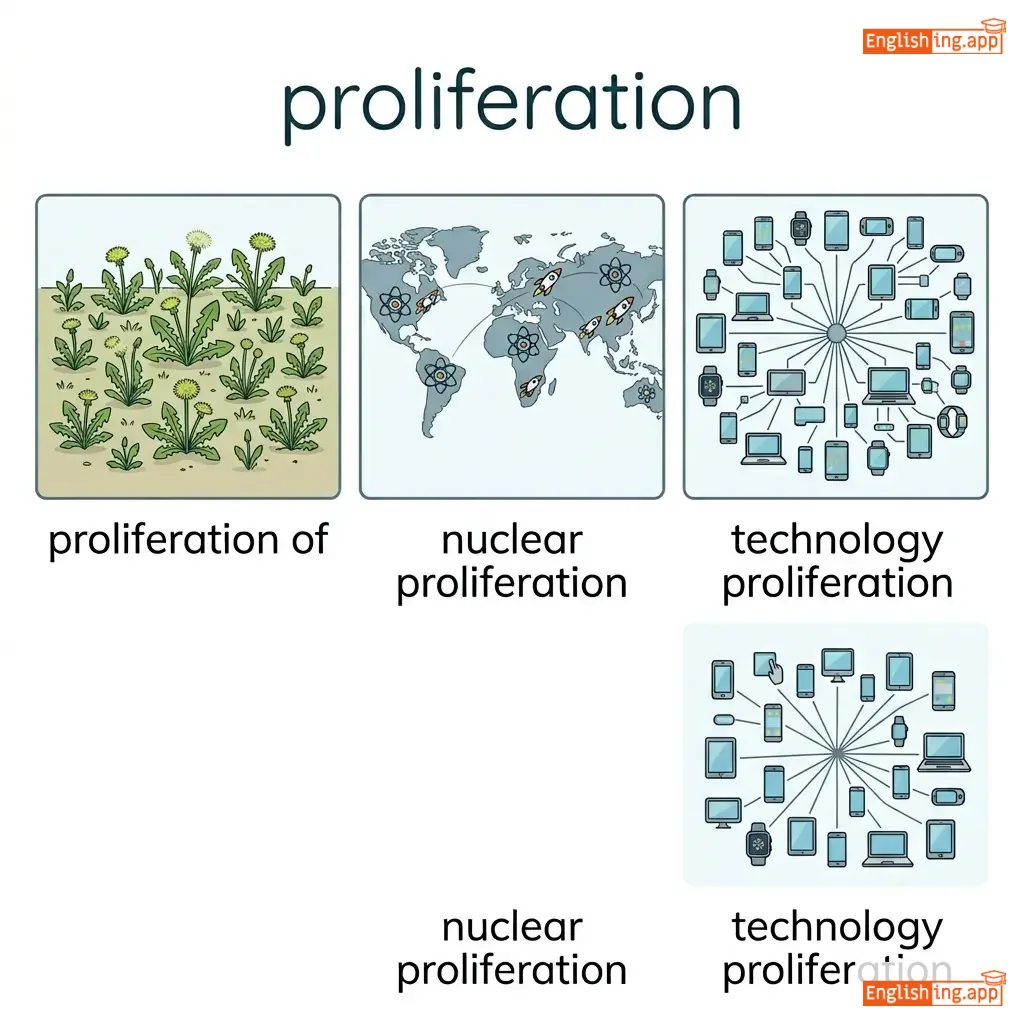
The proliferation of technology has transformed communication. |
技術の急速な増加は、コミュニケーションを変えました。
Gijutsu no kyūsokuna zōka wa, komyunikēshon o kaemashita.
••••••
|
Expansion, Growth, Multiplication
••••••
|
Decline, Reduction, Diminution
••••••
|
Proliferation is like technology growing everywhere, like a fast-growing tree.
••••••
|
|
#1776
⏰
|
ˈiː.pɒk
noun
(エポック)
••••••
|
|
時代
jidai
••••••
|
A period of time in history or a person's life, typically one marked by notable events or particular characteristics.
••••••
|
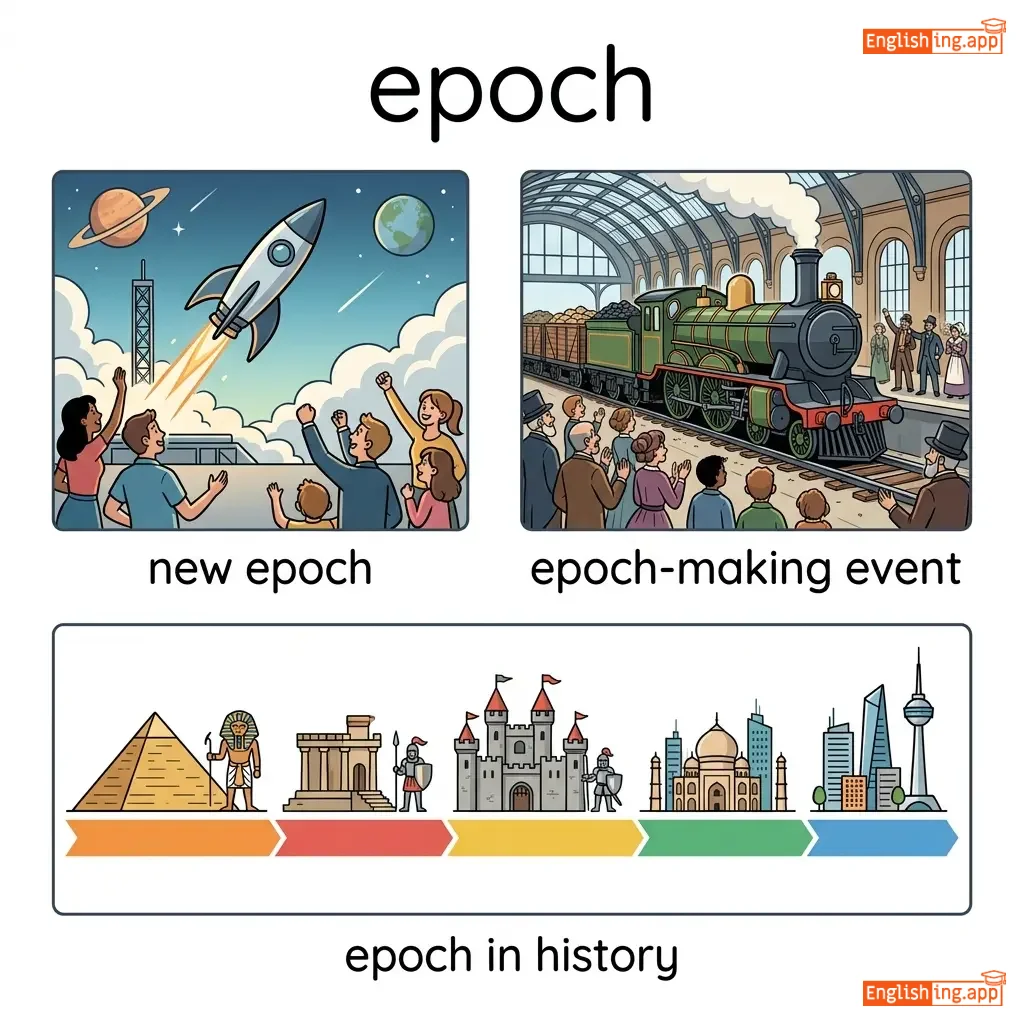
The invention of the internet marked a new epoch in human history. |
インターネットの発明は人類の歴史に新しい時代を刻みました。
Intānetto no hatsumei wa jinrui no rekishi ni atarashī jidai o kizamimashita.
••••••
|
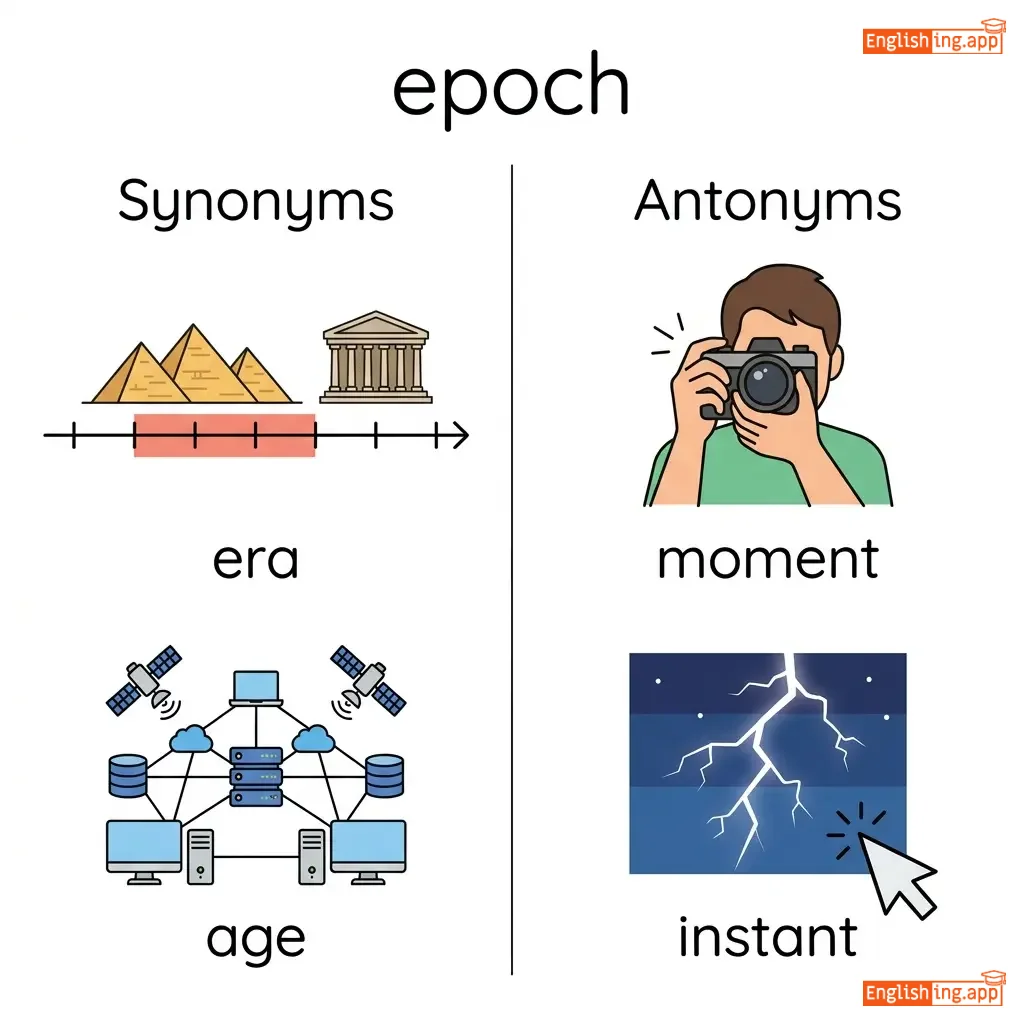
Era, Period, Age
••••••
|
Moment, Instant, Short-term
••••••
|
時代 (jidai) = epoch
••••••
|
|
#1777
🌟
|
prɛsˈtiːʒ
noun
(プレステージ)
••••••
|
|
名声
meisei
••••••
|
Widespread respect and admiration felt for someone or something on the basis of a perception of their achievements or quality.
••••••
|
The university has gained international prestige for its research.
その大学は研究で国際的な名声を得ました。
••••••
|
その大学は研究で国際的な名声を得ました。
Sono daigaku wa kenkyū de kokusaiteki na meisei o emashita.
••••••
|
Reputation, Honor, Status
••••••
|
Disgrace, Dishonor, Insignificance
••••••
|
名声は成果に対して得られる尊敬です。
••••••
|
|
#1778
🤝
|
kənˈvɜː.dʒəns
noun
(コンバージェンス)
••••••
|
|
収束
konbaajensu
••••••
|
The process or state of converging; a location where airflows or ocean currents meet, typically marked by upwelling or downwelling.
••••••
|
The convergence of science and technology has led to innovation.
科学技術の収束が革新を生み出した。
••••••
|
科学技術の収束が革新を生み出した。
kagaku gijutsu no shuusoku ga kakushin o umidashita
••••••
|
Union, Merging, Alignment
••••••
|
Divergence, Separation, Deviation
••••••
|
シューズとソックスが一つの足に集まるイメージで覚える -> shuusoku
••••••
|
|
#1779
🎯
|
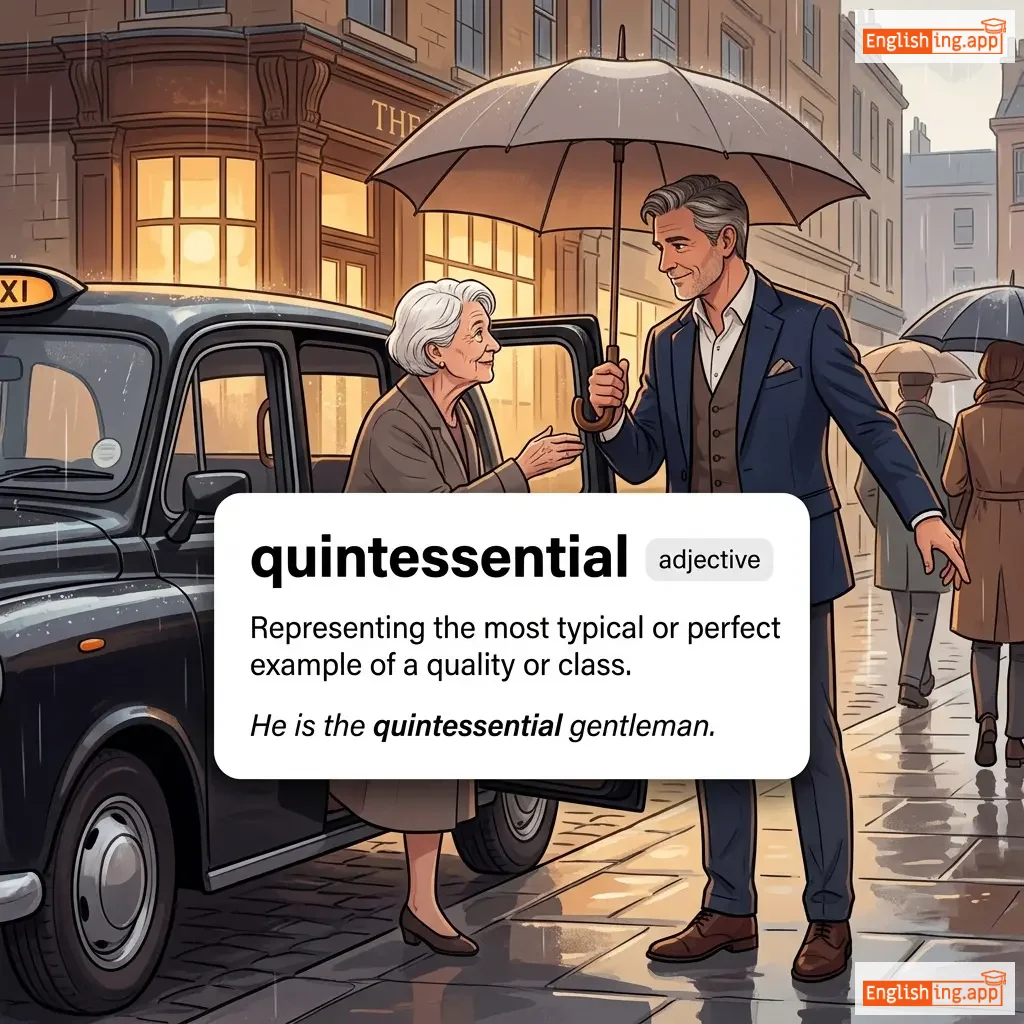
ˌkwɪn.tɪˈsɛn.ʃəl
adjective
(クインテセンシャル)
••••••
|
|
典型的な完璧な例
tenkeiteki na kanpeki na rei
••••••
|
Representing the most perfect or typical example of a quality or class; of the pure and essential essence of something.
••••••
|
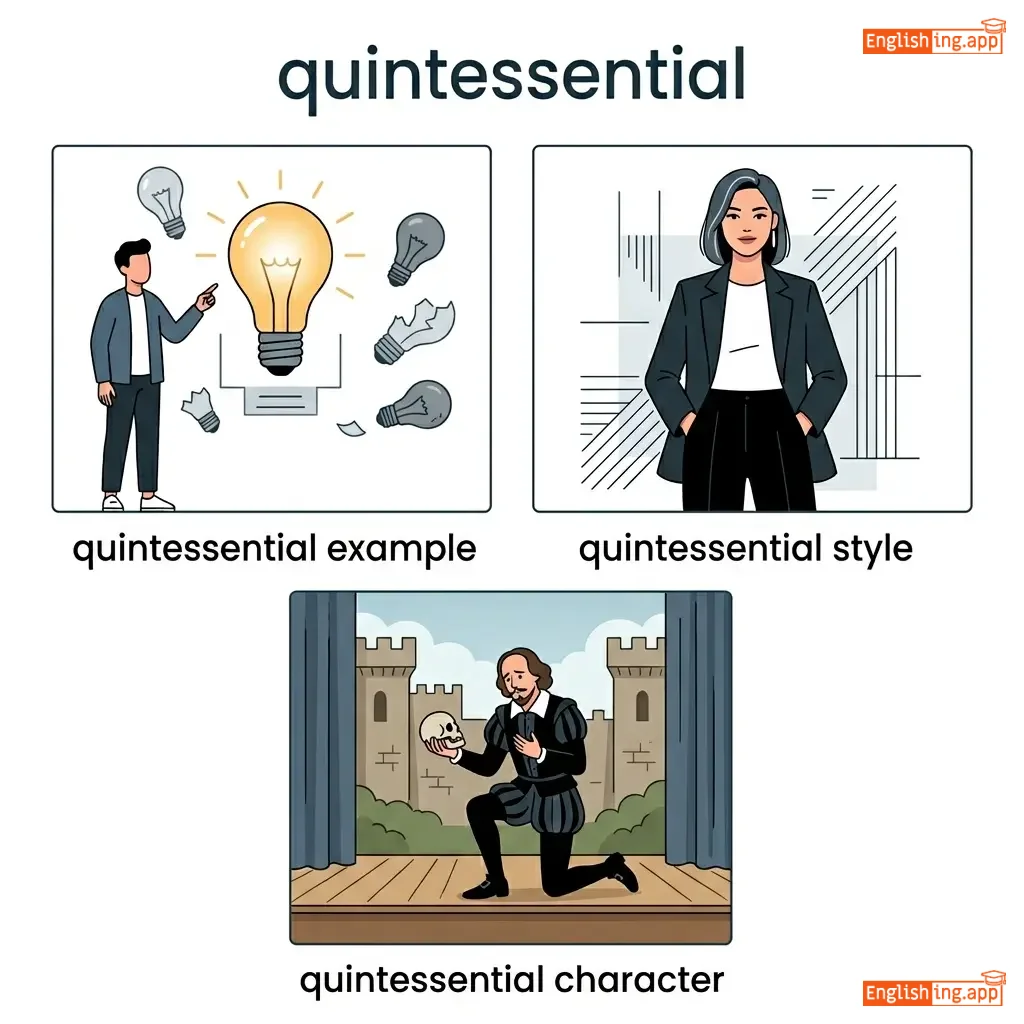
He is the quintessential example of a great leader.
彼は偉大なリーダーの典型的な例です。
••••••
|
彼は偉大なリーダーの典型的な例です。
Kare wa idaina rīdā no tenkeiteki na rei desu.
••••••
|
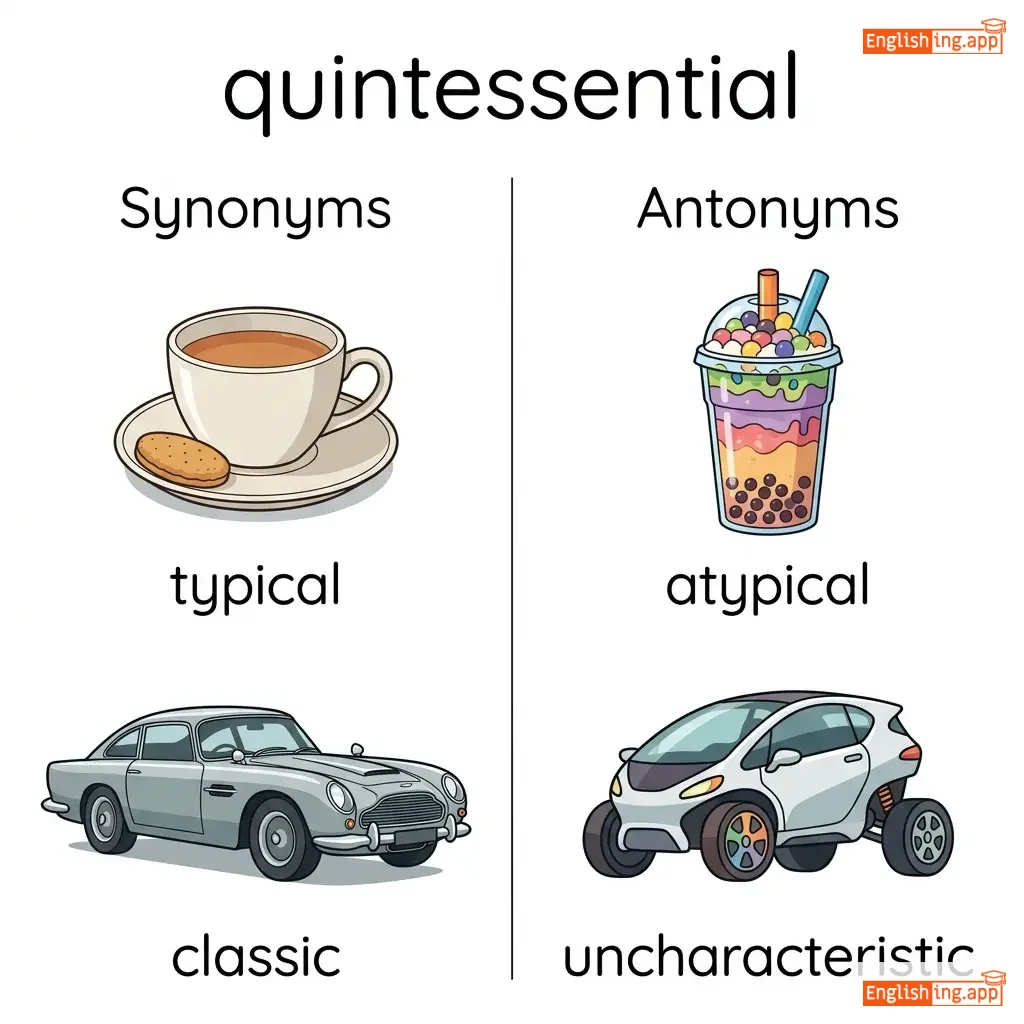
Ultimate, Ideal, Perfect Example
••••••
|
Atypical, Uncharacteristic, Imperfect
••••••
|
In Japanese, '典型的' connects to quintessential with a perfect example.
••••••
|
|
#1780
🏆
|
ˈlɛɡ.ə.si
noun
(レガシー)
••••••
|
|
遺産
isan
••••••
|
An amount of money or property left to someone in a will; something left or handed down by a predecessor.
••••••
|
His contributions left a lasting legacy in the industry. |
彼の貢献は業界に長く残る遺産を残しました。
Kare no kouken wa gyoukai ni nagaku nokoru isan wo nokoshimashita.
••••••
|
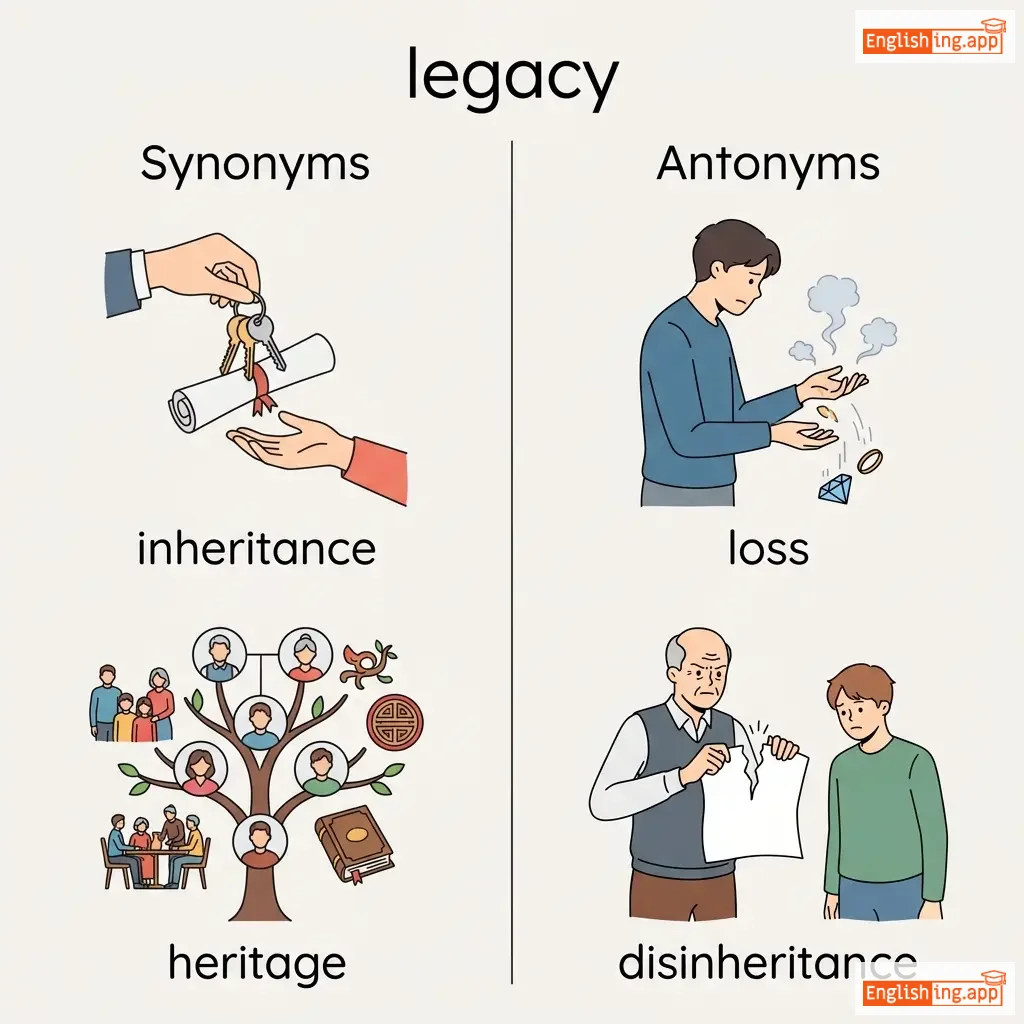
Heritage, Inheritance, Contribution
••••••
|
Neglect, Loss, Abandonment
••••••
|
Isan in Japanese is like 'legacy'. Imagine passing on something precious across generations.
••••••
|
|
#1781
🗿
|
ˌmɒn.jʊˈmɛn.təl
adjective
(モニュメンタル)
••••••
|
|
巨大な重要性、規模、またはサイズ
kyodaina juyo-sei, kibo, mata wa saizu
••••••
|
Great in importance, extent, or size; exceptionally great; forming or serving as a monument.
••••••
|
The discovery of electricity was a monumental achievement.
電気の発見はモニュメンタルな成果でした。
••••••
|
電気の発見はモニュメンタルな成果でした。
Denki no hakken wa monyumento-ru na seika deshita.
••••••
|
Historic, Immense, Colossal
••••••
|
Insignificant, Trivial, Unremarkable
••••••
|
モニュメンタルは偉大な発見や巨大な記念碑を思い浮かべて覚えましょう。
••••••
|
Vocabulary Quiz
Test your vocabulary by matching words with their translations or meanings.
Login to take the quiz
Comments (0)
Share your thoughts and join the discussion.
Join the discussion by logging in
Login to CommentNo comments yet
Be the first to share your thoughts!