

なぜ一部の経済はより速く成長するのか
Why Some Economies Grow Faster
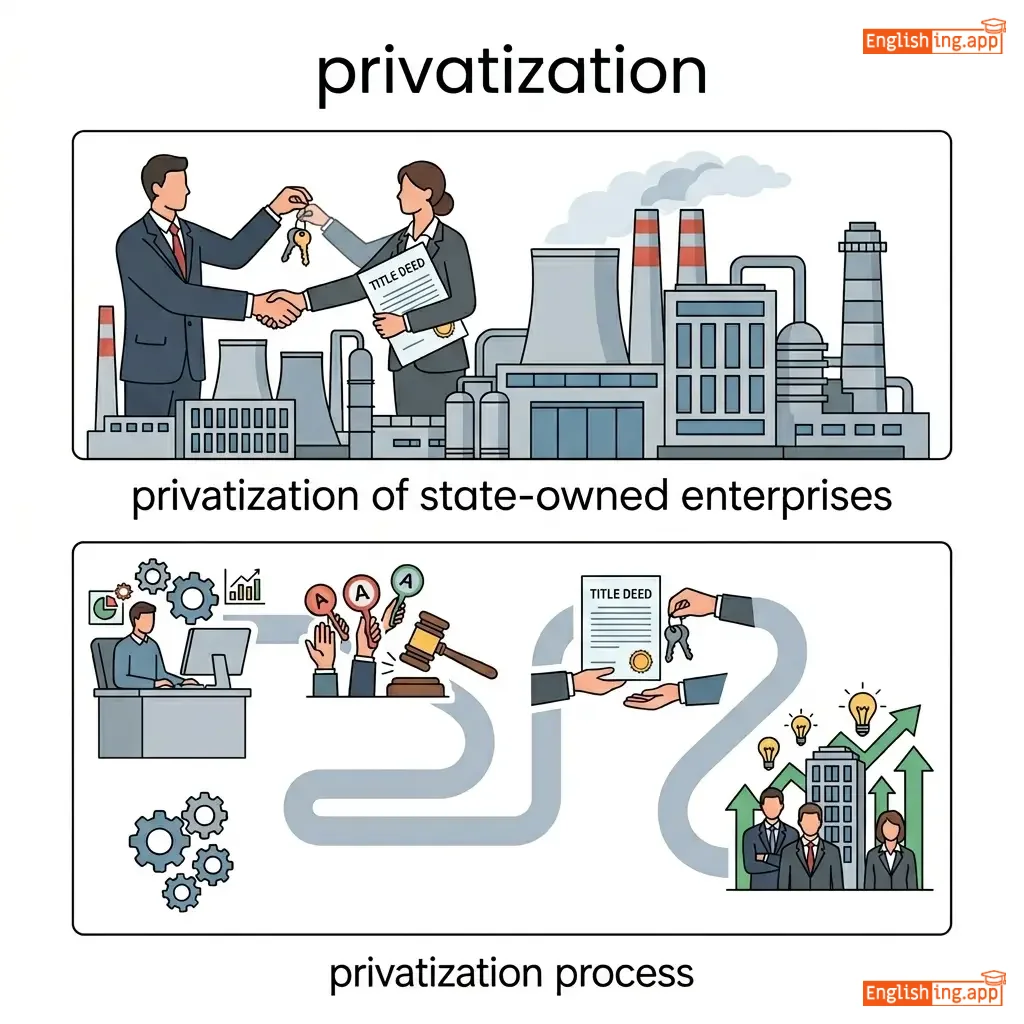
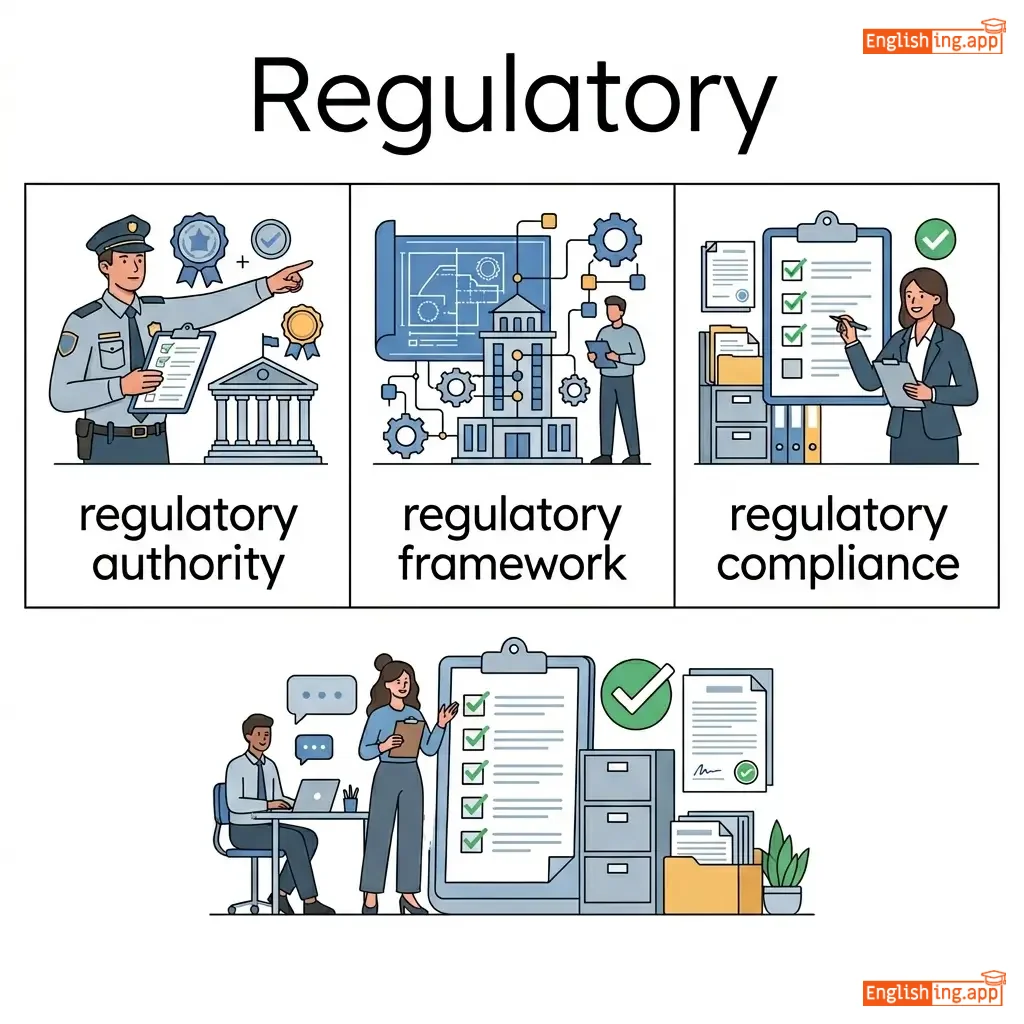
国によって economic growth の速度は異なり、ある経済は急速に affluence に達する一方で、他の経済は停滞したままです。急速な成長の背後には、entrepreneurial イノベーション、diversification、そして適切な macroeconomic 政策の採用など、いくつかの重要な要因があります。capitalization や privatization を通じて資源を活用できる国は、通常、急速に発展します。同様に、regulatory 枠組みが簡素化されると、ビジネスや conglomerate の設立が容易になります。一方で、過度の bureaucracy や政府の subsidization は経済に inflationary 圧力を与え、発展の速度を遅らせます。さらに、弱い fiduciary 政策や monetary の誤管理は経済の volatility を高めます。しかし、適切な remittance の流れと十分な liquidity があれば、投資が増加し、長期的な amortization と consumption の増加を通じて economic disparity を減らすことができます。
翻訳
過去
過去分詞
三人称単数
動名詞
意味
例文
例文の翻訳
同義語
対義語
コロケーション
ニーモニック





Swipe left or right, or use the buttons. Tap image to zoom.
例文の翻訳
単語
Why Some Economies Grow FasterWhy Some Economies Grow Faster - マスクトグル
|
絵文字
|
単語 | Images | 翻訳 | 意味 | 例文 | 例文の翻訳 | 同義語 | 対義語 | ニーモニック |
|---|---|---|---|---|---|---|---|---|---|
|
#4044
📈
|
/ˌiː.kəˈnɒm.ɪk ɡrəʊθ/
noun
(経済成長)
••••••
|
|
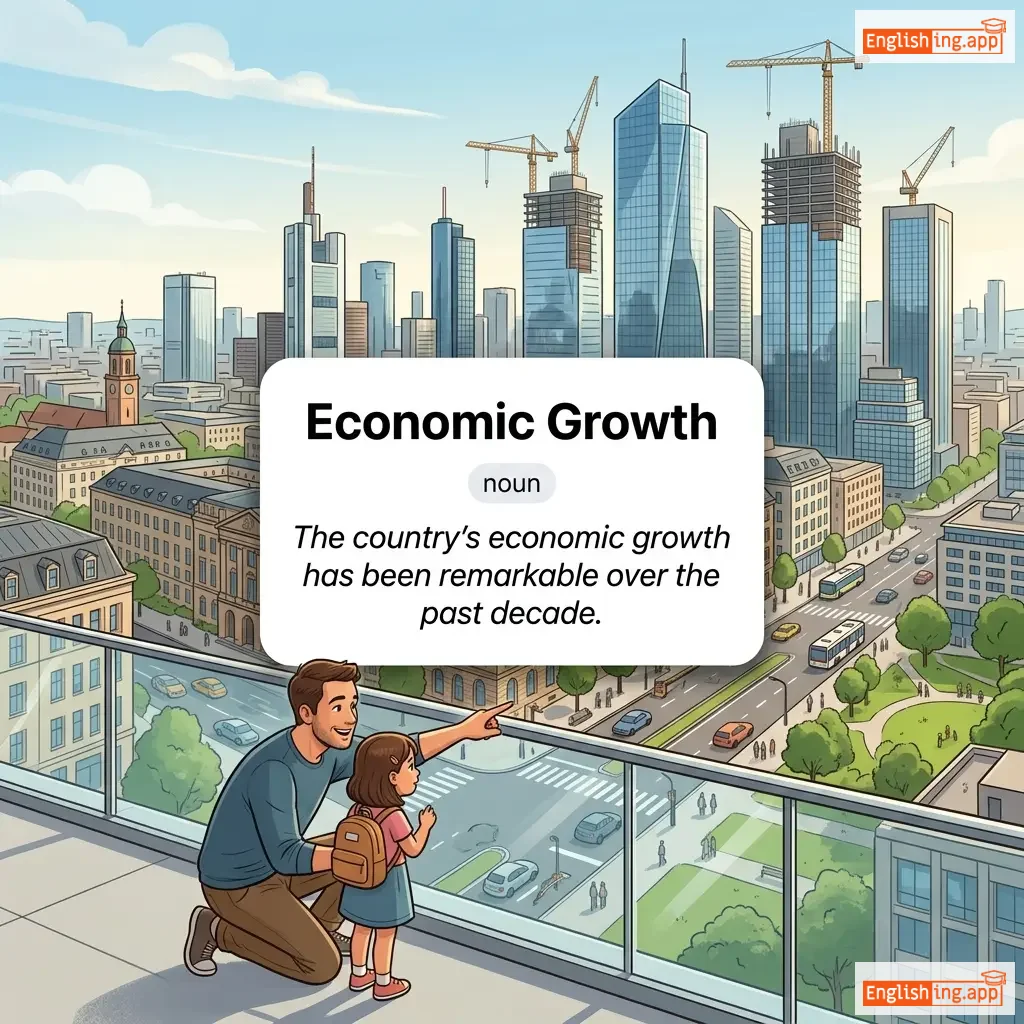
経済成長
keizai seichou
••••••
|
The increase in the production of goods and services in an economy over time, measured by the expansion of economic output, income, and investment.
••••••
|
The country's economic growth has been remarkable over the past decade.
その国の経済成長は過去10年間で顕著でした。
••••••
|
その国の経済成長は過去10年間で顕著でした。
Sono kuni no keizai seichou wa kako 10-nenkan de kencho deshita.
••••••
|
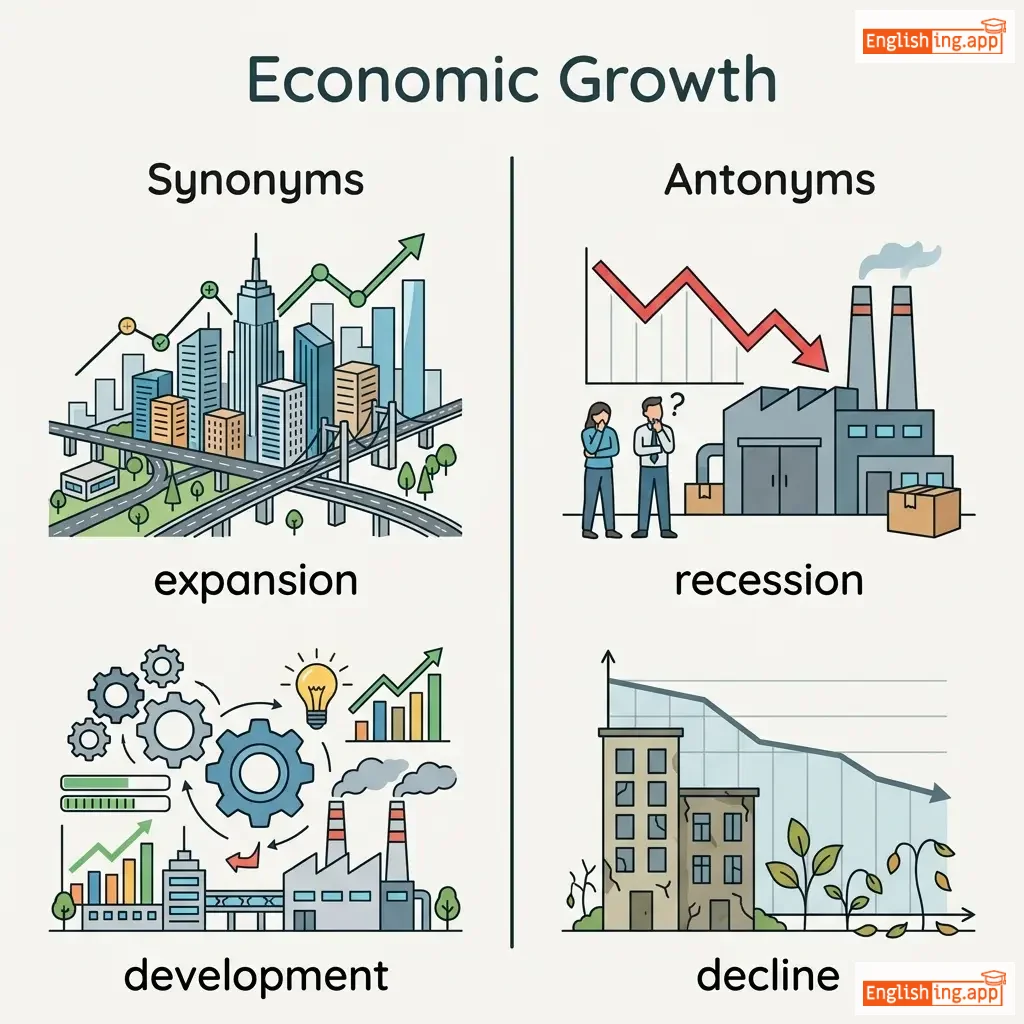
expansion, development, progress
••••••
|
recession, decline, stagnation
••••••
|
経済成長 = 継続的な努力で着実に進む道!
••••••
|
|
#4045
💰
|
/ˈæf.lu.əns/
noun
(アフルエンス)
••••••
|
|
裕福
yūfuku
••••••
|
A state of having a great deal of money; wealth and prosperity.
••••••
|
His affluence is evident in his luxurious lifestyle.
彼の富裕層は彼の豪華なライフスタイルに明らかです。
••••••
|
彼の富裕層は彼の豪華なライフスタイルに明らかです。
Kare no fuyūsō wa kare no gōka na raifusutairu ni akiraka desu.
••••••
|
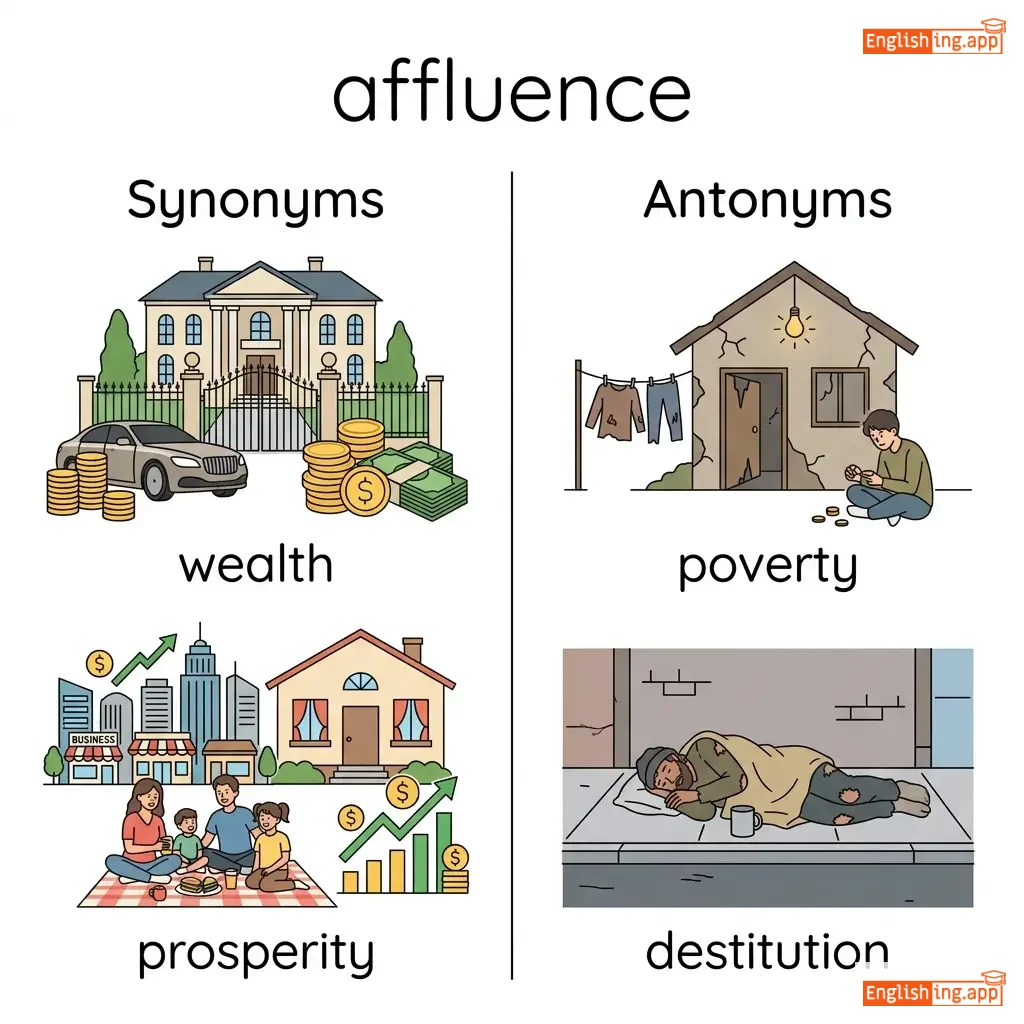
wealth, prosperity, opulence
••••••
|
poverty, scarcity, destitution
••••••
|
裕福はお金と繁栄を象徴し、アフルエンスと覚えやすいです。
••••••
|
|
#4046
🚀
|
/ˌɒn.trə.prəˈnɜː.ri.əl/
adjective
(アントレプレヌール)
••••••
|
|
起業家的
kigyōteki
••••••
|
Having the characteristics of an entrepreneur; showing initiative and willingness to undertake new ventures.
••••••
|
Her entrepreneurial mindset led to the launch of a successful startup. |
彼女の起業家精神は成功したスタートアップの立ち上げに繋がりました。
Kanojo no kigyōka seishin wa seikō shita sutātoappu no tachiage ni tsunagarimashita.
••••••
|
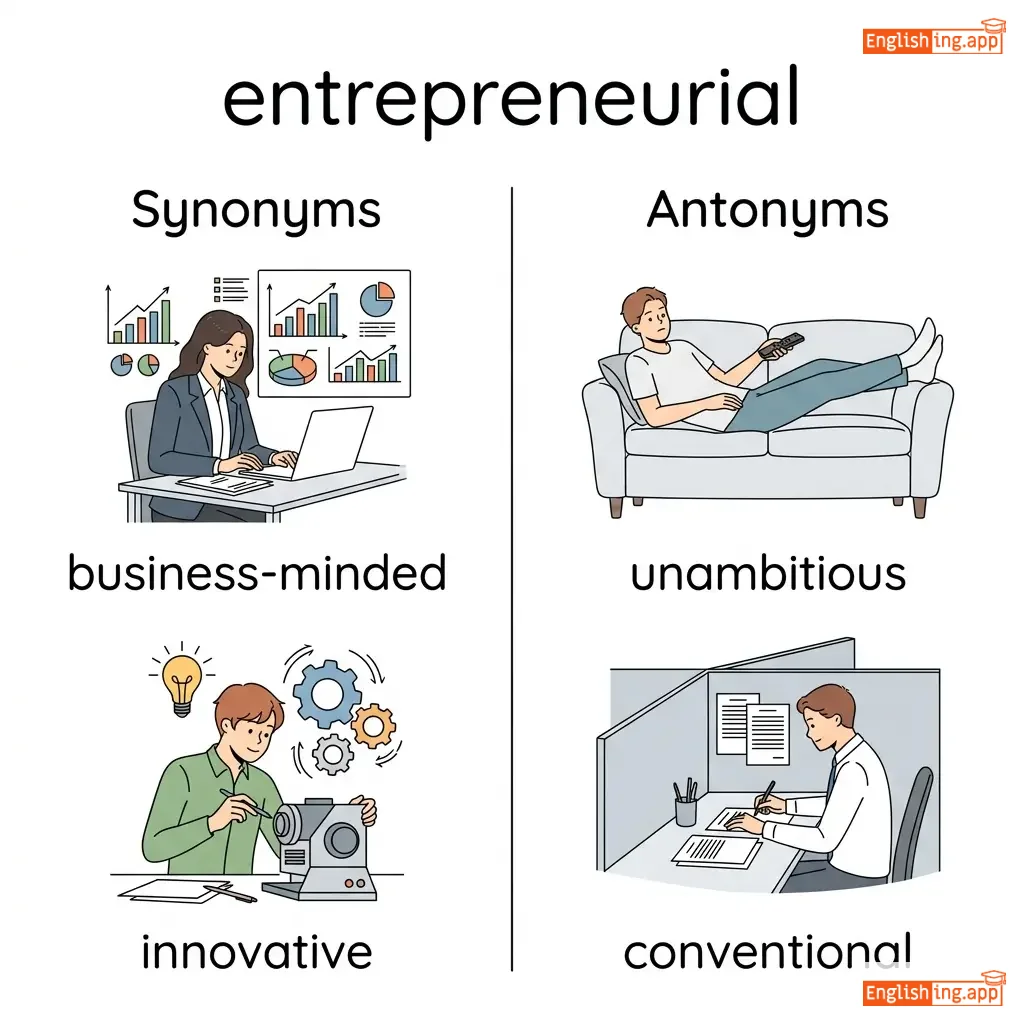
business-minded, innovative, risk-taking
••••••
|
unambitious, conventional, risk-averse
••••••
|
No •••••• |
|
#4047
🔄
|
/daɪˌvɜː.sɪ.fɪˈkeɪ.ʃən/
noun
(ダイバーシフィケーション)
••••••
|
|
多角化
Diversification
••••••
|
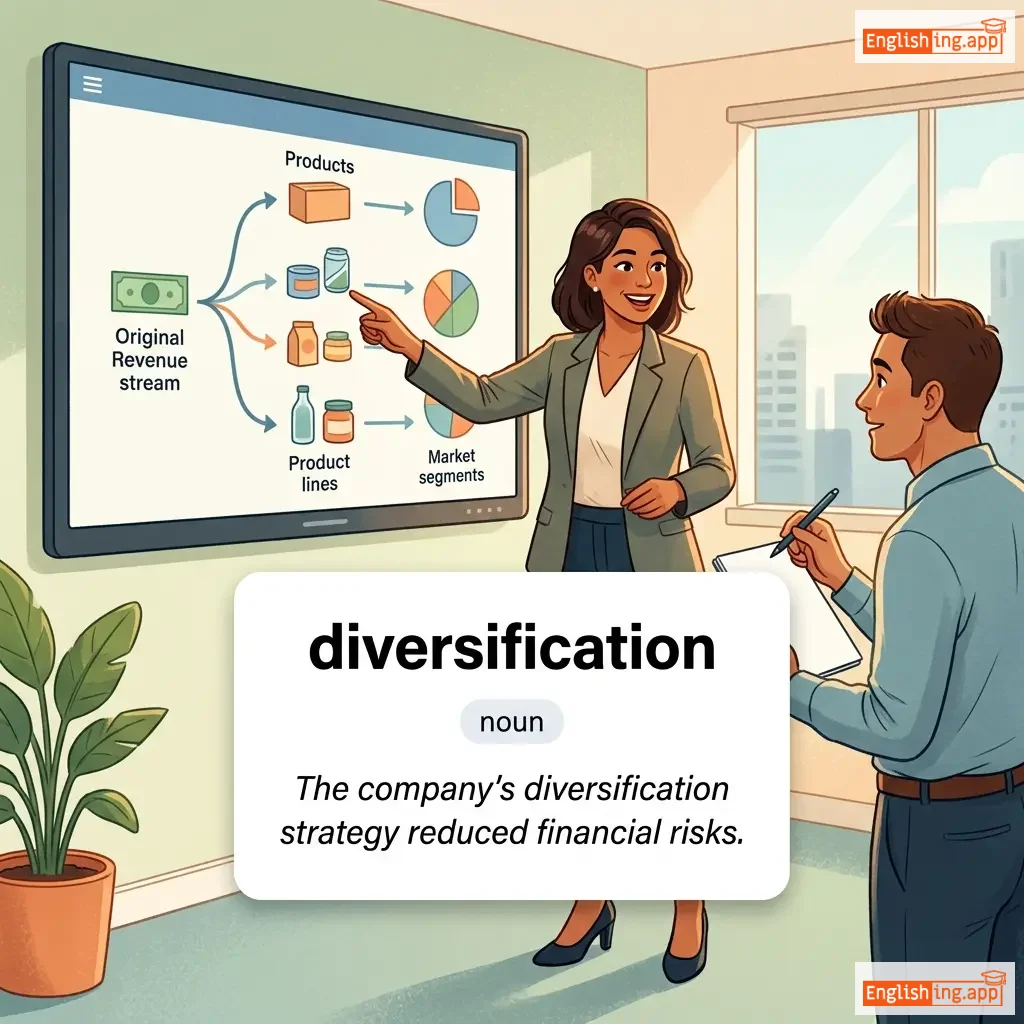
The process of a business expanding into different product lines or markets to spread risk and reduce dependence on a single source of income.
••••••
|
The company's diversification strategy reduced financial risks.
ザ カンパニーズ ダイバーシフィケーション ストラテジー リデュースド ファイナンシャル リスクス
••••••
|
その会社の多角化戦略は財務リスクを低減した。
sono kaisha no takakuka senryaku wa zaimu risuku o teigen shita
••••••
|
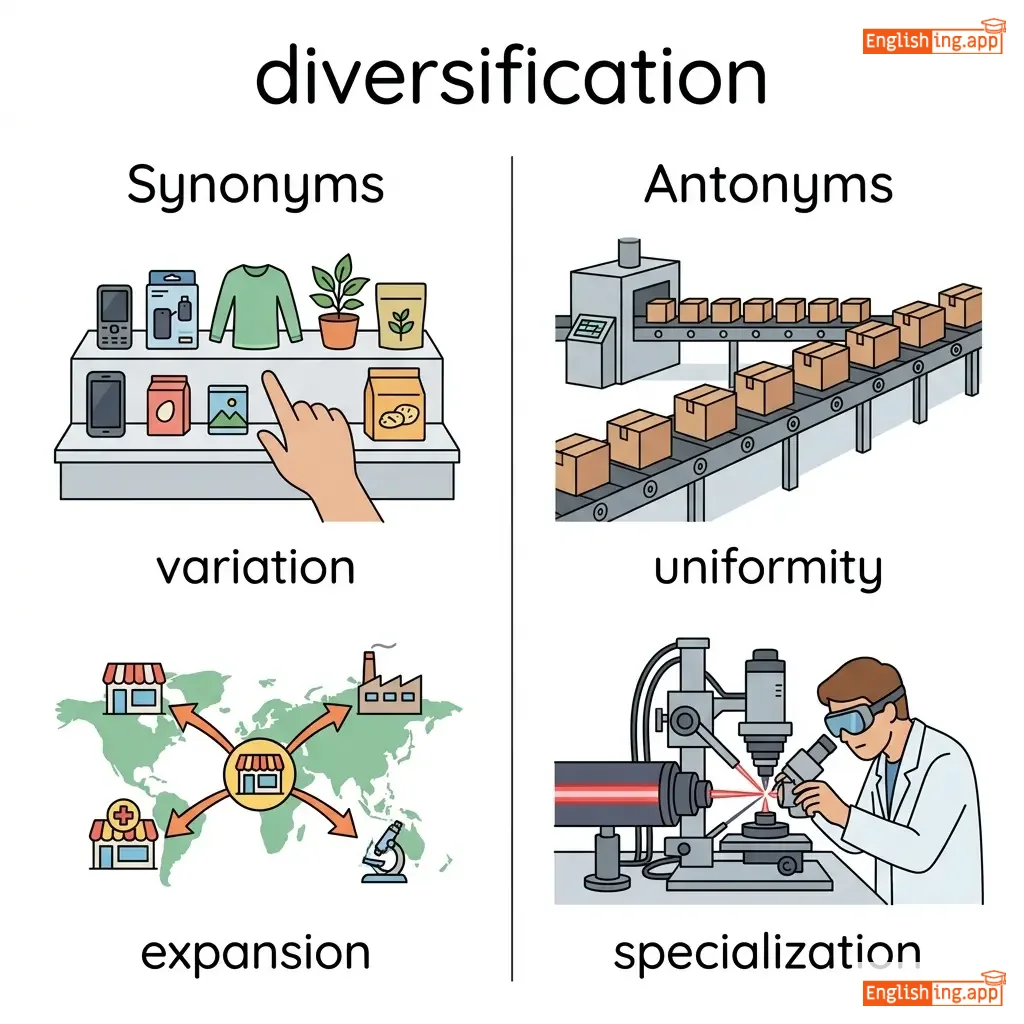
variation, expansion, multiplication
••••••
|
uniformity, specialization, homogeneity
••••••
|
Dive into ダイバーシフィケーション and imagine たかくか spreading across many markets like a rainbow to reduce risk
••••••
|
|
#4048
🌍
|
/ˌmæk.rəʊ.iː.kəˈnɒm.ɪk/
adjective
(マクロ経済学的)
••••••
|
|
マクロ経済学的
makuro keizaigakuteki
••••••
|
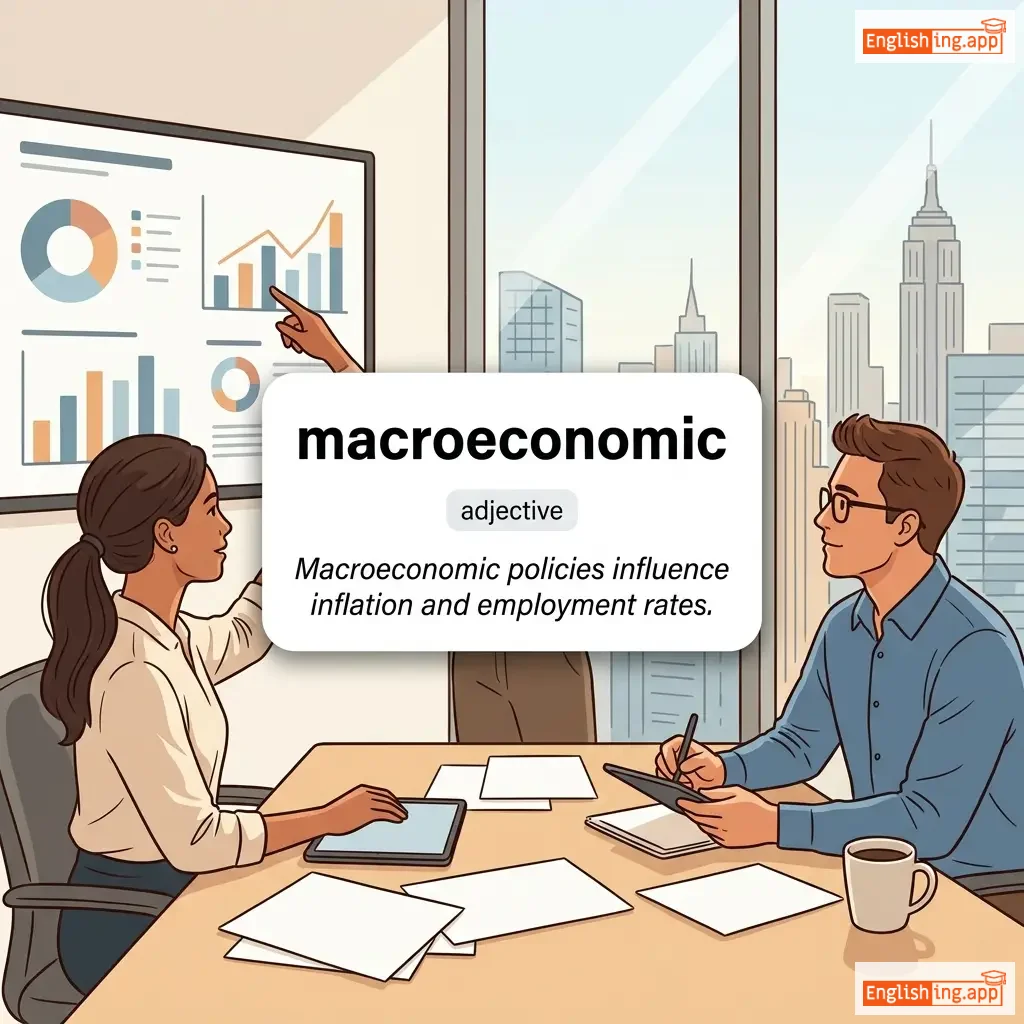
Relating to macroeconomics or the large-scale or general economic factors, such as interest rates and national productivity.
••••••
|
Macroeconomic policies influence inflation and employment rates.
マクロ経済政策はインフレと雇用率に影響を与えます。
••••••
|
マクロ経済政策はインフレと雇用率に影響を与えます。
Makuro keizai seisaku wa infure to koyō ritsu ni eikyō o ataemasu.
••••••
|
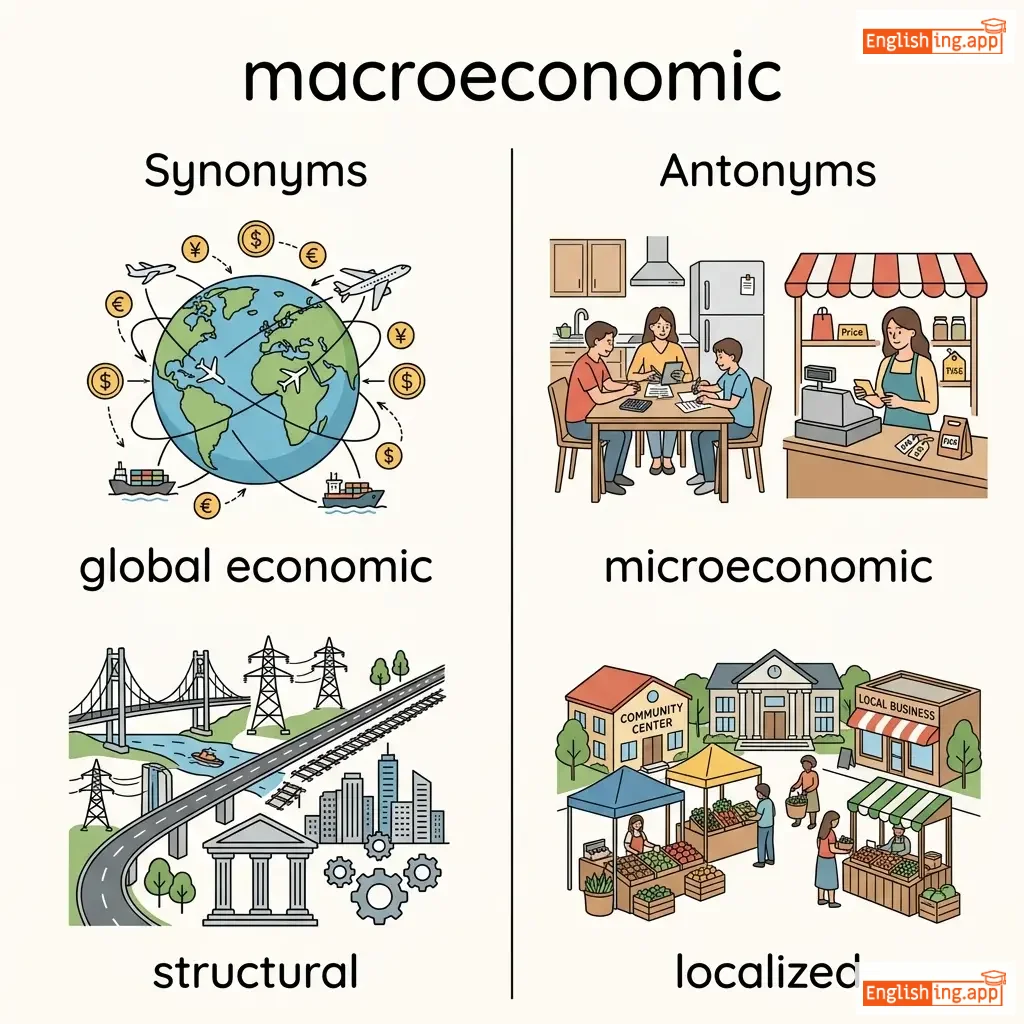
global economic, structural, national
••••••
|
microeconomic, localized, sectoral
••••••
|
マクロで大きい、経済学も大きい、マクロ経済学的!
••••••
|
|
#4049
📊
|
/ˌkæp.ɪ.təl.aɪˈzeɪ.ʃən/
noun
(キャピタリゼーション)
••••••
|
|
資本化
shihonka
••••••
|
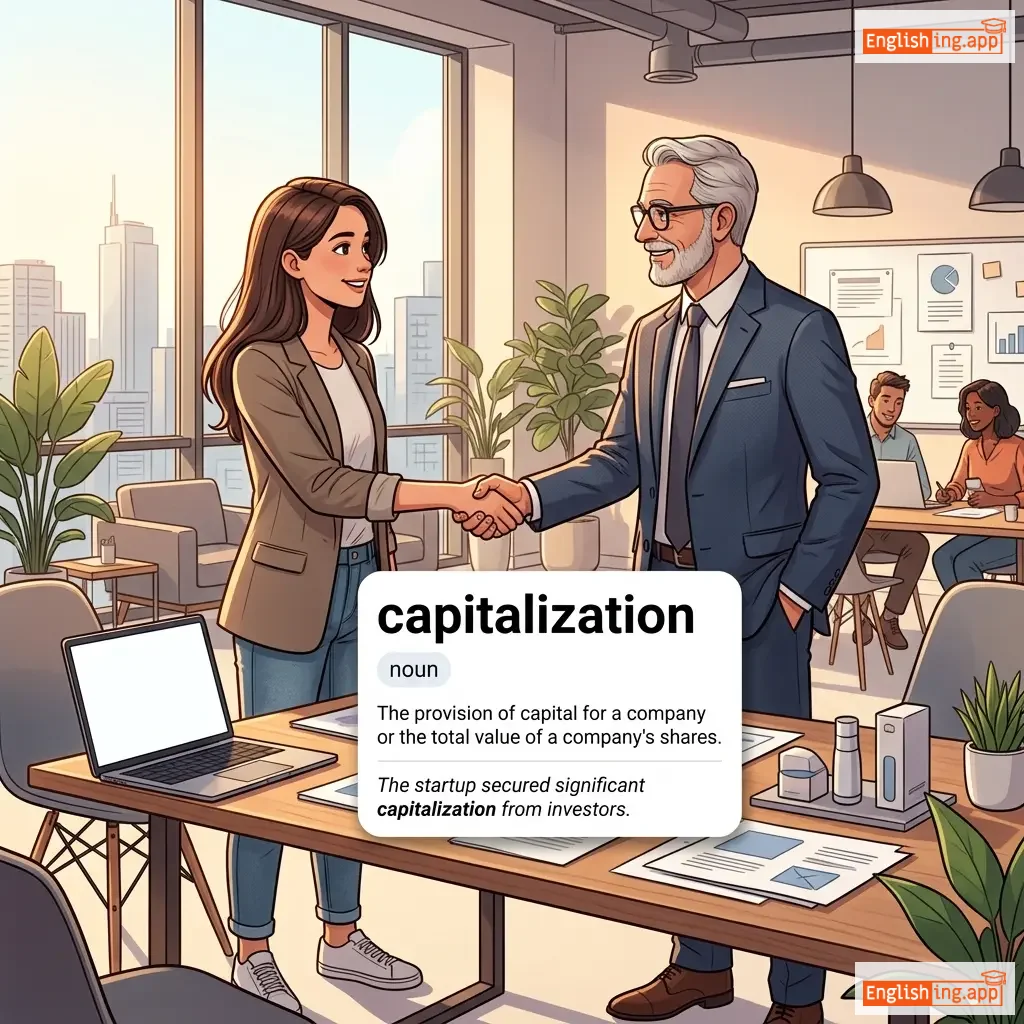
The provision of capital for a company or the total value of a company's shares.
••••••
|
The startup secured significant capitalization from investors.
スタートアップは投資家から重要な資本化を確保しました。
••••••
|
スタートアップは投資家から重要な資本化を確保しました。
Sutātoappu wa tōshika kara jūyō na shihonka o kakuho shimashita.
••••••
|
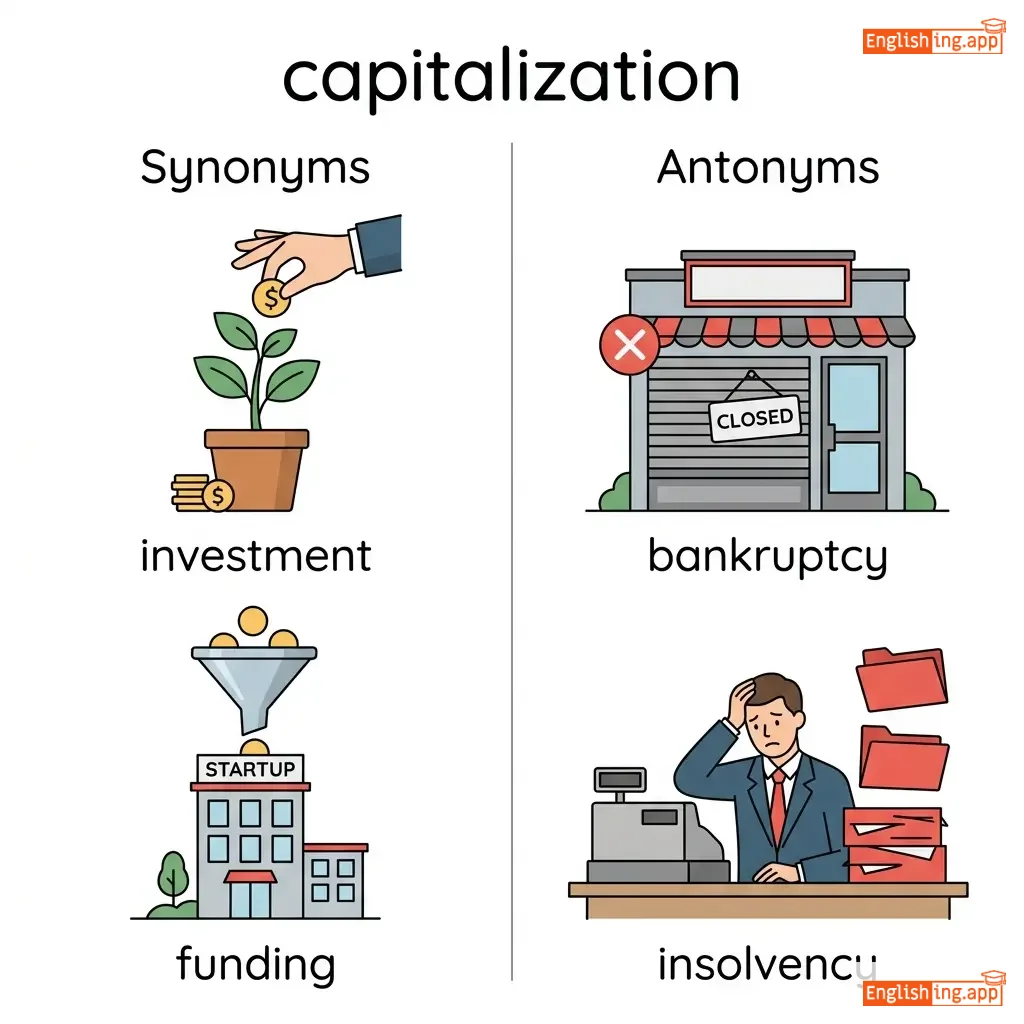
investment, funding, asset utilization
••••••
|
bankruptcy, insolvency, undercapitalization
••••••
|
資本化は、投資家の資本の提供を意味します。
••••••
|
|
#4050
🏭
|
/ˌpraɪ.və.taɪˈzeɪ.ʃən/
noun
(プライベタイゼーション)
••••••
|
|
民営化
min'eka
••••••
|
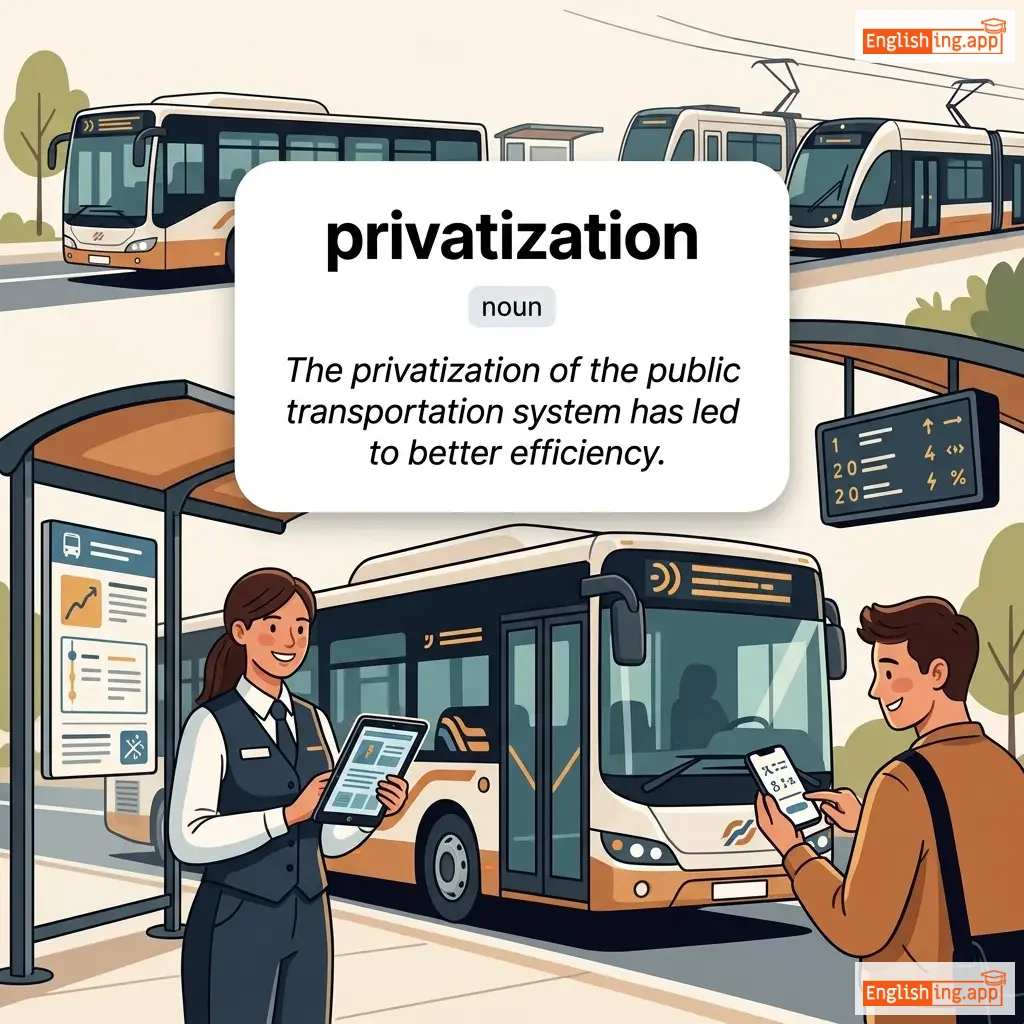
The transfer of ownership of a business, enterprise, agency, or public service from the public sector to the private sector.
••••••
|
The privatization of public enterprises led to improved efficiency. |
公共企業の民営化は、効率の向上をもたらしました。
Kōkyō kigyō no min'eka wa, kōritsu no kōjō o motarashimashita.
••••••
|
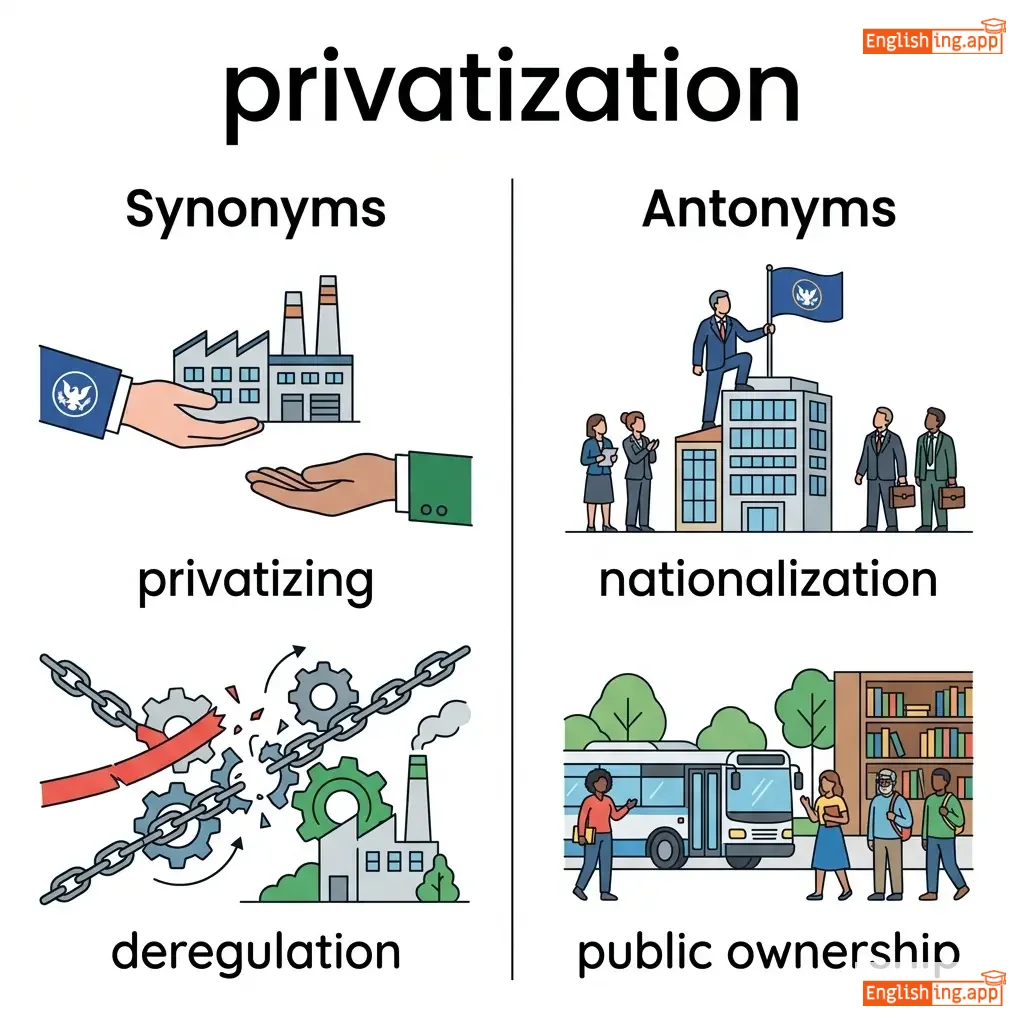
deregulation, market liberalization, commercialization
••••••
|
nationalization, public ownership, socialization
••••••
|
民営化は、公のものを民間に変えること、秘密のように転換することです。
••••••
|
|
#4051
📋
|
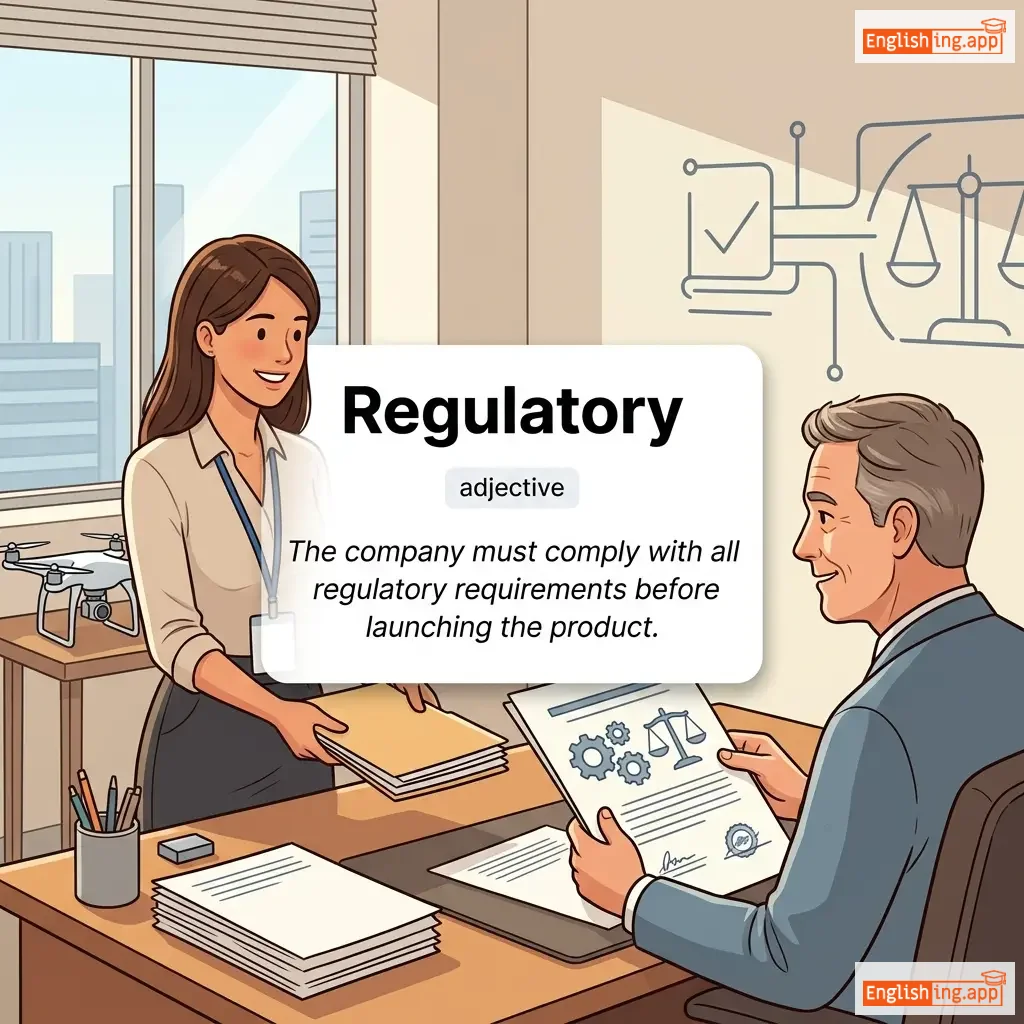
/ˈreɡ.jʊ.lə.tər.i/
adjective
(レギュラトリー)
••••••
|
|
規制
kisei
••••••
|
Having the power to control or govern something through rules and regulations.
••••••
|
The government enforces regulatory policies for financial stability.
政府は金融安定性のために規制政策を実施しています。
••••••
|
政府は金融安定性のために規制政策を実施しています。
Seifu wa kin'yū anteisei no tame ni kisei seisaku o jisshi shiteimasu.
••••••
|
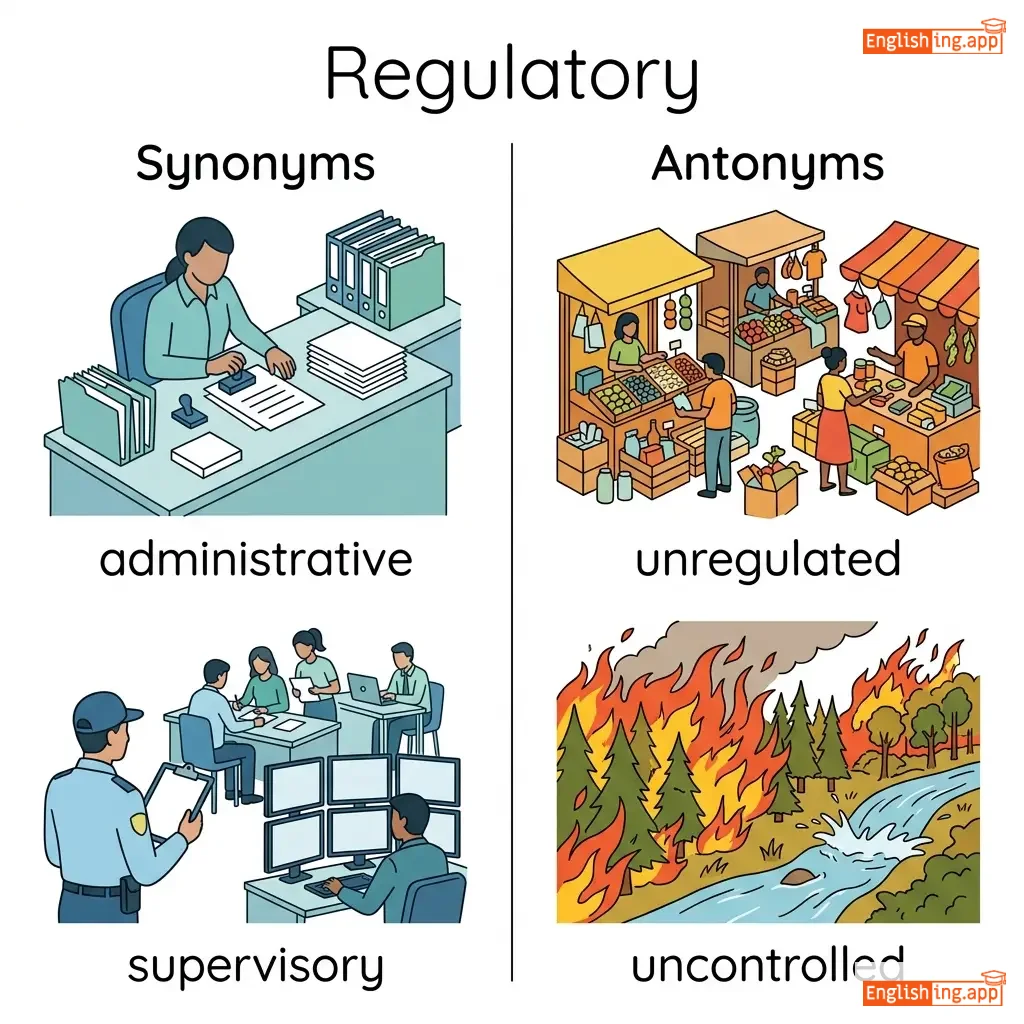
supervisory, controlling, administrative
••••••
|
unregulated, deregulated, unrestricted
••••••
|
Kisei = Ki (規) + Sei (制), ルールを適用して統制する
••••••
|
|
#4052
🏢
|
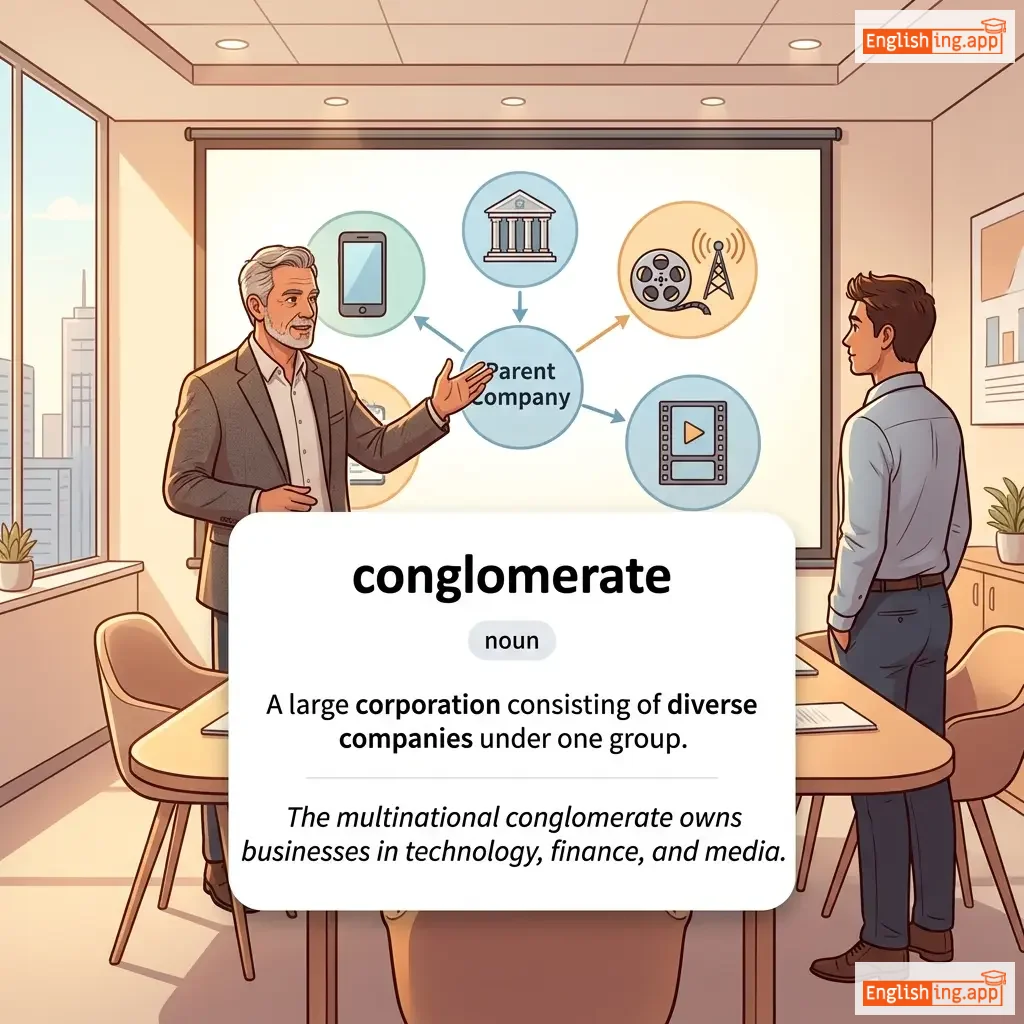
/kənˈɡlɒm.ər.ət/
noun
(コンゴロメート)
••••••
|
|
コングロマリット
konguromaritto
••••••
|
A large corporation made up of a number of different companies that operate in different markets.
••••••
|
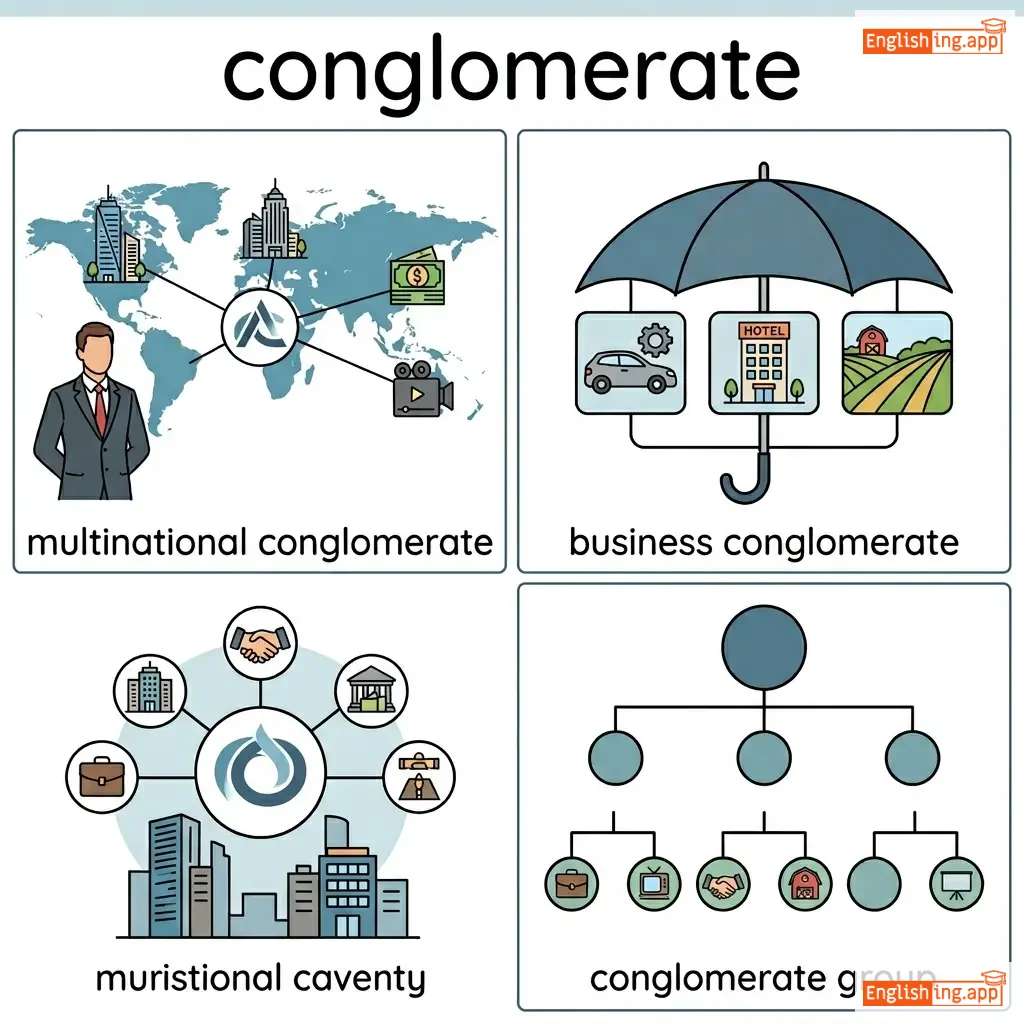
The conglomerate owns companies in multiple industries.
そのコンゴロメートは複数の業界の企業を所有しています。
••••••
|
そのコングロマリットは複数の業界の企業を所有しています。
Sono konguromaritto wa fukusū no gyōkai no kigyō o shoyū shiteimasu.
••••••
|
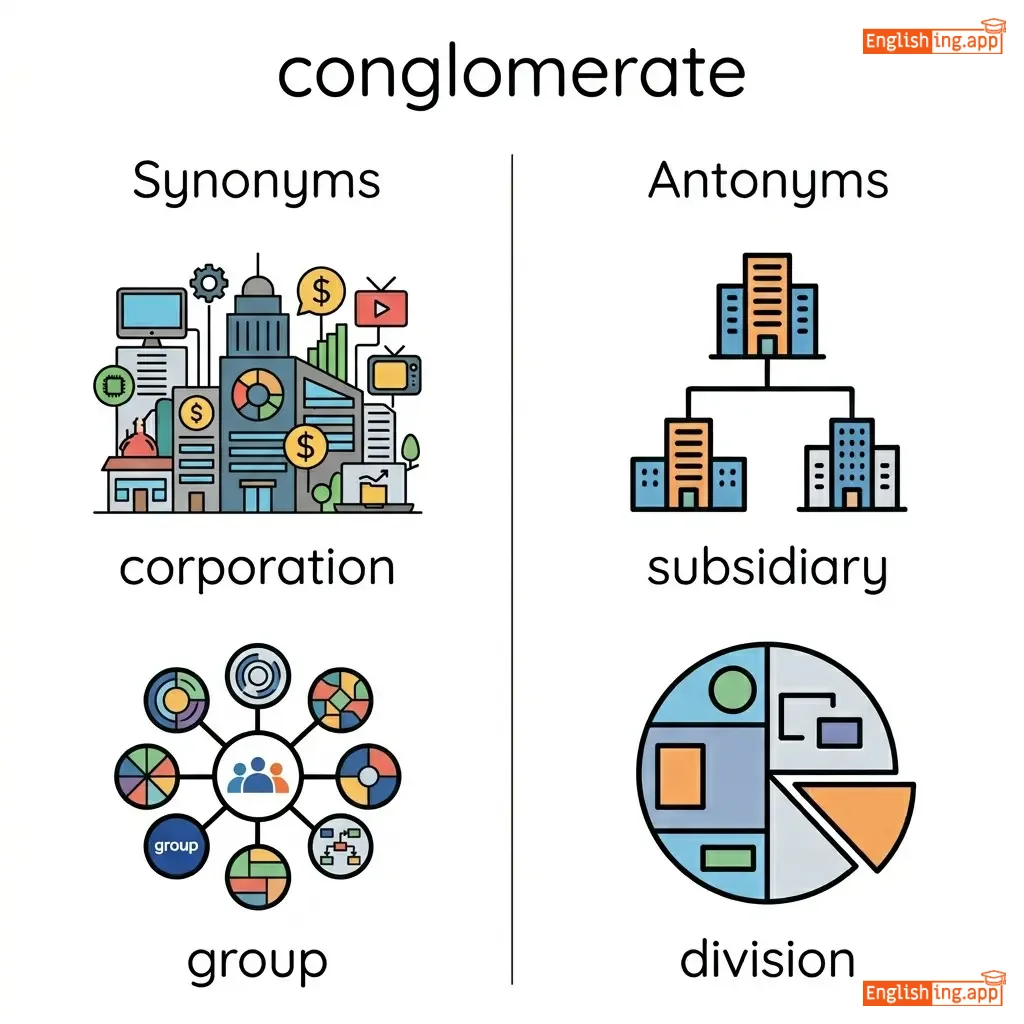
corporation, multinational, business empire
••••••
|
independent business, startup, small-scale enterprise
••••••
|
コングロマリットは複数の業界にまたがる企業の集まりです。
••••••
|
|
#4053
📁
|
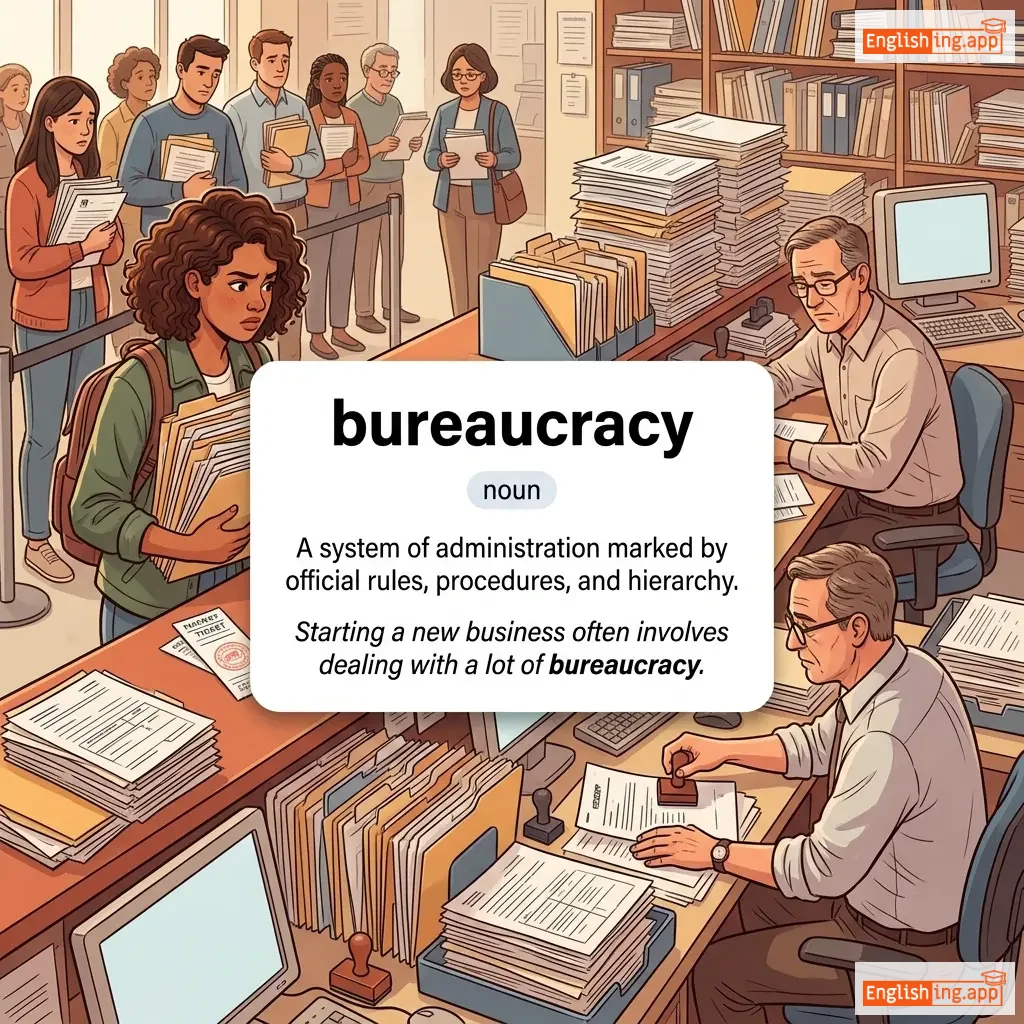
/ˈbjʊə.rə.krə.si/
noun
(ビューロクラシー)
••••••
|
|
官僚制
kanryō-sei
••••••
|
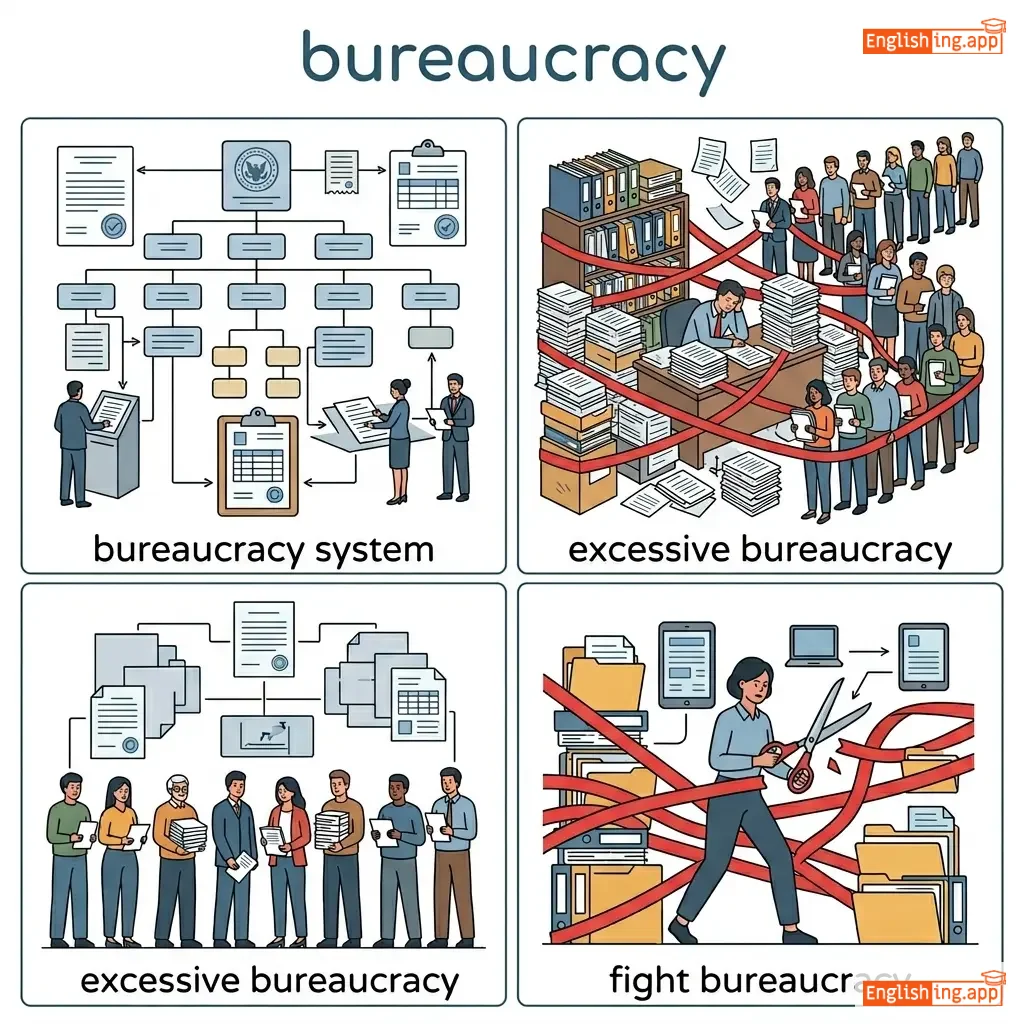
A system of government in which most of the important decisions are made by state officials rather than by elected representatives.
••••••
|
The complex bureaucracy delayed the approval process.
複雑な官僚制度が承認プロセスを遅らせました。
••••••
|
複雑な官僚制度が承認プロセスを遅らせました。
Fukuzatsu na kanryō-sei ga shōnin purosesu o okurasemashita.
••••••
|
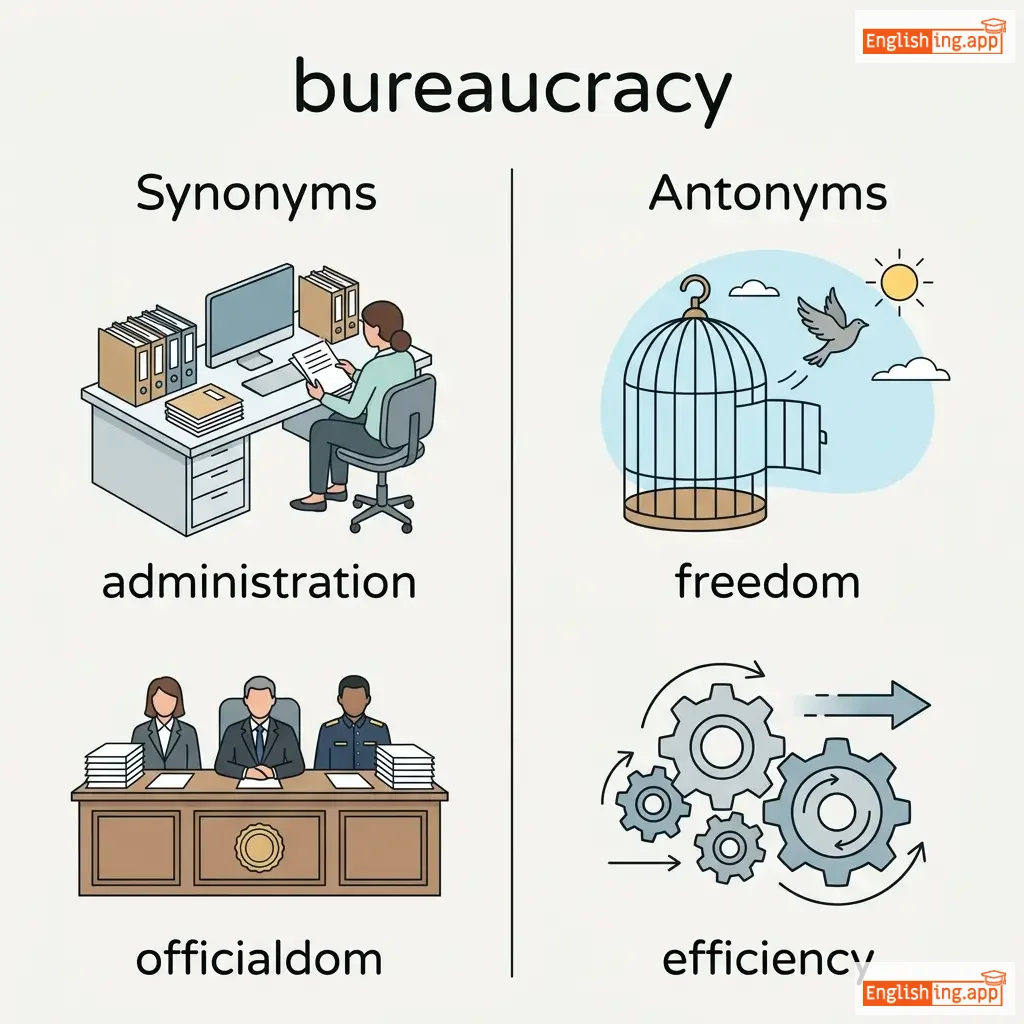
administration, officialdom, red tape
••••••
|
efficiency, flexibility, decentralization
••••••
|
ビューロクラシーは、選ばれた代表者ではなく、役人が決定する仕組みを覚えやすい。
••••••
|
|
#4054
💸
|
/ˌsʌbsɪdaɪˈzeɪʃən/
noun
(補助金)
••••••
|
|
補助金
hojokin
••••••
|
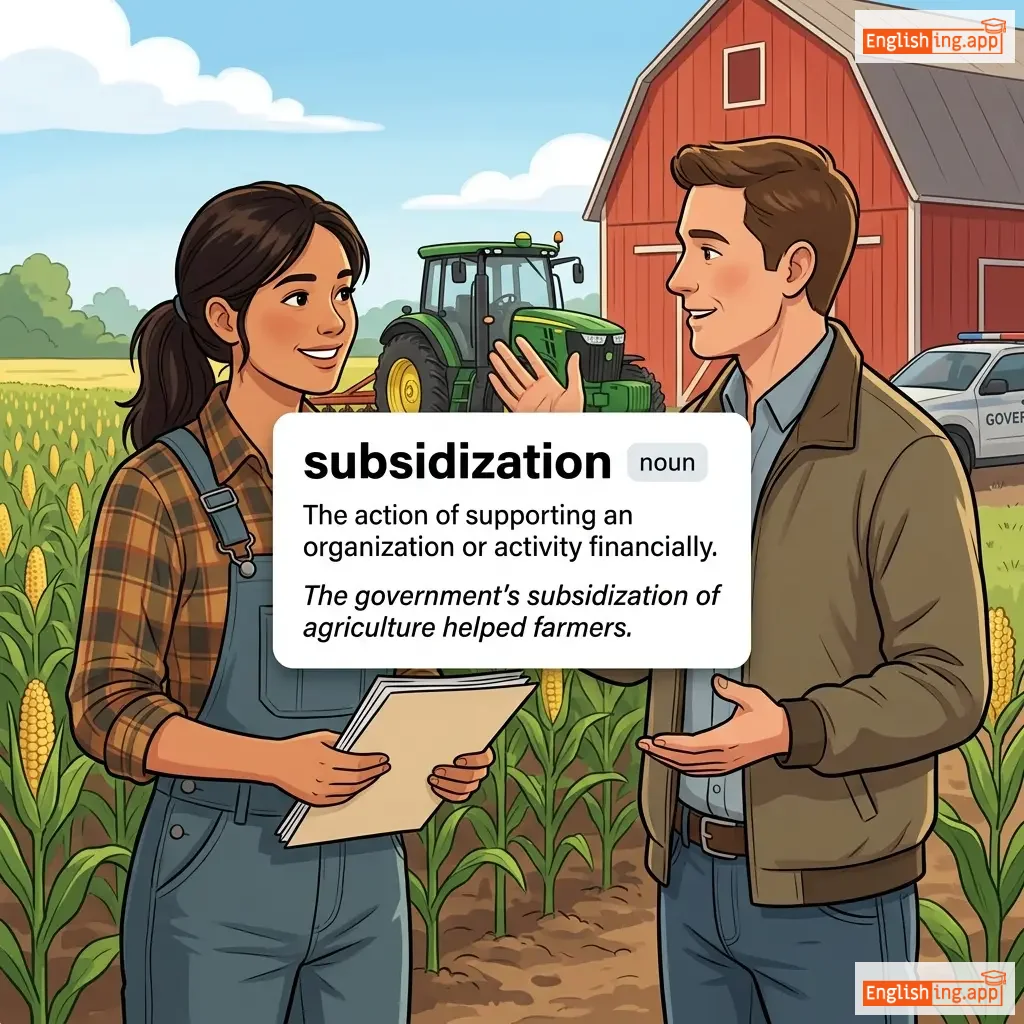
The action of supporting an organization or activity financially.
••••••
|
The government's subsidization of agriculture helped farmers.
政府の農業への補助金は農家を助けました。
••••••
|
政府の農業への補助金は農家を助けました。
Seifu no nōgyō e no hojokin wa nōka o tasukemashita.
••••••
|
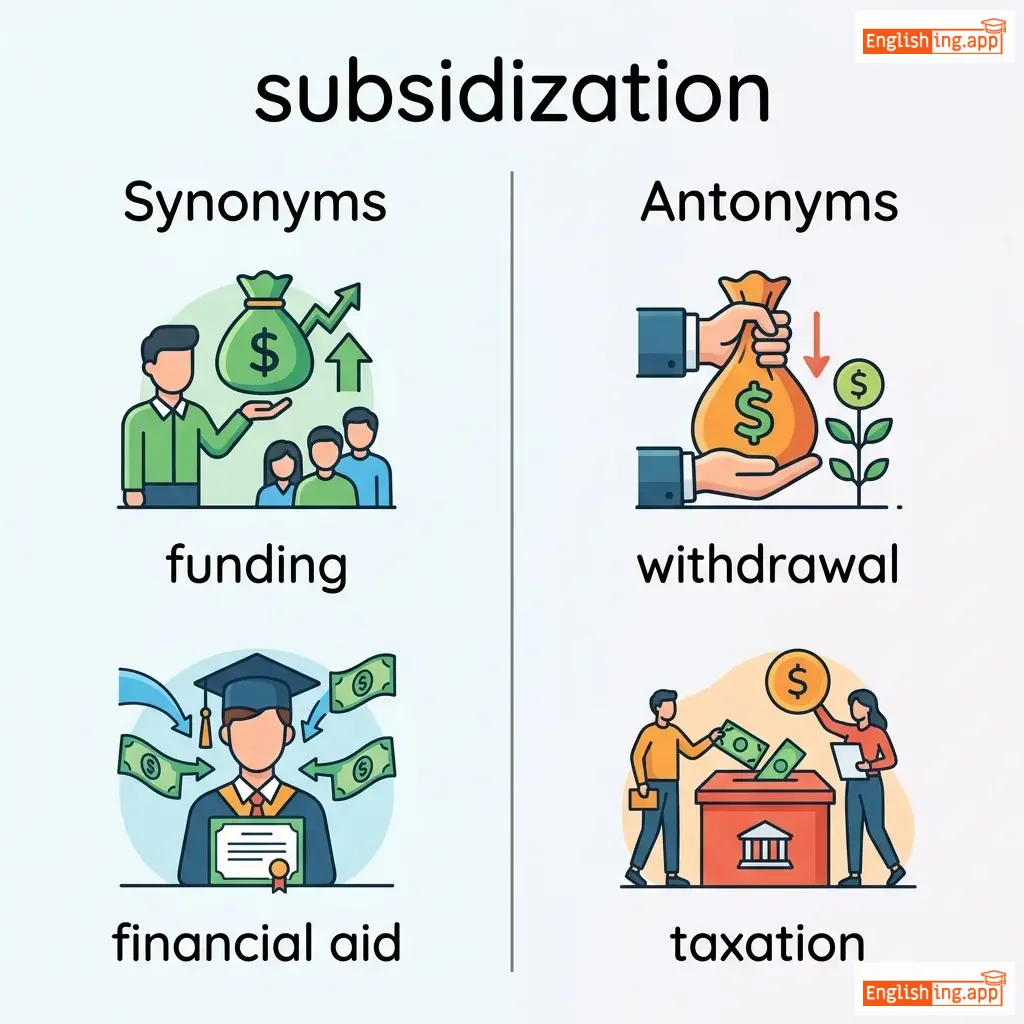
funding, financial aid, grant
••••••
|
withdrawal, taxation, self-funding
••••••
|
補助金 — 財政支援で農家を助ける。
••••••
|
|
#4055
📈
|
/ɪnˈfleɪ.ʃə.ner.i/
adjective
(インフレーション)
••••••
|
|
インフレ的
infureteki
••••••
|
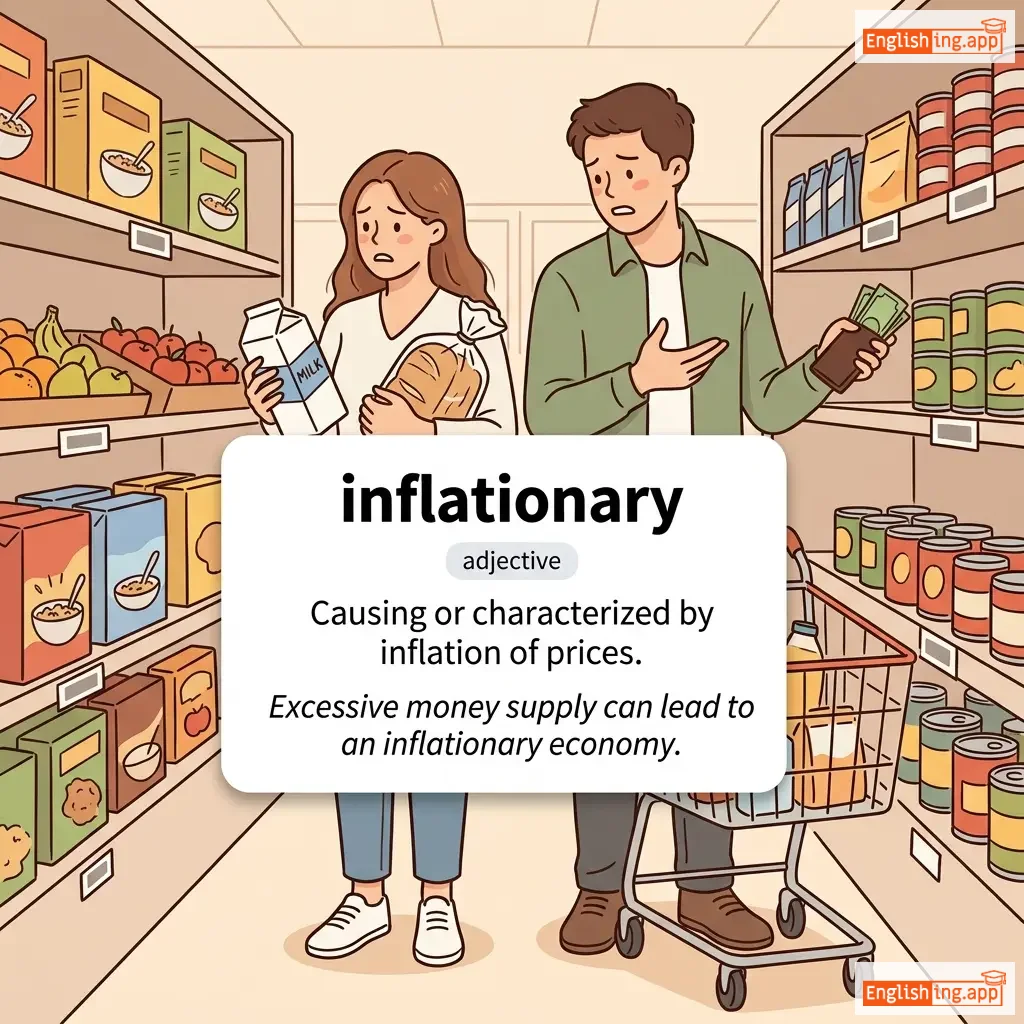
Causing or characterized by inflation of prices.
••••••
|
Excessive money supply can lead to an inflationary economy. |
過剰な貨幣供給はインフレ的な経済を引き起こす可能性があります。
Kajō na kakei kyōkyū wa infureteki na keizai o hikiokosu kanōsei ga arimasu.
••••••
|
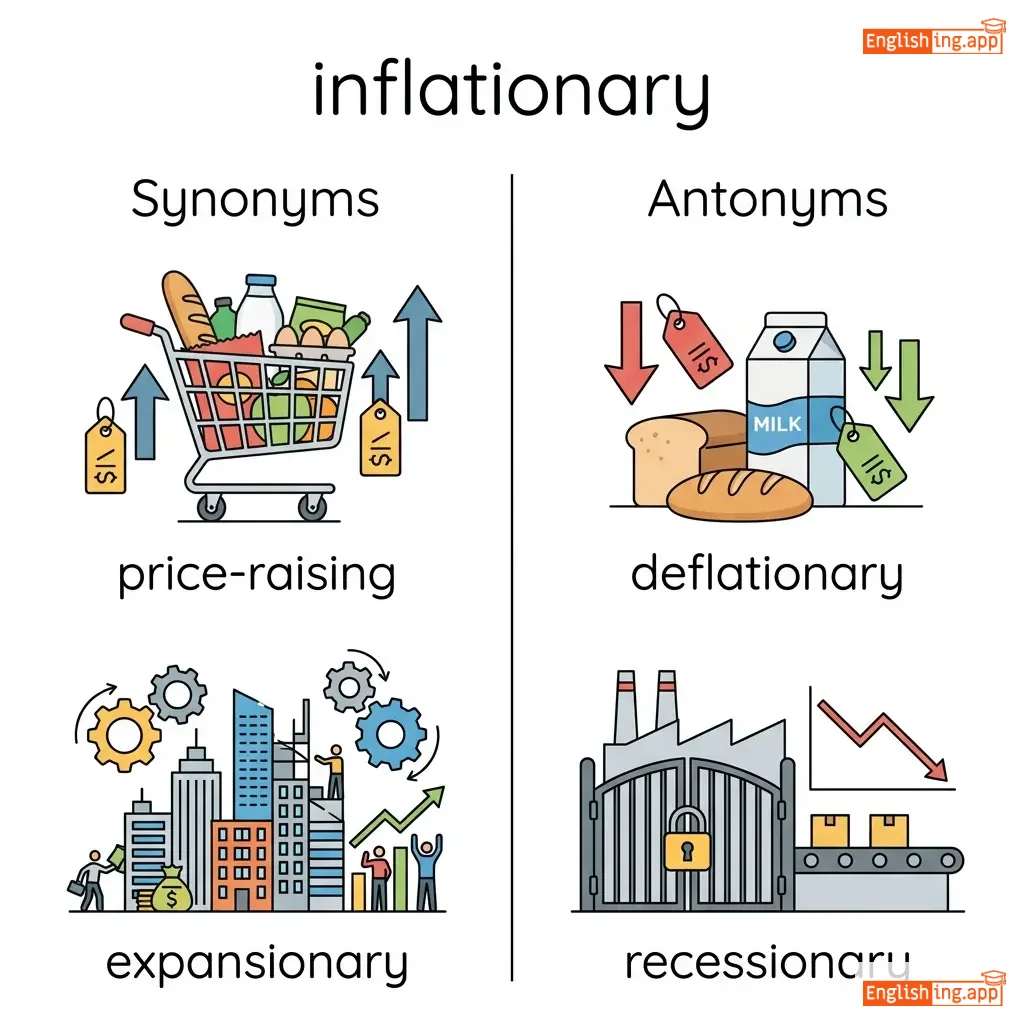
price-raising, expansionary, costly
••••••
|
deflationary, recessionary, stabilizing
••••••
|
Infure (inflation) + teki (related to) = Infureteki
••••••
|
|
#4056
🤝
|
/fɪˈduː.ʃi.er.i/
adjective, noun
(fidushiyari)
••••••
|
|
信託義務
shintaku gimu
••••••
|
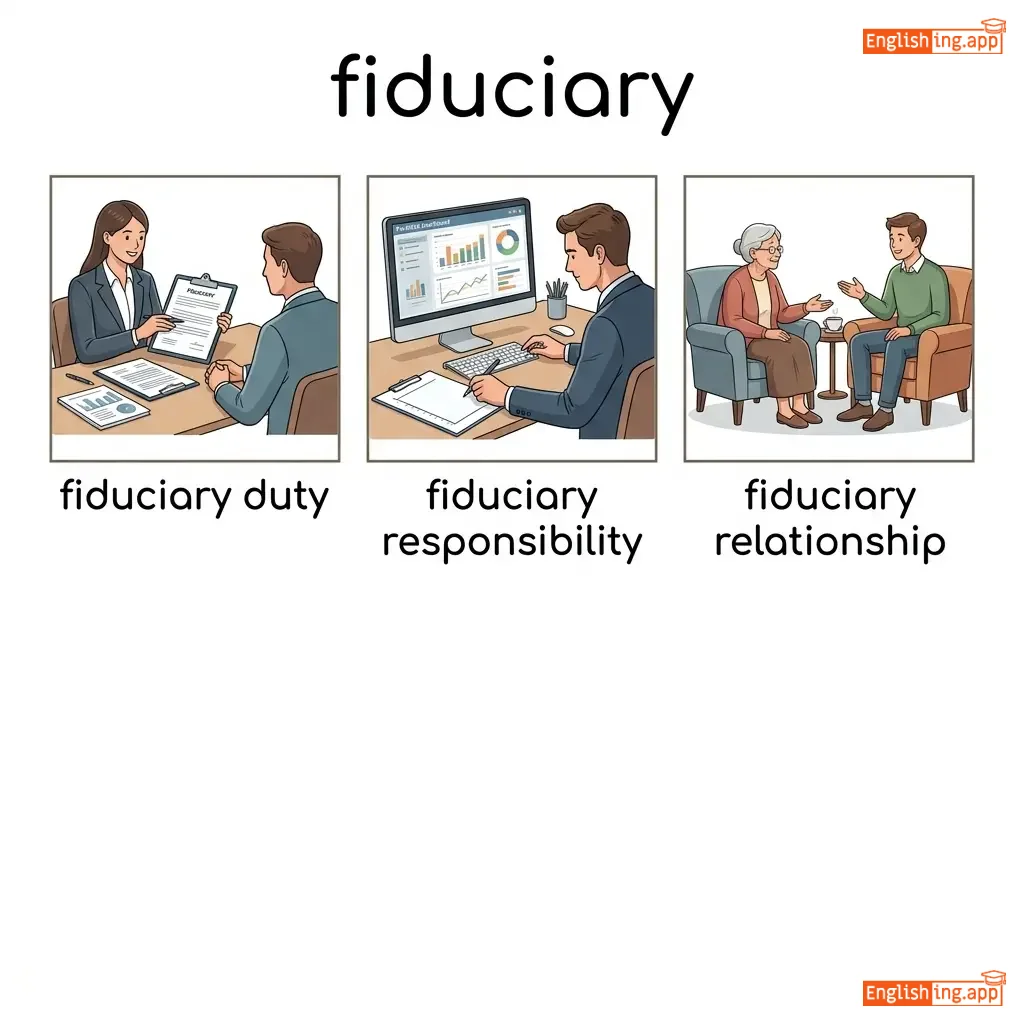
Involving trust, especially with regard to the relationship between a trustee and a beneficiary.
••••••
|
Bankers have a fiduciary duty to protect customers' investments.
銀行家は顧客の投資を保護するというフィデューシャリー義務があります。
••••••
|
銀行家は顧客の投資を保護するというフィデューシャリー義務があります。
Ginkōka wa kokyaku no tōshi o hogo suru to iu fidyūsharī gimu ga arimasu.
••••••
|
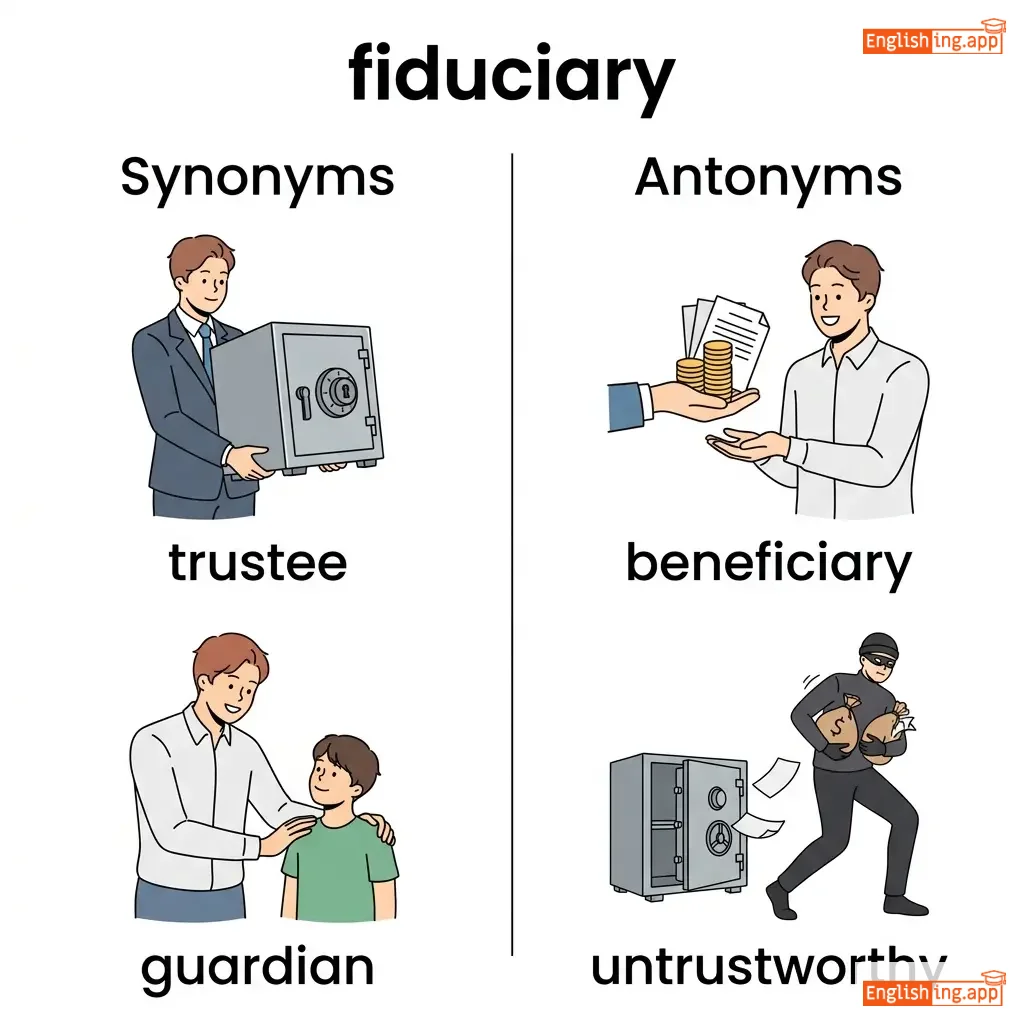
trustee, guardian, custodian
••••••
|
untrustworthy, irresponsible, fraudulent
••••••
|
信託義務で顧客の投資を守ることが義務です。
••••••
|
|
#4057
💱
|
/ˈmʌn.ɪ.tri/
adjective
(モネタリー)
••••••
|
|
貨幣の
kahei no
••••••
|
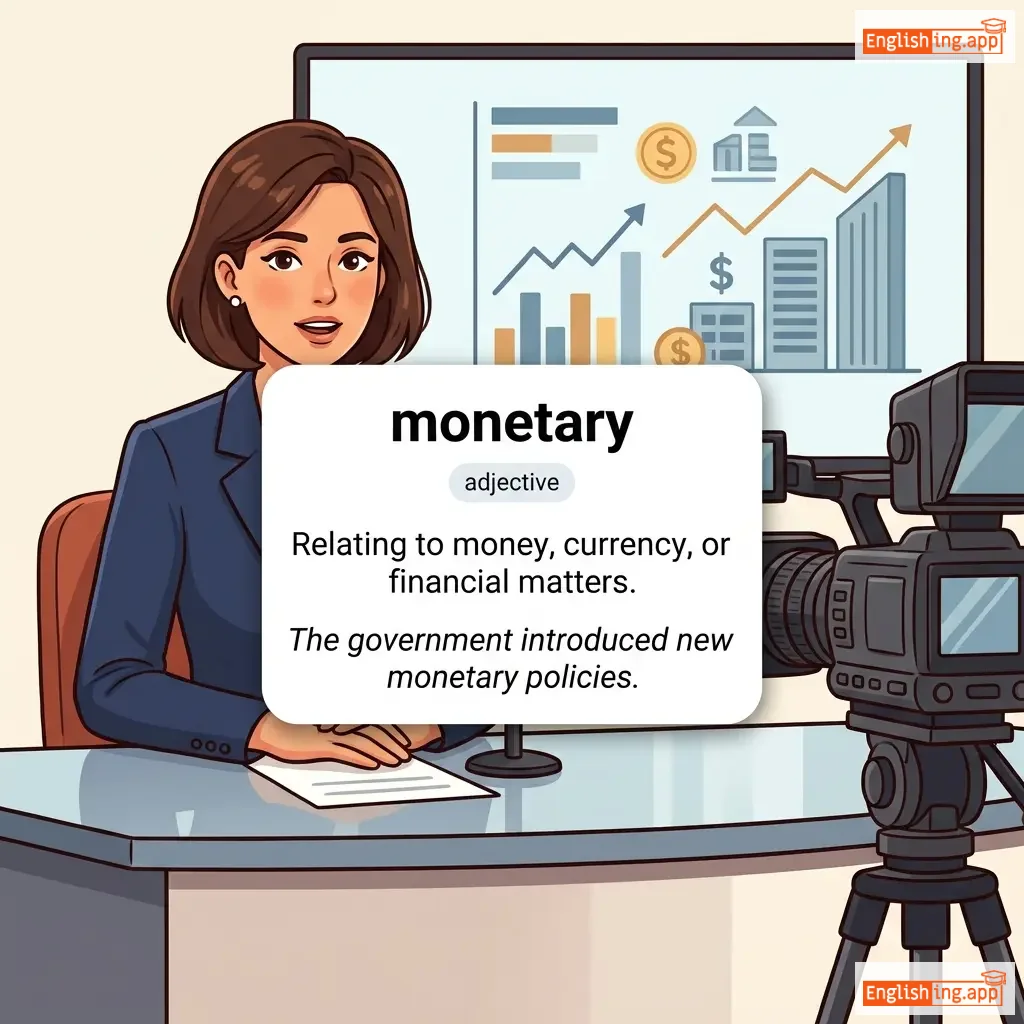
Relating to money or currency.
••••••
|
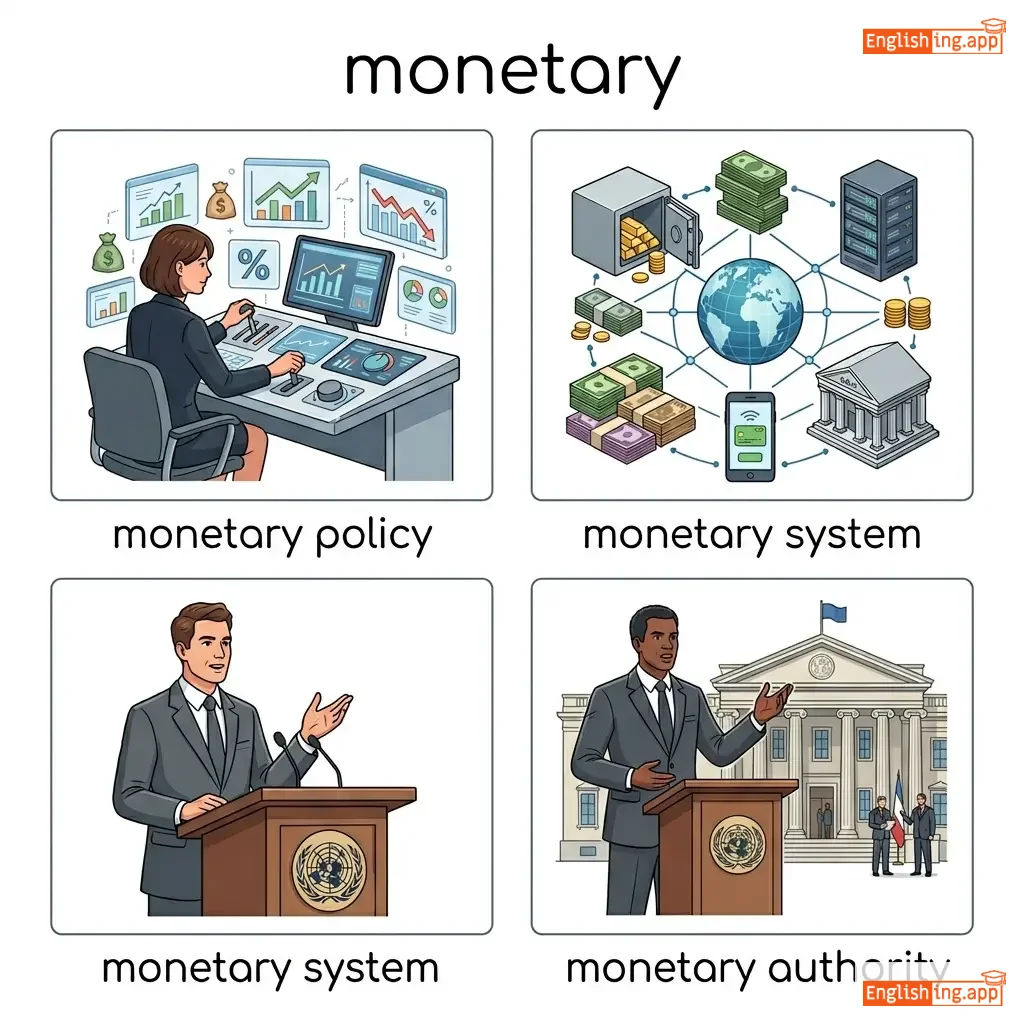
The central bank controls the monetary policy of a country.
中央銀行はその国の金融政策を管理しています。
••••••
|
中央銀行はその国の金融政策を管理しています。
Chuuou ginkou wa sono kuni no kin'yuu seisaku wo kanri shiteimasu.
••••••
|
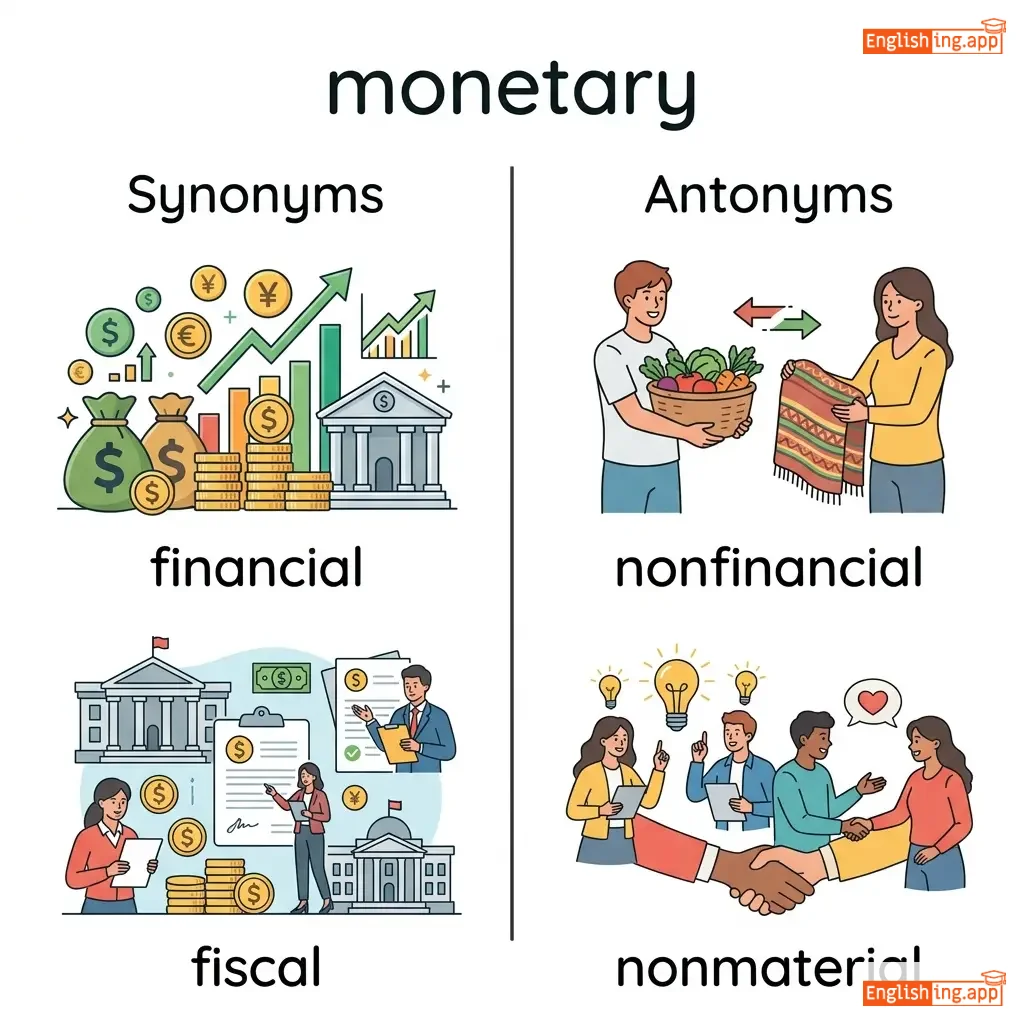
fiscal, financial, capital-related
••••••
|
non-financial, barter-based, material
••••••
|
貨幣のはお金や通貨に関連しています。
••••••
|
|
#4058
⚡
|
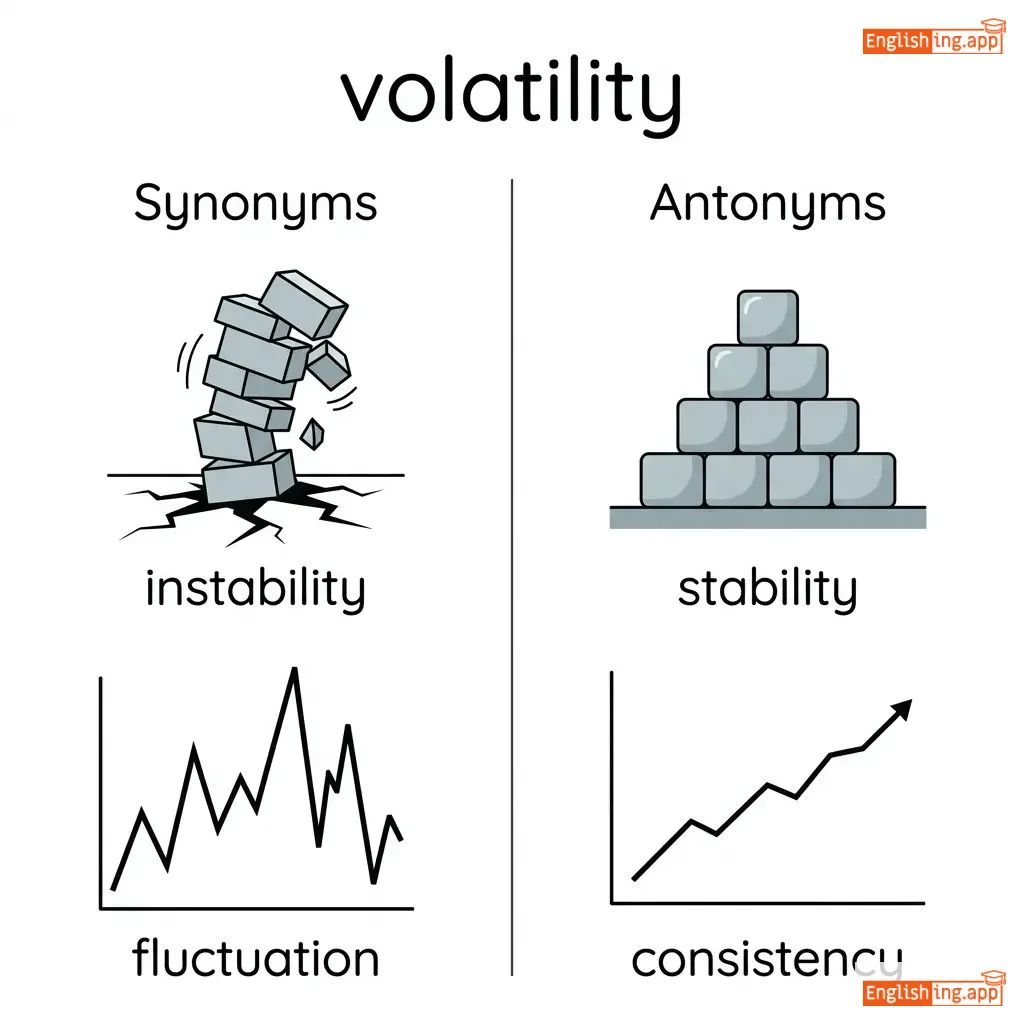
/ˌvɒl.əˈtɪl.ɪ.ti/
noun
(ボラティリティ)
••••••
|
|
ボラティリティ
boratiriti
••••••
|
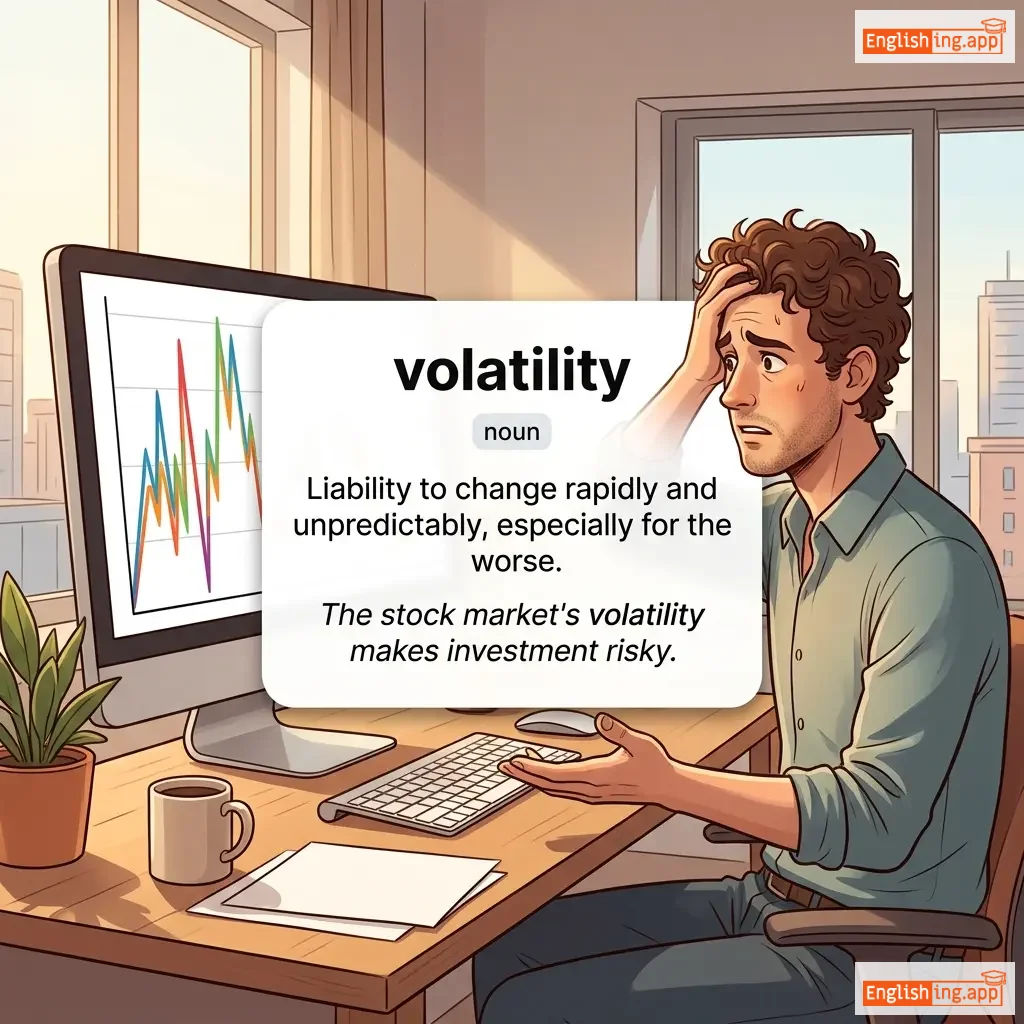
Liability to change rapidly and unpredictably, especially for the worse.
••••••
|
The stock market's volatility makes investment risky. |
株式市場のボラティリティは投資をリスクのあるものにします。
Kabushiki shijō no boratiriti wa tōshi o risuku no aru mono ni shimasu.
••••••
|
instability, fluctuation, unpredictability
••••••
|
stability, consistency, predictability
••••••
|
In Japanese, 'ボラティリティ' is very close to 'volatility', making it an easy word to remember.
••••••
|
|
#4059
💌
|
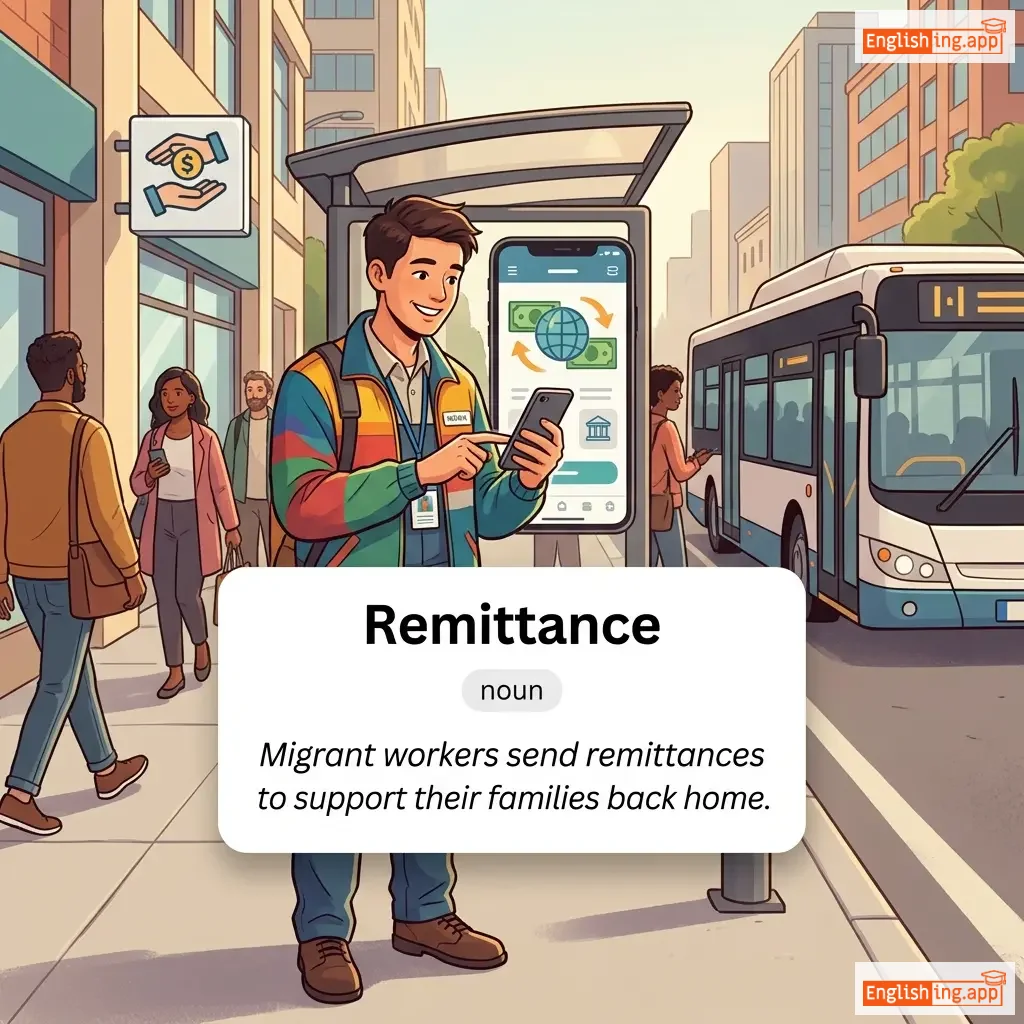
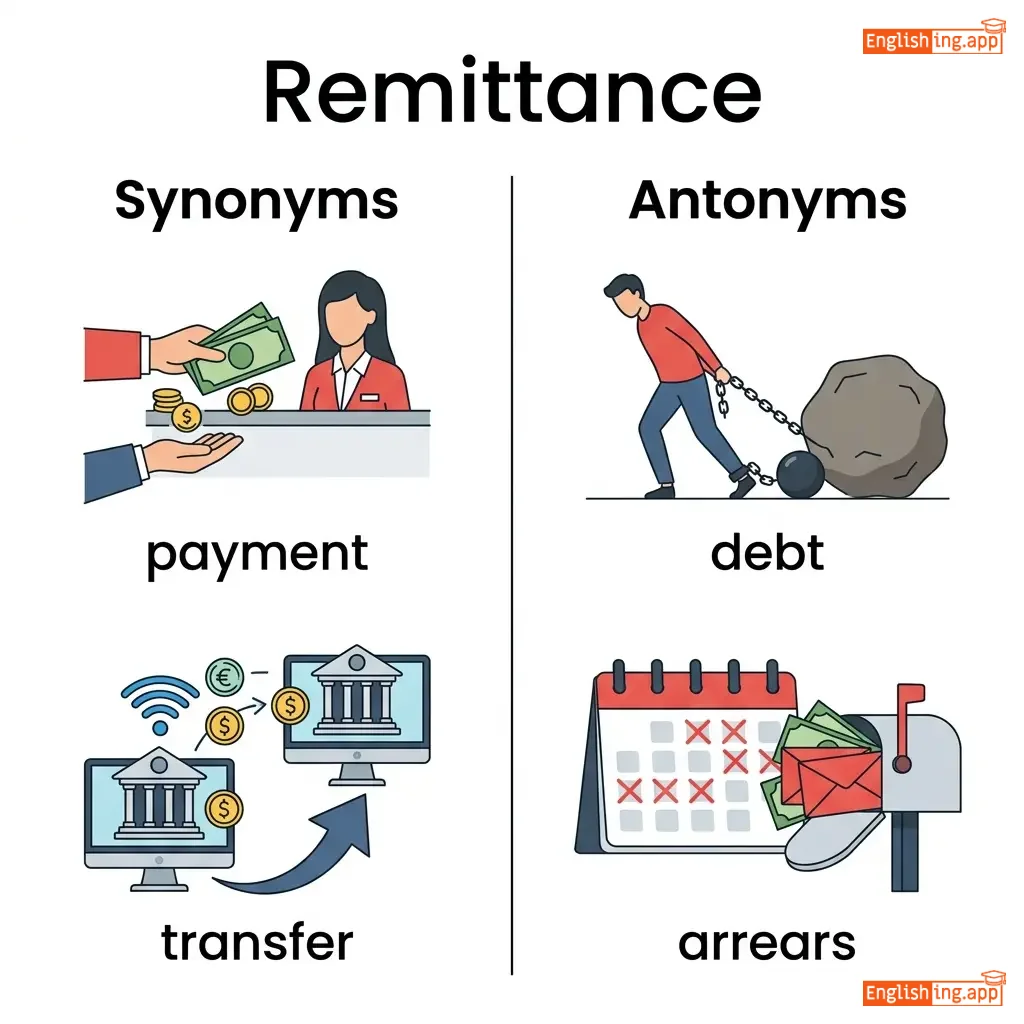
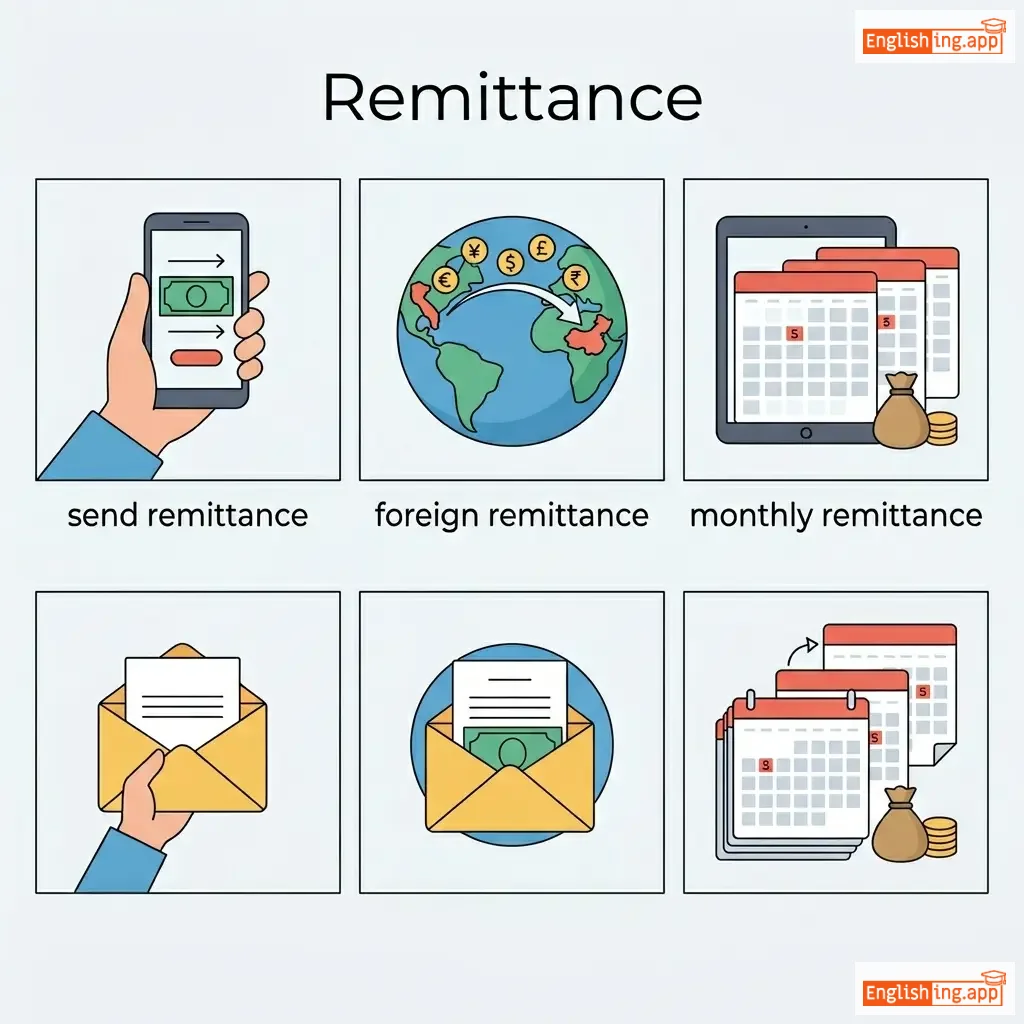
/rɪˈmɪt.əns/
noun
(レミッタンス)
••••••
|
|
送金
sōkin
••••••
|
A sum of money sent in payment or as a gift.
••••••
|
The country's economy benefits from expatriate remittance. |
その国の経済は、移住者からの送金によって利益を得ている。
Sono kuni no keizai wa, ijūsha kara no sōkin ni yotte rieki o ete iru.
••••••
|
money transfer, payment, wire transfer
••••••
|
withholding, non-payment, default
••••••
|
送金がその国の経済を助けていることを覚えよう。
••••••
|
|
#4060
💧
|
/lɪkˈwɪd.ə.ti/
noun
(リキディティ)
••••••
|
|
流動性
ryūdō-sei
••••••
|
The availability of liquid assets to a market or company.
••••••
|
A business must maintain liquidity to cover expenses.
企業は支出をカバーするために流動性を維持する必要があります。
••••••
|
企業は支出をカバーするために流動性を維持する必要があります。
Kigyō wa shishutsu o kabā suru tame ni ryūdō-sei o iji suru hitsuyō ga arimasu.
••••••
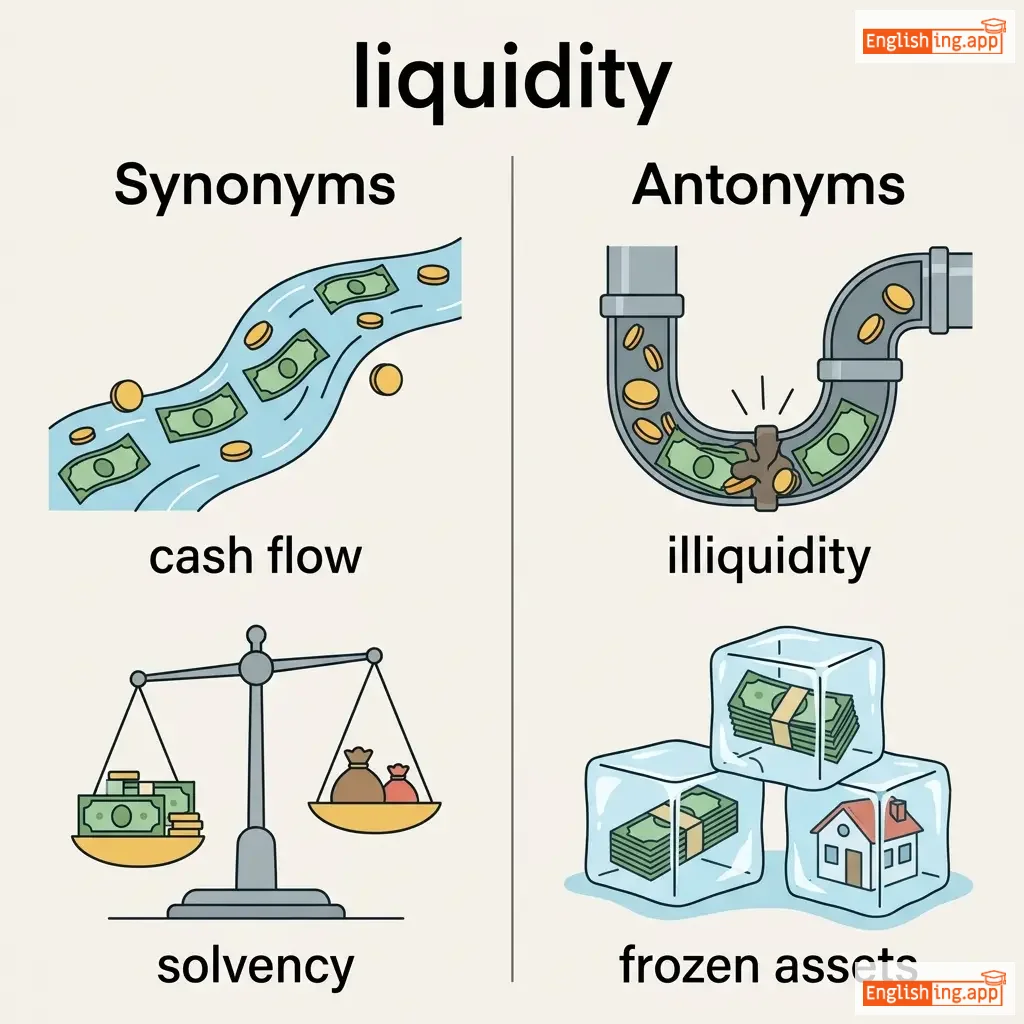
|
cash flow, solvency, convertibility
••••••
|
illiquidity, frozen assets, insolvency
••••••
|
流動性 - ビジネスの資金と支出を管理する方法!
••••••
|
|
#4061
📅
|
/əˌmɔːr.tɪˈzeɪ.ʃən/
noun
(アモルティゼーション)
••••••
|
|
債務償還
saimu shōkan
••••••
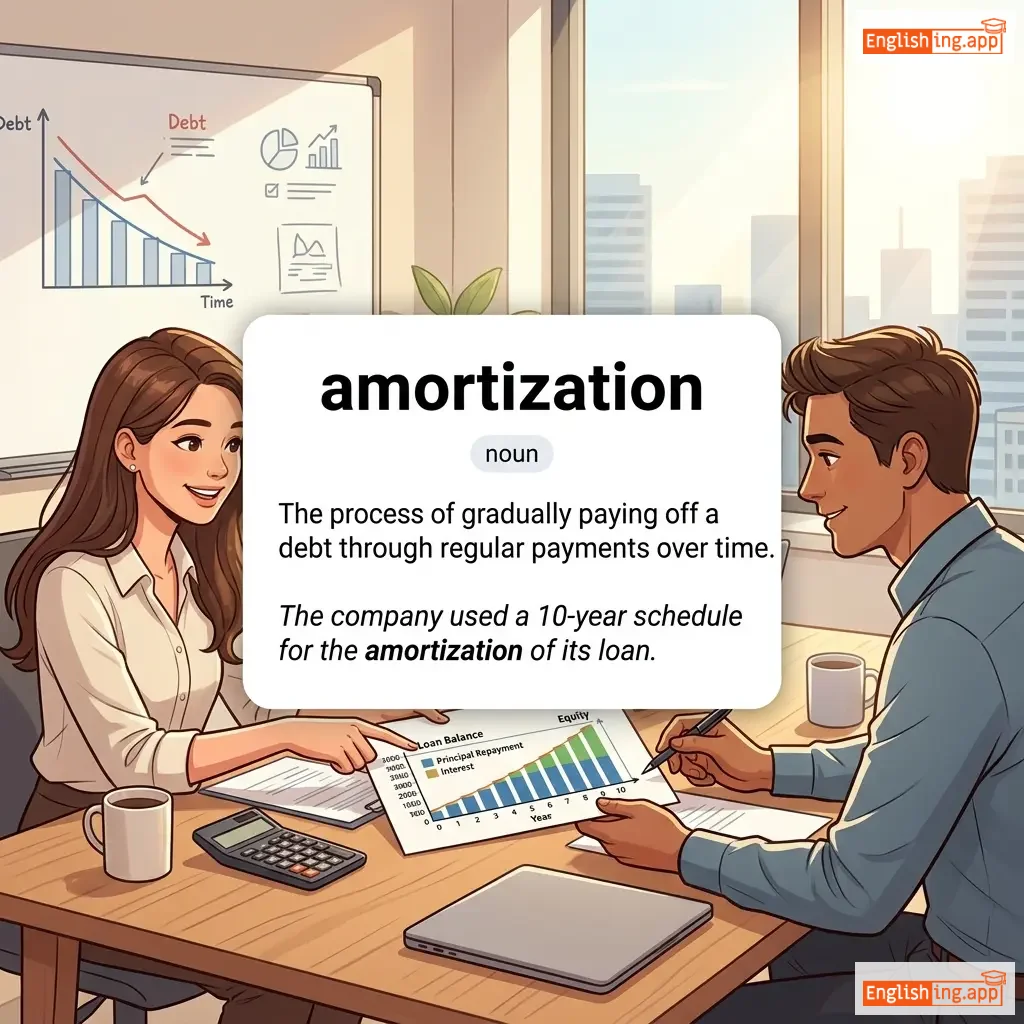
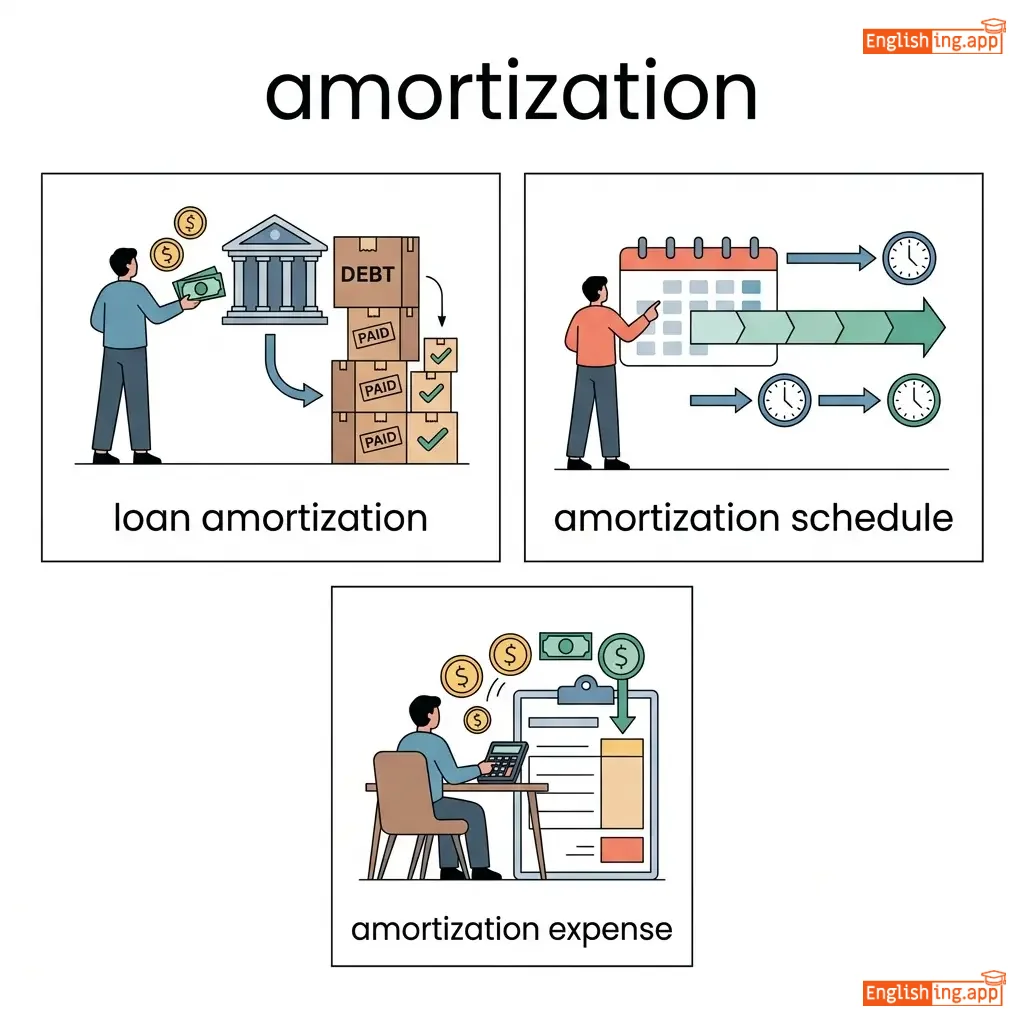
|
The process of paying off a debt with a fixed repayment schedule in regular installments.
••••••
|
The bank offers low-interest amortization plans. |
銀行は低金利の債務償還プランを提供しています。
Ginkō wa tei kinri no saimu shōkan puran o teikyō shiteimasu.
••••••
|
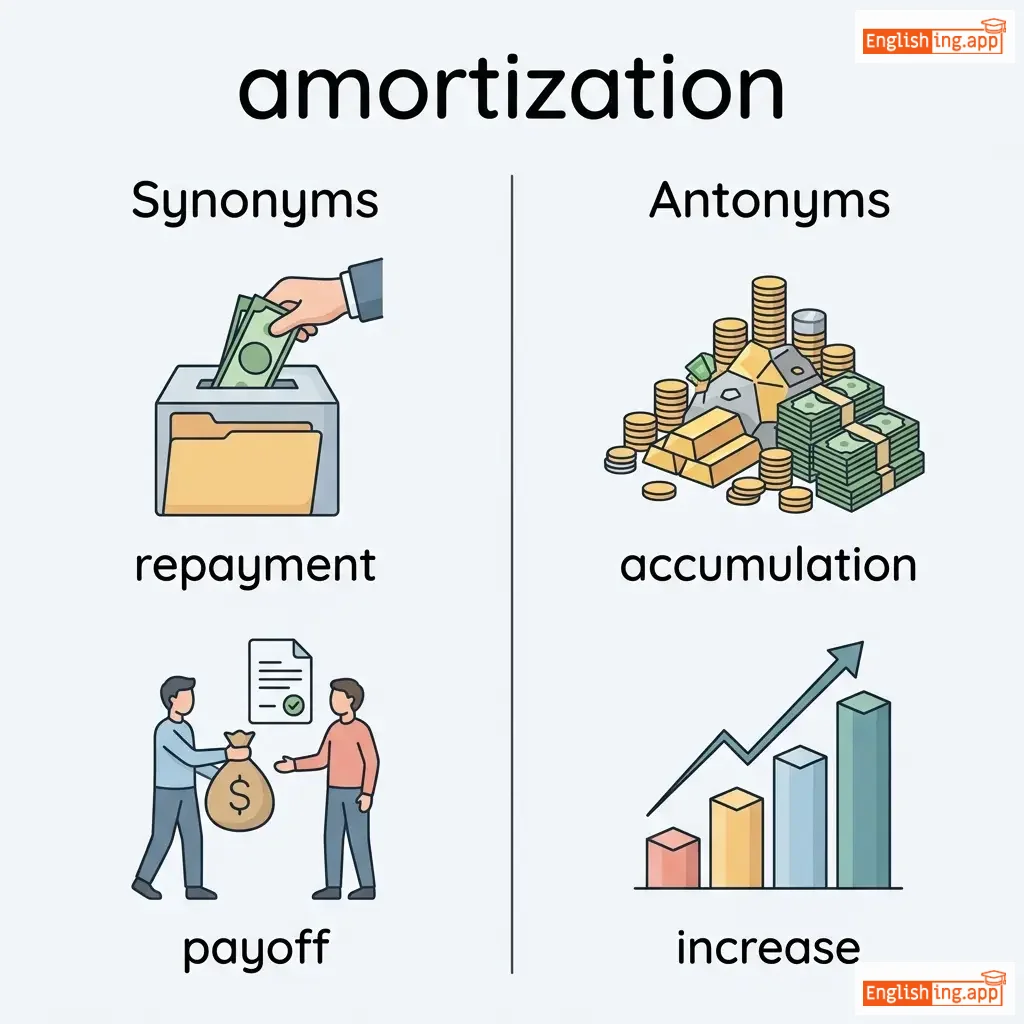
debt repayment, depreciation, installment
••••••
|
accumulation, indebtedness, default
••••••
|
債務償還 - '債務' は借金を意味し、'償還' は返済を意味します。
••••••
|
|
#4062
🛒
|
/kənˈsʌmp.ʃən/
noun
(コンシュンプション)
••••••
|
|
消費
shōhi
••••••
|
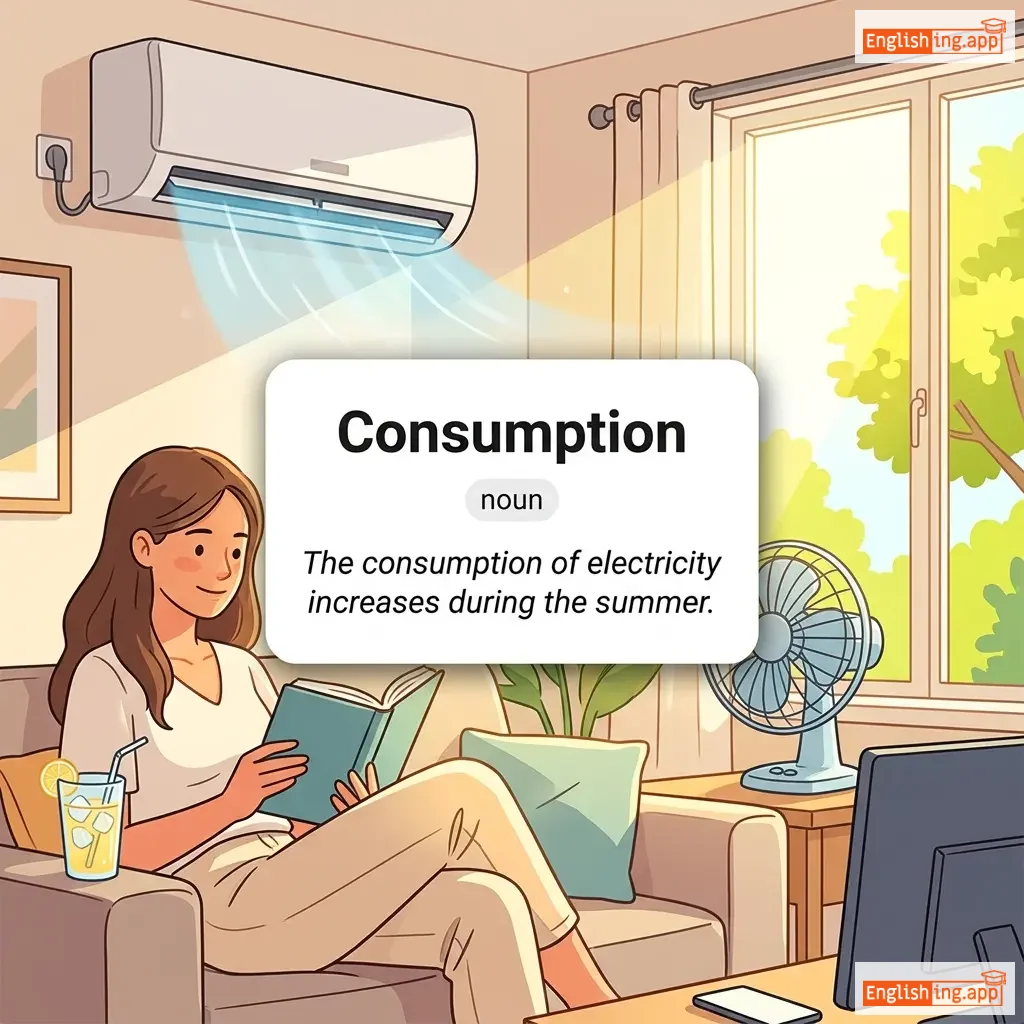
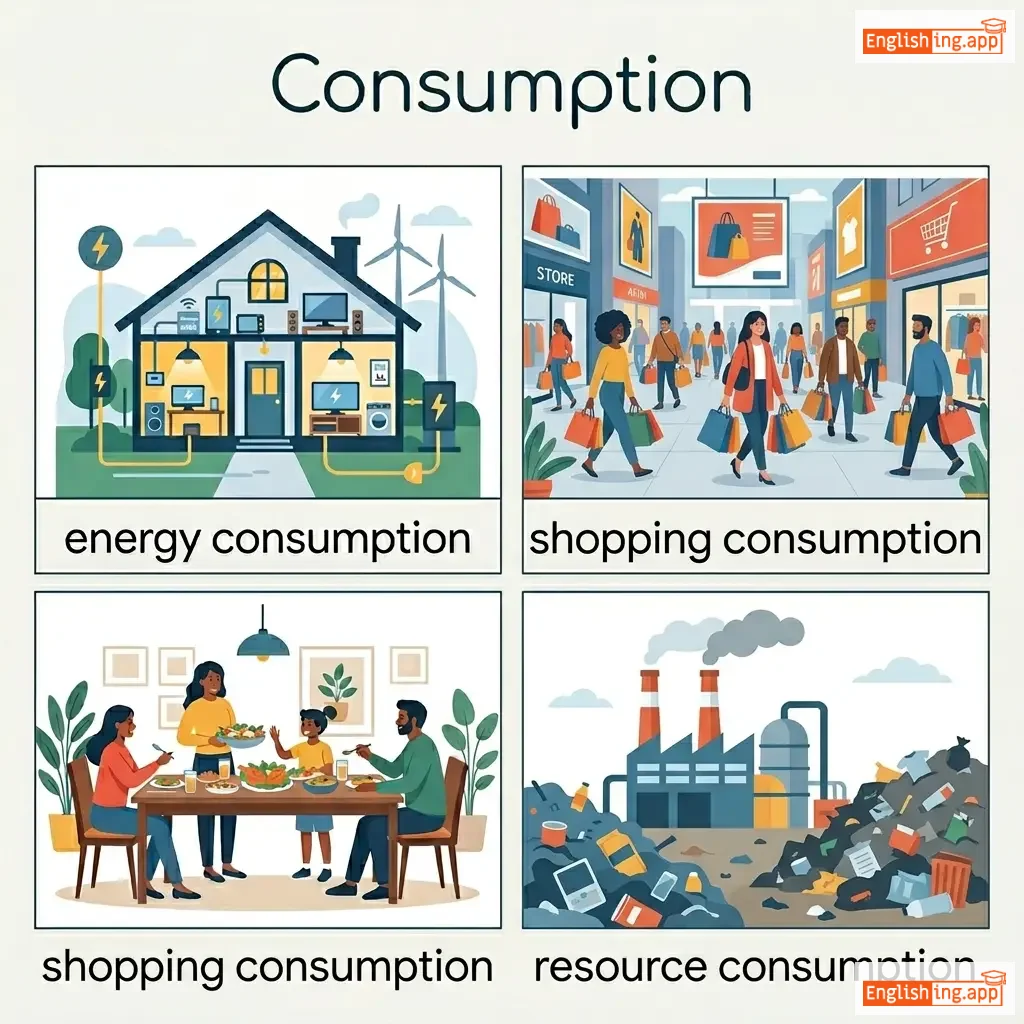
The using up of a resource or the amount of a product consumed by consumers.
••••••
|
High energy consumption leads to increased electricity bills. |
高いエネルギー消費は電気料金の増加を引き起こします。
Takai enerugī shōhi wa denki ryōkin no zōka o hikiokoshimasu.
••••••
|
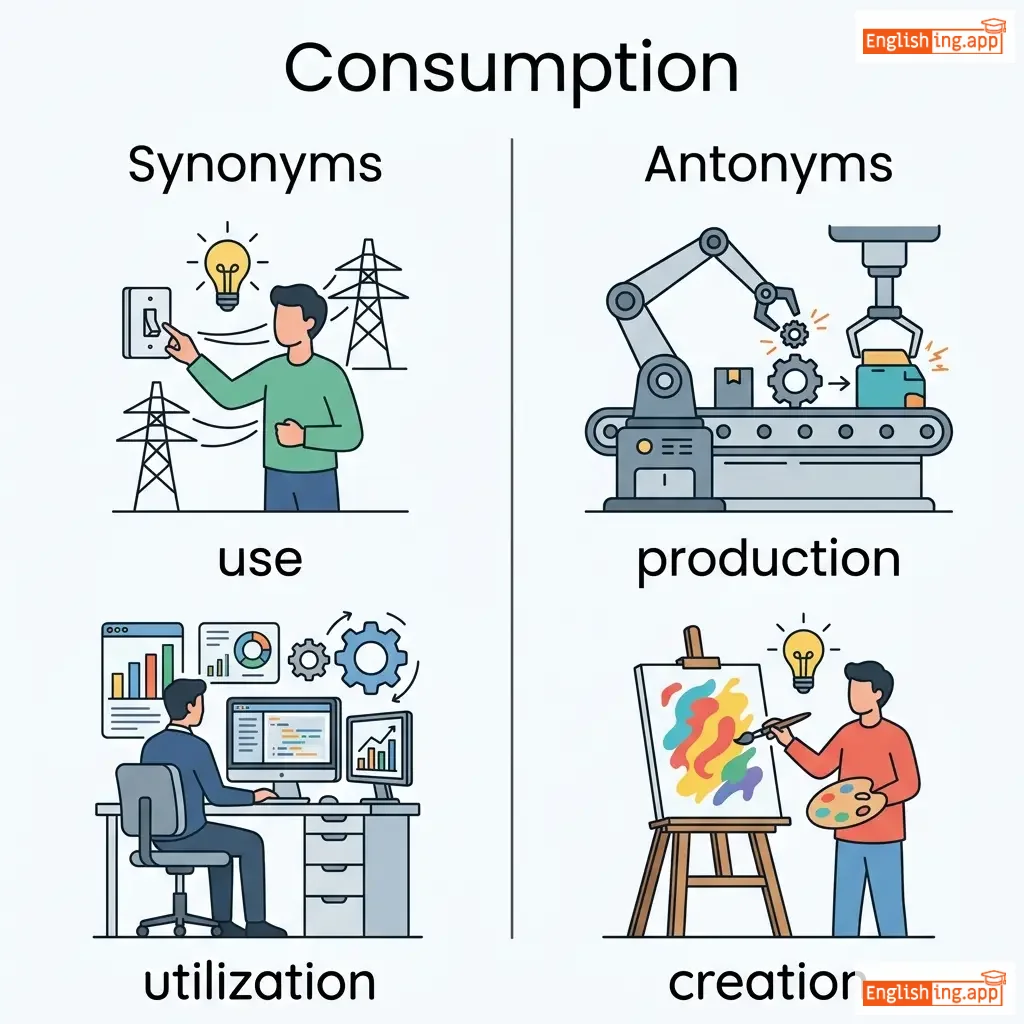
utilization, expenditure, usage
••••••
|
conservation, preservation, saving
••••••
|
消費 (Shōhi): '消'は消す (kesu)、'費'は費用 (hiyō) から来ている。
••••••
|
|
#4063
⚖️
|
/ˌiː.kəˈnɒm.ɪk dɪˈspær.ɪ.ti/
noun
(経済的不平等)
••••••
|
|
経済的不平等
keizai-teki fubyoutou
••••••
|
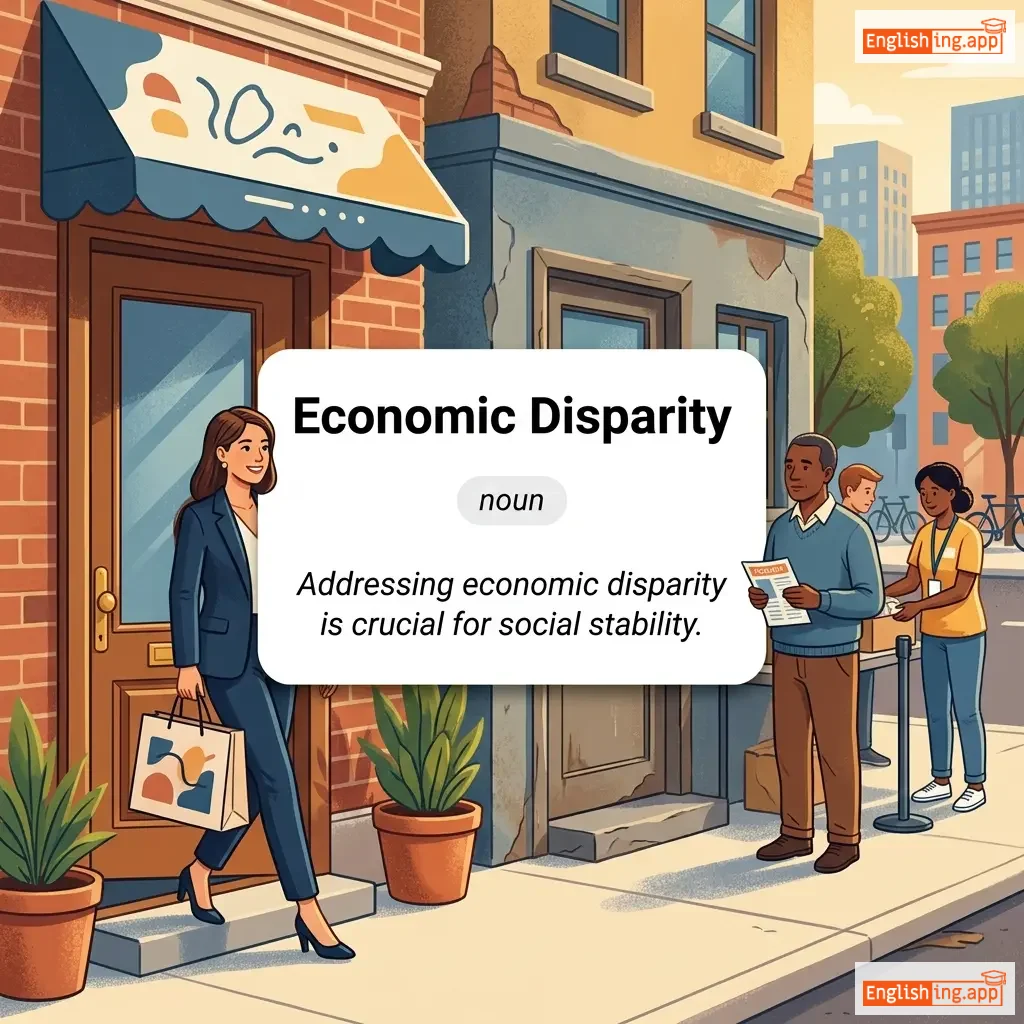
The unequal distribution of income and opportunity between different groups in society.
••••••
|
Addressing economic disparity is crucial for social stability. |
経済的不平等に対処することは、社会的安定にとって重要です。
Keizai-teki fubyoutou ni taisho suru koto wa, shakai-teki antei ni totte juuyou desu.
••••••
|
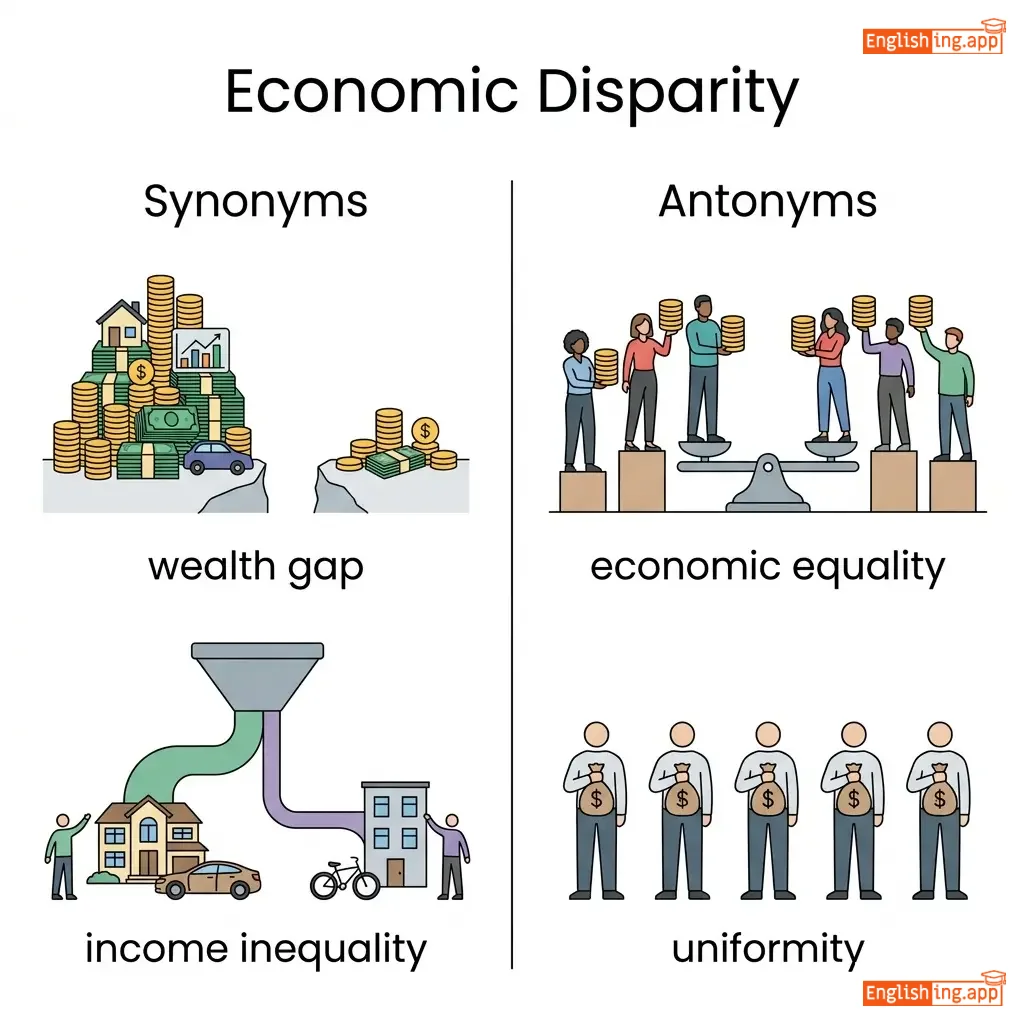
wealth gap, income inequality, financial divide
••••••
|
economic equality, uniformity, fairness
••••••
|
経済的不平等は、富が公平に分配されていない状態です。
••••••
|
Vocabulary Quiz
Test your vocabulary by matching words with their translations or meanings.
Login to take the quiz
Comments (0)
Share your thoughts and join the discussion.
Join the discussion by logging in
Login to CommentNo comments yet
Be the first to share your thoughts!