Why Some Economies Grow Faster
国によって economic growth の速度は異なり、ある経済は急速に affluence に達する一方で、他の経済は停滞したままです。急速な成長の背後には、entrepreneurial イノベーション、diversification、そして適切な macroeconomic 政策の採用など、いくつかの重要な要因があります。capitalization や privatization を通じて資源を活用できる国は、通常、急速に発展します。同様に、regulatory 枠組みが簡素化されると、ビジネスや conglomerate の設立が容易になります。一方で、過度の bureaucracy や政府の subsidization は経済に inflationary 圧力を与え、発展の速度を遅らせます。さらに、弱い fiduciary 政策や monetary の誤管理は経済の volatility を高めます。しかし、適切な remittance の流れと十分な liquidity があれば、投資が増加し、長期的な amortization と consumption の増加を通じて economic disparity を減らすことができます。
|
絵文字
|
単語 | Images | 意味 | 例文 | 同義語 | 対義語 |
|---|---|---|---|---|---|---|
|
#4044
📈
|
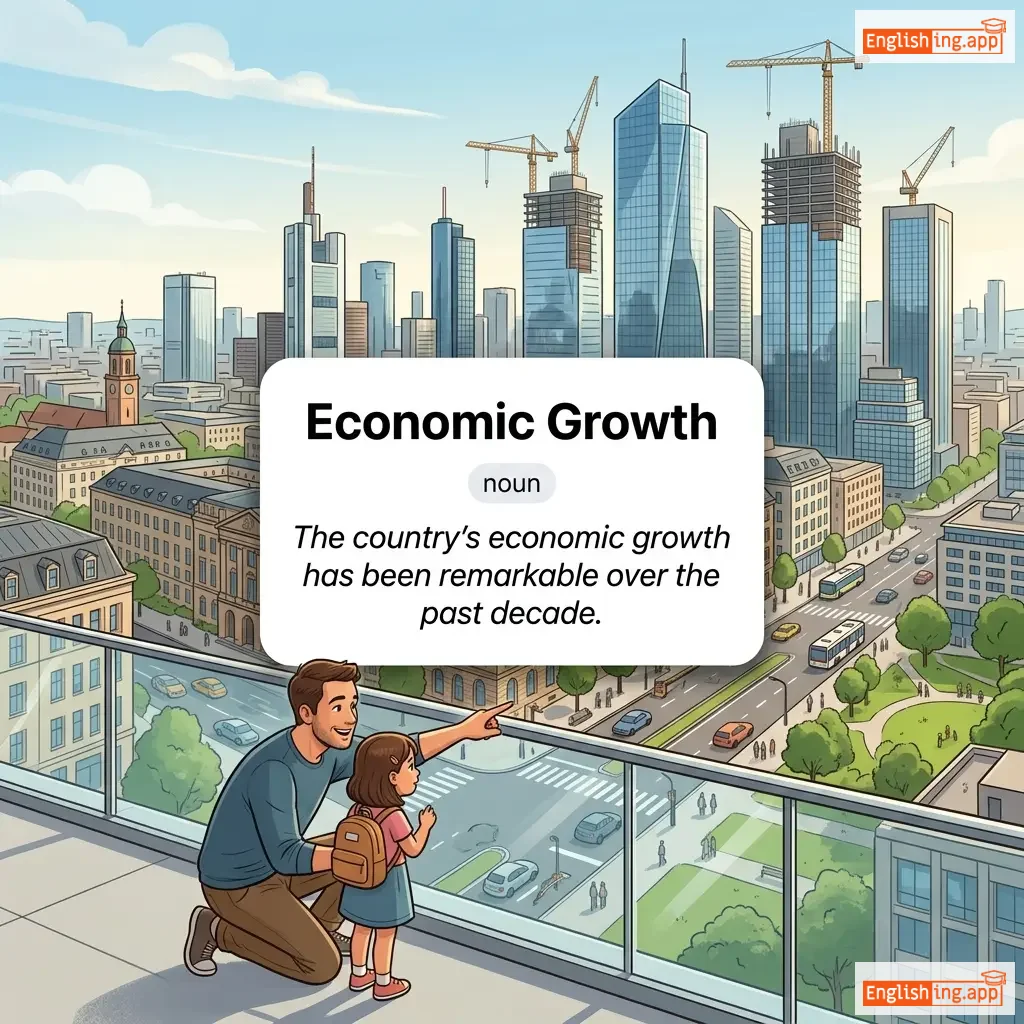
/ˌiː.kəˈnɒm.ɪk ɡrəʊθ/
noun
••••••
|
|
The increase in the production of goods and services in an economy over time, measured by the expansion of economic output, income, and investment.
••••••
|
The country's economic growth has been remarkable over the past decade. |
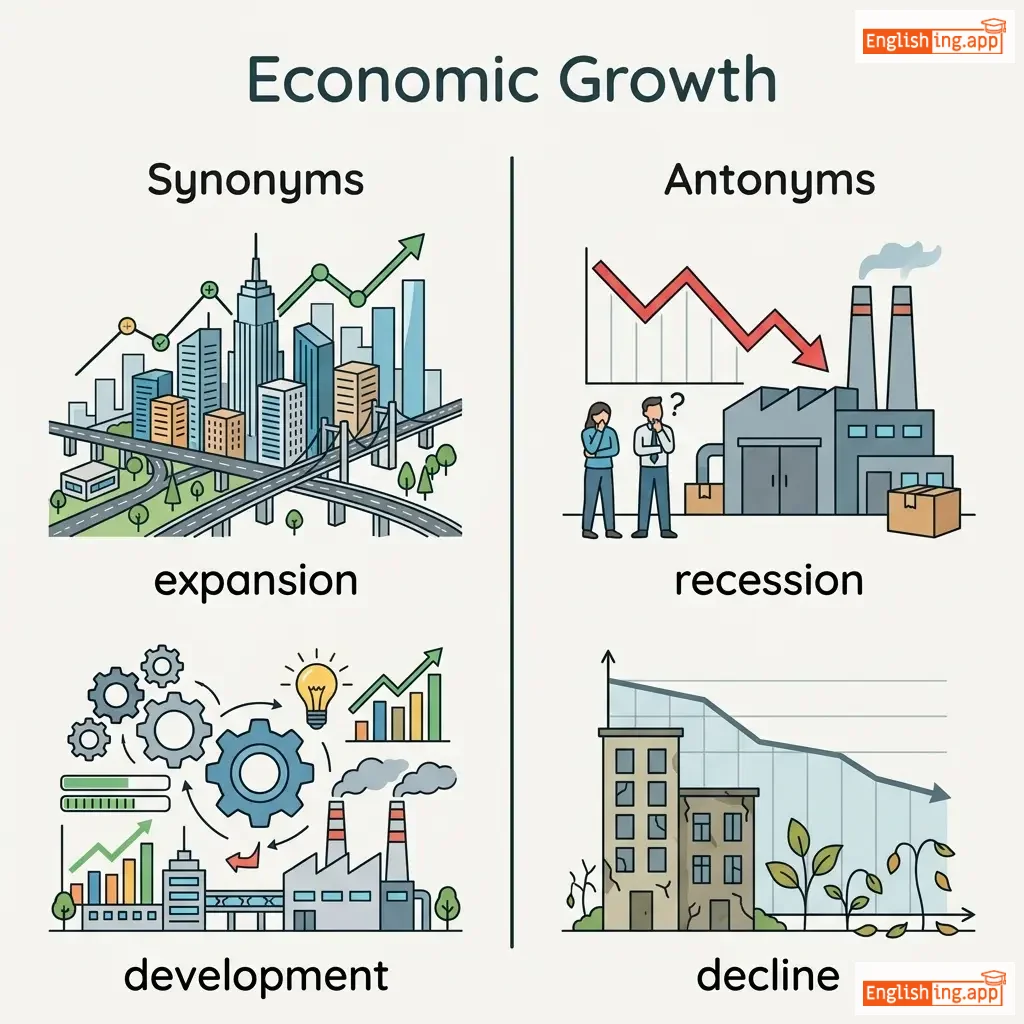
expansion, development, progress
••••••
|
recession, decline, stagnation
••••••
|
|
#4045
💰
|
/ˈæf.lu.əns/
noun
••••••
|


|
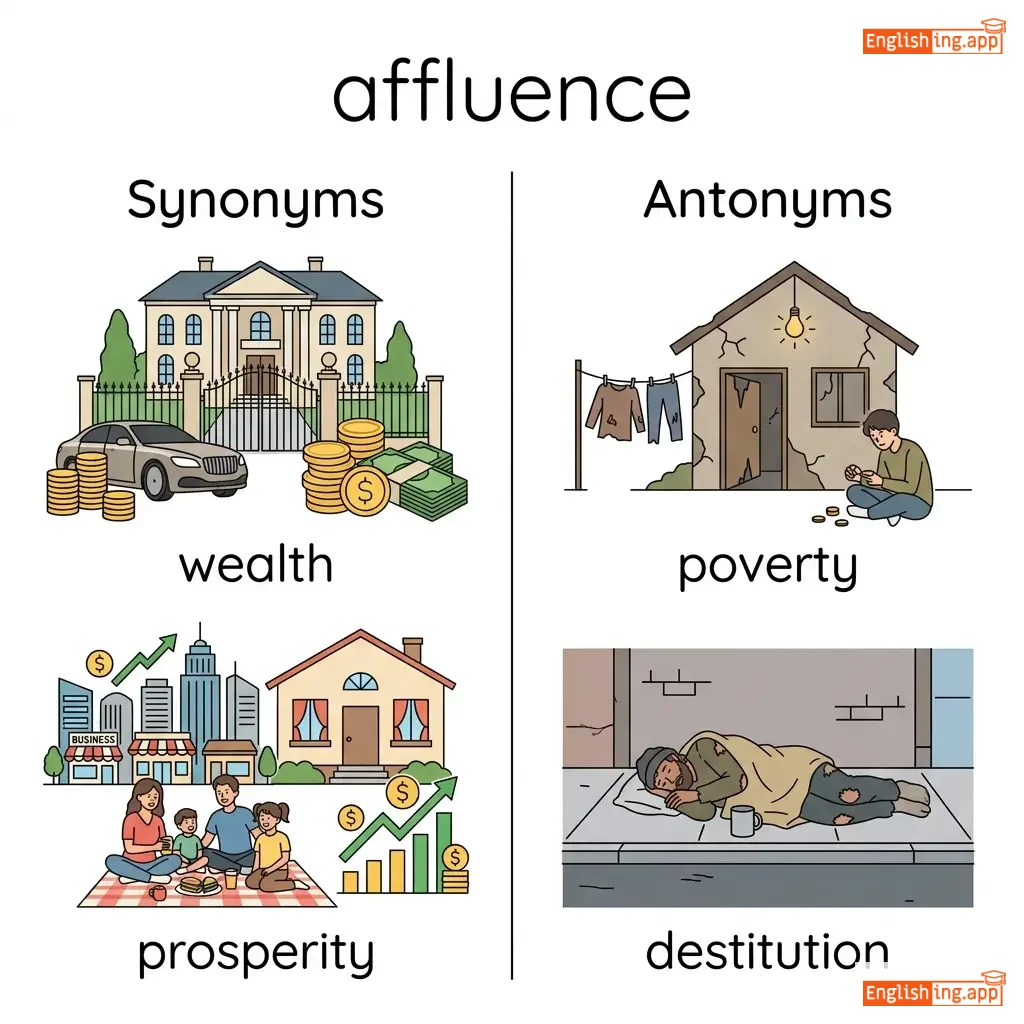
A state of having a great deal of money; wealth and prosperity.
••••••
|
His affluence is evident in his luxurious lifestyle. |
wealth, prosperity, opulence
••••••
|
poverty, scarcity, destitution
••••••
|
|
#4046
🚀
|
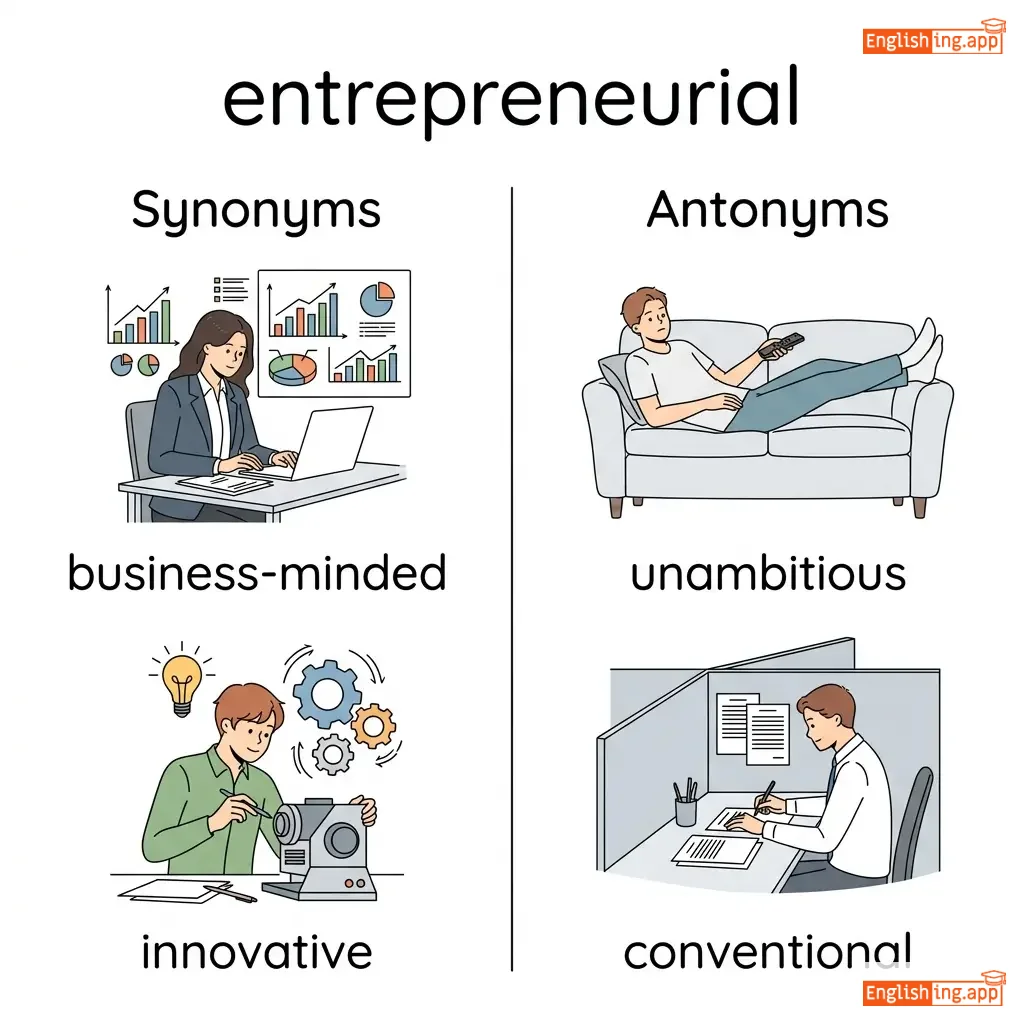
/ˌɒn.trə.prəˈnɜː.ri.əl/
adjective
••••••
|
|
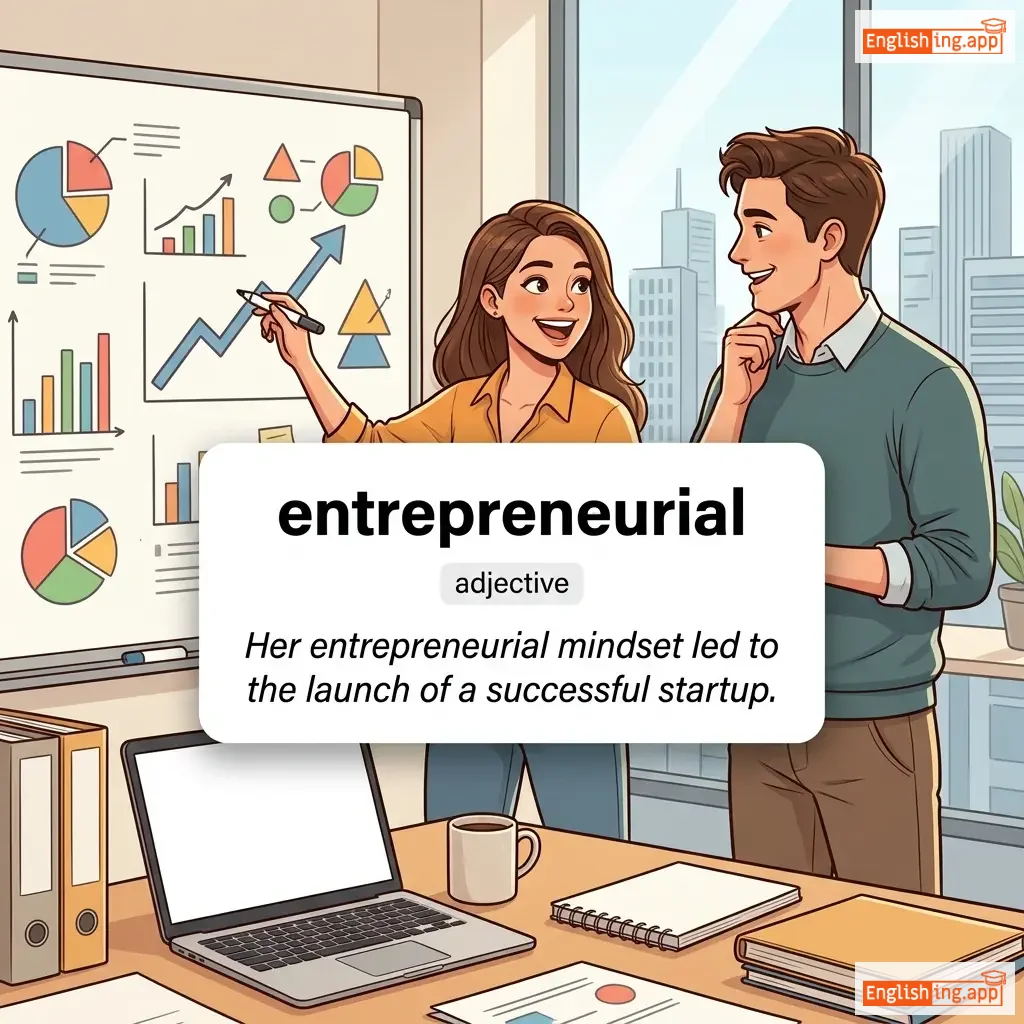
Having the characteristics of an entrepreneur; showing initiative and willingness to undertake new ventures.
••••••
|
Her entrepreneurial mindset led to the launch of a successful startup. |
business-minded, innovative, risk-taking
••••••
|
unambitious, conventional, risk-averse
••••••
|
|
#4047
🔄
|
/daɪˌvɜː.sɪ.fɪˈkeɪ.ʃən/
noun
••••••
|
|
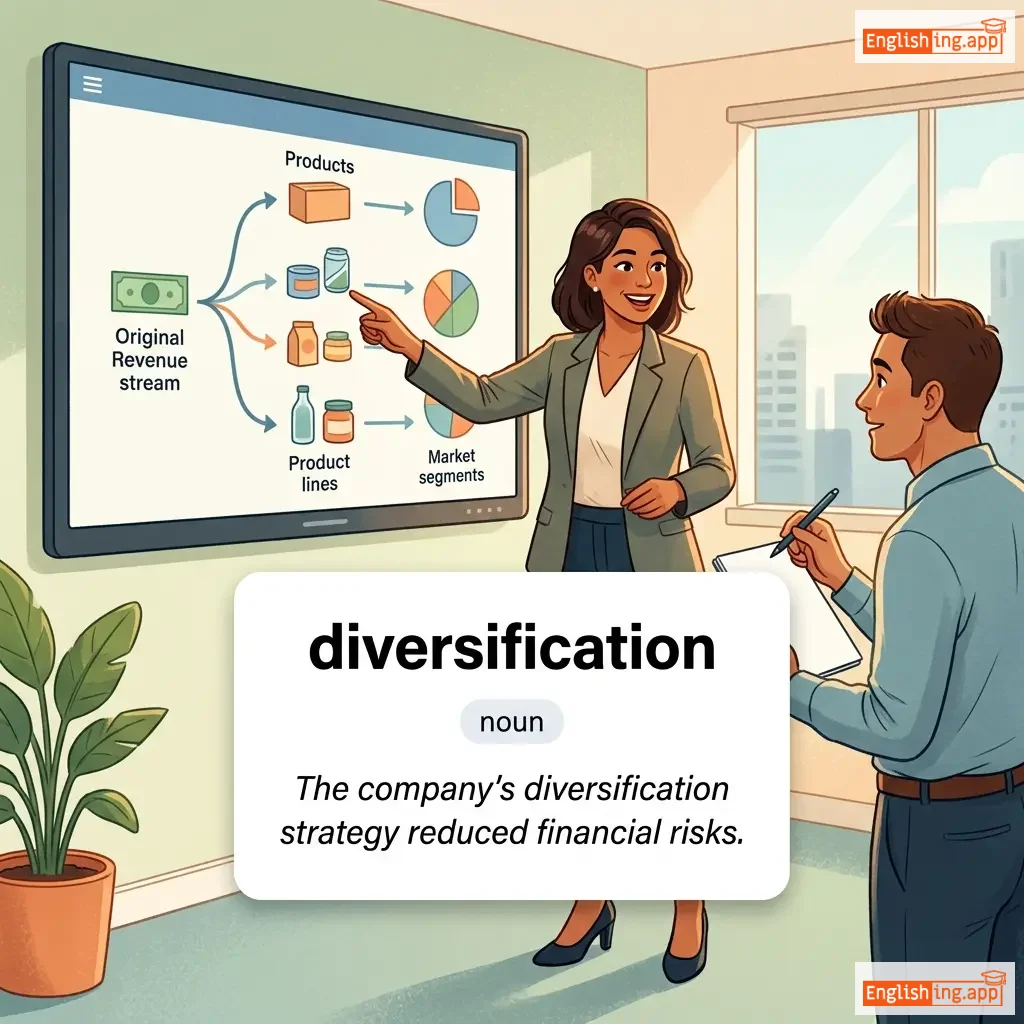
The process of a business expanding into different product lines or markets to spread risk and reduce dependence on a single source of income.
••••••
|
The company's diversification strategy reduced financial risks. |
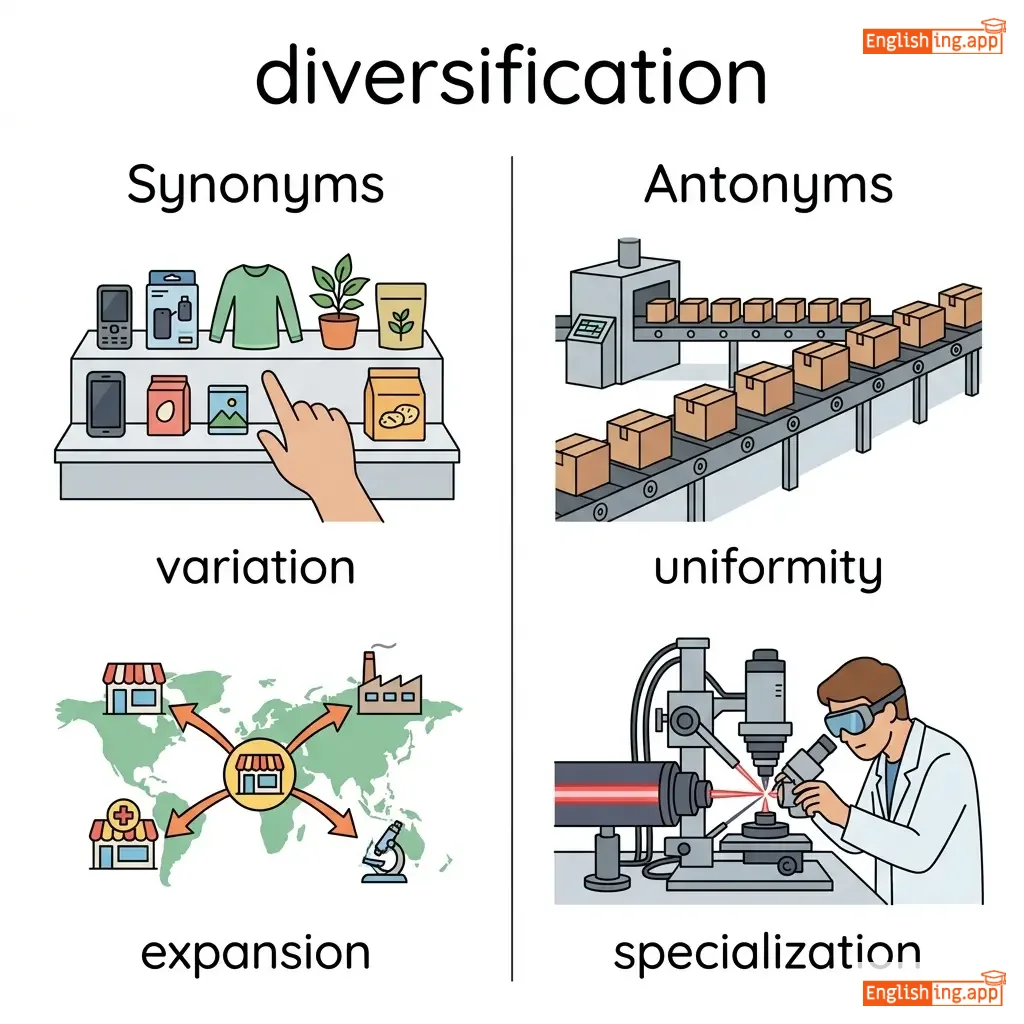
variation, expansion, multiplication
••••••
|
uniformity, specialization, homogeneity
••••••
|
|
#4048
🌍
|
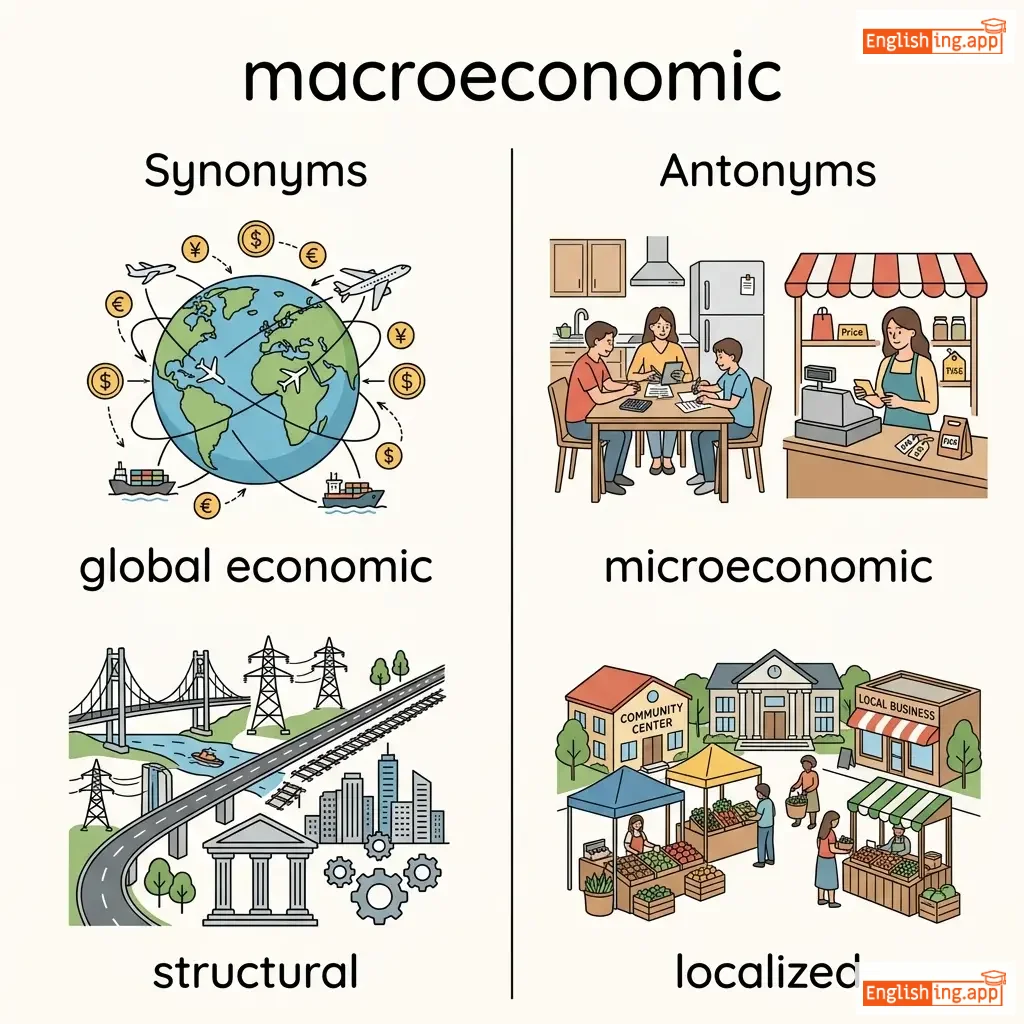
/ˌmæk.rəʊ.iː.kəˈnɒm.ɪk/
adjective
••••••
|
|
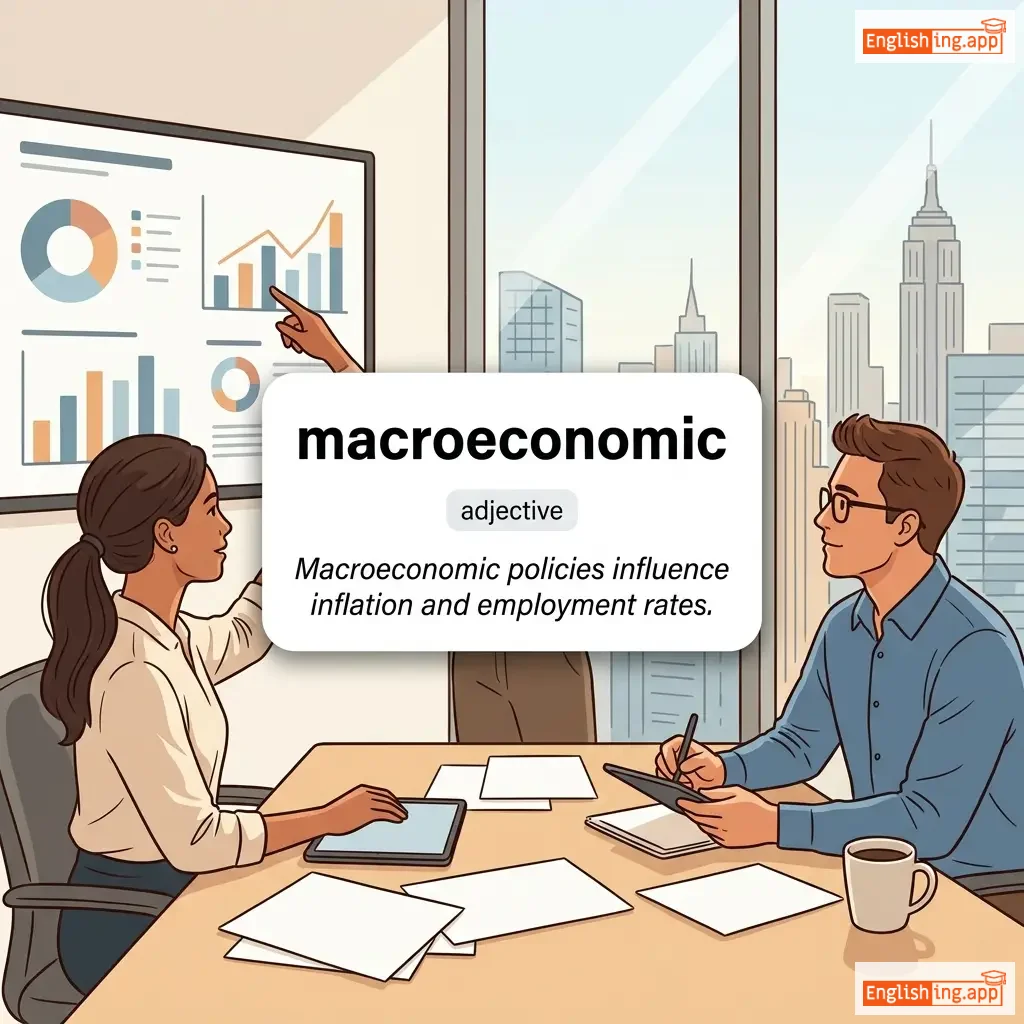
Relating to macroeconomics or the large-scale or general economic factors, such as interest rates and national productivity.
••••••
|
Macroeconomic policies influence inflation and employment rates. |
global economic, structural, national
••••••
|
microeconomic, localized, sectoral
••••••
|
|
#4049
📊
|
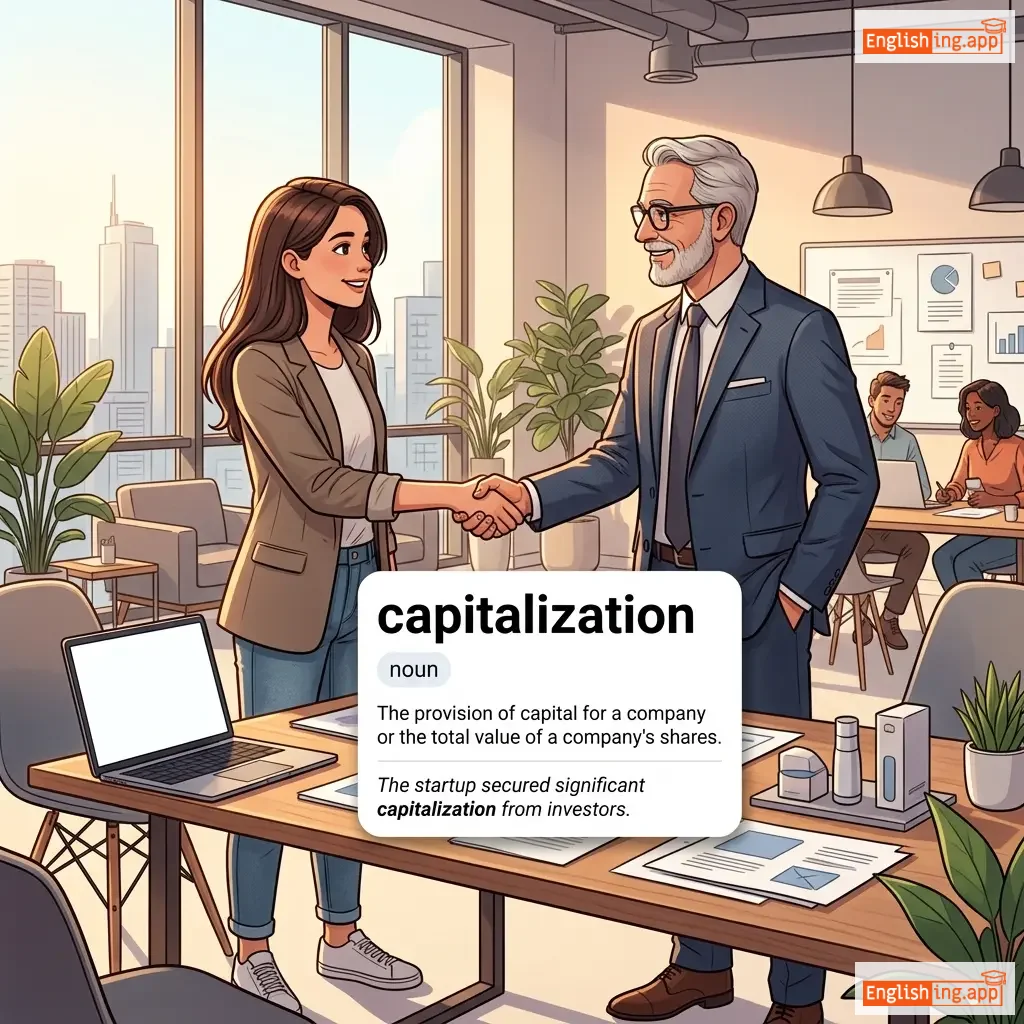
/ˌkæp.ɪ.təl.aɪˈzeɪ.ʃən/
noun
••••••
|
|
The provision of capital for a company or the total value of a company's shares.
••••••
|
The startup secured significant capitalization from investors. |
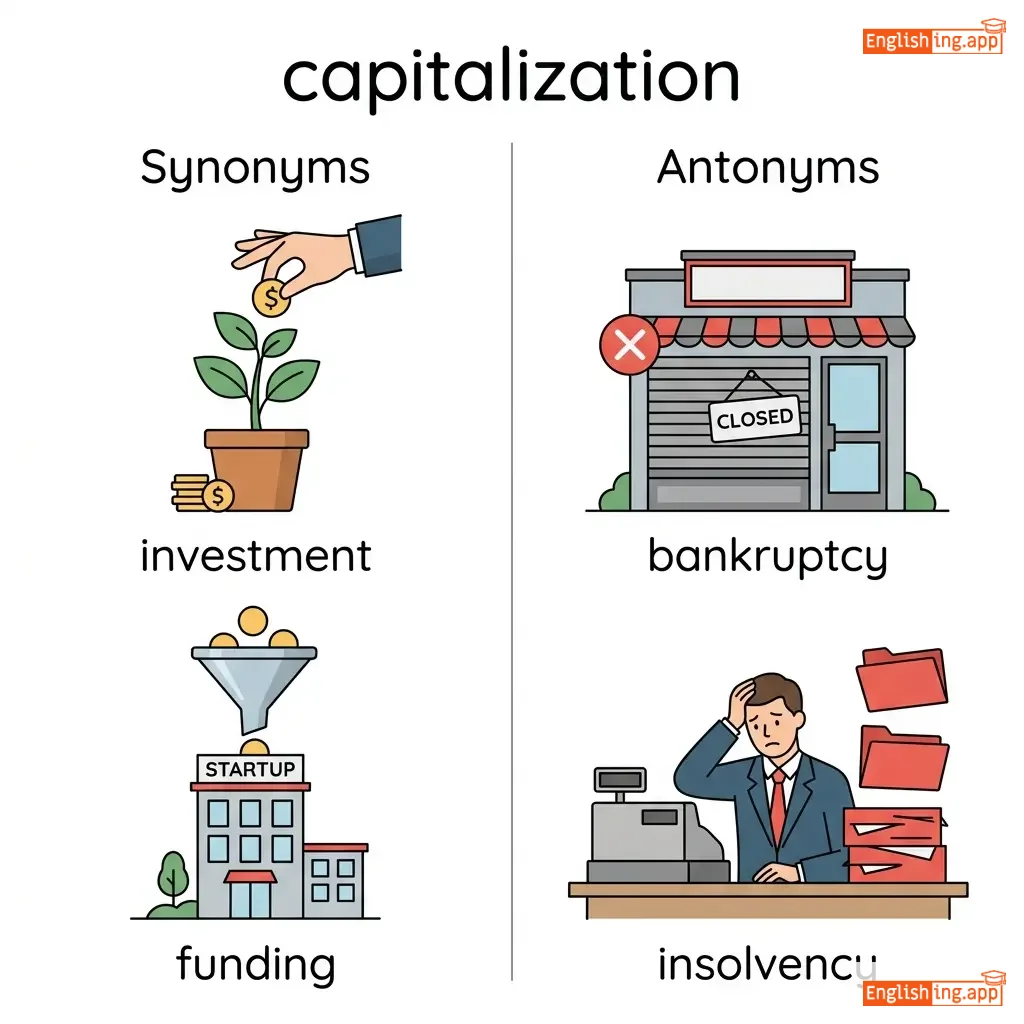
investment, funding, asset utilization
••••••
|
bankruptcy, insolvency, undercapitalization
••••••
|
|
#4050
🏭
|
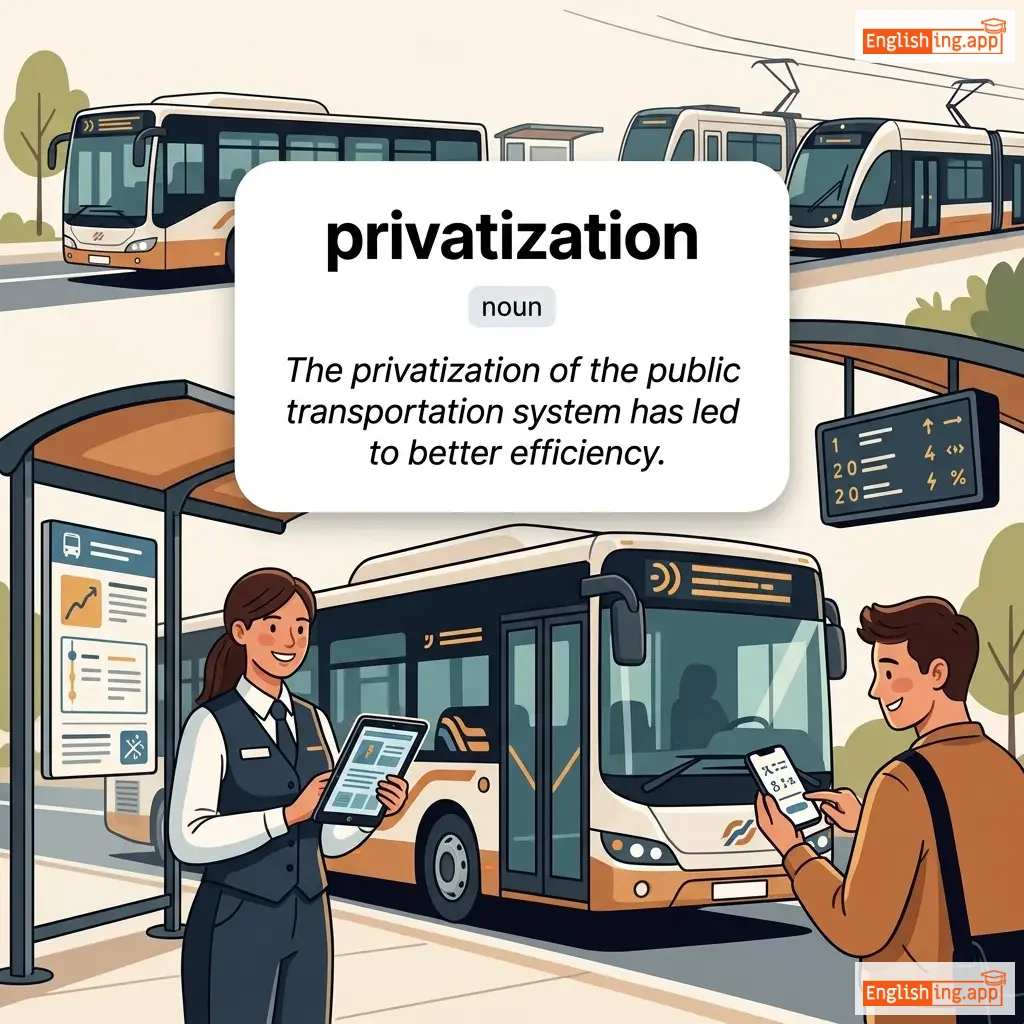
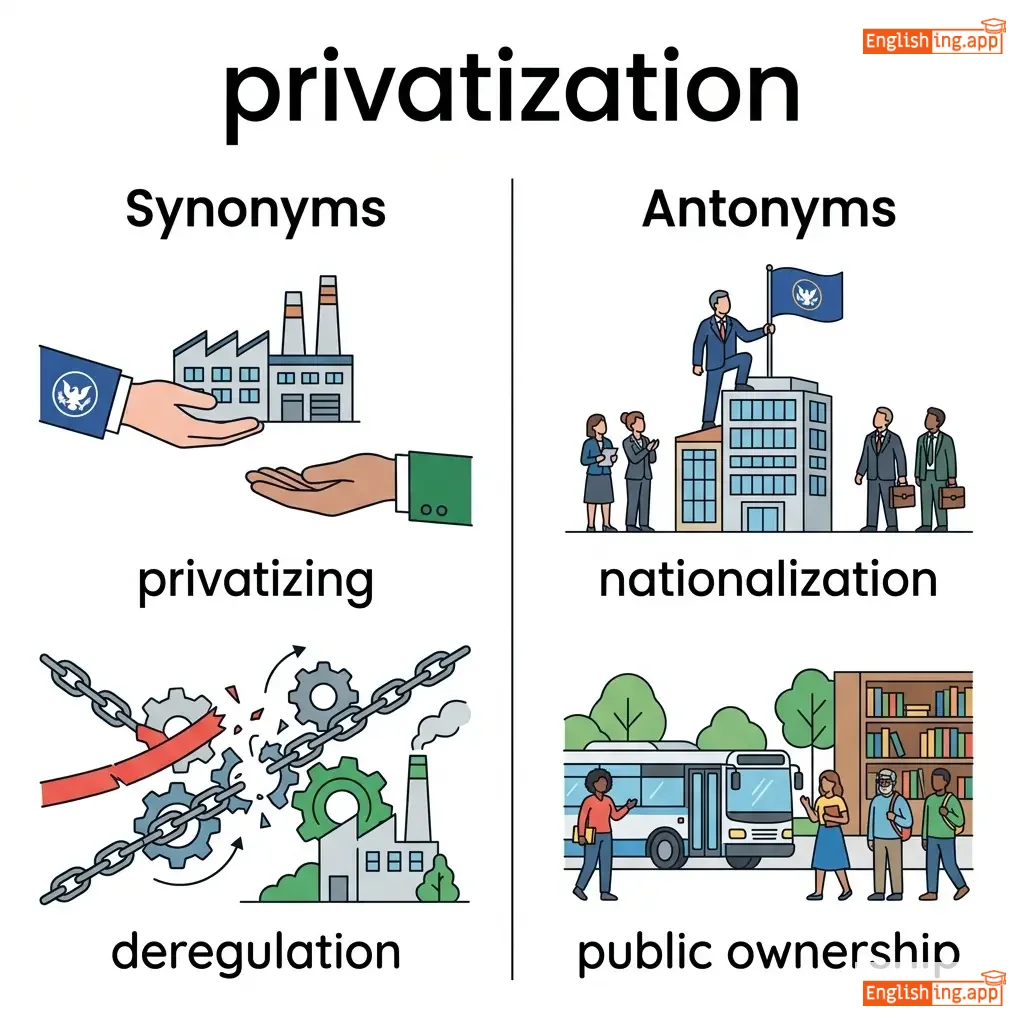
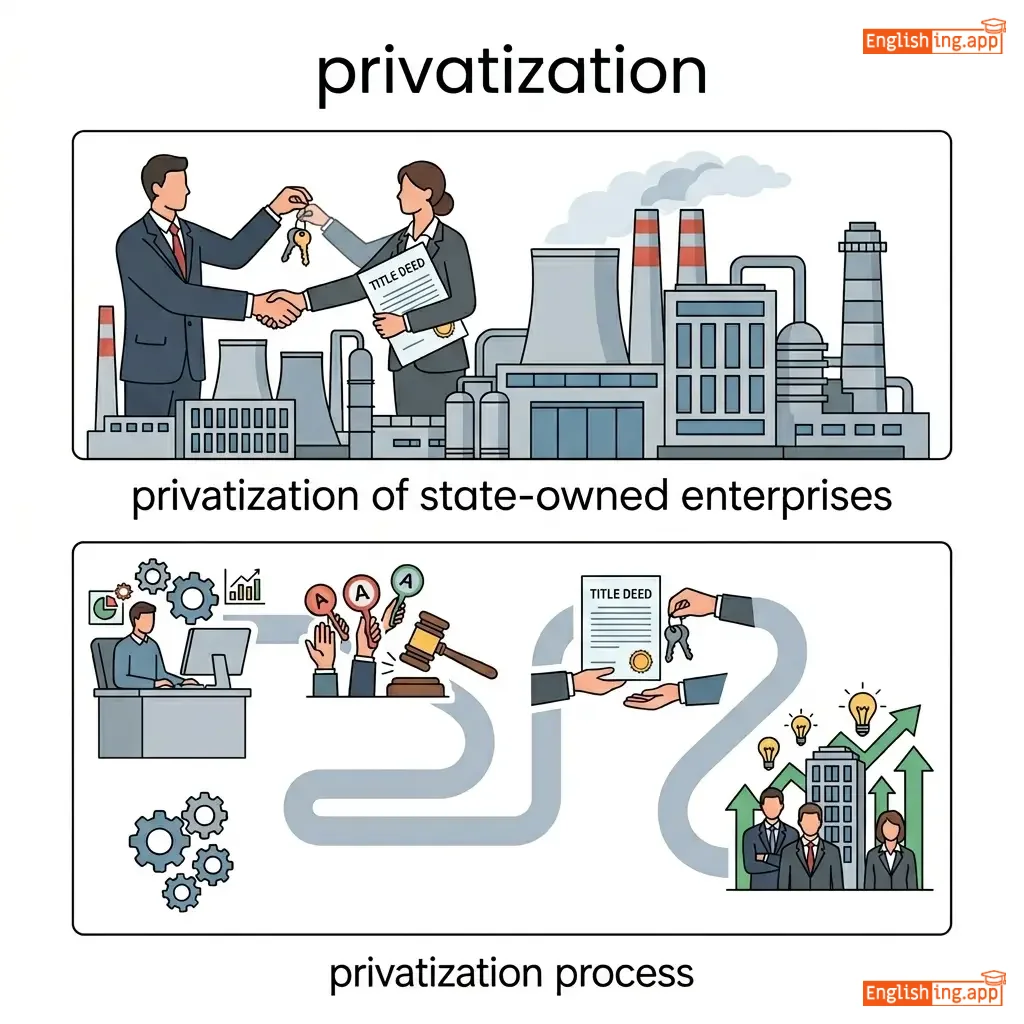
/ˌpraɪ.və.taɪˈzeɪ.ʃən/
noun
••••••
|
|
The transfer of ownership of a business, enterprise, agency, or public service from the public sector to the private sector.
••••••
|
The privatization of public enterprises led to improved efficiency. |
deregulation, market liberalization, commercialization
••••••
|
nationalization, public ownership, socialization
••••••
|
|
#4051
📋
|
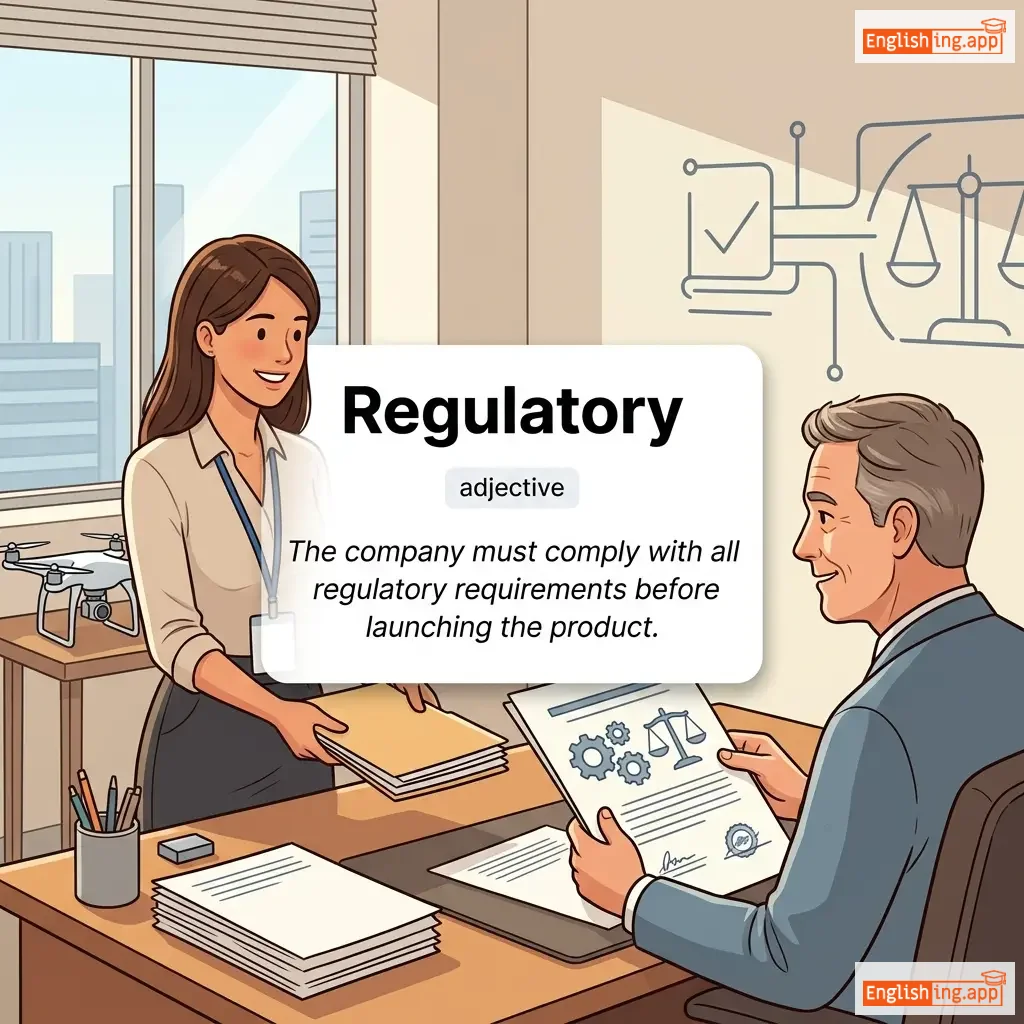
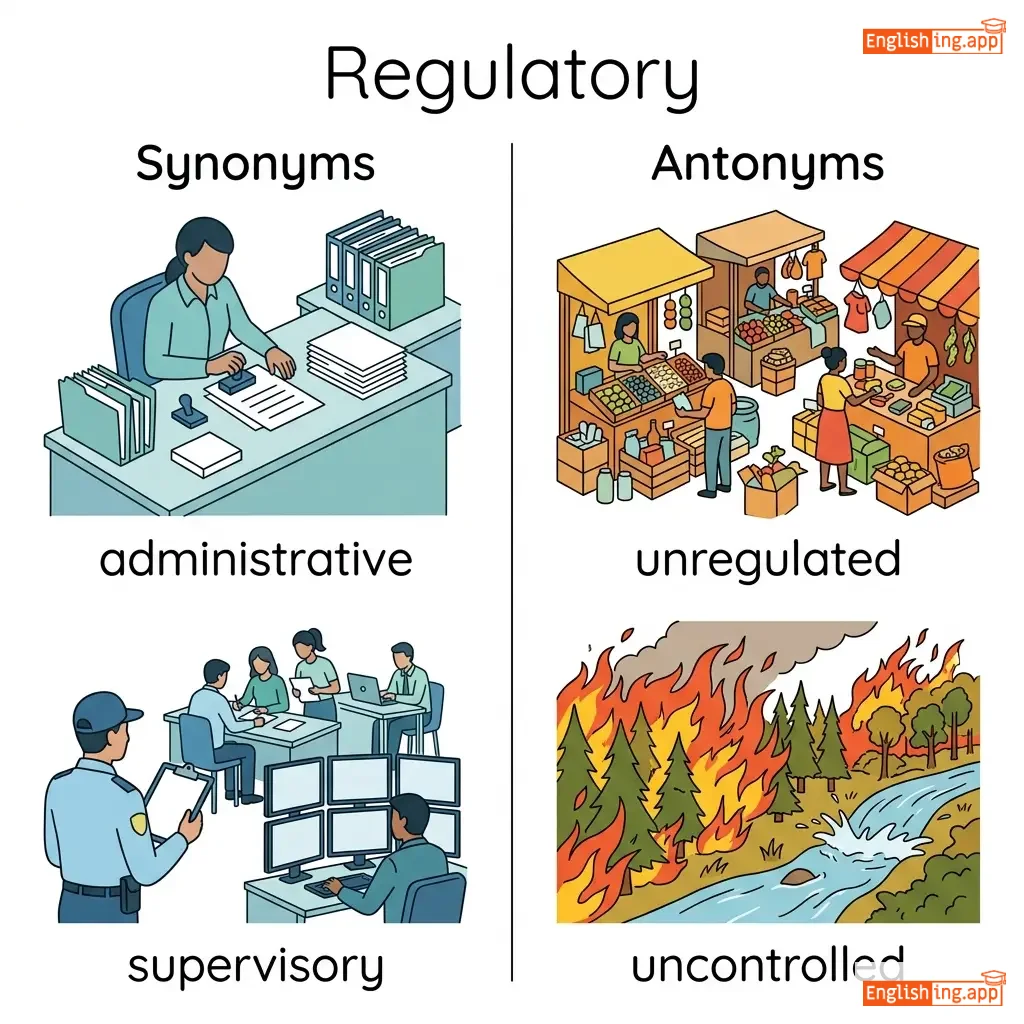
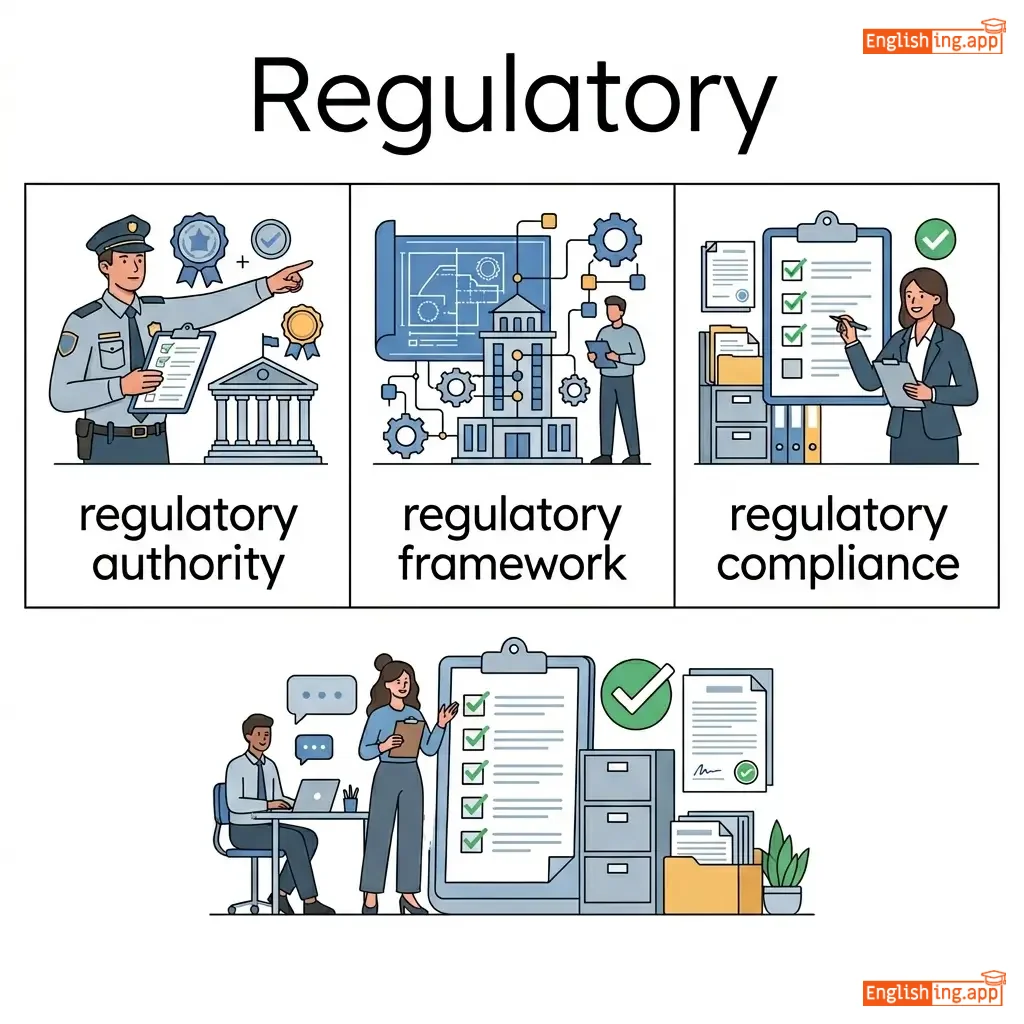
/ˈreɡ.jʊ.lə.tər.i/
adjective
••••••
|
|
Having the power to control or govern something through rules and regulations.
••••••
|
The government enforces regulatory policies for financial stability. |
supervisory, controlling, administrative
••••••
|
unregulated, deregulated, unrestricted
••••••
|
|
#4052
🏢
|
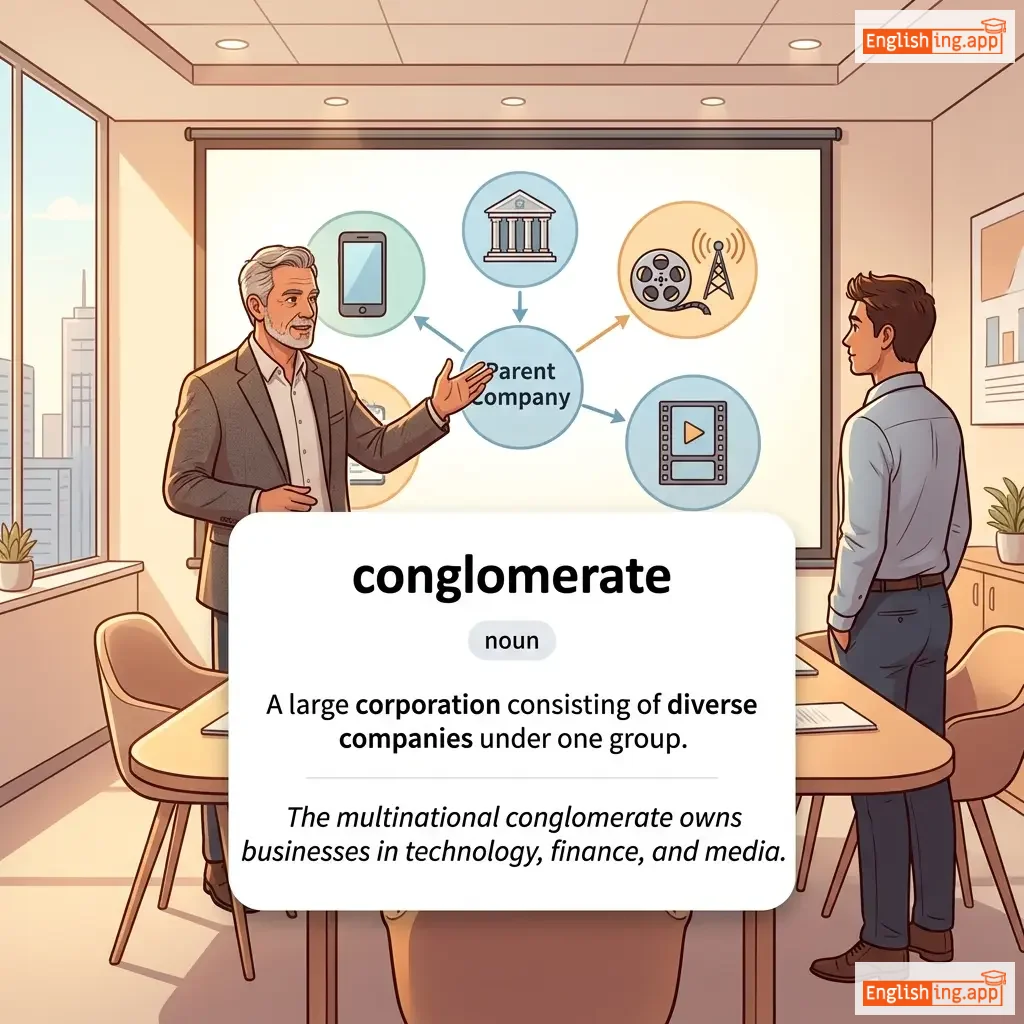
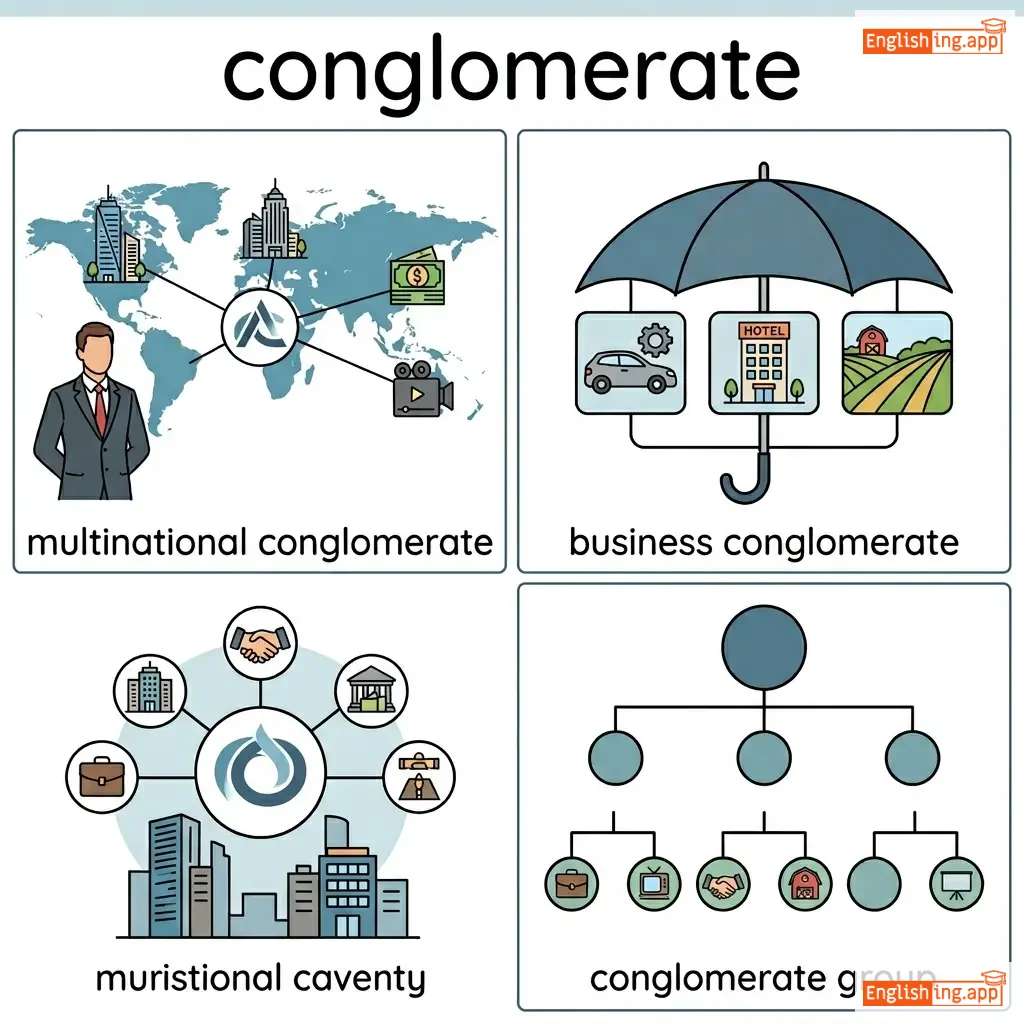
/kənˈɡlɒm.ər.ət/
noun
••••••
|
|
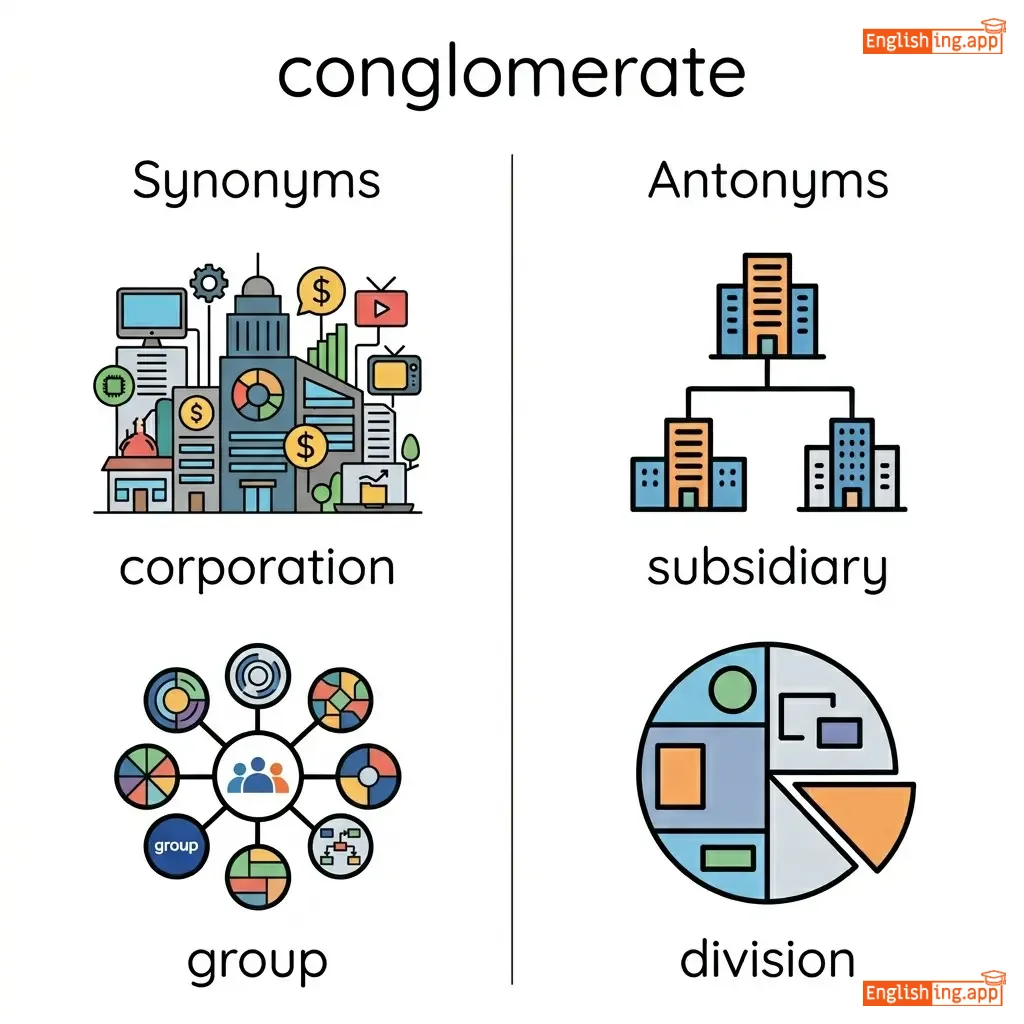
A large corporation made up of a number of different companies that operate in different markets.
••••••
|
The conglomerate owns companies in multiple industries. |
corporation, multinational, business empire
••••••
|
independent business, startup, small-scale enterprise
••••••
|
|
#4053
📁
|
/ˈbjʊə.rə.krə.si/
noun
••••••
|
|
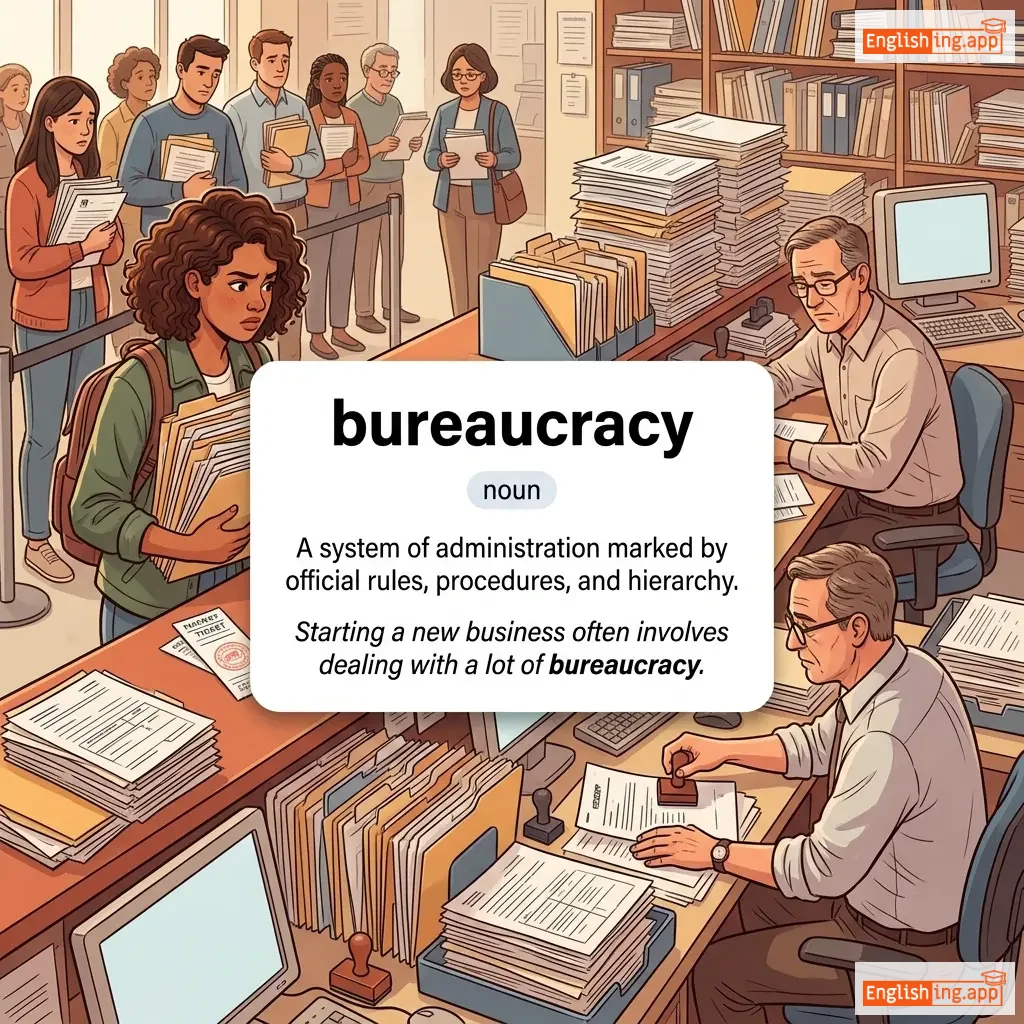
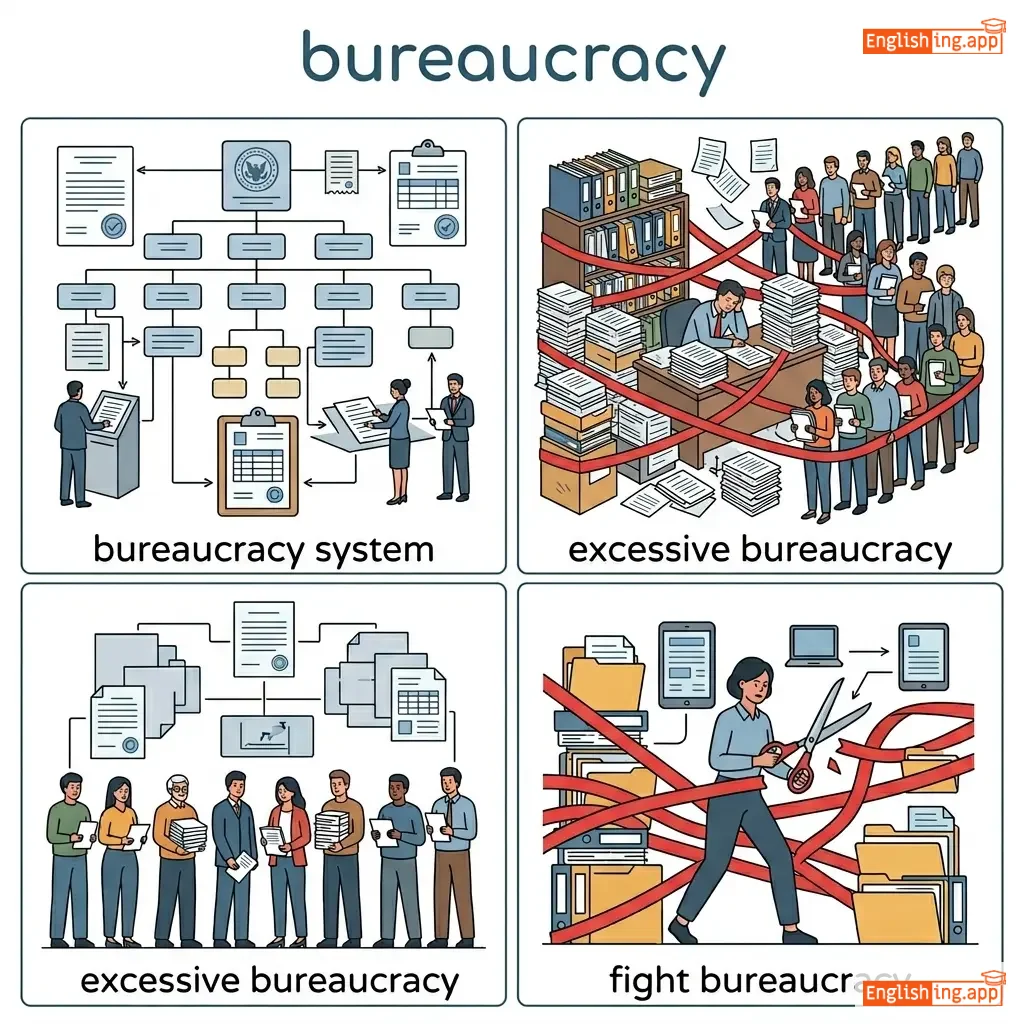
A system of government in which most of the important decisions are made by state officials rather than by elected representatives.
••••••
|
The complex bureaucracy delayed the approval process. |
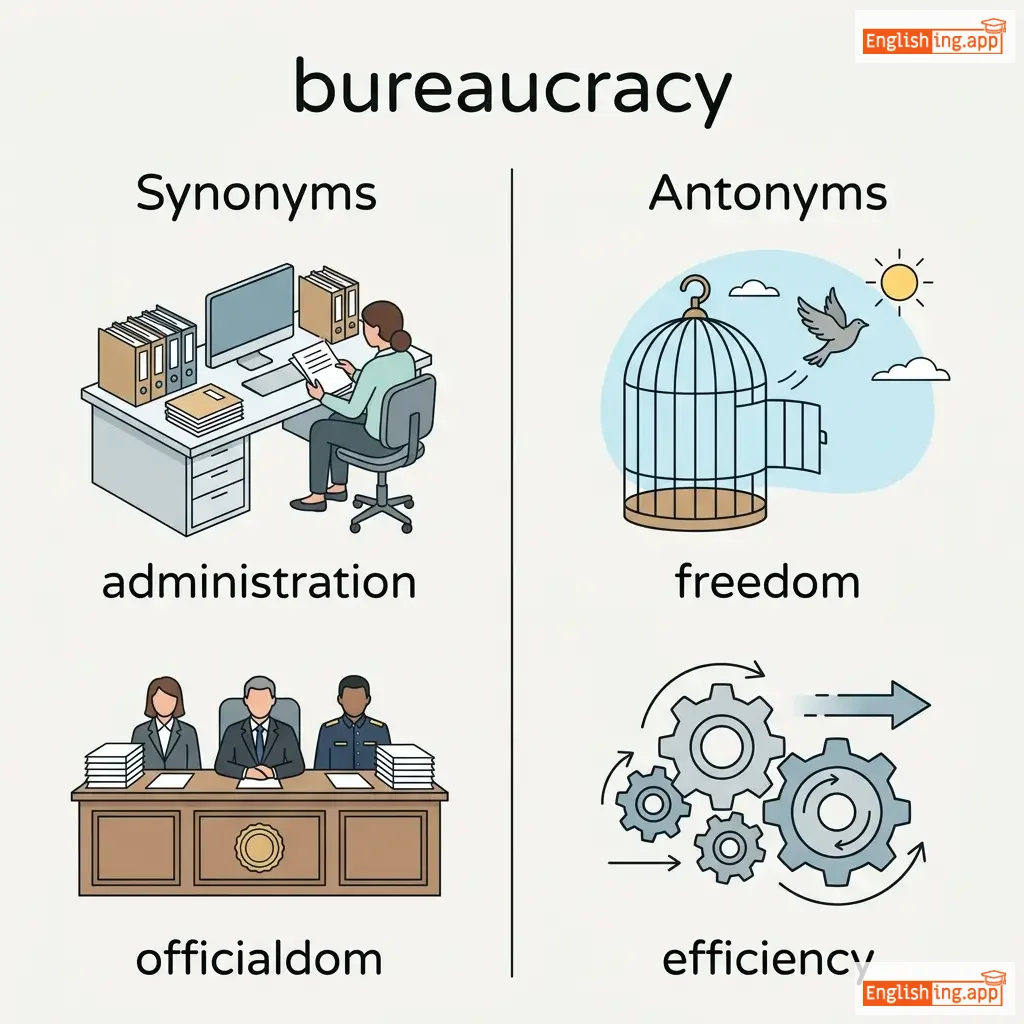
administration, officialdom, red tape
••••••
|
efficiency, flexibility, decentralization
••••••
|
|
#4054
💸
|
/ˌsʌbsɪdaɪˈzeɪʃən/
noun
••••••
|
|
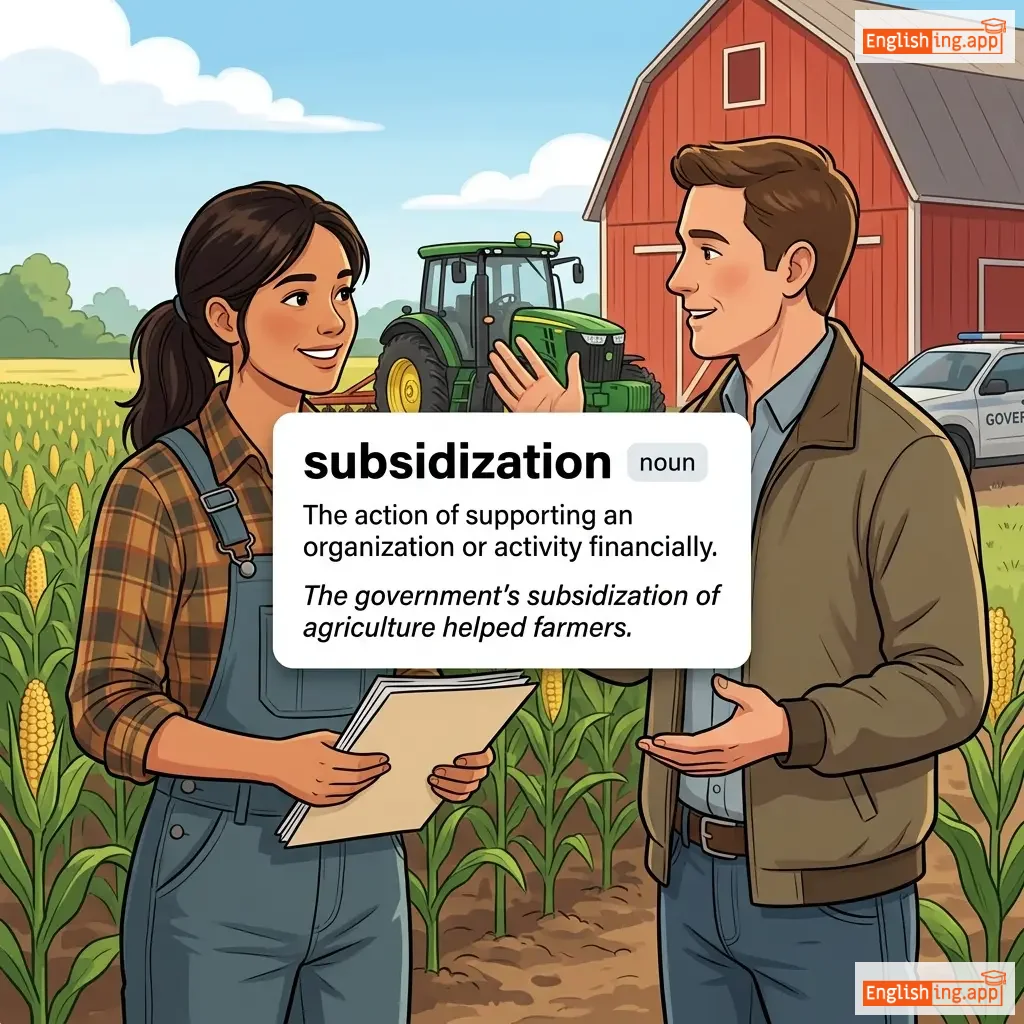
The action of supporting an organization or activity financially.
••••••
|
The government's subsidization of agriculture helped farmers. |
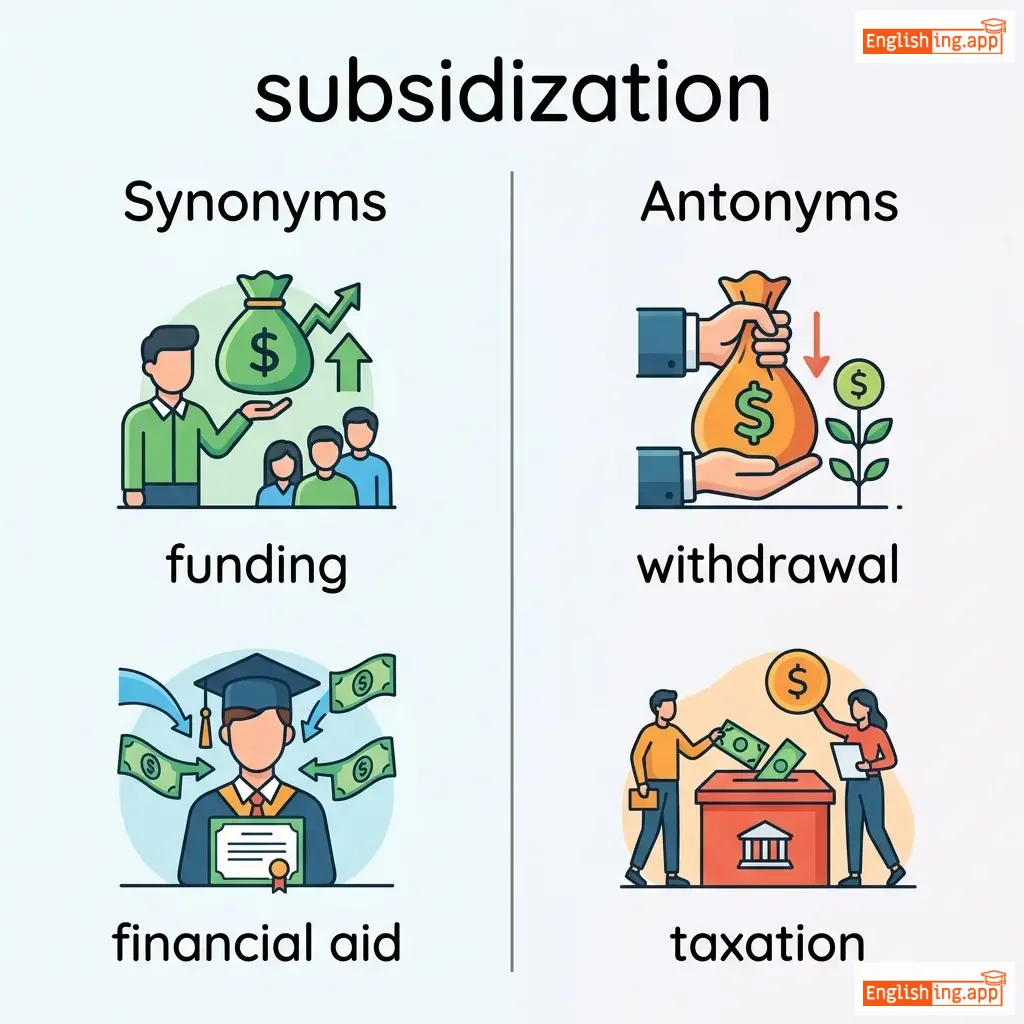
funding, financial aid, grant
••••••
|
withdrawal, taxation, self-funding
••••••
|
|
#4055
📈
|
/ɪnˈfleɪ.ʃə.ner.i/
adjective
••••••
|
|
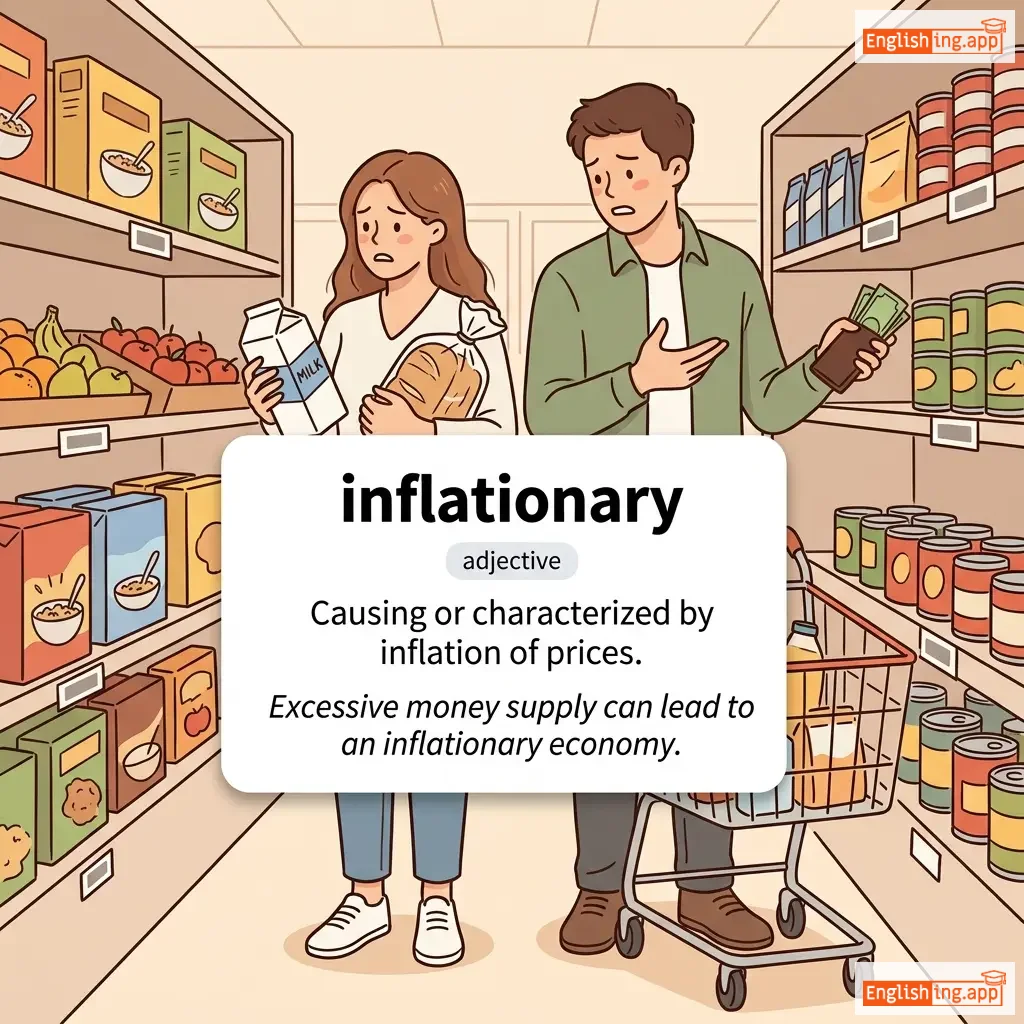
Causing or characterized by inflation of prices.
••••••
|
Excessive money supply can lead to an inflationary economy. |
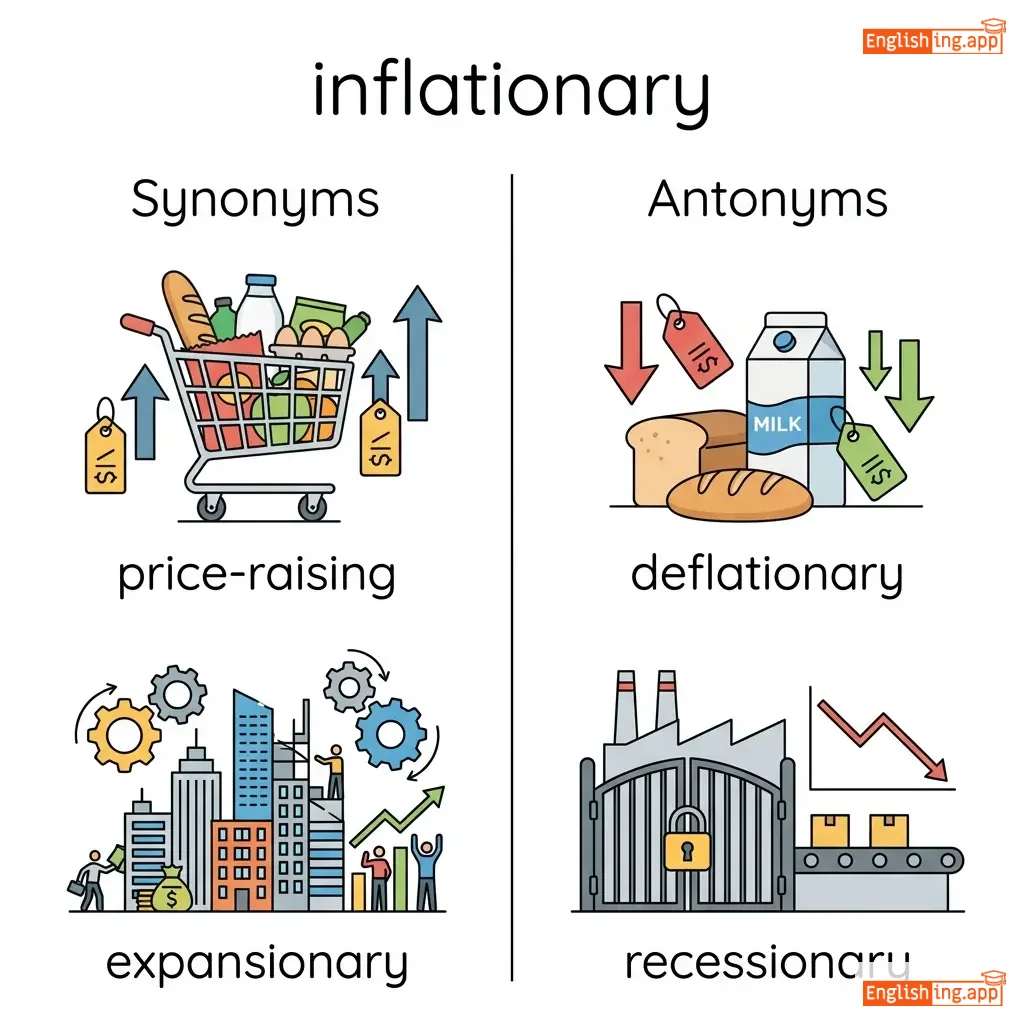
price-raising, expansionary, costly
••••••
|
deflationary, recessionary, stabilizing
••••••
|
|
#4056
🤝
|
/fɪˈduː.ʃi.er.i/
adjective, noun
••••••
|

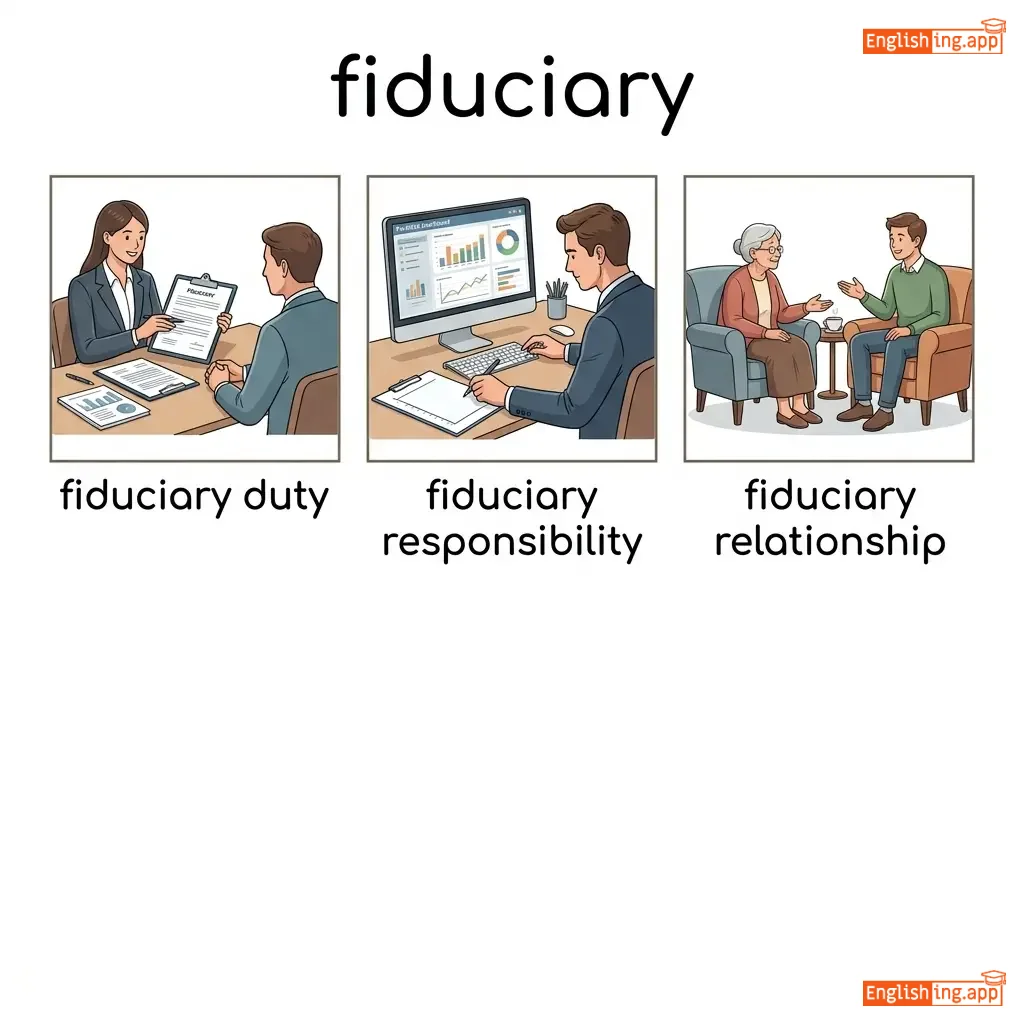
|
Involving trust, especially with regard to the relationship between a trustee and a beneficiary.
••••••
|
Bankers have a fiduciary duty to protect customers' investments. |
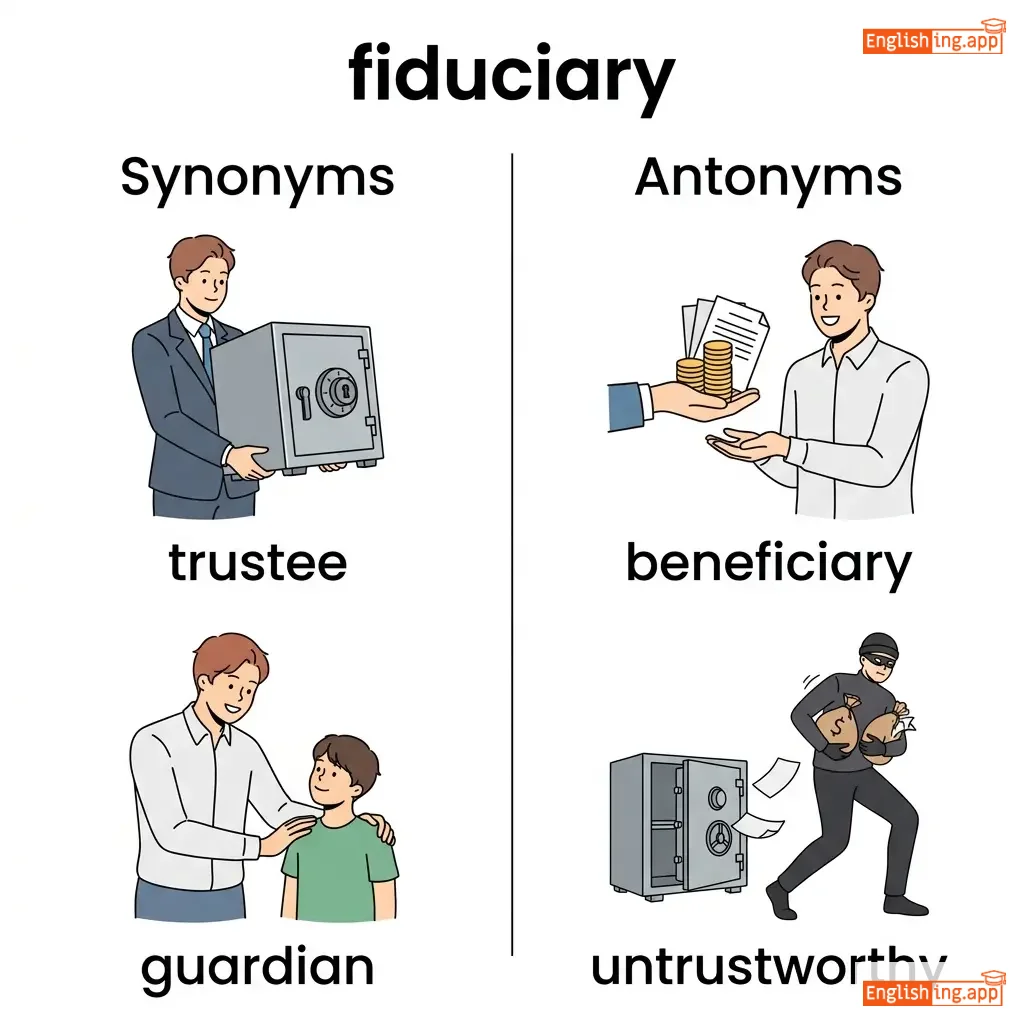
trustee, guardian, custodian
••••••
|
untrustworthy, irresponsible, fraudulent
••••••
|
|
#4057
💱
|
/ˈmʌn.ɪ.tri/
adjective
••••••
|
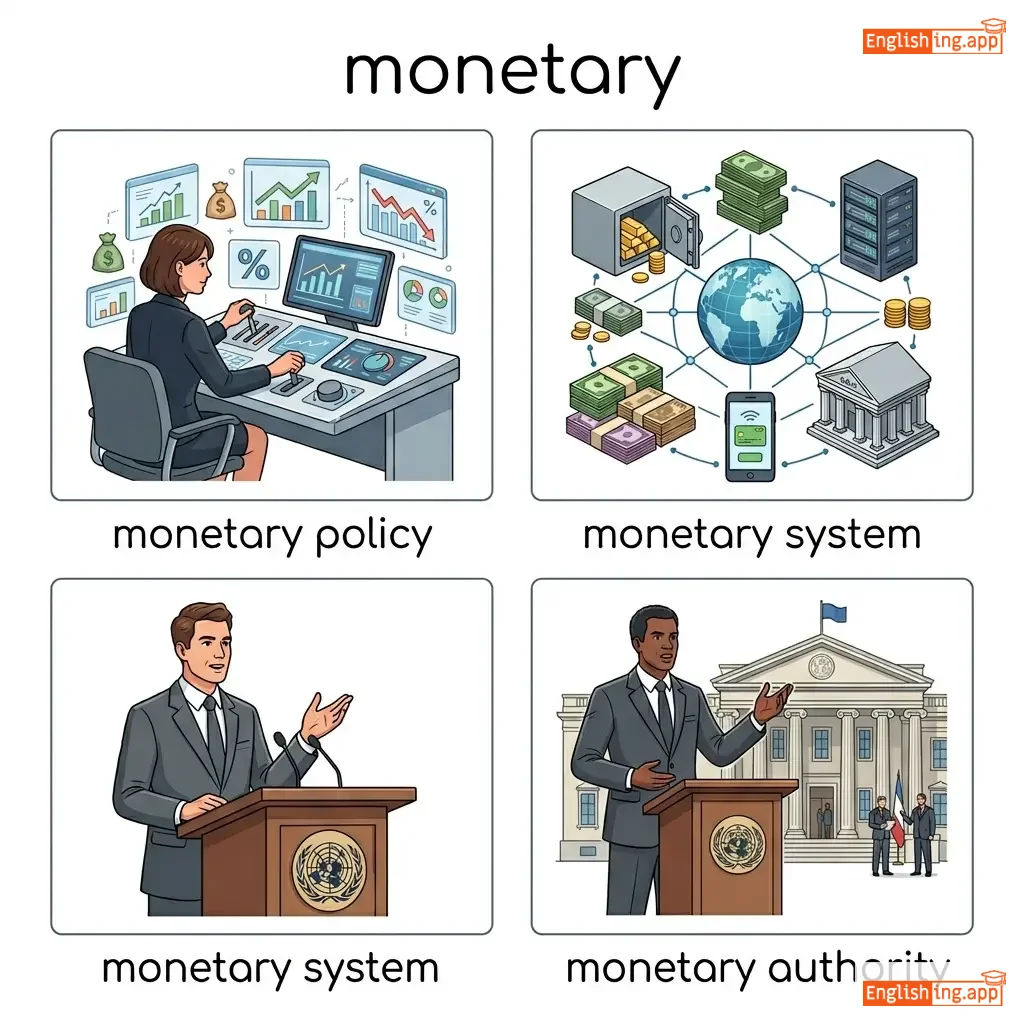
|
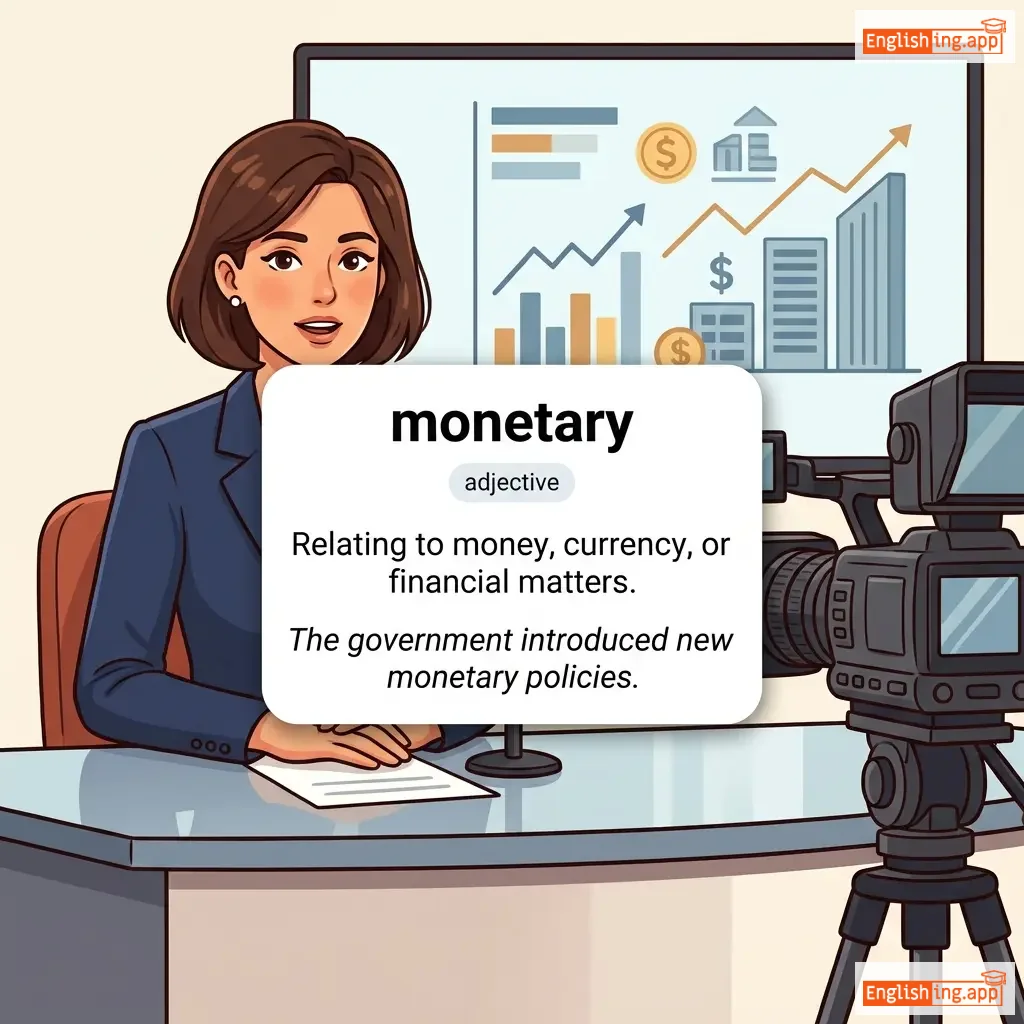
Relating to money or currency.
••••••
|
The central bank controls the monetary policy of a country. |
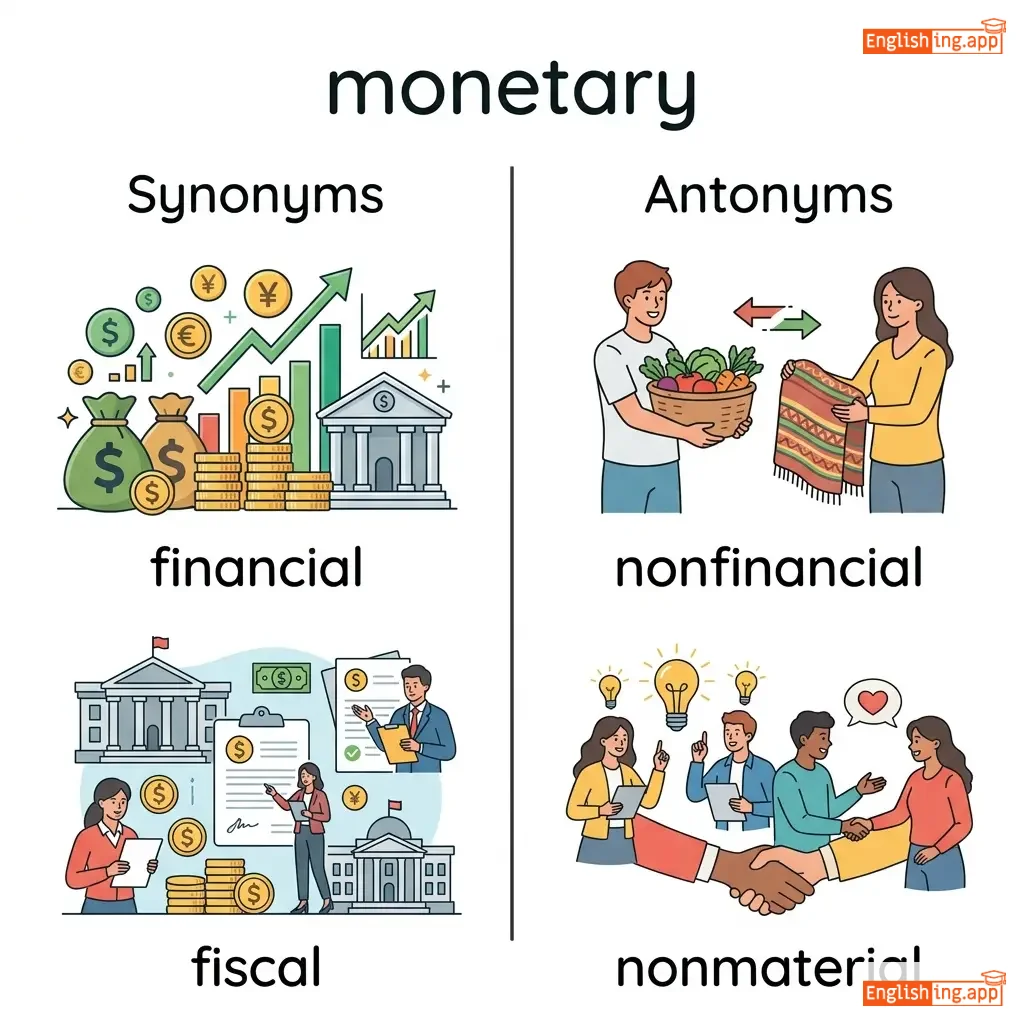
fiscal, financial, capital-related
••••••
|
non-financial, barter-based, material
••••••
|
|
#4058
⚡
|
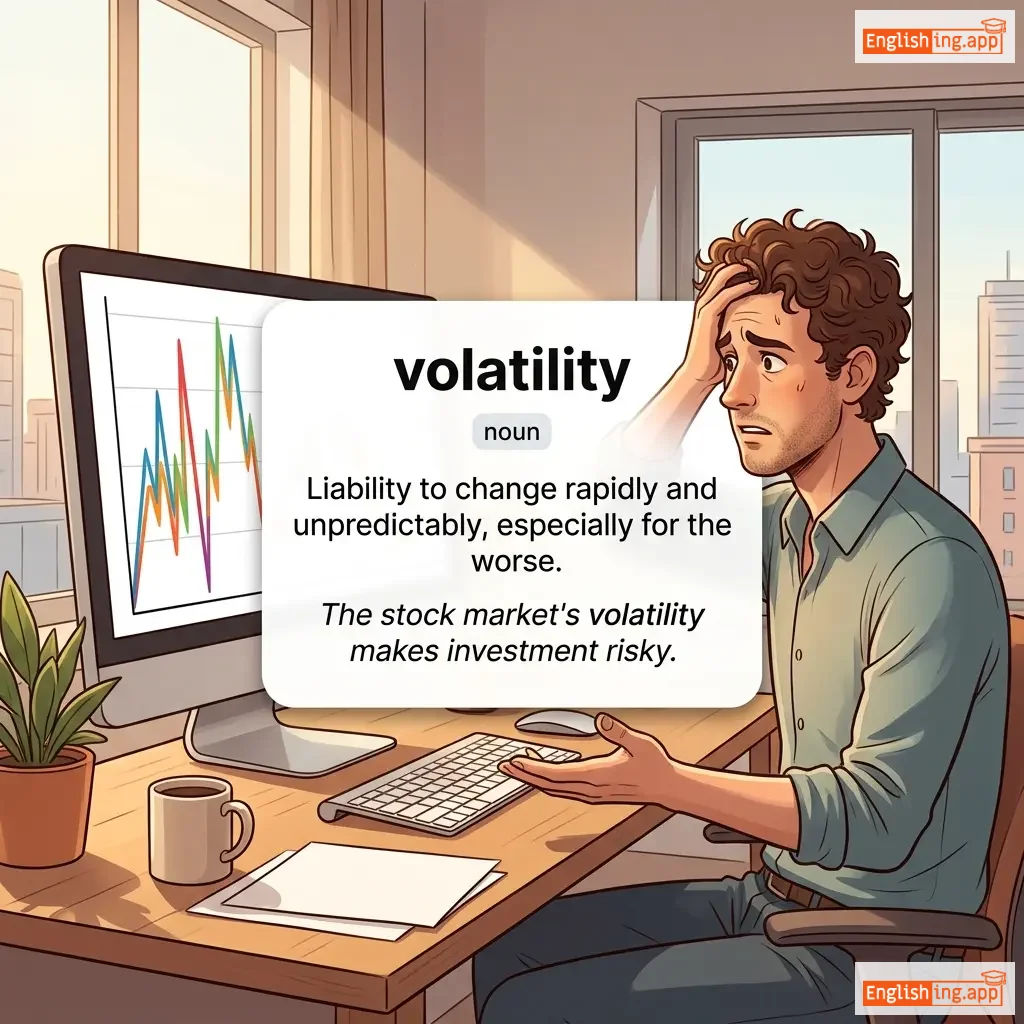
/ˌvɒl.əˈtɪl.ɪ.ti/
noun
••••••
|
|
Liability to change rapidly and unpredictably, especially for the worse.
••••••
|
The stock market's volatility makes investment risky. |
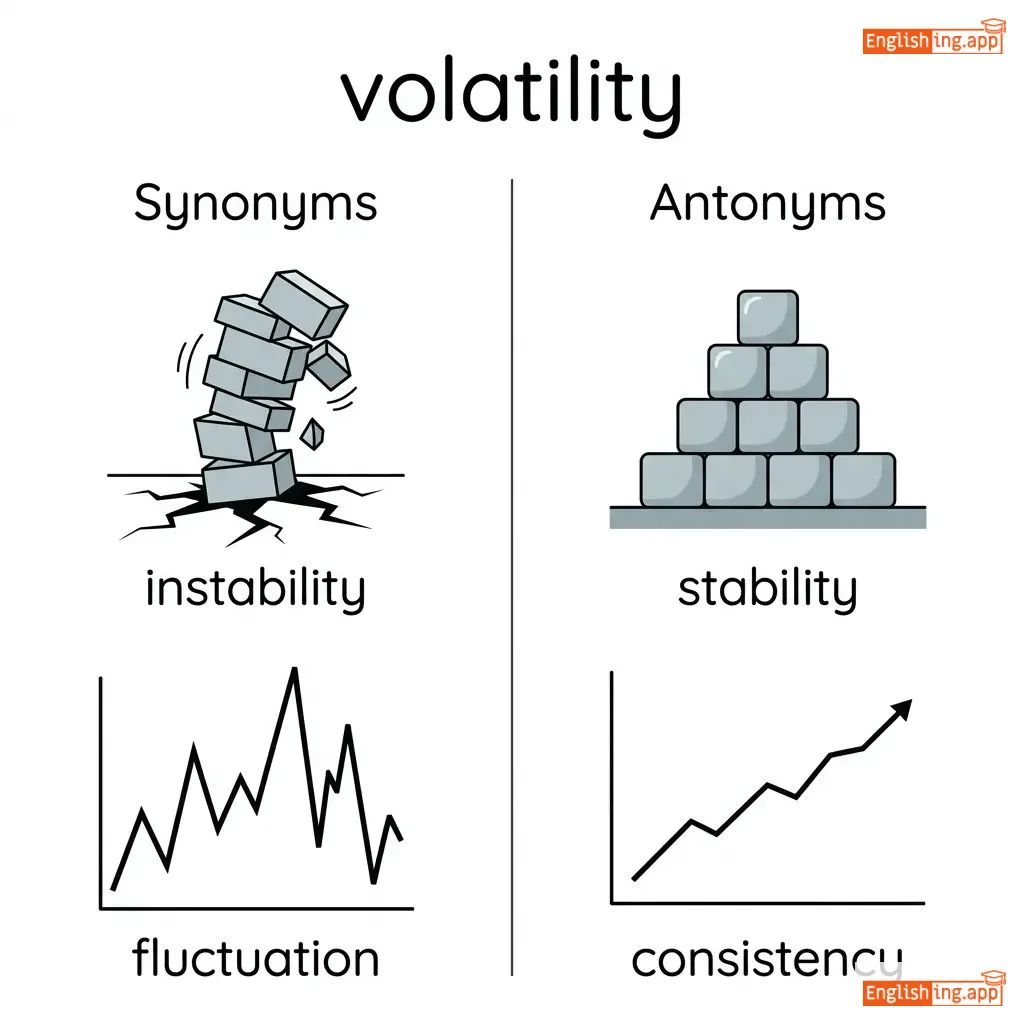
instability, fluctuation, unpredictability
••••••
|
stability, consistency, predictability
••••••
|
|
#4059
💌
|
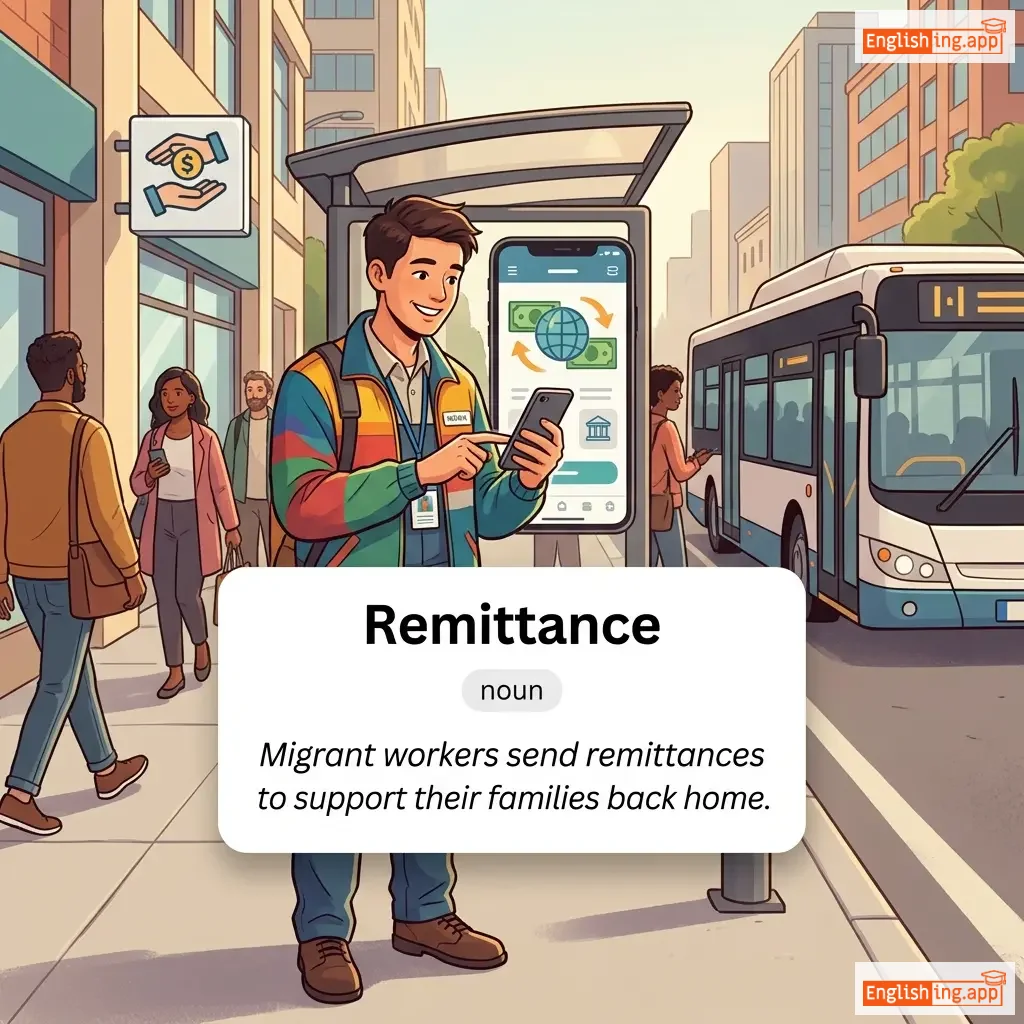
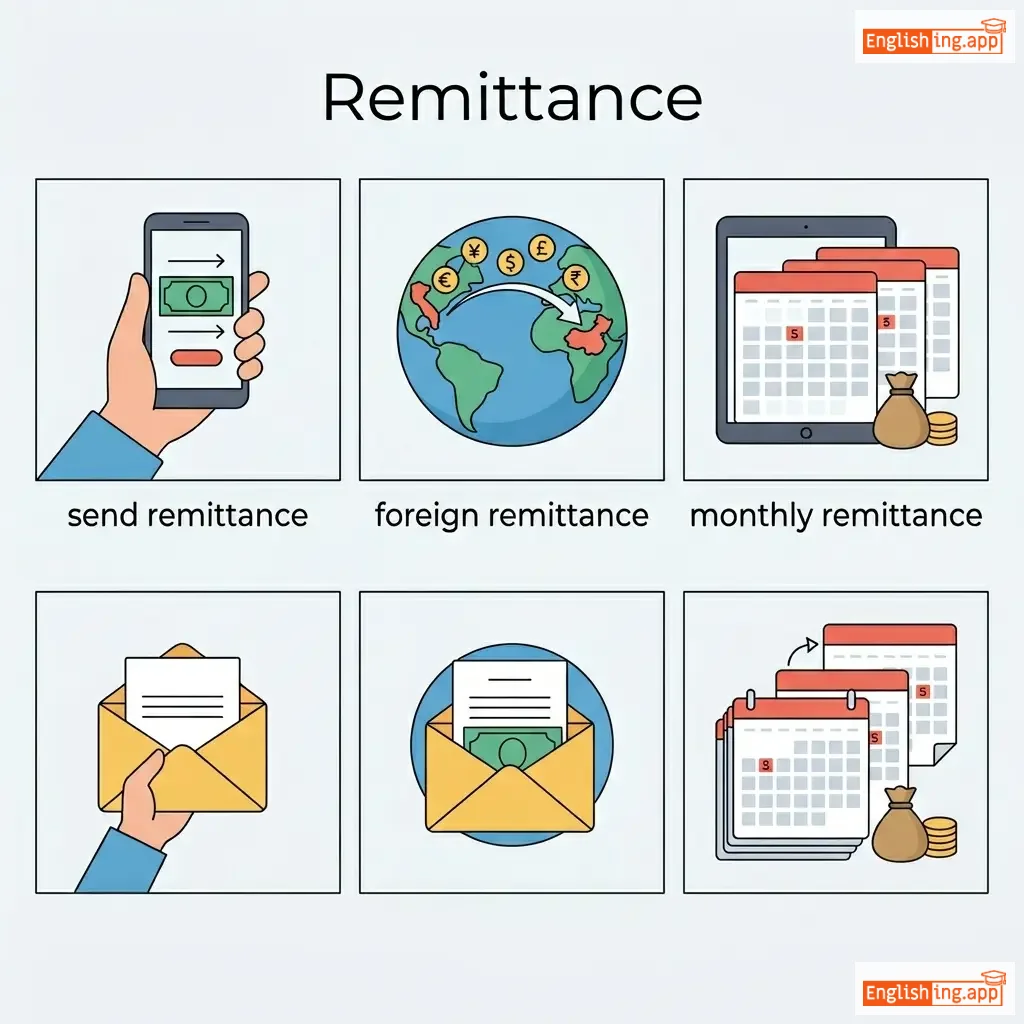
/rɪˈmɪt.əns/
noun
••••••
|
|
A sum of money sent in payment or as a gift.
••••••
|
The country's economy benefits from expatriate remittance. |
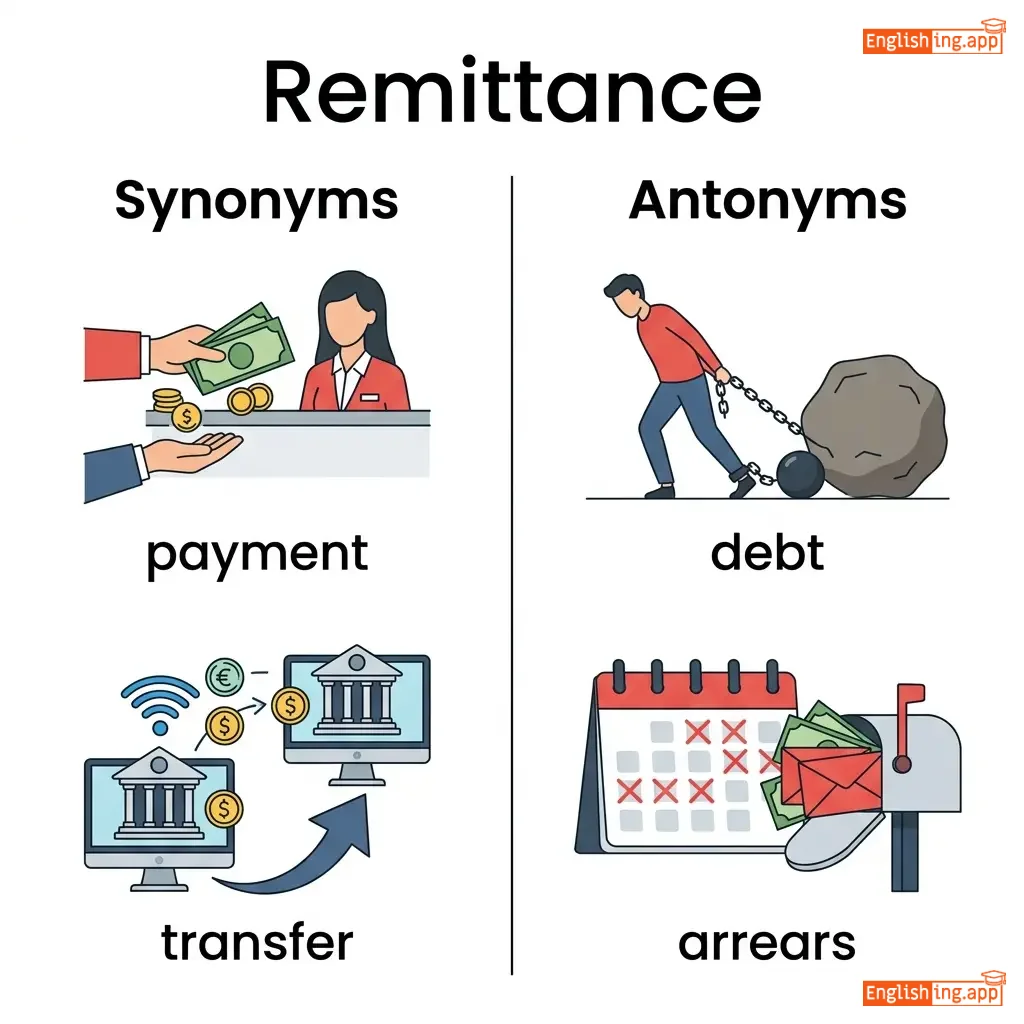
money transfer, payment, wire transfer
••••••
|
withholding, non-payment, default
••••••
|
|
#4060
💧
|
/lɪkˈwɪd.ə.ti/
noun
••••••
|
|
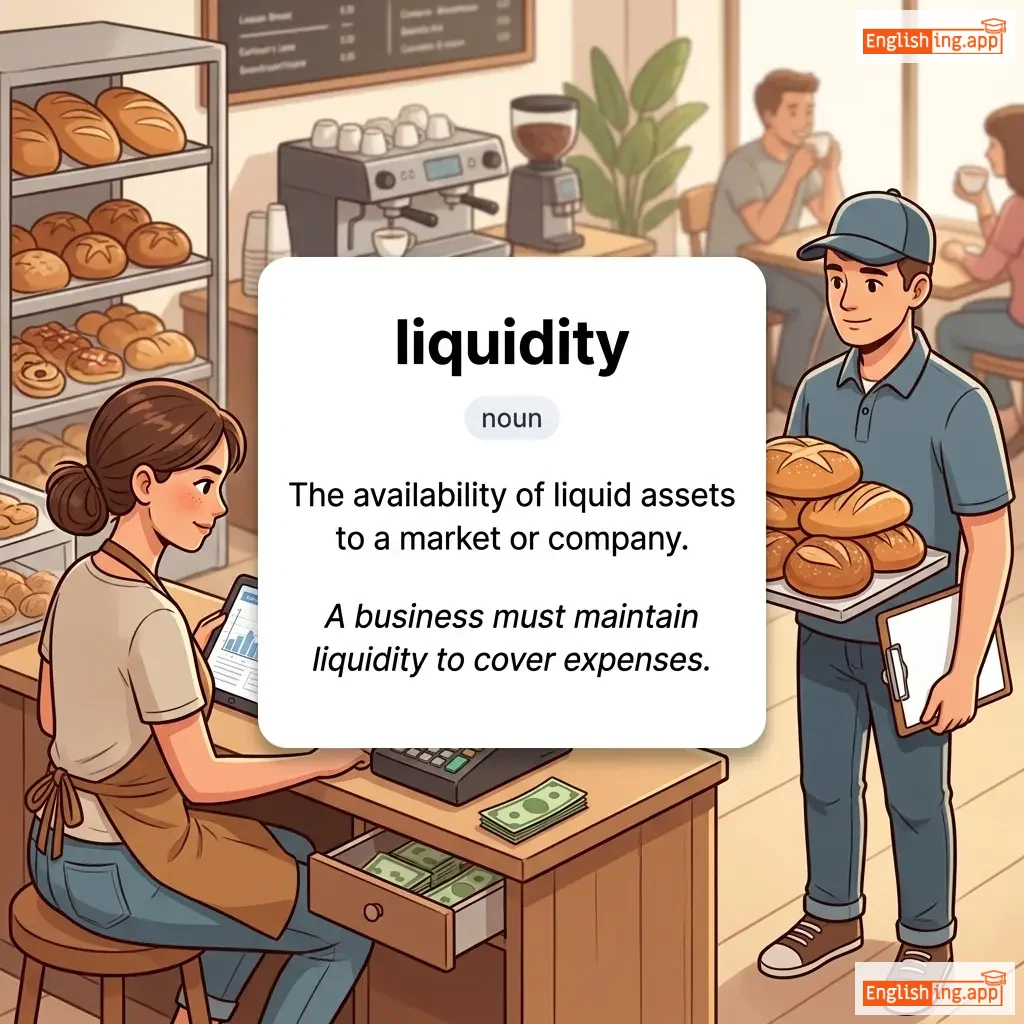
The availability of liquid assets to a market or company.
••••••
|
A business must maintain liquidity to cover expenses. |
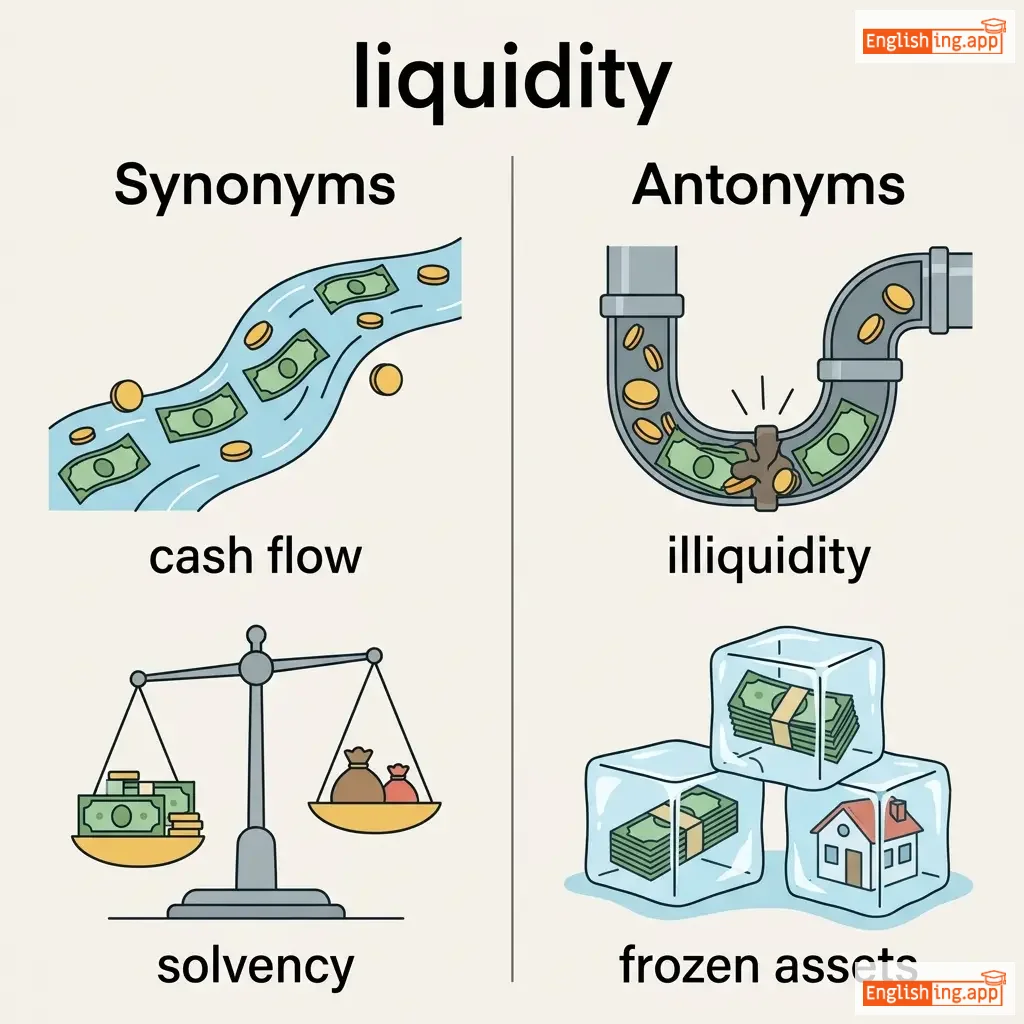
cash flow, solvency, convertibility
••••••
|
illiquidity, frozen assets, insolvency
••••••
|
|
#4061
📅
|
/əˌmɔːr.tɪˈzeɪ.ʃən/
noun
••••••
|
|
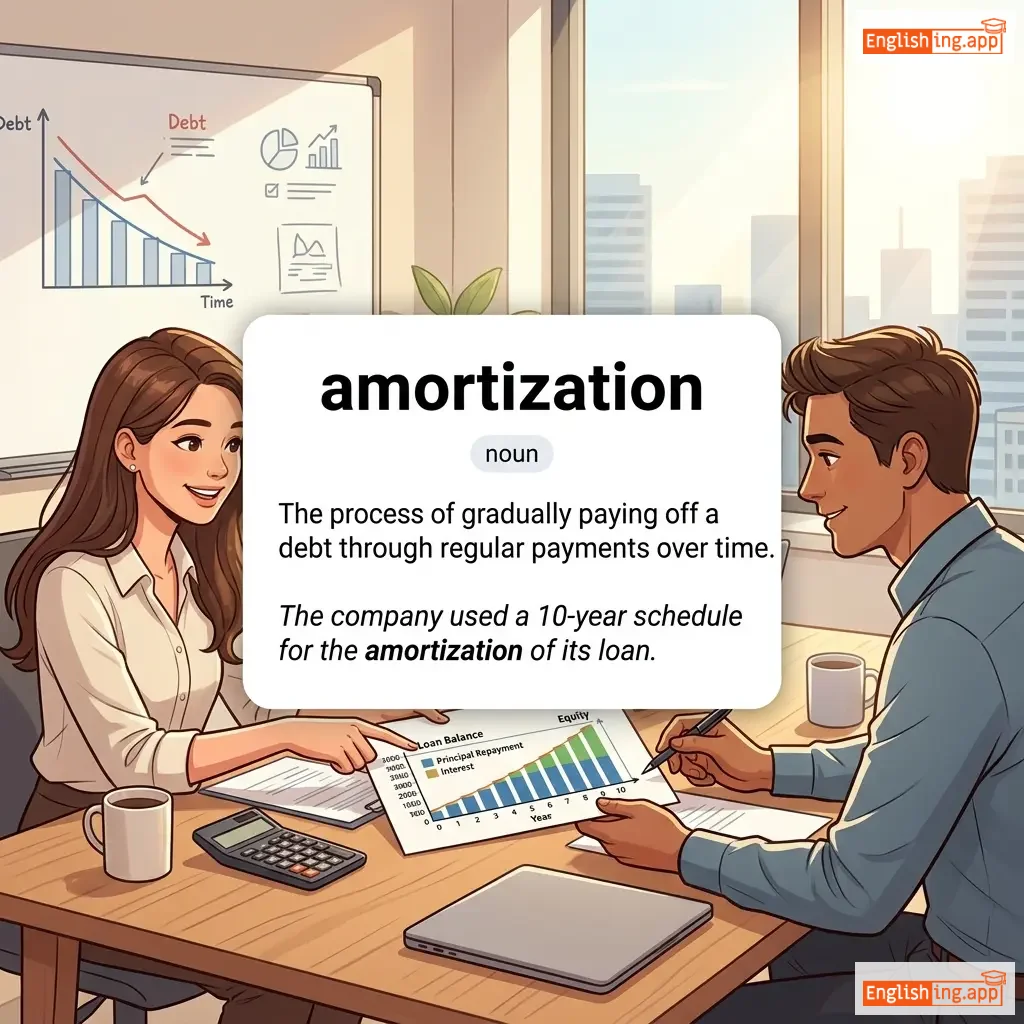
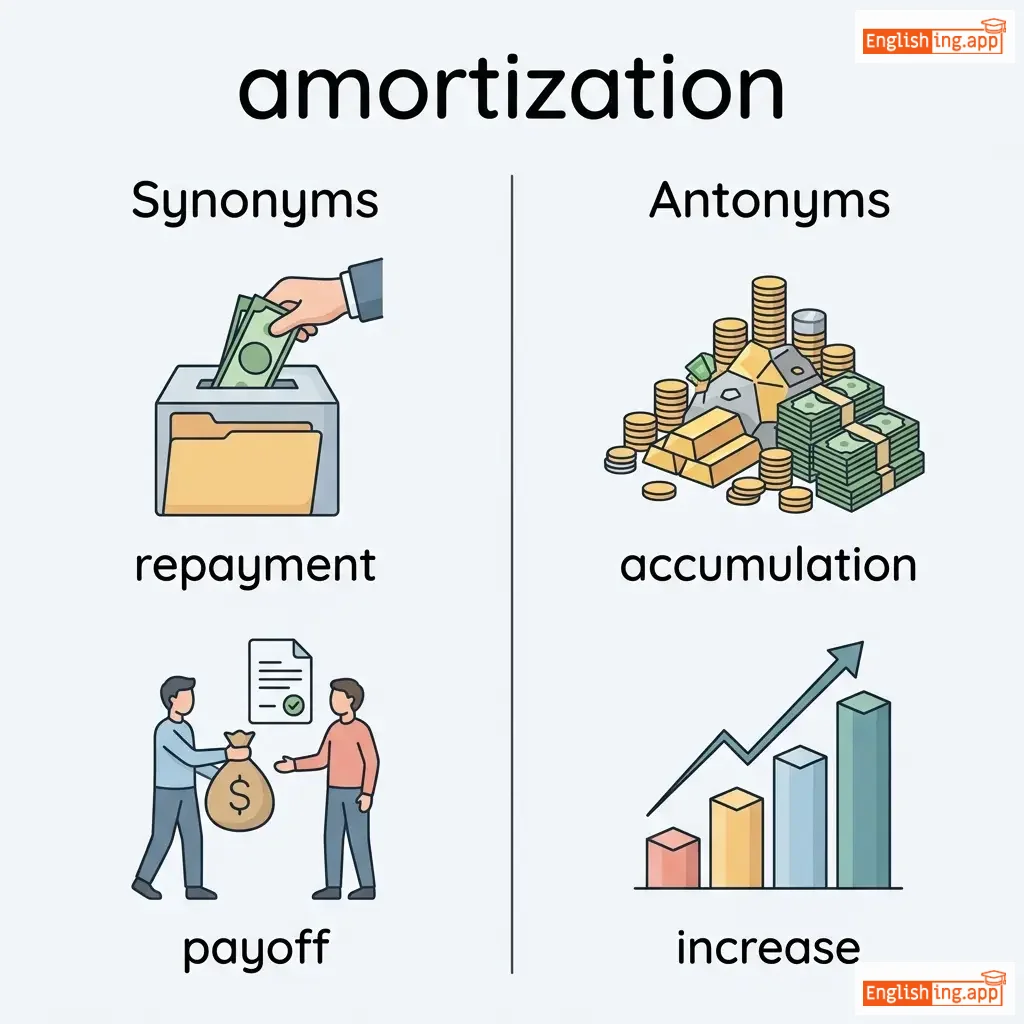
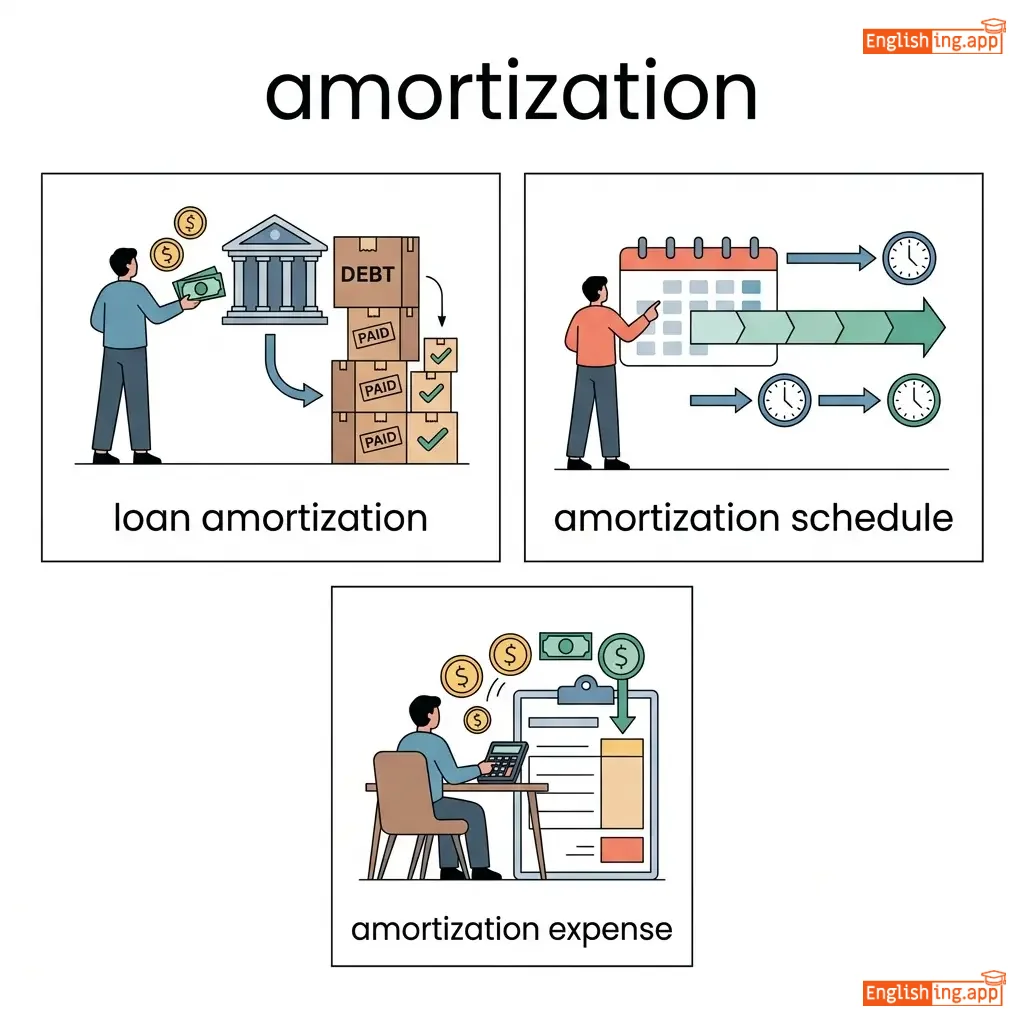
The process of paying off a debt with a fixed repayment schedule in regular installments.
••••••
|
The bank offers low-interest amortization plans. |
debt repayment, depreciation, installment
••••••
|
accumulation, indebtedness, default
••••••
|
|
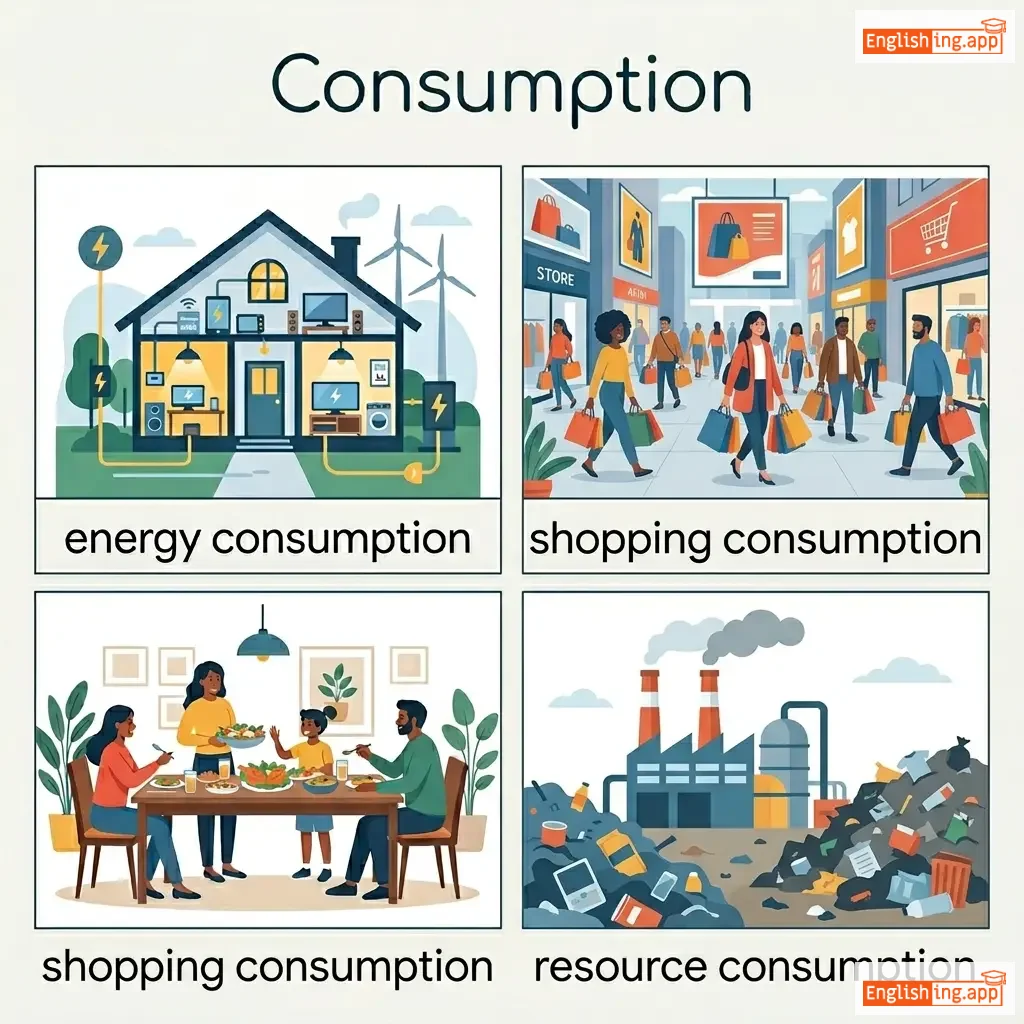
#4062
🛒
|
/kənˈsʌmp.ʃən/
noun
••••••
|
|
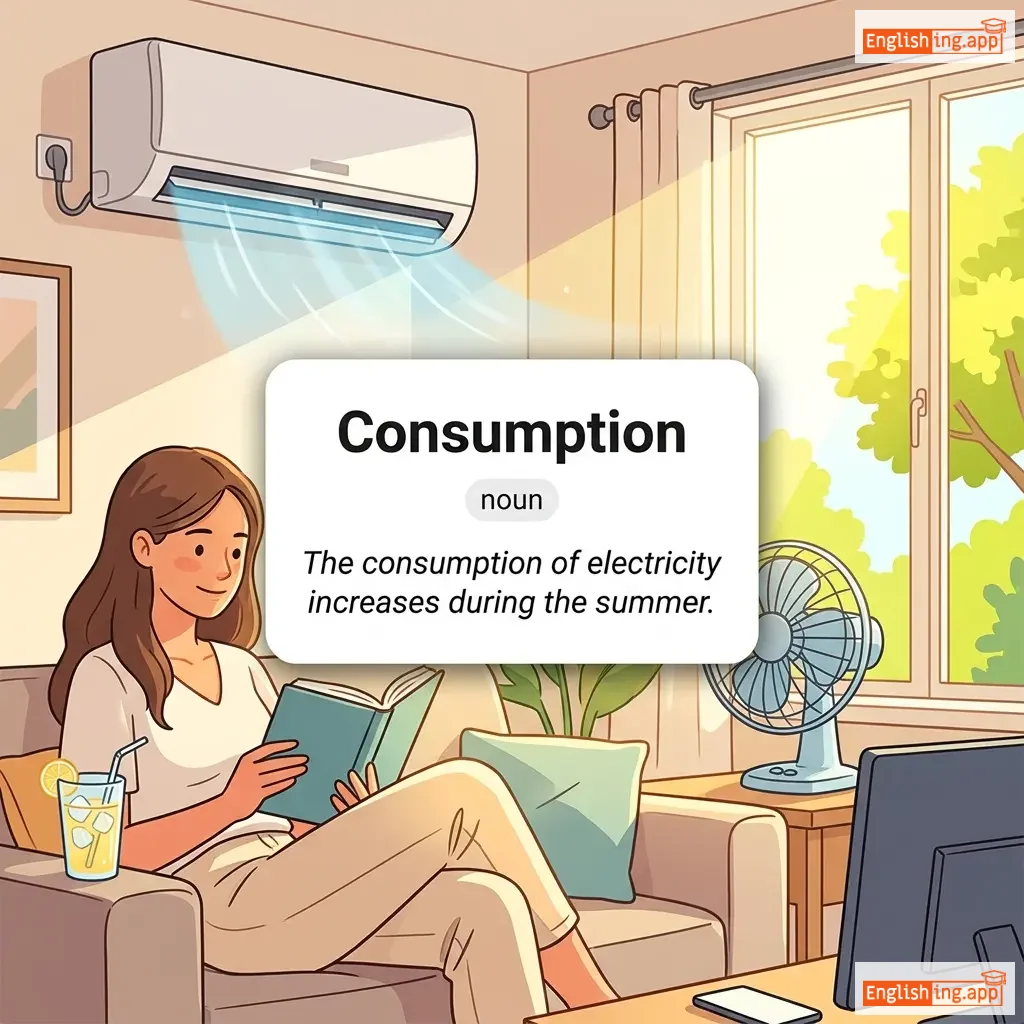
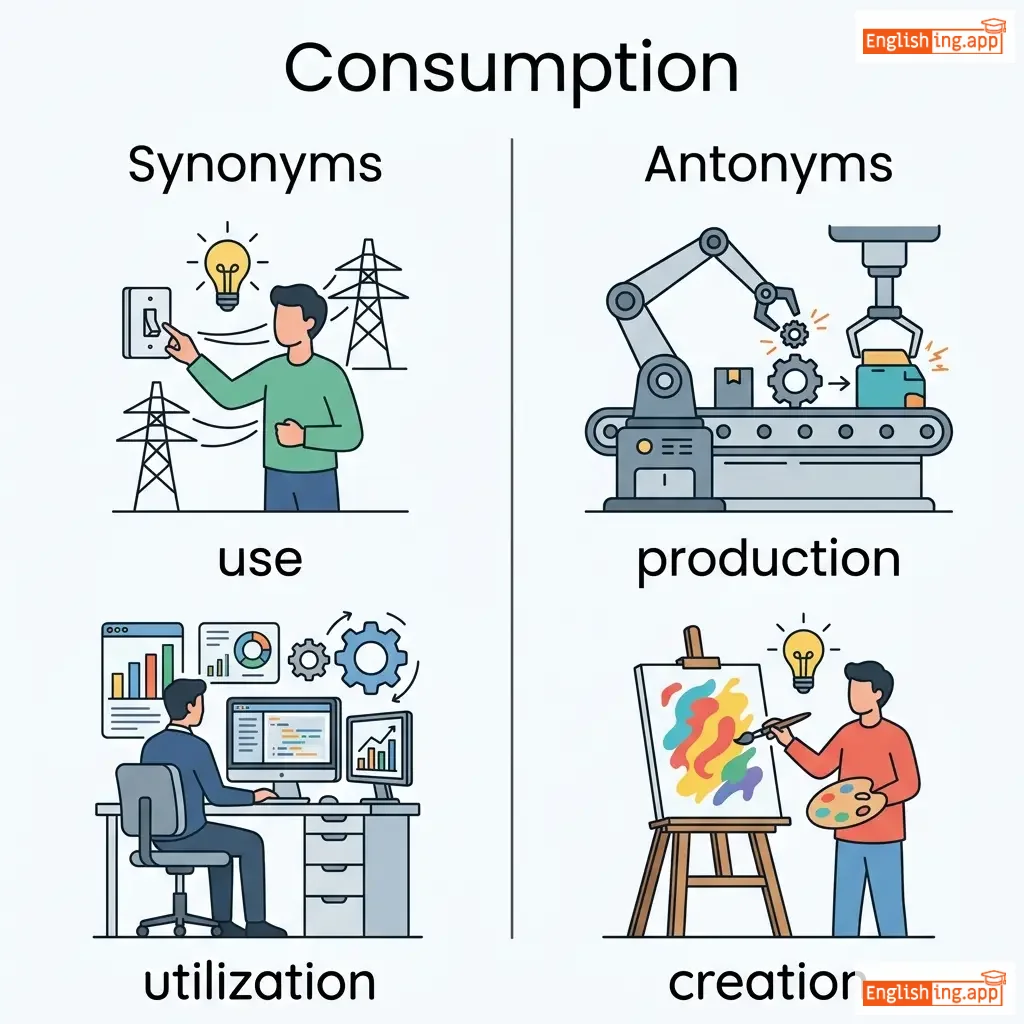
The using up of a resource or the amount of a product consumed by consumers.
••••••
|
High energy consumption leads to increased electricity bills. |
utilization, expenditure, usage
••••••
|
conservation, preservation, saving
••••••
|
|
#4063
⚖️
|
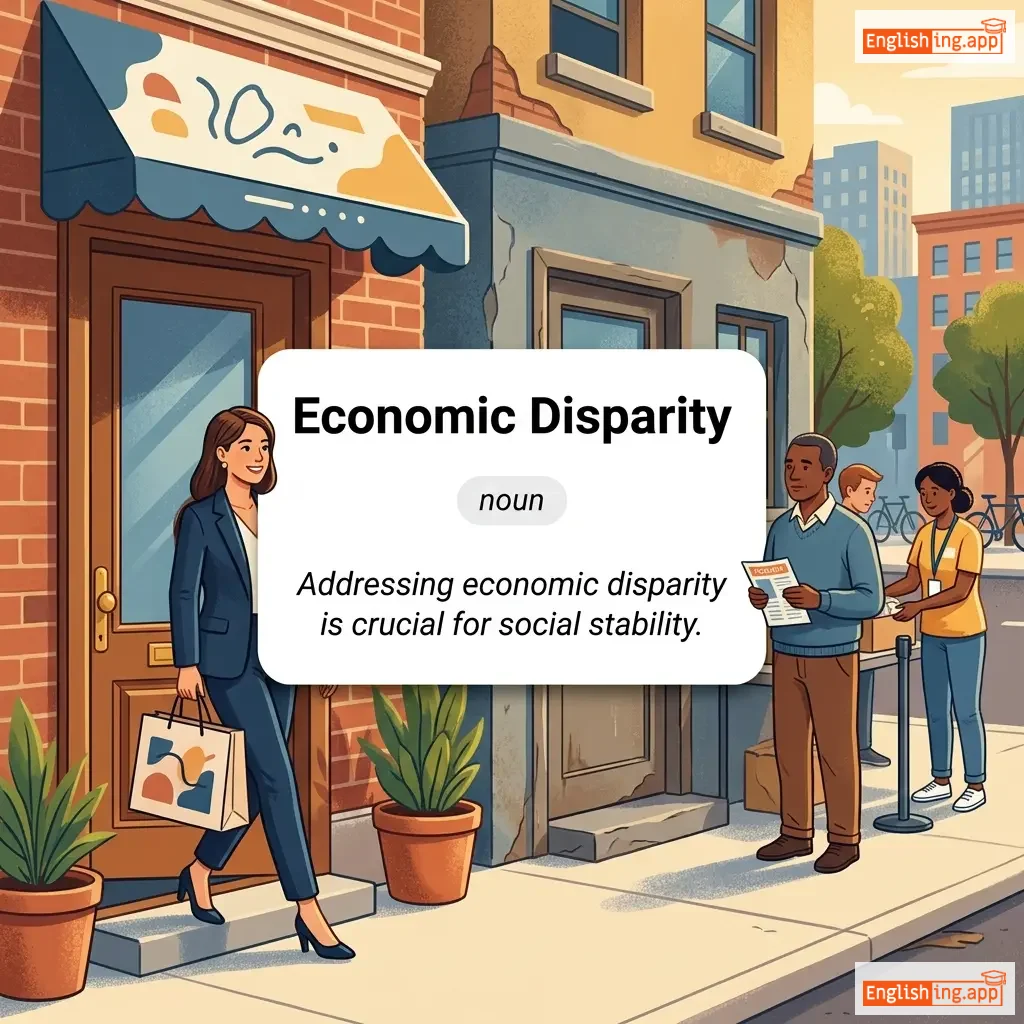
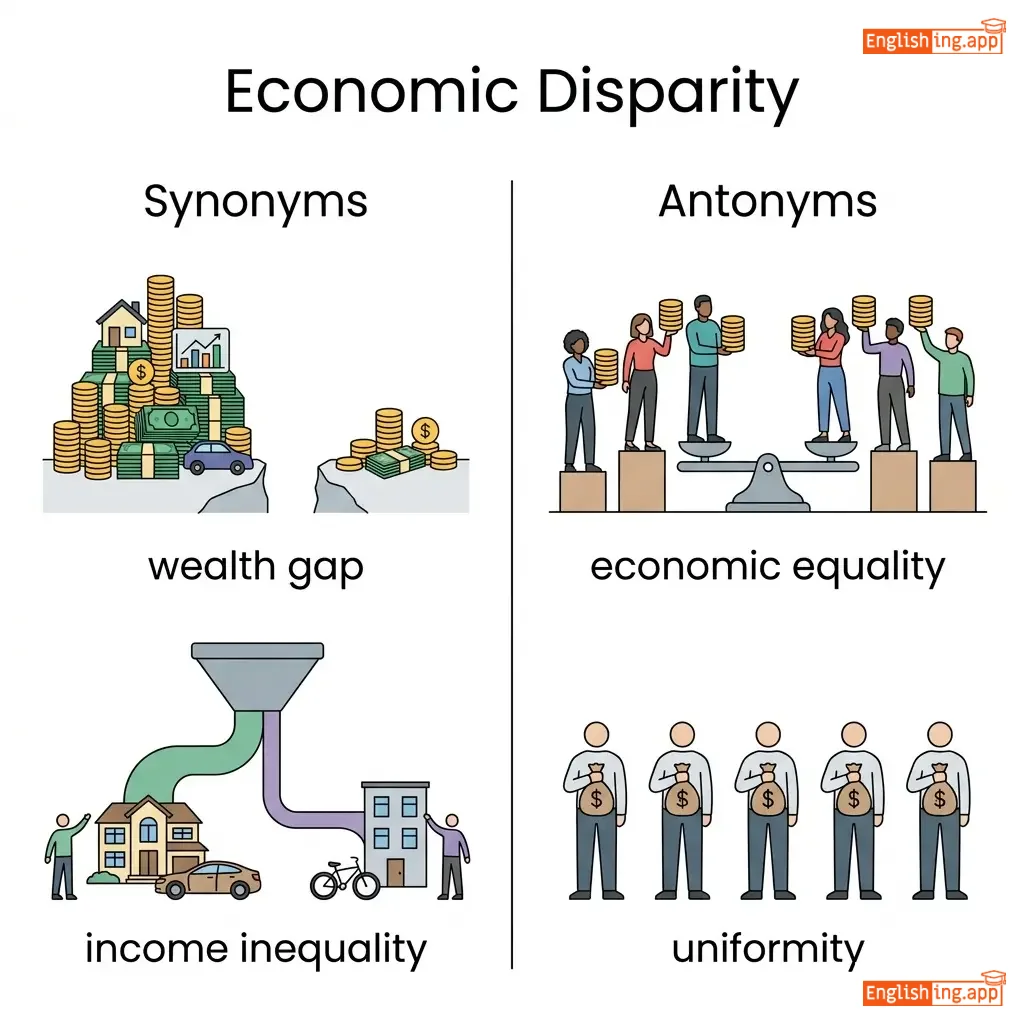
/ˌiː.kəˈnɒm.ɪk dɪˈspær.ɪ.ti/
noun
••••••
|
|
The unequal distribution of income and opportunity between different groups in society.
••••••
|
Addressing economic disparity is crucial for social stability. |
wealth gap, income inequality, financial divide
••••••
|
economic equality, uniformity, fairness
••••••
|

