••••••
/ˌiː.kəˈnɒm.ɪk ɡrəʊθ/
noun
••••••
••••••
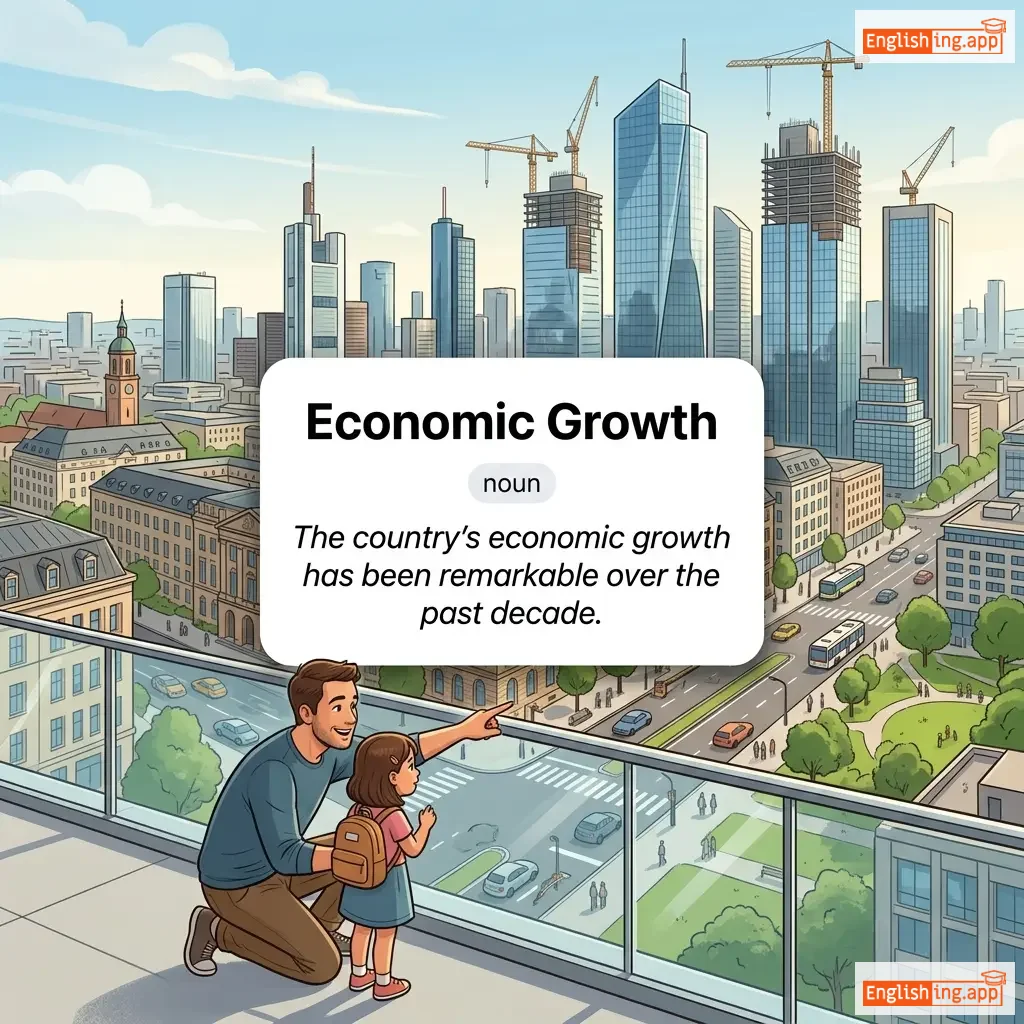
The increase in the production of goods and services in an economy over time, measured by the expansion of economic output, income, and investment.
••••••
The country's economic growth has been remarkable over the past decade.
••••••
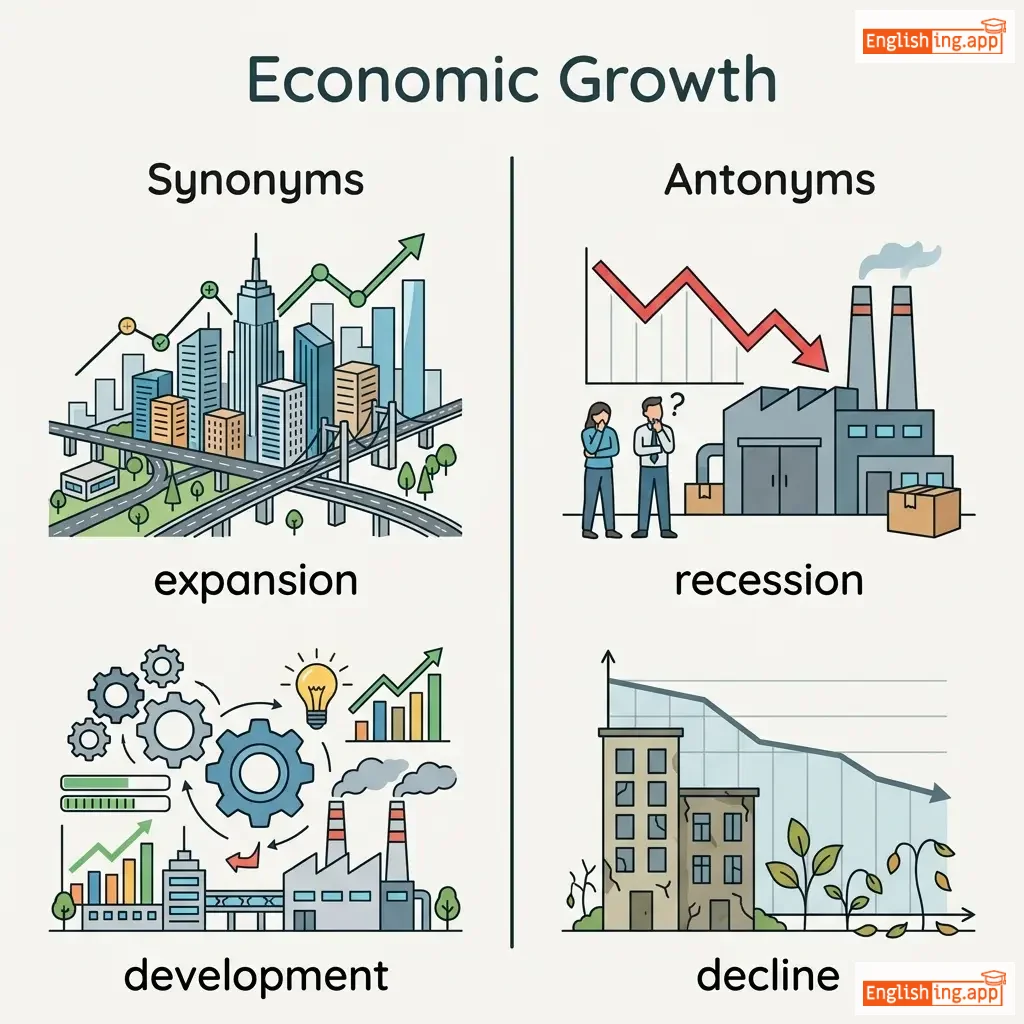
expansion, development, progress
••••••
recession, decline, stagnation
••••••
••••••
/ˈæf.lu.əns/
noun
••••••
••••••
A state of having a great deal of money; wealth and prosperity.
••••••
His affluence is evident in his luxurious lifestyle.
••••••
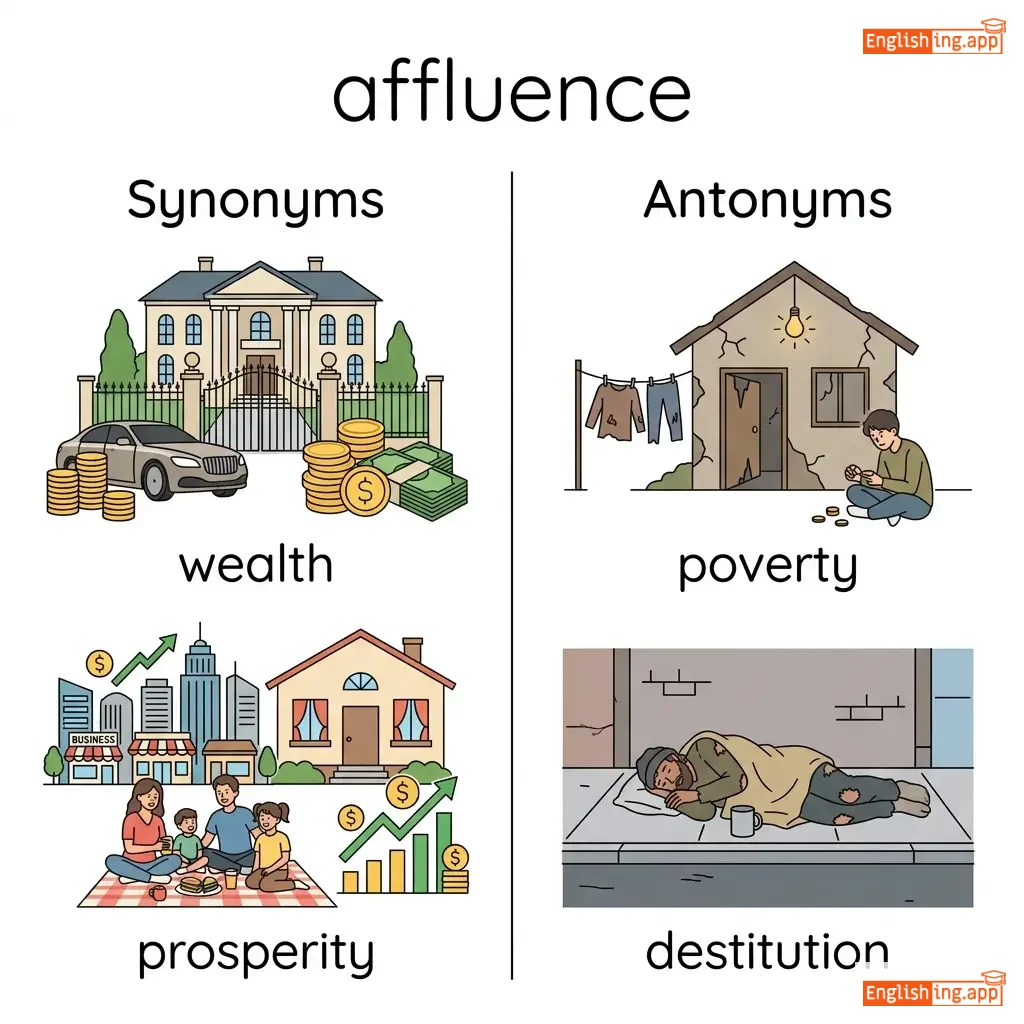
wealth, prosperity, opulence
••••••
poverty, scarcity, destitution
••••••
••••••
/ˌɒn.trə.prəˈnɜː.ri.əl/
adjective
••••••
••••••
Having the characteristics of an entrepreneur; showing initiative and willingness to undertake new ventures.
••••••
Her entrepreneurial mindset led to the launch of a successful startup.
••••••
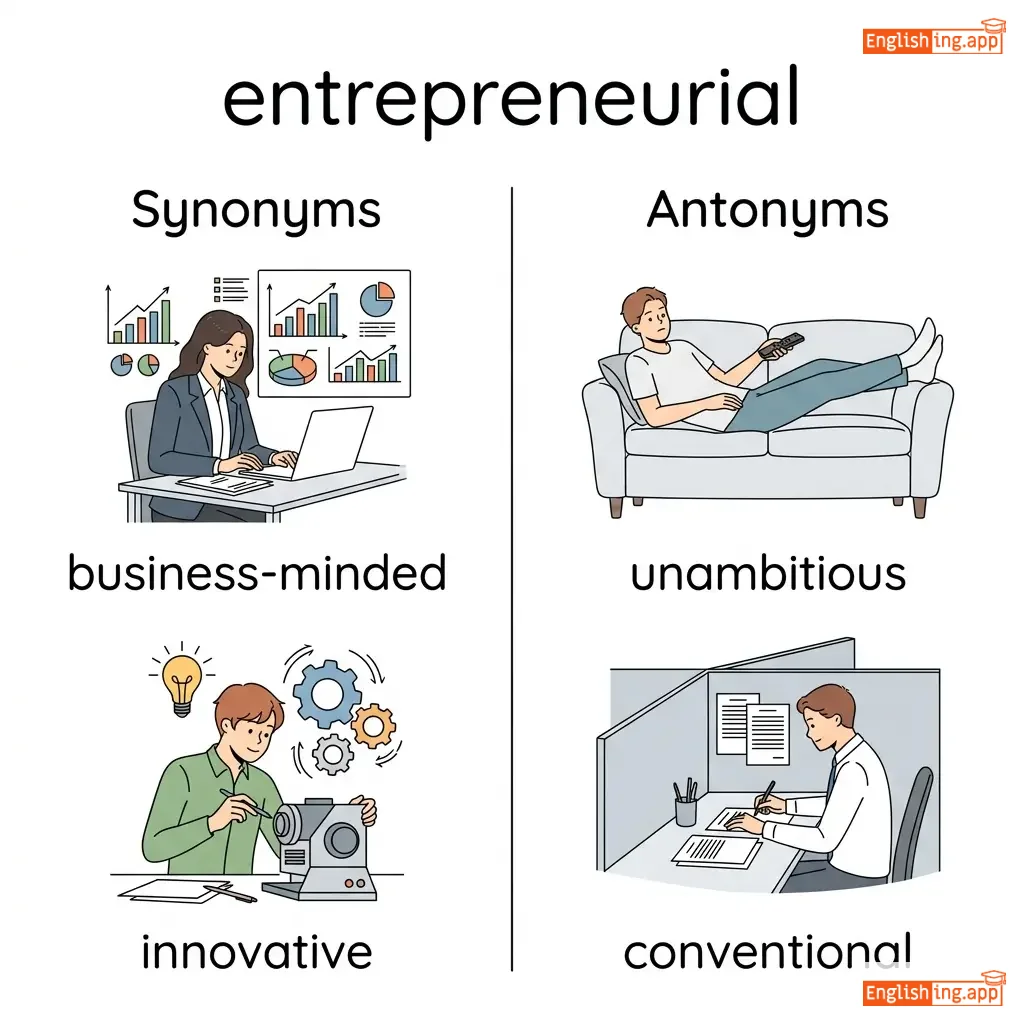
business-minded, innovative, risk-taking
••••••
unambitious, conventional, risk-averse
••••••
••••••
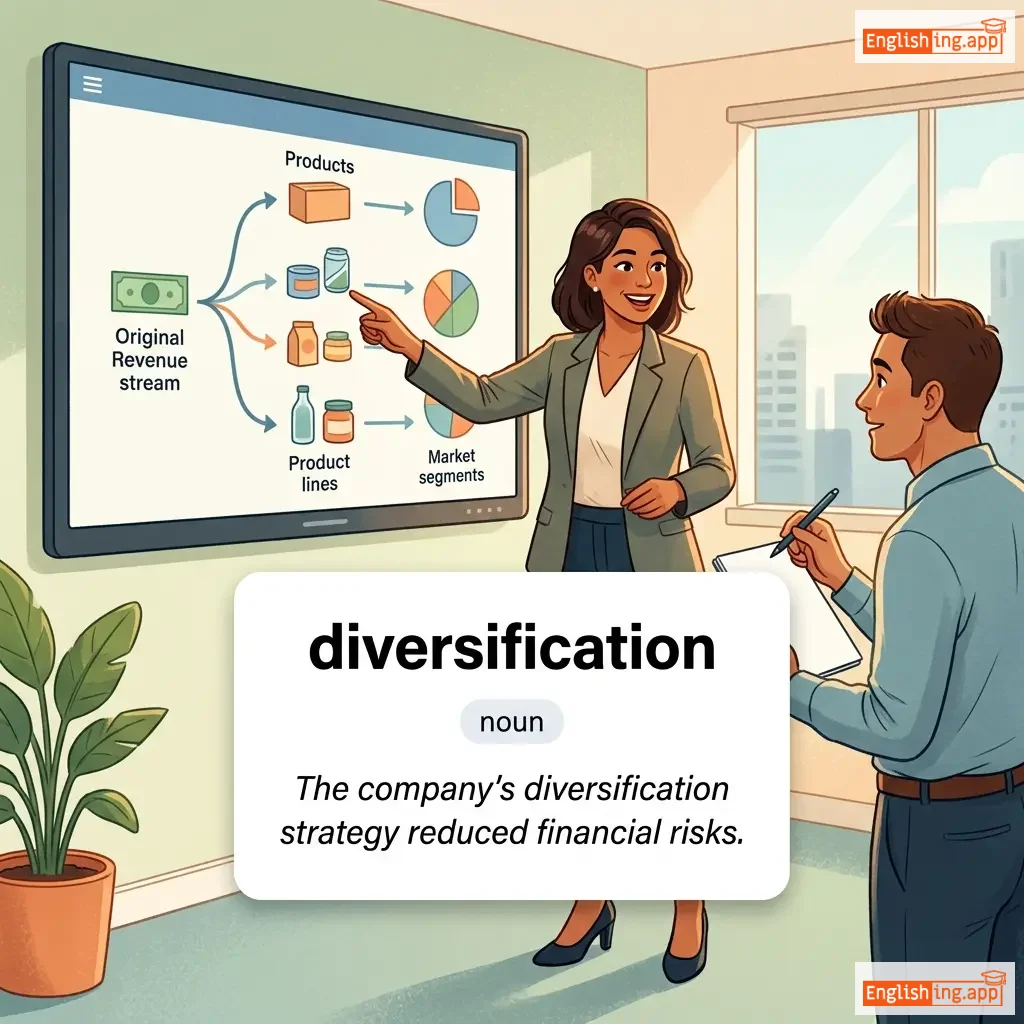
/daɪˌvɜː.sɪ.fɪˈkeɪ.ʃən/
noun
••••••
••••••
The process of a business expanding into different product lines or markets to spread risk and reduce dependence on a single source of income.
••••••
The company's diversification strategy reduced financial risks.
••••••
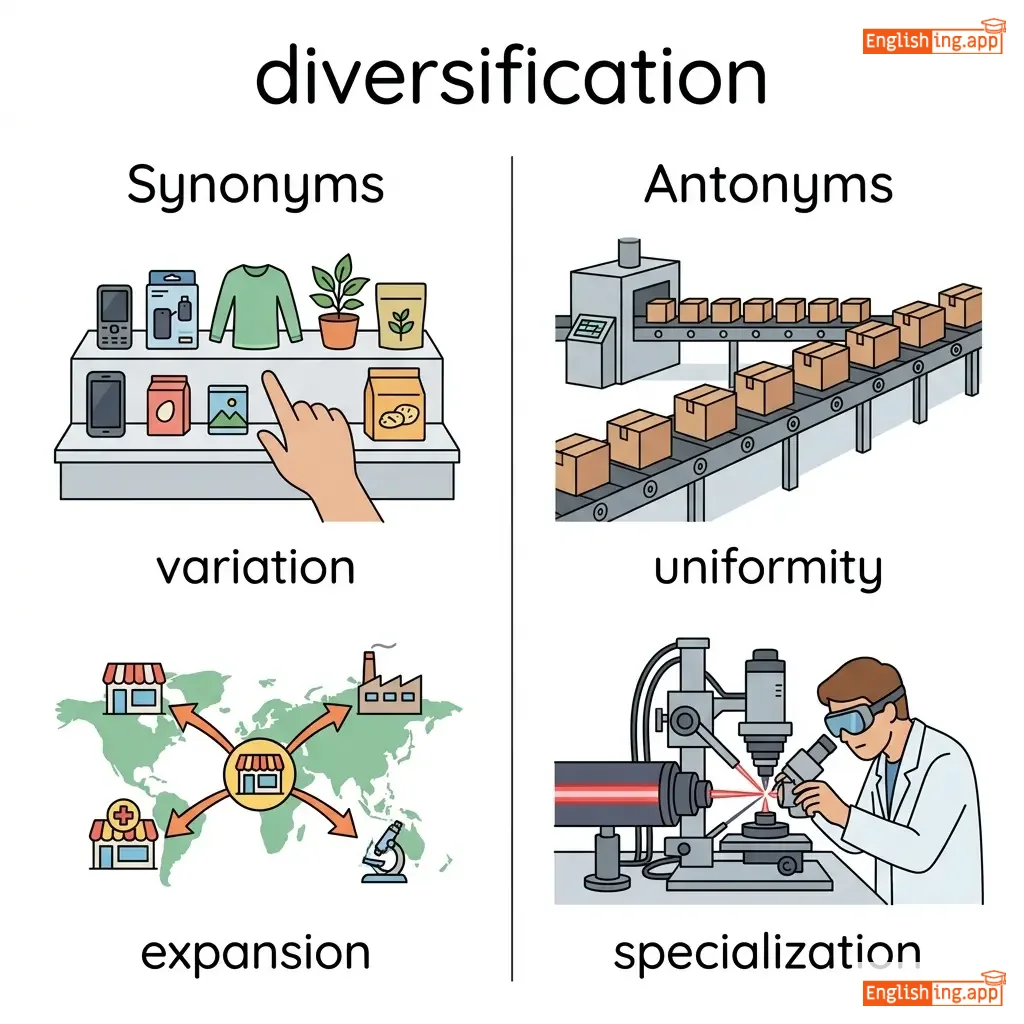
variation, expansion, multiplication
••••••
uniformity, specialization, homogeneity
••••••
••••••
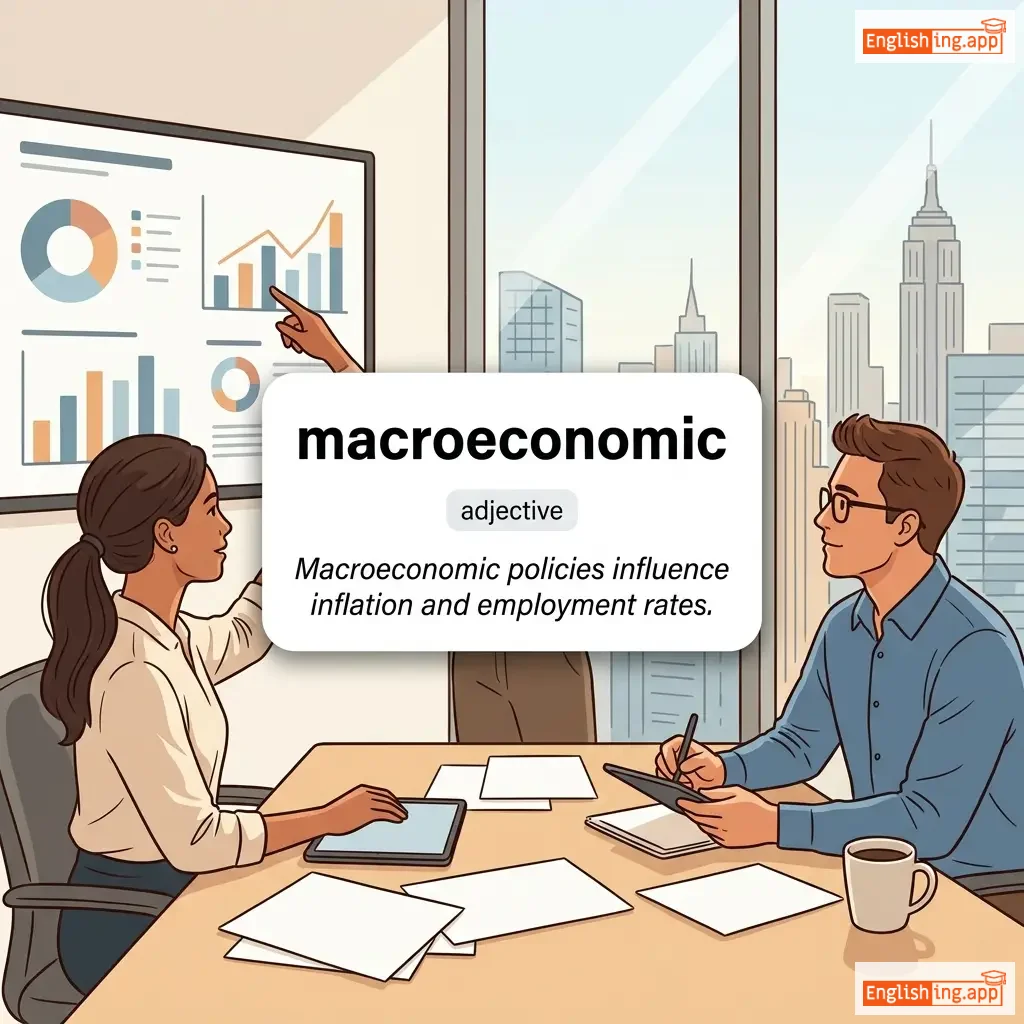
/ˌmæk.rəʊ.iː.kəˈnɒm.ɪk/
adjective
••••••
••••••
Relating to macroeconomics or the large-scale or general economic factors, such as interest rates and national productivity.
••••••
Macroeconomic policies influence inflation and employment rates.
••••••
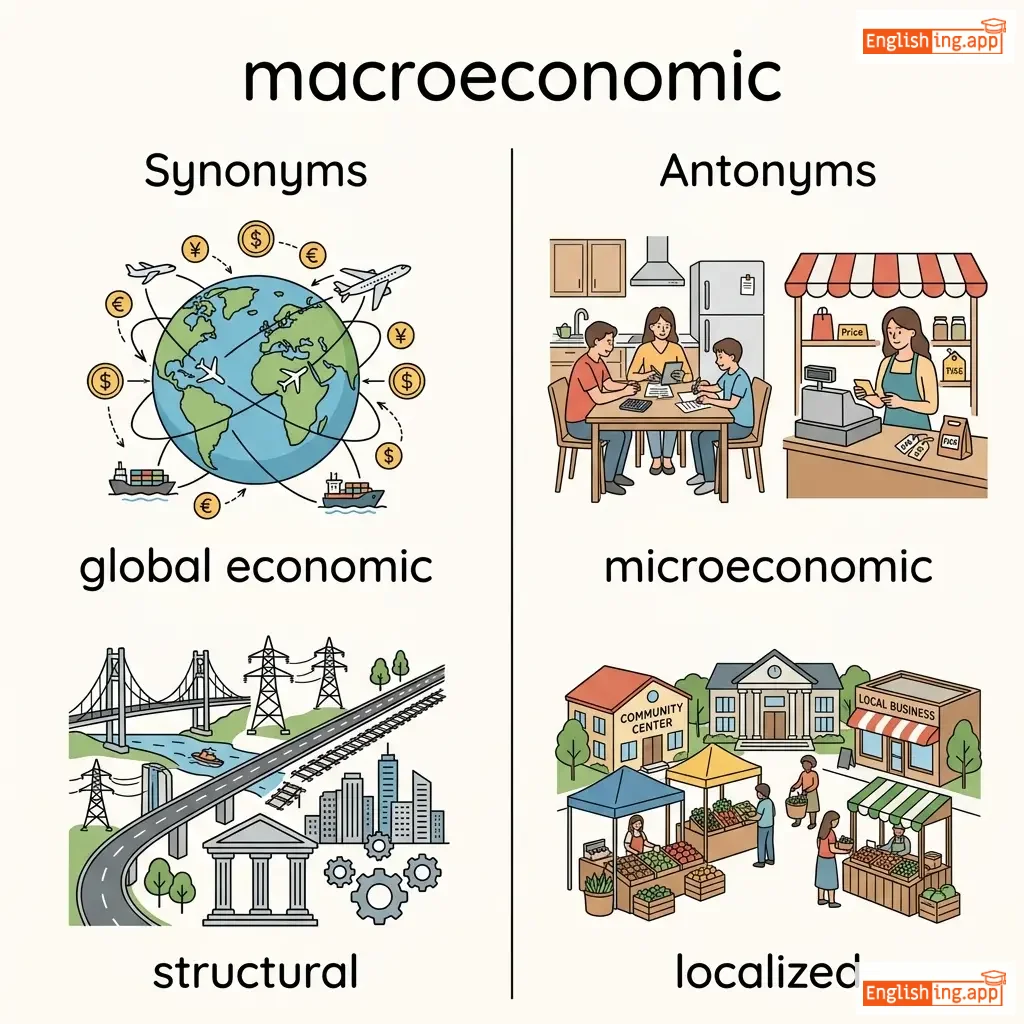
global economic, structural, national
••••••
microeconomic, localized, sectoral
••••••
••••••
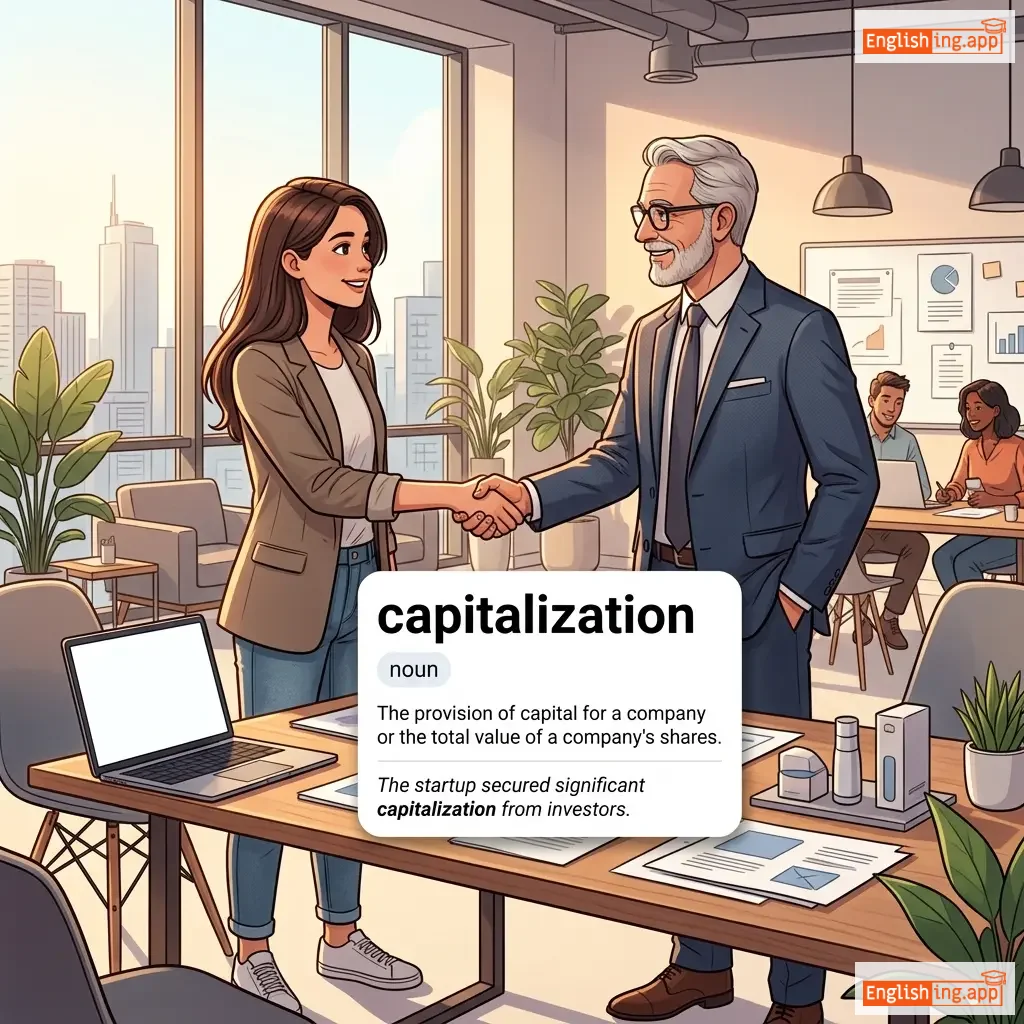
/ˌkæp.ɪ.təl.aɪˈzeɪ.ʃən/
noun
••••••
••••••
The provision of capital for a company or the total value of a company's shares.
••••••
The startup secured significant capitalization from investors.
••••••
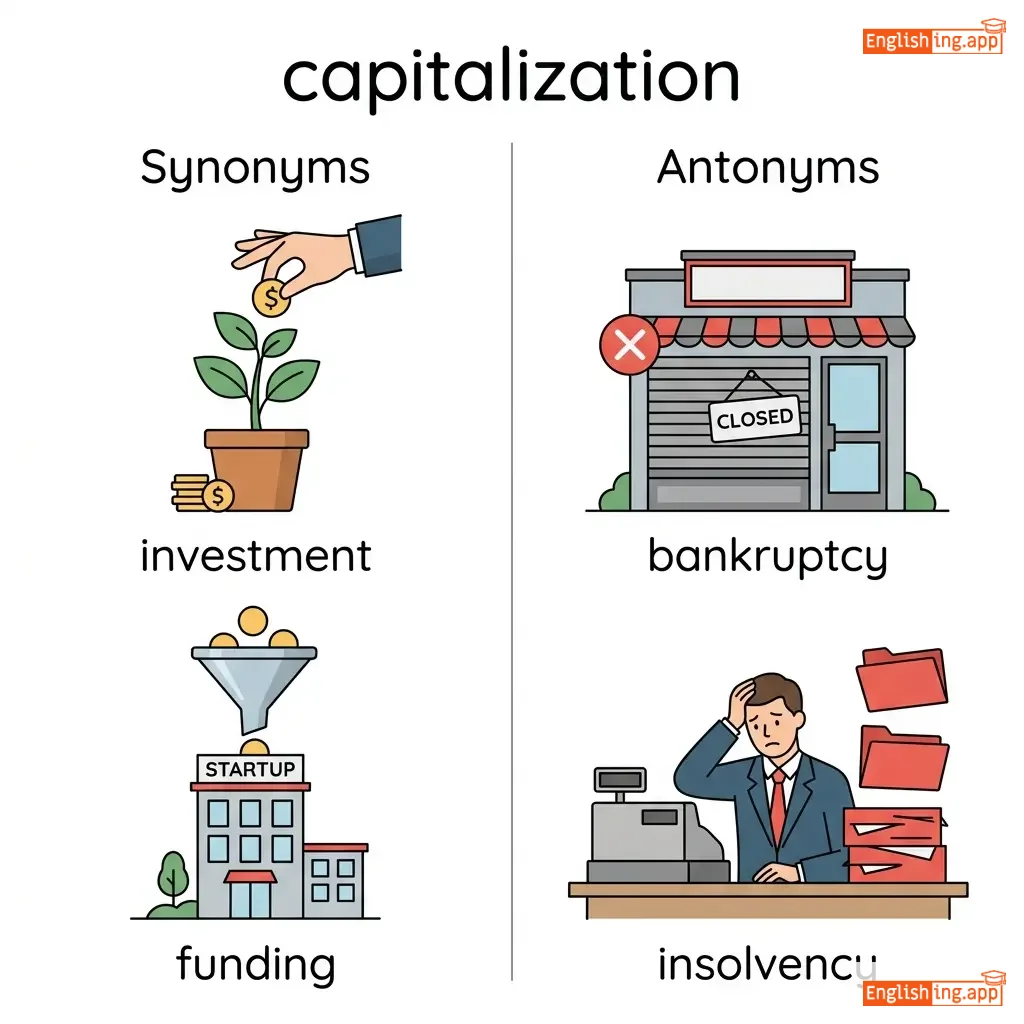
investment, funding, asset utilization
••••••
bankruptcy, insolvency, undercapitalization
••••••
••••••
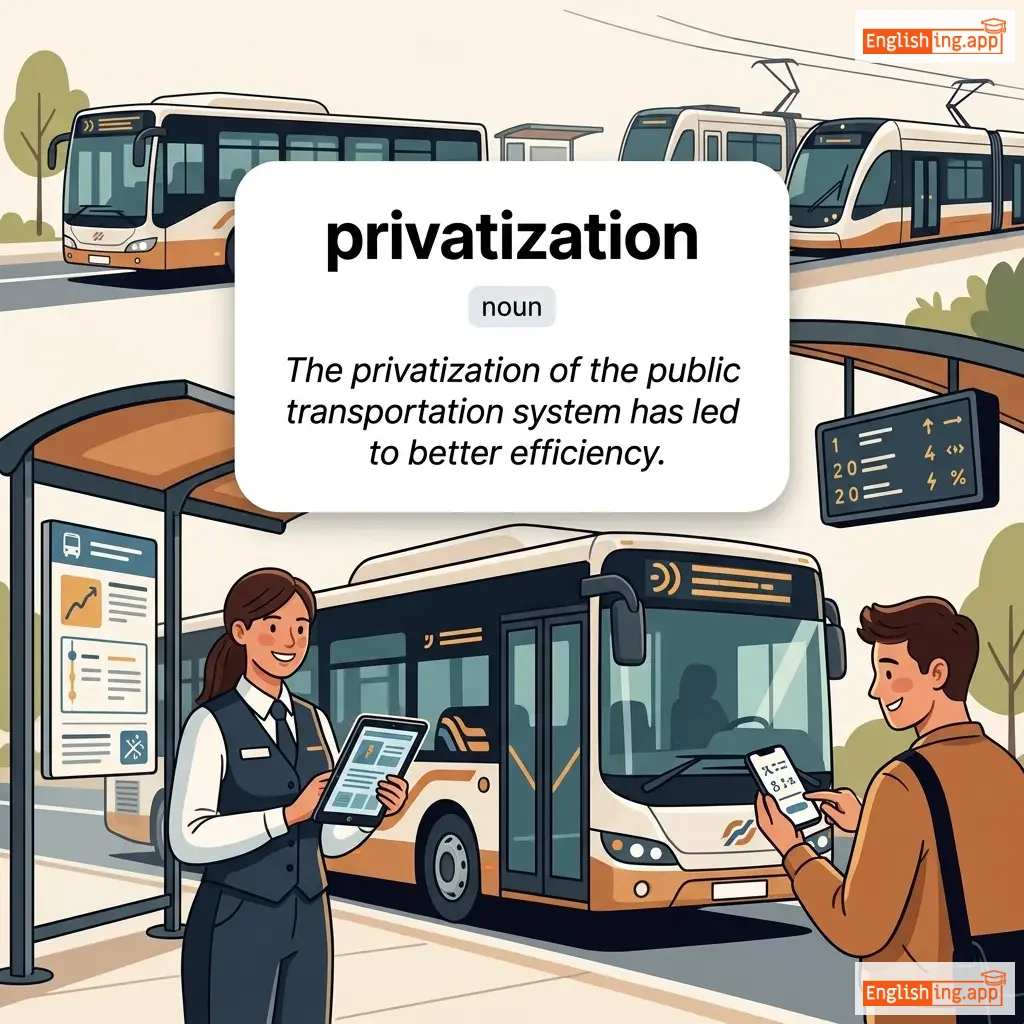
/ˌpraɪ.və.taɪˈzeɪ.ʃən/
noun
••••••
••••••
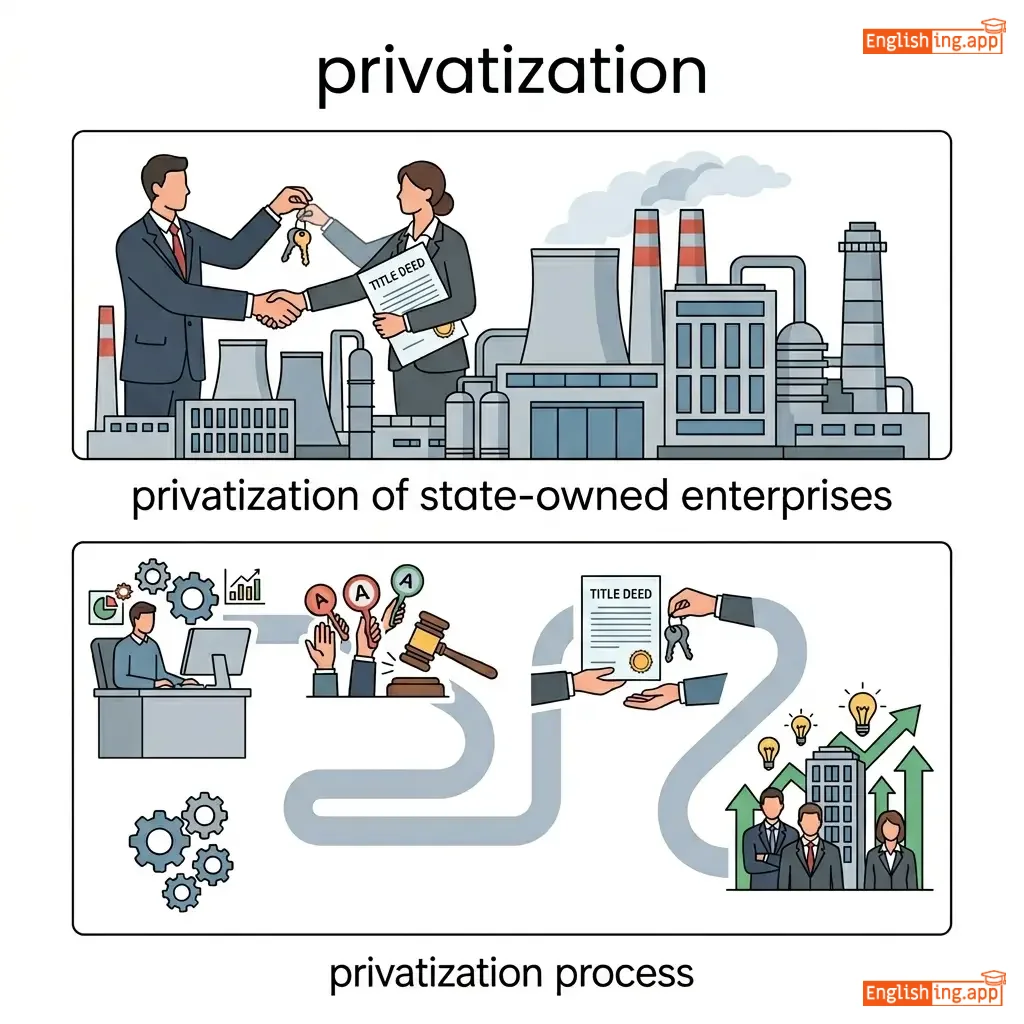
The transfer of ownership of a business, enterprise, agency, or public service from the public sector to the private sector.
••••••
The privatization of public enterprises led to improved efficiency.
••••••
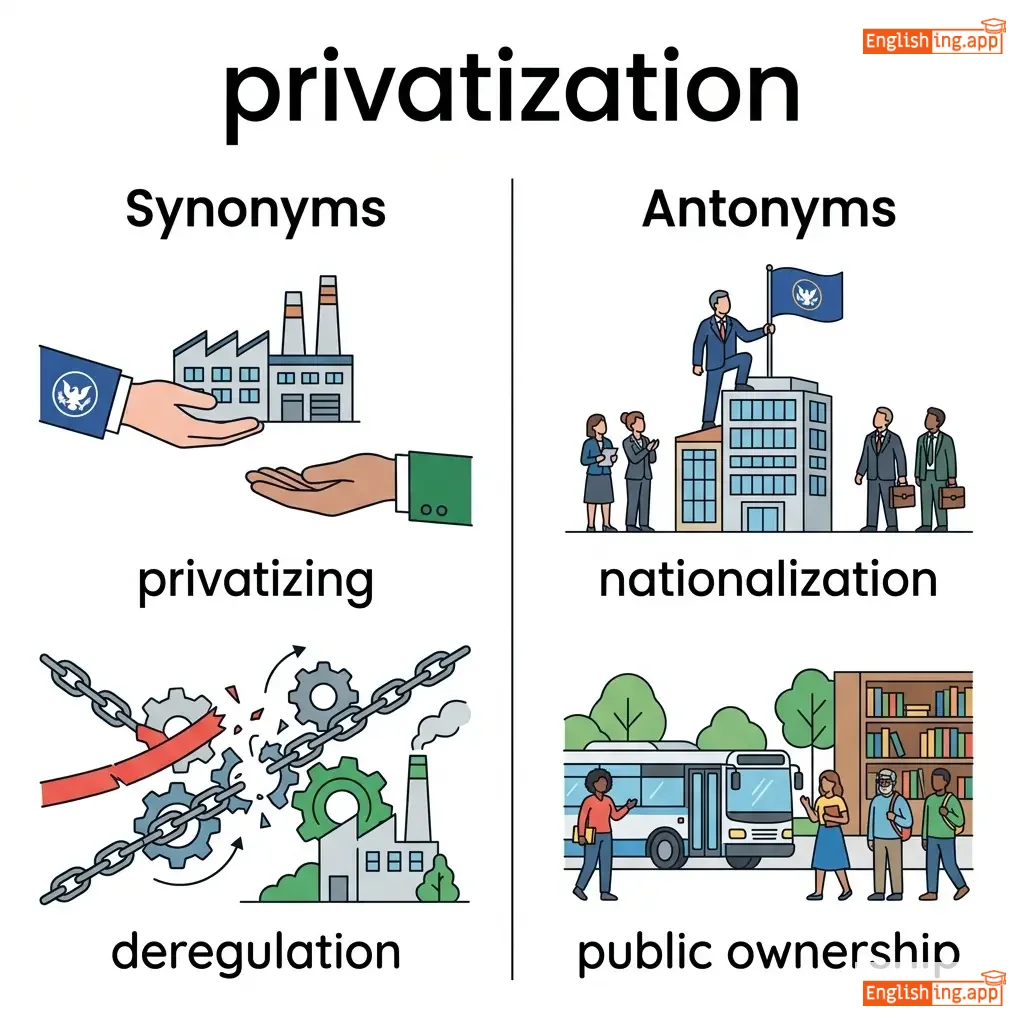
deregulation, market liberalization, commercialization
••••••
nationalization, public ownership, socialization
••••••
••••••
/ˈreɡ.jʊ.lə.tər.i/
adjective
••••••
••••••
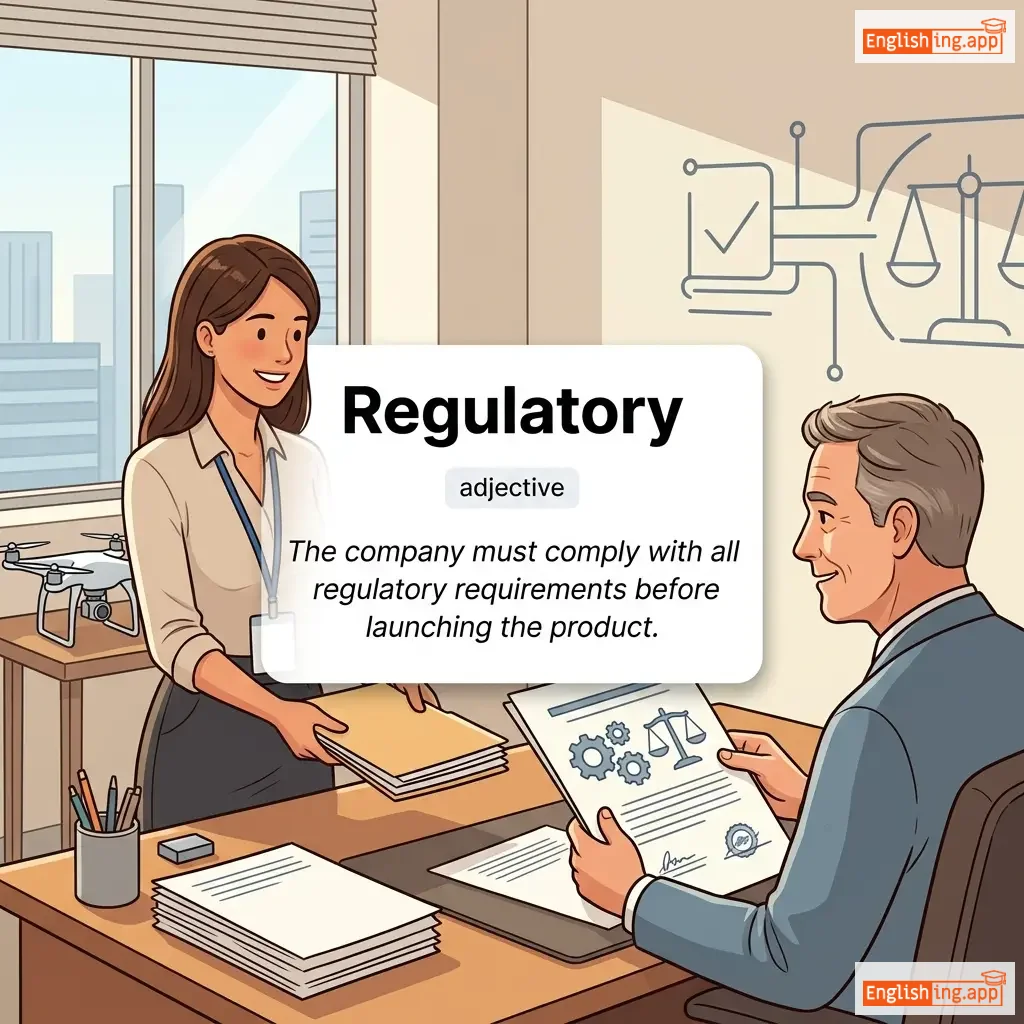
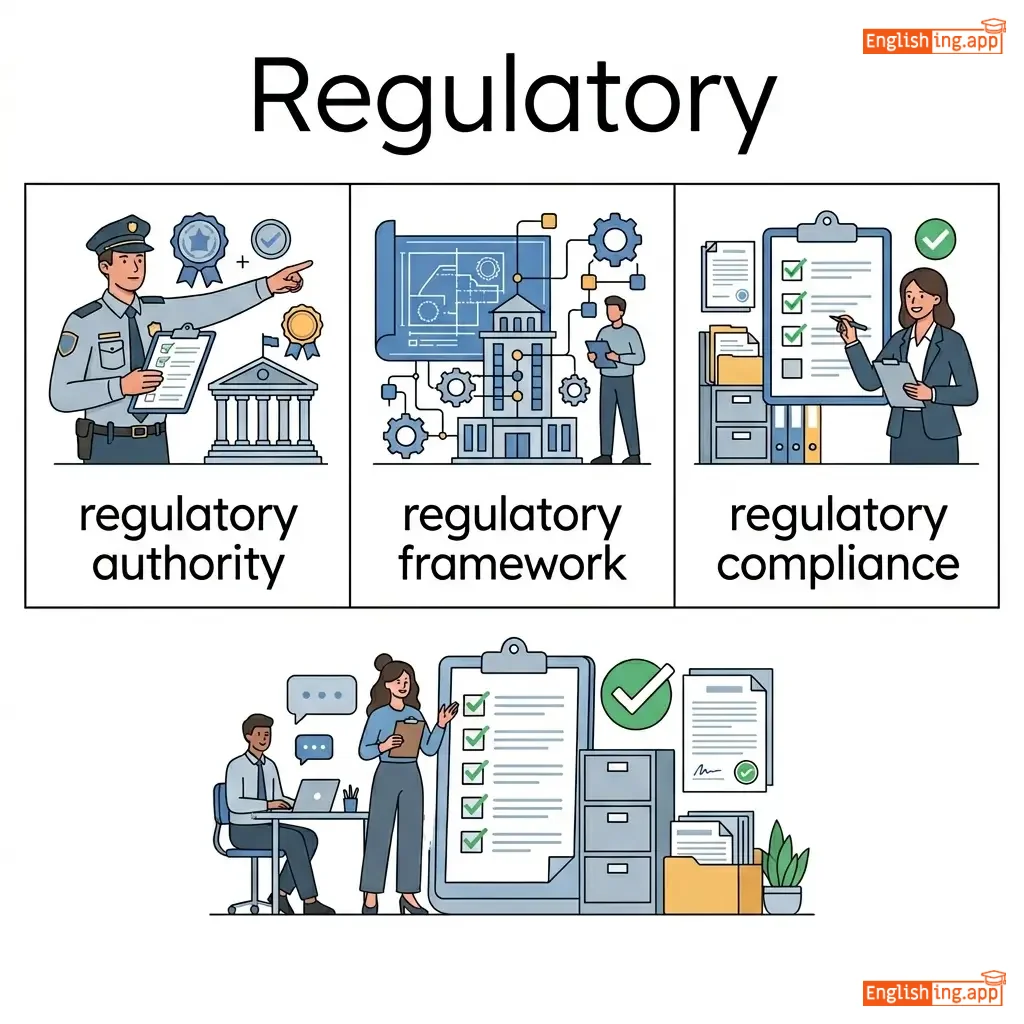
Having the power to control or govern something through rules and regulations.
••••••
The government enforces regulatory policies for financial stability.
••••••
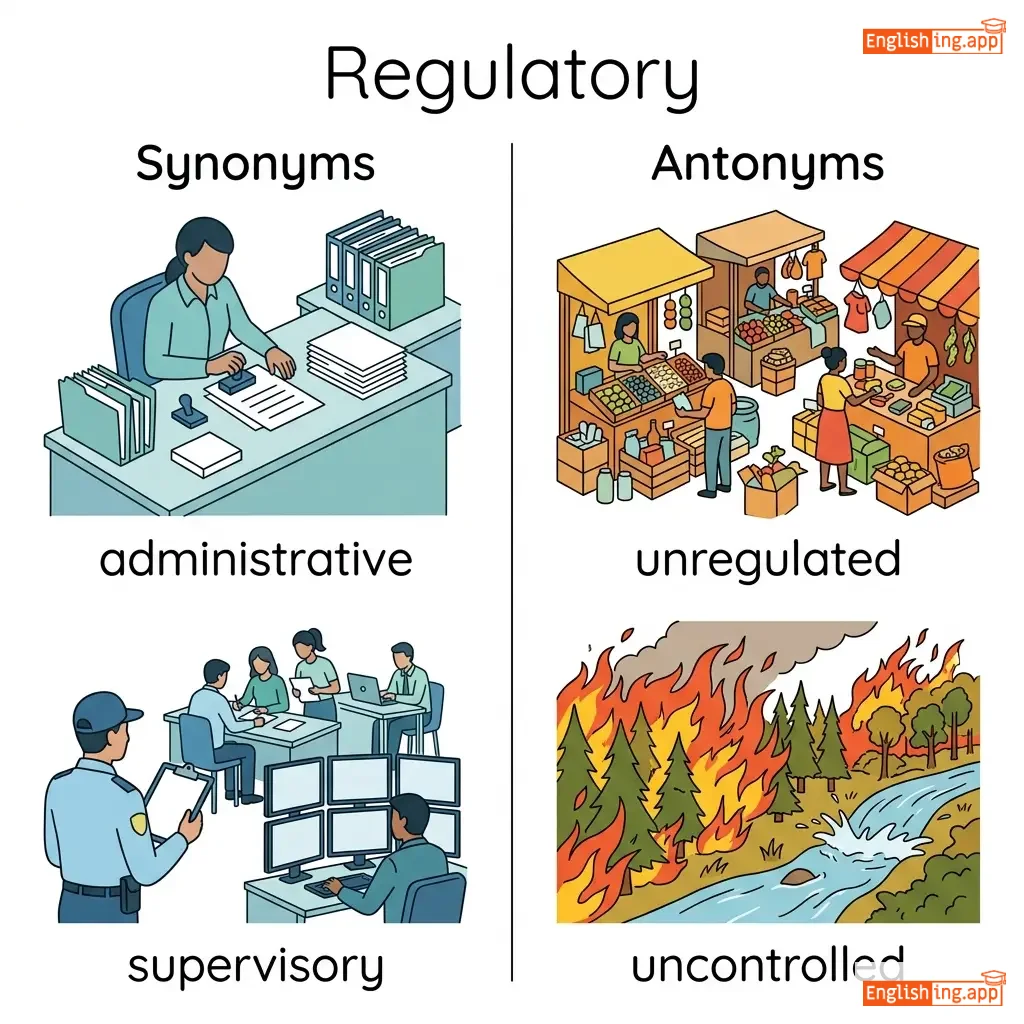
supervisory, controlling, administrative
••••••
unregulated, deregulated, unrestricted
••••••
••••••
/kənˈɡlɒm.ər.ət/
noun
••••••
••••••
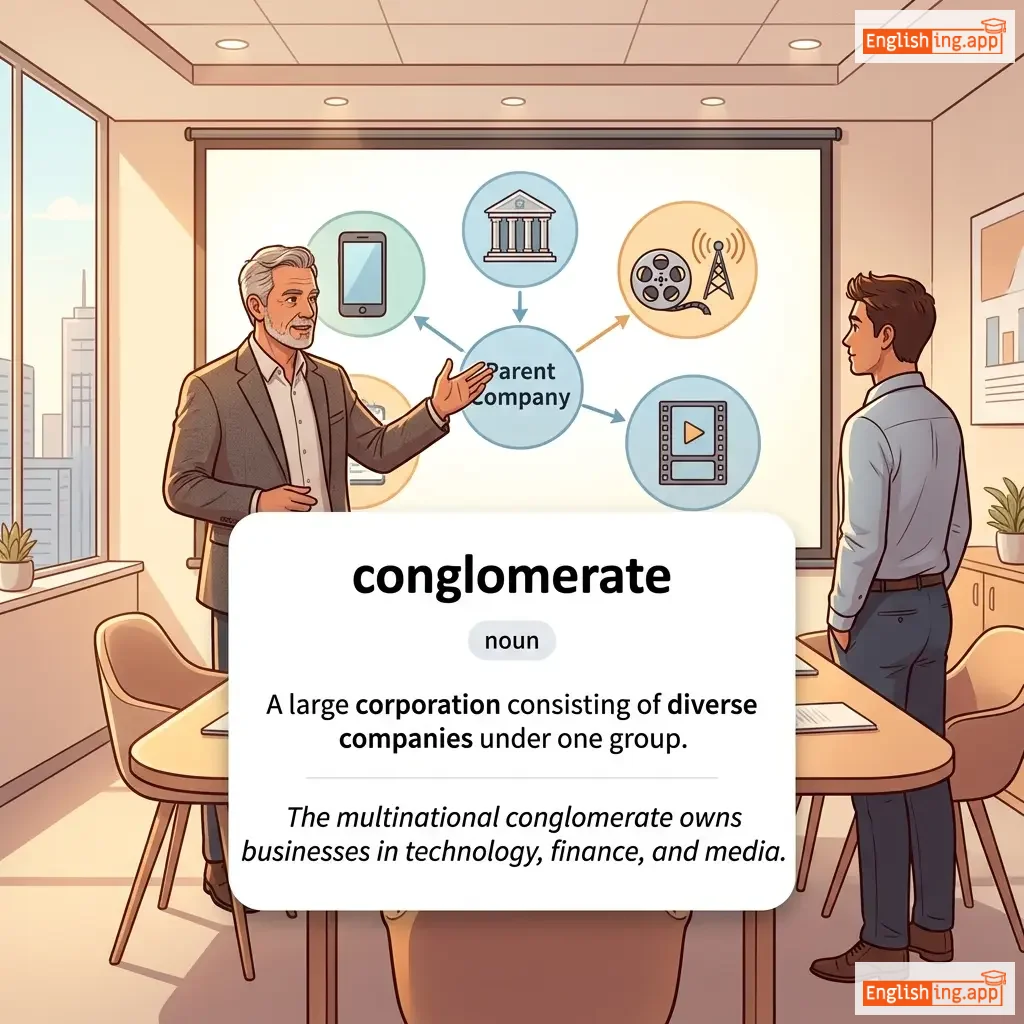
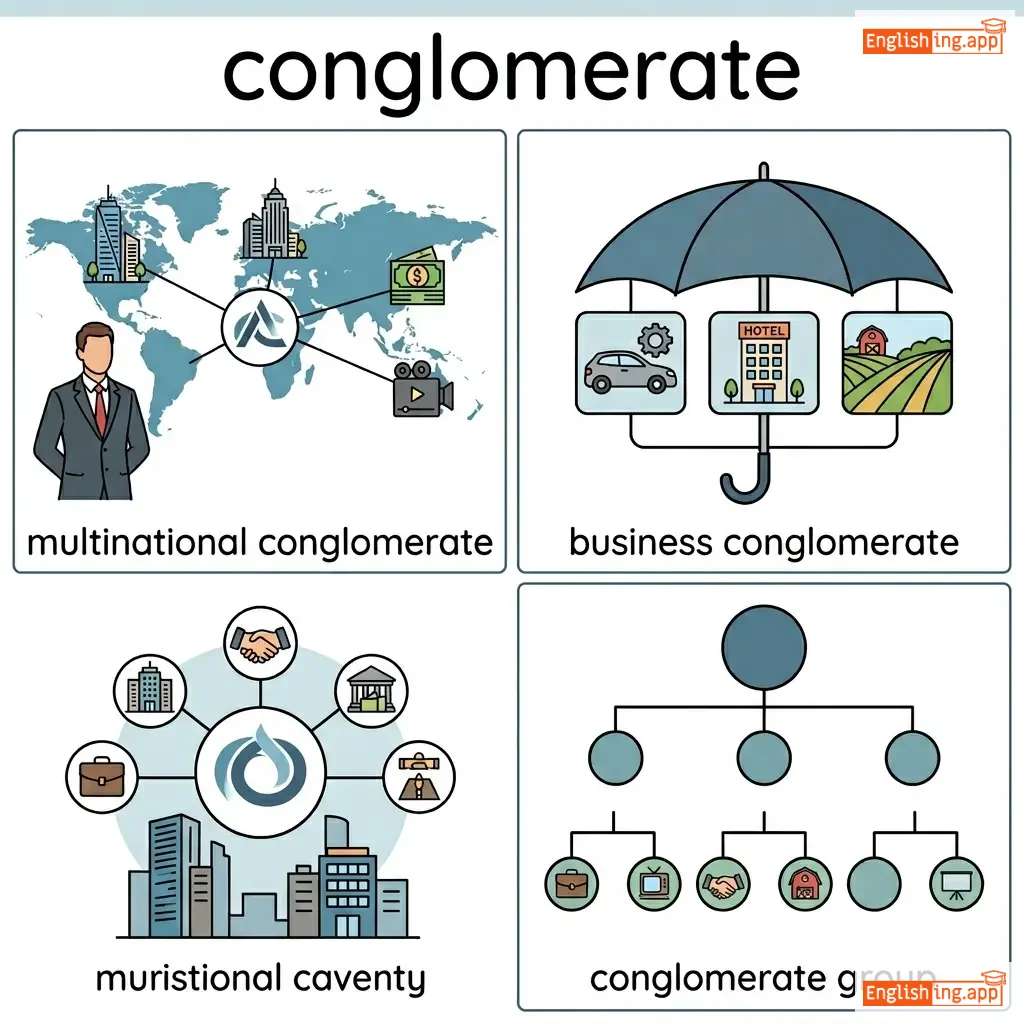
A large corporation made up of a number of different companies that operate in different markets.
••••••
The conglomerate owns companies in multiple industries.
••••••
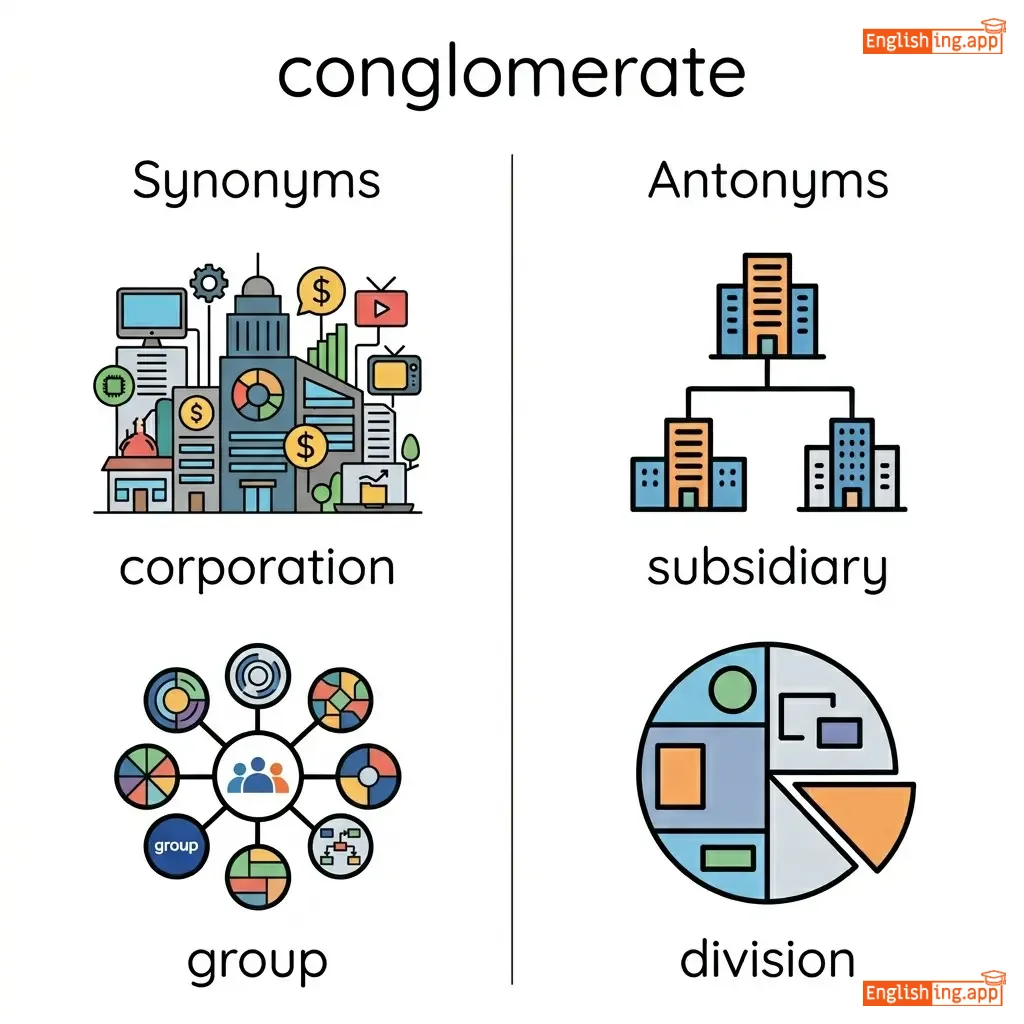
corporation, multinational, business empire
••••••
independent business, startup, small-scale enterprise
••••••
••••••
/ˈbjʊə.rə.krə.si/
noun
••••••
••••••
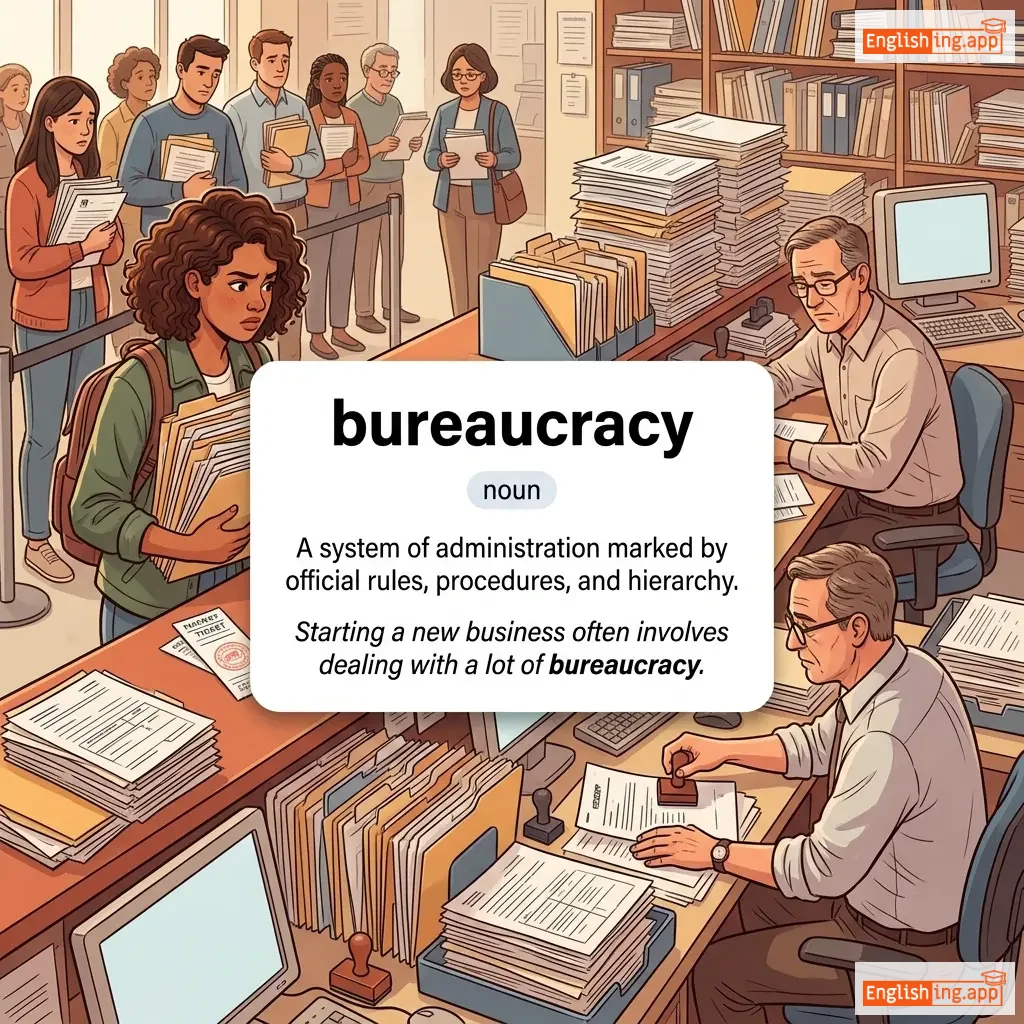
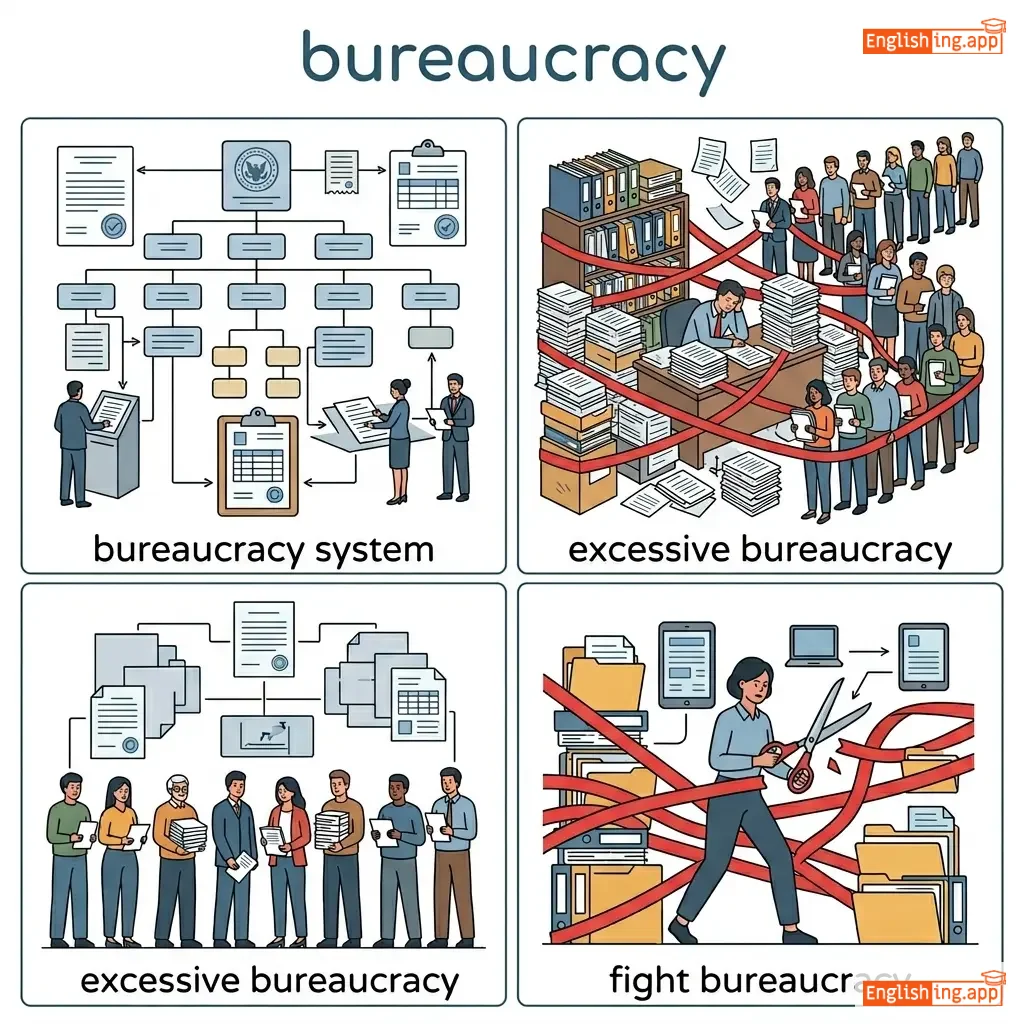
A system of government in which most of the important decisions are made by state officials rather than by elected representatives.
••••••
The complex bureaucracy delayed the approval process.
••••••
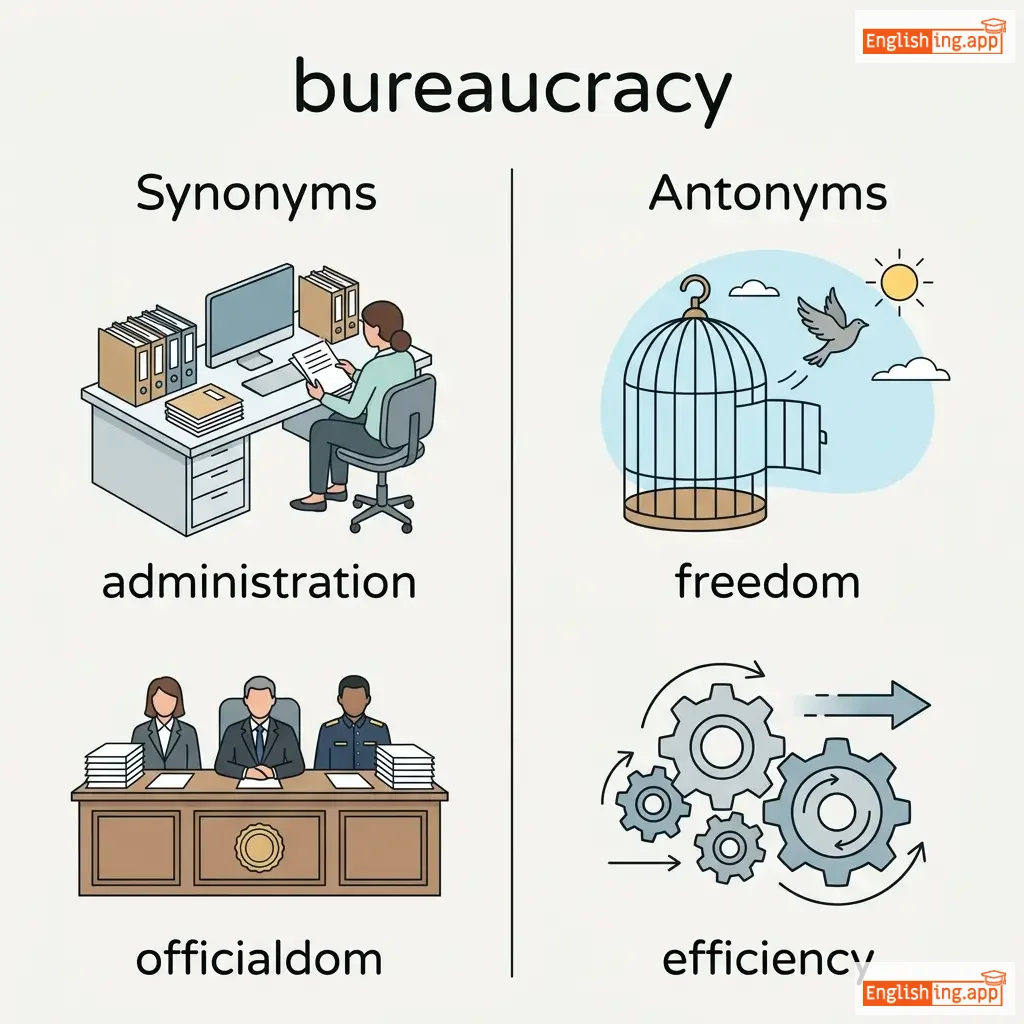
administration, officialdom, red tape
••••••
efficiency, flexibility, decentralization
••••••
••••••
/ˌsʌbsɪdaɪˈzeɪʃən/
noun
••••••
••••••
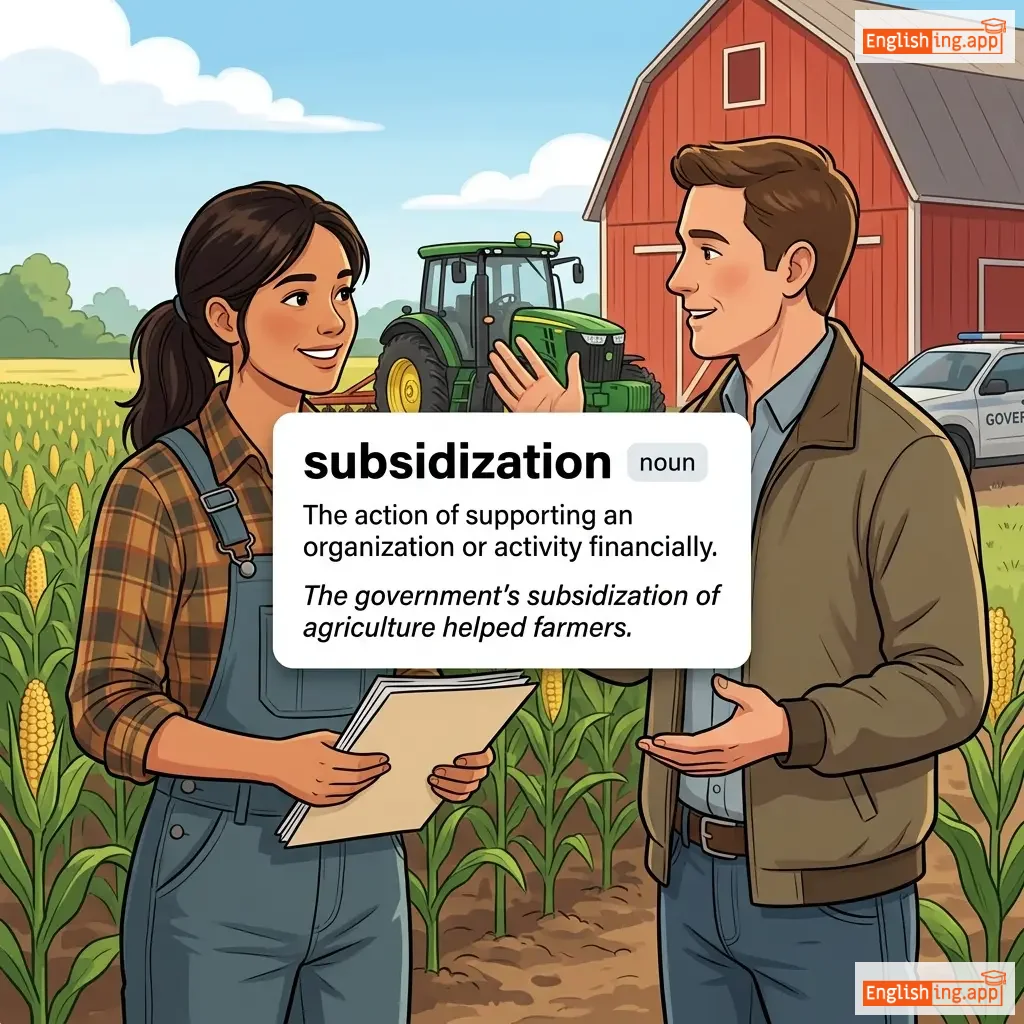
The action of supporting an organization or activity financially.
••••••
The government's subsidization of agriculture helped farmers.
••••••
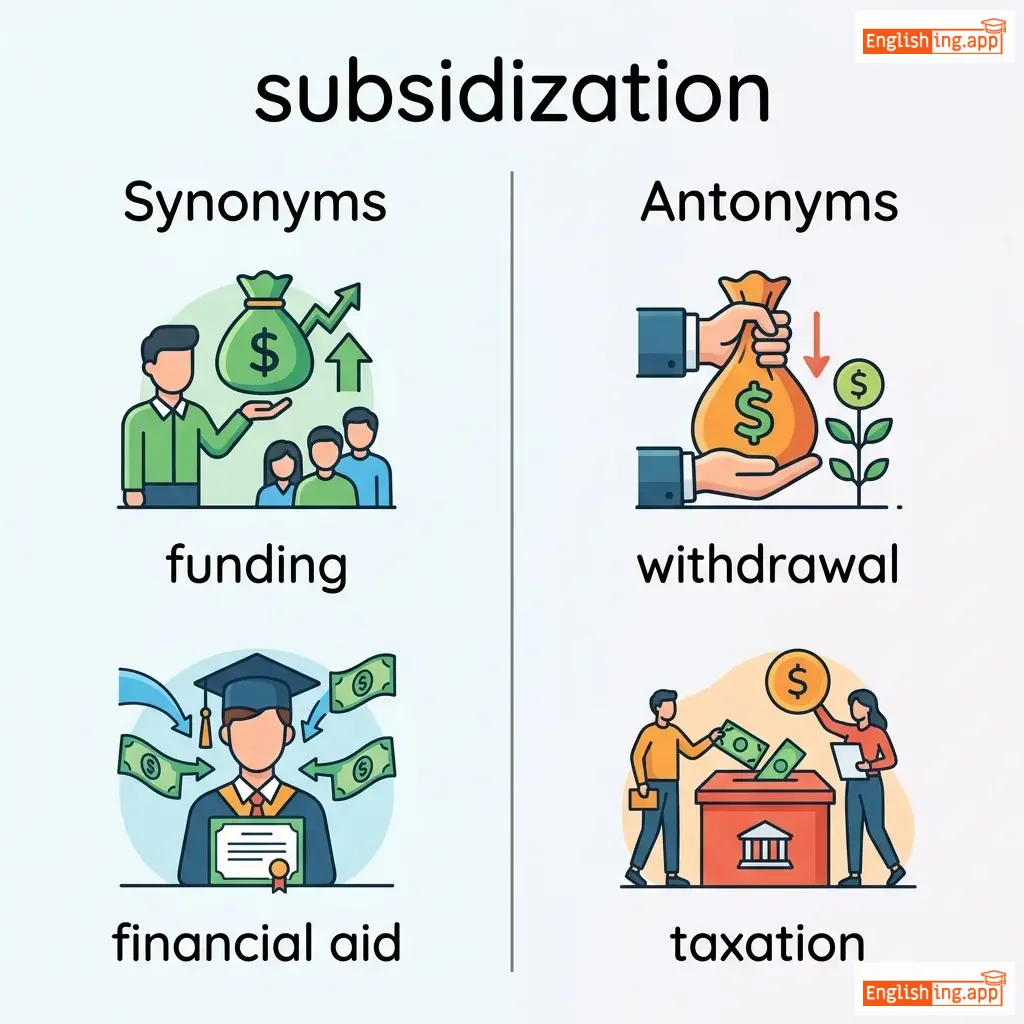
funding, financial aid, grant
••••••
withdrawal, taxation, self-funding
••••••
••••••
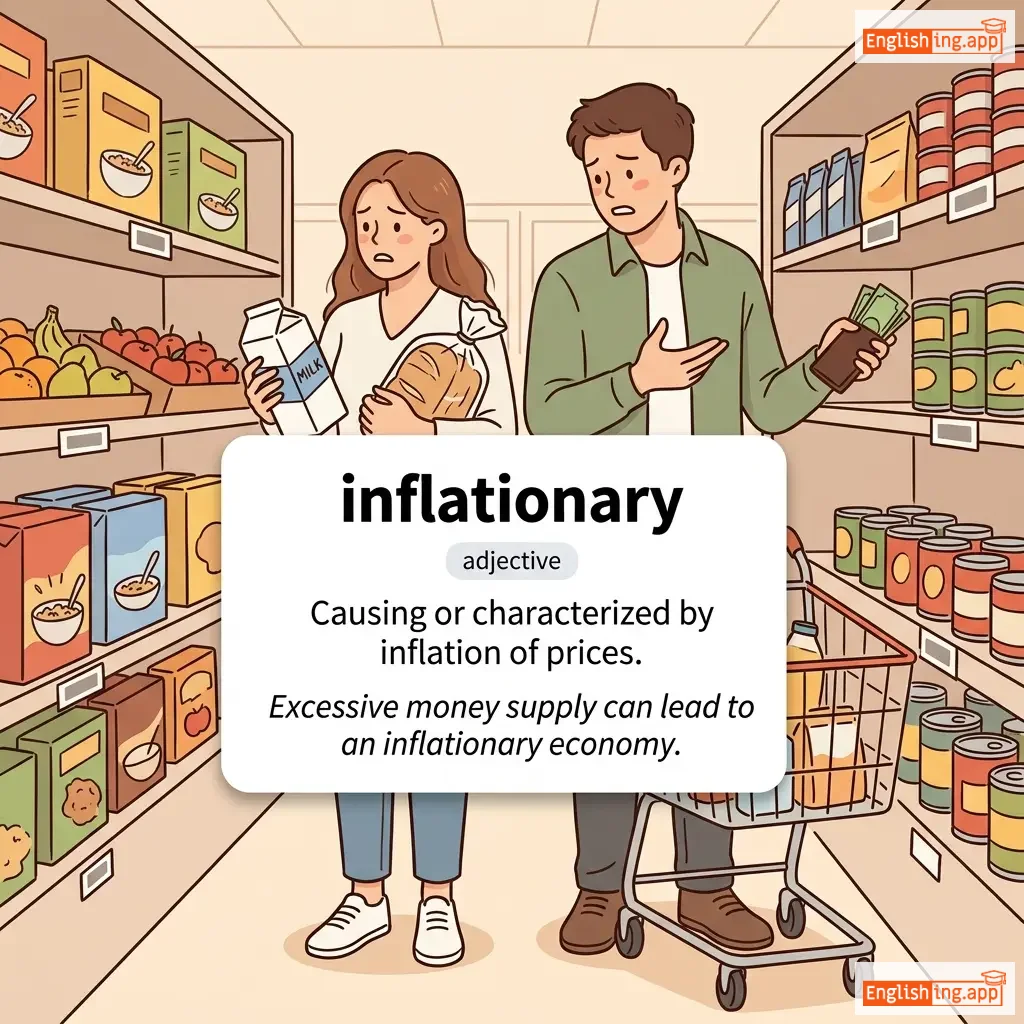
/ɪnˈfleɪ.ʃə.ner.i/
adjective
••••••
••••••
Causing or characterized by inflation of prices.
••••••
Excessive money supply can lead to an inflationary economy.
••••••
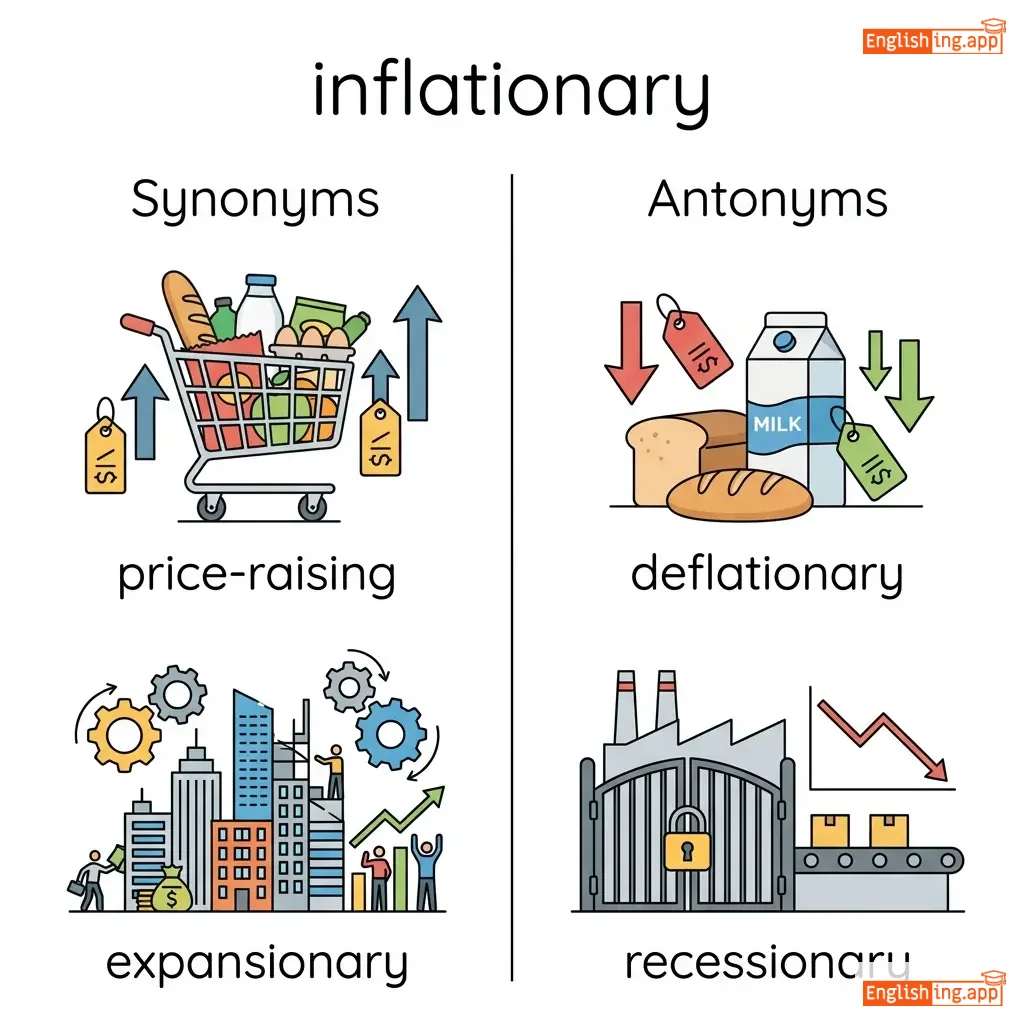
price-raising, expansionary, costly
••••••
deflationary, recessionary, stabilizing
••••••
••••••
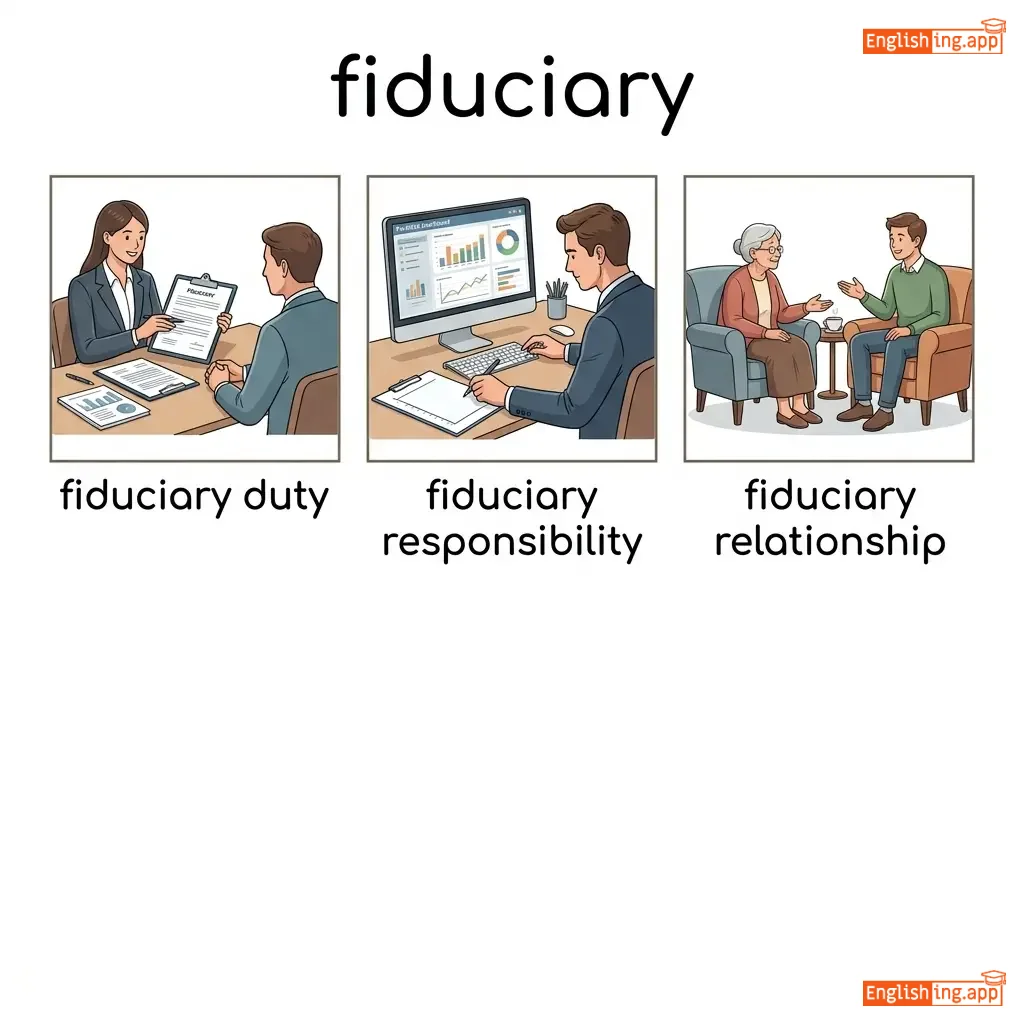
/fɪˈduː.ʃi.er.i/
adjective, noun
••••••
••••••
Involving trust, especially with regard to the relationship between a trustee and a beneficiary.
••••••
Bankers have a fiduciary duty to protect customers' investments.
••••••
trustee, guardian, custodian
••••••
untrustworthy, irresponsible, fraudulent
••••••
••••••
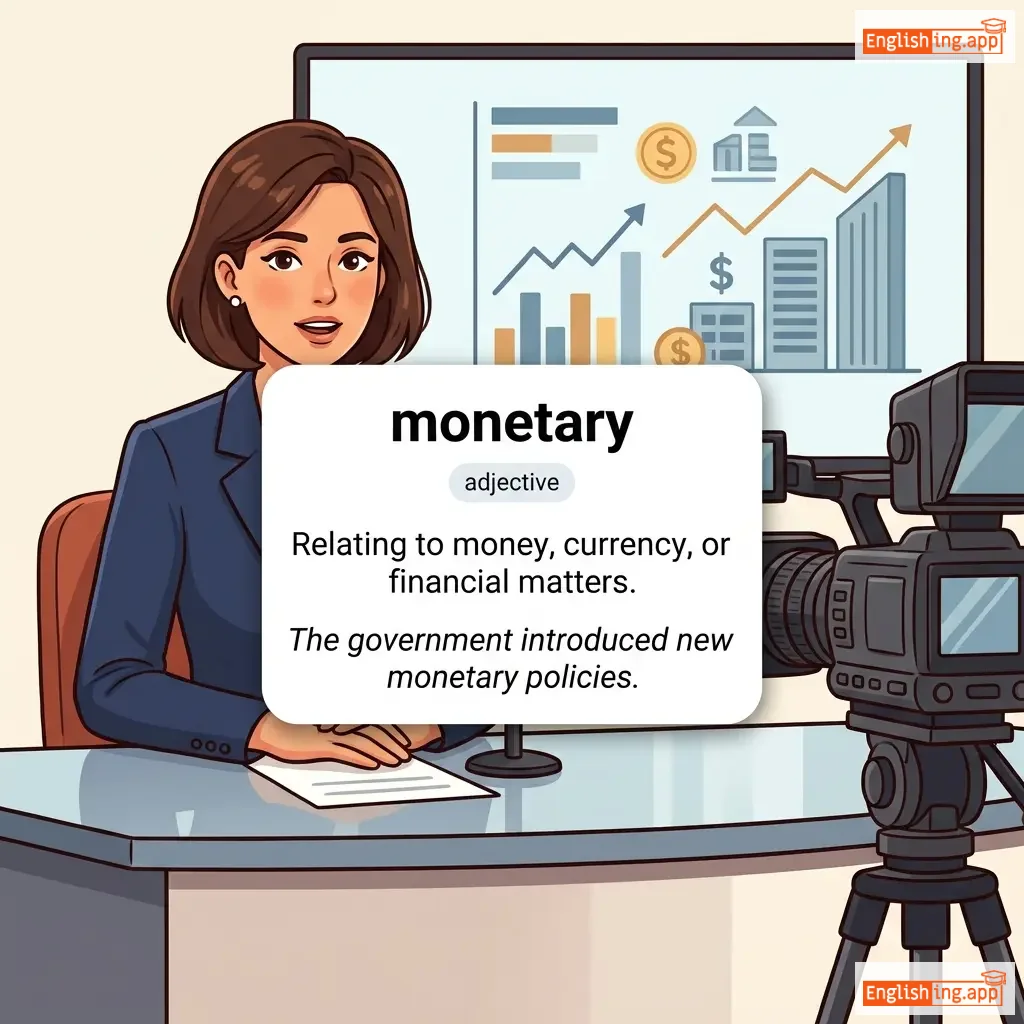
/ˈmʌn.ɪ.tri/
adjective
••••••
••••••
Relating to money or currency.
••••••
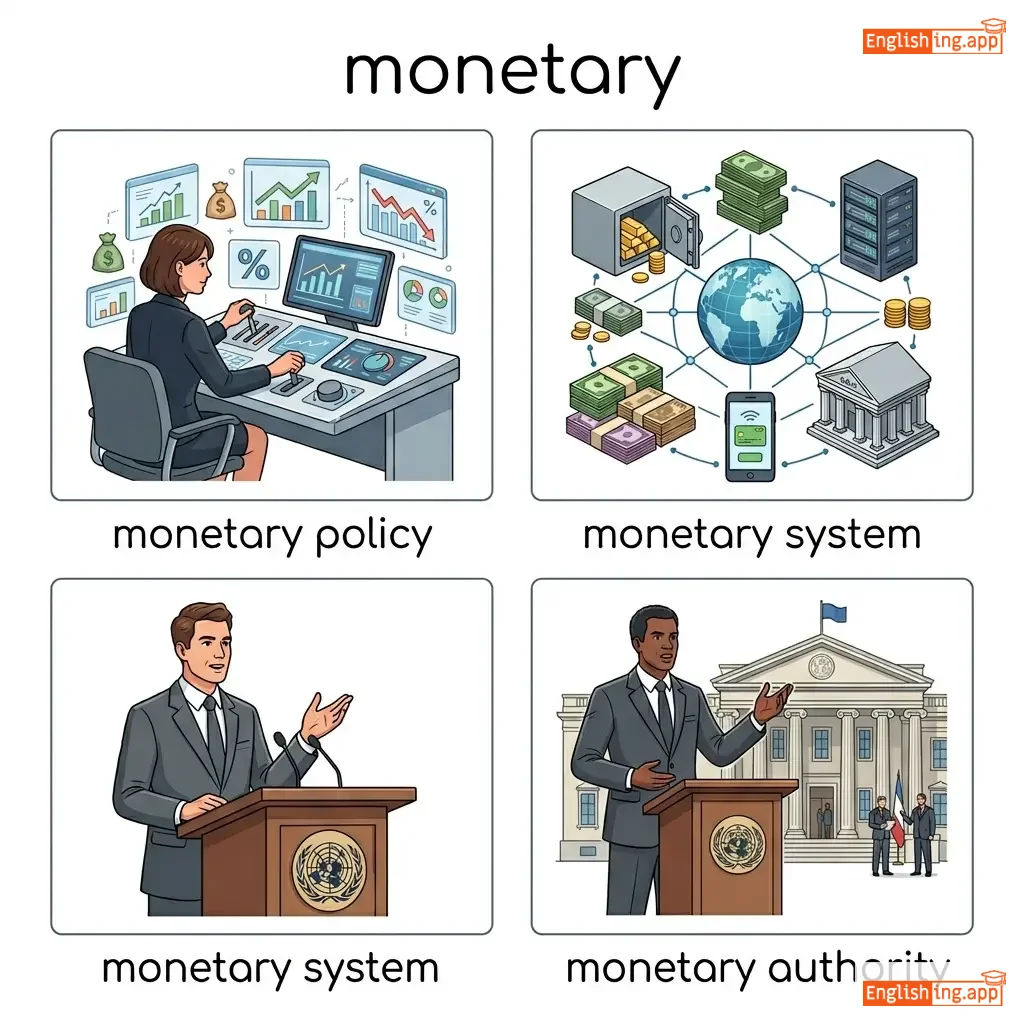
The central bank controls the monetary policy of a country.
••••••
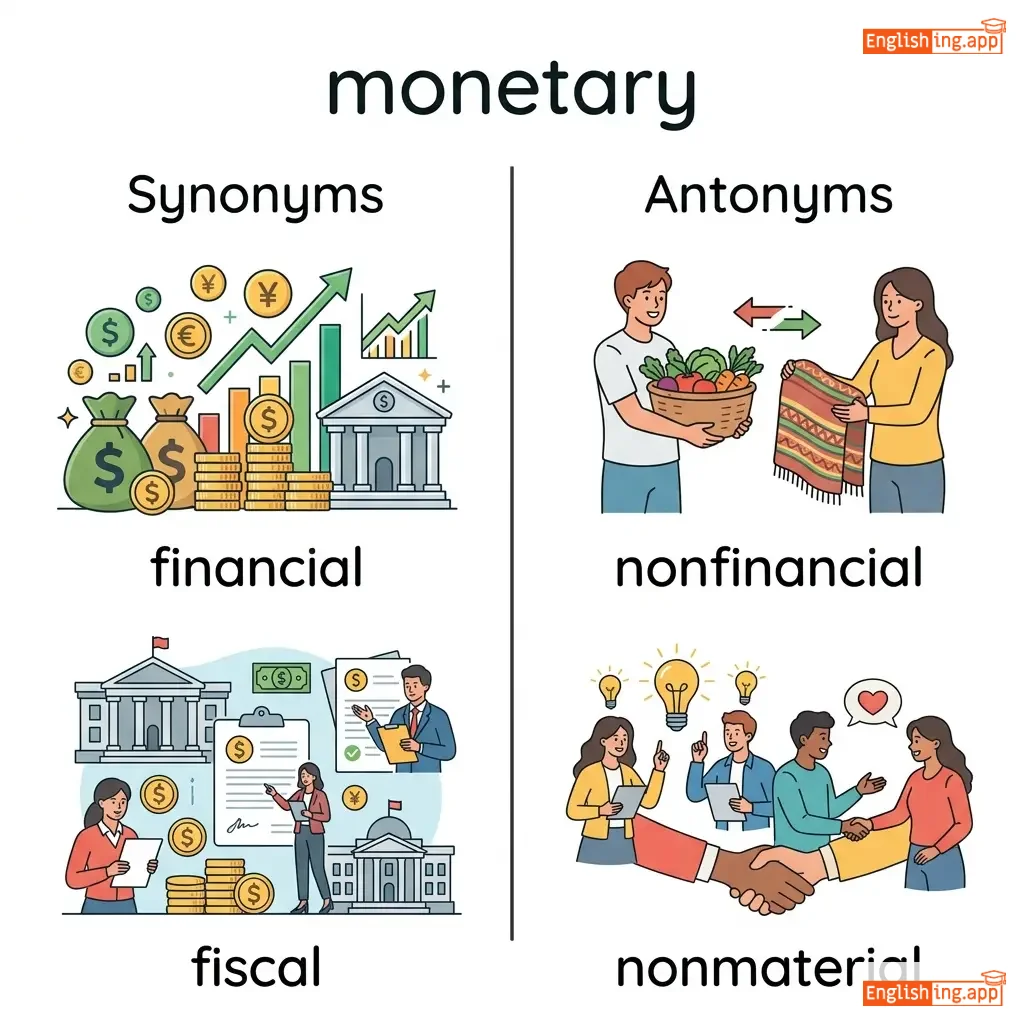
fiscal, financial, capital-related
••••••
non-financial, barter-based, material
••••••
••••••
/ˌvɒl.əˈtɪl.ɪ.ti/
noun
••••••
••••••
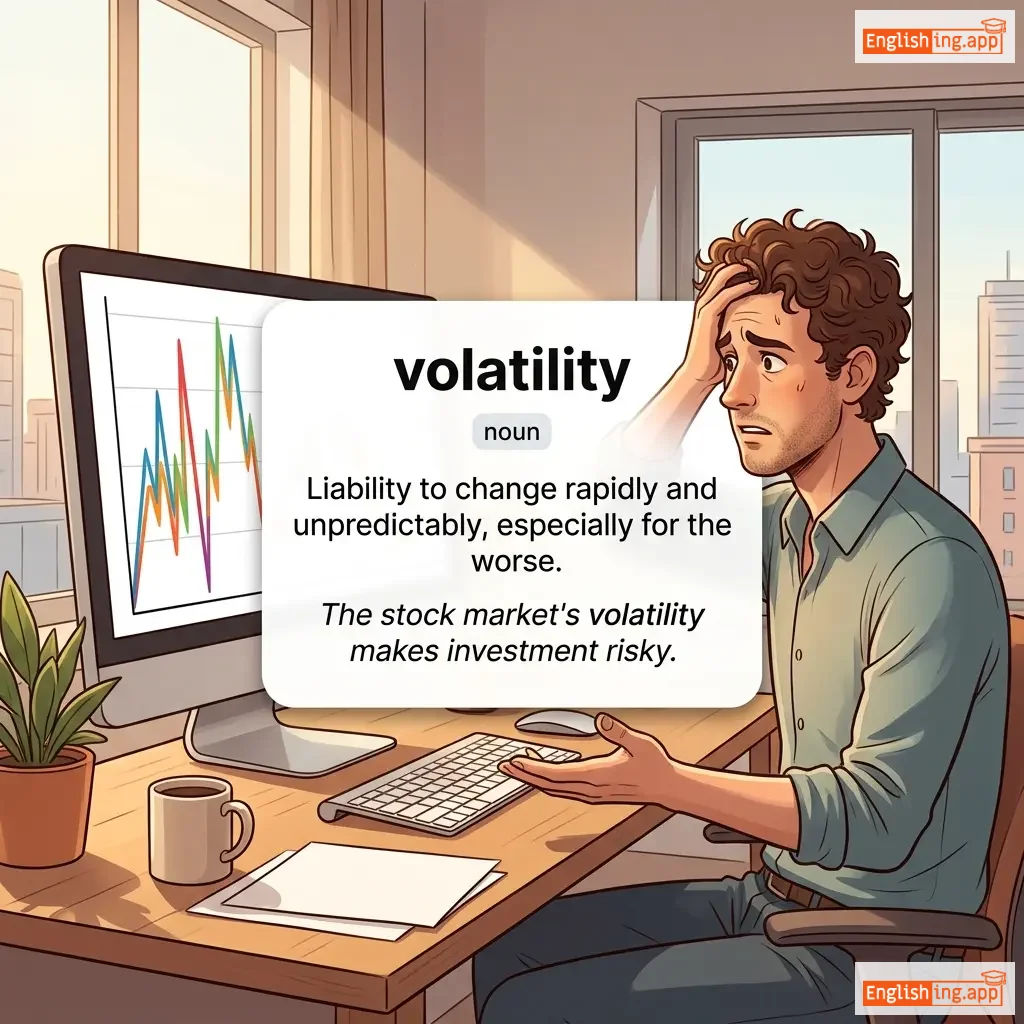
Liability to change rapidly and unpredictably, especially for the worse.
••••••
The stock market's volatility makes investment risky.
••••••
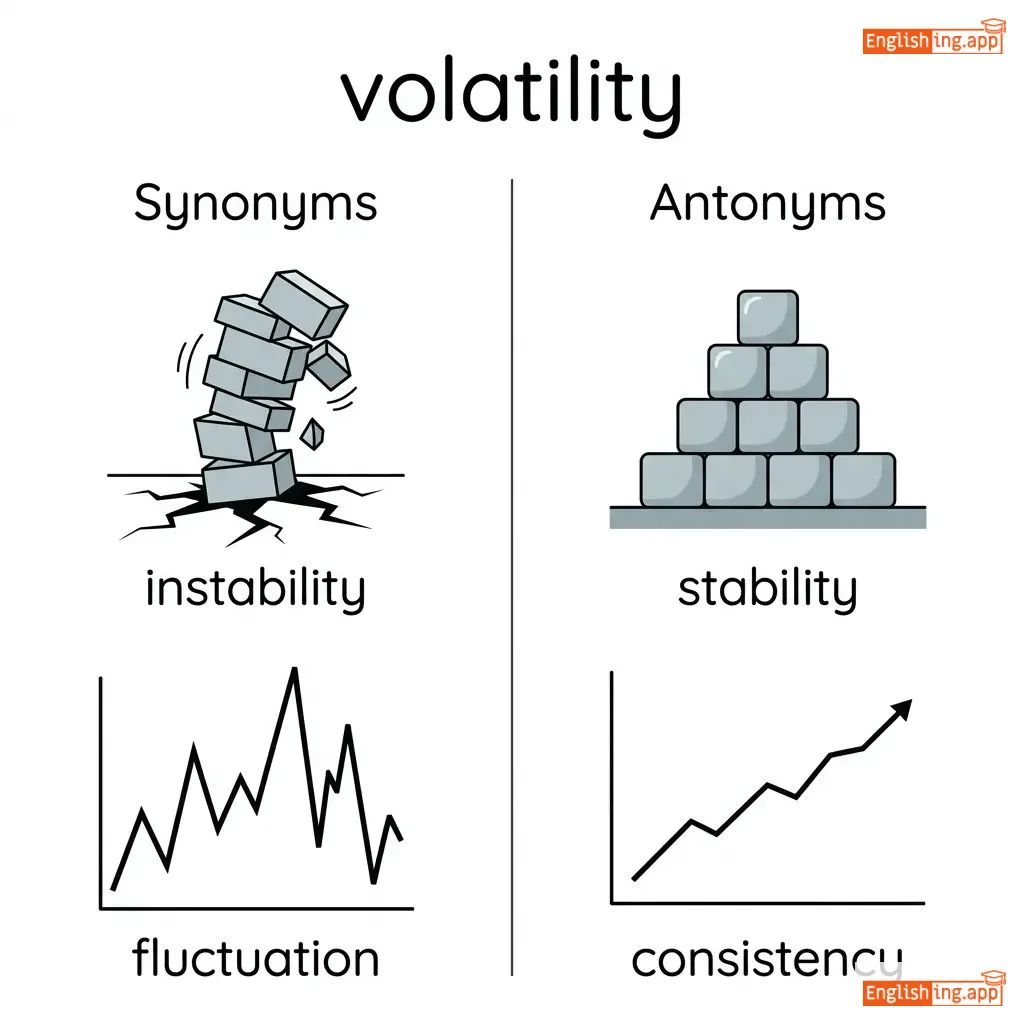
instability, fluctuation, unpredictability
••••••
stability, consistency, predictability
••••••
••••••
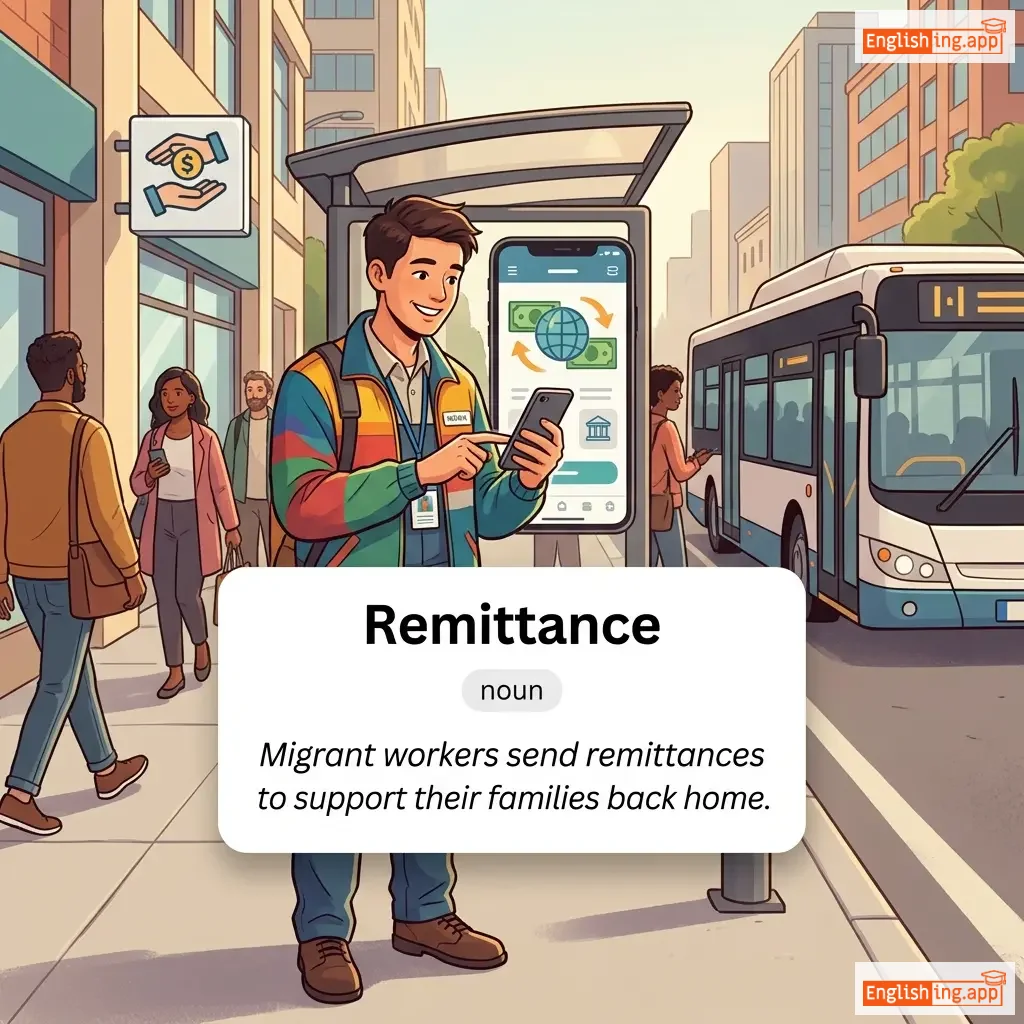
/rɪˈmɪt.əns/
noun
••••••
••••••
A sum of money sent in payment or as a gift.
••••••
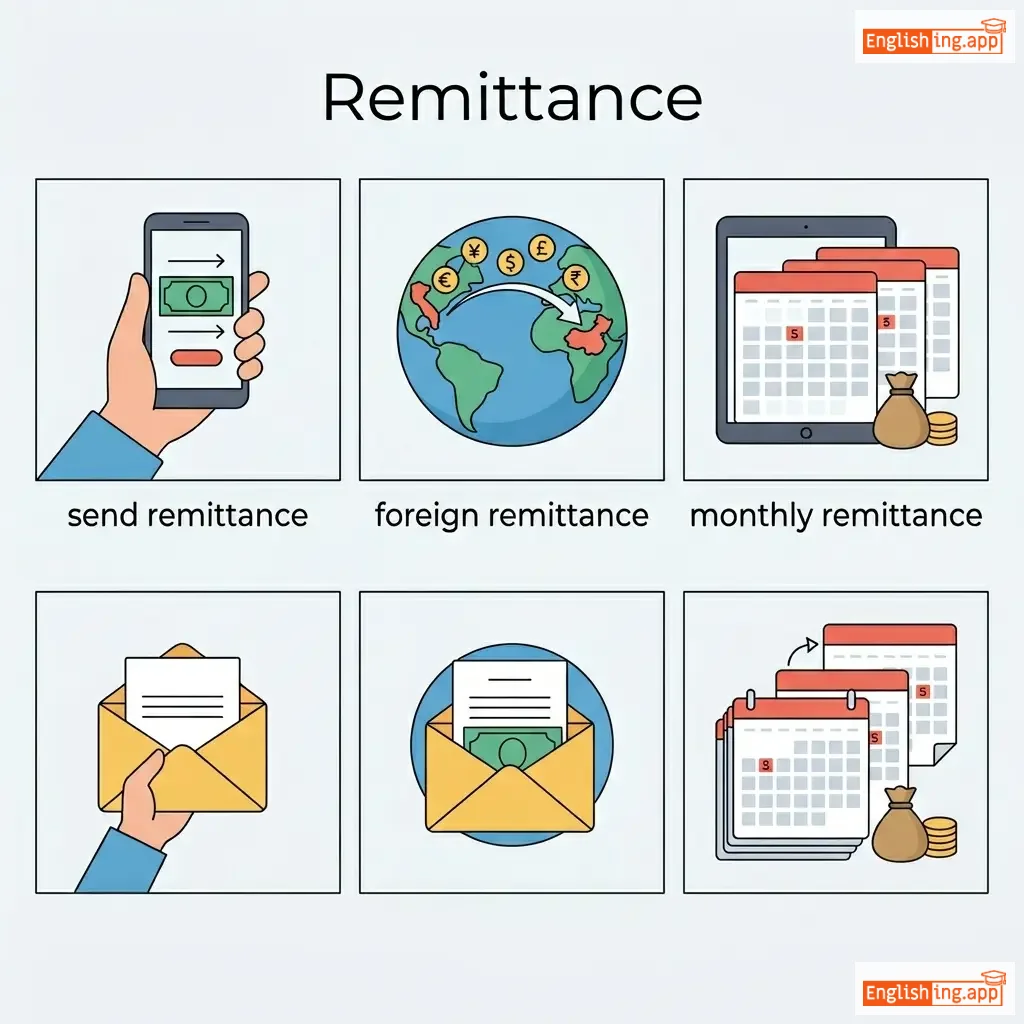
The country's economy benefits from expatriate remittance .
••••••
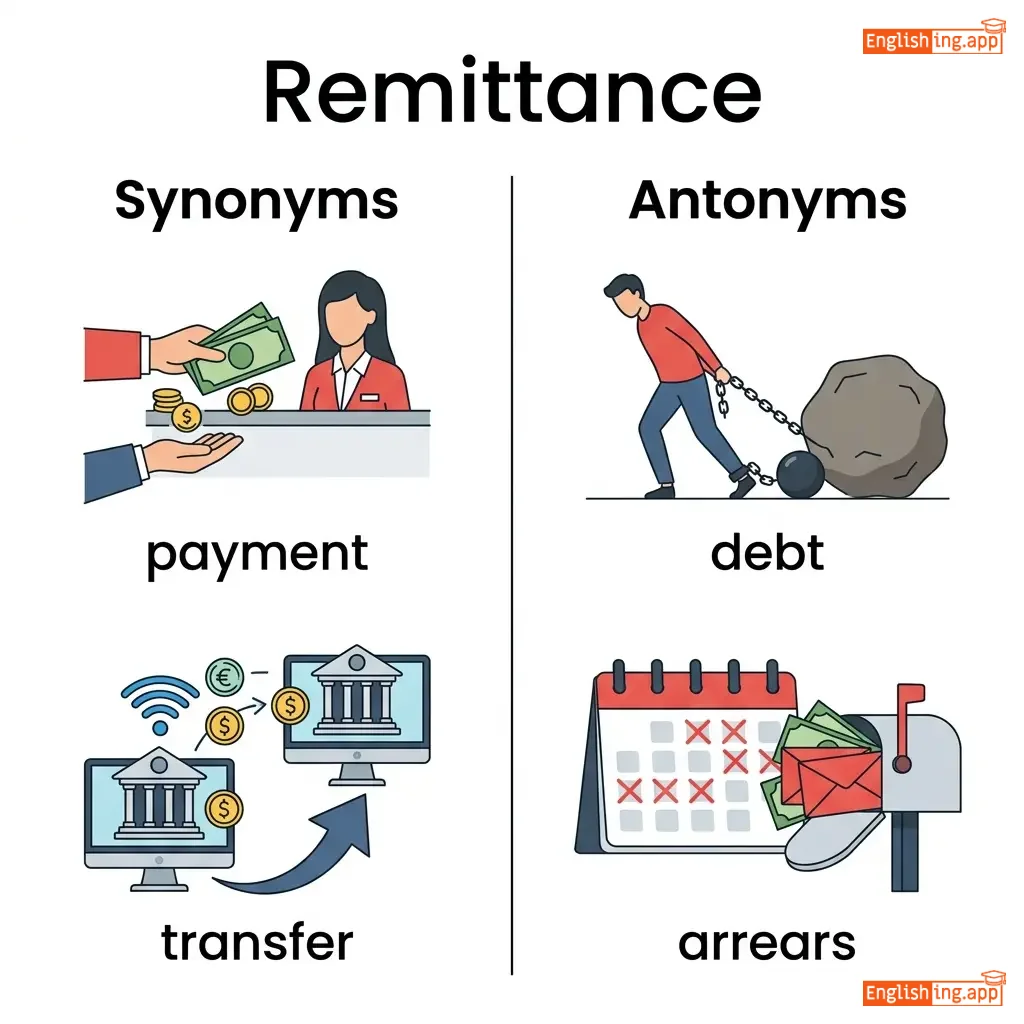
money transfer, payment, wire transfer
••••••
withholding, non-payment, default
••••••
••••••
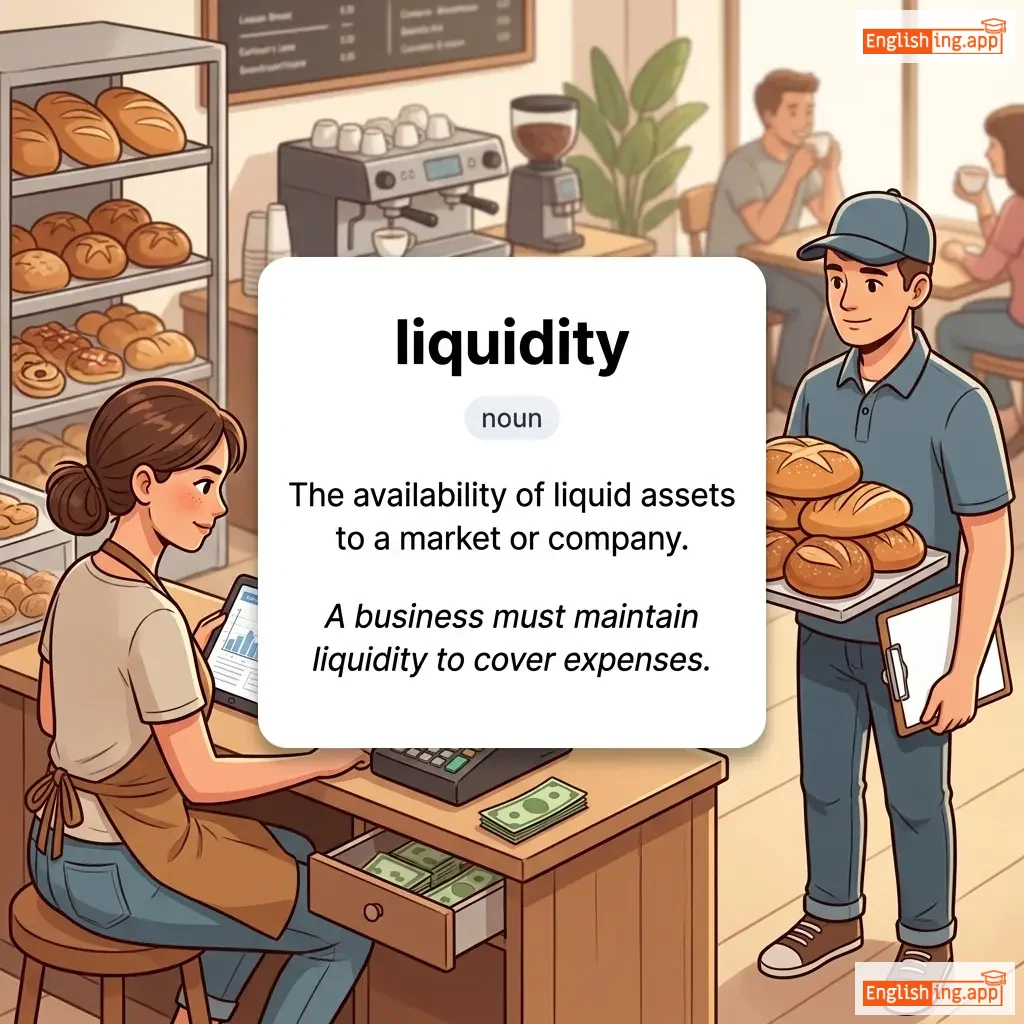
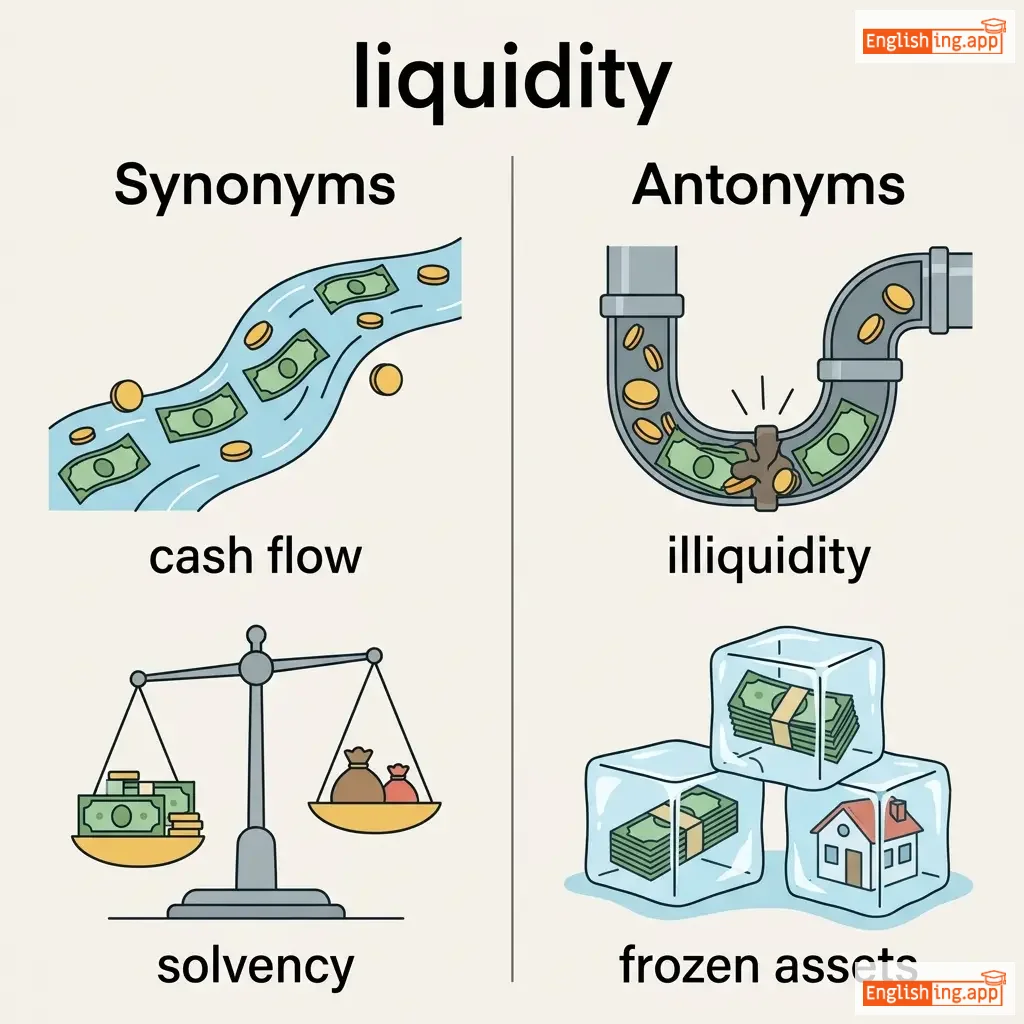
/lɪkˈwɪd.ə.ti/
noun
••••••
••••••
The availability of liquid assets to a market or company.
••••••
A business must maintain liquidity to cover expenses.
••••••
cash flow, solvency, convertibility
••••••
illiquidity, frozen assets, insolvency
••••••
••••••
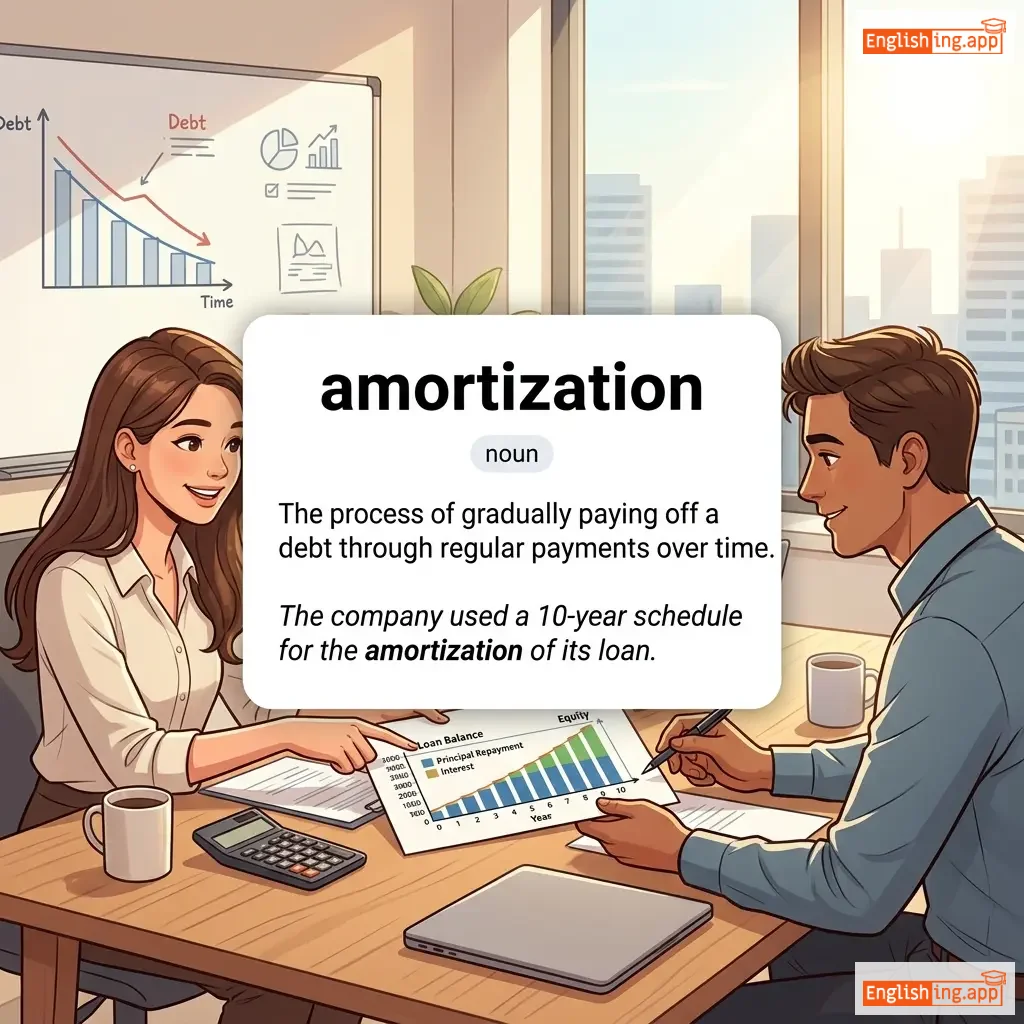
/əˌmɔːr.tɪˈzeɪ.ʃən/
noun
••••••
••••••
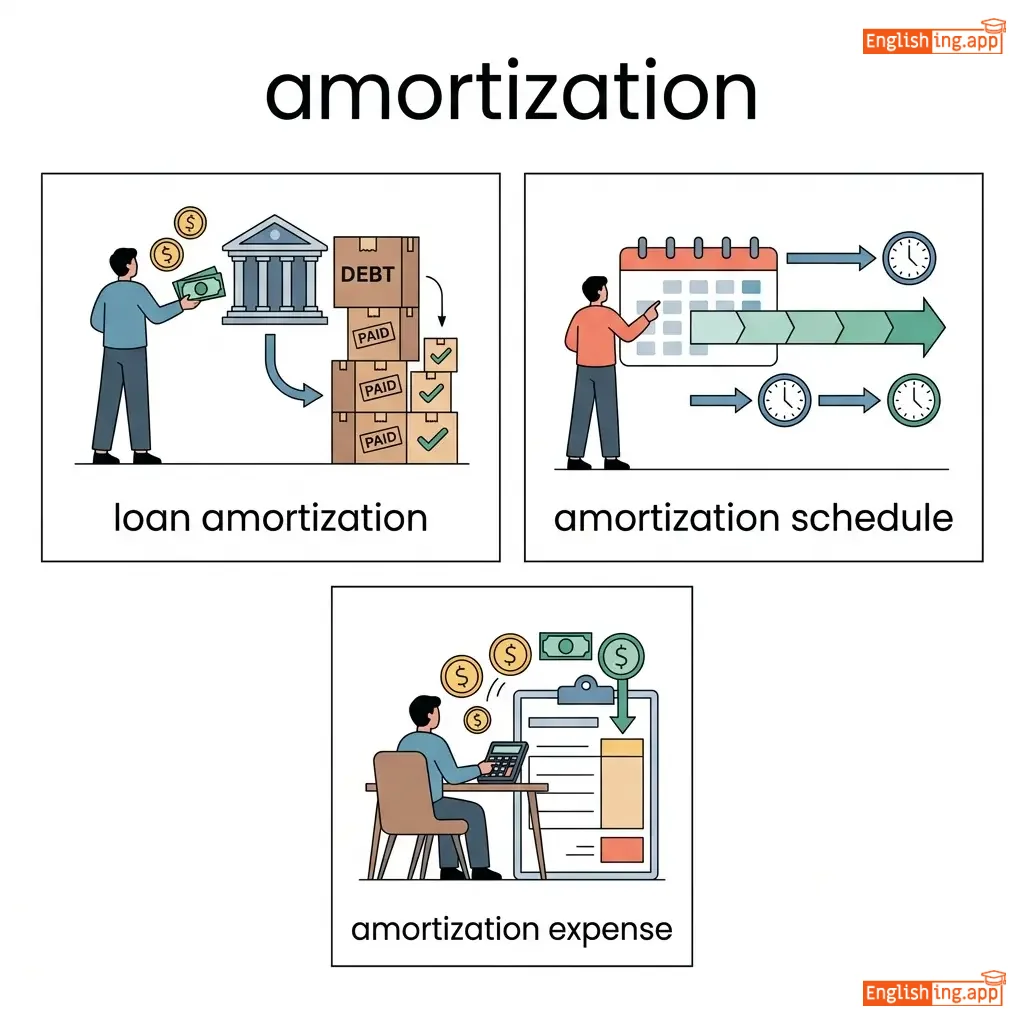
The process of paying off a debt with a fixed repayment schedule in regular installments.
••••••
The bank offers low-interest amortization plans.
••••••
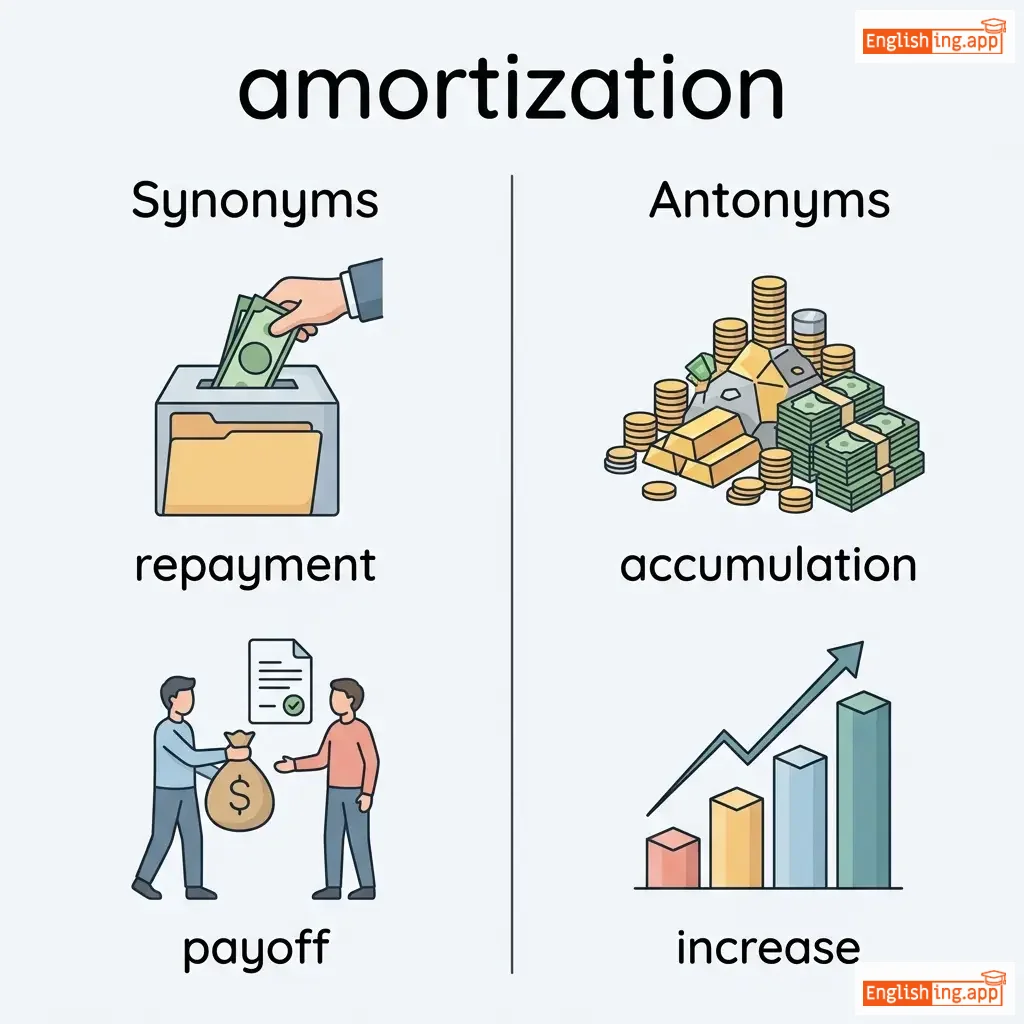
debt repayment, depreciation, installment
••••••
accumulation, indebtedness, default
••••••
••••••
/kənˈsʌmp.ʃən/
noun
••••••
••••••
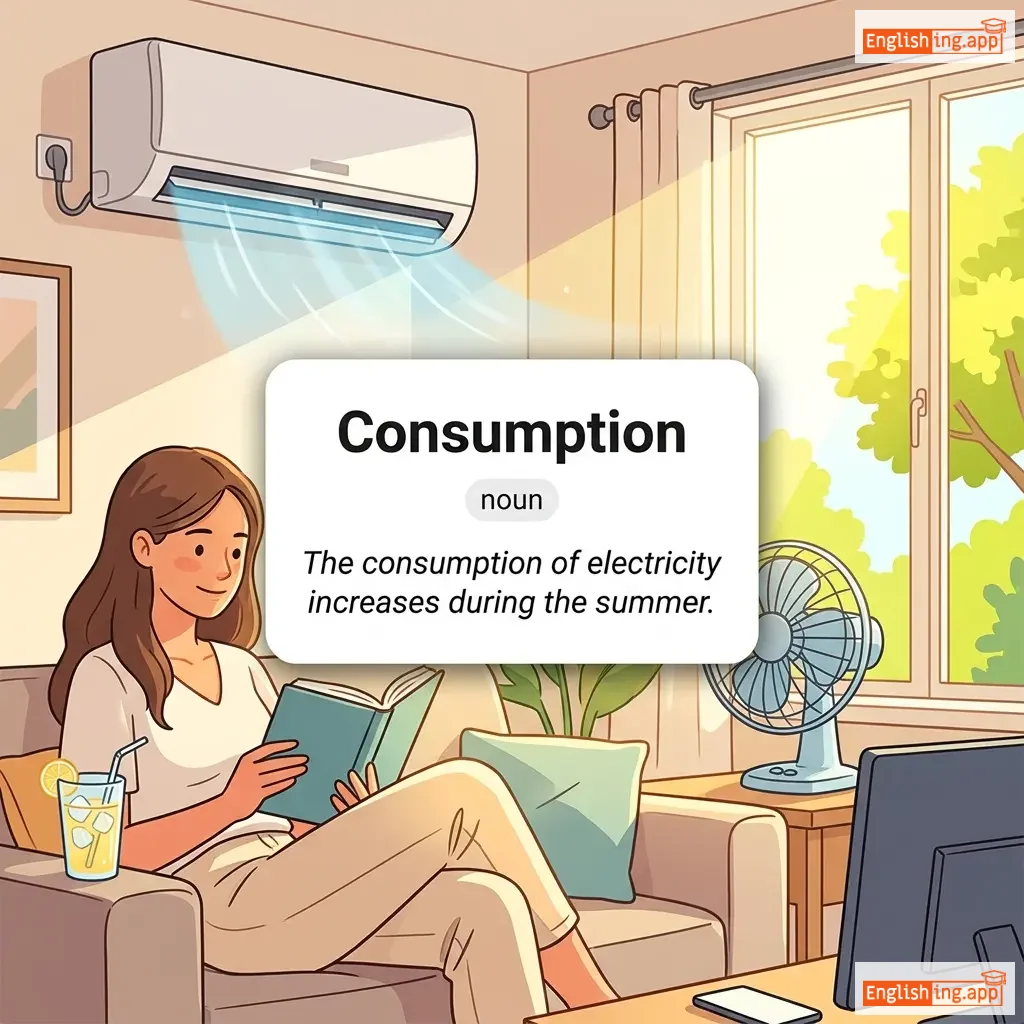
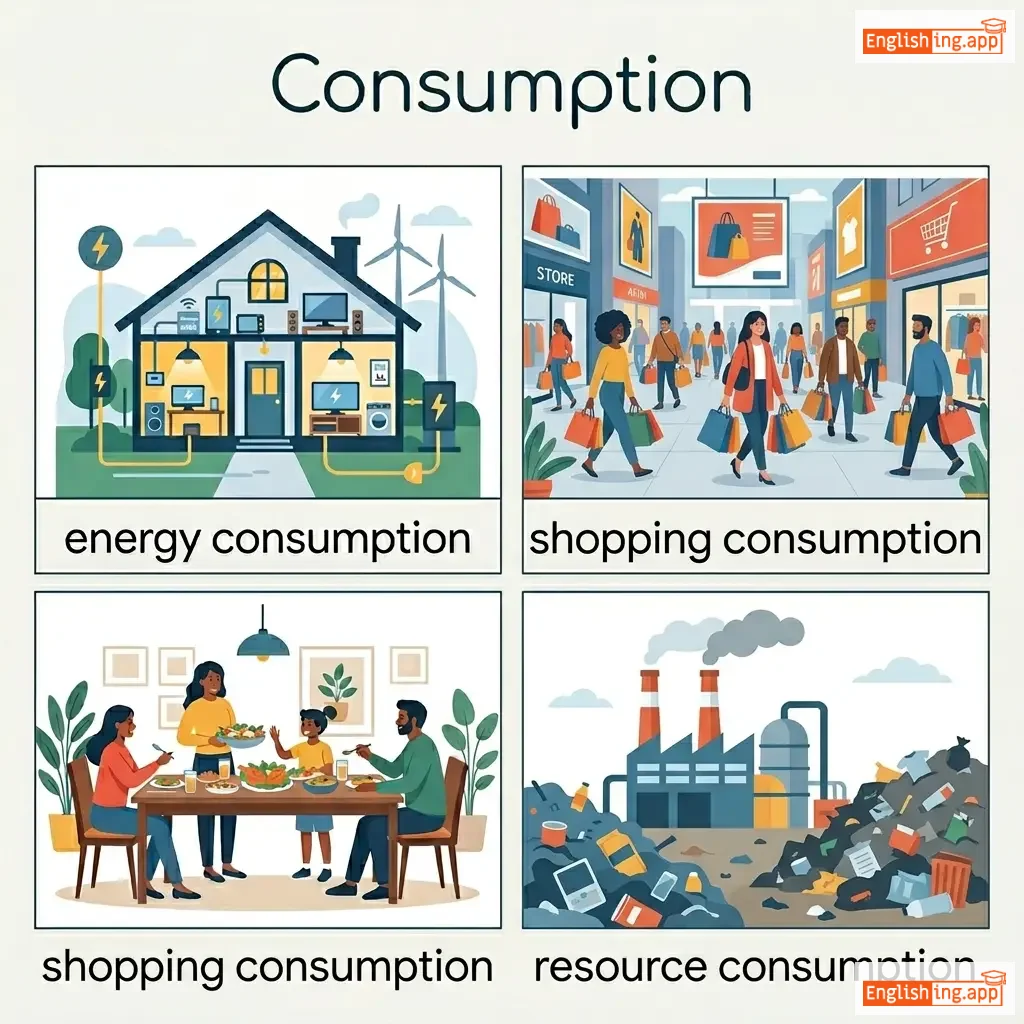
The using up of a resource or the amount of a product consumed by consumers.
••••••
High energy consumption leads to increased electricity bills.
••••••
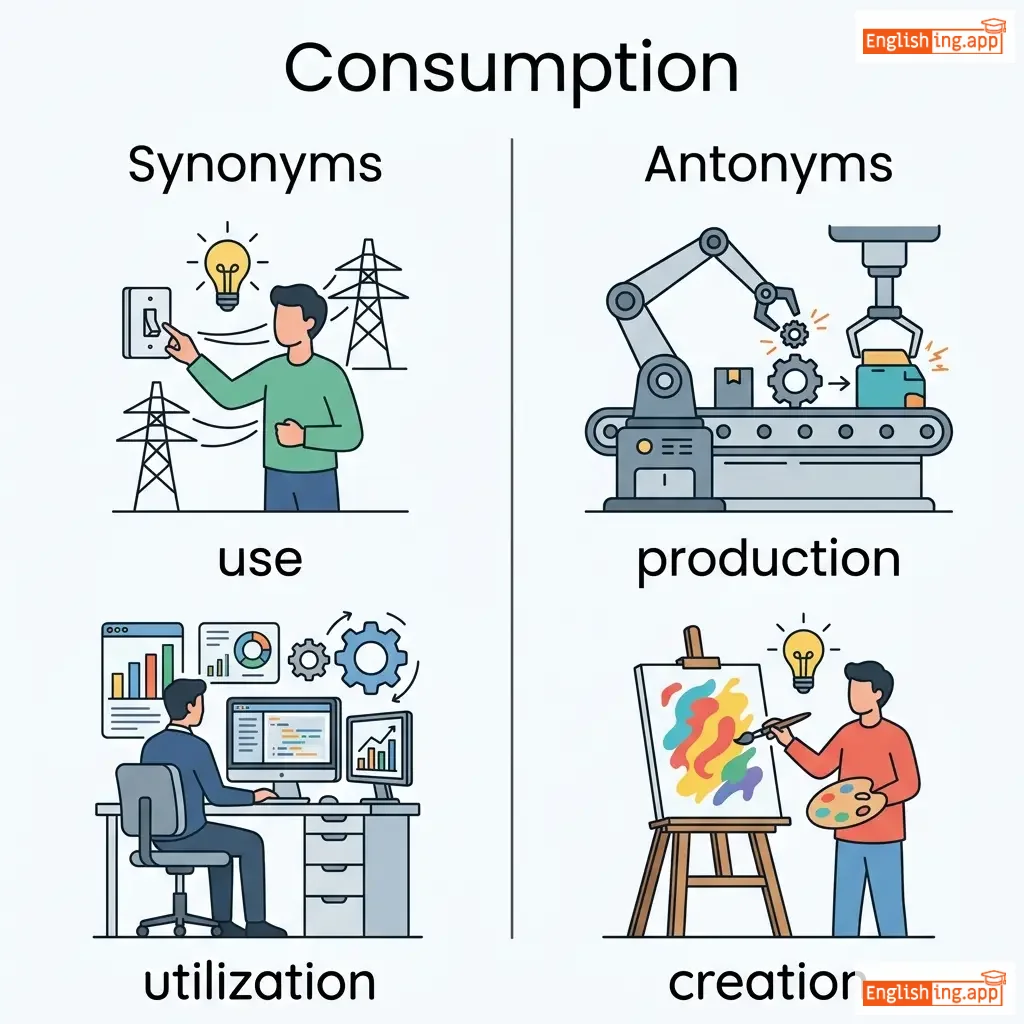
utilization, expenditure, usage
••••••
conservation, preservation, saving
••••••
••••••
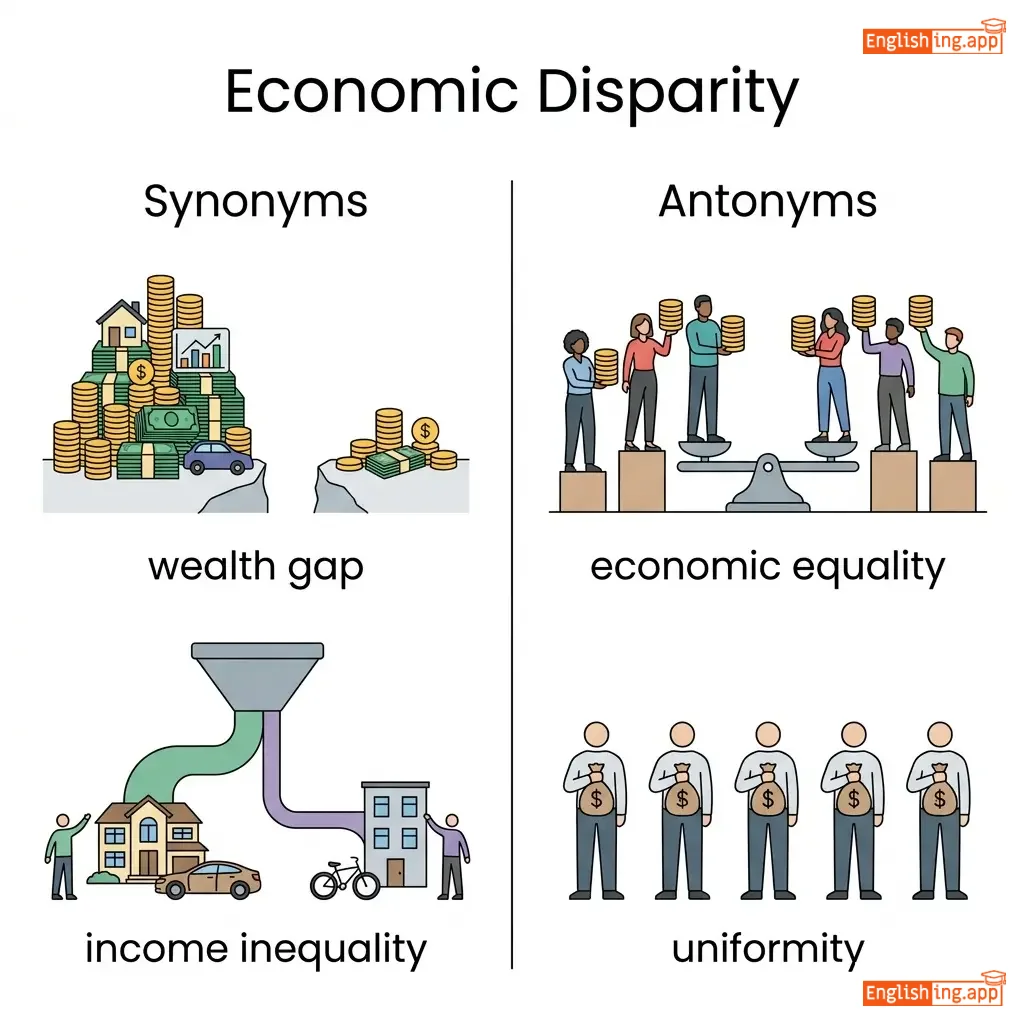
/ˌiː.kəˈnɒm.ɪk dɪˈspær.ɪ.ti/
noun
••••••
••••••
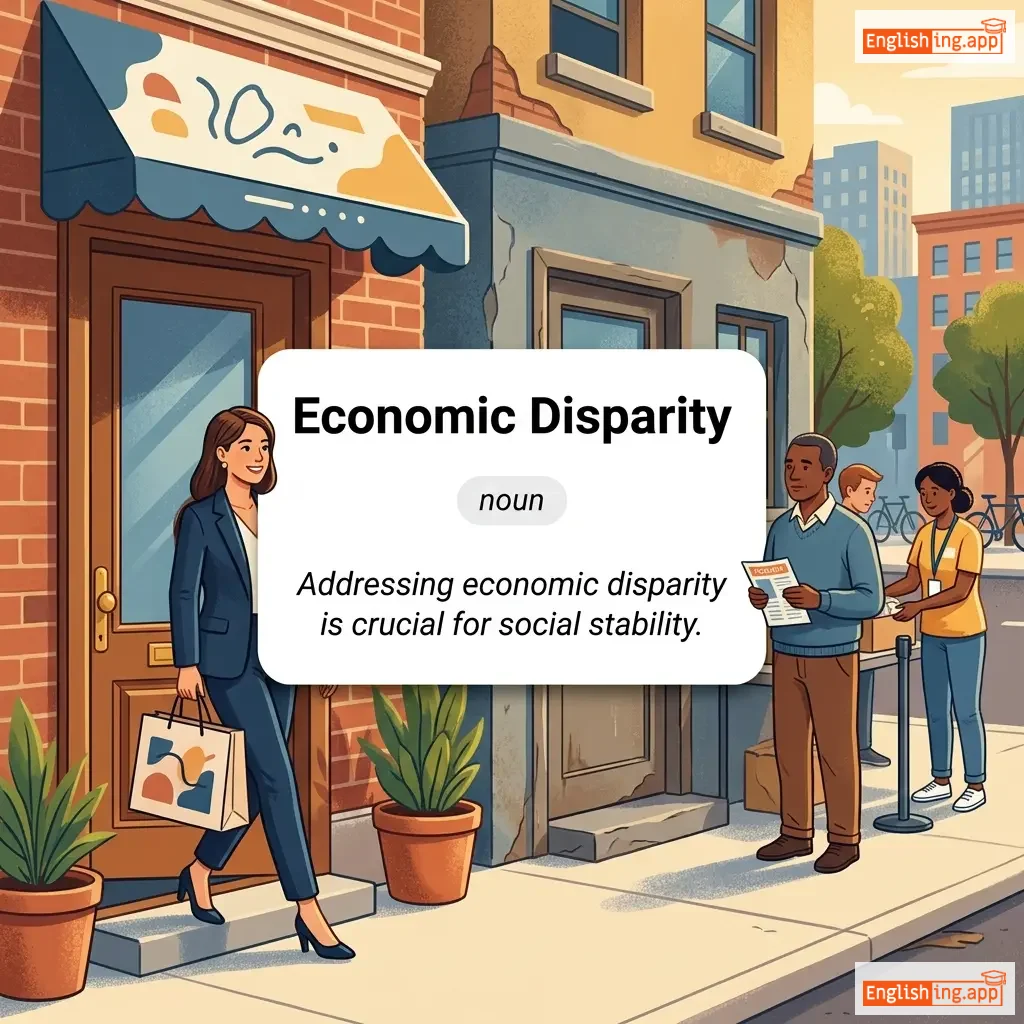
The unequal distribution of income and opportunity between different groups in society.
••••••
Addressing economic disparity is crucial for social stability.
••••••
wealth gap, income inequality, financial divide
••••••
economic equality, uniformity, fairness
••••••