

通过故事学习词汇:语言运动
Learn Vocabulary Through Stories - Language Movement
巴基斯坦议会的第一次会议于1948年2月25日举行。国会成员迪伦德拉纳特·达塔提出了一个提案,建议在议会程序中使用孟加拉语,同时使用乌尔都语和英语。达塔的论点是,巴基斯坦的6900万人中有超过4000万人讲孟加拉语,这意味着孟加拉语是多数人的语言。因此,孟加拉语不应仅仅被视为省级语言;它也应该是国家语言之一。
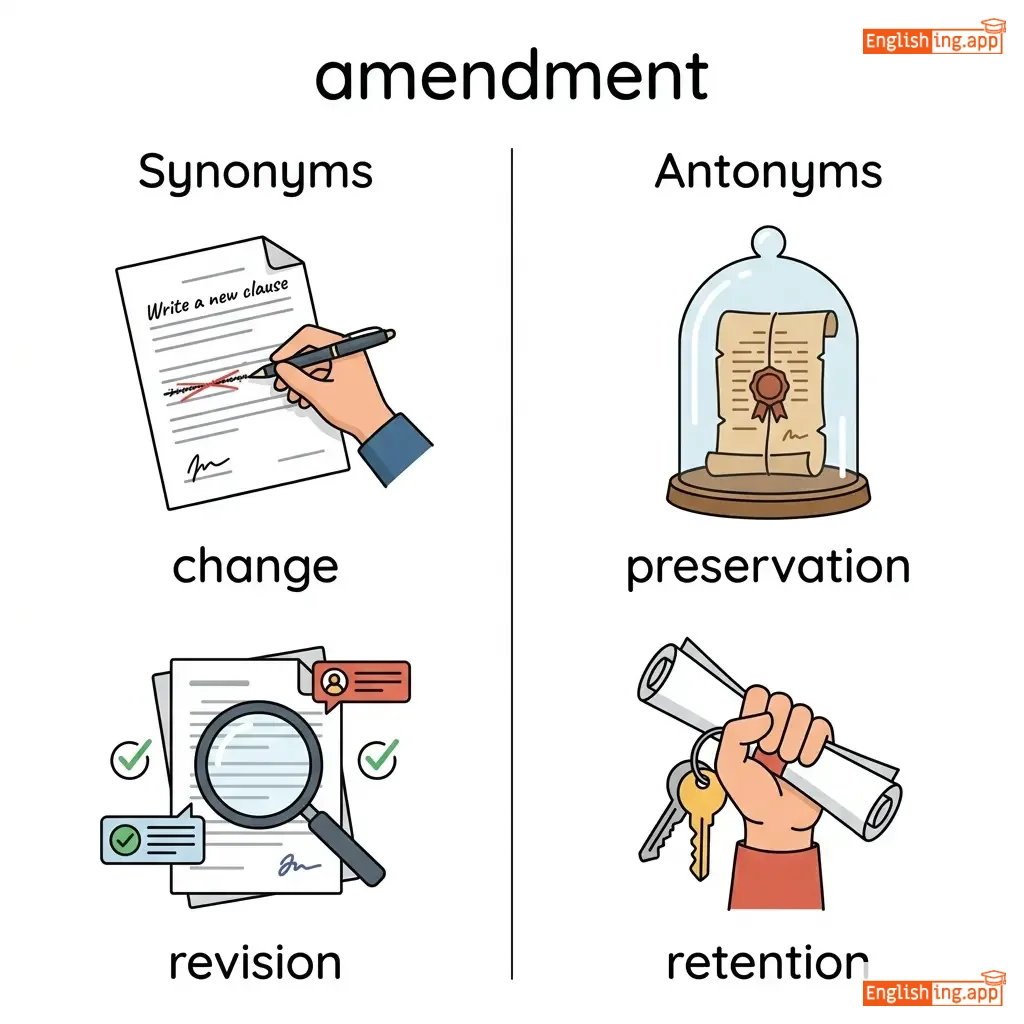
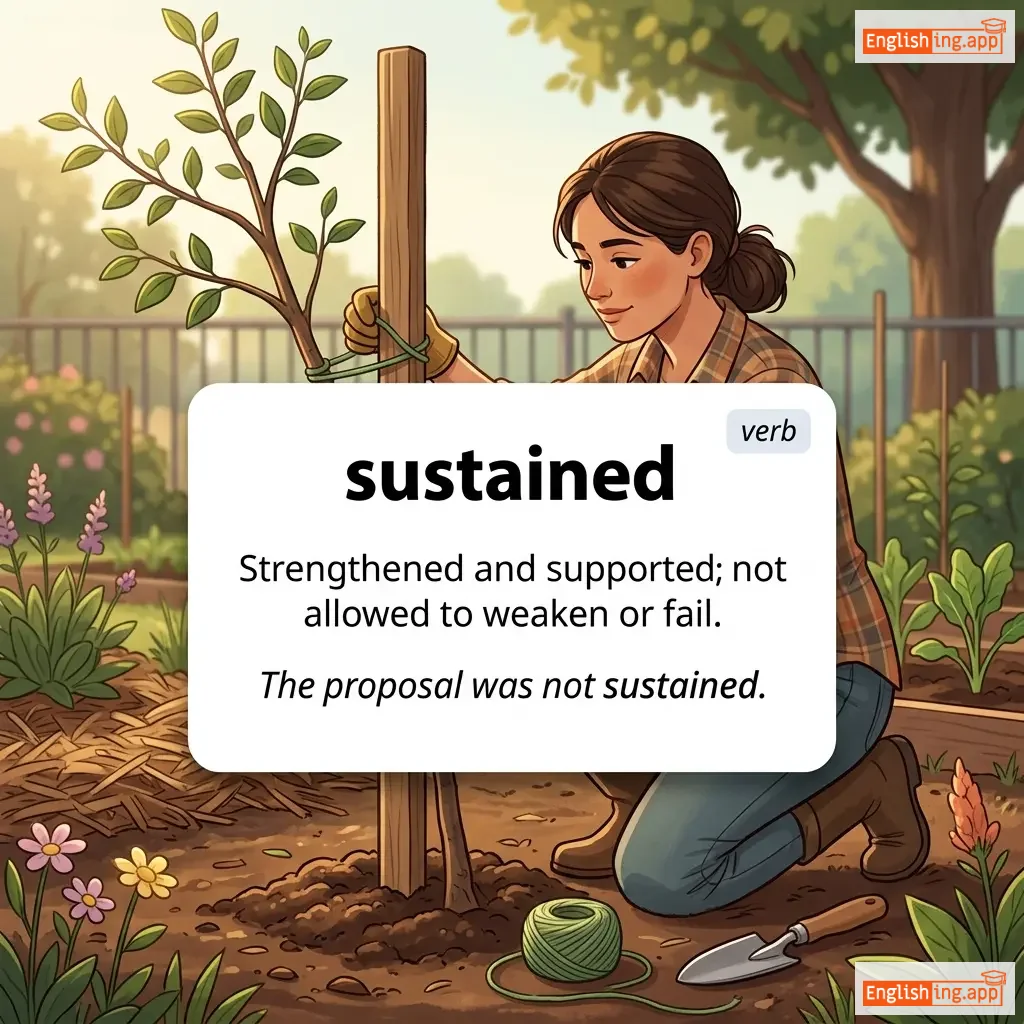
然而,达塔的修正案提案在议会中未能持续。即使是孟加拉国的议员也未能支持它,因为他们的议会党派提出了异议。
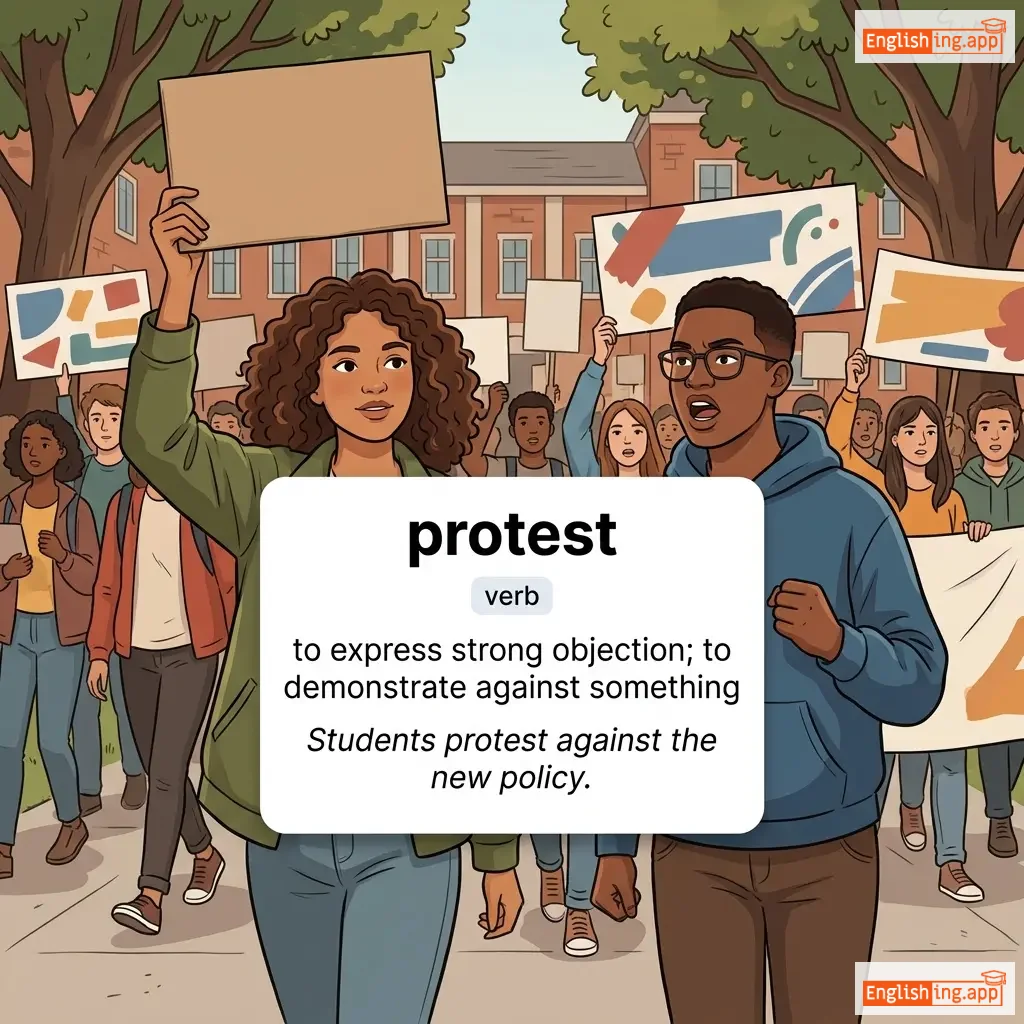
为了对此表示抗议,达卡的学生们举行了罢课并开始罢工。1948年3月11日,在东孟加拉举行了'语言日'。
巴德鲁丁·乌马尔写道,3月11日,在达卡,围绕孟加拉语的示威在各种政府大楼前举行,抗议者迫使几位部长辞职。为了将东巴基斯坦总理纳齐穆丁先生从议会大楼中带出来,必须召唤军队。
警方逮捕了包括沙姆苏尔·哈克、奥利·阿哈德和谢赫·穆吉布尔·拉赫曼在内的运动领导人,后者后来成为1971年解放战争的领袖以及孟加拉国的创始总统。
作为对这些领导人被逮捕的反应,3月13日至15日达卡举行了罢工。两天后,Khaja Nazimuddin与来自州语言行动委员会的学生们举行了会议。政府同意向巴基斯坦议会推荐孟加拉语成为国家语言。
在这种紧张的氛围中,仅仅10天后,真纳先生来到了达卡。可能是在提到这一点时,他在演讲中提到“制造混乱”。





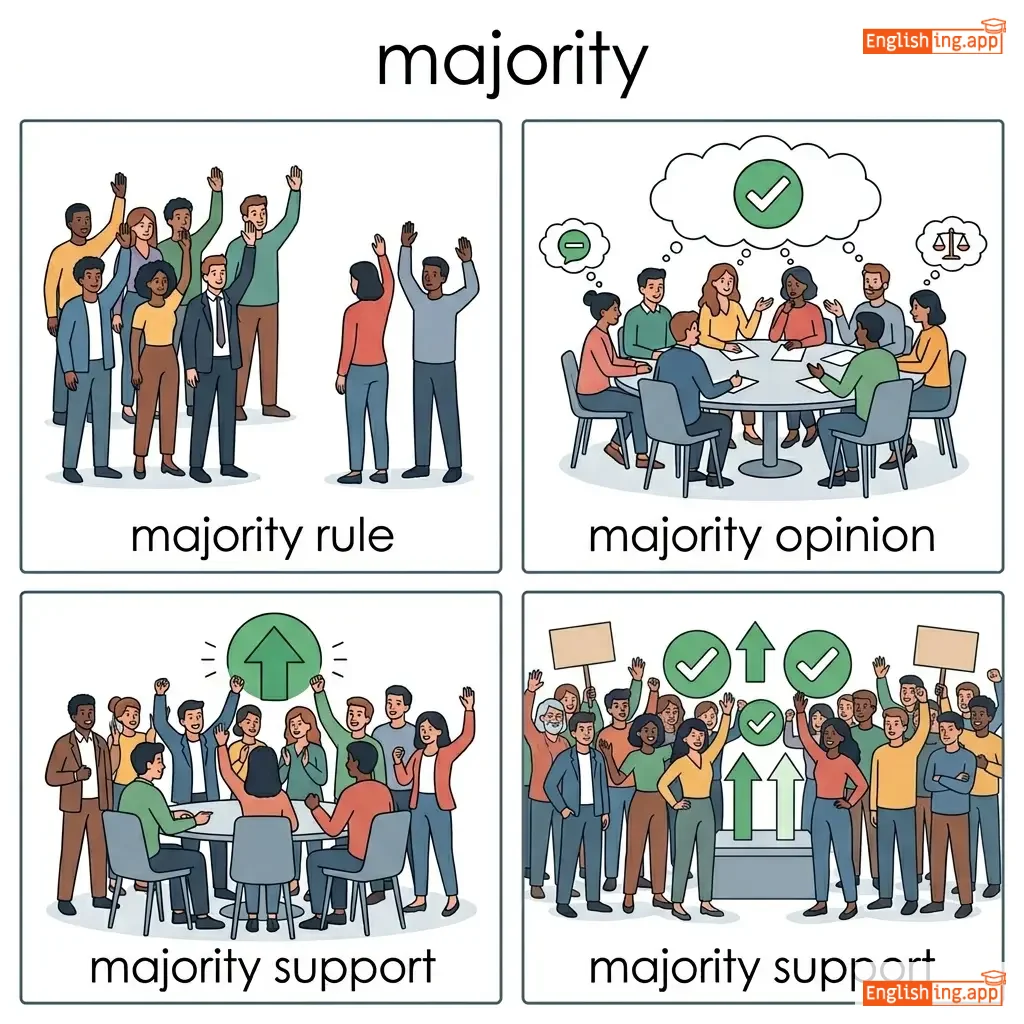
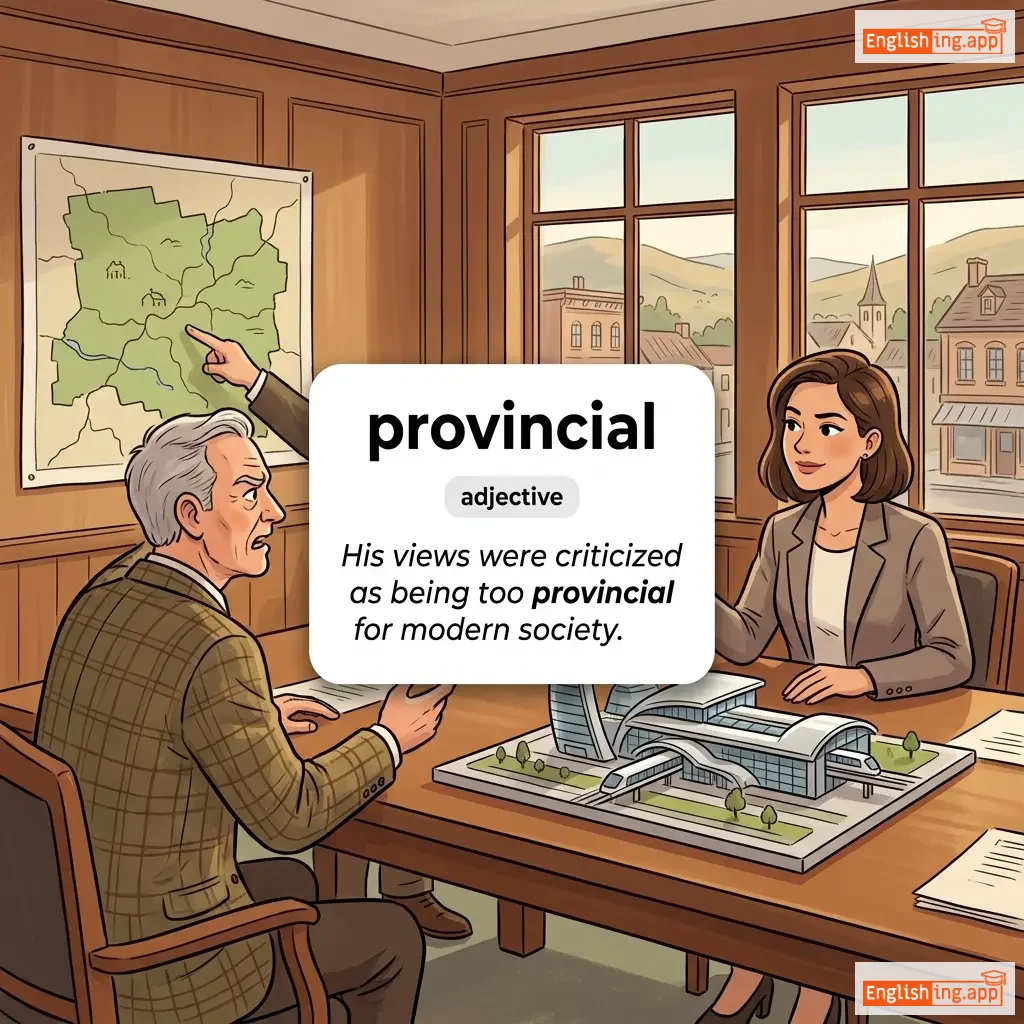
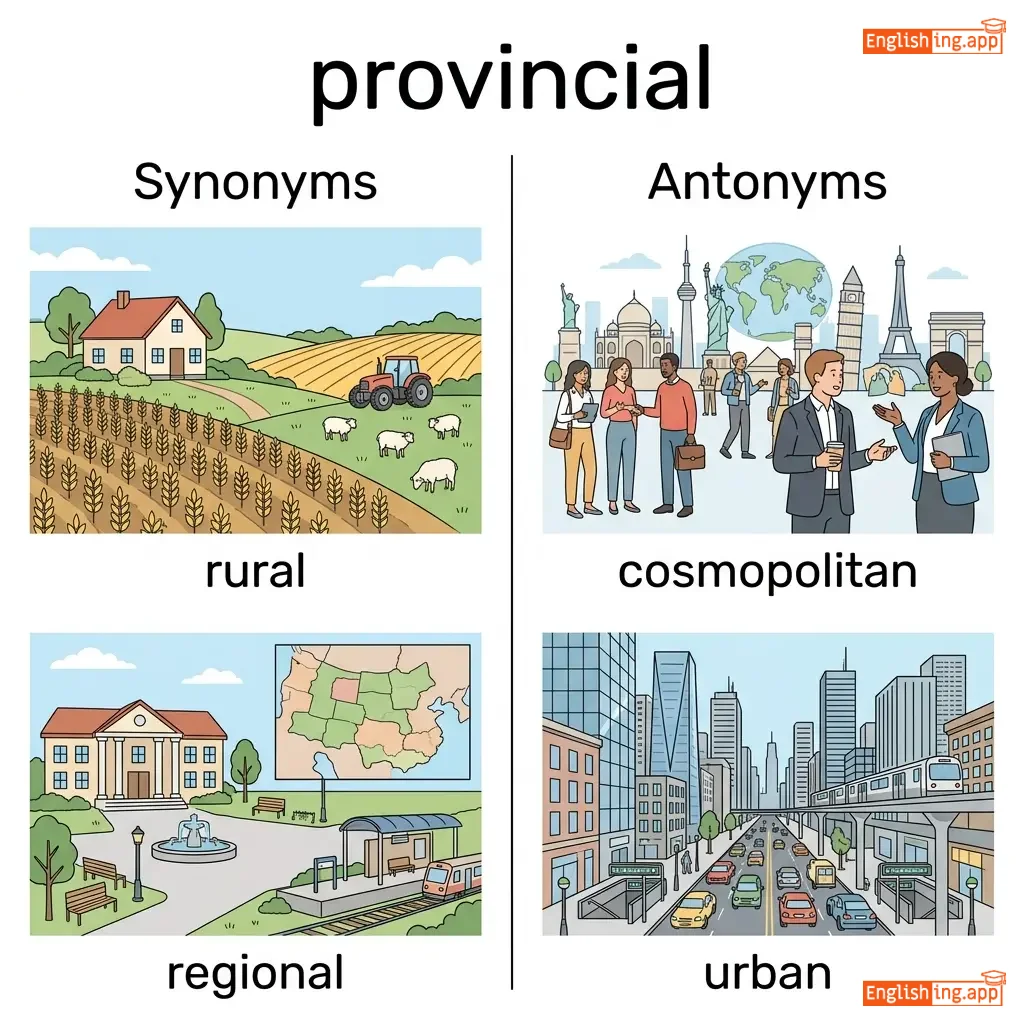
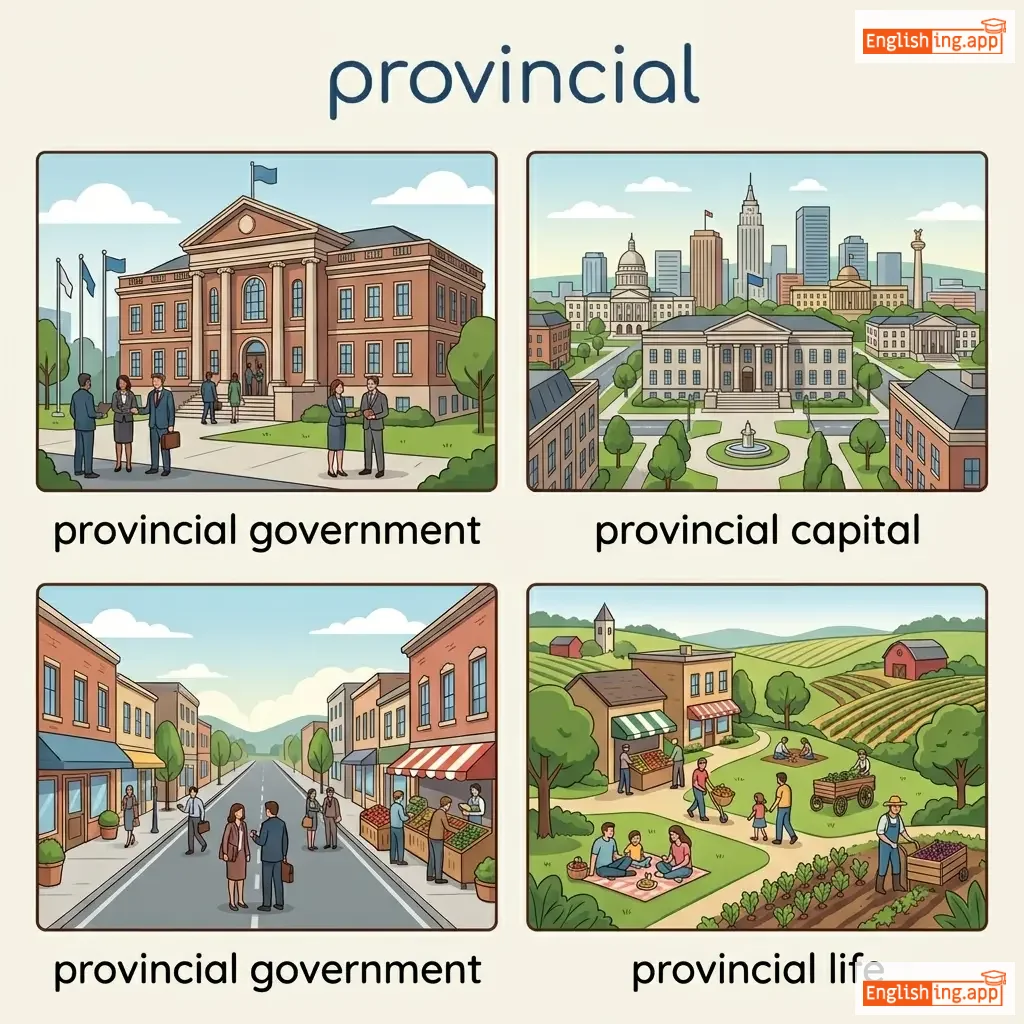



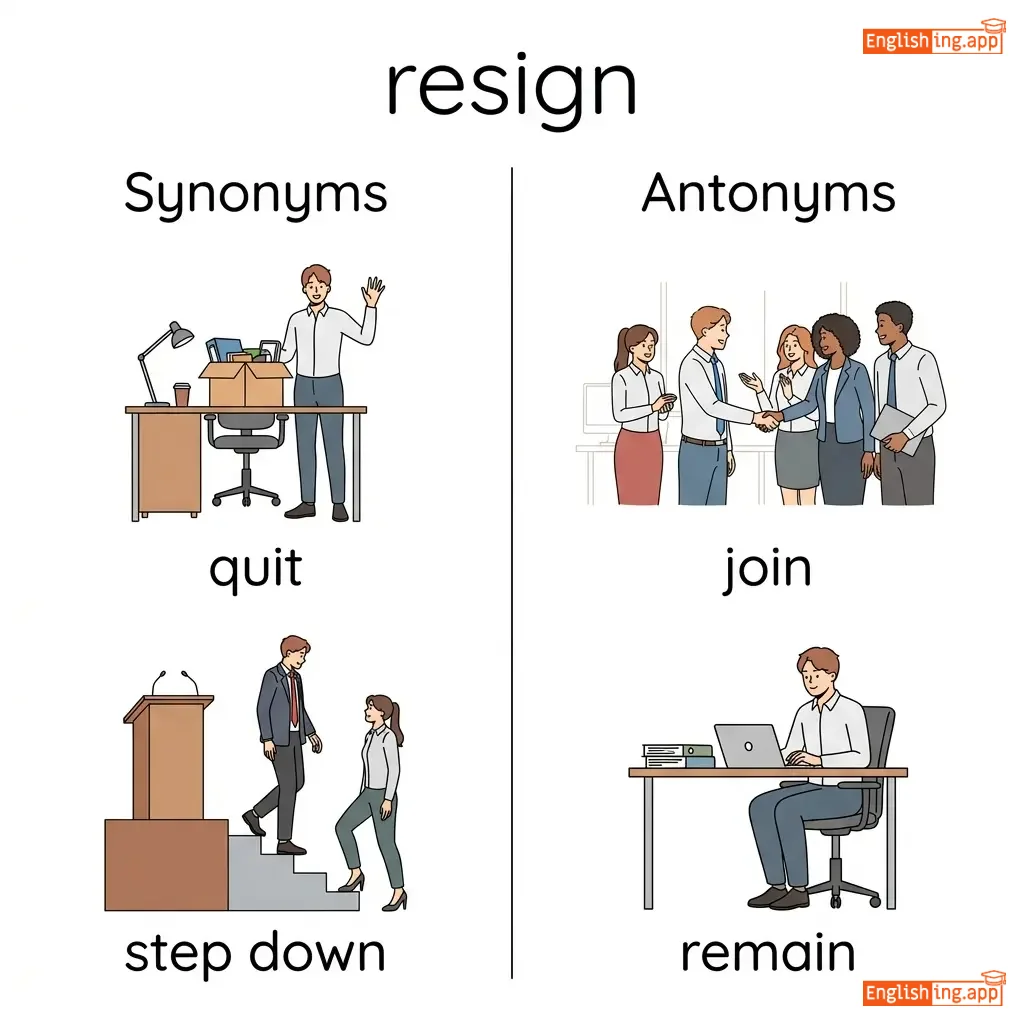
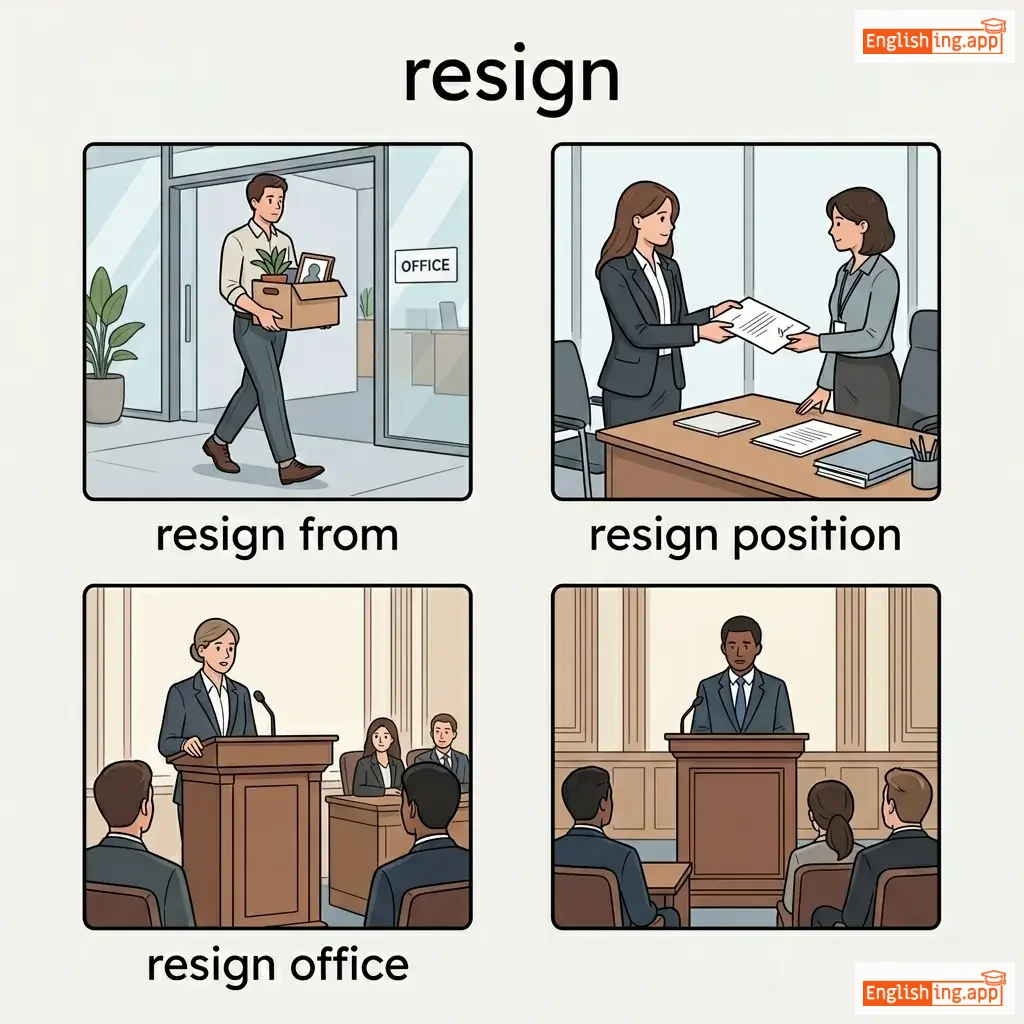

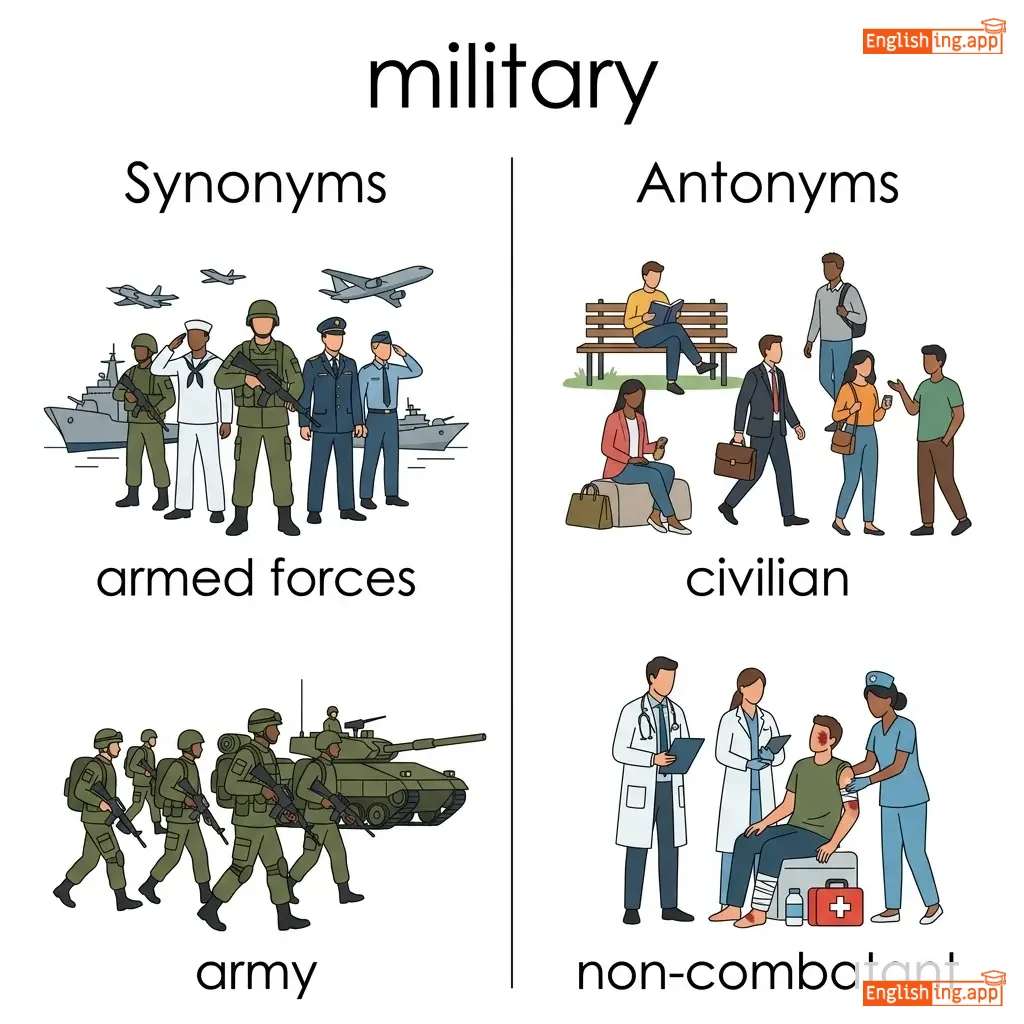
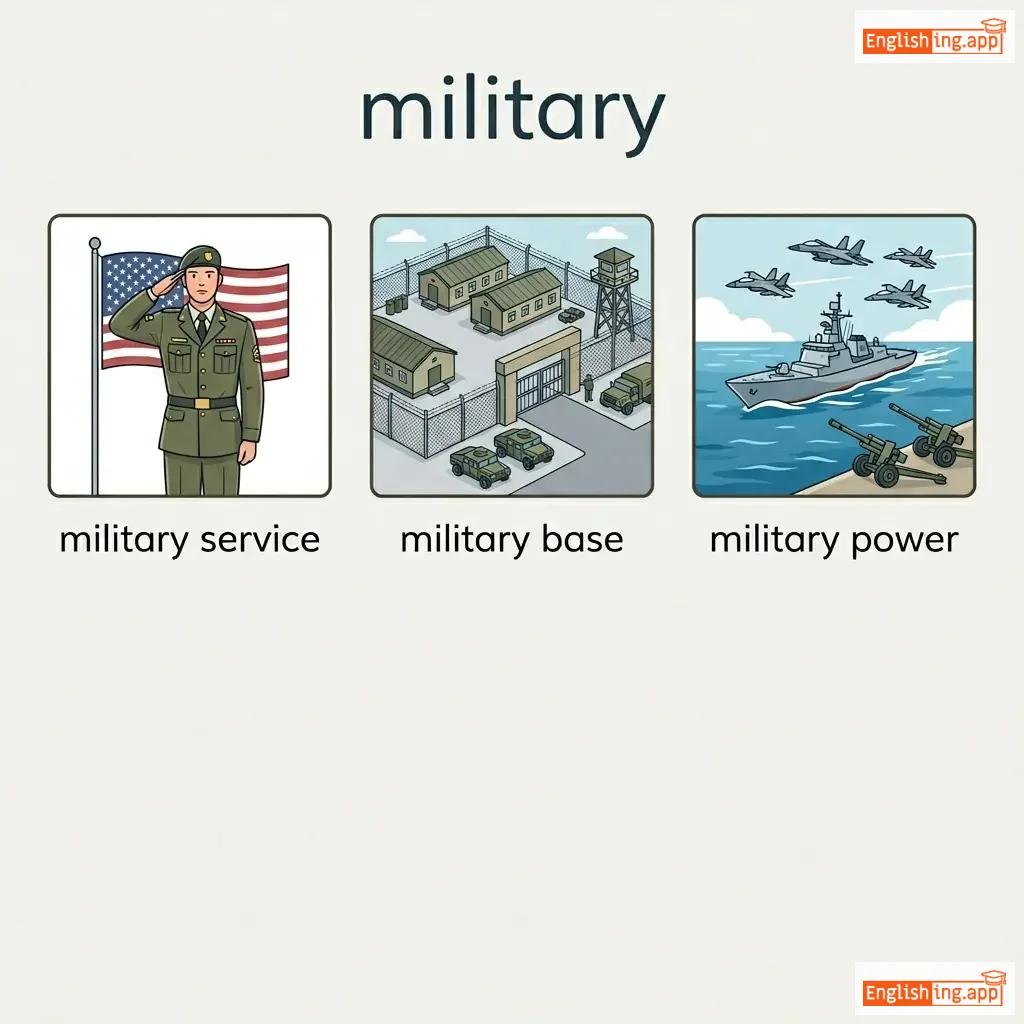

Swipe left or right, or use the buttons. Tap image to zoom.
例句翻译
单词
Learn Vocabulary Through Stories - Language MovementLearn Vocabulary Through Stories - Language Movement - 遮罩切换
|
表情符号
|
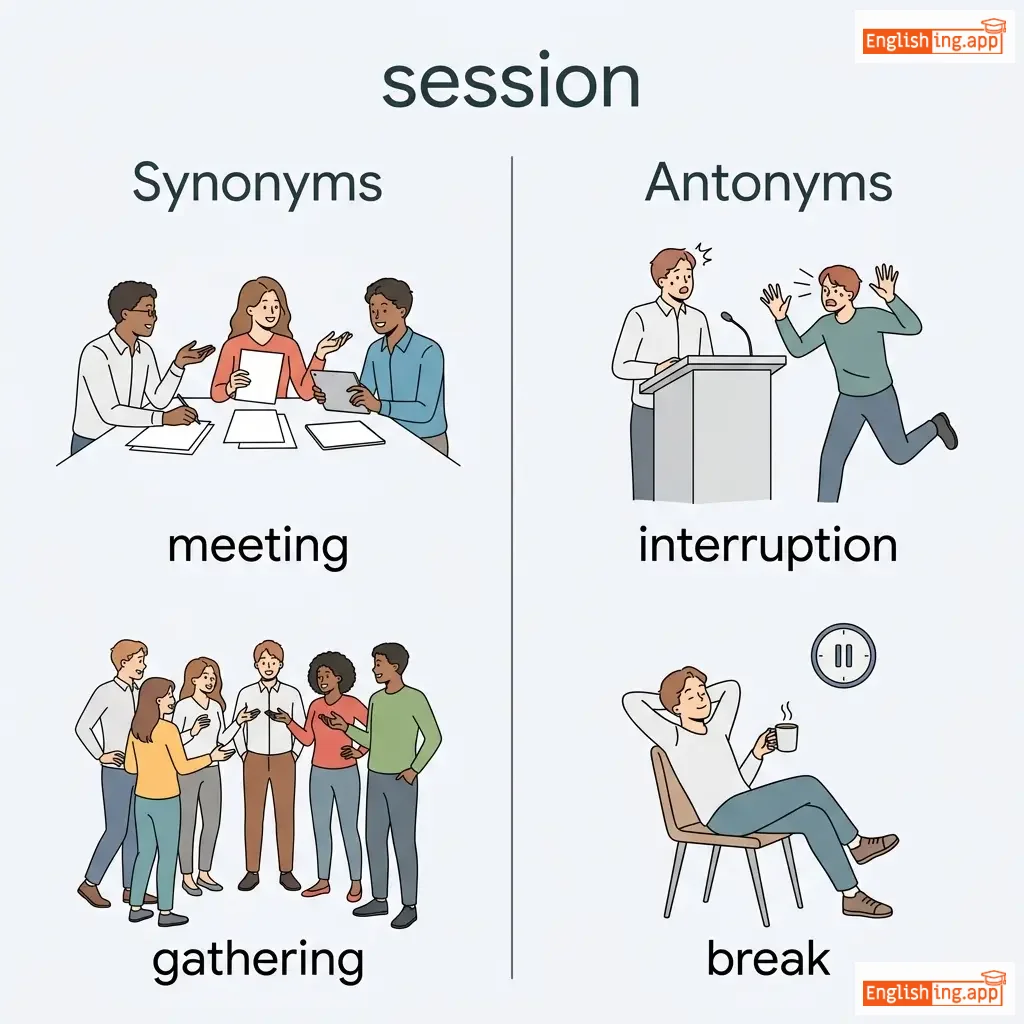
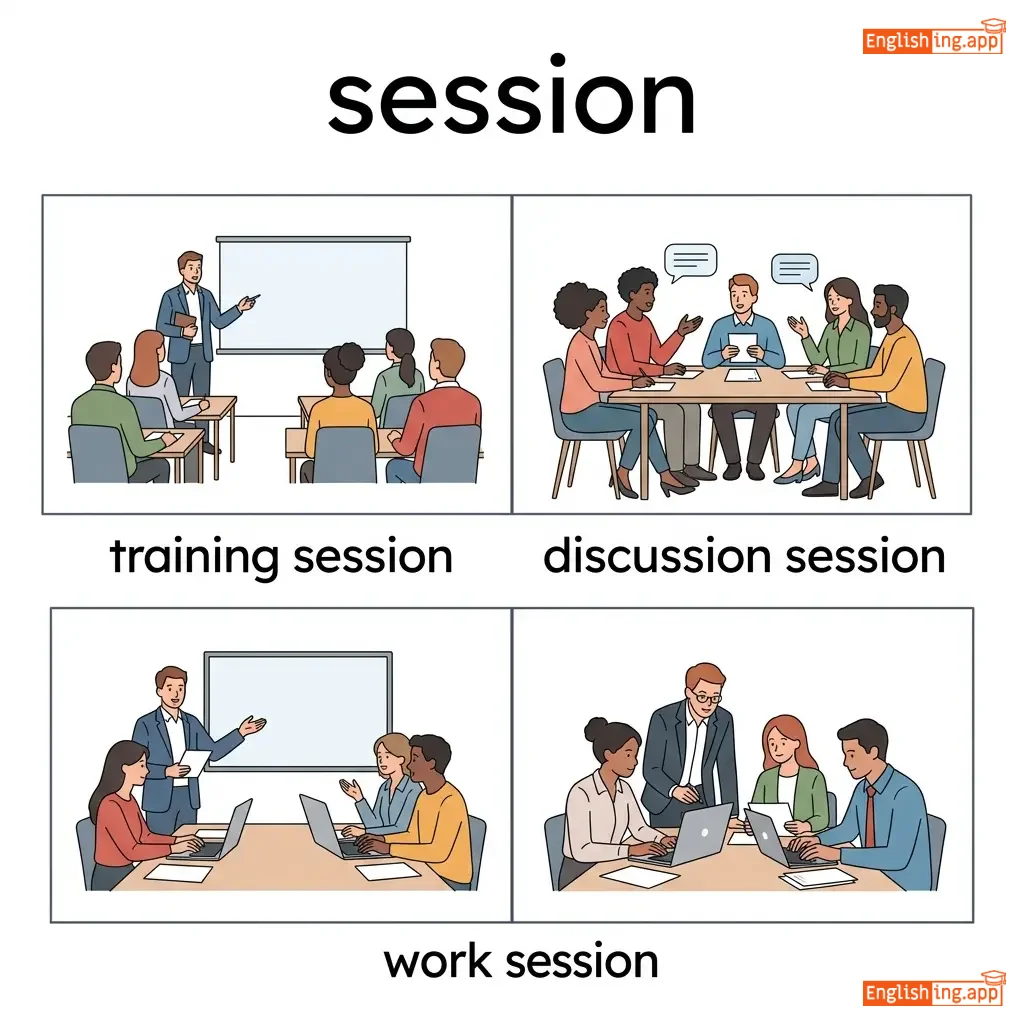
单词 | Images | 翻译 | 含义 | 例句 | 例句翻译 | 同义词 | 反义词 | 助记符 |
|---|---|---|---|---|---|---|---|---|---|
|
#504
🏛️
|
ˈseʃən
noun
(sèxiàn)
••••••
|
|
会议
huiyi
••••••
|
A meeting of an official body, especially a legislature, council, or court of law, to conduct its business.
••••••
|
The session was held on February 25. |
会议于2月25日举行。
Huiyi yu 2 yue 25 ri juxing.
••••••
|
meeting, assembly
••••••
|
disbandment, recess
••••••
|
会议(huiyi) = session,记住它是正式的会议!
••••••
|
|
#505
📋
|
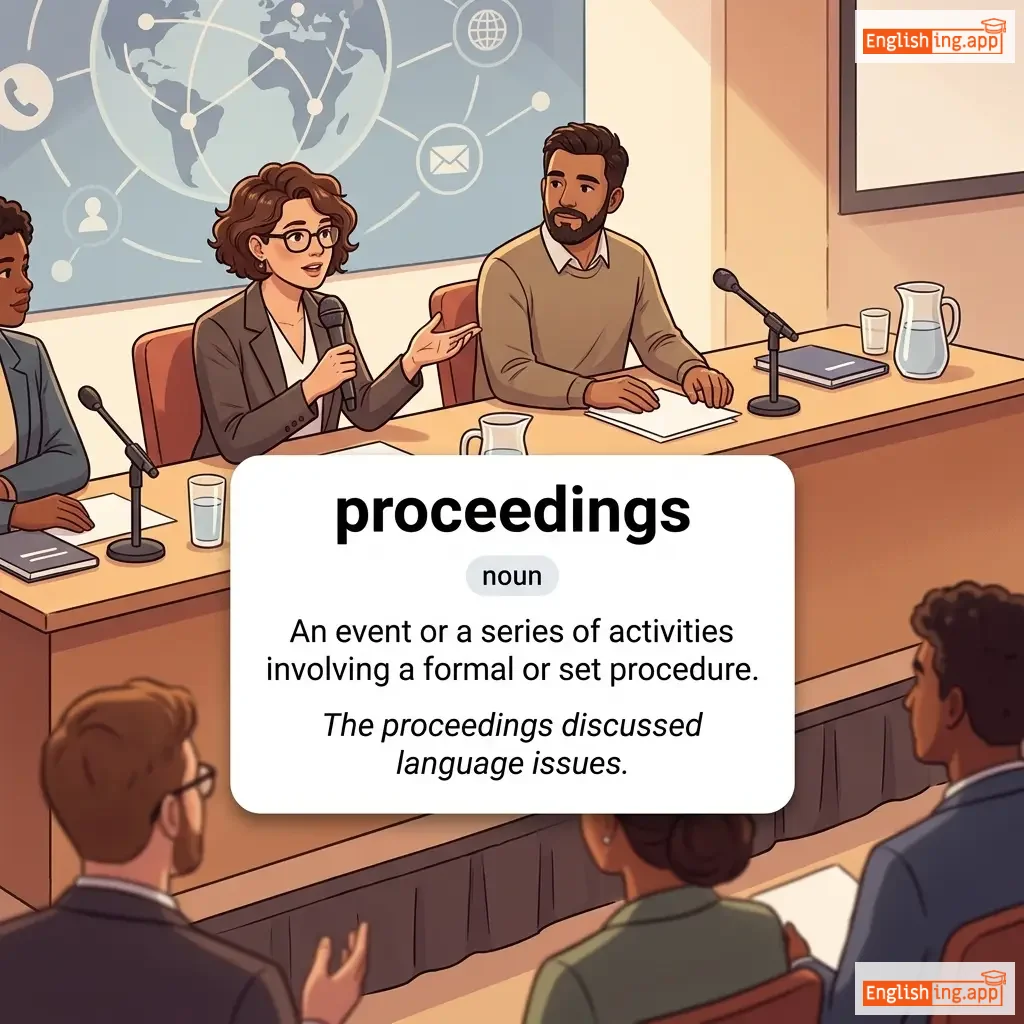
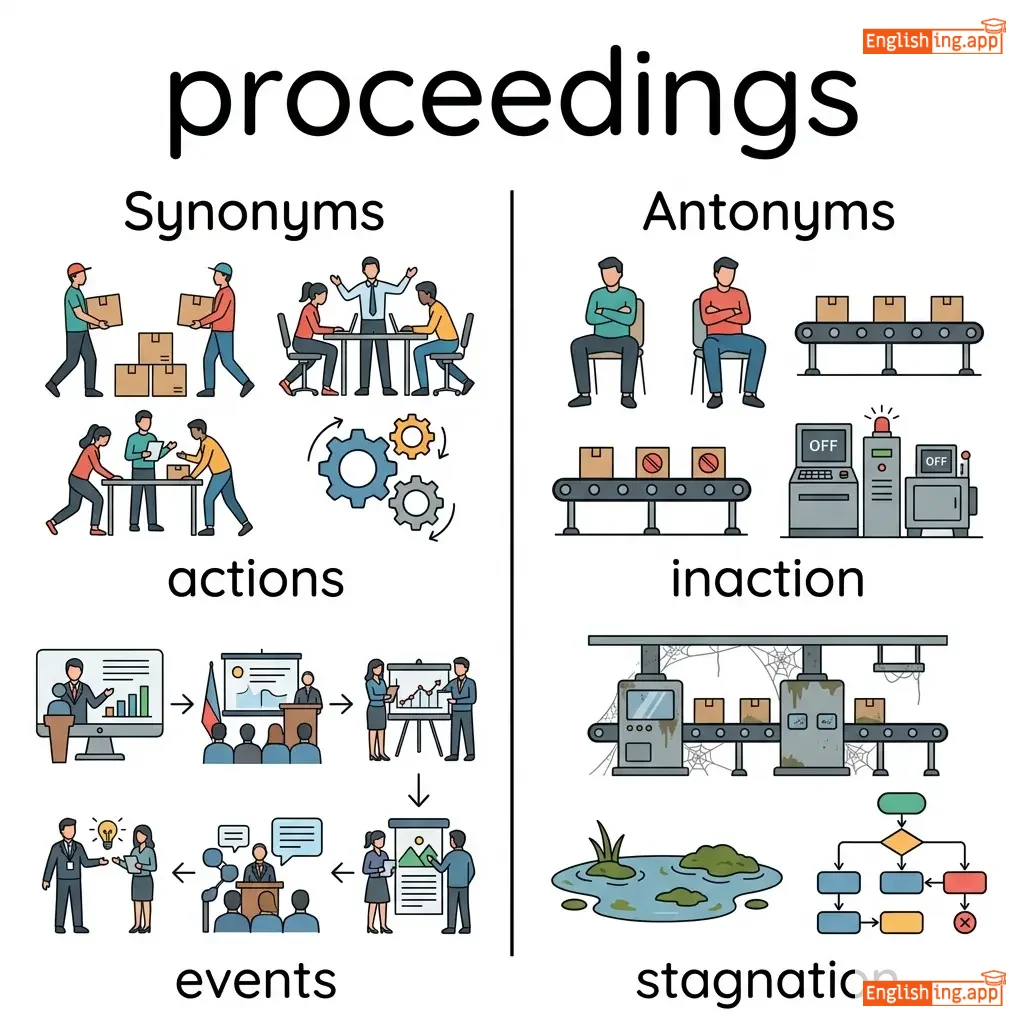
prəˈsiːdɪŋz
noun
(程序)
••••••
|
|
程序
chengxu
••••••
|
An event or a series of activities involving a formal or set procedure.
••••••
|
The proceedings discussed language issues.
程序讨论了语言问题。
••••••
|
程序讨论了语言问题。
Chéngxù tǎolùnle yǔyán wèntí.
••••••
|
actions, events
••••••
|
inaction, stagnation
••••••
|
Think of 'chengxu' as a Chinese procedure – smooth and systematic!
••••••
|
|
#506
📝
|
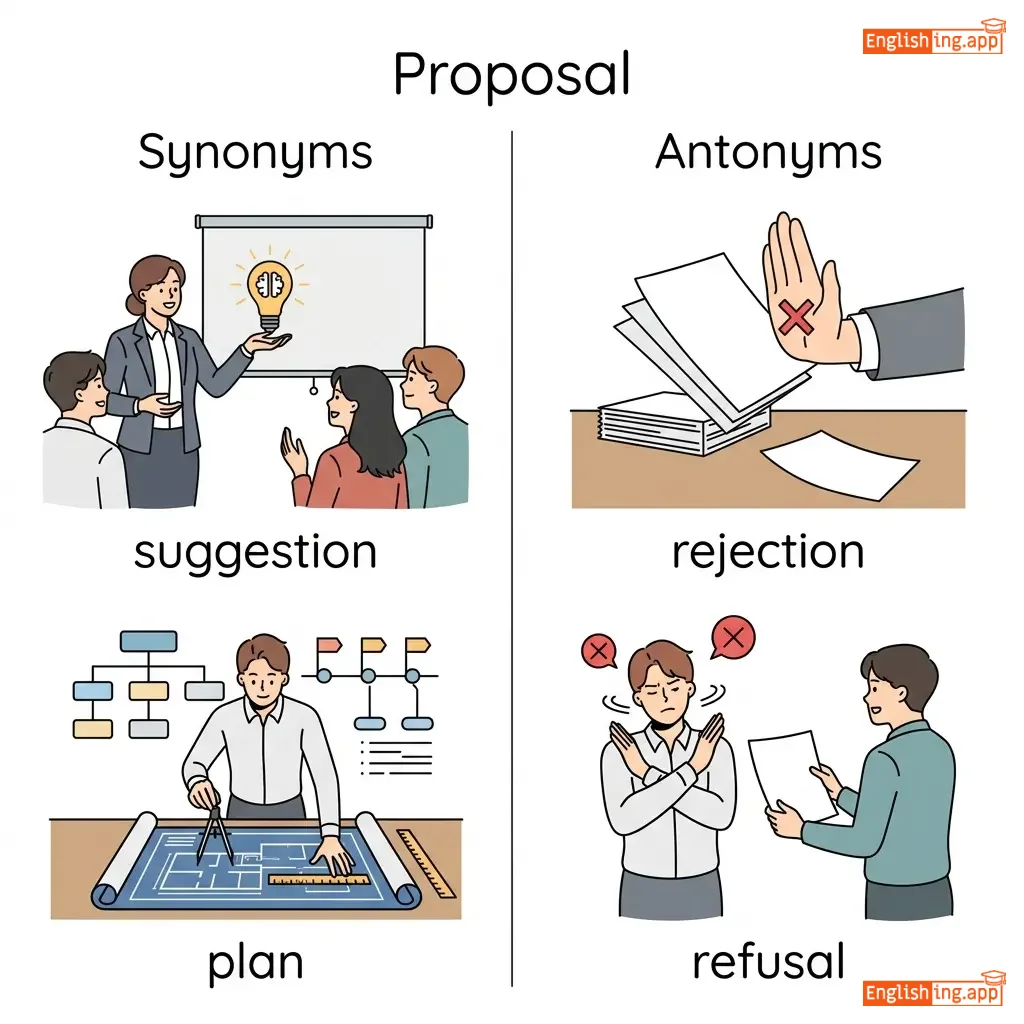
prəˈpoʊzəl
noun
(prəˈpoʊzəl)
••••••
|
|
提案
tí'àn
••••••
|
A plan or suggestion, especially a formal or written one, put forward for consideration or discussion by others.
••••••
|
The proposal was not sustained.
这个提案没有被支持。
••••••
|
这个提案没有被接受。
Zhège tí'àn méiyǒu bèi jiēshòu.
••••••
|
suggestion, offer
••••••
|
rejection, refusal
••••••
|
提案像一个正式的计划,要经过讨论和接受。
••••••
|
|
#507
💭
|
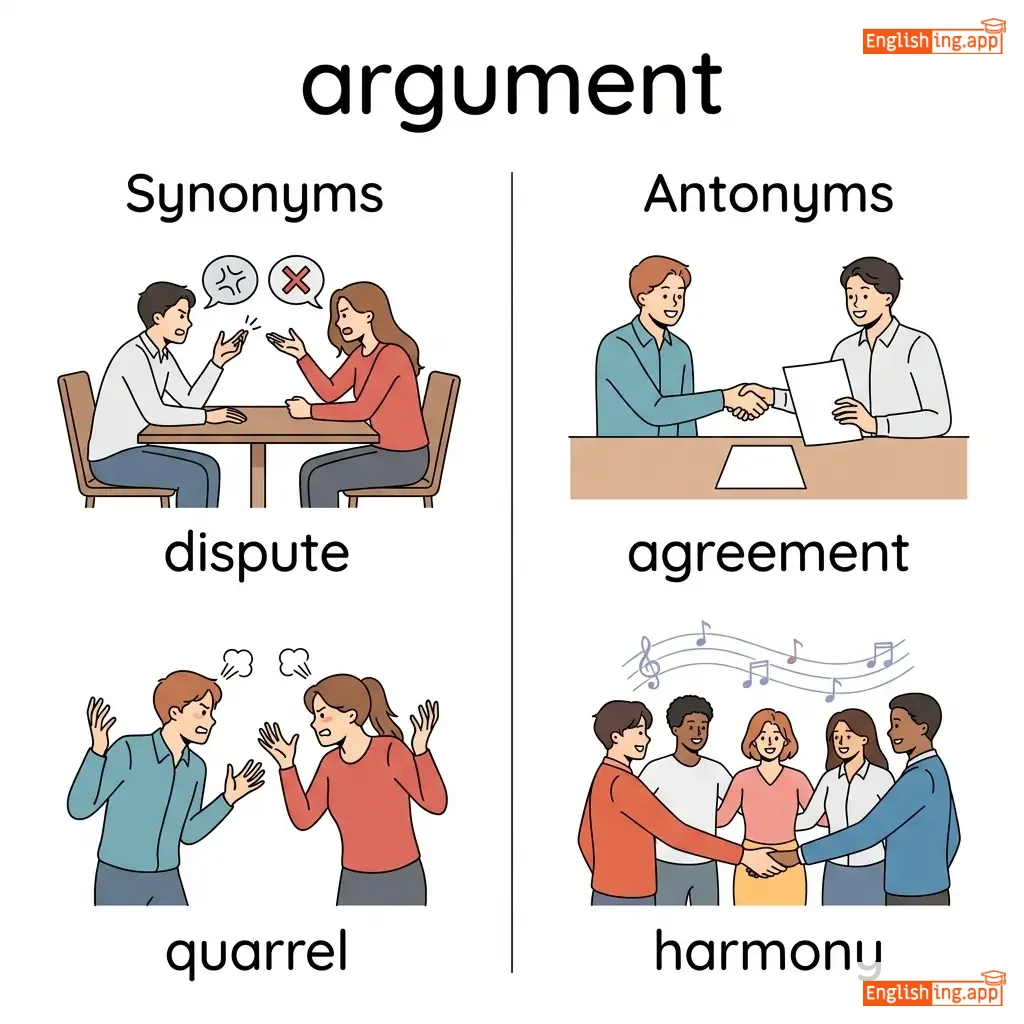
ˈɑːrɡjumənt
noun
(争论)
••••••
|
|
争论
zhēnglùn
••••••
|
A reason or set of reasons given with the aim of persuading others that an action or idea is right or wrong.
••••••
|
His argument was based on majority.
他的争论基于多数。
••••••
|
他的争论基于多数。
Tā de zhēnglùn jīyú duōshù.
••••••
|
justification, reason
••••••
|
agreement, harmony
••••••
|
争论(zhēnglùn)是用理由去说服他人的一种方式。
••••••
|
|
#508
👥
|
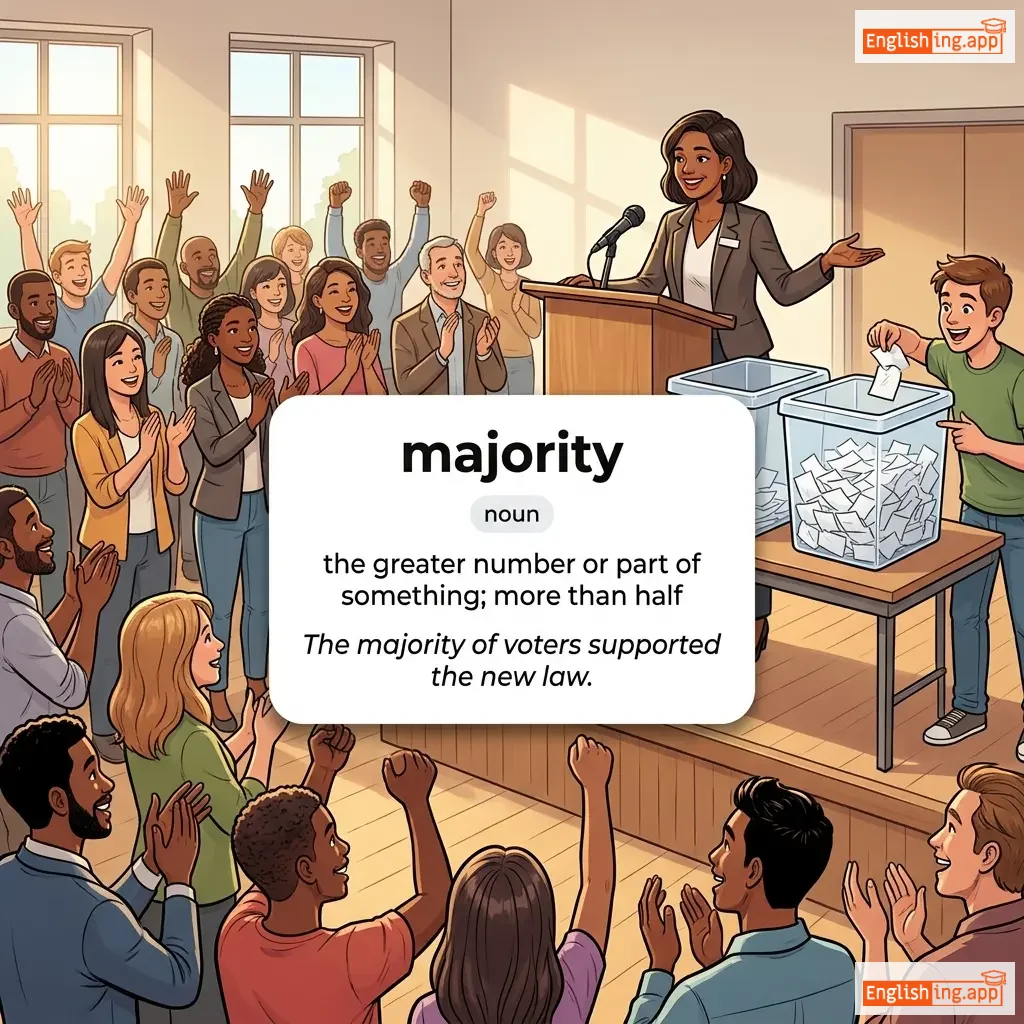
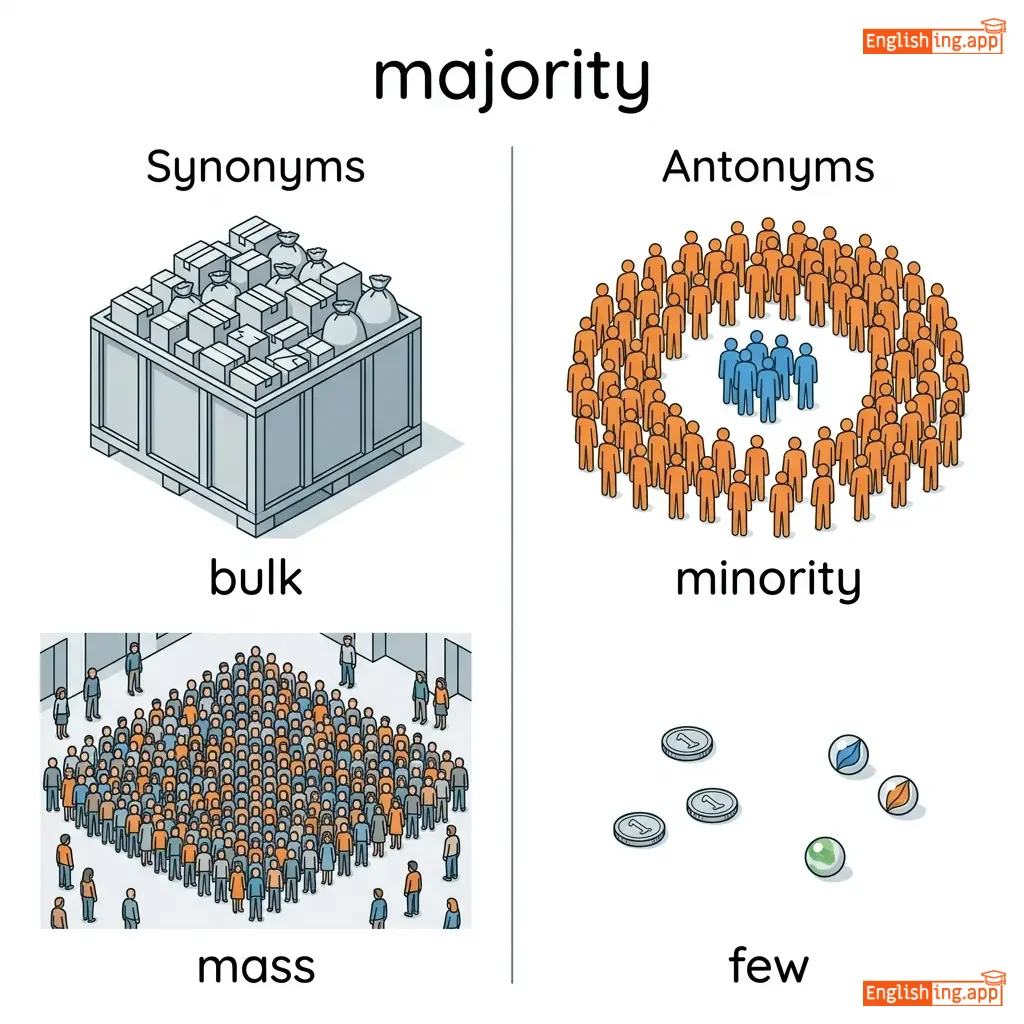
məˈdʒɔːrəti
noun
(méi duō lì)
••••••
|
|
多数
duō shù
••••••
|
The greater number or part; a number that is more than half of the total.
••••••
|
The majority of people speak Bengali.
大多数人讲孟加拉语。
••••••
|
大多数人说孟加拉语。
Dà duōshù rén shuō mèngjiālā yǔ.
••••••
|
bulk, plurality
••••••
|
minority, few
••••••
|
Duōshù = Majority, 多于一半
••••••
|
|
#509
🏞️
|
prəˈvɪnʃəl
adjective
(省级)
••••••
|
|
省级
shengji
••••••
|
Of or concerning a province of a country or empire.
••••••
|
Bengali was not just a provincial language.
孟加拉语不仅仅是一个省级语言。
••••••
|
孟加拉语不仅仅是一个省级语言。
Mengjiala yu bù jǐn jǐn shì yí gè shěngjí yǔyán.
••••••
|
regional, local
••••••
|
national, universal
••••••
|
省级 = 省,像一个地方的语言
••••••
|
|
#510
✏️
|
əˈmendmənt
noun
(修正案)
••••••
|
|
修正案
xiūzhèng àn
••••••
|
A minor change in a document.
••••••
|
The amendment was not supported.
该修正案没有获得支持。
••••••
|
该修正案没有获得支持。
Gāi xiūzhèng àn méiyǒu huòqǔ zhīchí.
••••••
|
revision, change
••••••
|
original, maintenance
••••••
|
修正案是对文档的微小修改。
••••••
|
|
#511
🔄
|
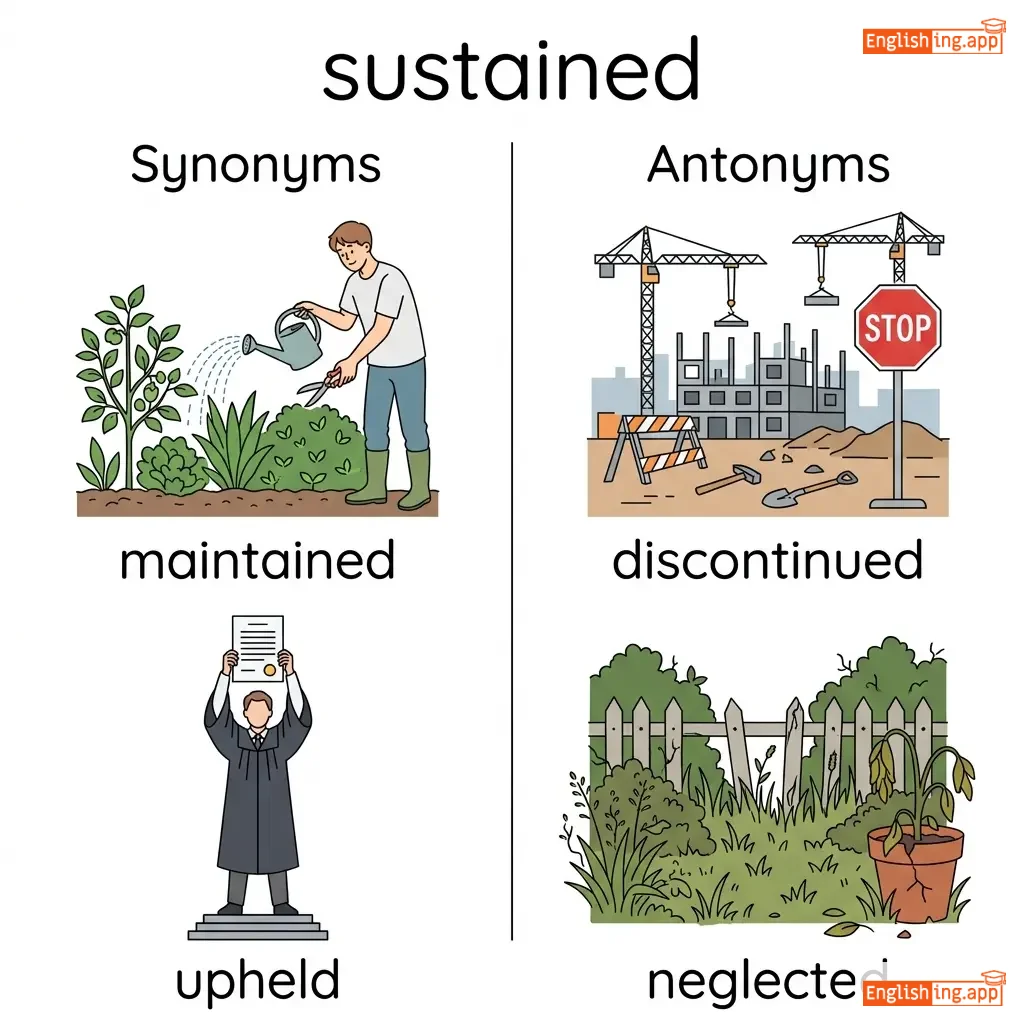
səˈsteɪnd
verb
(səˈsteɪnd)
••••••
|
|
持续的
chíxù de
••••••
|
Strengthened and supported; not allowed to weaken or fail.
••••••
|
The proposal was not sustained. |
该提案没有得到支持。
Gāi tí'àn méiyǒu dédào zhīchí.
••••••
|
maintained, upheld
••••••
|
discontinued, neglected
••••••
|
持续的 - 想象你要持续支持,不让它失败。
••••••
|
|
#512
✊
|
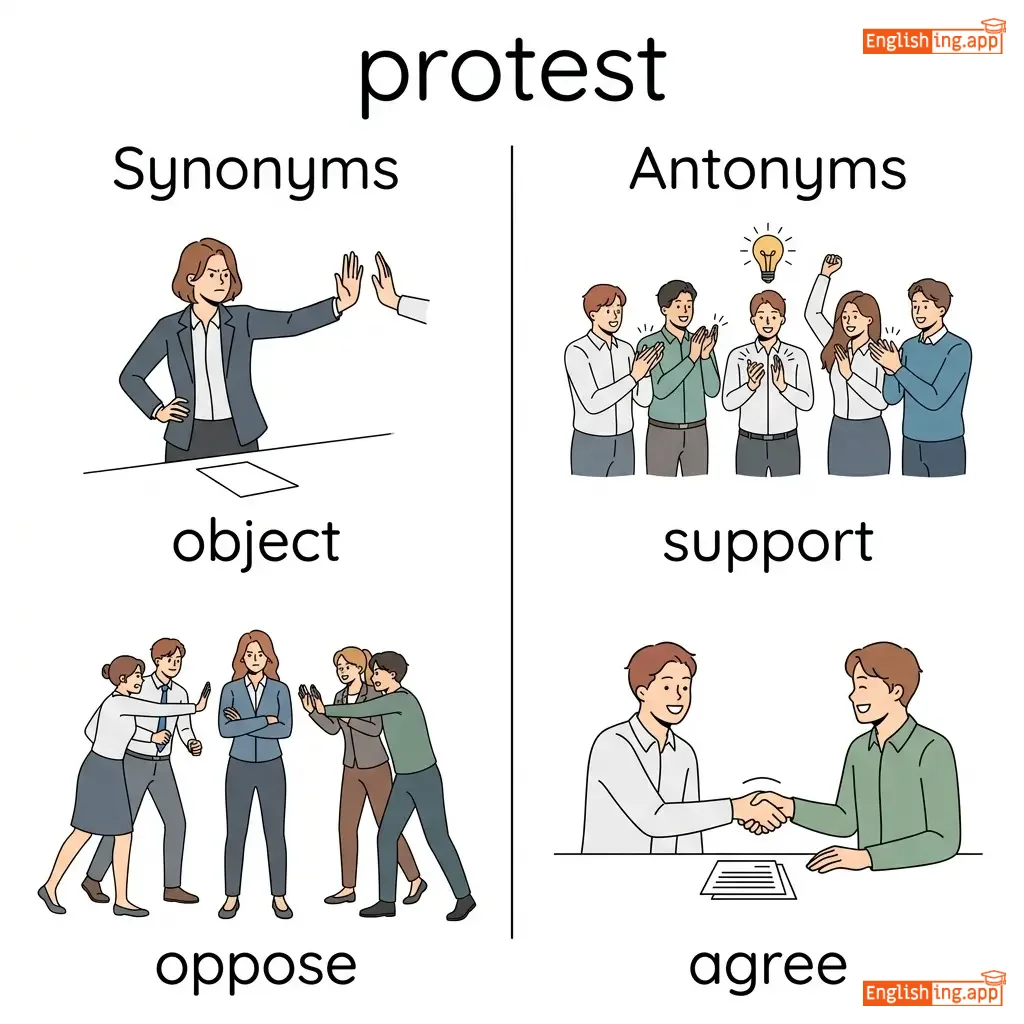
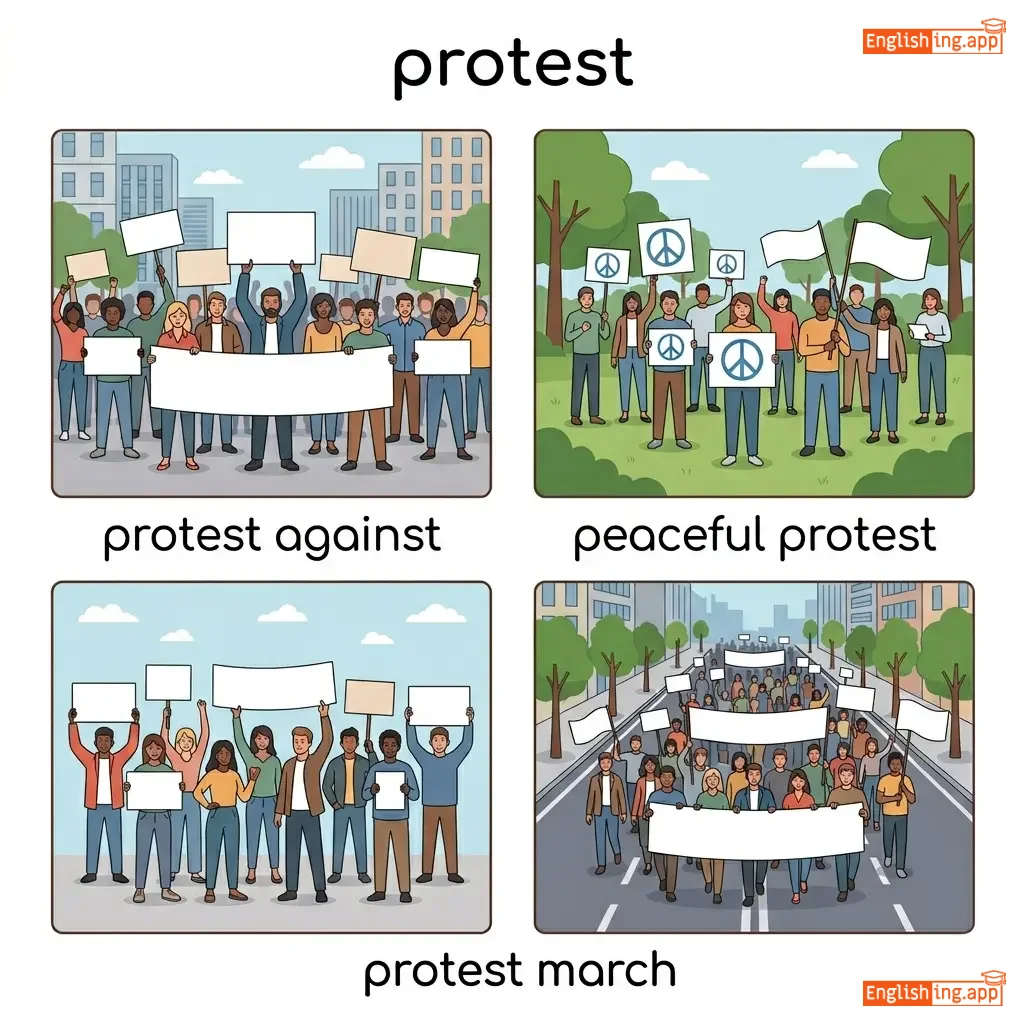
ˈproʊtest
noun
(普罗特斯特)
••••••
|
|
抗议
kangyi
••••••
|
A statement or action expressing disapproval of or objection to something.
••••••
|
Students organized a protest.
学生们组织了一个抗议。
••••••
|
学生们组织了一个抗议。
Xuéshēngmen zǔzhīle yīgè kàngyì.
••••••
|
demonstration, rebellion
••••••
|
compliance, agreement
••••••
|
抗议是反对某事的行动,就像示威一样。
••••••
|
|
#513
📢
|
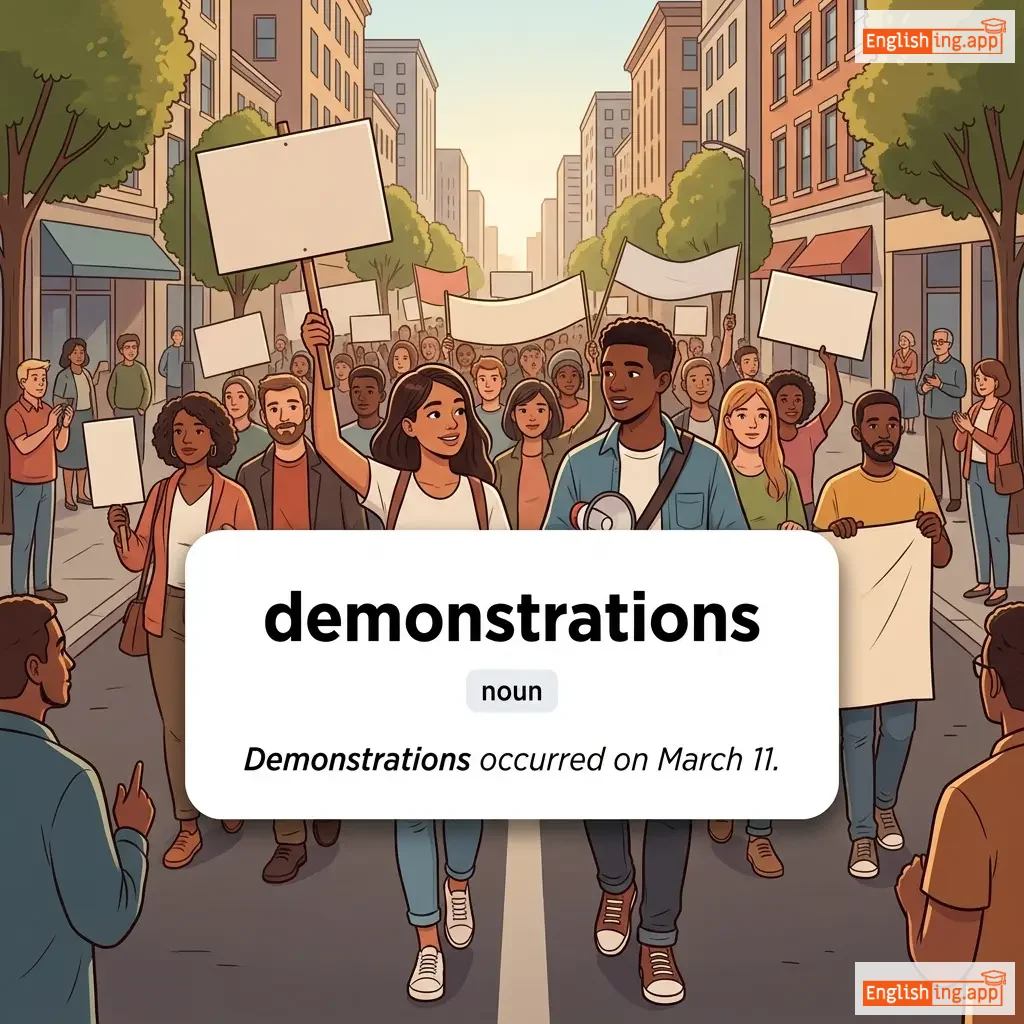
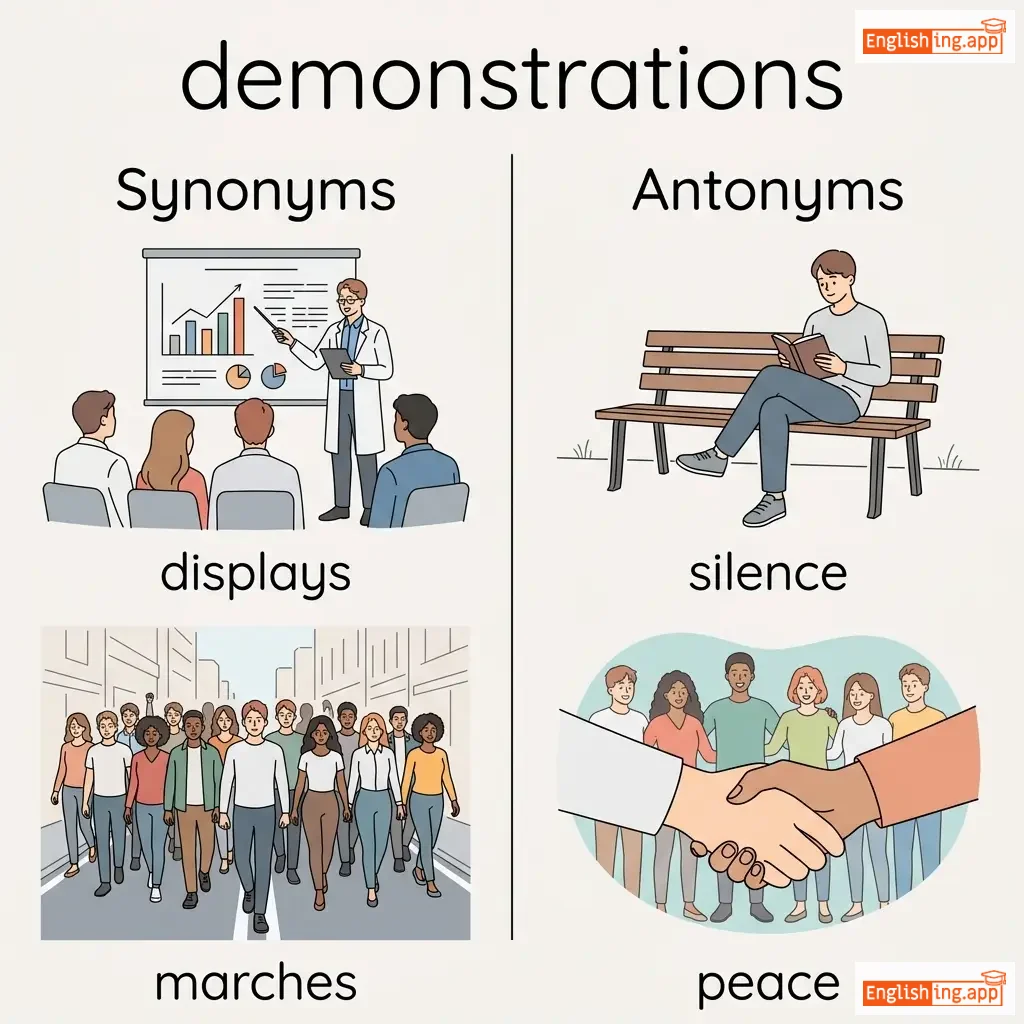
ˌdemənˈstreɪʃənz
noun
(dɛˈmɒnstreɪʃənz)
••••••
|
|
示威
shìwēi
••••••
|
The action or process of showing the existence or truth of something by giving proof or evidence.
••••••
|
Demonstrations occurred on March 11. |
示威活动发生在3月11日。
Shìwēi huódòng fāshēng zài 3 yuè 11 rì.
••••••
|
displays, marches
••••••
|
silence, peace
••••••
|
Chinese '示威' sounds like English 'demonstrations'.
••••••
|
|
#514
📤
|
rɪˈzaɪn
verb
(里-赞)
••••••
|
|
辞职
ci zhi
••••••
|
Voluntarily leave a job or other position.
••••••
|
Ministers were forced to resign.
部长们被迫辞职。
••••••
|
部长们被迫辞职。
Buzhangmen bei po cizhi.
••••••
|
quit, abdicate
••••••
|
retain, persist
••••••
|
辞职:离开职位的决定。
••••••
|
|
#515
🪖
|
ˈmɪlɪteri
noun
(mǐlìtǎlì)
••••••
|
|
军队
jundui
••••••
|
The armed forces of a country.
••••••
|
The military was called for assistance. |
军队被召唤来提供帮助。
Jūnduì bèi zhàohuàn lái tígōng bāngzhù.
••••••
|
army, troops
••••••
|
civilian, noncombatant
••••••
|
军队是保护国家的军事力量。
••••••
|
|
#516
🔄
|
riˈækʃən
noun
(lìyìng)
••••••
|
|
反应
fanying
••••••
|
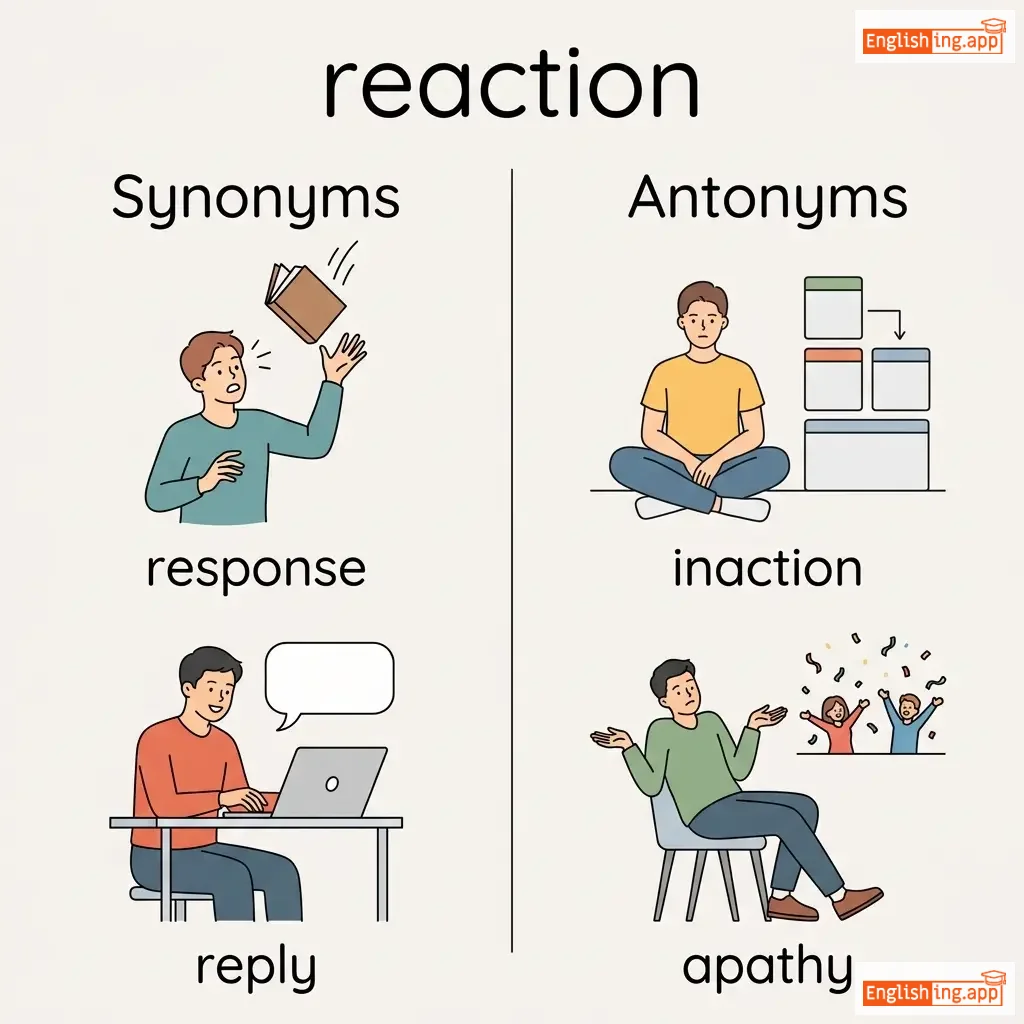
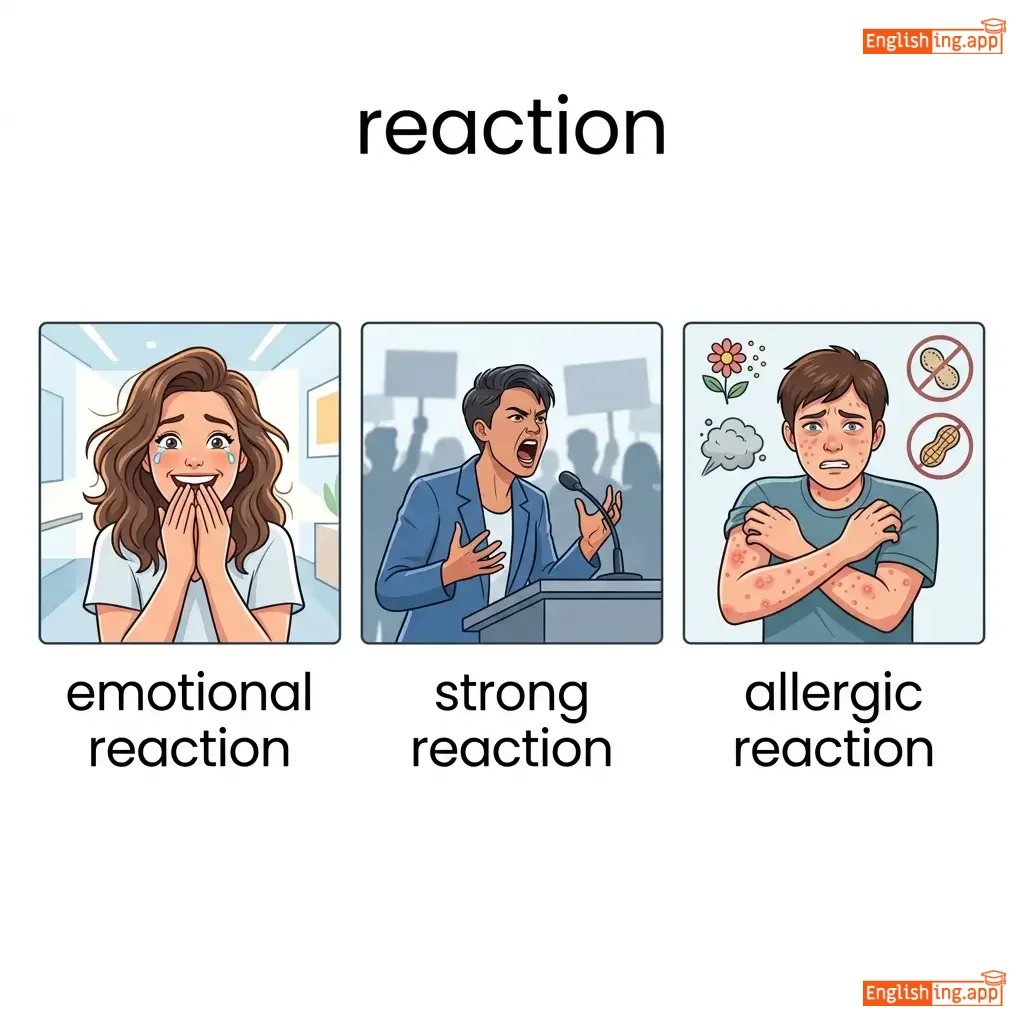
An action performed or a feeling experienced in response to a situation or event.
••••••
|
The arrests triggered a reaction.
逮捕引发了反应。
••••••
|
逮捕引发了反应。
Daibu yinfale fanying.
••••••
|
response, repercussion
••••••
|
cause, indifference
••••••
|
反应 = 对反应做出反应!
••••••
|
Vocabulary Quiz
Test your vocabulary by matching words with their translations or meanings.
Login to take the quiz
Comments (0)
Share your thoughts and join the discussion.
Join the discussion by logging in
Login to CommentNo comments yet
Be the first to share your thoughts!