Learn Vocabulary Through Stories - Language Movement
巴基斯坦议会的第一次会议于1948年2月25日举行。国会成员迪伦德拉纳特·达塔提出了一个提案,建议在议会程序中使用孟加拉语,同时使用乌尔都语和英语。达塔的论点是,巴基斯坦的6900万人中有超过4000万人讲孟加拉语,这意味着孟加拉语是多数人的语言。因此,孟加拉语不应仅仅被视为省级语言;它也应该是国家语言之一。
然而,达塔的修正案提案在议会中未能持续。即使是孟加拉国的议员也未能支持它,因为他们的议会党派提出了异议。
为了对此表示抗议,达卡的学生们举行了罢课并开始罢工。1948年3月11日,在东孟加拉举行了'语言日'。
巴德鲁丁·乌马尔写道,3月11日,在达卡,围绕孟加拉语的示威在各种政府大楼前举行,抗议者迫使几位部长辞职。为了将东巴基斯坦总理纳齐穆丁先生从议会大楼中带出来,必须召唤军队。
警方逮捕了包括沙姆苏尔·哈克、奥利·阿哈德和谢赫·穆吉布尔·拉赫曼在内的运动领导人,后者后来成为1971年解放战争的领袖以及孟加拉国的创始总统。
作为对这些领导人被逮捕的反应,3月13日至15日达卡举行了罢工。两天后,Khaja Nazimuddin与来自州语言行动委员会的学生们举行了会议。政府同意向巴基斯坦议会推荐孟加拉语成为国家语言。
在这种紧张的氛围中,仅仅10天后,真纳先生来到了达卡。可能是在提到这一点时,他在演讲中提到“制造混乱”。
|
表情符号
|
单词 | Images | 含义 | 例句 | 同义词 | 反义词 |
|---|---|---|---|---|---|---|
|
#504
🏛️
|
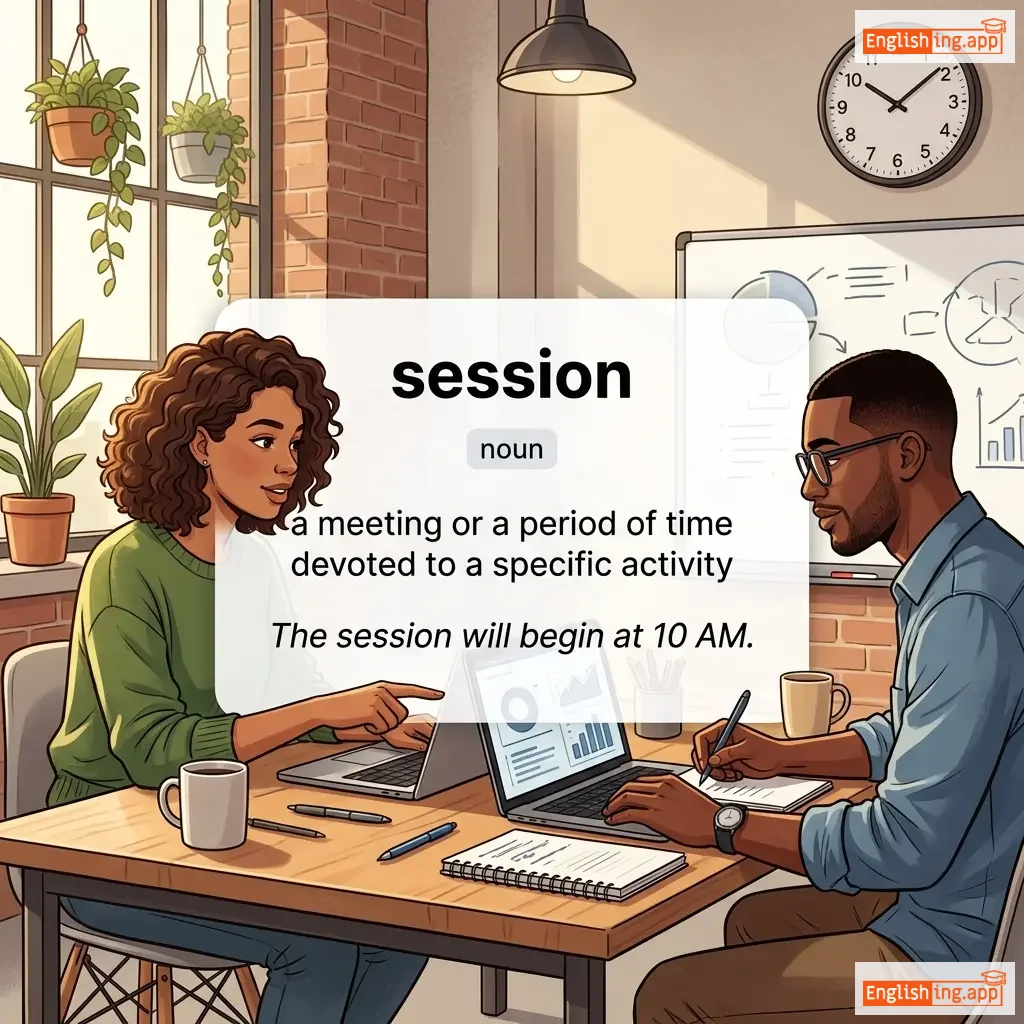
ˈseʃən
noun
••••••
|
|
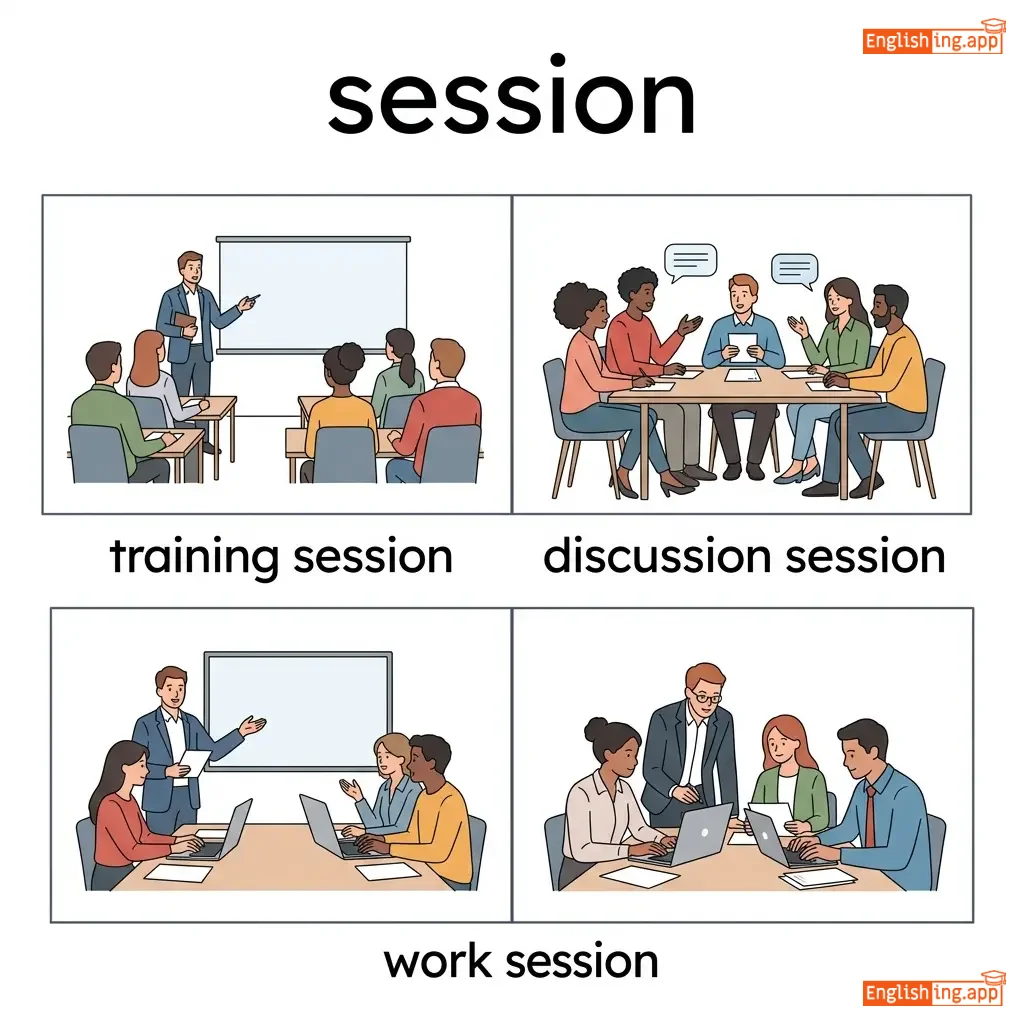
A meeting of an official body, especially a legislature, council, or court of law, to conduct its business.
••••••
|
The session was held on February 25. |
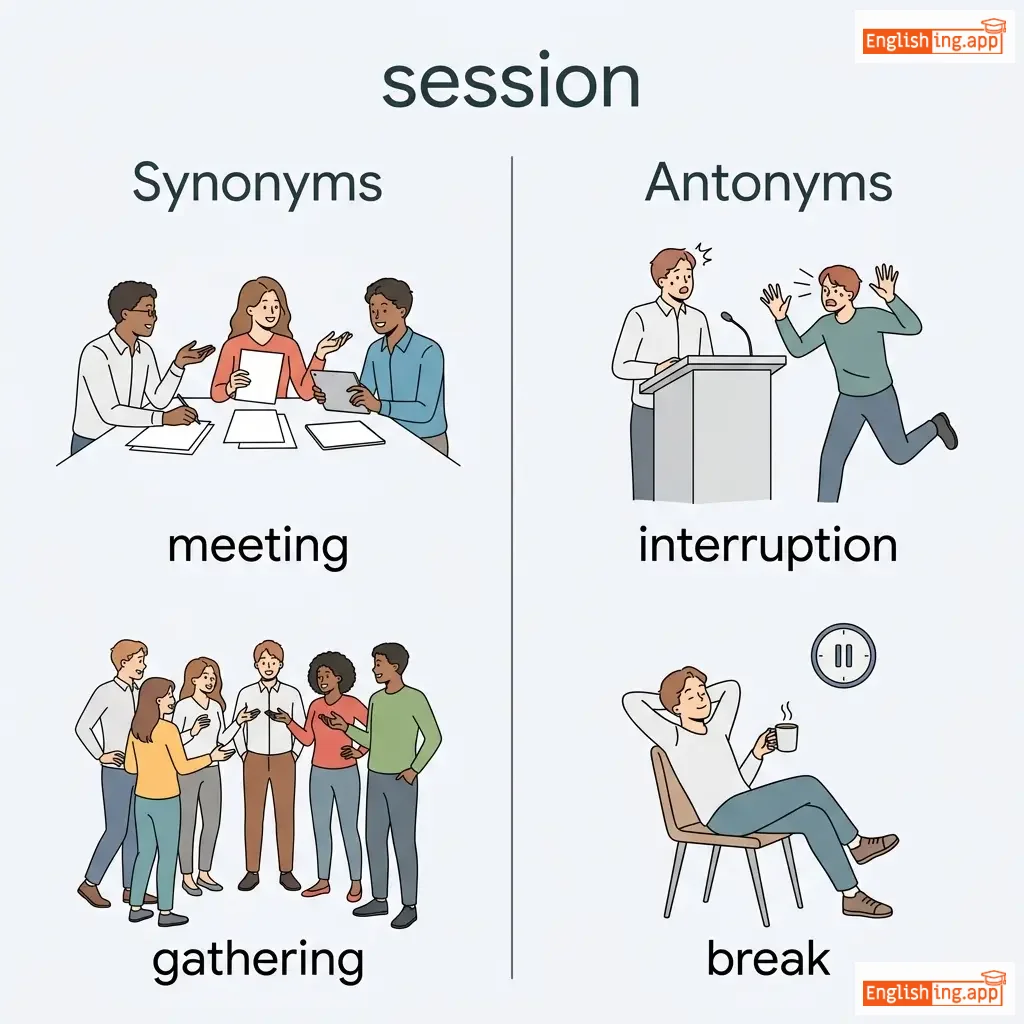
meeting, assembly
••••••
|
disbandment, recess
••••••
|
|
#505
📋
|
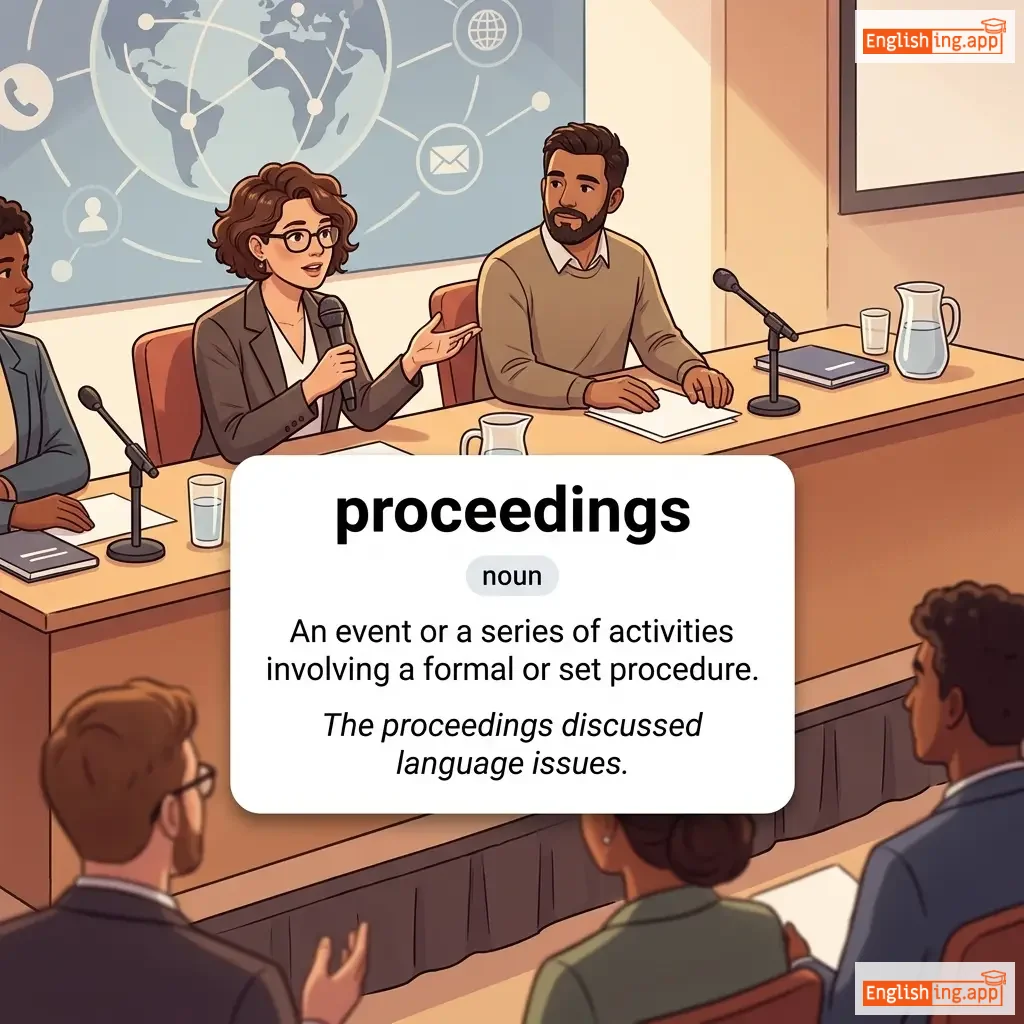
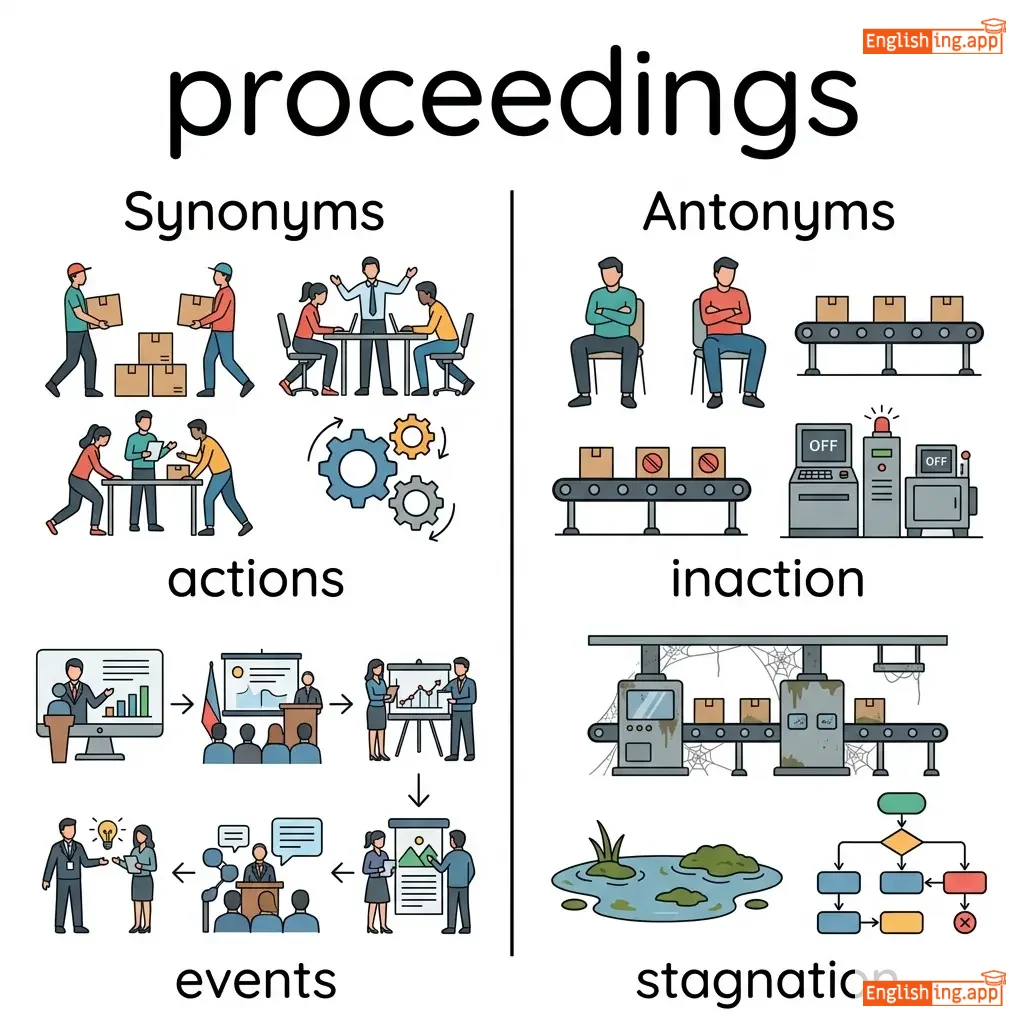
prəˈsiːdɪŋz
noun
••••••
|
|
An event or a series of activities involving a formal or set procedure.
••••••
|
The proceedings discussed language issues. |
actions, events
••••••
|
inaction, stagnation
••••••
|
|
#506
📝
|
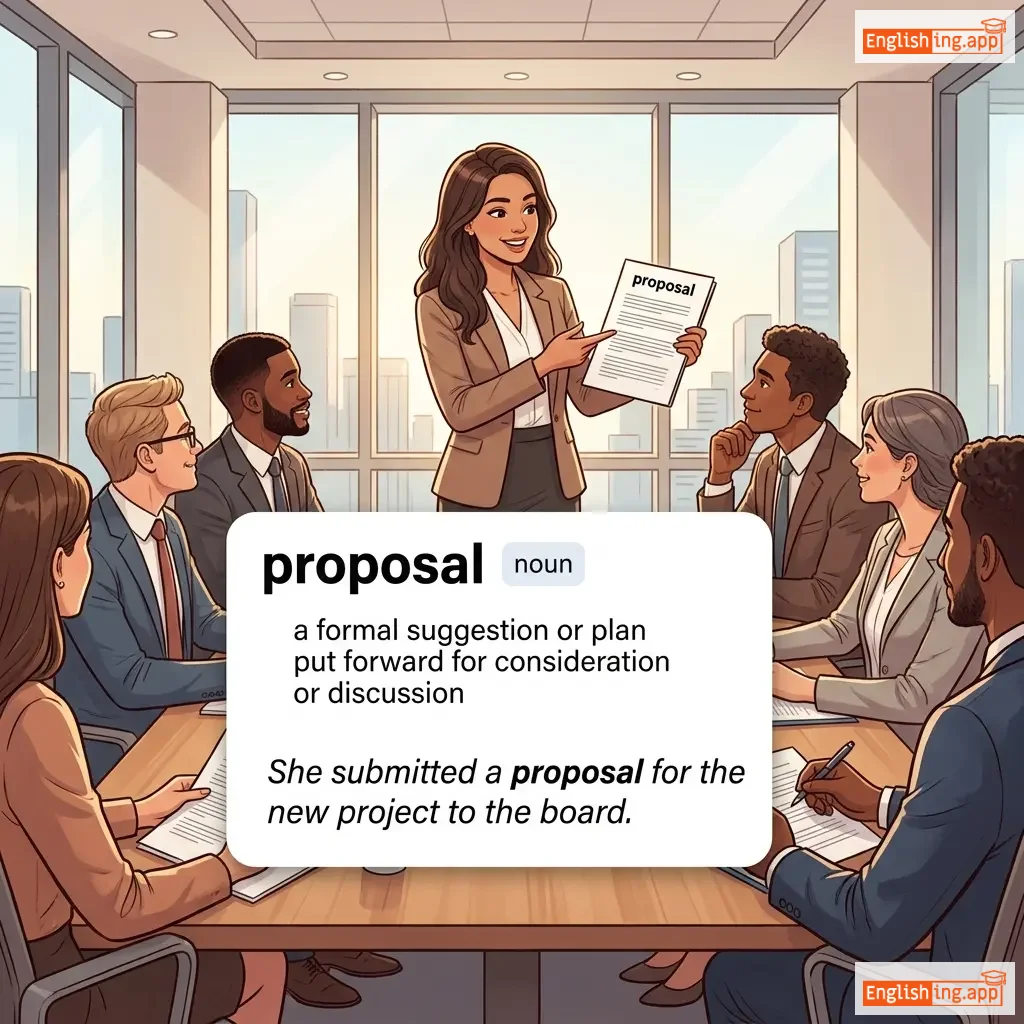
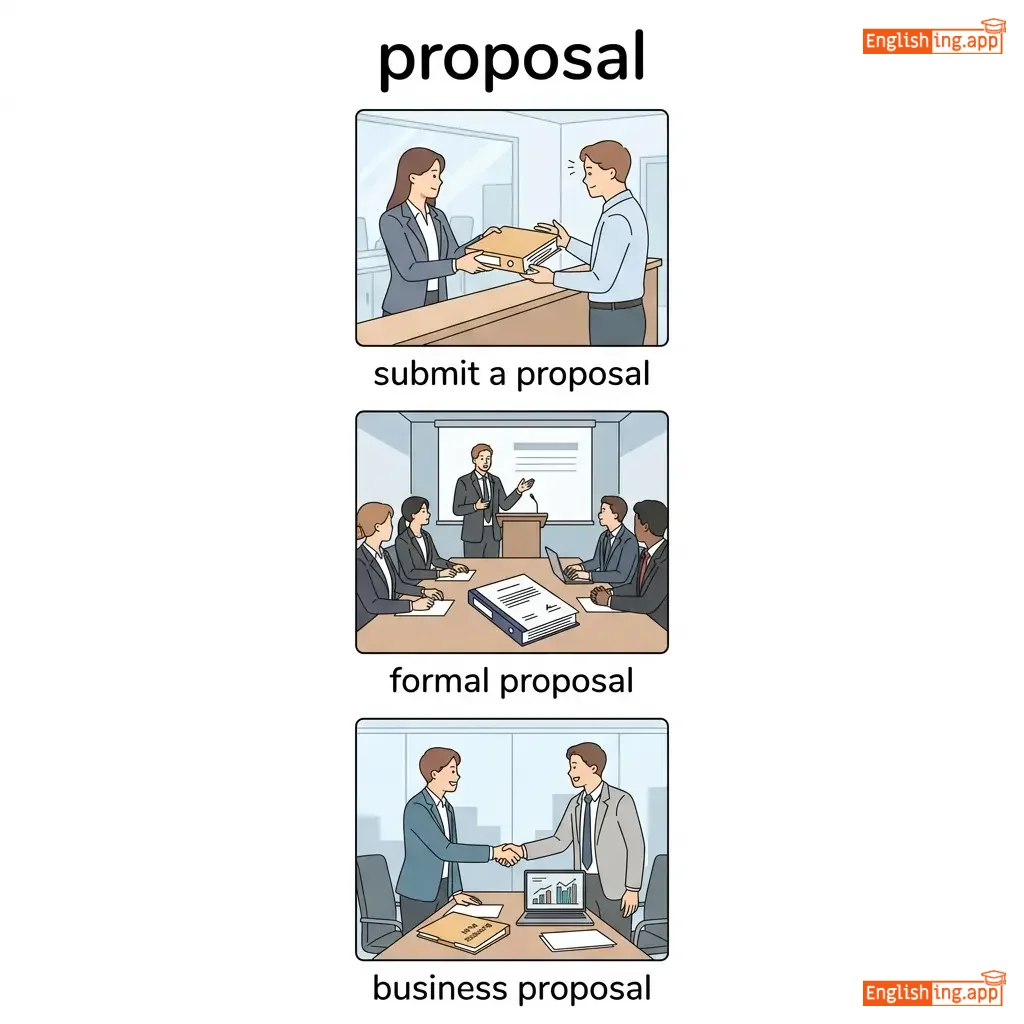
prəˈpoʊzəl
noun
••••••
|
|
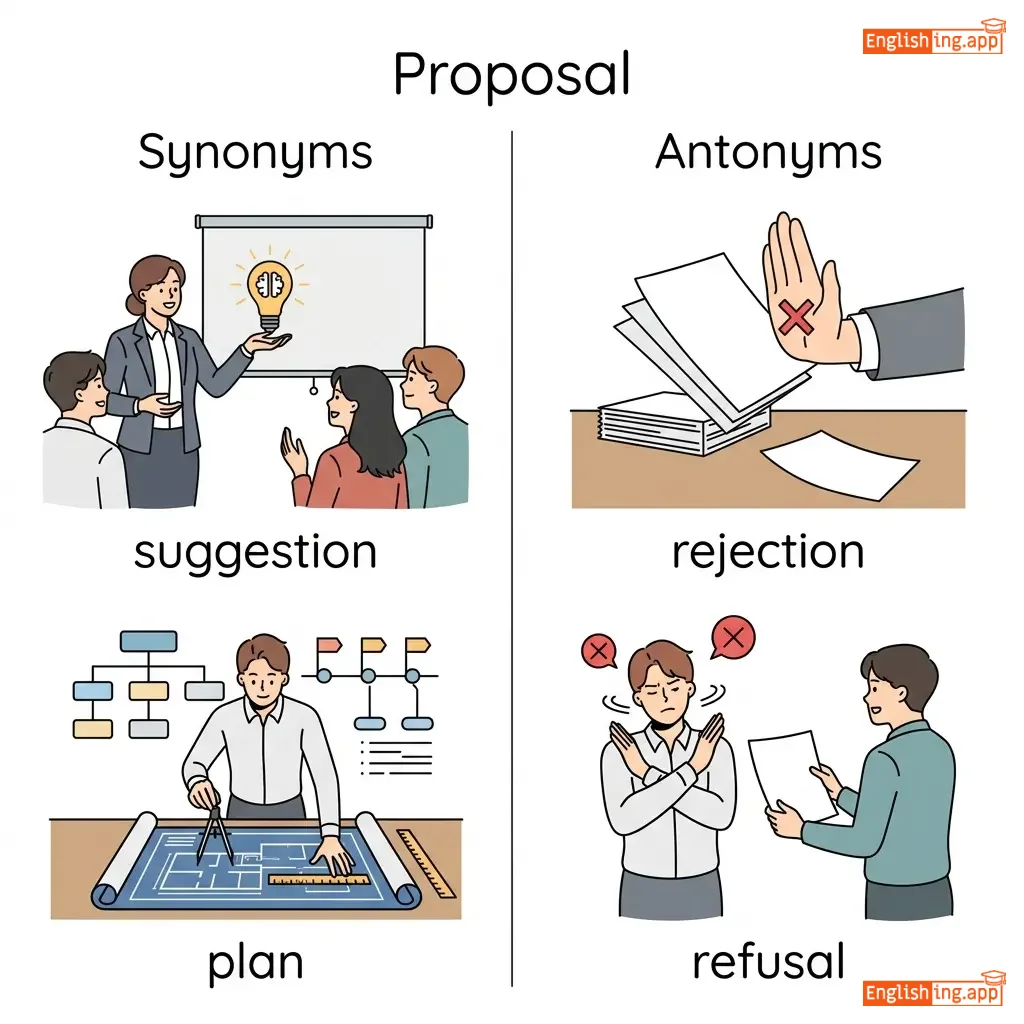
A plan or suggestion, especially a formal or written one, put forward for consideration or discussion by others.
••••••
|
The proposal was not sustained. |
suggestion, offer
••••••
|
rejection, refusal
••••••
|
|
#507
💭
|
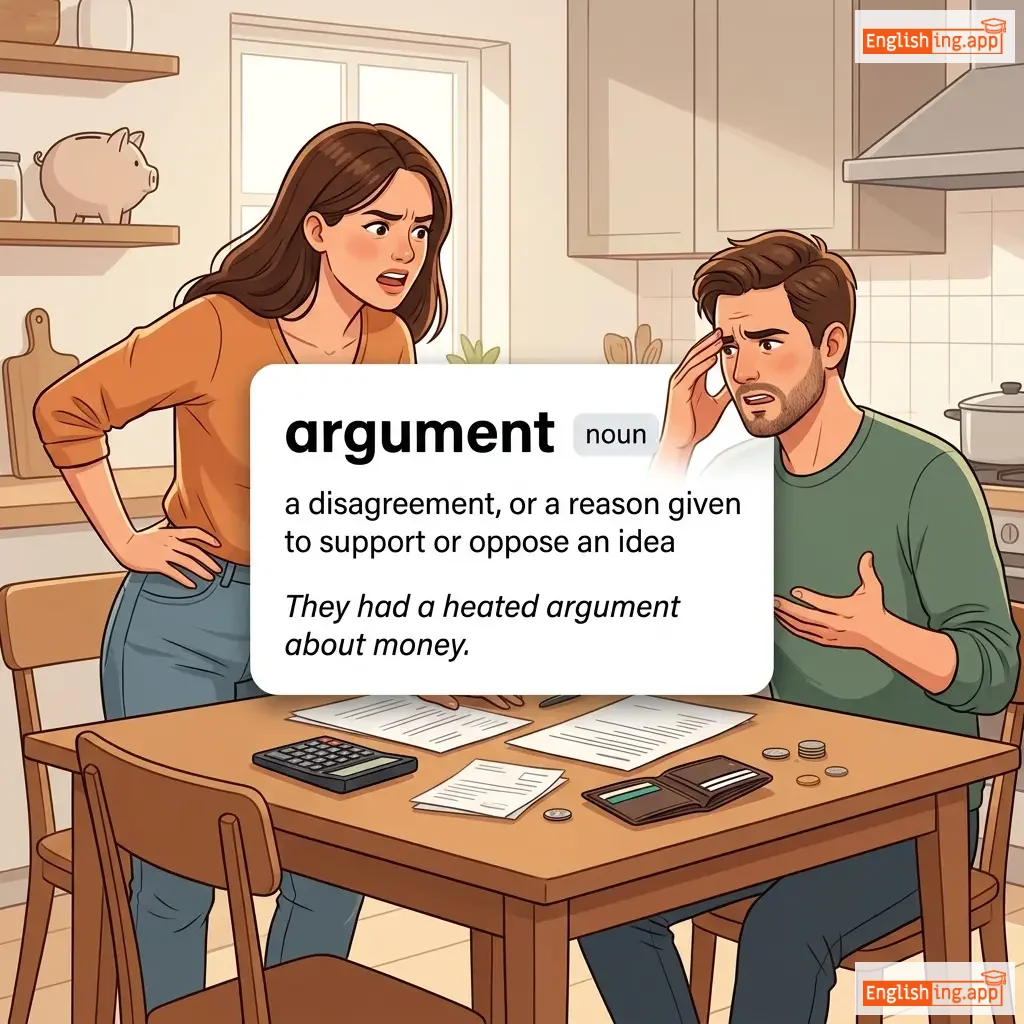
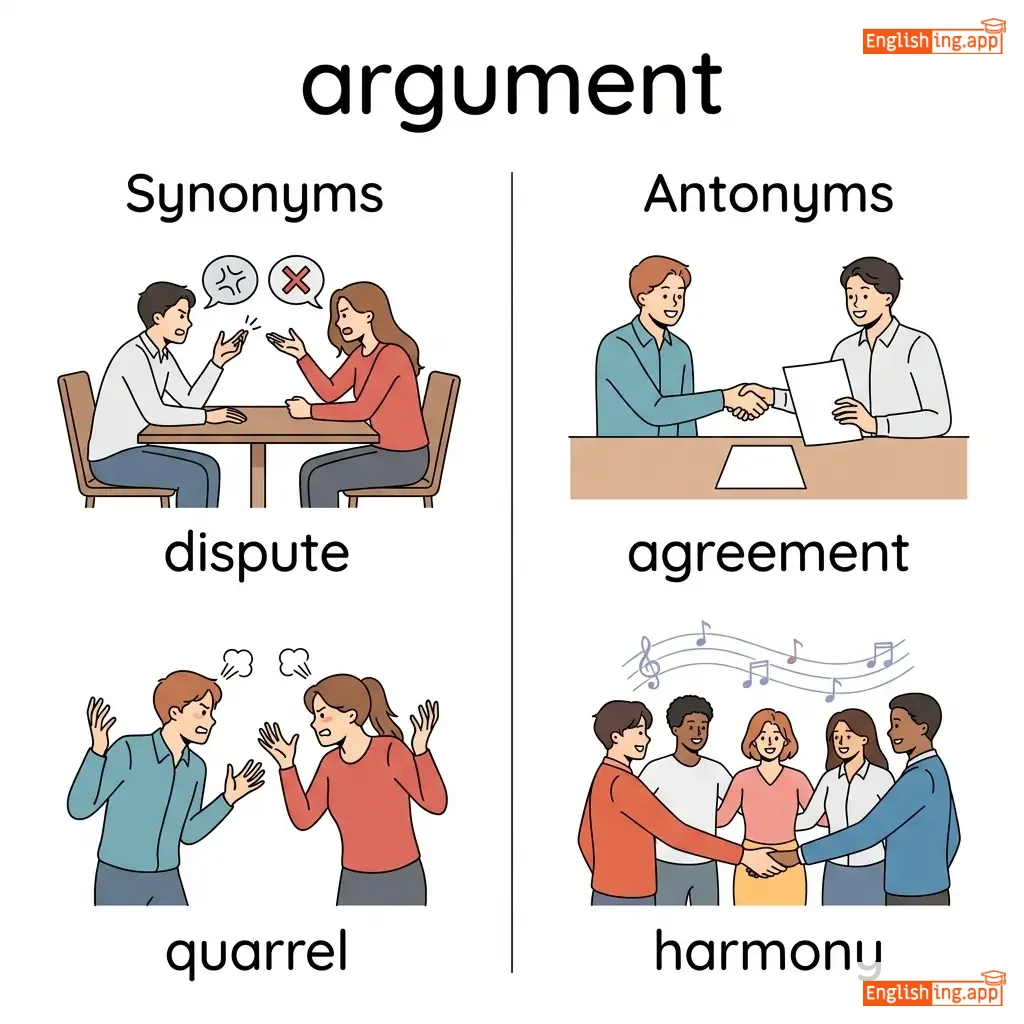
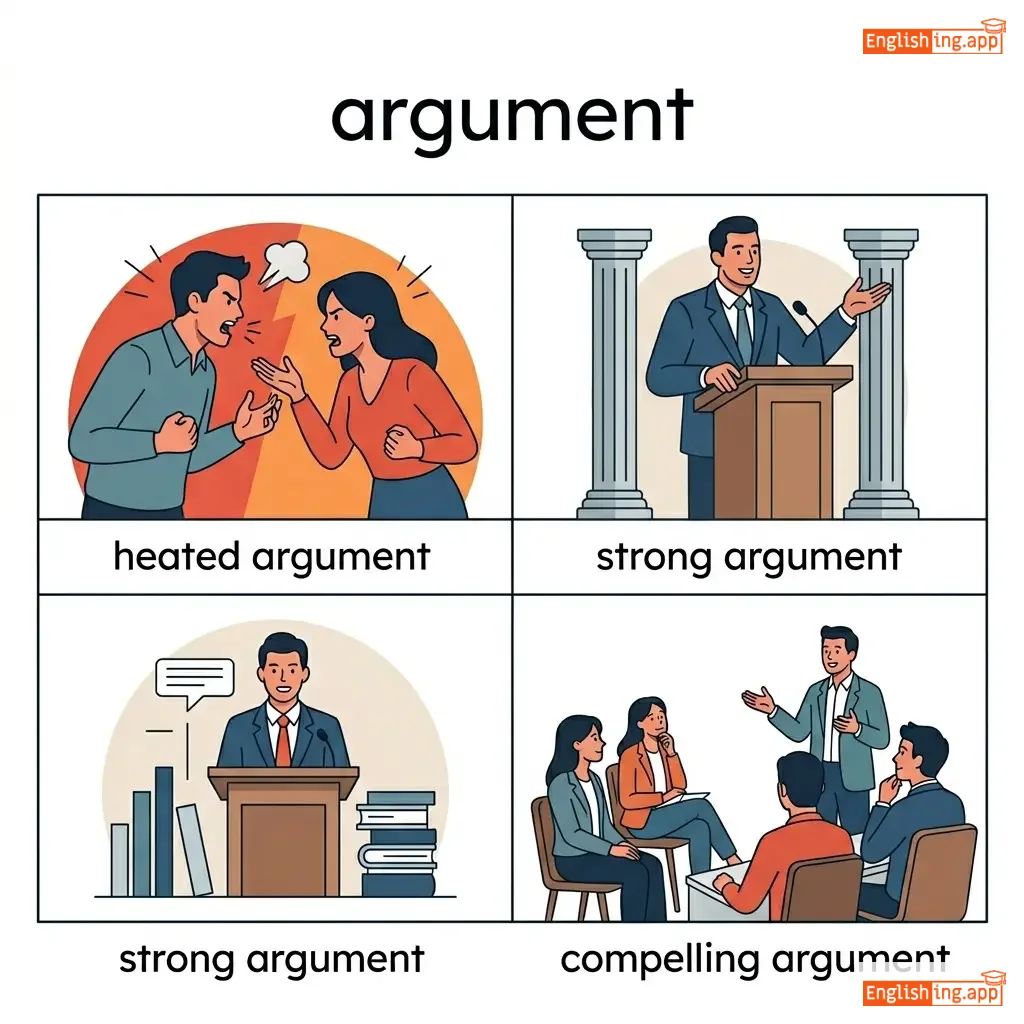
ˈɑːrɡjumənt
noun
••••••
|
|
A reason or set of reasons given with the aim of persuading others that an action or idea is right or wrong.
••••••
|
His argument was based on majority. |
justification, reason
••••••
|
agreement, harmony
••••••
|
|
#508
👥
|
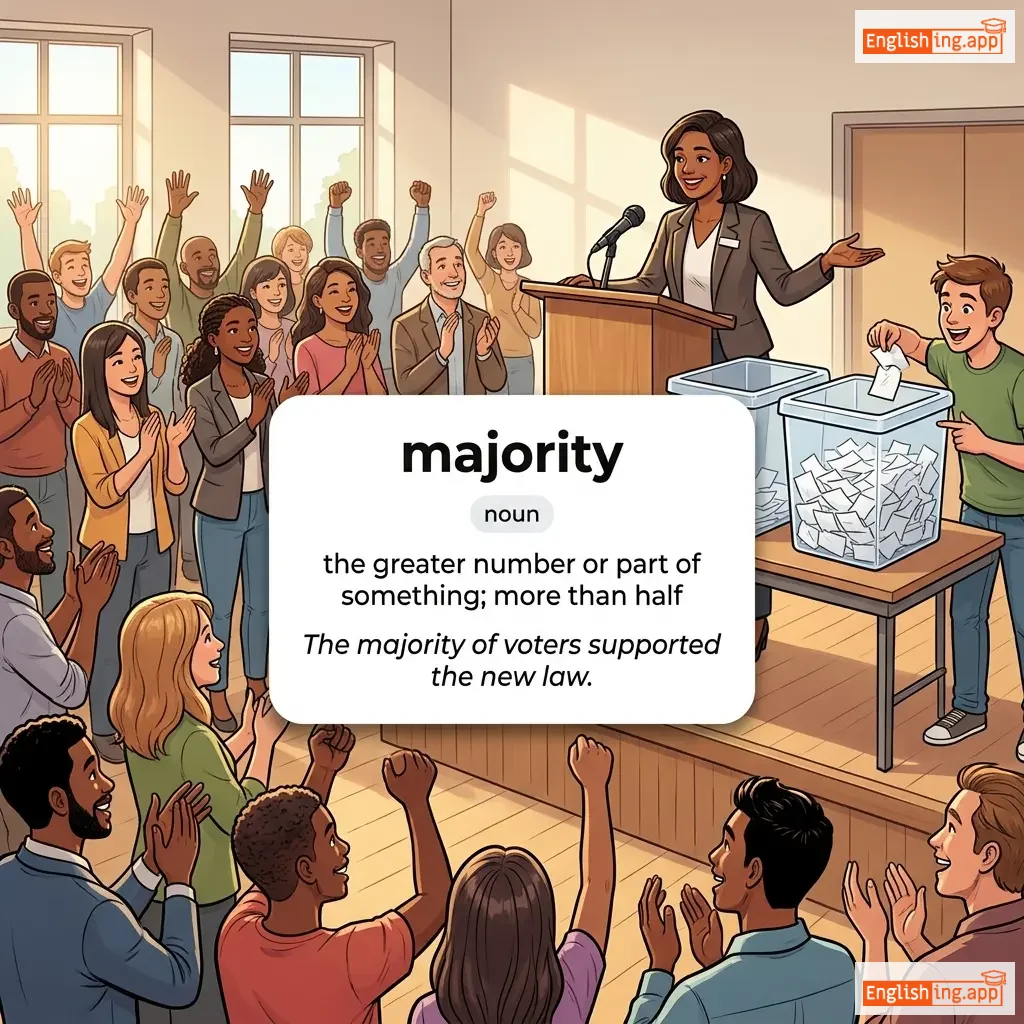
məˈdʒɔːrəti
noun
••••••
|
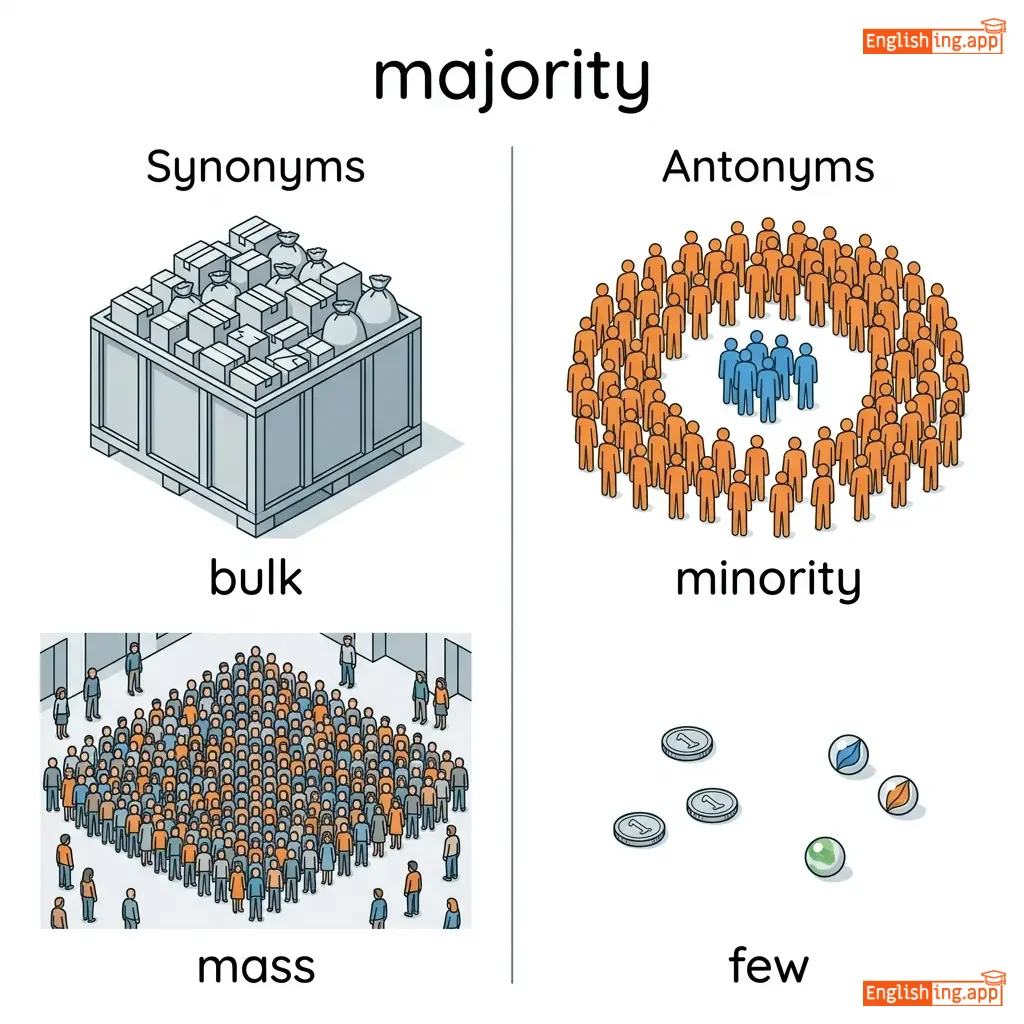
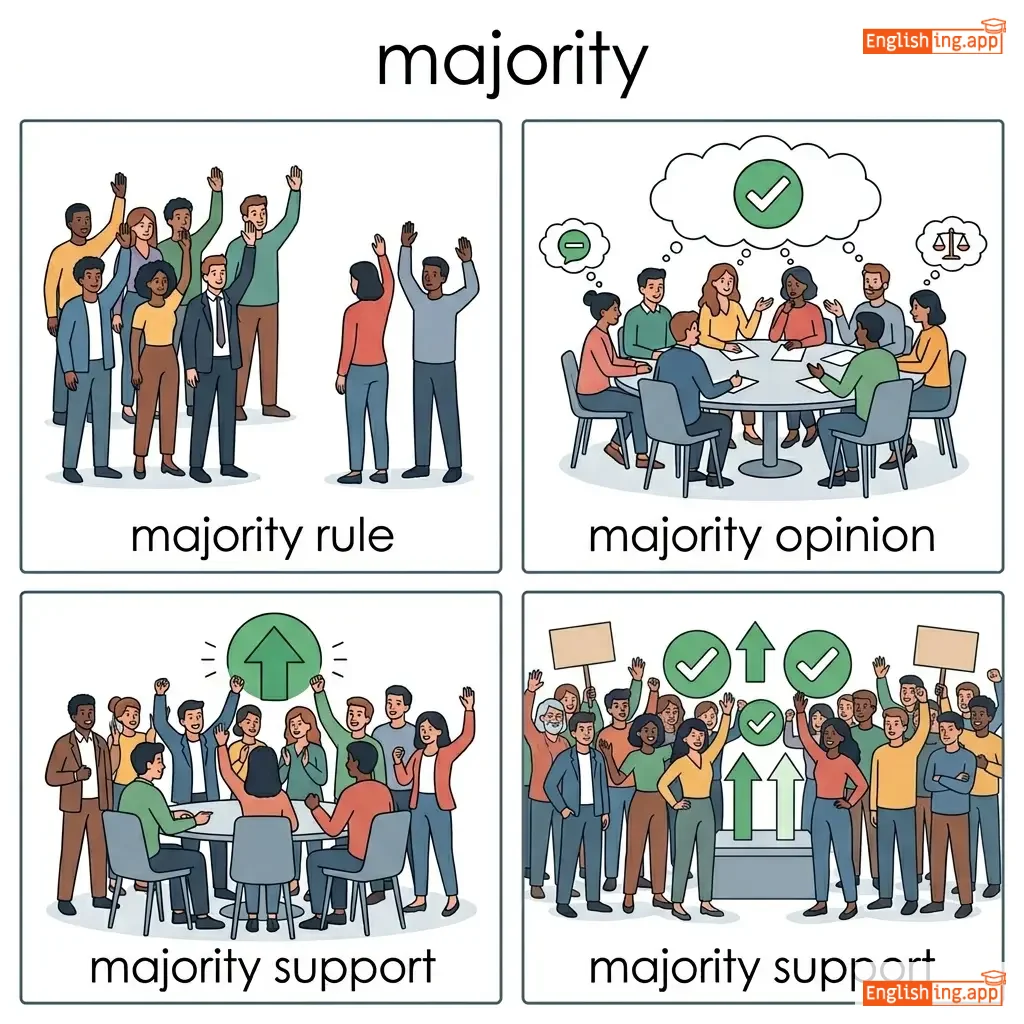
|
The greater number or part; a number that is more than half of the total.
••••••
|
The majority of people speak Bengali. |
bulk, plurality
••••••
|
minority, few
••••••
|
|
#509
🏞️
|
prəˈvɪnʃəl
adjective
••••••
|
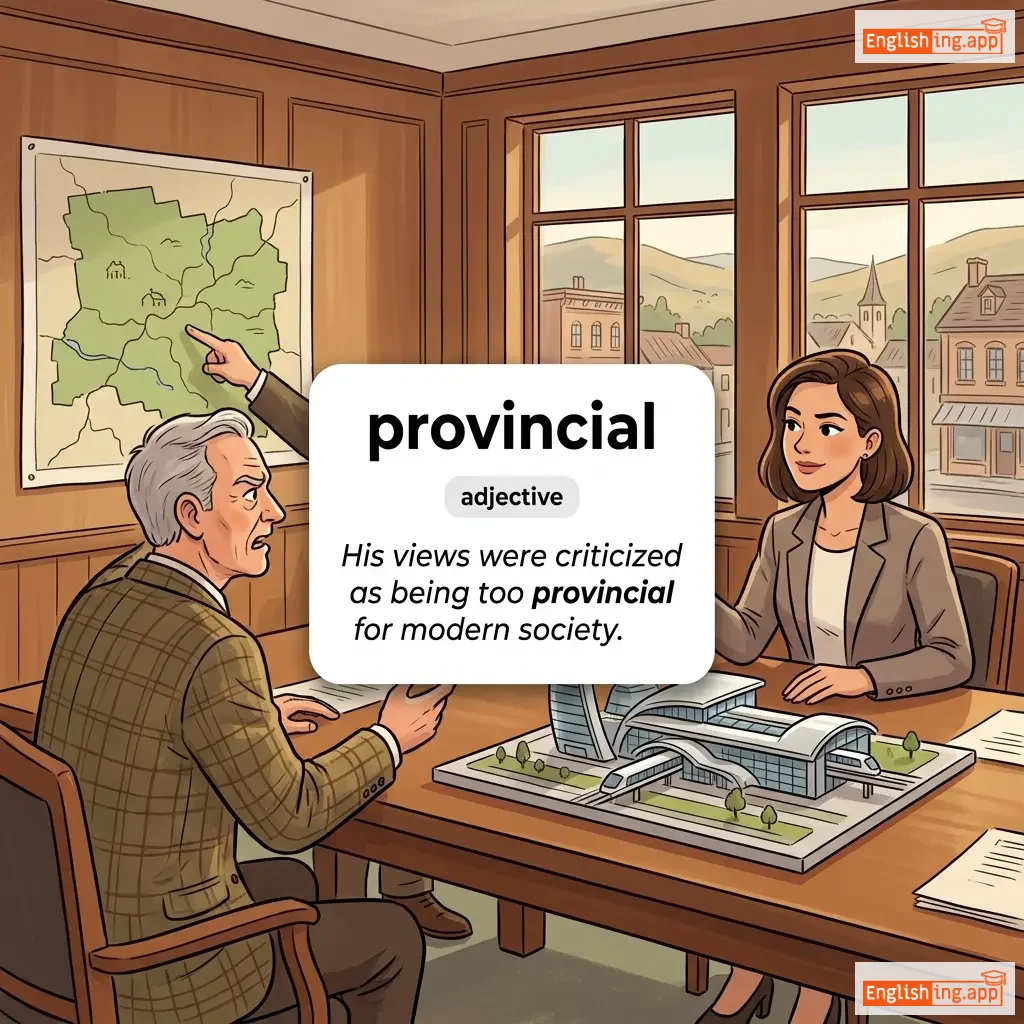
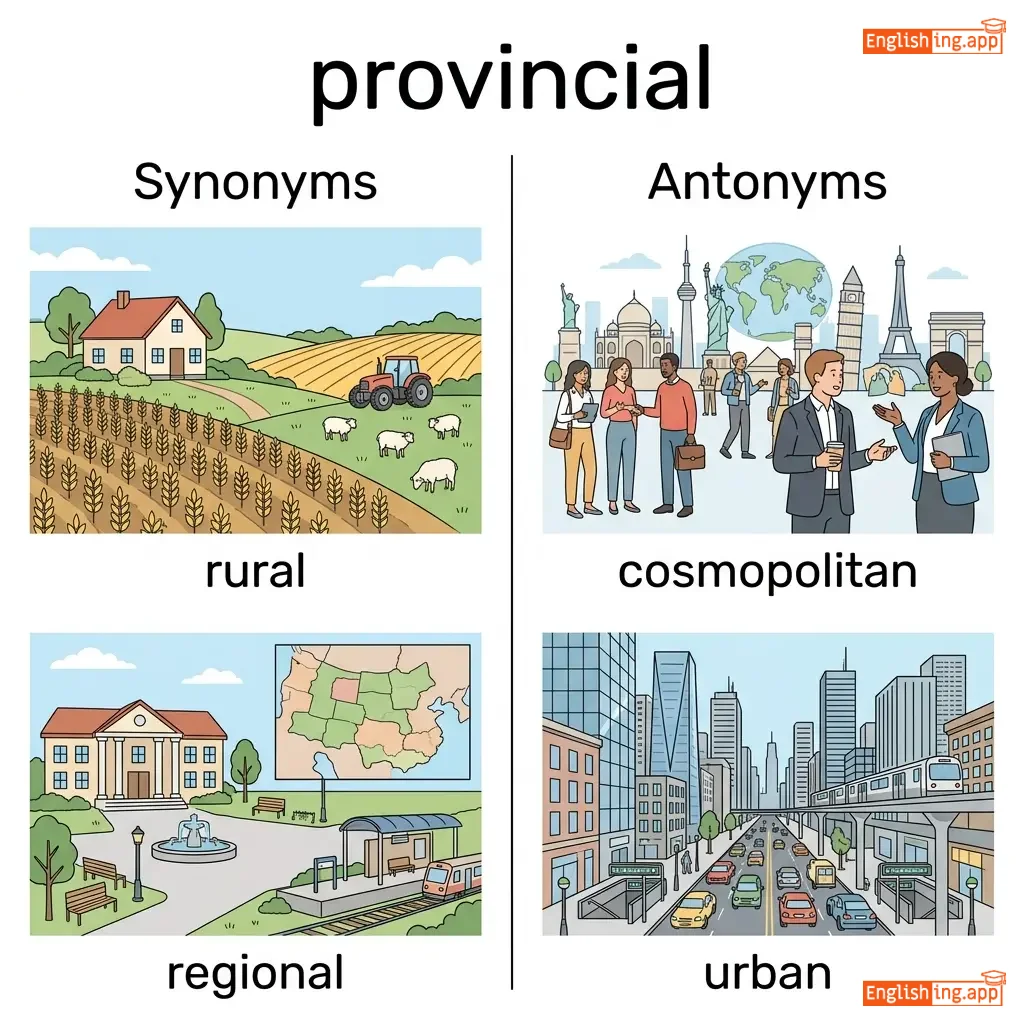
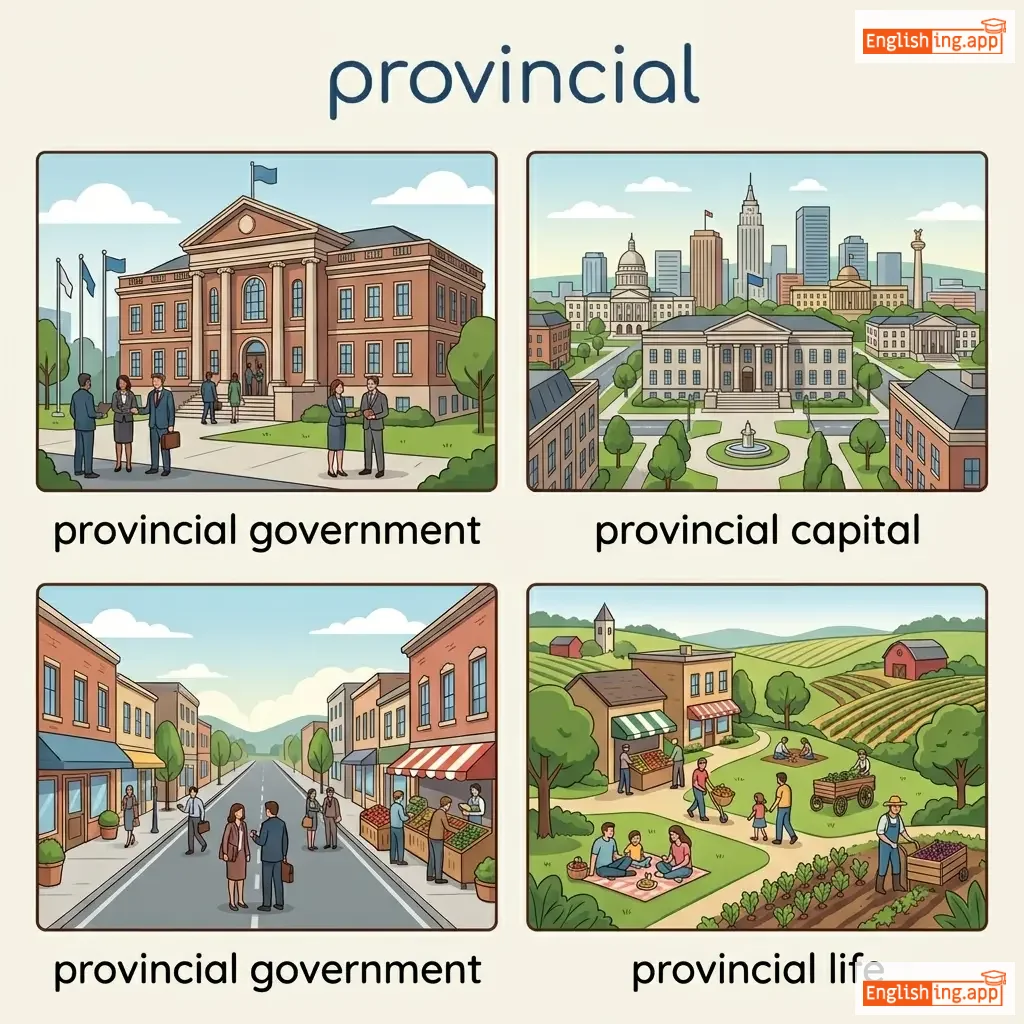
|
Of or concerning a province of a country or empire.
••••••
|
Bengali was not just a provincial language. |
regional, local
••••••
|
national, universal
••••••
|
|
#510
✏️
|
əˈmendmənt
noun
••••••
|
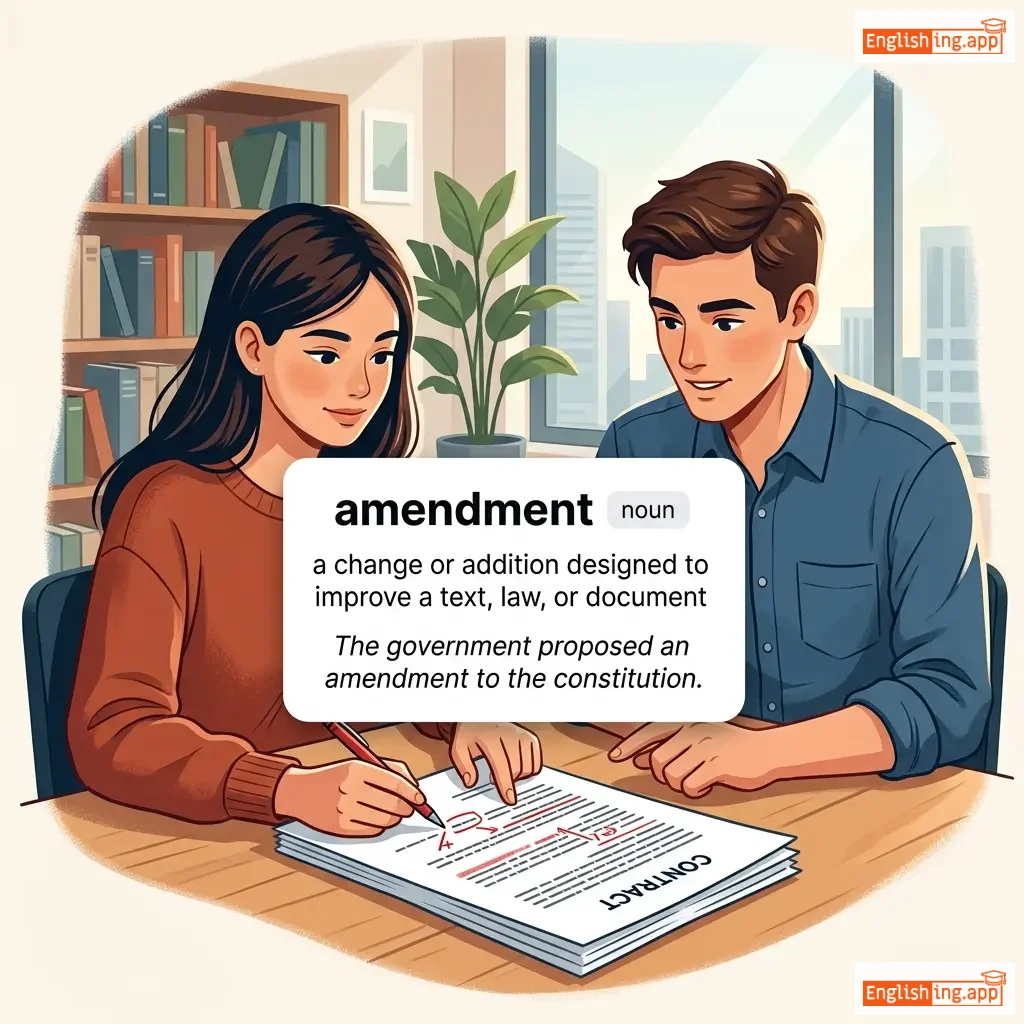
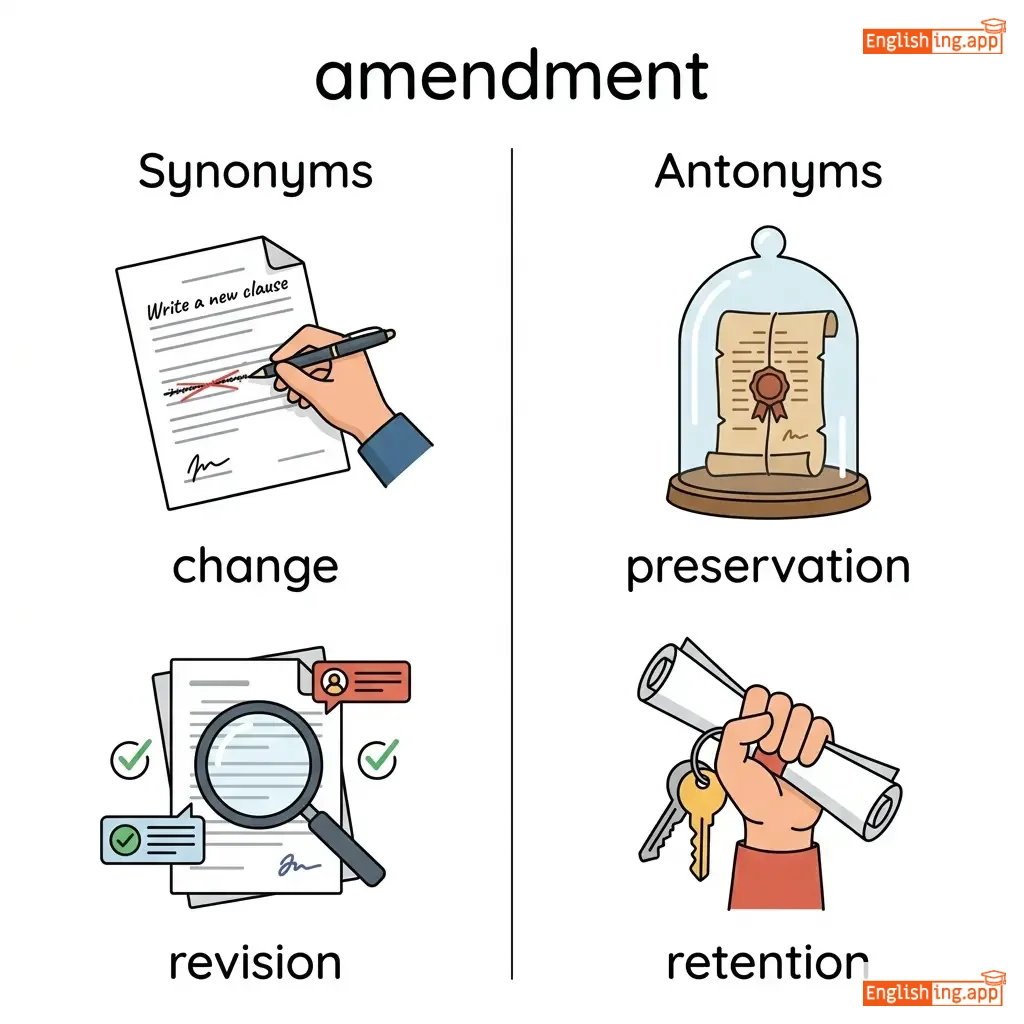
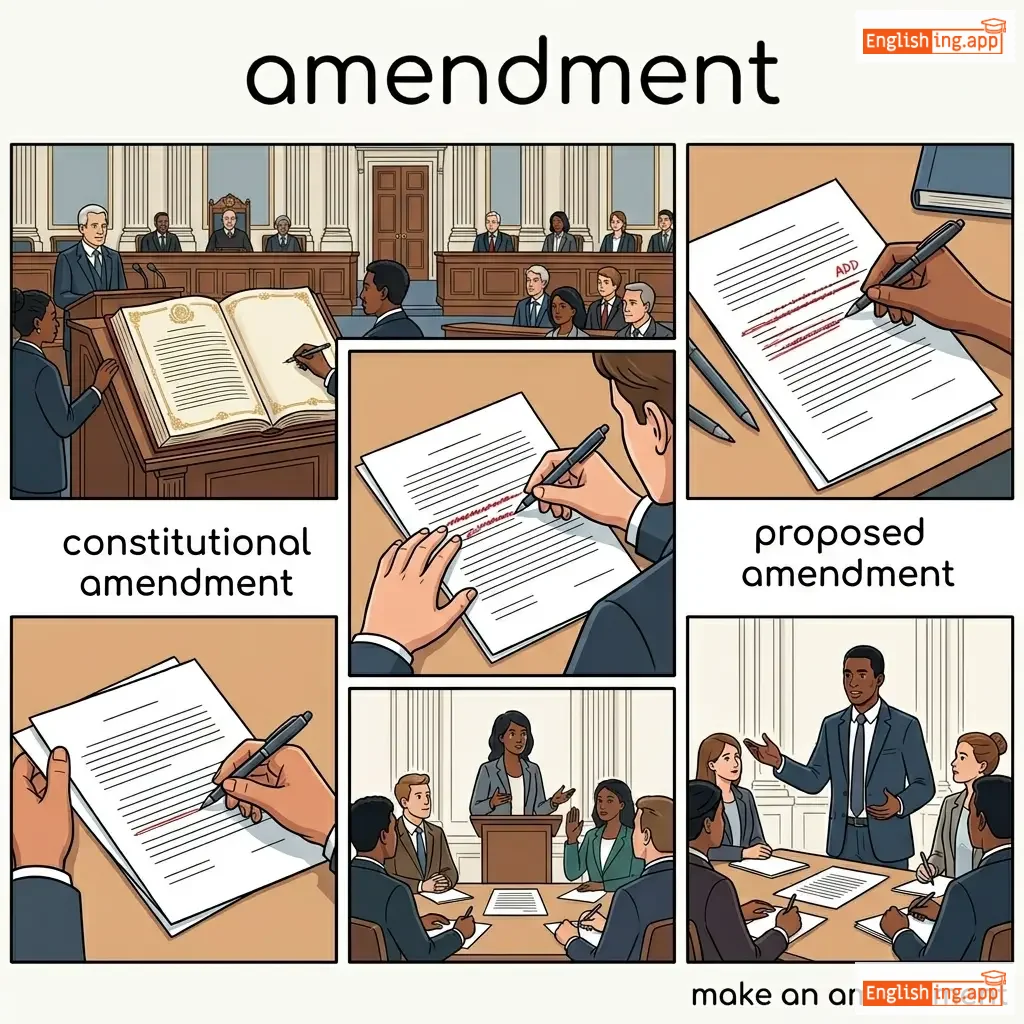
|
A minor change in a document.
••••••
|
The amendment was not supported. |
revision, change
••••••
|
original, maintenance
••••••
|
|
#511
🔄
|
səˈsteɪnd
verb
••••••
|
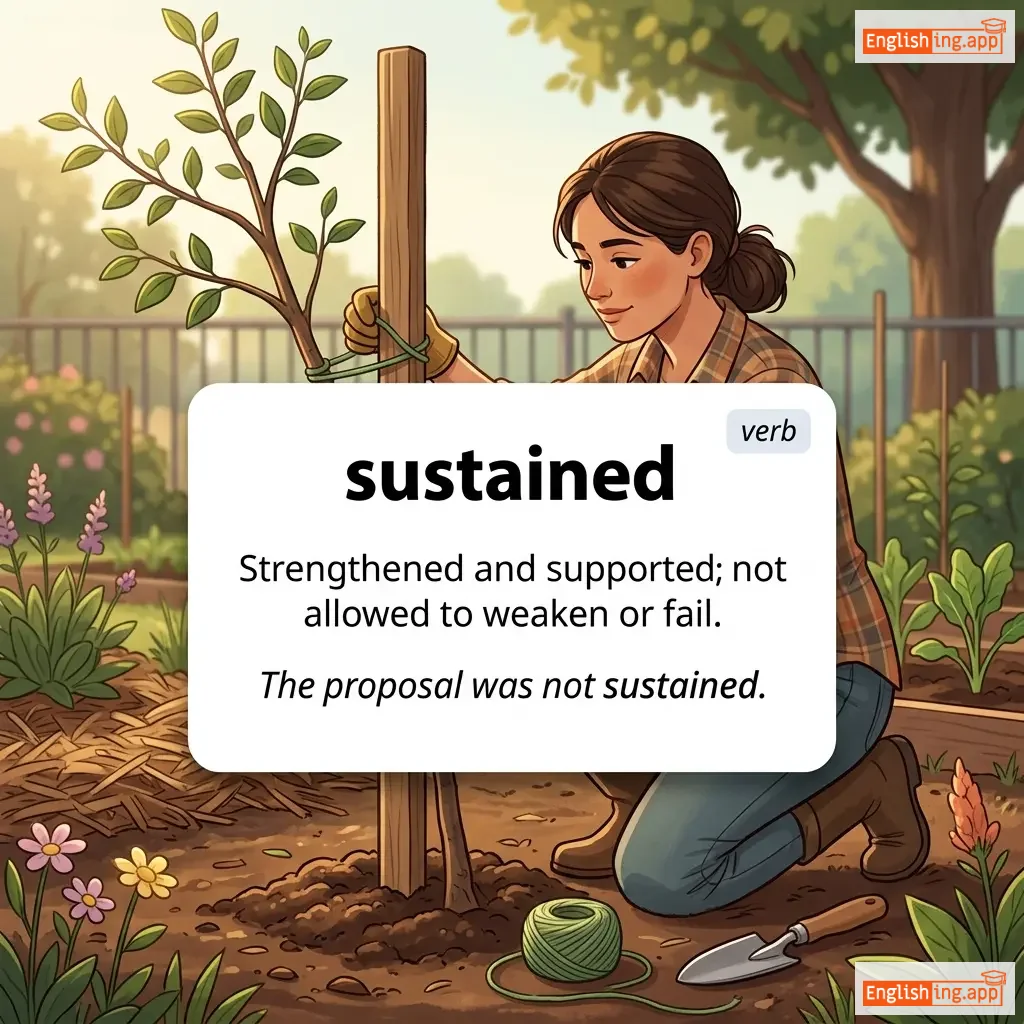
|
Strengthened and supported; not allowed to weaken or fail.
••••••
|
The proposal was not sustained. |
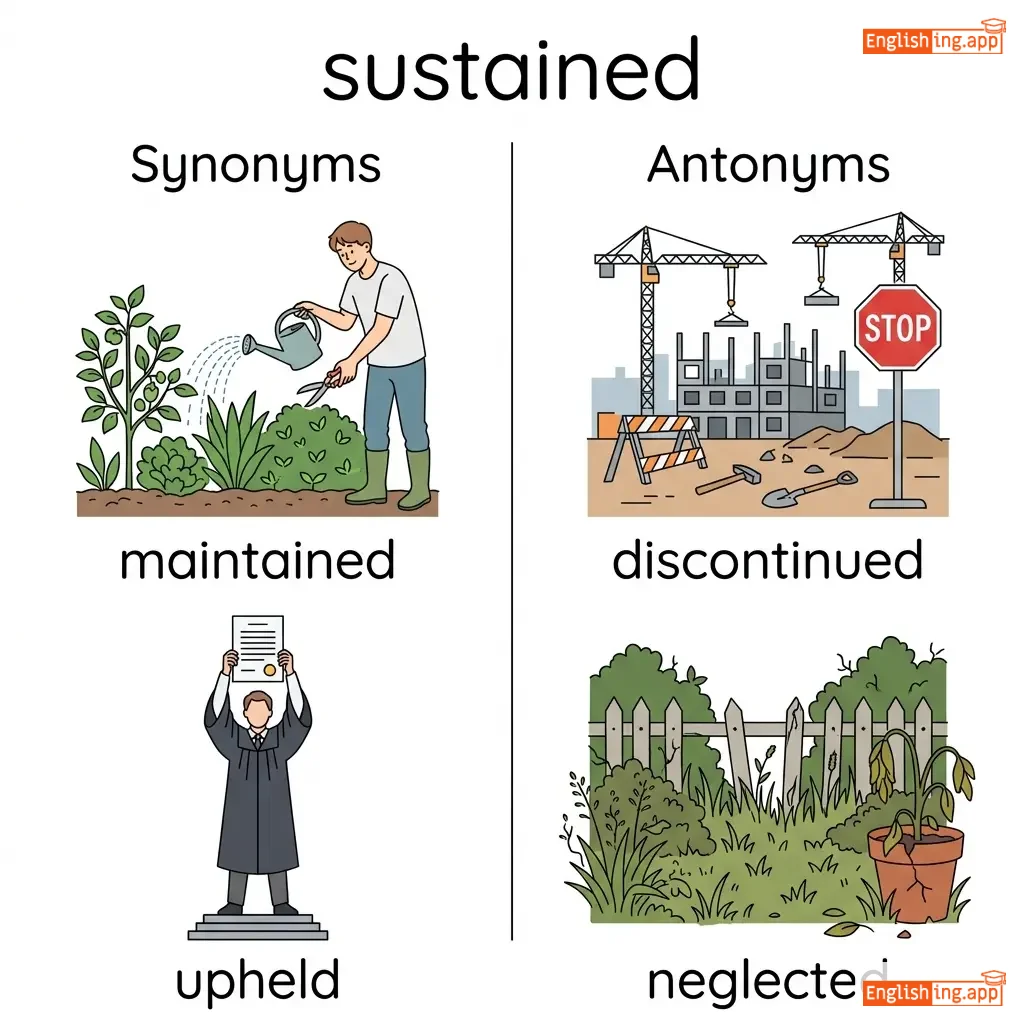
maintained, upheld
••••••
|
discontinued, neglected
••••••
|
|
#512
✊
|
ˈproʊtest
noun
••••••
|
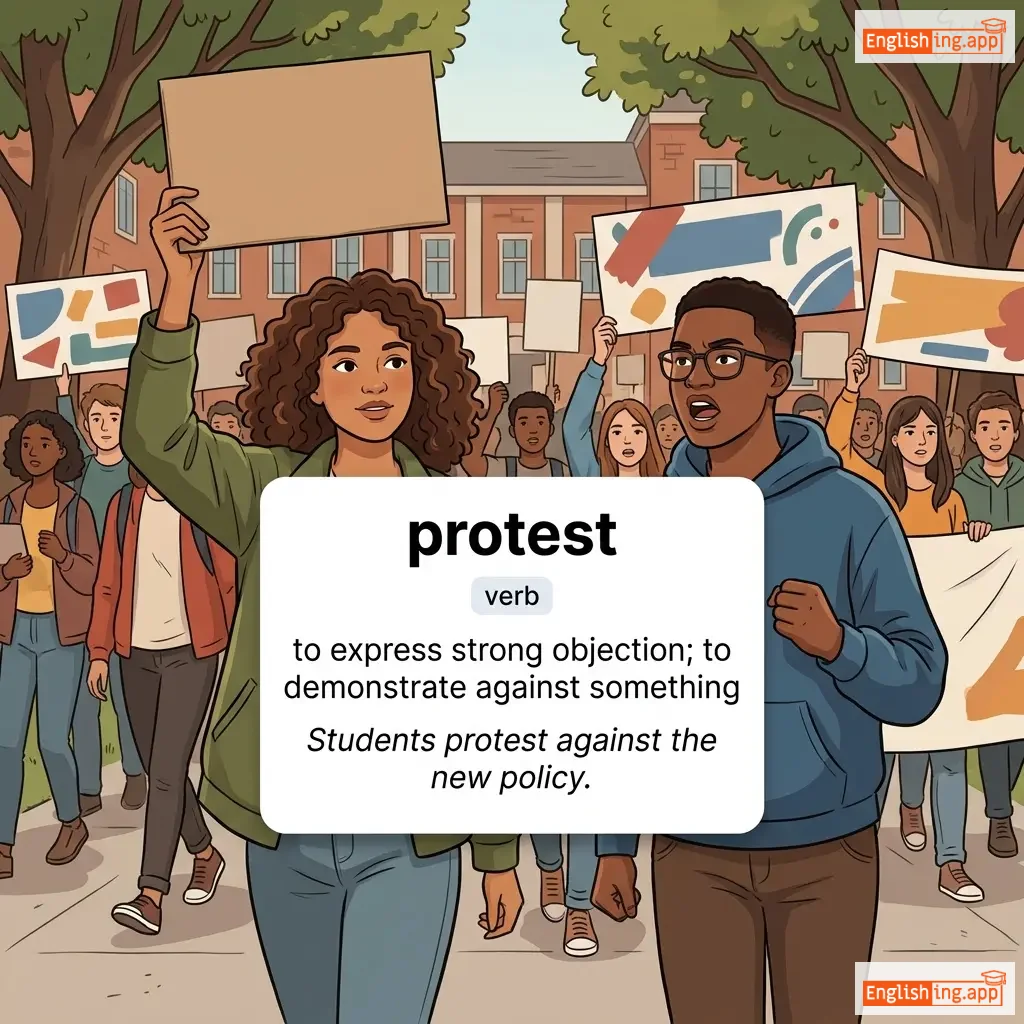
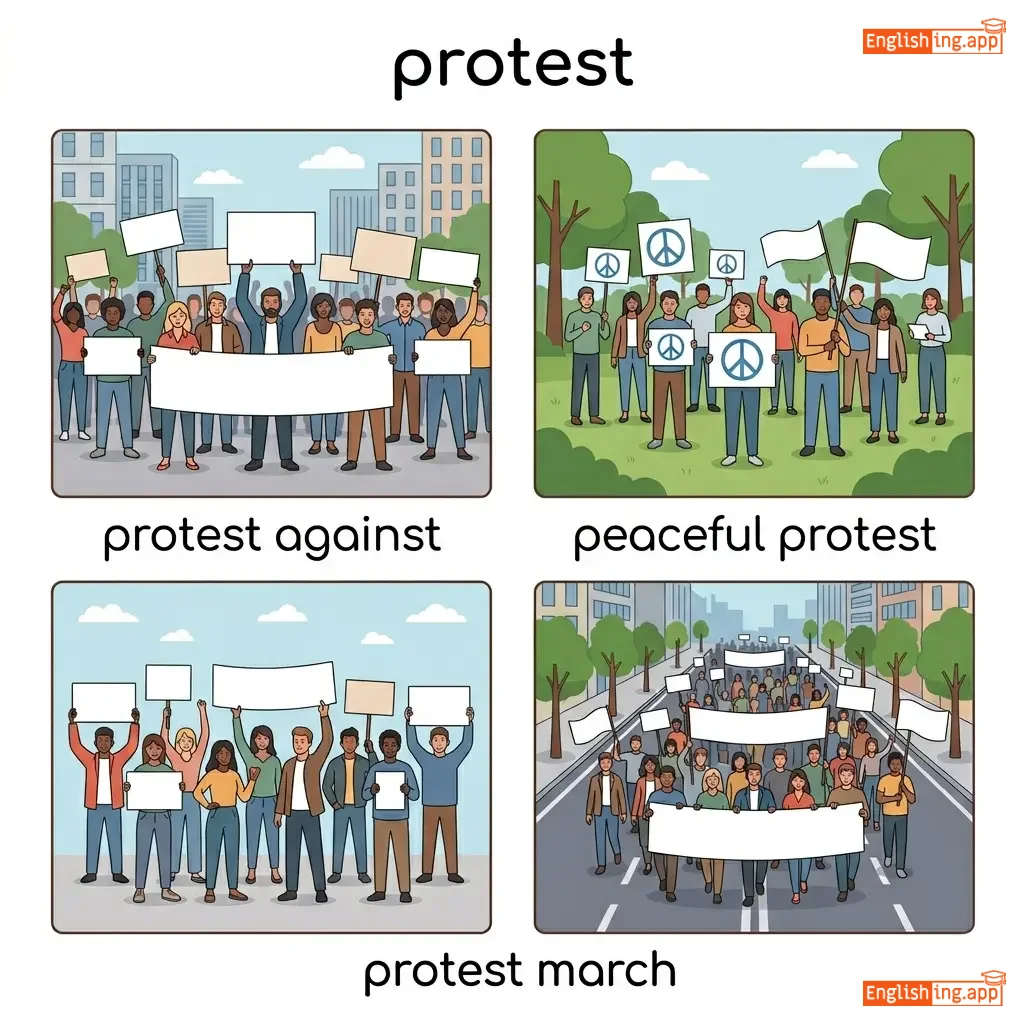
|
A statement or action expressing disapproval of or objection to something.
••••••
|
Students organized a protest. |
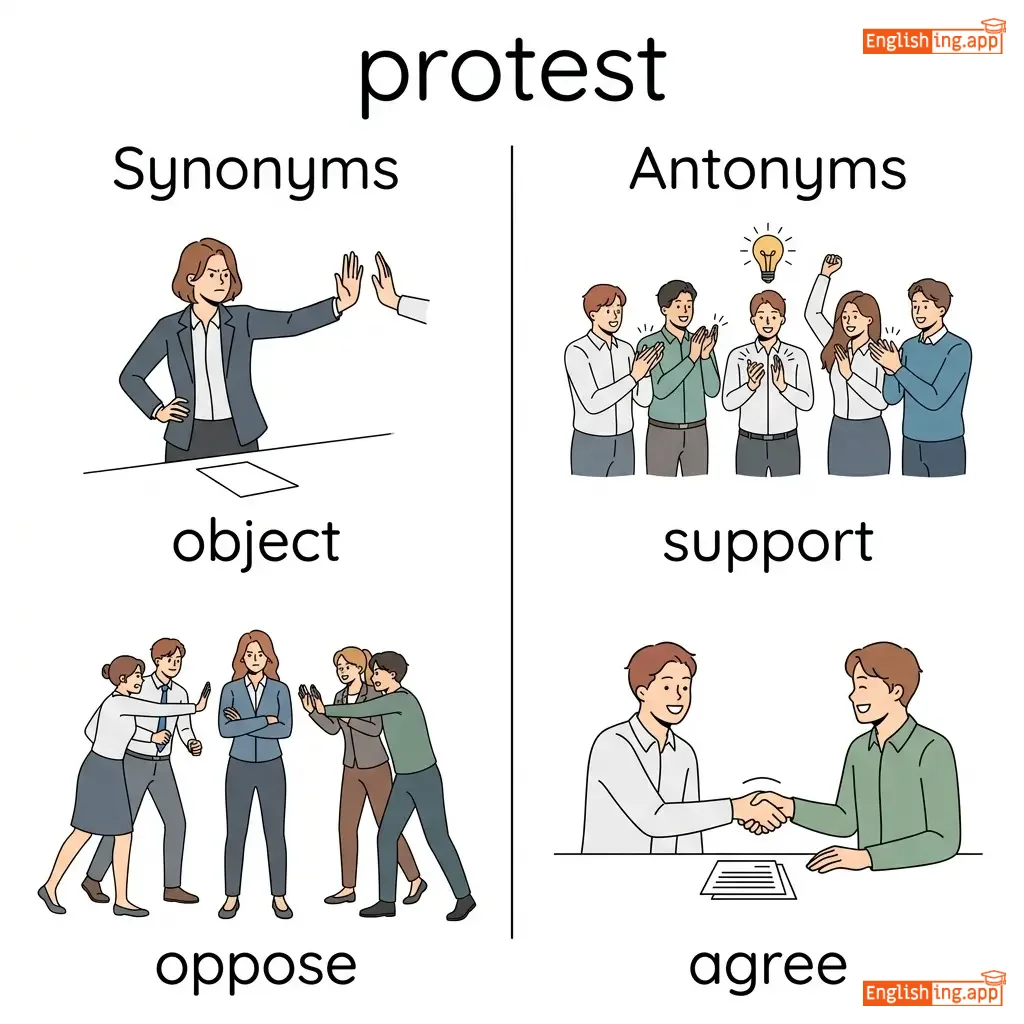
demonstration, rebellion
••••••
|
compliance, agreement
••••••
|
|
#513
📢
|
ˌdemənˈstreɪʃənz
noun
••••••
|
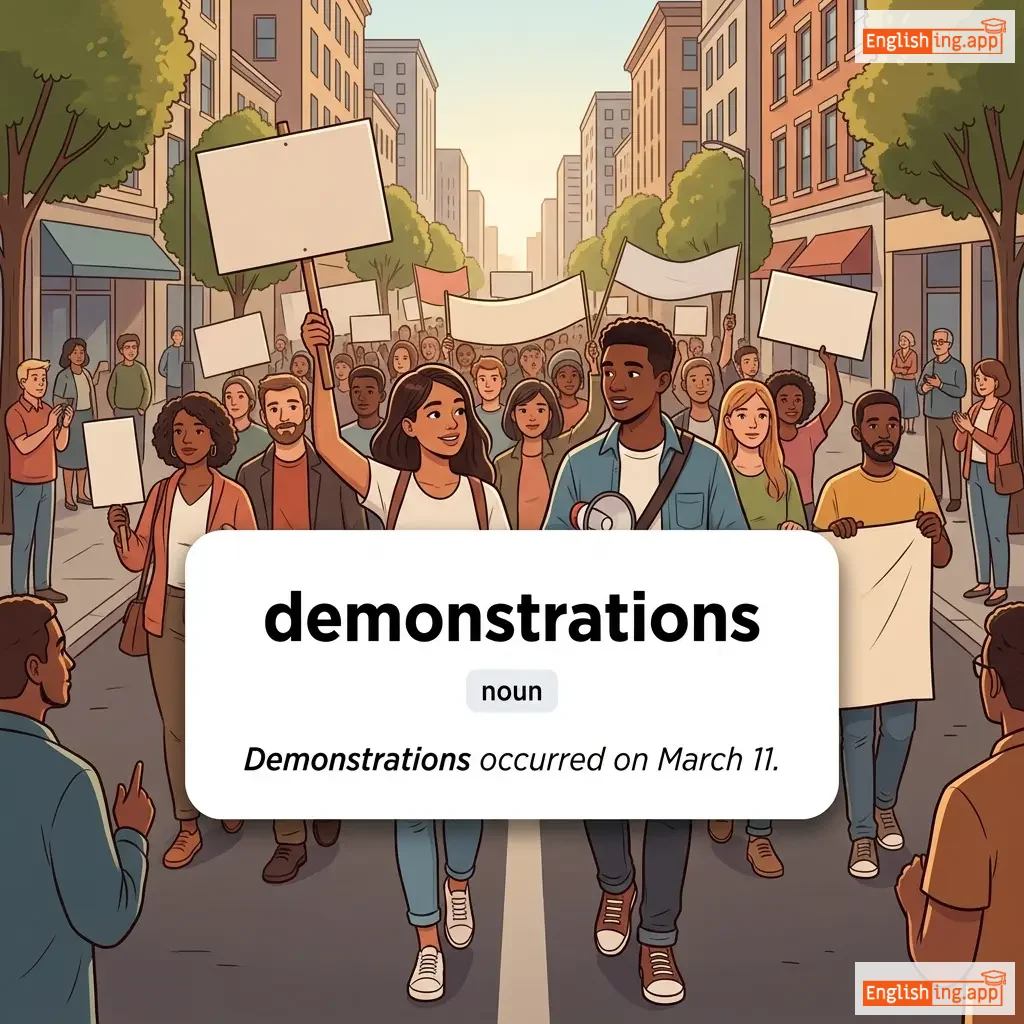
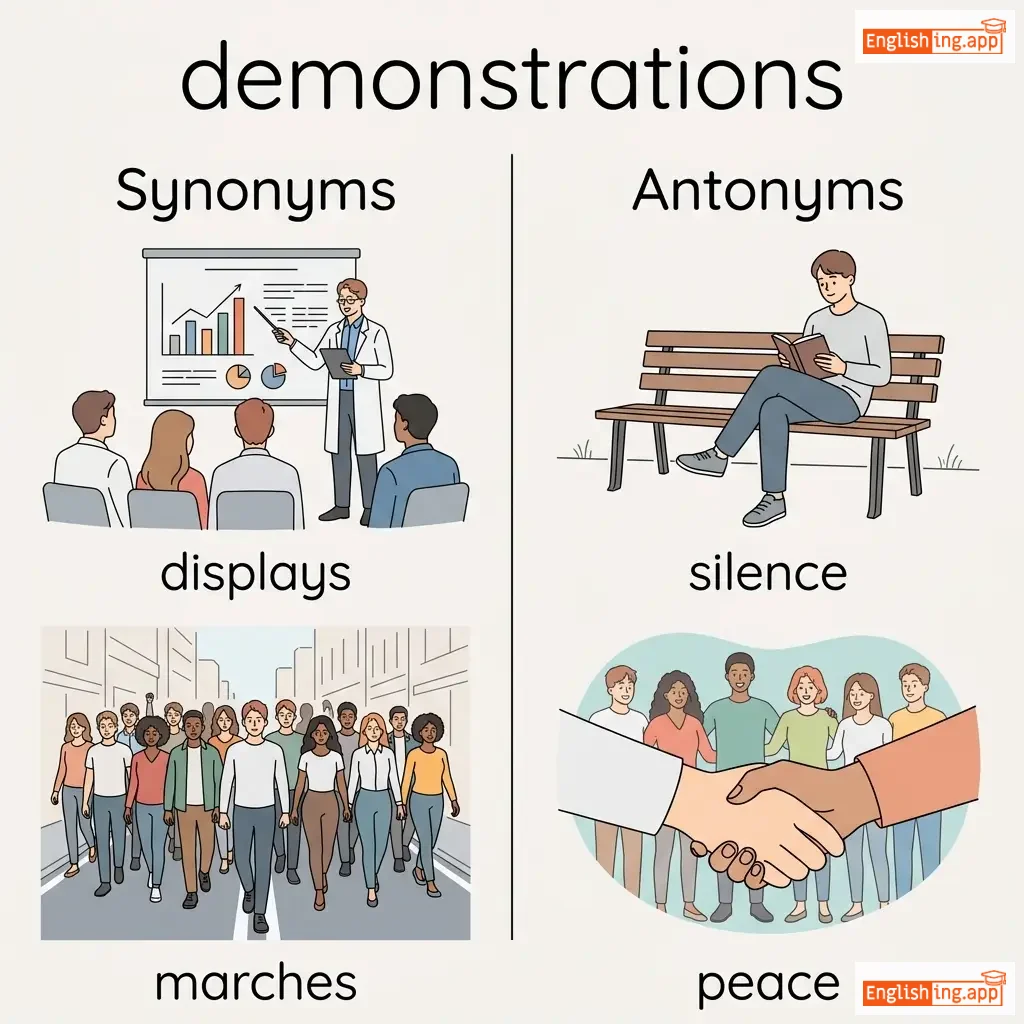
|
The action or process of showing the existence or truth of something by giving proof or evidence.
••••••
|
Demonstrations occurred on March 11. |
displays, marches
••••••
|
silence, peace
••••••
|
|
#514
📤
|
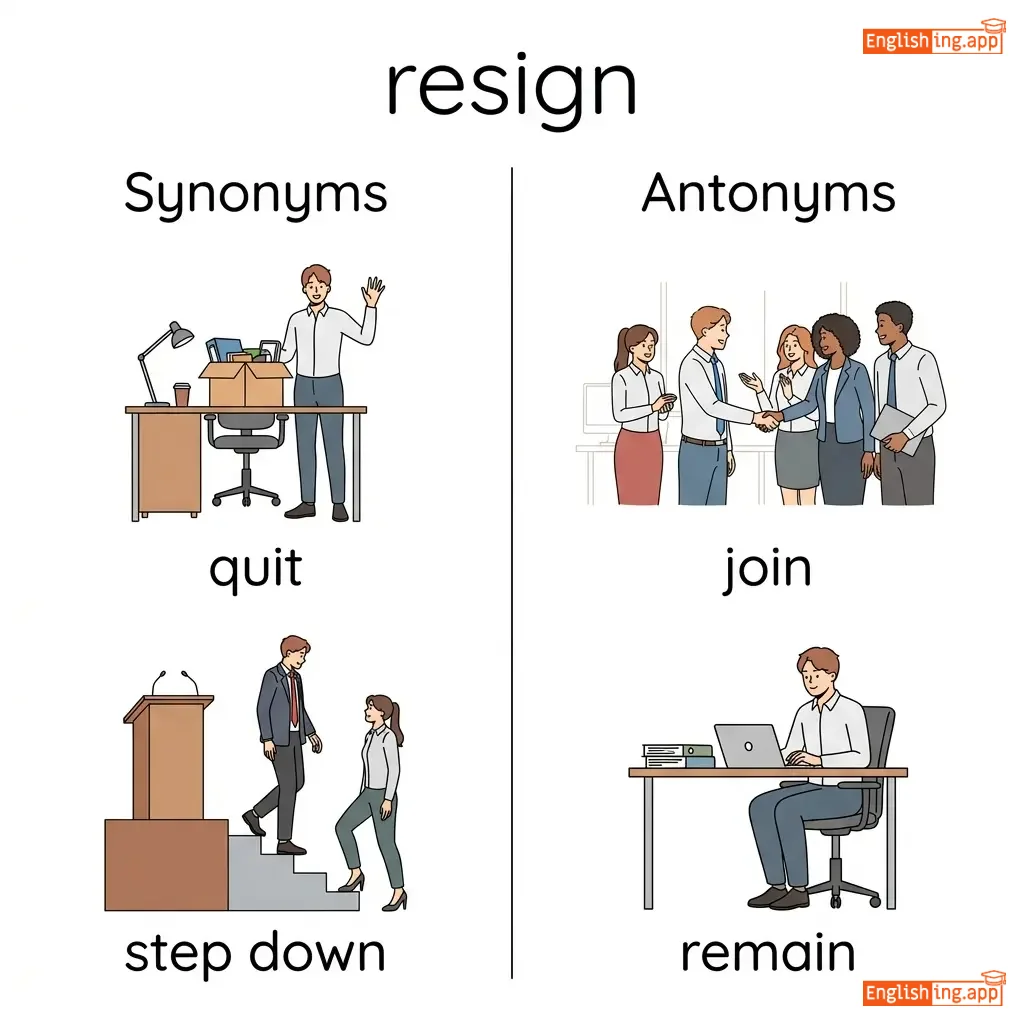
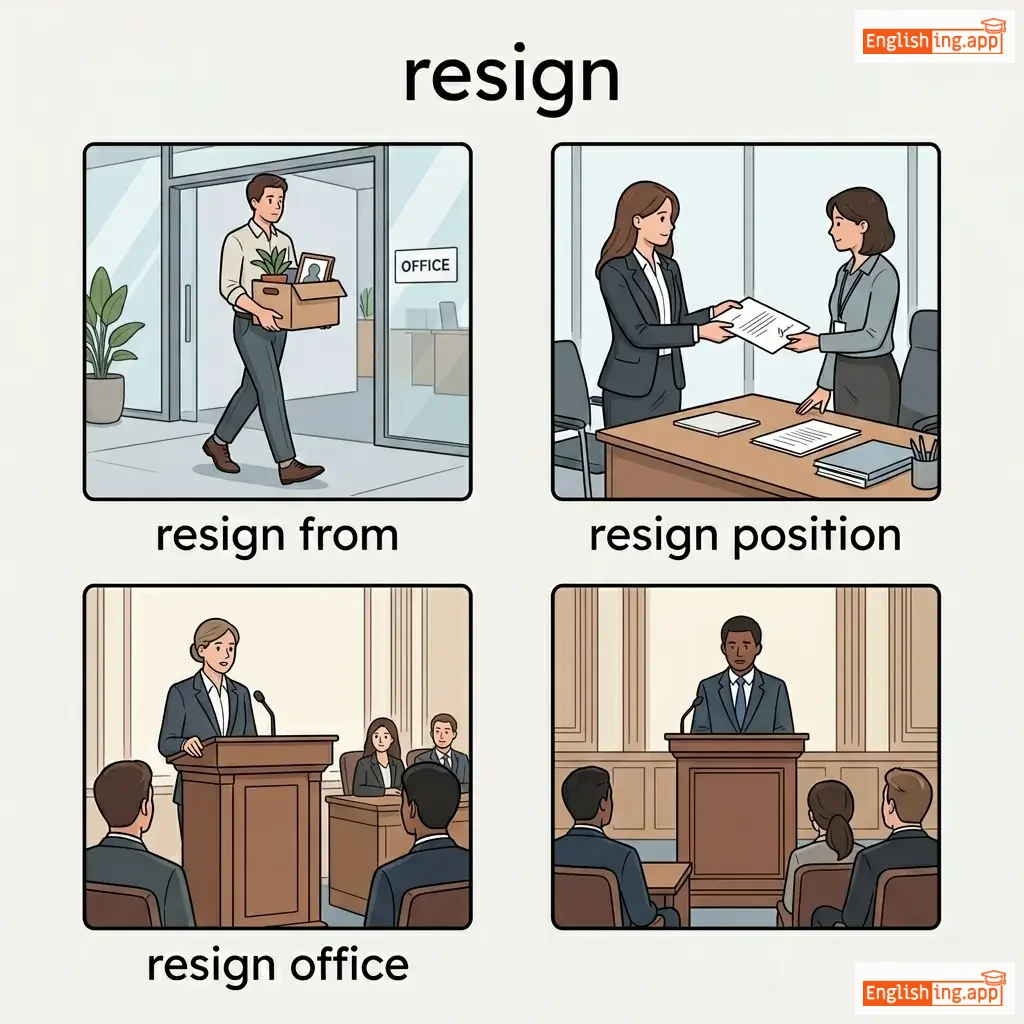
rɪˈzaɪn
verb
••••••
|
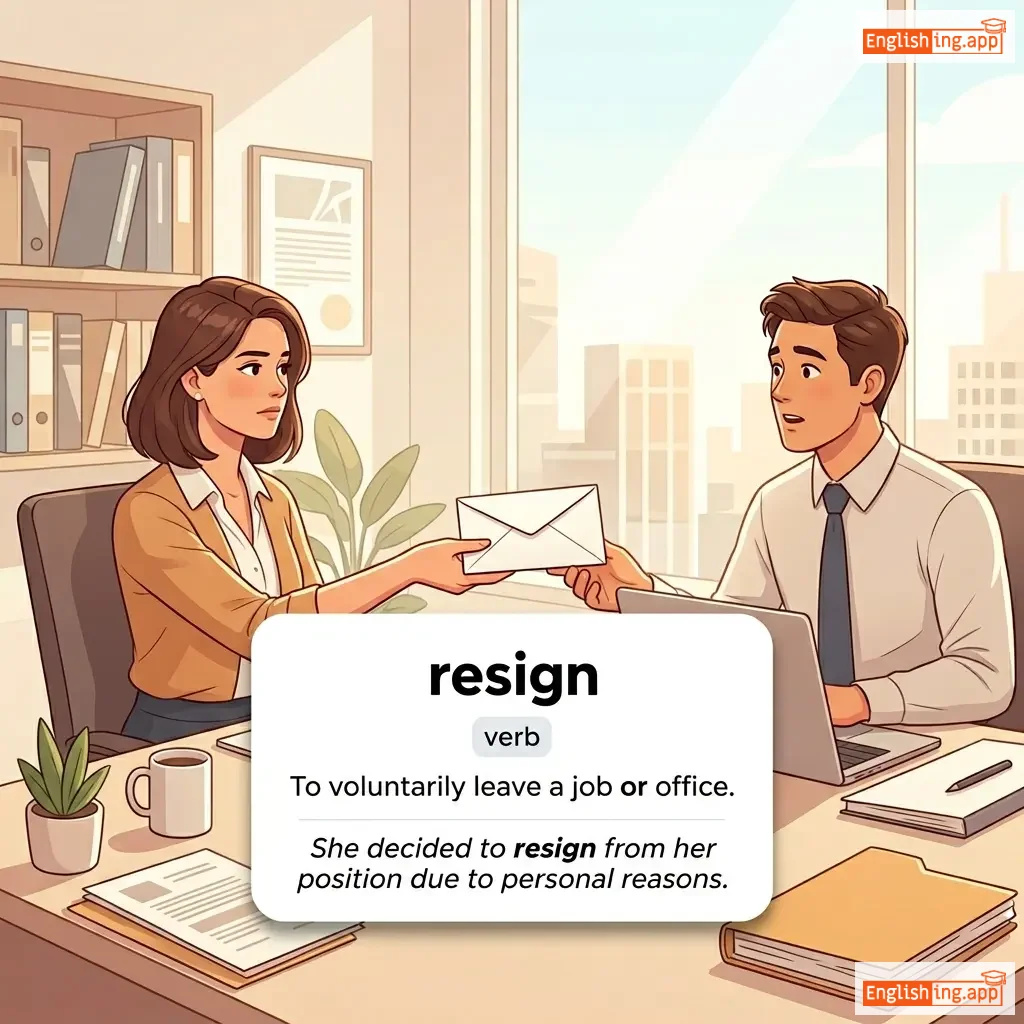
|
Voluntarily leave a job or other position.
••••••
|
Ministers were forced to resign. |
quit, abdicate
••••••
|
retain, persist
••••••
|
|
#515
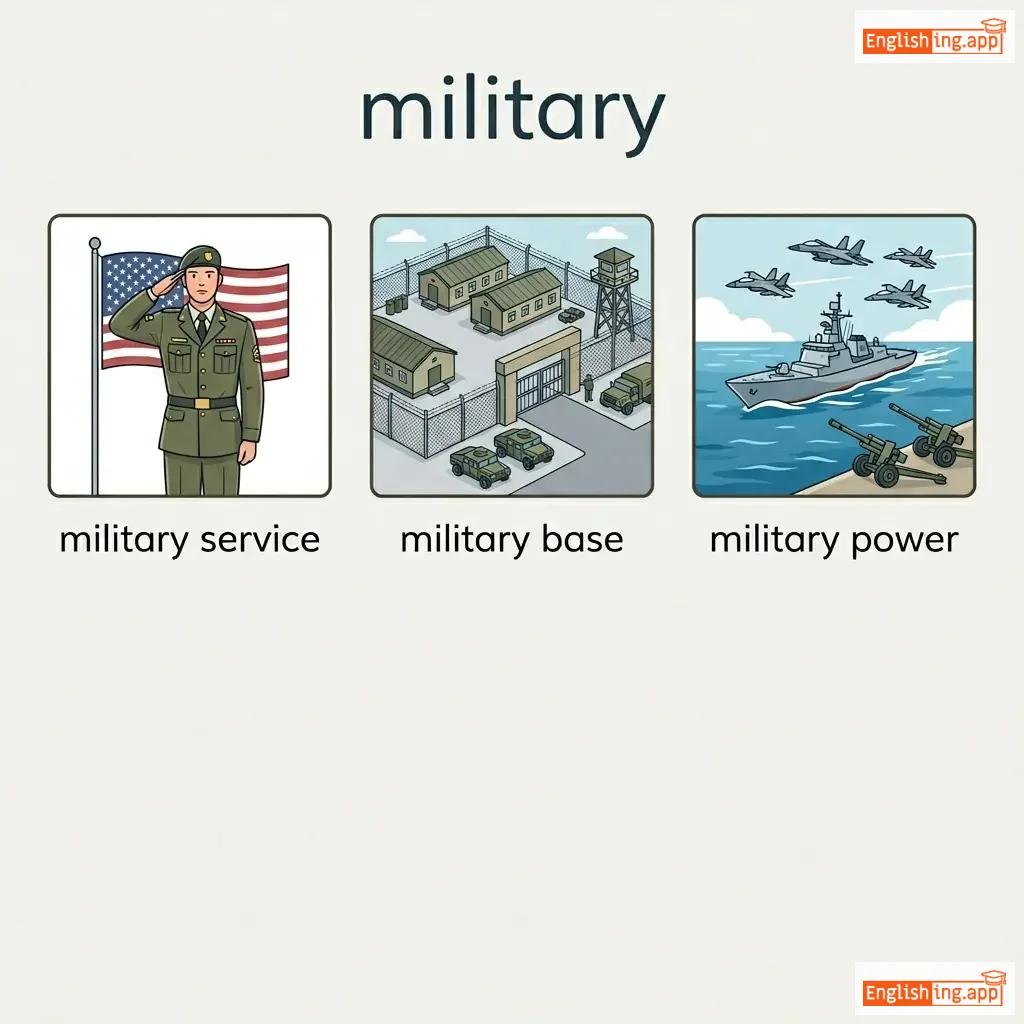
🪖
|
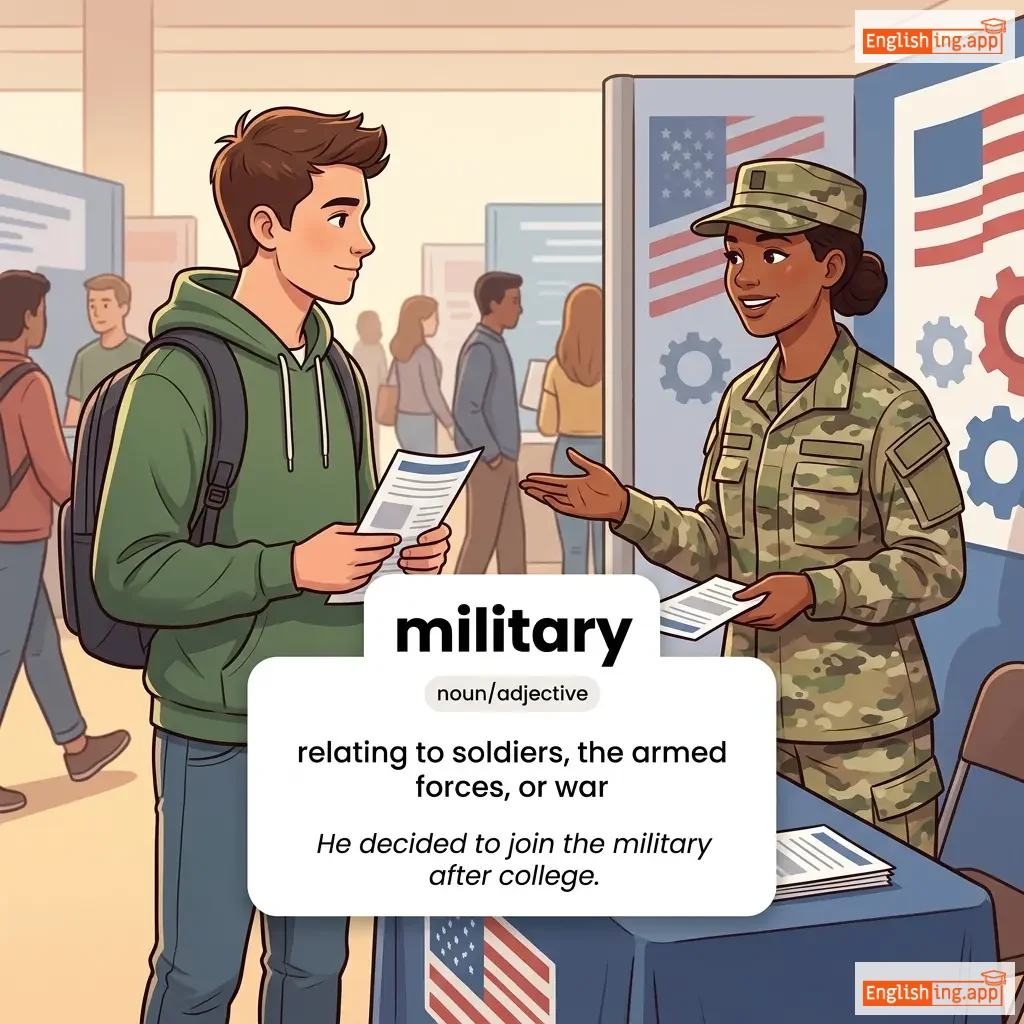
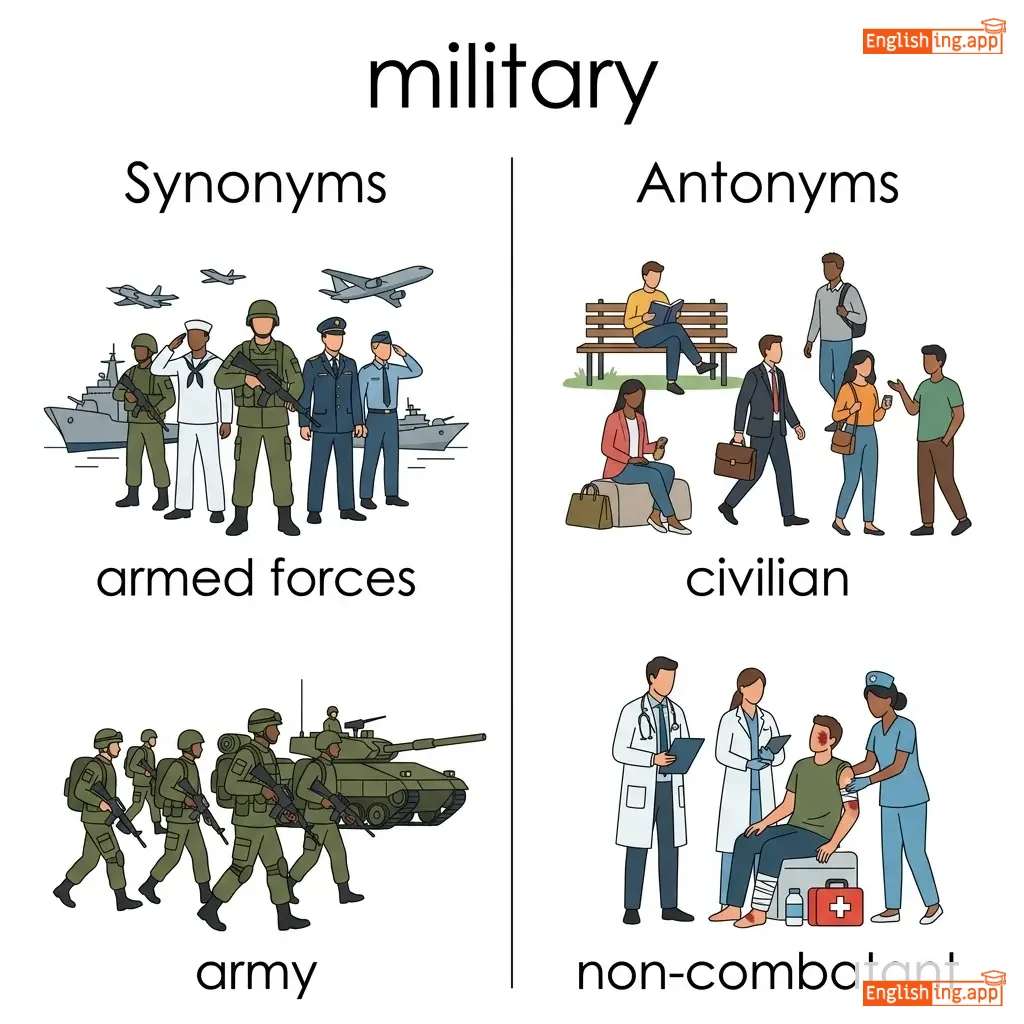
ˈmɪlɪteri
noun
••••••
|
|
The armed forces of a country.
••••••
|
The military was called for assistance. |
army, troops
••••••
|
civilian, noncombatant
••••••
|
|
#516
🔄
|
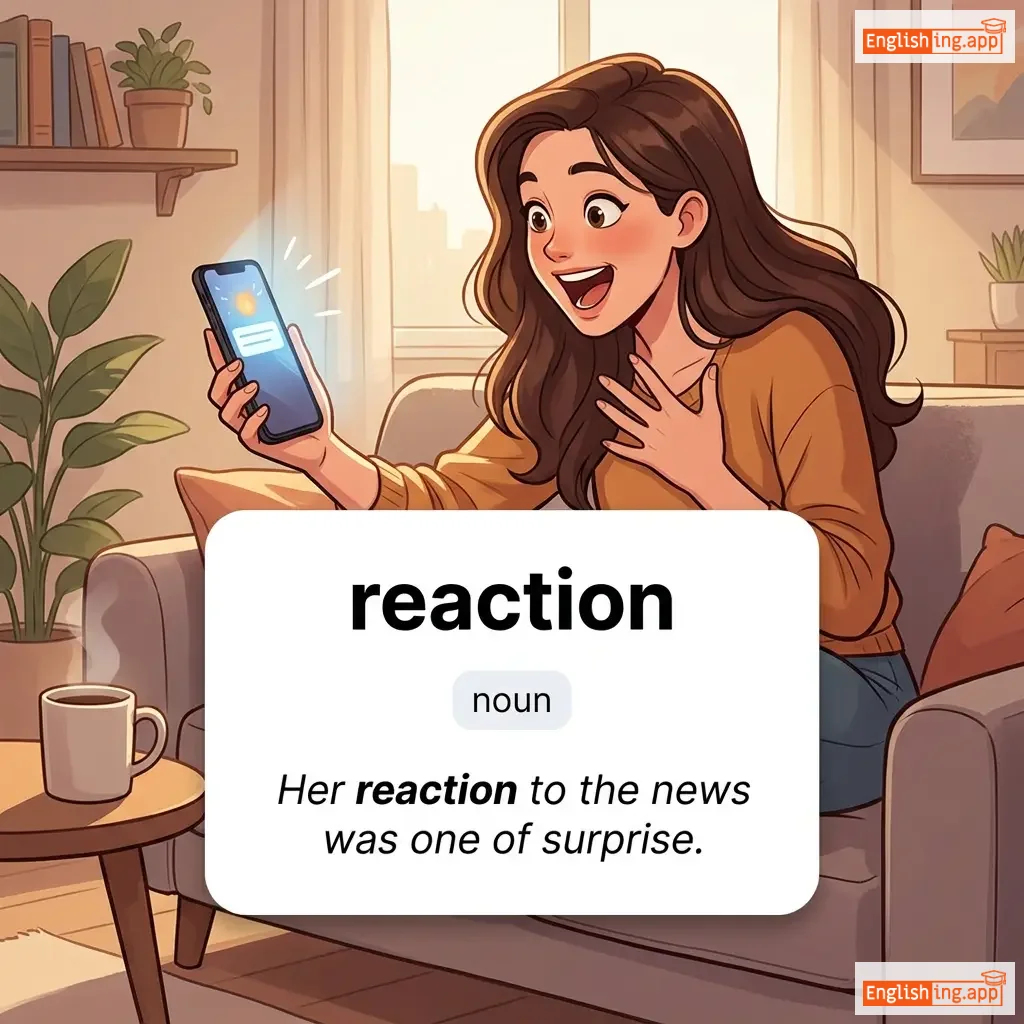
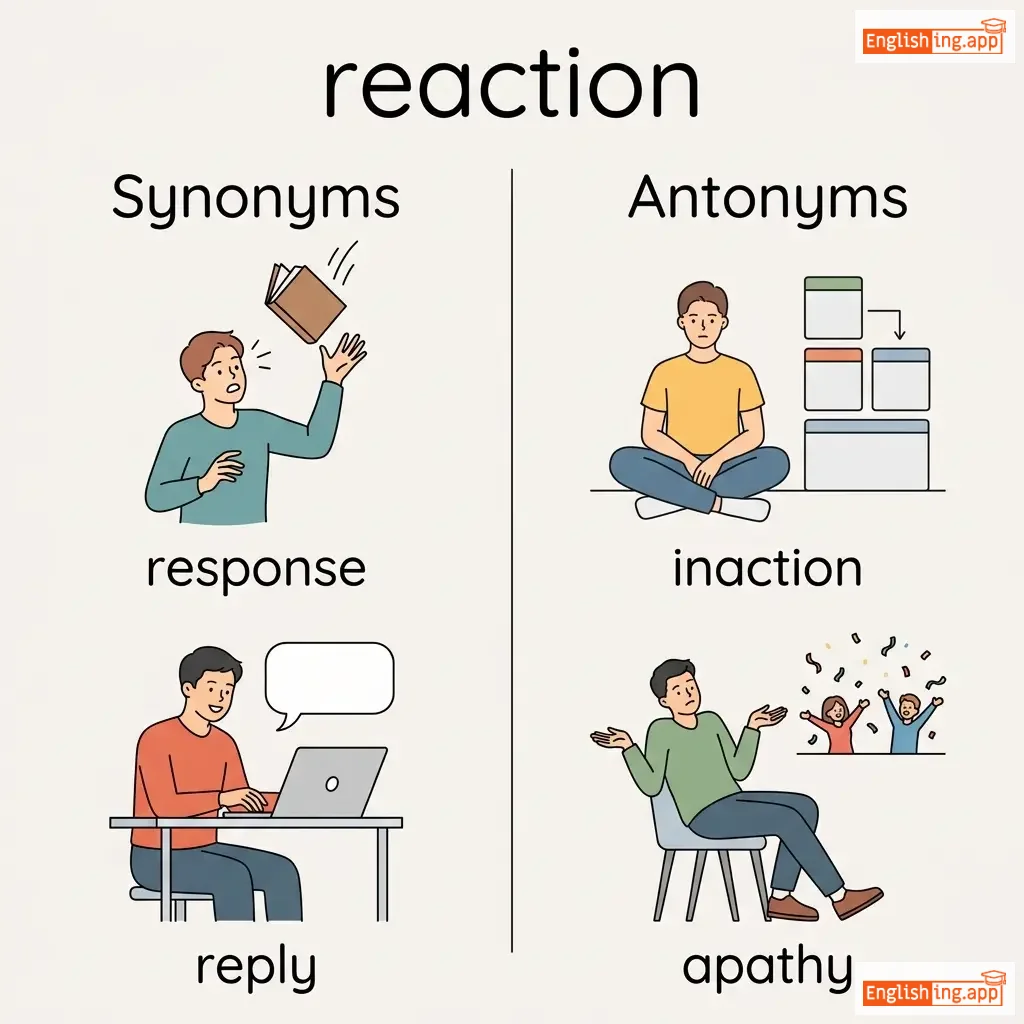
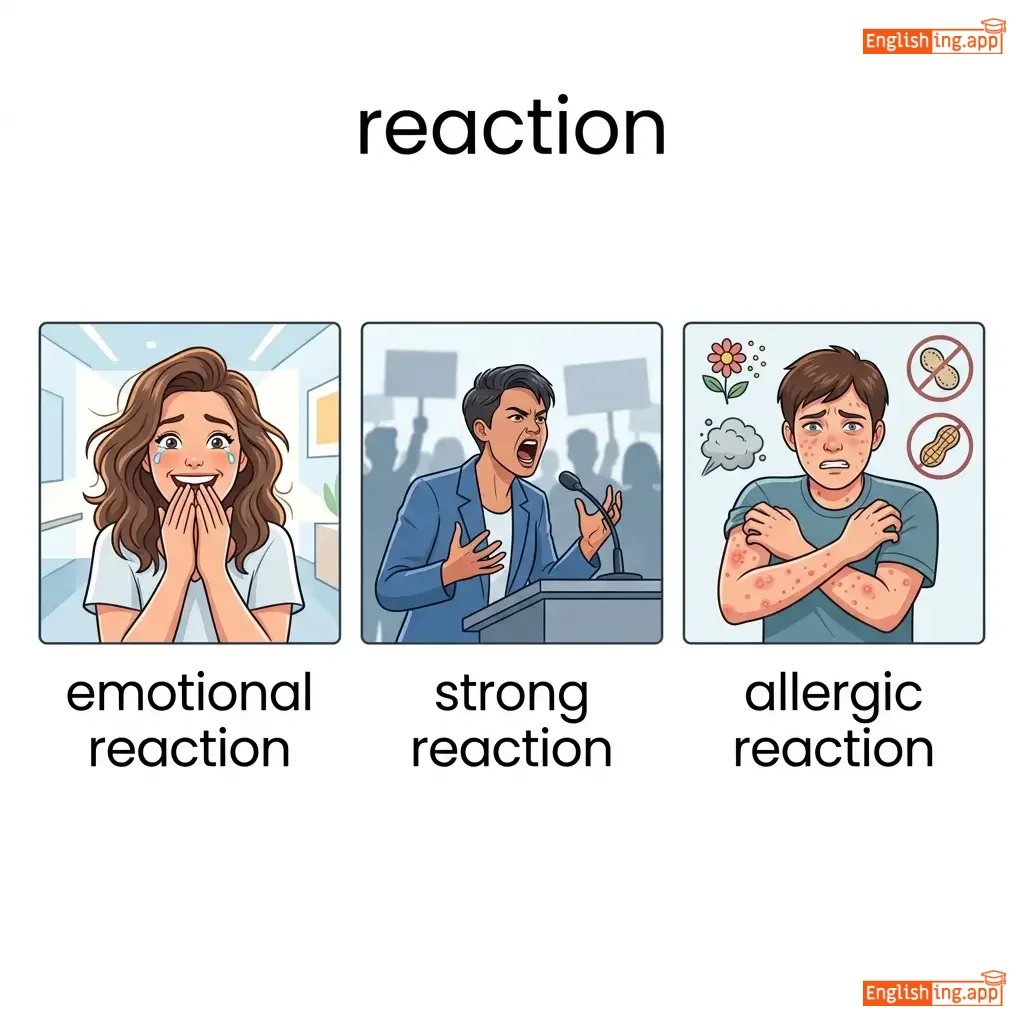
riˈækʃən
noun
••••••
|
|
An action performed or a feeling experienced in response to a situation or event.
••••••
|
The arrests triggered a reaction. |
response, repercussion
••••••
|
cause, indifference
••••••
|

