

市场经济与指令经济解析
Market vs. Command Economies Explained
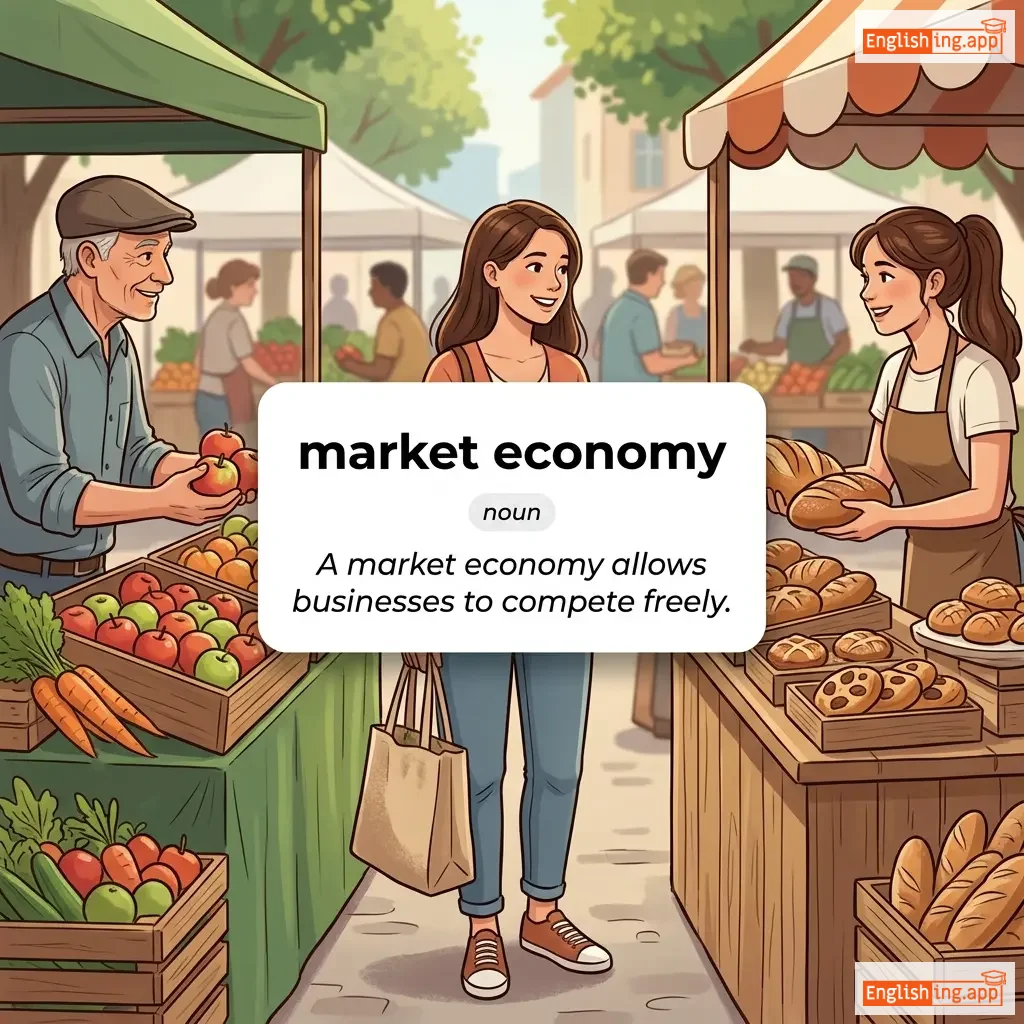
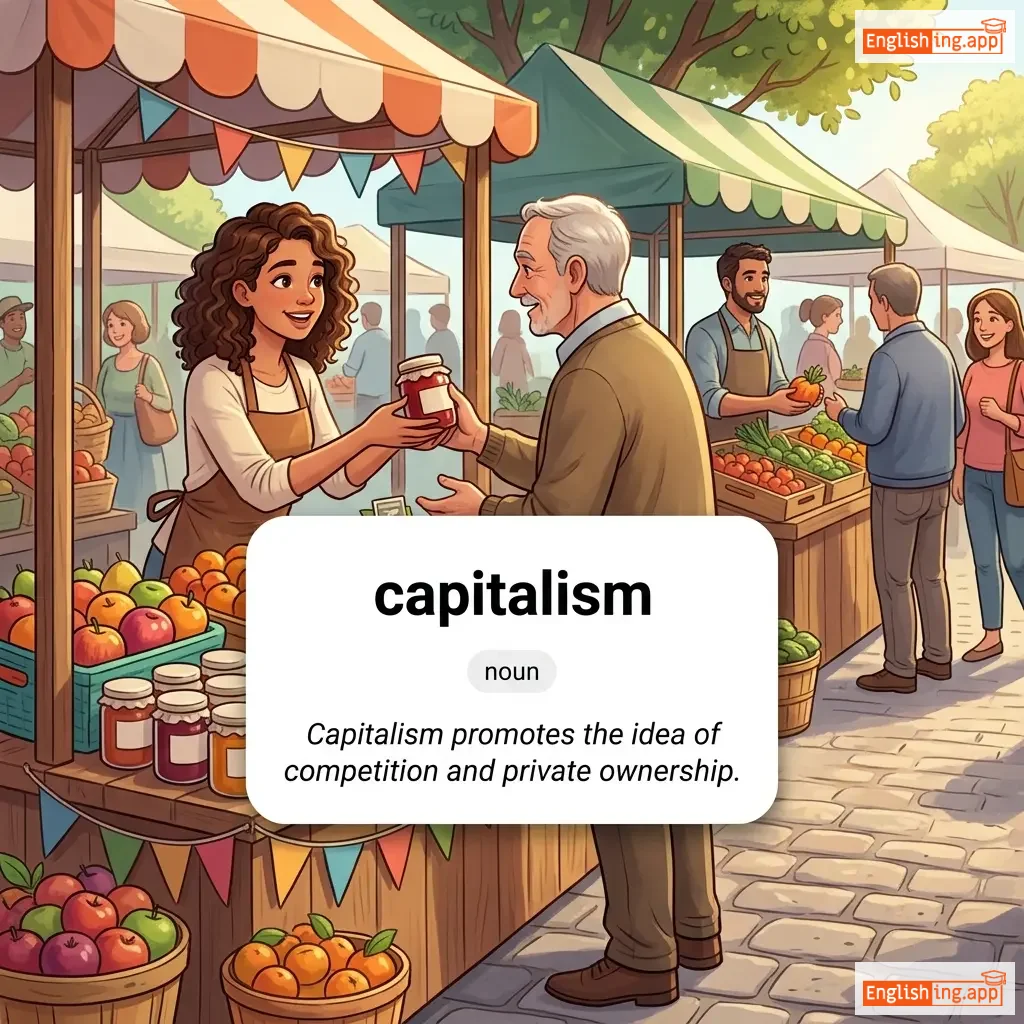
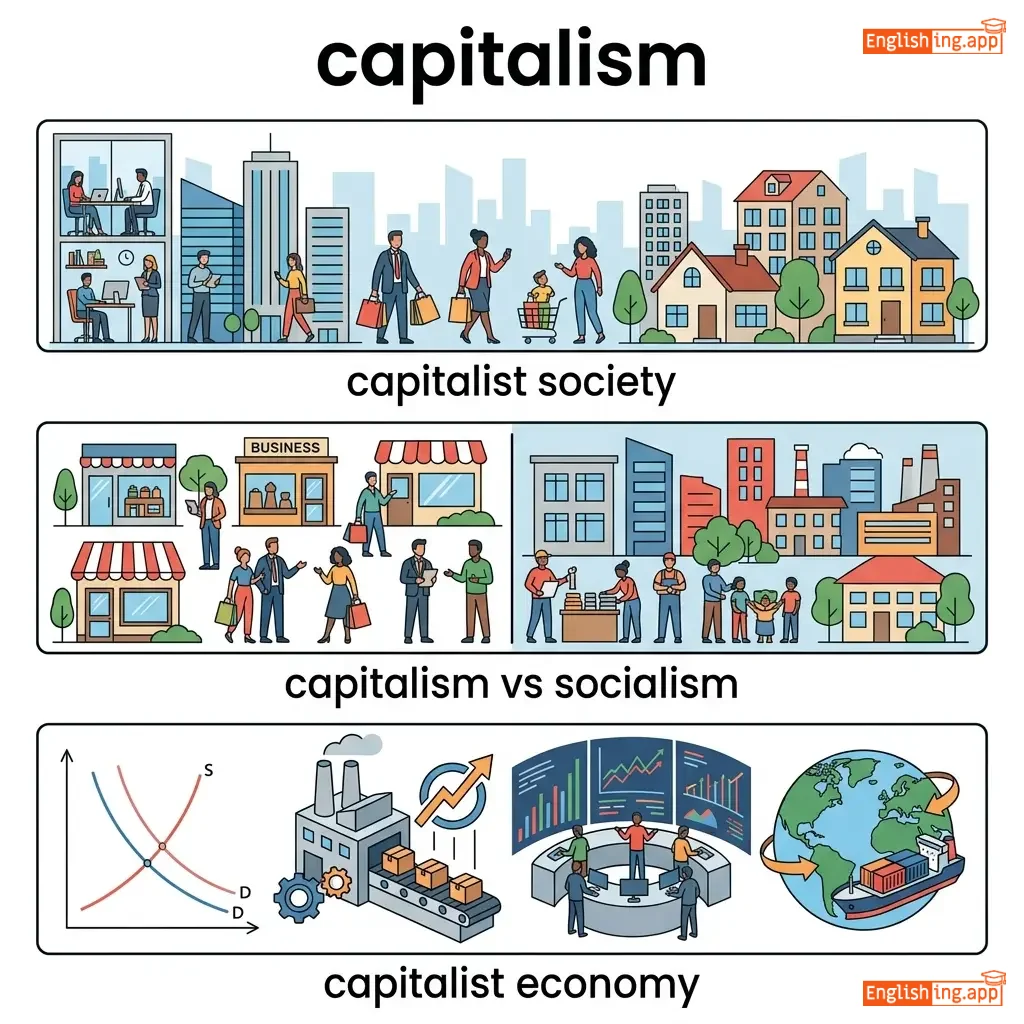
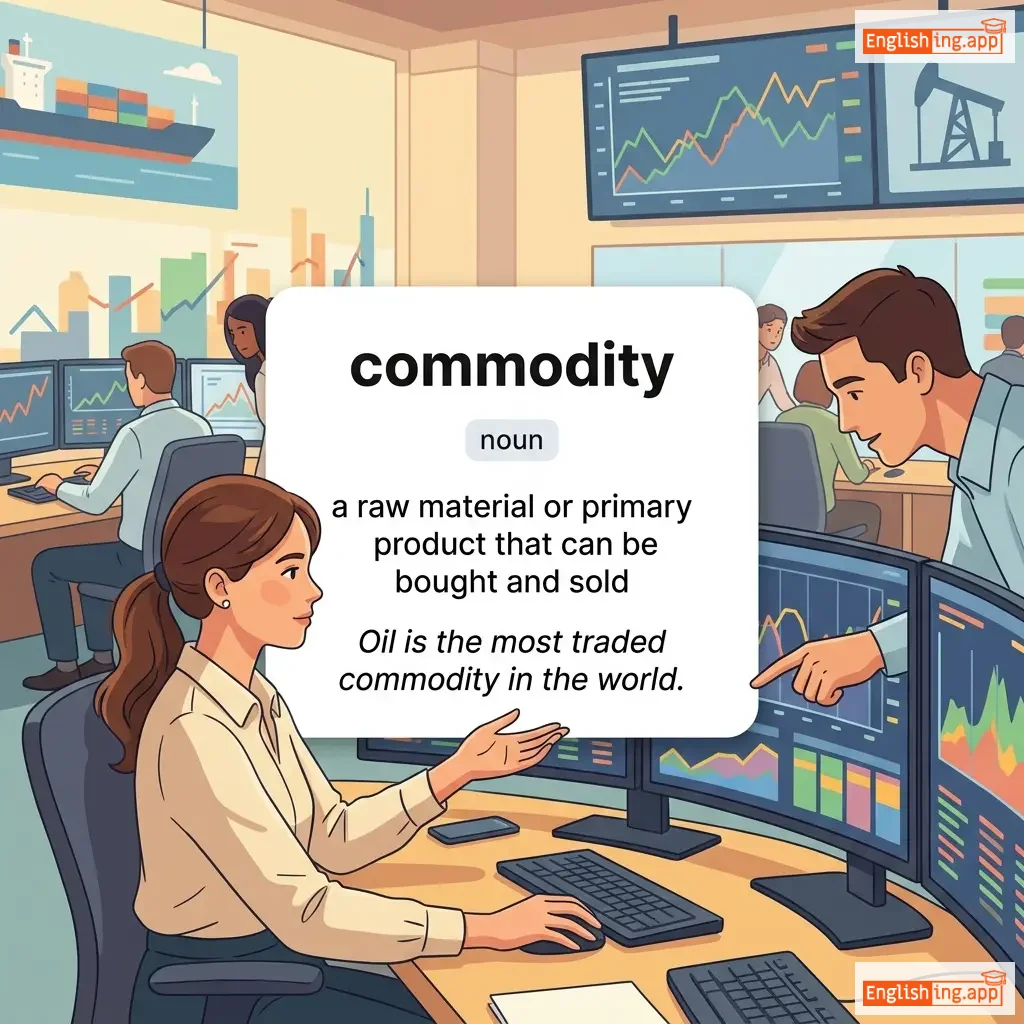
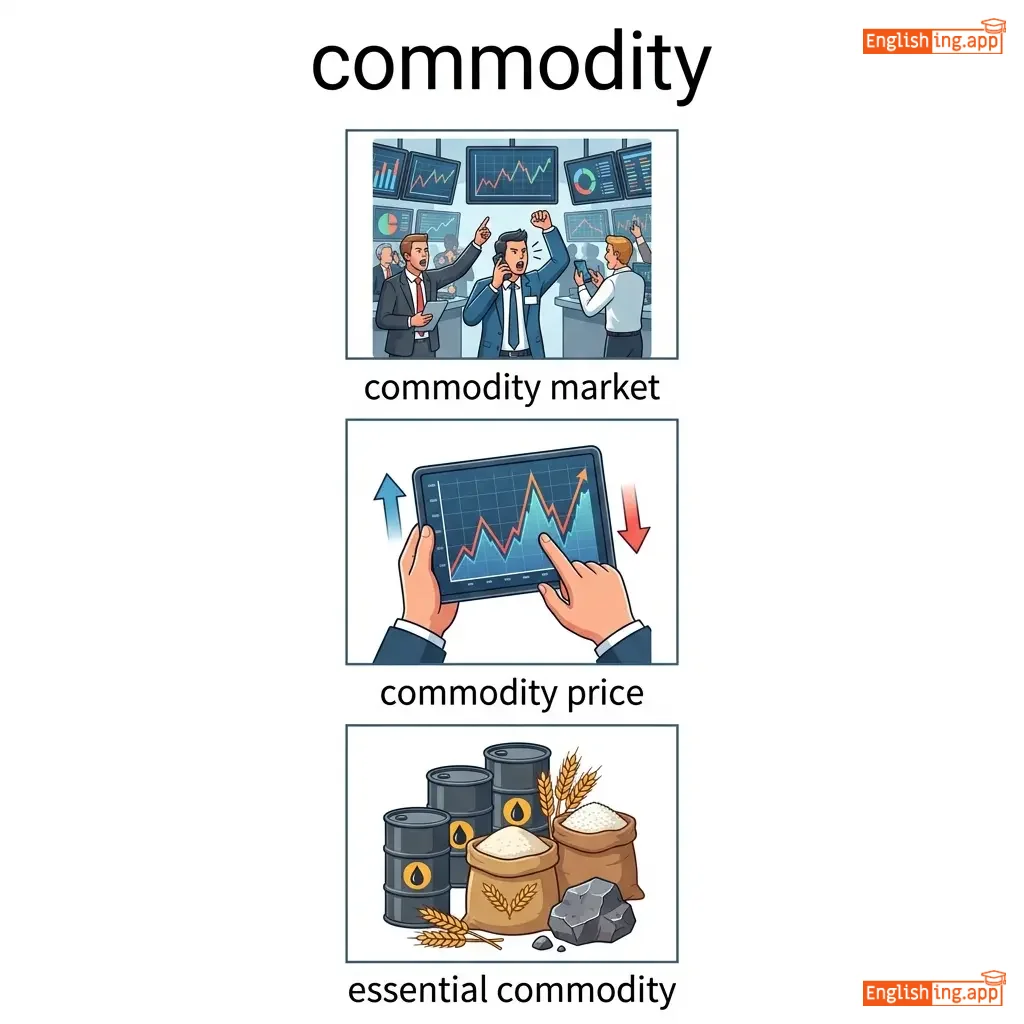
世界的经济体系主要分为两种——market economy 和 command economy。在以 capitalism 为基础的 market economy 中,个人所有权和 consumerism 起着重要作用,商业和 commodity 价格根据需求和 elasticity 确定。
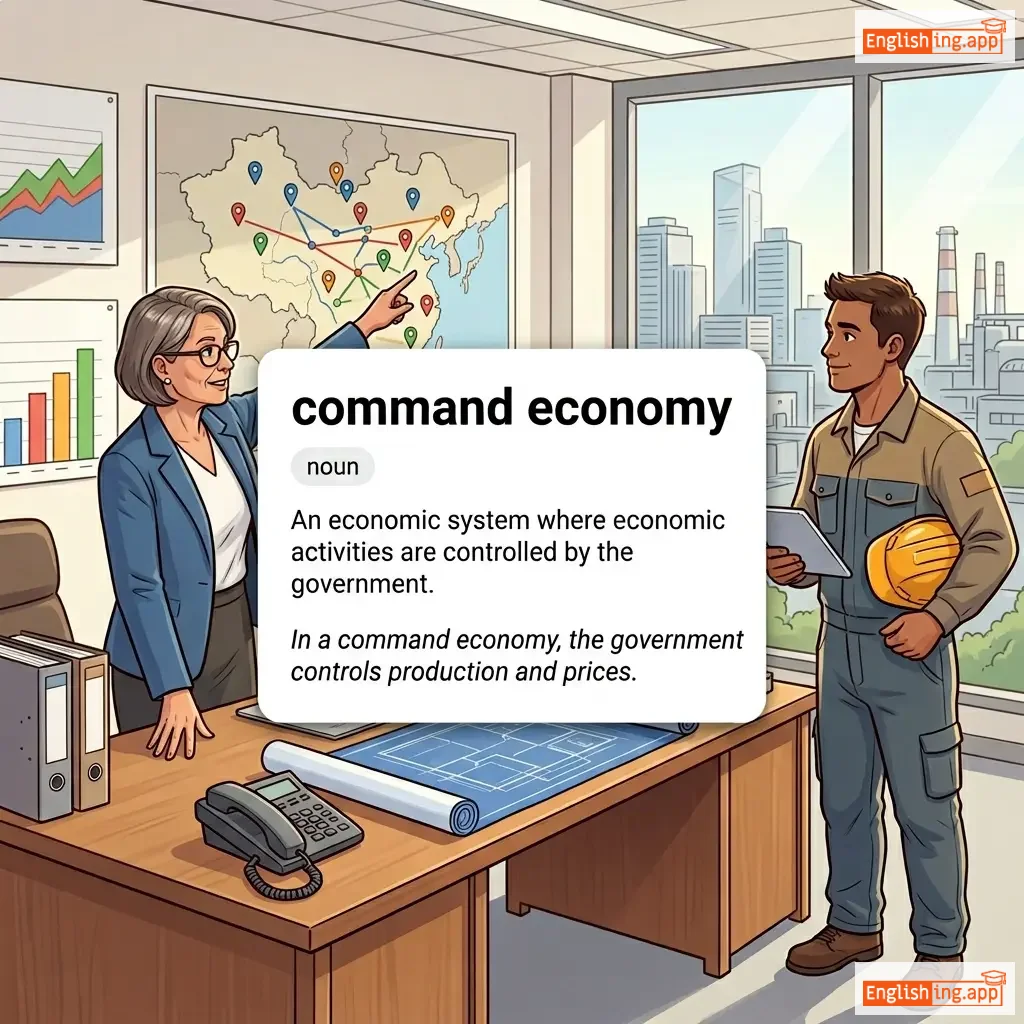
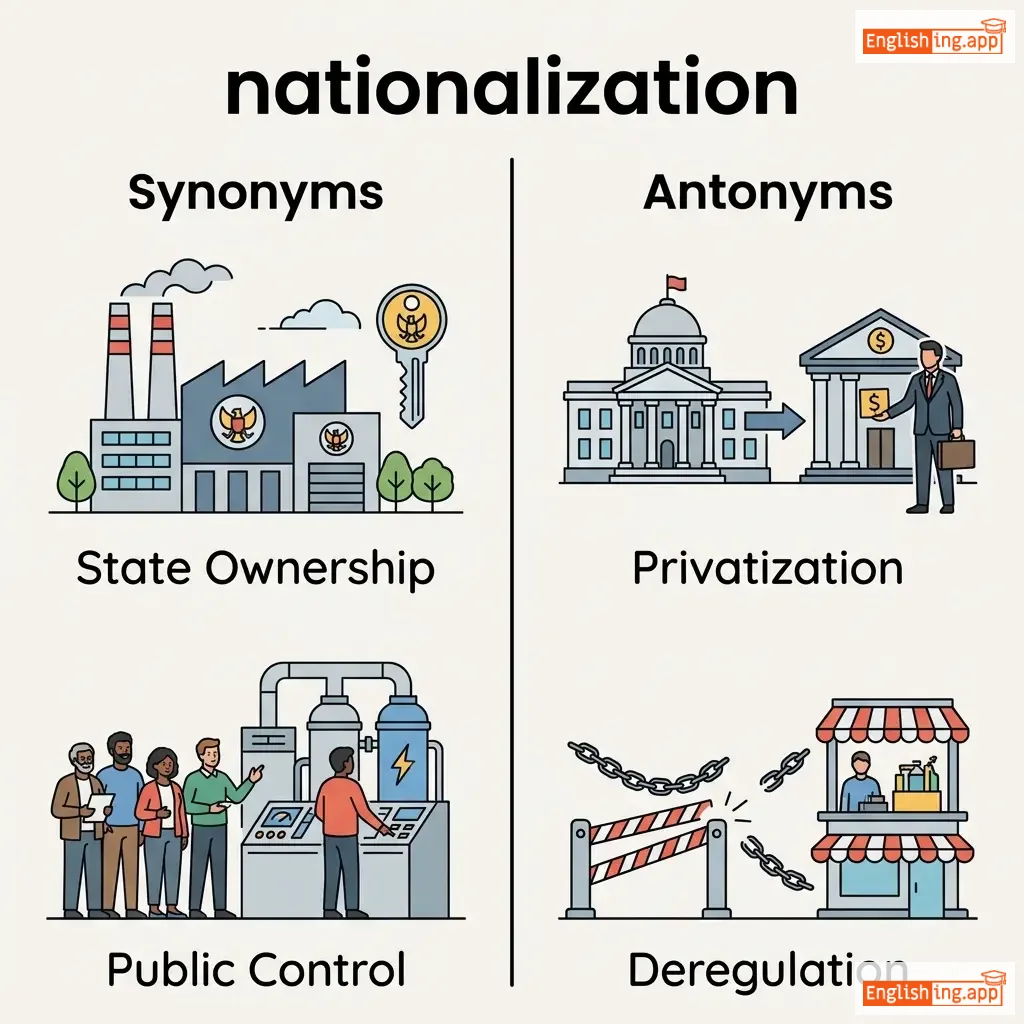
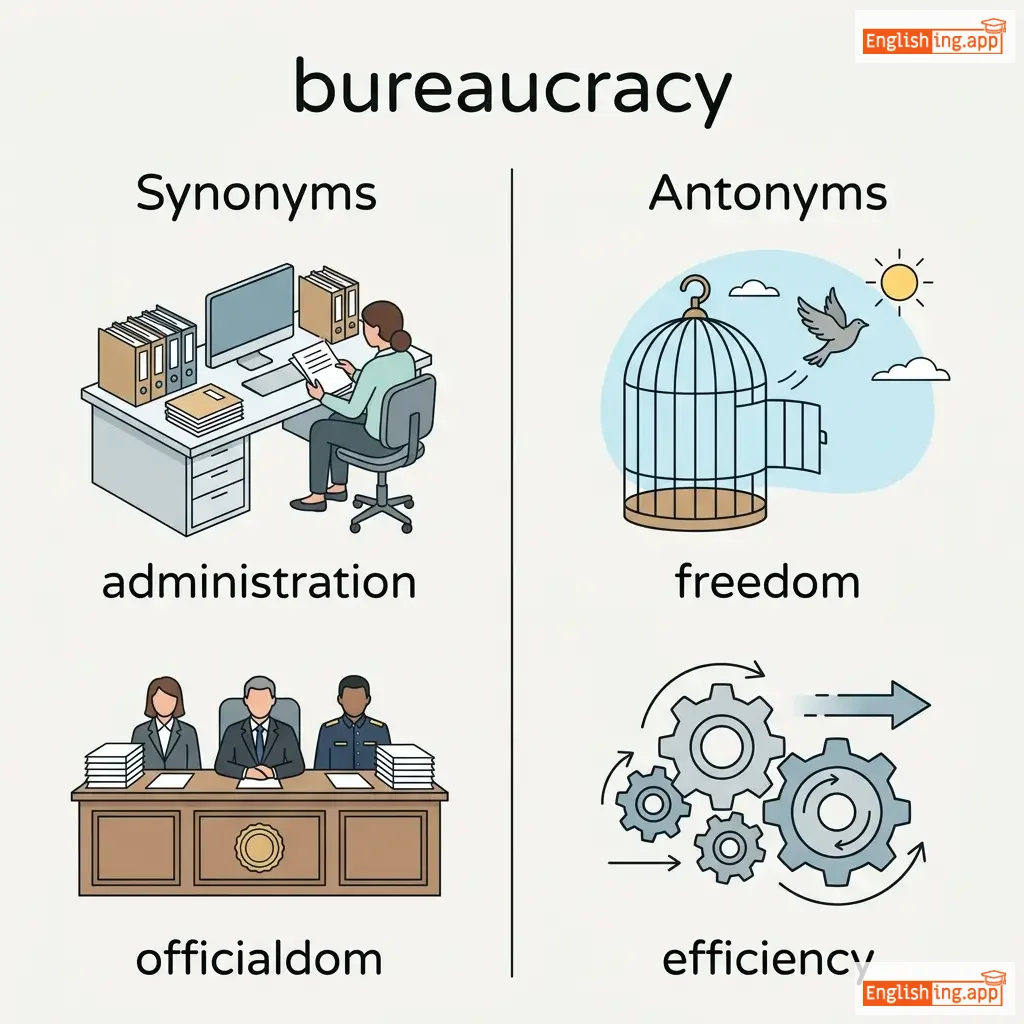
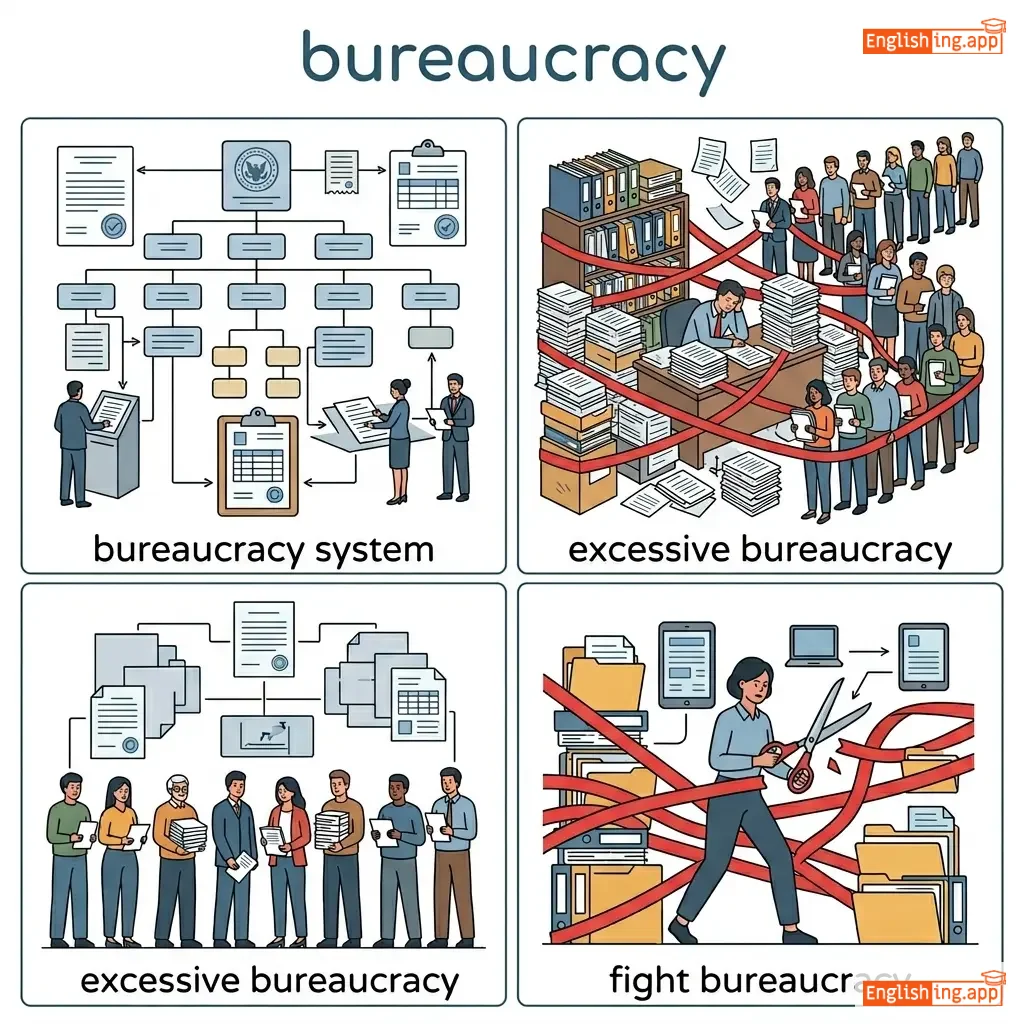
另一方面,在 command economy 中,经济原则由 centralization 管理,政府进行资源的 nationalization 并控制主要行业。这里的 bureaucracy 更为普遍,有时会减缓发展。
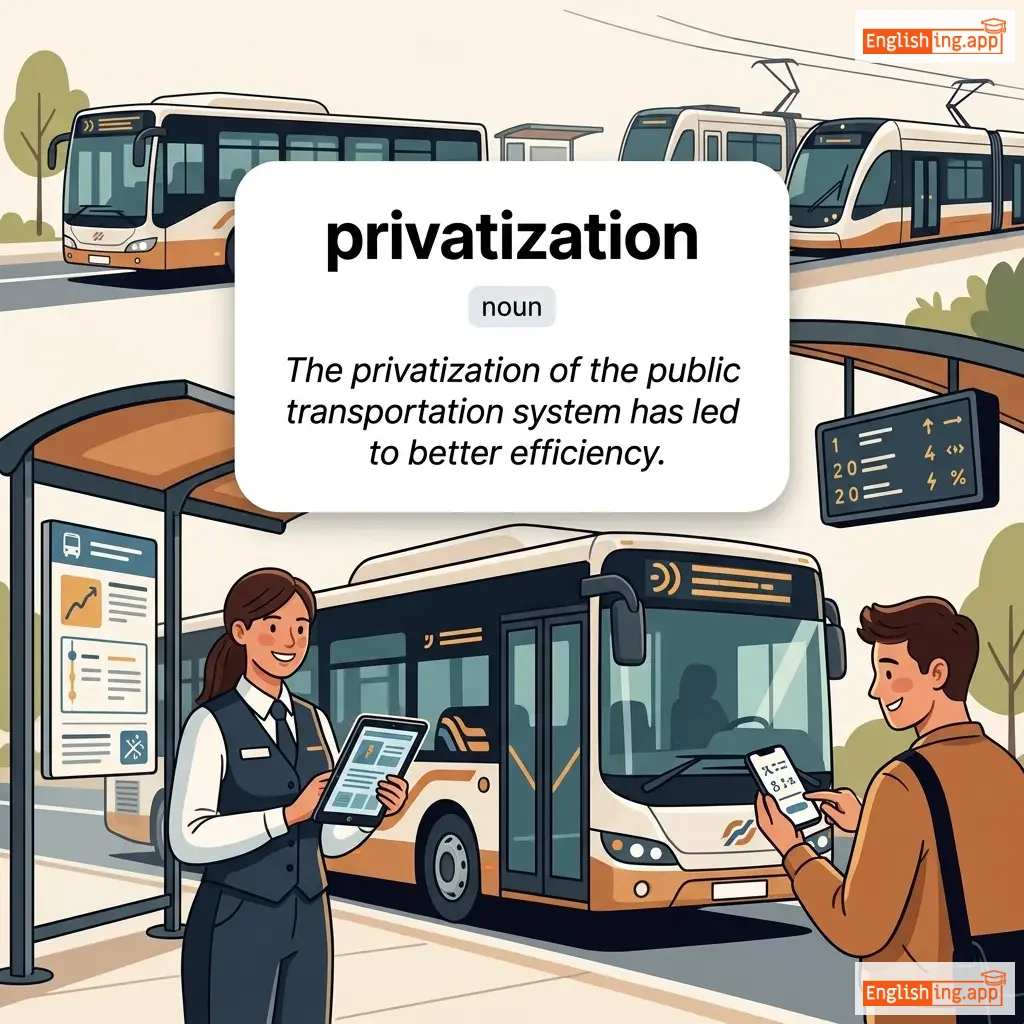
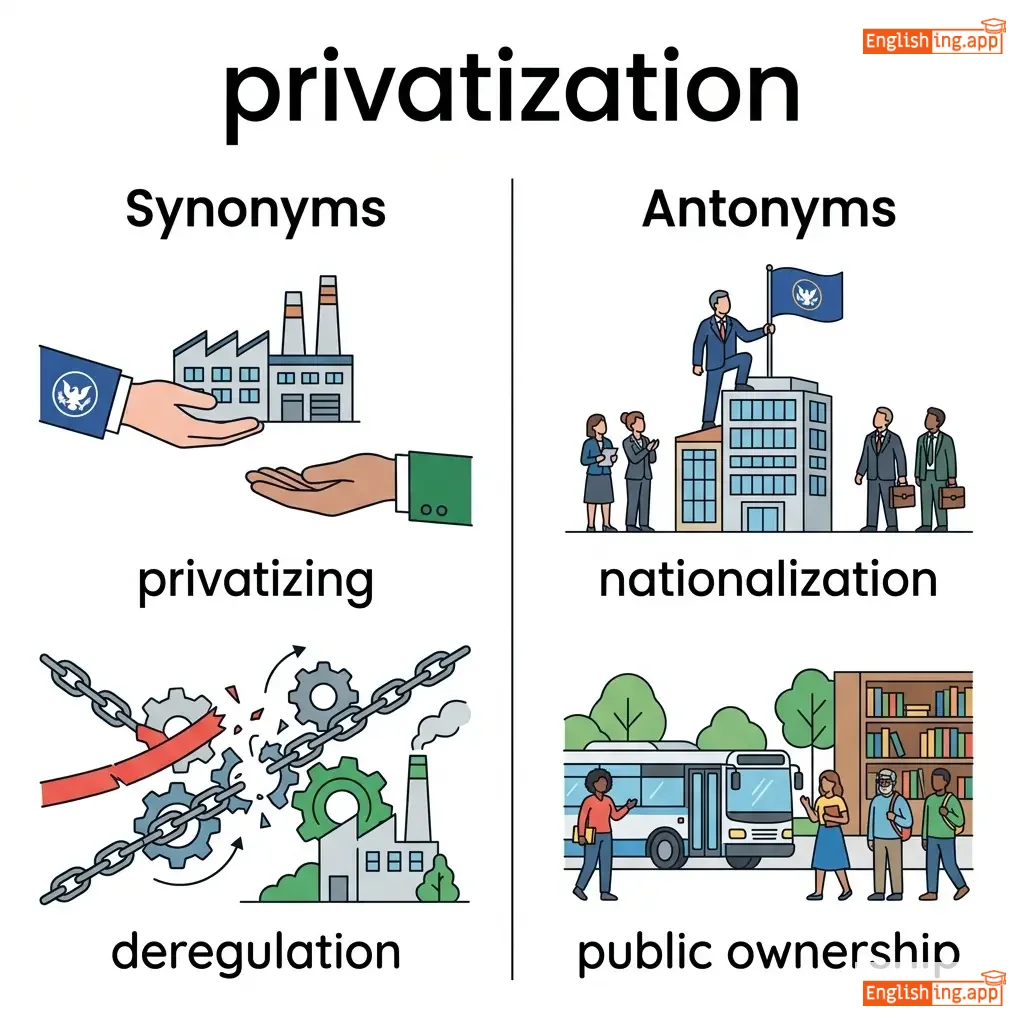
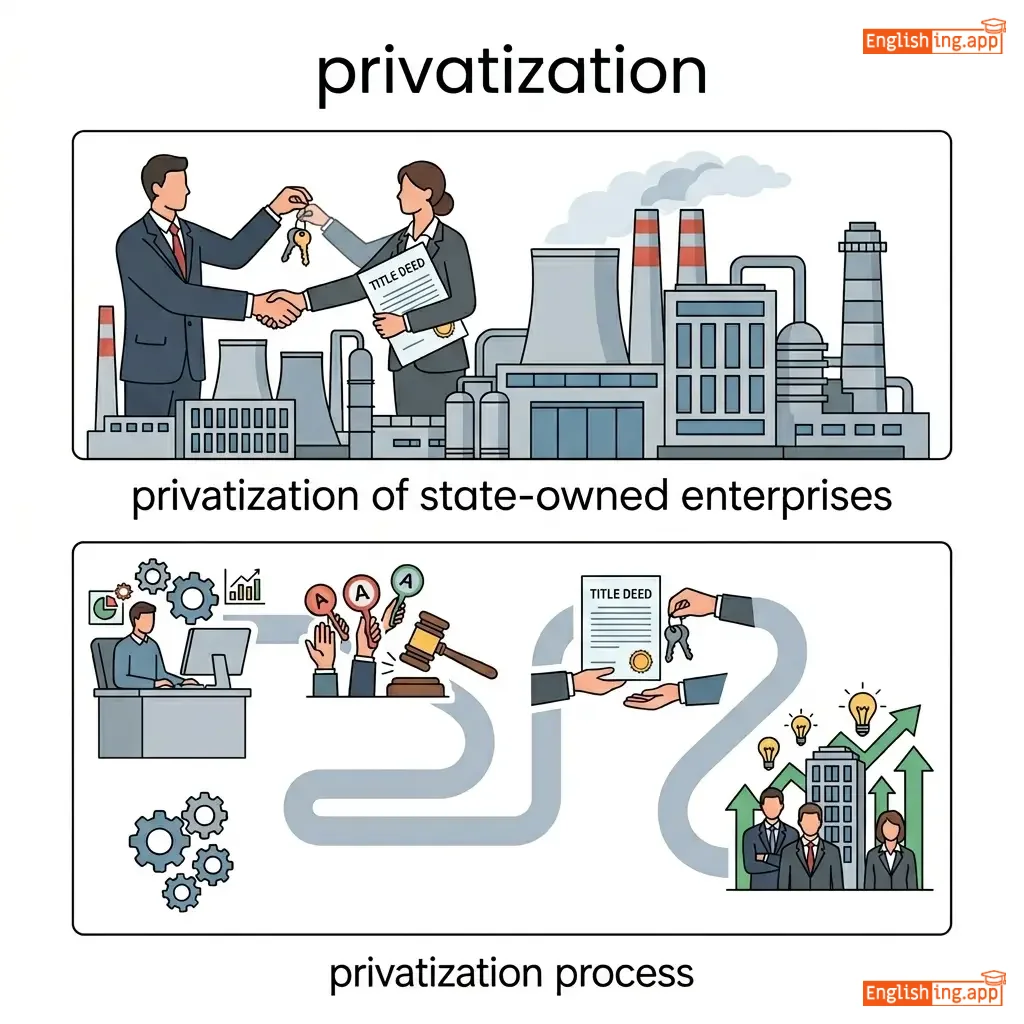
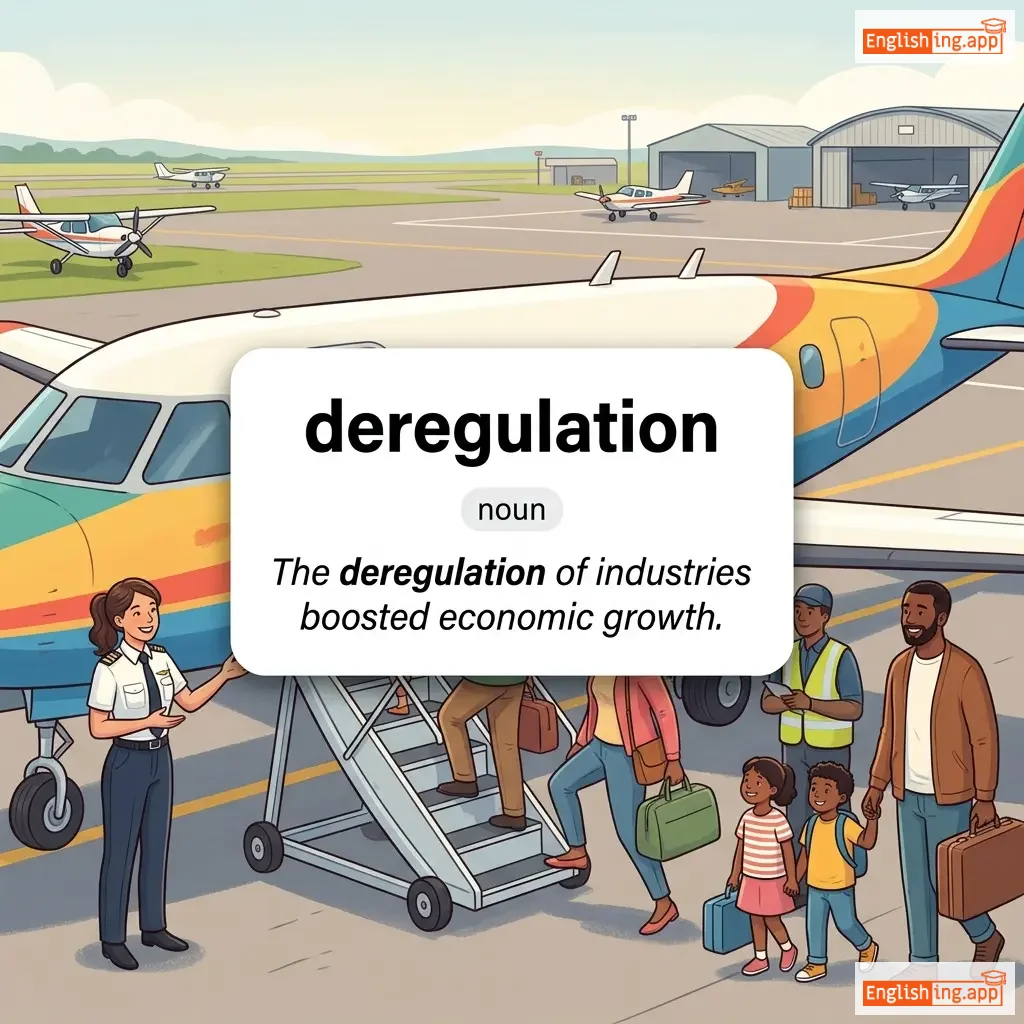
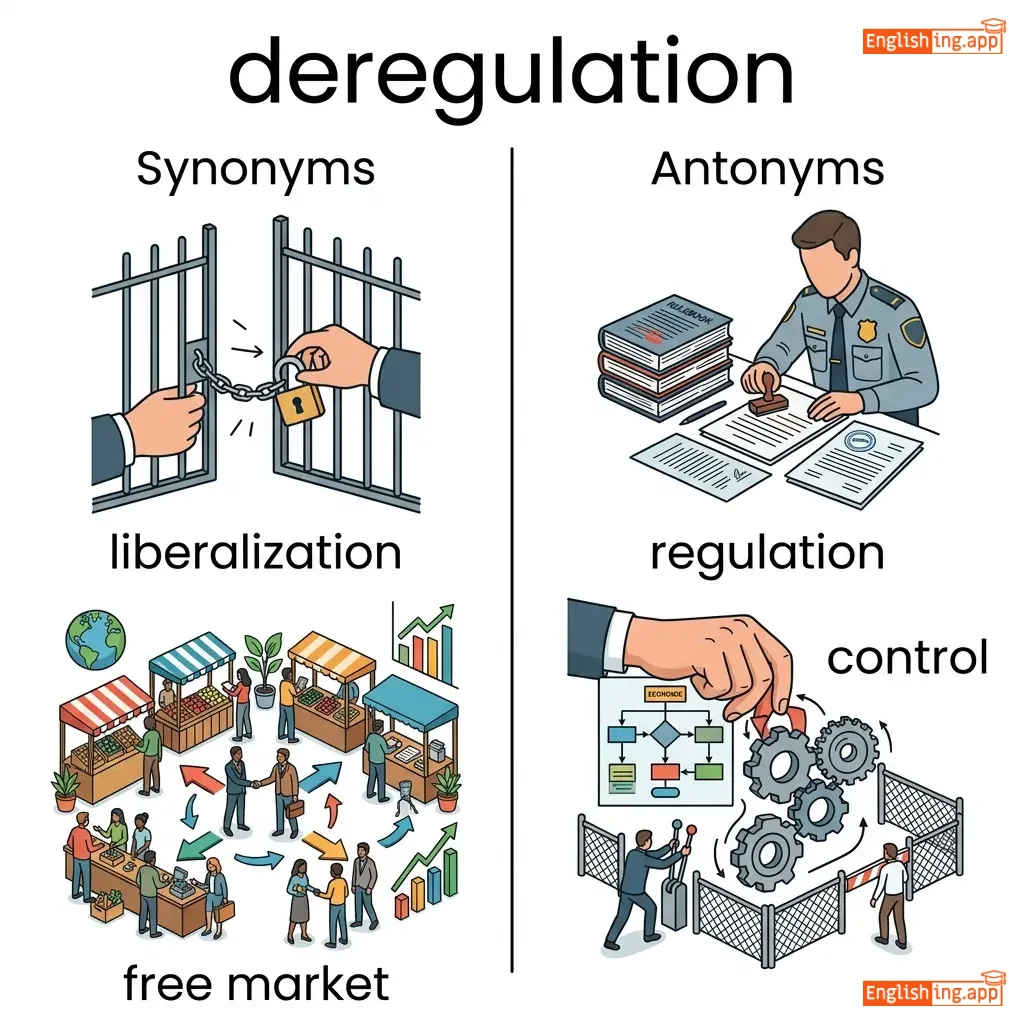
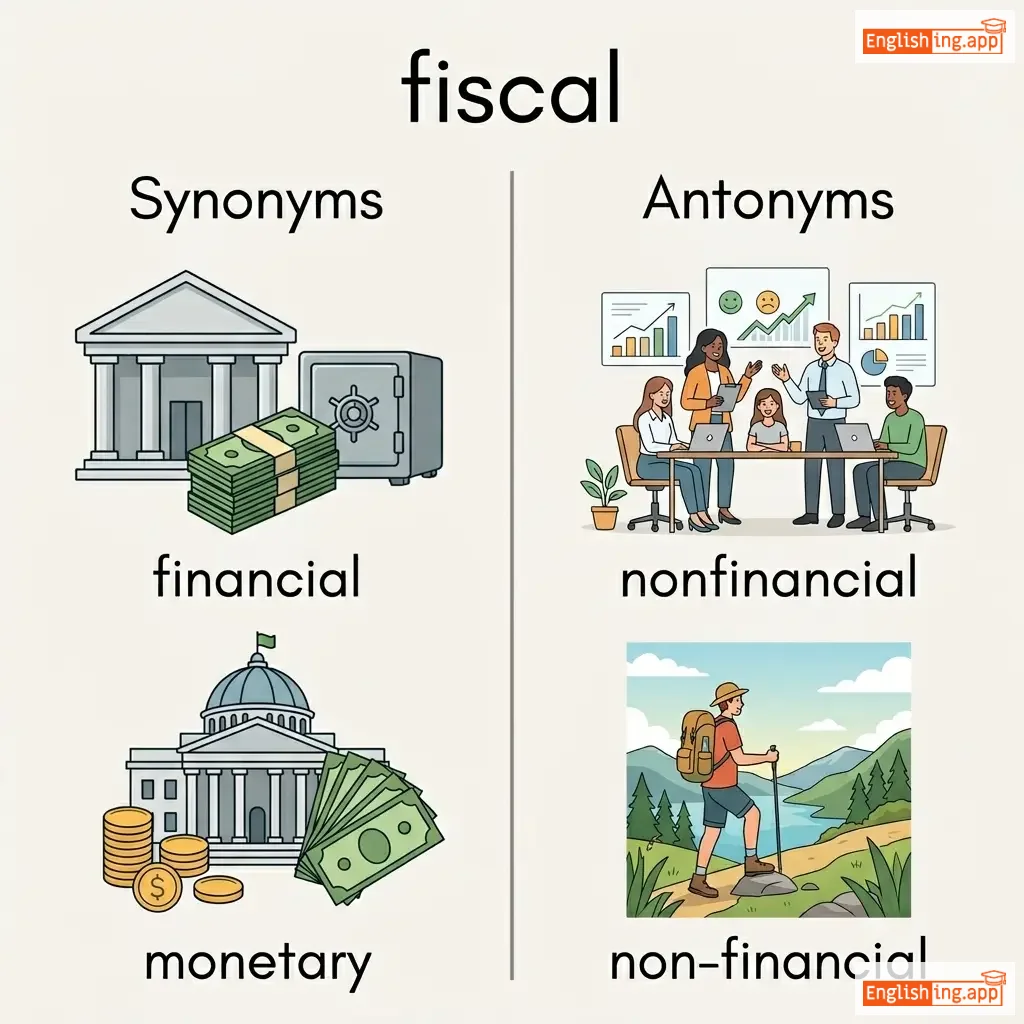
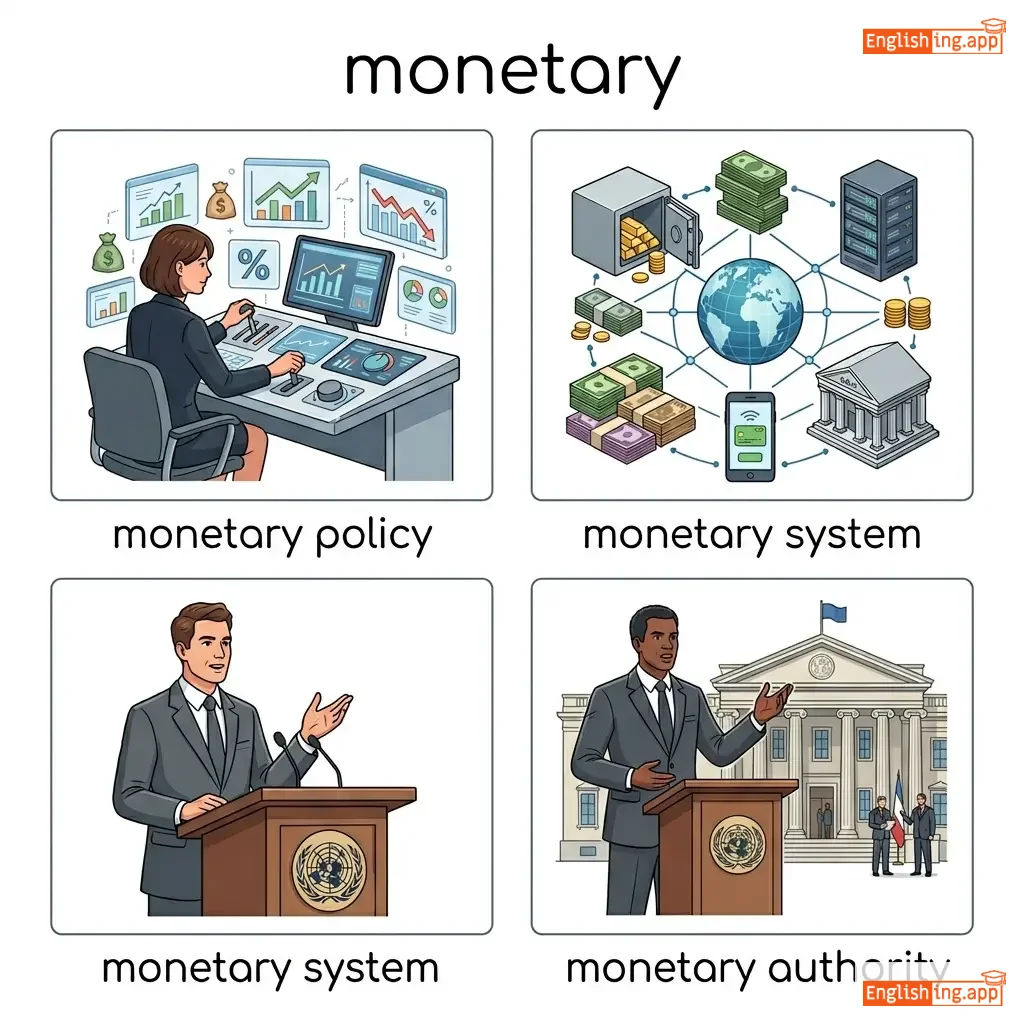
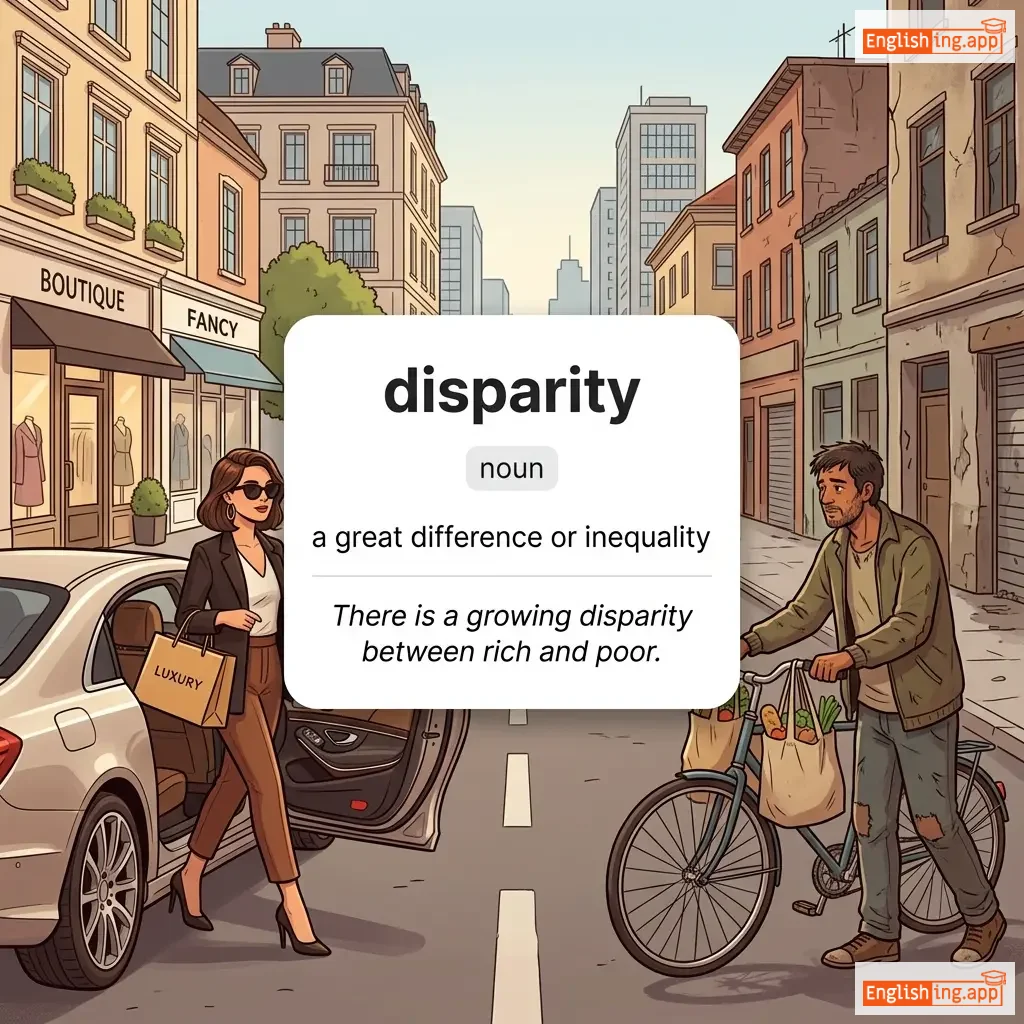
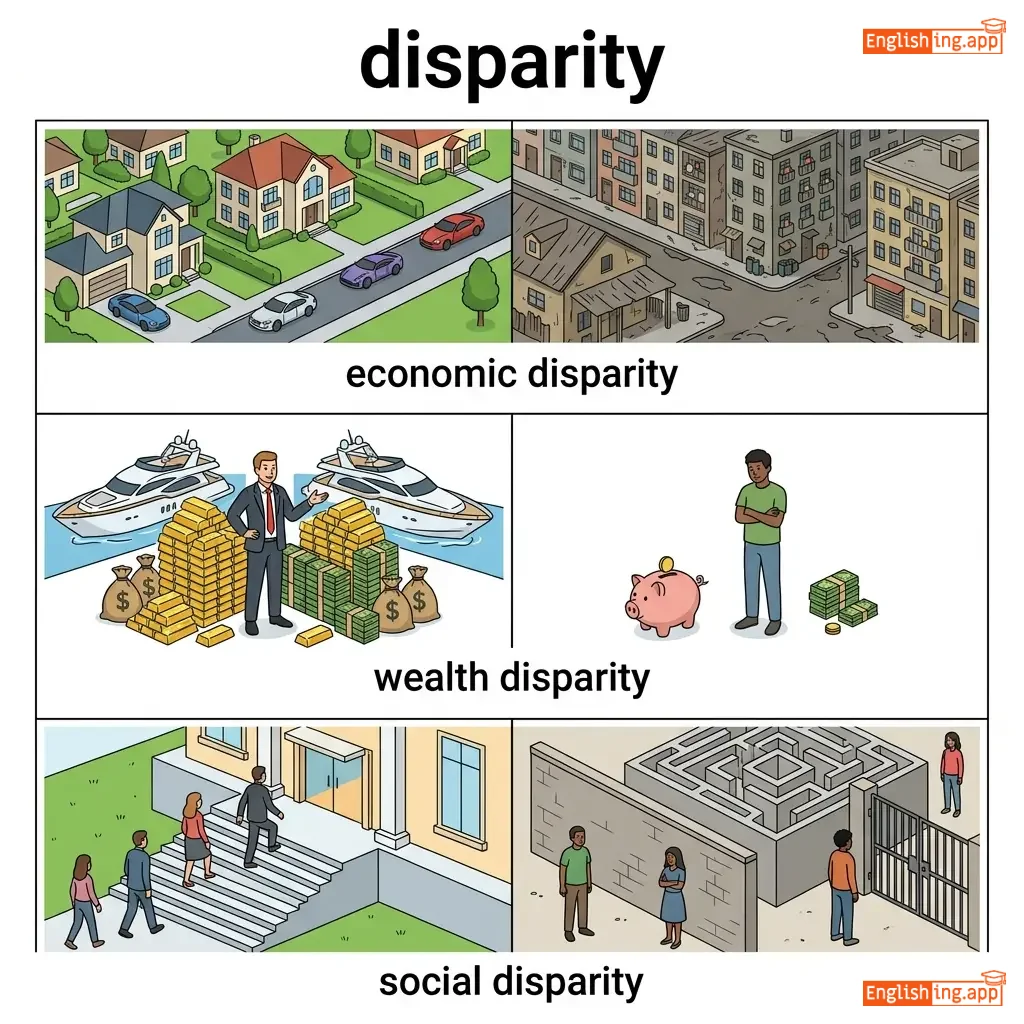
在 market economy 中,企业通过 privatization 和 deregulation 获得更多自由,fiscal 和 monetary 政策变得更加有利于商业。然而,这可能会加大贫富之间的 disparity。
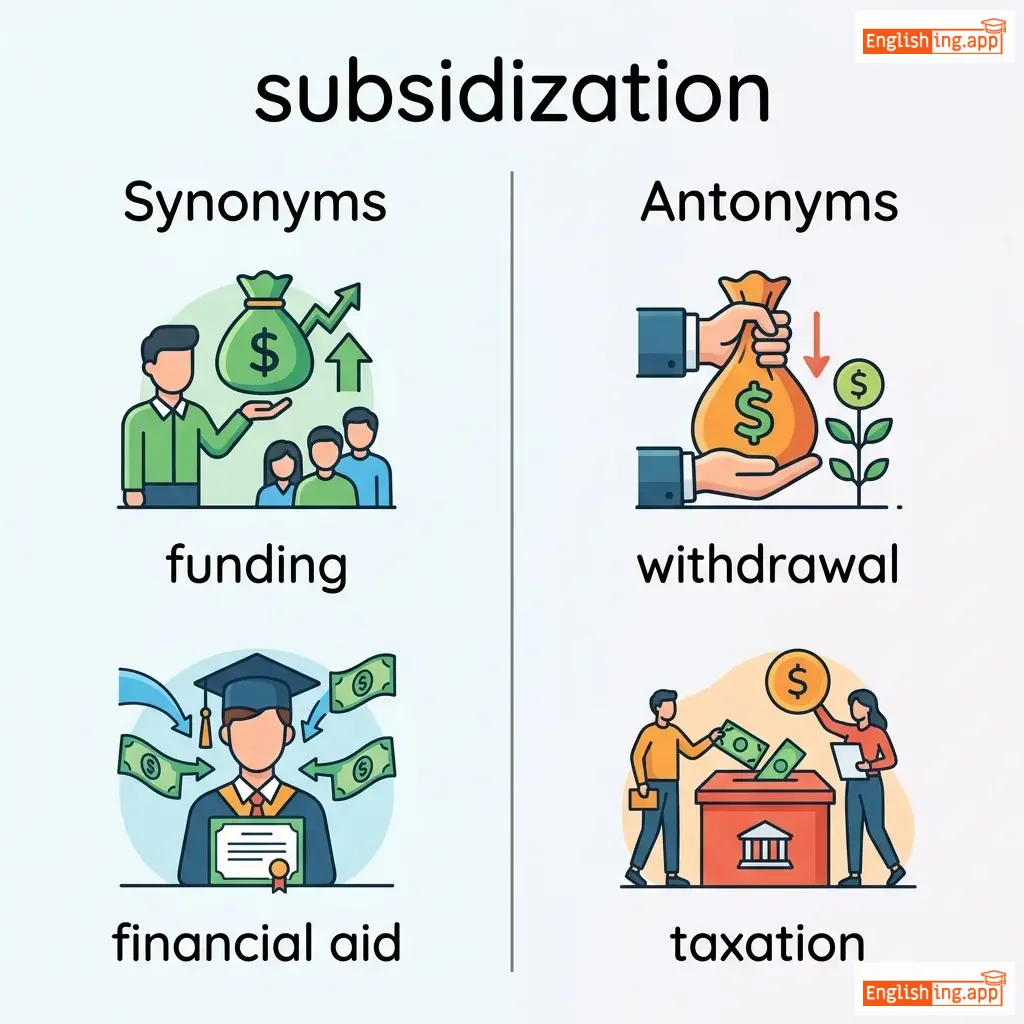
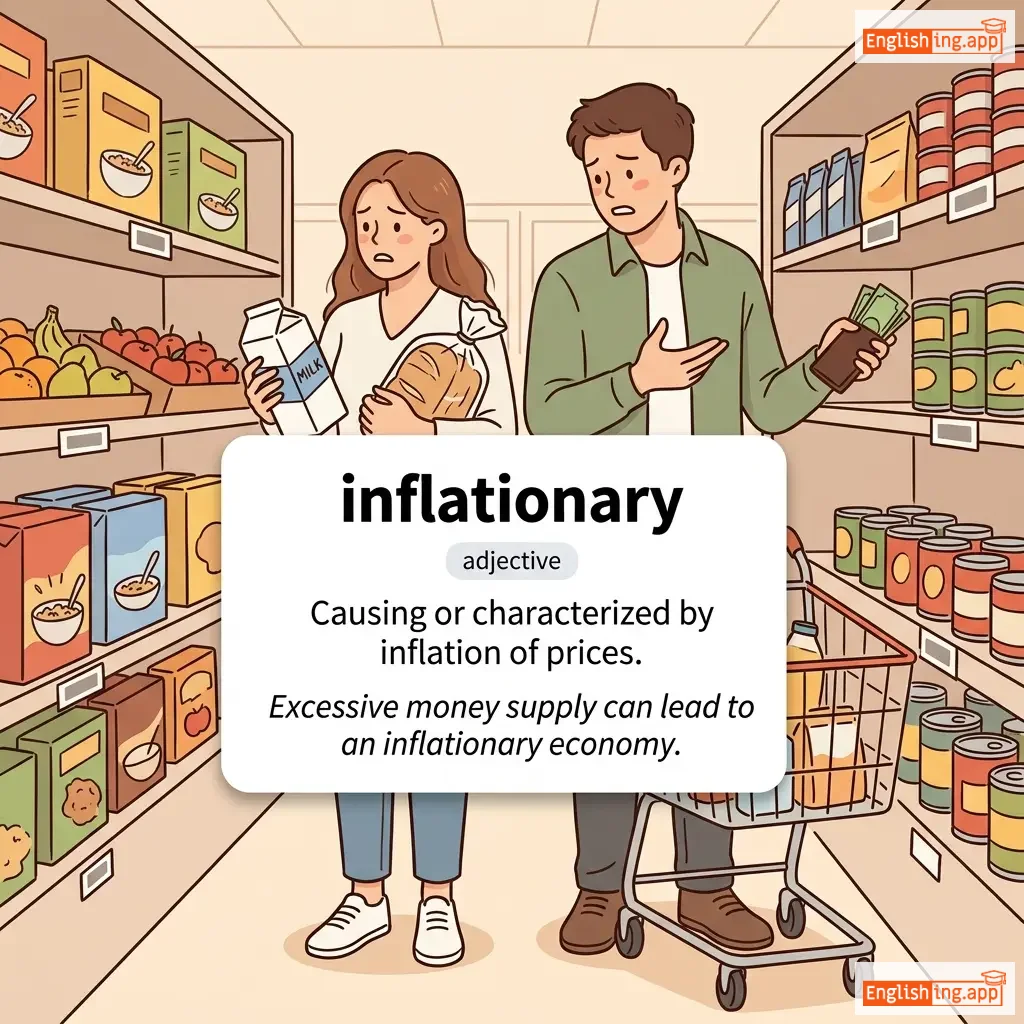
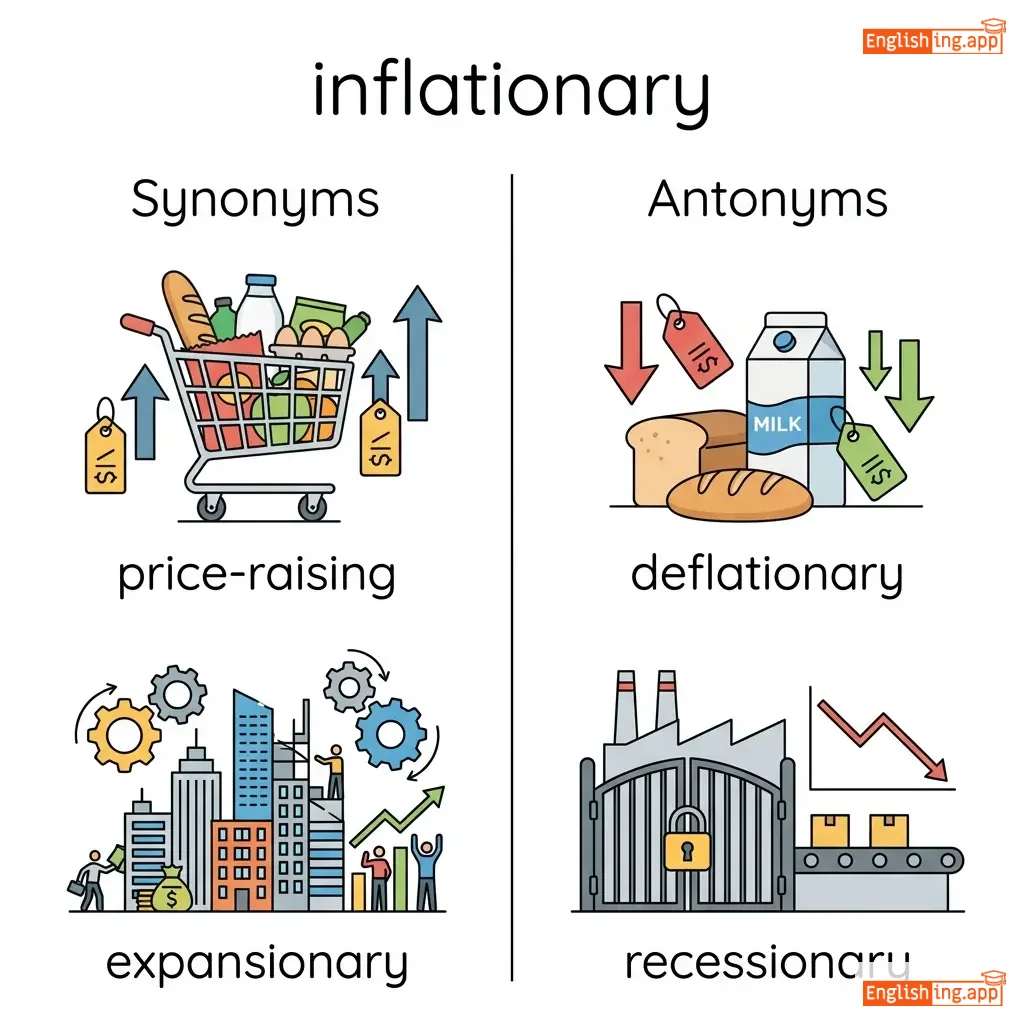
而在 command economy 中,政府通过 subsidization 来满足人民的基本需求,但这可能会产生 inflationary 压力。
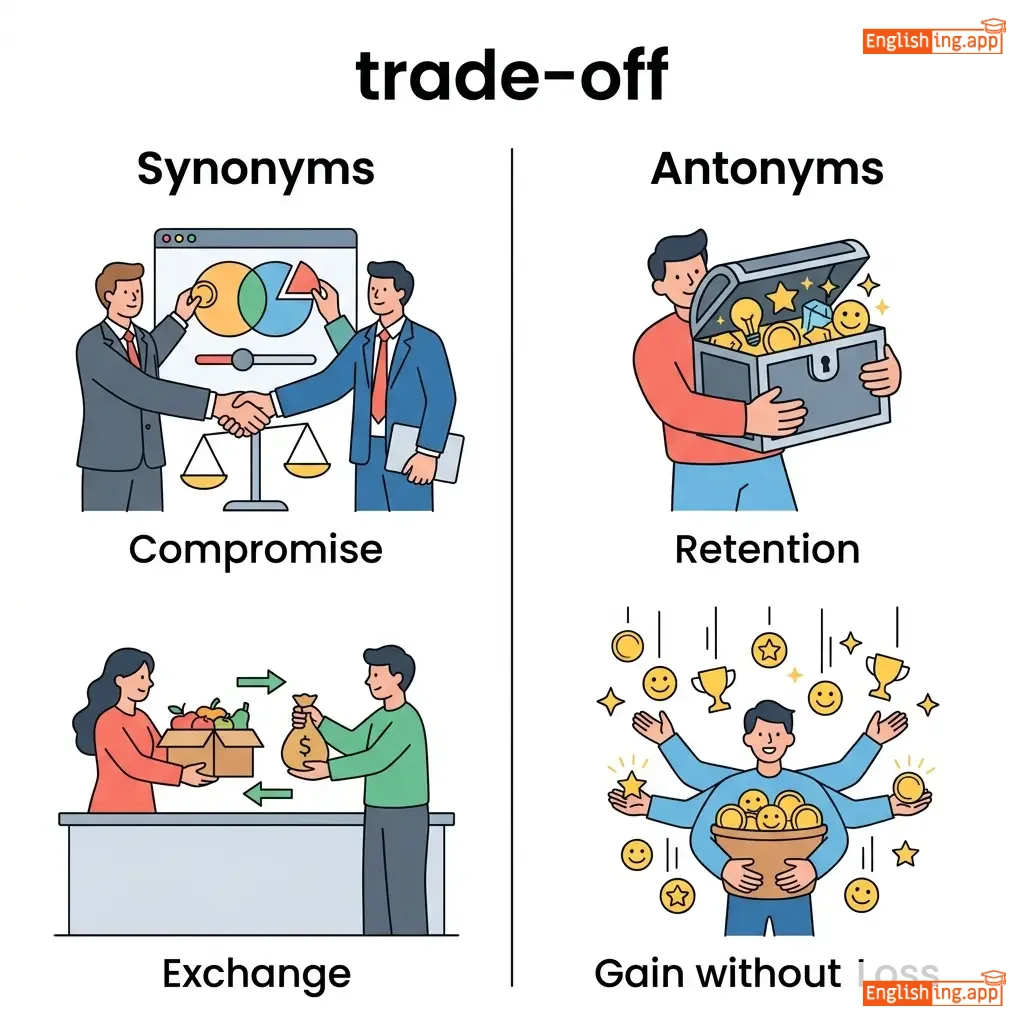
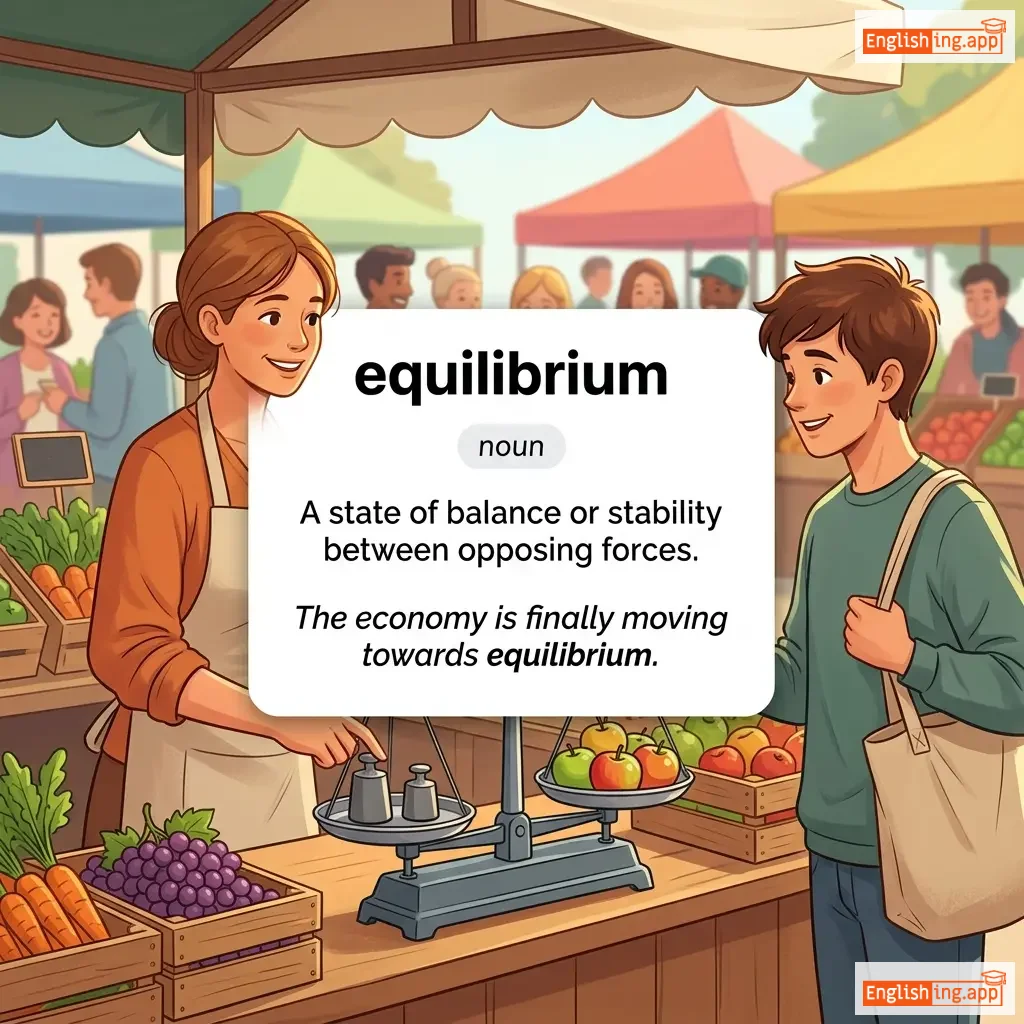
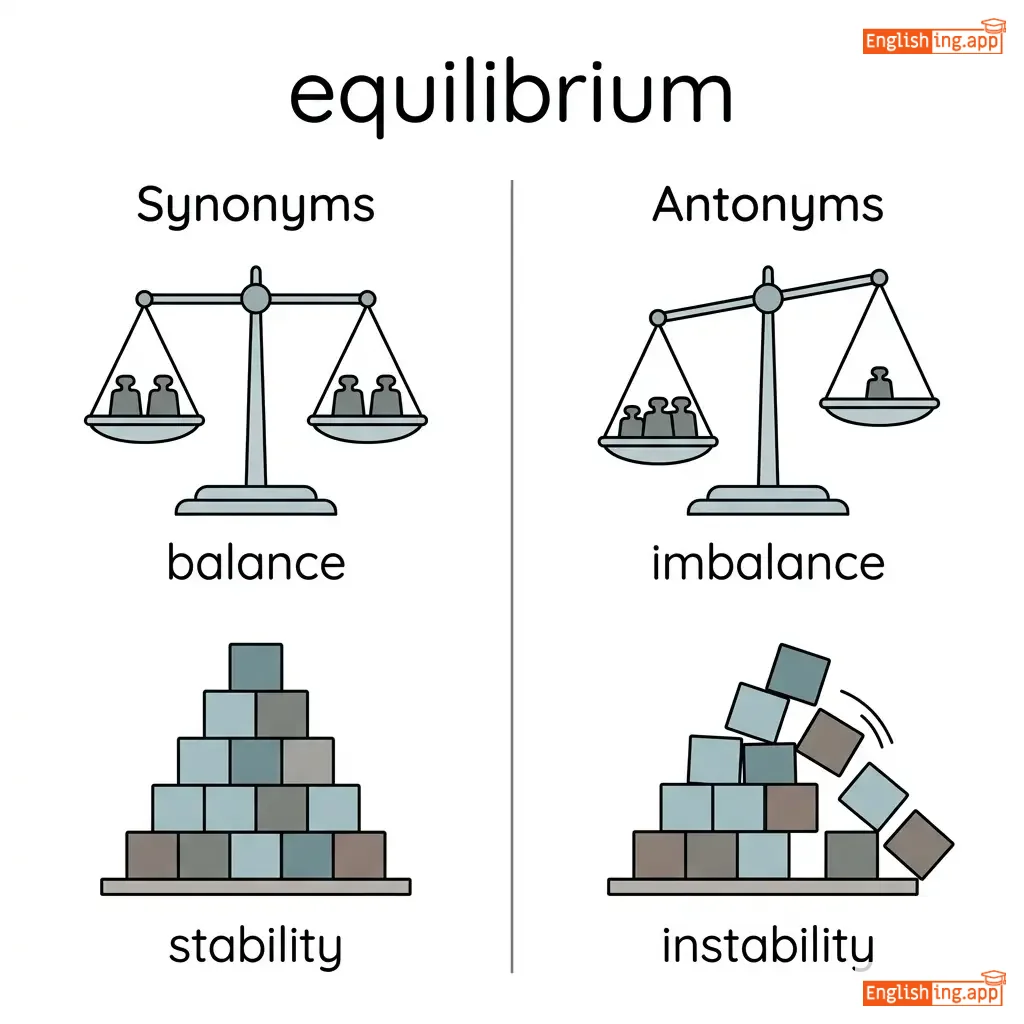
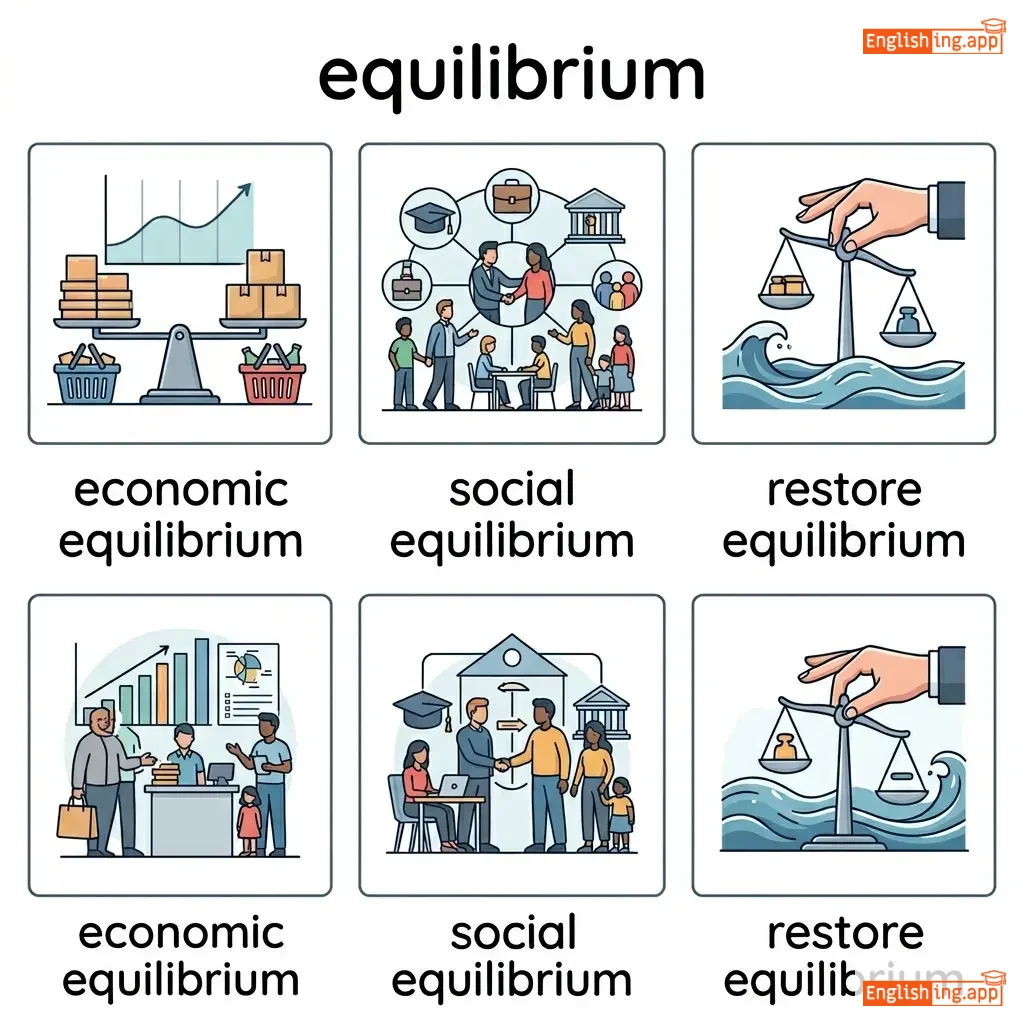
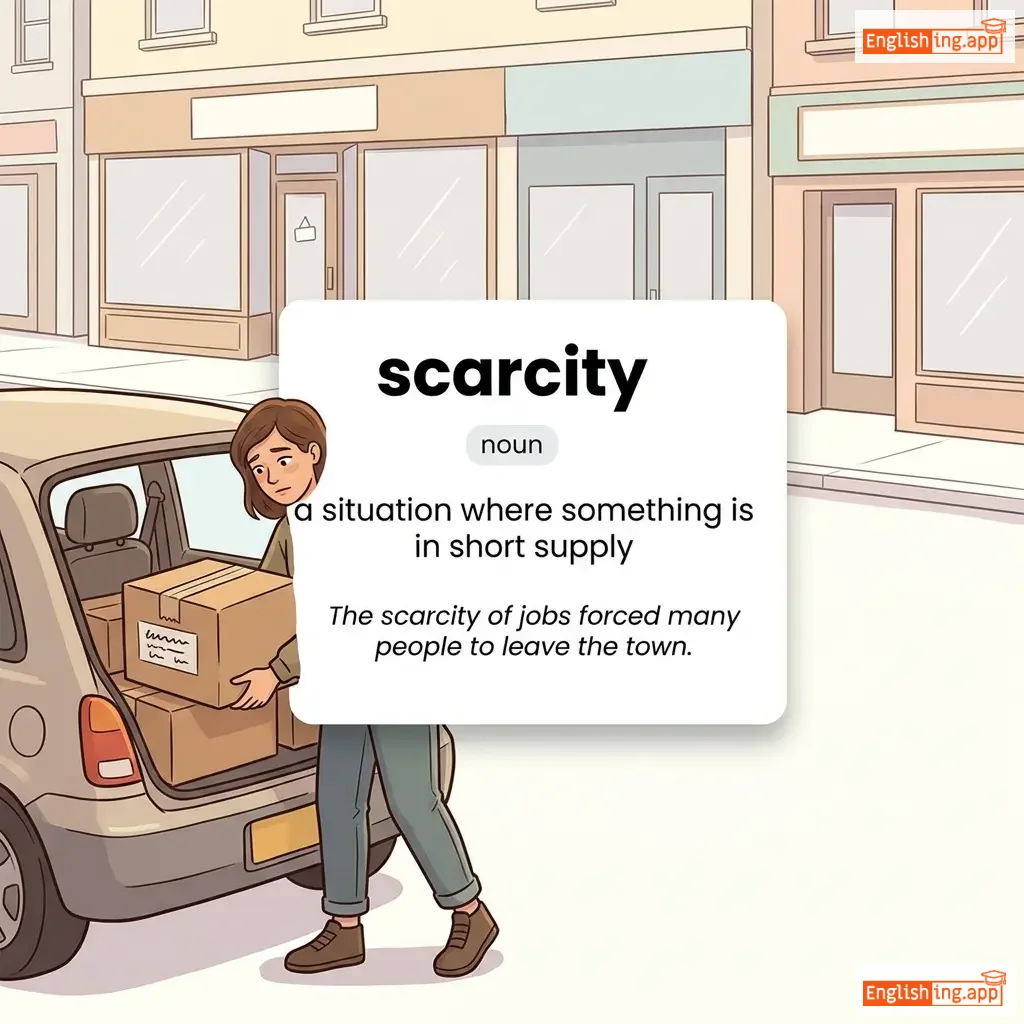
因此,在经济学中做出正确的 trade-off 很重要,以保持 equilibrium 并减少 scarcity。


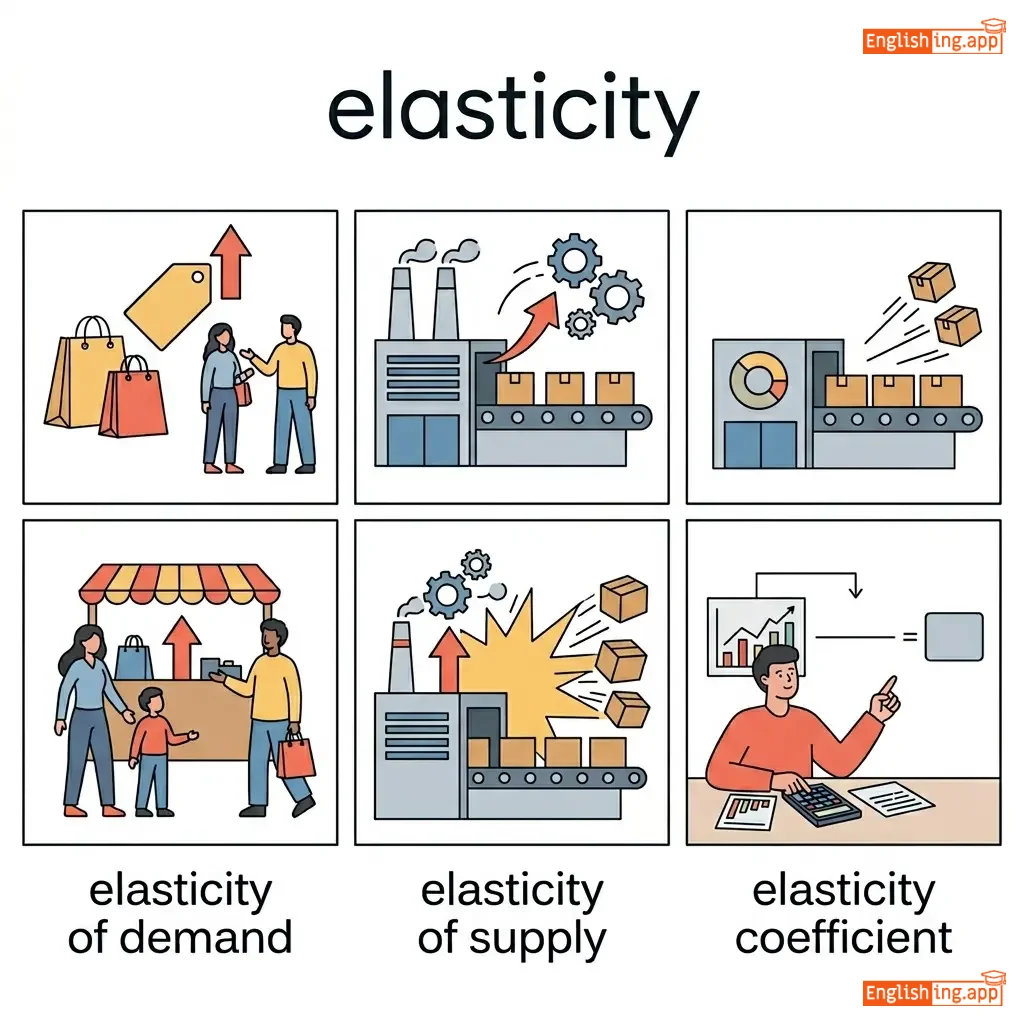
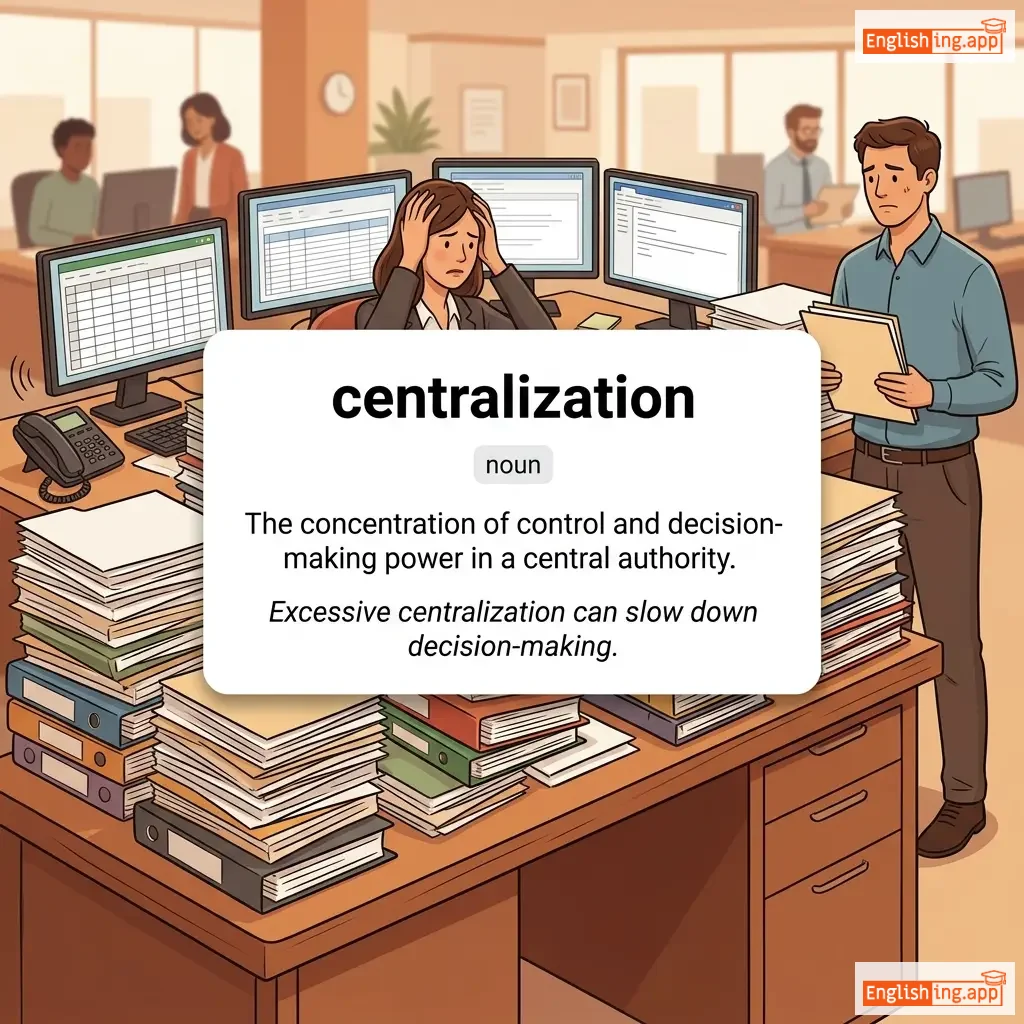
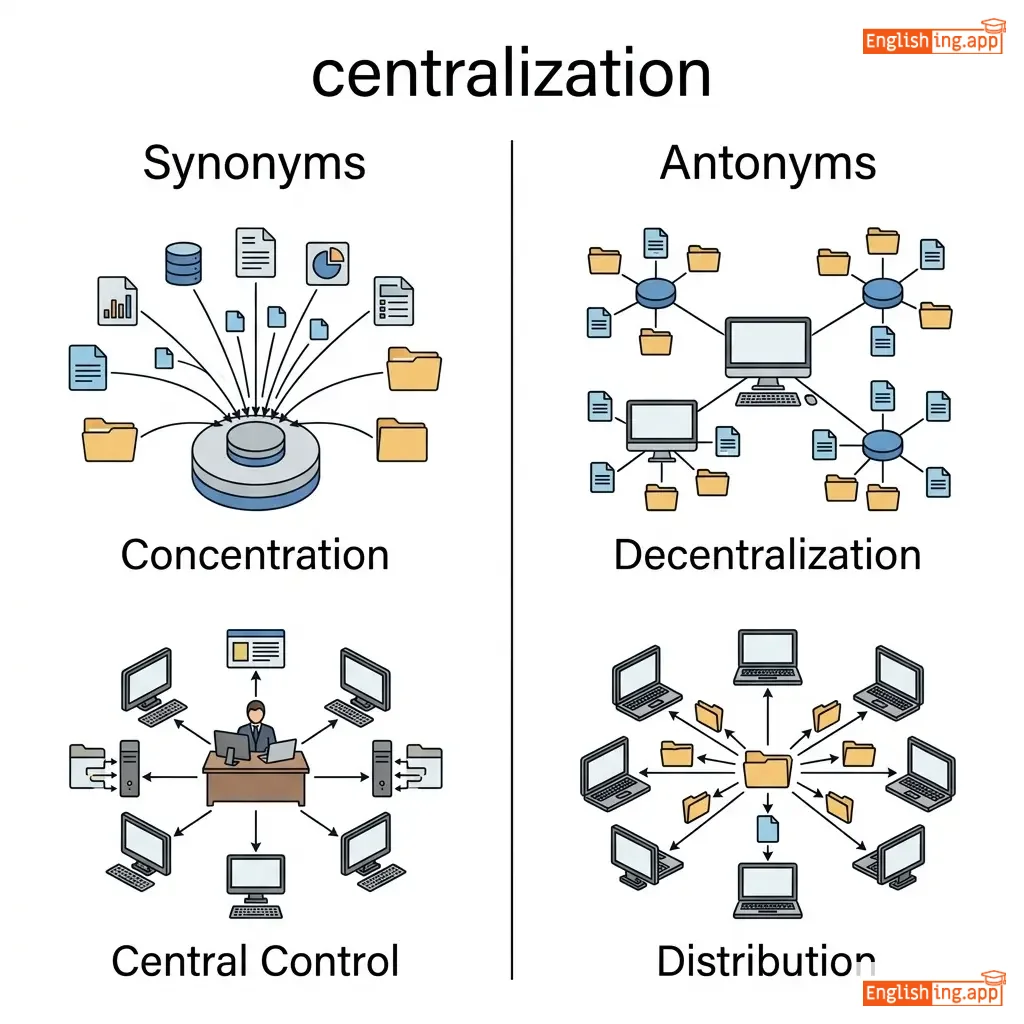
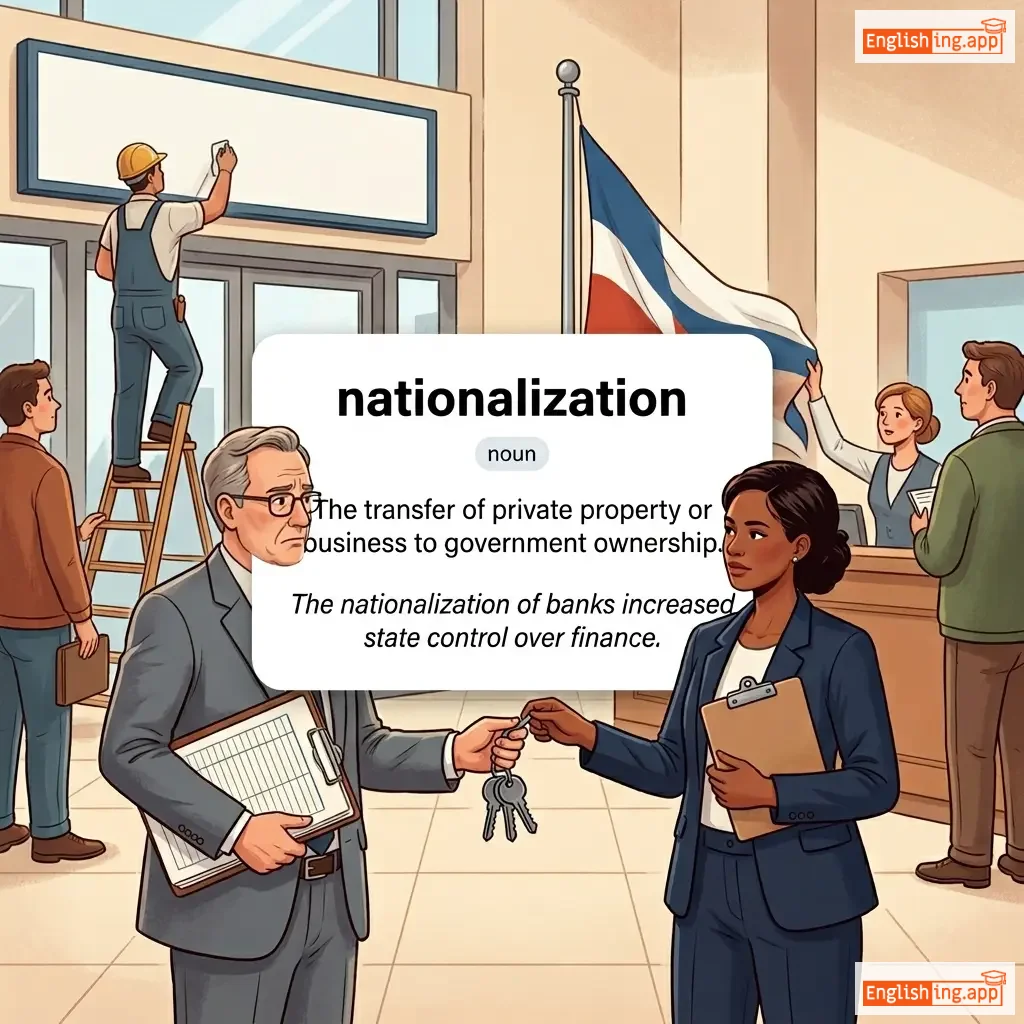




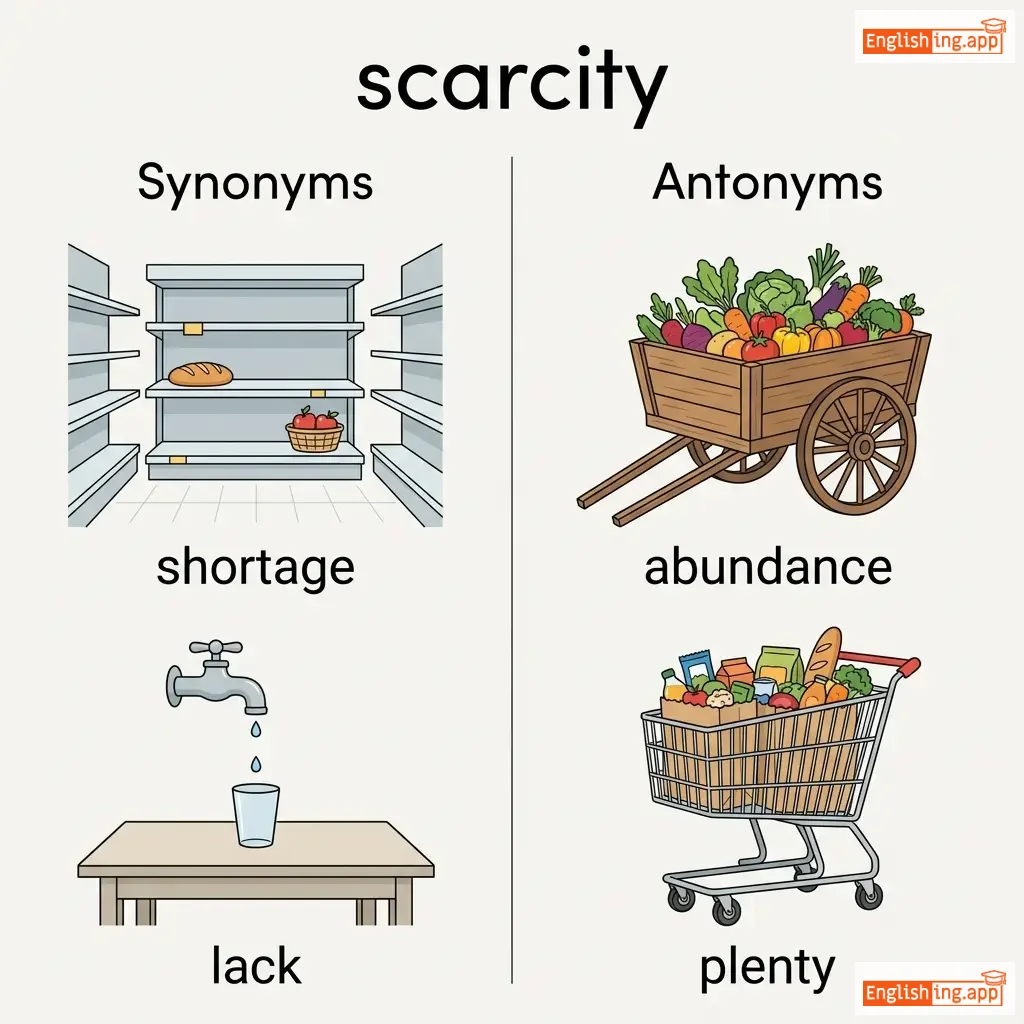
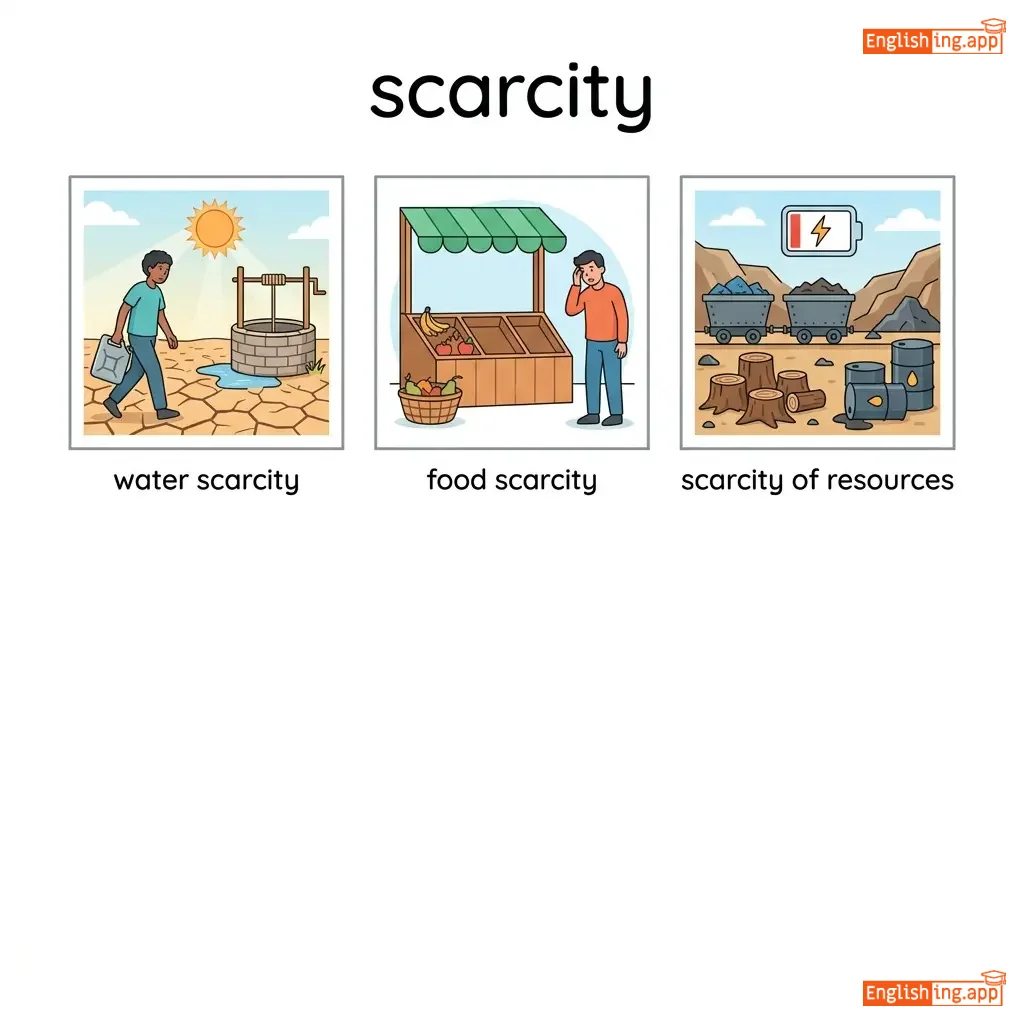
Swipe left or right, or use the buttons. Tap image to zoom.
例句翻译
单词
Market vs. Command Economies ExplainedMarket vs. Command Economies Explained - 遮罩切换
|
表情符号
|
单词 | Images | 翻译 | 含义 | 例句 | 例句翻译 | 同义词 | 反义词 | 助记符 |
|---|---|---|---|---|---|---|---|---|---|
|
#2523
📈
|
ˈmɑːr.kɪt ɪˈkɒn.ə.mi
noun
(mǎkè tè yī kē nà mì)
••••••
|
|
市场经济
shichang jingji
••••••
|
An economic system where production and pricing decisions are controlled by individuals and based on supply and demand.
••••••
|
A market economy allows businesses to compete freely. |
市场经济允许企业自由竞争。
Shichang jingji yunxu qiye ziji jingzheng.
••••••
|
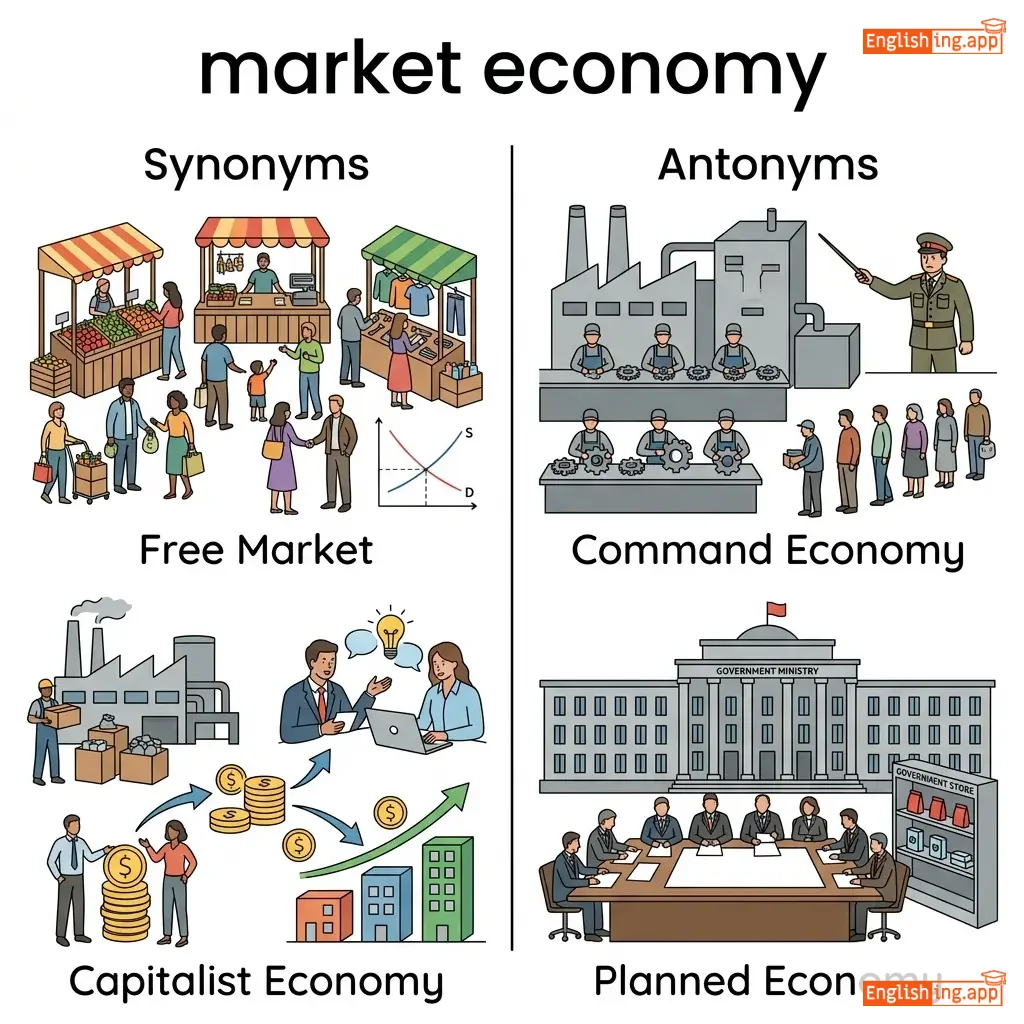
Free Market, Capitalist Economy, Laissez-faire System
••••••
|
Command Economy, Planned Economy, State-controlled Economy
••••••
|
市场经济 = 企业自由竞争
••••••
|
|
#2524
🏛️
|
kəˈmɑːnd ɪˈkɒn.ə.mi
noun
(命令经济)
••••••
|
|
计划经济
jihuajingji
••••••
|
An economic system where economic activities are controlled by the government.
••••••
|
In a command economy, the government controls production and prices. |
在计划经济中,政府控制生产和价格。
Zai jihua jingji zhong, zhengfu kongzhi shengchan he jiage.
••••••
|
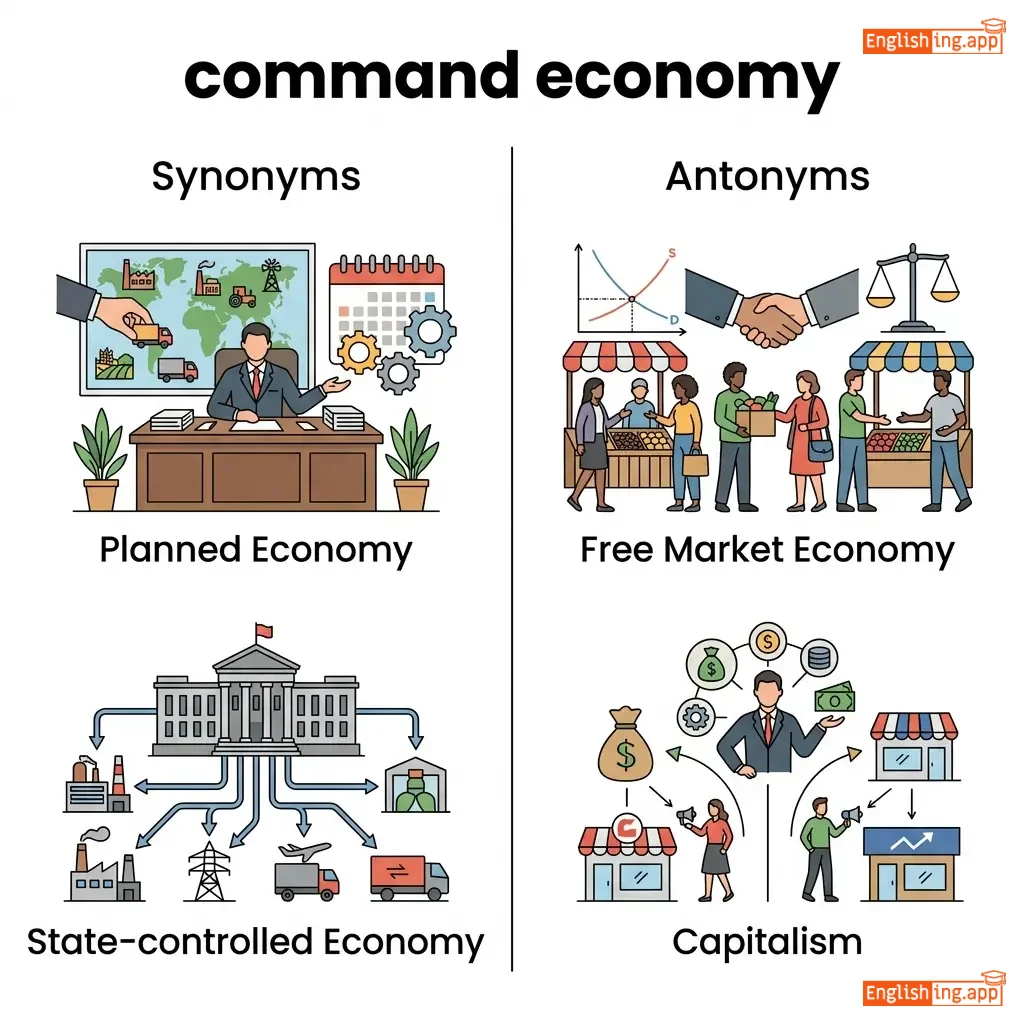
Planned Economy, State-controlled Economy, Centralized Economy
••••••
|
Free Market Economy, Capitalism, Deregulated Economy
••••••
|
政府掌控所有经济活动
••••••
|
|
#2525
💰
|
ˈkæp.ɪ.təl.ɪ.zəm
noun
(资本主义)
••••••
|
|
资本主义
zīběn zhǔyì
••••••
|
An economic system where trade, industry and production are privately owned and operated for profit.
••••••
|
Capitalism encourages innovation and competition.
资本主义鼓励创新和竞争。
••••••
|
资本主义鼓励创新和竞争。
Zīběn zhǔyì gǔlì chuàngxīn hé jìngzhēng.
••••••
|
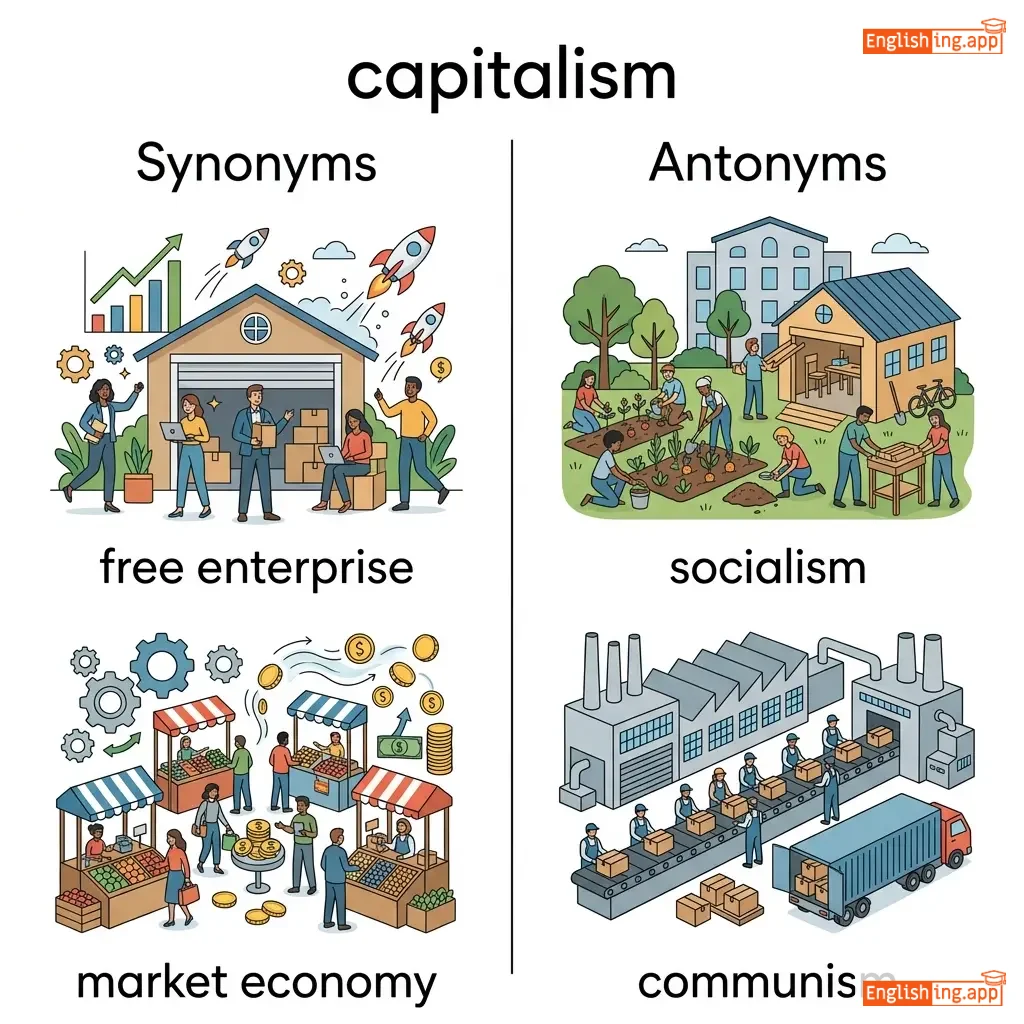
Free Enterprise, Market System, Private Ownership
••••••
|
Socialism, Communism, Collectivism
••••••
|
Zīběn zhǔyì, where the focus is on private trade and profit.
••••••
|
|
#2526
🛒
|
kənˈsjuː.mə.rɪ.zəm
noun
(kənˈsjuː.mə.rɪ.zəm)
••••••
|
|
消费主义
xiāofèizhǔyì
••••••
|
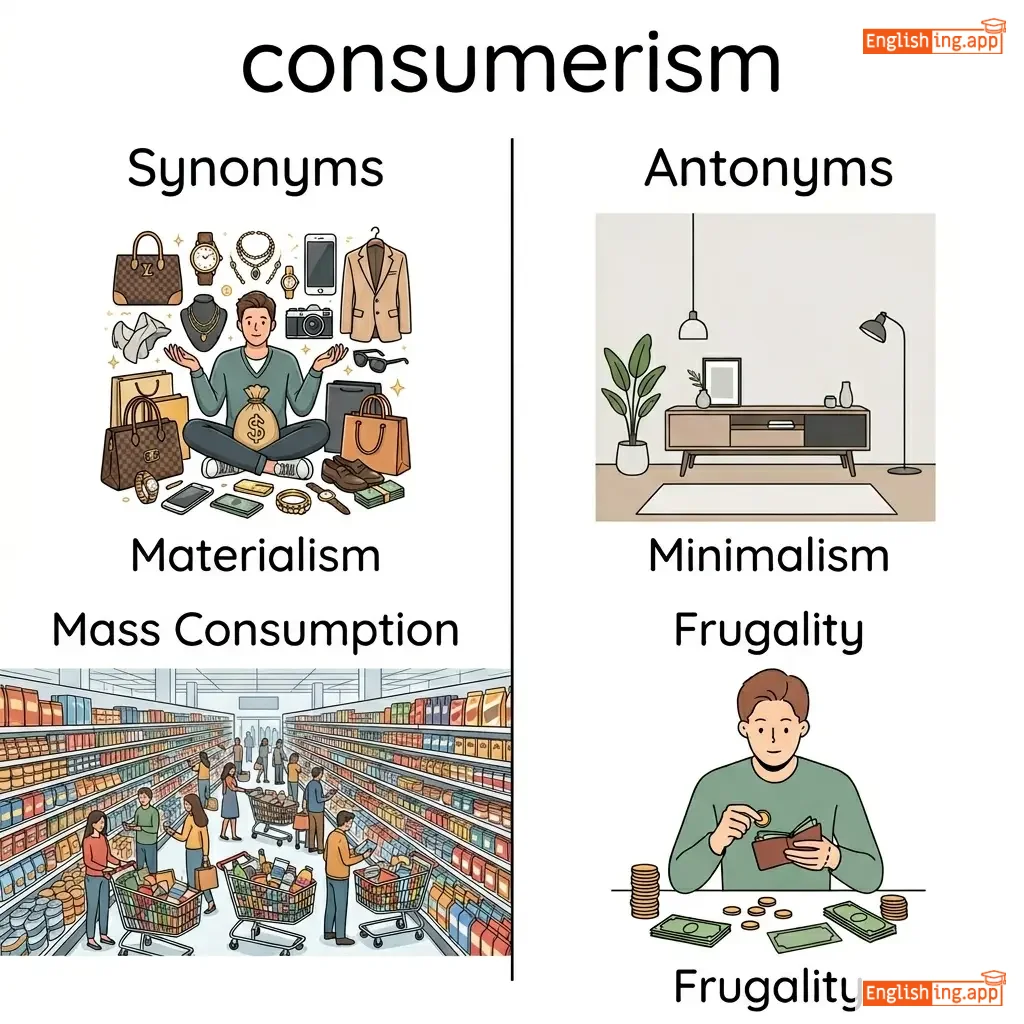
The tendency to increase consumption of goods and the importance given to consuming products.
••••••
|
Modern consumerism leads to increased demand for luxury goods. |
现代消费主义导致对奢侈品的需求增加。
Xiàndài xiāofèizhǔyì dǎozhì duì shēchǐpǐn de xūqiú zēngjiā.
••••••
|
Materialism, Mass Consumption, Commercialism
••••••
|
Minimalism, Frugality, Anti-consumption
••••••
|
消费主义就像是不断想要更多的东西,总是渴望消费。
••••••
|
|
#2527
📦
|
kəˈmɒd.ə.ti
noun
(kemo diti)
••••••
|
|
商品
shangpin
••••••
|
A raw material or primary agricultural product that can be bought and sold.
••••••
|
Oil is a valuable commodity in the global market.
石油是全球市场上有价值的商品。
••••••
|
石油是全球市场上有价值的商品。
Shiyou shi quanqiu shichang shang you jiazhi de shangpin.
••••••
|
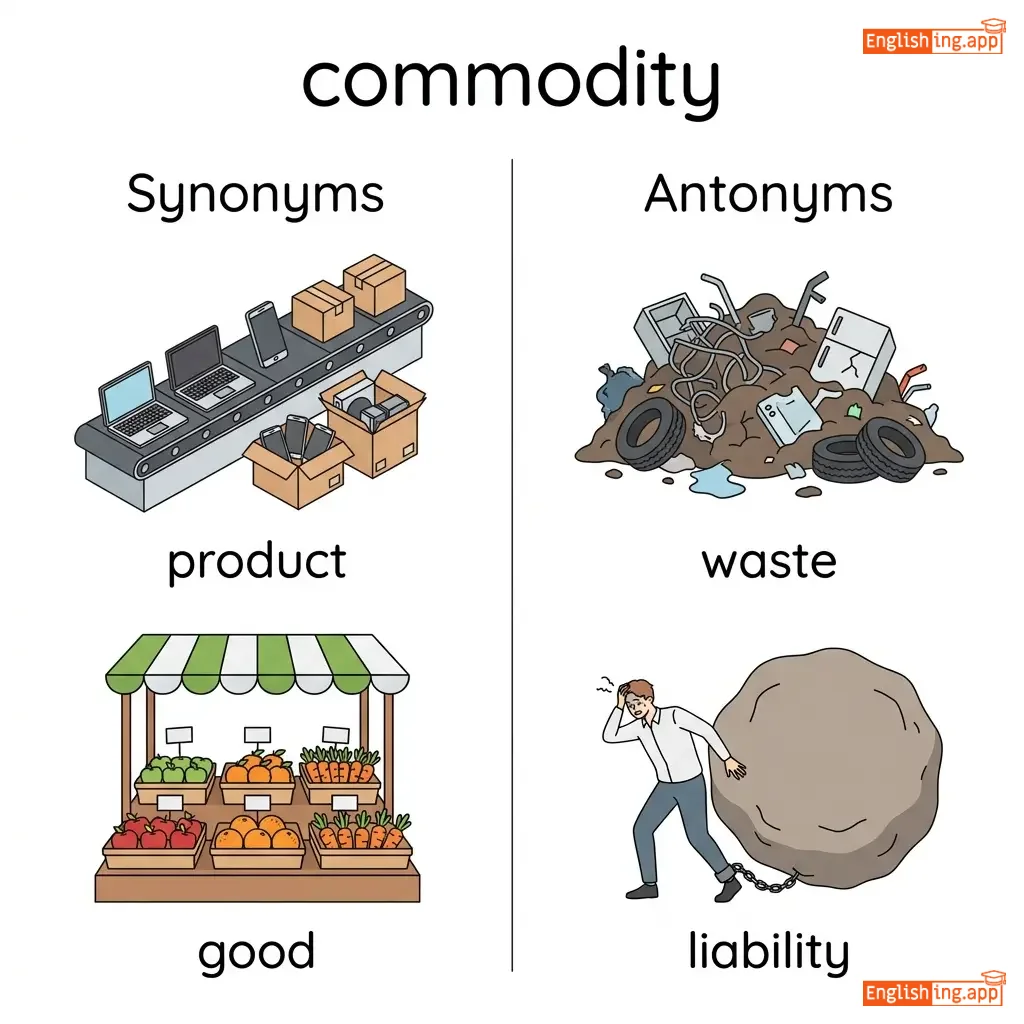
Goods, Merchandise, Trade Product
••••••
|
Non-tradable Item, Service, Liability
••••••
|
‘商品’ 是指可以交易的产品,如石油。
••••••
|
|
#2528
📊
|
ɪˌlæˈstɪs.ə.ti
noun
(yīlàstísìtì)
••••••
|
|
弹性
tanxing
••••••
|
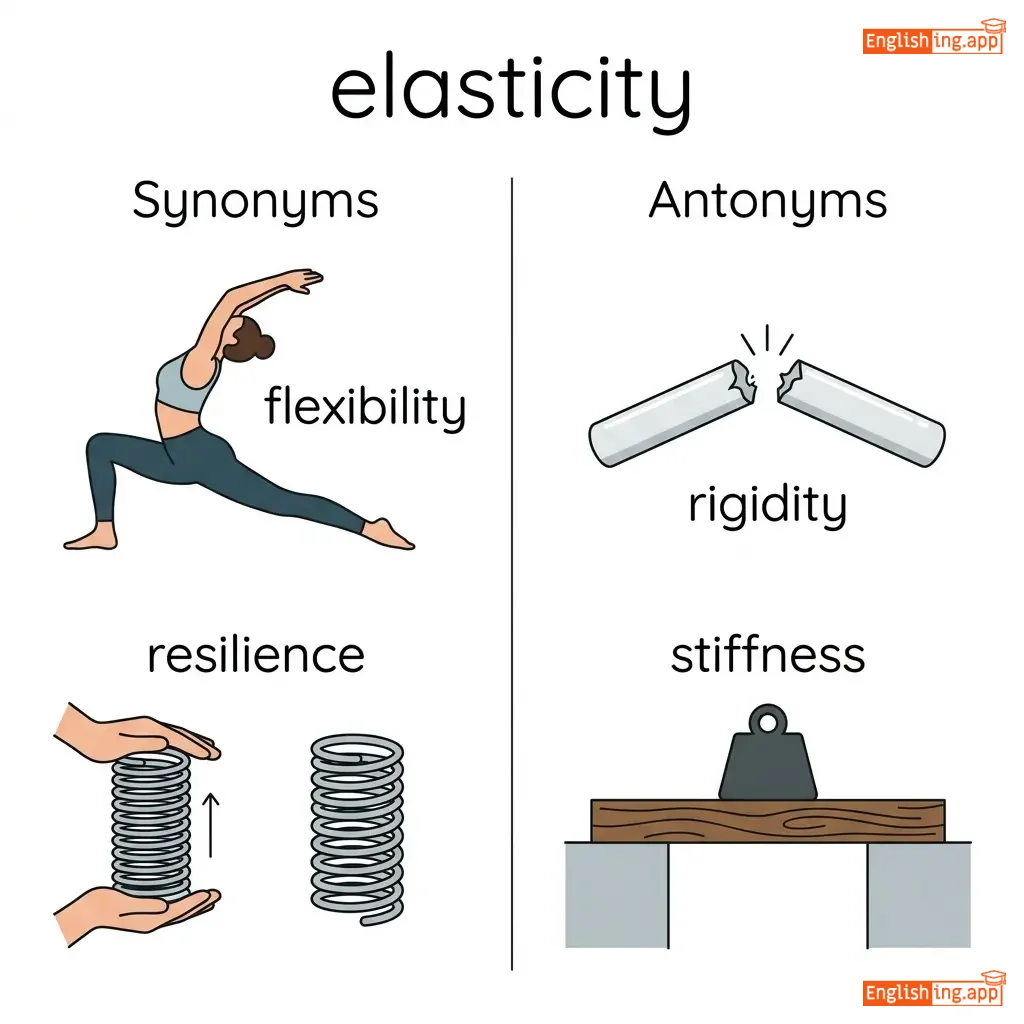
The responsiveness of demand or supply to changes in price.
••••••
|
The elasticity of demand for luxury goods is high.
奢侈品的需求弹性很高。
••••••
|
奢侈品的需求弹性很高。
Shēchǐ pǐn de xūqiú tánxìng hěn gāo.
••••••
|
Responsiveness, Flexibility, Adaptability
••••••
|
Rigidity, Inflexibility, Inelasticity
••••••
|
弹性(tanxing) = 就像橡皮筋那样能拉伸。
••••••
|
|
#2529
🎯
|
ˌsɛn.trə.laɪˈzeɪ.ʃən
noun
(sɛn.trə.laɪˈzeɪ.ʃən)
••••••
|
|
集中化
ji zhong hua
••••••
|
The concentration of control and decision-making power in a central authority.
••••••
|
Excessive centralization can slow down decision-making. |
过度的集中化可能会减慢决策的速度。
Guo du de ji zhong hua ke neng hui jian man jue ce de su du.
••••••
|
Concentration, Central Control, Consolidation
••••••
|
Decentralization, Distribution, Delegation
••••••
|
Think of '集中化' as central control, remember it sounds like 'ji zhong hua'.
••••••
|
|
#2530
🏛️
|
ˌnæʃ.ən.ə.laɪˈzeɪ.ʃən
noun
(næʃəˈnaːlʌɪˈzeɪʃən)
••••••
|
|
国有化
guoyouhua
••••••
|
The process of a government taking control of private property or industry.
••••••
|
The nationalization of banks was aimed at stabilizing the economy.
银行的国有化旨在稳定经济。
••••••
|
银行的国有化旨在稳定经济。
Yínháng de guóyǒuhuà zhǐ zài wěndìng jīngjì.
••••••
|
State Ownership, Public Control, Government Takeover
••••••
|
Privatization, Deregulation, Free Marketization
••••••
|
国有化 = 国家控制私有产业
••••••
|
|
#2531
📋
|
bjʊəˈrɒk.rə.si
noun
(bù luò kè lì)
••••••
|
|
官僚主义
guanliaozhuyi
••••••
|
A complex administrative system where strict rules and procedures are followed.
••••••
|
Excessive bureaucracy can slow down government decision-making. |
过度的官僚主义可能会拖慢政府决策过程。
Guòdù de guānliáo zhǔyì kěnéng huì tuōmàn zhèngfǔ juécè guòchéng.
••••••
|
Administration, Red Tape, Officialdom
••••••
|
Efficiency, Simplicity, Flexibility
••••••
|
官僚主义在中文里表示一个复杂的行政系统,像是'bureaucracy'的中文翻译。
••••••
|
|
#2532
🏢
|
ˌpraɪ.və.taɪˈzeɪ.ʃən
noun
(pǔ lái wèi tè zī xiè shùn)
••••••
|
|
私有化
sī yǒu huà
••••••
|
The transfer of ownership of an organization or property from government to private sector.
••••••
|
The privatization of industries has led to increased efficiency. |
工业的私有化导致了效率的提高。
Gōngyè de sīyǒu huà dǎozhìle xiàolǜ de tígāo.
••••••
|
Private Ownership, Commercialization, Deregulation
••••••
|
Nationalization, Public Ownership, State Control
••••••
|
私 + 有 + 化, 就像将公有变为私人所有。
••••••
|
|
#2533
🔓
|
ˌdiːˌrɛɡ.jʊˈleɪ.ʃən
noun
(dìrégūlèixiān)
••••••
|
|
放松管制
fàngsōng guǎnzhì
••••••
|
The removal or reduction of government regulations in an economic sector.
••••••
|
Deregulation has increased competition in the telecommunications sector.
放松管制增加了电信行业的竞争。
••••••
|
放松管制增加了电信行业的竞争。
Fàngsōng guǎnzhì zēngjiāle diànxìn hángyè de jìngzhēng.
••••••
|
Liberalization, Free Market, Removal of Restrictions
••••••
|
Regulation, Control, Government Intervention
••••••
|
放松管制带来更多的市场竞争力。
••••••
|
|
#2534
💸
|
ˈfɪs.kəl
adjective
(财务)
••••••
|
|
财政的
cáizhèng de
••••••
|
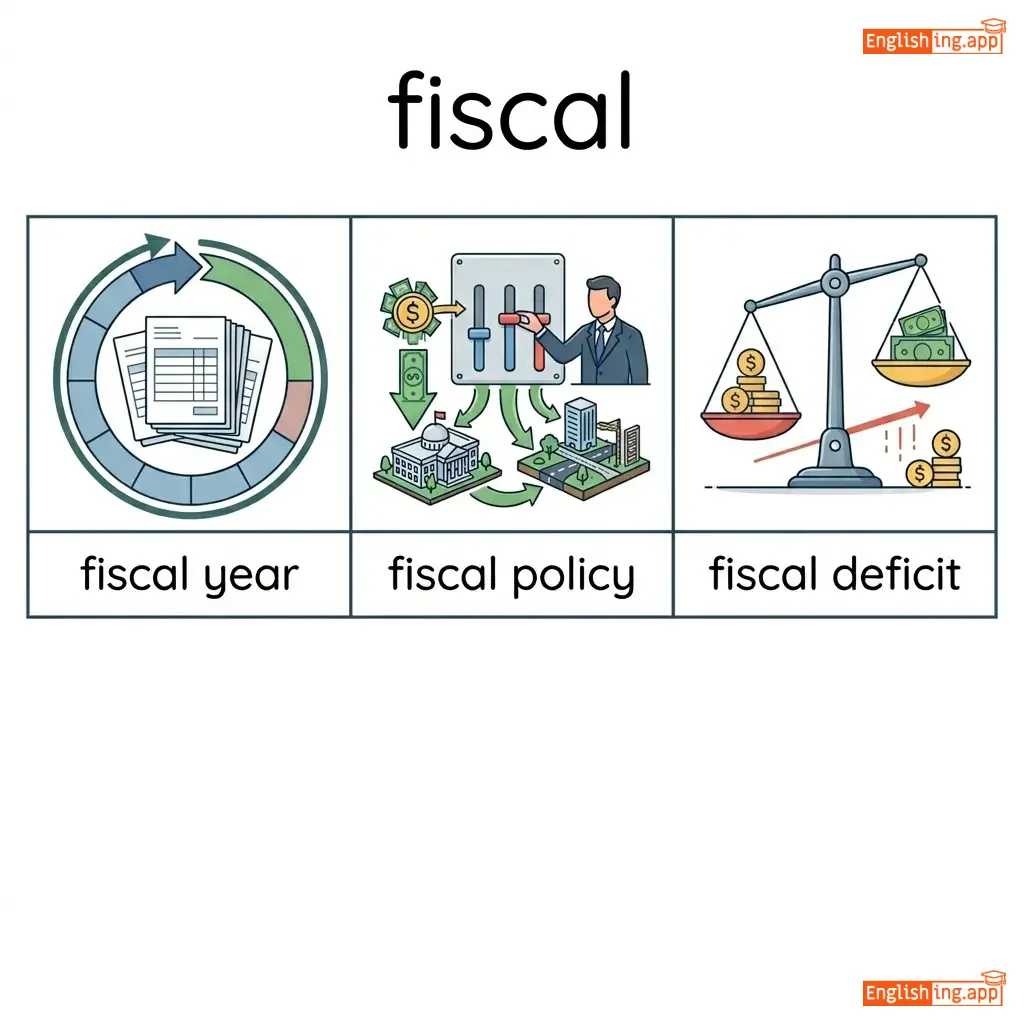
Related to government revenue, taxation and expenditure.
••••••
|
The government introduced fiscal policies to control inflation.
政府推出了财政政策以控制通货膨胀。
••••••
|
政府推出了财政政策以控制通货膨胀。
Zhèngfǔ tuīchūle cáizhèng zhèngcè yǐ kòngzhì tōnghuò péngzhàng.
••••••
|
Financial, Budgetary, Economic
••••••
|
Non-financial, Extraneous, Unrelated
••••••
|
财政政策帮助控制经济。
••••••
|
|
#2535
🏦
|
ˈmʌn.ɪ.tri
adjective
(货币的)
••••••
|
|
货币的
huòbì de
••••••
|
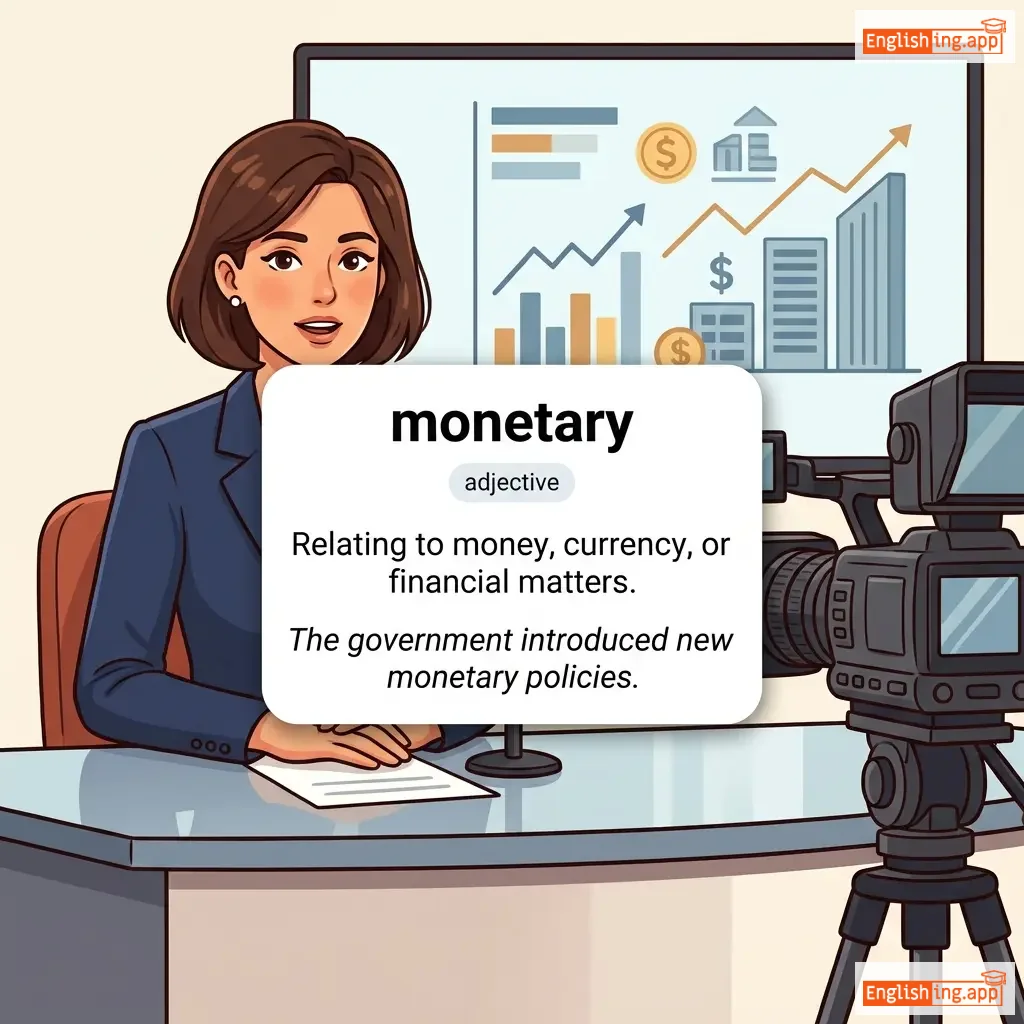
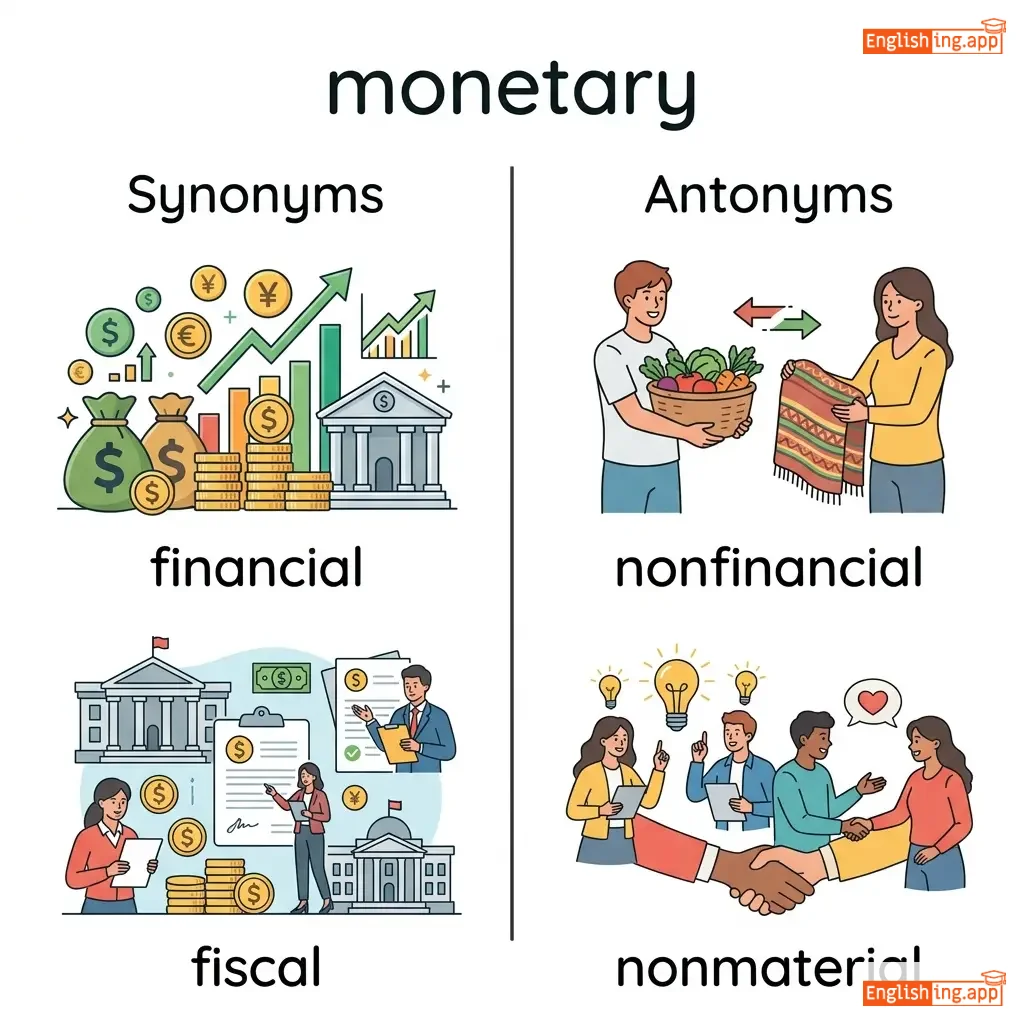
Related to money system and central bank policies.
••••••
|
The central bank regulates monetary policies to stabilize the economy. |
中央银行调控货币政策以稳定经济。
Zhōngyāng yínháng tiáokòng huòbì zhèngcè yǐ wěndìng jīngjì.
••••••
|
Financial, Economic, Money-related
••••••
|
Non-monetary, Barter-based, Non-financial
••••••
|
Chinese '货币' refers to money, linking closely to 'monetary'.
••••••
|
|
#2536
⚖️
|
dɪˈspær.ə.ti
noun
(迪斯帕里蒂)
••••••
|
|
差距
chaju
••••••
|
A difference in wealth, opportunities or facilities.
••••••
|
The income disparity between rich and poor is increasing. |
富人和穷人之间的收入差距正在增加。
Fu ren he qiong ren zhi jian de shou ru cha ju zheng zai zeng jia.
••••••
|
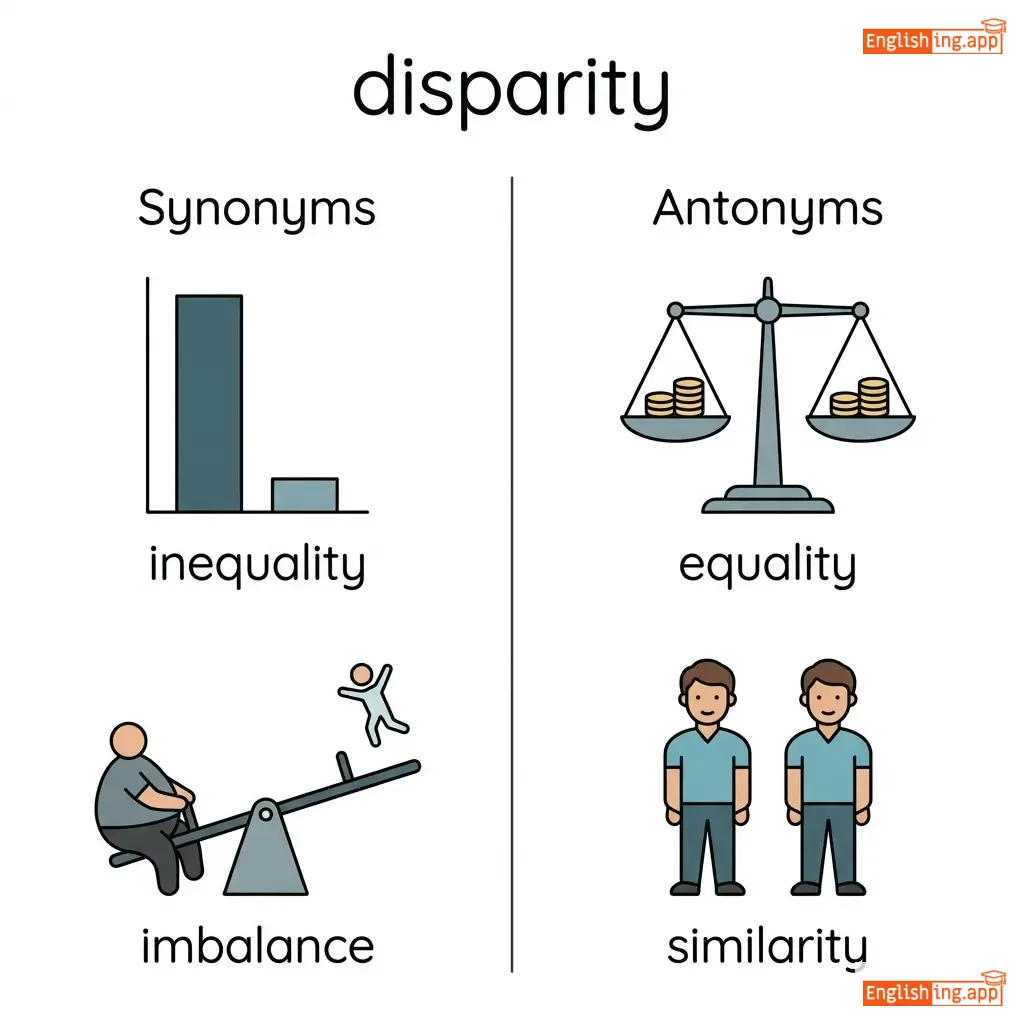
Inequality, Imbalance, Disproportion
••••••
|
Equality, Balance, Uniformity
••••••
|
差距就像是富人和穷人之间无法弥合的鸿沟。
••••••
|
|
#2537
💰
|
ˌsʌb.sɪ.dɪˈzeɪ.ʃən
noun
(补贴)
••••••
|
|
补贴
butie
••••••
|
Financial assistance provided by government to make certain goods or services more affordable.
••••••
|
Subsidization of agriculture helps farmers maintain crop production. |
农业补贴帮助农民维持作物生产。
Nóngyè bǔtiē bāngzhù nóngmín wéichí zuòwù shēngchǎn.
••••••
|
Financial Aid, Grant, Public Funding
••••••
|
Taxation, Cost-cutting, Self-sufficiency
••••••
|
In Chinese, '补贴' (butie) is a financial aid for agriculture, just like 'subsidization'.
••••••
|
|
#2538
📈
|
ɪnˈfleɪ.ʃə.ner.i
adjective
(通货膨胀)
••••••
|
|
通货膨胀
tōnghuò péngzhàng
••••••
|
An economic condition where prices of goods increase.
••••••
|
The country is facing inflationary pressure due to increased demand. |
由于需求增加,该国面临通货膨胀压力。
Yóuyú xūqiú zēngjiā, gāi guó miànlín tōnghuò péngzhàng yālì.
••••••
|
Price-rising, Cost-increasing, Economic Growth-related
••••••
|
Deflationary, Price-stabilized, Non-inflationary
••••••
|
价格上涨像气球一样,通货膨胀就像它一样不断增大。
••••••
|
|
#2539
🔄
|
ˈtreɪd.ɒf
noun
(trēd-ŏf)
••••••
|
|
权衡
quánhéng
••••••
|
A situation where accepting one advantage means giving up another benefit.
••••••
|
There is always a trade-off between price and quality. |
价格与质量之间总是有一个权衡。
jiàgé yǔ zhìliàng zhījiān zǒng shì yǒu yīgè quánhéng.
••••••
|
Compromise, Exchange, Sacrifice
••••••
|
Retention, Gain without Loss, Absolute Choice
••••••
|
权衡价格与质量,找到最佳选择。
••••••
|
|
#2540
⚖️
|
ˌiː.kwɪˈlɪb.ri.əm
noun
(平衡)
••••••
|
|
平衡
pingheng
••••••
|
A balanced state between supply and demand.
••••••
|
The market reached an equilibrium where supply met demand. |
市场达到了供需平衡的状态。
Shichang dádàole gongxū pínghéng de zhuàngtài.
••••••
|
Balance, Stability, Steadiness
••••••
|
Imbalance, Instability, Disproportion
••••••
|
平衡 (pingheng) 是中文中的平衡,类似英语的 'equilibrium'。
••••••
|
|
#2541
⚠️
|
ˈskeə.sɪ.ti
noun
(jiǎnshǎo)
••••••
|
|
稀缺
xique
••••••
|
The state of being scarce or in short supply when demand exceeds supply.
••••••
|
Water scarcity is a major global issue. |
水资源短缺是一个全球性的重要问题。
Shuǐ zīyuán duǎnquē shì yīgè quánqiúxìng de zhòngyào wèntí.
••••••
|
Shortage, Deficiency, Lack
••••••
|
Abundance, Surplus, Plenty
••••••
|
稀缺 = 少 (shao), 表示没有足够的资源。
••••••
|
Vocabulary Quiz
Test your vocabulary by matching words with their translations or meanings.
Login to take the quiz
Comments (0)
Share your thoughts and join the discussion.
Join the discussion by logging in
Login to CommentNo comments yet
Be the first to share your thoughts!