

紧急储蓄基金的重要性
Importance of Emergency Savings Fund
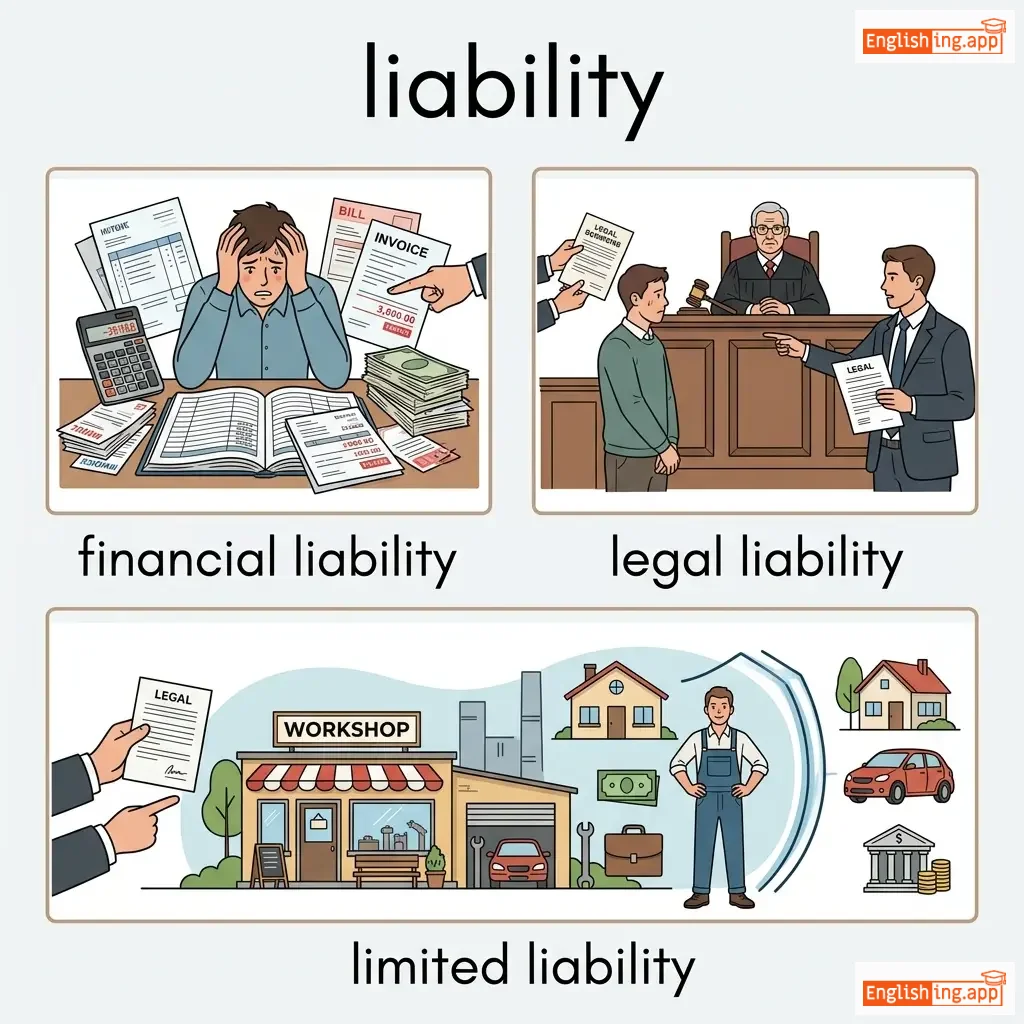
生活总是充满不确定性,因此保持一个 emergency savings fund 极其重要。当突然的 contingency 出现时,例如失业或健康问题,如果储蓄不足,就会造成 liability。
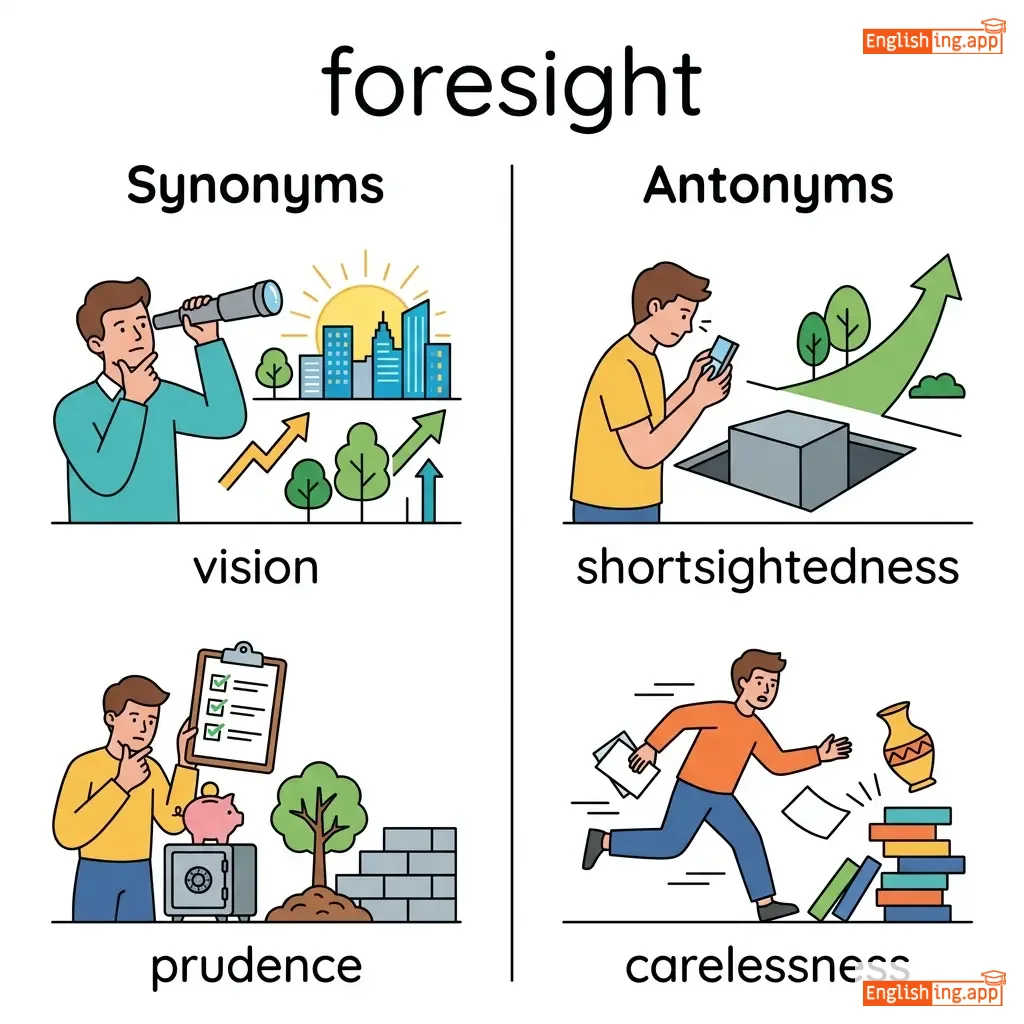
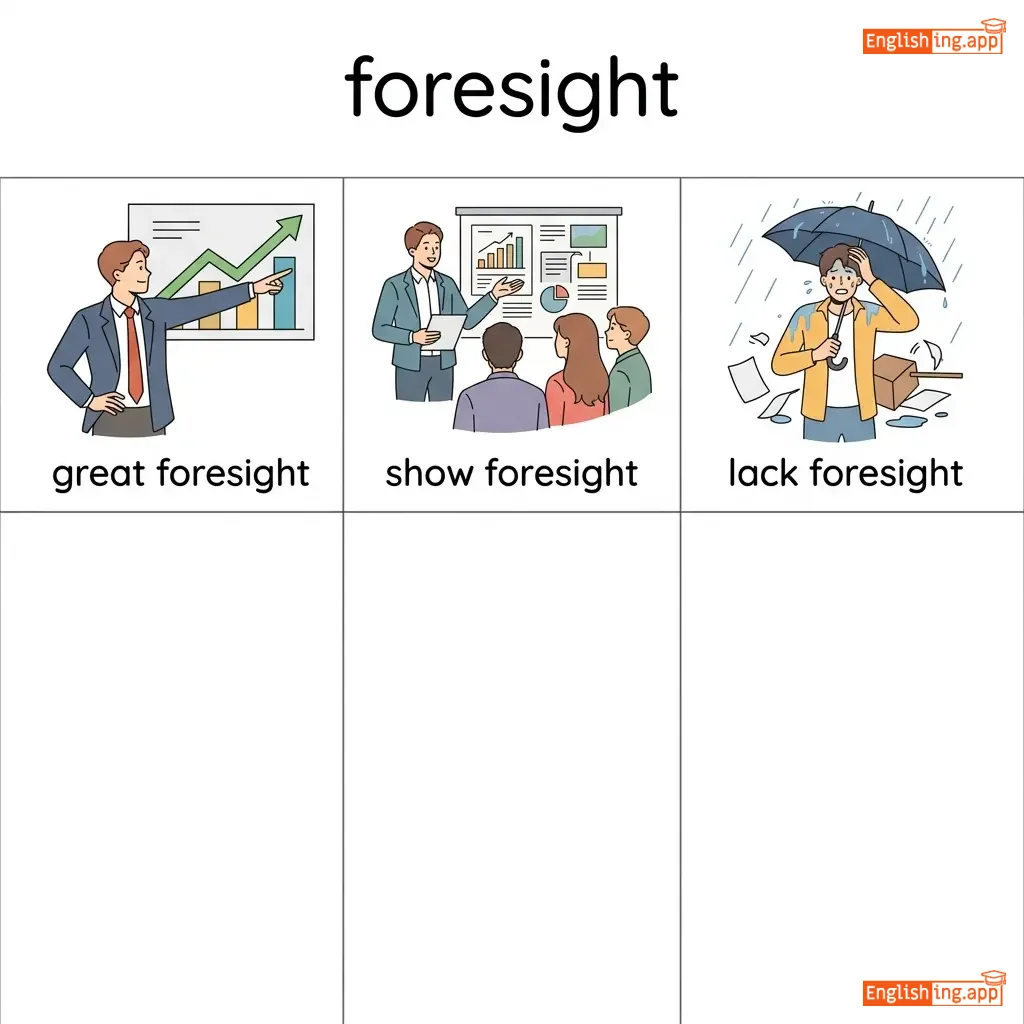
大多数人花钱时没有 foresight,这会在未来造成财务 volatility。然而,通过合理的规划,可以通过减少 discretionary 开支来保持 solvency。
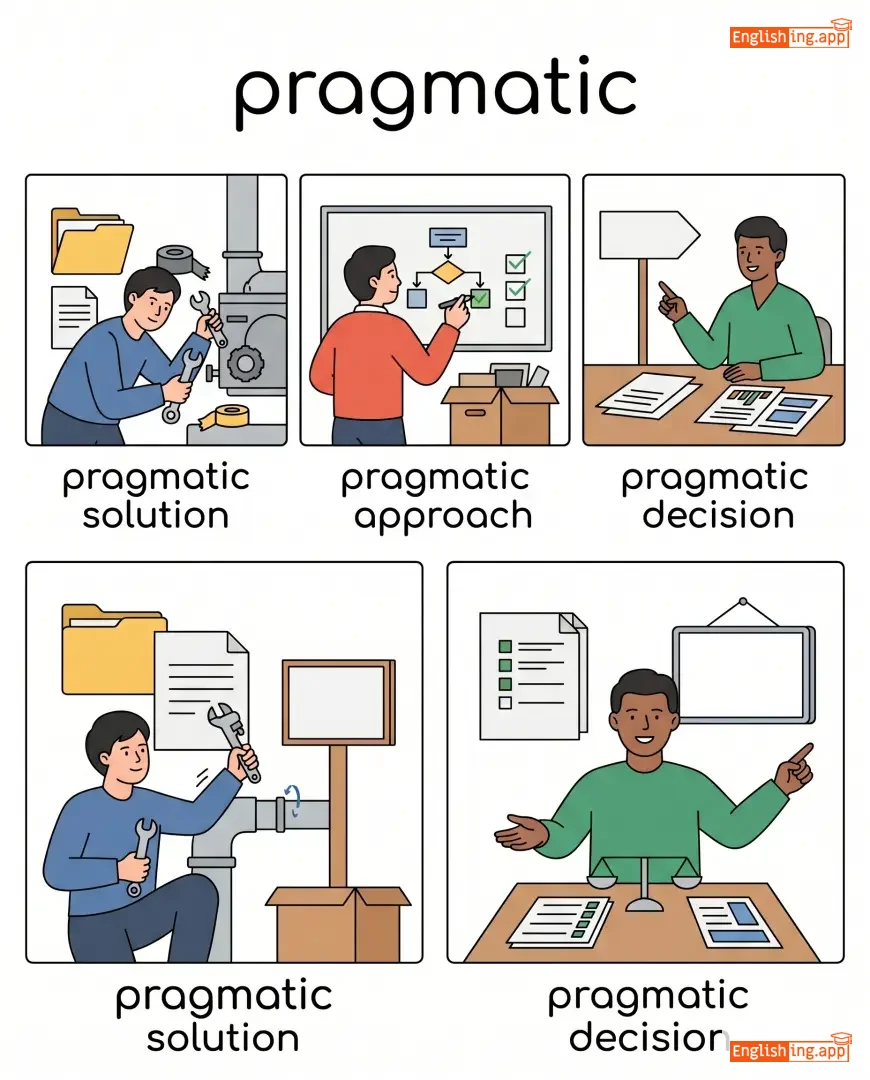
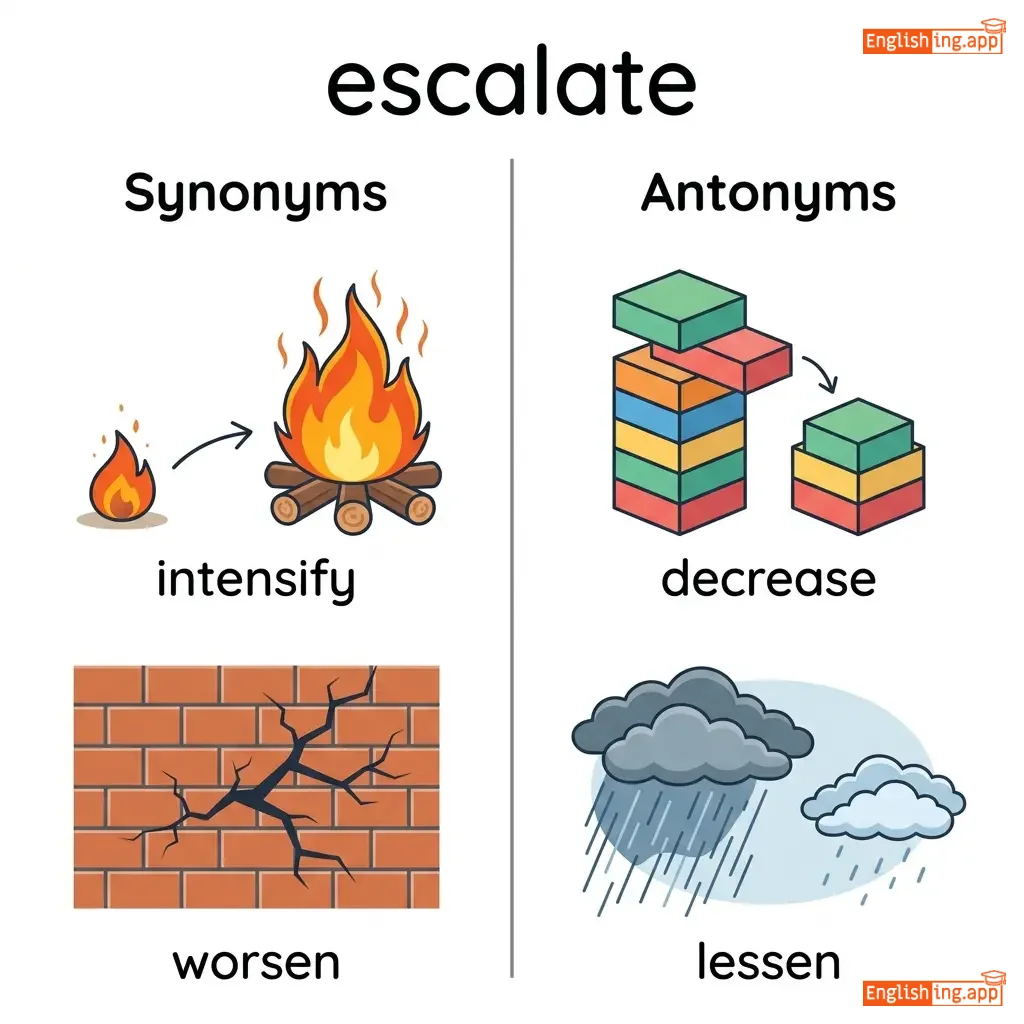
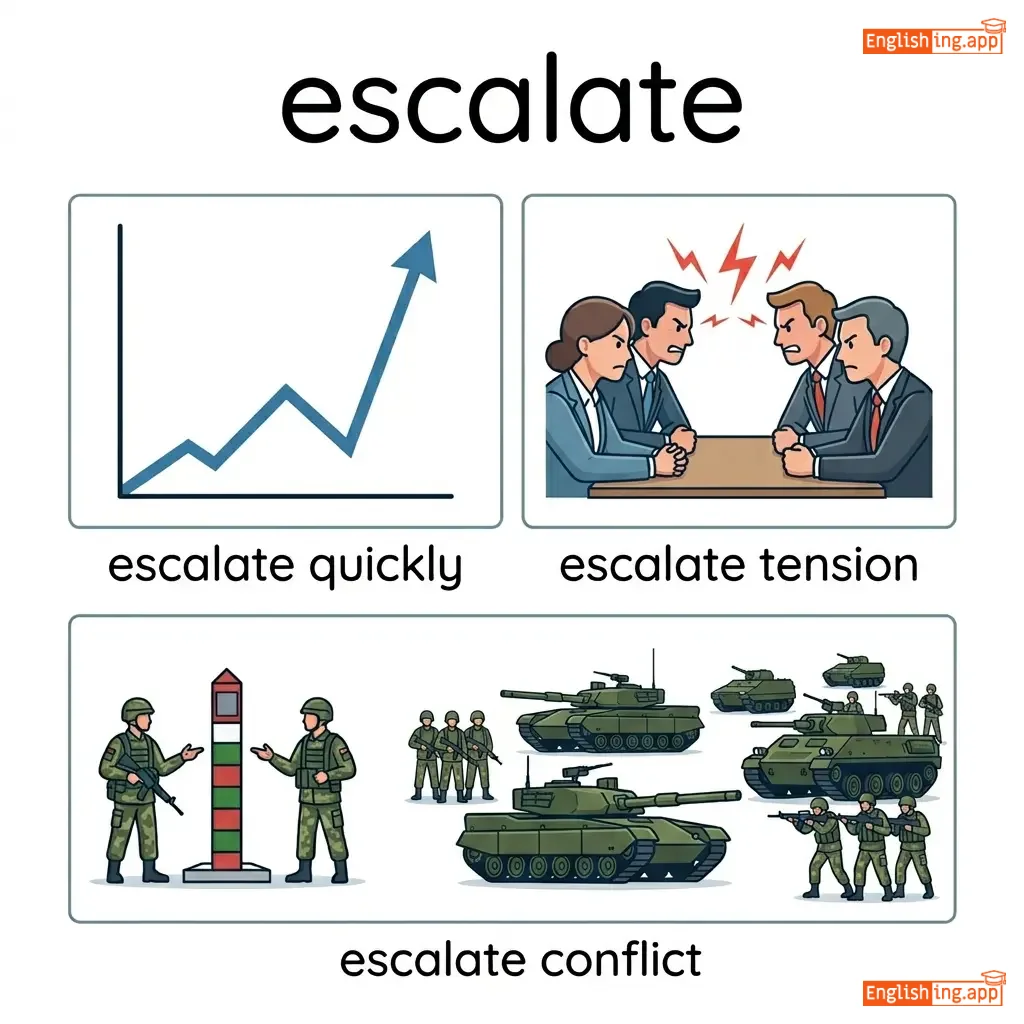
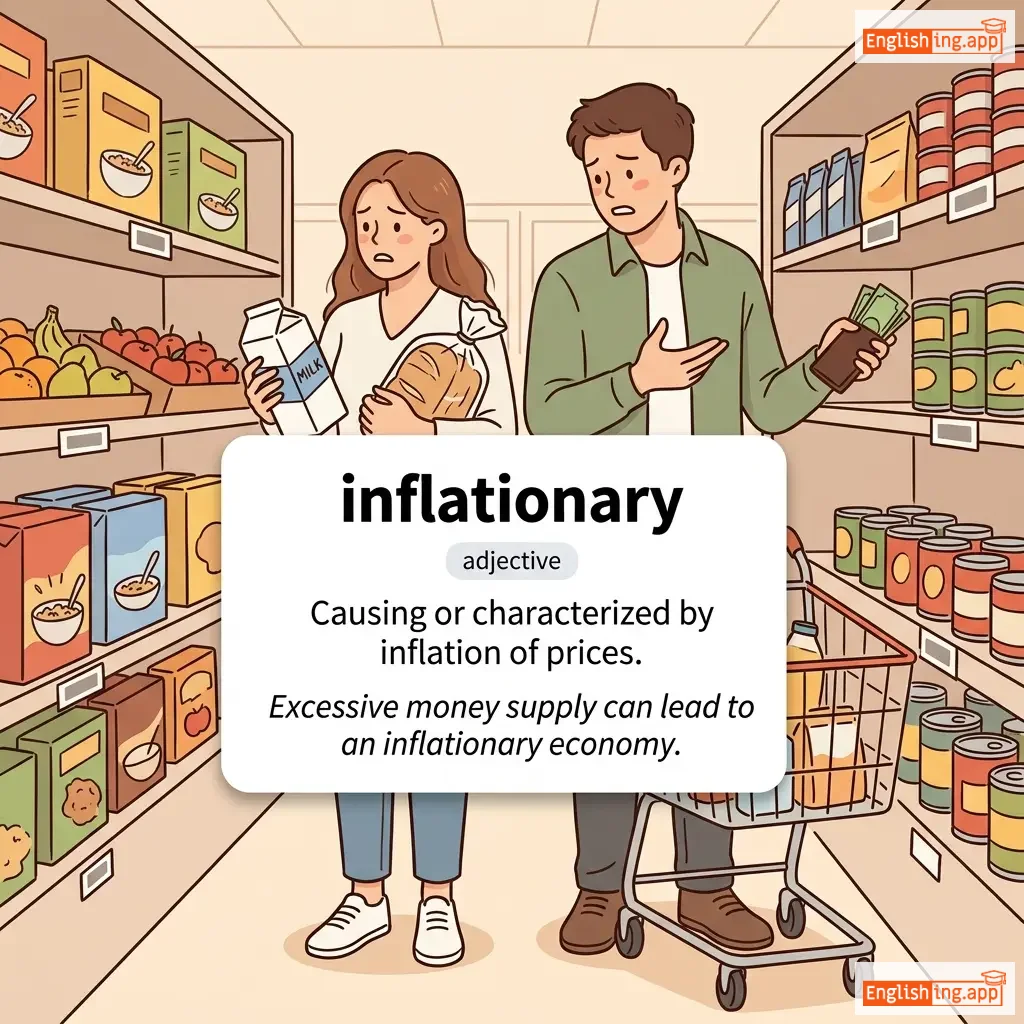
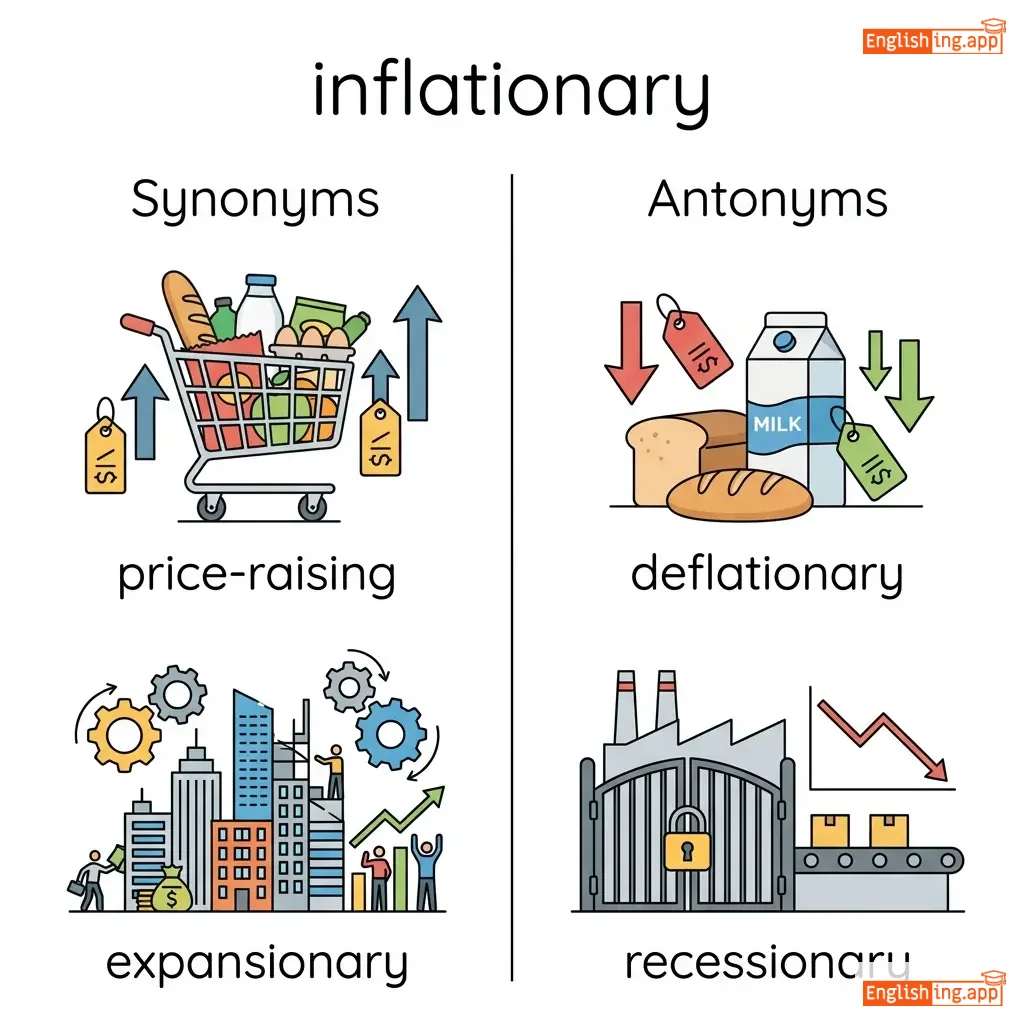
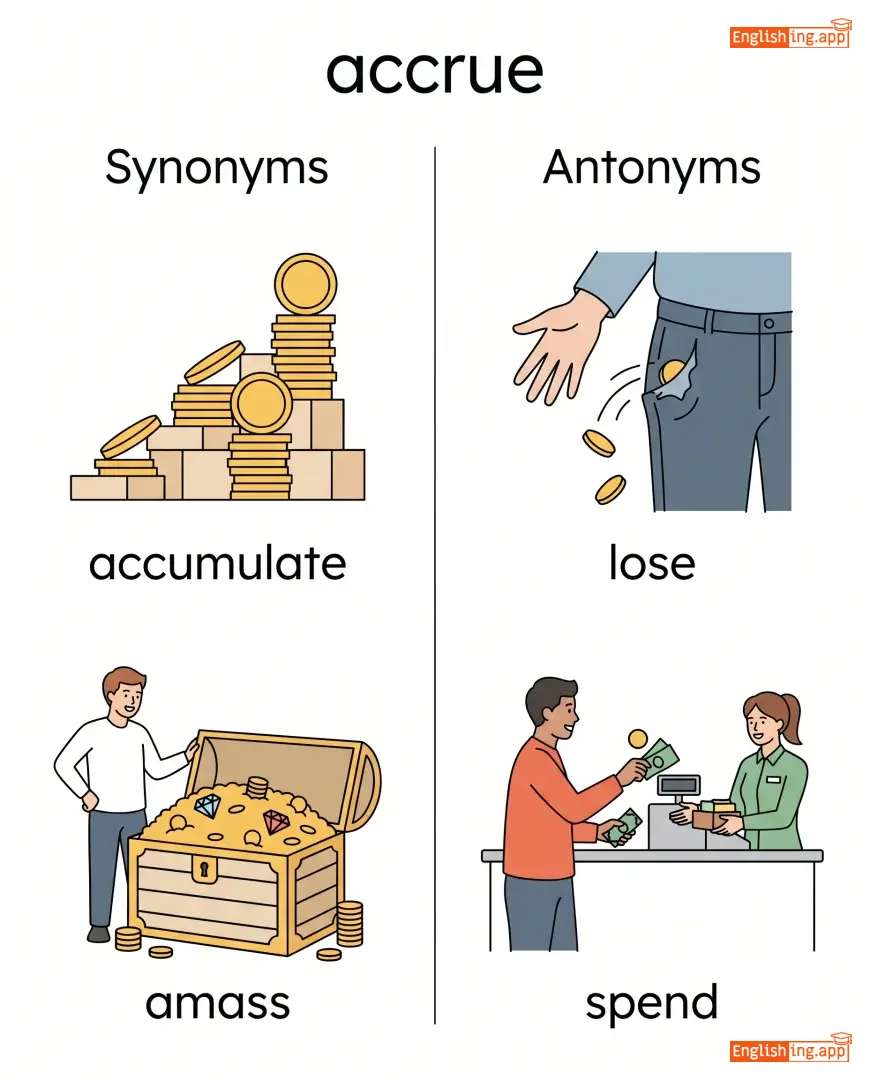
通过一个 pragmatic 的财务计划,我们可以为未来创造安全。当支出 escalate 且出现 inflationary 影响时,accrued 储蓄会帮助我们。
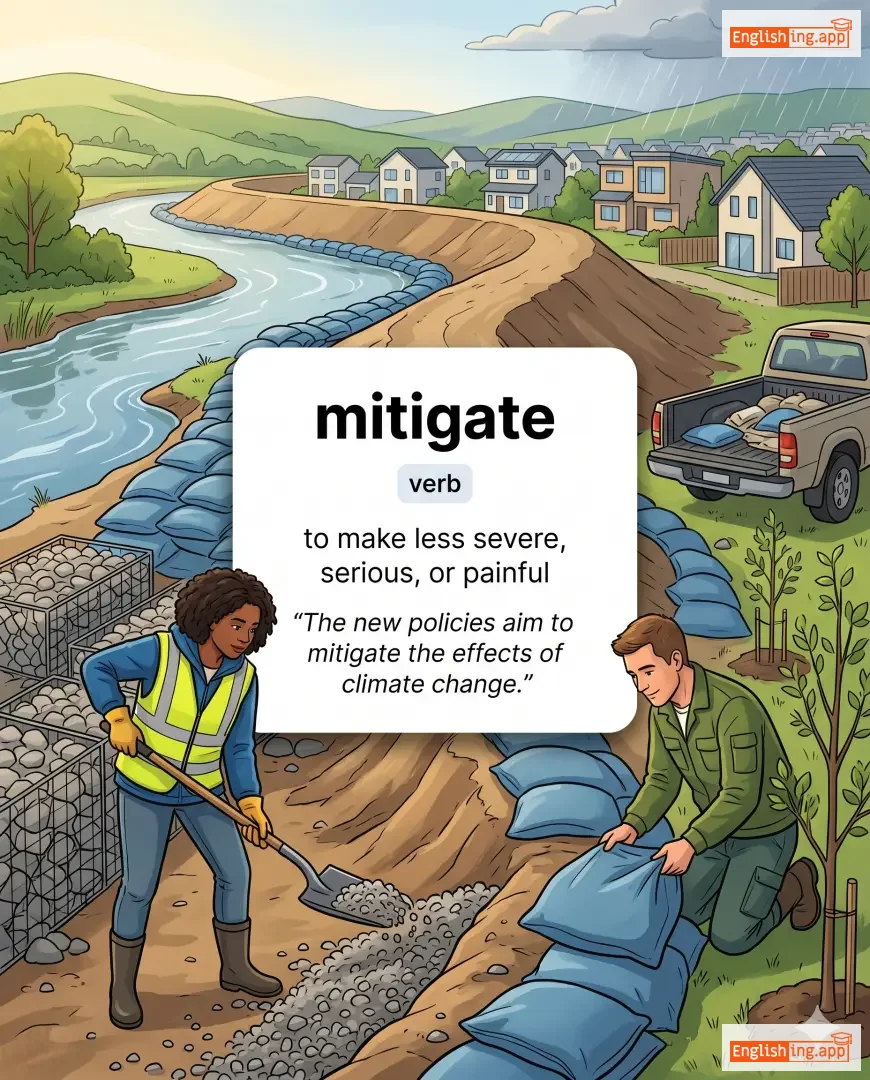
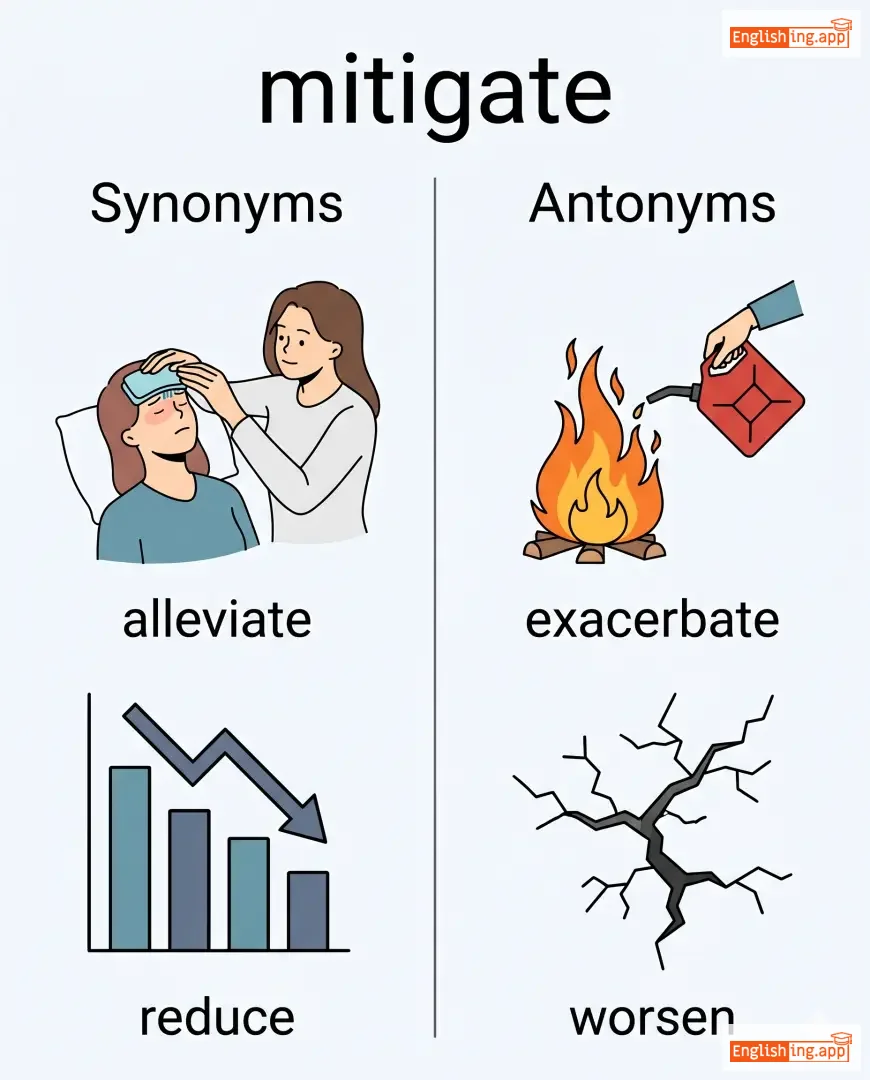
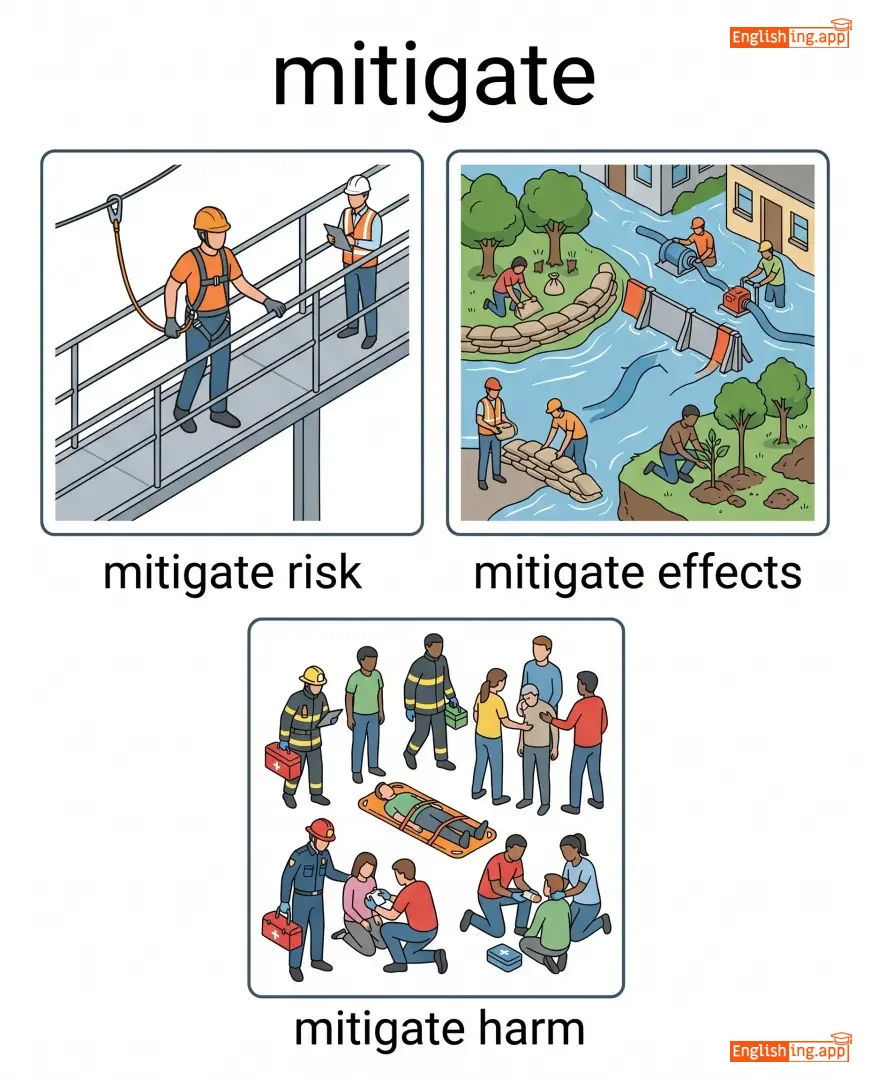
必须建立一个紧急基金来 mitigate 意外情况,否则债务负担可能会 dwindle。因此,为了确保健康的财务未来,现在就应该建立一个 emergency savings fund。














Swipe left or right, or use the buttons. Tap image to zoom.
例句翻译
单词
Importance of Emergency Savings FundImportance of Emergency Savings Fund - 遮罩切换
|
表情符号
|
单词 | Images | 翻译 | 含义 | 例句 | 例句翻译 | 同义词 | 反义词 | 助记符 |
|---|---|---|---|---|---|---|---|---|---|
|
#2421
🚨
|
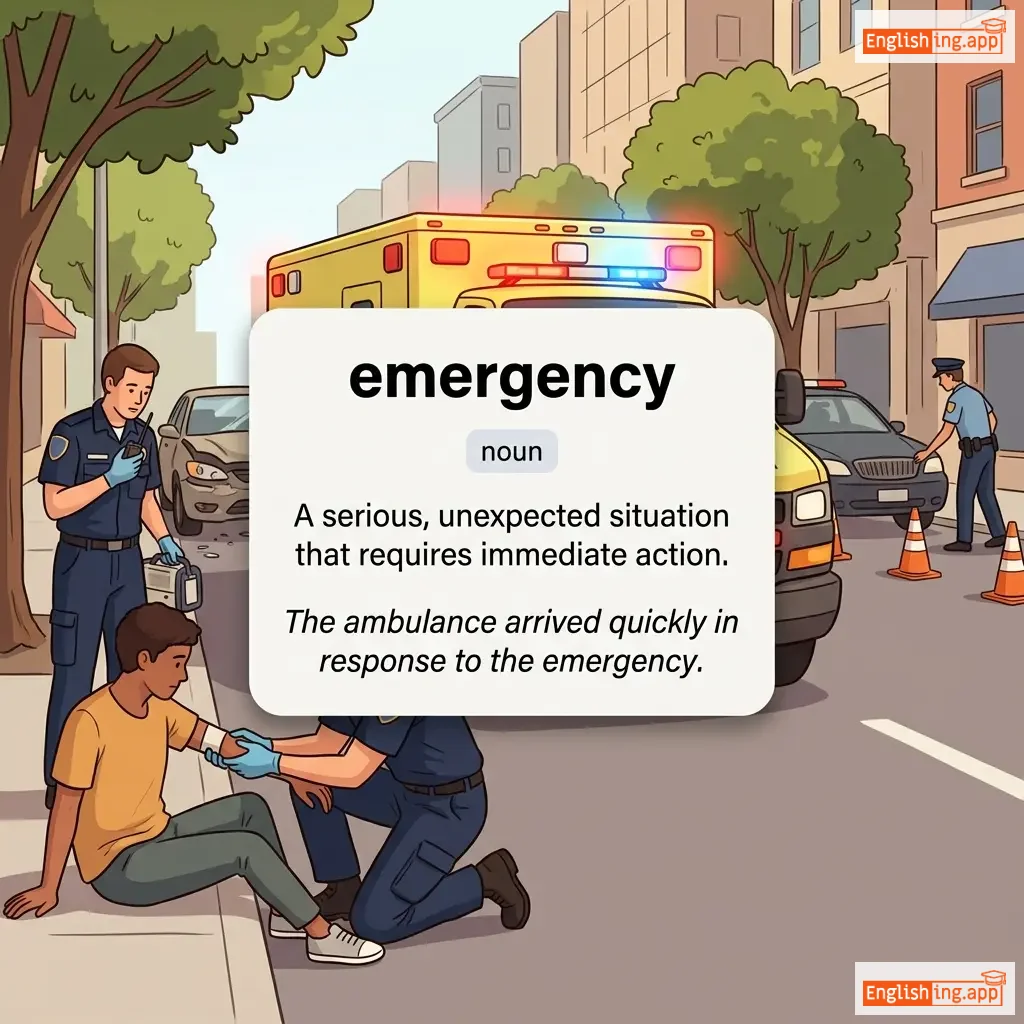
ɪˈmɜː.dʒən.si
noun
(紧急情况)
••••••
|
|
紧急情况
jinji qingkuang
••••••
|
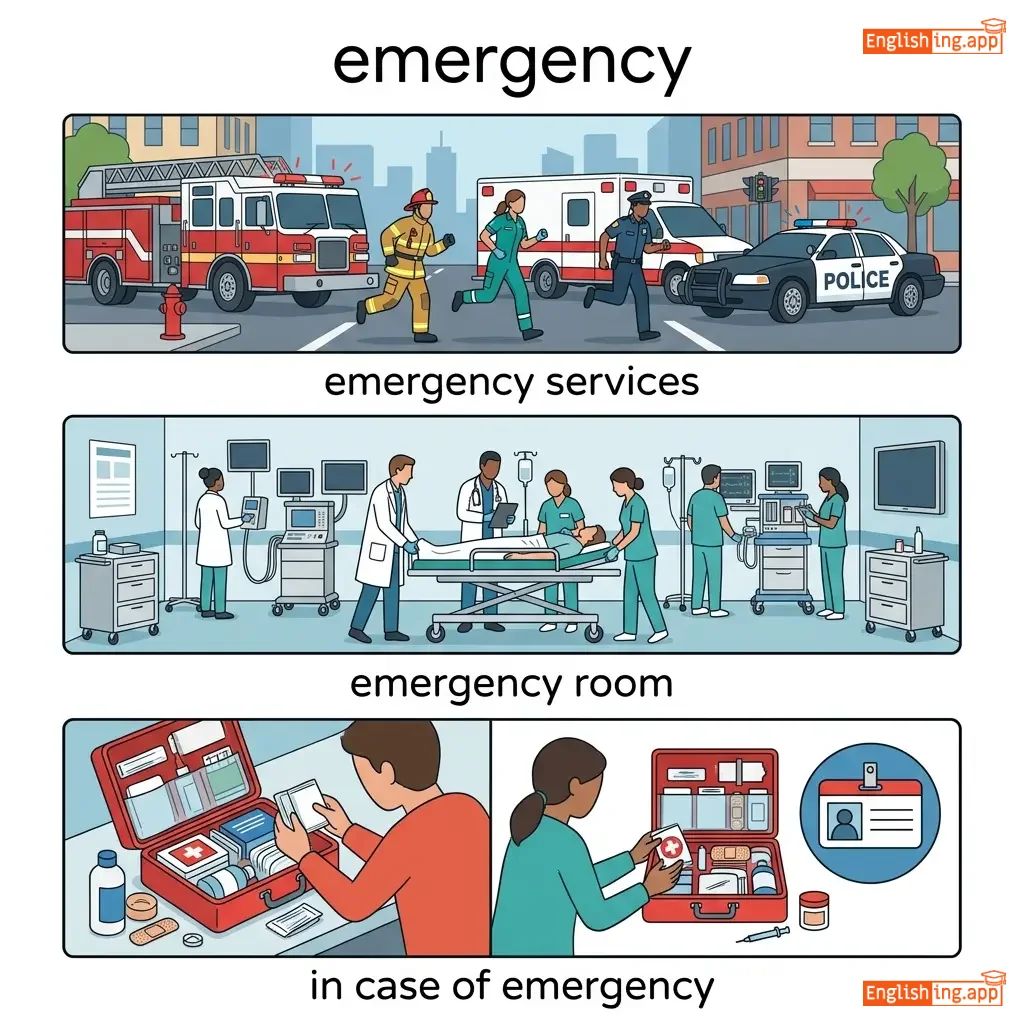
A sudden situation that is dangerous or serious and needs immediate attention or action.
••••••
|
A financial emergency can arise at any time.
财务紧急情况可以随时发生。
••••••
|
财务紧急情况可以随时发生。
Caiwu jinji qingkuang keyi suishi fasheng.
••••••
|
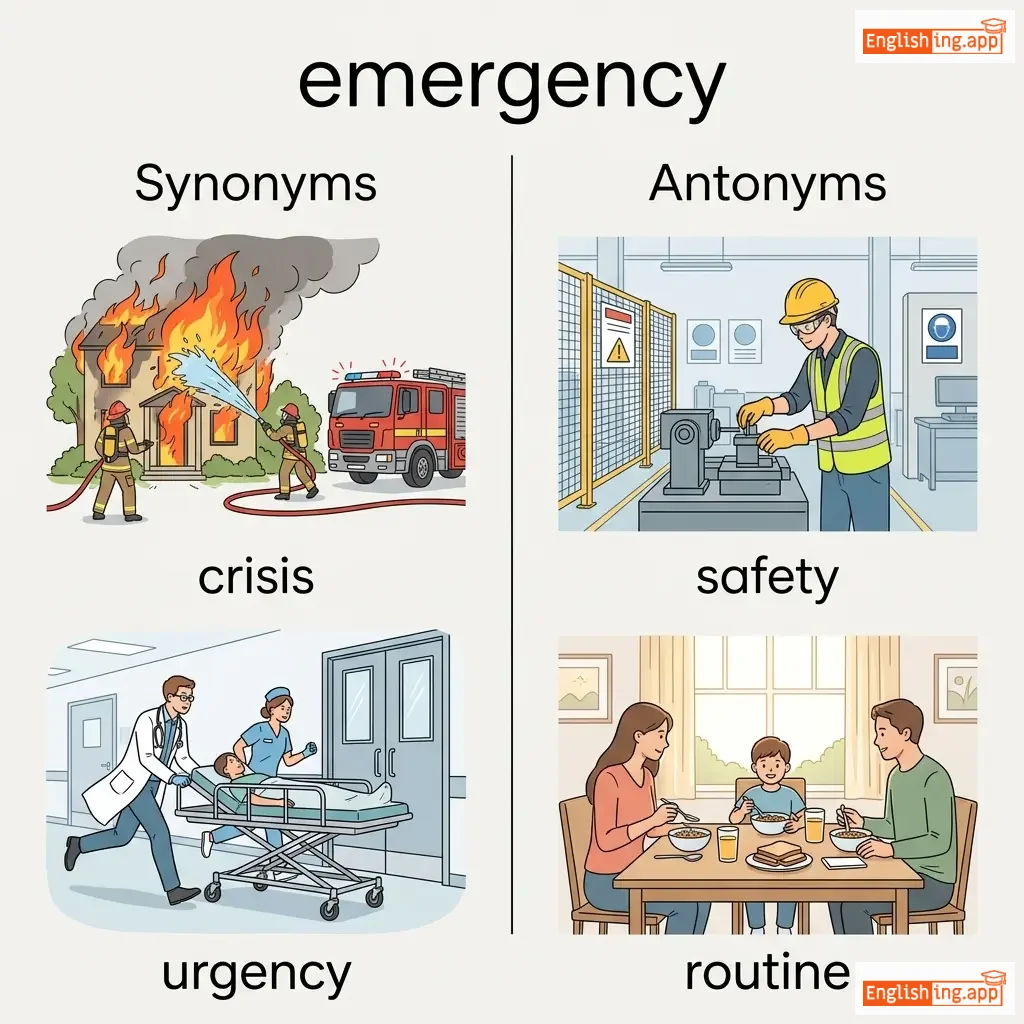
crisis, urgency, catastrophe
••••••
|
stability, safety, routine
••••••
|
紧急情况需要立即处理,记住要迅速反应!
••••••
|
|
#2422
💰
|
ˈseɪ.vɪŋz
noun
(塞文格斯)
••••••
|
|
储蓄
chǔxù
••••••
|
Money that is kept for future use or investment.
••••••
|
Many people invest their savings in real estate.
很多人将他们的储蓄投资于房地产。
••••••
|
很多人将他们的储蓄投资于房地产。
Hěn duō rén jiāng tāmen de chǔxù tóuzī yú fángdìchǎn.
••••••
|
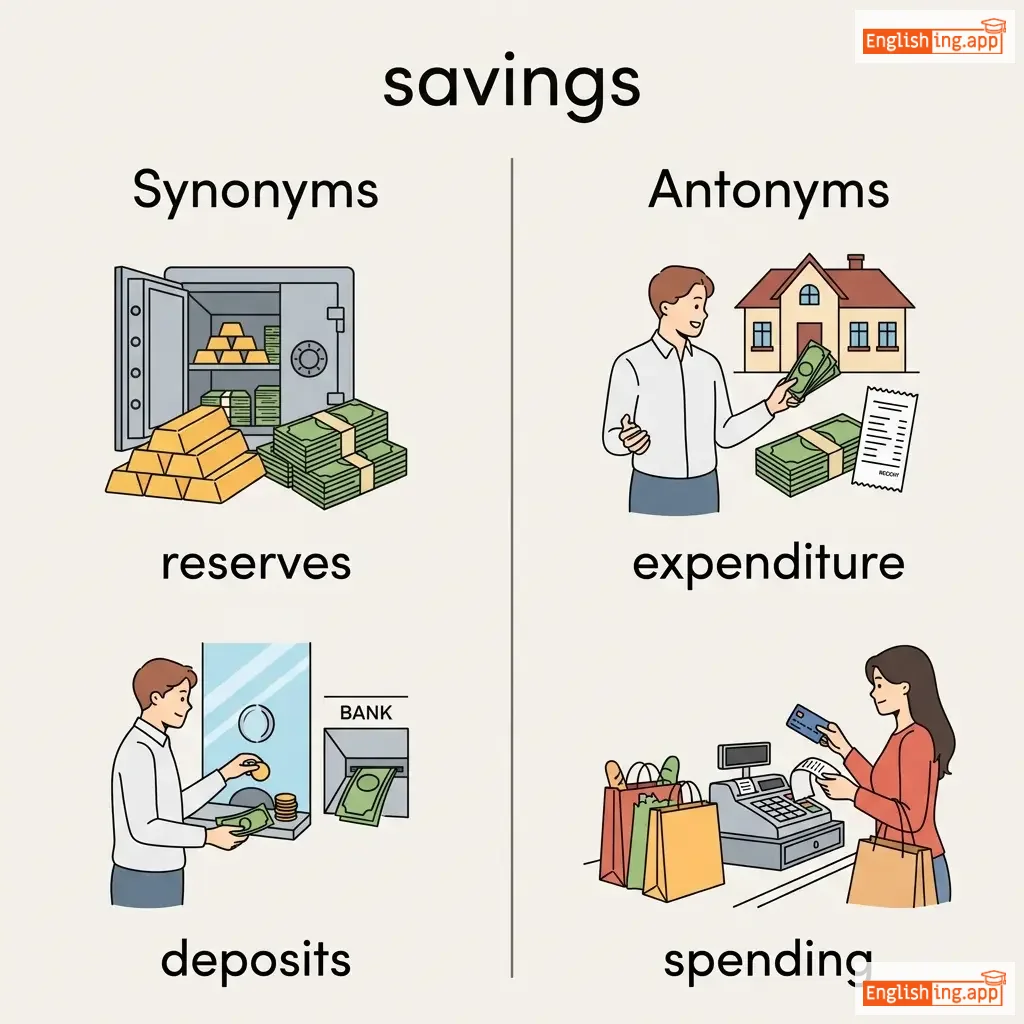
reserves, deposits, funds
••••••
|
expenditure, spending, debt
••••••
|
储蓄和savings一样,是为将来储存的钱。
••••••
|
|
#2423
🏦
|
fʌnd
noun
(fānd)
••••••
|
|
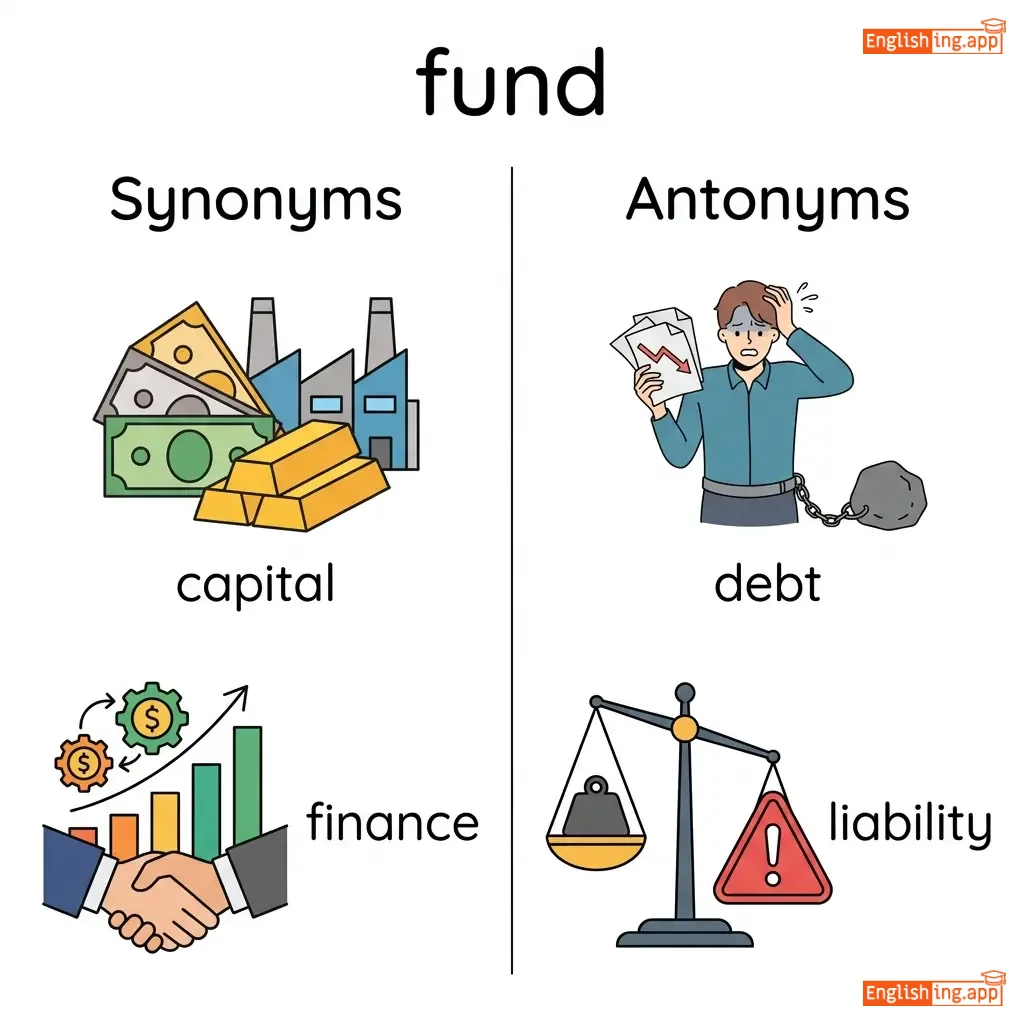
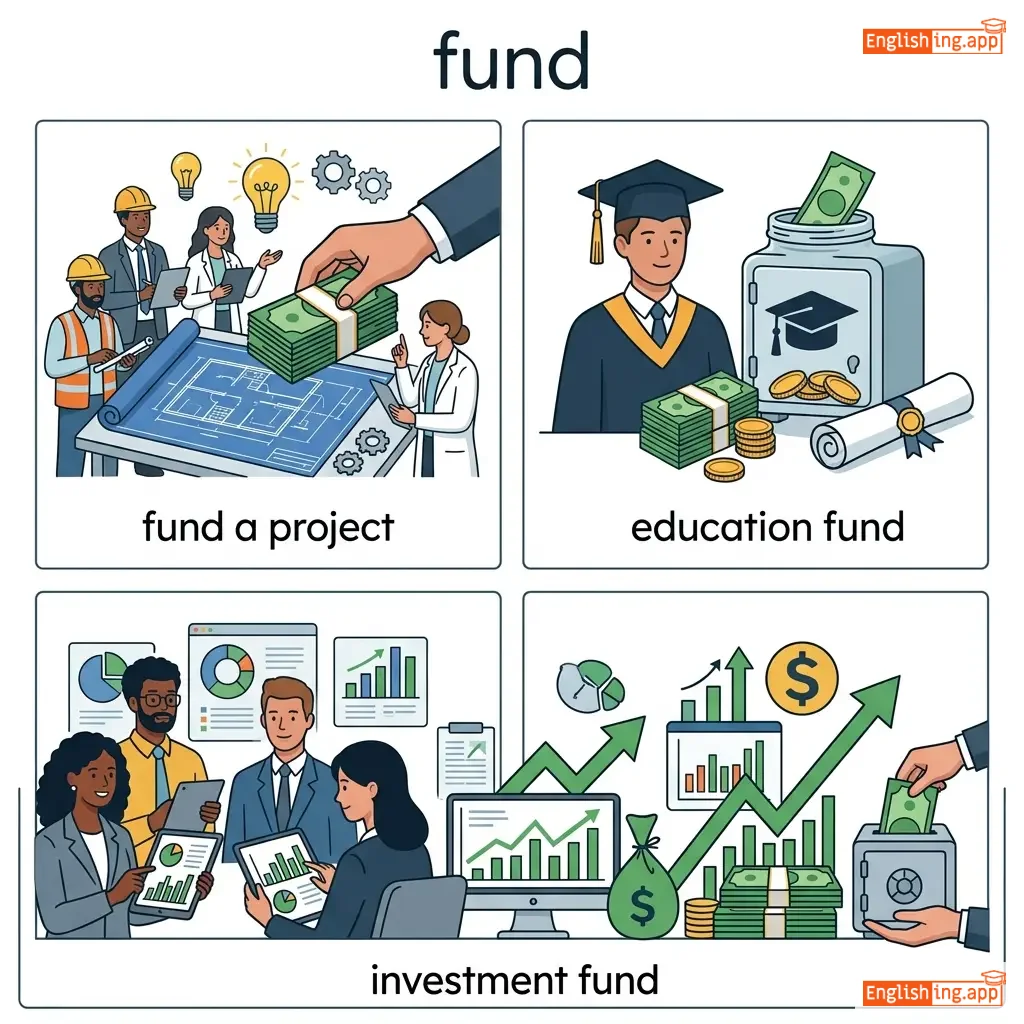
基金
jījīn
••••••
|
A sum of money saved or made available for a particular purpose.
••••••
|
The government allocated a fund for disaster relief.
政府为灾难救援设立了一个基金。
••••••
|
政府为灾难救援设立了一个基金。
Zhèngfǔ wèi zāinàn jiùyuán shèlì le yī gè jījīn.
••••••
|
capital, budget, investment
••••••
|
debt, deficiency, shortage
••••••
|
基金(jījīn)是为特定目标而筹集的资金。
••••••
|
|
#2424
⚠️
|
kən ˈtɪn.dʒən.si
noun
(kʊntɪndʒənsi)
••••••
|
|
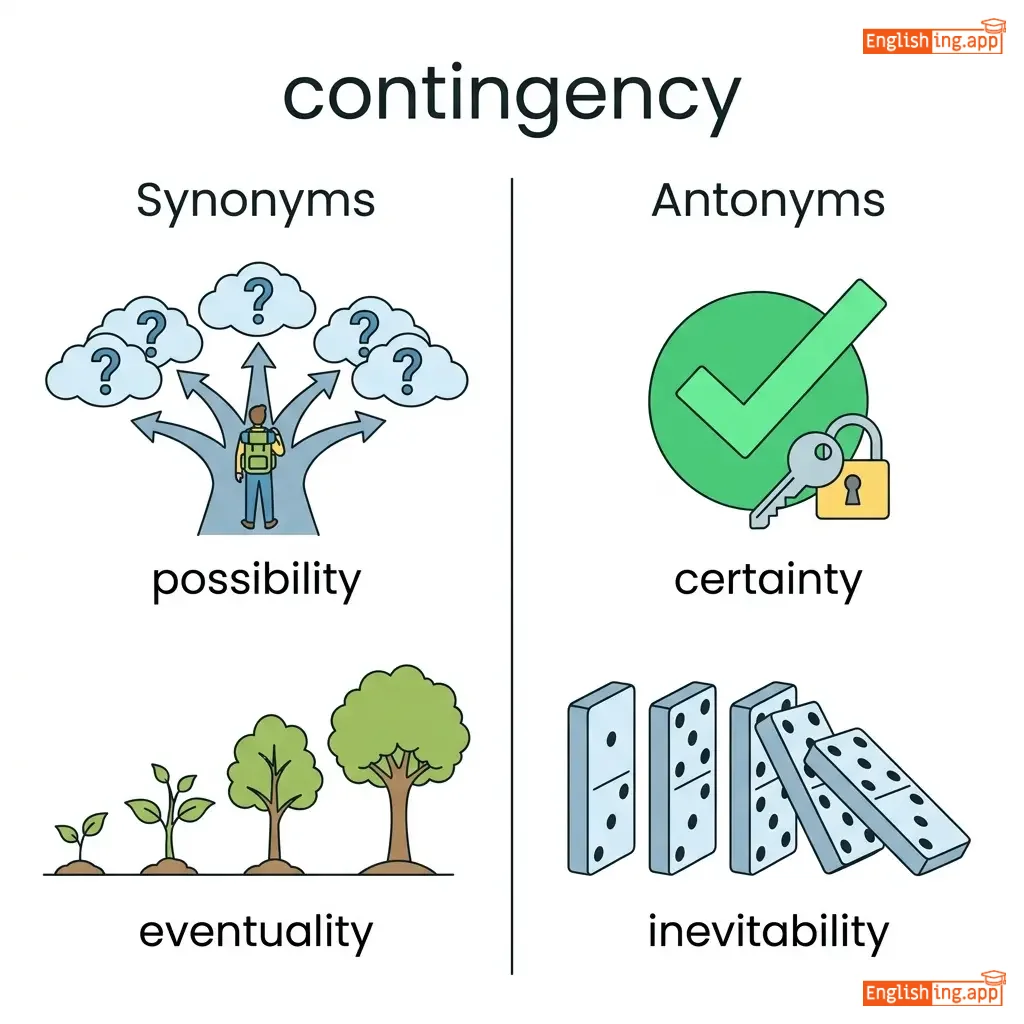
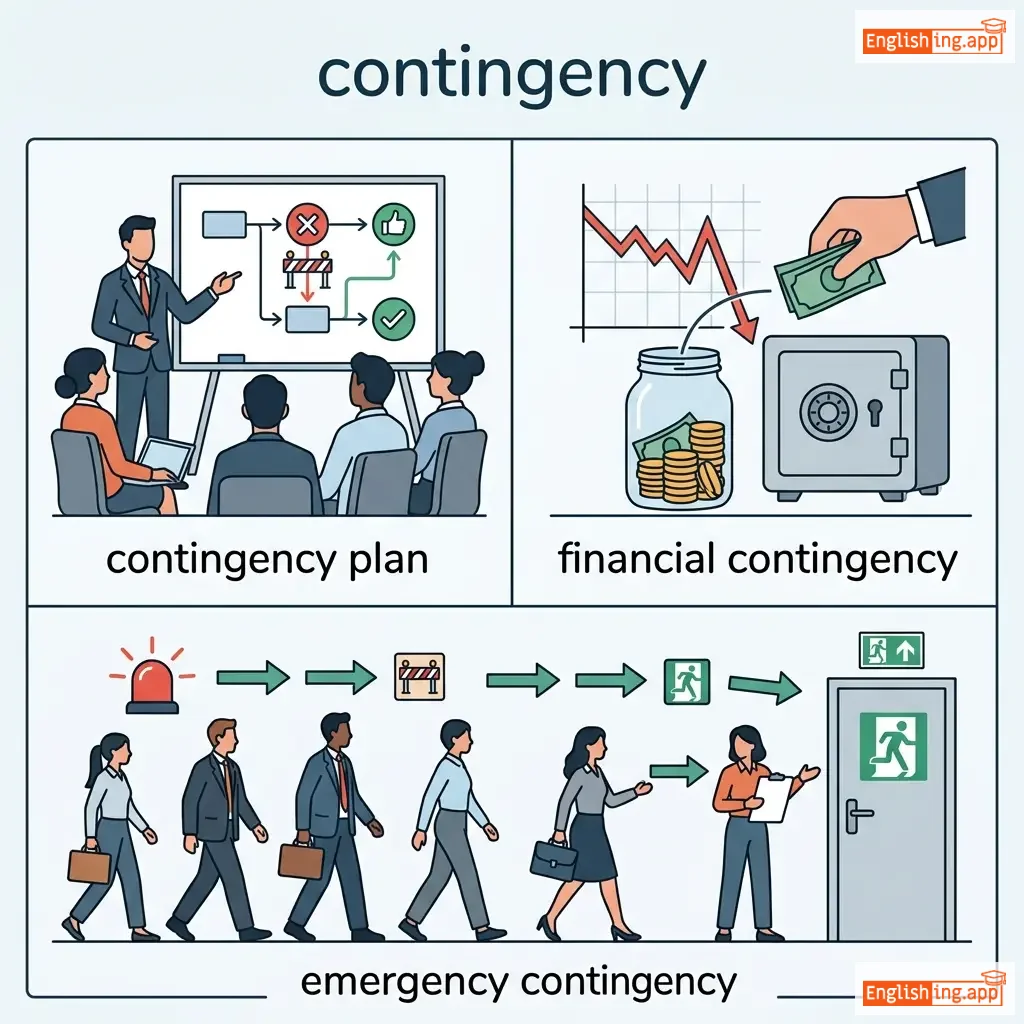
应急情况
yingji qingkuang
••••••
|
A future event or circumstance which is possible but cannot be predicted with certainty.
••••••
|
The company has a contingency plan for financial crises.
公司有一个应急计划来应对财务危机。
••••••
|
公司有一个应急计划来应对财务危机。
Gōngsī yǒu yīgè yìngjí jìhuà lái yìngduì cáiwù wēijī.
••••••
|
emergency plan, backup, alternative
••••••
|
certainty, assurance, predictability
••••••
|
应急情况: 计划以防不可预见的事情发生。
••••••
|
|
#2425
⚖️
|
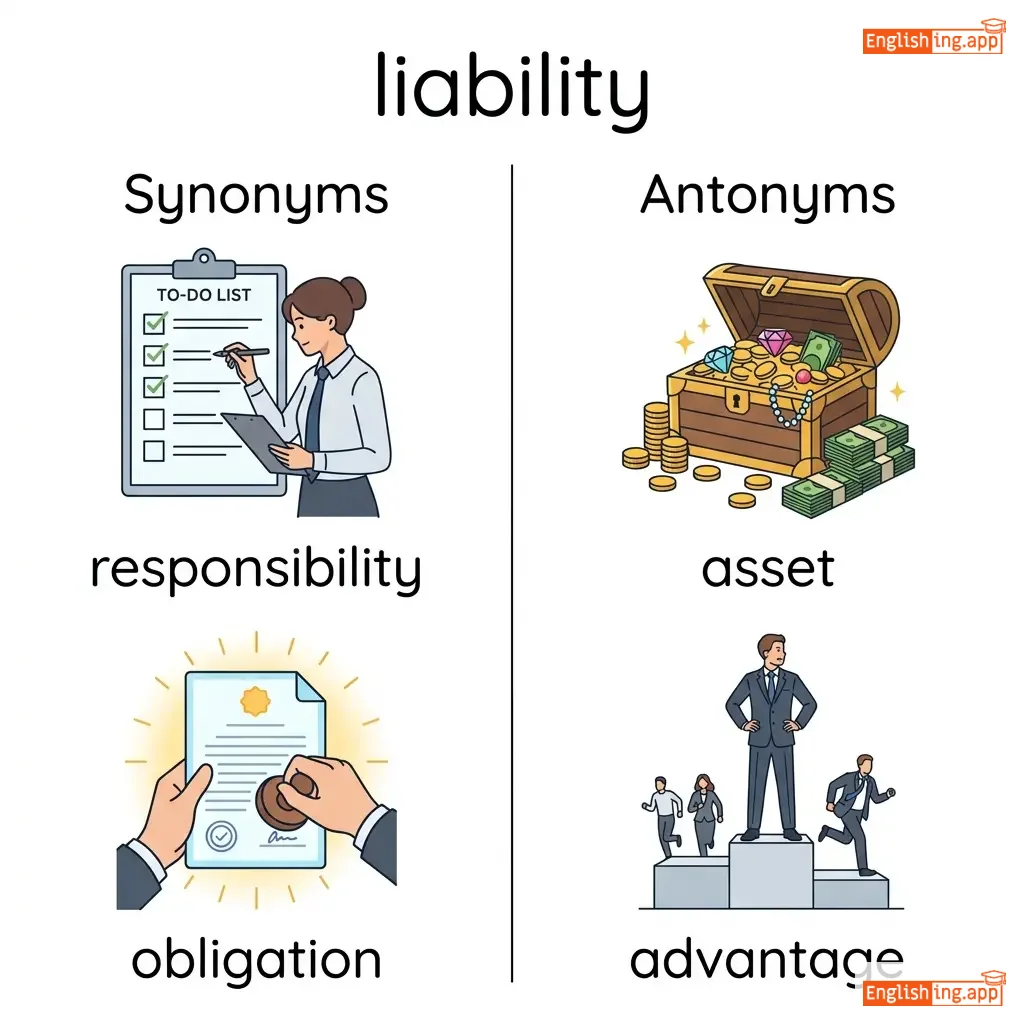
ˌlaɪ.əˈbɪl.ə.ti
noun
(赖阿比利蒂)
••••••
|
|
责任
zérèn
••••••
|
The state of being responsible for something, especially by law; a debt or financial obligation.
••••••
|
The company's liabilities exceeded its assets. |
公司的负债超过了它的资产。
Gōngsī de fùzhài chāoguòle tā de zīchǎn.
••••••
|
debt, obligation, responsibility
••••••
|
asset, advantage, credit
••••••
|
责任(zérèn)表示法律责任,记住公司负债的情况。
••••••
|
|
#2426
🔮
|
ˈfɔː.saɪt
noun
(fɔː.saɪt)
••••••
|
|
远见
yuanjian
••••••
|
The ability to predict or the action of predicting what will happen or be needed in the future.
••••••
|
His foresight helped him avoid financial trouble. |
他的远见帮助他避免了财务问题。
Tā de yuǎnjiàn bāngzhù tā bìmiǎnle cáiwù wèntí.
••••••
|
vision, planning, anticipation
••••••
|
shortsightedness, impulsiveness, carelessness
••••••
|
远 (远见) + 见 (视力) = 远见,用视觉看到未来的能力。
••••••
|
|
#2427
📈
|
ˌvɒl.əˈtɪl.ɪ.ti
noun
(波动性)
••••••
|
|
波动性
bodongxing
••••••
|
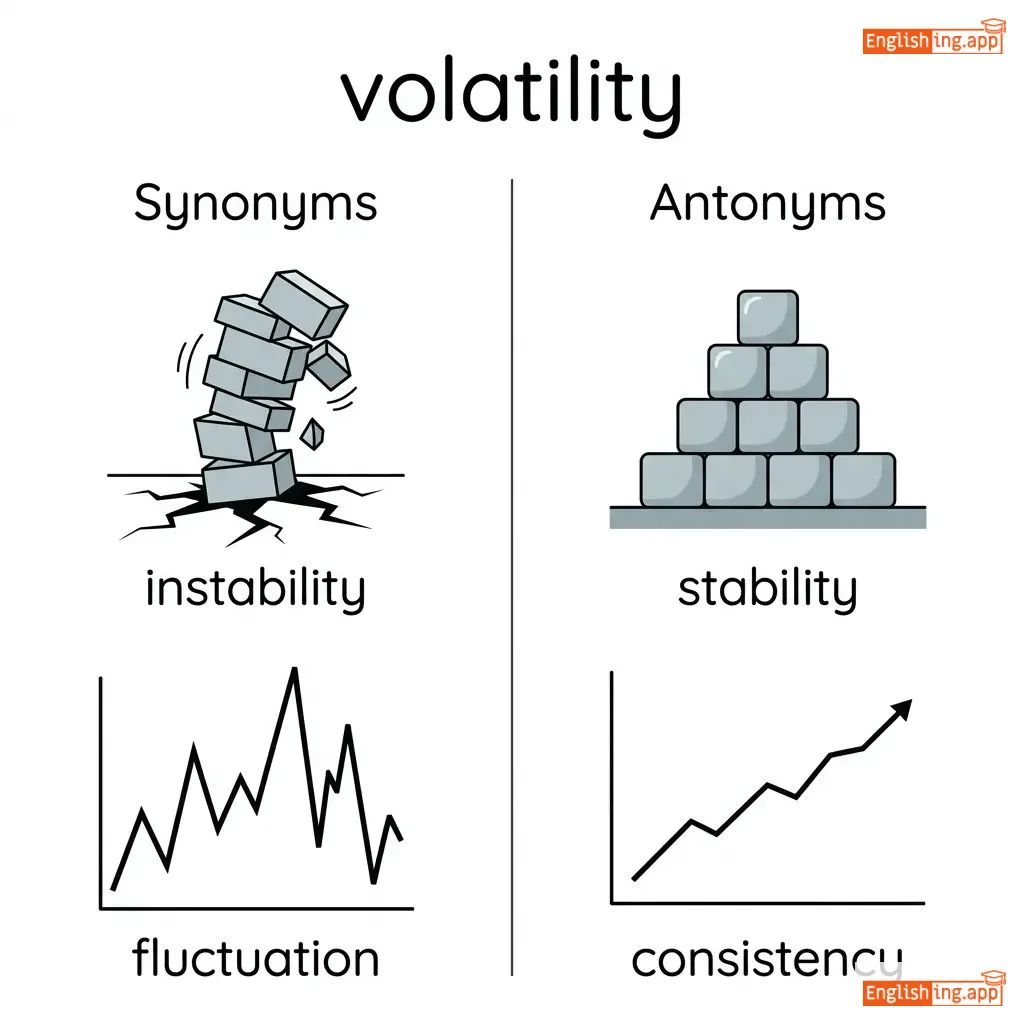
Liability to change rapidly and unpredictably, especially for the worse.
••••••
|
The stock market is known for its volatility. |
股市以其波动性而闻名。
Gushi yi qi bodongxing er wenming.
••••••
|
instability, fluctuation, uncertainty
••••••
|
stability, consistency, predictability
••••••
|
波动性 = 就像股市那样不断变化,难以预测。
••••••
|
|
#2428
🎯
|
dɪ ˈskrɛʃ.ən.er.i
adjective
(dɪskrɛʃəneri)
••••••
|
|
酌情
zhuóqíng
••••••
|
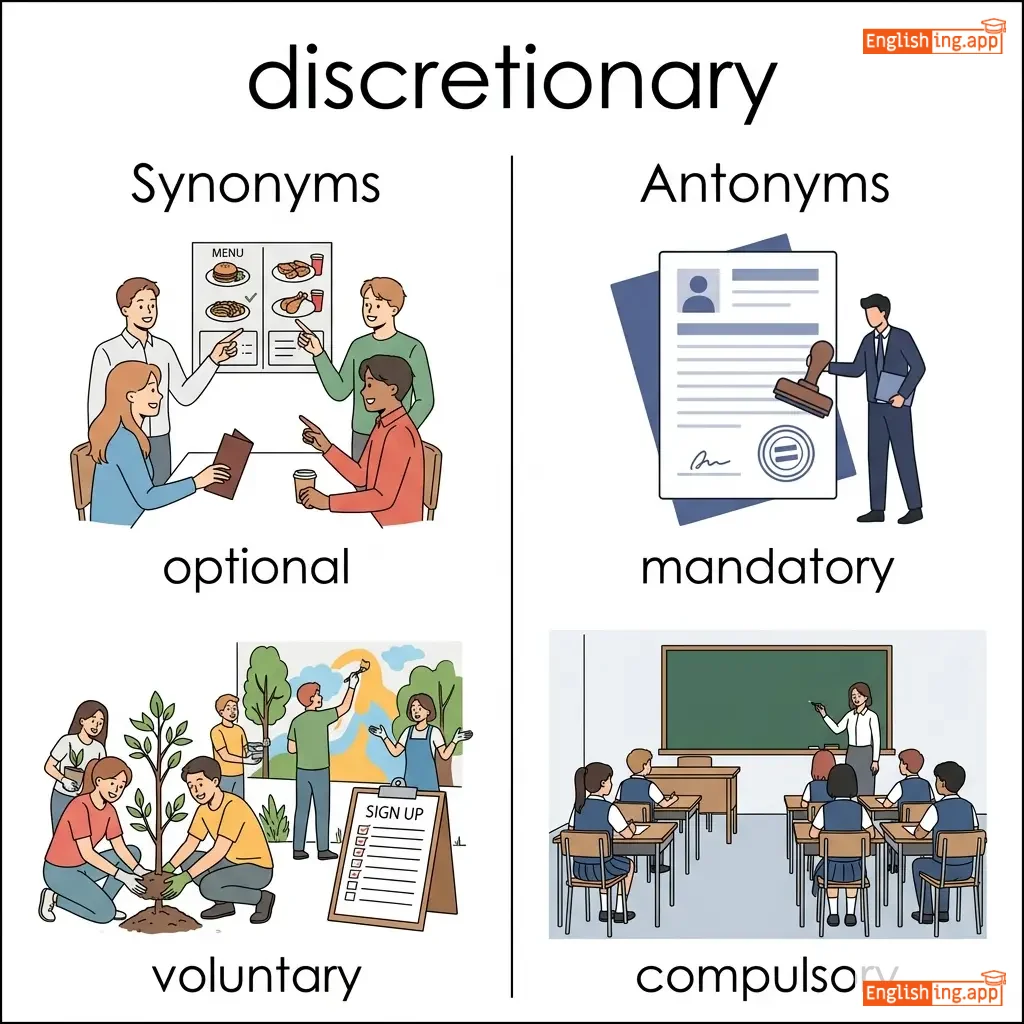
Available for use at the discretion of the user; not required or mandatory.
••••••
|
He set aside some discretionary income for travel. |
他为旅行留出了一些酌情收入。
Tā wèi lǚxíng liú chūle yīxiē zhuóqíng shōurù.
••••••
|
optional, flexible, voluntary
••••••
|
mandatory, obligatory, required
••••••
|
酌情 - 就像根据自己的判断做出的决定。
••••••
|
|
#2429
💪
|
ˈsɒl.vən.si
noun
(偿付能力)
••••••
|
|
偿付能力
cháng fù néng lì
••••••
|
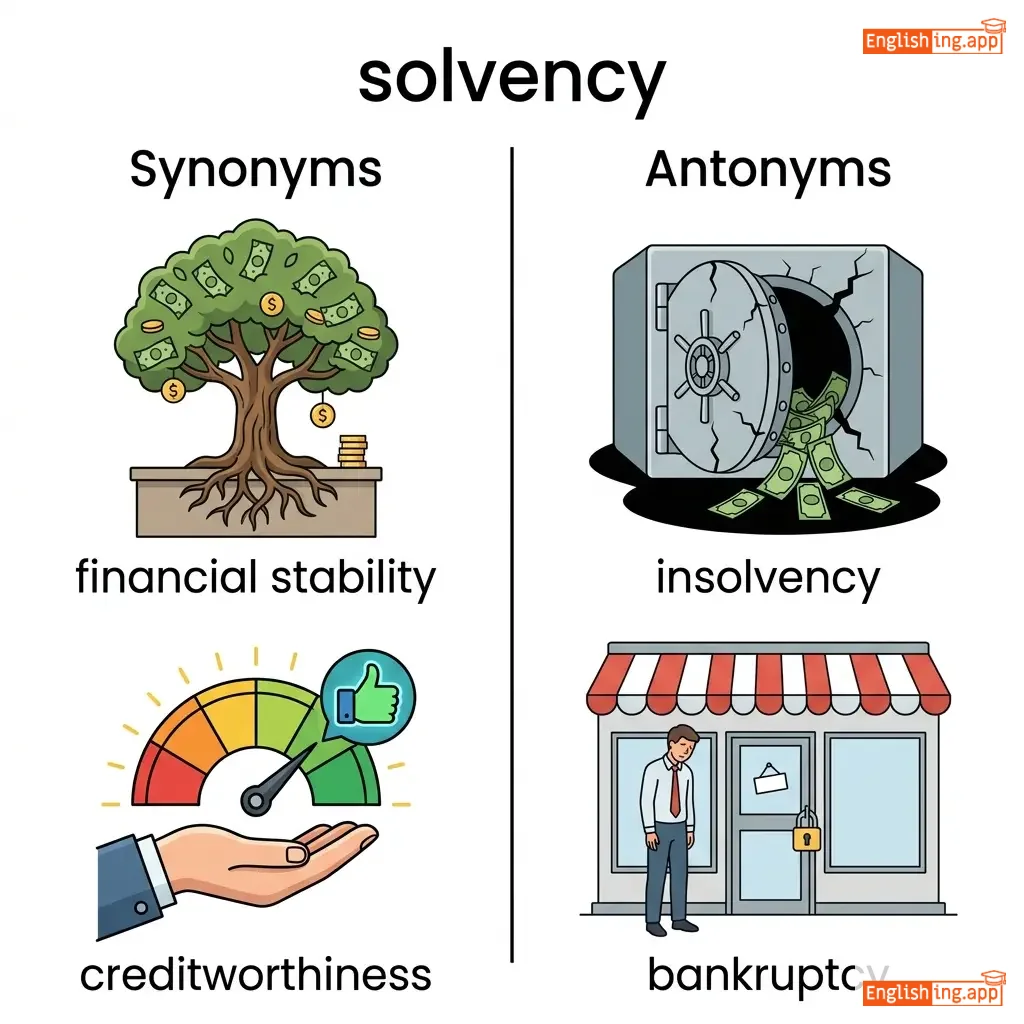
The ability to meet one's debts and financial obligations; financial soundness.
••••••
|
The company's solvency improved after reducing expenses.
公司在减少开支后提高了偿付能力。
••••••
|
公司在减少开支后提高了偿付能力。
Gōngsī zài jiǎnshǎo kāizhī hòu tígāo le chángfù nénglì.
••••••
|
financial stability, creditworthiness, liquidity
••••••
|
insolvency, bankruptcy, debt
••••••
|
偿付能力 = 财务的稳定性和偿还债务的能力。
••••••
|
|
#2430
🎯
|
præɡ ˈmæt.ɪk
adjective
(普拉格马提克)
••••••
|
|
务实的
wùshí de
••••••
|
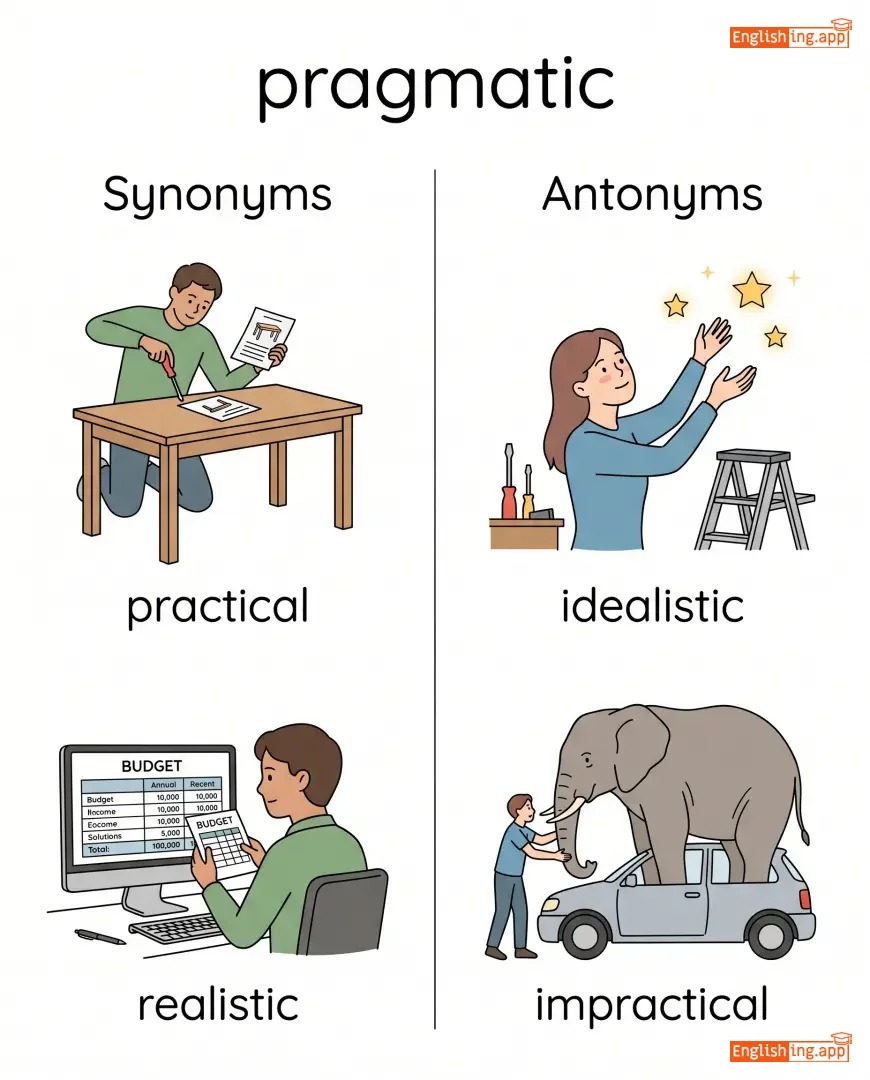
Dealing with things sensibly and realistically in a way that is based on practical rather than idealistic considerations.
••••••
|
He took a pragmatic approach to solving the problem. |
他采用了一种务实的方法来解决这个问题。
Tā cǎiyòngle yī zhǒng wùshí de fāngfǎ lái jiějué zhège wèntí.
••••••
|
practical, realistic, sensible
••••••
|
idealistic, impractical, unrealistic
••••••
|
务实的: 记住'务实'代表处理事情时最务实的方式。
••••••
|
|
#2431
📈
|
ˈɛs.kə.leɪt
verb
(es-ka-lèit)
••••••
|
|
升级
shēngjí
••••••
|
To increase rapidly; become or make greater, more intense, or more serious.
••••••
|
The conflict escalated into a full-blown crisis. |
冲突升级为一场全面危机。
Chōngtú shēngjí wèi yī chǎng quánmiàn wéijī.
••••••
|
increase, intensify, amplify
••••••
|
decrease, reduce, diminish
••••••
|
升级就像危机升级,变得更加严重。
••••••
|
|
#2432
💹
|
ɪn ˈfleɪ.ʃə.ner.i
adjective
(通货膨胀的)
••••••
|
|
通货膨胀的
tōnghuò péngzhàng de
••••••
|
Characterized by or tending to cause monetary inflation; relating to rising prices.
••••••
|
The government took measures to control inflationary pressures.
政府采取了措施来控制通货膨胀的压力。
••••••
|
政府采取了措施来控制通货膨胀的压力。
Zhèngfǔ cǎiqǔle cuòshī lái kòngzhì tōnghuò péngzhàng de yālì.
••••••
|
price-increasing, economic expansion, cost-raising
••••••
|
deflationary, price-stabilizing, cost-reducing
••••••
|
通货膨胀的与经济中的价格上涨有关,记住‘通货’代表货币。
••••••
|
|
#2433
📊
|
əˈkruː
verb
(艾克鲁)
••••••
|
|
累积
lěijī
••••••
|
To accumulate or receive (payments or benefits) over time.
••••••
|
Interest accrues on the savings account every month. |
每个月储蓄账户上会积累利息。
Měi gè yuè chǔxù zhànghù shàng huì jīlěi lìxī.
••••••
|
accumulate, amass, collect
••••••
|
diminish, deplete, lose
••••••
|
累积 (accrue) - 像利息一样随着时间累积。
••••••
|
|
#2434
🛡️
|
ˈmɪt.ɪ.ɡeɪt
verb
(米-ti-盖特)
••••••
|
|
缓解
huǎn jiě
••••••
|
To make less severe, serious, or painful; to lessen the intensity of something harmful.
••••••
|
Proper measures can mitigate environmental damage.
适当的措施可以减轻环境损害。
••••••
|
适当的措施可以减轻环境损害。
Shìdàng de cuòshī kěyǐ jiǎnqīng huánjìng sǔnhài.
••••••
|
alleviate, reduce, lessen
••••••
|
aggravate, intensify, exacerbate
••••••
|
缓解 - 使事物不那么强烈。
••••••
|
|
#2435
📉
|
ˈdwɪn.dl
verb
(dwiendèl)
••••••
|
|
减少
jiǎnshǎo
••••••
|
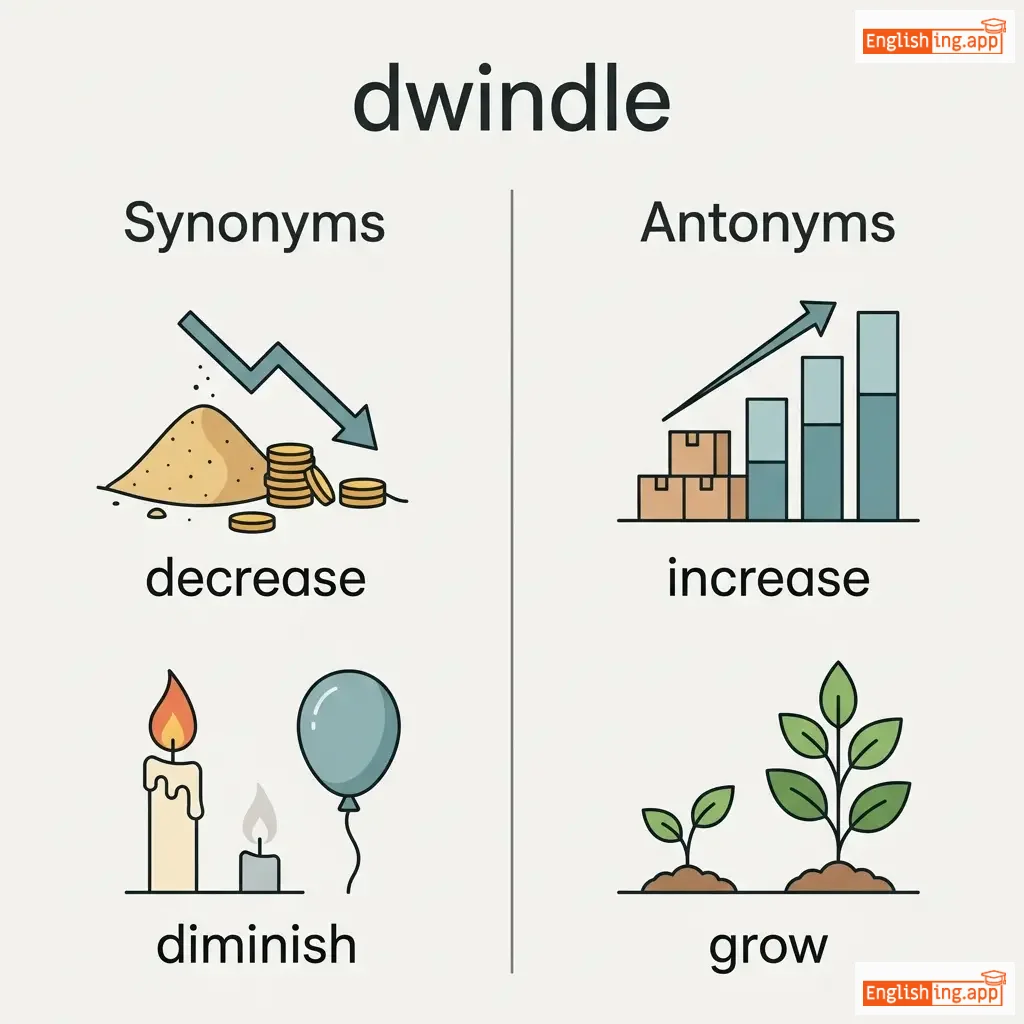
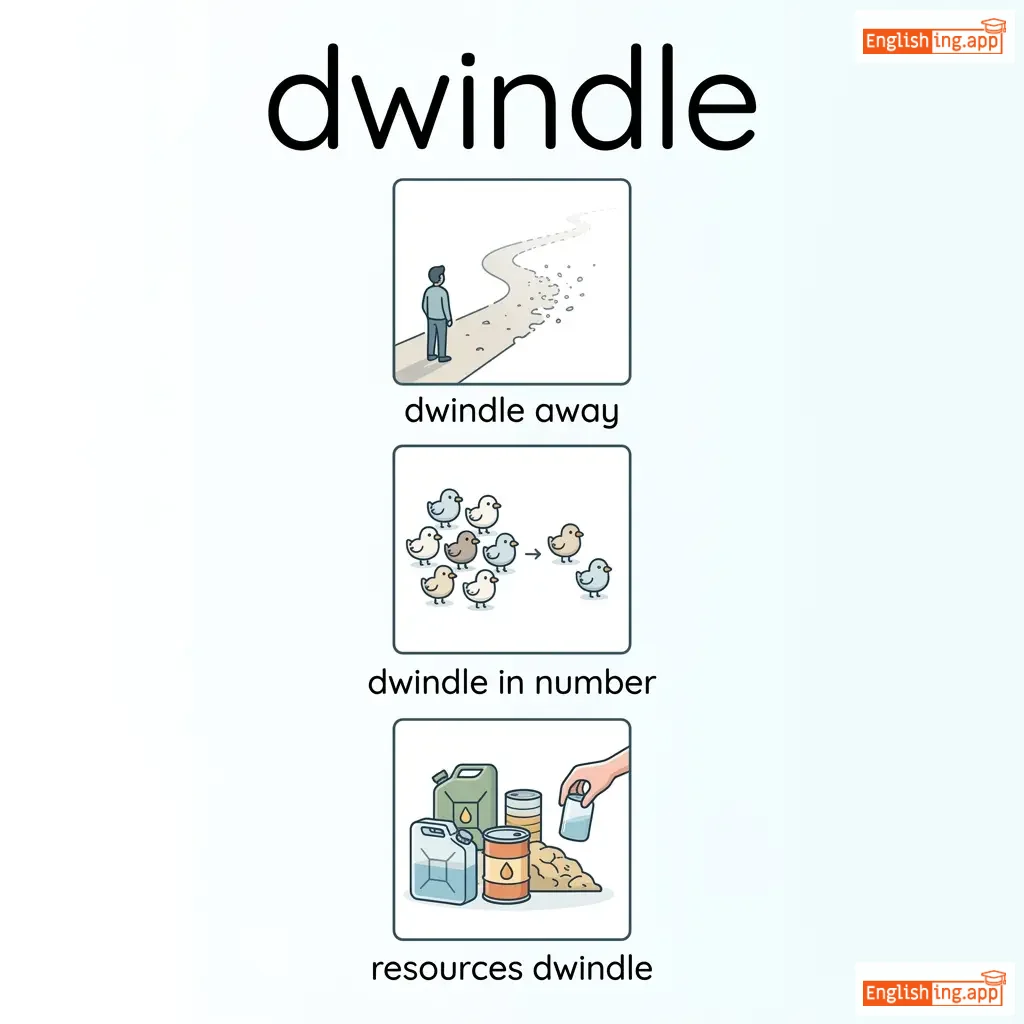
To diminish gradually in size, amount, or strength; to become progressively smaller.
••••••
|
His savings dwindled due to unexpected expenses. |
由于意外开销,他的储蓄减少了。
Yóuyú yìwài kāi xiāo, tā de chǔxù jiǎnshǎo le.
••••••
|
diminish, shrink, decline
••••••
|
increase, expand, grow
••••••
|
To dwindle in Chinese, we say 'jiǎnshǎo', like when savings decrease!
••••••
|
Vocabulary Quiz
Test your vocabulary by matching words with their translations or meanings.
Login to take the quiz
Comments (0)
Share your thoughts and join the discussion.
Join the discussion by logging in
Login to CommentNo comments yet
Be the first to share your thoughts!