Importance of Emergency Savings Fund
生活总是充满不确定性,因此保持一个 emergency savings fund 极其重要。当突然的 contingency 出现时,例如失业或健康问题,如果储蓄不足,就会造成 liability。
大多数人花钱时没有 foresight,这会在未来造成财务 volatility。然而,通过合理的规划,可以通过减少 discretionary 开支来保持 solvency。
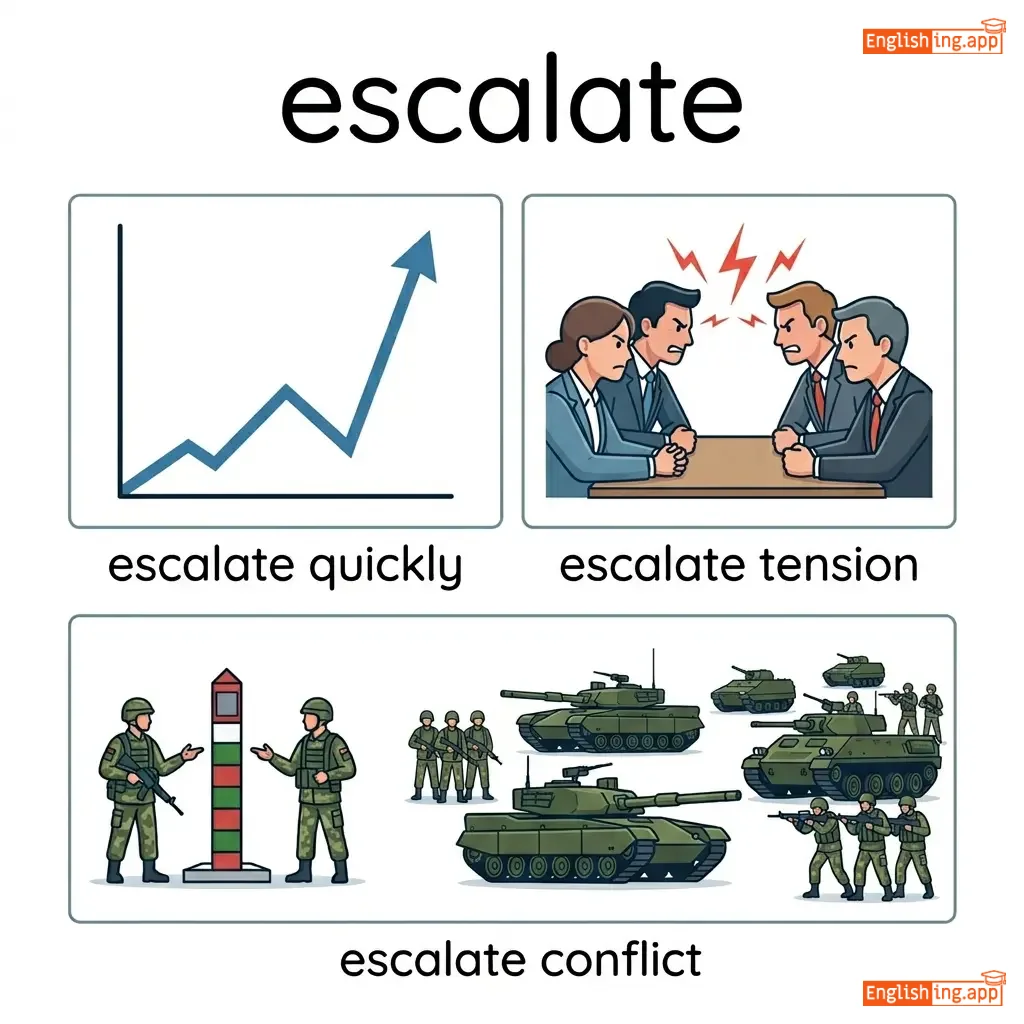
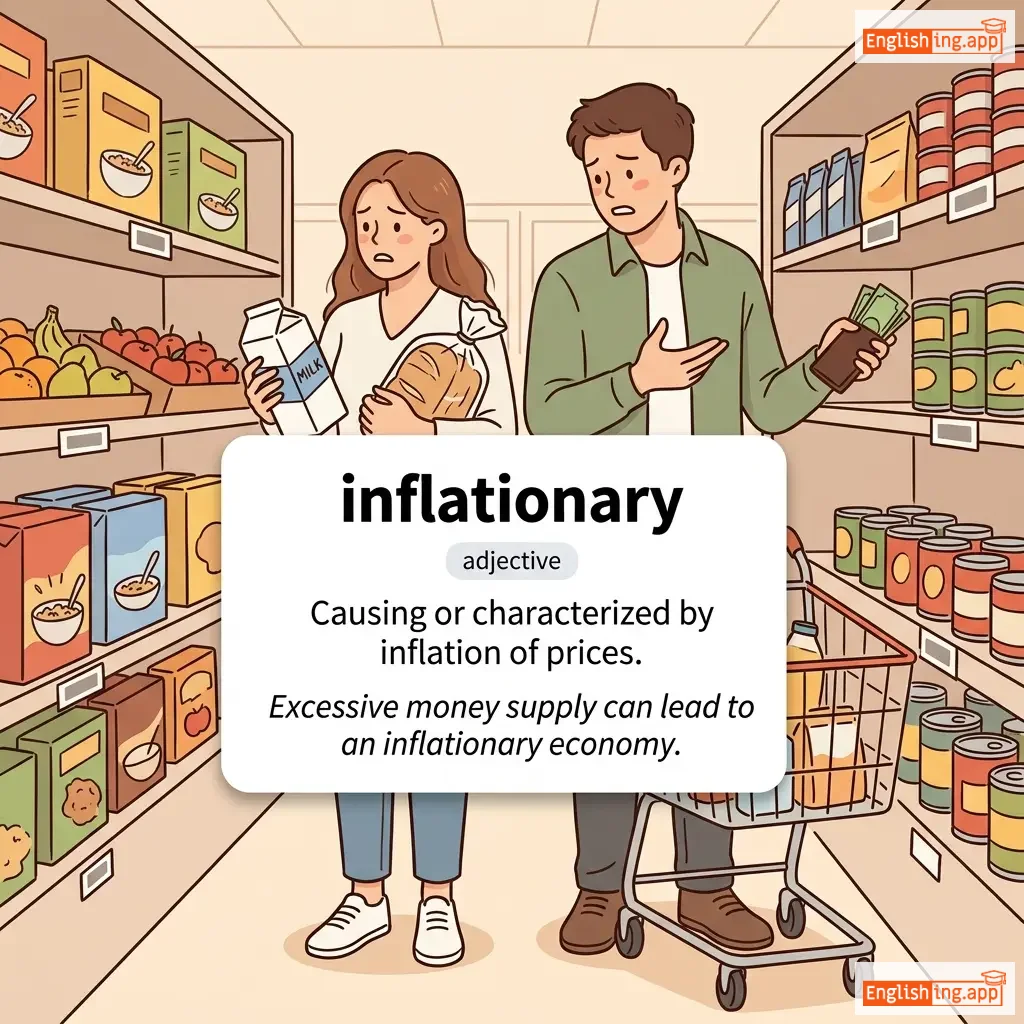
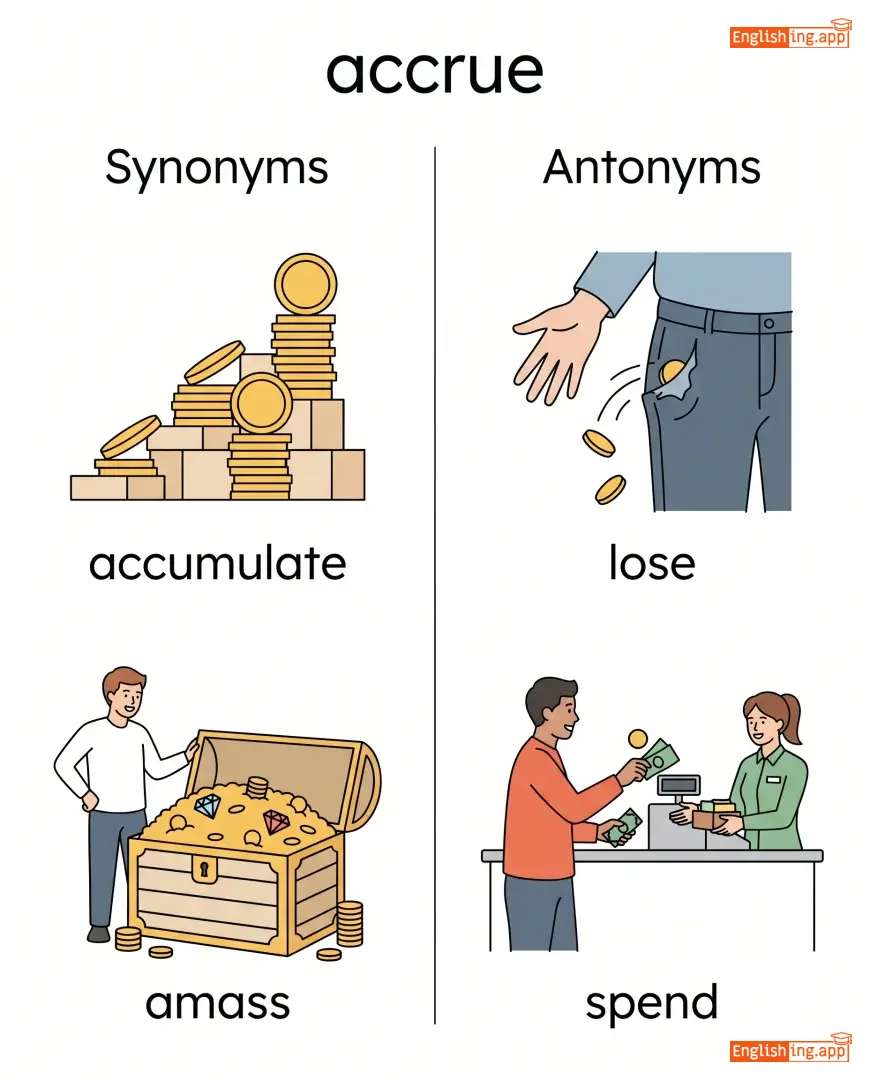
通过一个 pragmatic 的财务计划,我们可以为未来创造安全。当支出 escalate 且出现 inflationary 影响时,accrued 储蓄会帮助我们。
必须建立一个紧急基金来 mitigate 意外情况,否则债务负担可能会 dwindle。因此,为了确保健康的财务未来,现在就应该建立一个 emergency savings fund。
|
表情符号
|
单词 | Images | 含义 | 例句 | 同义词 | 反义词 |
|---|---|---|---|---|---|---|
|
#2421
🚨
|
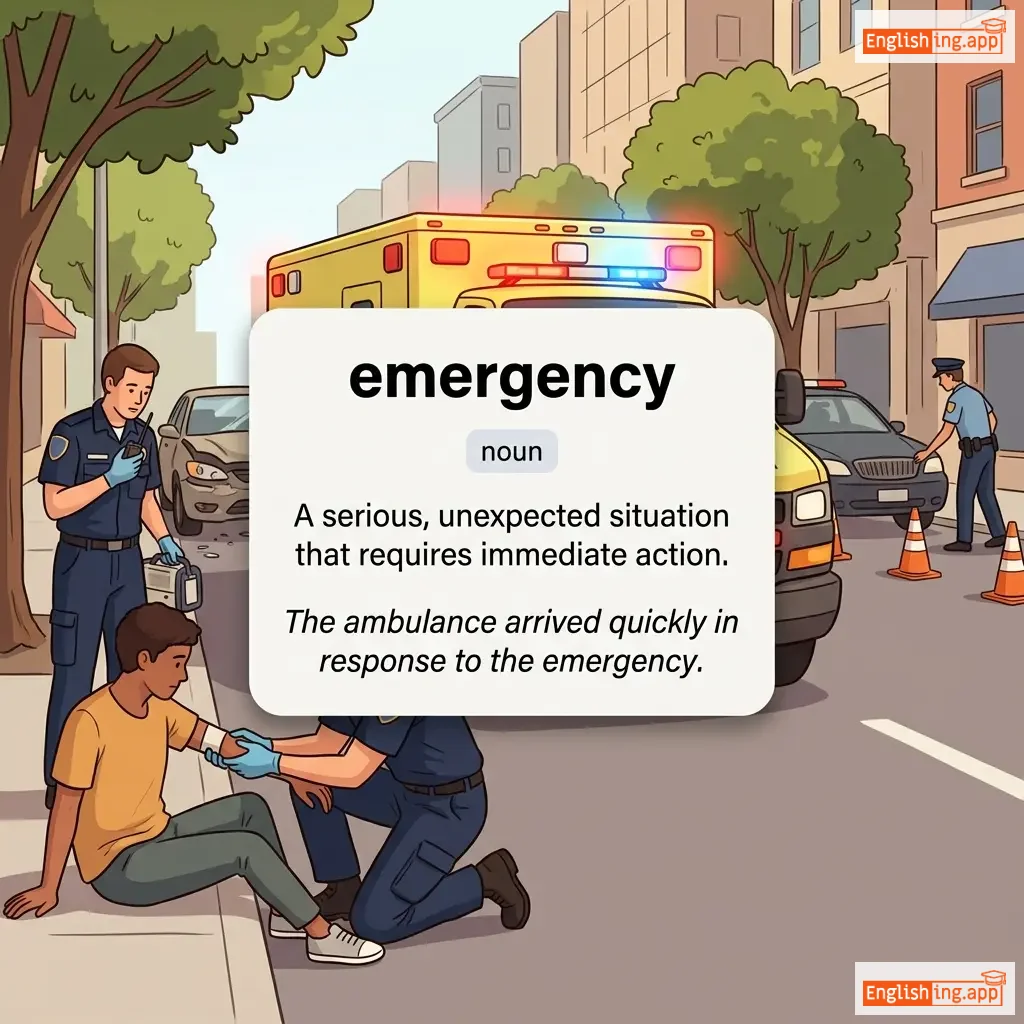
ɪˈmɜː.dʒən.si
noun
••••••
|
|
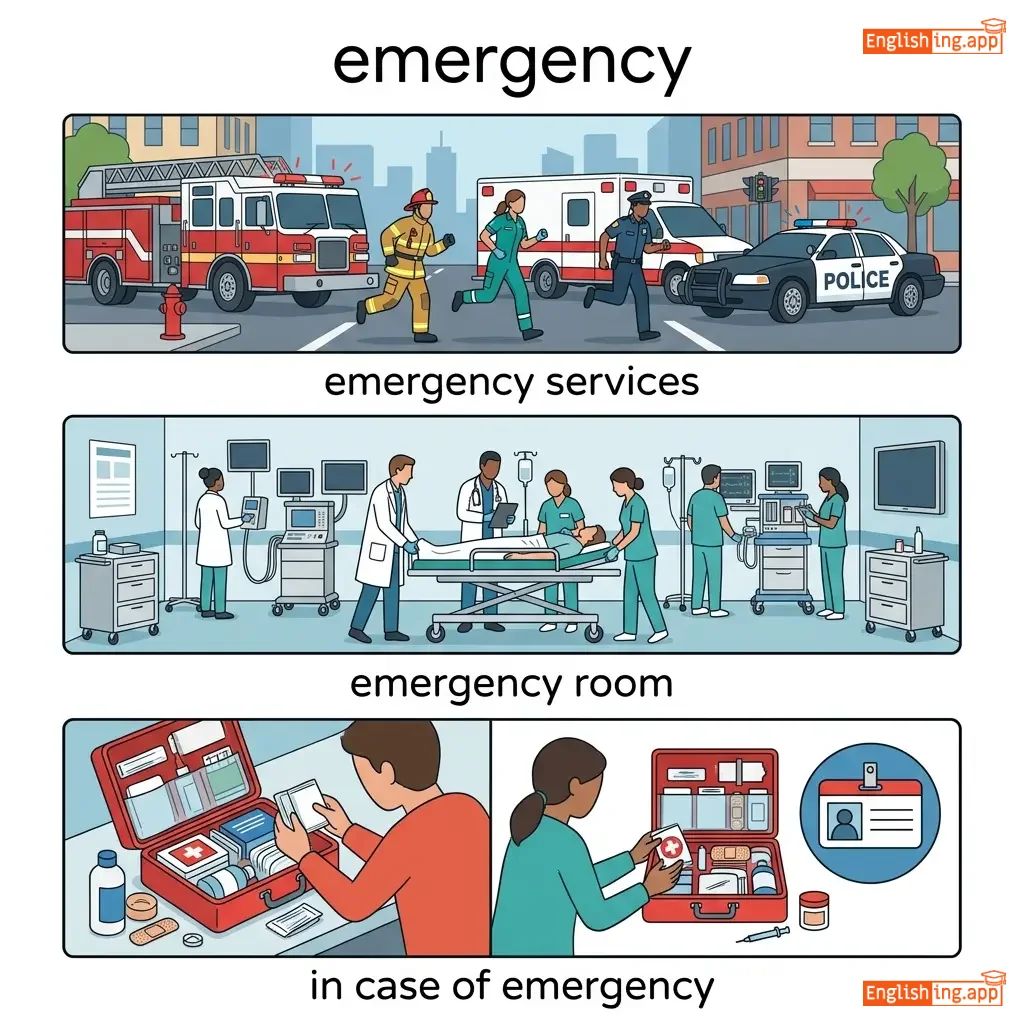
A sudden situation that is dangerous or serious and needs immediate attention or action.
••••••
|
A financial emergency can arise at any time. |
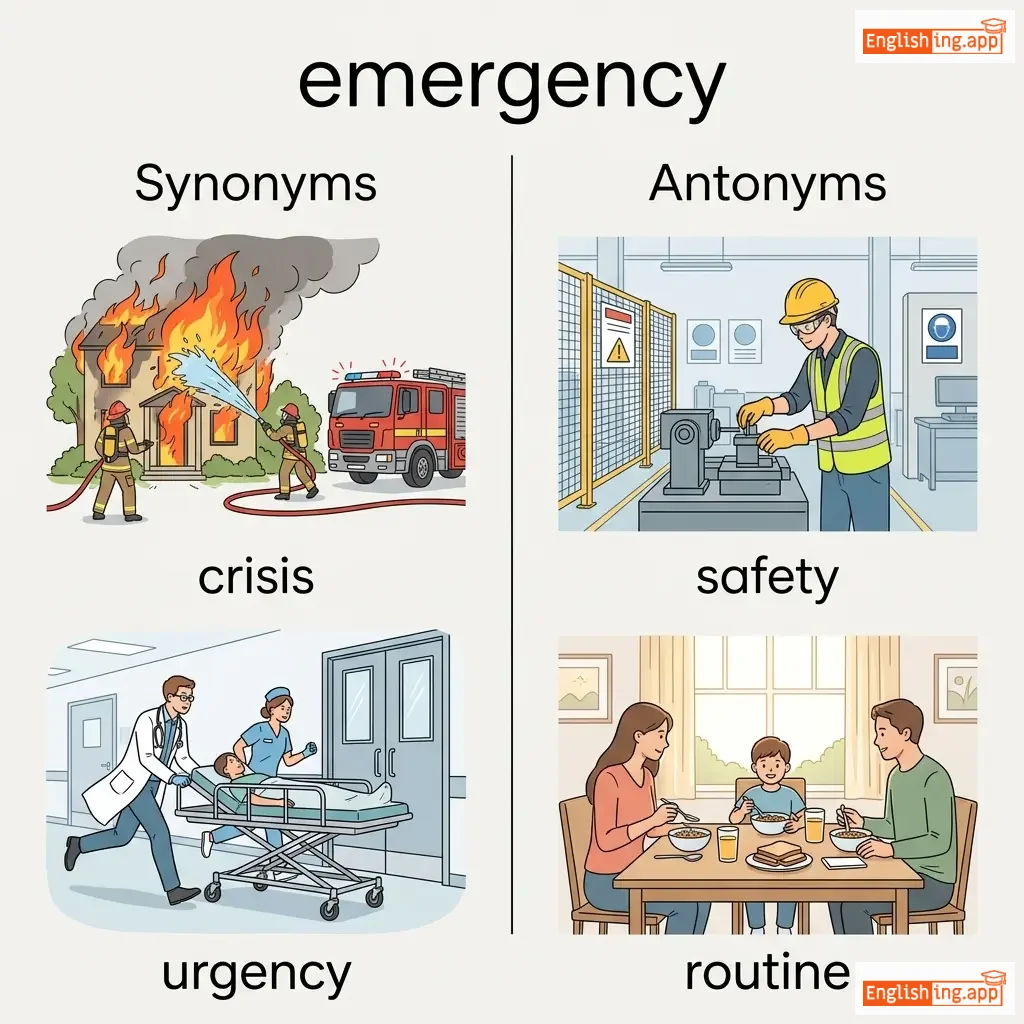
crisis, urgency, catastrophe
••••••
|
stability, safety, routine
••••••
|
|
#2422
💰
|
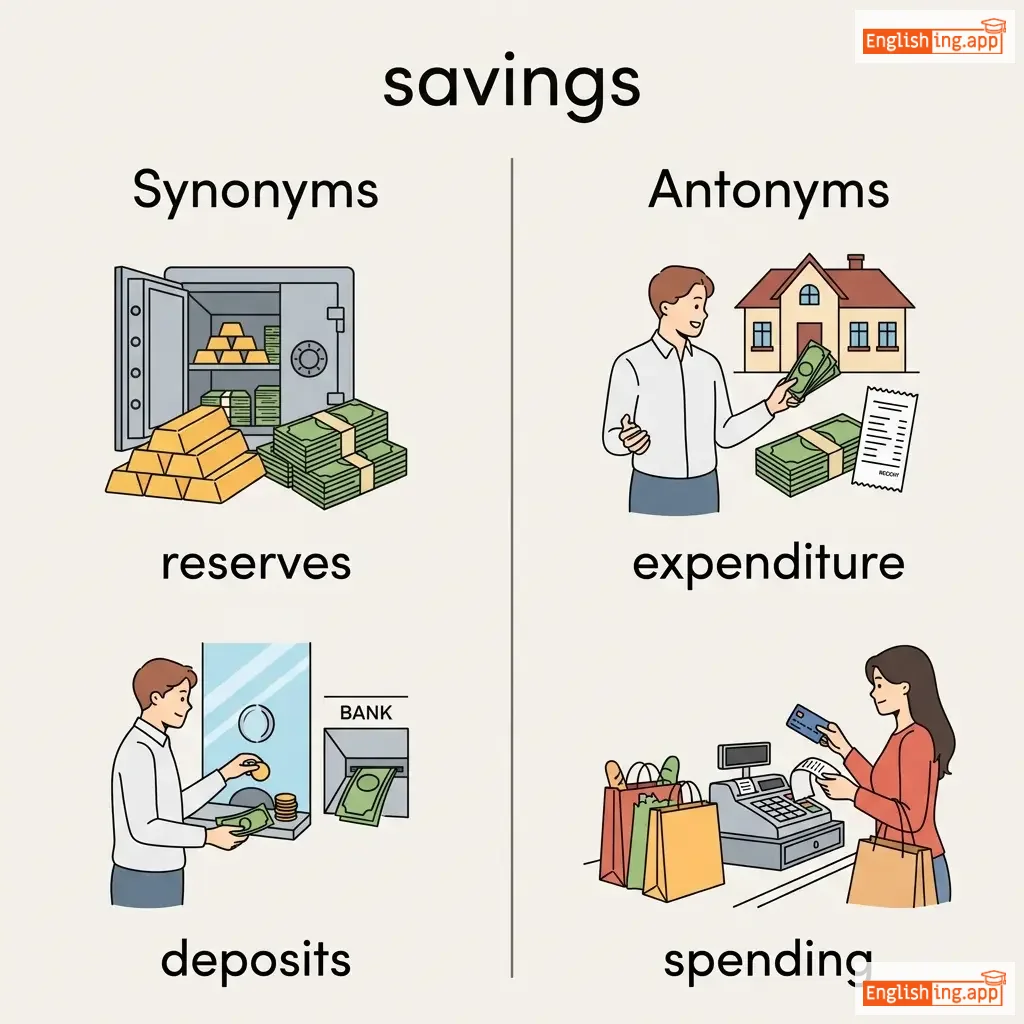
ˈseɪ.vɪŋz
noun
••••••
|

|
Money that is kept for future use or investment.
••••••
|
Many people invest their savings in real estate. |
reserves, deposits, funds
••••••
|
expenditure, spending, debt
••••••
|
|
#2423
🏦
|
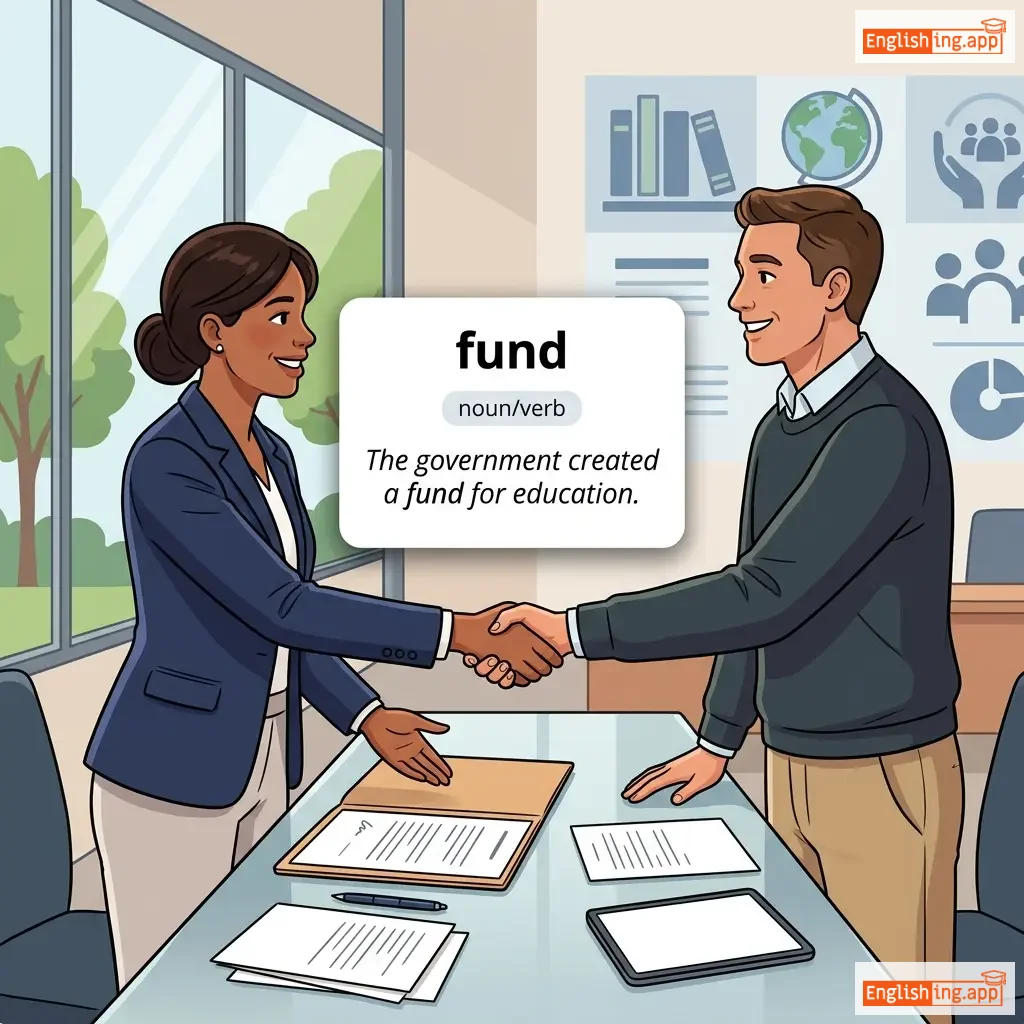
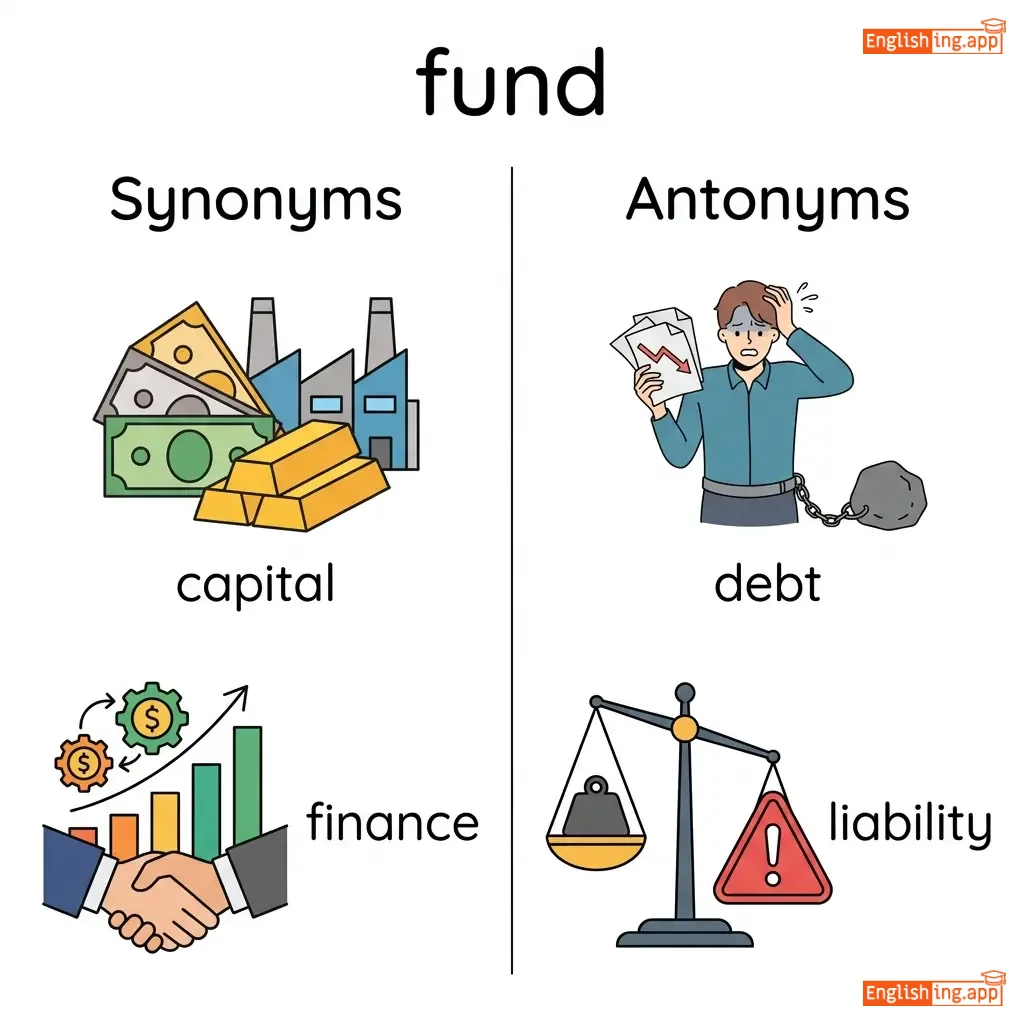
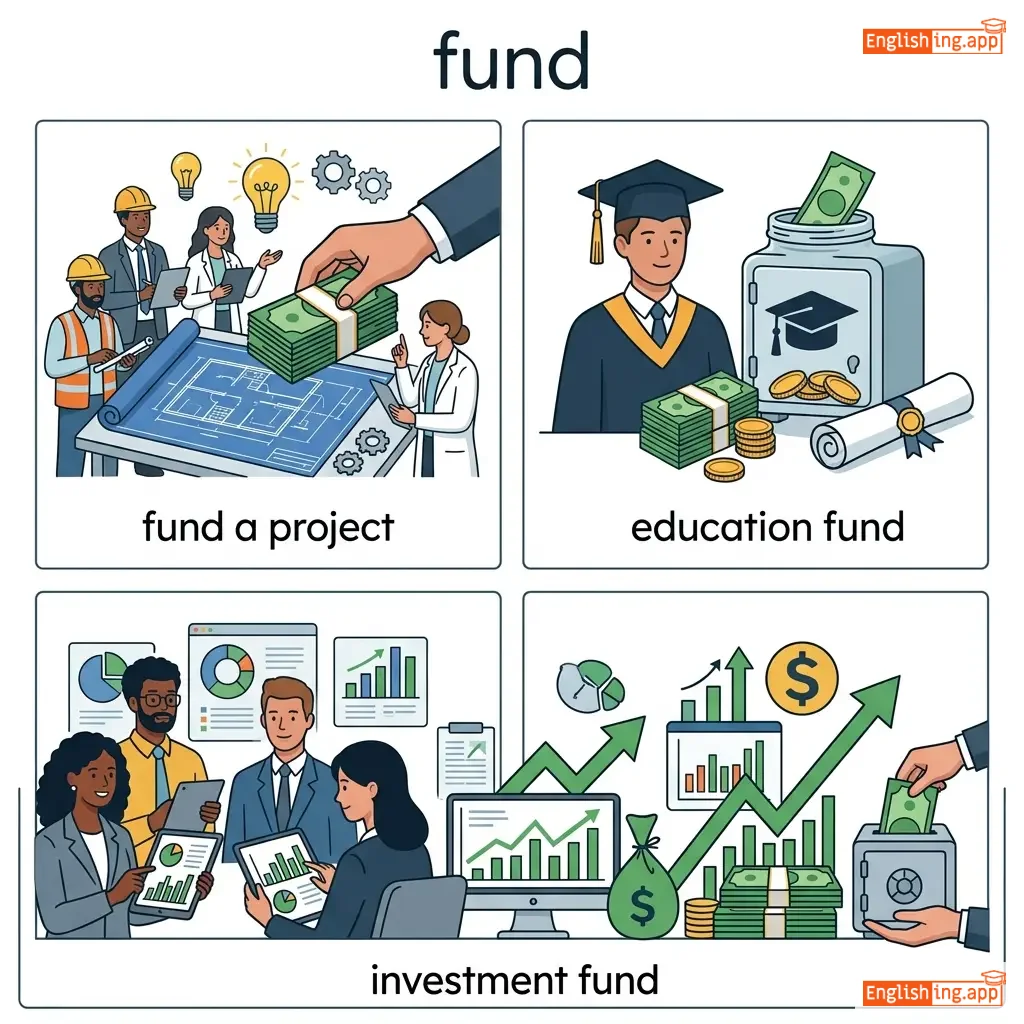
fʌnd
noun
••••••
|
|
A sum of money saved or made available for a particular purpose.
••••••
|
The government allocated a fund for disaster relief. |
capital, budget, investment
••••••
|
debt, deficiency, shortage
••••••
|
|
#2424
⚠️
|
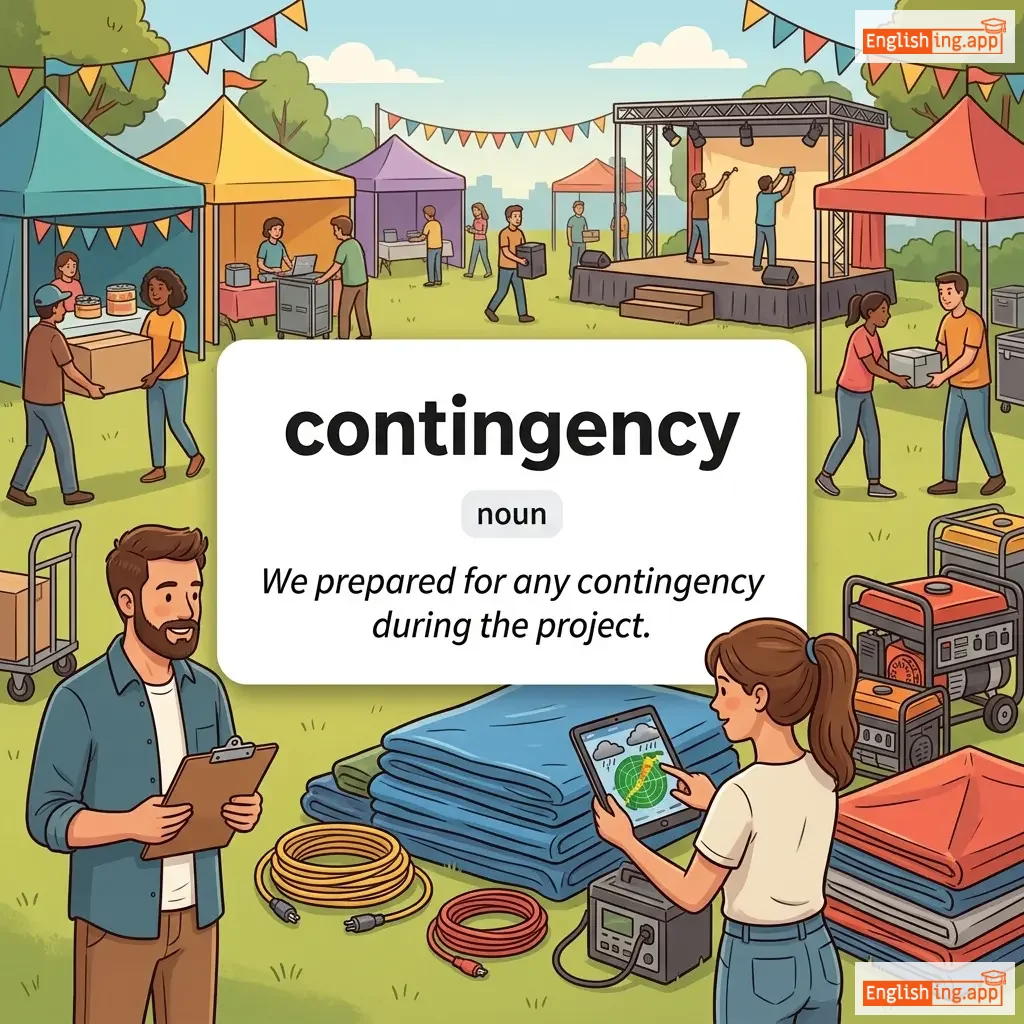
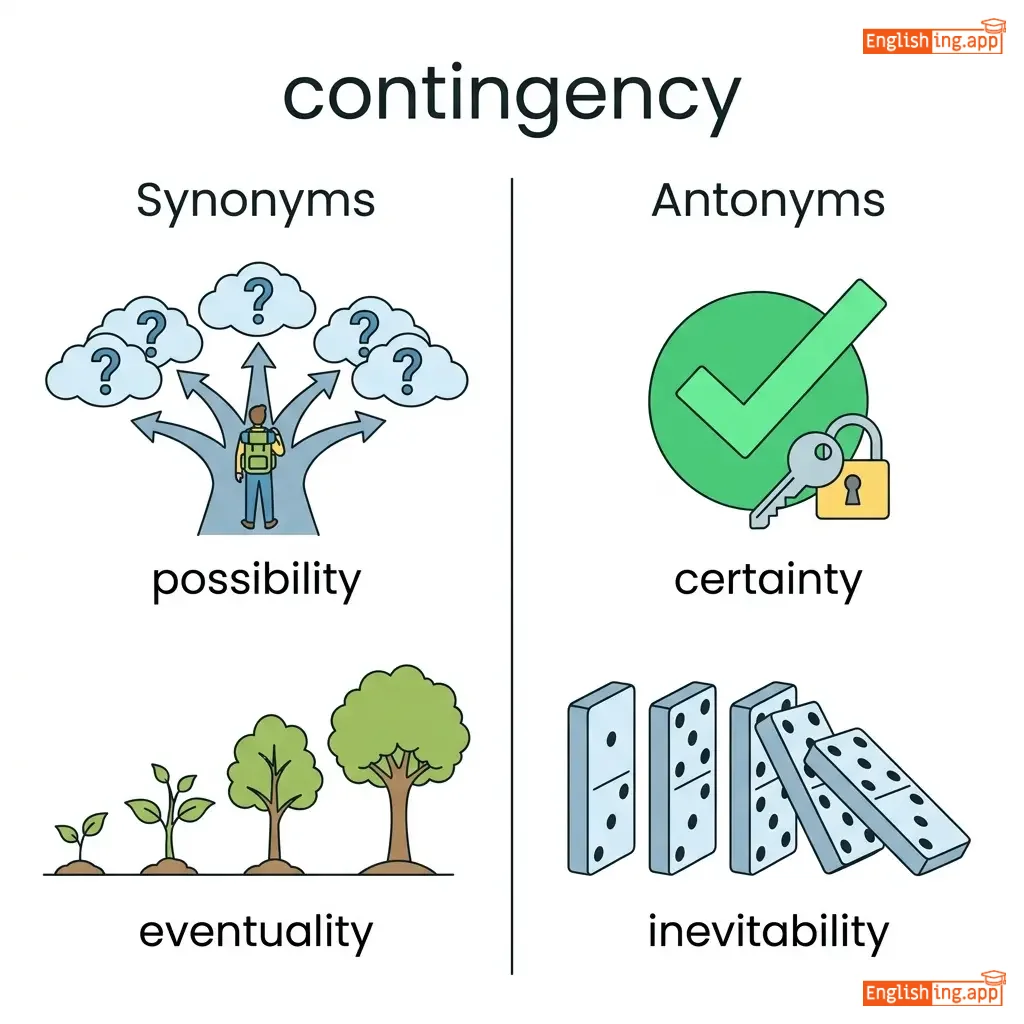
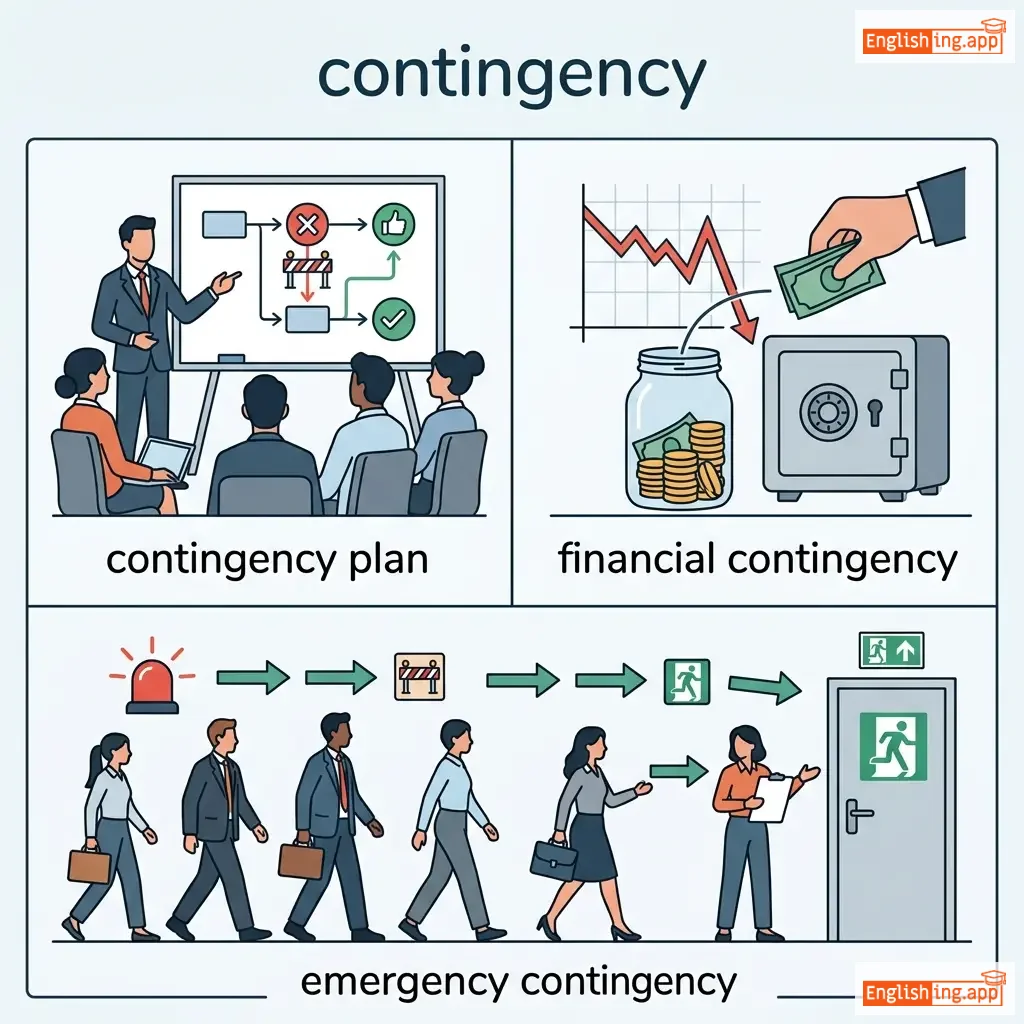
kən ˈtɪn.dʒən.si
noun
••••••
|
|
A future event or circumstance which is possible but cannot be predicted with certainty.
••••••
|
The company has a contingency plan for financial crises. |
emergency plan, backup, alternative
••••••
|
certainty, assurance, predictability
••••••
|
|
#2425
⚖️
|
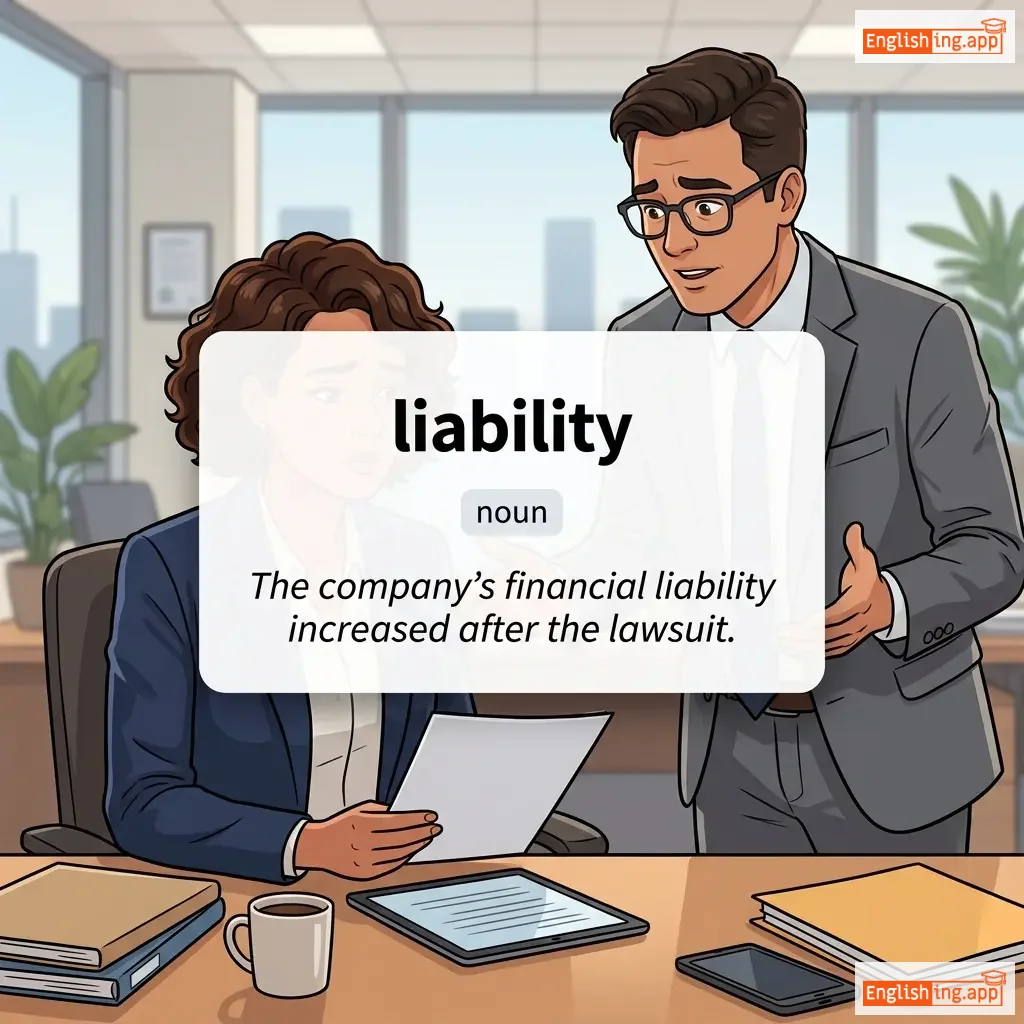
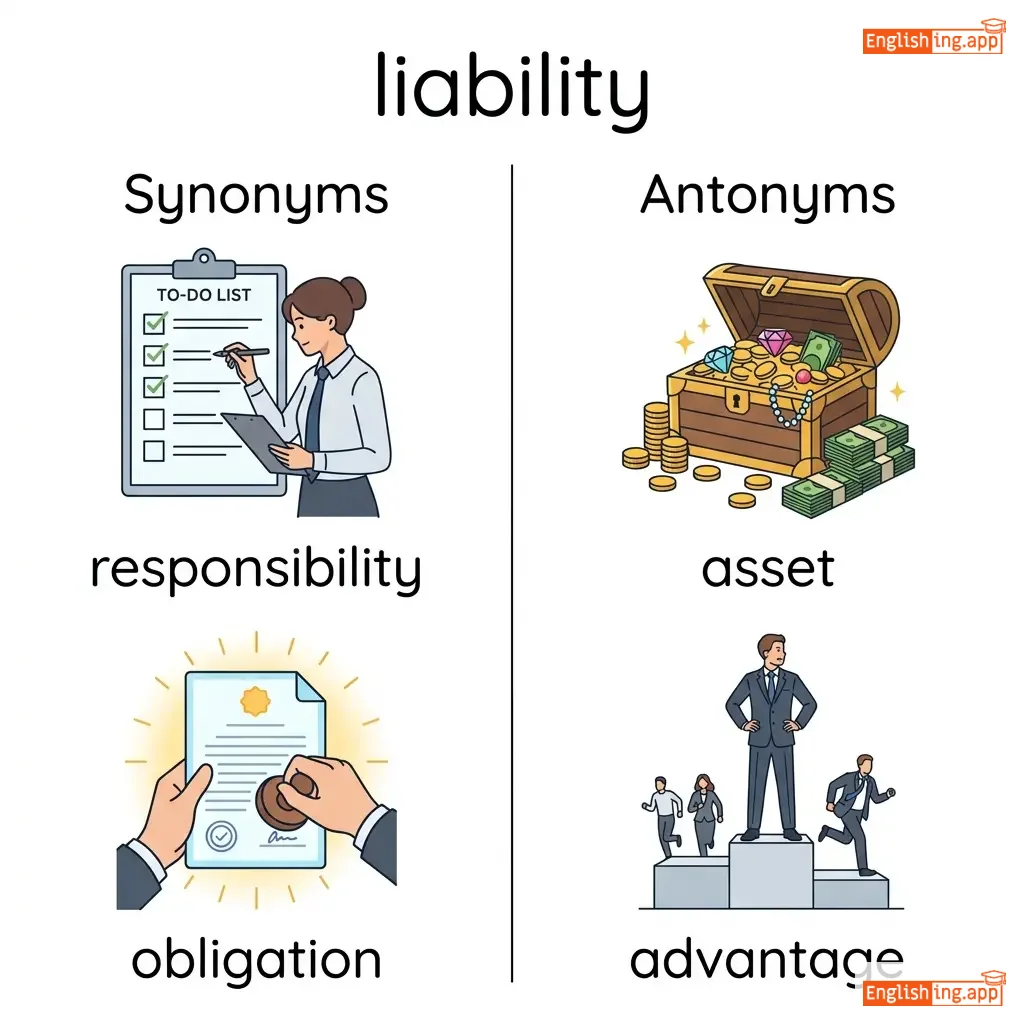
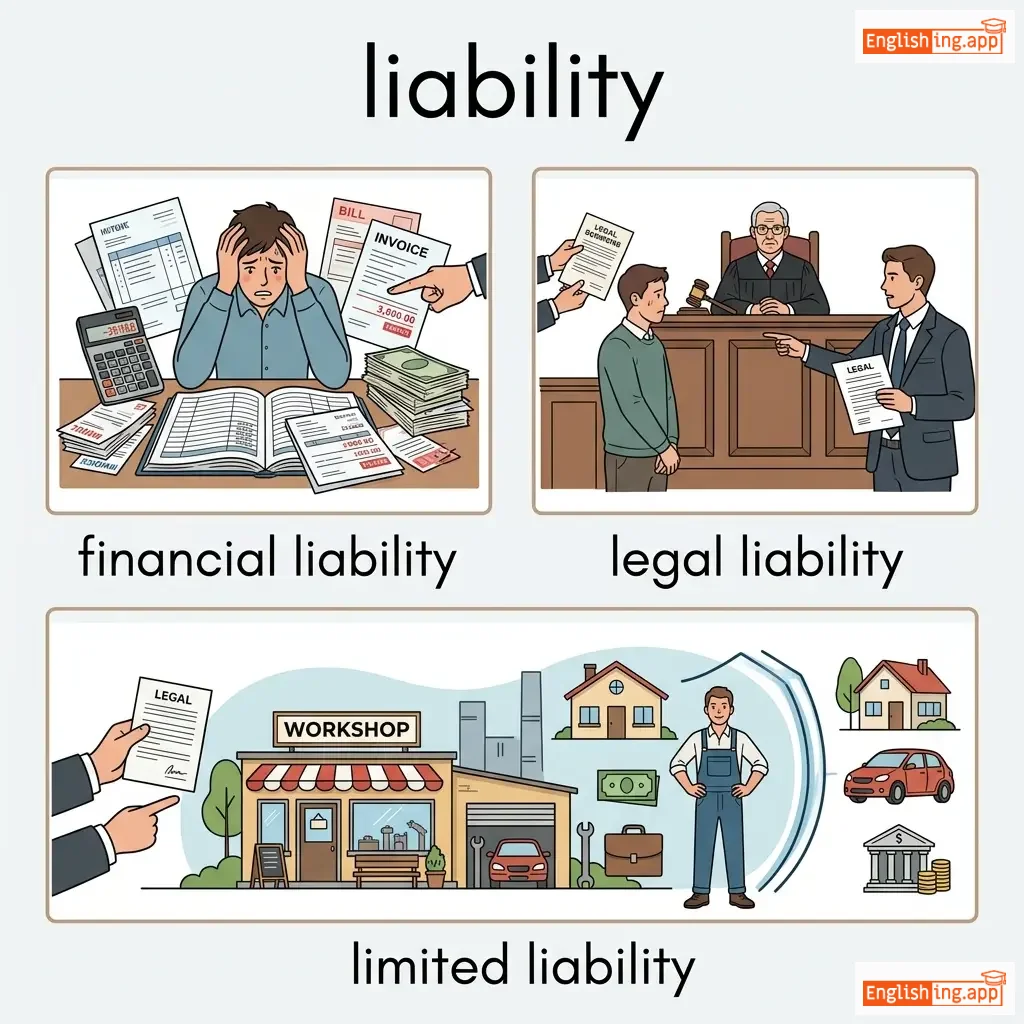
ˌlaɪ.əˈbɪl.ə.ti
noun
••••••
|
|
The state of being responsible for something, especially by law; a debt or financial obligation.
••••••
|
The company's liabilities exceeded its assets. |
debt, obligation, responsibility
••••••
|
asset, advantage, credit
••••••
|
|
#2426
🔮
|
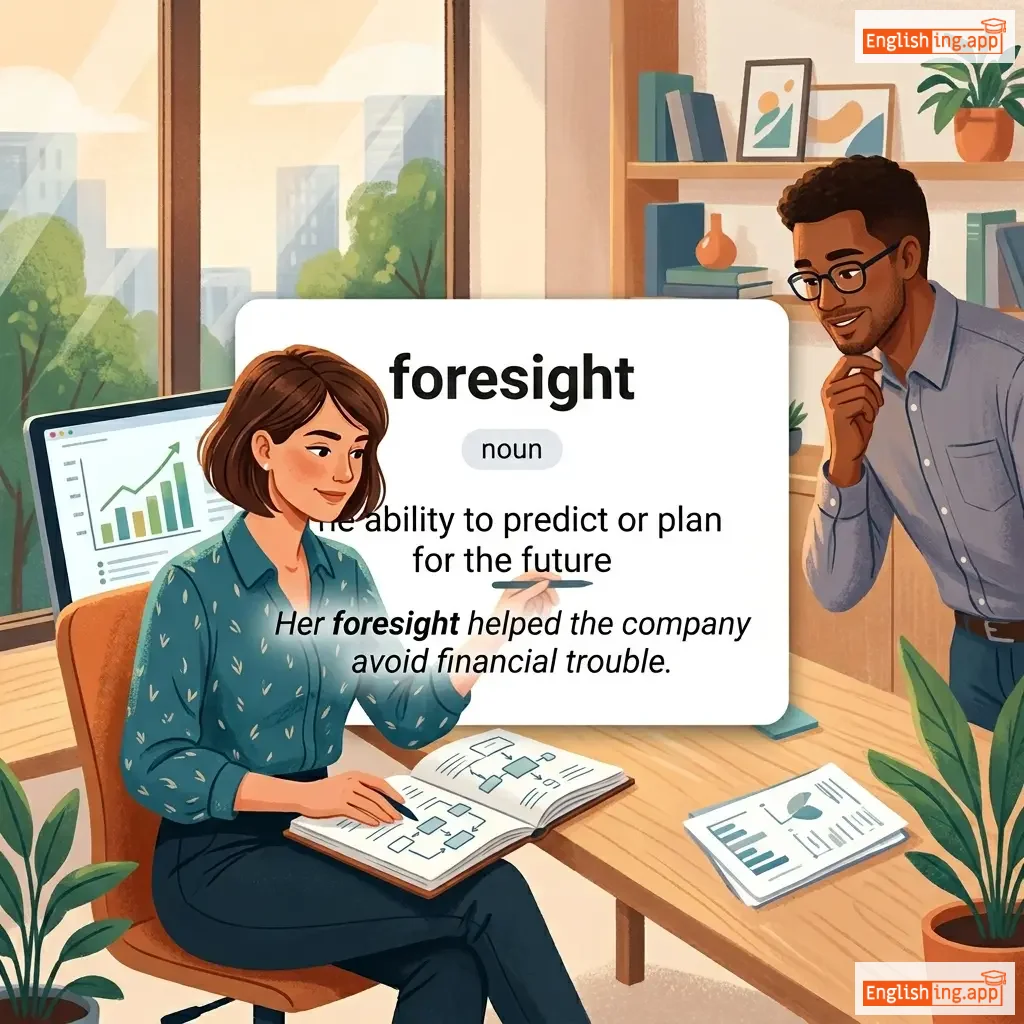
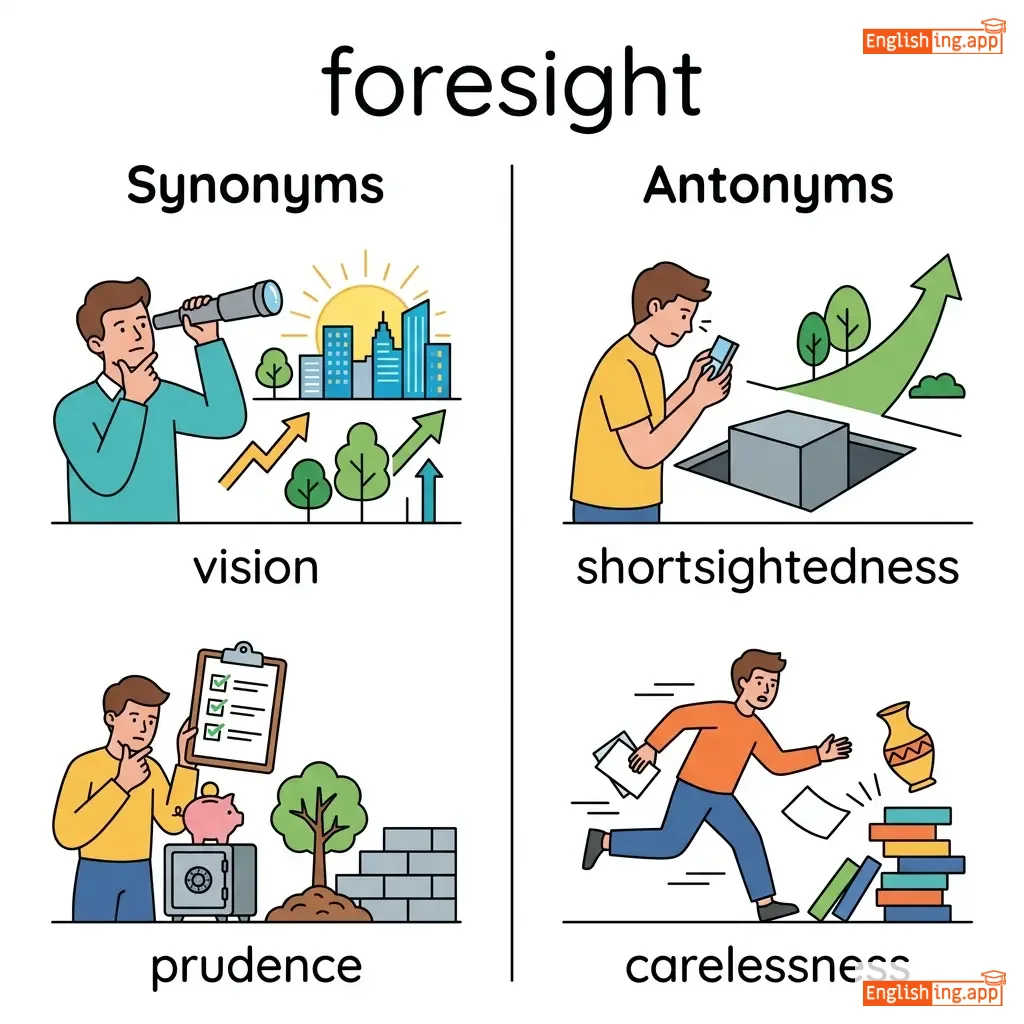
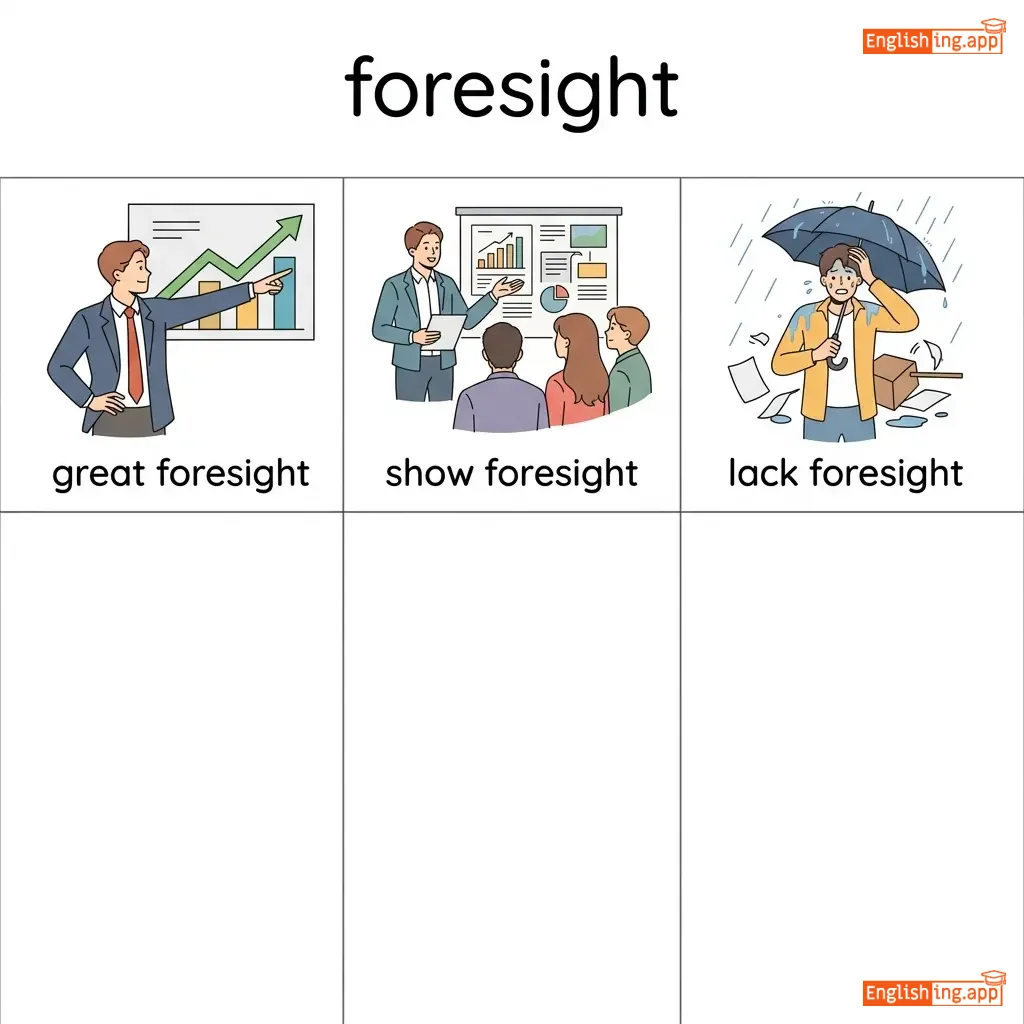
ˈfɔː.saɪt
noun
••••••
|
|
The ability to predict or the action of predicting what will happen or be needed in the future.
••••••
|
His foresight helped him avoid financial trouble. |
vision, planning, anticipation
••••••
|
shortsightedness, impulsiveness, carelessness
••••••
|
|
#2427
📈
|
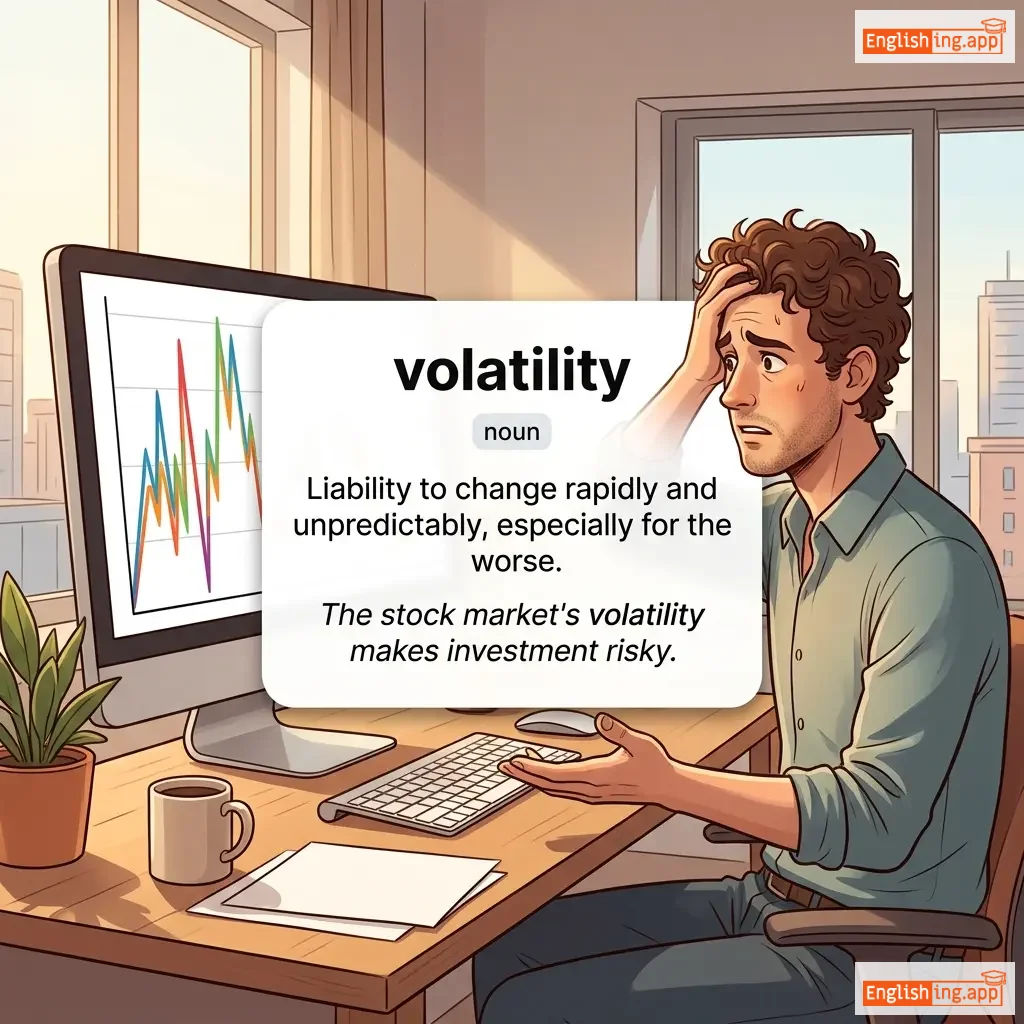
ˌvɒl.əˈtɪl.ɪ.ti
noun
••••••
|
|
Liability to change rapidly and unpredictably, especially for the worse.
••••••
|
The stock market is known for its volatility. |
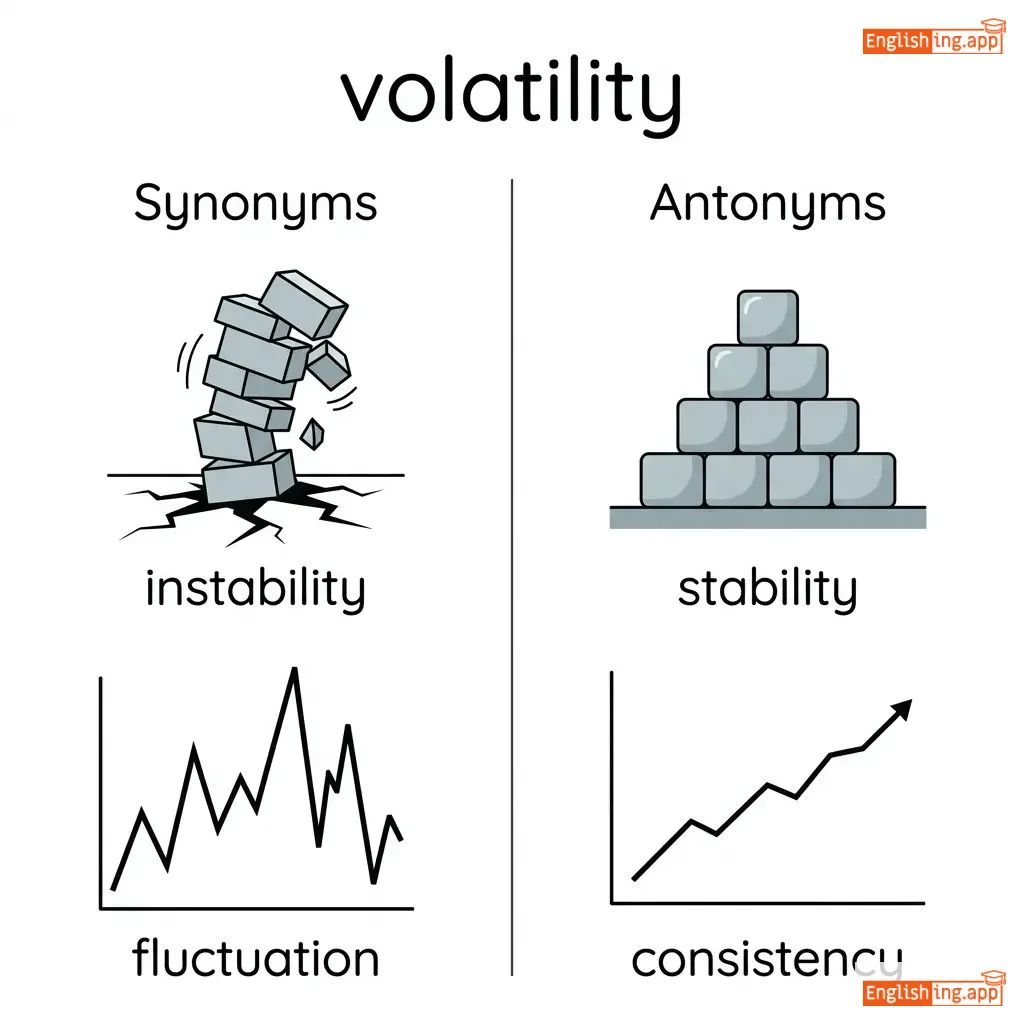
instability, fluctuation, uncertainty
••••••
|
stability, consistency, predictability
••••••
|
|
#2428
🎯
|
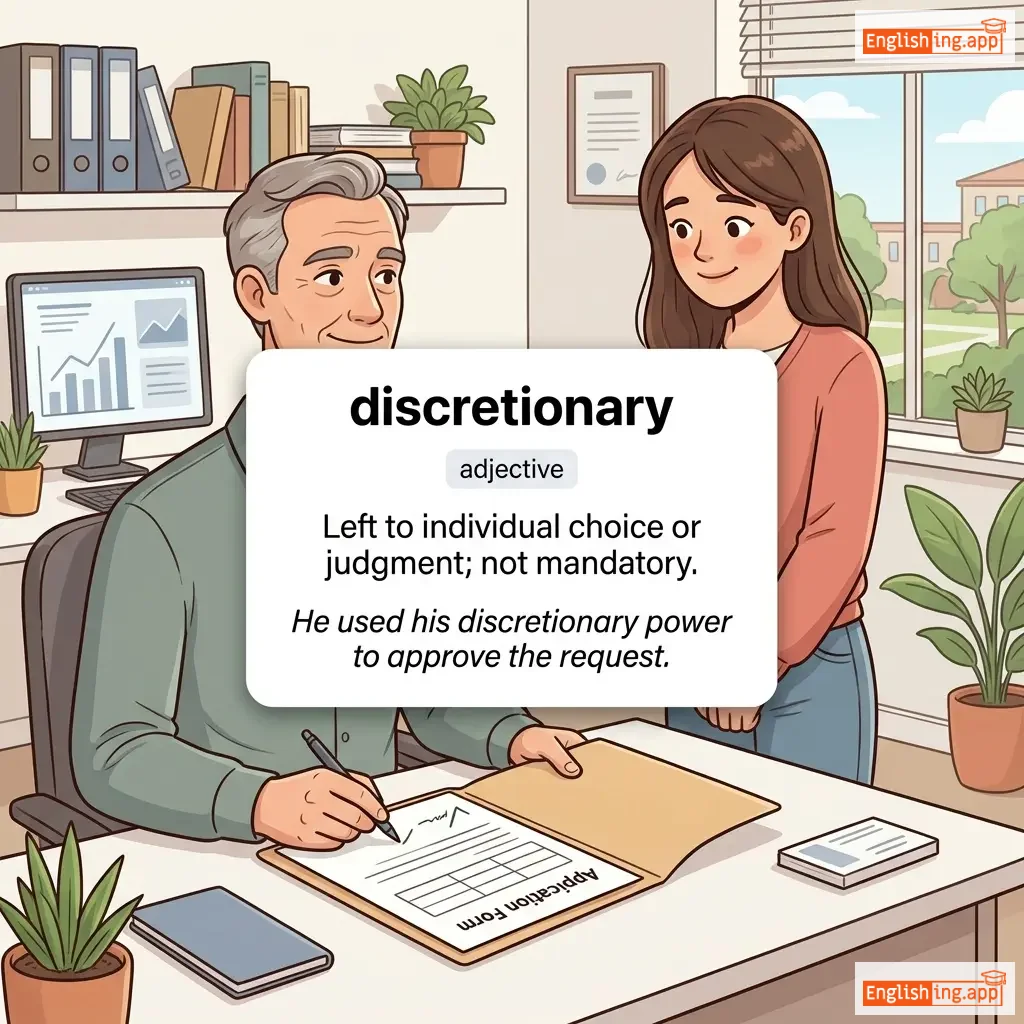
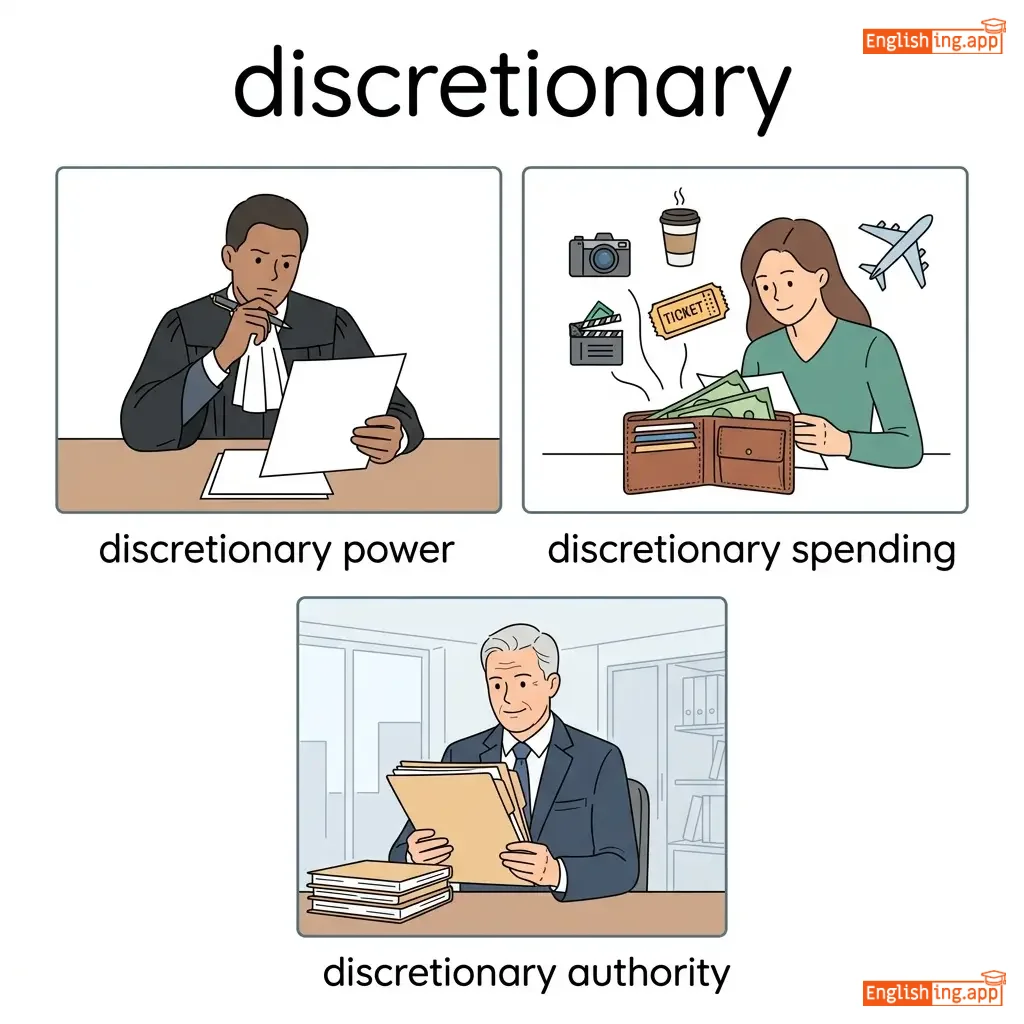
dɪ ˈskrɛʃ.ən.er.i
adjective
••••••
|
|
Available for use at the discretion of the user; not required or mandatory.
••••••
|
He set aside some discretionary income for travel. |
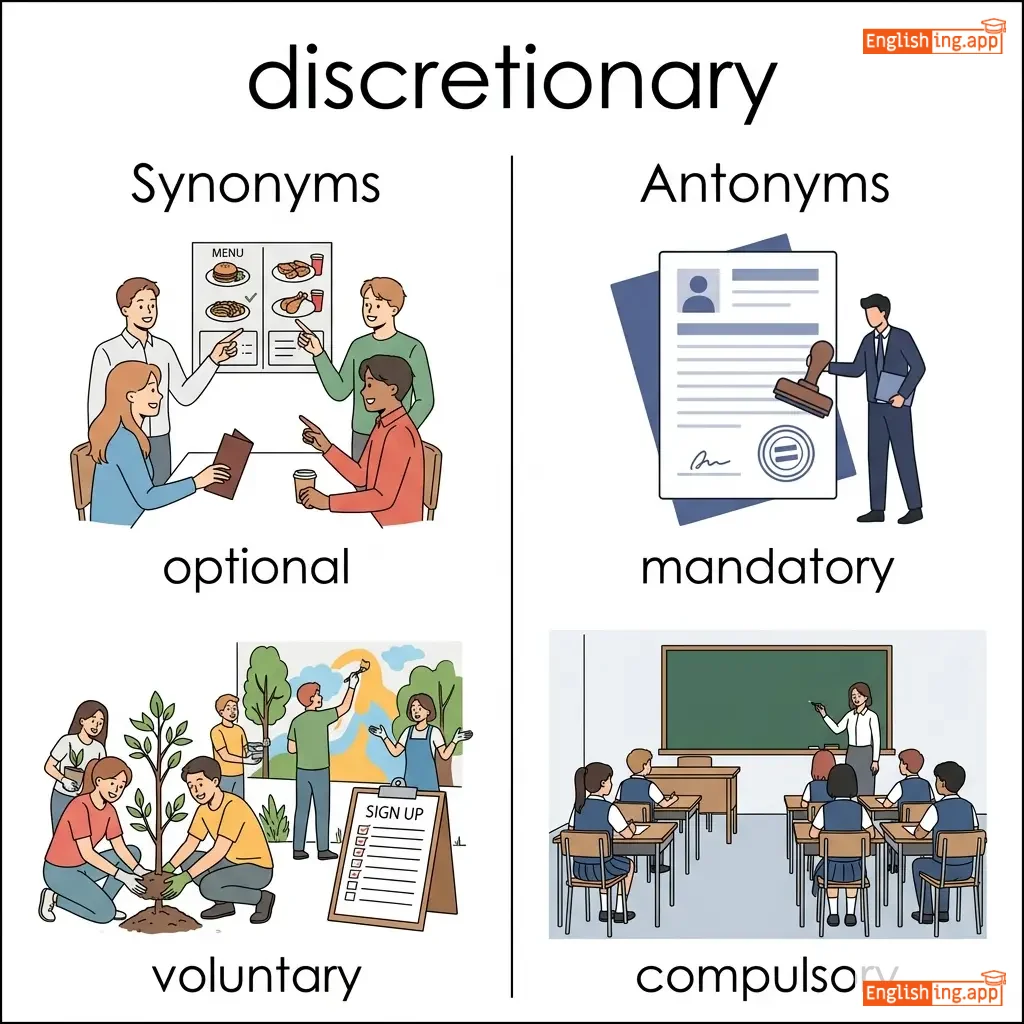
optional, flexible, voluntary
••••••
|
mandatory, obligatory, required
••••••
|
|
#2429
💪
|
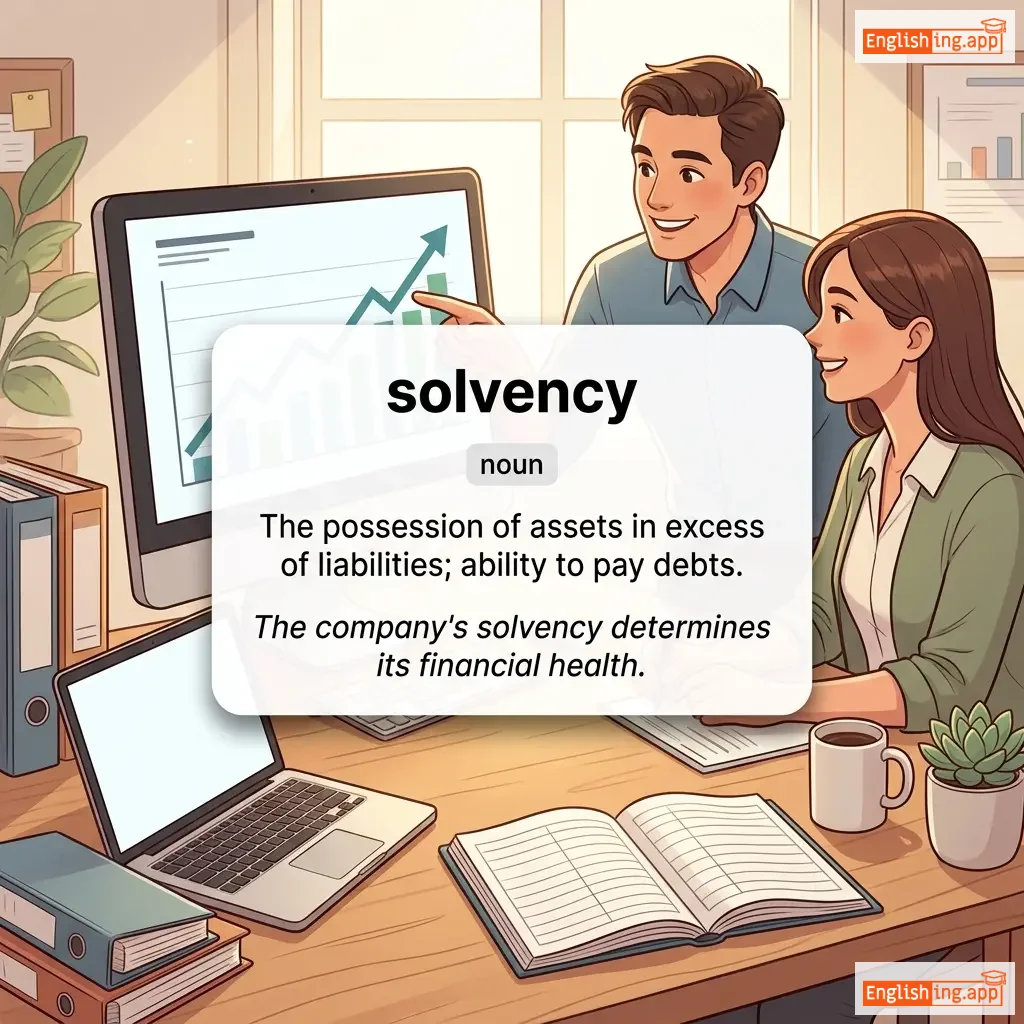
ˈsɒl.vən.si
noun
••••••
|
|
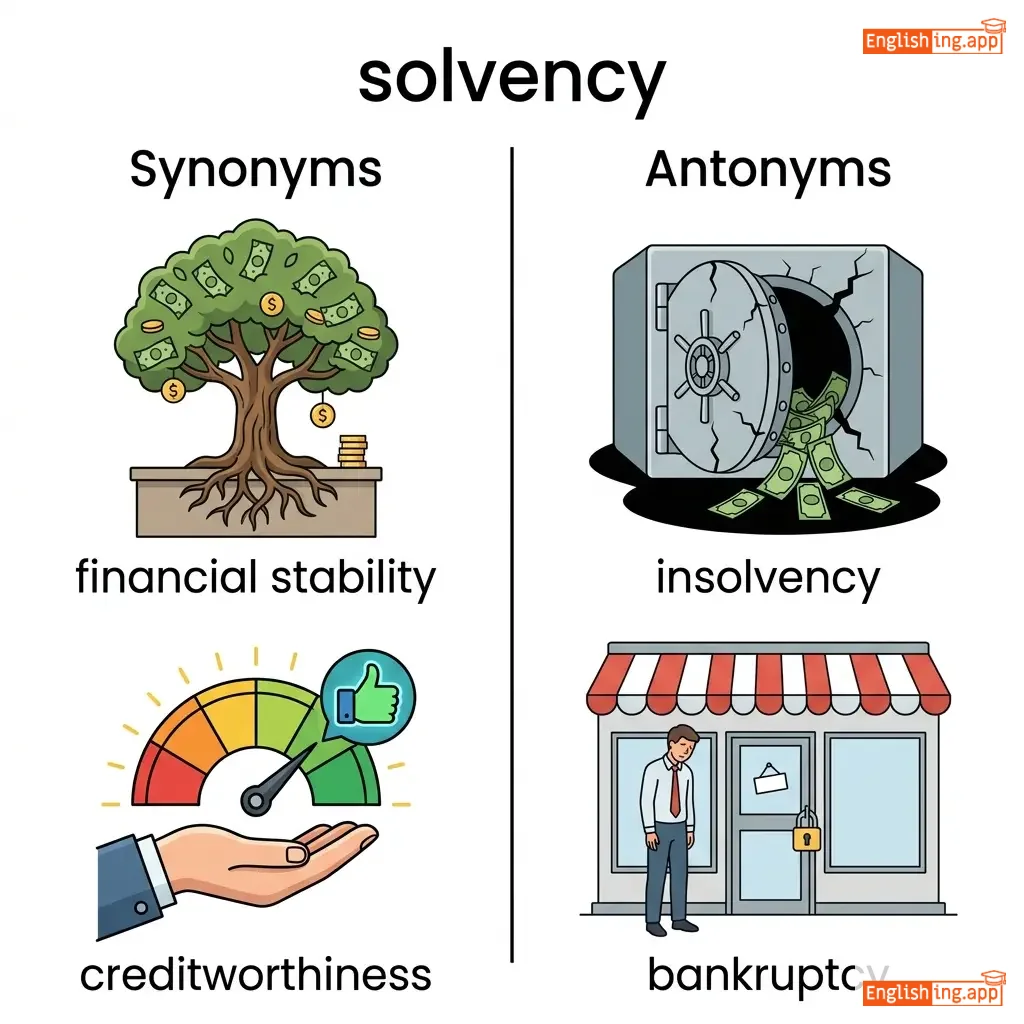
The ability to meet one's debts and financial obligations; financial soundness.
••••••
|
The company's solvency improved after reducing expenses. |
financial stability, creditworthiness, liquidity
••••••
|
insolvency, bankruptcy, debt
••••••
|
|
#2430
🎯
|
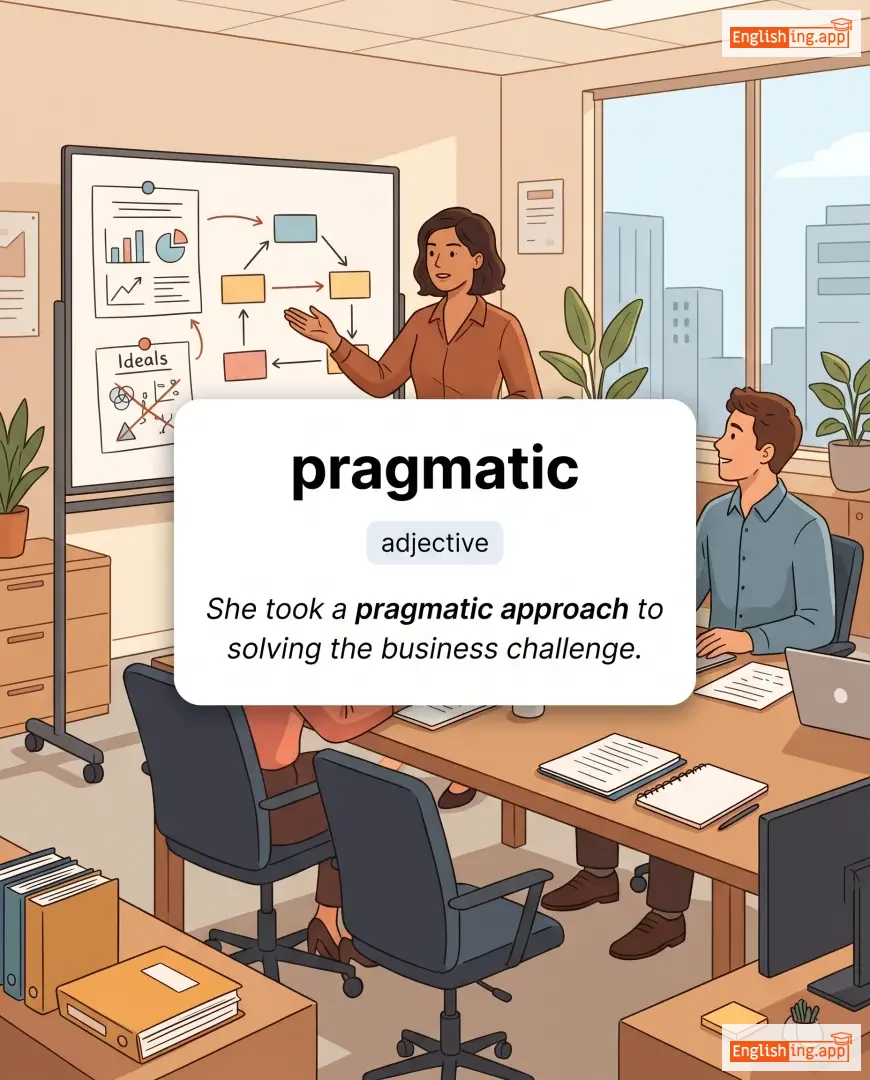
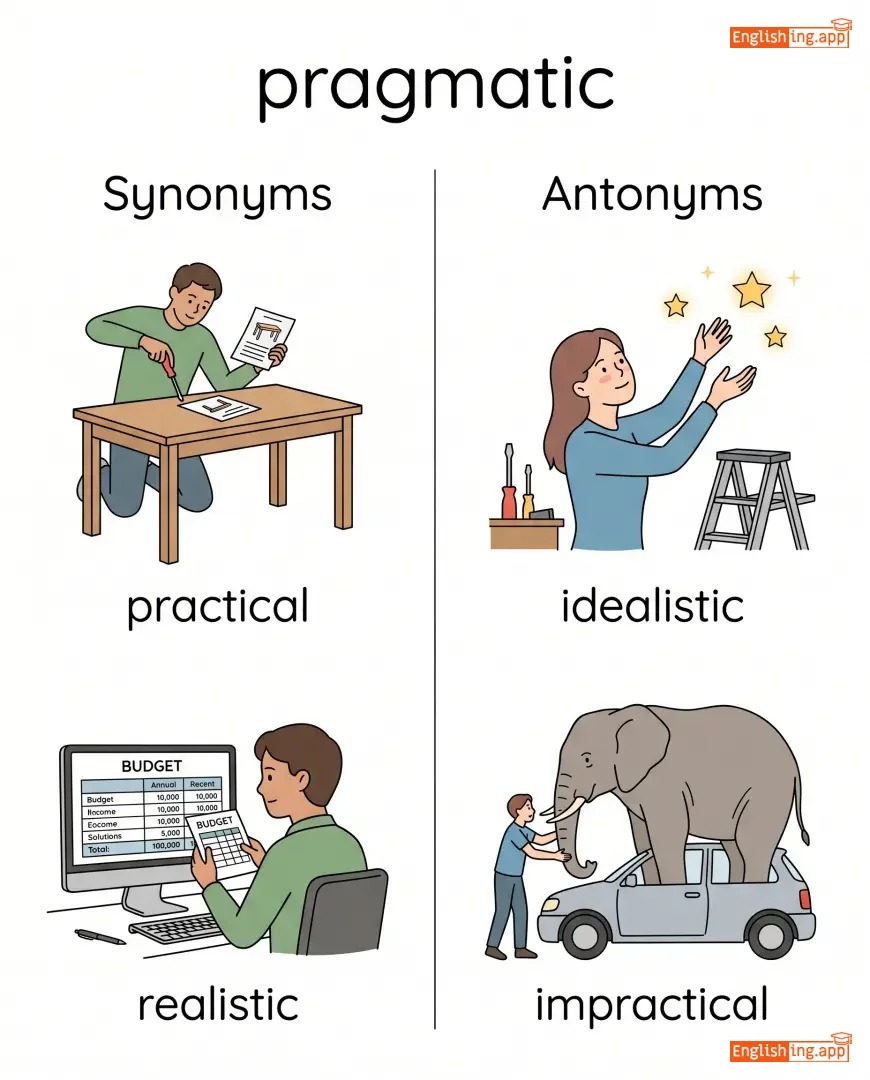
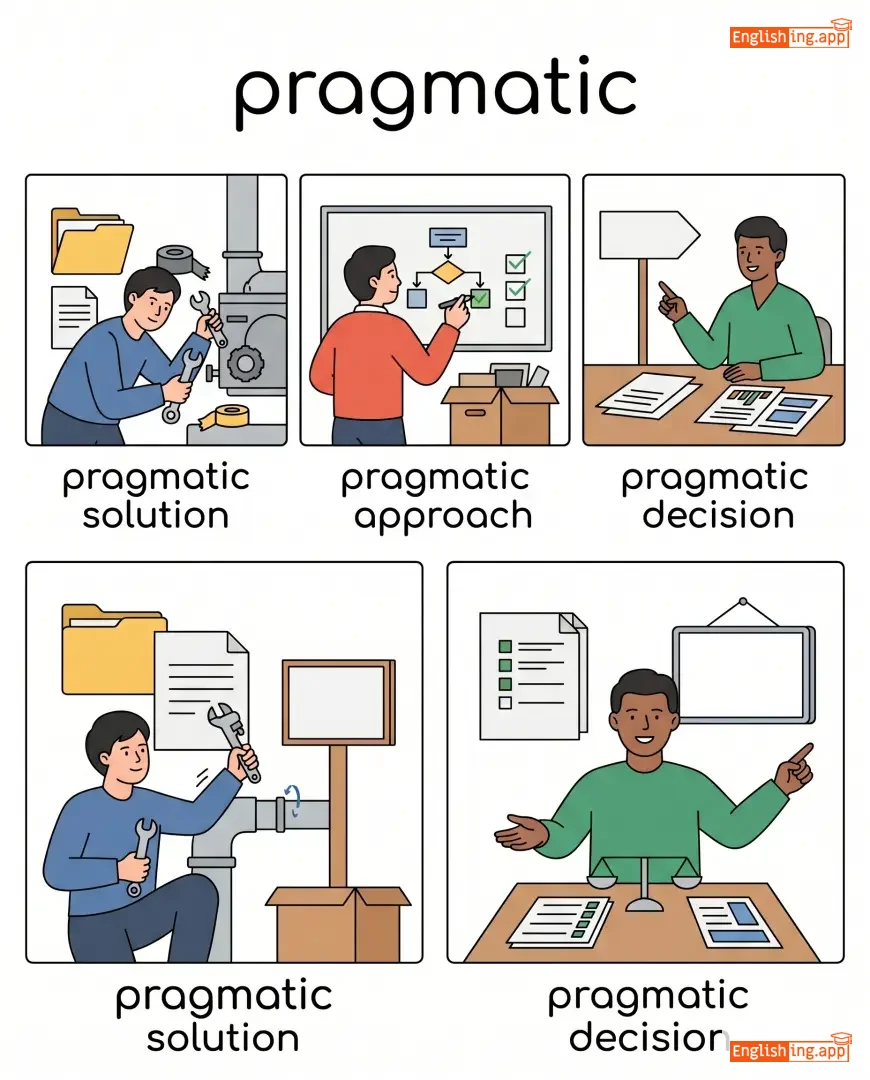
præɡ ˈmæt.ɪk
adjective
••••••
|
|
Dealing with things sensibly and realistically in a way that is based on practical rather than idealistic considerations.
••••••
|
He took a pragmatic approach to solving the problem. |
practical, realistic, sensible
••••••
|
idealistic, impractical, unrealistic
••••••
|
|
#2431
📈
|
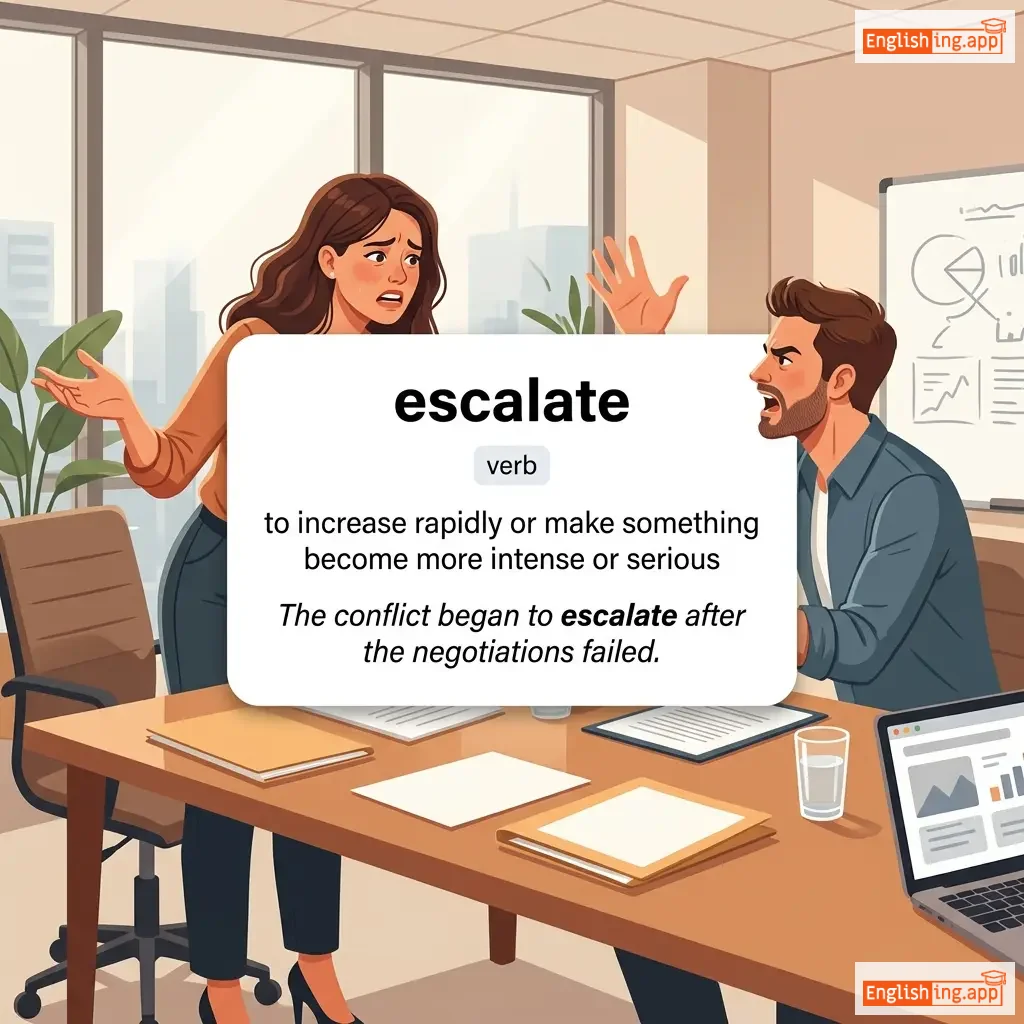
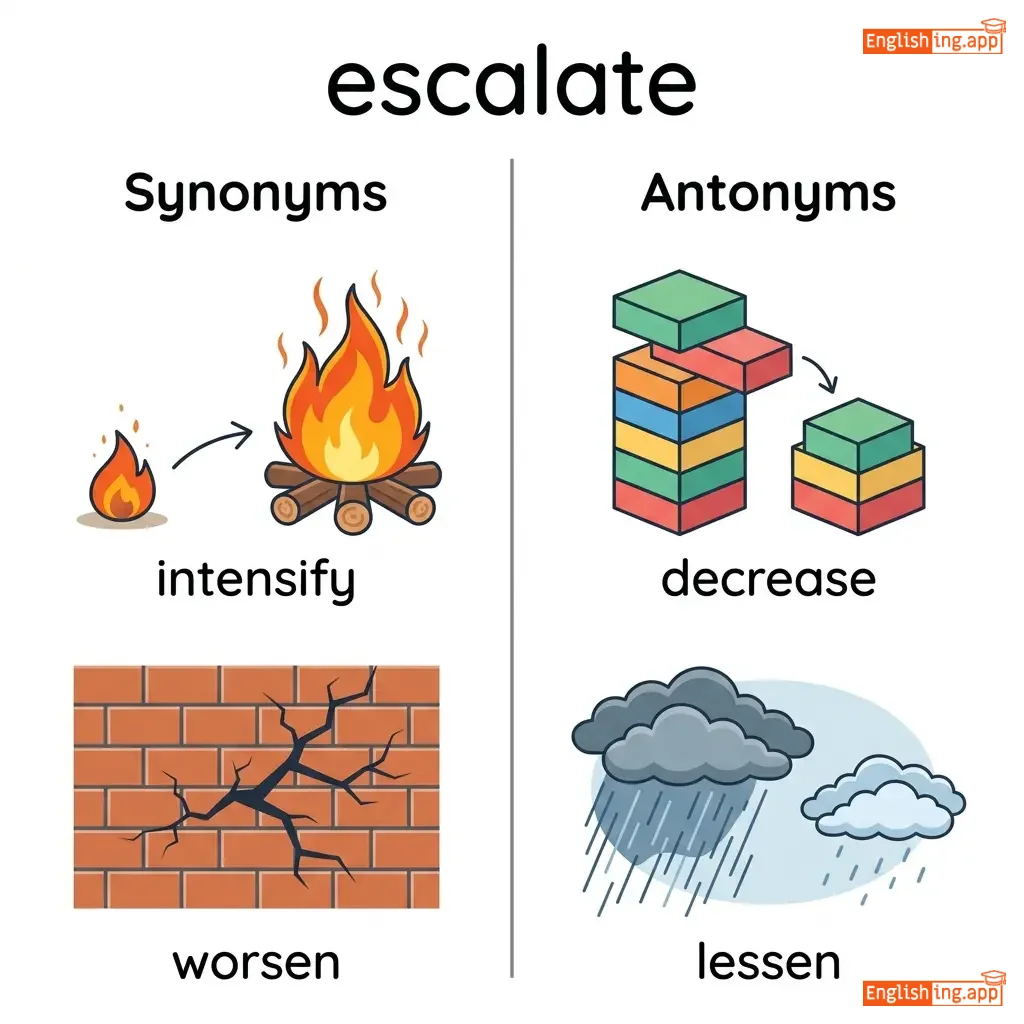
ˈɛs.kə.leɪt
verb
••••••
|
|
To increase rapidly; become or make greater, more intense, or more serious.
••••••
|
The conflict escalated into a full-blown crisis. |
increase, intensify, amplify
••••••
|
decrease, reduce, diminish
••••••
|
|
#2432
💹
|
ɪn ˈfleɪ.ʃə.ner.i
adjective
••••••
|
|
Characterized by or tending to cause monetary inflation; relating to rising prices.
••••••
|
The government took measures to control inflationary pressures. |
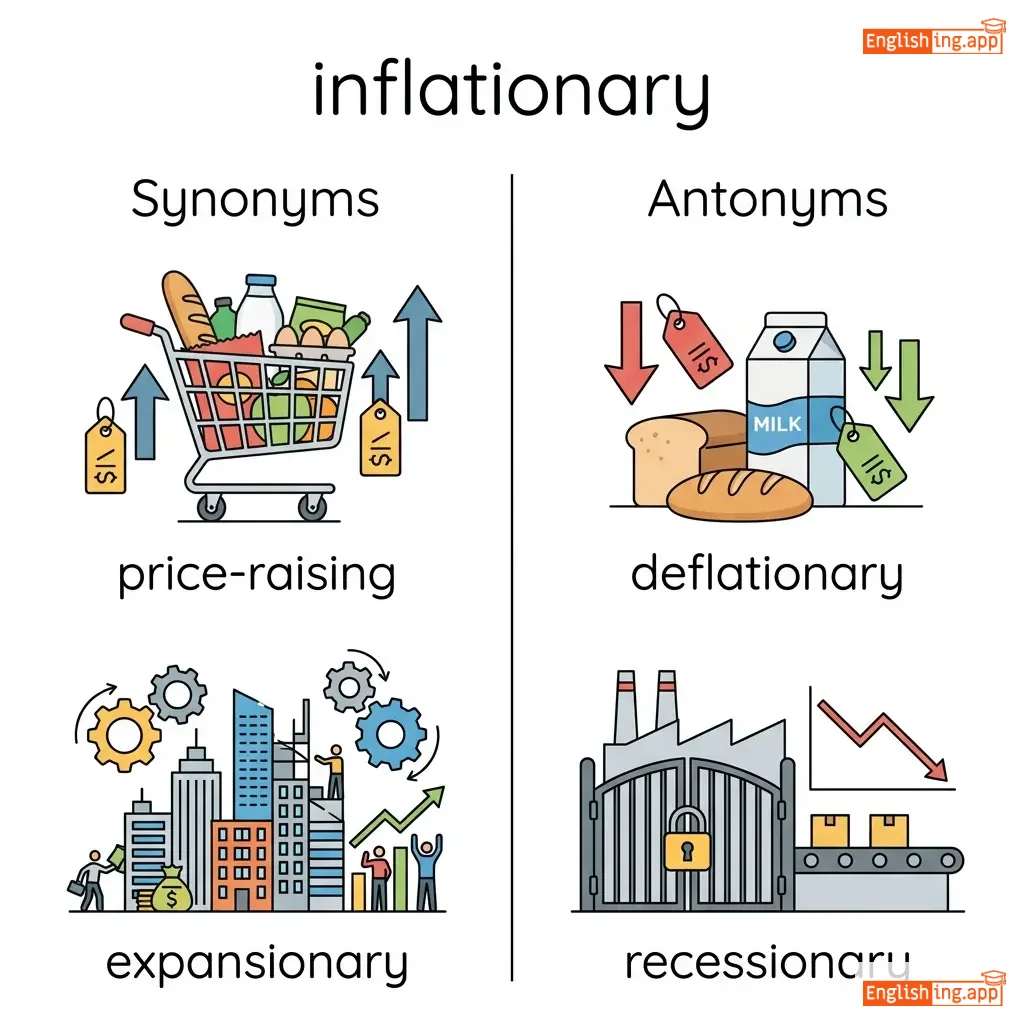
price-increasing, economic expansion, cost-raising
••••••
|
deflationary, price-stabilizing, cost-reducing
••••••
|
|
#2433
📊
|
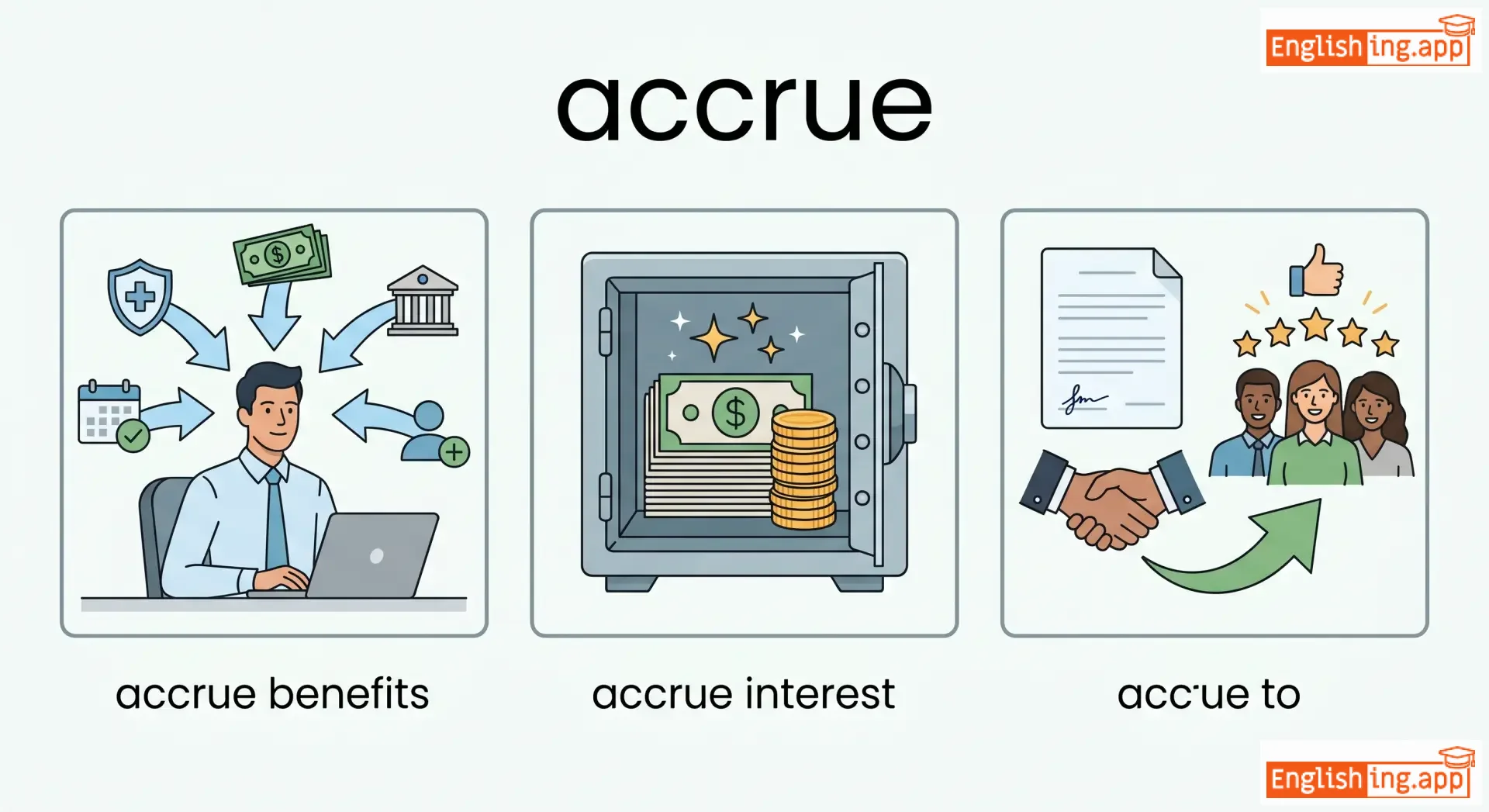
əˈkruː
verb
••••••
|

|
To accumulate or receive (payments or benefits) over time.
••••••
|
Interest accrues on the savings account every month. |
accumulate, amass, collect
••••••
|
diminish, deplete, lose
••••••
|
|
#2434
🛡️
|
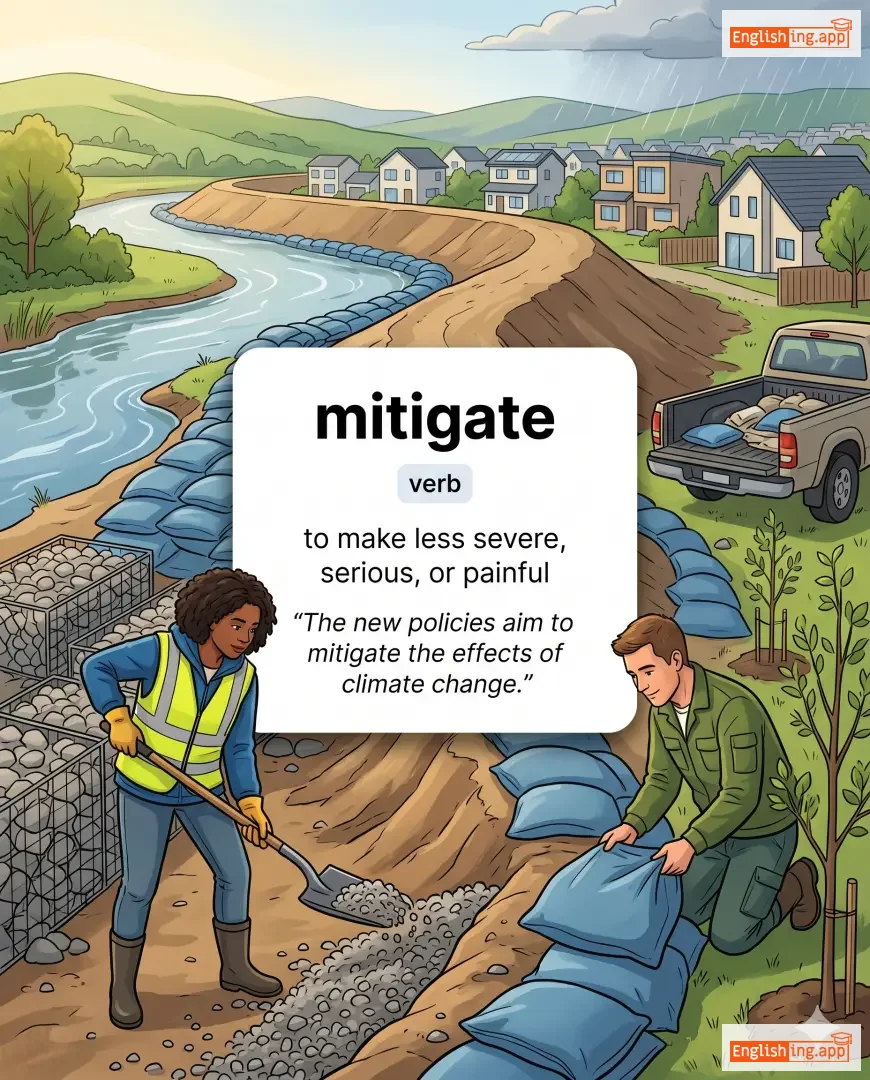
ˈmɪt.ɪ.ɡeɪt
verb
••••••
|
|
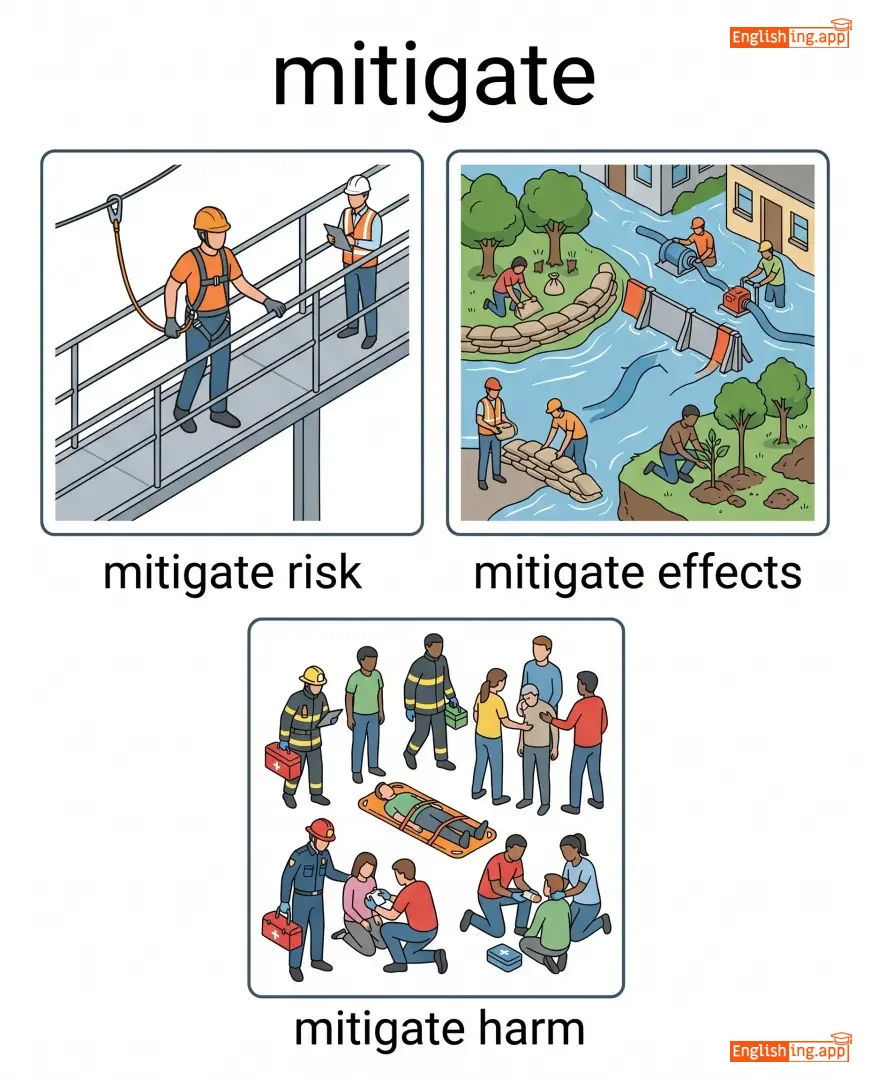
To make less severe, serious, or painful; to lessen the intensity of something harmful.
••••••
|
Proper measures can mitigate environmental damage. |
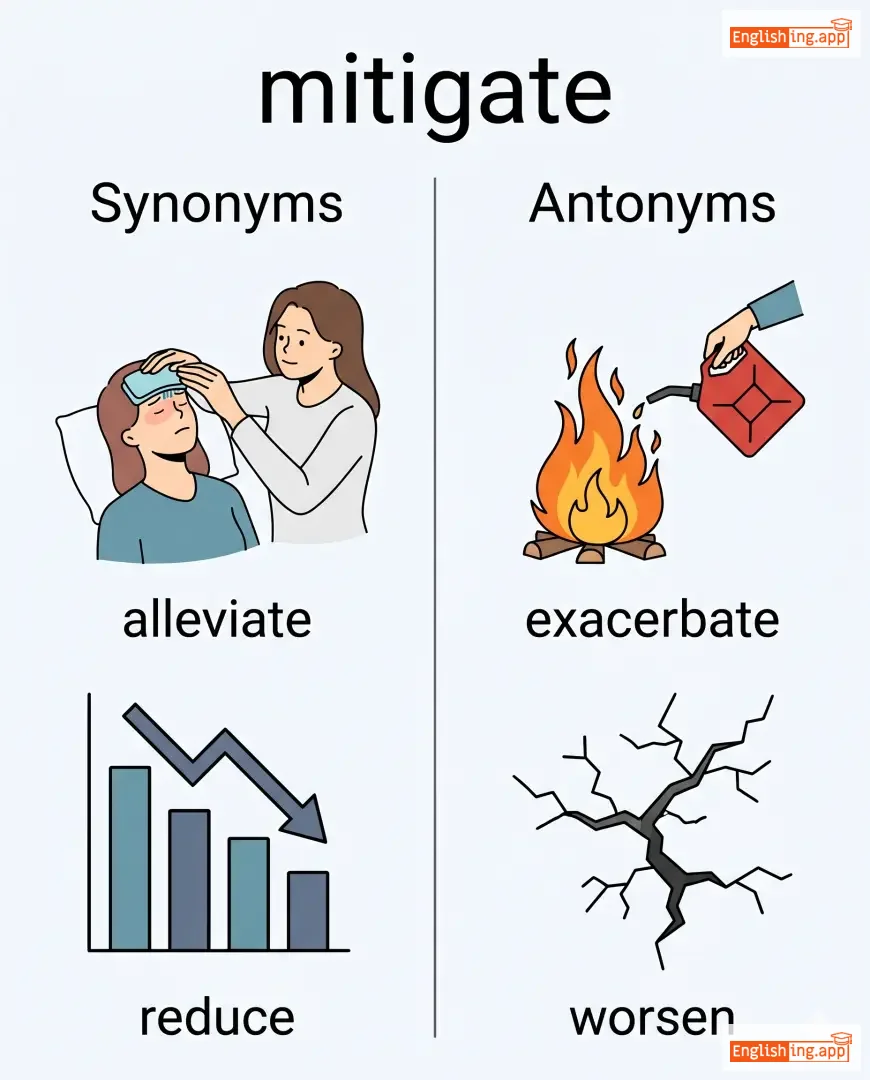
alleviate, reduce, lessen
••••••
|
aggravate, intensify, exacerbate
••••••
|
|
#2435
📉
|
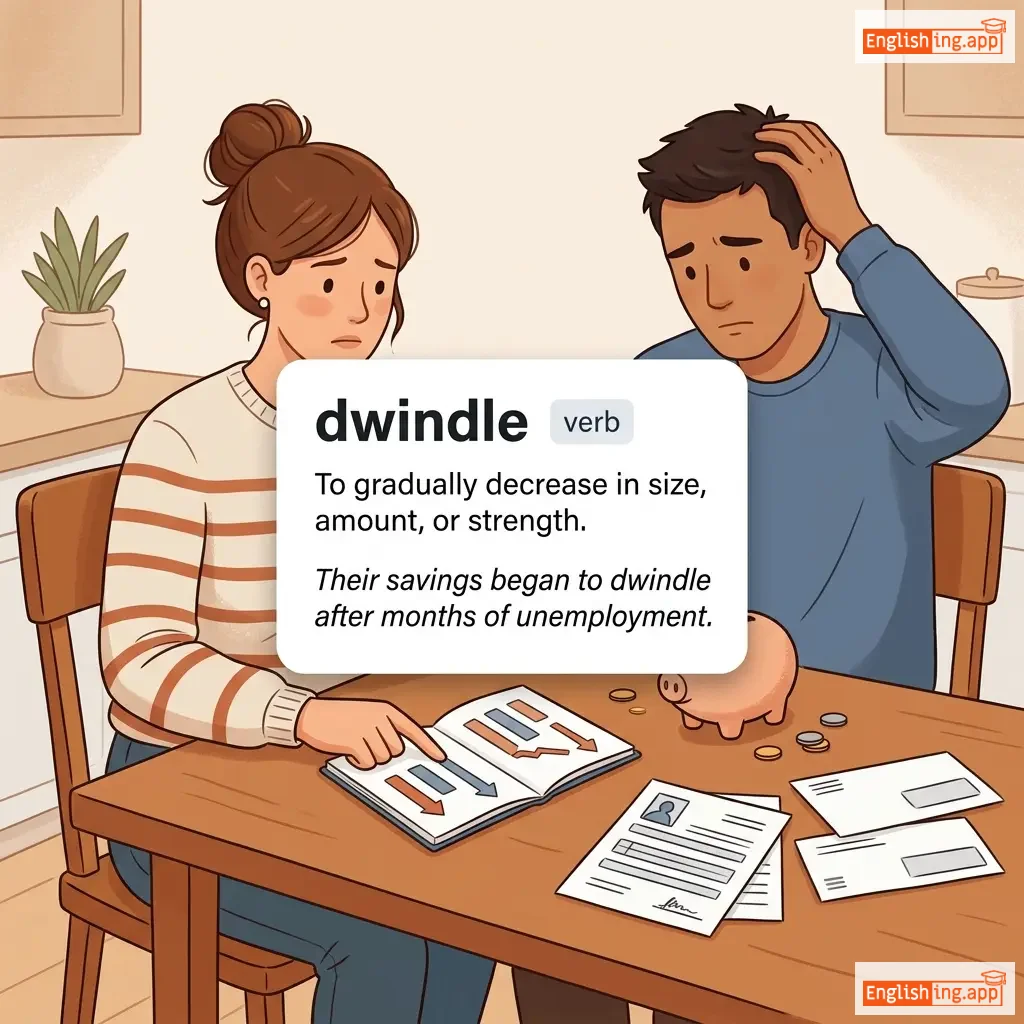
ˈdwɪn.dl
verb
••••••
|
|
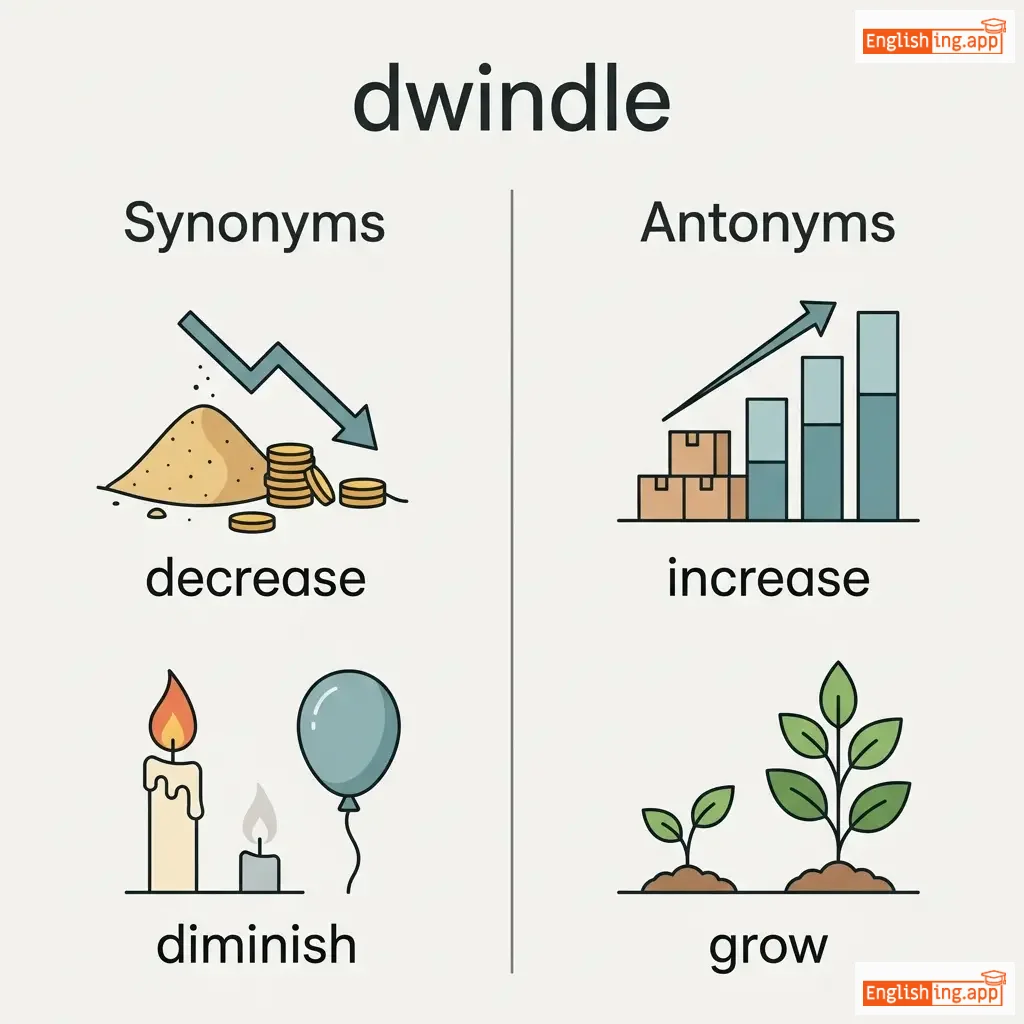
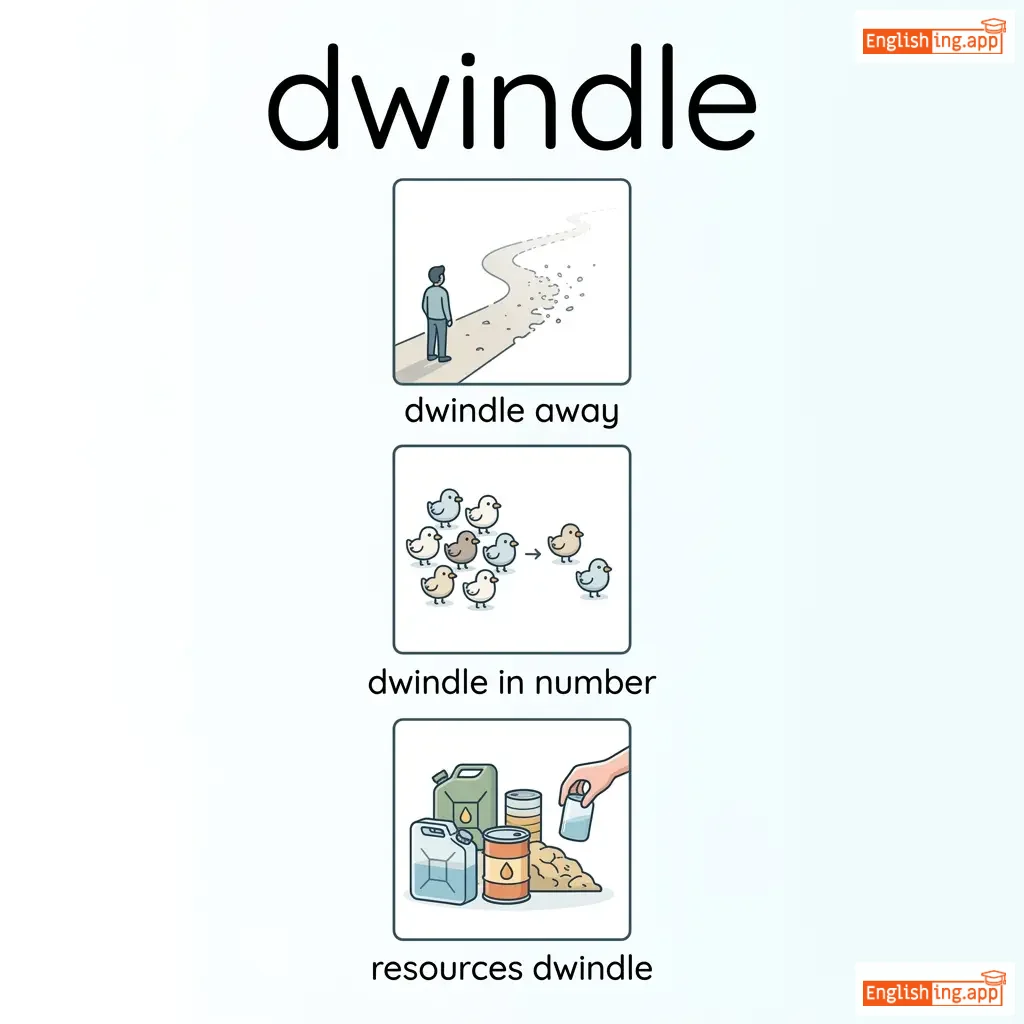
To diminish gradually in size, amount, or strength; to become progressively smaller.
••••••
|
His savings dwindled due to unexpected expenses. |
diminish, shrink, decline
••••••
|
increase, expand, grow
••••••
|

