Importance of Emergency Savings Fund
Жизнь всегда полна неопределенностей, и по этой причине поддержание emergency savings fund чрезвычайно важно. Когда возникает внезапная contingency, например потеря работы или проблемы со здоровьем, отсутствие достаточных сбережений может создать liability.
Большинство людей тратят без foresight, что создает финансовую volatility в будущем. Однако при правильном планировании можно поддерживать solvency, сокращая discretionary расходы.
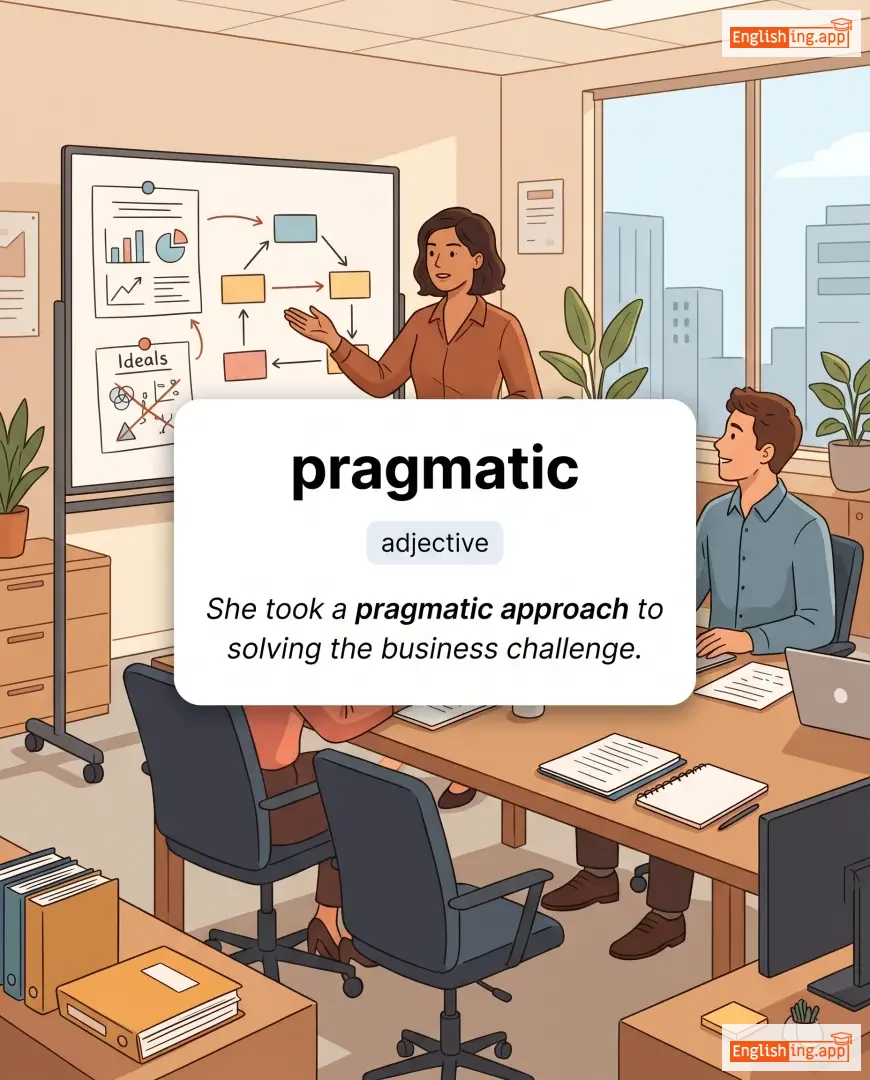
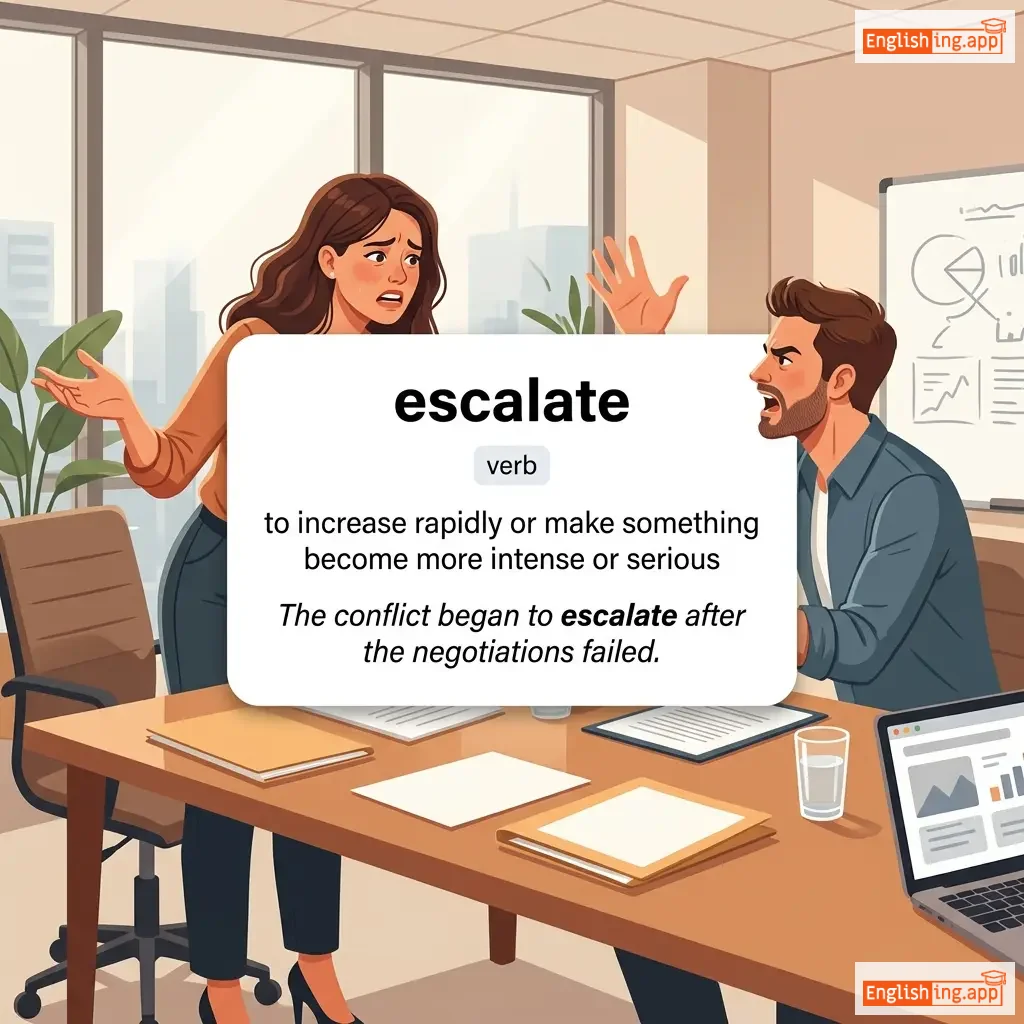
С помощью pragmatic финансового плана мы можем создать безопасность на будущее. Когда расходы escalate и происходят inflationary эффекты, accrued сбережения помогают нам.
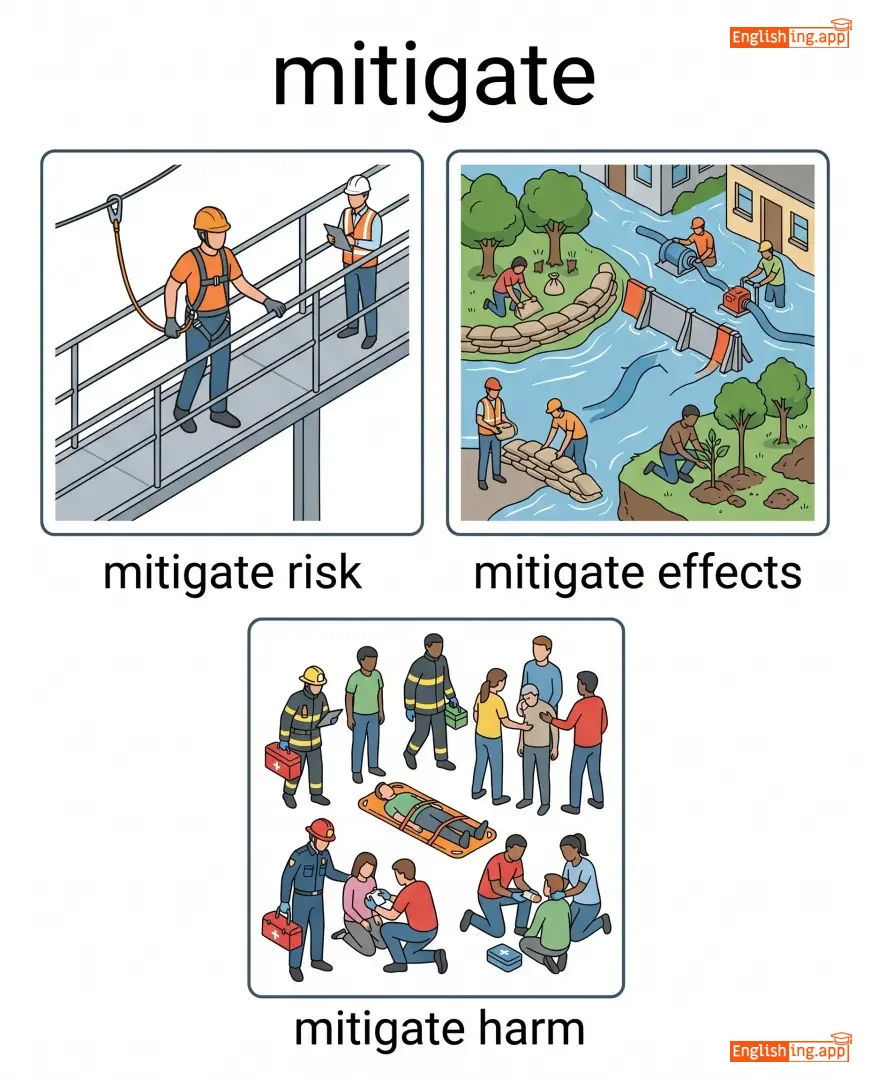
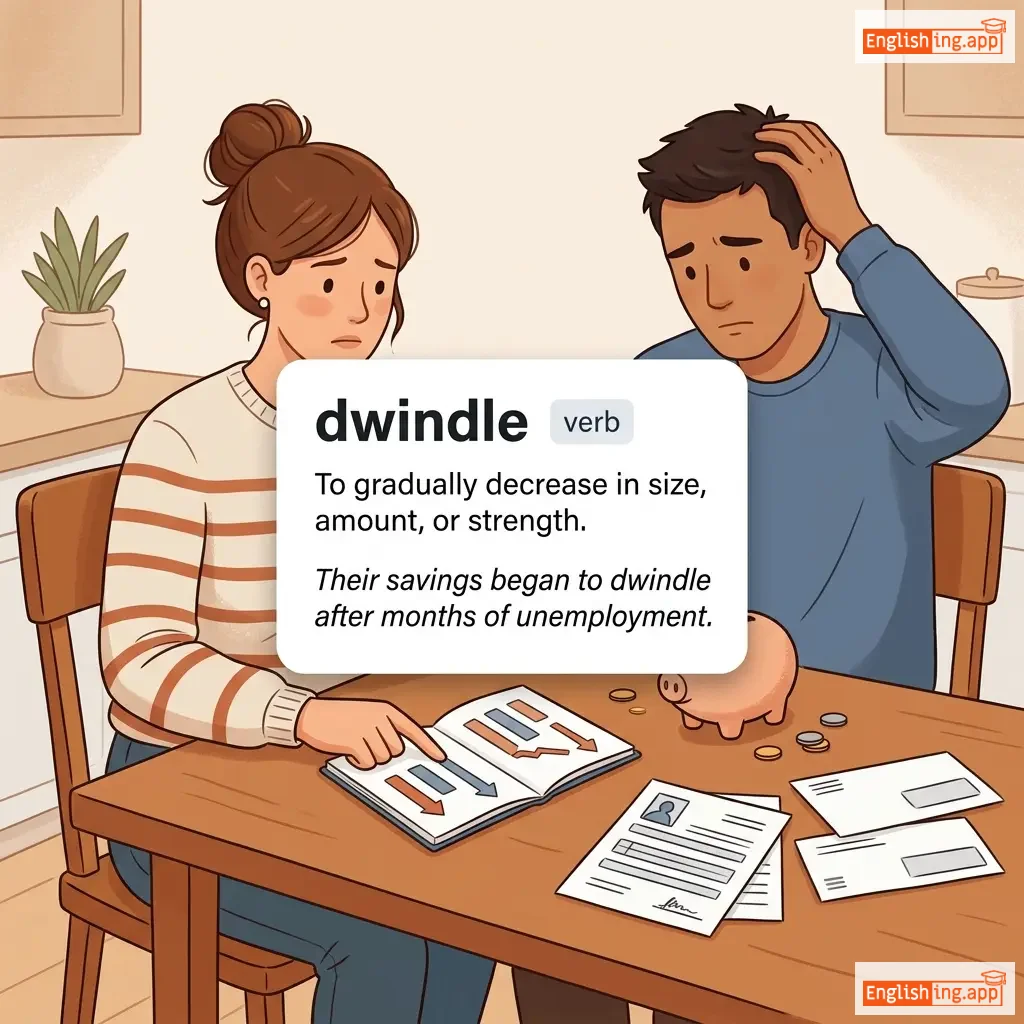
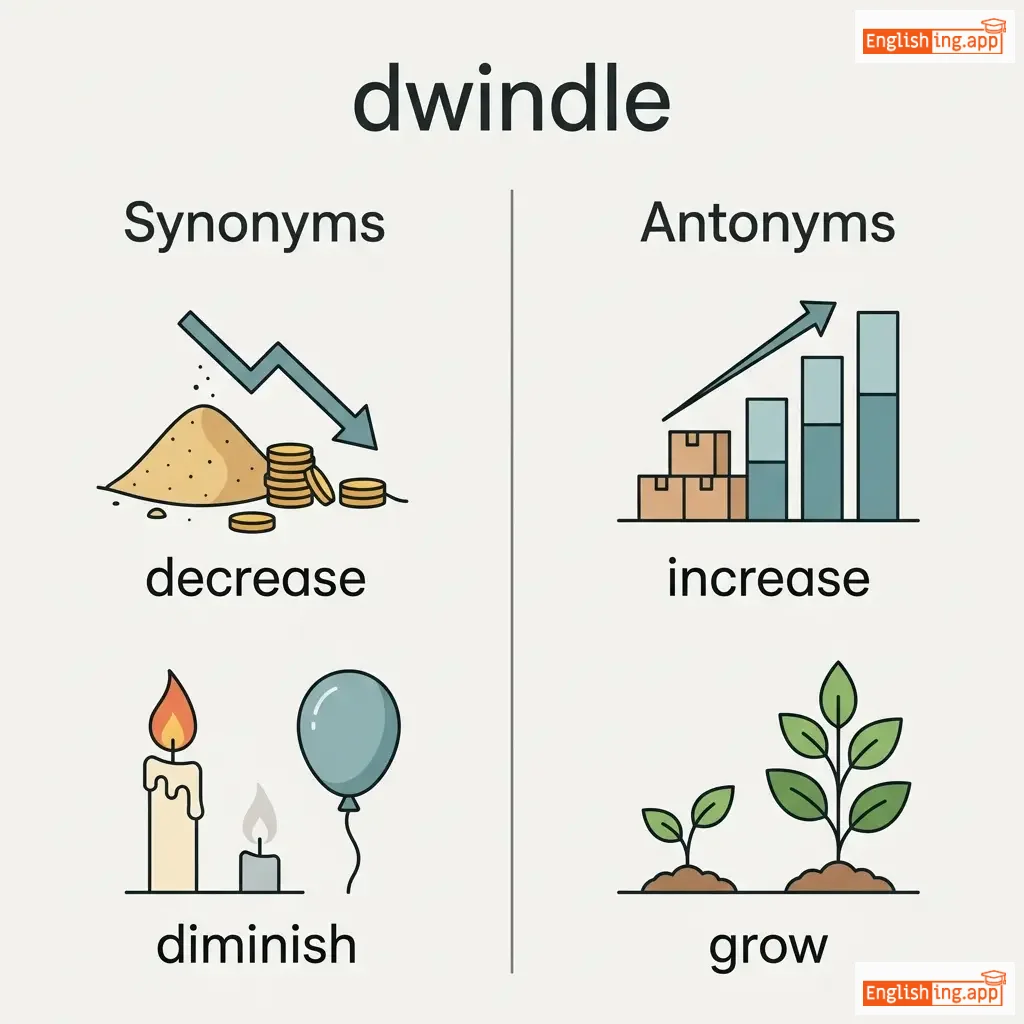
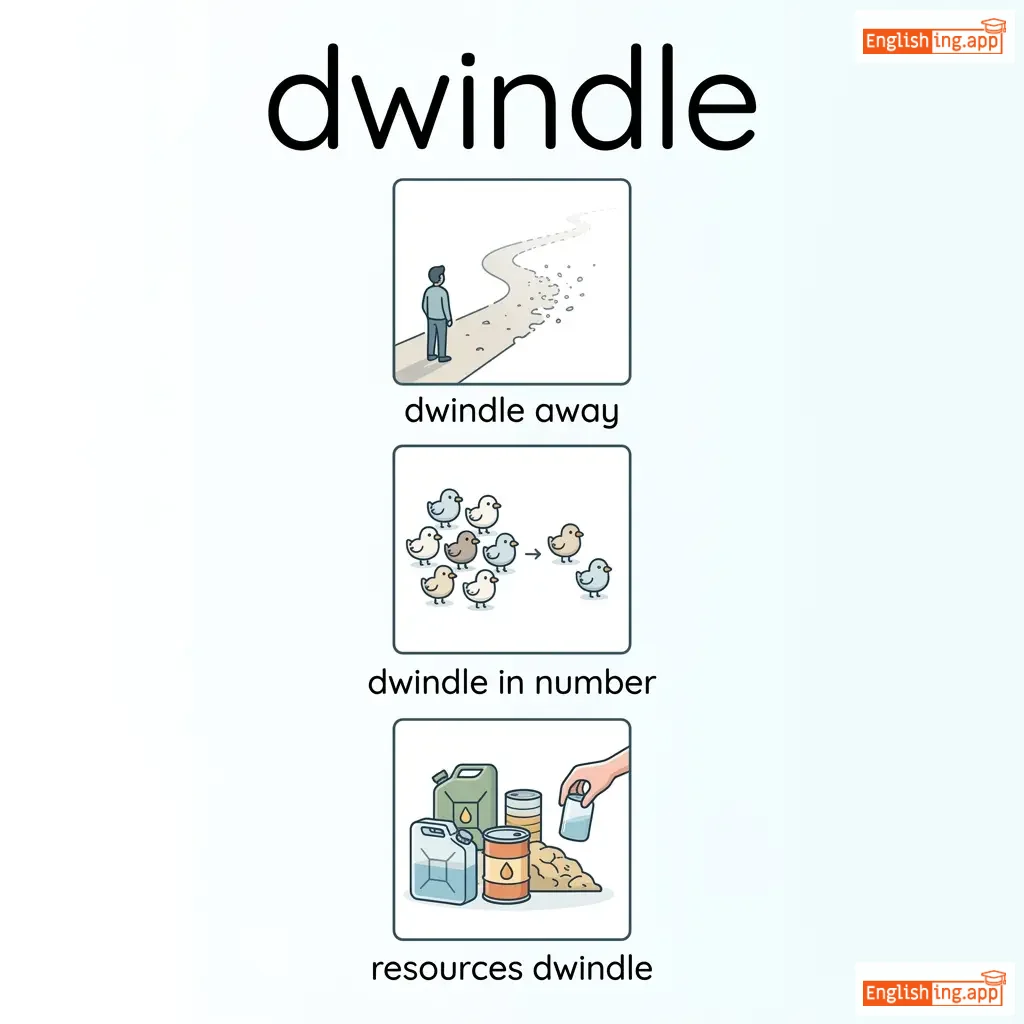
Необходимо иметь фонд для mitigate непредвиденных ситуаций, иначе бремя долга может dwindle. Поэтому, чтобы обеспечить здоровое финансовое будущее, emergency savings fund нужно начинать формировать уже сейчас.
Получите неограниченный доступ ко всем словам с подпиской Pro
Обновить до ProПолучите неограниченный доступ ко всем предложениям с подпиской Pro
Обновить до Pro|
Эмодзи
|
Слово | Images | Значение | Пример предложения | Синонимы | Антонимы |
|---|---|---|---|---|---|---|
|
#2421
🚨
|
ɪˈmɜː.dʒən.si
noun
••••••
|
|
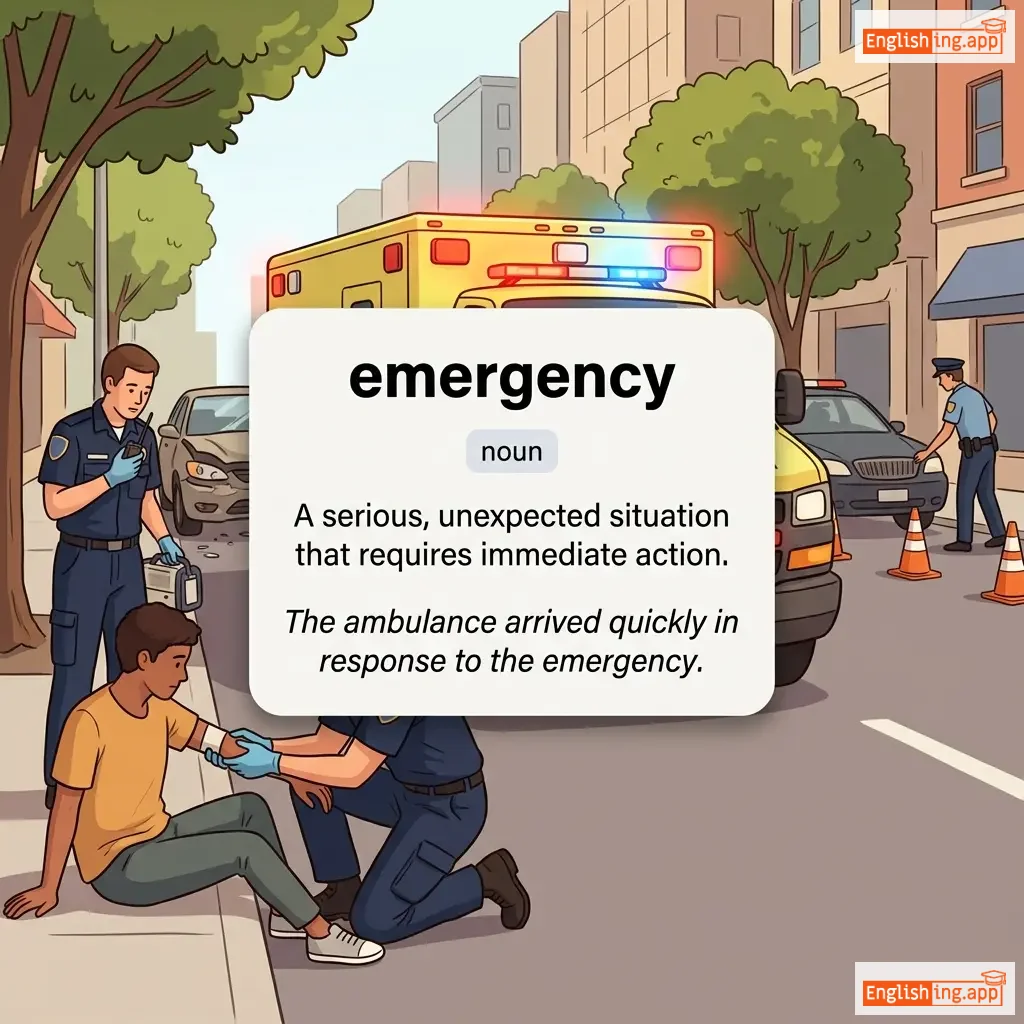
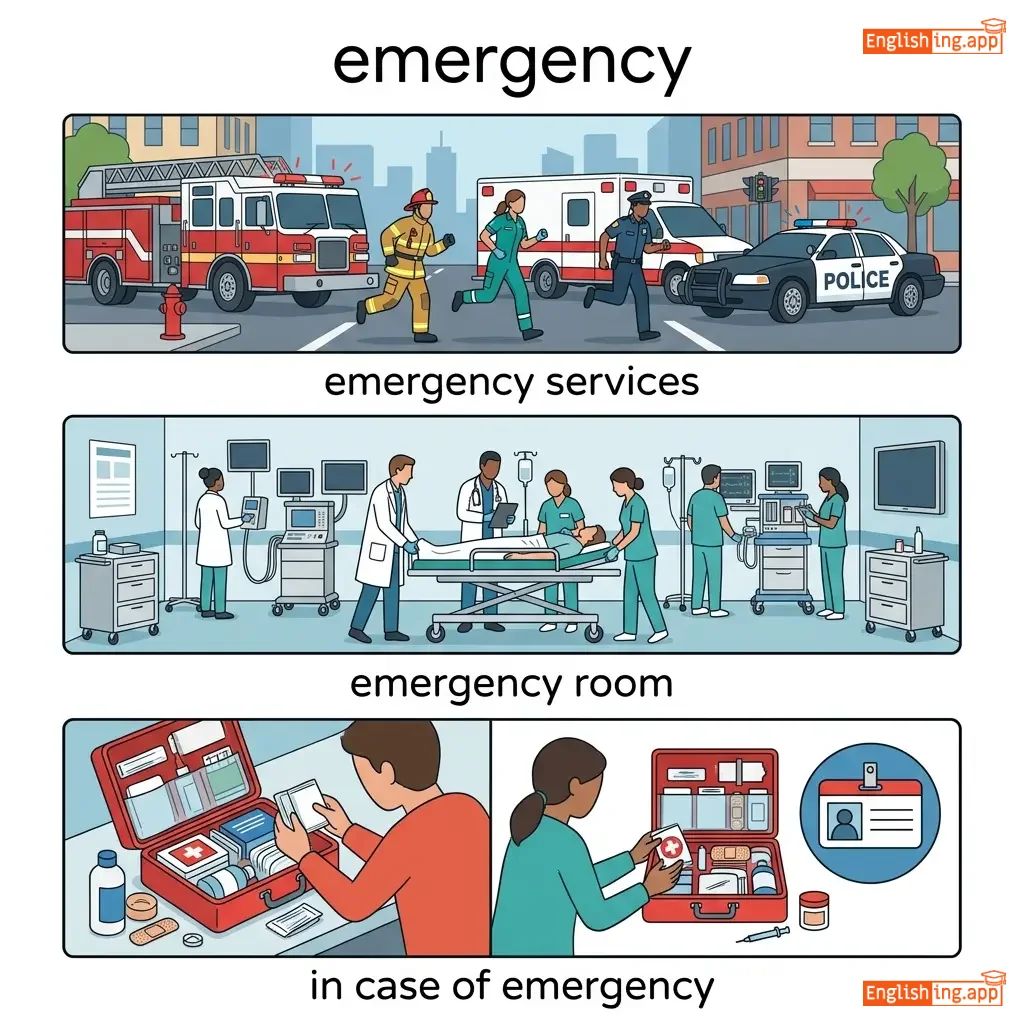
A sudden situation that is dangerous or serious and needs immediate attention or action.
••••••
|
A financial emergency can arise at any time. |
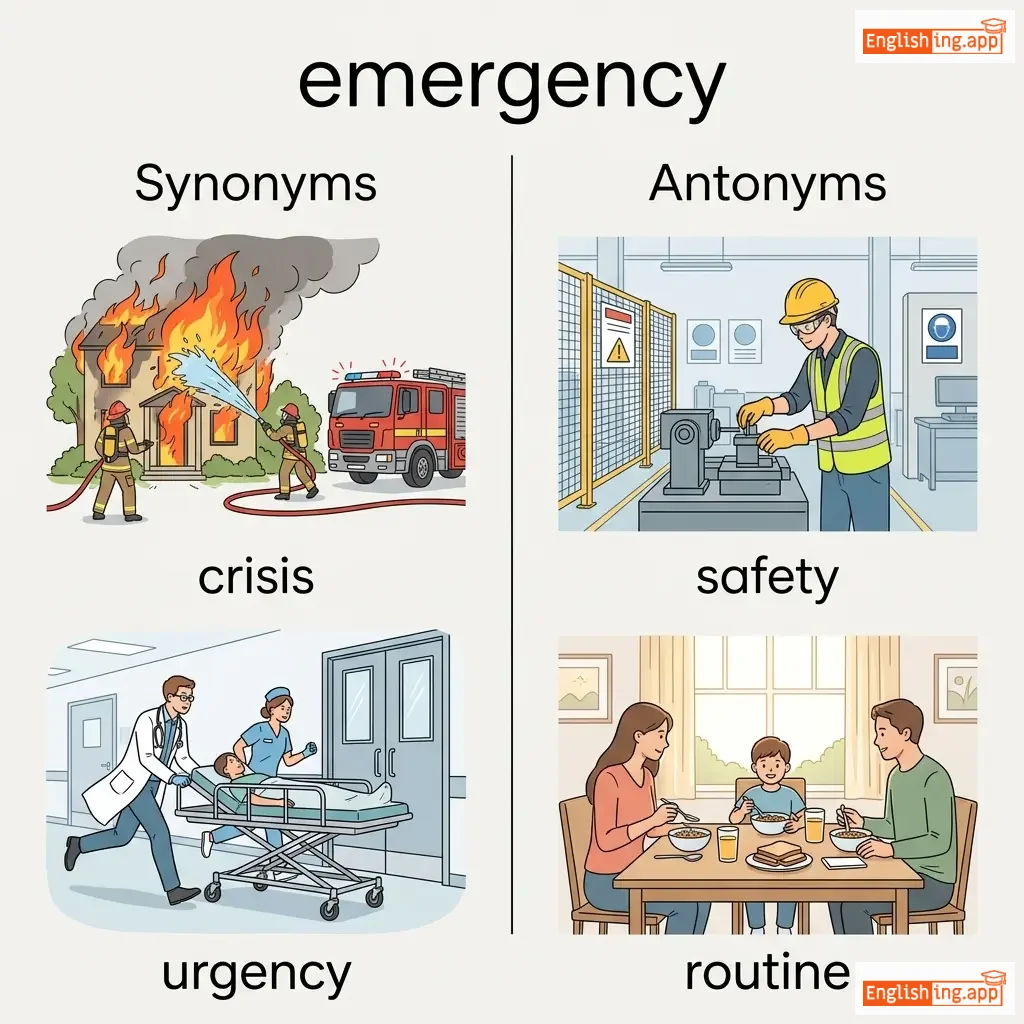
crisis, urgency, catastrophe
••••••
|
stability, safety, routine
••••••
|
|
#2422
💰
|
ˈseɪ.vɪŋz
noun
••••••
|

|
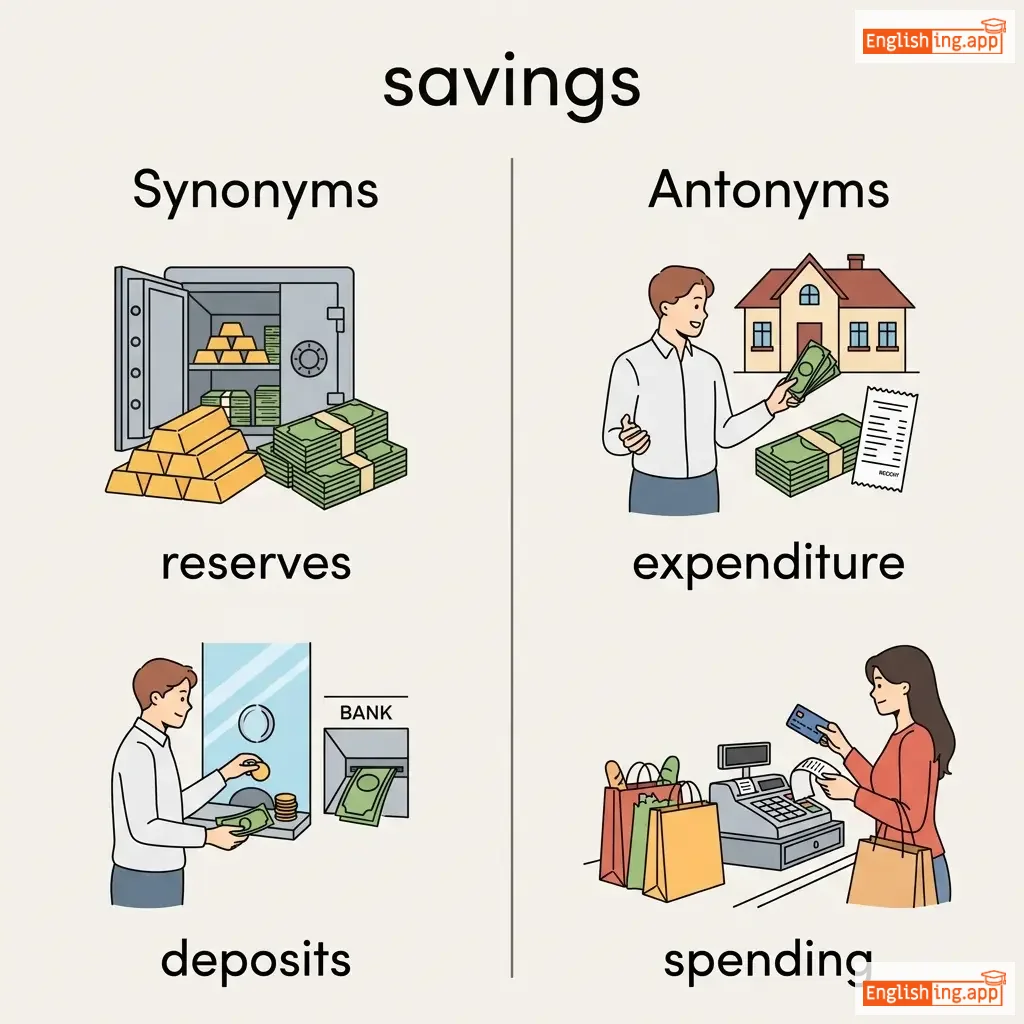
Money that is kept for future use or investment.
••••••
|
Many people invest their savings in real estate. |
reserves, deposits, funds
••••••
|
expenditure, spending, debt
••••••
|
|
#2423
🏦
|
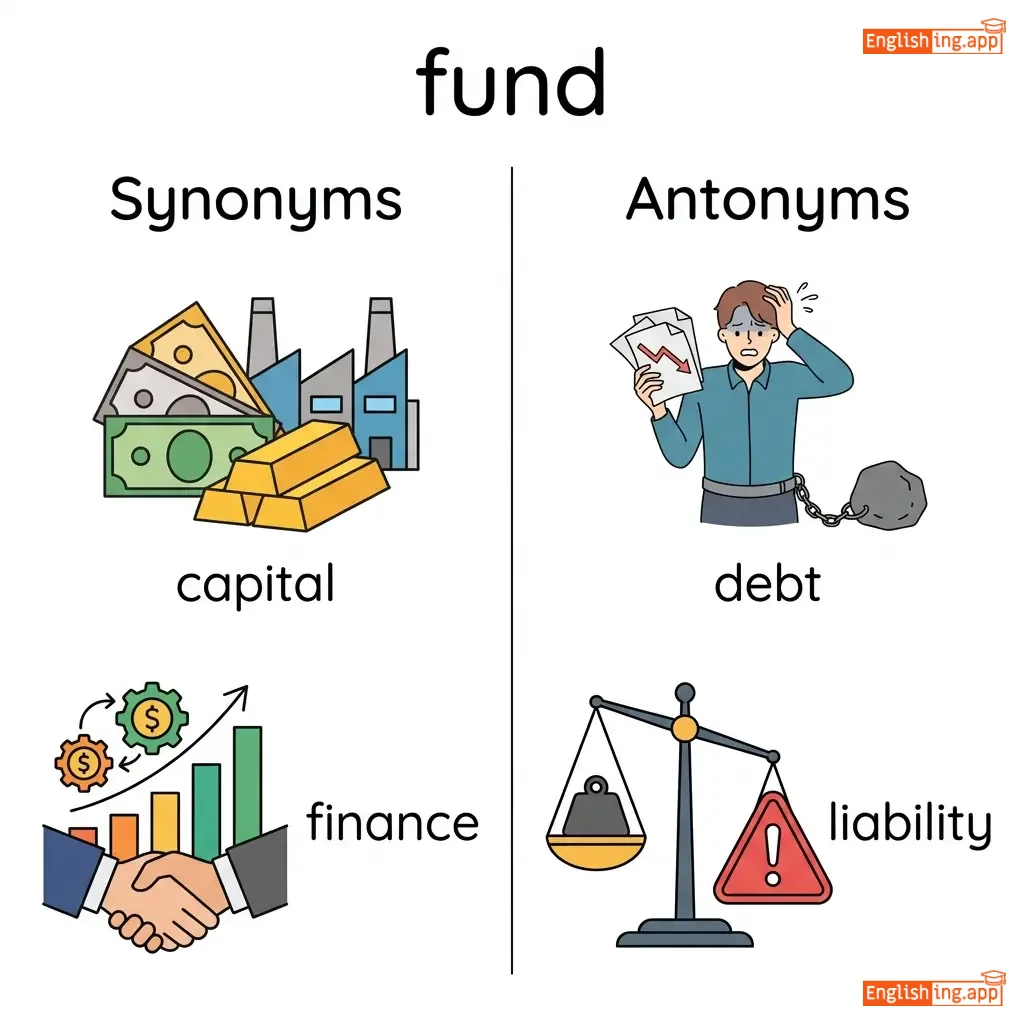
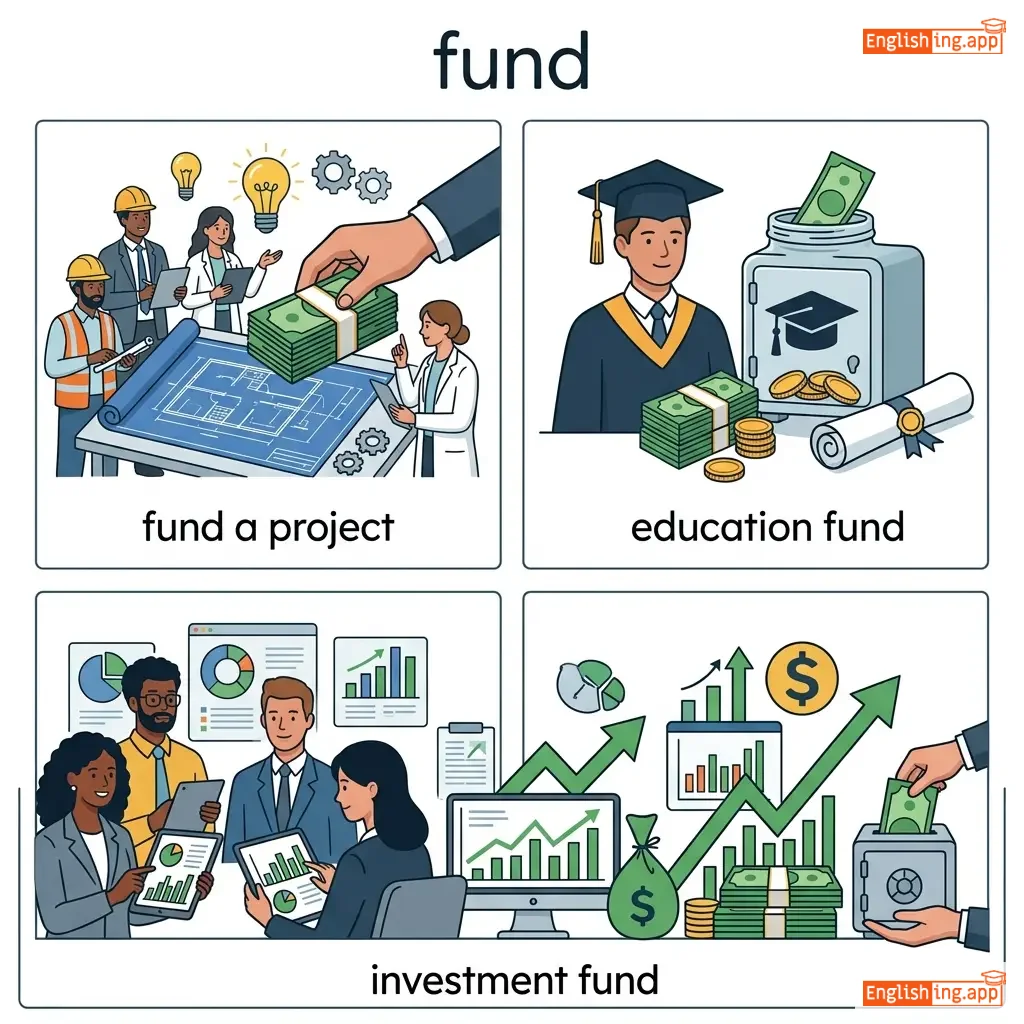
fʌnd
noun
••••••
|

|
A sum of money saved or made available for a particular purpose.
••••••
|
The government allocated a fund for disaster relief. |
capital, budget, investment
••••••
|
debt, deficiency, shortage
••••••
|
|
#2424
⚠️
|
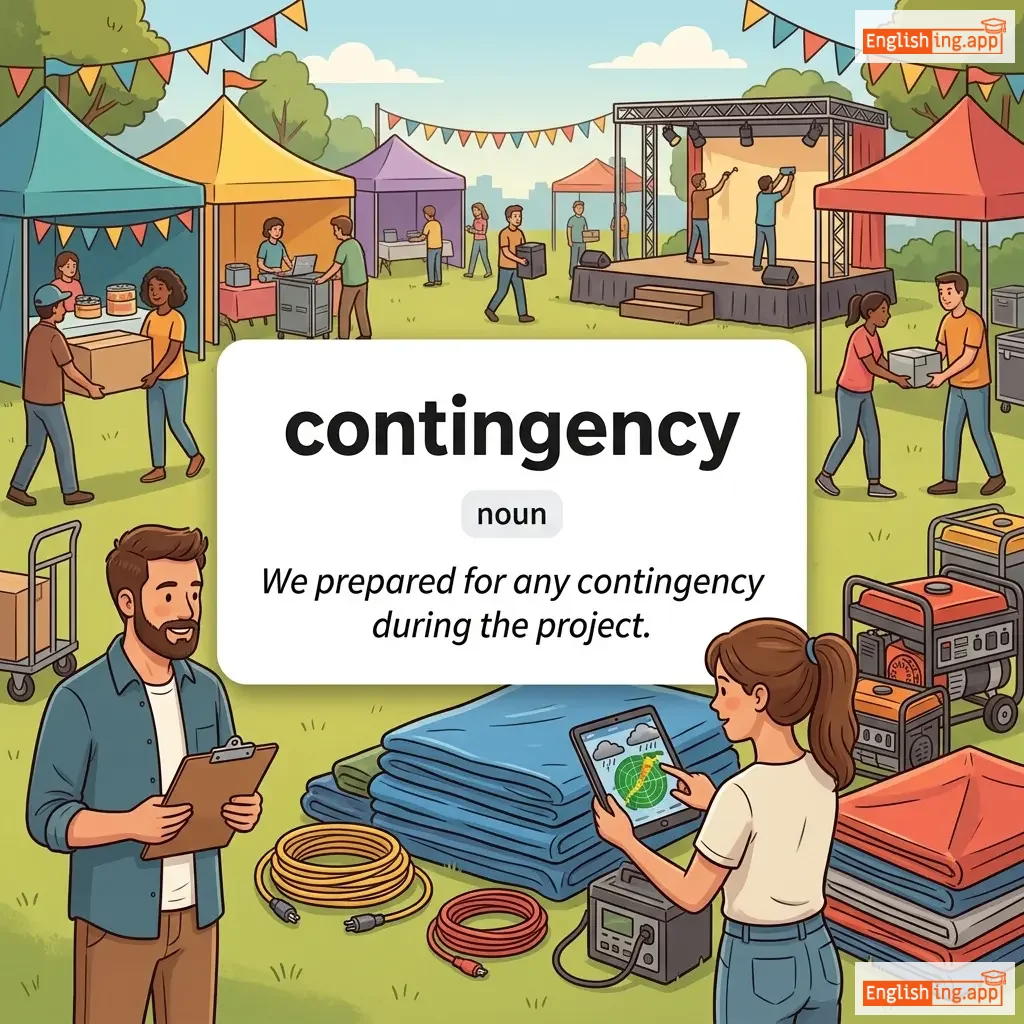
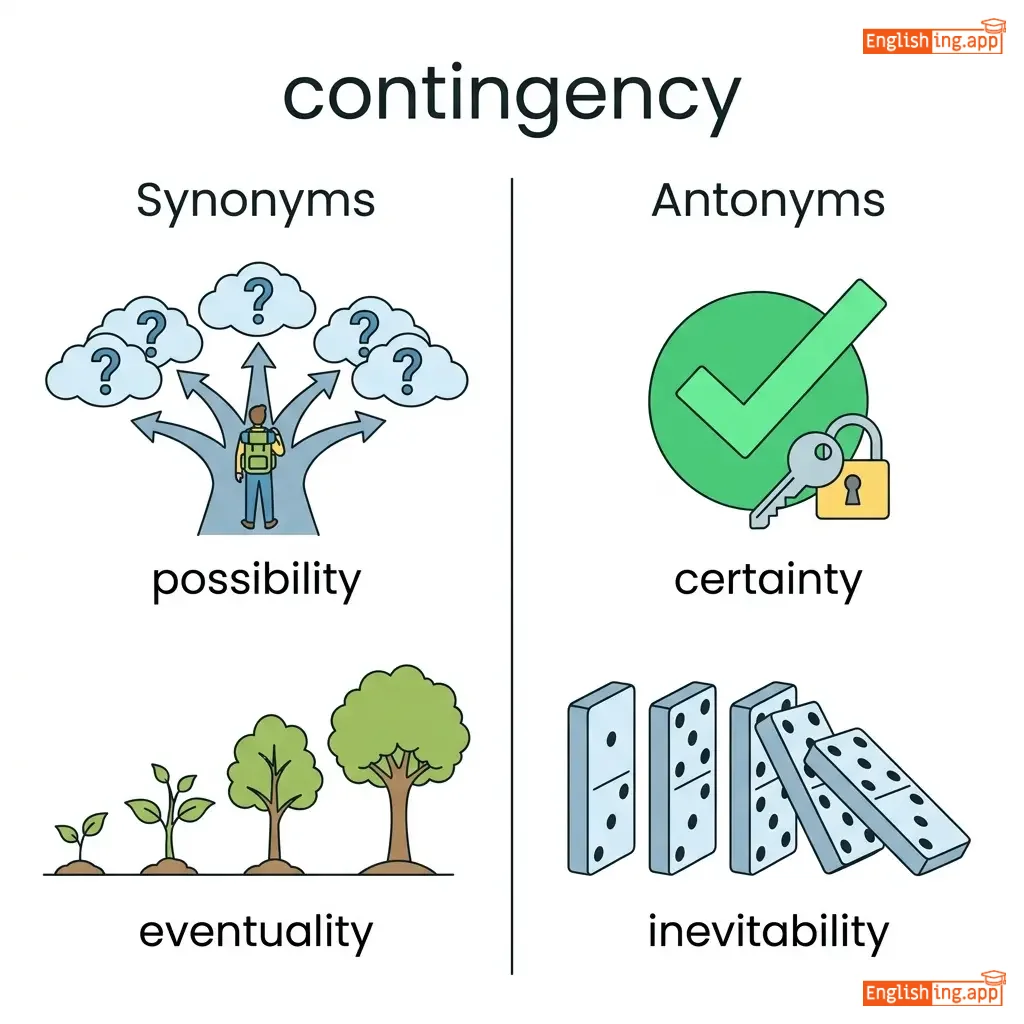
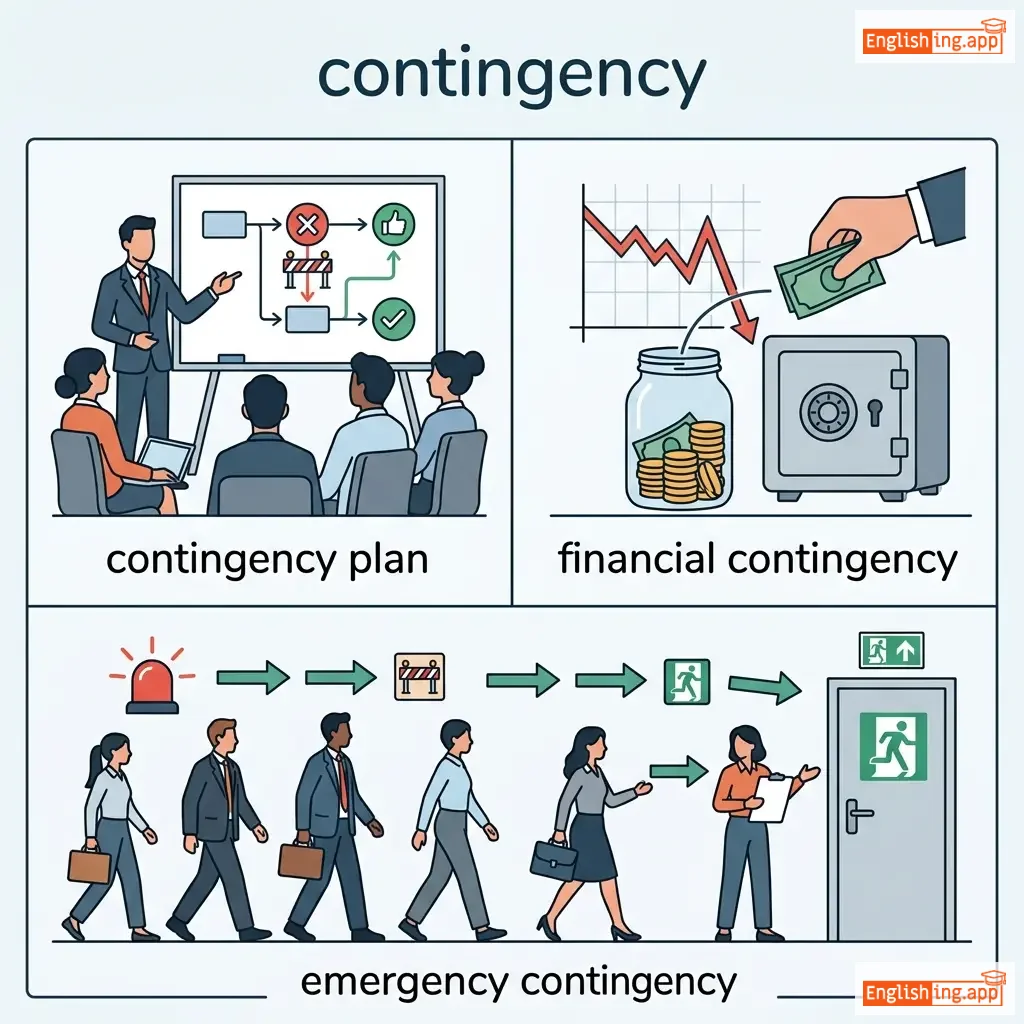
kən ˈtɪn.dʒən.si
noun
••••••
|
|
A future event or circumstance which is possible but cannot be predicted with certainty.
••••••
|
The company has a contingency plan for financial crises. |
emergency plan, backup, alternative
••••••
|
certainty, assurance, predictability
••••••
|
|
#2425
⚖️
|
ˌlaɪ.əˈbɪl.ə.ti
noun
••••••
|

|
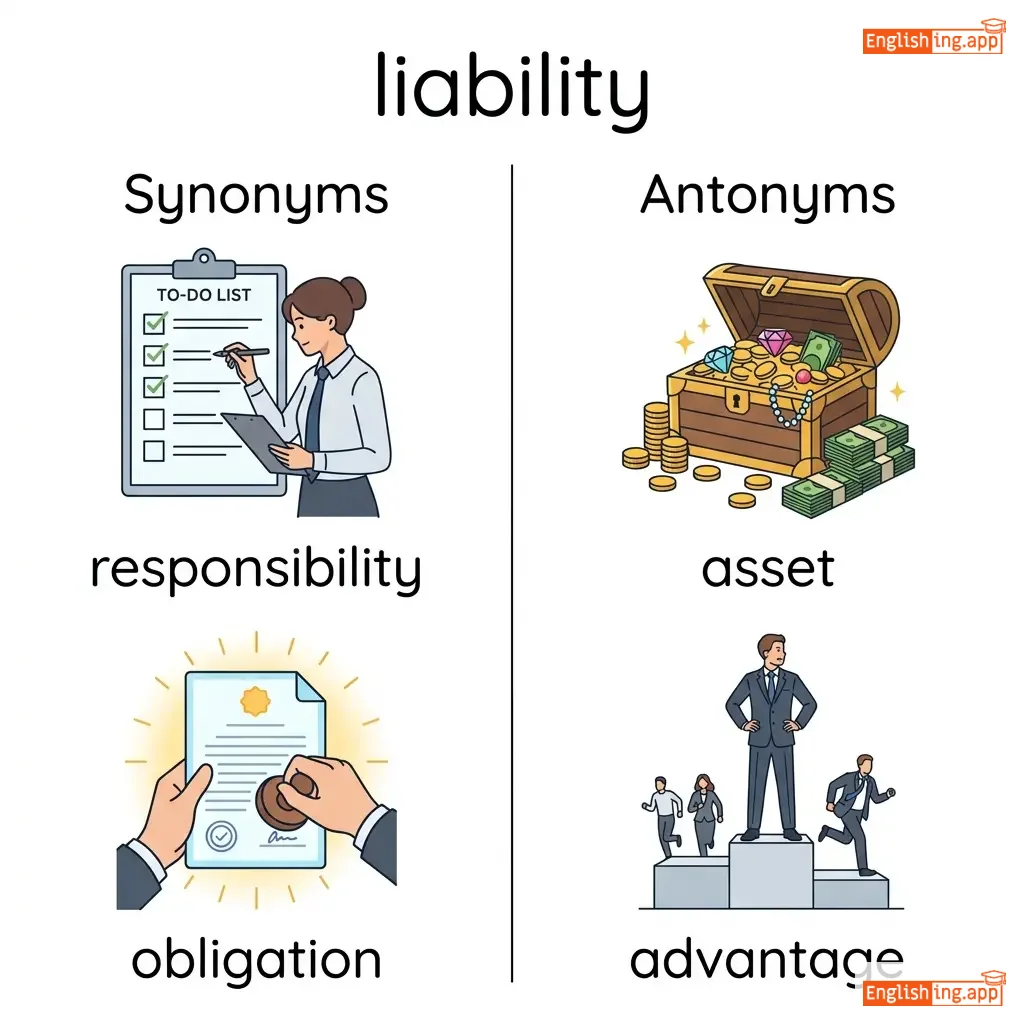
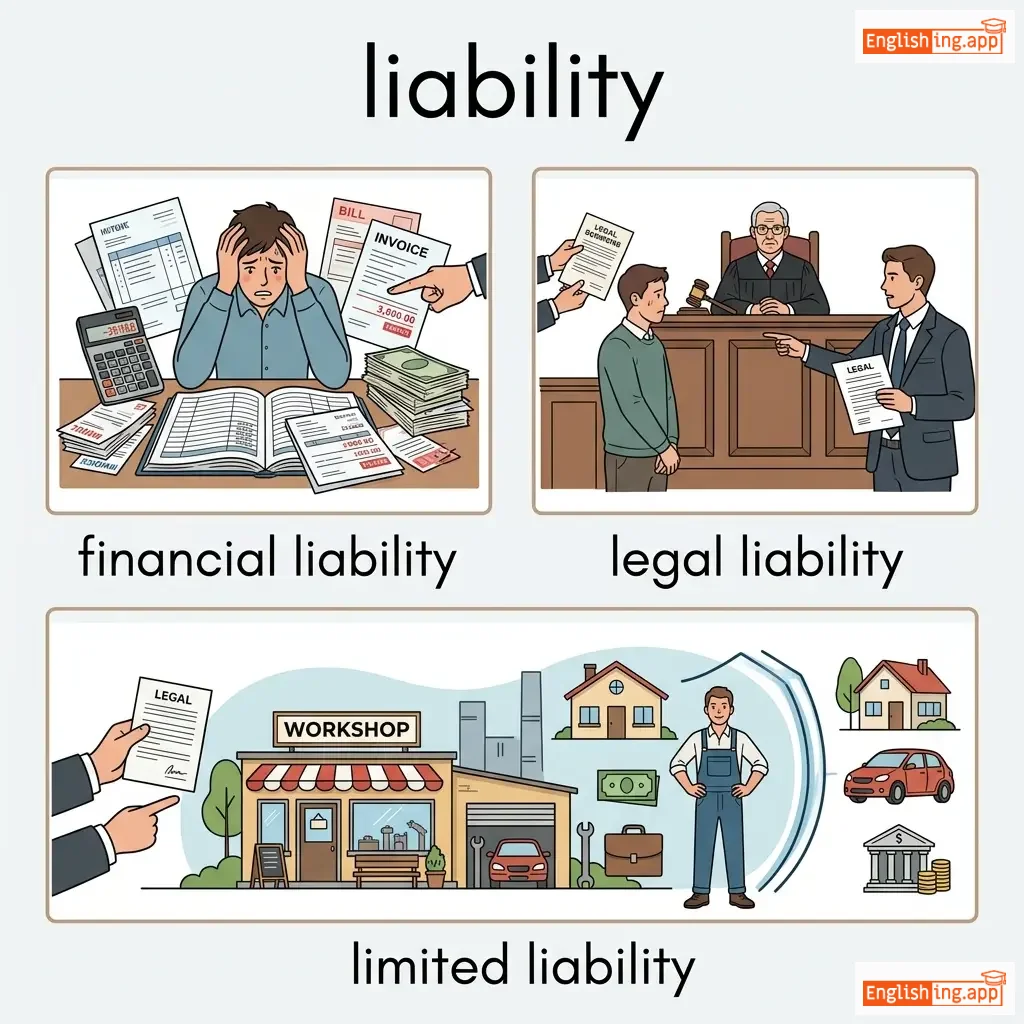
The state of being responsible for something, especially by law; a debt or financial obligation.
••••••
|
The company's liabilities exceeded its assets. |
debt, obligation, responsibility
••••••
|
asset, advantage, credit
••••••
|
|
#2426
🔮
|
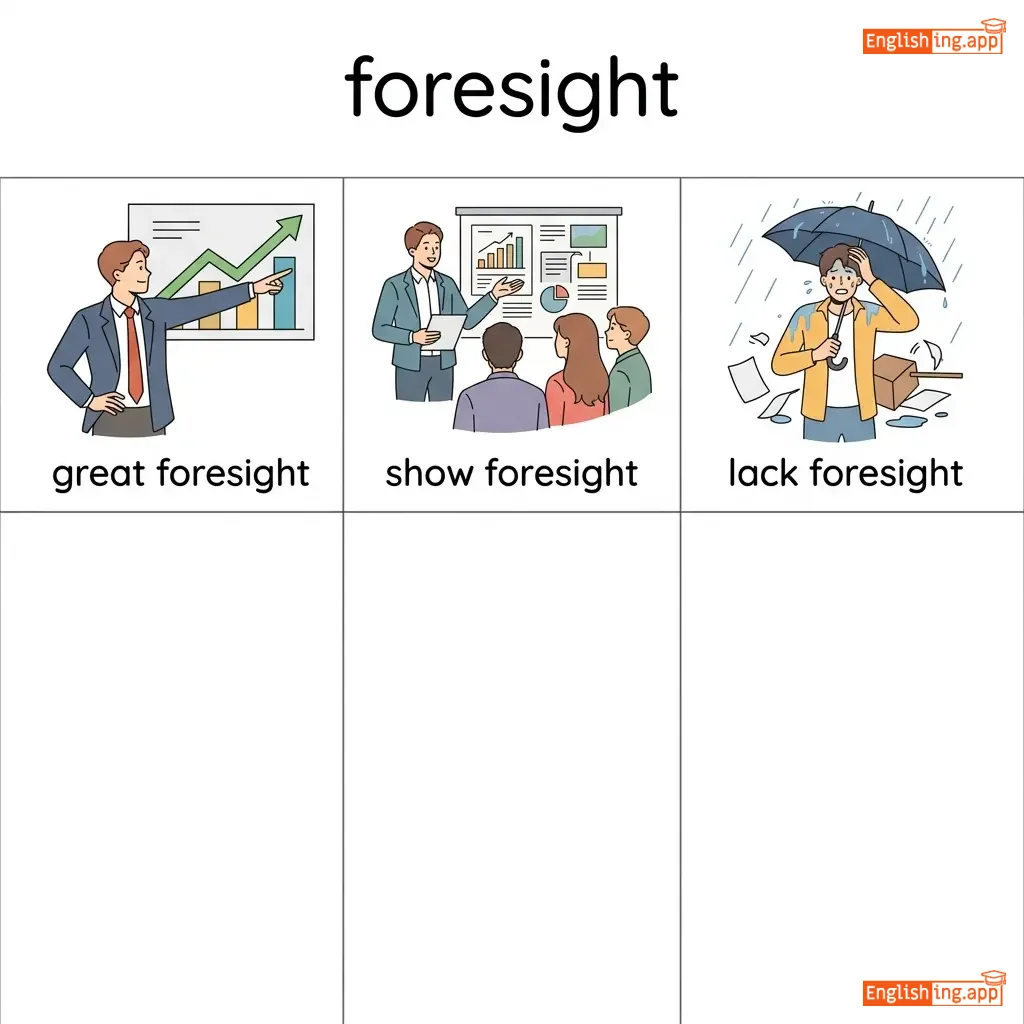
ˈfɔː.saɪt
noun
••••••
|

|
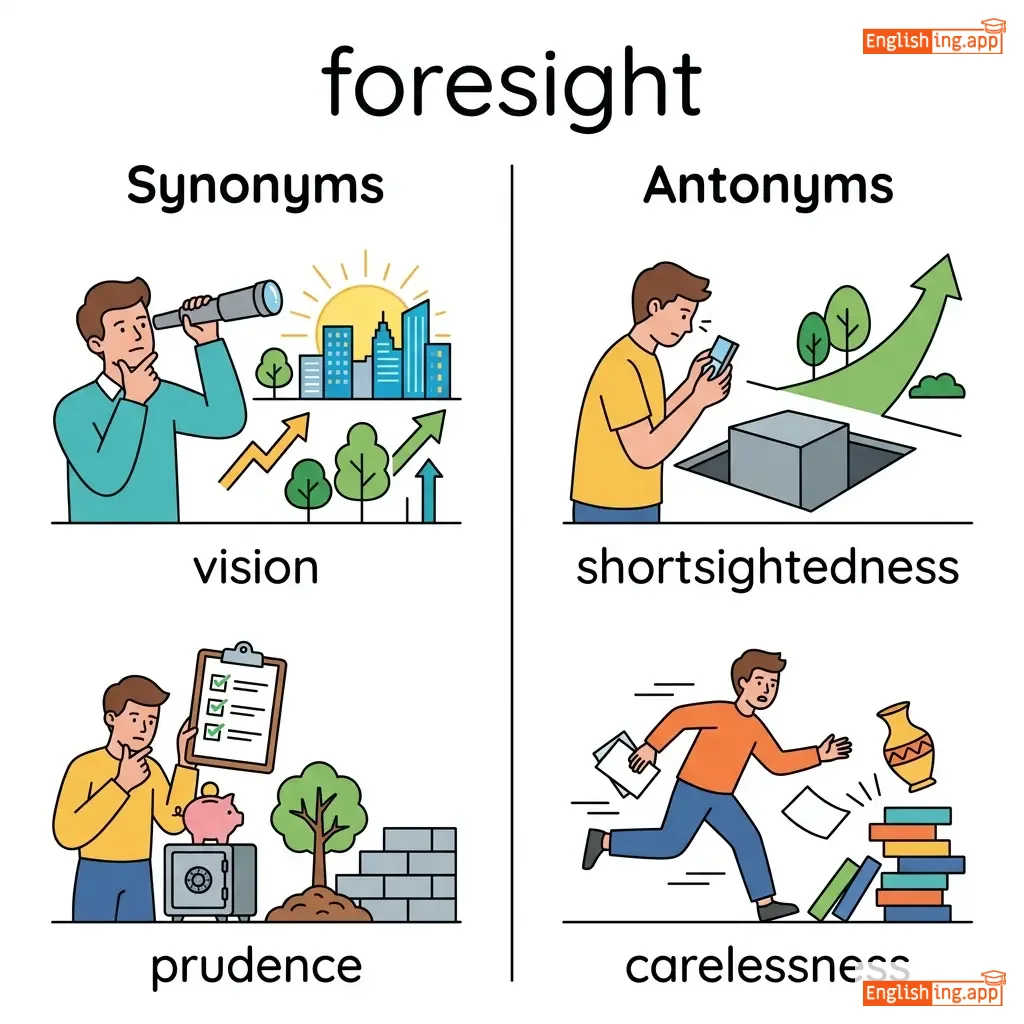
The ability to predict or the action of predicting what will happen or be needed in the future.
••••••
|
His foresight helped him avoid financial trouble. |
vision, planning, anticipation
••••••
|
shortsightedness, impulsiveness, carelessness
••••••
|
|
#2427
📈
|
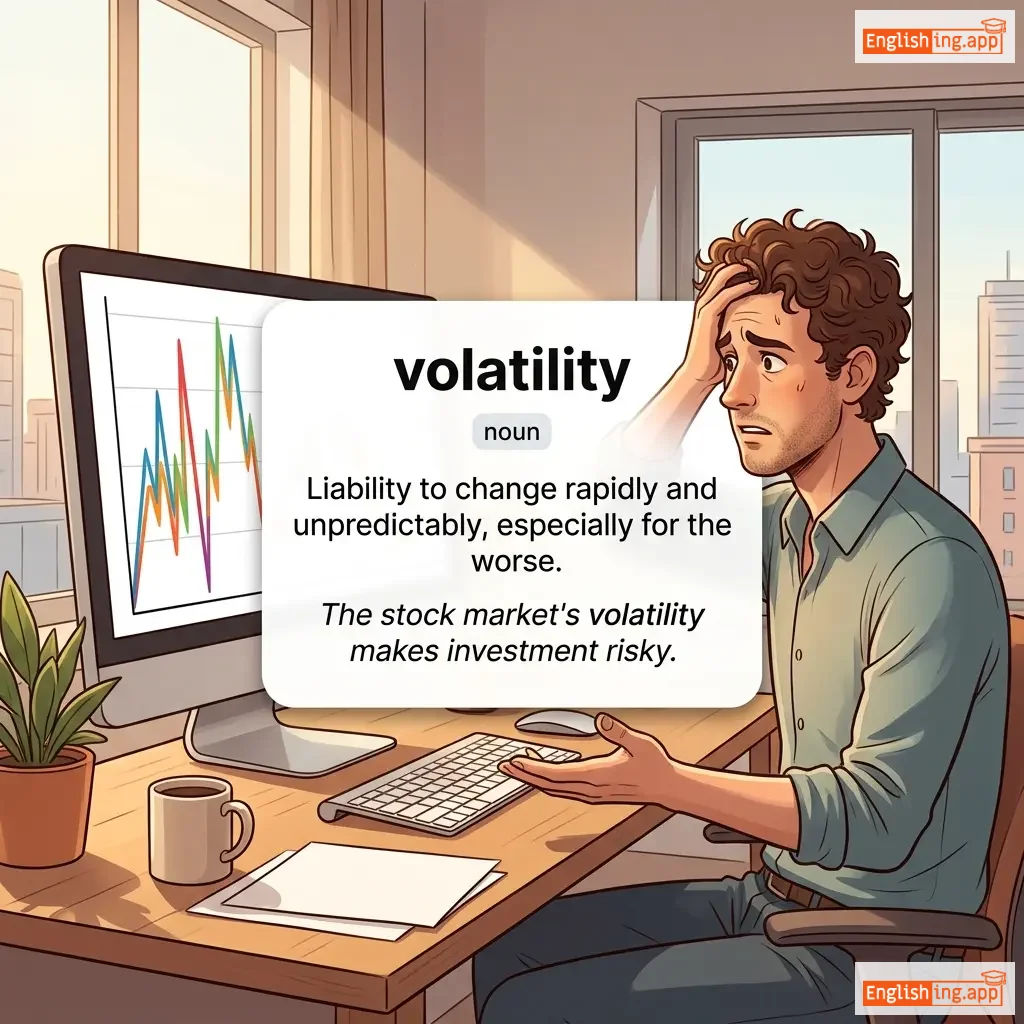
ˌvɒl.əˈtɪl.ɪ.ti
noun
••••••
|
|
Liability to change rapidly and unpredictably, especially for the worse.
••••••
|
The stock market is known for its volatility. |
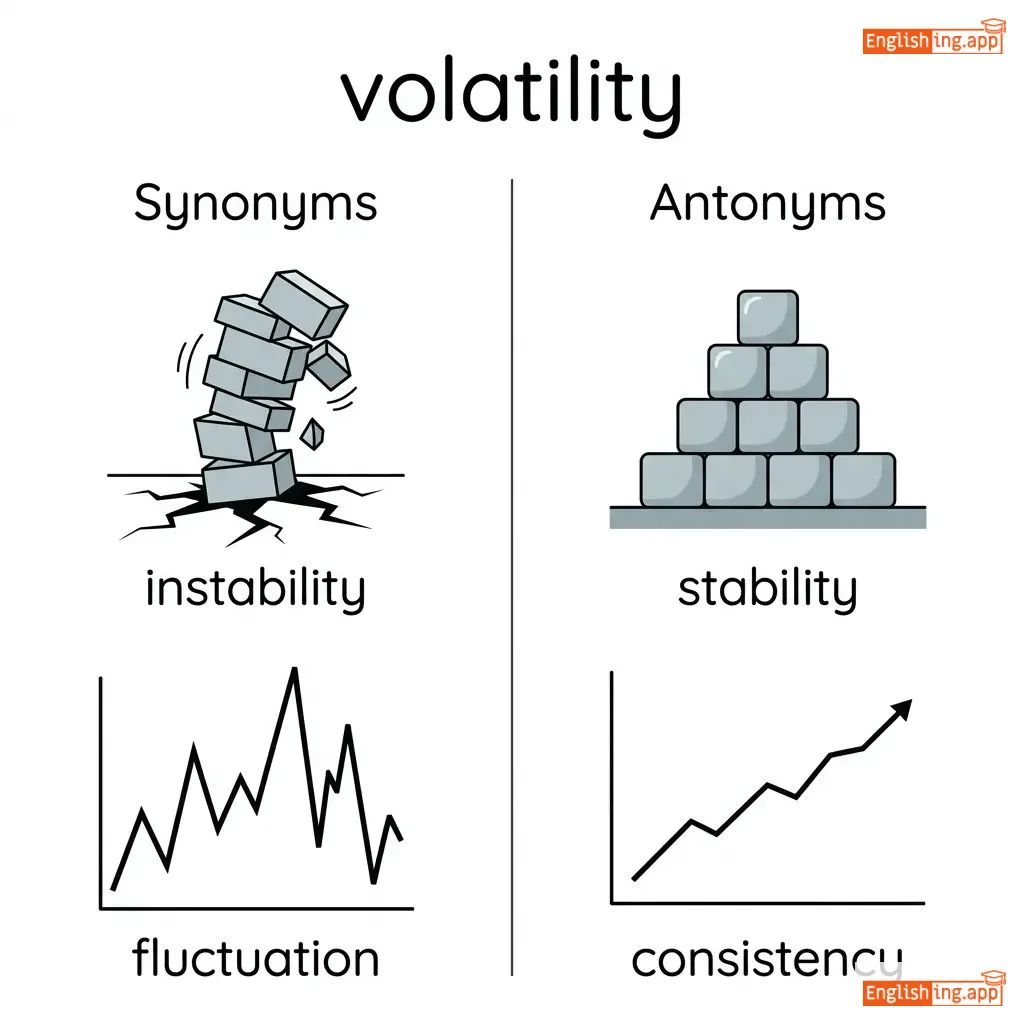
instability, fluctuation, uncertainty
••••••
|
stability, consistency, predictability
••••••
|
|
#2428
🎯
|
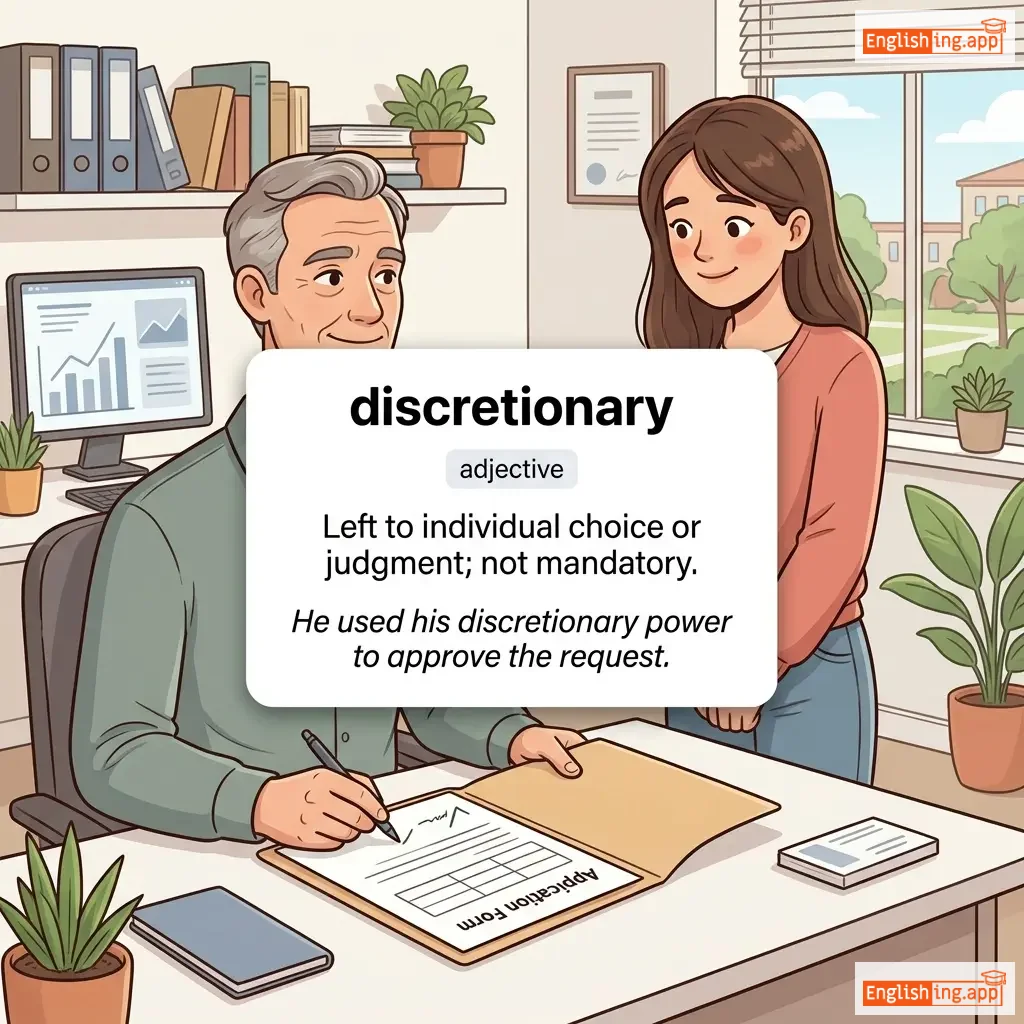
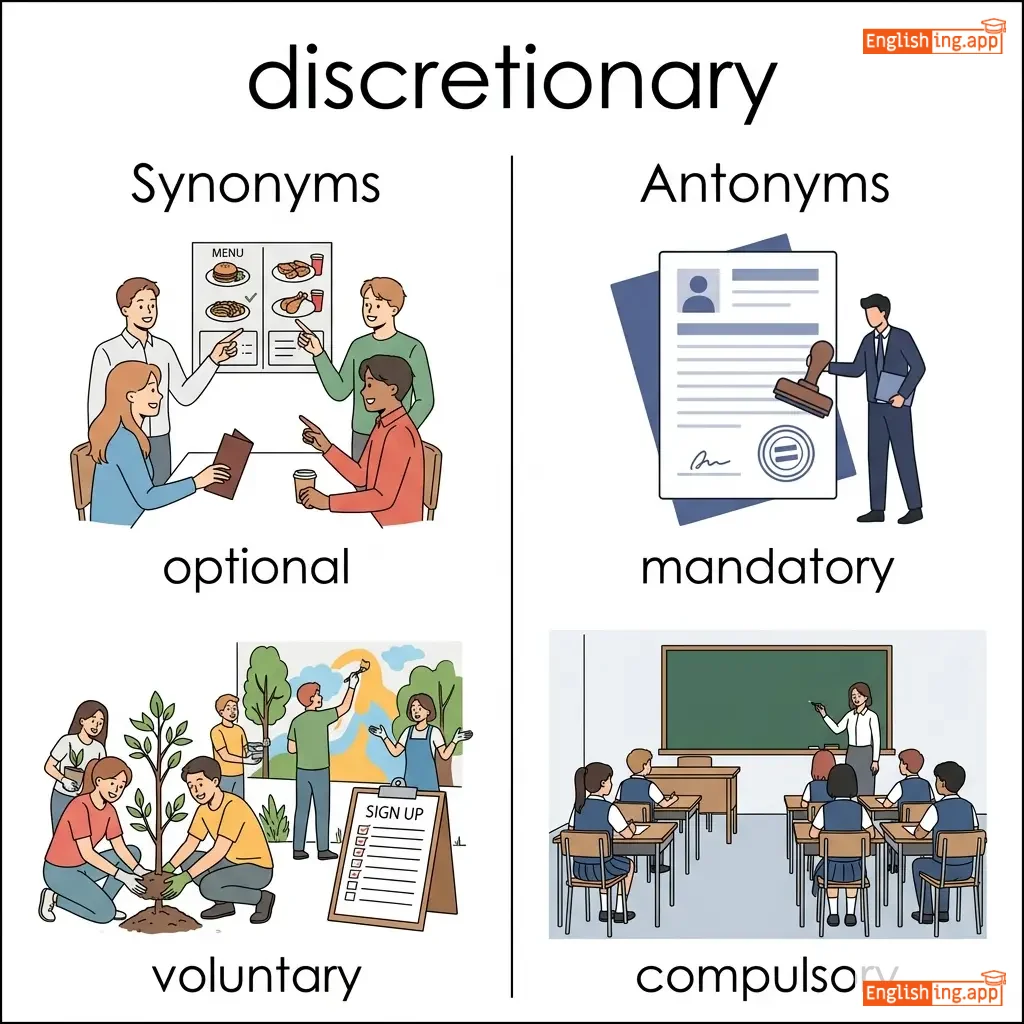
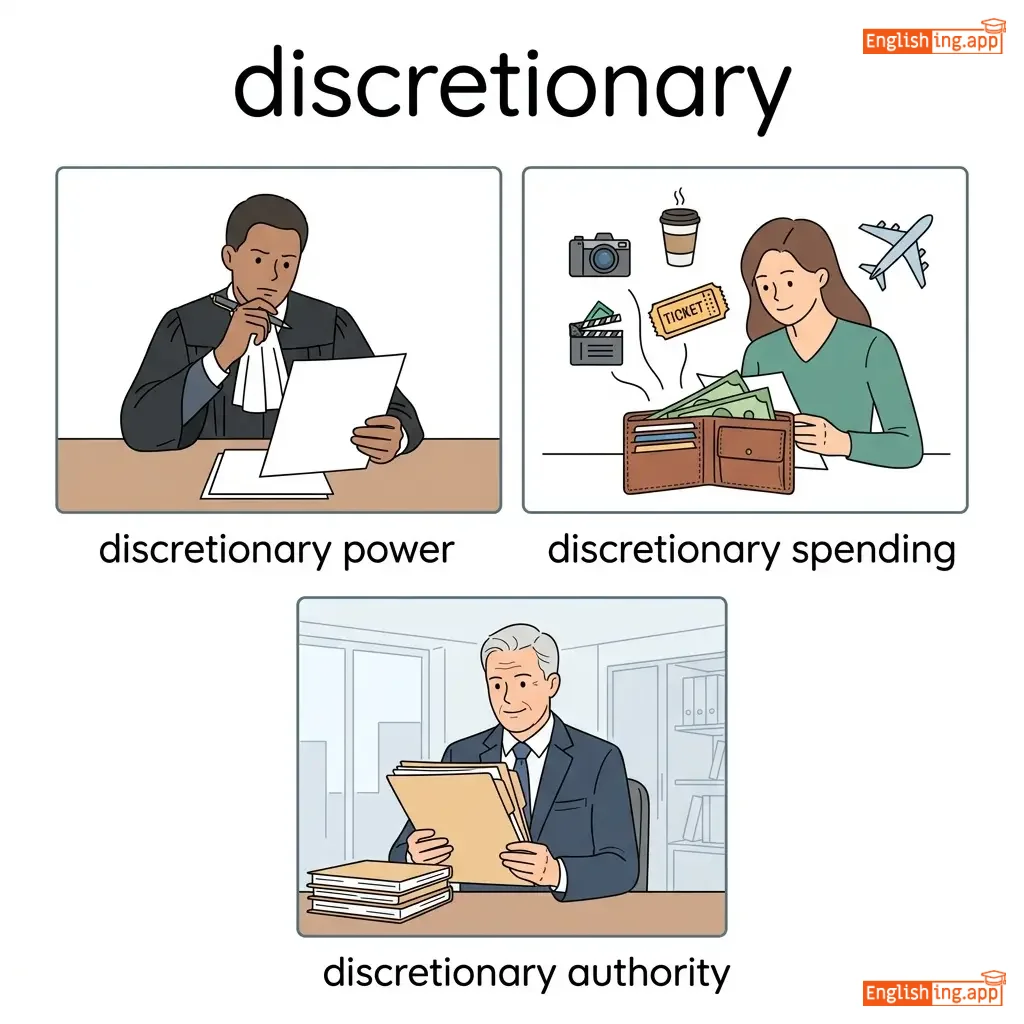
dɪ ˈskrɛʃ.ən.er.i
adjective
••••••
|
|
Available for use at the discretion of the user; not required or mandatory.
••••••
|
He set aside some discretionary income for travel. |
optional, flexible, voluntary
••••••
|
mandatory, obligatory, required
••••••
|
|
#2429
💪
|
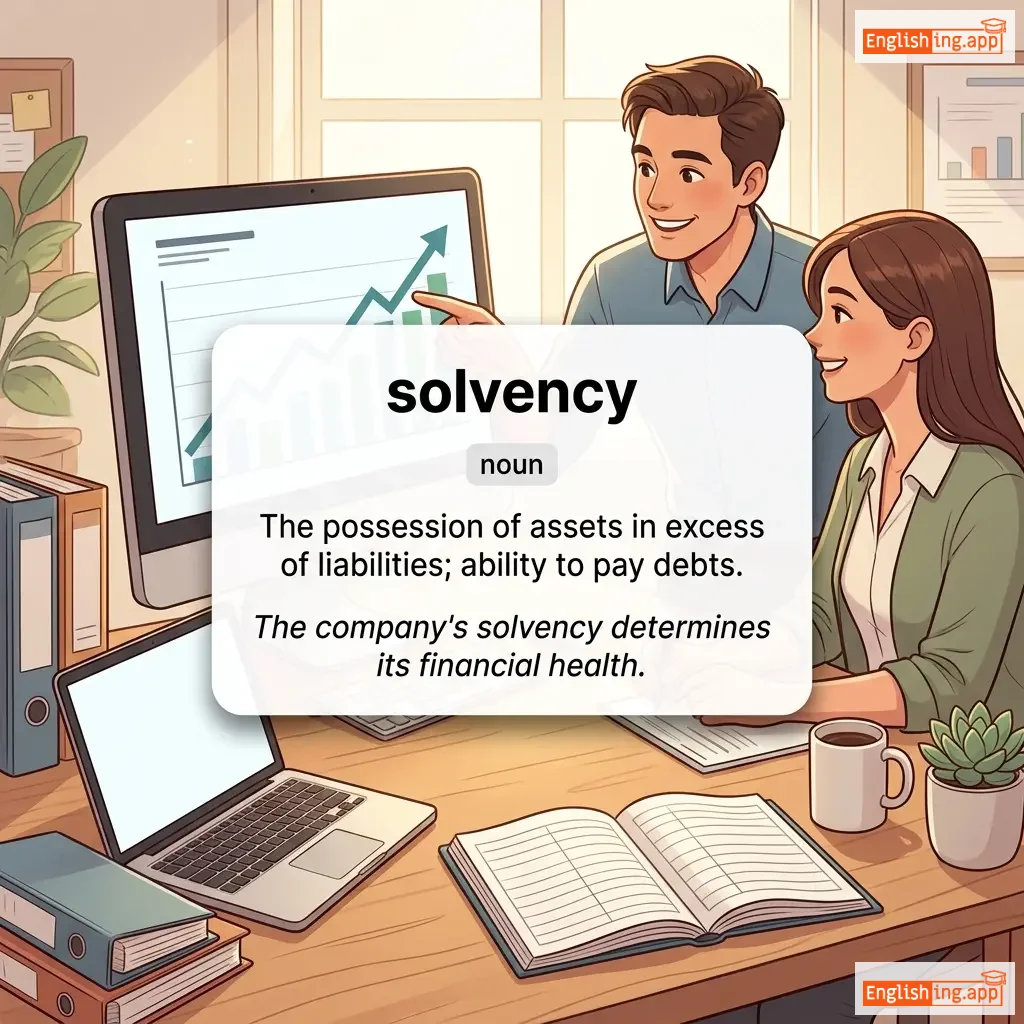
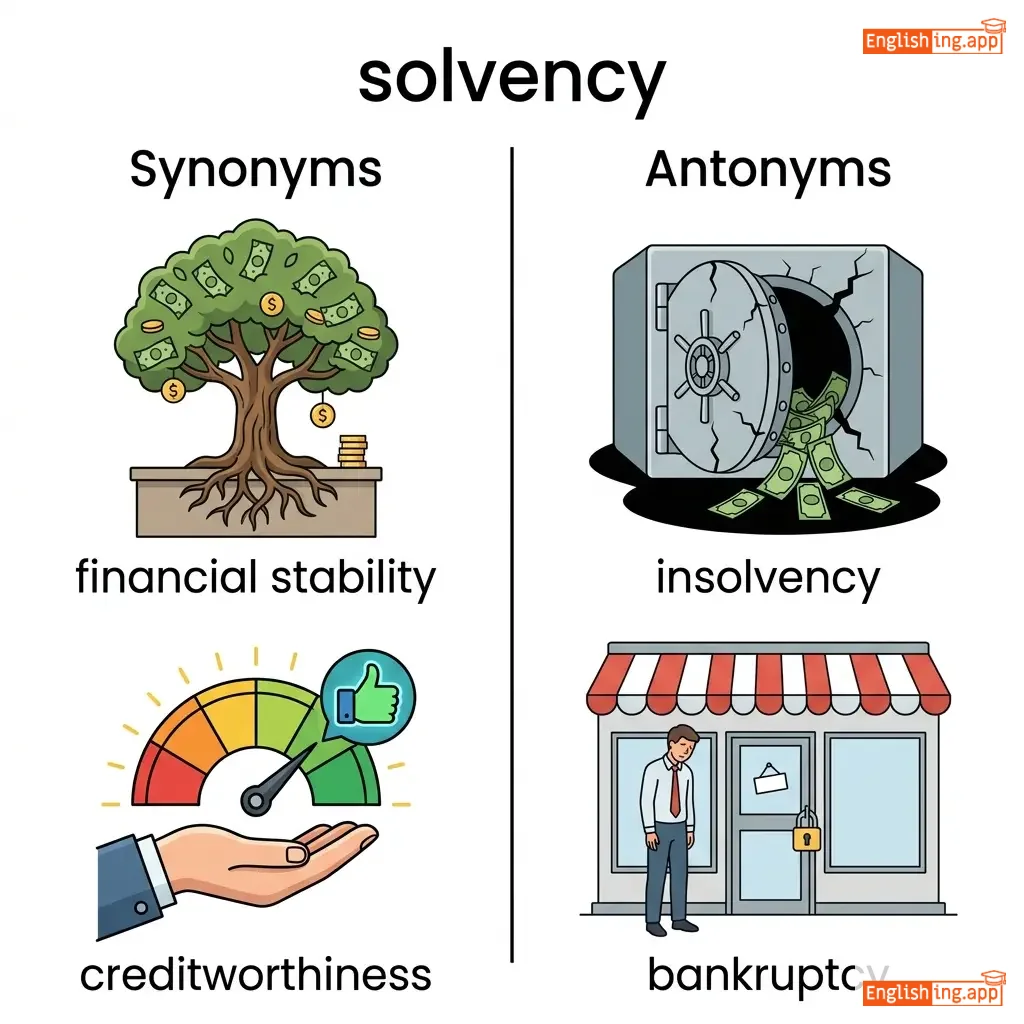
ˈsɒl.vən.si
noun
••••••
|
|
The ability to meet one's debts and financial obligations; financial soundness.
••••••
|
The company's solvency improved after reducing expenses. |
financial stability, creditworthiness, liquidity
••••••
|
insolvency, bankruptcy, debt
••••••
|
|
#2430
🎯
|
præɡ ˈmæt.ɪk
adjective
••••••
|
|
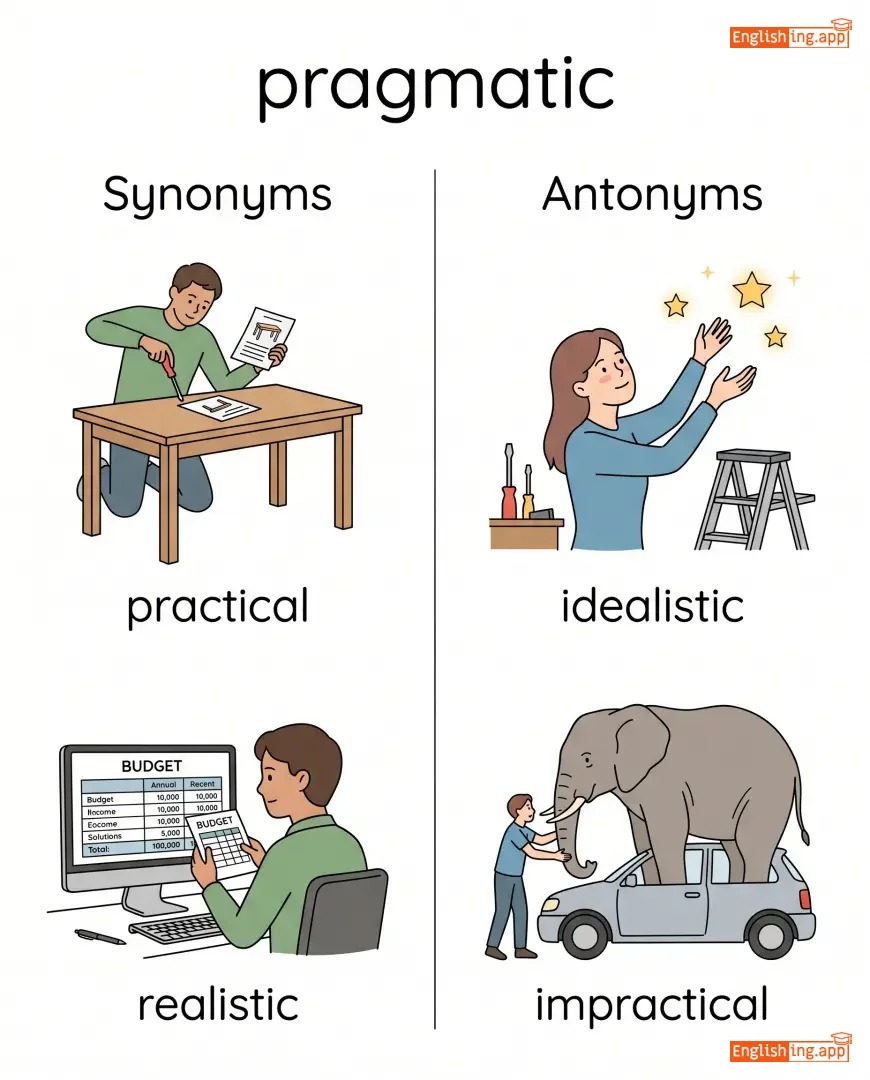
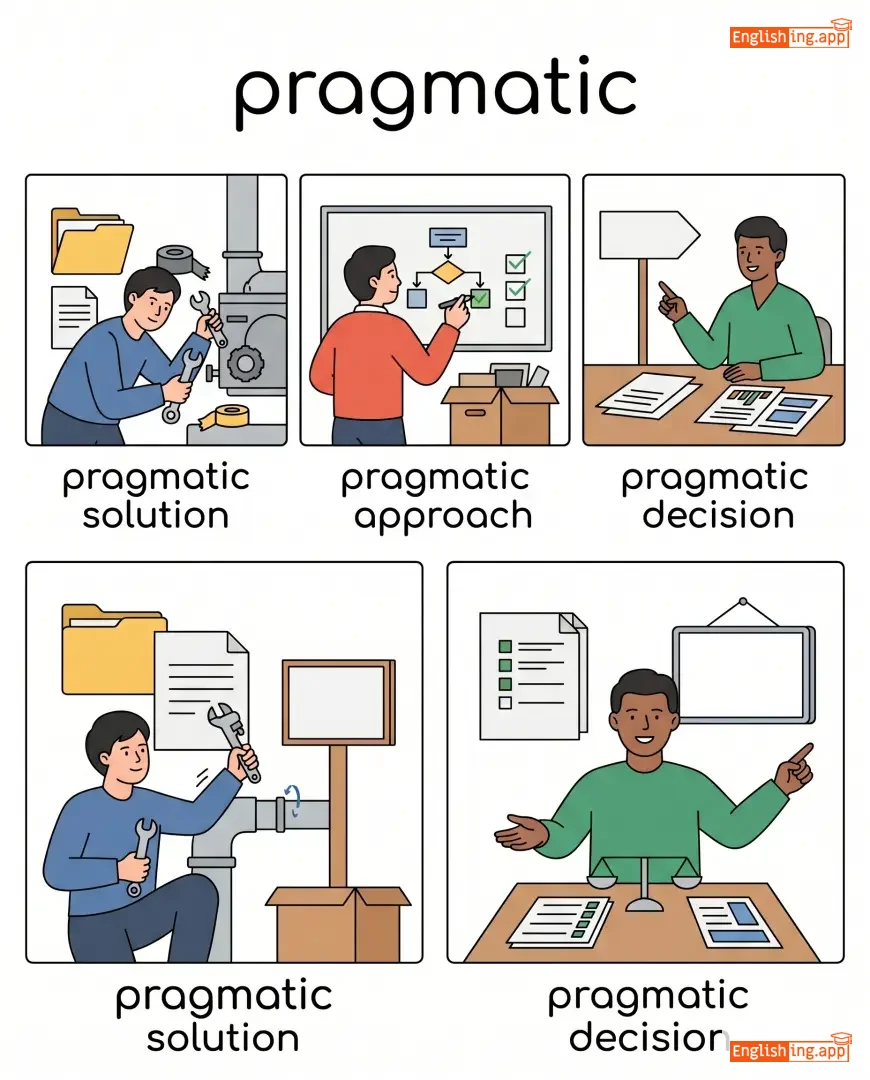
Dealing with things sensibly and realistically in a way that is based on practical rather than idealistic considerations.
••••••
|
He took a pragmatic approach to solving the problem. |
practical, realistic, sensible
••••••
|
idealistic, impractical, unrealistic
••••••
|
|
#2431
📈
|
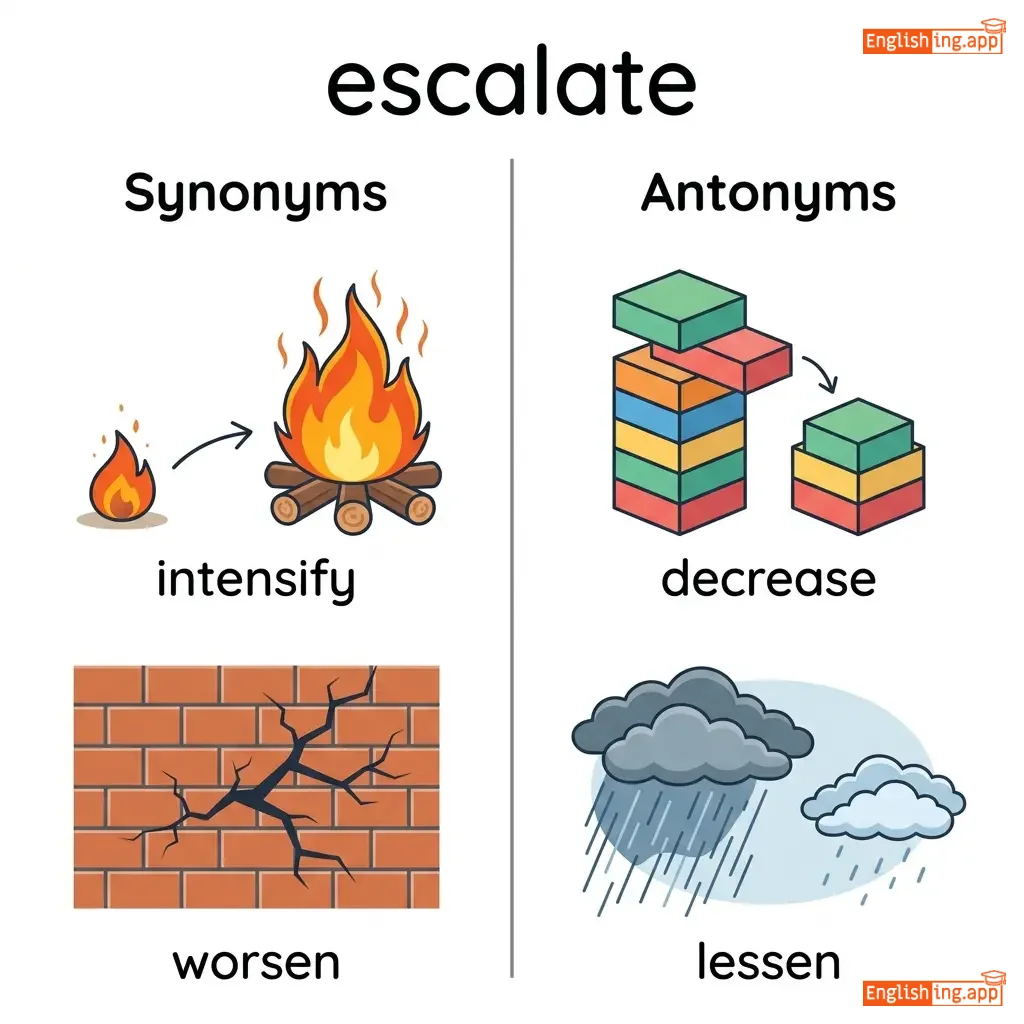
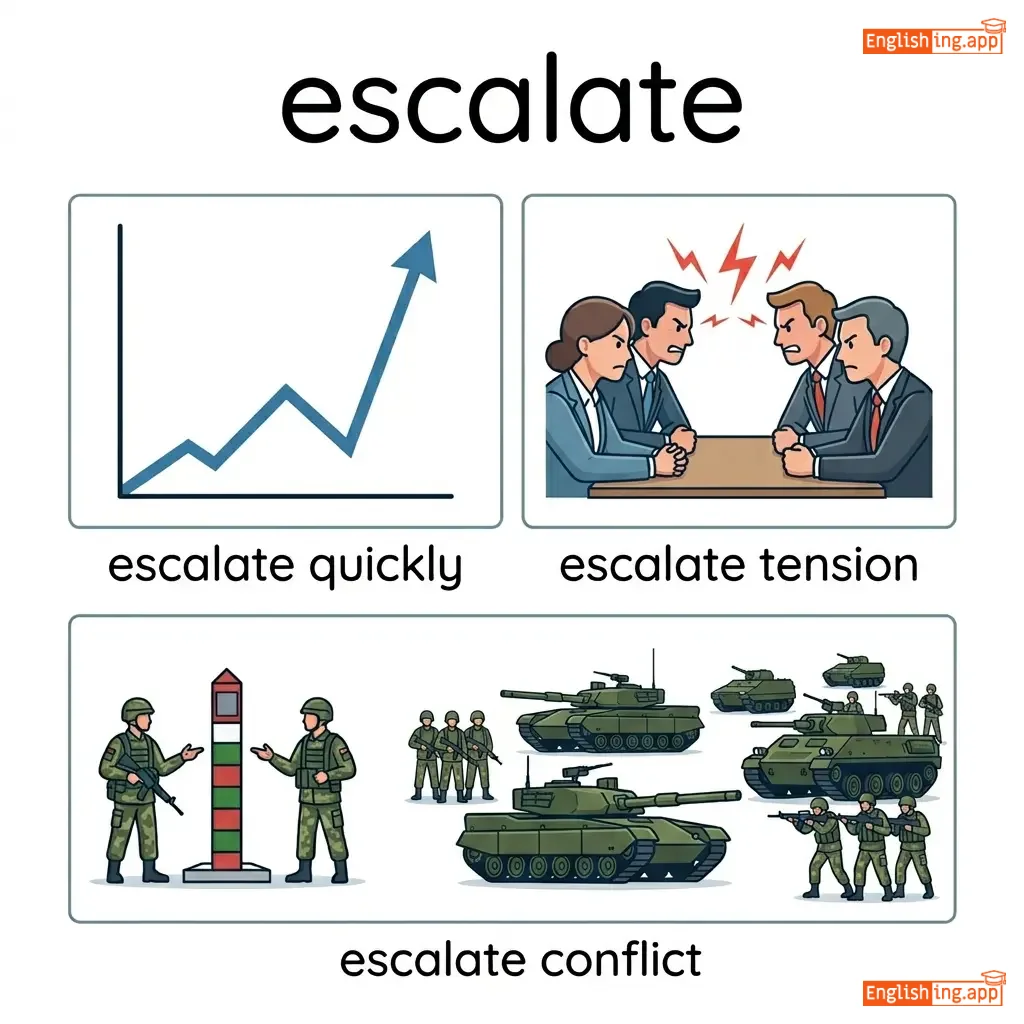
ˈɛs.kə.leɪt
verb
••••••
|
|
To increase rapidly; become or make greater, more intense, or more serious.
••••••
|
The conflict escalated into a full-blown crisis. |
increase, intensify, amplify
••••••
|
decrease, reduce, diminish
••••••
|
|
#2432
💹
|
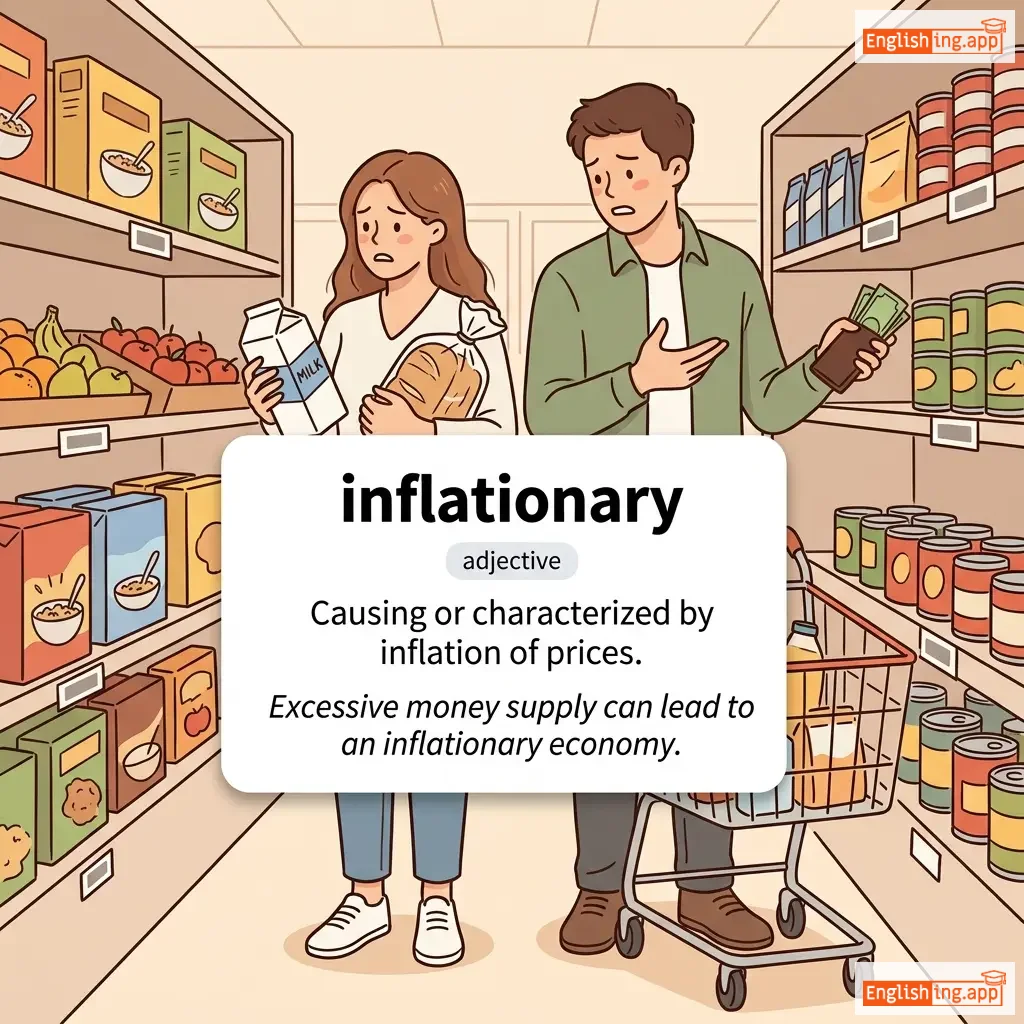
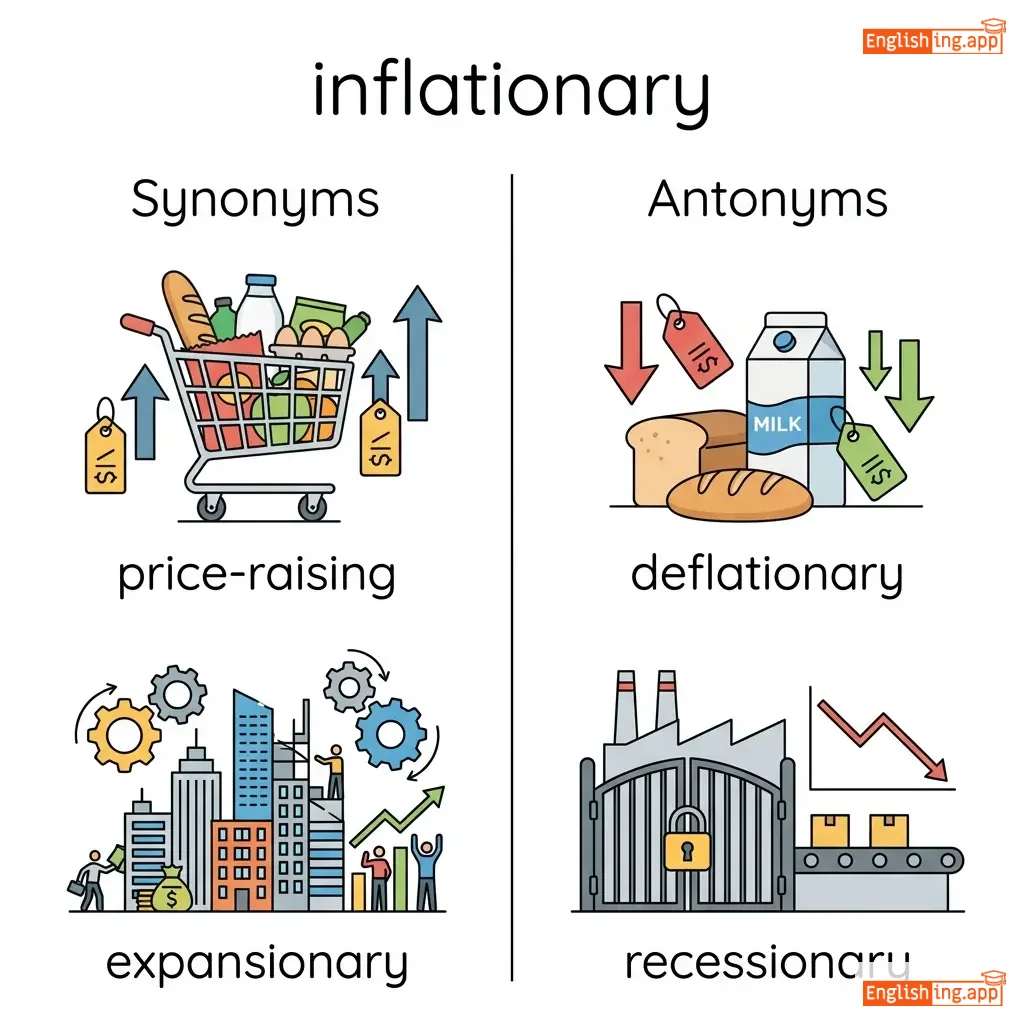
ɪn ˈfleɪ.ʃə.ner.i
adjective
••••••
|
|
Characterized by or tending to cause monetary inflation; relating to rising prices.
••••••
|
The government took measures to control inflationary pressures. |
price-increasing, economic expansion, cost-raising
••••••
|
deflationary, price-stabilizing, cost-reducing
••••••
|
|
#2433
📊
|
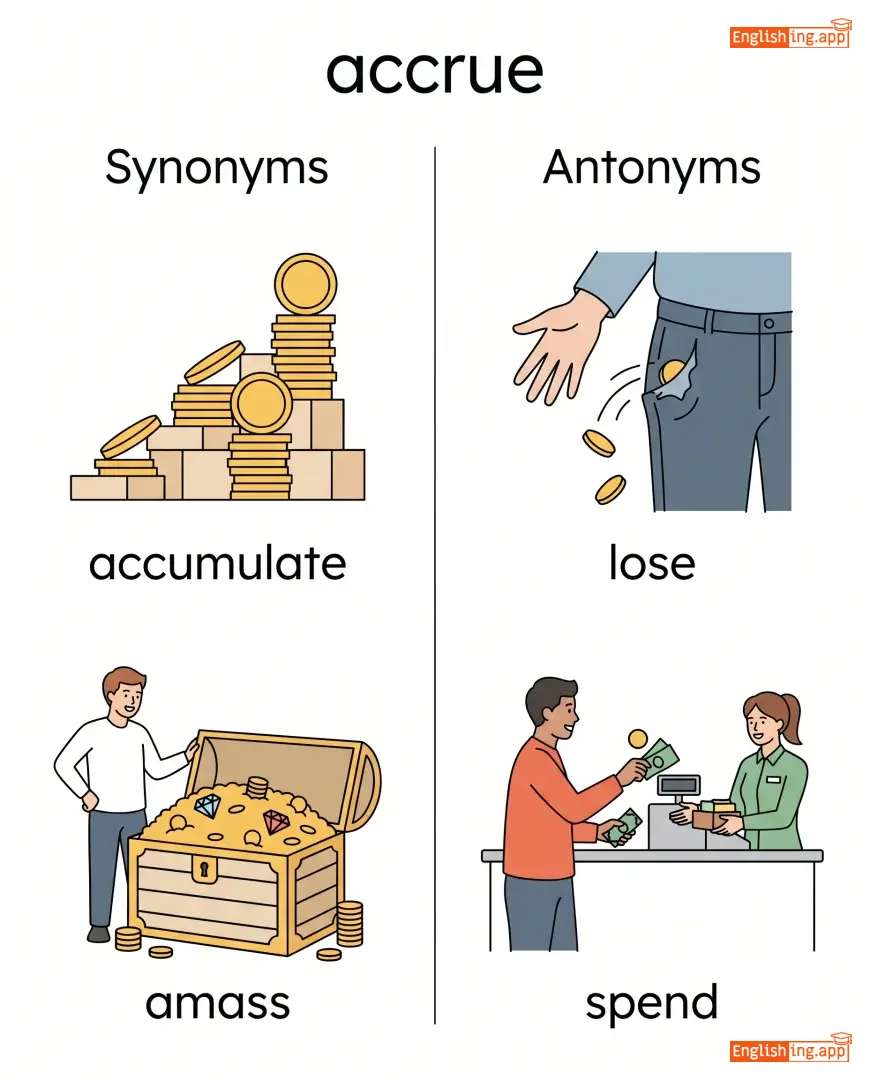
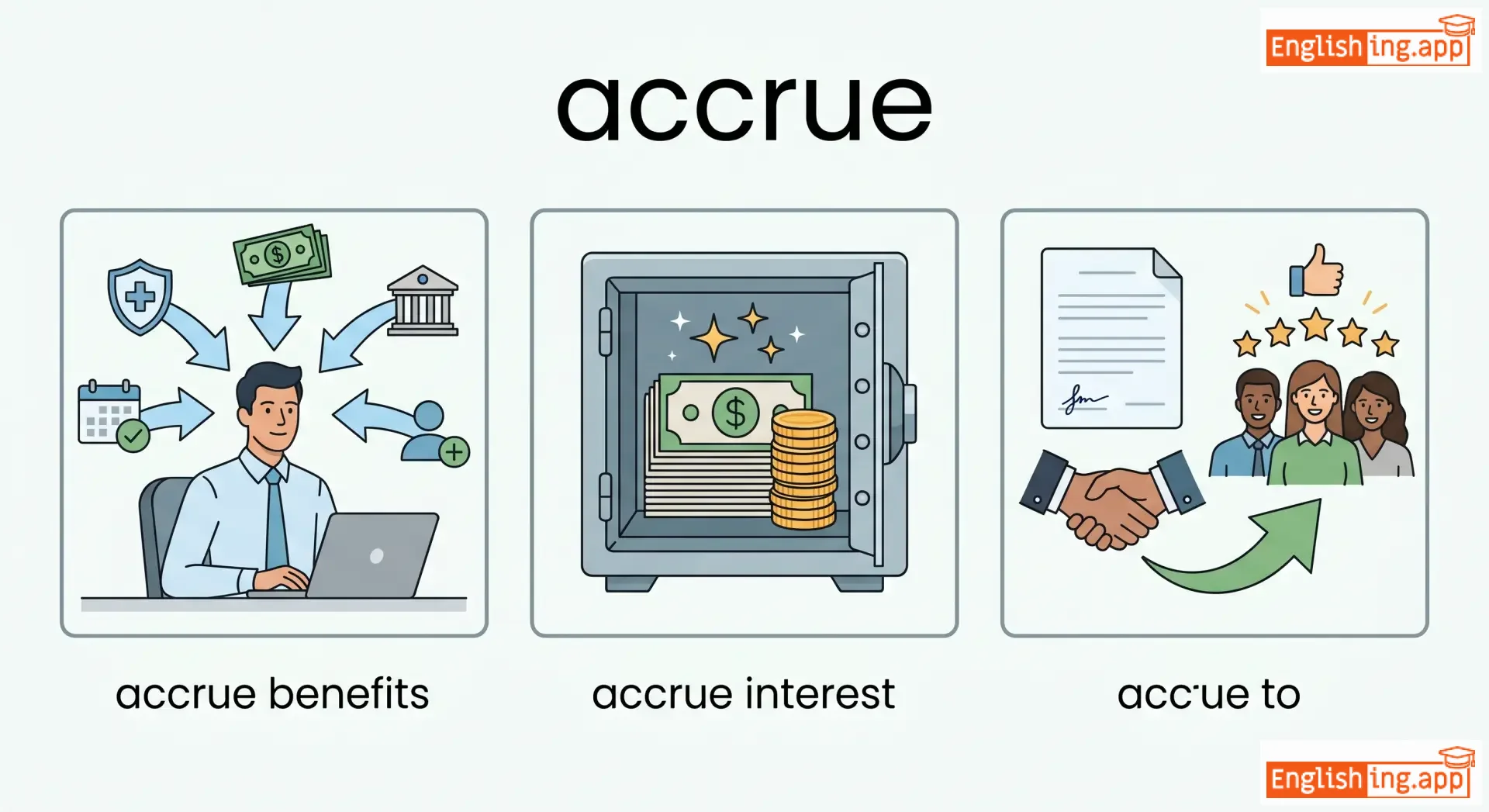
əˈkruː
verb
••••••
|

|
To accumulate or receive (payments or benefits) over time.
••••••
|
Interest accrues on the savings account every month. |
accumulate, amass, collect
••••••
|
diminish, deplete, lose
••••••
|
|
#2434
🛡️
|
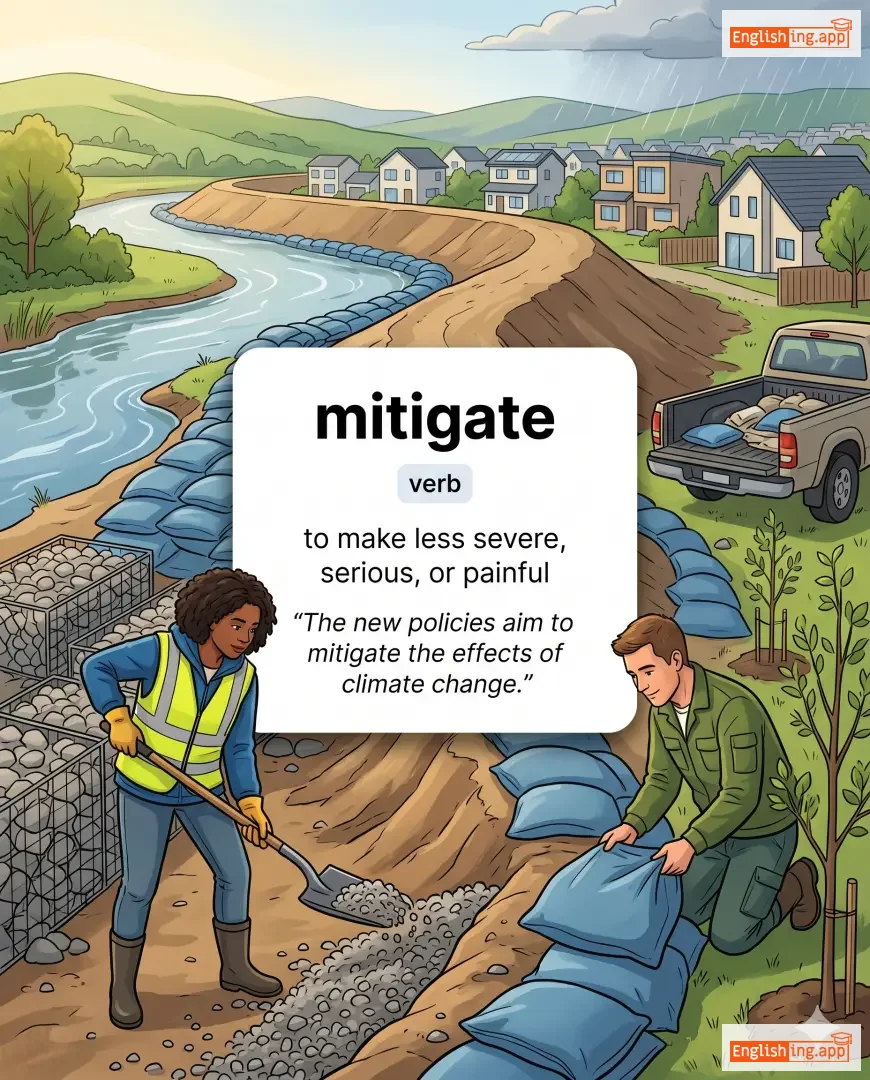
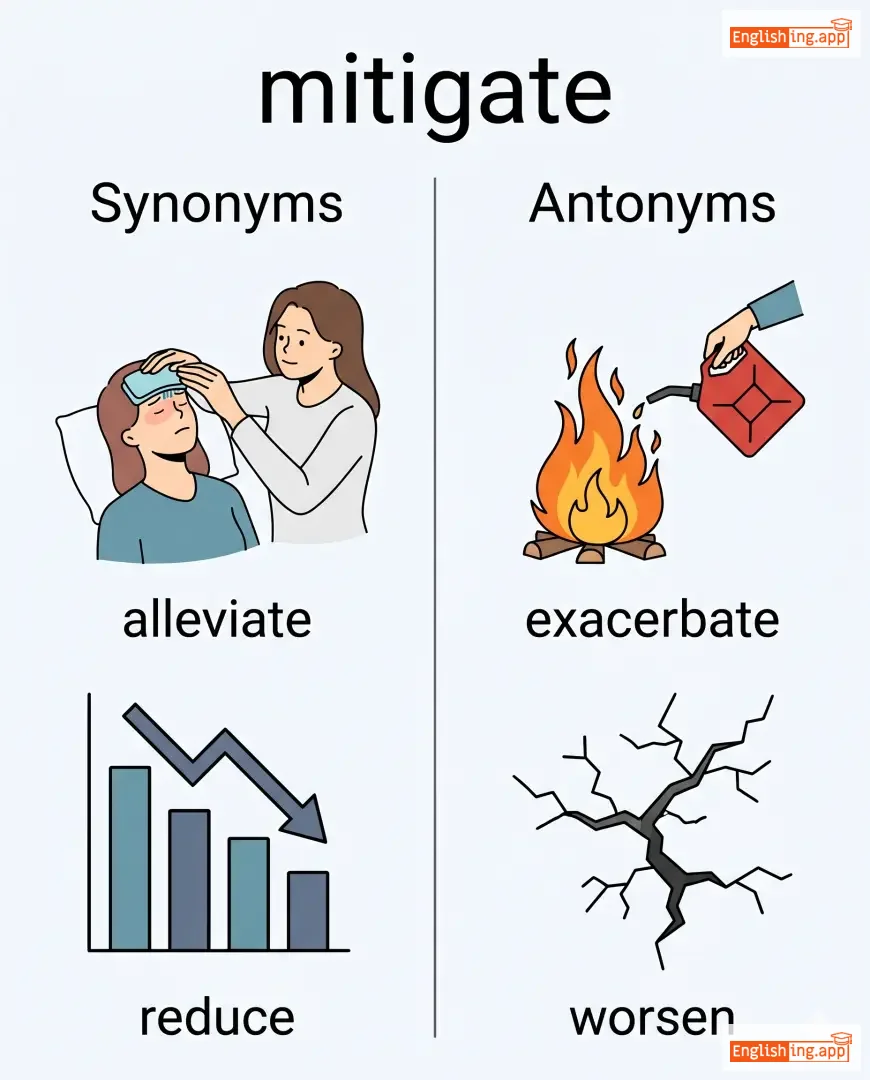
ˈmɪt.ɪ.ɡeɪt
verb
••••••
|
|
To make less severe, serious, or painful; to lessen the intensity of something harmful.
••••••
|
Proper measures can mitigate environmental damage. |
alleviate, reduce, lessen
••••••
|
aggravate, intensify, exacerbate
••••••
|
|
#2435
📉
|
ˈdwɪn.dl
verb
••••••
|
|
To diminish gradually in size, amount, or strength; to become progressively smaller.
••••••
|
His savings dwindled due to unexpected expenses. |
diminish, shrink, decline
••••••
|
increase, expand, grow
••••••
|

