

Importance of Emergency Savings Fund
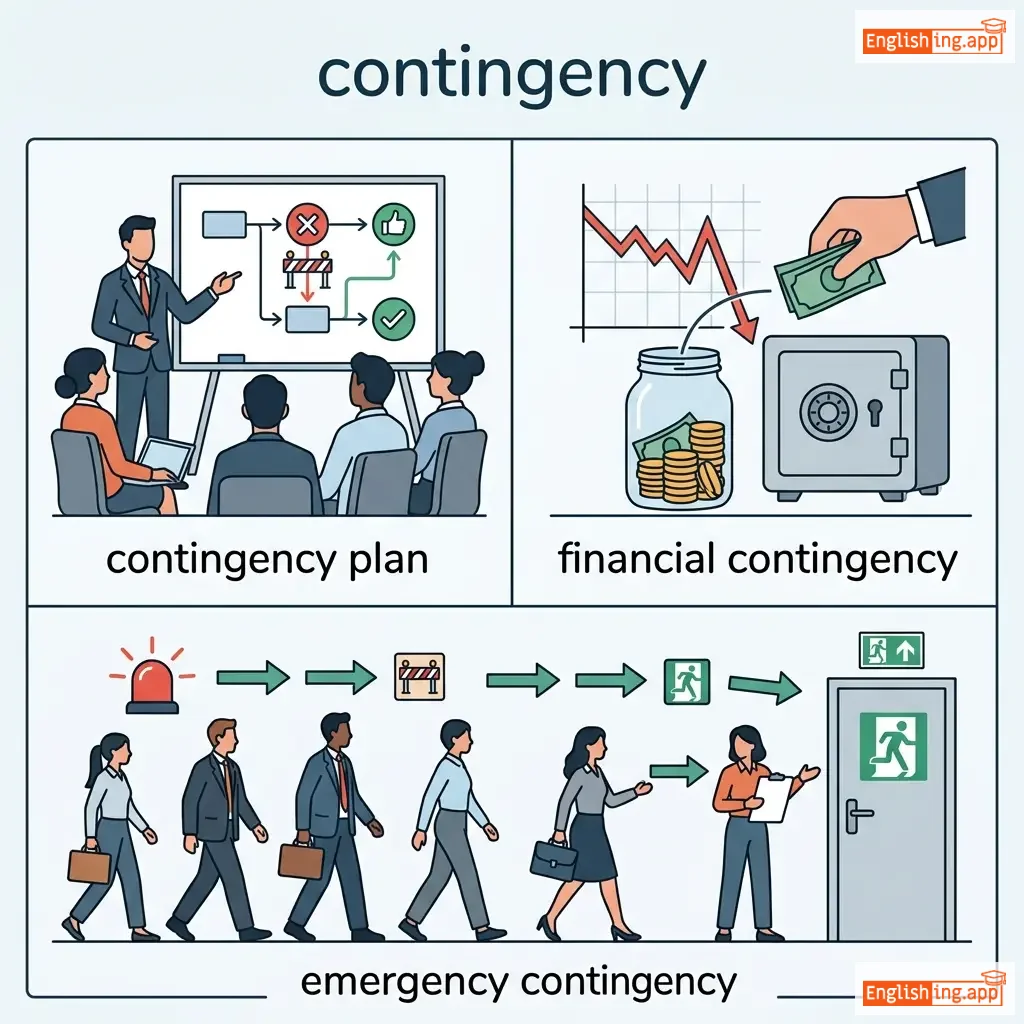
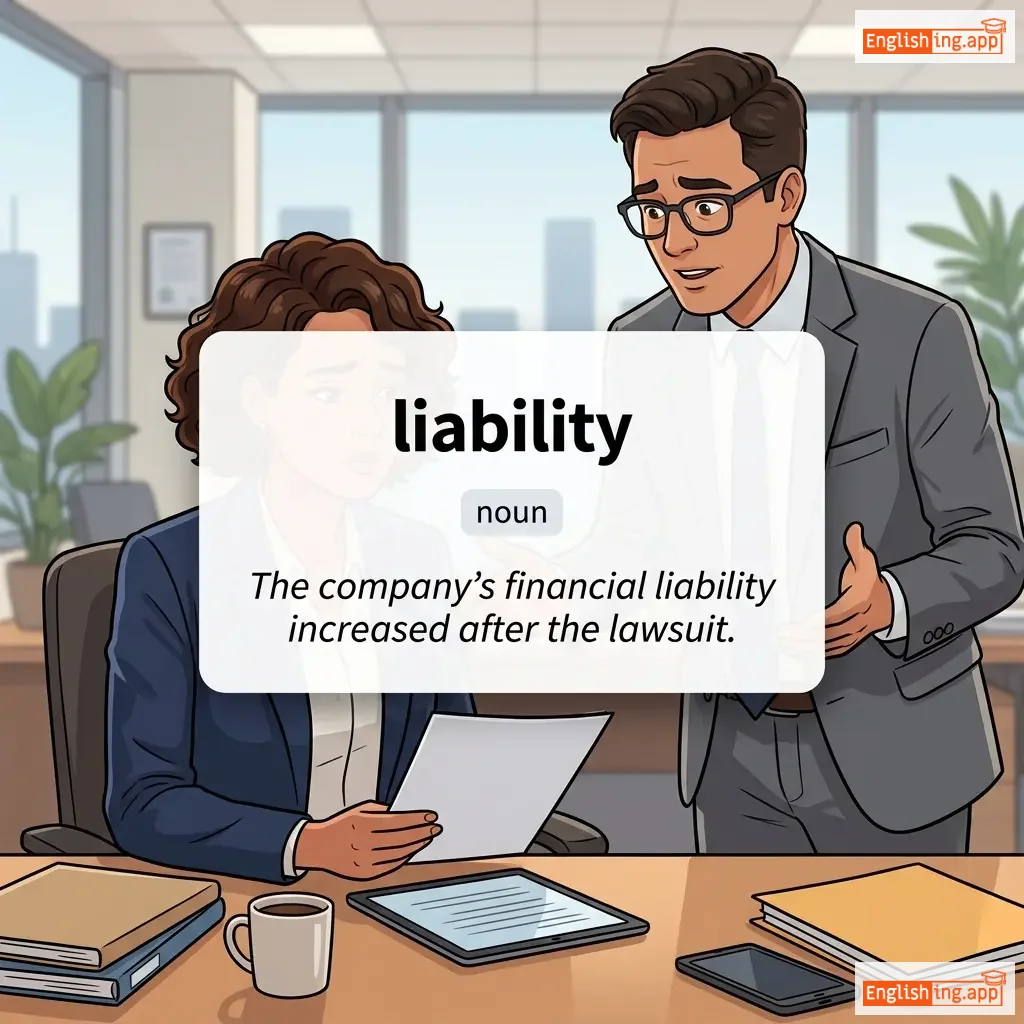
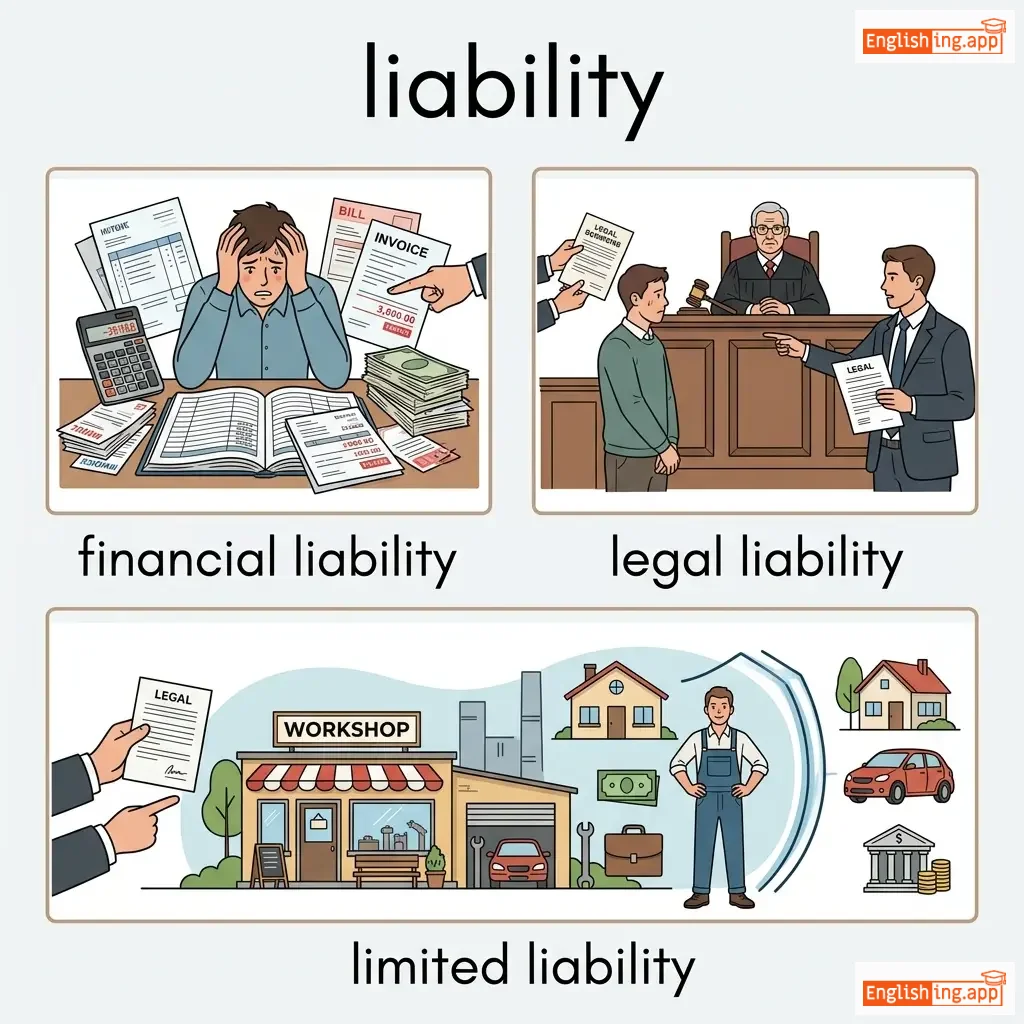
Life is always full of uncertainties, and for this reason, maintaining an emergency savings fund is extremely important. When a sudden contingency arises, such as job loss or health problems, if there are insufficient savings, it can create liability.
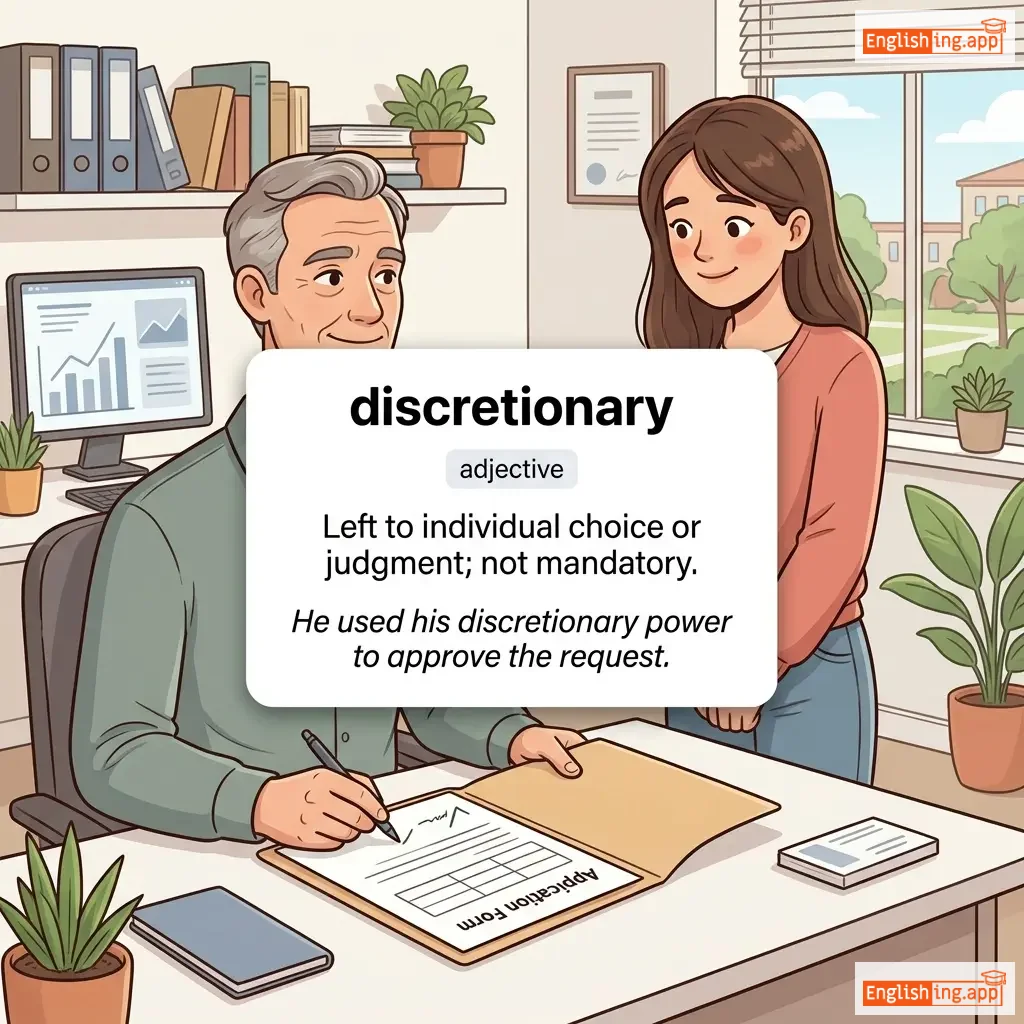
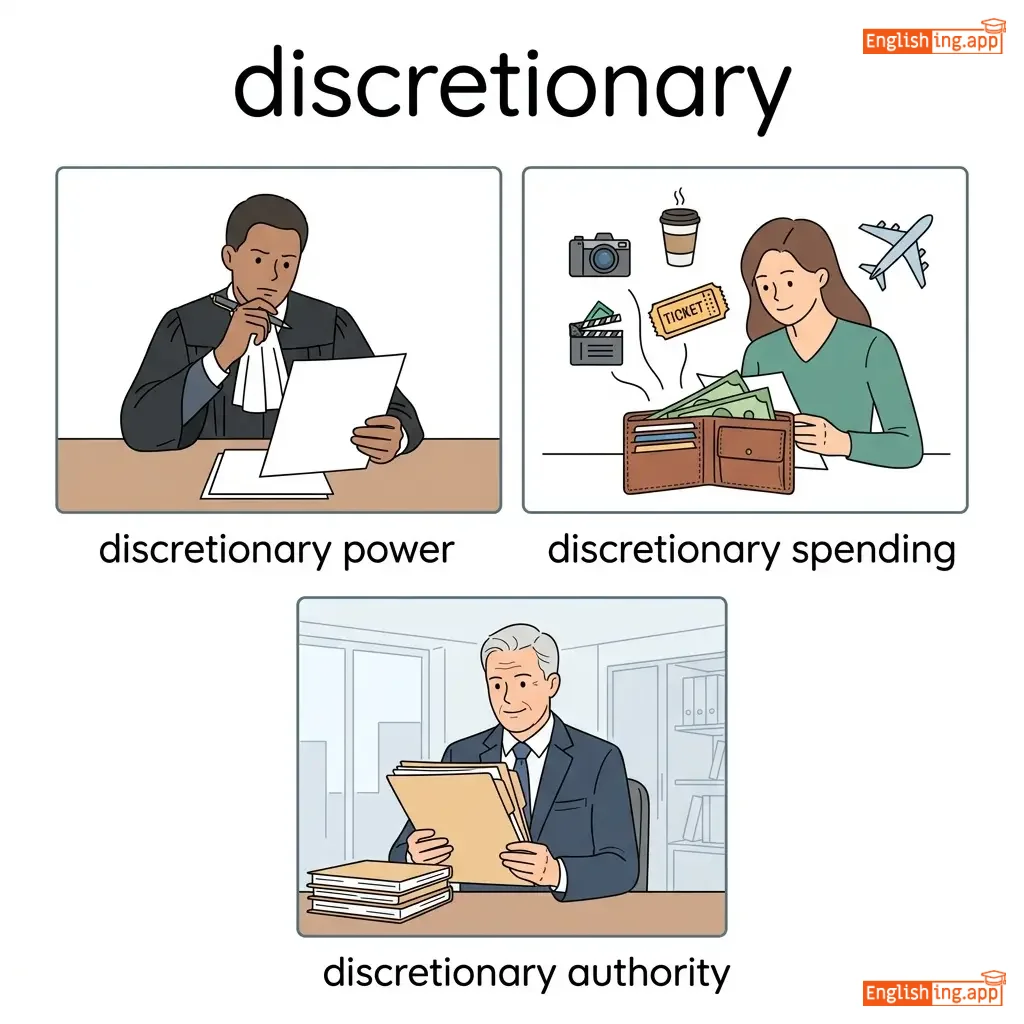
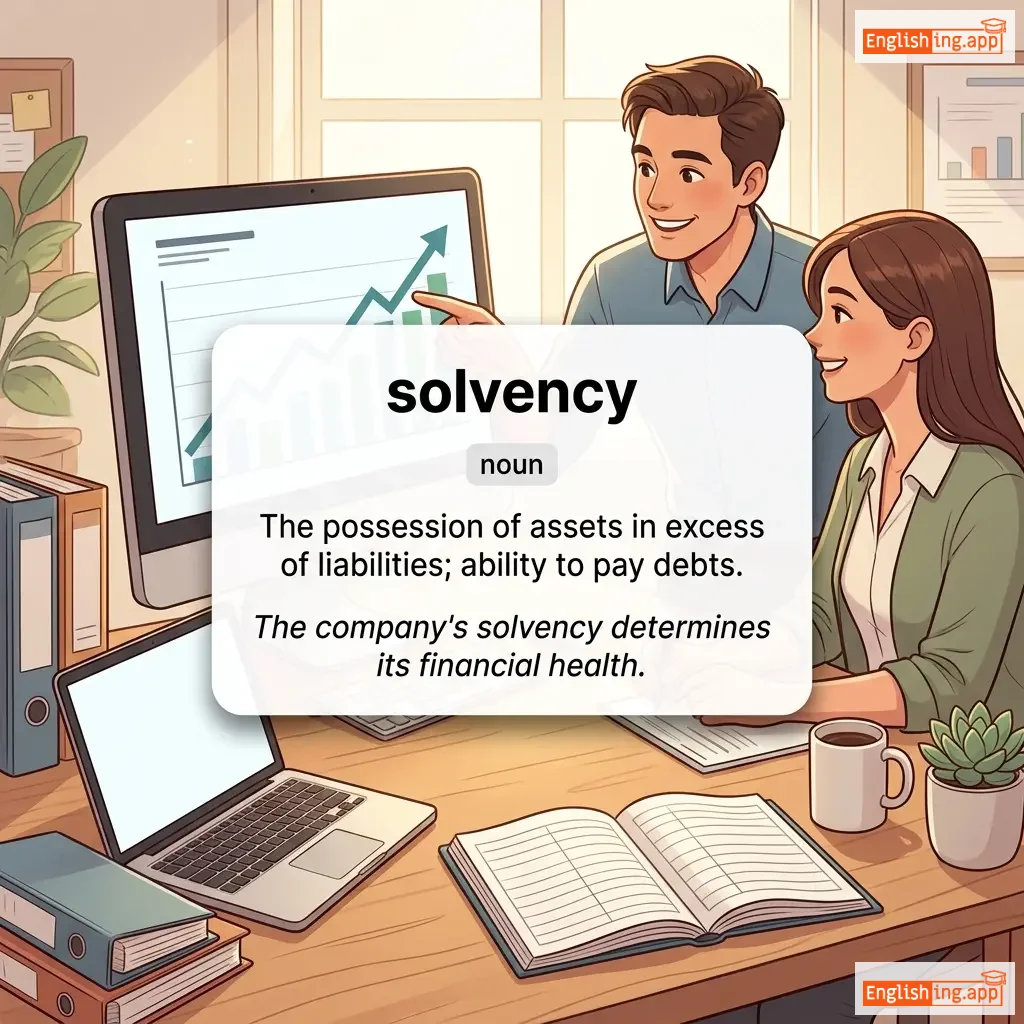
Most people spend without foresight, which creates financial volatility in the future. However, with proper planning, it's possible to maintain solvency by reducing discretionary expenses.
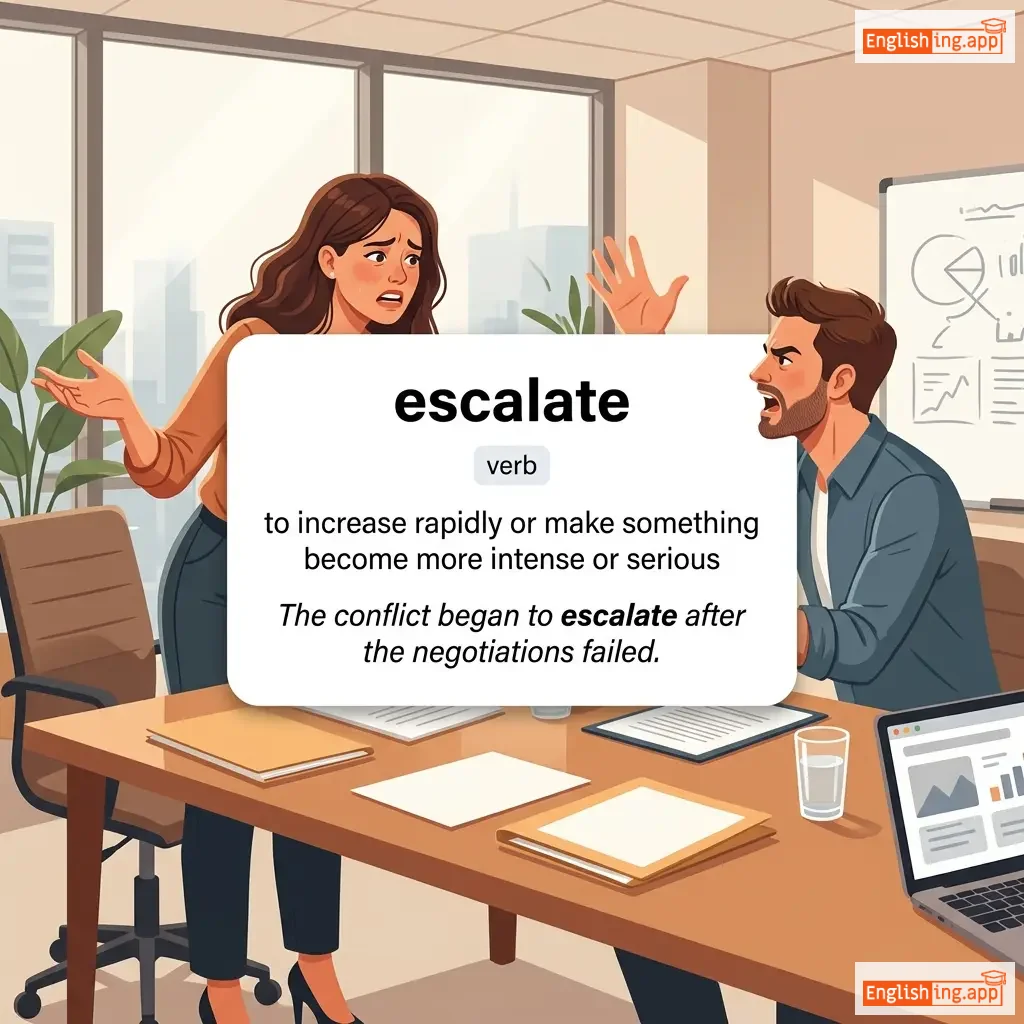
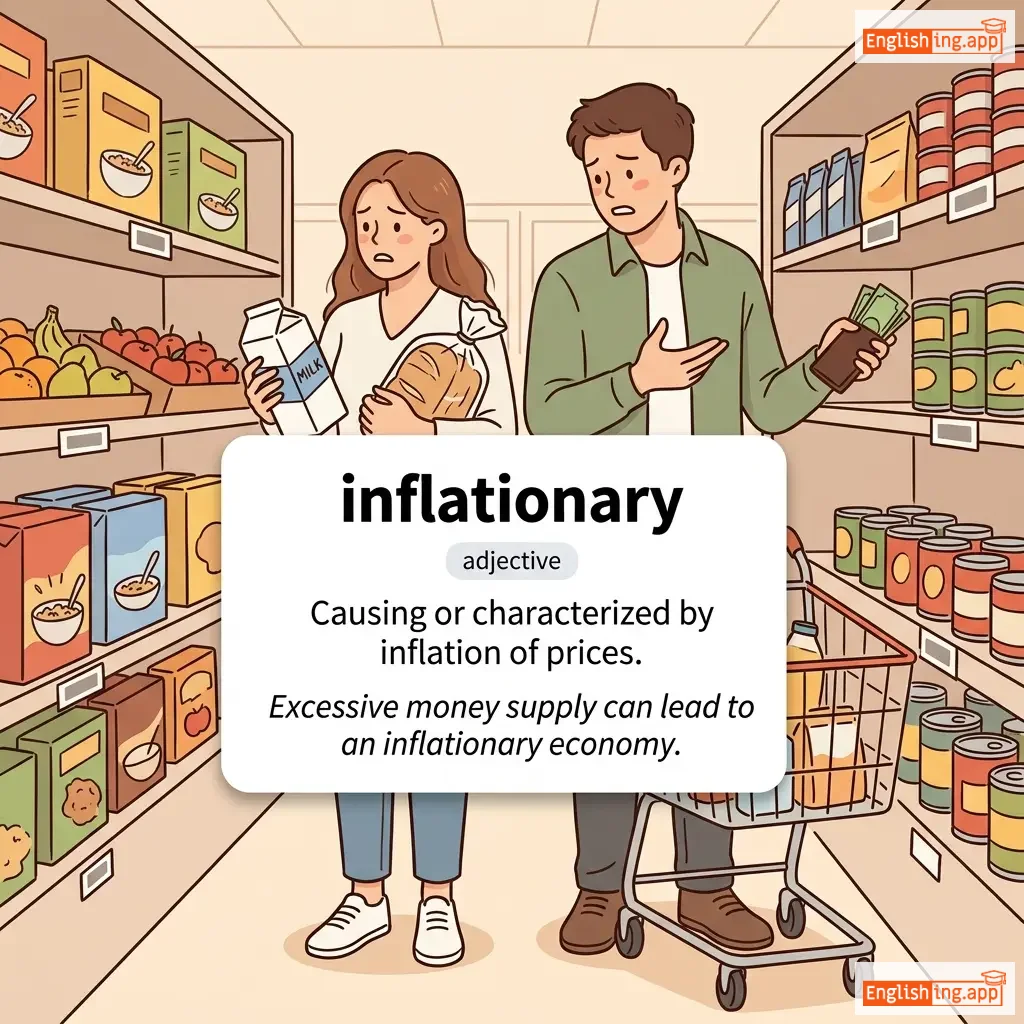
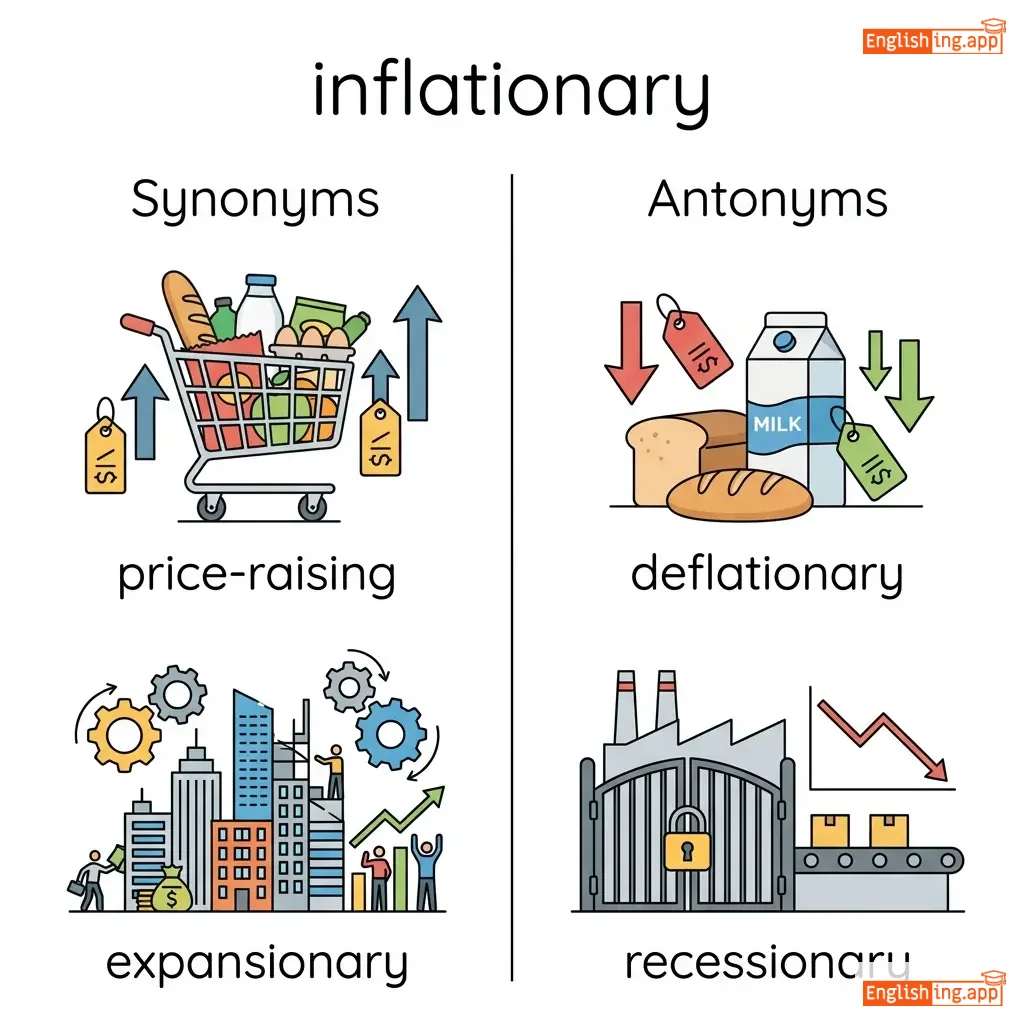
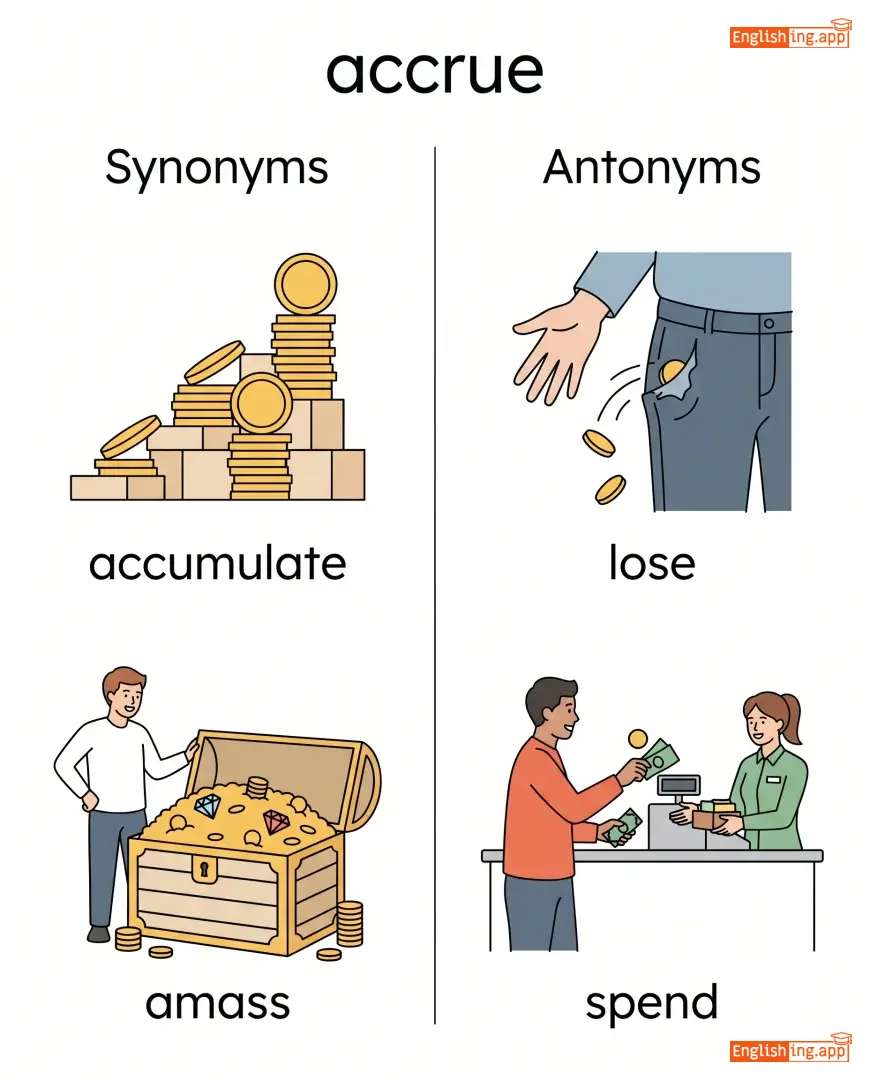
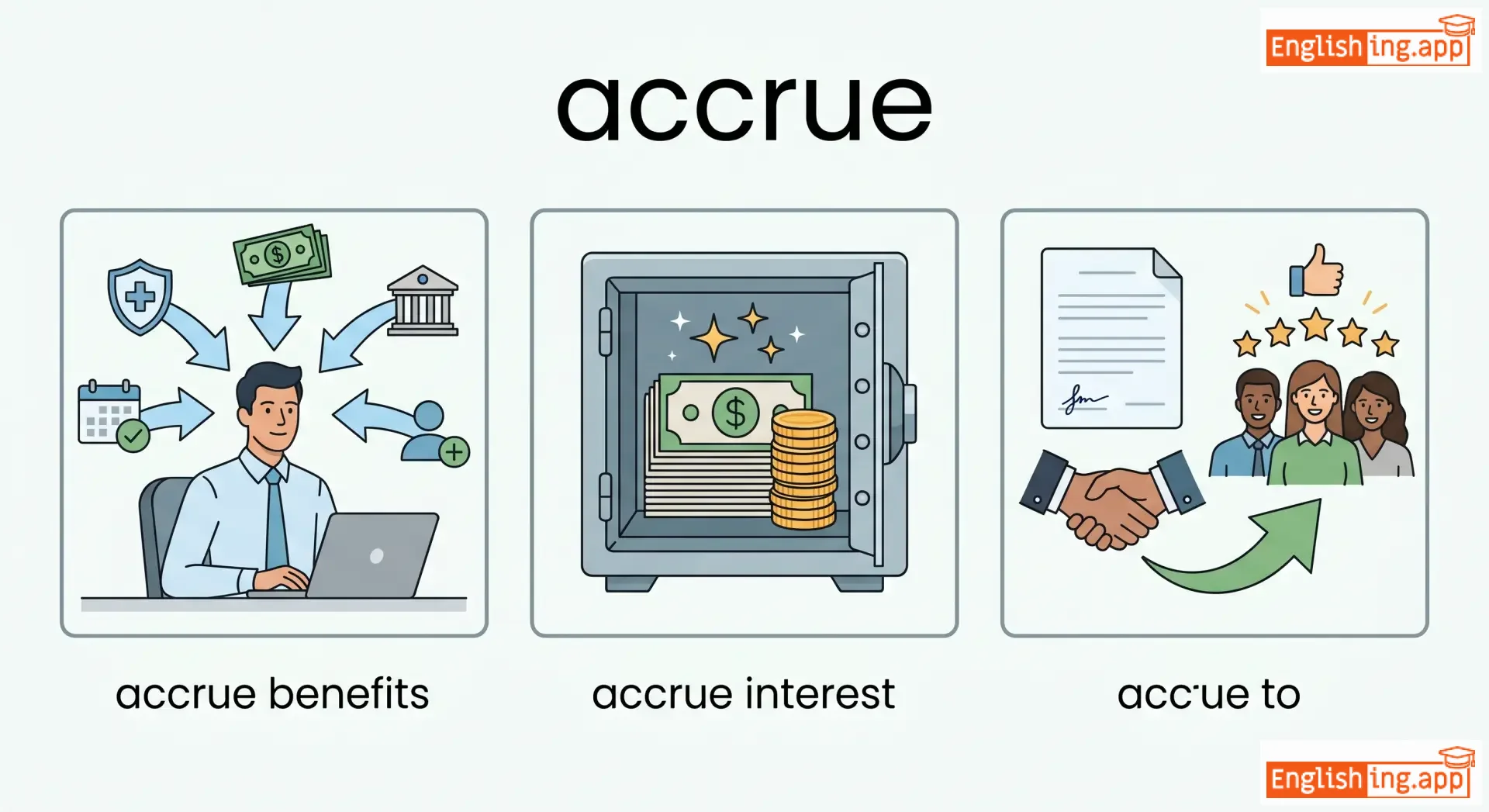
Through a pragmatic financial plan, we can create security for the future. When expenses escalate and inflationary effects occur, accrued savings help us.
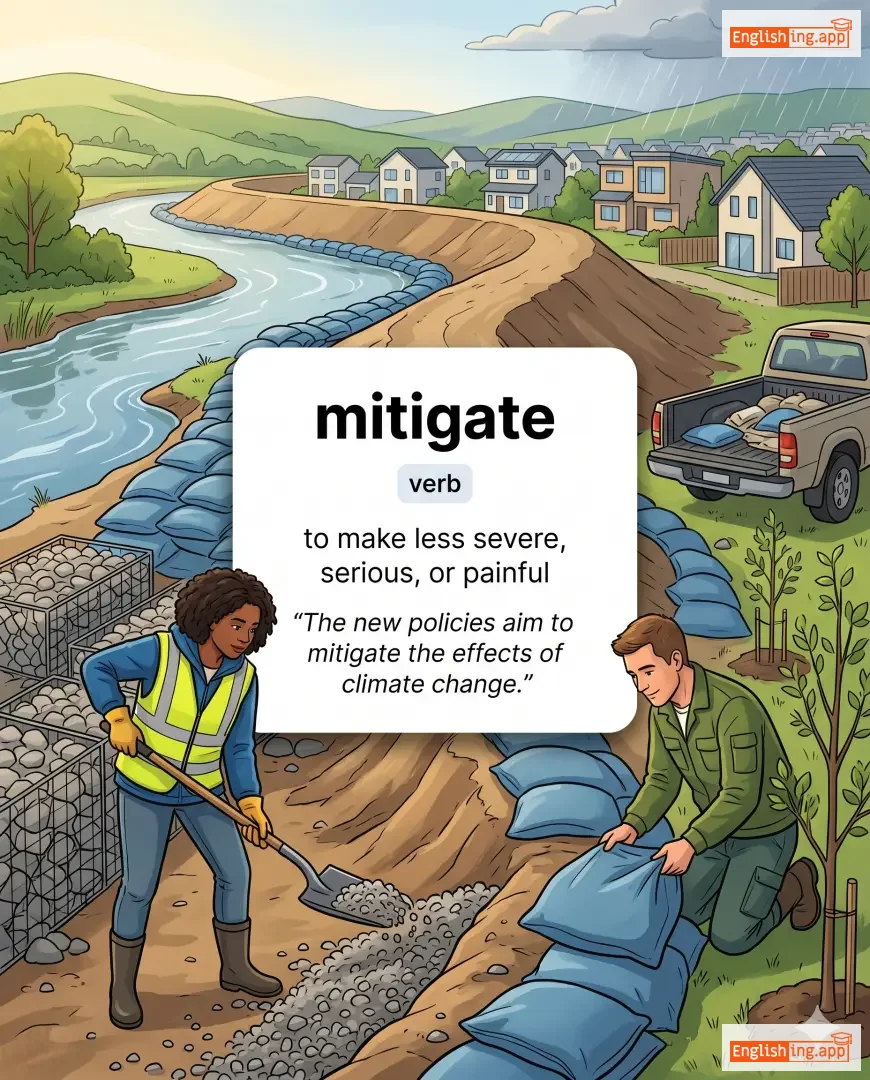
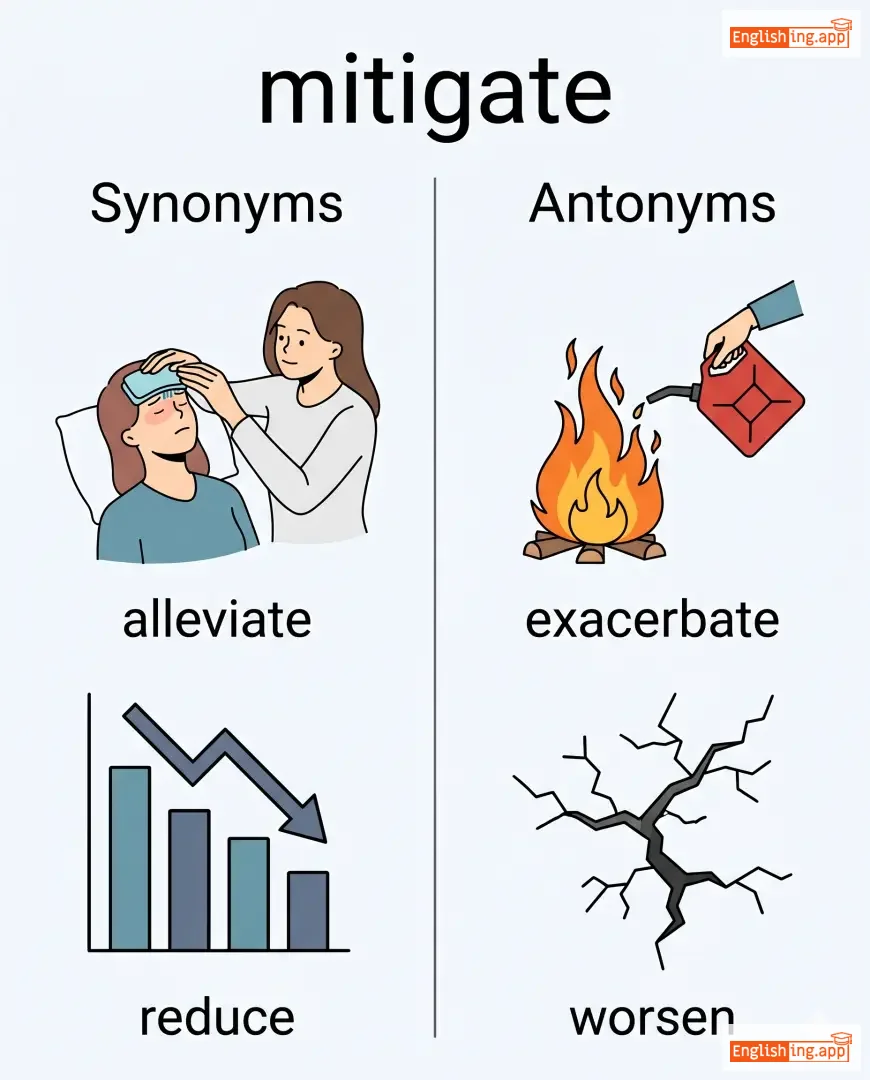
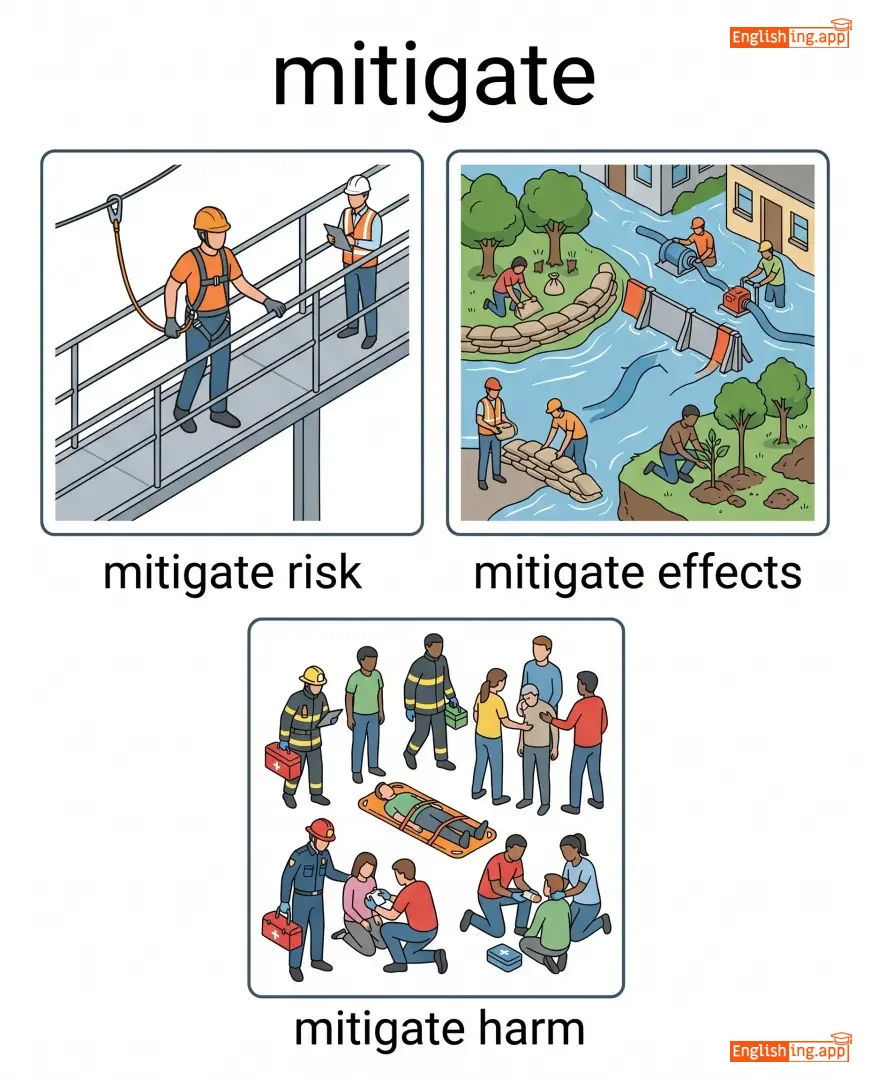
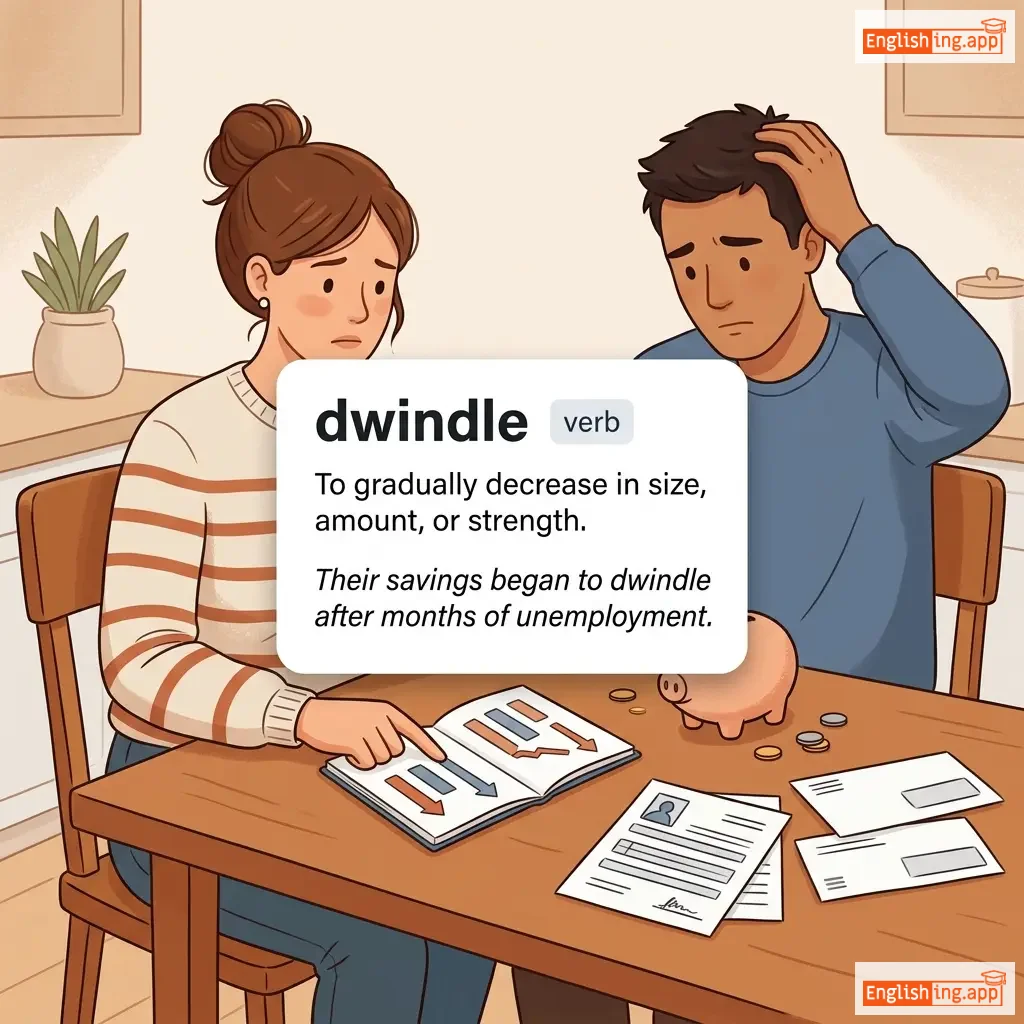
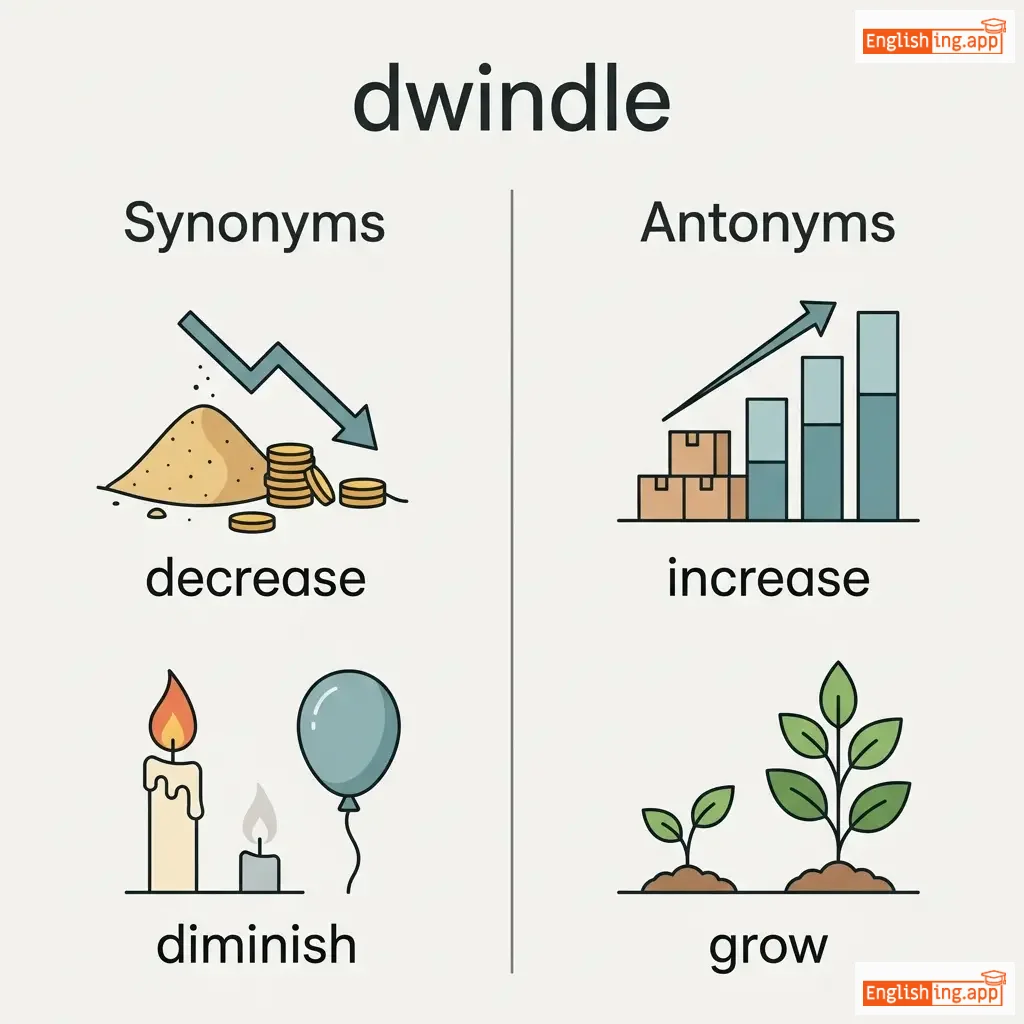
It is necessary to have an emergency fund to mitigate unexpected situations, otherwise the burden of debt can dwindle. Therefore, to ensure a healthy financial future, an emergency savings fund should be built from now on.
Upgrade to Access All Vocabulary
Get unlimited access to all vocabulary items with Pro membership
Upgrade to ProTranslation
Past
Past Participle
Third Person Singular
Gerund
Meaning
Example Sentence
Example Sentence Translation
Synonyms
Antonyms
Collocations
Mnemonic




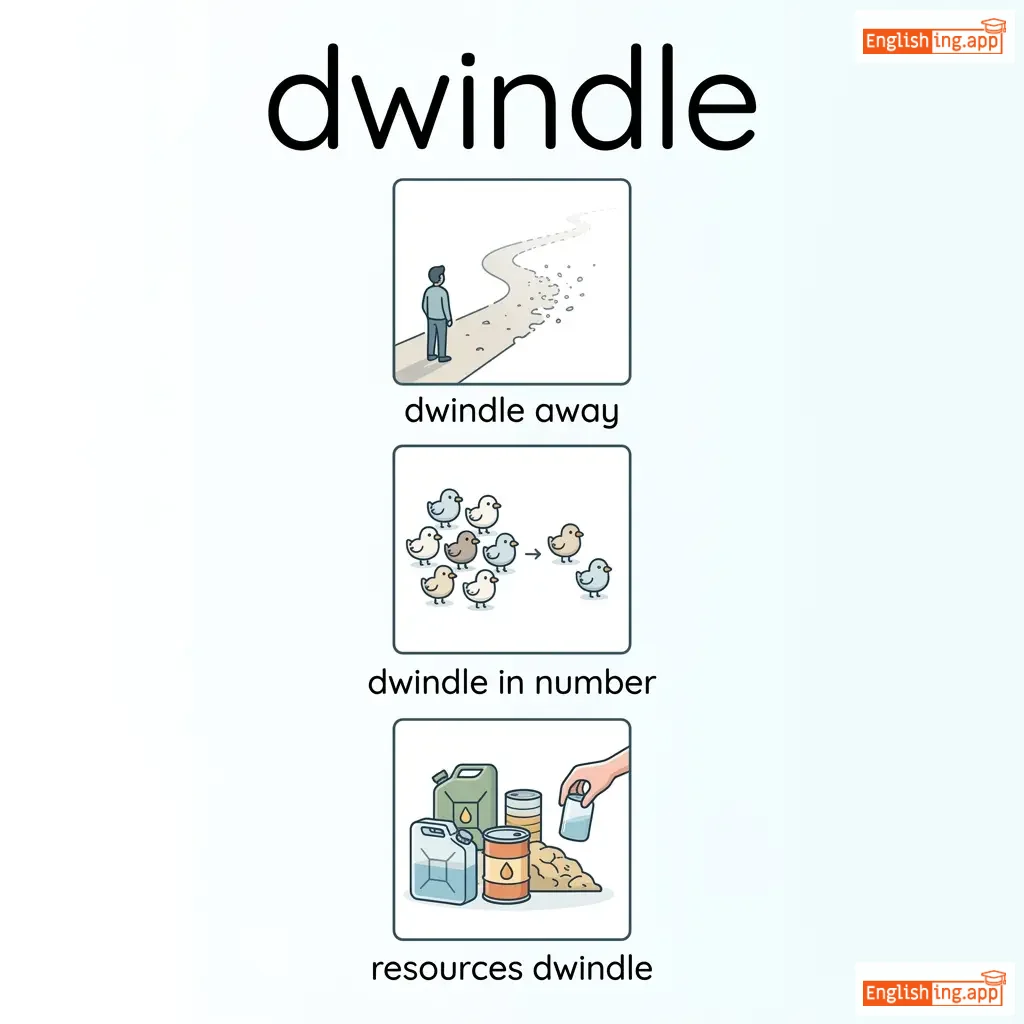
Swipe left or right, or use the buttons. Tap image to zoom.
Upgrade to Access All Sentences
Get unlimited access to all sentences with Pro membership
Upgrade to ProExample Sentence Translation
Word
Importance of Emergency Savings Fund - Mask Toggle
|
Emoji
|
Word | Images | Meaning | Example Sentence | Synonyms | Antonyms |
|---|---|---|---|---|---|---|
|
#2421
🚨
|
ɪˈmɜː.dʒən.si
noun
••••••
|
|
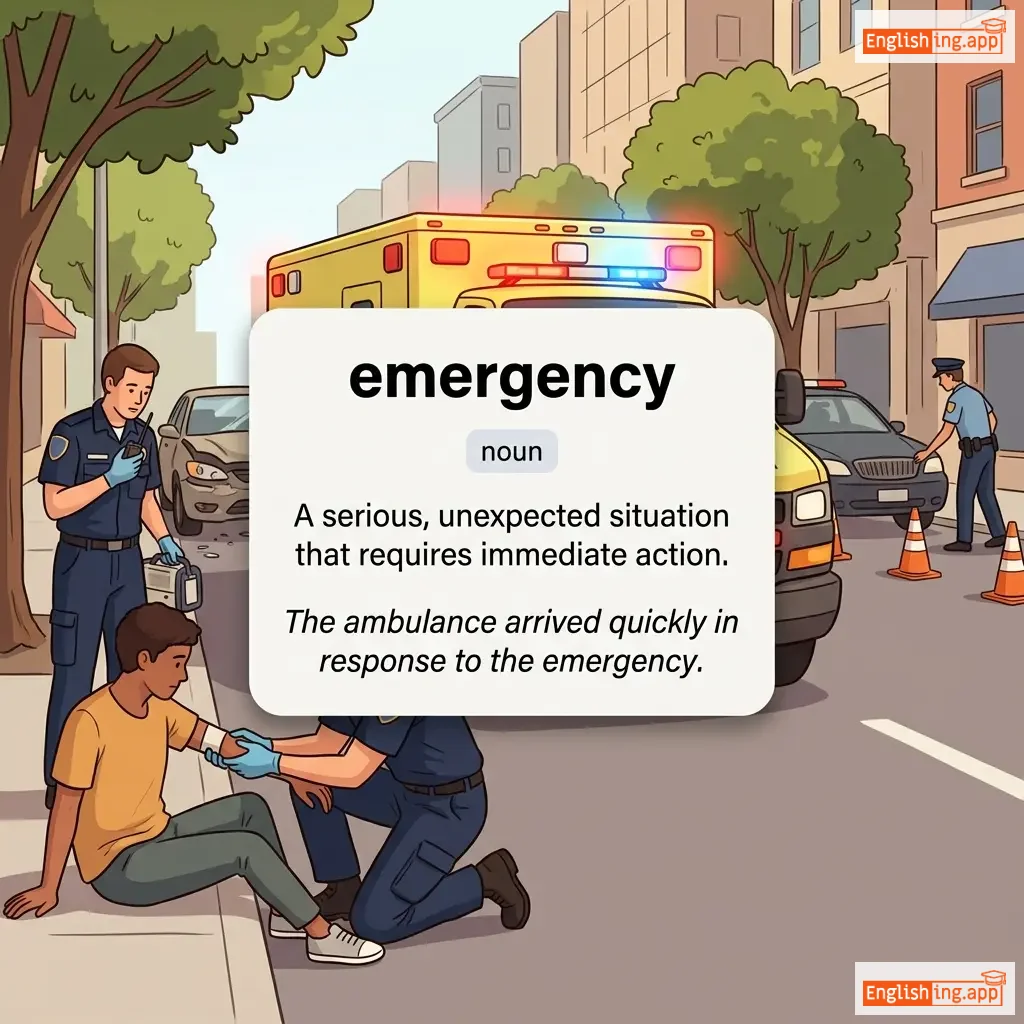
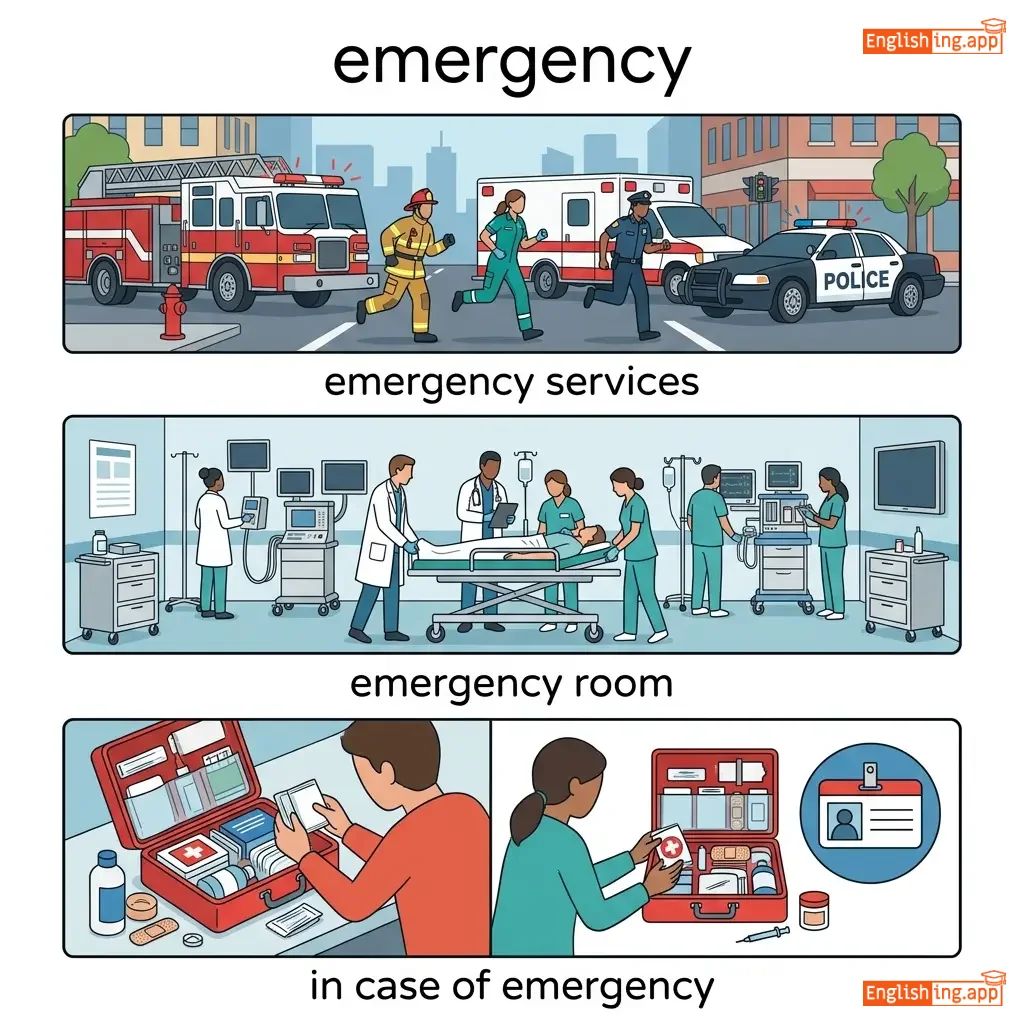
A sudden situation that is dangerous or serious and needs immediate attention or action.
••••••
|
A financial emergency can arise at any time. |
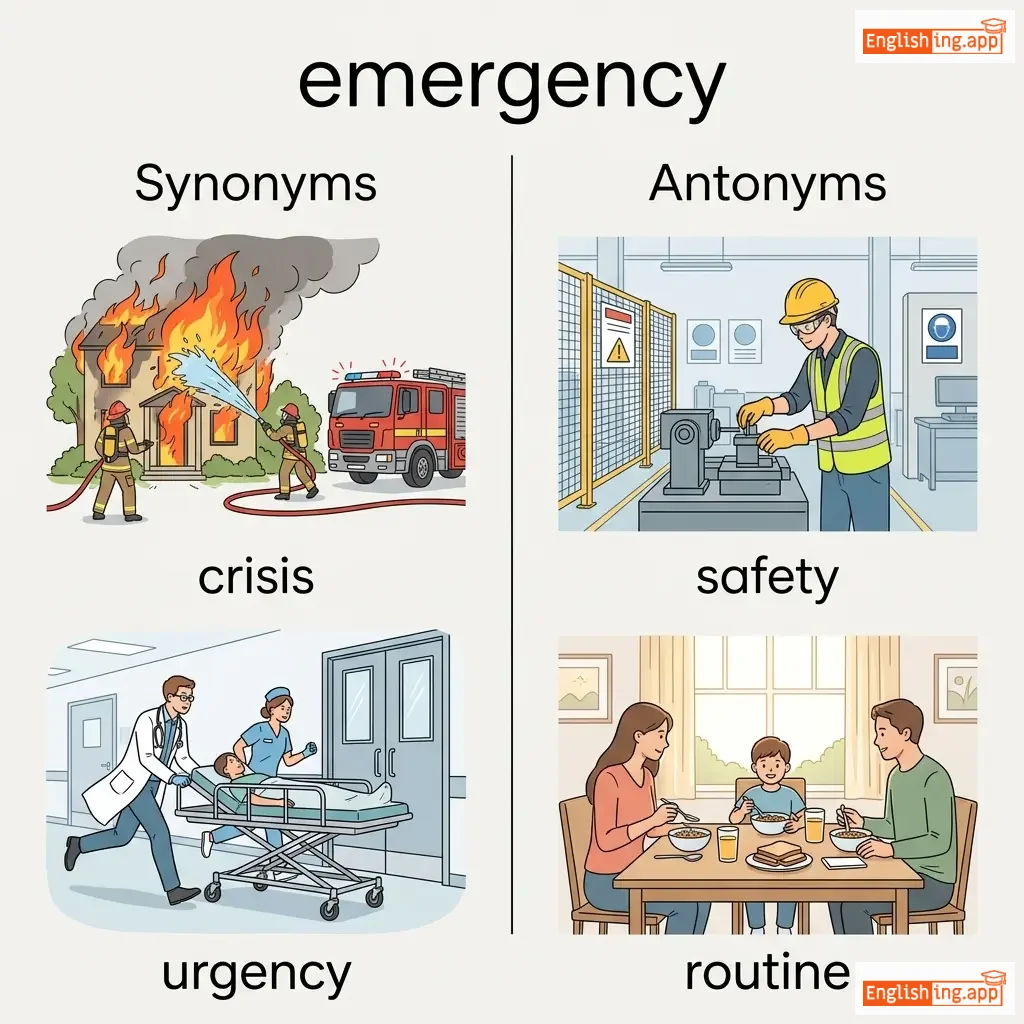
crisis, urgency, catastrophe
••••••
|
stability, safety, routine
••••••
|
|
#2422
💰
|
ˈseɪ.vɪŋz
noun
••••••
|
|
Money that is kept for future use or investment.
••••••
|
Many people invest their savings in real estate. |
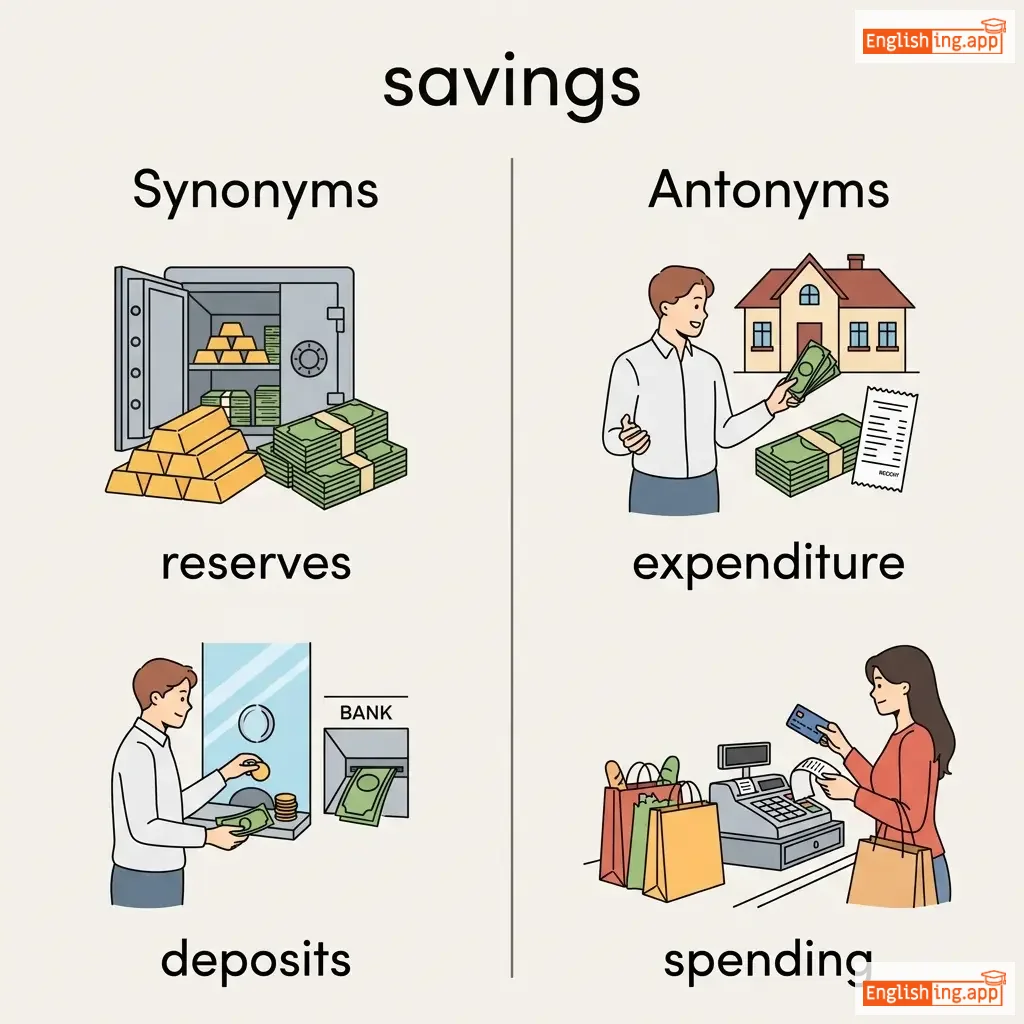
reserves, deposits, funds
••••••
|
expenditure, spending, debt
••••••
|
|
#2423
🏦
|
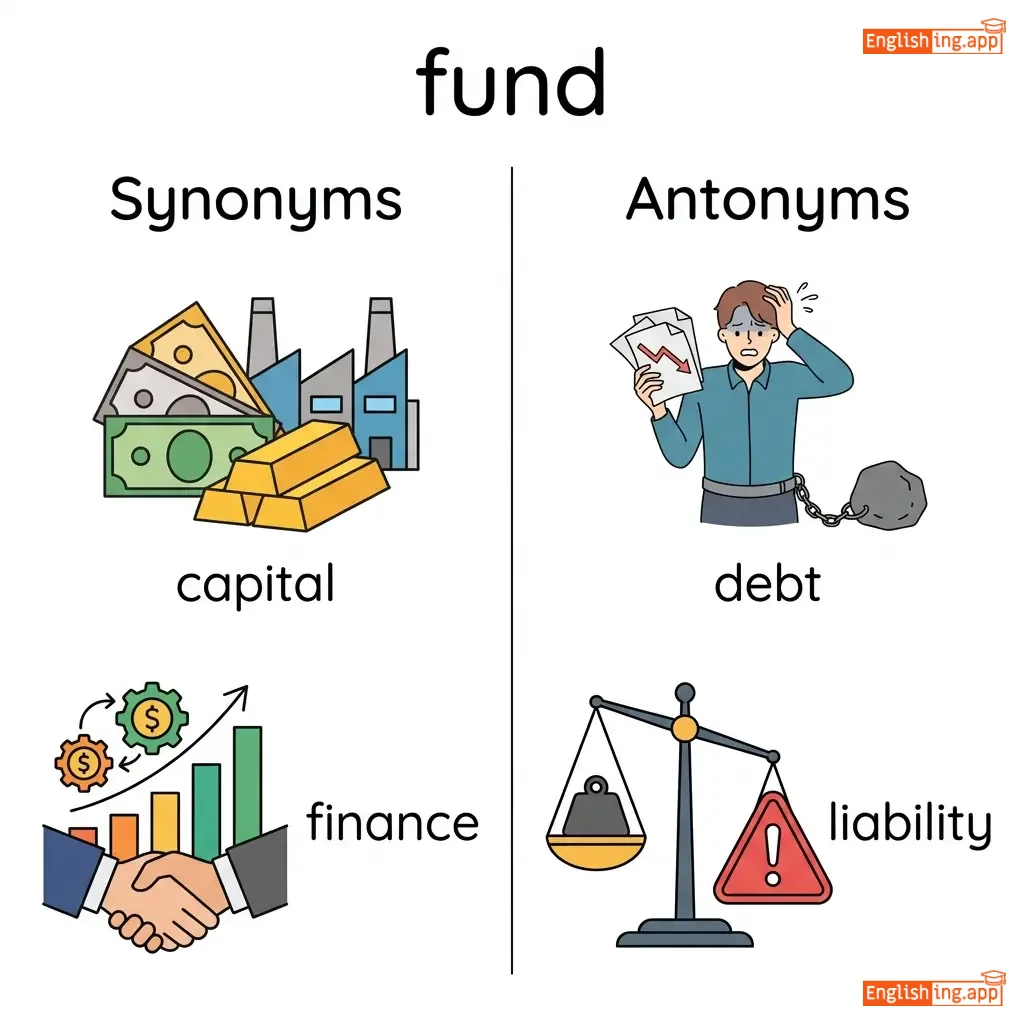
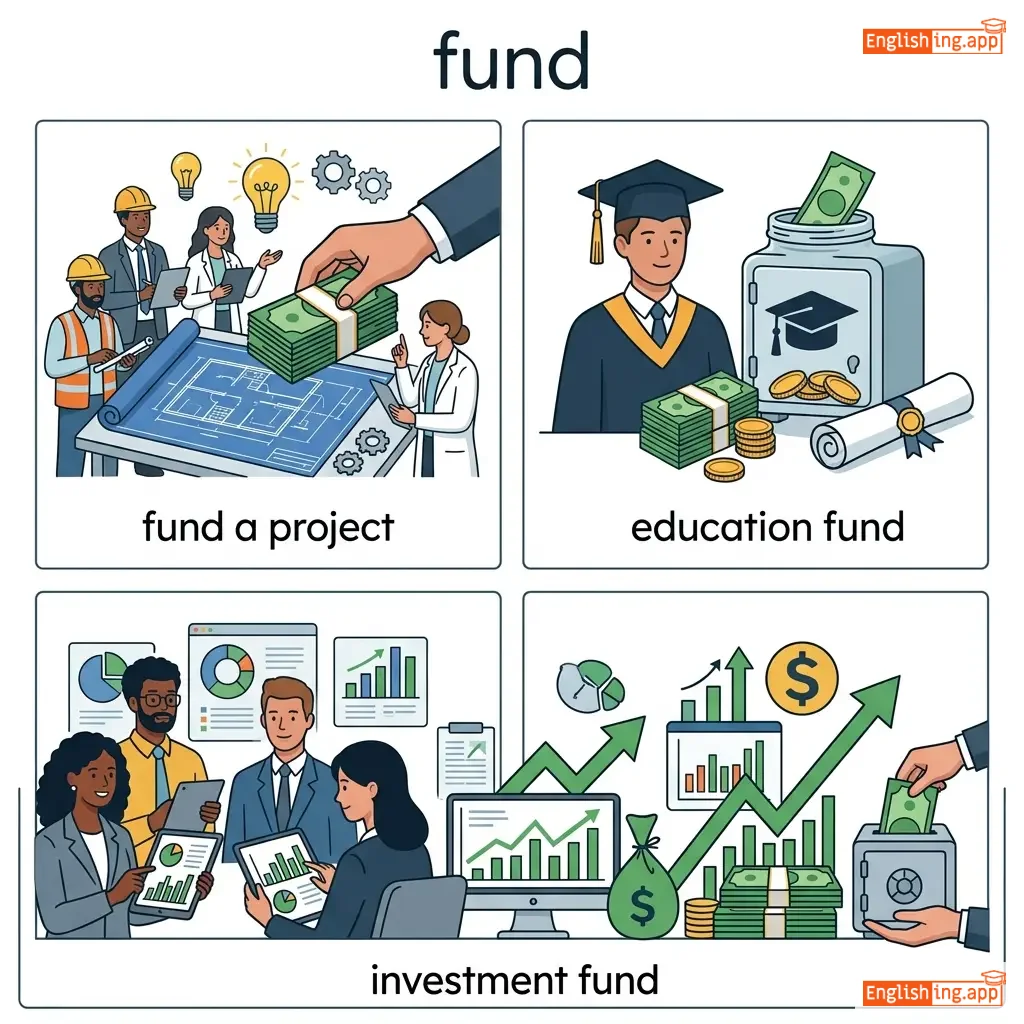
fʌnd
noun
••••••
|
|
A sum of money saved or made available for a particular purpose.
••••••
|
The government allocated a fund for disaster relief. |
capital, budget, investment
••••••
|
debt, deficiency, shortage
••••••
|
|
#2424
⚠️
|
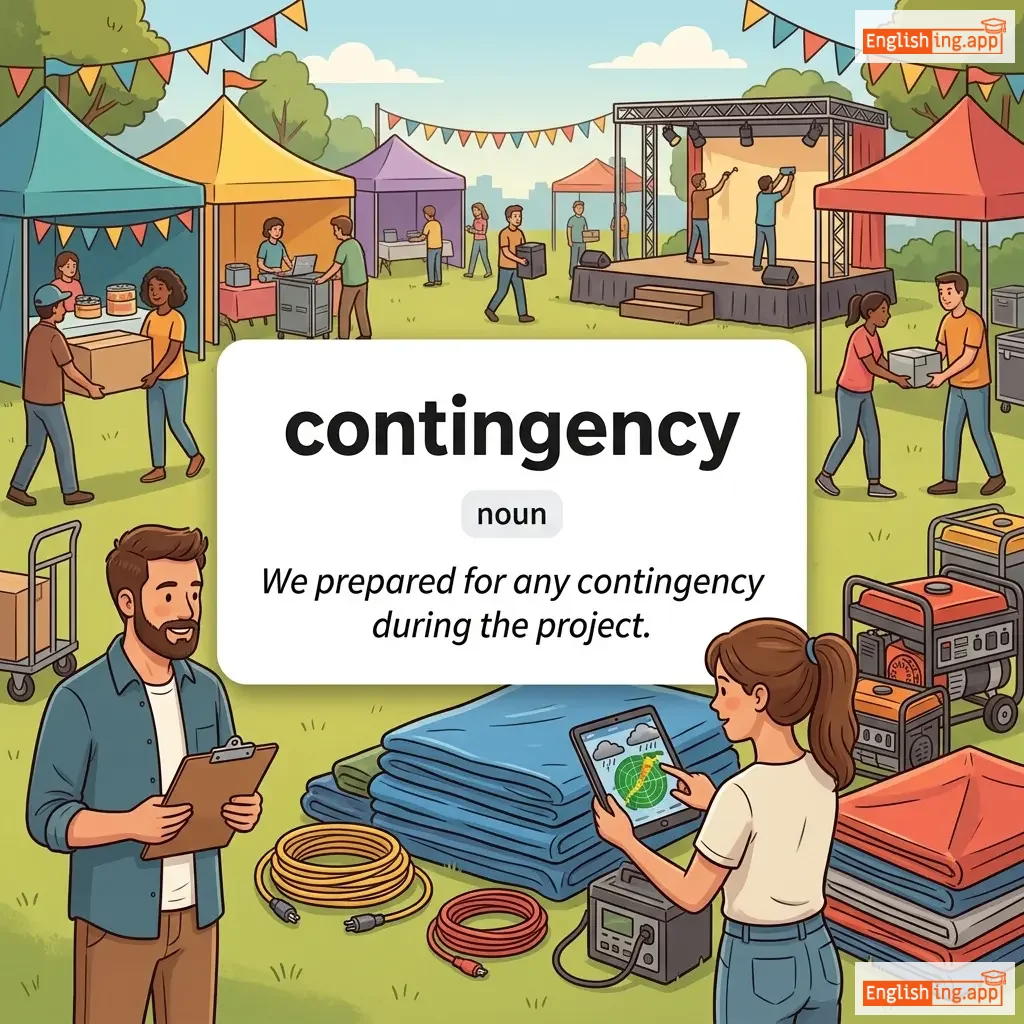
kən ˈtɪn.dʒən.si
noun
••••••
|
|
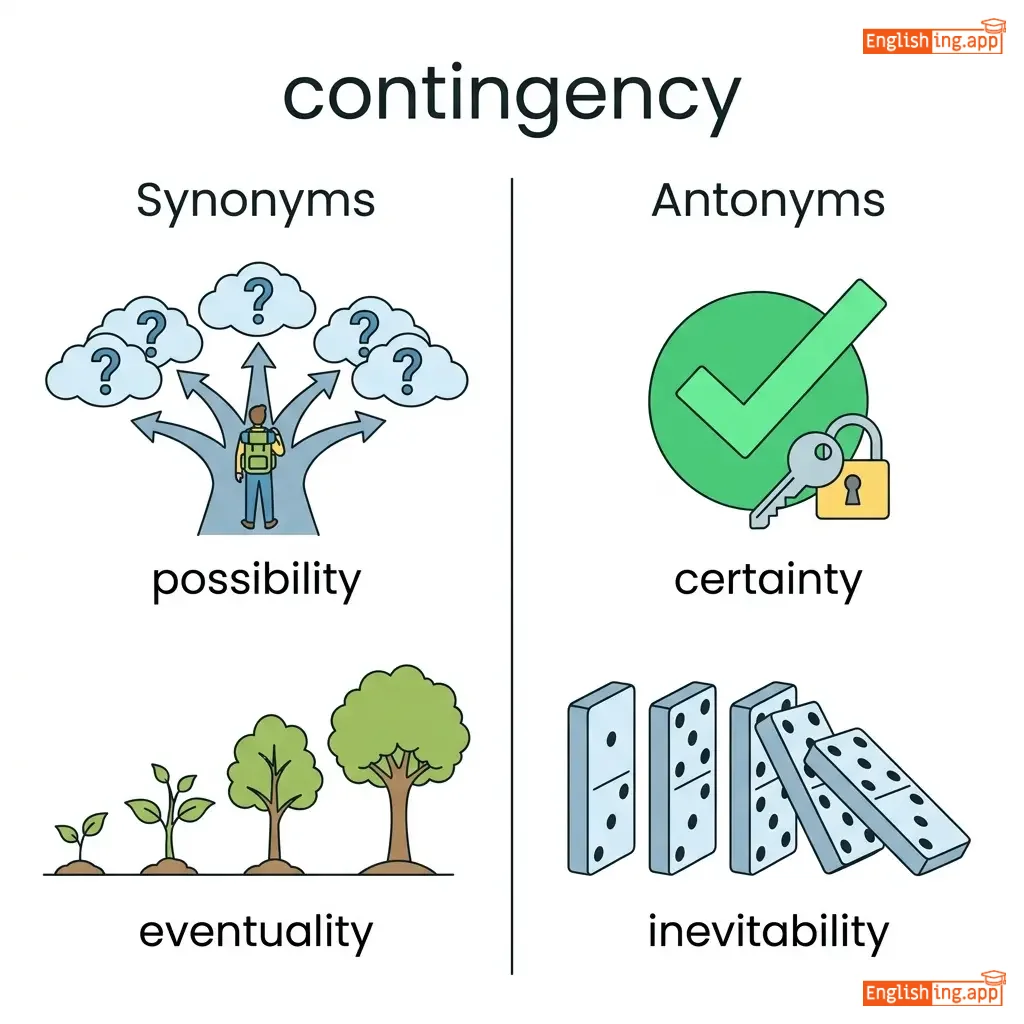
A future event or circumstance which is possible but cannot be predicted with certainty.
••••••
|
The company has a contingency plan for financial crises. |
emergency plan, backup, alternative
••••••
|
certainty, assurance, predictability
••••••
|
|
#2425
⚖️
|
ˌlaɪ.əˈbɪl.ə.ti
noun
••••••
|
|
The state of being responsible for something, especially by law; a debt or financial obligation.
••••••
|
The company's liabilities exceeded its assets. |
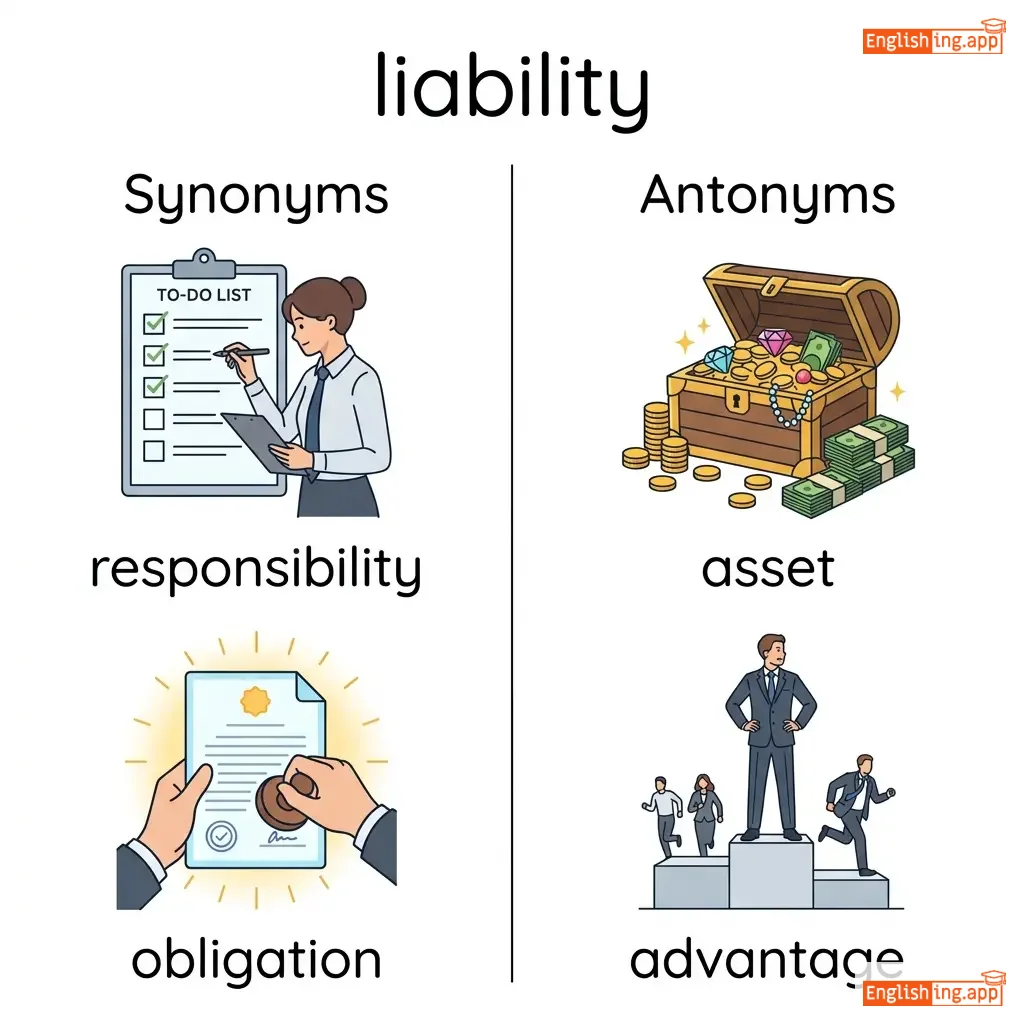
debt, obligation, responsibility
••••••
|
asset, advantage, credit
••••••
|
|
#2426
🔮
|
ˈfɔː.saɪt
noun
••••••
|
|
The ability to predict or the action of predicting what will happen or be needed in the future.
••••••
|
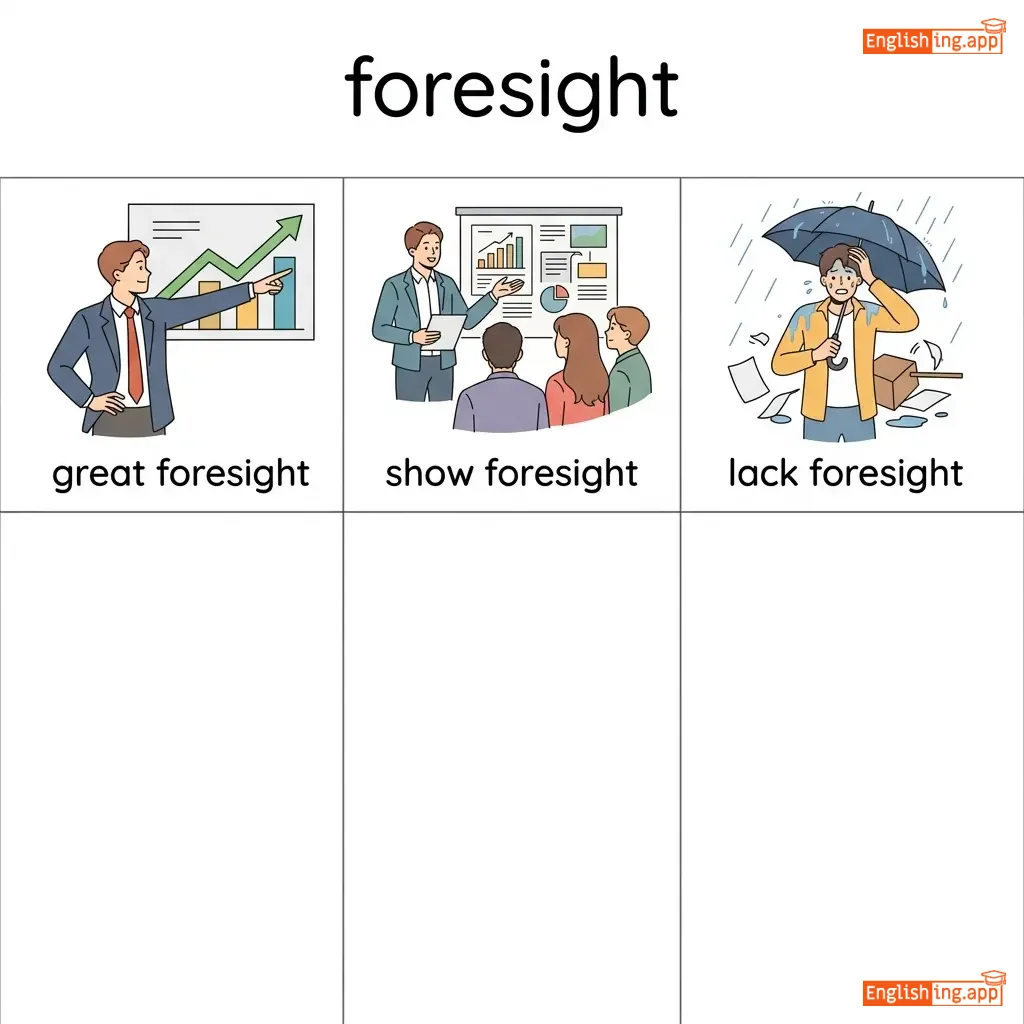
His foresight helped him avoid financial trouble. |
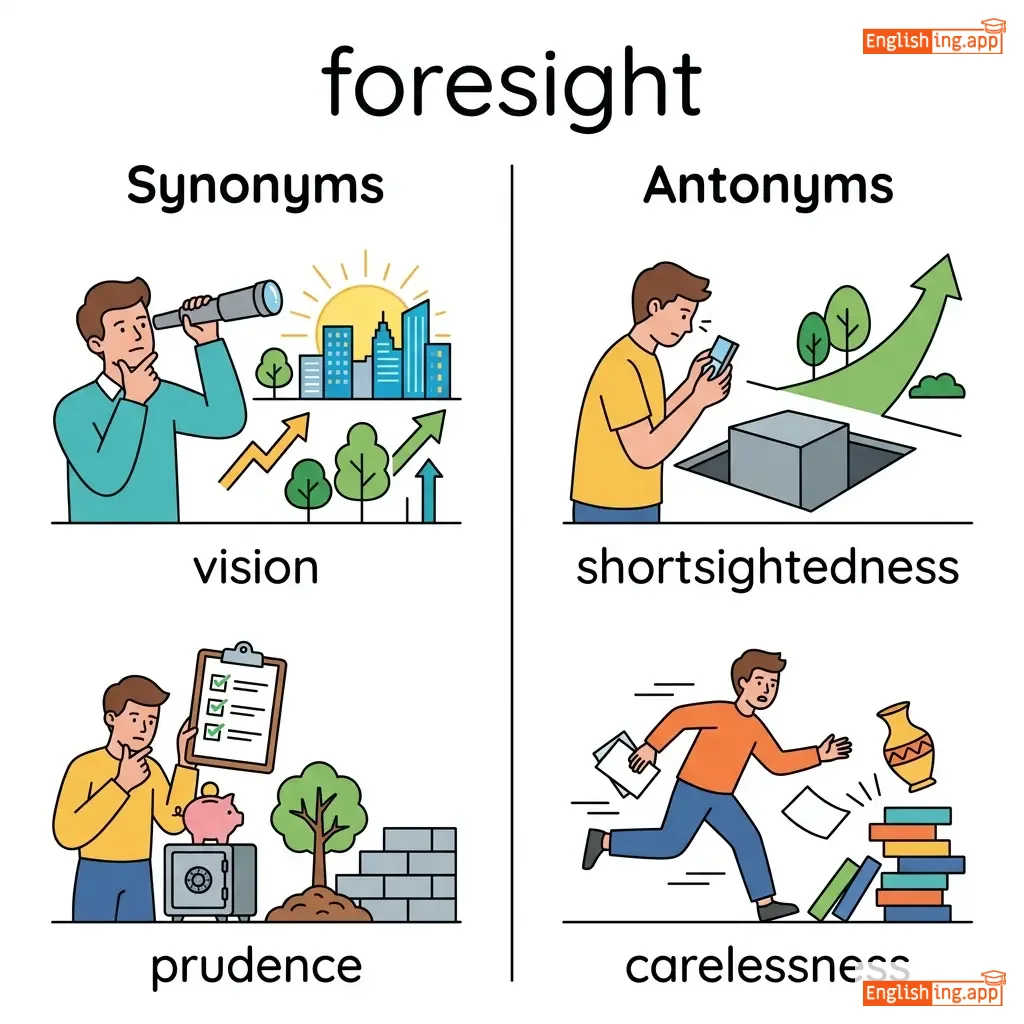
vision, planning, anticipation
••••••
|
shortsightedness, impulsiveness, carelessness
••••••
|
|
#2427
📈
|
ˌvɒl.əˈtɪl.ɪ.ti
noun
••••••
|
|
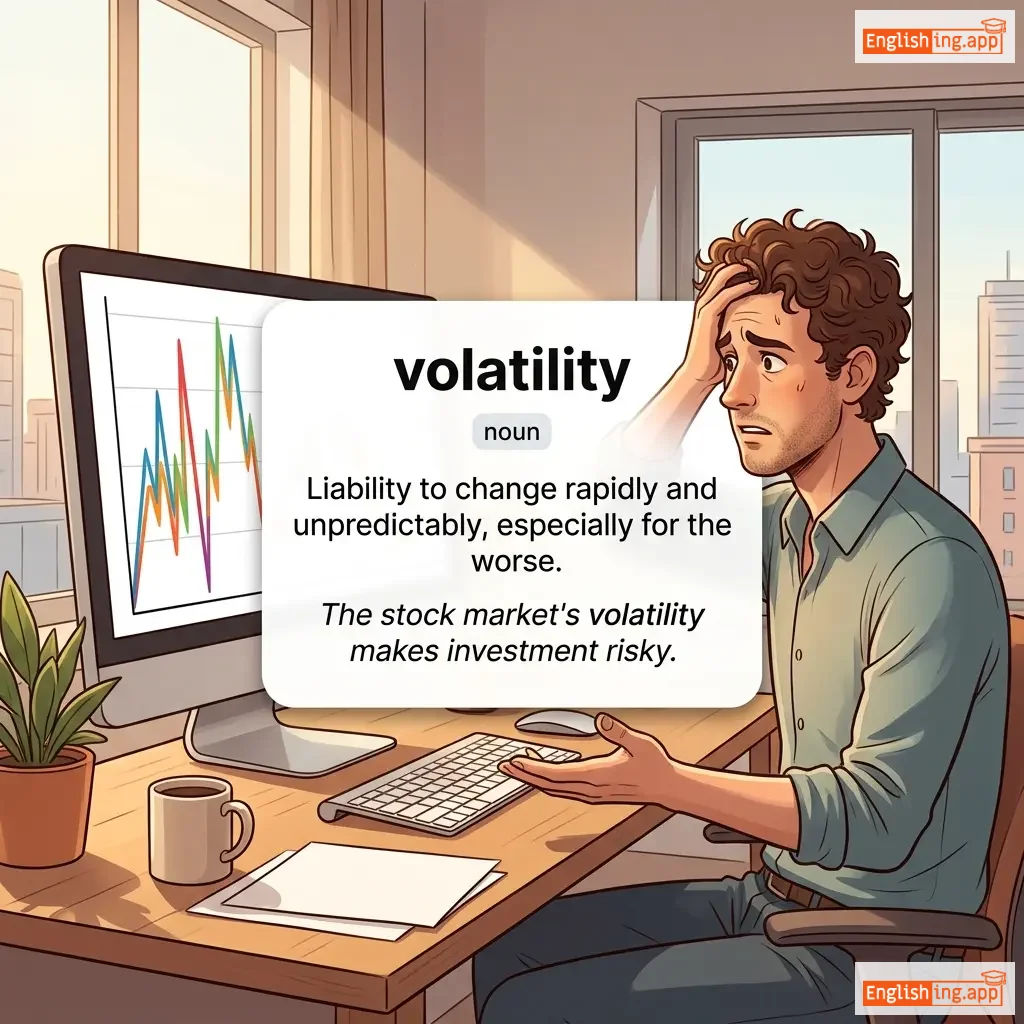
Liability to change rapidly and unpredictably, especially for the worse.
••••••
|
The stock market is known for its volatility. |
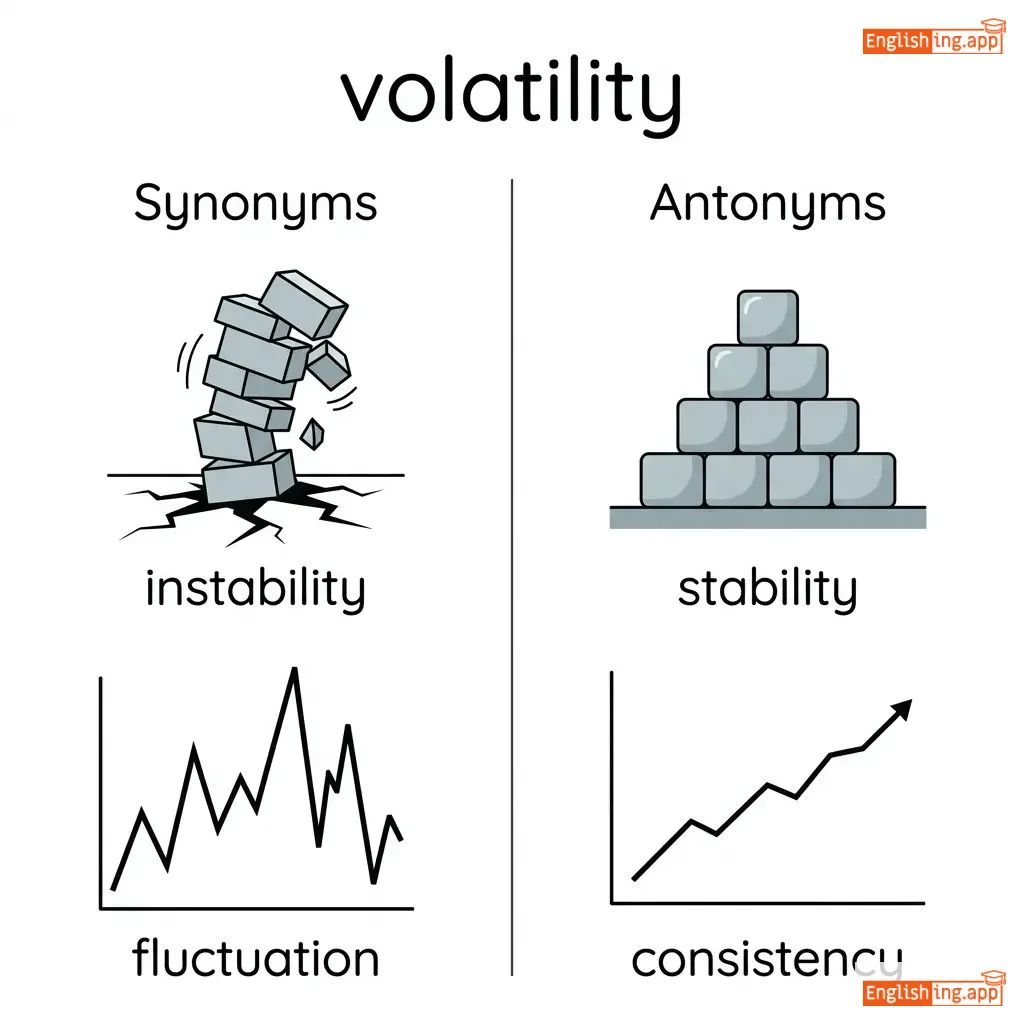
instability, fluctuation, uncertainty
••••••
|
stability, consistency, predictability
••••••
|
|
#2428
🎯
|
dɪ ˈskrɛʃ.ən.er.i
adjective
••••••
|
|
Available for use at the discretion of the user; not required or mandatory.
••••••
|
He set aside some discretionary income for travel. |
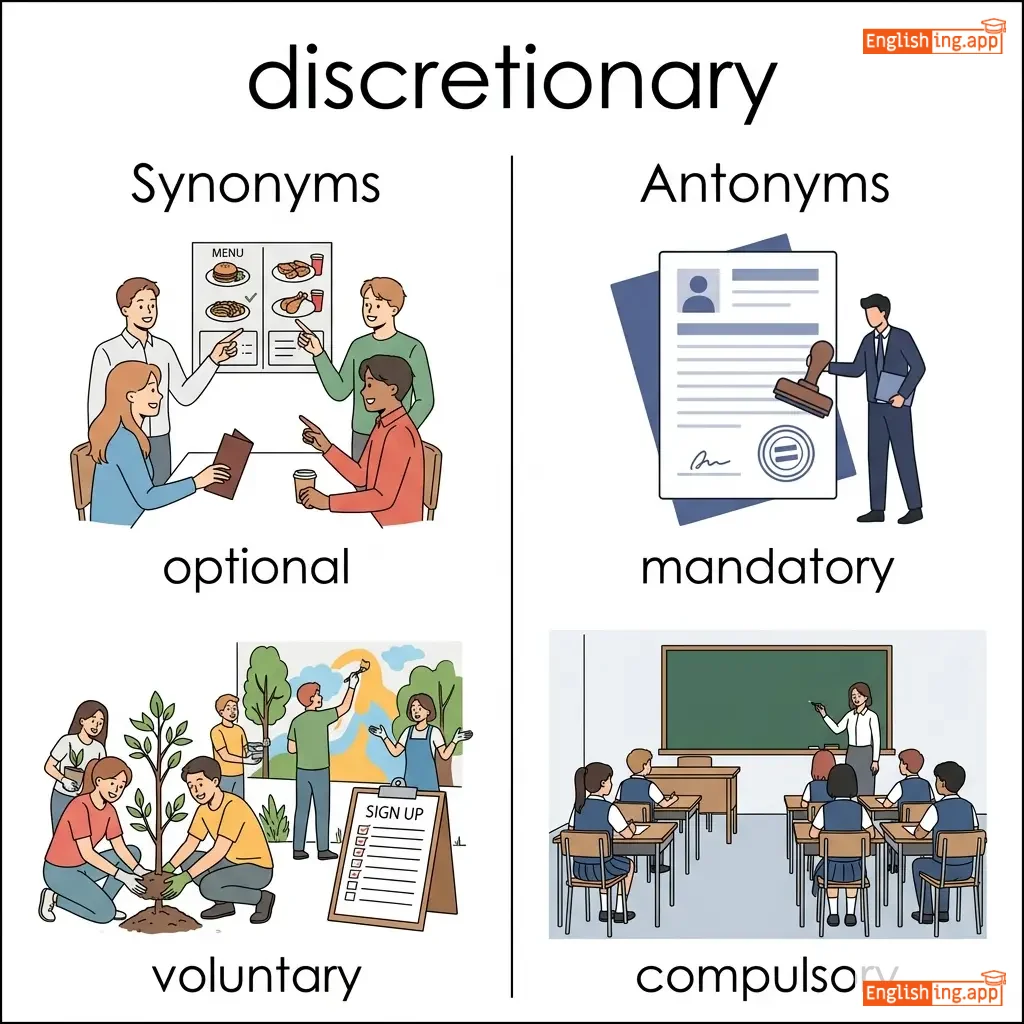
optional, flexible, voluntary
••••••
|
mandatory, obligatory, required
••••••
|
|
#2429
💪
|
ˈsɒl.vən.si
noun
••••••
|
|
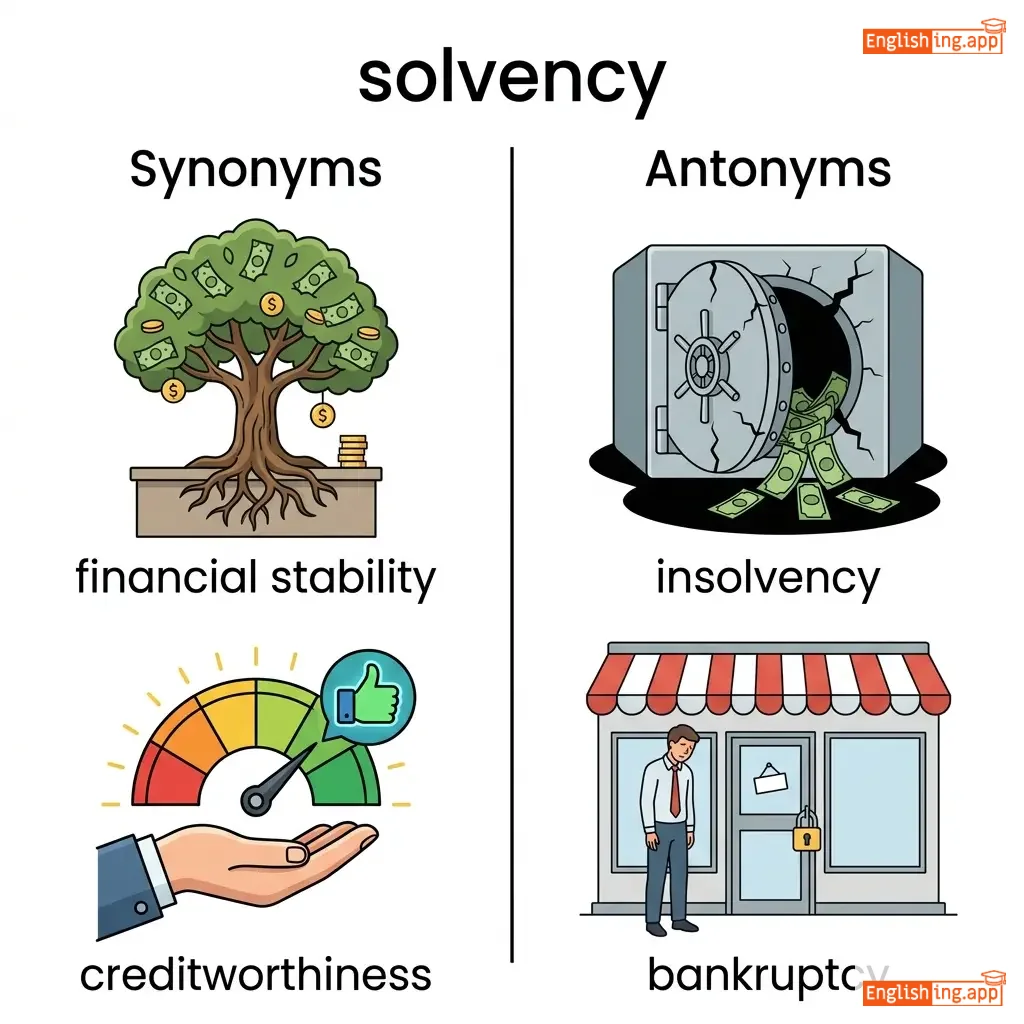
The ability to meet one's debts and financial obligations; financial soundness.
••••••
|
The company's solvency improved after reducing expenses. |
financial stability, creditworthiness, liquidity
••••••
|
insolvency, bankruptcy, debt
••••••
|
|
#2430
🎯
|
præɡ ˈmæt.ɪk
adjective
••••••
|
|
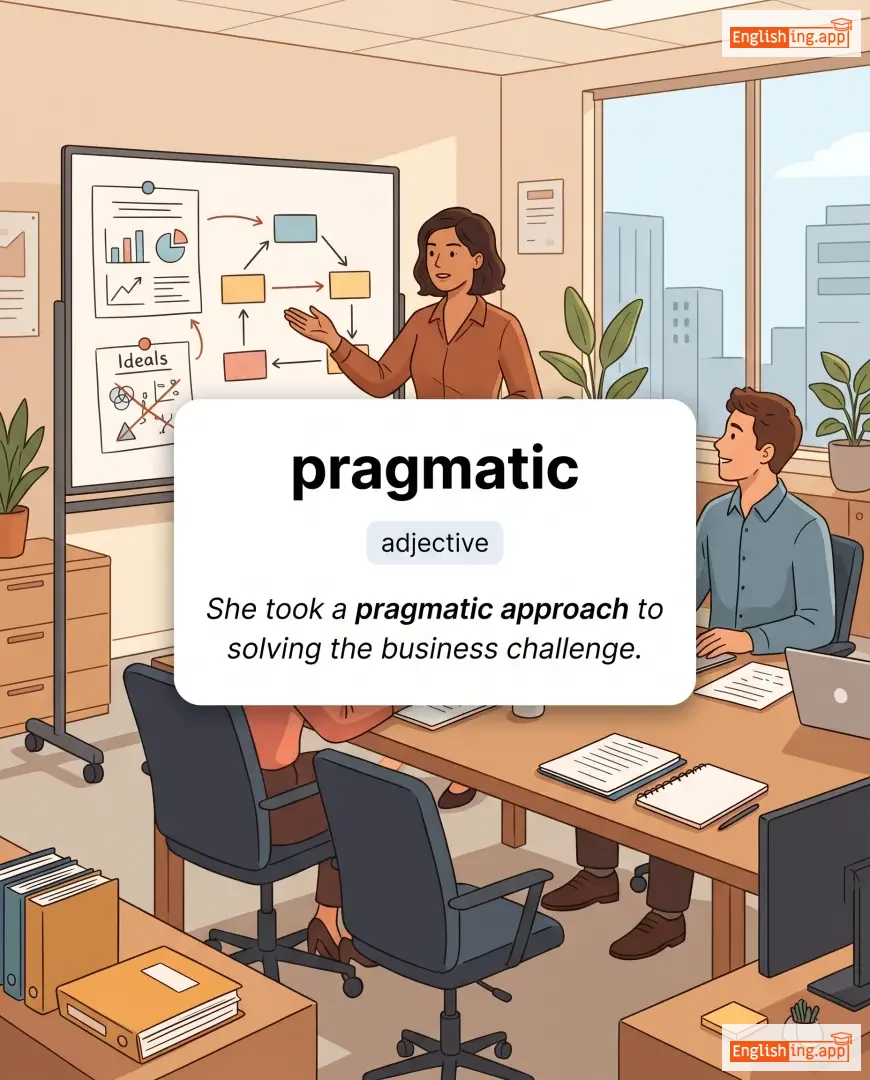
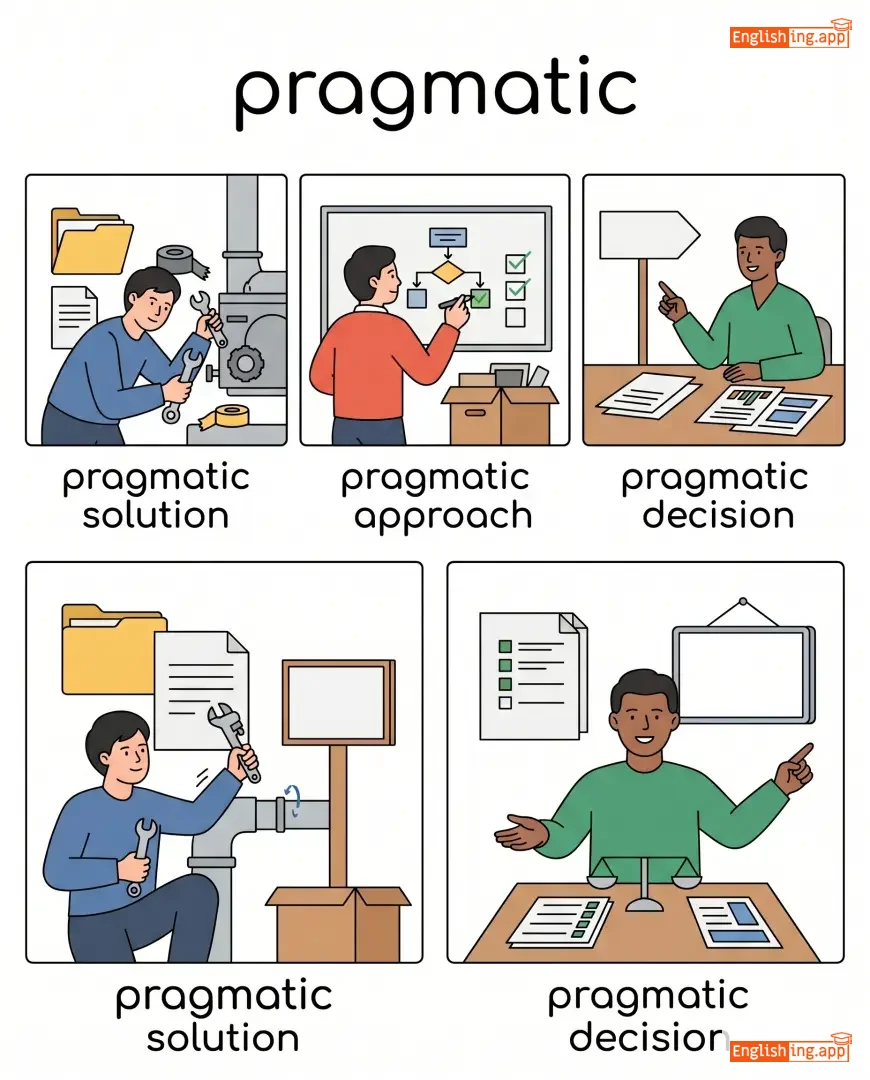
Dealing with things sensibly and realistically in a way that is based on practical rather than idealistic considerations.
••••••
|
He took a pragmatic approach to solving the problem. |
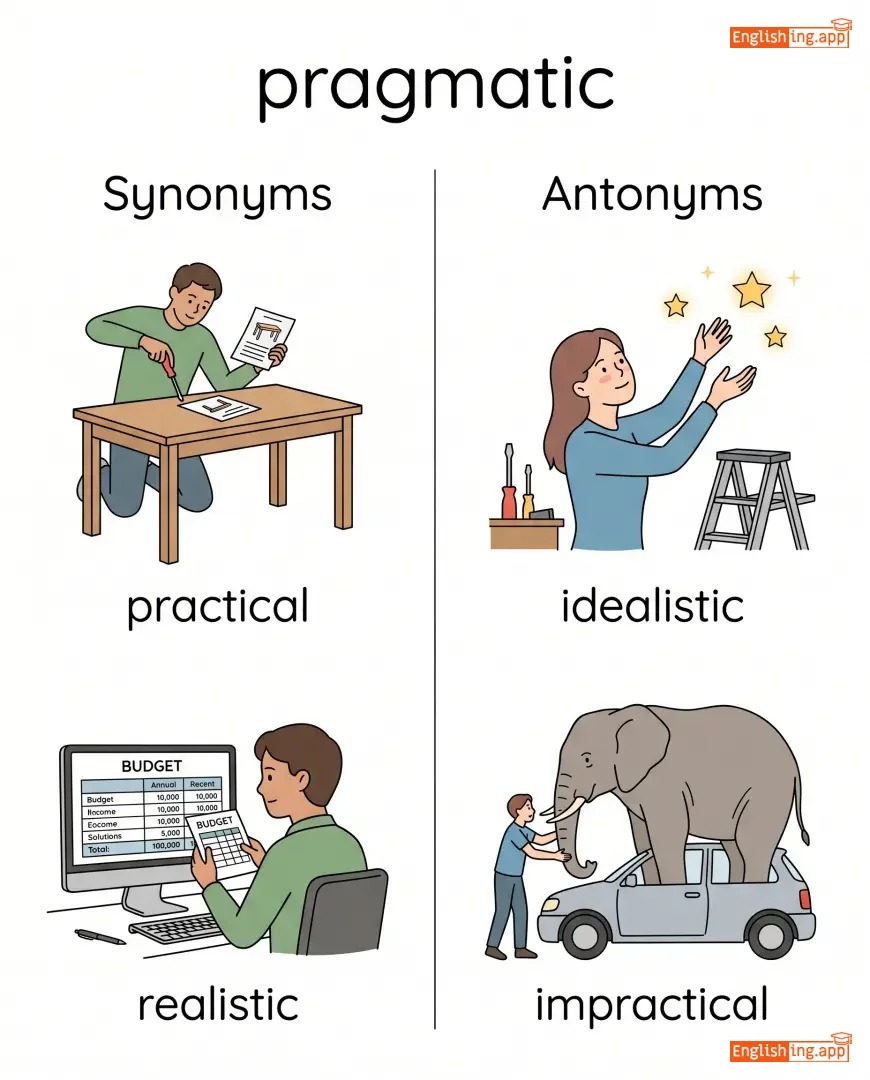
practical, realistic, sensible
••••••
|
idealistic, impractical, unrealistic
••••••
|
|
#2431
📈
|
ˈɛs.kə.leɪt
verb
••••••
|
|
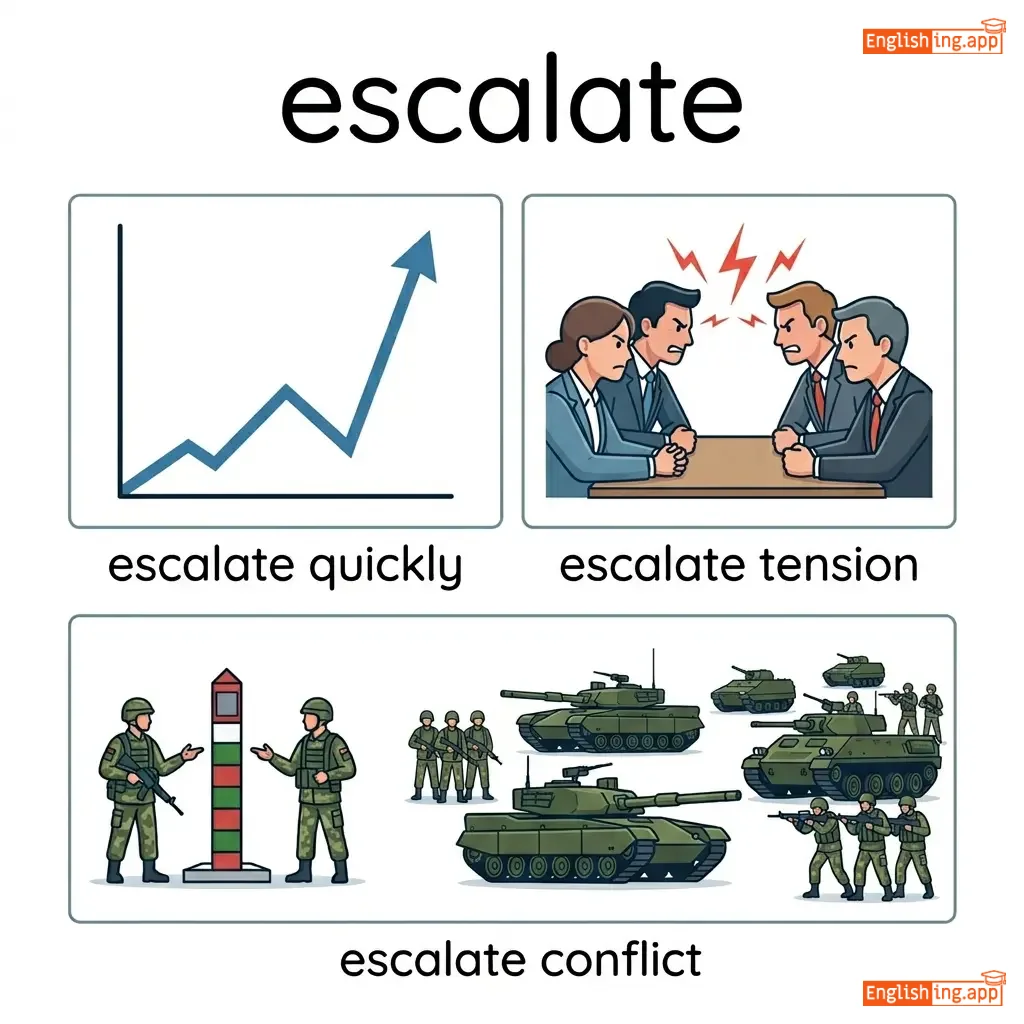
To increase rapidly; become or make greater, more intense, or more serious.
••••••
|
The conflict escalated into a full-blown crisis. |
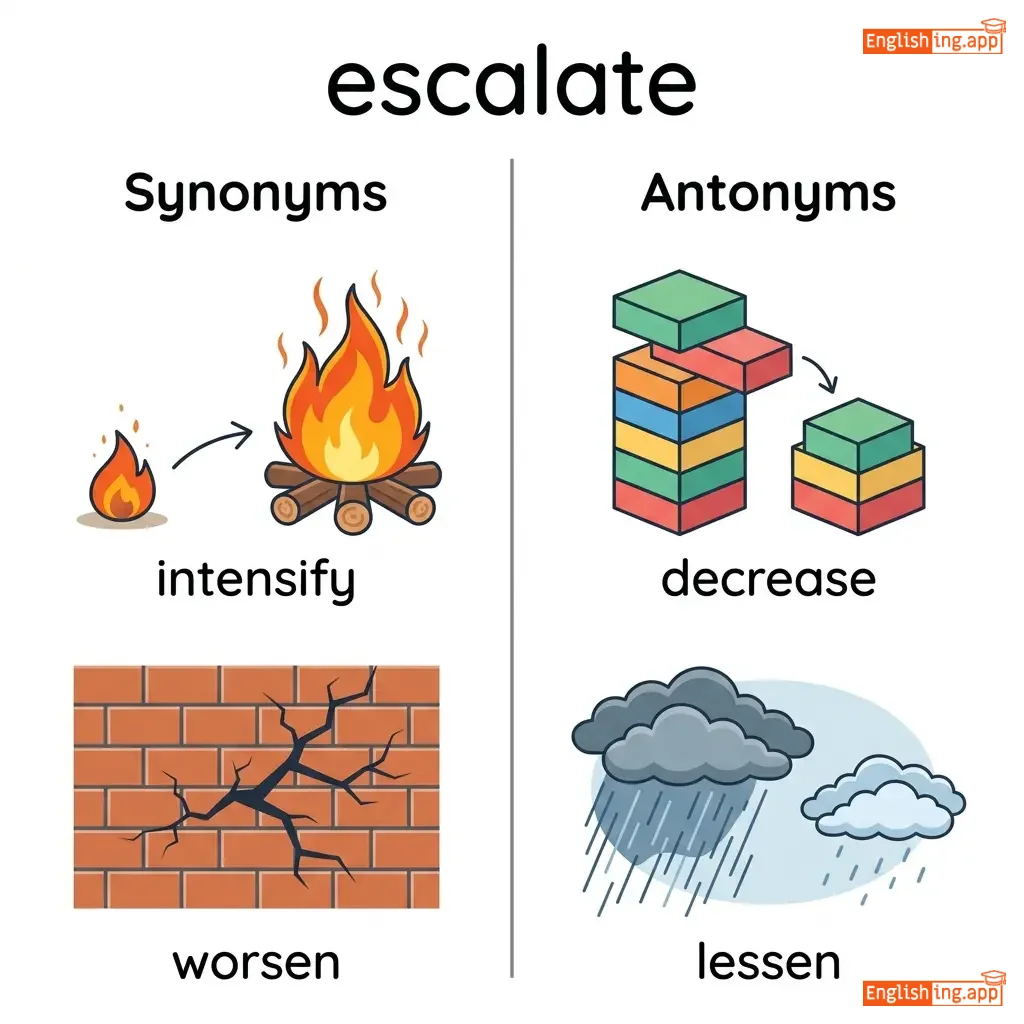
increase, intensify, amplify
••••••
|
decrease, reduce, diminish
••••••
|
|
#2432
💹
|
ɪn ˈfleɪ.ʃə.ner.i
adjective
••••••
|
|
Characterized by or tending to cause monetary inflation; relating to rising prices.
••••••
|
The government took measures to control inflationary pressures. |
price-increasing, economic expansion, cost-raising
••••••
|
deflationary, price-stabilizing, cost-reducing
••••••
|
|
#2433
📊
|
əˈkruː
verb
••••••
|
|
To accumulate or receive (payments or benefits) over time.
••••••
|
Interest accrues on the savings account every month. |
accumulate, amass, collect
••••••
|
diminish, deplete, lose
••••••
|
|
#2434
🛡️
|
ˈmɪt.ɪ.ɡeɪt
verb
••••••
|
|
To make less severe, serious, or painful; to lessen the intensity of something harmful.
••••••
|
Proper measures can mitigate environmental damage. |
alleviate, reduce, lessen
••••••
|
aggravate, intensify, exacerbate
••••••
|
|
#2435
📉
|
ˈdwɪn.dl
verb
••••••
|
|
To diminish gradually in size, amount, or strength; to become progressively smaller.
••••••
|
His savings dwindled due to unexpected expenses. |
diminish, shrink, decline
••••••
|
increase, expand, grow
••••••
|
Comments (0)
Share your thoughts and join the discussion.
Join the discussion by logging in
Login to CommentNo comments yet
Be the first to share your thoughts!