

The Science of Habit Formation
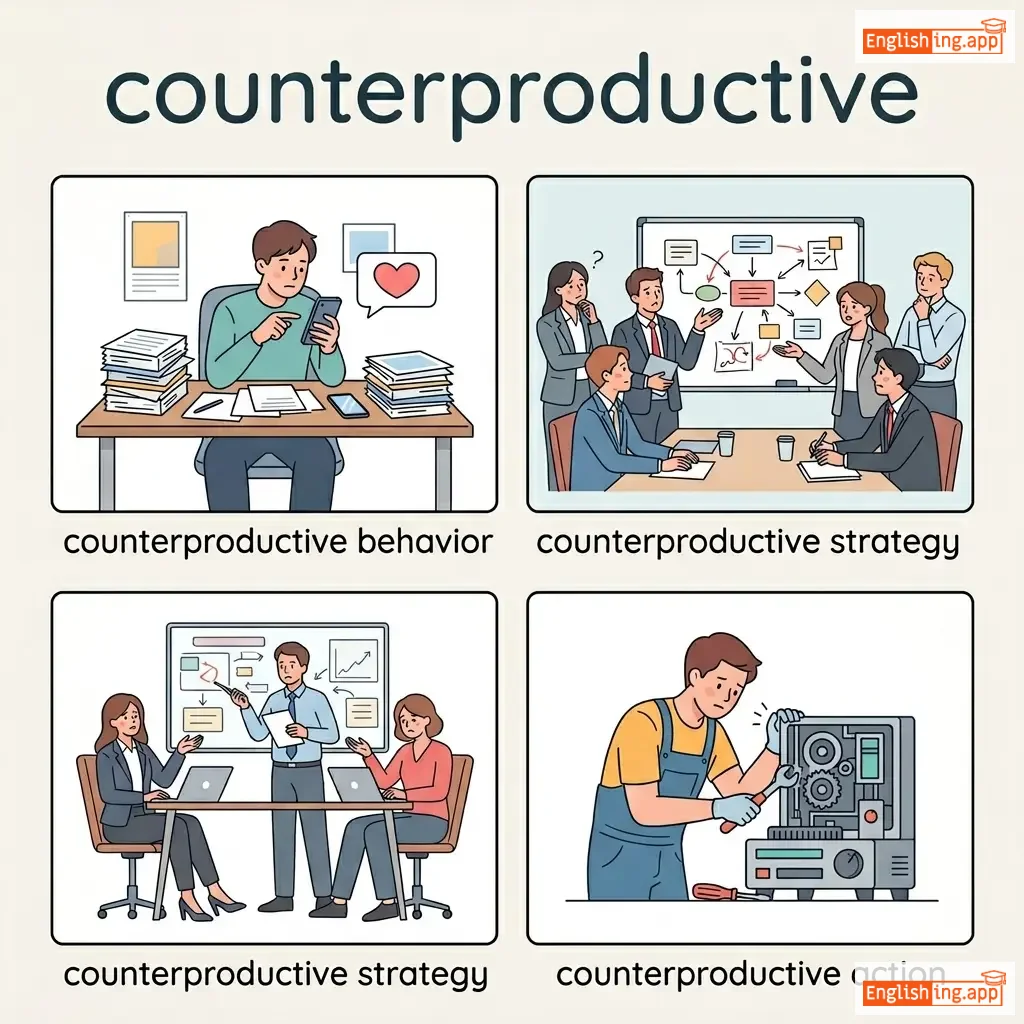
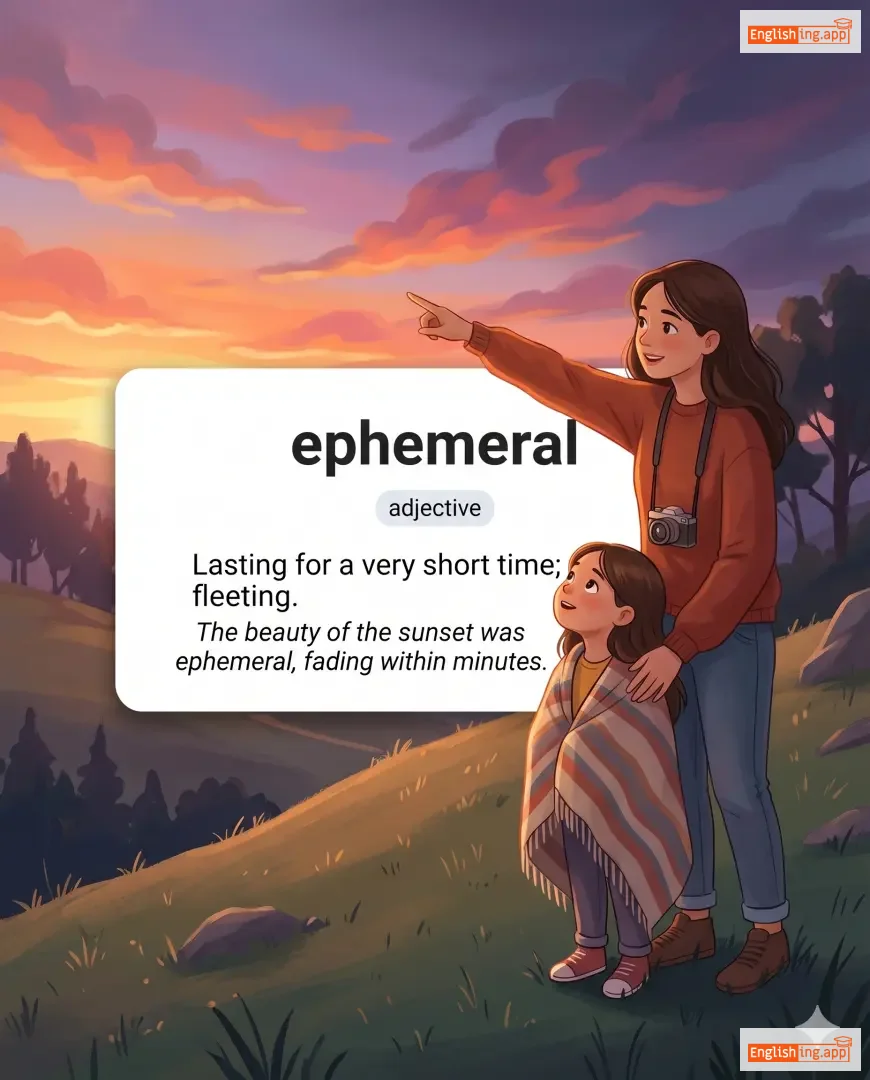
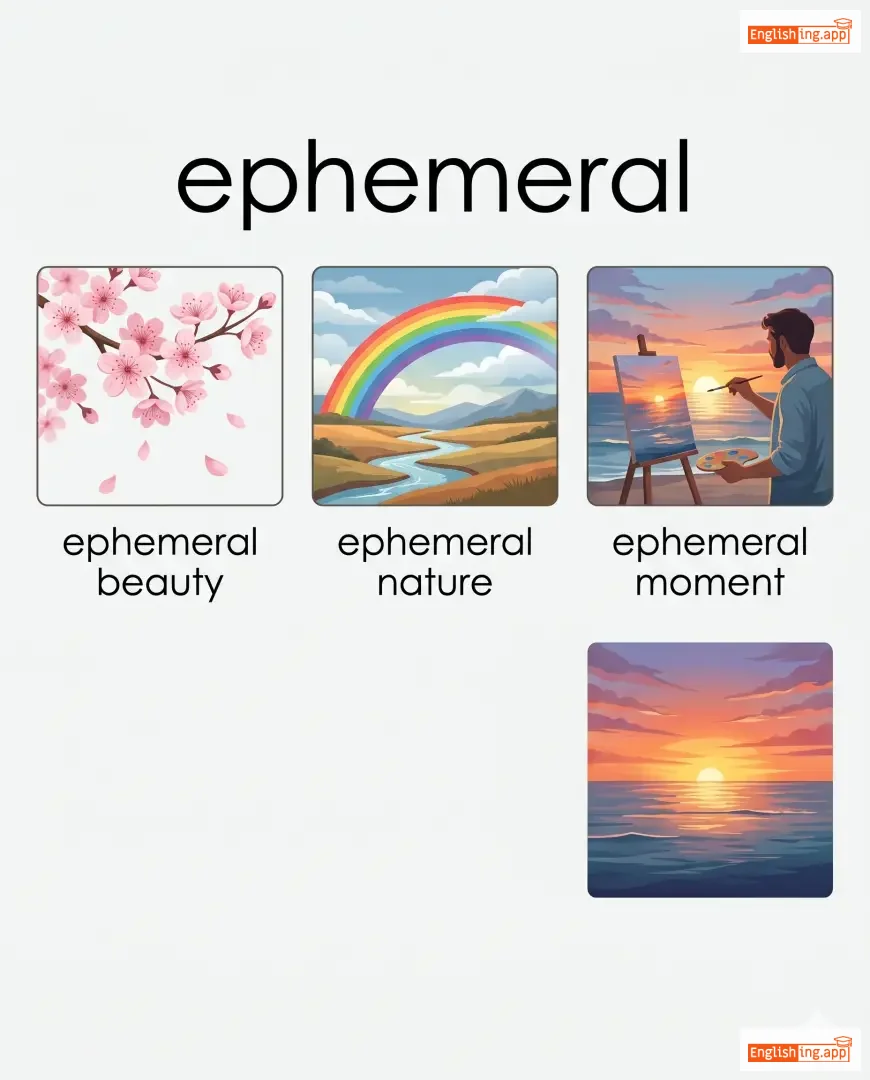
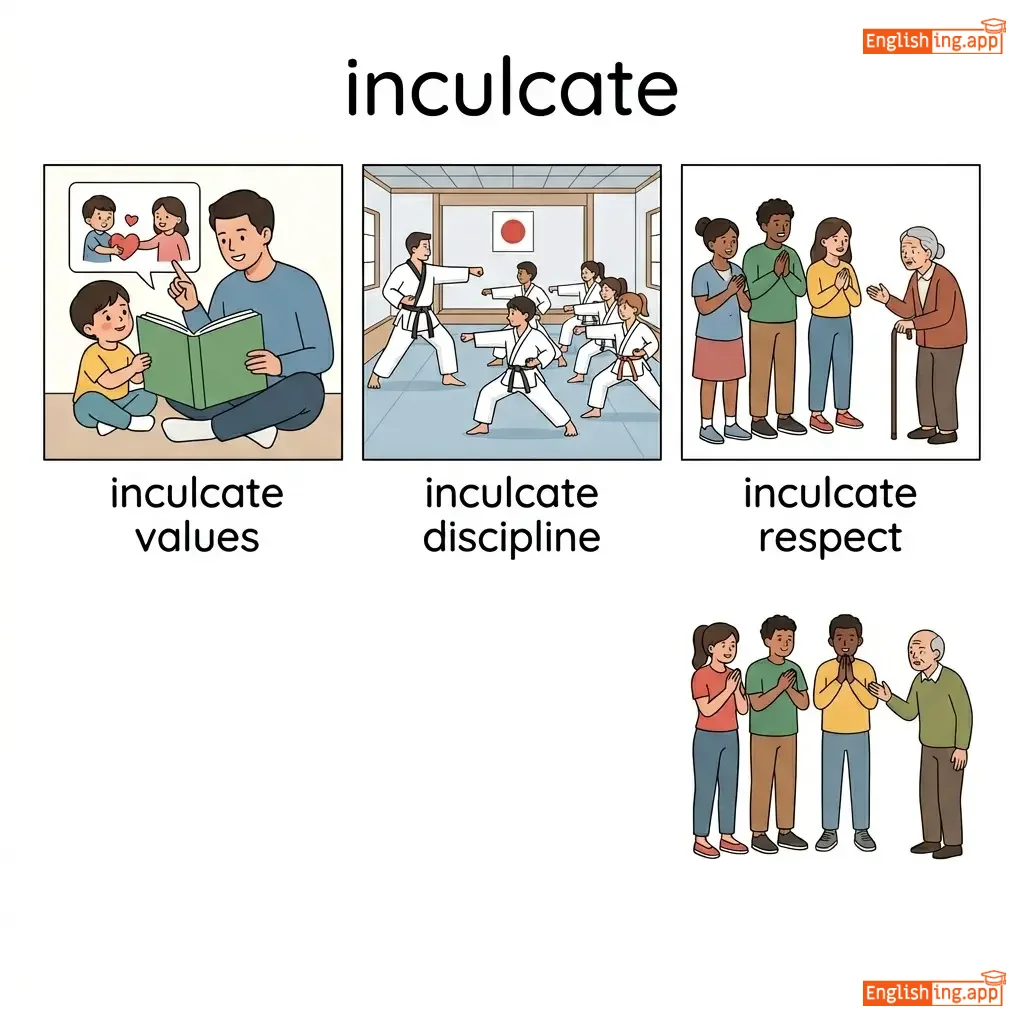
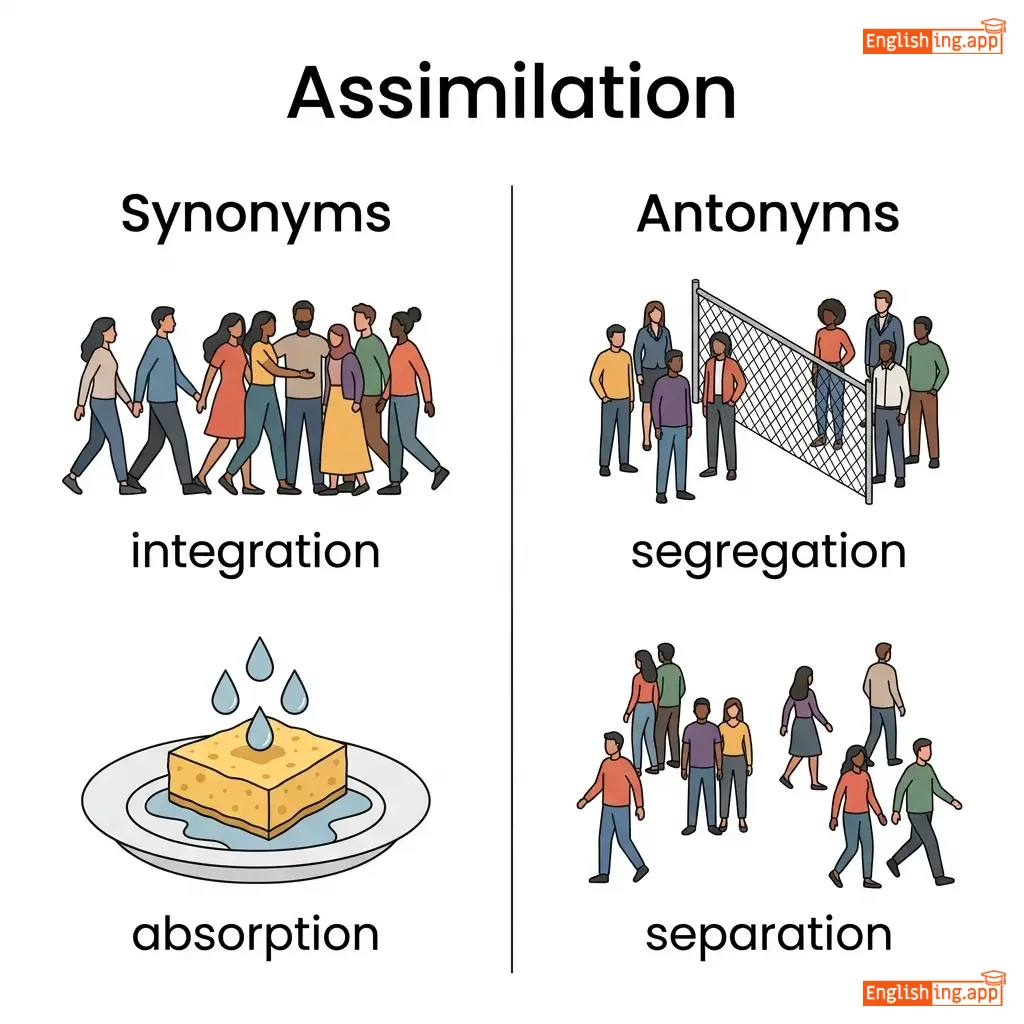
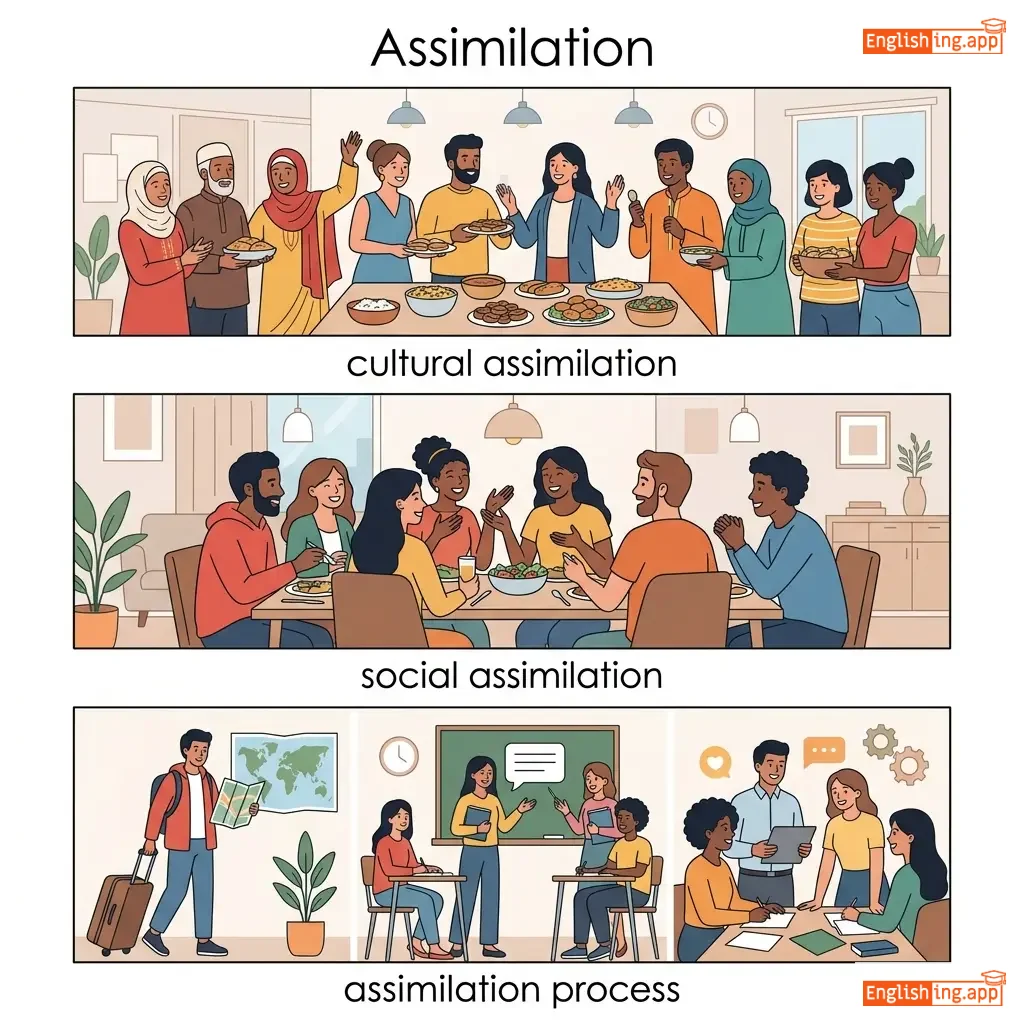
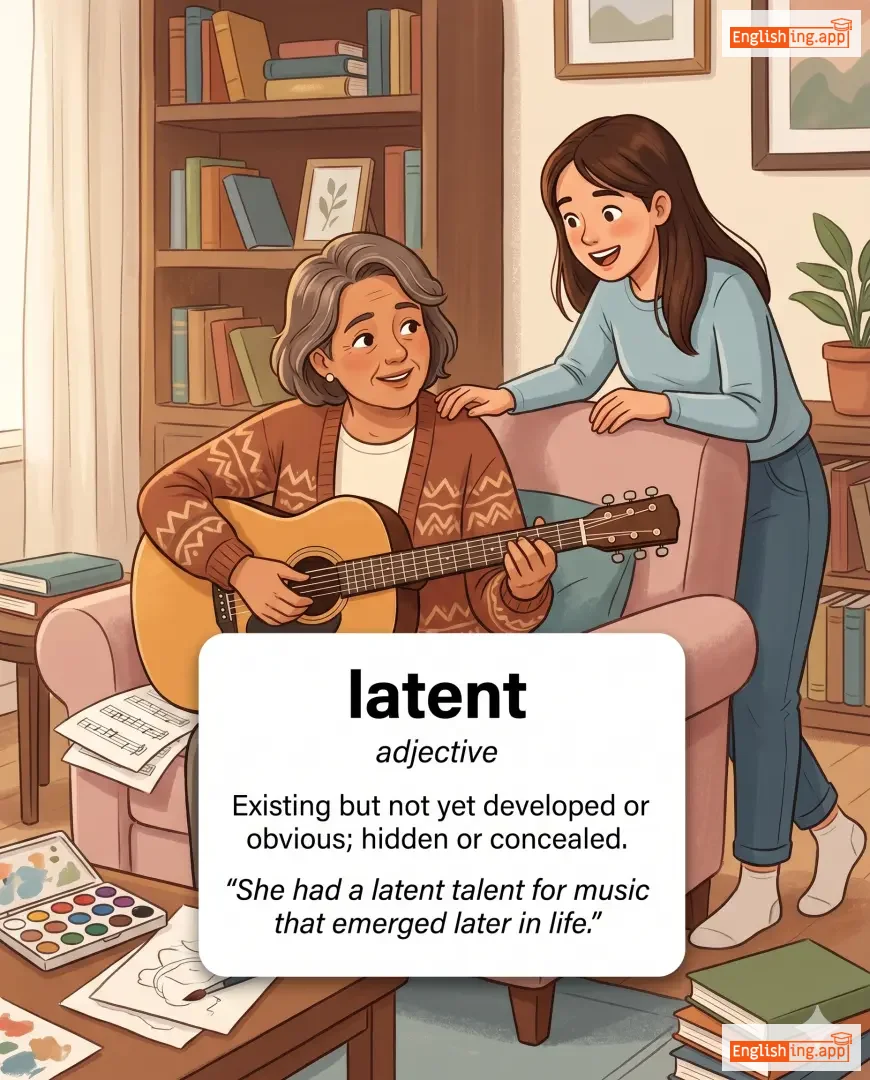
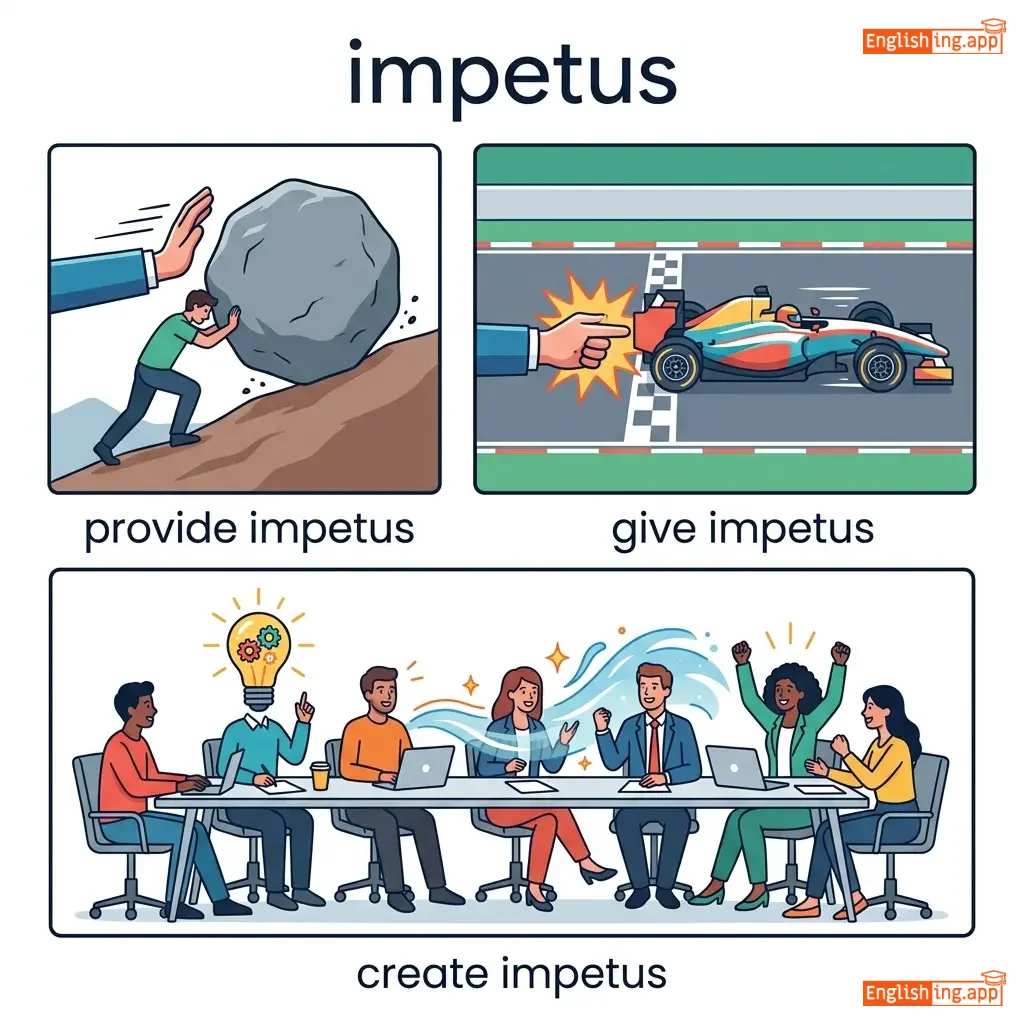
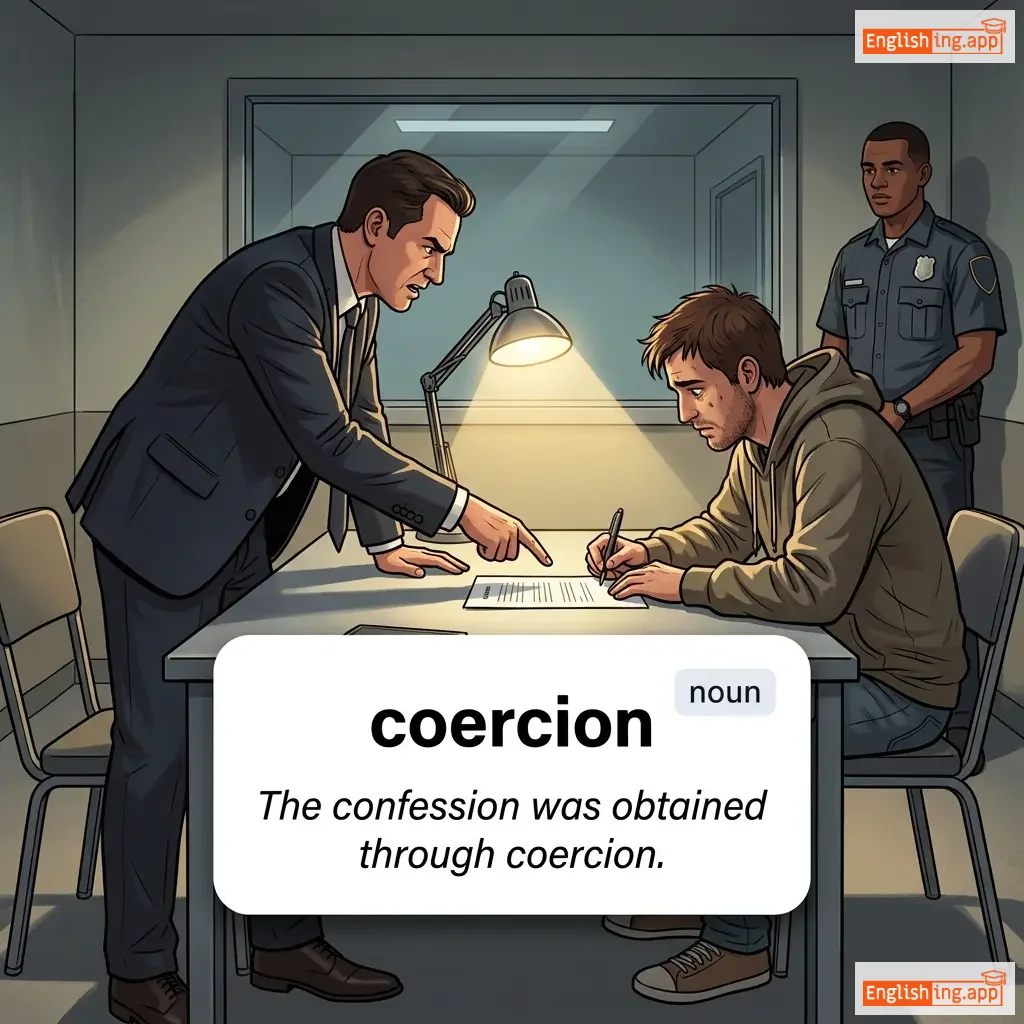
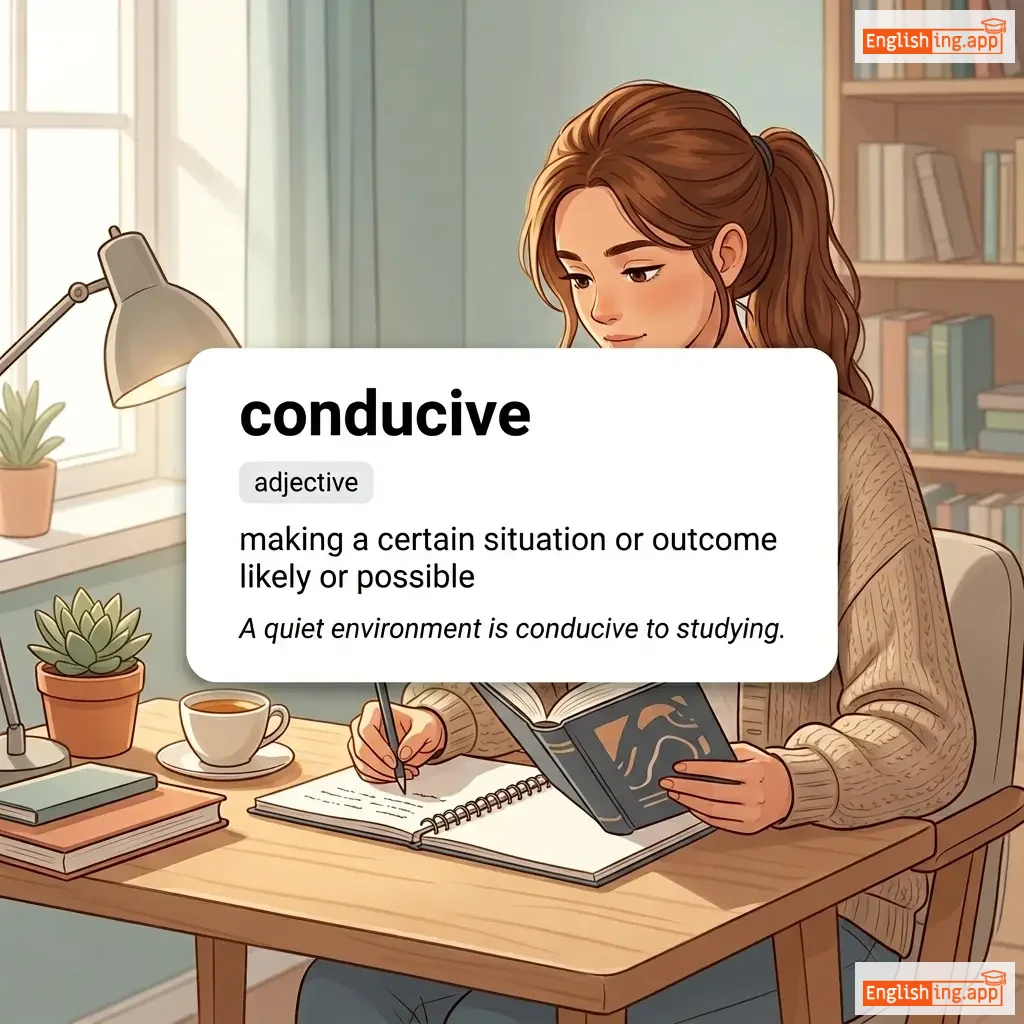
Habit formation is a psychological process that gradually becomes pervasive in our daily lives through acclimatization. When we want to create new habits, we need reinforcement. To build proper habits, we need to understand our brain's predisposition. Often, habits that seem intrinsically beneficial can become counterproductive if not properly formed. Some habits form quickly, but they are ephemeral and can be detrimental in the long run. To create good habits, we need to inculcate patience and bring gradual changes through assimilation. Our brains have latent capabilities that can cause metamorphosis with the right impetus. Therefore, to build habits, we need not coercion, but rather gradually creating a conducive environment.
Upgrade to Access All Vocabulary
Get unlimited access to all vocabulary items with Pro membership
Upgrade to ProTranslation
Past
Past Participle
Third Person Singular
Gerund
Meaning
Example Sentence
Example Sentence Translation
Synonyms
Antonyms
Collocations
Mnemonic


Swipe left or right, or use the buttons. Tap image to zoom.
Upgrade to Access All Sentences
Get unlimited access to all sentences with Pro membership
Upgrade to ProExample Sentence Translation
Word
The Science of Habit Formation - Mask Toggle
|
Emoji
|
Word | Images | Meaning | Example Sentence | Synonyms | Antonyms |
|---|---|---|---|---|---|---|
|
#3690
🔄
|
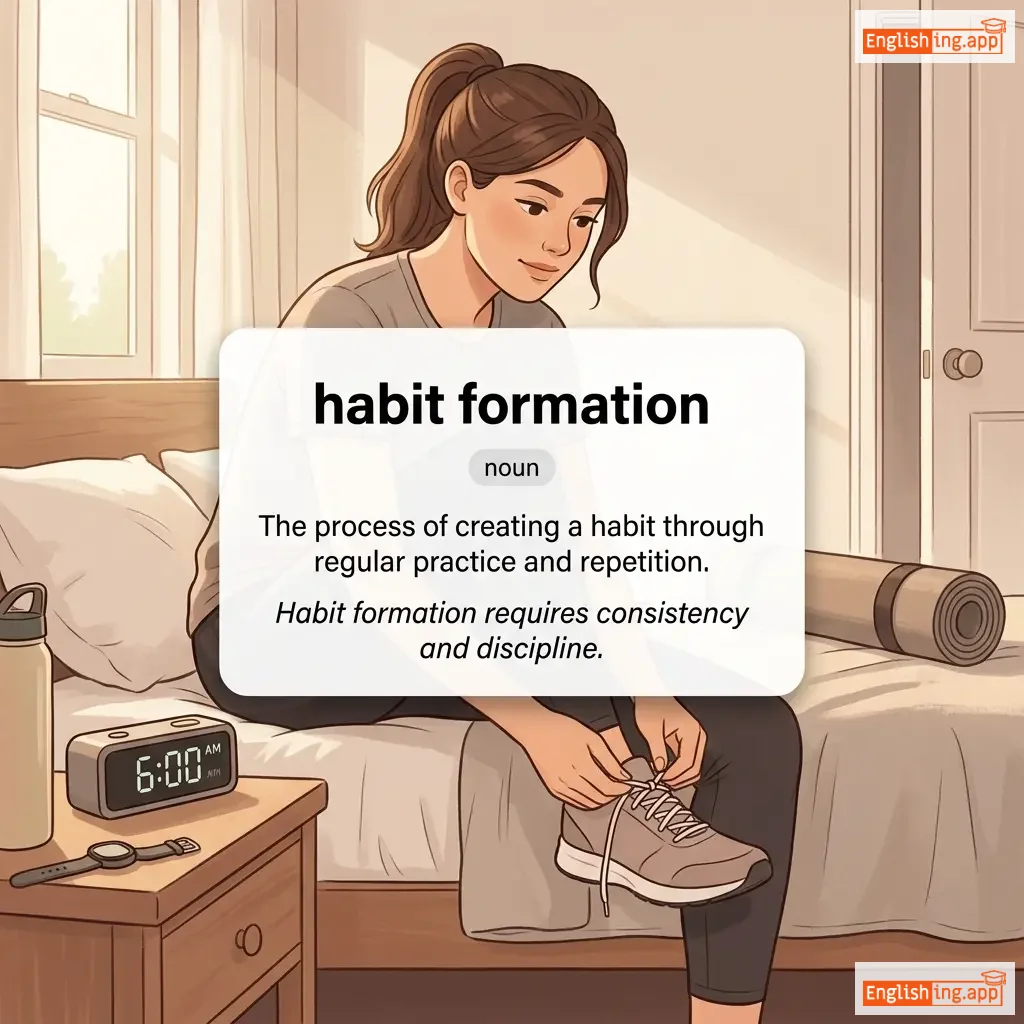
ˈhæb.ɪt fɔːrˌmeɪ.ʃən
noun
••••••
|
|
The process of creating a habit through regular practice and repetition.
••••••
|
Habit formation requires consistency and discipline. |
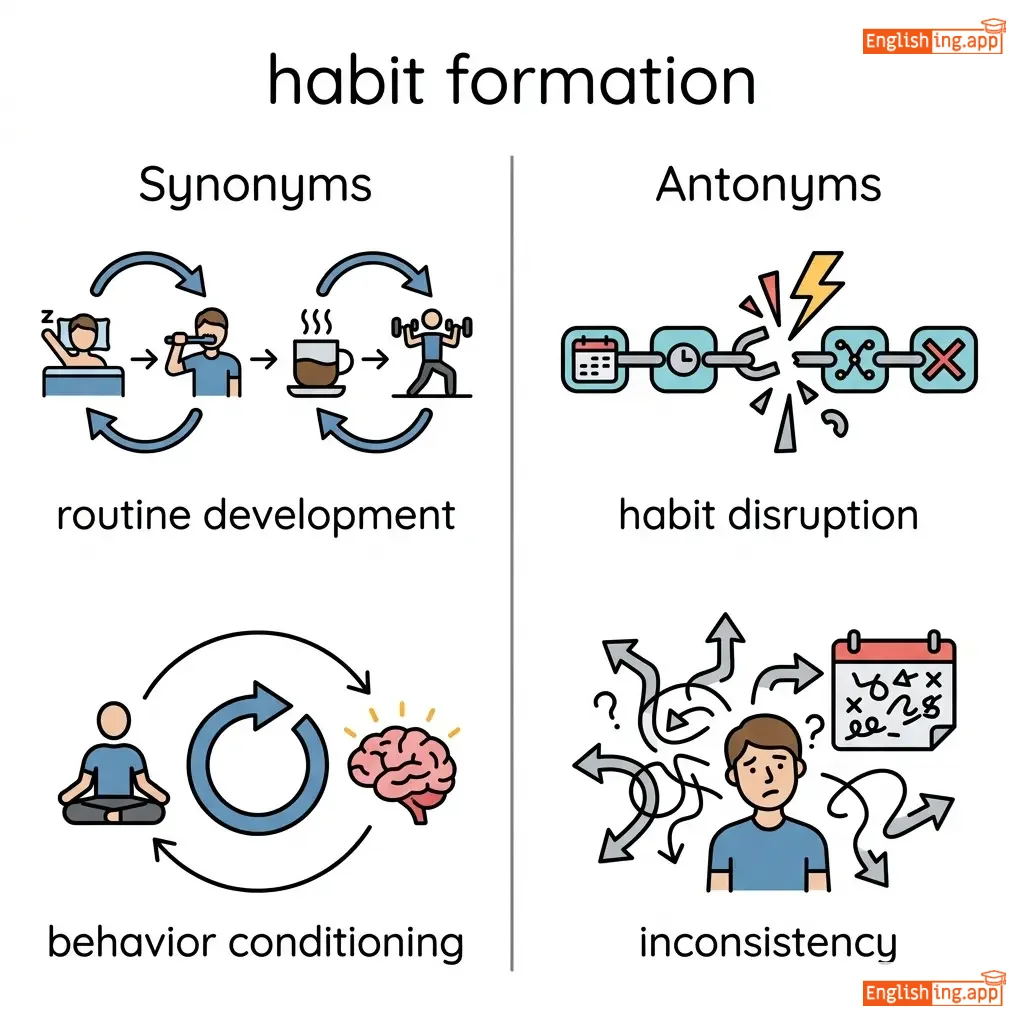
routine development, behavior conditioning, adaptation
••••••
|
habit disruption, inconsistency, irregularity
••••••
|
|
#3691
🌡️
|
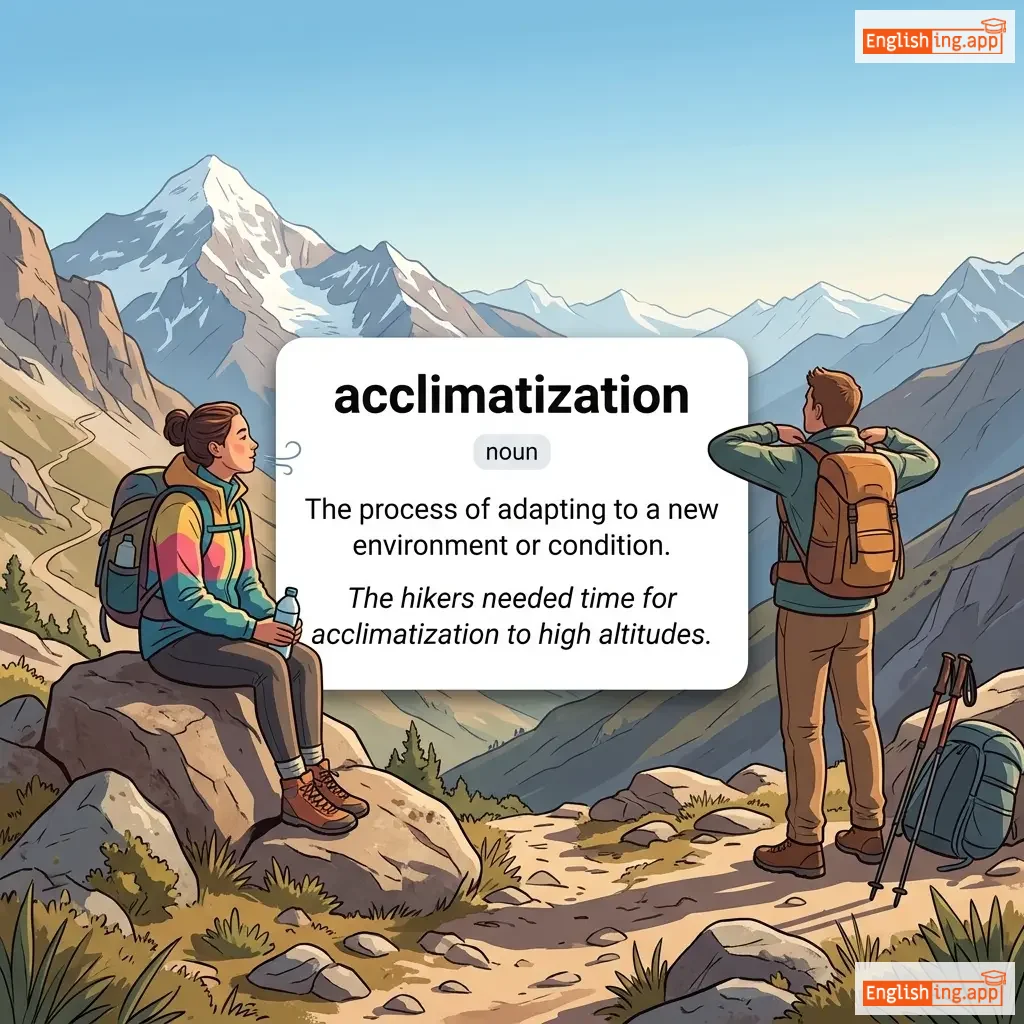
əˌklaɪ.mə.tɪˈzeɪ.ʃən
noun
••••••
|
|
The process of adapting to a new environment or condition.
••••••
|
The hikers needed time for acclimatization to high altitudes. |
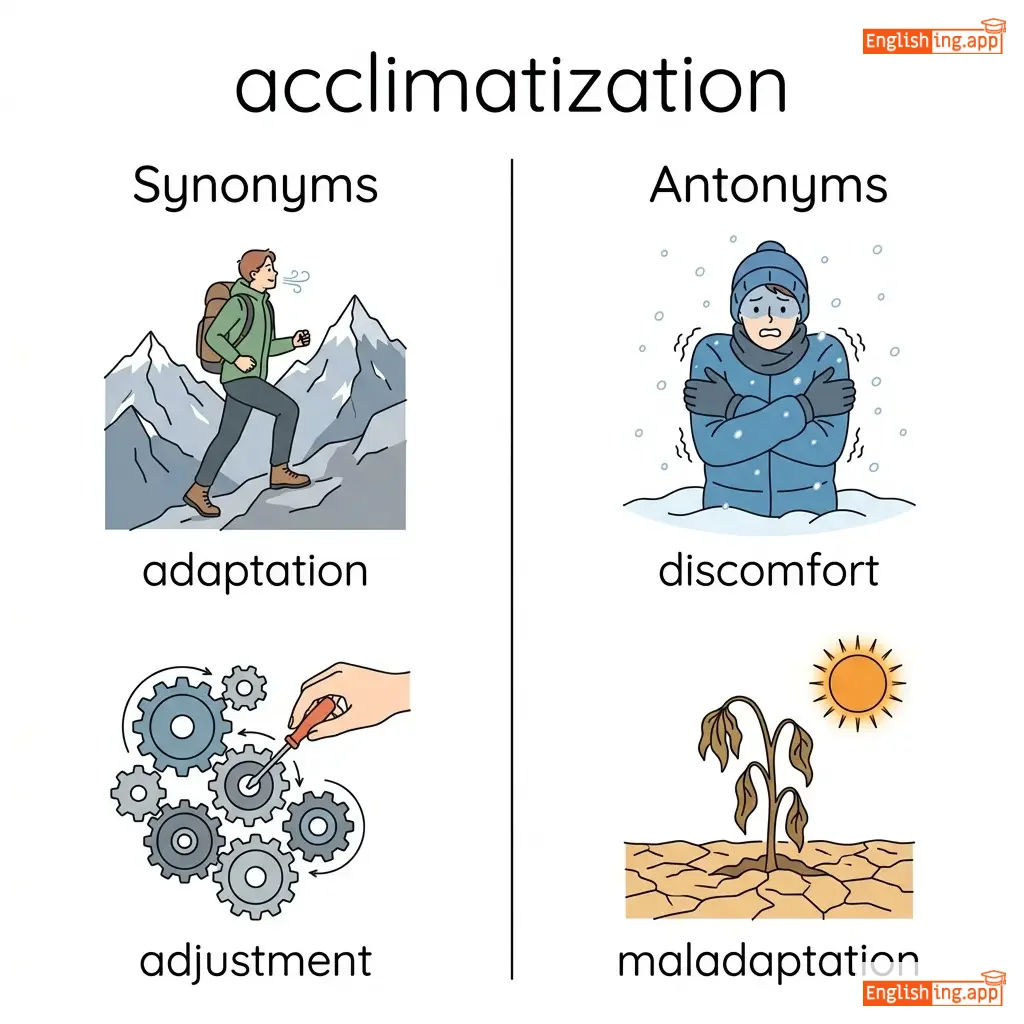
adaptation, adjustment, familiarization
••••••
|
discomfort, maladaptation, unfamiliarity
••••••
|
|
#3692
🌊
|
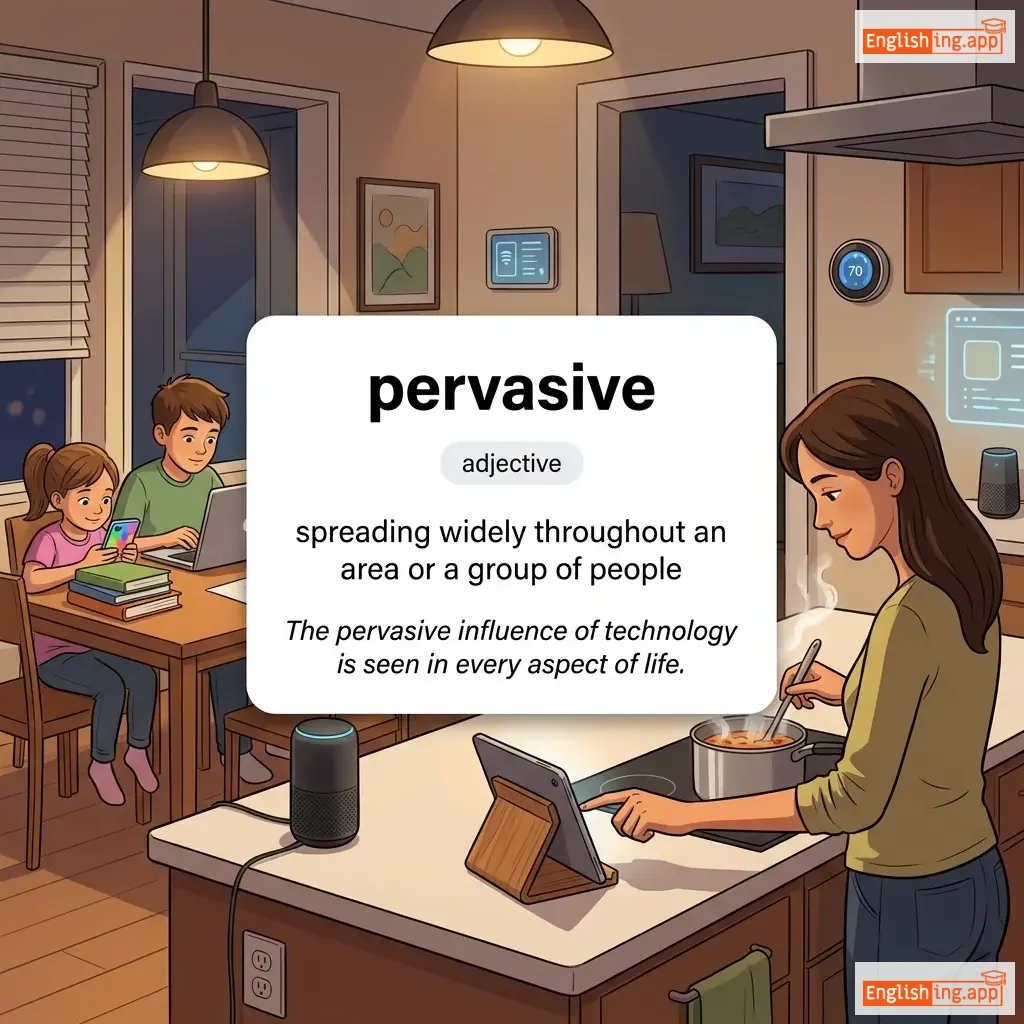
pərˈveɪ.sɪv
adjective
••••••
|
|
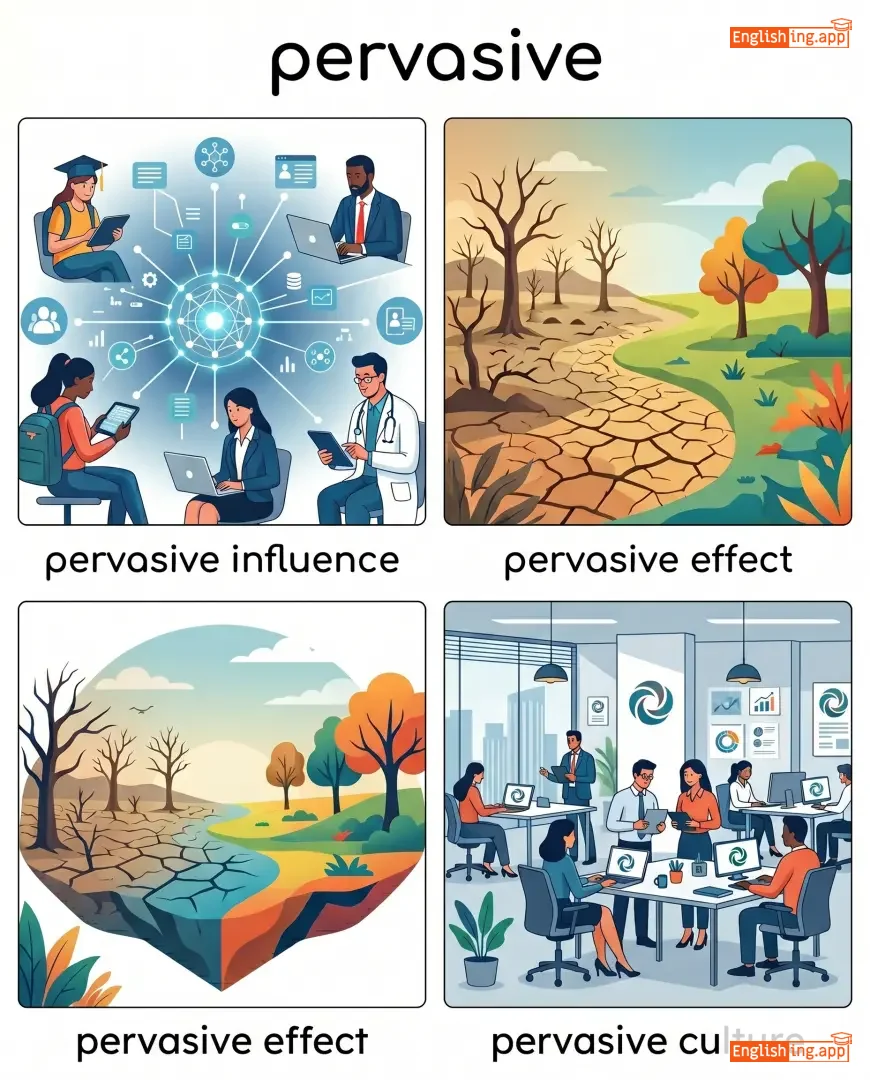
Something that spreads everywhere or has extensive influence.
••••••
|
Social media has a pervasive influence on modern life. |
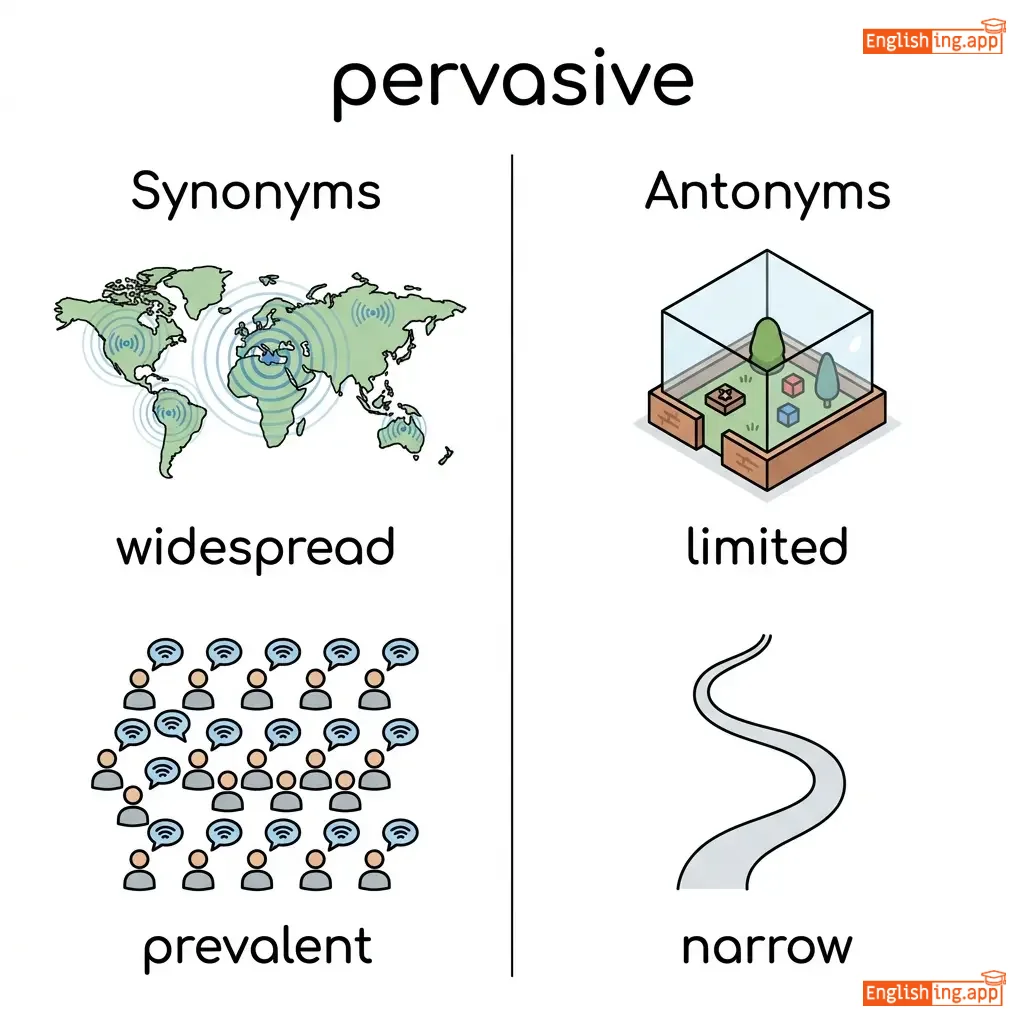
widespread, omnipresent, prevalent
••••••
|
limited, rare, contained
••••••
|
|
#3693
💪
|
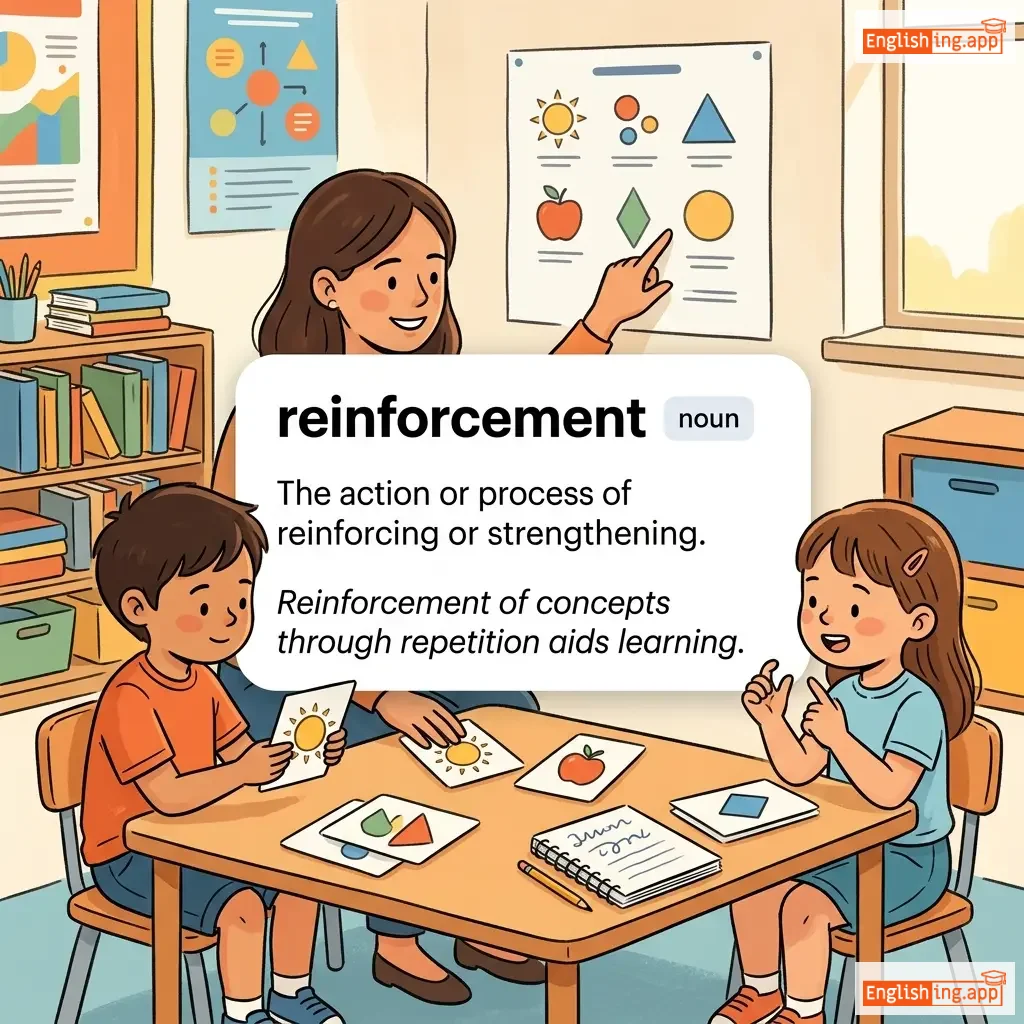
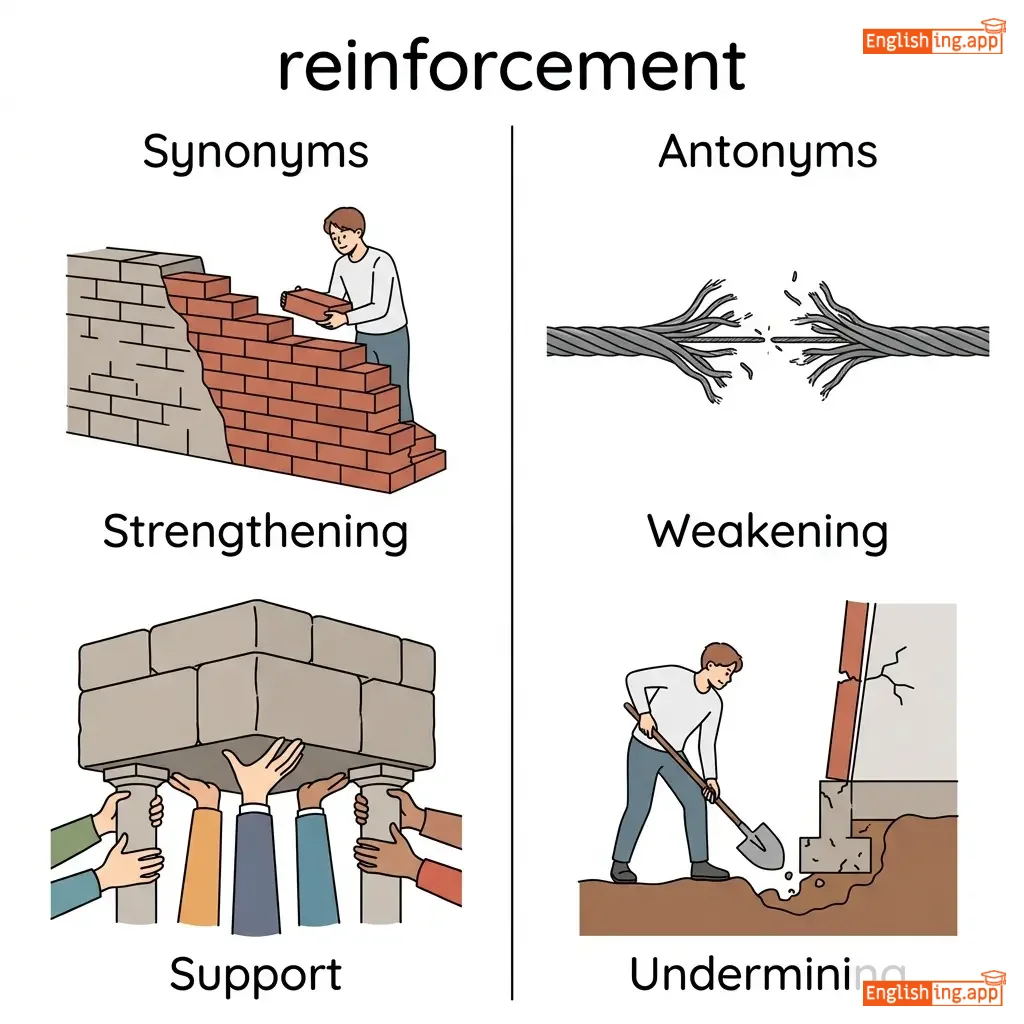
ˌriː.ɪnˈfɔːrs.mənt
noun
••••••
|
|
Strengthening or encouraging behavior through positive motivation or repetition.
••••••
|
Positive reinforcement helps build good habits. |
strengthening, support, encouragement
••••••
|
weakening, undermining, reduction
••••••
|
|
#3694
🧬
|
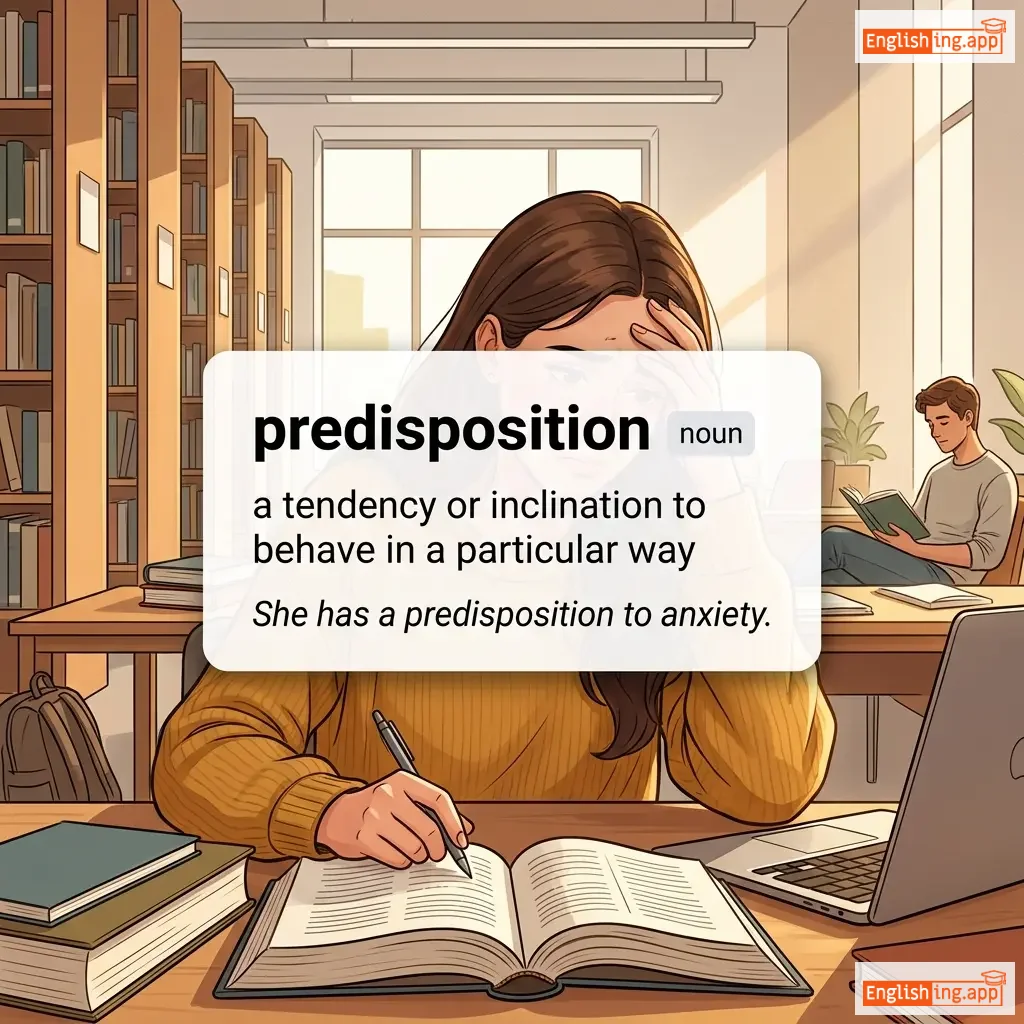
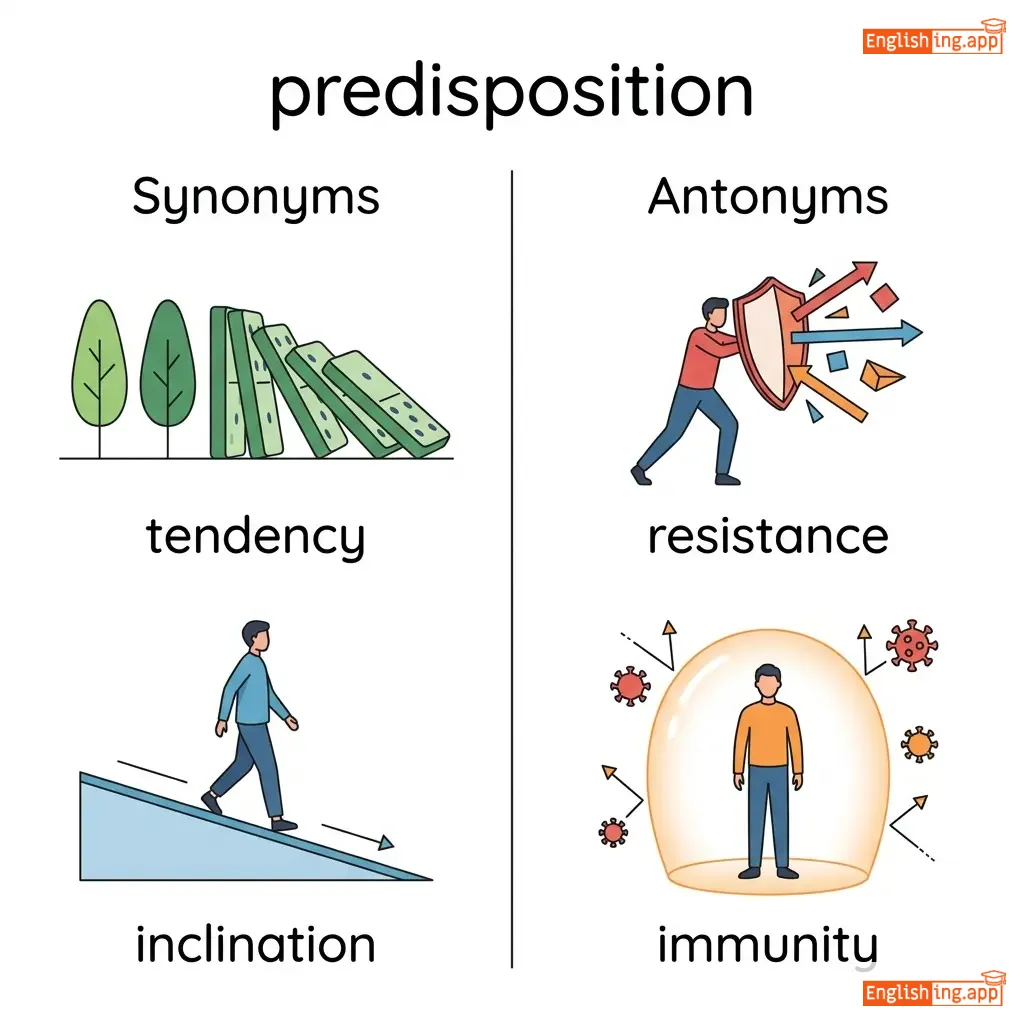
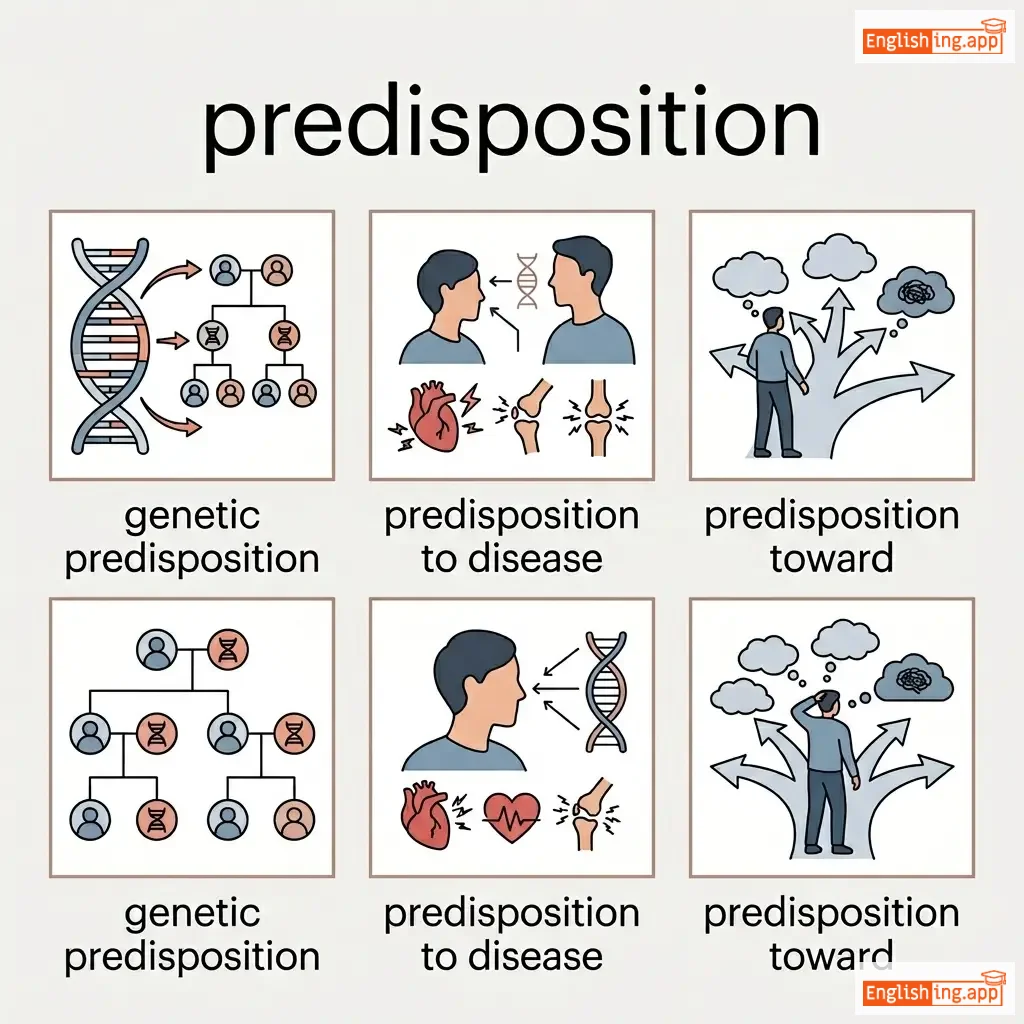
ˌpriː.dɪs.pəˈzɪʃ.ən
noun
••••••
|
|
A natural tendency or inclination towards a particular behavior or condition.
••••••
|
Genetic factors can influence a person's predisposition to diseases. |
inclination, tendency, susceptibility
••••••
|
immunity, resistance, avoidance
••••••
|
|
#3695
🌱
|
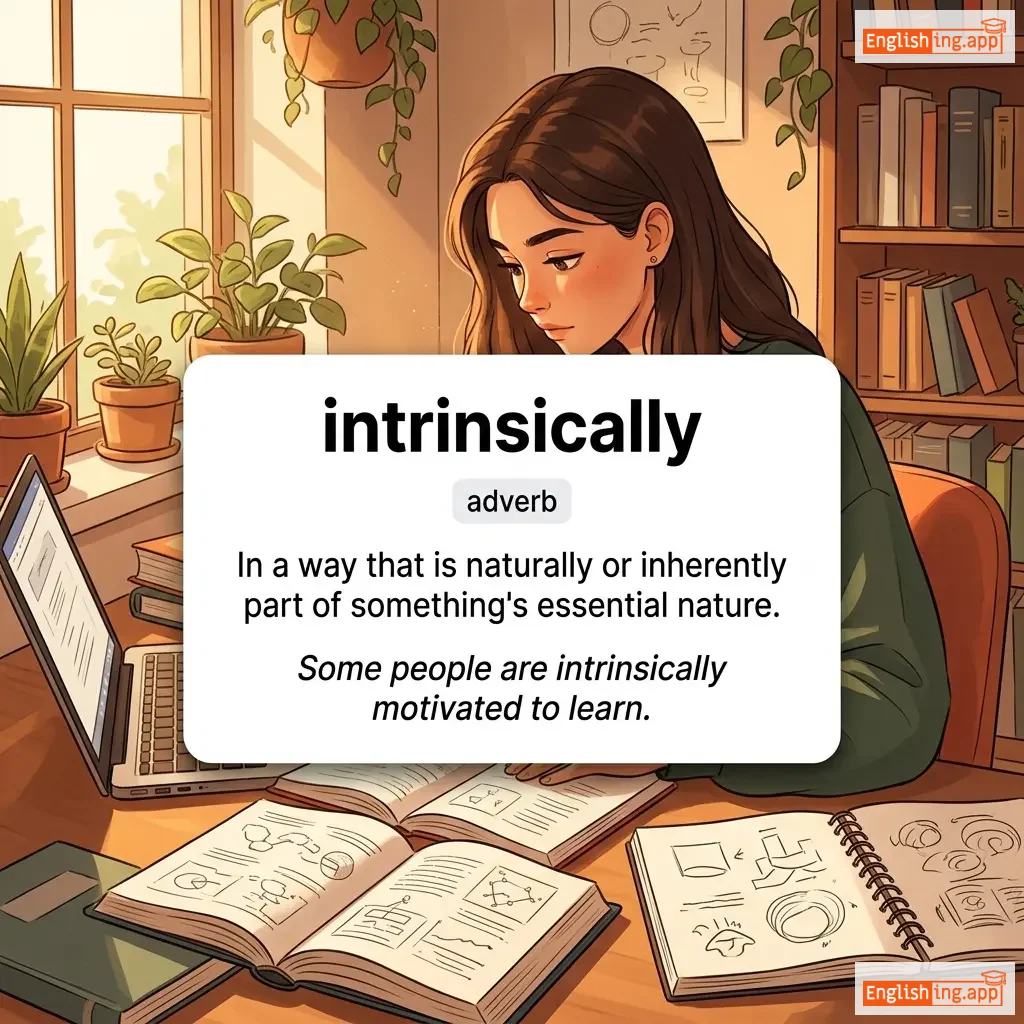
ɪnˈtrɪn.zɪ.kli
adverb
••••••
|
|
In a way that is naturally or inherently part of something's essential nature.
••••••
|
Some people are intrinsically motivated to learn. |
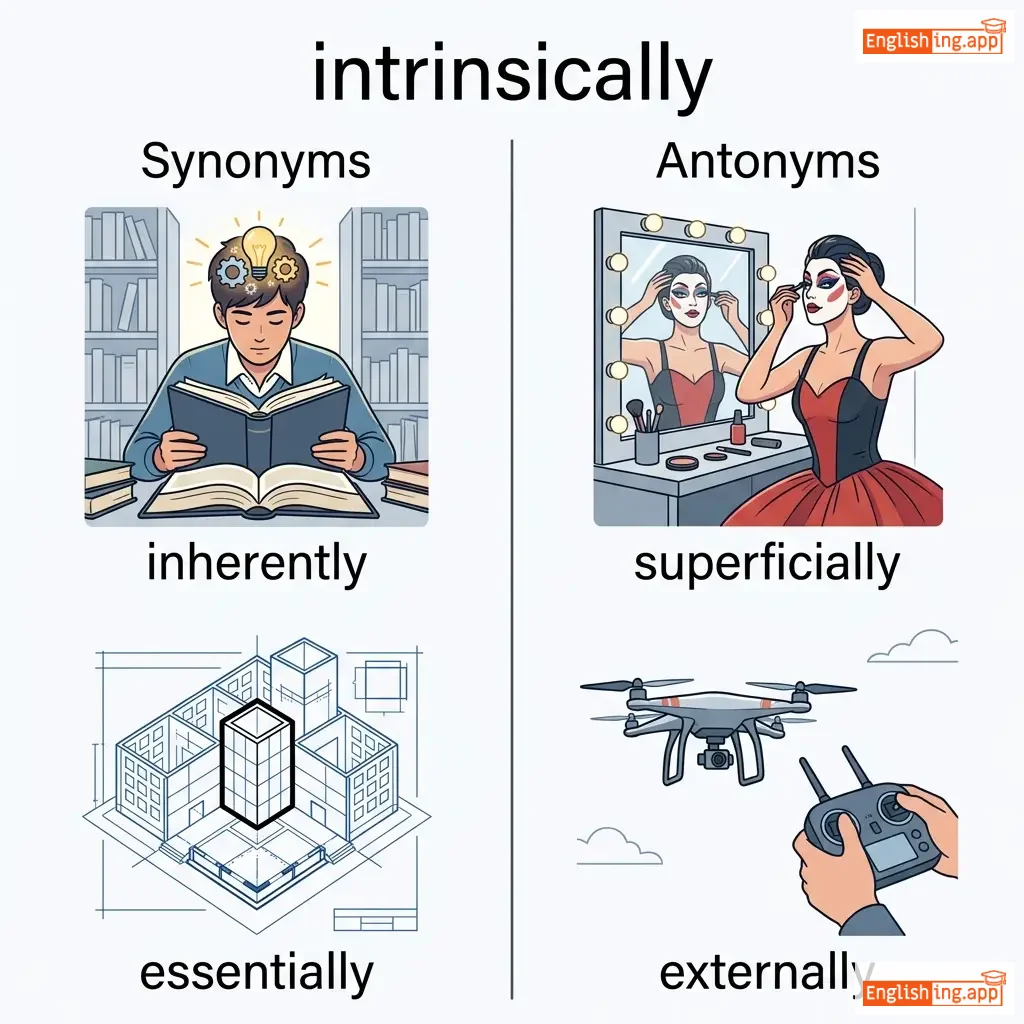
inherently, essentially, naturally
••••••
|
superficially, externally, artificially
••••••
|
|
#3696
⚠️
|
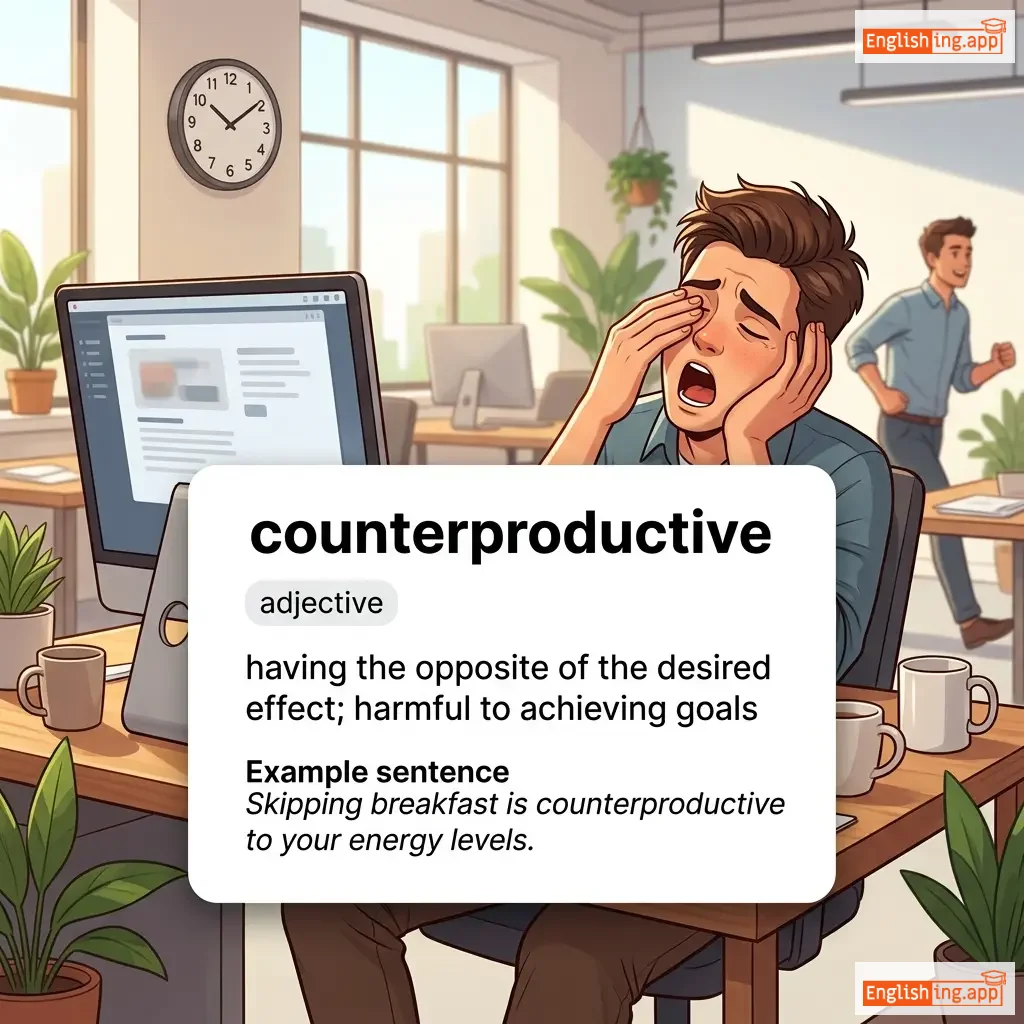
ˌkaʊn.tə.prəˈdʌk.tɪv
adjective
••••••
|
|
Having the opposite effect to what is intended, producing harmful or negative results.
••••••
|
Too much criticism can be counterproductive in learning. |
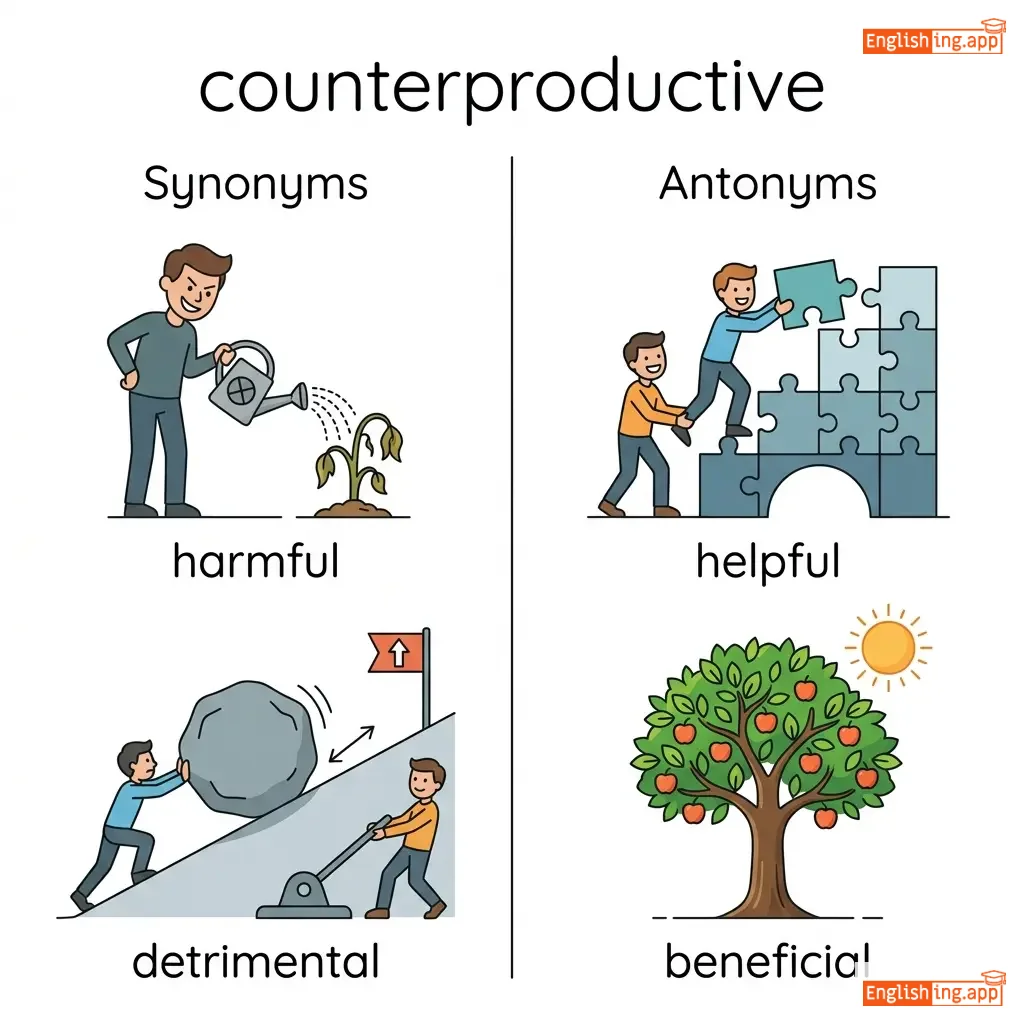
ineffective, self-defeating, harmful
••••••
|
effective, beneficial, constructive
••••••
|
|
#3697
⏰
|
ɪˈfem.ər.əl
adjective
••••••
|
|
Lasting for a very short time; temporary.
••••••
|
Fame is often ephemeral, lasting only for a short while. |
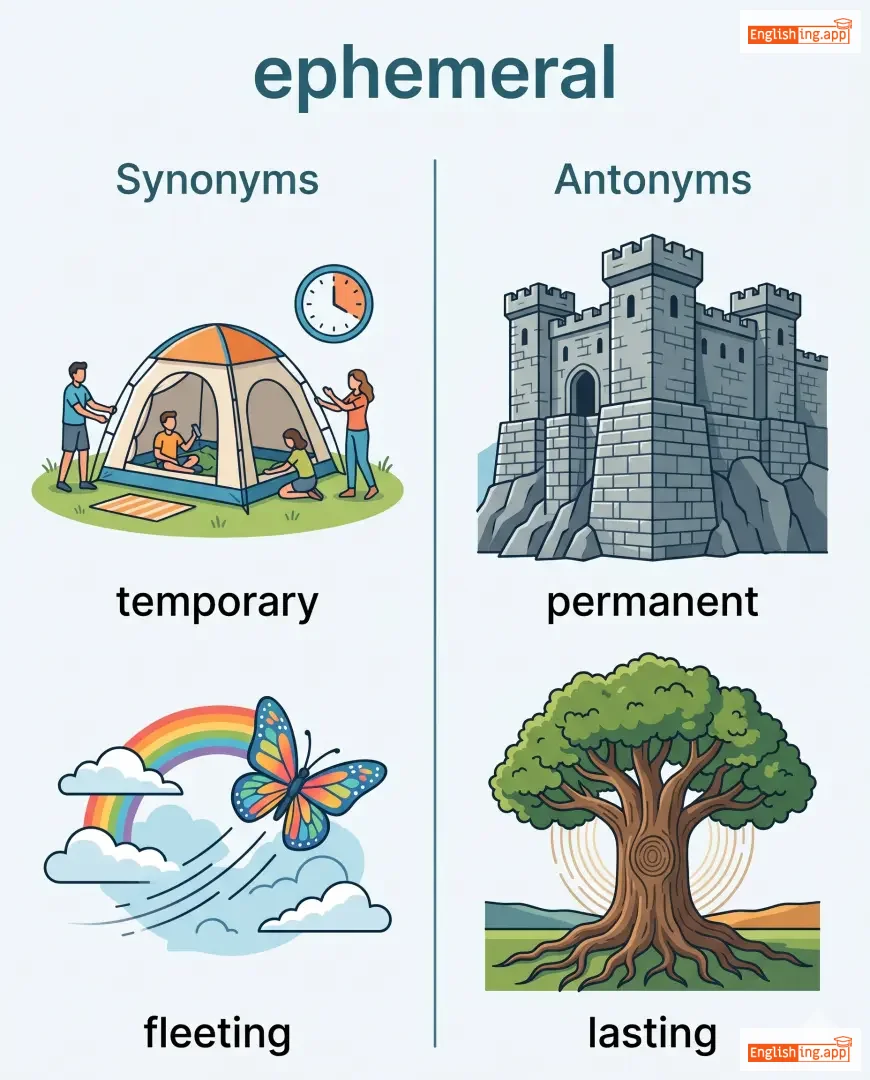
short-lived, temporary, transient
••••••
|
permanent, enduring, long-lasting
••••••
|
|
#3698
❌
|
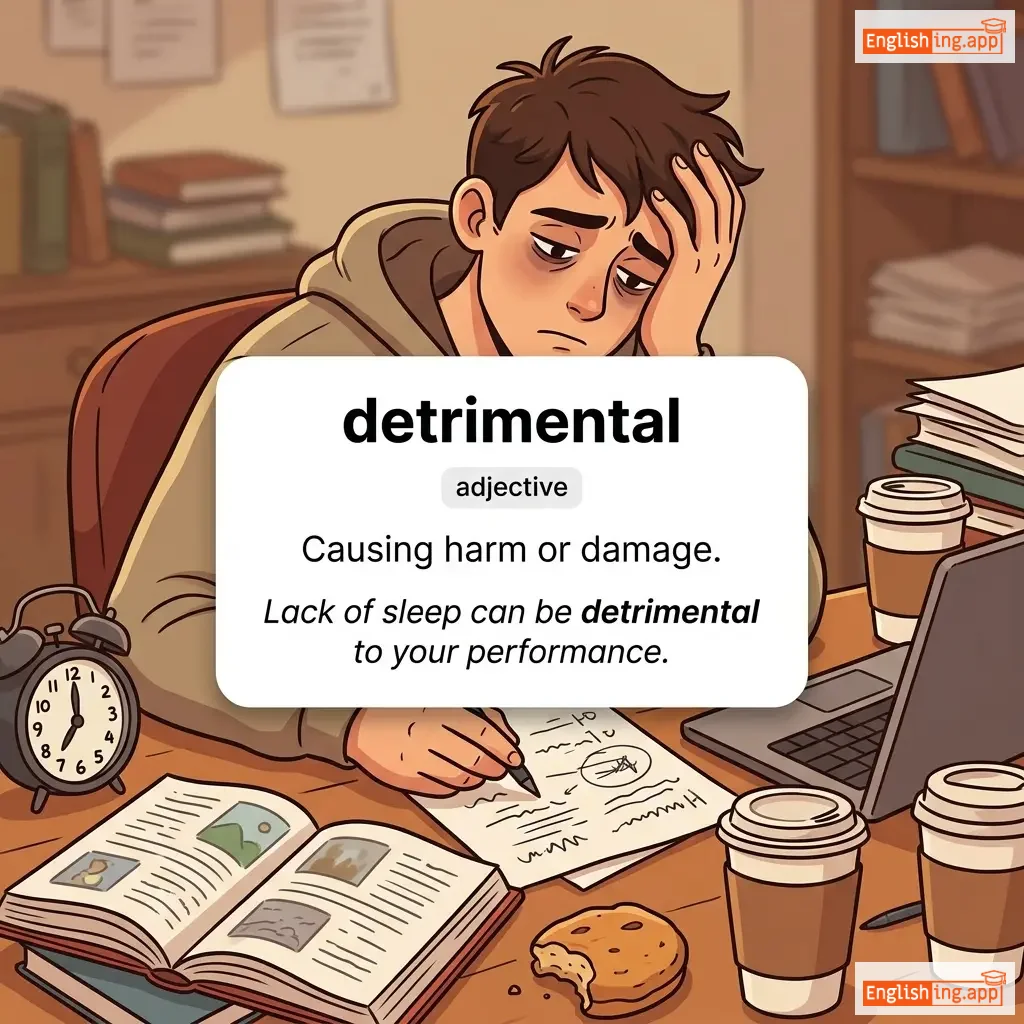
ˌdet.rɪˈmen.təl
adjective
••••••
|
|
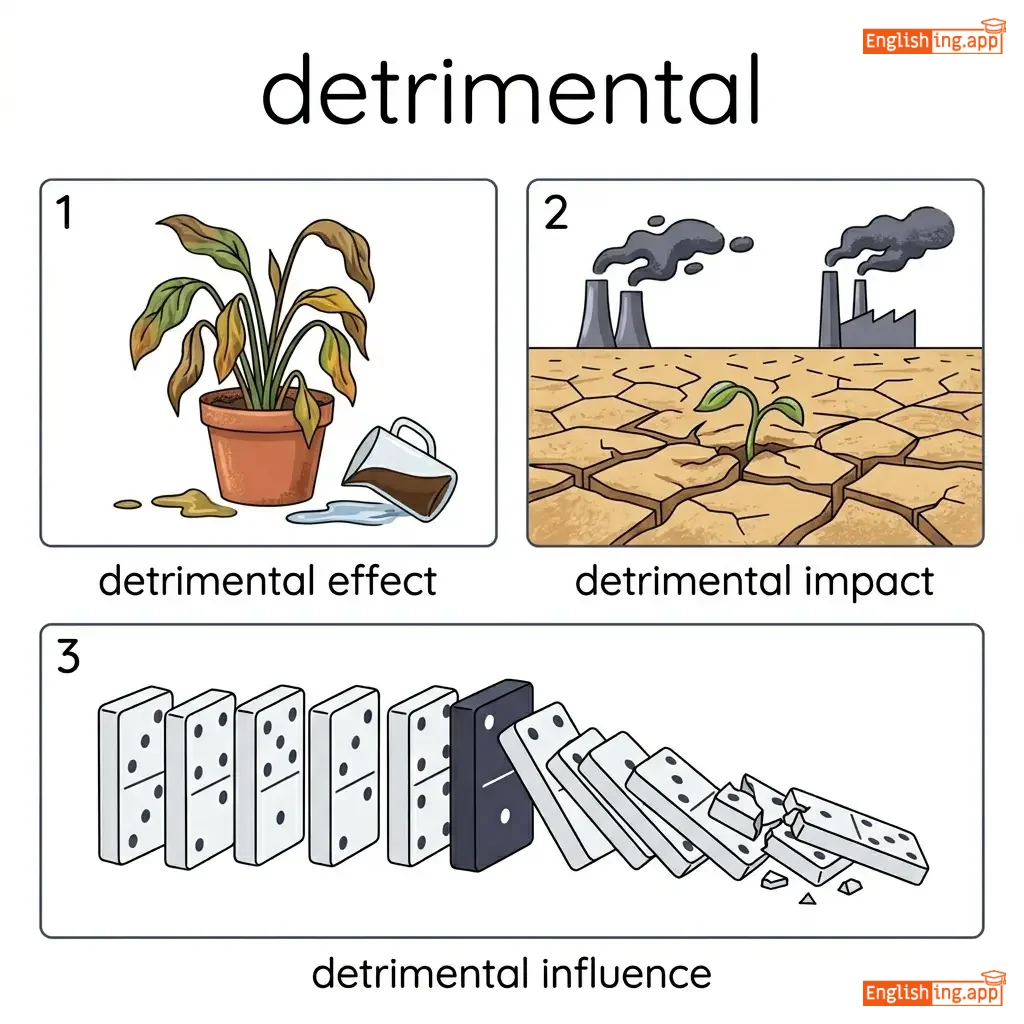
Causing harm or damage; having a negative effect.
••••••
|
Lack of sleep is detrimental to health. |
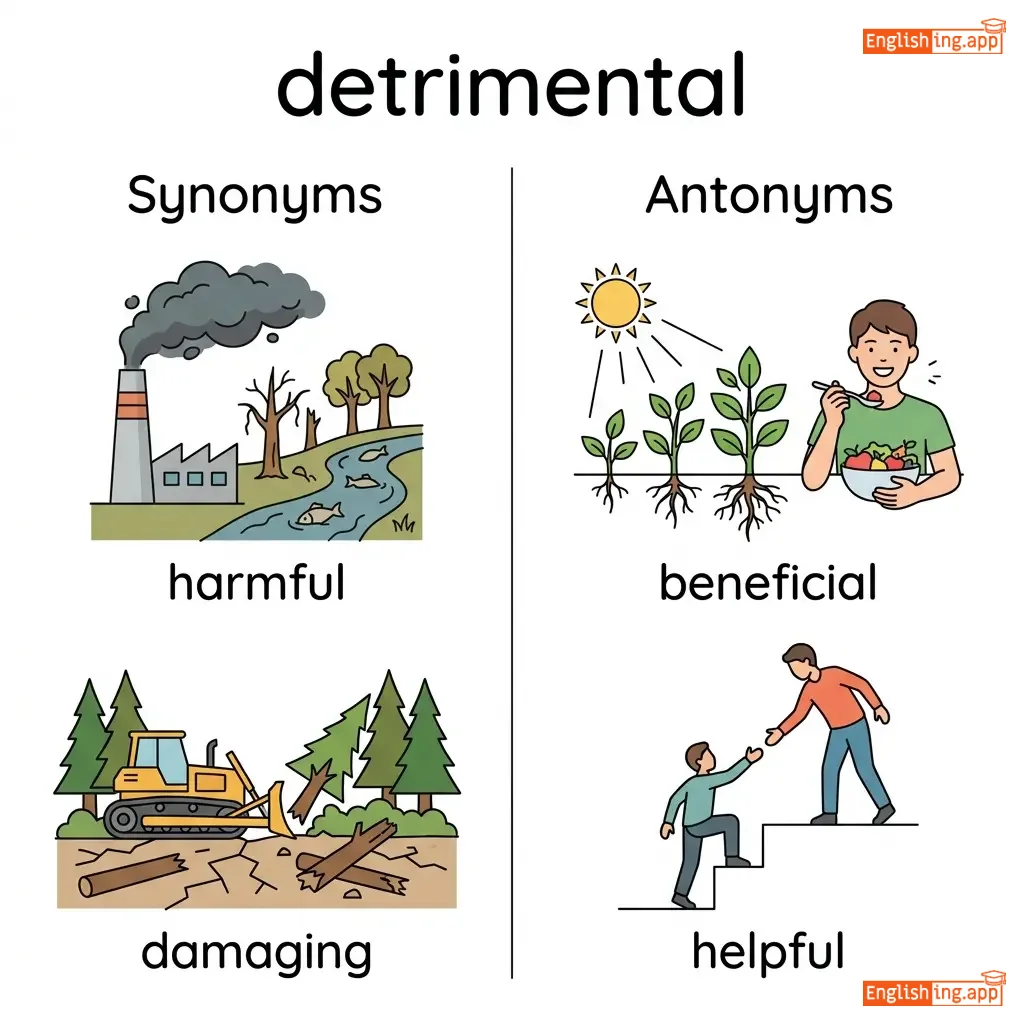
harmful, damaging, adverse
••••••
|
beneficial, helpful, advantageous
••••••
|
|
#3699
📚
|
ˈɪn.kʌl.keɪt
verb
••••••
|
|
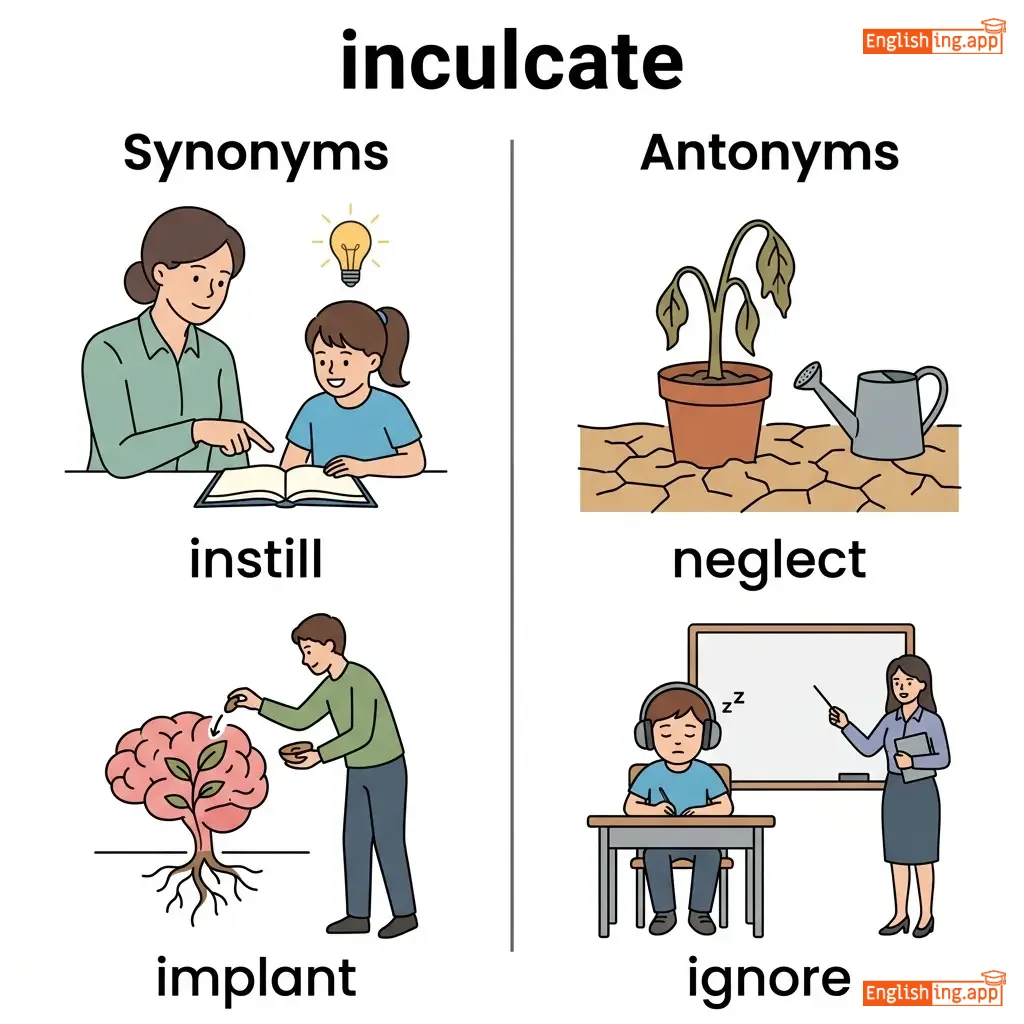
To teach or instill beliefs or habits through repetition and emphasis.
••••••
|
Teachers must inculcate discipline in students. |
instill, implant, teach
••••••
|
neglect, ignore, overlook
••••••
|
|
#3700
🔄
|
əˌsɪm.ɪˈleɪ.ʃən
noun
••••••
|
|
The process of absorbing and integrating new information, culture, or ideas into oneself.
••••••
|
Language assimilation helps immigrants adapt to a new country. |
integration, absorption, incorporation
••••••
|
rejection, isolation, separation
••••••
|
|
#3701
💎
|
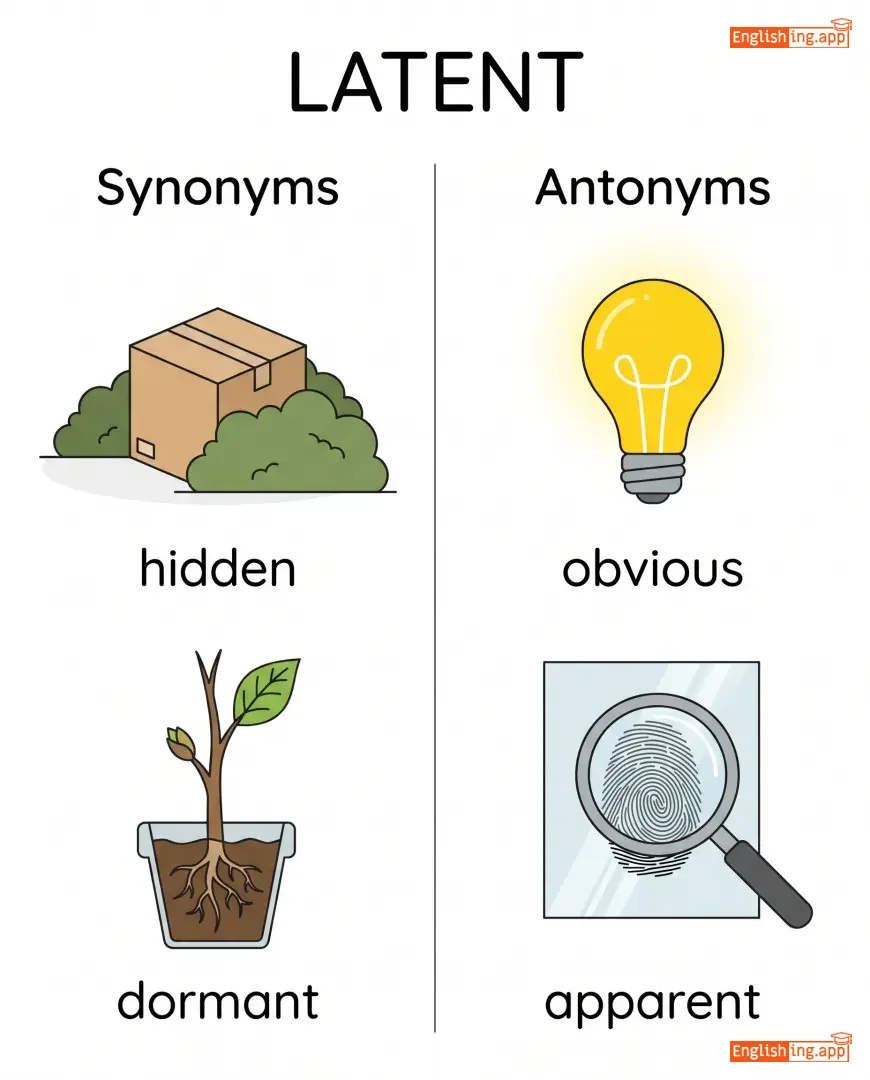
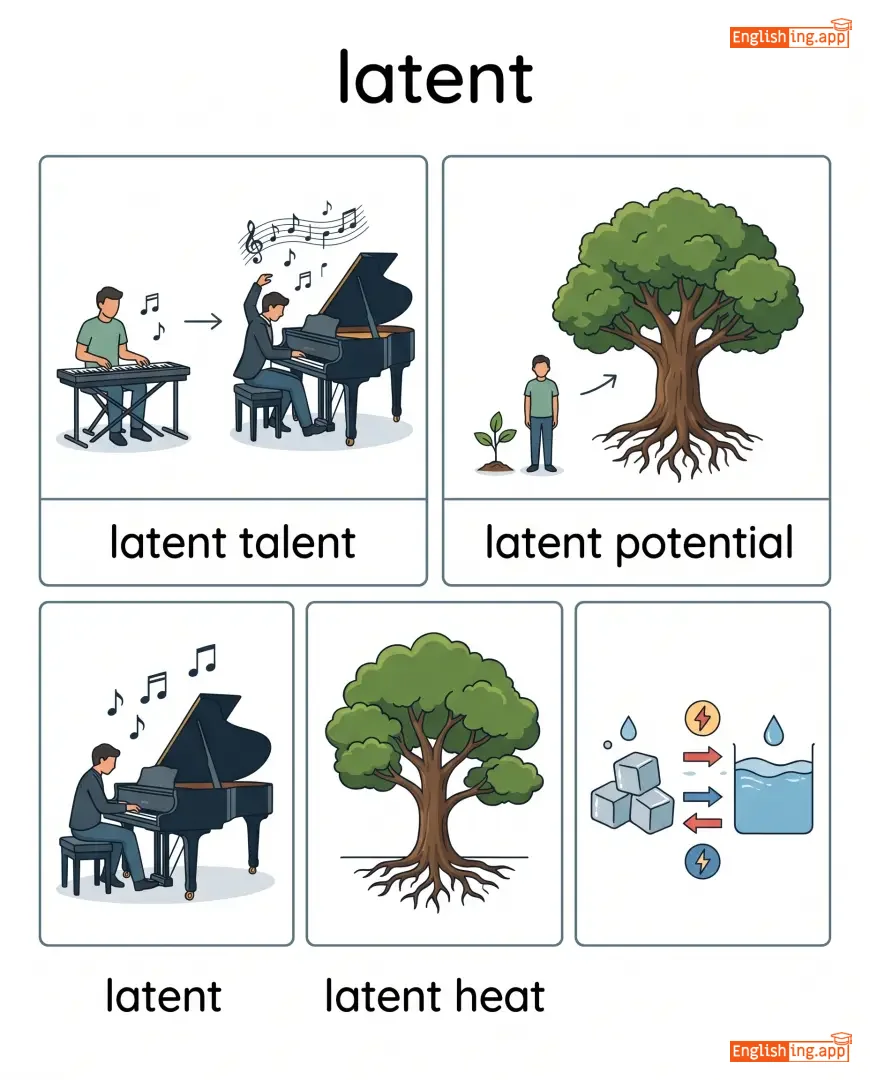
ˈleɪ.tənt
adjective
••••••
|
|
Existing but not yet developed or manifested; hidden potential.
••••••
|
His artistic talent remained latent for years. |
hidden, dormant, concealed
••••••
|
evident, obvious, manifest
••••••
|
|
#3702
🚀
|
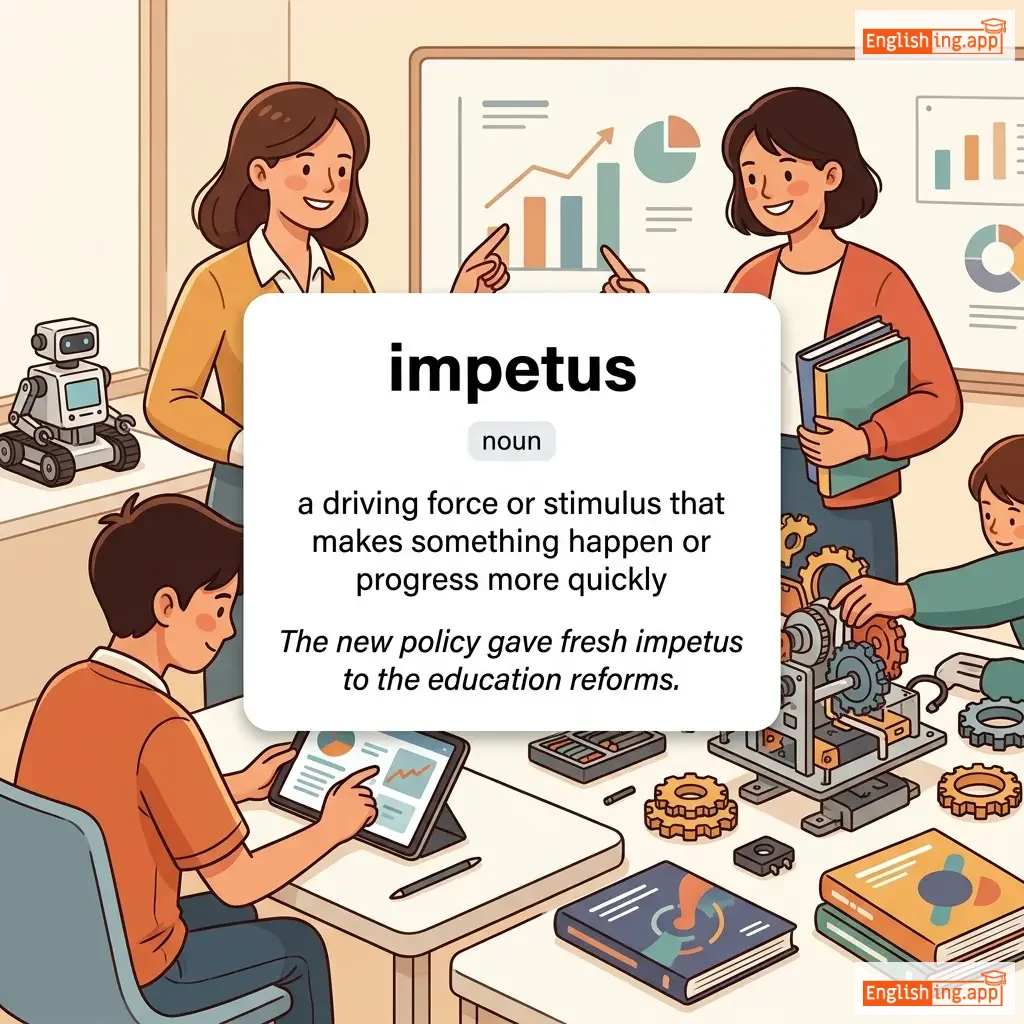
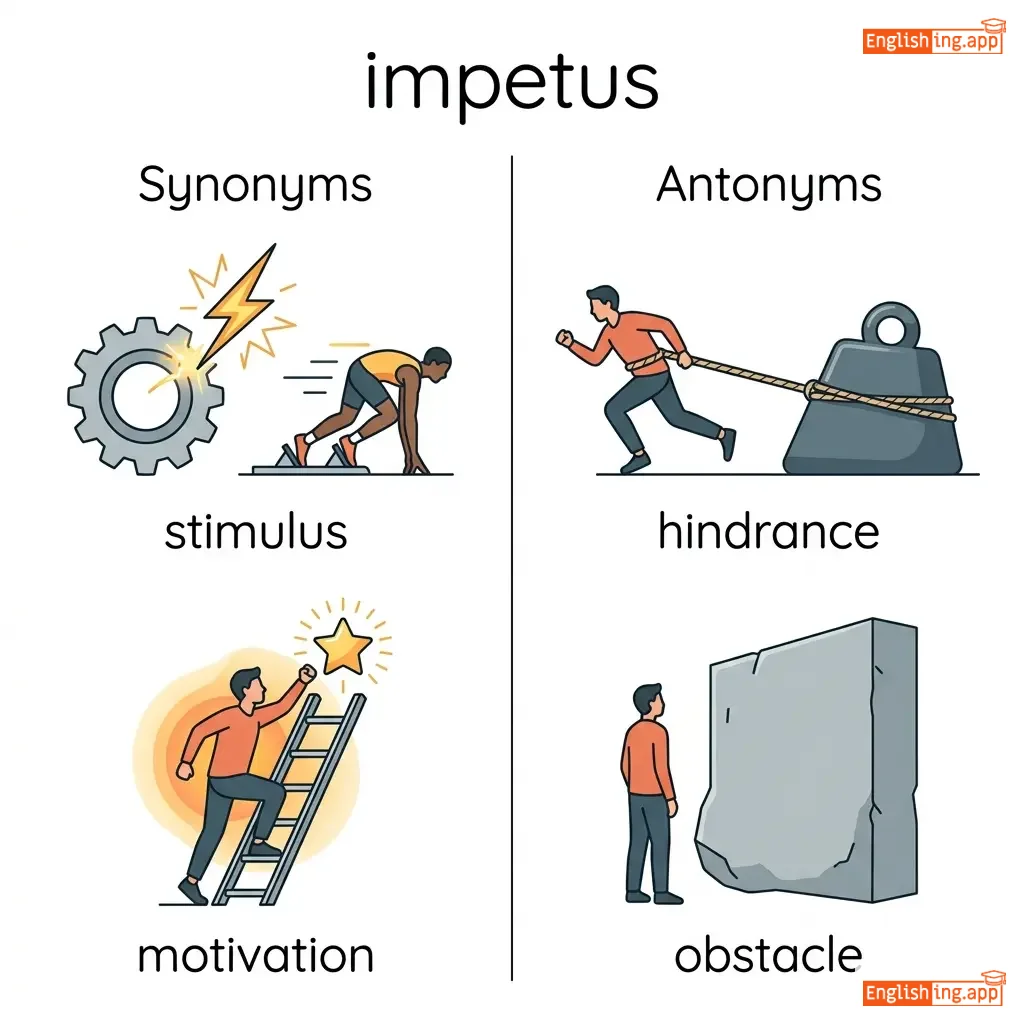
ˈɪm.pɪ.təs
noun
••••••
|
|
The force or motivation that drives something forward; momentum.
••••••
|
The new policy provided an impetus for economic growth. |
motivation, drive, momentum
••••••
|
hindrance, obstruction, deterrent
••••••
|
|
#3703
🦋
|
ˌmet.əˈmɔːr.fə.sɪs
noun
••••••
|
|
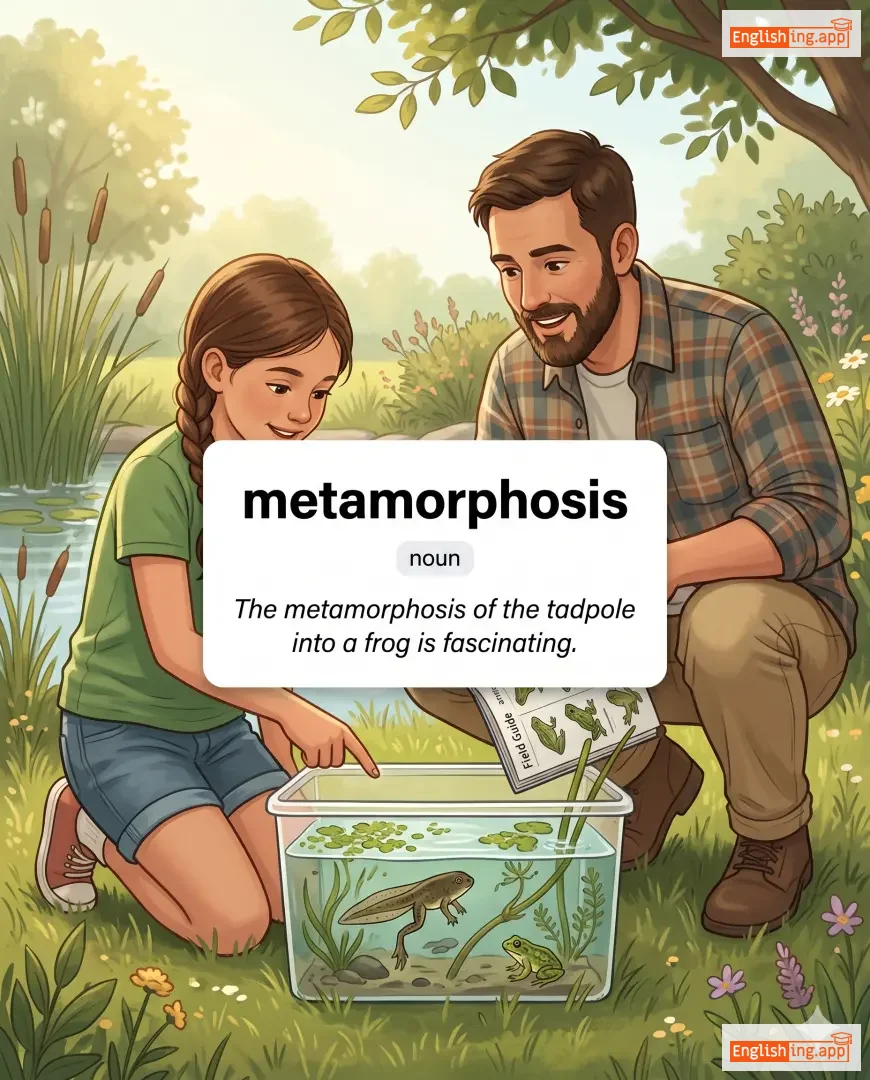
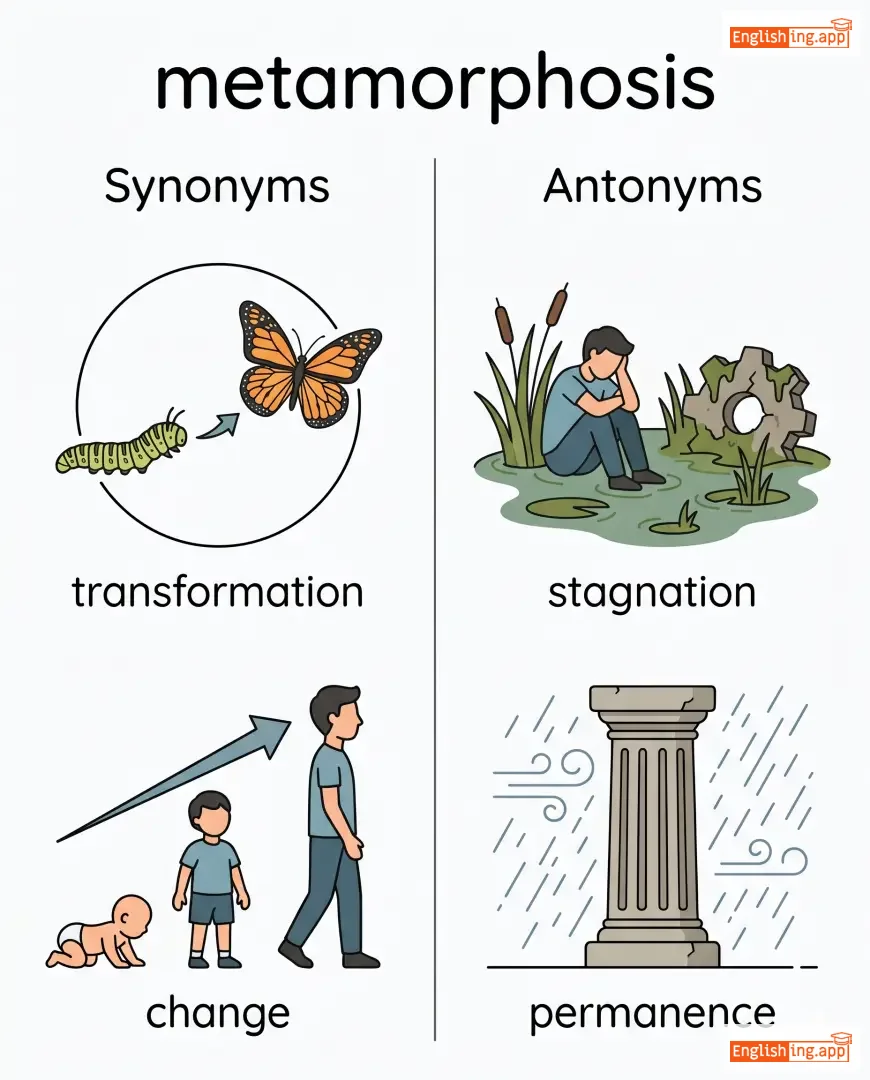
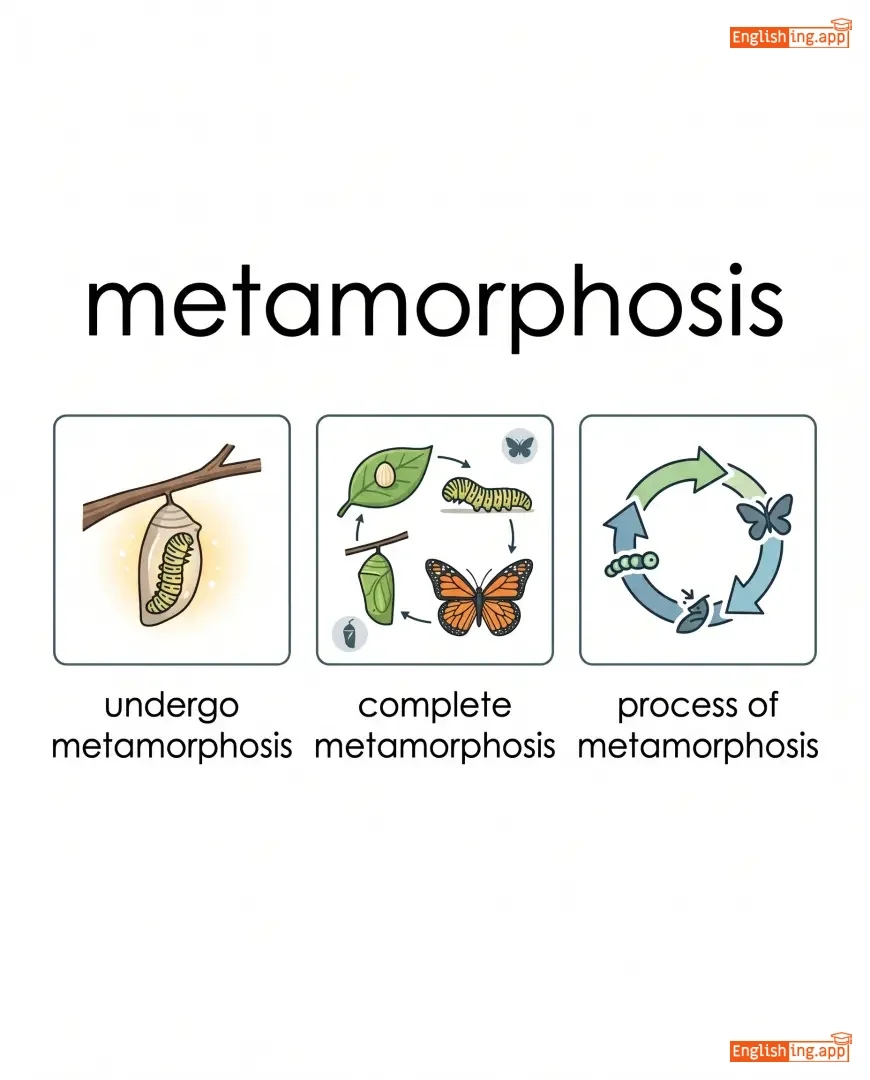
A complete change or transformation in form, nature, or character.
••••••
|
The caterpillar undergoes metamorphosis to become a butterfly. |
transformation, evolution, change
••••••
|
stagnation, stability, consistency
••••••
|
|
#3704
✊
|
koʊˈɜːr.ʒən
noun
••••••
|
|
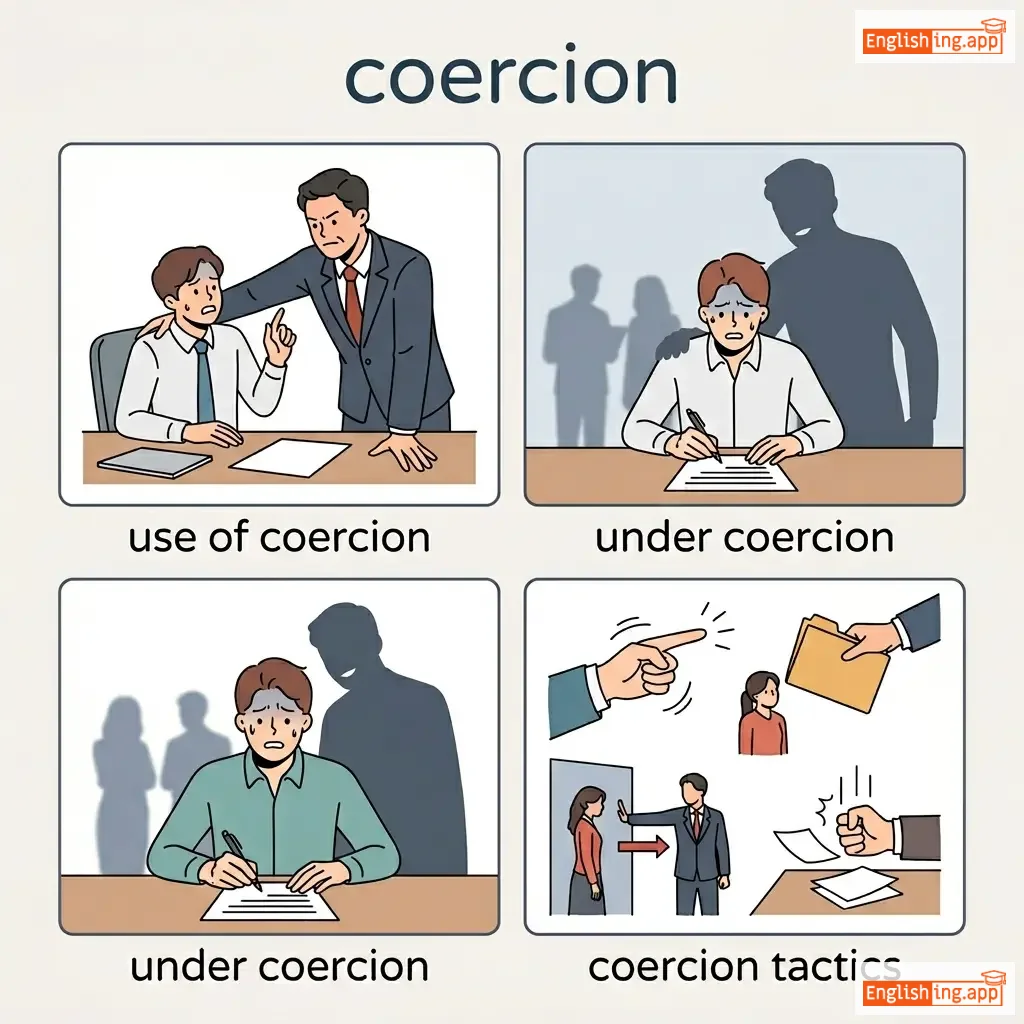
The practice of forcing someone to do something against their will.
••••••
|
The agreement was signed under coercion. |
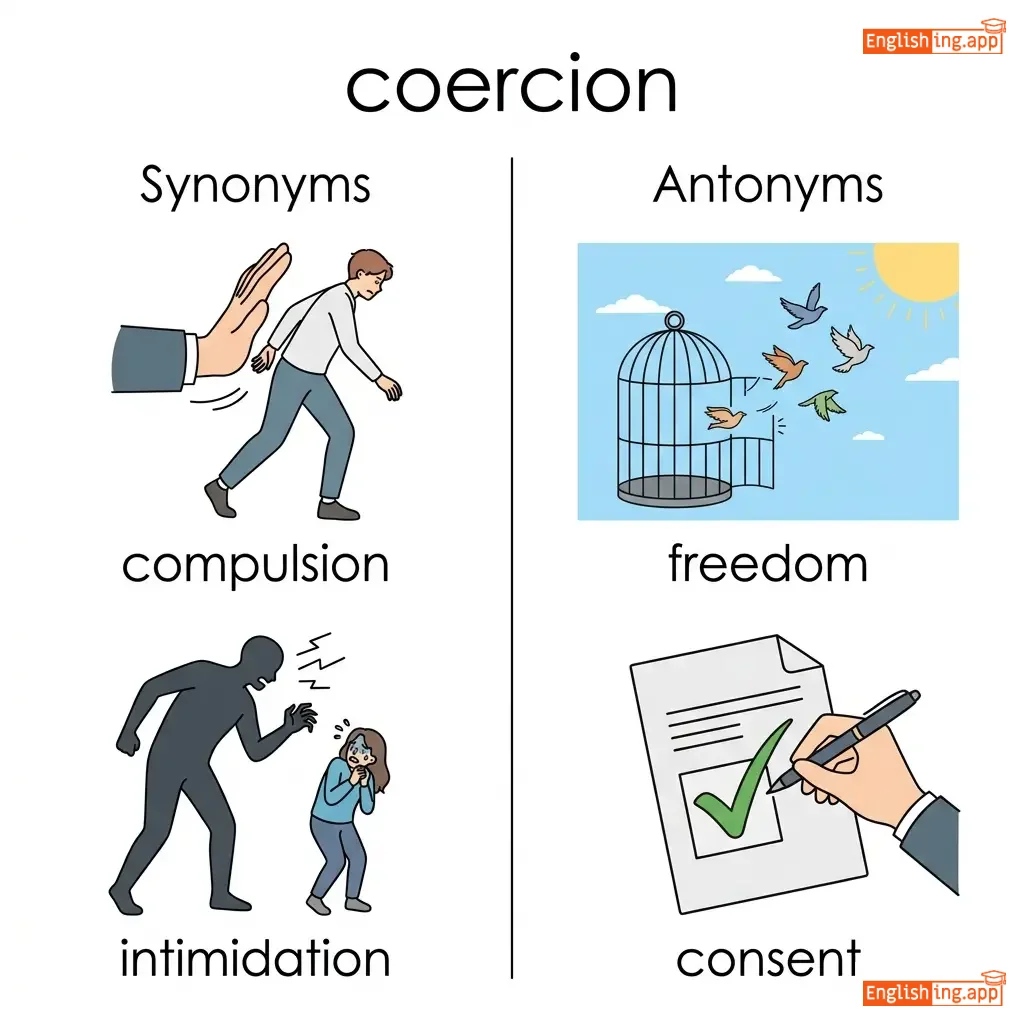
force, compulsion, pressure
••••••
|
freedom, choice, voluntariness
••••••
|
|
#3705
🌱
|
kənˈduː.sɪv
adjective
••••••
|
|
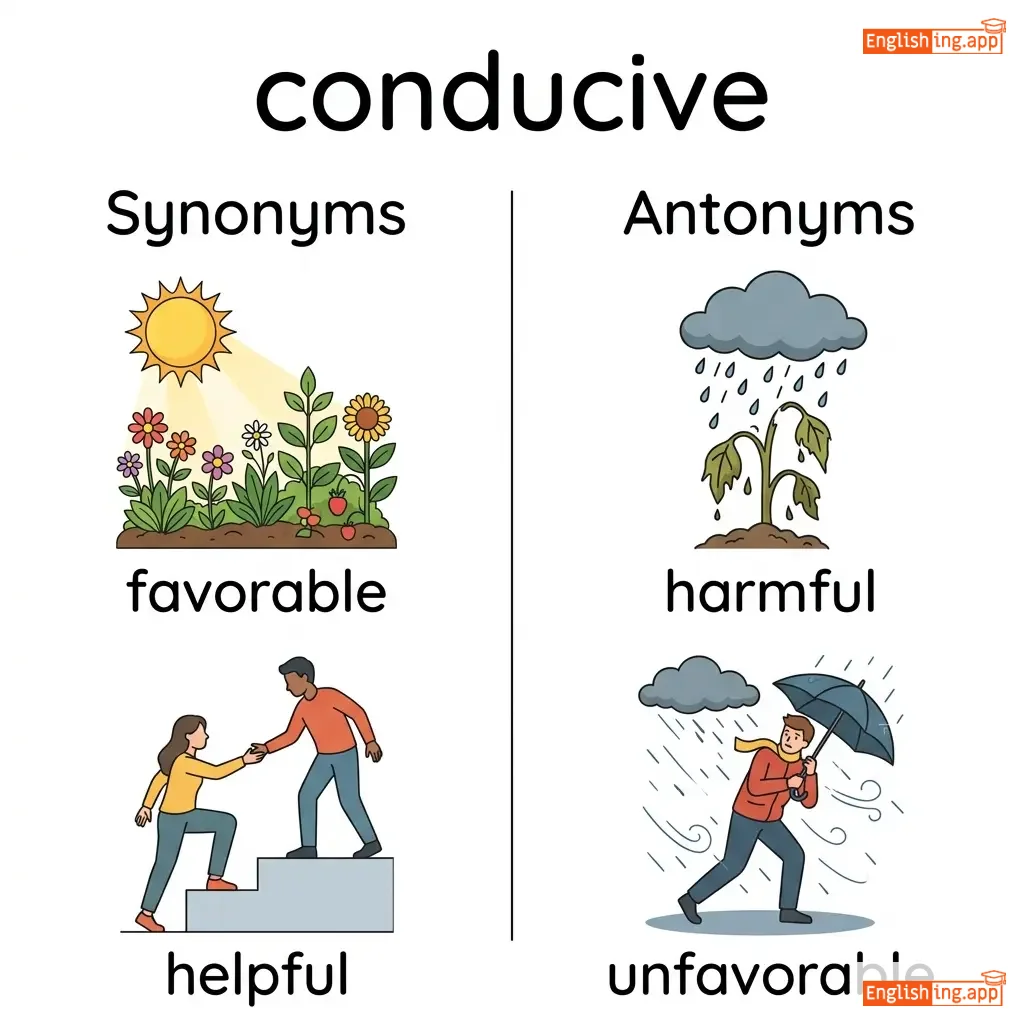
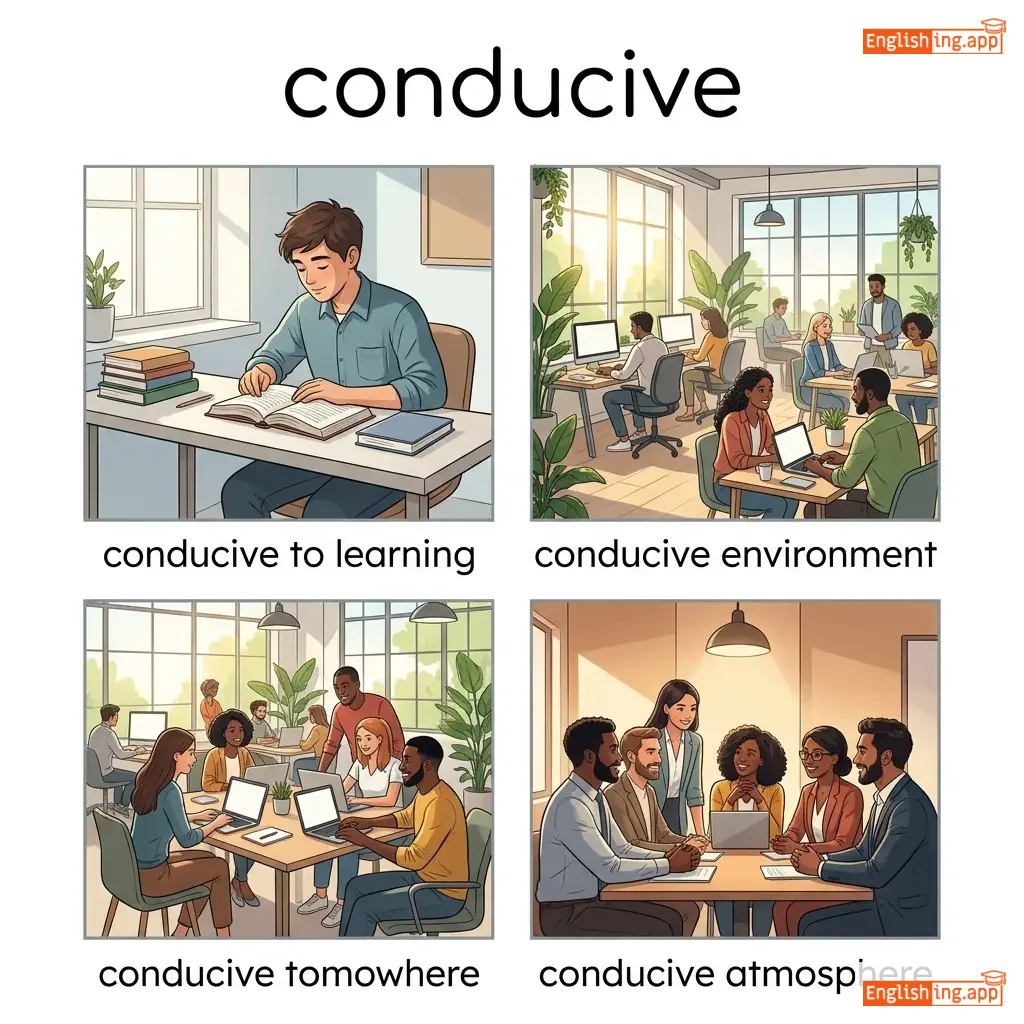
Making a certain situation or outcome likely or possible; favorable.
••••••
|
A quiet environment is conducive to studying. |
favorable, beneficial, supportive
••••••
|
hindering, unfavorable, detrimental
••••••
|
Comments (0)
Share your thoughts and join the discussion.
Join the discussion by logging in
Login to CommentNo comments yet
Be the first to share your thoughts!