

Preventing Pest Infestations in Your Home
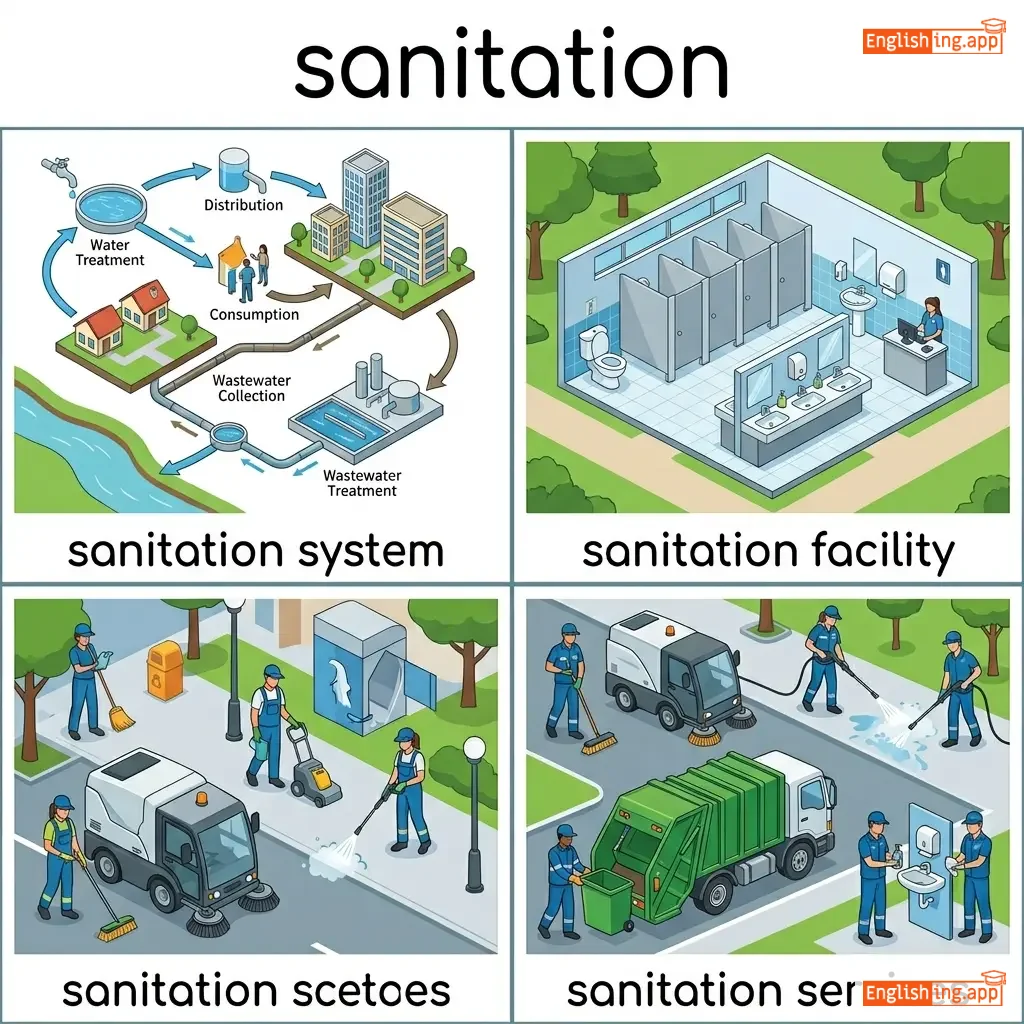
Pests or vermin can cause problems in your home. Sometimes infestations can damage the home environment. For prevention, first, all corners of the house must be properly sealed to prevent harborage. Sanitation is extremely important. It is necessary to keep the surroundings of the house clean and to be careful in food storage. If some biocides and pesticides are used, they can act as a deterrent. On the other hand, keeping the insulation of the house proper and using fumigation methods can prevent the spread of pests at the reproductive level. Through surveillance and adequate monitoring, it is possible to take action before crossing the threshold. It must be remembered that all measures must be sustainable and safe methods should always be followed to eliminate allergens.
Upgrade to Access All Vocabulary
Get unlimited access to all vocabulary items with Pro membership
Upgrade to ProTranslation
Past
Past Participle
Third Person Singular
Gerund
Meaning
Example Sentence
Example Sentence Translation
Synonyms
Antonyms
Collocations
Mnemonic
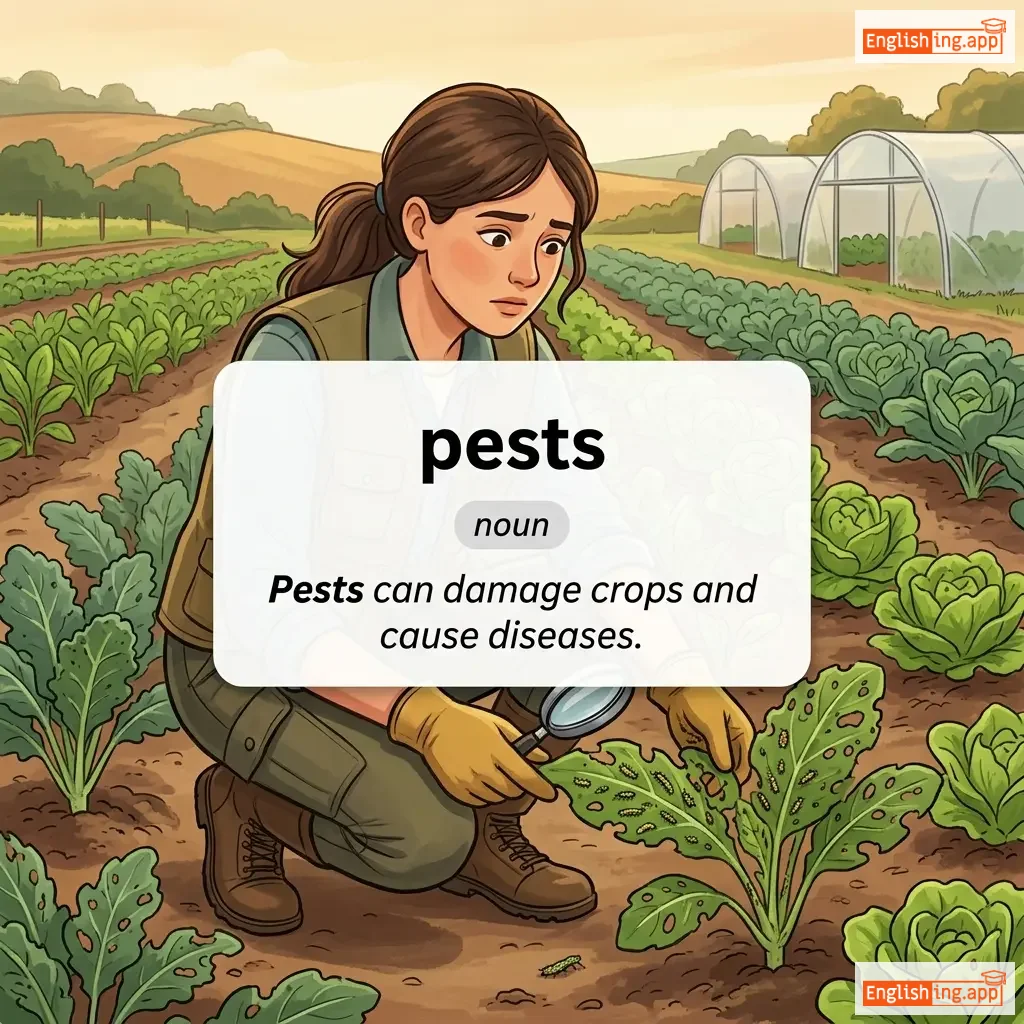
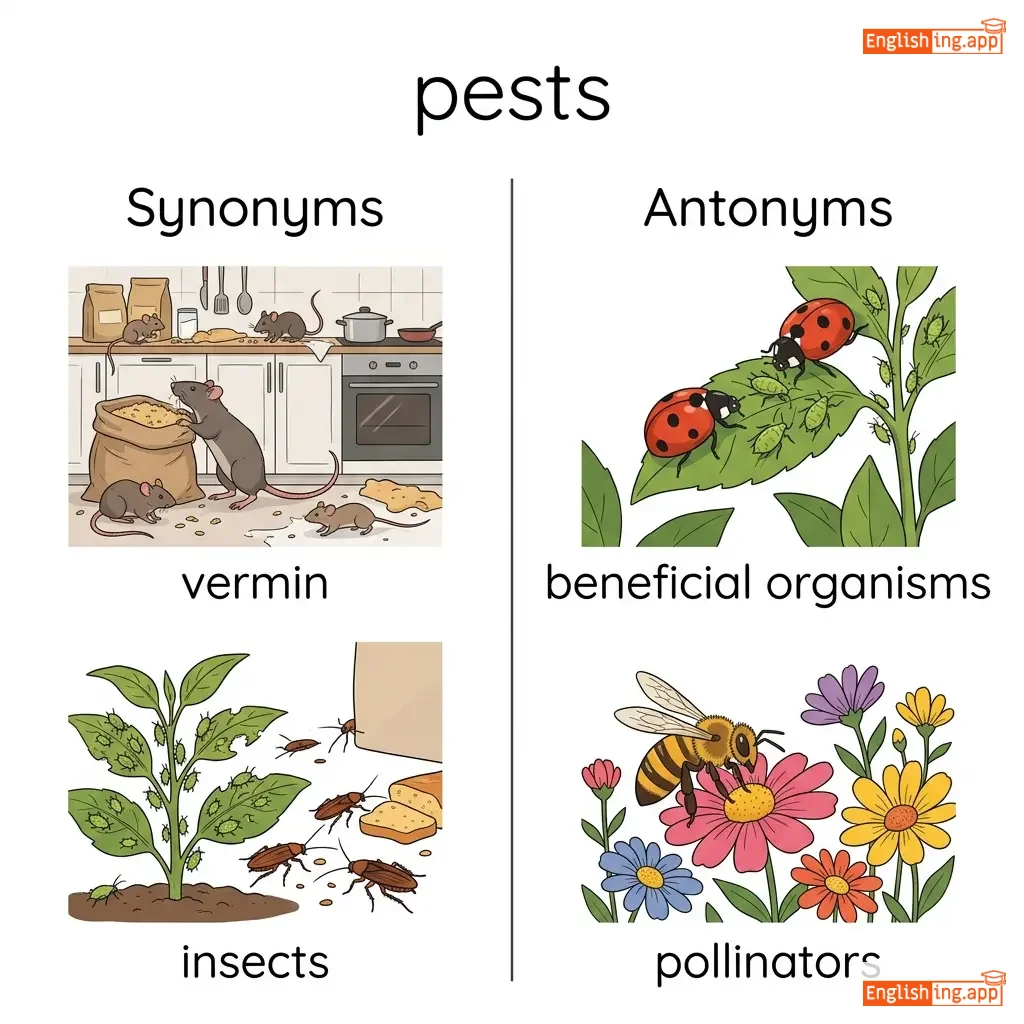
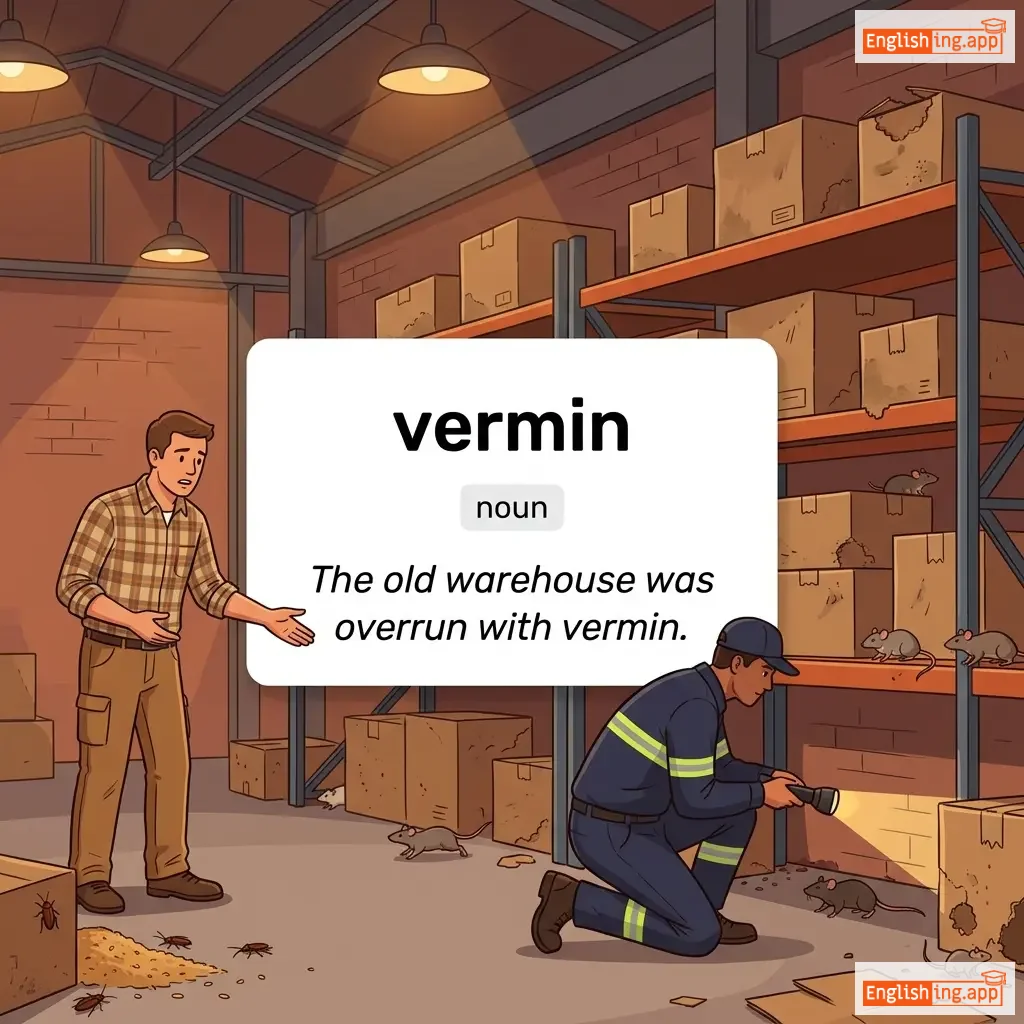
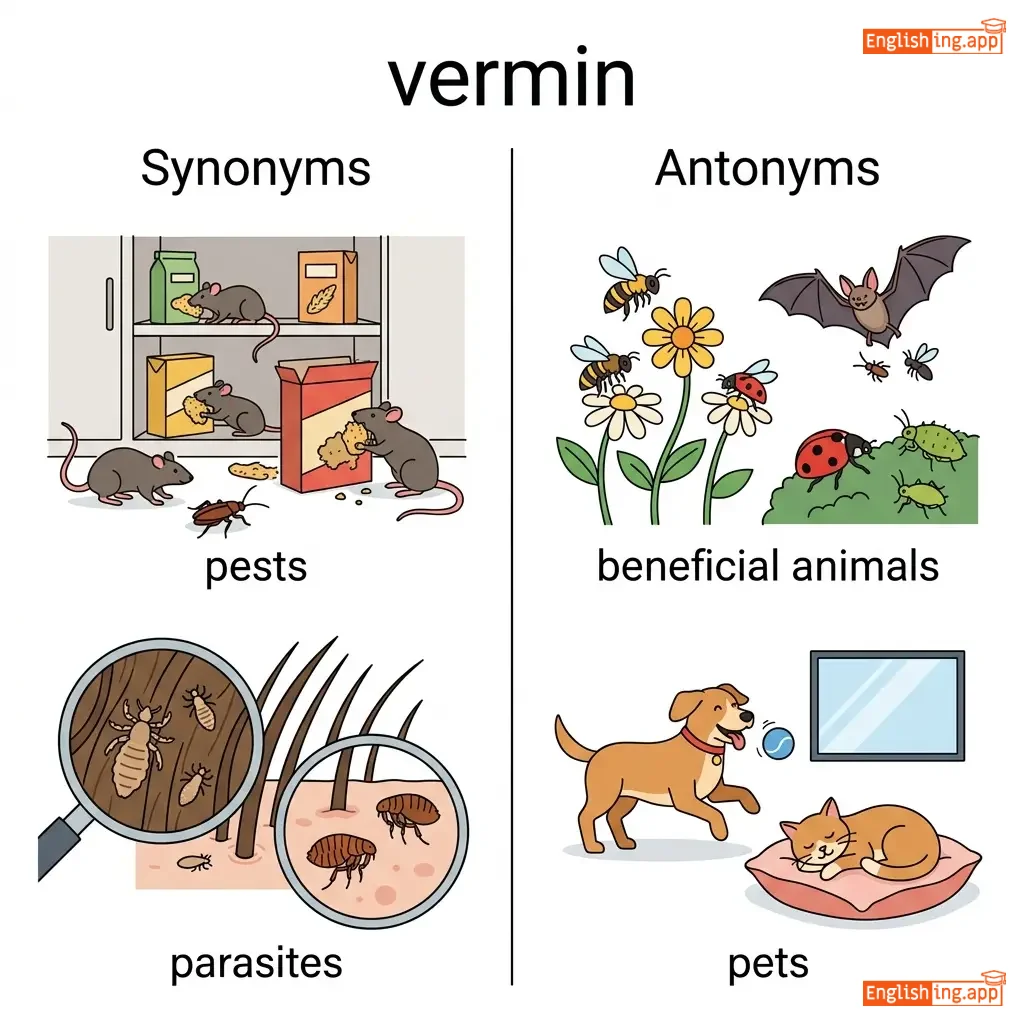
Swipe left or right, or use the buttons. Tap image to zoom.
Upgrade to Access All Sentences
Get unlimited access to all sentences with Pro membership
Upgrade to ProExample Sentence Translation
Word
Preventing Pest Infestations in Your Home - Mask Toggle
|
Emoji
|
Word | Images | Meaning | Example Sentence | Synonyms | Antonyms |
|---|---|---|---|---|---|---|
|
#2755
🐛
|
pɛsts
noun
••••••
|
|
Harmful or troublesome creatures, especially insects or small animals that damage crops, food, or living spaces.
••••••
|
Pests can damage crops and cause diseases. |
vermin, insects
••••••
|
beneficial organisms, pollinators
••••••
|
|
#2756
🐀
|
ˈvɜːmɪn
noun
••••••
|
|
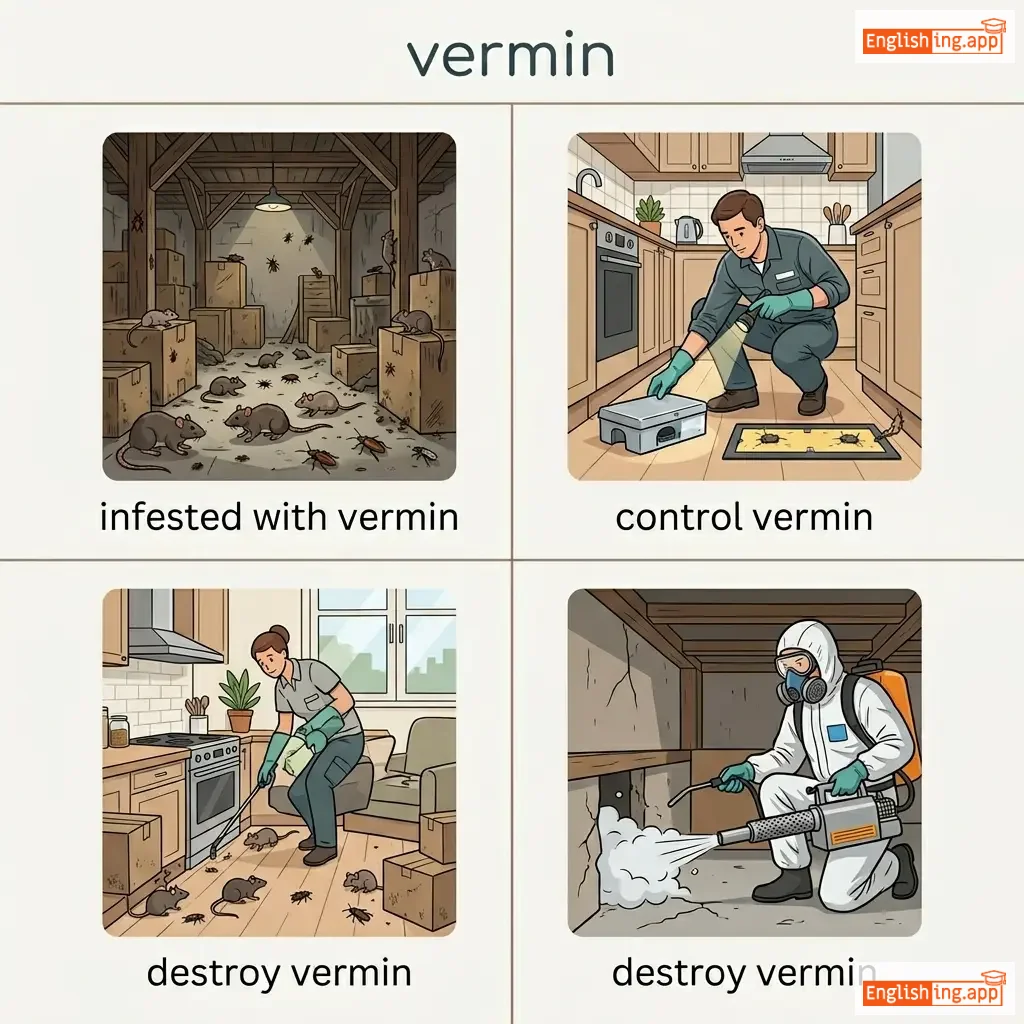
Small harmful animals or insects that are difficult to control and carry disease.
••••••
|
The house was infested with vermin, requiring immediate action. |
pests, rodents
••••••
|
beneficial insects, natural predators
••••••
|
|
#2757
🏠
|
ˌɪnfɛsˈteɪʃən
noun
••••••
|
|
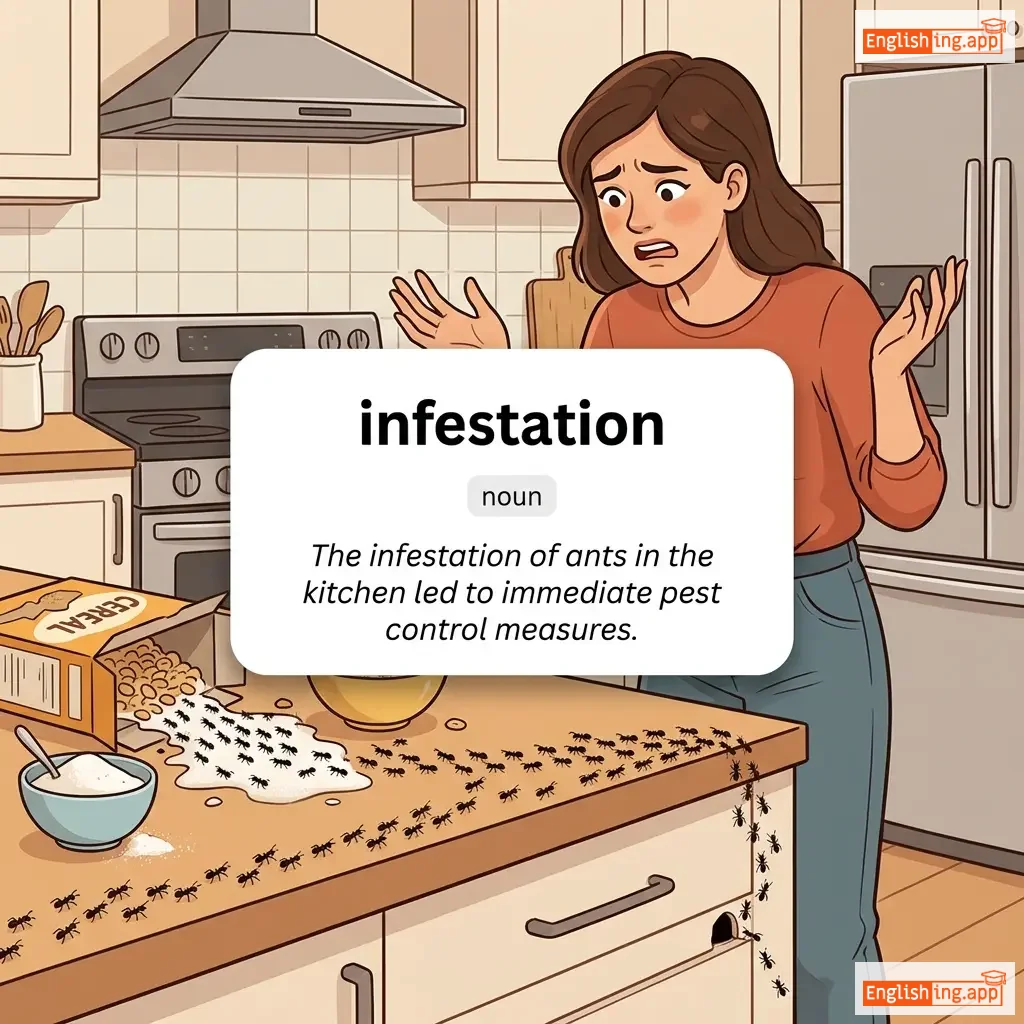
The presence of an unusually large number of insects or animals in a place, causing damage or disease.
••••••
|
The infestation of ants in the kitchen led to immediate pest control measures. |
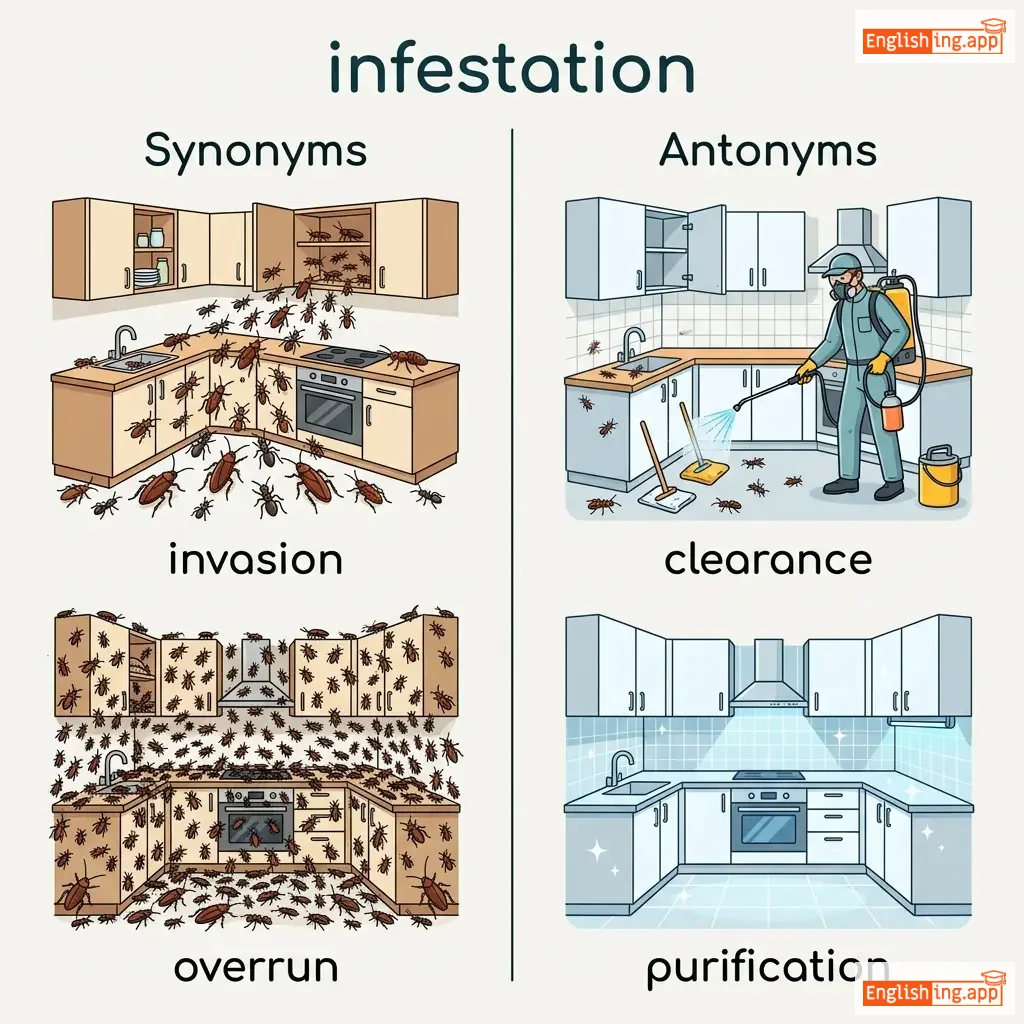
invasion, overrun
••••••
|
clearance, purification
••••••
|
|
#2758
🛡️
|
prɪˈvɛnʃən
noun
••••••
|
|
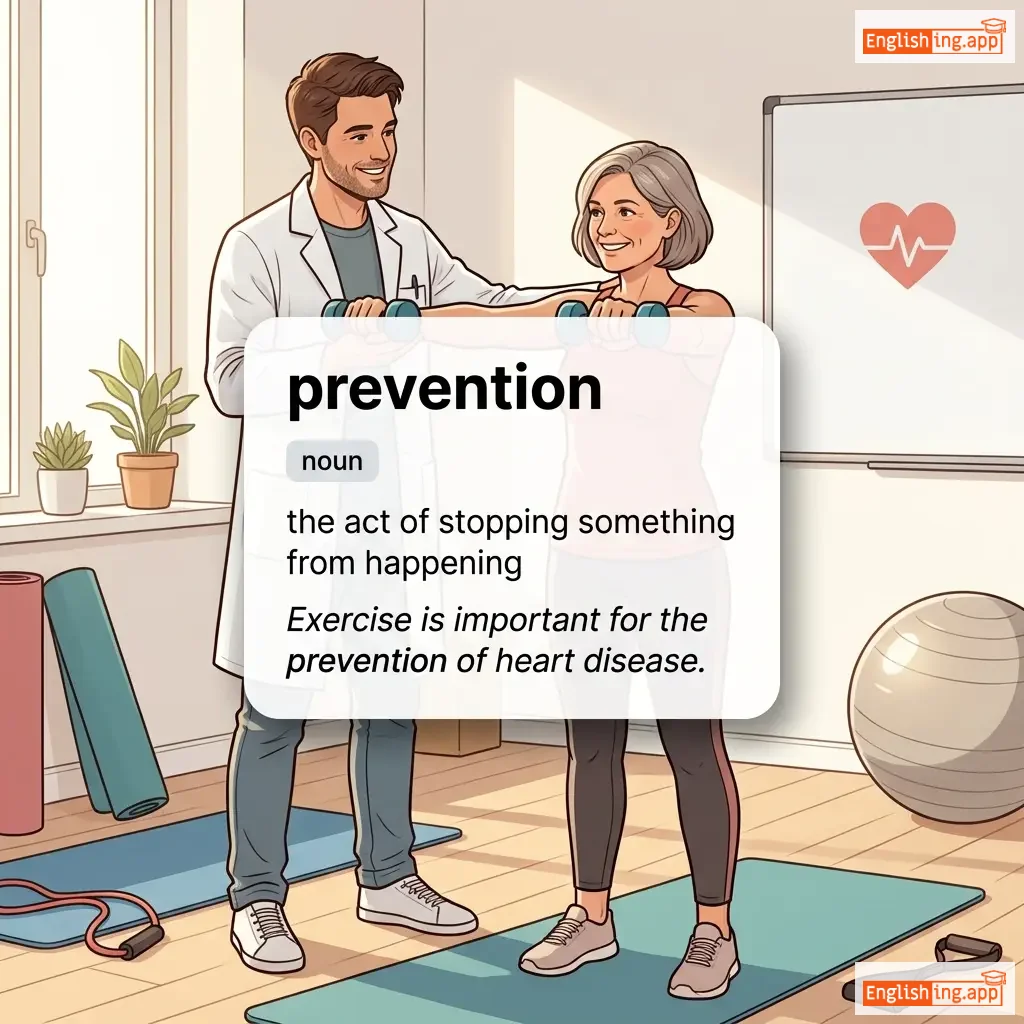
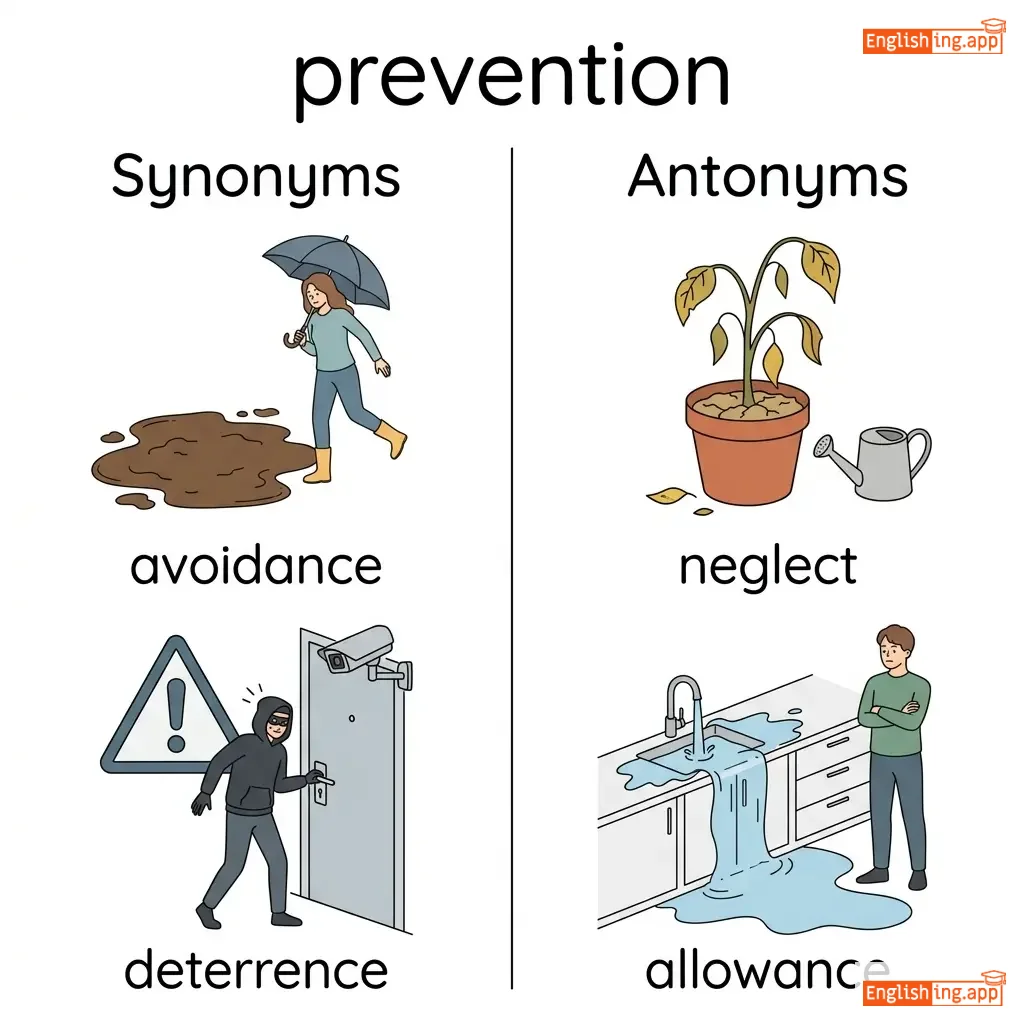
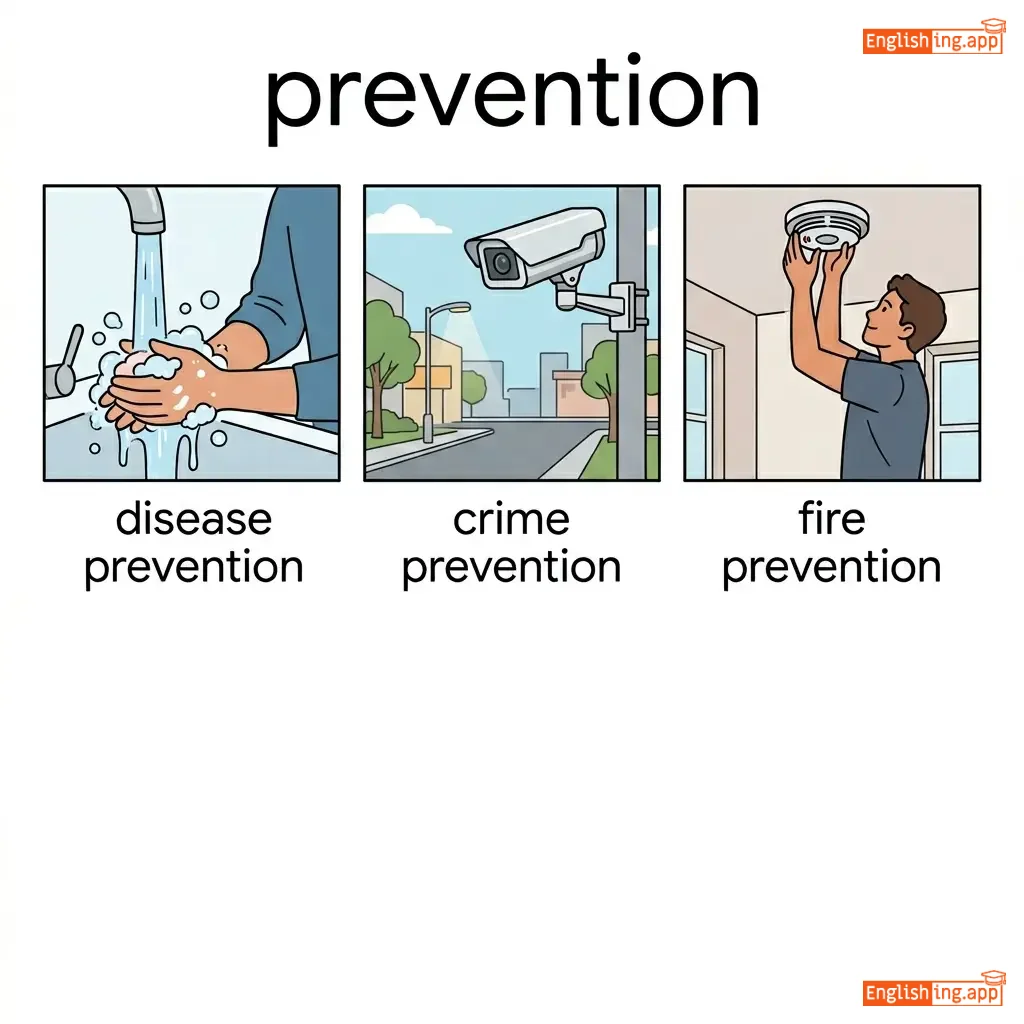
The action of stopping something from happening or arising.
••••••
|
Effective pest prevention strategies reduce health risks. |
protection, safeguarding
••••••
|
cure, treatment
••••••
|
|
#2759
🔒
|
ˈsiːlɪŋ
verb
••••••
|
|
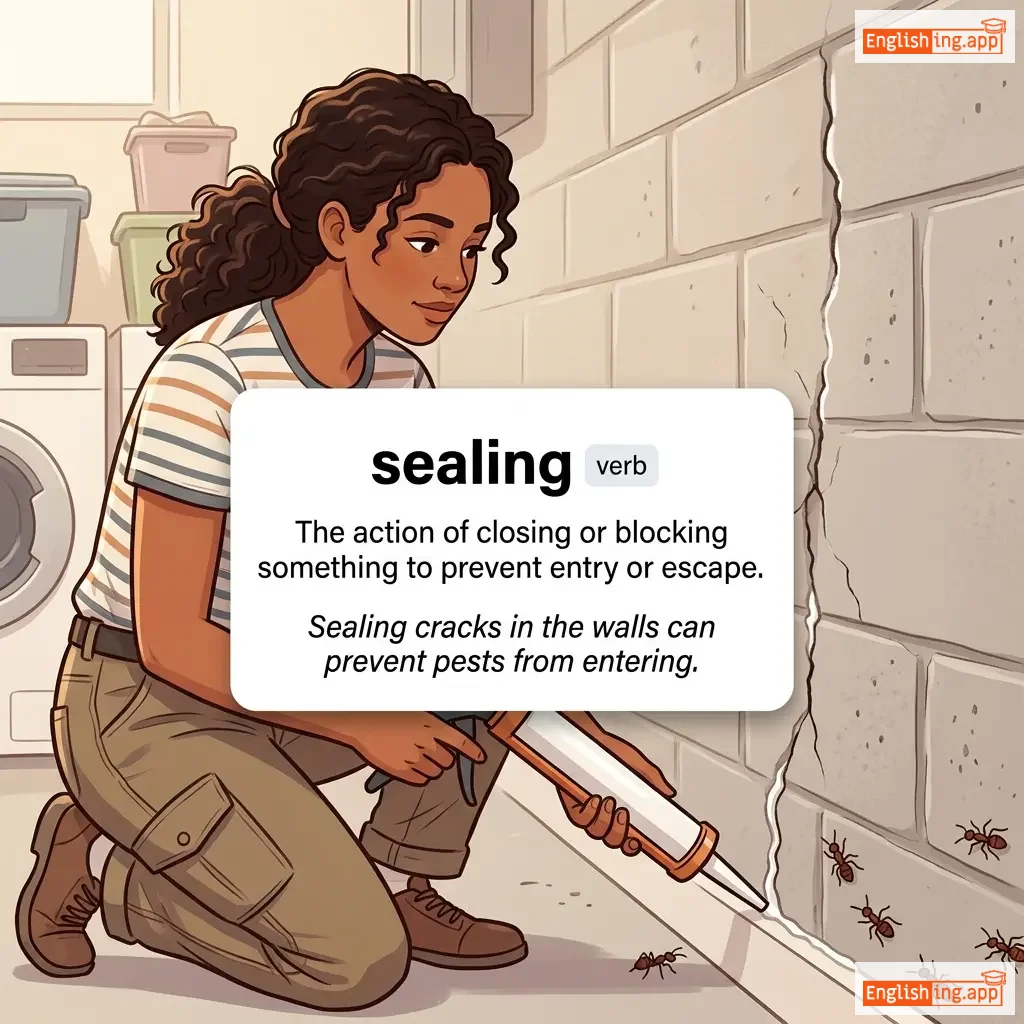
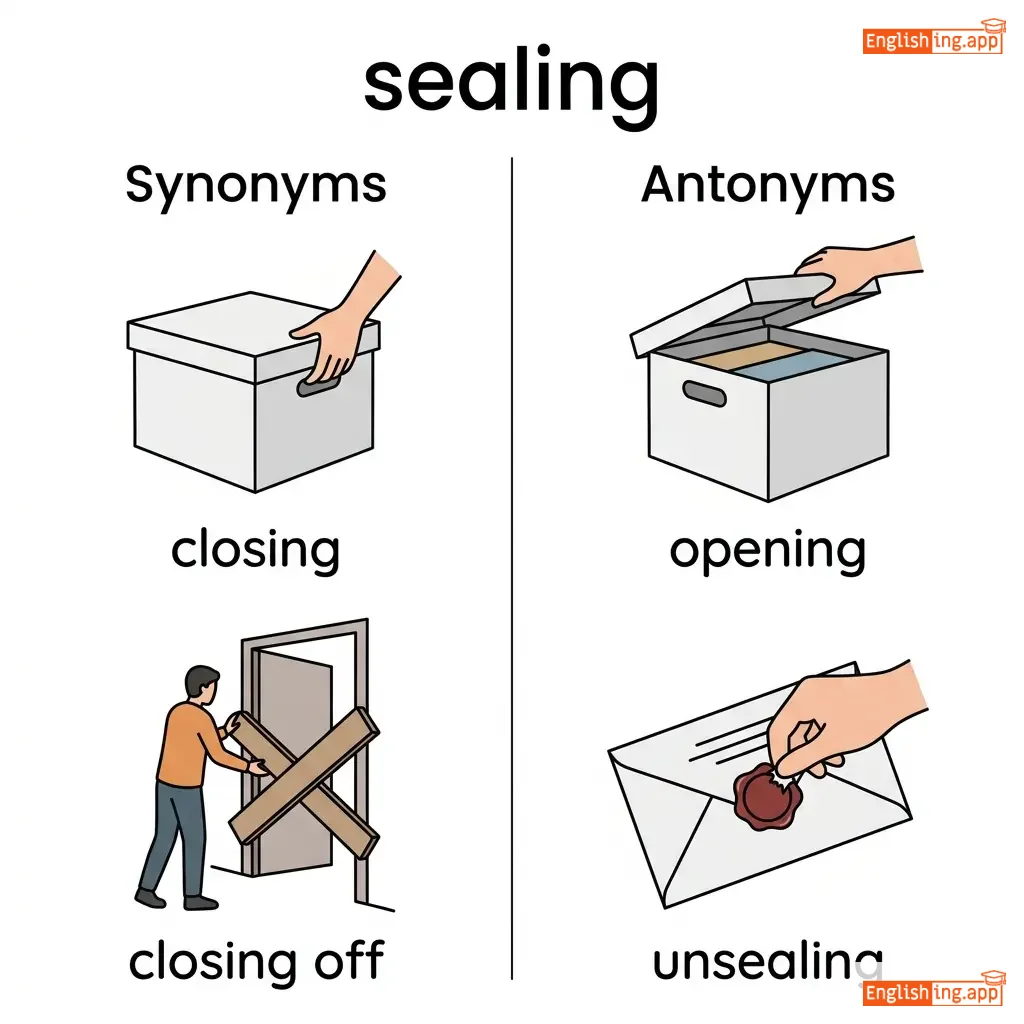
The action of closing or blocking something to prevent entry or escape.
••••••
|
Sealing cracks in the walls can prevent pests from entering. |
closing, closing off
••••••
|
opening, unsealing
••••••
|
|
#2760
🏠
|
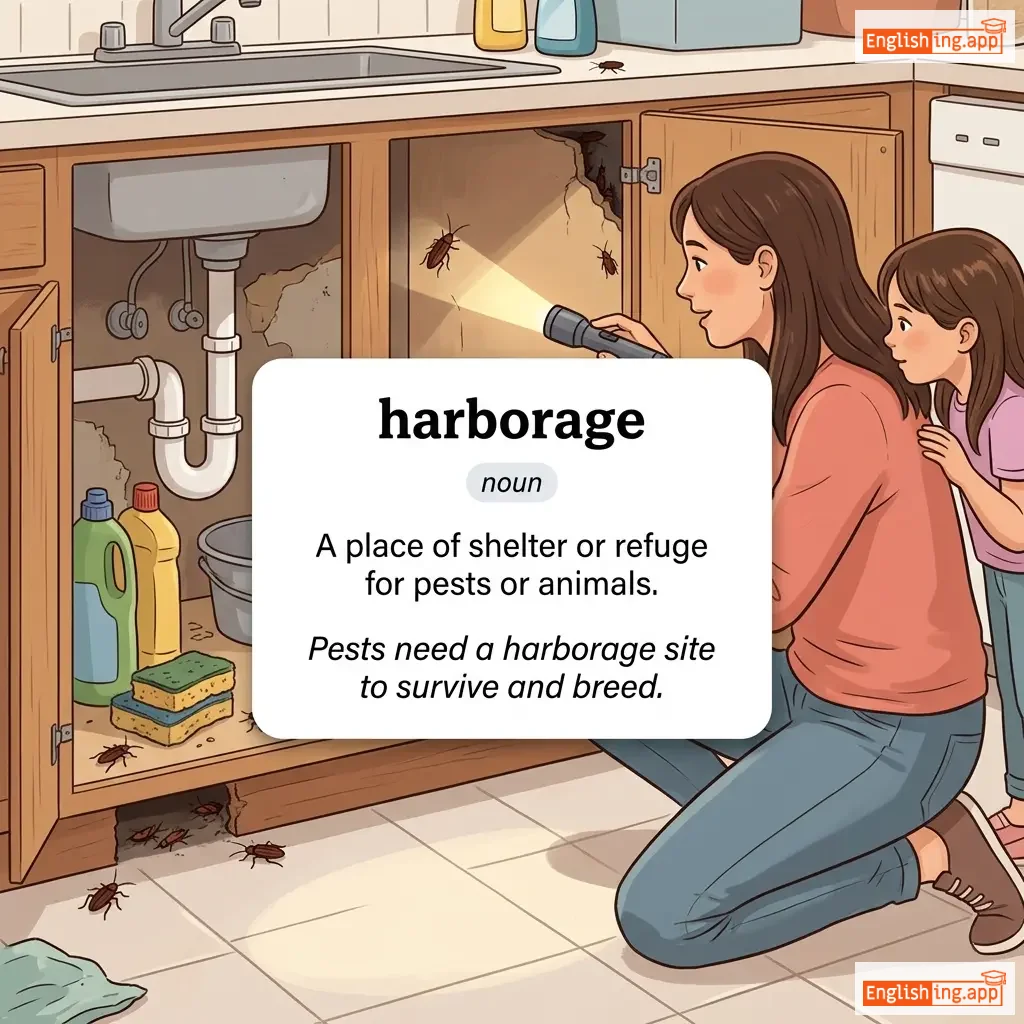
ˈhɑːrbərɪdʒ
noun
••••••
|
|
A place of shelter or refuge for pests or animals.
••••••
|
Pests need a harborage site to survive and breed. |
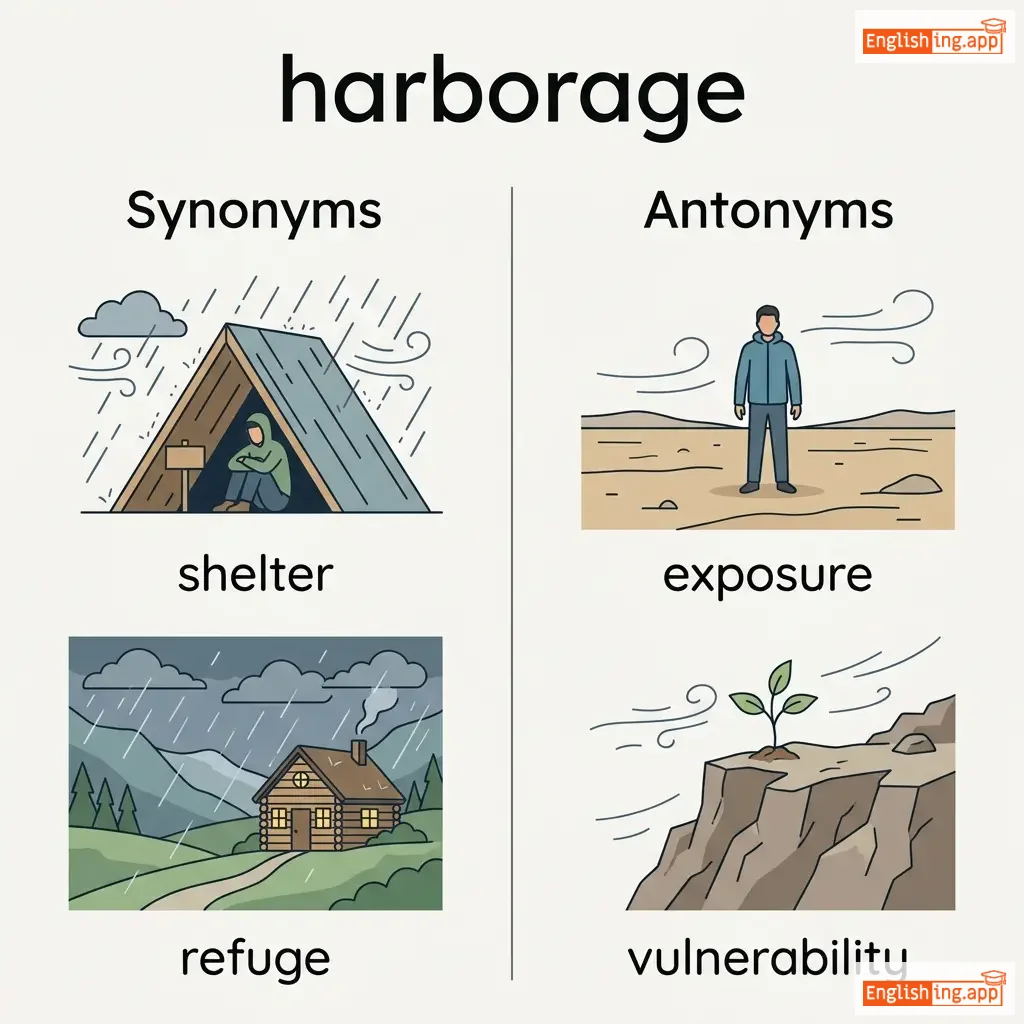
shelter, refuge
••••••
|
exposure, vulnerability
••••••
|
|
#2761
🧽
|
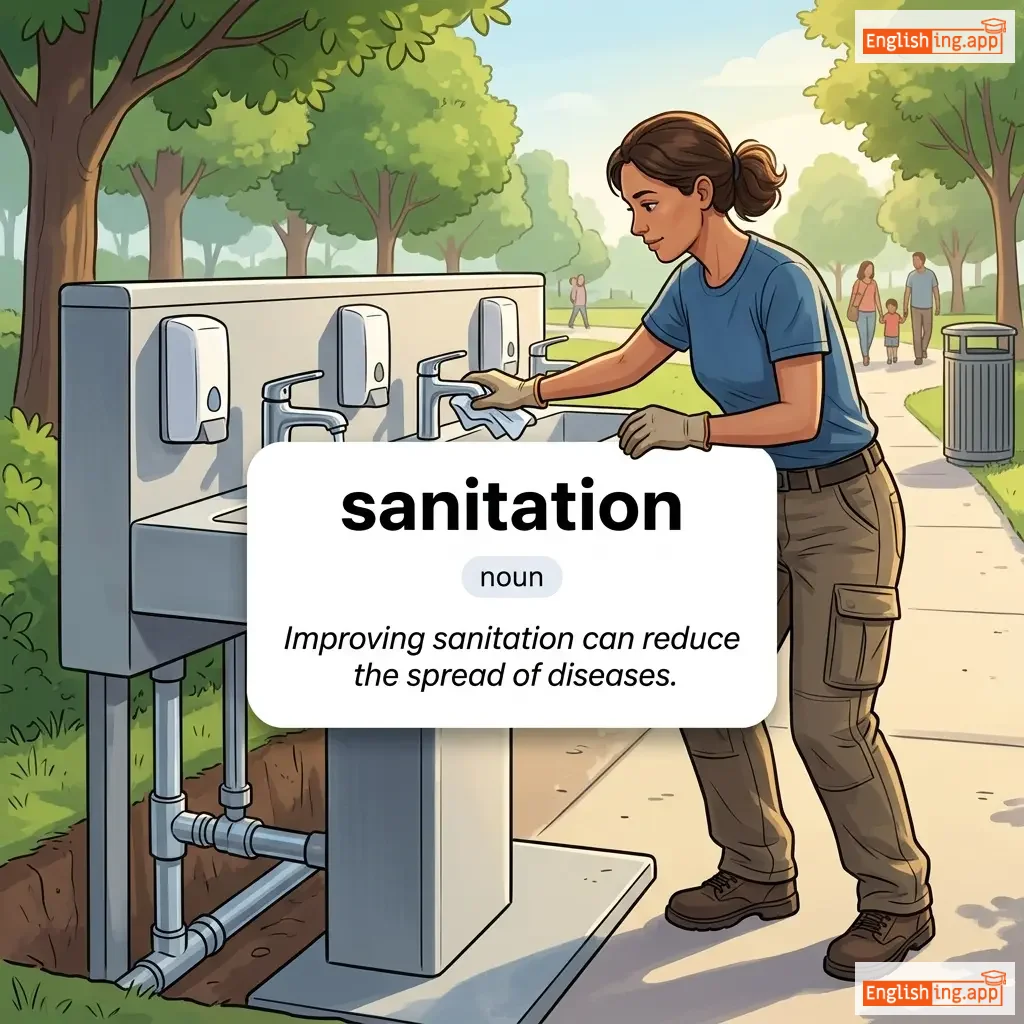
ˌsænɪˈteɪʃən
noun
••••••
|
|
Conditions relating to public health, especially the provision of clean drinking water and adequate sewage disposal.
••••••
|
Good sanitation practices are key to preventing infestations. |
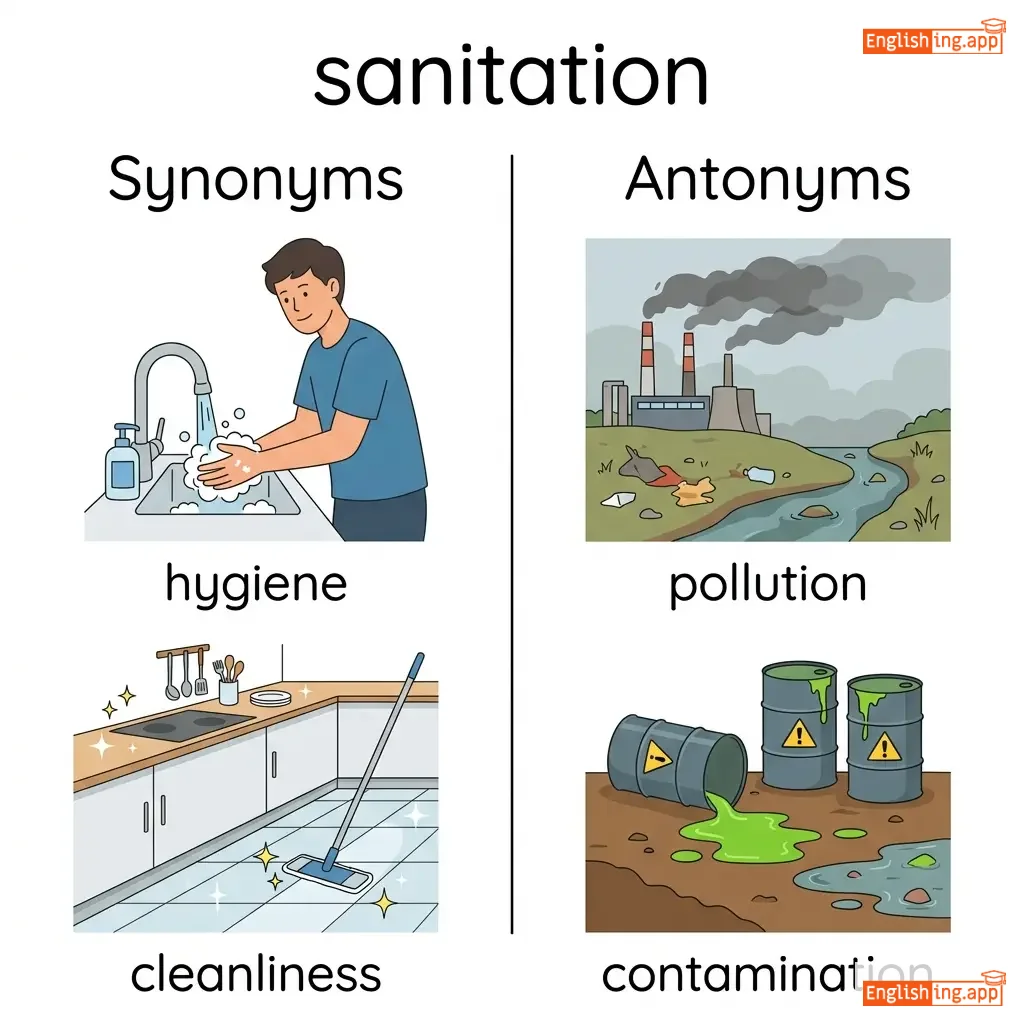
cleanliness, hygiene
••••••
|
filth, dirt
••••••
|
|
#2762
💊
|
ˈbaɪəʊˌsaɪd
noun
••••••
|
- •••••• |
A chemical substance or microorganism intended to destroy, deter, render harmless, or exert a controlling effect on any harmful organism.
••••••
|
Biocides help control pests and reduce the spread of diseases. |
pesticide, disinfectant
••••••
|
fertilizer, growth stimulant
••••••
|
|
#2763
🧪
|
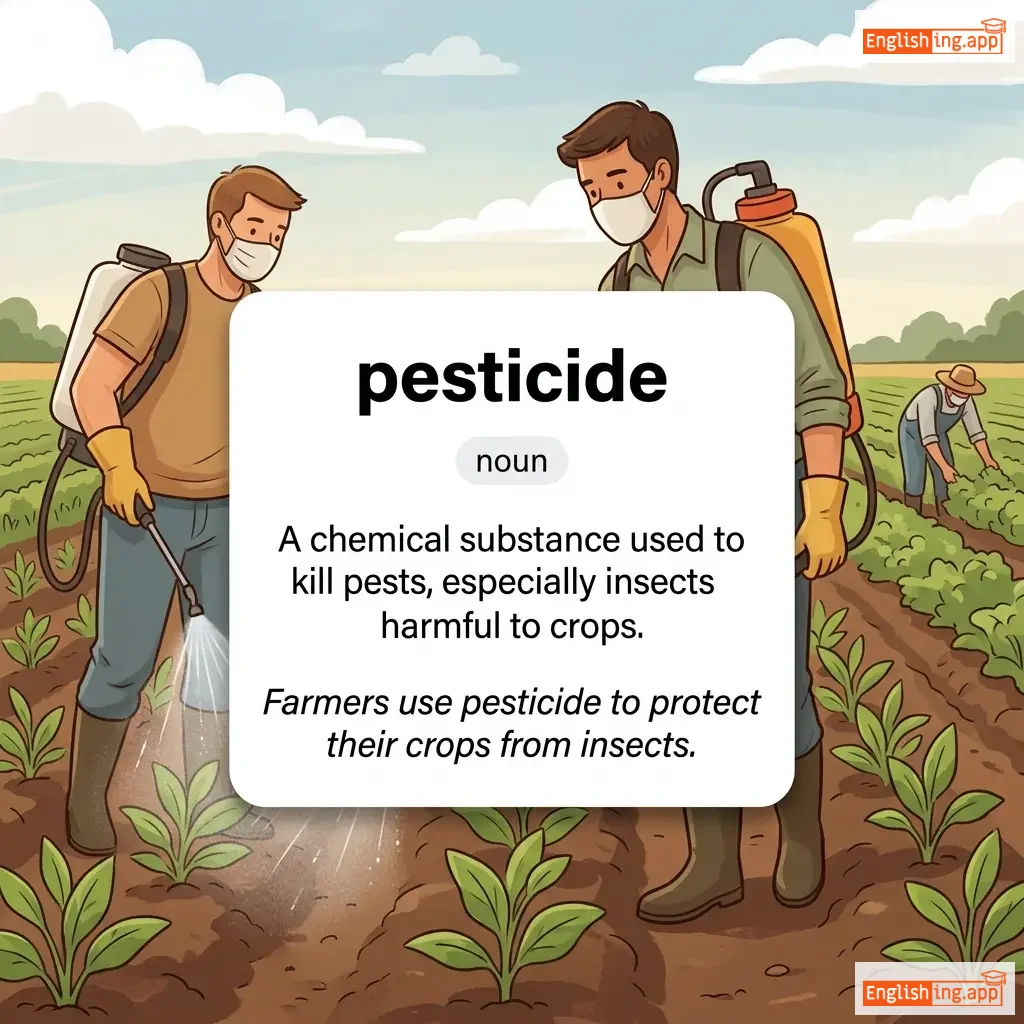
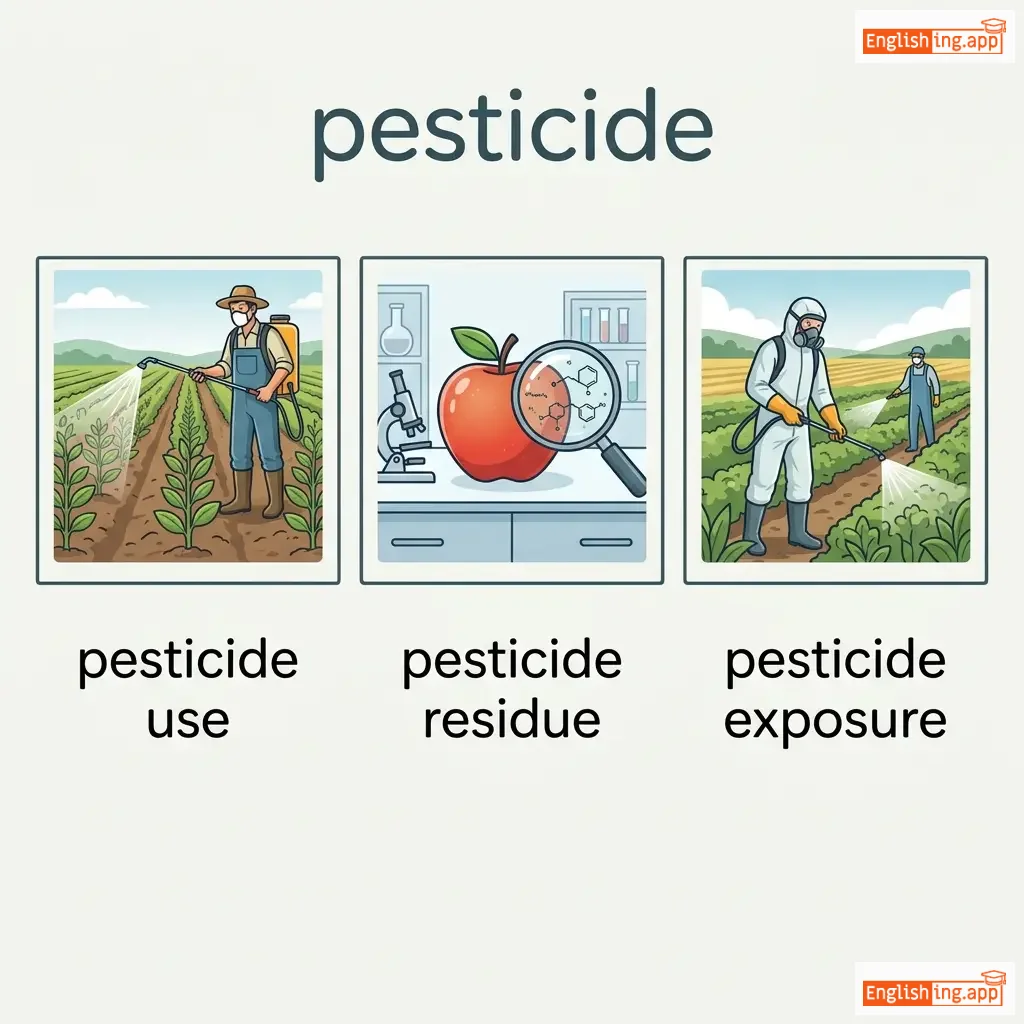
ˈpɛstɪˌsaɪd
noun
••••••
|
|
A substance used for destroying insects or other organisms harmful to cultivated plants or to animals.
••••••
|
The pesticide sprayed in the field killed the harmful insects. |
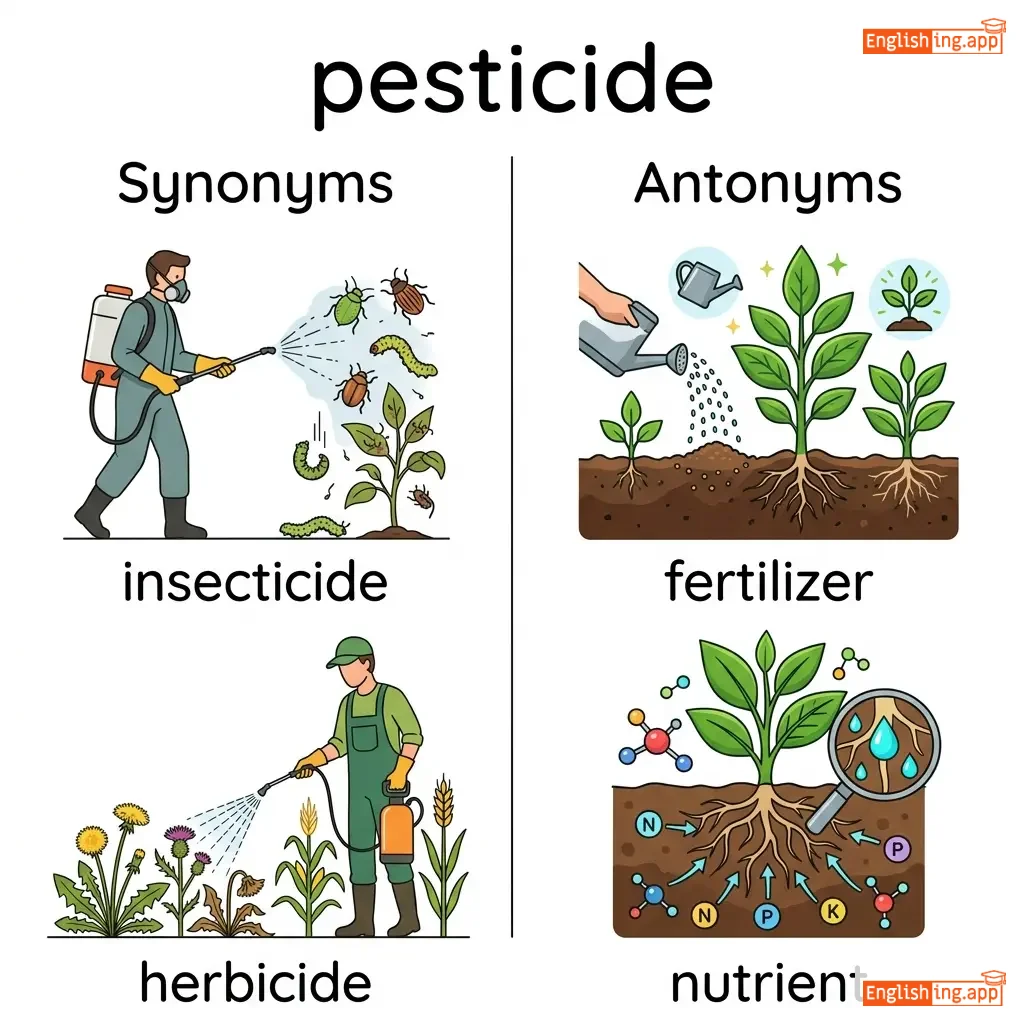
insecticide, herbicide
••••••
|
fertilizer, biodegradable substance
••••••
|
|
#2764
⚠️
|
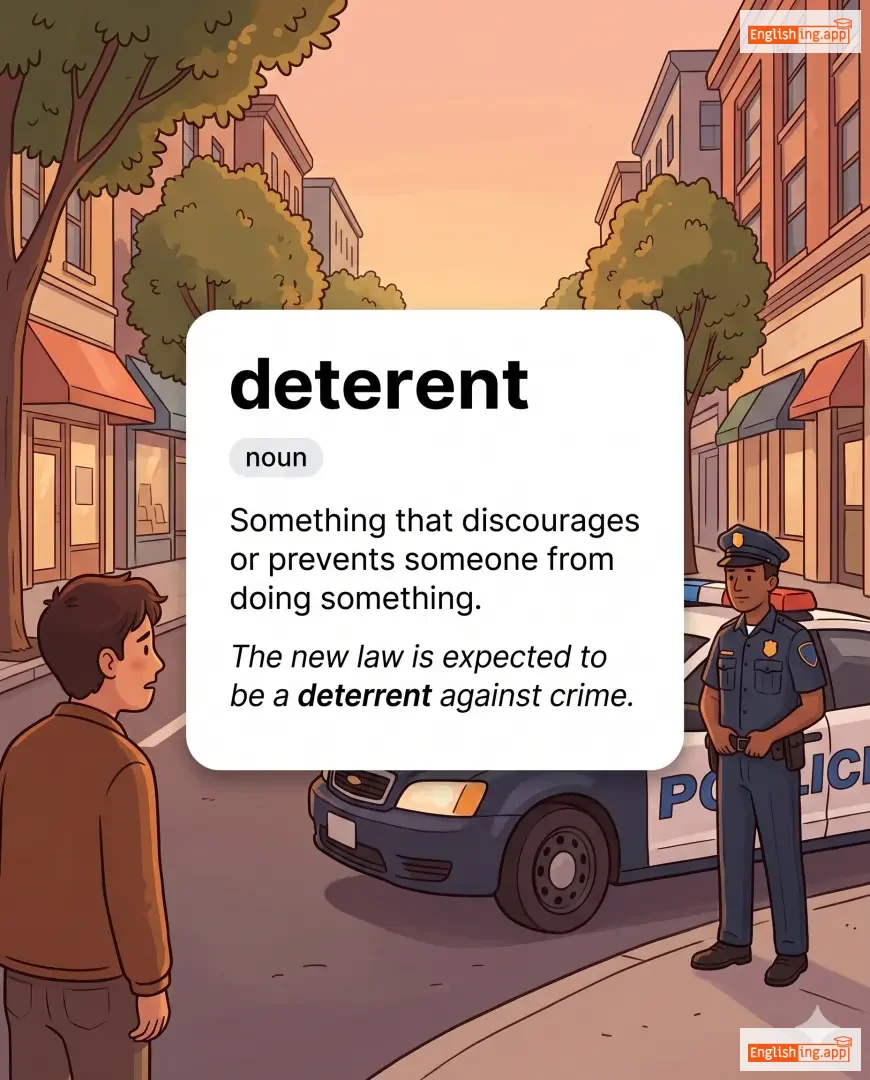
dɪˈtɛrənt
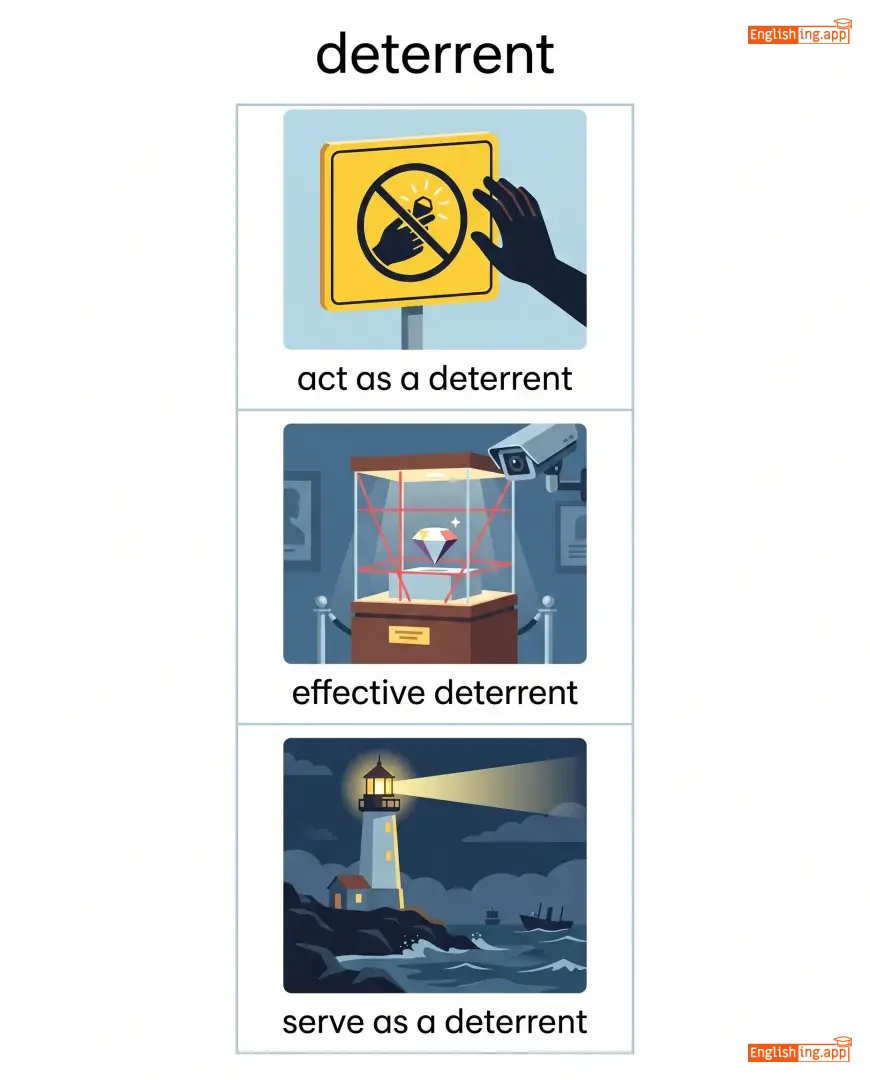
noun
••••••
|
|
A thing that discourages or is intended to discourage someone from doing something.
••••••
|
The presence of a deterrent made the pests stay away from the crops. |
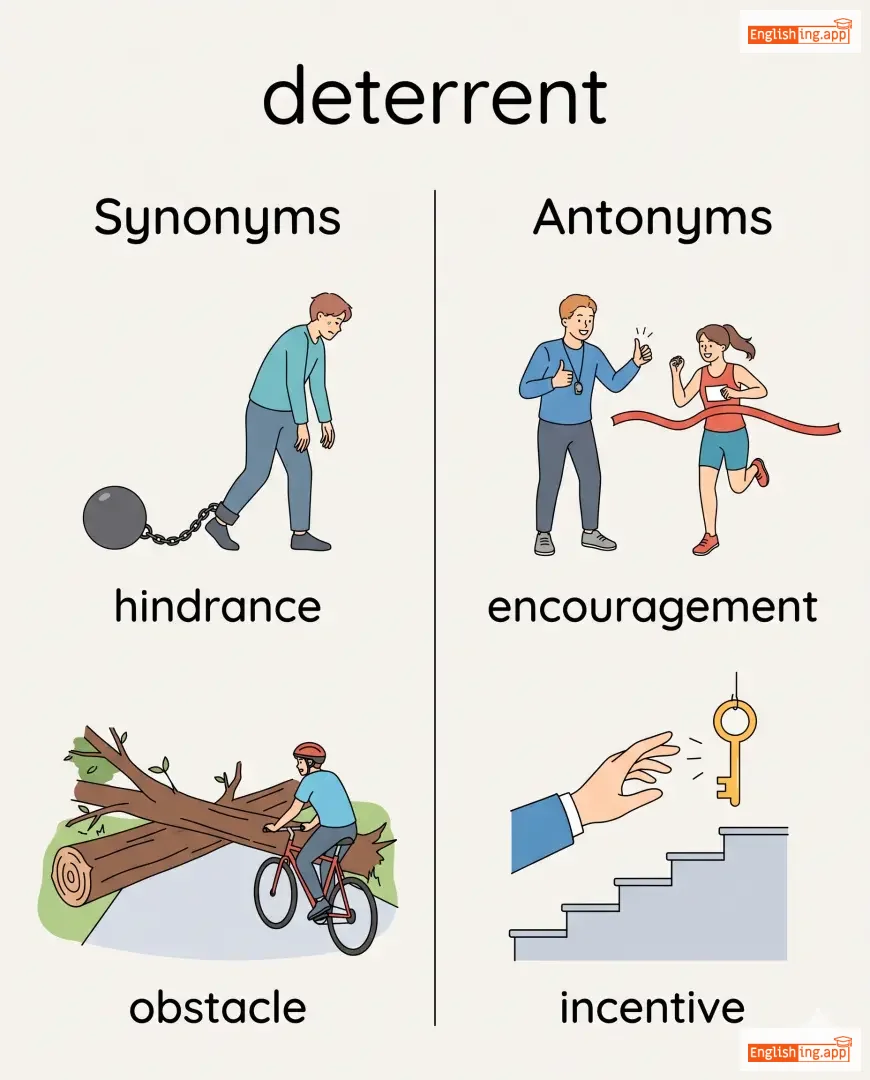
obstacle, hindrance
••••••
|
encouragement, incentive
••••••
|
|
#2765
🧱
|
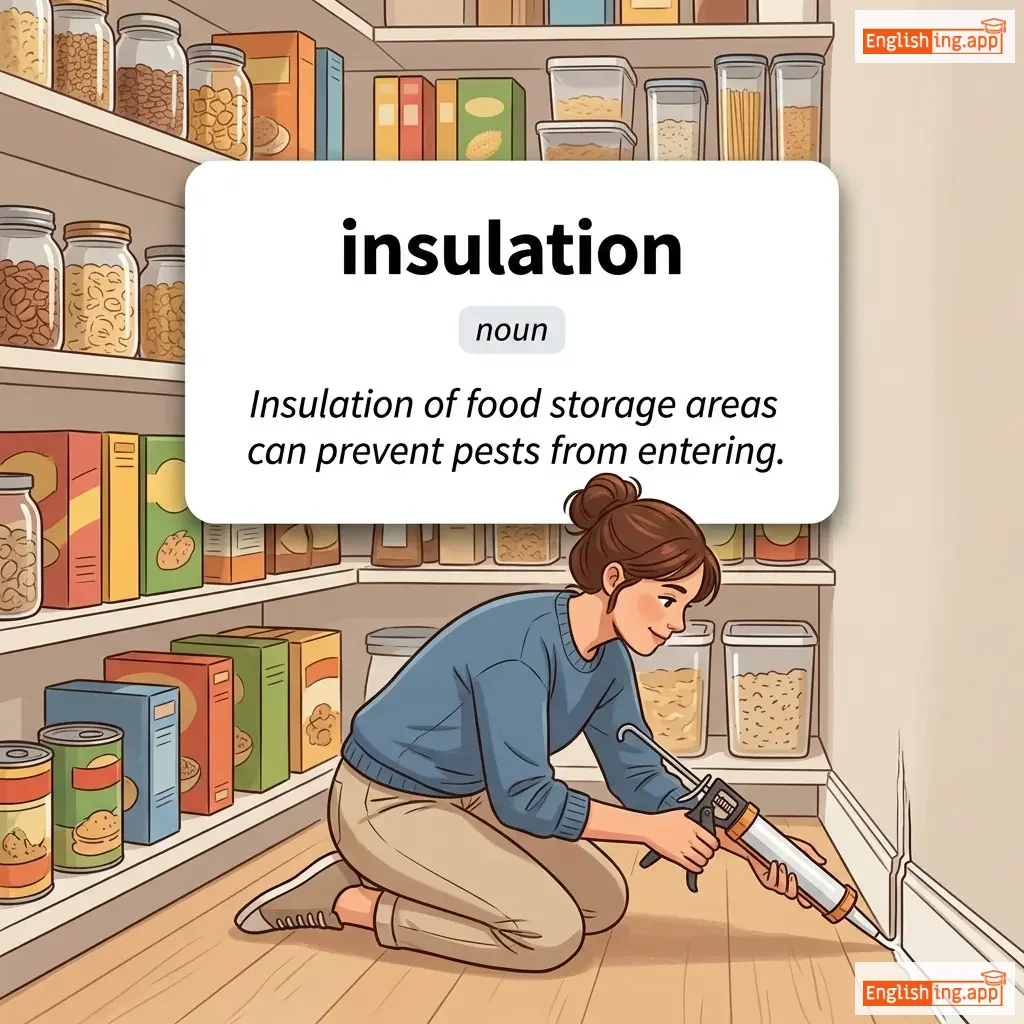
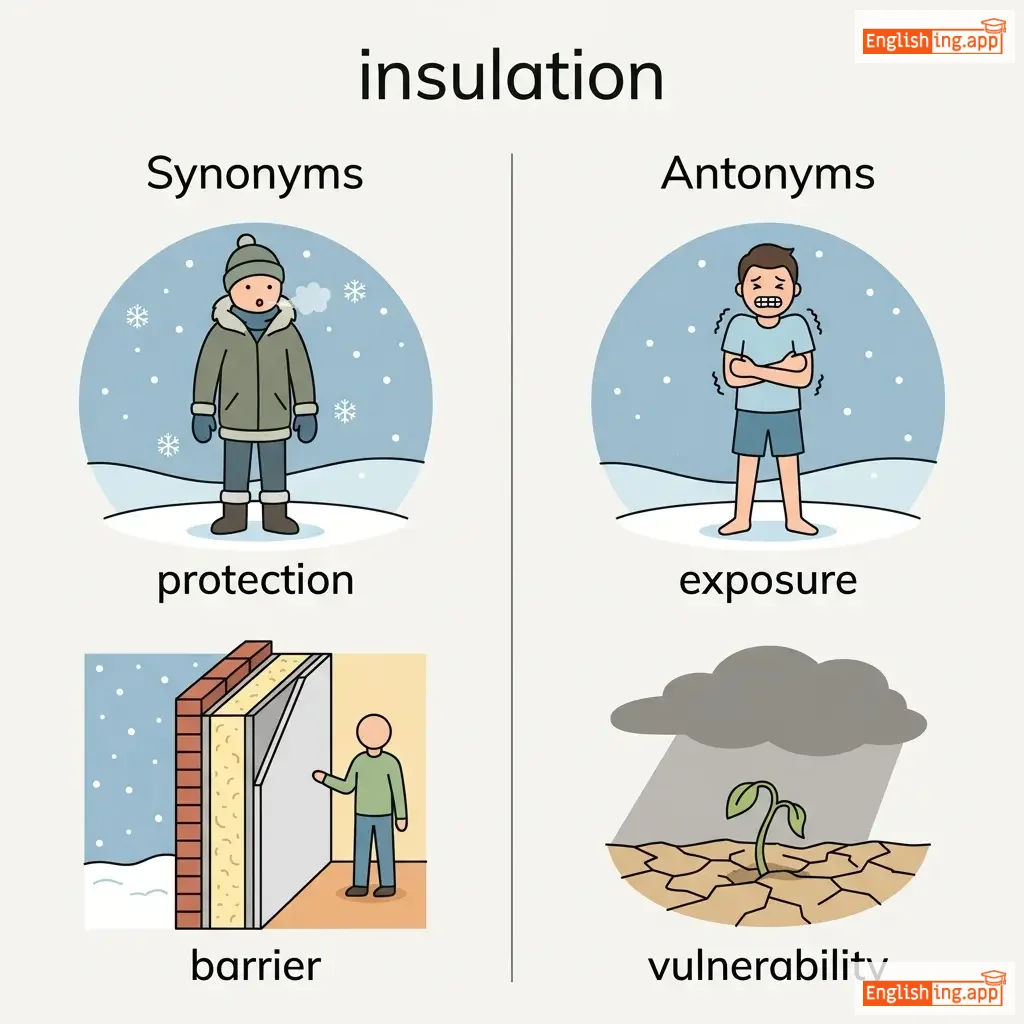
ˌɪnsjʊˈleɪʃən
noun
••••••
|
|
Material used to prevent heat, sound, or electricity from being transmitted from one area to another.
••••••
|
Insulation of food storage areas can prevent pests from entering. |
protection, barrier
••••••
|
exposure, vulnerability
••••••
|
|
#2766
💨
|
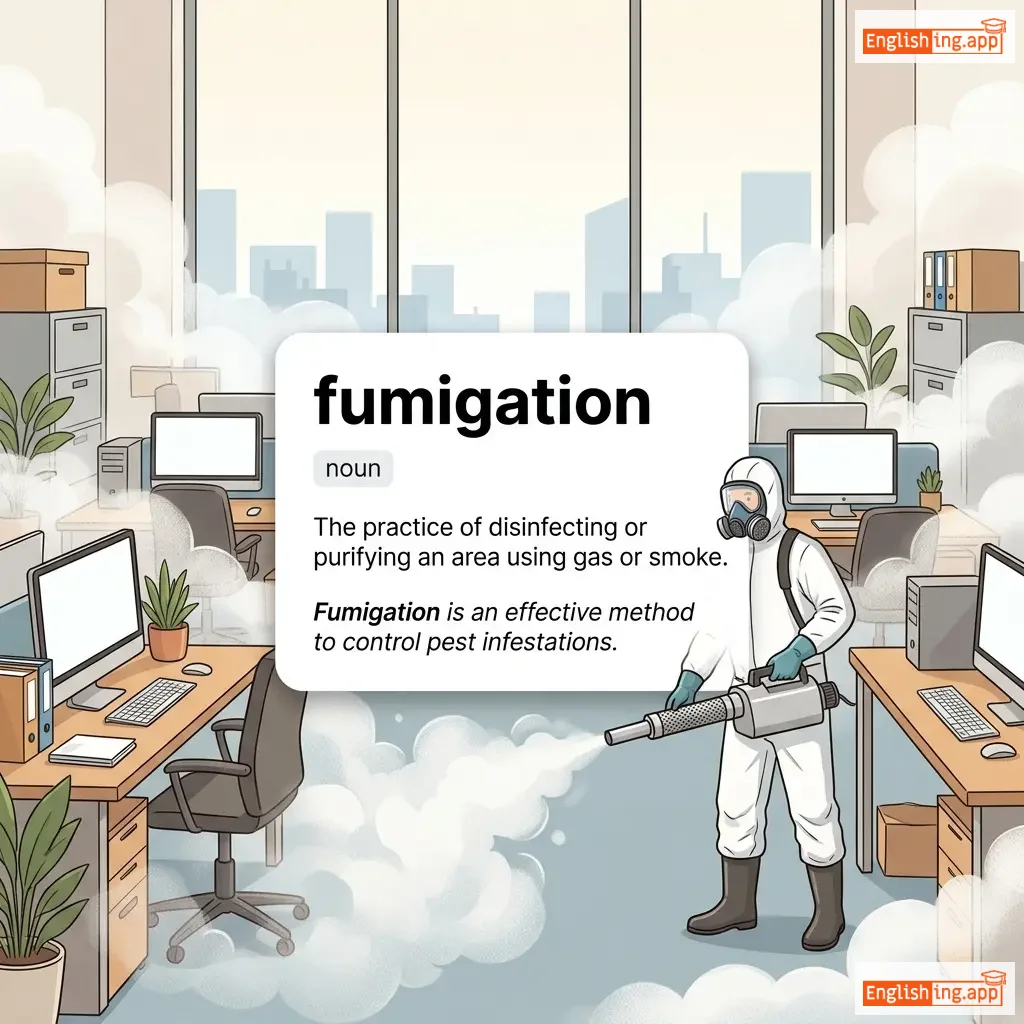
ˌfjuːmɪˈɡeɪʃən
noun
••••••
|
|
The practice of disinfecting or purifying an area using gas or smoke.
••••••
|
Fumigation is an effective method to control pest infestations. |
disinfection, sterilization
••••••
|
cleanliness, decontamination
••••••
|
|
#2767
🔄
|
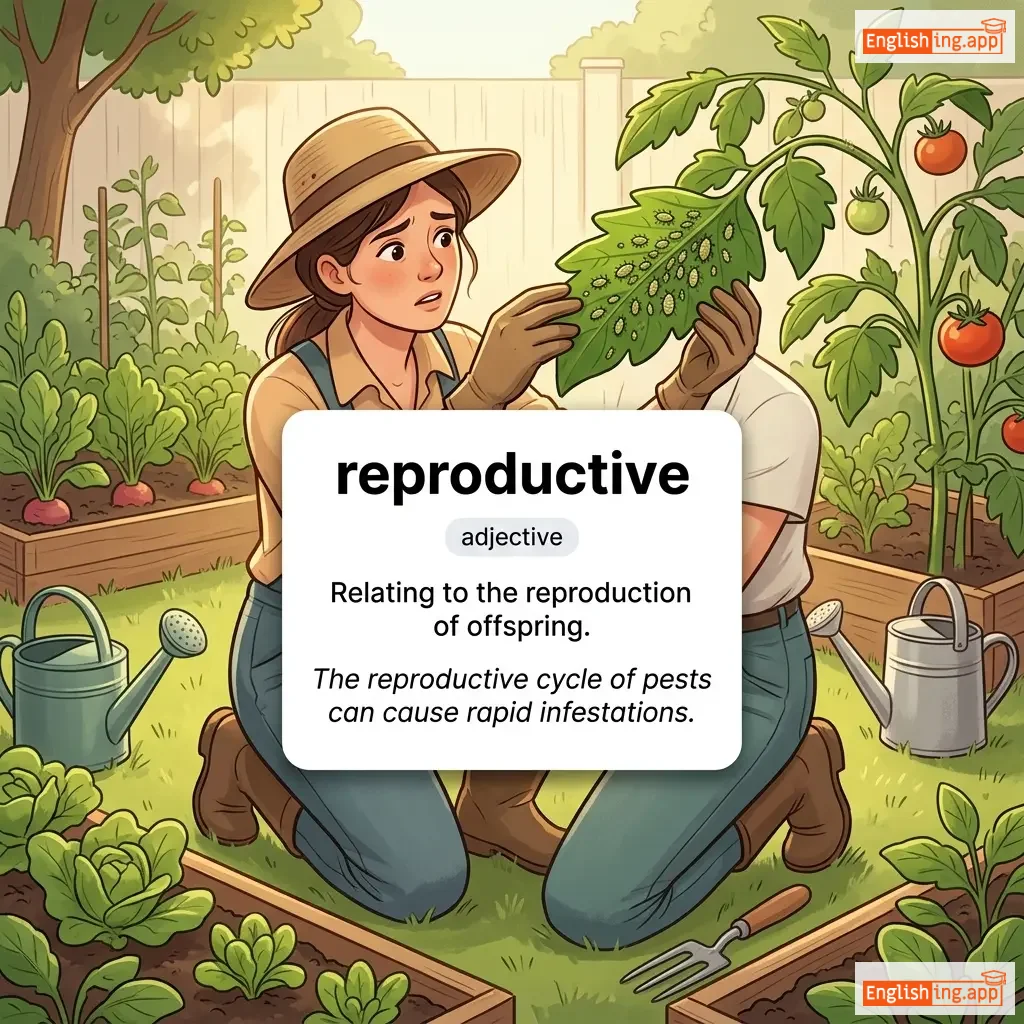
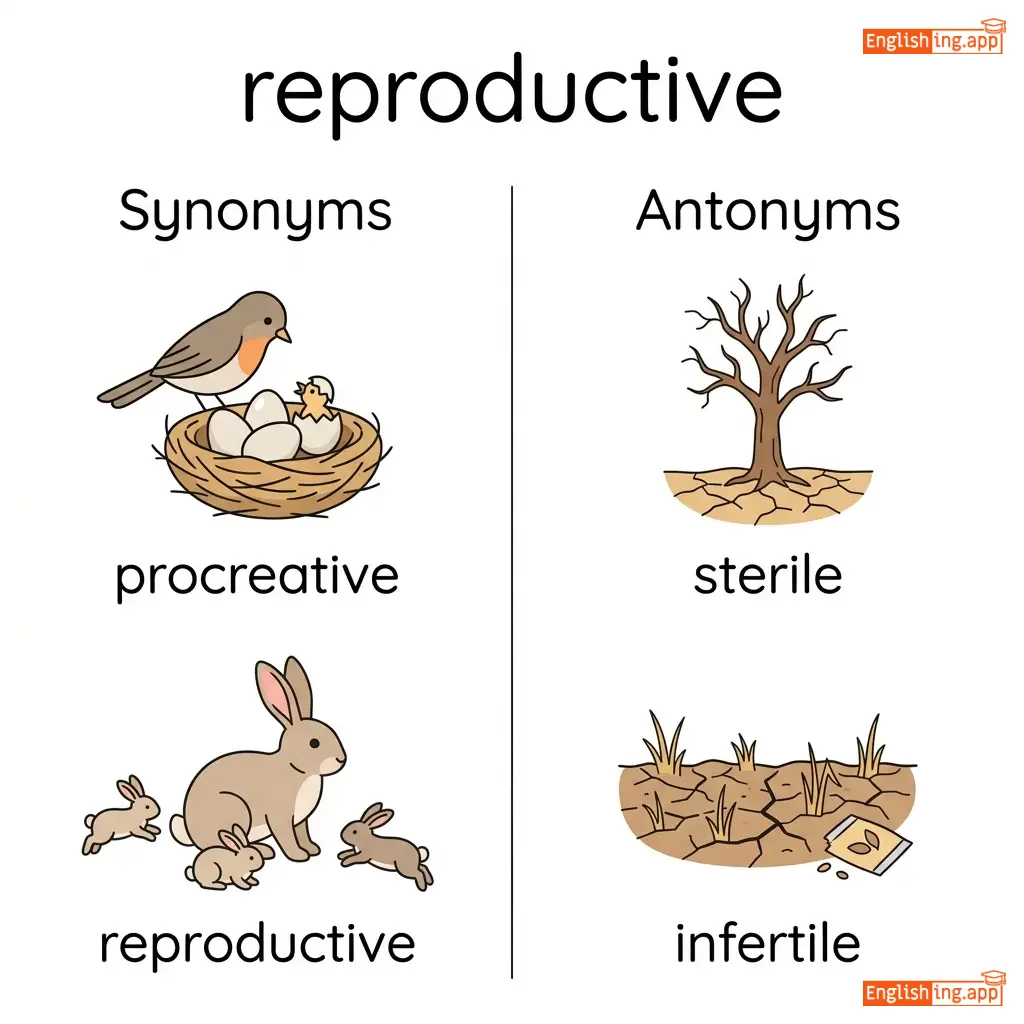
ˌriːprəˈdʌktɪv
adjective
••••••
|
|
Relating to the reproduction of offspring.
••••••
|
The reproductive cycle of pests can cause rapid infestations. |
procreative, reproductive
••••••
|
sterile, infertile
••••••
|
|
#2768
👁️
|
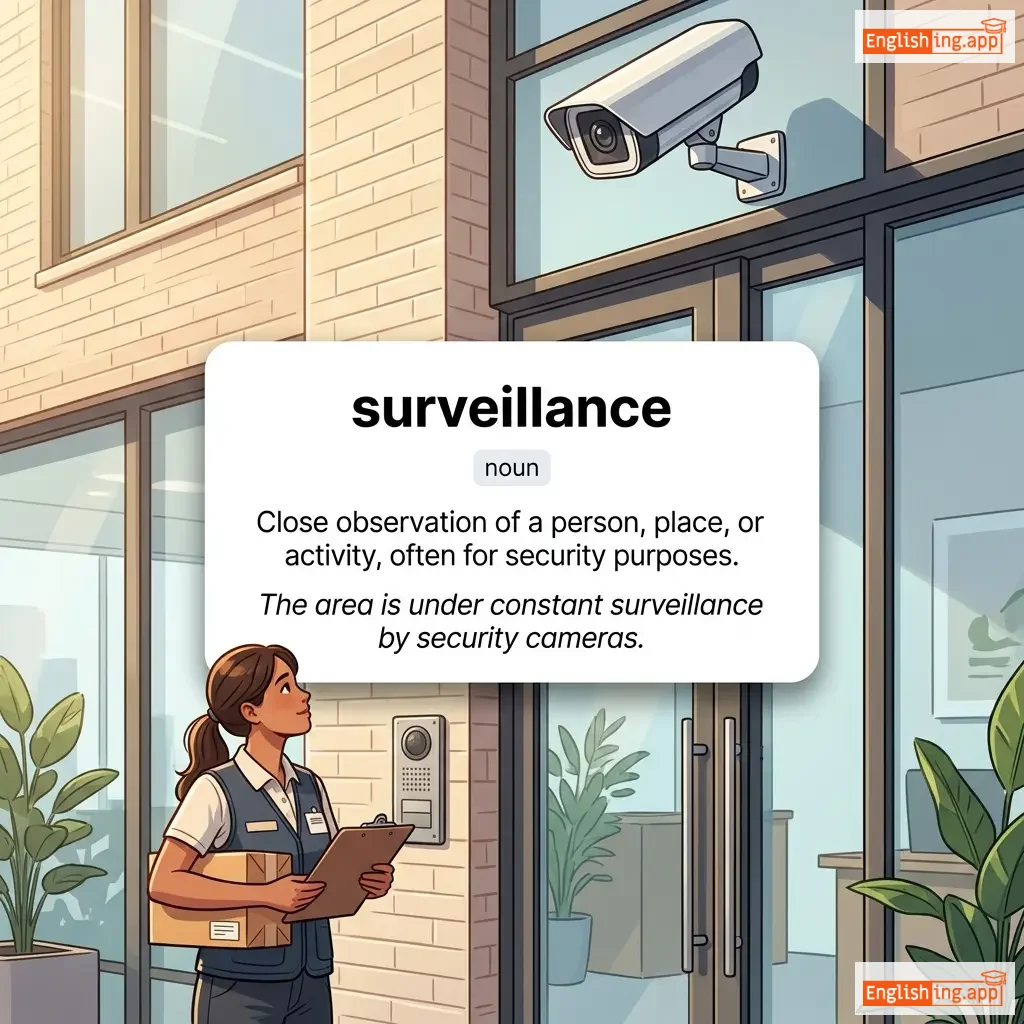
sɜːˈveɪləns
noun
••••••
|
|
Close observation, especially of a suspected spy or criminal.
••••••
|
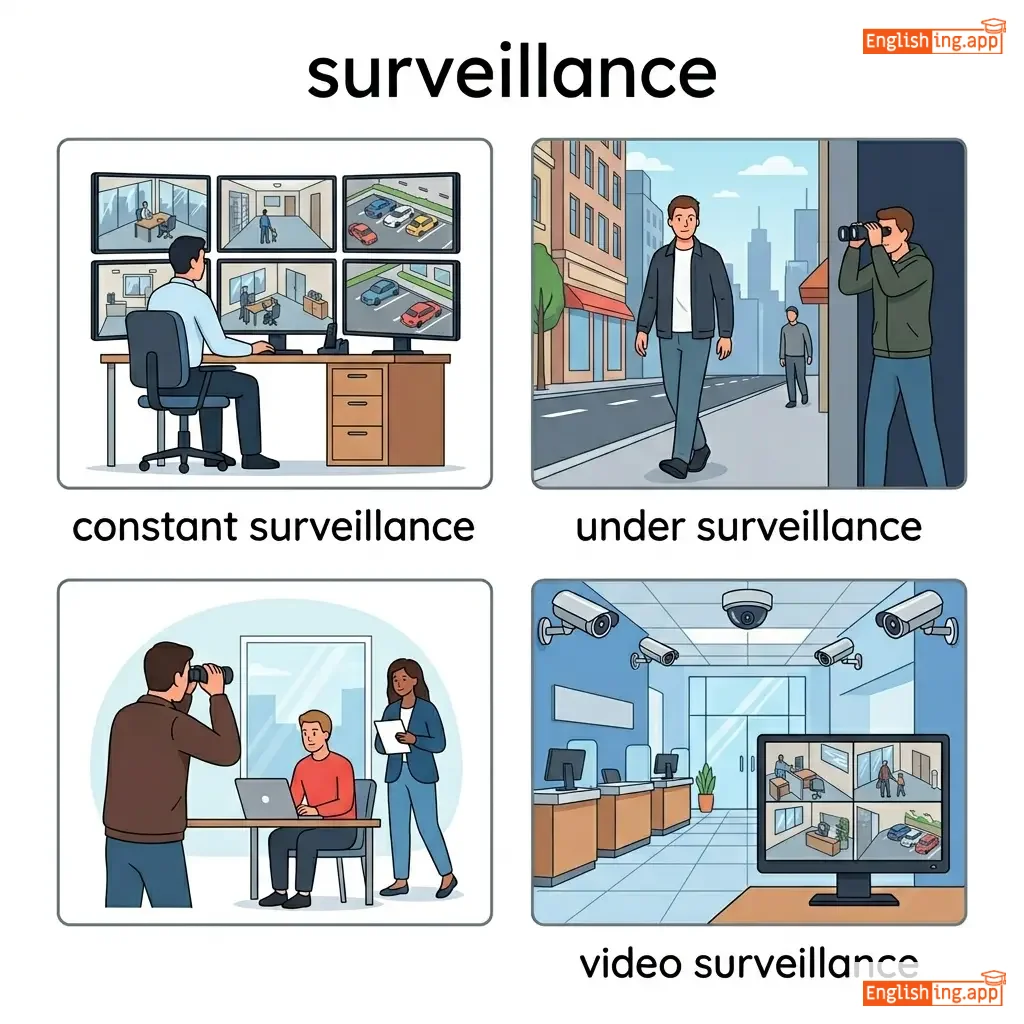
Surveillance of pest populations is crucial to controlling outbreaks. |
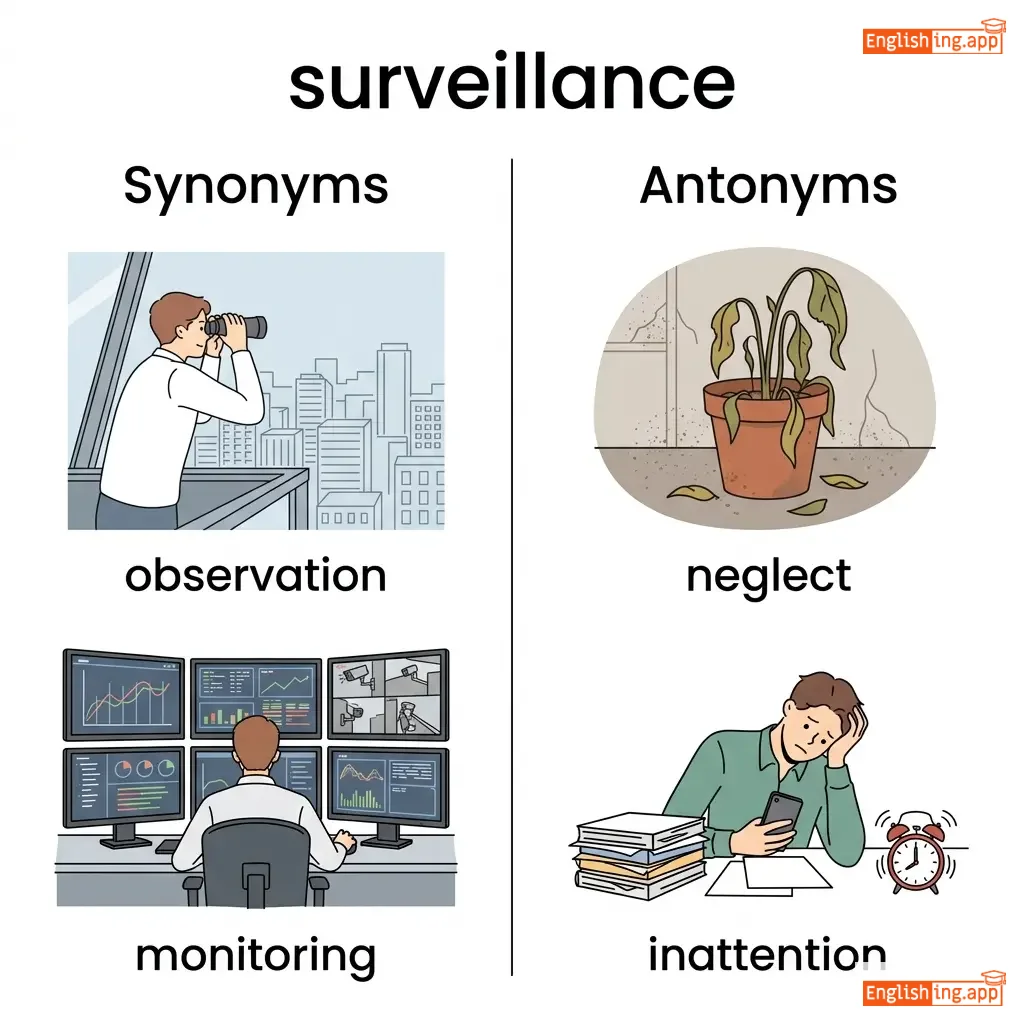
monitoring, observation
••••••
|
inattention, neglect
••••••
|
|
#2769
📊
|
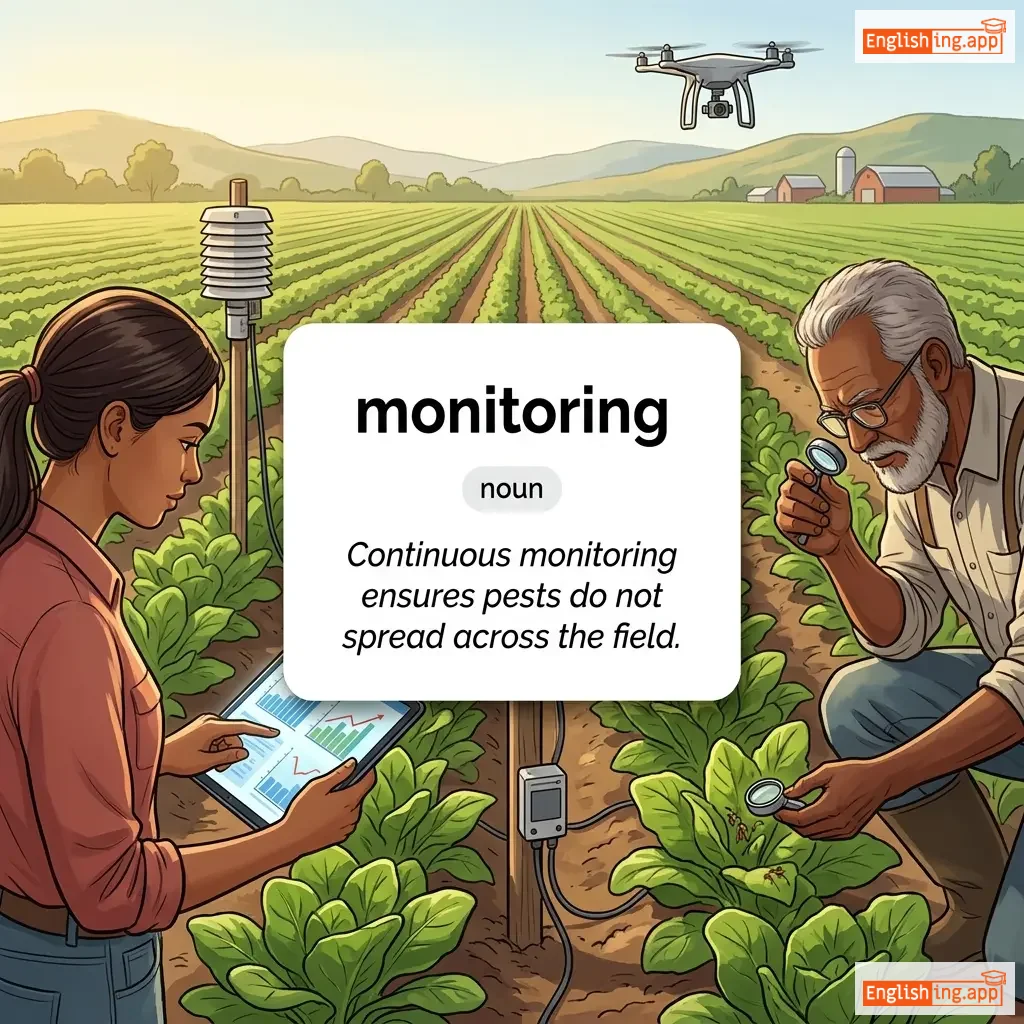
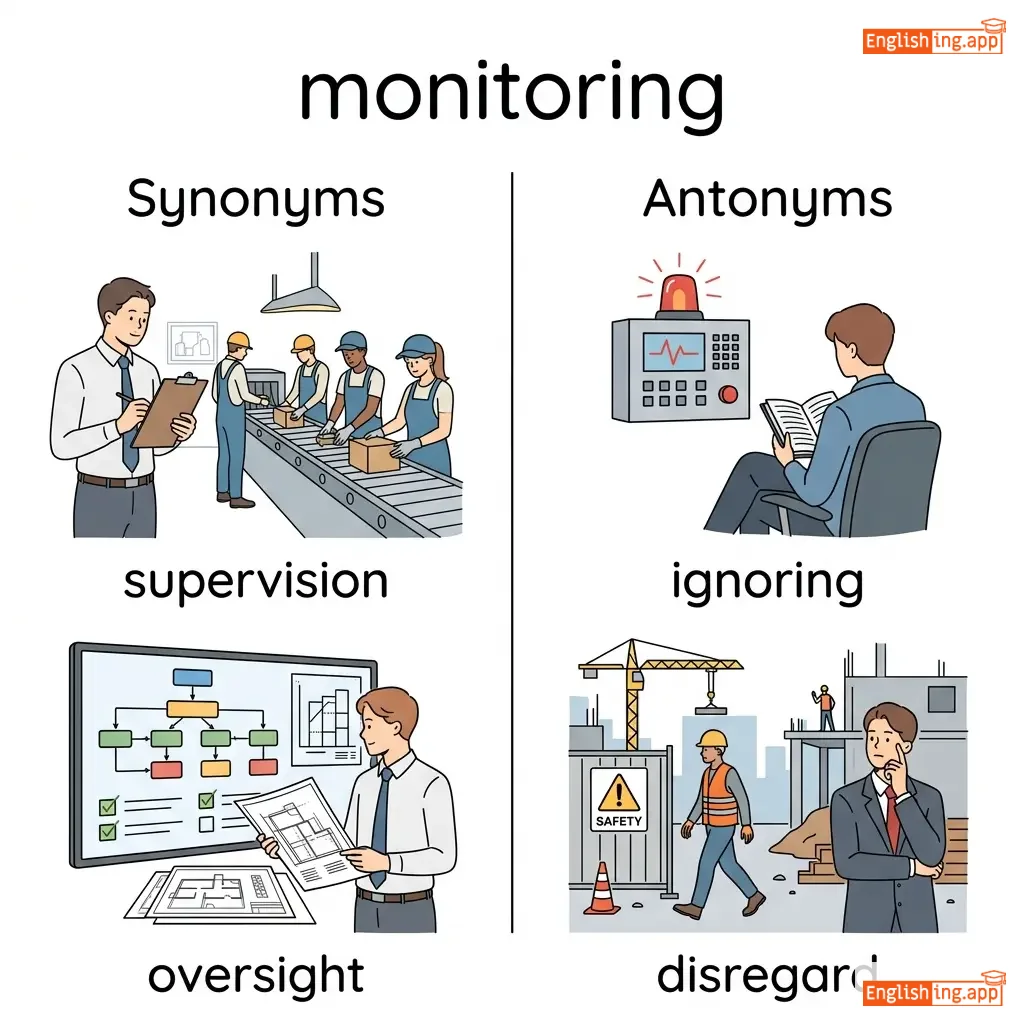
ˈmɒnɪtərɪŋ
noun
••••••
|
|
The action of observing and checking the progress or quality of something over a period of time.
••••••
|
Continuous monitoring ensures pests do not spread across the field. |
supervision, oversight
••••••
|
ignoring, disregard
••••••
|
|
#2770
🚪
|
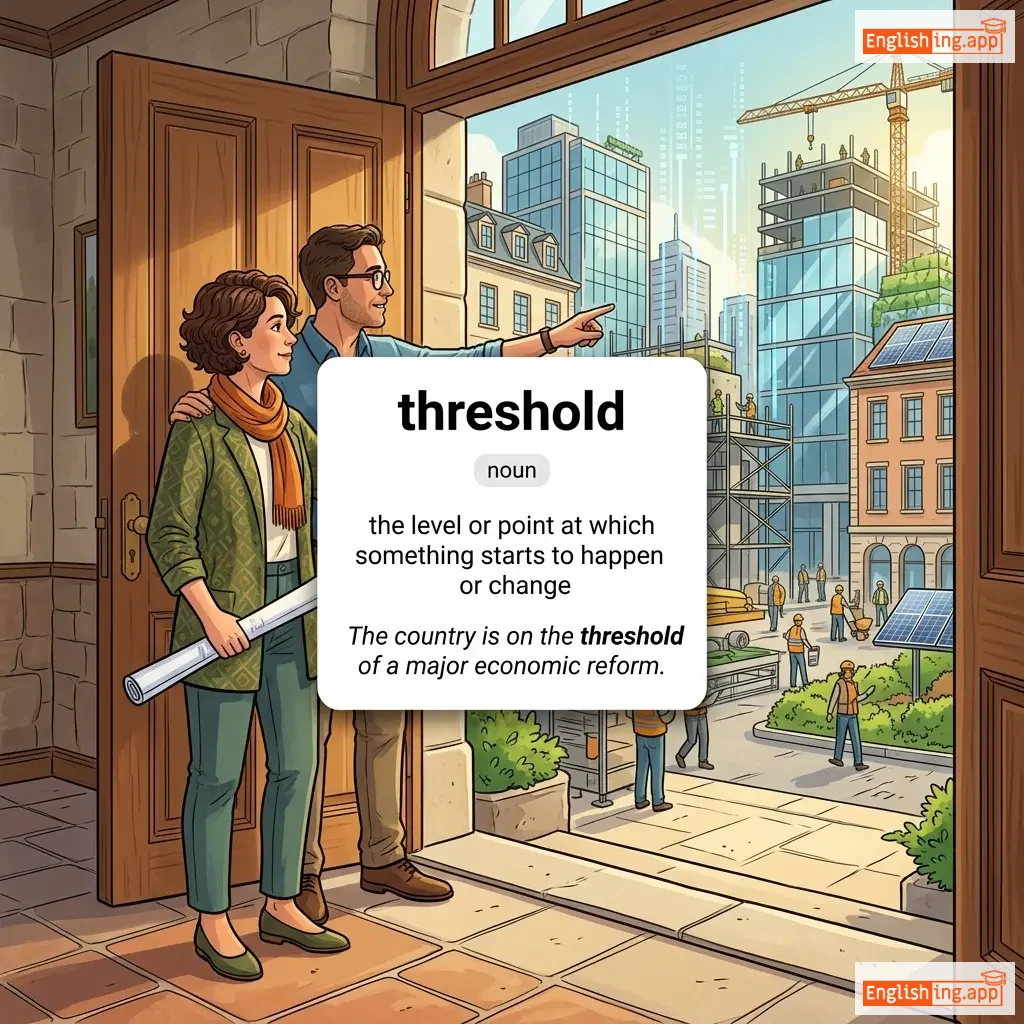
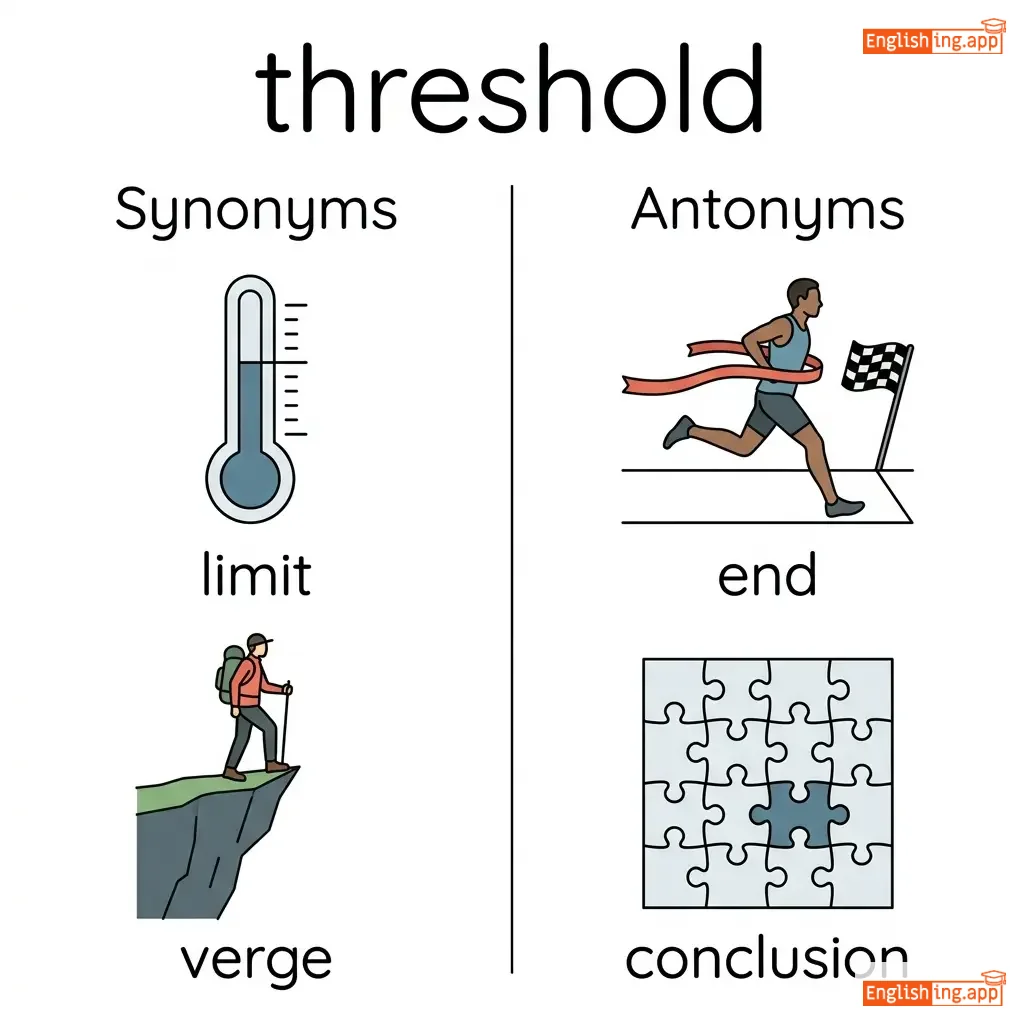
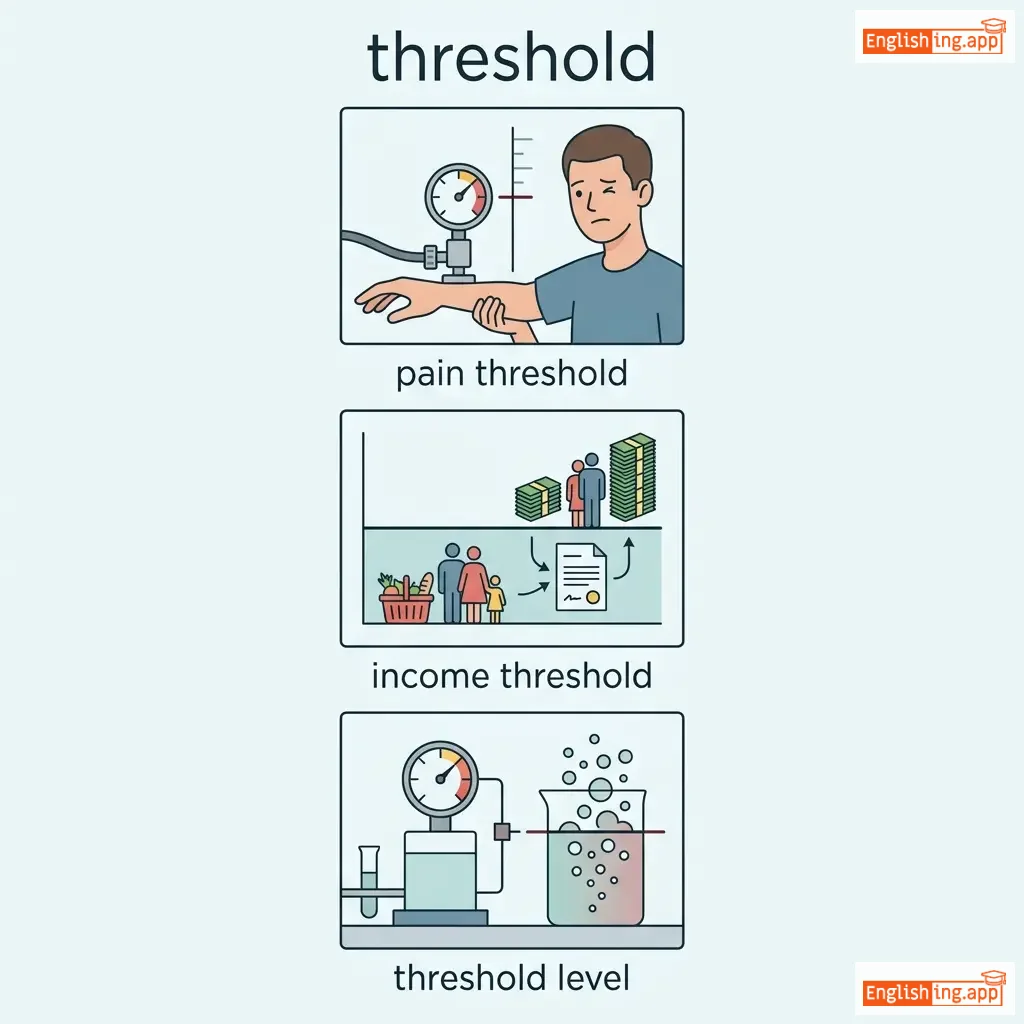
ˈθrɛʃhəʊld
noun
••••••
|
|
A point of entry or beginning; the magnitude or intensity that must be exceeded for a certain reaction to occur.
••••••
|
Once the threshold for pest population is reached, measures must be taken. |
limit, boundary
••••••
|
excess, overload
••••••
|
|
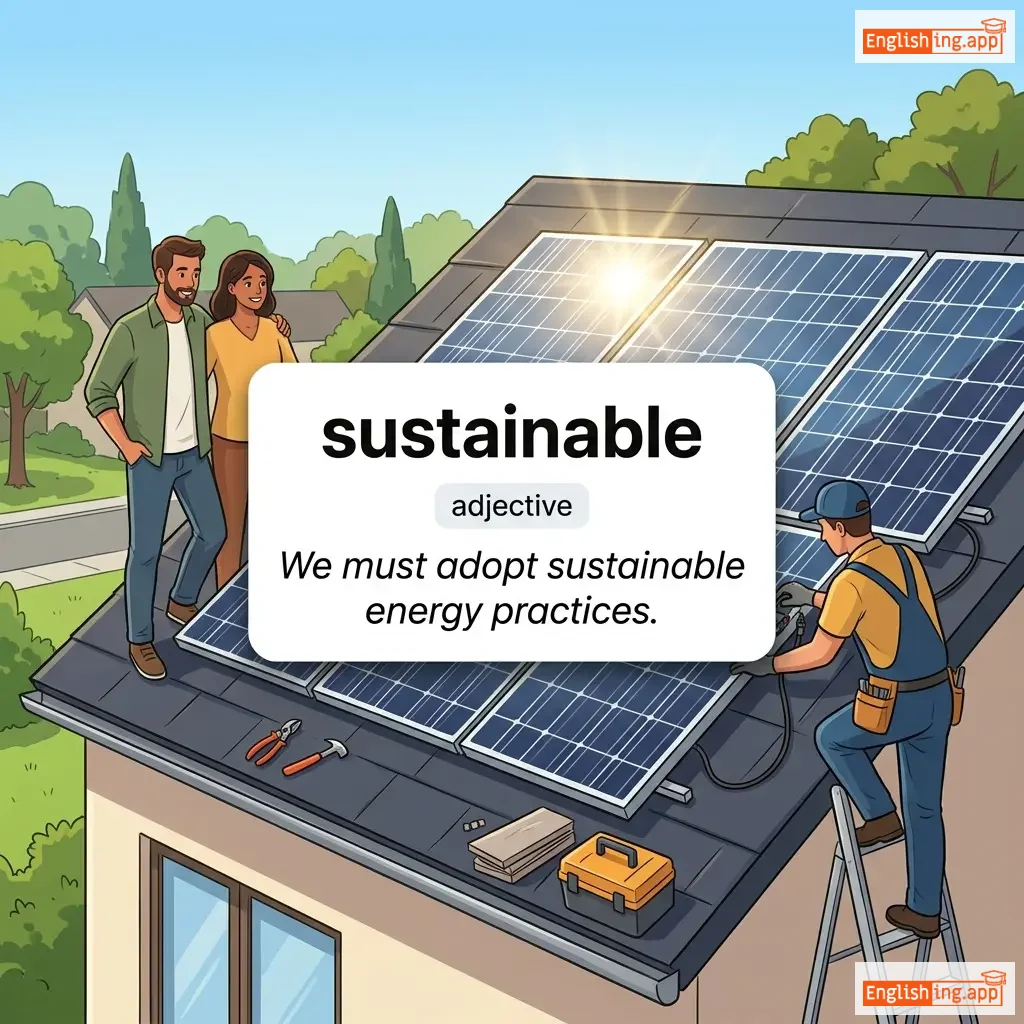
#2771
♻️
|
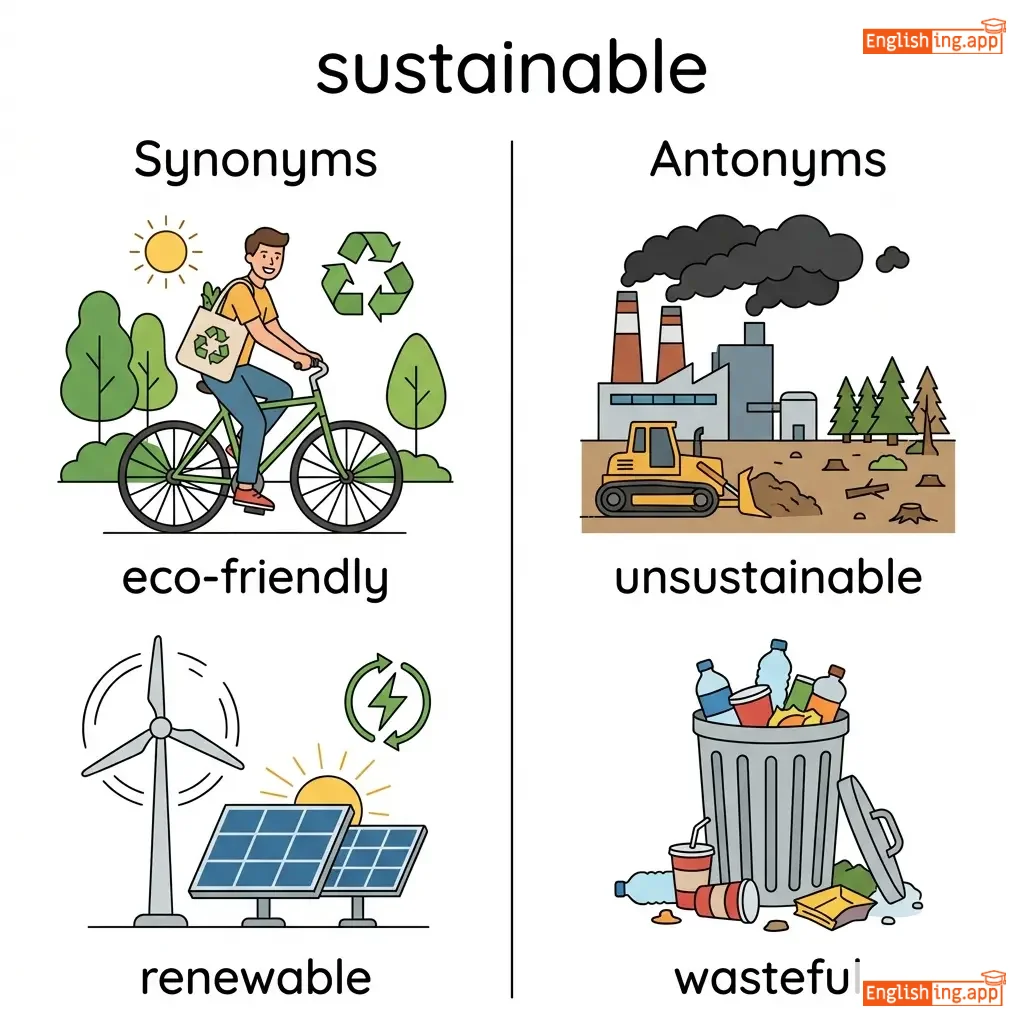
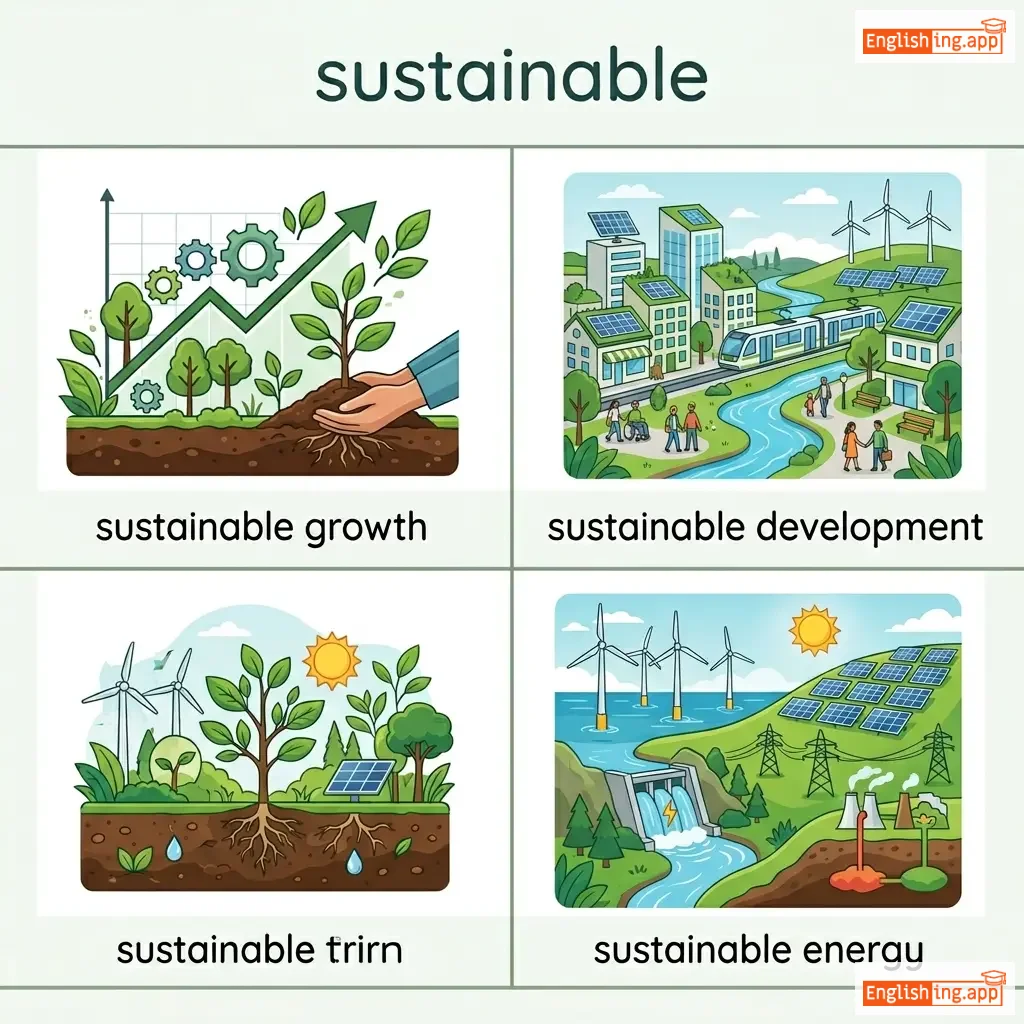
səˈsteɪnəbl
adjective
••••••
|
|
Able to be maintained at a certain rate or level without depleting natural resources or causing severe ecological damage.
••••••
|
Sustainable pest control methods reduce long-term risks. |
renewable, viable
••••••
|
unsustainable, depletable
••••••
|
|
#2772
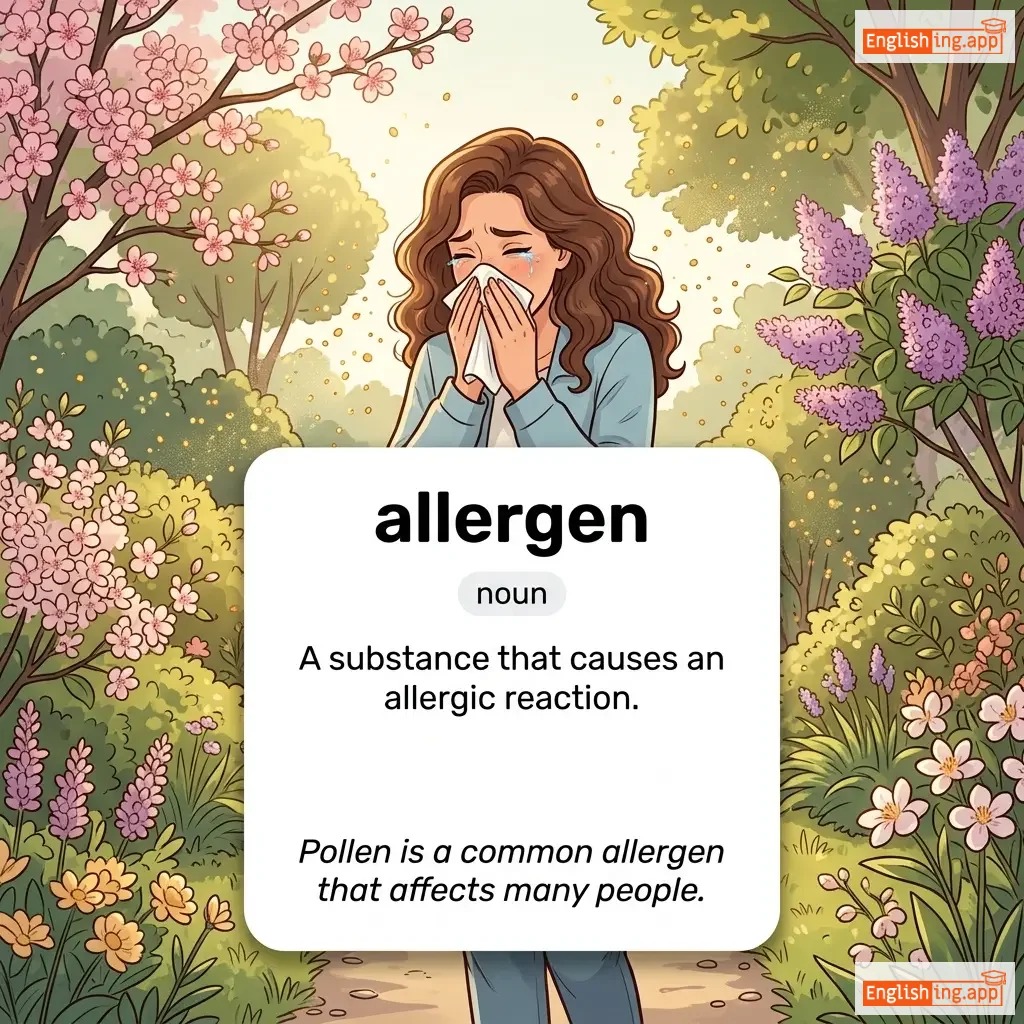
🤧
|
ˈælərdʒən
noun
••••••
|
|
A substance that causes an allergic reaction.
••••••
|
Pollen is a common allergen that affects many people. |
irritant, trigger
••••••
|
non-reactive, hypoallergenic
••••••
|
Comments (0)
Share your thoughts and join the discussion.
Join the discussion by logging in
Login to CommentNo comments yet
Be the first to share your thoughts!