

How to Manage Business Finances
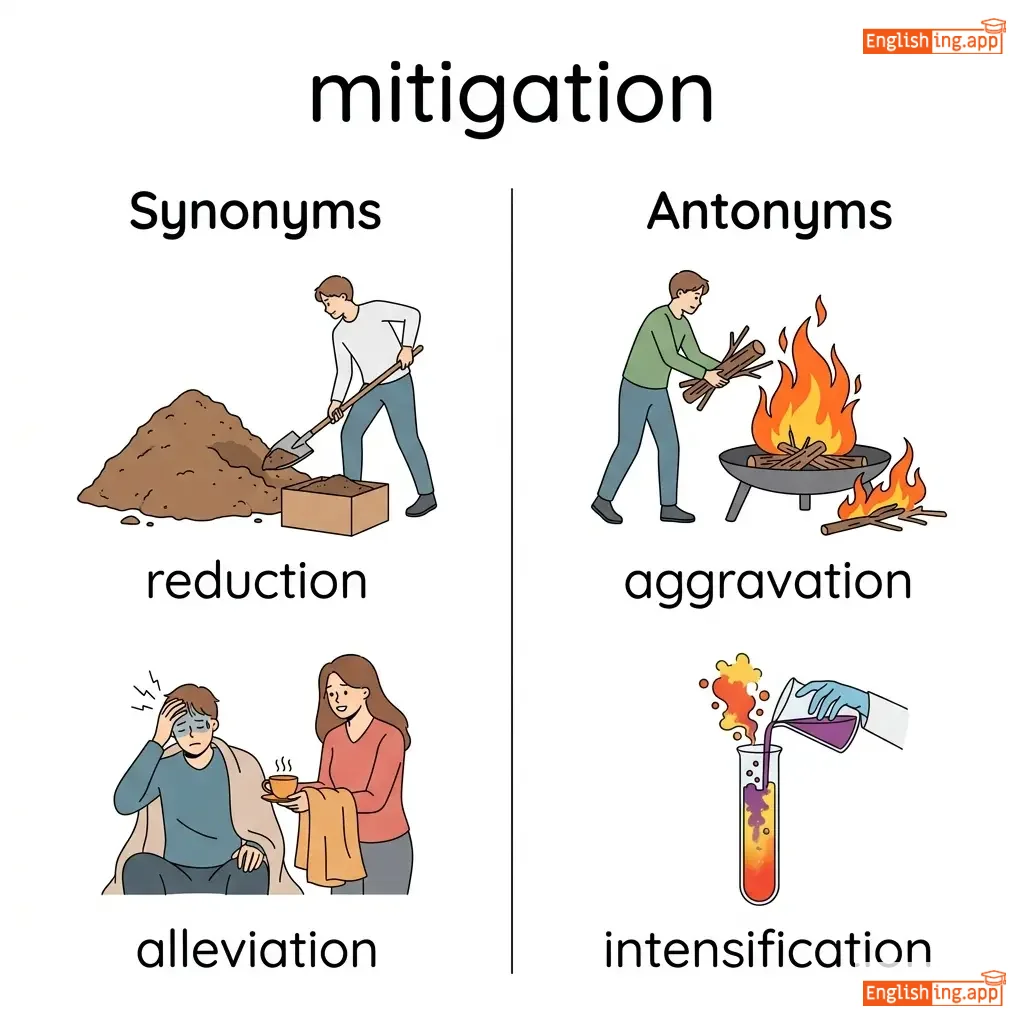
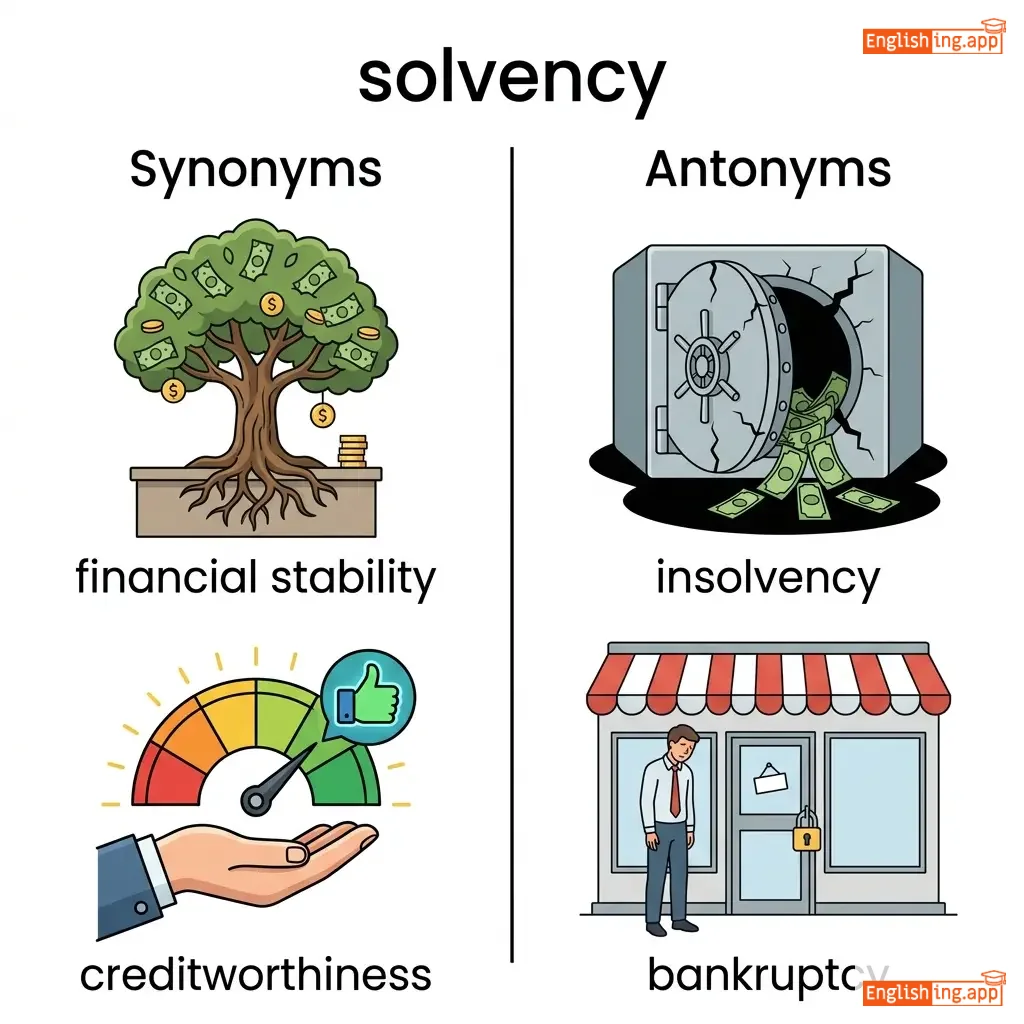
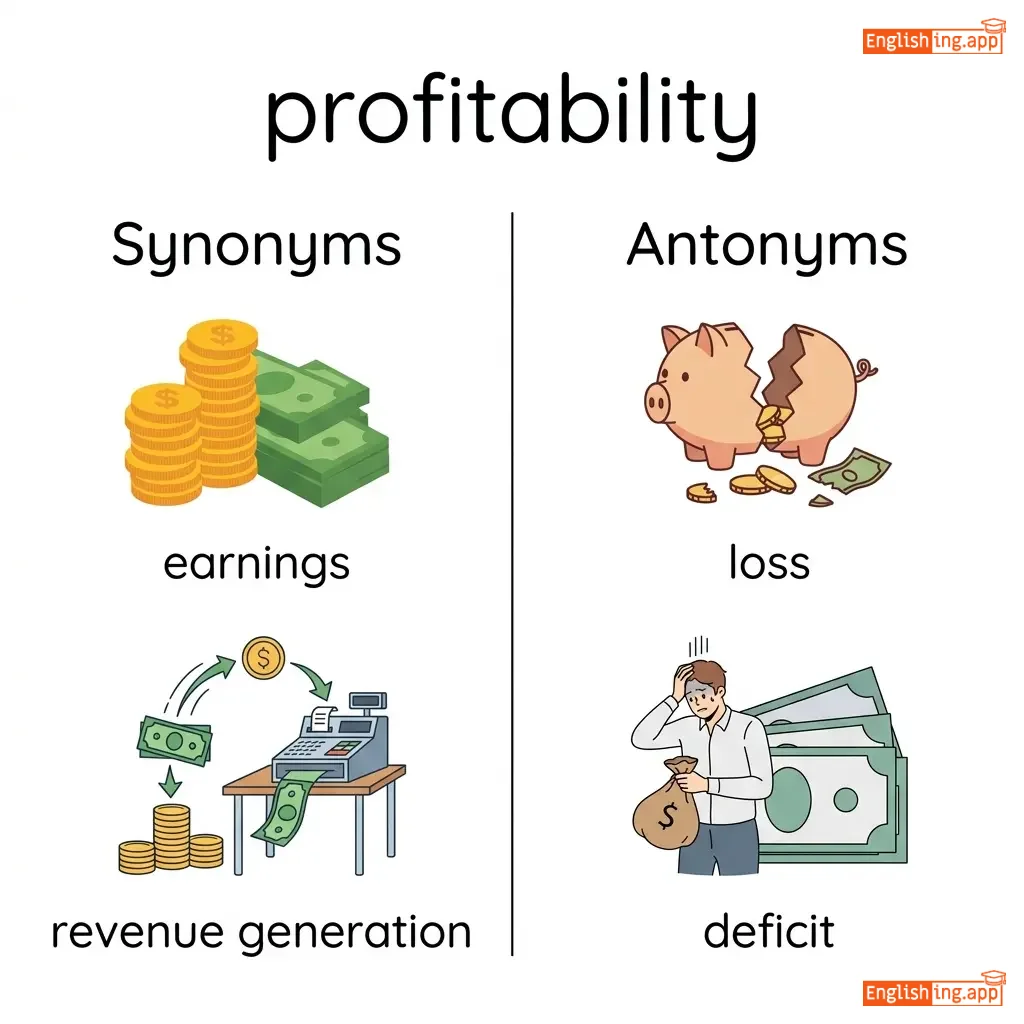
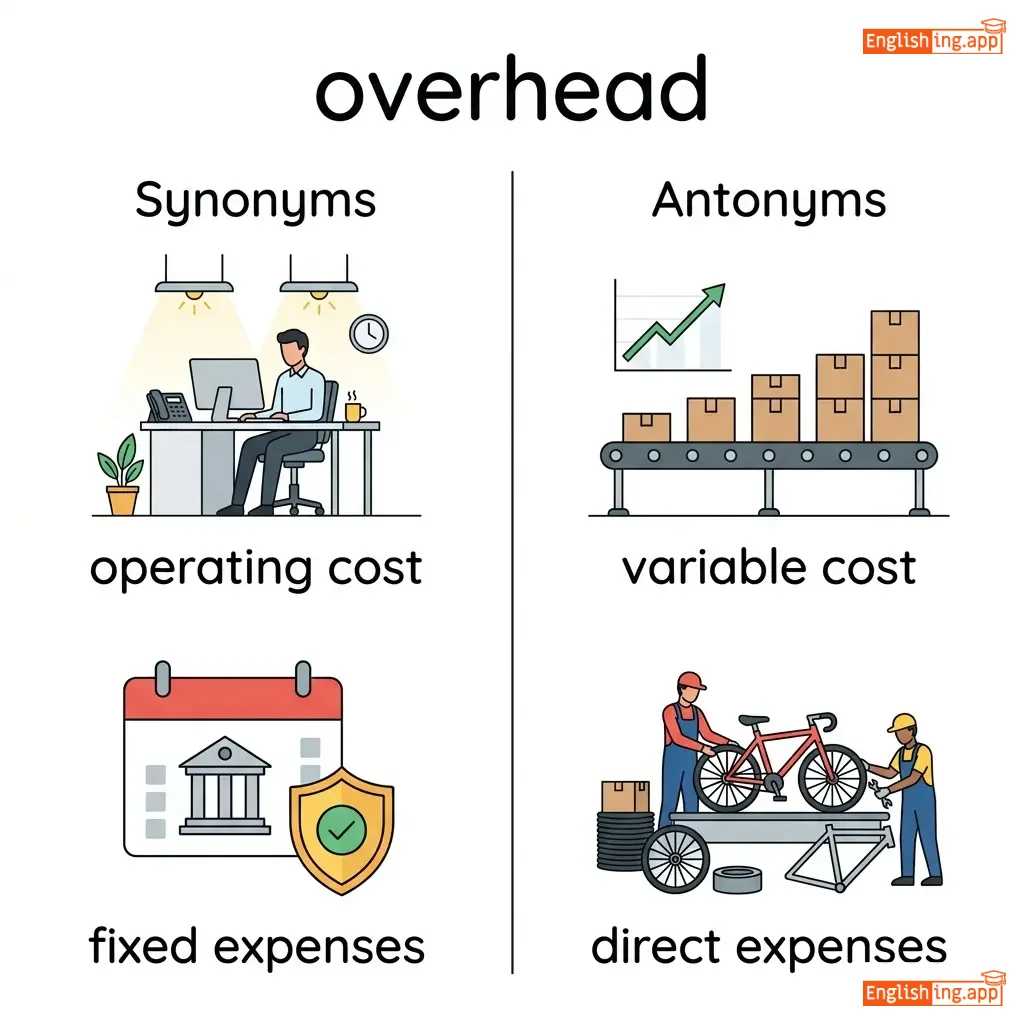
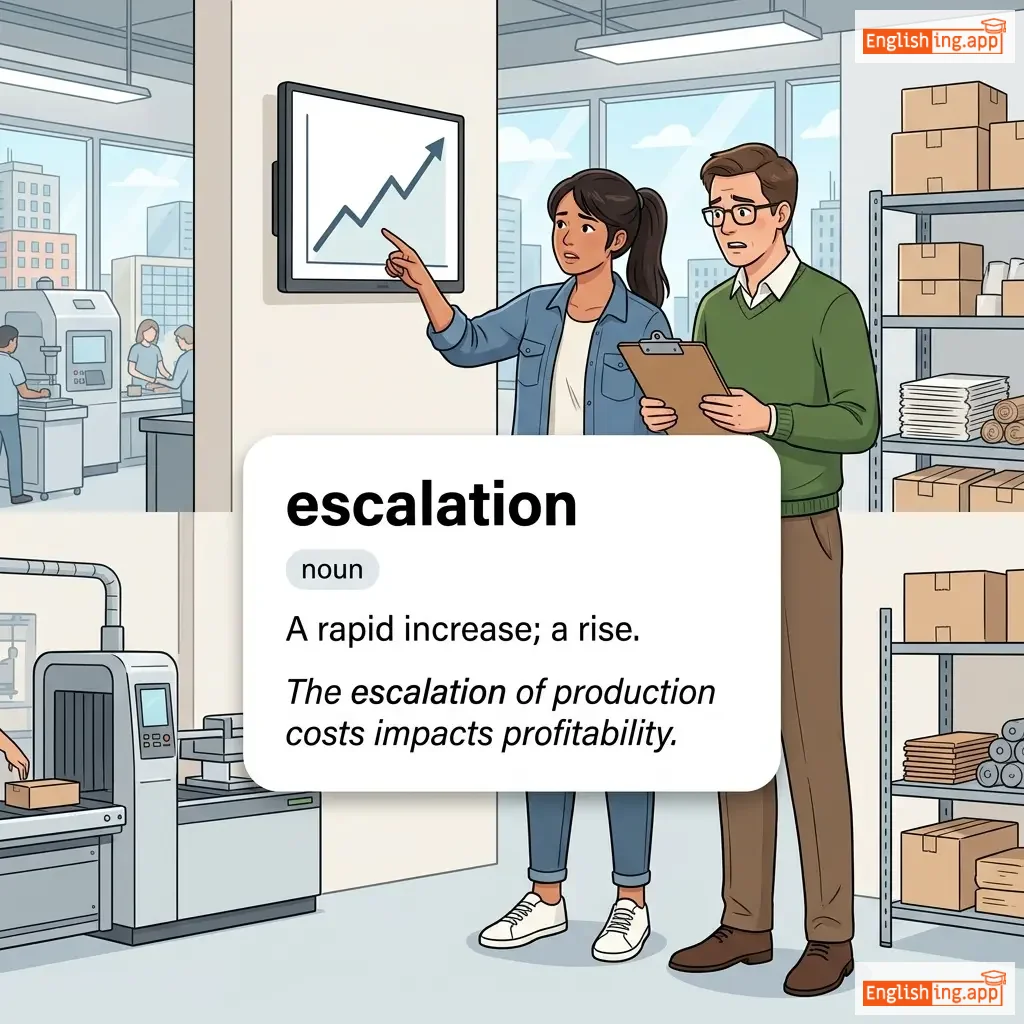
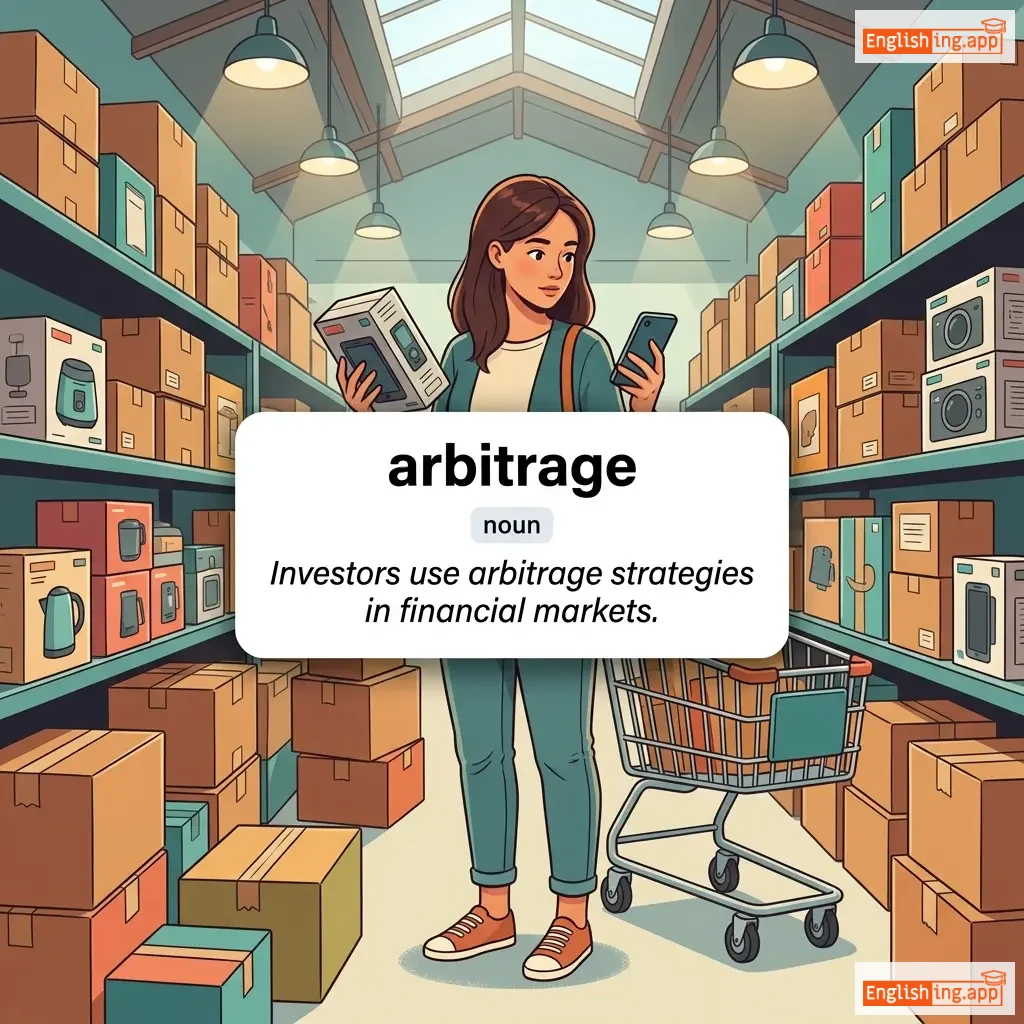
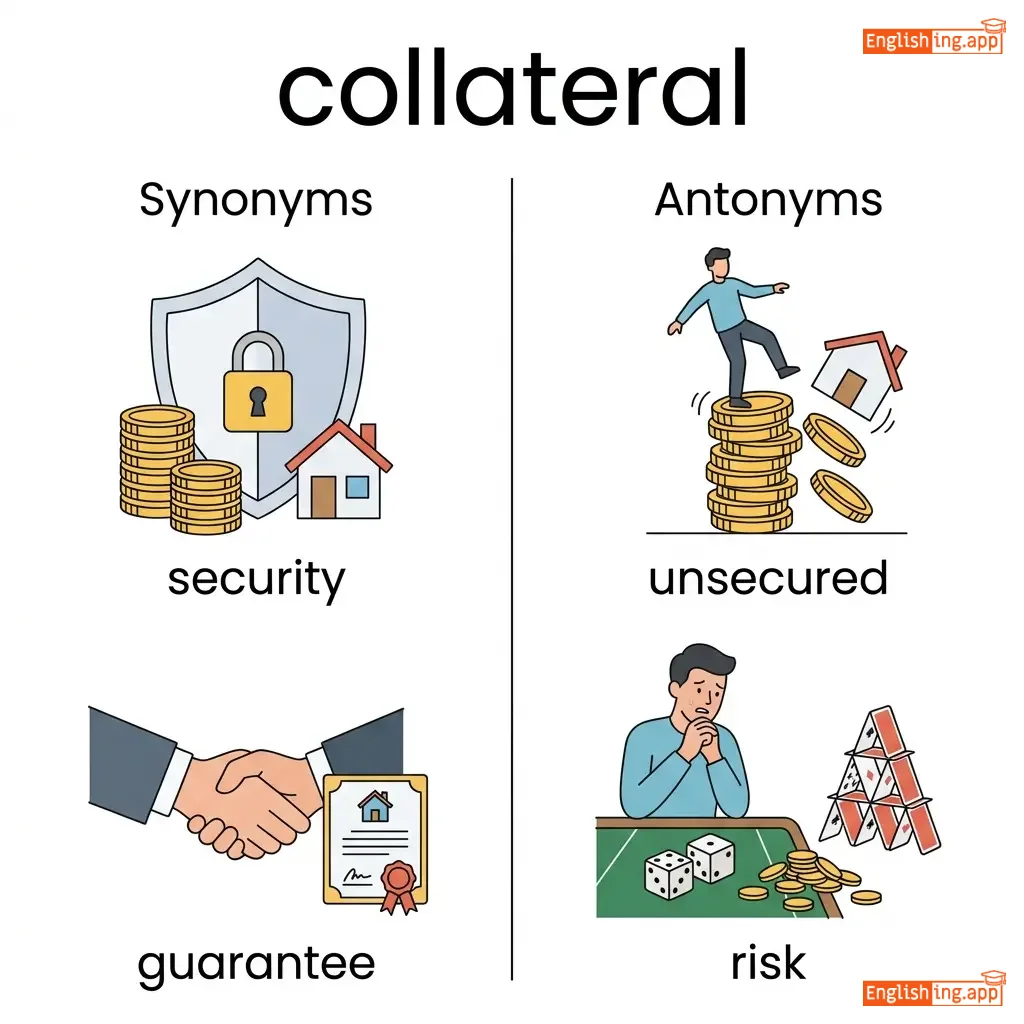
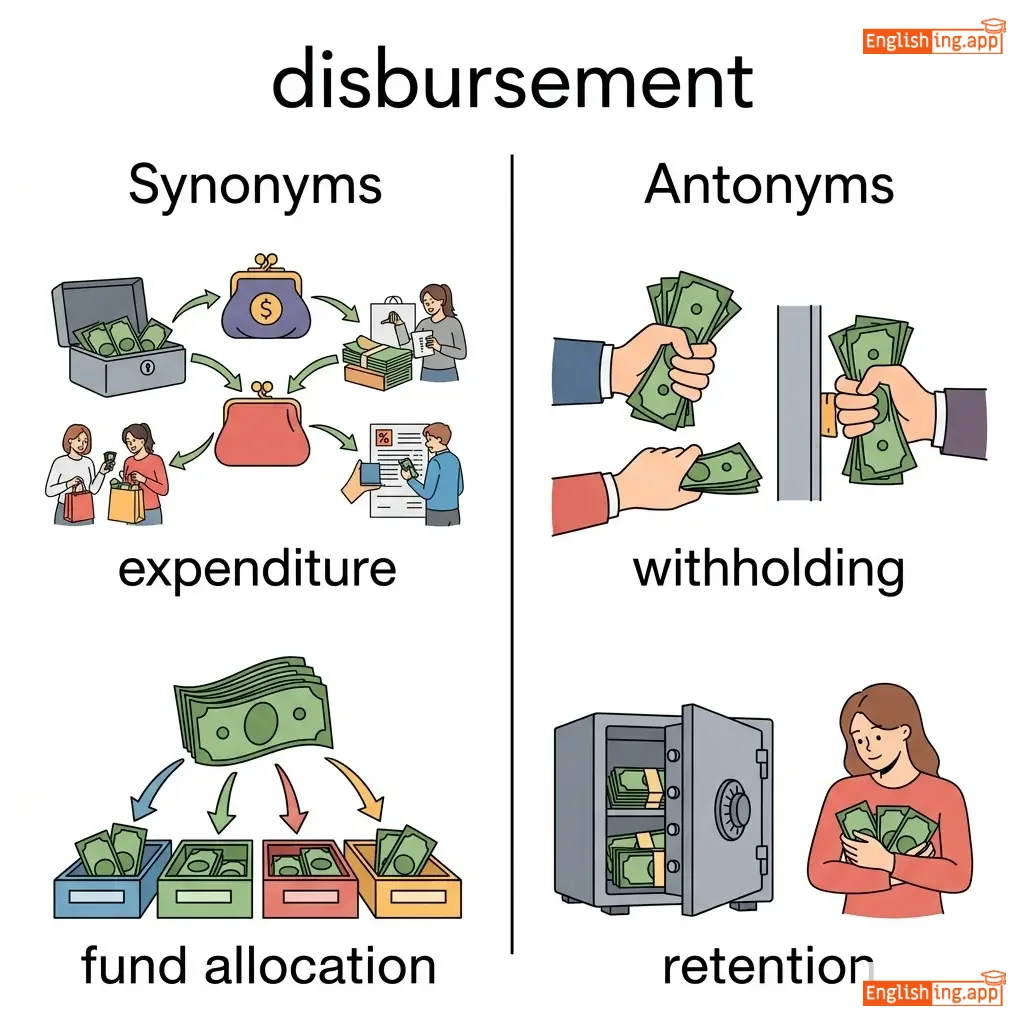
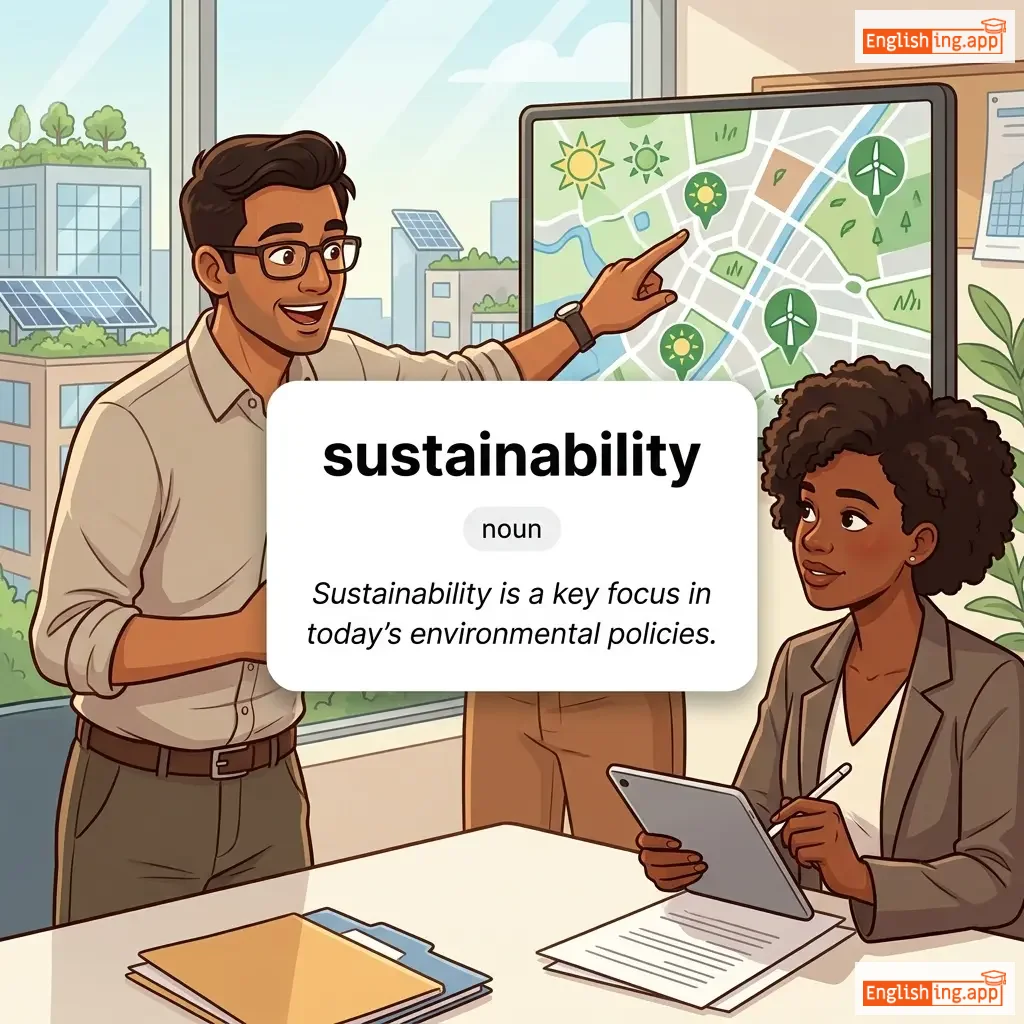
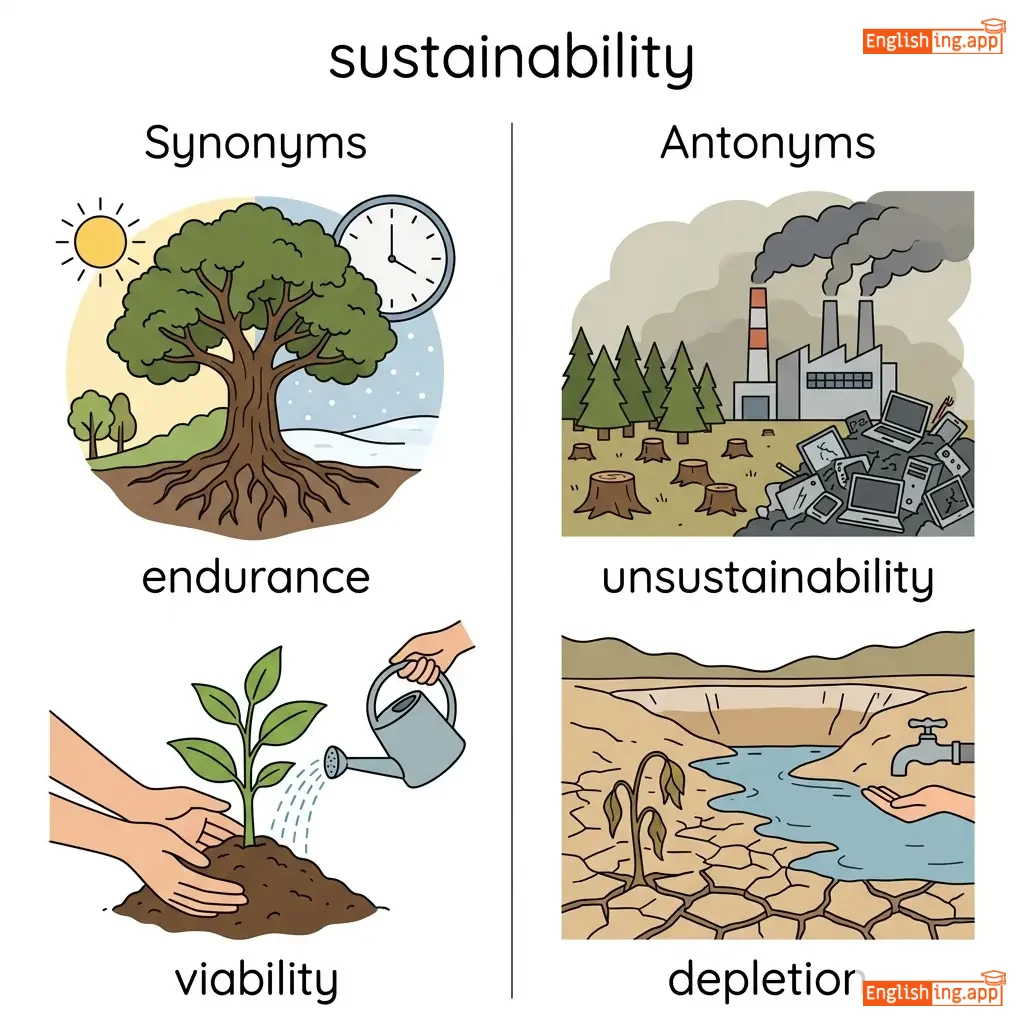
Proper fiscal planning is crucial for successful business operations. Many entrepreneurs initially struggle with capitalization, as without investment liquidity, it becomes difficult to expand the business. Without proper diversification, a business can fall victim to market volatility. Therefore, risk mitigation strategies should be developed to maintain solvency. To increase business profitability, it is necessary to reduce overhead expenses. Calculating depreciation and amortization makes it easier to create an accurate balance sheet. Market inflation and escalation affect the business, so feasibility studies are necessary. Using arbitrage strategies can further increase profits. Therefore, for successful business finance management, ensuring proper equity, collateral, and correct disbursement should be maintained to preserve business sustainability.
Upgrade to Access All Vocabulary
Get unlimited access to all vocabulary items with Pro membership
Upgrade to ProTranslation
Past
Past Participle
Third Person Singular
Gerund
Meaning
Example Sentence
Example Sentence Translation
Synonyms
Antonyms
Collocations
Mnemonic















Swipe left or right, or use the buttons. Tap image to zoom.
Upgrade to Access All Sentences
Get unlimited access to all sentences with Pro membership
Upgrade to ProExample Sentence Translation
Word
How to Manage Business Finances - Mask Toggle
|
Emoji
|
Word | Images | Meaning | Example Sentence | Synonyms | Antonyms |
|---|---|---|---|---|---|---|
|
#2278
💰
|
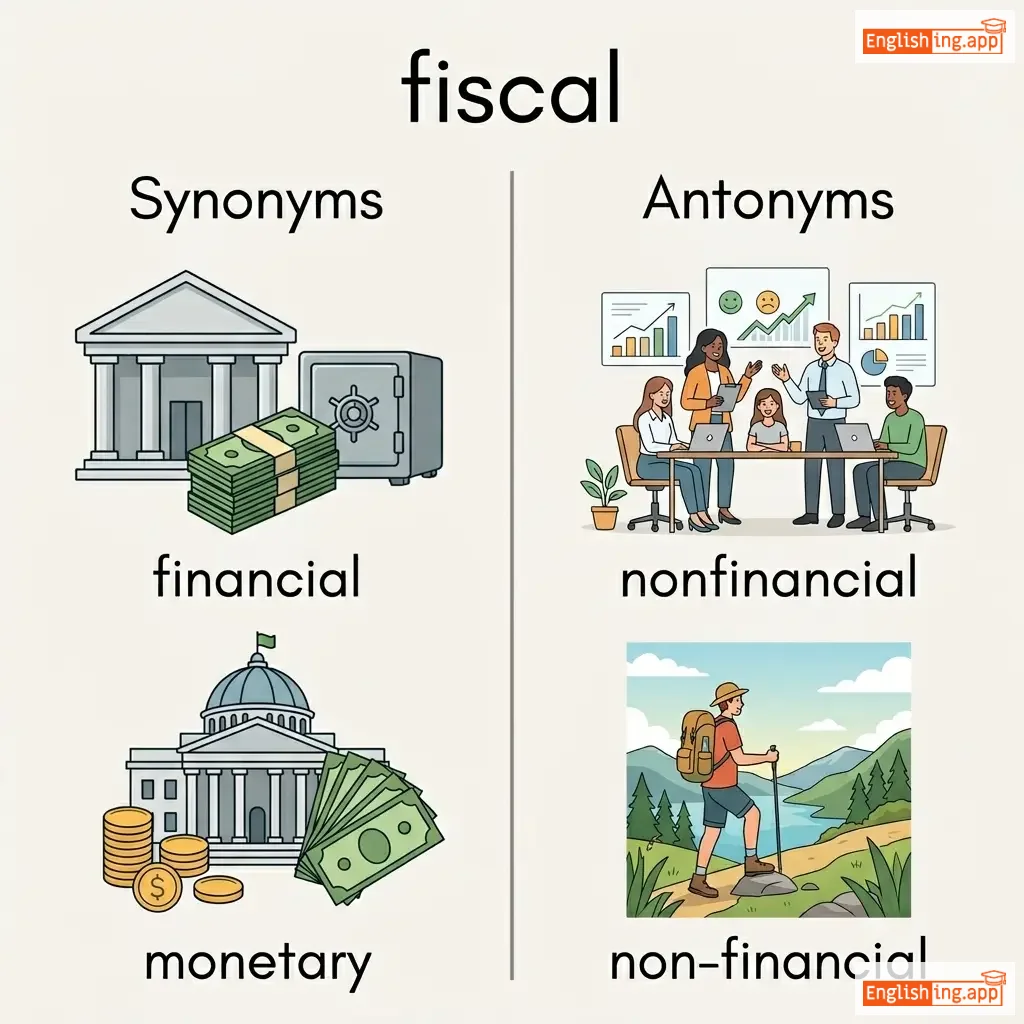
ˈfɪs.kəl
adjective
••••••
|
|
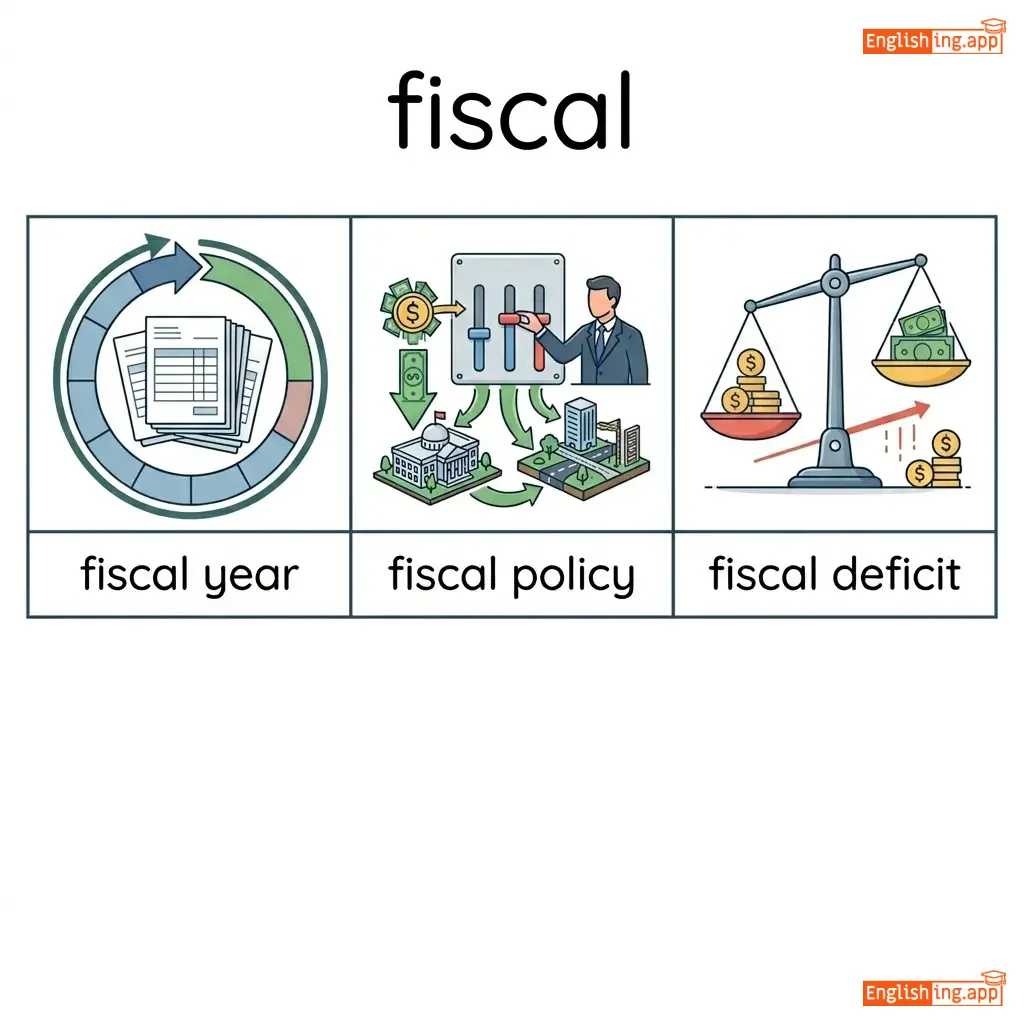
Relating to government revenue, especially taxes; relating to financial matters.
••••••
|
The government's fiscal policies impact national growth. |
financial, monetary, economic
••••••
|
non-financial, unrelated, extraneous
••••••
|
|
#2279
💼
|
ˌkæp.ɪ.təl.aɪˈzeɪ.ʃən
noun
••••••
|
|
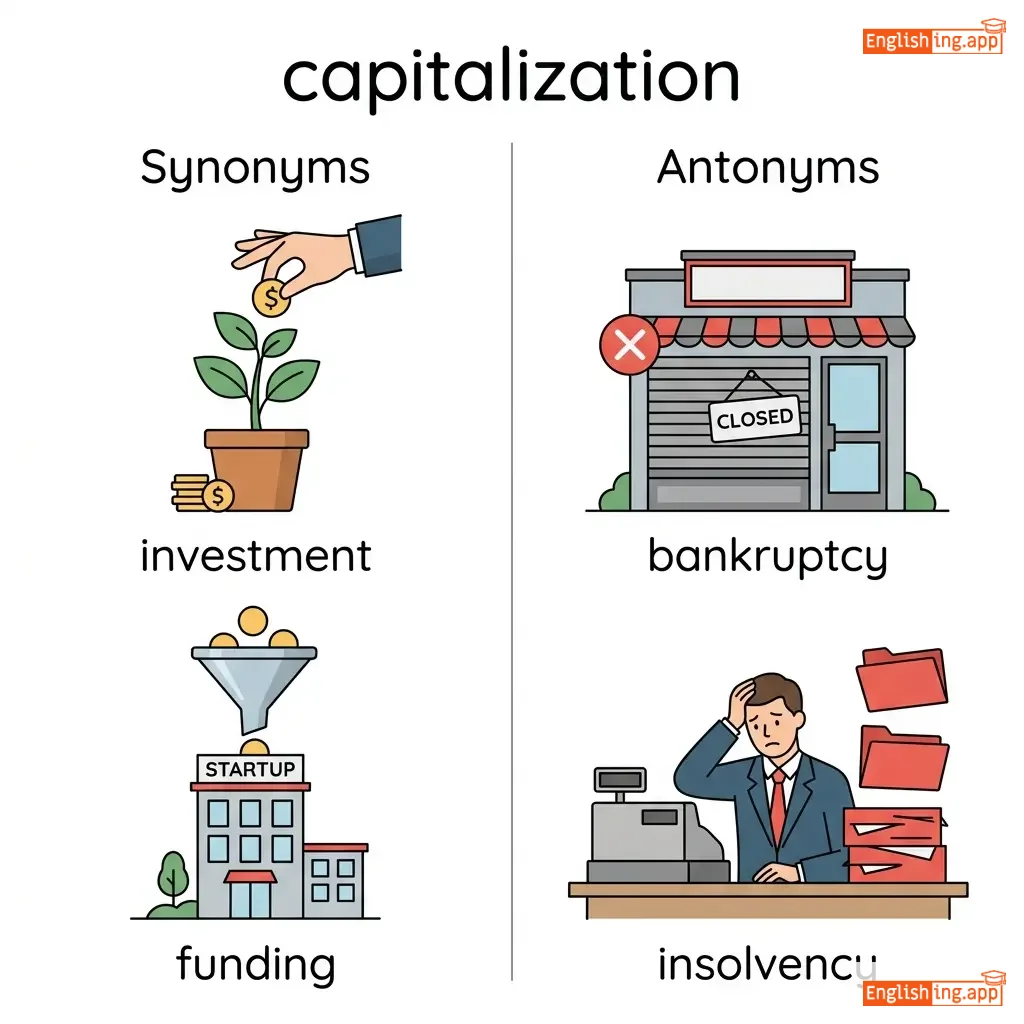
The provision of capital for a company or the total value of a company's stocks and bonds.
••••••
|
The startup secured high capitalization for expansion. |
investment, funding, endowment
••••••
|
devaluation, undercapitalization, liquidation
••••••
|
|
#2280
🌊
|
lɪˈkwɪd.ə.ti
noun
••••••
|
|
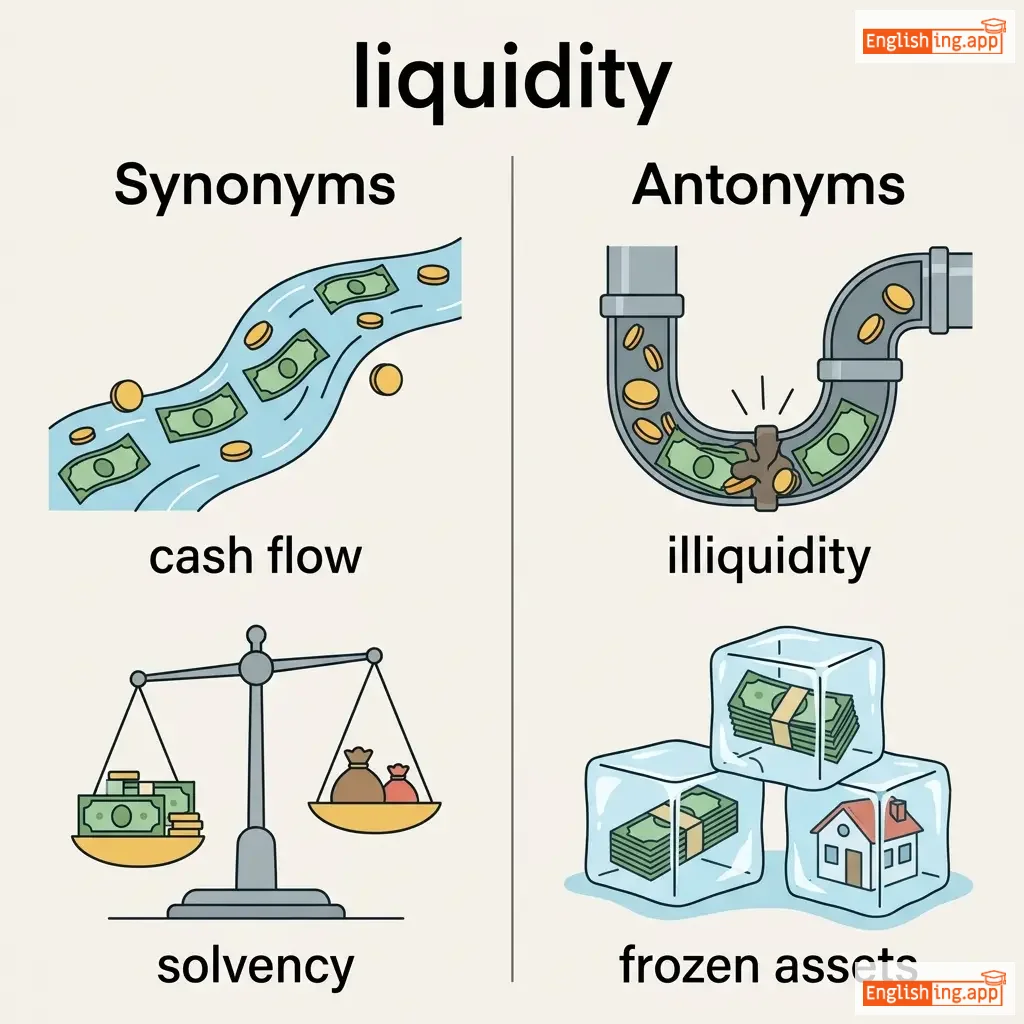
The availability of liquid assets to a market or company; the ability to convert assets into cash quickly.
••••••
|
The company improved its liquidity to ensure stability. |
cash flow, solvency, convertibility
••••••
|
illiquidity, insolvency, asset lock
••••••
|
|
#2281
🎯
|
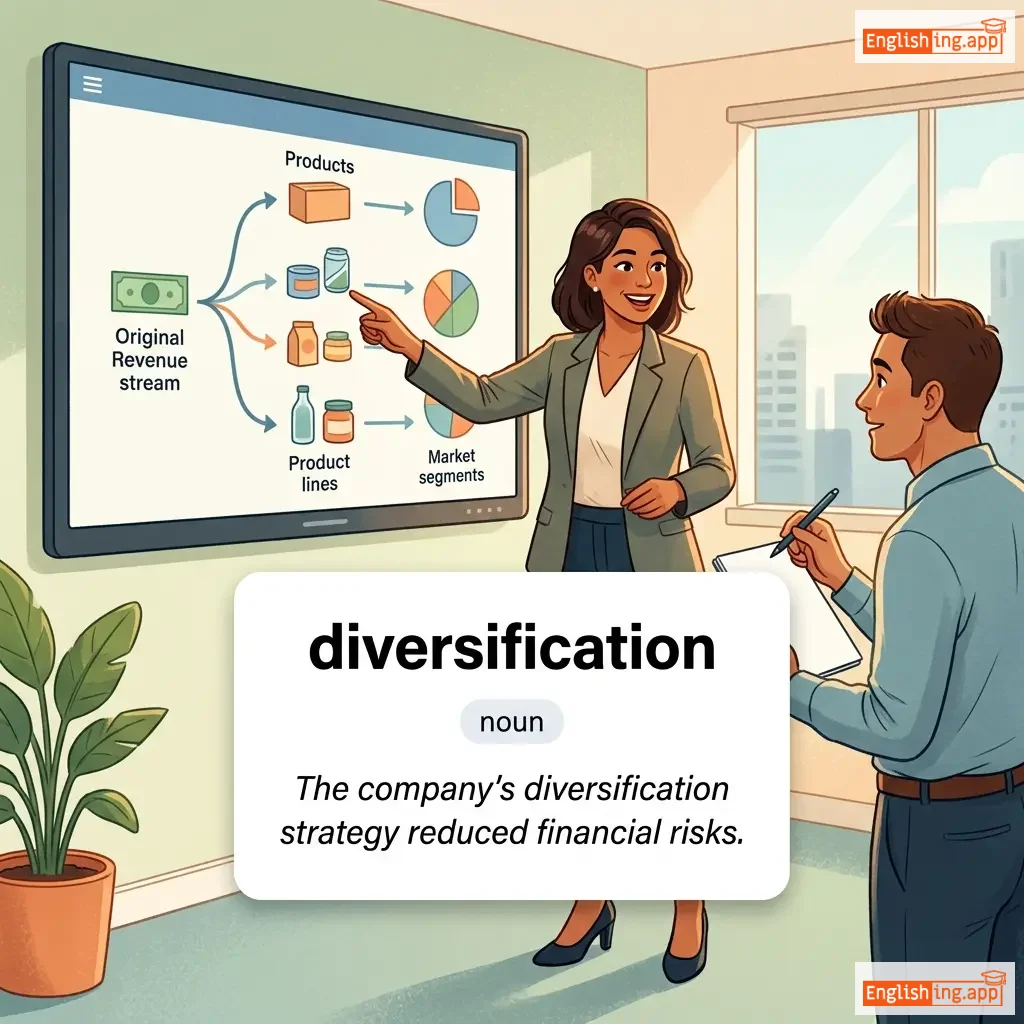
daɪˌvɜː.sɪ.fɪˈkeɪ.ʃən
noun
••••••
|
|
The process of a business enlarging or varying its range of products or field of operation.
••••••
|
Diversification in investments reduces financial risks. |
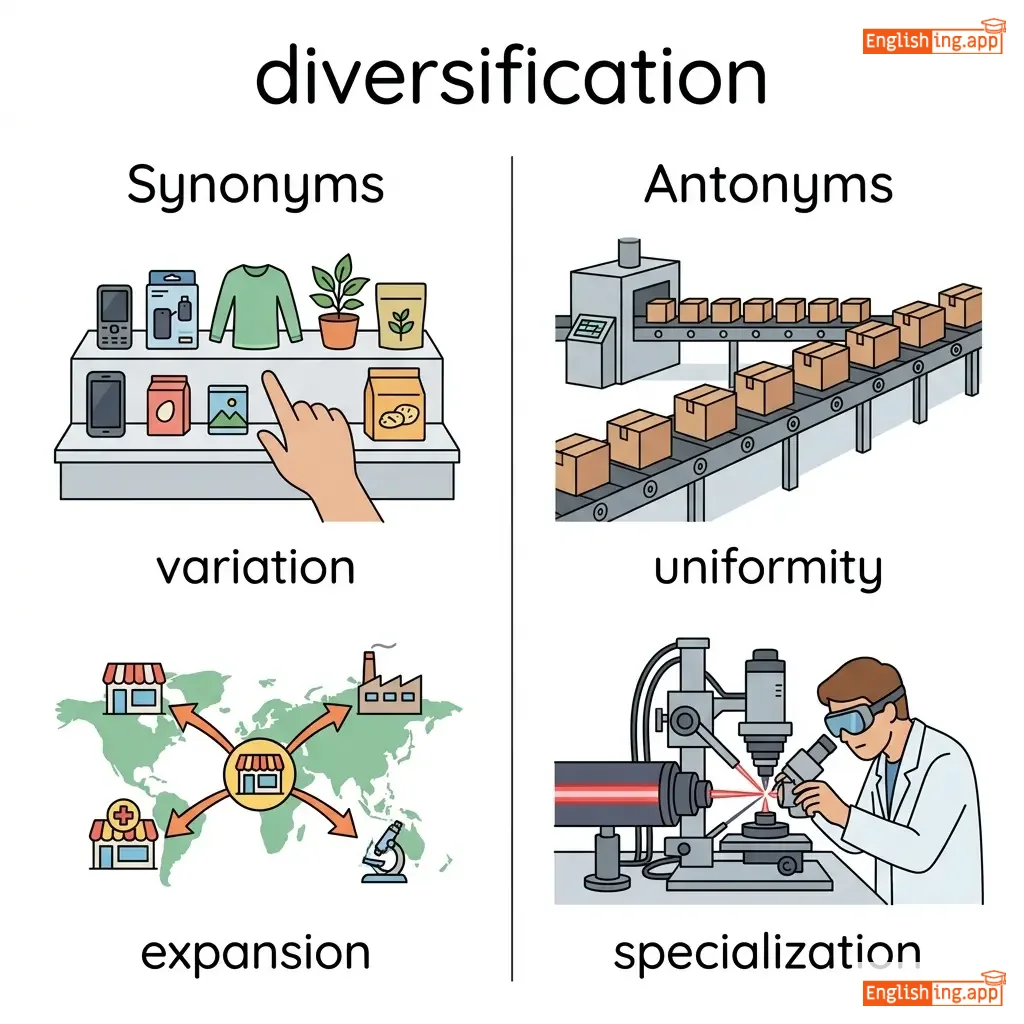
variety, expansion, variation
••••••
|
homogeneity, uniformity, monotony
••••••
|
|
#2282
📈
|
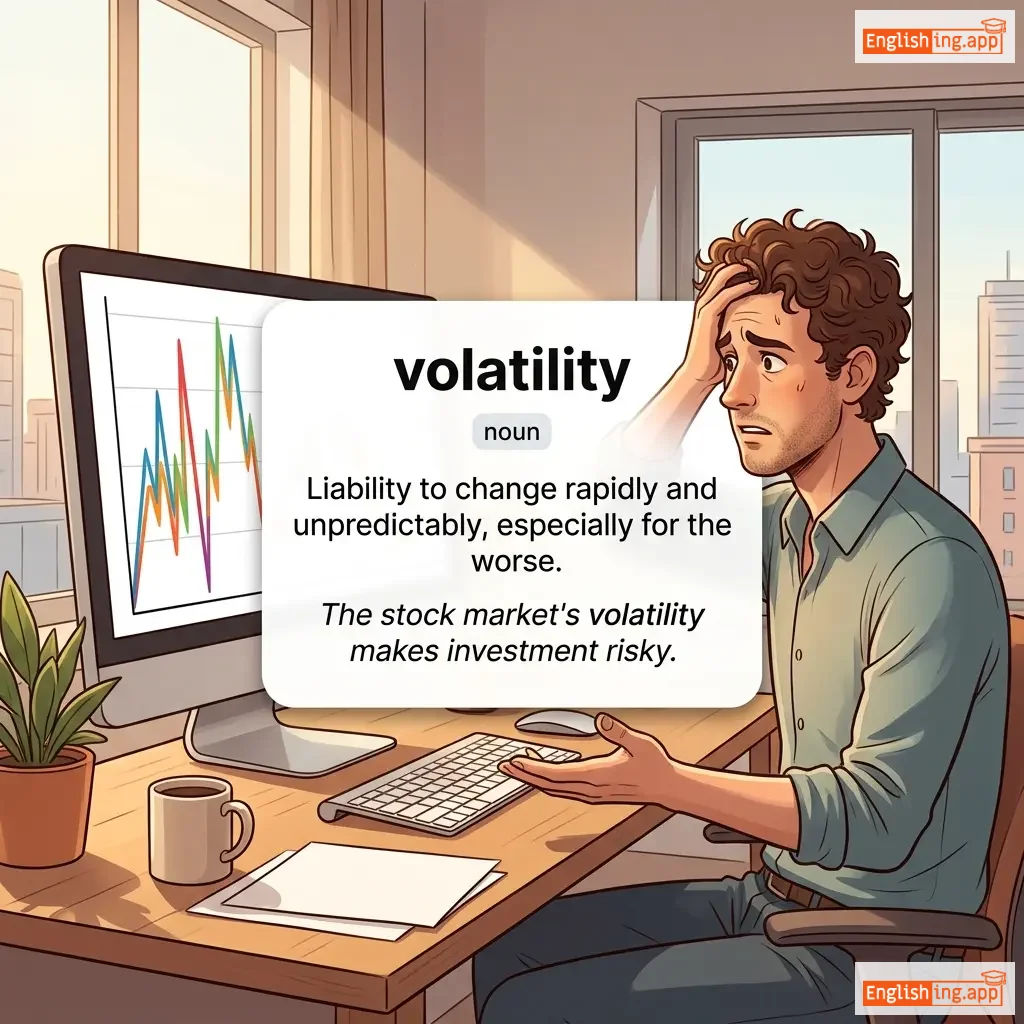
ˌvɒl.əˈtɪl.ə.ti
noun
••••••
|
|
Liability to change rapidly and unpredictably, especially for the worse.
••••••
|
Market volatility creates uncertainty among investors. |
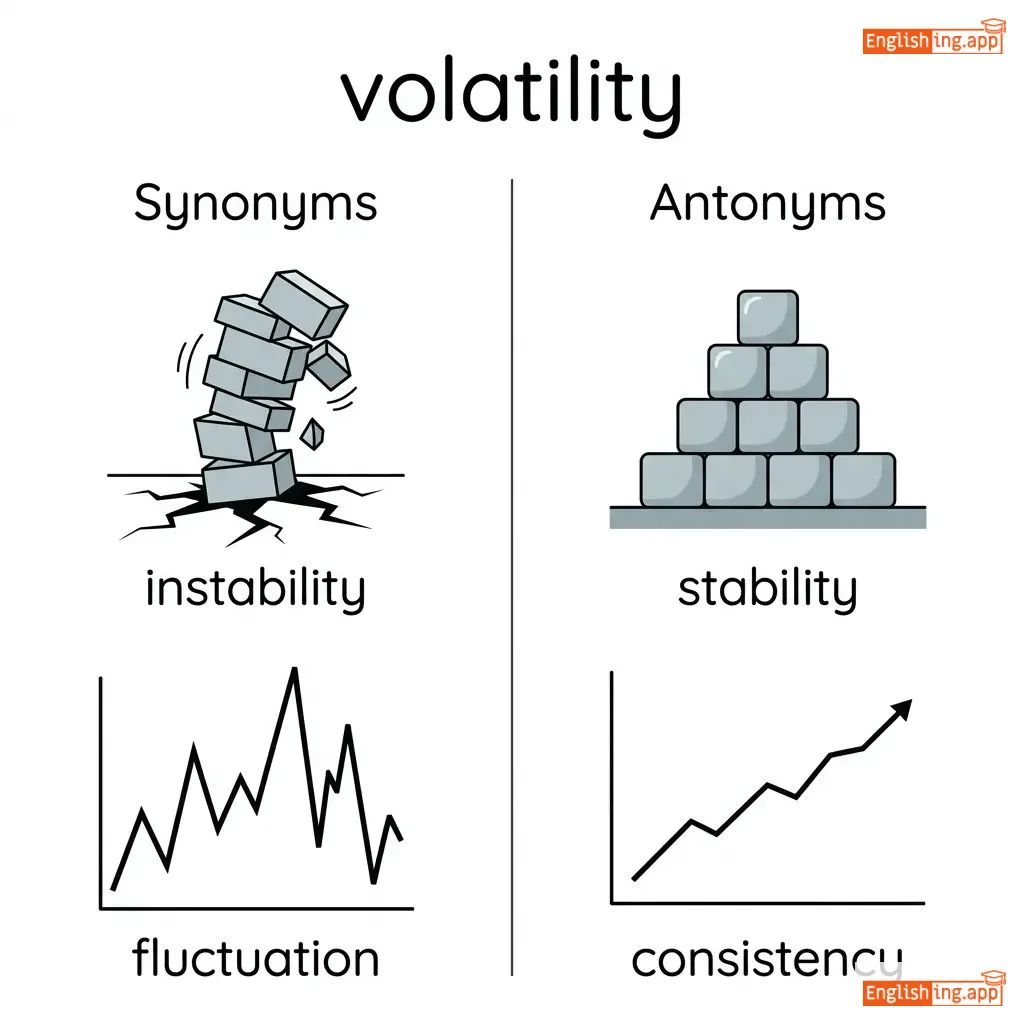
unpredictability, instability, fluctuation
••••••
|
stability, consistency, predictability
••••••
|
|
#2283
🛡️
|
ˌmɪt.ɪˈɡeɪ.ʃən
noun
••••••
|
|
The action of reducing the severity, seriousness, or painfulness of something.
••••••
|
Climate change mitigation strategies are essential. |
reduction, alleviation, moderation
••••••
|
aggravation, intensification, worsening
••••••
|
|
#2284
💪
|
ˈsɒl.vən.si
noun
••••••
|
|
The possession of assets in excess of liabilities; ability to pay debts.
••••••
|
The company's solvency improved after restructuring. |
financial stability, creditworthiness, viability
••••••
|
insolvency, bankruptcy, default
••••••
|
|
#2285
📊
|
ˌprɒf.ɪ.təˈbɪl.ə.ti
noun
••••••
|
|
The degree to which a business or activity yields profit or financial gain.
••••••
|
Increased efficiency enhances business profitability. |
revenue, earnings, gain
••••••
|
loss, deficit, unprofitability
••••••
|
|
#2286
💸
|
ˈəʊ.və.hed
noun
••••••
|
|
Ongoing business expenses not directly attributable to creating a product or service.
••••••
|
High overhead costs reduce overall profits. |
operating cost, fixed expenses, administrative cost
••••••
|
variable cost, direct expenses, reduced spending
••••••
|
|
#2287
📉
|
dɪˌpriː.ʃiˈeɪ.ʃən
noun
••••••
|
|
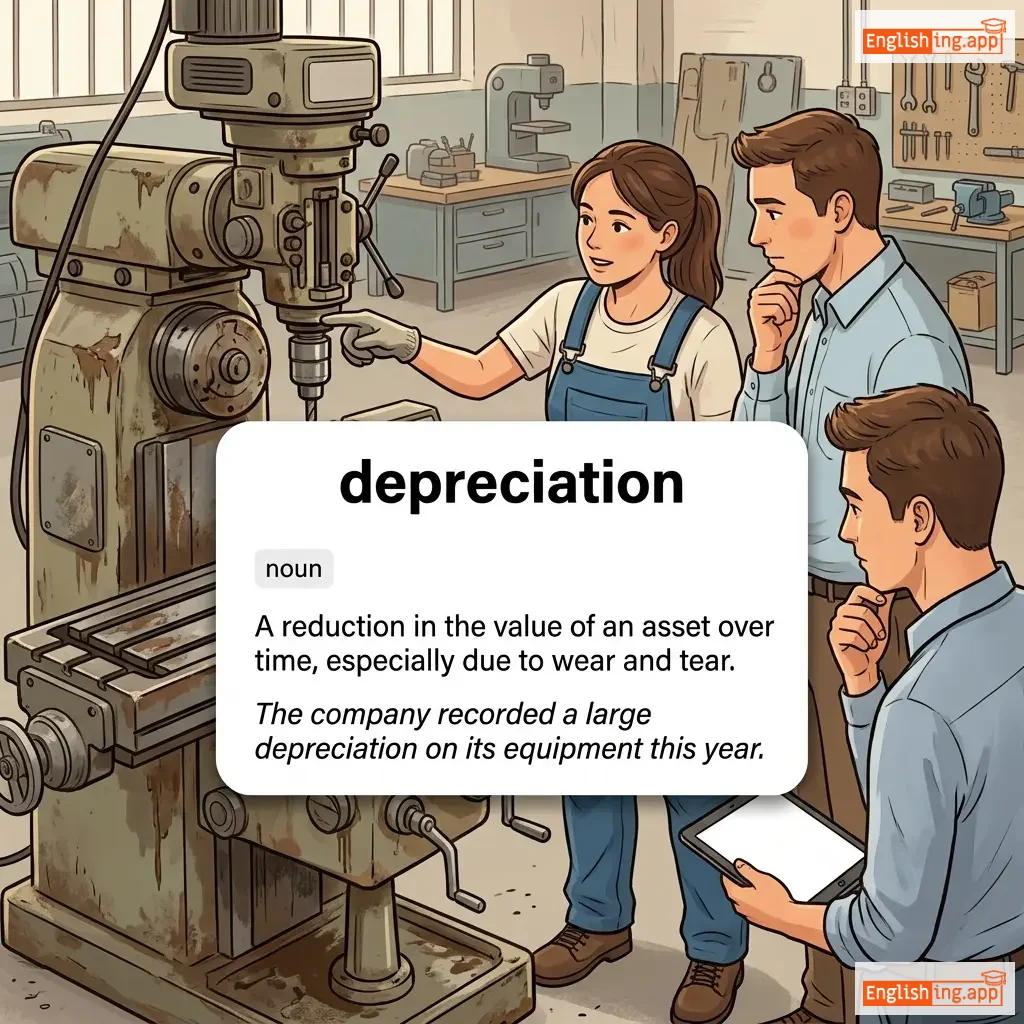
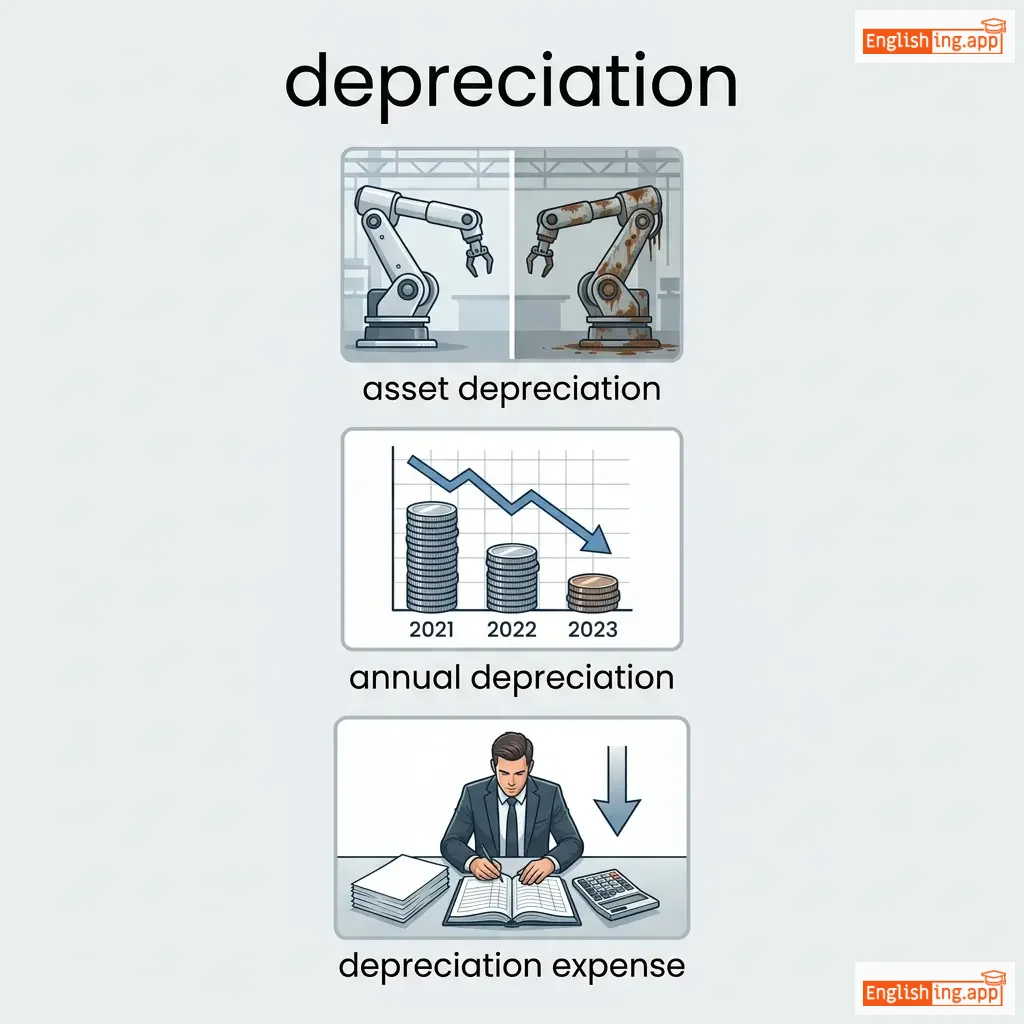
A reduction in the value of an asset with the passage of time, due in particular to wear and tear.
••••••
|
Property depreciation lowers resale value. |
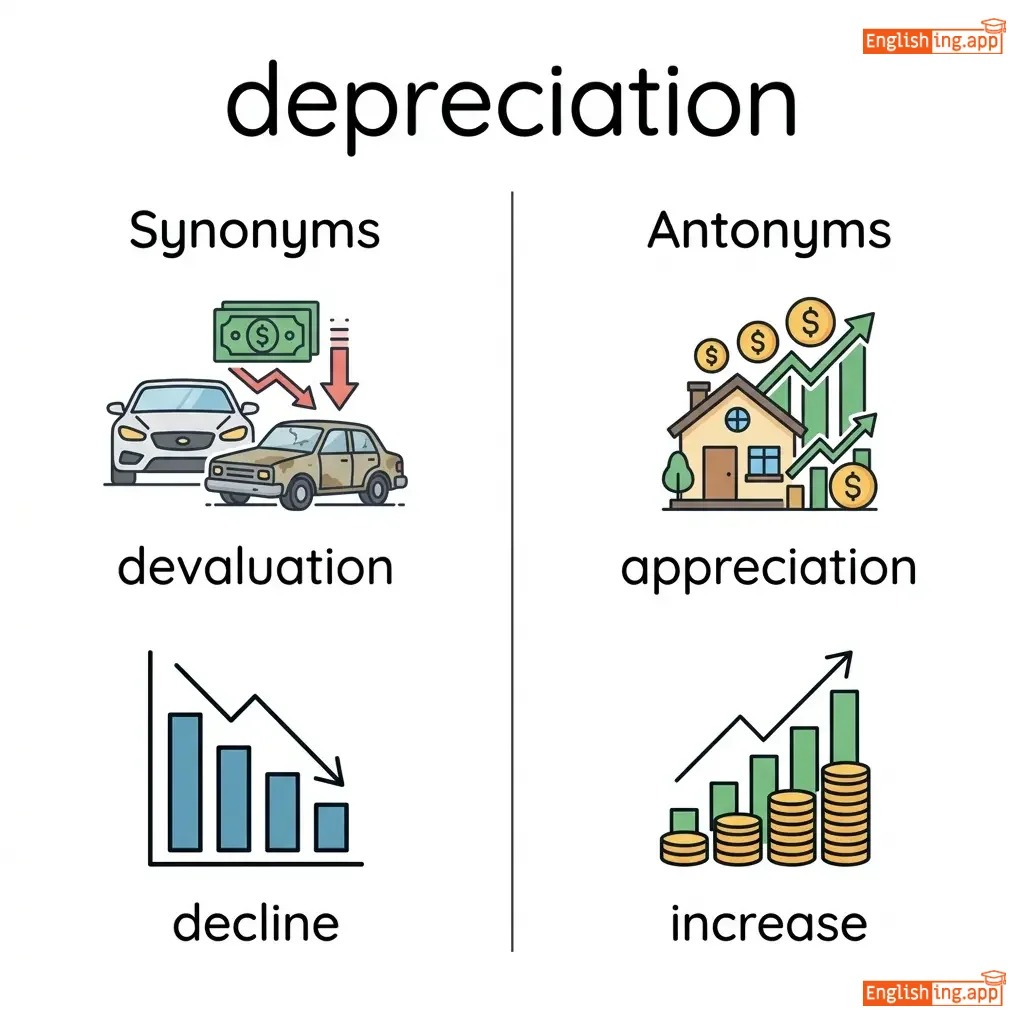
devaluation, asset decline, wear and tear
••••••
|
appreciation, value increase, growth
••••••
|
|
#2288
📋
|
əˌmɔː.tɪˈzeɪ.ʃən
noun
••••••
|
|
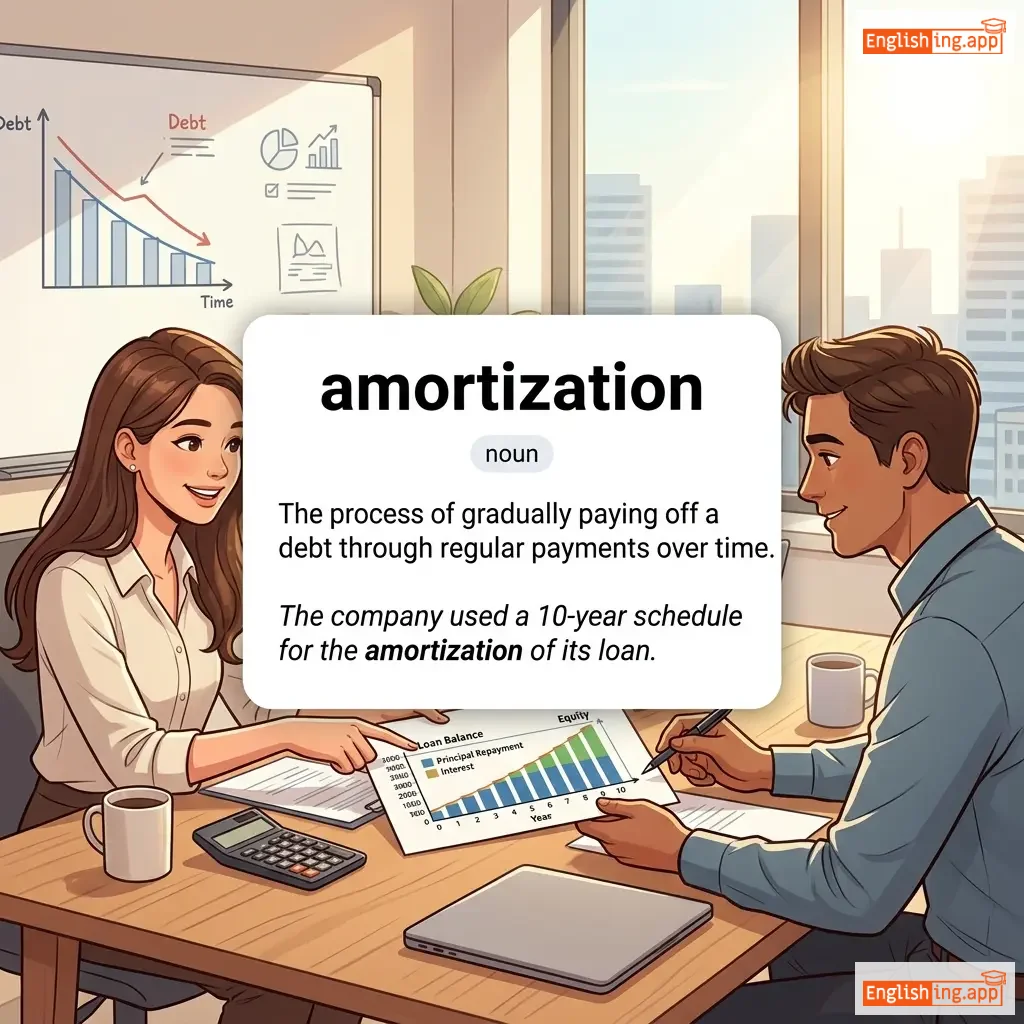
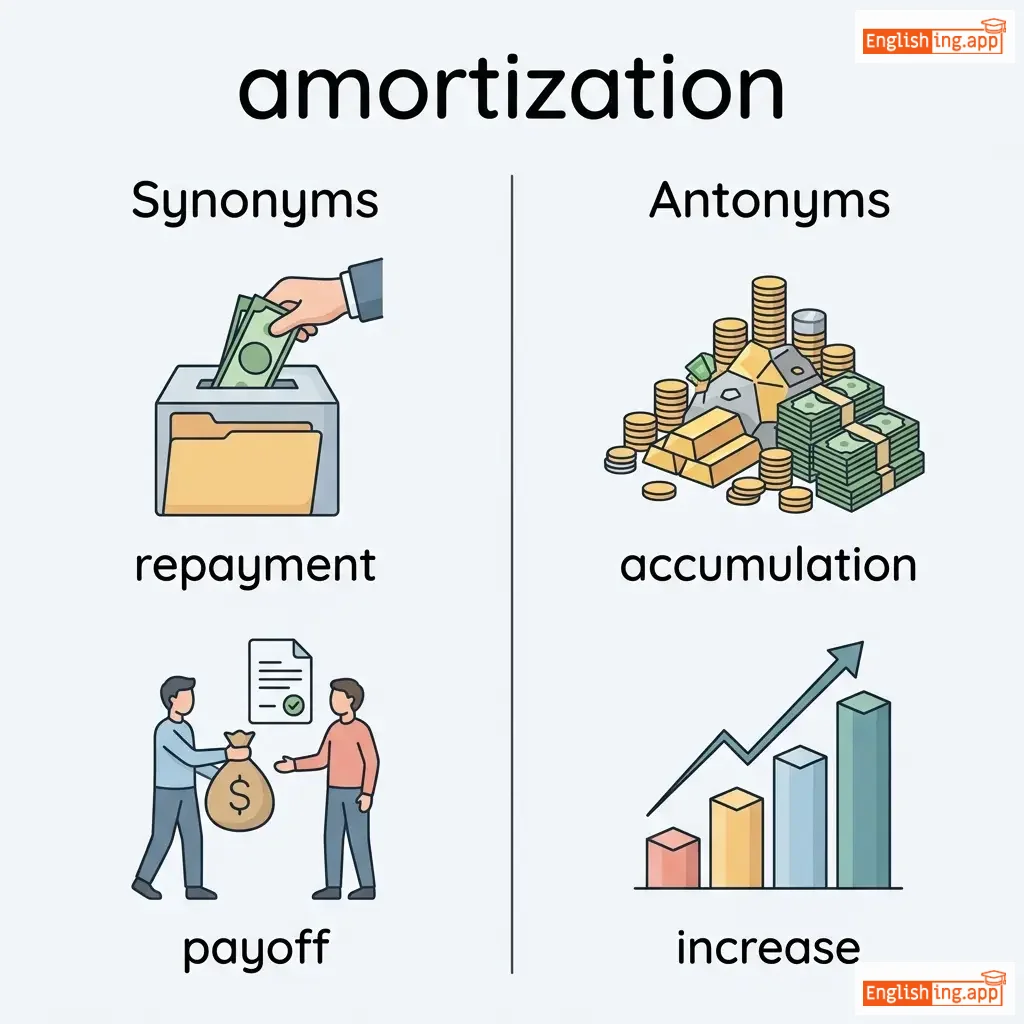
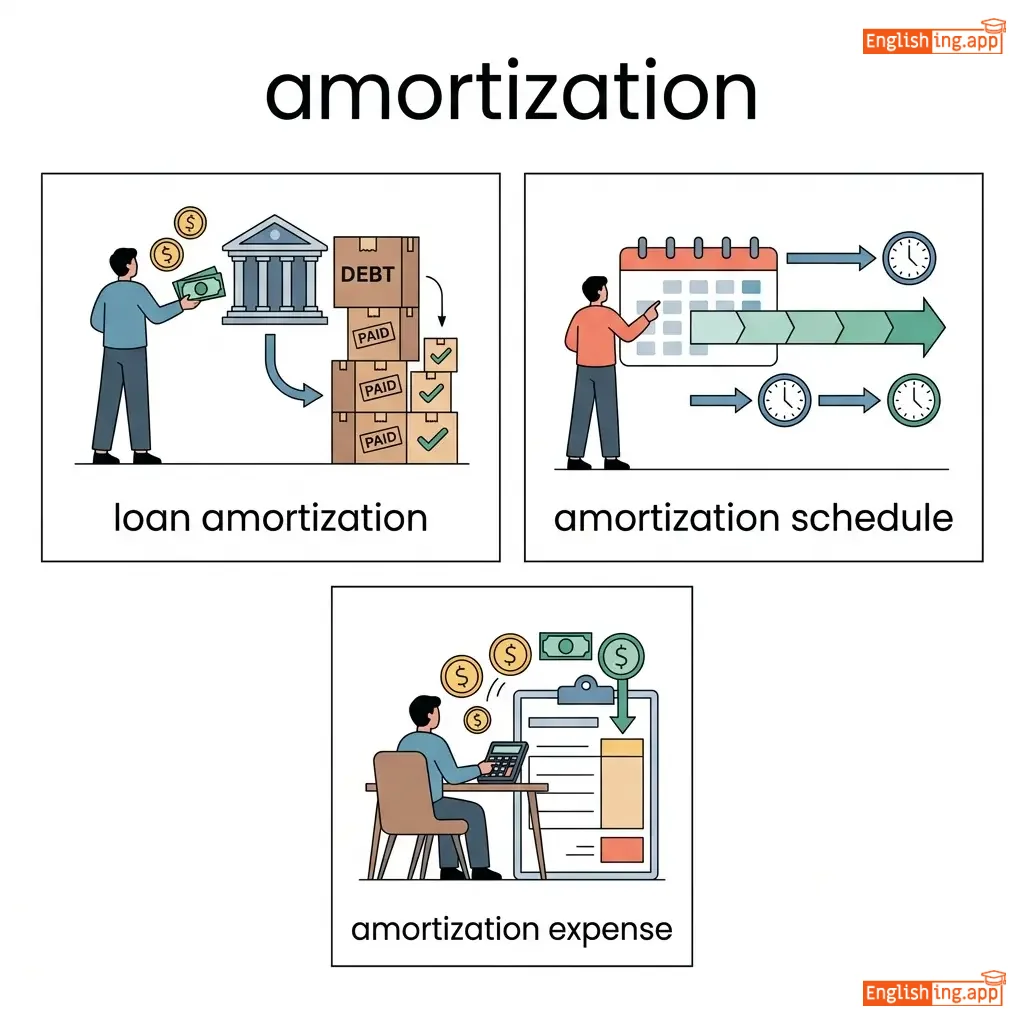
The action or process of gradually writing off the initial cost of an asset.
••••••
|
Smart amortization prevents financial strain. |
loan repayment, installment reduction, debt allocation
••••••
|
accumulation, default, non-payment
••••••
|
|
#2289
📈
|
ɪnˈfleɪ.ʃən
noun
••••••
|
|
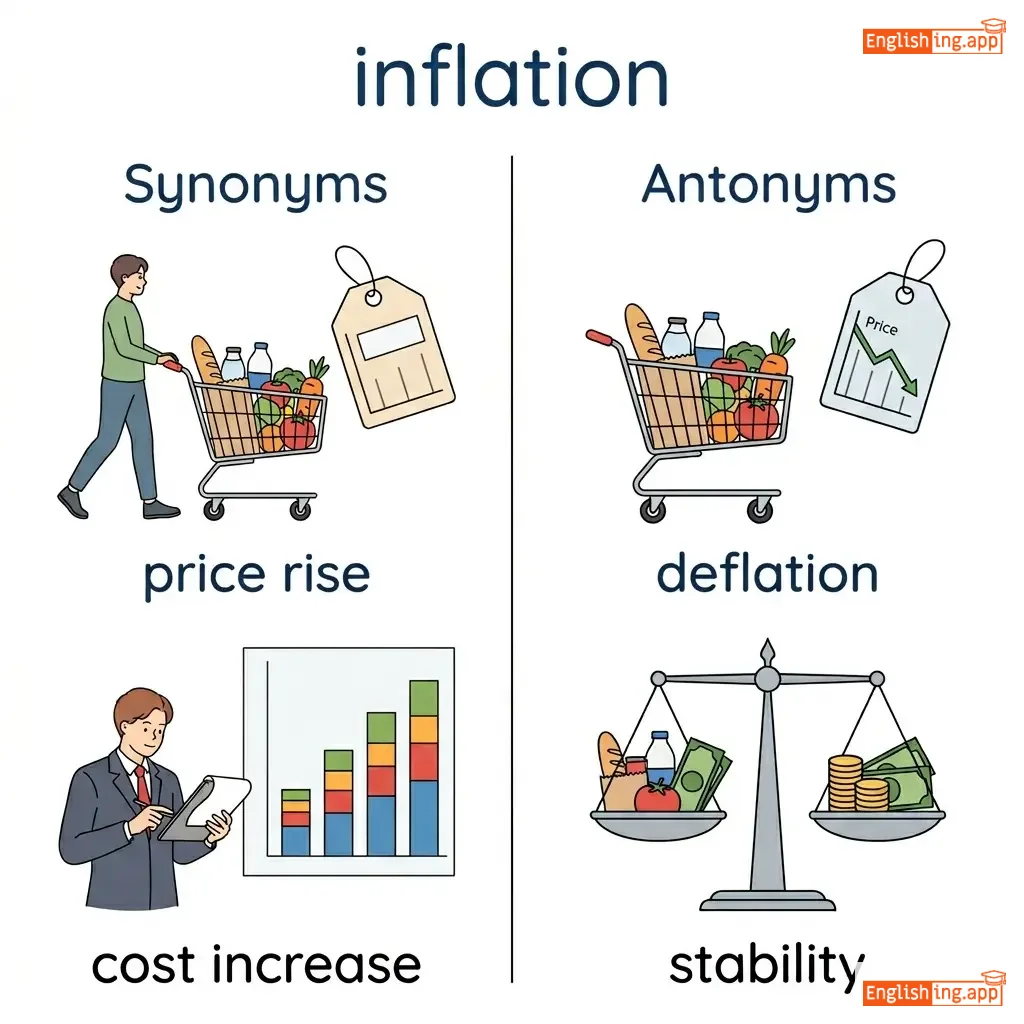
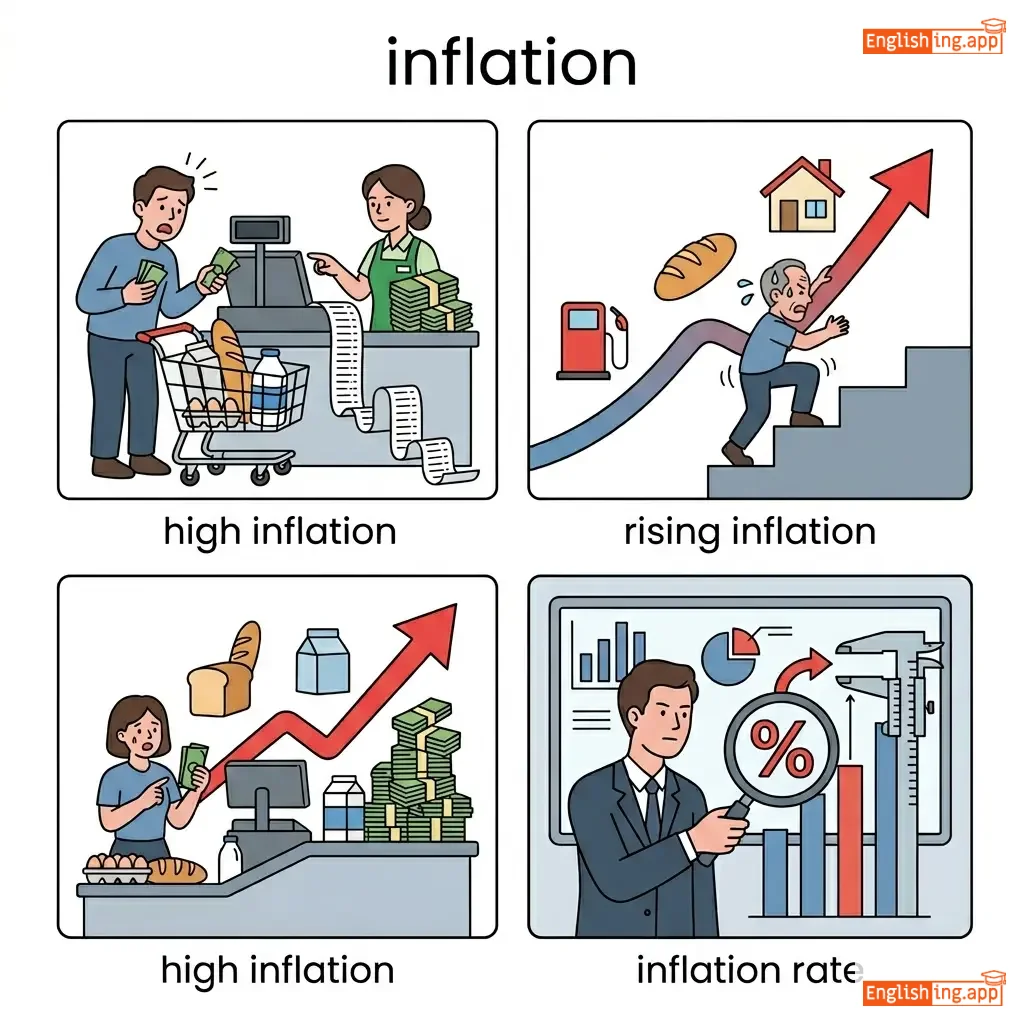
A general increase in prices and fall in the purchasing value of money.
••••••
|
Inflation reduces purchasing power. |
price surge, economic rise, currency devaluation
••••••
|
deflation, price stability, economic downturn
••••••
|
|
#2290
⬆️
|
ˌes.kəˈleɪ.ʃən
noun
••••••
|
|
A rapid increase; a rise.
••••••
|
The escalation of production costs impacts profitability. |
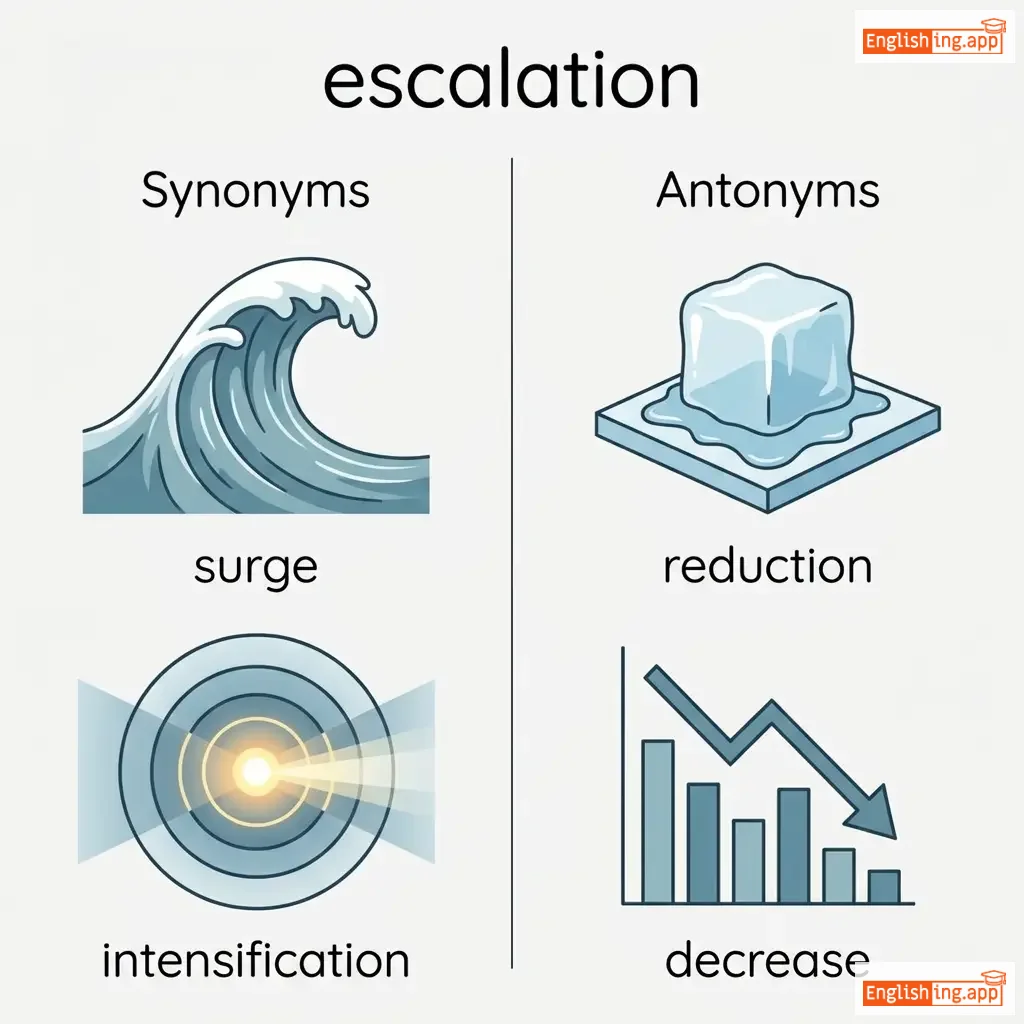
surge, intensification, expansion
••••••
|
reduction, decrease, stabilization
••••••
|
|
#2291
✅
|
ˌfiː.zəˈbɪl.ə.ti
noun
••••••
|
|
The state or degree of being easily or conveniently done.
••••••
|
The feasibility study confirmed project success. |
viability, practicality, implementability
••••••
|
impracticality, unworkability, infeasibility
••••••
|
|
#2292
⚖️
|
ˈɑː.bɪ.trɑːʒ
noun
••••••
|
|
The practice of taking advantage of a price difference between two or more markets.
••••••
|
Arbitrage opportunities exist in volatile markets. |
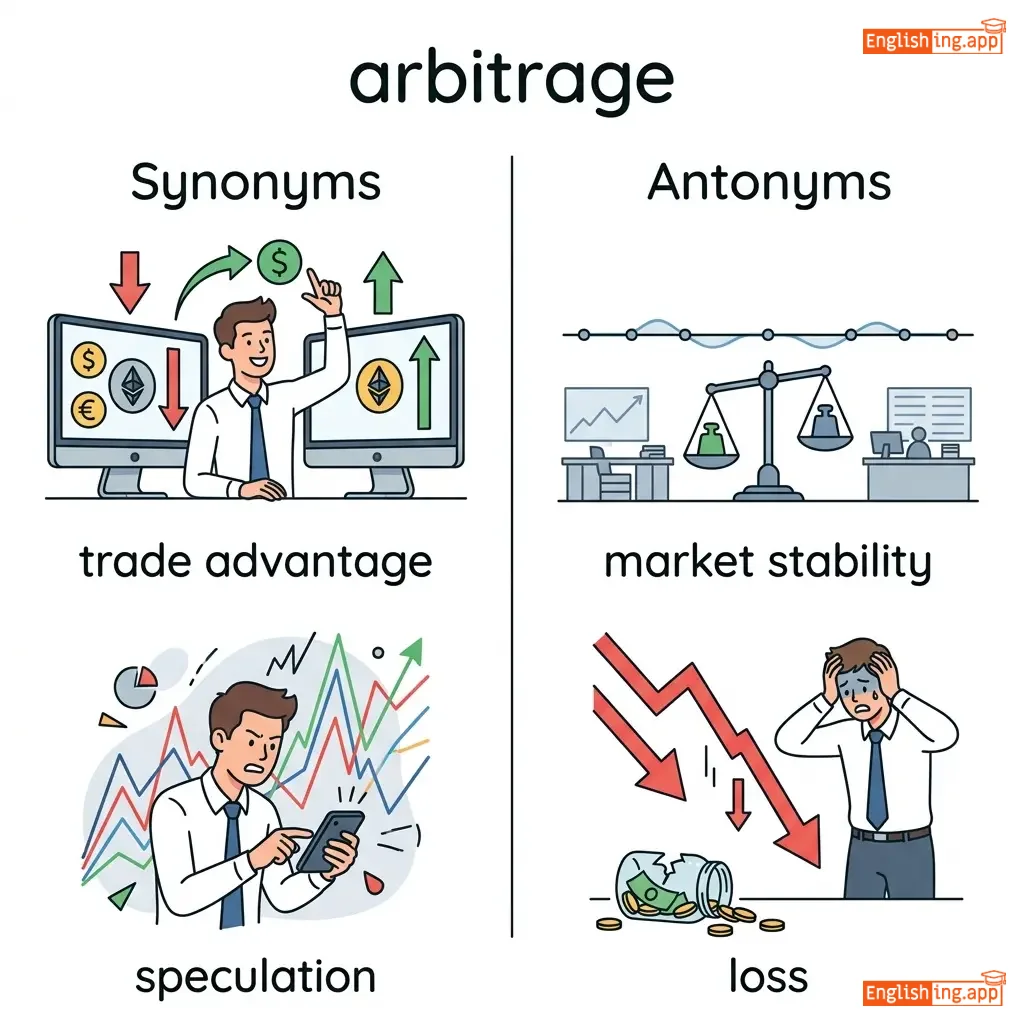
market exploitation, price advantage, trading profit
••••••
|
loss, speculation failure, risky investment
••••••
|
|
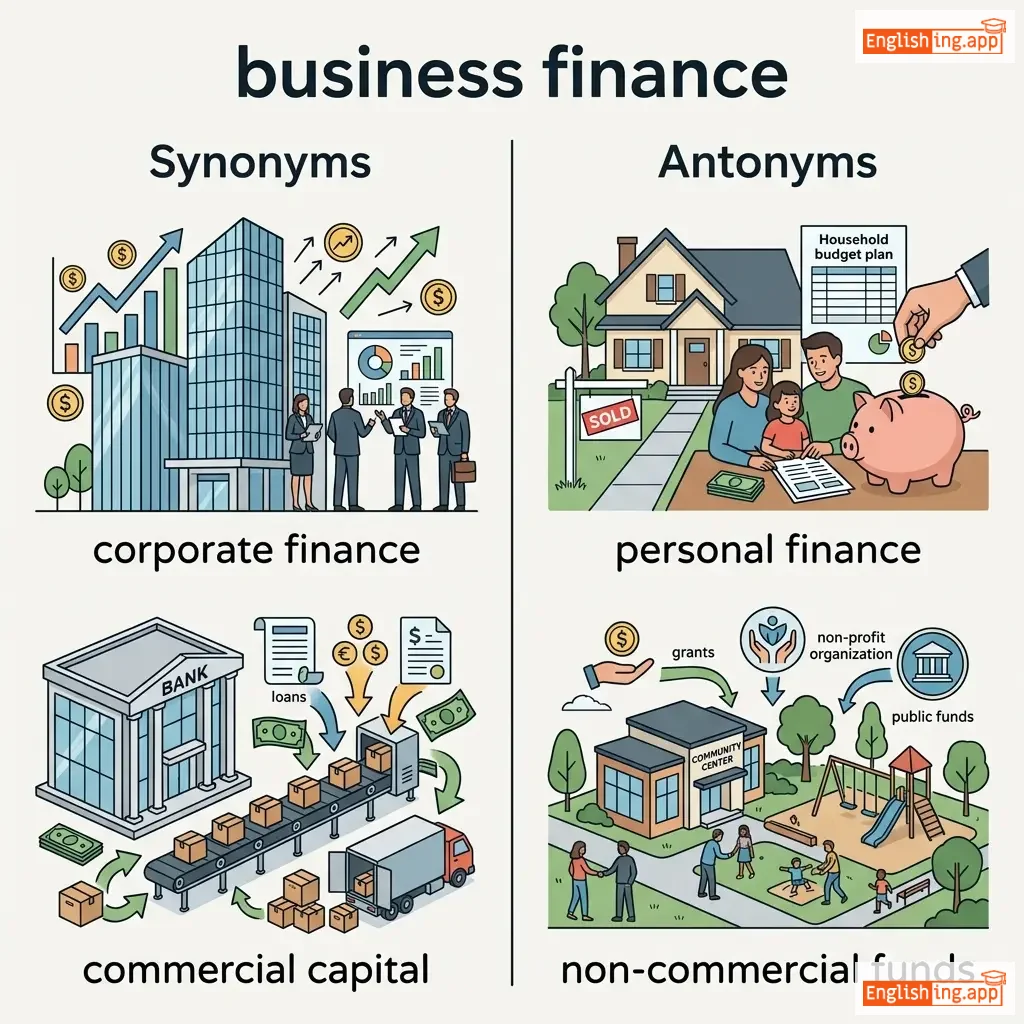
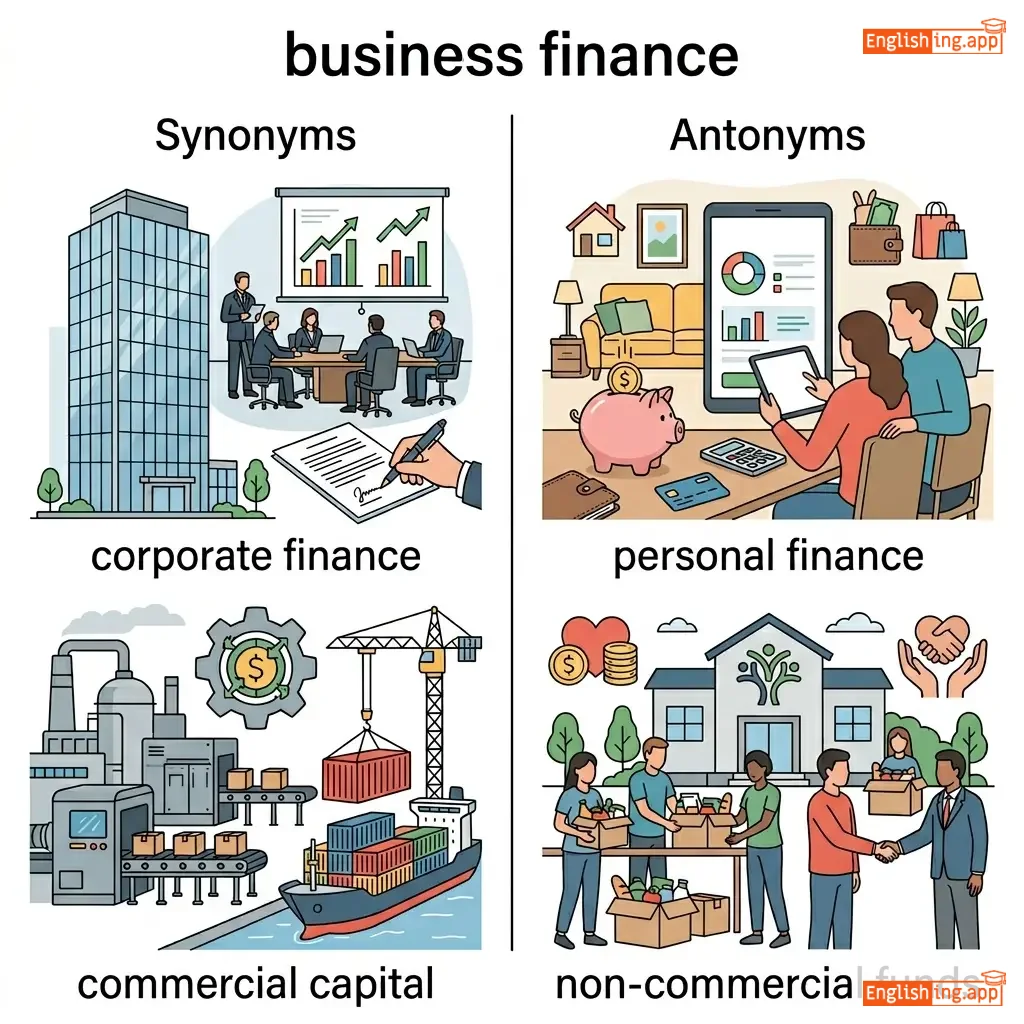
#2293
🏢
|
ˈbɪz.nɪs ˈfaɪ.næns
noun
••••••
|
|
The area of finance that deals with sources of funding and the capital structure of corporations.
••••••
|
Effective business finance enhances profitability. |
corporate finance, commercial capital, financial planning
••••••
|
personal finance, non-commercial funds, insolvency
••••••
|
|
#2294
⚖️
|
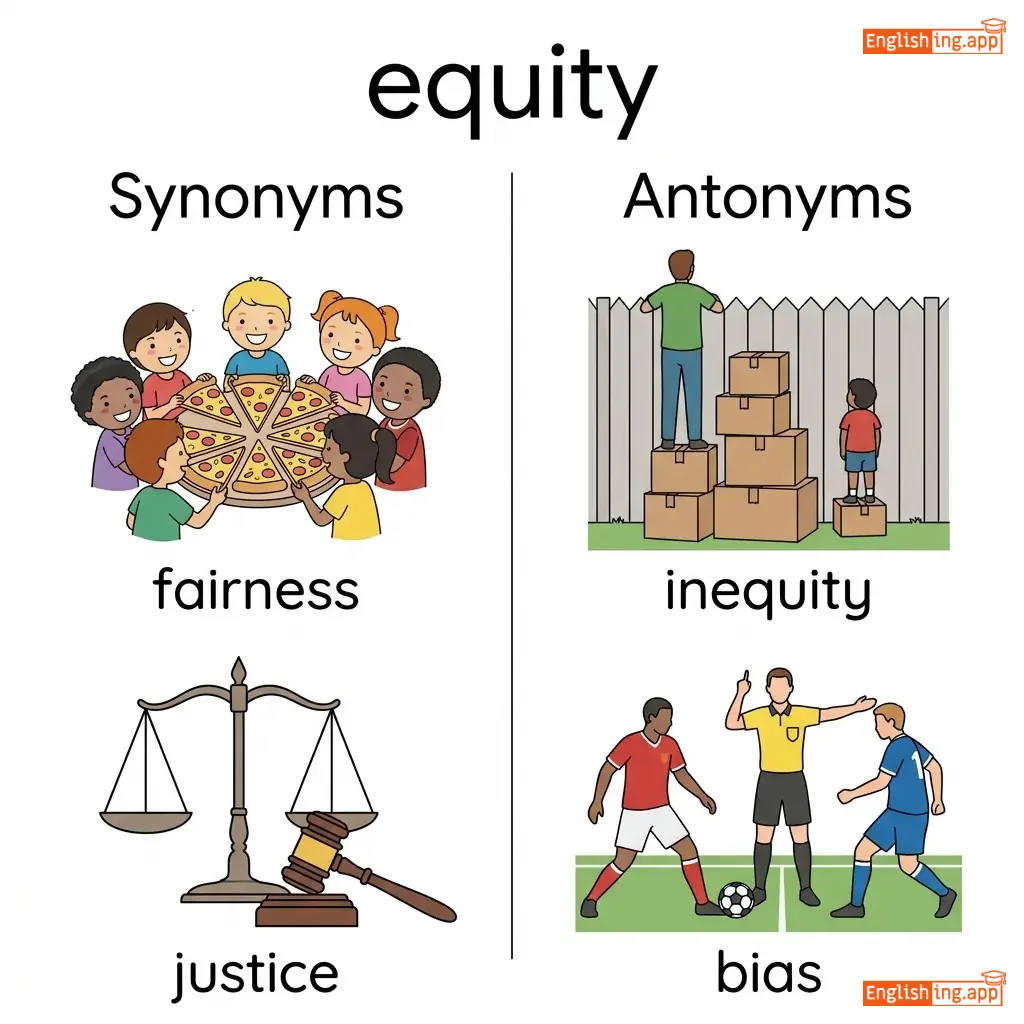
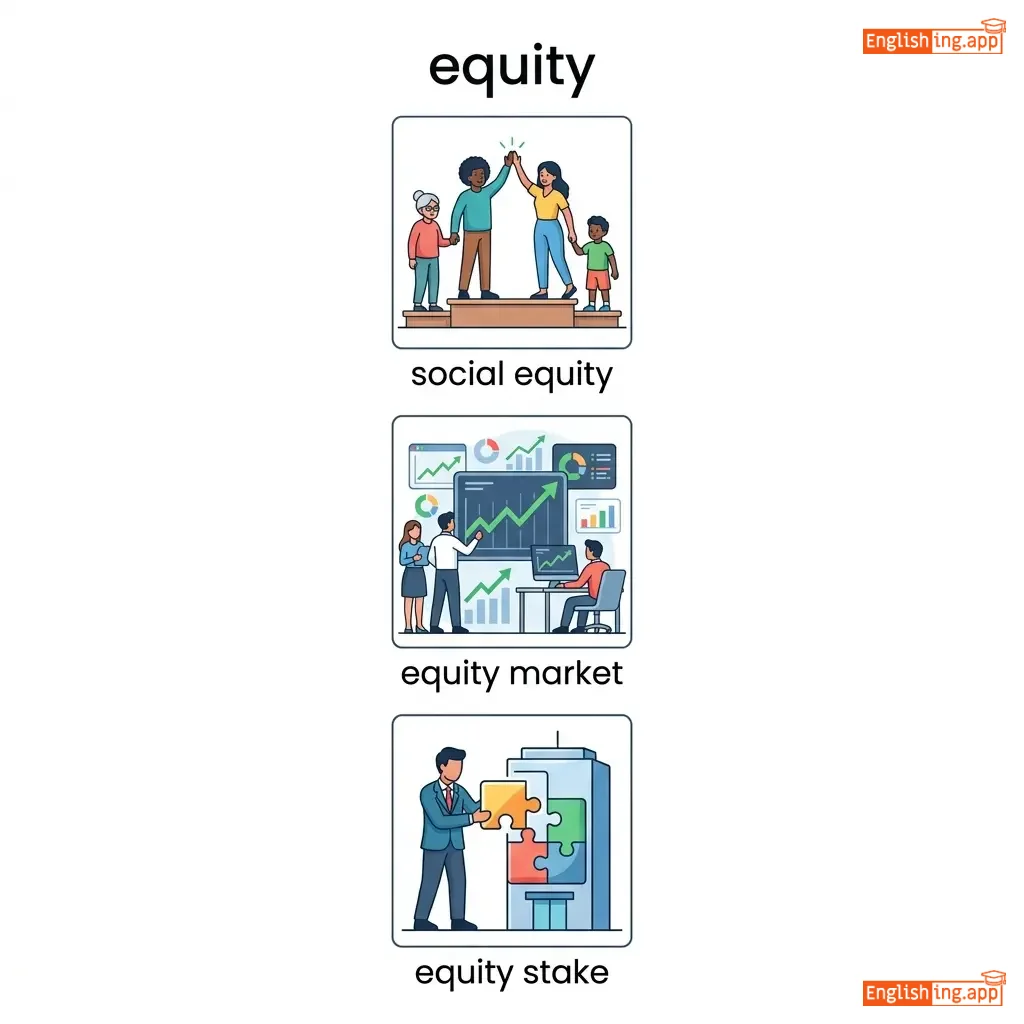
ˈek.wɪ.ti
noun
••••••
|
|
The quality of being fair and impartial; the value of shares issued by a company.
••••••
|
Shareholders invest in equity for long-term gains. |
fairness, ownership, stakeholding
••••••
|
inequality, debt, liability
••••••
|
|
#2295
🏠
|
kəˈlæt.ər.əl
noun
••••••
|
|
Something pledged as security for repayment of a loan, to be forfeited in the event of a default.
••••••
|
The bank requires collateral for loan approval. |
security, guarantee, pledge
••••••
|
unsecured loan, risky investment, liability
••••••
|
|
#2296
💳
|
dɪsˈbɜːs.mənt
noun
••••••
|
|
The payment of money from a fund.
••••••
|
The company's disbursement of salaries was delayed. |
expenditure, fund allocation, payment
••••••
|
withholding, retention, collection
••••••
|
|
#2297
🌱
|
səˌsteɪ.nəˈbɪl.ə.ti
noun
••••••
|
|
The ability to be maintained at a certain rate or level; avoidance of the depletion of natural resources.
••••••
|
Green energy ensures environmental sustainability. |
endurance, eco-friendliness, long-term viability
••••••
|
unsustainability, depletion, instability
••••••
|
Comments (0)
Share your thoughts and join the discussion.
Join the discussion by logging in
Login to CommentNo comments yet
Be the first to share your thoughts!