

为什么“国家语言”的问题如此重要?
Why Was the State Language Question So Important?
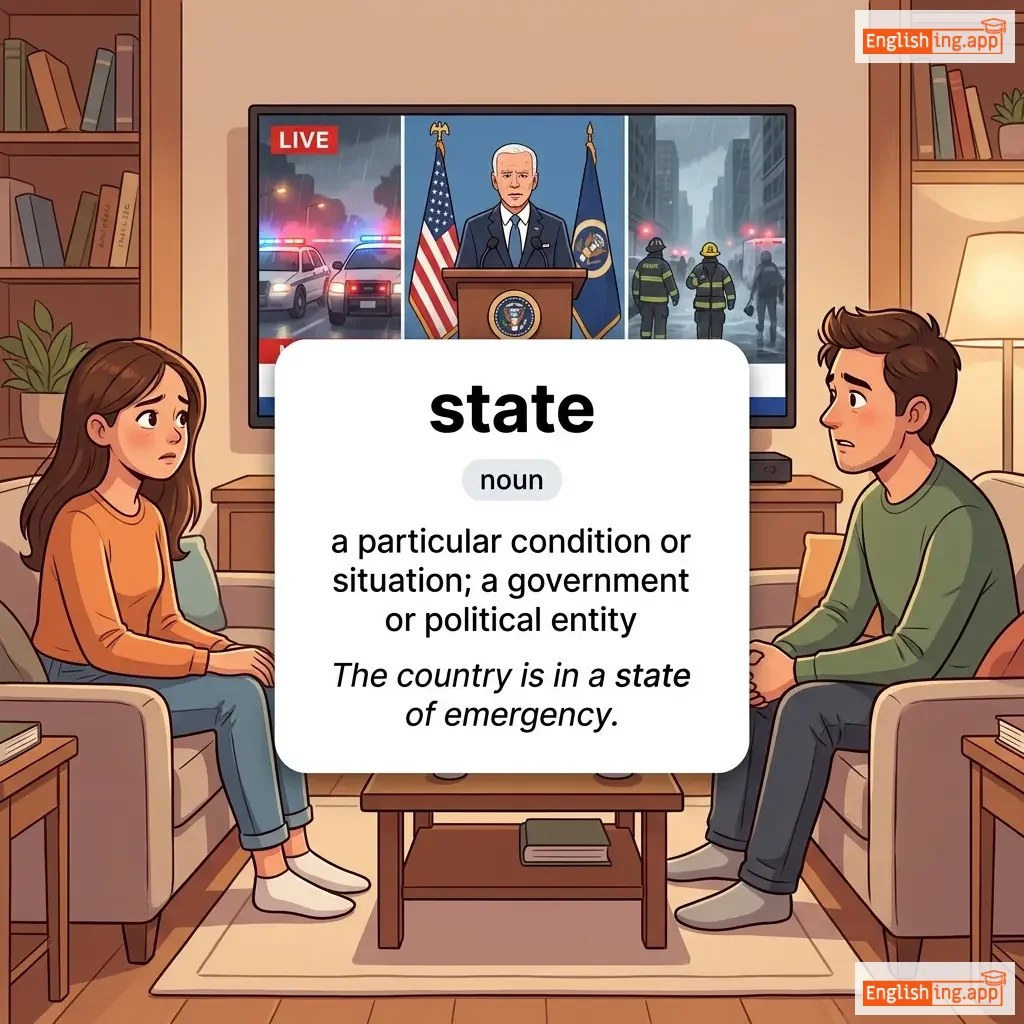
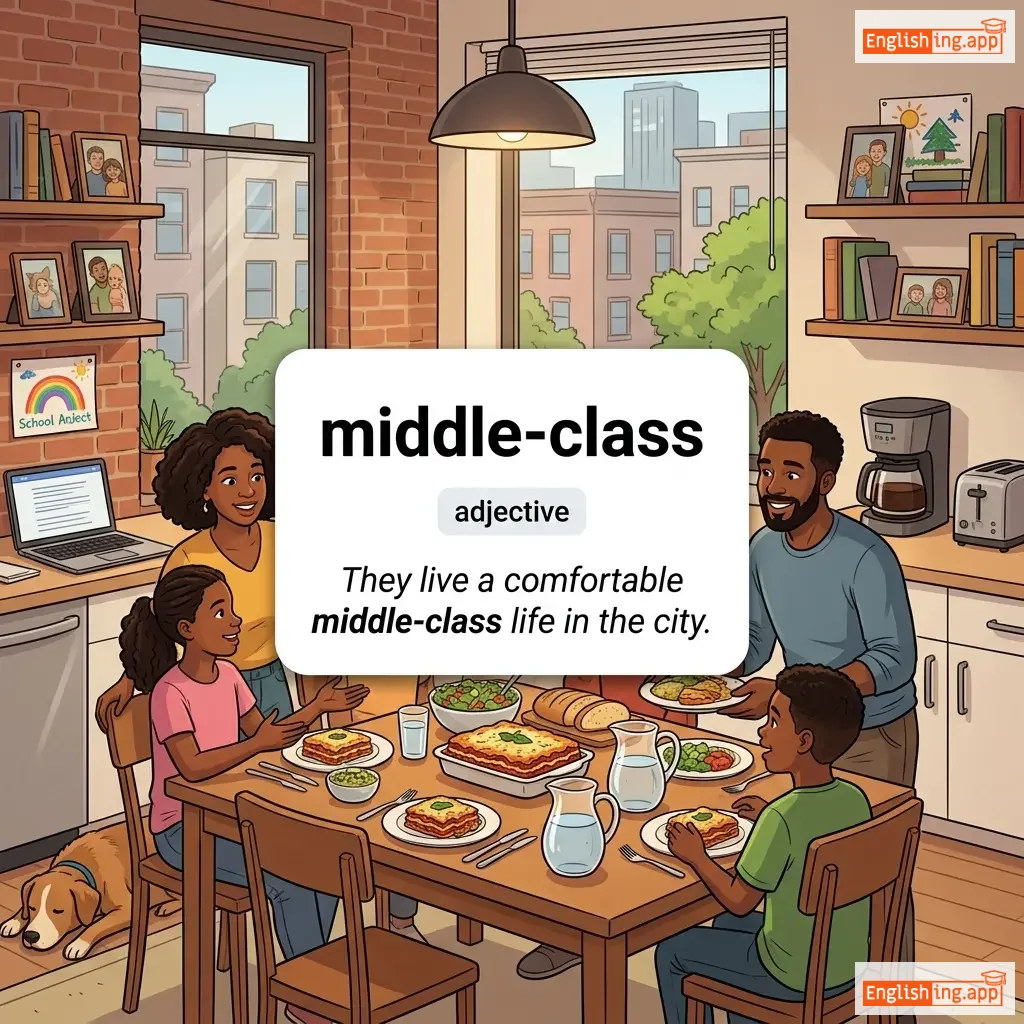
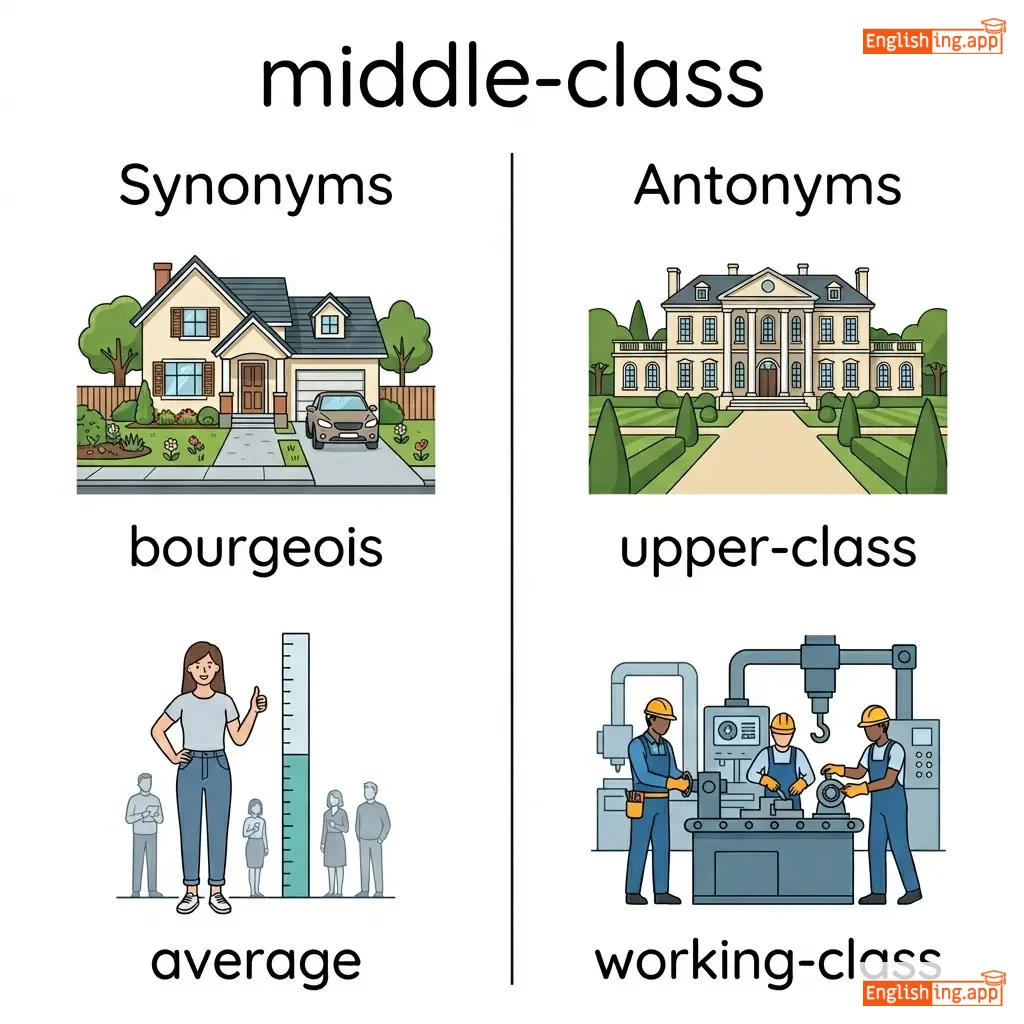
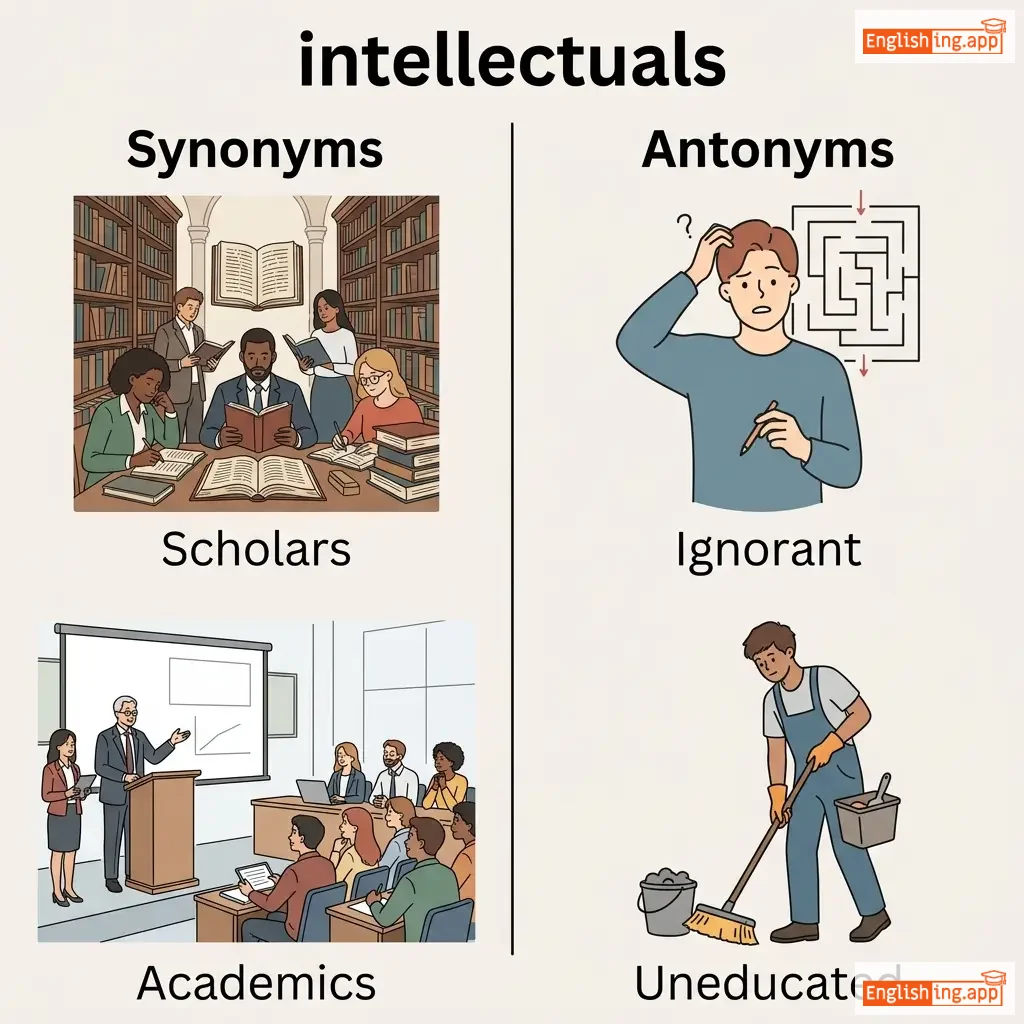
一旦开始讨论让乌尔都语成为唯一的 state 语言,东孟加拉的学生、受过教育的 middle-class 社会、intellectuals 与政治家们就意识到,这将给孟加拉人带来巨大的灾难。
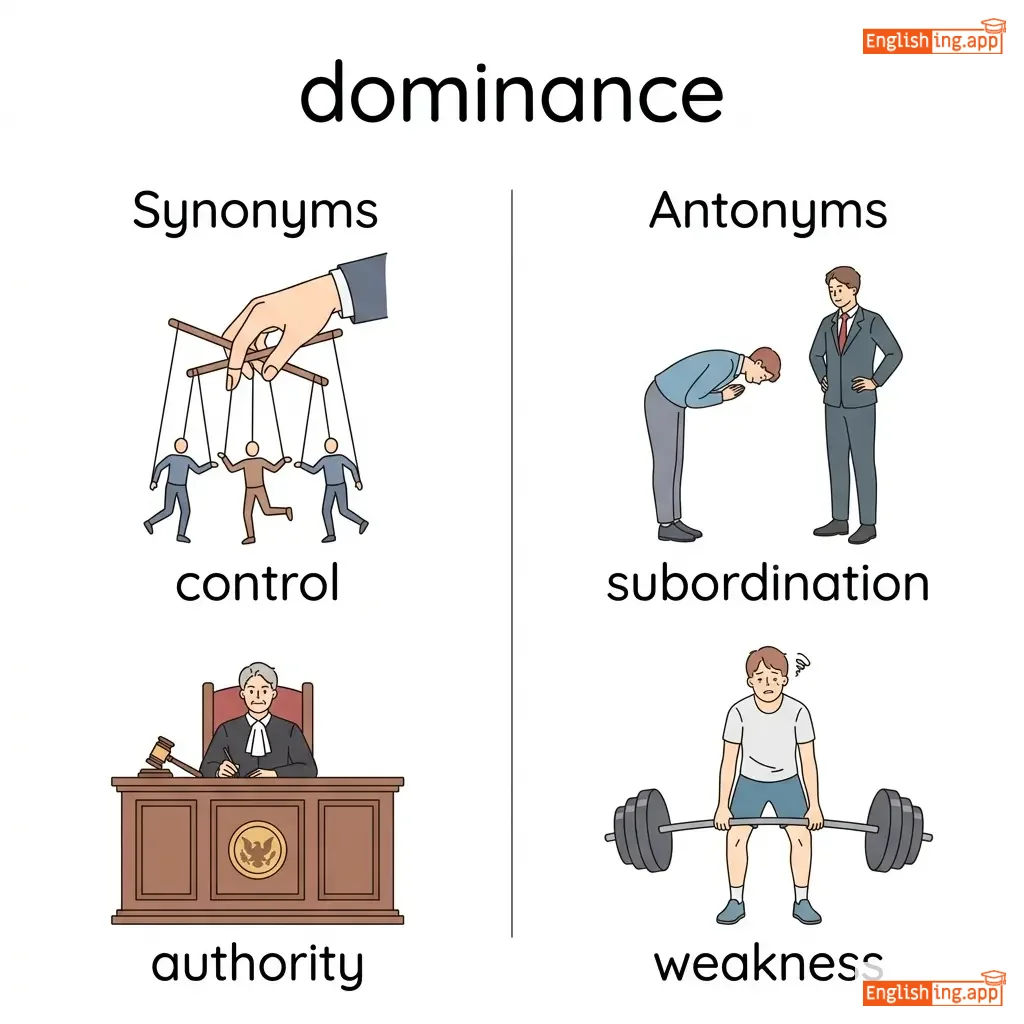
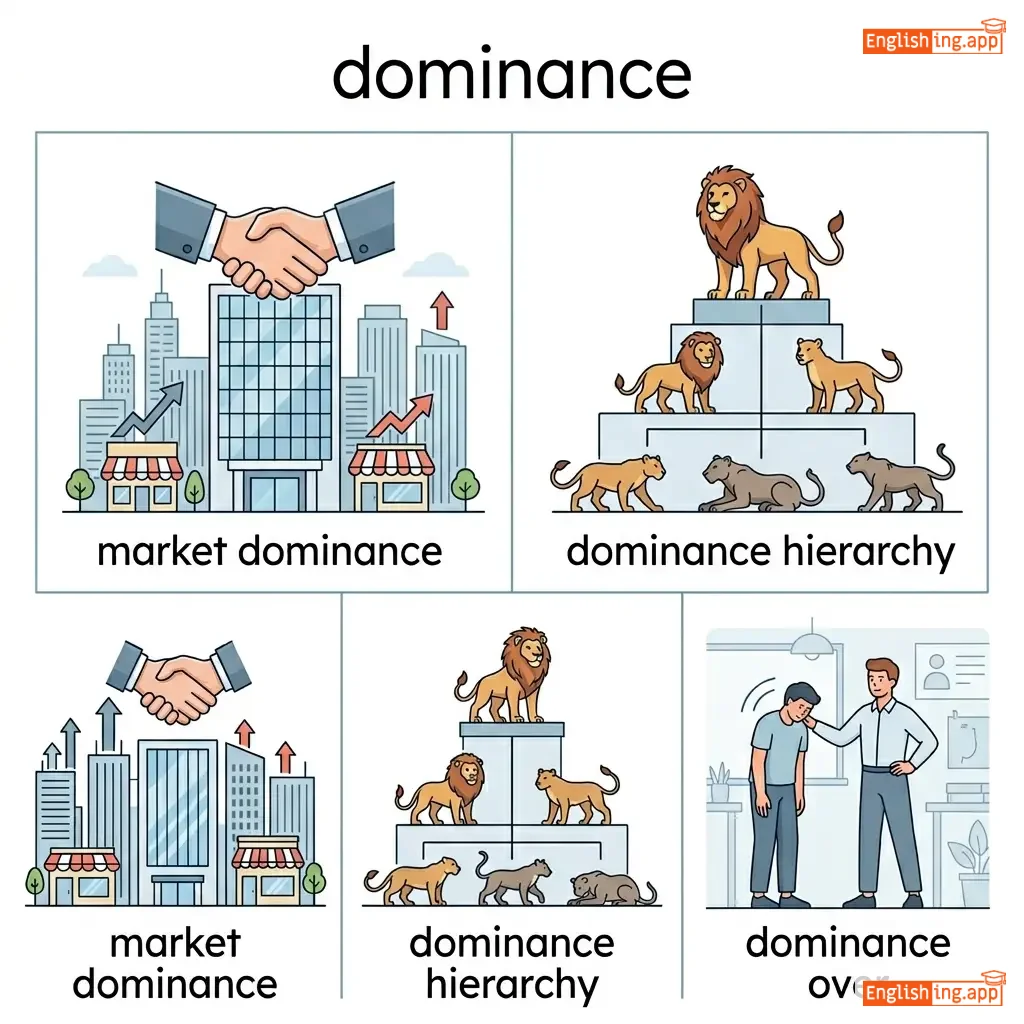
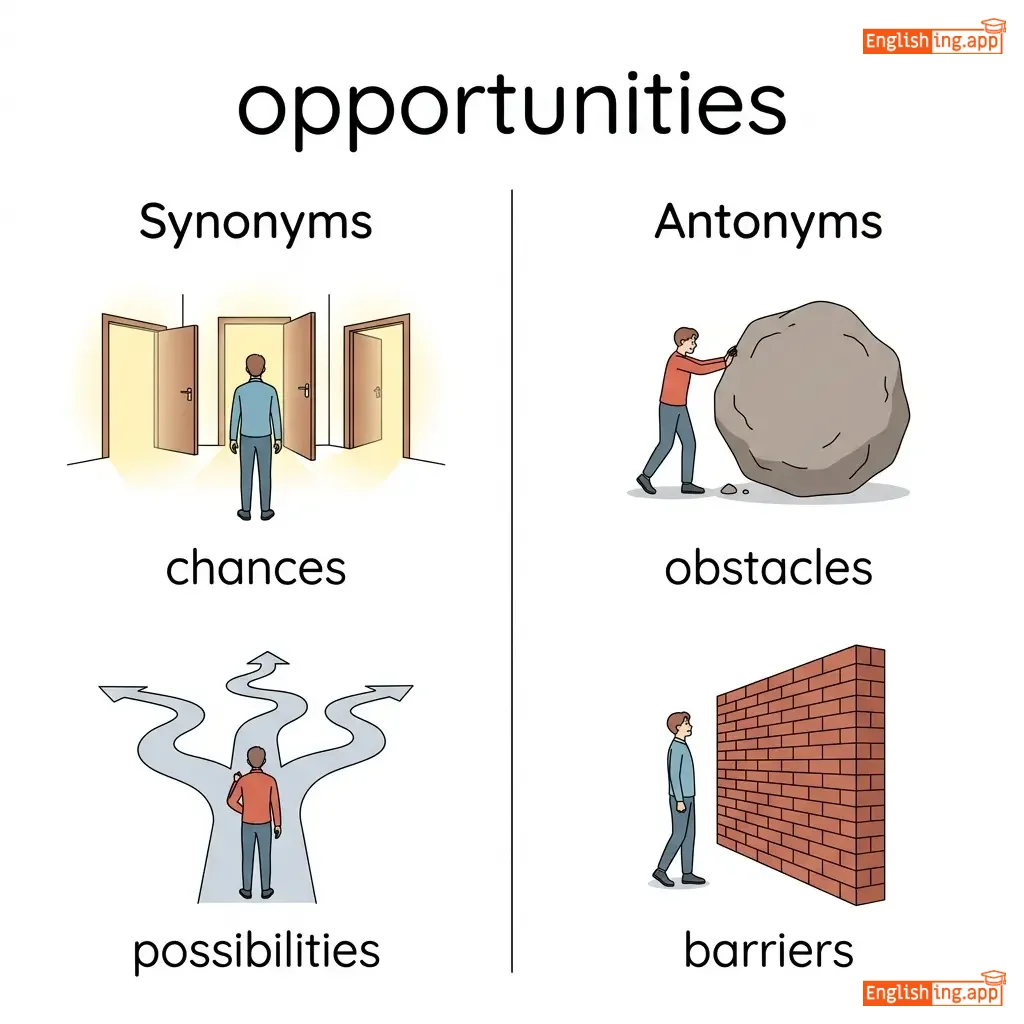
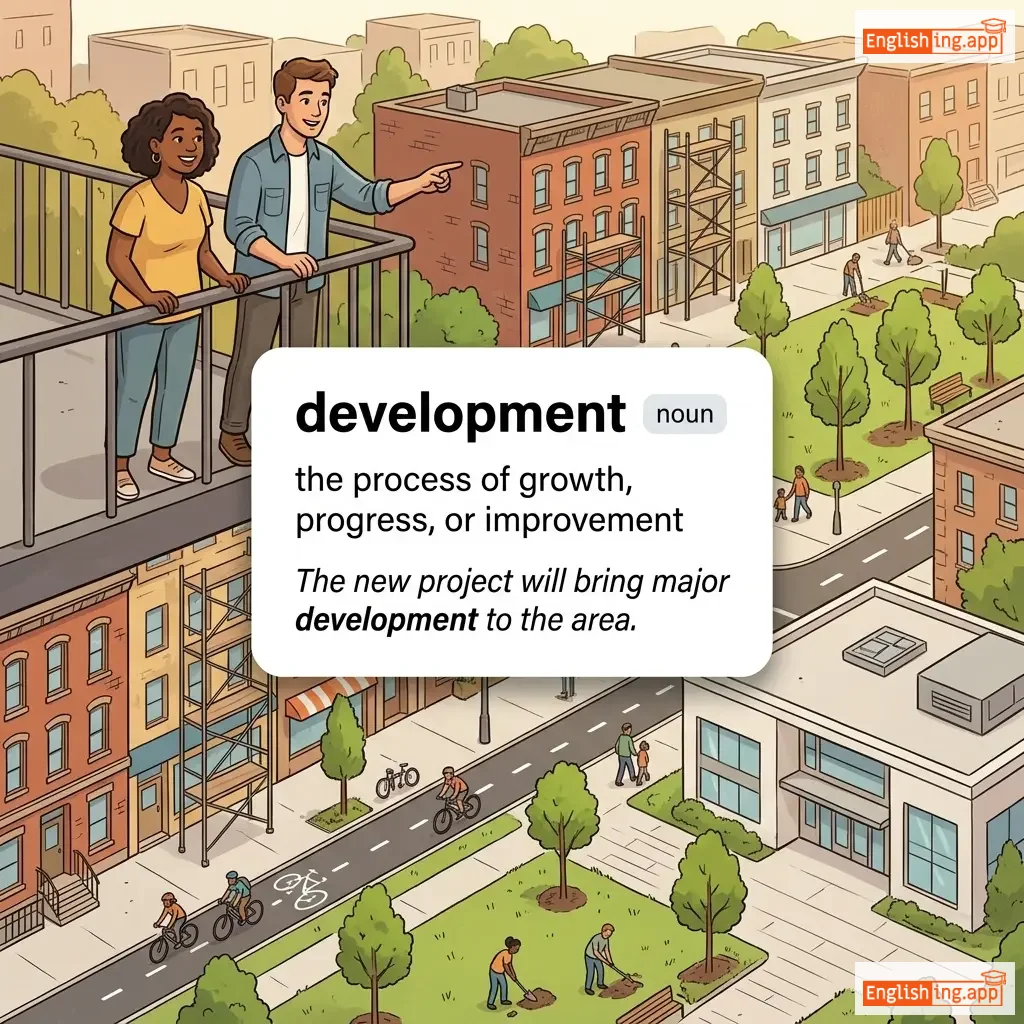
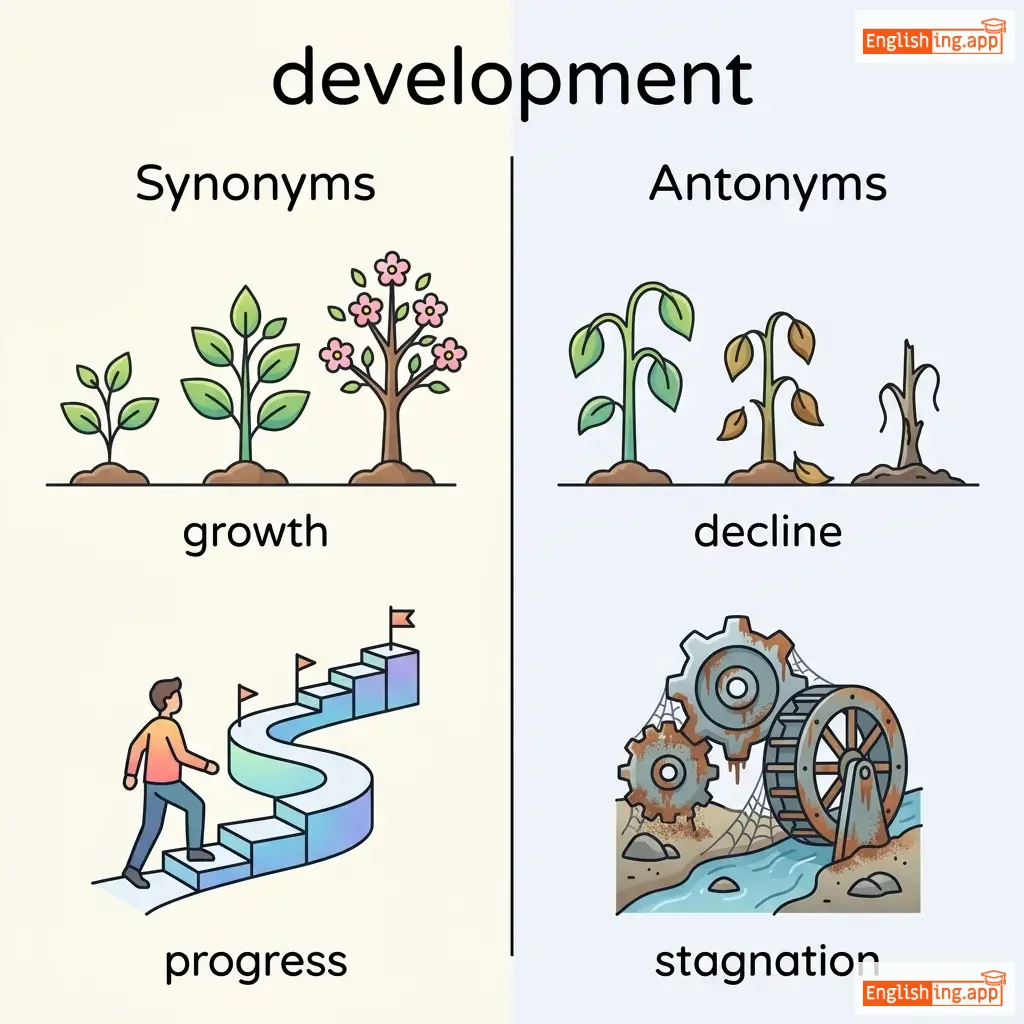
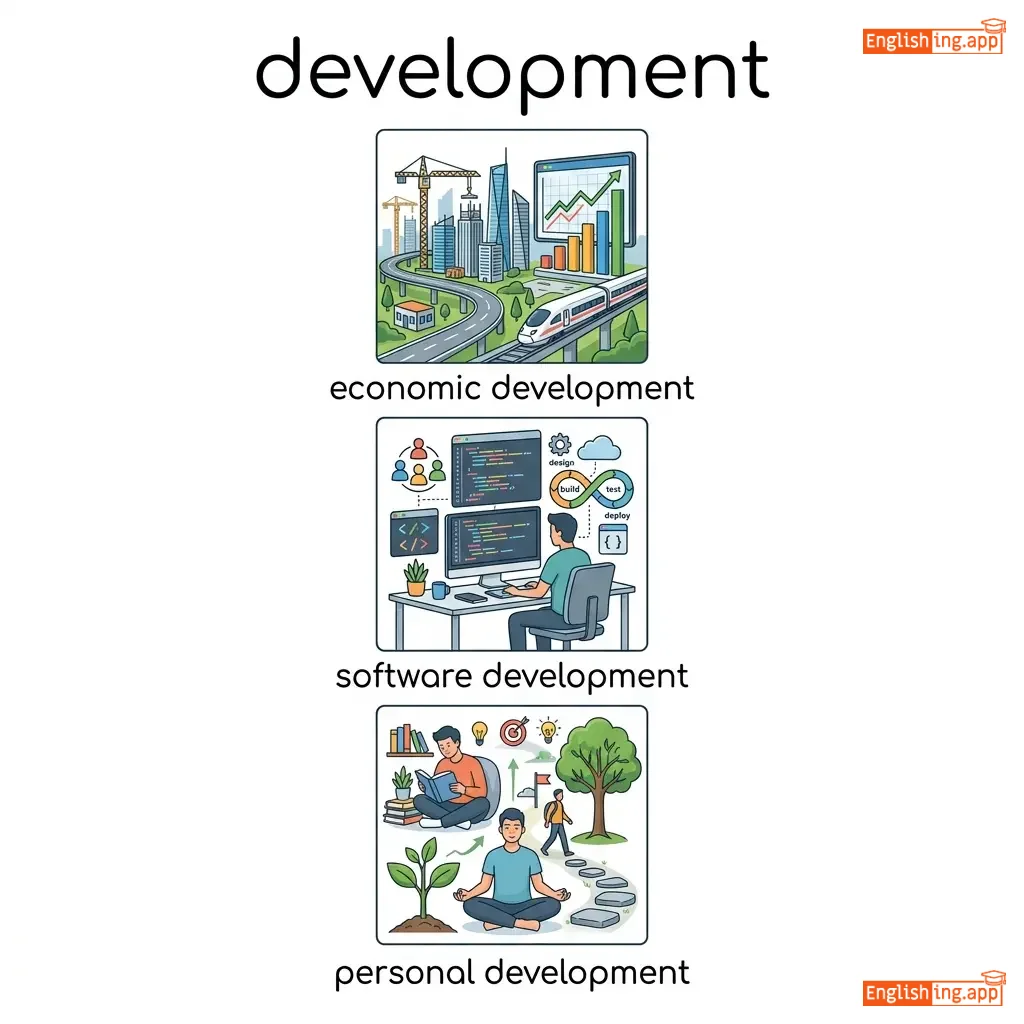
他们明白,这将确立乌尔都语使用者在巴基斯坦的 dominance,而孟加拉人在政府和军队岗位的 opportunities 上将落后于乌尔都语使用者。随着巴基斯坦的建立而产生的、关于孟加拉穆斯林 development 与 social progress 的梦想将受到严重破坏。
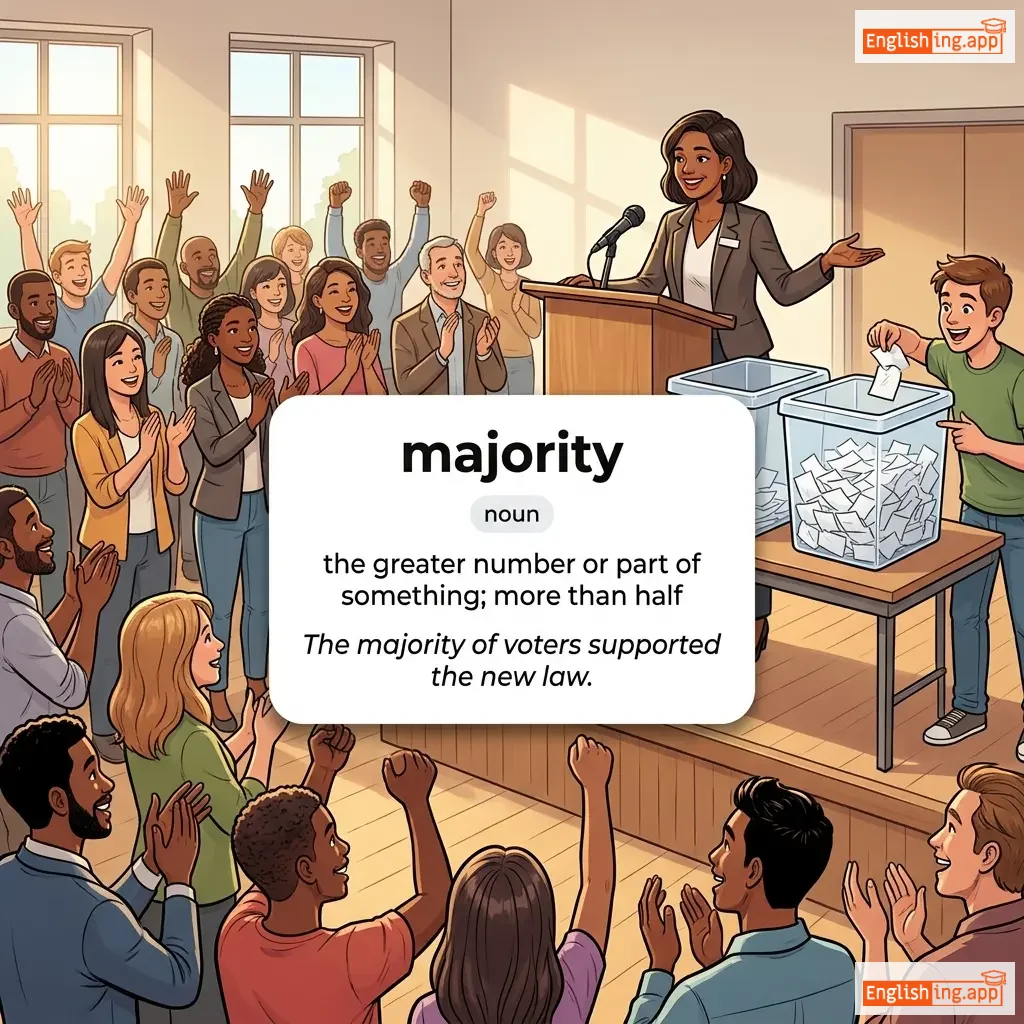
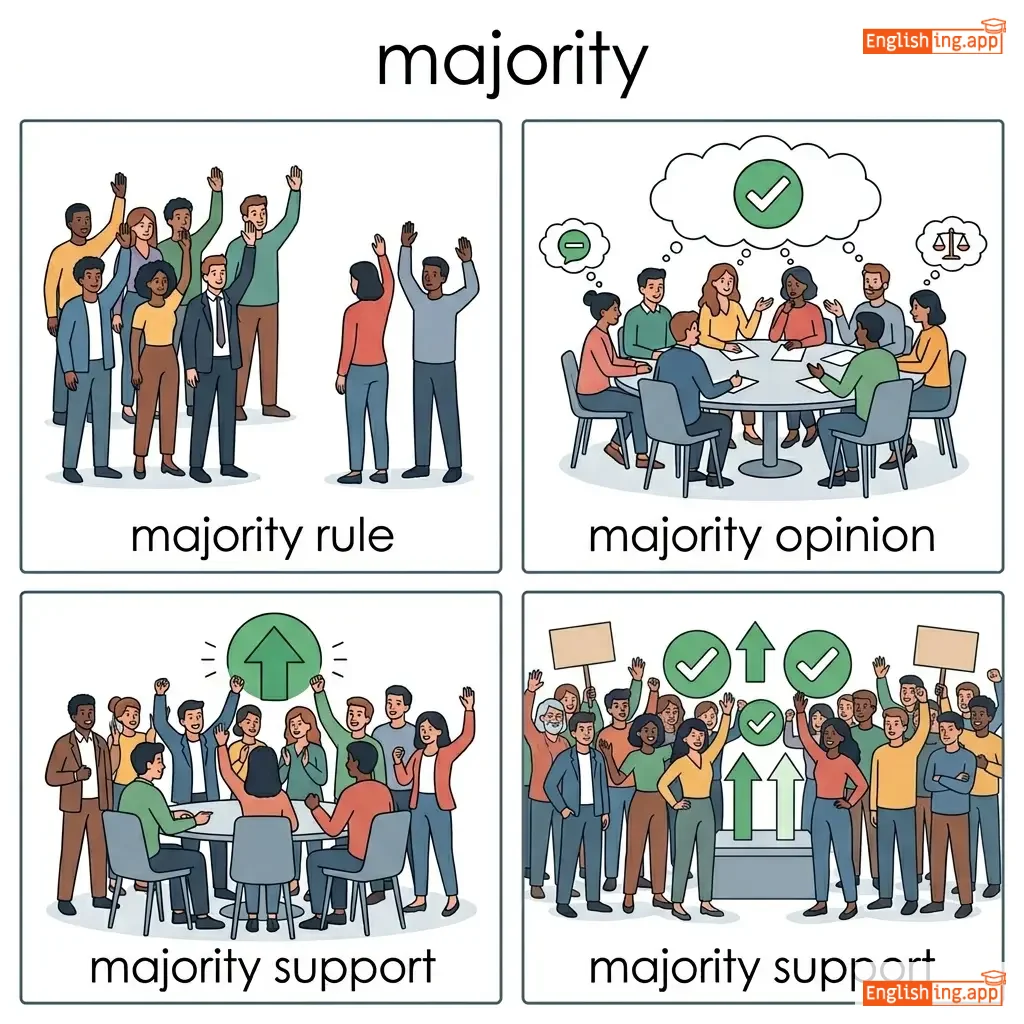
然而,巴基斯坦的 reality 是:在该国东部地区——甚至把全国人口合在一起计算——majority 人口的语言都是孟加拉语。在西巴基斯坦,40% 以上的人说旁遮普语,只有 4% 说乌尔都语。
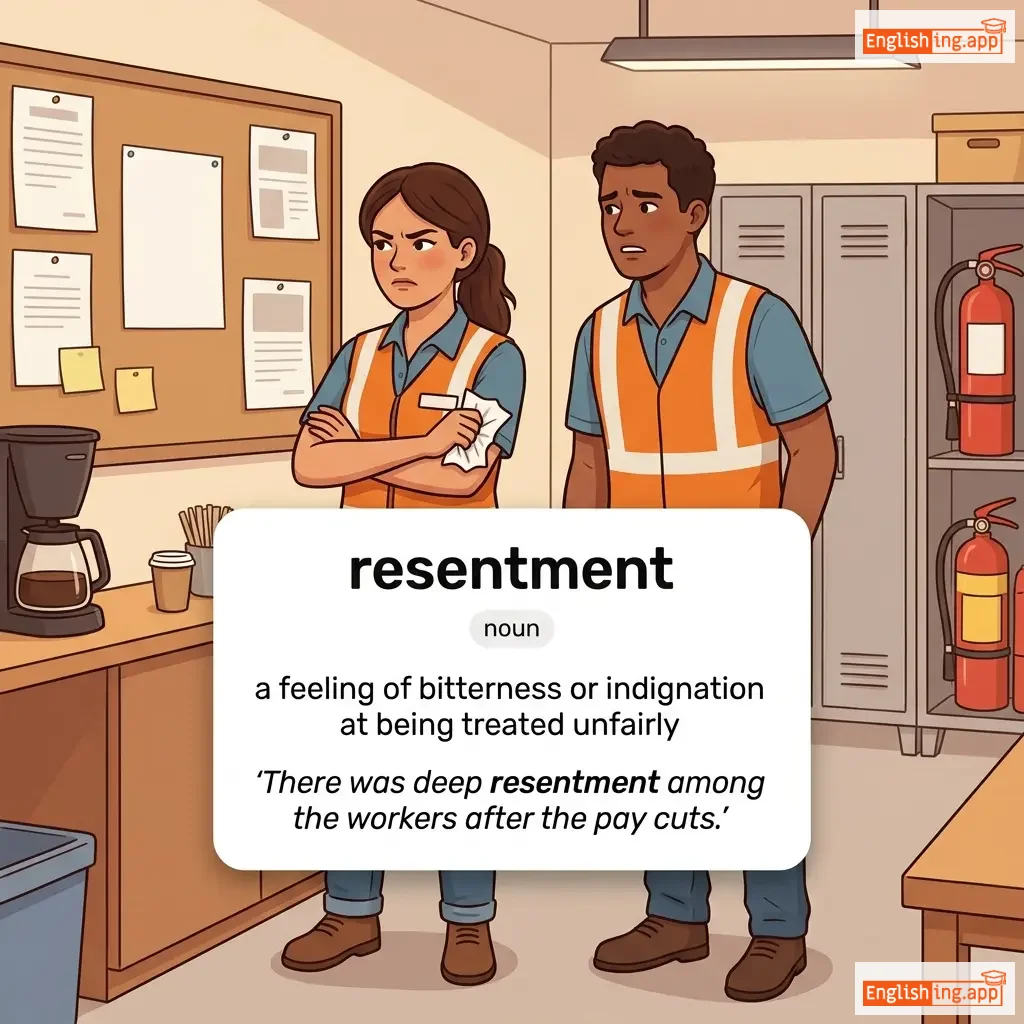
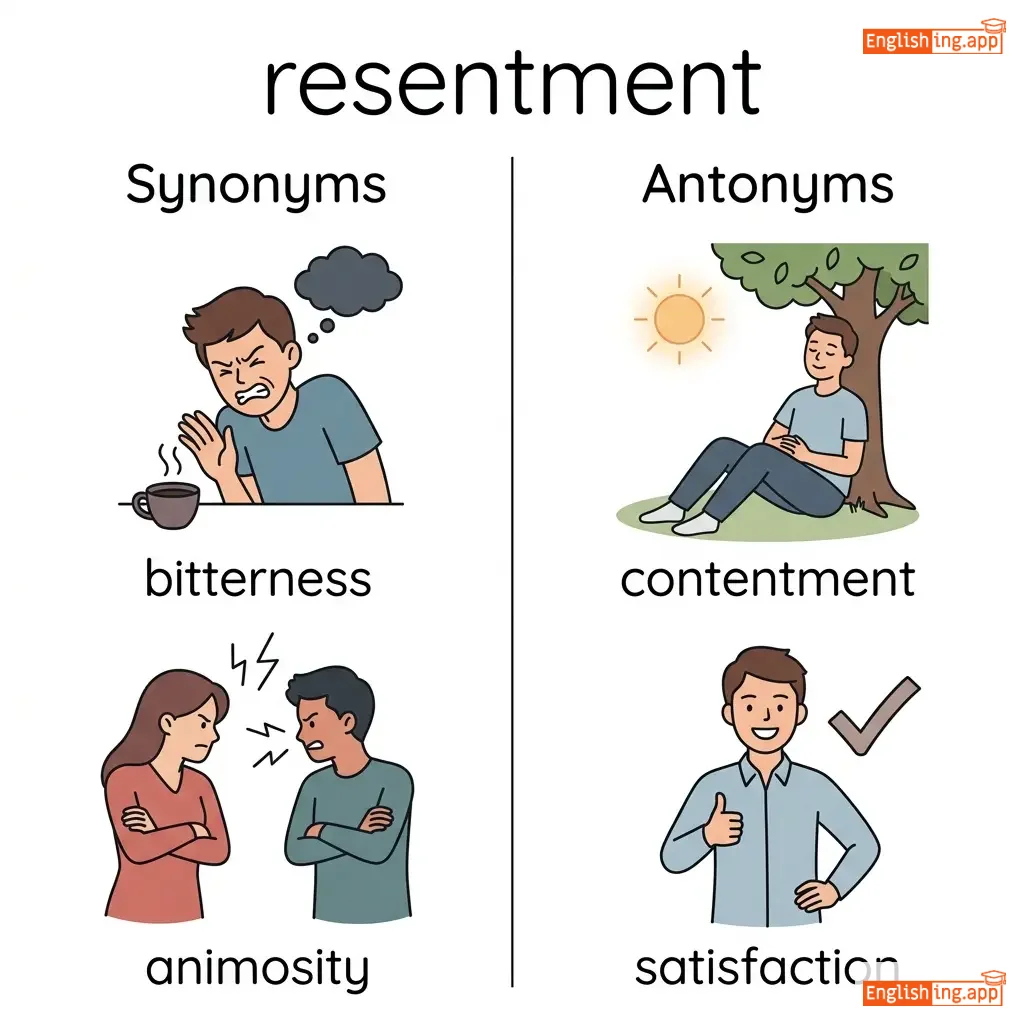
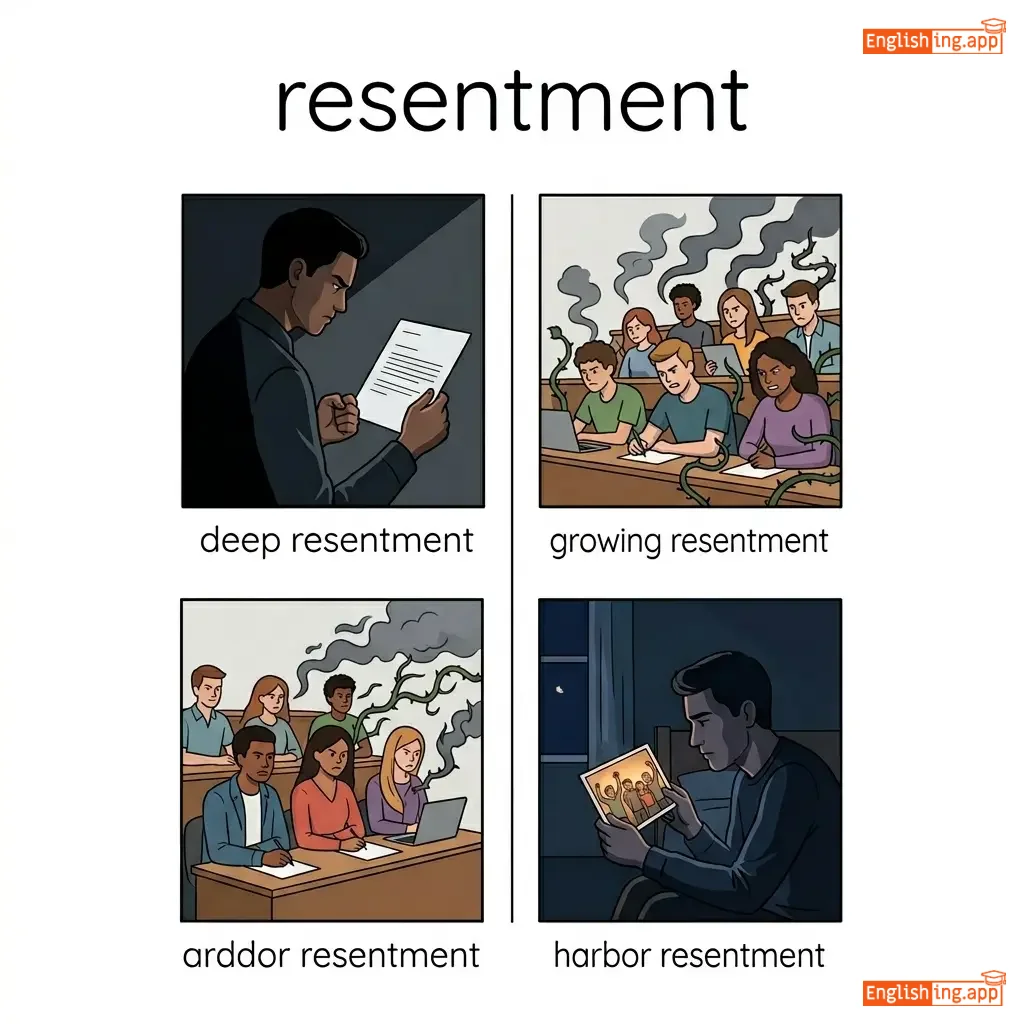
尽管孟加拉语是 majority 人口的语言,但孟加拉语却不会成为巴基斯坦的官方语言之一,这一事实在东孟加拉的学生和受教育者之间引发了强烈的 resentment。
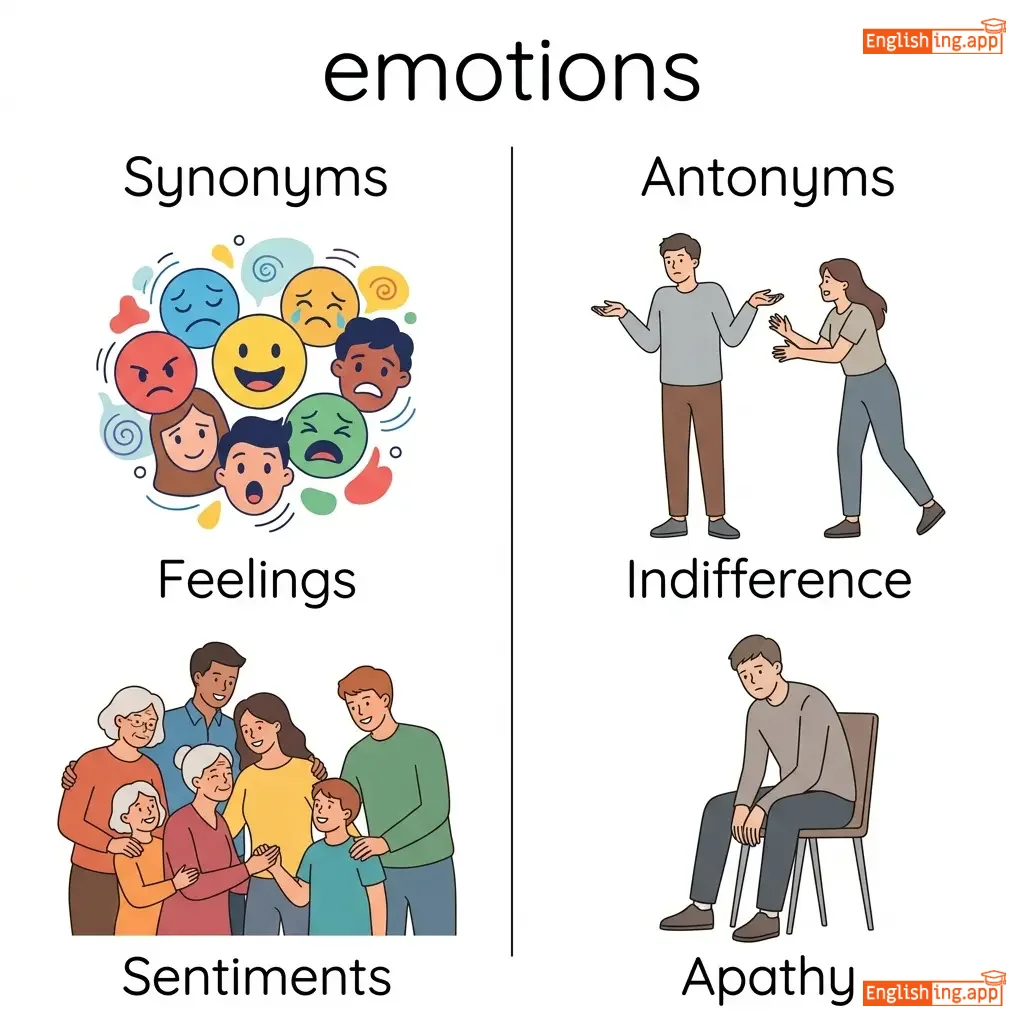
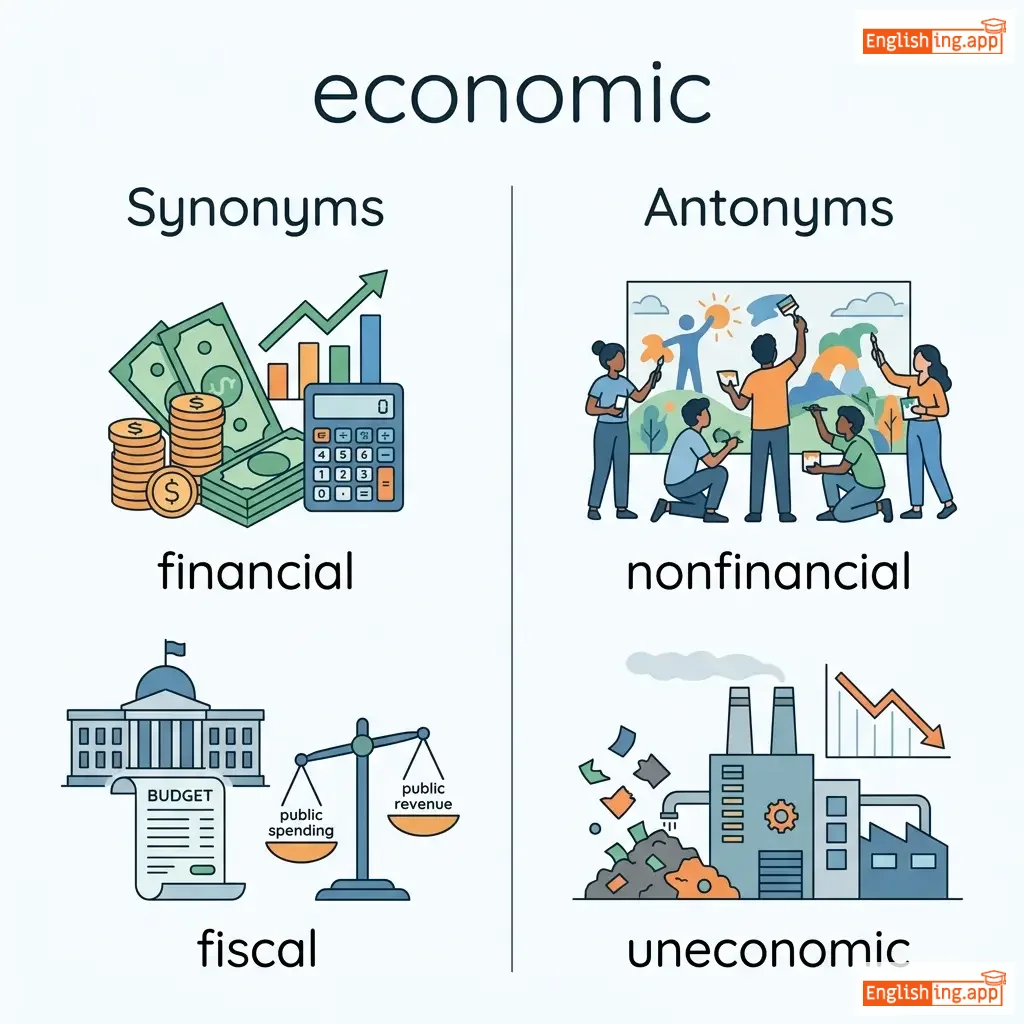
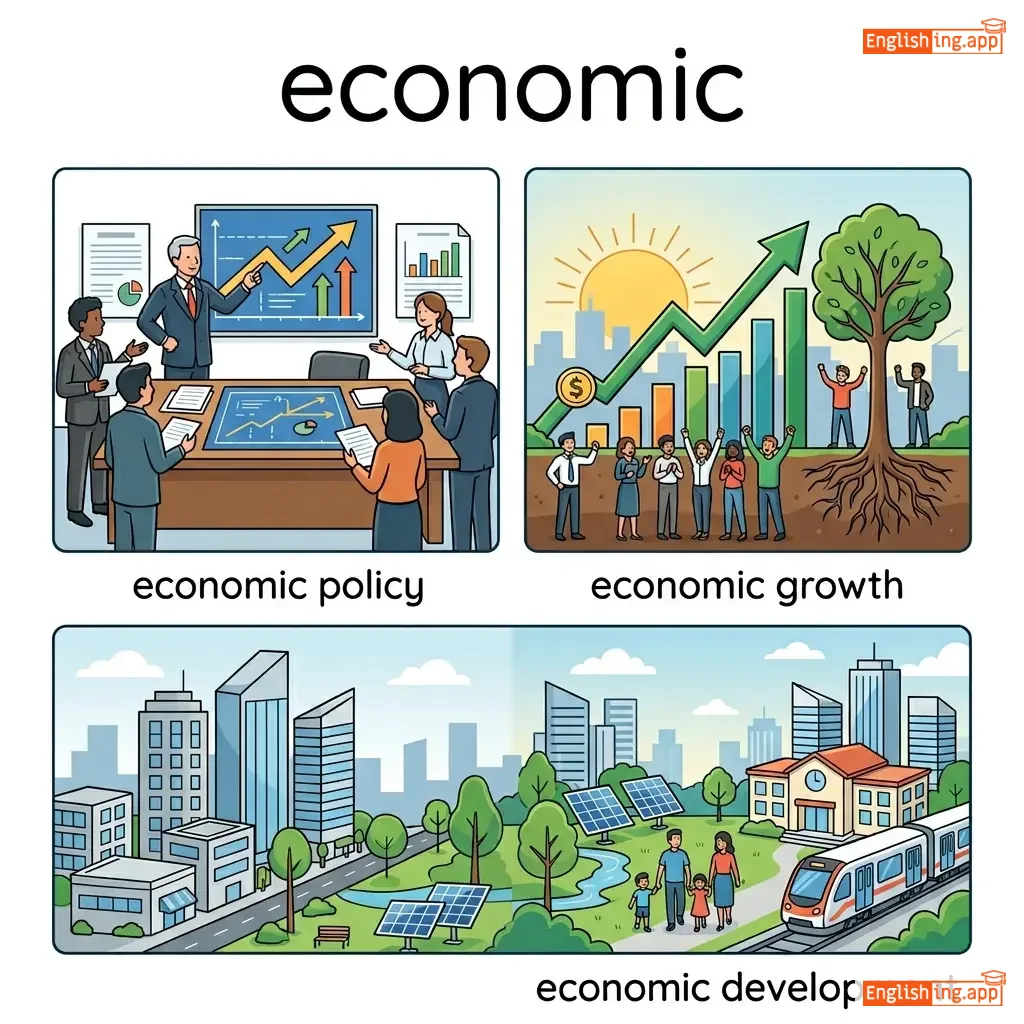
“从一方面看,有关语言与身份的 emotions;但除此之外,还有一个 economic 层面,”哥伦比亚大学教授兼分析人士拉乌纳克·贾汉说。
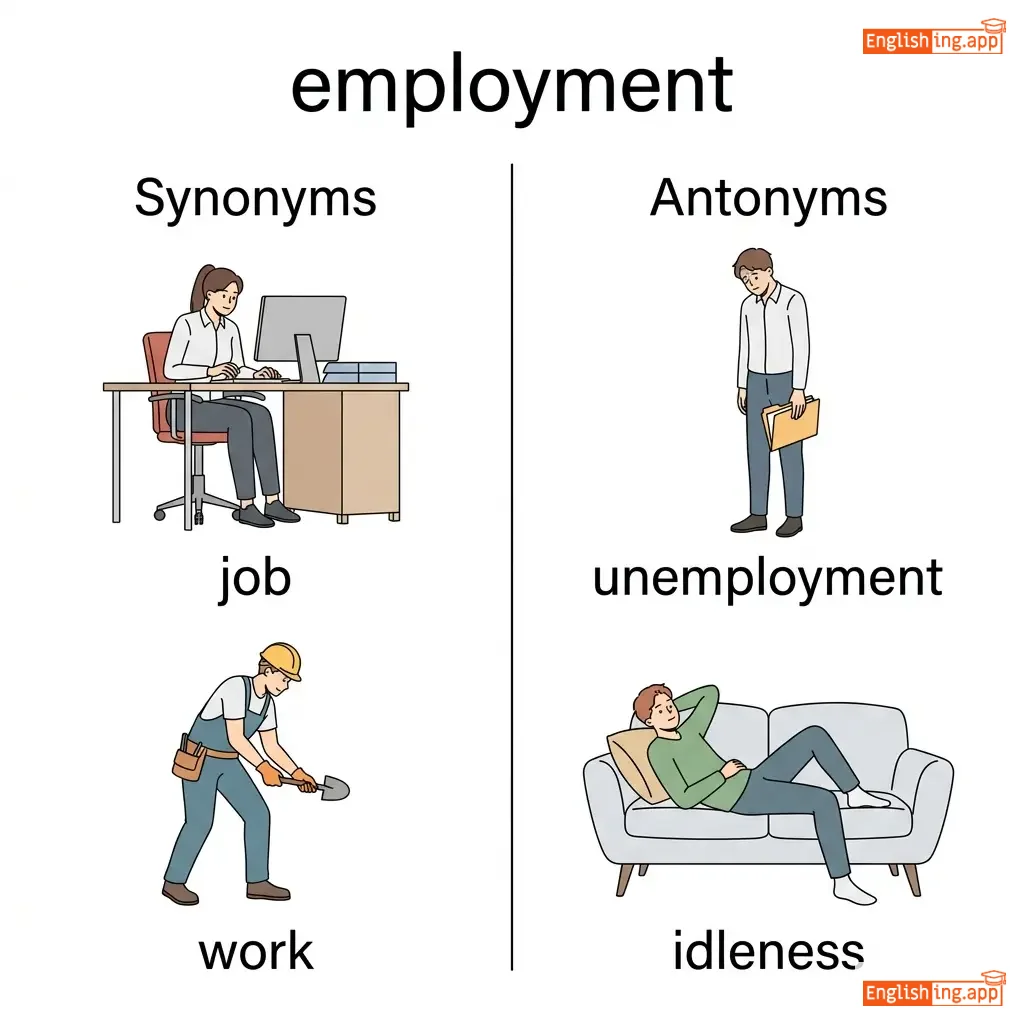
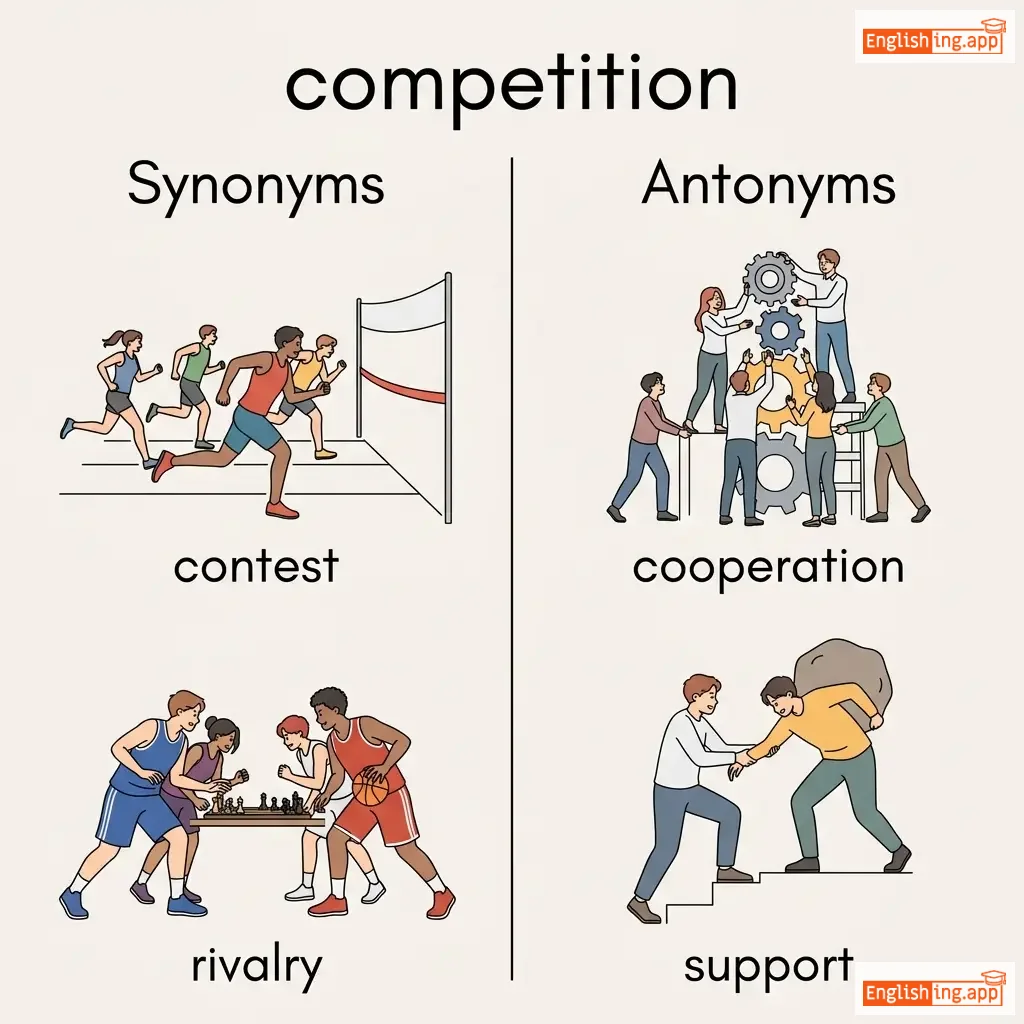
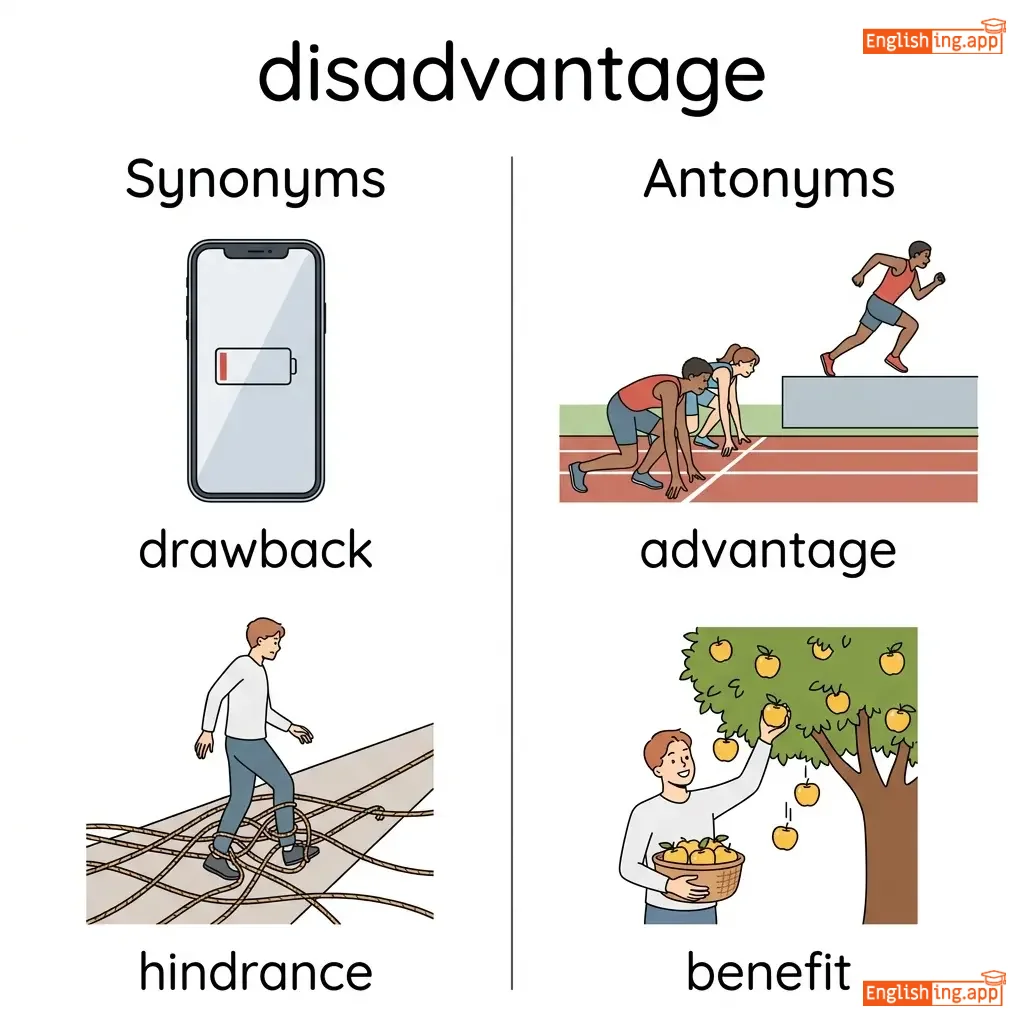
据她所说:“当时 employment 就意味着政府工作。但如果乌尔都语成为官方语言,孟加拉人为了进入政府或军队工作就必须学习乌尔都语,还得与乌尔都语使用者进行 competition——这会使他们处于 disadvantage。因此,对学生来说,这关乎他们的未来。”















Swipe left or right, or use the buttons. Tap image to zoom.
例句翻译
单词
Why Was the State Language Question So Important?Why Was the State Language Question So Important? - 遮罩切换
|
表情符号
|
单词 | Images | 翻译 | 含义 | 例句 | 例句翻译 | 同义词 | 反义词 | 助记符 |
|---|---|---|---|---|---|---|---|---|---|
|
#180
🏛️
|
steɪt
noun
(斯泰特)
••••••
|
|
国家
guójiā
••••••
|
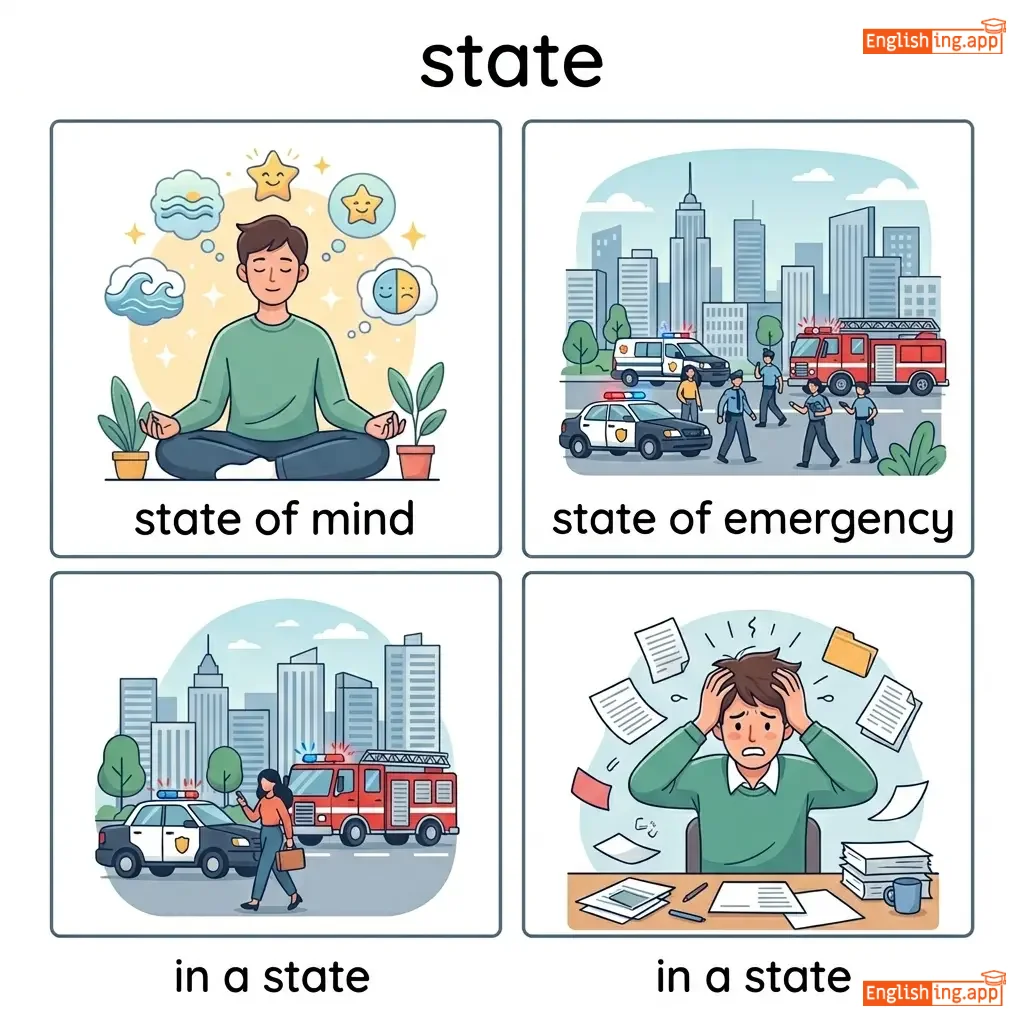
A nation or territory considered as an organized political community under one government.
••••••
|
The state declared a new language policy. |
国家宣布了一项新的语言政策。
Guójiā xuānbùle yī xiàng xīn de yǔyán zhèngcè.
••••••
|
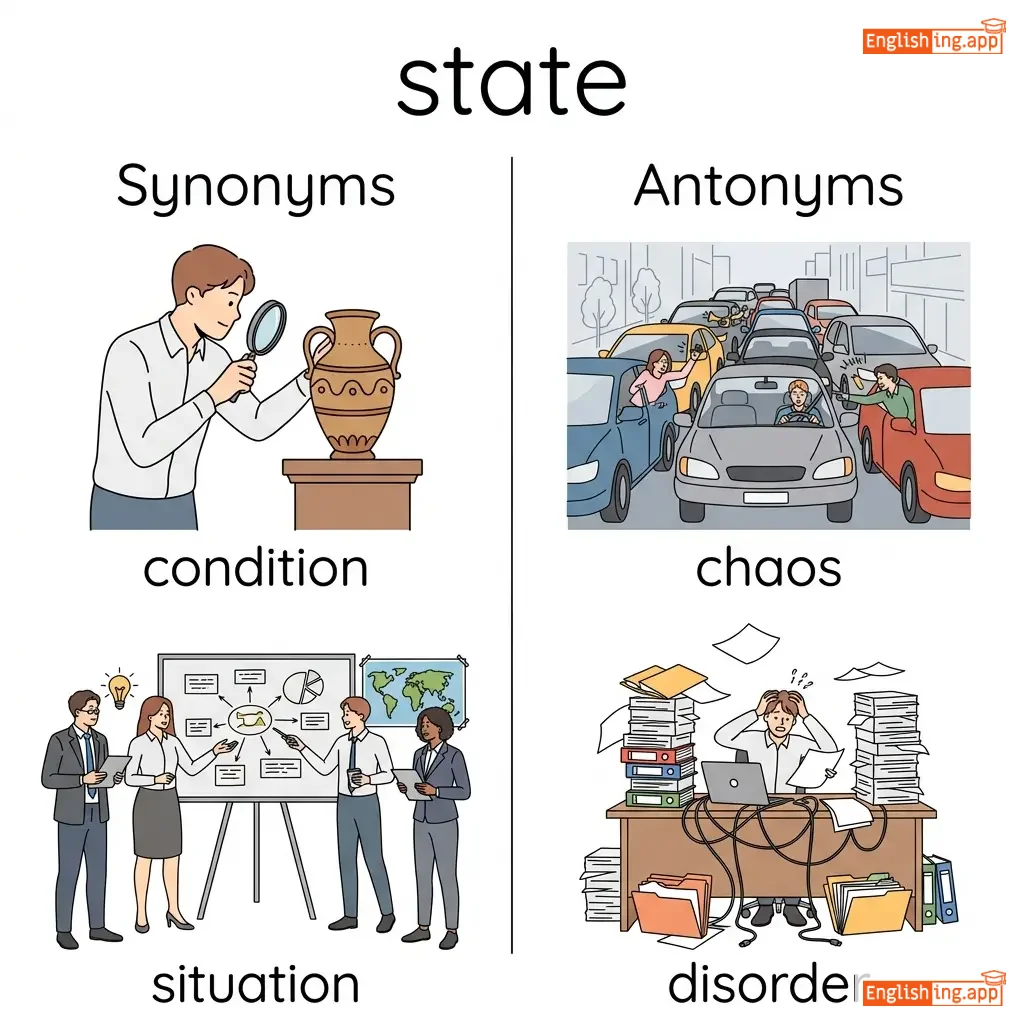
Nation, Territory
••••••
|
Chaos, Disorder
••••••
|
国家 in Chinese refers to a nation or state, aligned with governance and political systems.
••••••
|
|
#181
👔
|
ˈmɪdl klæs
noun
(mìdōu-kè-lā-sī)
••••••
|
|
中产阶级
zhōngchǎn jiējí
••••••
|
The social group between the upper and working classes, typically consisting of well-educated people.
••••••
|
The middle-class was largely affected by the decision. |
中产阶级在这个决定中受到了很大的影响。
Zhōngchǎn jiējí zài zhège juédìng zhōng shòudào le hěn dà de yǐngxiǎng.
••••••
|
Bourgeoisie, Working-class
••••••
|
Upper-class, Elite
••••••
|
中产阶级是既受过教育,又不富裕的群体。
••••••
|
|
#182
🎓
|
ˌɪntəˈlektʃuəlz
noun
(知识分子)
••••••
|
|
知识分子
zhī shí fèn zǐ
••••••
|
People possessing a highly developed intellect; scholars or academics.
••••••
|
Intellectuals protested against the dominance.
知识分子反对霸权。
••••••
|
知识分子反对霸权。
Zhī shí fèn zǐ fǎnduì bàquán.
••••••
|
Scholars, Academics
••••••
|
Ignorant, Uneducated
••••••
|
In Chinese, '知识分子' (zhī shí fèn zǐ) is a direct translation of 'intellectuals'.
••••••
|
|
#183
👑
|
ˈdɒmɪnəns
noun
(dòngmì nà sī)
••••••
|
|
主导地位
zhǔdǎo dìwèi
••••••
|
Power and influence over others; control or command.
••••••
|
The dominance of Urdu was evident. |
乌尔都语的主导地位显而易见。
Wū ěr dū yǔ de zhǔdǎo dìwèi xiǎn ér yì jiàn.
••••••
|
Control, Supremacy
••••••
|
Subordination, Weakness
••••••
|
主导地位 (zhǔdǎo dìwèi) = 领导 (lǐngdǎo) - 领导是主导地位的象征.
••••••
|
|
#184
🚪
|
ˌɒpəˈtjuːnɪtiz
noun
(机会)
••••••
|
|
机会
jīhuì
••••••
|
A set of circumstances that makes it possible to do something; chances for advancement or success.
••••••
|
Opportunities for jobs decreased.
工作的机会减少了。
••••••
|
工作的机会减少了。
Gōngzuò de jīhuì jiǎnshǎo le.
••••••
|
Chances, Prospects
••••••
|
Obstacles, Hindrances
••••••
|
Jīhuì shì shōu huò de chénggōng jīhuì.
••••••
|
|
#185
📈
|
dɪˈveləpmənt
noun
(德维洛普门特)
••••••
|
|
发展
fazhan
••••••
|
The process of developing or being developed; growth or progress.
••••••
|
Development of Bengali society was hindered.
孟加拉社会的发展受到了阻碍。
••••••
|
孟加拉社会的发展受到了阻碍。
Menggala shehui de fazhan shoudao le zuhai.
••••••
|
Growth, Progress
••••••
|
Decline, Regression
••••••
|
发展需要不断的进步。
••••••
|
|
#186
🔍
|
riˈæləti
noun
(réiàlìtī)
••••••
|
|
现实
xianshi
••••••
|
The world or the state of things as they actually exist, as opposed to an idealistic or notional idea.
••••••
|
The reality of the situation was evident. |
情况的现实是显而易见的。
Qíngkuàng de xiànshí shì xiǎn'ér yìjiàn de.
••••••
|
Truth, Actuality
••••••
|
Illusion, Fantasy
••••••
|
现实是最清晰的世界,超越幻想。
••••••
|
|
#187
👥
|
məˈdʒɒrəti
noun
(mā-zhāo-rì-tì)
••••••
|
|
多数
duō shù
••••••
|
The greater number; the larger part of something.
••••••
|
The majority demanded their rights. |
多数人要求他们的权利。
Duōshù rén yāoqiú tāmen de quánlì.
••••••
|
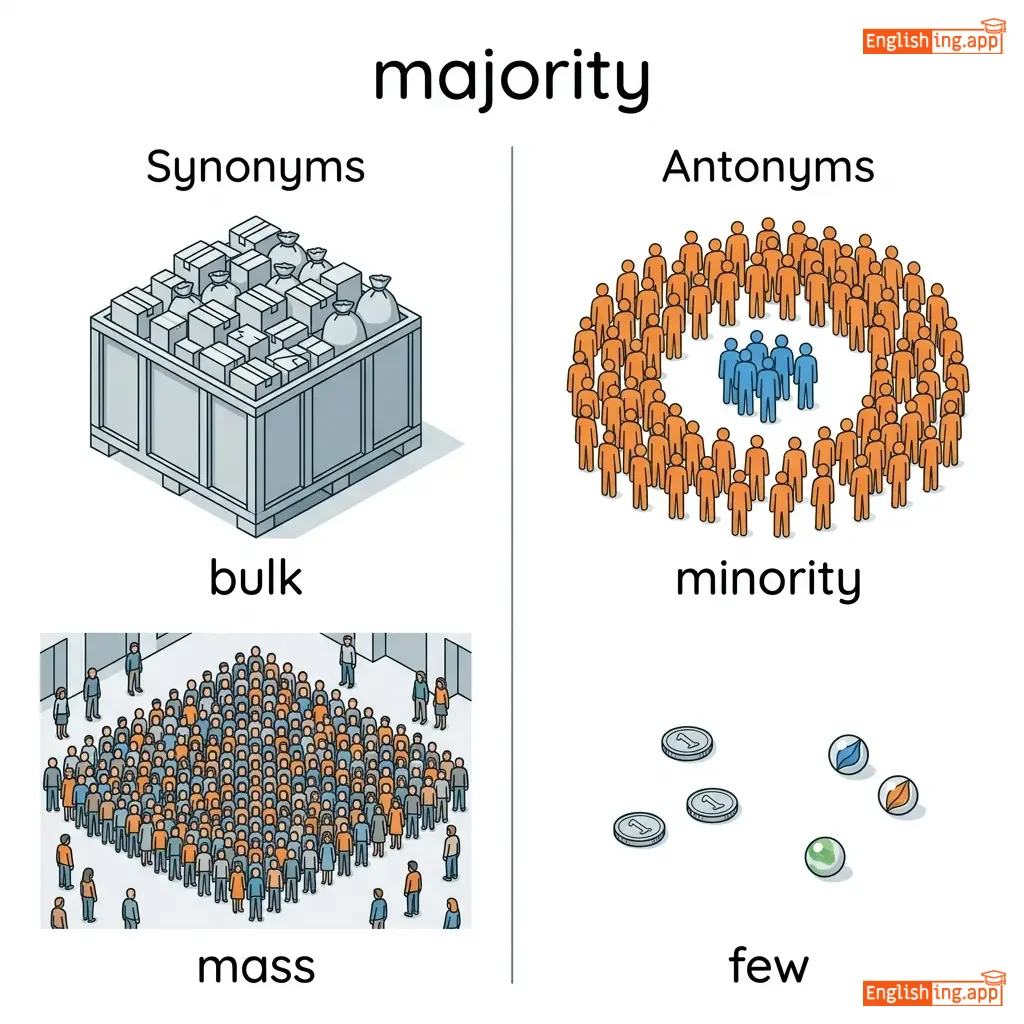
Plurality, Bulk
••••••
|
Minority, Few
••••••
|
In Chinese, '多数' (duō shù) means majority, just like '多' (duō) means 'more'.
••••••
|
|
#188
😠
|
rɪˈzentmənt
noun
(rɪˈzentmənt)
••••••
|
|
怨恨
yuànhèn
••••••
|
Bitter indignation at having been treated unfairly.
••••••
|
Resentment grew among the students.
Resentment grew among the students.
••••••
|
学生们之间的怨恨加剧了。
Xuéshēngmen zhījiān de yuànhèn jiājùle.
••••••
|
Anger, Bitterness
••••••
|
Satisfaction, Contentment
••••••
|
怨恨有像'怨'一样强烈的感觉,情绪直接爆发。
••••••
|
|
#189
❤️
|
ɪˈməʊʃənz
noun
(情感)
••••••
|
|
情感
qínggǎn
••••••
|
Strong feelings deriving from one's circumstances, mood, or relationships with others.
••••••
|
Emotions ran high during the protests. |
在抗议期间,情感高涨。
Zài kàngyì qījiān, qínggǎn gāo zhǎng.
••••••
|
Feelings, Sentiments
••••••
|
Indifference, Apathy
••••••
|
情感是内心深处的波动,影响我们的一切决定。
••••••
|
|
#190
💰
|
ˌiːkəˈnɒmɪk
adjective
(经济的)
••••••
|
|
经济的
jingji de
••••••
|
Relating to economics or the economy.
••••••
|
The issue had significant economic implications.
这个问题有重要的经济影响。
••••••
|
该问题具有重要的经济影响。
Gai wenti juxiao zhongyao de jingji yingxiang.
••••••
|
Financial, Monetary
••••••
|
Uneconomic, Unprofitable
••••••
|
经济的就像经济事务的回声。
••••••
|
|
#191
💼
|
ɪmˈplɔɪmənt
noun
(雇佣)
••••••
|
|
就业
jiuye
••••••
|
The condition of having paid work; the action of giving work to someone.
••••••
|
Employment was limited to Urdu speakers.
雇佣仅限于乌尔都语使用者。
••••••
|
就业仅限于乌尔都语使用者。
Jiù yè jǐn xiàn yú wū ěr dū yǔ shǐ yòng zhě.
••••••
|
Work, Occupation
••••••
|
Unemployment, Idleness
••••••
|
Jiuye = Gōngzuò
••••••
|
|
#192
🏁
|
ˌkɒmpəˈtɪʃən
noun
(kəmˈpɛtɪʃən)
••••••
|
|
竞争
jingzheng
••••••
|
The activity or condition of competing; rivalry for supremacy.
••••••
|
Competition grew between language groups.
竞争在语言群体之间加剧。
••••••
|
竞争在语言群体之间加剧。
Jingzheng zai yuyan qunti zhi jiaju.
••••••
|
Rivalry, Contest
••••••
|
Cooperation, Monopoly
••••••
|
Chinese '竞争' and English 'competition' both describe rivalry for dominance!
••••••
|
|
#193
⚖️
|
ˌdɪsədˈvæntɪdʒ
noun
(迪萨万特奇)
••••••
|
|
劣势
lieshi
••••••
|
An unfavorable circumstance or condition that reduces the chances of success or effectiveness.
••••••
|
Urdu's dominance placed Bengalis at a disadvantage.
乌尔都语的主导地位使孟加拉人处于不利地位。
••••••
|
乌尔都语的主导地位使孟加拉人处于不利地位。
Wū'ěrdū yǔ de zhǔdǎ dìwèi shǐ Mèngjiālā rén chùyú bùlì dìwèi.
••••••
|
Handicap, Drawback
••••••
|
Advantage, Benefit
••••••
|
The Chinese word '劣势' (lieshi) literally means a 'lower' or 'weaker' position, matching disadvantage.
••••••
|
Vocabulary Quiz
Test your vocabulary by matching words with their translations or meanings.
Login to take the quiz
Comments (0)
Share your thoughts and join the discussion.
Join the discussion by logging in
Login to CommentNo comments yet
Be the first to share your thoughts!