The Psychology of Decision-Making
在生活的每一刻,我们都在做决策,但这些决策是如何形成的?Cognition 和 subconscious 思维共同作用,intuition 和 bias 常常影响决策。许多人认为决策是一个完全理性的过程,但实际上,emotionality 和 impulsivity 起着重要作用。经常会产生 dilemmas,这时需要 contemplation 和 deliberation。人类的 judgment 和 assessment 依赖于各种 heuristic 方法。然而,当存在 ambiguity 时,irrationality 往往会影响我们的 evaluation。为了做出正确的决策,我们需要了解我们的 predisposition 并思考 consequences。通过分析 determinant 因素,我们可以做出更好的决策,改善我们生活的质量。
|
表情符号
|
单词 | Images | 含义 | 例句 | 同义词 | 反义词 |
|---|---|---|---|---|---|---|
|
#3473
🧠
|
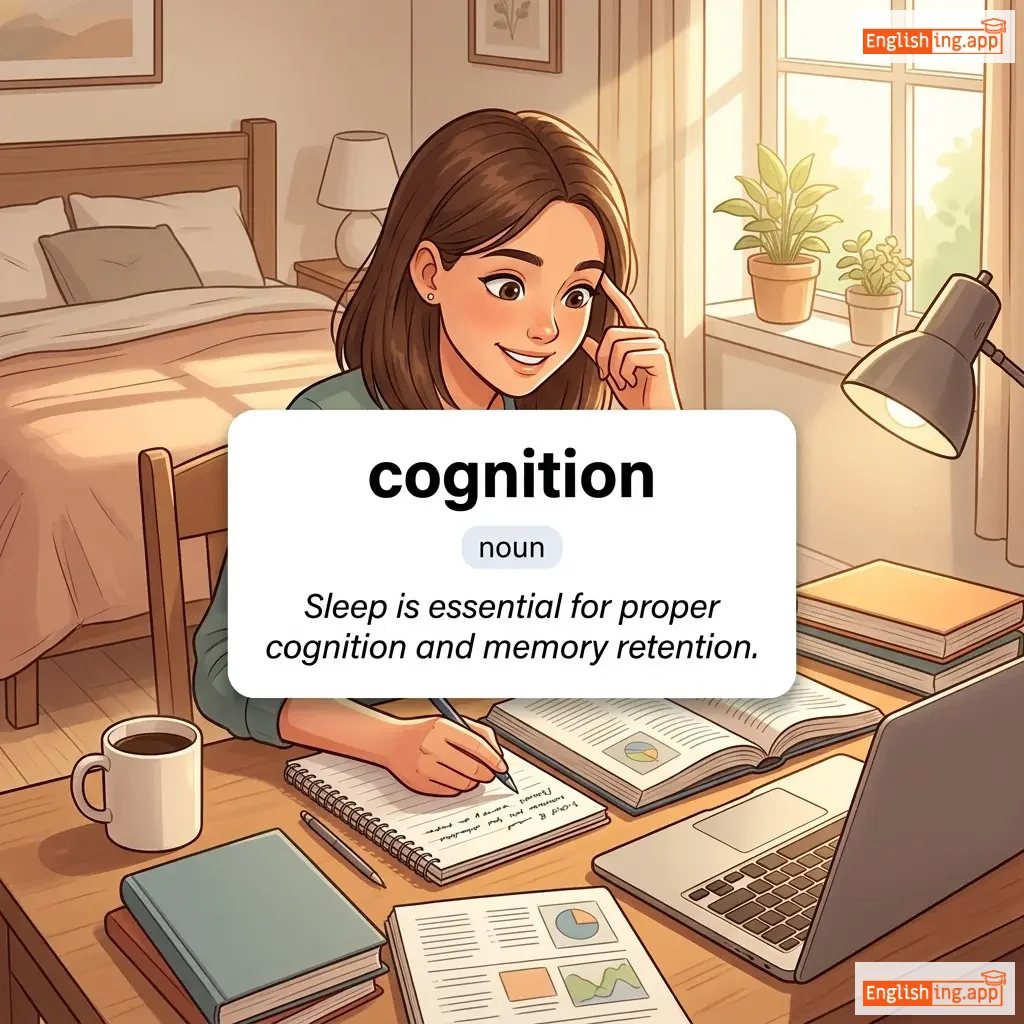
kɒɡˈnɪʃ.ən
noun
••••••
|
|
The mental process of acquiring knowledge and understanding through thought, experience, and the senses.
••••••
|
Cognition plays a crucial role in learning. |
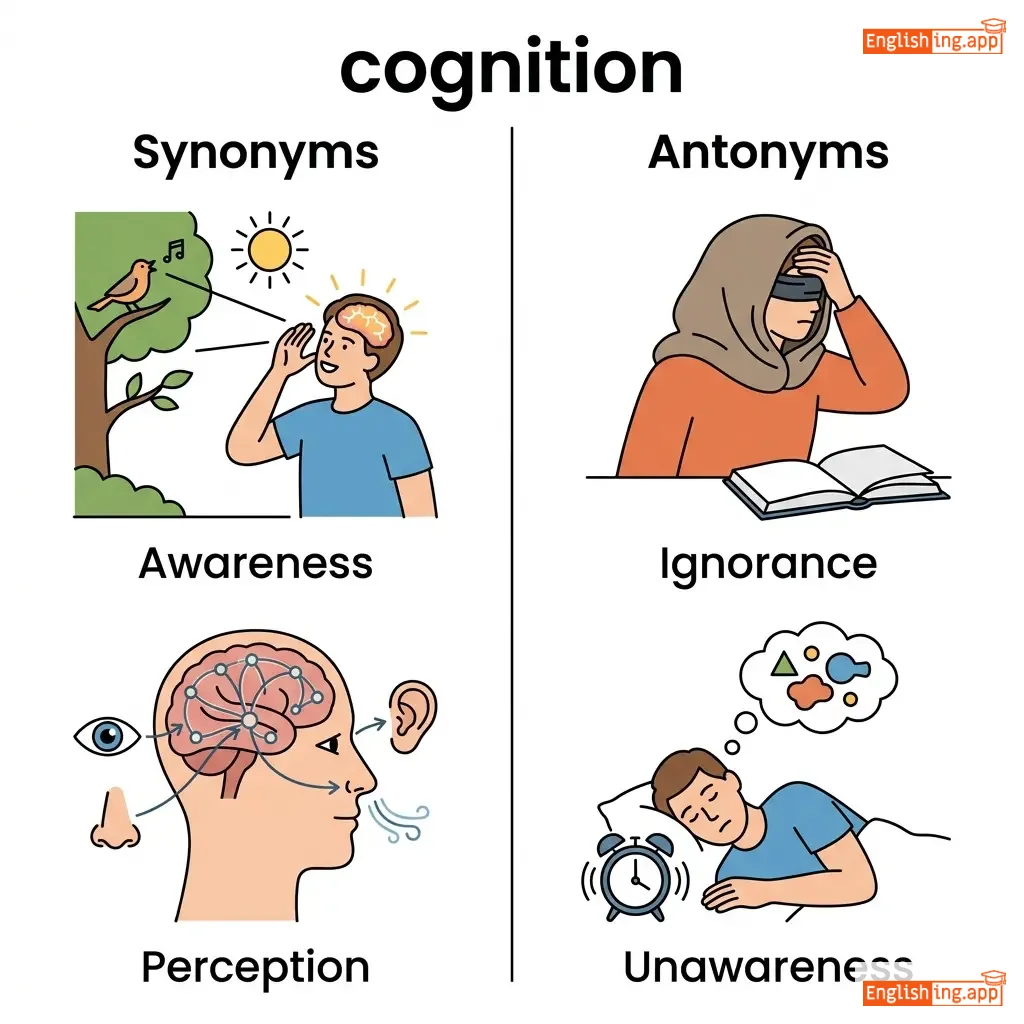
perception, awareness, understanding, knowledge
••••••
|
ignorance, unawareness, unconsciousness
••••••
|
|
#3474
🌙
|
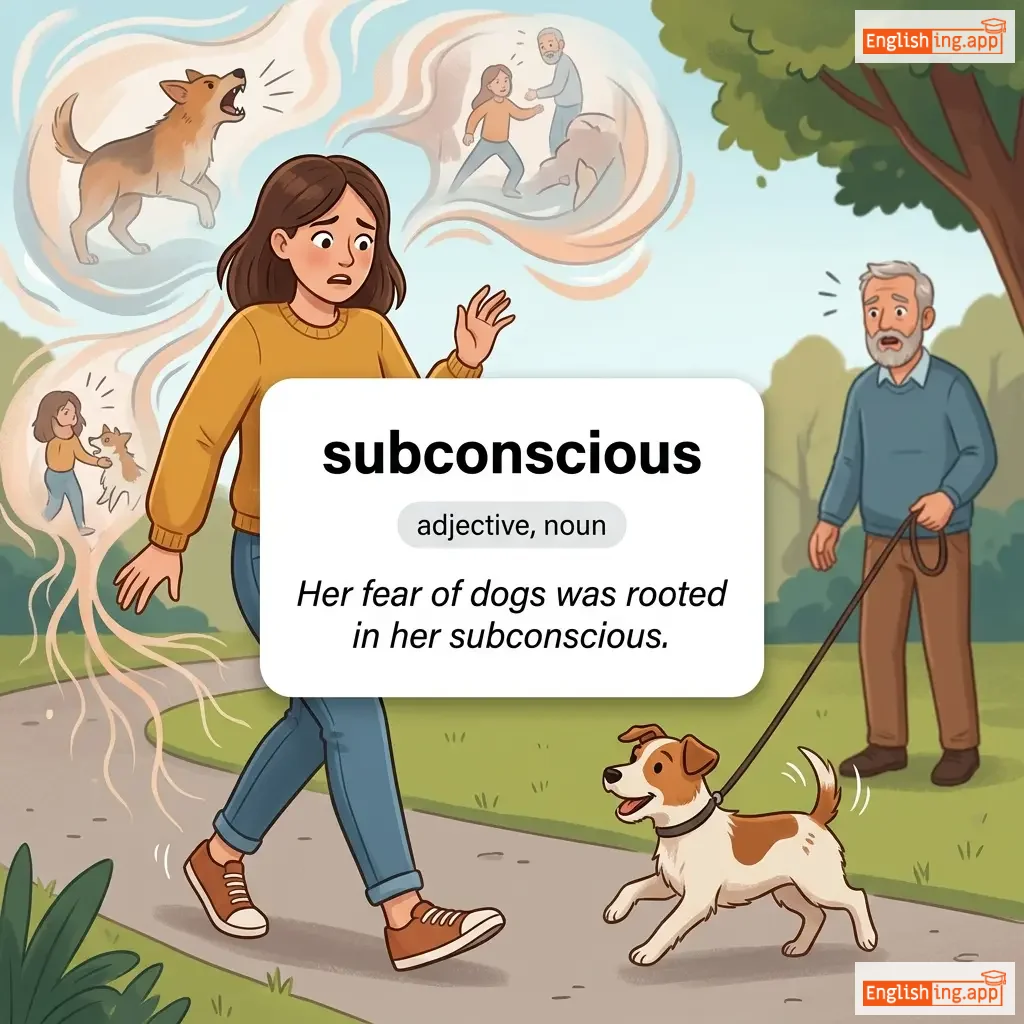
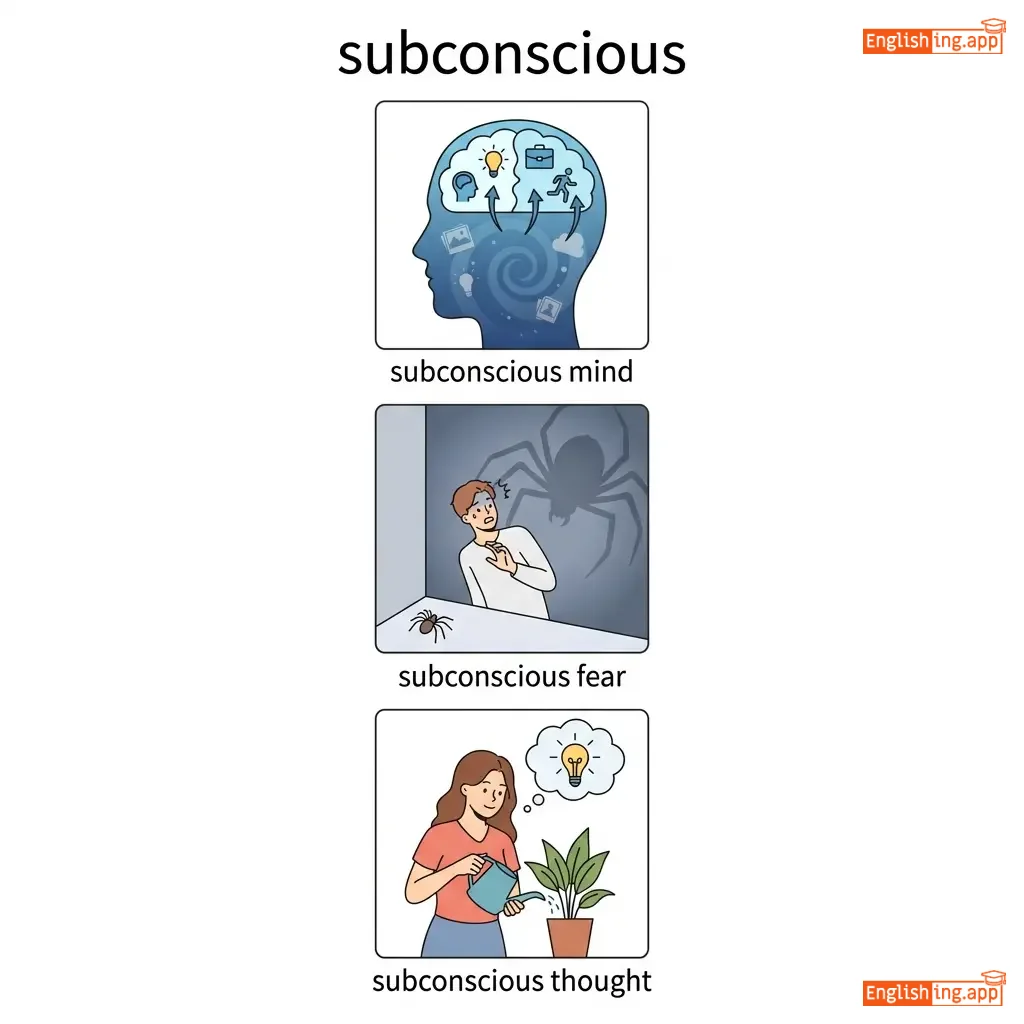
ˌsʌbˈkɒn.ʃəs
adjective
••••••
|
|
Concerning the part of the mind of which one is not fully aware but which influences one's actions and feelings.
••••••
|
His fears were rooted in his subconscious. |
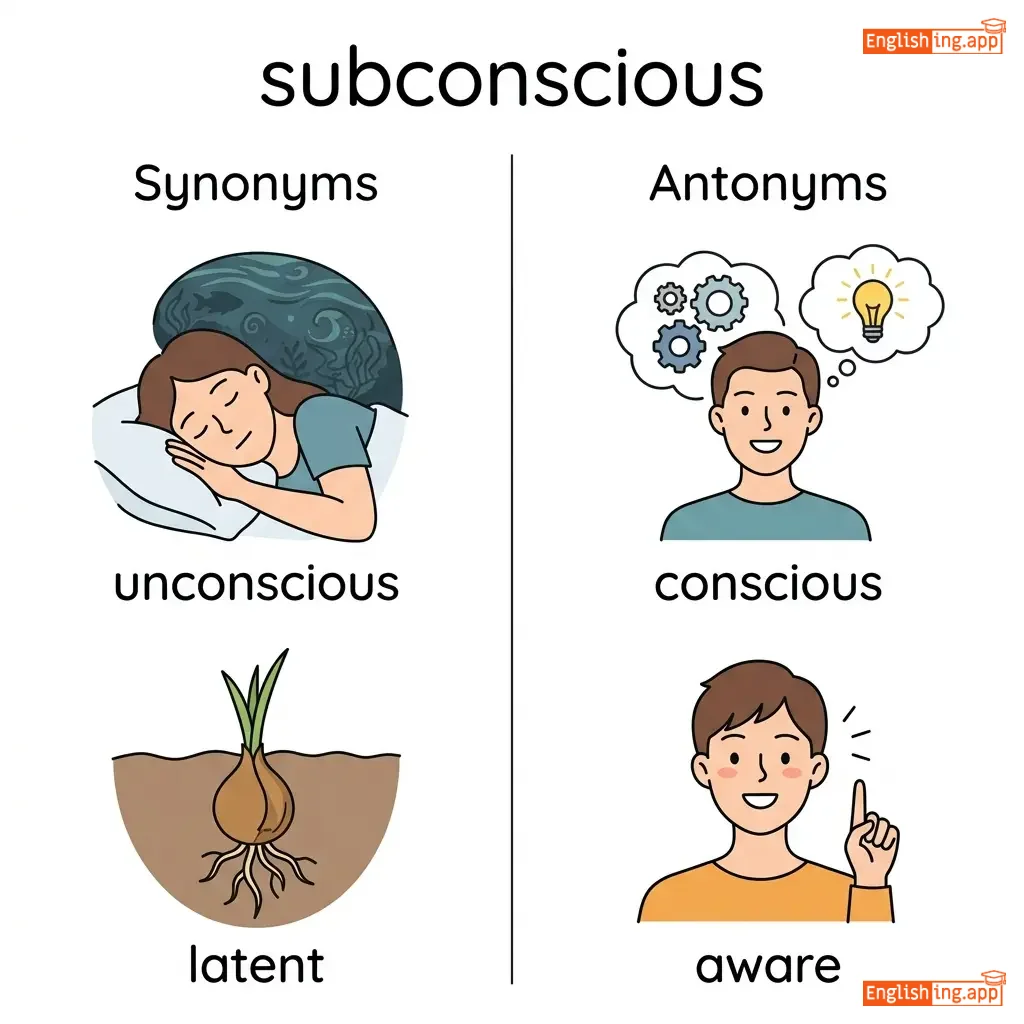
unconscious, latent, subliminal
••••••
|
conscious, aware, deliberate
••••••
|
|
#3475
💡
|
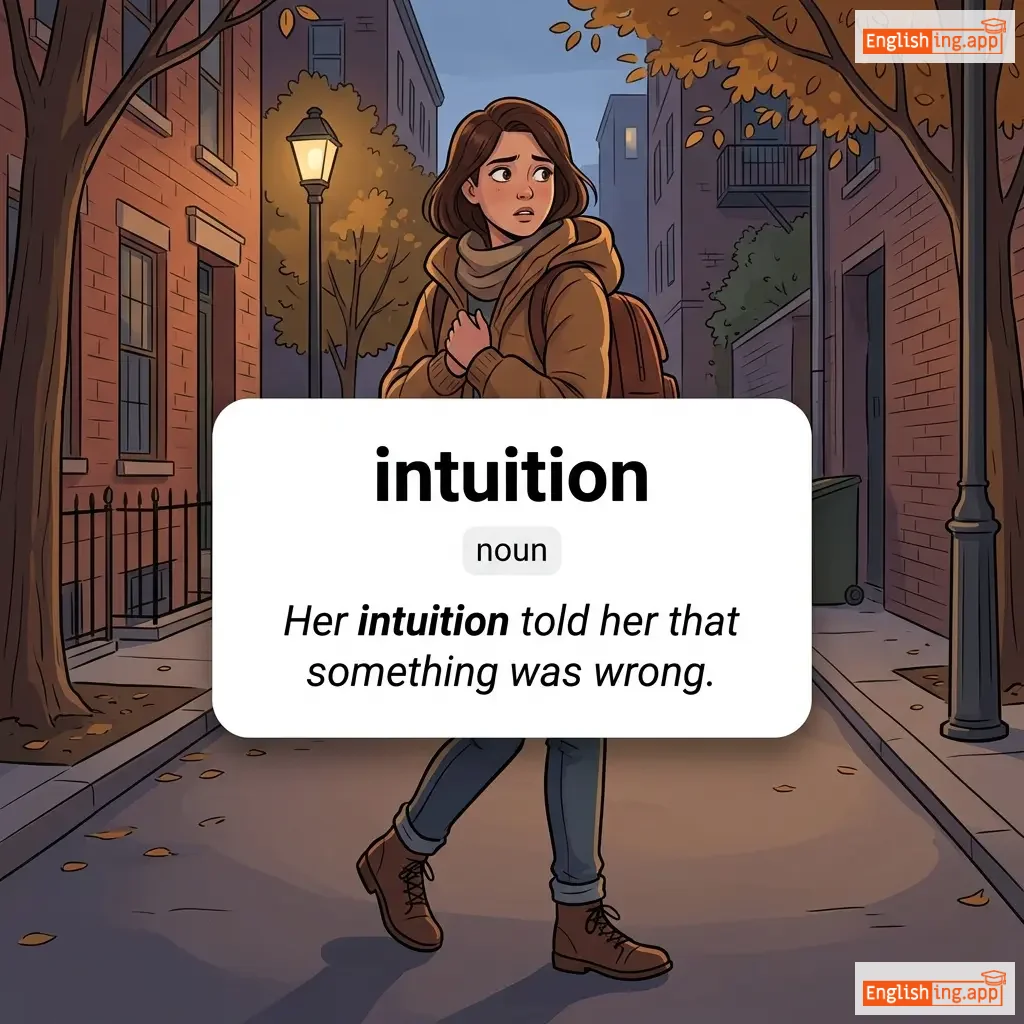
ˌɪn.tʃuˈɪʃ.ən
noun
••••••
|
|
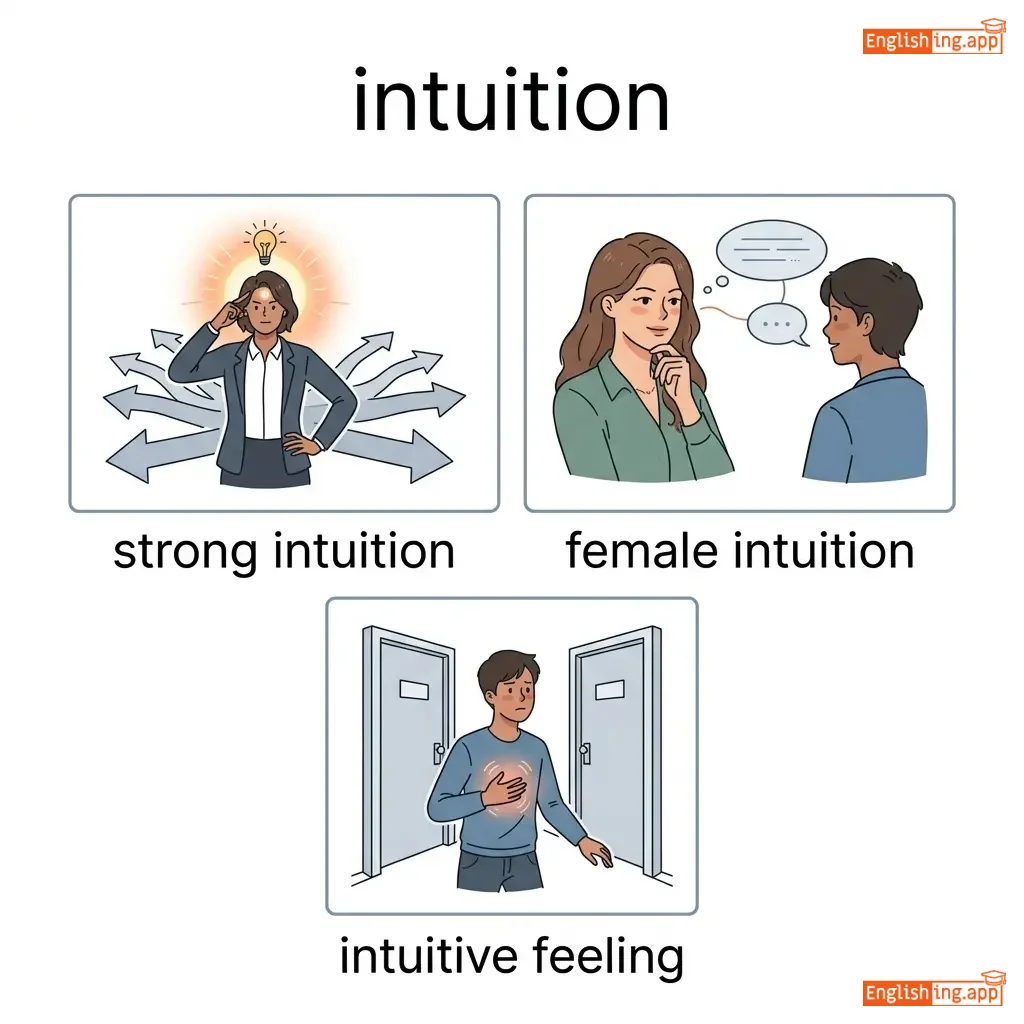
The ability to understand something immediately, without the need for conscious reasoning.
••••••
|
Her intuition helped her make the right choice. |
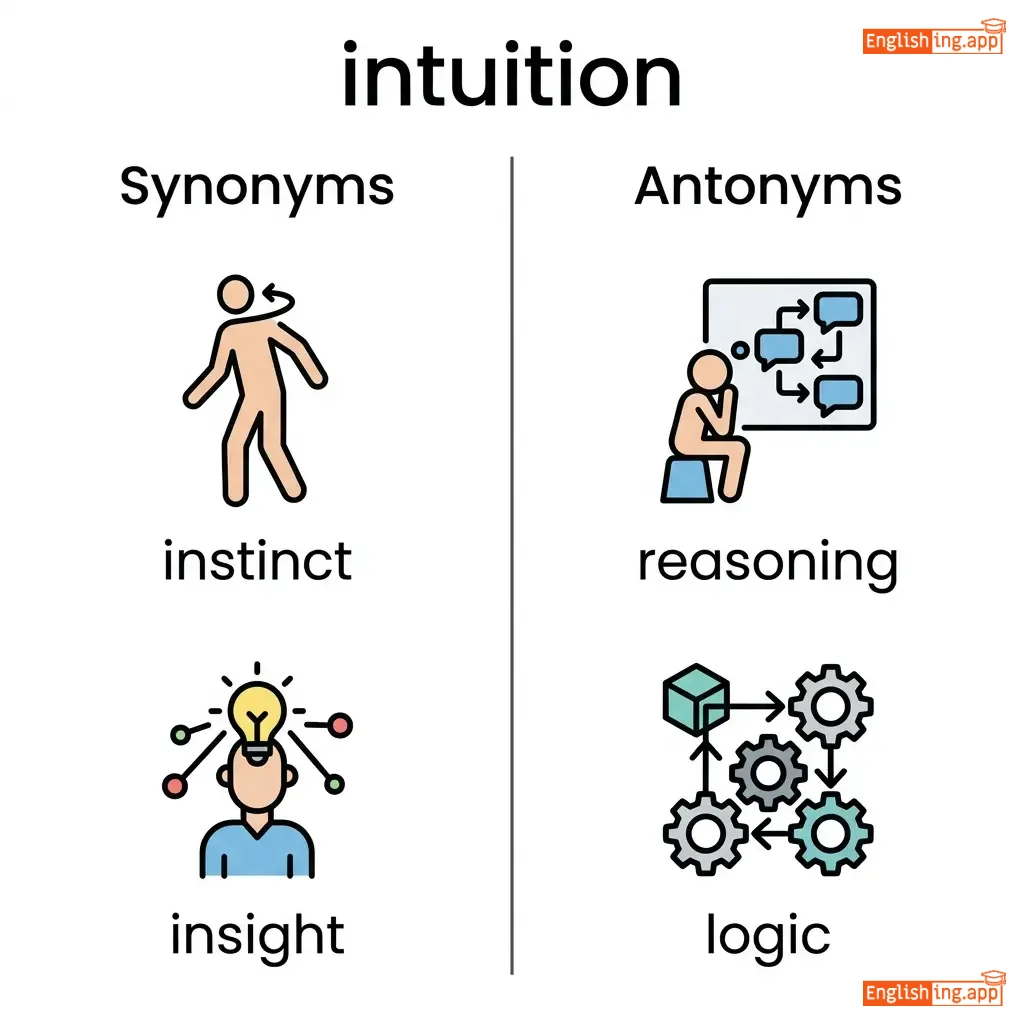
instinct, perception, insight, feeling
••••••
|
logic, analysis, reasoning
••••••
|
|
#3476
⚖️
|
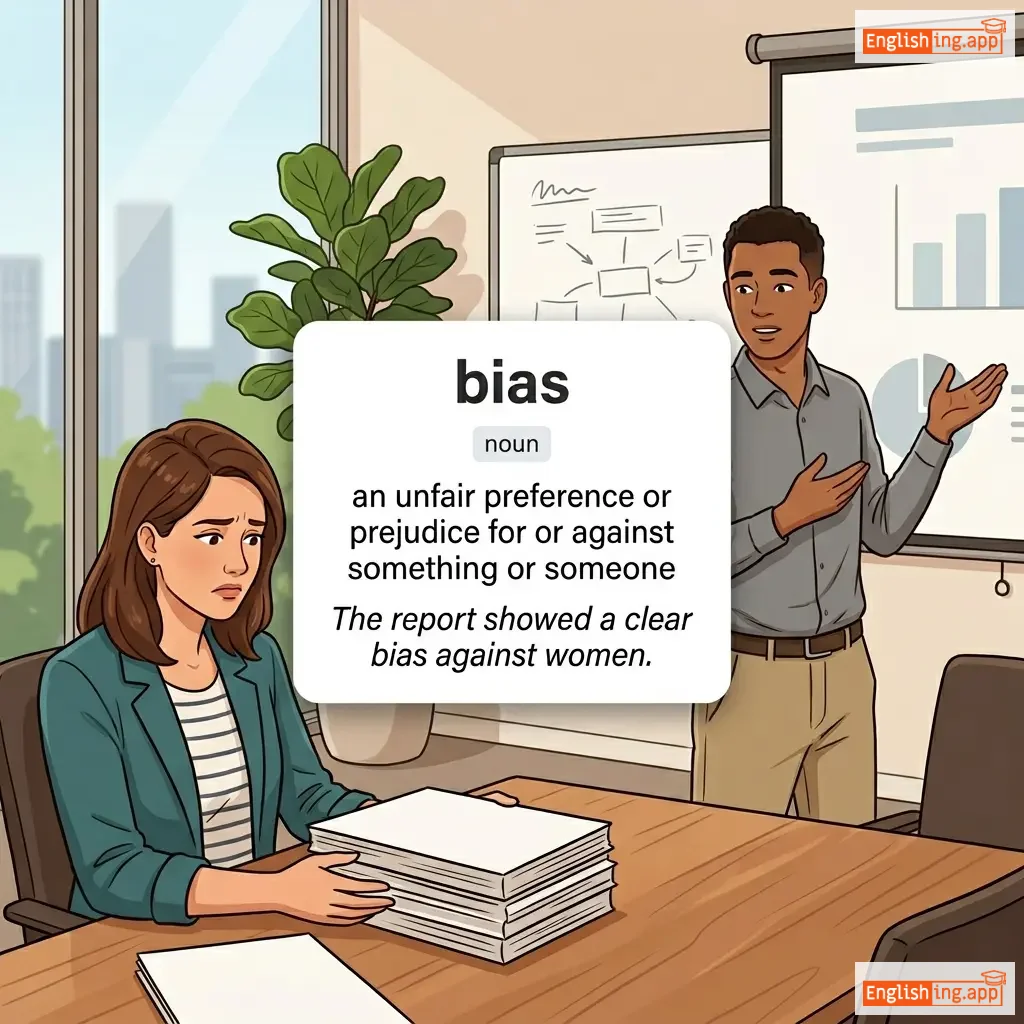
ˈbaɪ.əs
noun
••••••
|
|
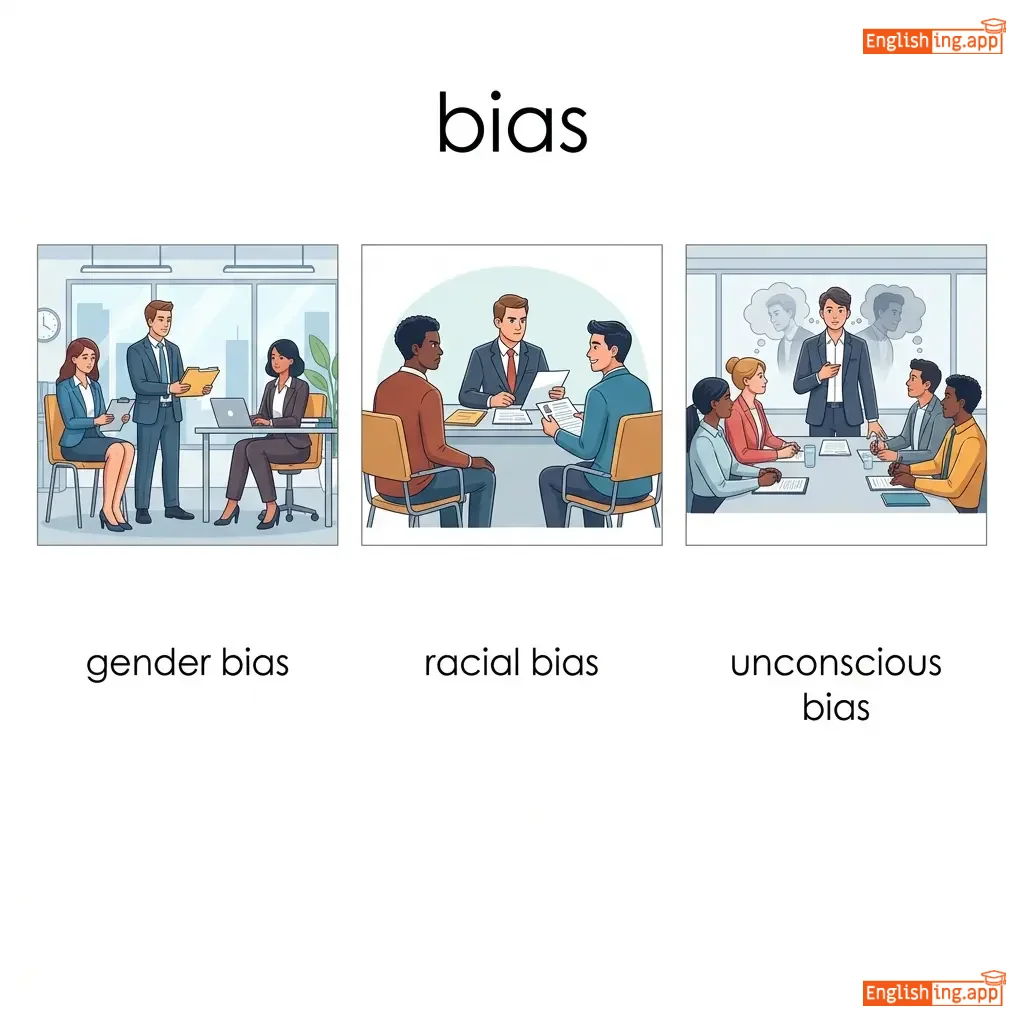
Prejudice in favor of or against one thing, person, or group compared with another, usually in a way considered to be unfair.
••••••
|
The judge must remain free from bias. |
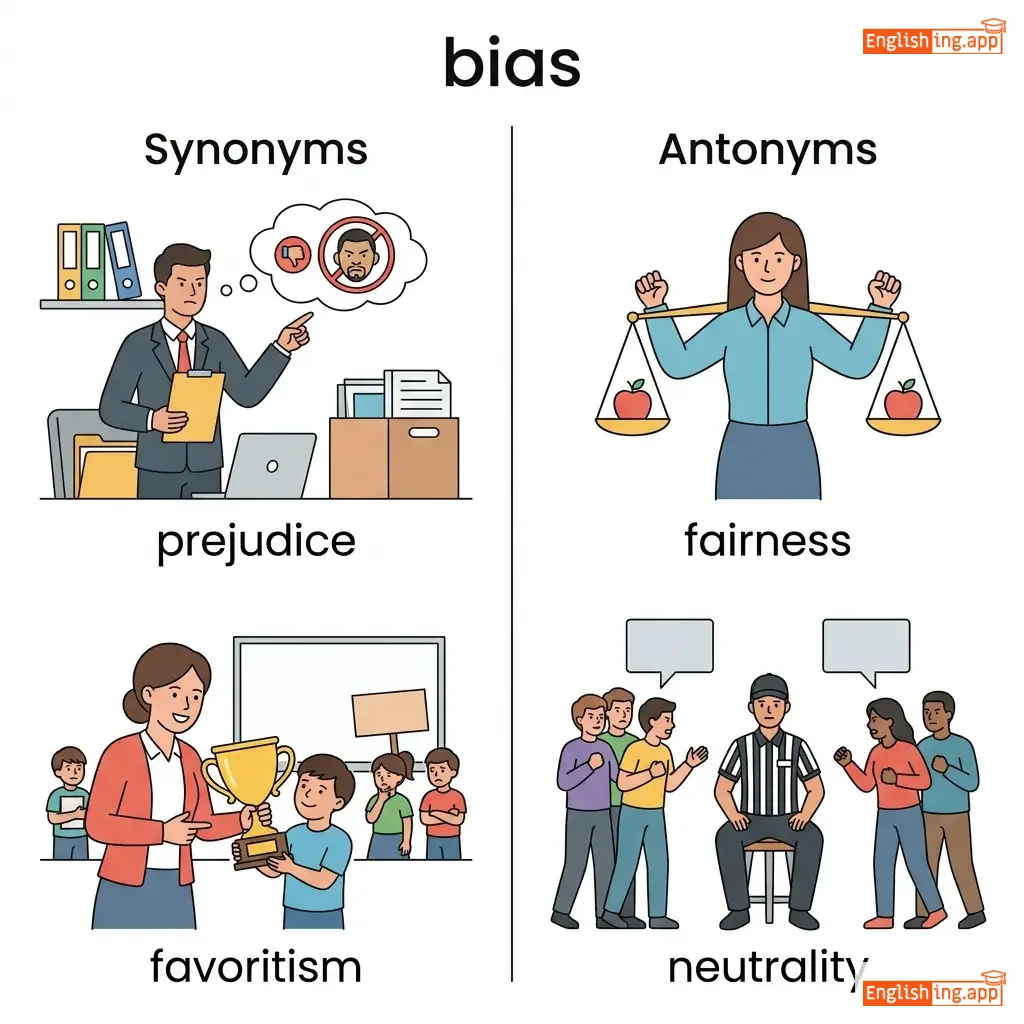
prejudice, partiality, favoritism
••••••
|
impartiality, neutrality, fairness
••••••
|
|
#3477
🔍
|
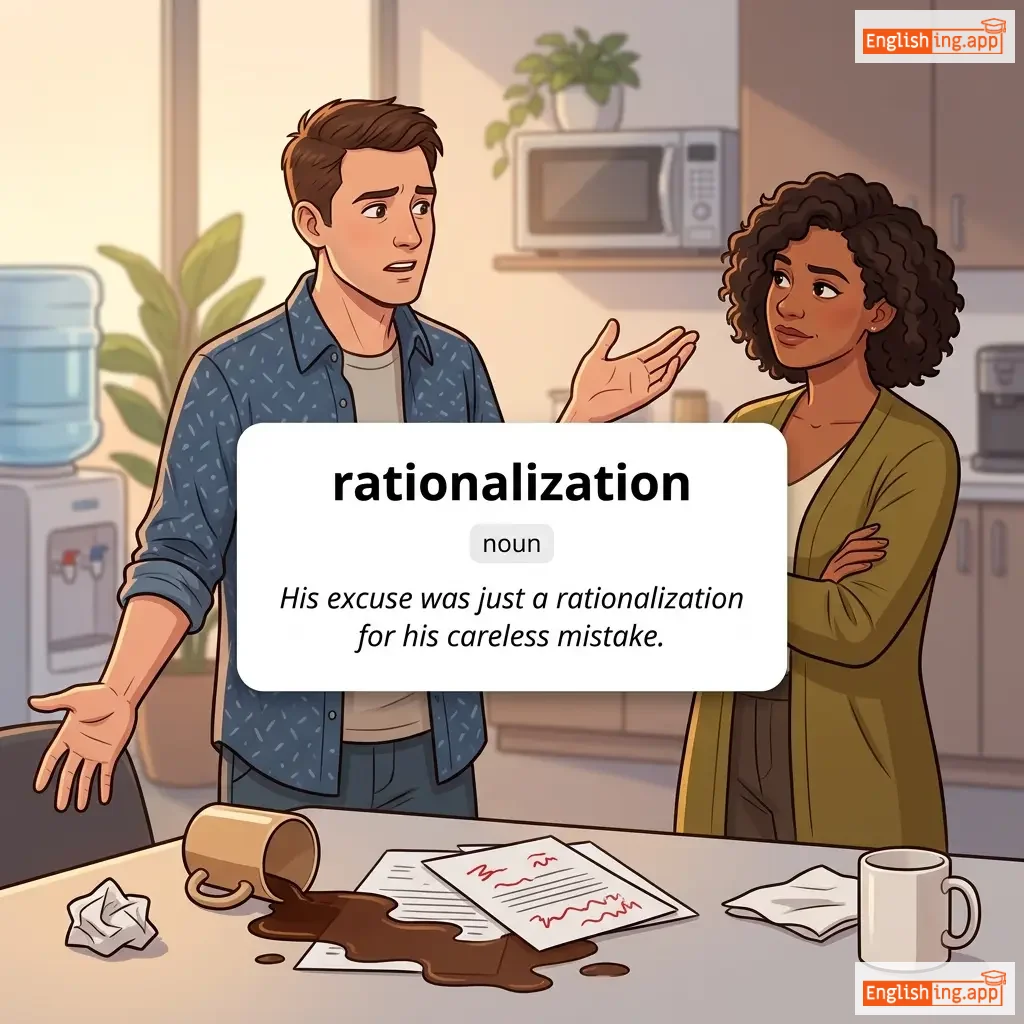
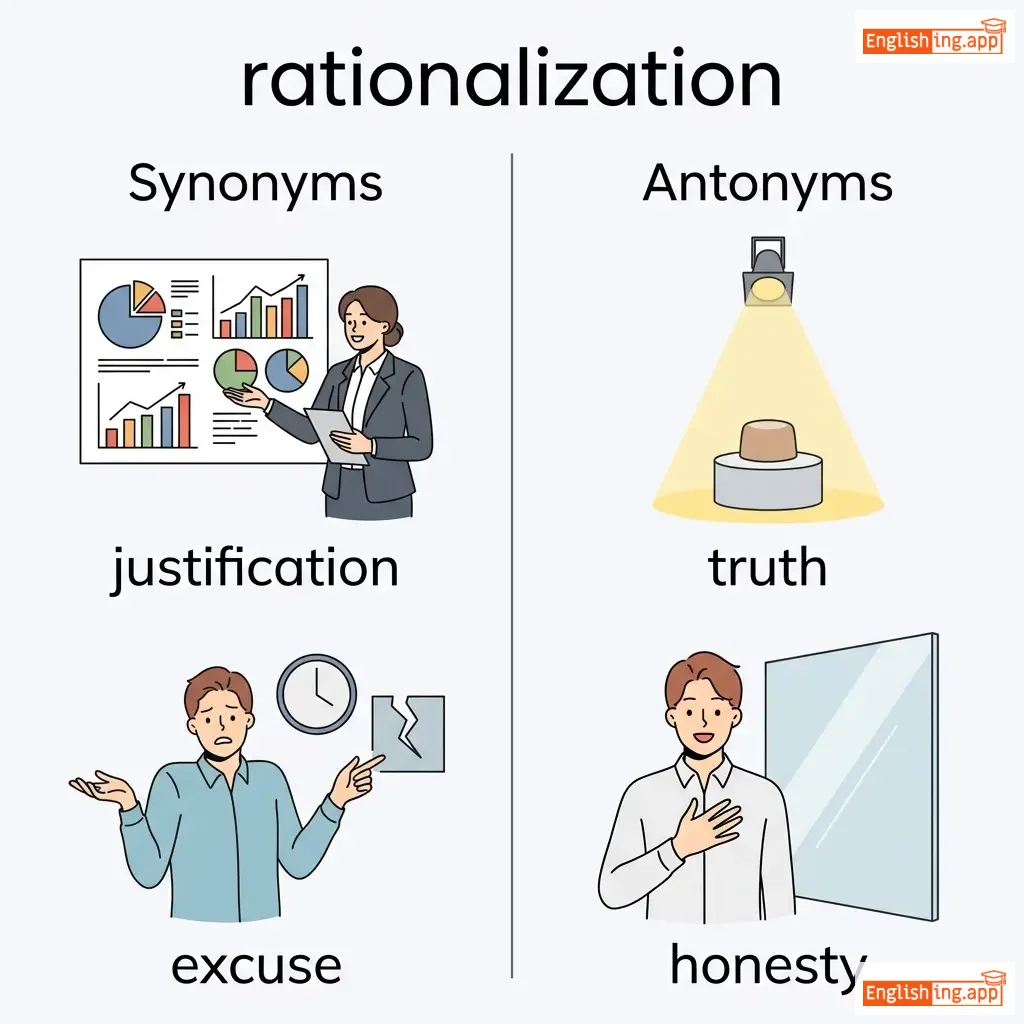
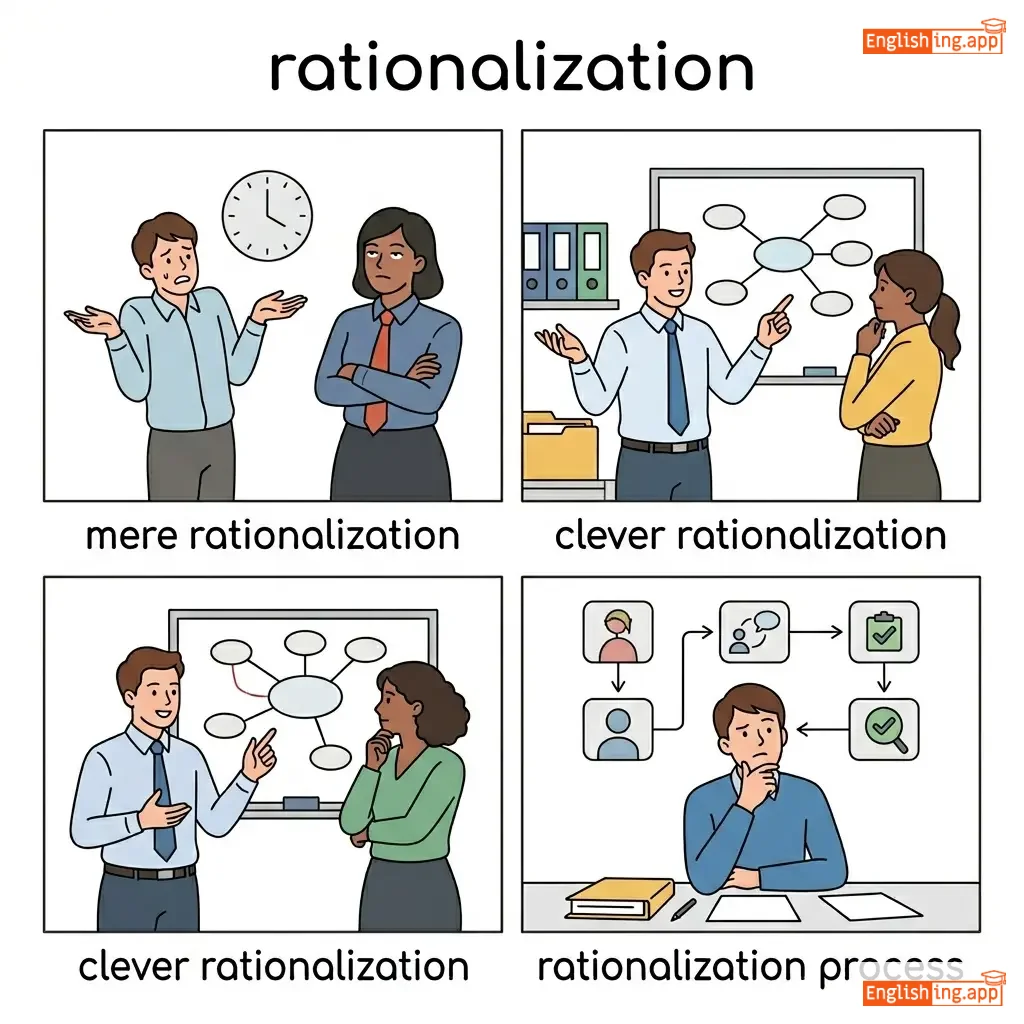
ˌræʃ.ən.əl.aɪˈzeɪ.ʃən
noun
••••••
|
|
The process of creating logical explanations for behavior or beliefs that are actually based on other motives.
••••••
|
His rationalization for being late was unconvincing. |
justification, explanation, reasoning
••••••
|
misinterpretation, misjudgment
••••••
|
|
#3478
💭
|
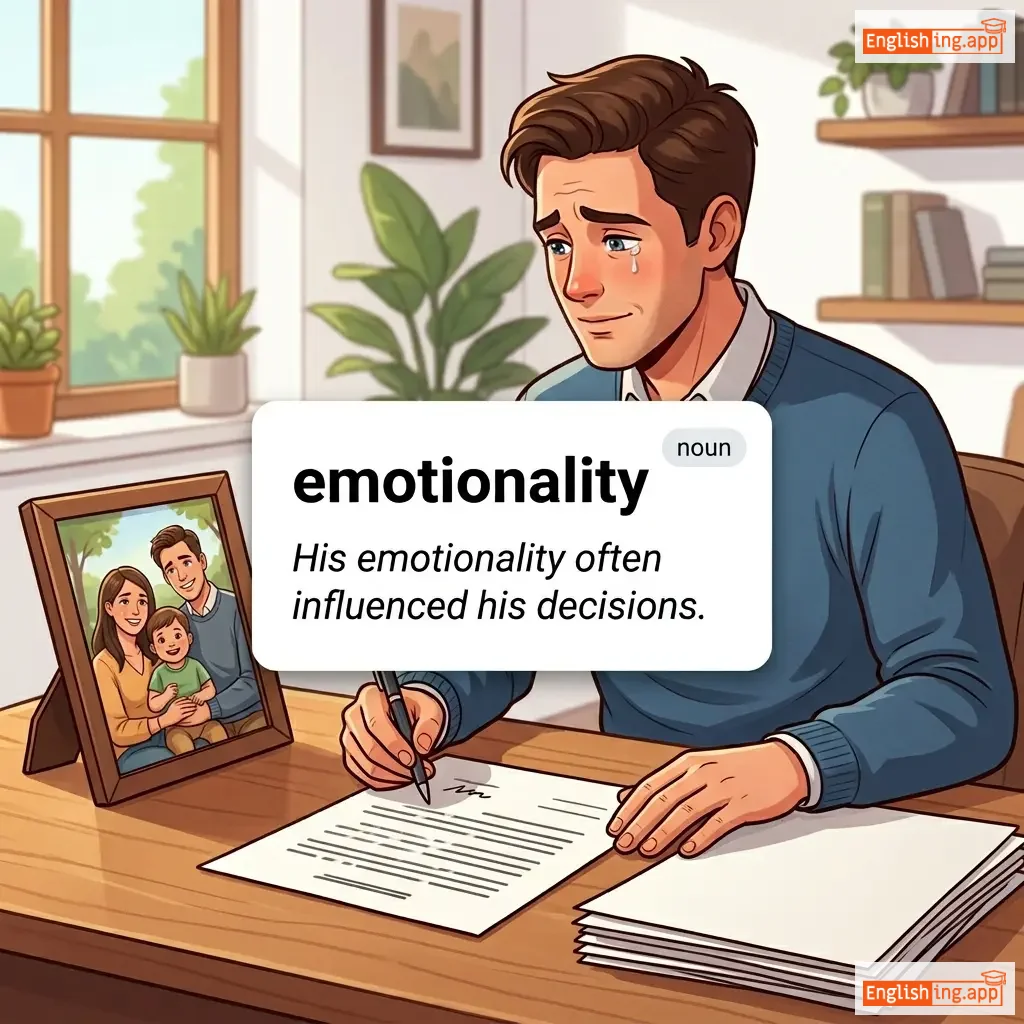
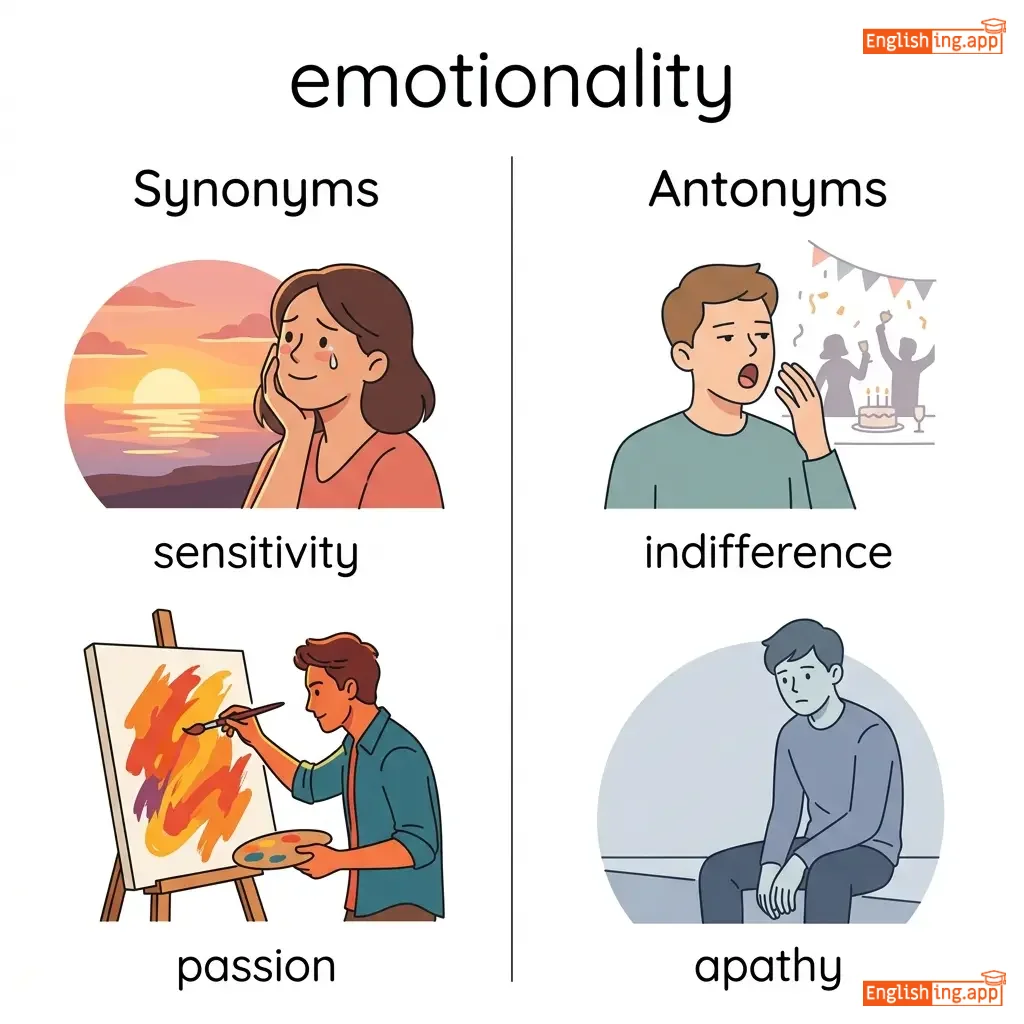
ɪˌməʊ.ʃəˈnæl.ɪ.ti
noun
••••••
|
|
The quality of being driven by emotions rather than reason; emotional responsiveness.
••••••
|
His emotionality often influenced his decisions. |
sensitivity, passion, feeling
••••••
|
indifference, apathy, coldness
••••••
|
|
#3479
⚡
|
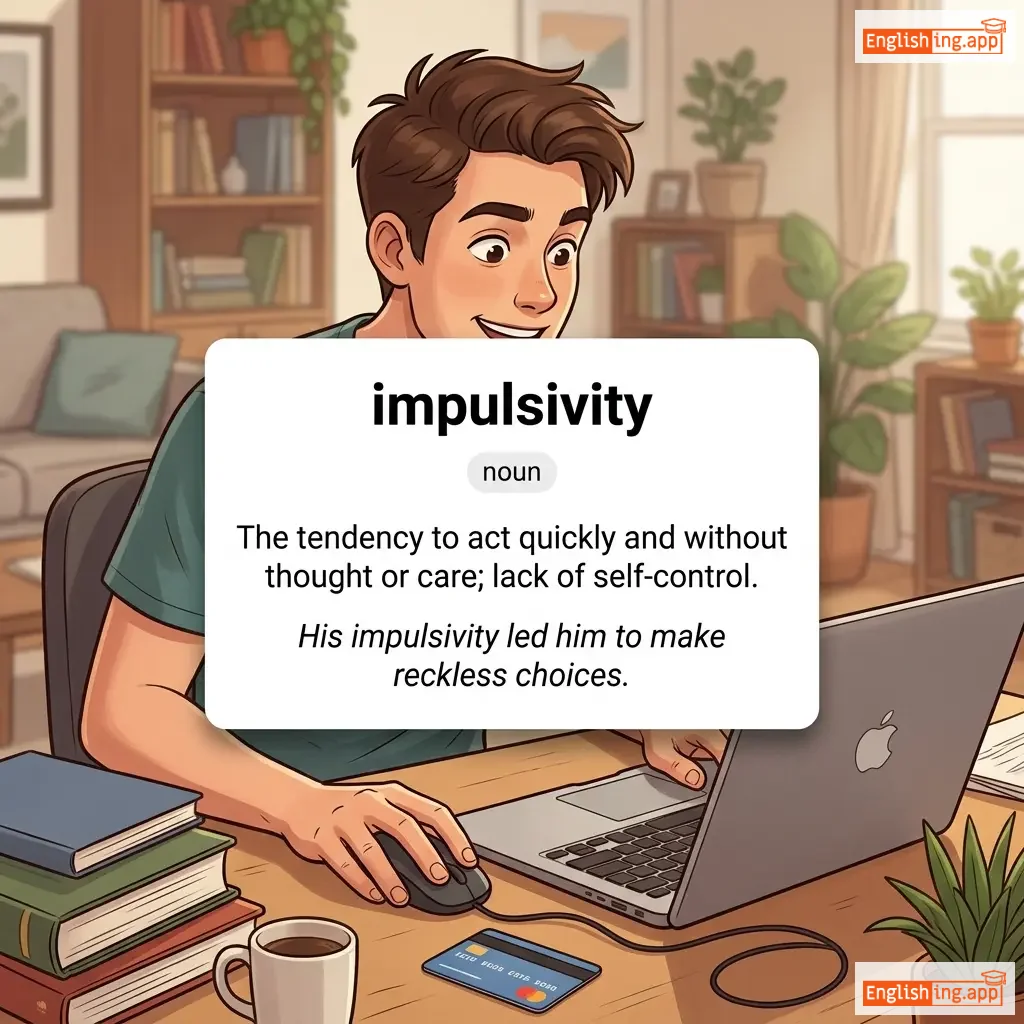
ˌɪm.pʌlˈsɪv.ɪ.ti
noun
••••••
|
|
The tendency to act quickly and without thought or care; lack of self-control.
••••••
|
His impulsivity led him to make reckless choices. |
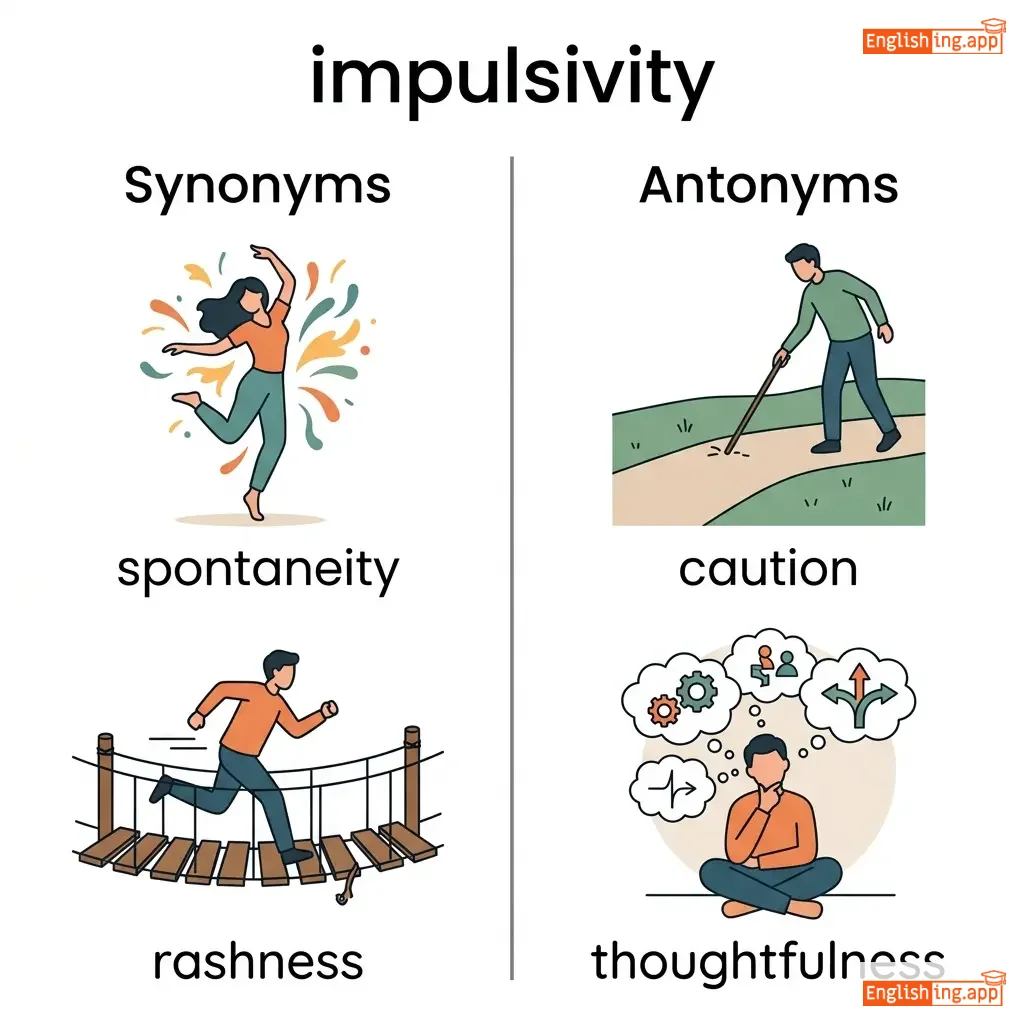
spontaneity, rashness, hastiness
••••••
|
caution, thoughtfulness, deliberation
••••••
|
|
#3480
🤔
|
daɪˈlem.ə
noun
••••••
|

|
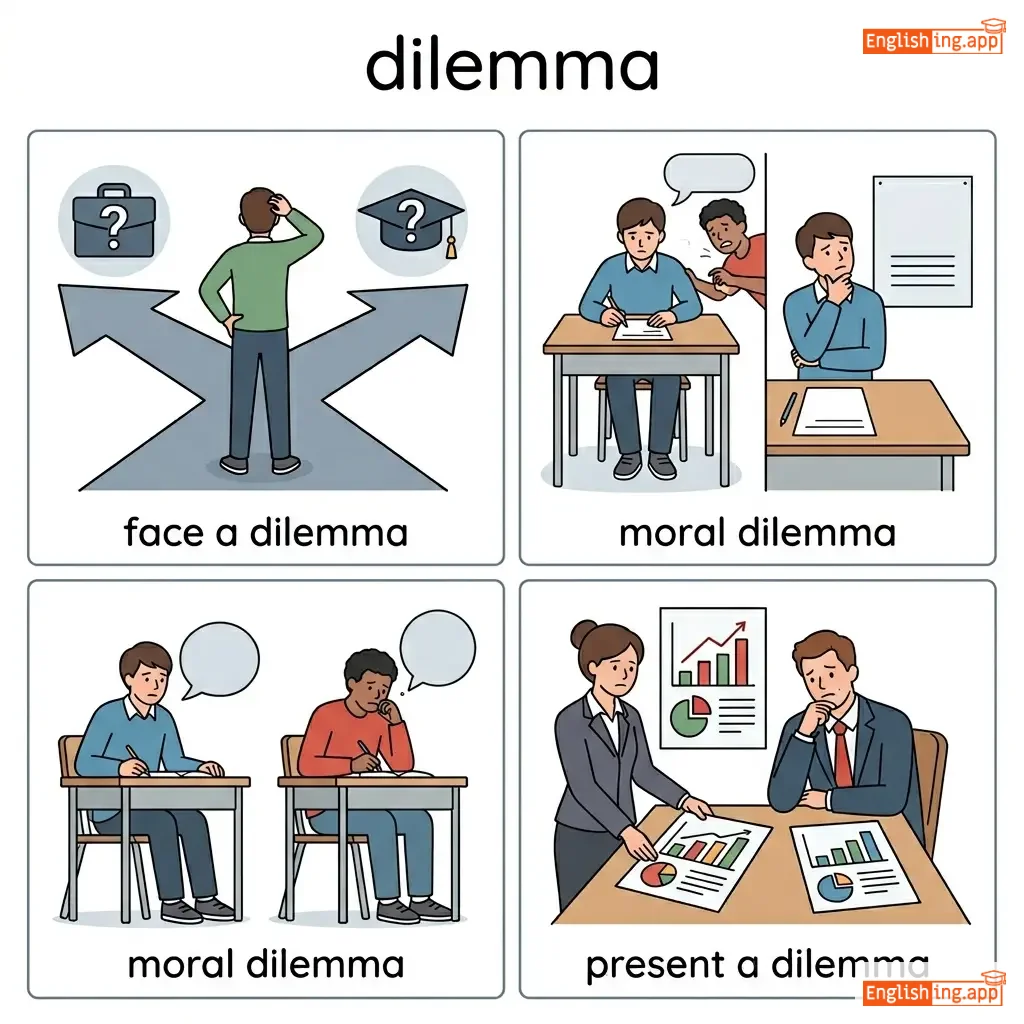
A situation in which a difficult choice has to be made between two or more alternatives.
••••••
|
She faced a moral dilemma at work. |
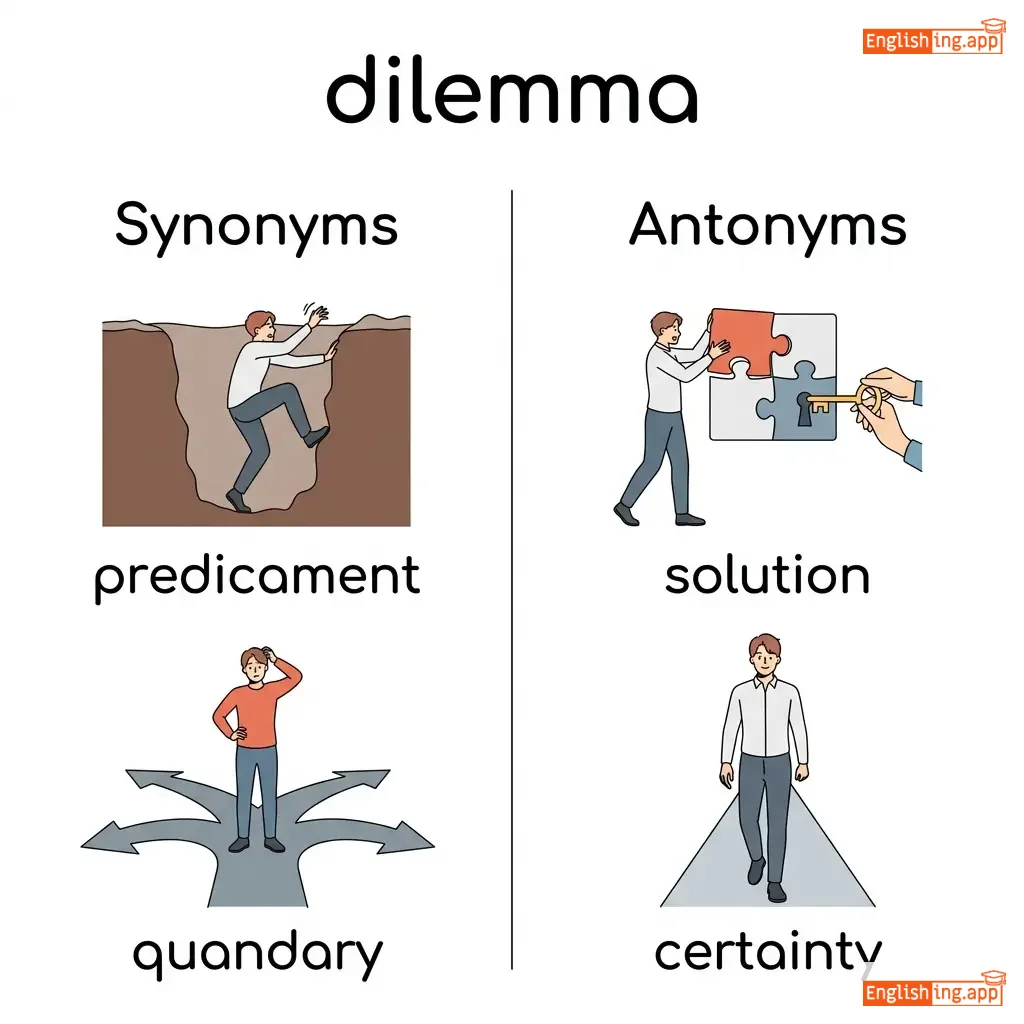
predicament, quandary, problem
••••••
|
solution, certainty, clarity
••••••
|
|
#3481
🧘
|
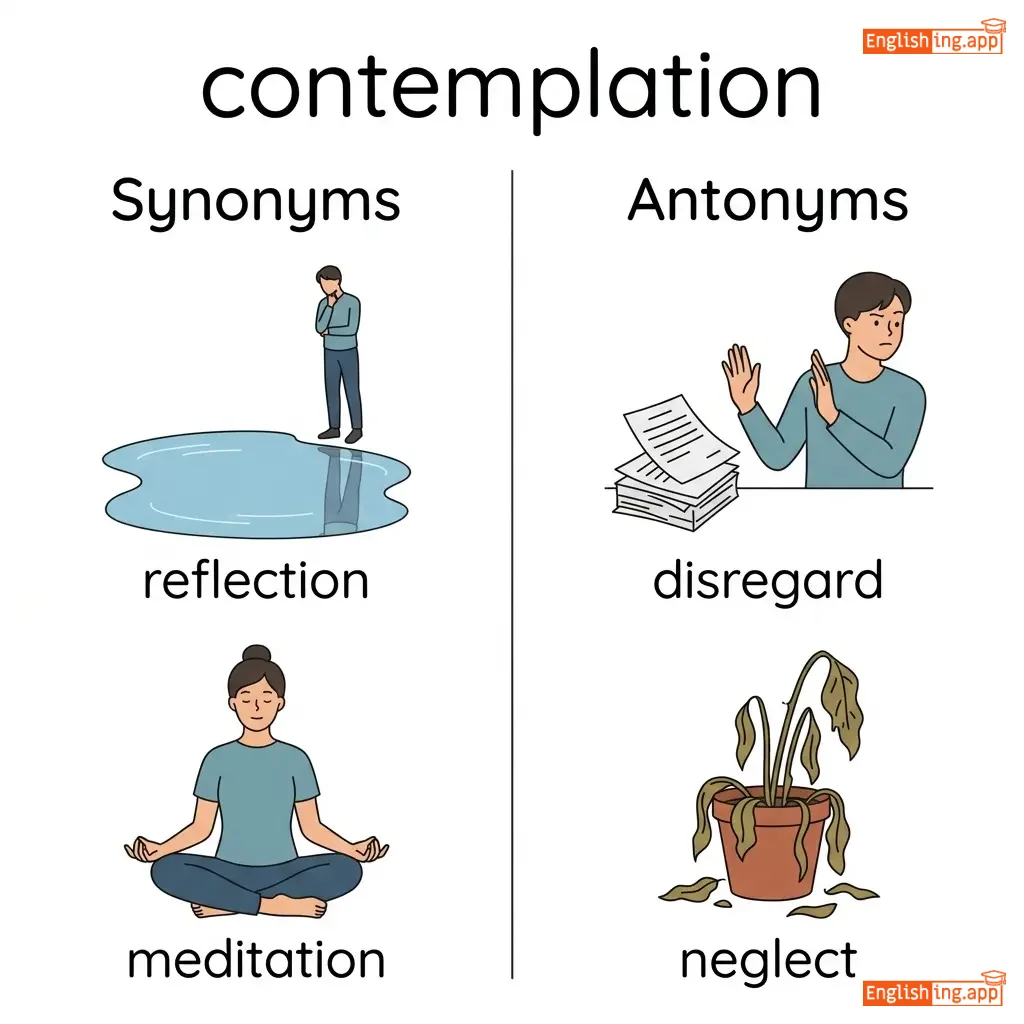
ˌkɒn.təmˈpleɪ.ʃən
noun
••••••
|

|
The action of looking thoughtfully at something for a long time; deep reflective thought.
••••••
|
He spent hours in contemplation about his future. |
reflection, meditation, thought
••••••
|
disregard, neglect, inattention
••••••
|
|
#3482
⚖️
|
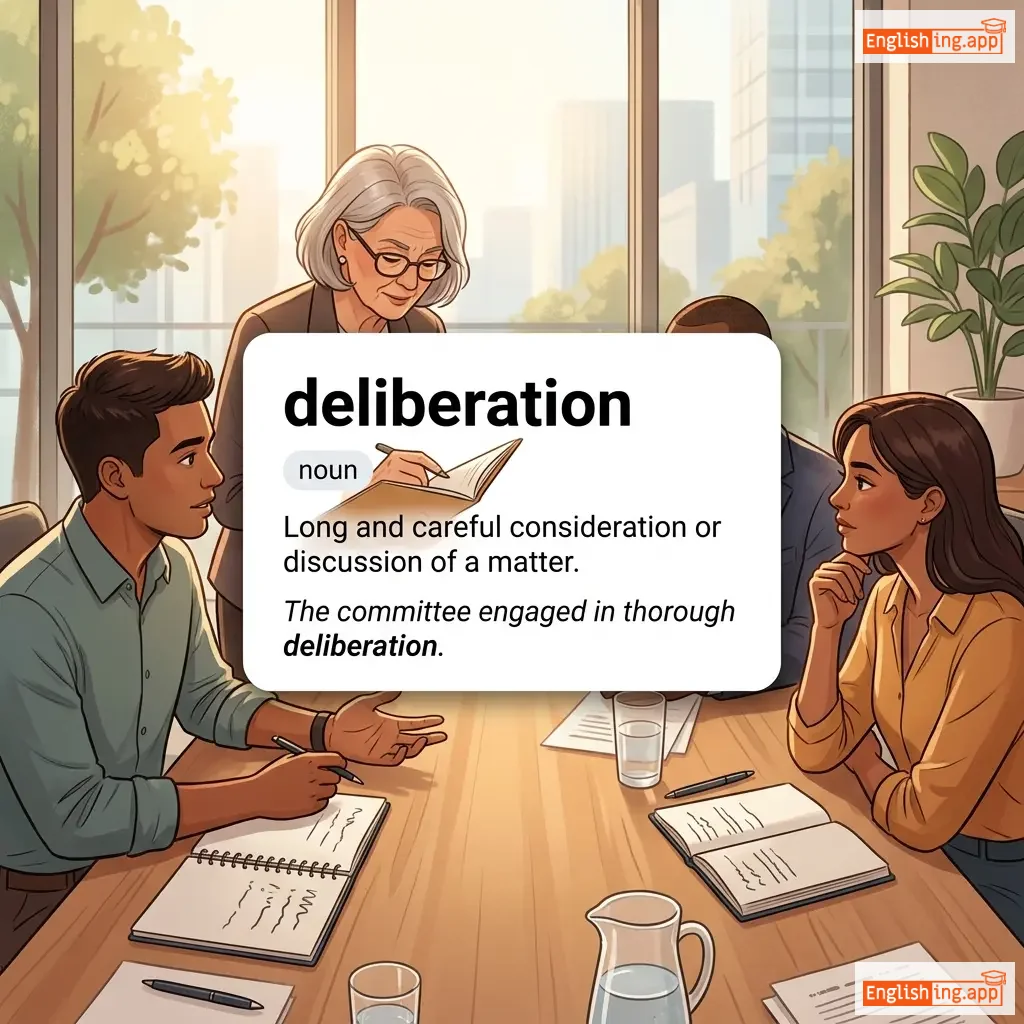
dɪˌlɪb.əˈreɪ.ʃən
noun
••••••
|
|
Long and careful consideration or discussion of a matter.
••••••
|
The committee engaged in thorough deliberation. |
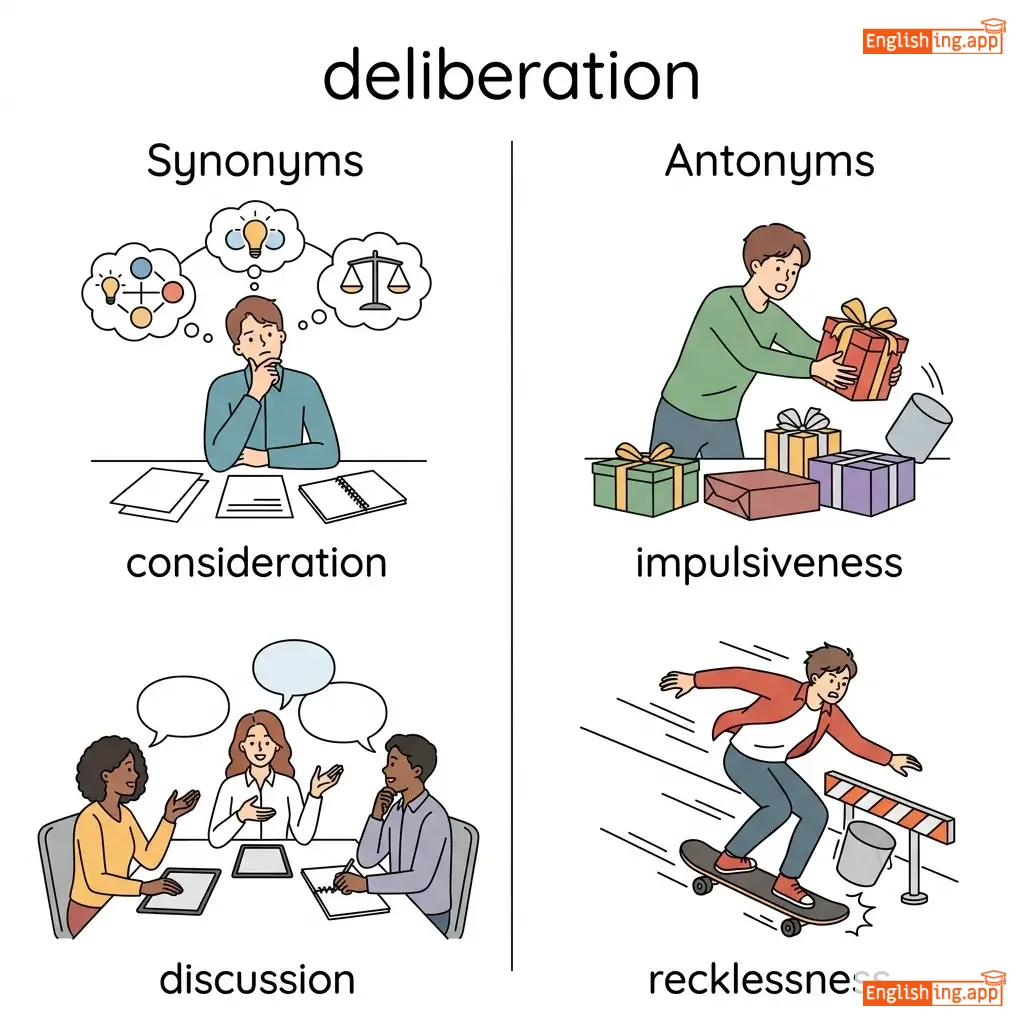
consideration, discussion, consultation
••••••
|
impulsiveness, recklessness, haste
••••••
|
|
#3483
⚖️
|
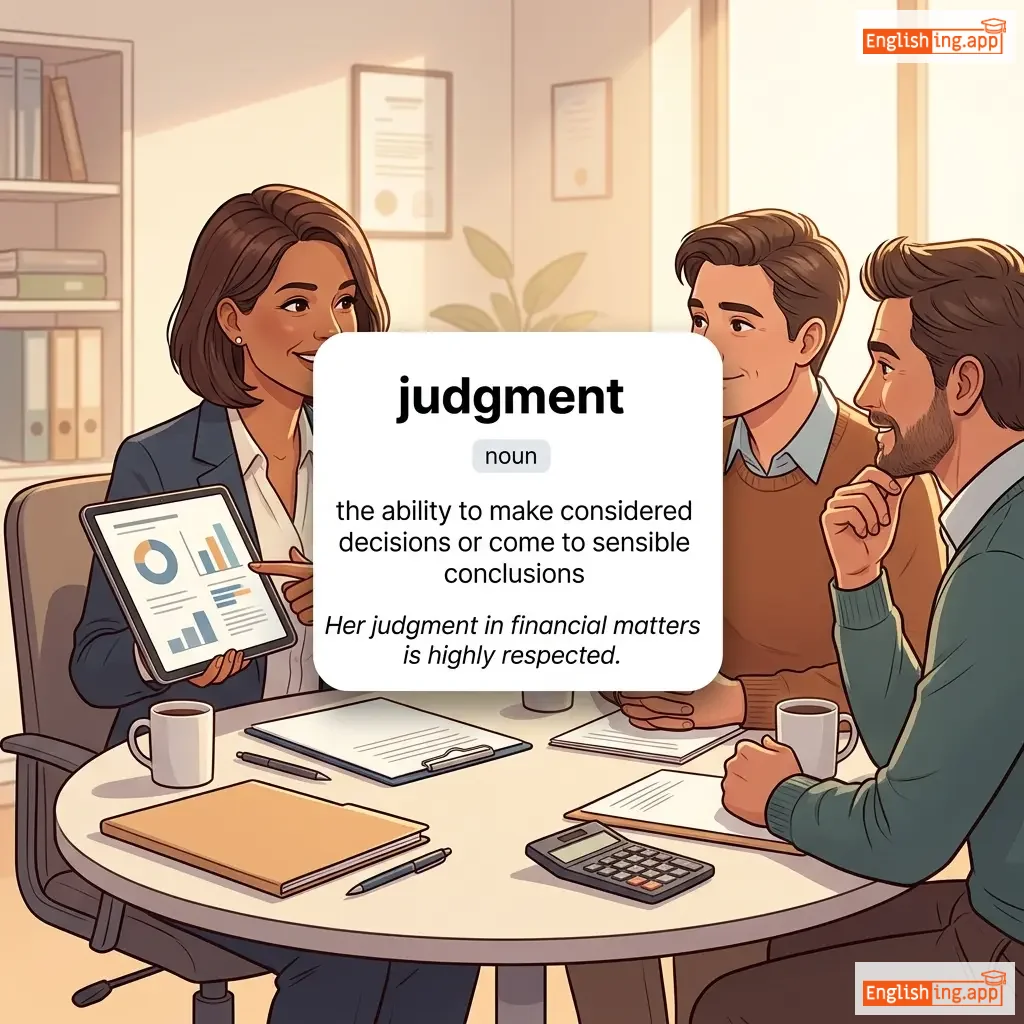
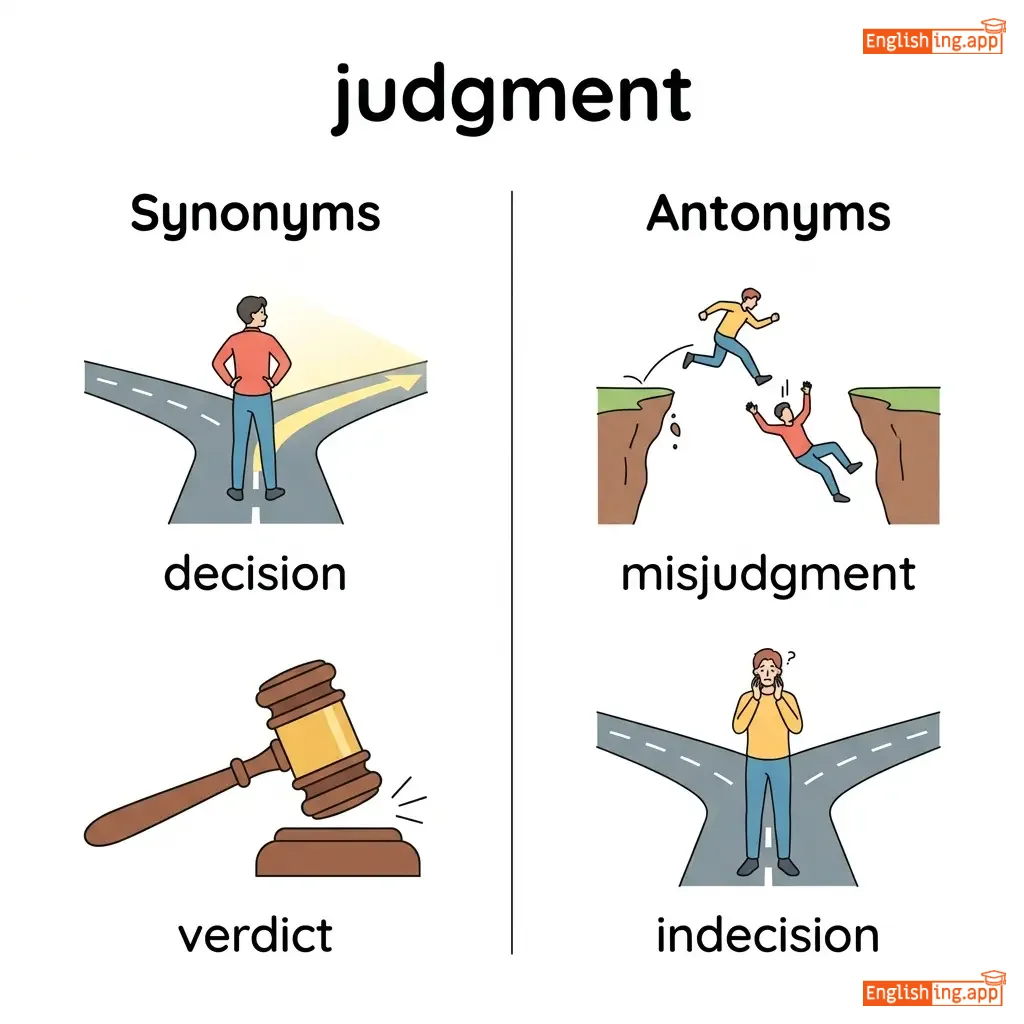
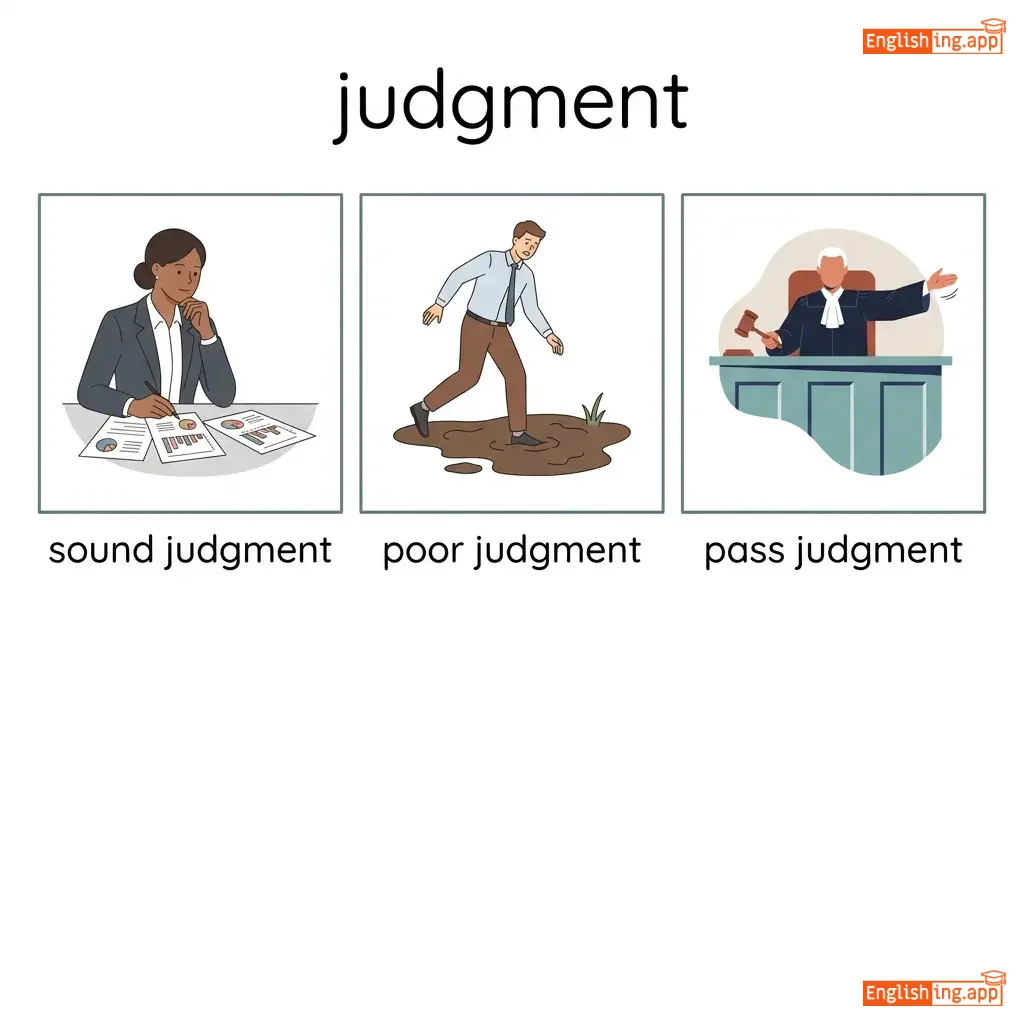
ˈdʒʌdʒ.mənt
noun
••••••
|
|
The ability to make considered decisions or come to sensible conclusions.
••••••
|
The judge's judgment was fair and just. |
decision, verdict, ruling
••••••
|
indecision, misjudgment, bias
••••••
|
|
#3484
📊
|
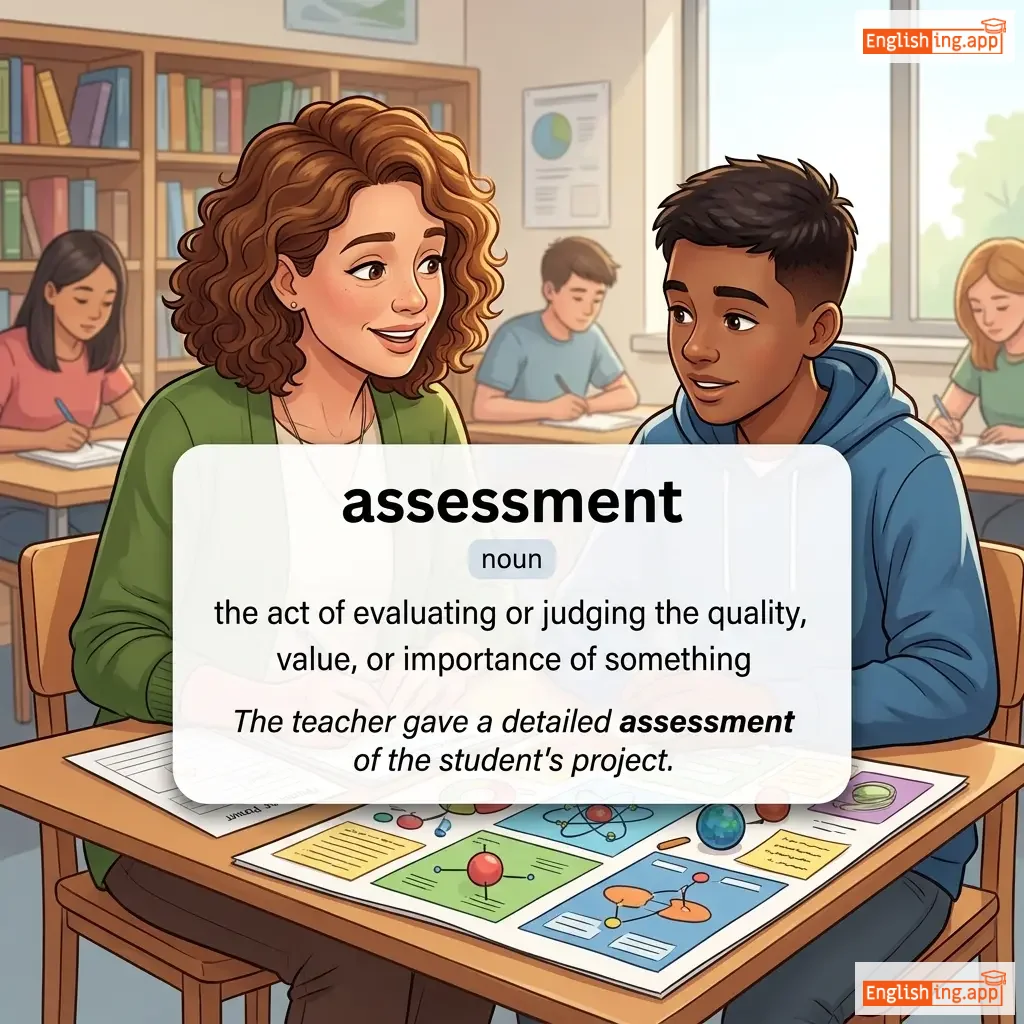
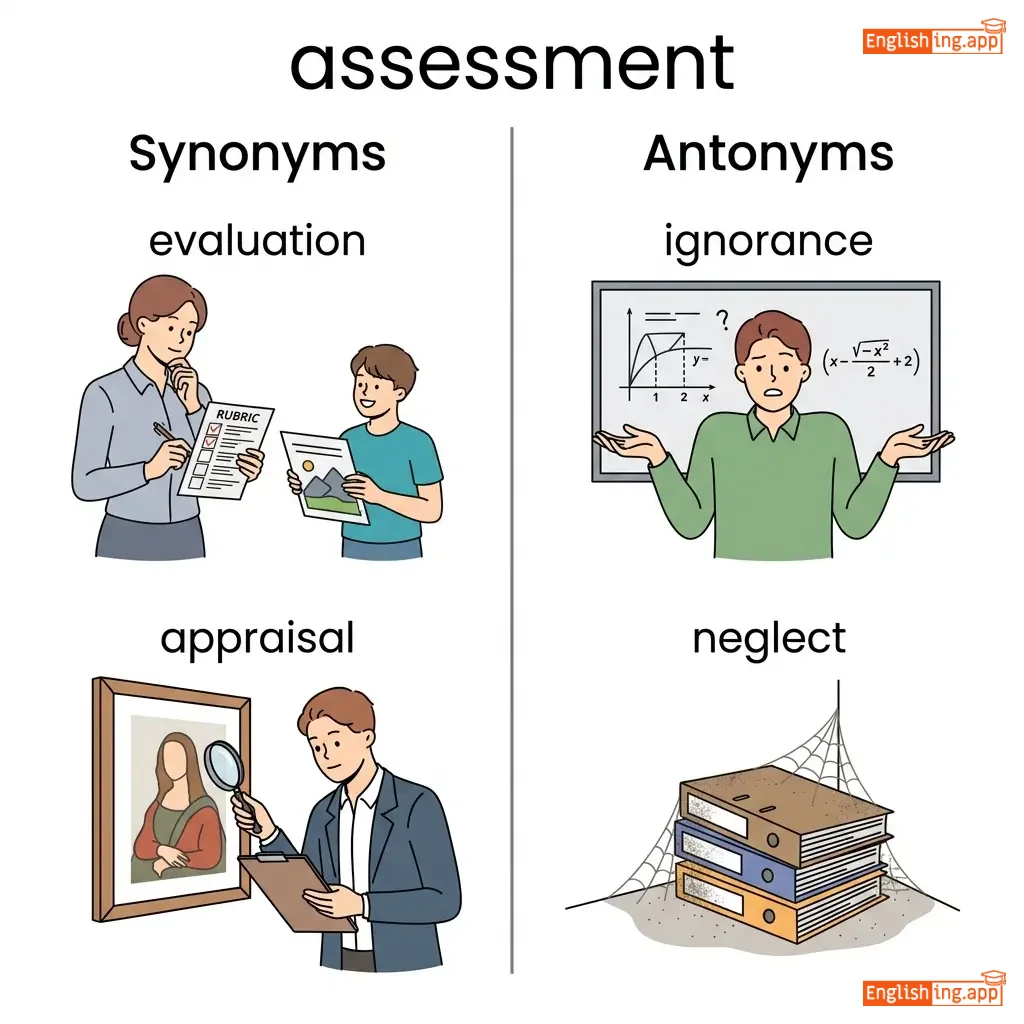
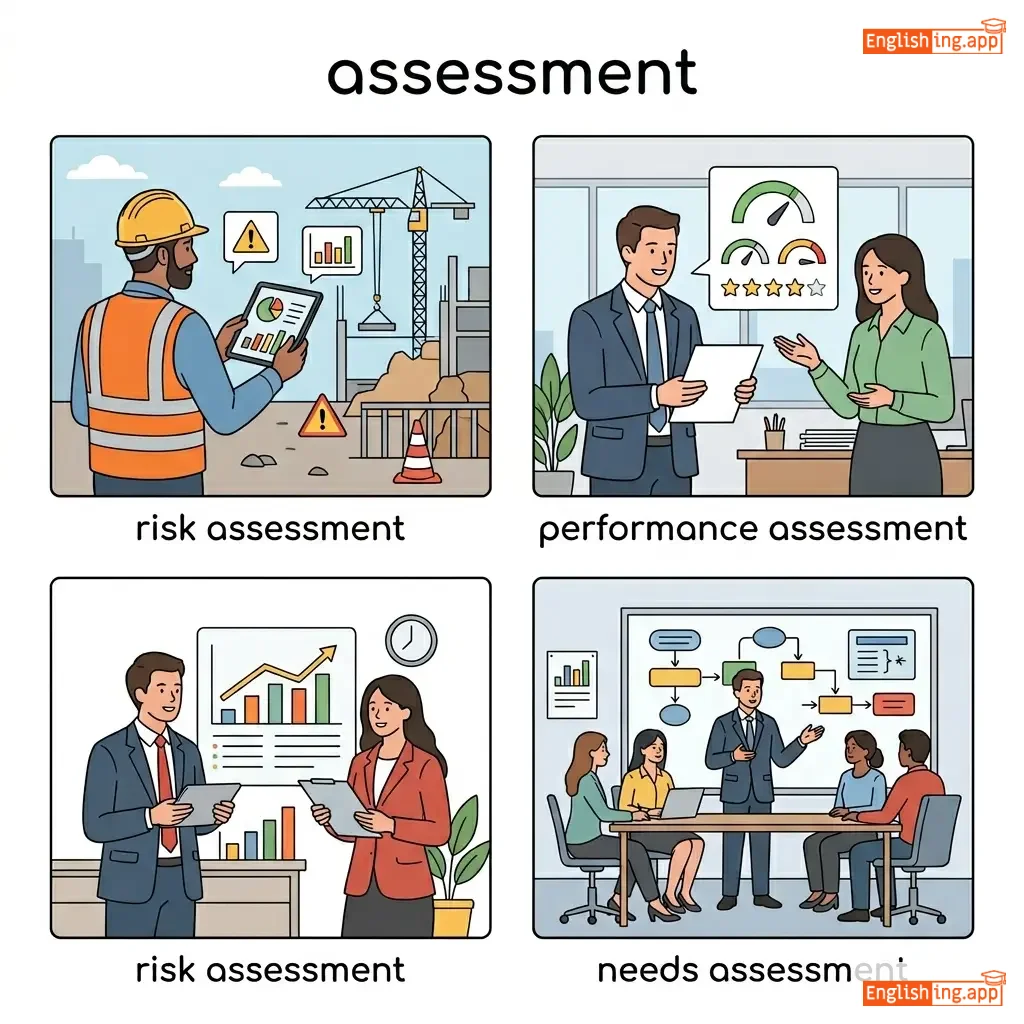
əˈses.mənt
noun
••••••
|
|
The evaluation or estimation of the nature, quality, or ability of someone or something.
••••••
|
His assessment of the situation was accurate. |
evaluation, appraisal, analysis
••••••
|
misjudgment, inaccuracy, misestimation
••••••
|
|
#3485
🔍
|
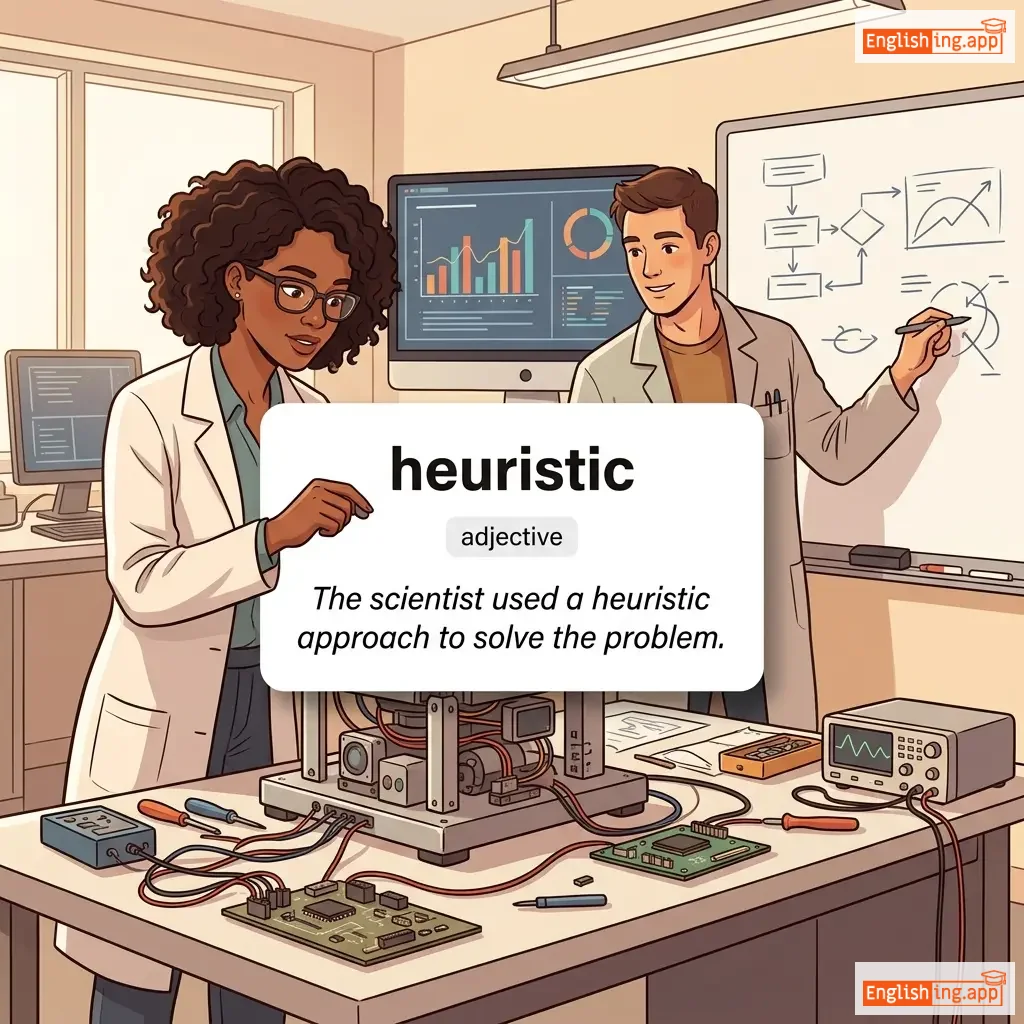
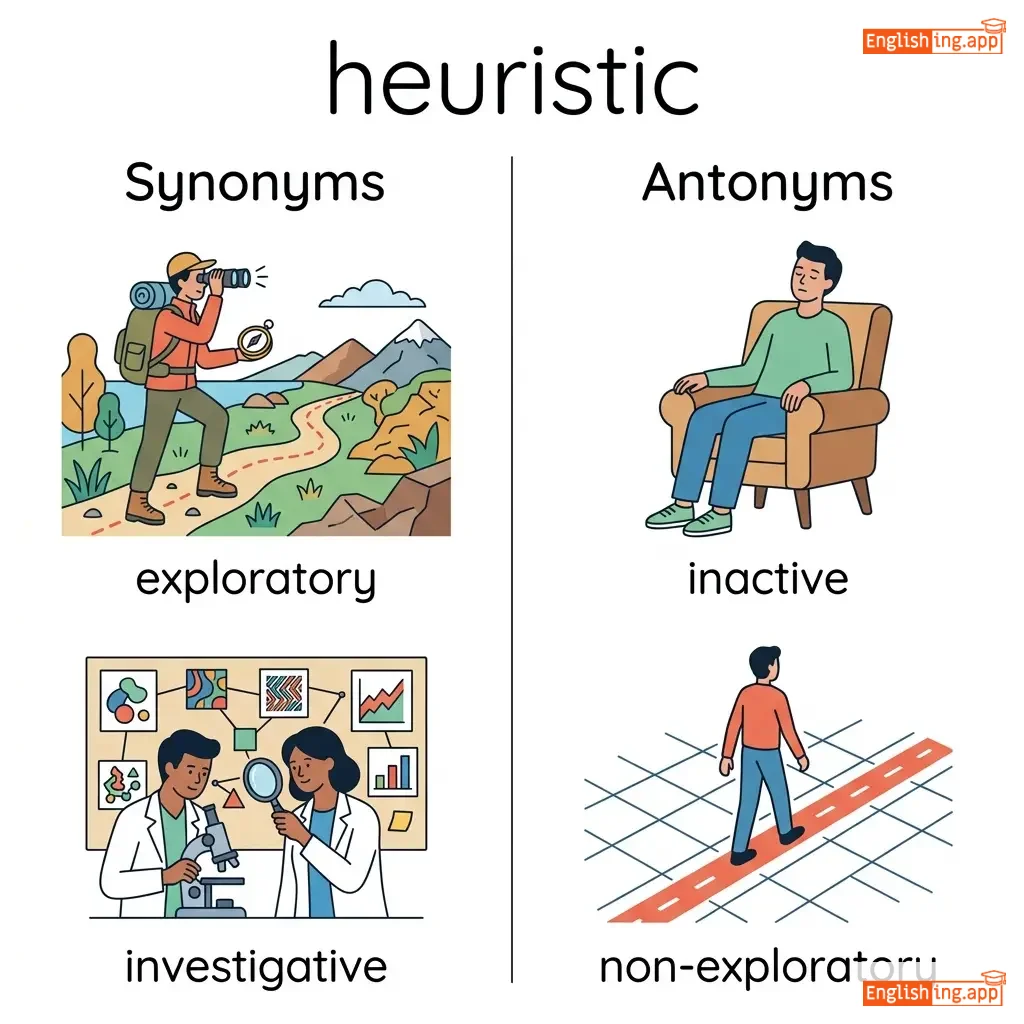
hjʊəˈrɪs.tɪk
adjective
••••••
|
|
Enabling a person to discover or learn something for themselves; using practical experience rather than theory.
••••••
|
The scientist used a heuristic approach to solve the problem. |
exploratory, investigative, experimental
••••••
|
inactive, non-exploratory, theoretical
••••••
|
|
#3486
❓
|
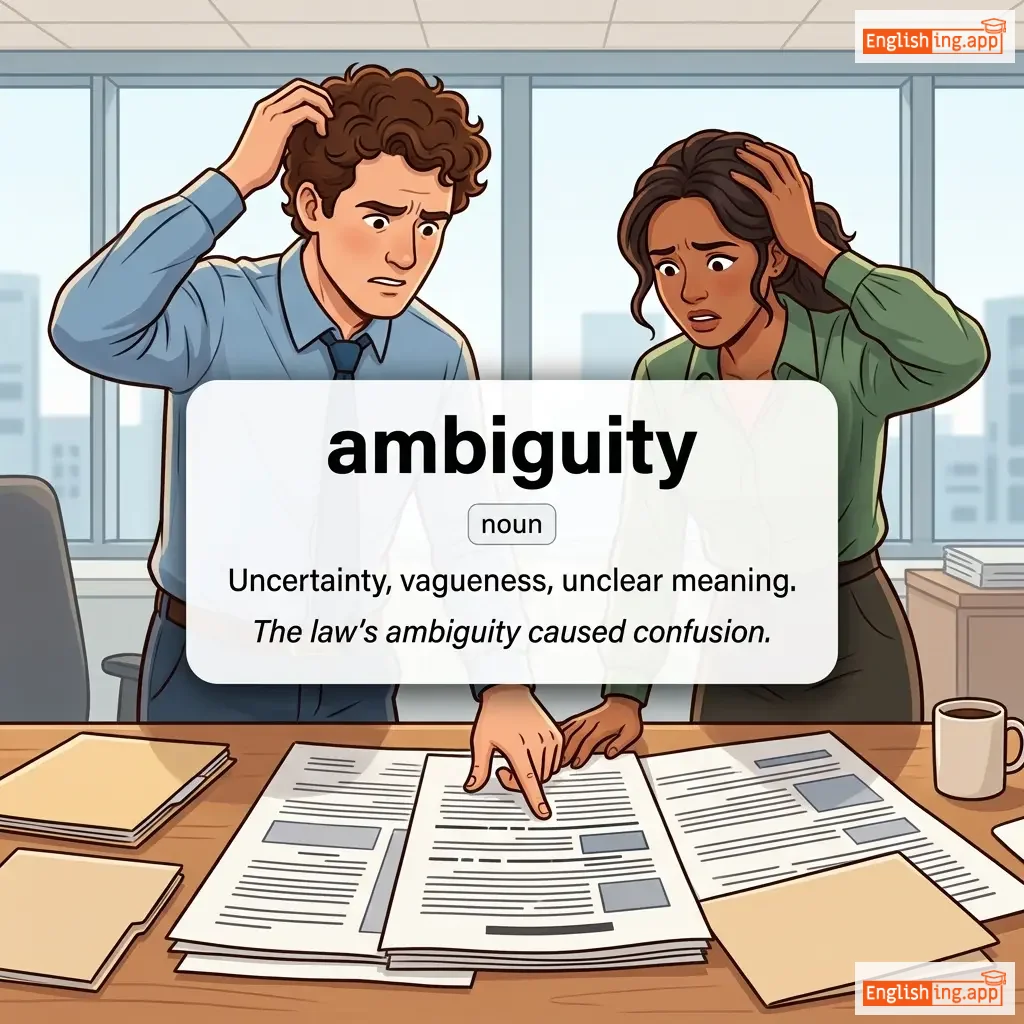
ˌæm.bɪˈɡjuː.ɪ.ti
noun
••••••
|
|
The quality of being open to more than one interpretation; inexactness.
••••••
|
The ambiguity in his speech confused the audience. |
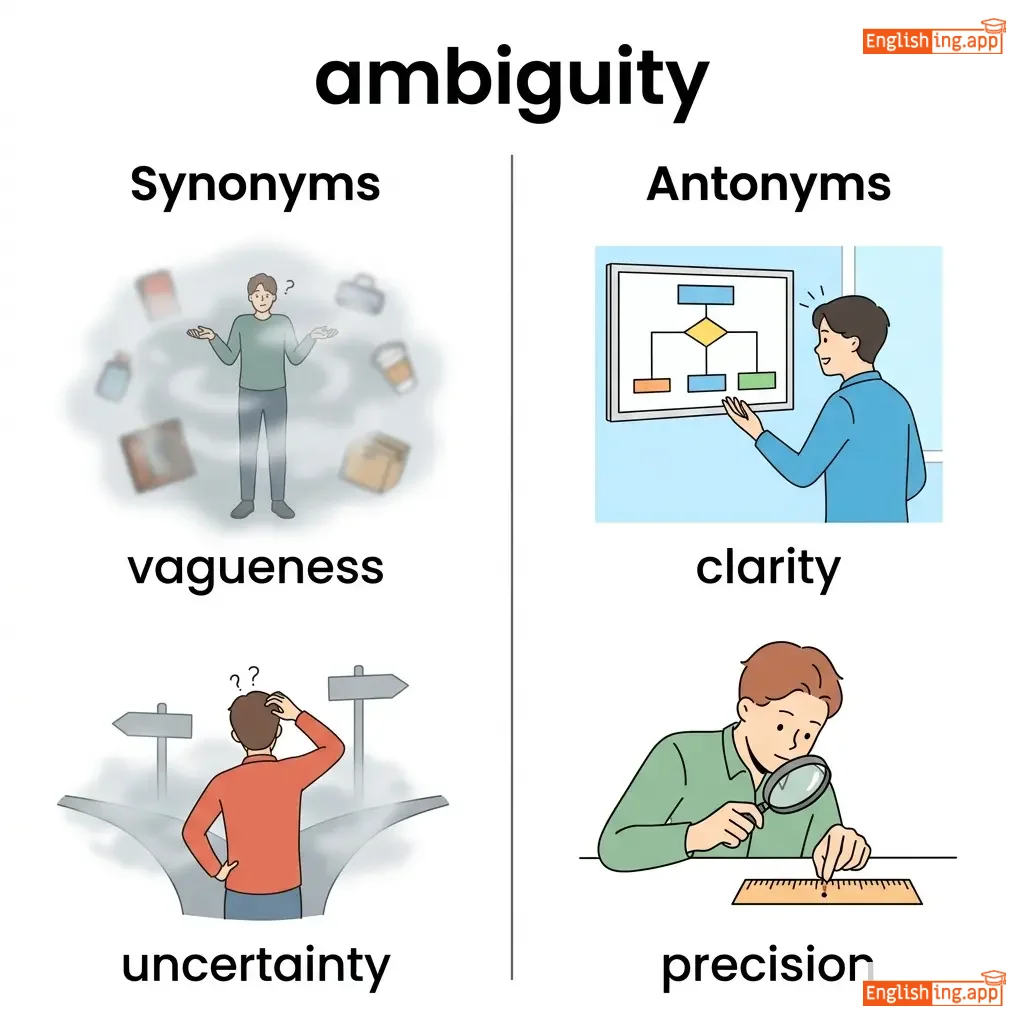
vagueness, uncertainty, confusion
••••••
|
clarity, precision, certainty
••••••
|
|
#3487
🌀
|
ɪˌræʃ.ənˈæl.ɪ.ti
noun
••••••
|
|
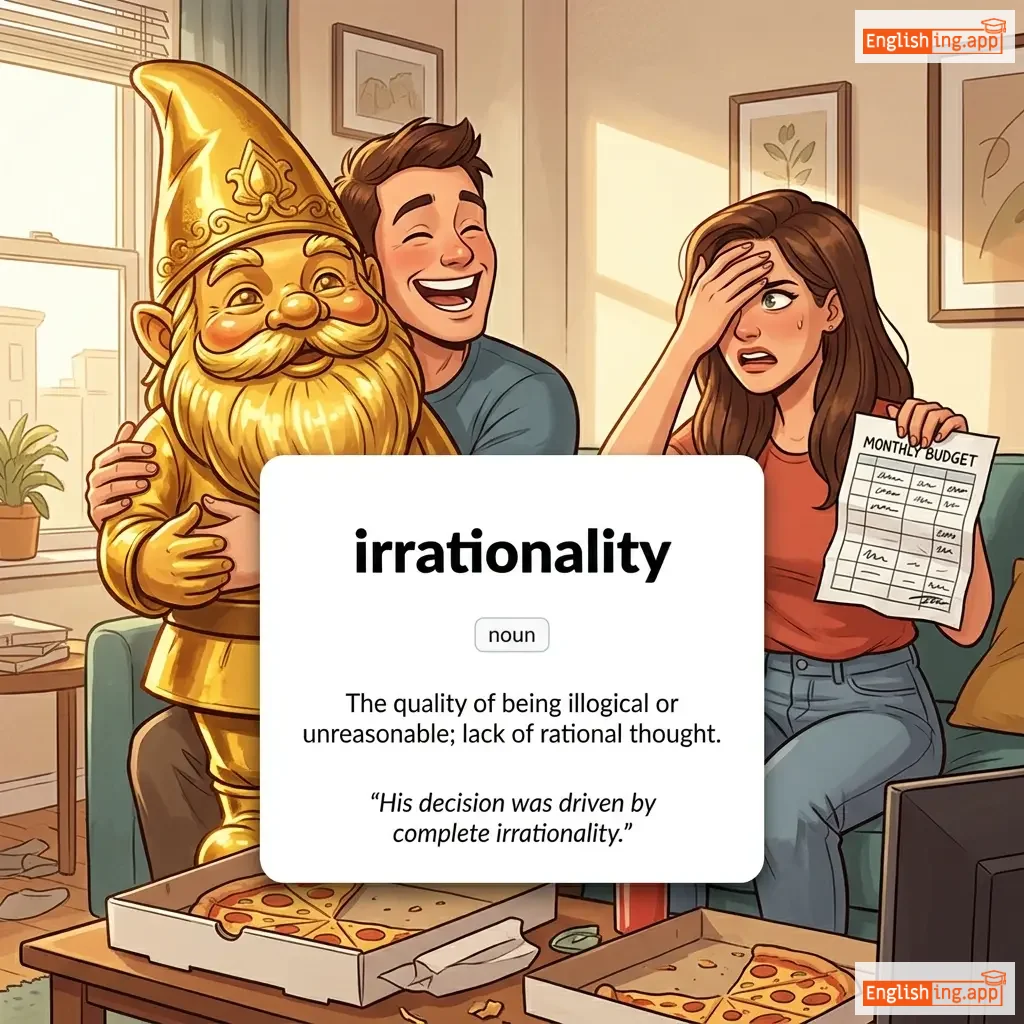
The quality of being illogical or unreasonable; lack of rational thought.
••••••
|
His decision was driven by complete irrationality. |
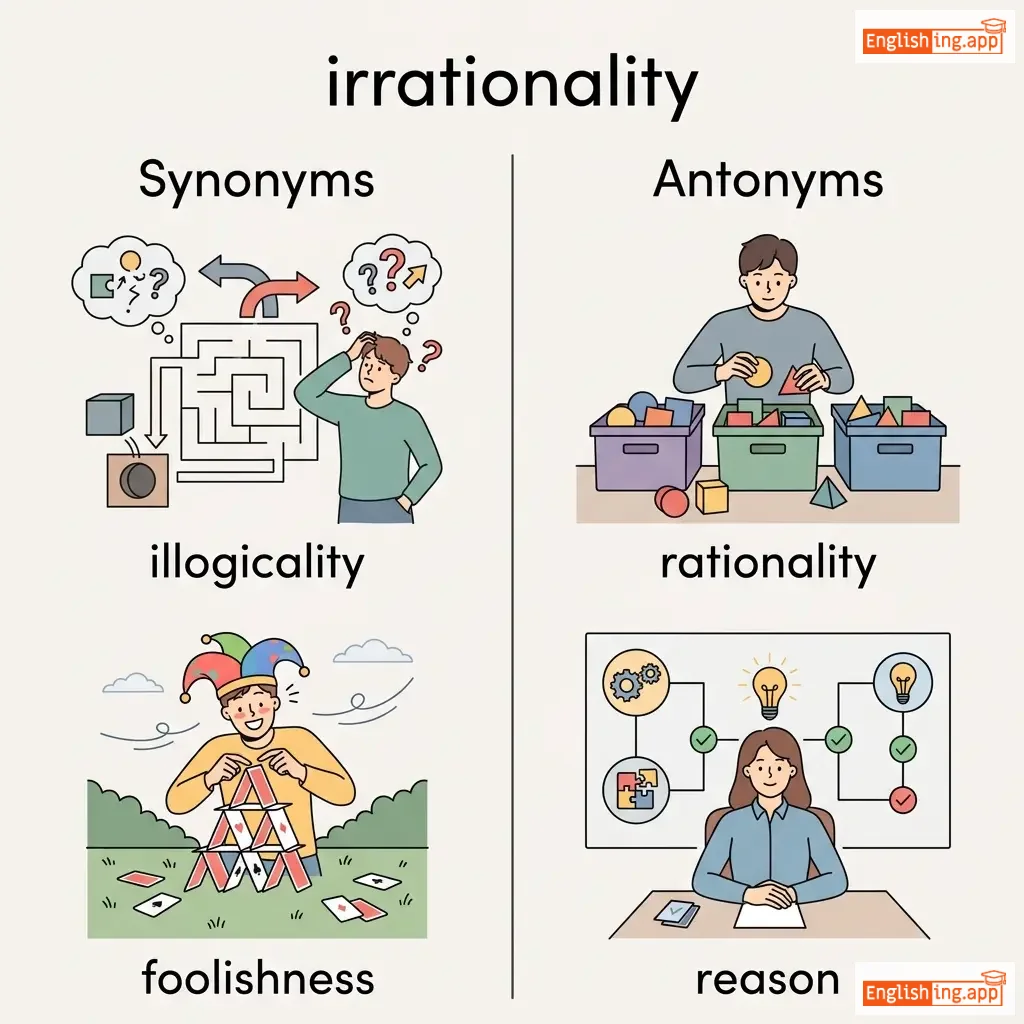
illogicality, foolishness, unreasonableness
••••••
|
rationality, reason, logic
••••••
|
|
#3488
📋
|
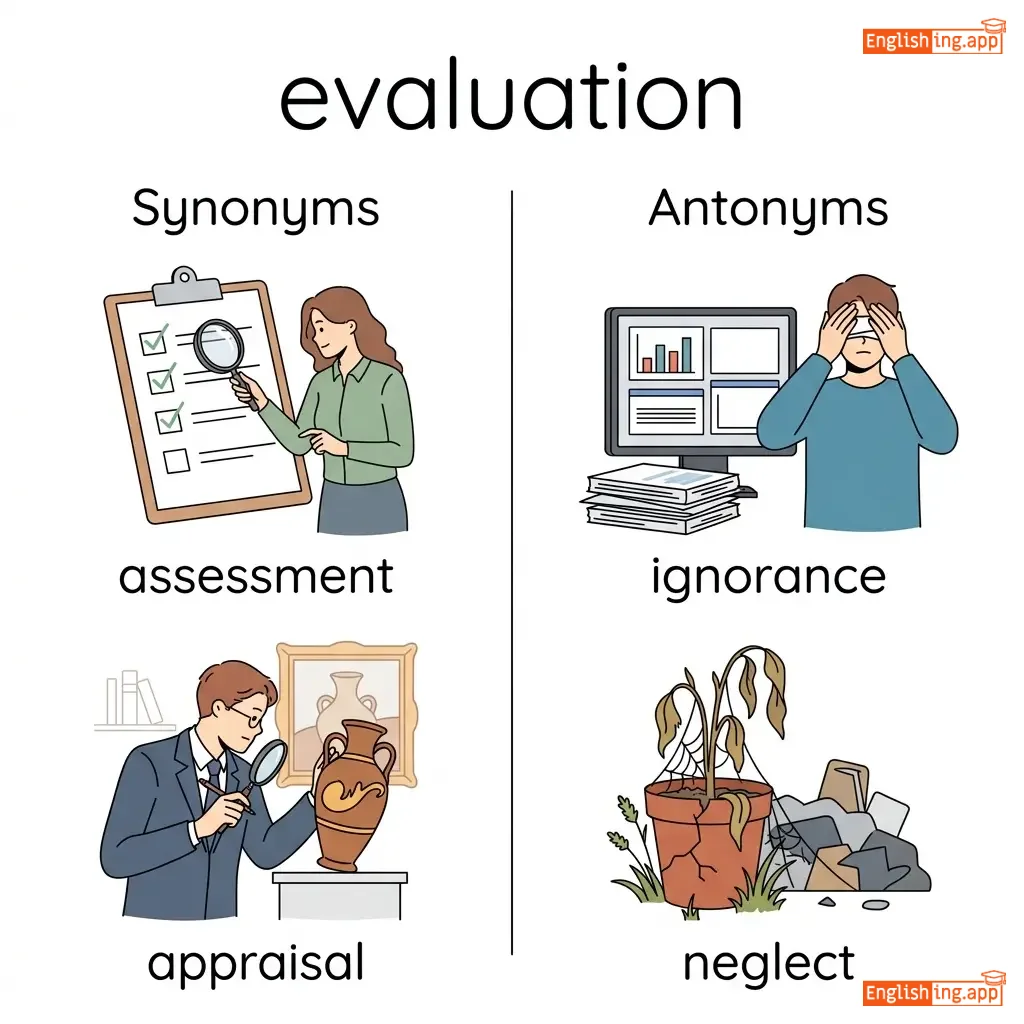
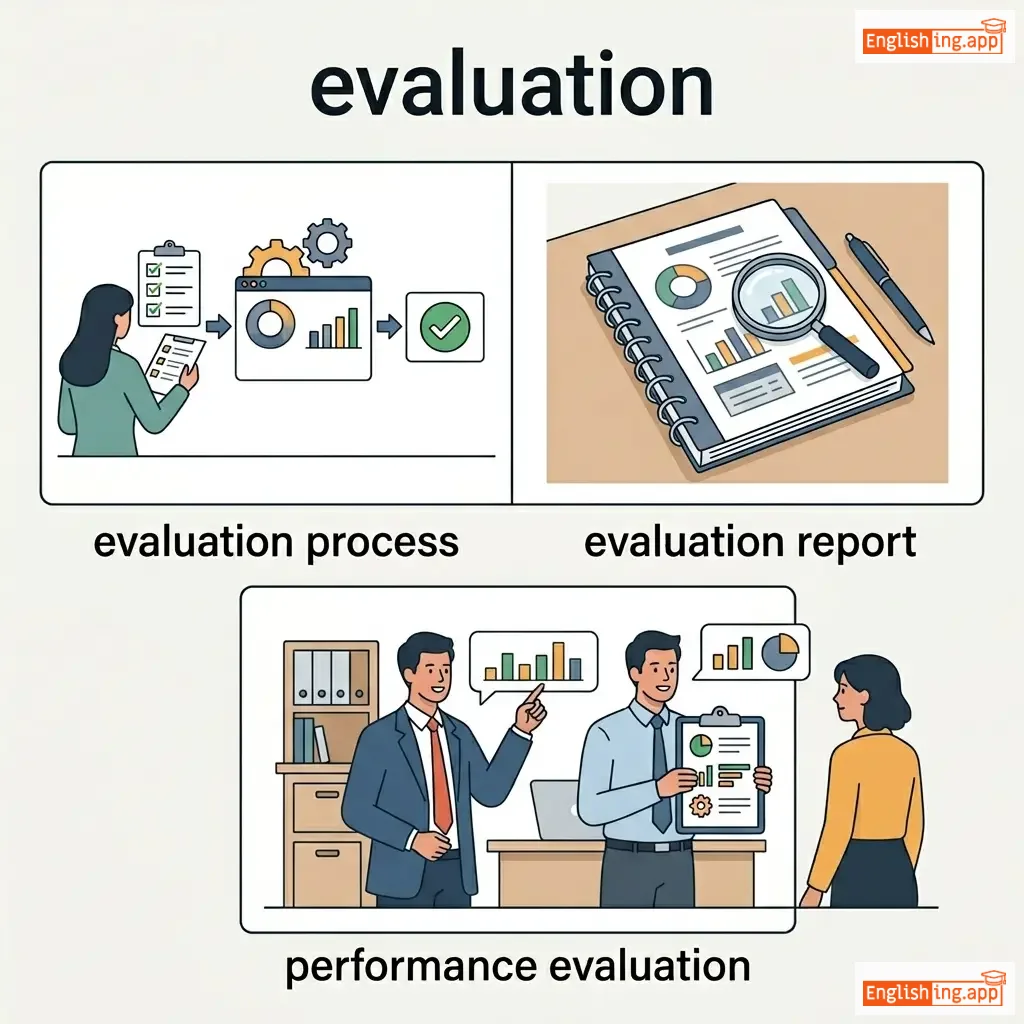
ɪˌvæl.juˈeɪ.ʃən
noun
••••••
|
|
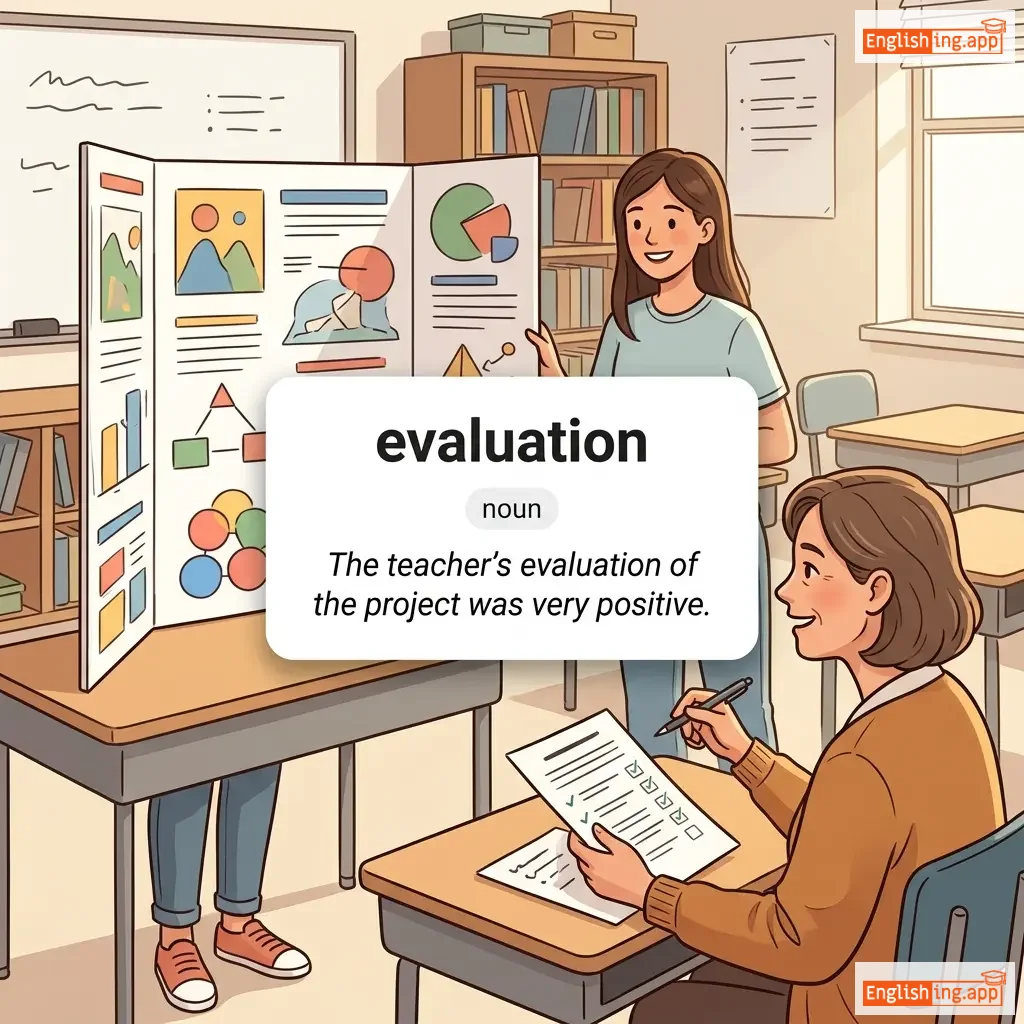
The making of a judgment about the amount, number, or value of something; assessment.
••••••
|
The teacher conducted a fair evaluation of students. |
assessment, appraisal, review
••••••
|
misjudgment, neglect, disregard
••••••
|
|
#3489
🧬
|
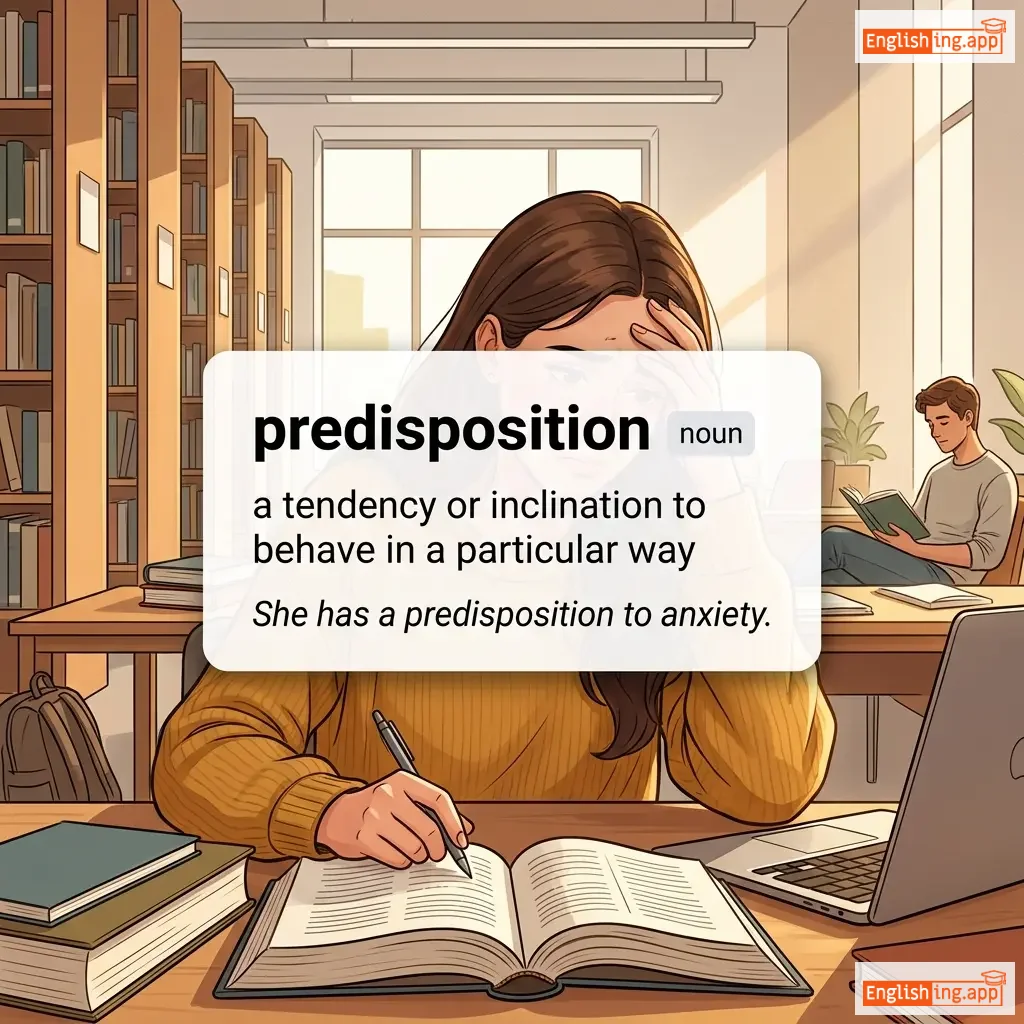
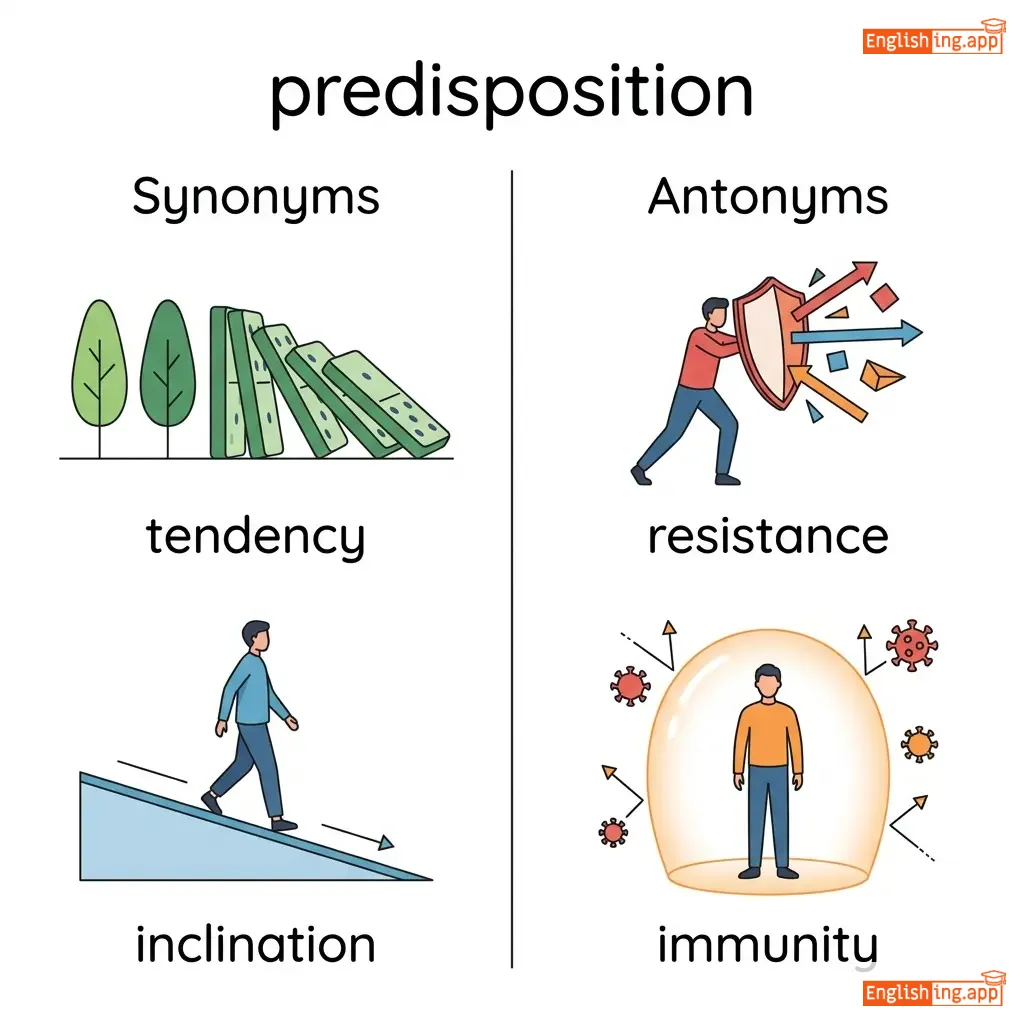
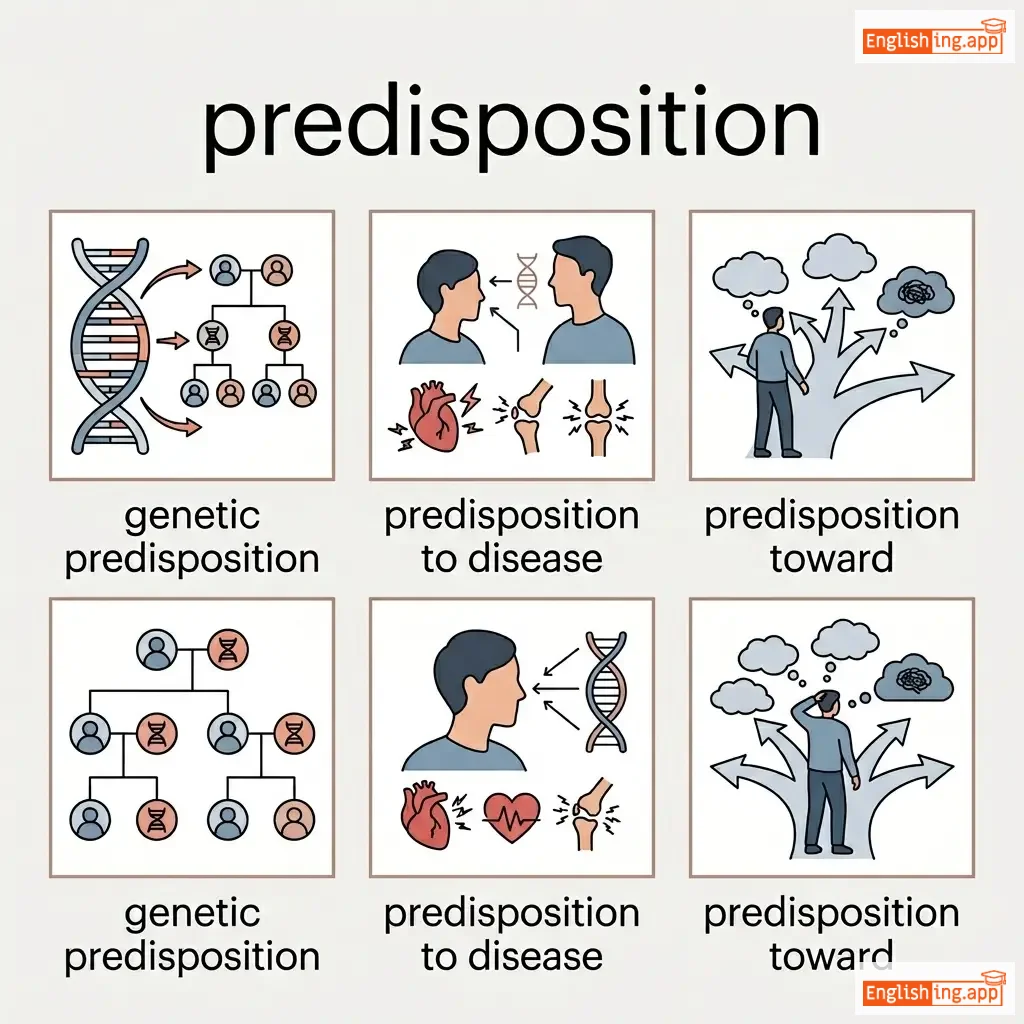
ˌpriː.dɪs.pəˈzɪʃ.ən
noun
••••••
|
|
A liability or tendency to suffer from a particular condition, hold a particular attitude, or act in a particular way.
••••••
|
His genetic predisposition made him more susceptible to diabetes. |
inclination, propensity, tendency
••••••
|
disinclination, neutrality, resistance
••••••
|
|
#3490
🎯
|
ˈkɒn.sɪ.kwəns
noun
••••••
|
|
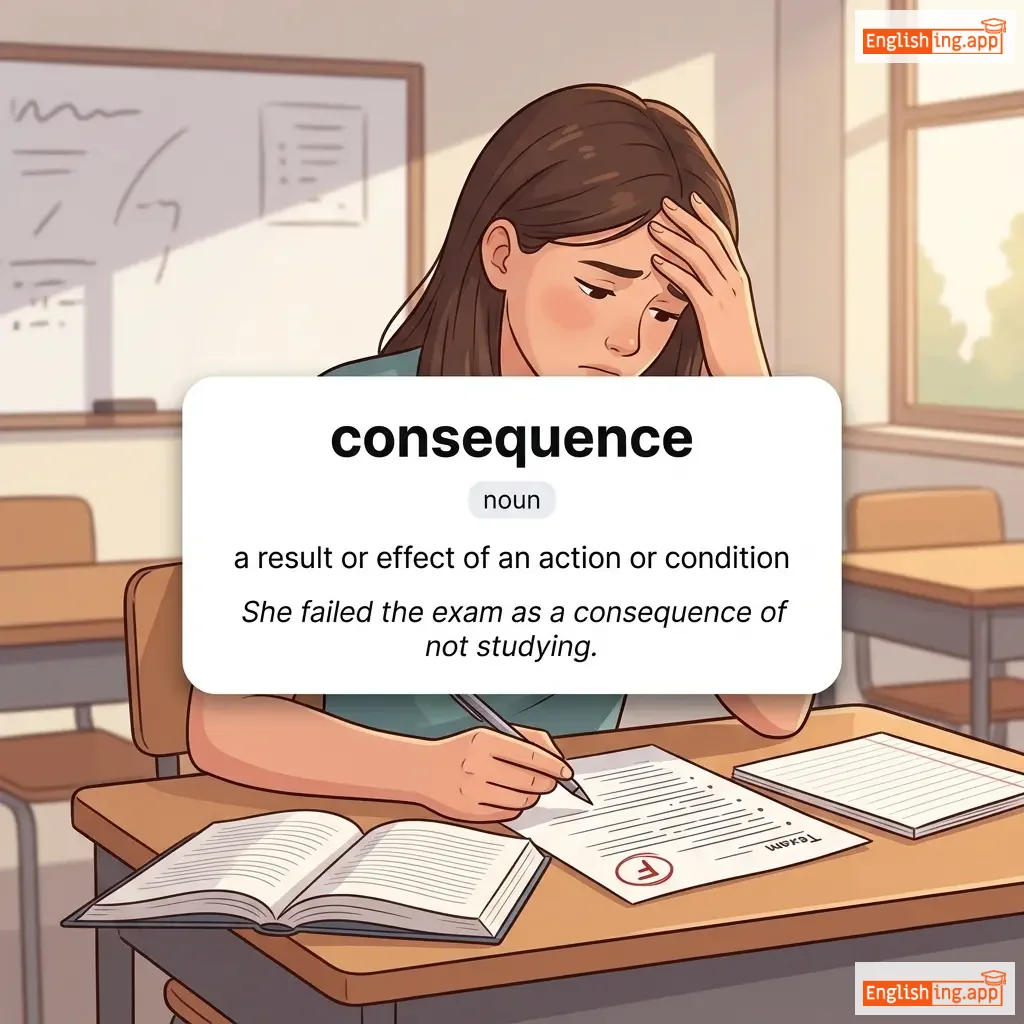
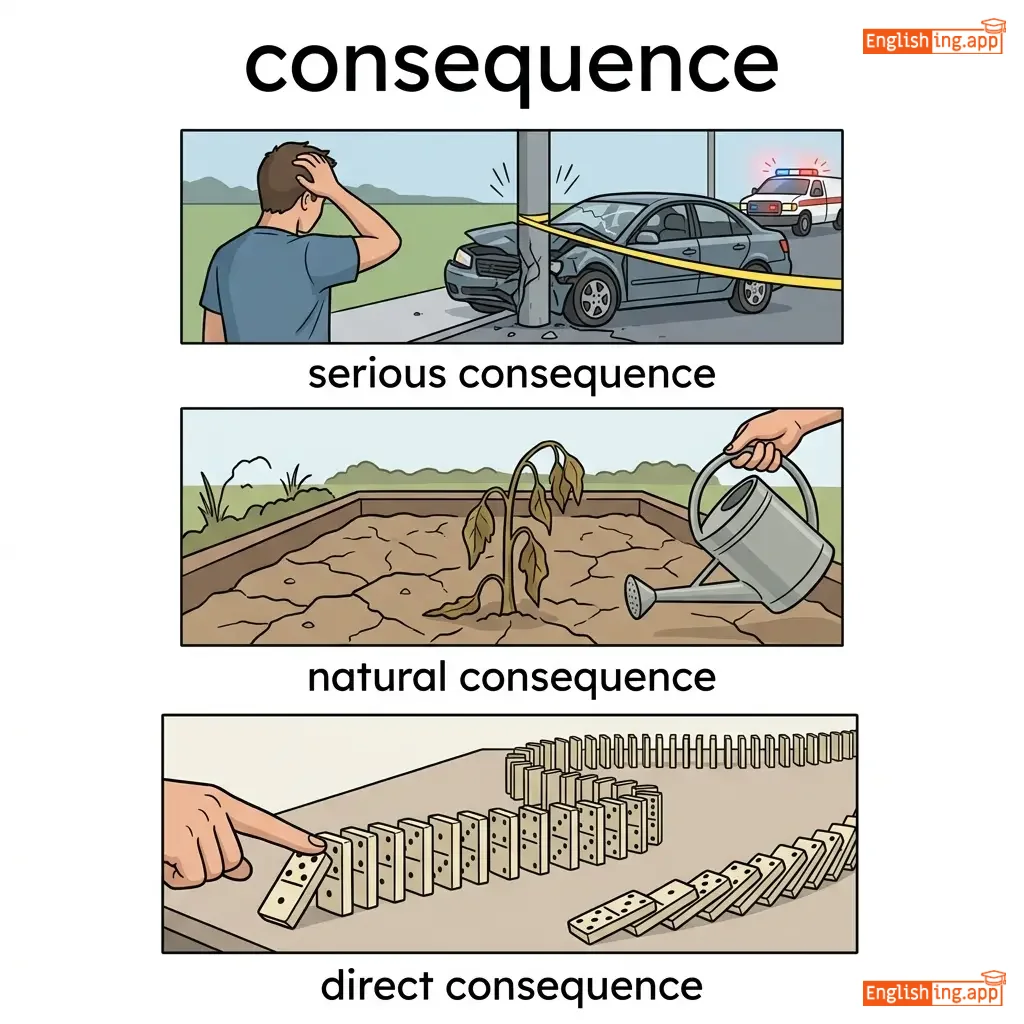
A result or effect of an action or condition.
••••••
|
Every action has a consequence. |
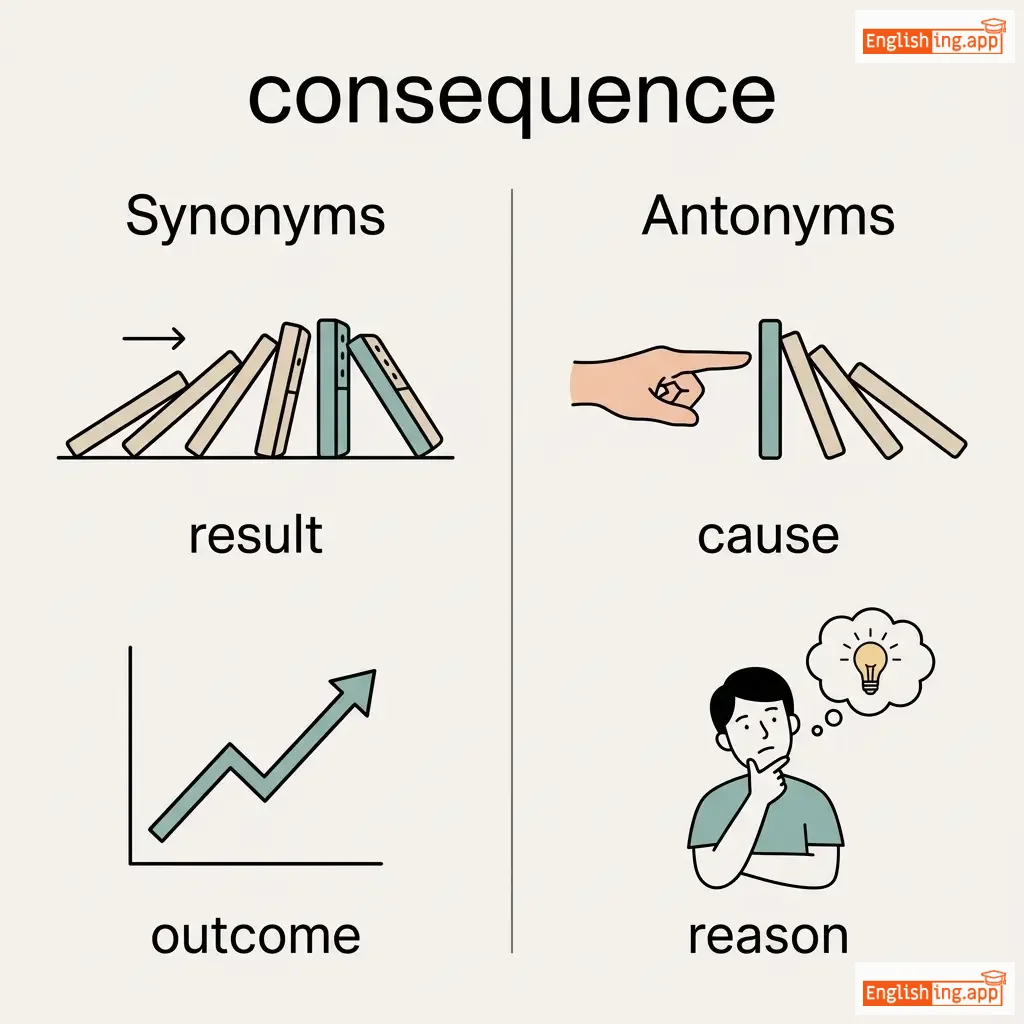
outcome, ramification, result
••••••
|
cause, insignificance, origin
••••••
|
|
#3491
🔑
|
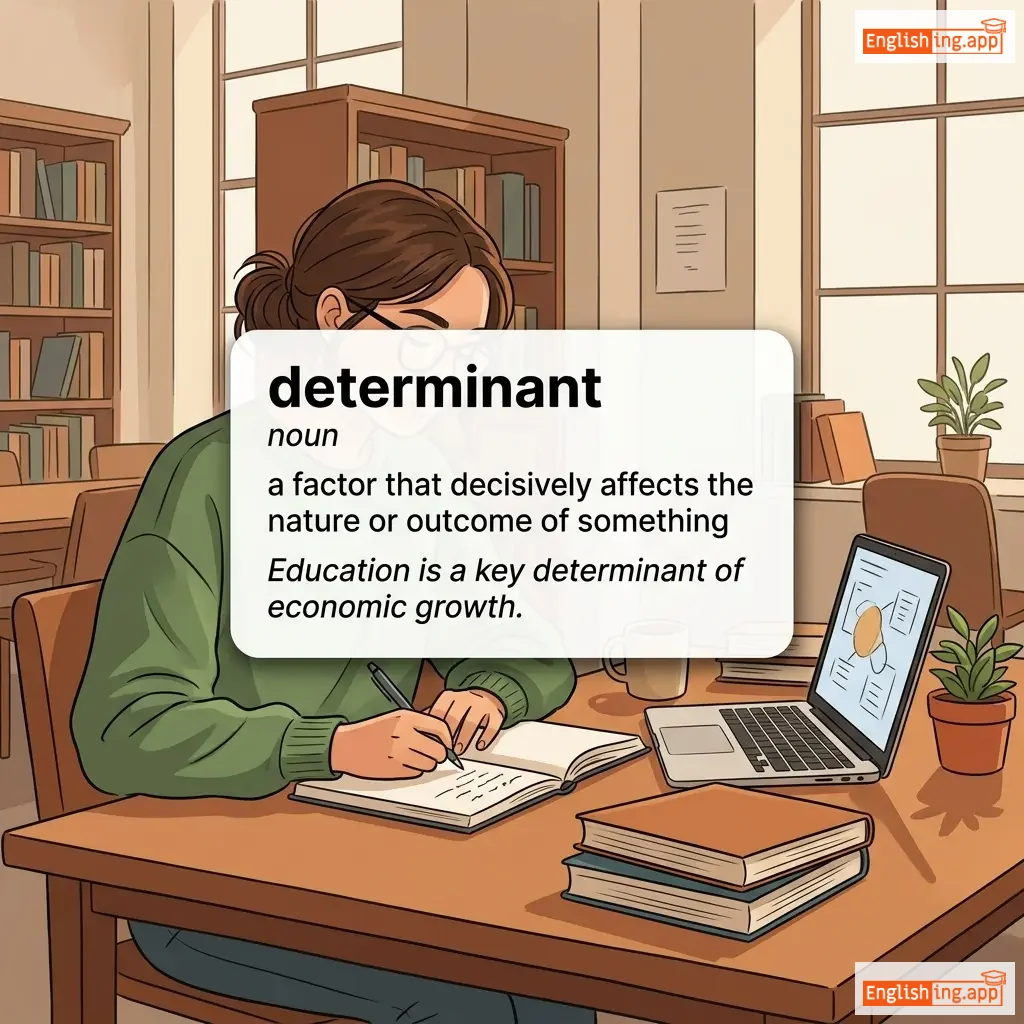
dɪˈtɜː.mɪ.nənt
noun
••••••
|
|
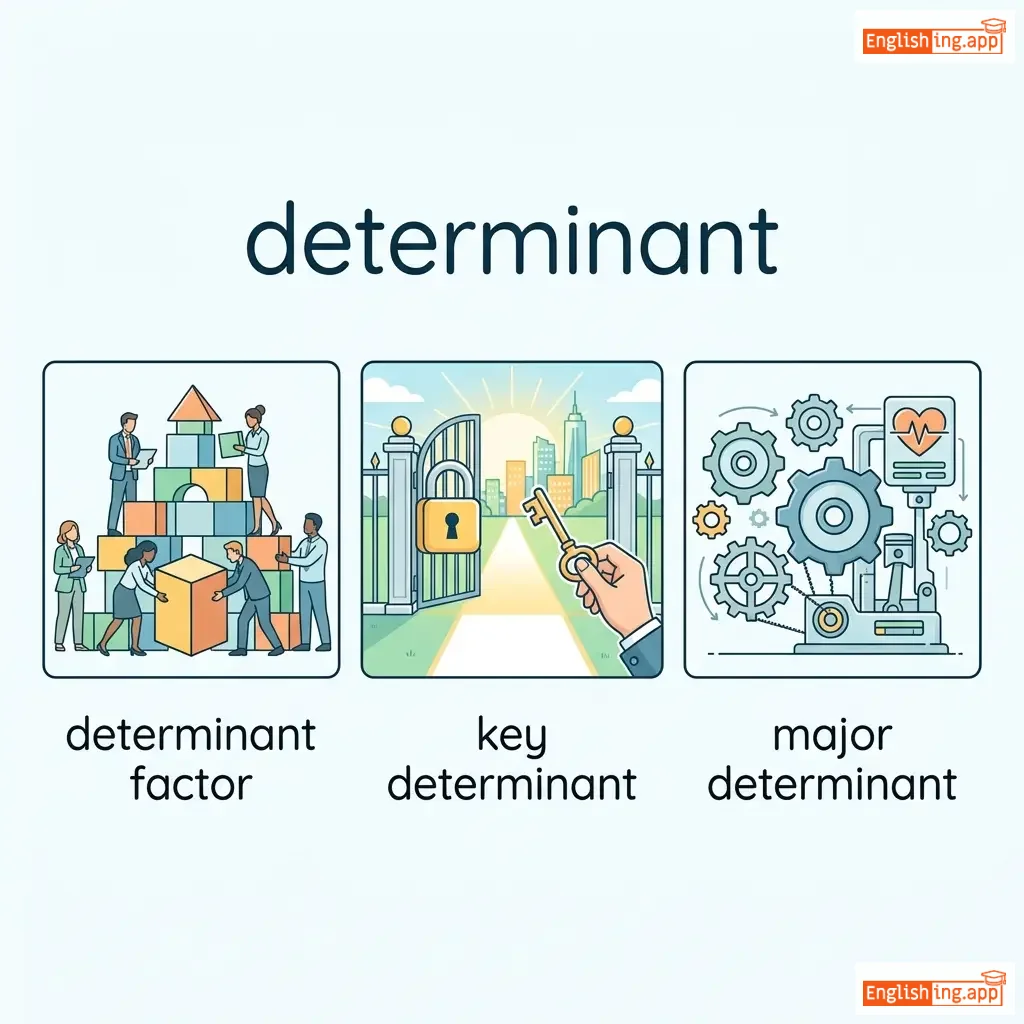
A factor that decisively affects the nature or outcome of something.
••••••
|
Education is a key determinant of success. |
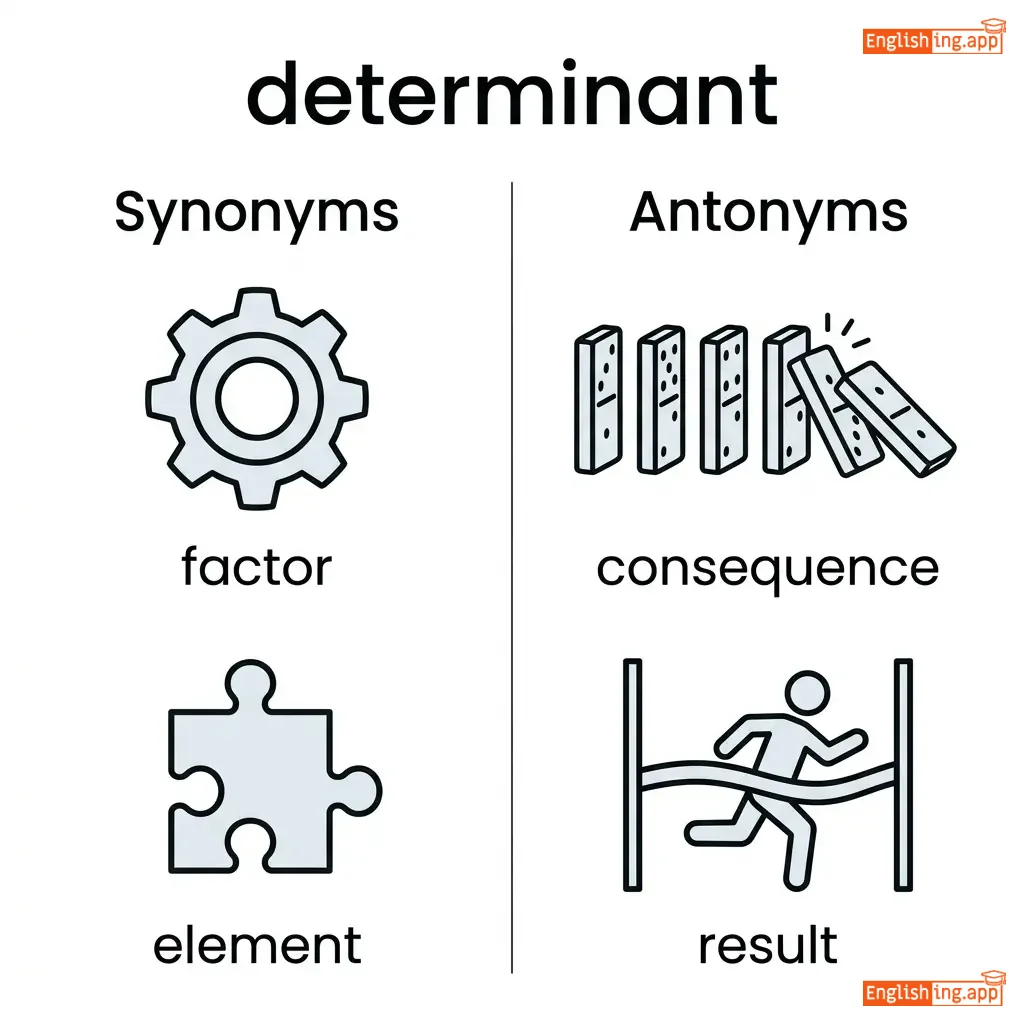
factor, influencer, element
••••••
|
insignificance, nonfactor, irrelevance
••••••
|

