

Por qué leer es un gran pasatiempo
Why Reading is a Great Hobby
Los hábitos de lectura mejoran el acumen de una persona y aportan profundidad al pensamiento. No solo ayuda a adquirir conocimiento, sino que también mejora la comprensión estética. Cuando alguien lee regularmente, su capacidad de comprensión mejora y se vuelve capaz de entender conceptos complejos. A través de la lectura, aprendemos a discernir diferentes opiniones y asimilar nueva información. Esto no es solo conocimiento empírico, sino que expande nuestro pensamiento introspectivo. Un lector voraz siempre está ansioso por aprender algo nuevo. Su repertorio se enriquece, lo que lo hace más elocuente. La lectura mejora nuestra capacidad de pensar matices, permitiéndonos entender la realidad sin hacer conjeturas. La lectura desempeña un papel fundamental en nuestro desarrollo mental. Nos enseña a ser meticulosos y nos ayuda a extrapolar el significado más profundo de la vida.
Traducción
Pasado
Participio Pasado
Tercera Persona Singular
Gerundio
Meaning
Oración de Ejemplo
Traducción de Oración de Ejemplo
Synonyms
Antonyms
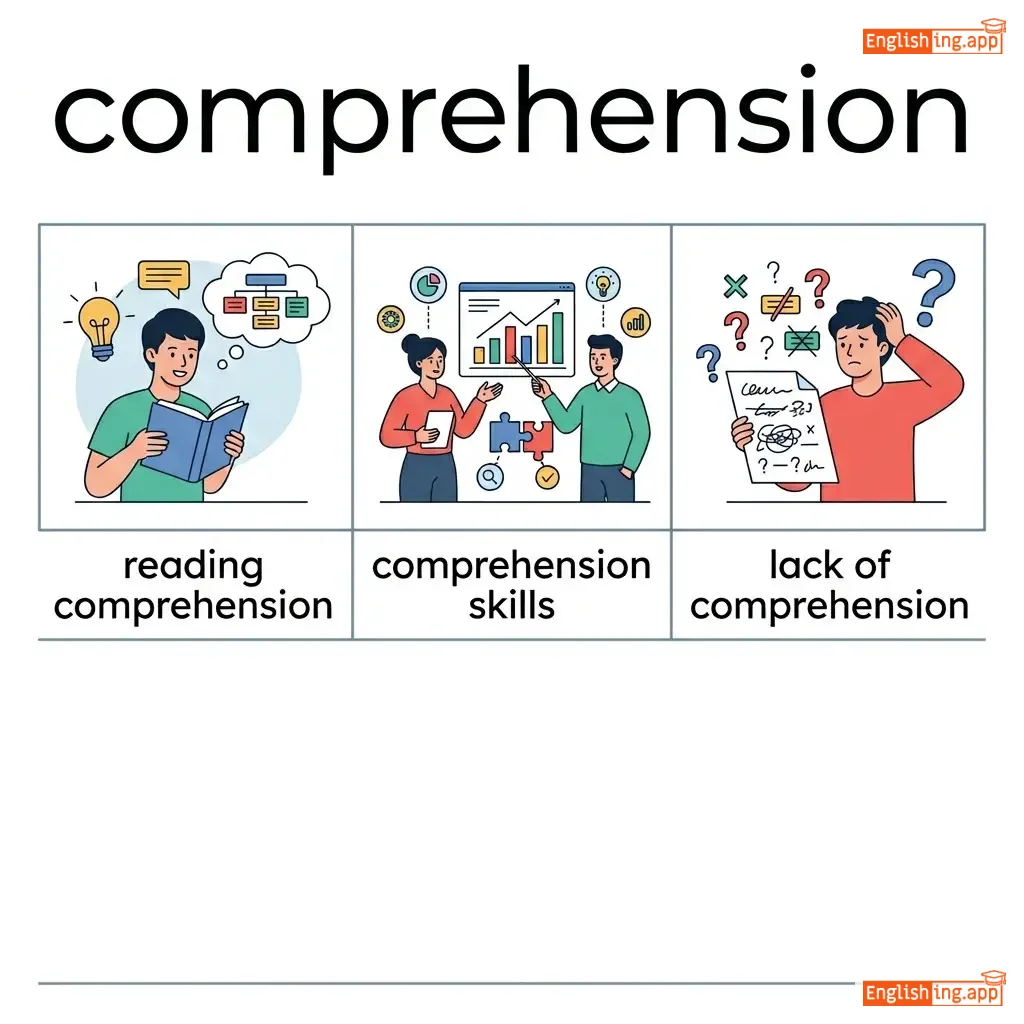
Colocaciones
Mnemotécnico

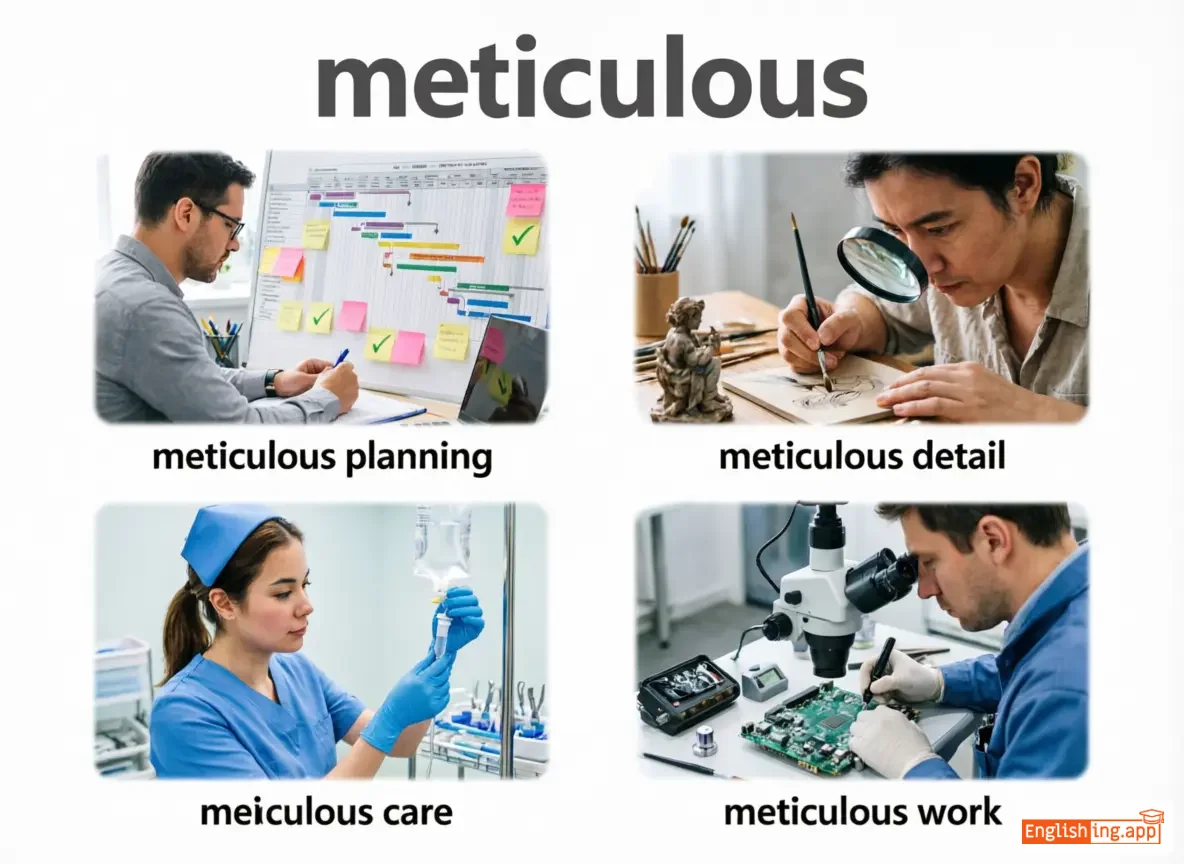
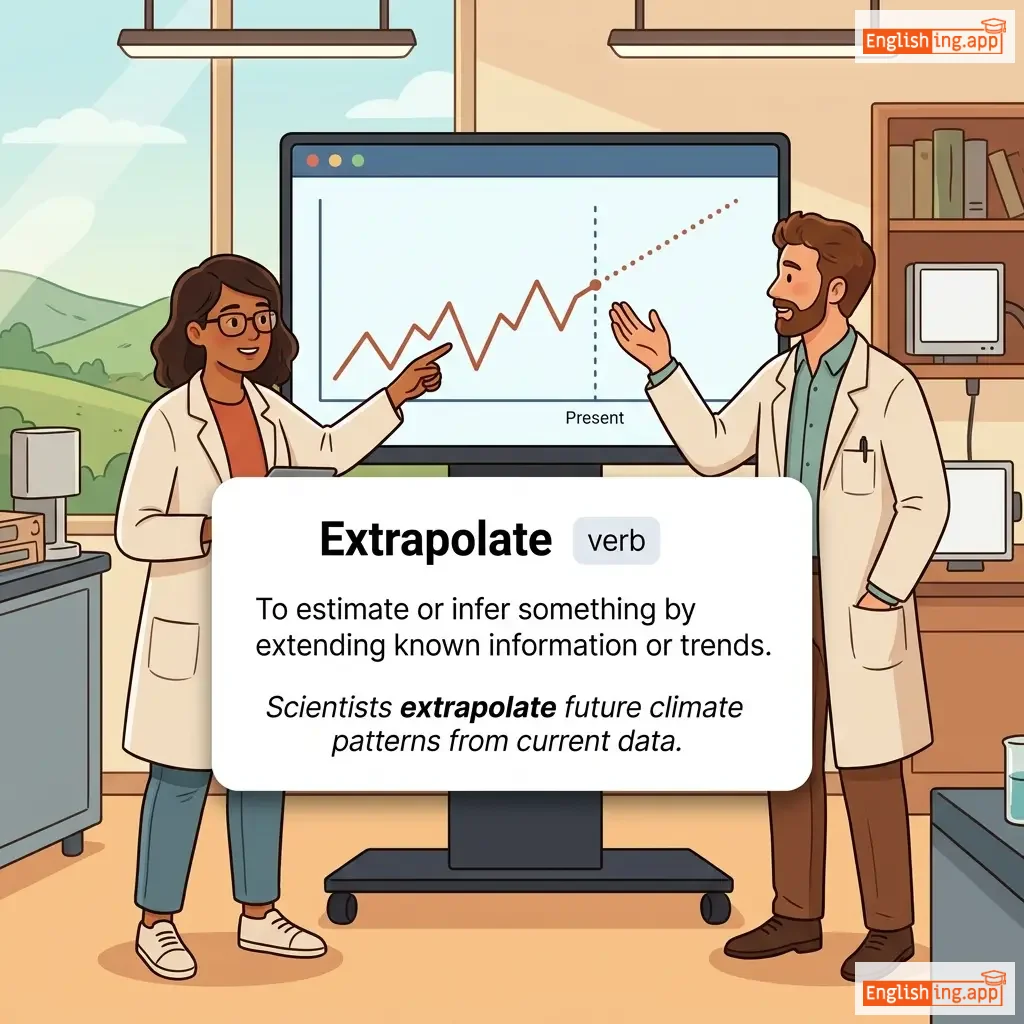
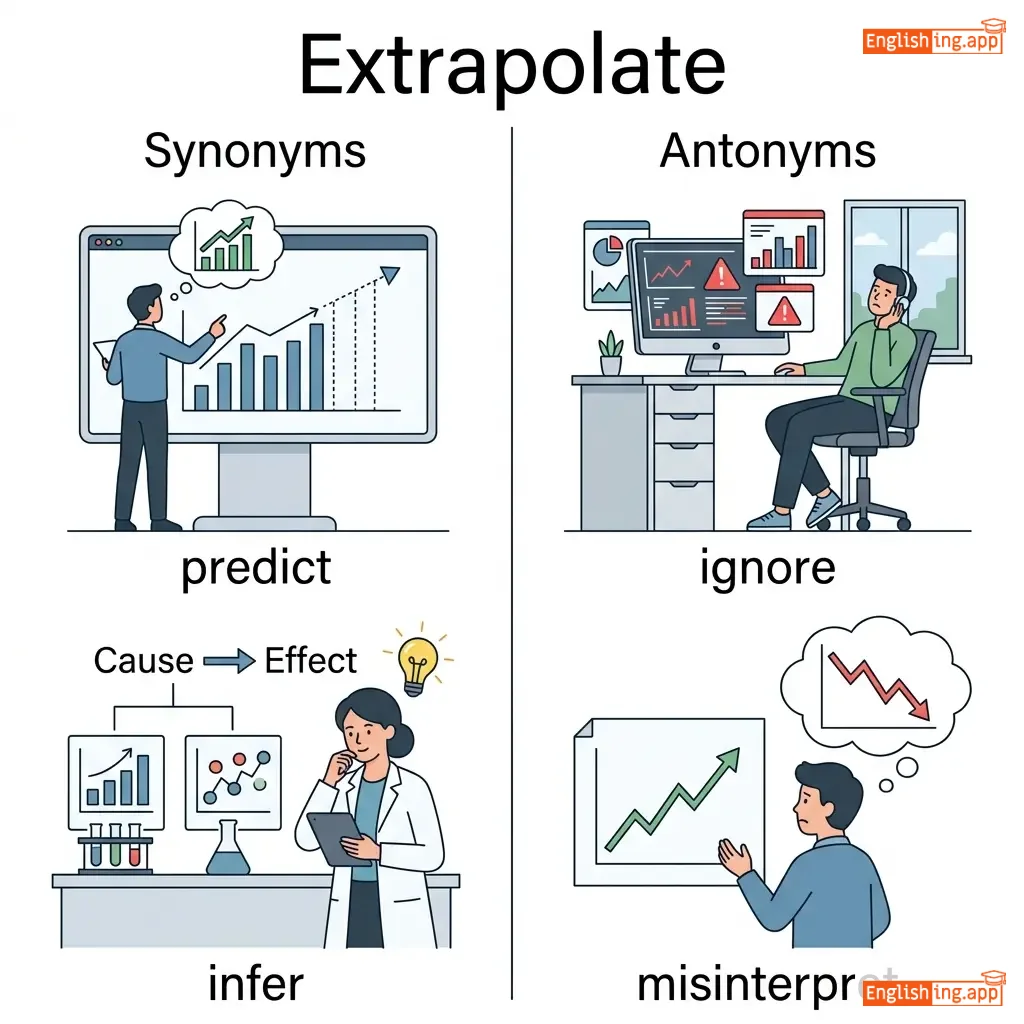
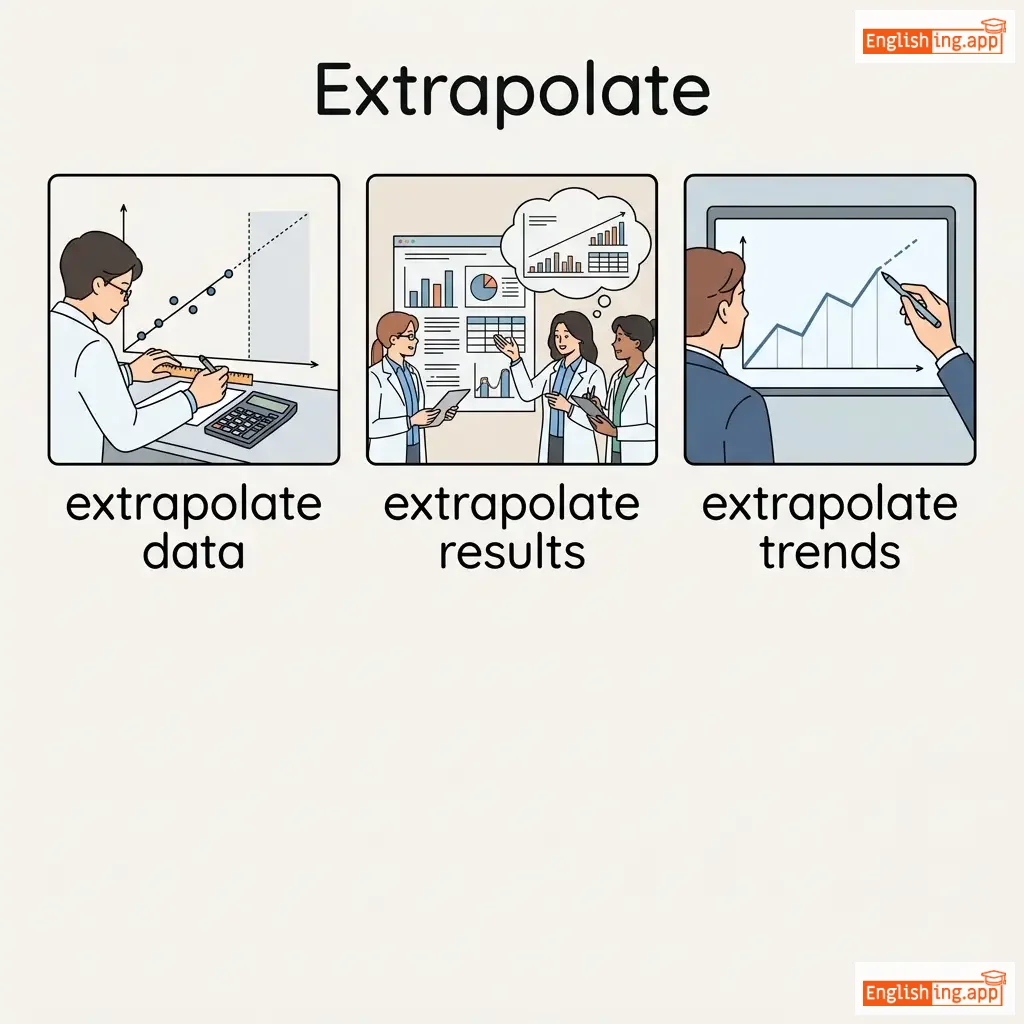
Swipe left or right, or use the buttons. Tap image to zoom.
Traducción de Oración de Ejemplo
Palabra
Why Reading is a Great HobbyWhy Reading is a Great Hobby - Alternar Máscara
|
Emoji
|
Palabra | Images | Traducción | Meaning | Oración de Ejemplo | Traducción de Oración de Ejemplo | Synonyms | Antonyms | Mnemotécnico |
|---|---|---|---|---|---|---|---|---|---|
|
#3974
🧠
|
ˈæk.jʊ.mən
noun
(akjúmen)
••••••
|
|
perspicacia
perspicacia
••••••
|
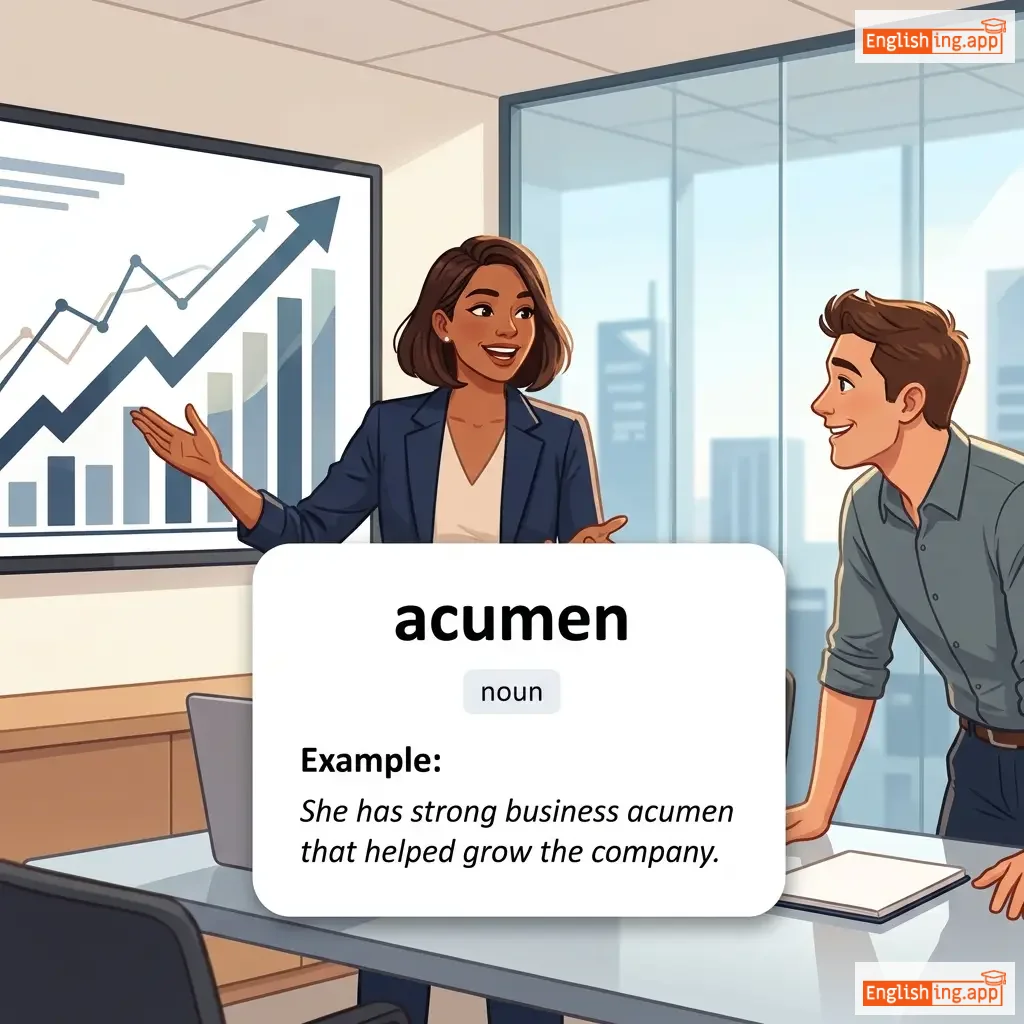
The ability to make good judgments and quick decisions, typically in a particular domain; shrewdness; wisdom.
••••••
|
His business acumen helped him build a successful empire.
Jis bines akjúmen jelpḍ him bild a saksesful empaír.
••••••
|
Su perspicacia empresarial le ayudó a construir un imperio exitoso.
Su perspicacia empresarial le ayudó a construir un imperio exitoso.
••••••
|
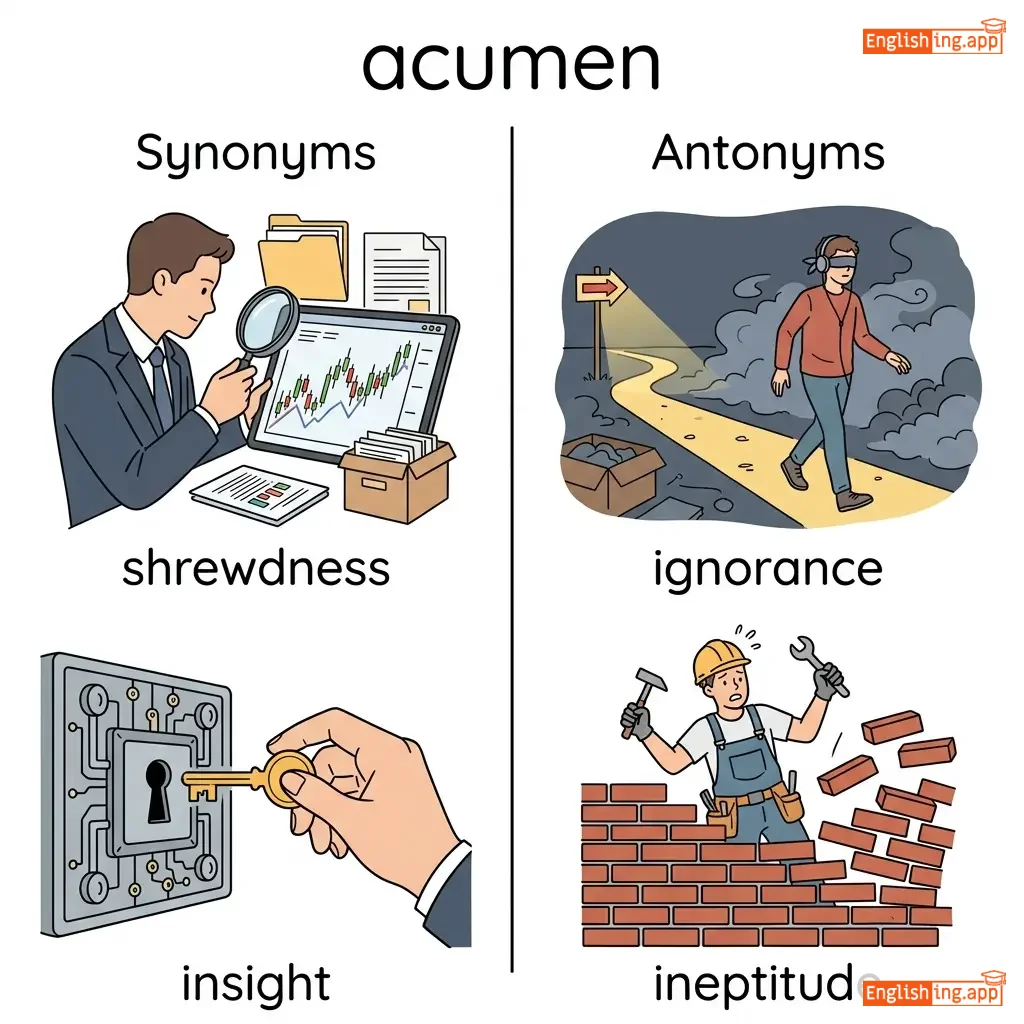
insight, sharpness, intuition
••••••
|
ignorance, ineptitude, incompetence
••••••
|
Perspicacia, como cuando un líder toma una decisión rápida y precisa.
••••••
|
|
#3975
🎨
|
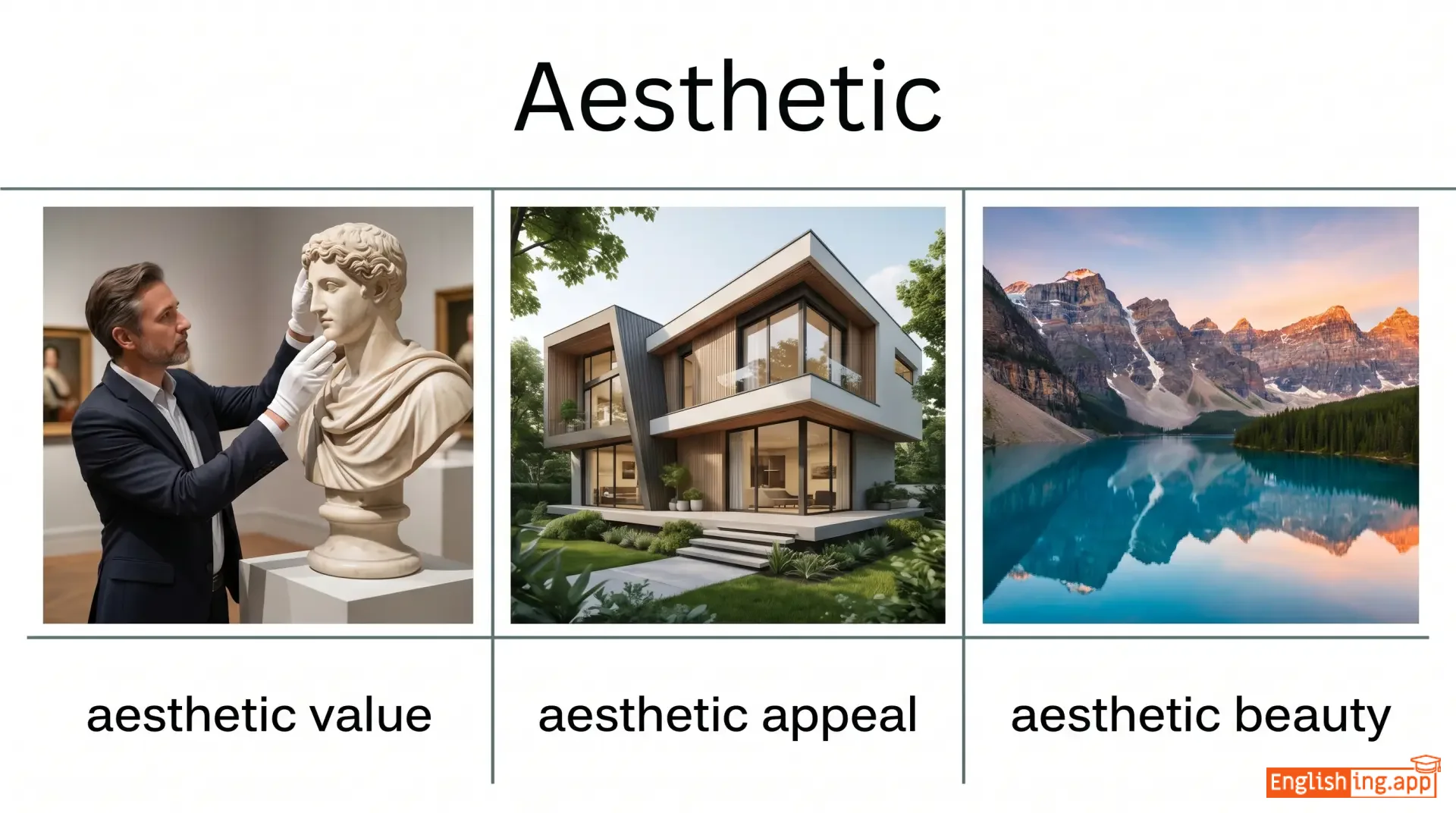
esˈθet.ɪk
adjective/noun
(estético)
••••••
|
|
estético
estetico
••••••
|
Concerned with beauty or the appreciation of beauty; having a sense of the beautiful.
••••••
|
The aesthetic design of the building attracts many tourists.
El diseño estético del edificio atrae a muchos turistas.
••••••
|
El diseño estético del edificio atrae a muchos turistas.
El diseno estetico del edificio atrae a muchos turistas.
••••••
|
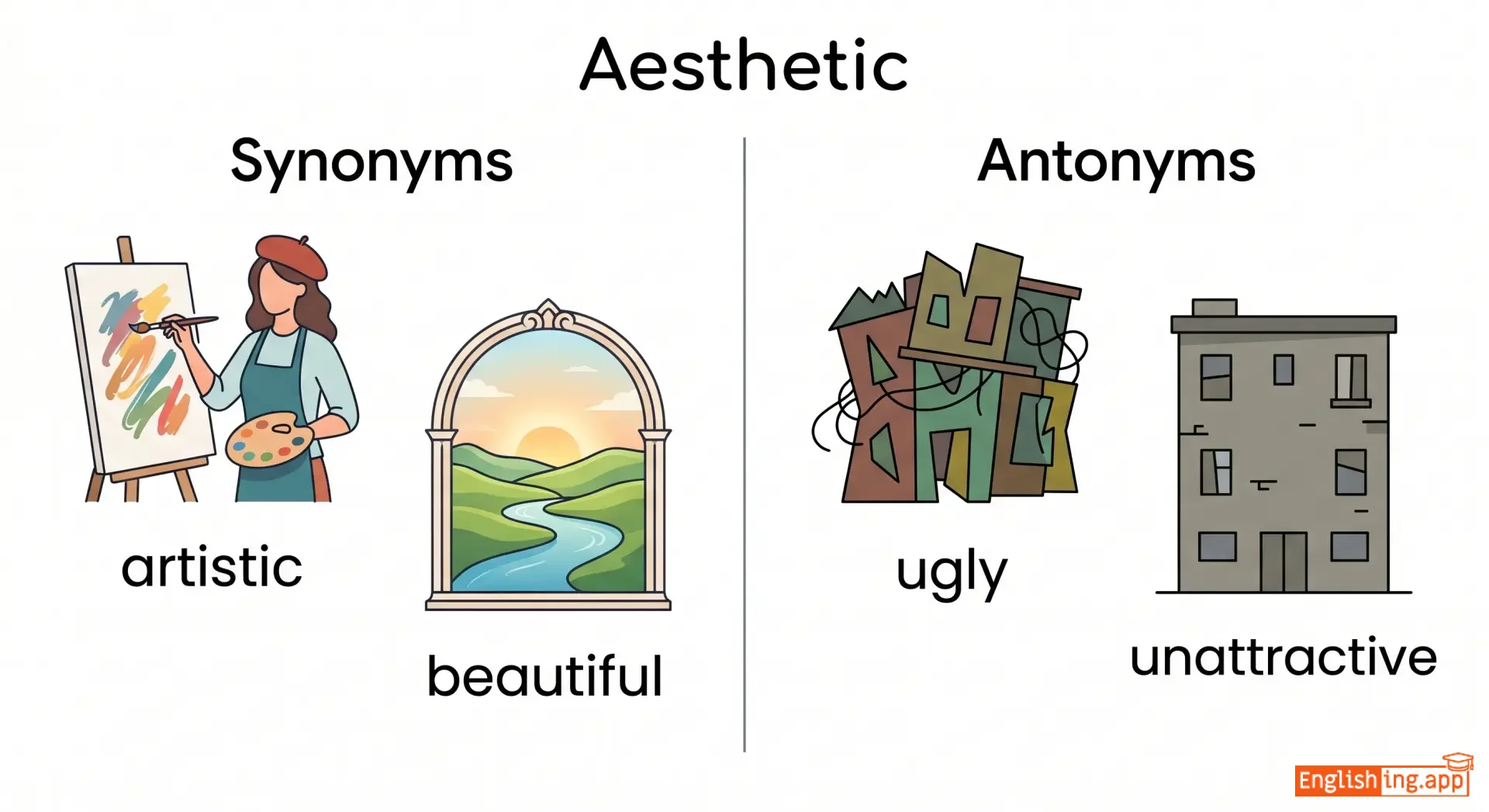
artistic, elegant, refined
••••••
|
unattractive, tasteless, unappealing
••••••
|
Piensa en 'estético' y asocia el diseño de una obra de arte bella.
••••••
|
|
#3976
💡
|
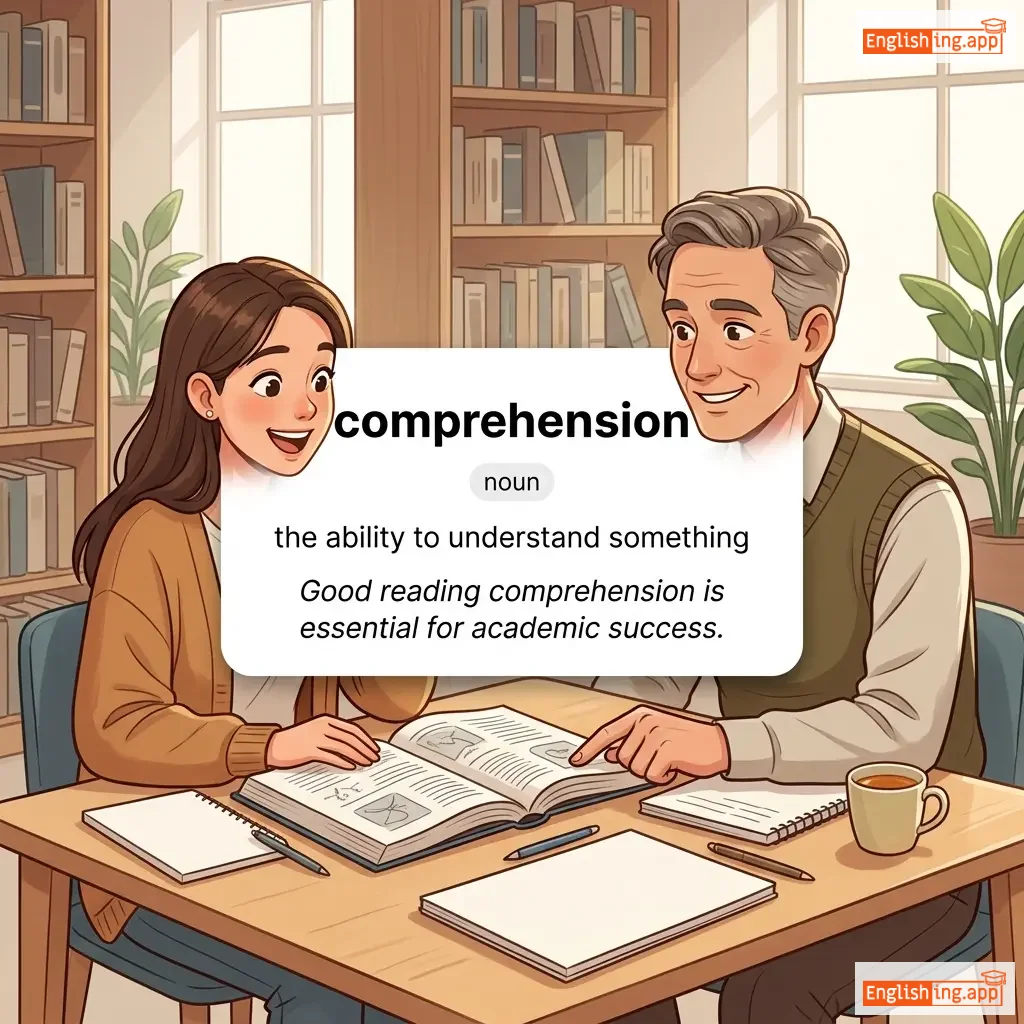
ˌkɒm.prɪˈhen.ʃən
noun
(comprensión)
••••••
|
|
comprensión
comprension
••••••
|
The action or capability of understanding something; the ability to understand.
••••••
|
His comprehension of complex topics is remarkable. |
Su comprensión de temas complejos es impresionante.
Su comprension de temas complejos es impresionante.
••••••
|
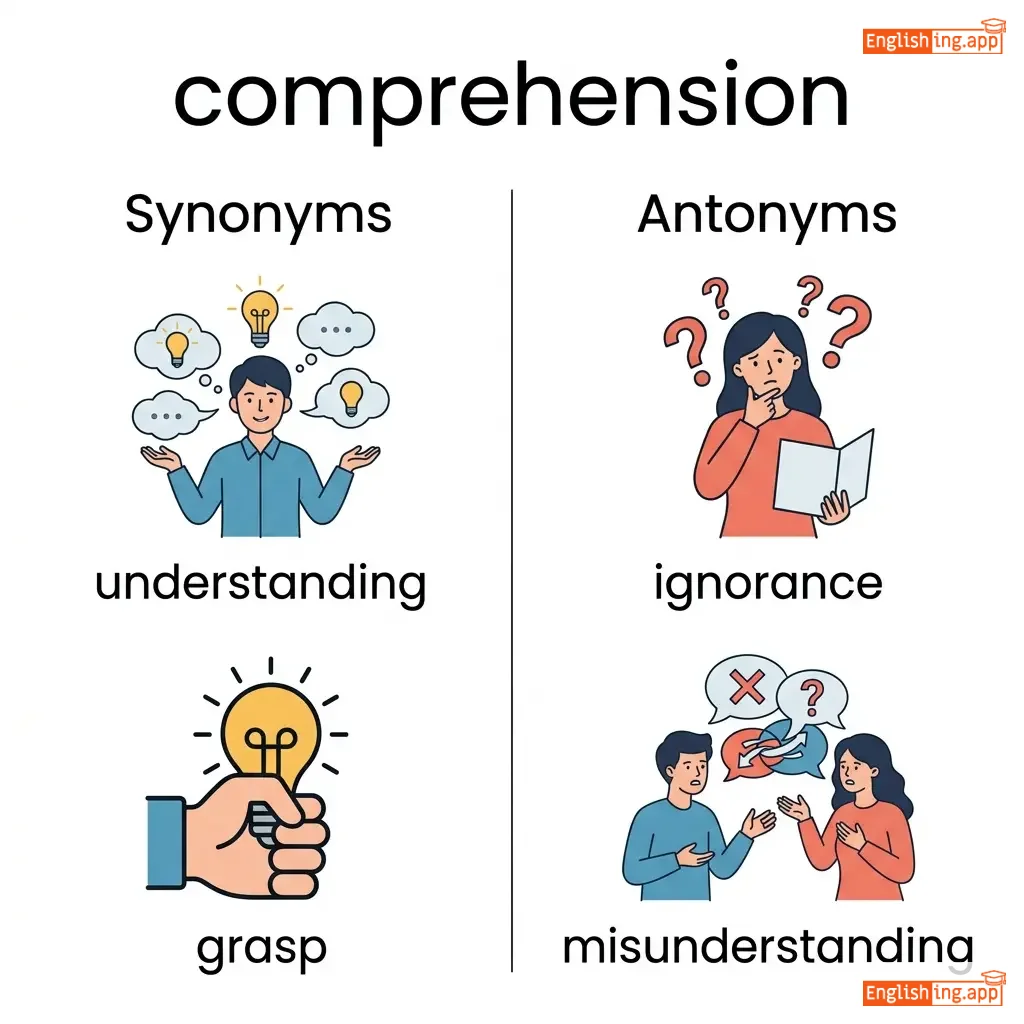
understanding, grasp, interpretation
••••••
|
misinterpretation, confusion, incomprehension
••••••
|
Comprende todo, ¡sé el más sabio!
••••••
|
|
#3977
🌊
|
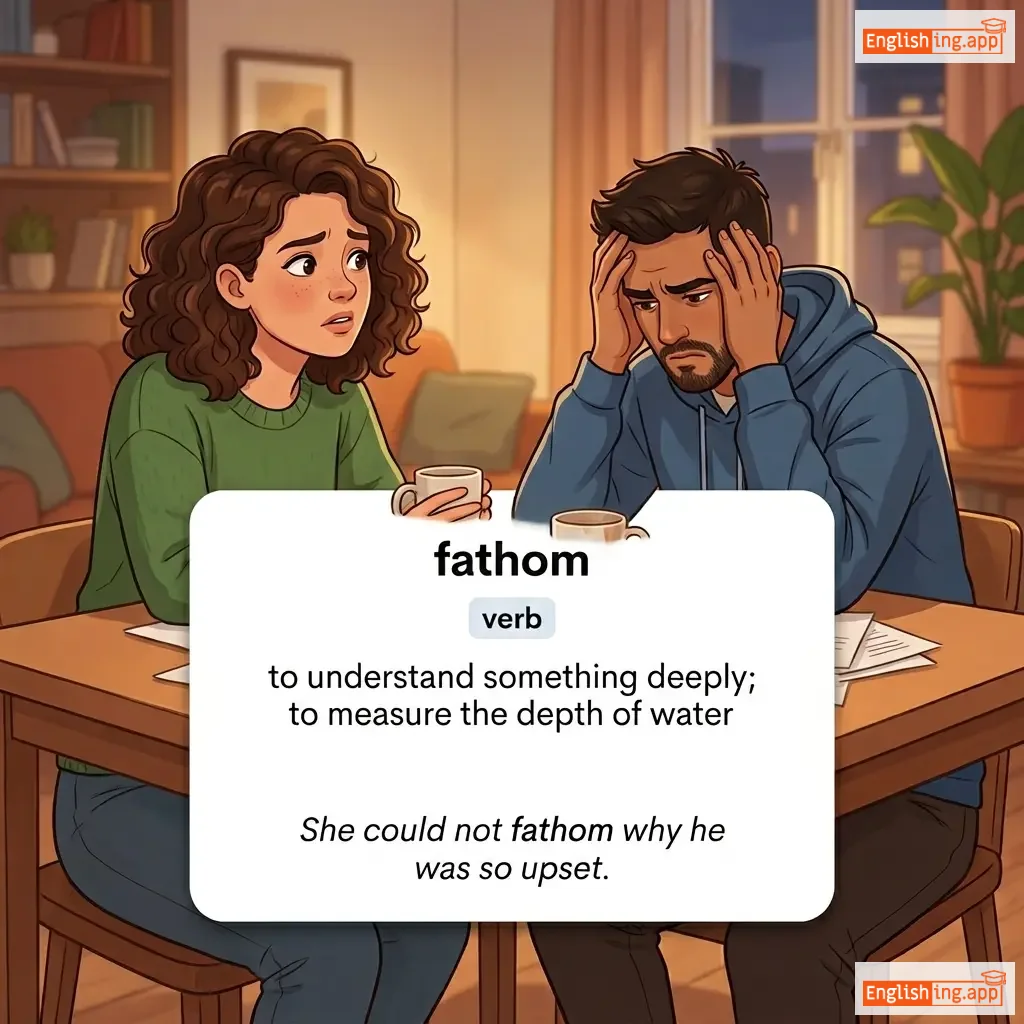
ˈfæð.əm
verb/noun
(fathom)
••••••
|
|
entender
entender
••••••
|
To understand after much thought; to measure the depth of water; to comprehend.
••••••
|
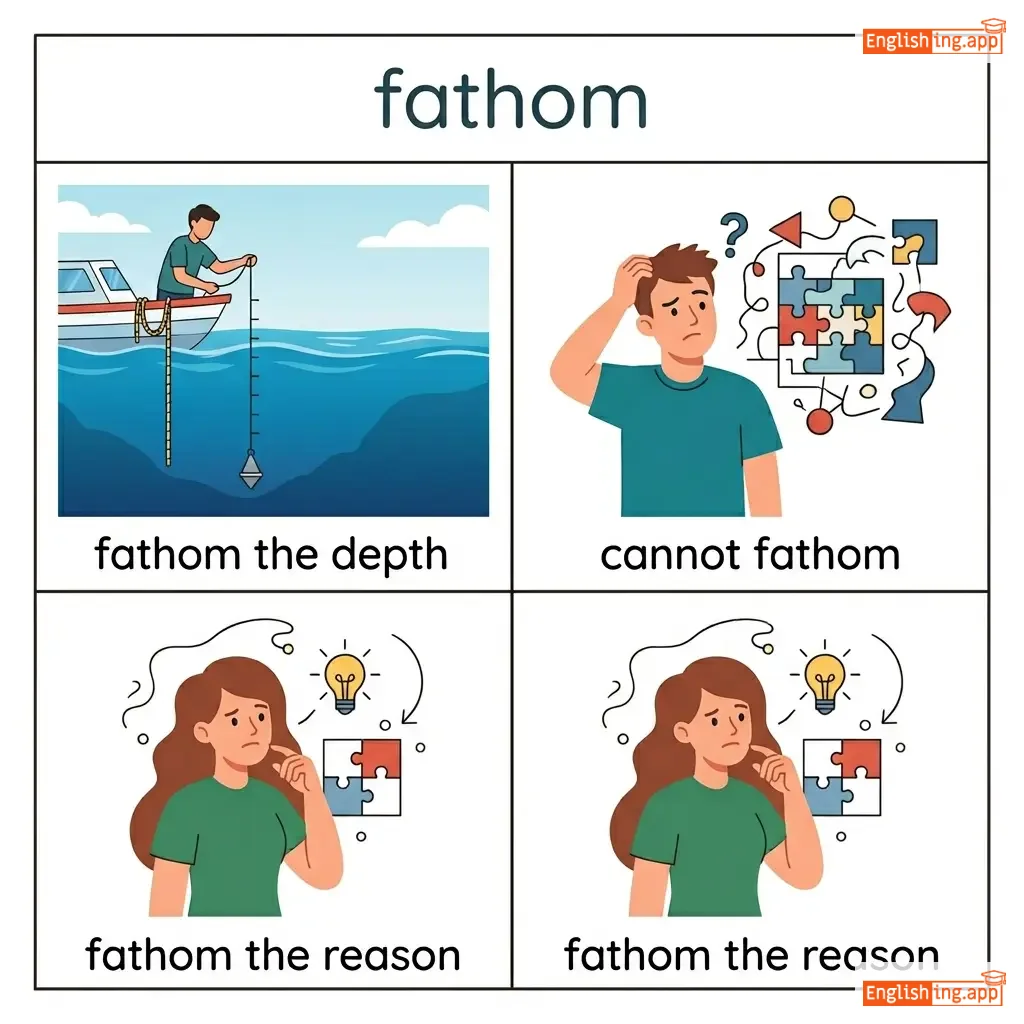
It is difficult to fathom the depths of the ocean. |
Es difícil entender las profundidades del océano.
Es dificil entender las profundidades del oceano.
••••••
|
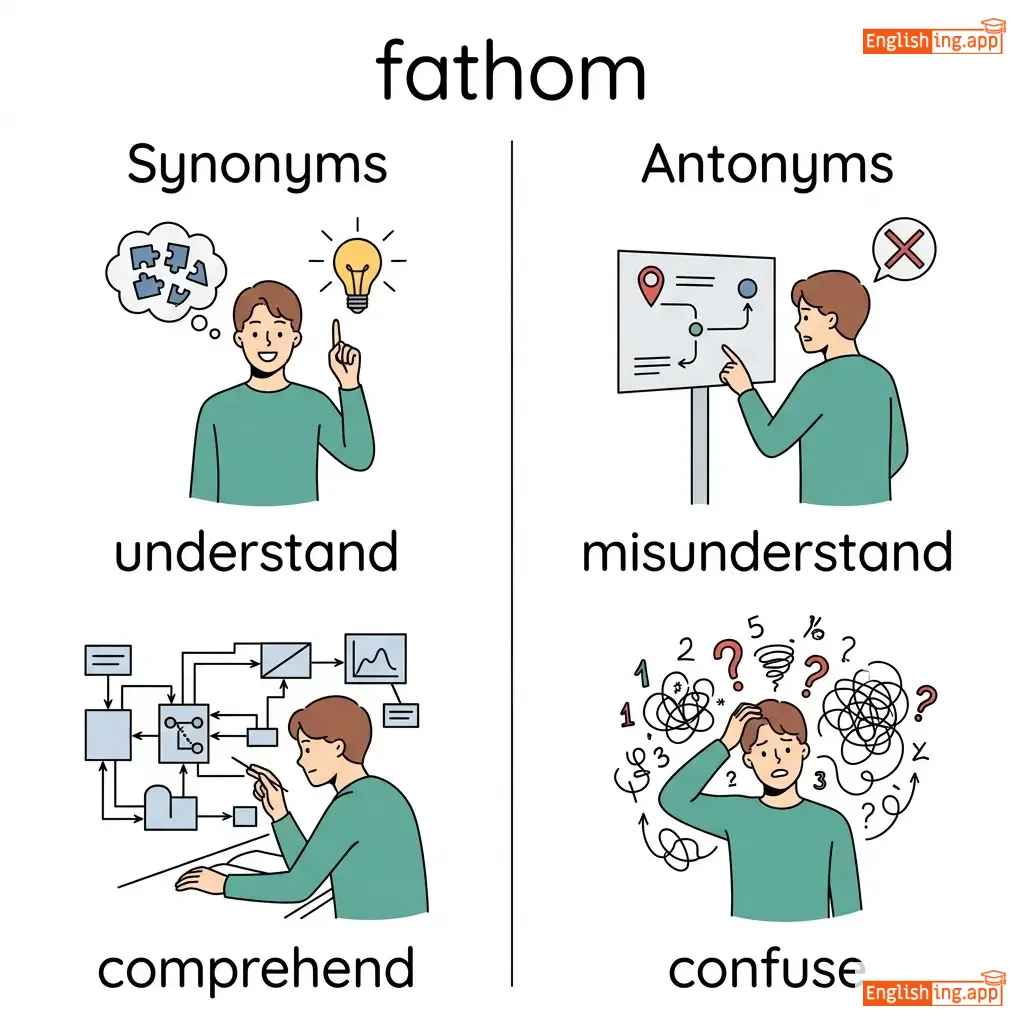
understand, gauge, discern
••••••
|
misunderstand, confuse, ignore
••••••
|
Entender es como medir la profundidad, como en el océano.
••••••
|
|
#3978
👁️
|
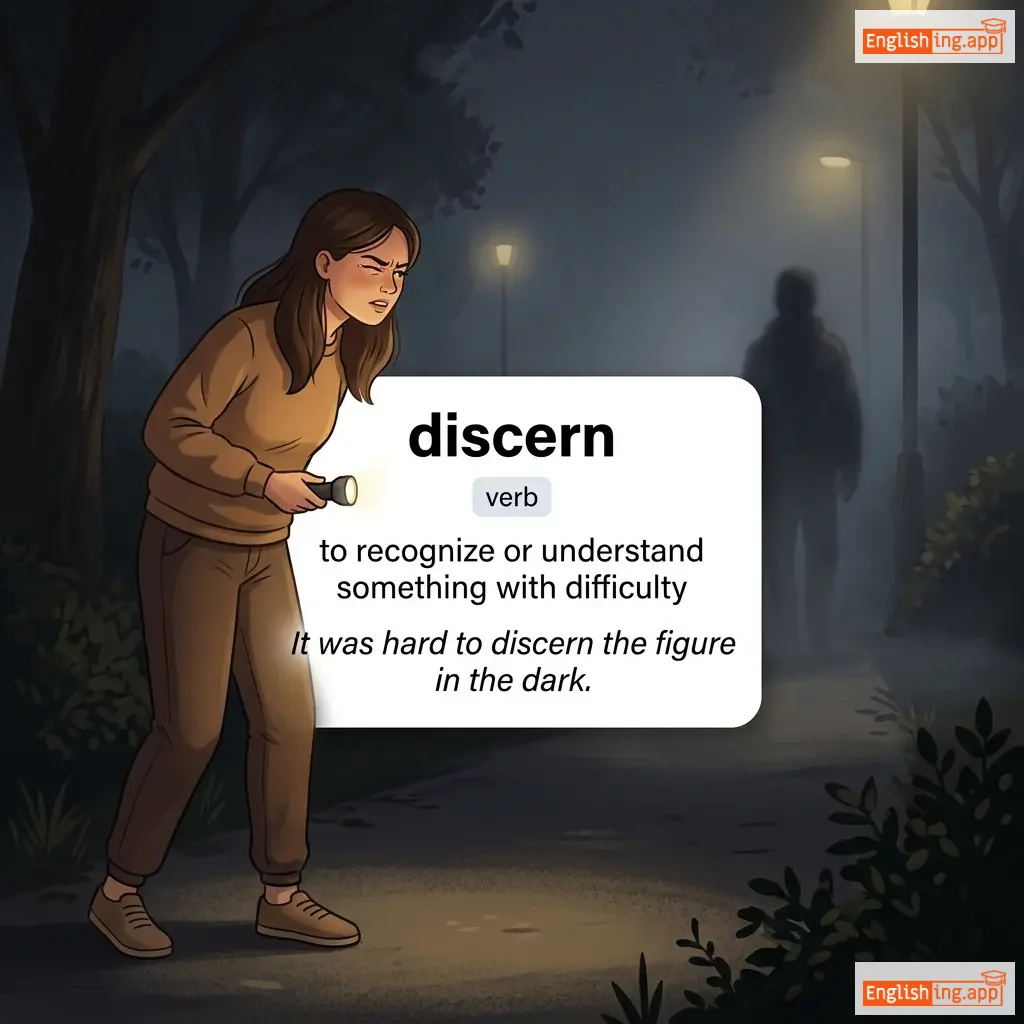
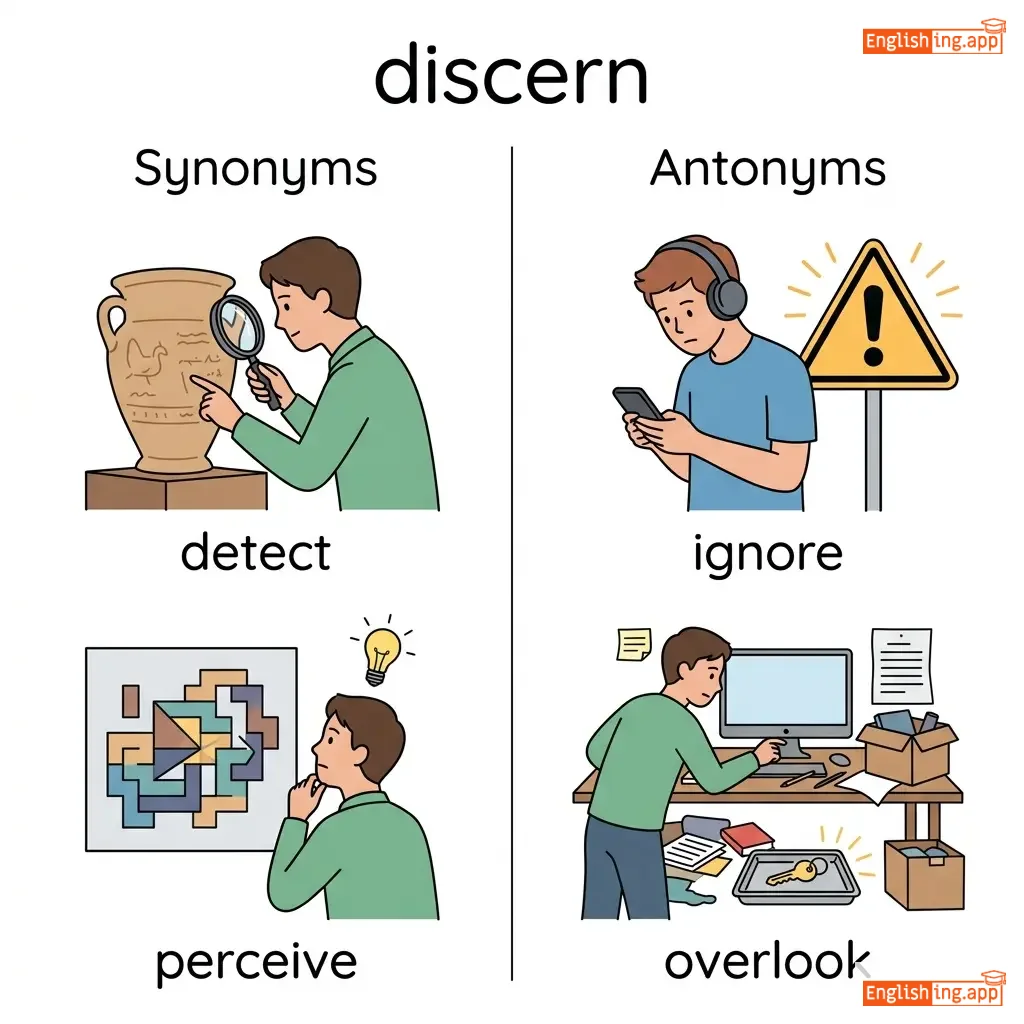
dɪˈsɜːn
verb
(disern)
••••••
|
|
discernir
discernir
••••••
|
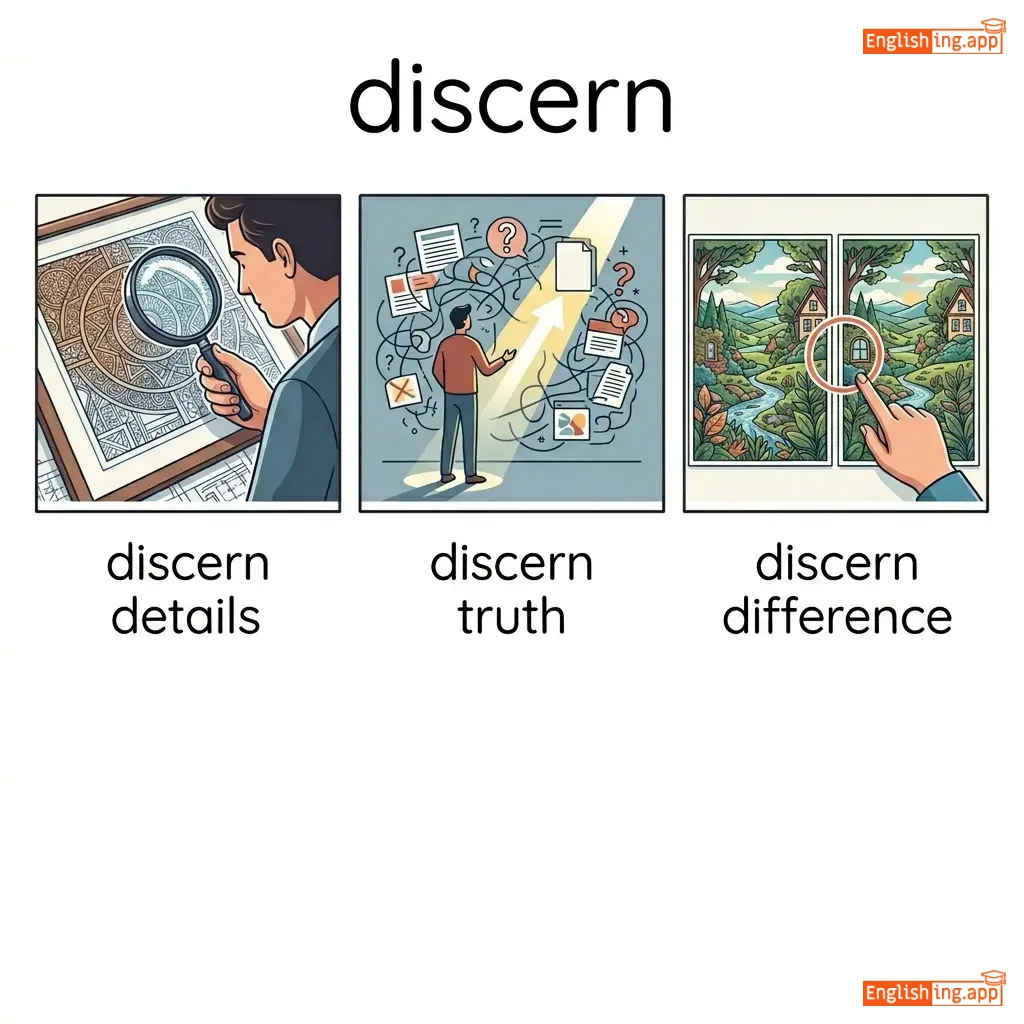
To perceive or recognize something; to distinguish with difficulty by sight or with the other senses.
••••••
|
He could barely discern the distant figure in the fog. |
Él apenas pudo discernir la figura distante en la niebla.
Él apenas pudo discernir la figura distante en la niebla.
••••••
|
perceive, differentiate, detect
••••••
|
overlook, ignore, neglect
••••••
|
La palabra 'discernir' se parece a 'discern' y significa lo mismo en español.
••••••
|
|
#3979
🧩
|
əˈsɪm.ɪ.leɪt
verb
(asimilar)
••••••
|
|
asimilar
asimilar
••••••
|
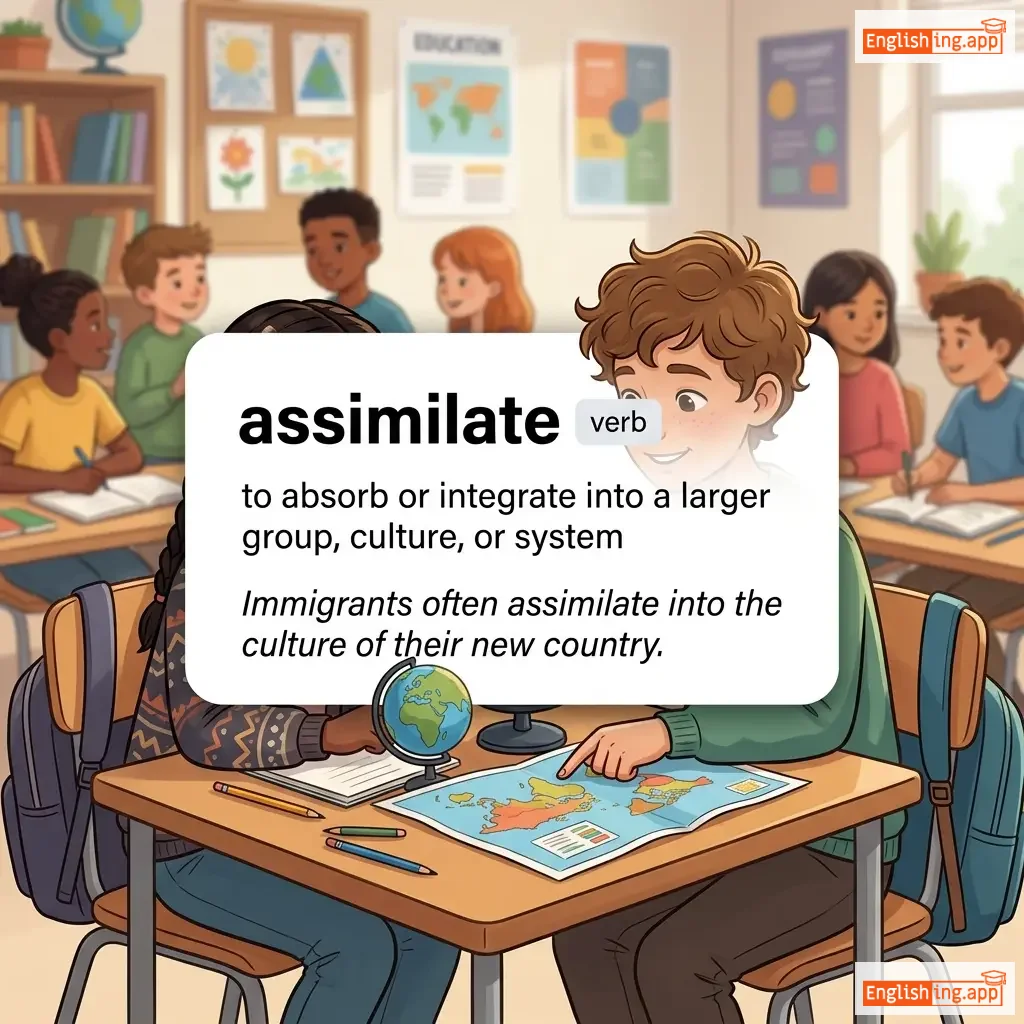
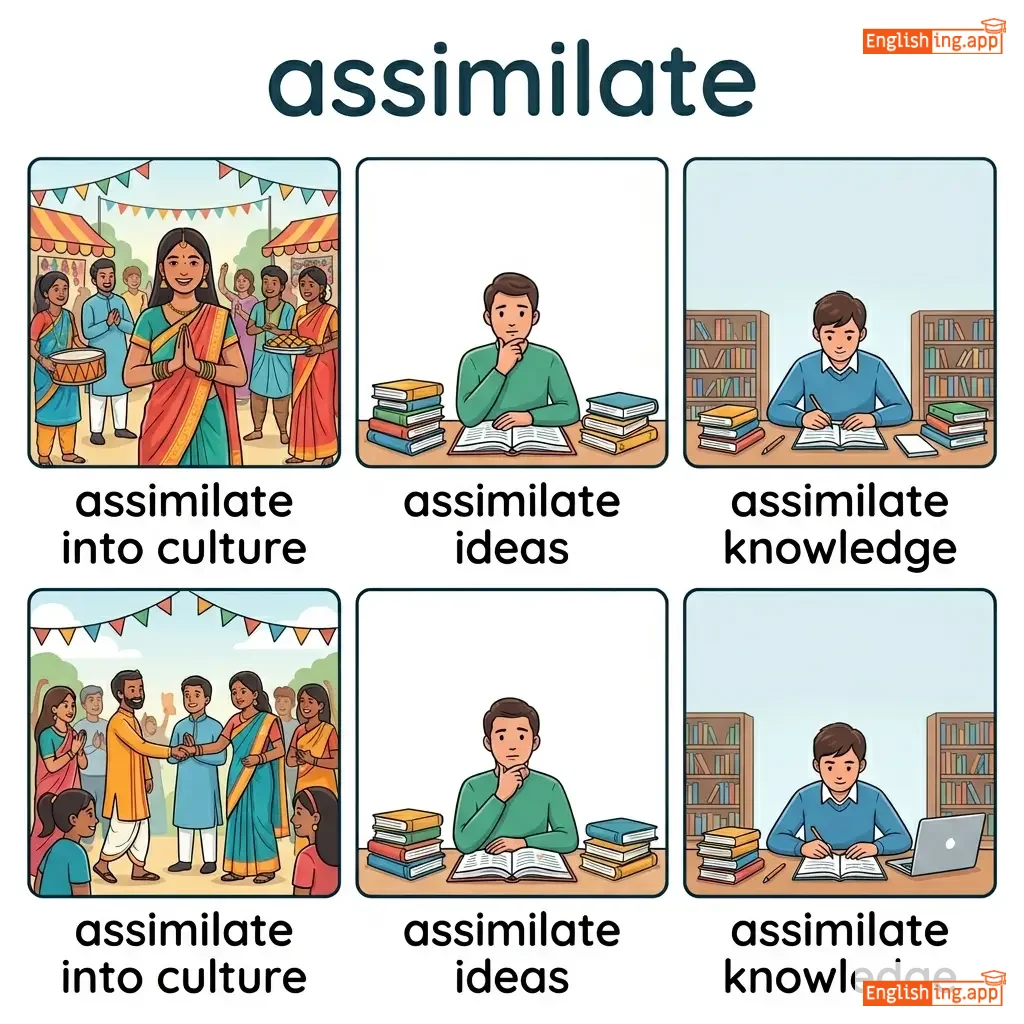
To take in and understand fully; to absorb and integrate ideas, knowledge, or experience.
••••••
|
Immigrants often struggle to assimilate into a new culture. |
Los inmigrantes a menudo luchan por asimilarse a una nueva cultura.
Los inmigrantes a menudo luchan por asimilarse a una nueva cultura.
••••••
|
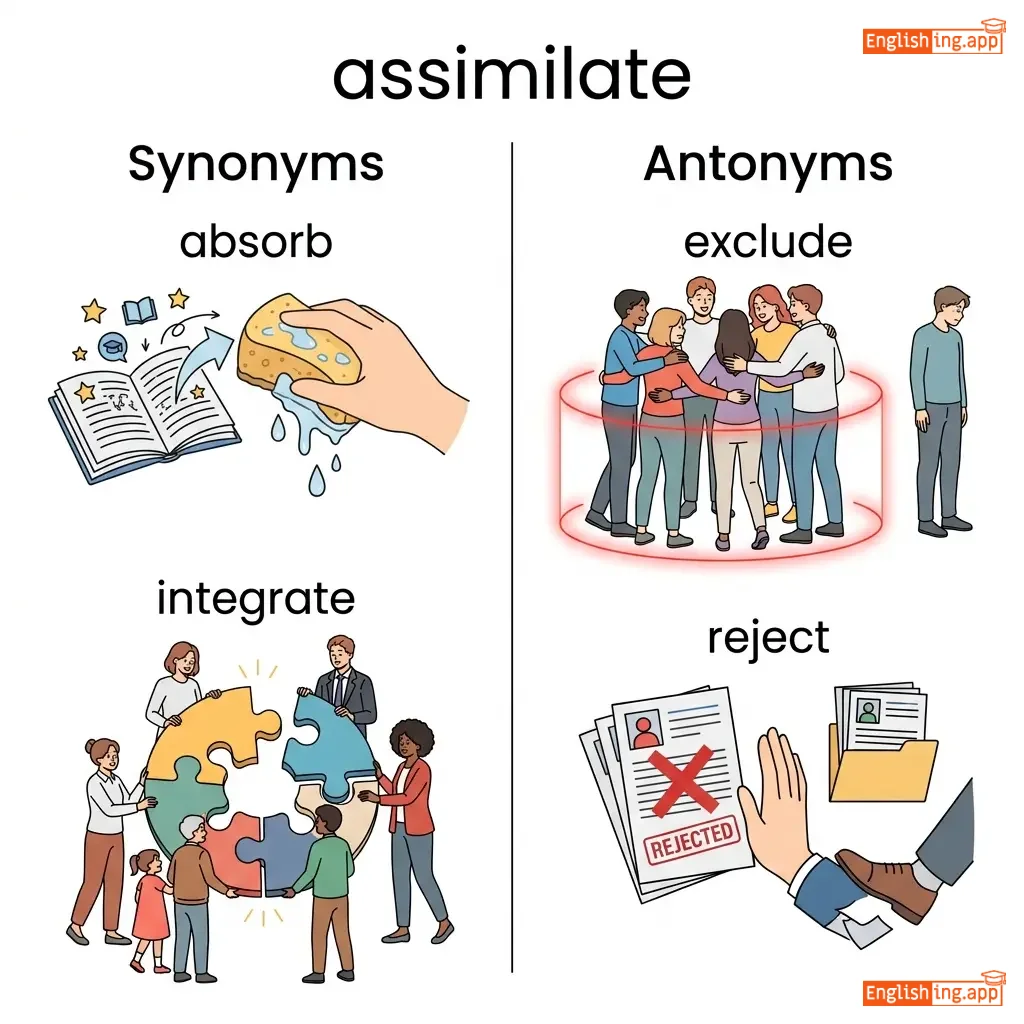
absorb, integrate, incorporate
••••••
|
reject, misinterpret, isolate
••••••
|
Asimilar en español suena como asimilación en inglés.
••••••
|
|
#3980
🔬
|
ɪmˈpɪr.ɪ.kəl
adjective
(empírical)
••••••
|
|
empírico
empirico
••••••
|
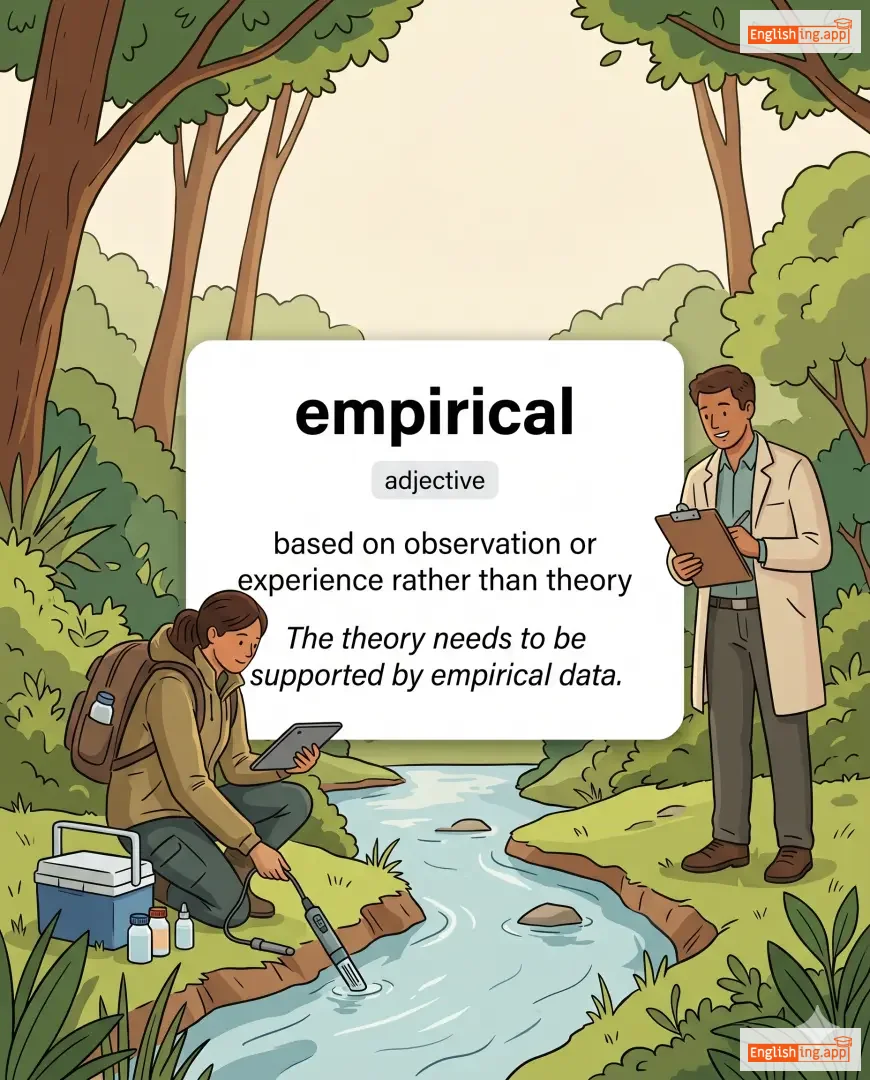
Based on, concerned with, or verifiable by observation or experience rather than theory or pure logic.
••••••
|
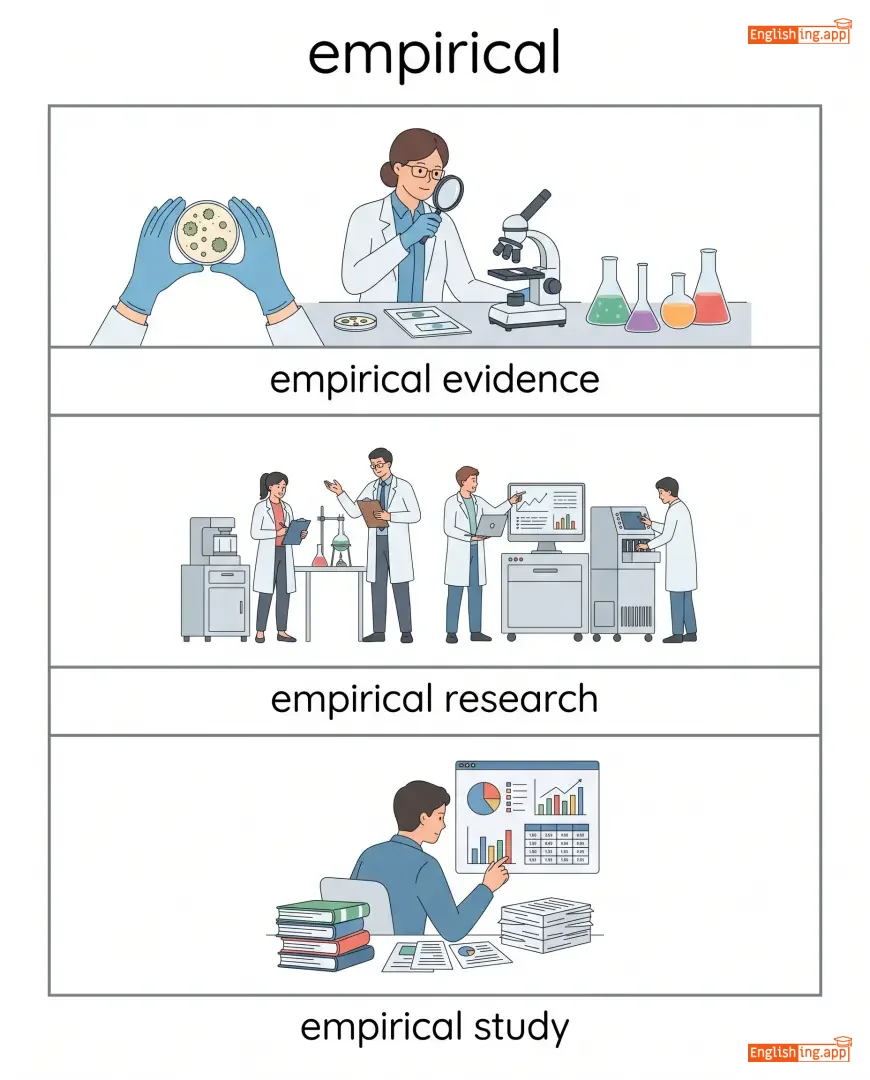
Scientific research relies on empirical evidence.
La investigación científica depende de pruebas empíricas.
••••••
|
La investigación científica depende de pruebas empíricas.
La investigacion cientifica depende de pruebas empiricas.
••••••
|
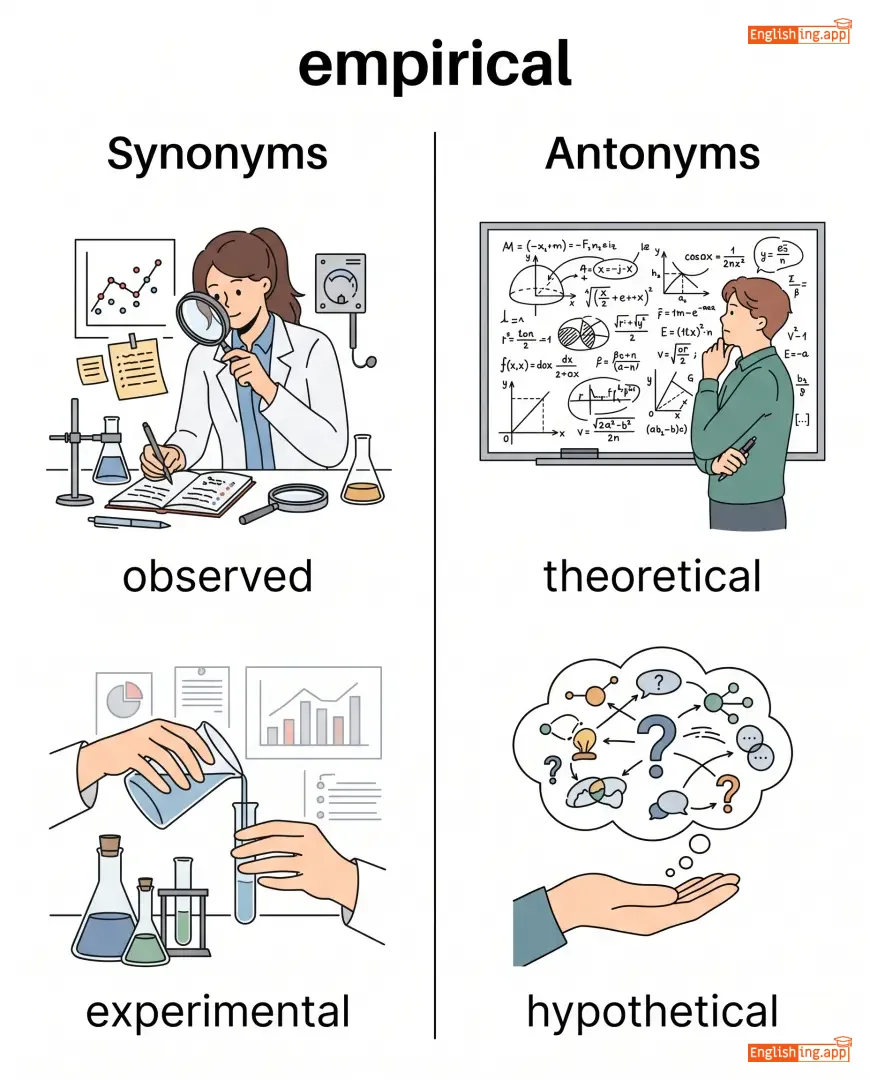
practical, observational, experimental
••••••
|
theoretical, hypothetical, speculative
••••••
|
Empírico es como ver algo con tus propios ojos.
••••••
|
|
#3981
🤔
|
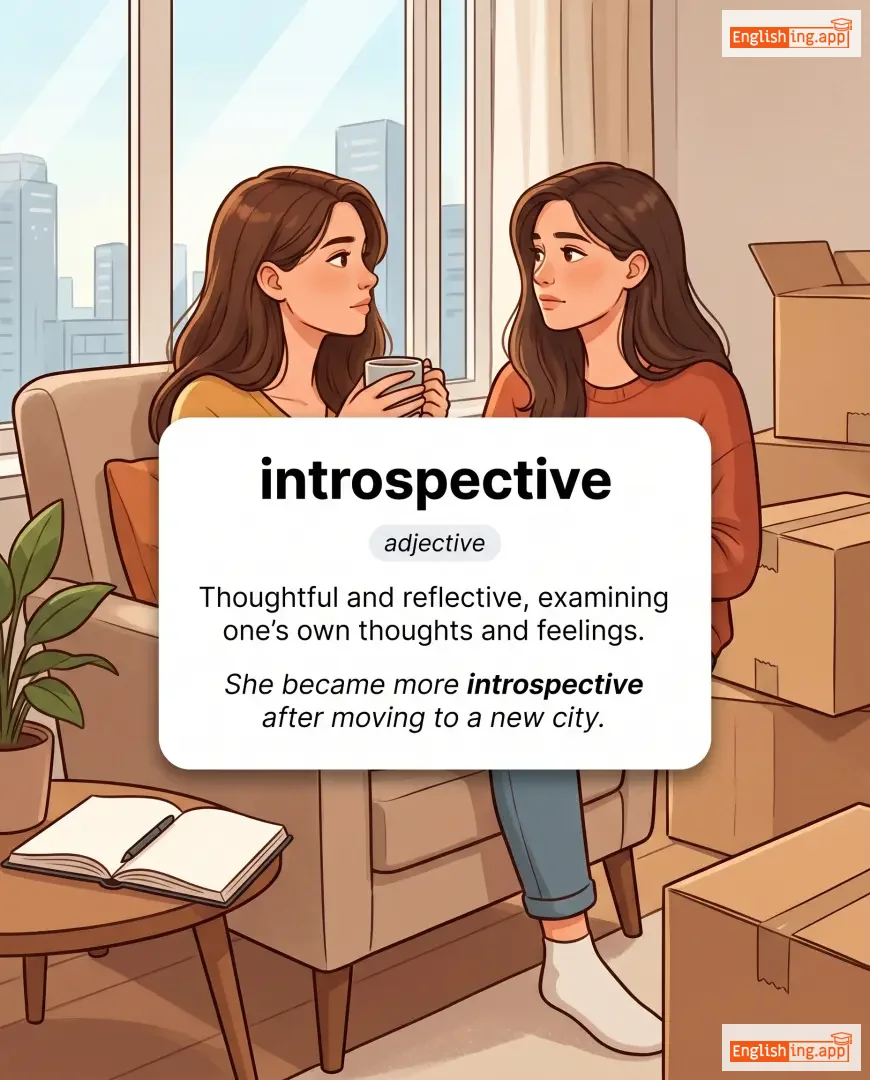
ˌɪn.trəˈspek.tɪv
adjective
(introspéctivo)
••••••
|
|
introspectivo
introspectivo
••••••
|
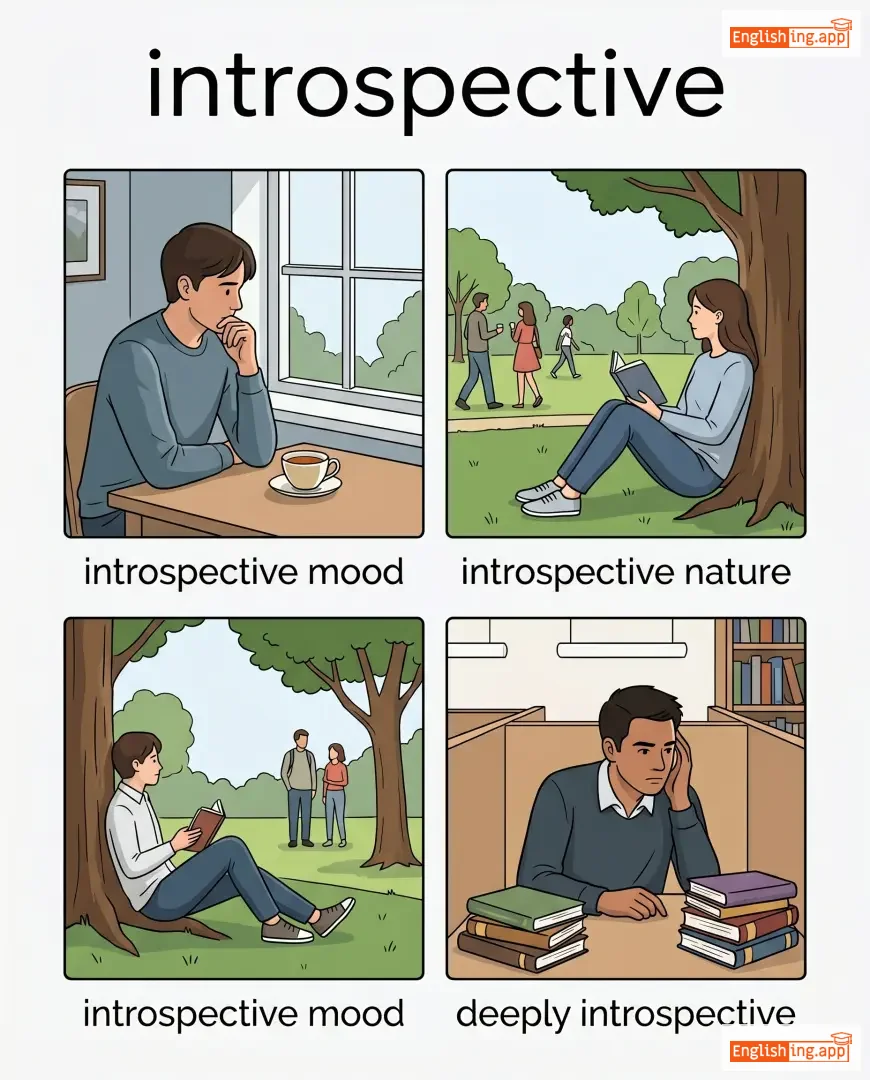
Characterized by or given to introspection; examining one's own thoughts and feelings.
••••••
|
Writers tend to be highly introspective individuals. |
Los escritores tienden a ser individuos altamente introspectivos.
Los escritores tienden a ser individuos altamente introspectivos.
••••••
|
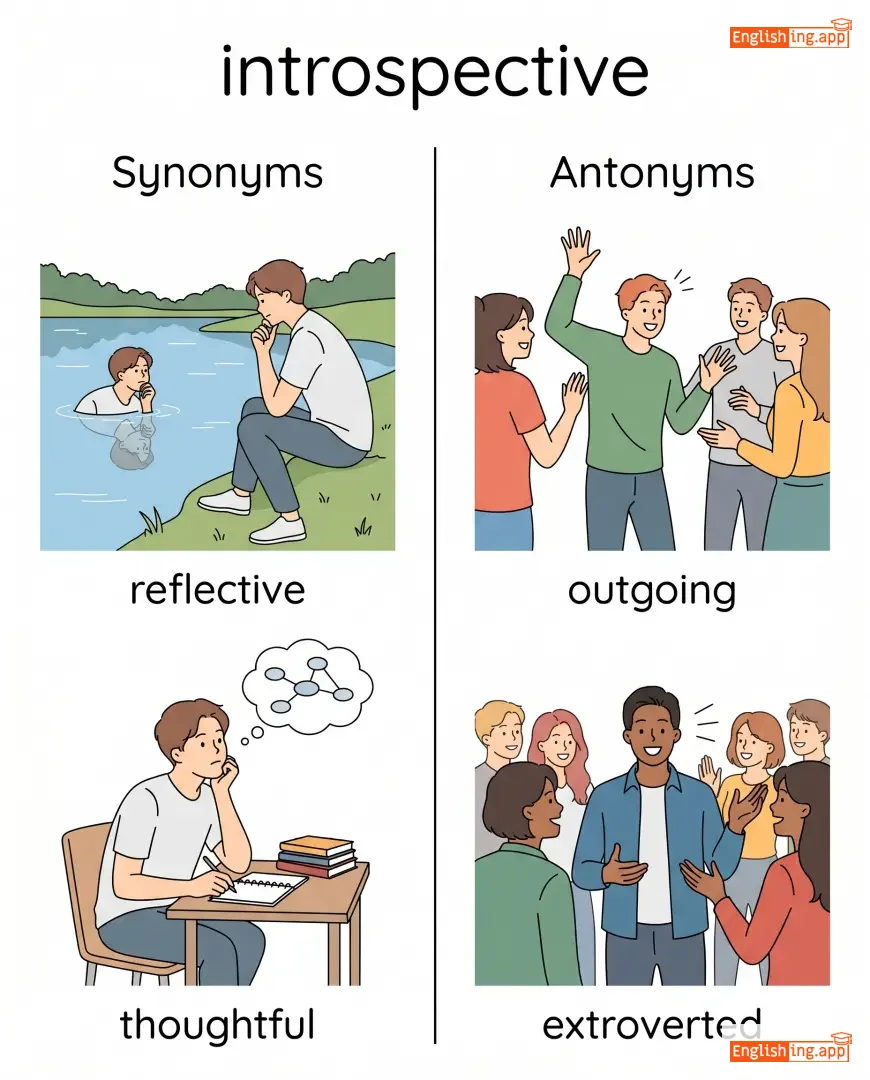
reflective, thoughtful, contemplative
••••••
|
shallow, unreflective, superficial
••••••
|
Introspectivo = La misma reflexión interna que un escritor hace sobre sí mismo.
••••••
|
|
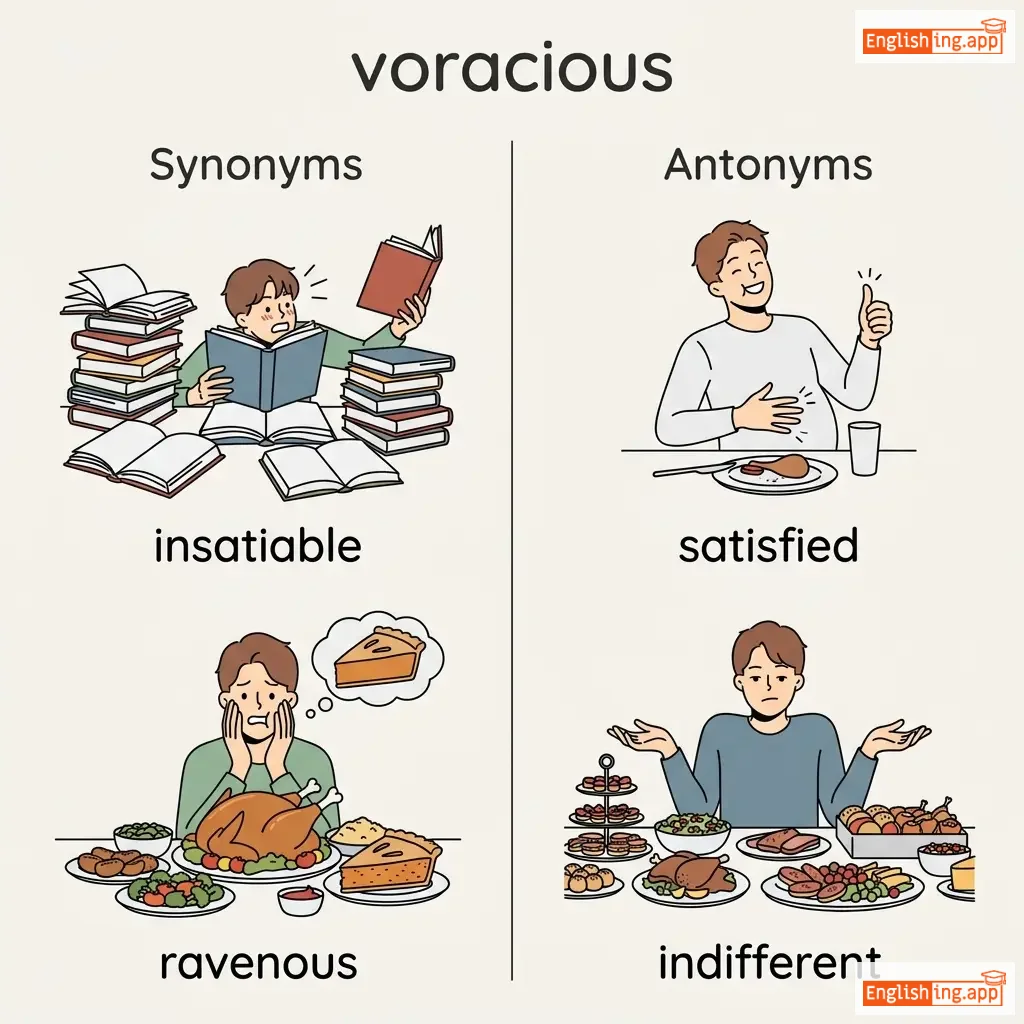
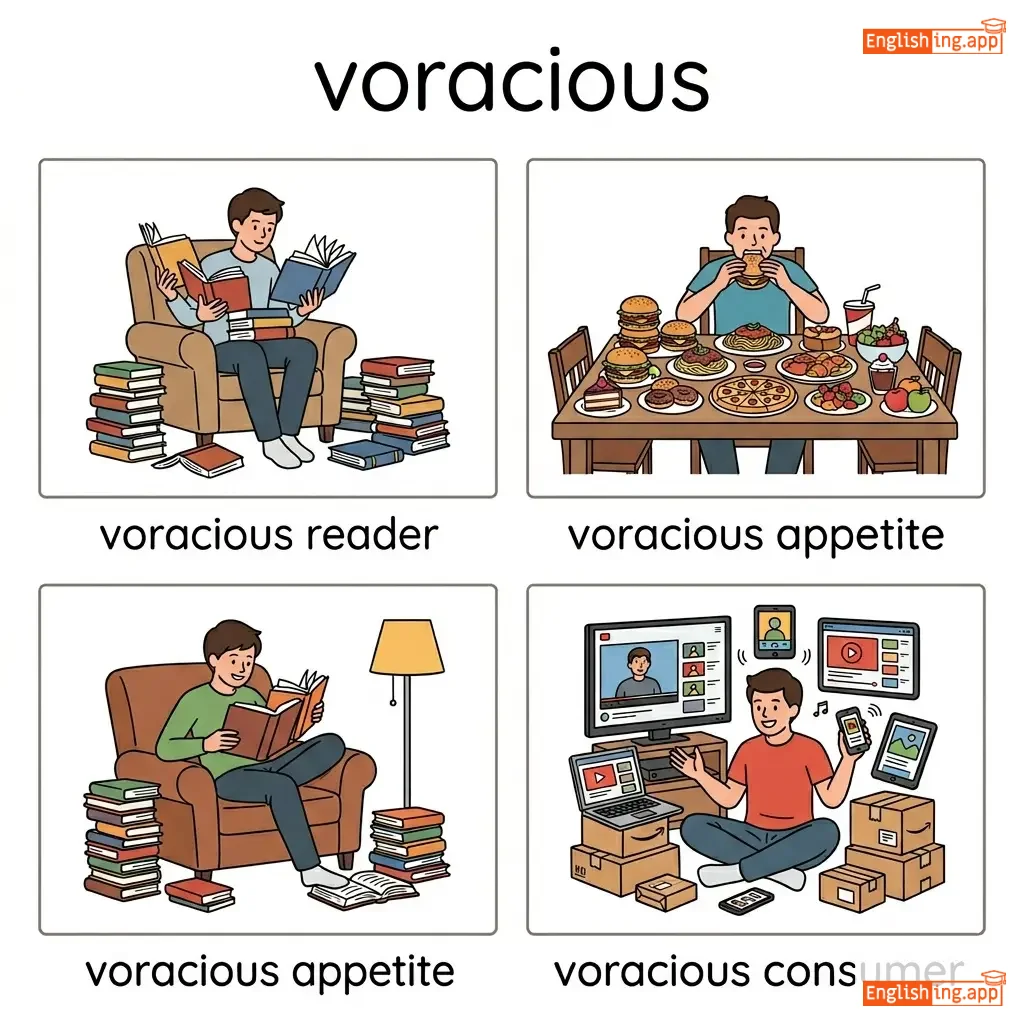
#3982
📚
|
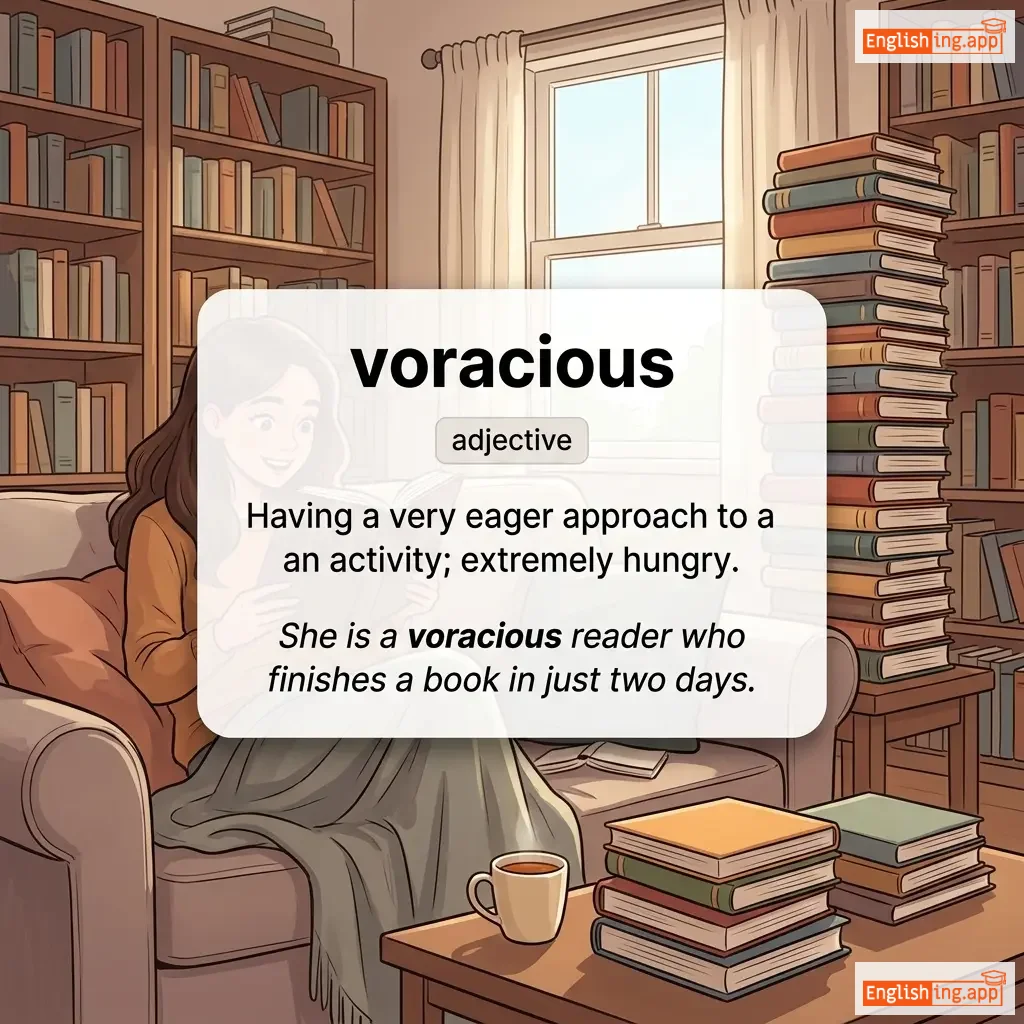
vəˈreɪ.ʃəs
adjective
(vorazious)
••••••
|
|
voraz
voraz
••••••
|
Having a very eager approach to an activity; wanting or devouring great quantities of food or having an insatiable appetite.
••••••
|
He has a voracious appetite for knowledge. |
Él tiene un apetito voraz por el conocimiento.
El tiene un apetito voraz por el conocimiento.
••••••
|
insatiable, ravenous, greedy
••••••
|
indifferent, apathetic, satisfied
••••••
|
Voracious is like 'voraz'—the Spanish for extremely hungry, always needing more.
••••••
|
|
#3983
🎭
|
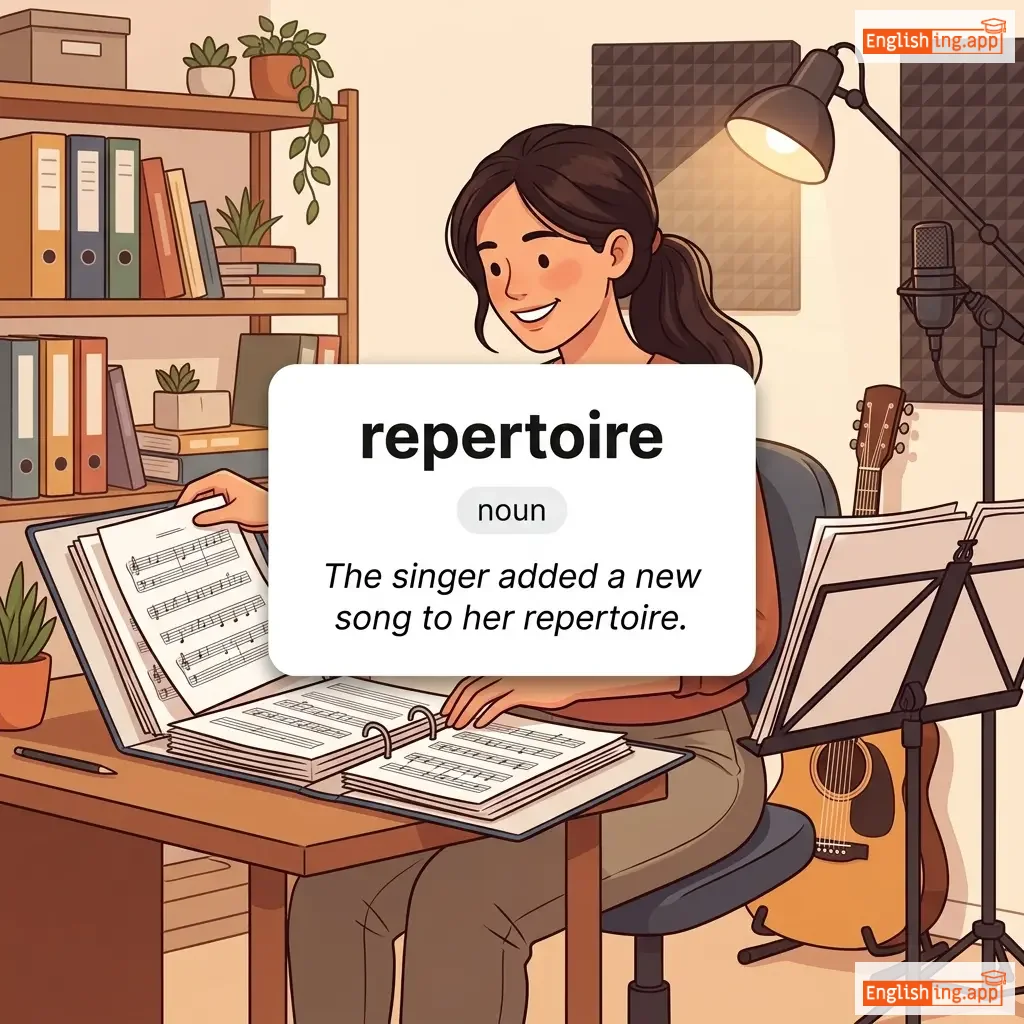
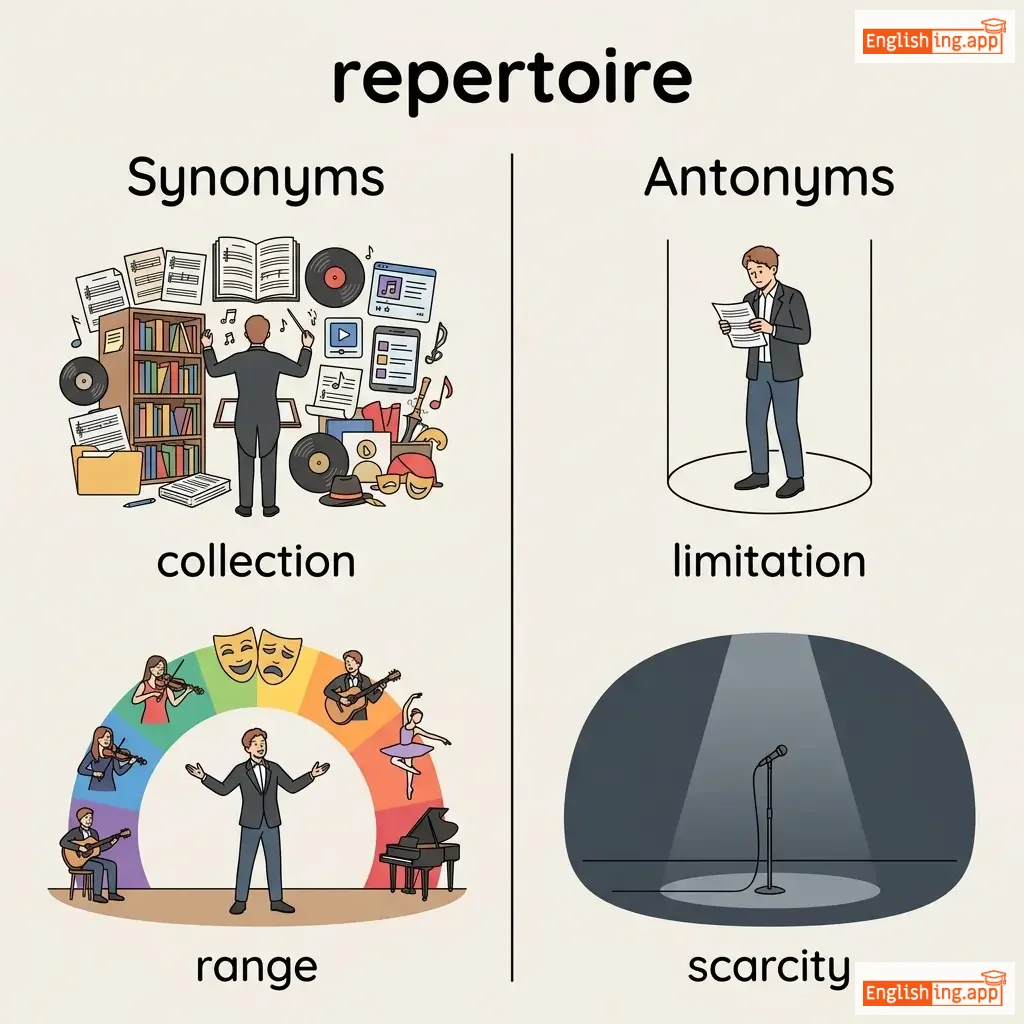
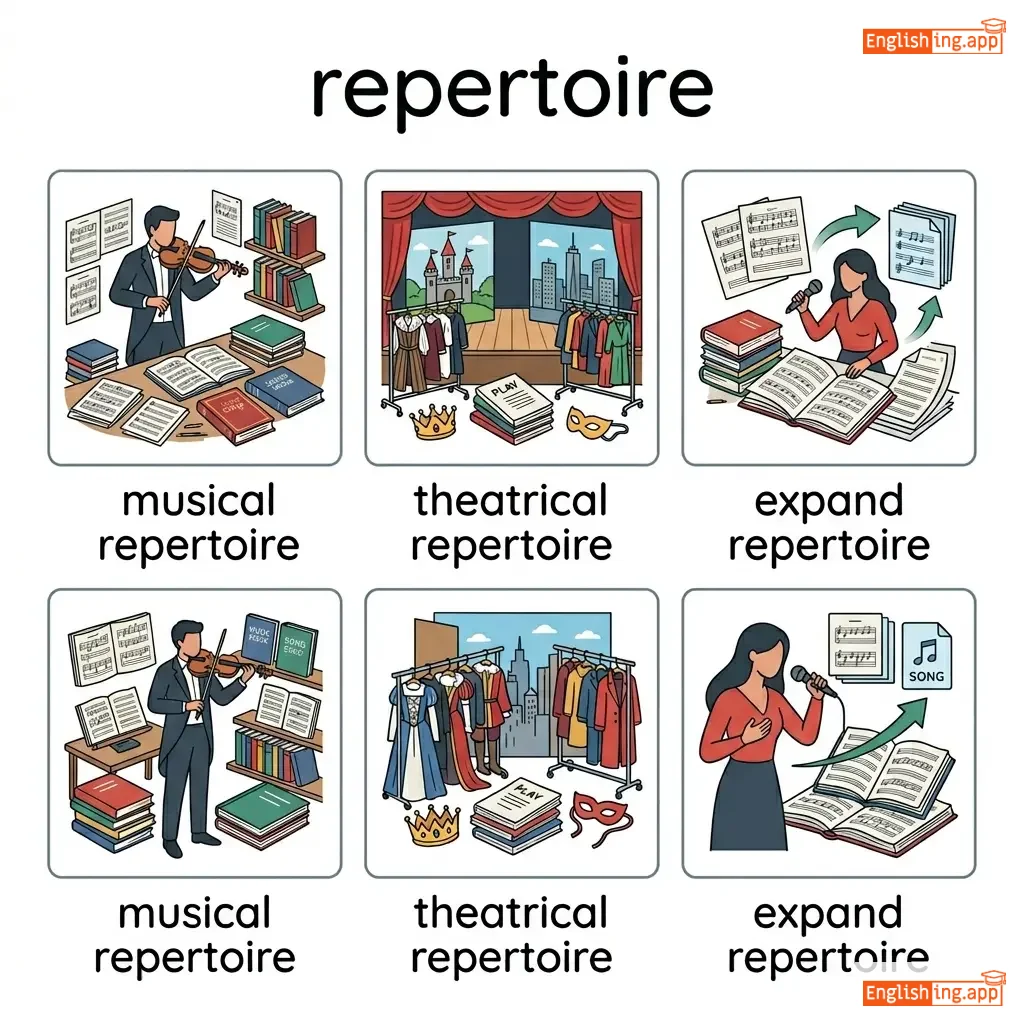
ˈrɛp.ə.twɑːr
noun
(repertuar)
••••••
|
|
repertorio
repertorio
••••••
|
A stock of plays, dances, or pieces that a company or a performer knows or is prepared to perform.
••••••
|
The actor's repertoire includes both comedy and drama. |
El repertorio del actor incluye tanto comedia como drama.
El repertorio del actor incluye tanto comedia como drama.
••••••
|
inventory, collection, range
••••••
|
incompetence, scarcity, limitation
••••••
|
Repertorio – El lugar donde guardas tus mejores obras.
••••••
|
|
#3984
🗣️
|
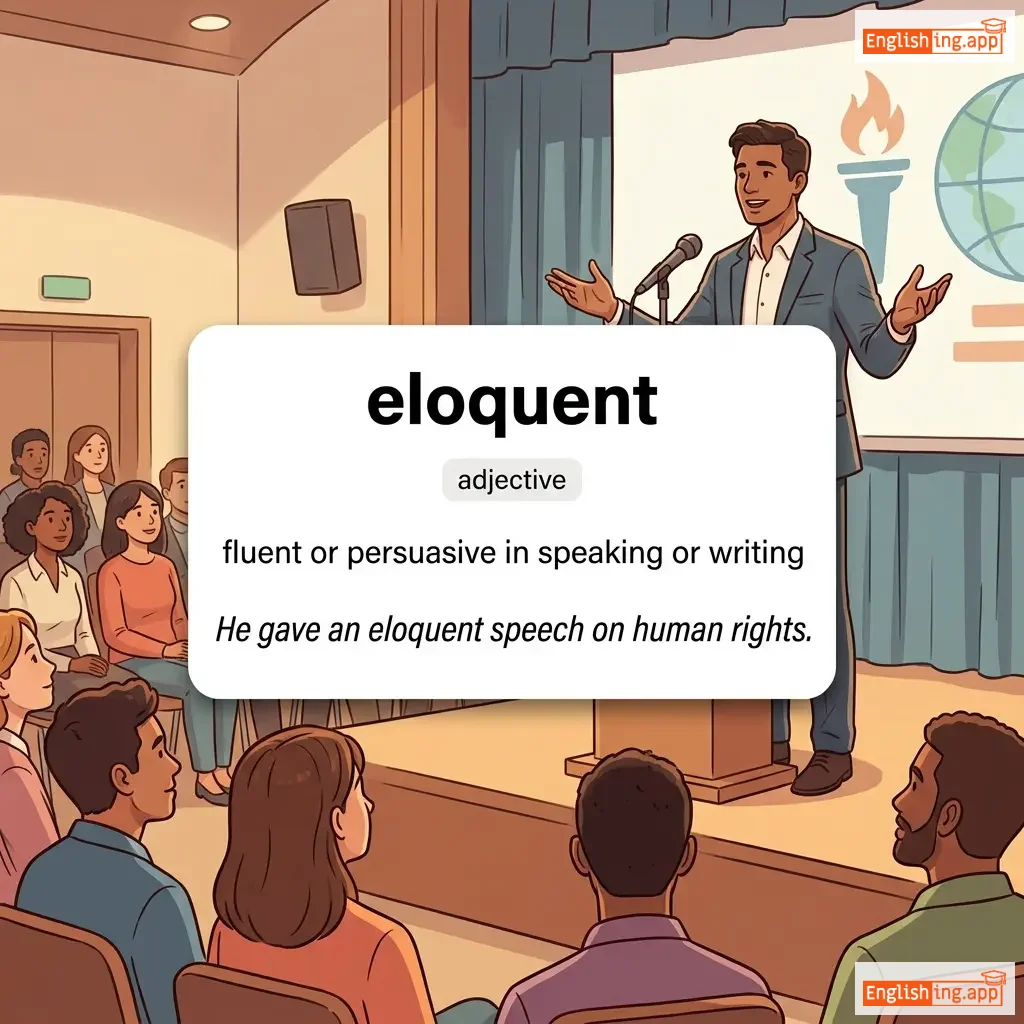
ˈɛl.ə.kwənt
adjective
(élokuent)
••••••
|
|
elocuente
elocuente
••••••
|
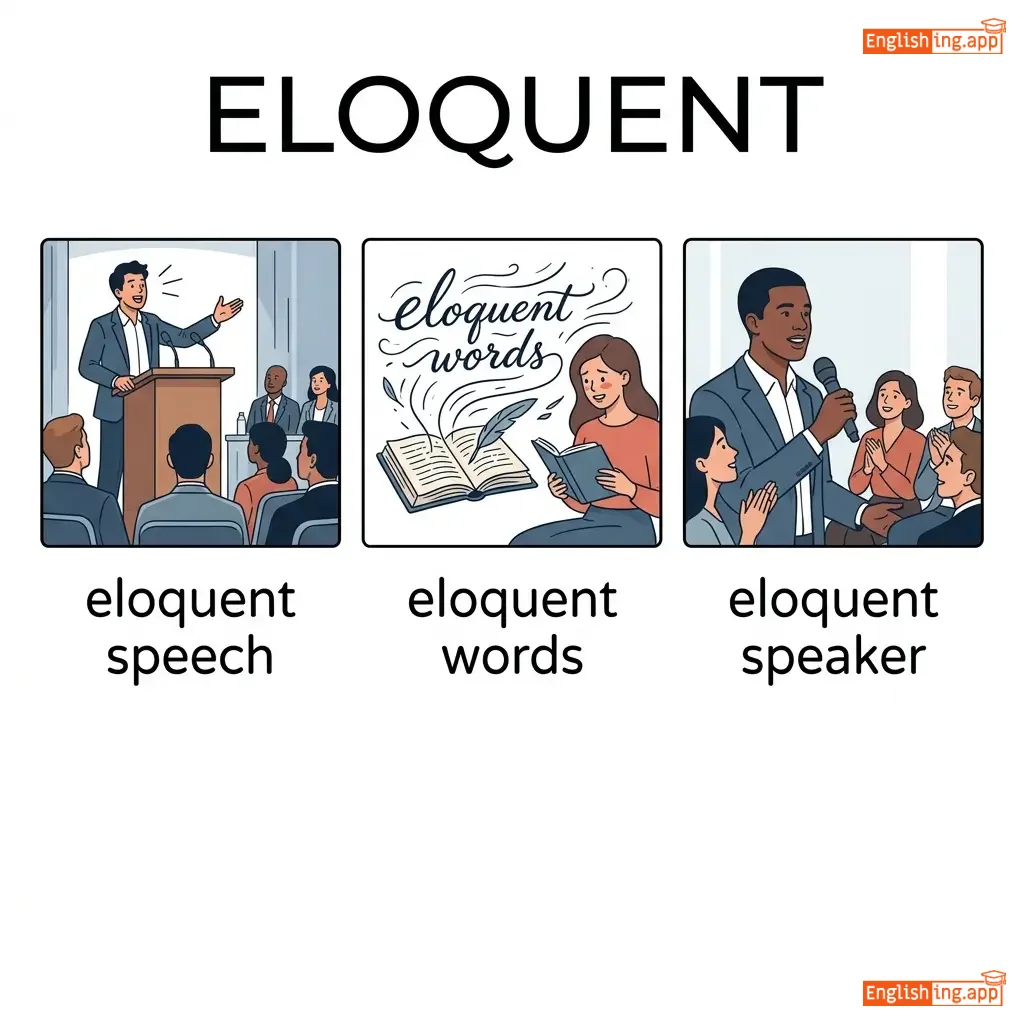
Fluent or persuasive in speaking or writing; clearly expressing or indicating something.
••••••
|
Her eloquent speech inspired the entire audience. |
Su elocuente discurso inspiró a toda la audiencia.
Su elocuente discurso inspiró a toda la audiencia.
••••••
|
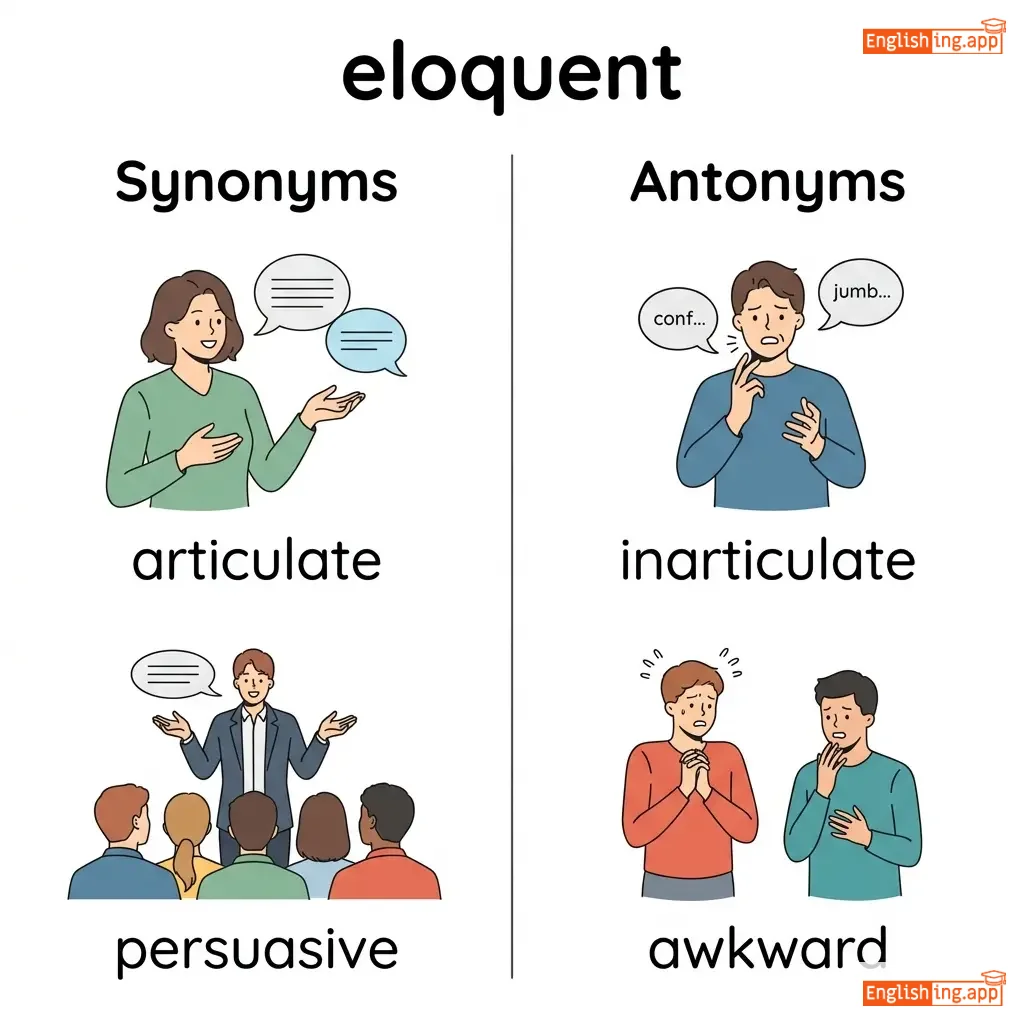
articulate, expressive, persuasive
••••••
|
inarticulate, mute, tongue-tied
••••••
|
Un discurso elocuente es fluido y persuasivo.
••••••
|
|
#3985
🎨
|
ˈnuː.ɑːnst
adjective
(niuánsd)
••••••
|
- •••••• |
matizado
matizado
••••••
|
Characterized by subtle shades of meaning or expression; having or characterized by subtle and often appealingly complex qualities.
••••••
|
His argument was nuanced and well-structured.
su argumento fue matizado y bien estructurado.
••••••
|
Su argumento fue matizado y bien estructurado.
Su argumento fue matizado y bien estructurado.
••••••
|
subtle, refined, delicate
••••••
|
blunt, crude, simplistic
••••••
|
Recuerda que 'matizado' es como una pintura detallada, llena de matices.
••••••
|
|
#3986
🤷
|
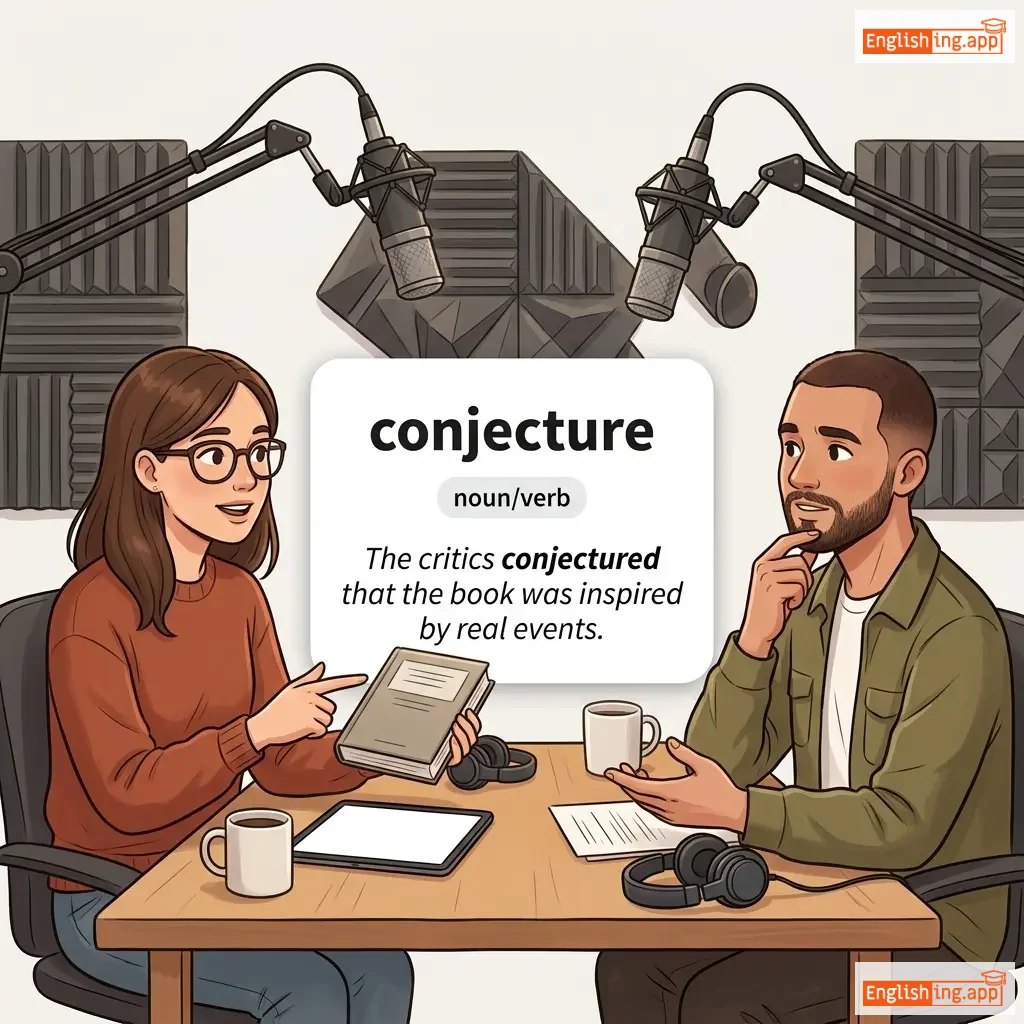
kənˈdʒɛk.tʃər
noun/verb
(konˈdʒɛk.tʃer)
••••••
|
|
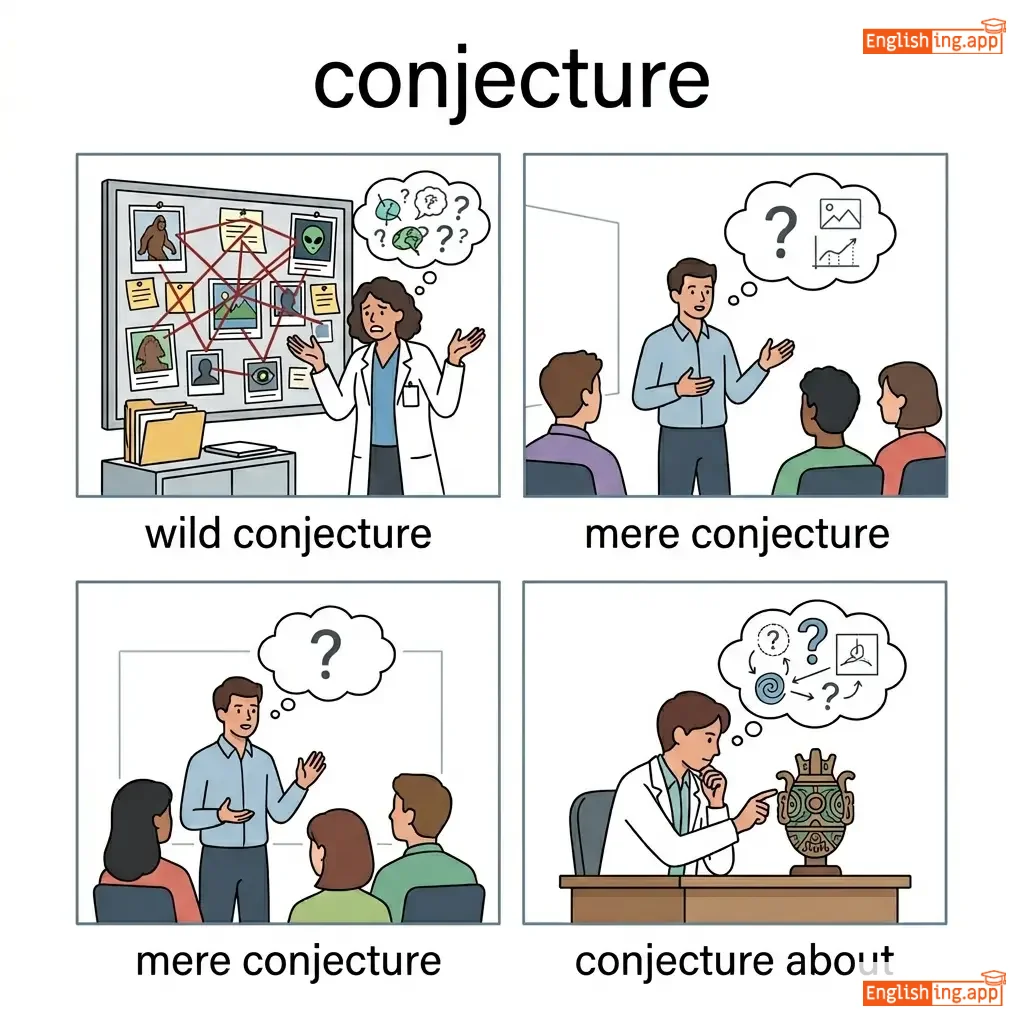
conjetura
conjetura
••••••
|
An opinion or conclusion formed on the basis of incomplete information; to form an opinion or supposition about something.
••••••
|
The scientist's conjecture was later proven true. |
La conjetura del científico fue luego comprobada como cierta.
La conjetura del cientifico fue luego comprobada como cierta.
••••••
|
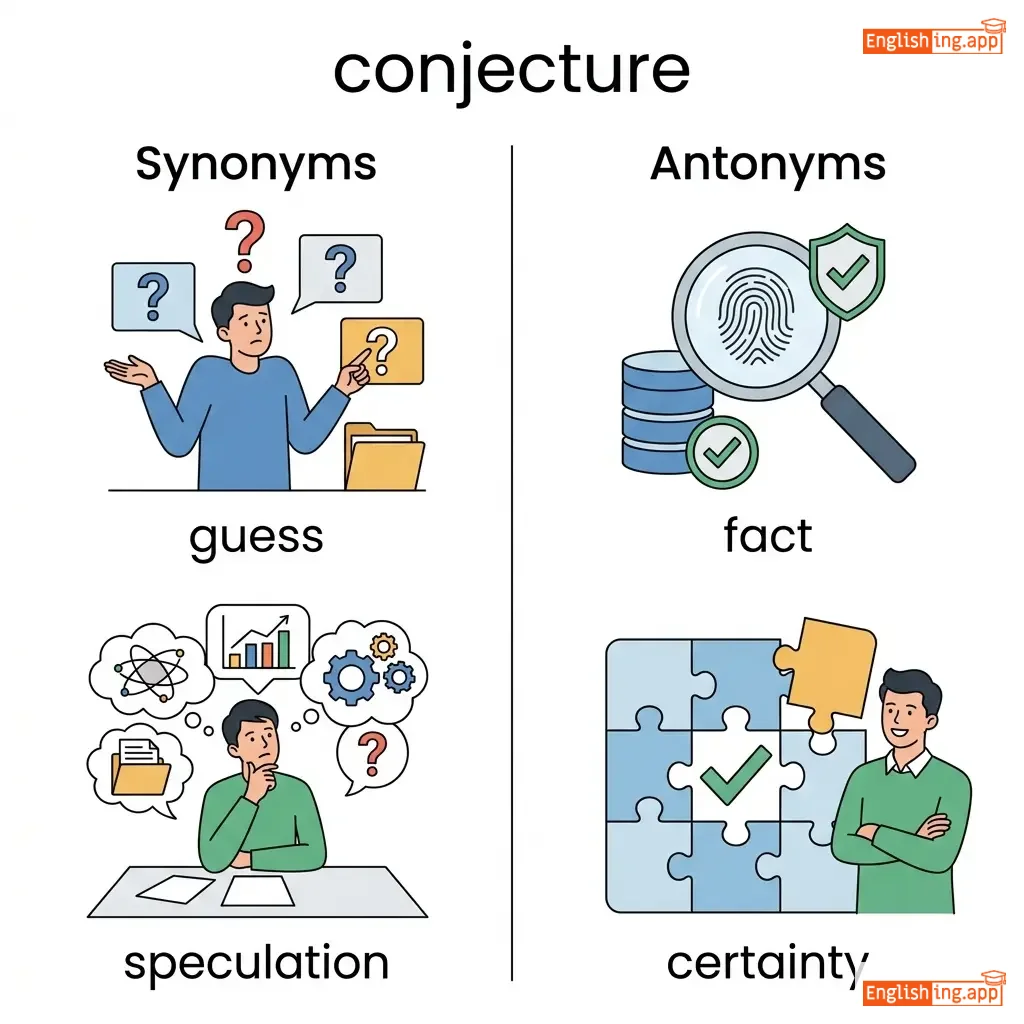
speculation, hypothesis, guesswork
••••••
|
fact, certainty, evidence
••••••
|
Conjetura como cuando adivinas algo sin tener toda la información.
••••••
|
|
#3987
⭐
|
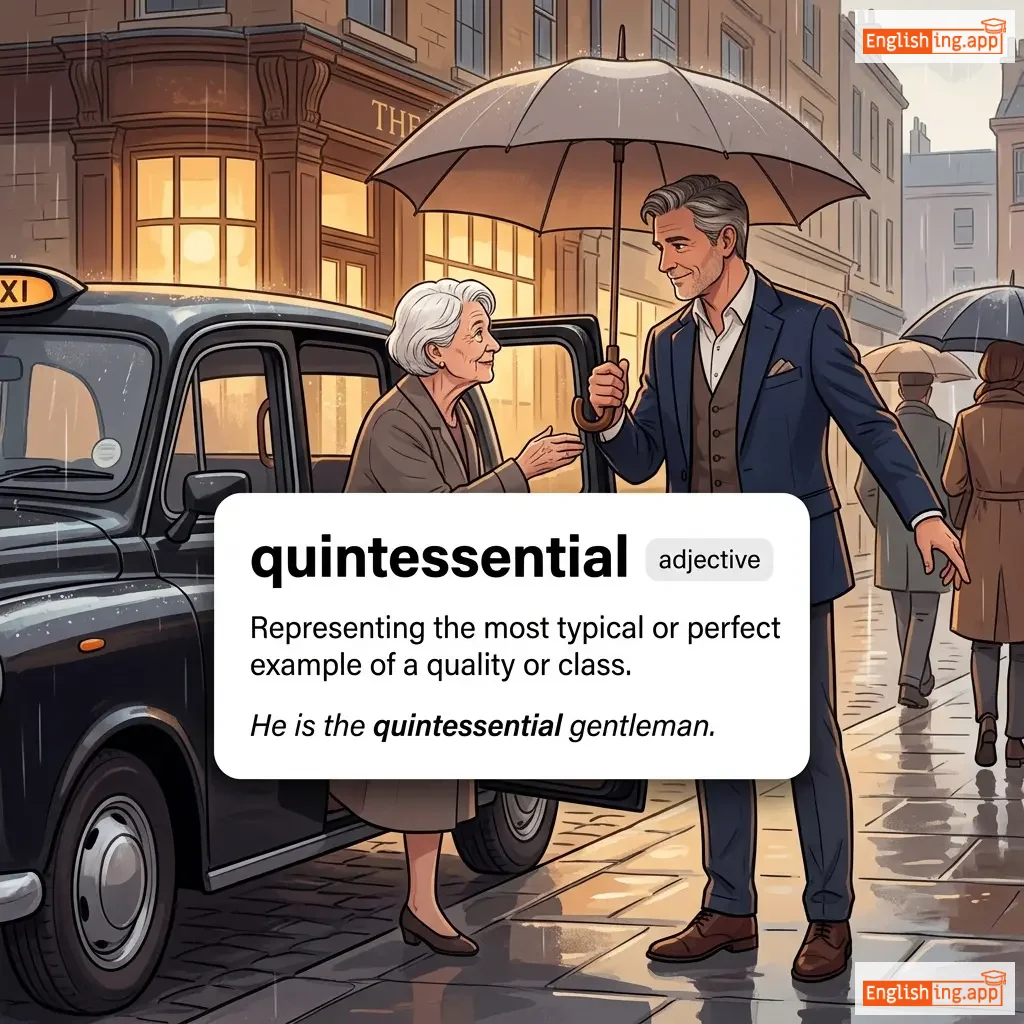
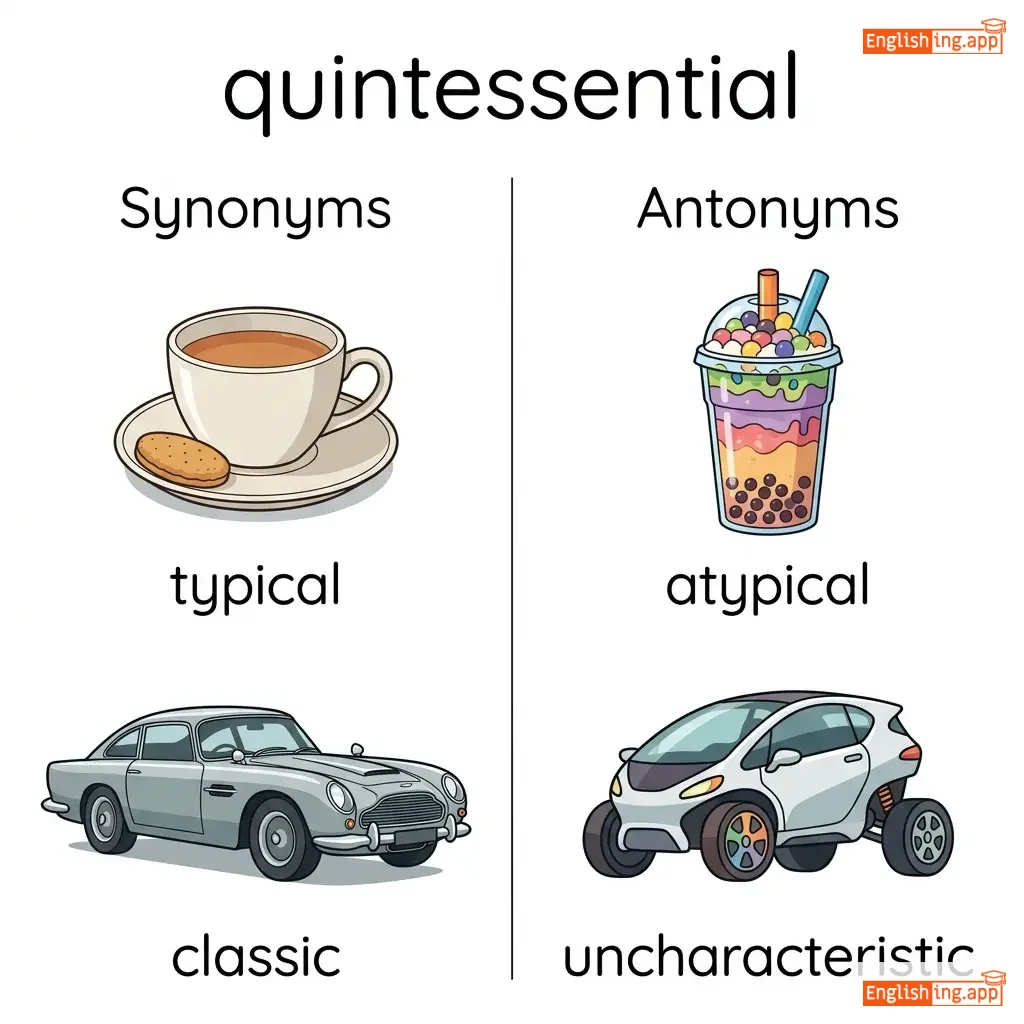
ˌkwɪn.tɪˈsɛn.ʃəl
adjective
(kwín-te-sen-sjal)
••••••
|
|
ejemplo perfecto
ejemplo perfecto
••••••
|
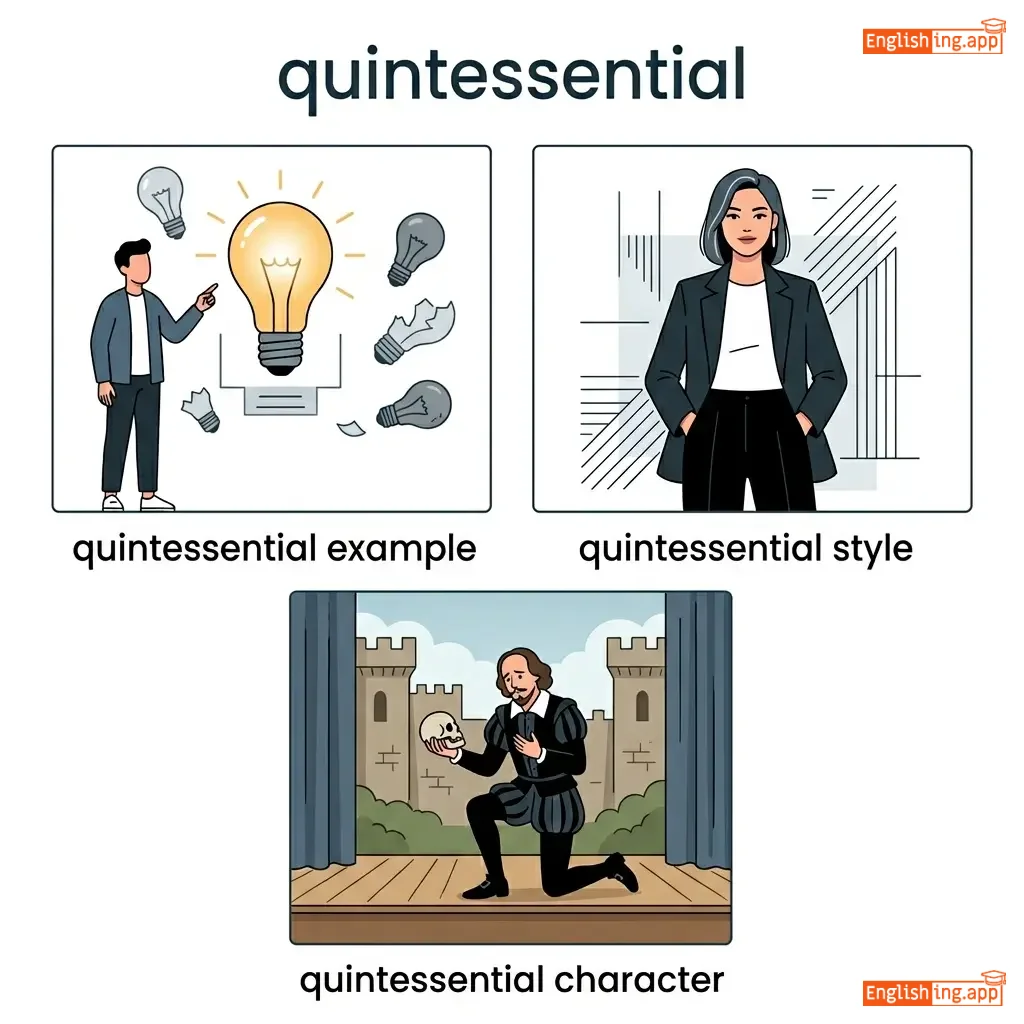
Representing the most perfect or typical example of a quality or class; the essence of something in its purest form.
••••••
|
Shakespeare is the quintessential English playwright.
Shakespeare es el ejemplo más representativo del dramaturgo inglés.
••••••
|
Shakespeare es el ejemplo más representativo del dramaturgo inglés.
Shakespeare es el ejemplo más representativo del dramaturgo inglés.
••••••
|
ultimate, ideal, classic
••••••
|
atypical, inferior, uncharacteristic
••••••
|
El ejemplo perfecto de un dramaturgo inglés es Shakespeare.
••••••
|
|
#3988
🔍
|
məˈtɪk.jʊ.ləs
adjective
(meticuloso)
••••••
|
|
meticuloso
meticuloso
••••••
|
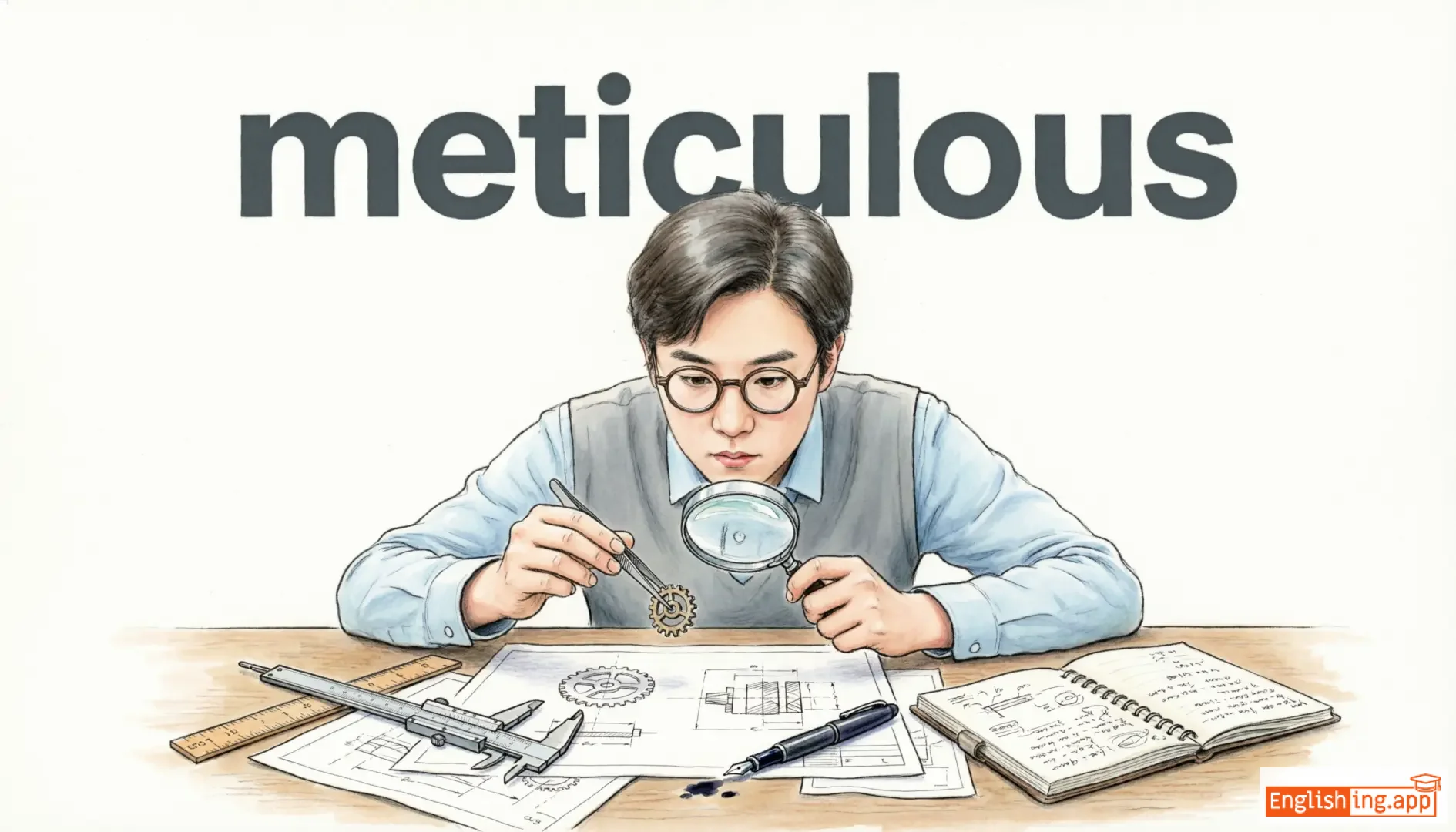
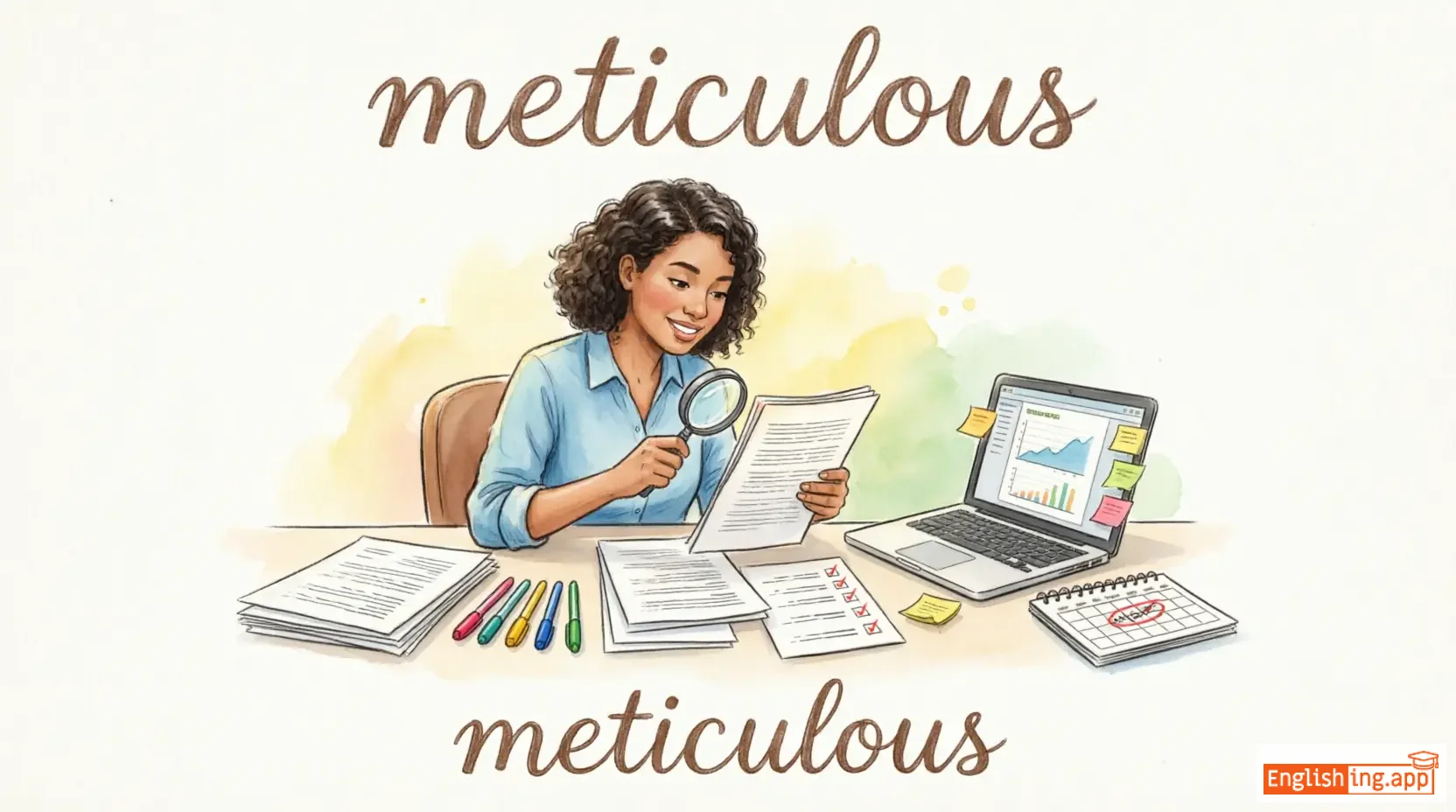
Showing great attention to detail; very careful and precise; characterized by extreme care and attention to detail.
••••••
|
She is meticulous in her research and documentation.
Ella es meticulosa en su investigación y documentación.
••••••
|
Ella es meticulosa en su investigación y documentación.
Ella es meticulosa en su investigacion y documentacion.
••••••
|
precise, thorough, diligent
••••••
|
careless, negligent, sloppy
••••••
|
Un meticuloso trabajo es como un reloj que funciona con precisión, observando cada detalle.
••••••
|
|
#3989
📊
|
ɪkˈstræp.ə.leɪt
verb
(eks-trah-poh-leht)
••••••
|
|
extrapolar
extrapolar
••••••
|
To extend the application of a method or conclusion to an unknown situation by assuming existing trends will continue.
••••••
|
Scientists extrapolate climate trends based on past data. |
Los científicos extrapolan las tendencias climáticas basadas en datos pasados.
Los cientificos extrapolan las tendencias climaticas basadas en datos pasados.
••••••
|
infer, deduce, predict
••••••
|
misinterpret, guess, miscalculate
••••••
|
Think of predicting future climate trends from past data, just like scientists do.
••••••
|
Vocabulary Quiz
Test your vocabulary by matching words with their translations or meanings.
Login to take the quiz
Comments (0)
Share your thoughts and join the discussion.
Join the discussion by logging in
Login to CommentNo comments yet
Be the first to share your thoughts!