Why Was the State Language Question So Important?
ウルドゥー語を唯一の state 言語にしようという議論が始まるやいなや、東ベンガルの学生、教養ある middle-class 社会、intellectuals、そして政治家たちは、これはベンガル人にとって深刻な災厄を招くと悟った。
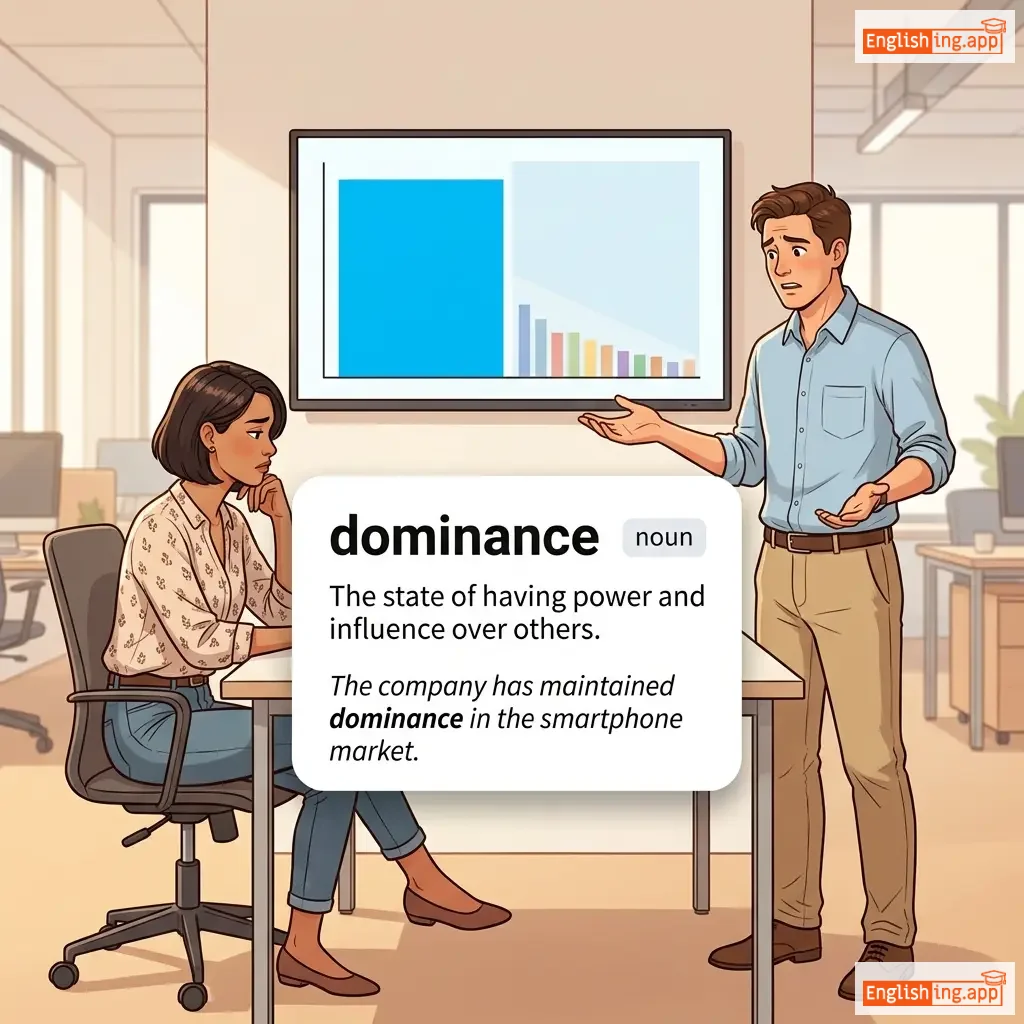
それはパキスタンにおけるウルドゥー語話者の dominance を確立し、政府や軍の職に関する opportunities で、ベンガル人がウルドゥー語話者に比べて不利になる、という理解である。パキスタン建国によって生まれた、ベンガル系ムスリムの development と social progress の夢は大きく損なわれてしまうだろう。
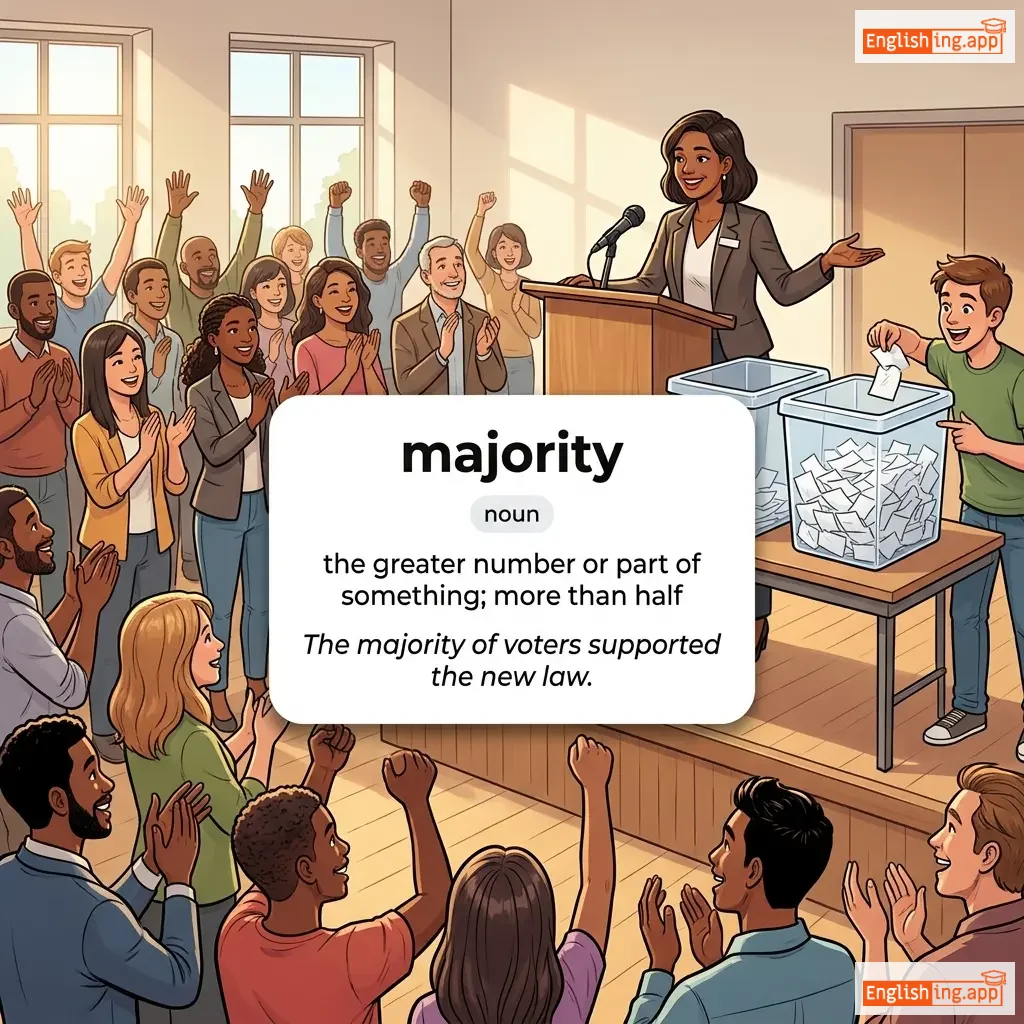
しかしパキスタンの reality はこうだった。国の東部では—そして国全体で見ても—majority の人々の言語はベンガル語だった。西パキスタンでは、40%超の人々がパンジャーブ語を話し、ウルドゥー語を話すのはわずか4%にすぎなかった。
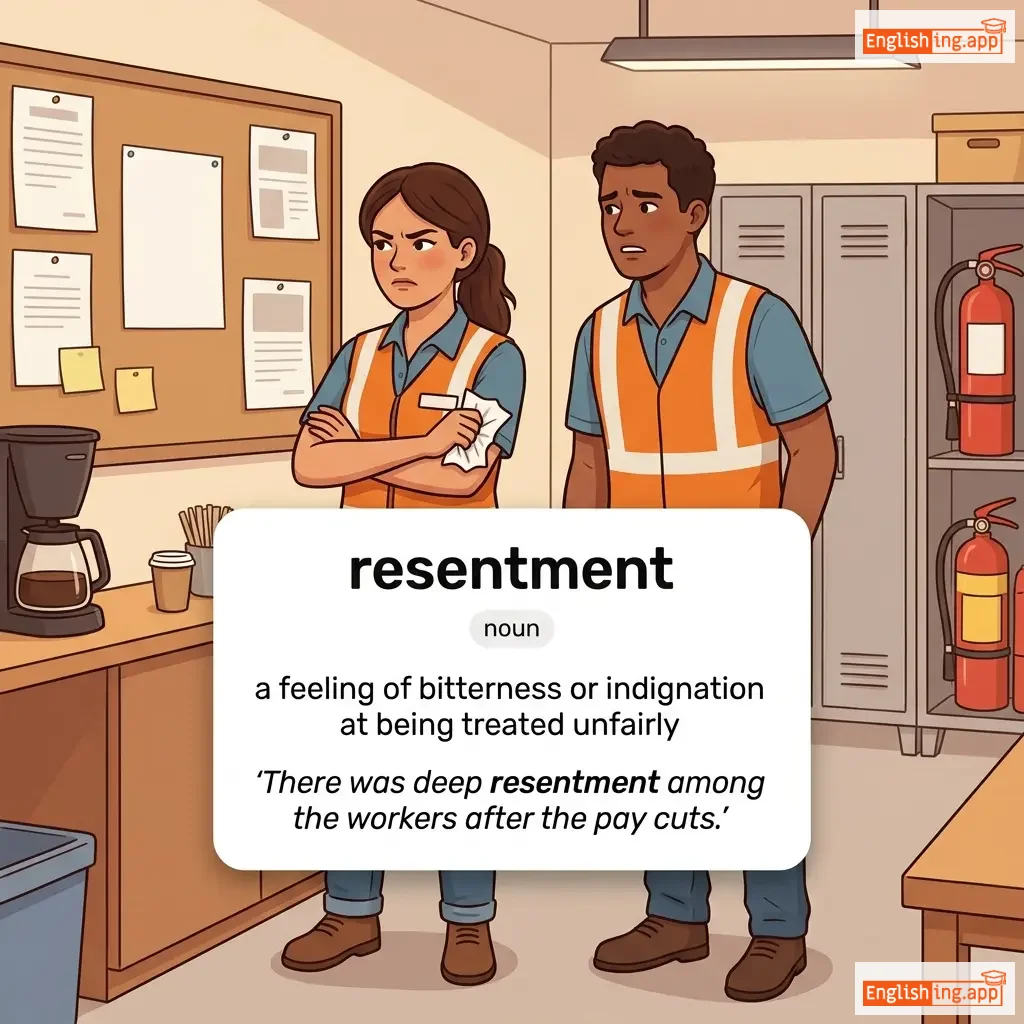
ベンガル語は majority の人々の言語であったにもかかわらず、ベンガル語がパキスタンの公用語の一つにならないという事実は、東ベンガルの学生や知識層の間に強い resentment を生んだ。
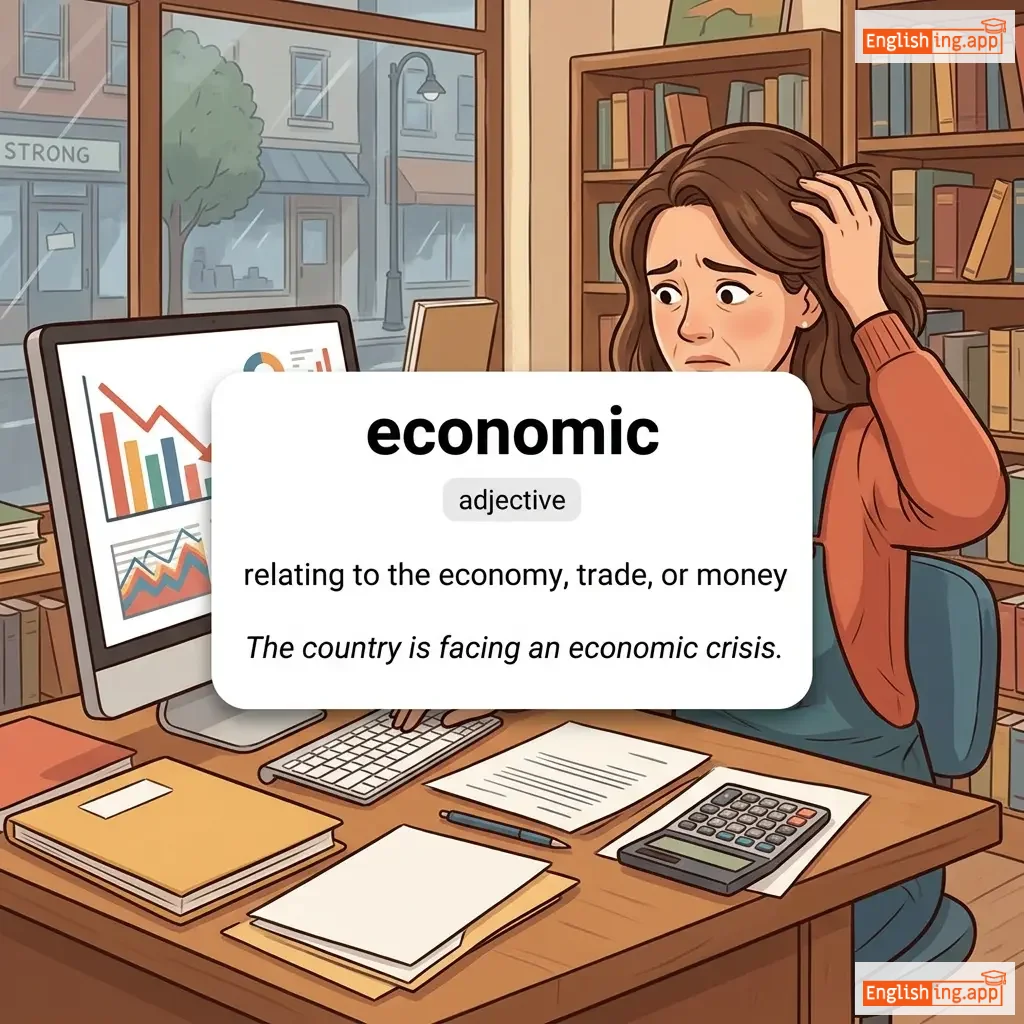
「一方では、言語とアイデンティティに関する emotions がある。しかしそれに加えて economic な側面もある」と、コロンビア大学の教授で分析家のラウナク・ジャハーンは語った。
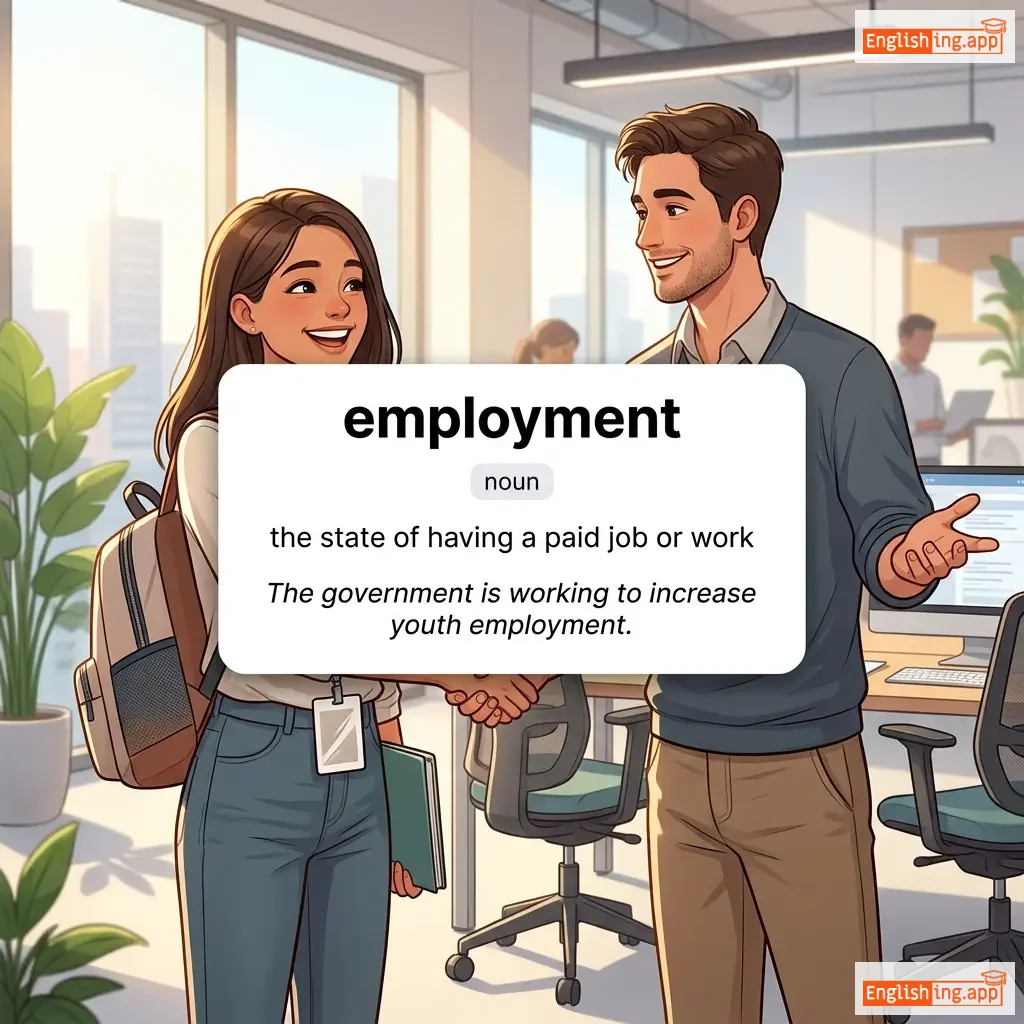
彼女によれば、「当時 employment といえば政府の仕事を意味した。だがウルドゥー語が公用語になれば、ベンガル人は政府や軍で職を得るためにウルドゥー語を学ばねばならず、ウルドゥー語話者と competition しなければならない—それは彼らを disadvantage に置くことになる。だから学生にとって、それは将来の問題だったのだ。」
|
絵文字
|
単語 | Images | 意味 | 例文 | 同義語 | 対義語 |
|---|---|---|---|---|---|---|
|
#180
🏛️
|
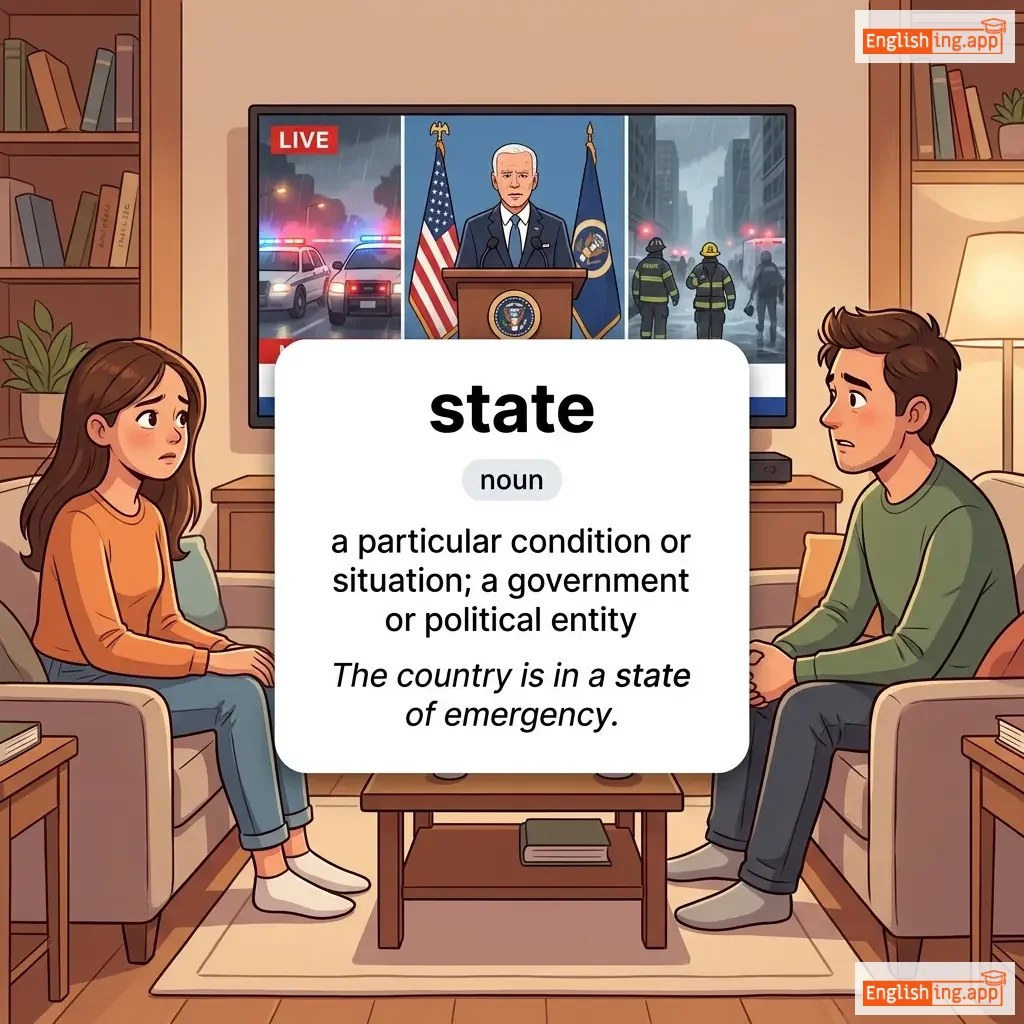
steɪt
noun
••••••
|
|
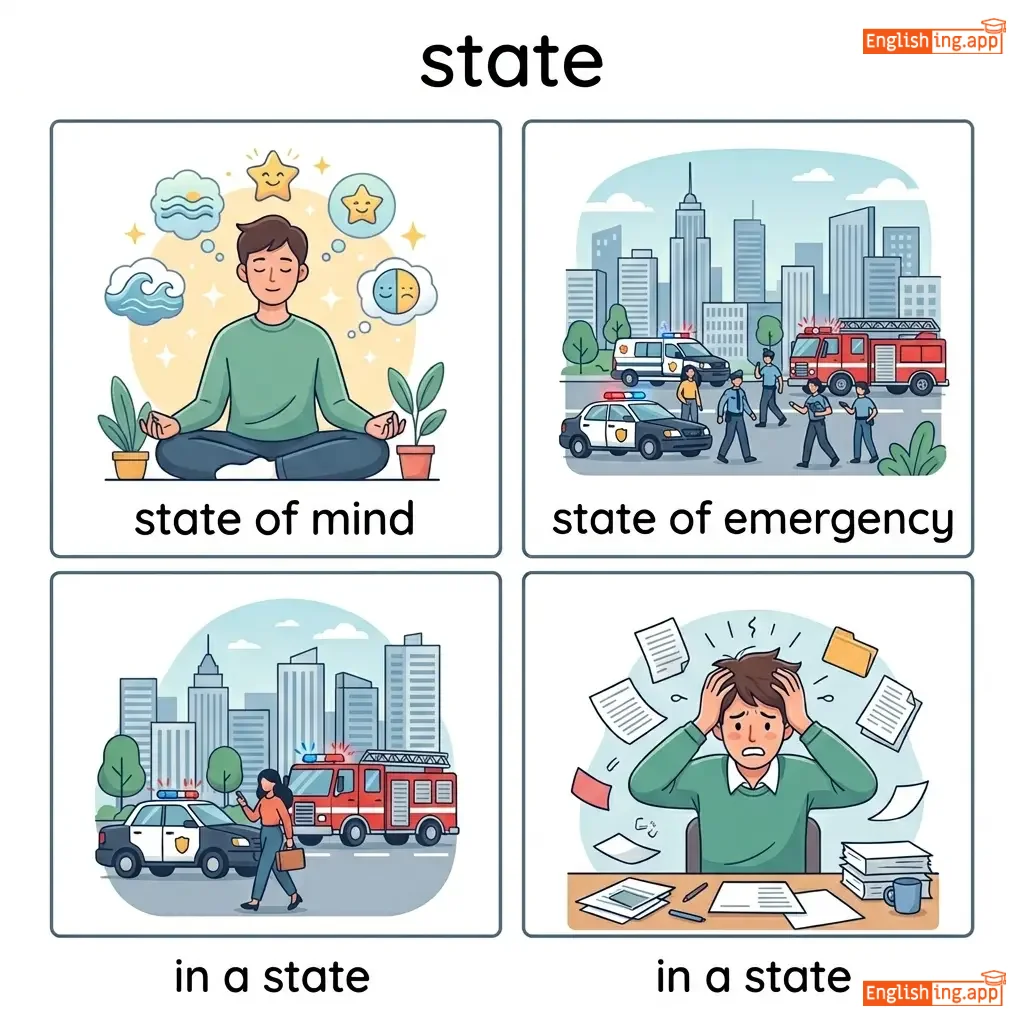
A nation or territory considered as an organized political community under one government.
••••••
|
The state declared a new language policy. |
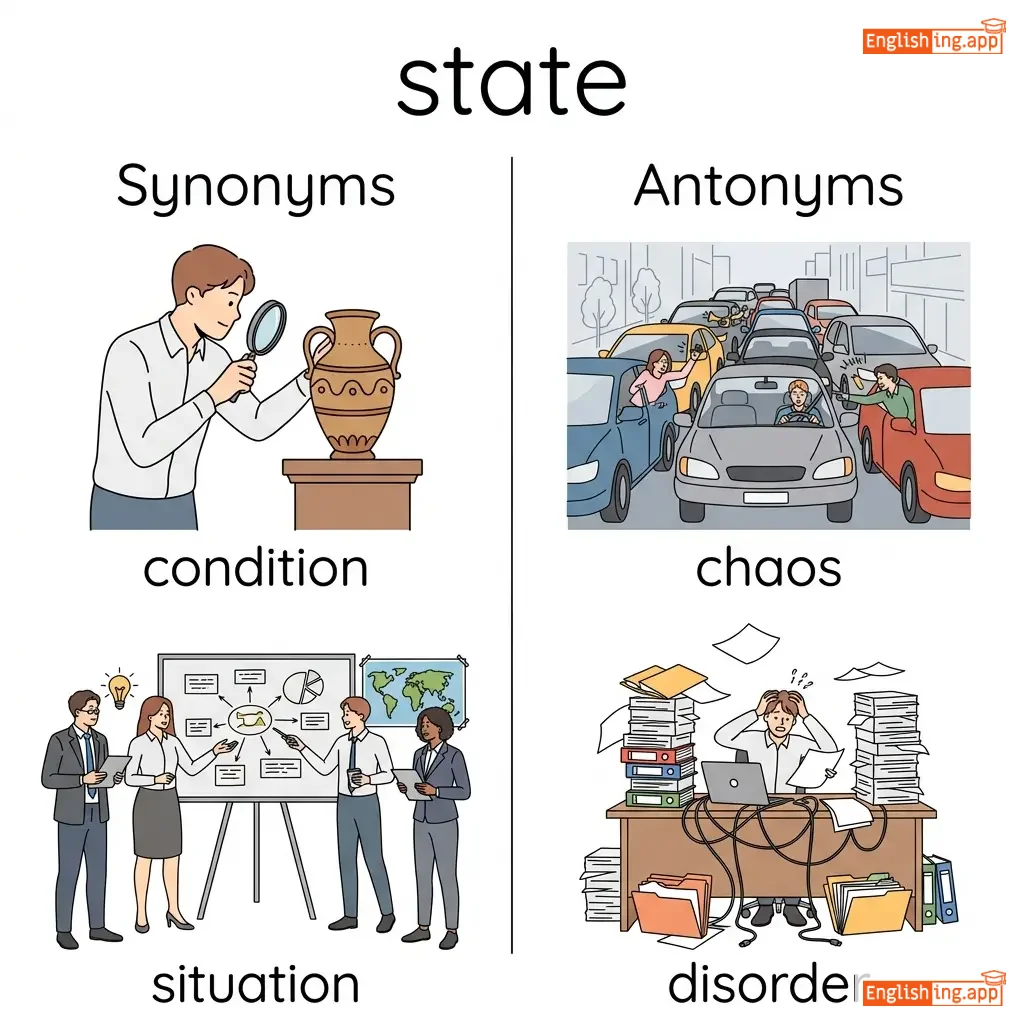
Nation, Territory
••••••
|
Chaos, Disorder
••••••
|
|
#181
👔
|
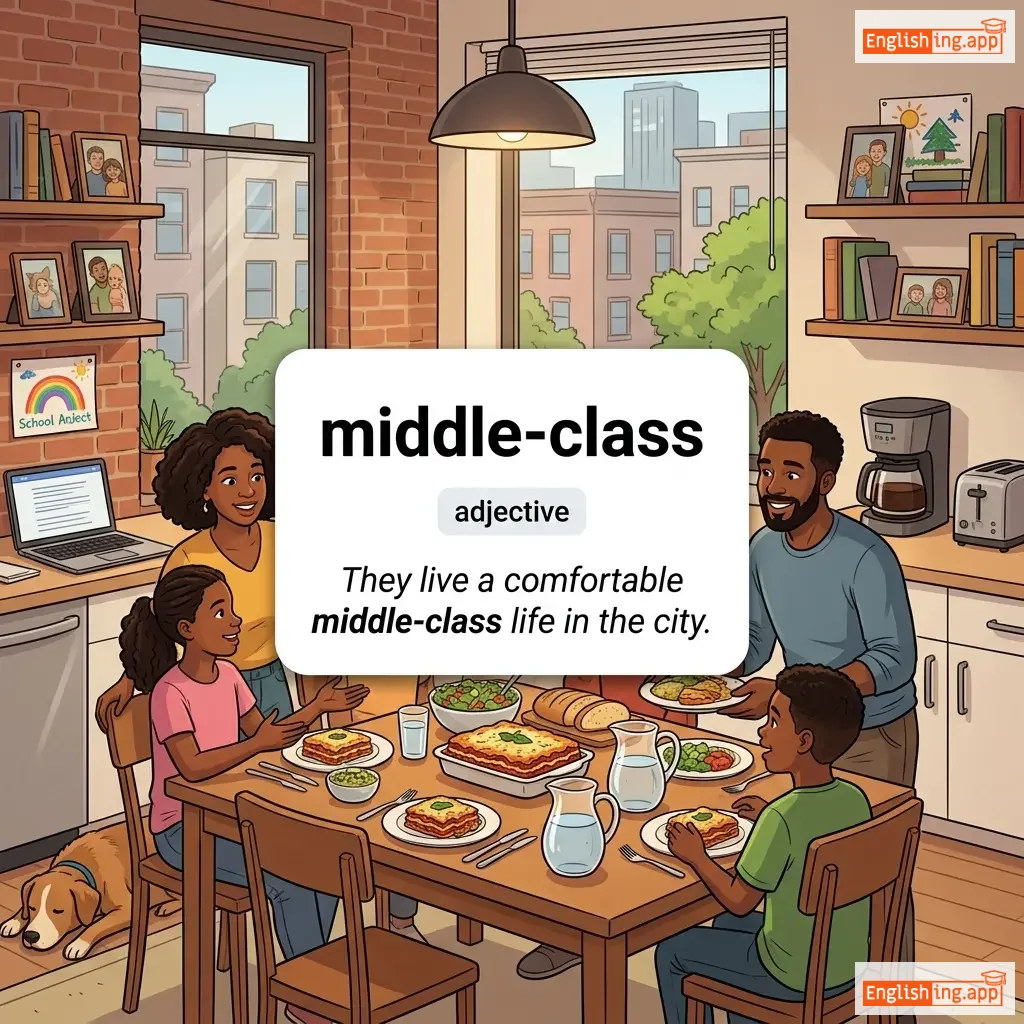
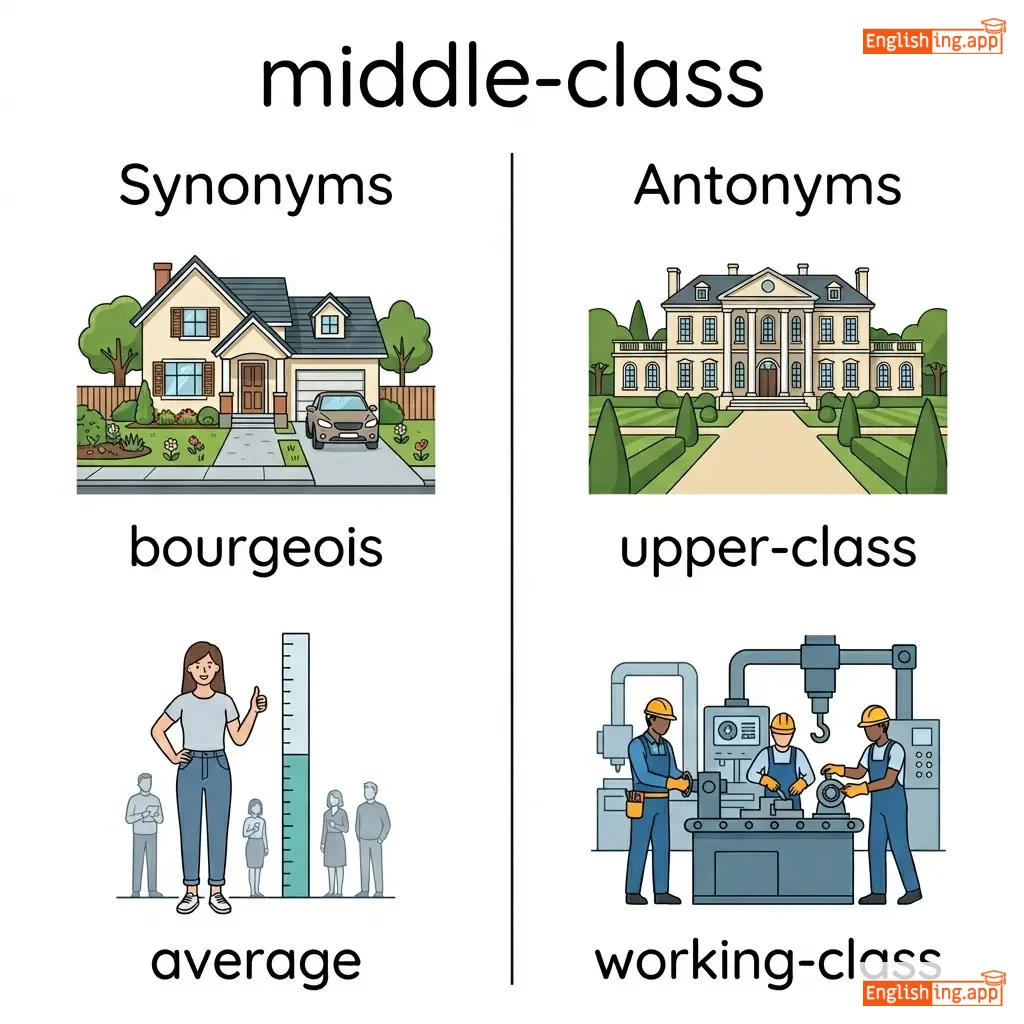
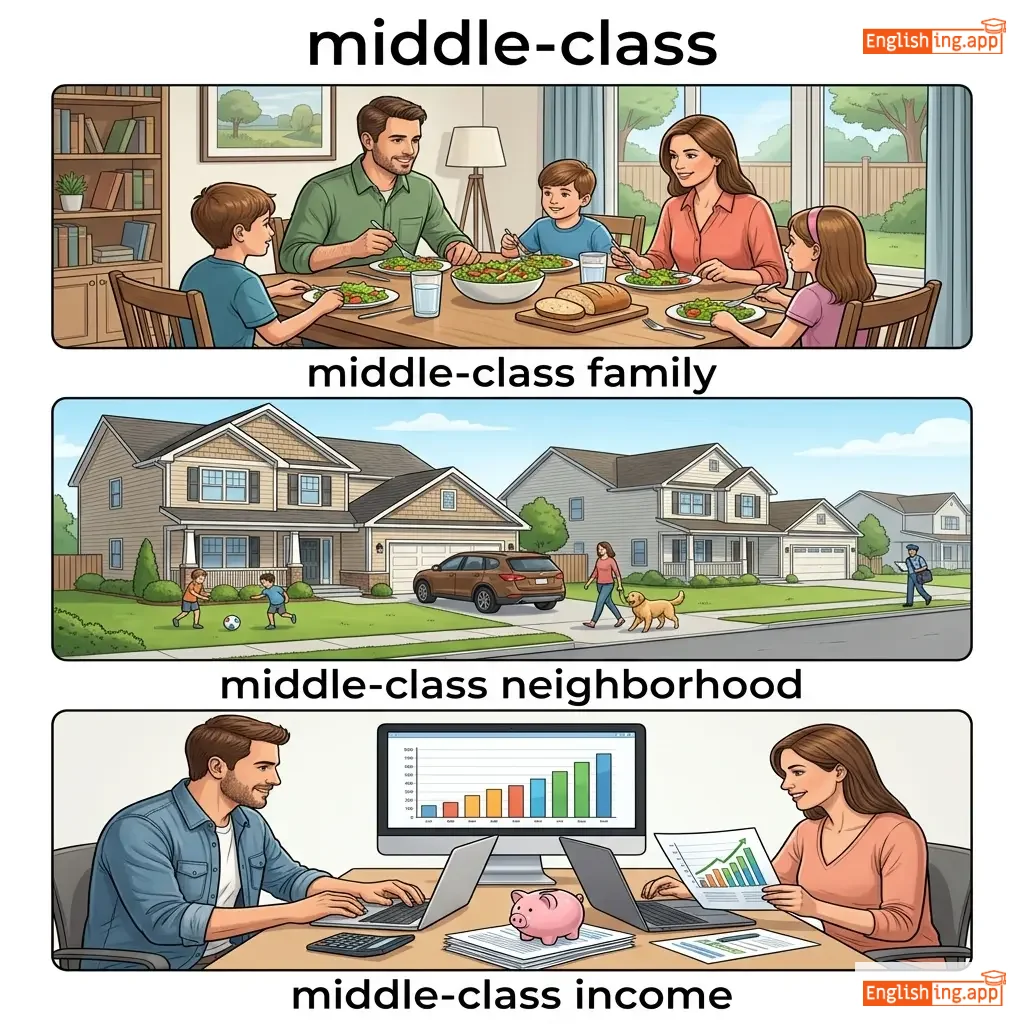
ˈmɪdl klæs
noun
••••••
|
|
The social group between the upper and working classes, typically consisting of well-educated people.
••••••
|
The middle-class was largely affected by the decision. |
Bourgeoisie, Working-class
••••••
|
Upper-class, Elite
••••••
|
|
#182
🎓
|
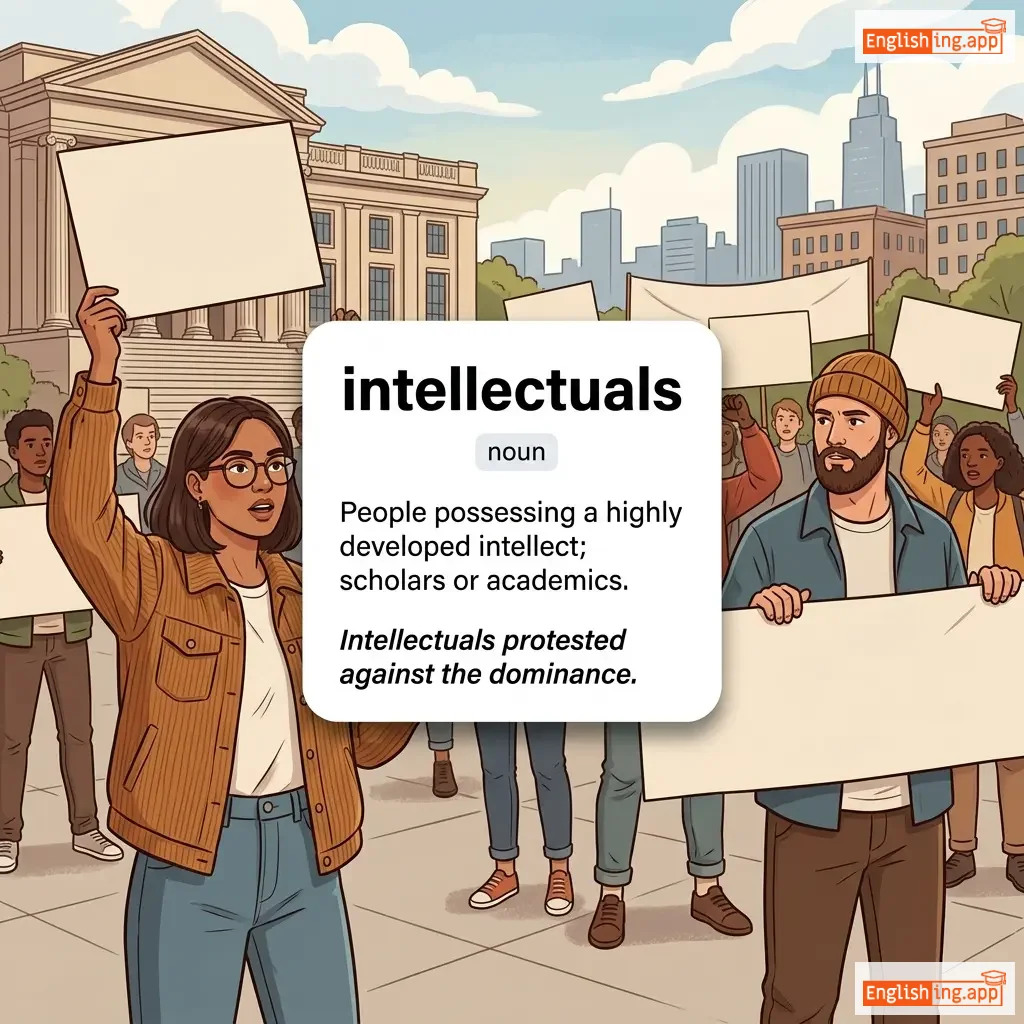
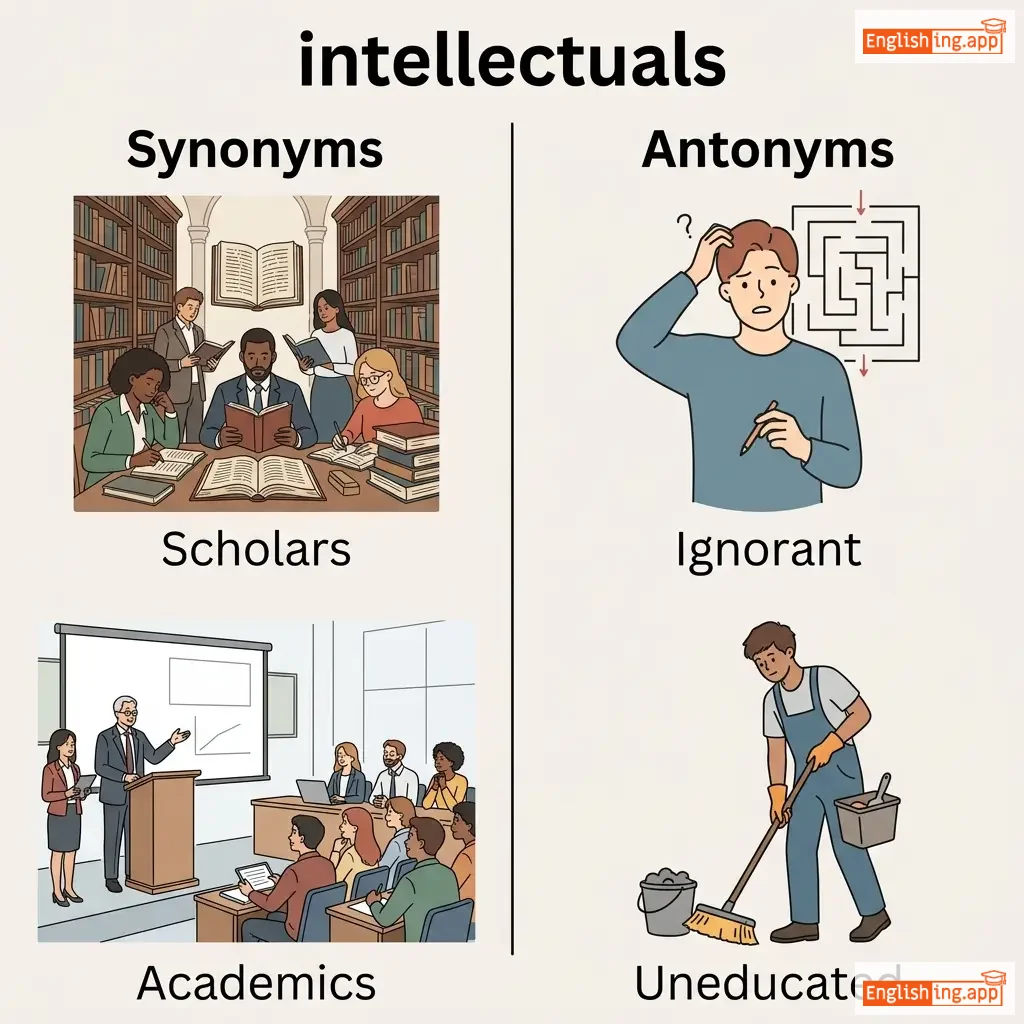
ˌɪntəˈlektʃuəlz
noun
••••••
|
|
People possessing a highly developed intellect; scholars or academics.
••••••
|
Intellectuals protested against the dominance. |
Scholars, Academics
••••••
|
Ignorant, Uneducated
••••••
|
|
#183
👑
|
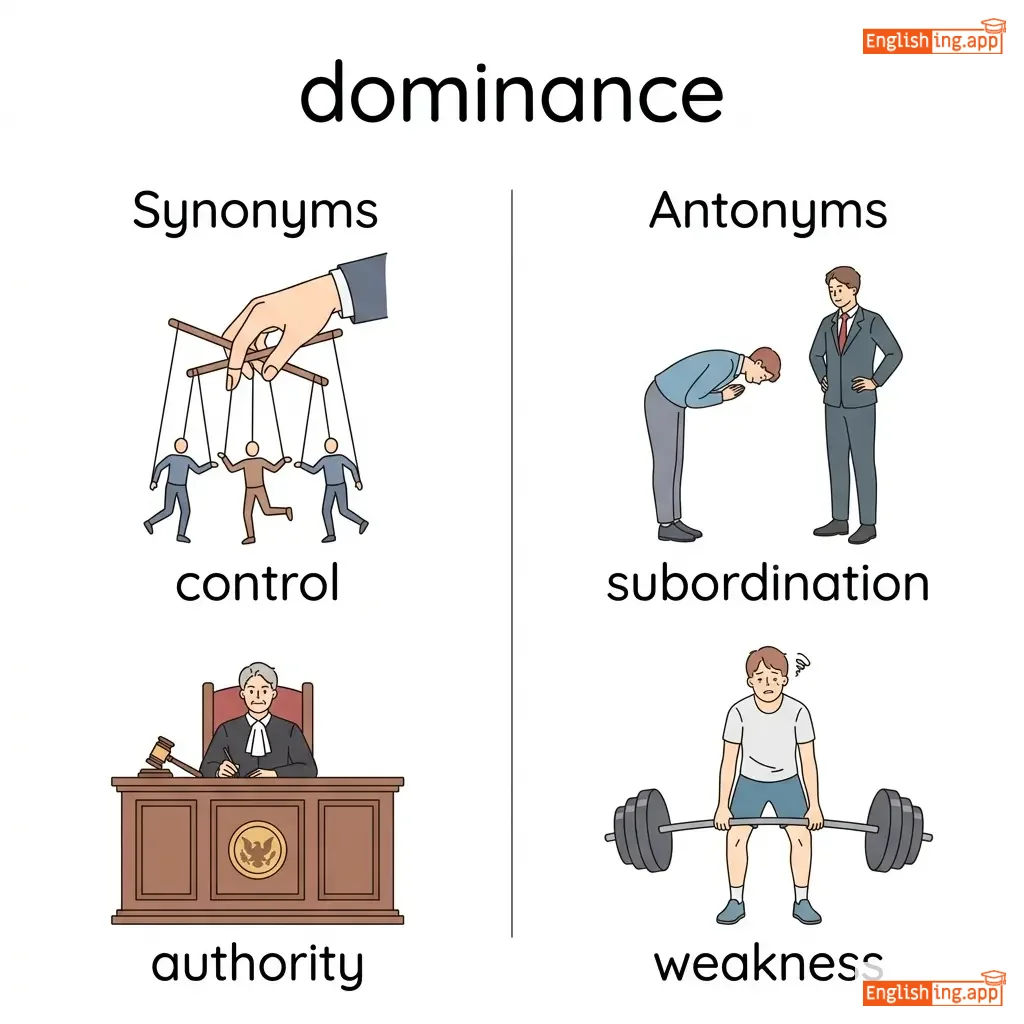
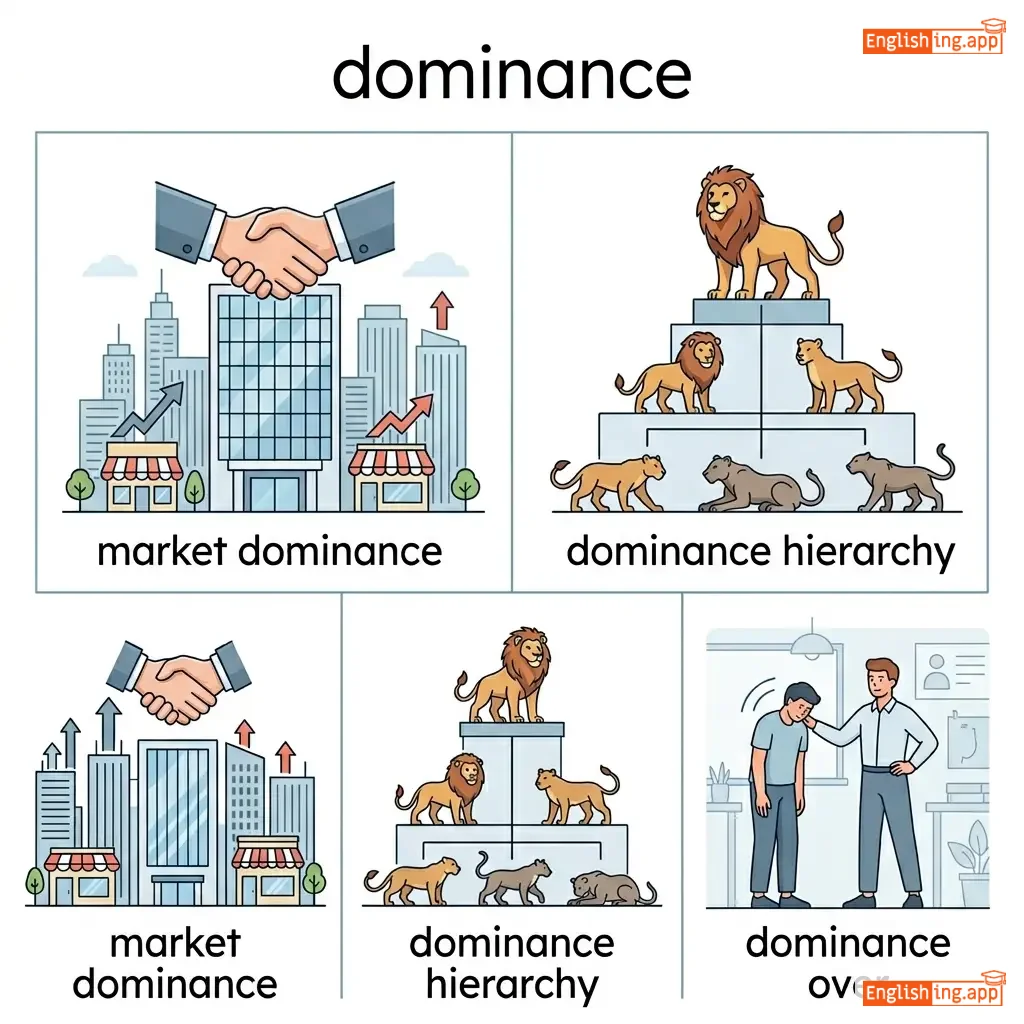
ˈdɒmɪnəns
noun
••••••
|
|
Power and influence over others; control or command.
••••••
|
The dominance of Urdu was evident. |
Control, Supremacy
••••••
|
Subordination, Weakness
••••••
|
|
#184
🚪
|
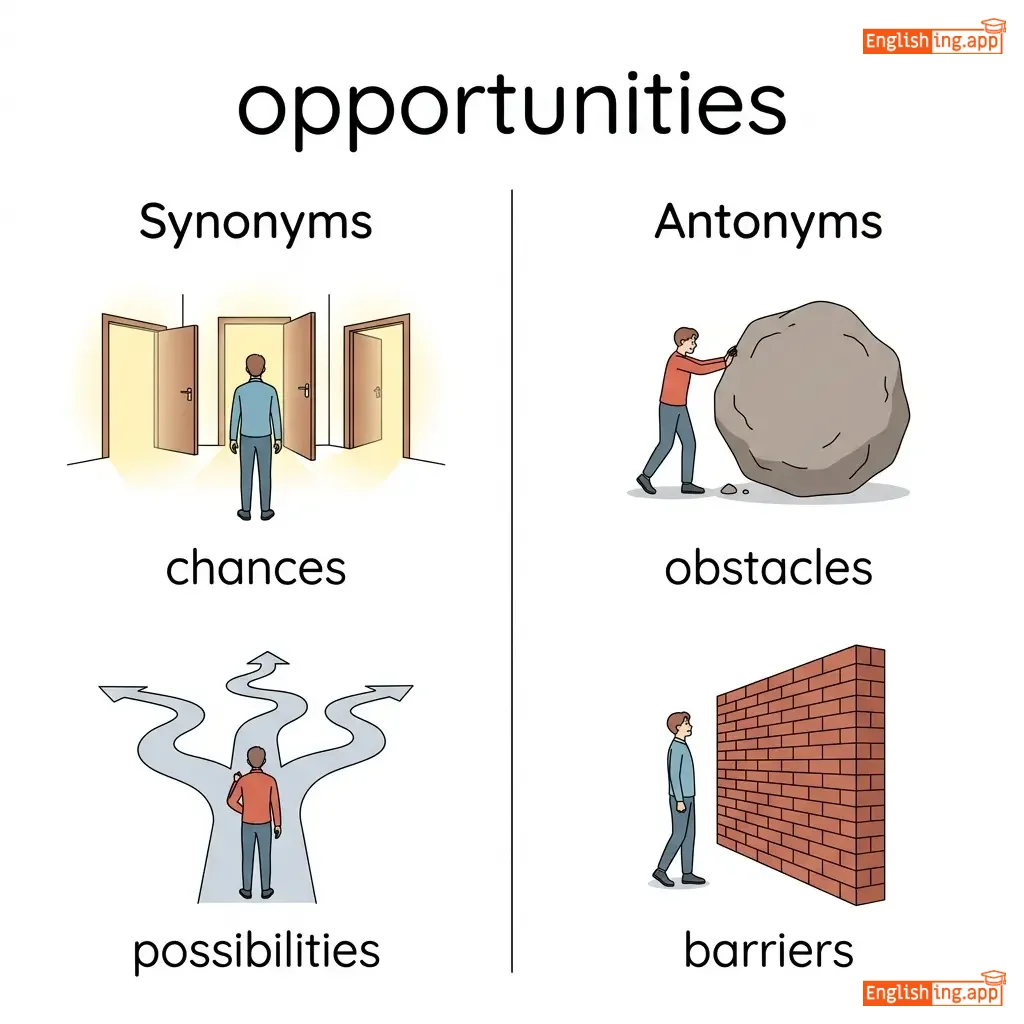
ˌɒpəˈtjuːnɪtiz
noun
••••••
|

|
A set of circumstances that makes it possible to do something; chances for advancement or success.
••••••
|
Opportunities for jobs decreased. |
Chances, Prospects
••••••
|
Obstacles, Hindrances
••••••
|
|
#185
📈
|
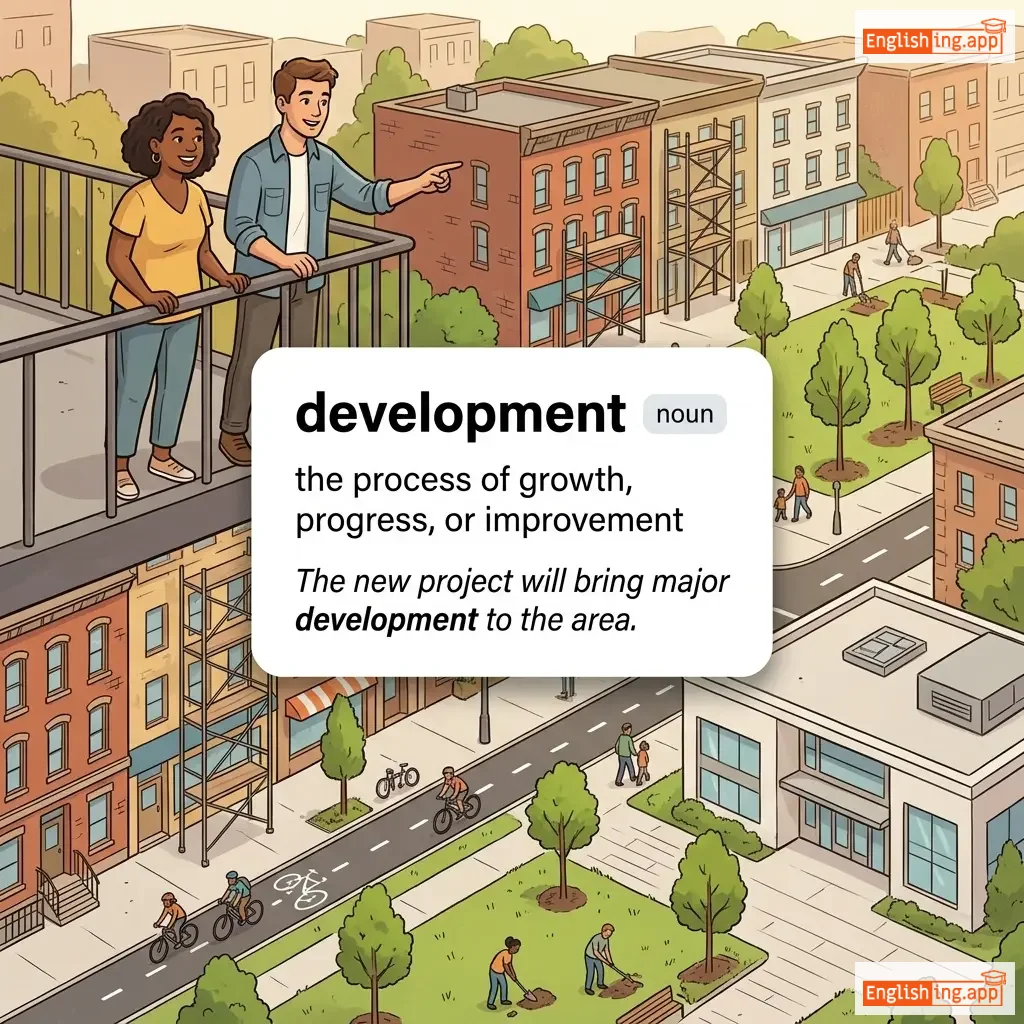
dɪˈveləpmənt
noun
••••••
|
|
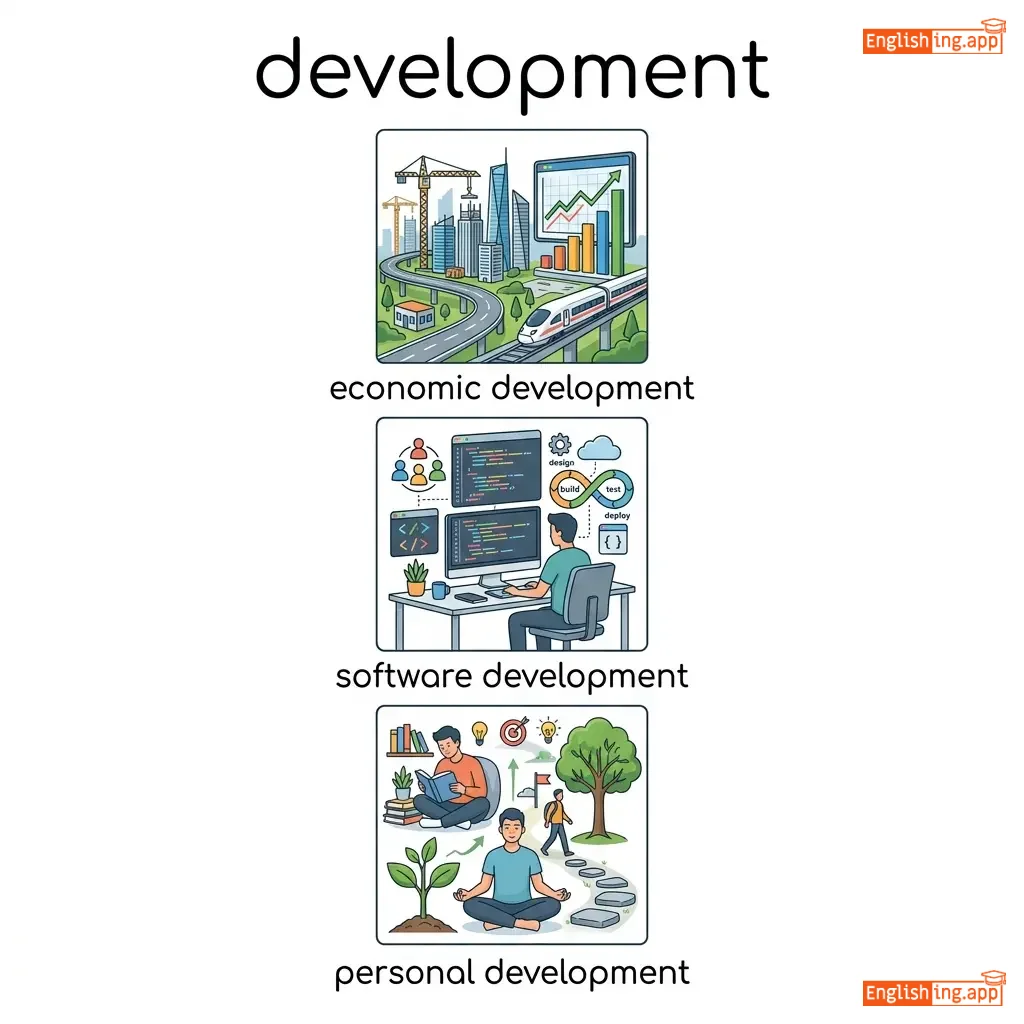
The process of developing or being developed; growth or progress.
••••••
|
Development of Bengali society was hindered. |
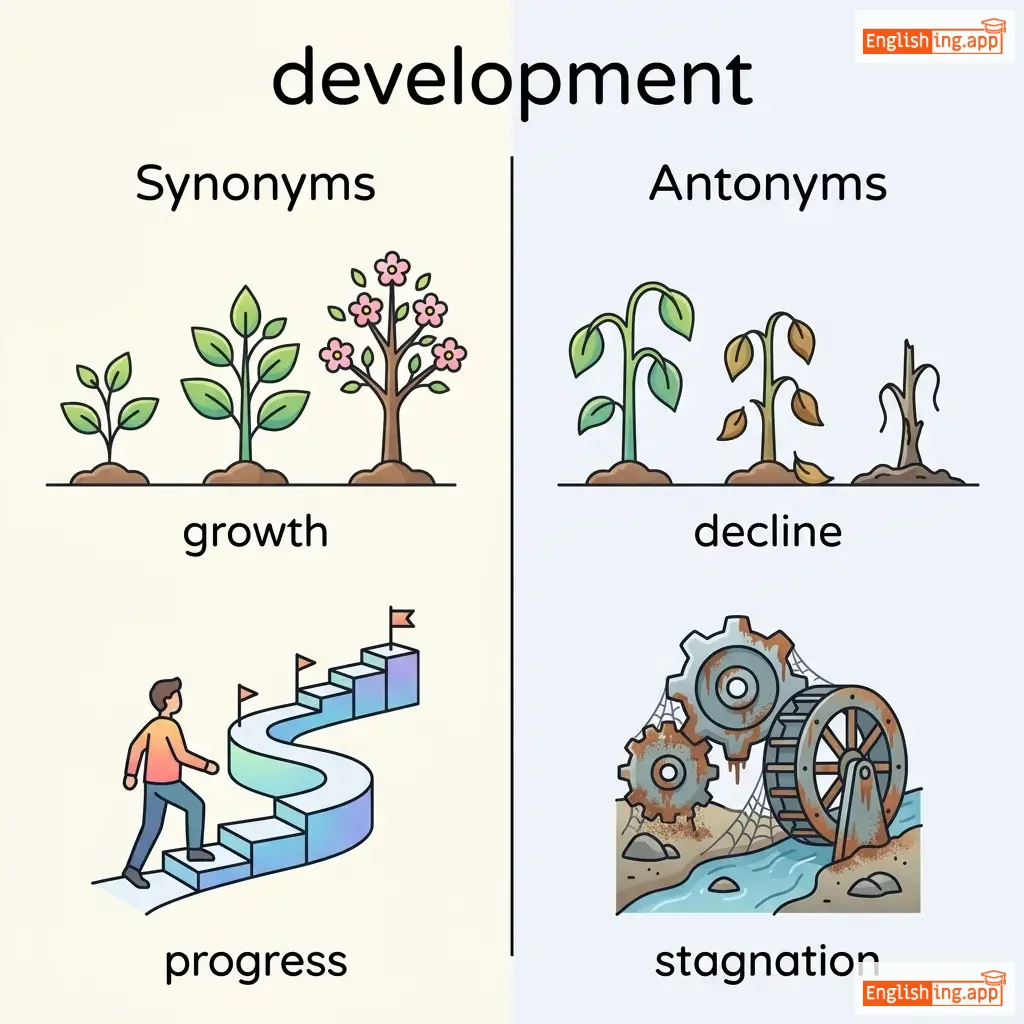
Growth, Progress
••••••
|
Decline, Regression
••••••
|
|
#186
🔍
|
riˈæləti
noun
••••••
|


|
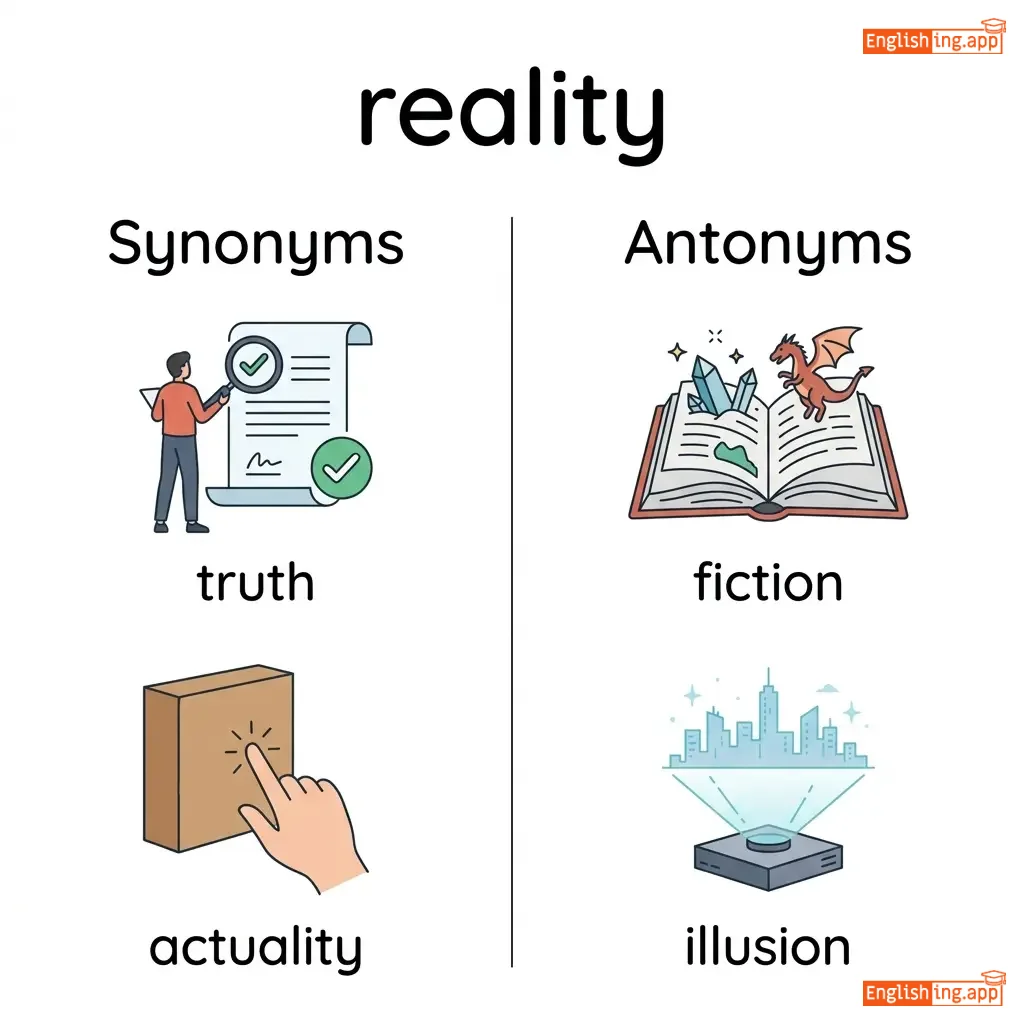
The world or the state of things as they actually exist, as opposed to an idealistic or notional idea.
••••••
|
The reality of the situation was evident. |
Truth, Actuality
••••••
|
Illusion, Fantasy
••••••
|
|
#187
👥
|
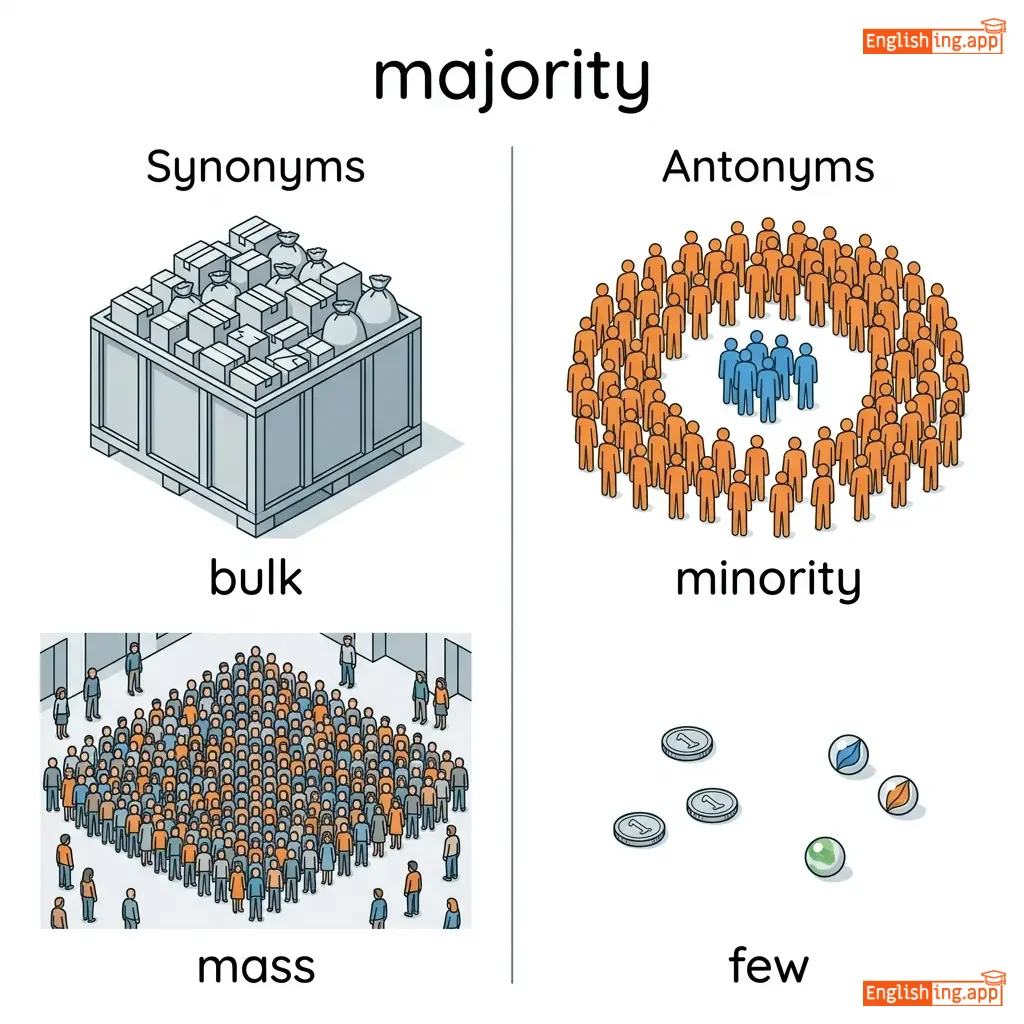
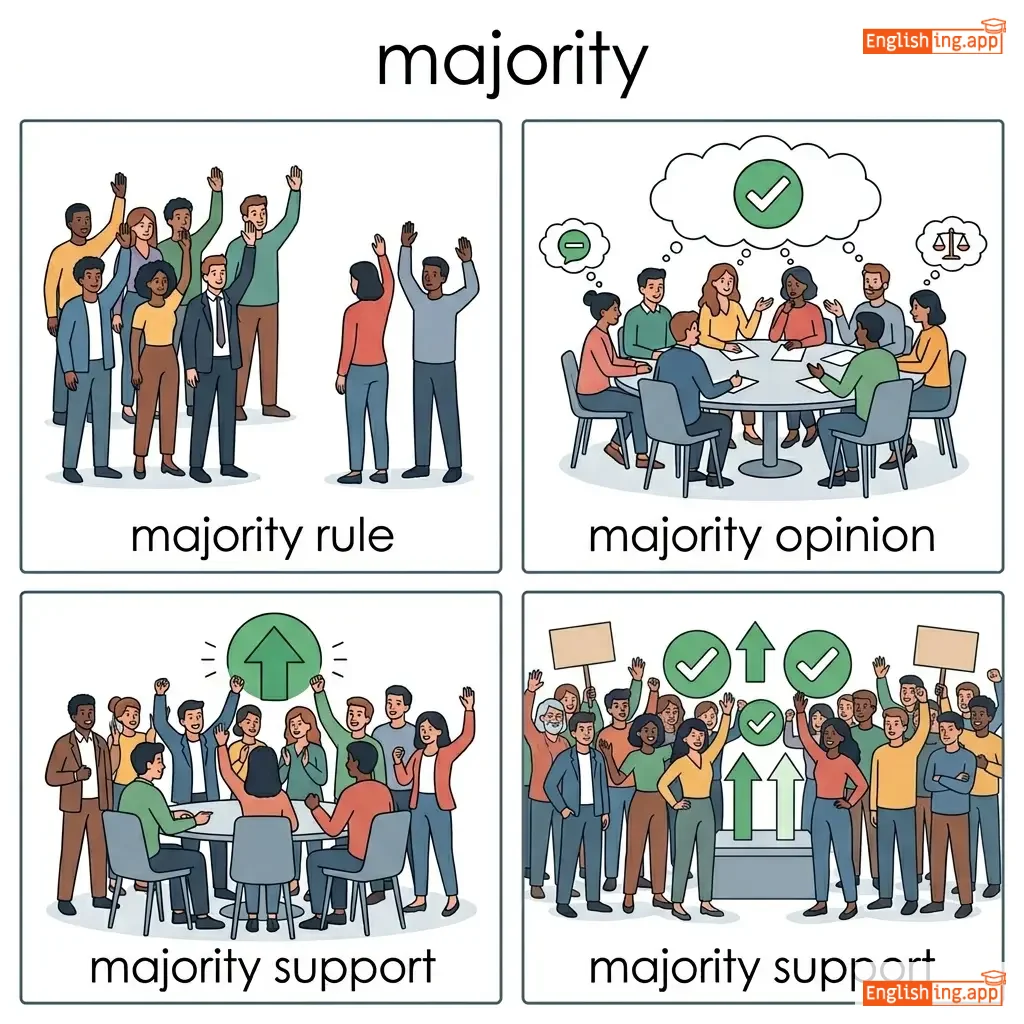
məˈdʒɒrəti
noun
••••••
|
|
The greater number; the larger part of something.
••••••
|
The majority demanded their rights. |
Plurality, Bulk
••••••
|
Minority, Few
••••••
|
|
#188
😠
|
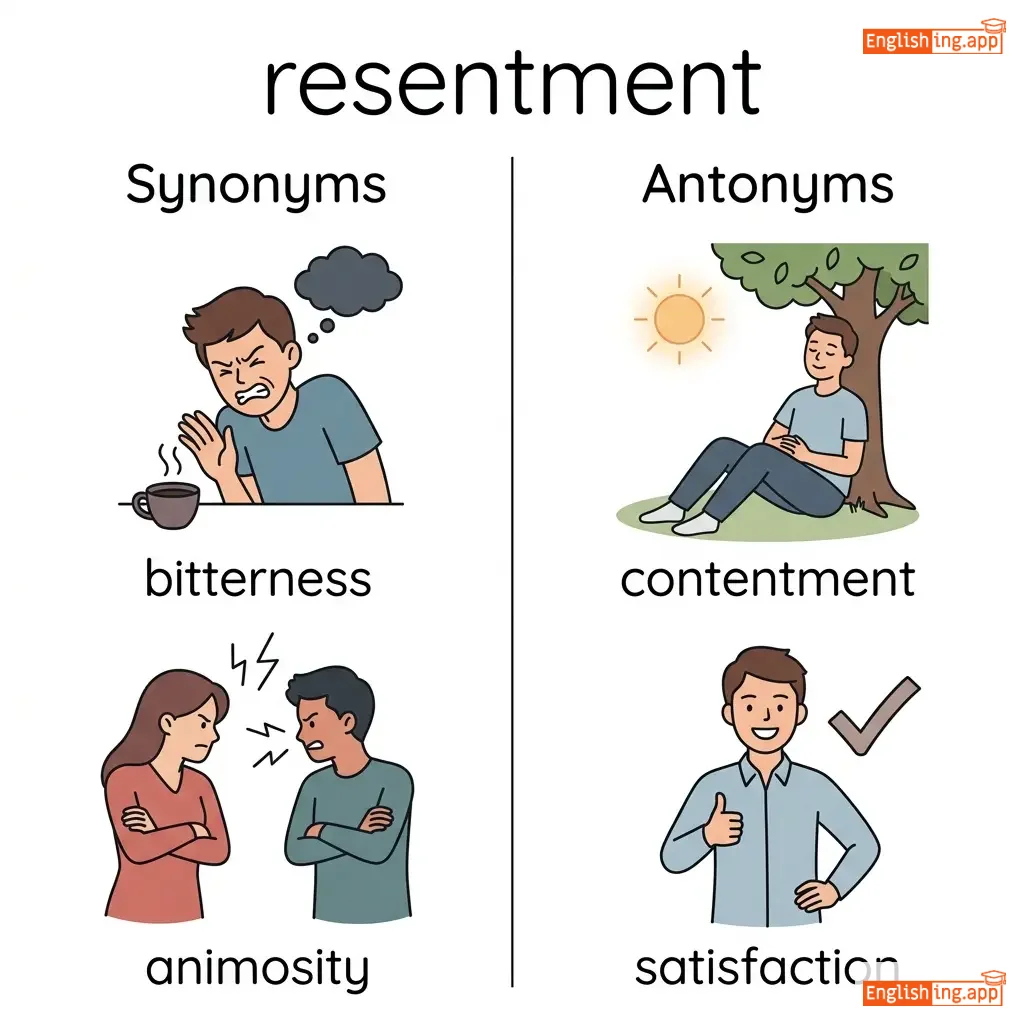
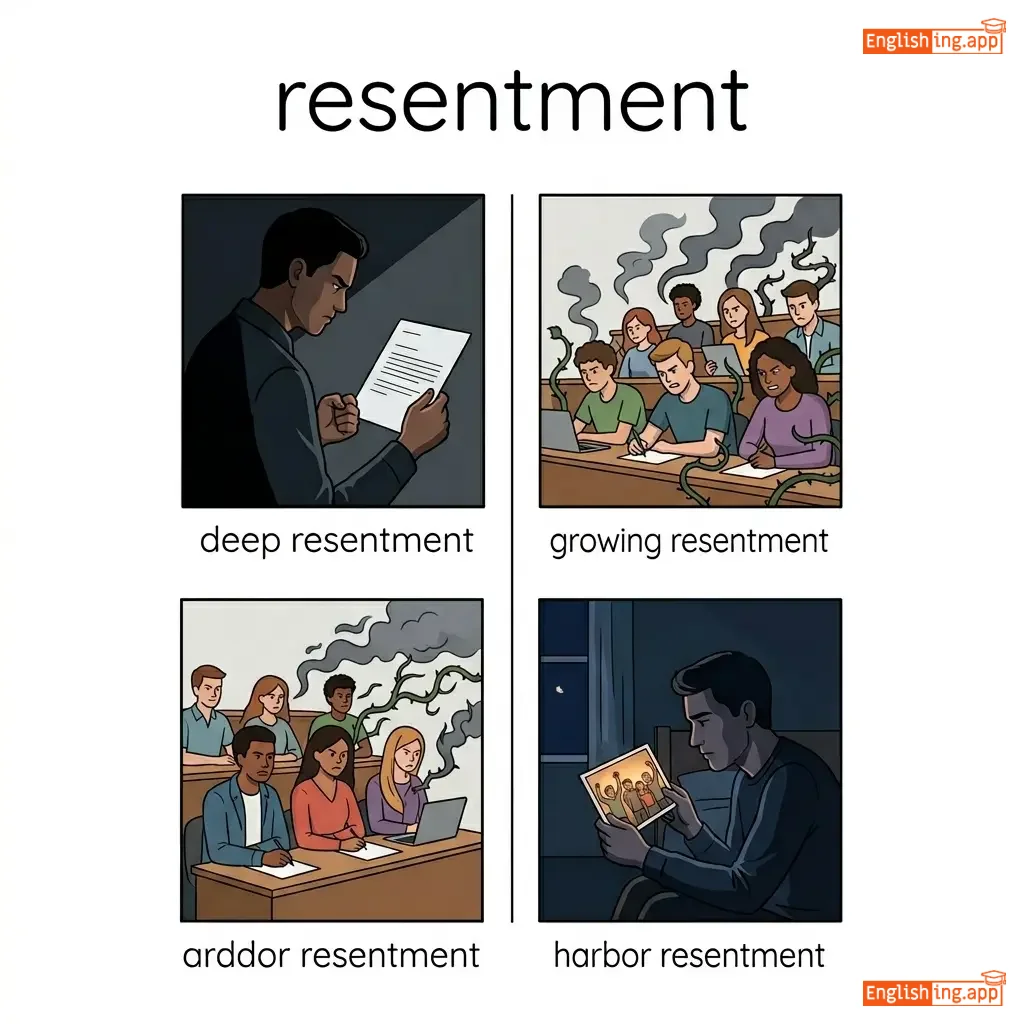
rɪˈzentmənt
noun
••••••
|
|
Bitter indignation at having been treated unfairly.
••••••
|
Resentment grew among the students. |
Anger, Bitterness
••••••
|
Satisfaction, Contentment
••••••
|
|
#189
❤️
|
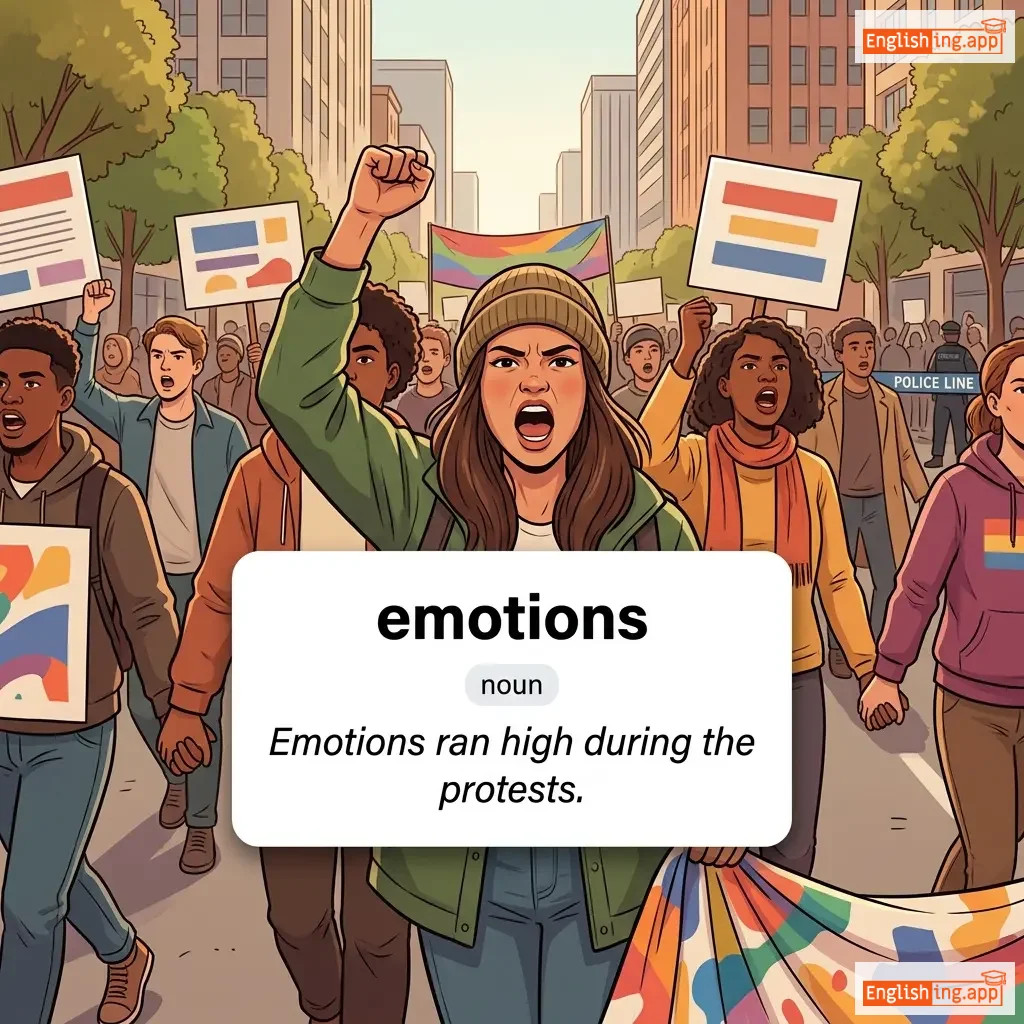
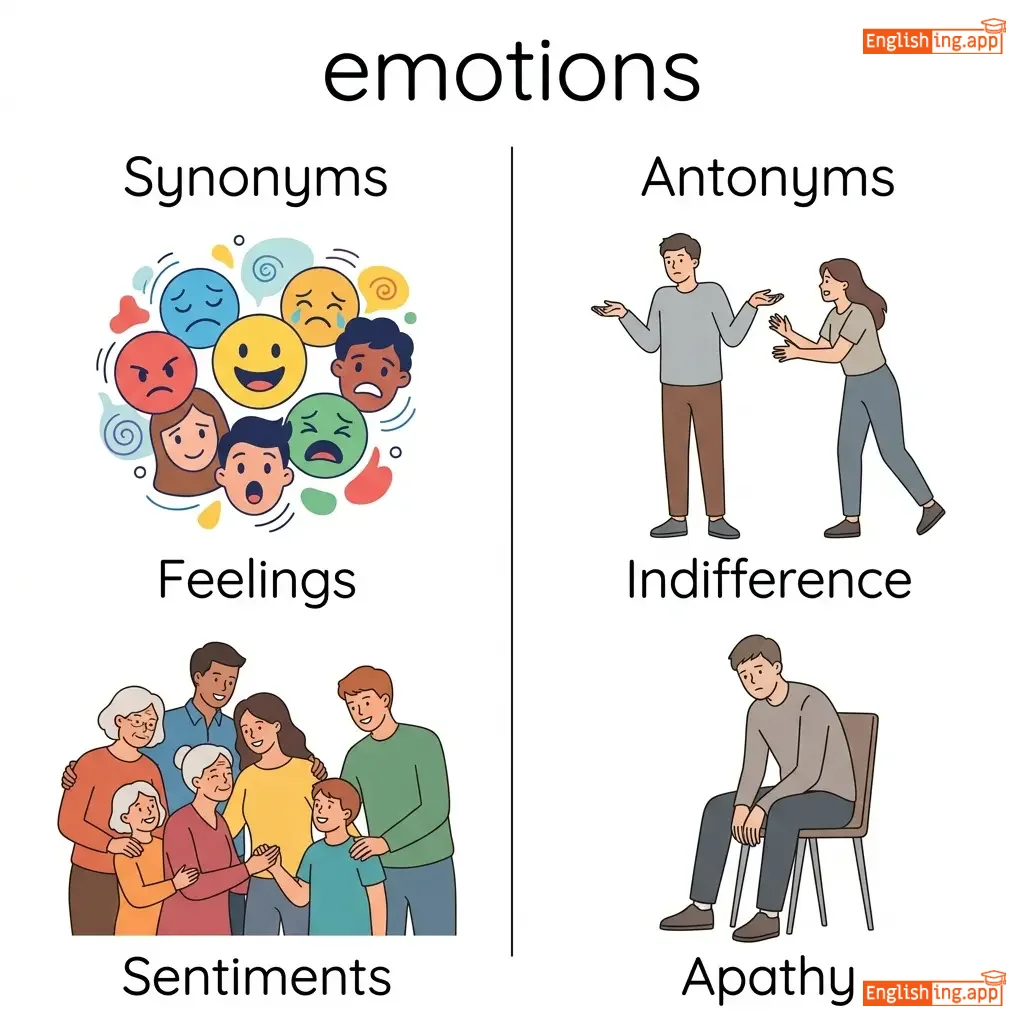
ɪˈməʊʃənz
noun
••••••
|
|
Strong feelings deriving from one's circumstances, mood, or relationships with others.
••••••
|
Emotions ran high during the protests. |
Feelings, Sentiments
••••••
|
Indifference, Apathy
••••••
|
|
#190
💰
|
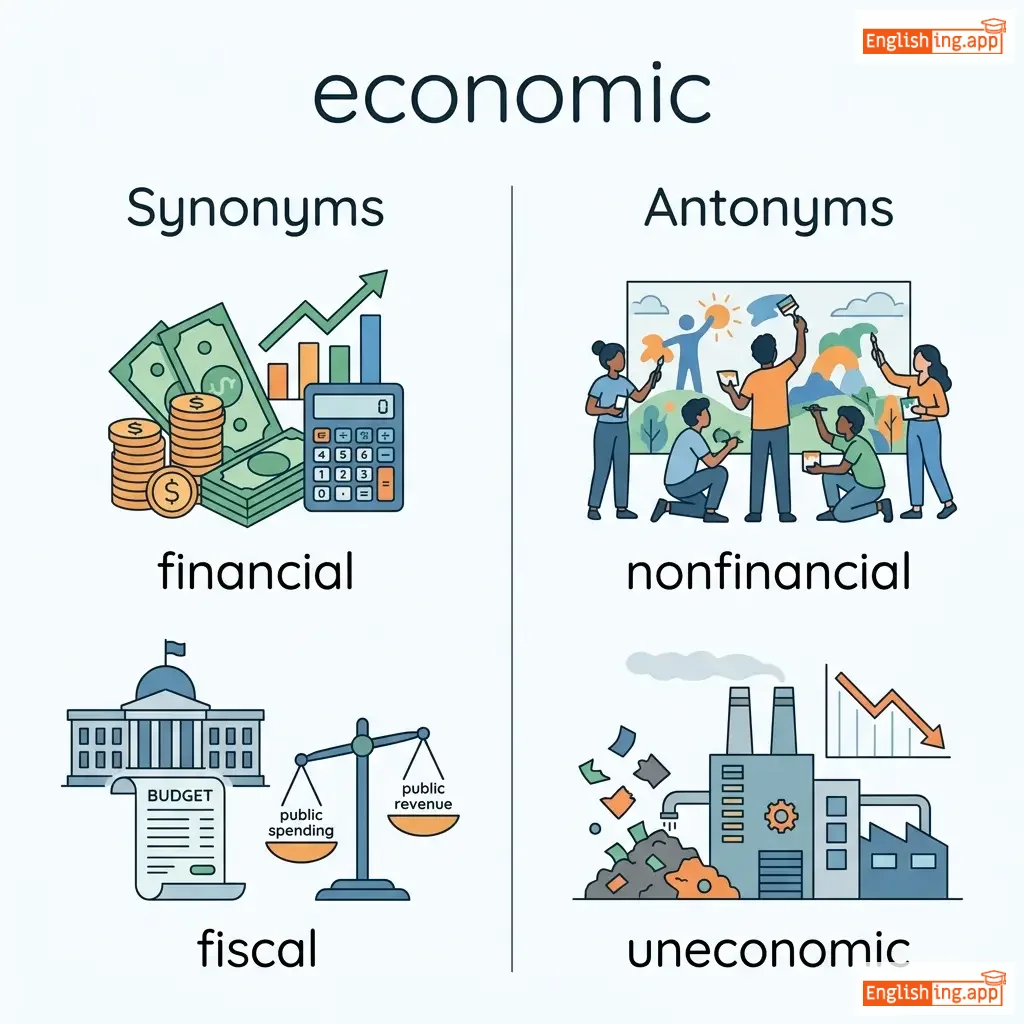
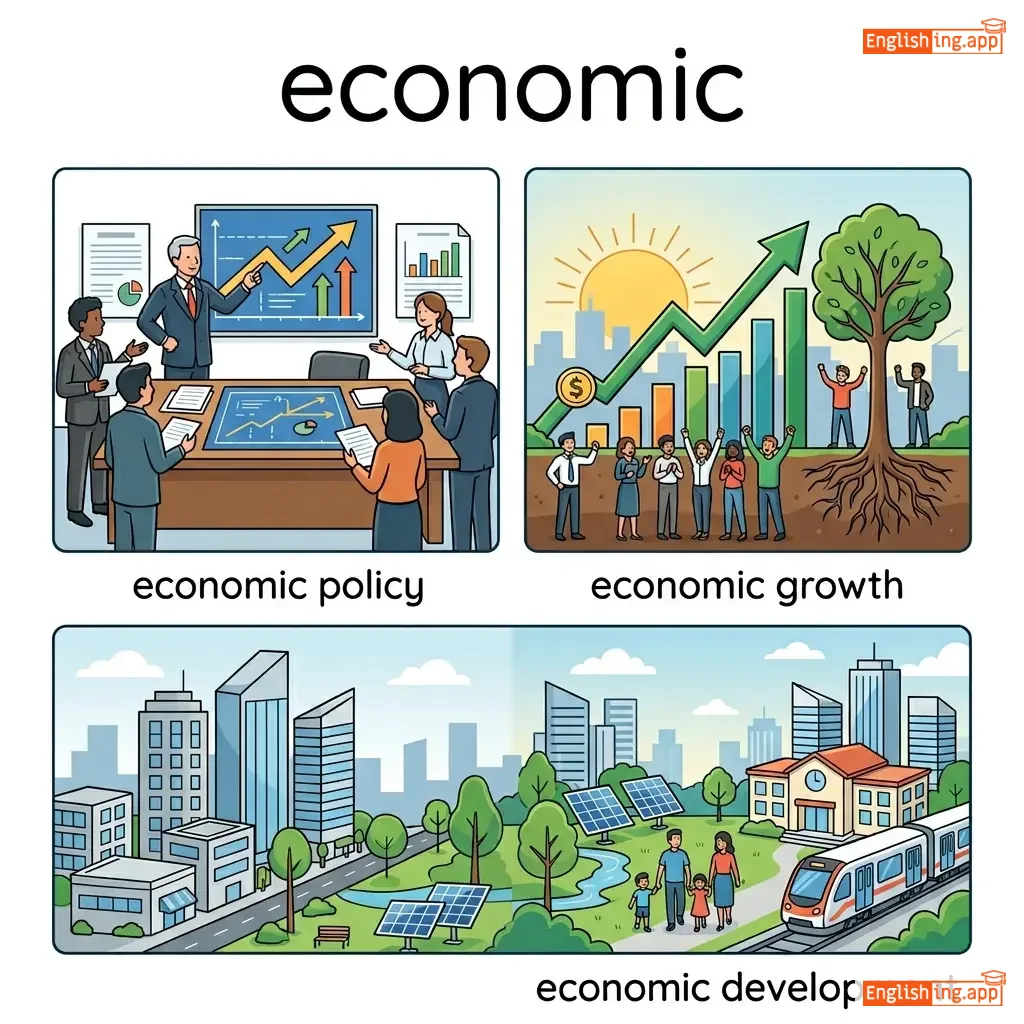
ˌiːkəˈnɒmɪk
adjective
••••••
|
|
Relating to economics or the economy.
••••••
|
The issue had significant economic implications. |
Financial, Monetary
••••••
|
Uneconomic, Unprofitable
••••••
|
|
#191
💼
|
ɪmˈplɔɪmənt
noun
••••••
|
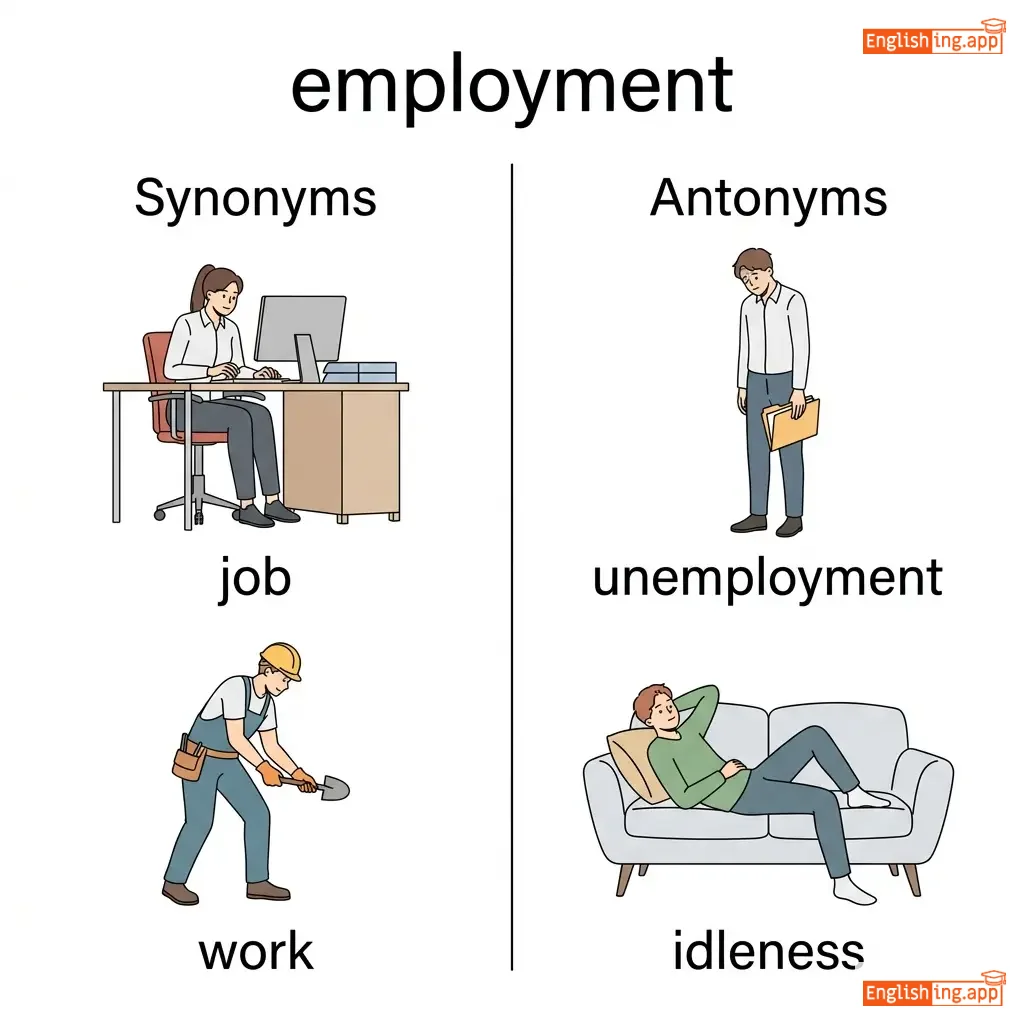
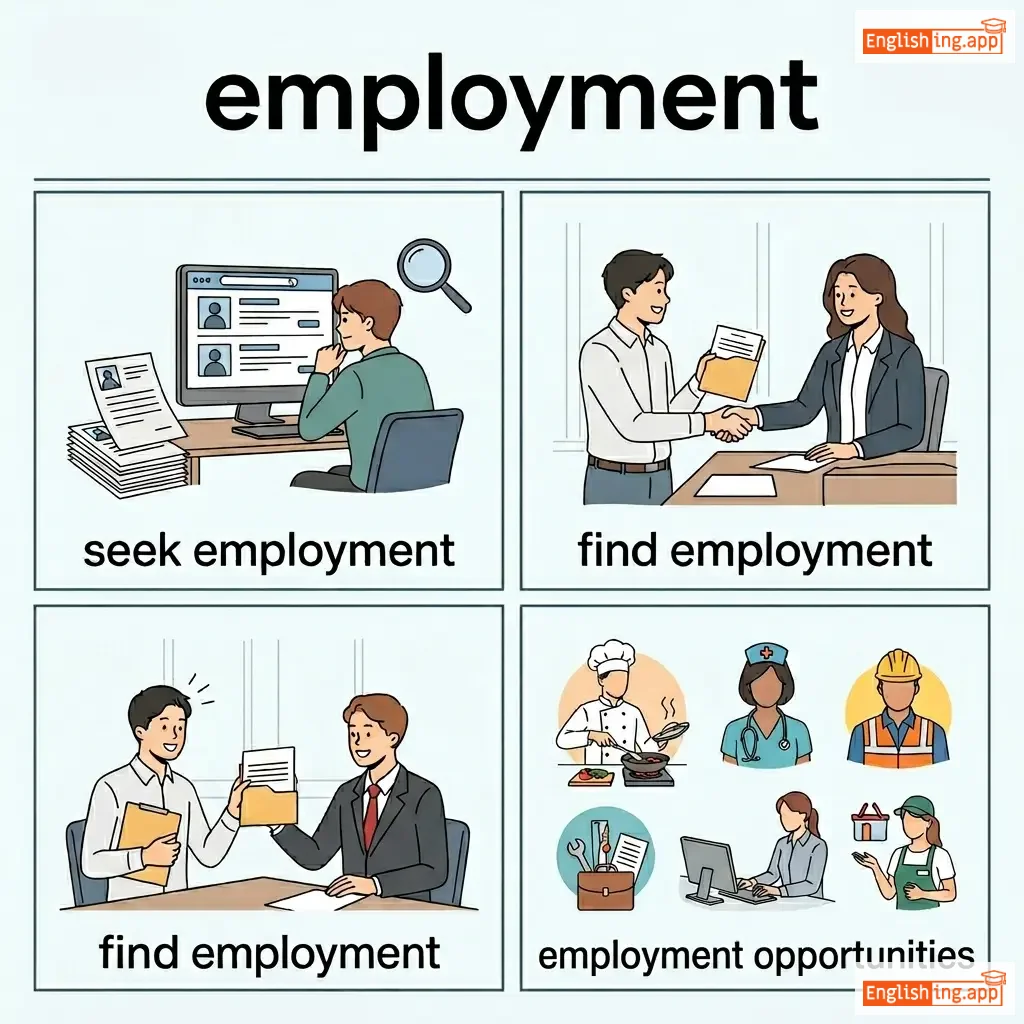
|
The condition of having paid work; the action of giving work to someone.
••••••
|
Employment was limited to Urdu speakers. |
Work, Occupation
••••••
|
Unemployment, Idleness
••••••
|
|
#192
🏁
|
ˌkɒmpəˈtɪʃən
noun
••••••
|

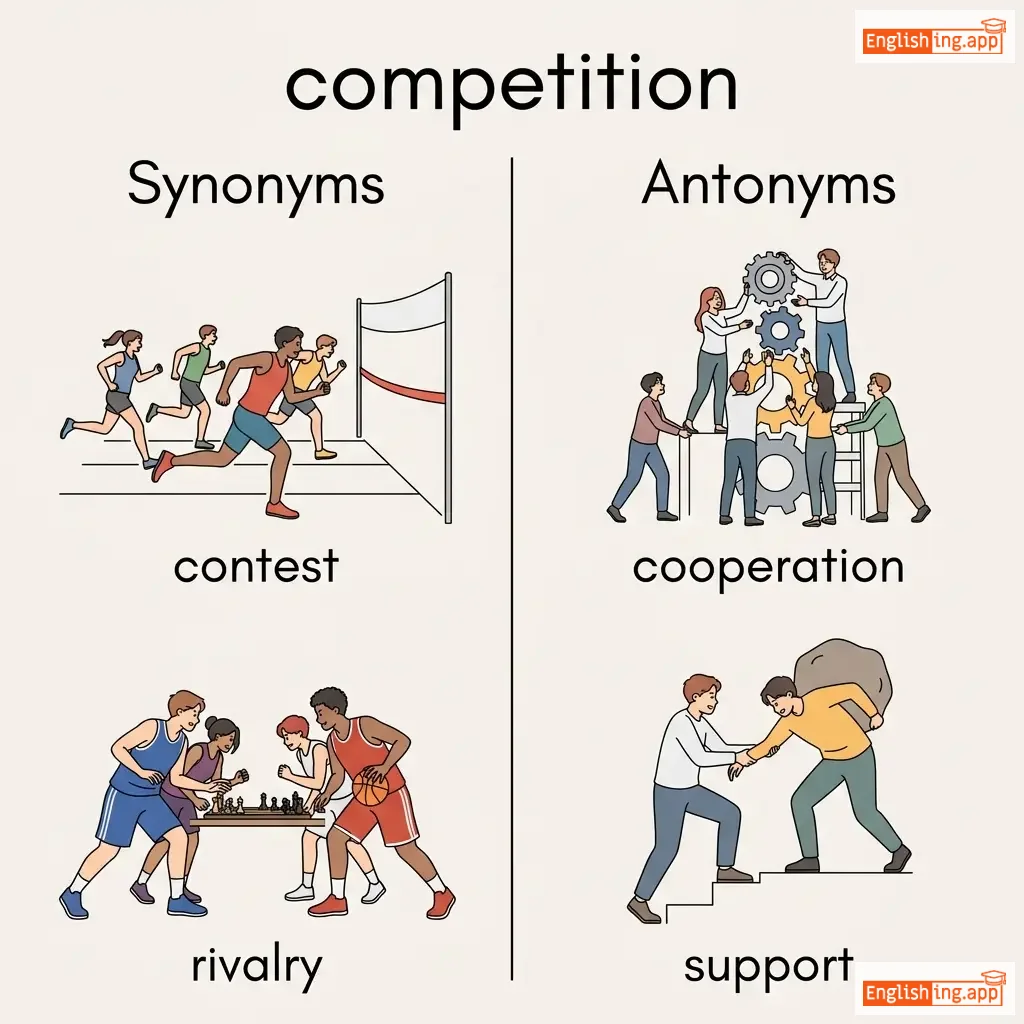
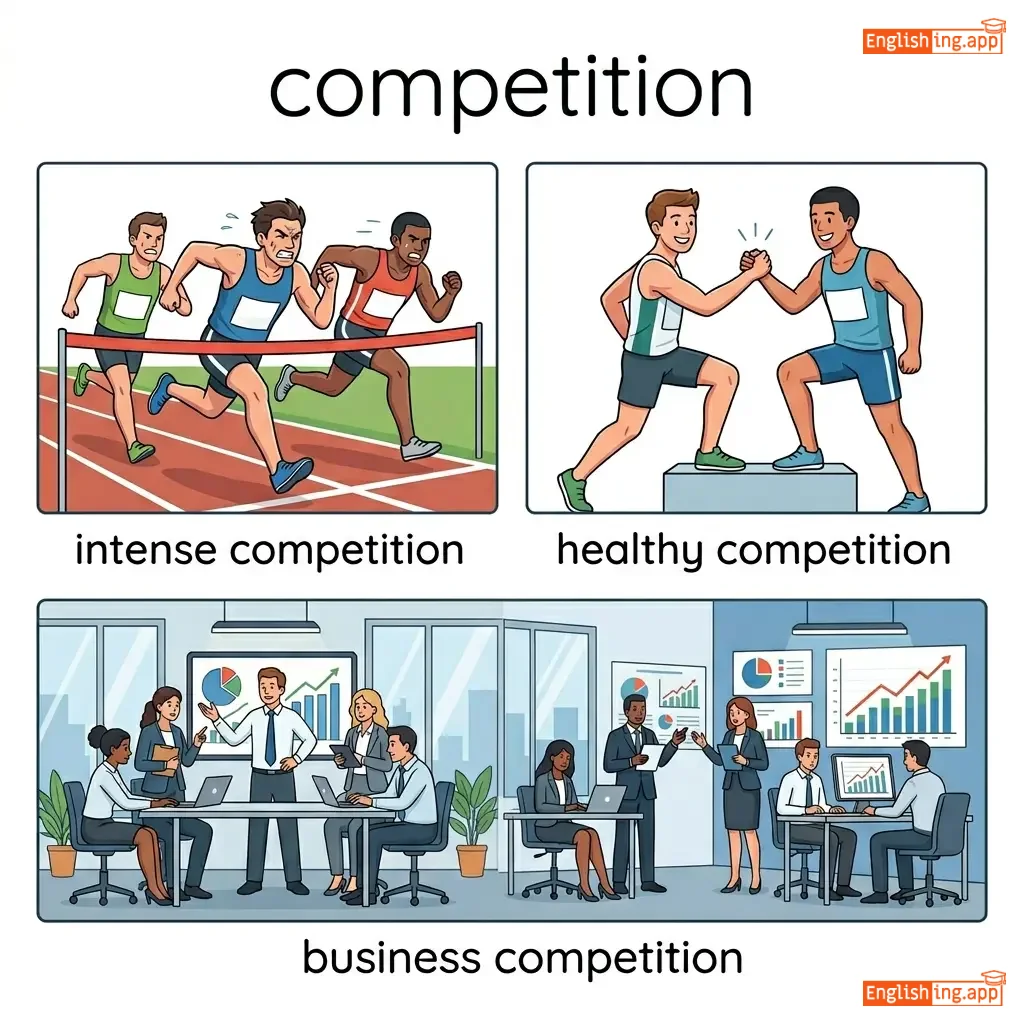
|
The activity or condition of competing; rivalry for supremacy.
••••••
|
Competition grew between language groups. |
Rivalry, Contest
••••••
|
Cooperation, Monopoly
••••••
|
|
#193
⚖️
|
ˌdɪsədˈvæntɪdʒ
noun
••••••
|
|
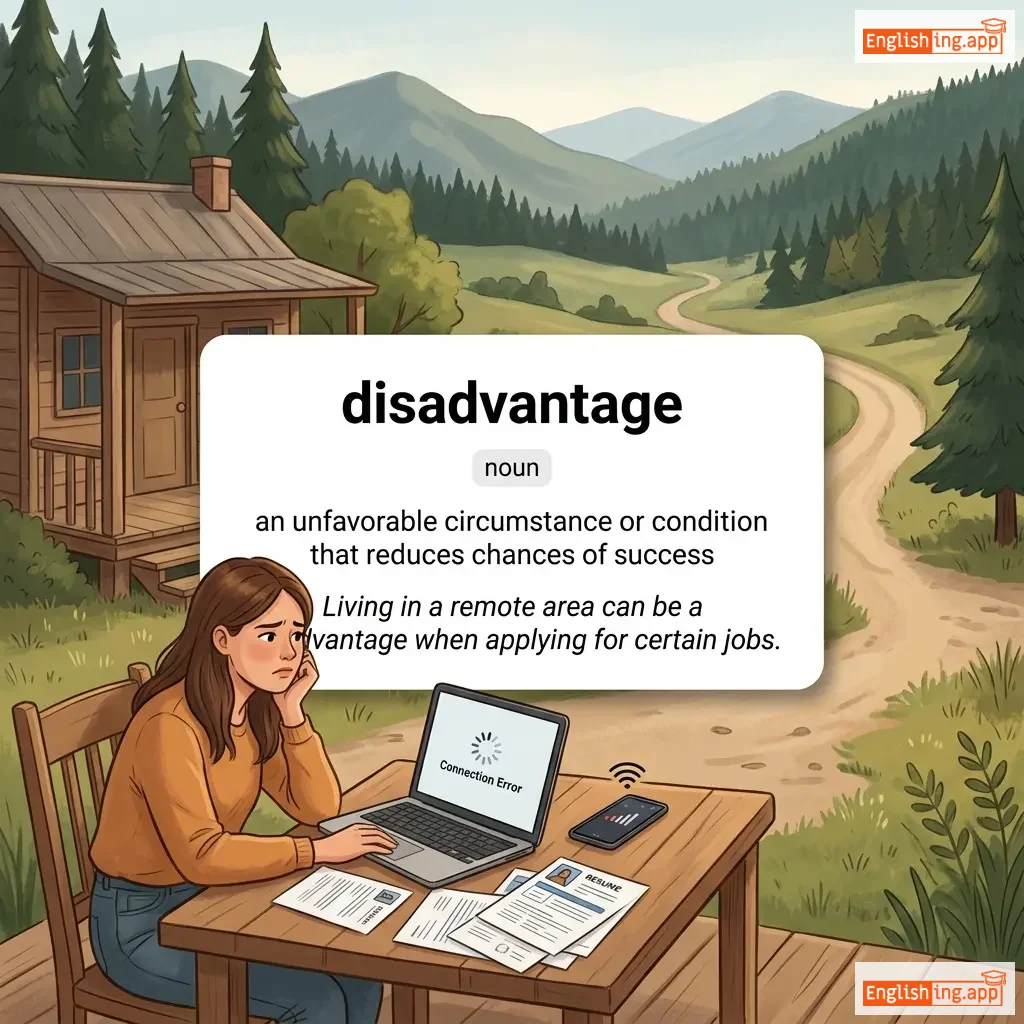
An unfavorable circumstance or condition that reduces the chances of success or effectiveness.
••••••
|
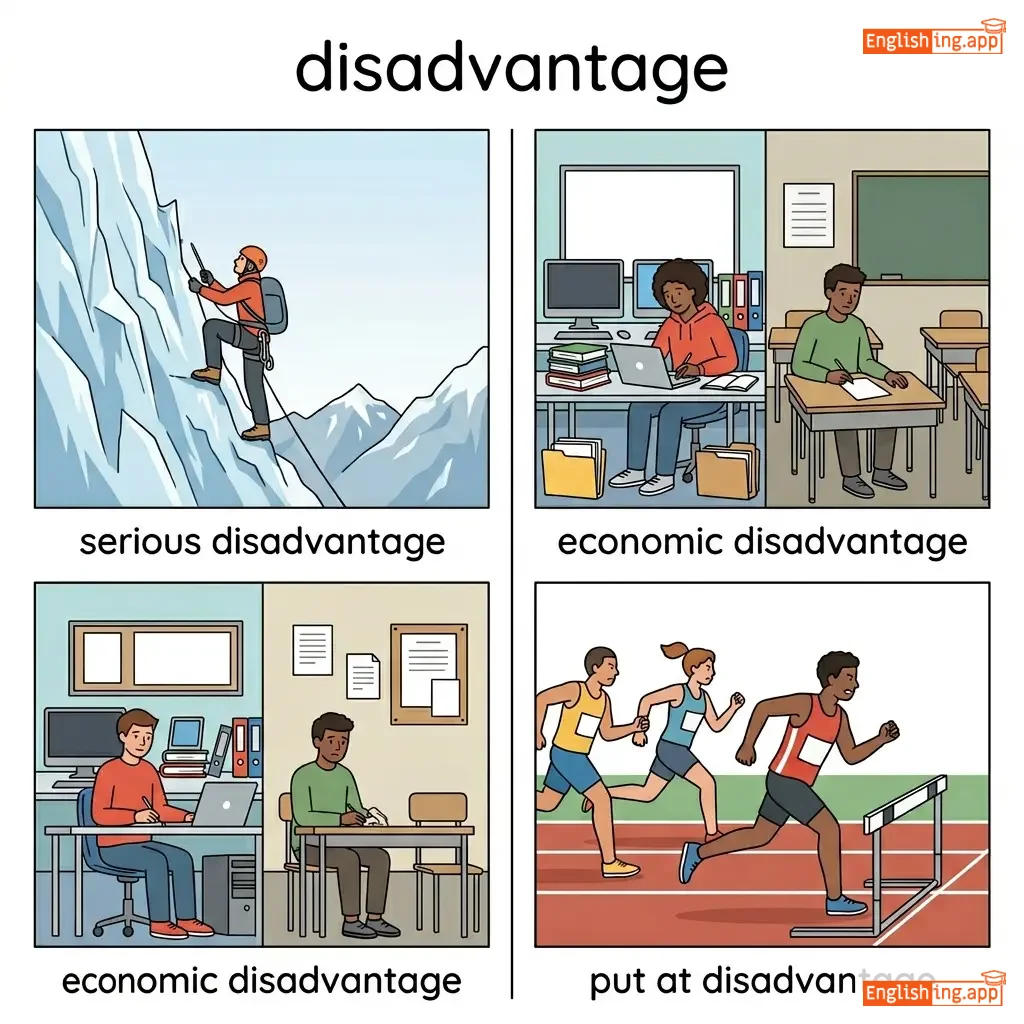
Urdu's dominance placed Bengalis at a disadvantage. |
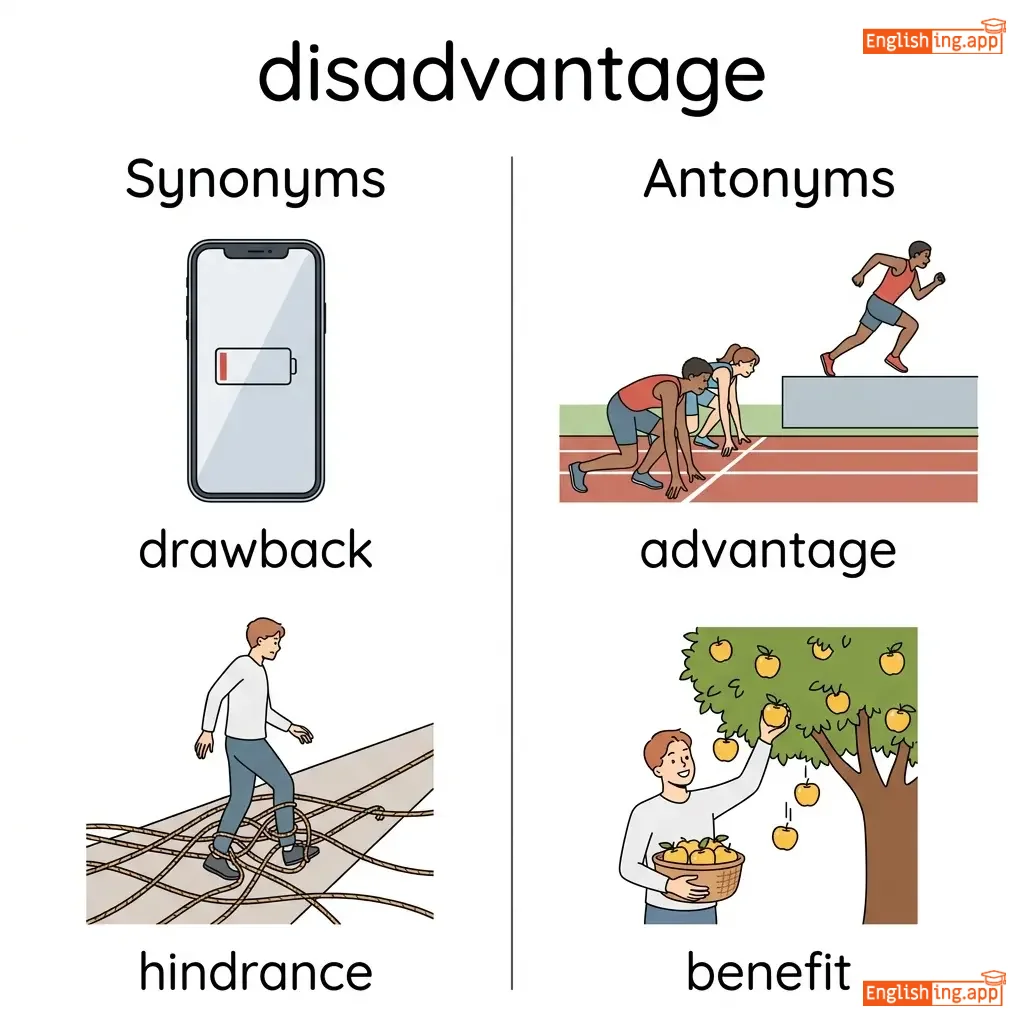
Handicap, Drawback
••••••
|
Advantage, Benefit
••••••
|

