Why Was the State Language Question So Important?
Sobald Gespräche darüber begannen, Urdu zur einzigen state-Sprache zu machen, erkannten Studierende, die gebildete middle-class, intellectuals und Politiker in Ostbengalen, dass dies für die Bangalen eine extreme Katastrophe bedeuten würde.
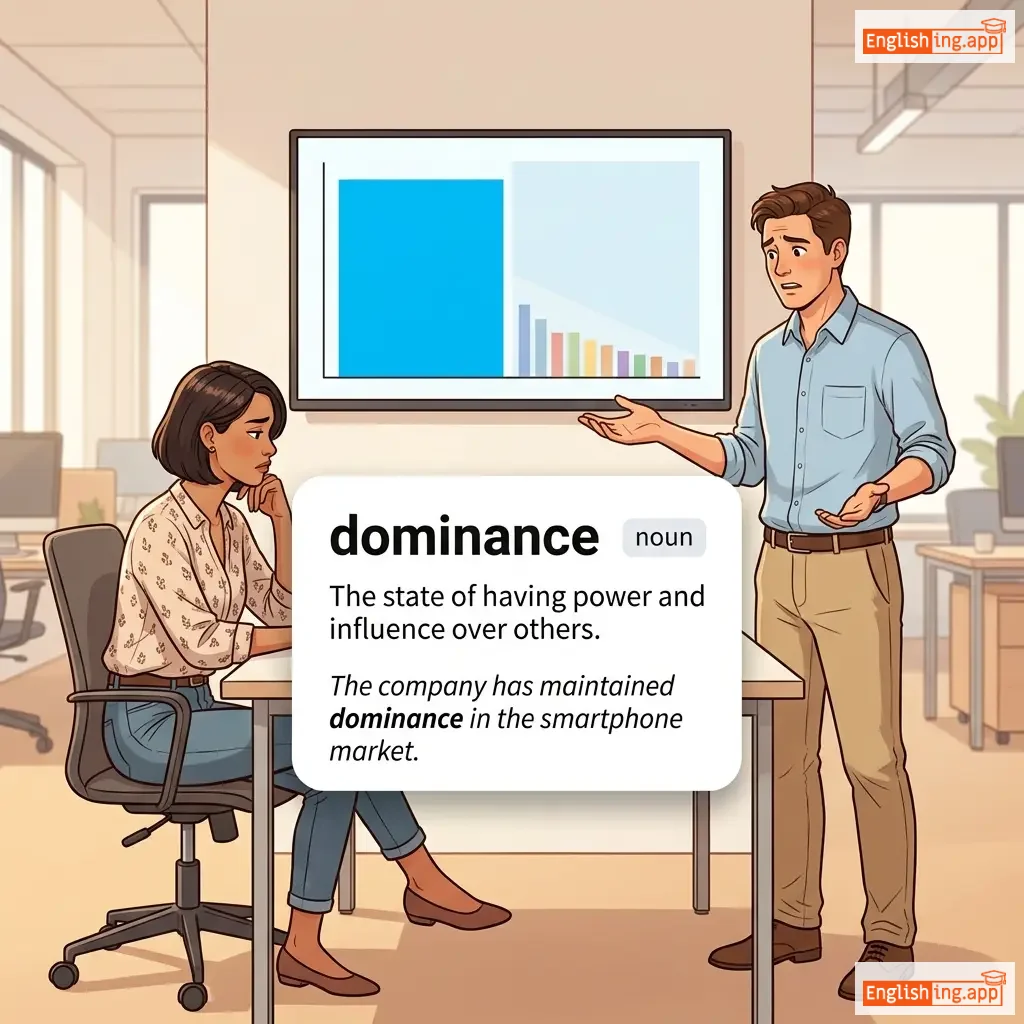
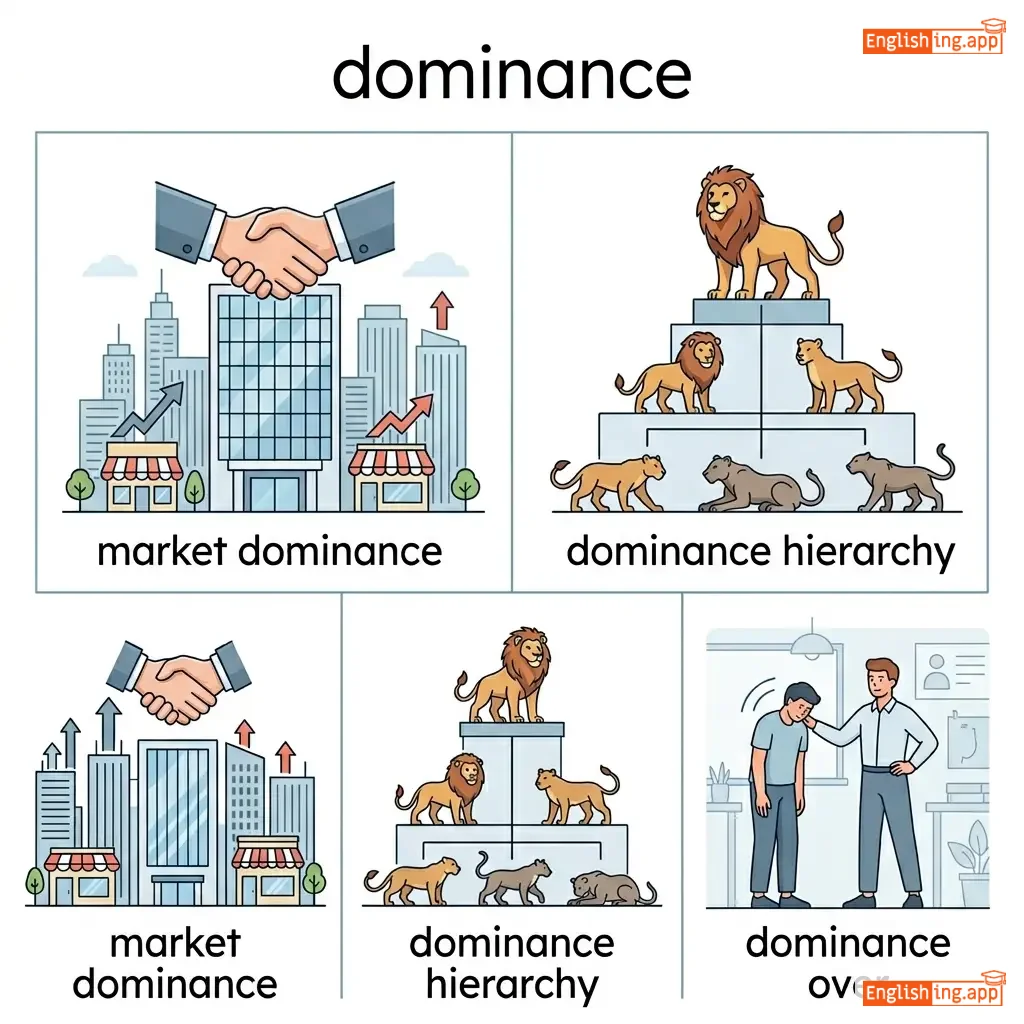
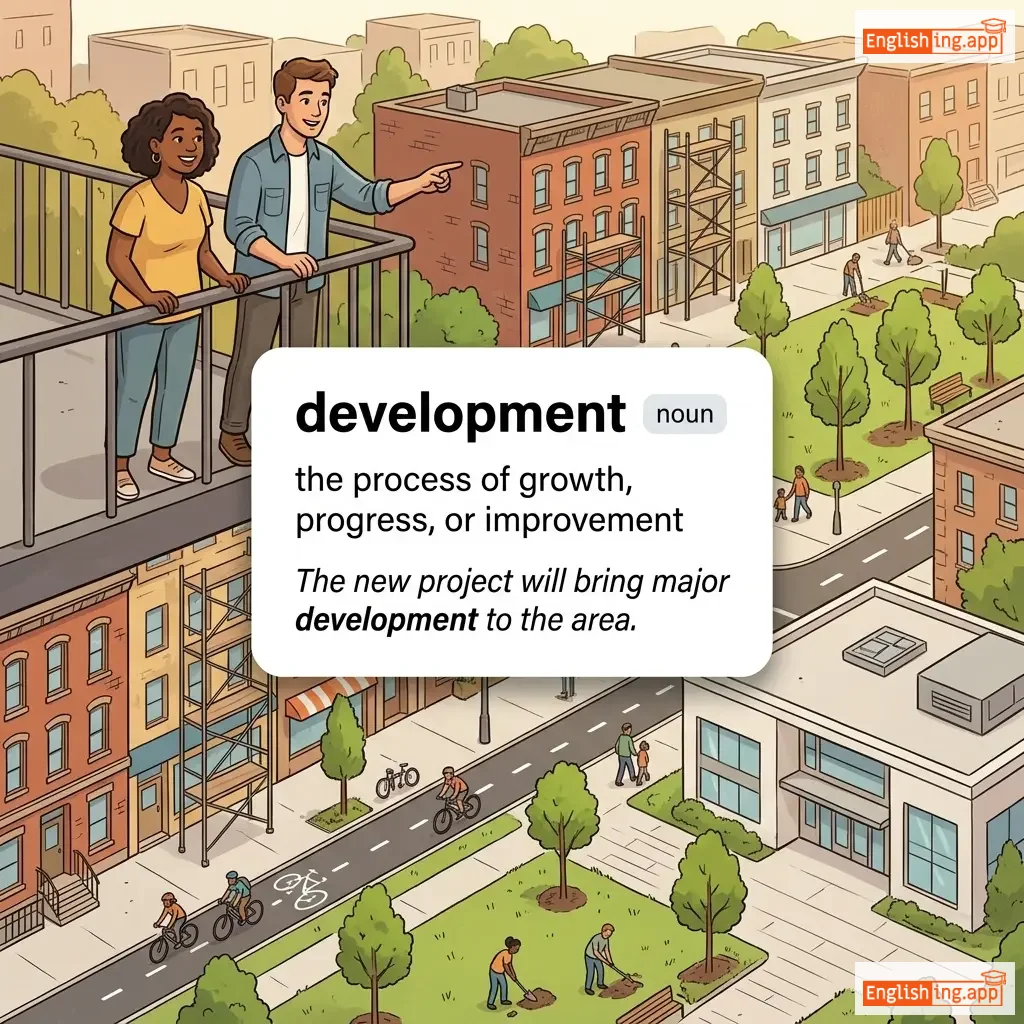
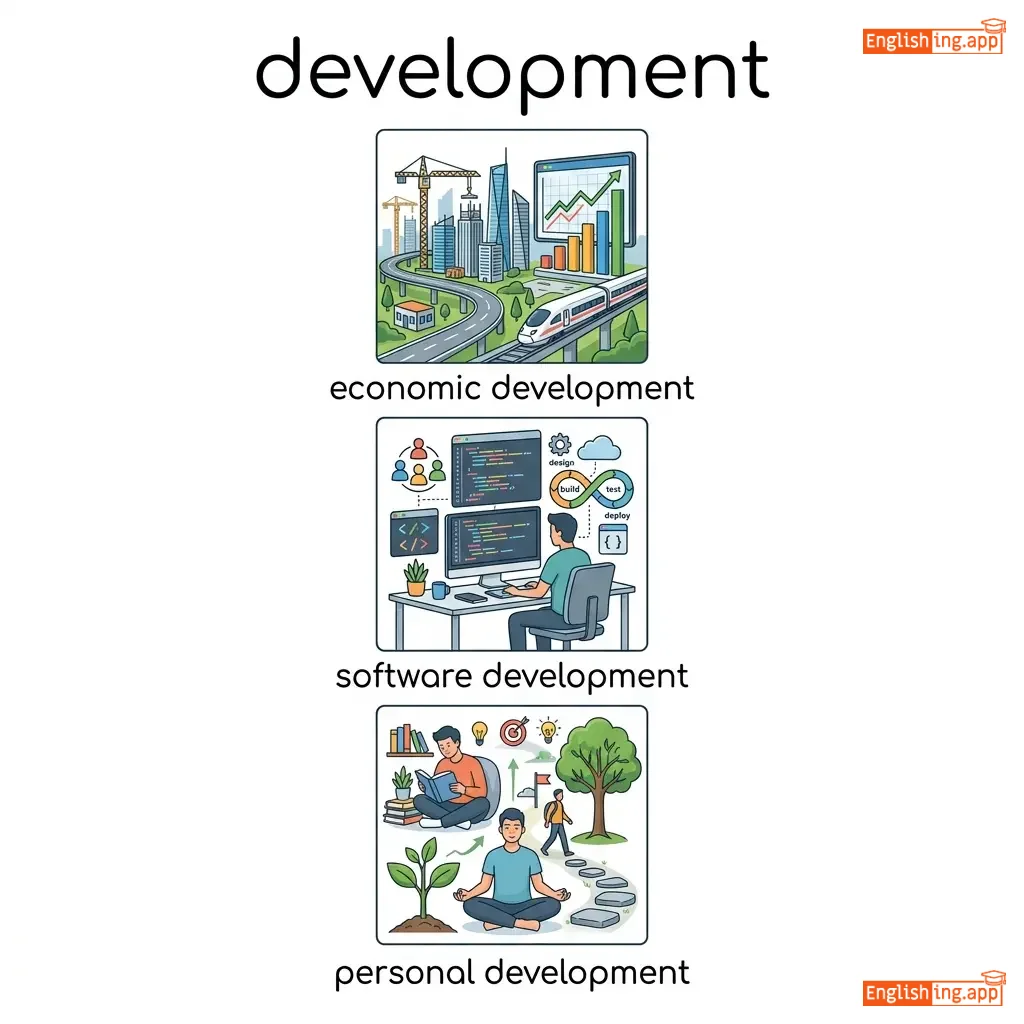
Sie verstanden, dass dies die dominance der Urdu-Sprecher in Pakistan festigen würde und dass Bangalen bei opportunities auf Stellen in Regierung und Militär gegenüber Urdu-Sprechern zurückfallen würden. Der Traum von development und social progress für bengalische Muslime, der mit der Gründung Pakistans entstanden war, würde massiv beschädigt.
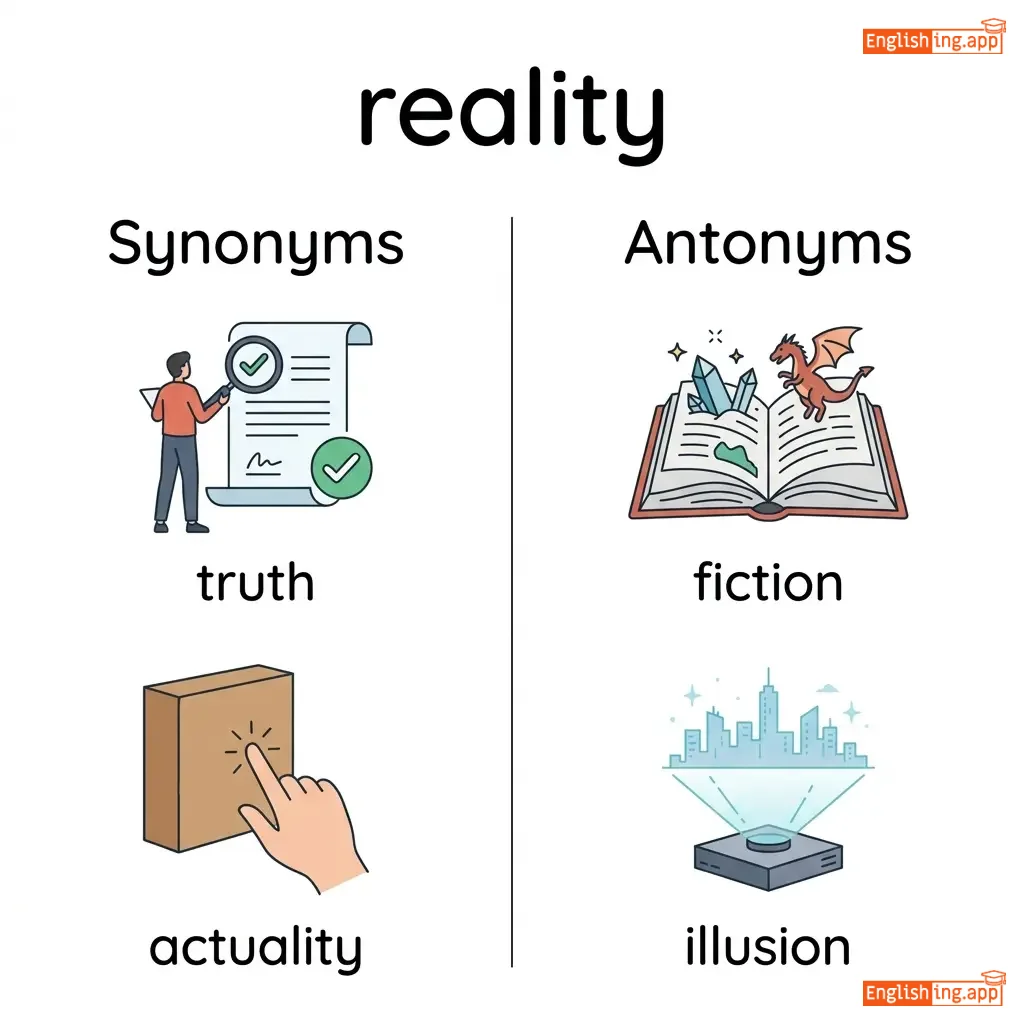
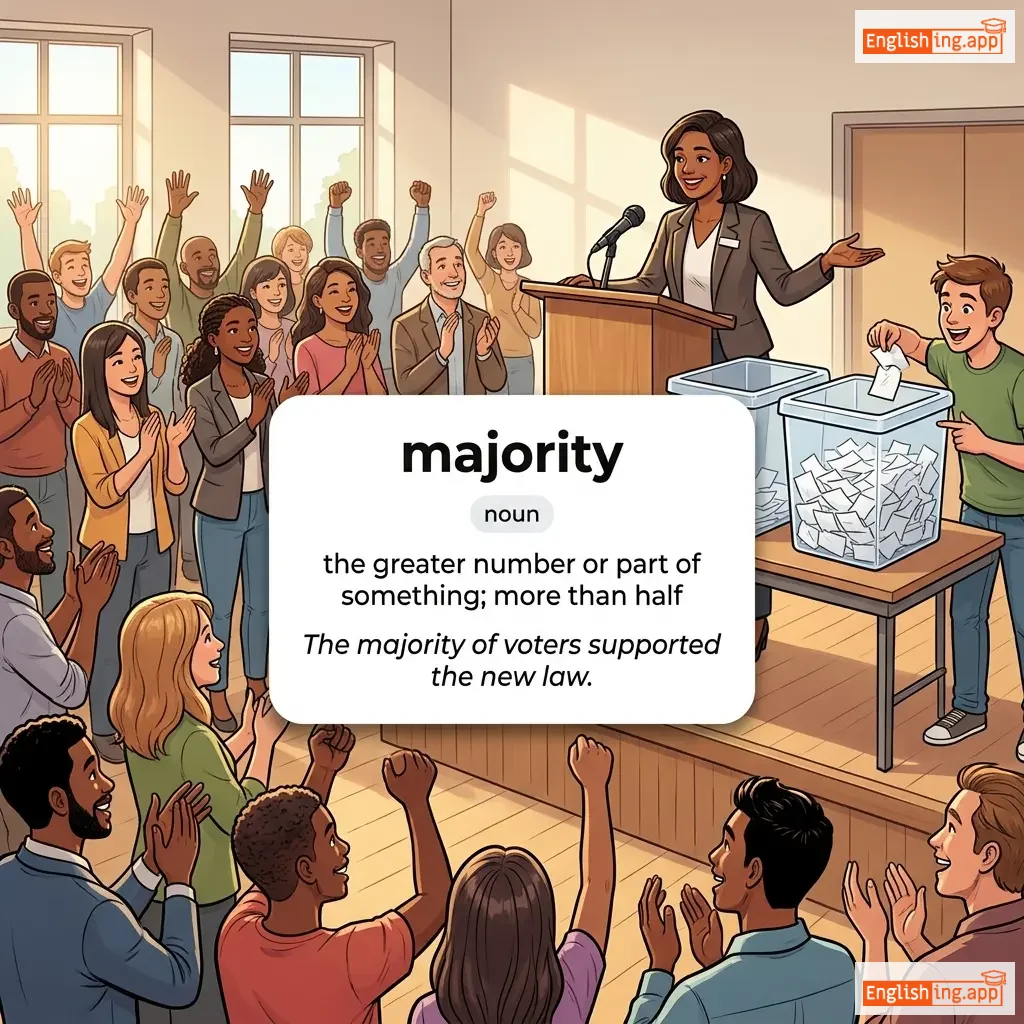
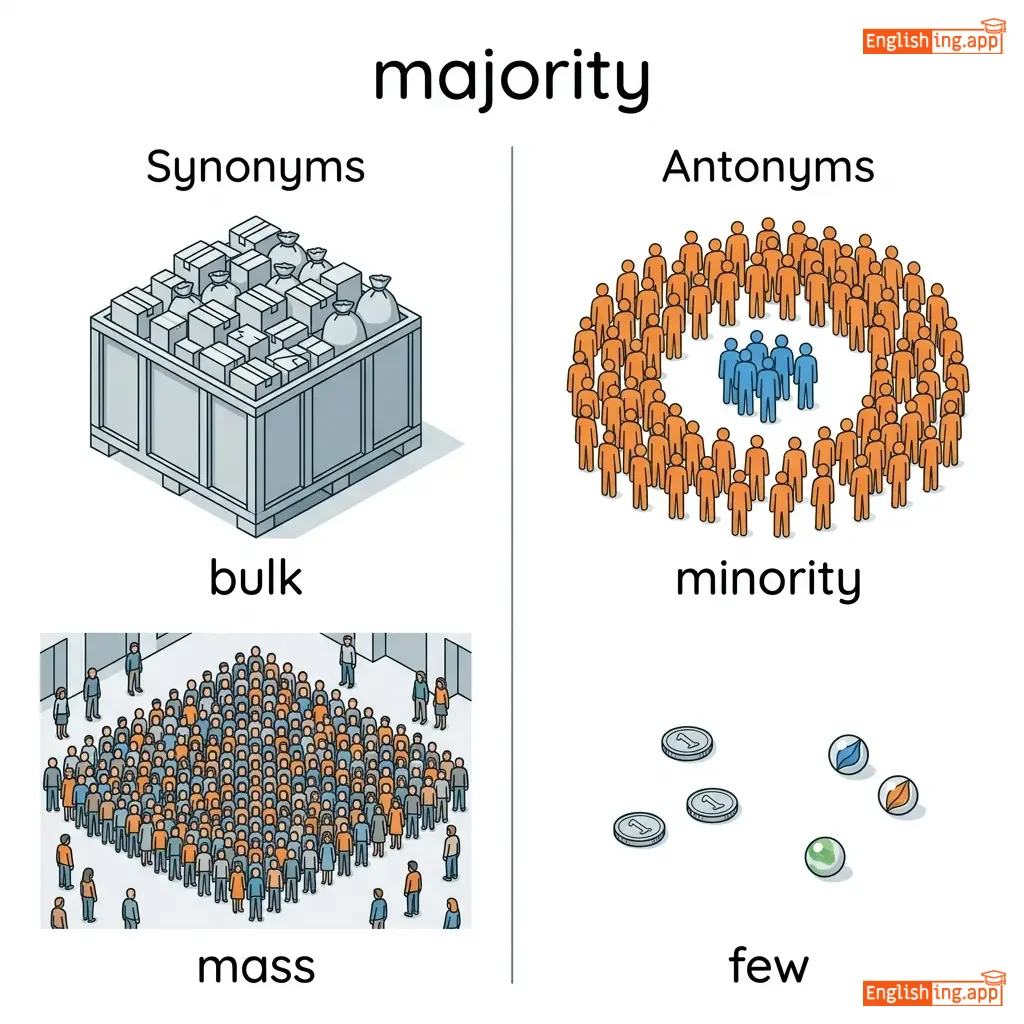
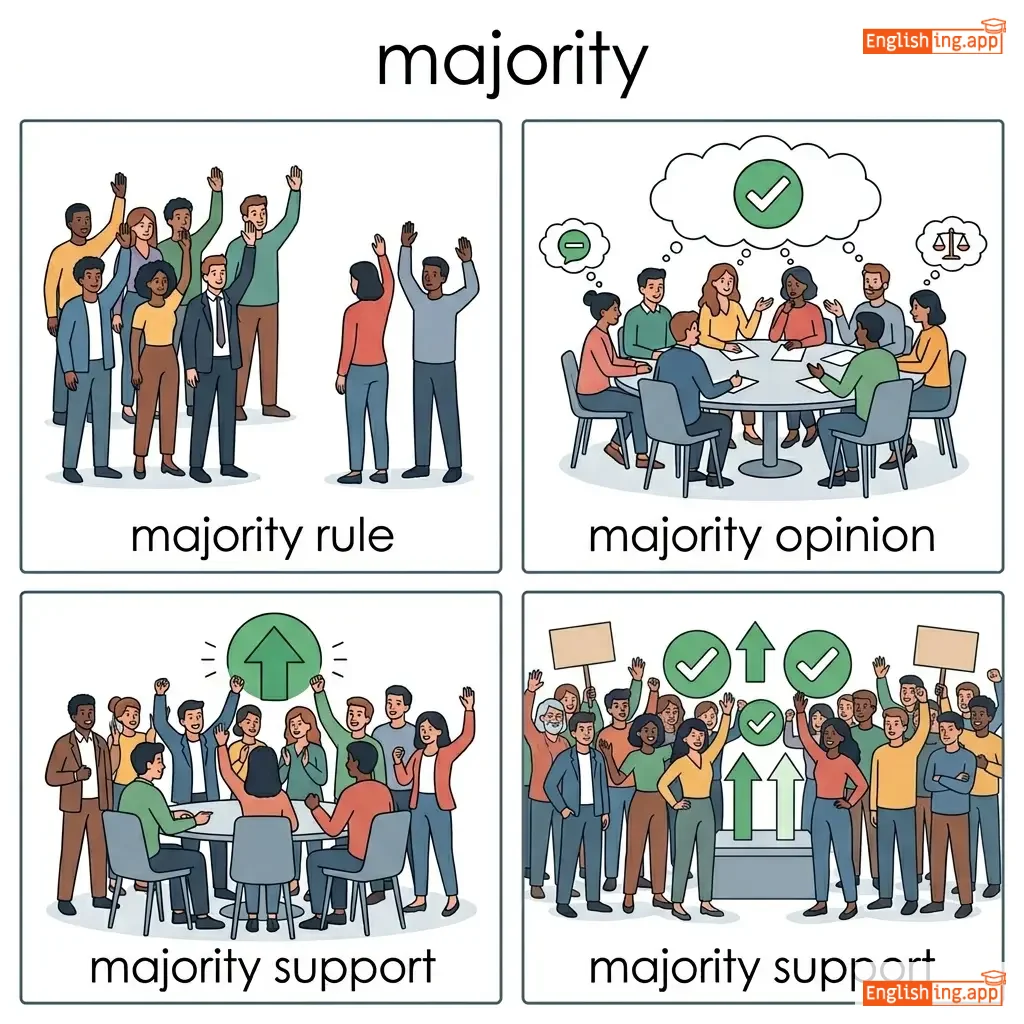
Doch die reality Pakistans war, dass Bengali die Sprache der majority der Menschen im Osten des Landes war – und zusammengerechnet sogar im ganzen Land. In Westpakistan sprachen mehr als 40 Prozent Punjabi, und nur vier Prozent sprachen Urdu.
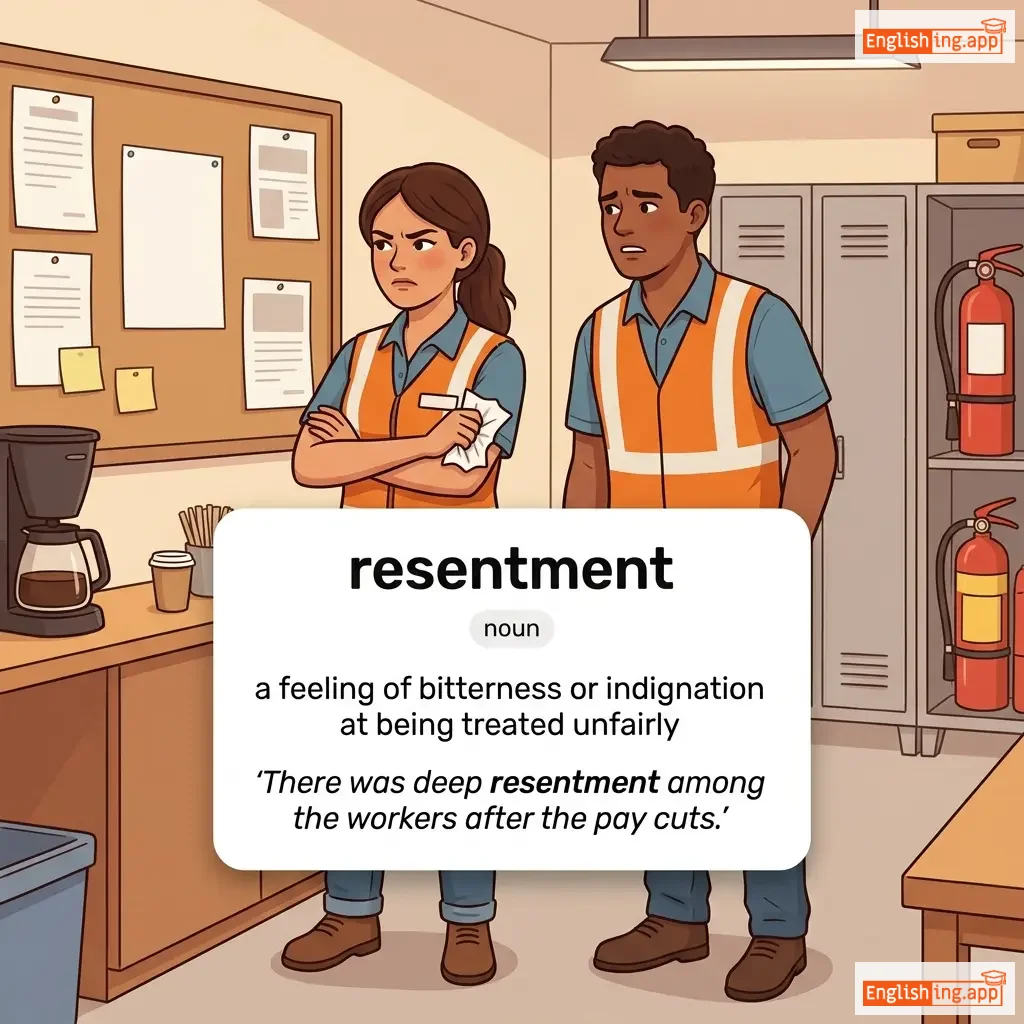
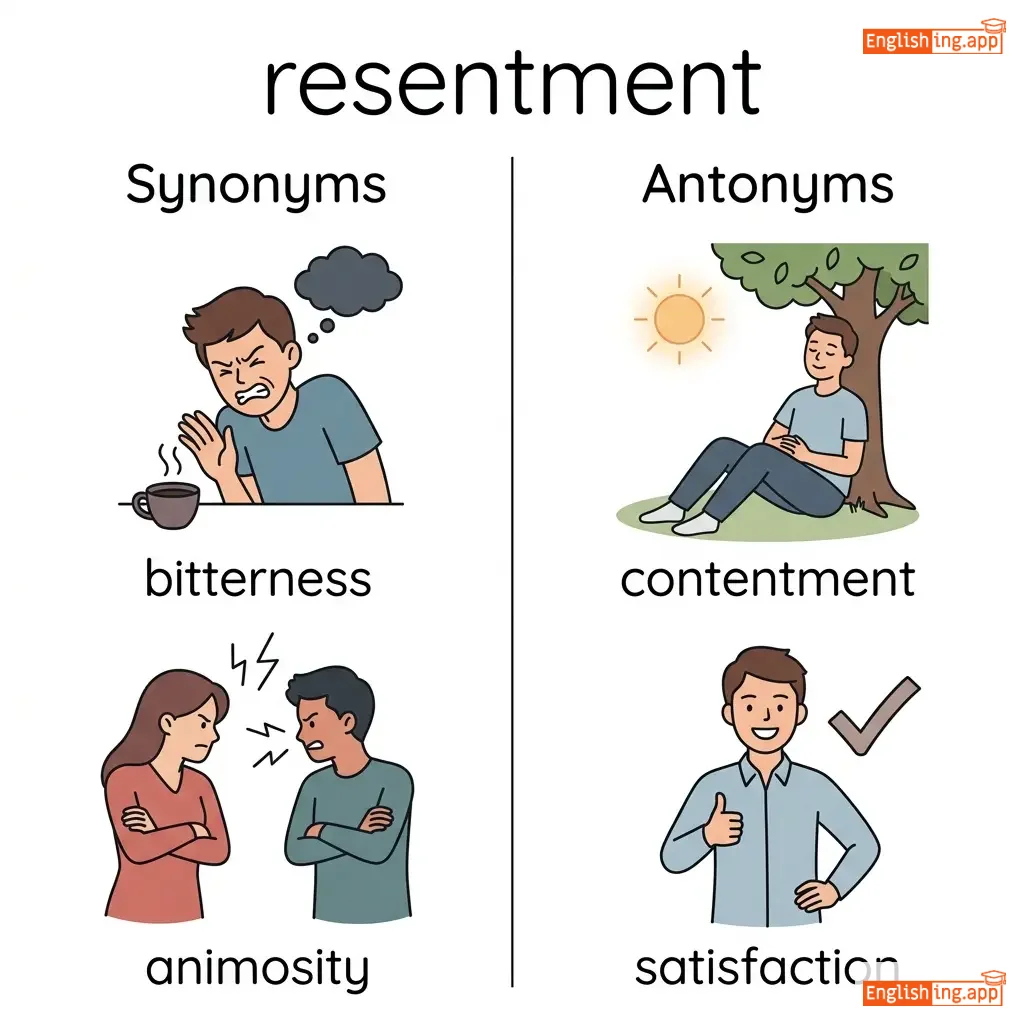
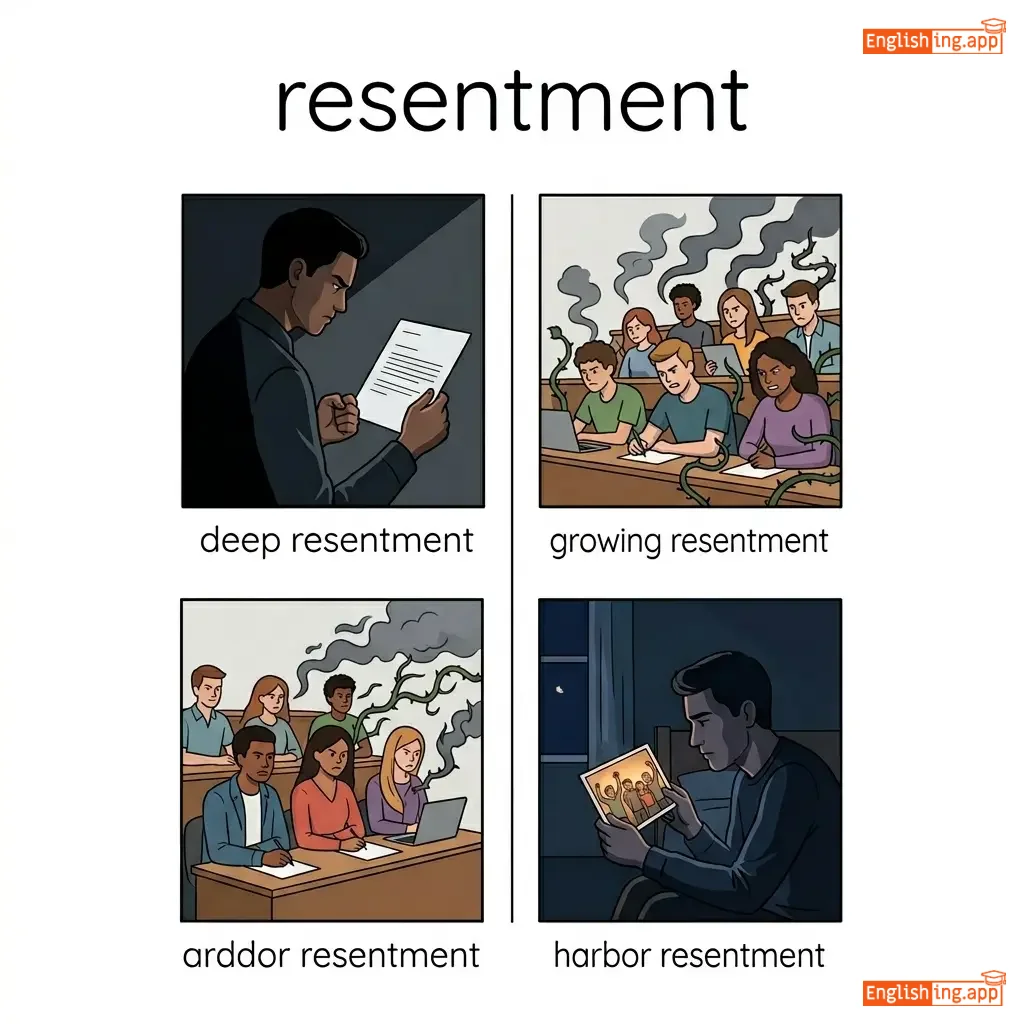
Obwohl Bengali die Sprache der majority war, führte die Tatsache, dass Bengali nicht zu den Amtssprachen Pakistans gehören sollte, zu großem resentment unter den Studierenden und der gebildeten Bevölkerung Ostbengalens.
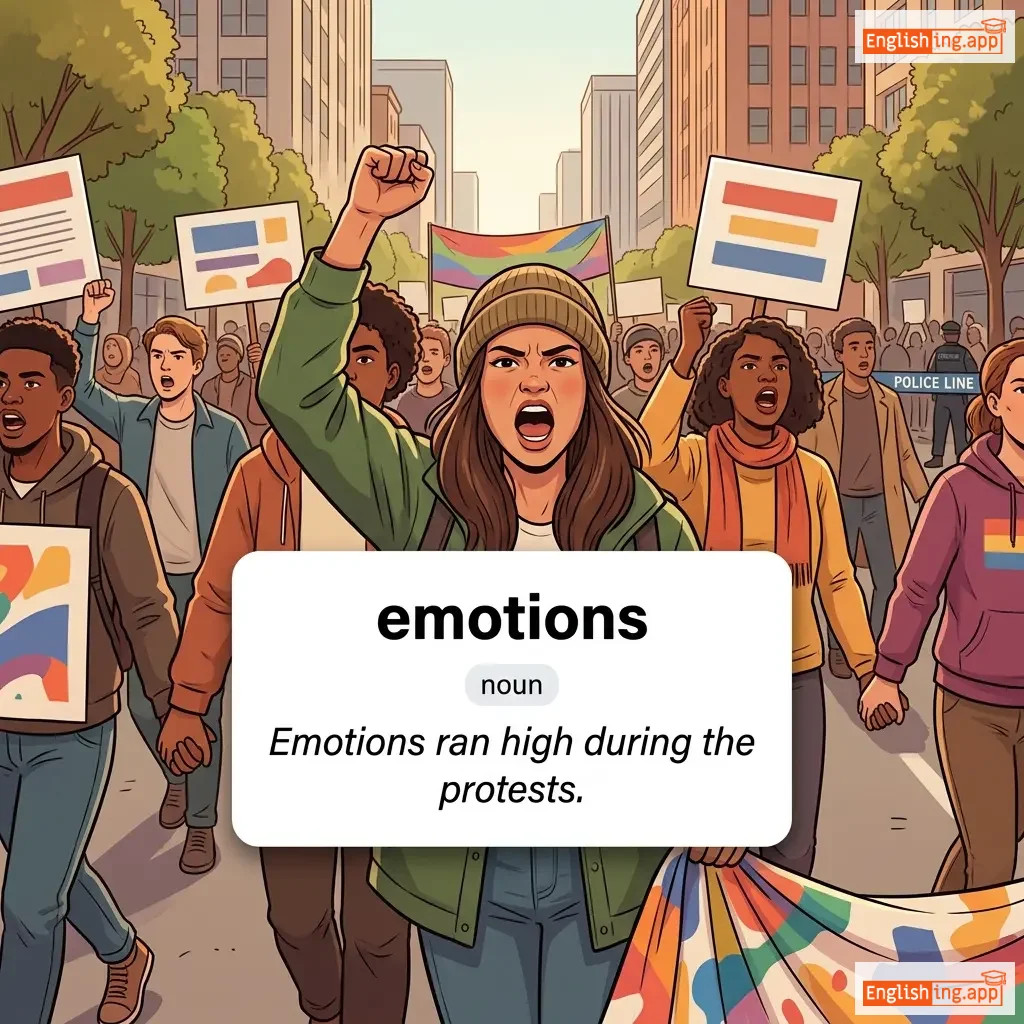
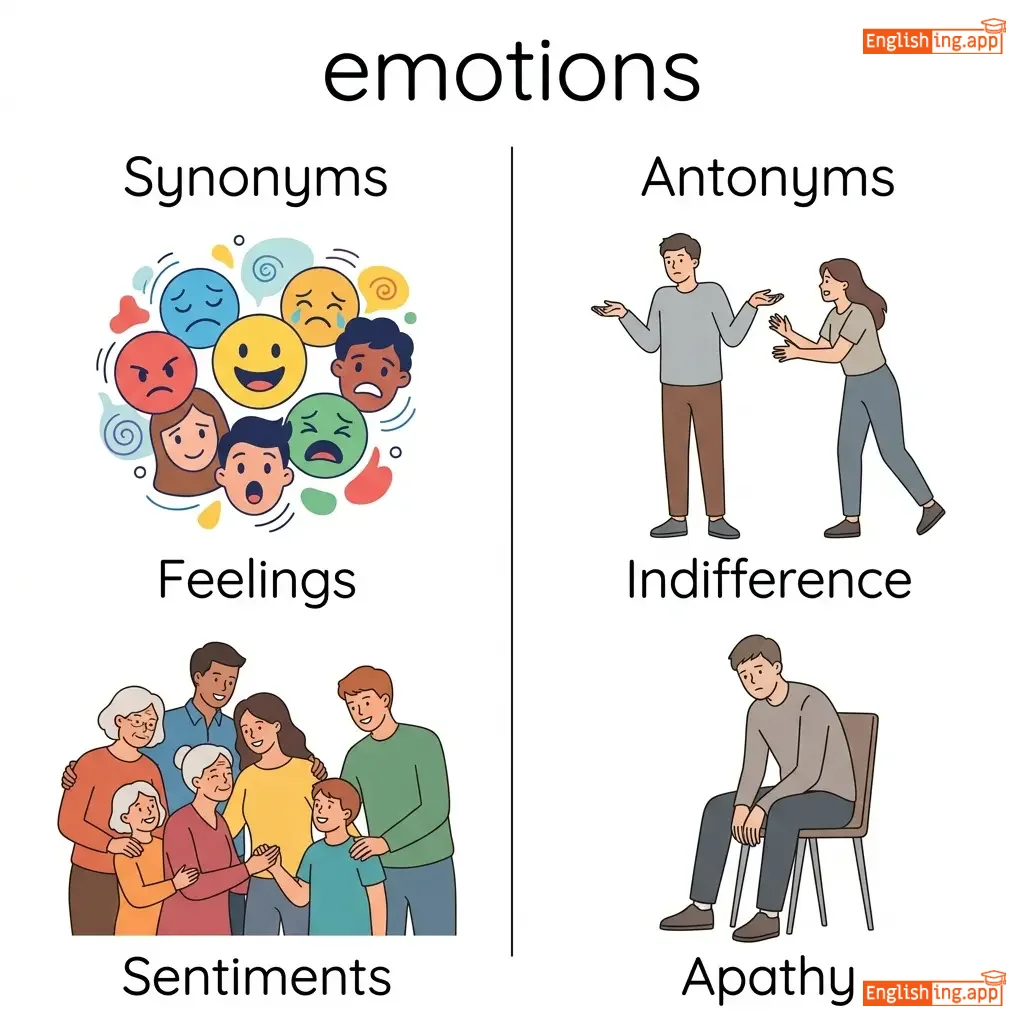
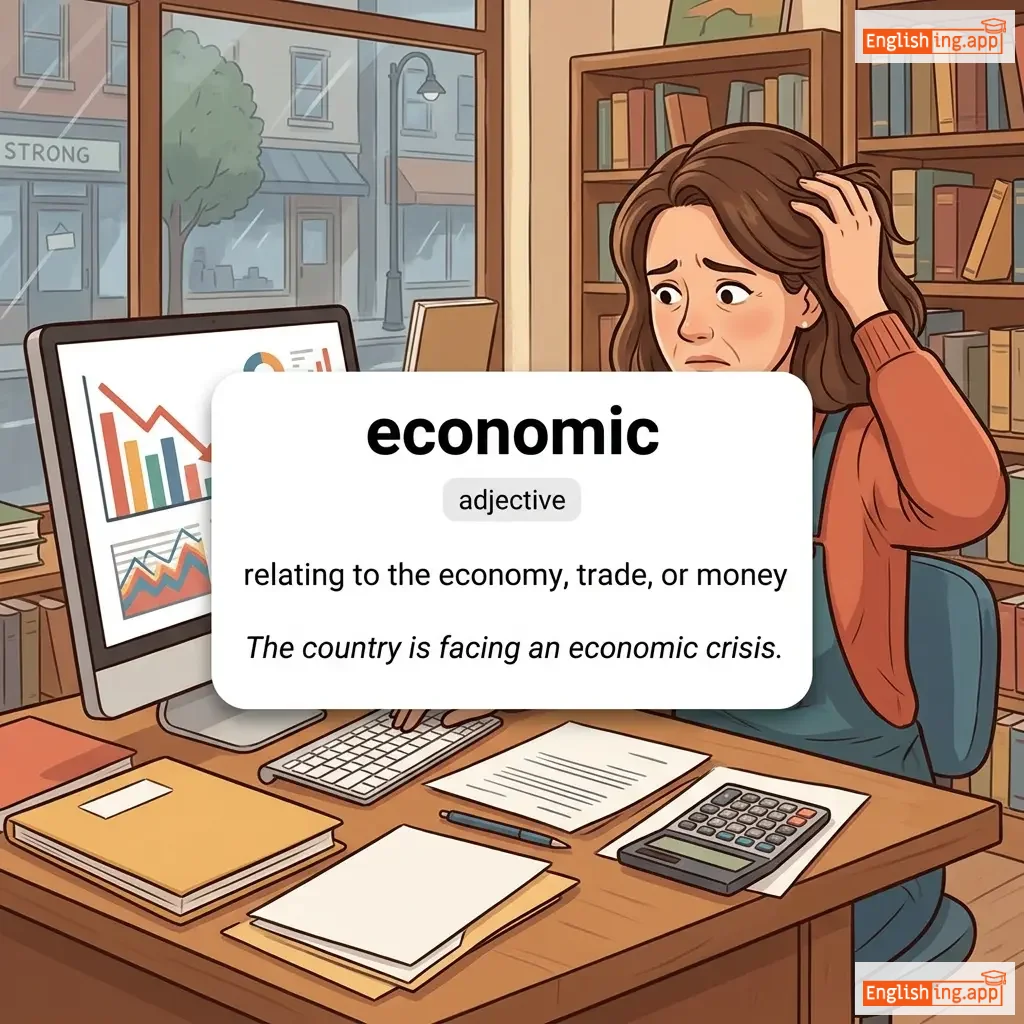
„Einerseits gibt es die emotions von Sprache und Identität – aber darüber hinaus gibt es auch einen economic Aspekt“, sagte die Columbia-Professorin und Analytikerin Rawnaq Jahan.
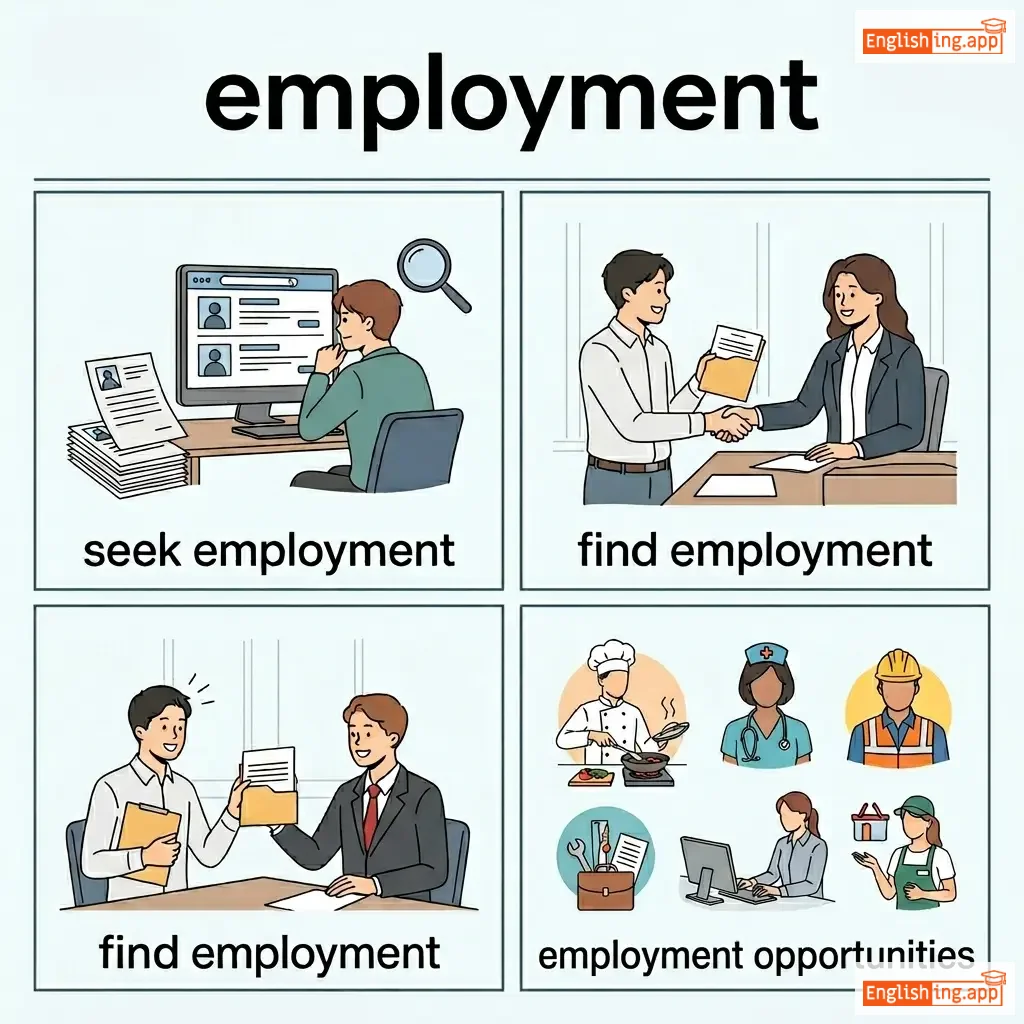
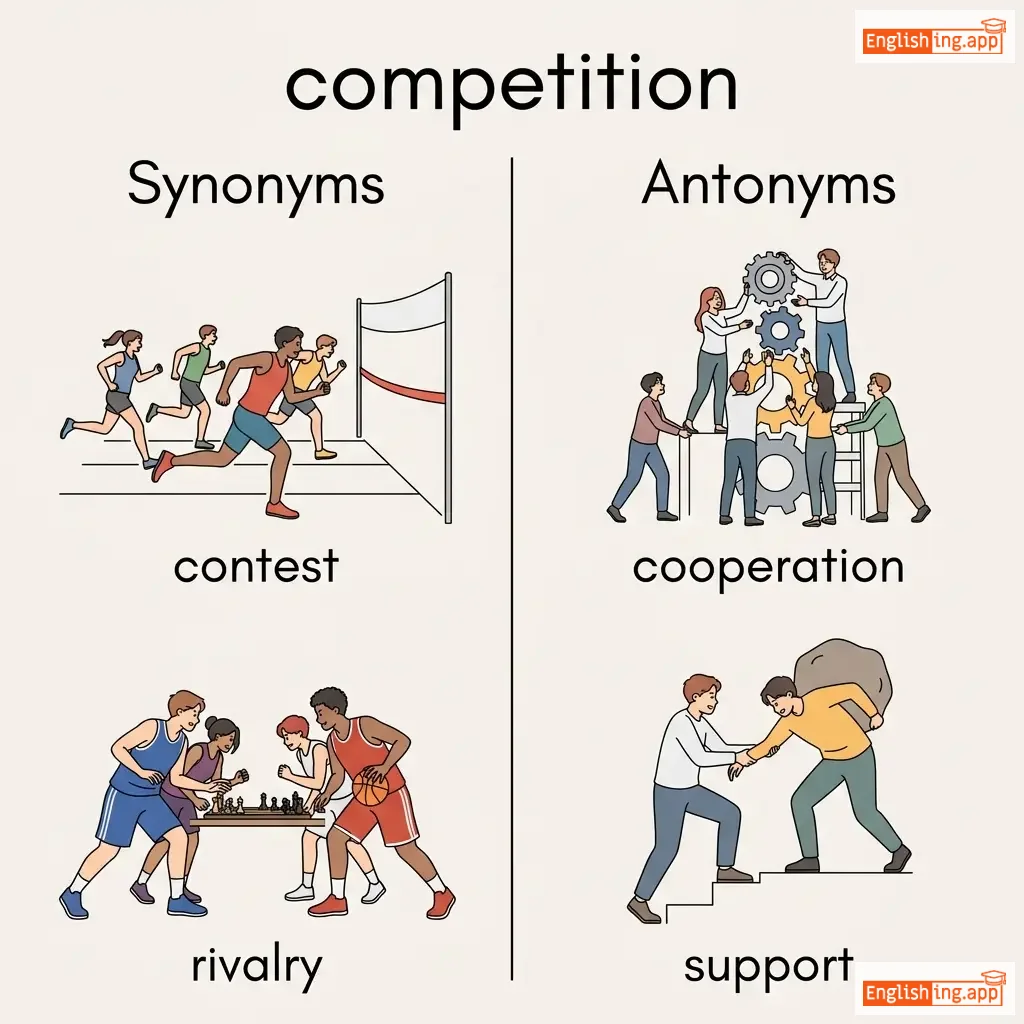
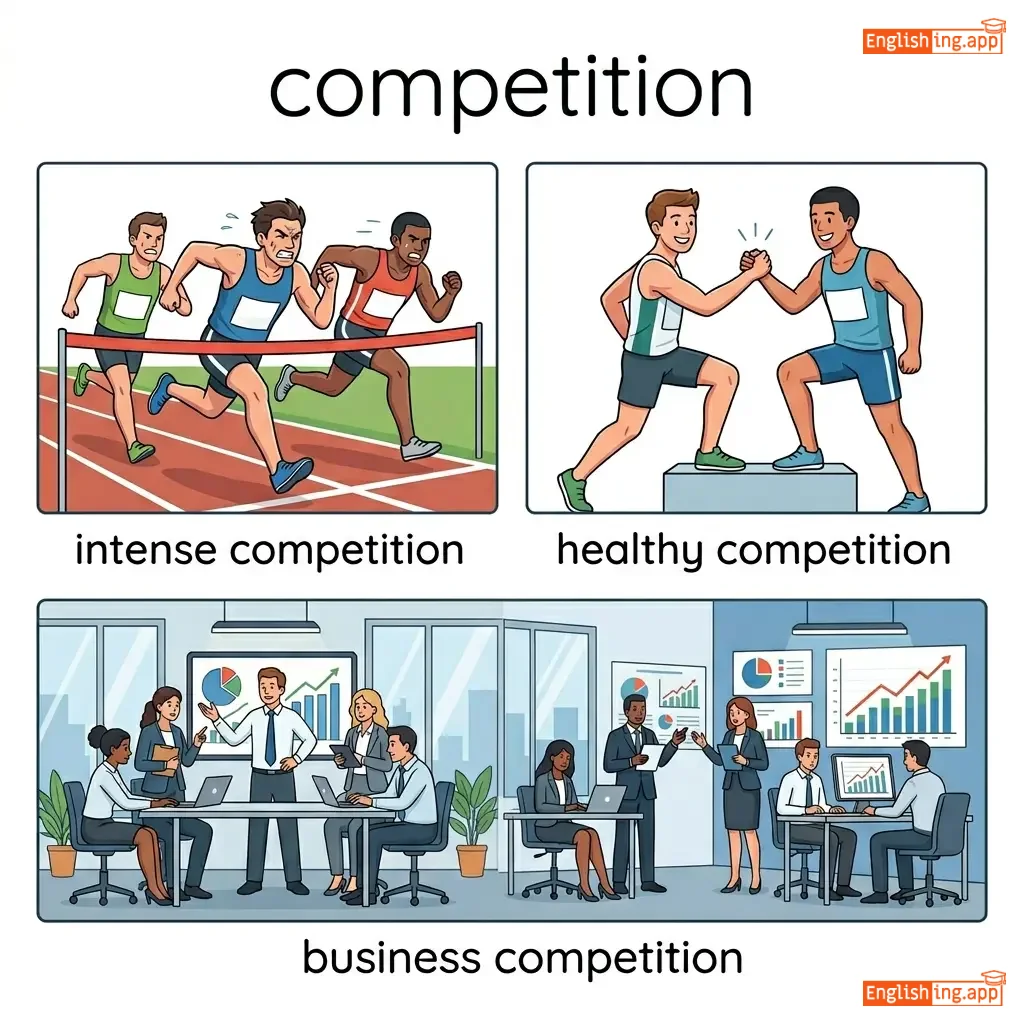
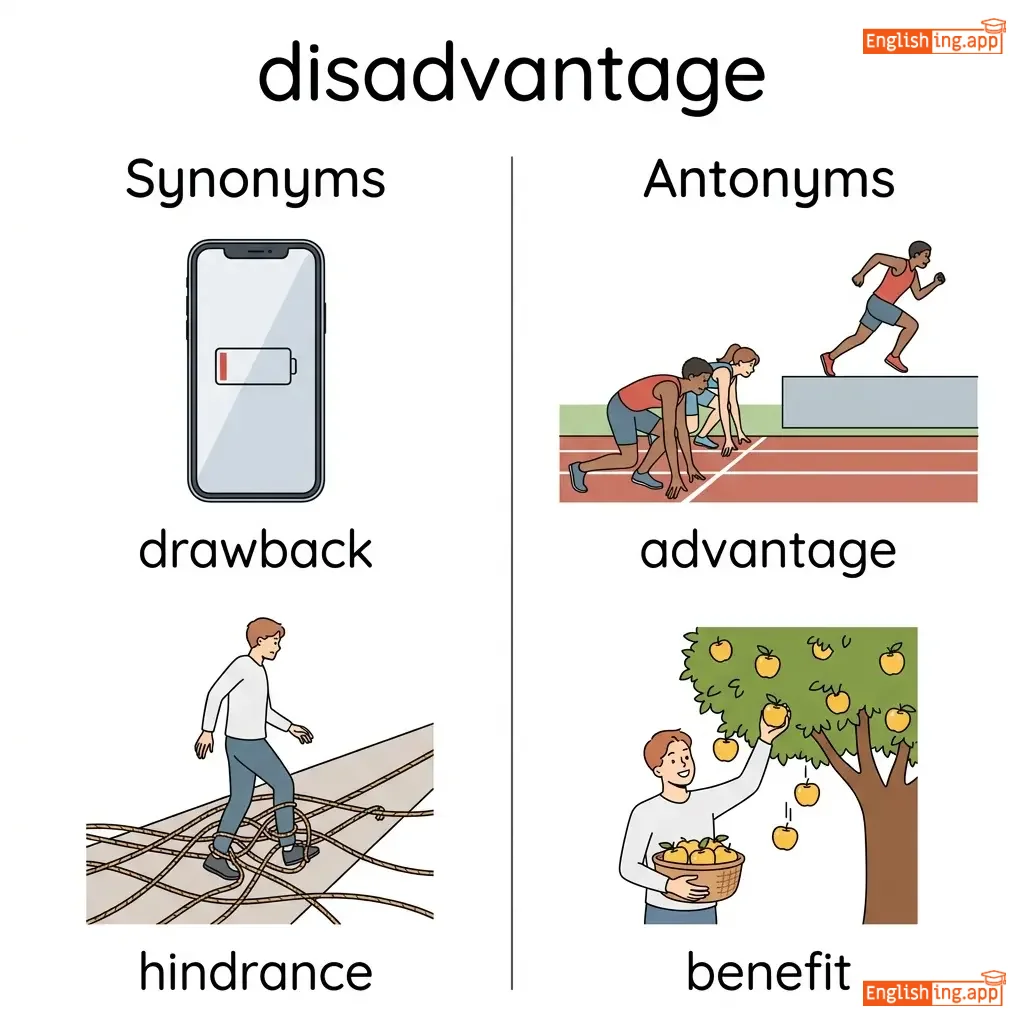
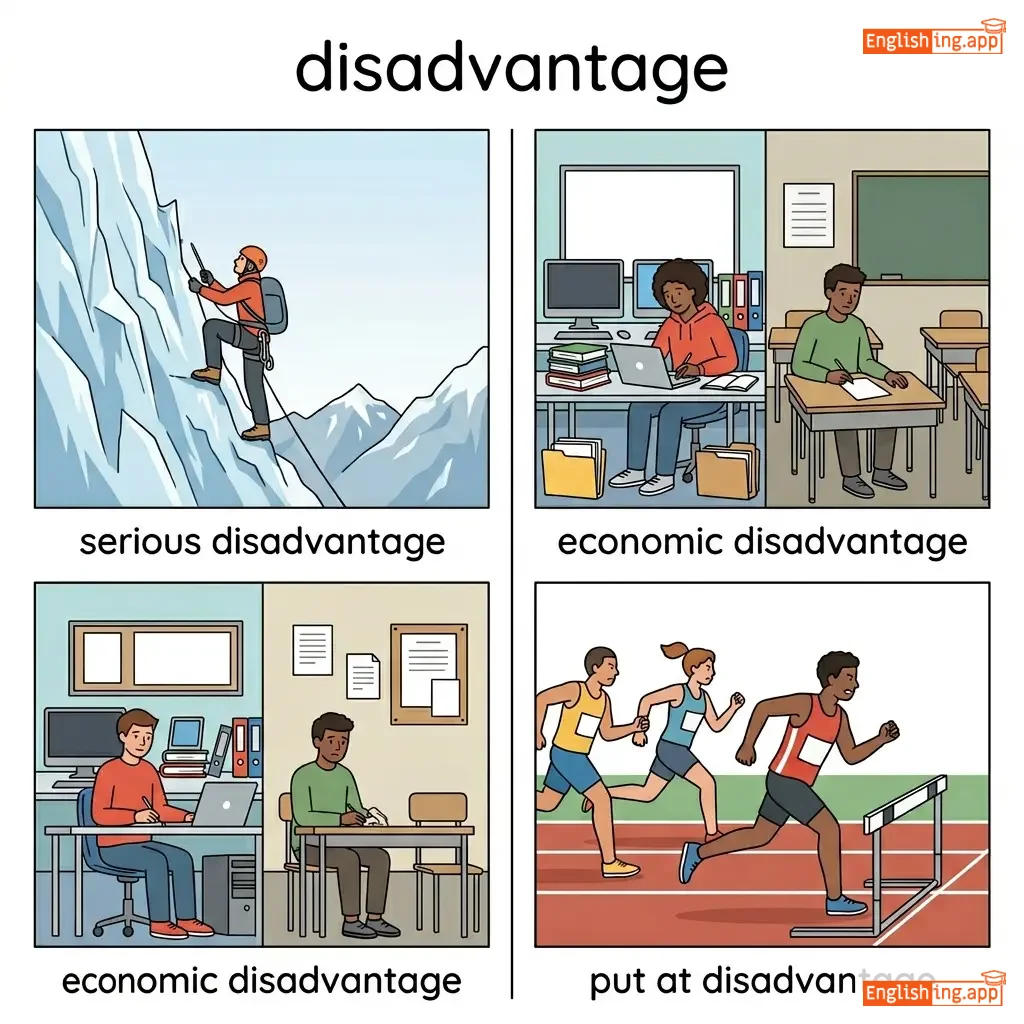
Ihr zufolge „bedeutete employment damals Regierungsstellen. Aber wenn Urdu Amtssprache würde, müssten Bangalen Urdu lernen, um Jobs in Regierung oder Militär zu bekommen; sie müssten in competition mit Urdu-Sprechern treten – was sie in eine disadvantage brächte. Für die Studierenden war das also eine Frage der Zukunft.“
Erhalten Sie unbegrenzten Zugriff auf alle Vokabeln mit Pro-Mitgliedschaft
Upgrade auf ProErhalten Sie unbegrenzten Zugriff auf alle Sätze mit Pro-Mitgliedschaft
Upgrade auf Pro|
Emoji
|
Wort | Images | Bedeutung | Beispielsatz | Synonyme | Antonyme |
|---|---|---|---|---|---|---|
|
#180
🏛️
|
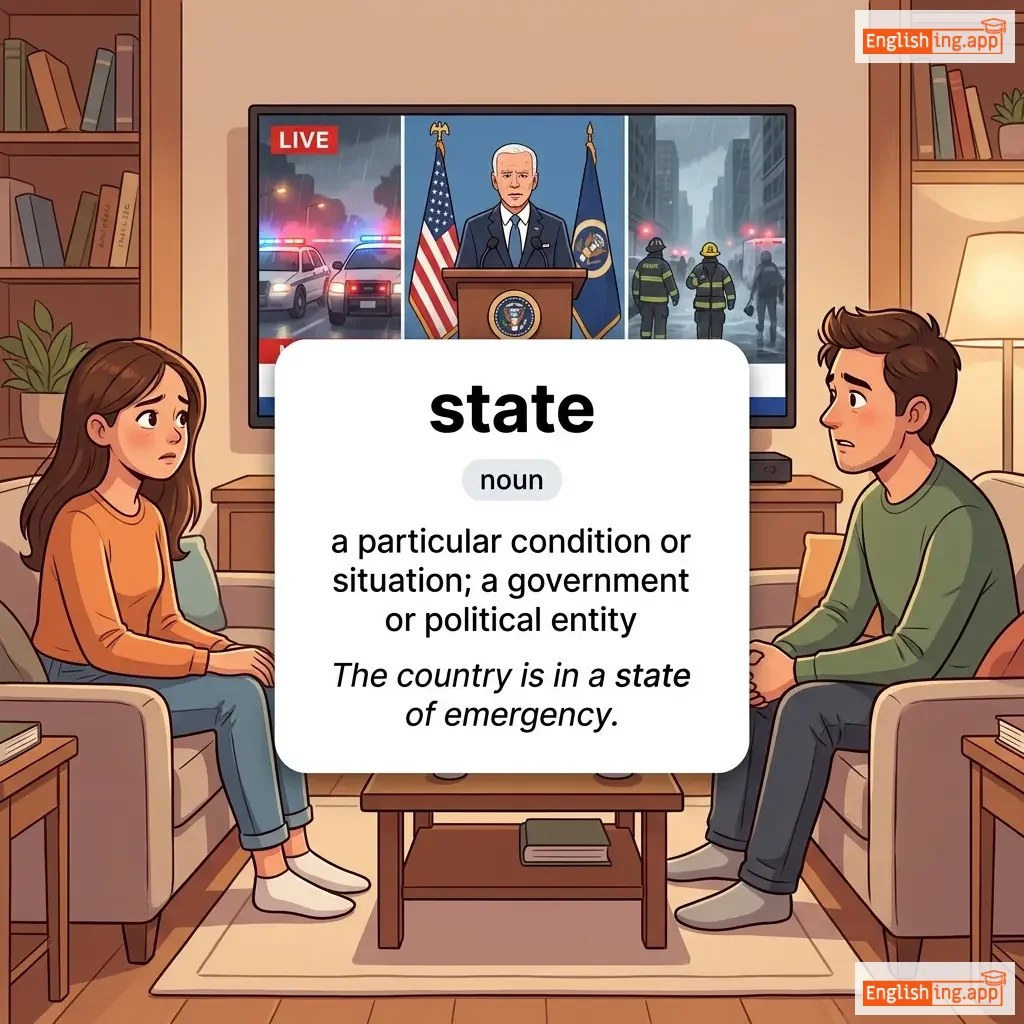
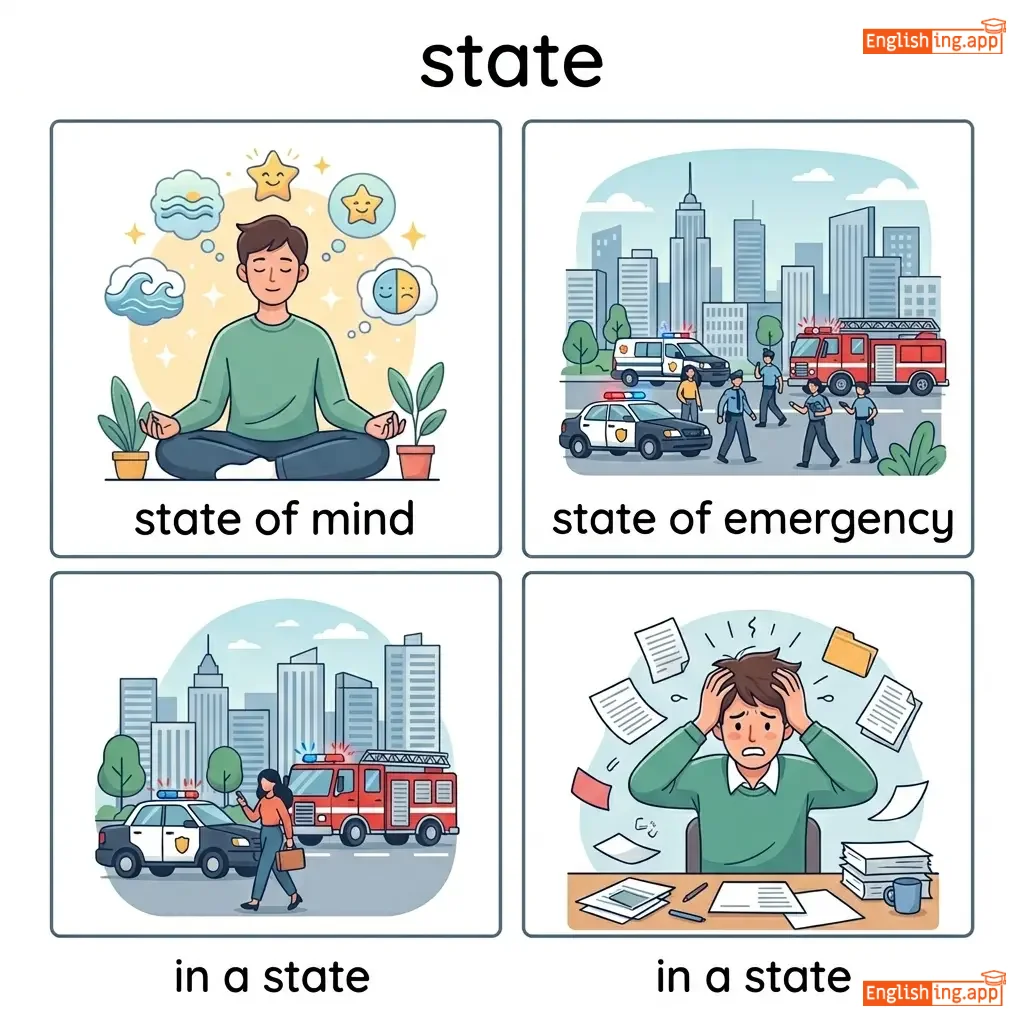
steɪt
noun
••••••
|
•••••• |
A nation or territory considered as an organized political community under one government.
••••••
|
The state declared a new language policy. |
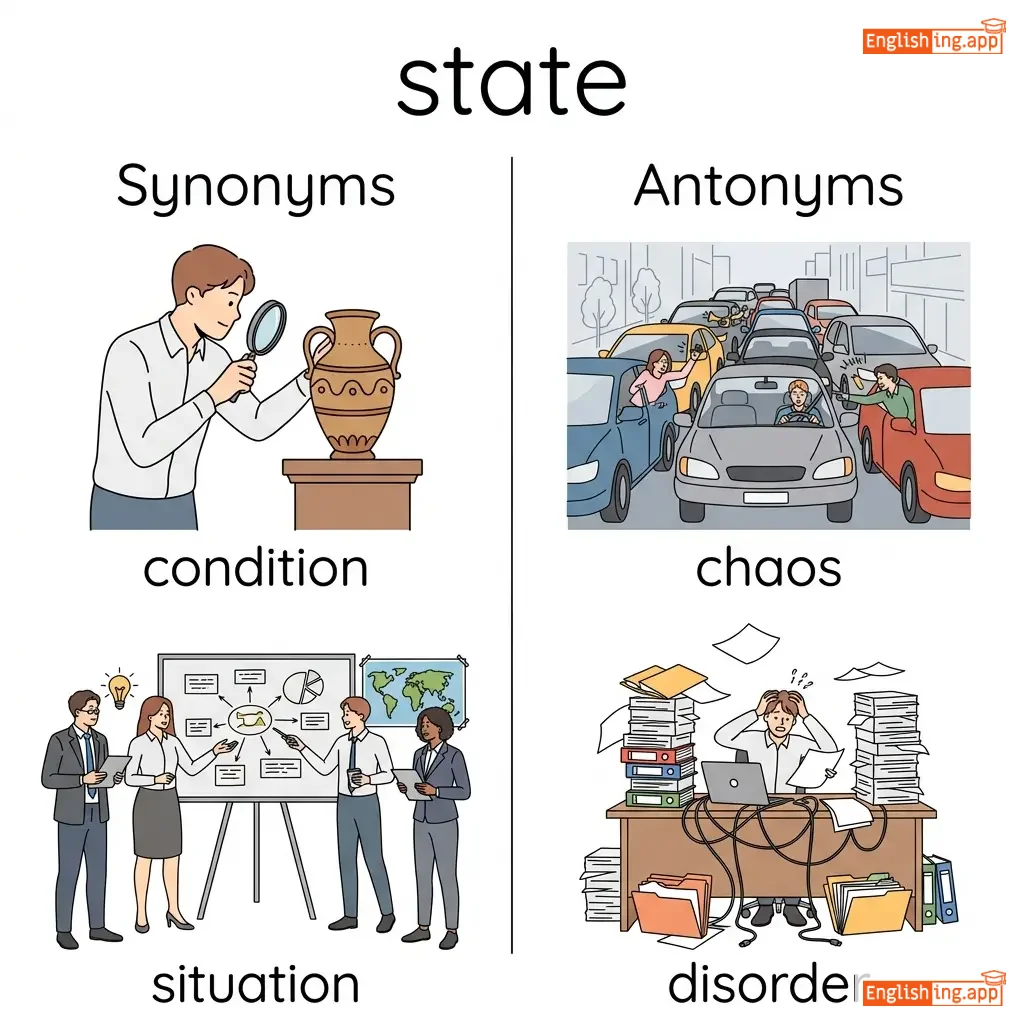
Nation, Territory
••••••
|
Chaos, Disorder
••••••
|
|
#181
👔
|
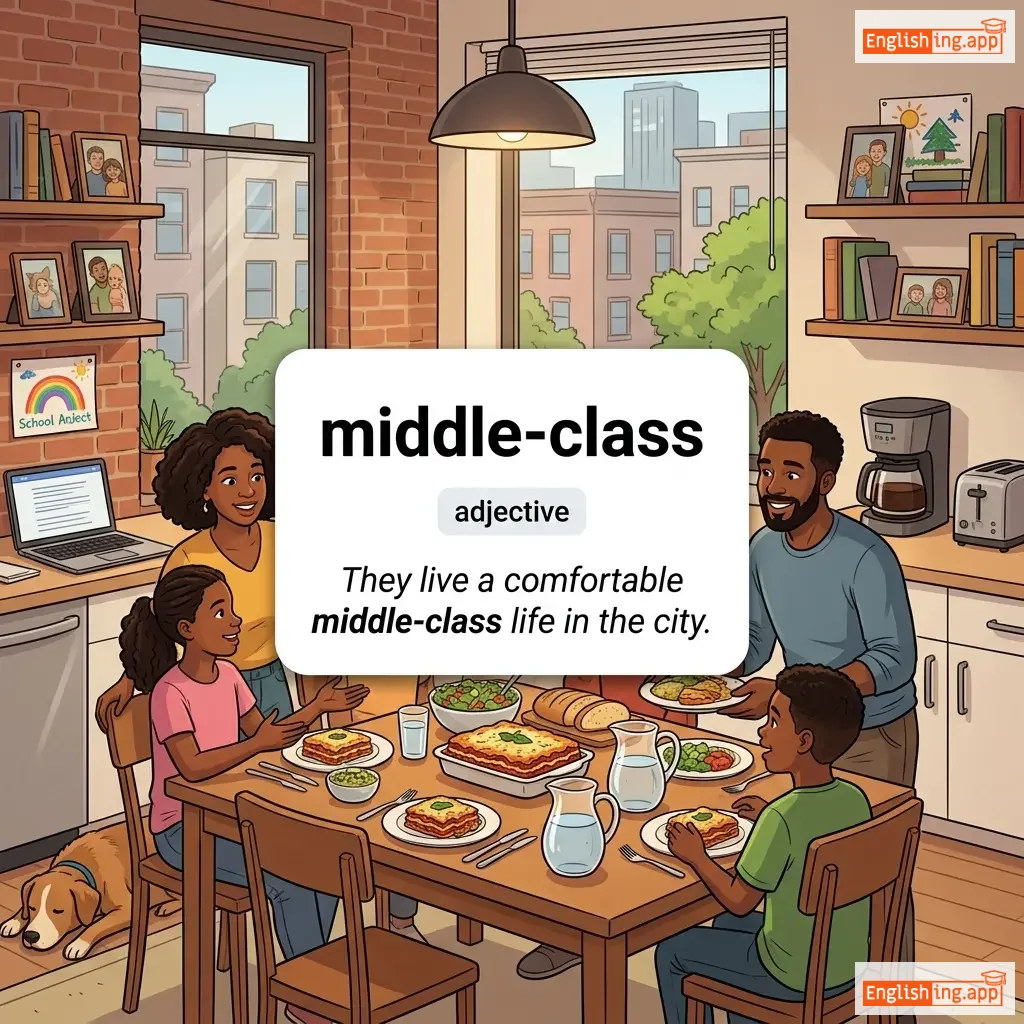
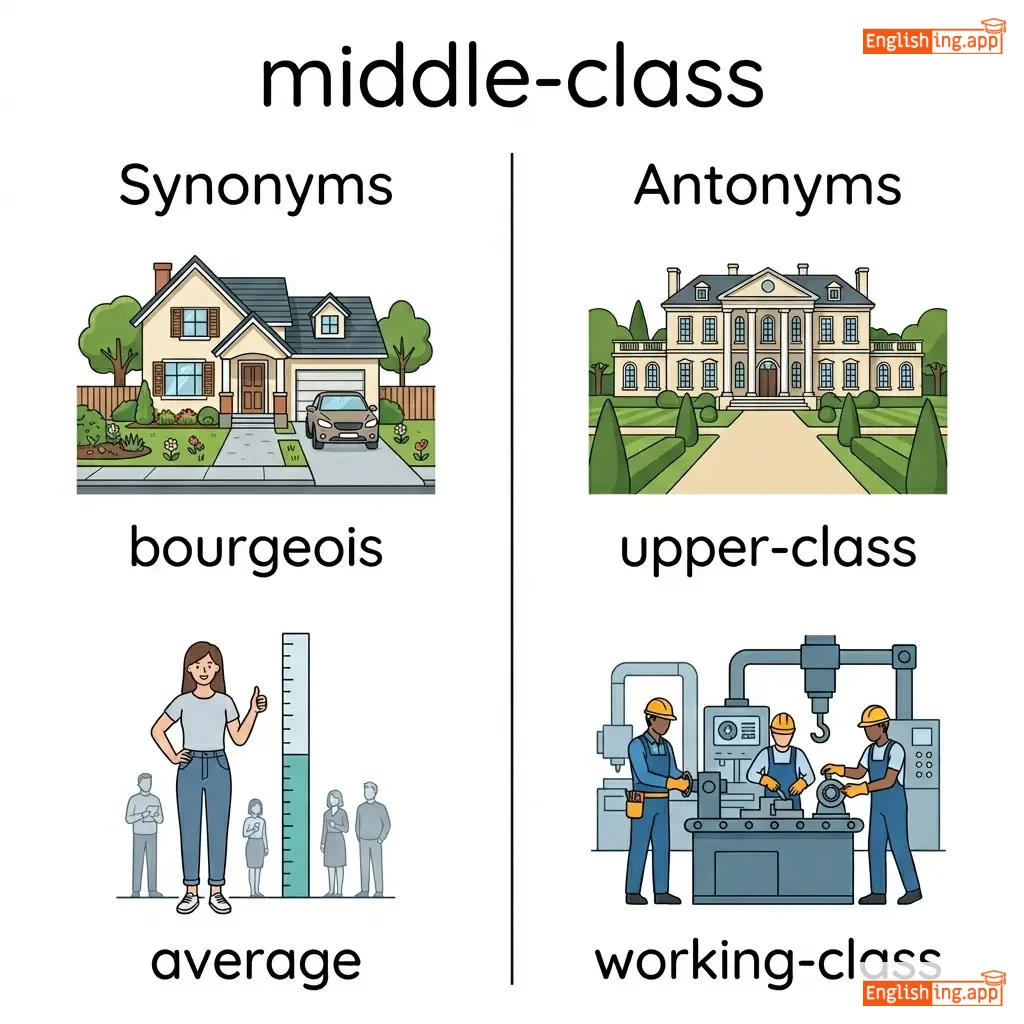
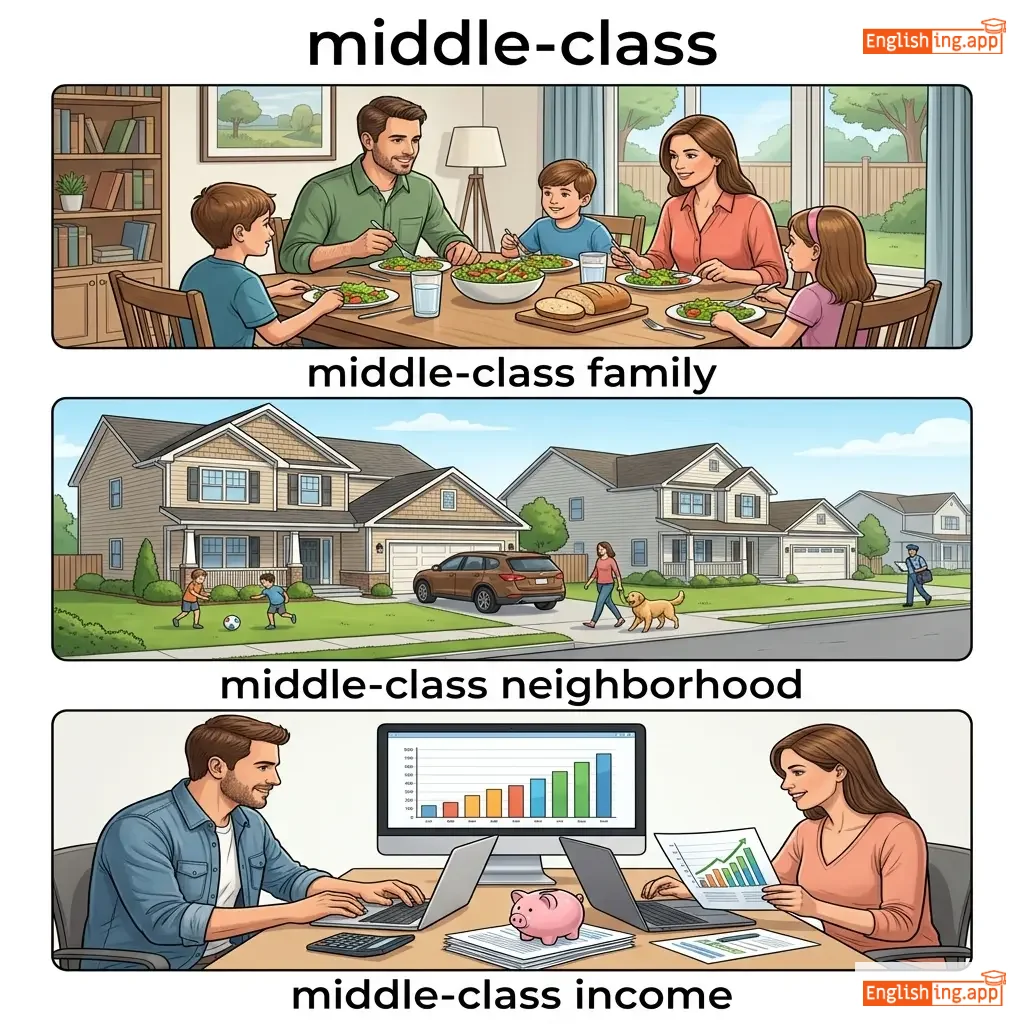
ˈmɪdl klæs
noun
••••••
|
•••••• |
The social group between the upper and working classes, typically consisting of well-educated people.
••••••
|
The middle-class was largely affected by the decision. |
Bourgeoisie, Working-class
••••••
|
Upper-class, Elite
••••••
|
|
#182
🎓
|
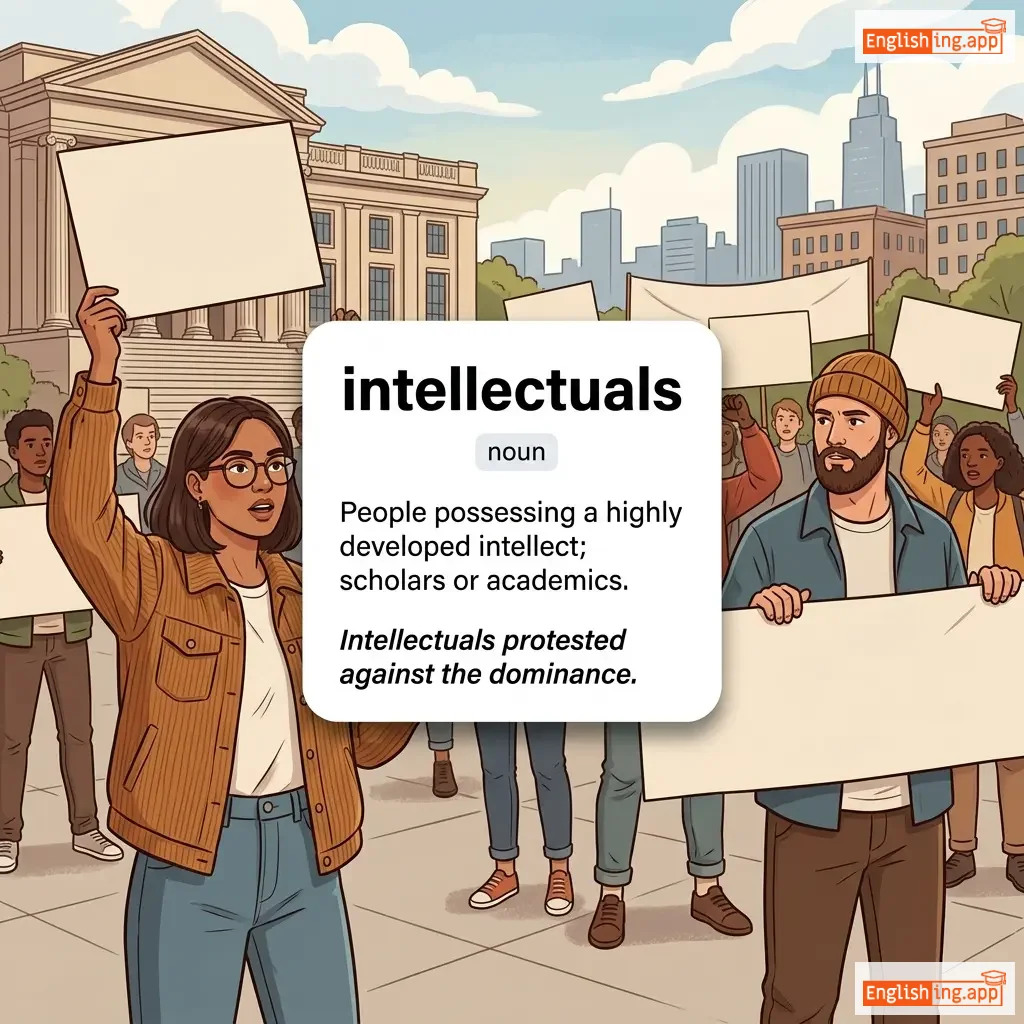
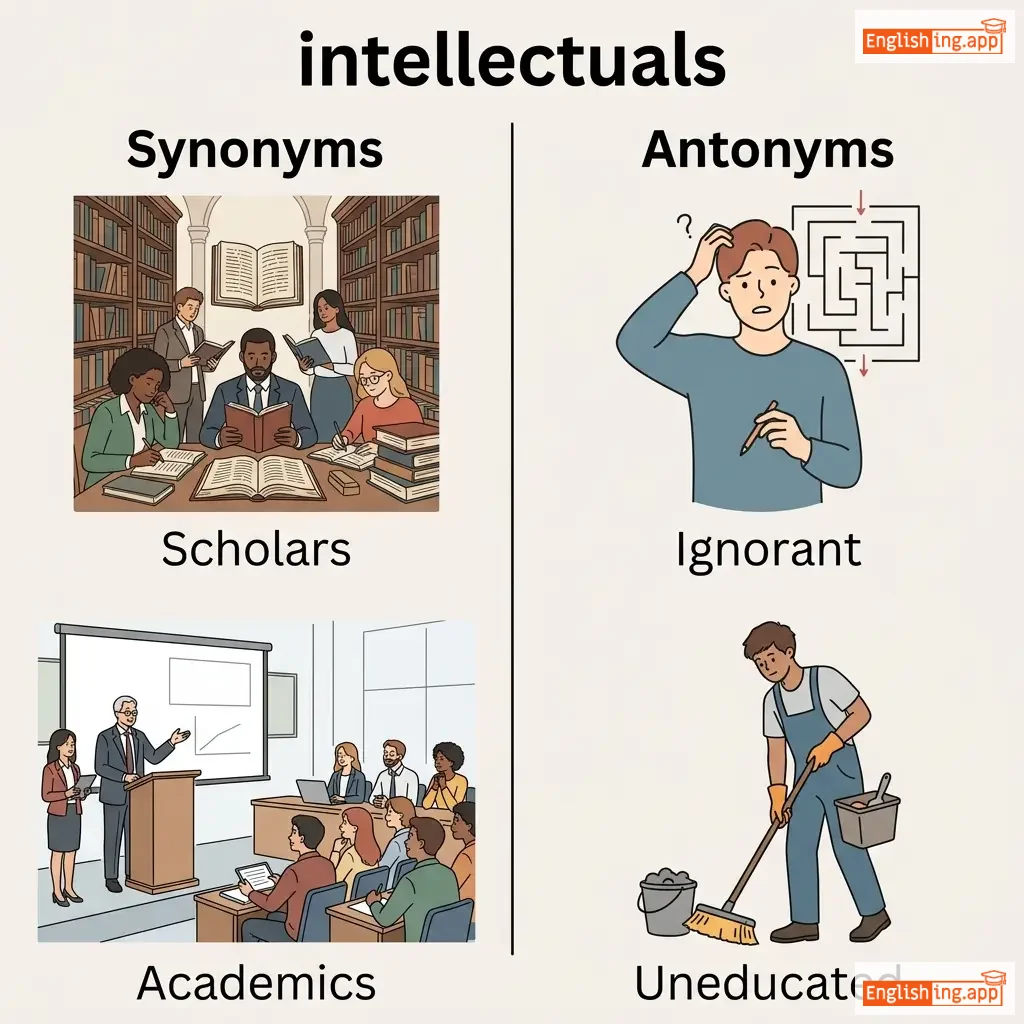
ˌɪntəˈlektʃuəlz
noun
••••••
|
•••••• |
People possessing a highly developed intellect; scholars or academics.
••••••
|
Intellectuals protested against the dominance. |
Scholars, Academics
••••••
|
Ignorant, Uneducated
••••••
|
|
#183
👑
|
ˈdɒmɪnəns
noun
••••••
|
•••••• |
Power and influence over others; control or command.
••••••
|
The dominance of Urdu was evident. |
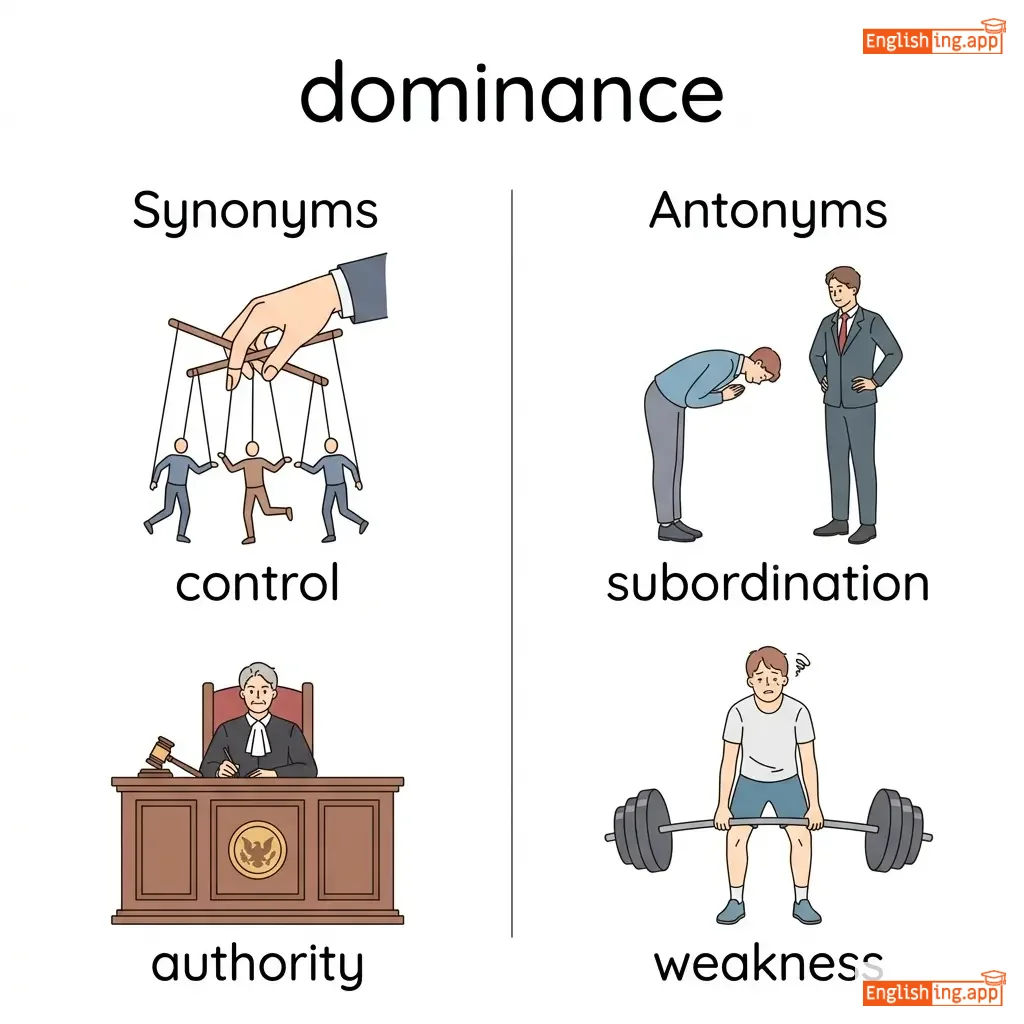
Control, Supremacy
••••••
|
Subordination, Weakness
••••••
|
|
#184
🚪
|
ˌɒpəˈtjuːnɪtiz
noun
••••••
|
•••••• |
A set of circumstances that makes it possible to do something; chances for advancement or success.
••••••
|
Opportunities for jobs decreased. |
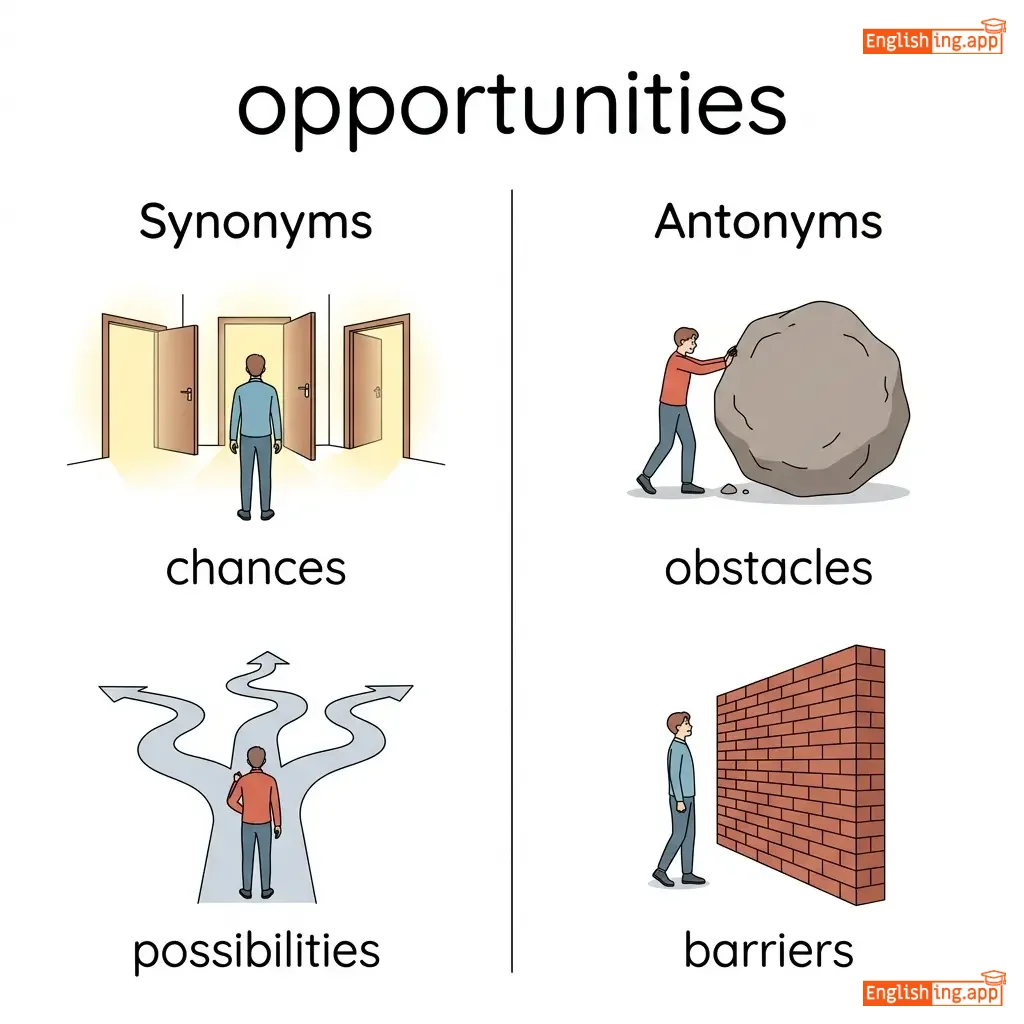
Chances, Prospects
••••••
|
Obstacles, Hindrances
••••••
|
|
#185
📈
|
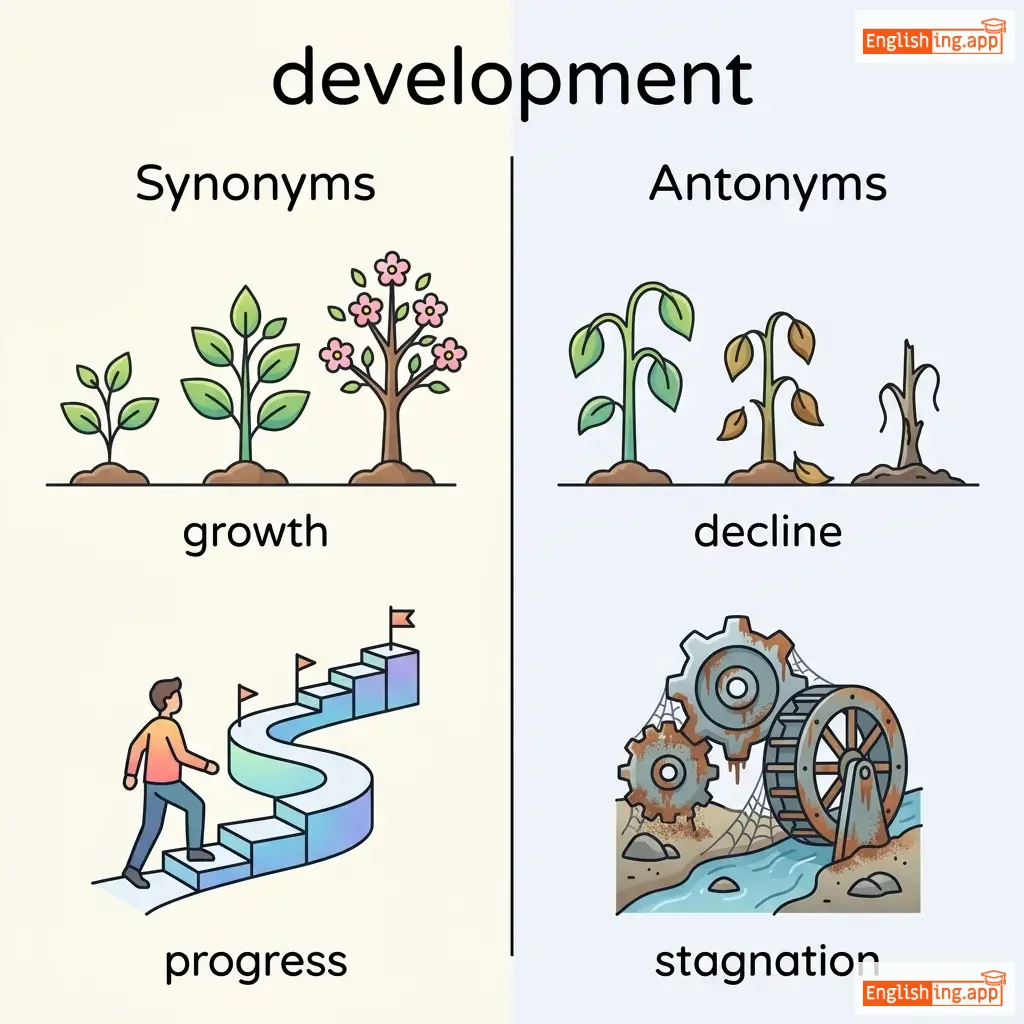
dɪˈveləpmənt
noun
••••••
|
•••••• |
The process of developing or being developed; growth or progress.
••••••
|
Development of Bengali society was hindered. |
Growth, Progress
••••••
|
Decline, Regression
••••••
|
|
#186
🔍
|
riˈæləti
noun
••••••
|
•••••• |
The world or the state of things as they actually exist, as opposed to an idealistic or notional idea.
••••••
|
The reality of the situation was evident. |
Truth, Actuality
••••••
|
Illusion, Fantasy
••••••
|
|
#187
👥
|
məˈdʒɒrəti
noun
••••••
|
•••••• |
The greater number; the larger part of something.
••••••
|
The majority demanded their rights. |
Plurality, Bulk
••••••
|
Minority, Few
••••••
|
|
#188
😠
|
rɪˈzentmənt
noun
••••••
|
•••••• |
Bitter indignation at having been treated unfairly.
••••••
|
Resentment grew among the students. |
Anger, Bitterness
••••••
|
Satisfaction, Contentment
••••••
|
|
#189
❤️
|
ɪˈməʊʃənz
noun
••••••
|
•••••• |
Strong feelings deriving from one's circumstances, mood, or relationships with others.
••••••
|
Emotions ran high during the protests. |
Feelings, Sentiments
••••••
|
Indifference, Apathy
••••••
|
|
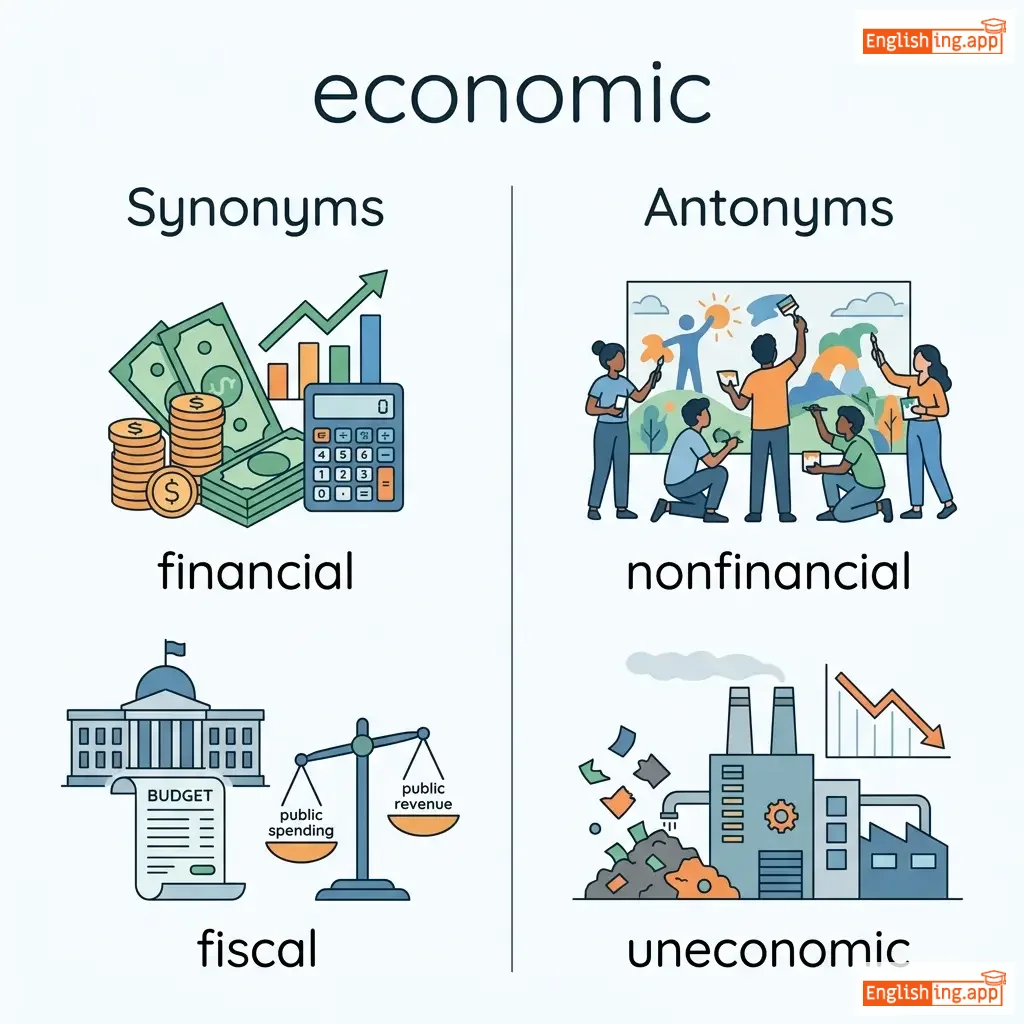
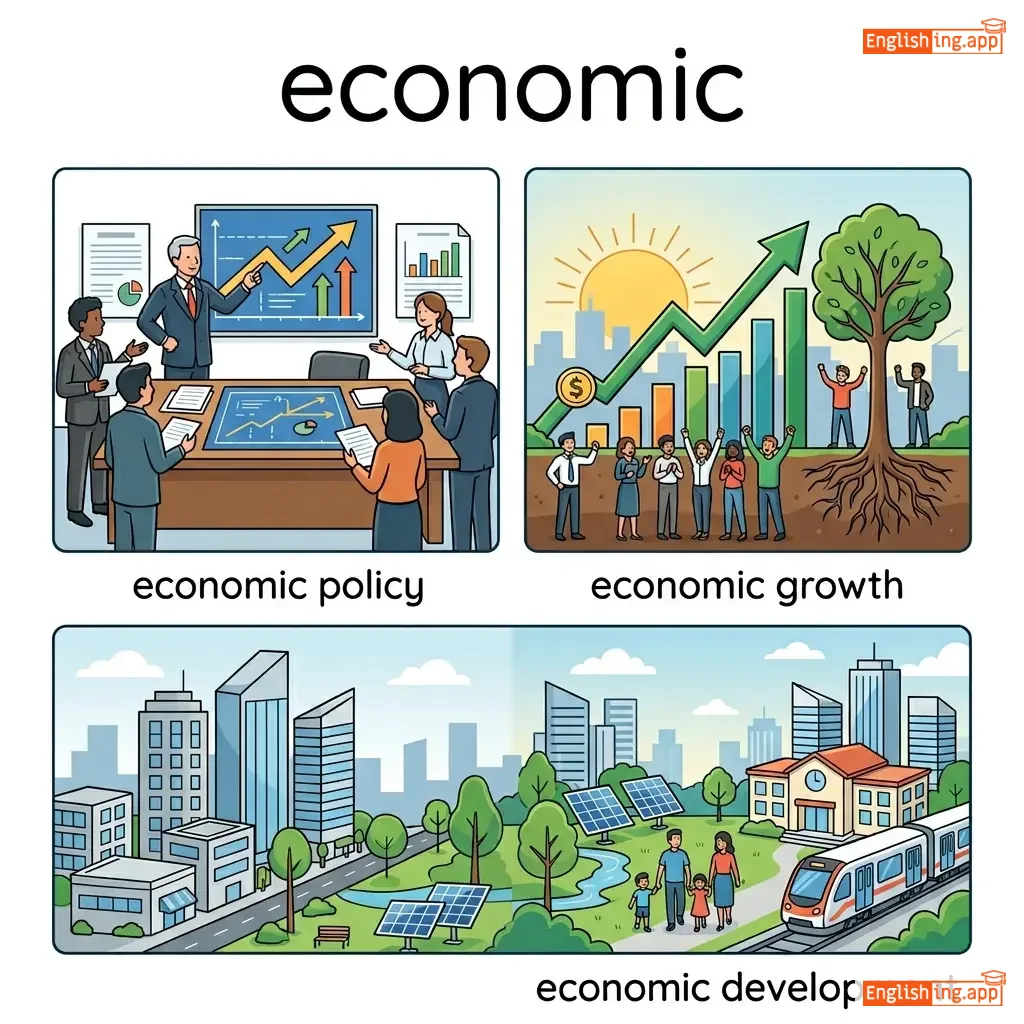
#190
💰
|
ˌiːkəˈnɒmɪk
adjective
••••••
|
•••••• |
Relating to economics or the economy.
••••••
|
The issue had significant economic implications. |
Financial, Monetary
••••••
|
Uneconomic, Unprofitable
••••••
|
|
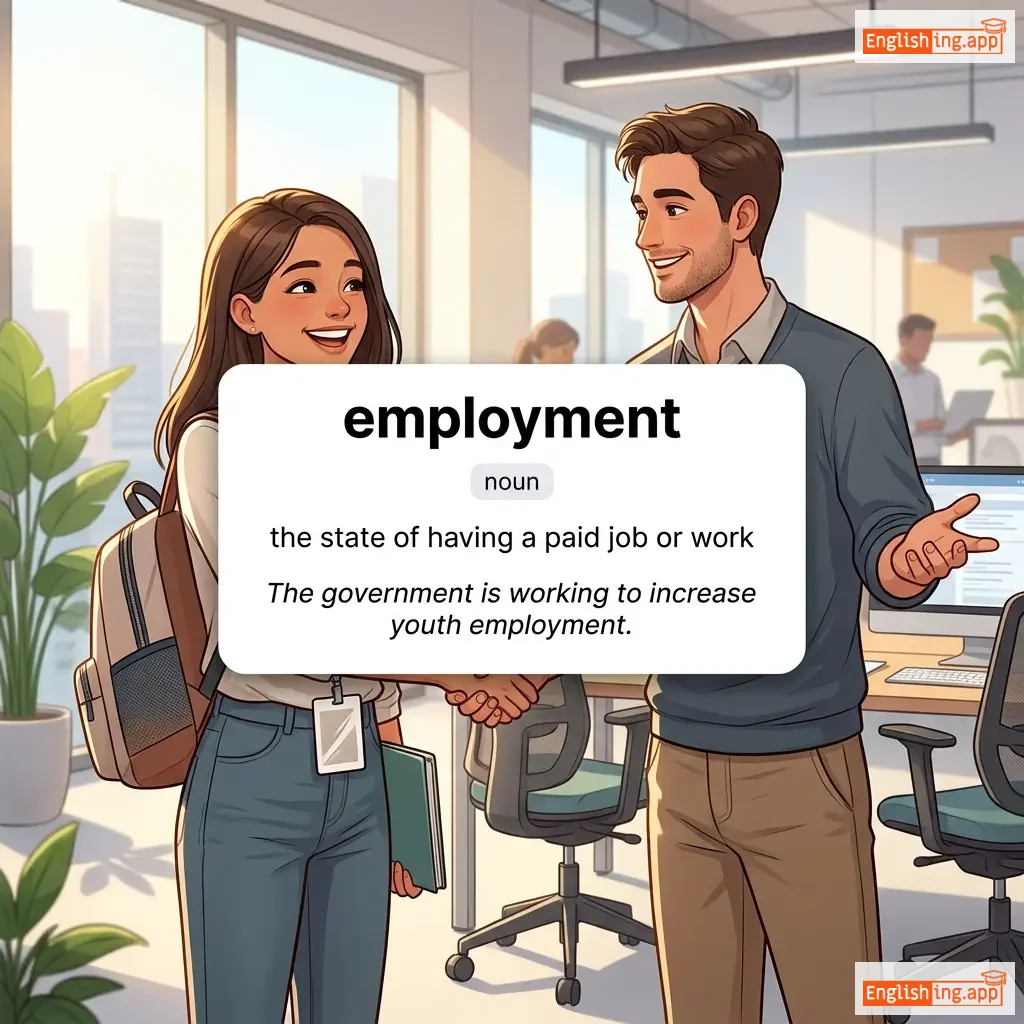
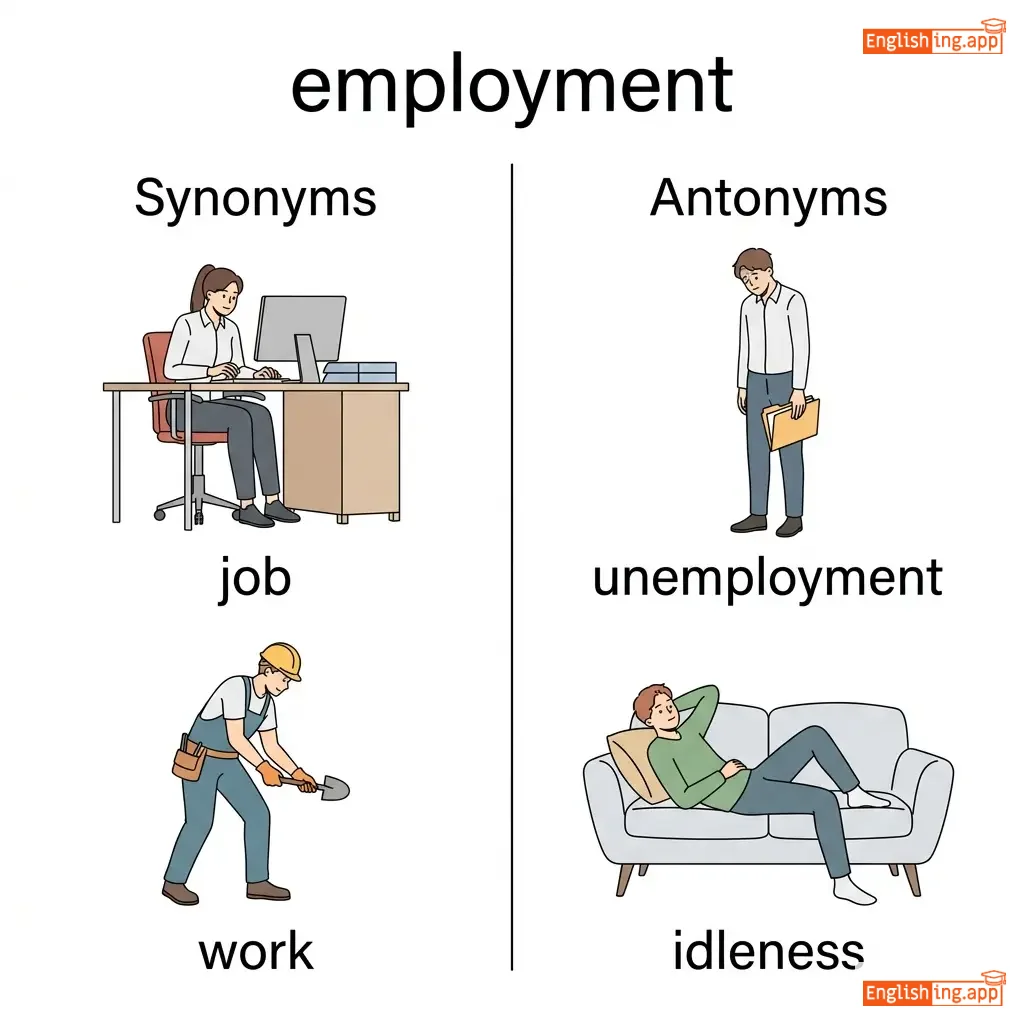
#191
💼
|
ɪmˈplɔɪmənt
noun
••••••
|
•••••• |
The condition of having paid work; the action of giving work to someone.
••••••
|
Employment was limited to Urdu speakers. |
Work, Occupation
••••••
|
Unemployment, Idleness
••••••
|
|
#192
🏁
|
ˌkɒmpəˈtɪʃən
noun
••••••
|
•••••• |
The activity or condition of competing; rivalry for supremacy.
••••••
|
Competition grew between language groups. |
Rivalry, Contest
••••••
|
Cooperation, Monopoly
••••••
|
|
#193
⚖️
|
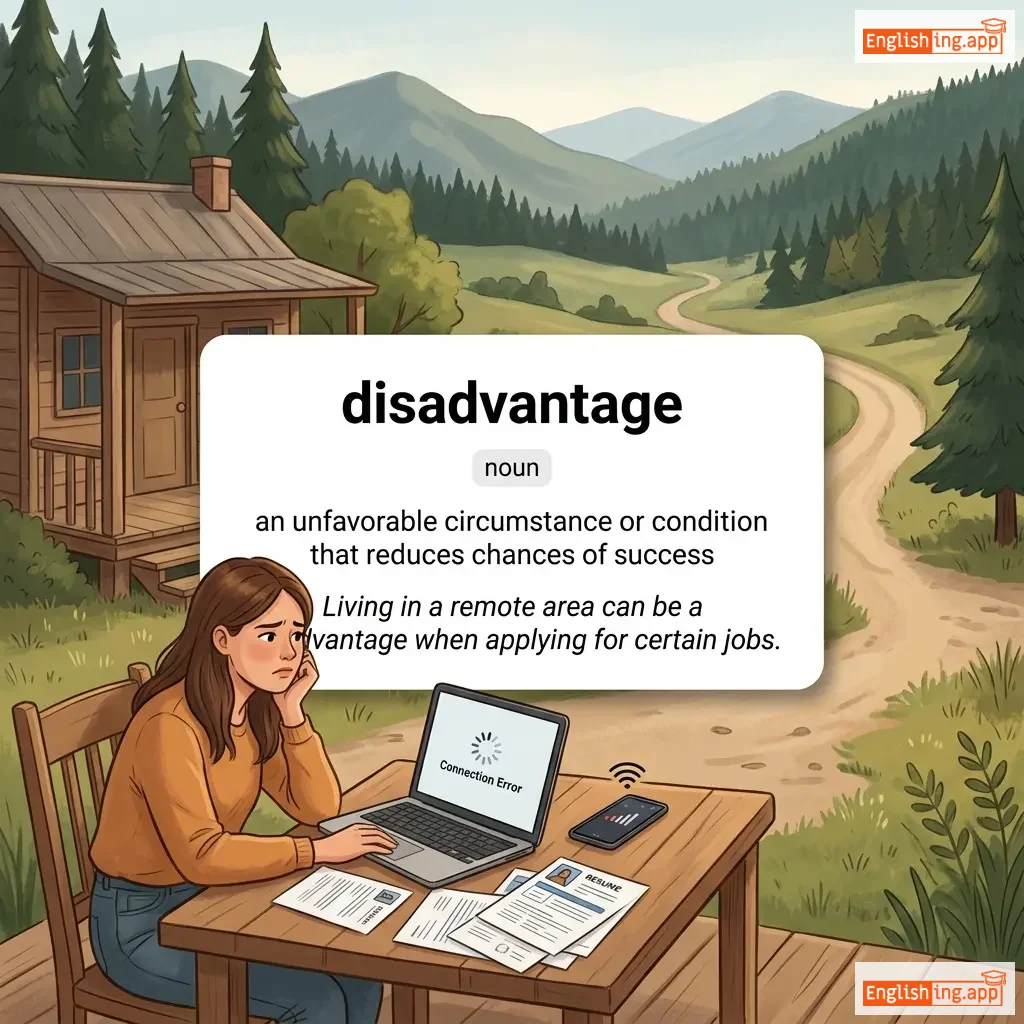
ˌdɪsədˈvæntɪdʒ
noun
••••••
|
•••••• |
An unfavorable circumstance or condition that reduces the chances of success or effectiveness.
••••••
|
Urdu's dominance placed Bengalis at a disadvantage. |
Handicap, Drawback
••••••
|
Advantage, Benefit
••••••
|