Pourquoi la question de la langue d’État était-elle si importante ?

Why Was the State Language Question So Important?

Dès que les discussions ont commencé sur l’idée de faire de l’ourdou l’unique langue state, les étudiants, la middle-class éduquée, les intellectuals et les responsables politiques du Bengale oriental ont compris que cela entraînerait une catastrophe pour les Bengalis.

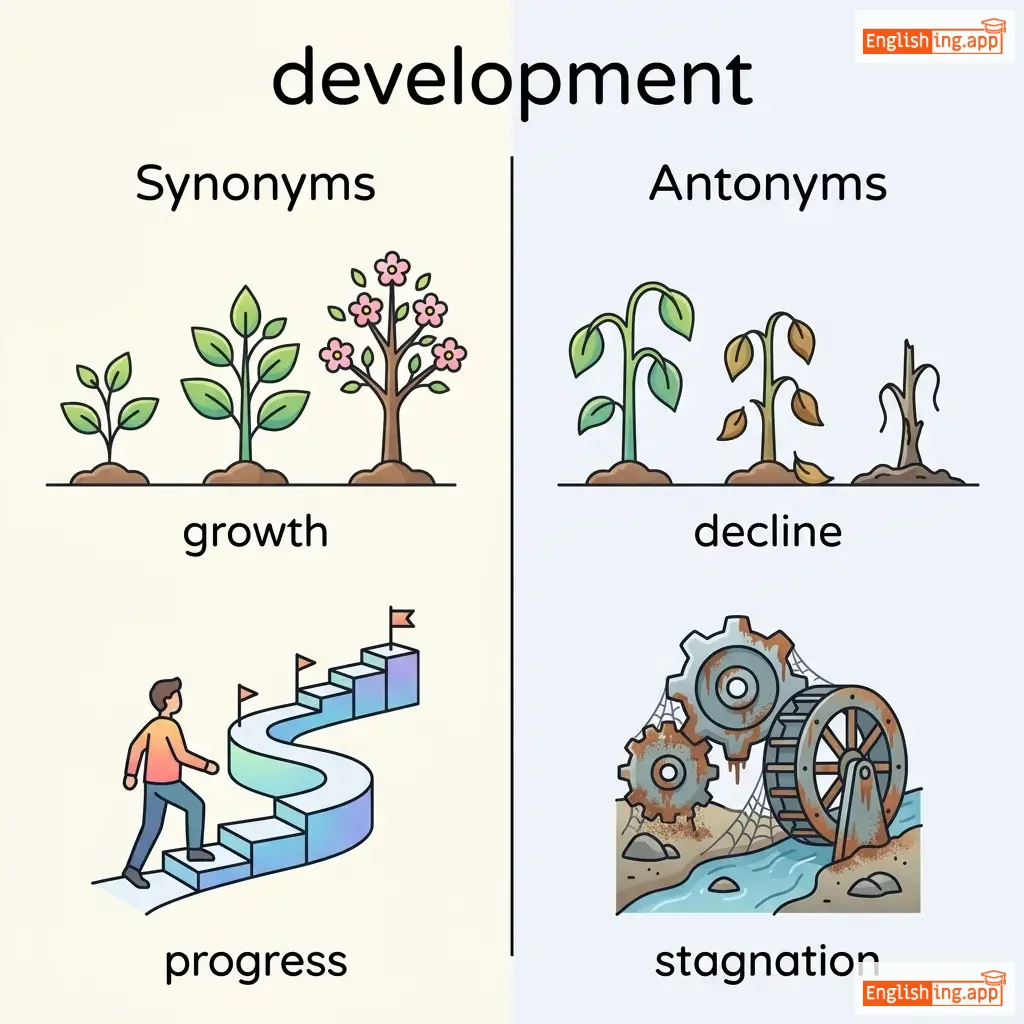
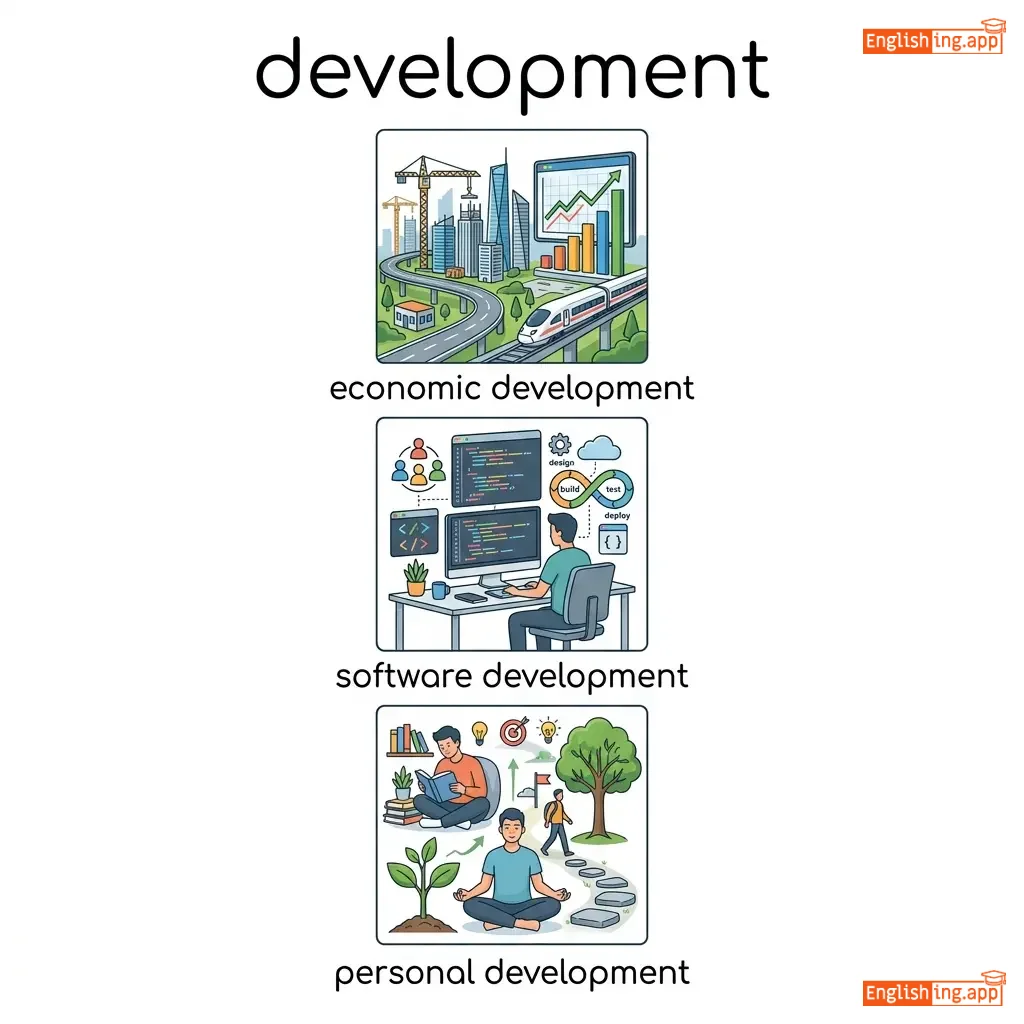
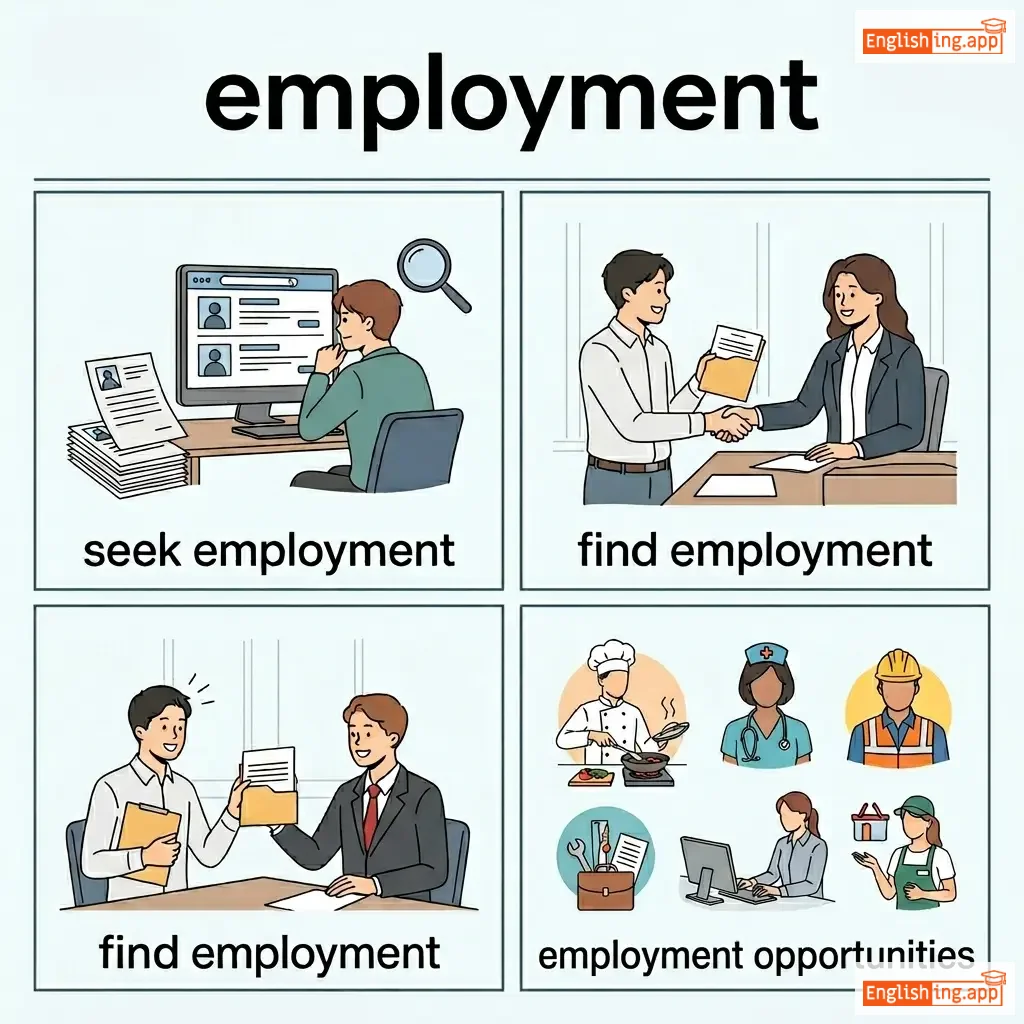
Ils ont compris que cela instaurerait la dominance des locuteurs d’ourdou au Pakistan et que les Bengalis seraient désavantagés en matière d’opportunities d’emplois dans l’administration et l’armée par rapport aux locuteurs d’ourdou. Le rêve de development et de social progress des musulmans bengalis, né de la création du Pakistan, serait gravement compromis.

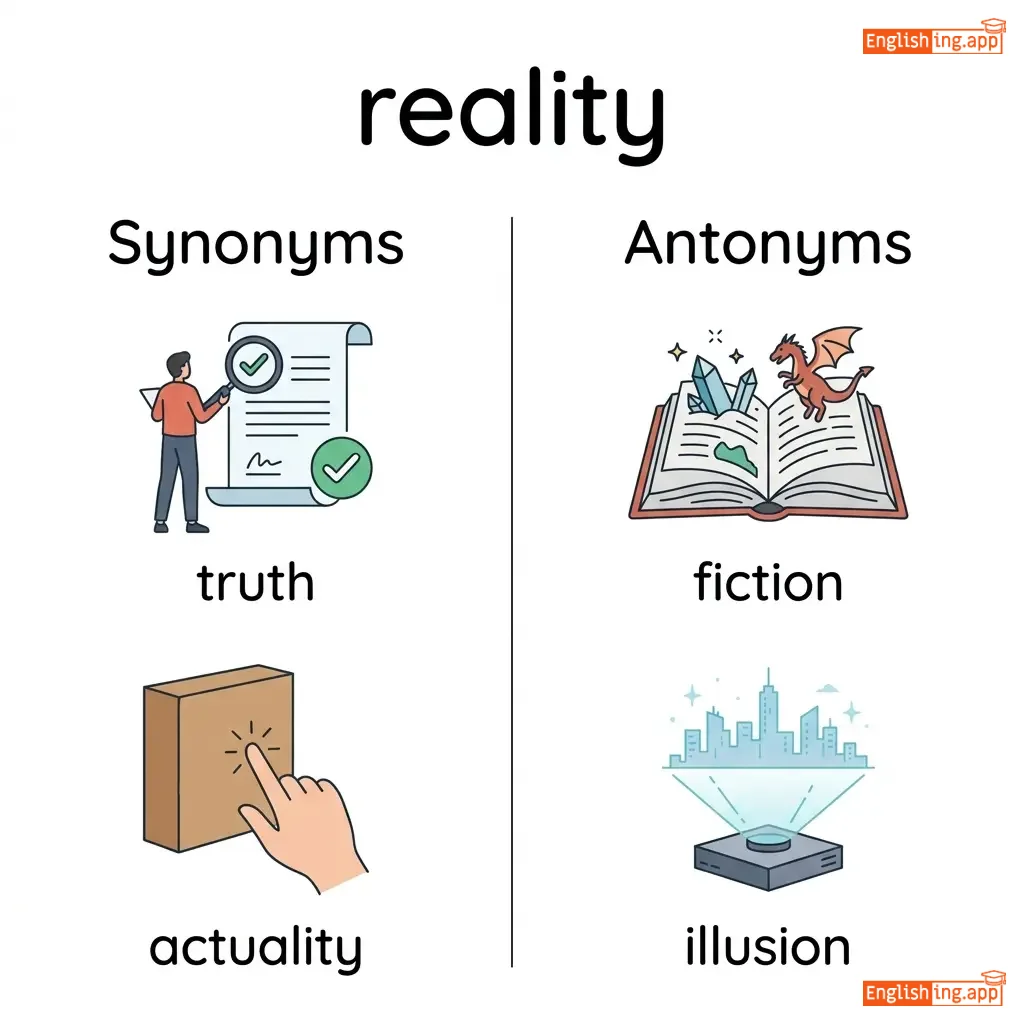
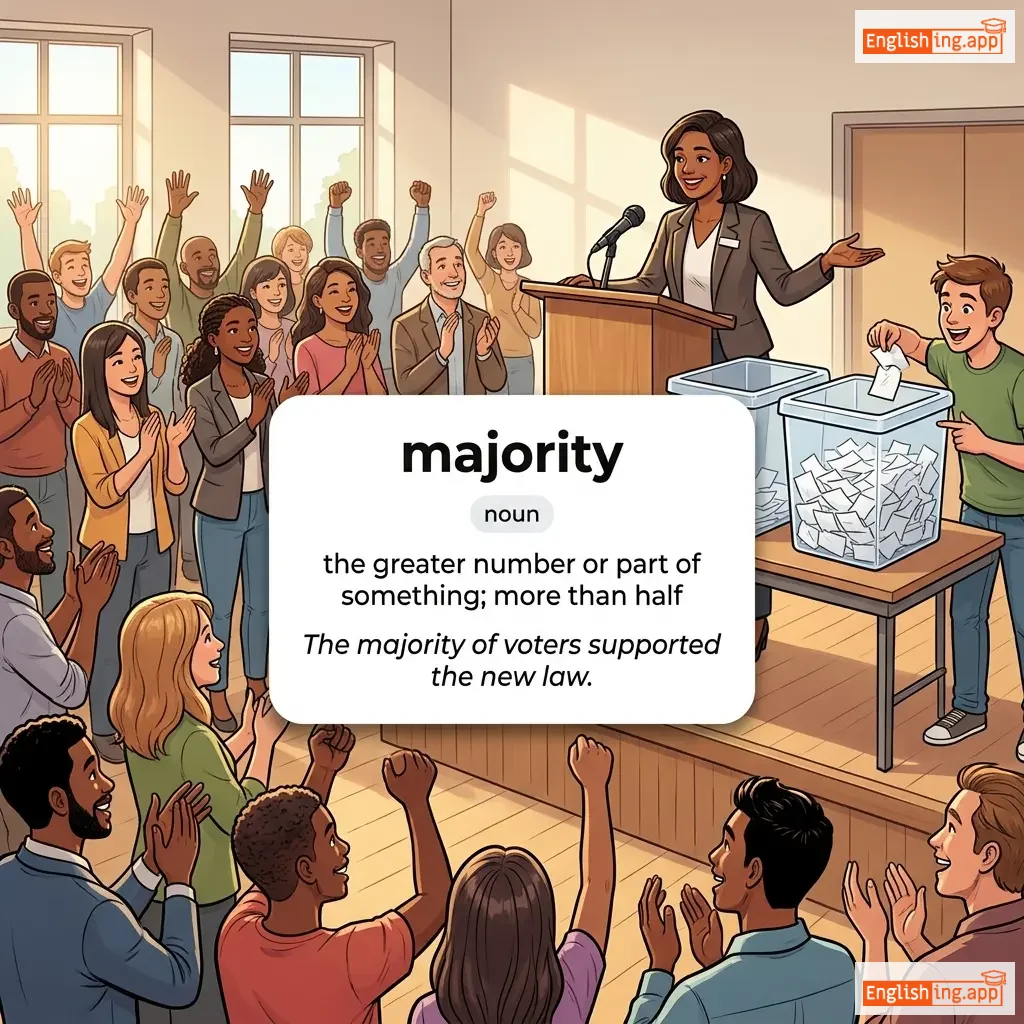
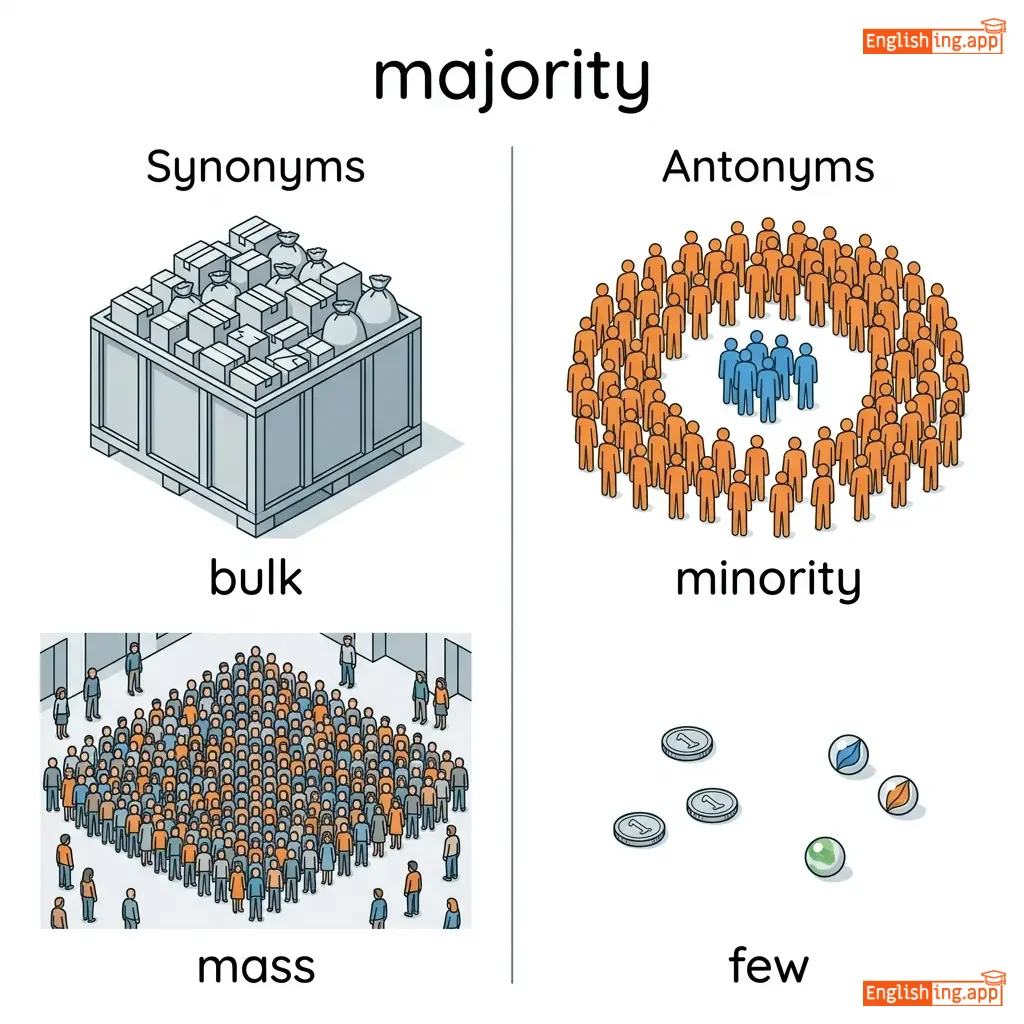
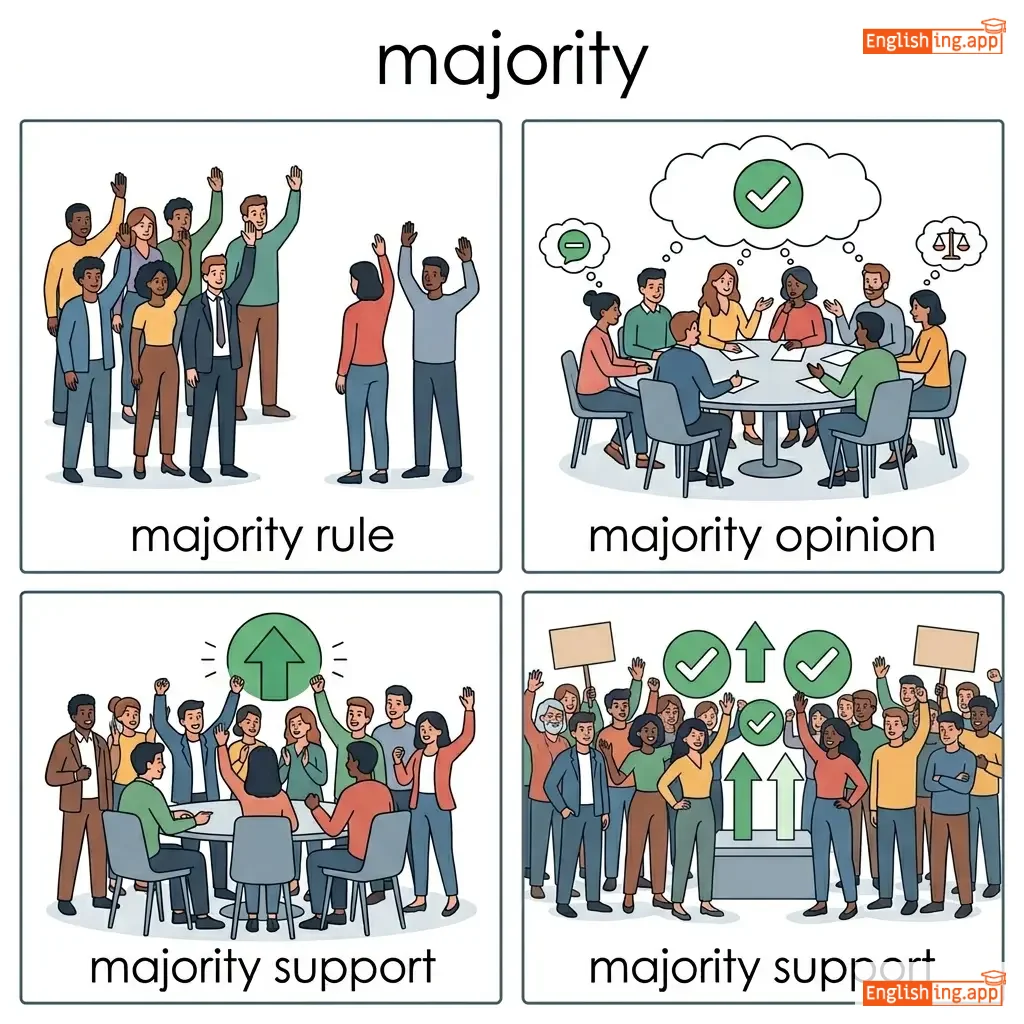
Or la reality du Pakistan était que le bengali était la langue de la majority des habitants dans la partie orientale du pays — et même à l’échelle de l’ensemble du pays. Au Pakistan occidental, plus de 40 % des habitants parlaient pendjabi, et seuls 4 % parlaient ourdou.

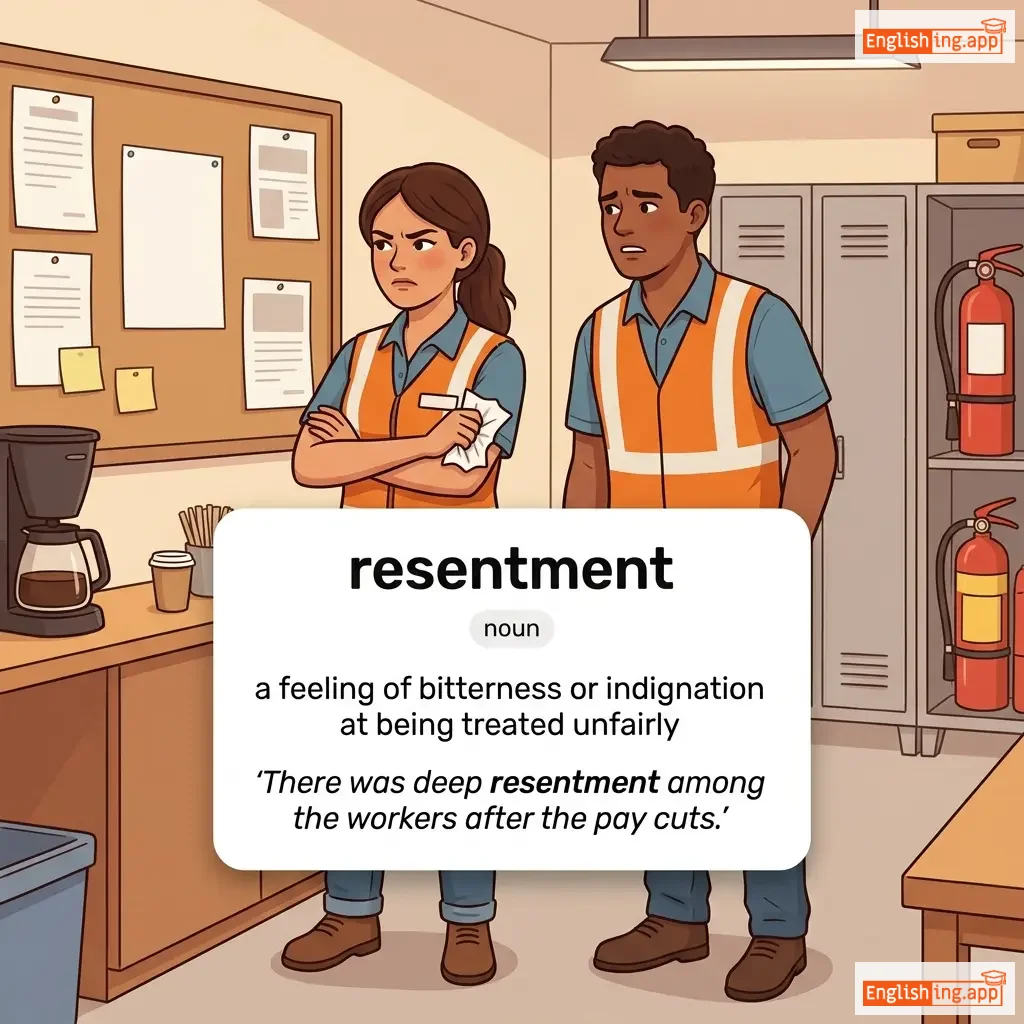
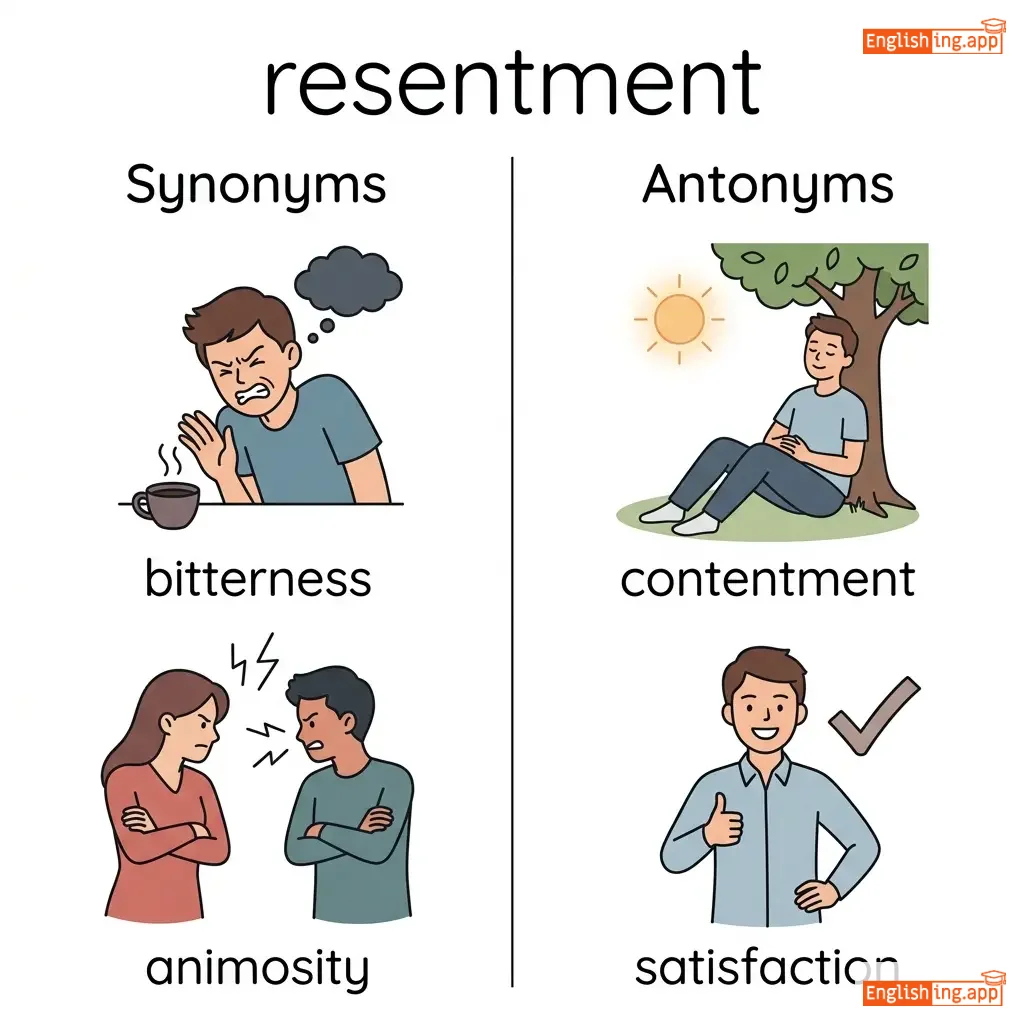
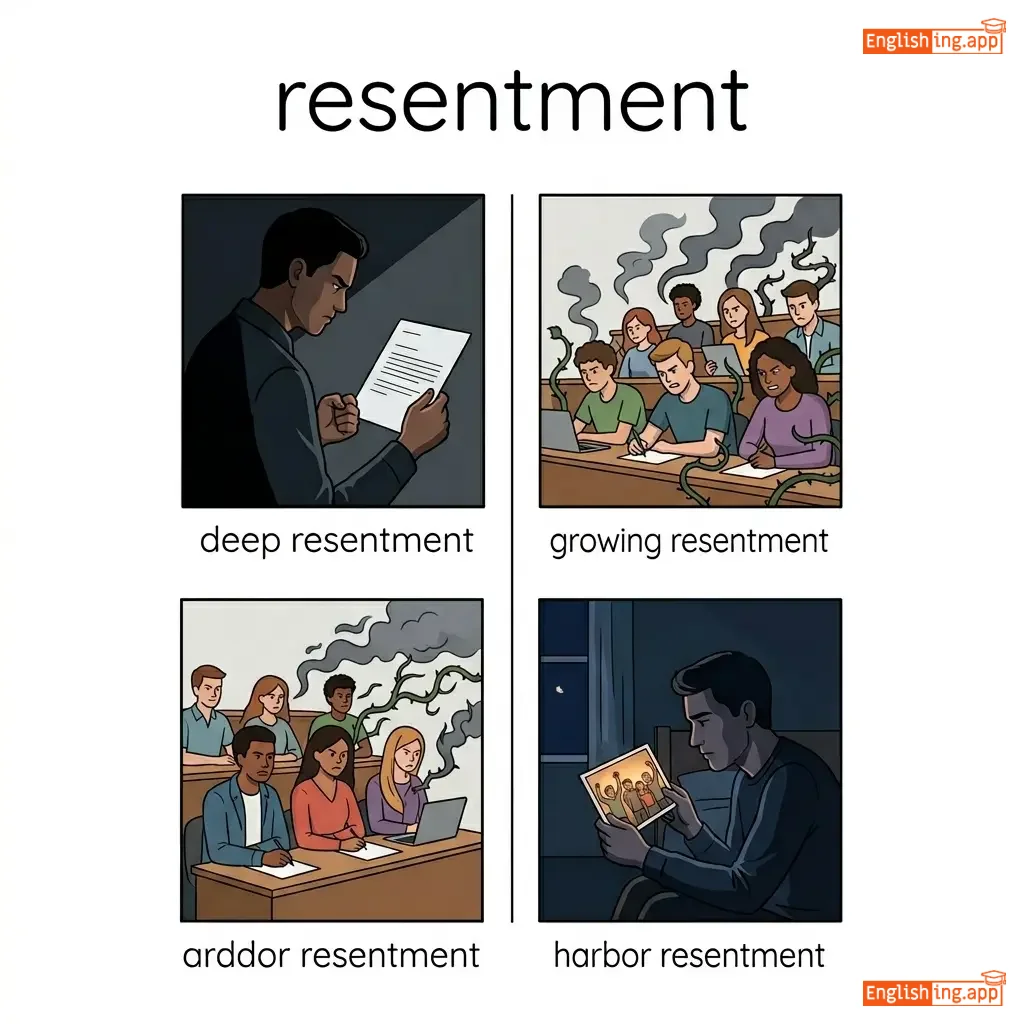
Bien que le bengali fût la langue de la majority, le fait qu’il ne soit pas l’une des langues officielles du Pakistan a suscité un profond resentment chez les étudiants et les personnes instruites du Bengale oriental.

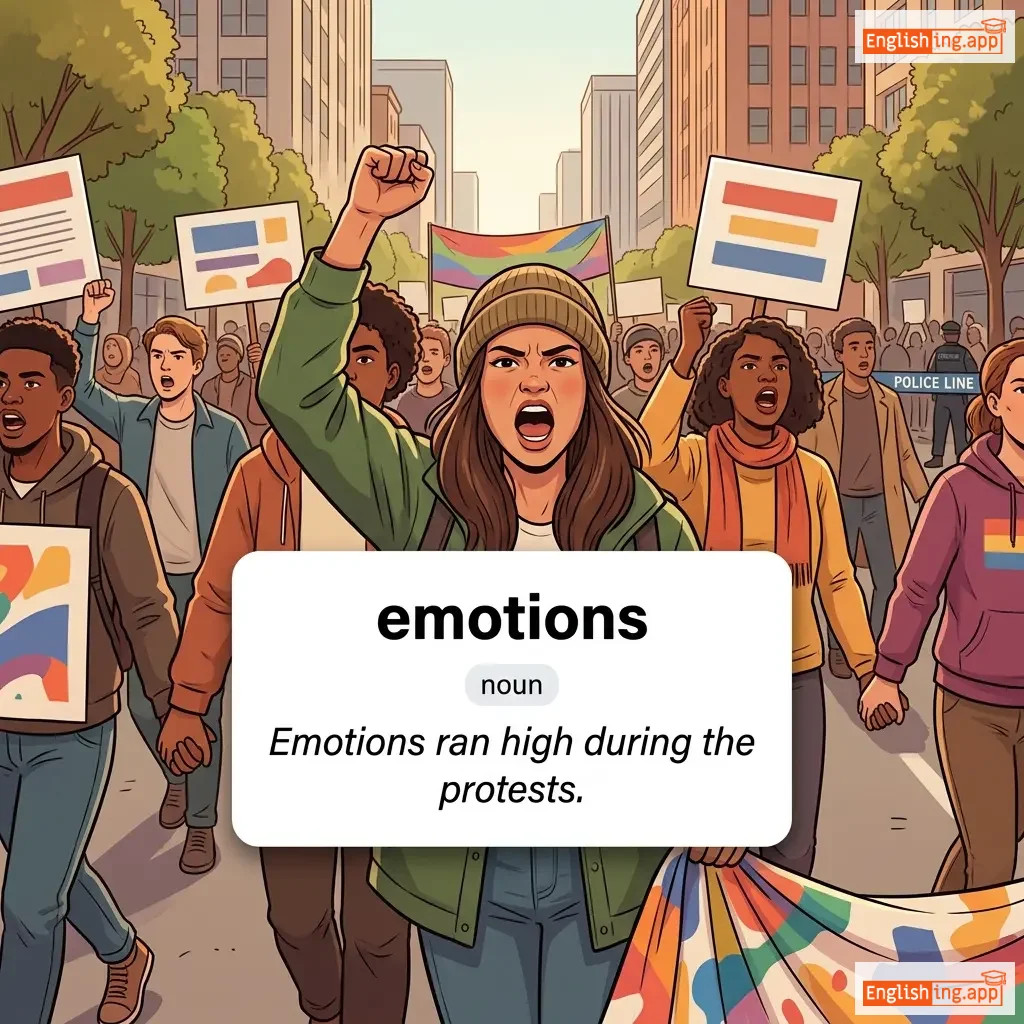
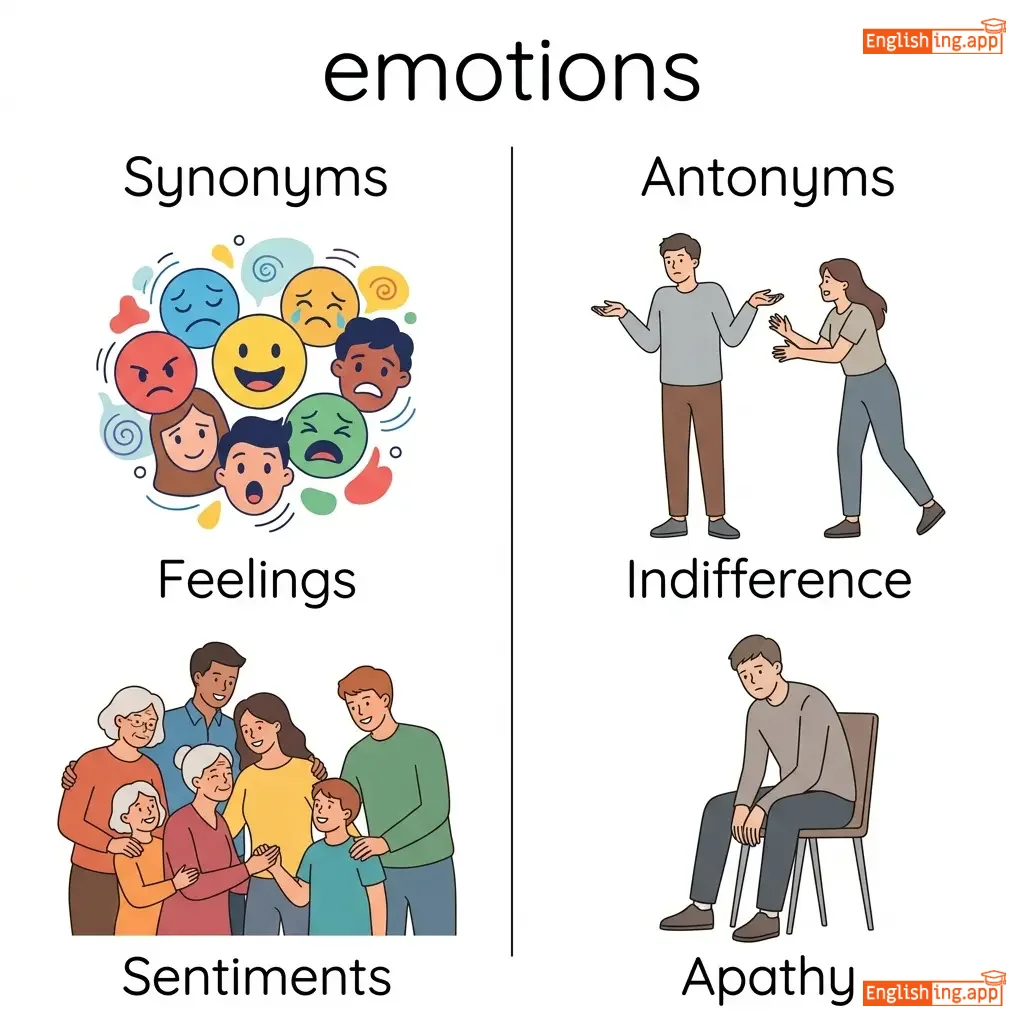
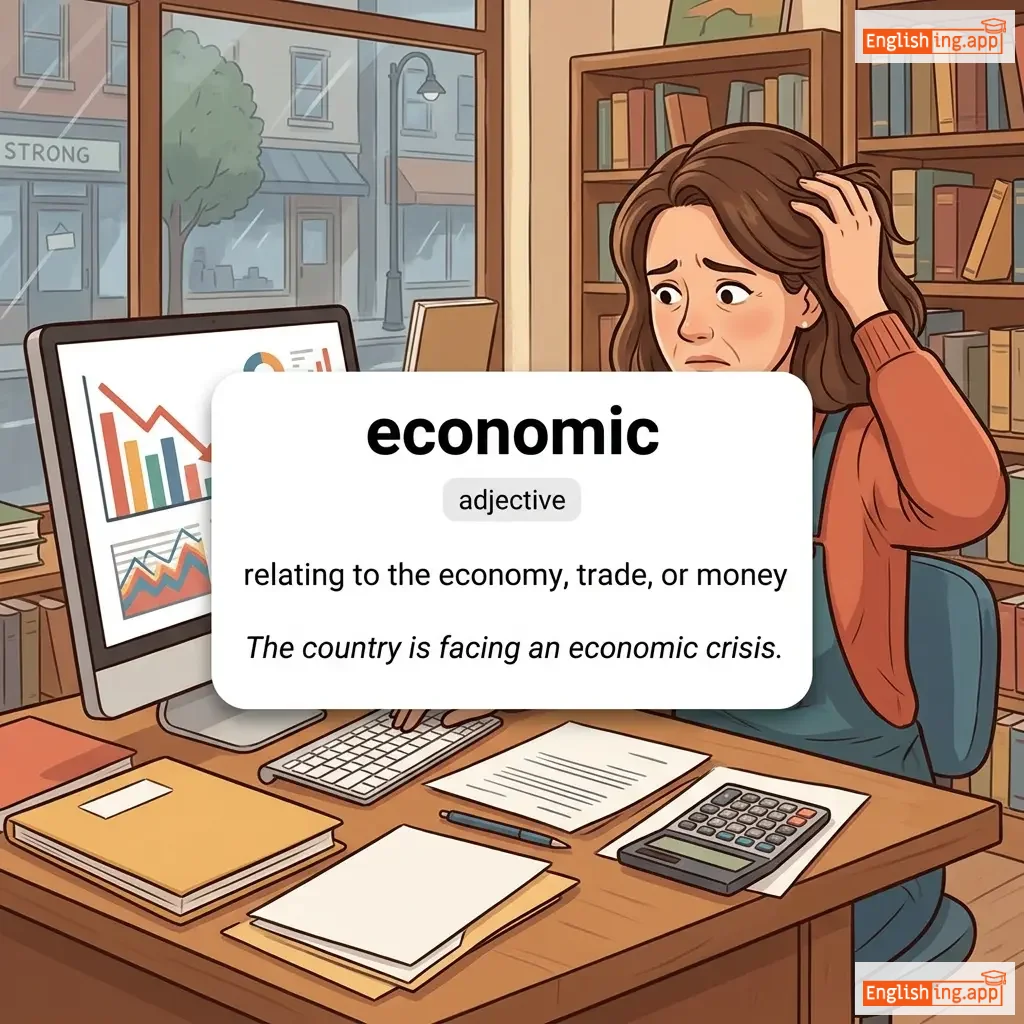
« D’un côté, il y a les emotions liées à la langue et à l’identité ; mais au-delà, il y a un aspect economic », explique Rawnaq Jahan, professeure et analyste à l’Université Columbia.
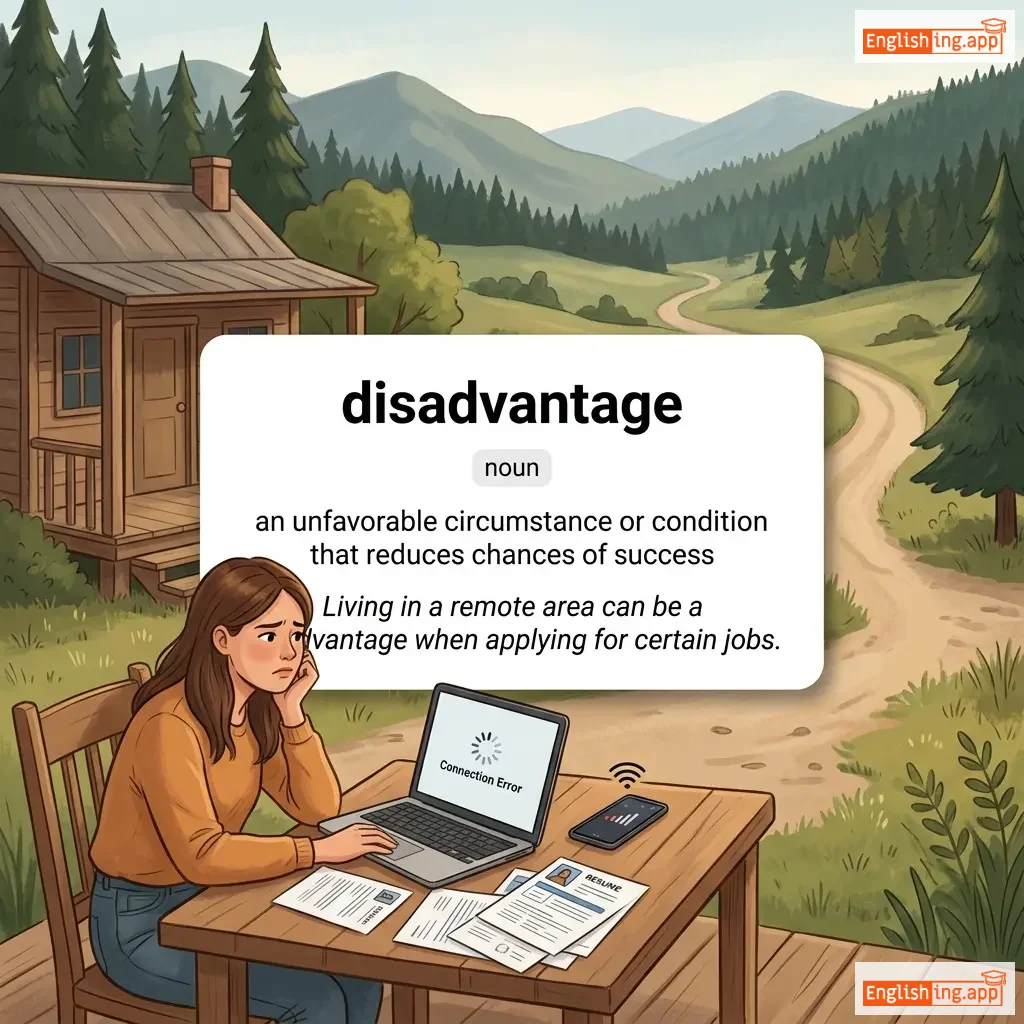
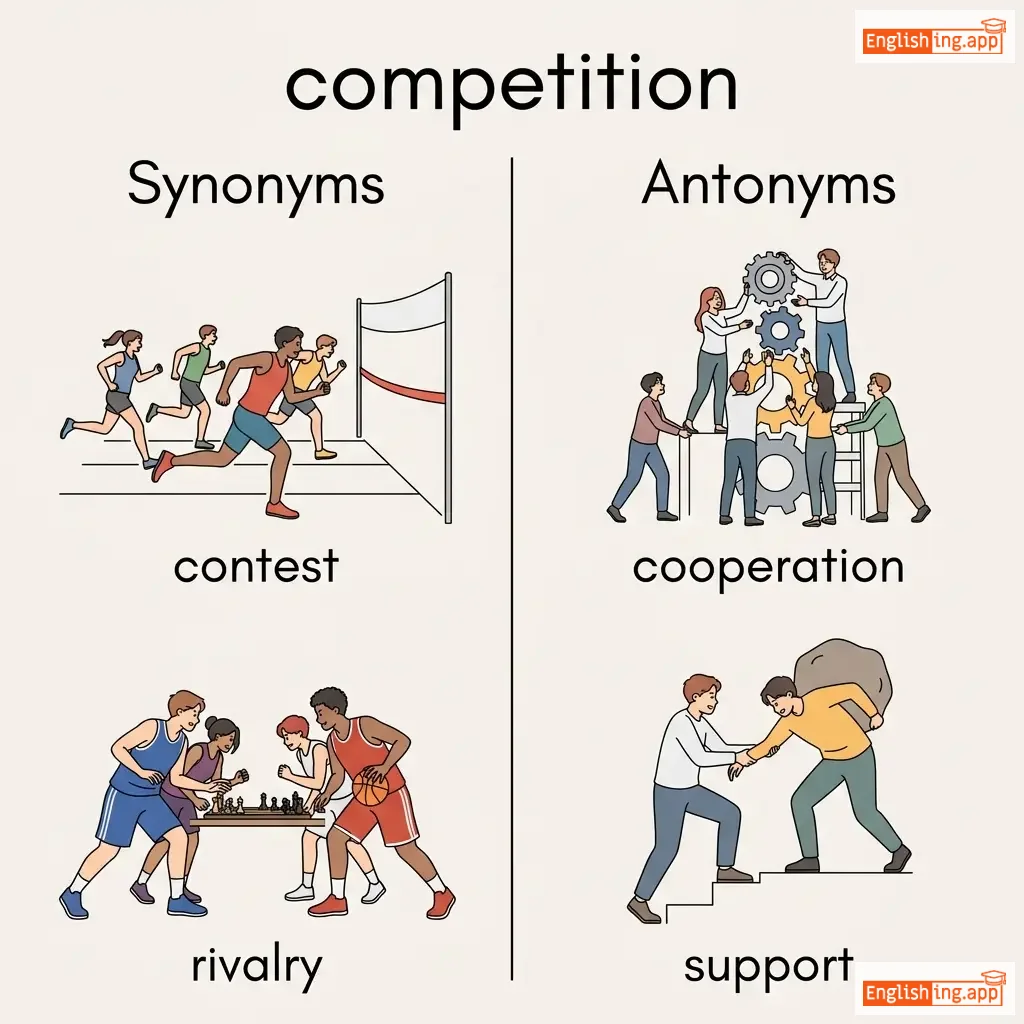
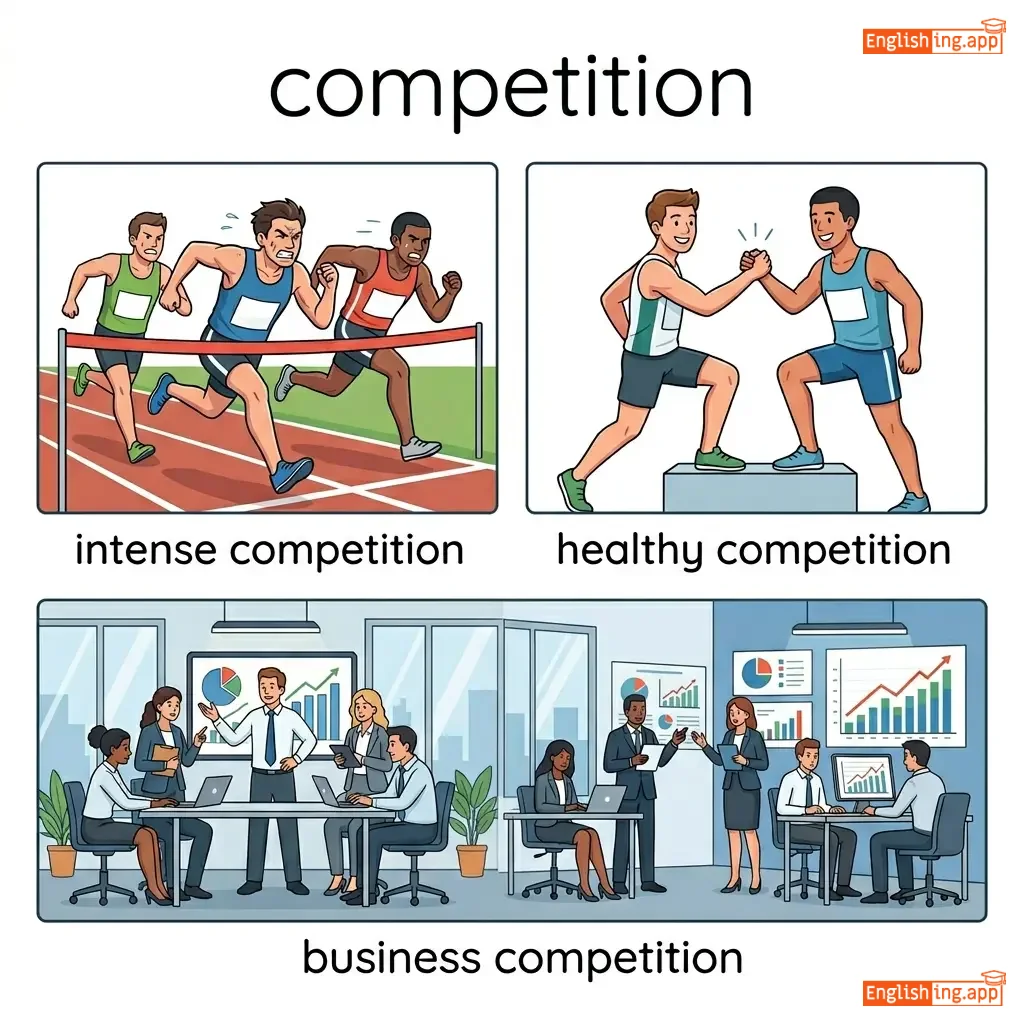
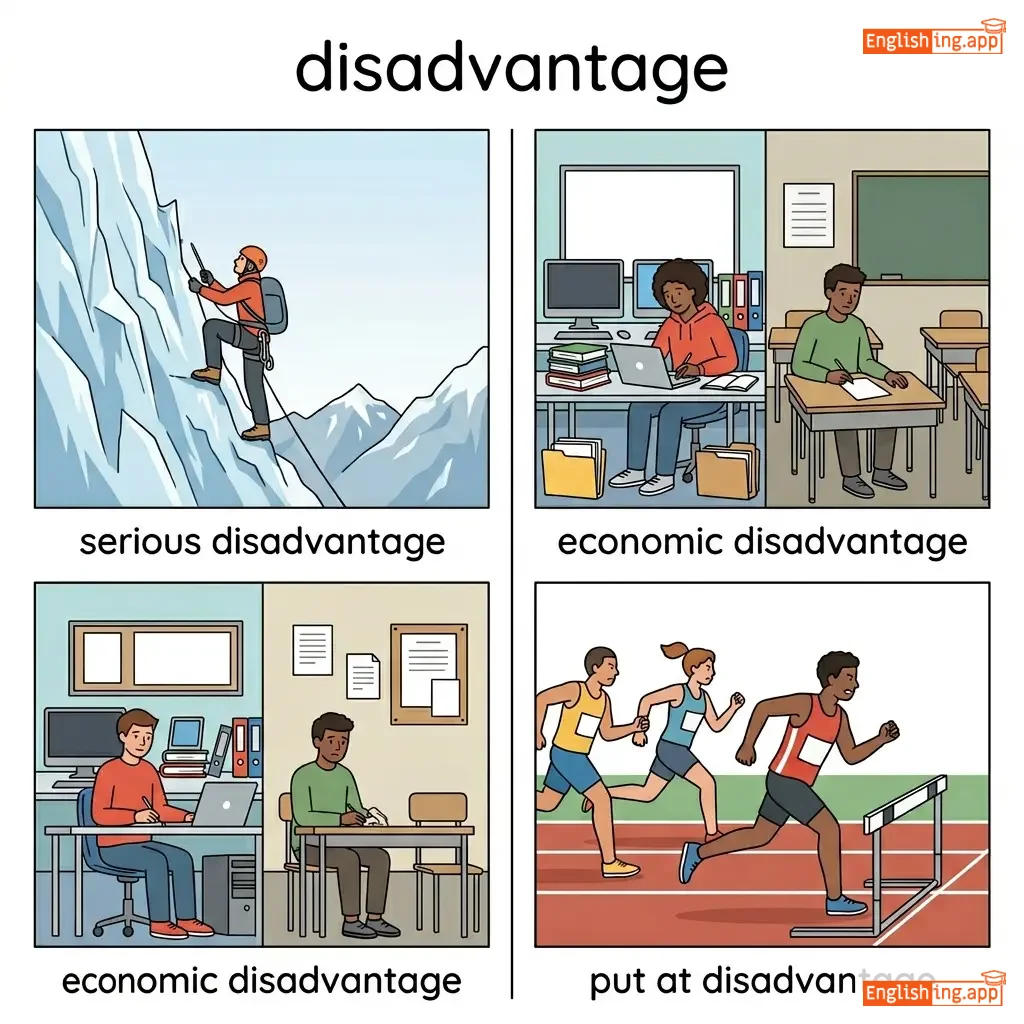
Selon elle, « à cette époque, employment signifiait les emplois dans la fonction publique. Mais si l’ourdou devenait la langue officielle, les Bengalis devraient apprendre l’ourdou pour obtenir un emploi dans l’administration ou l’armée, ils devraient competition avec les locuteurs d’ourdou — ce qui les placerait en disadvantage. Pour les étudiants, c’était donc une question d’avenir. »
Why Was the State Language Question So Important?Pourquoi la question de la langue d’État était-elle si importante ?
/
/

Why Was the State Language Question So Important?Pourquoi la question de la langue d’État était-elle si importante ? - Basculement de Masque

Émoji
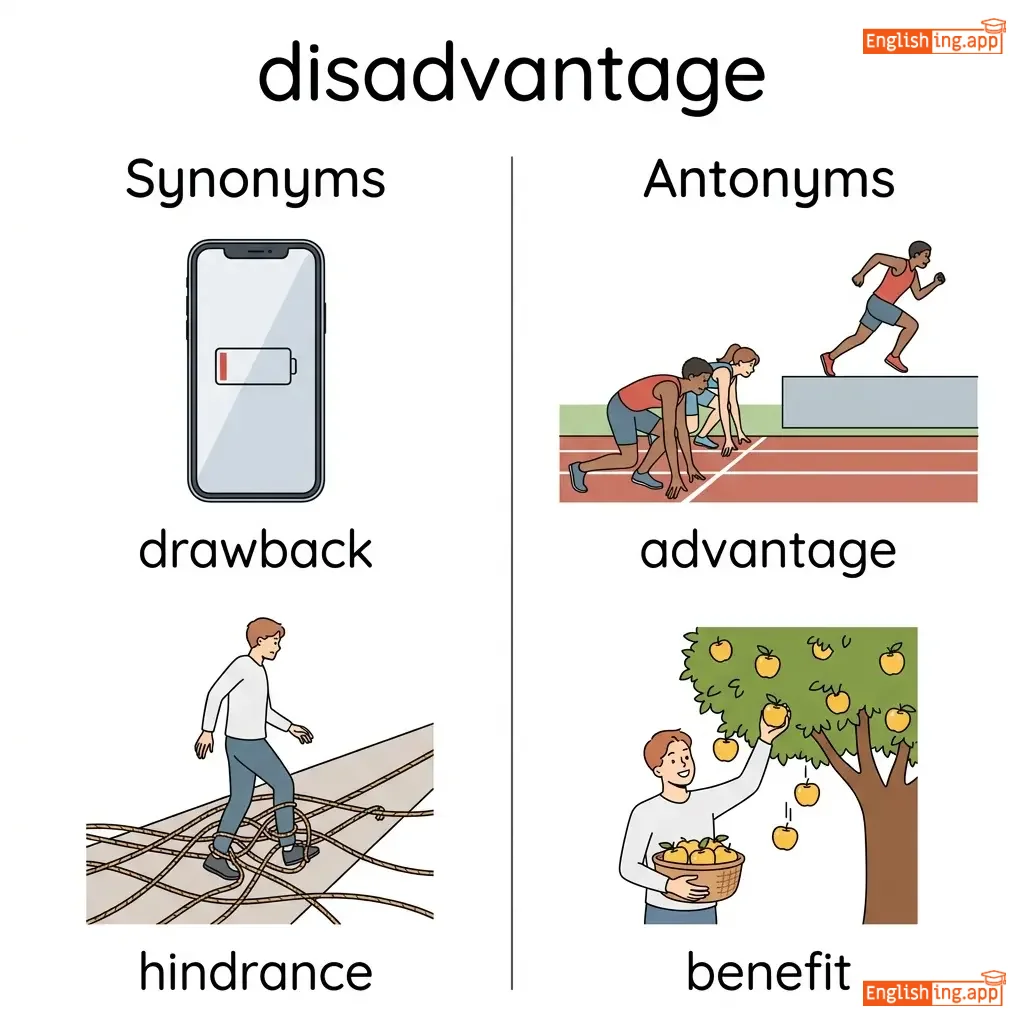
Mot Images Signification Phrase d'Exemple Synonymes Antonymes
#180
🏛️
••••••
steɪt
noun
••••••
••••••
A nation or territory considered as an organized political community under one government.
••••••

The state declared a new language policy.

••••••
Nation, Territory
••••••
Chaos, Disorder
••••••
#181
👔
••••••
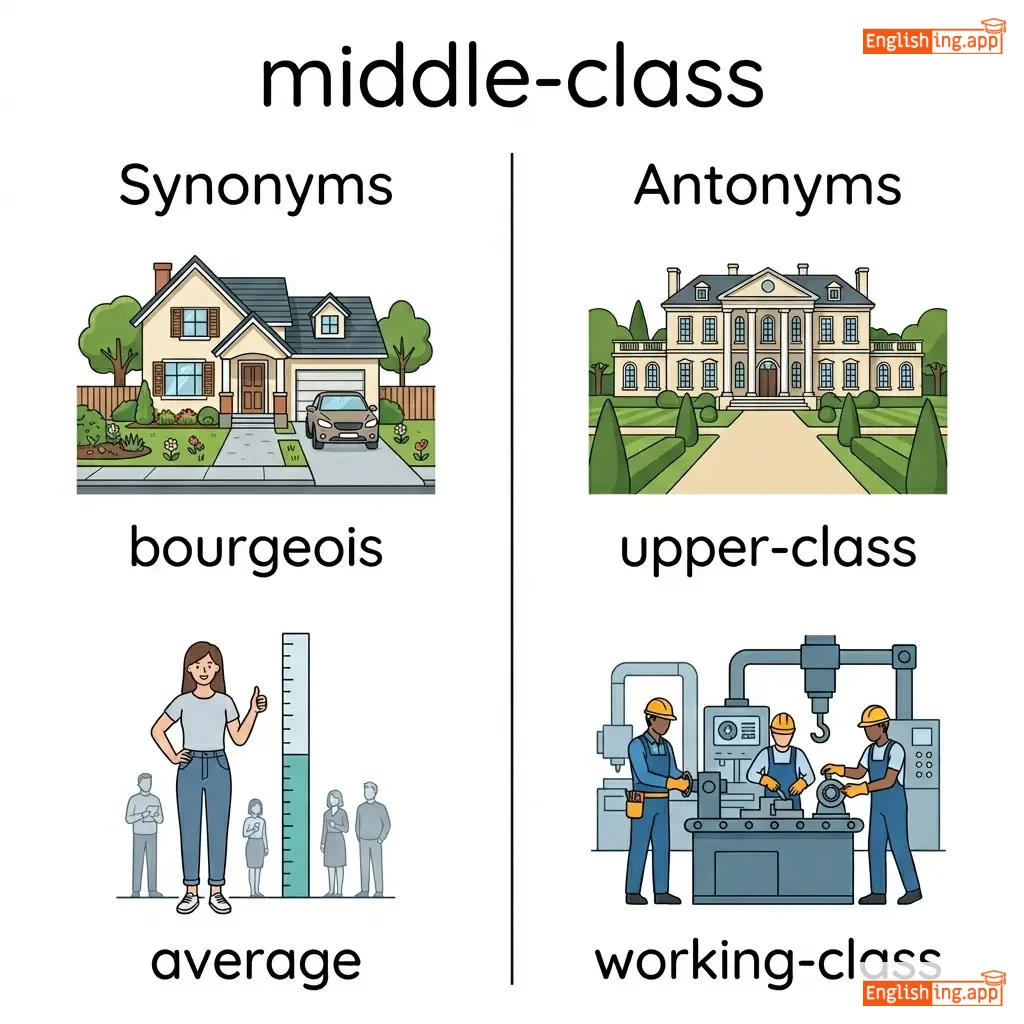
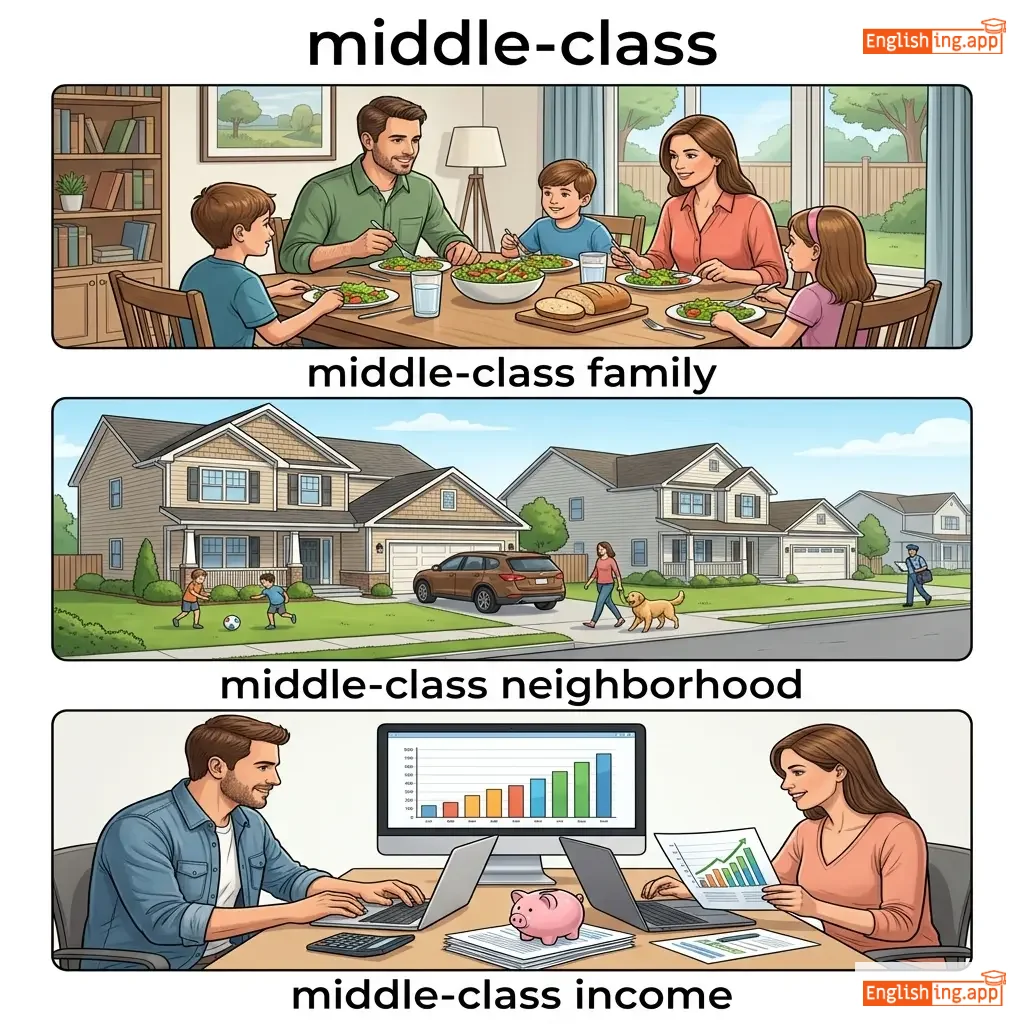
ˈmɪdl klæs
noun
••••••
••••••
The social group between the upper and working classes, typically consisting of well-educated people.
••••••

The middle-class was largely affected by the decision.

••••••
Bourgeoisie, Working-class
••••••
Upper-class, Elite
••••••
#182
🎓
••••••
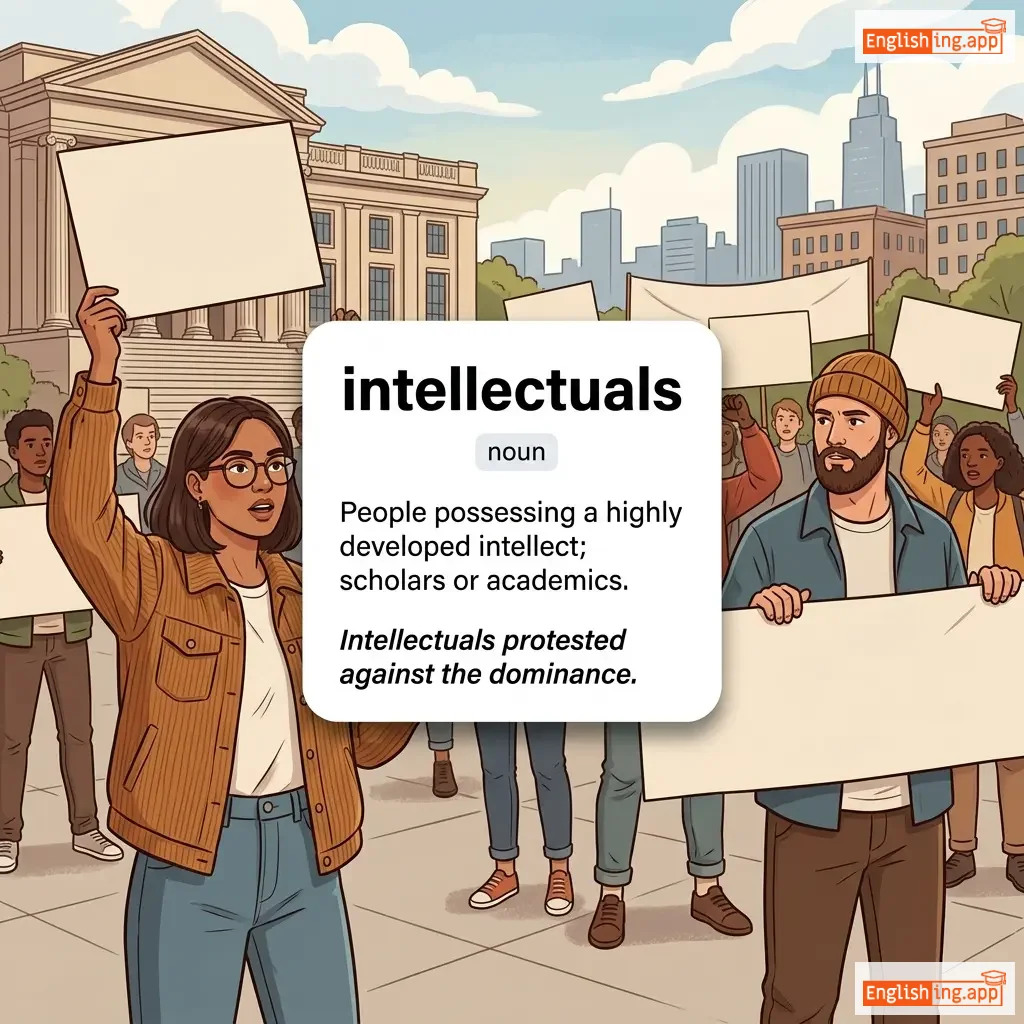
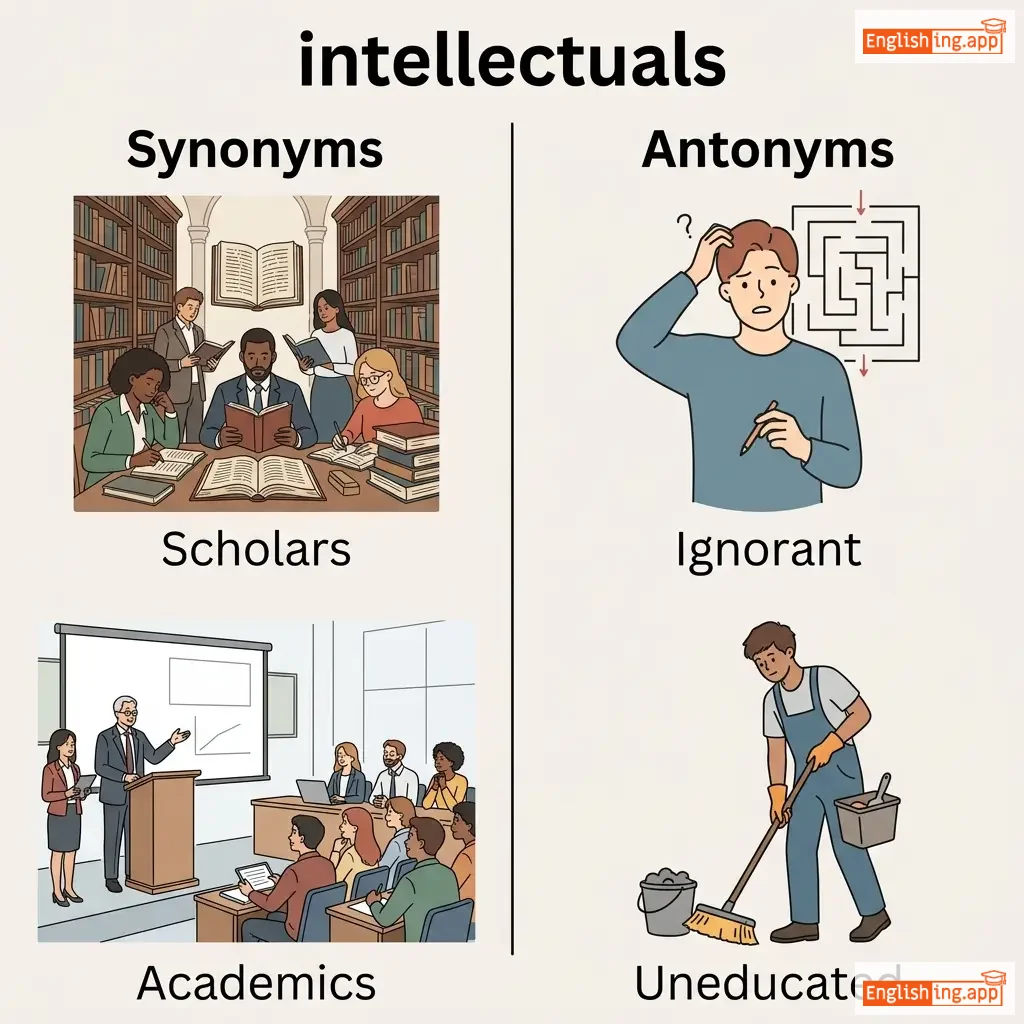
ˌɪntəˈlektʃuəlz
noun
••••••
••••••
People possessing a highly developed intellect; scholars or academics.
••••••

Intellectuals protested against the dominance.

••••••
Scholars, Academics
••••••
Ignorant, Uneducated
••••••
#183
👑
••••••
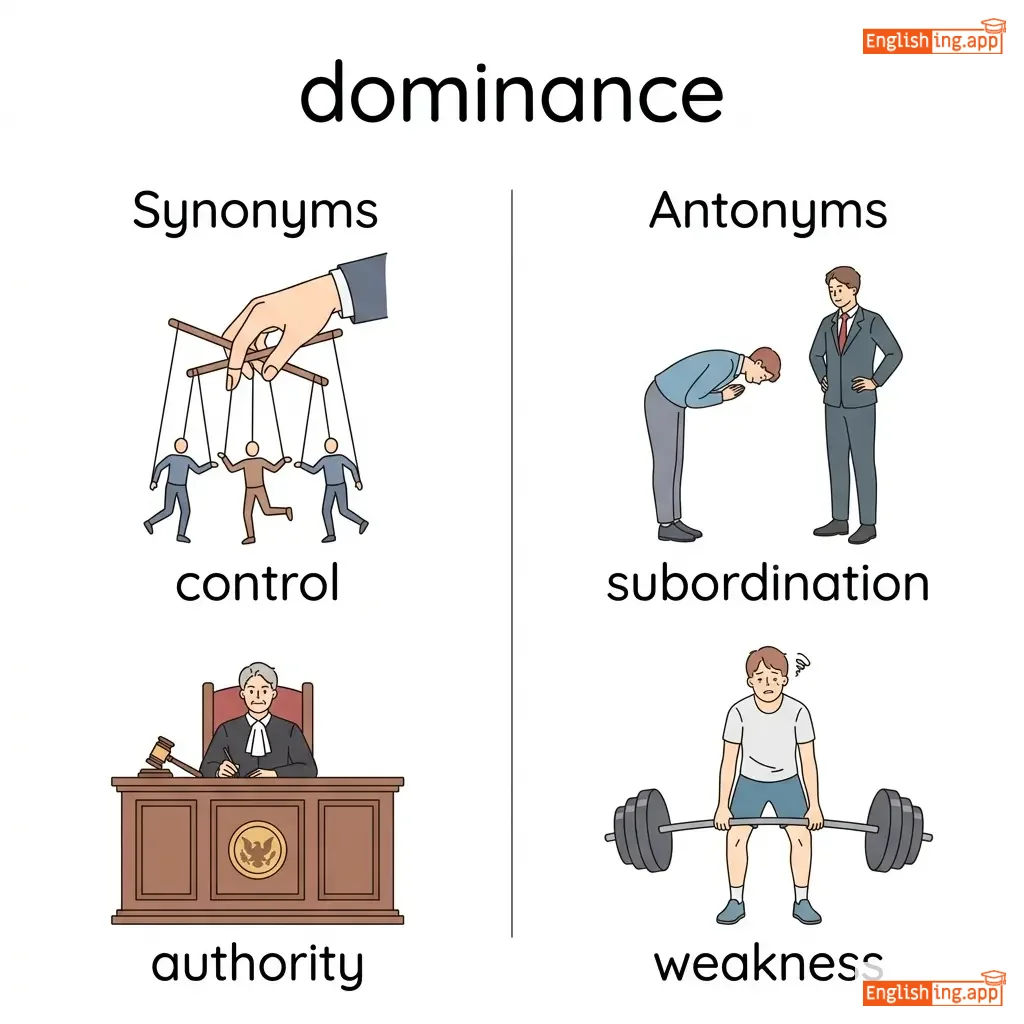
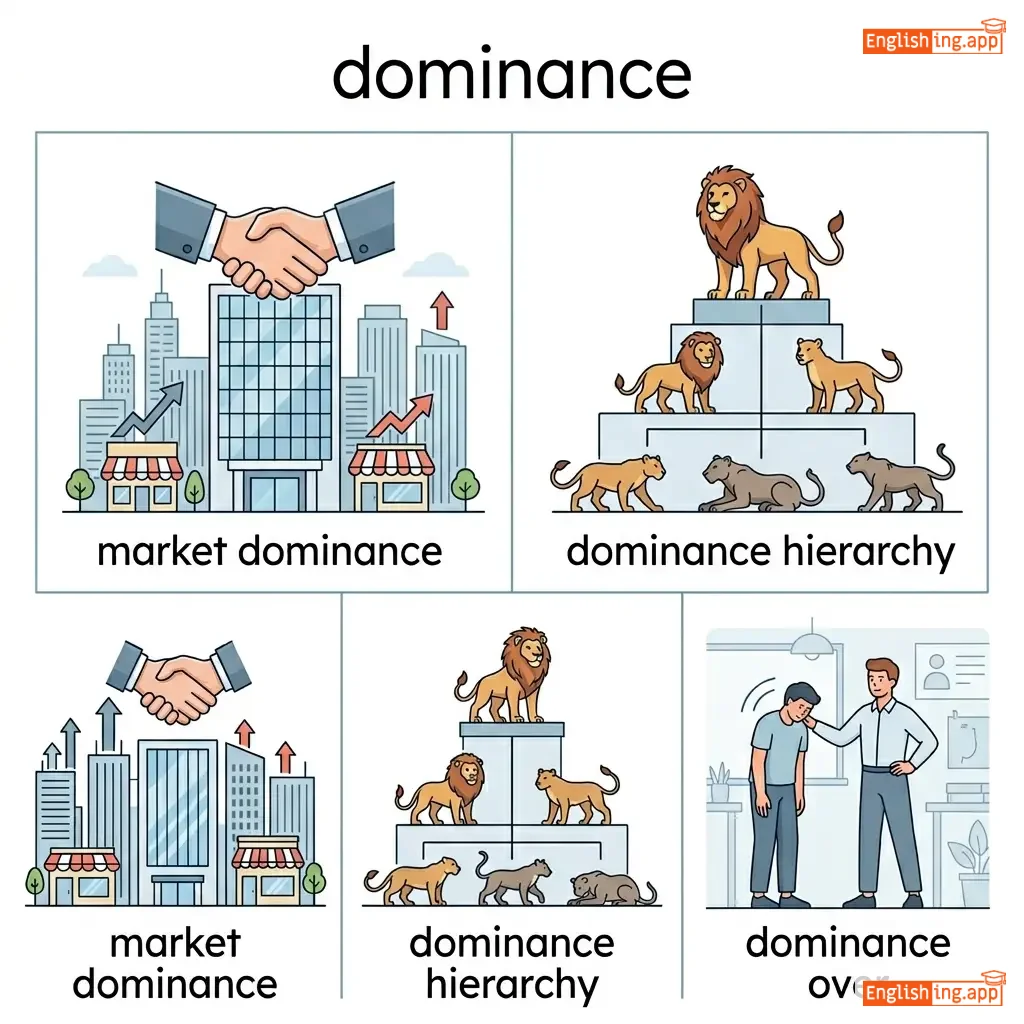
ˈdɒmɪnəns
noun
••••••
••••••
Power and influence over others; control or command.
••••••

The dominance of Urdu was evident.

••••••
Control, Supremacy
••••••
Subordination, Weakness
••••••
#184
🚪
••••••
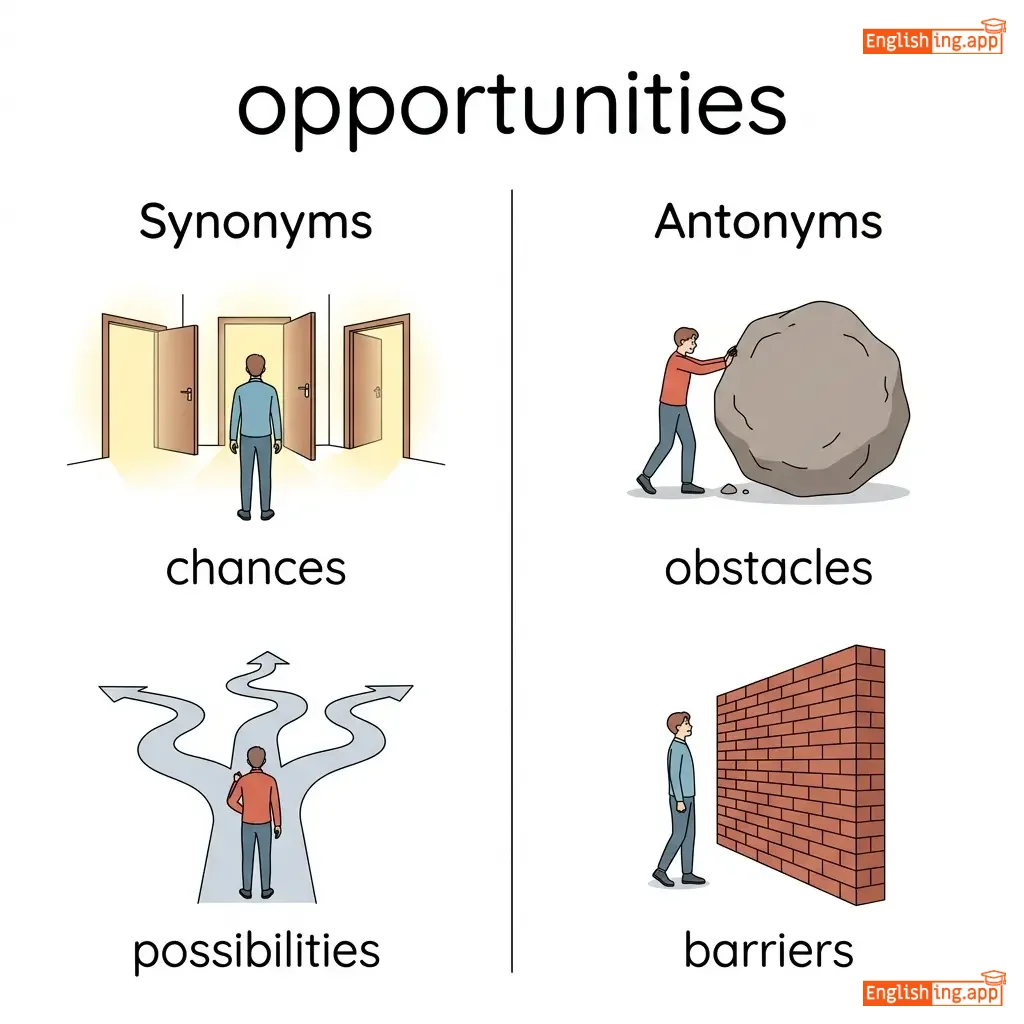
ˌɒpəˈtjuːnɪtiz
noun
••••••
••••••
A set of circumstances that makes it possible to do something; chances for advancement or success.
••••••

Opportunities for jobs decreased.

••••••
Chances, Prospects
••••••
Obstacles, Hindrances
••••••
#185
📈
••••••
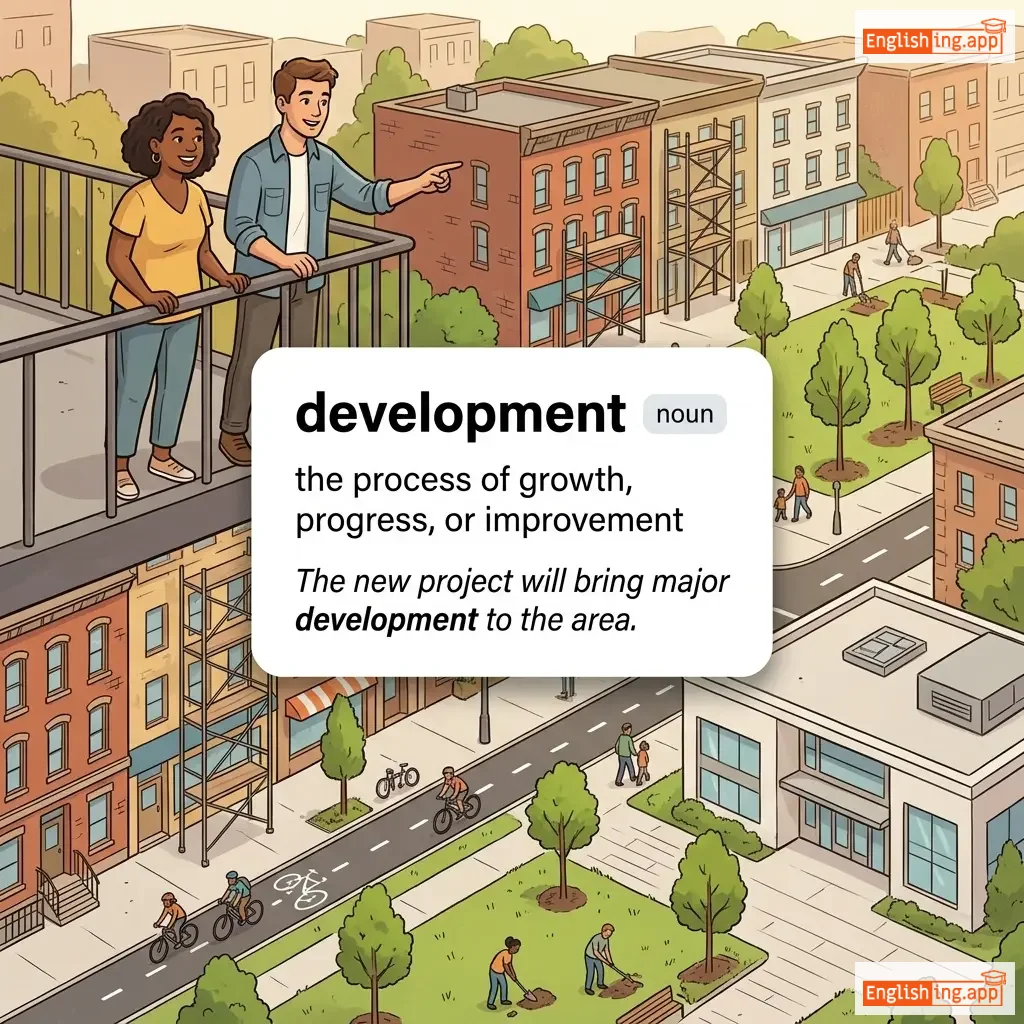
dɪˈveləpmənt
noun
••••••
••••••
The process of developing or being developed; growth or progress.
••••••

Development of Bengali society was hindered.

••••••
Growth, Progress
••••••
Decline, Regression
••••••
#186
🔍
••••••
riˈæləti
noun
••••••
••••••
The world or the state of things as they actually exist, as opposed to an idealistic or notional idea.
••••••

The reality of the situation was evident.

••••••
Truth, Actuality
••••••
Illusion, Fantasy
••••••
#187
👥
••••••
məˈdʒɒrəti
noun
••••••
••••••
The greater number; the larger part of something.
••••••

The majority demanded their rights.

••••••
Plurality, Bulk
••••••
Minority, Few
••••••
#188
😠
••••••
rɪˈzentmənt
noun
••••••
••••••
Bitter indignation at having been treated unfairly.
••••••

Resentment grew among the students.

••••••
Anger, Bitterness
••••••
Satisfaction, Contentment
••••••
#189
❤️
••••••
ɪˈməʊʃənz
noun
••••••
••••••
Strong feelings deriving from one's circumstances, mood, or relationships with others.
••••••

Emotions ran high during the protests.

••••••
Feelings, Sentiments
••••••
Indifference, Apathy
••••••
#190
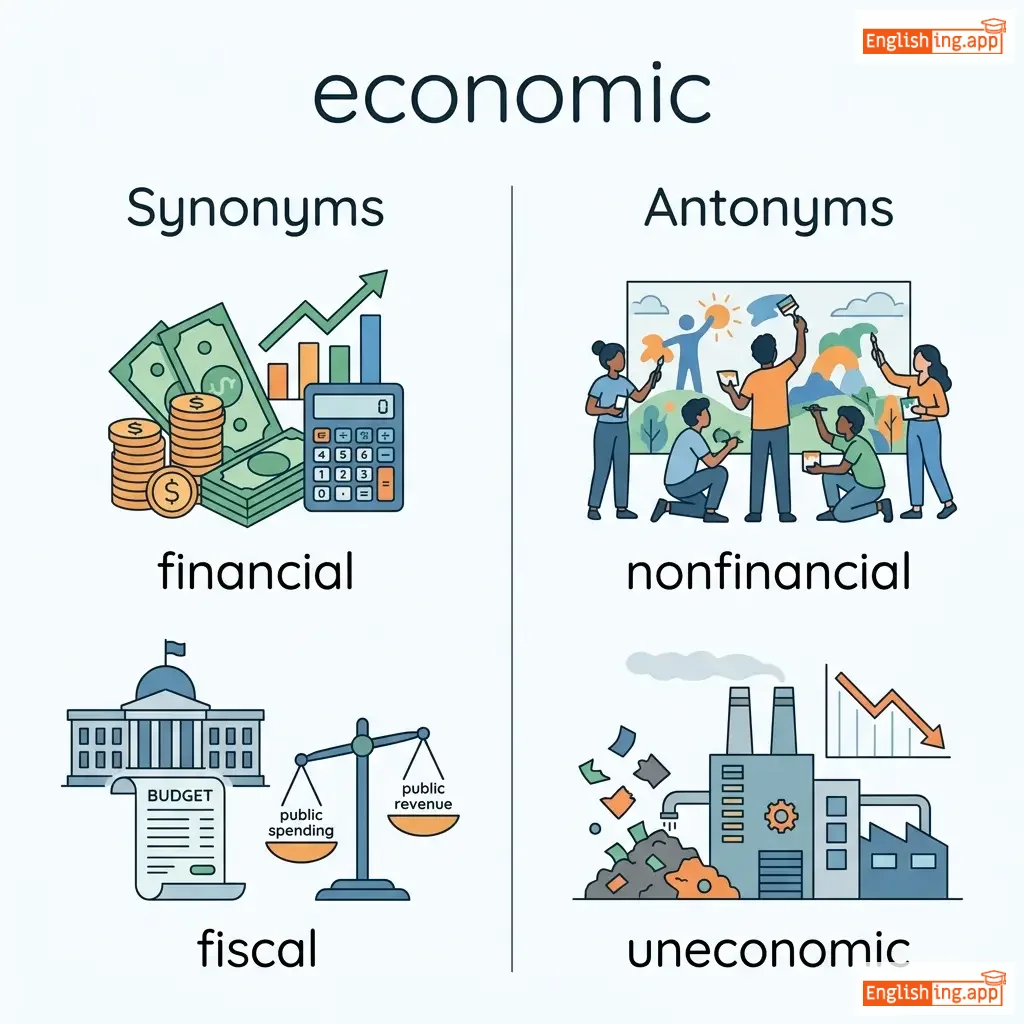
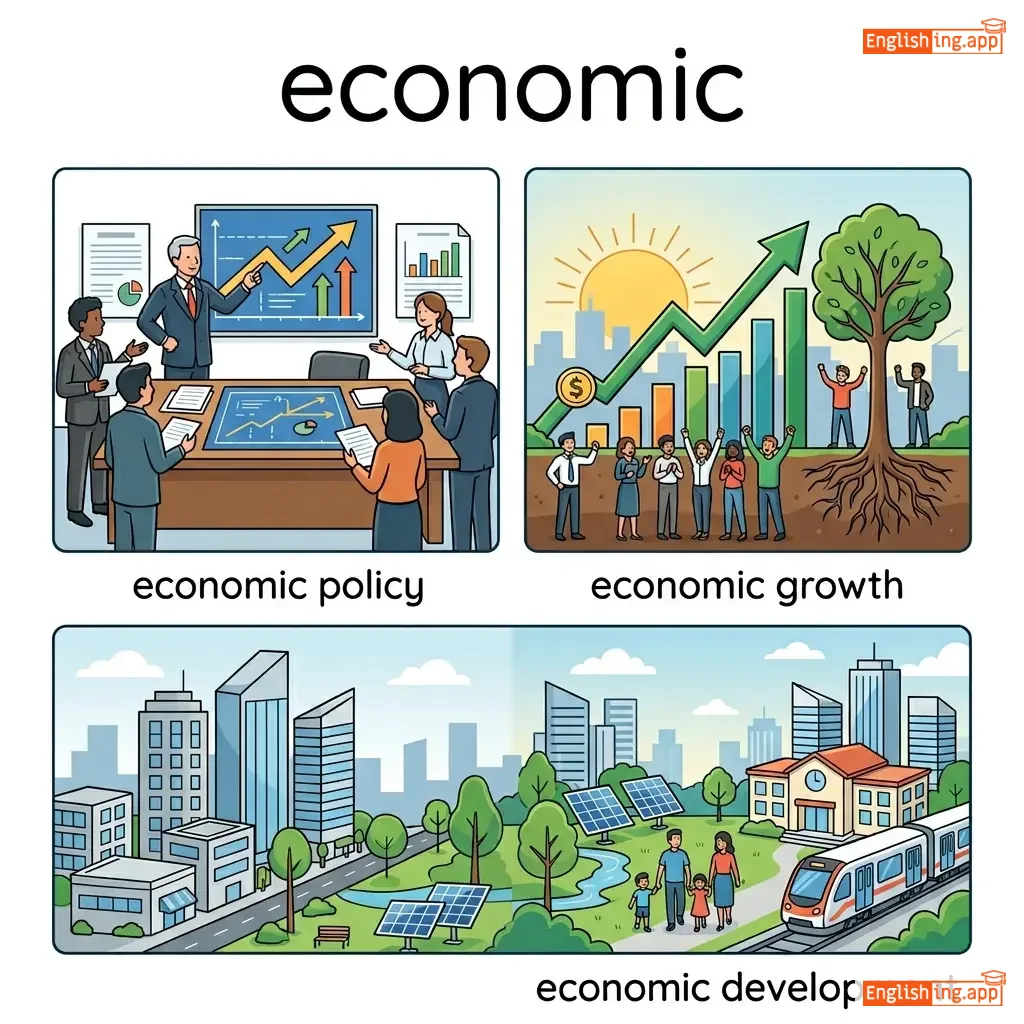
💰
••••••
ˌiːkəˈnɒmɪk
adjective
••••••
••••••
Relating to economics or the economy.
••••••

The issue had significant economic implications.

••••••
Financial, Monetary
••••••
Uneconomic, Unprofitable
••••••
#191
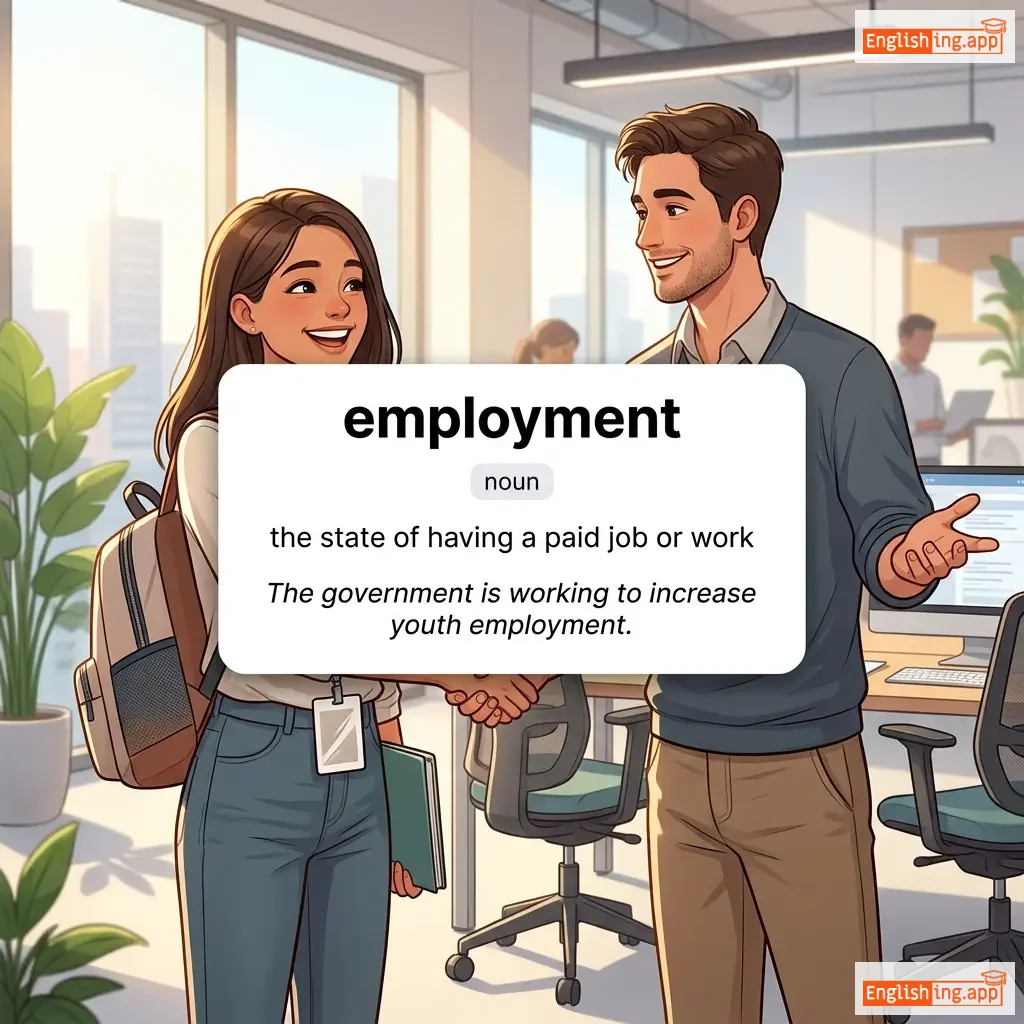
💼
••••••
ɪmˈplɔɪmənt
noun
••••••
••••••
The condition of having paid work; the action of giving work to someone.
••••••

Employment was limited to Urdu speakers.

••••••
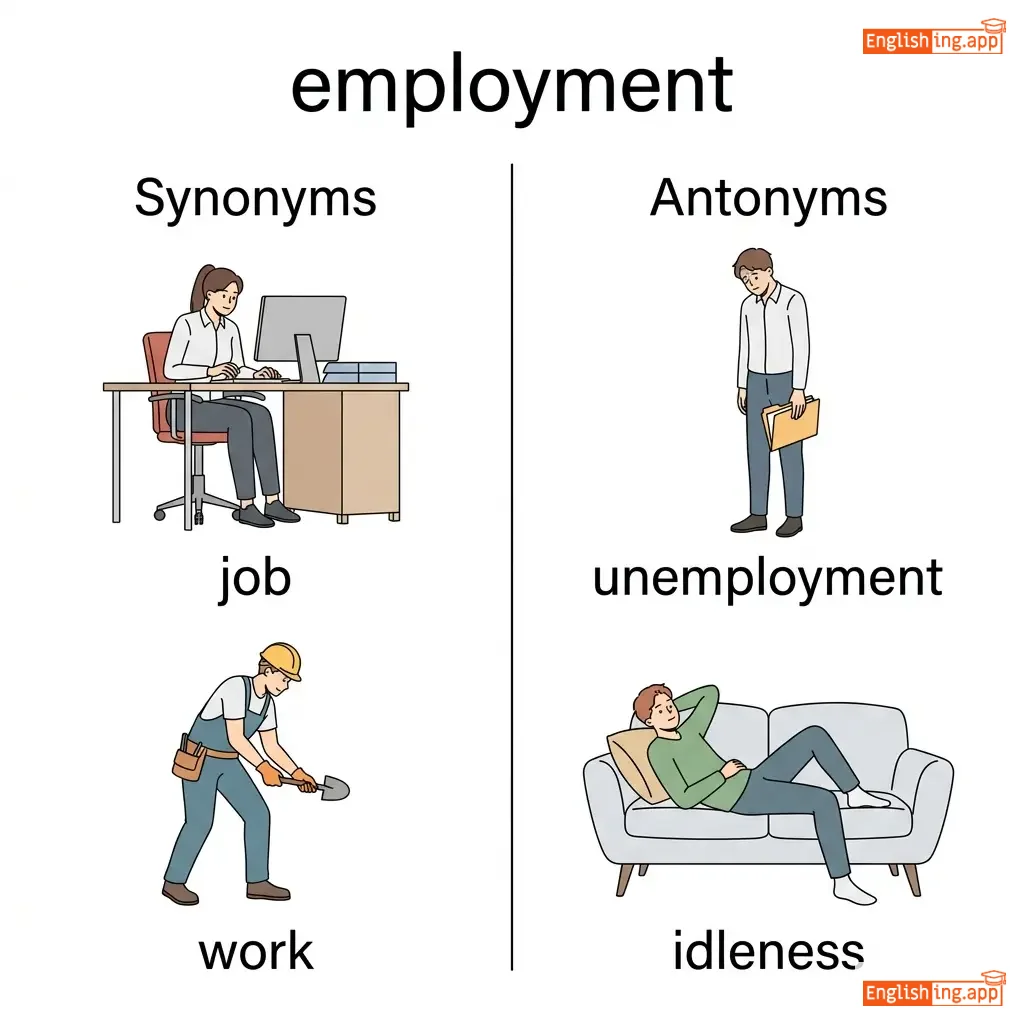
Work, Occupation
••••••
Unemployment, Idleness
••••••
#192
🏁
••••••
ˌkɒmpəˈtɪʃən
noun
••••••
••••••
The activity or condition of competing; rivalry for supremacy.
••••••

Competition grew between language groups.

••••••
Rivalry, Contest
••••••
Cooperation, Monopoly
••••••
#193
⚖️
••••••
ˌdɪsədˈvæntɪdʒ
noun
••••••
••••••
An unfavorable circumstance or condition that reduces the chances of success or effectiveness.
••••••

Urdu's dominance placed Bengalis at a disadvantage.

••••••
Handicap, Drawback
••••••
Advantage, Benefit
••••••