Why Was the State Language Question So Important?
Как только начались разговоры о том, чтобы сделать урду единственным языком state, студенты, образованное общество middle-class, intellectuals и политики Восточного Бенгала поняли, что это обернётся серьёзной бедой для бенгальцев.
Они понимали, что это закрепит dominance носителей урду в Пакистане, а бенгальцы будут отставать по opportunities получения рабочих мест в государственном аппарате и армии по сравнению с носителями урду. Мечта о development и social progress бенгальских мусульман, возникшая после создания Пакистана, была бы серьёзно подорвана.
Однако reality Пакистана заключалась в том, что бенгальский был языком majority населения восточной части страны — и, в сумме, всего государства. В Западном Пакистане более 40 процентов людей говорили на панджаби, и лишь четыре процента — на урду.
Хотя бенгальский был языком majority, тот факт, что он не становился одним из официальных языков Пакистана, вызвал сильнейший resentment среди студентов и образованных людей Восточного Бенгала.
«С одной стороны, есть emotions, связанные с языком и идентичностью; но кроме того, есть и economic аспект», — сказала профессор и аналитик Колумбийского университета Раунақ Джахан.
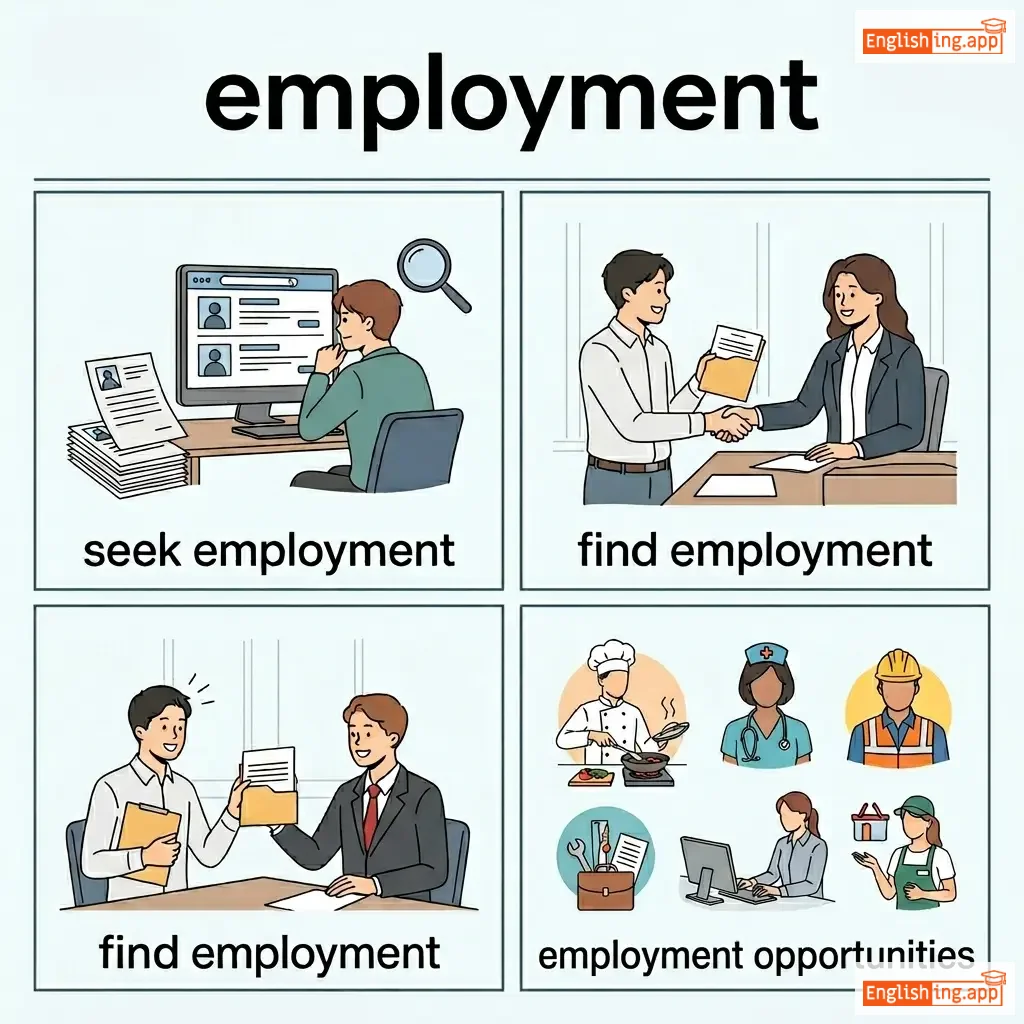
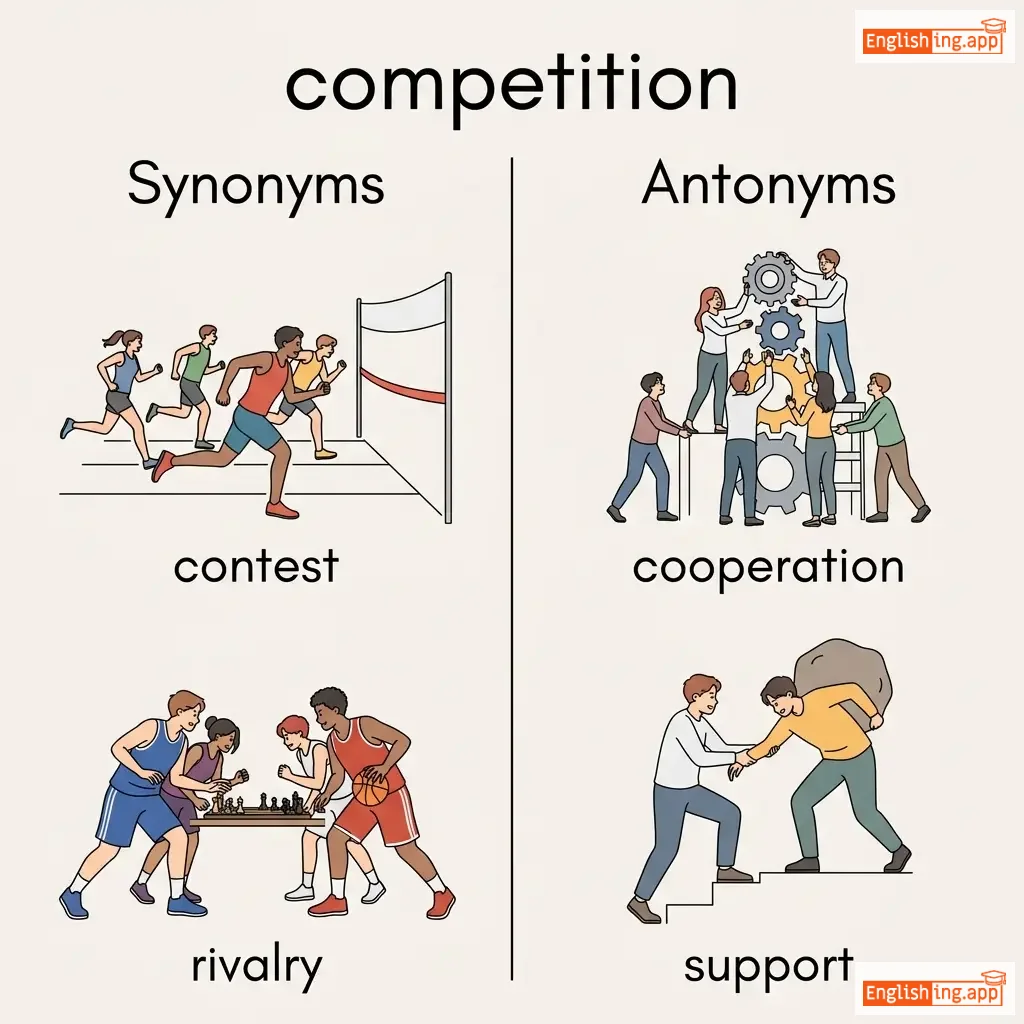
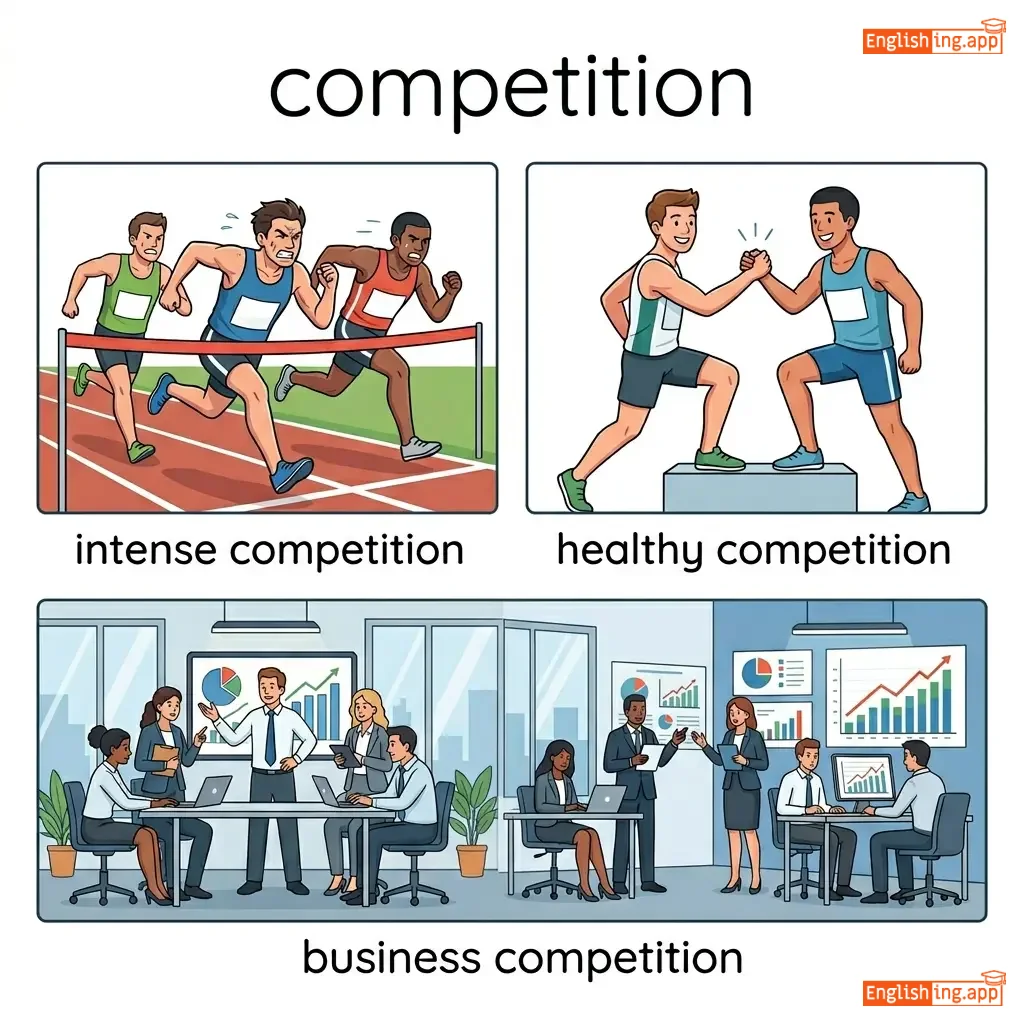
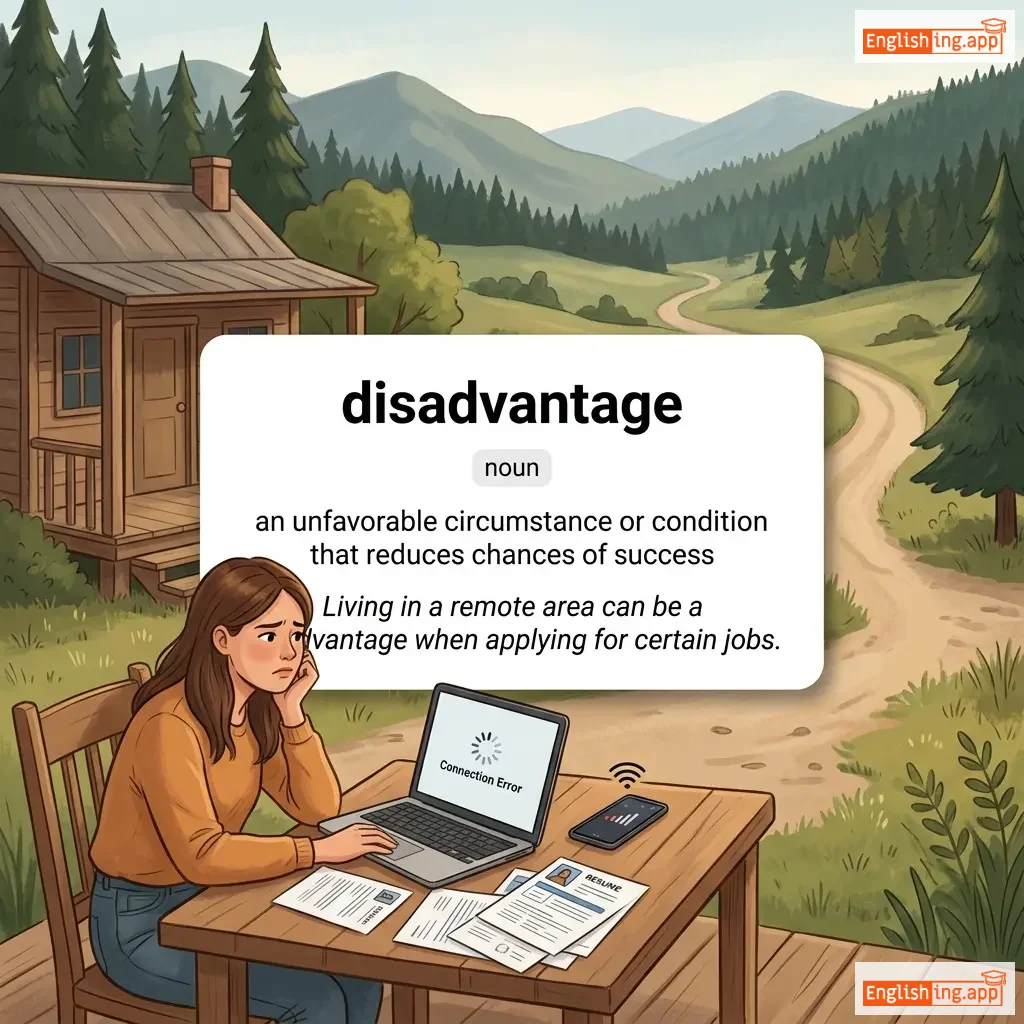
По её словам, «в то время employment означала государственную службу. Но если бы урду стал официальным языком, бенгальцам пришлось бы учить урду, чтобы получить работу в госструктурах или армии, им пришлось бы вступать в competition с носителями урду — что поставило бы их в disadvantage. Поэтому для студентов это был вопрос будущего».
Получите неограниченный доступ ко всем словам с подпиской Pro
Обновить до ProПолучите неограниченный доступ ко всем предложениям с подпиской Pro
Обновить до Pro|
Эмодзи
|
Слово | Images | Значение | Пример предложения | Синонимы | Антонимы |
|---|---|---|---|---|---|---|
|
#180
🏛️
|
steɪt
noun
••••••
|
|
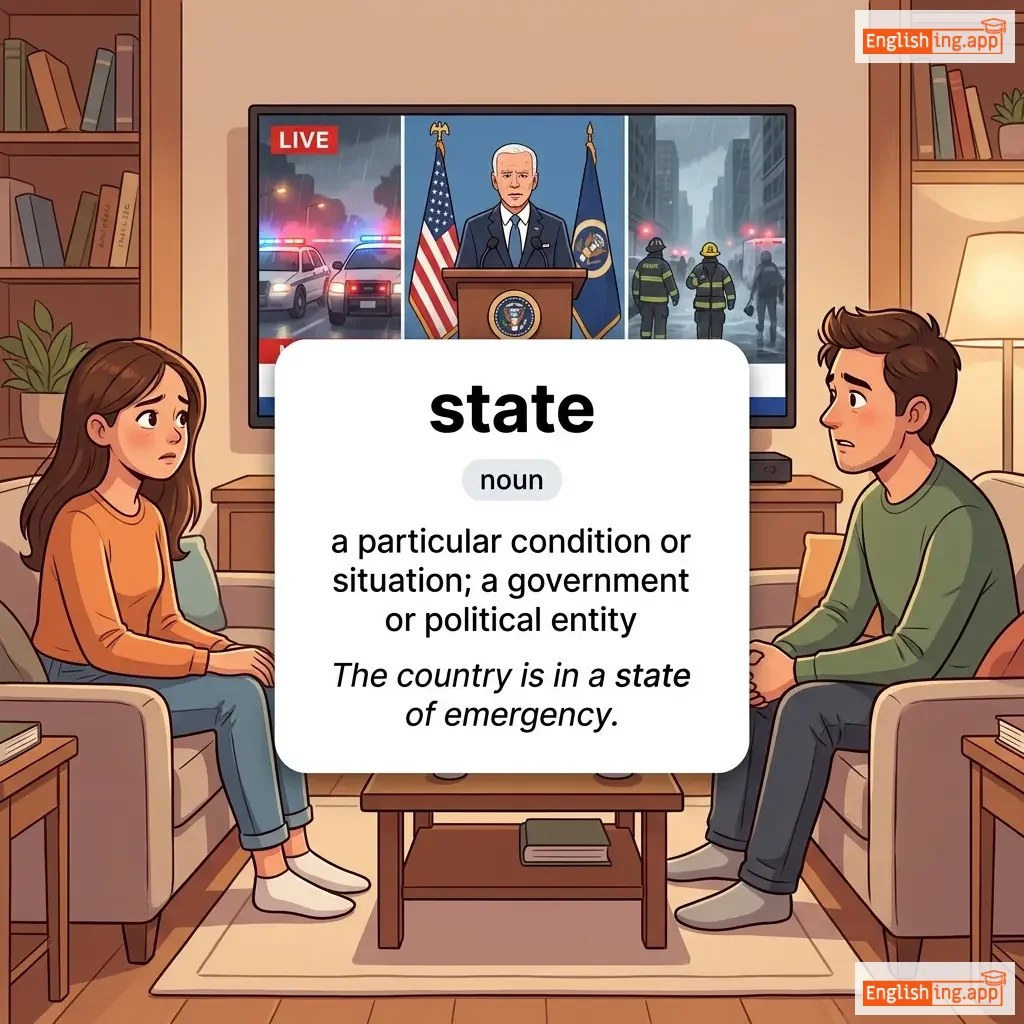
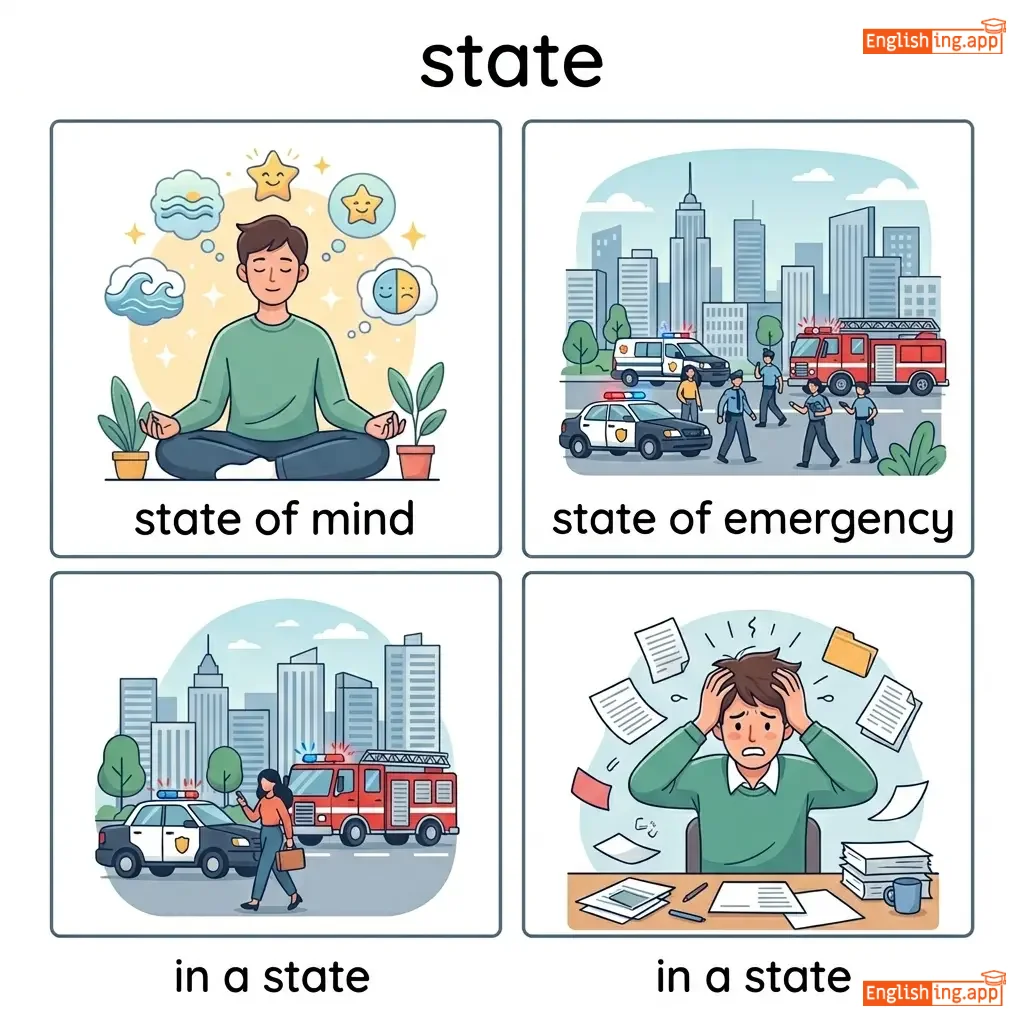
A nation or territory considered as an organized political community under one government.
••••••
|
The state declared a new language policy. |
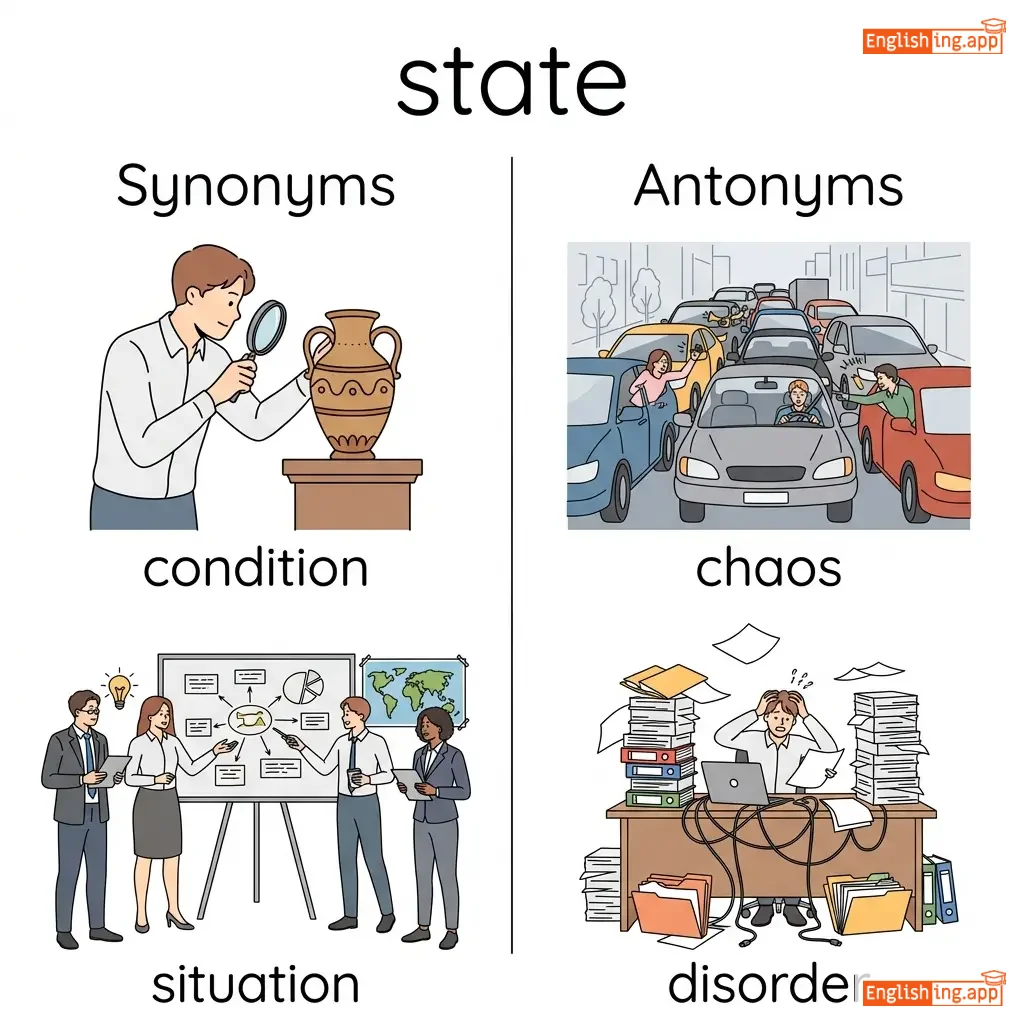
Nation, Territory
••••••
|
Chaos, Disorder
••••••
|
|
#181
👔
|
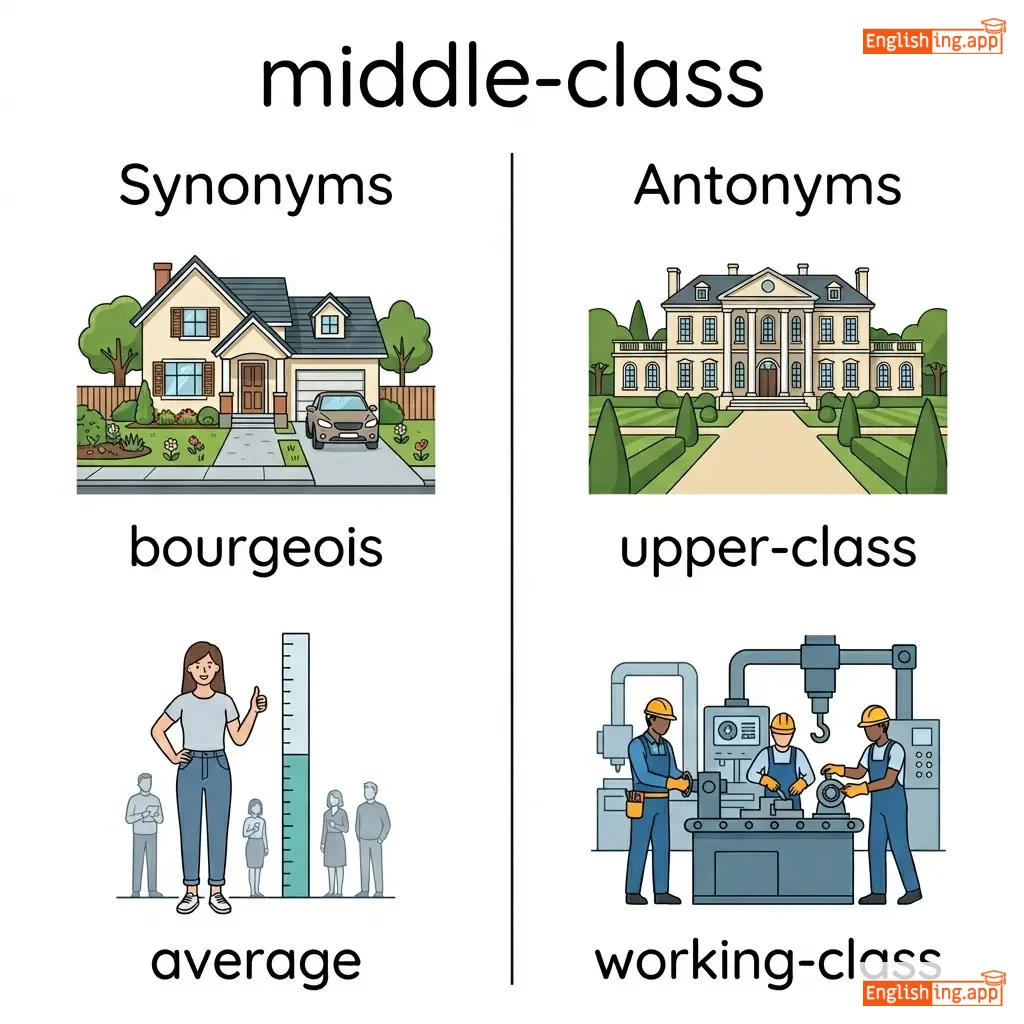
ˈmɪdl klæs
noun
••••••
|
|
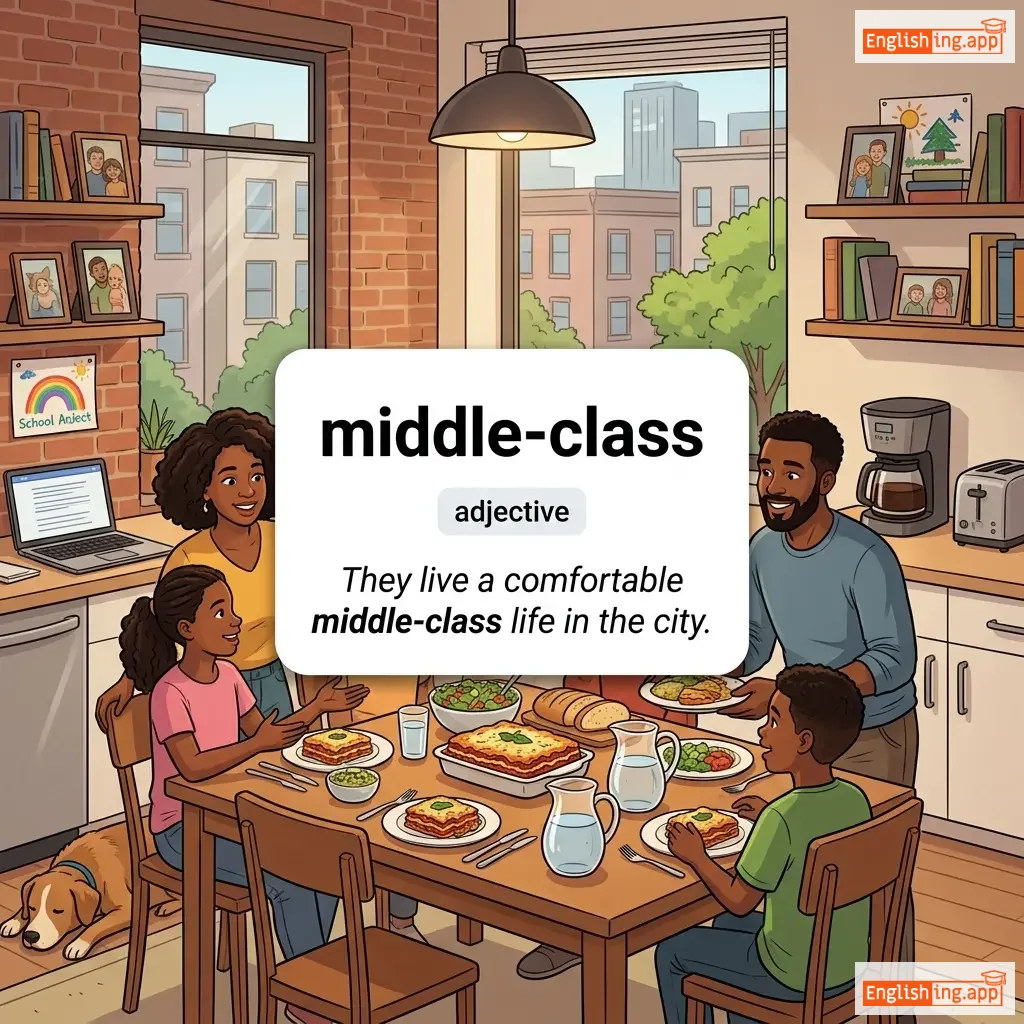
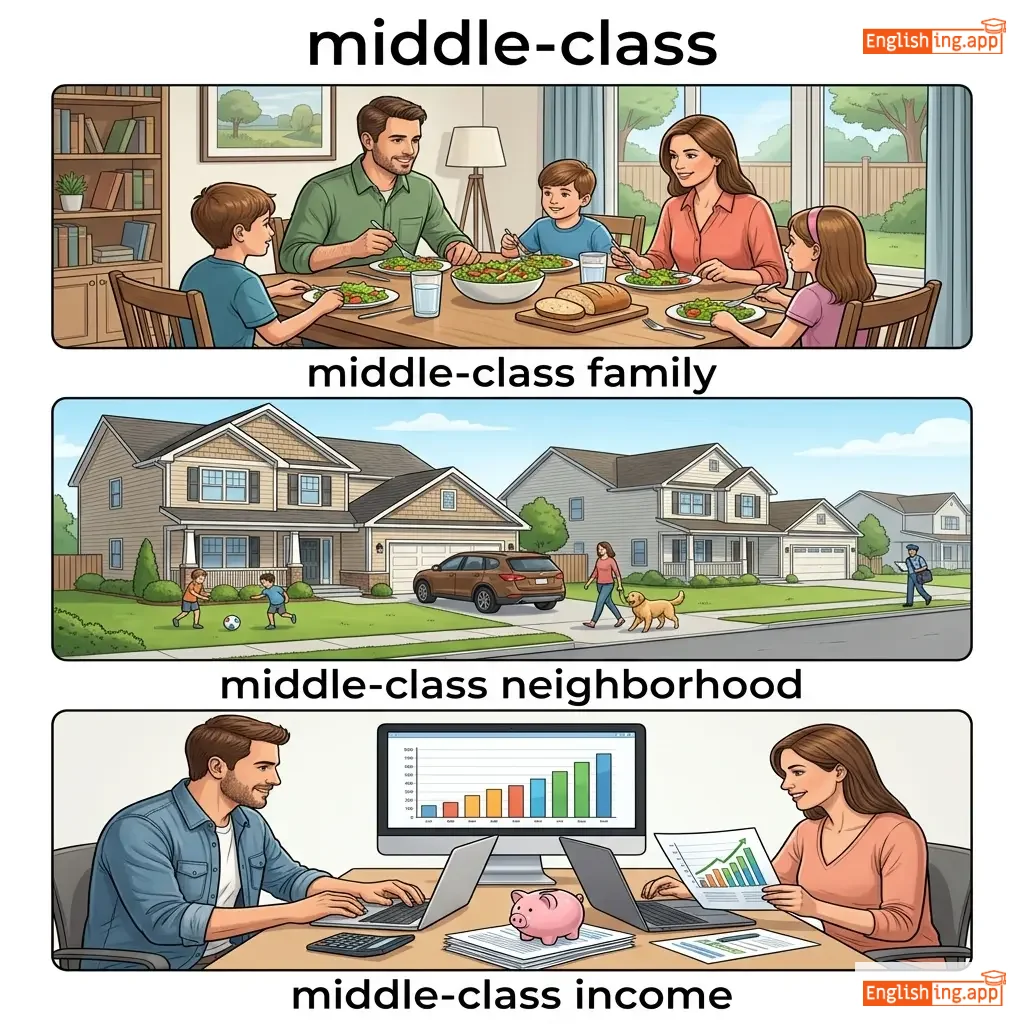
The social group between the upper and working classes, typically consisting of well-educated people.
••••••
|
The middle-class was largely affected by the decision. |
Bourgeoisie, Working-class
••••••
|
Upper-class, Elite
••••••
|
|
#182
🎓
|
ˌɪntəˈlektʃuəlz
noun
••••••
|
|
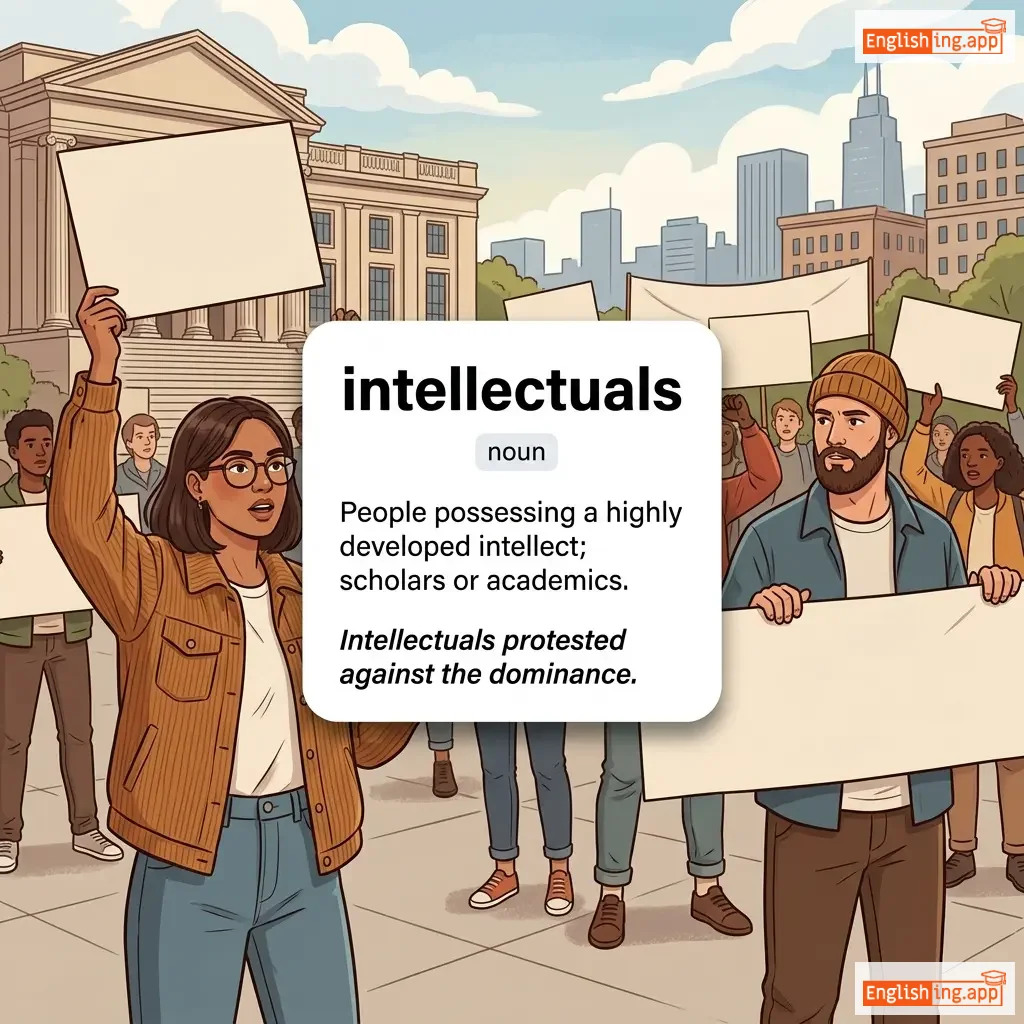
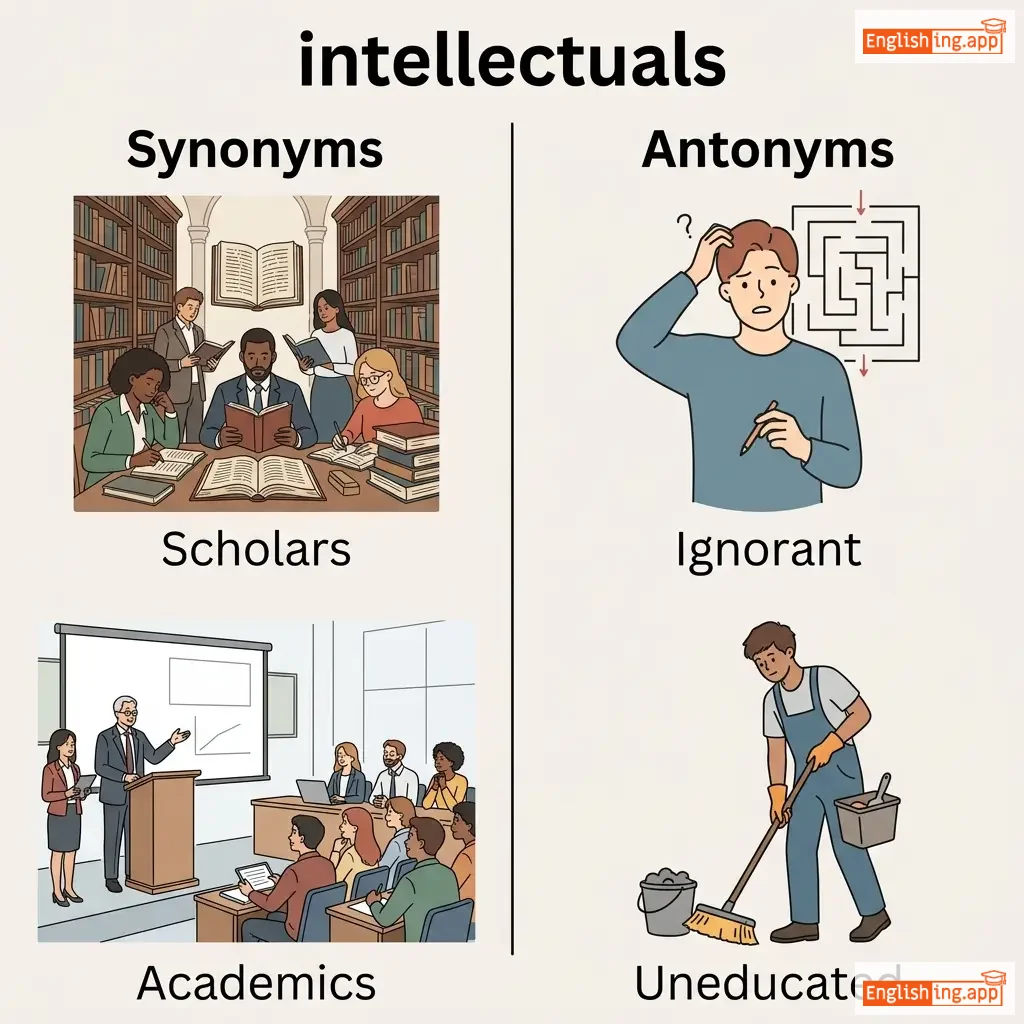
People possessing a highly developed intellect; scholars or academics.
••••••
|
Intellectuals protested against the dominance. |
Scholars, Academics
••••••
|
Ignorant, Uneducated
••••••
|
|
#183
👑
|
ˈdɒmɪnəns
noun
••••••
|

|
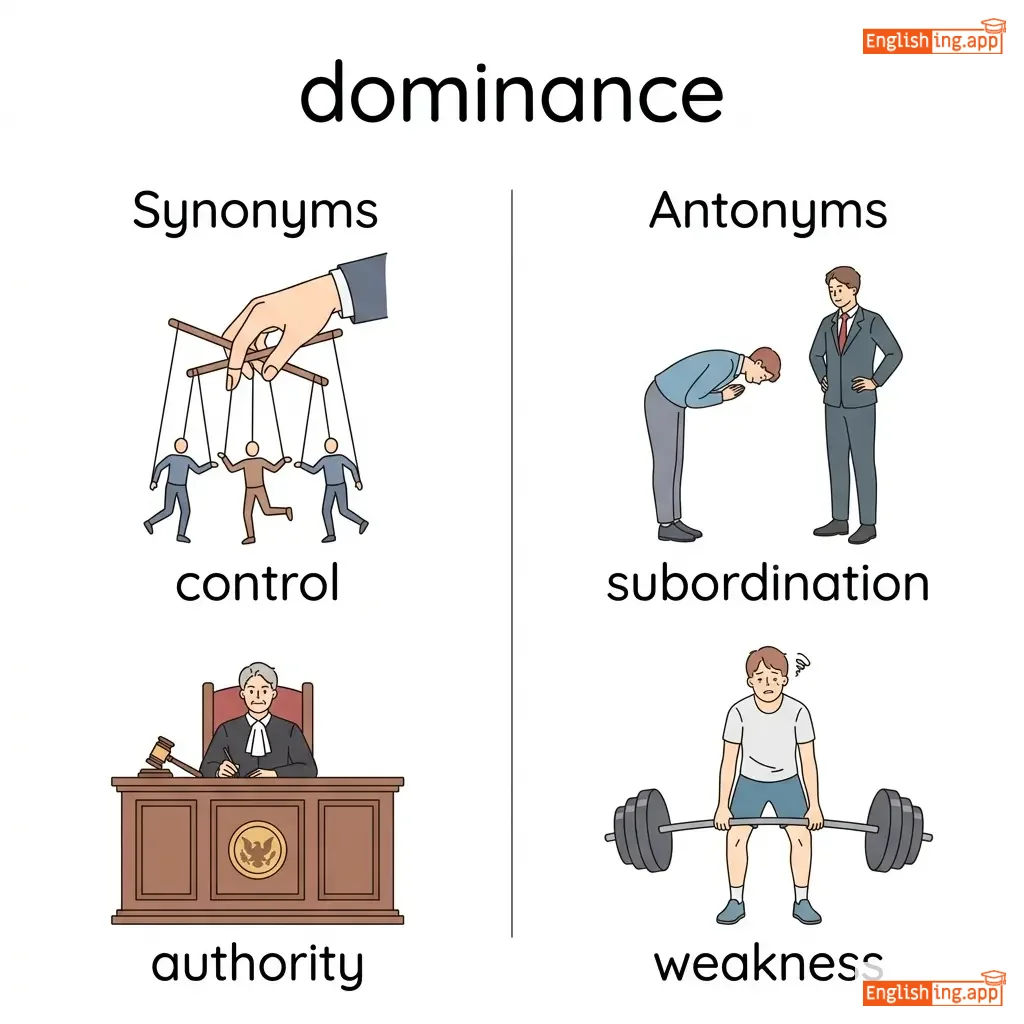
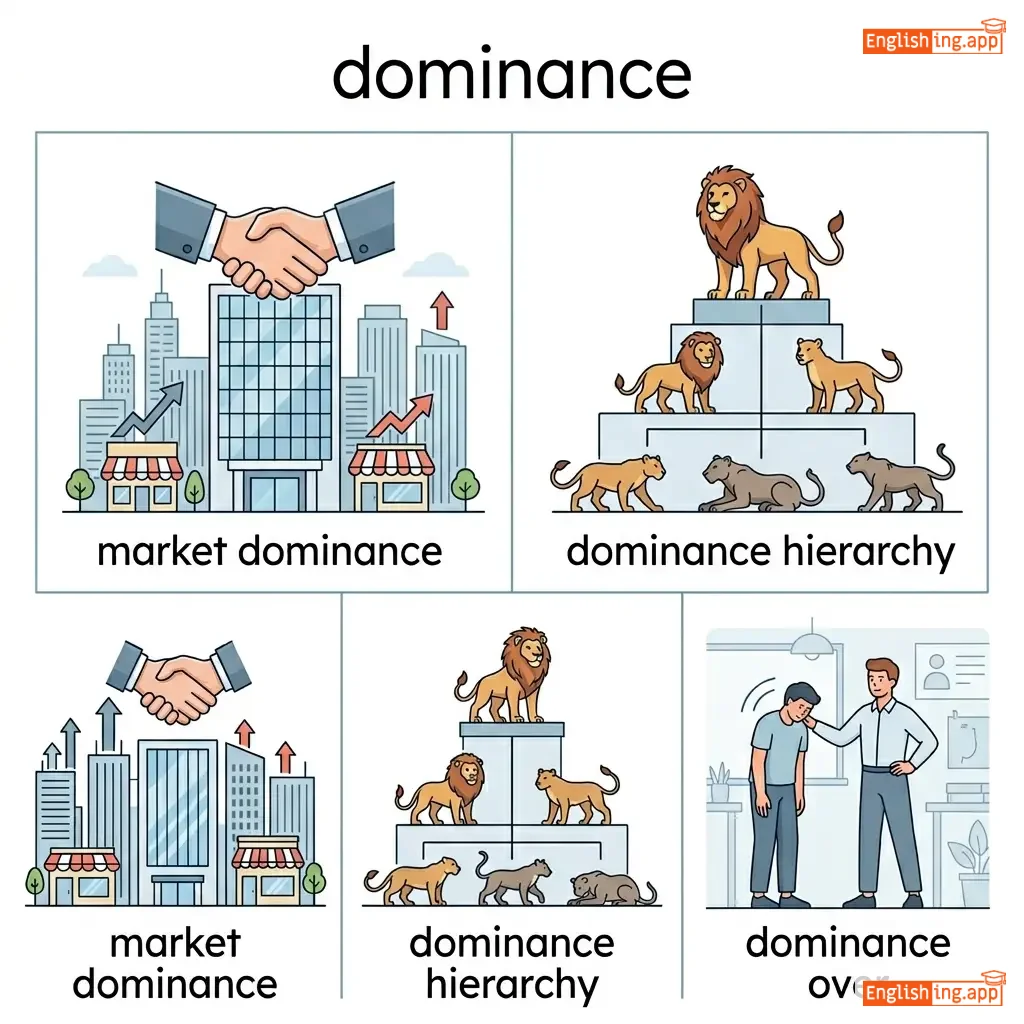
Power and influence over others; control or command.
••••••
|
The dominance of Urdu was evident. |
Control, Supremacy
••••••
|
Subordination, Weakness
••••••
|
|
#184
🚪
|
ˌɒpəˈtjuːnɪtiz
noun
••••••
|

|
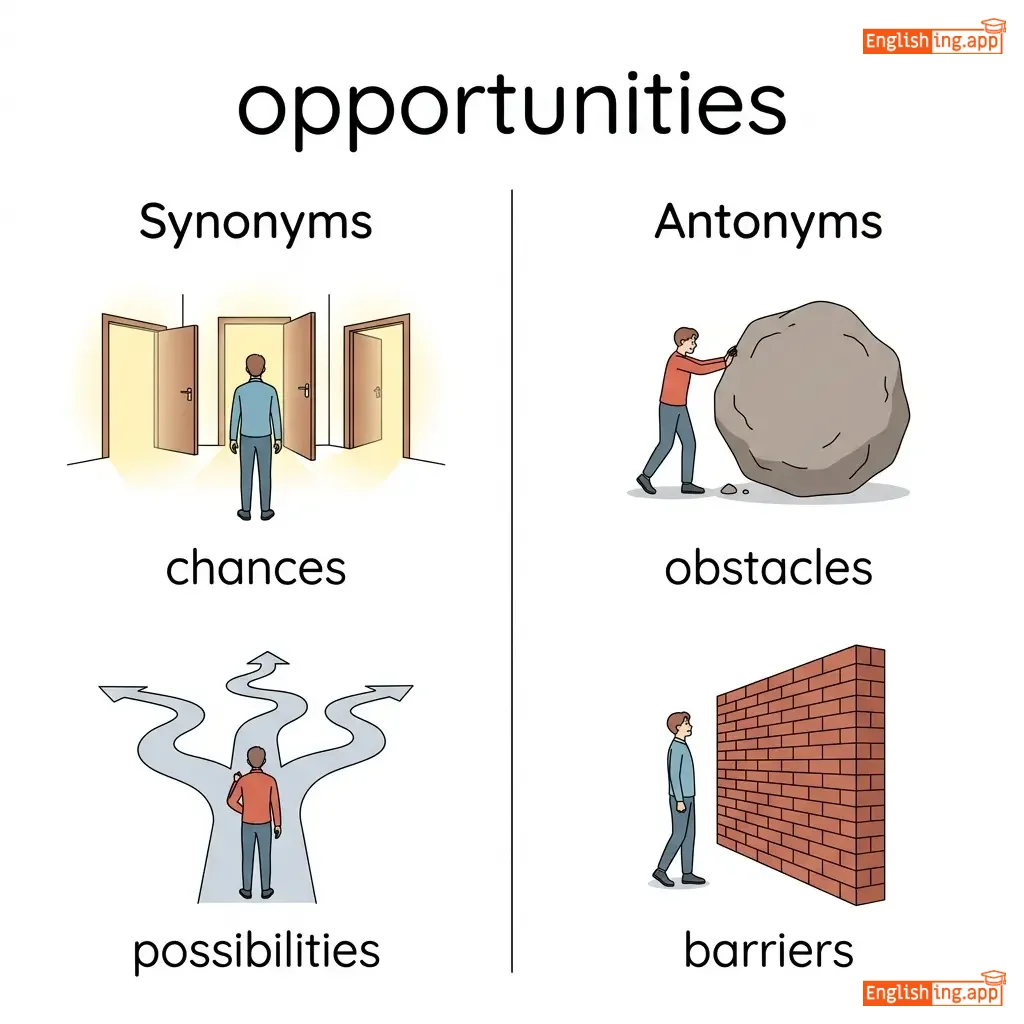
A set of circumstances that makes it possible to do something; chances for advancement or success.
••••••
|
Opportunities for jobs decreased. |
Chances, Prospects
••••••
|
Obstacles, Hindrances
••••••
|
|
#185
📈
|
dɪˈveləpmənt
noun
••••••
|
|
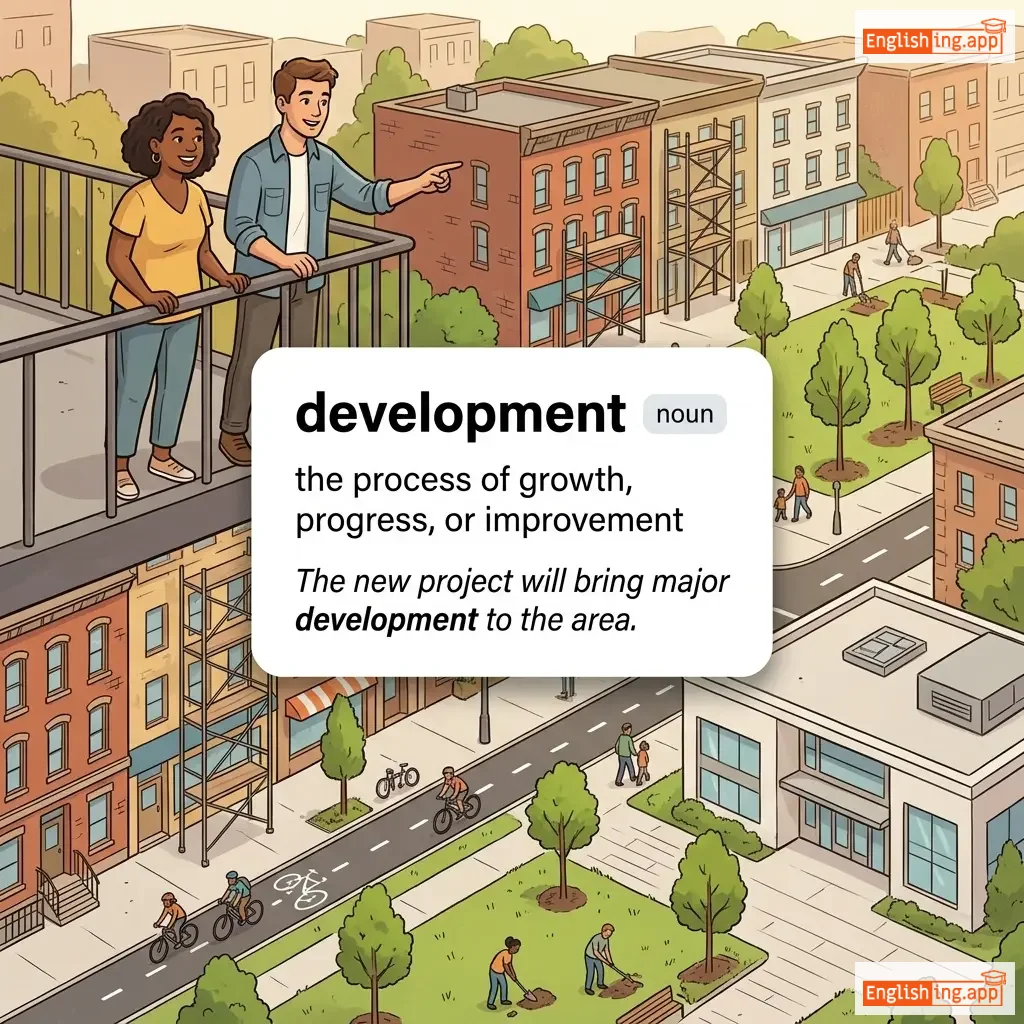
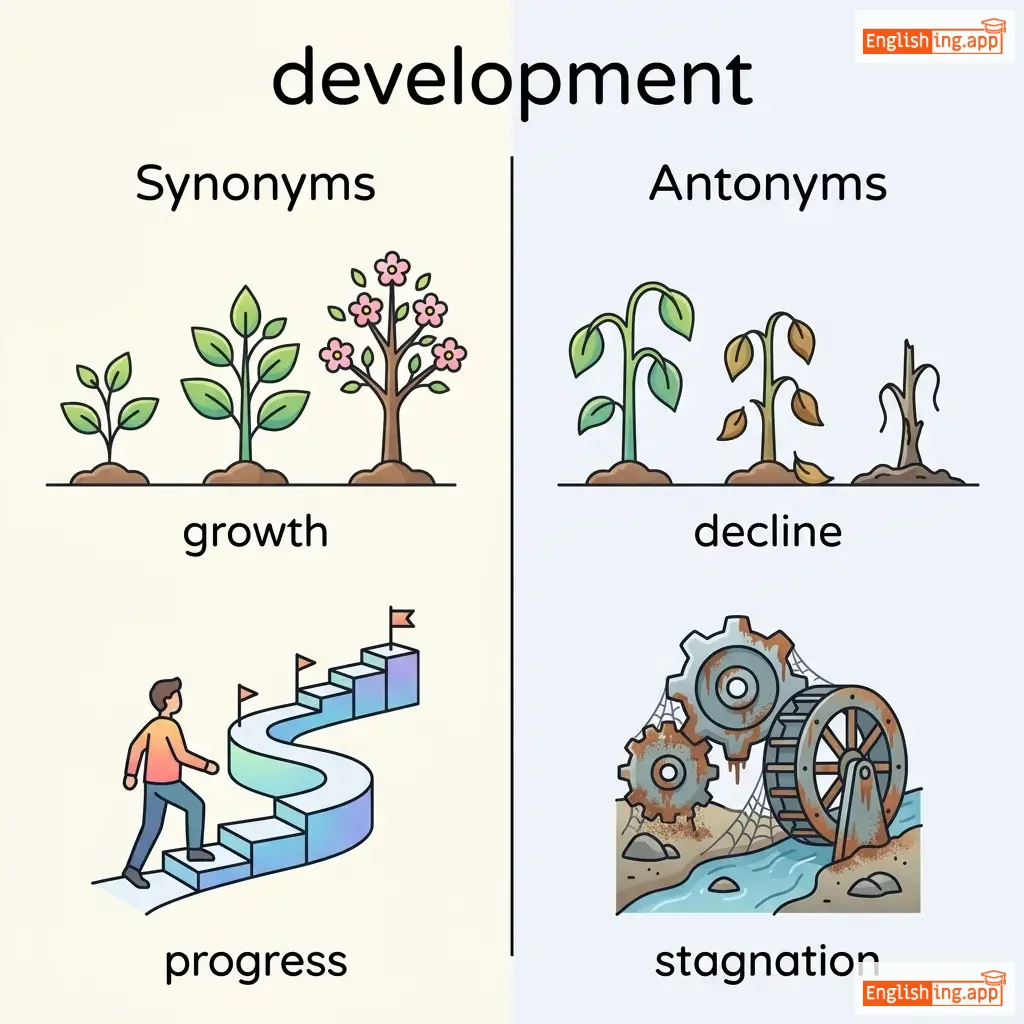
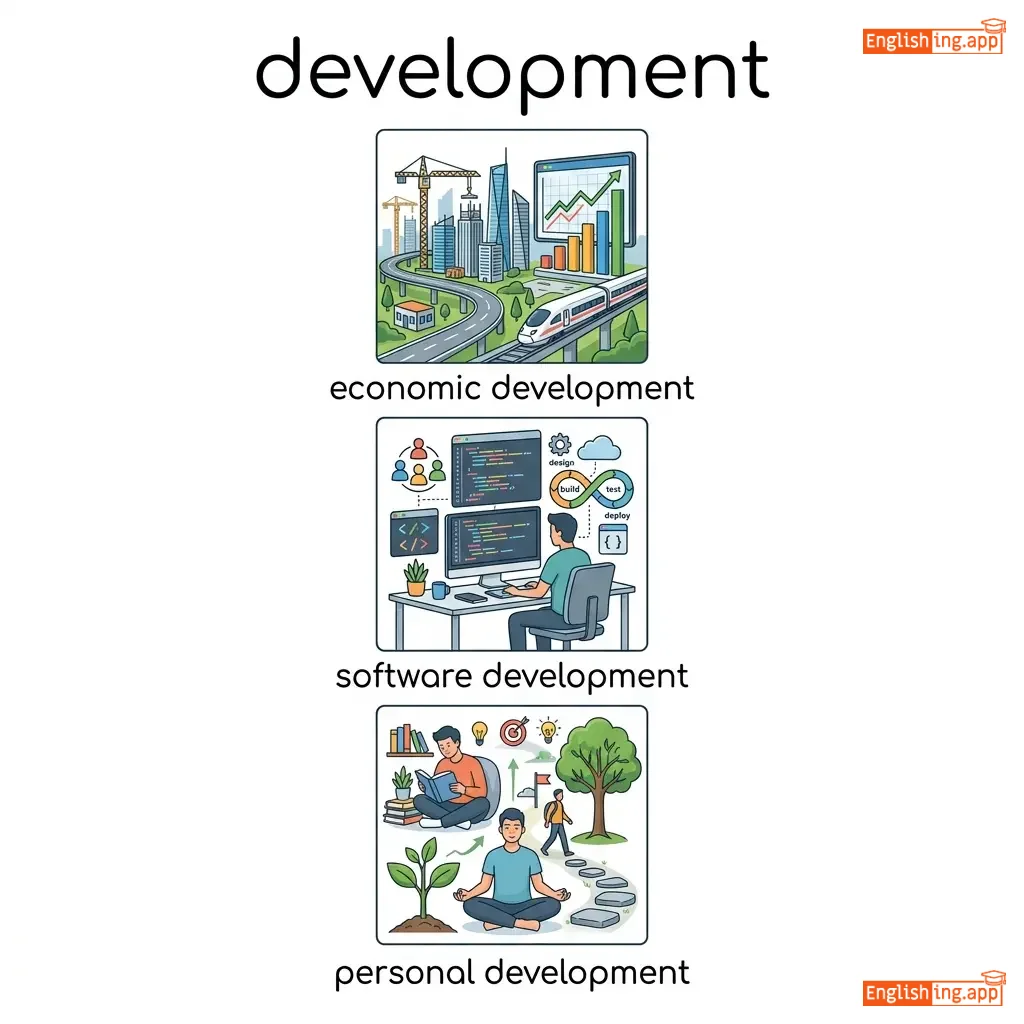
The process of developing or being developed; growth or progress.
••••••
|
Development of Bengali society was hindered. |
Growth, Progress
••••••
|
Decline, Regression
••••••
|
|
#186
🔍
|
riˈæləti
noun
••••••
|


|
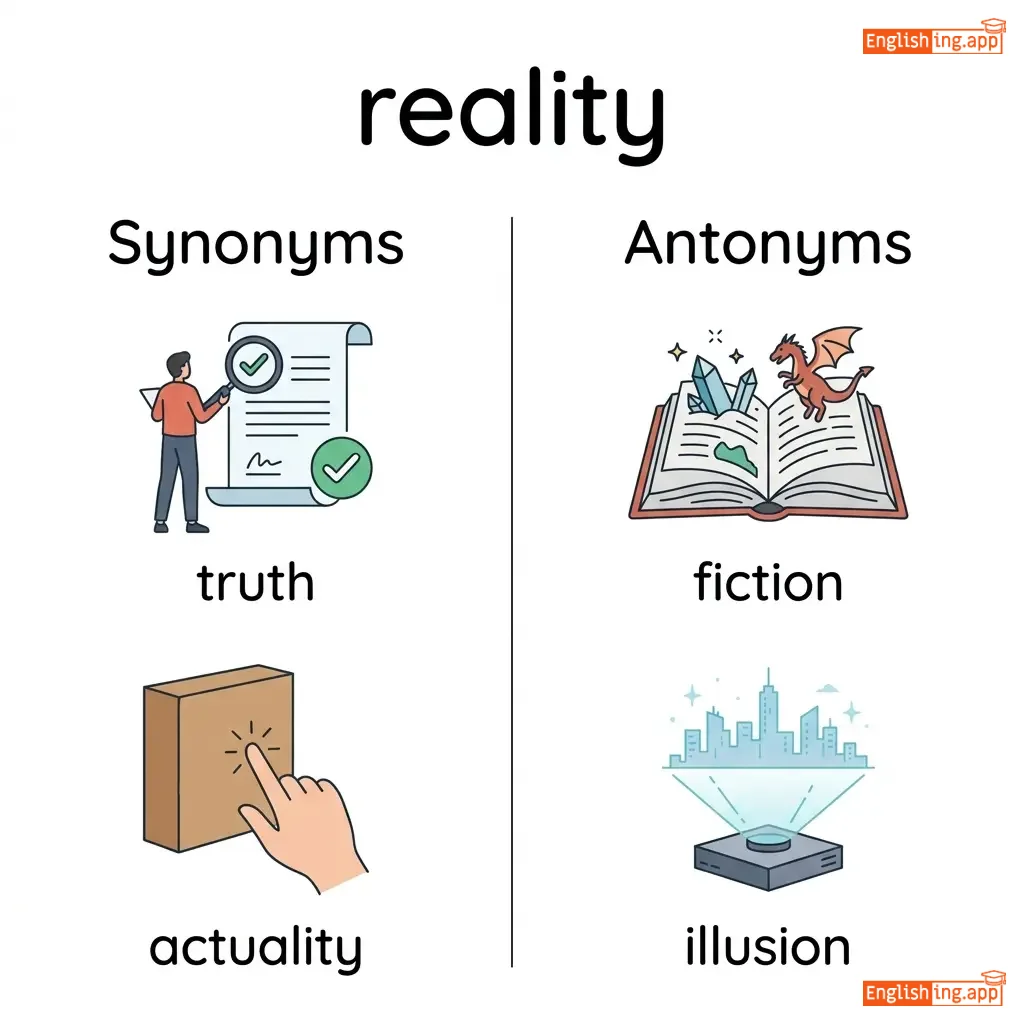
The world or the state of things as they actually exist, as opposed to an idealistic or notional idea.
••••••
|
The reality of the situation was evident. |
Truth, Actuality
••••••
|
Illusion, Fantasy
••••••
|
|
#187
👥
|
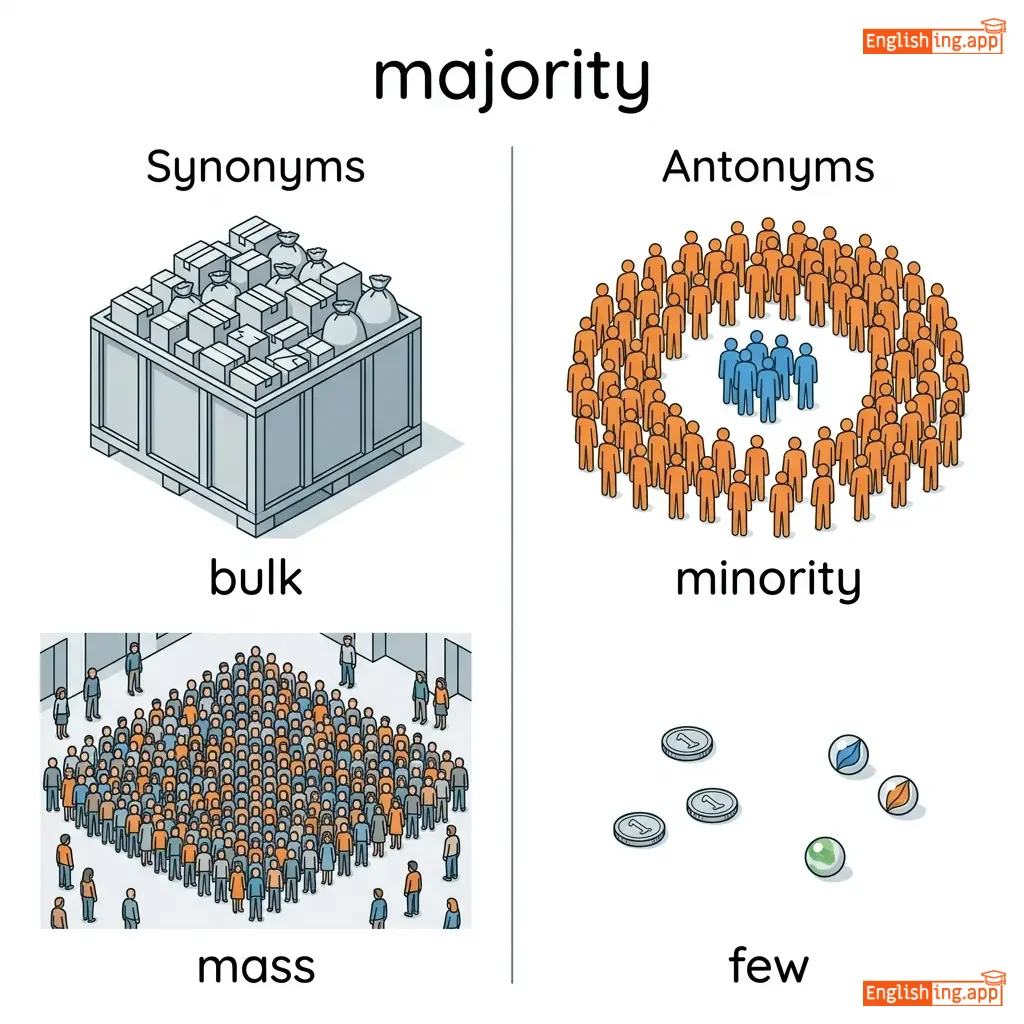
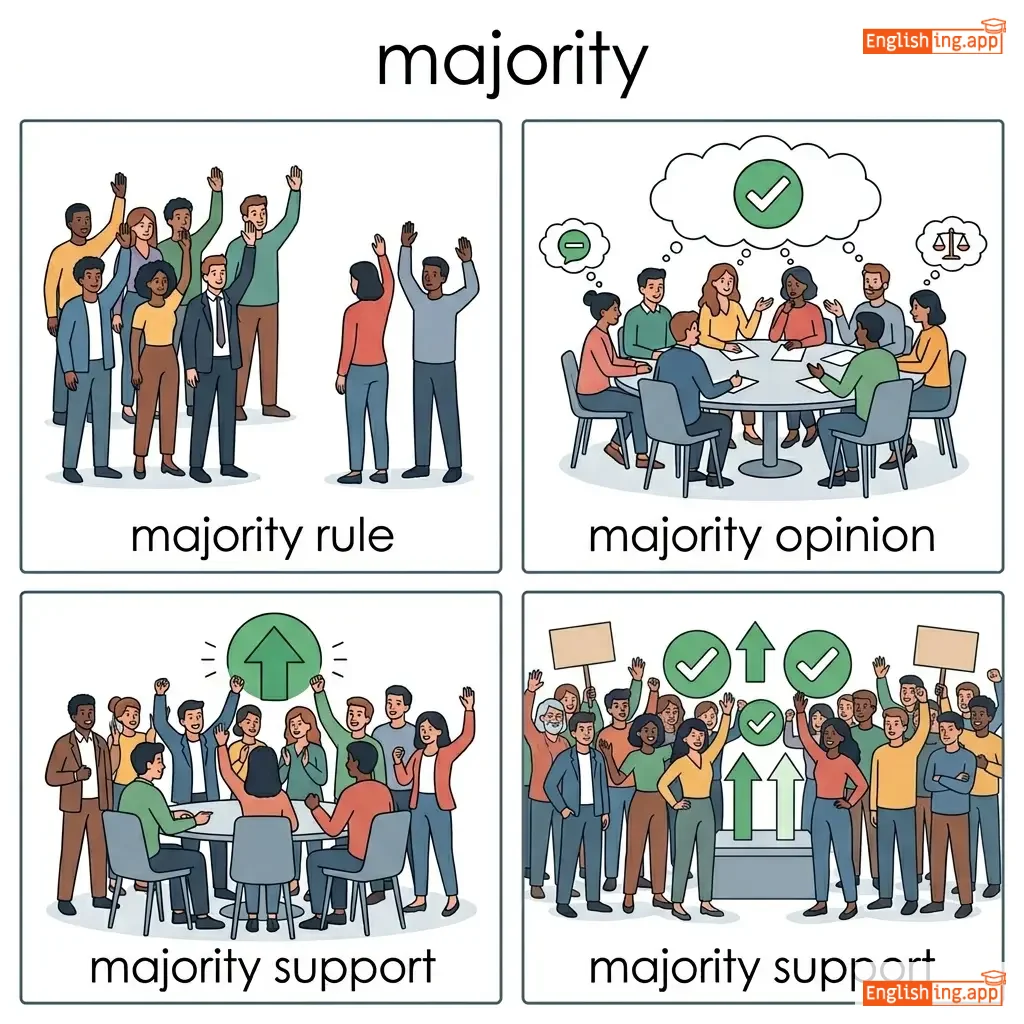
məˈdʒɒrəti
noun
••••••
|
|
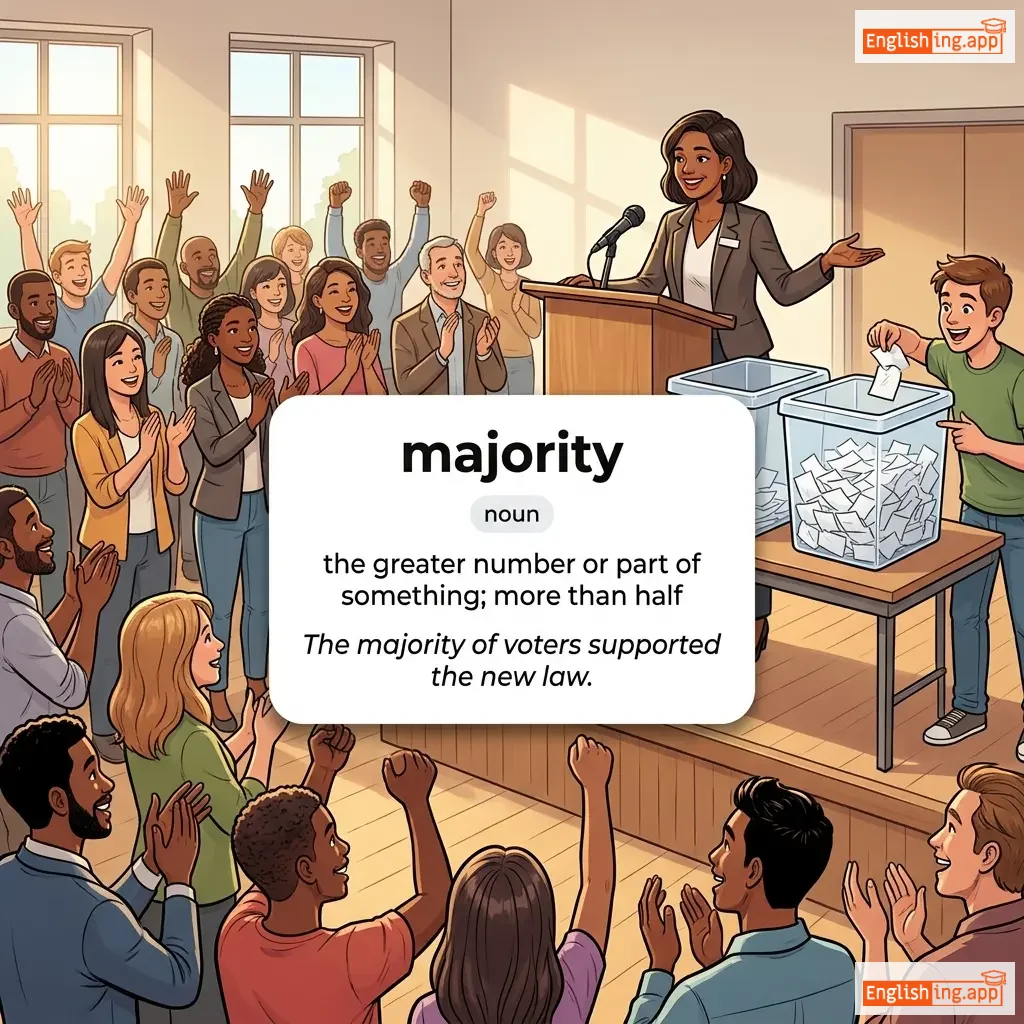
The greater number; the larger part of something.
••••••
|
The majority demanded their rights. |
Plurality, Bulk
••••••
|
Minority, Few
••••••
|
|
#188
😠
|
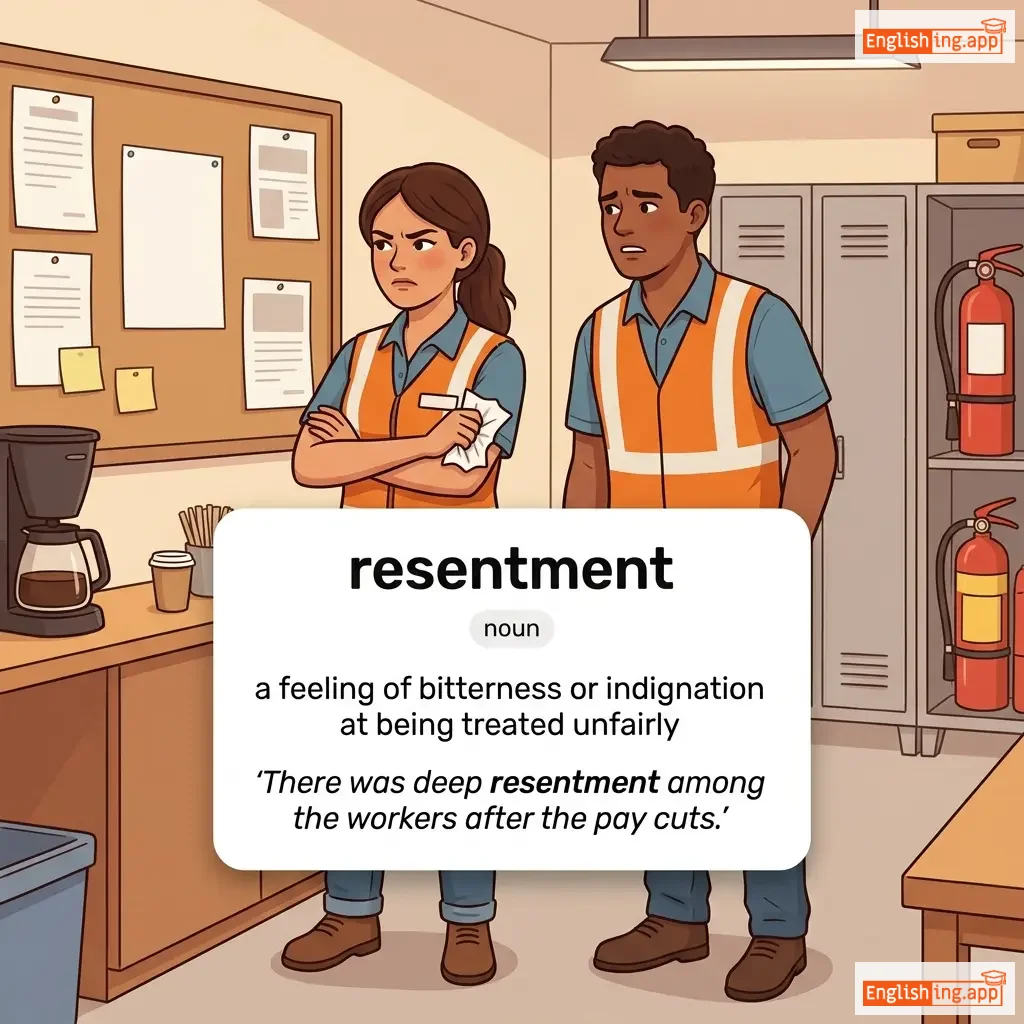
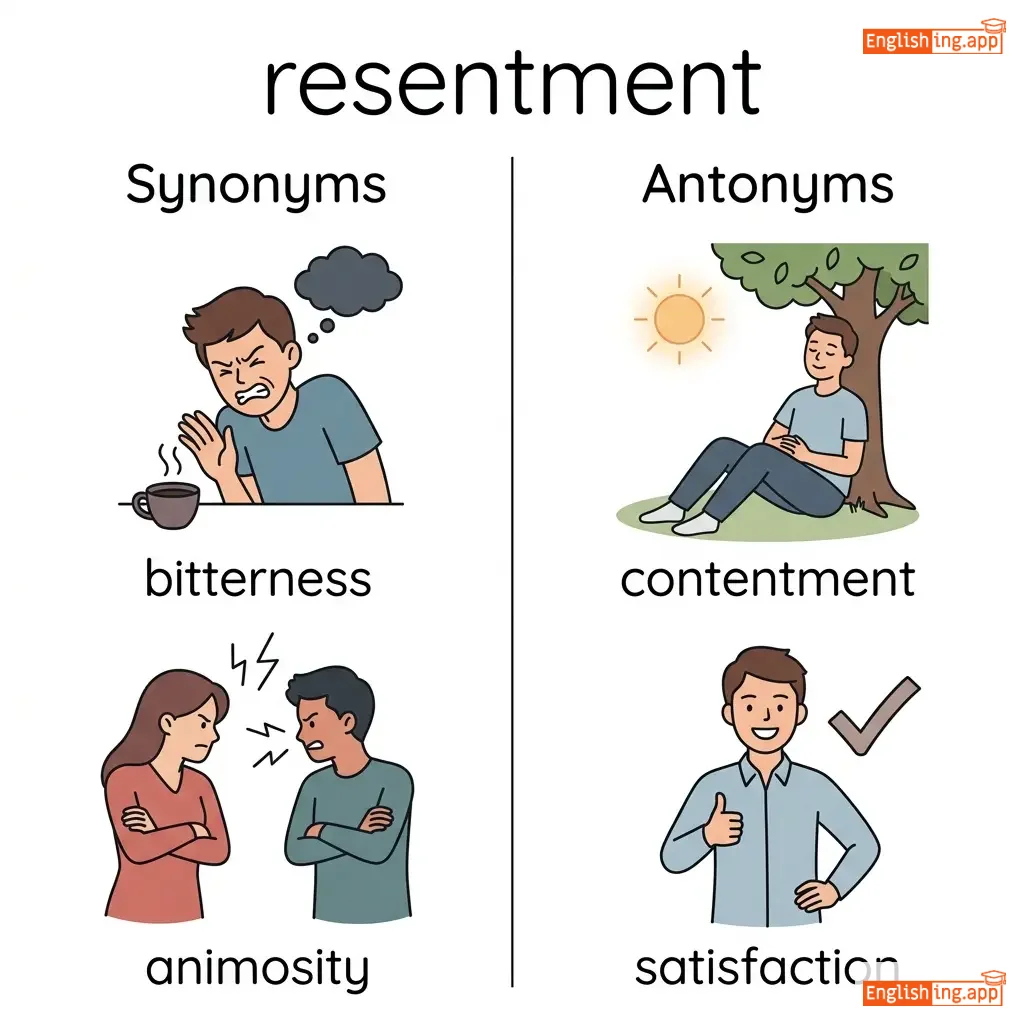
rɪˈzentmənt
noun
••••••
|
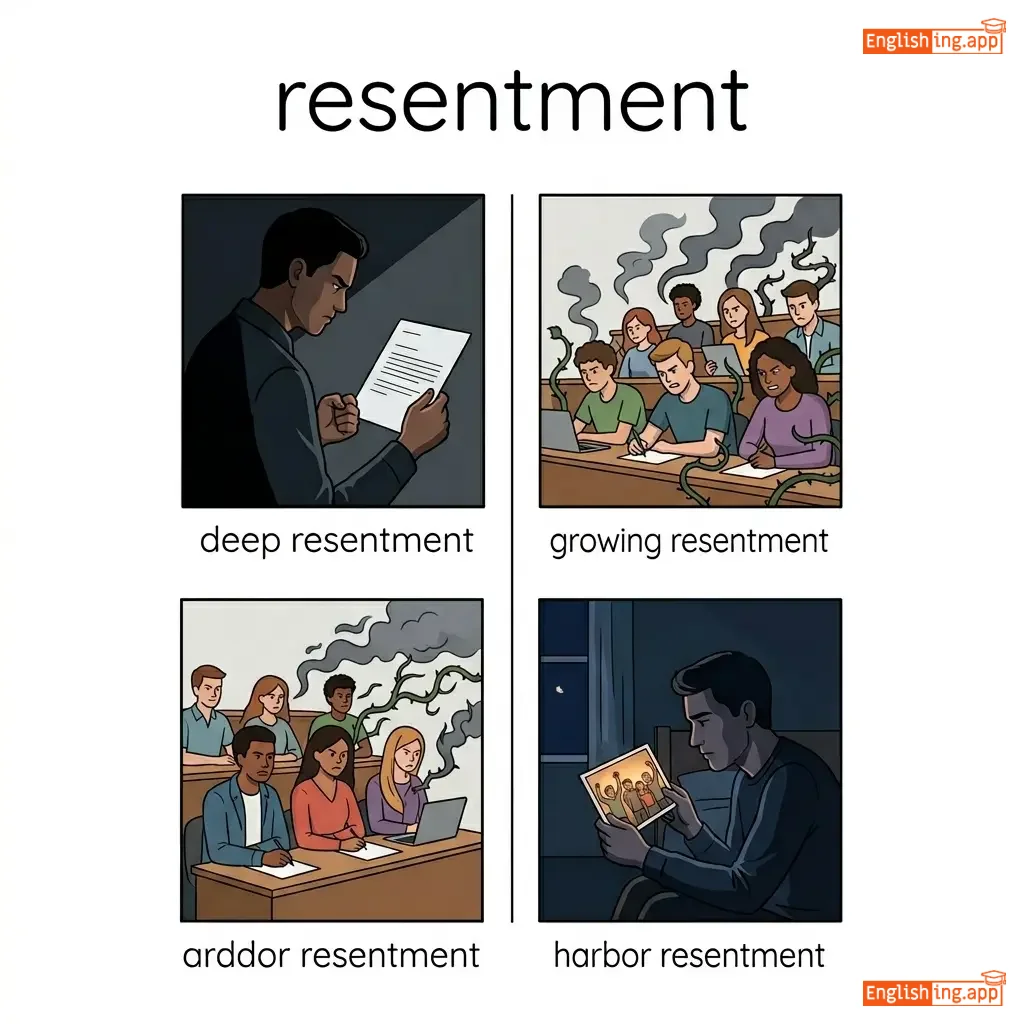
|
Bitter indignation at having been treated unfairly.
••••••
|
Resentment grew among the students. |
Anger, Bitterness
••••••
|
Satisfaction, Contentment
••••••
|
|
#189
❤️
|
ɪˈməʊʃənz
noun
••••••
|
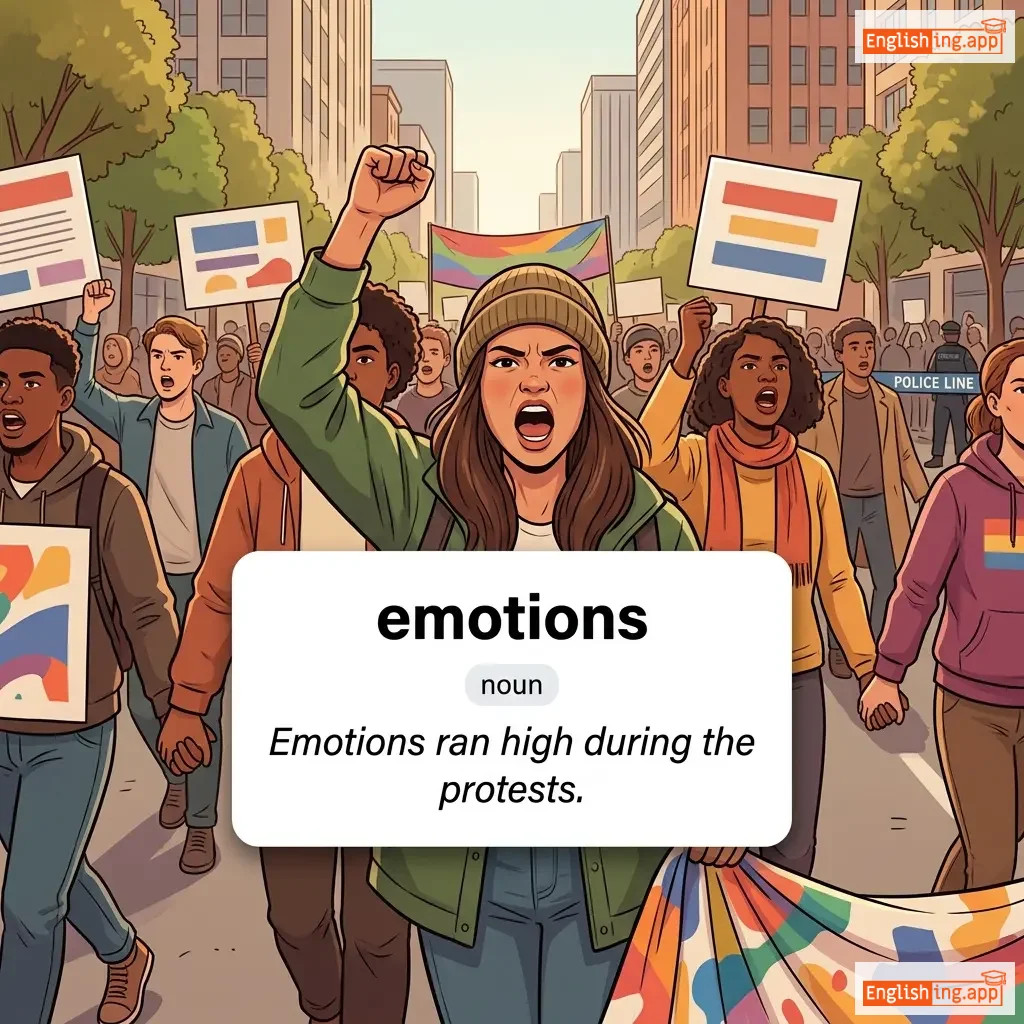
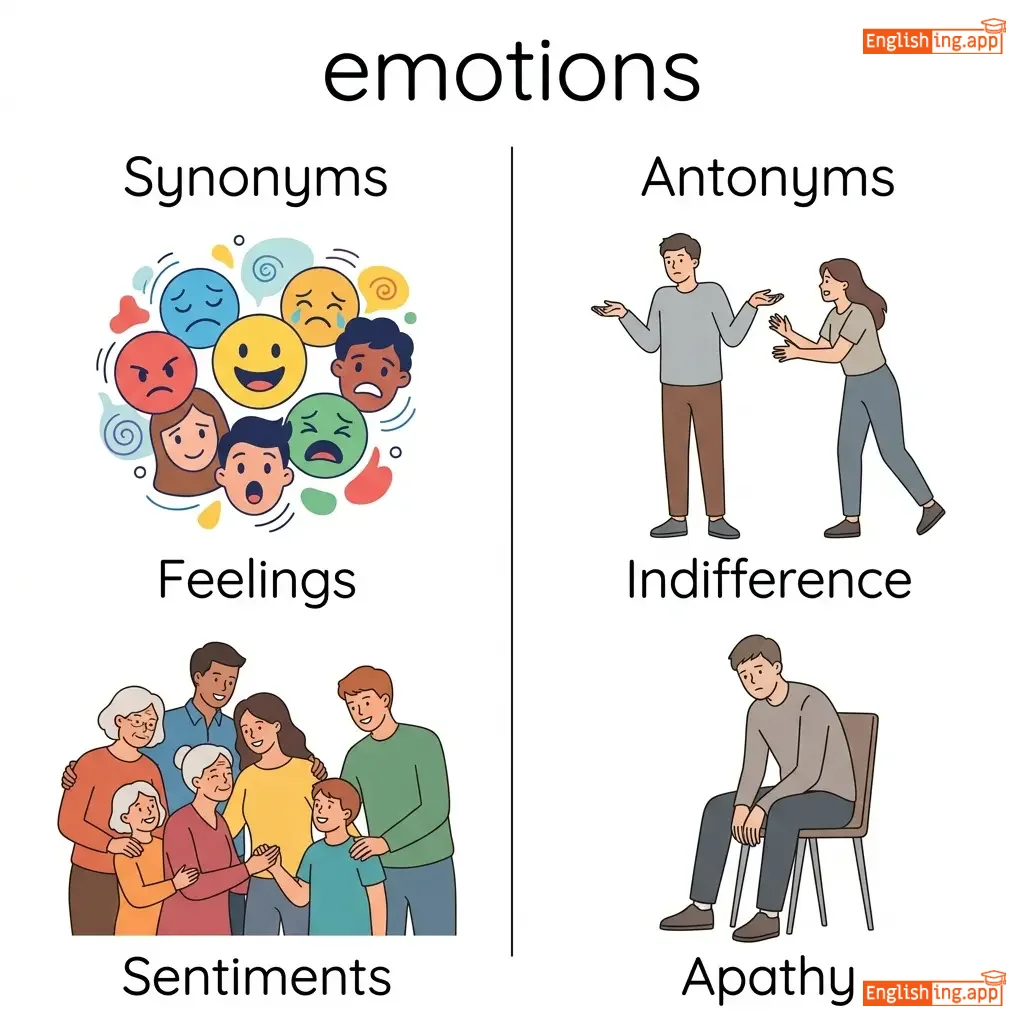
|
Strong feelings deriving from one's circumstances, mood, or relationships with others.
••••••
|
Emotions ran high during the protests. |
Feelings, Sentiments
••••••
|
Indifference, Apathy
••••••
|
|
#190
💰
|
ˌiːkəˈnɒmɪk
adjective
••••••
|
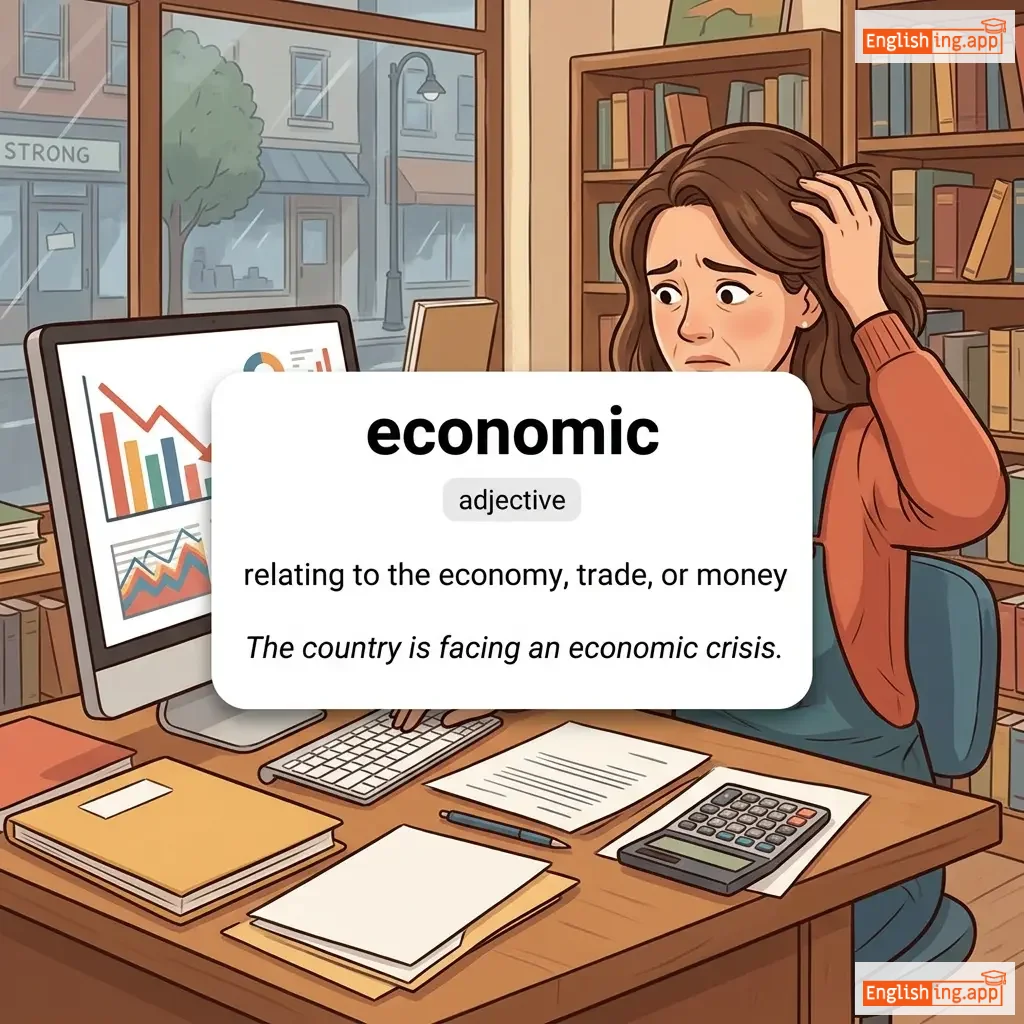
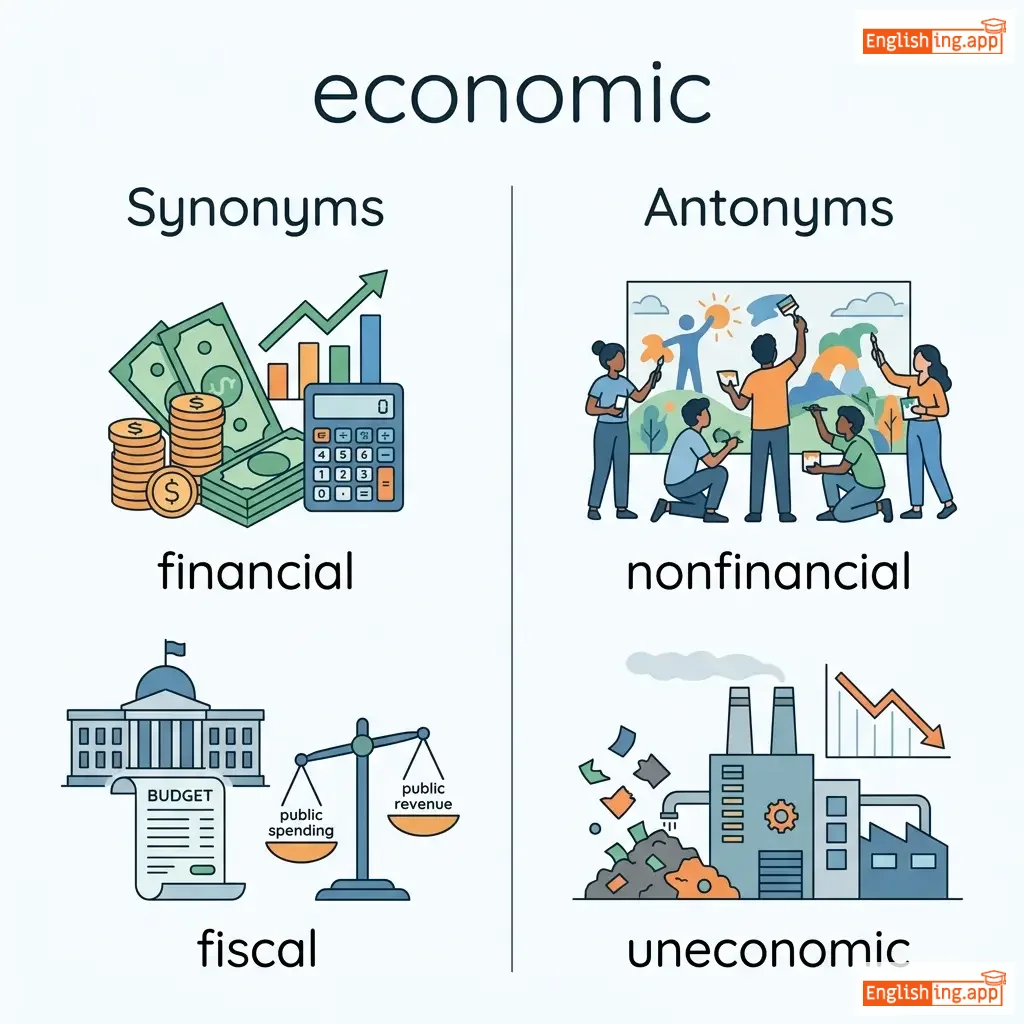
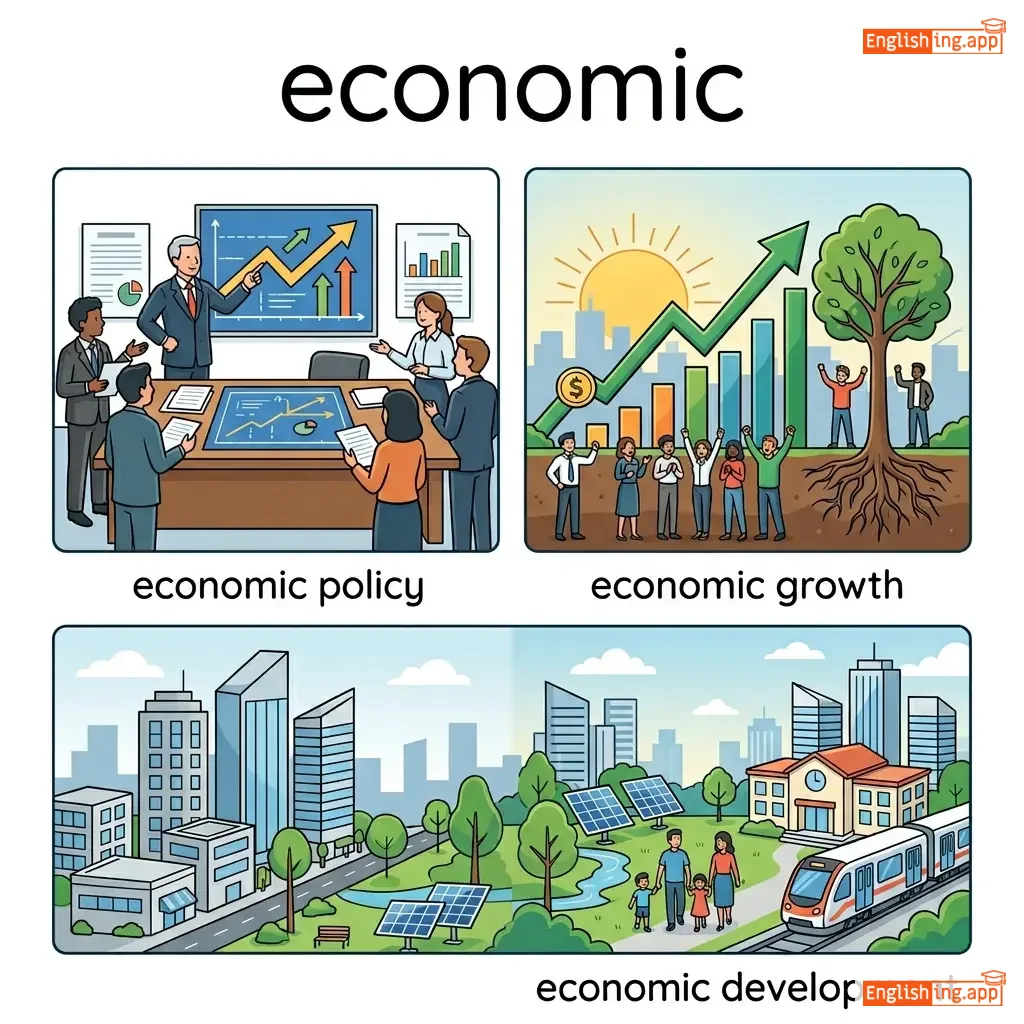
|
Relating to economics or the economy.
••••••
|
The issue had significant economic implications. |
Financial, Monetary
••••••
|
Uneconomic, Unprofitable
••••••
|
|
#191
💼
|
ɪmˈplɔɪmənt
noun
••••••
|
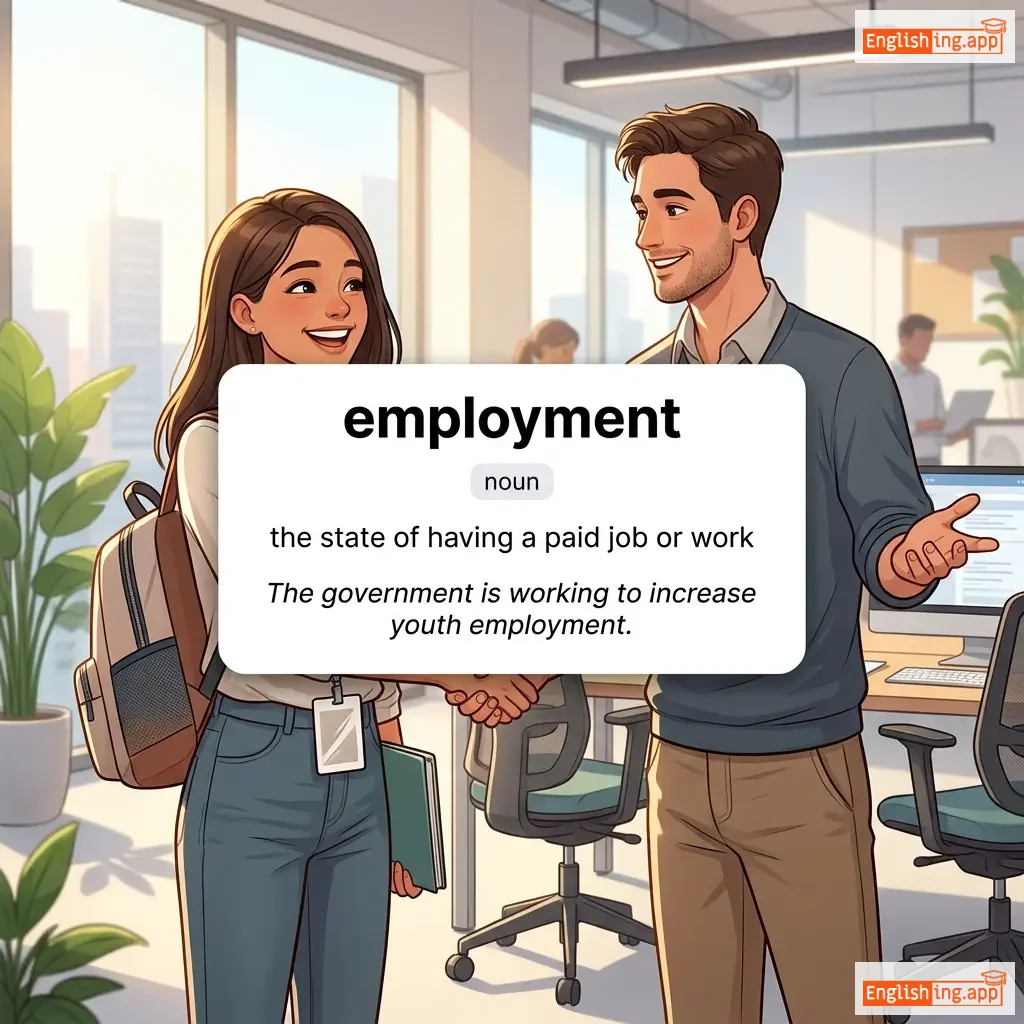
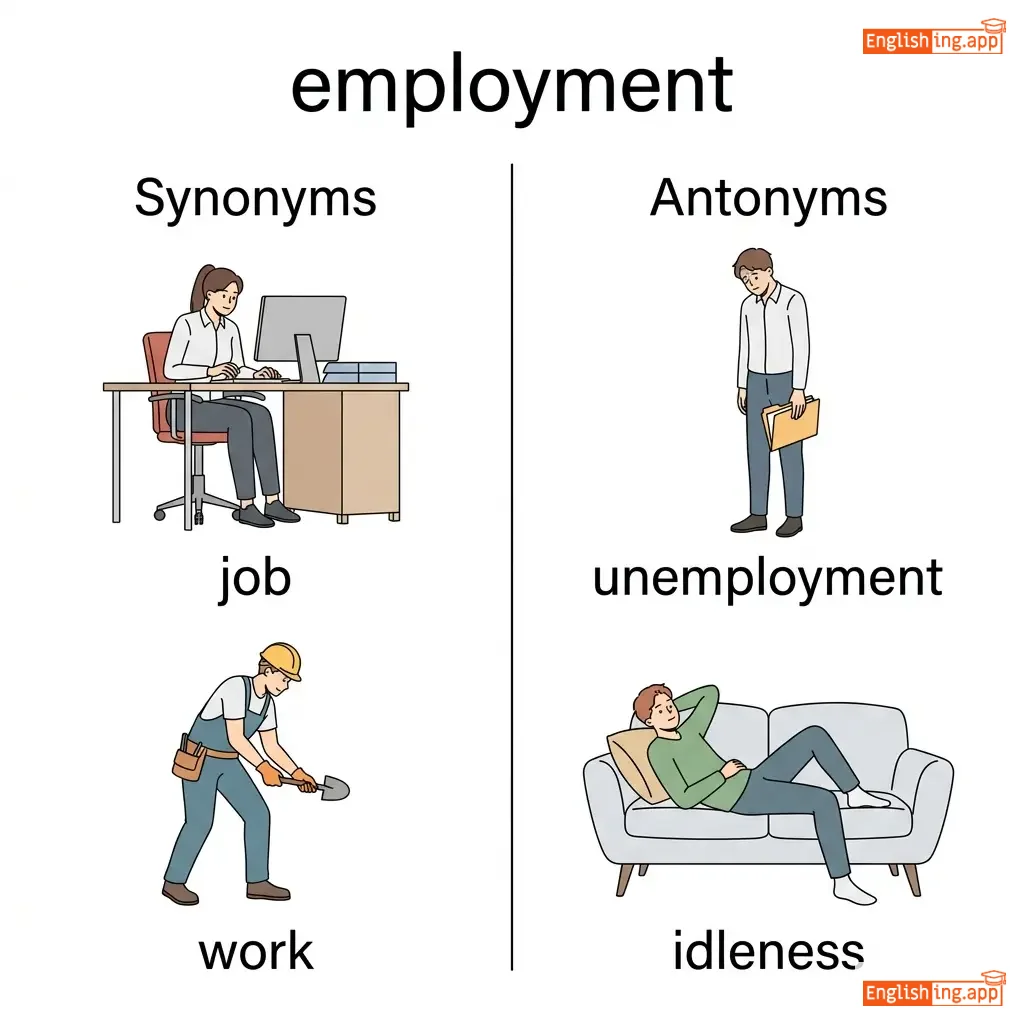
|
The condition of having paid work; the action of giving work to someone.
••••••
|
Employment was limited to Urdu speakers. |
Work, Occupation
••••••
|
Unemployment, Idleness
••••••
|
|
#192
🏁
|
ˌkɒmpəˈtɪʃən
noun
••••••
|

|
The activity or condition of competing; rivalry for supremacy.
••••••
|
Competition grew between language groups. |
Rivalry, Contest
••••••
|
Cooperation, Monopoly
••••••
|
|
#193
⚖️
|
ˌdɪsədˈvæntɪdʒ
noun
••••••
|
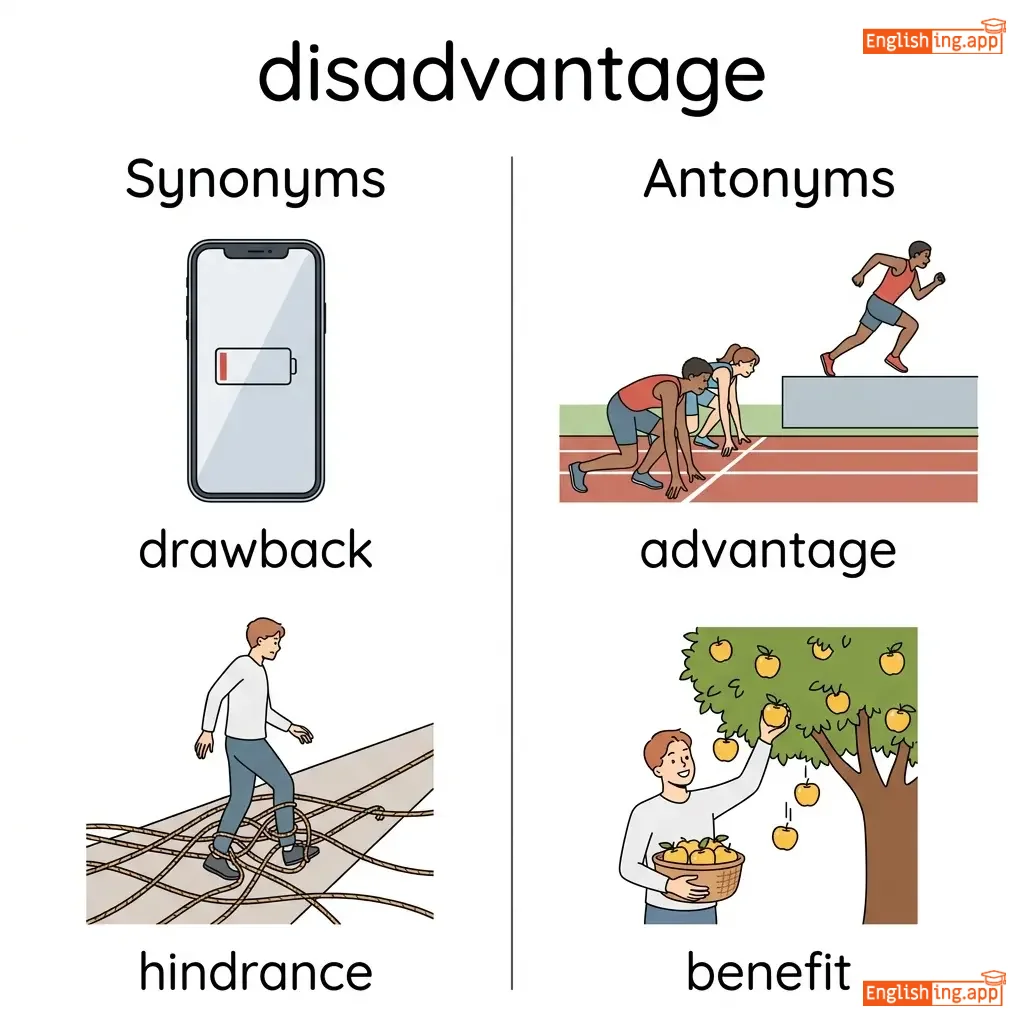
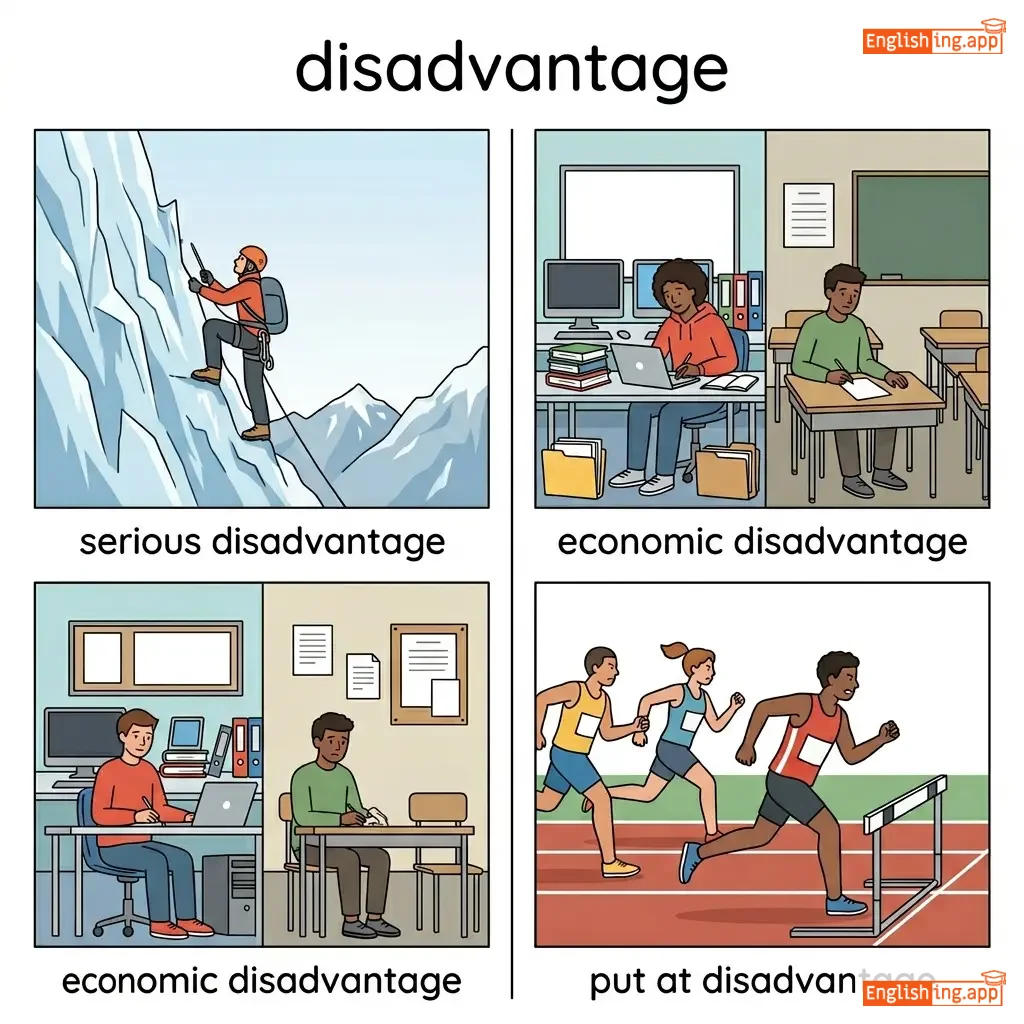
|
An unfavorable circumstance or condition that reduces the chances of success or effectiveness.
••••••
|
Urdu's dominance placed Bengalis at a disadvantage. |
Handicap, Drawback
••••••
|
Advantage, Benefit
••••••
|

