Famous Scientists and Their Discoveries
科学の歴史を通じて、多くのpioneering科学者が人類文明を前進させる発見をしました。アイザック・ニュートンの重力の理論はaxiomaticな真実であり、物理学の基礎を形成しました。アルバート・アインシュタインのingenious相対性理論は、宇宙に対する新しい視点を提供しました。彼の研究を通じて、科学者たちは宇宙の動態をextrapolateできました。
マリー・キュリーはradioactivityを発見し、医療とエネルギー研究にindelibleな影響を与えました。彼女の研究はcorroborated、いくつかの基本的な元素が自然に崩壊する可能性があることを証明しました。
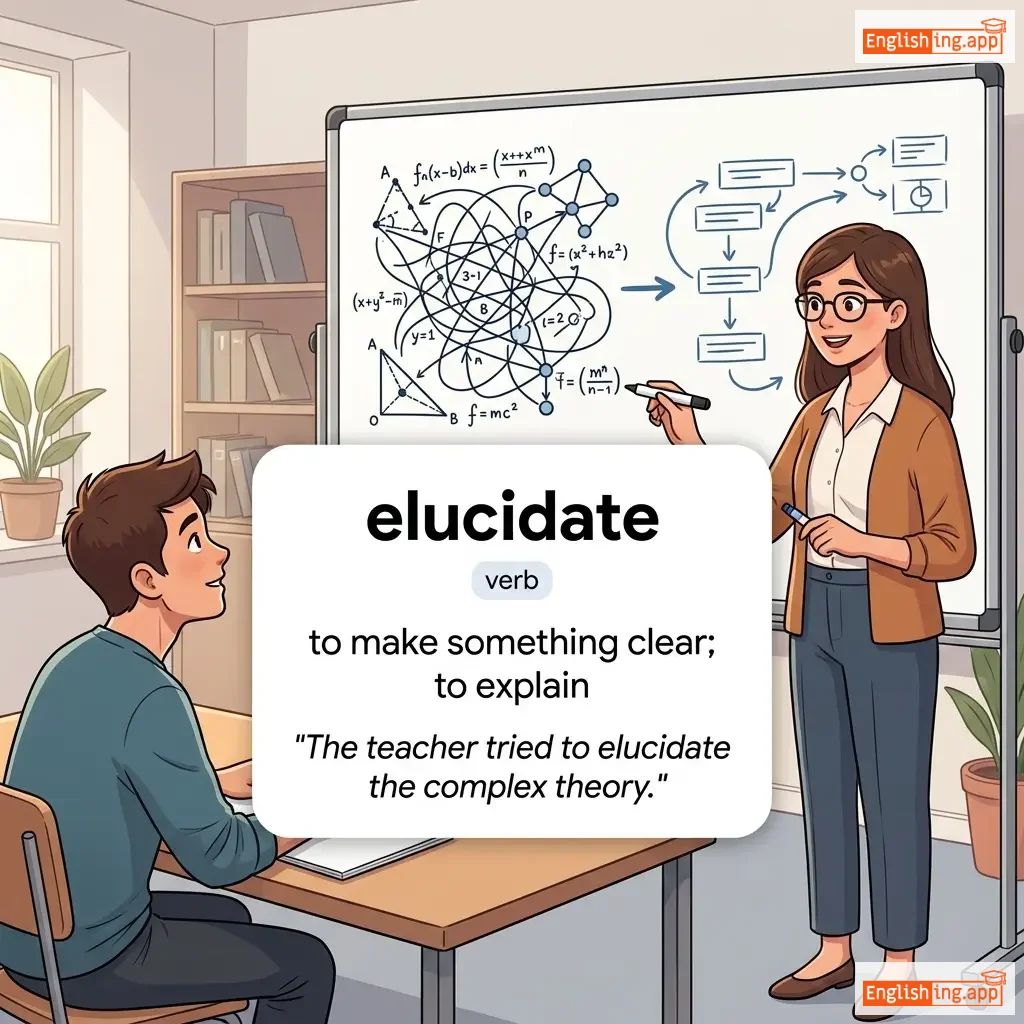
ガリレオ・ガリレイが望遠鏡で宇宙を観察したとき、彼はconundrumを作り出しました—地球は太陽の周りを回っているのか?彼の研究は古い概念をannihilateし、新しい真実をelucidateしました。
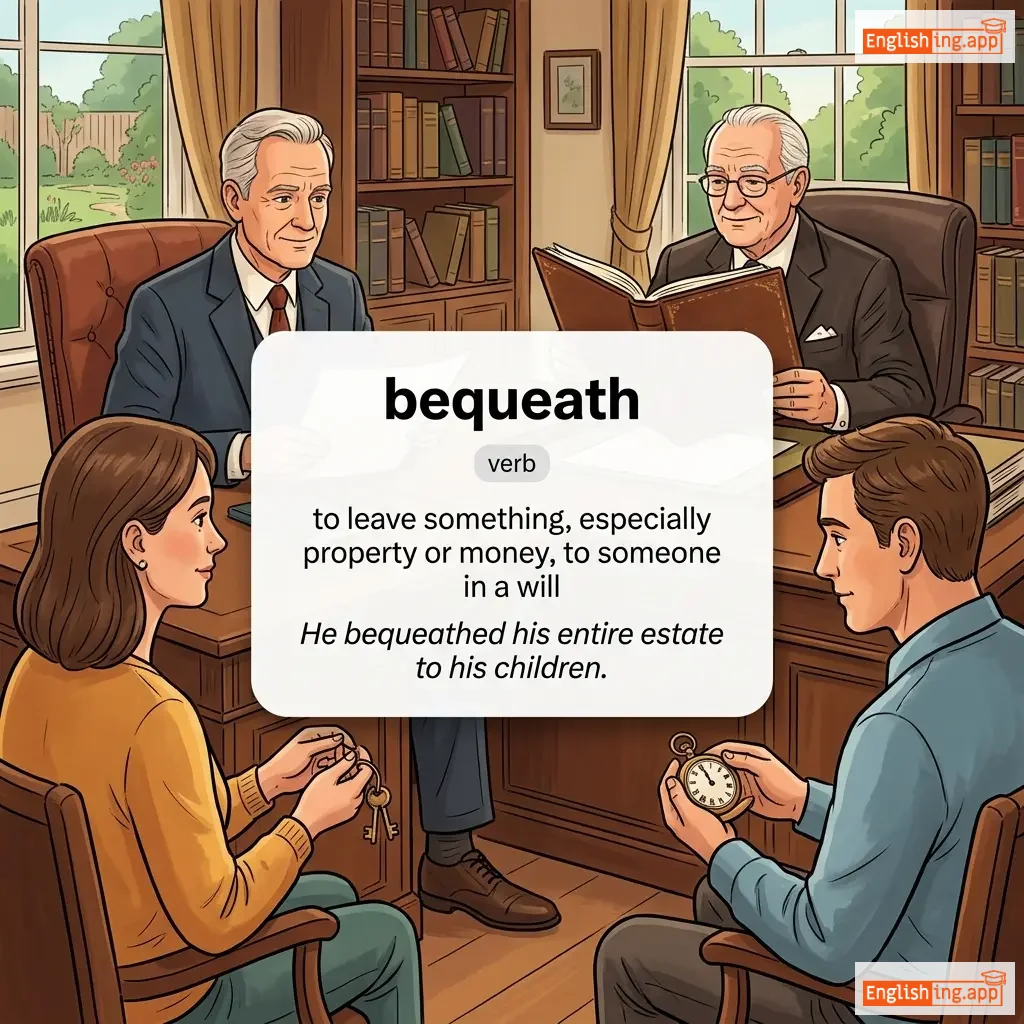
科学者たちは自分たちの研究を将来の世代にbequeathedし、新しい研究とcoalescedされた情報が人類に利益をもたらすことを期待しています。
|
絵文字
|
単語 | Images | 意味 | 例文 | 同義語 | 対義語 |
|---|---|---|---|---|---|---|
|
#1645
🚀
|
ˌpaɪəˈnɪər.ɪŋ
adjective
••••••
|
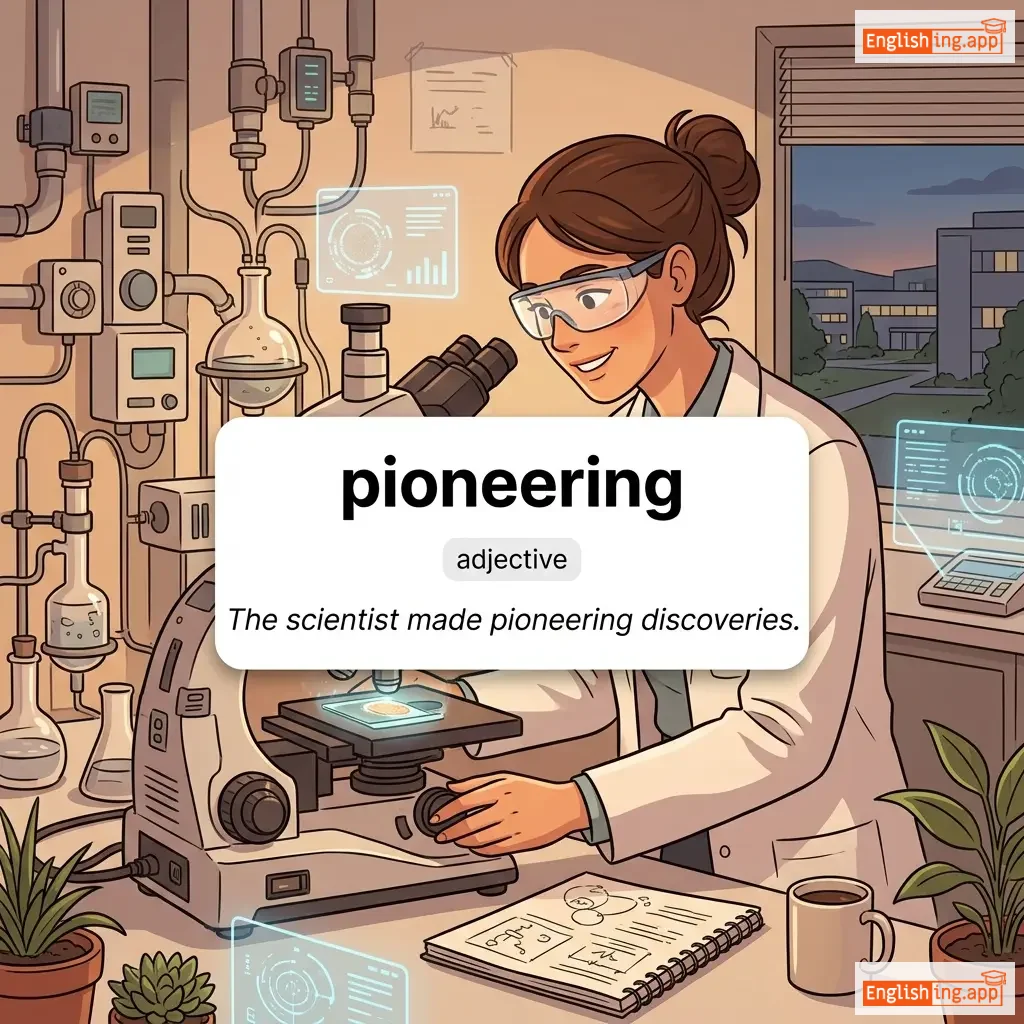
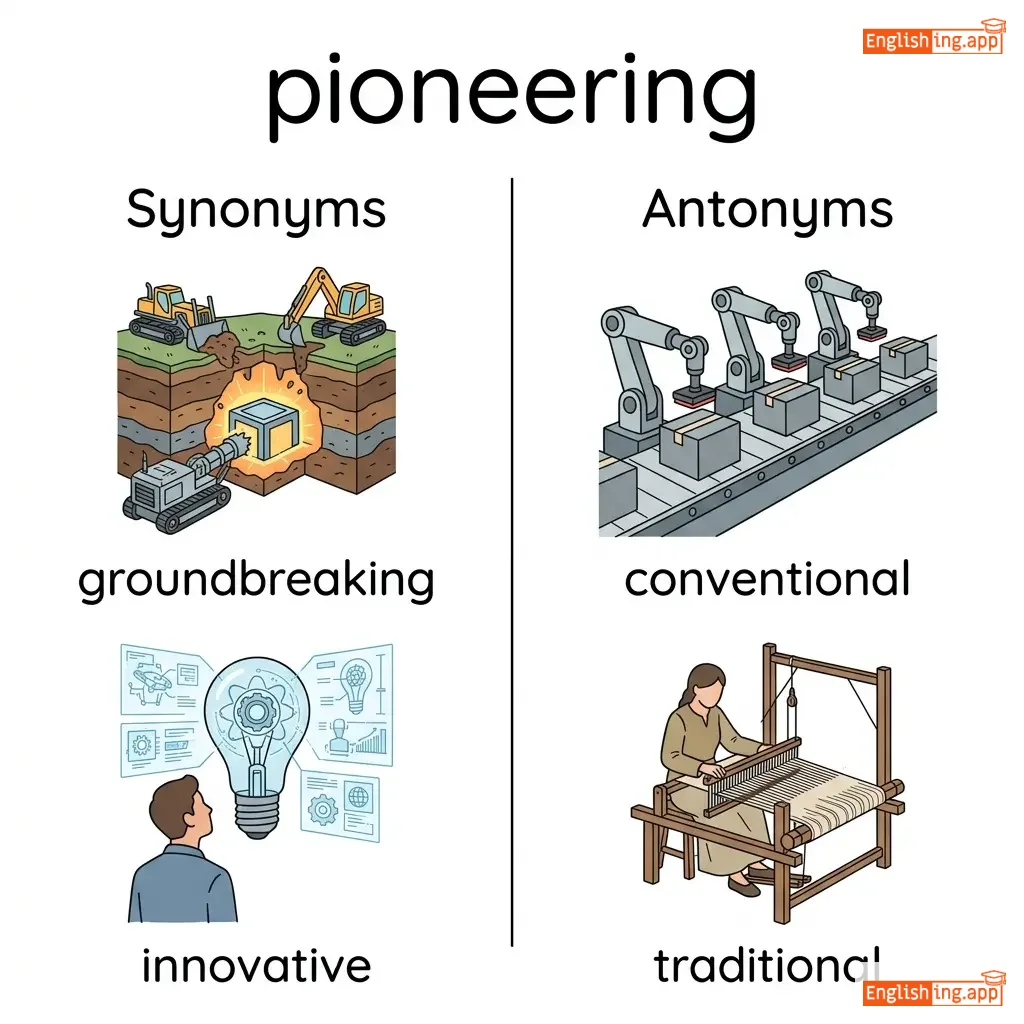
|
Being the first to develop or apply a new method, area of knowledge, or activity; innovative.
••••••
|
Pioneering discoveries have changed science forever. |
innovative, groundbreaking, revolutionary
••••••
|
conventional, traditional, obsolete
••••••
|
|
#1646
🔬
|
ˈsaɪən.tɪst
noun
••••••
|
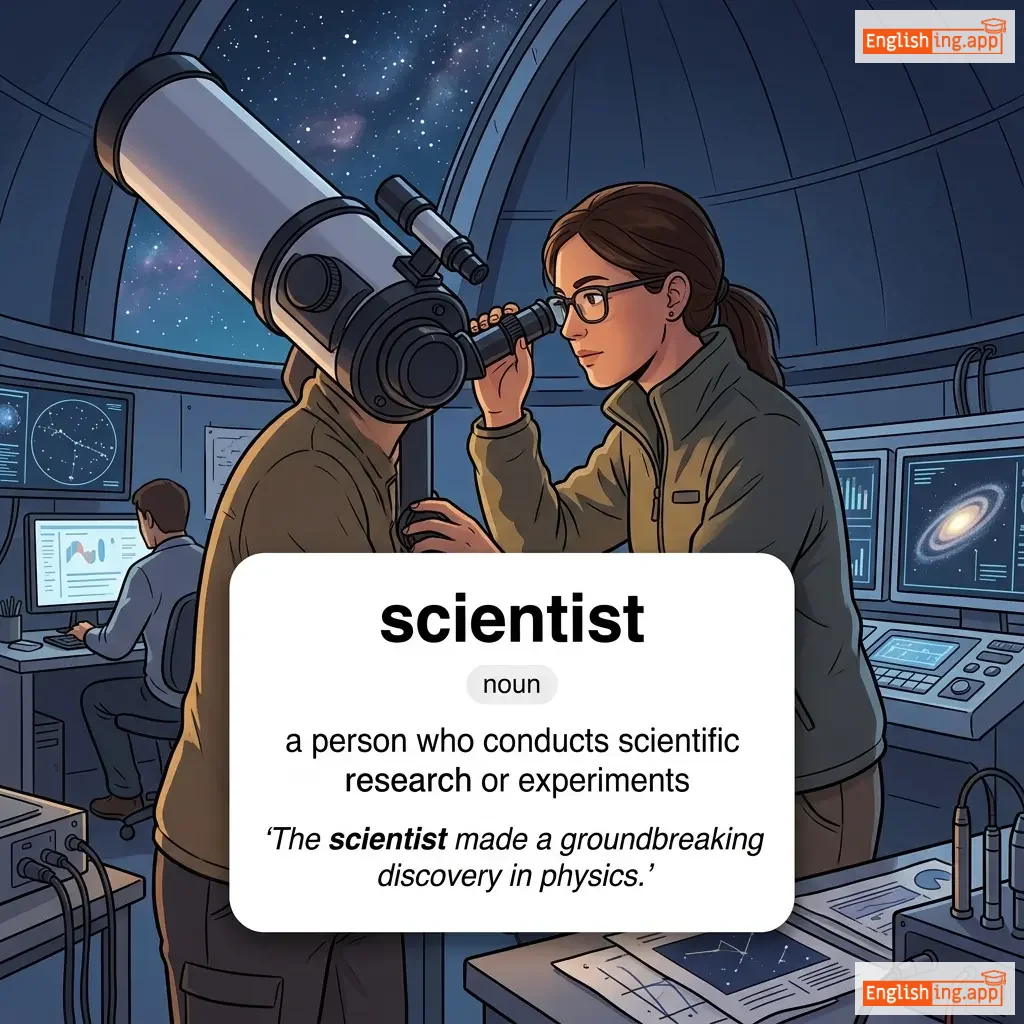
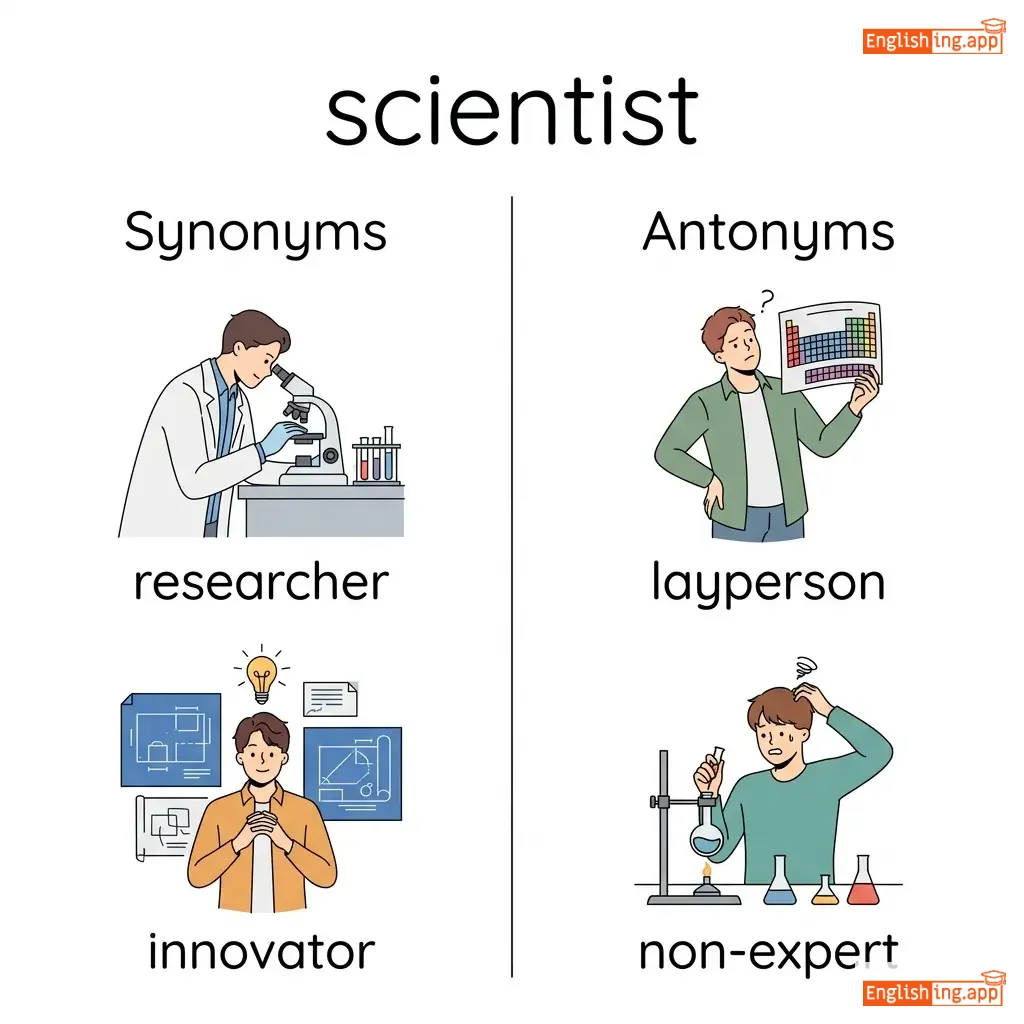
|
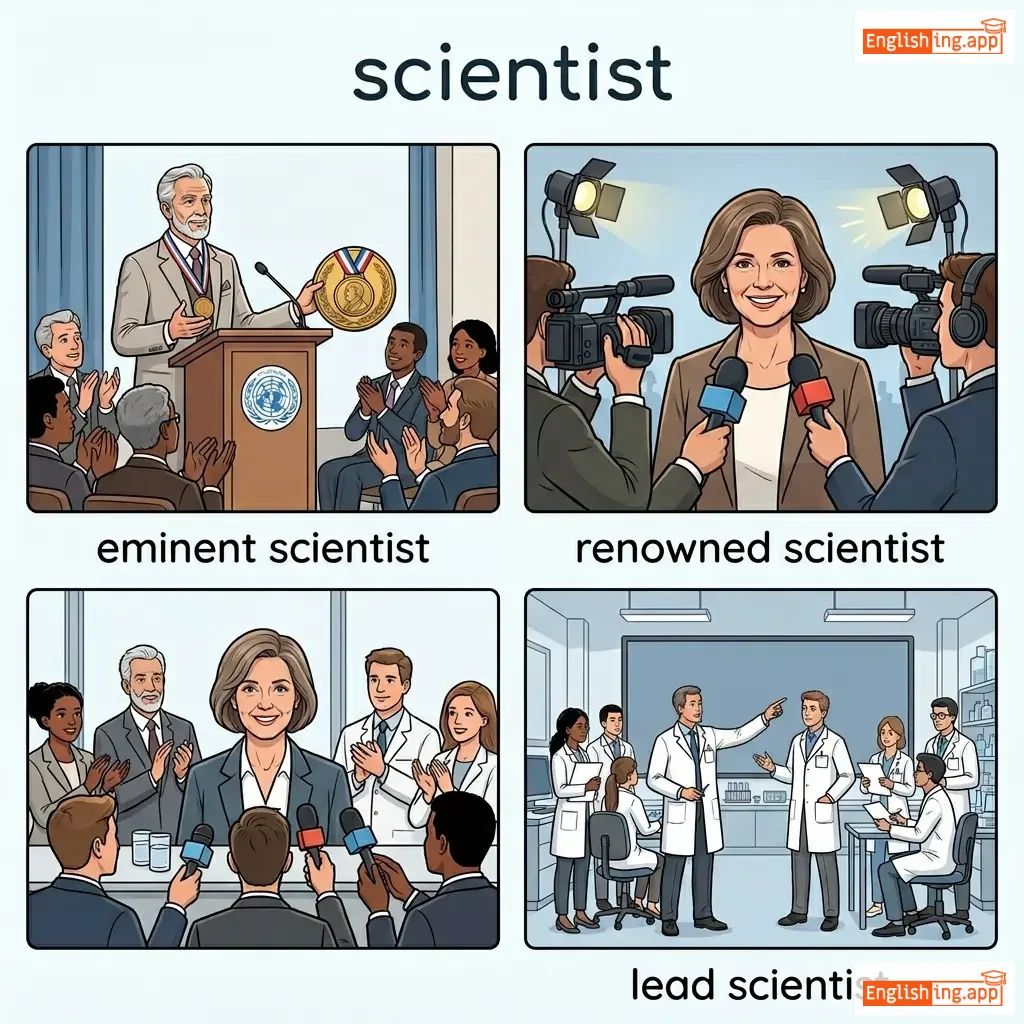
A person who is studying or has expert knowledge of one or more of the natural or physical sciences.
••••••
|
Marie Curie was a scientist who won two Nobel Prizes. |
researcher, inventor, scholar
••••••
|
layman, amateur, non-expert
••••••
|
|
#1647
✅
|
ˌæk.si.əˈmæt.ɪk
adjective
••••••
|
|
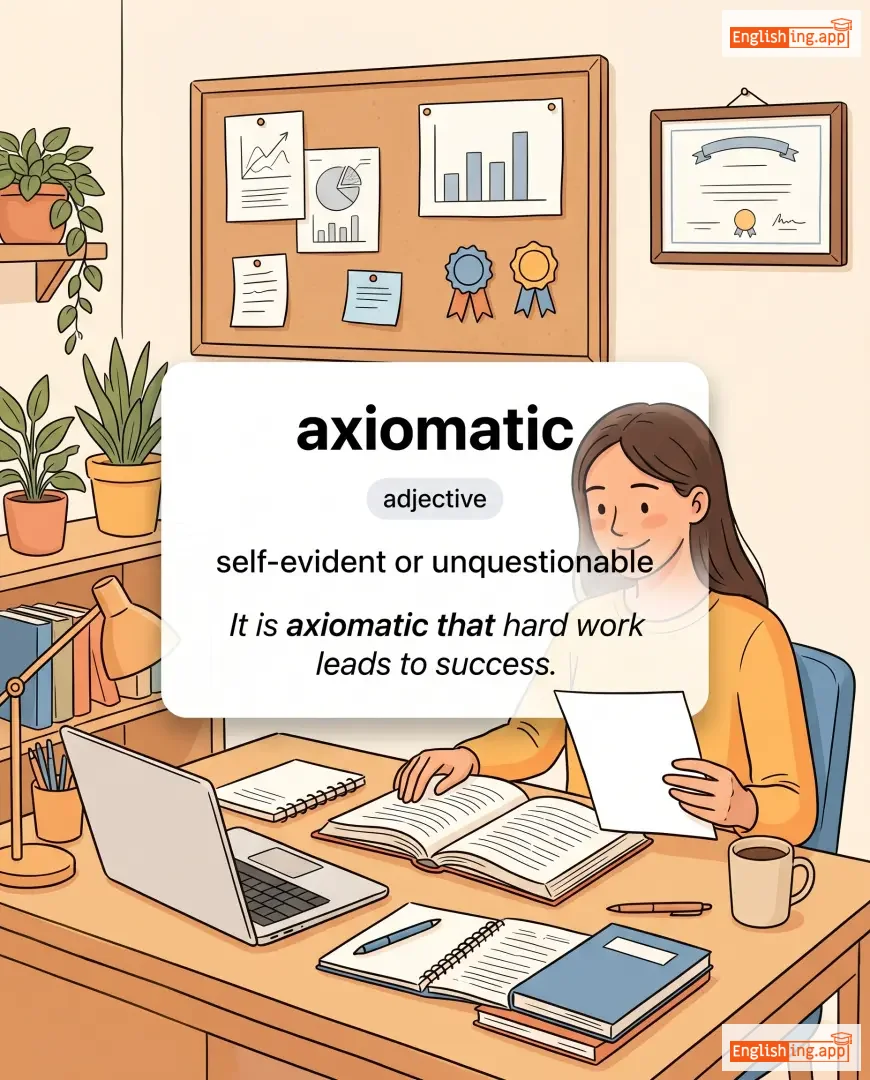
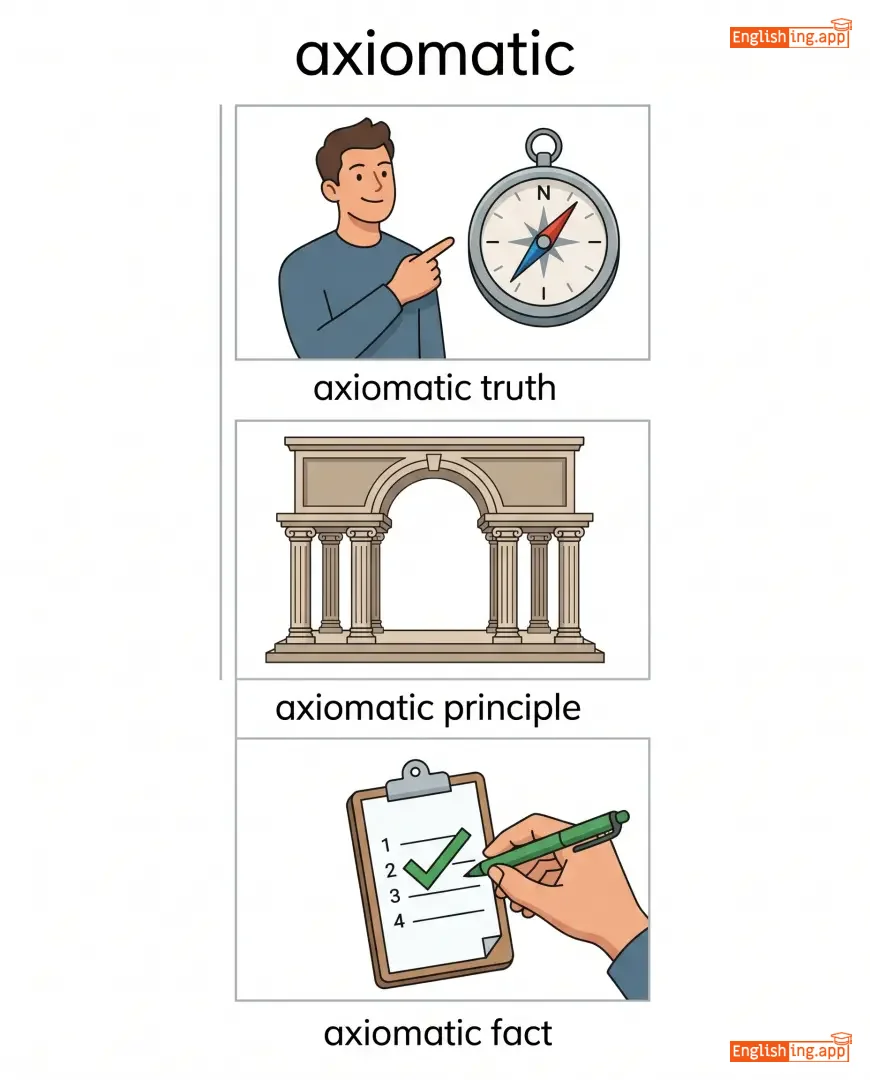
Self-evidently true; obvious and requiring no proof.
••••••
|
The idea that the Earth orbits the Sun is axiomatic. |
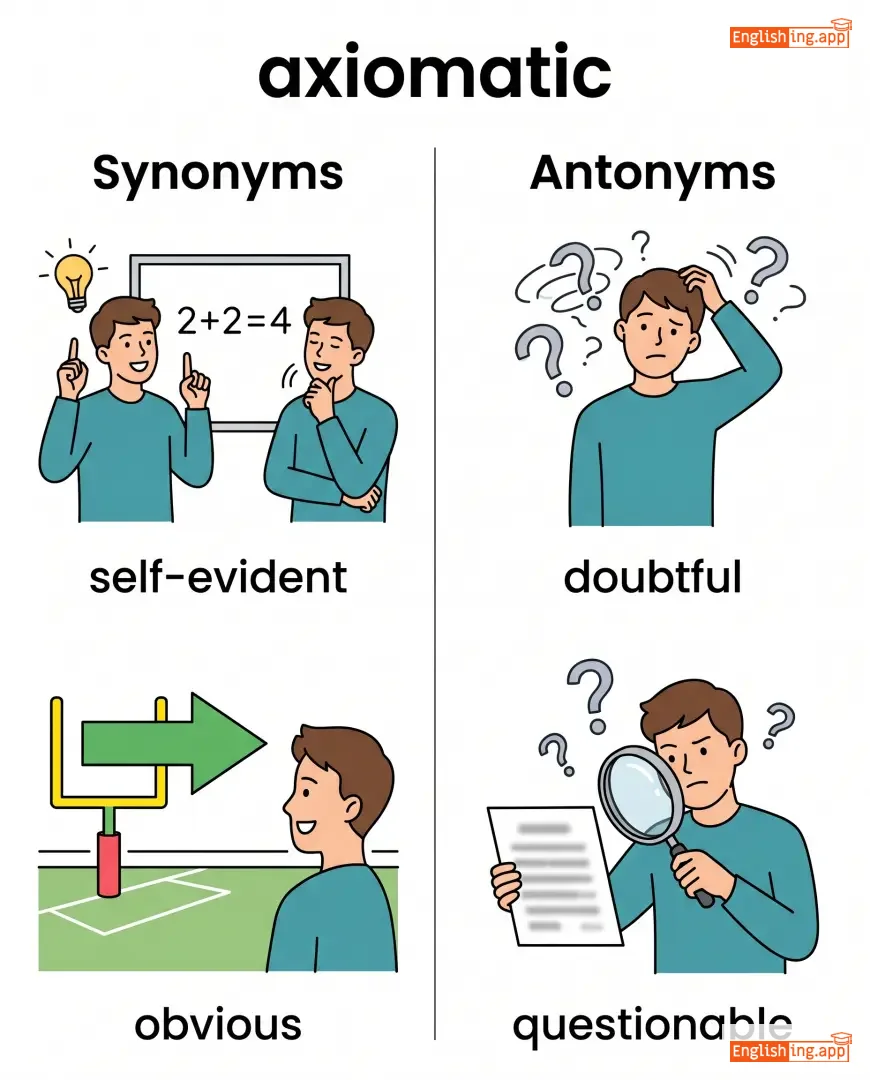
self-evident, undeniable, indisputable
••••••
|
questionable, debatable, uncertain
••••••
|
|
#1648
💡
|
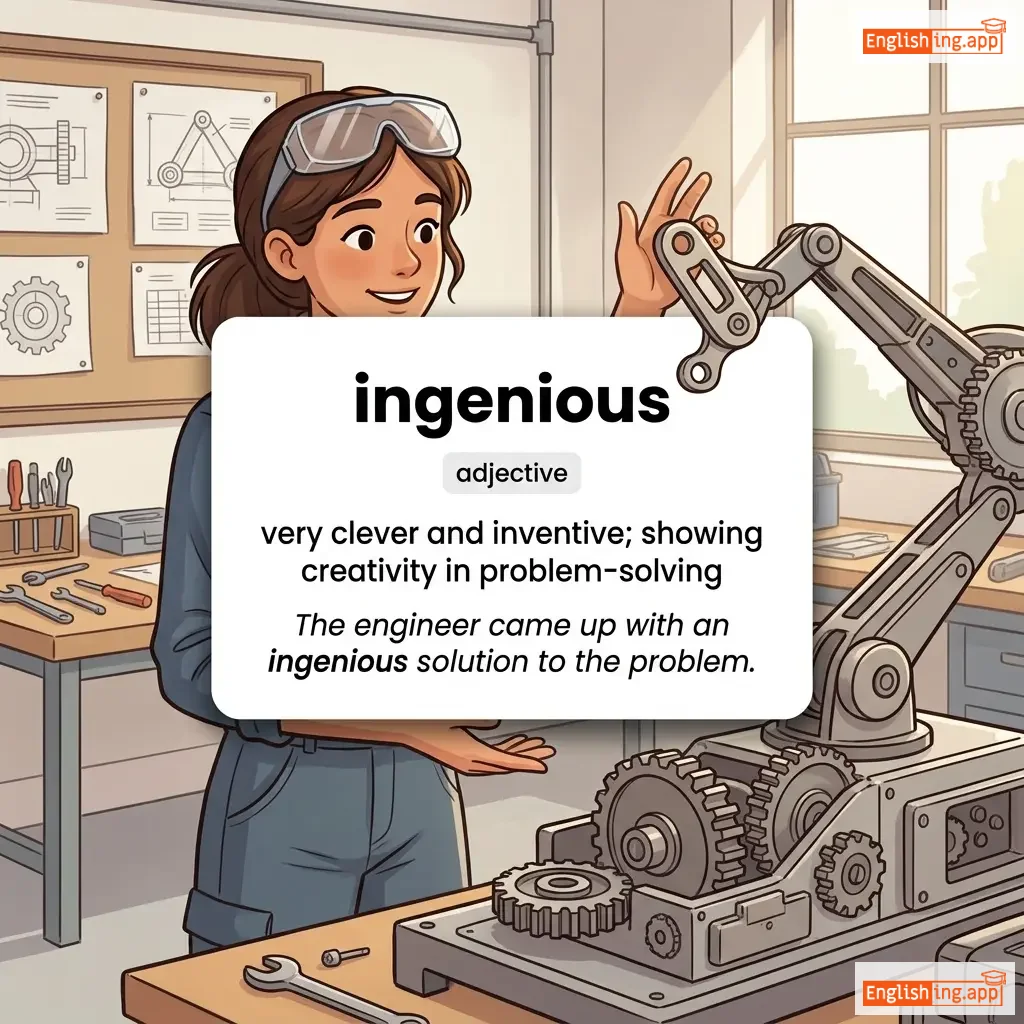
ɪnˈdʒiː.ni.əs
adjective
••••••
|
|
Showing inventiveness and skill; clever, original, and inventive.
••••••
|
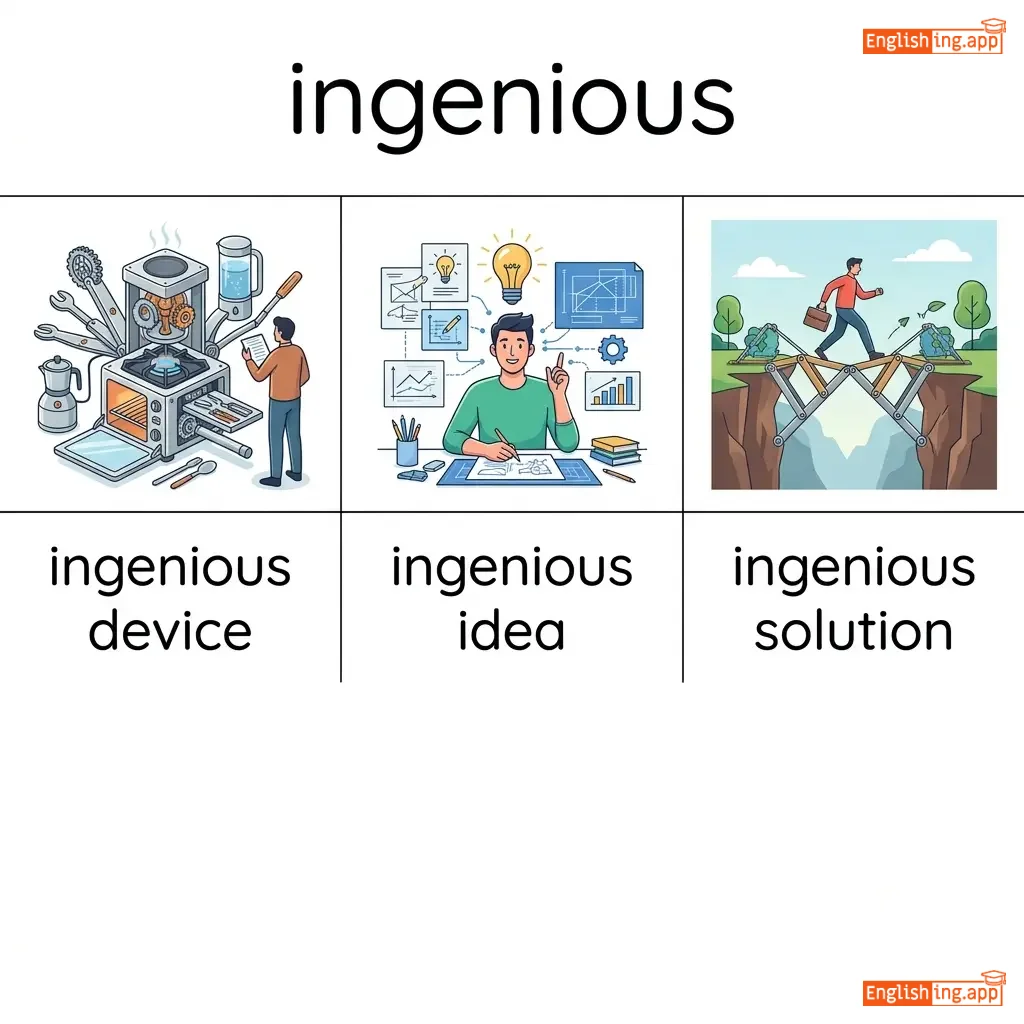
His ingenious ideas transformed modern physics. |
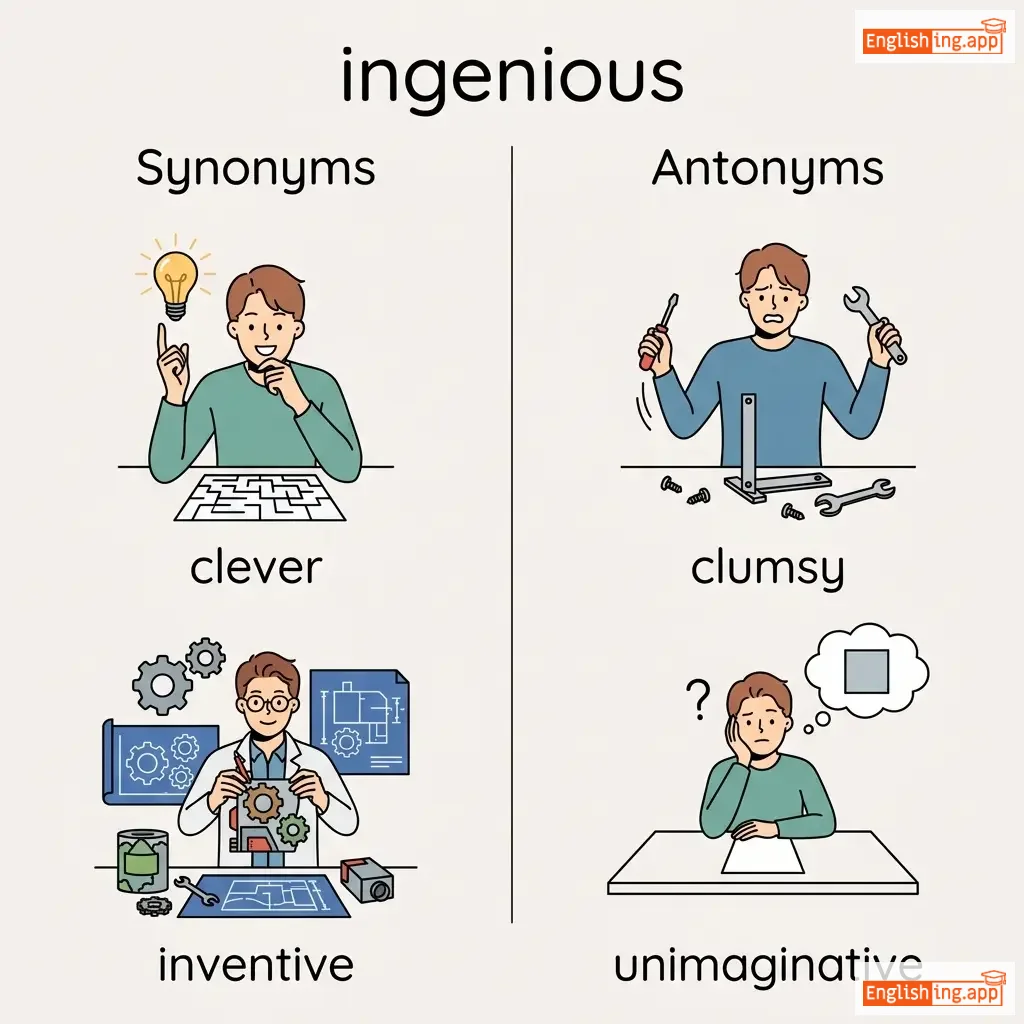
creative, clever, brilliant
••••••
|
unimaginative, uninventive, ordinary
••••••
|
|
#1649
📈
|
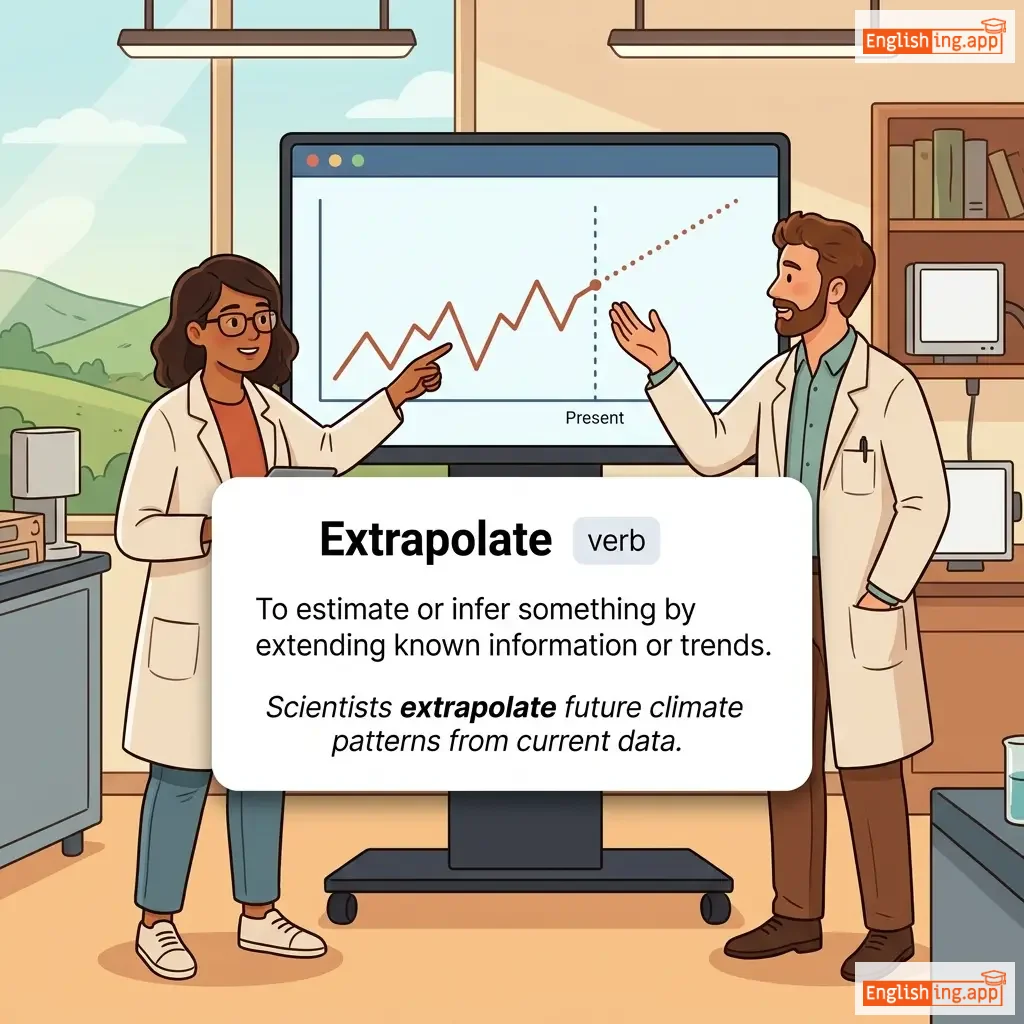
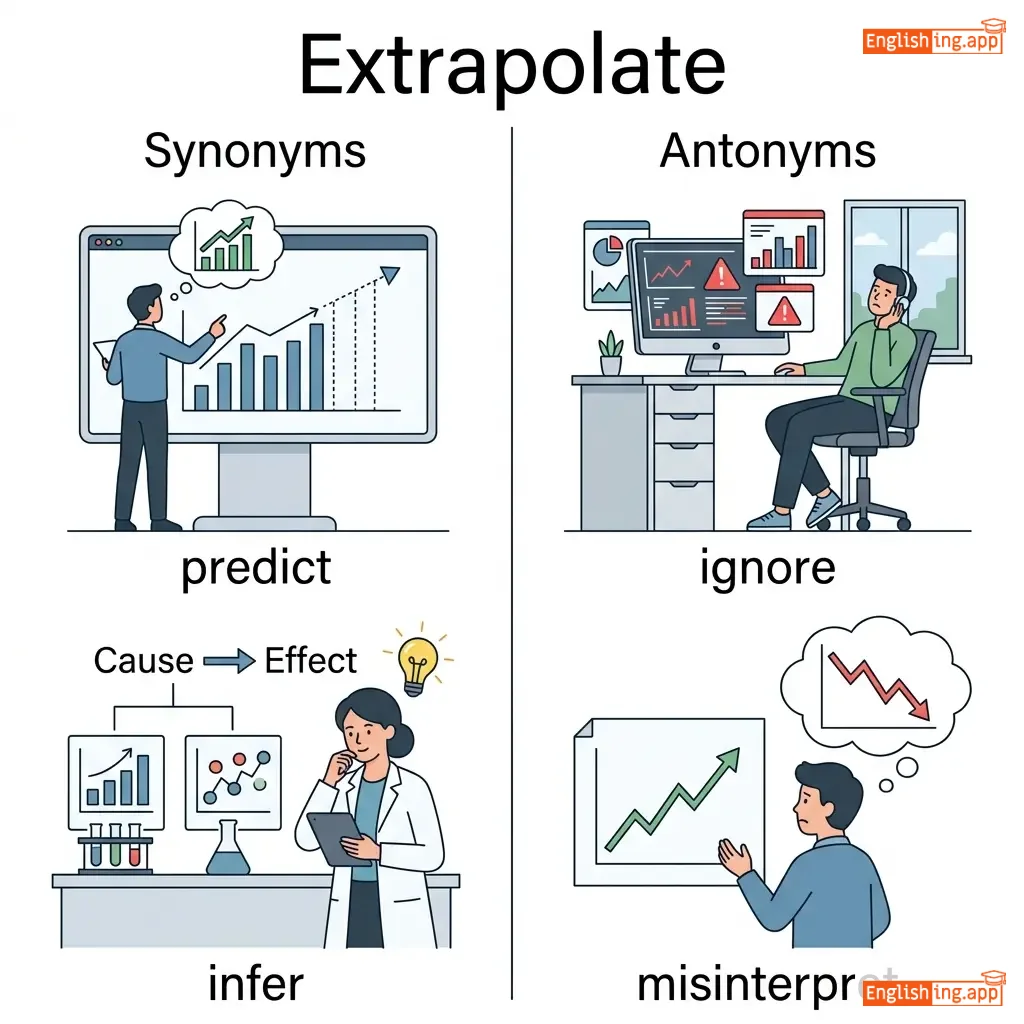
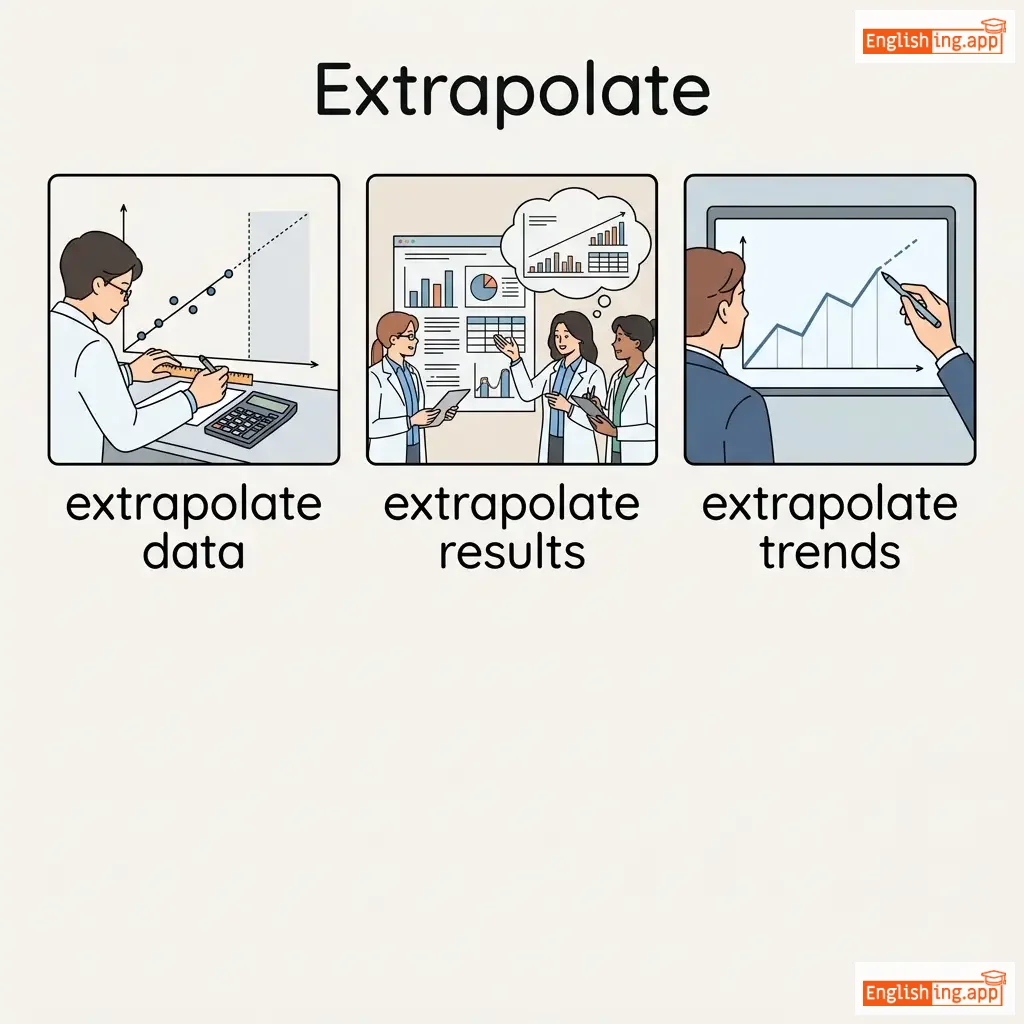
ɪkˈstræp.ə.leɪt
verb
••••••
|
|
Extend the application of a method or conclusion to an unknown situation by assuming that existing trends will continue.
••••••
|
Scientists extrapolate climate data to predict future trends. |
infer, predict, estimate
••••••
|
misinterpret, miscalculate, distort
••••••
|
|
#1650
☢️
|
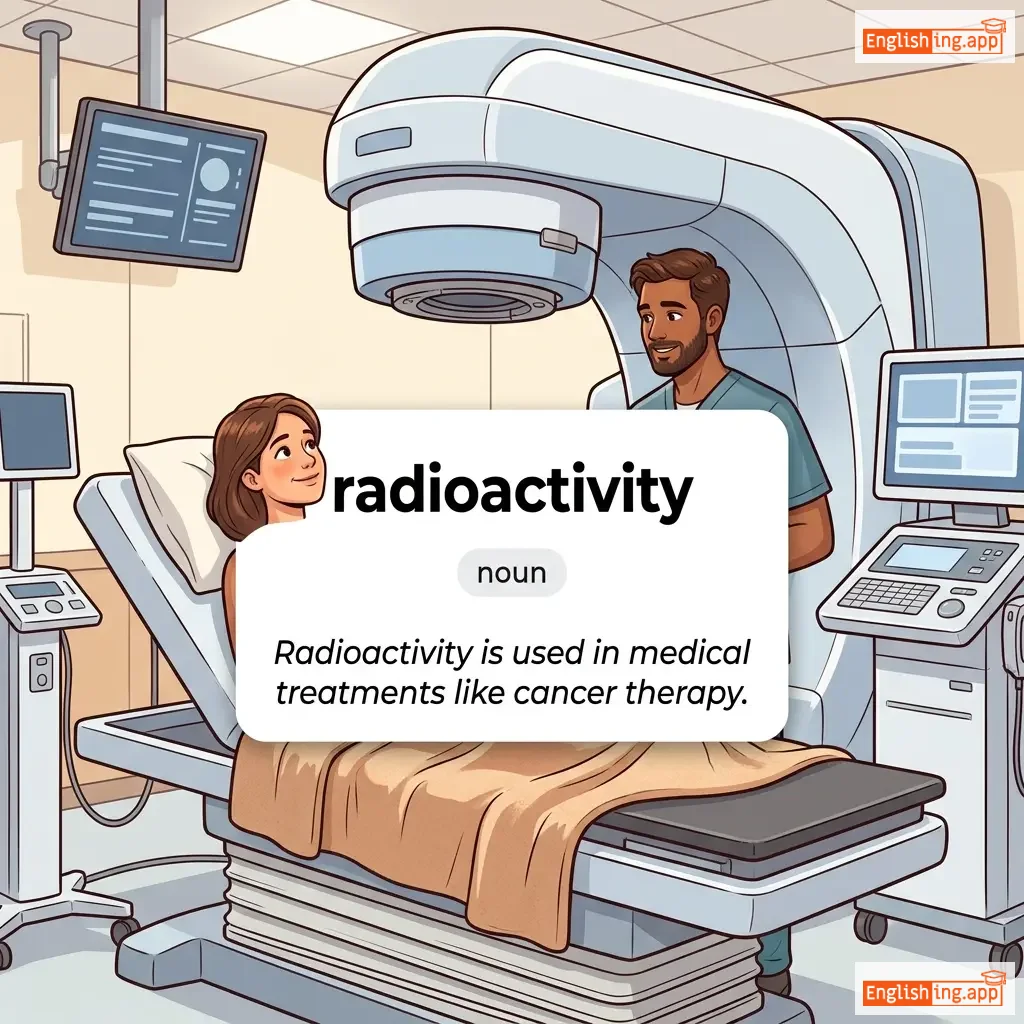
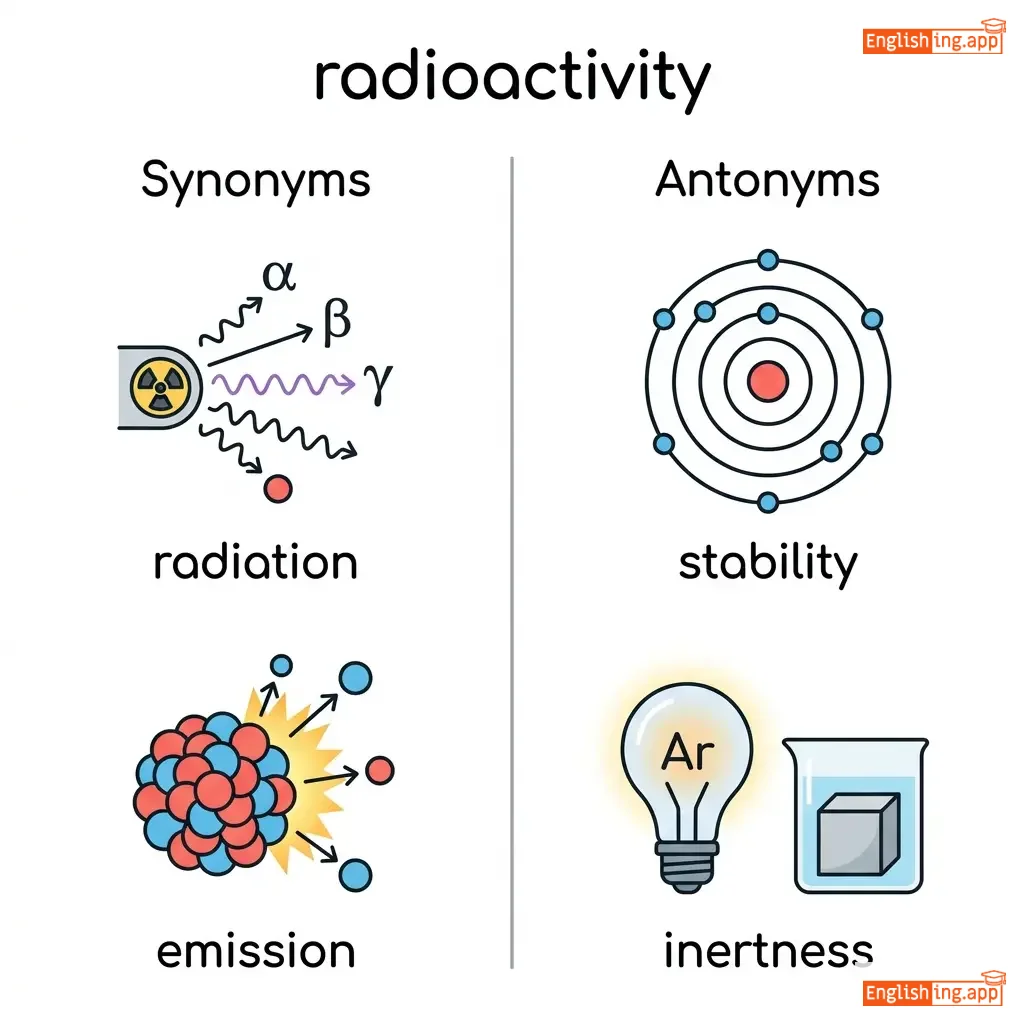
ˌreɪ.di.oʊ.ækˈtɪv.ə.ti
noun
••••••
|
|
The emission of ionizing radiation or particles caused by the spontaneous disintegration of atomic nuclei.
••••••
|
Radioactivity is used in medical treatments like cancer therapy. |
radiation, emission, nuclear decay
••••••
|
stability, inertness, non-reactivity
••••••
|
|
#1651
🖊️
|
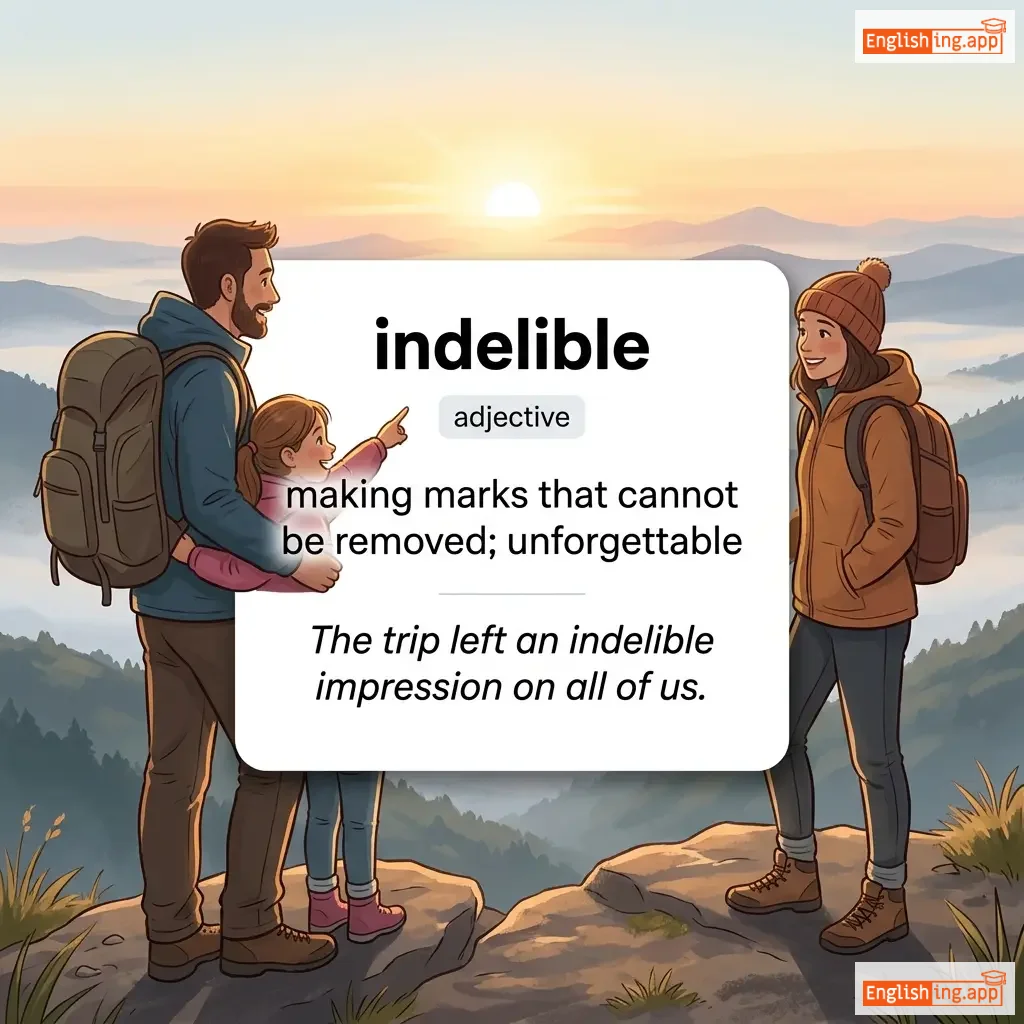
ɪnˈdel.ə.bəl
adjective
••••••
|
|
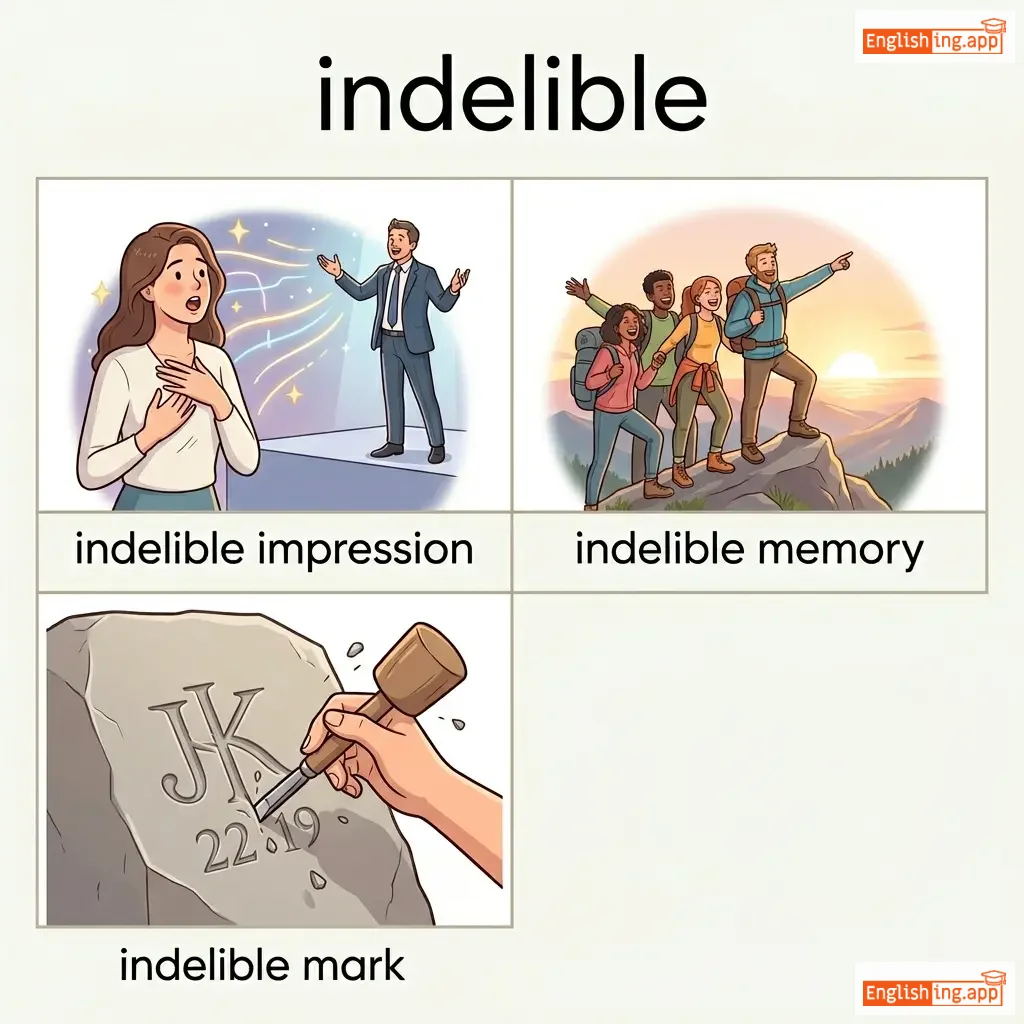
Making marks that cannot be removed; impossible to forget or remove.
••••••
|
Her speech left an indelible mark on the audience. |
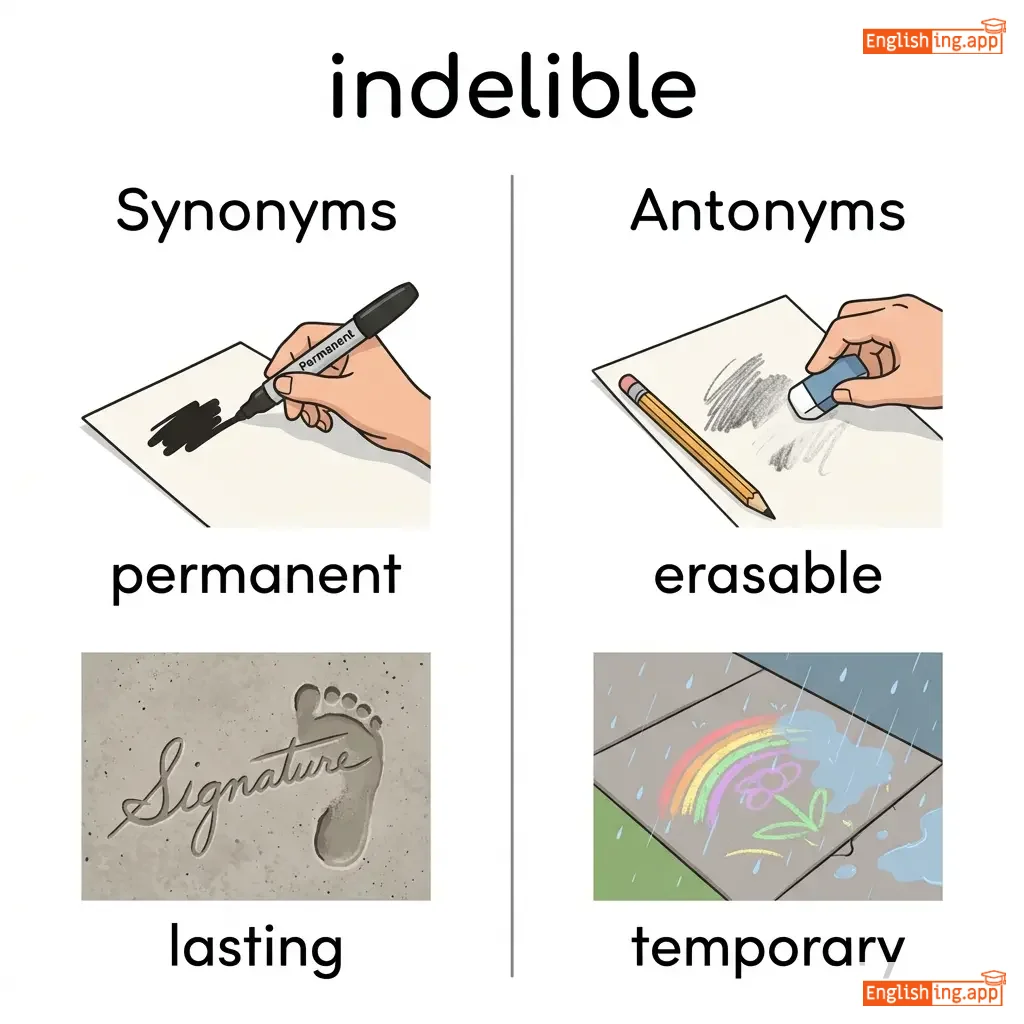
permanent, unforgettable, irremovable
••••••
|
temporary, erasable, fleeting
••••••
|
|
#1652
✔️
|
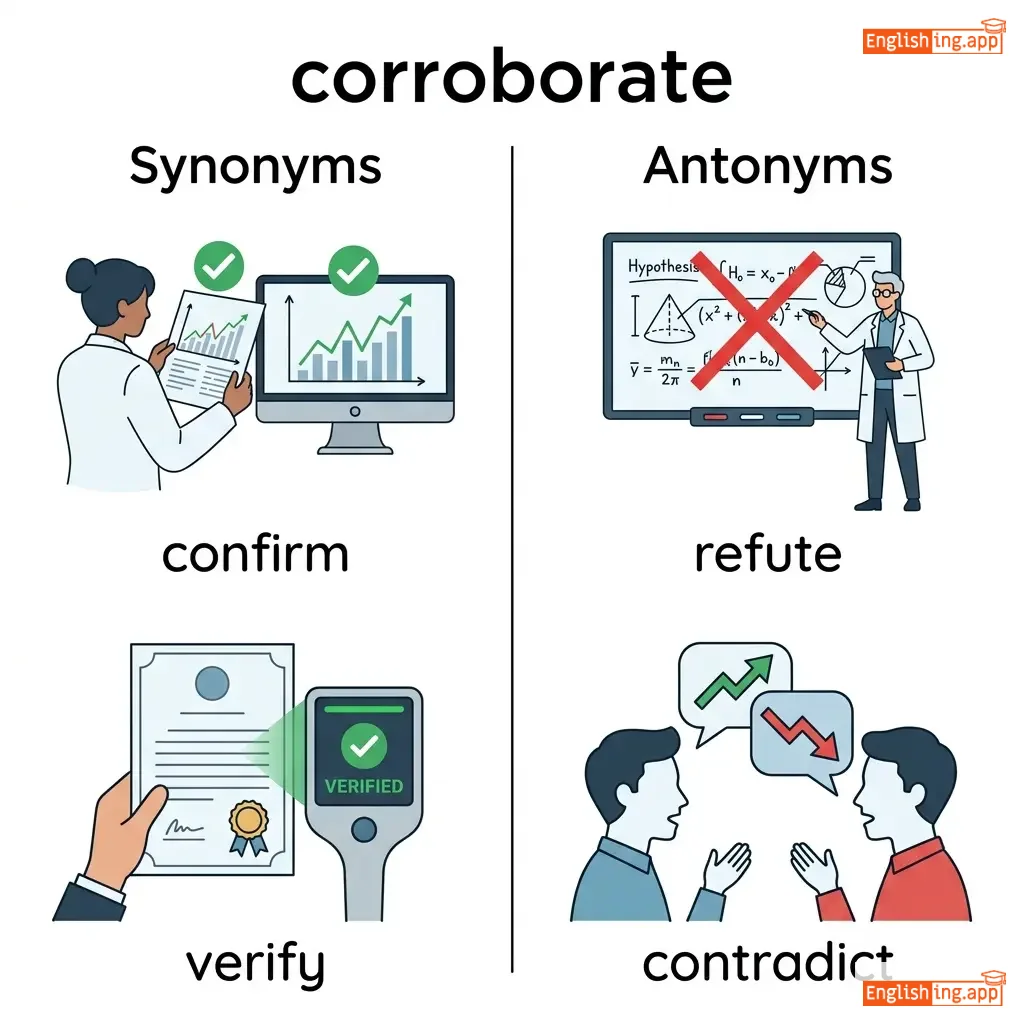
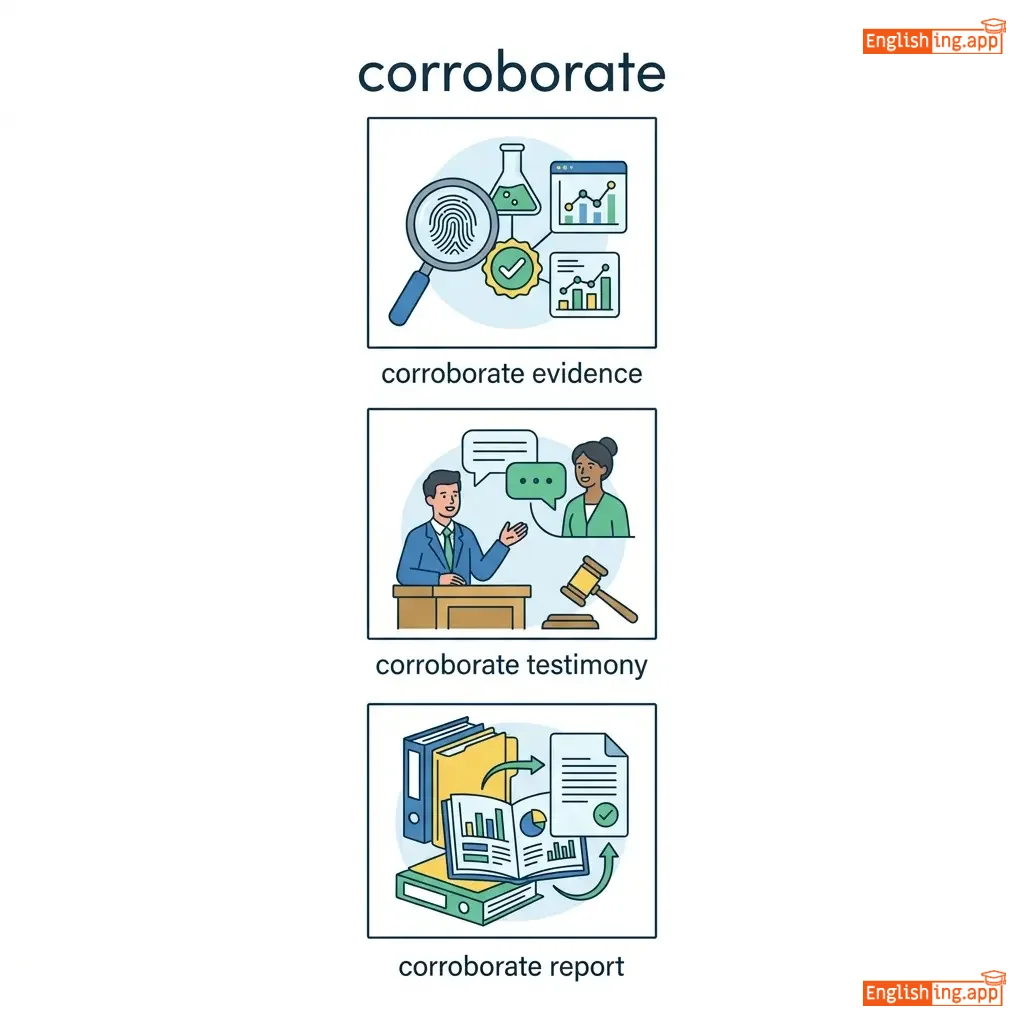
kəˈrɒb.ə.reɪt
verb
••••••
|
|
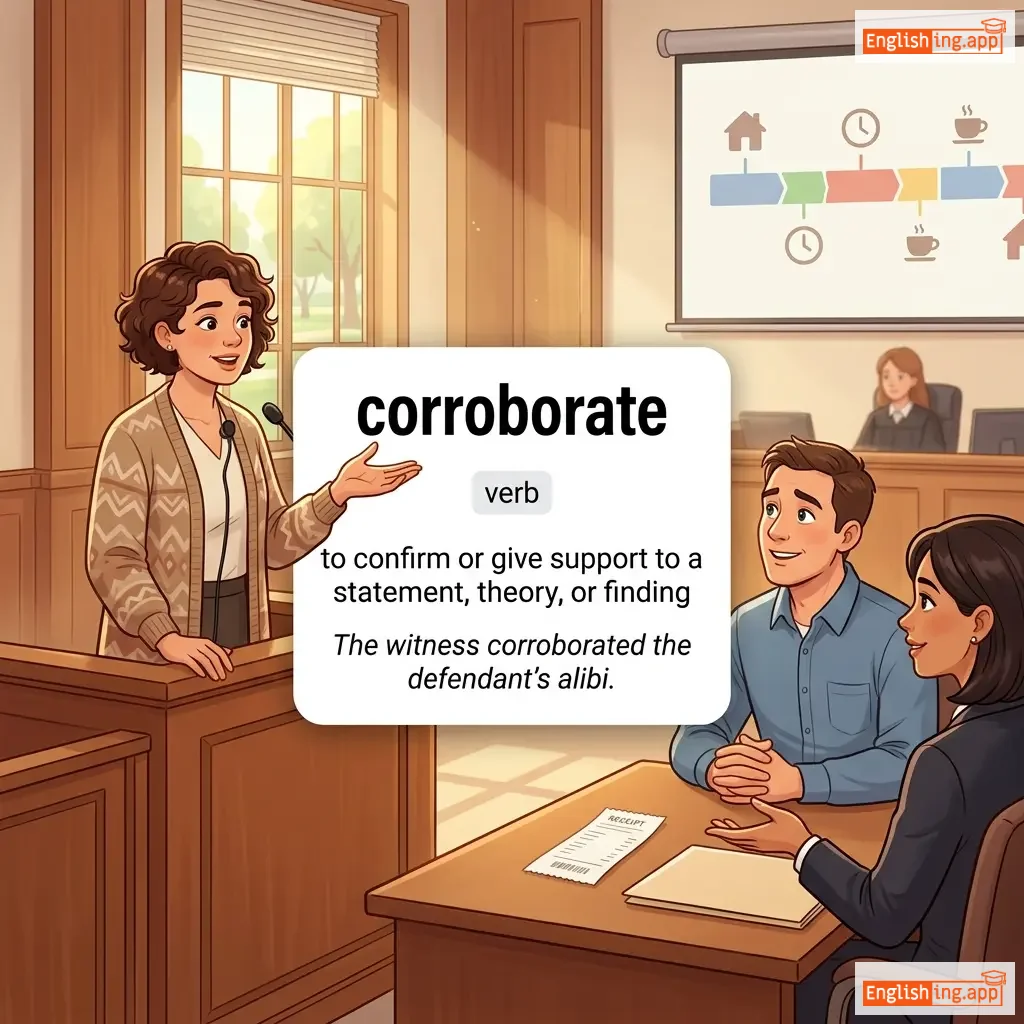
Confirm or give support to a statement, theory, or finding.
••••••
|
The witness corroborated the defendant's testimony. |
confirm, validate, authenticate
••••••
|
contradict, refute, disprove
••••••
|
|
#1653
🤔
|
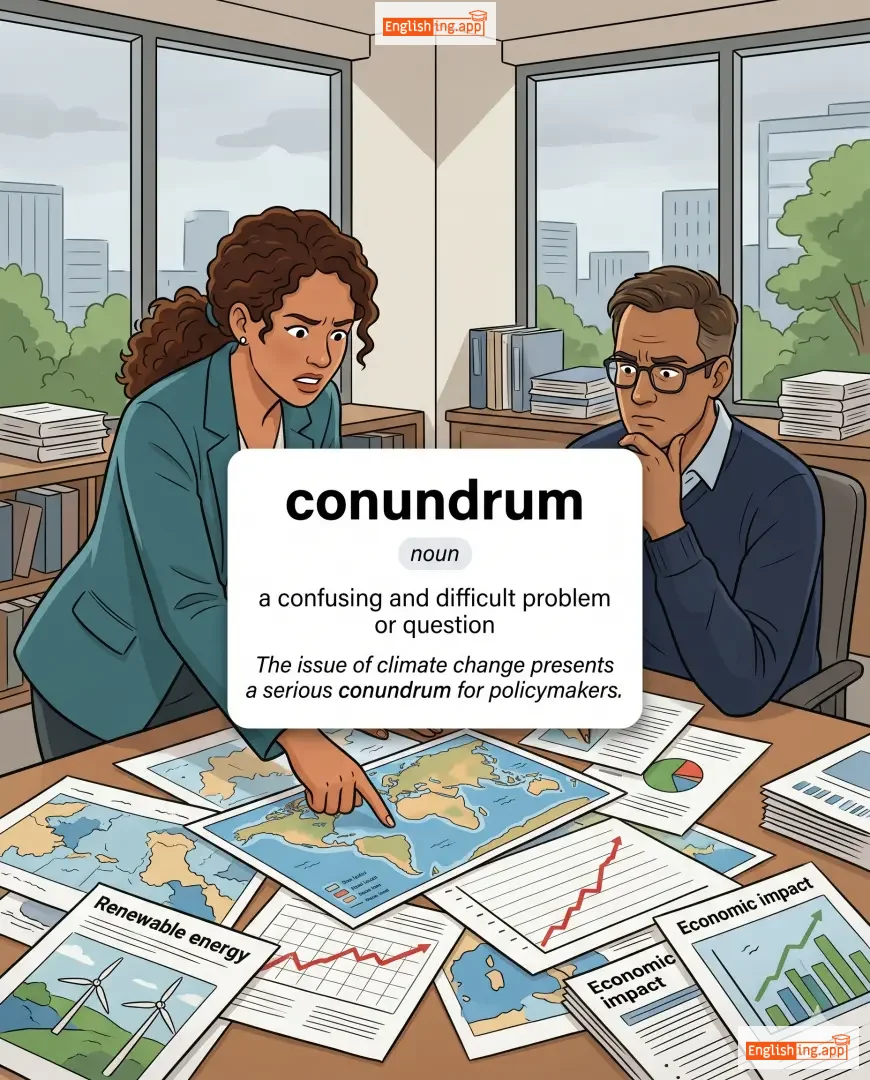
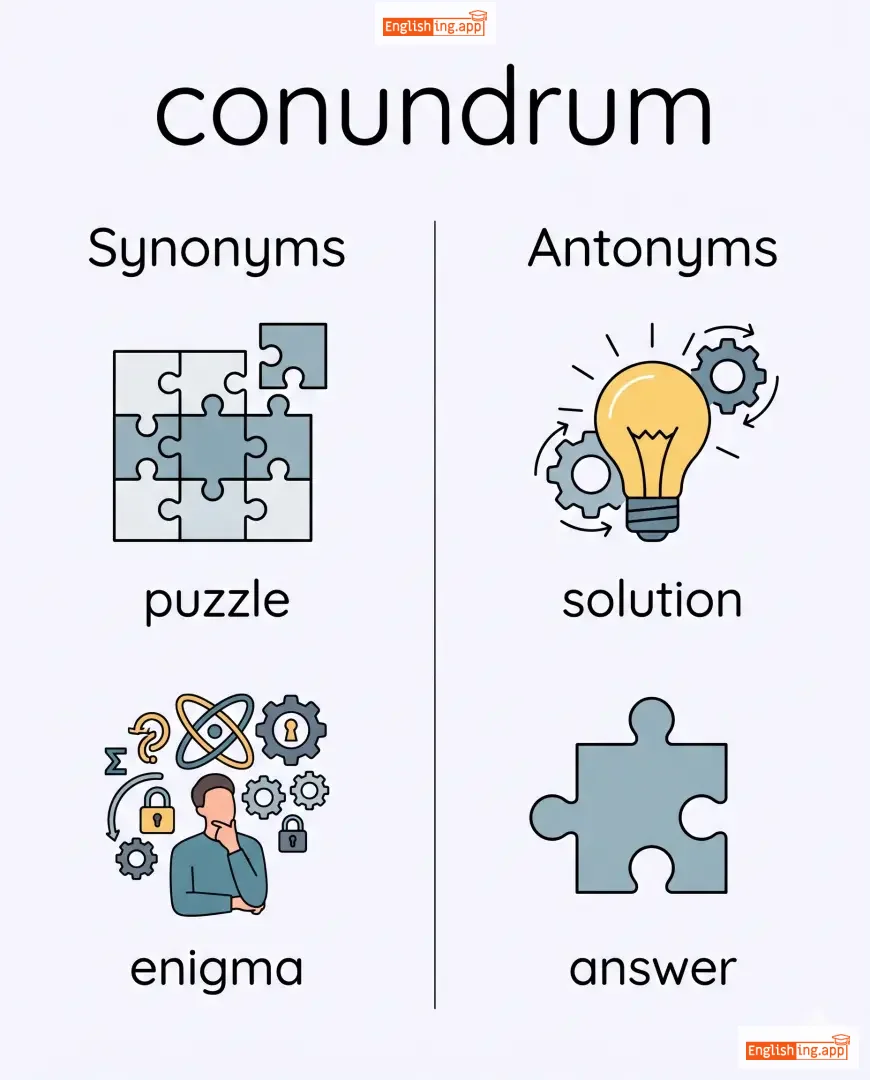
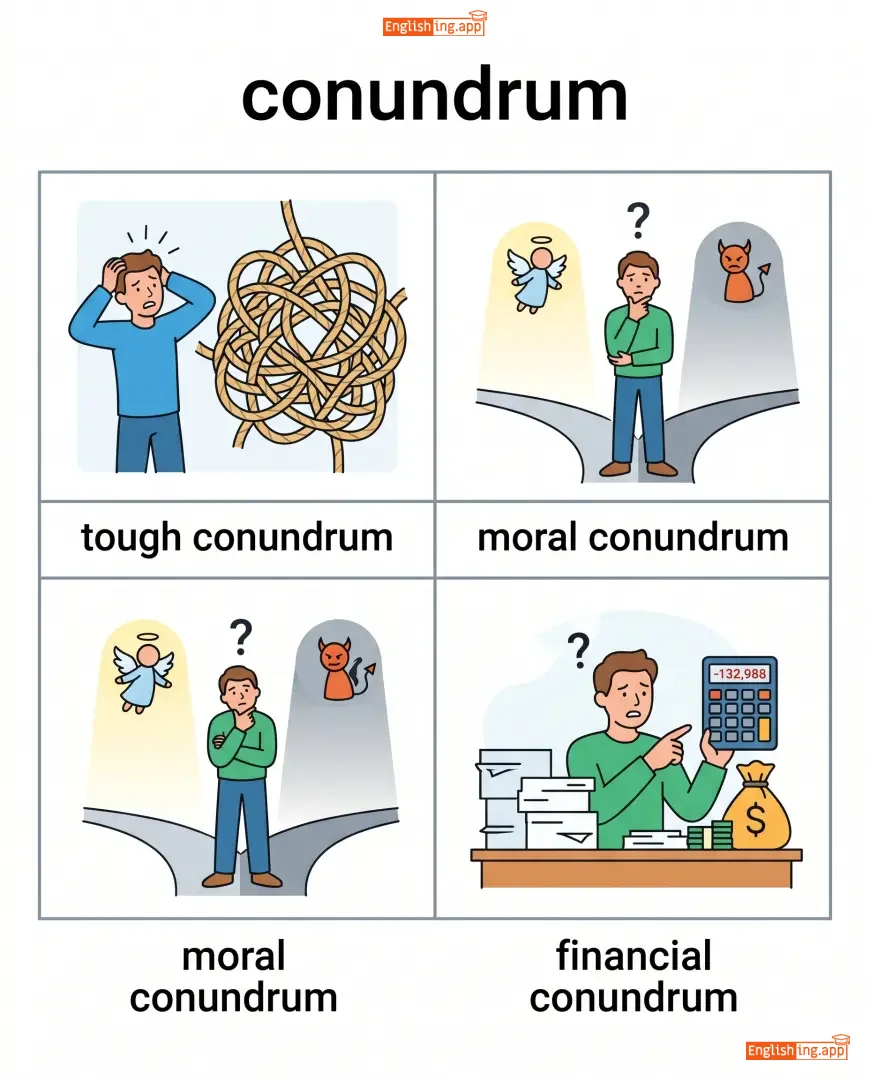
kəˈnʌn.drəm
noun
••••••
|
|
A confusing and difficult problem or question; a riddle whose answer is or involves a pun.
••••••
|
Scientists face the conundrum of finding clean energy sources. |
puzzle, enigma, dilemma
••••••
|
solution, answer, clarity
••••••
|
|
#1654
💥
|
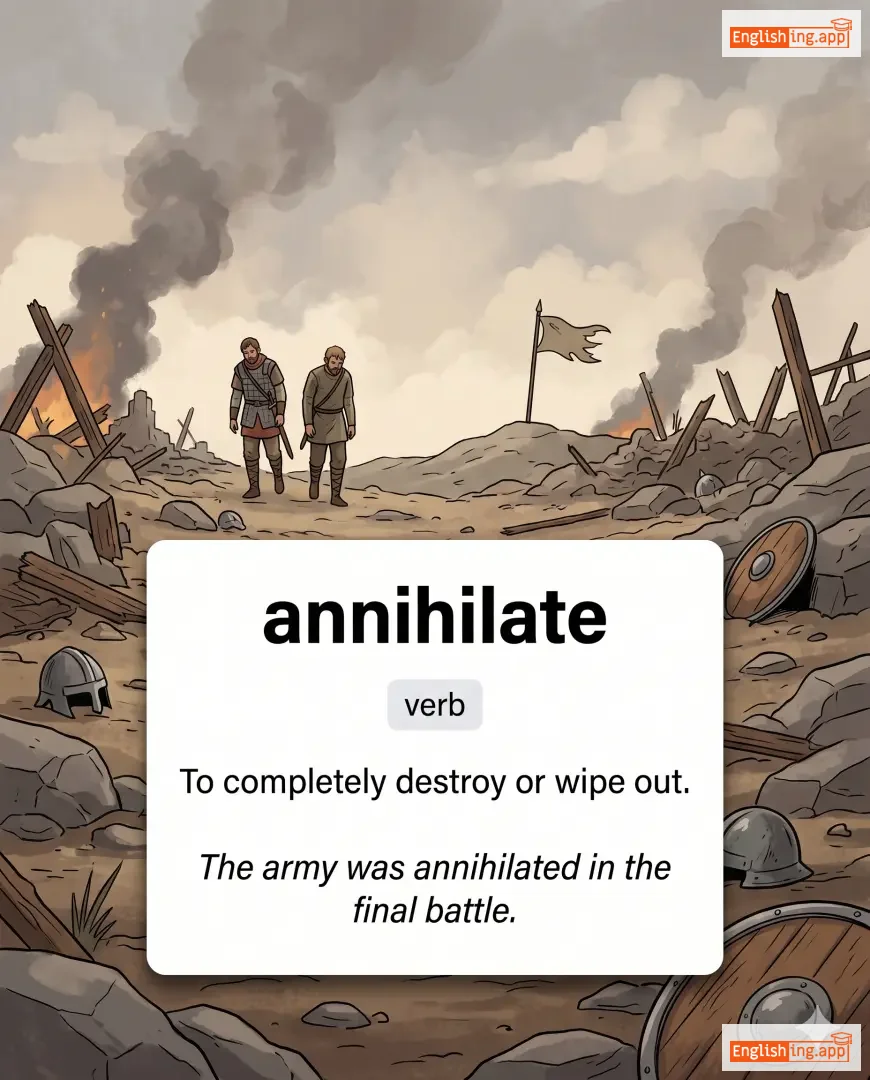
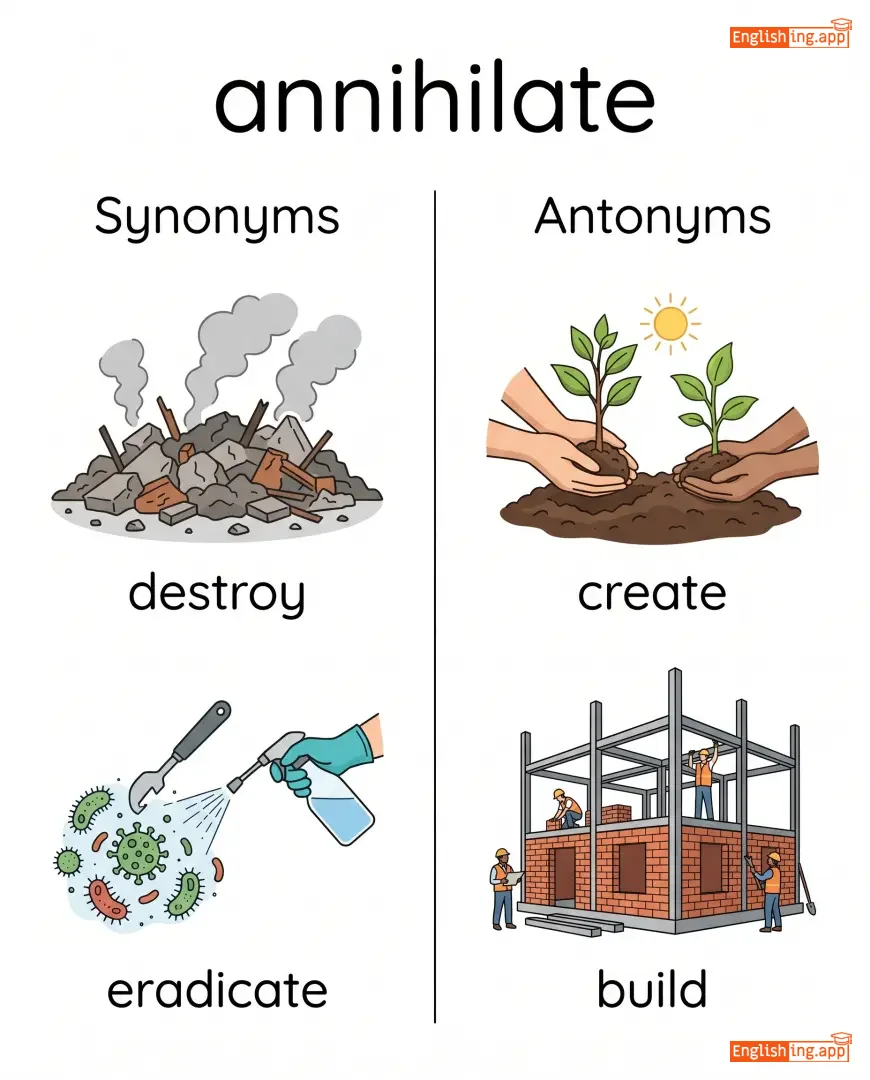
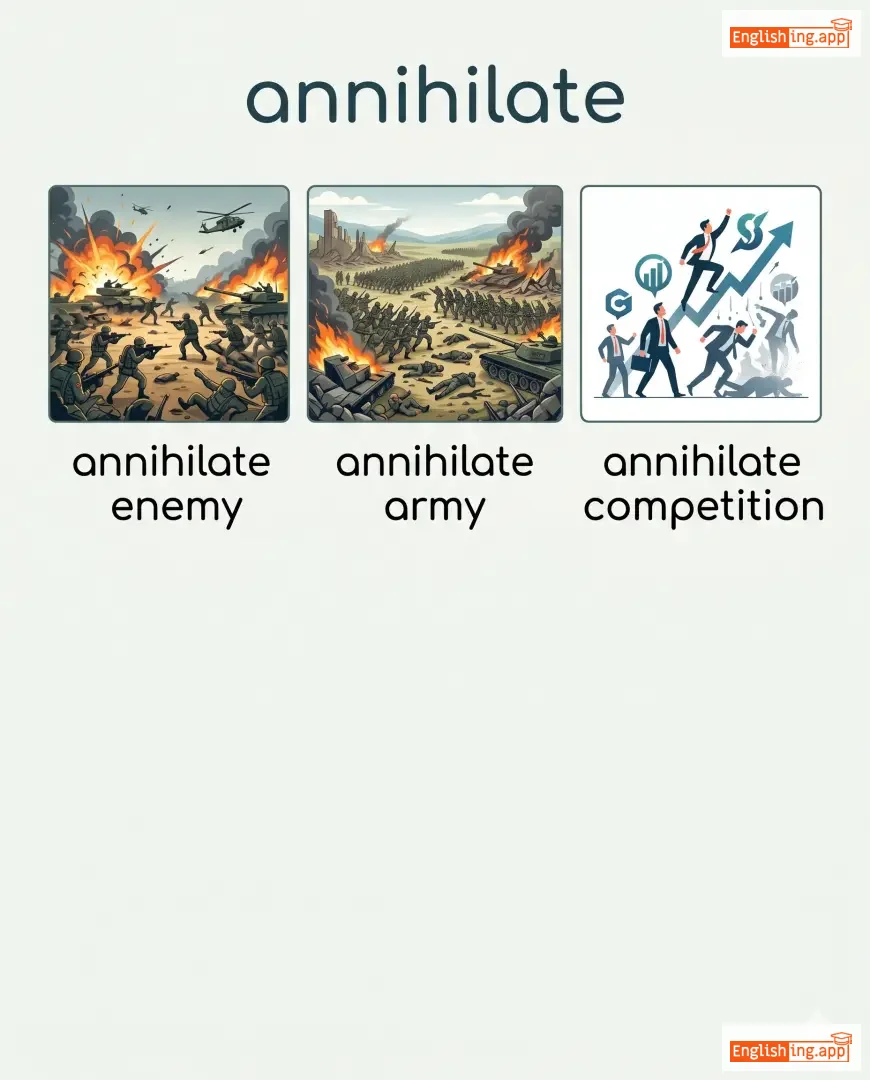
əˈnaɪ.ə.leɪt
verb
••••••
|
|
Destroy utterly; obliterate; reduce to nothing.
••••••
|
The explosion annihilated the entire village. |
destroy, obliterate, eradicate
••••••
|
preserve, protect, safeguard
••••••
|
|
#1655
💡
|
ɪˈluː.sɪ.deɪt
verb
••••••
|
|
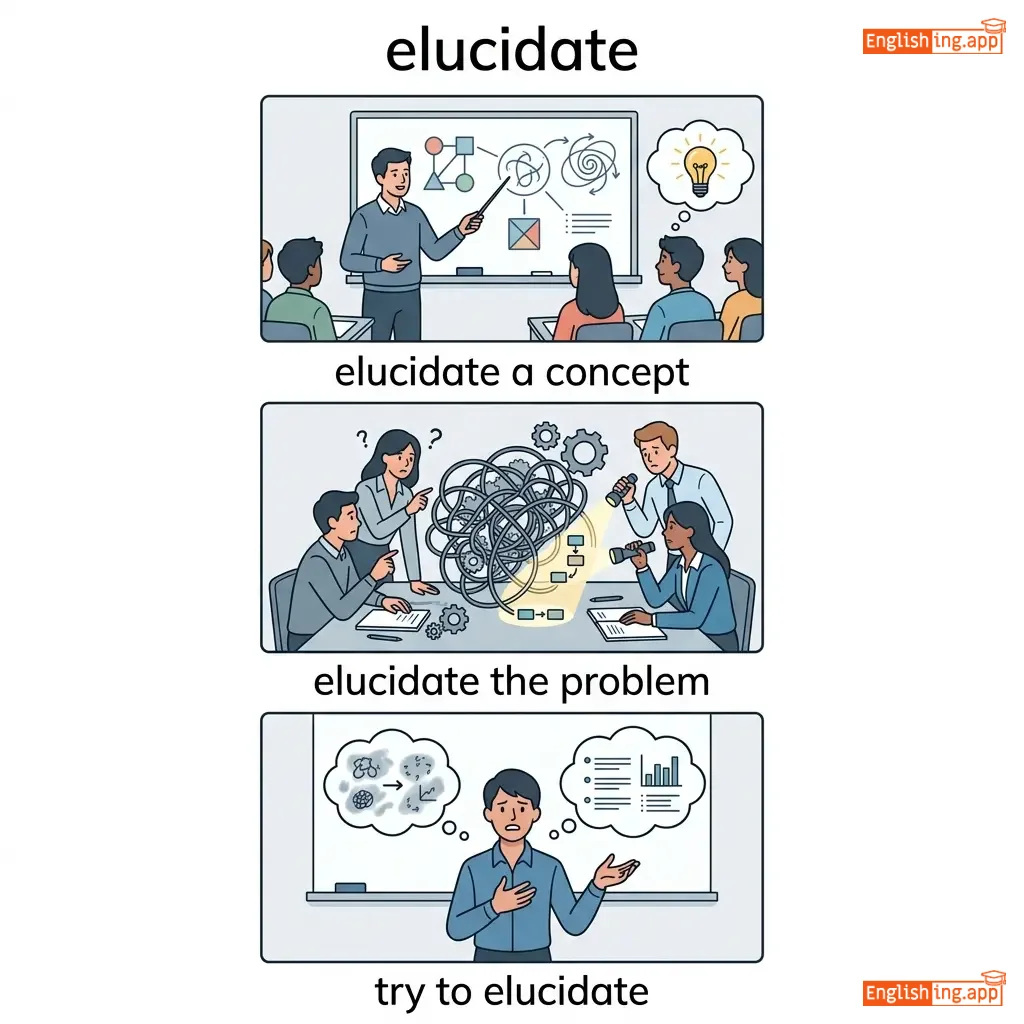
Make something clear; explain in detail.
••••••
|
The professor elucidated the complex physics theory. |
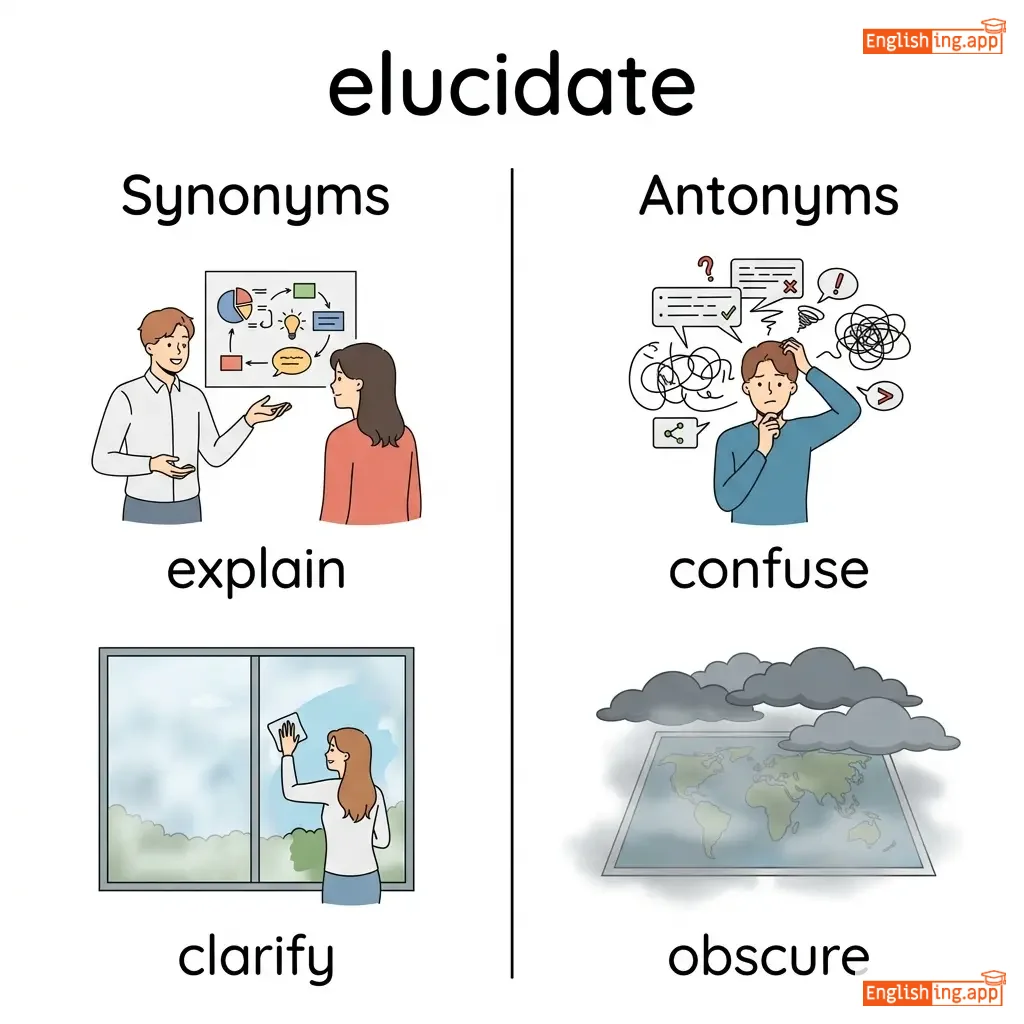
explain, clarify, illuminate
••••••
|
obscure, confuse, muddle
••••••
|
|
#1656
🎁
|
bɪˈkwiːð
verb
••••••
|
|
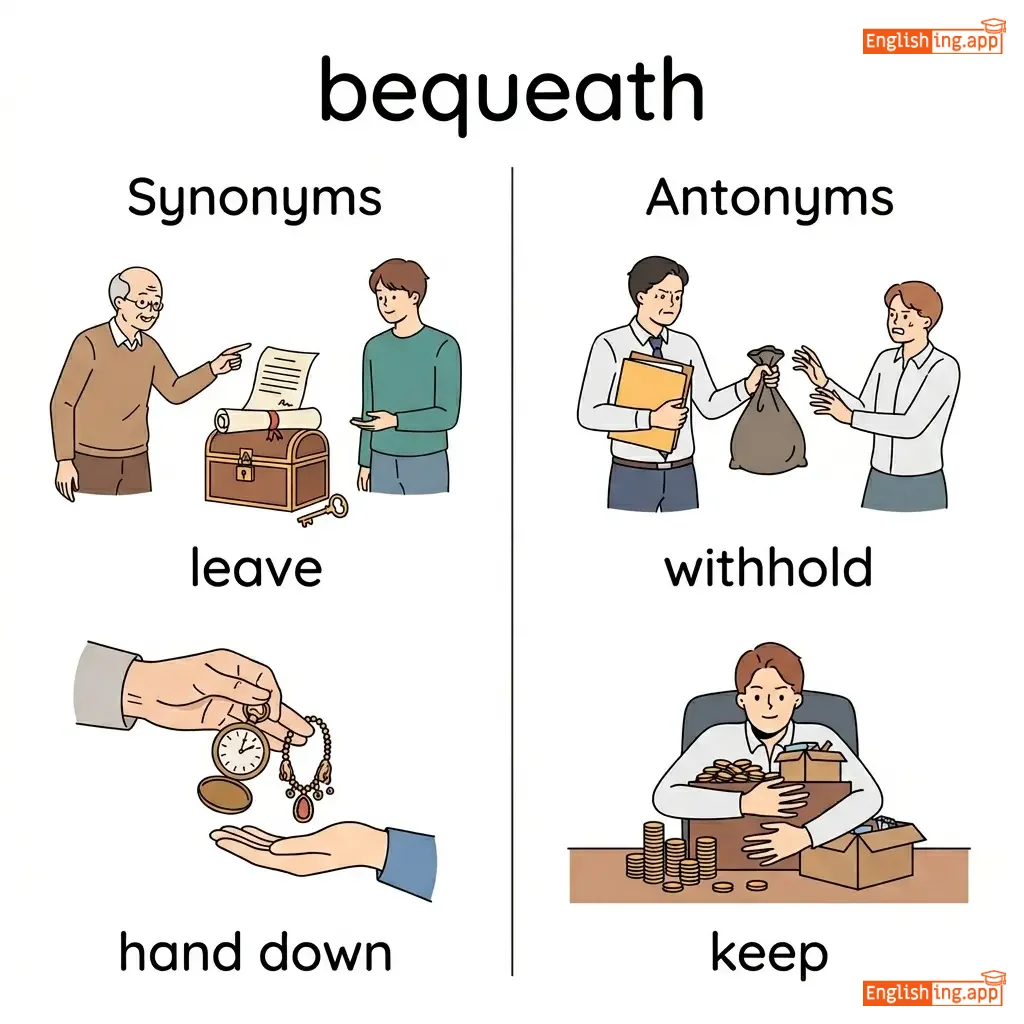
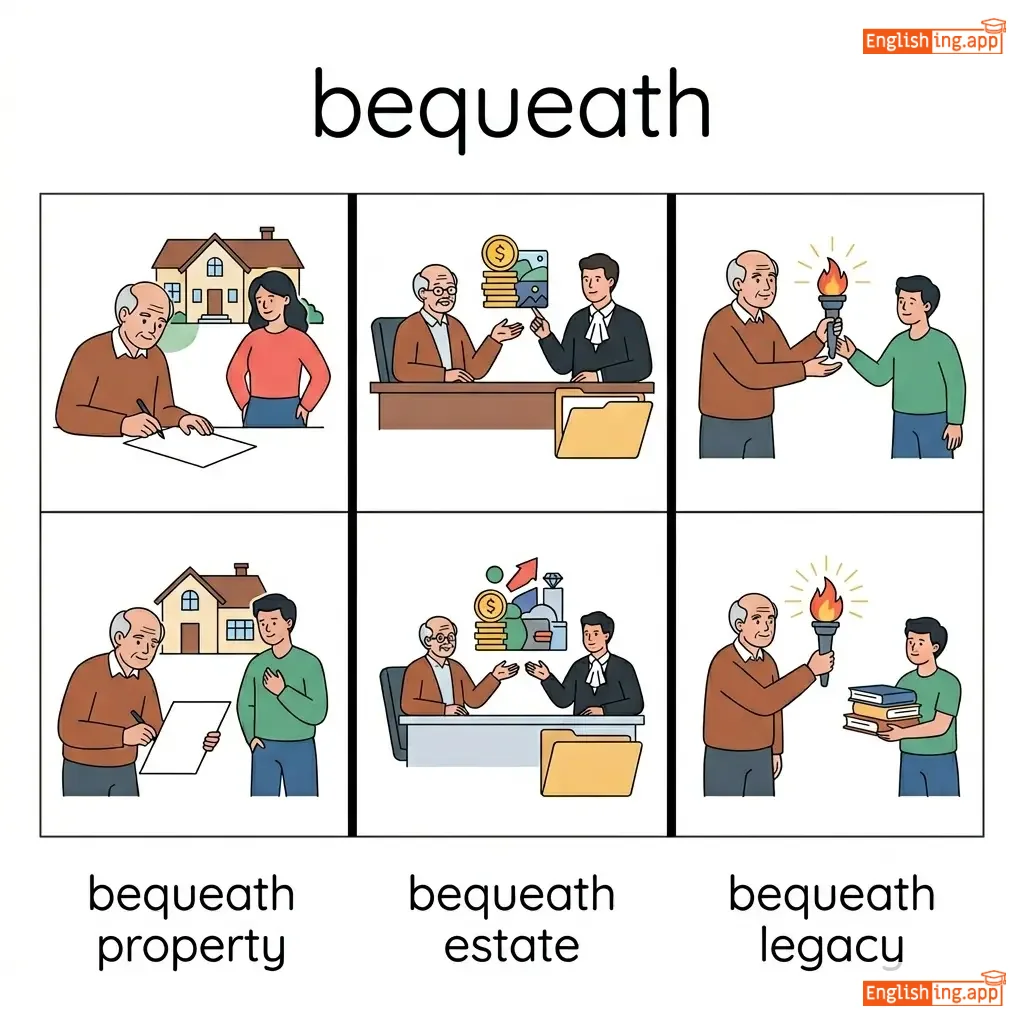
Leave something to someone in a will; pass down or hand down to the next generation.
••••••
|
The scientist bequeathed his research papers to the university. |
bestow, pass down, will
••••••
|
withhold, retain, keep
••••••
|
|
#1657
🤝
|
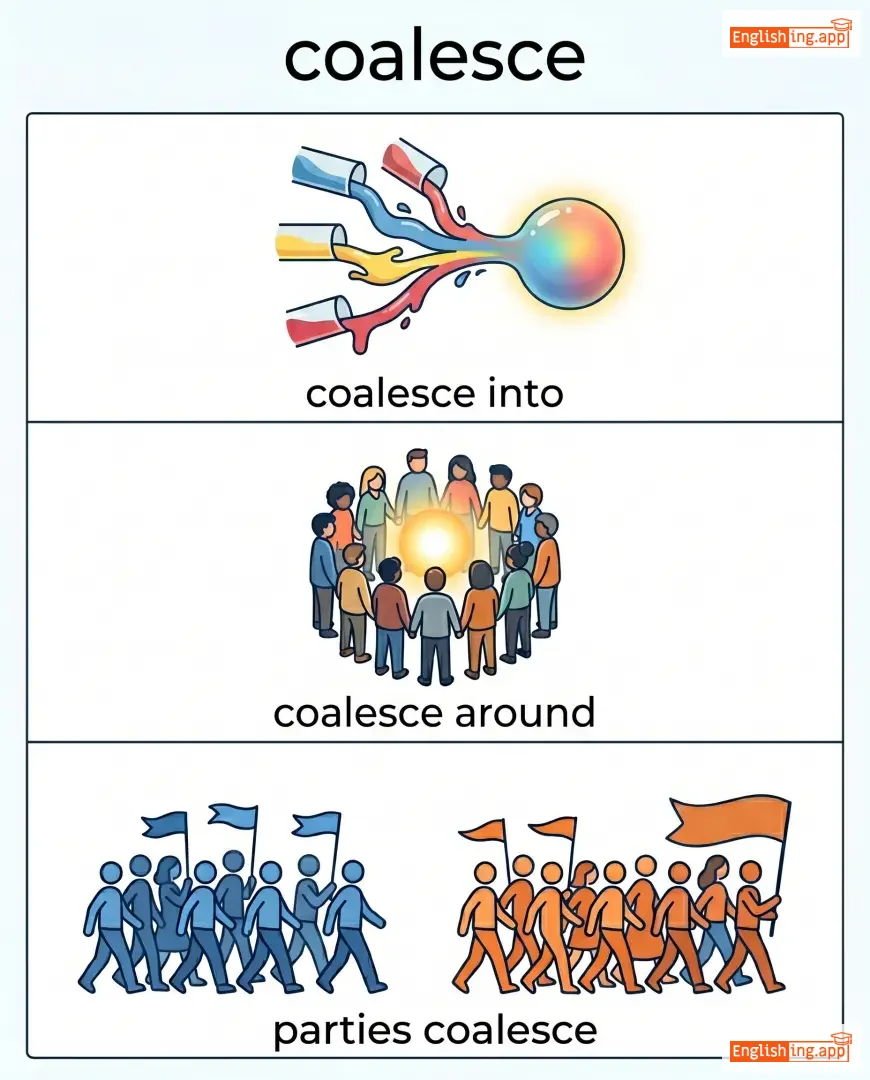
ˌkəʊ.əˈles
verb
••••••
|
|
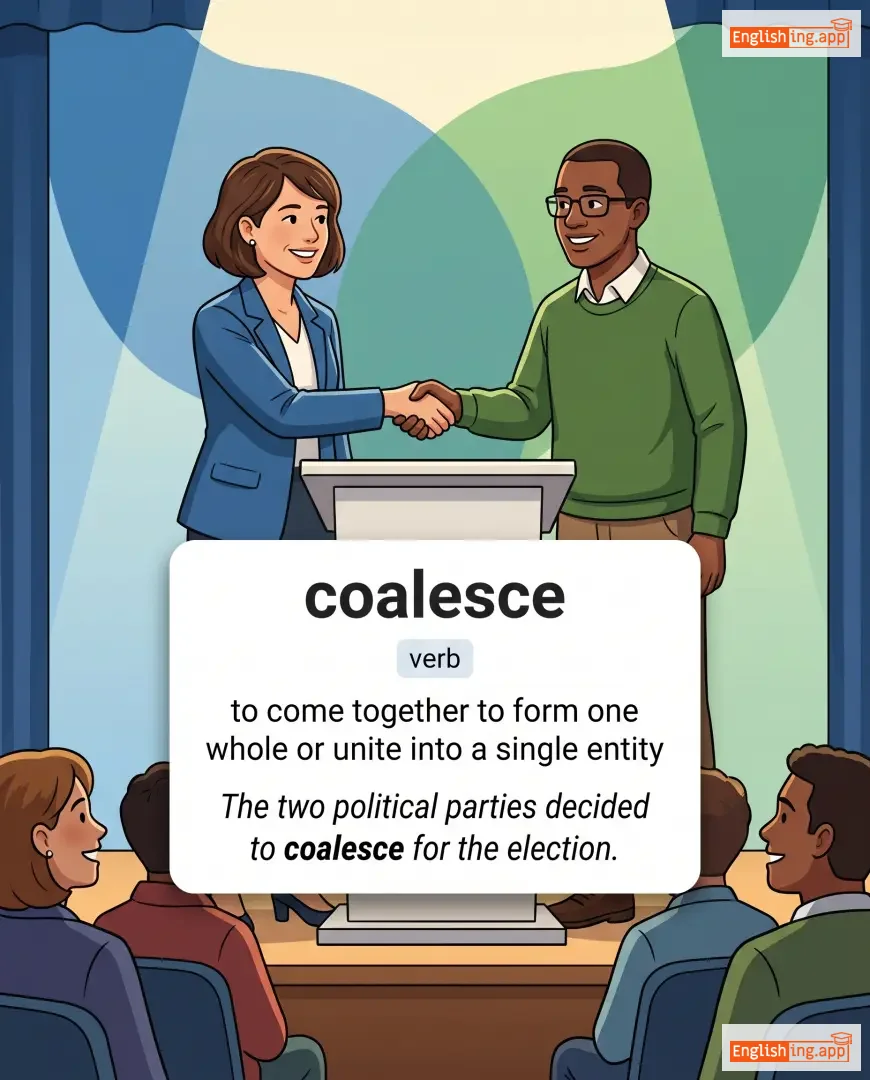
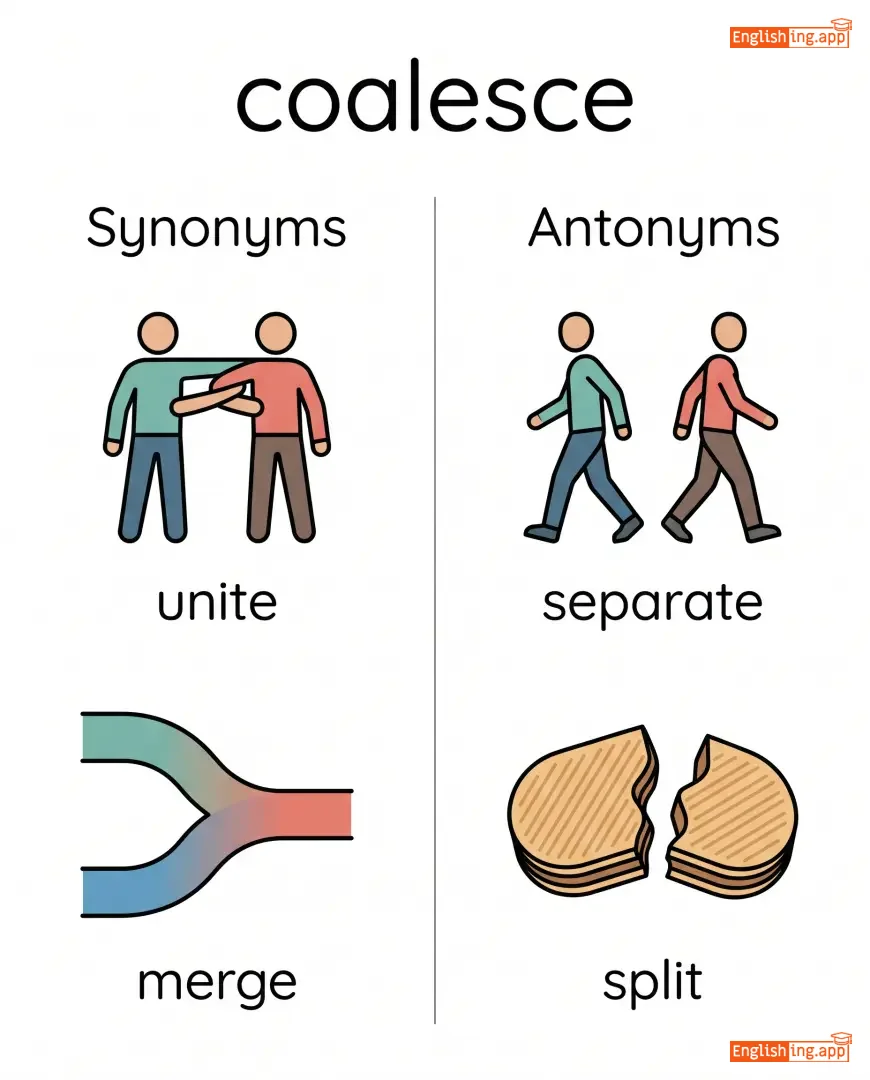
Come together and form one mass or whole; unite to form one organization or group.
••••••
|
The different theories coalesced into one unified idea. |
merge, unite, fuse
••••••
|
separate, divide, disperse
••••••
|

