Famous Scientists and Their Discoveries
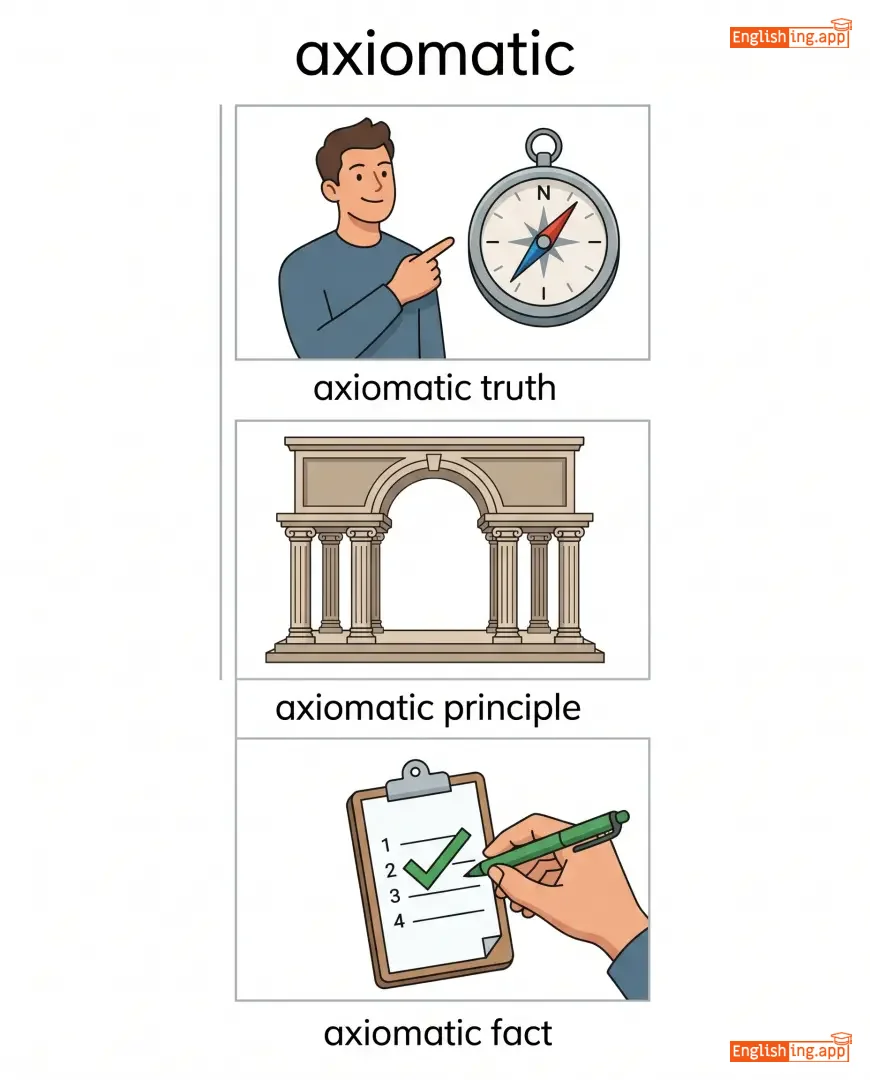
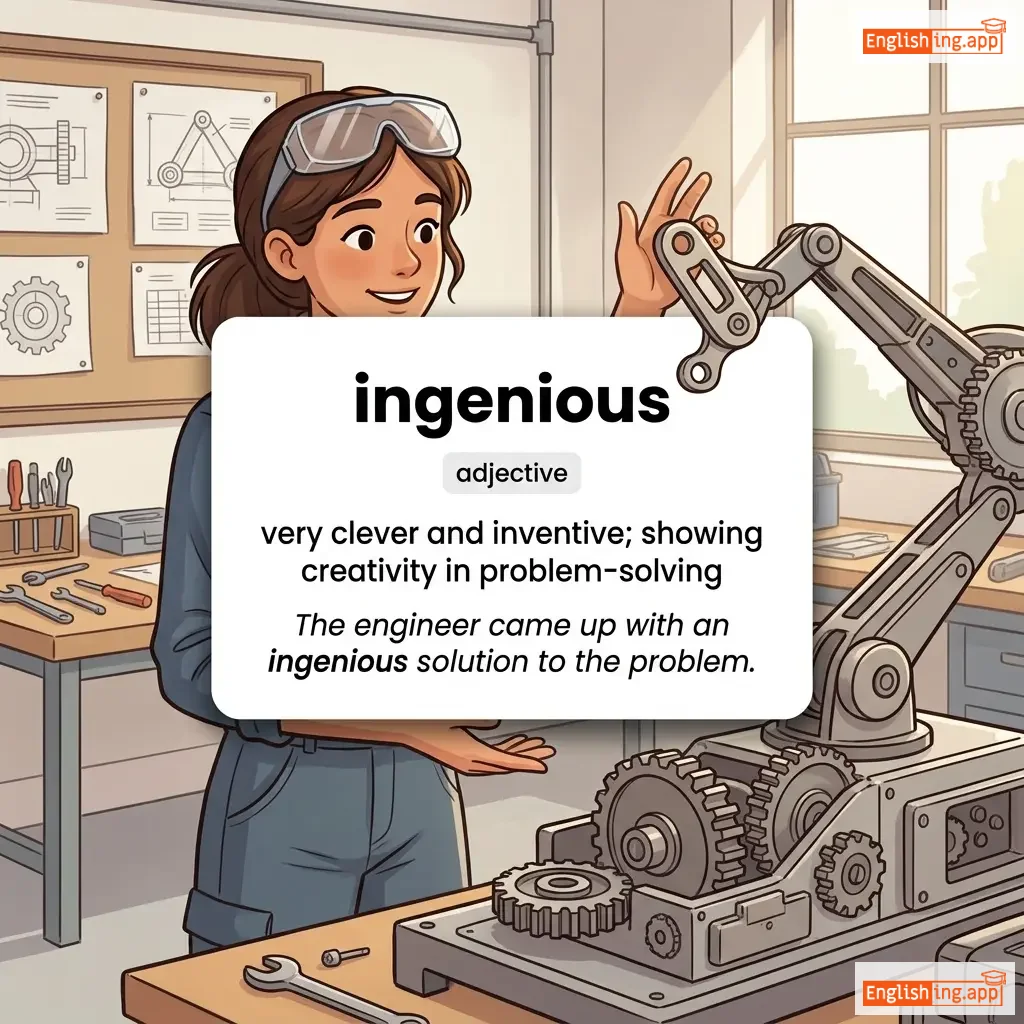
Im Laufe der Geschichte der Wissenschaft haben viele pioneering Wissenschaftler Entdeckungen gemacht, die die menschliche Zivilisation vorangetrieben haben. Isaac Newtons Gravitationstheorie war eine axiomatic Wahrheit, die das Fundament der Physik bildete. Albert Einsteins ingenious Relativitätstheorie bot eine neue Perspektive auf das Universum. Durch seine Forschung konnten Wissenschaftler die Dynamik des Universums extrapolate.
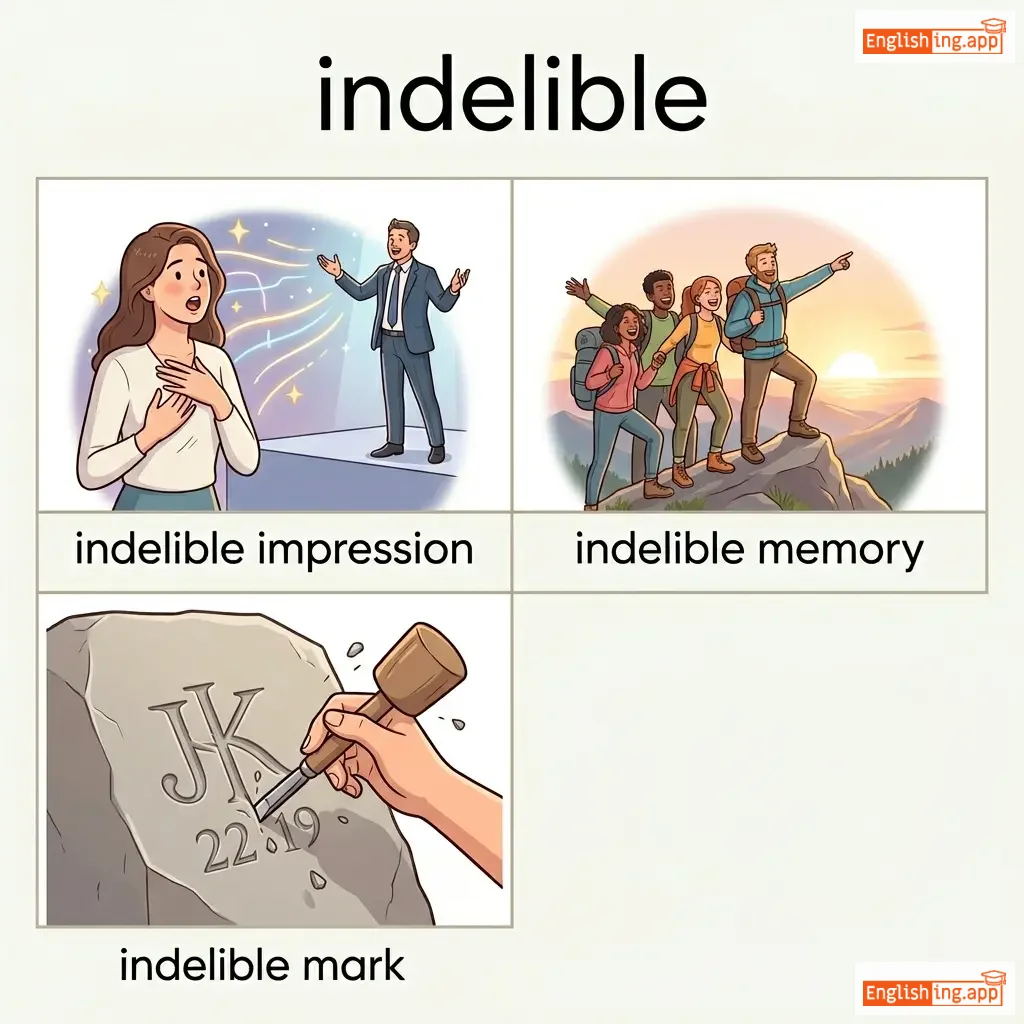
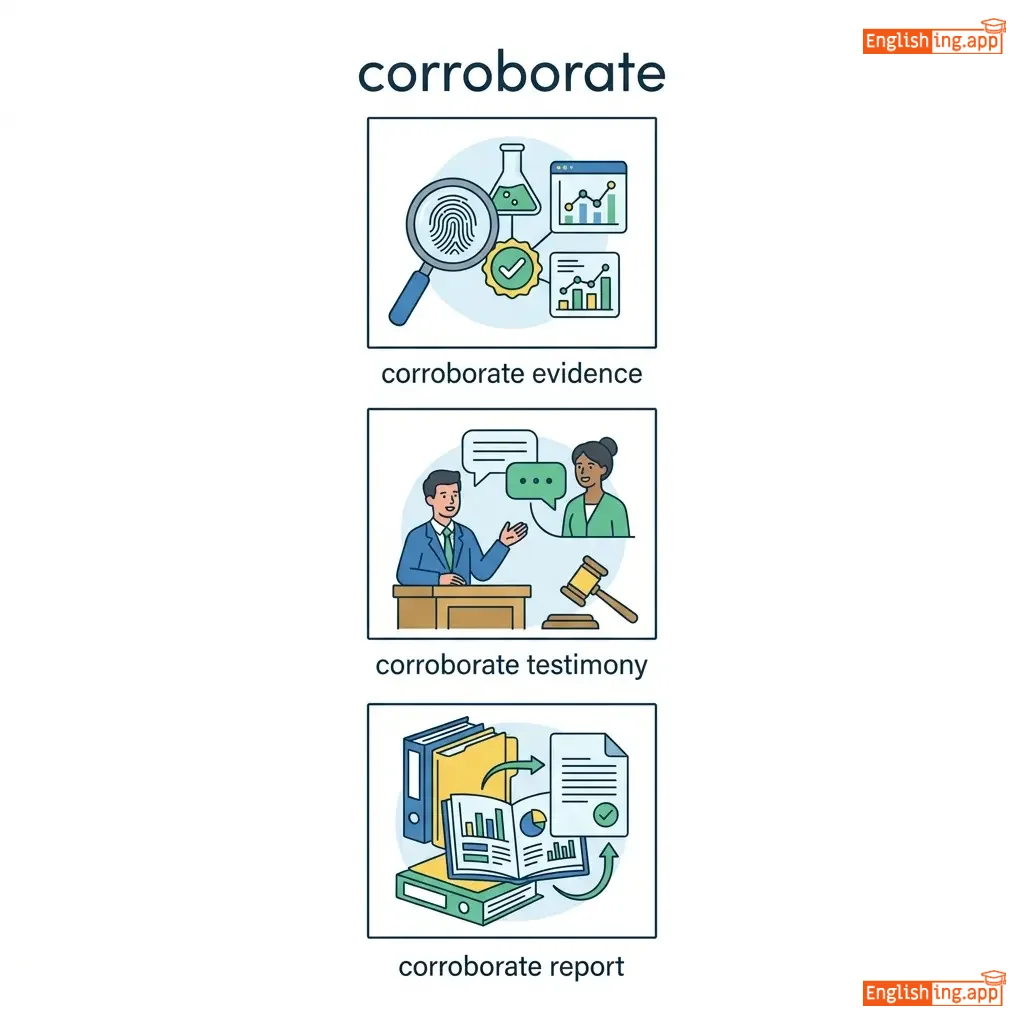
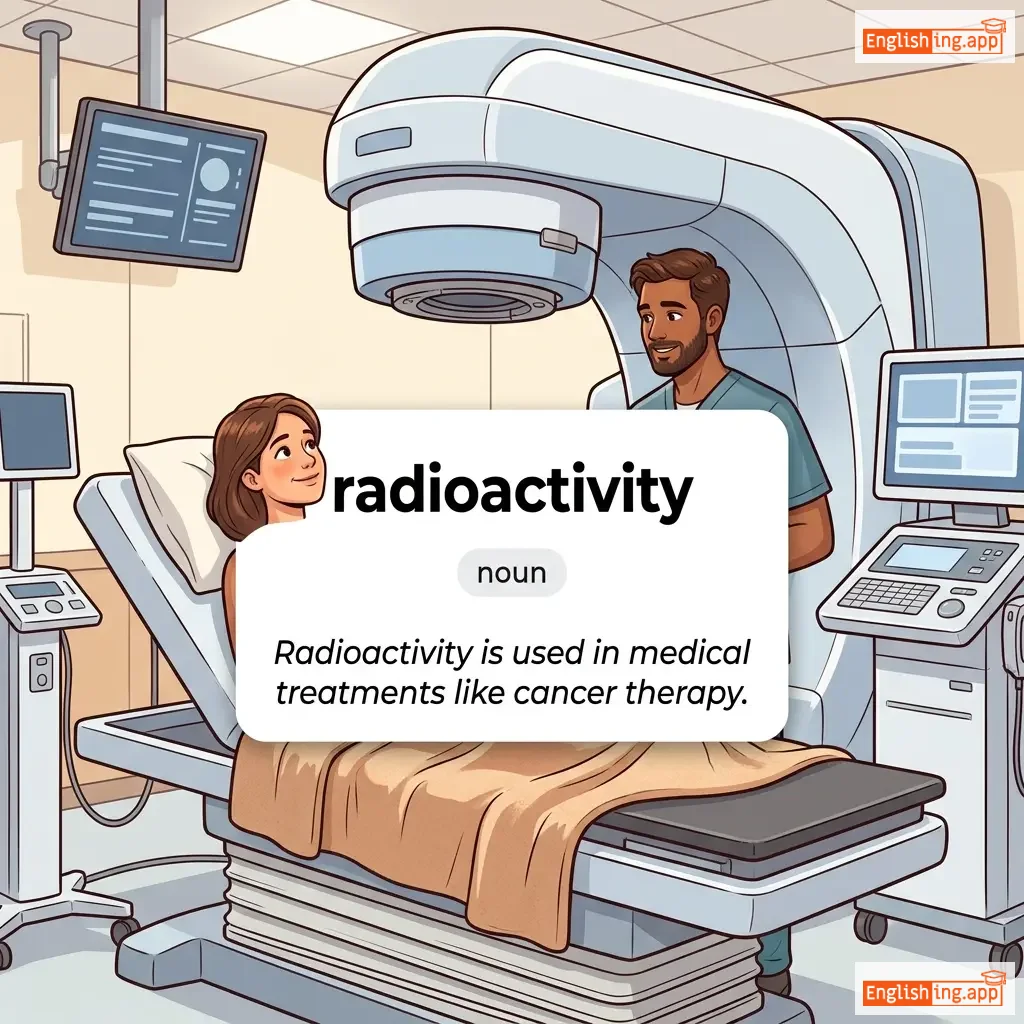
Marie Curie, die die radioactivity entdeckte, hinterließ einen indelible Einfluss auf die medizinische und energetische Forschung. Ihre Forschung corroborated, dass einige grundlegende Elemente natürlich zerfallen können.
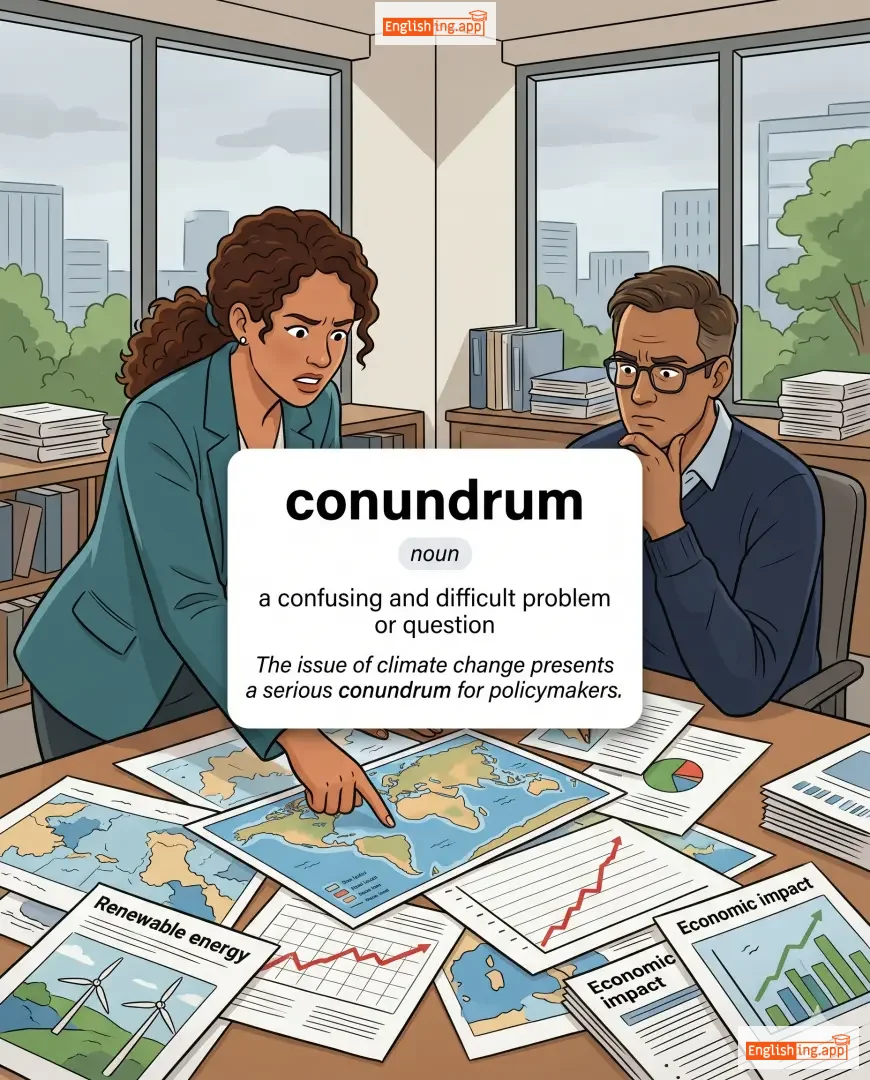
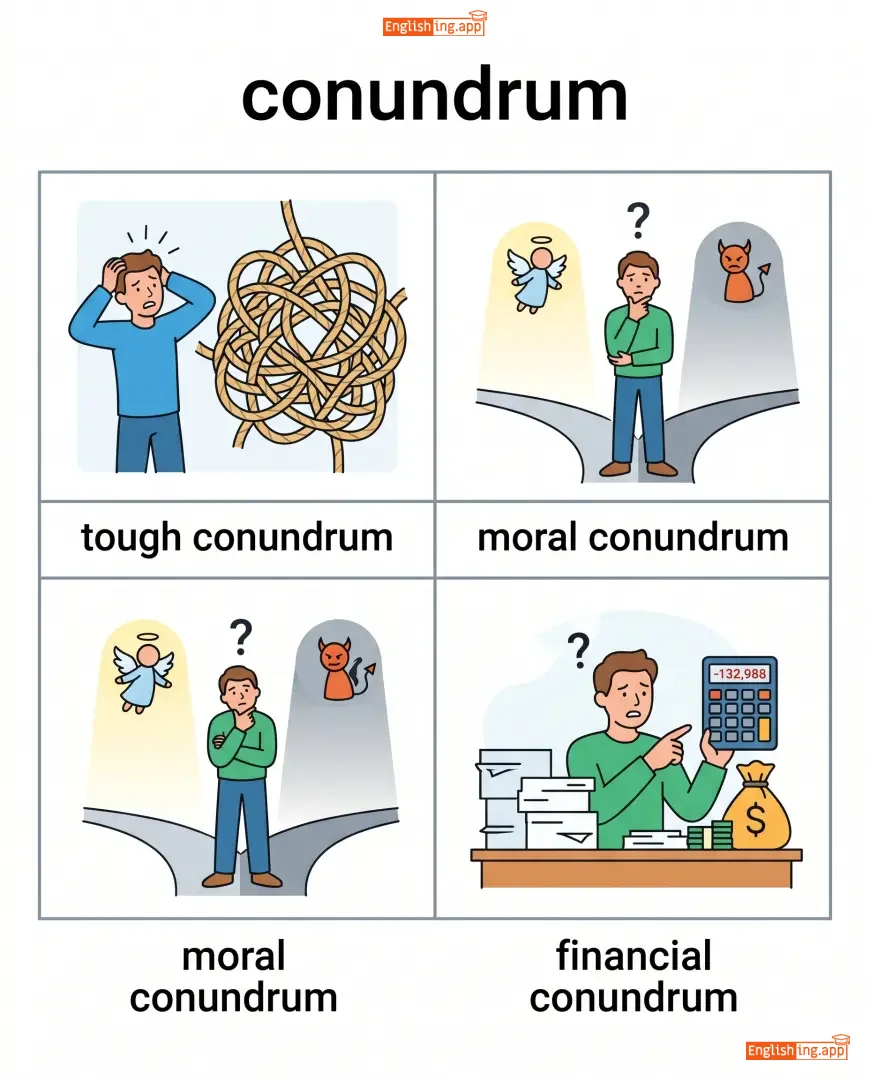
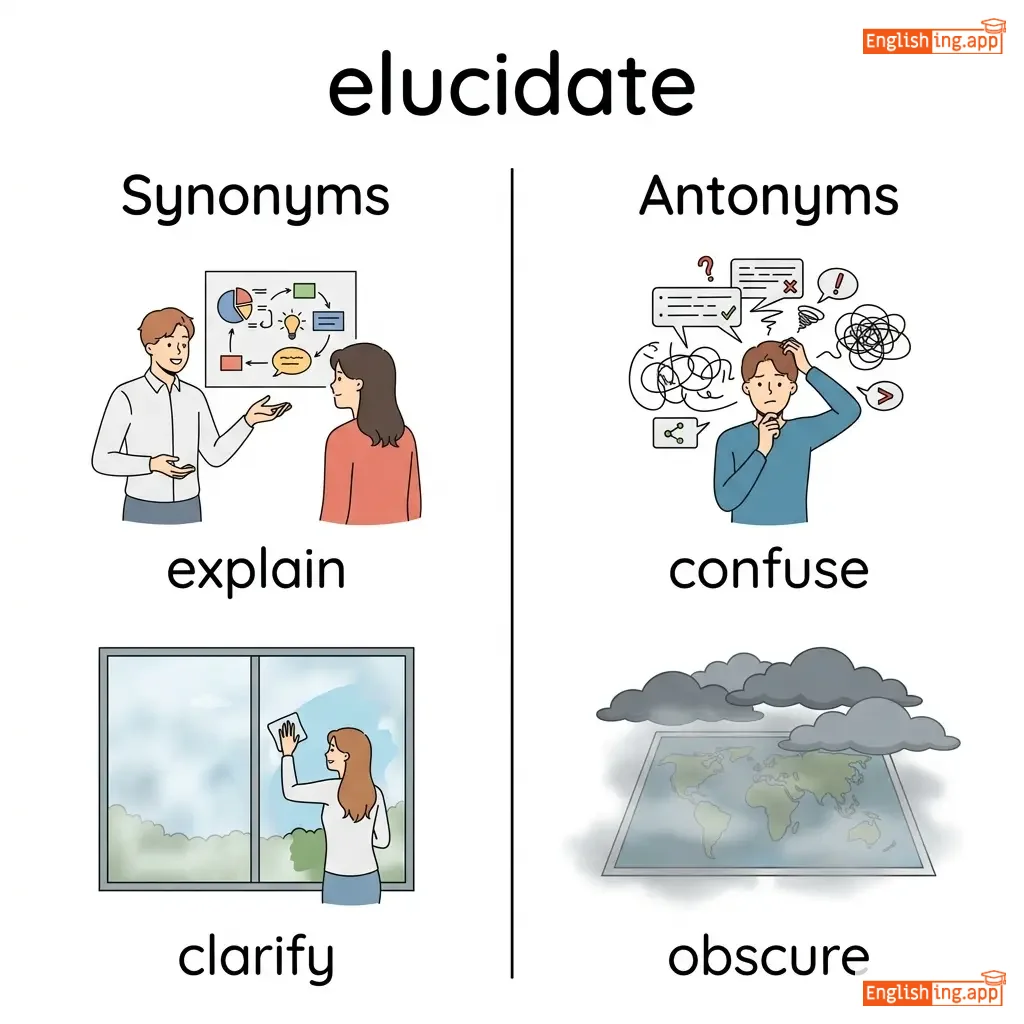
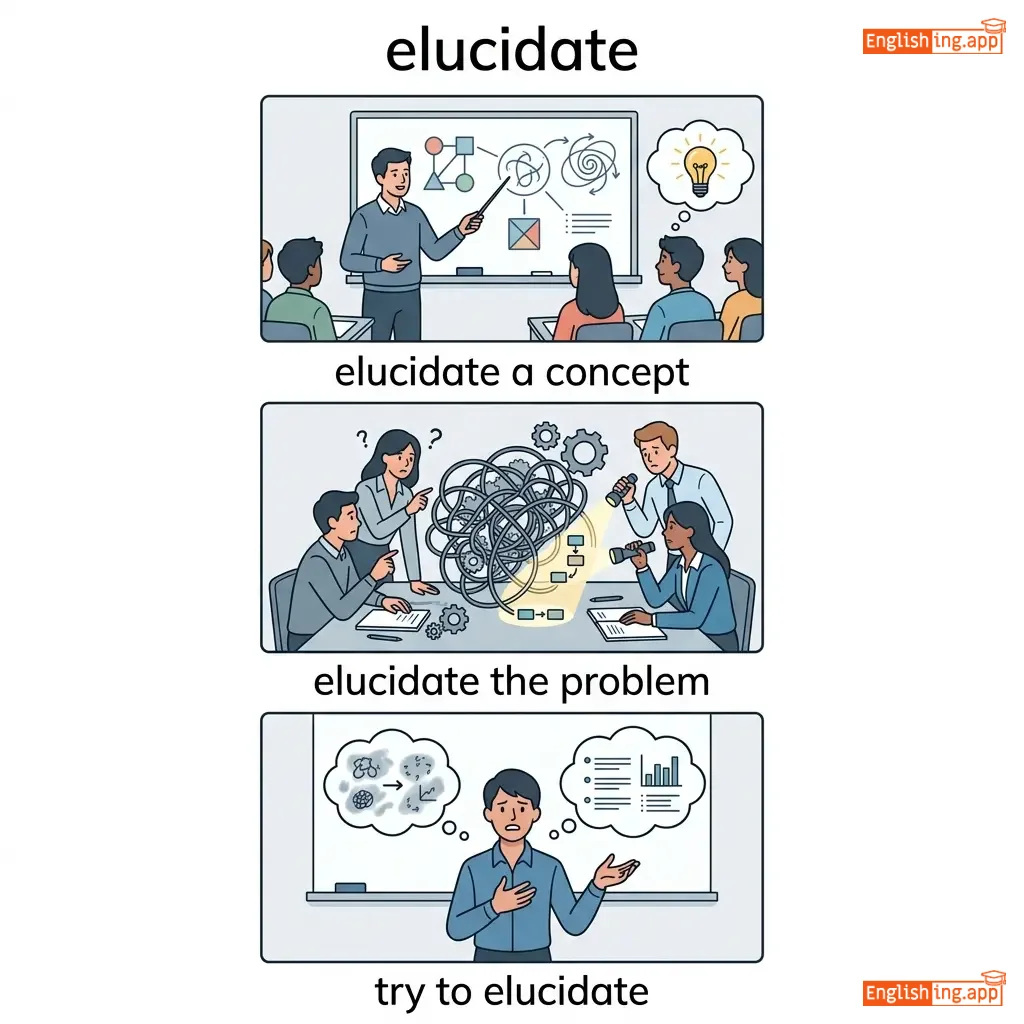
Als Galileo Galilei den Weltraum durch ein Teleskop beobachtete, schuf er ein conundrum – dreht sich die Erde um die Sonne? Seine Forschung annihilated alte Konzepte und elucidated neue Wahrheiten.
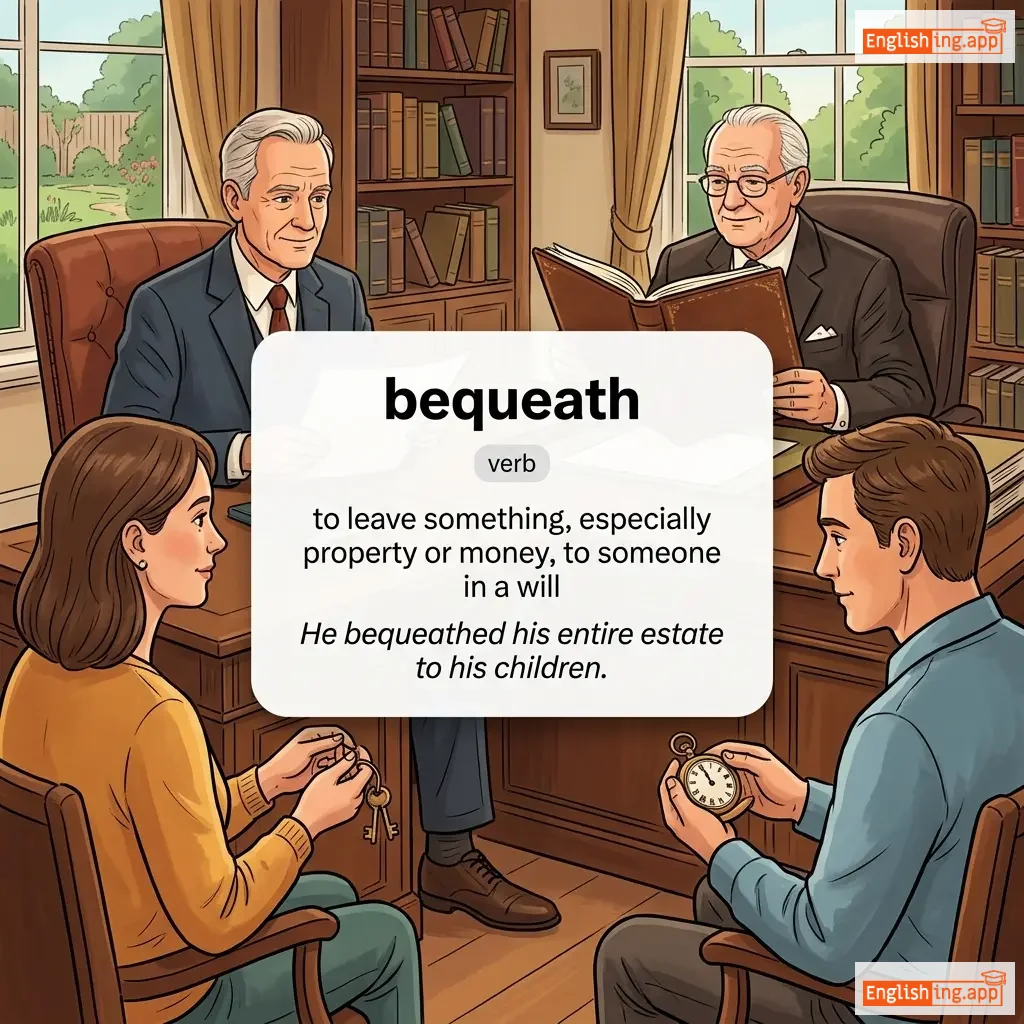
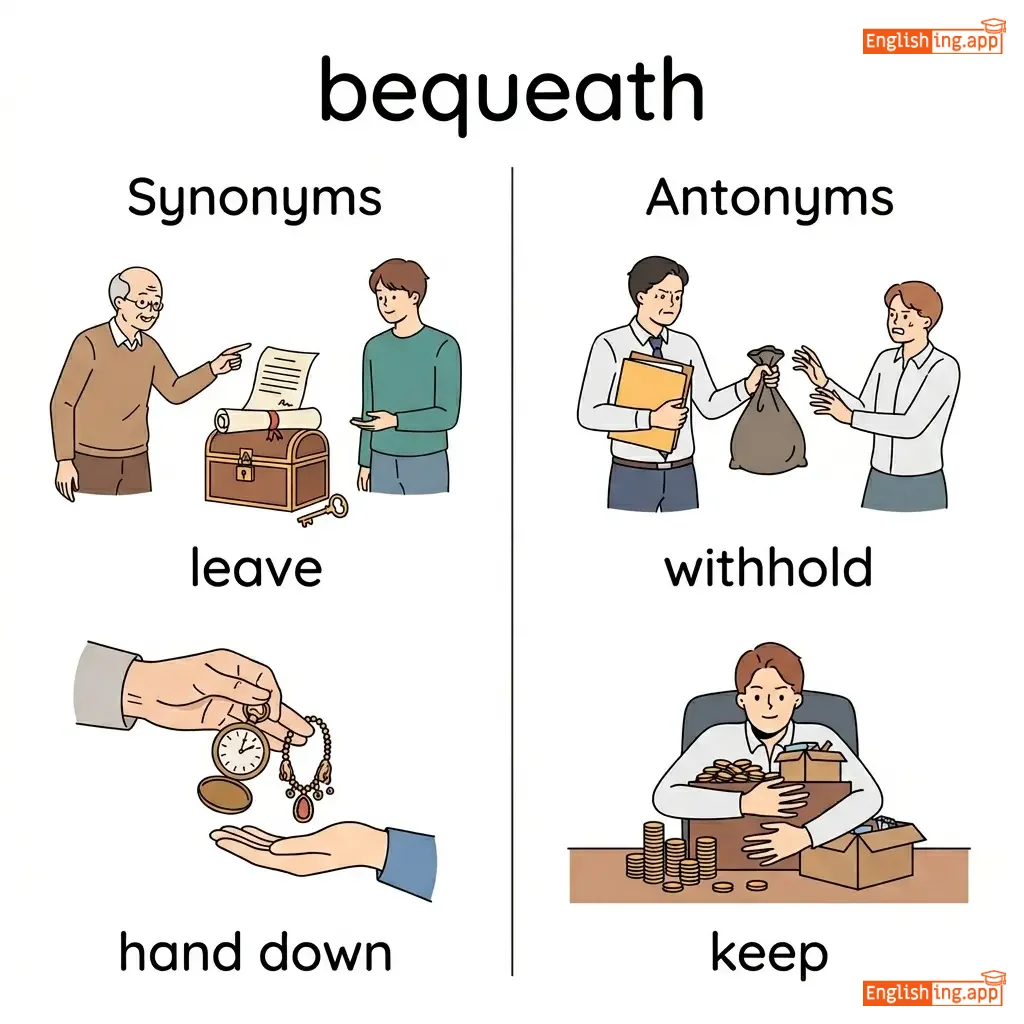
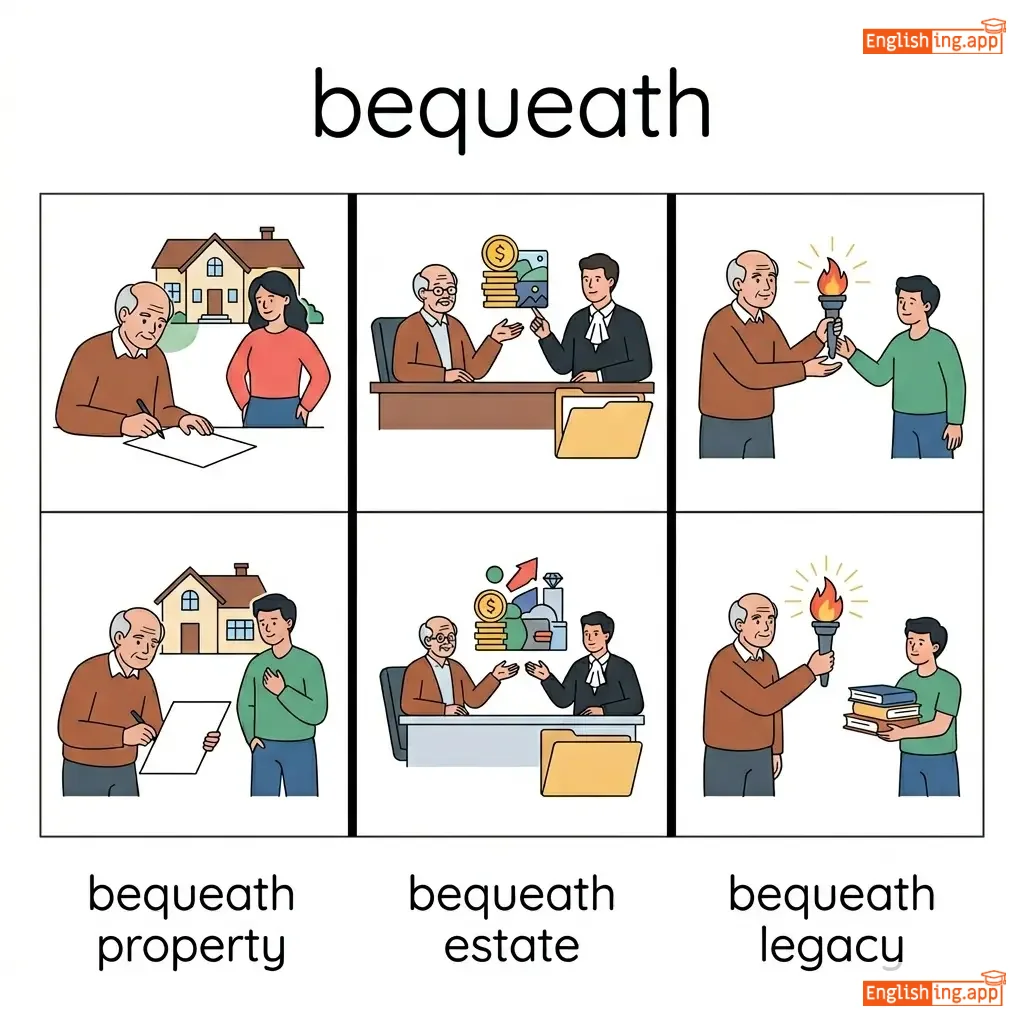
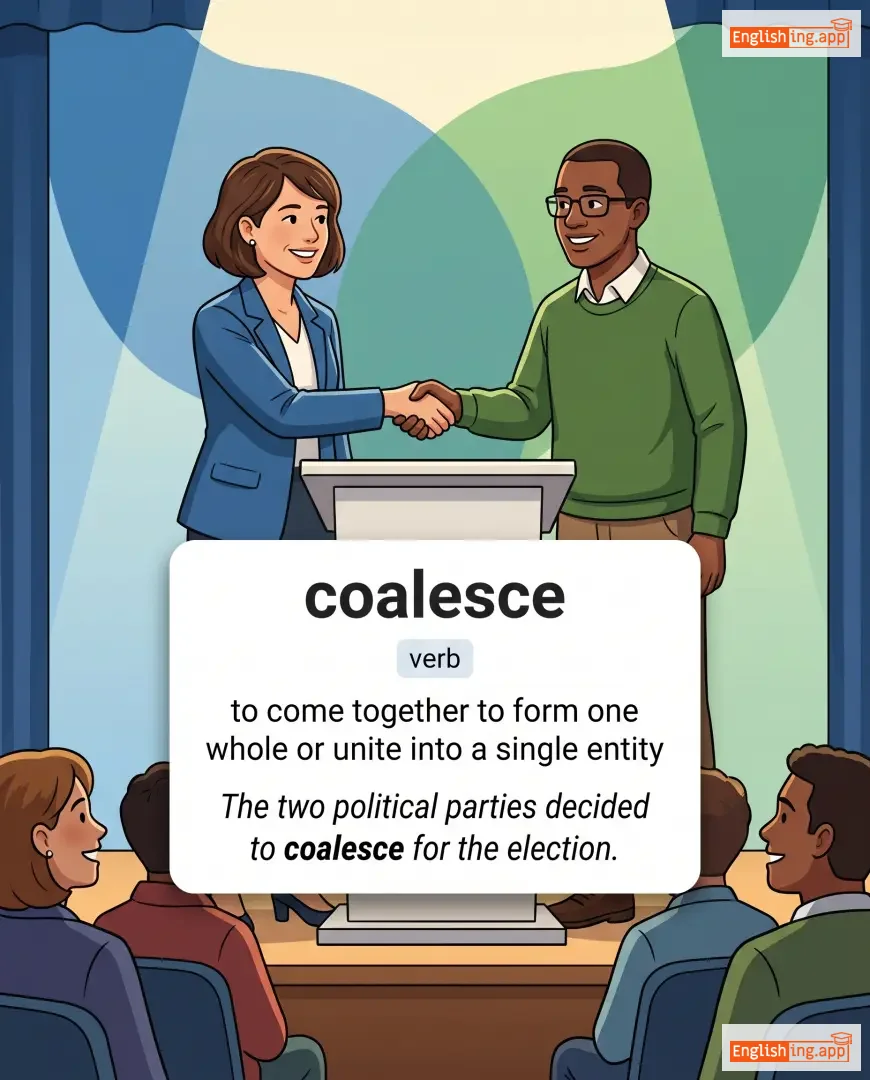
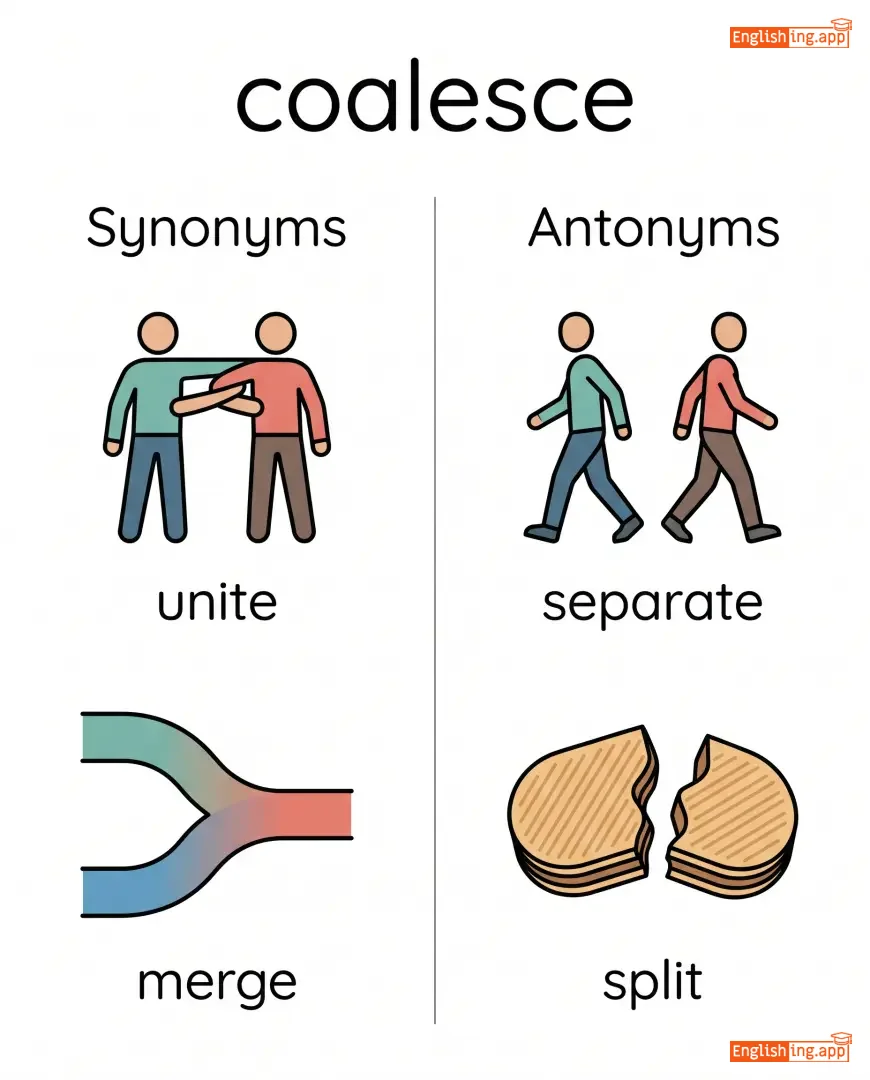
Wissenschaftler haben ihre Forschung für zukünftige Generationen bequeathed, damit neue Forschungen und coalesced Informationen der Menschheit zugutekommen können.
Erhalten Sie unbegrenzten Zugriff auf alle Vokabeln mit Pro-Mitgliedschaft
Upgrade auf ProErhalten Sie unbegrenzten Zugriff auf alle Sätze mit Pro-Mitgliedschaft
Upgrade auf Pro|
Emoji
|
Wort | Images | Bedeutung | Beispielsatz | Synonyme | Antonyme |
|---|---|---|---|---|---|---|
|
#1645
🚀
|
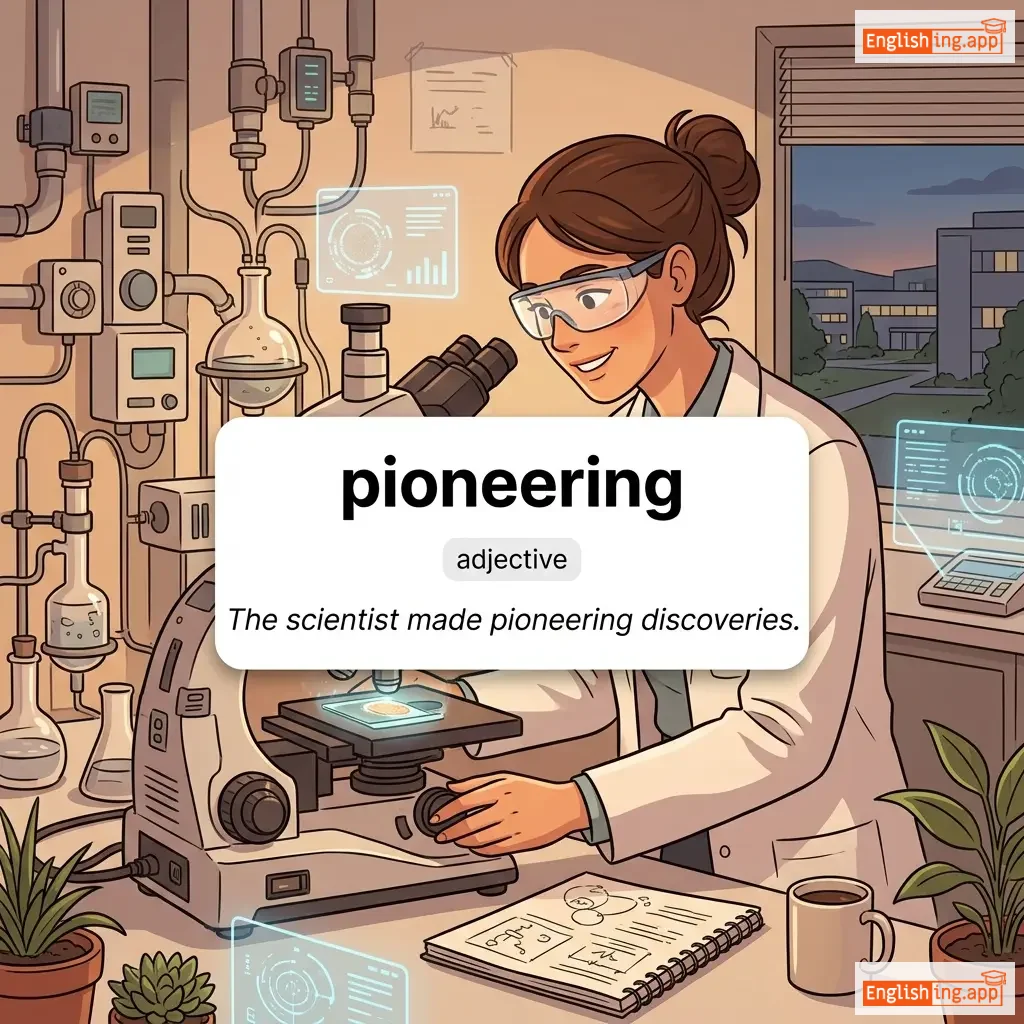
ˌpaɪəˈnɪər.ɪŋ
adjective
••••••
|
•••••• |
Being the first to develop or apply a new method, area of knowledge, or activity; innovative.
••••••
|
Pioneering discoveries have changed science forever. |
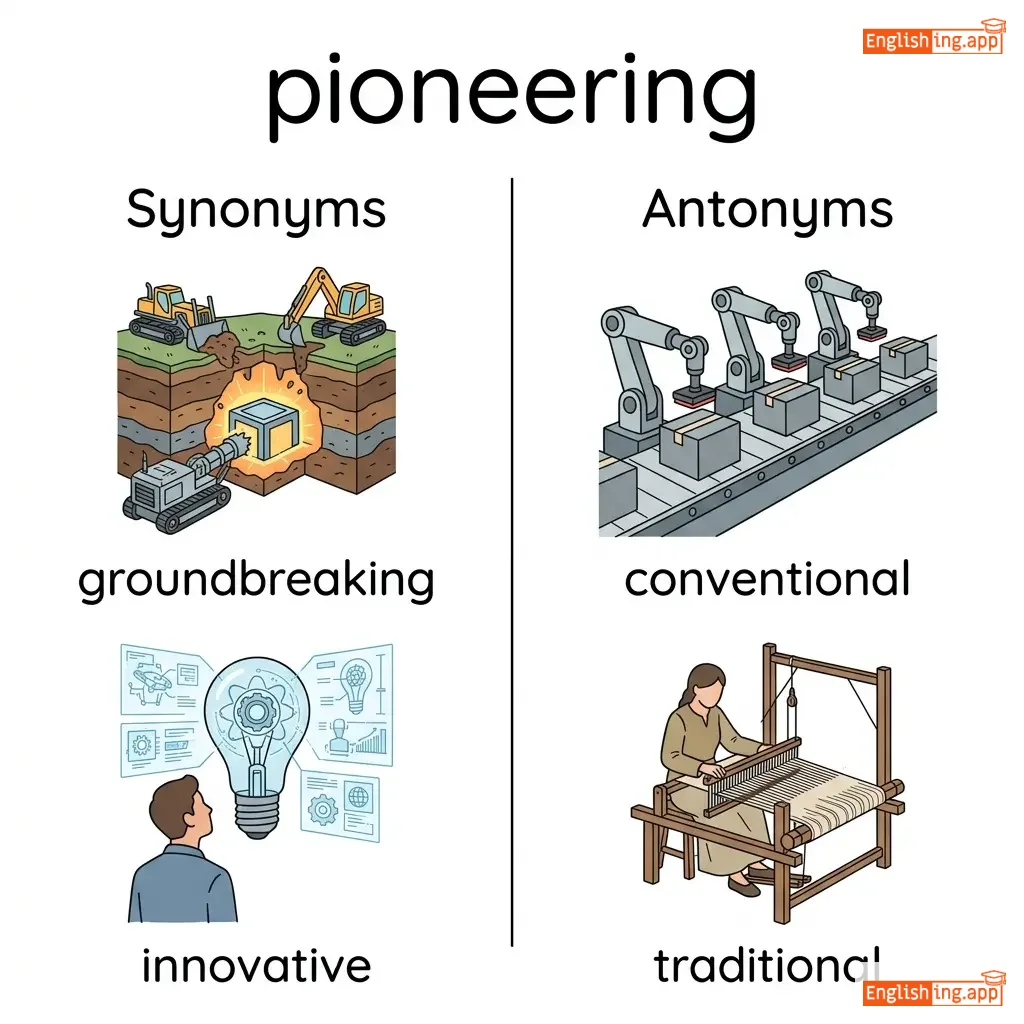
innovative, groundbreaking, revolutionary
••••••
|
conventional, traditional, obsolete
••••••
|
|
#1646
🔬
|
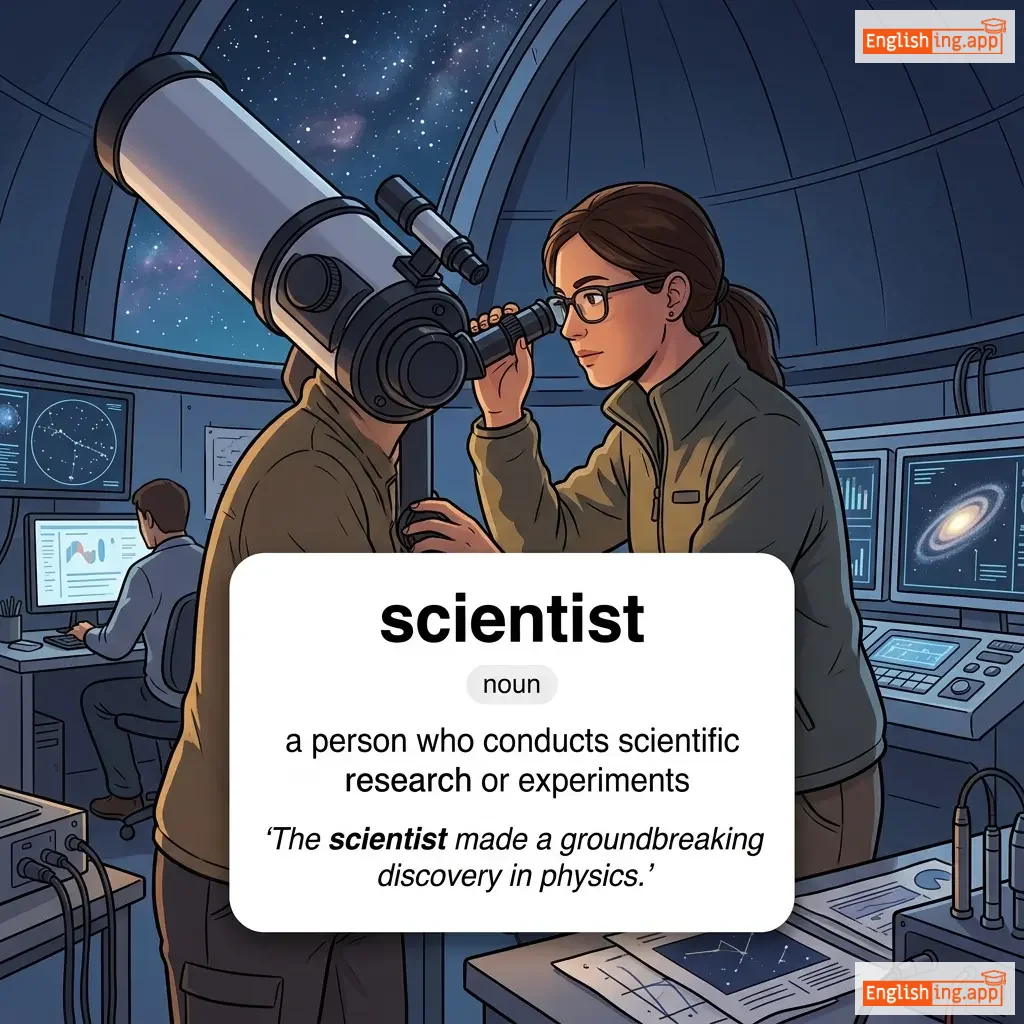
ˈsaɪən.tɪst
noun
••••••
|
•••••• |
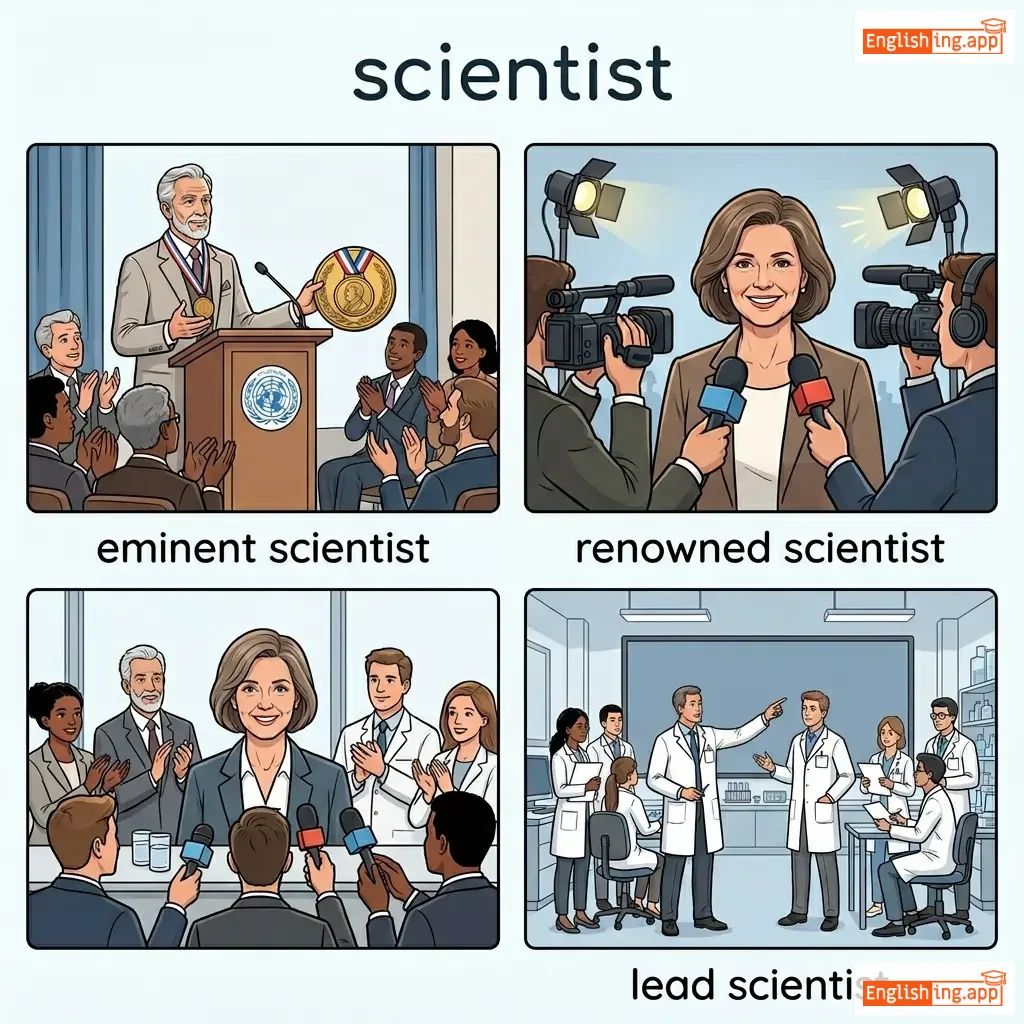
A person who is studying or has expert knowledge of one or more of the natural or physical sciences.
••••••
|
Marie Curie was a scientist who won two Nobel Prizes. |
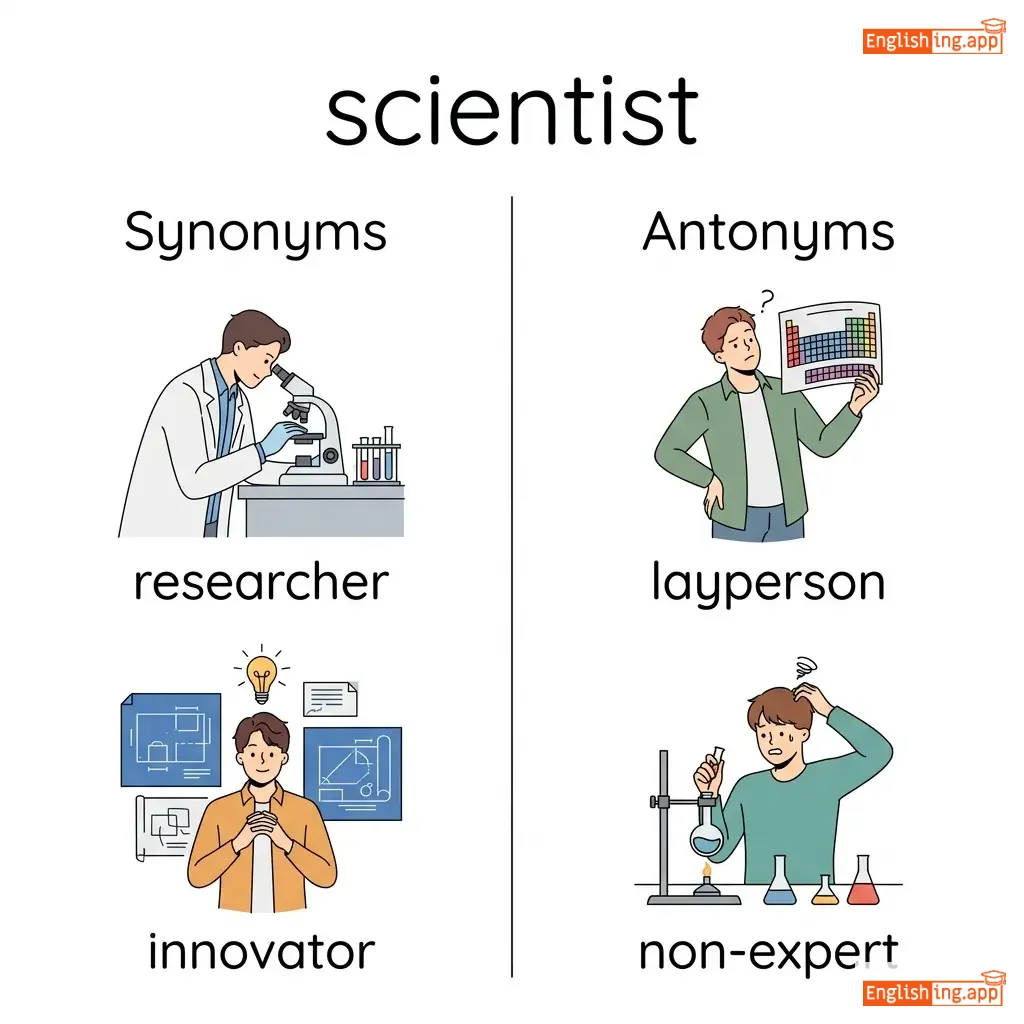
researcher, inventor, scholar
••••••
|
layman, amateur, non-expert
••••••
|
|
#1647
✅
|
ˌæk.si.əˈmæt.ɪk
adjective
••••••
|
•••••• |
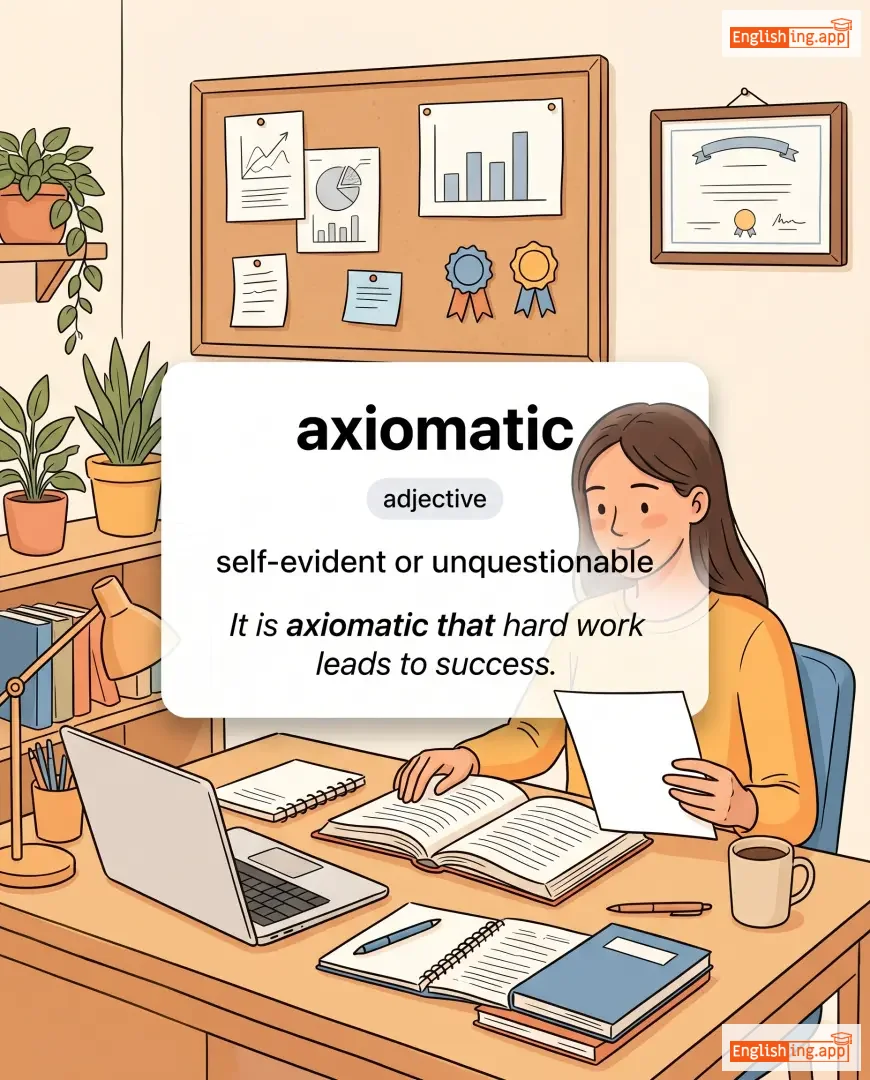
Self-evidently true; obvious and requiring no proof.
••••••
|
The idea that the Earth orbits the Sun is axiomatic. |
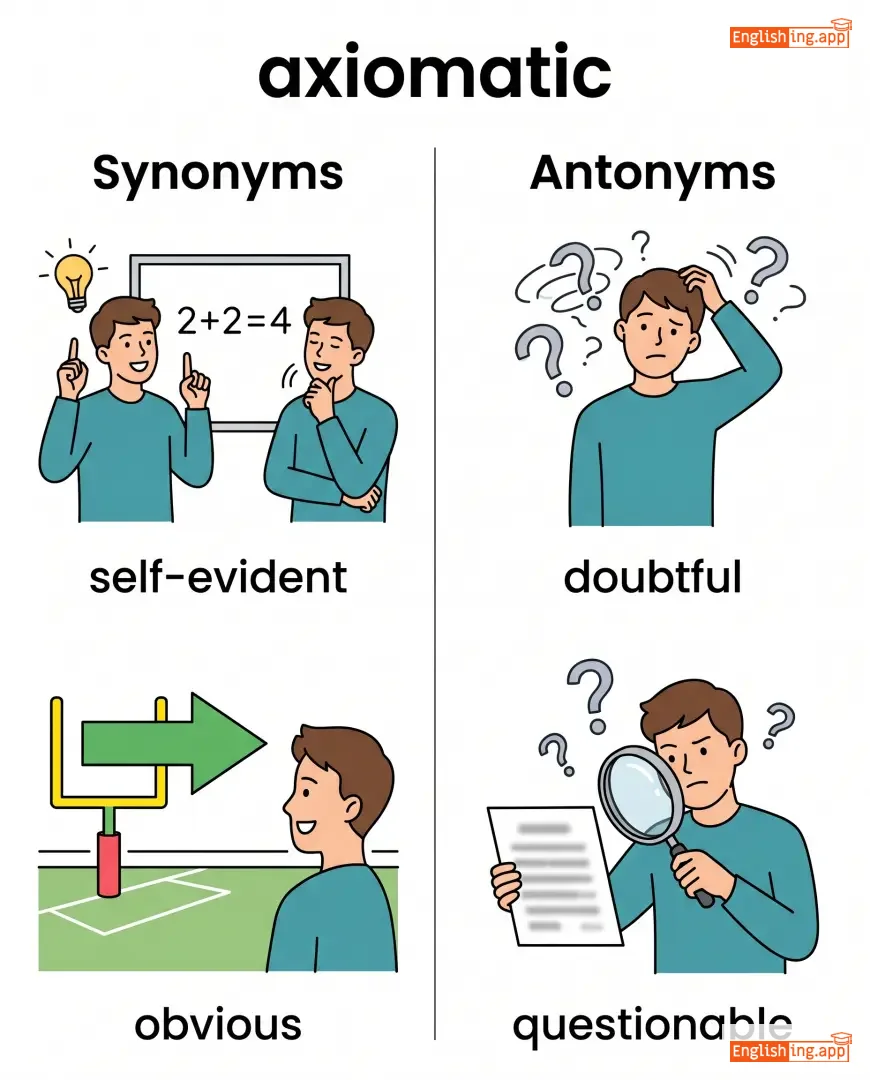
self-evident, undeniable, indisputable
••••••
|
questionable, debatable, uncertain
••••••
|
|
#1648
💡
|
ɪnˈdʒiː.ni.əs
adjective
••••••
|
•••••• |
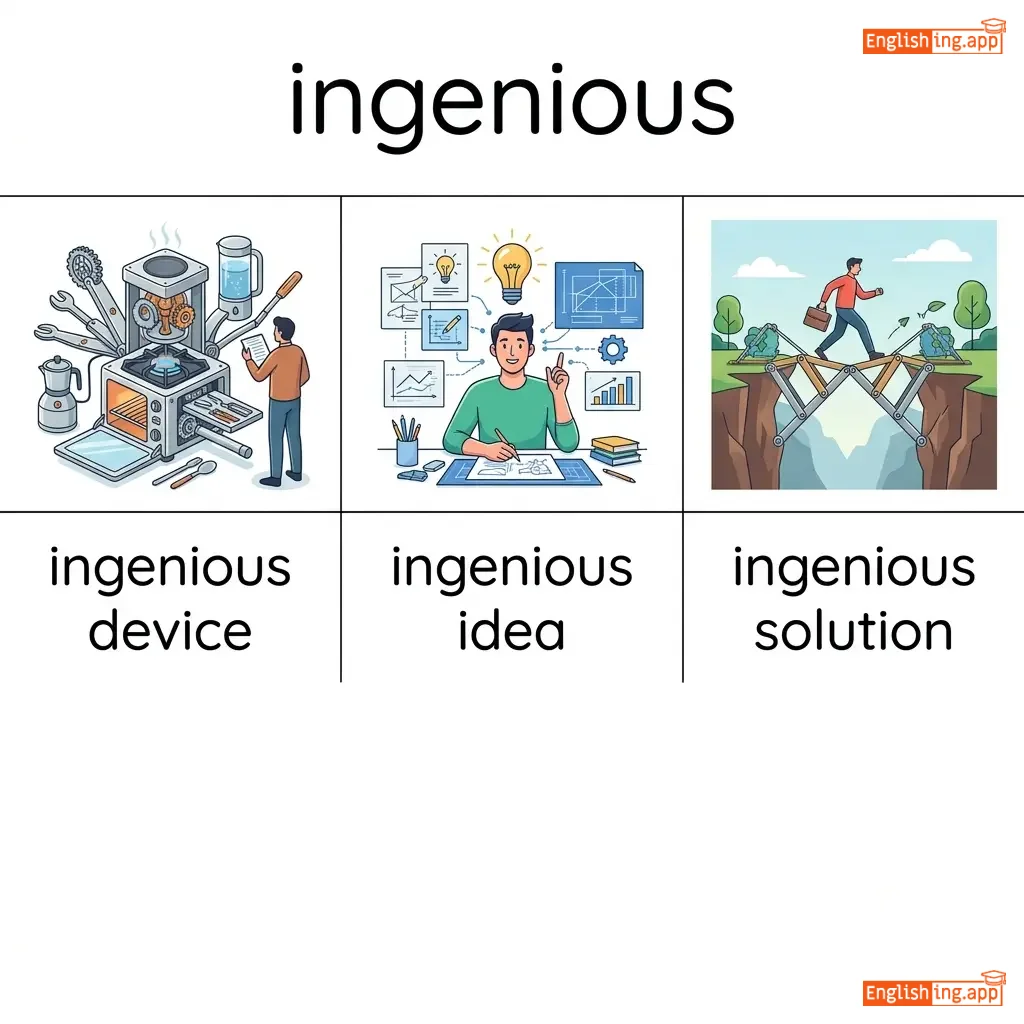
Showing inventiveness and skill; clever, original, and inventive.
••••••
|
His ingenious ideas transformed modern physics. |
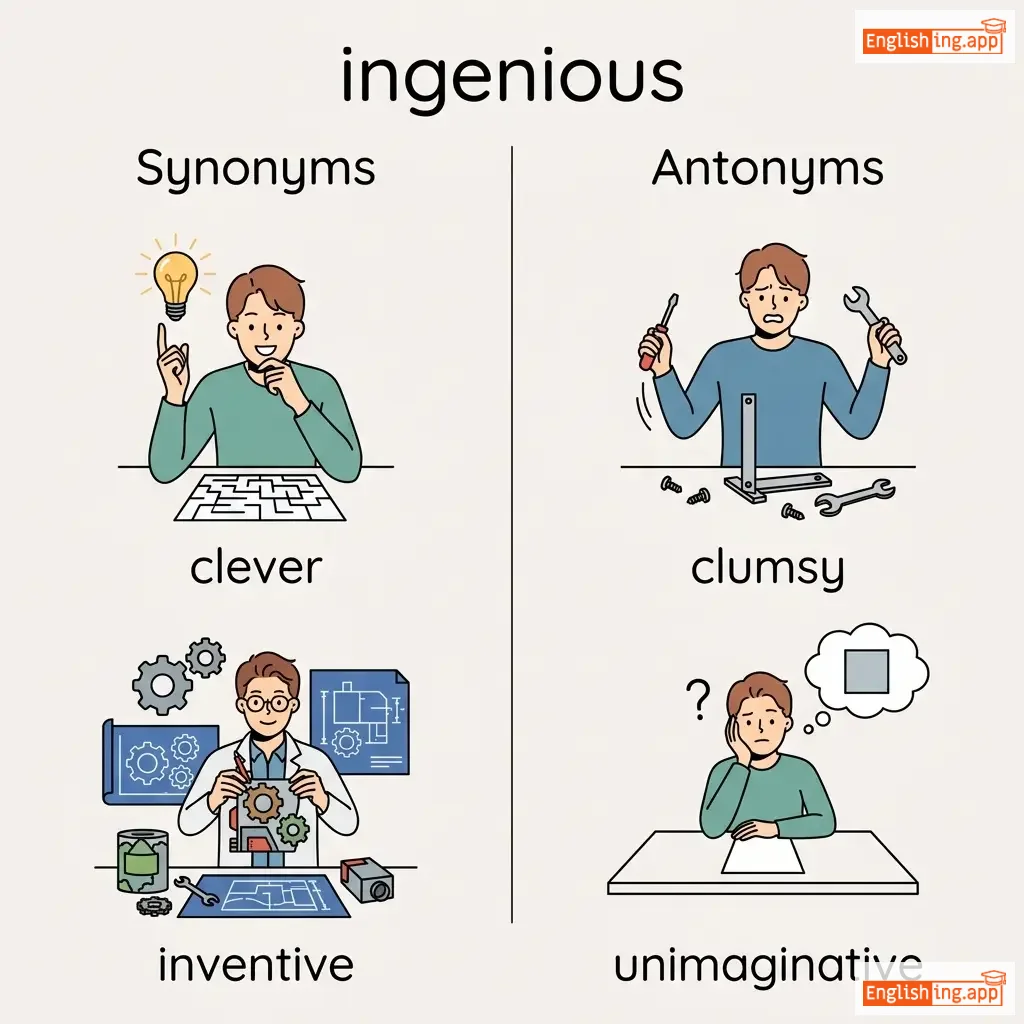
creative, clever, brilliant
••••••
|
unimaginative, uninventive, ordinary
••••••
|
|
#1649
📈
|
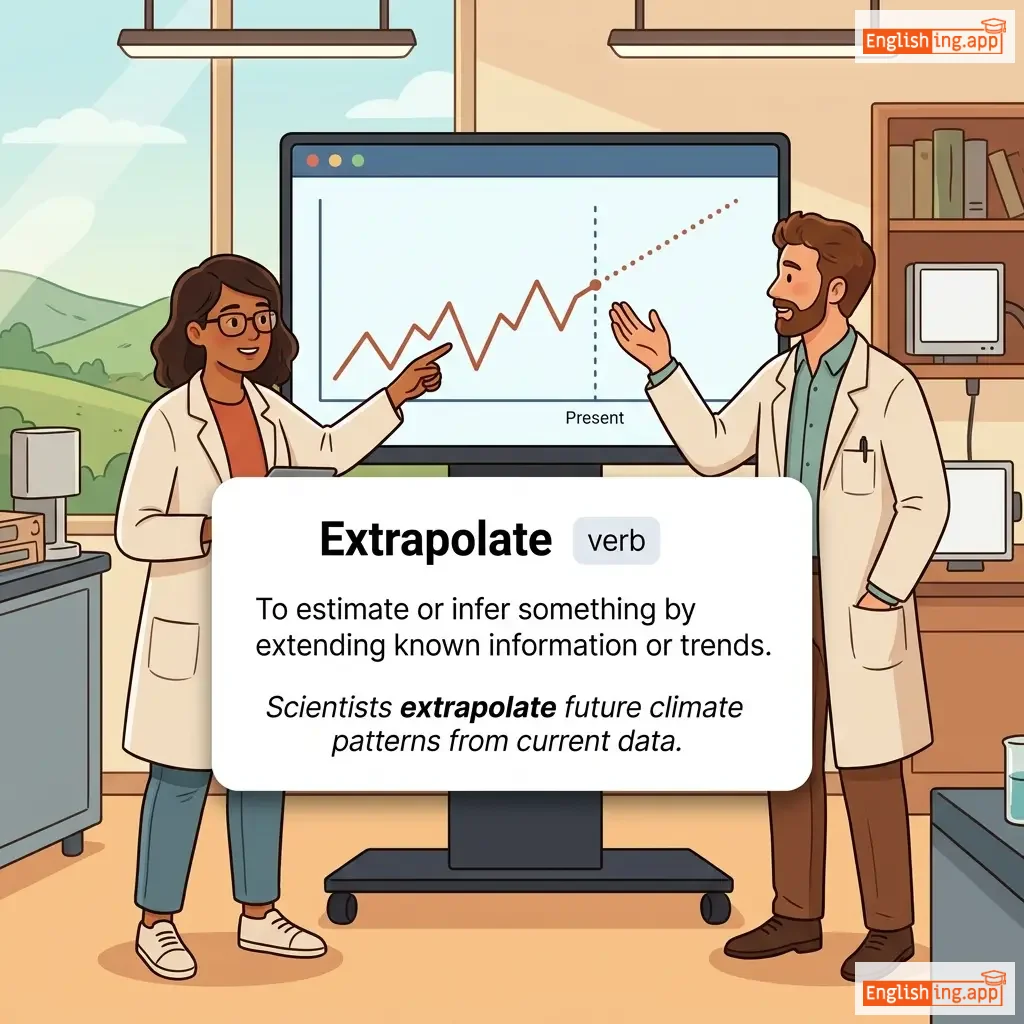
ɪkˈstræp.ə.leɪt
verb
••••••
|
•••••• |
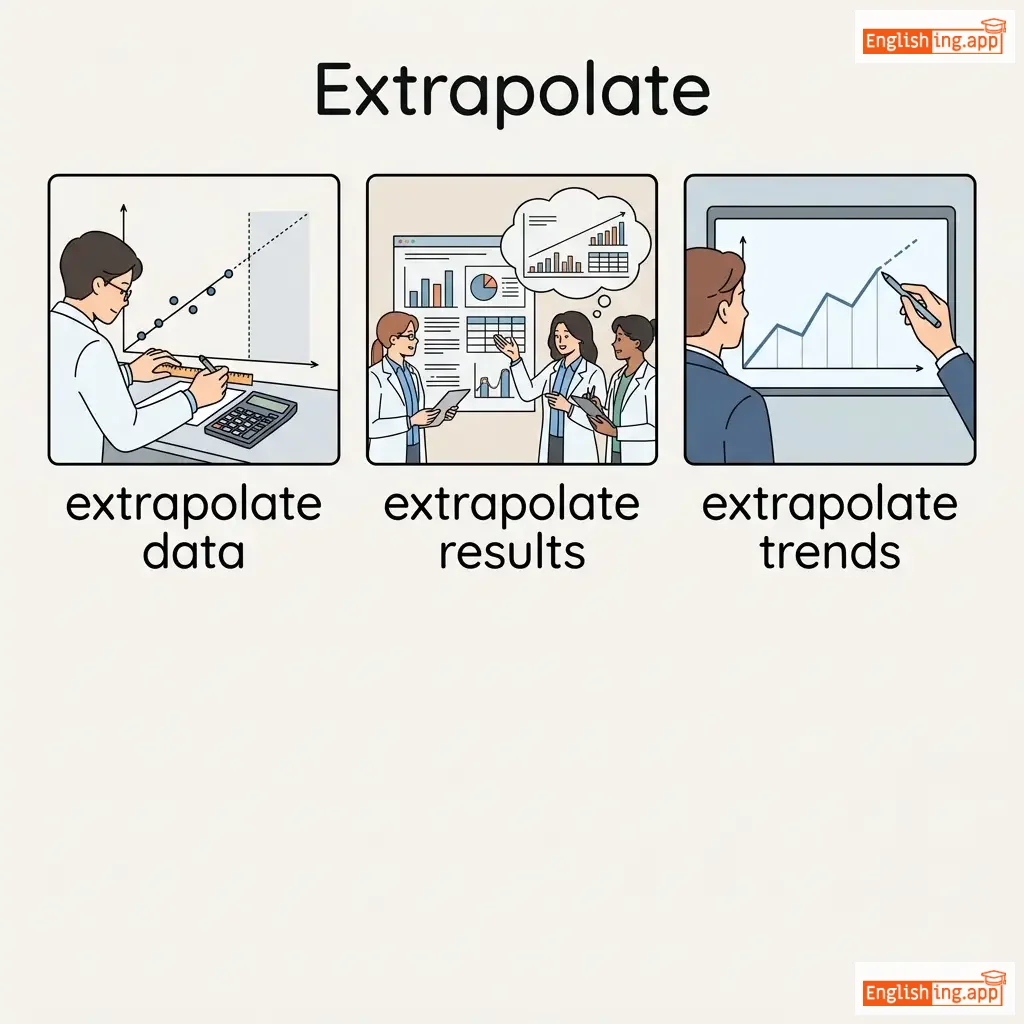
Extend the application of a method or conclusion to an unknown situation by assuming that existing trends will continue.
••••••
|
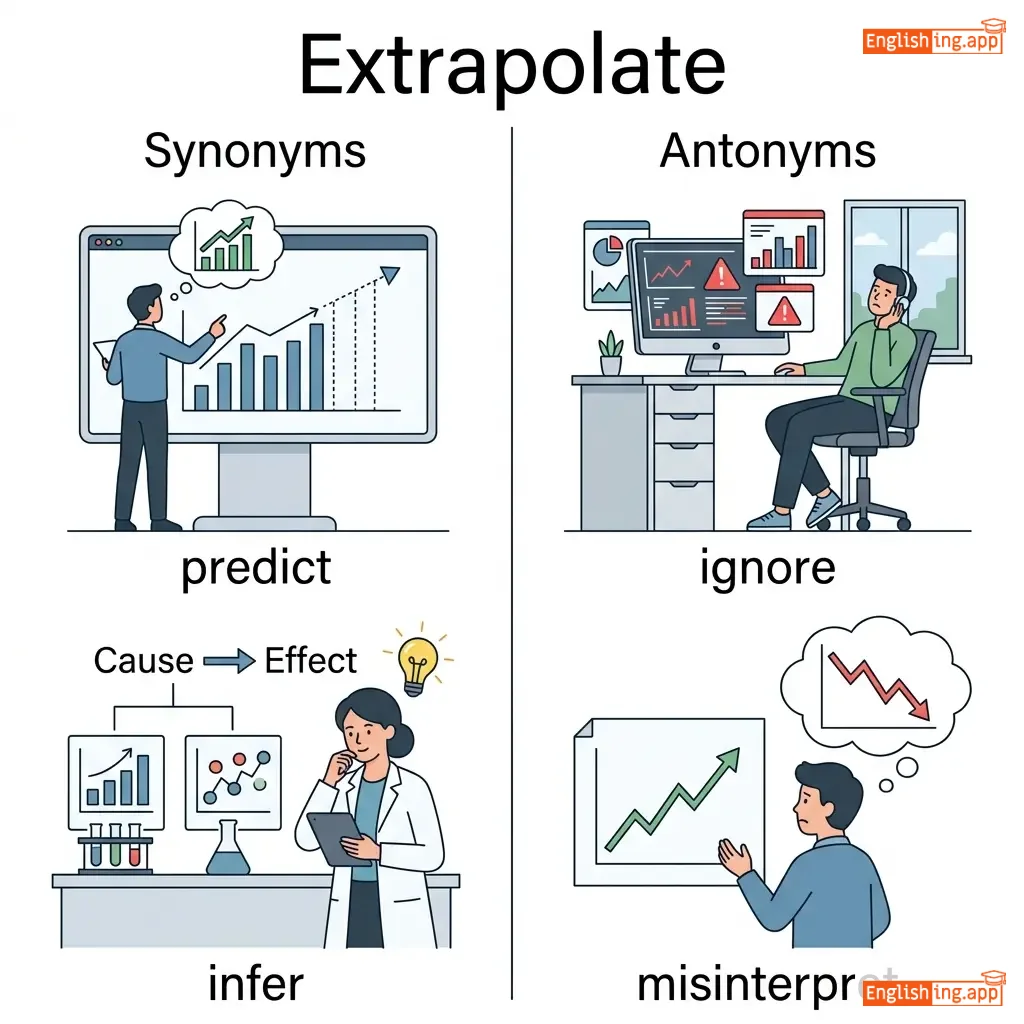
Scientists extrapolate climate data to predict future trends. |
infer, predict, estimate
••••••
|
misinterpret, miscalculate, distort
••••••
|
|
#1650
☢️
|
ˌreɪ.di.oʊ.ækˈtɪv.ə.ti
noun
••••••
|
•••••• |
The emission of ionizing radiation or particles caused by the spontaneous disintegration of atomic nuclei.
••••••
|
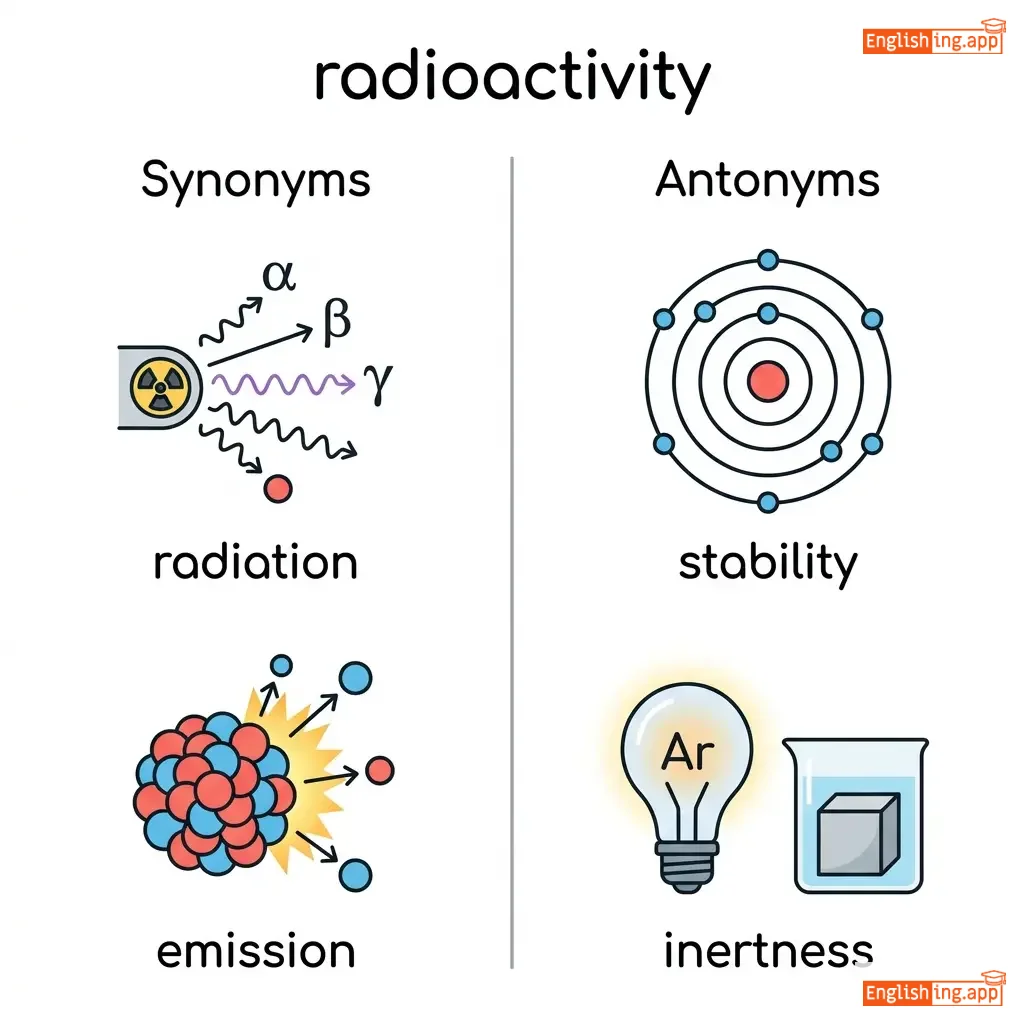
Radioactivity is used in medical treatments like cancer therapy. |
radiation, emission, nuclear decay
••••••
|
stability, inertness, non-reactivity
••••••
|
|
#1651
🖊️
|
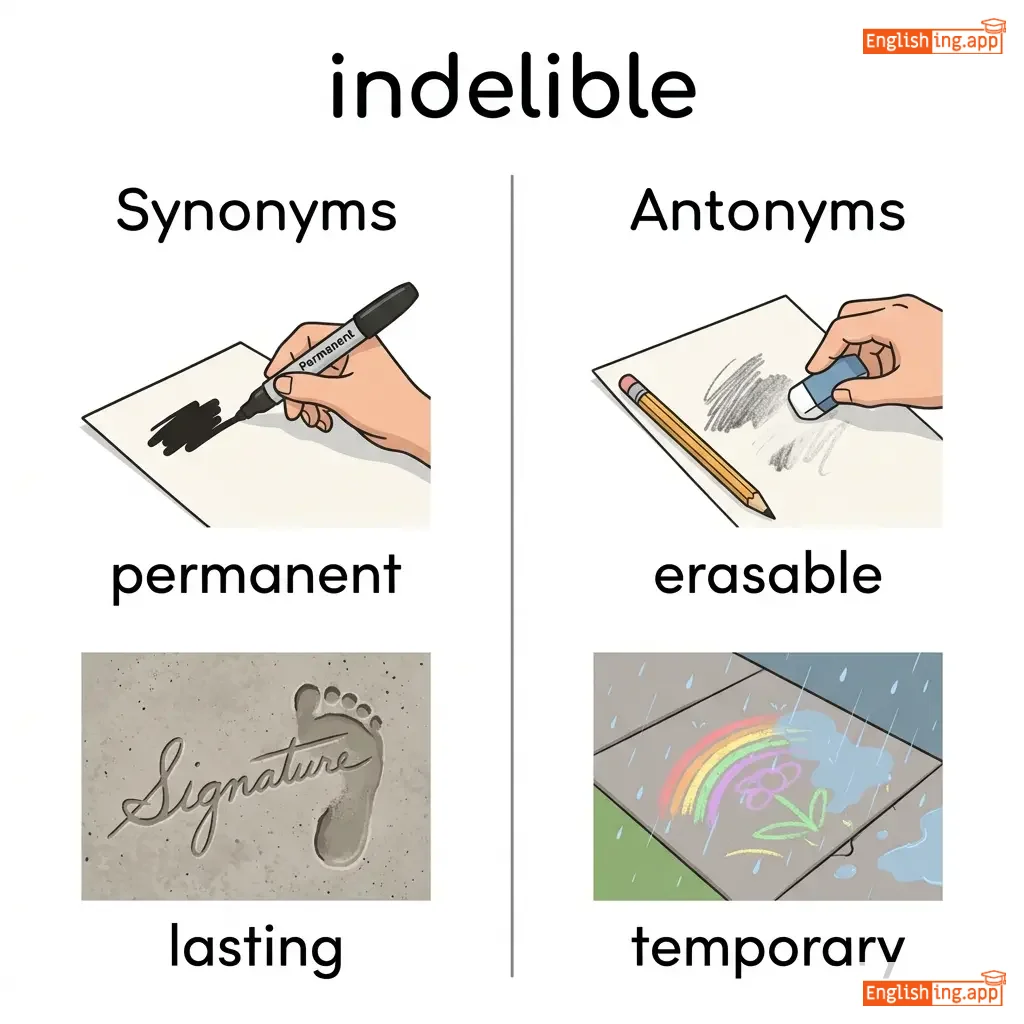
ɪnˈdel.ə.bəl
adjective
••••••
|
•••••• |
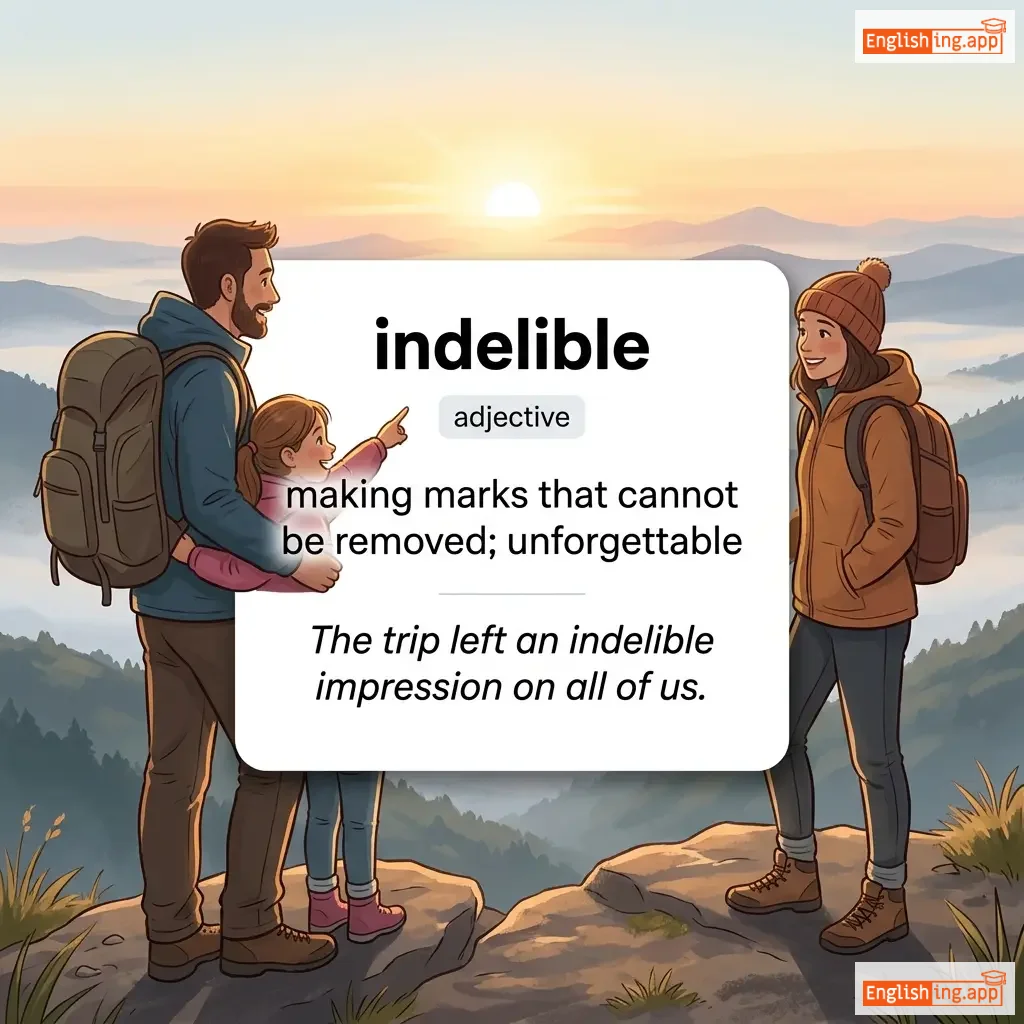
Making marks that cannot be removed; impossible to forget or remove.
••••••
|
Her speech left an indelible mark on the audience. |
permanent, unforgettable, irremovable
••••••
|
temporary, erasable, fleeting
••••••
|
|
#1652
✔️
|
kəˈrɒb.ə.reɪt
verb
••••••
|
•••••• |
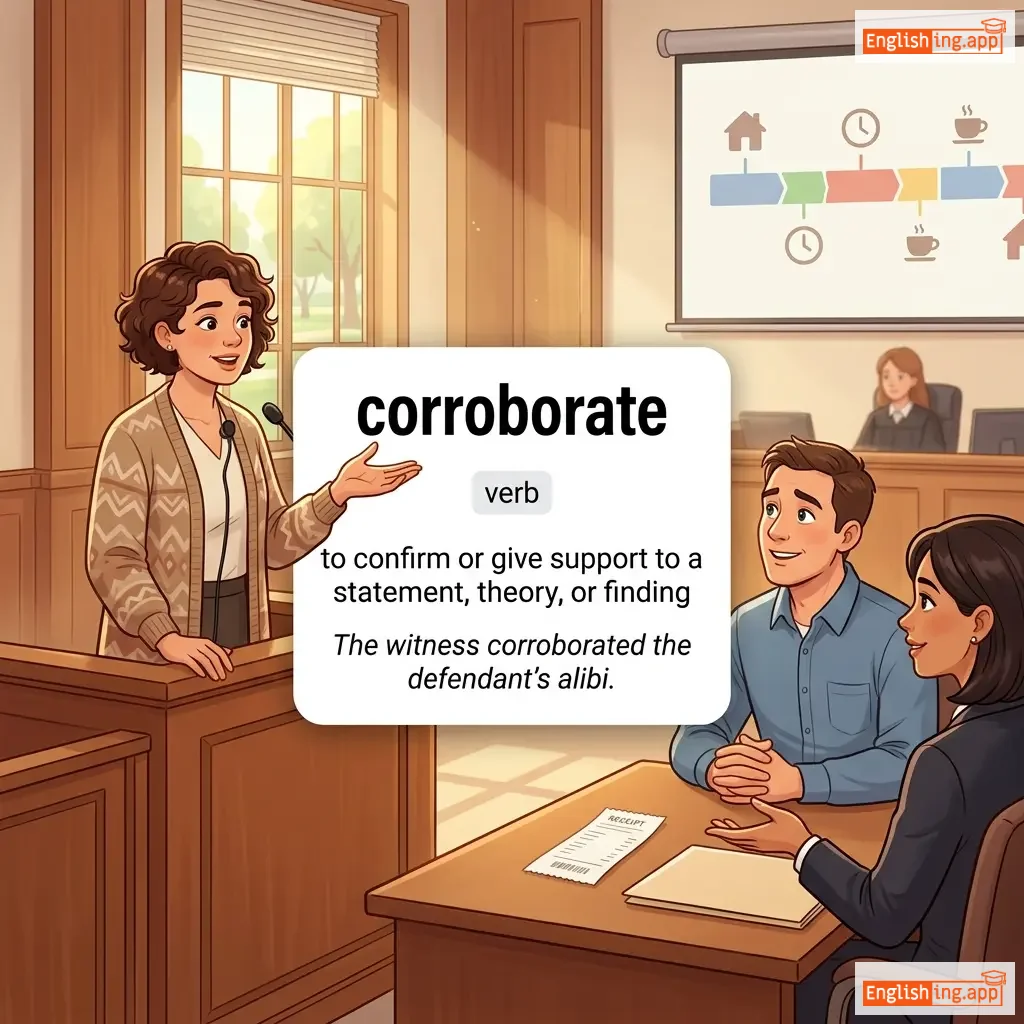
Confirm or give support to a statement, theory, or finding.
••••••
|
The witness corroborated the defendant's testimony. |
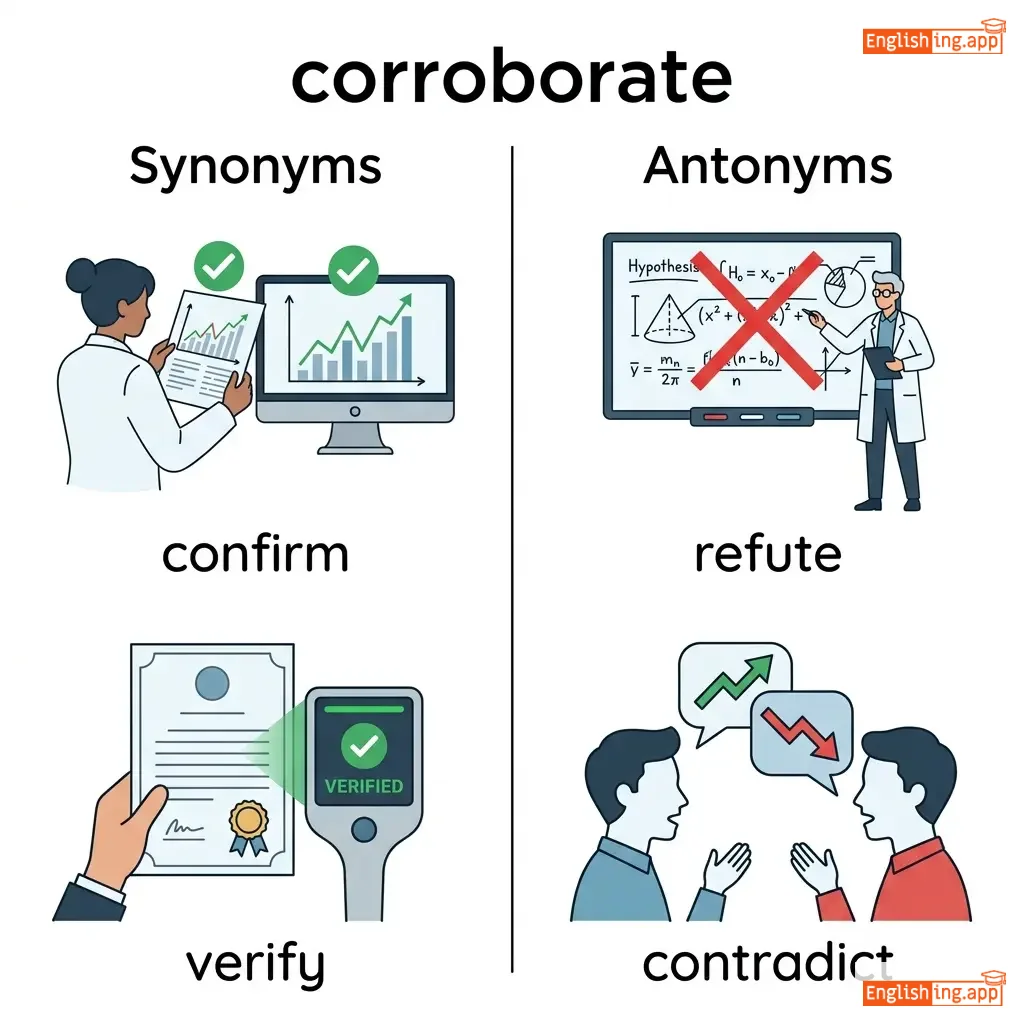
confirm, validate, authenticate
••••••
|
contradict, refute, disprove
••••••
|
|
#1653
🤔
|
kəˈnʌn.drəm
noun
••••••
|
•••••• |
A confusing and difficult problem or question; a riddle whose answer is or involves a pun.
••••••
|
Scientists face the conundrum of finding clean energy sources. |
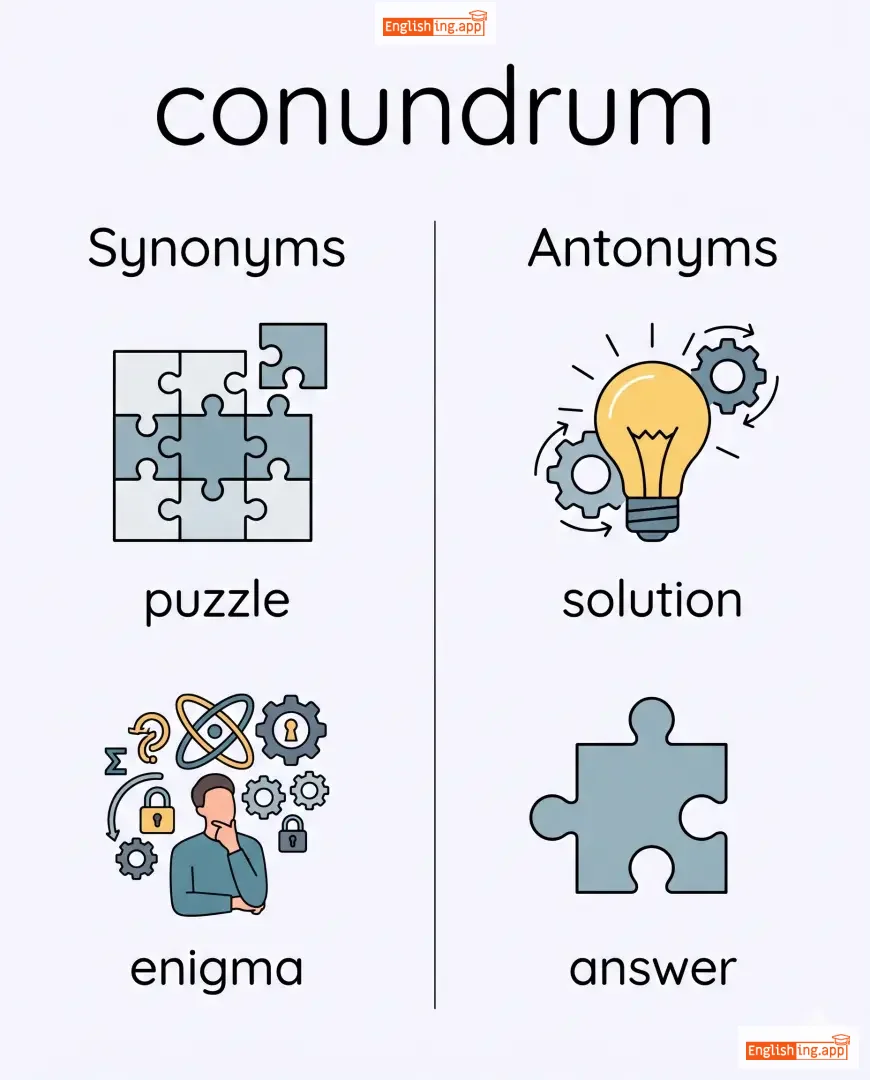
puzzle, enigma, dilemma
••••••
|
solution, answer, clarity
••••••
|
|
#1654
💥
|
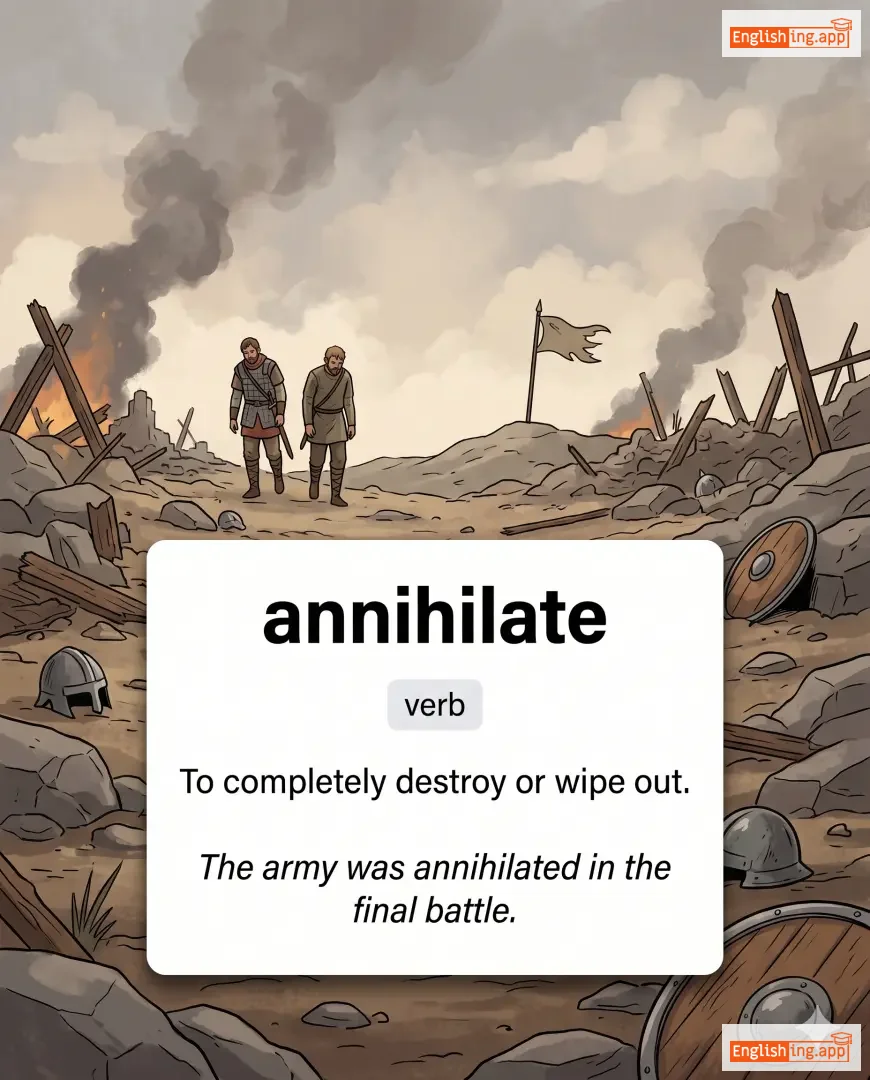
əˈnaɪ.ə.leɪt
verb
••••••
|
•••••• |
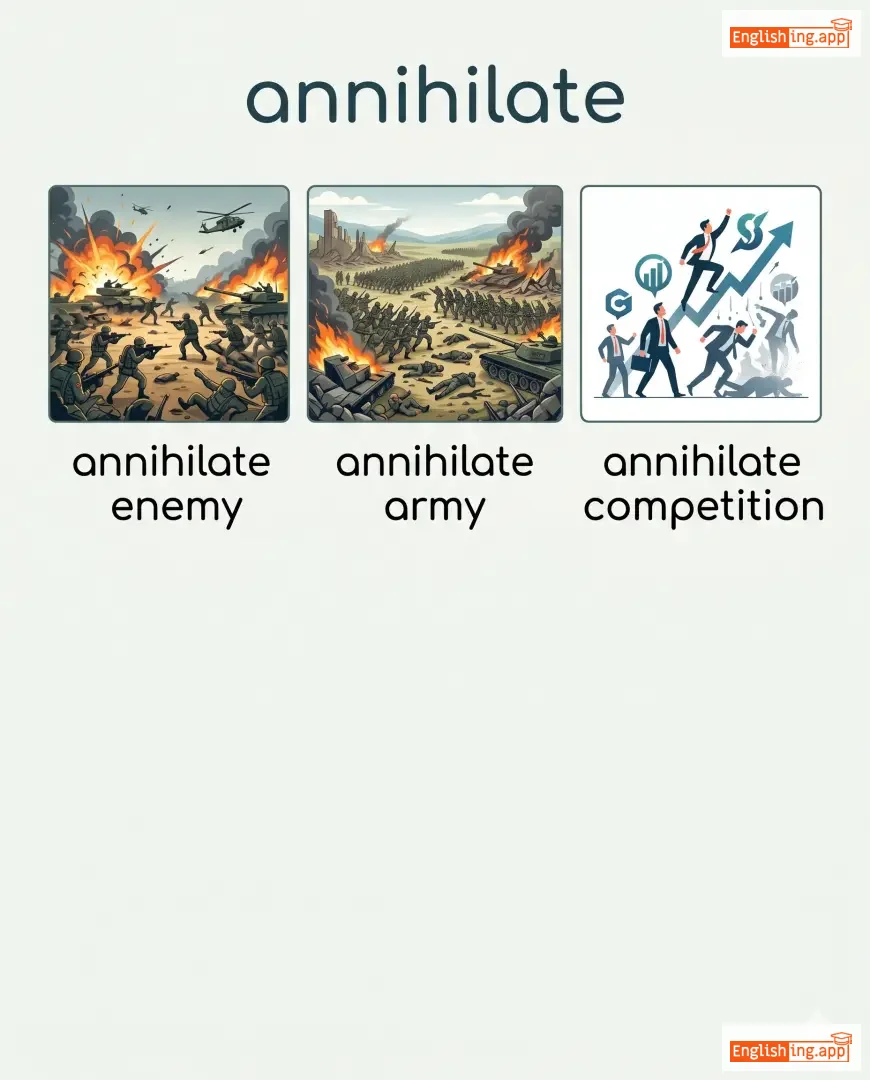
Destroy utterly; obliterate; reduce to nothing.
••••••
|
The explosion annihilated the entire village. |
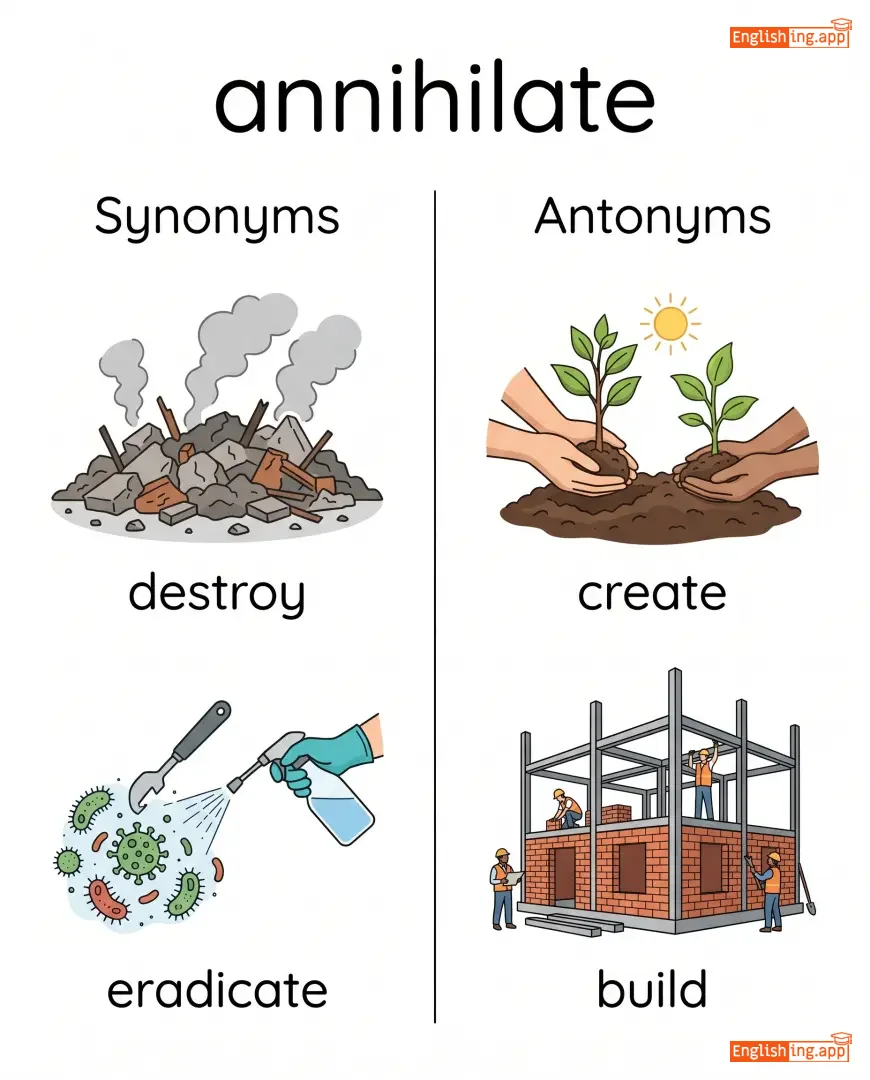
destroy, obliterate, eradicate
••••••
|
preserve, protect, safeguard
••••••
|
|
#1655
💡
|
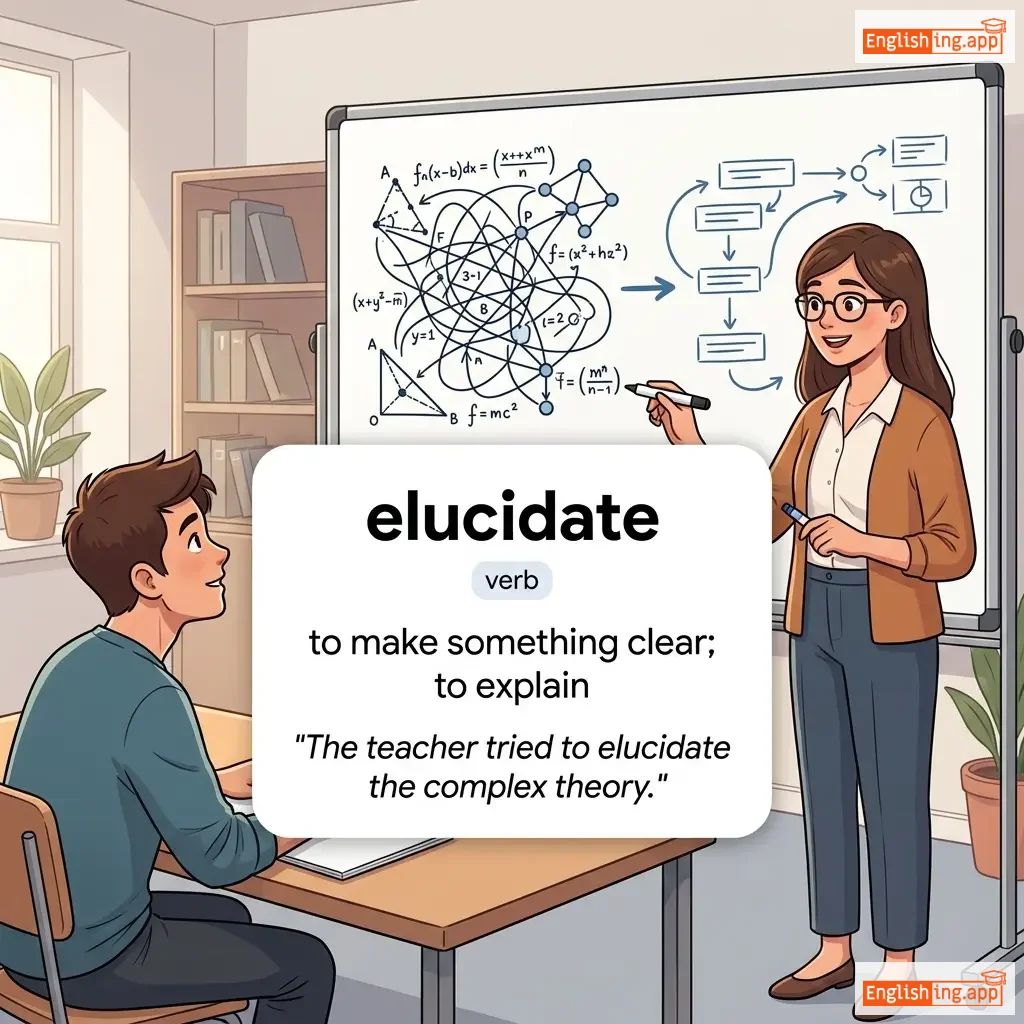
ɪˈluː.sɪ.deɪt
verb
••••••
|
•••••• |
Make something clear; explain in detail.
••••••
|
The professor elucidated the complex physics theory. |
explain, clarify, illuminate
••••••
|
obscure, confuse, muddle
••••••
|
|
#1656
🎁
|
bɪˈkwiːð
verb
••••••
|
•••••• |
Leave something to someone in a will; pass down or hand down to the next generation.
••••••
|
The scientist bequeathed his research papers to the university. |
bestow, pass down, will
••••••
|
withhold, retain, keep
••••••
|
|
#1657
🤝
|
ˌkəʊ.əˈles
verb
••••••
|
•••••• |
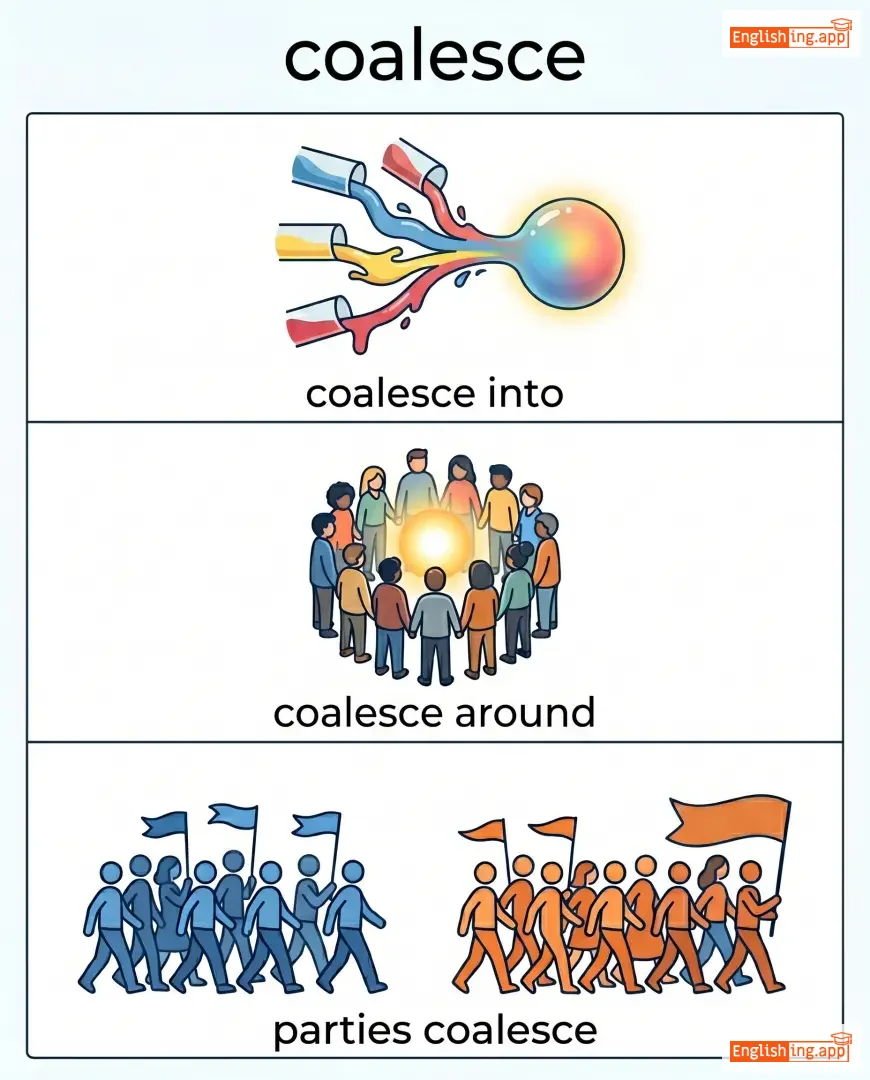
Come together and form one mass or whole; unite to form one organization or group.
••••••
|
The different theories coalesced into one unified idea. |
merge, unite, fuse
••••••
|
separate, divide, disperse
••••••
|