How ChatGPT Processes Human Language
Algorithmic model を通じて、ChatGPT は人間の言語を理解する能力を獲得します。膨大な corpus から情報を収集し、各単語の semantic 意味を理解するために probabilistic 分析を行います。
最初のステップでは、tokenization 手法を使用してテキストを小さな部分に分割します。その後、文の構造を parsing と morphological 分析によって解析します。Syntax と cohesion を維持しながら、自然な文を形成します。
言語には多くの ambiguity があるため、disambiguation プロセスが正しい意味を特定するのに役立ちます。Inference を使用して contextual 関係を理解します。
最後に、ChatGPT は retrieval と optimization の手法を通じて回答を生成します。その linguistic 分析能力と comprehension 能力により、より効果的になります。
|
絵文字
|
単語 | Images | 意味 | 例文 | 同義語 | 対義語 |
|---|---|---|---|---|---|---|
|
#1820
🤖
|
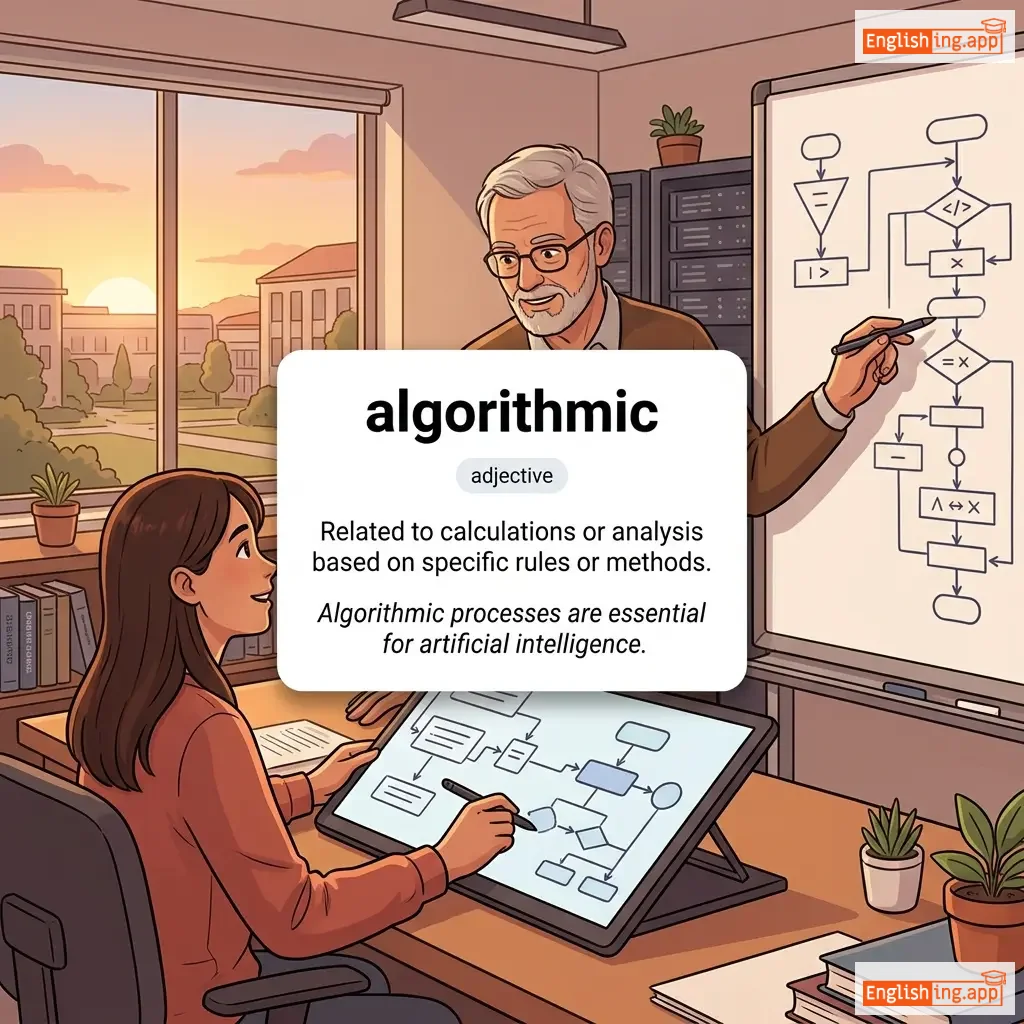
ˌæl.ɡəˈrɪð.mɪk
adjective
••••••
|
|
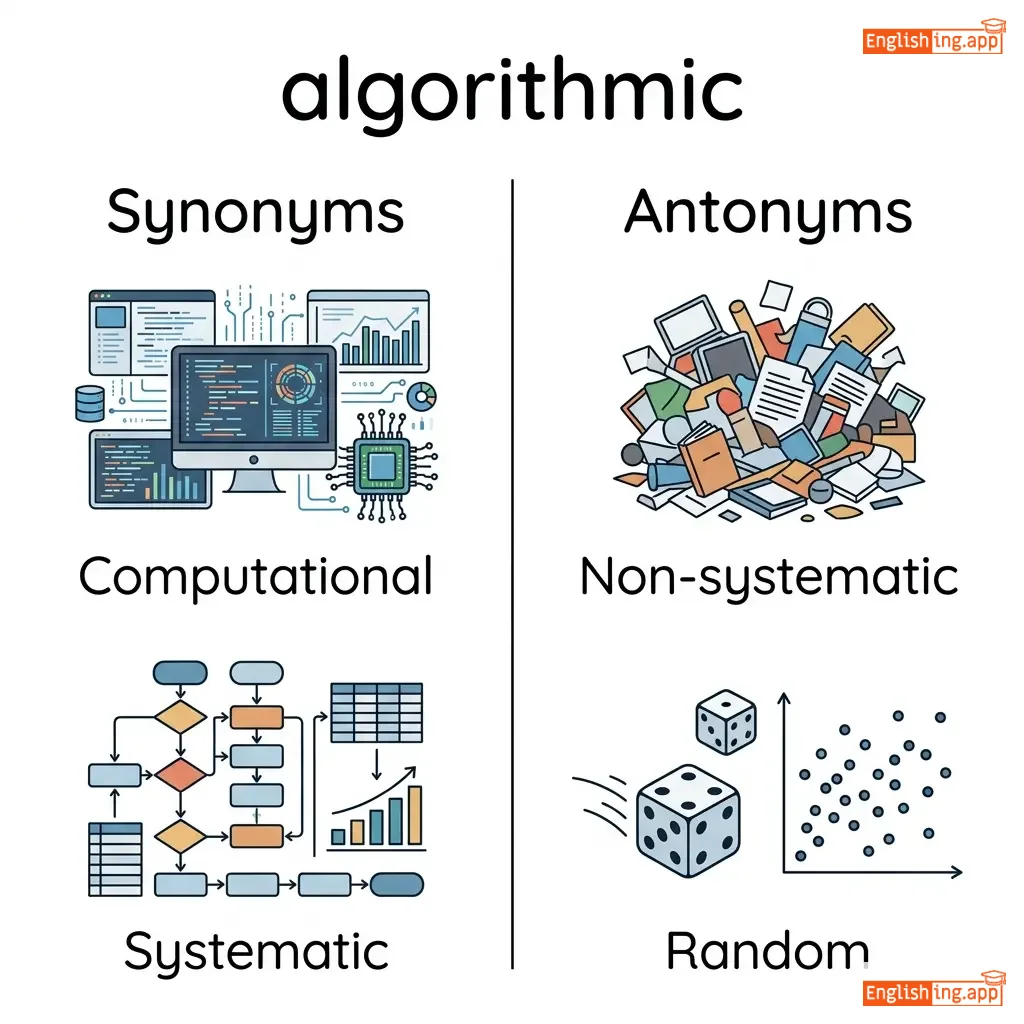
Based on or using algorithms; relating to computational procedures and systematic methods.
••••••
|
Algorithmic trading is widely used in financial markets. |
computational, programmatic, automated
••••••
|
manual, intuitive, non-systematic
••••••
|
|
#1821
🏗️
|
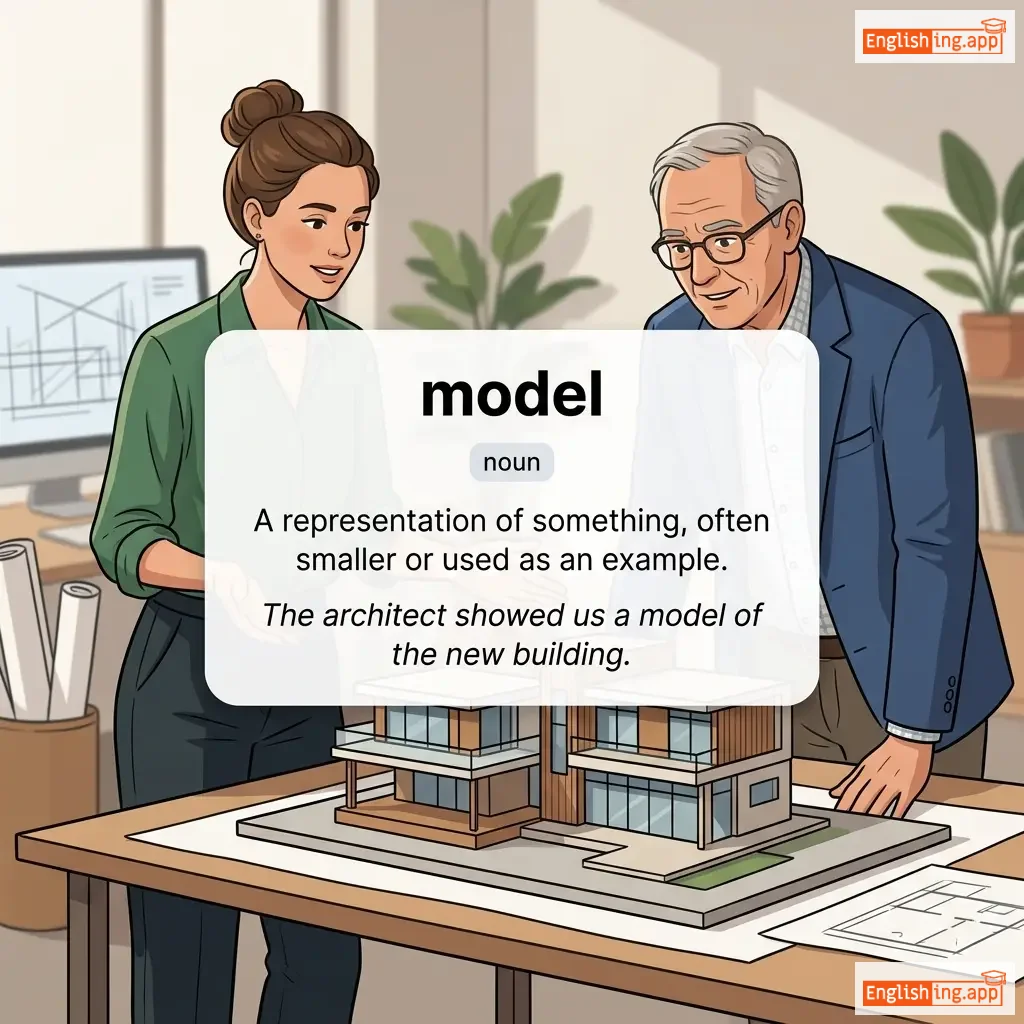
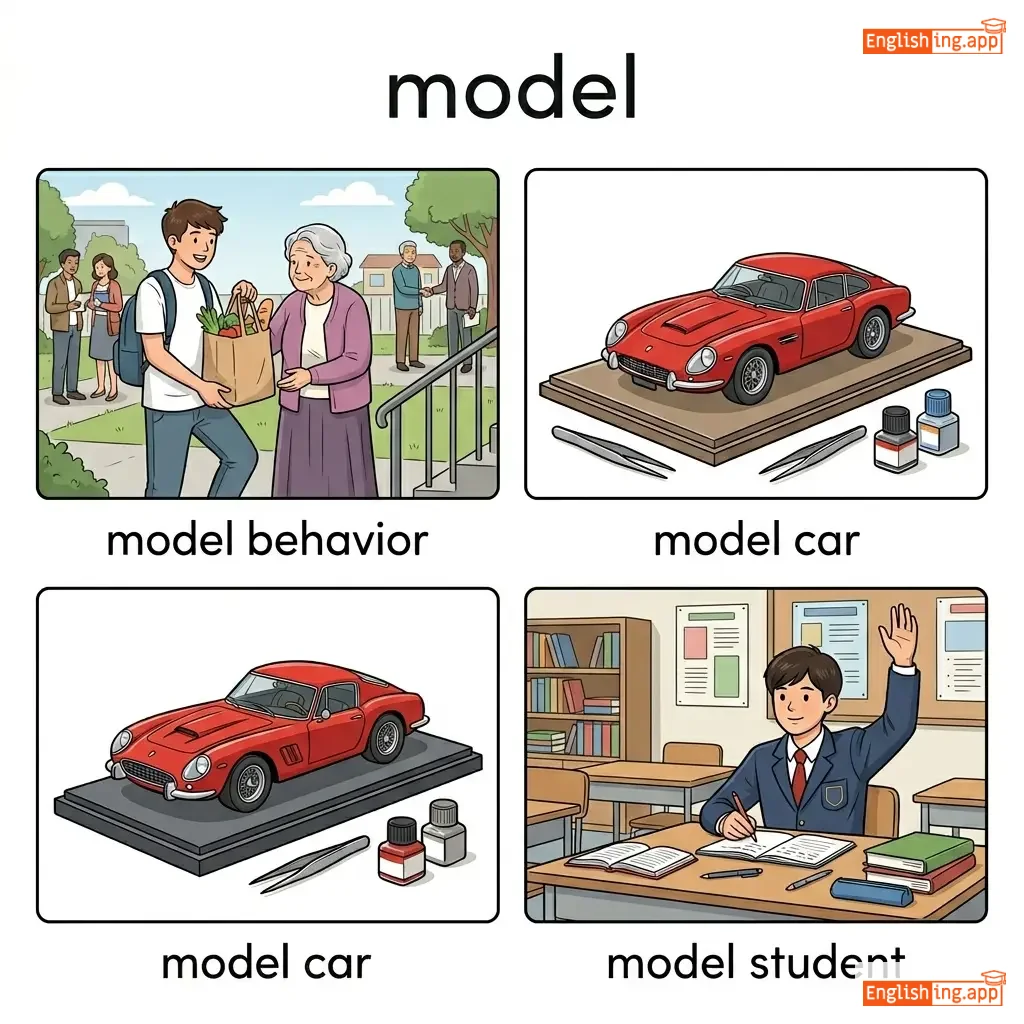
ˈmɒd.əl
noun
••••••
|
|
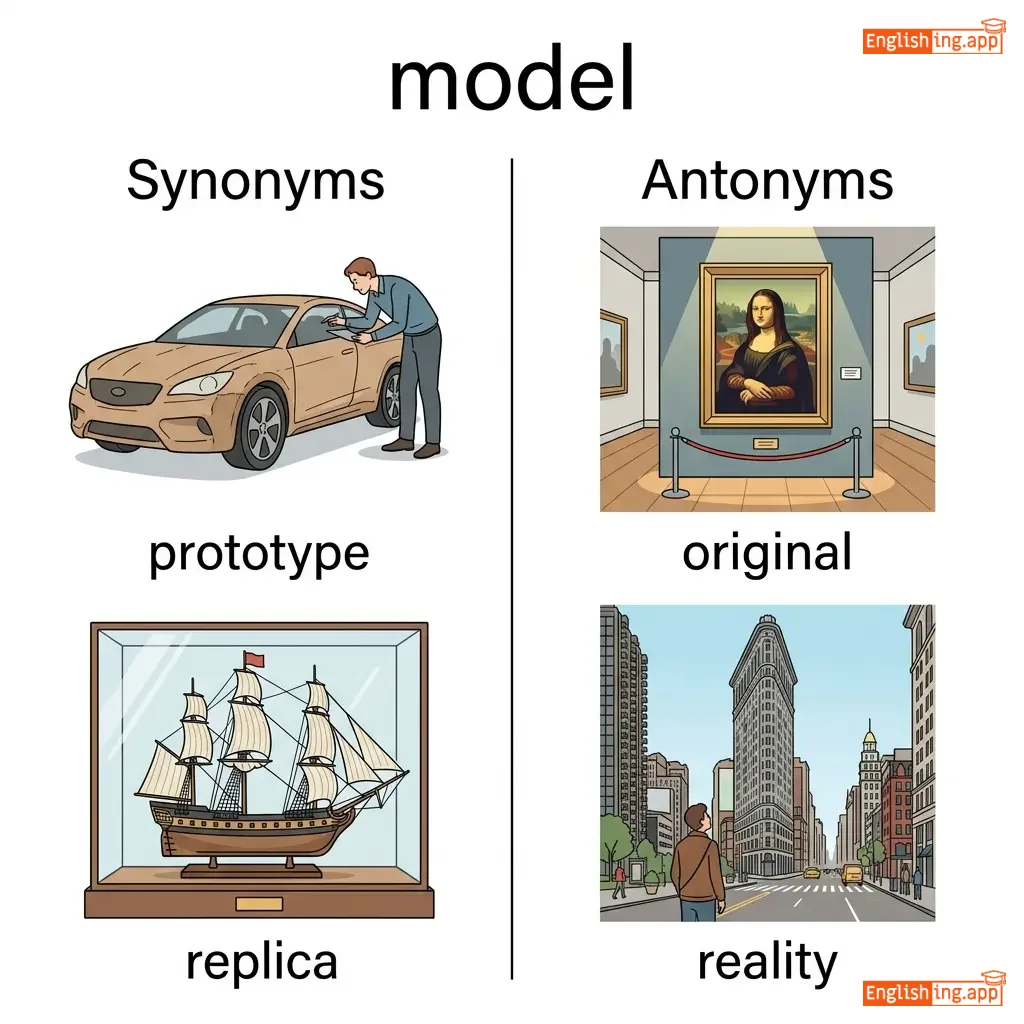
A framework, prototype, or simulation used to represent or understand a system or process.
••••••
|
Scientists use a model to simulate climate change. |
framework, prototype, simulation
••••••
|
disorganization, chaos, dysfunction
••••••
|
|
#1822
🤖
|
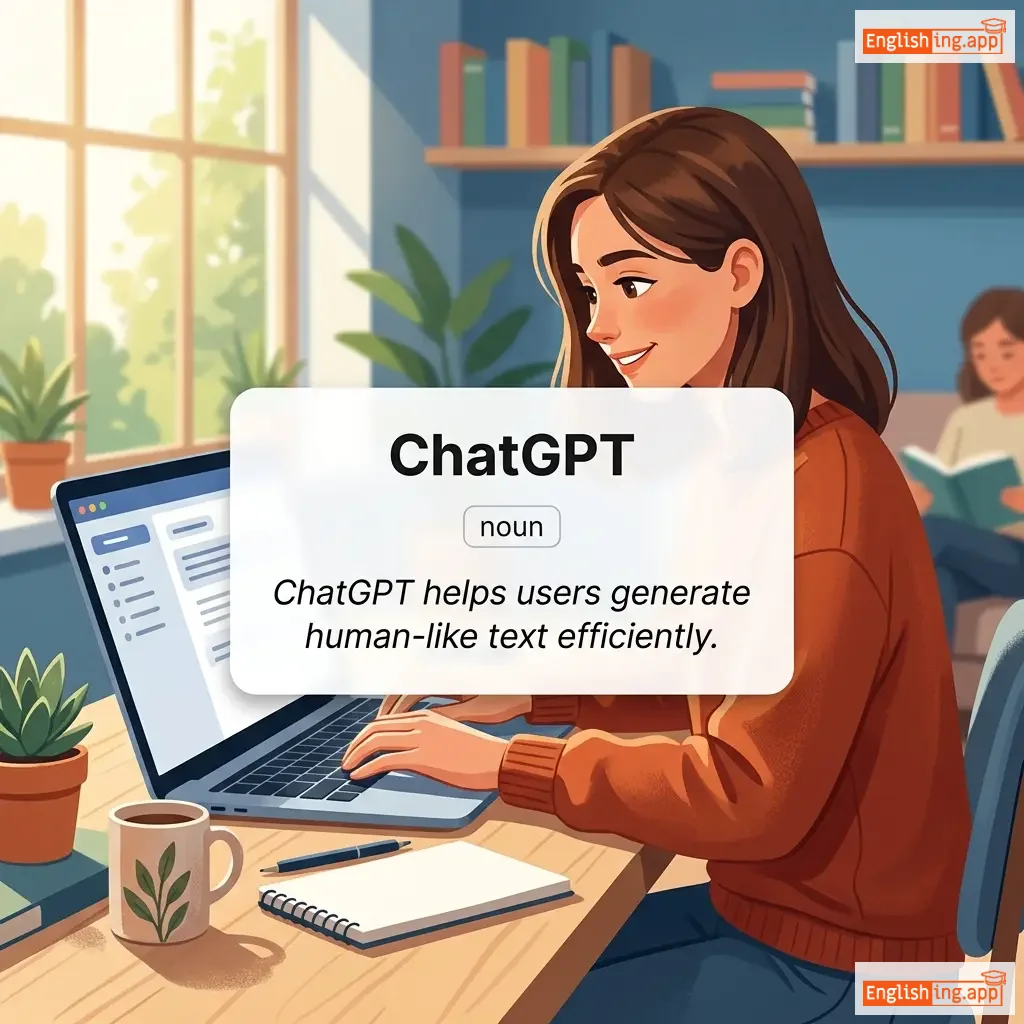
ˈtʃæt.dʒiː.piː.tiː
noun
••••••
|
|
A language-based artificial intelligence model designed for conversational interactions.
••••••
|
ChatGPT helps users generate human-like text efficiently. |
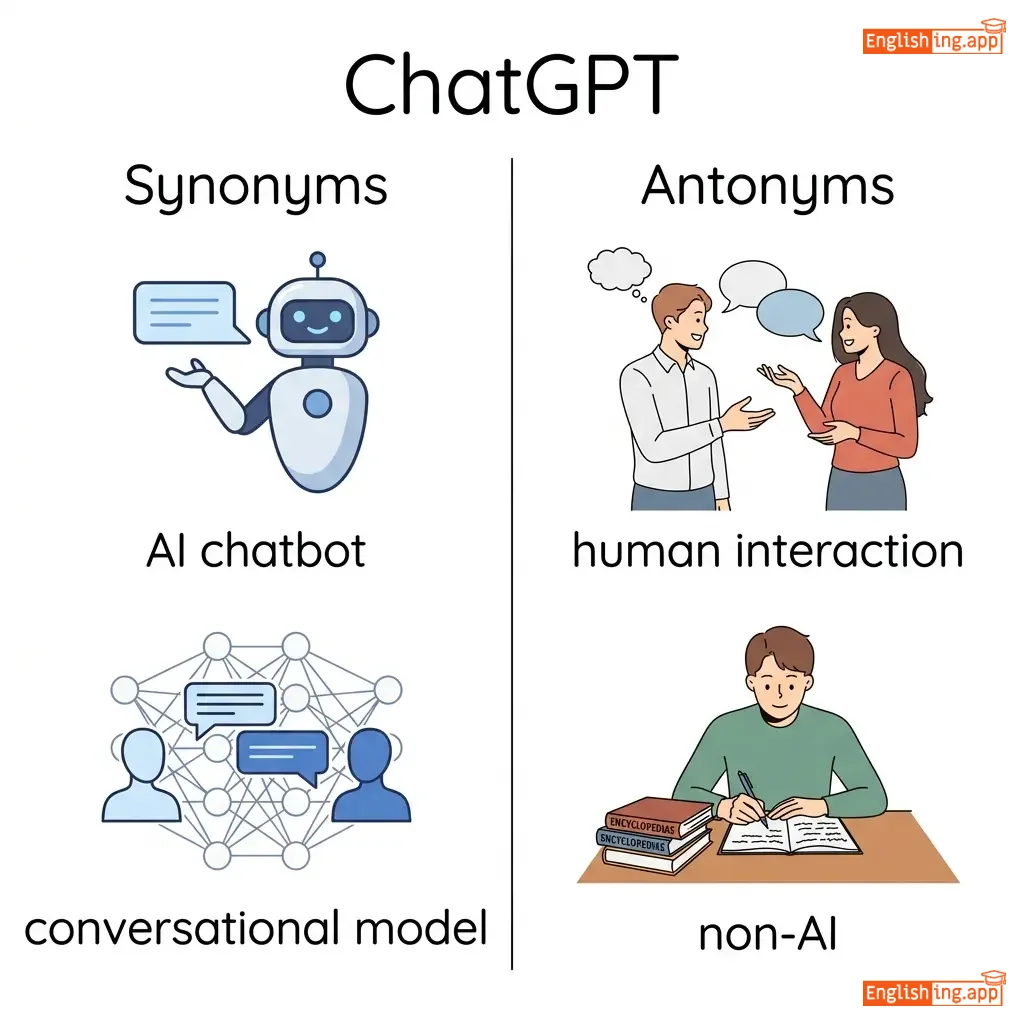
AI chatbot, conversational model, virtual assistant
••••••
|
human interaction, non-AI, traditional chat
••••••
|
|
#1823
📚
|
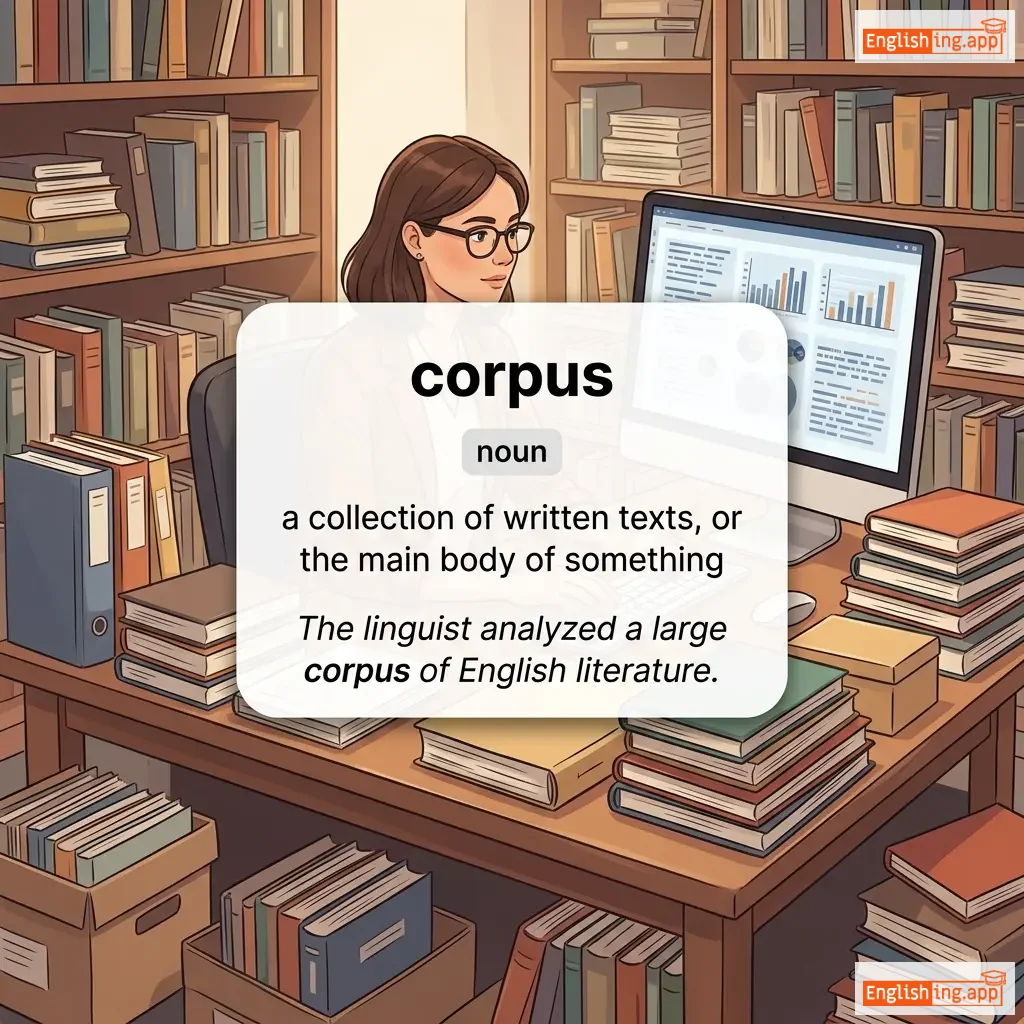
ˈkɔː.pəs
noun
••••••
|
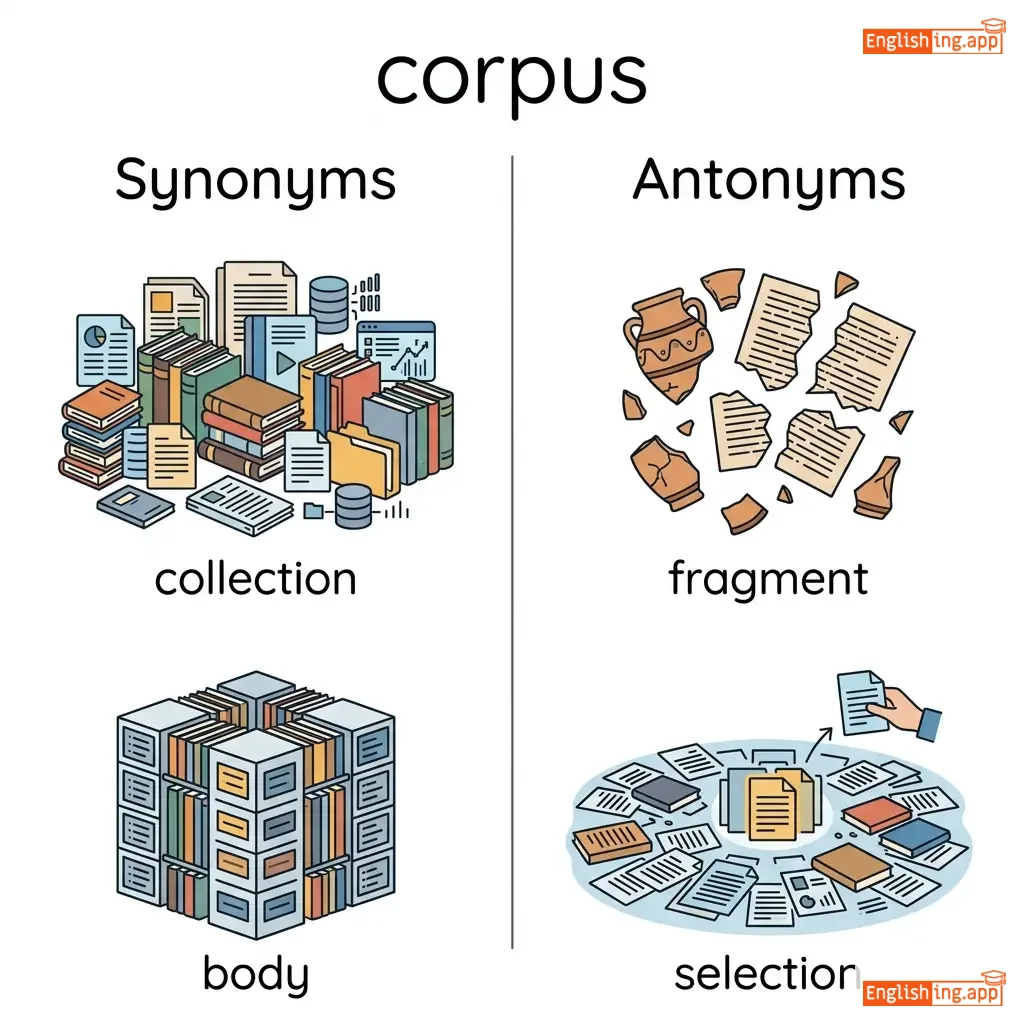
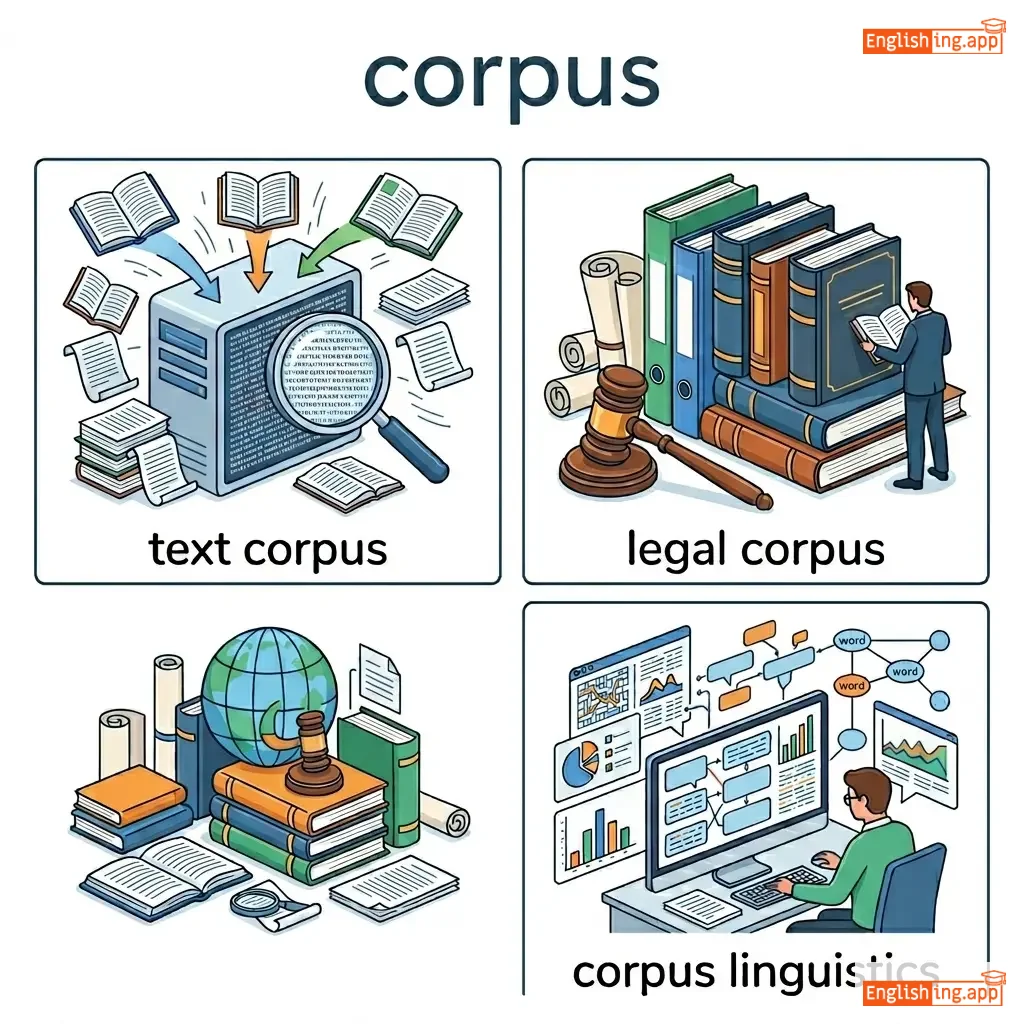
|
A large collection of linguistic data used for language analysis and research.
••••••
|
Linguists use a corpus to analyze language patterns. |
database, compilation, collection
••••••
|
fragment, selection, partial data
••••••
|
|
#1824
🧠
|
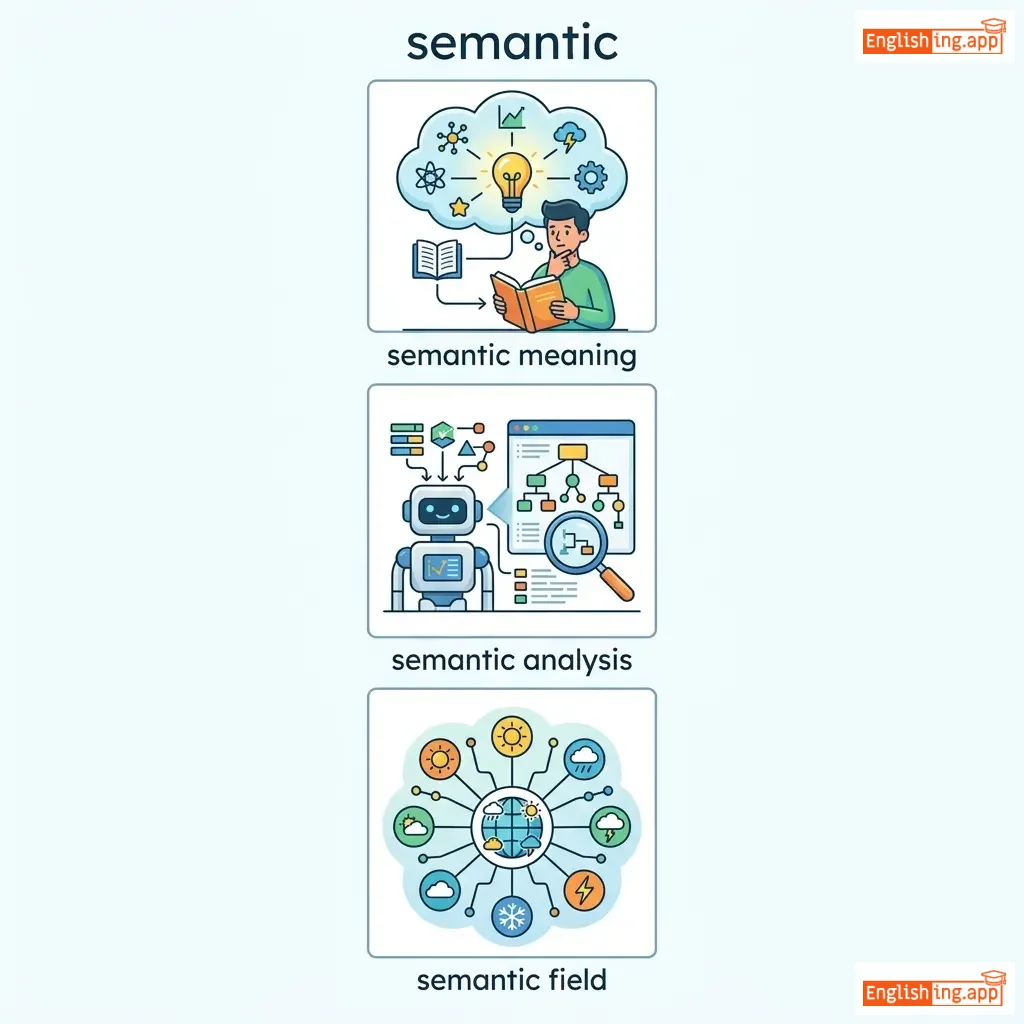
sɪˈmæn.tɪk
adjective
••••••
|
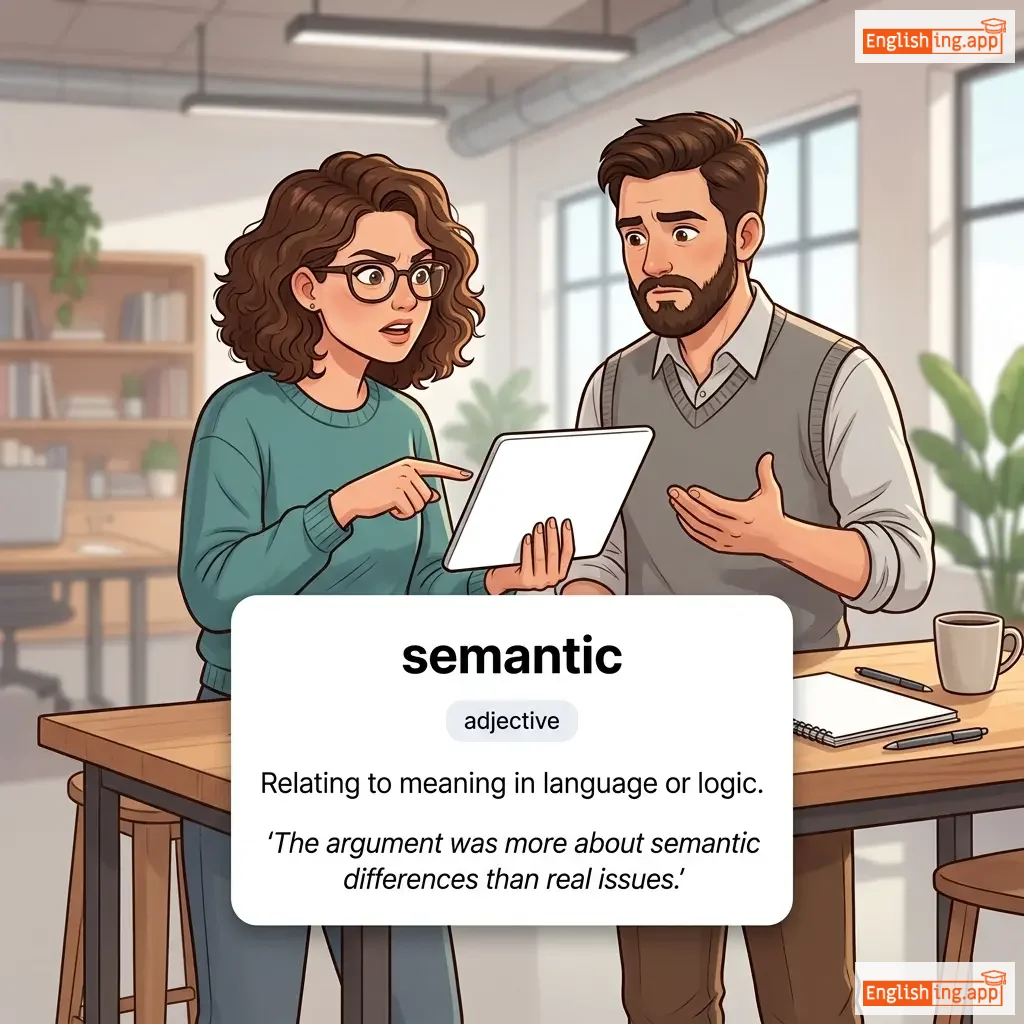
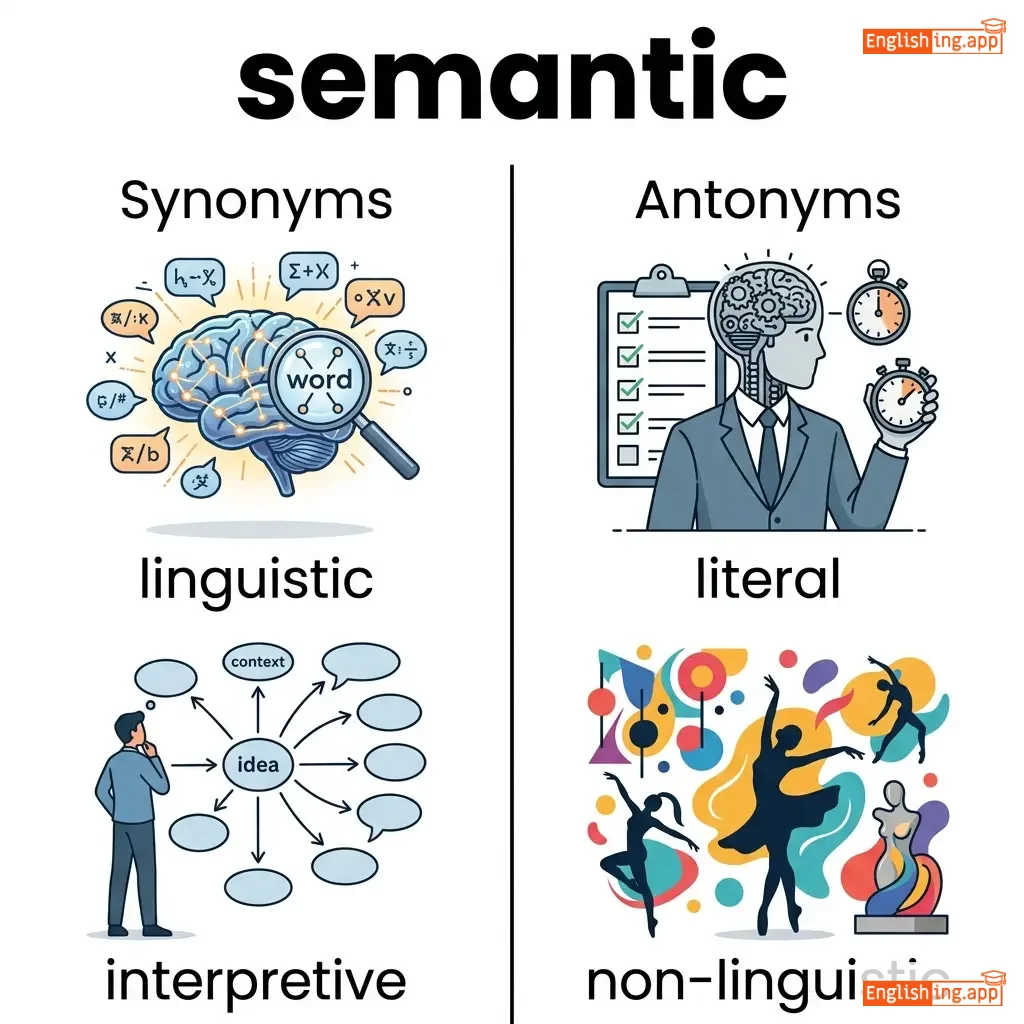
|
Related to meaning in language; concerning the interpretation of words and sentences.
••••••
|
AI models use semantic analysis to understand context. |
meaning-based, interpretive, conceptual
••••••
|
nonsensical, meaningless, incoherent
••••••
|
|
#1825
🎲
|
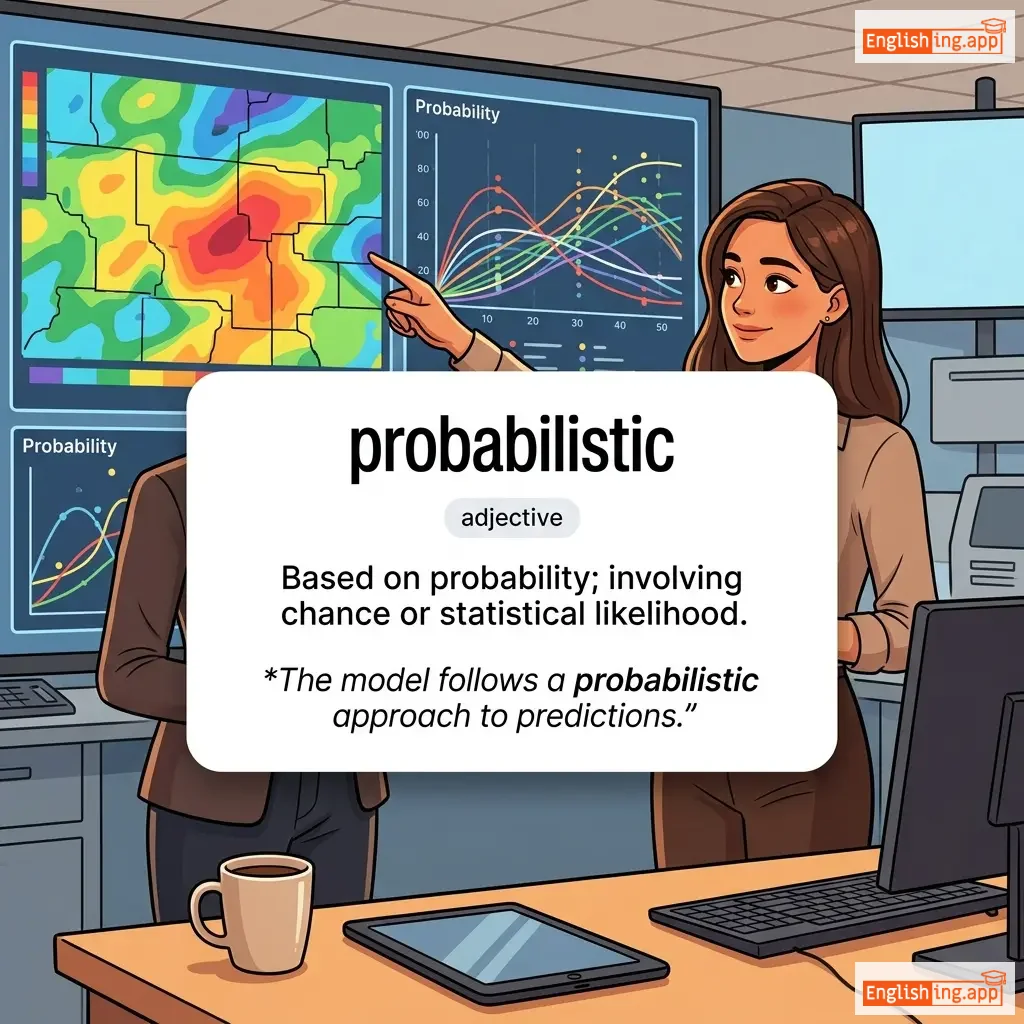
ˌprɒb.ə.bɪˈlɪs.tɪk
adjective
••••••
|
|
Based on probability; involving chance or statistical likelihood.
••••••
|
The model follows a probabilistic approach to predictions. |
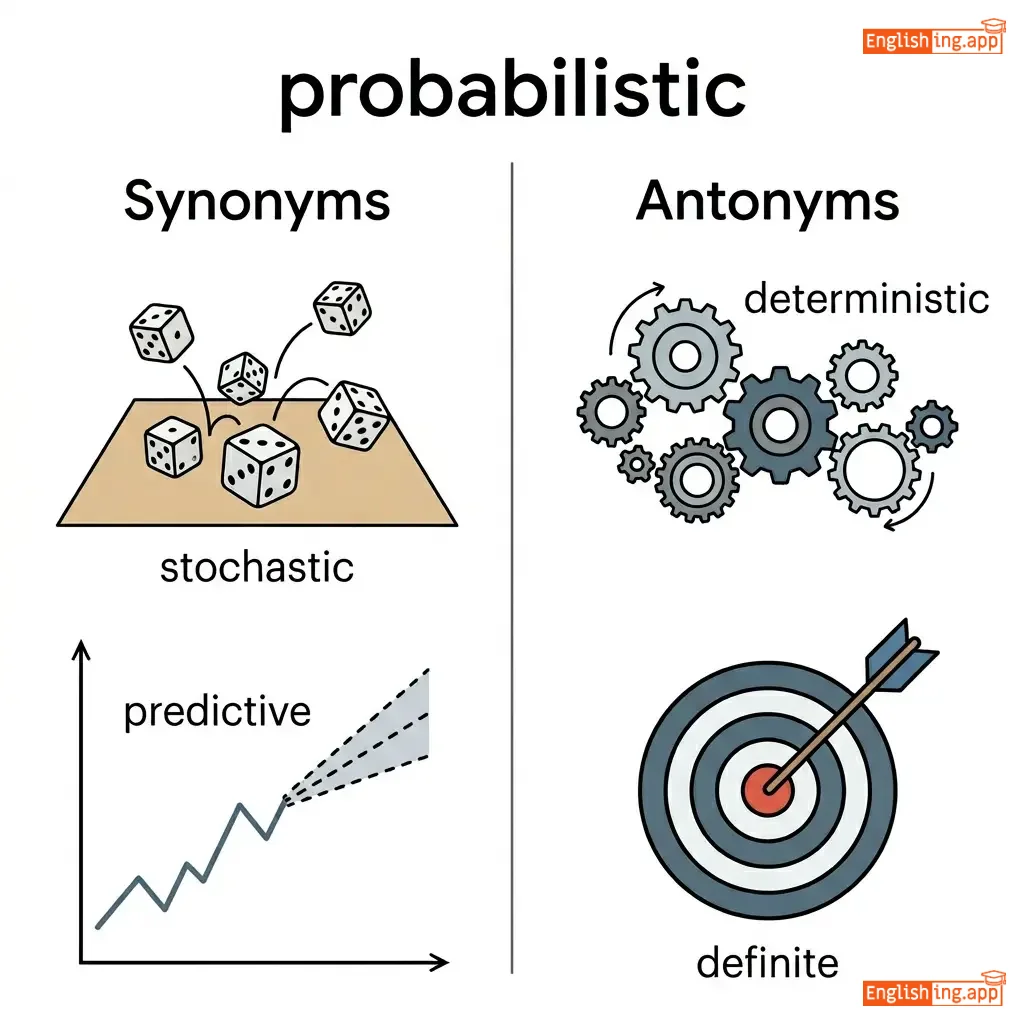
stochastic, predictive, statistical
••••••
|
deterministic, definite, fixed
••••••
|
|
#1826
🔍
|
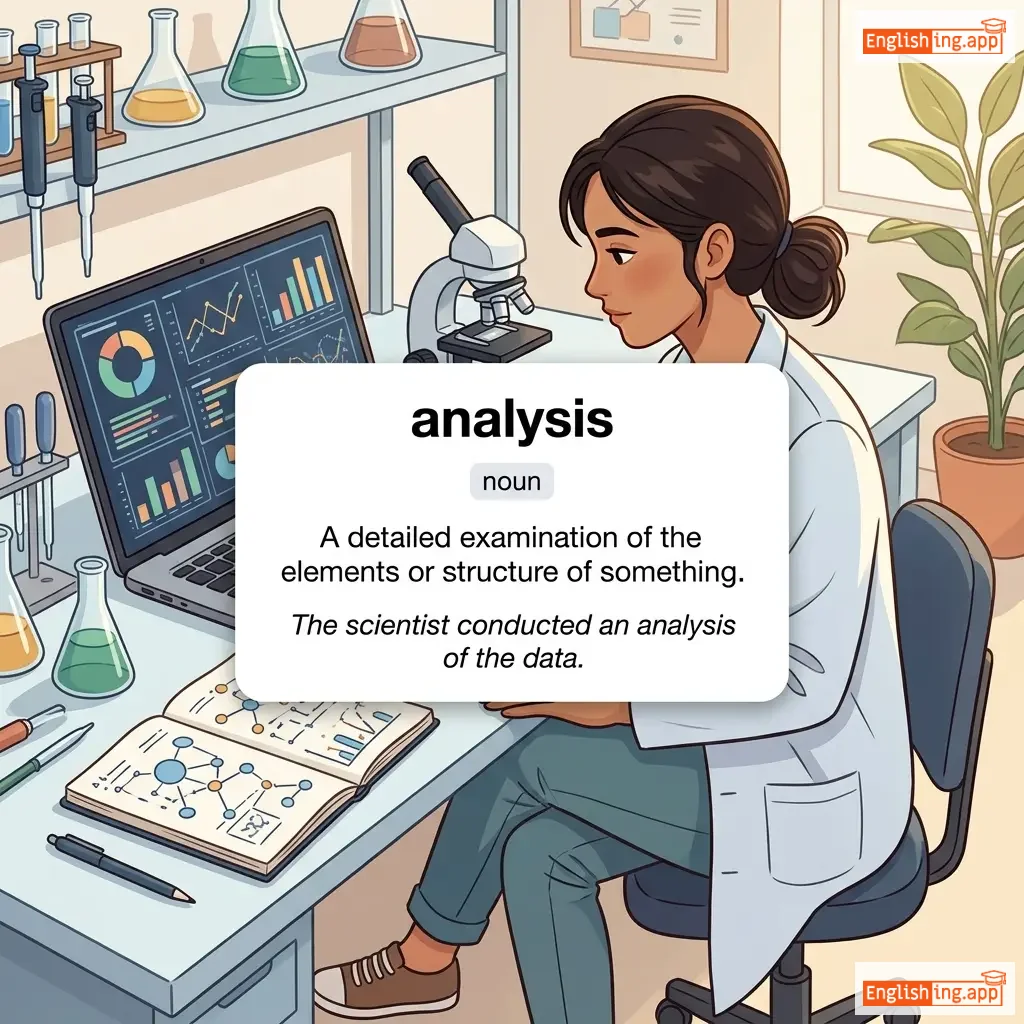
əˈnæl.ə.sɪs
noun
••••••
|
|
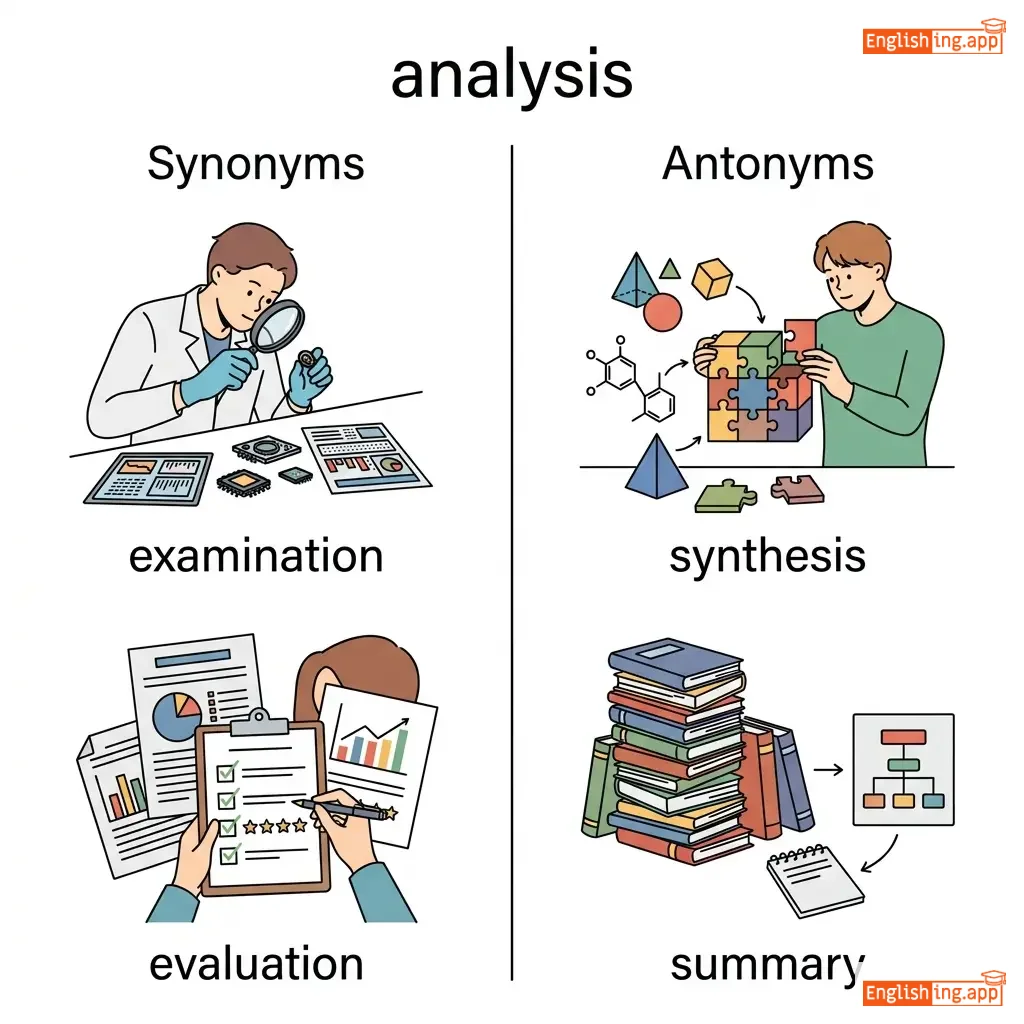
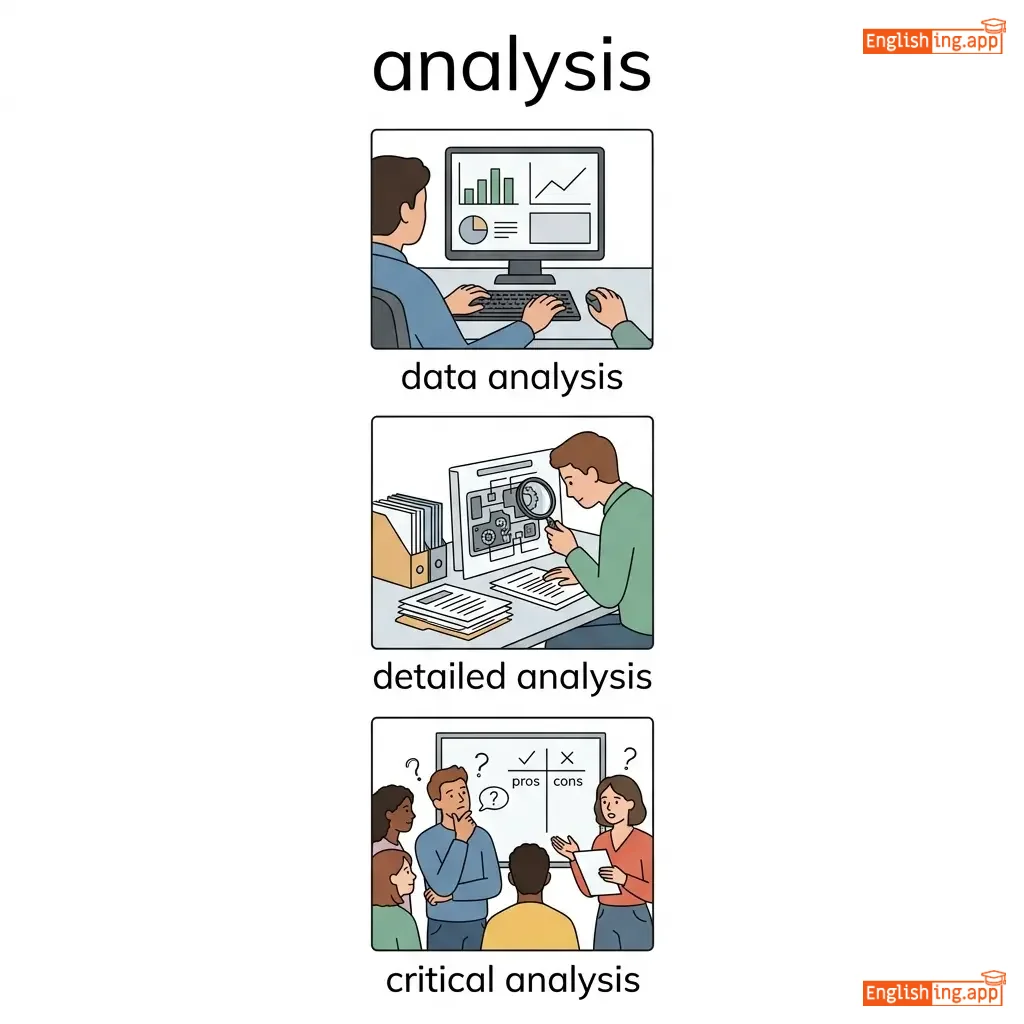
Detailed examination and evaluation of data or information to understand its components and relationships.
••••••
|
Data analysis is crucial for machine learning models. |
examination, evaluation, dissection
••••••
|
assumption, guesswork, unsystematic review
••••••
|
|
#1827
✂️
|
ˌtoʊ.kə.nɪˈzeɪ.ʃən
noun
••••••
|
|
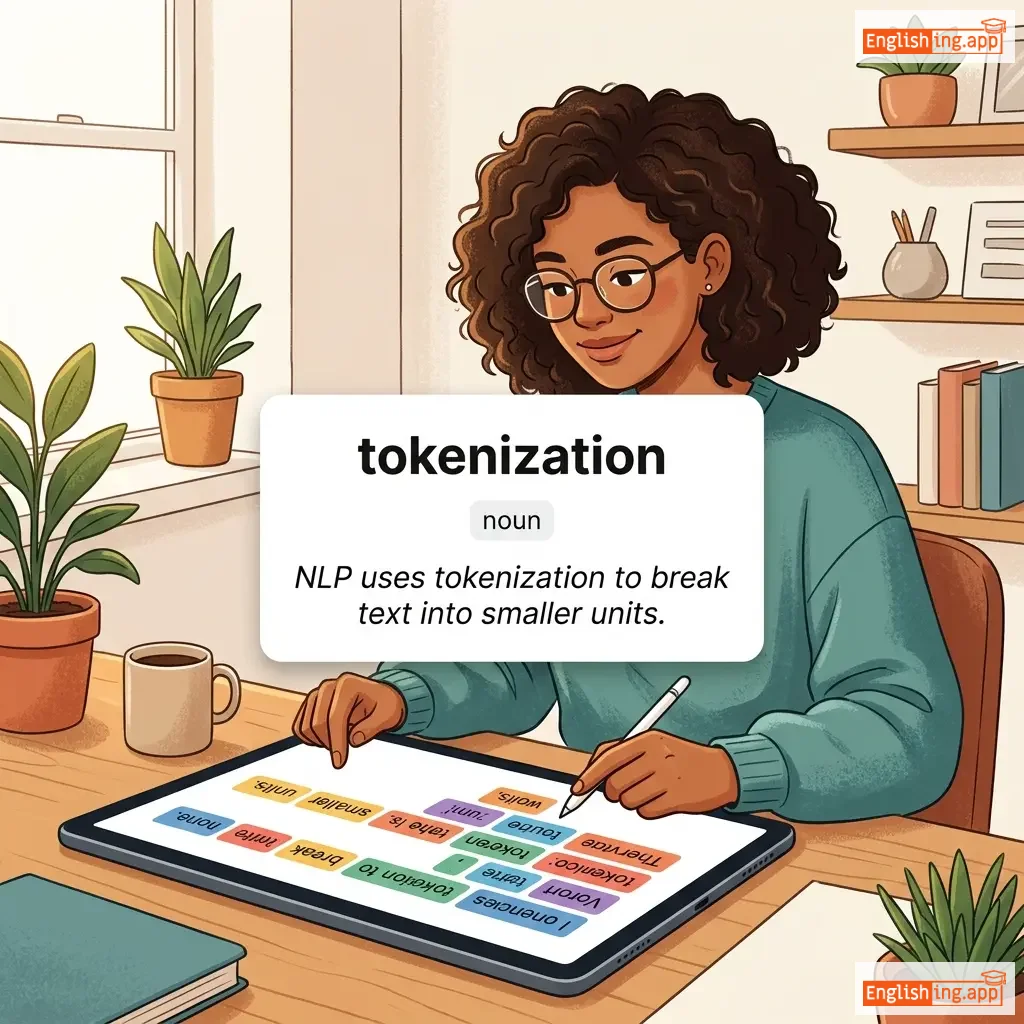
The process of breaking text into smaller units like words, phrases, or symbols for analysis.
••••••
|
NLP uses tokenization to break text into smaller units. |
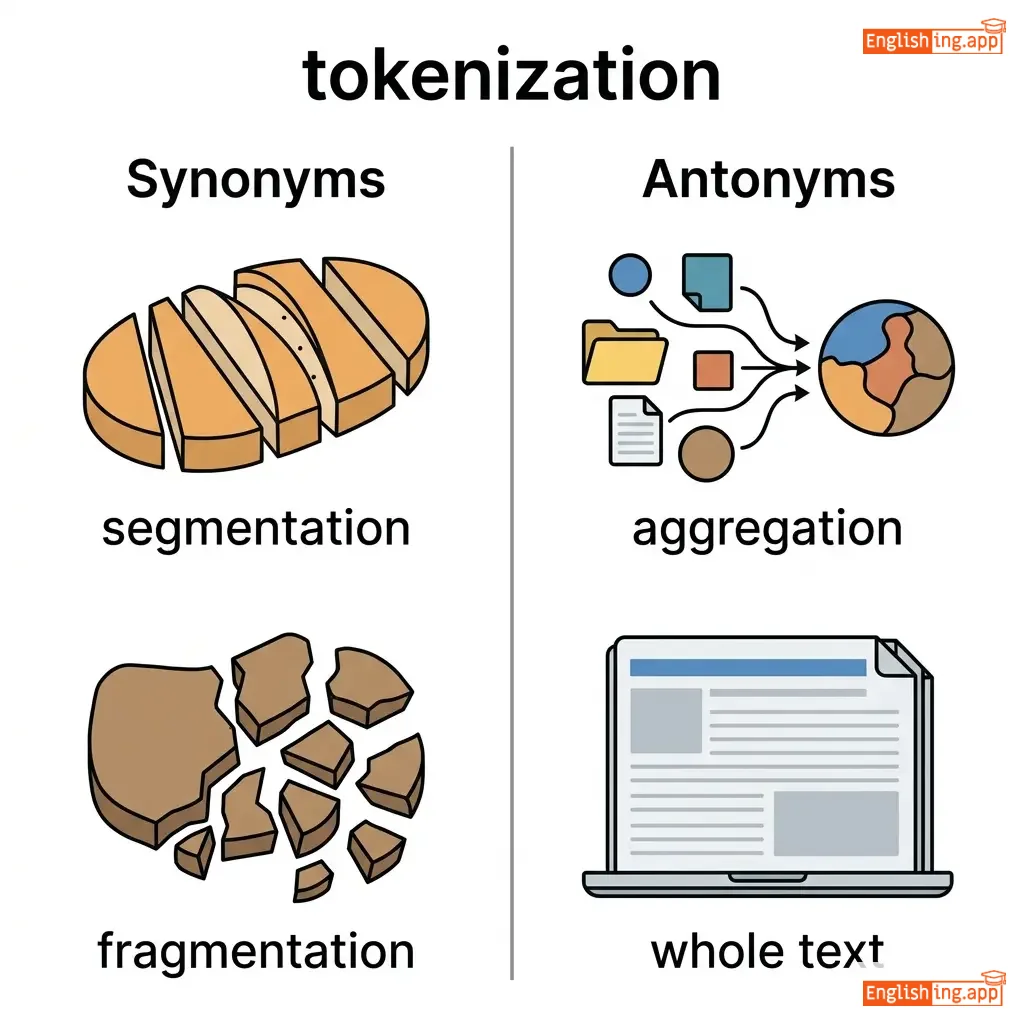
segmentation, fragmentation, parsing
••••••
|
aggregation, whole text, non-division
••••••
|
|
#1828
🔧
|
ˈpɑː.sɪŋ
noun
••••••
|
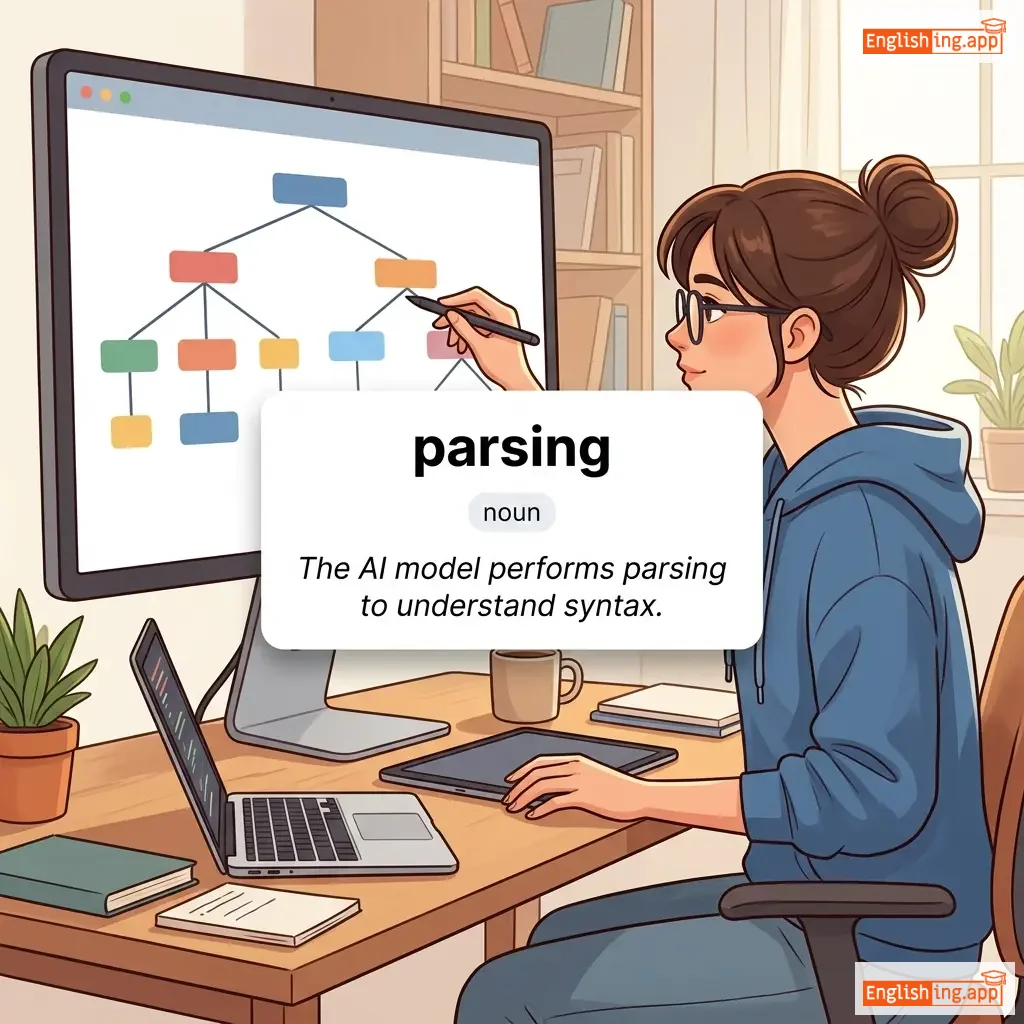
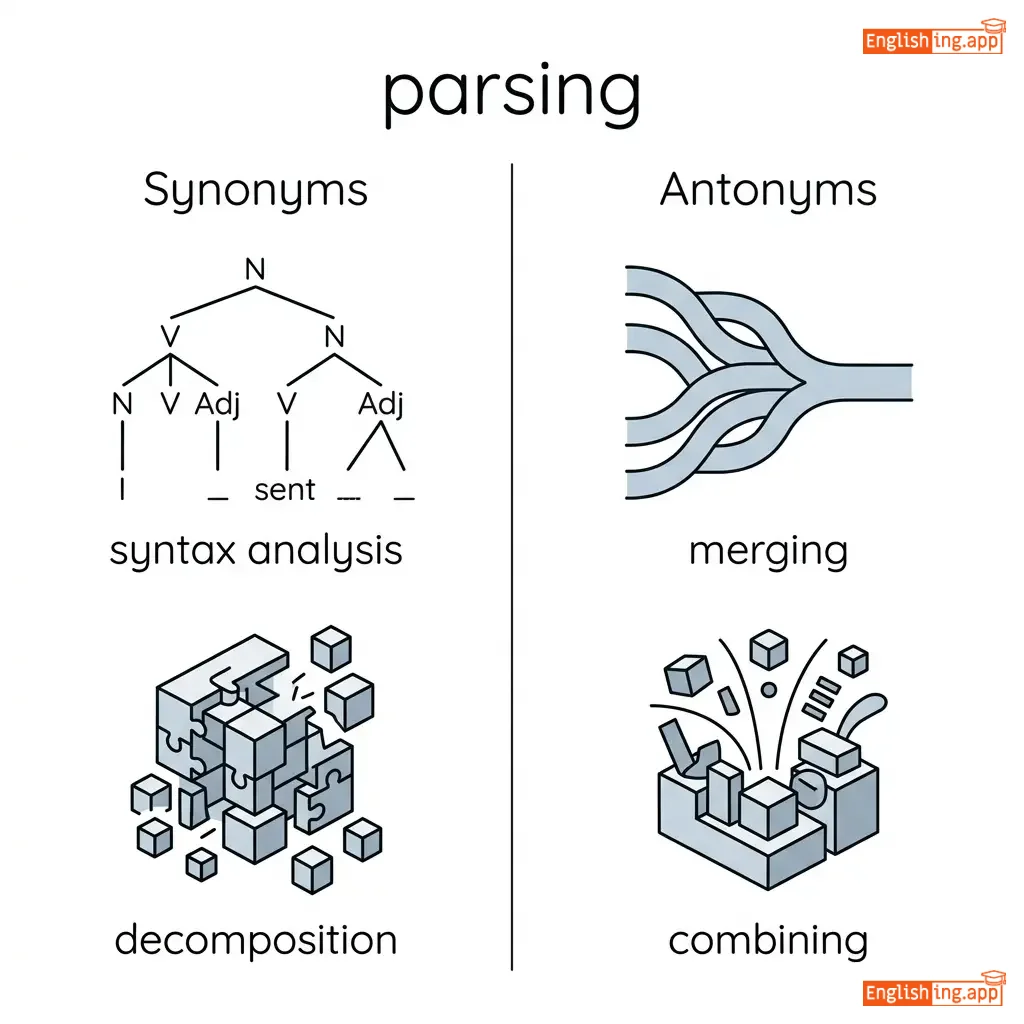
|
The process of analyzing sentence structure to understand grammatical relationships.
••••••
|
The AI model performs parsing to understand syntax. |
syntax analysis, decomposition, interpretation
••••••
|
merging, combining, generalization
••••••
|
|
#1829
🧩
|
ˌmɔː.fəˈlɒdʒ.ɪ.kəl
adjective
••••••
|
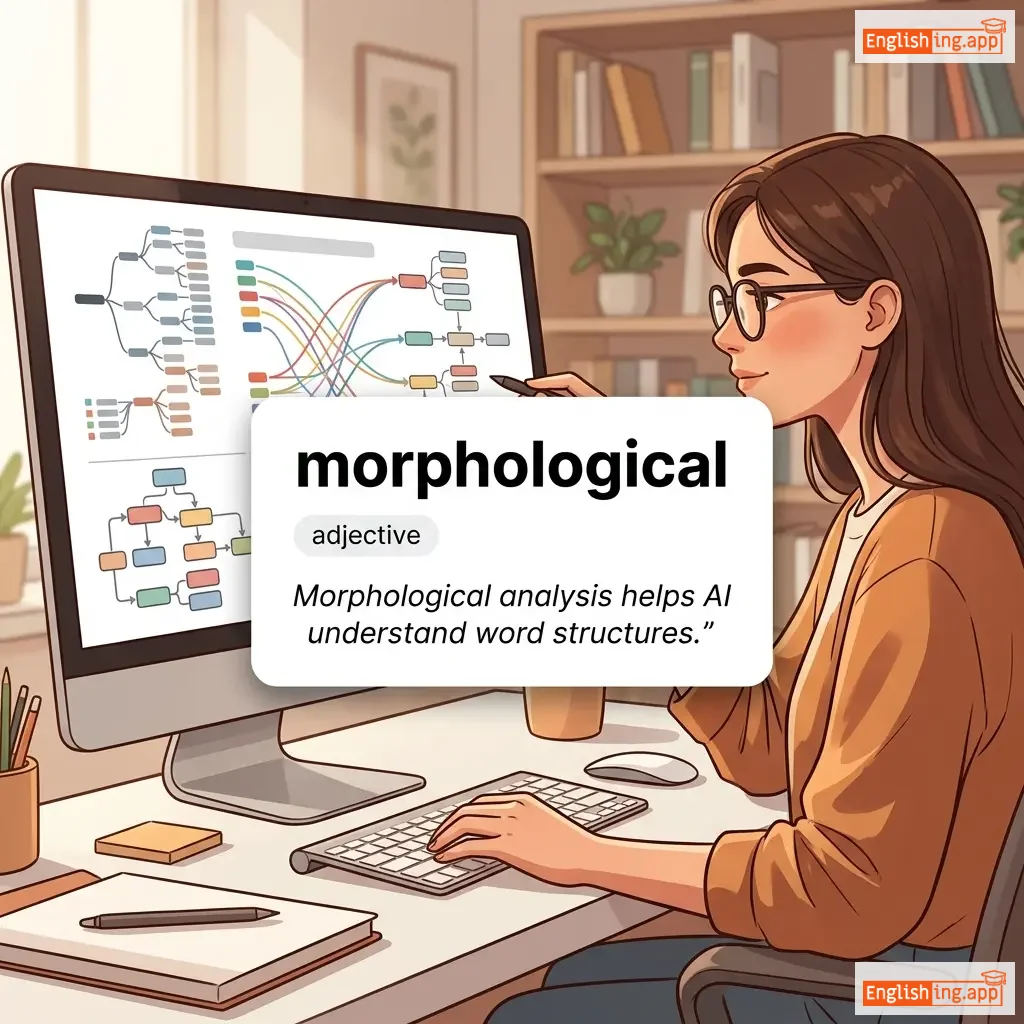
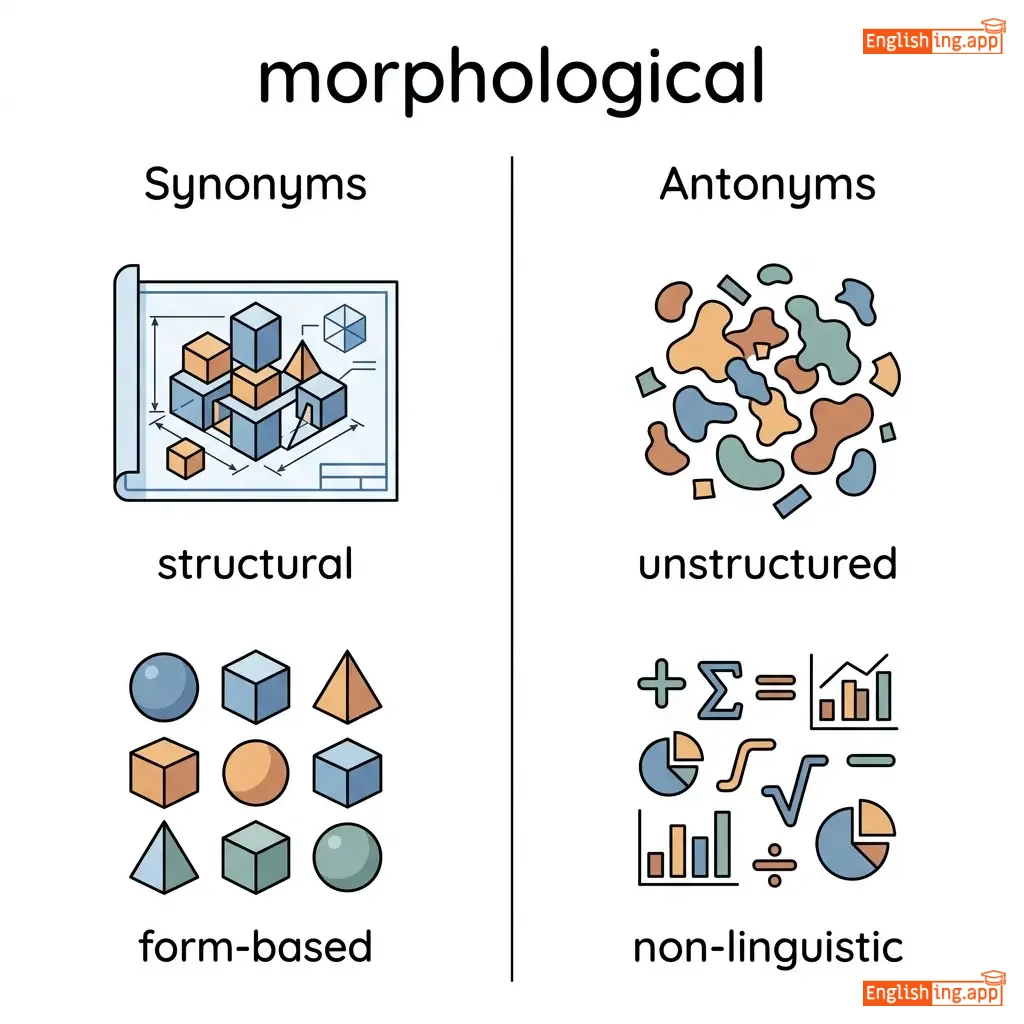
|
Related to the structure and formation of words; concerning morphology in linguistics.
••••••
|
Morphological analysis helps AI understand word structures. |
structural, form-based, linguistic
••••••
|
unstructured, non-linguistic, undefined
••••••
|
|
#1830
📝
|
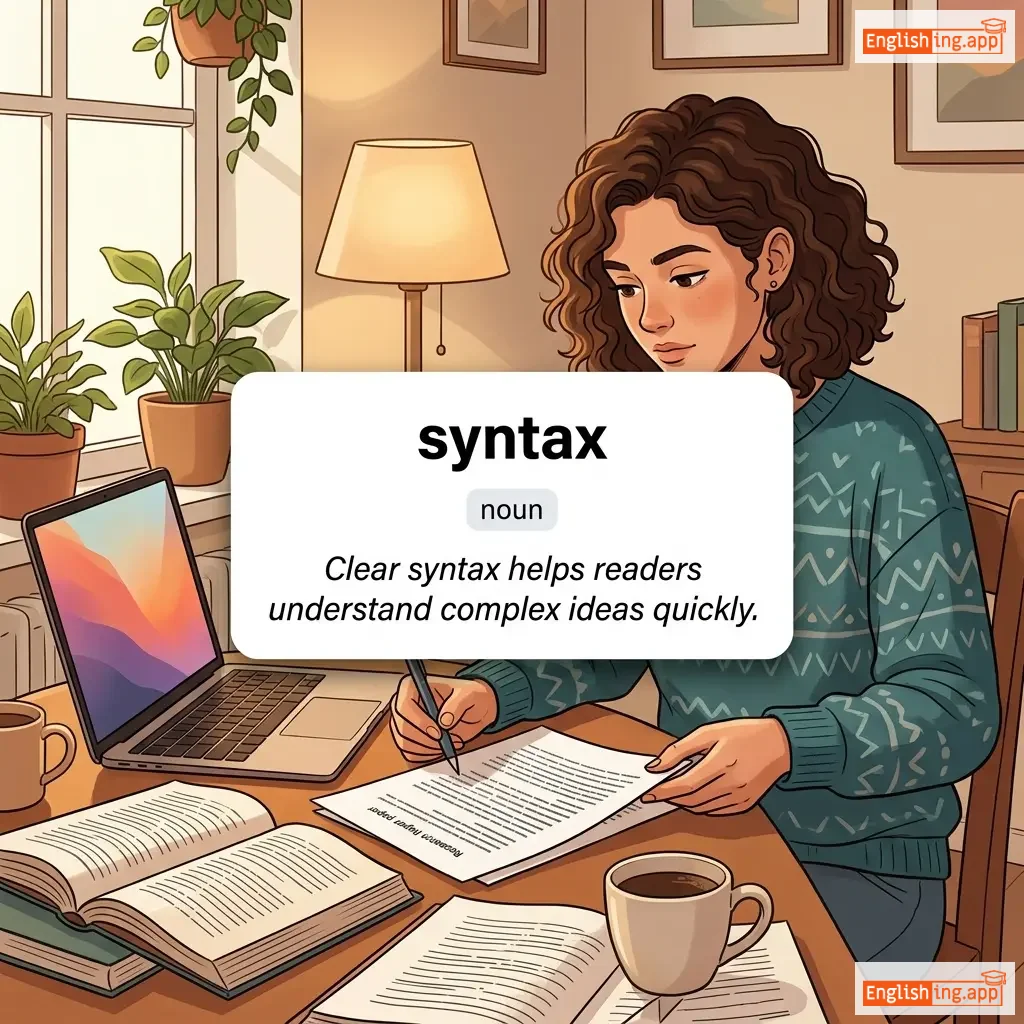
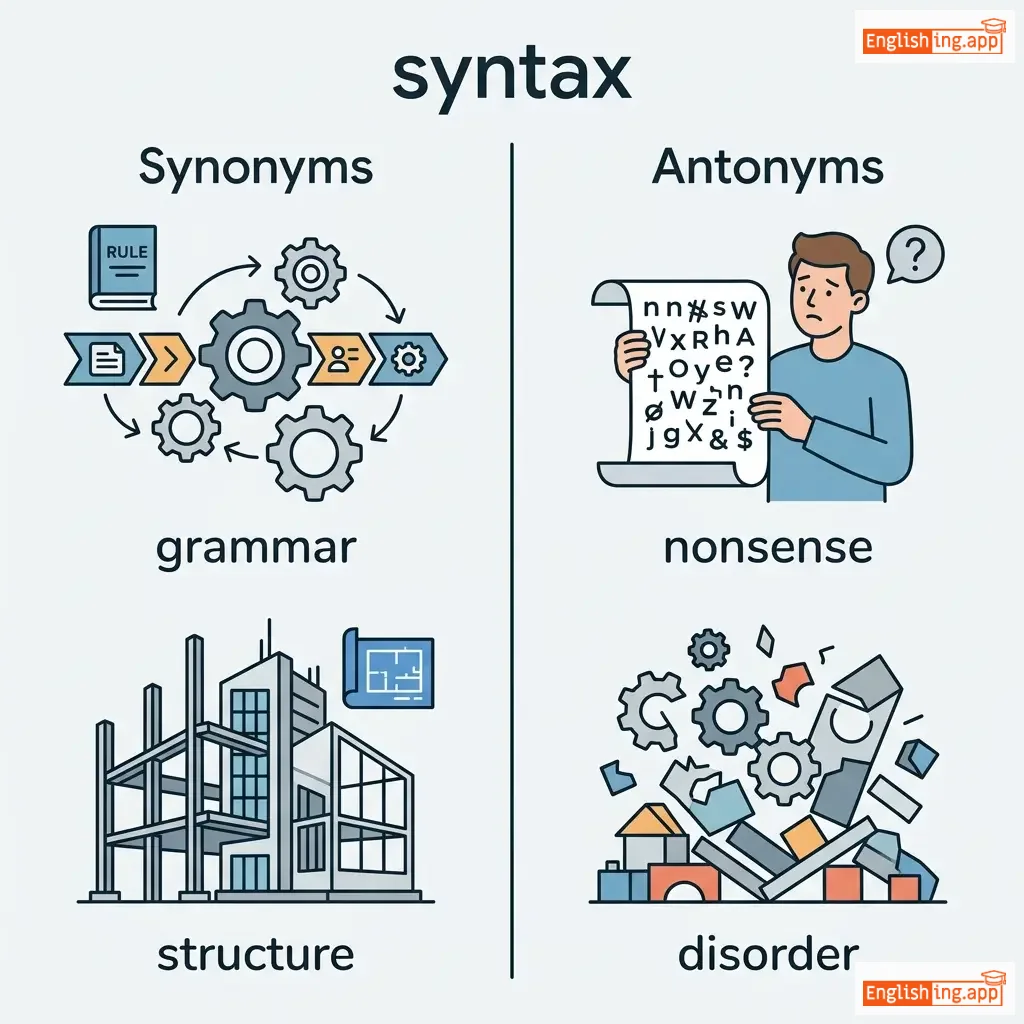
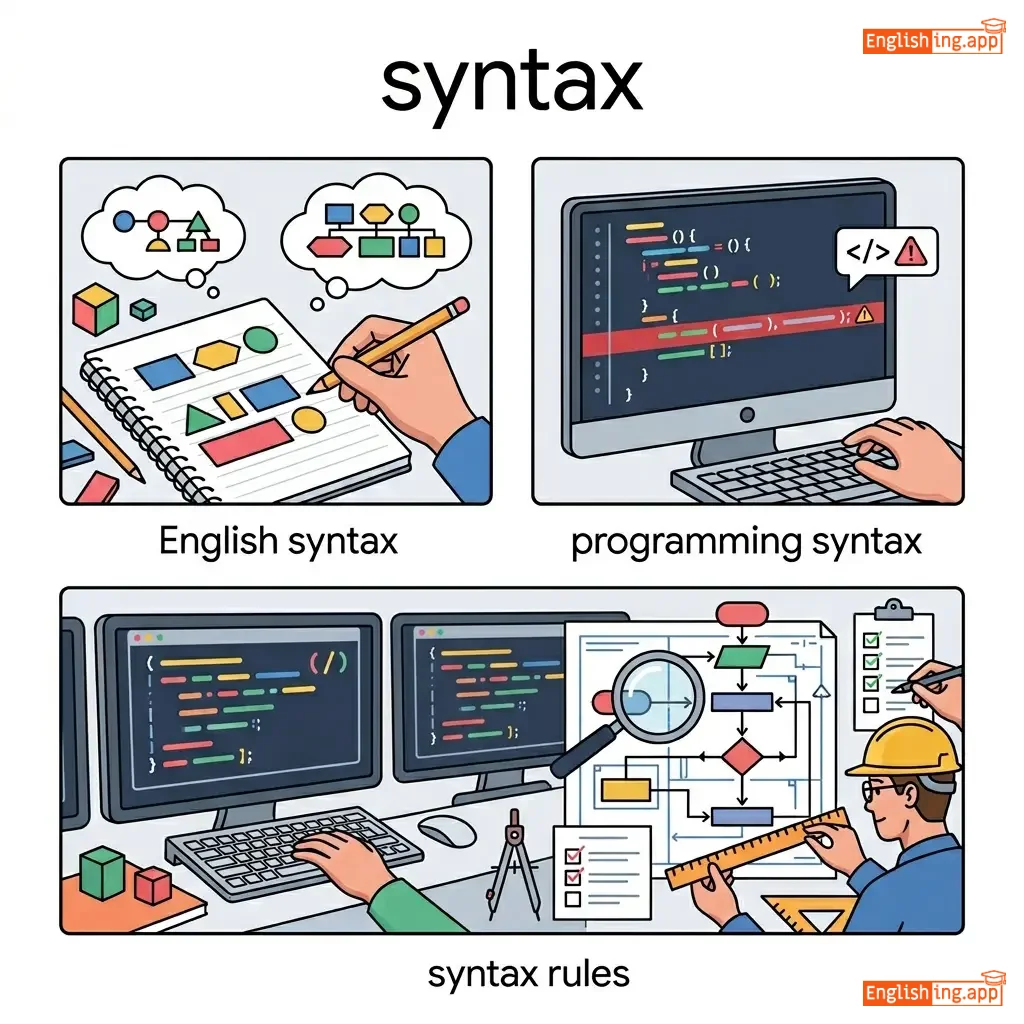
ˈsɪn.tæks
noun
••••••
|
|
The arrangement of words and phrases to create well-formed sentences in a language.
••••••
|
Programming languages follow strict syntax rules. |
structure, grammar, composition
••••••
|
chaos, disorganization, unstructured
••••••
|
|
#1831
🔗
|
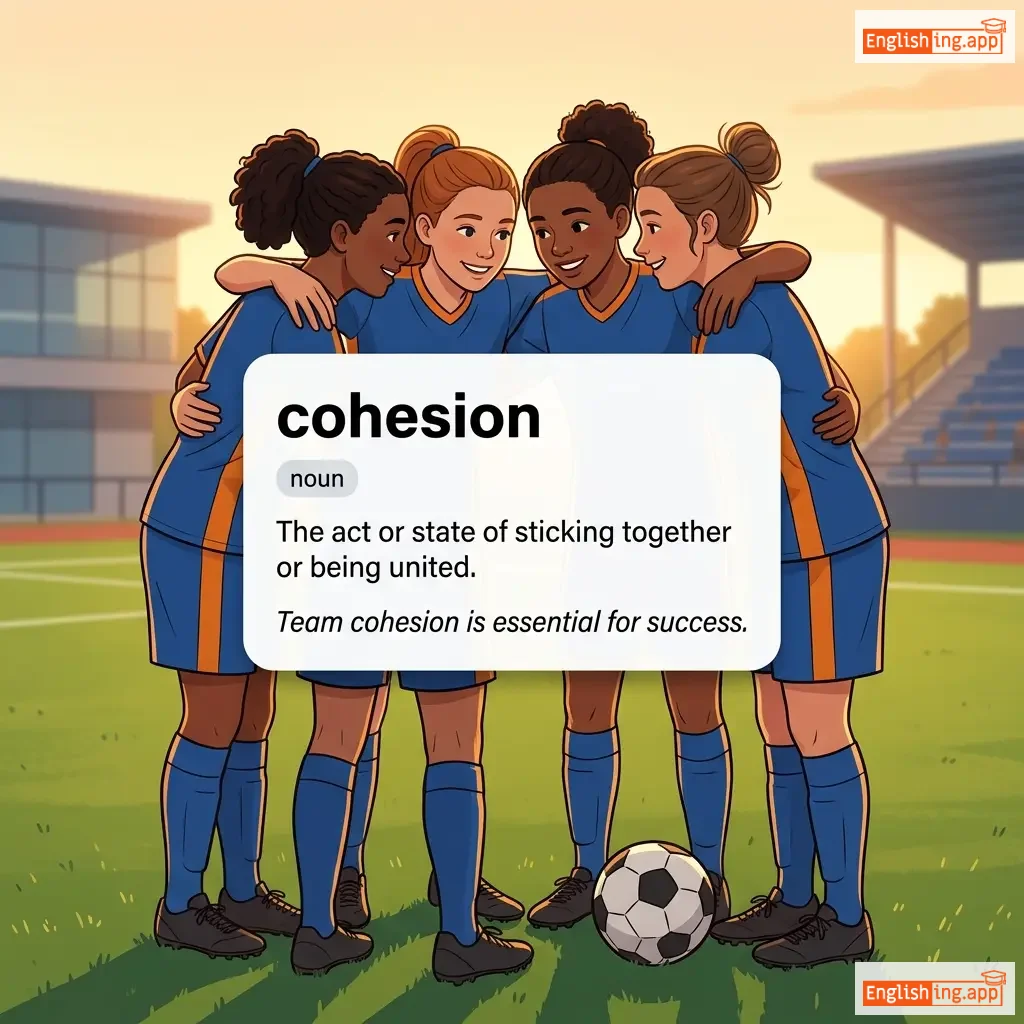
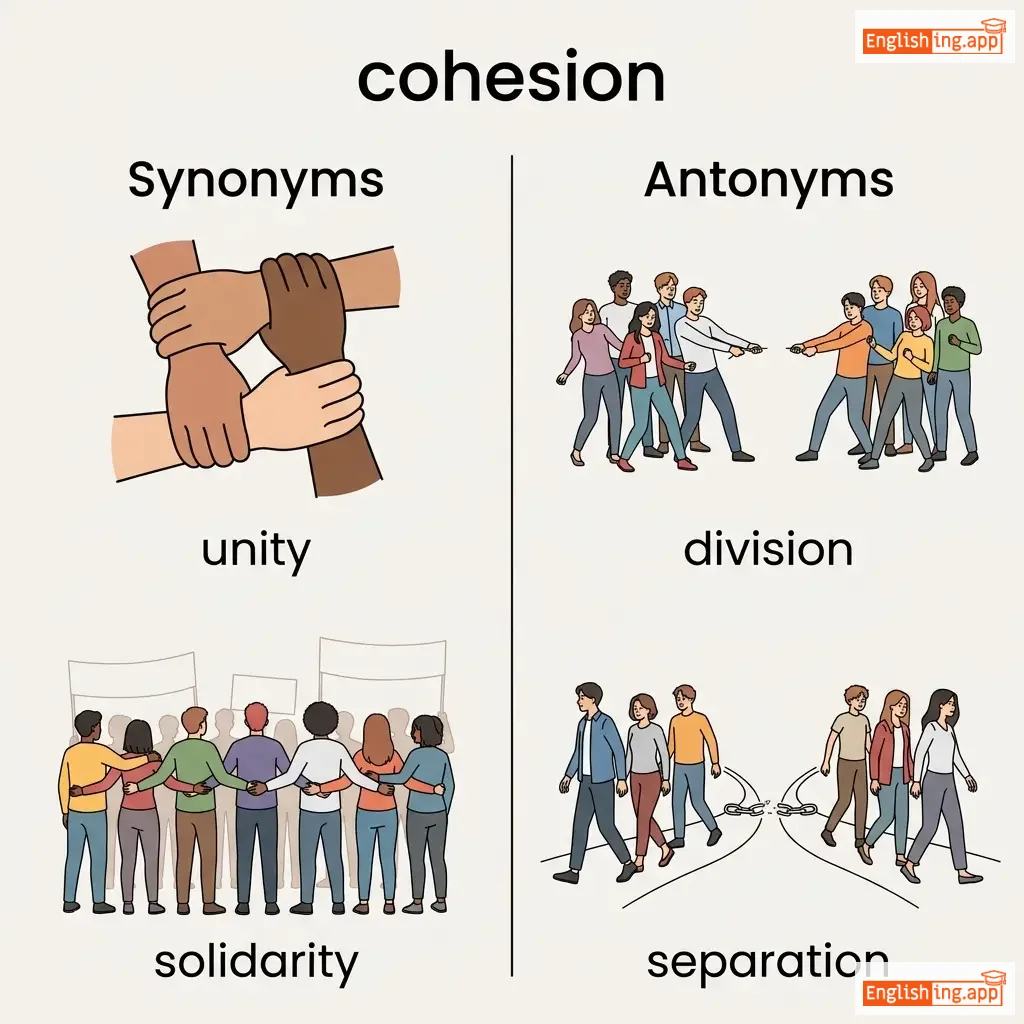
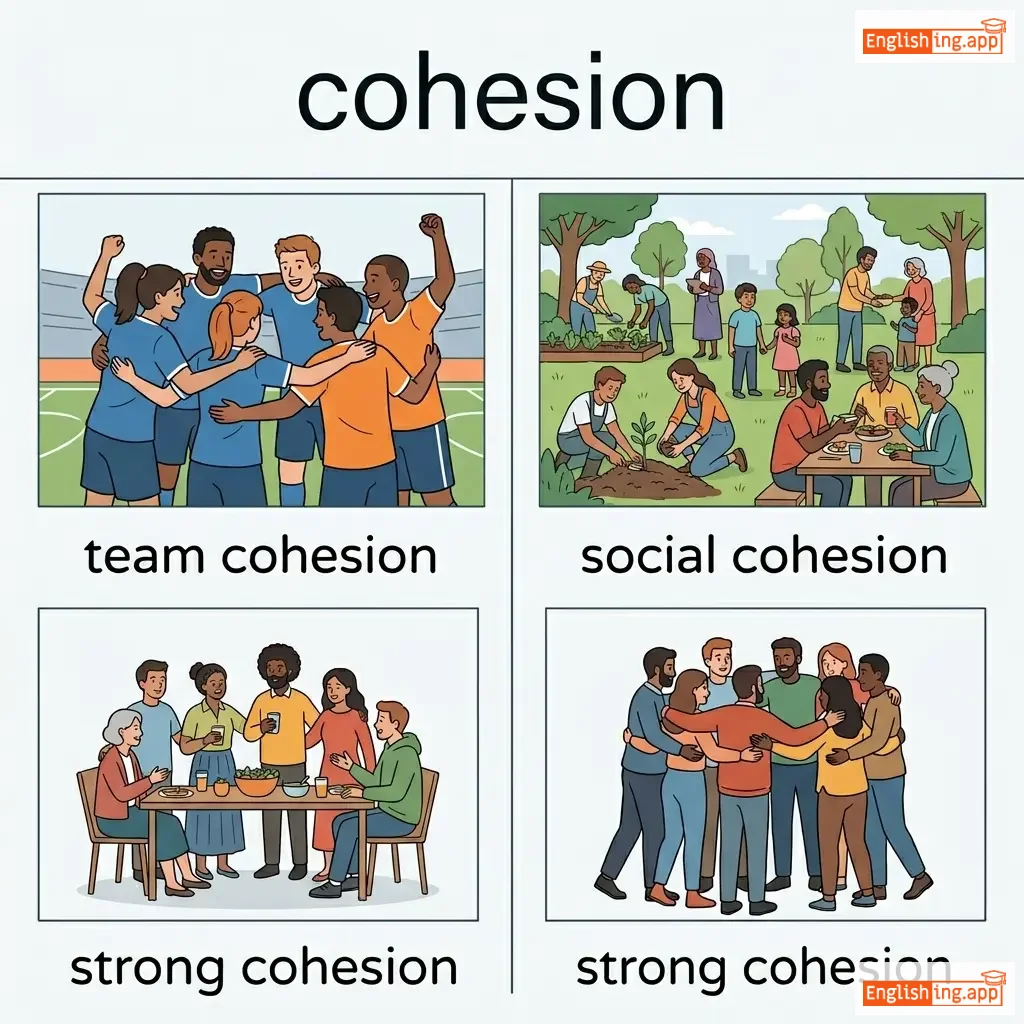
kəʊˈhiː.ʒən
noun
••••••
|
|
The quality of forming a unified whole; logical connection and consistency.
••••••
|
Good writing ensures logical cohesion between ideas. |
unity, connection, coherence
••••••
|
disunity, fragmentation, incoherence
••••••
|
|
#1832
❓
|
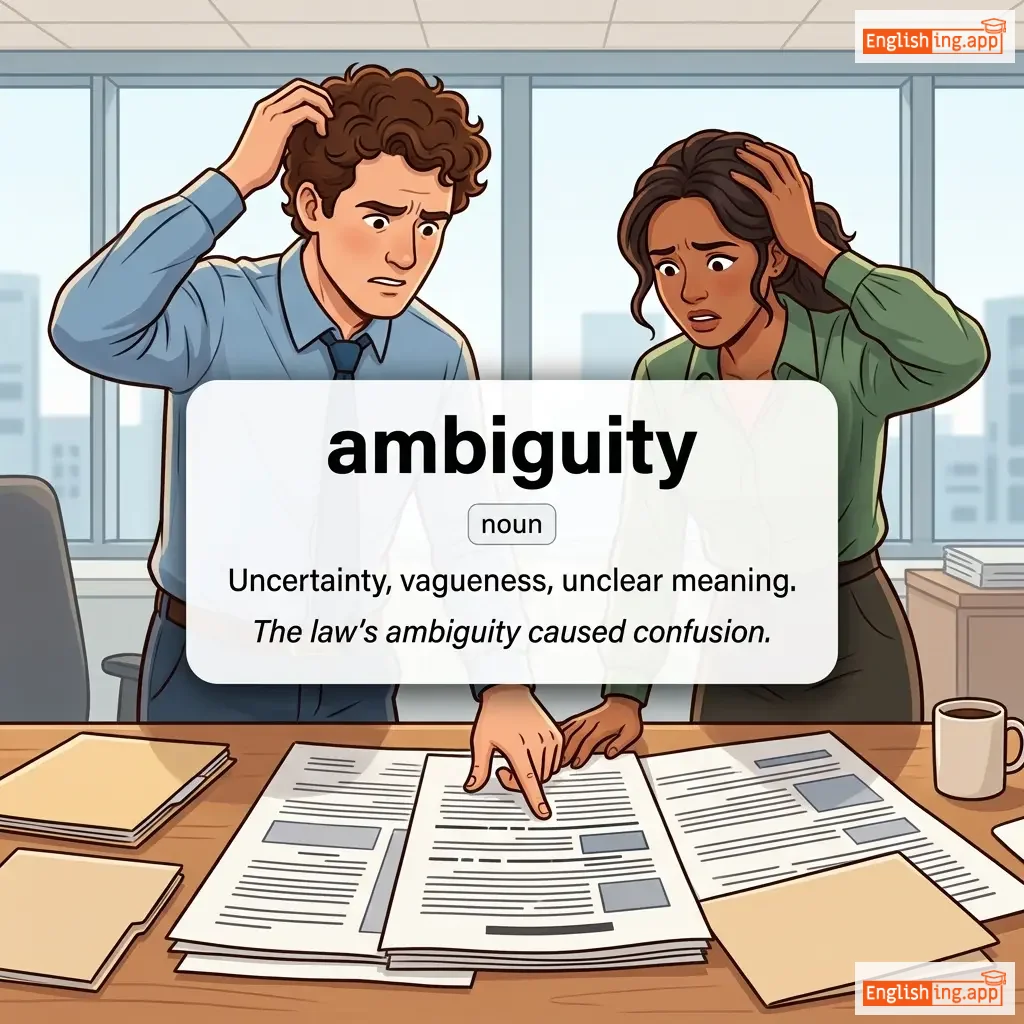
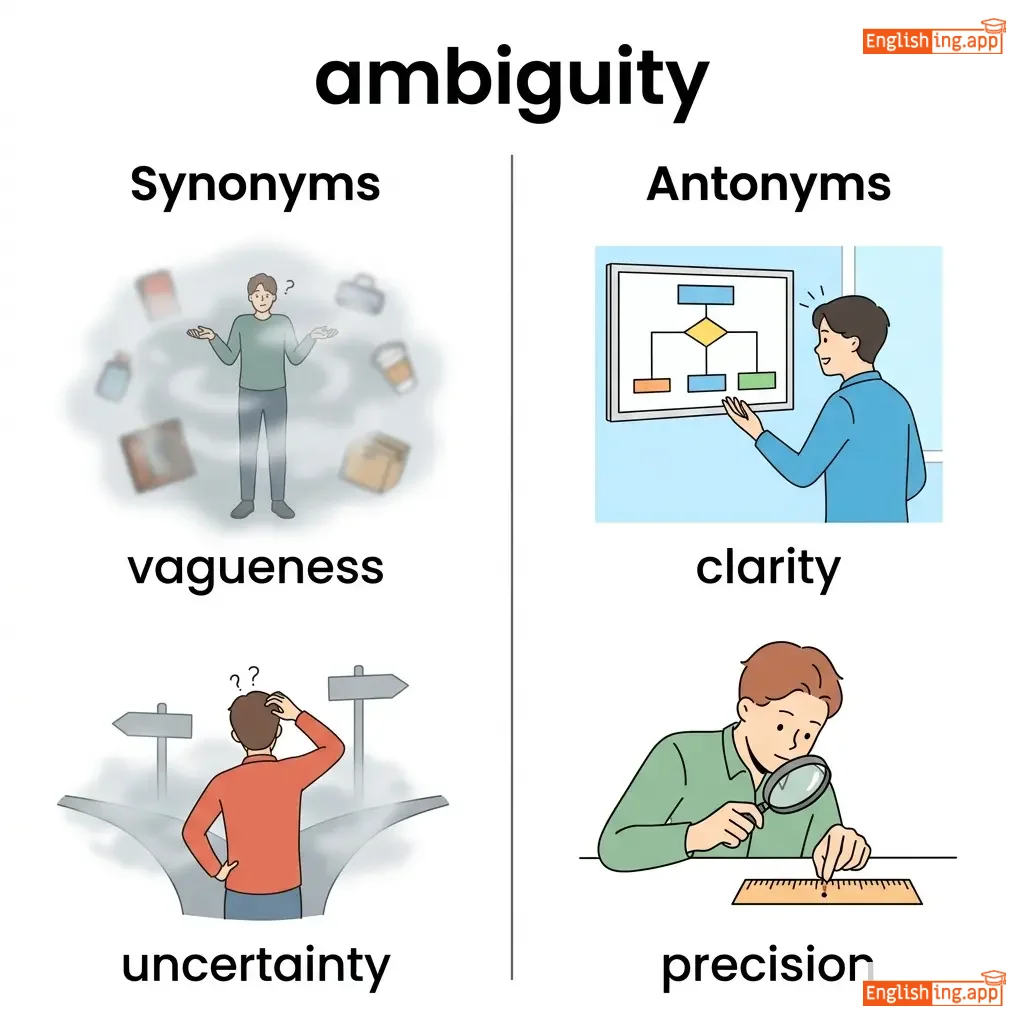
ˌæm.bɪˈɡjuː.ɪ.ti
noun
••••••
|
|
The quality of being open to more than one interpretation; uncertainty of meaning.
••••••
|
Legal documents should avoid ambiguity. |
uncertainty, vagueness, obscurity
••••••
|
clarity, explicitness, precision
••••••
|
|
#1833
🔍
|
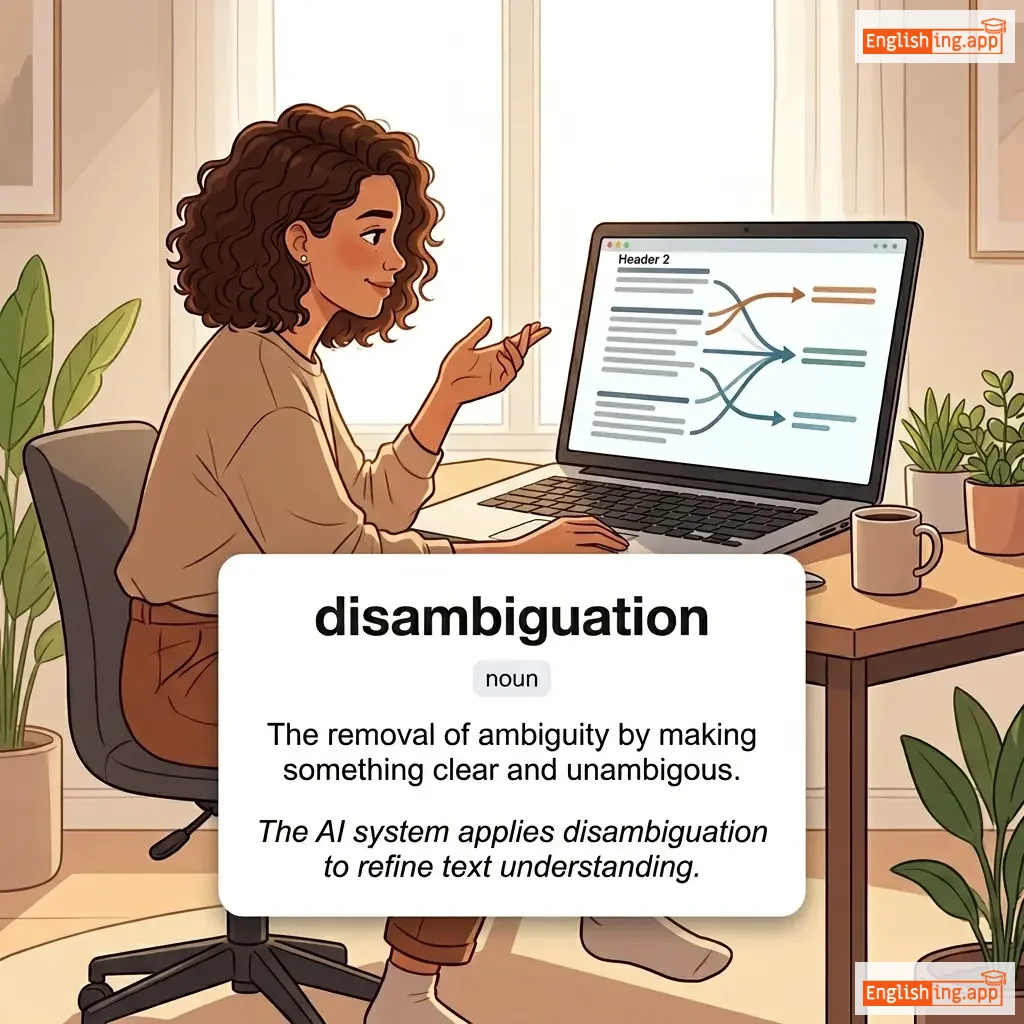
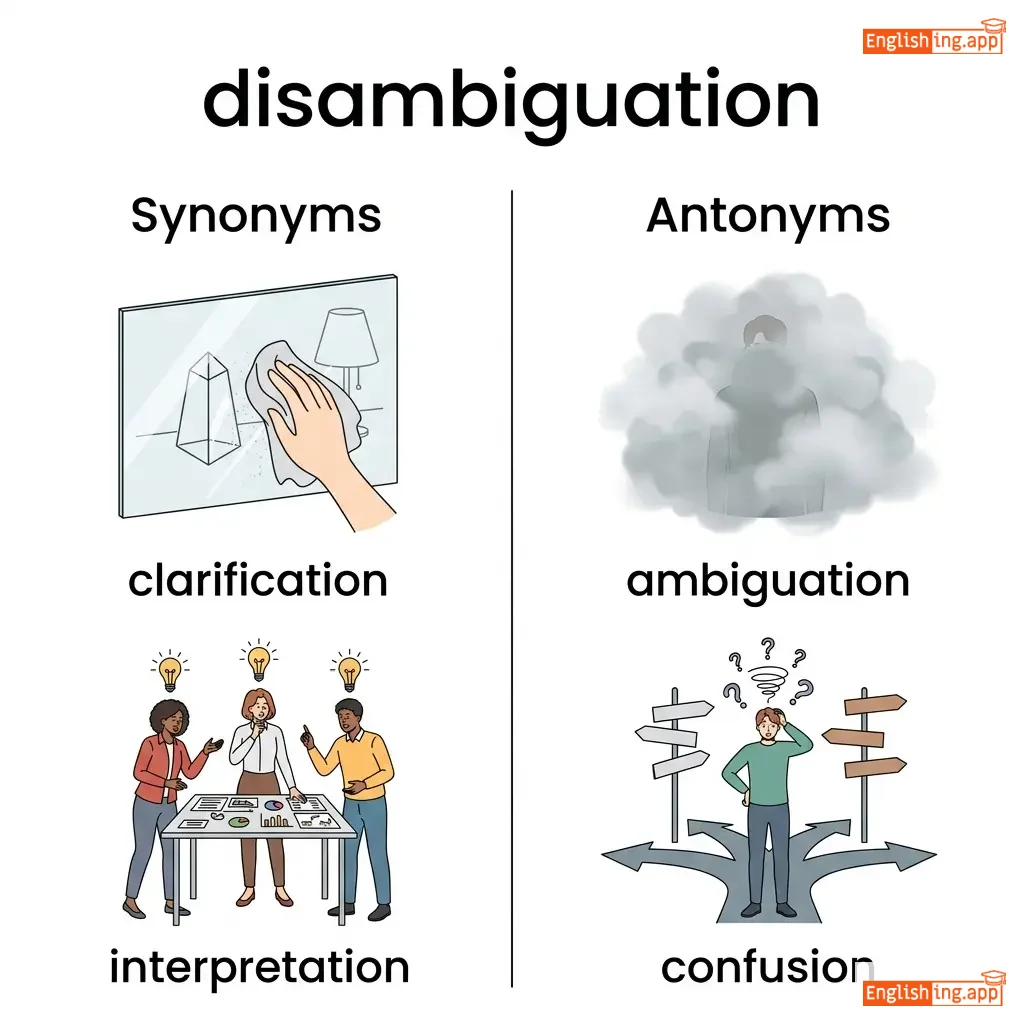
ˌdɪs.æmˌbɪɡ.juˈeɪ.ʃən
noun
••••••
|
|
The removal of ambiguity by making something clear and unambiguous.
••••••
|
The AI system applies disambiguation to refine text understanding. |
clarification, interpretation, specification
••••••
|
ambiguation, confusion, misinterpretation
••••••
|
|
#1834
🤔
|
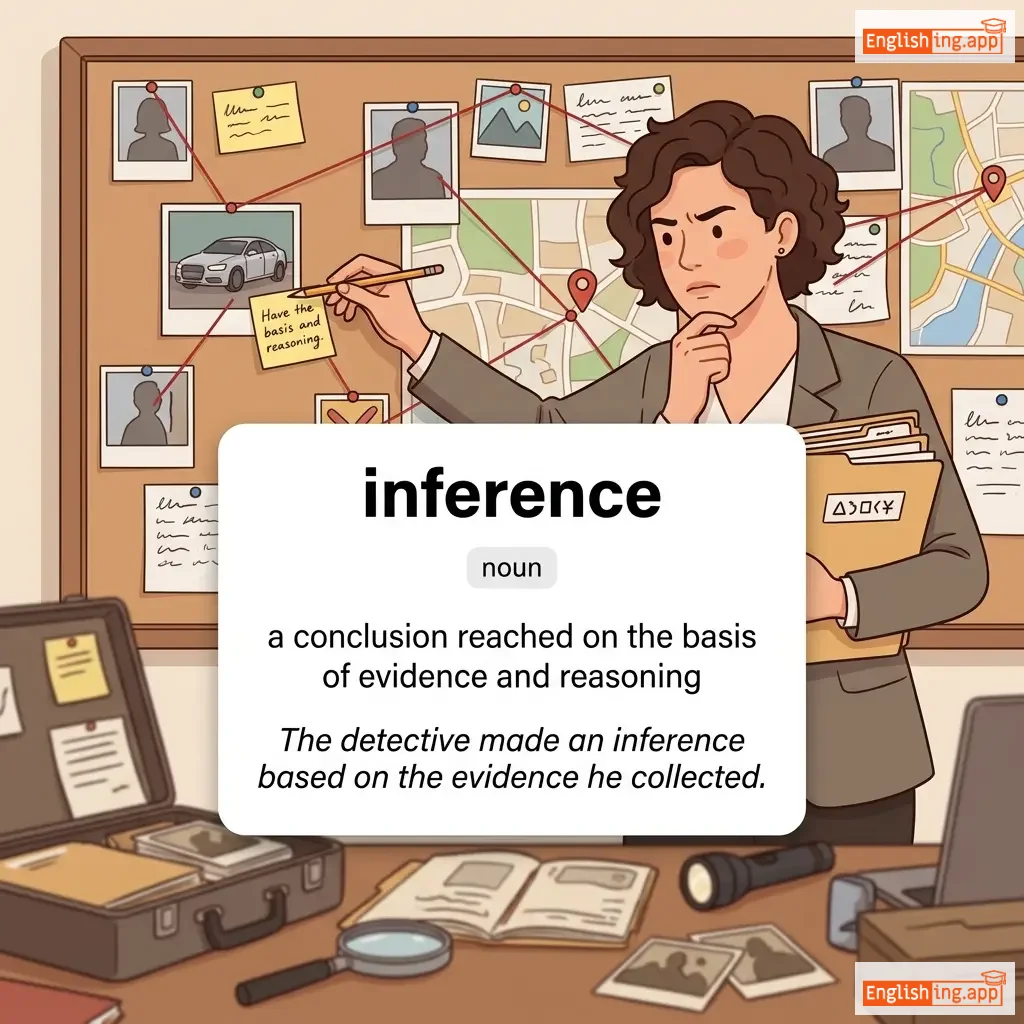
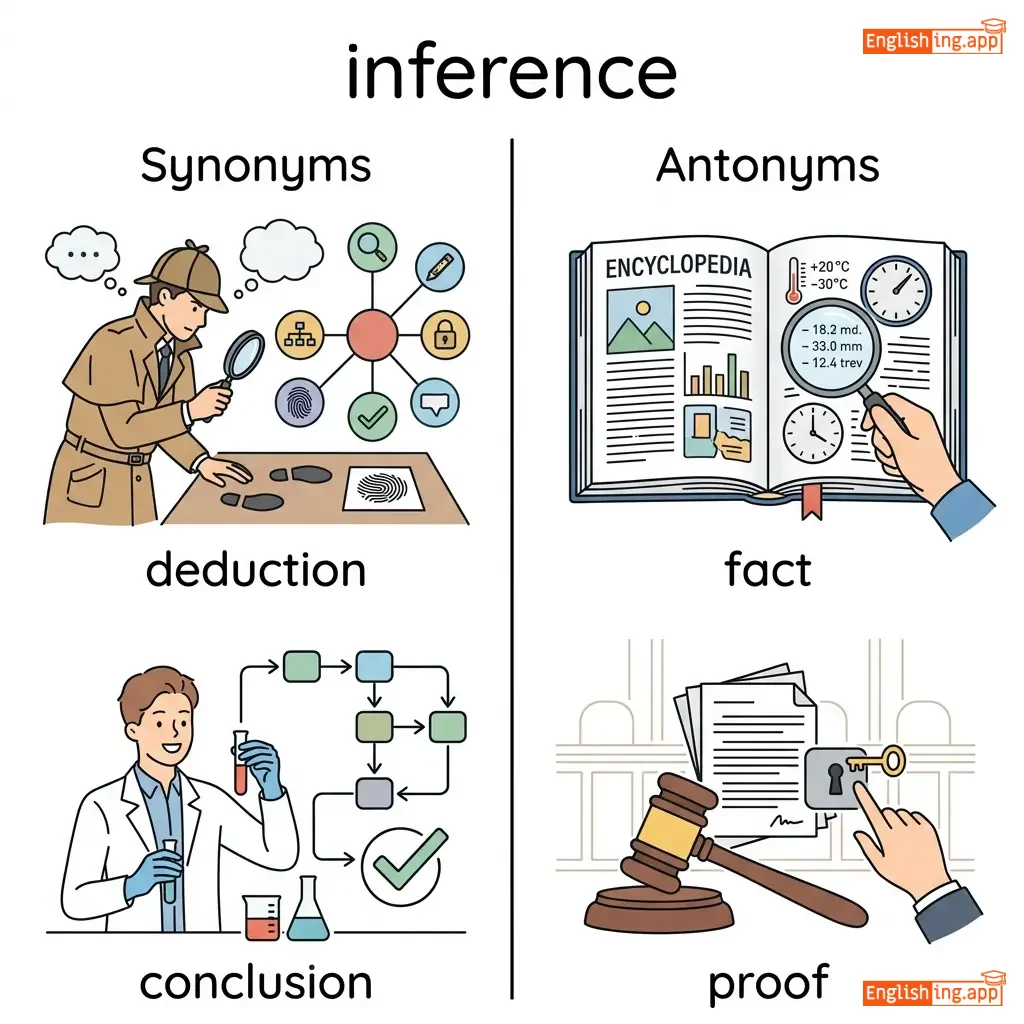
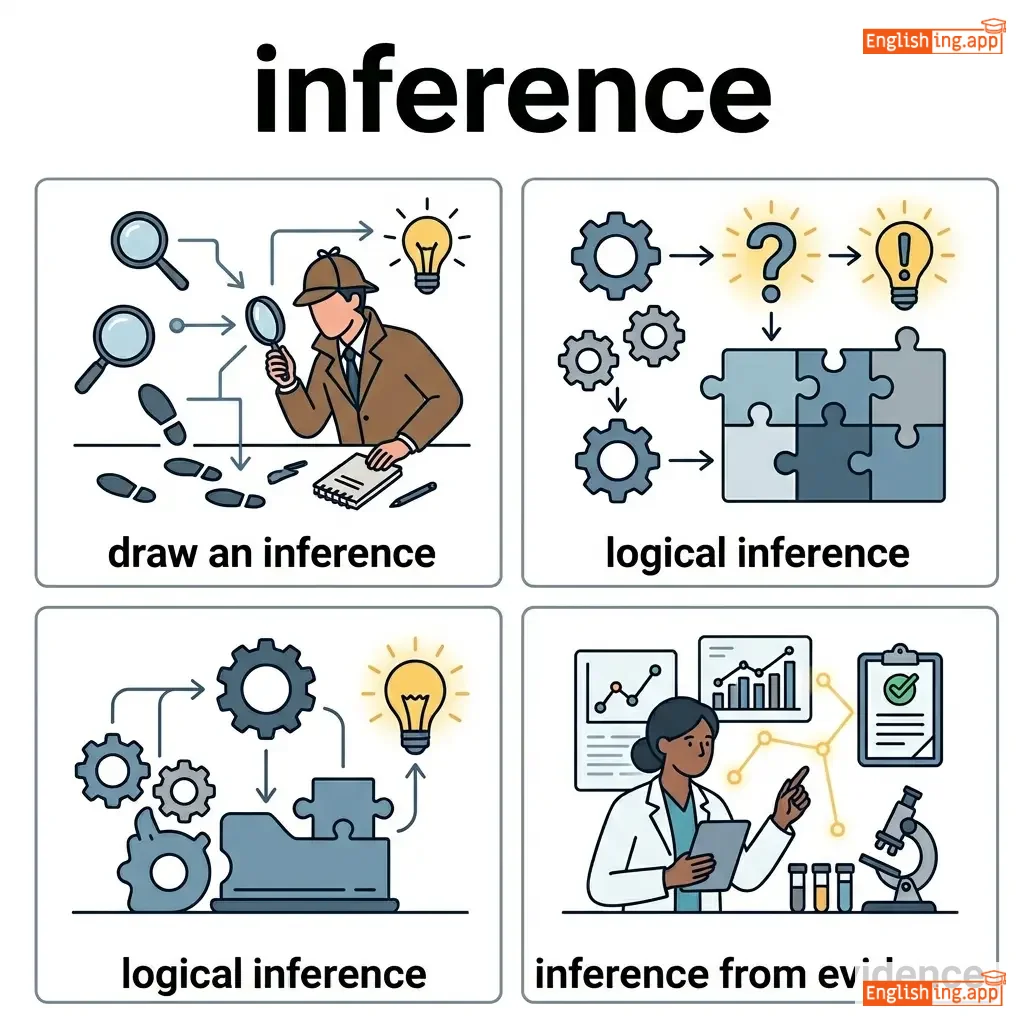
ˈɪn.fər.əns
noun
••••••
|
|
A conclusion reached on the basis of evidence and reasoning; logical deduction.
••••••
|
Scientists make inferences based on experimental data. |
deduction, conclusion, reasoning
••••••
|
misjudgment, guesswork, incorrect assumption
••••••
|
|
#1835
🌐
|
kɒnˈtek.stju.əl
adjective
••••••
|
|
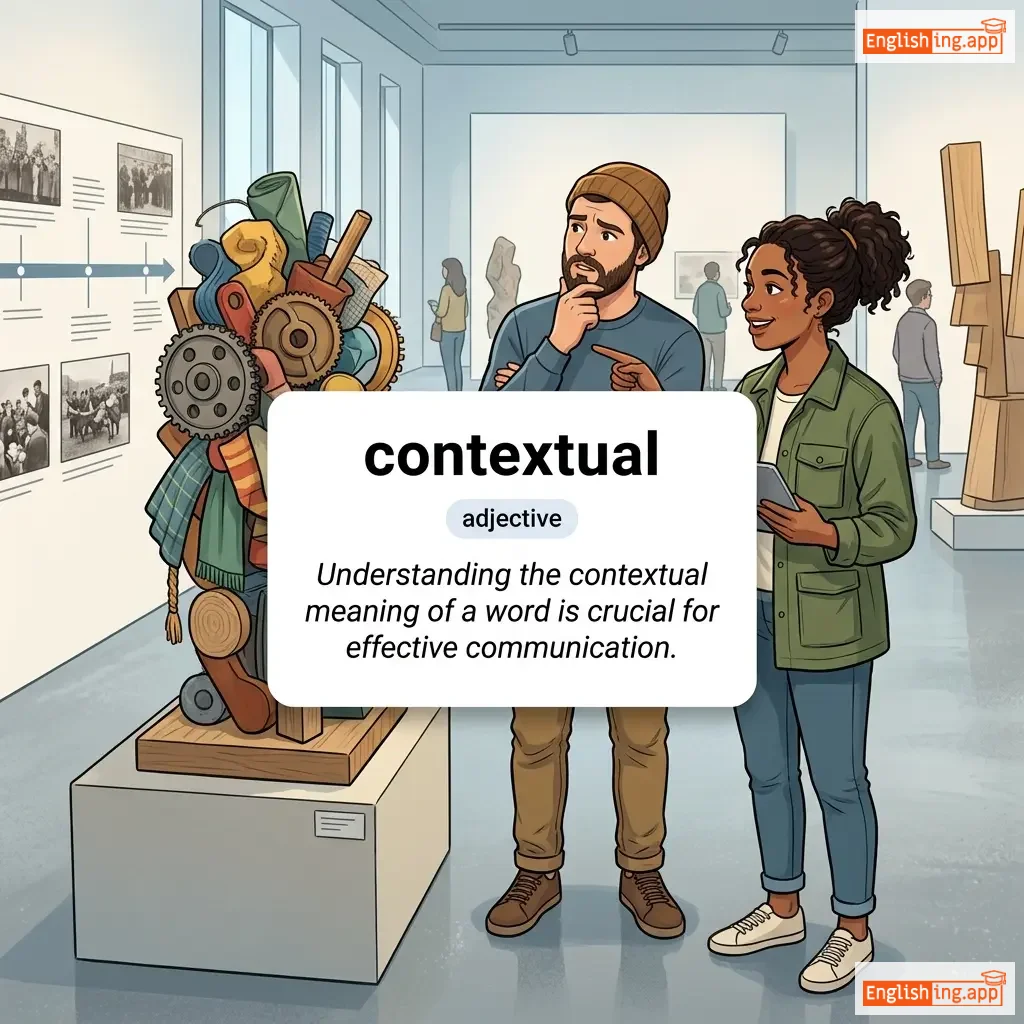
Depending on or relating to the circumstances or setting; context-dependent.
••••••
|
Contextual meaning changes depending on usage. |
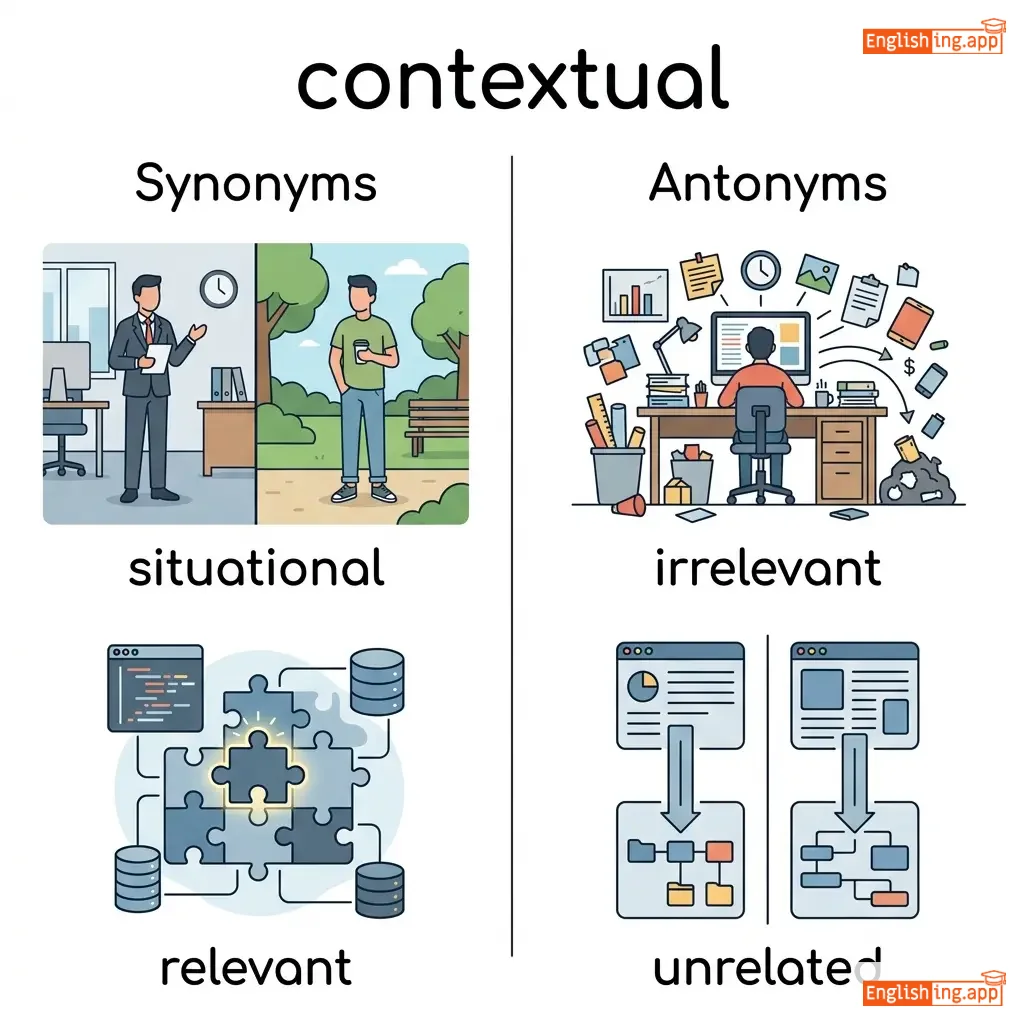
situational, referential, circumstantial
••••••
|
decontextualized, isolated, irrelevant
••••••
|
|
#1836
🔄
|
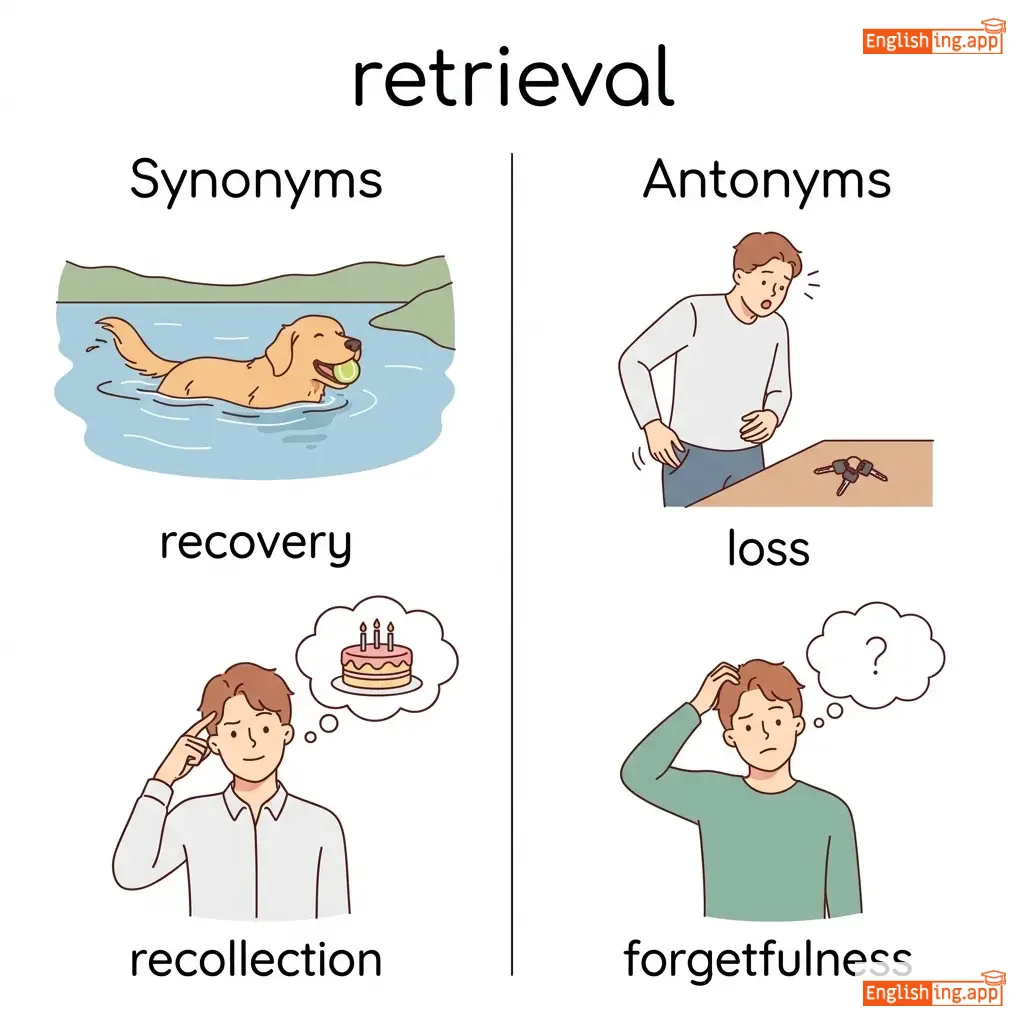
rɪˈtriː.vəl
noun
••••••
|
|
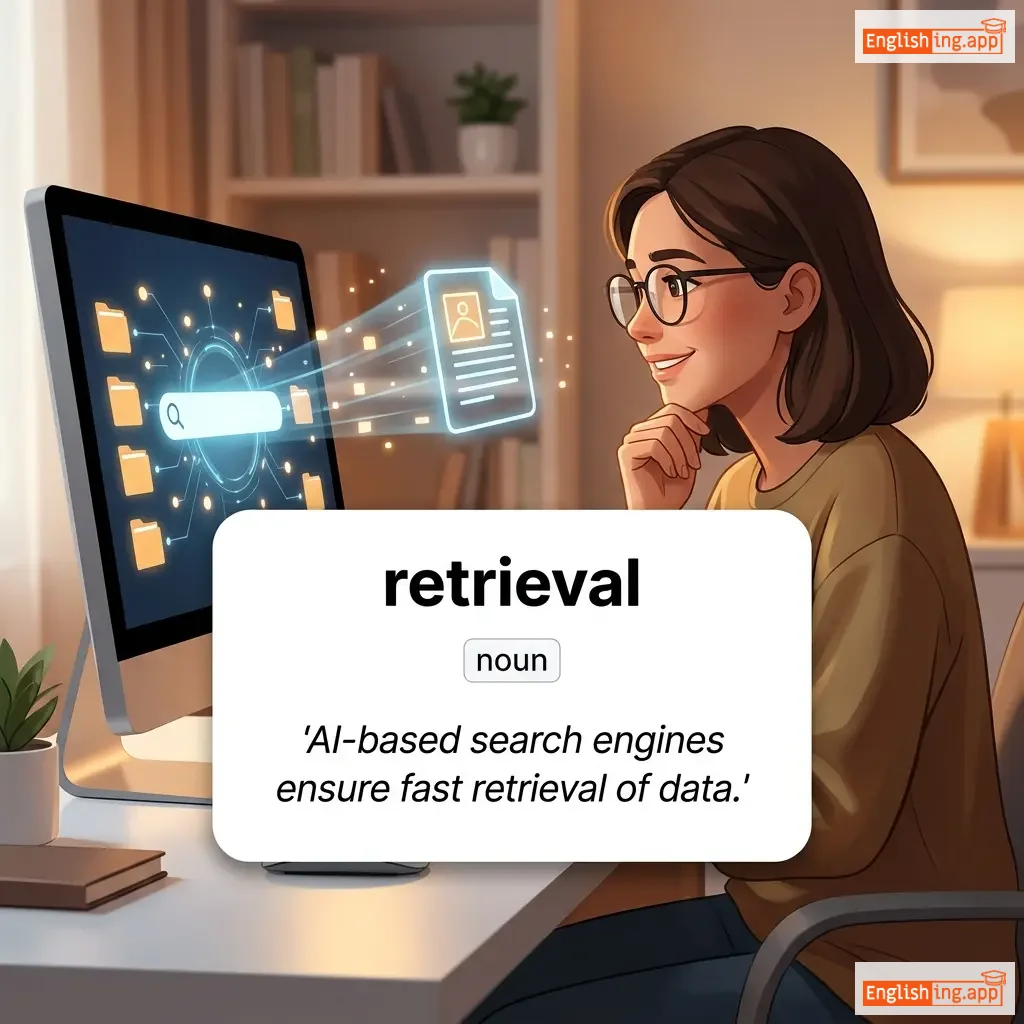
The process of getting or bringing something back; recovery of stored information.
••••••
|
AI-based search engines ensure fast retrieval of data. |
recovery, recollection, extraction
••••••
|
loss, forgetfulness, misplacement
••••••
|
|
#1837
⚡
|
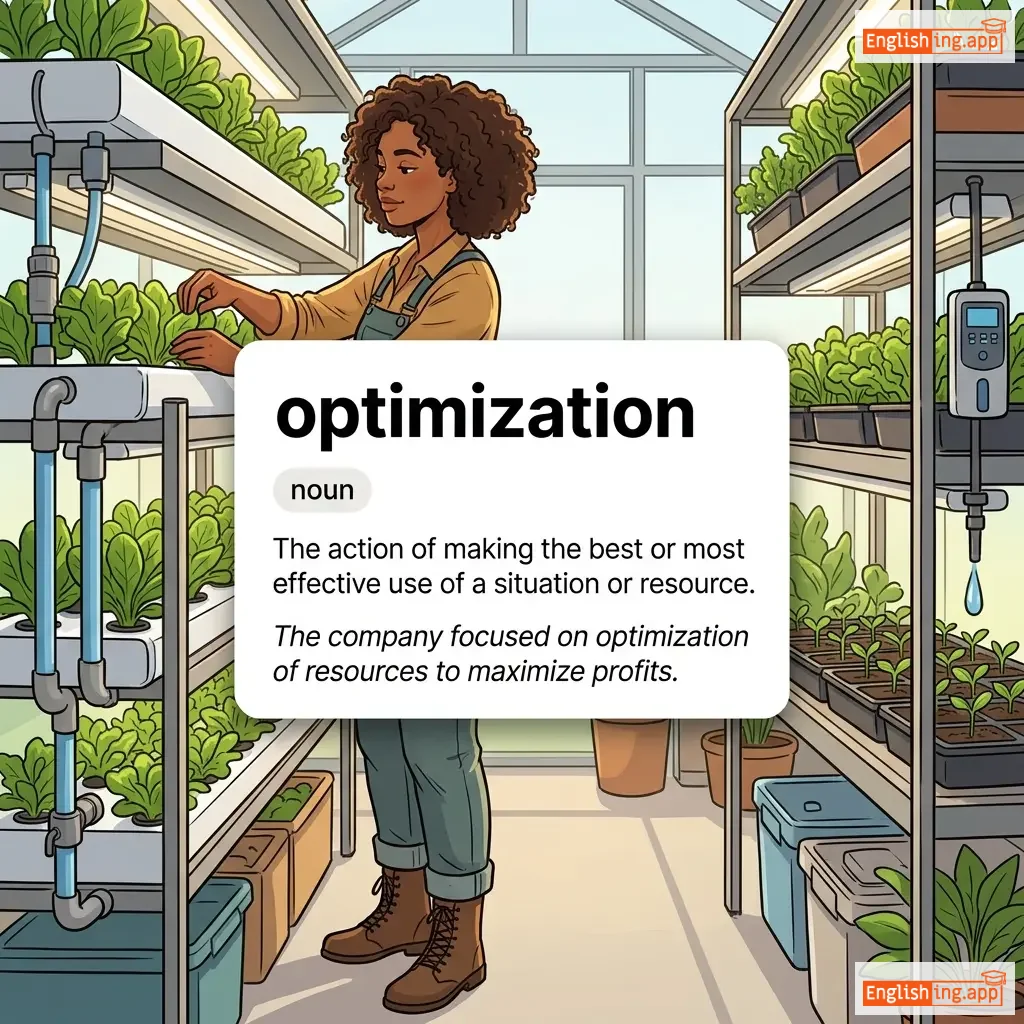
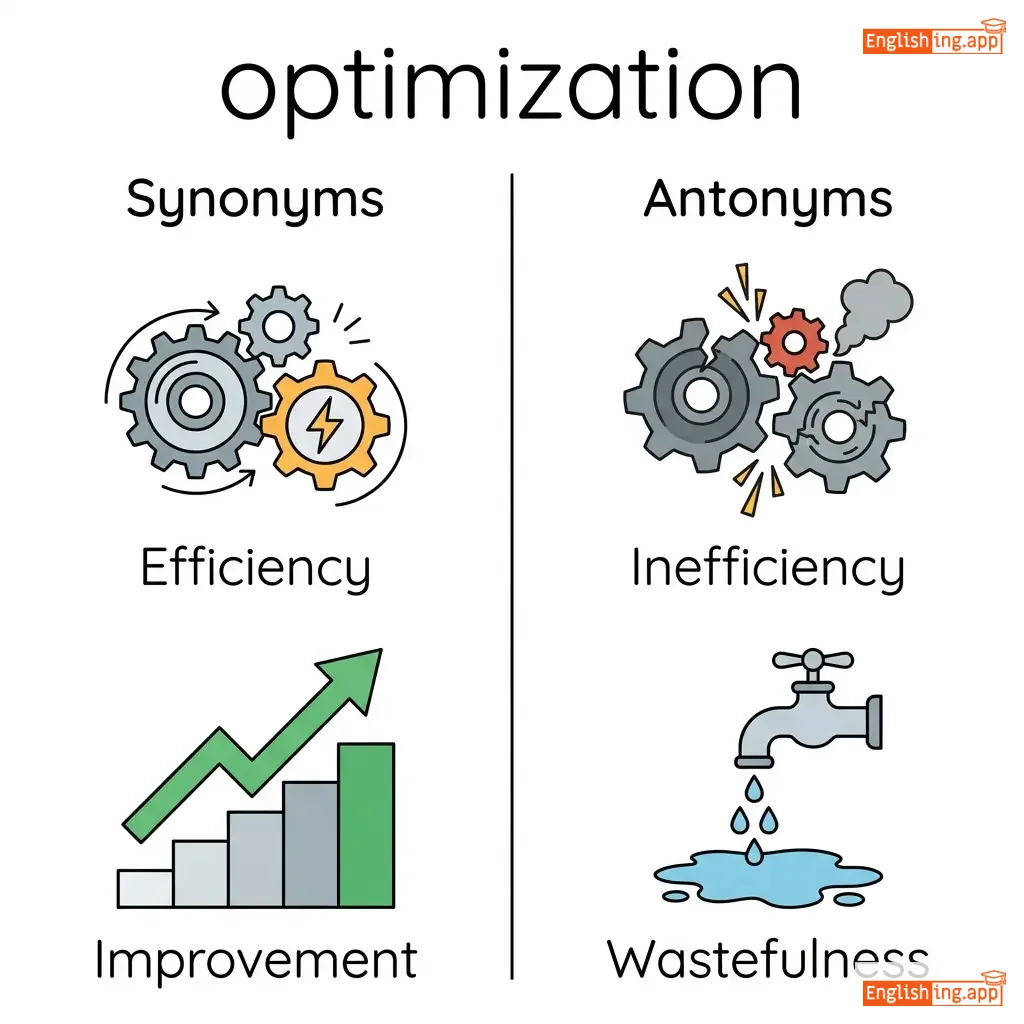
ˌɒp.tɪ.maɪˈzeɪ.ʃən
noun
••••••
|
|
The action of making the best or most effective use of resources or situations.
••••••
|
Website optimization improves user experience. |
enhancement, refinement, maximization
••••••
|
inefficiency, waste, underperformance
••••••
|
|
#1838
🗣️
|
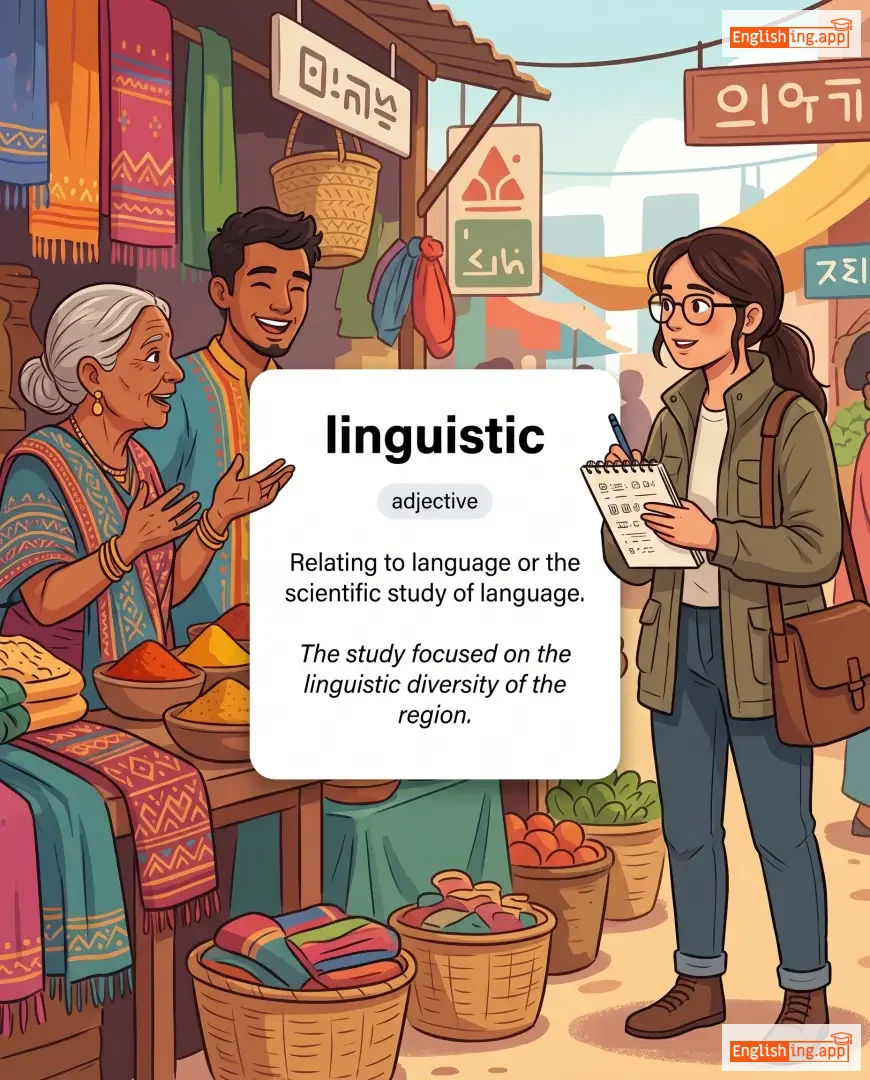
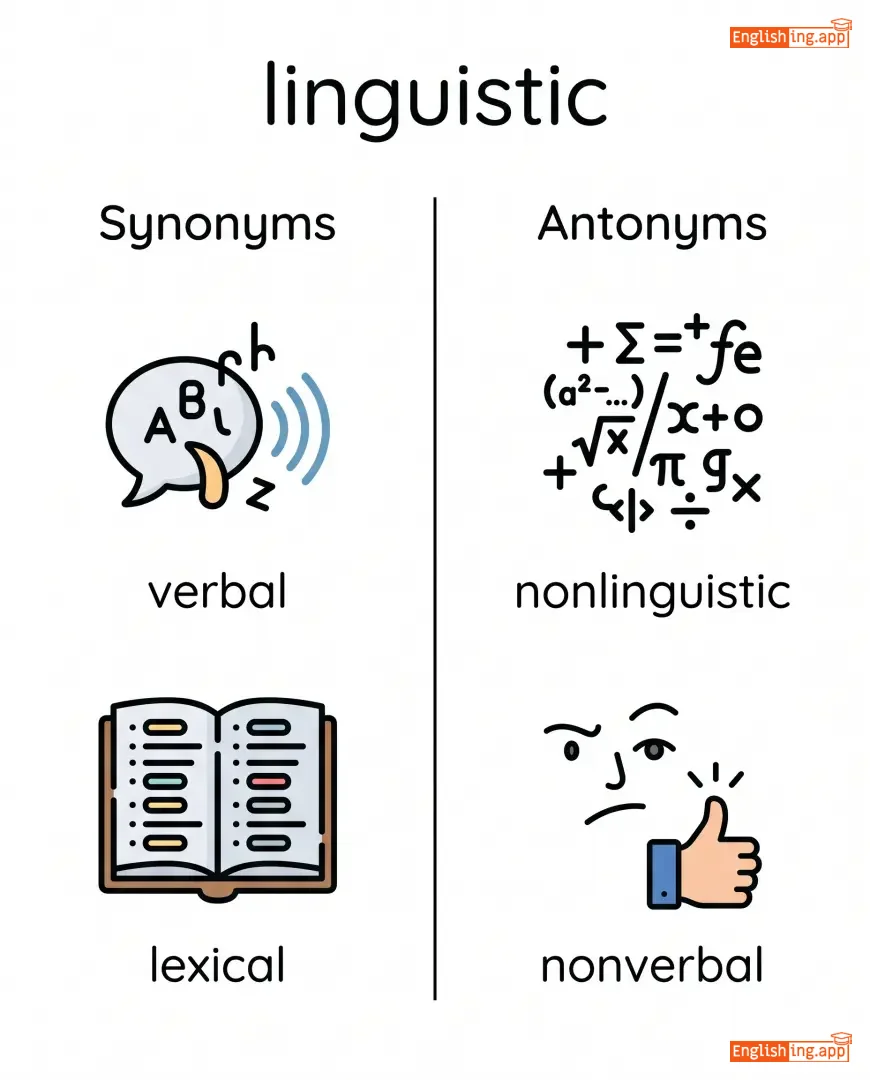
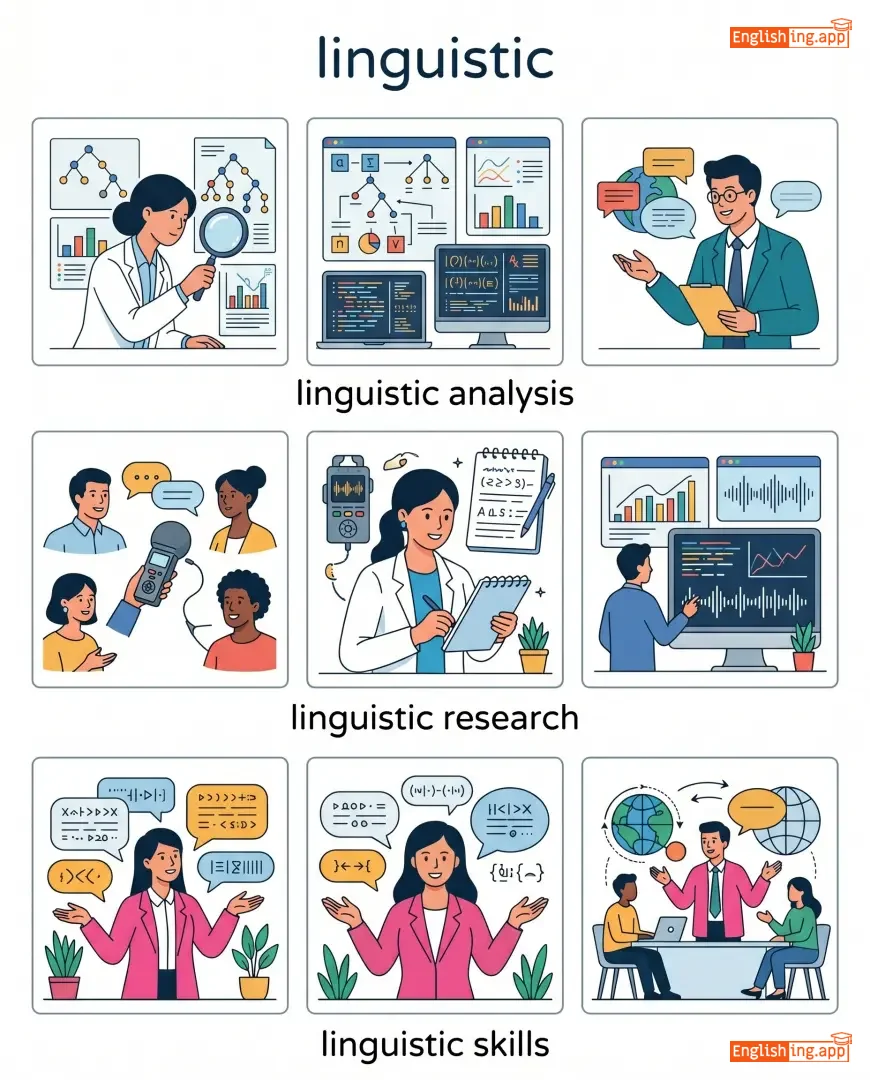
lɪŋˈɡwɪs.tɪk
adjective
••••••
|
|
Related to language or linguistics; concerning the scientific study of language.
••••••
|
The AI model learns from linguistic patterns. |
philological, lexical, verbal
••••••
|
non-verbal, mathematical, non-linguistic
••••••
|
|
#1839
💡
|
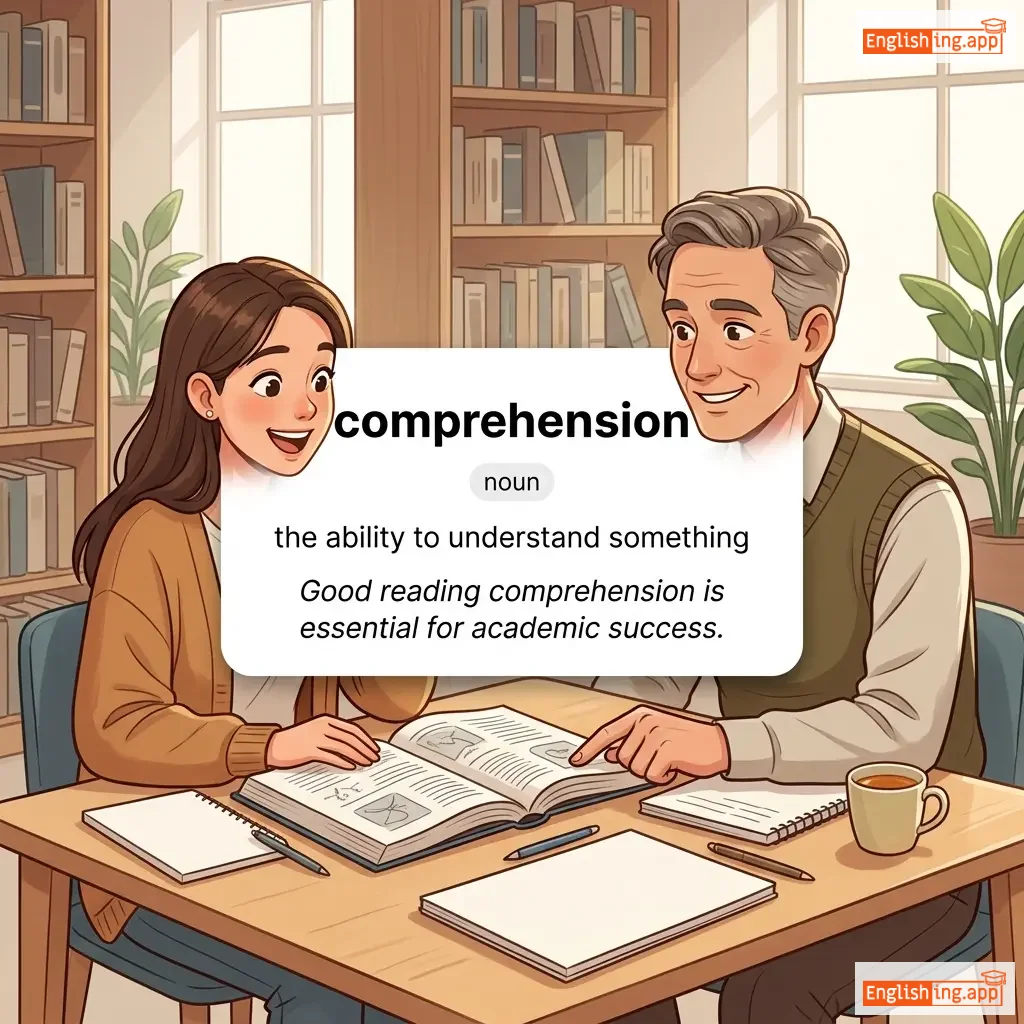
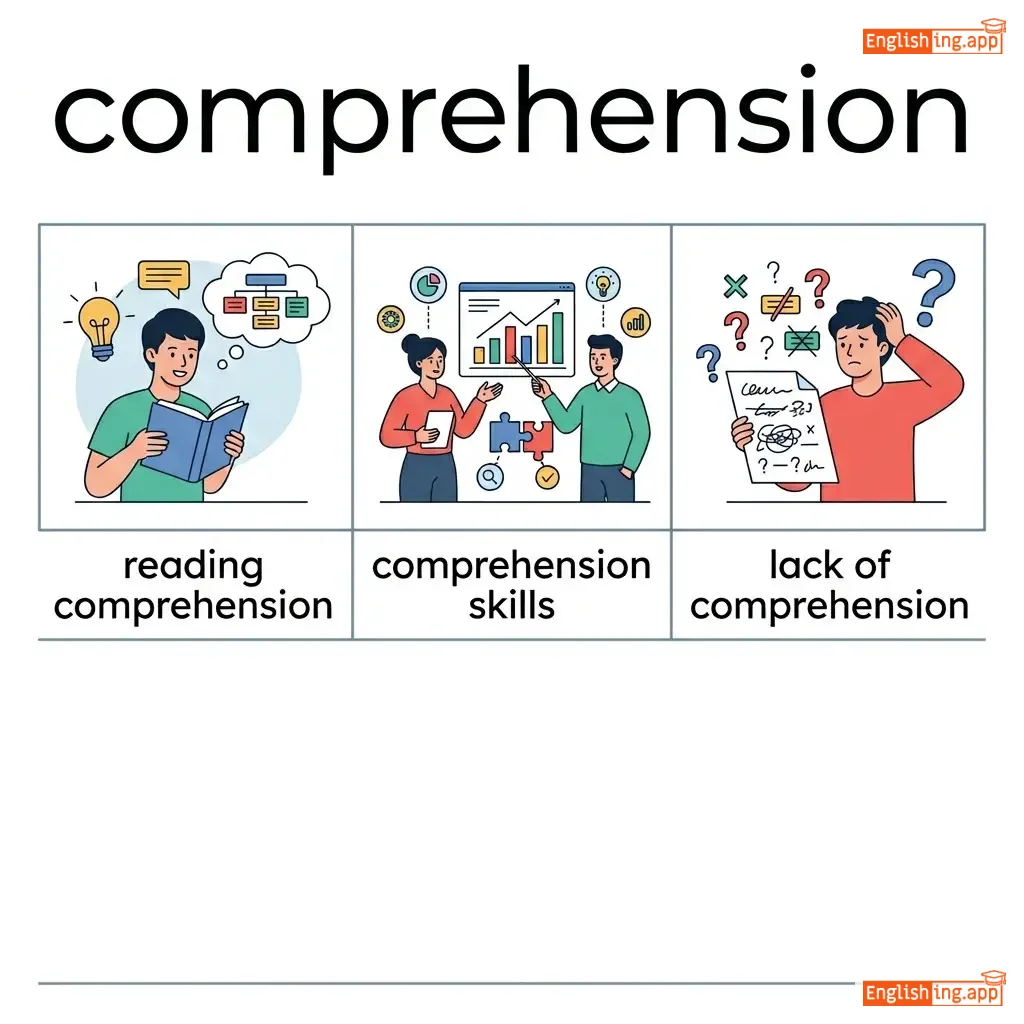
ˌkɒm.prɪˈhen.ʃən
noun
••••••
|
|
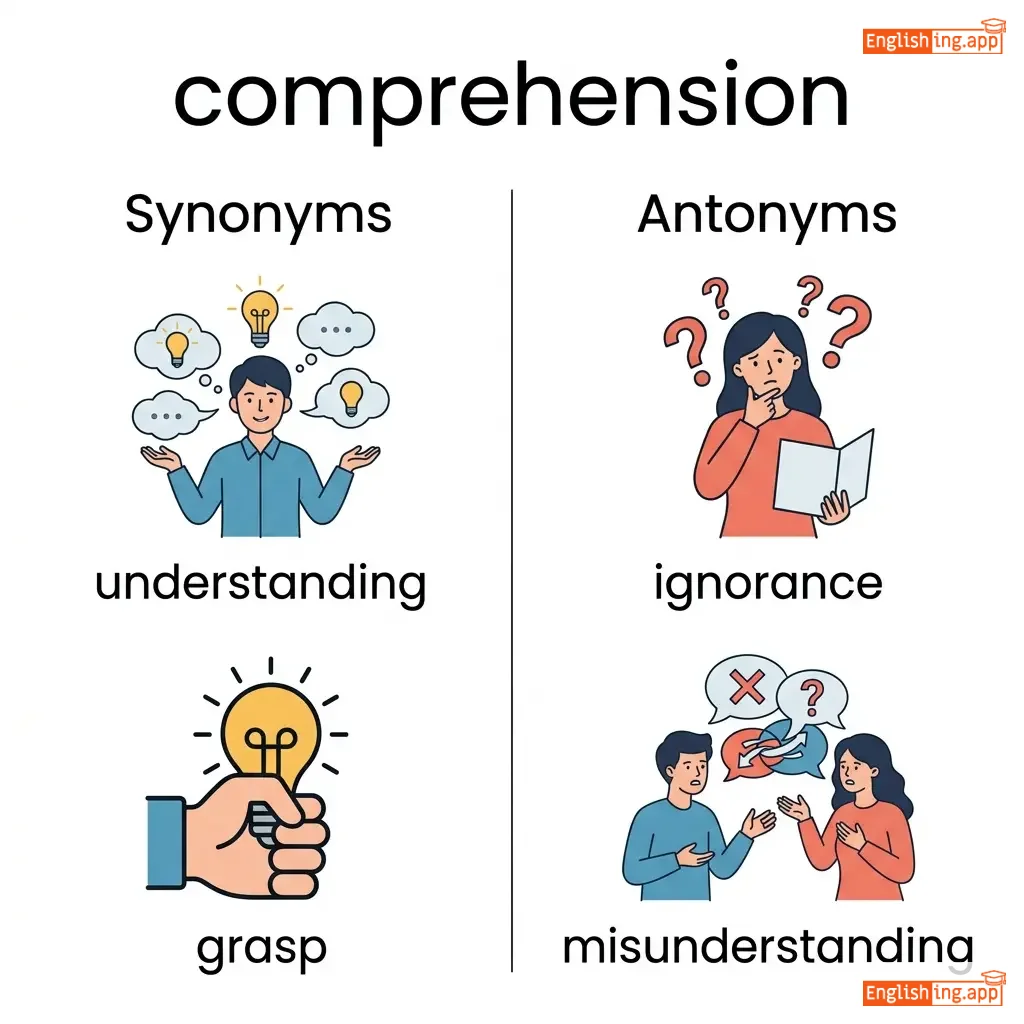
The ability to understand something; the capacity to perceive and grasp meaning.
••••••
|
Reading comprehension is crucial for language learning. |
understanding, interpretation, perception
••••••
|
misunderstanding, confusion, misinterpretation
••••••
|

