

Die Stärke der starken Kraft
The Strength of the Strong Force
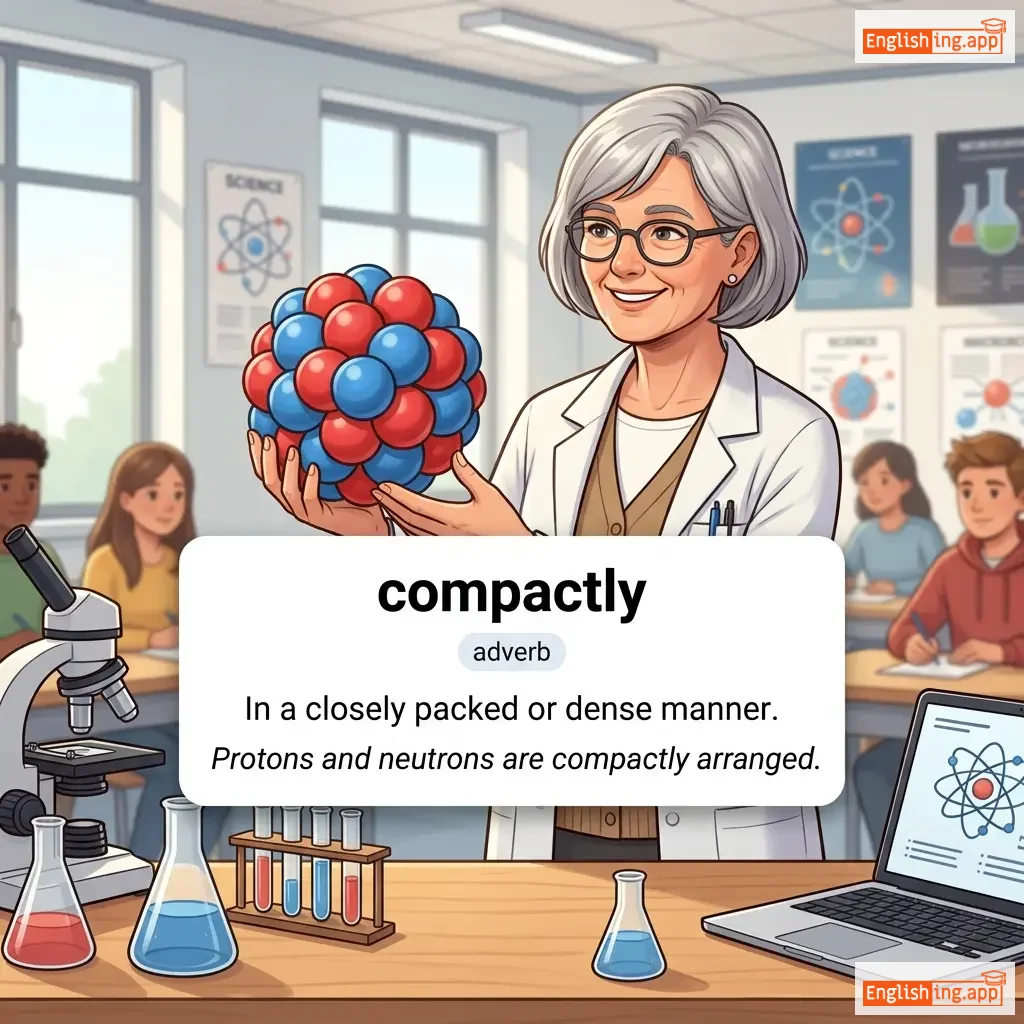
Unter den vier Kräften der Natur ist die mächtigste die sogenannte strong nuclear force. Sie binds Quarkteilchen zusammen, und diese quark particles bilden protons und neutrons. Diese bleiben compactly zusammen, um den nucleus zu bilden.
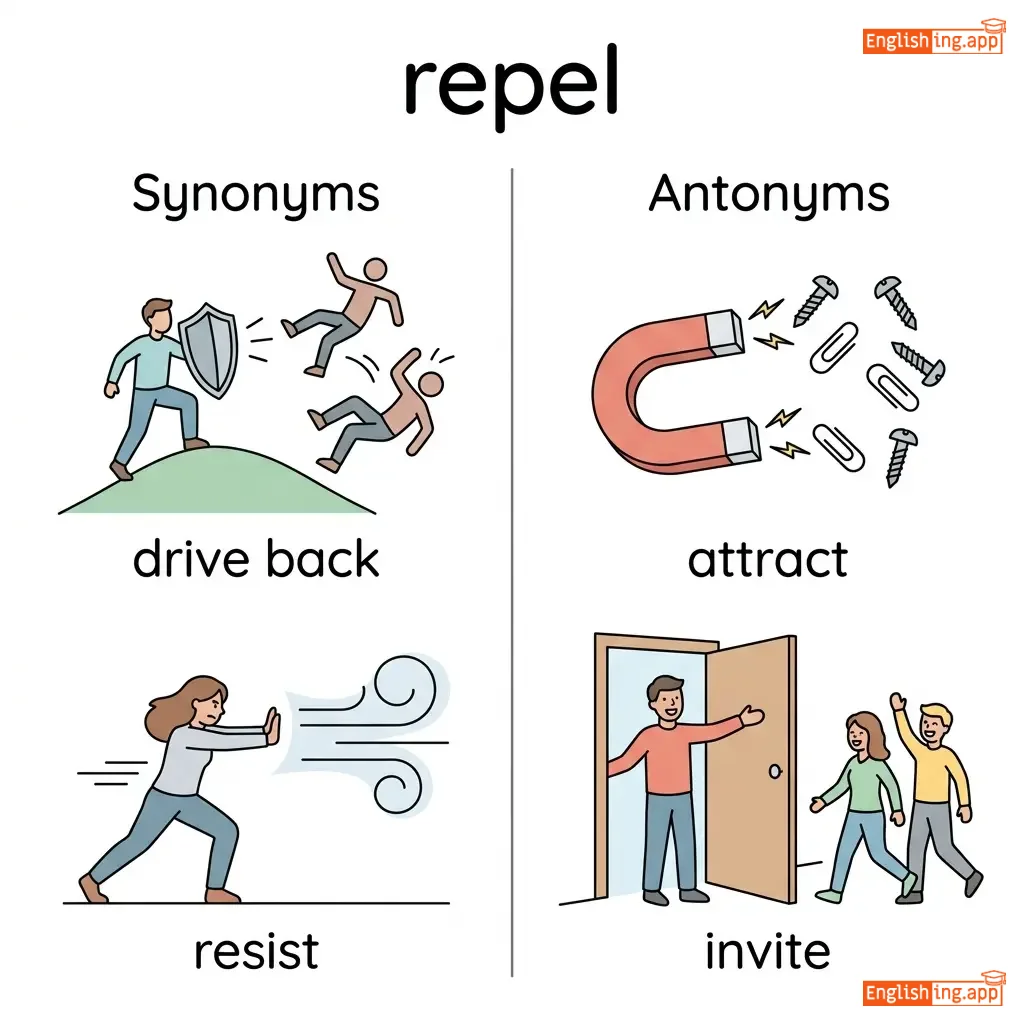
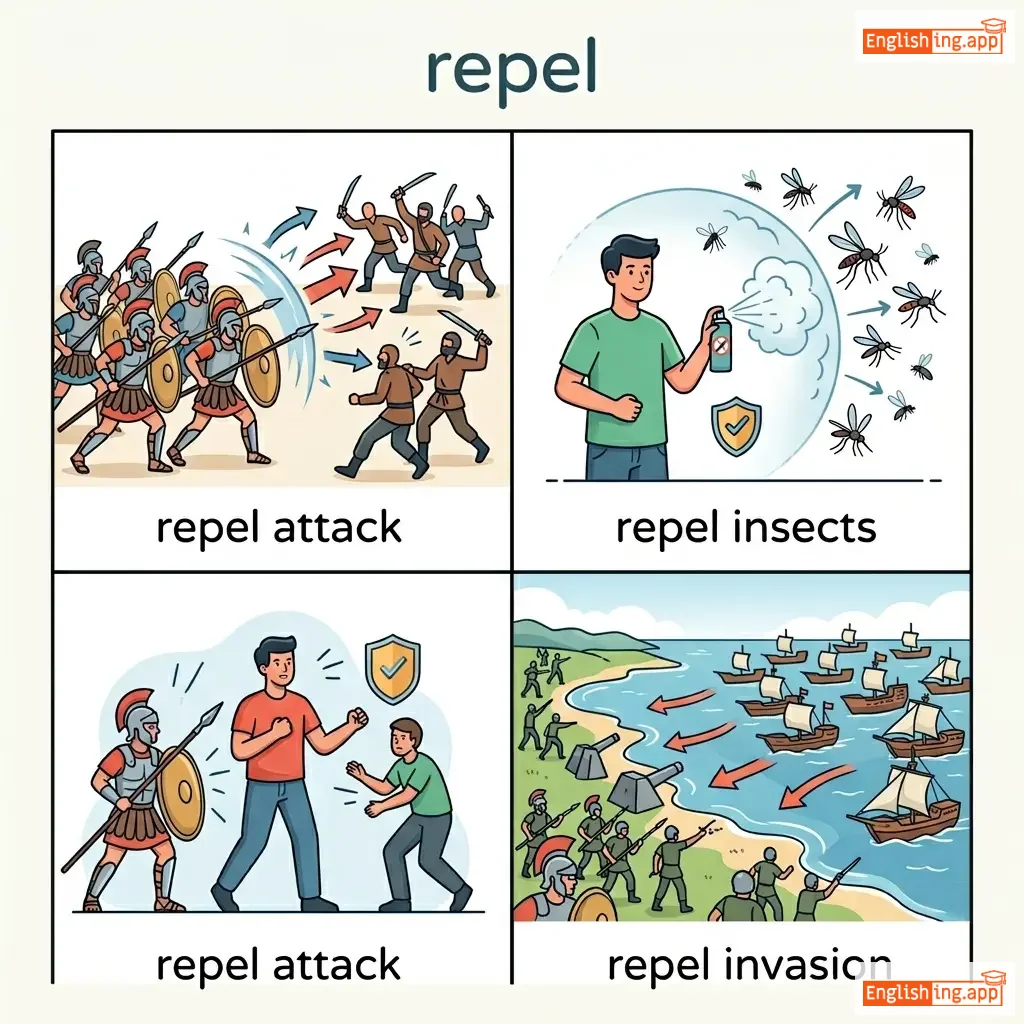
Die Ladung der protons ist positive und die der neutrons ist neutral. Elektrisch geladene protons repel andere protons. Daher ist die arrangement mehrerer protons im nucleus komplex. Abgesehen von Wasserstoff nimmt jedoch die Anzahl der protons in anderen Elementen zu. Zum Beispiel hat der helium nucleus zwei protons und Uran hat 92 protons.
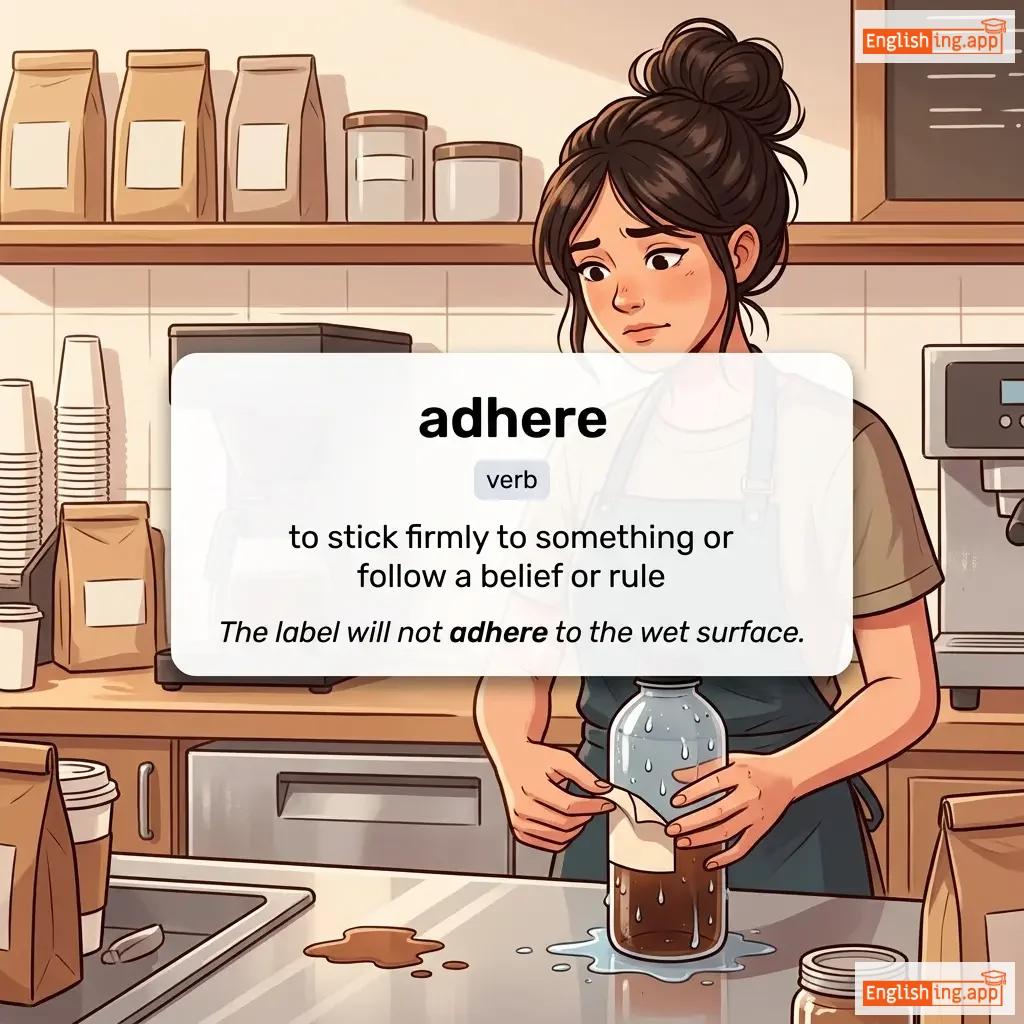
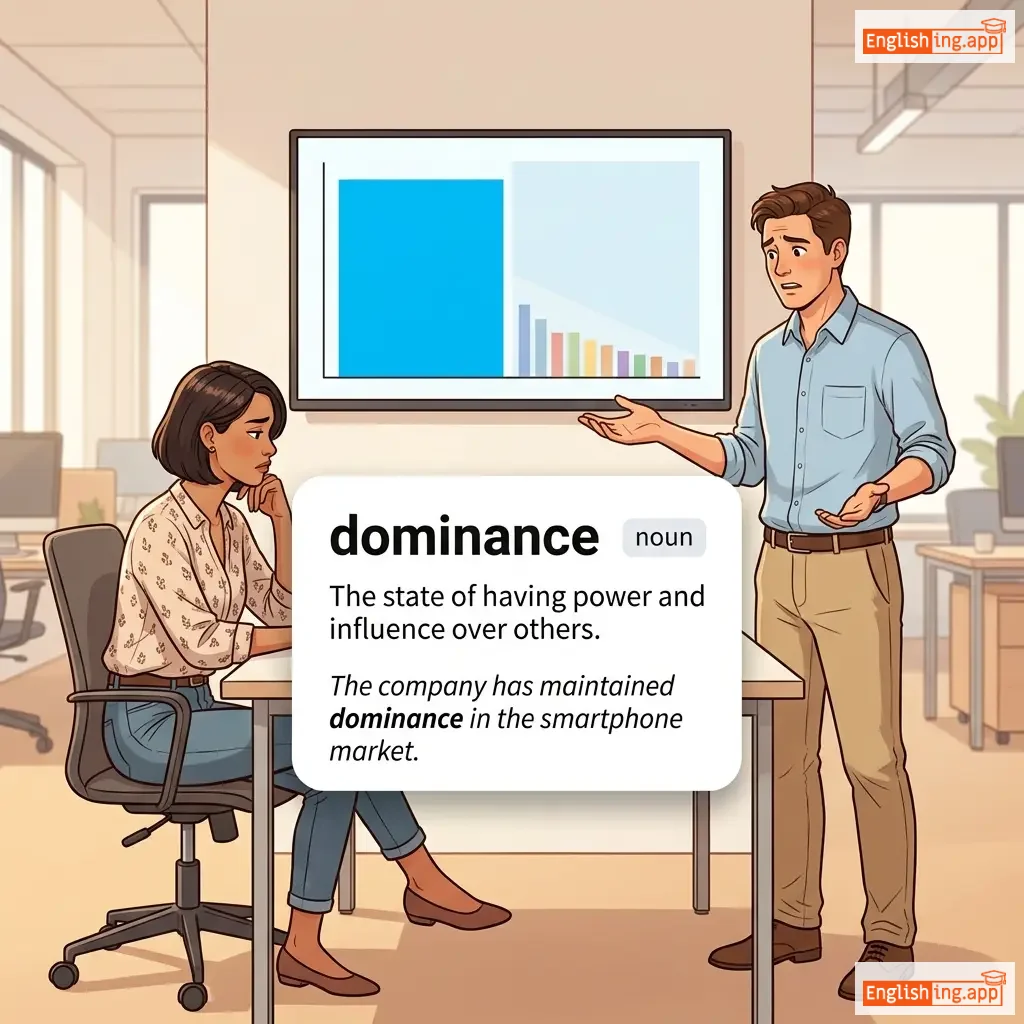
Diese protons und neutrons können nur durch die strong force aneinander adhere. Die zwischen protons wirkende electromagnetic force wird durch die dominance der strong force überwunden. Deshalb wird sie strong nuclear force genannt.
Upgrade für Zugriff auf alle Vokabeln
Erhalten Sie unbegrenzten Zugriff auf alle Vokabeln mit Pro-Mitgliedschaft
Upgrade auf ProÜbersetzung
Vergangenheit
Partizip Perfekt
Dritte Person Singular
Gerundium
Bedeutung
Beispielsatz
Übersetzung Beispielsatz
Synonyme
Antonyme
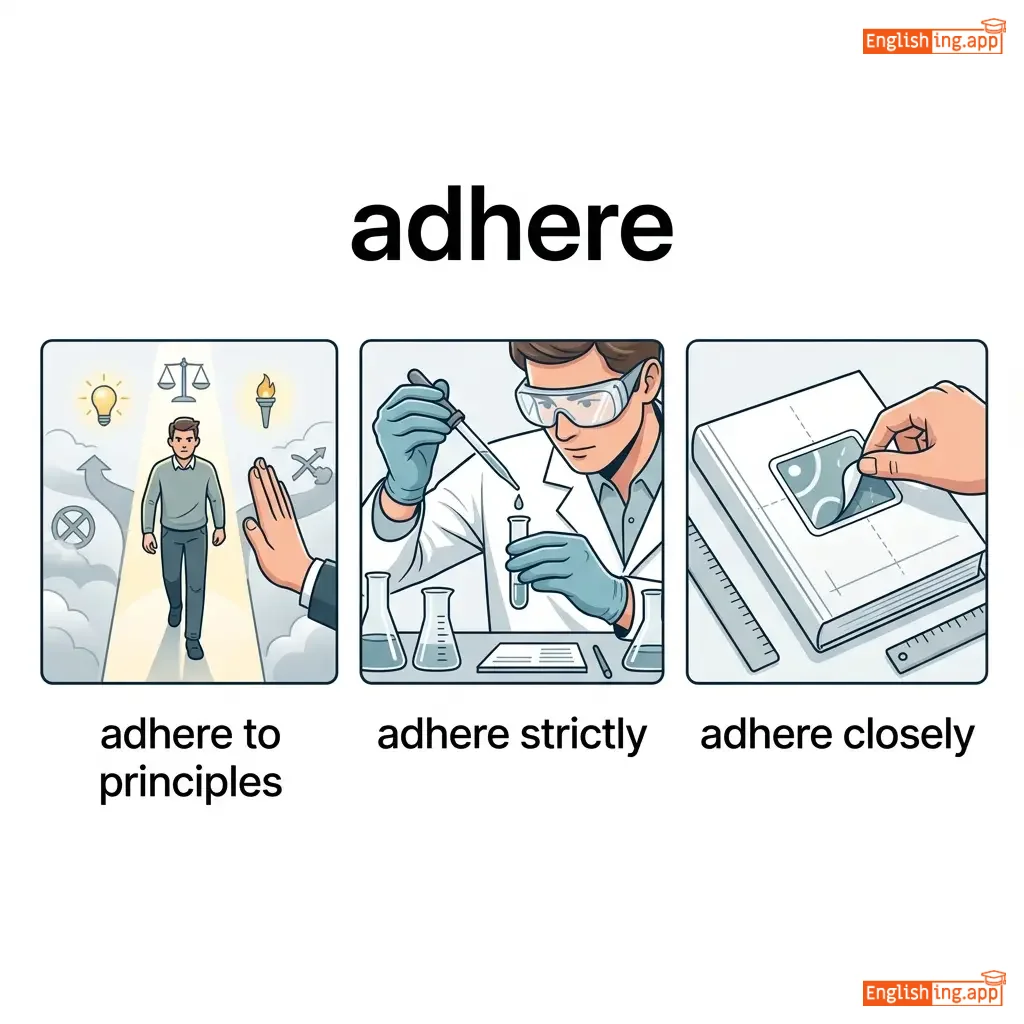
Kollokationen
Eselsbrücke


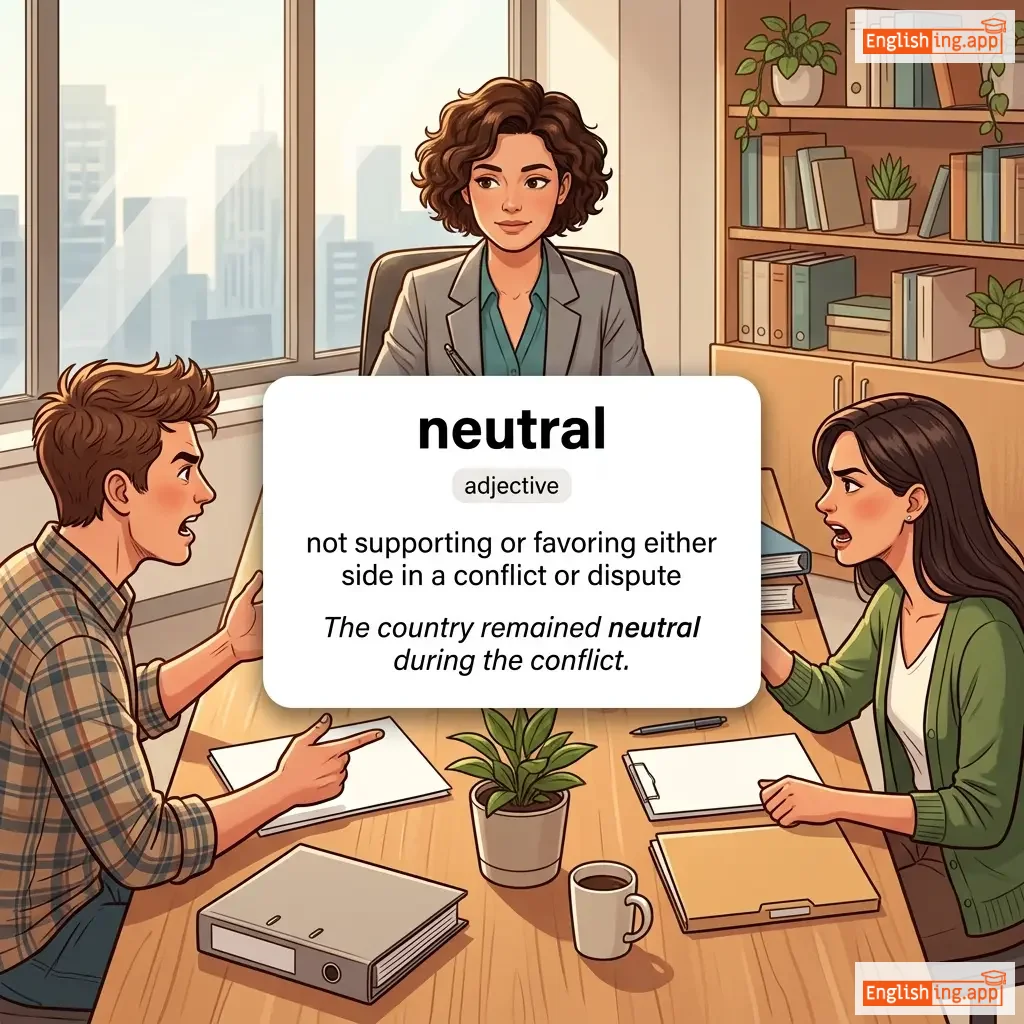
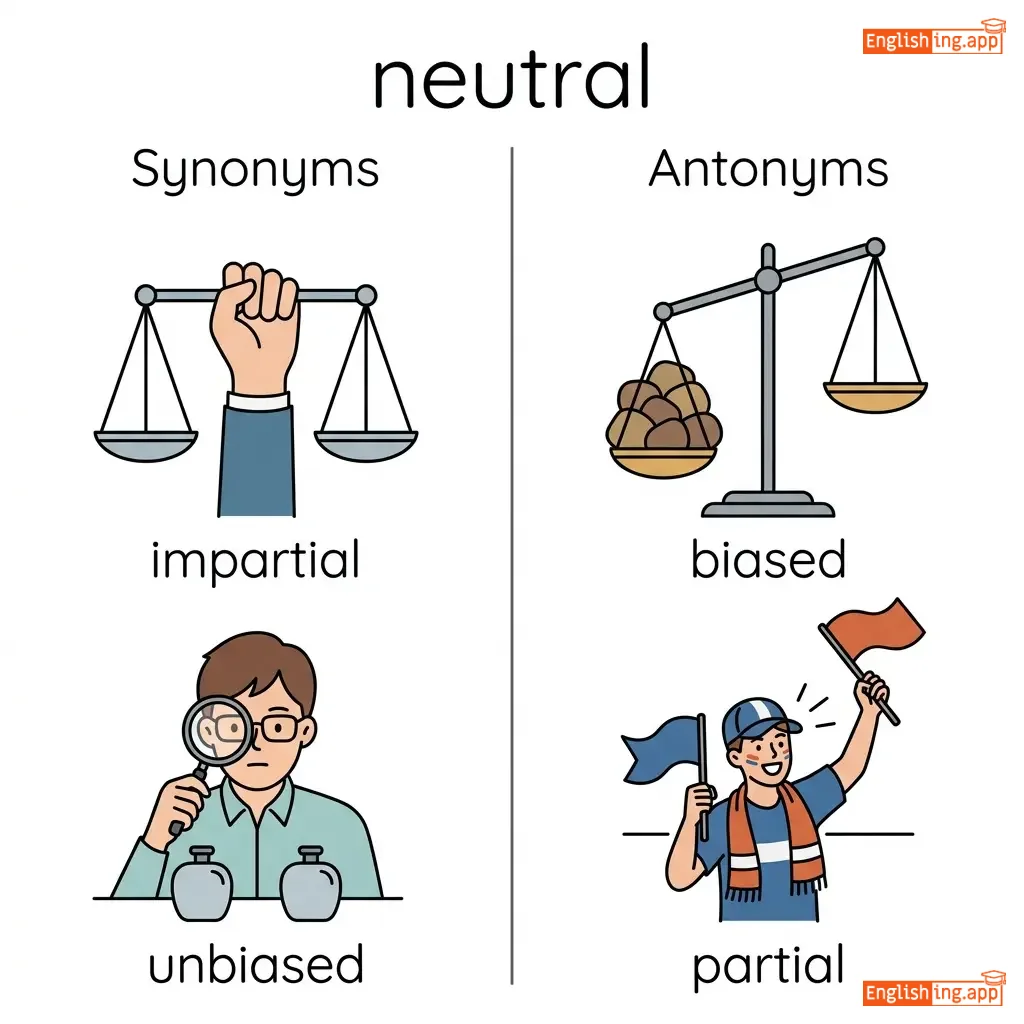
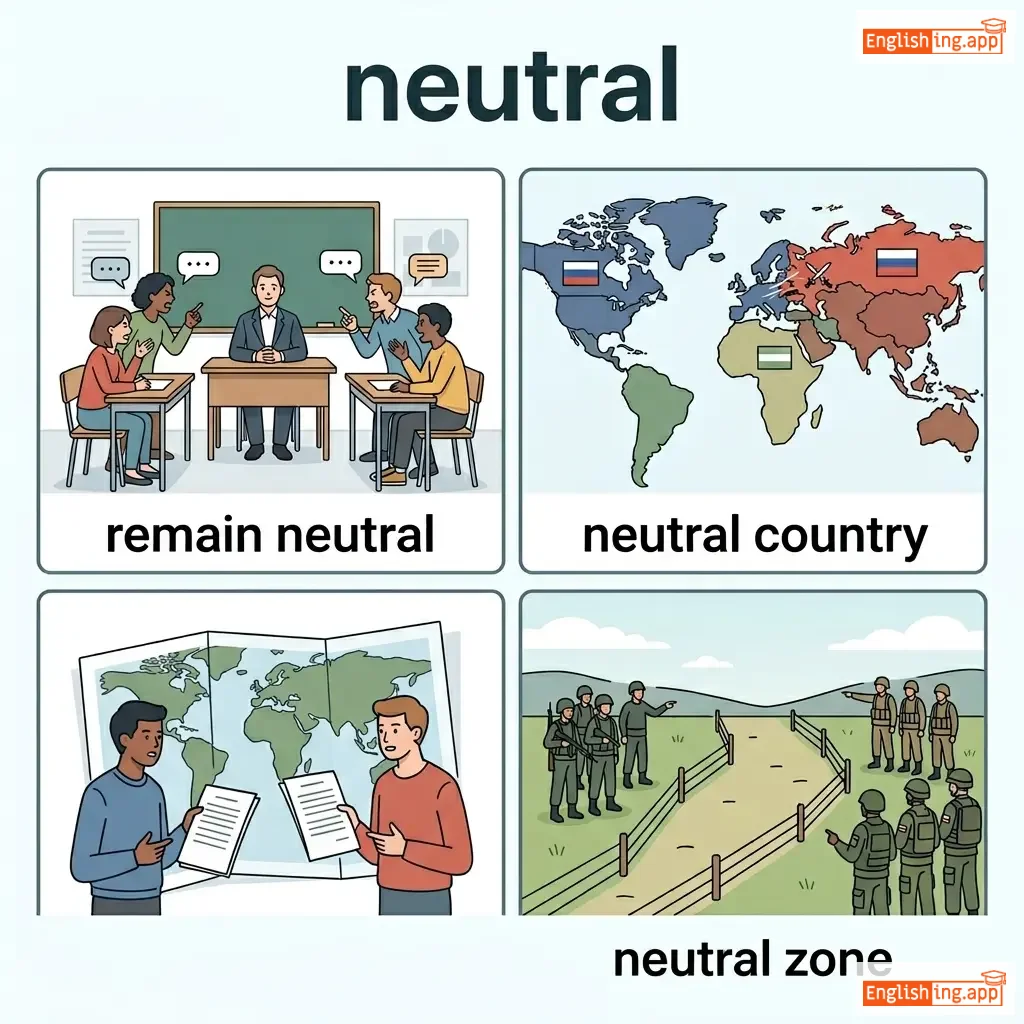
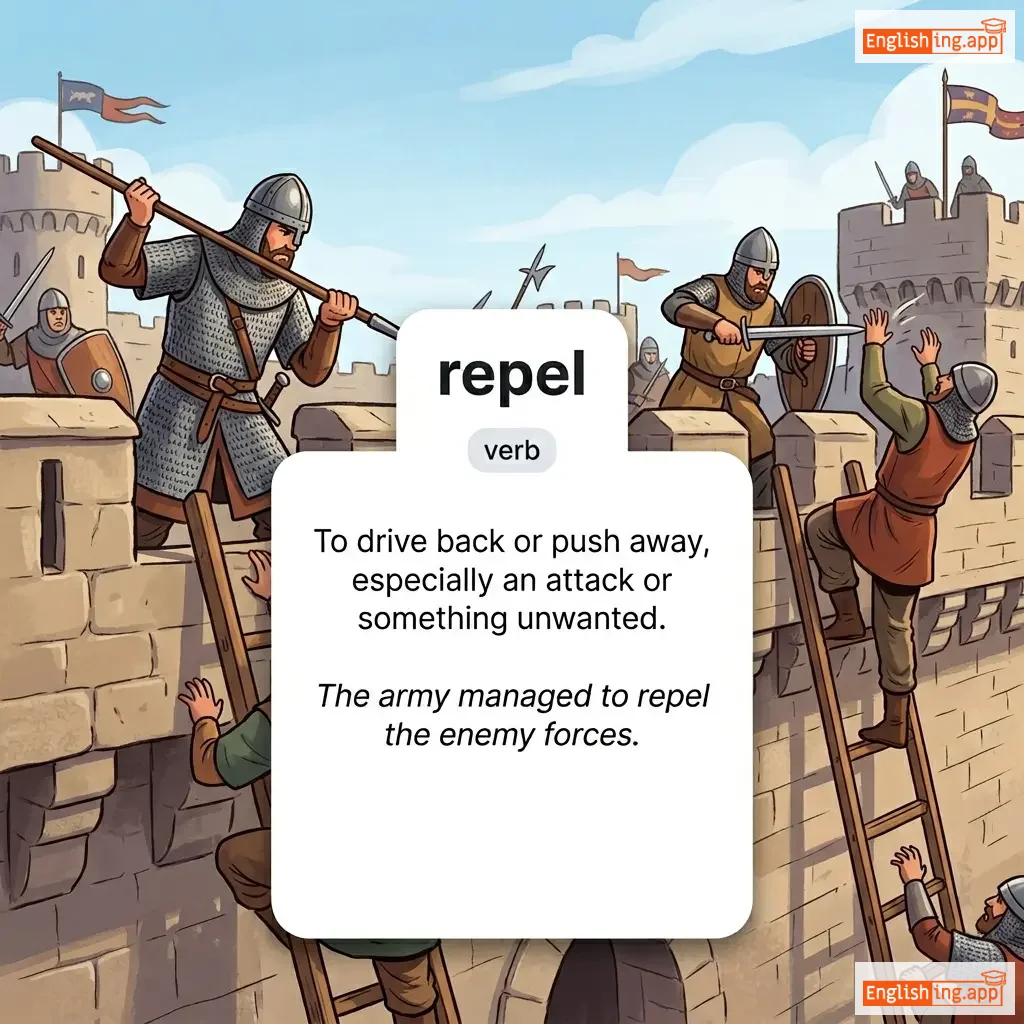
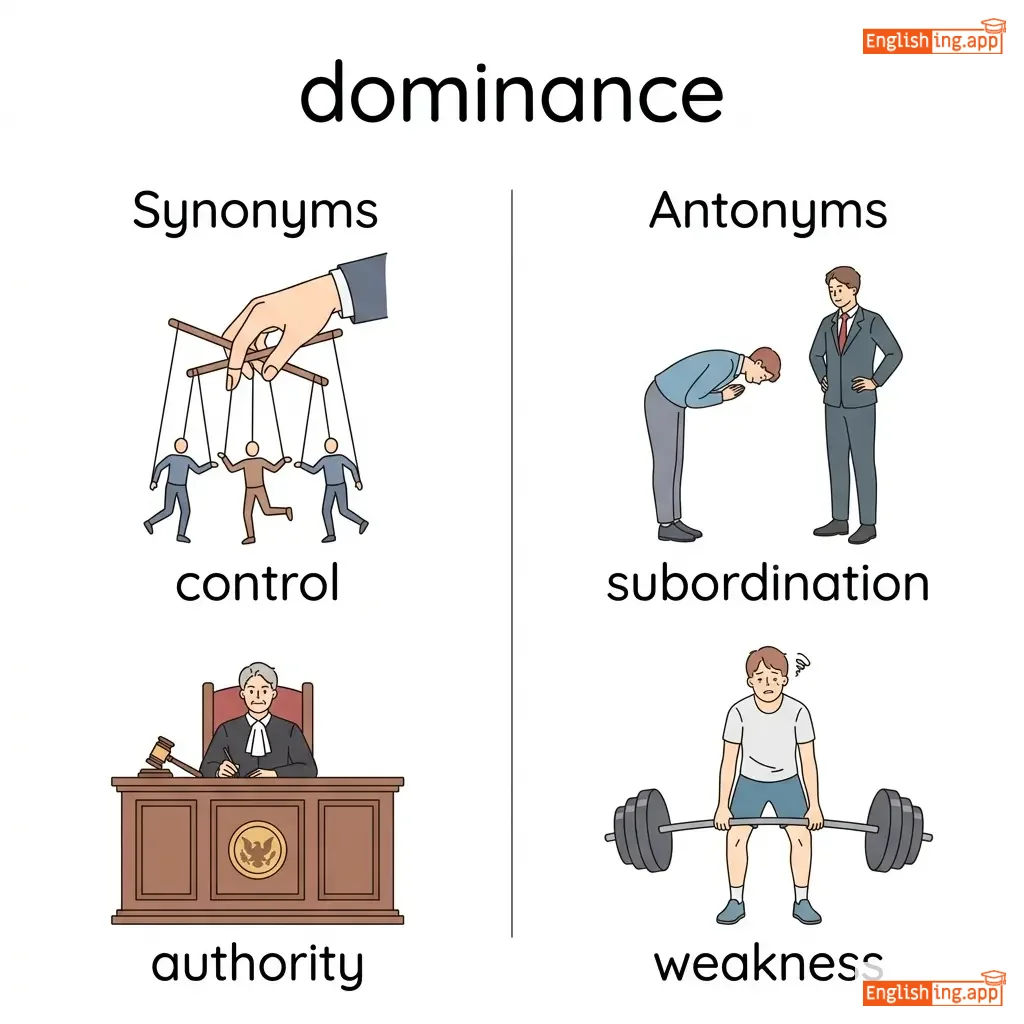
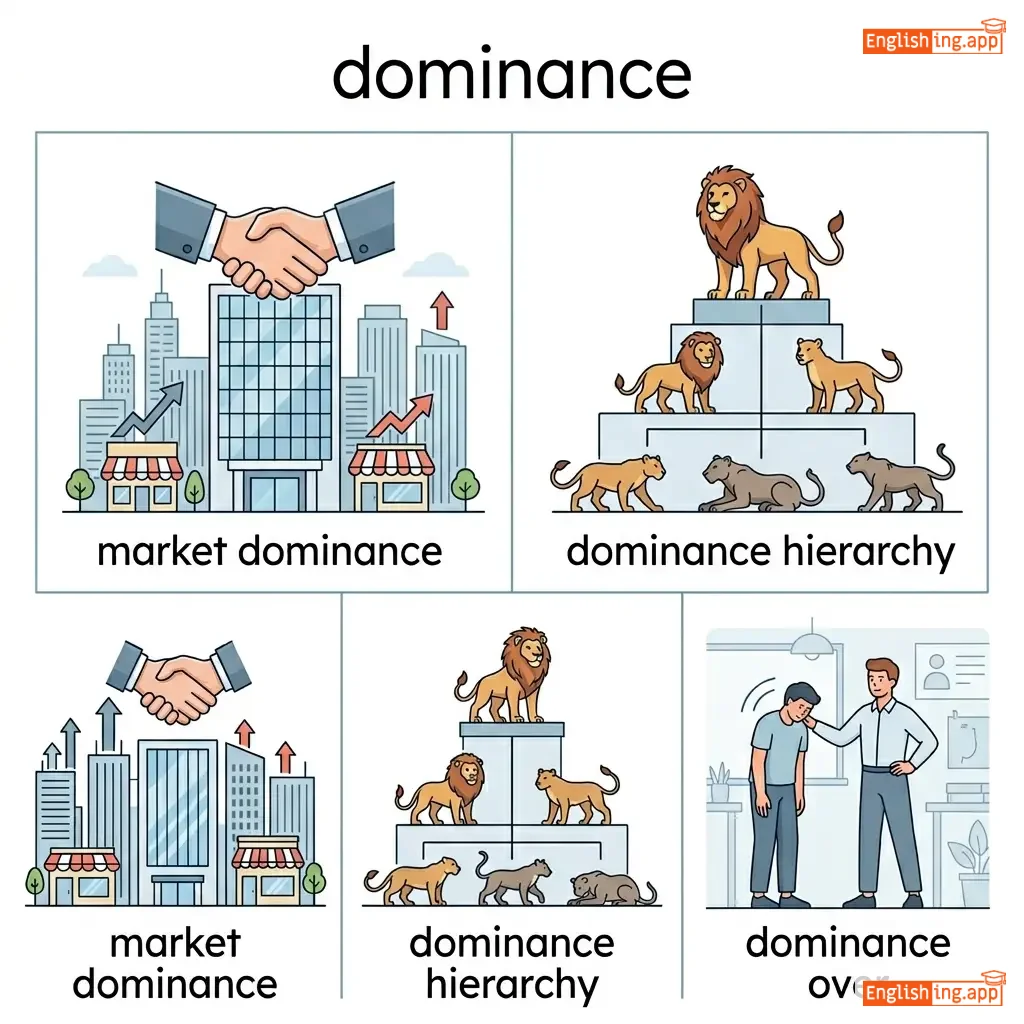
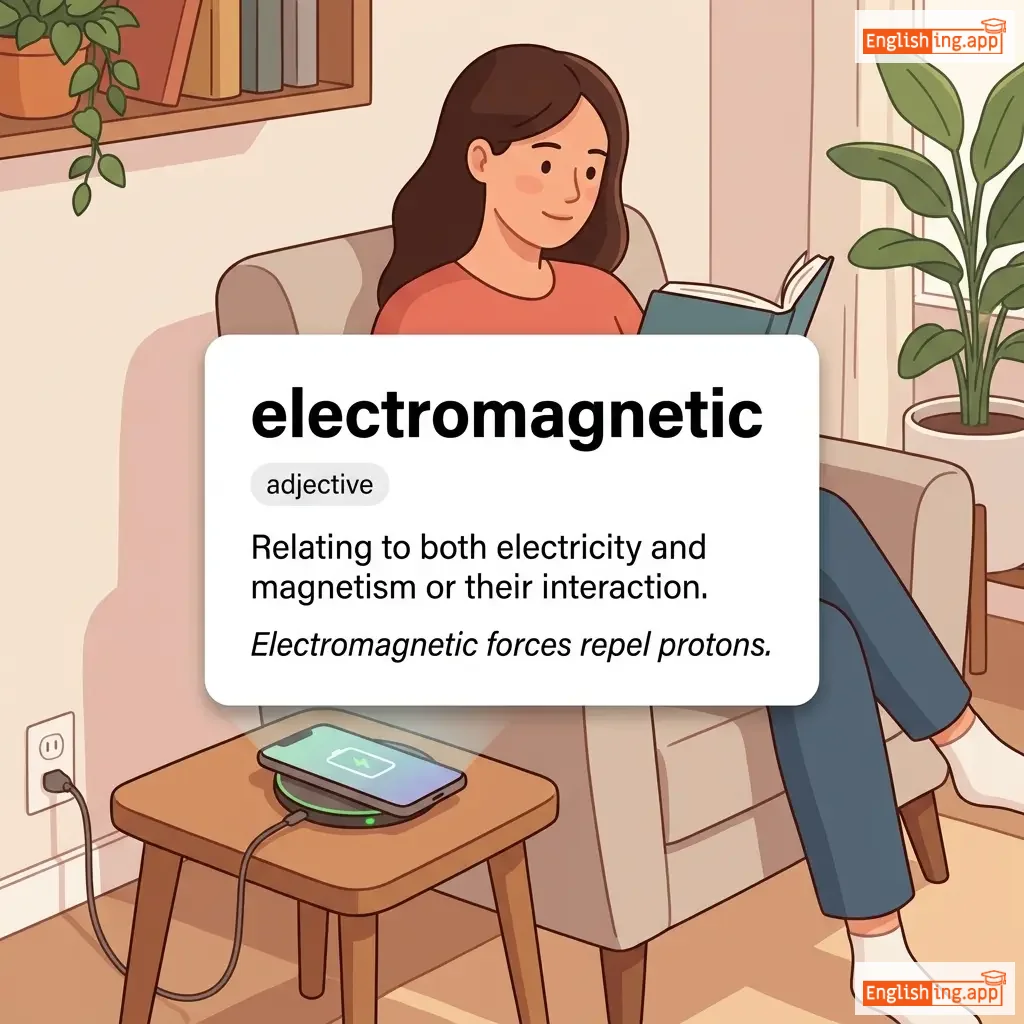
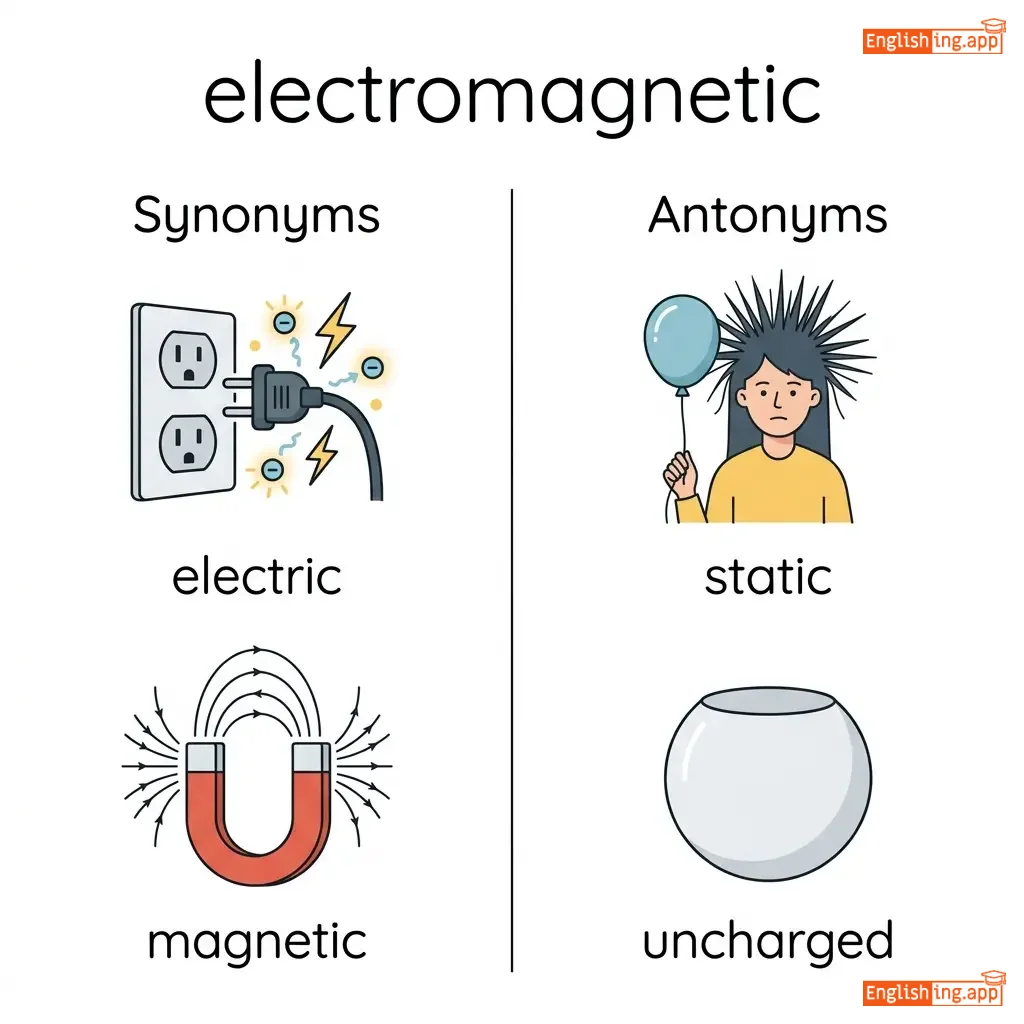
Swipe left or right, or use the buttons. Tap image to zoom.
Upgrade für Zugriff auf alle Sätze
Erhalten Sie unbegrenzten Zugriff auf alle Sätze mit Pro-Mitgliedschaft
Upgrade auf ProÜbersetzung Beispielsatz
Wort
The Strength of the Strong ForceThe Strength of the Strong Force - Maske umschalten
|
Emoji
|
Wort | Images | Übersetzung | Bedeutung | Beispielsatz | Übersetzung Beispielsatz | Synonyme | Antonyme | Eselsbrücke |
|---|---|---|---|---|---|---|---|---|---|
|
#645
⚡
|
fɔːrs
noun
(fɔʁs)
••••••
|
|
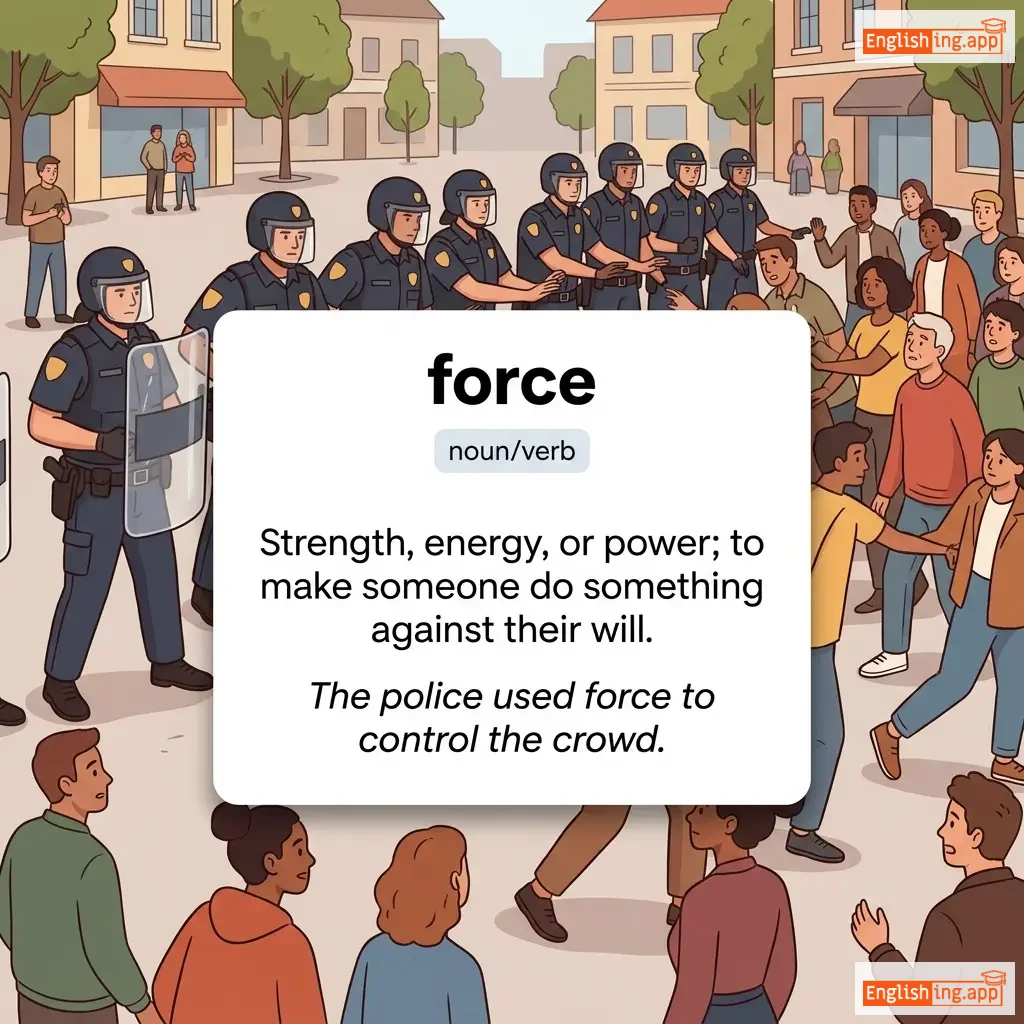
Kraft
kraft
••••••
|
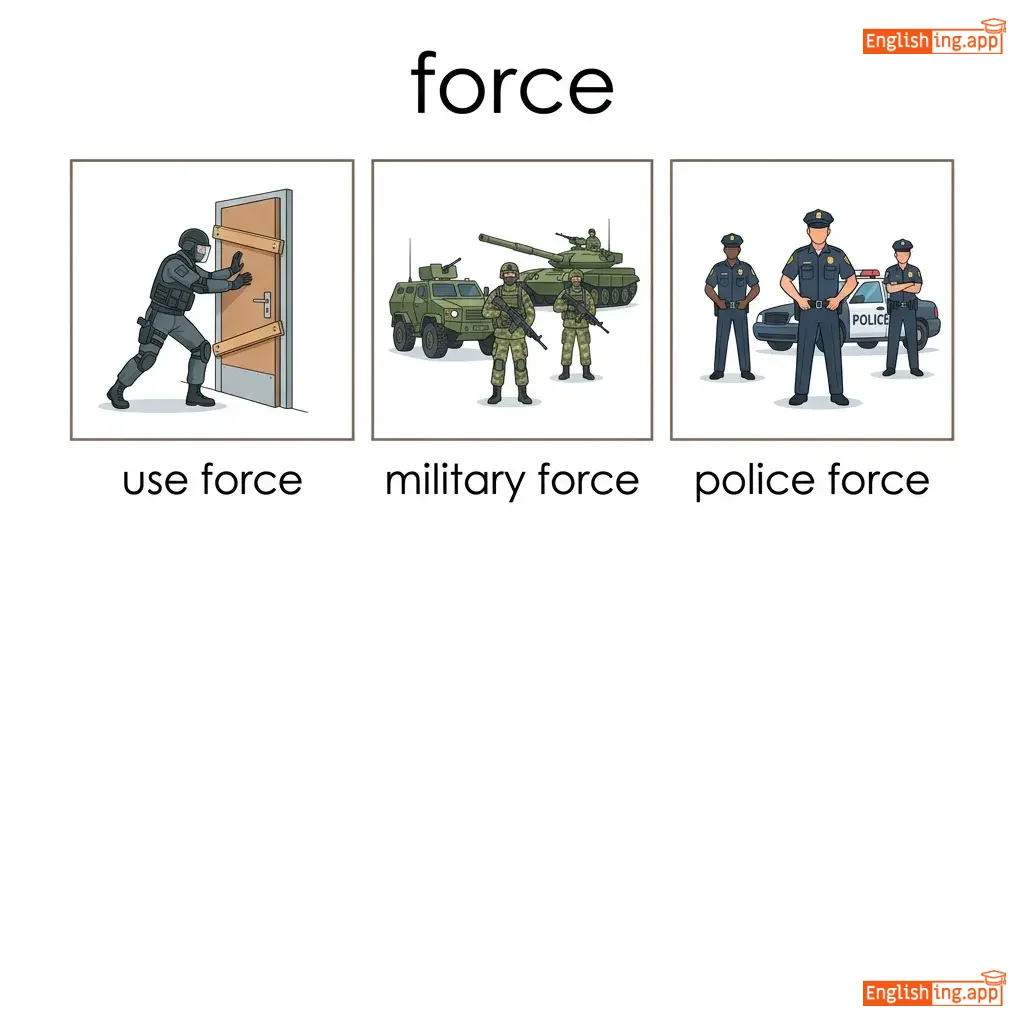
A physical power or energy that can cause movement, change, or influence.
••••••
|
Strong nuclear force binds particles. |
Die starke Kernkraft bindet die Teilchen.
Die starke Kernkraft bindet die Teilchen.
••••••
|
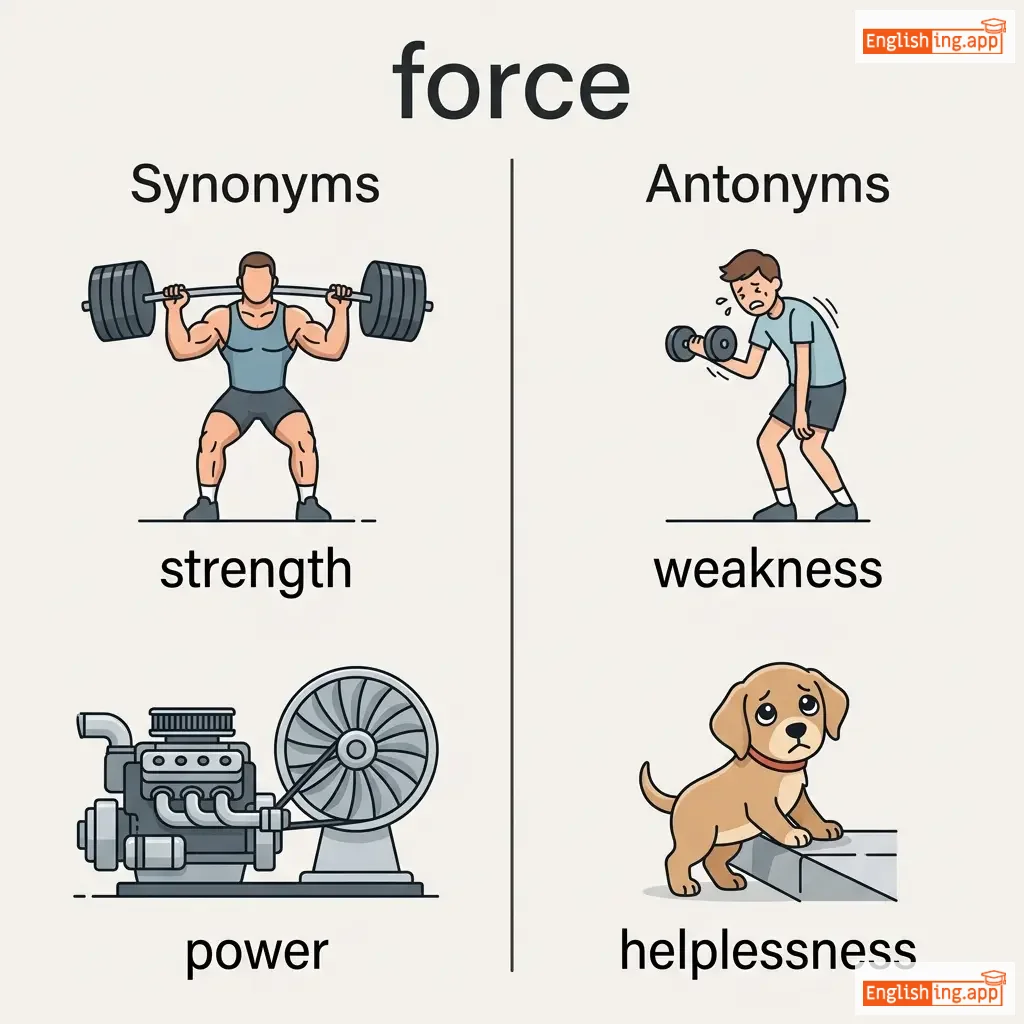
power, energy
••••••
|
weakness, fragility
••••••
|
Kraft in Deutsch bedeutet 'force' in Englisch, beide beziehen sich auf eine Energie, die Bewegung erzeugen kann.
••••••
|
|
#646
🔗
|
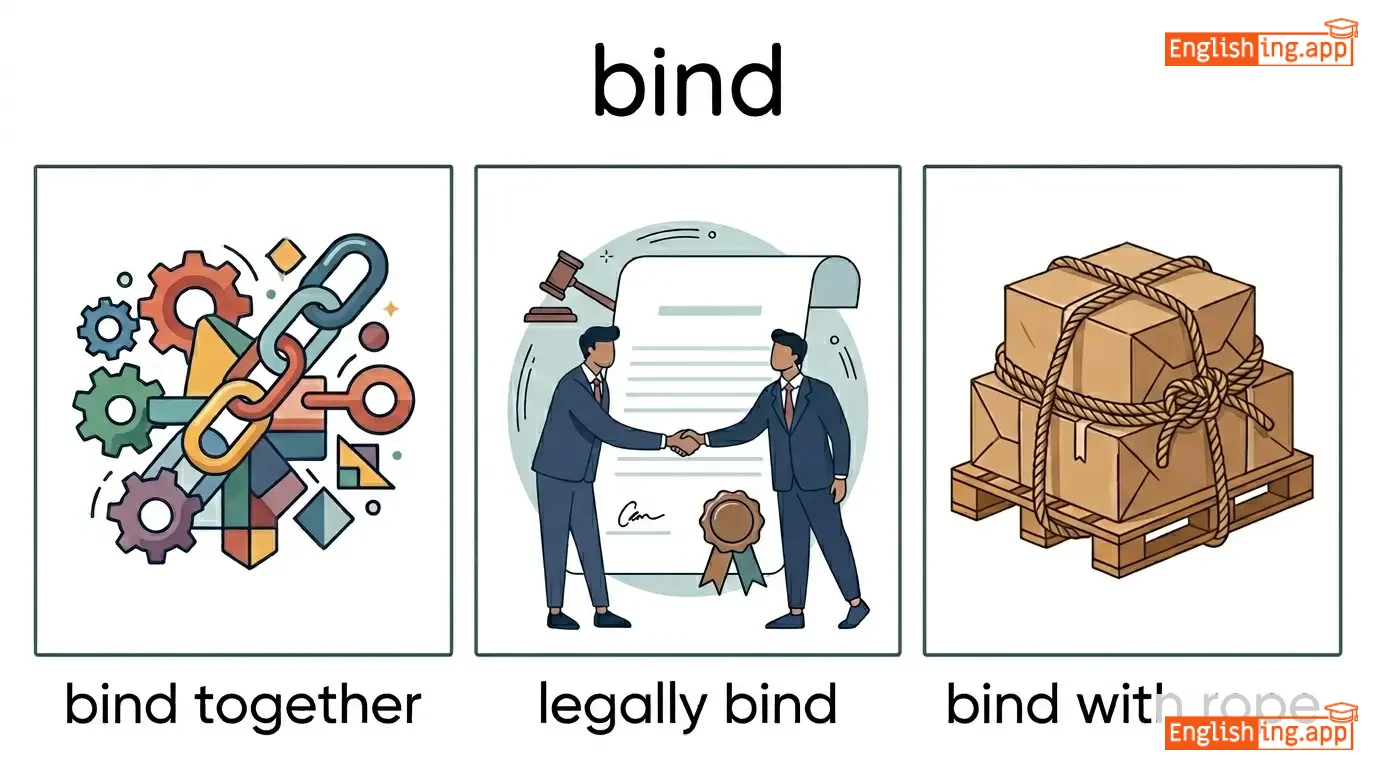
baɪnd
verb
(baind)
••••••
|
|
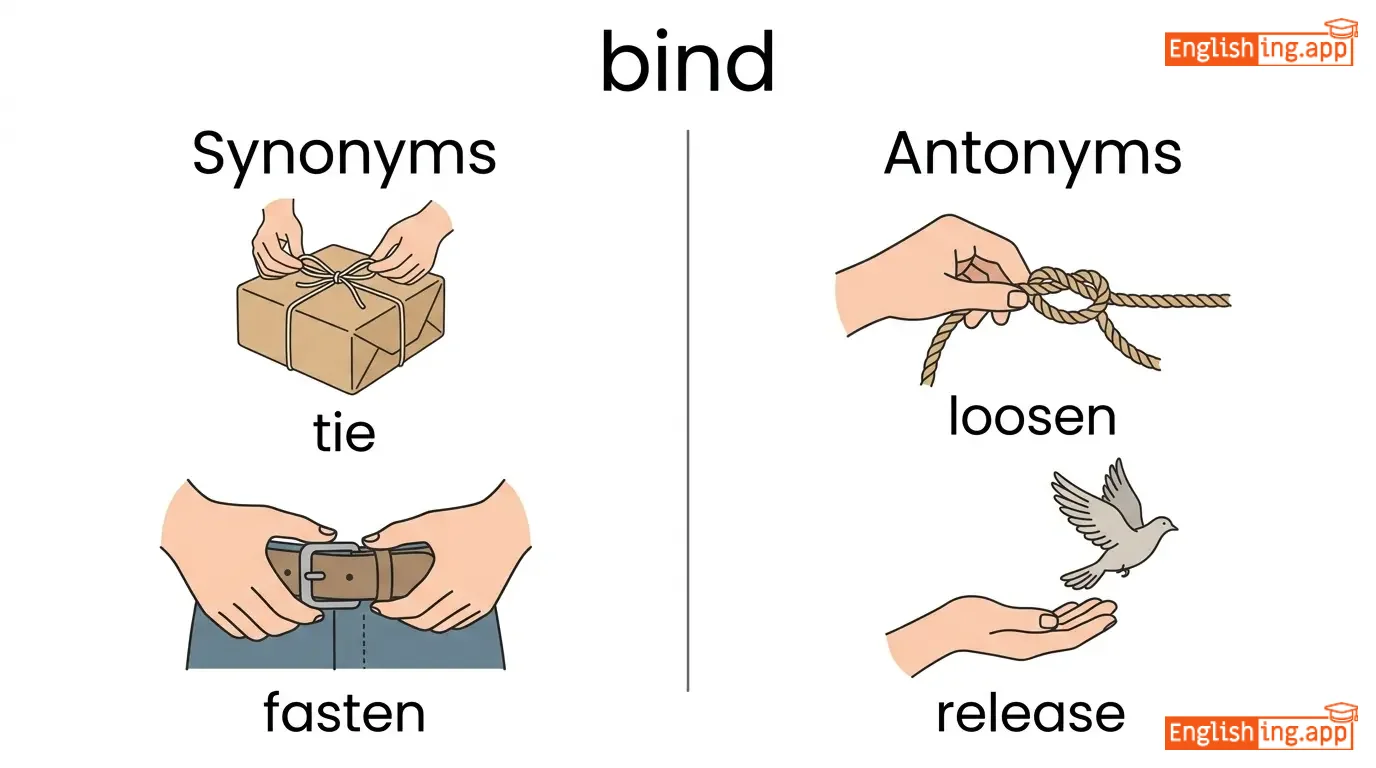
binden
binden
••••••
|
To tie, fasten, or hold together securely.
••••••
|
This force binds quarks together.
Diese Kraft bindet Quarks zusammen.
••••••
|
Diese Kraft bindet Quarks zusammen.
Diese Kraft bindet Quarks zusammen.
••••••
|
tie, unite
••••••
|
separate, disconnect
••••••
|
Binden bedeutet, Dinge zusammenzuhalten, wie ein starkes Seil.
••••••
|
|
#647
🔬
|
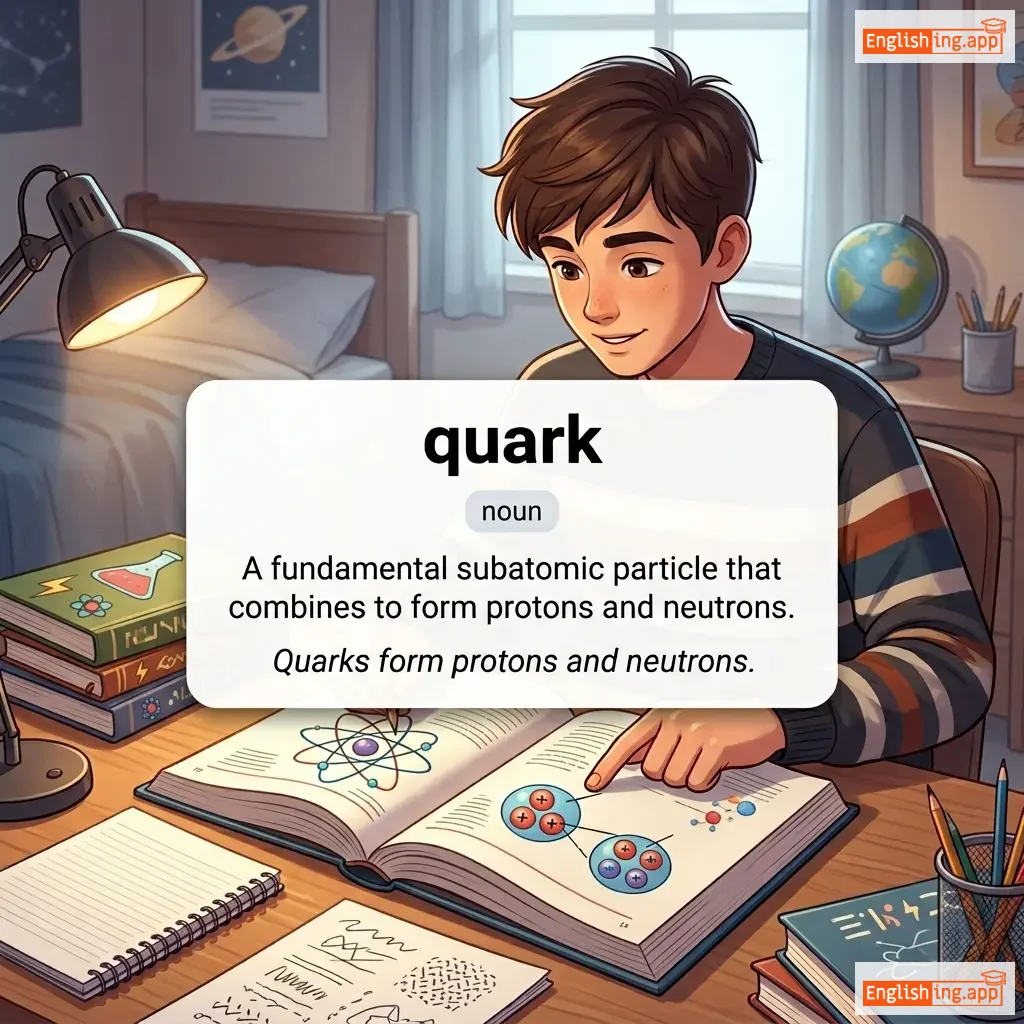
kwɔːrk
noun
(kwark)
••••••
|
|
Quark
kwark
••••••
|
A fundamental subatomic particle that combines to form protons and neutrons.
••••••
|
Quarks form protons and neutrons.
Quarks bilden Protonen und Neutronen.
••••••
|
Quarks bilden Protonen und Neutronen.
Quarks bilden Protonen und Neutronen.
••••••
|
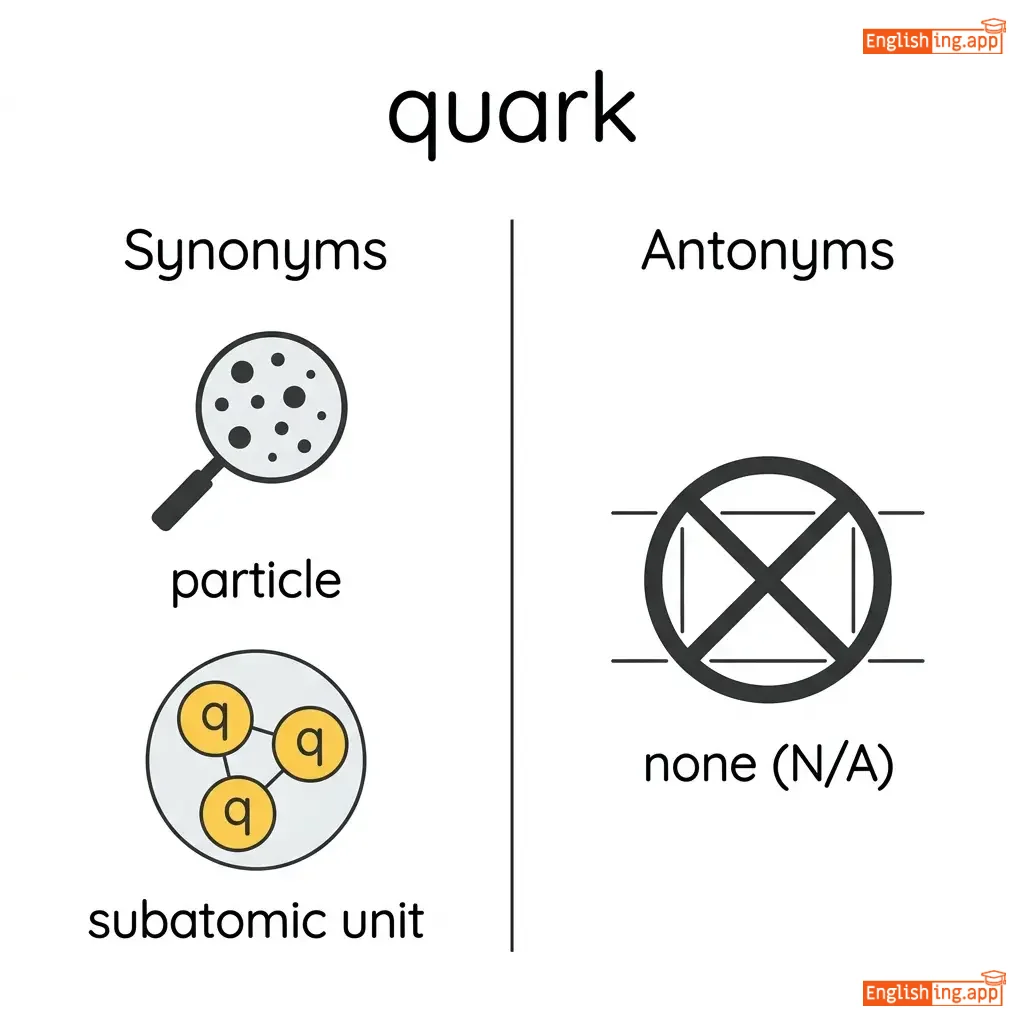
particle, subatomic unit
••••••
|
none (N/A)
••••••
|
Quarks are the building blocks of protons and neutrons. Imagine 'Q' as the foundation of the atomic world!
••••••
|
|
#648
⚛️
|
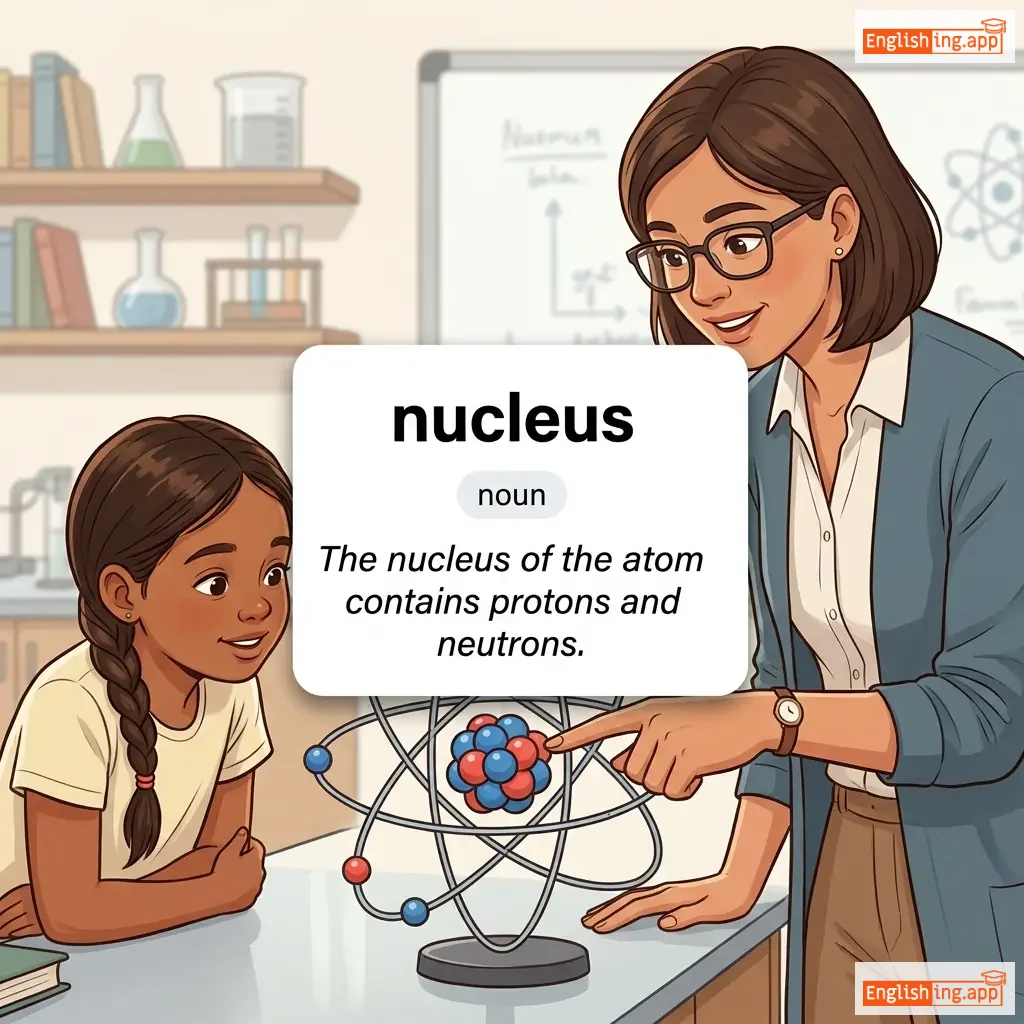
ˈnuːkliəs
noun
(nukleus)
••••••
|
|
Kern
Kern
••••••
|
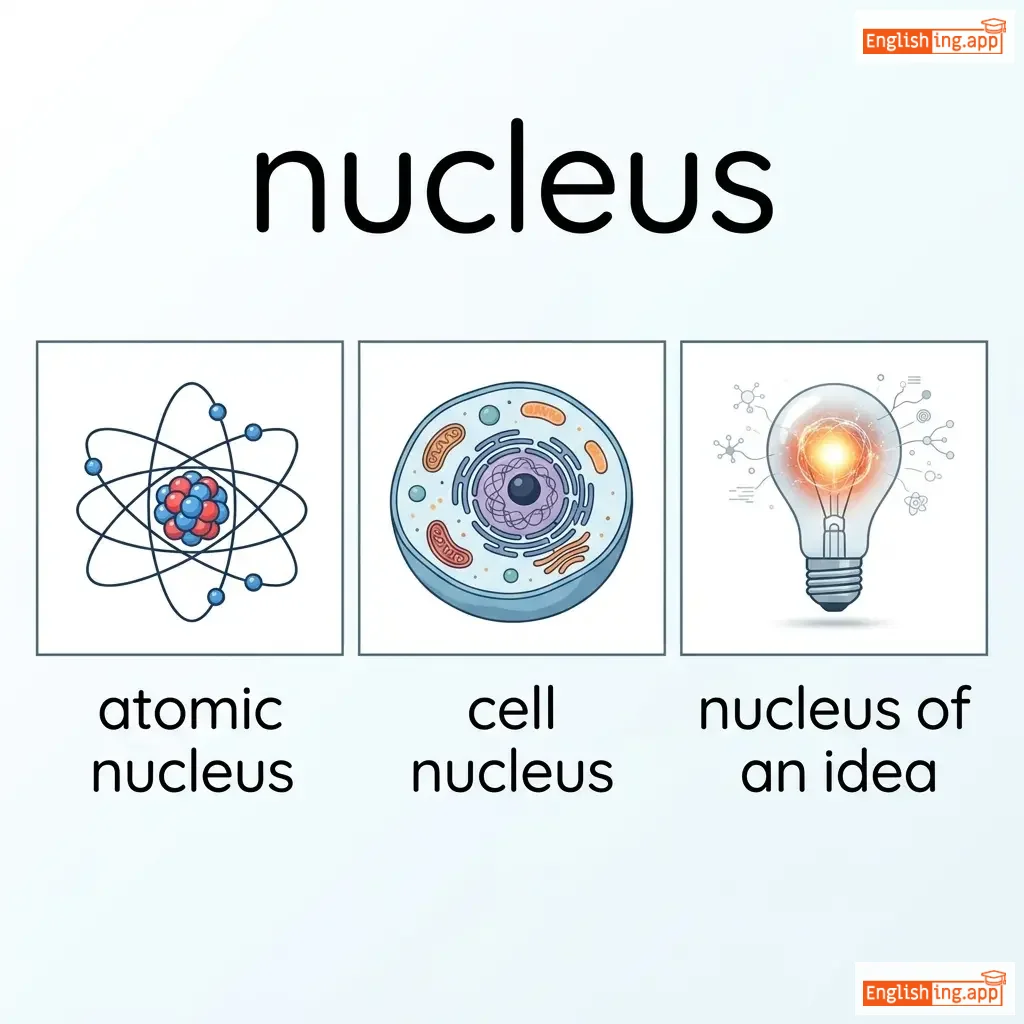
The central core of an atom containing protons and neutrons.
••••••
|
The nucleus consists of protons. |
Der Kern besteht aus Protonen.
Der Kern besteht aus Protonen.
••••••
|
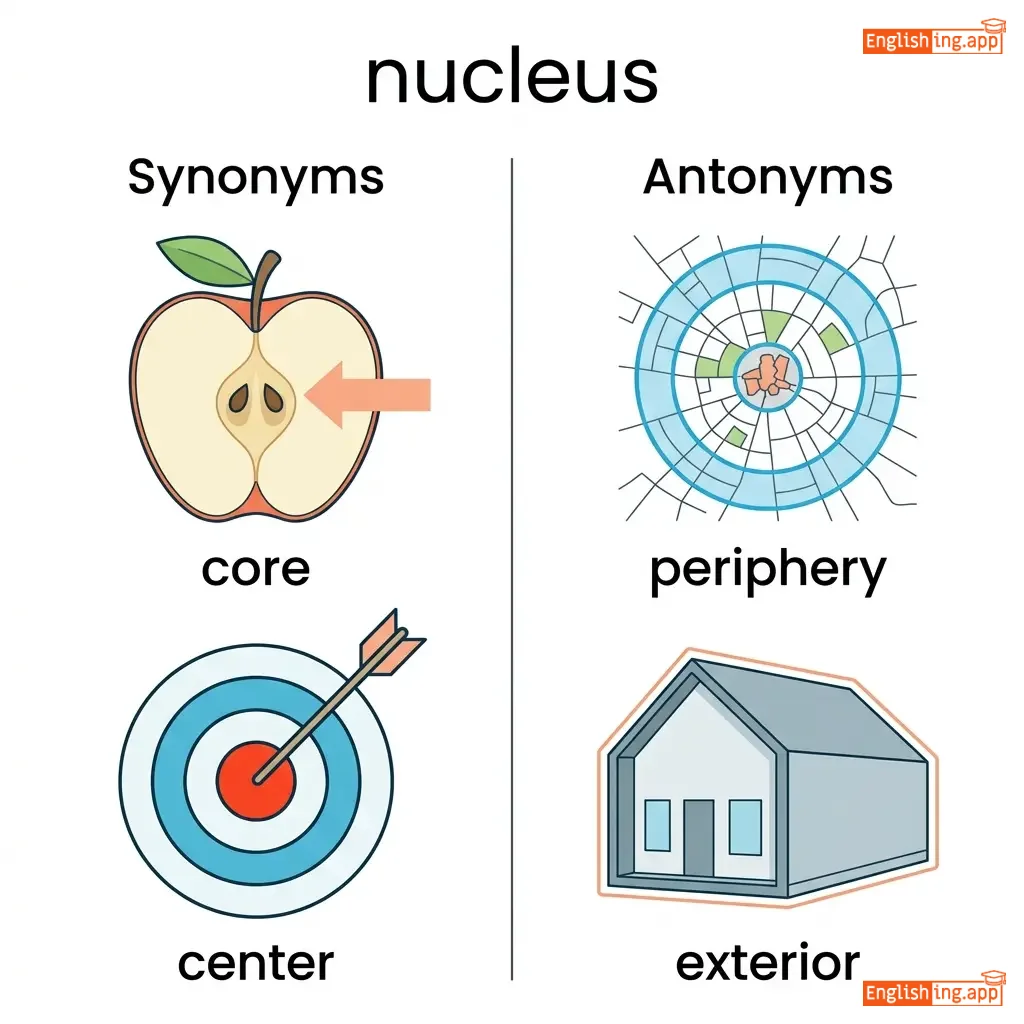
core, center
••••••
|
periphery, outside
••••••
|
Kern ist wie 'core' in Deutsch, und das ist der Kern des 'nucleus'.
••••••
|
|
#649
➕
|
ˈpɒzətɪv
adjective
(positiv)
••••••
|
|
positiv
positiv
••••••
|
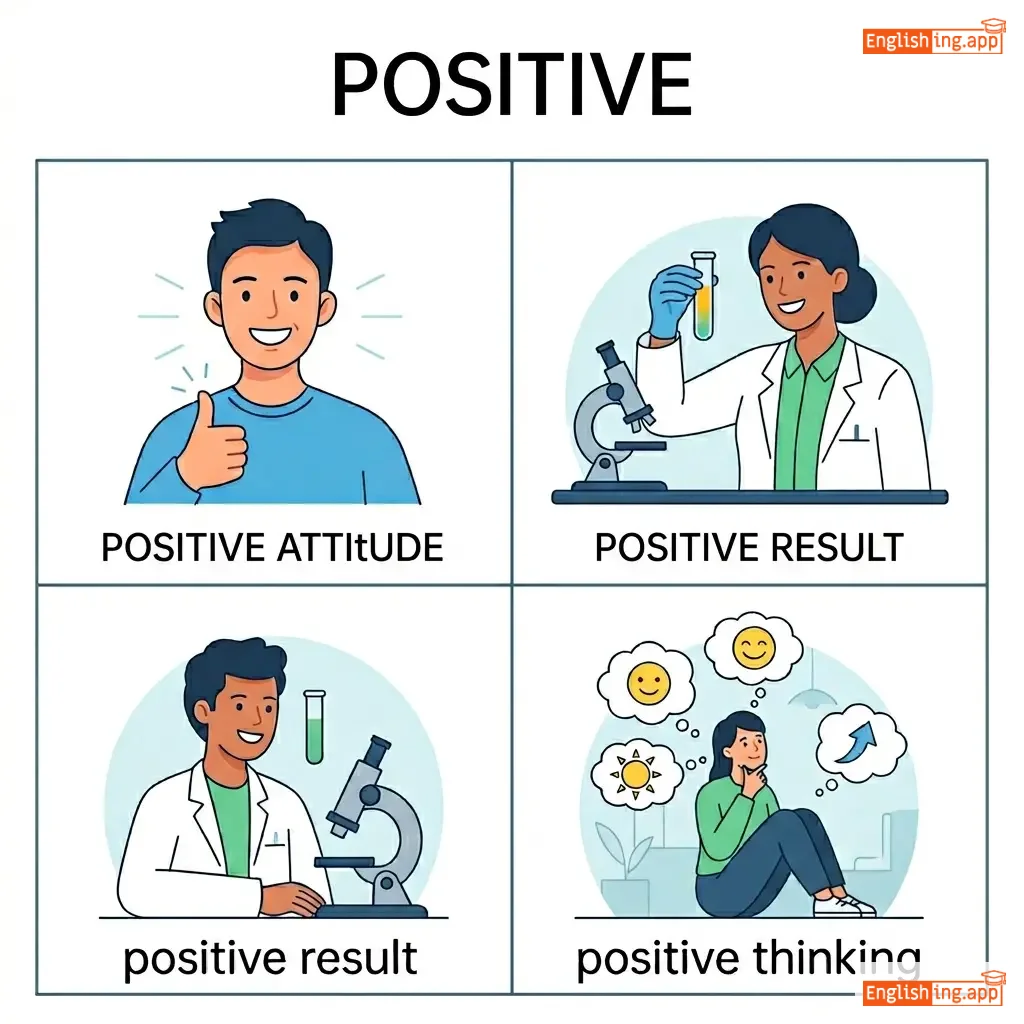
Having an electric charge opposite to that of an electron.
••••••
|
Protons have a positive charge.
Protonen haben eine positive Ladung.
••••••
|
Protonen haben eine positive Ladung.
Protonen haben eine positive Ladung.
••••••
|
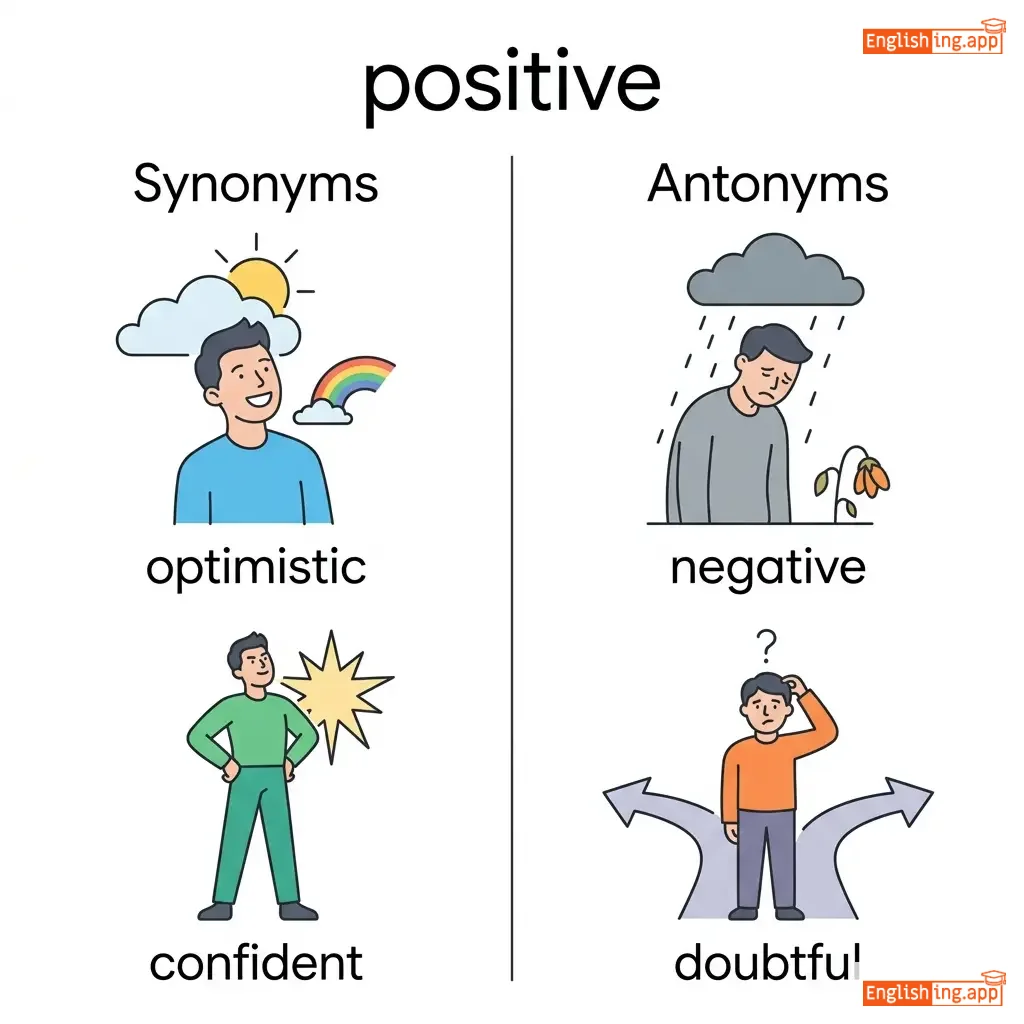
affirmative, plus
••••••
|
negative, neutral
••••••
|
Positiv wie der Strom, der immer weiter fließt.
••••••
|
|
#650
⚖️
|
ˈnjuːtrəl
adjective
(nyutral)
••••••
|
|
neutral
neutral
••••••
|
Having no electric charge; neither positive nor negative.
••••••
|
Neutrons are electrically neutral.
Neutronen sind elektrisch neutral.
••••••
|
Neutronen sind elektrisch neutral.
Neutronen sind elektrisch neutral.
••••••
|
unbiased, uncharged
••••••
|
charged, biased
••••••
|
Neutral wie ein Schiedsrichter, der keine Seite ergreift.
••••••
|
|
#651
🔄
|
rɪˈpel
verb
(ripel)
••••••
|
|
abstoßen
abstoßen
••••••
|
To push away or force apart due to similar charges or properties.
••••••
|
Protons repel each other. |
Protonen stoßen sich gegenseitig ab.
Protonen stoßen sich gegenseitig ab.
••••••
|
push away, reject
••••••
|
attract, pull
••••••
|
Abstoßung = abdrücken durch Kräfte
••••••
|
|
#652
📦
|
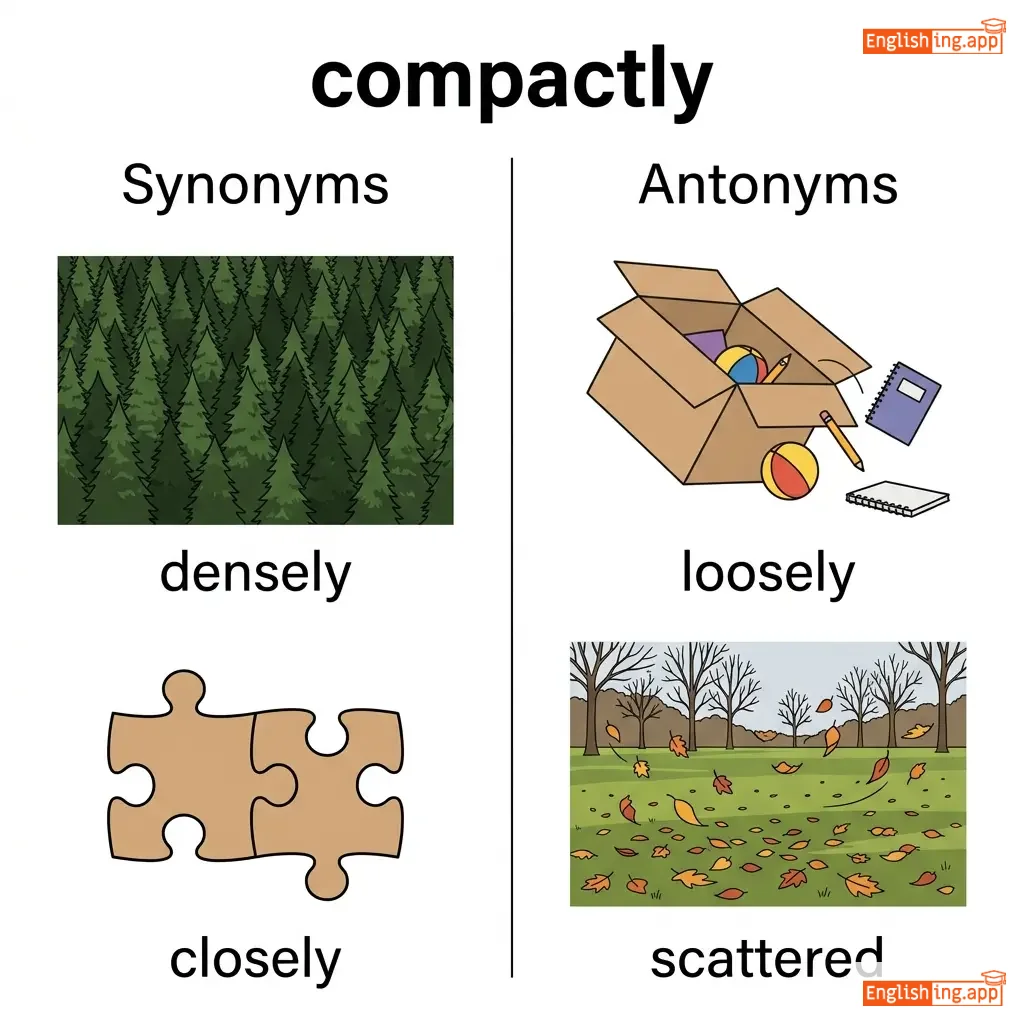
kəmˈpæktli
adverb
(kɔmpaktli)
••••••
|
|
kompakt
kompakt
••••••
|
In a closely packed or dense manner.
••••••
|
Protons and neutrons are compactly arranged.
Protonen und Neutronen sind kompakt angeordnet.
••••••
|
Protonen und Neutronen sind kompakt angeordnet.
Protonen und Neutronen sind kompakt angeordnet.
••••••
|
densely, closely
••••••
|
loosely, scattered
••••••
|
Just remember that 'kompakt' means compactly in German!
••••••
|
|
#653
🤝
|
ədˈhɪər
verb
(adhieren)
••••••
|
|
haften
haften
••••••
|
To stick firmly to something or stay attached.
••••••
|
Neutrons adhere to protons. |
Neutronen haften an Protonen.
Neutronen haften an Protonen.
••••••
|
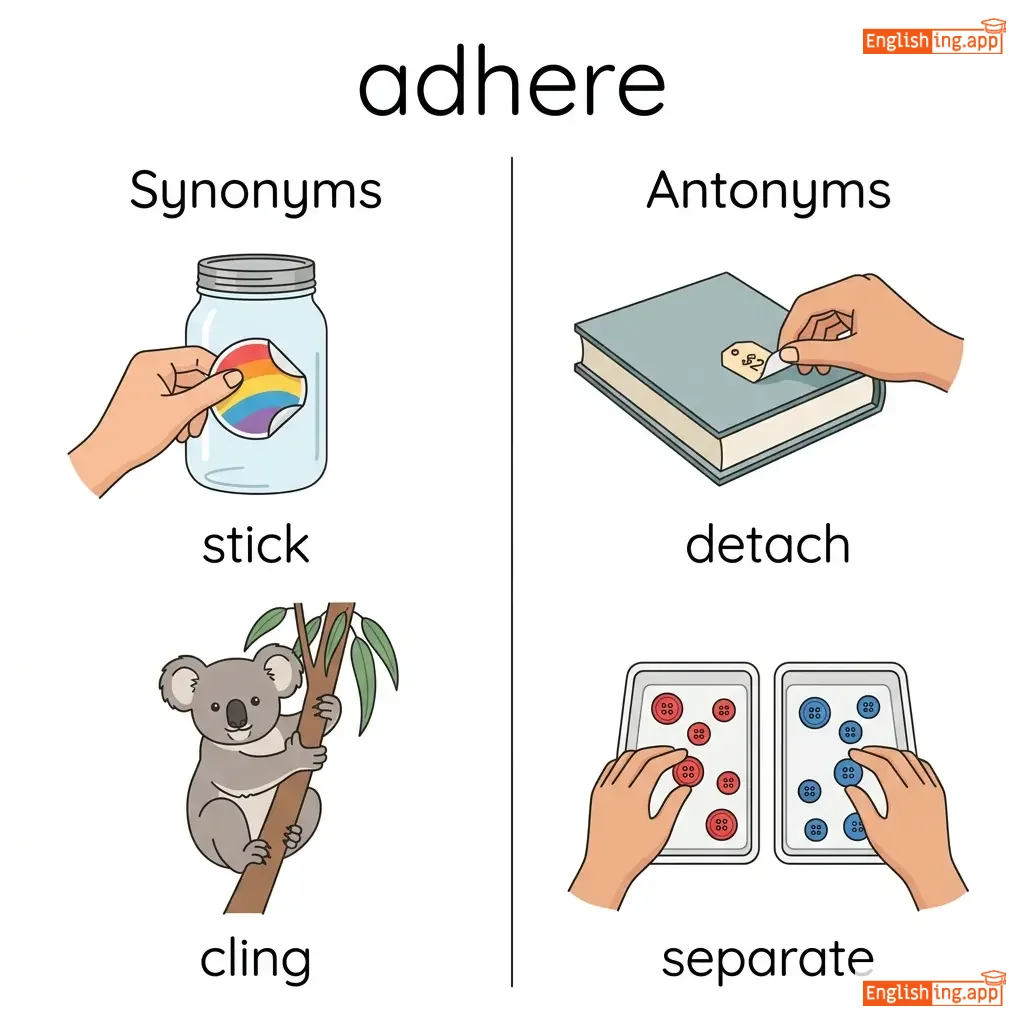
stick, cling
••••••
|
detach, separate
••••••
|
Picture a sticky note that always adheres to surfaces.
••••••
|
|
#654
👑
|
ˈdɒmɪnəns
noun
(dominanz)
••••••
|
|
Dominanz
Dominanz
••••••
|
The state of having power, control, or influence over others.
••••••
|
Strong force exerts dominance over other forces. |
Starke Kräfte üben Dominanz über andere Kräfte aus.
Starke Kraefte ueben Dominanz ueber andere Kraefte aus.
••••••
|
supremacy, authority
••••••
|
inferiority, submission
••••••
|
In German, 'Dominanz' means domination, like a powerful force.
••••••
|
|
#655
🧲
|
ɪˌlektrəʊmæɡˈnetɪk
adjective
(elektromagnetisch)
••••••
|
|
elektromagnetisch
elektromagnetisch
••••••
|
Relating to both electricity and magnetism or their interaction.
••••••
|
Electromagnetic forces repel protons.
Elektromagnetische Kräfte stoßen Protonen ab.
••••••
|
Elektromagnetische Kräfte stoßen Protonen ab.
Elektromagnetische Kräft stoßen Protonen ab.
••••••
|
electric, magnetic
••••••
|
static, uncharged
••••••
|
Elektromagnetisch = Elektrizität und Magnetismus zusammen.
••••••
|
|
#656
🏗️
|
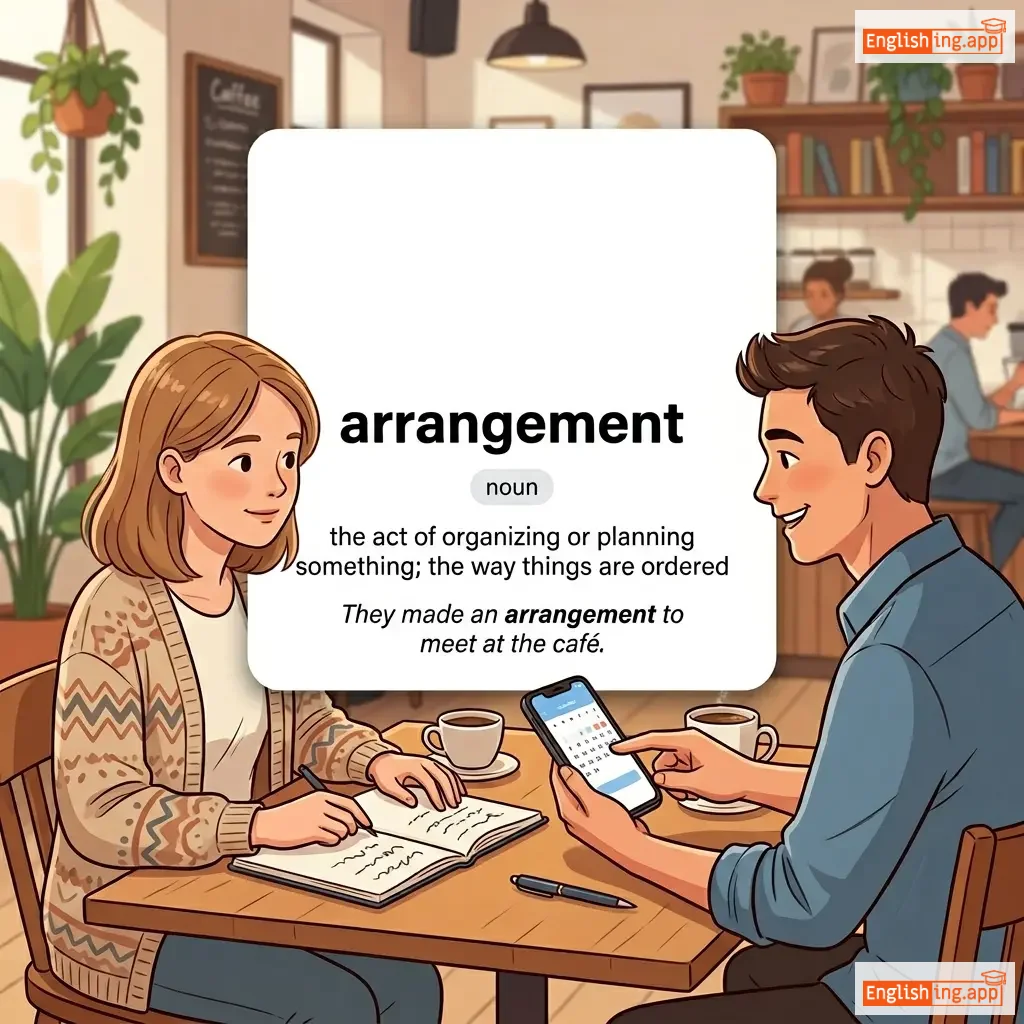
əˈreɪndʒmənt
noun
(ˈaʁɛnʤmənt)
••••••
|
|
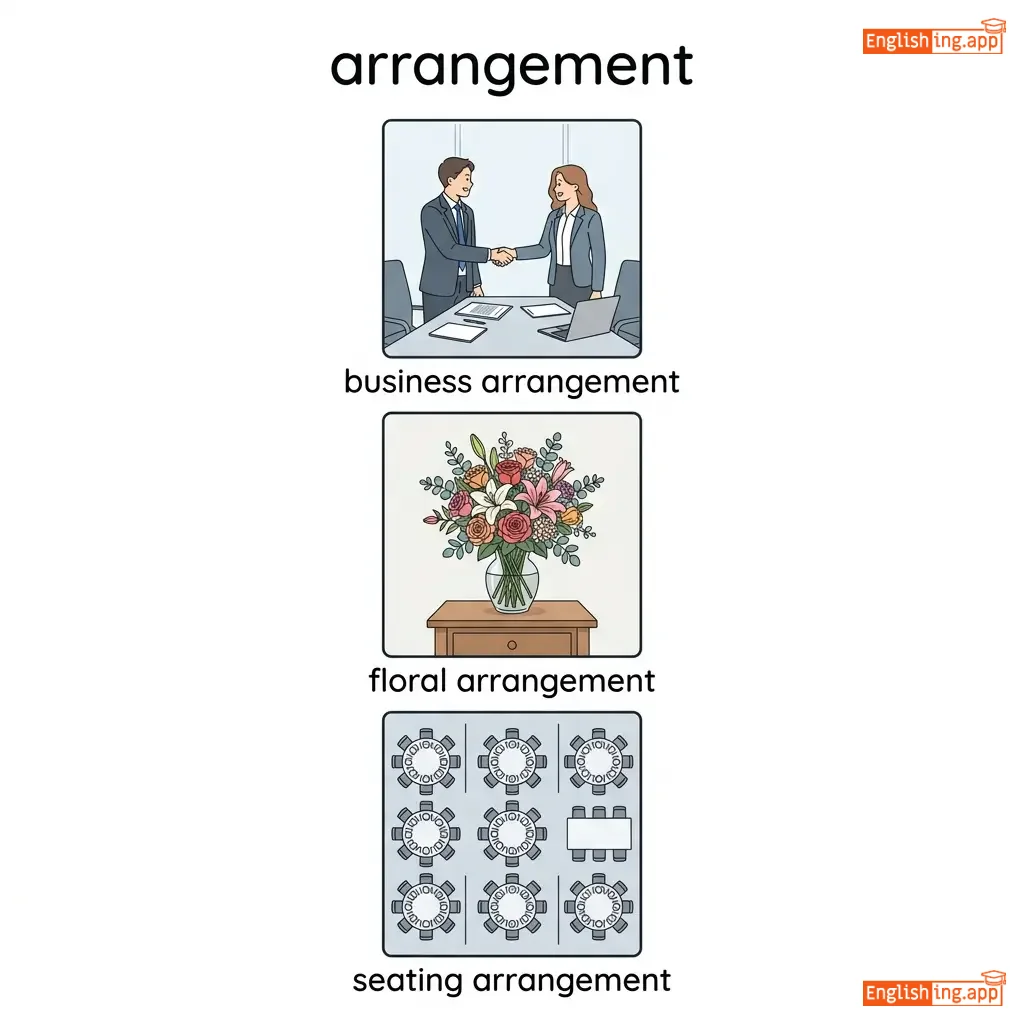
Anordnung
Anordnung
••••••
|
The way things are organized, positioned, or structured.
••••••
|
The arrangement of protons in the nucleus is critical.
Die Anordnung der Protonen im Kern ist entscheidend.
••••••
|
Die Anordnung der Protonen im Kern ist entscheidend.
Die Anordnung der Protonen im Kern ist entscheidend.
••••••
|
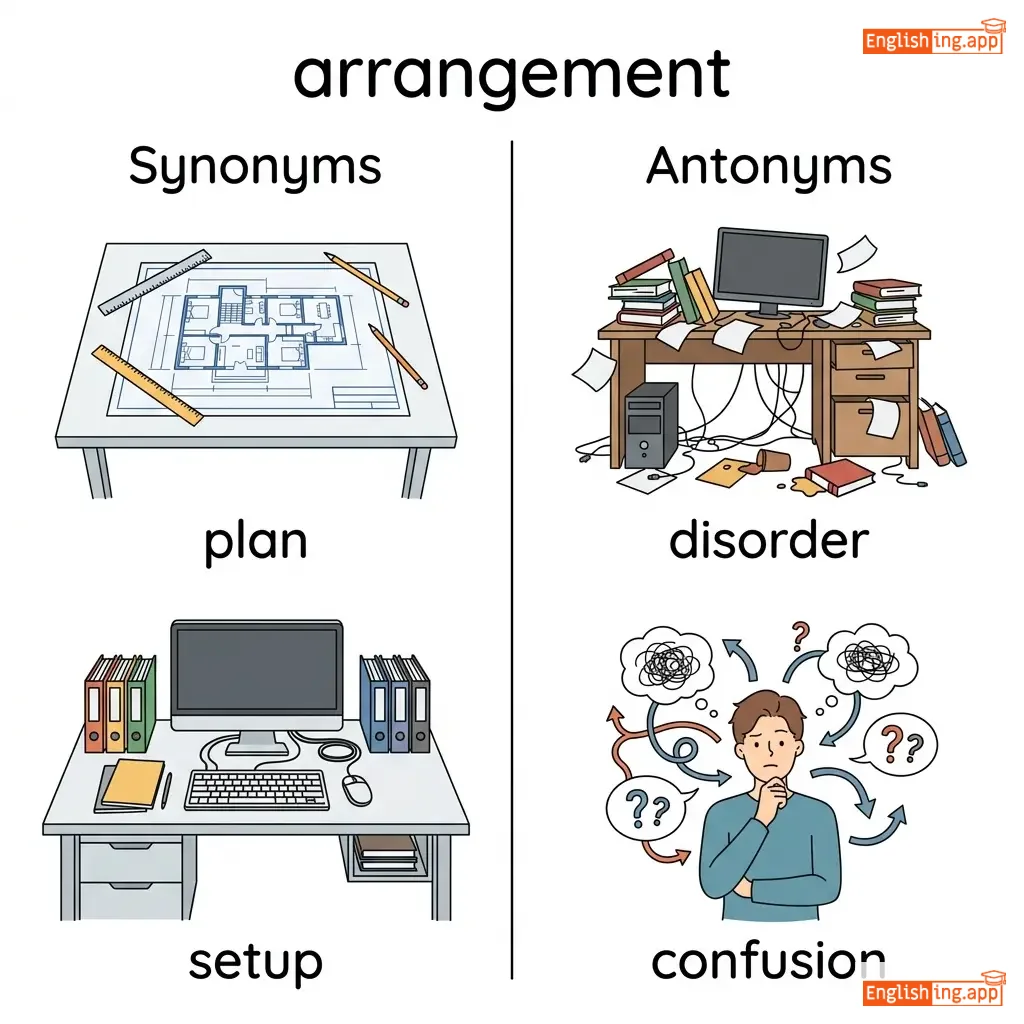
order, organization
••••••
|
disorder, chaos
••••••
|
Anordnung (arrangement) erinnert an das Aufstellen von Dingen in einer bestimmten Reihenfolge.
••••••
|
|
#657
⚖️
|
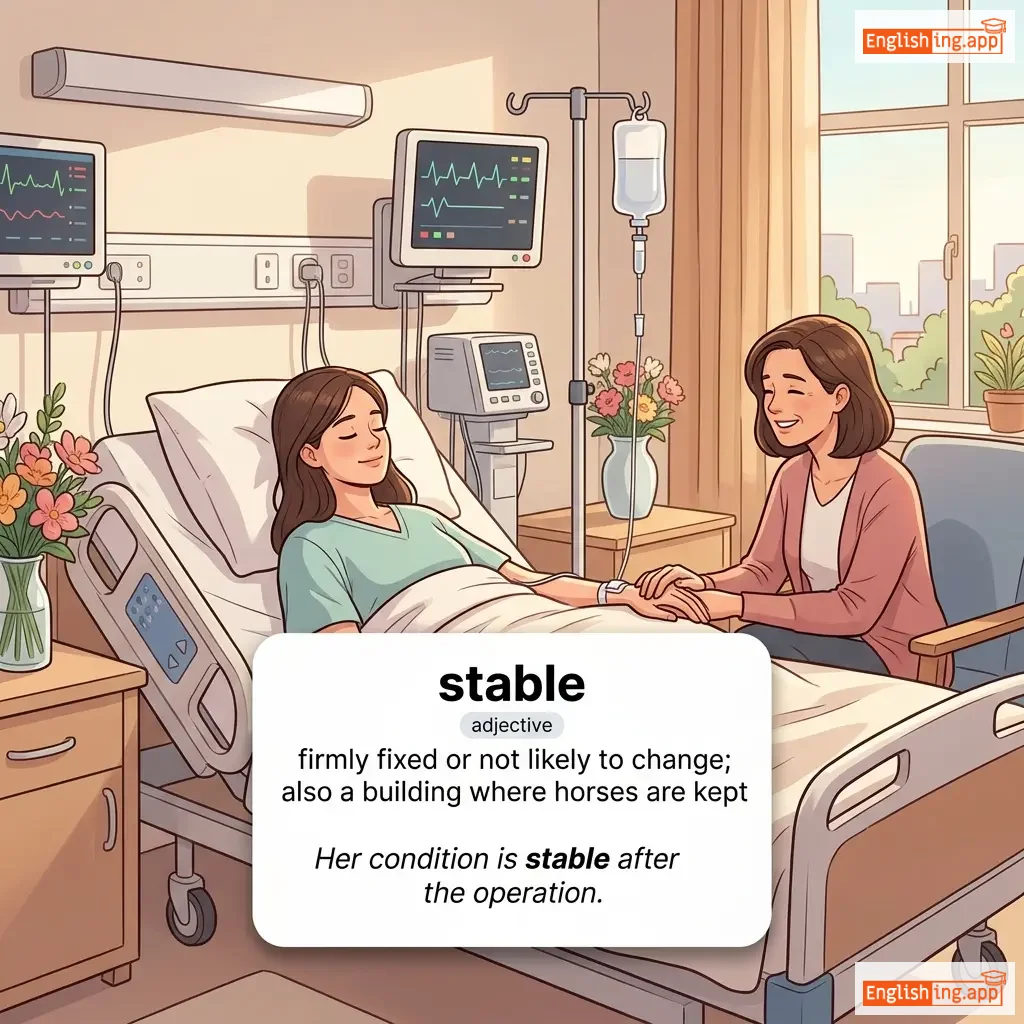
ˈsteɪbl
adjective
(stabil)
••••••
|
|
stabil
stabil
••••••
|
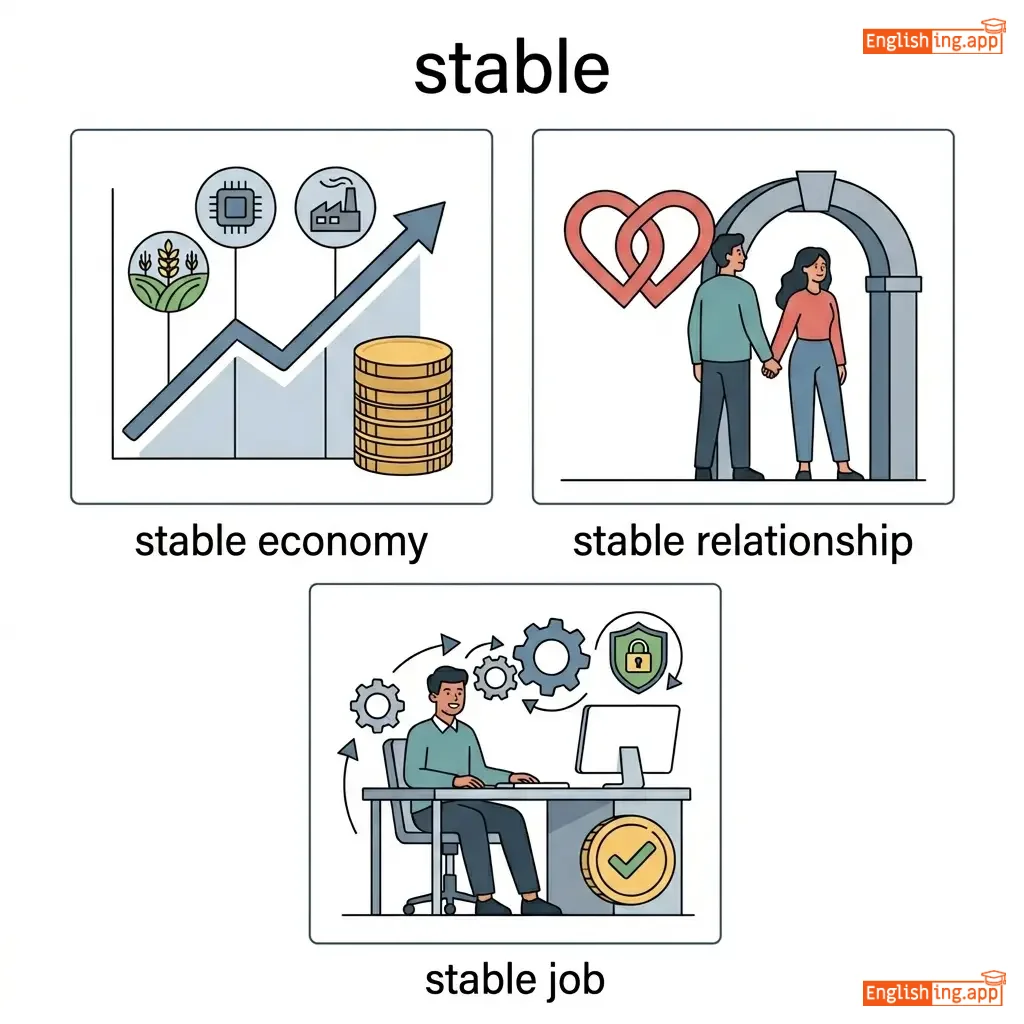
Not likely to change or fail; firmly established.
••••••
|
Strong nuclear force keeps the nucleus stable.
Die starke Kernkraft hält den Kern stabil.
••••••
|
Die starke Kernkraft hält den Kern stabil.
Die starke Kernkraft hält den Kern stabil.
••••••
|
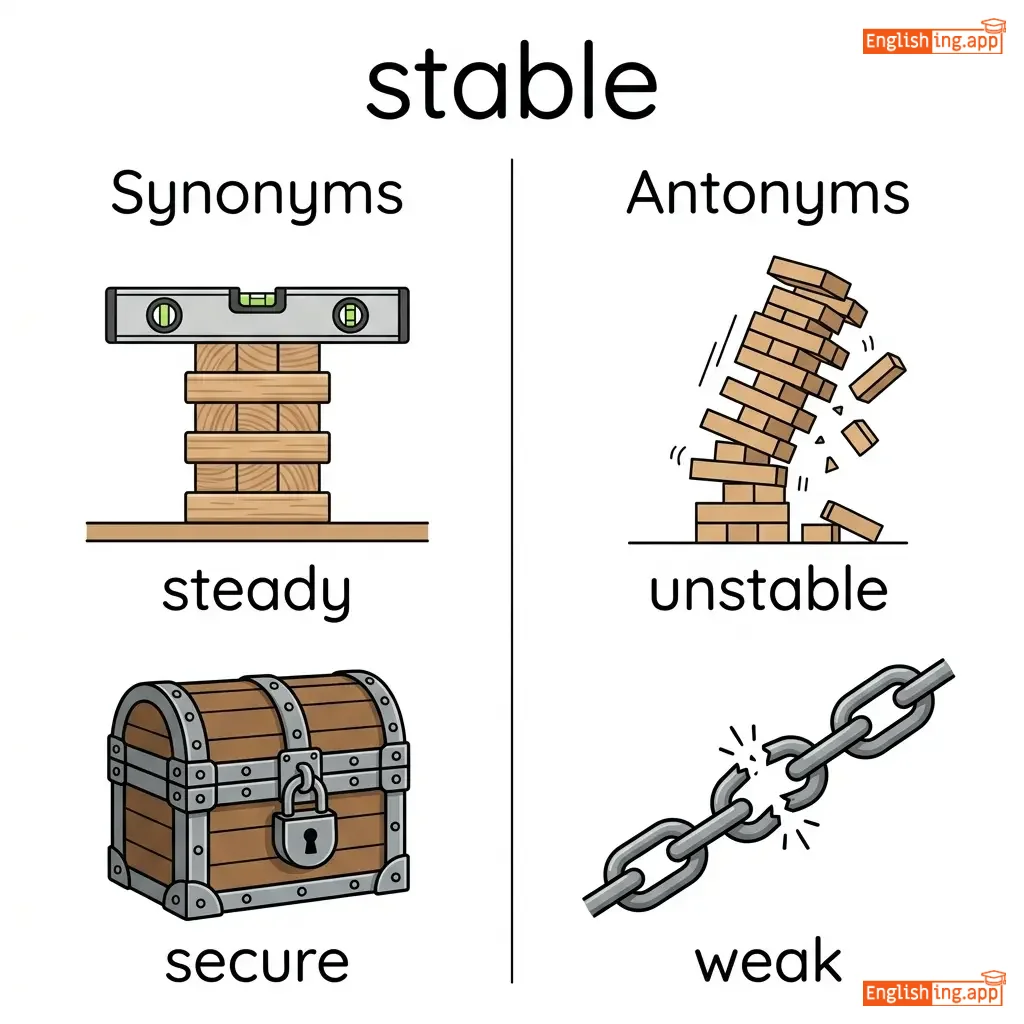
steady, secure
••••••
|
unstable, volatile
••••••
|
stabil = wie ein stabiler Tisch, der immer an seinem Platz bleibt.
••••••
|
Vocabulary Quiz
Test your vocabulary by matching words with their translations or meanings.
Login to take the quiz
Comments (0)
Share your thoughts and join the discussion.
Join the discussion by logging in
Login to CommentNo comments yet
Be the first to share your thoughts!