Die Stärke der starken Kraft

The Strength of the Strong Force

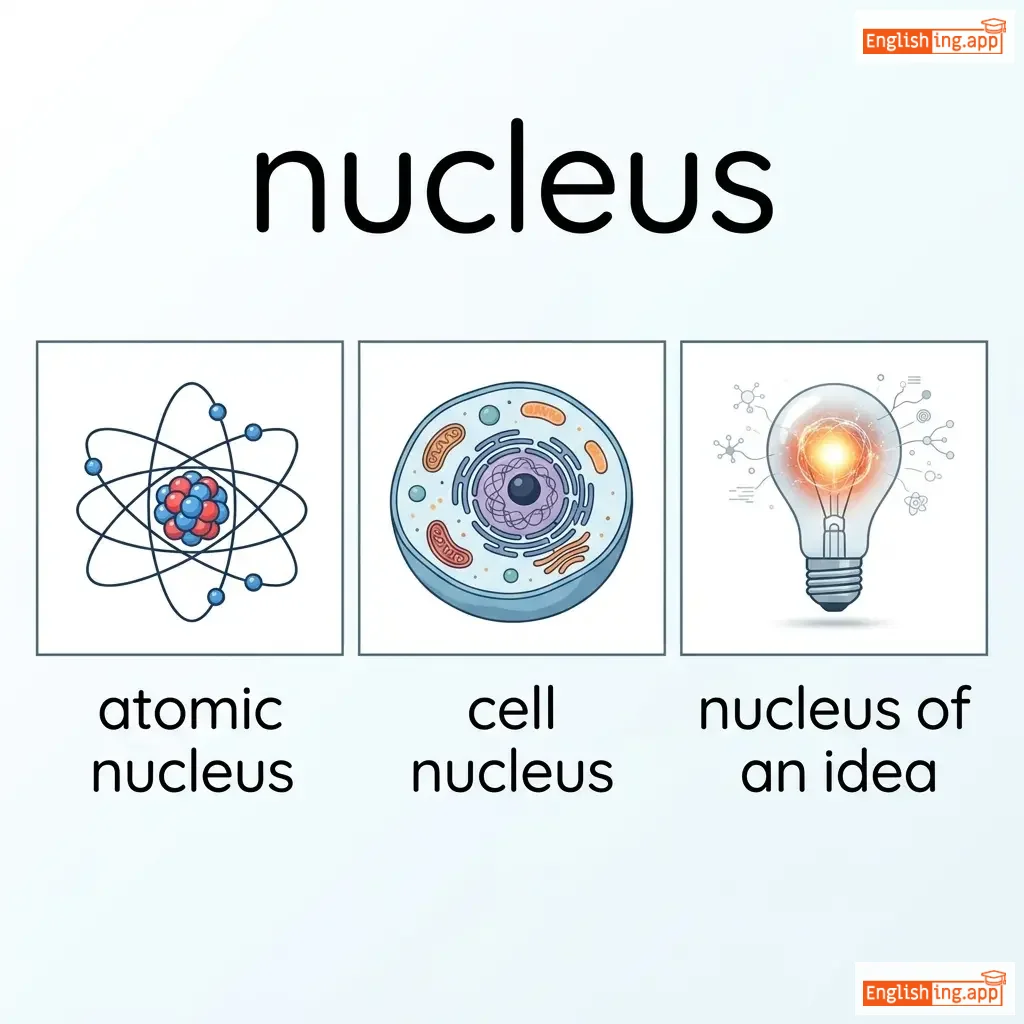
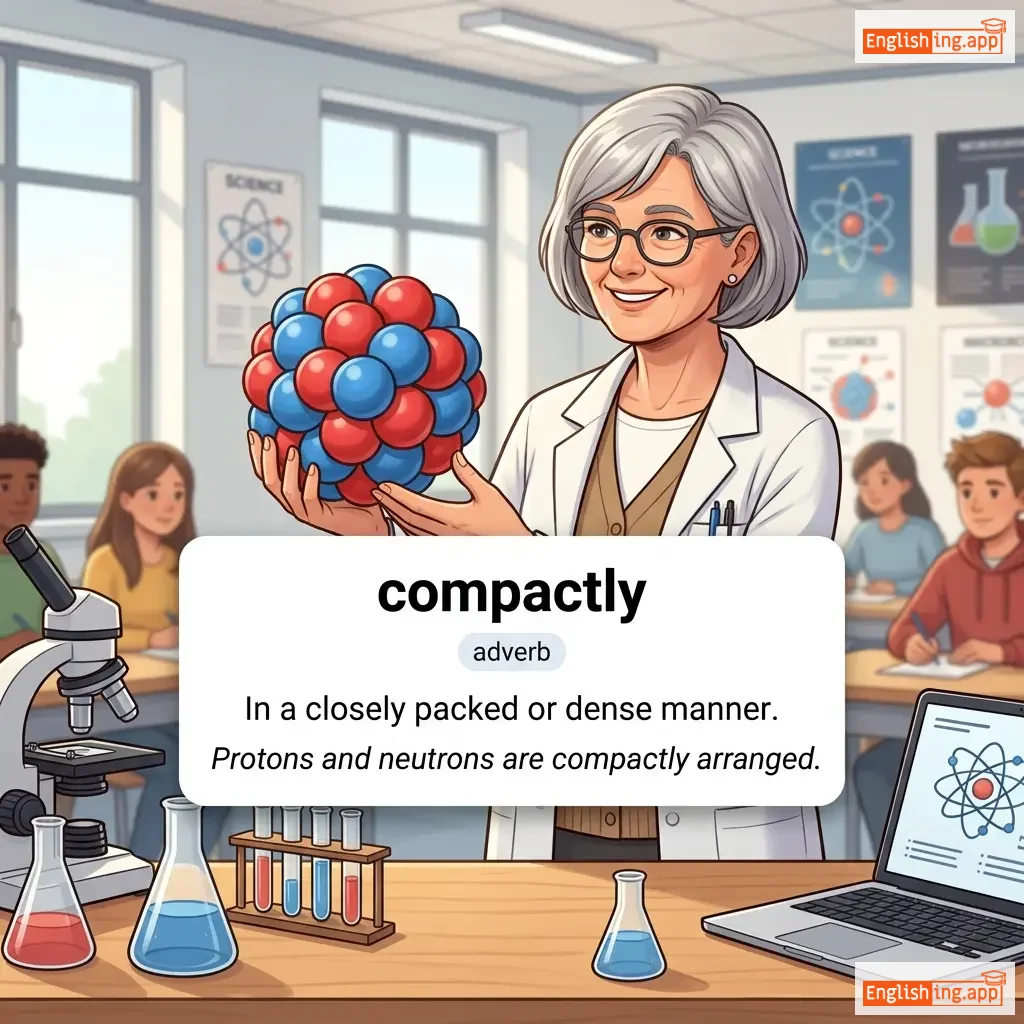
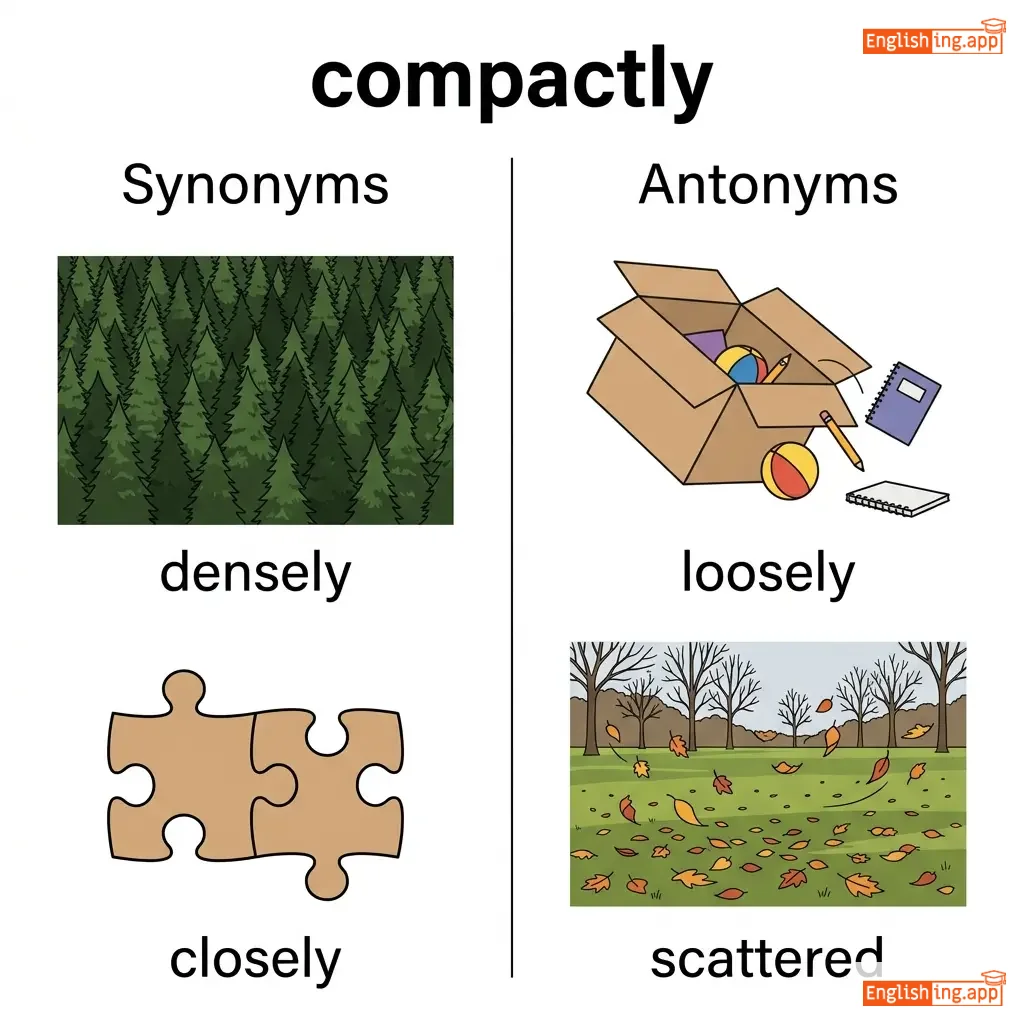
Unter den vier Kräften der Natur ist die mächtigste die sogenannte strong nuclear force. Sie binds Quarkteilchen zusammen, und diese quark particles bilden protons und neutrons. Diese bleiben compactly zusammen, um den nucleus zu bilden.

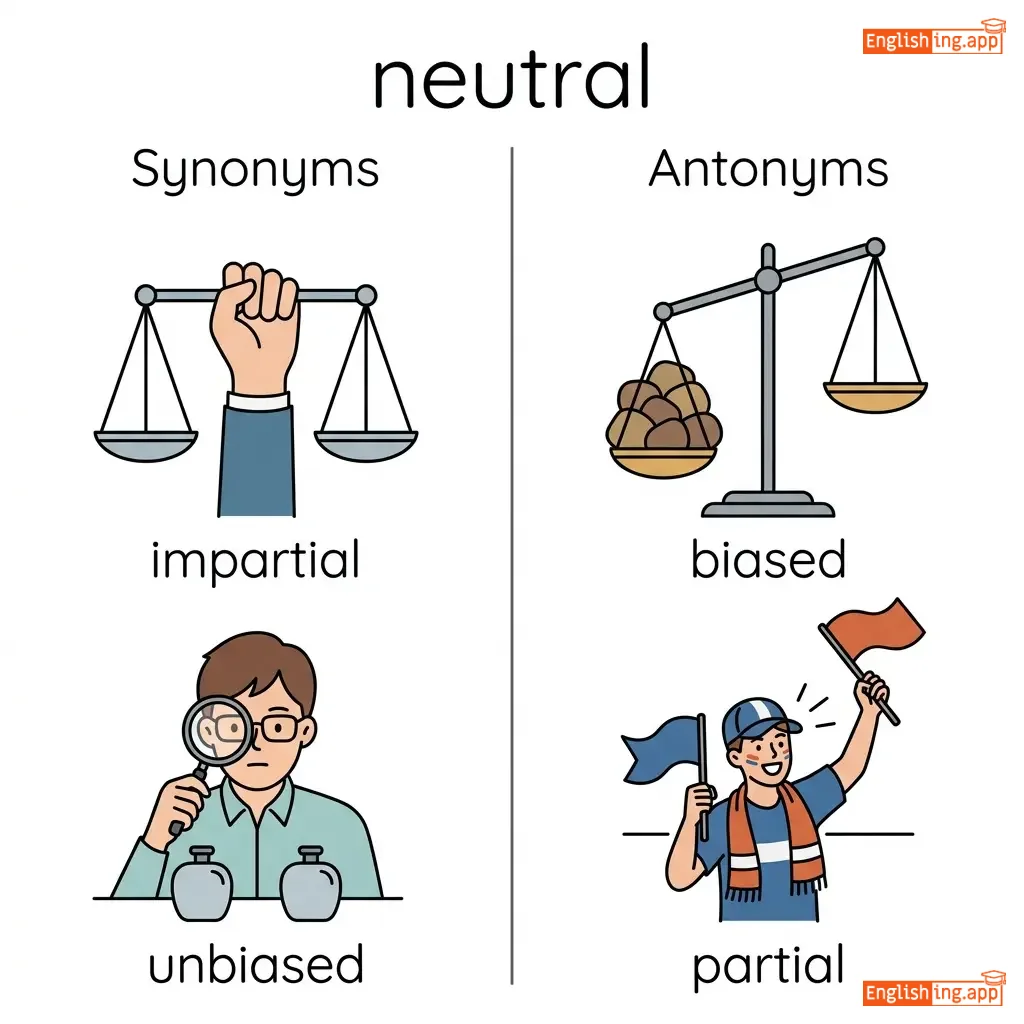
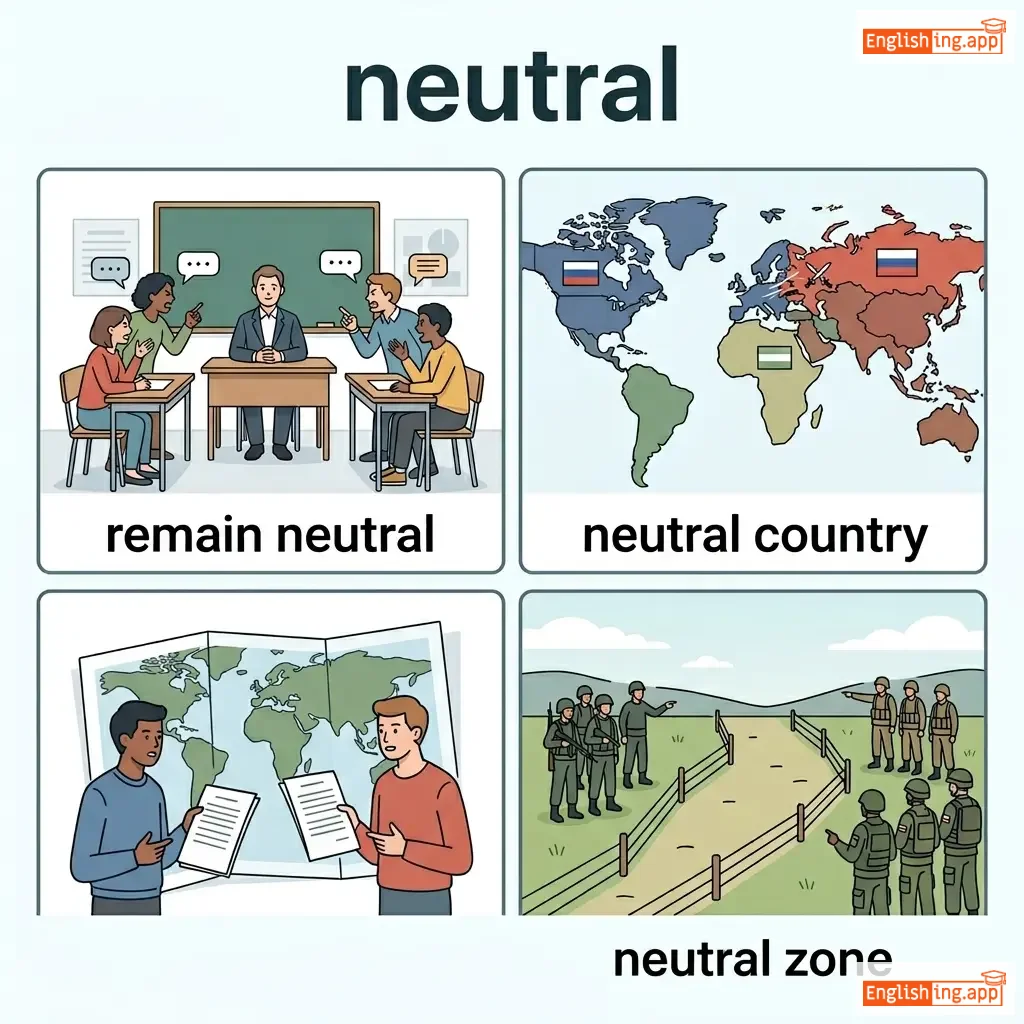
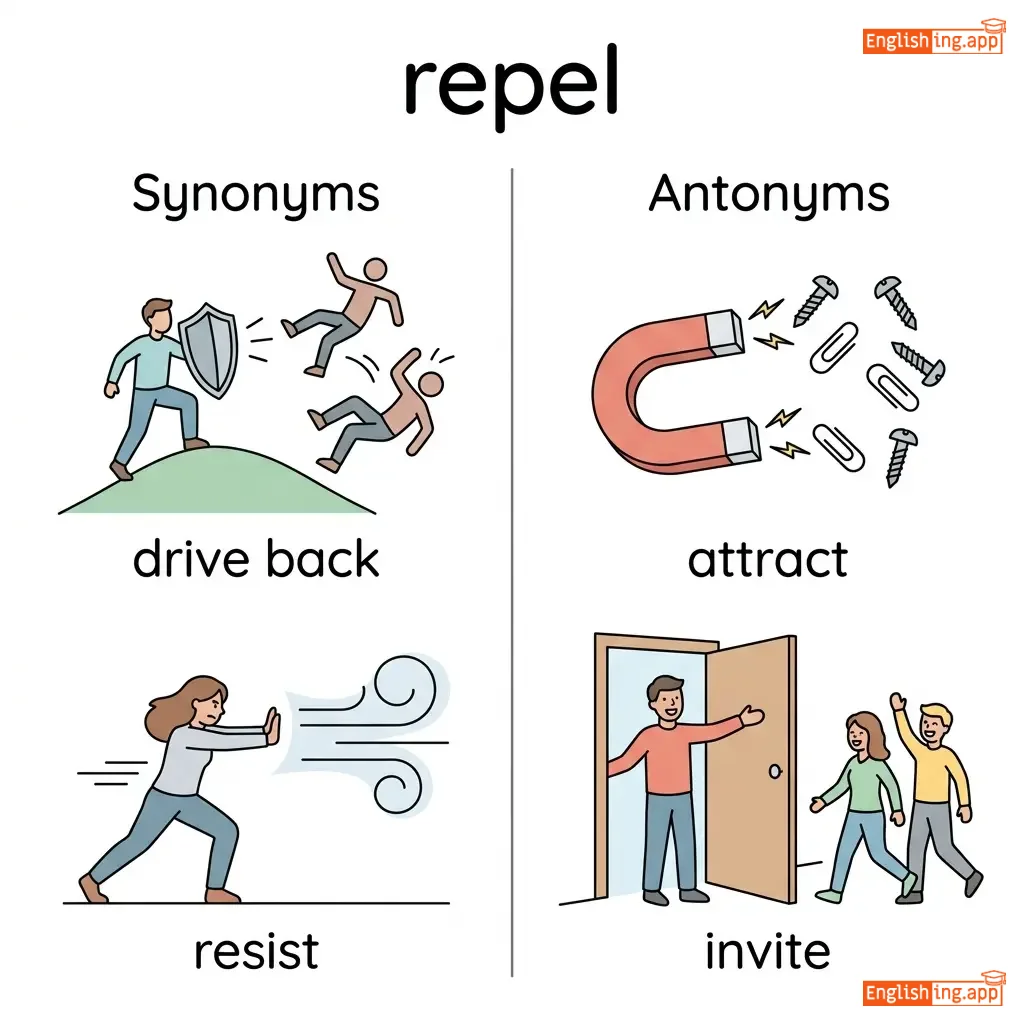
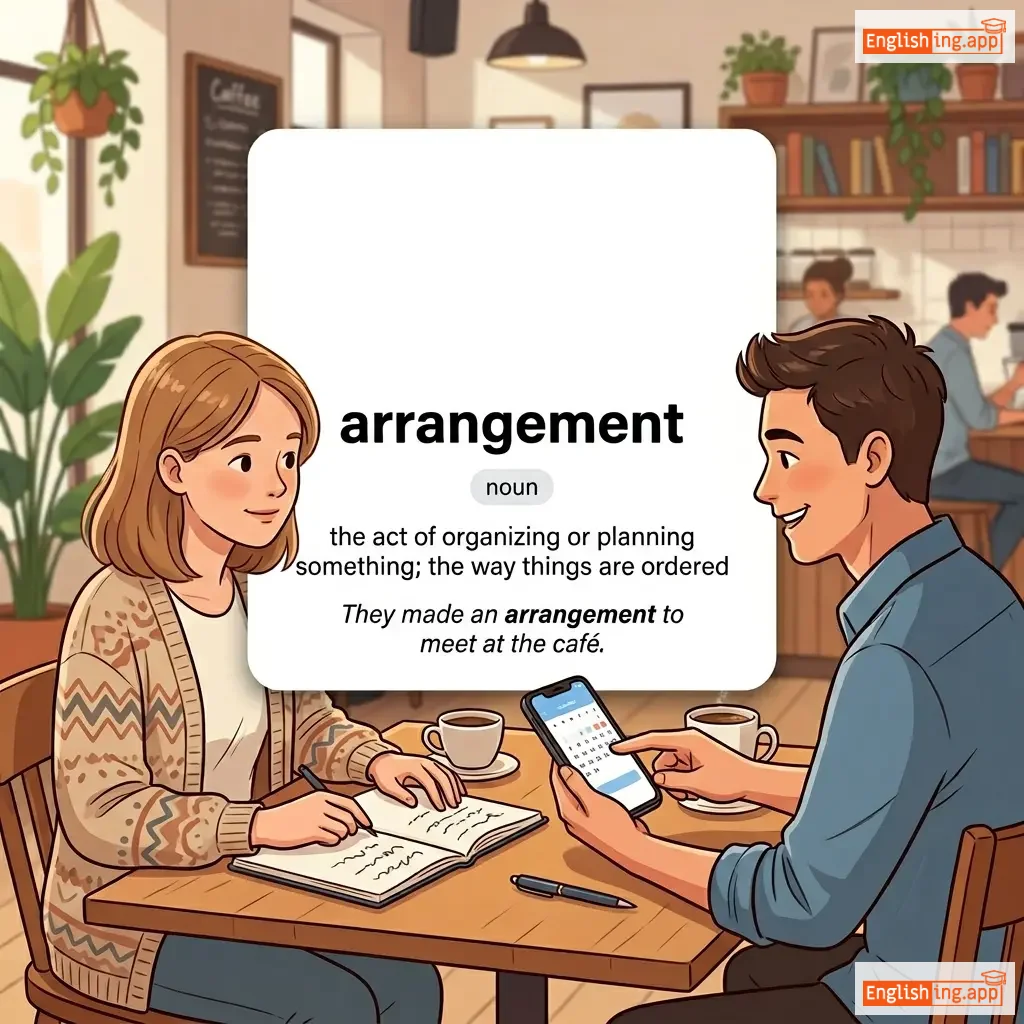
Die Ladung der protons ist positive und die der neutrons ist neutral. Elektrisch geladene protons repel andere protons. Daher ist die arrangement mehrerer protons im nucleus komplex. Abgesehen von Wasserstoff nimmt jedoch die Anzahl der protons in anderen Elementen zu. Zum Beispiel hat der helium nucleus zwei protons und Uran hat 92 protons.

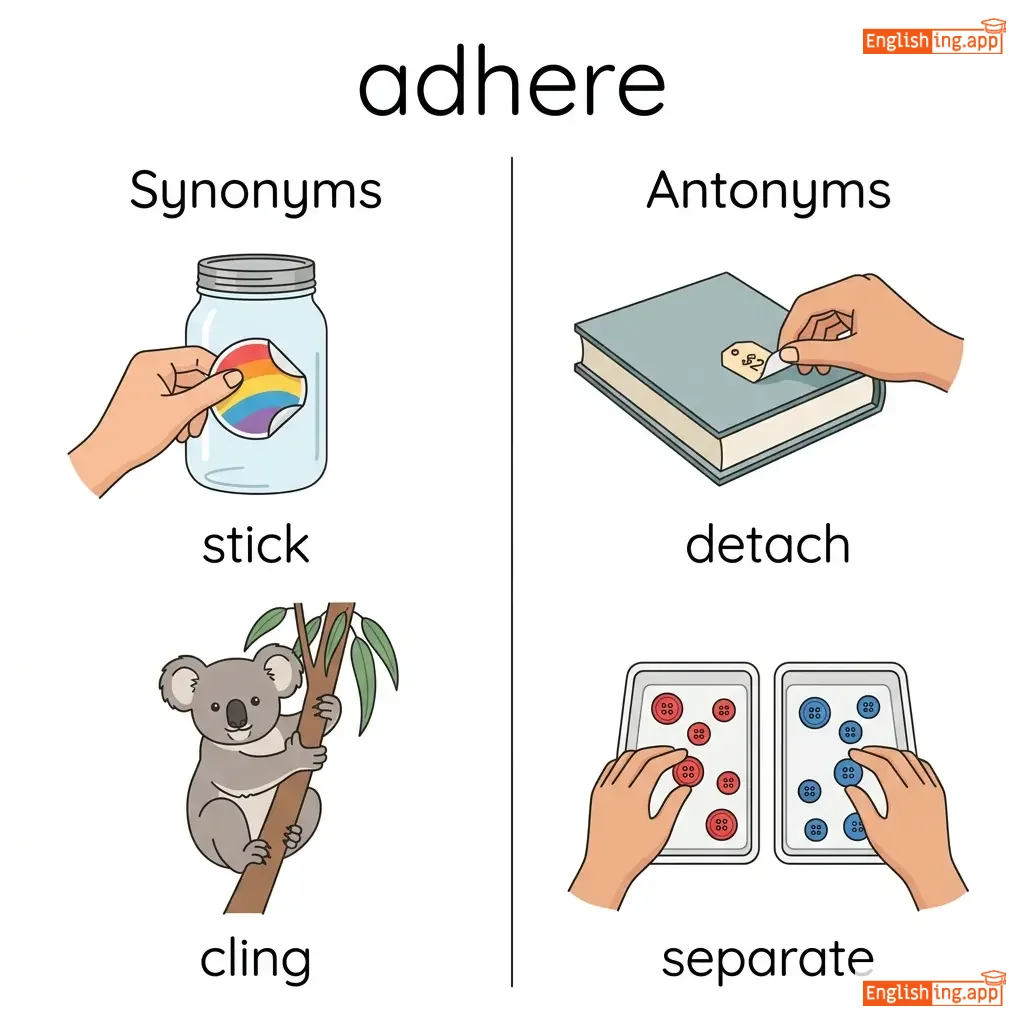
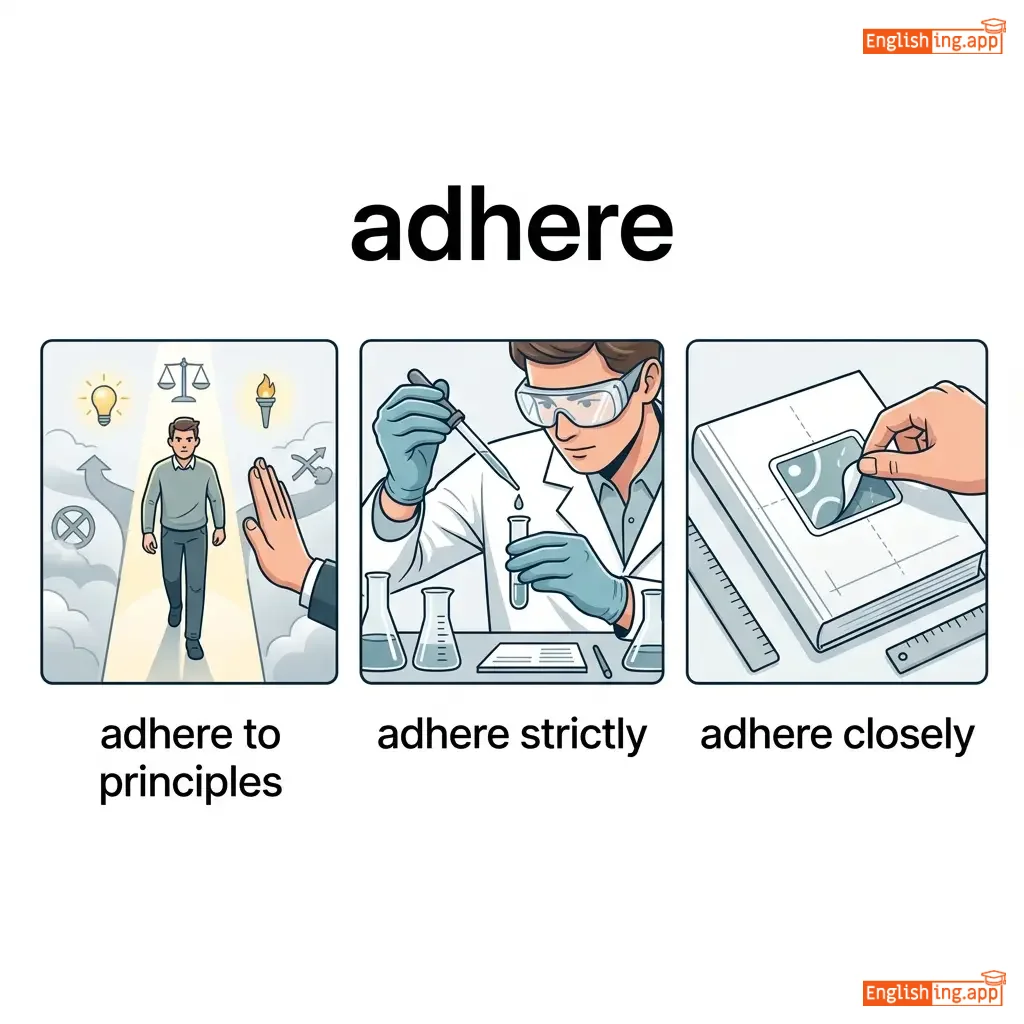
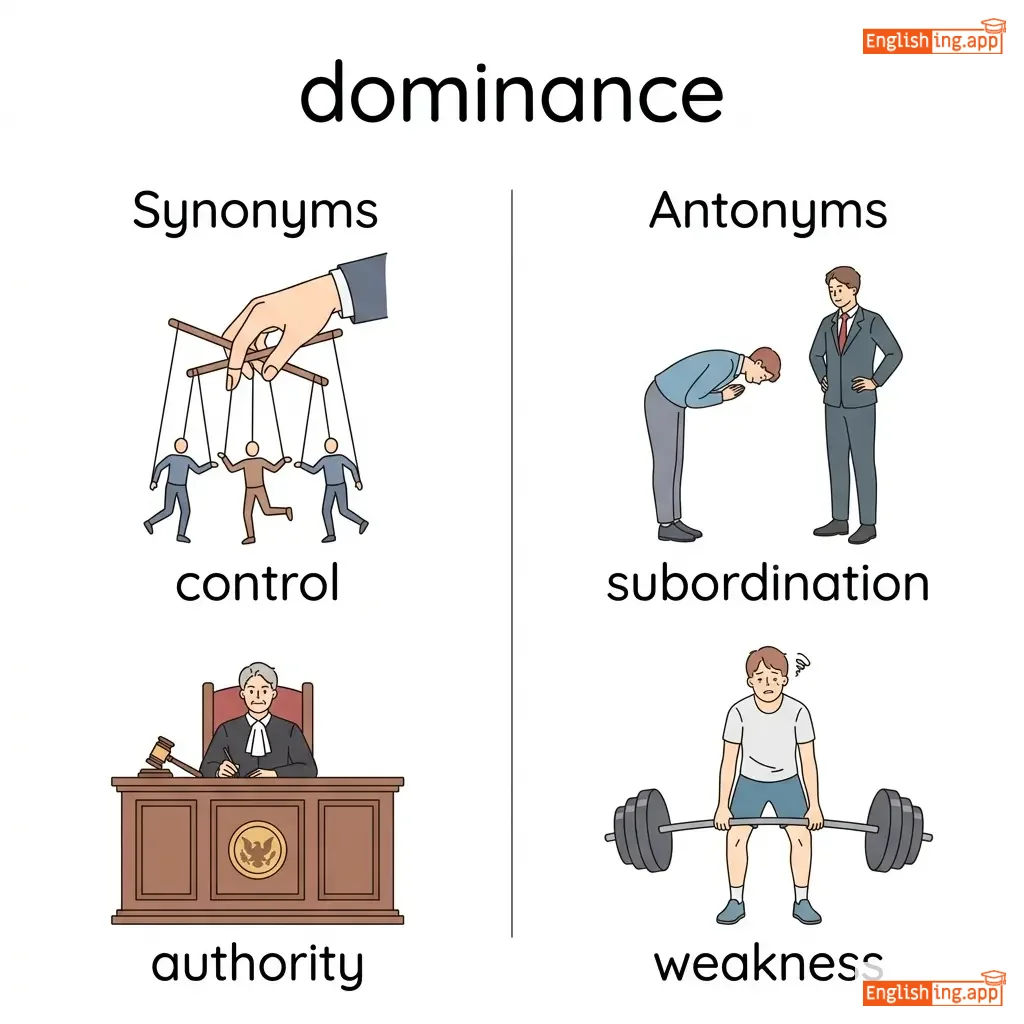
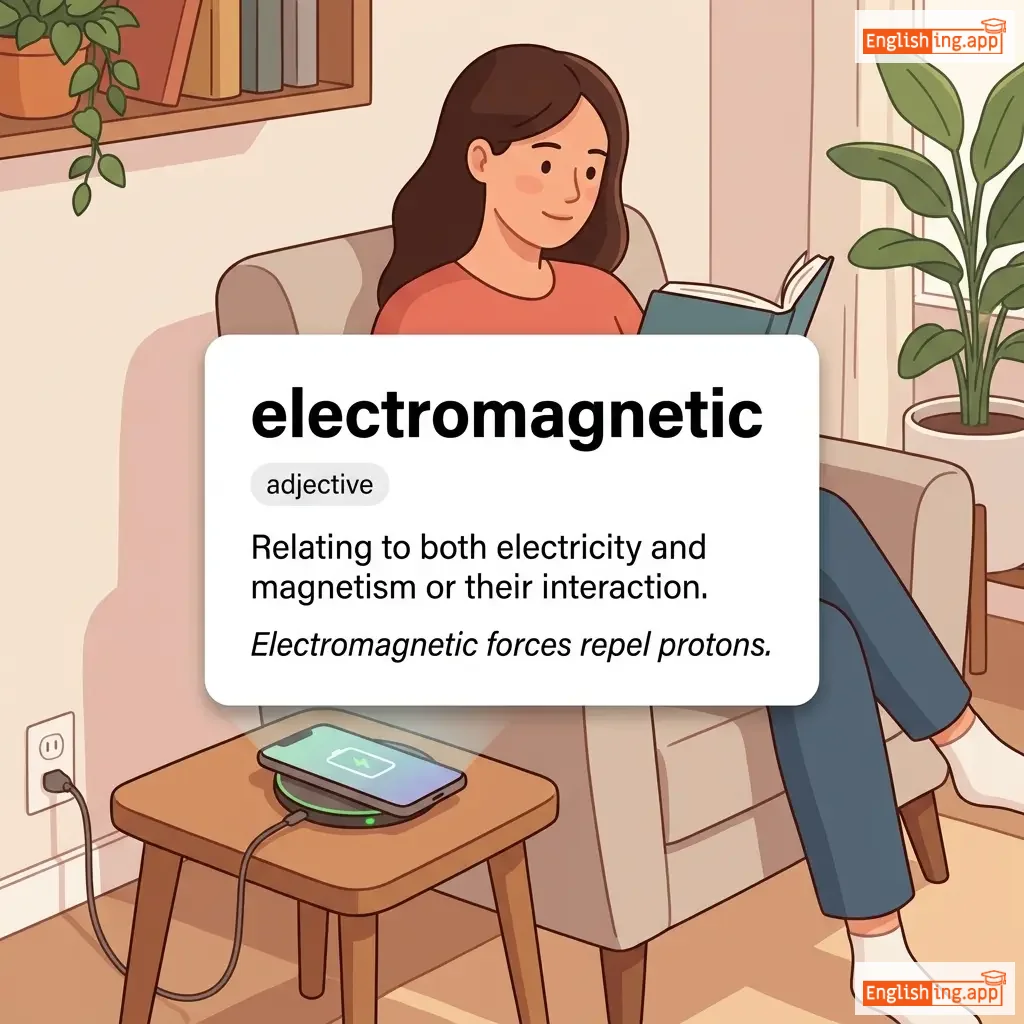
Diese protons und neutrons können nur durch die strong force aneinander adhere. Die zwischen protons wirkende electromagnetic force wird durch die dominance der strong force überwunden. Deshalb wird sie strong nuclear force genannt.

The Strength of the Strong ForceDie Stärke der starken Kraft
/
/

The Strength of the Strong ForceDie Stärke der starken Kraft - Maske umschalten

Emoji
Wort Images Bedeutung Beispielsatz Synonyme Antonyme
#645
••••••
fɔːrs
noun
••••••
••••••
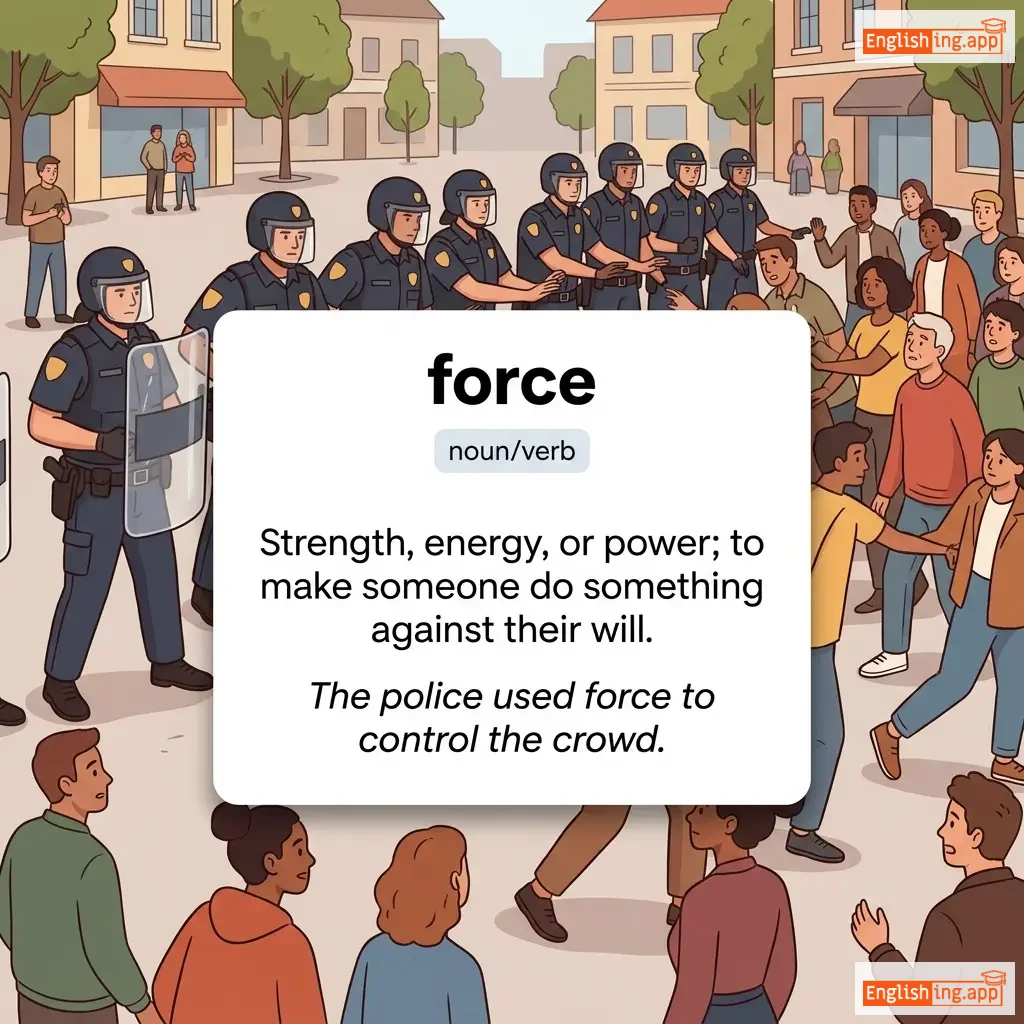
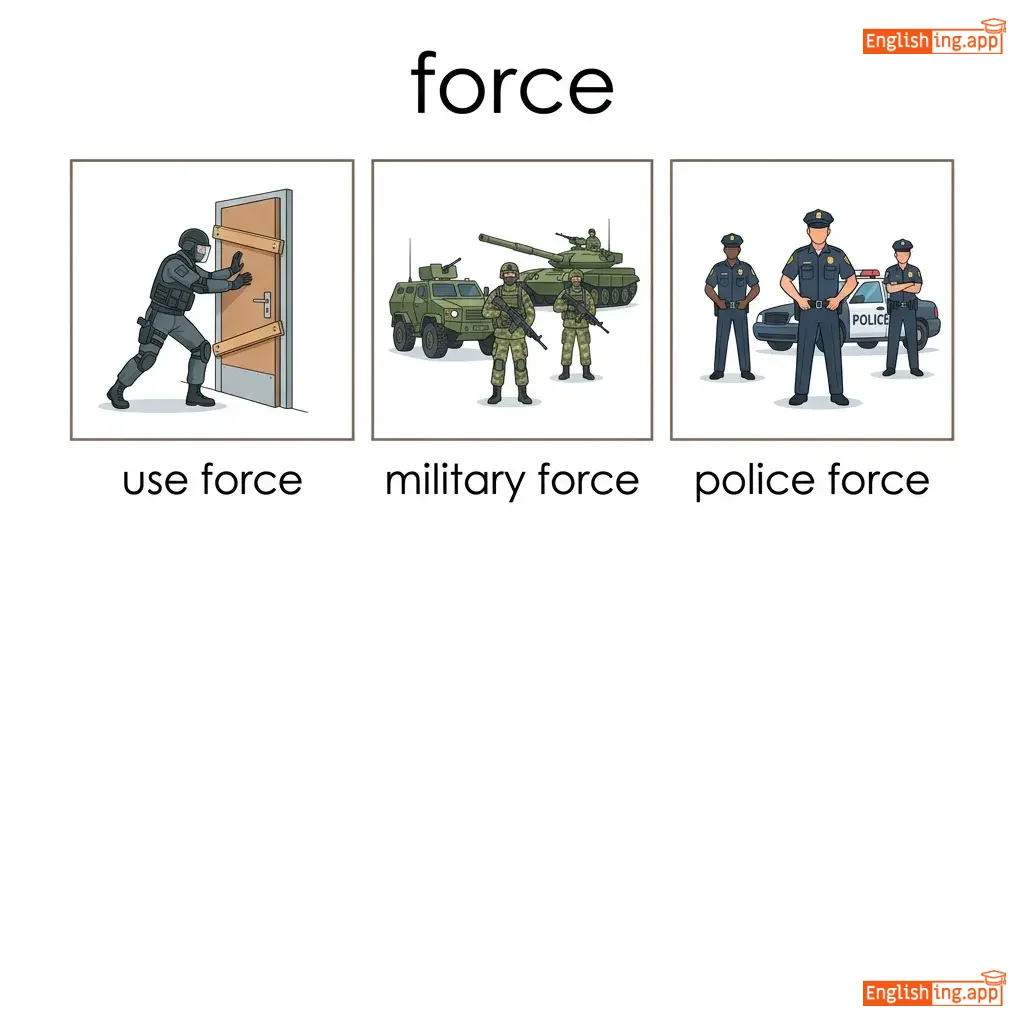
A physical power or energy that can cause movement, change, or influence.
••••••

Strong nuclear force binds particles.

••••••
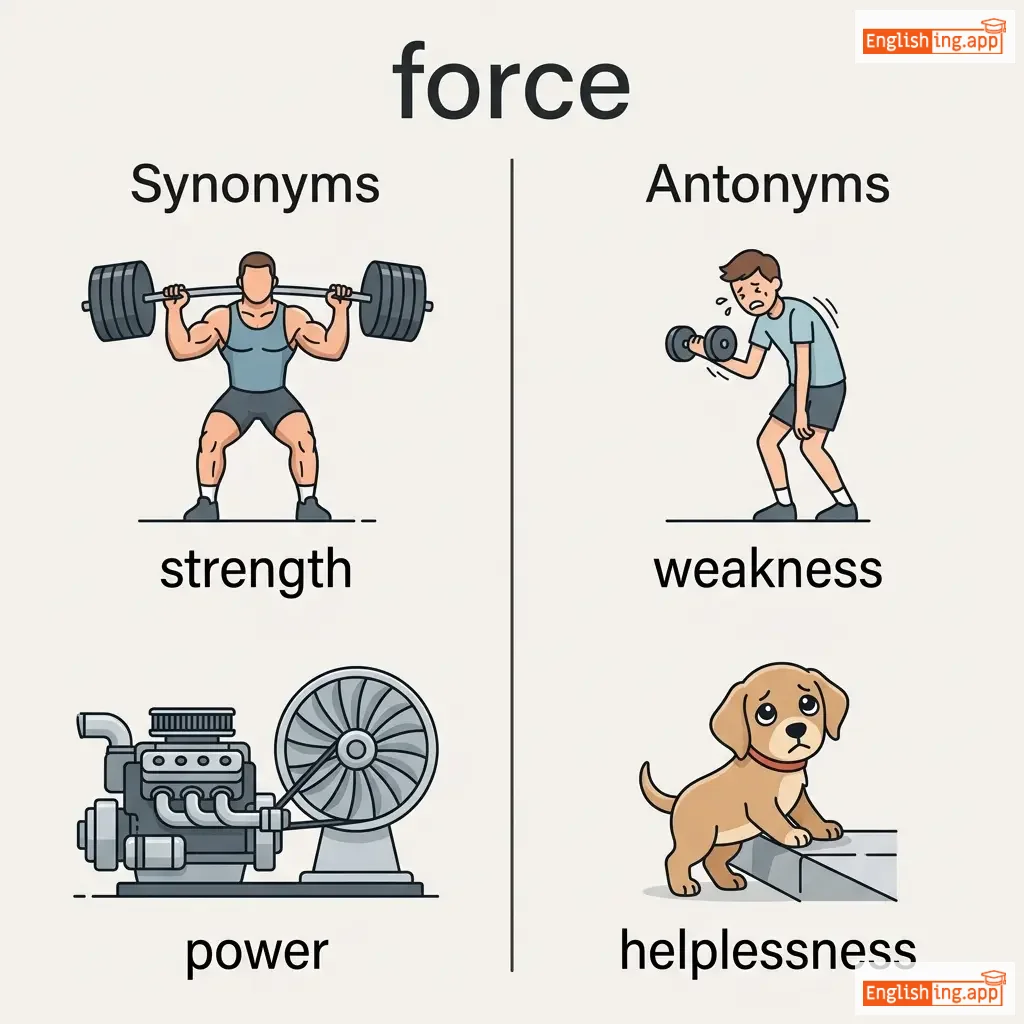
power, energy
••••••
weakness, fragility
••••••
#646
🔗
••••••
baɪnd
verb
••••••
••••••
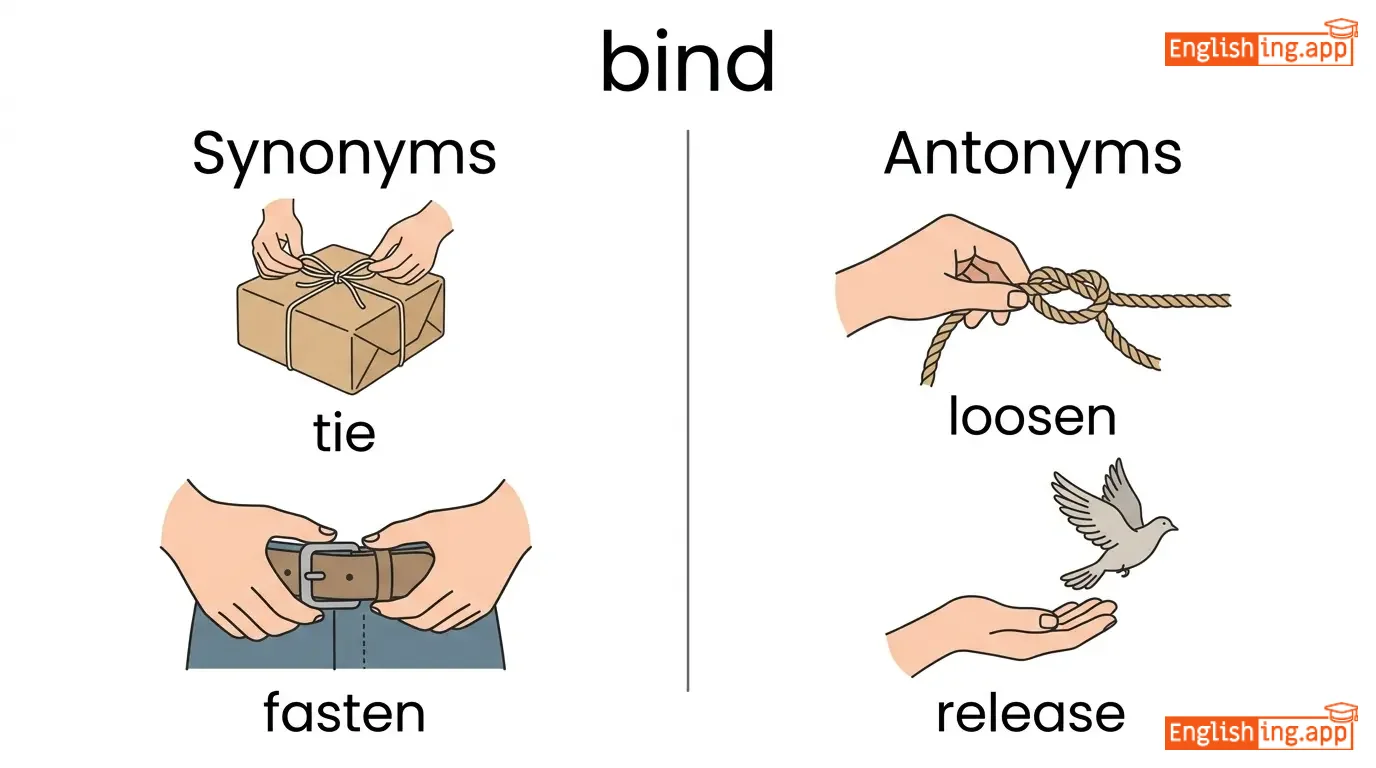
To tie, fasten, or hold together securely.
••••••

This force binds quarks together.

••••••
tie, unite
••••••
separate, disconnect
••••••
#647
🔬
••••••
kwɔːrk
noun
••••••
••••••
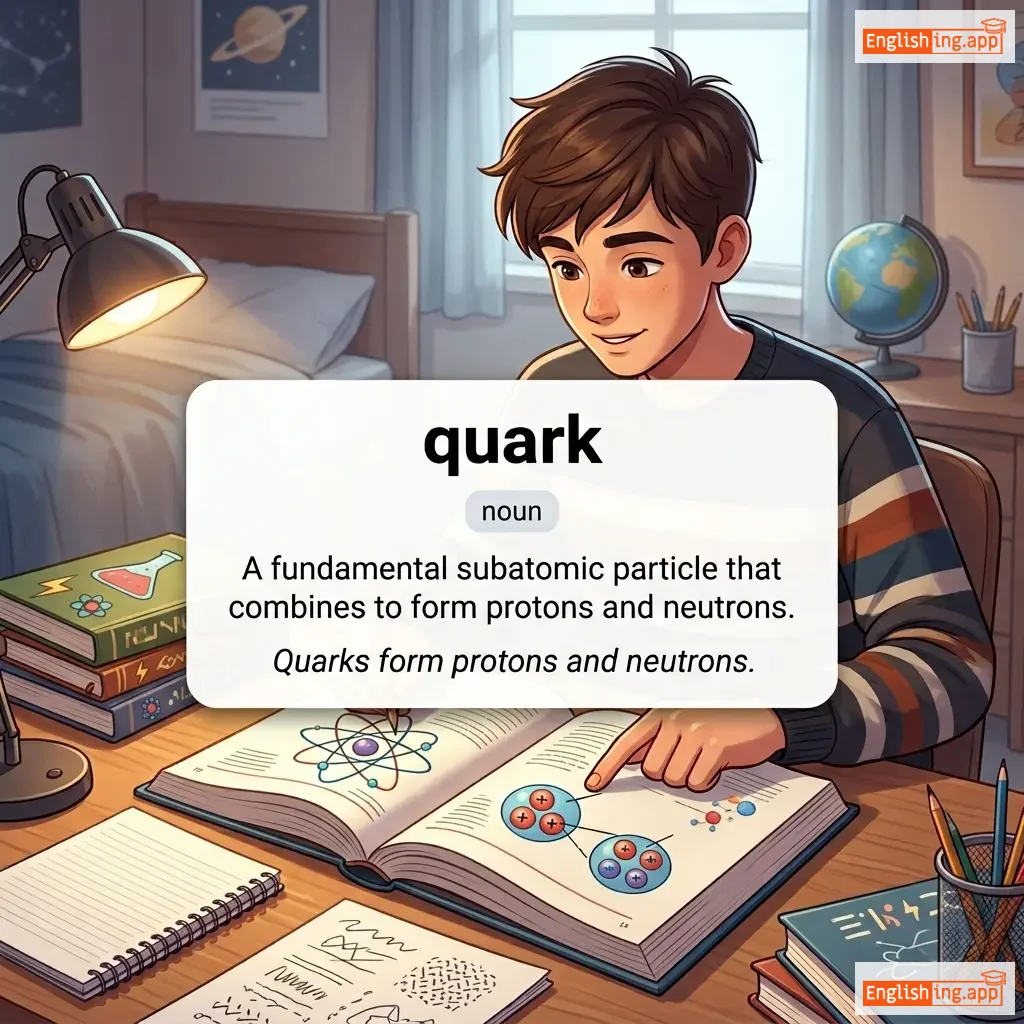
A fundamental subatomic particle that combines to form protons and neutrons.
••••••

Quarks form protons and neutrons.

••••••
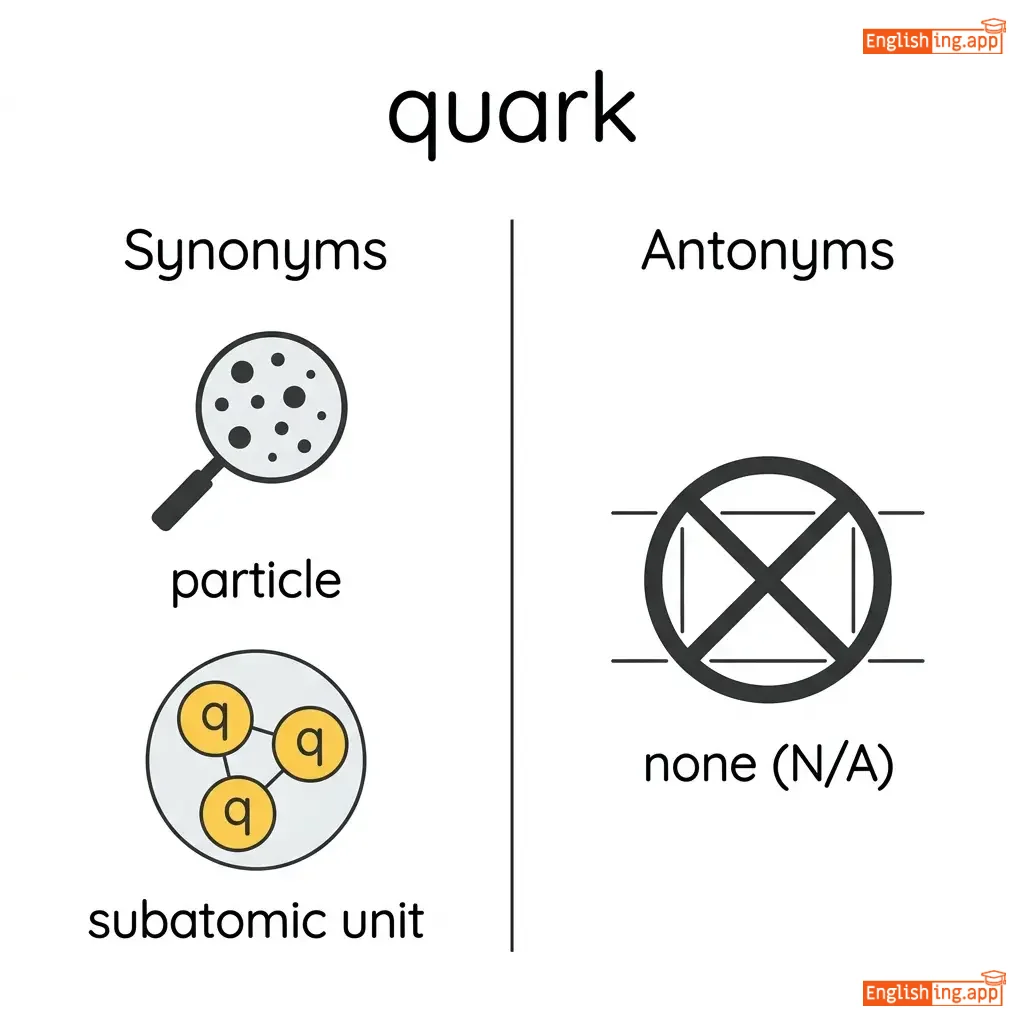
particle, subatomic unit
••••••
none (N/A)
••••••
#648
⚛️
••••••
ˈnuːkliəs
noun
••••••
••••••
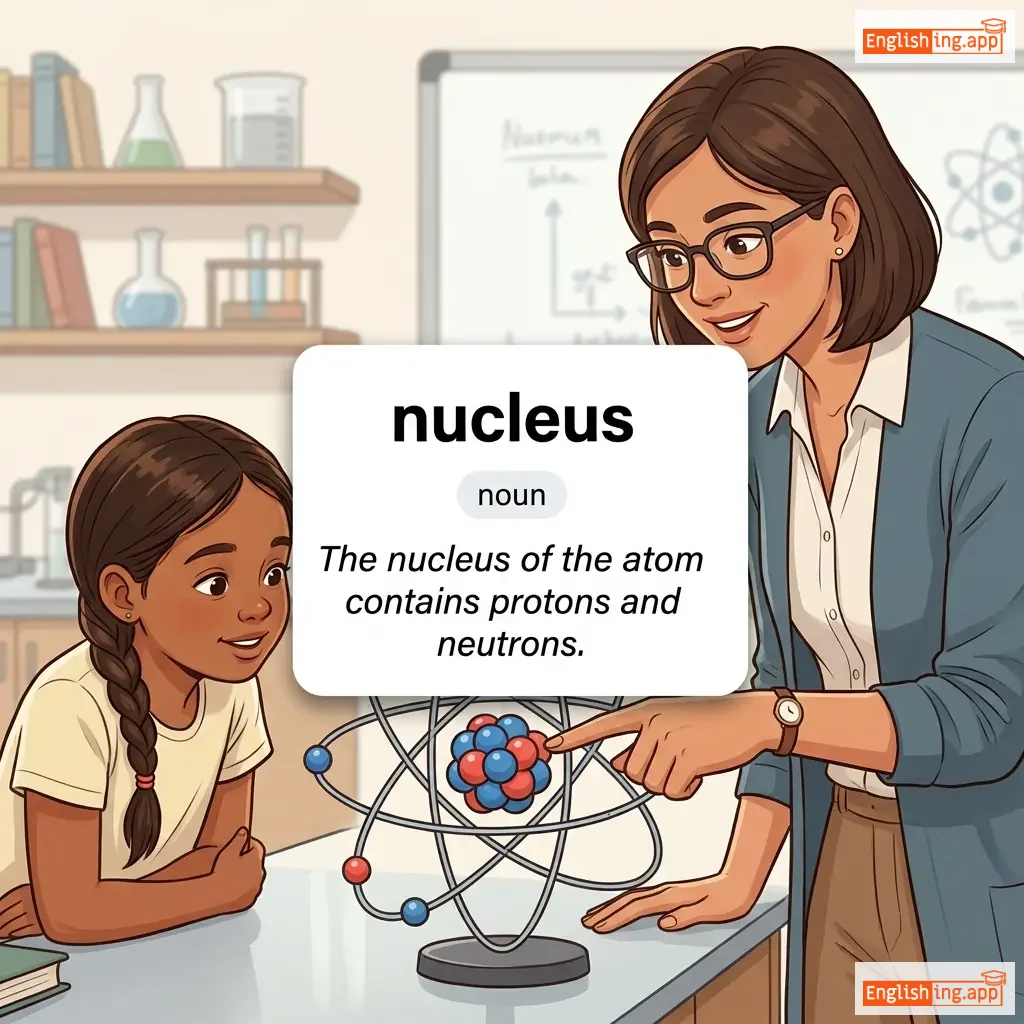
The central core of an atom containing protons and neutrons.
••••••

The nucleus consists of protons.

••••••
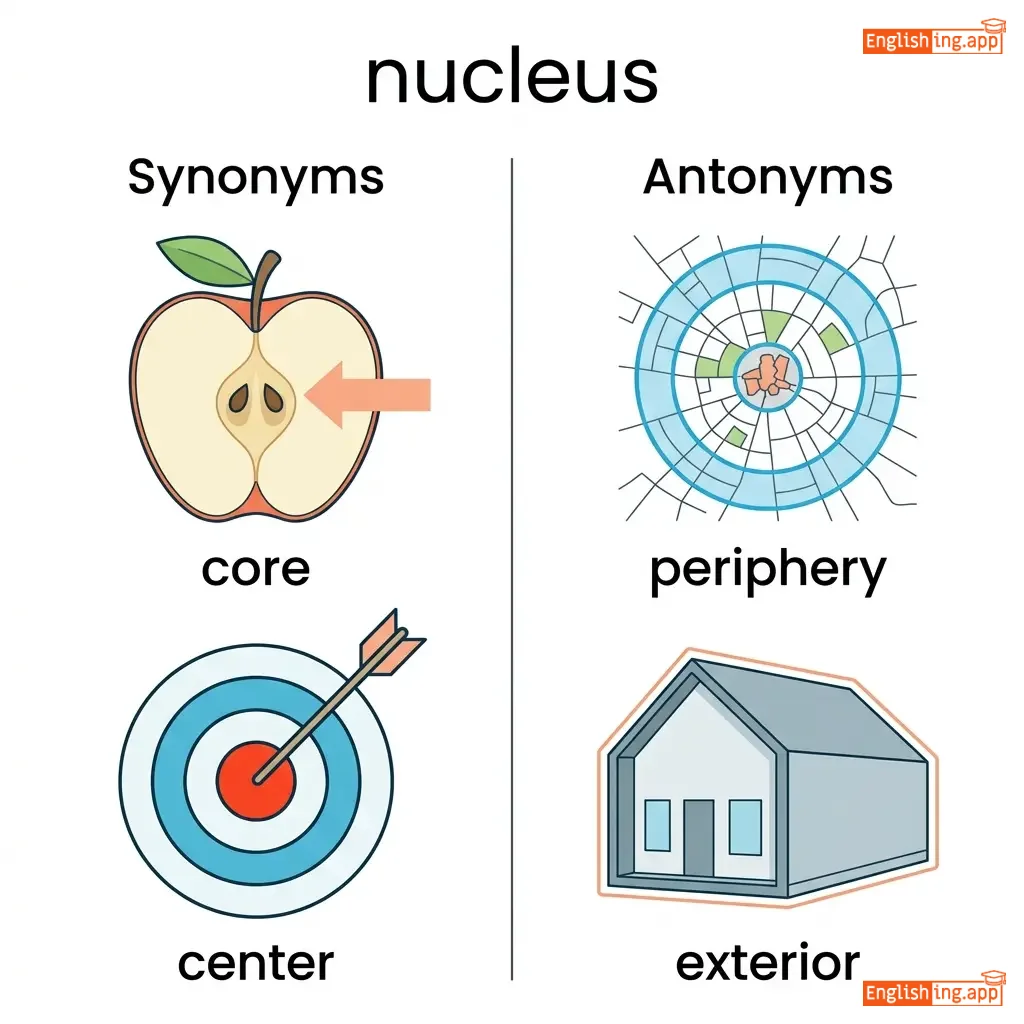
core, center
••••••
periphery, outside
••••••
#649
••••••
ˈpɒzətɪv
adjective
••••••
••••••
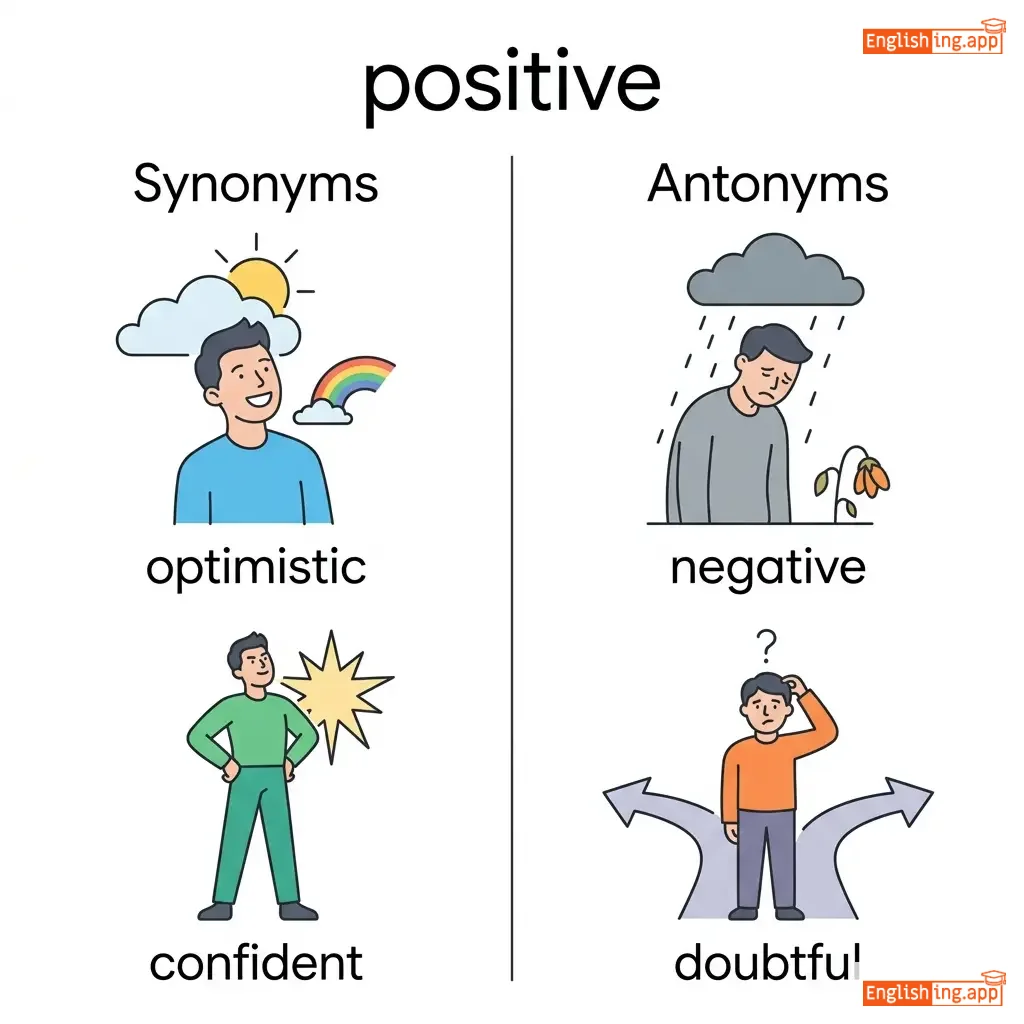
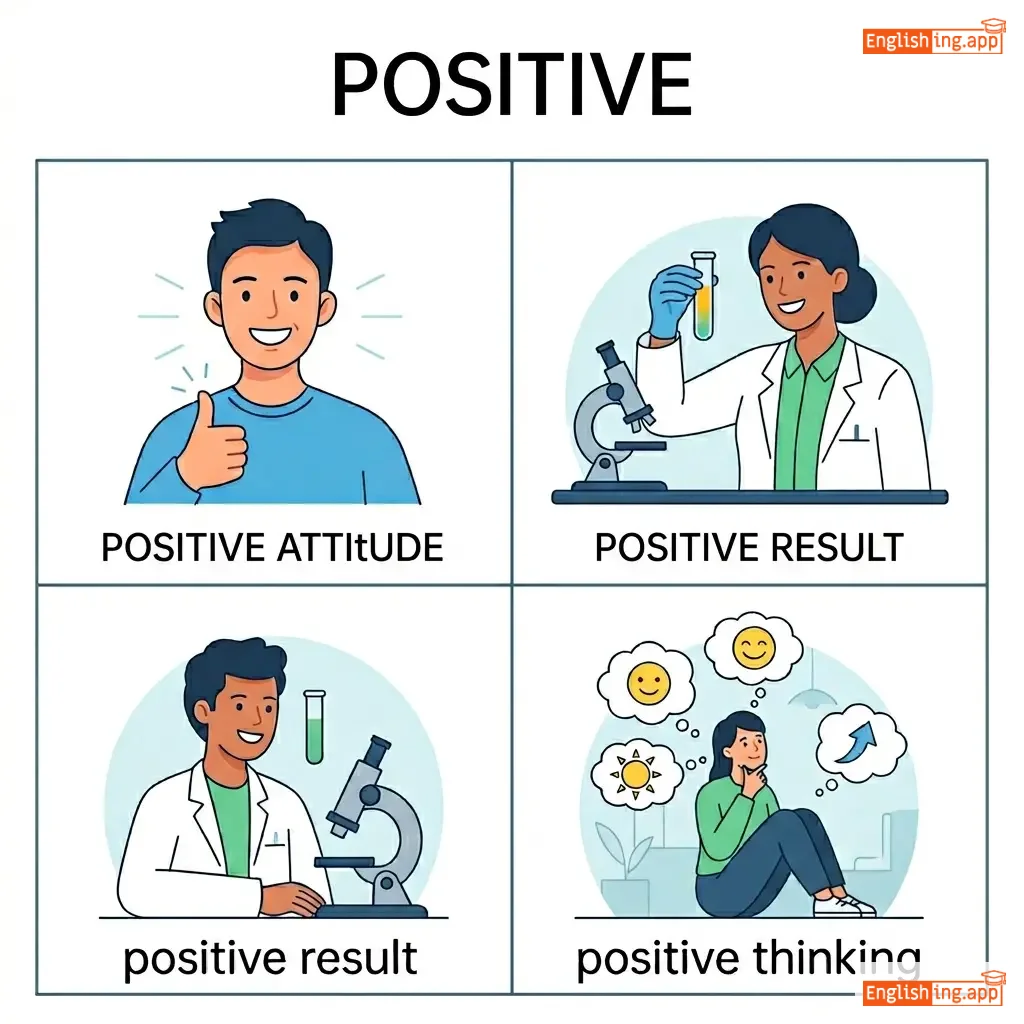
Having an electric charge opposite to that of an electron.
••••••

Protons have a positive charge.

••••••
affirmative, plus
••••••
negative, neutral
••••••
#650
⚖️
••••••
ˈnjuːtrəl
adjective
••••••
••••••
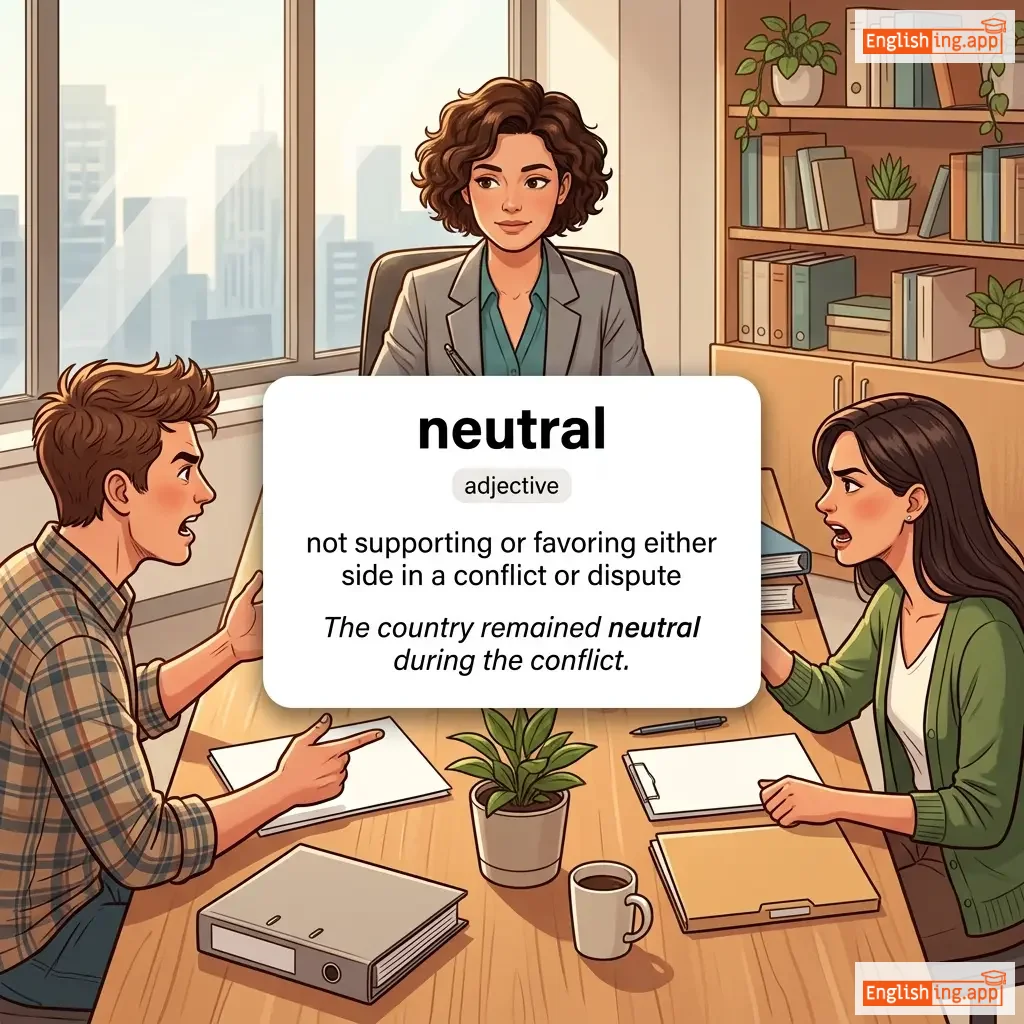
Having no electric charge; neither positive nor negative.
••••••

Neutrons are electrically neutral.

••••••
unbiased, uncharged
••••••
charged, biased
••••••
#651
🔄
••••••
rɪˈpel
verb
••••••
••••••
To push away or force apart due to similar charges or properties.
••••••

Protons repel each other.

••••••
push away, reject
••••••
attract, pull
••••••
#652
📦
••••••
kəmˈpæktli
adverb
••••••
••••••
In a closely packed or dense manner.
••••••

Protons and neutrons are compactly arranged.

••••••
densely, closely
••••••
loosely, scattered
••••••
#653
🤝
••••••
ədˈhɪər
verb
••••••
••••••
To stick firmly to something or stay attached.
••••••

Neutrons adhere to protons.

••••••
stick, cling
••••••
detach, separate
••••••
#654
👑
••••••
ˈdɒmɪnəns
noun
••••••
••••••
The state of having power, control, or influence over others.
••••••

Strong force exerts dominance over other forces.

••••••
supremacy, authority
••••••
inferiority, submission
••••••
#655
🧲
••••••
ɪˌlektrəʊmæɡˈnetɪk
adjective
••••••
••••••
Relating to both electricity and magnetism or their interaction.
••••••

Electromagnetic forces repel protons.

••••••
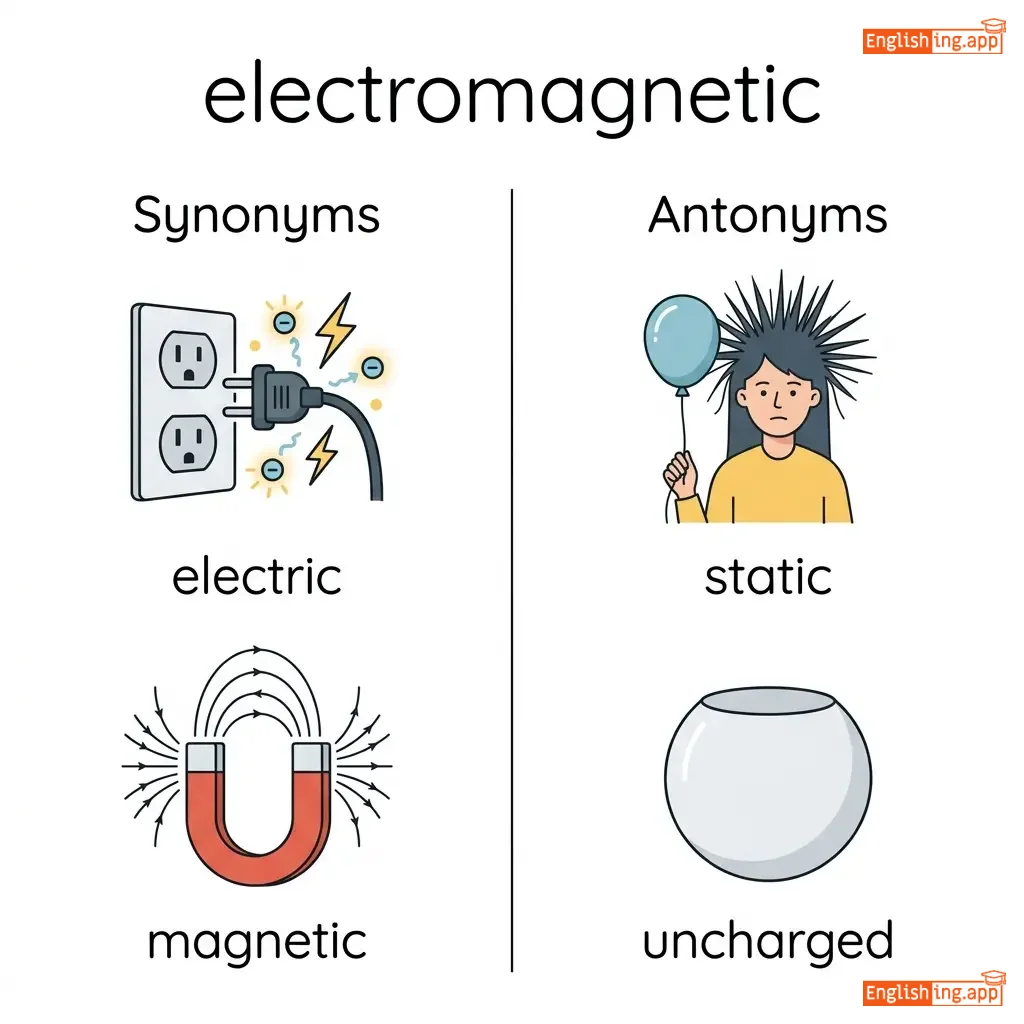
electric, magnetic
••••••
static, uncharged
••••••
#656
🏗️
••••••
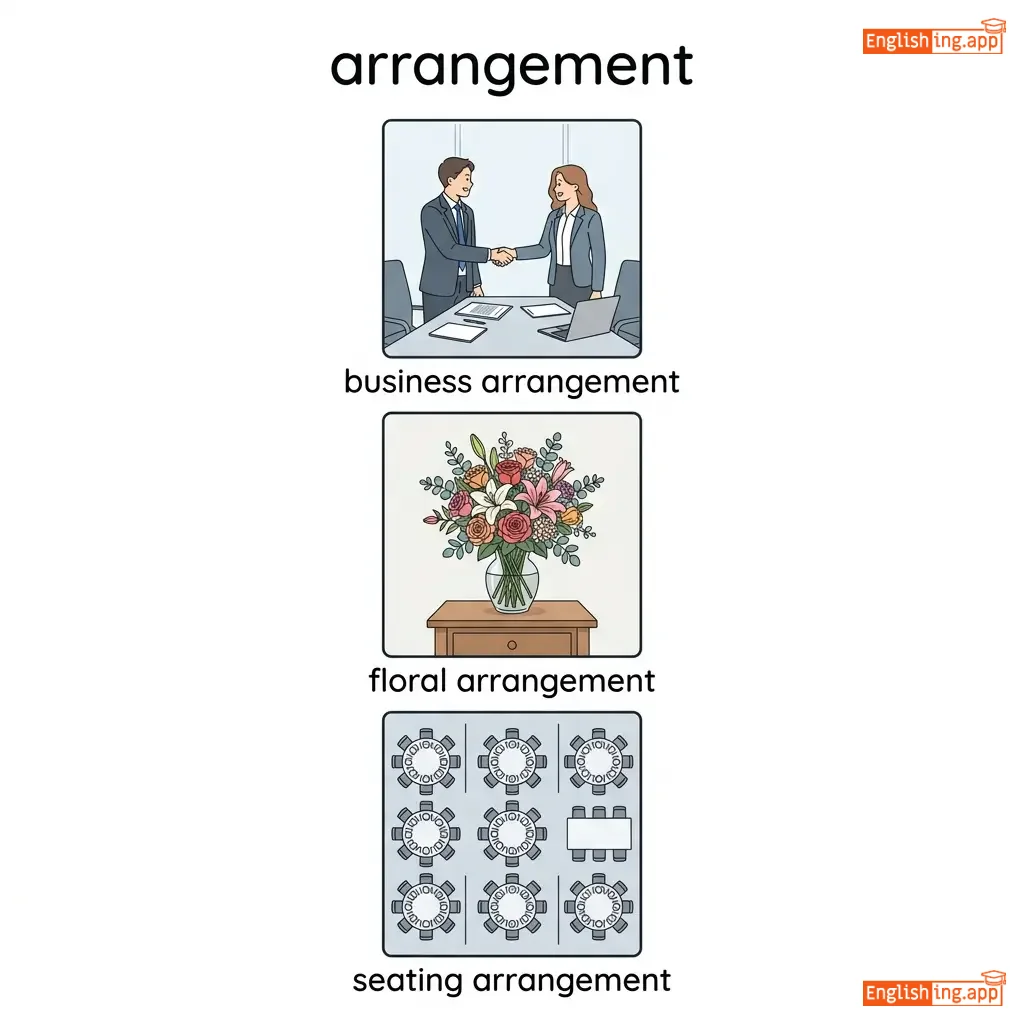
əˈreɪndʒmənt
noun
••••••
••••••
The way things are organized, positioned, or structured.
••••••

The arrangement of protons in the nucleus is critical.

••••••
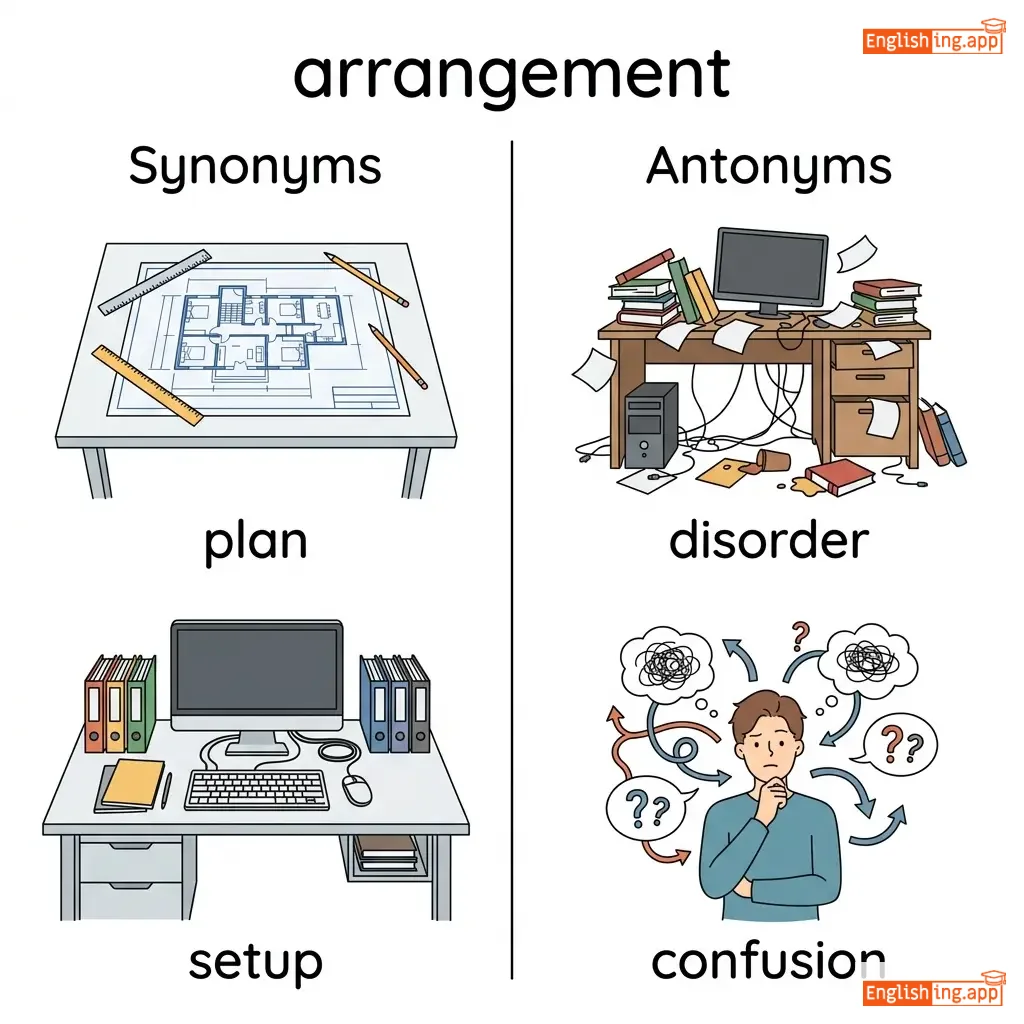
order, organization
••••••
disorder, chaos
••••••
#657
⚖️
••••••
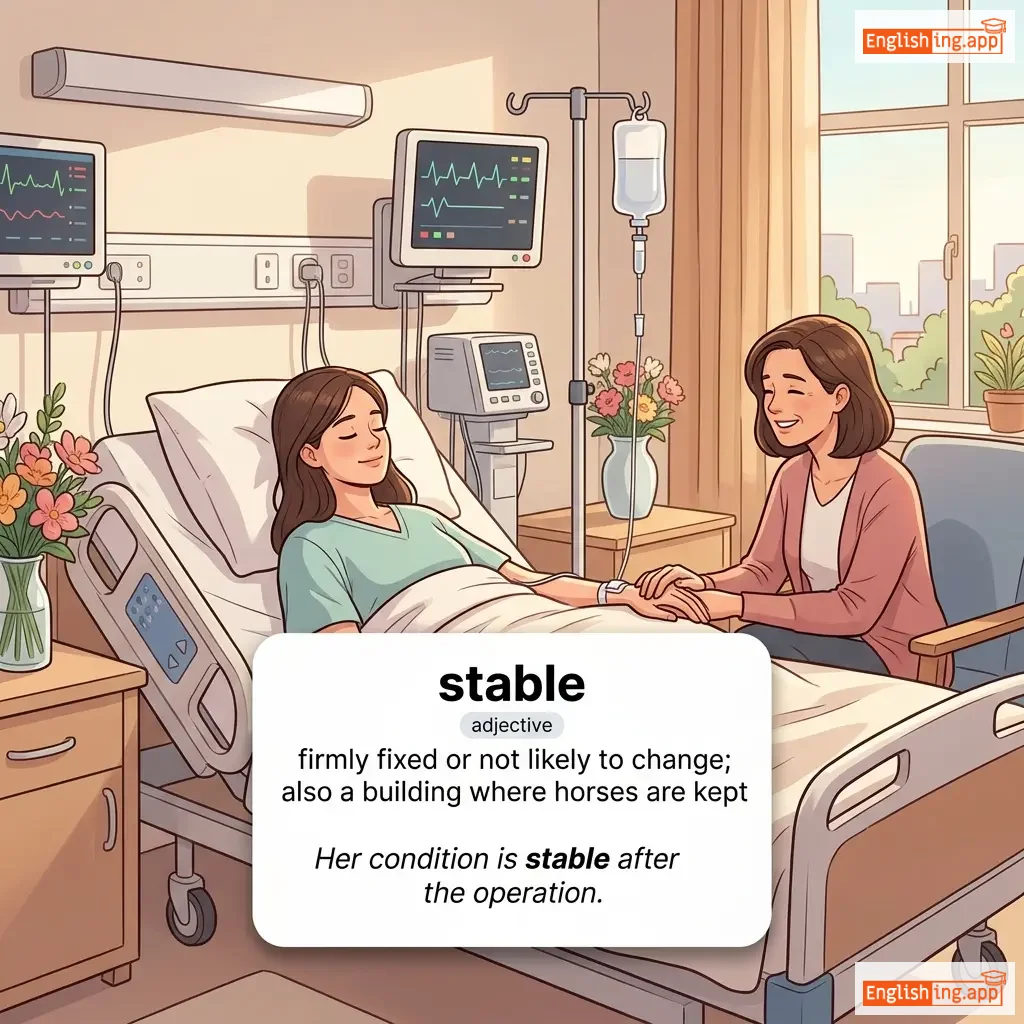
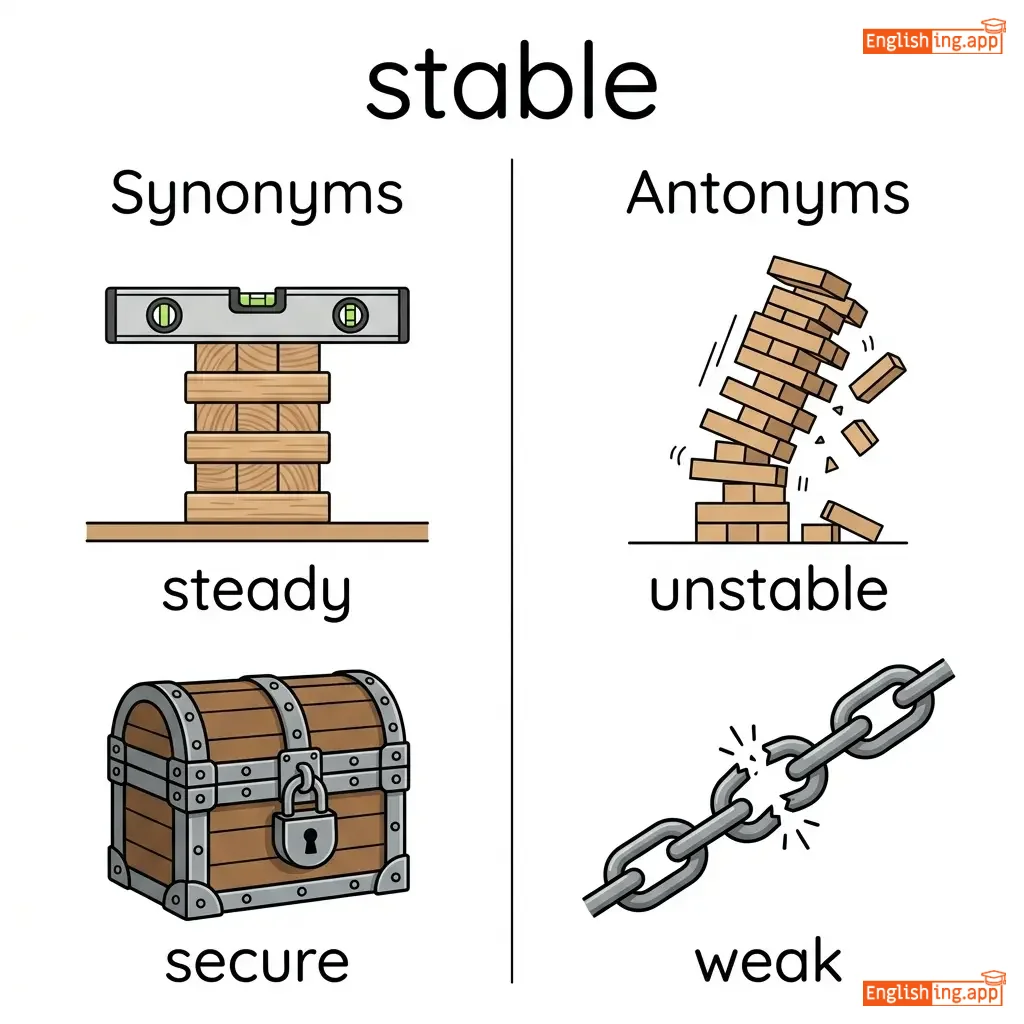
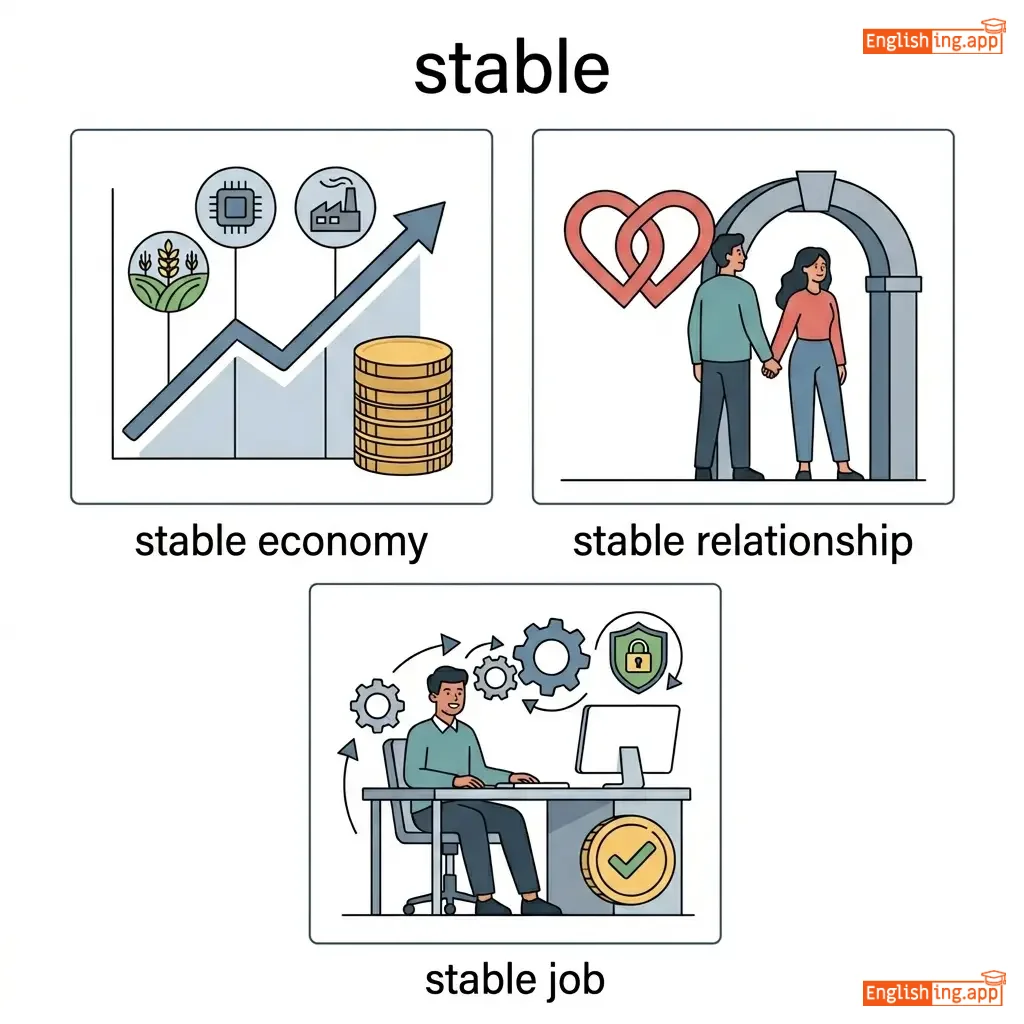
ˈsteɪbl
adjective
••••••
••••••
Not likely to change or fail; firmly established.
••••••

Strong nuclear force keeps the nucleus stable.

••••••
steady, secure
••••••
unstable, volatile
••••••