The Strength of the Strong Force
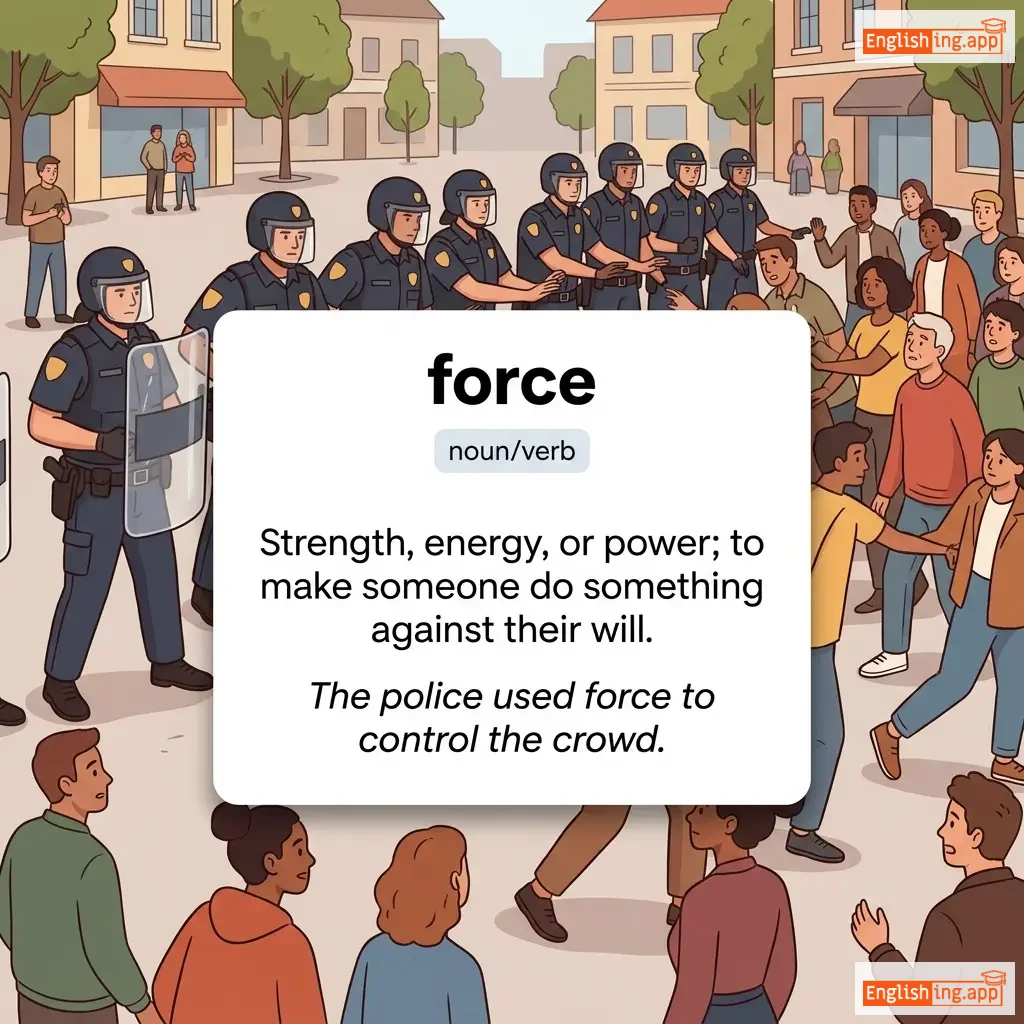
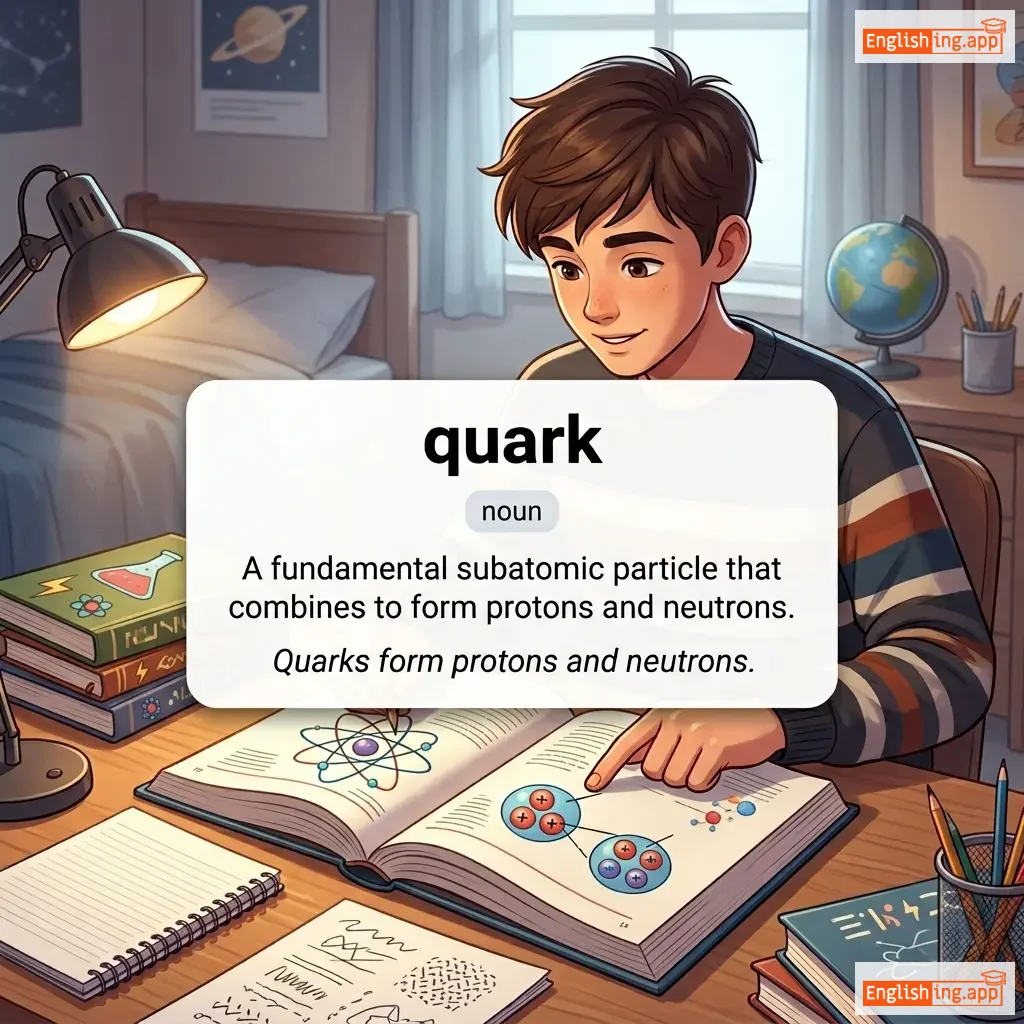
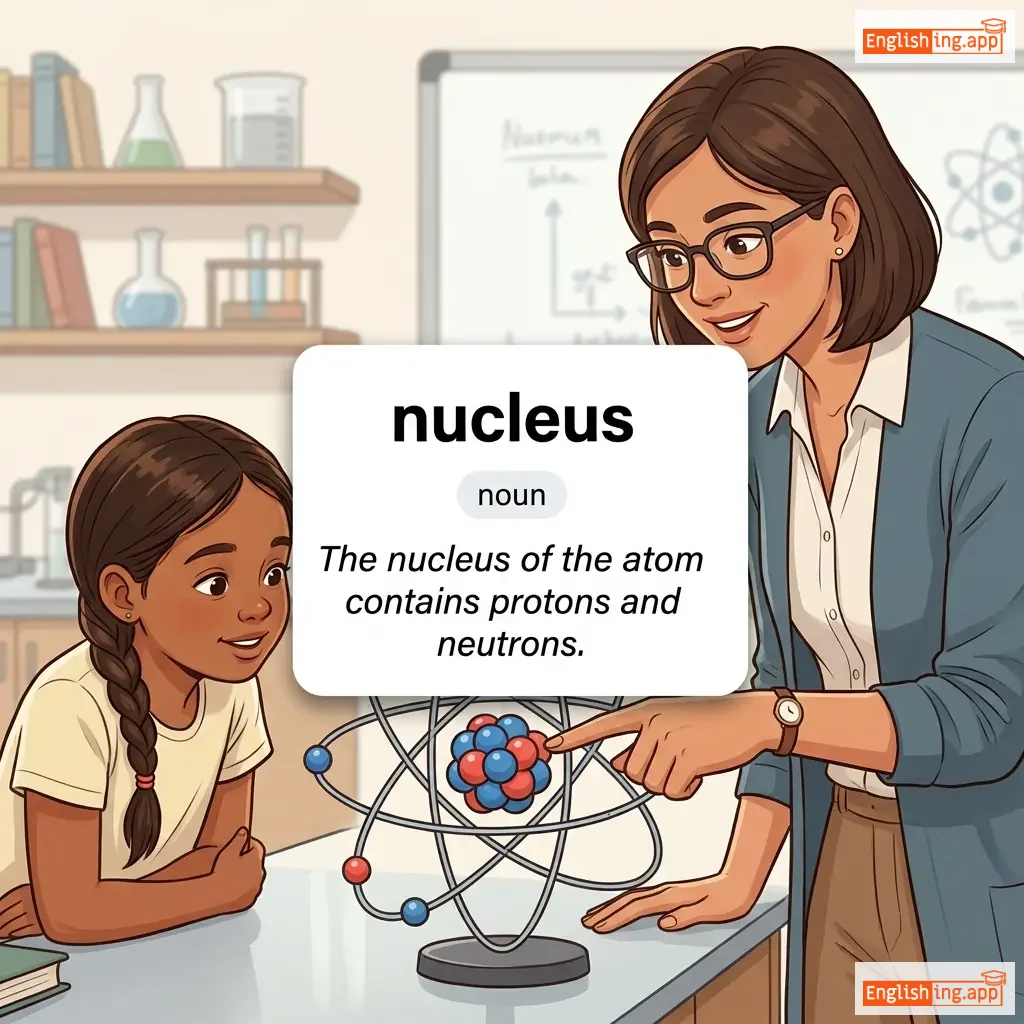
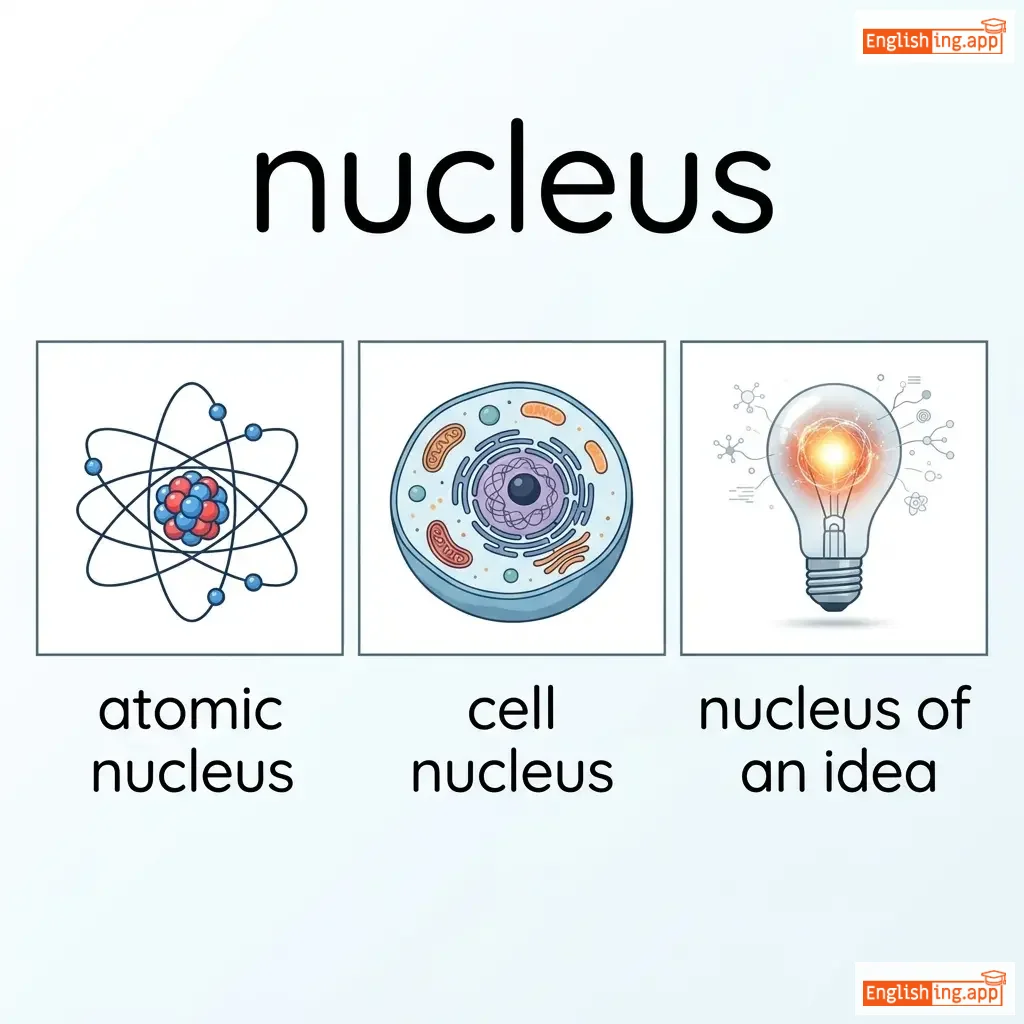
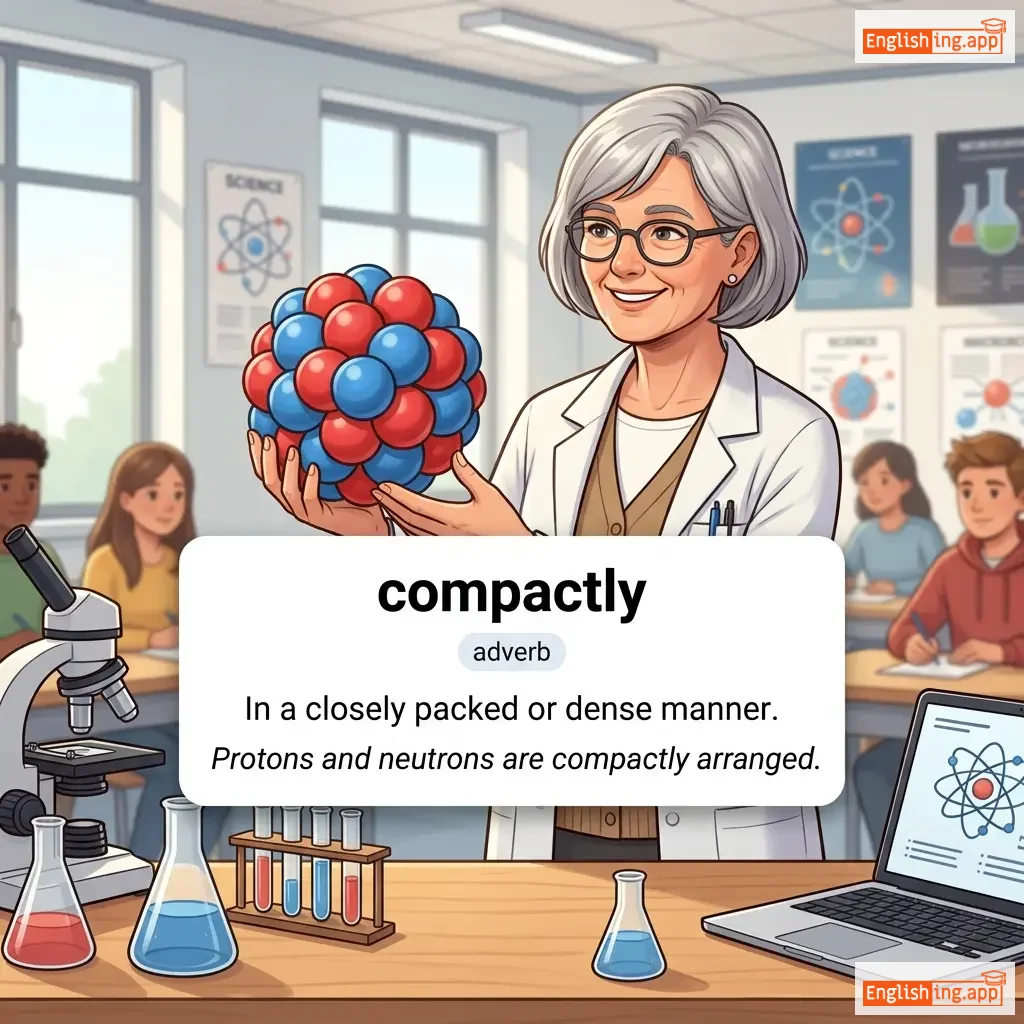
Parmi les quatre forces de la nature, la plus puissante est appelée la strong nuclear force. Elle binds les particules de quarks ensemble, et ces quark particles forment des protons et des neutrons. Celles-ci restent ensemble compactly pour former le nucleus.
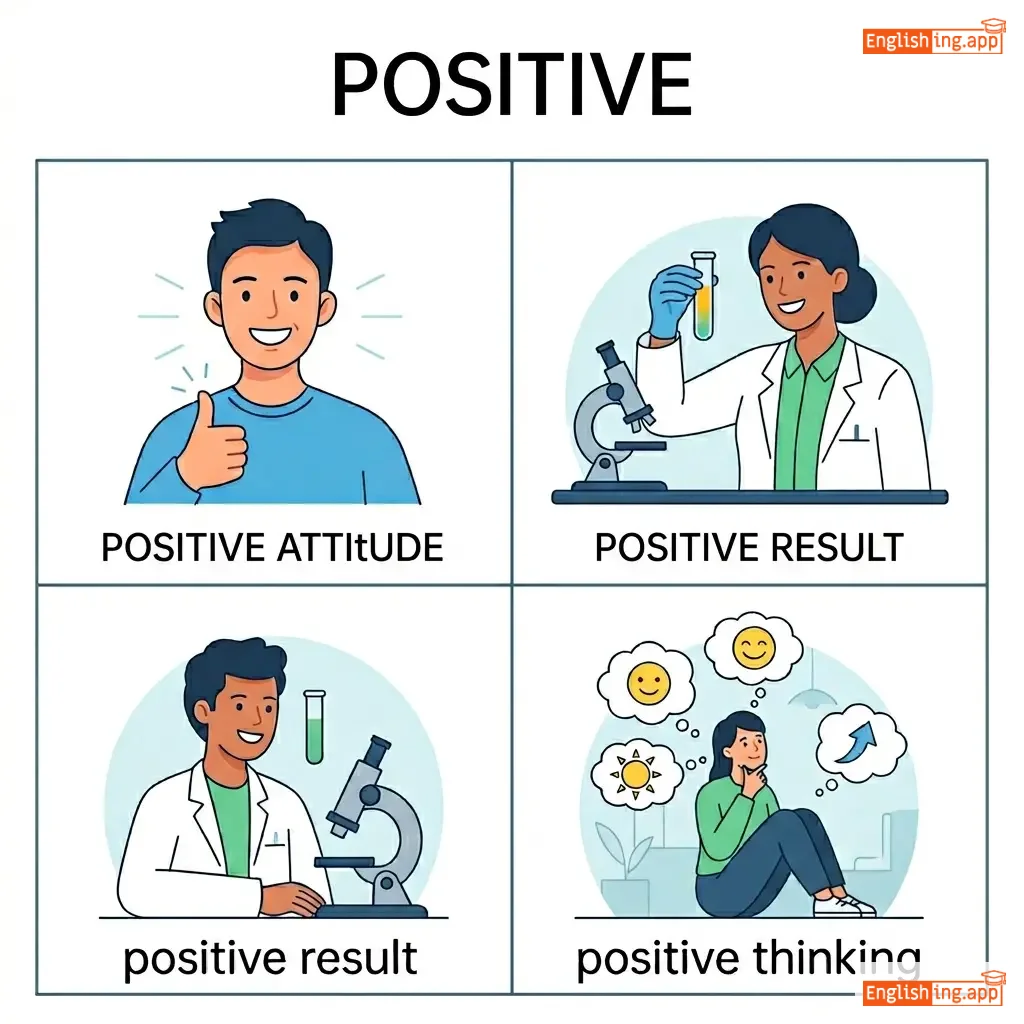
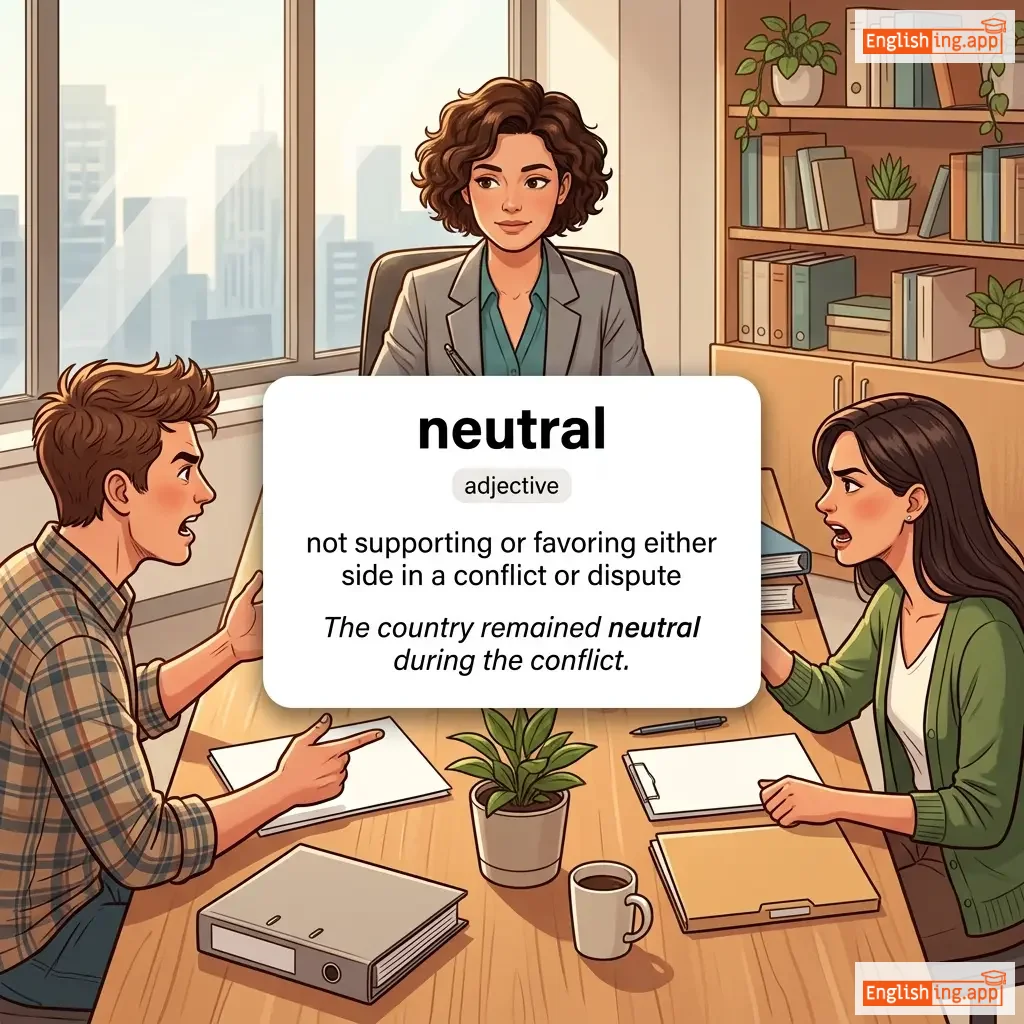
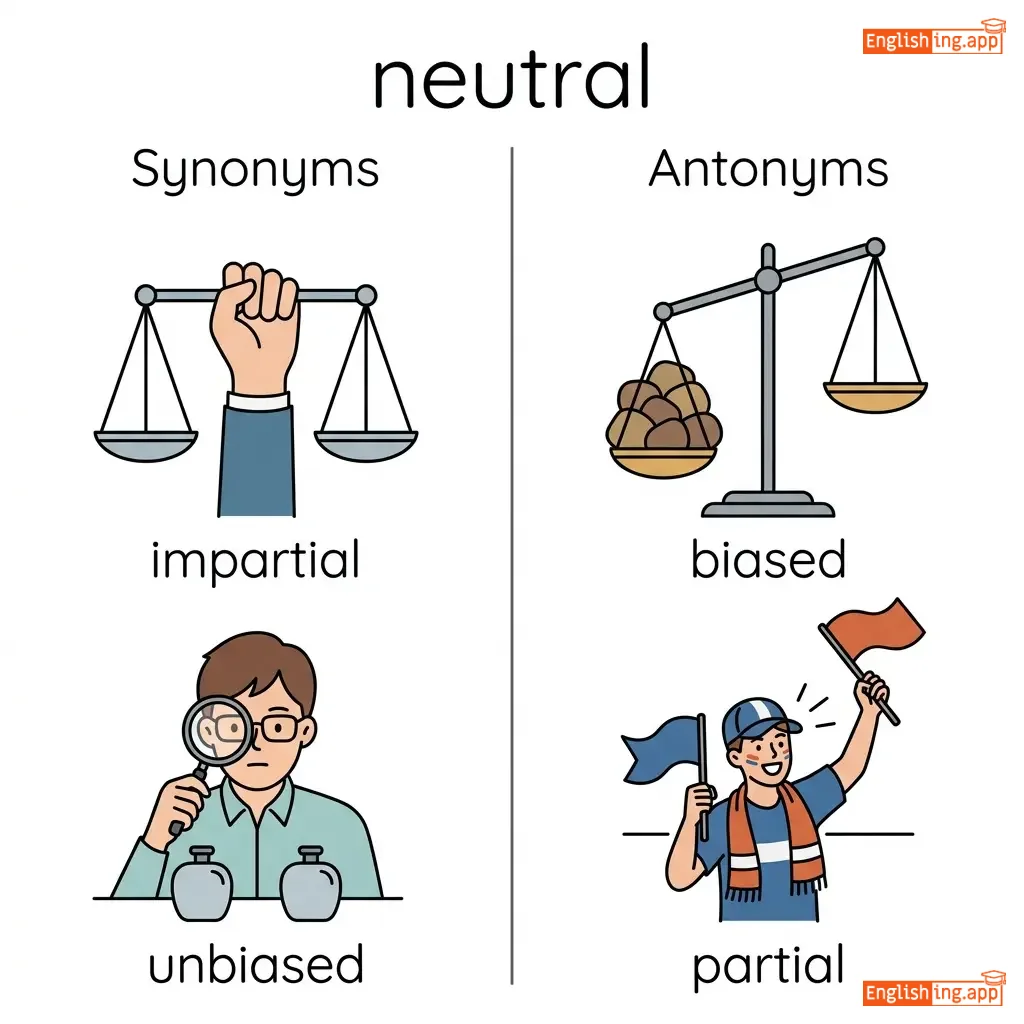
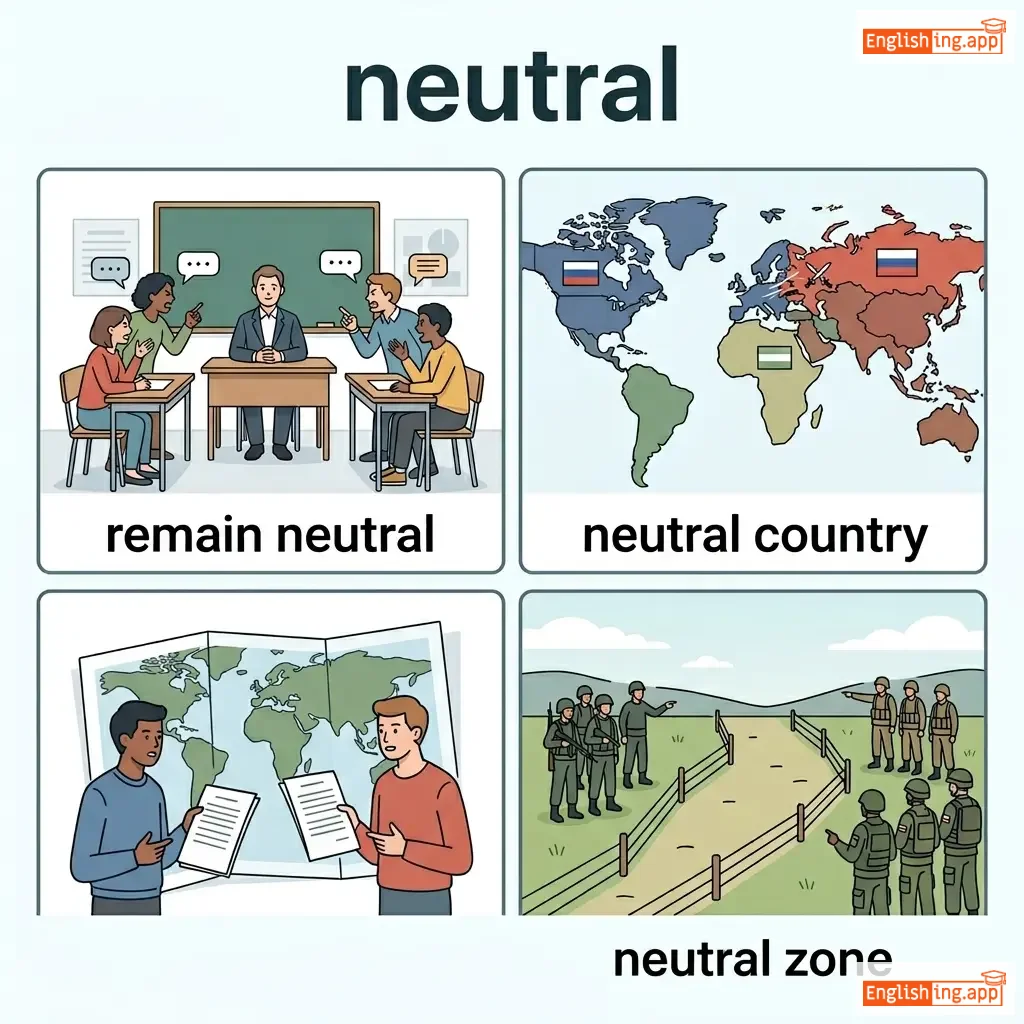
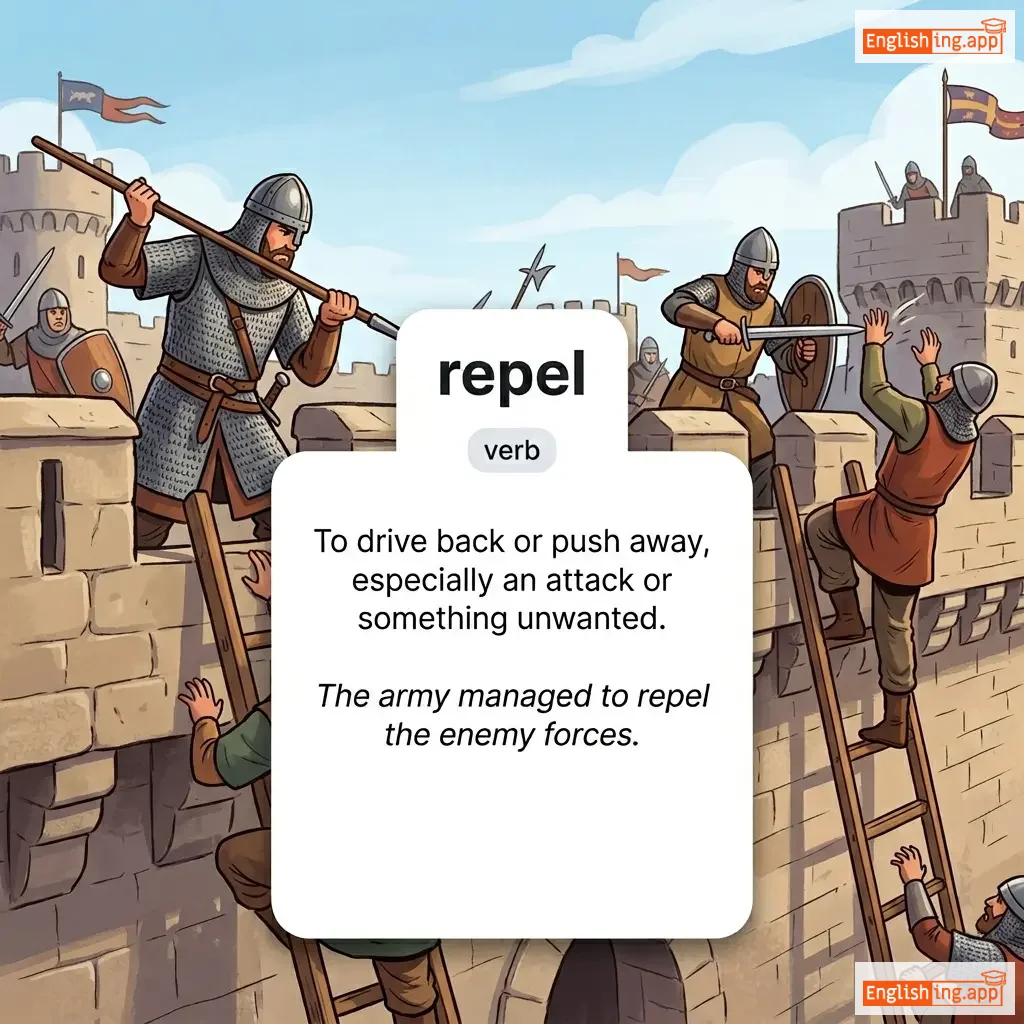
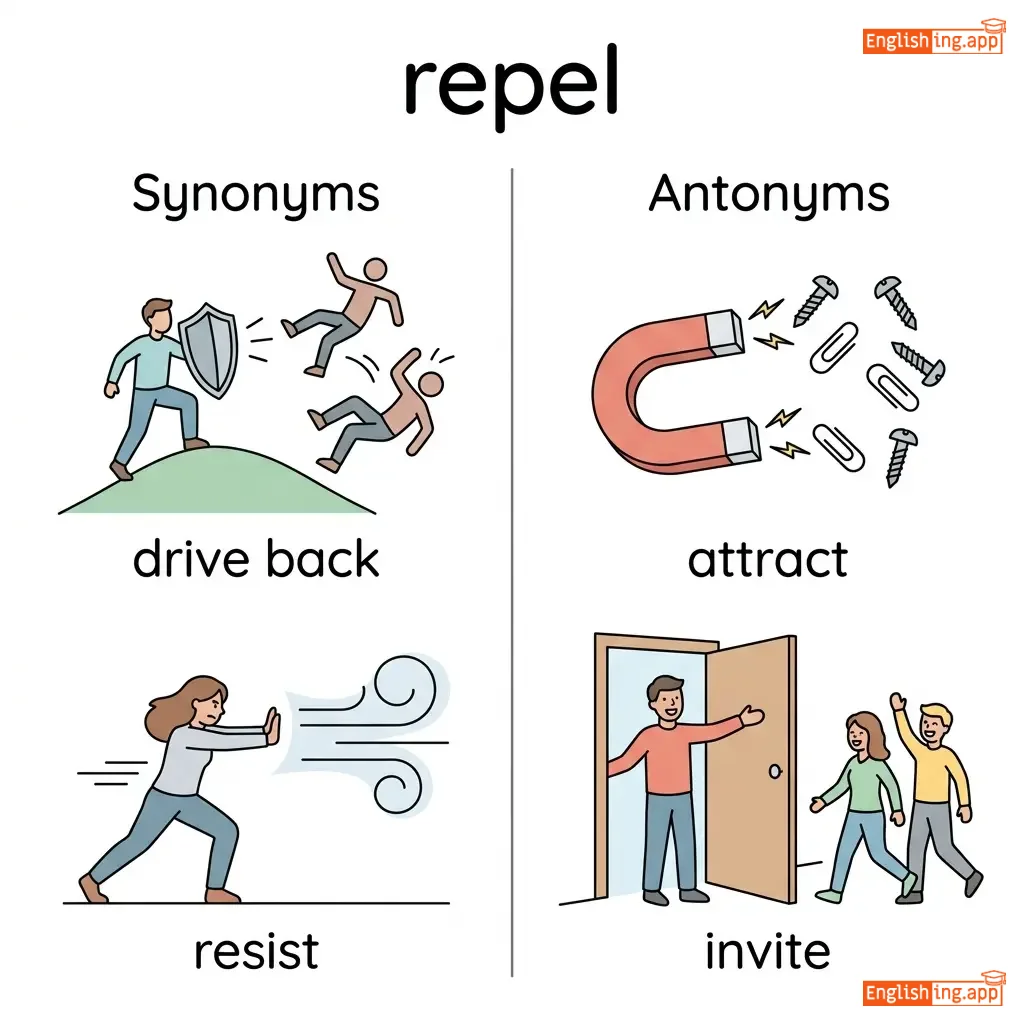
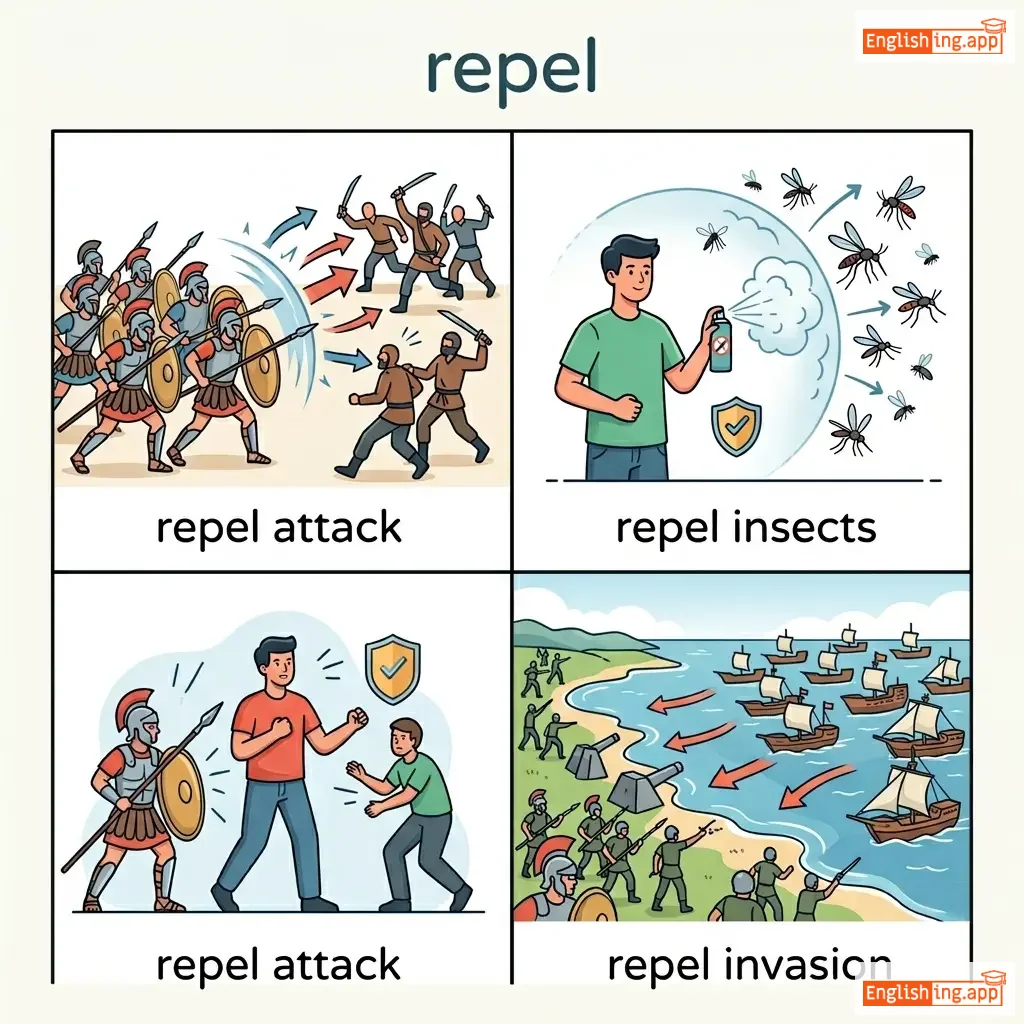
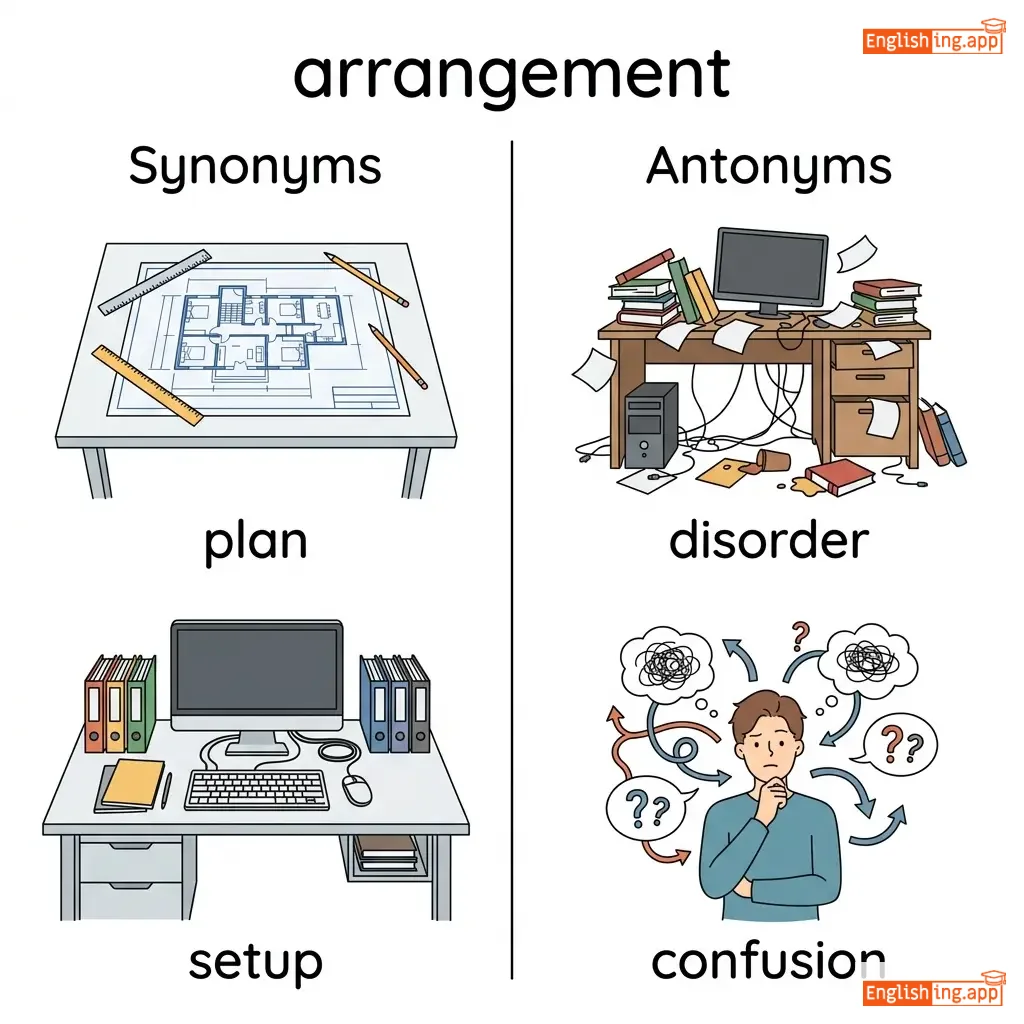
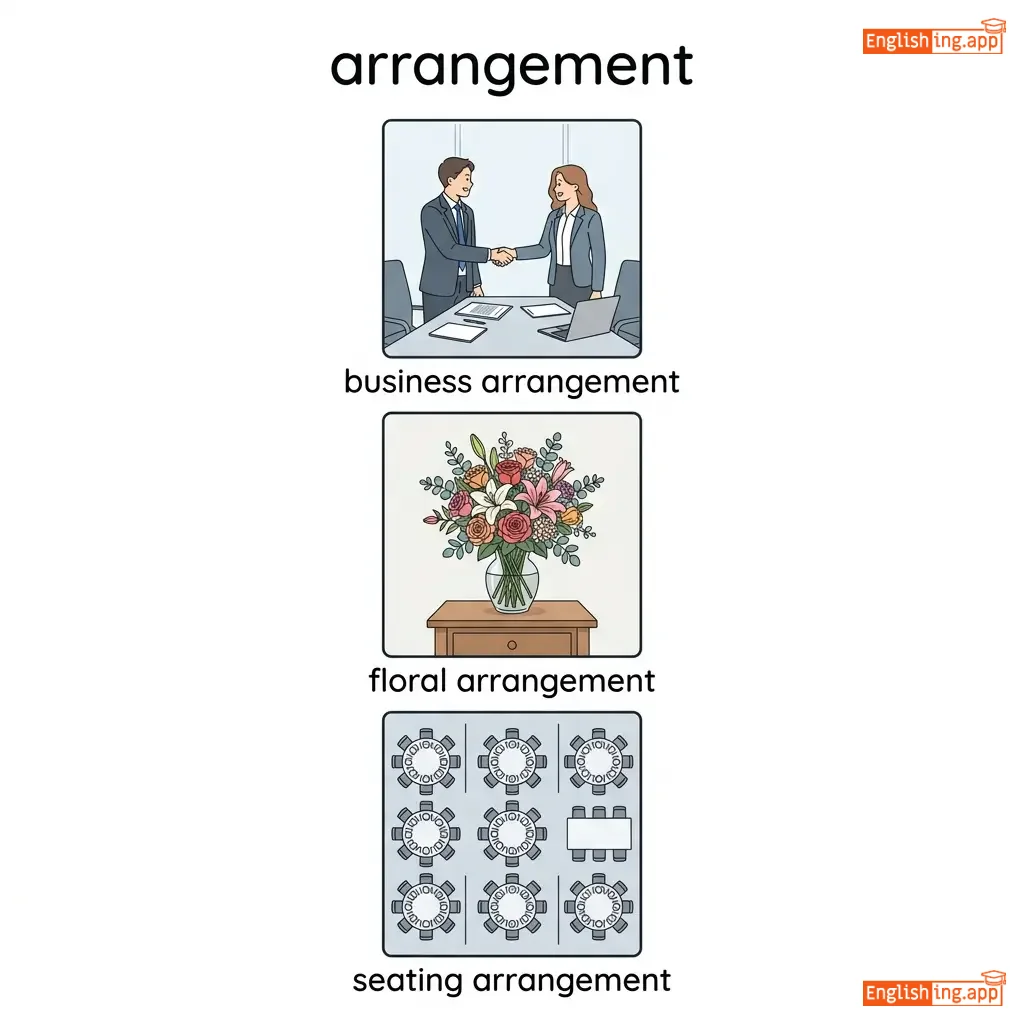
La charge des protons est positive et celle des neutrons est neutral. Les protons chargés électriquement se repel entre eux. Par conséquent, l’arrangement de plusieurs protons dans le nucleus est complexe. Cependant, sauf pour l’hydrogène, le nombre de protons augmente dans les autres éléments. Par exemple, le helium nucleus contient deux protons et l’uranium en contient 92.
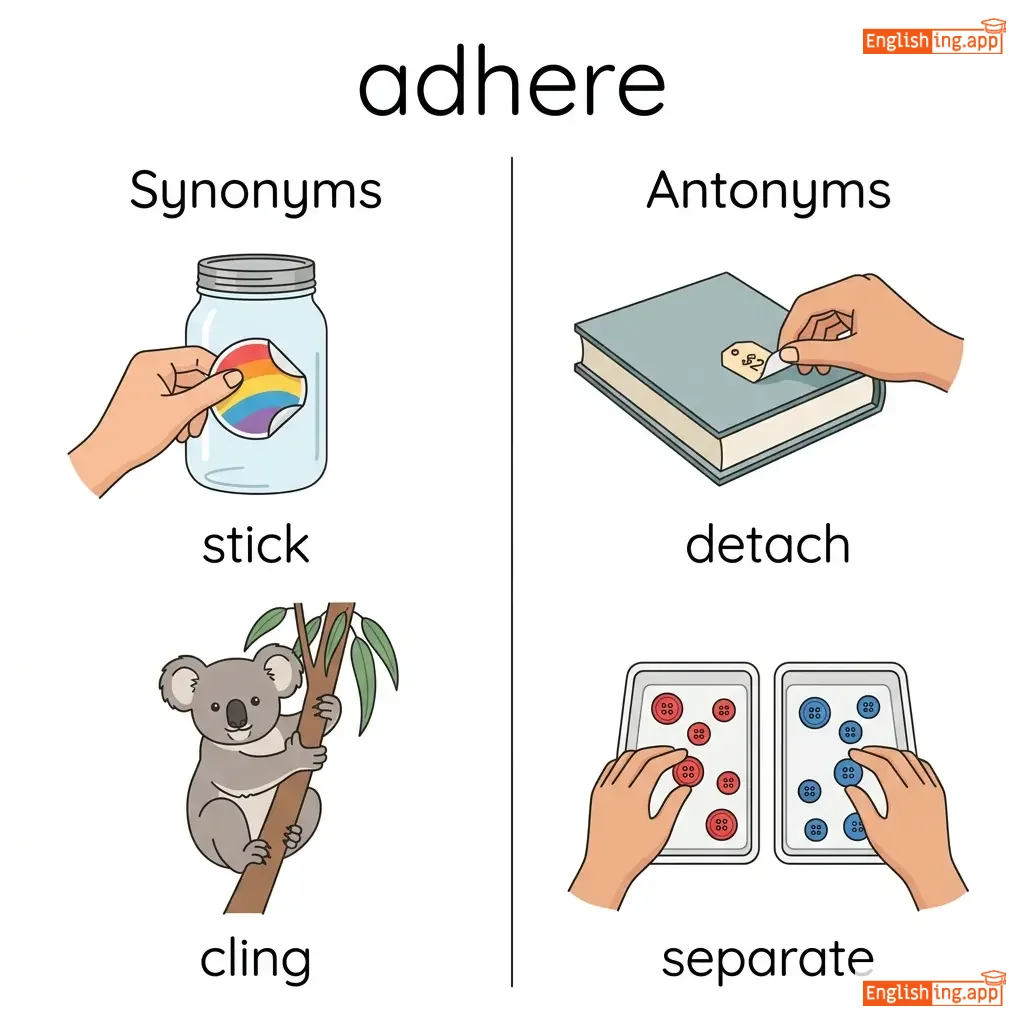
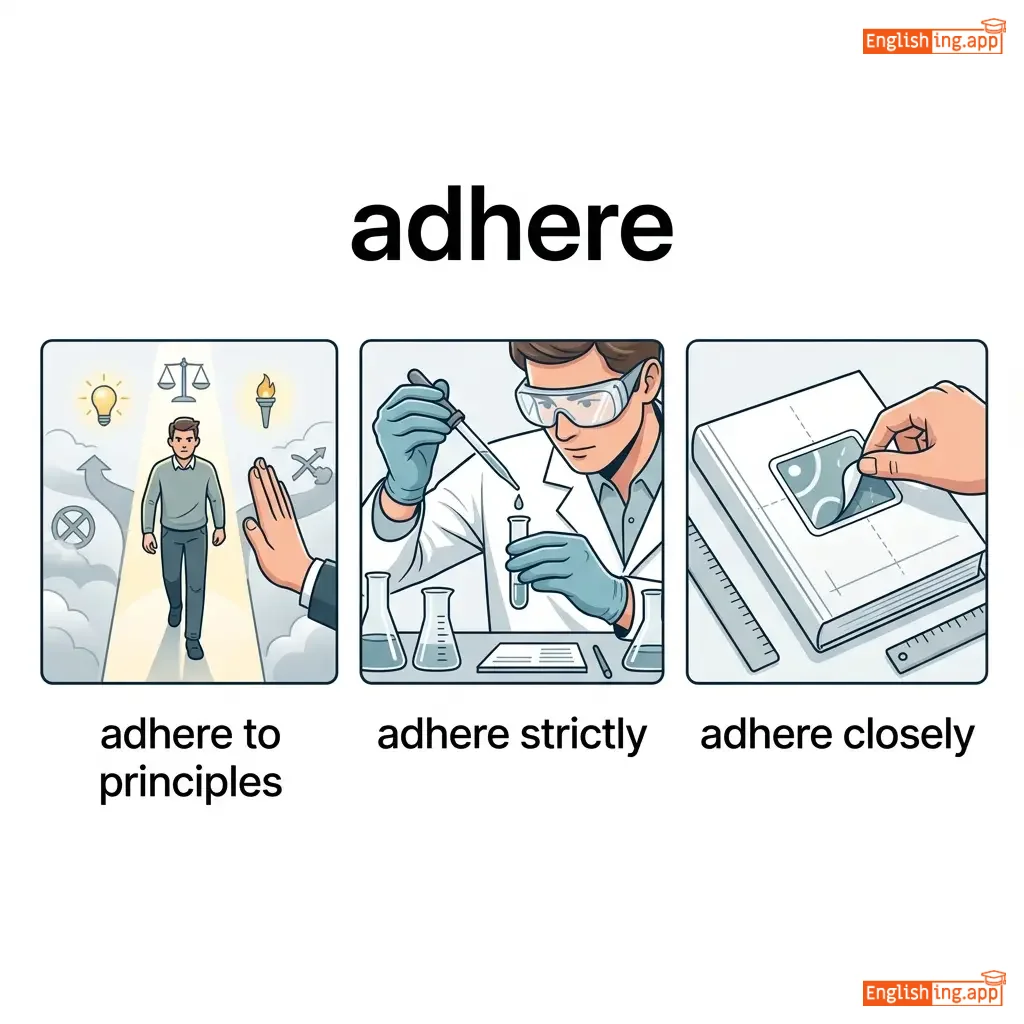
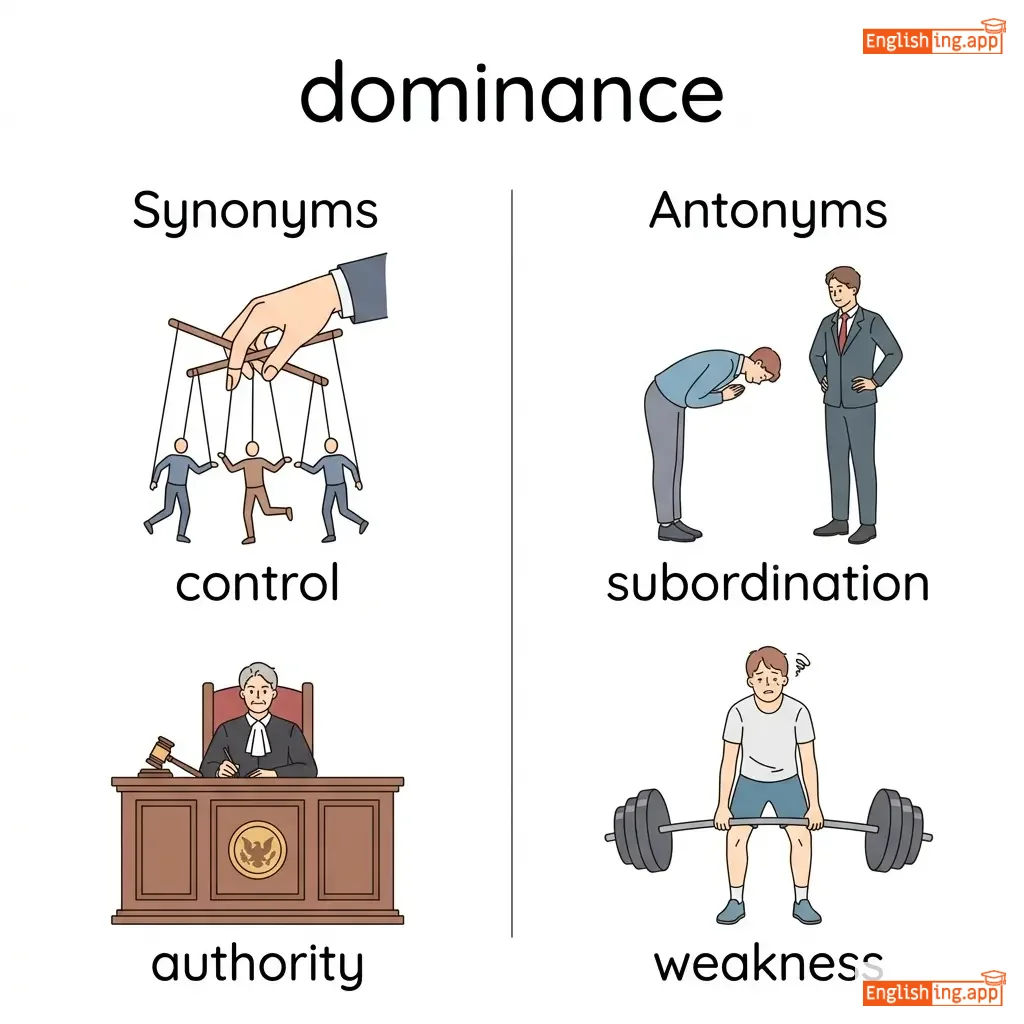
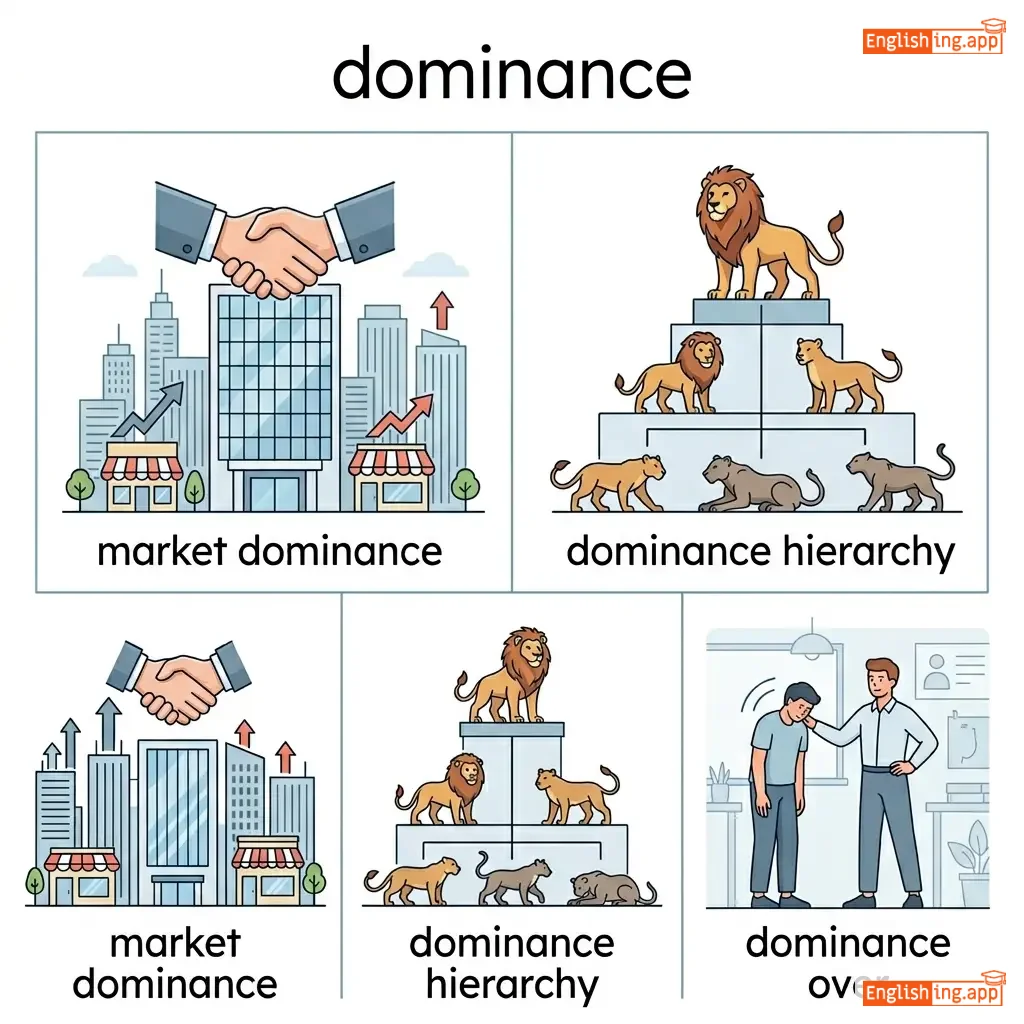
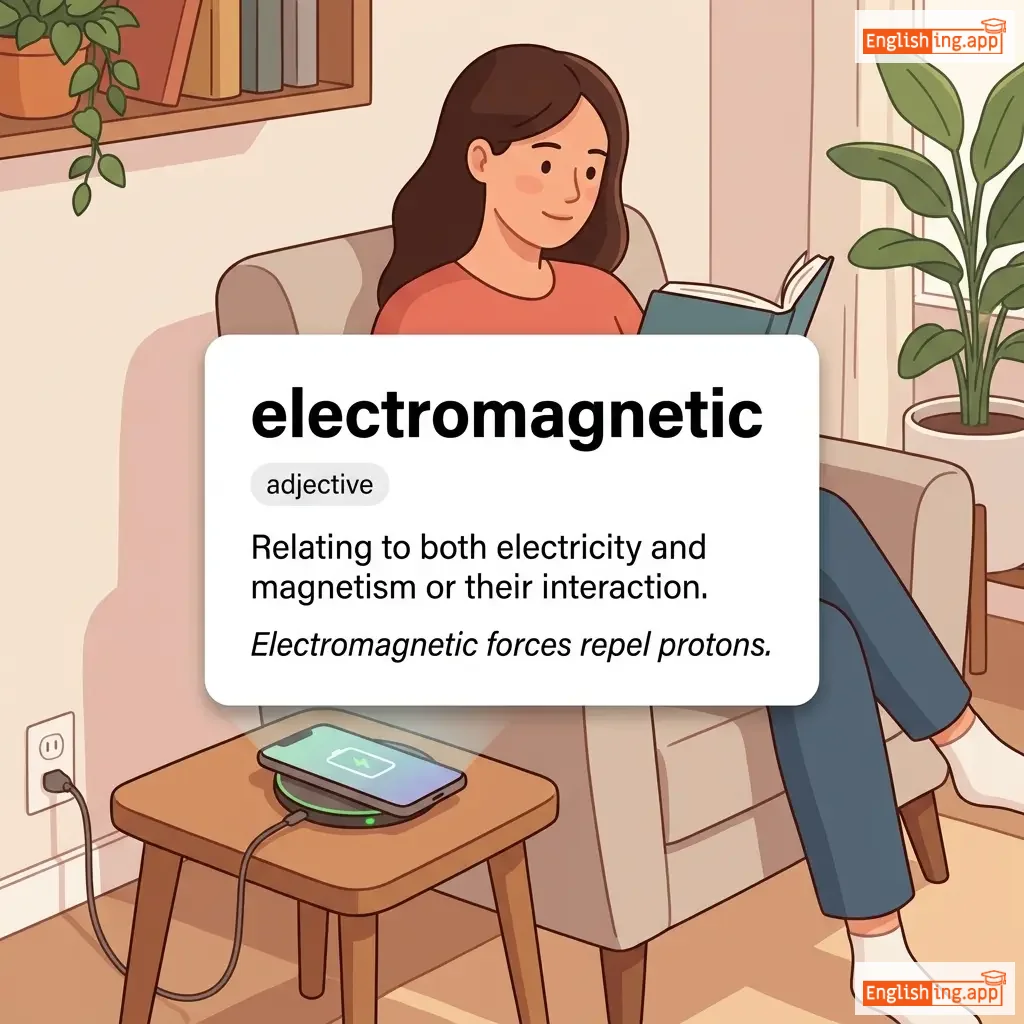
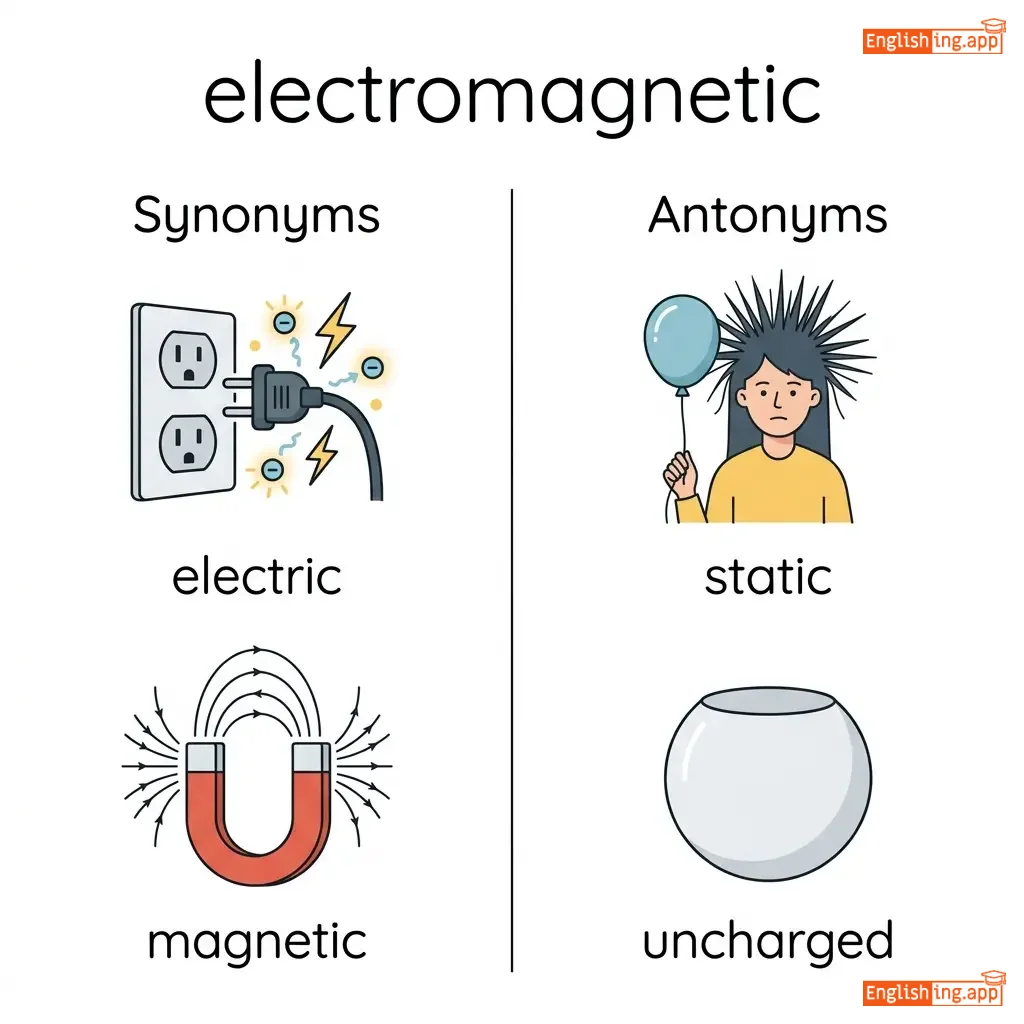
Ces protons et neutrons peuvent adhere les uns aux autres uniquement par la strong force. La electromagnetic force qui agit entre les protons est surmontée par la dominance de la strong force. C’est pourquoi on l’appelle la strong nuclear force.
Message vocabulaire Pro
Passer à la version ProMessage phrases Pro
Passer à la version Pro|
Émoji
|
Mot | Images | Signification | Phrase d'Exemple | Synonymes | Antonymes |
|---|---|---|---|---|---|---|
|
#645
⚡
|
fɔːrs
noun
••••••
|
•••••• |
A physical power or energy that can cause movement, change, or influence.
••••••
|
Strong nuclear force binds particles. |
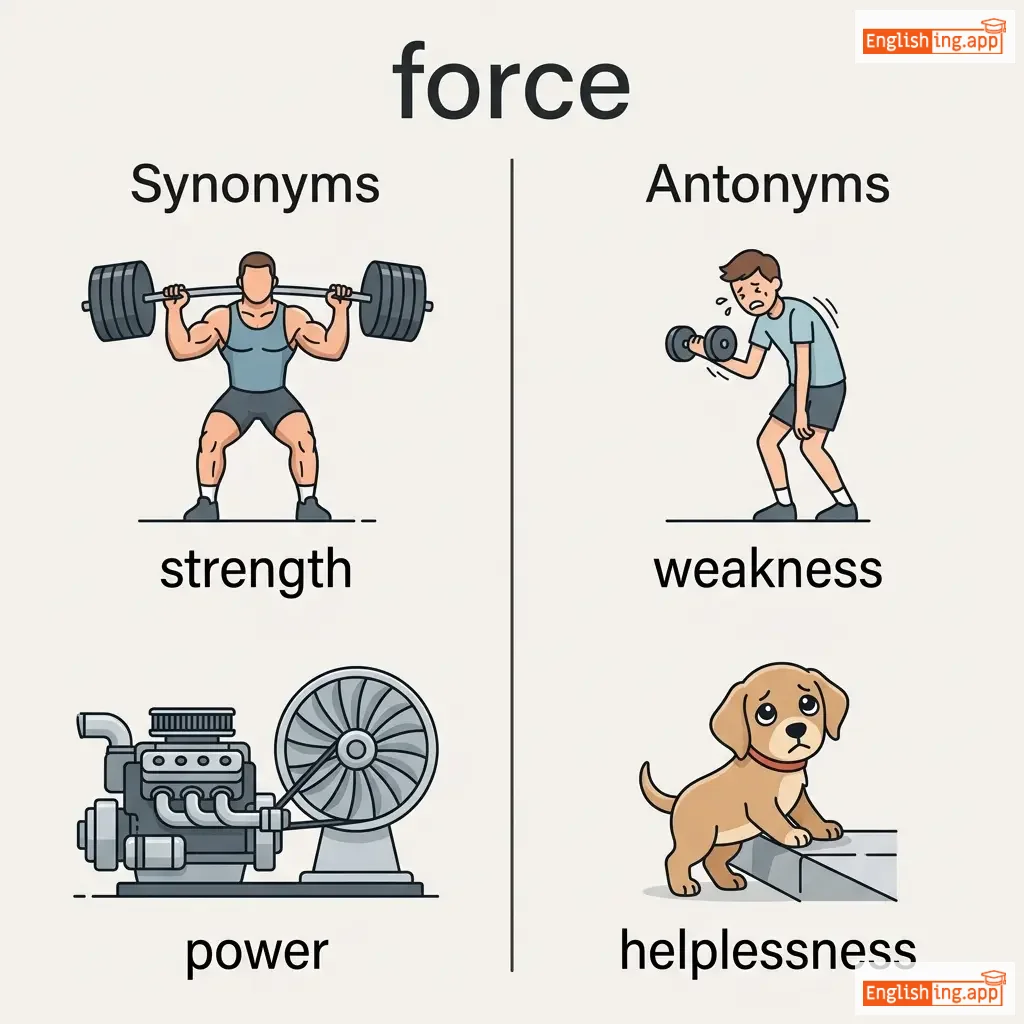
power, energy
••••••
|
weakness, fragility
••••••
|
|
#646
🔗
|
baɪnd
verb
••••••
|
•••••• |
To tie, fasten, or hold together securely.
••••••
|
This force binds quarks together. |
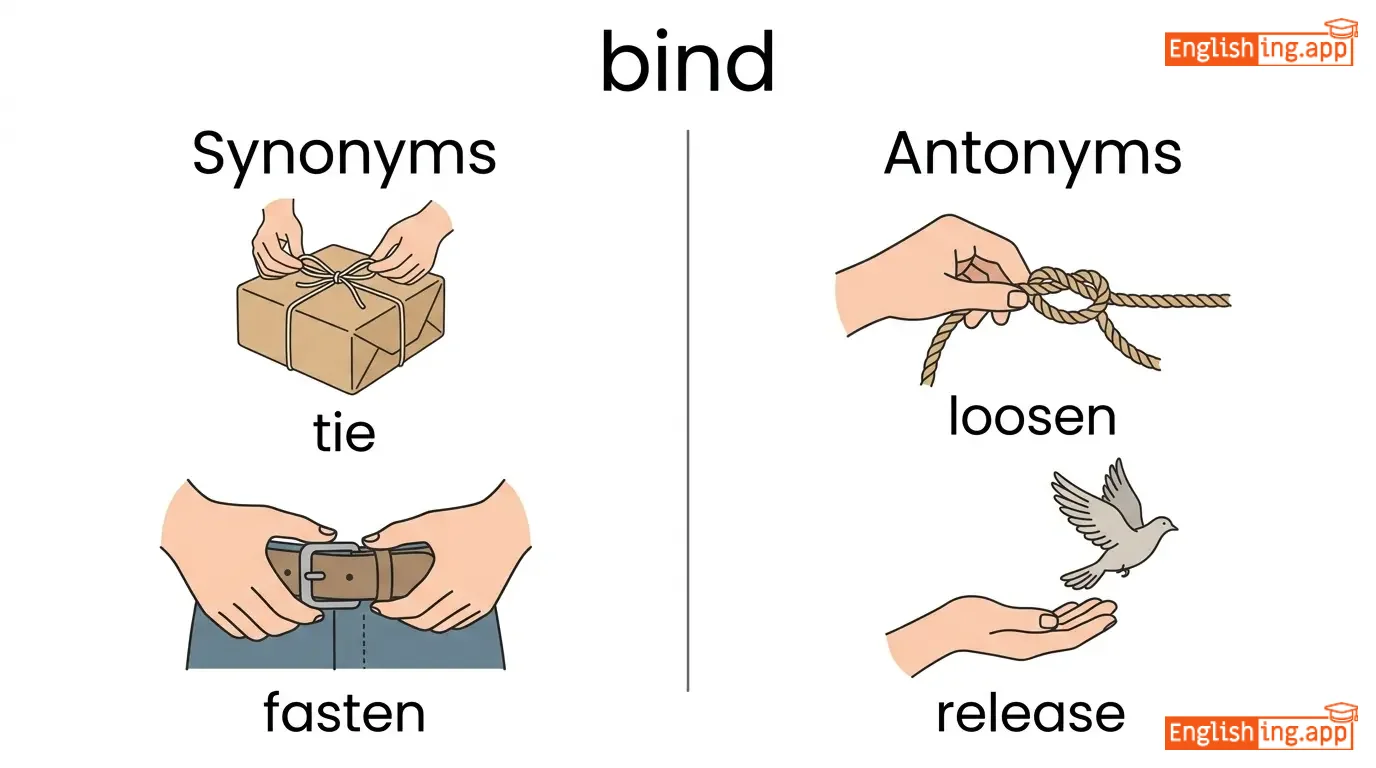
tie, unite
••••••
|
separate, disconnect
••••••
|
|
#647
🔬
|
kwɔːrk
noun
••••••
|
•••••• |
A fundamental subatomic particle that combines to form protons and neutrons.
••••••
|
Quarks form protons and neutrons. |
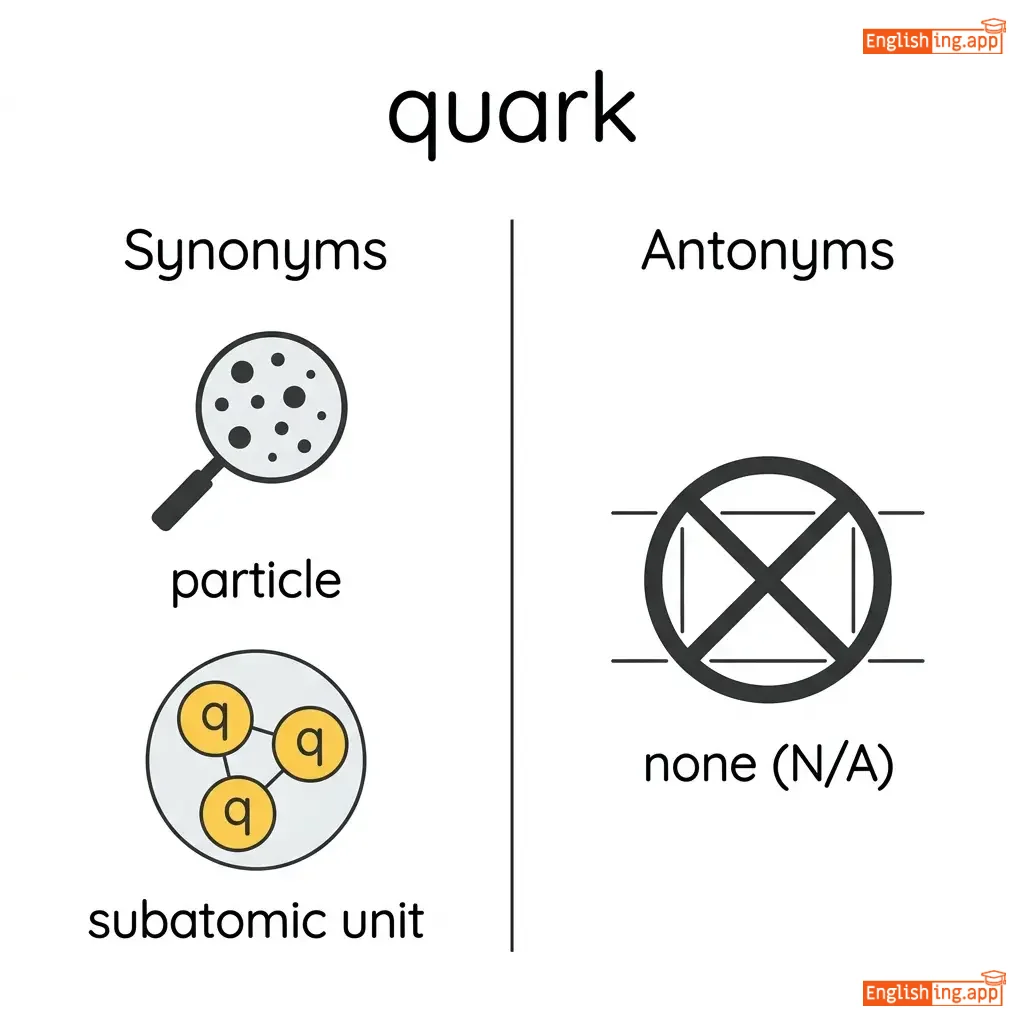
particle, subatomic unit
••••••
|
none (N/A)
••••••
|
|
#648
⚛️
|
ˈnuːkliəs
noun
••••••
|
•••••• |
The central core of an atom containing protons and neutrons.
••••••
|
The nucleus consists of protons. |
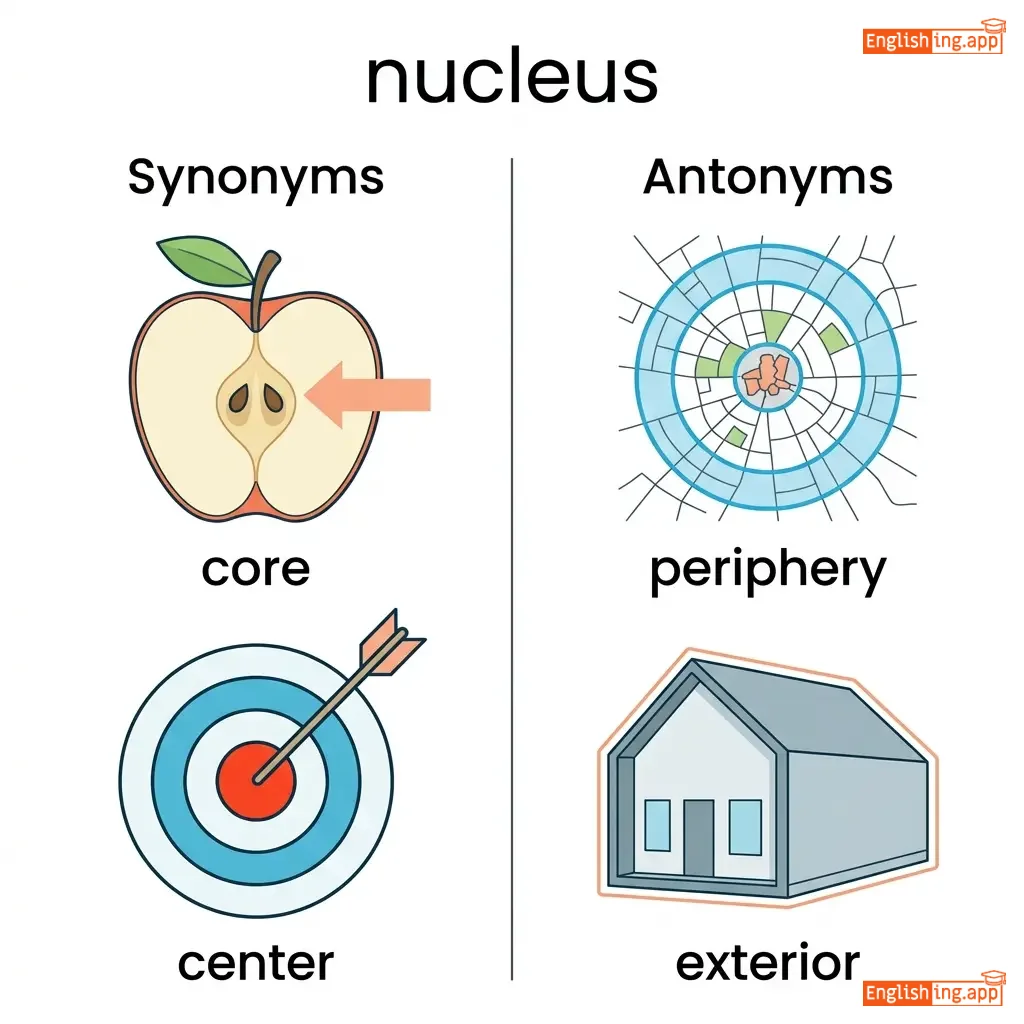
core, center
••••••
|
periphery, outside
••••••
|
|
#649
➕
|
ˈpɒzətɪv
adjective
••••••
|
•••••• |
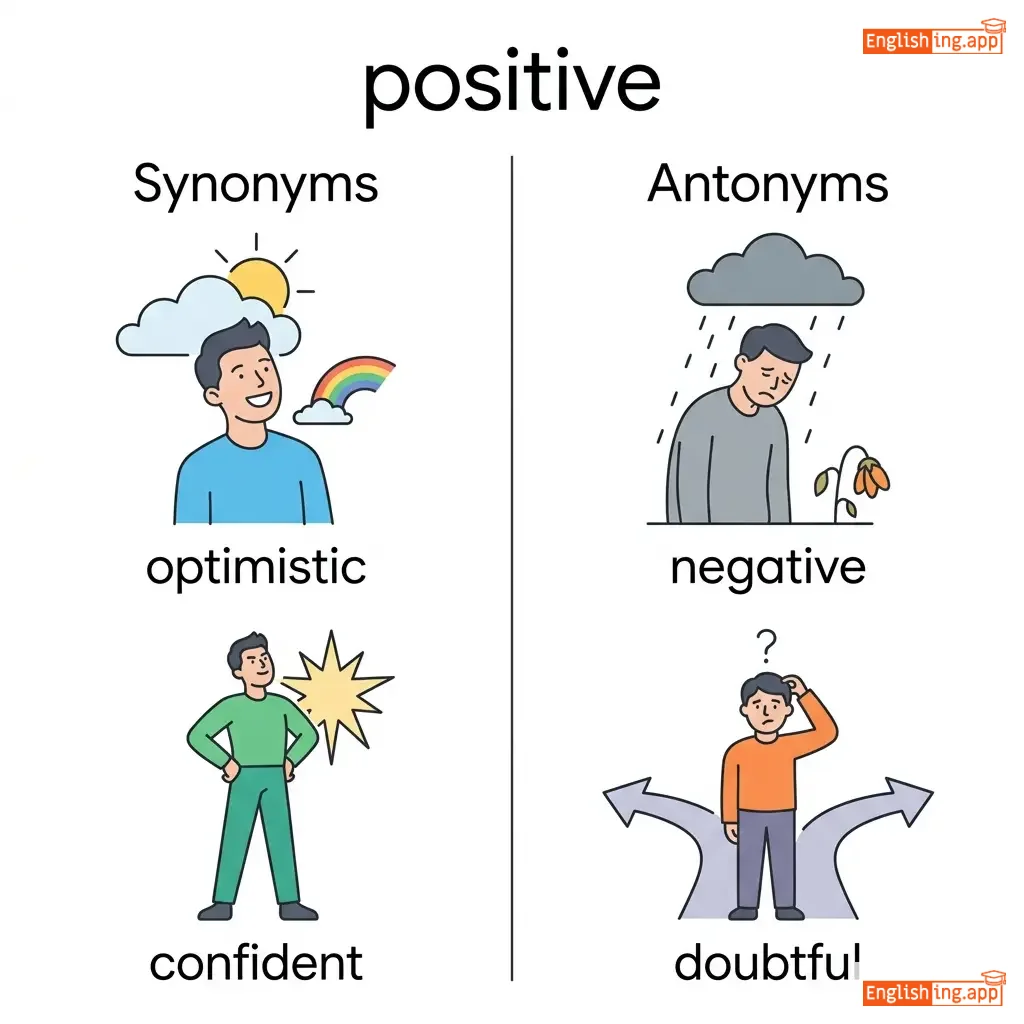
Having an electric charge opposite to that of an electron.
••••••
|
Protons have a positive charge. |
affirmative, plus
••••••
|
negative, neutral
••••••
|
|
#650
⚖️
|
ˈnjuːtrəl
adjective
••••••
|
•••••• |
Having no electric charge; neither positive nor negative.
••••••
|
Neutrons are electrically neutral. |
unbiased, uncharged
••••••
|
charged, biased
••••••
|
|
#651
🔄
|
rɪˈpel
verb
••••••
|
•••••• |
To push away or force apart due to similar charges or properties.
••••••
|
Protons repel each other. |
push away, reject
••••••
|
attract, pull
••••••
|
|
#652
📦
|
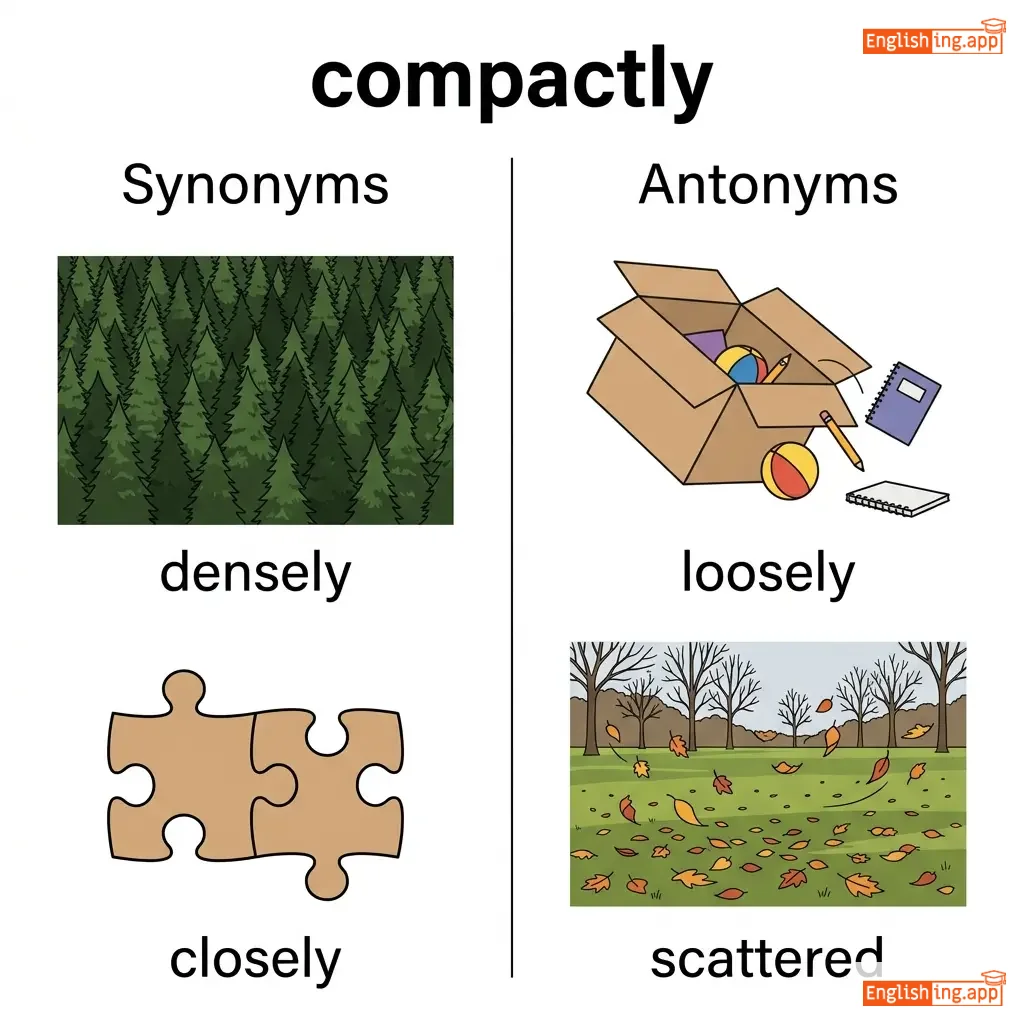
kəmˈpæktli
adverb
••••••
|
•••••• |
In a closely packed or dense manner.
••••••
|
Protons and neutrons are compactly arranged. |
densely, closely
••••••
|
loosely, scattered
••••••
|
|
#653
🤝
|
ədˈhɪər
verb
••••••
|
•••••• |
To stick firmly to something or stay attached.
••••••
|
Neutrons adhere to protons. |
stick, cling
••••••
|
detach, separate
••••••
|
|
#654
👑
|
ˈdɒmɪnəns
noun
••••••
|
•••••• |
The state of having power, control, or influence over others.
••••••
|
Strong force exerts dominance over other forces. |
supremacy, authority
••••••
|
inferiority, submission
••••••
|
|
#655
🧲
|
ɪˌlektrəʊmæɡˈnetɪk
adjective
••••••
|
•••••• |
Relating to both electricity and magnetism or their interaction.
••••••
|
Electromagnetic forces repel protons. |
electric, magnetic
••••••
|
static, uncharged
••••••
|
|
#656
🏗️
|
əˈreɪndʒmənt
noun
••••••
|
•••••• |
The way things are organized, positioned, or structured.
••••••
|
The arrangement of protons in the nucleus is critical. |
order, organization
••••••
|
disorder, chaos
••••••
|
|
#657
⚖️
|
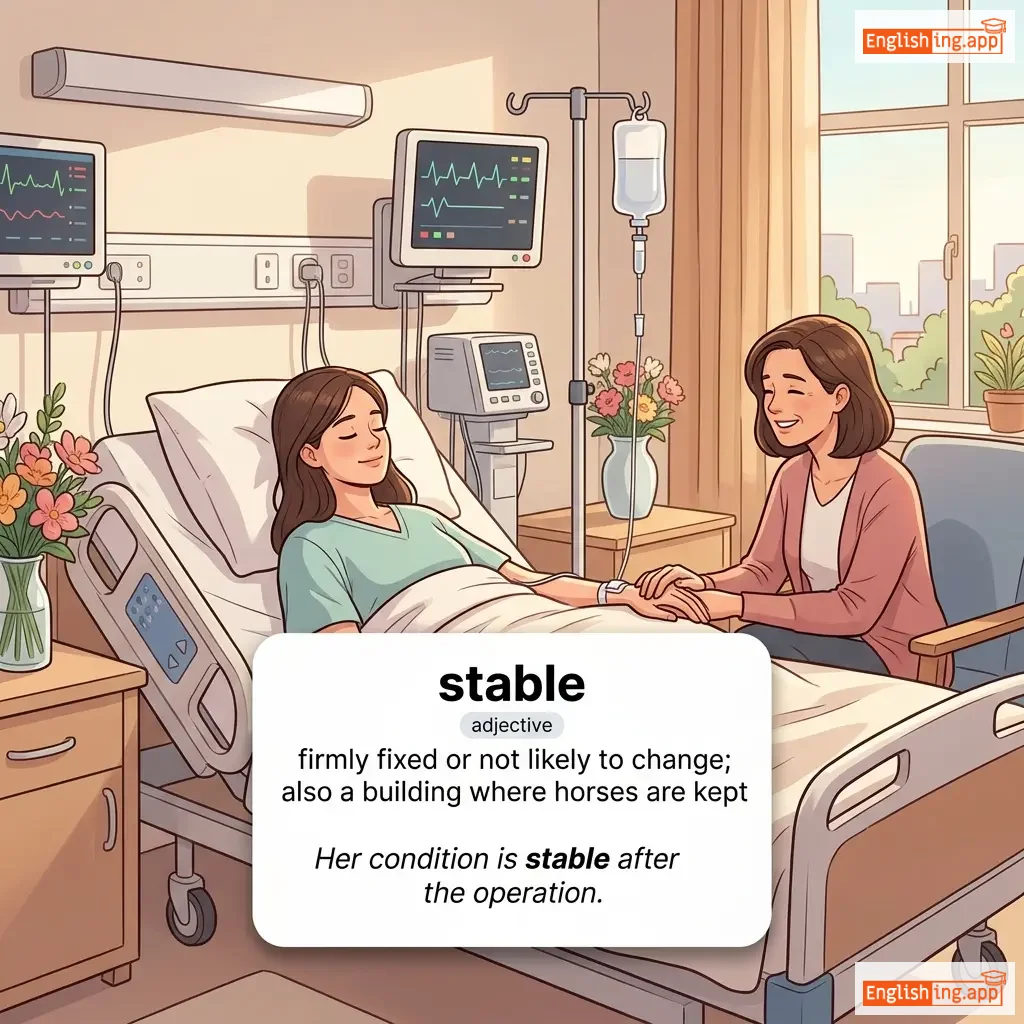
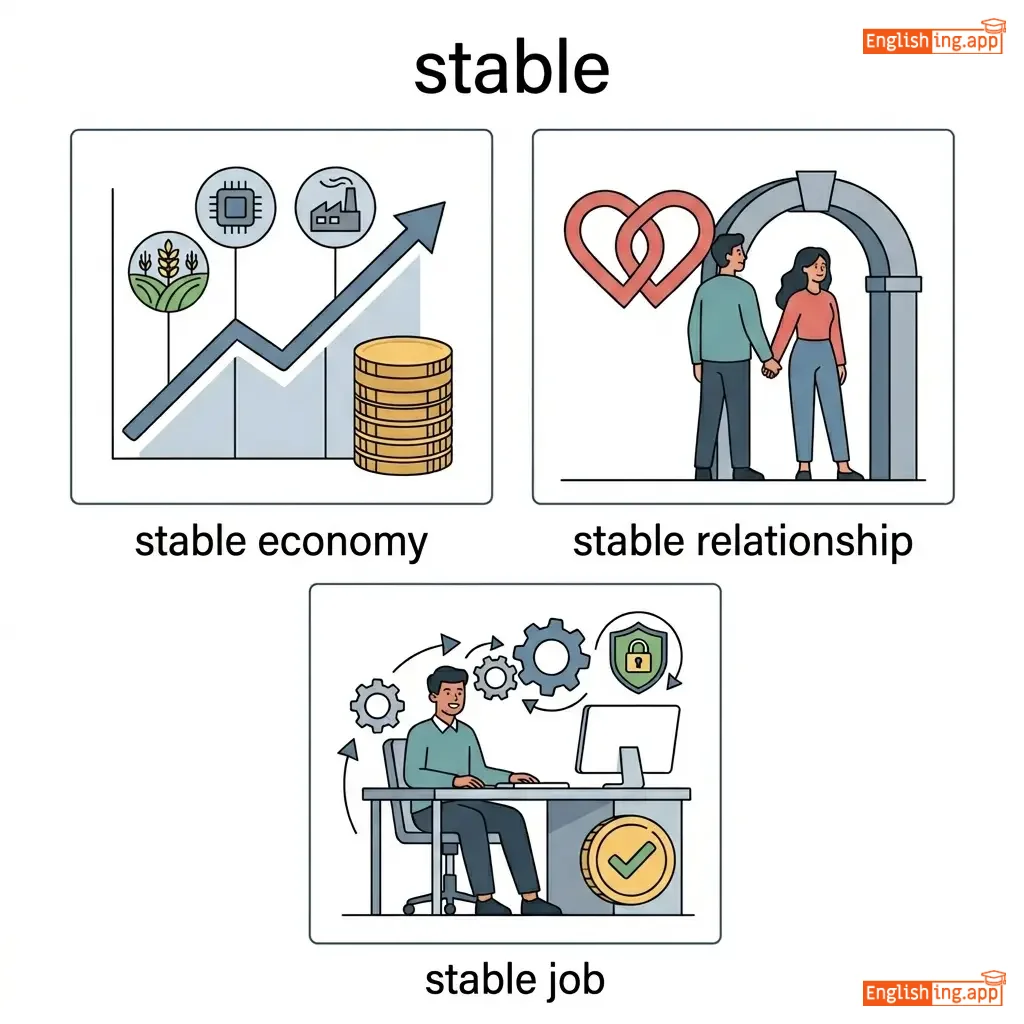
ˈsteɪbl
adjective
••••••
|
•••••• |
Not likely to change or fail; firmly established.
••••••
|
Strong nuclear force keeps the nucleus stable. |
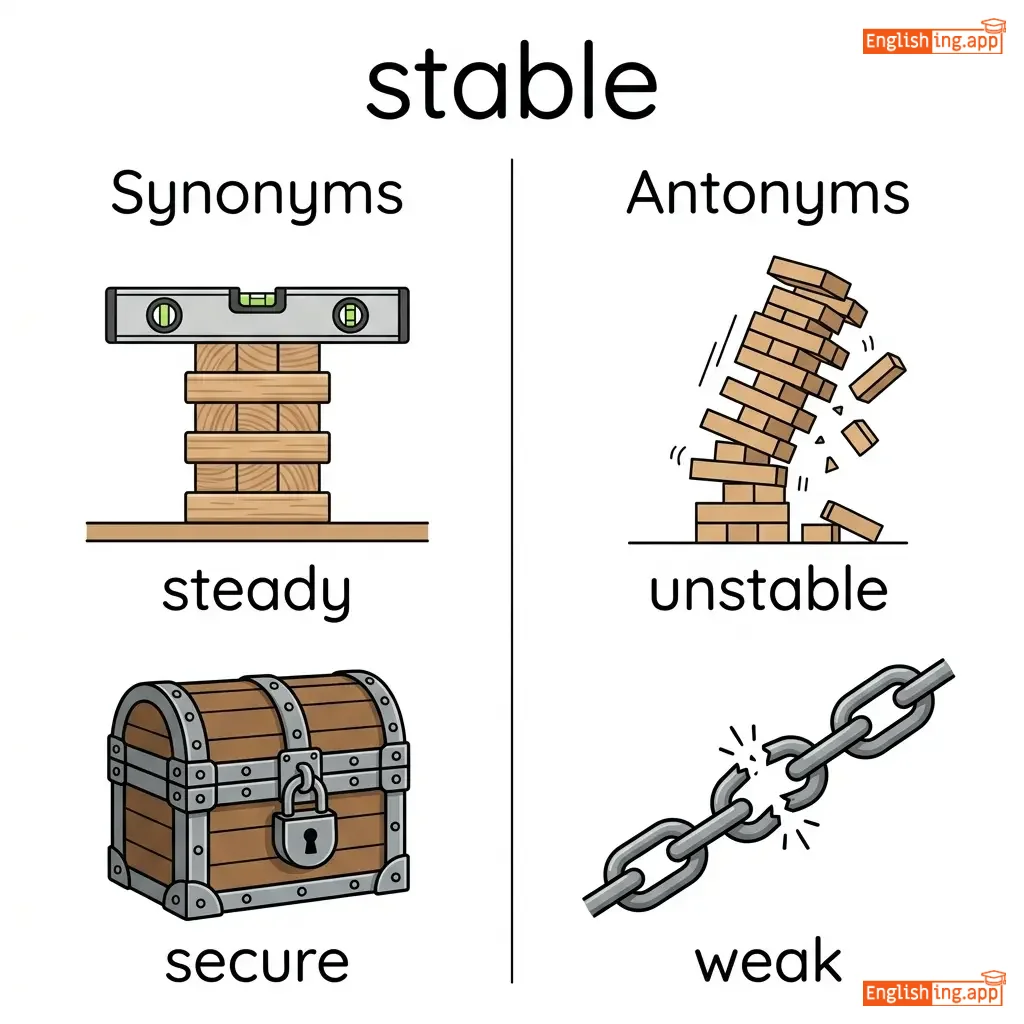
steady, secure
••••••
|
unstable, volatile
••••••
|