मजबूत बल की शक्ति

The Strength of the Strong Force

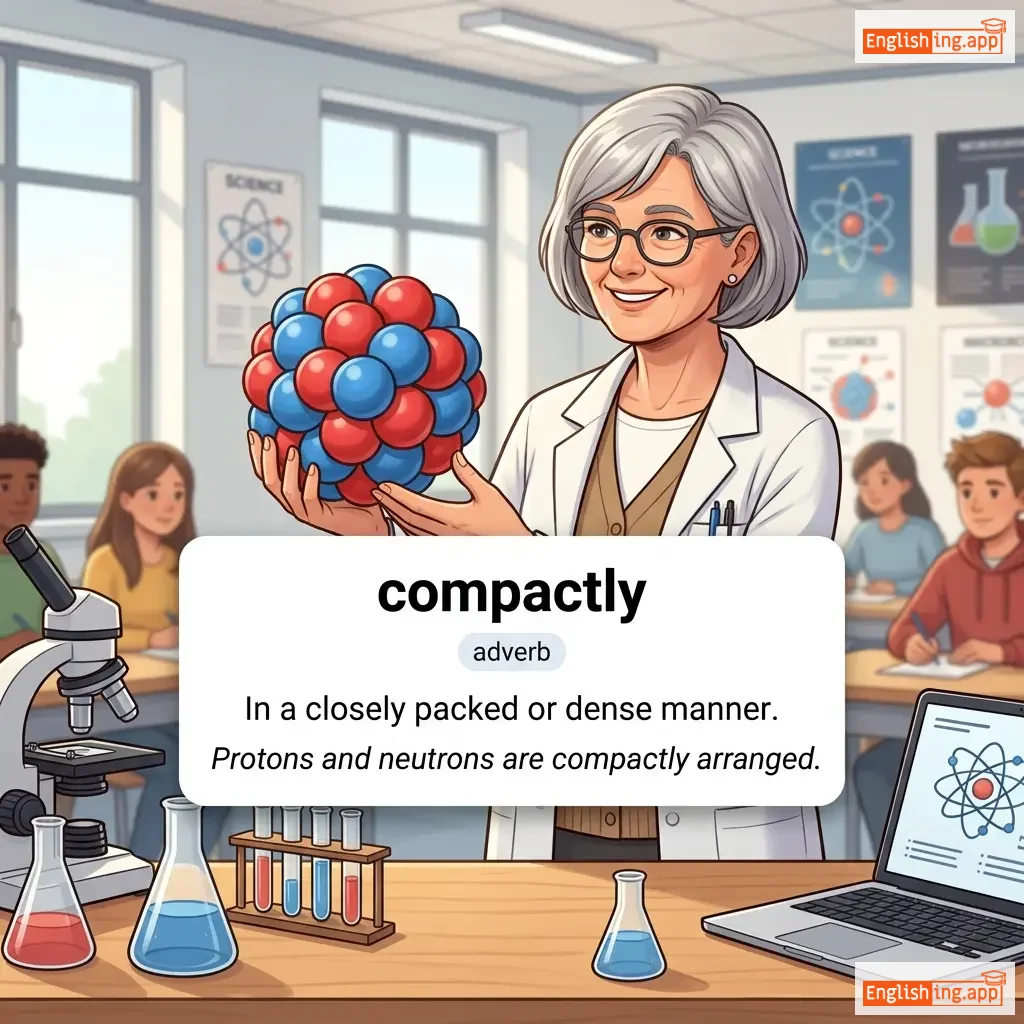
प्रकृति की चार शक्तियों में, सबसे शक्तिशाली बल को strong nuclear force कहा जाता है। यह क्वार्क कणों को एक साथ bind करता है, और ये quark particles protons और neutrons बनाते हैं। ये compactly रहकर nucleus बनाते हैं।

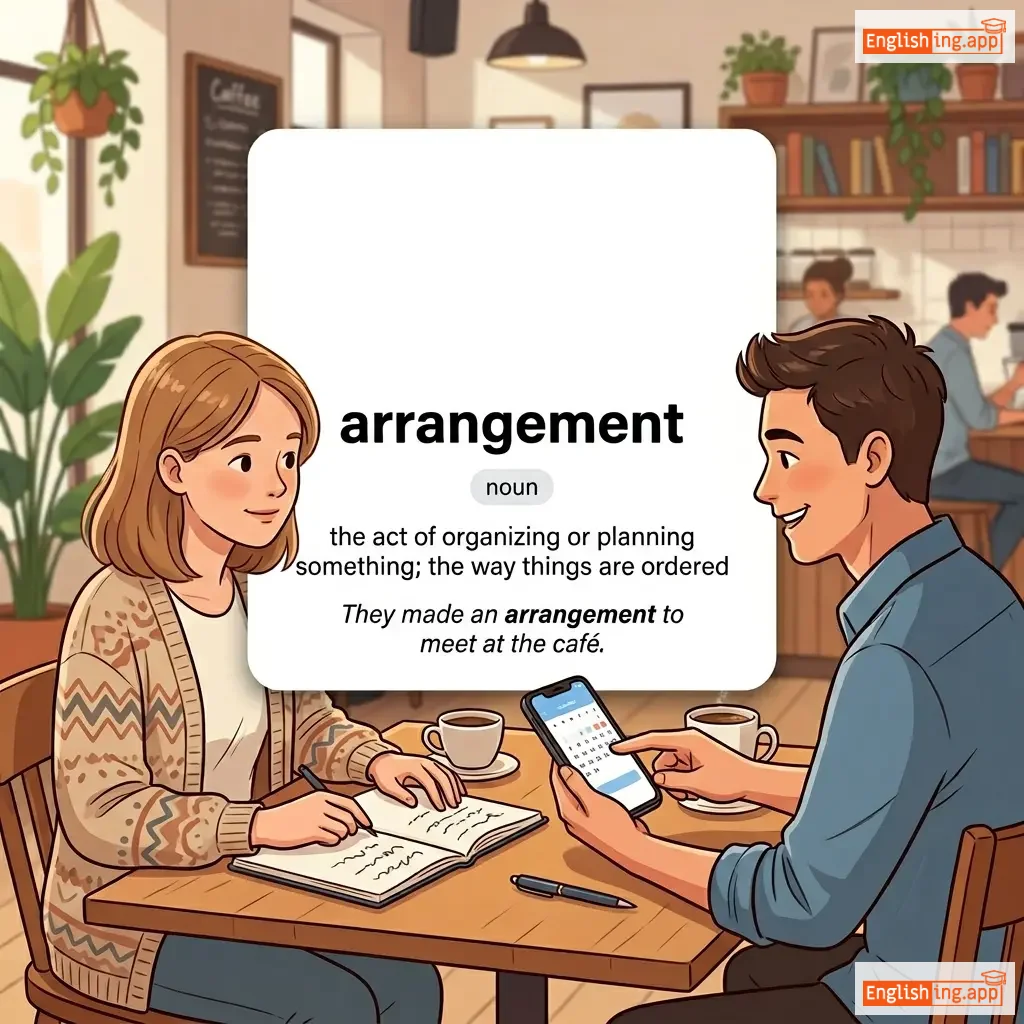
protons का चार्ज positive और neutrons का चार्ज neutral होता है। विद्युत रूप से आवेशित protons अन्य protons को repel करते हैं। इसलिए nucleus में कई protons का arrangement जटिल होता है। हालांकि, हाइड्रोजन को छोड़कर अन्य तत्वों में protons की संख्या बढ़ जाती है। उदाहरण के लिए, helium nucleus में दो protons होते हैं और यूरेनियम में 92 protons होते हैं।

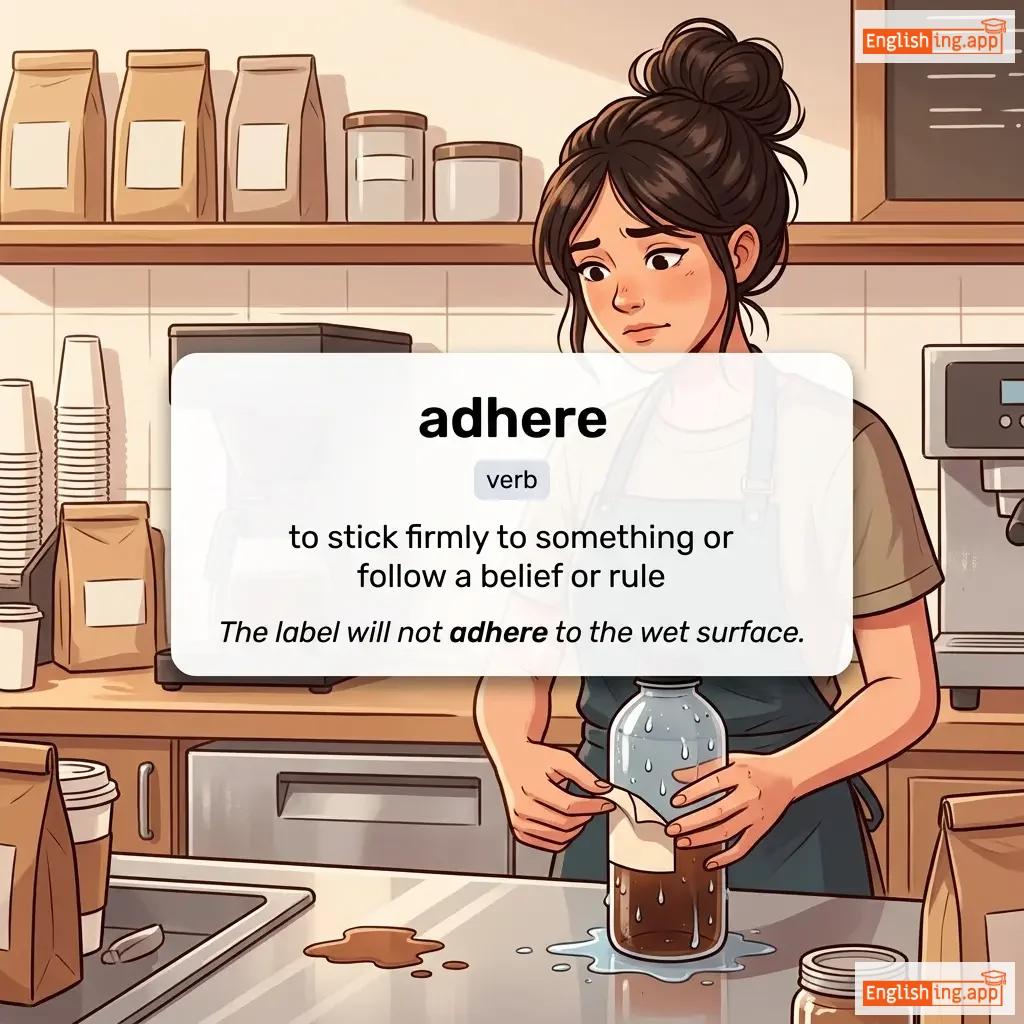
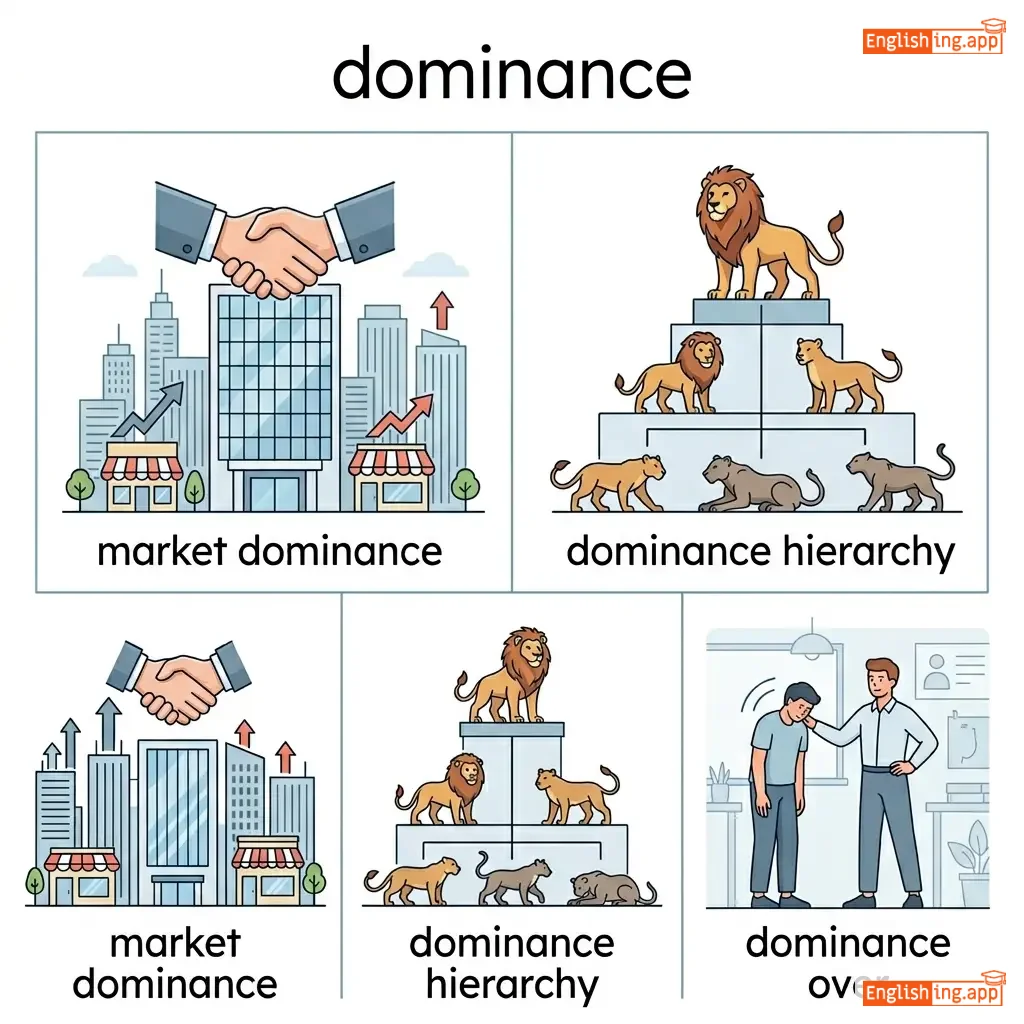
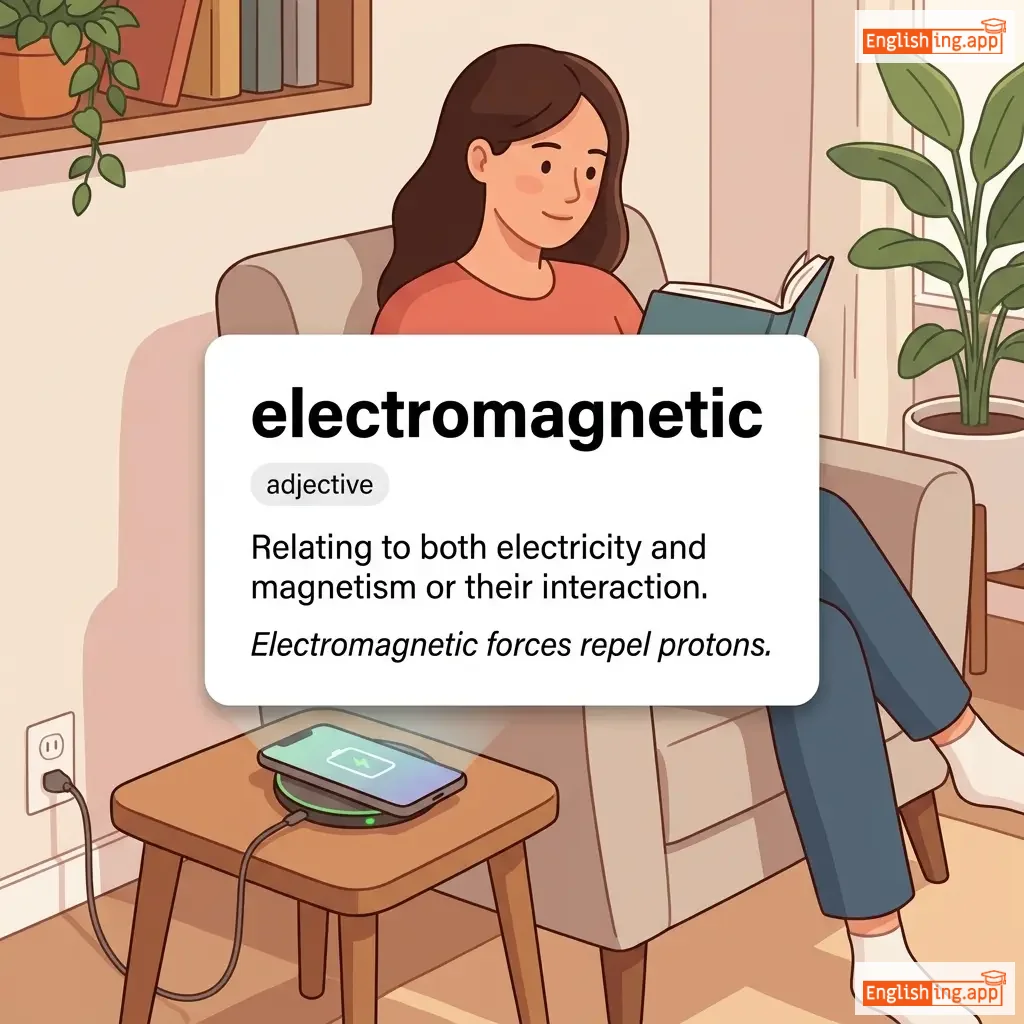
ये protons और neutrons केवल strong force के माध्यम से ही एक-दूसरे से adhere हो सकते हैं। protons के बीच काम करने वाली electromagnetic force को strong force की dominance स्थापित करके पार कर लिया जाता है। इसलिए इसे strong nuclear force कहा जाता है।

The Strength of the Strong Forceमजबूत बल की शक्ति
/
/

The Strength of the Strong Forceमजबूत बल की शक्ति - मास्क टॉगल

इमोजी
शब्द Images अनुवाद मीनिंग उदाहरण वाक्य उदाहरण वाक्य अनुवाद सिनोनिम्स एंटोनिम्स निमोनिक
#645
••••••
fɔːrs
noun
(फोर्स)
••••••
••••••
बल
bal
••••••
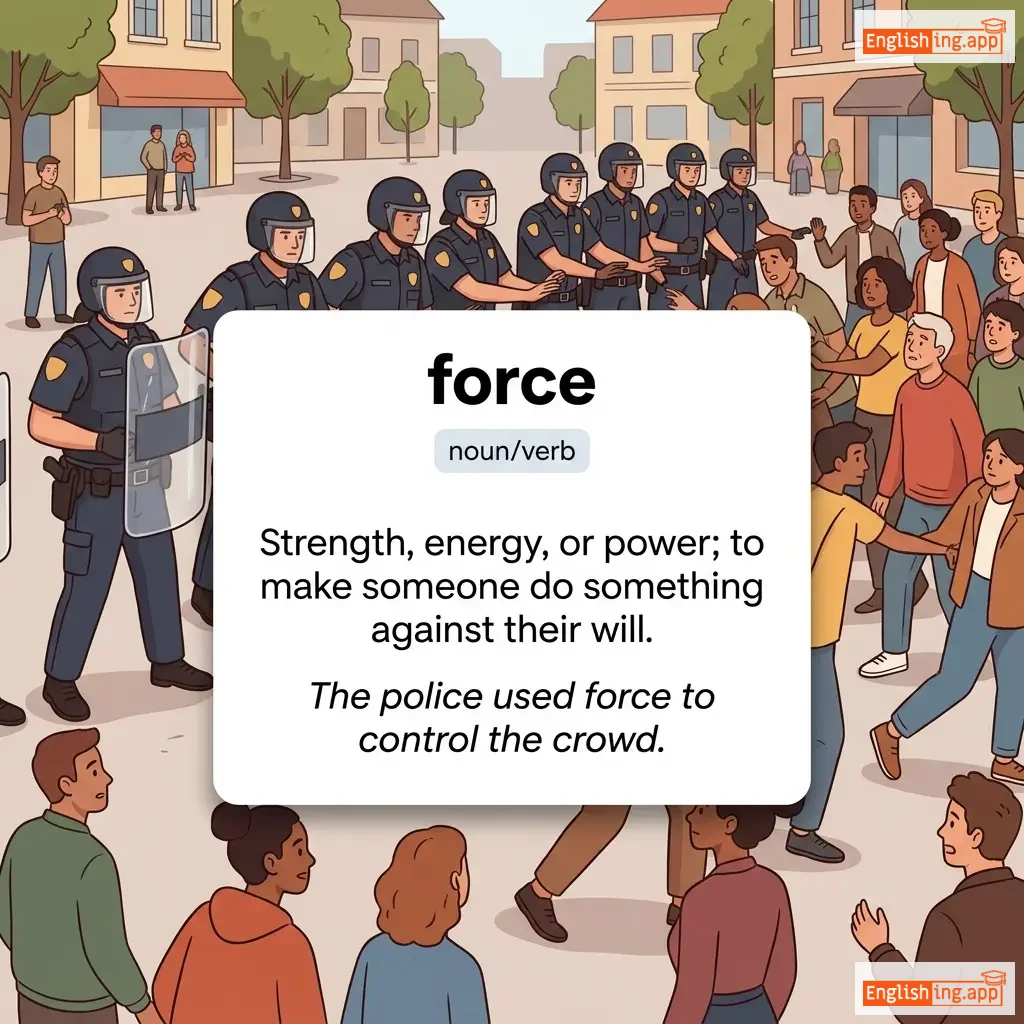
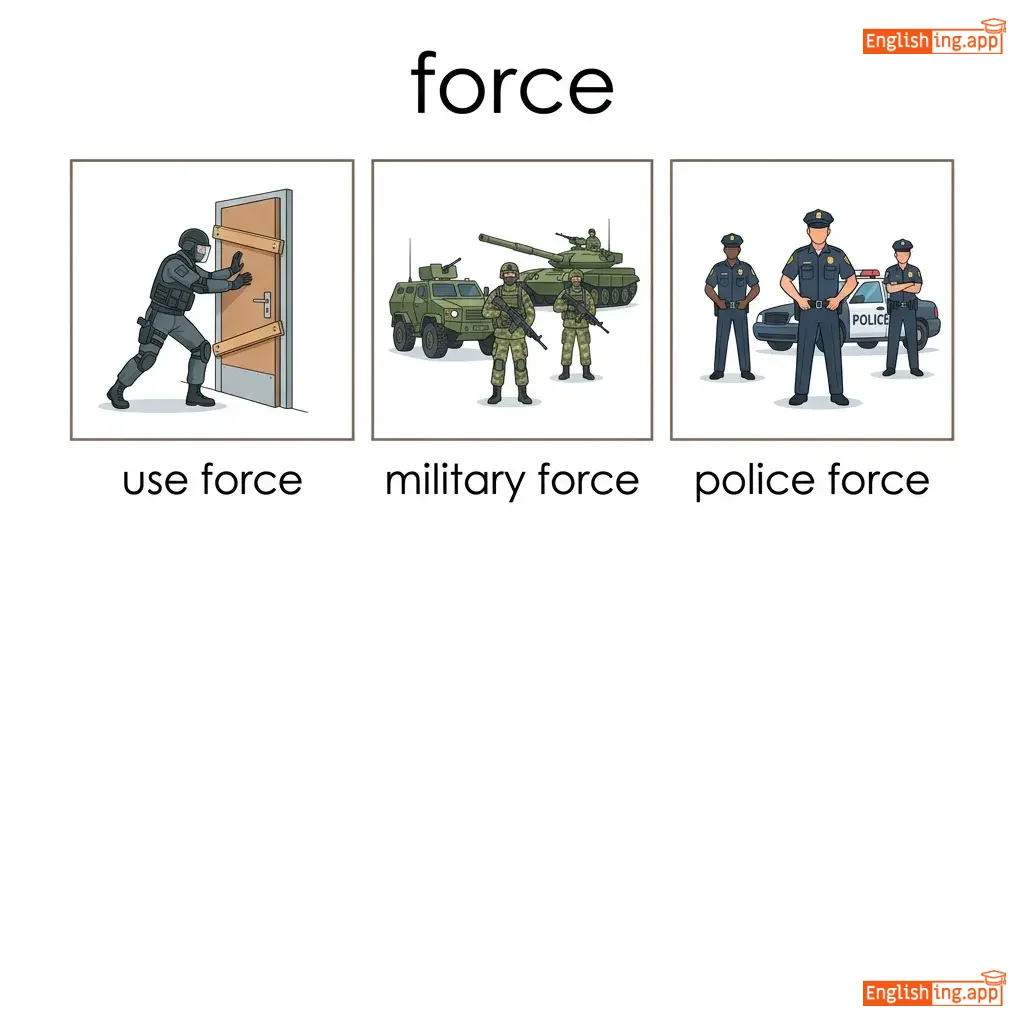
A physical power or energy that can cause movement, change, or influence.
••••••

Strong nuclear force binds particles.

••••••
मजबूत परमाणु बल कणों को जोड़ता है।
Majboot paramanu bal kanon ko jodta hai.
••••••
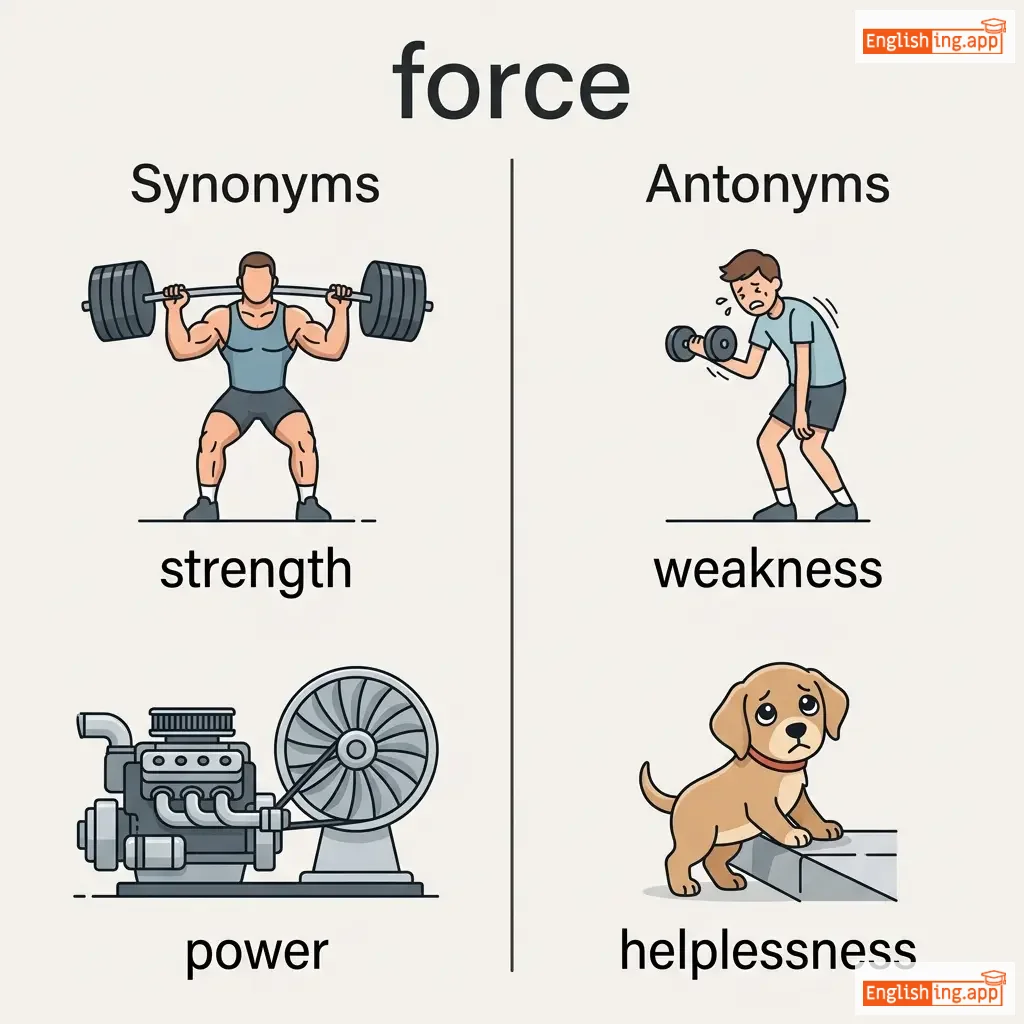
power, energy
••••••
weakness, fragility
••••••
Hindi में बल (bal) को इंग्लिश force (फोर्स) से जोड़ें, जो किसी चीज़ को आगे बढ़ने या बदलने के लिए जिम्मेदार होती है।
••••••
#646
🔗
••••••
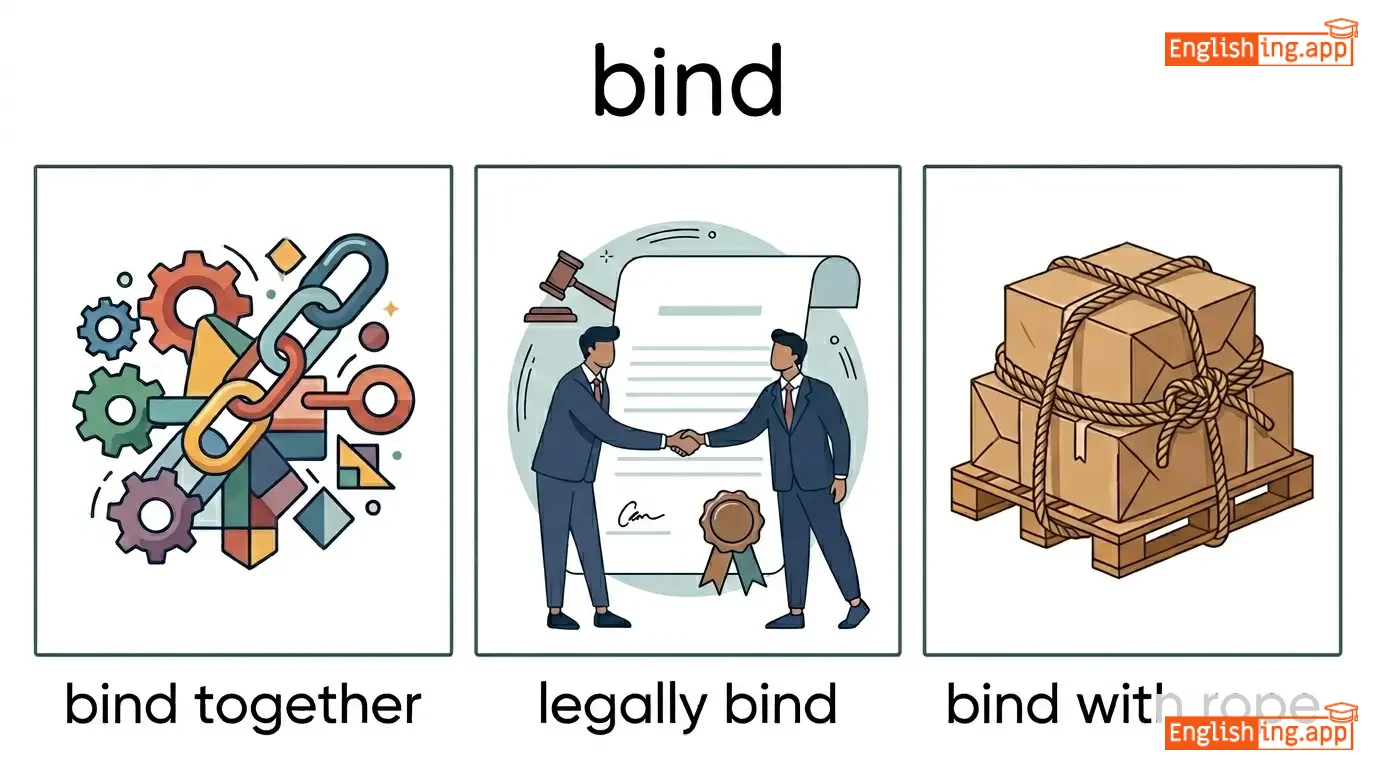
baɪnd
verb
(बाइंड)
••••••
••••••
बंधन करना
bandhan karna
••••••
To tie, fasten, or hold together securely.
••••••

This force binds quarks together.

इस बल ने क्वार्क को एक साथ जोड़ा।
••••••
यह बल क्वार्क को एक साथ जोड़ता है।
Yeh bal quark ko ek saath jodta hai.
••••••
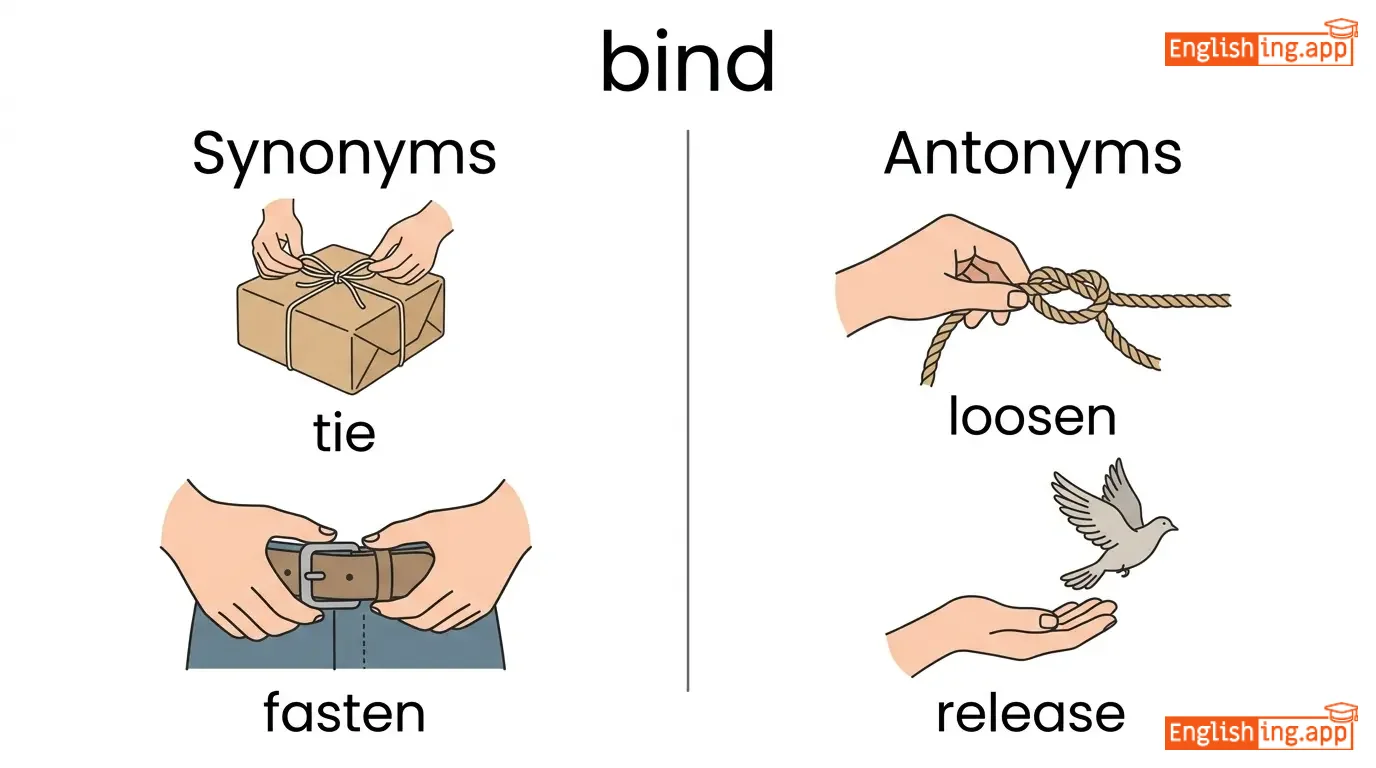
tie, unite
••••••
separate, disconnect
••••••
Bind का मतलब है जोड़ना, याद रखो बंधन से।
••••••
#647
🔬
••••••
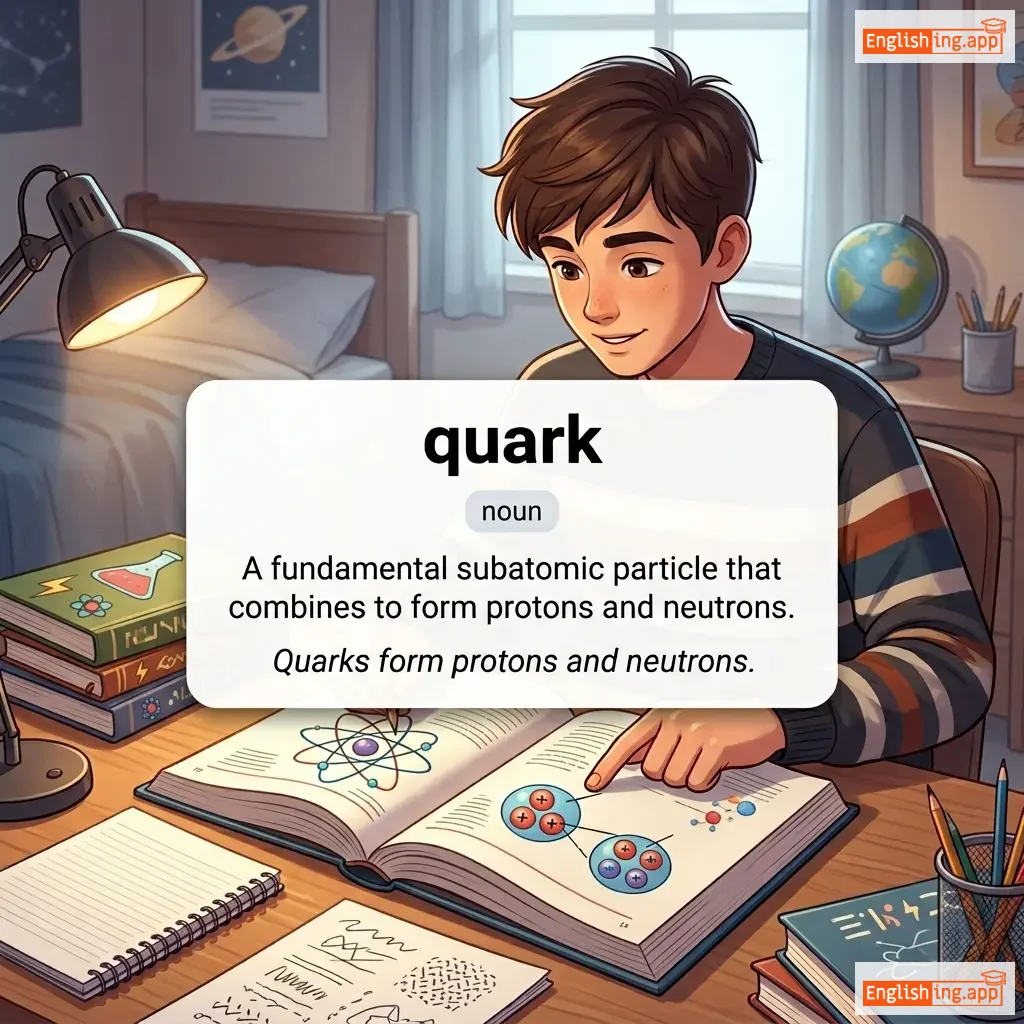
kwɔːrk
noun
(क्वार्क)
••••••
••••••
क्वार्क
kvark
••••••
A fundamental subatomic particle that combines to form protons and neutrons.
••••••

Quarks form protons and neutrons.

क्वार्क प्रोटॉन और न्यूट्रॉन बनाते हैं।
••••••
क्वार्क प्रोटॉन और न्यूट्रॉन बनाते हैं।
Kvark proton aur neutron banate hain.
••••••
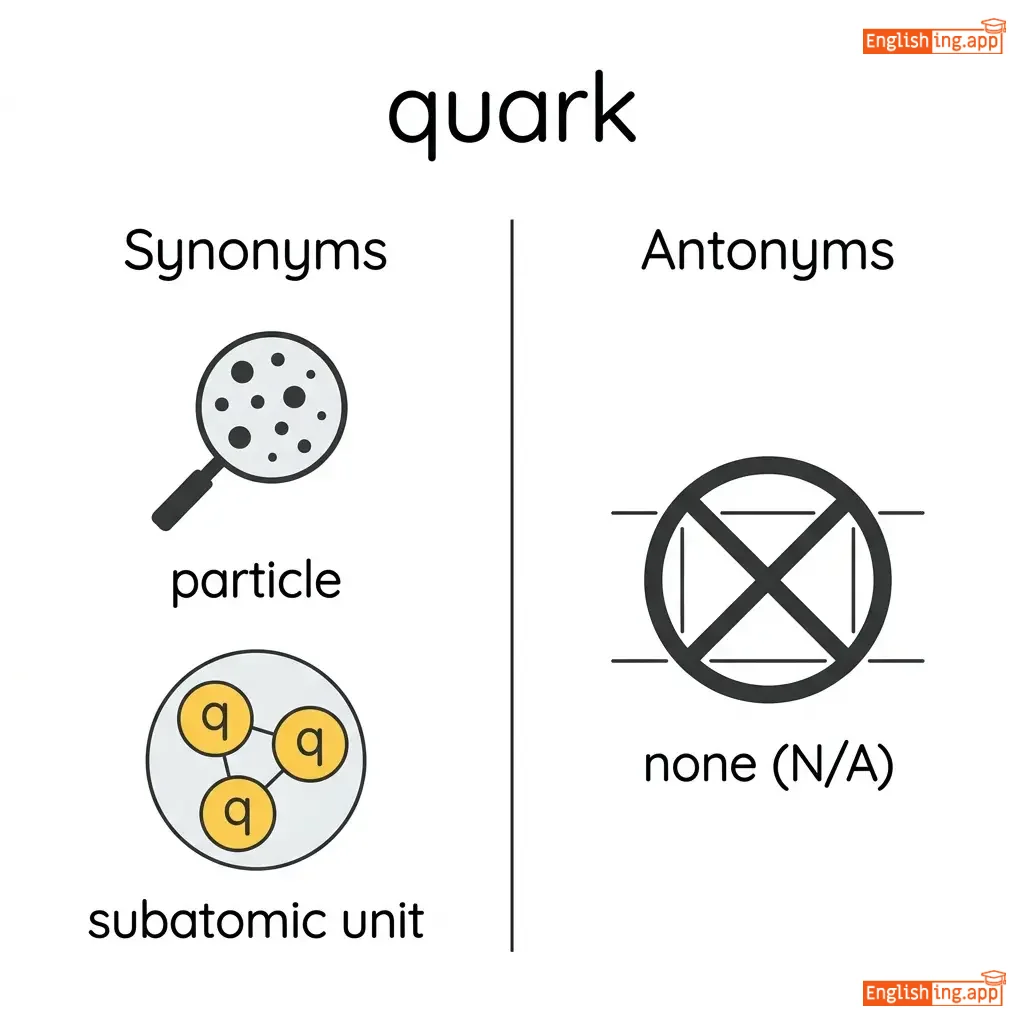
particle, subatomic unit
••••••
none (N/A)
••••••
Quarks combine to form protons and neutrons. Remember the 'K' in Quark like the 'K' in 'Khichdi'!
••••••
#648
⚛️
••••••
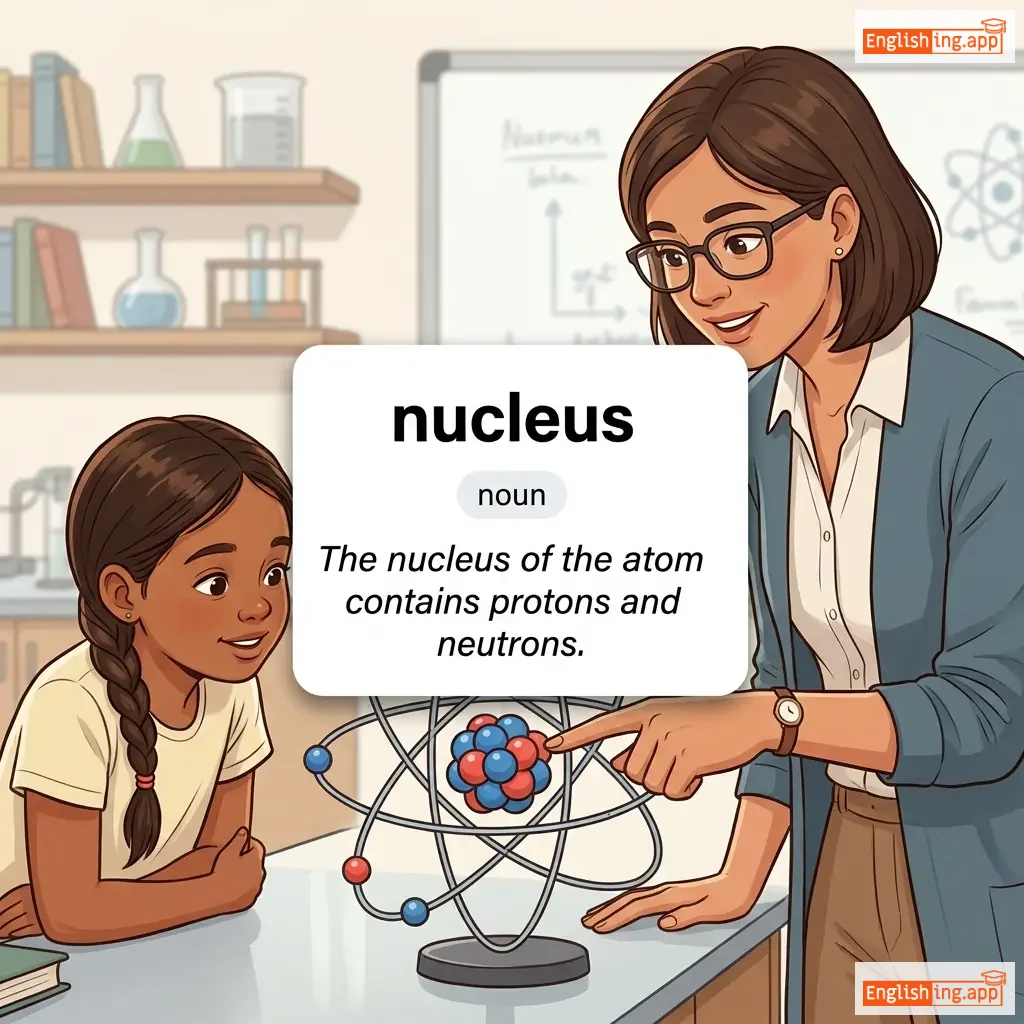
ˈnuːkliəs
noun
(न्यूक्लियस)
••••••
••••••
नाभिक
naabhik
••••••
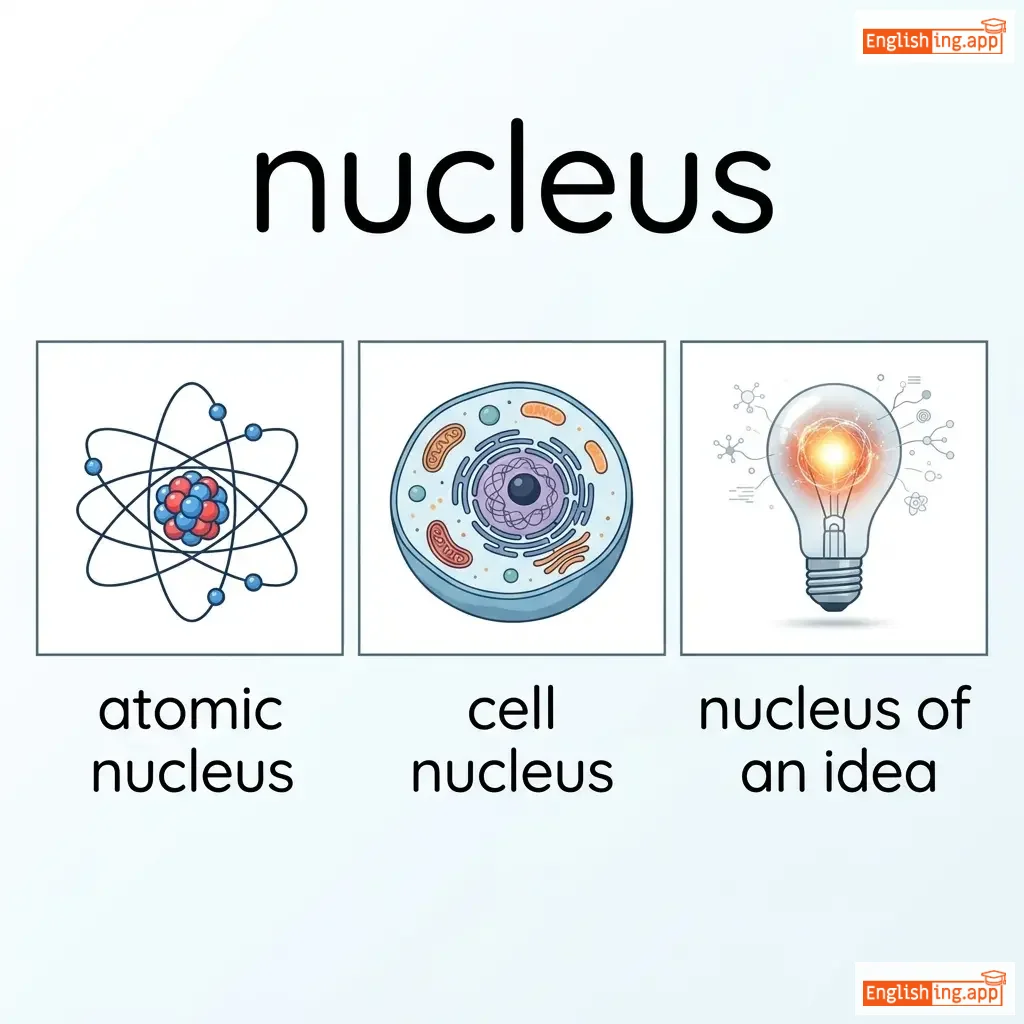
The central core of an atom containing protons and neutrons.
••••••

The nucleus consists of protons.

••••••
नाभिक प्रोटॉन से बना होता है।
Naabhik proton se bana hota hai.
••••••
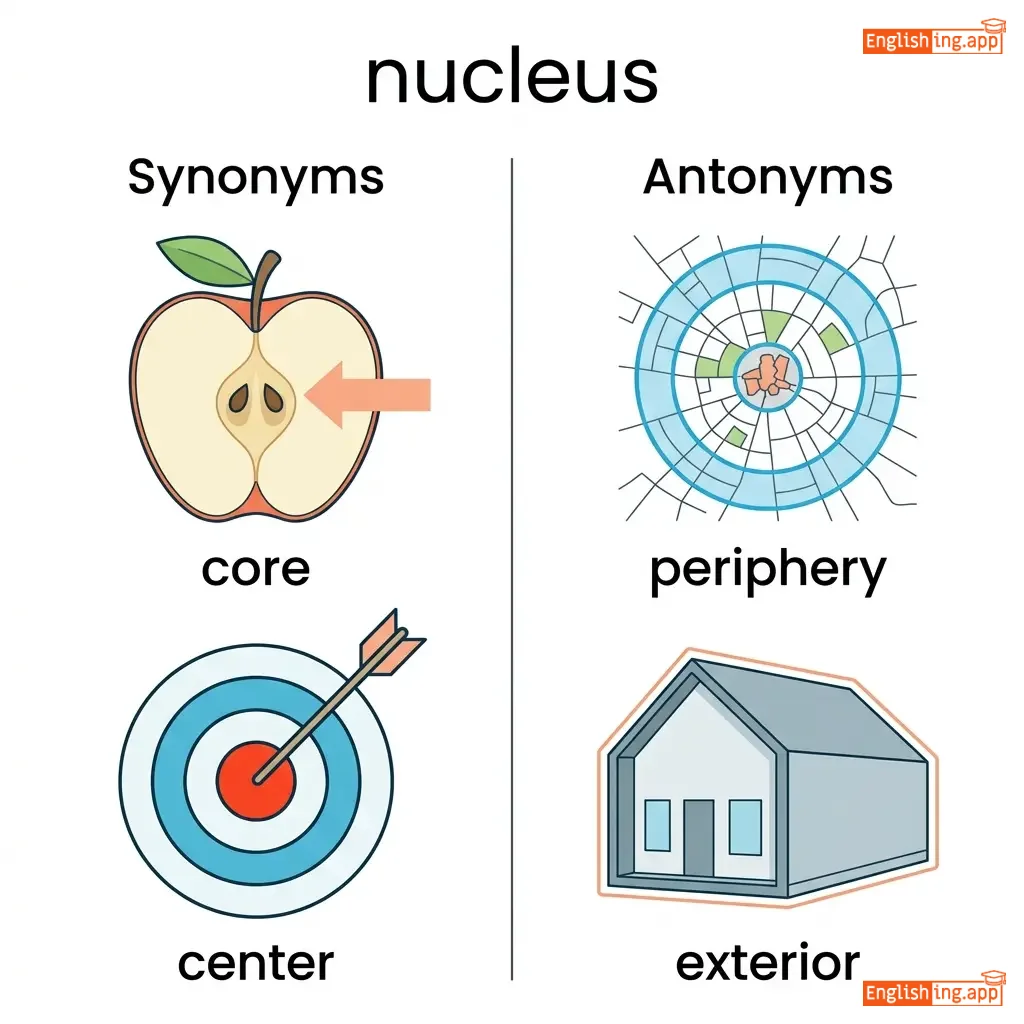
core, center
••••••
periphery, outside
••••••
Nucleus के बीच में 'naabhik' की आवाज़ है।
••••••
#649
••••••
ˈpɒzətɪv
adjective
(पॉज़िटिव)
••••••
••••••
सकारात्मक
sakaratmak
••••••
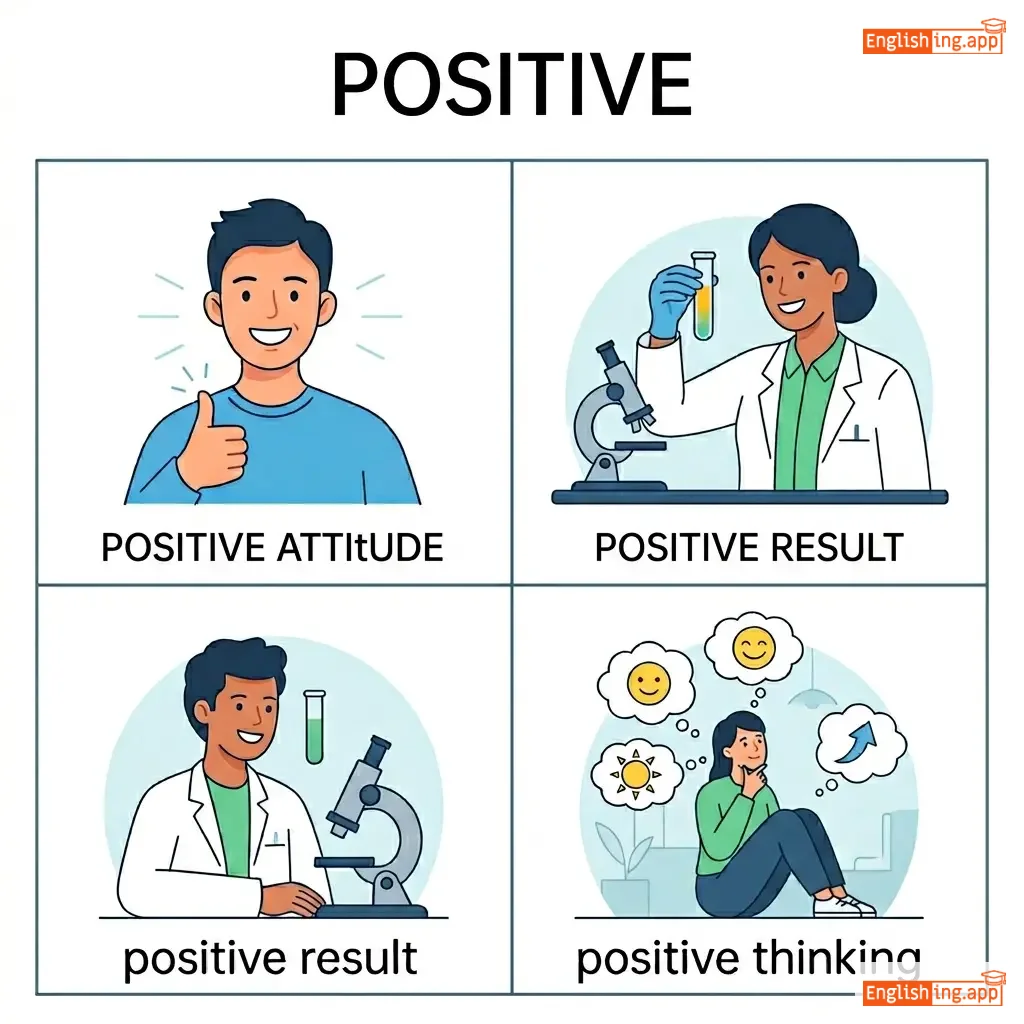
Having an electric charge opposite to that of an electron.
••••••

Protons have a positive charge.

प्रोटॉन में पॉज़िटिव चार्ज होता है।
••••••
प्रोटॉन में सकारात्मक चार्ज होता है।
Proton mein sakaratmak charge hota hai.
••••••
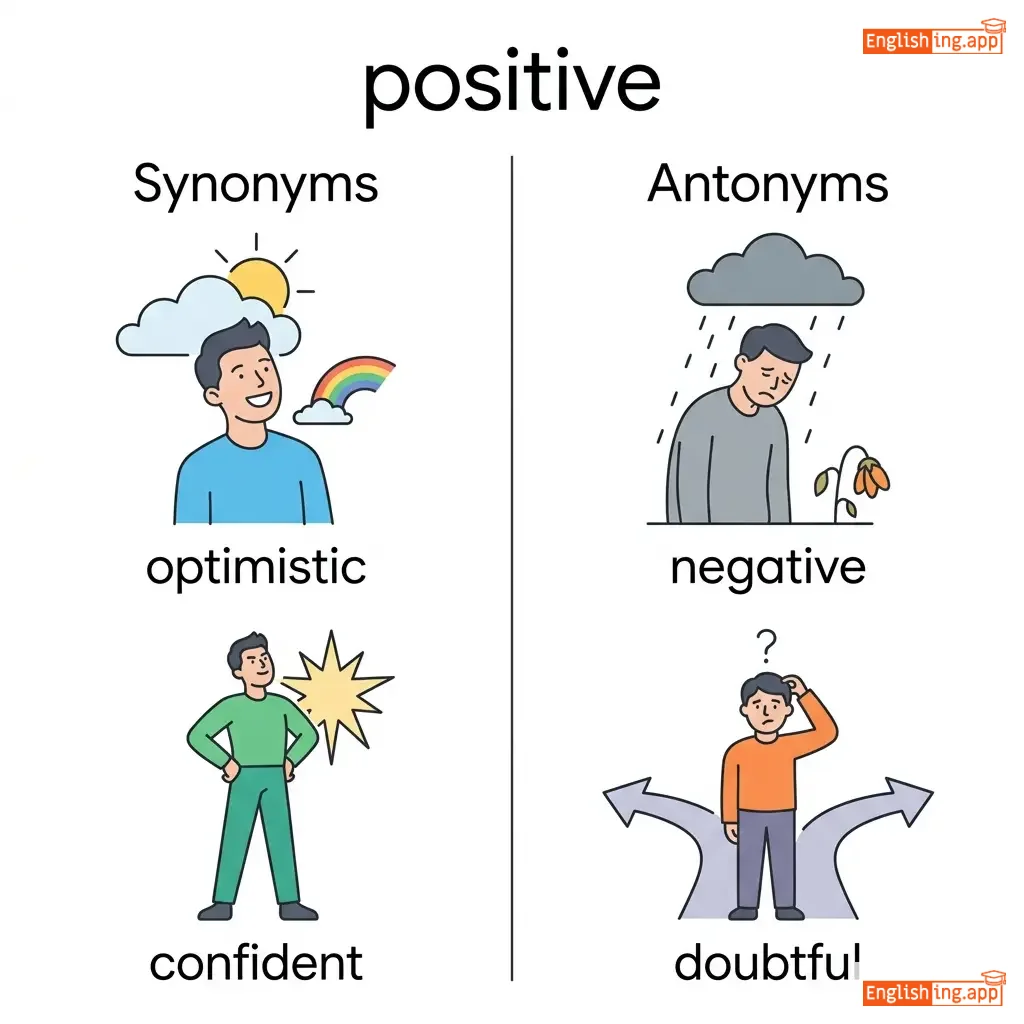
affirmative, plus
••••••
negative, neutral
••••••
सकारात्मक चार्ज की तुलना इलेक्ट्रॉन के नकारात्मक चार्ज से की जा सकती है।
••••••
#650
⚖️
••••••
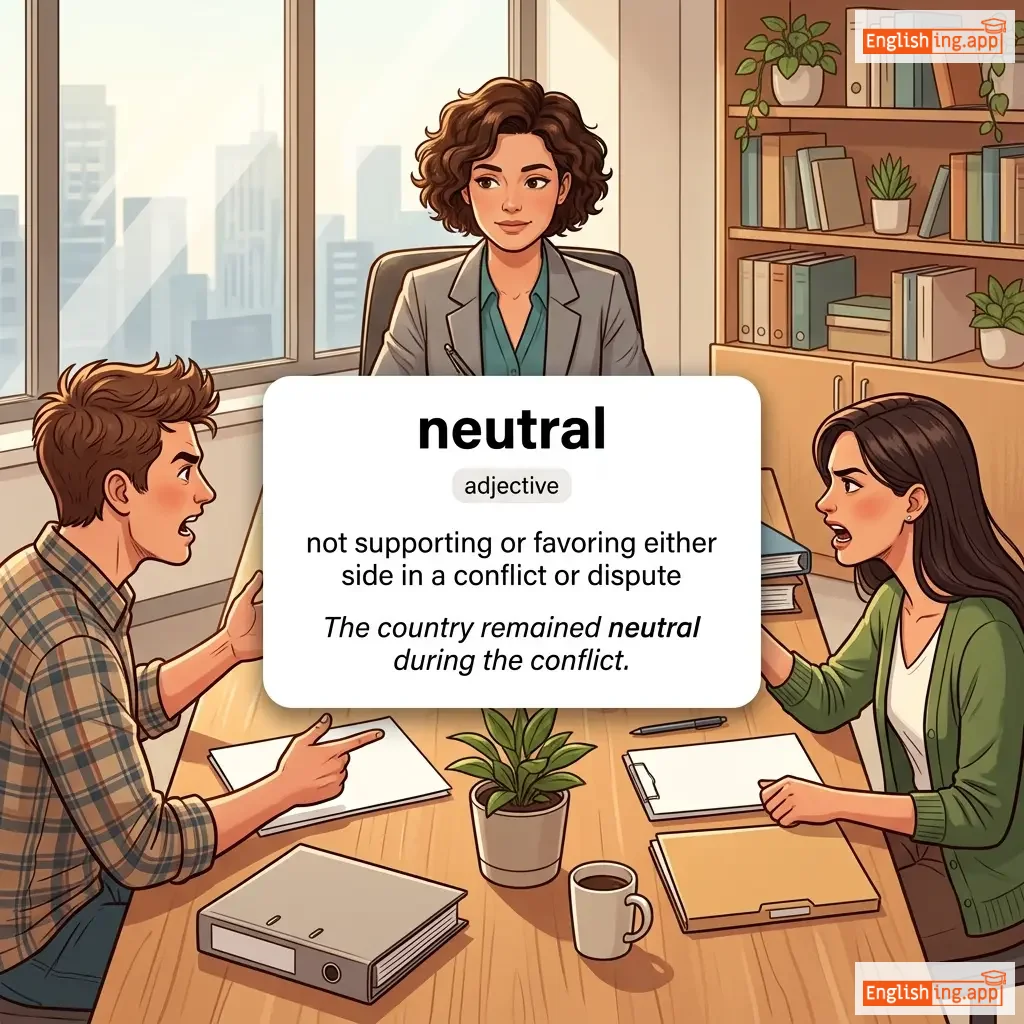
ˈnjuːtrəl
adjective
(न्यूट्रल)
••••••
••••••
तटस्थ
tatstha
••••••
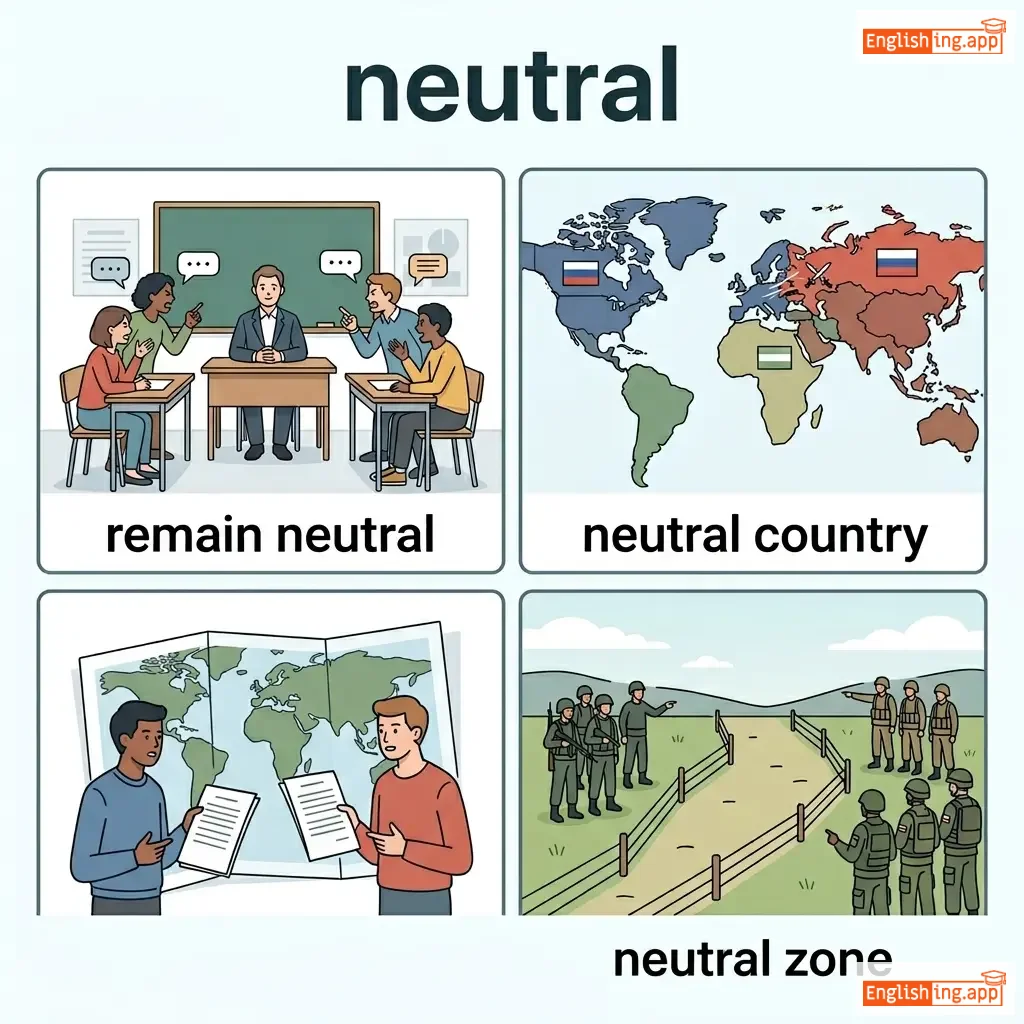
Having no electric charge; neither positive nor negative.
••••••

Neutrons are electrically neutral.

न्यूट्रॉन electrically न्यूट्रल हैं।
••••••
न्यूट्रॉन विद्युत रूप से तटस्थ हैं।
Neutron vidyut roop se tatstha hain.
••••••
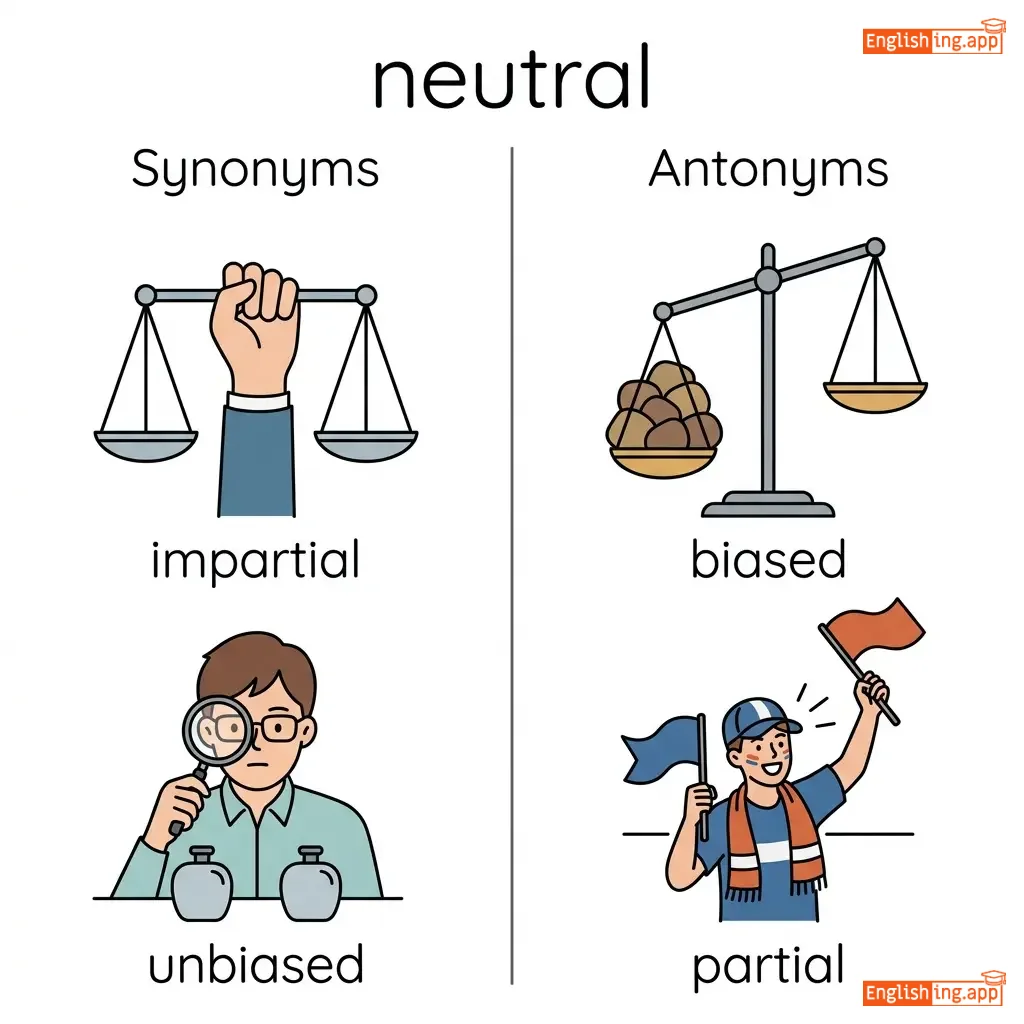
unbiased, uncharged
••••••
charged, biased
••••••
तटस्थ व्यक्ति कभी किसी ओर की ओर नहीं झुका करता।
••••••
#651
🔄
••••••
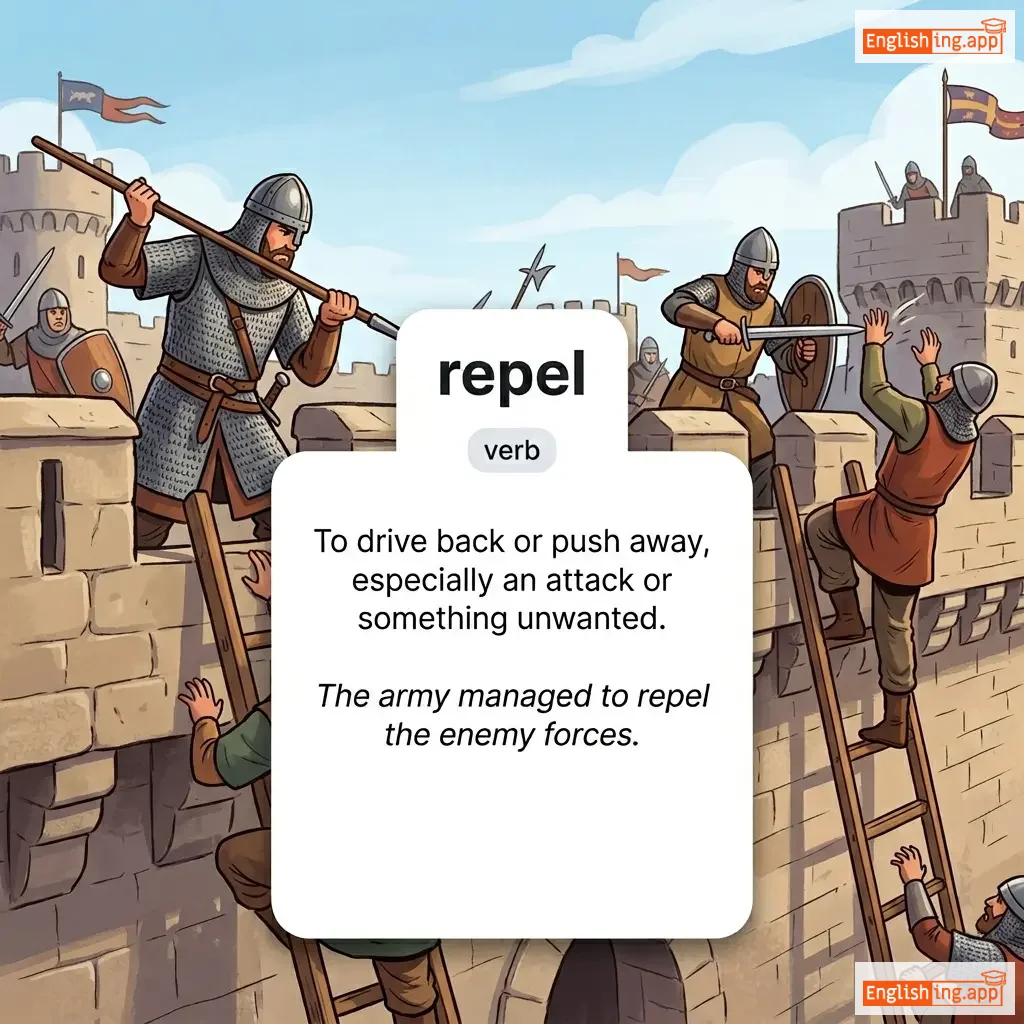
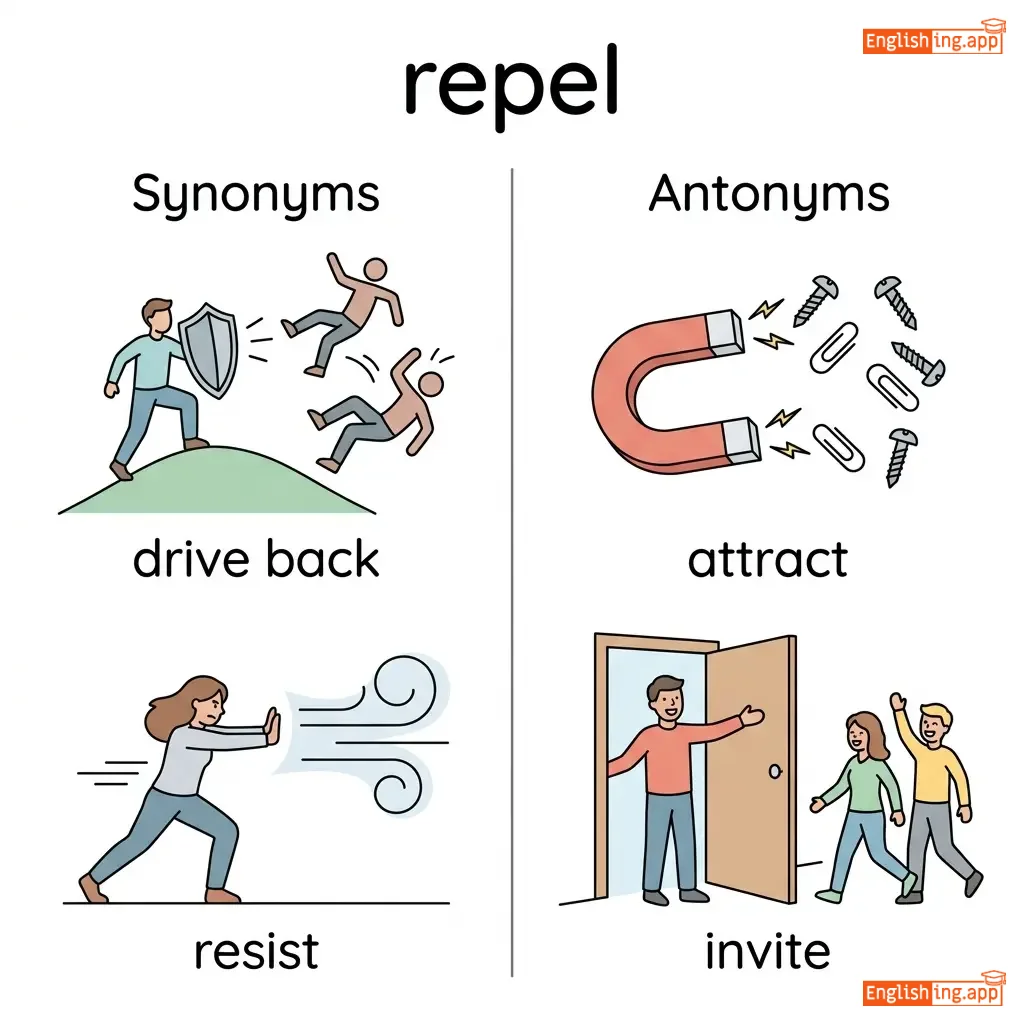
rɪˈpel
verb
(रिपेल)
••••••
••••••
विकर्षित करना
vikarshit karna
••••••
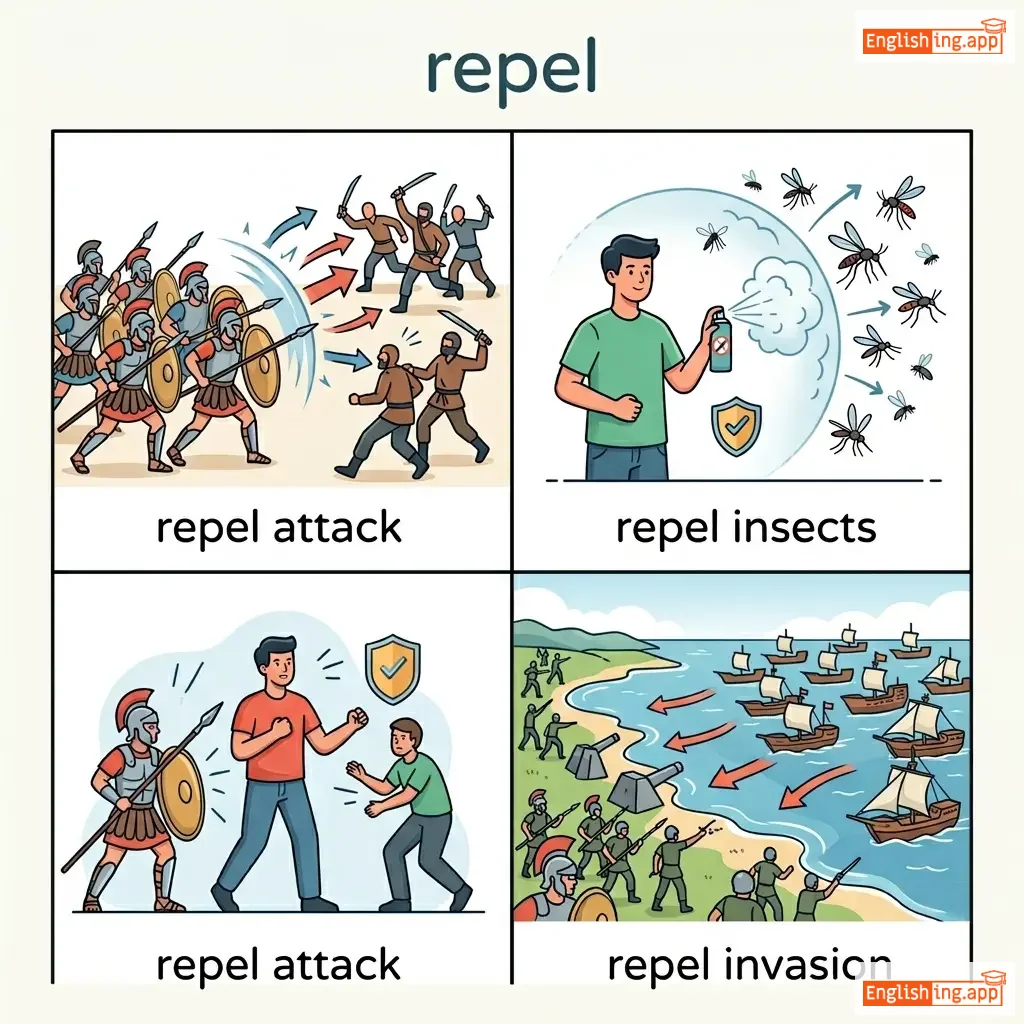
To push away or force apart due to similar charges or properties.
••••••

Protons repel each other.

••••••
प्रोटॉन एक-दूसरे को विकर्षित करते हैं।
Proton ek-doosre ko vikarshit karte hain.
••••••
push away, reject
••••••
attract, pull
••••••
Vikriti (force) + karna (to do) = विकर्षण करना
••••••
#652
📦
••••••
kəmˈpæktli
adverb
(कंपैक्टली)
••••••
••••••
संयोजित रूप से
sanyojit roop se
••••••
In a closely packed or dense manner.
••••••

Protons and neutrons are compactly arranged.

प्रोटॉन्स और न्यूट्रॉन्स कंपैक्टली अरेंज्ड होते हैं।
••••••
प्रोटॉन्स और न्यूट्रॉन्स संयोजित रूप से अरेंज्ड होते हैं।
Protons aur neutrons sanyojit roop se arranged hote hain.
••••••
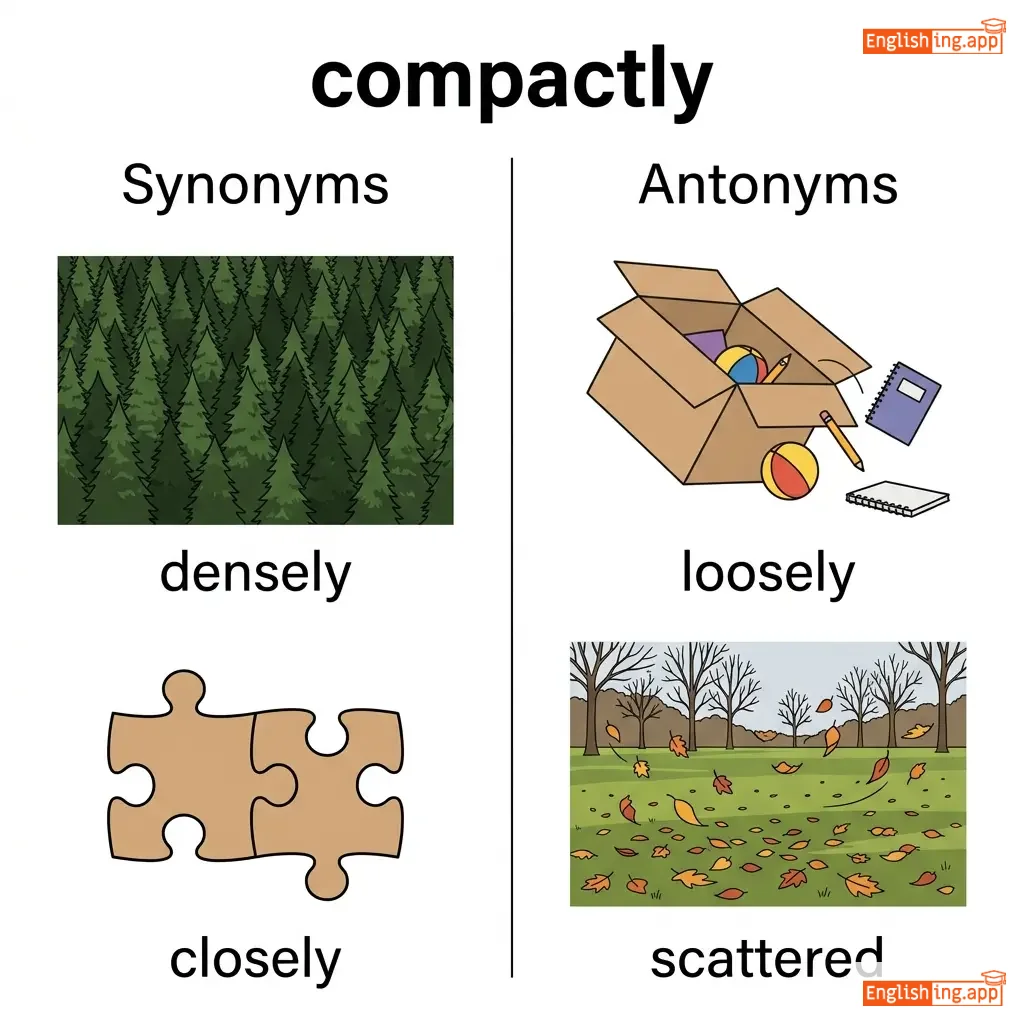
densely, closely
••••••
loosely, scattered
••••••
Compactly means close together, like 'संयोजित रूप से' (sanyojit roop se)!
••••••
#653
🤝
••••••
ədˈhɪər
verb
(ऐडहियर)
••••••
••••••
चिपकना
chipakna
••••••
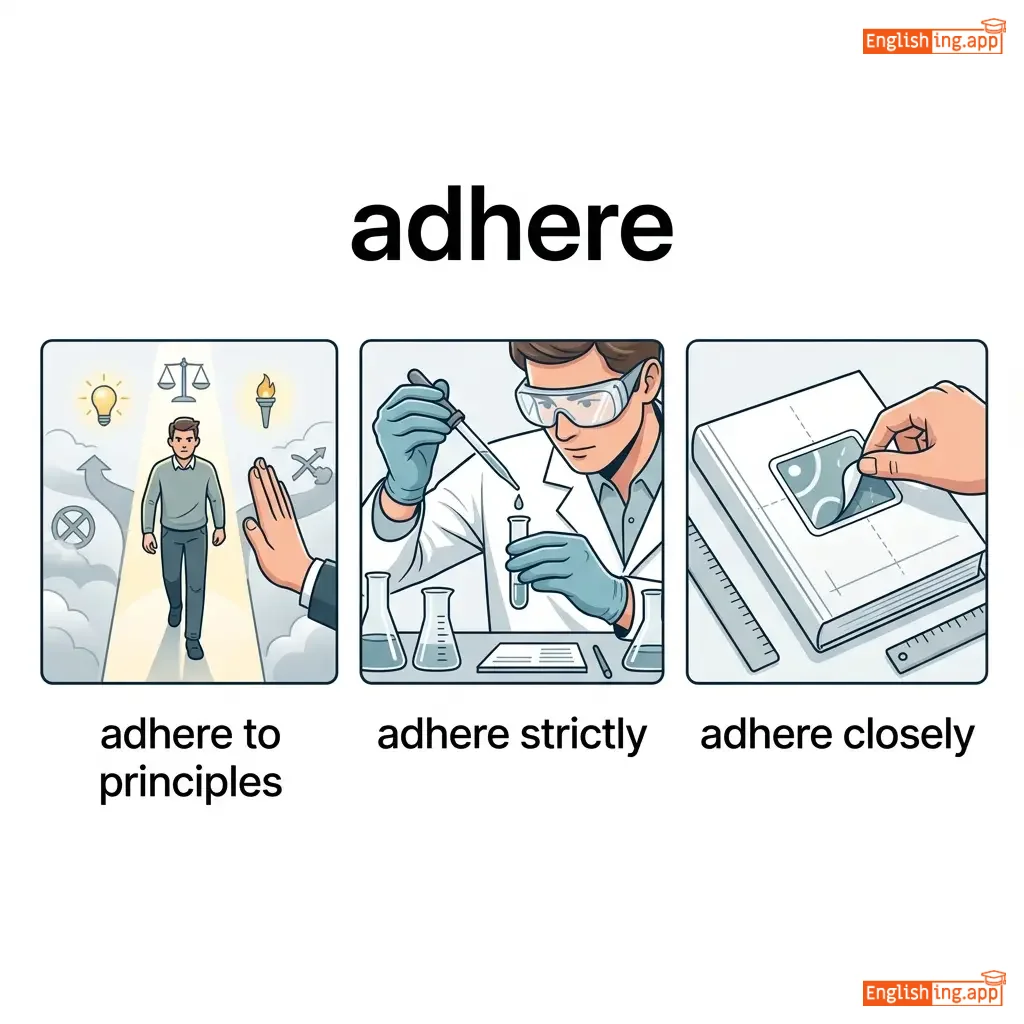
To stick firmly to something or stay attached.
••••••

Neutrons adhere to protons.

••••••
न्यूट्रॉन प्रोटॉन से चिपकते हैं।
Neutron proton se chipakte hain.
••••••
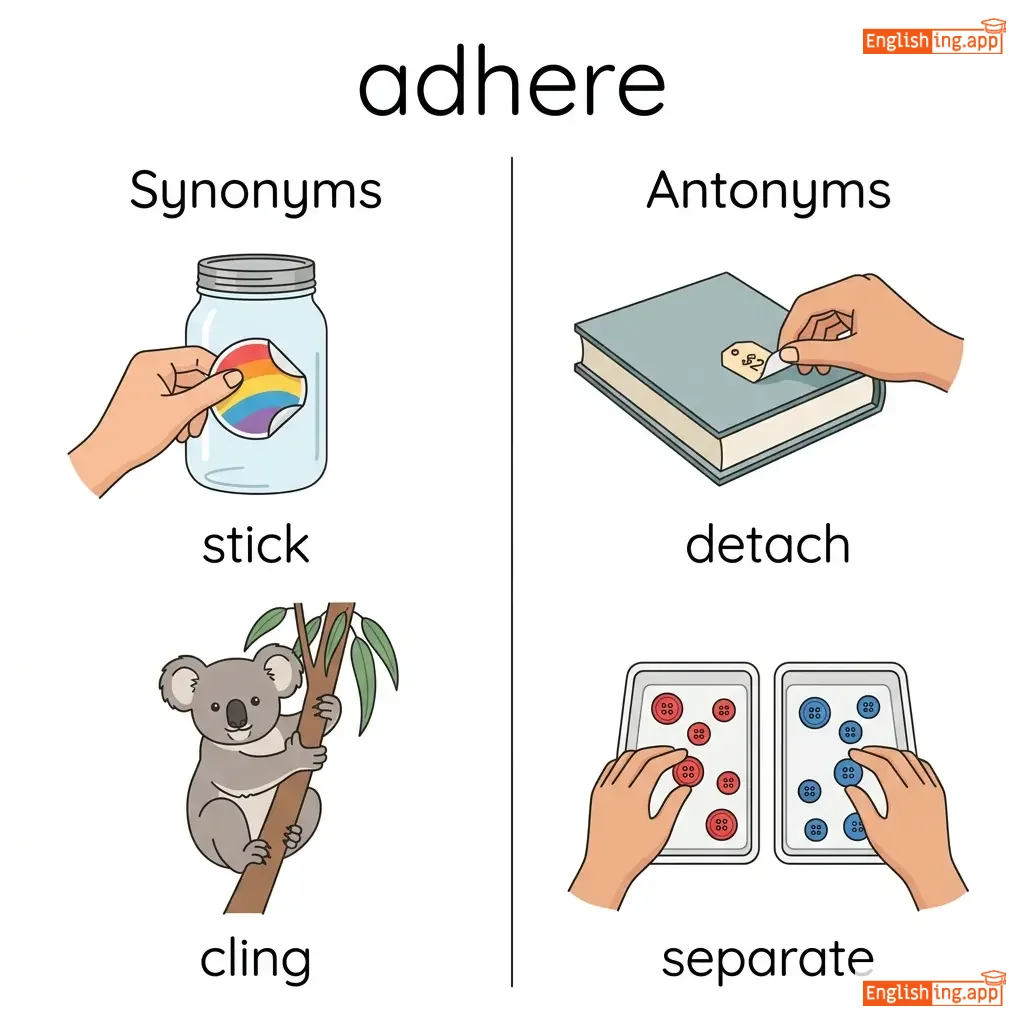
stick, cling
••••••
detach, separate
••••••
Imagine a magnet that makes things adhere or stick to it.
••••••
#654
👑
••••••
ˈdɒmɪnəns
noun
(डॉमिनेंस)
••••••
••••••
प्रधानता
pradhanata
••••••
The state of having power, control, or influence over others.
••••••

Strong force exerts dominance over other forces.

••••••
मजबूत बल अन्य बलों पर प्रभुत्व स्थापित करता है।
Majboot bal anya balon par prabhutv sthapit karta hai.
••••••
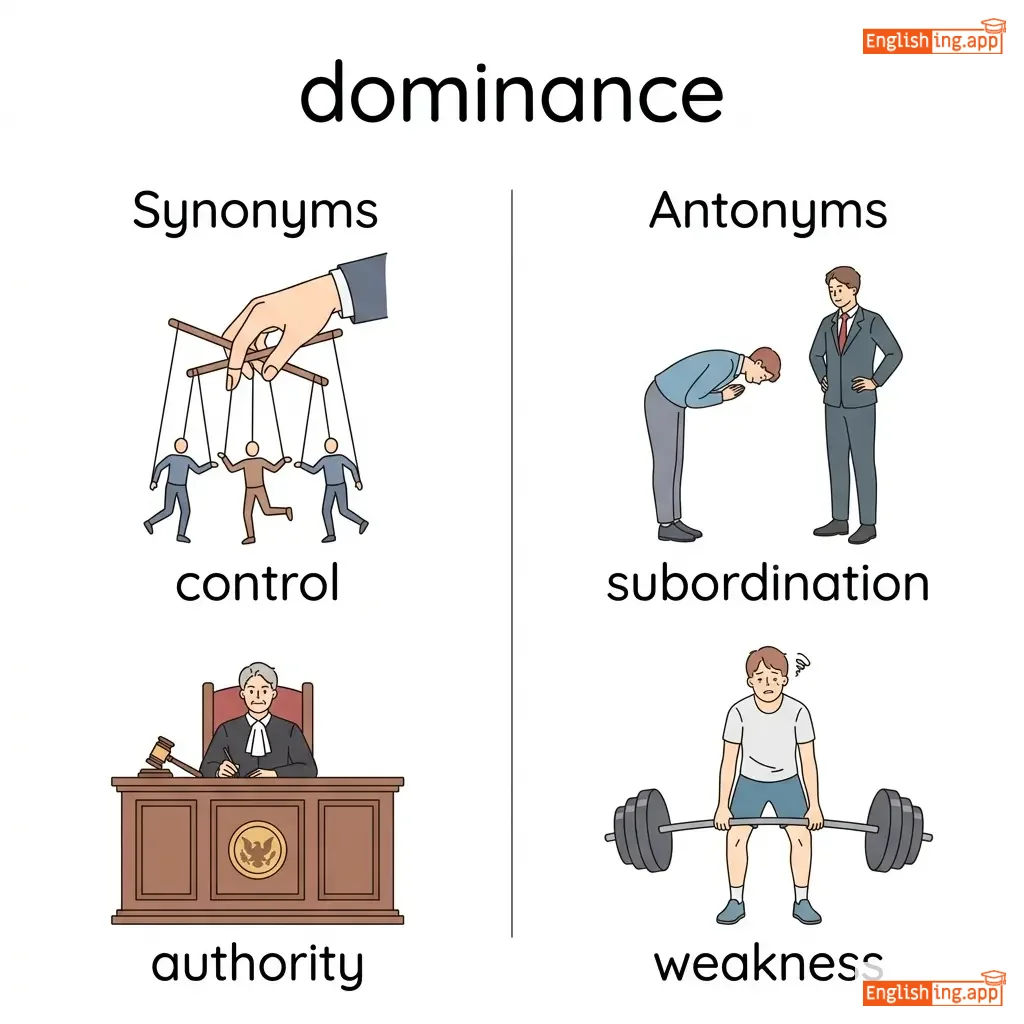
supremacy, authority
••••••
inferiority, submission
••••••
In Hindi, 'प्रधानता' means dominance, like a leader's authority over others.
••••••
#655
🧲
••••••
ɪˌlektrəʊmæɡˈnetɪk
adjective
(इलेक्ट्रोमैग्नेटिक)
••••••
••••••
इलेक्ट्रोमैग्नेटिक
ilektromagnetic
••••••
Relating to both electricity and magnetism or their interaction.
••••••

Electromagnetic forces repel protons.

इलेक्ट्रोमैग्नेटिक बल प्रोटॉनों को प्रतिकारित करते हैं।
••••••
इलेक्ट्रोमैग्नेटिक बल प्रोटॉनों को प्रतिकारित करते हैं।
Ilektromagnetic bal protonu ko pratikarit karte hain.
••••••
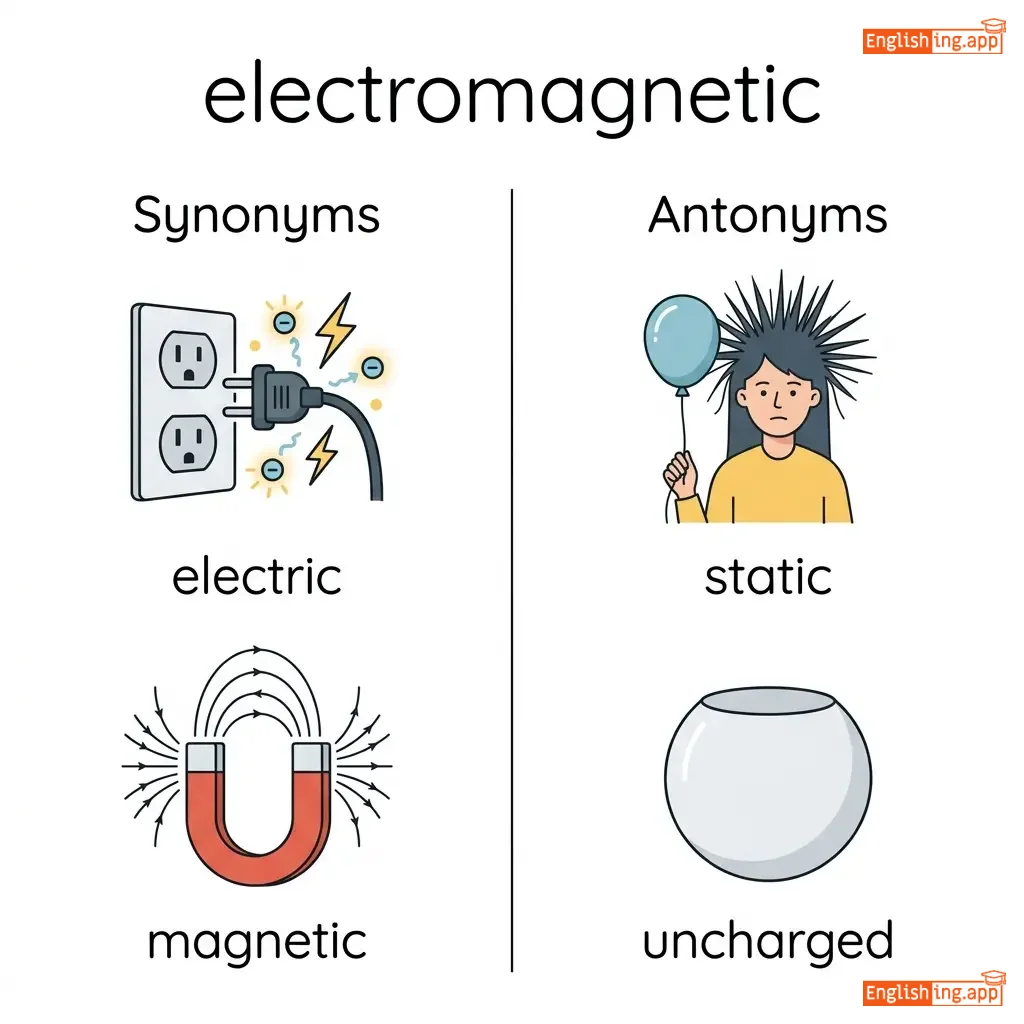
electric, magnetic
••••••
static, uncharged
••••••
Electromagnetic = electricity and magnetism combined.
••••••
#656
🏗️
••••••
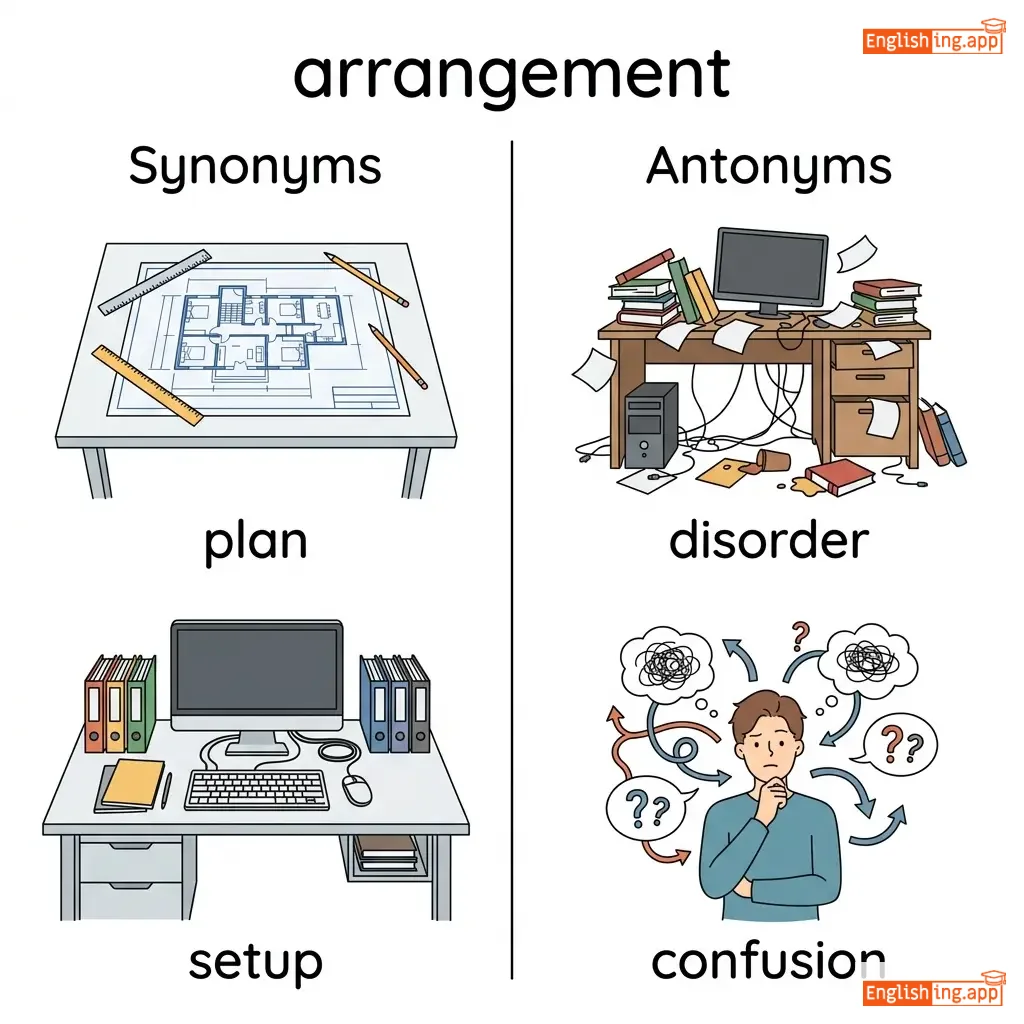
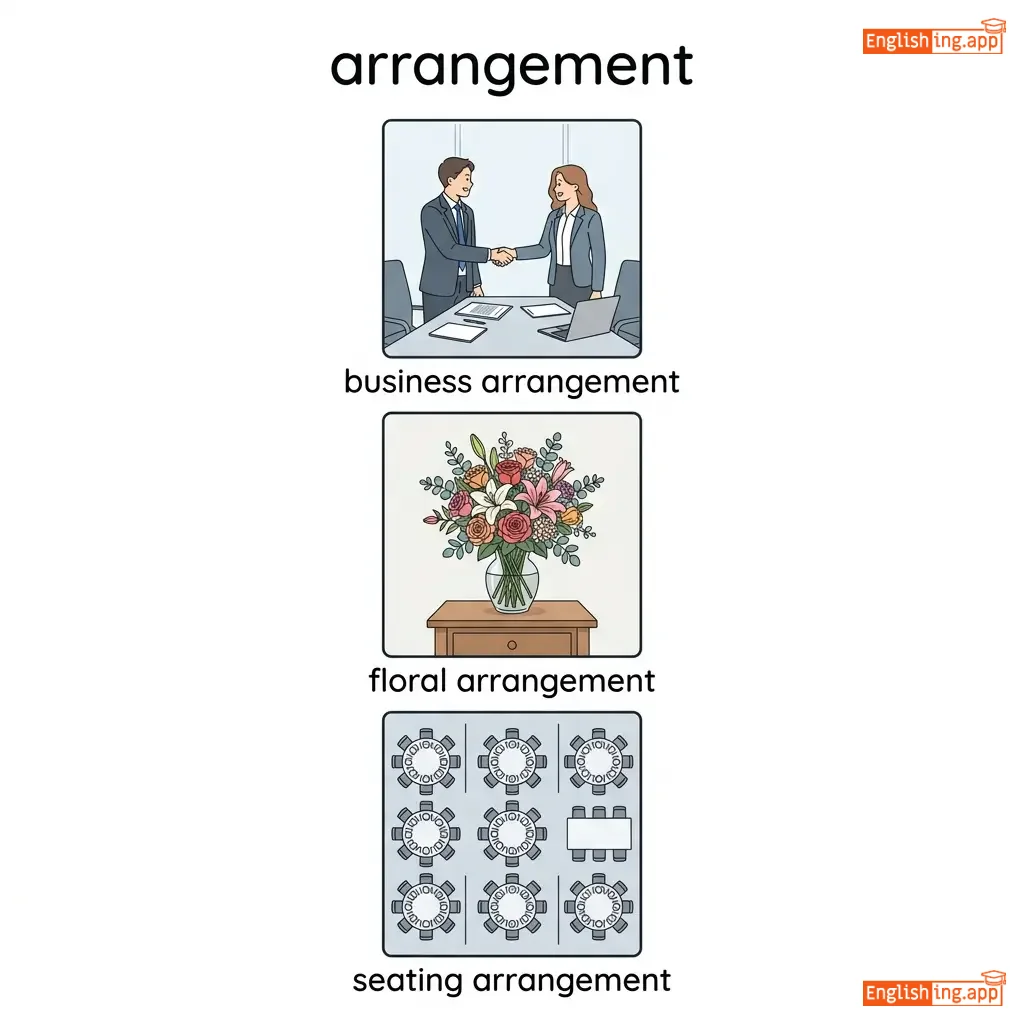
əˈreɪndʒmənt
noun
(एरेन्जमेंट)
••••••
••••••
व्यवस्था
vyavastha
••••••
The way things are organized, positioned, or structured.
••••••

The arrangement of protons in the nucleus is critical.

द न्यूक्लियस में प्रोटॉन का एरेन्जमेंट महत्वपूर्ण है।
••••••
न्यूक्लियस में प्रोटॉन का व्यवस्था महत्वपूर्ण है।
Nucleus mein proton ka vyavastha mahatvapurn hai.
••••••
order, organization
••••••
disorder, chaos
••••••
व्यवस्था (arrangement) से 'व्यवस्थापक' शब्द याद रखें।
••••••
#657
⚖️
••••••
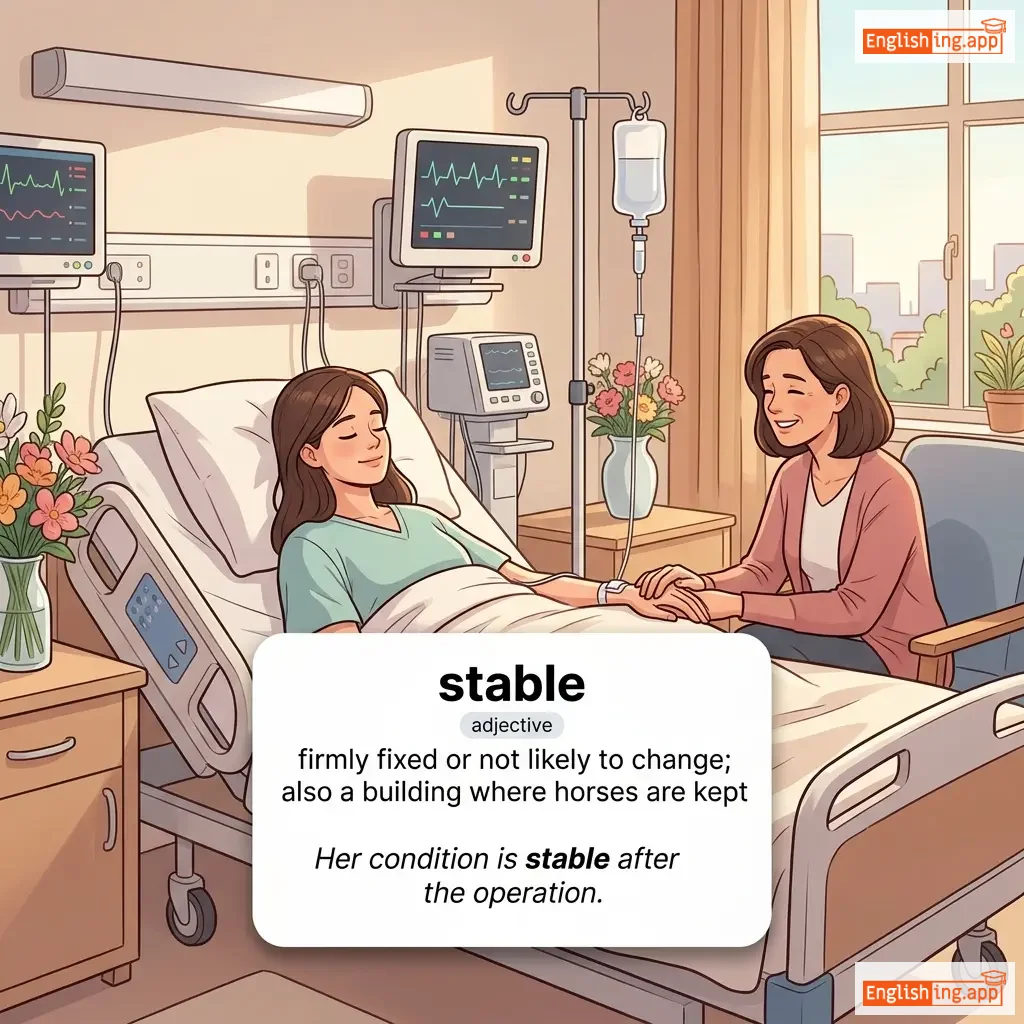
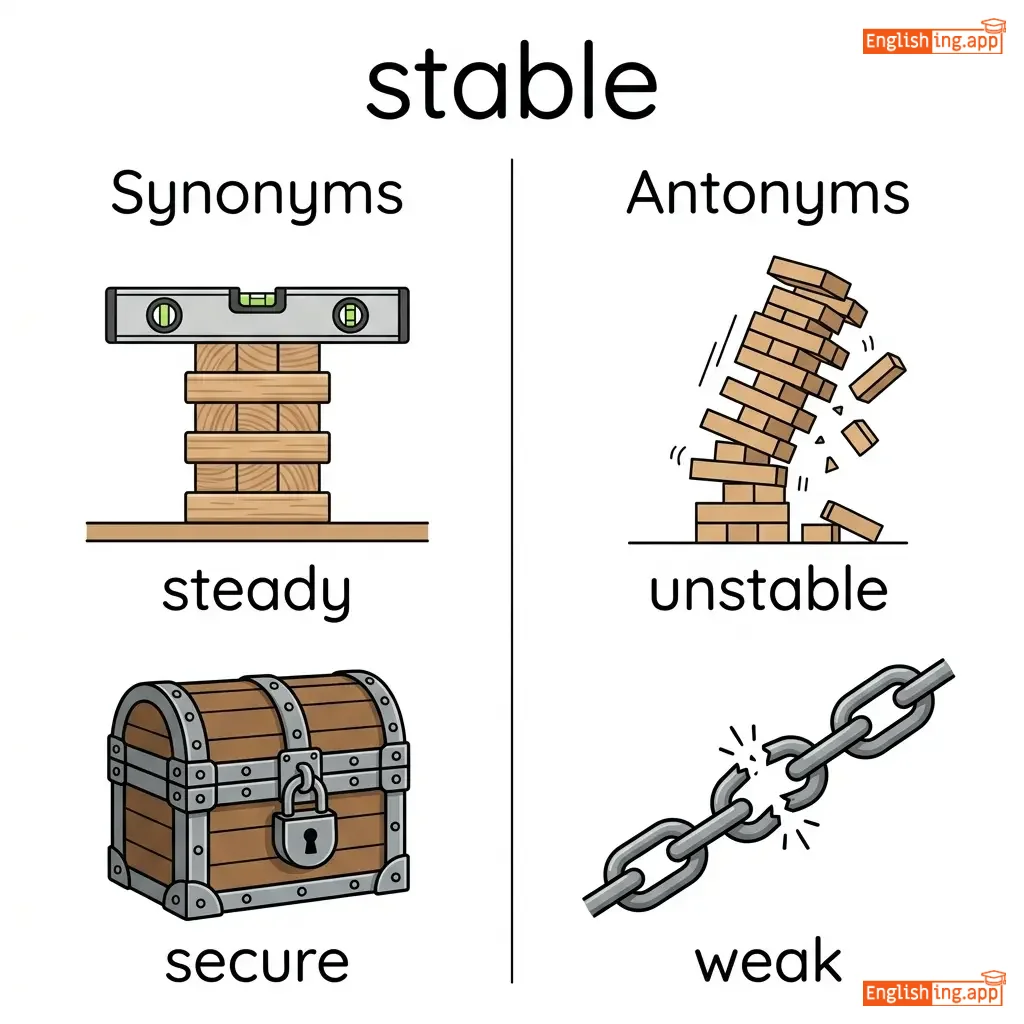
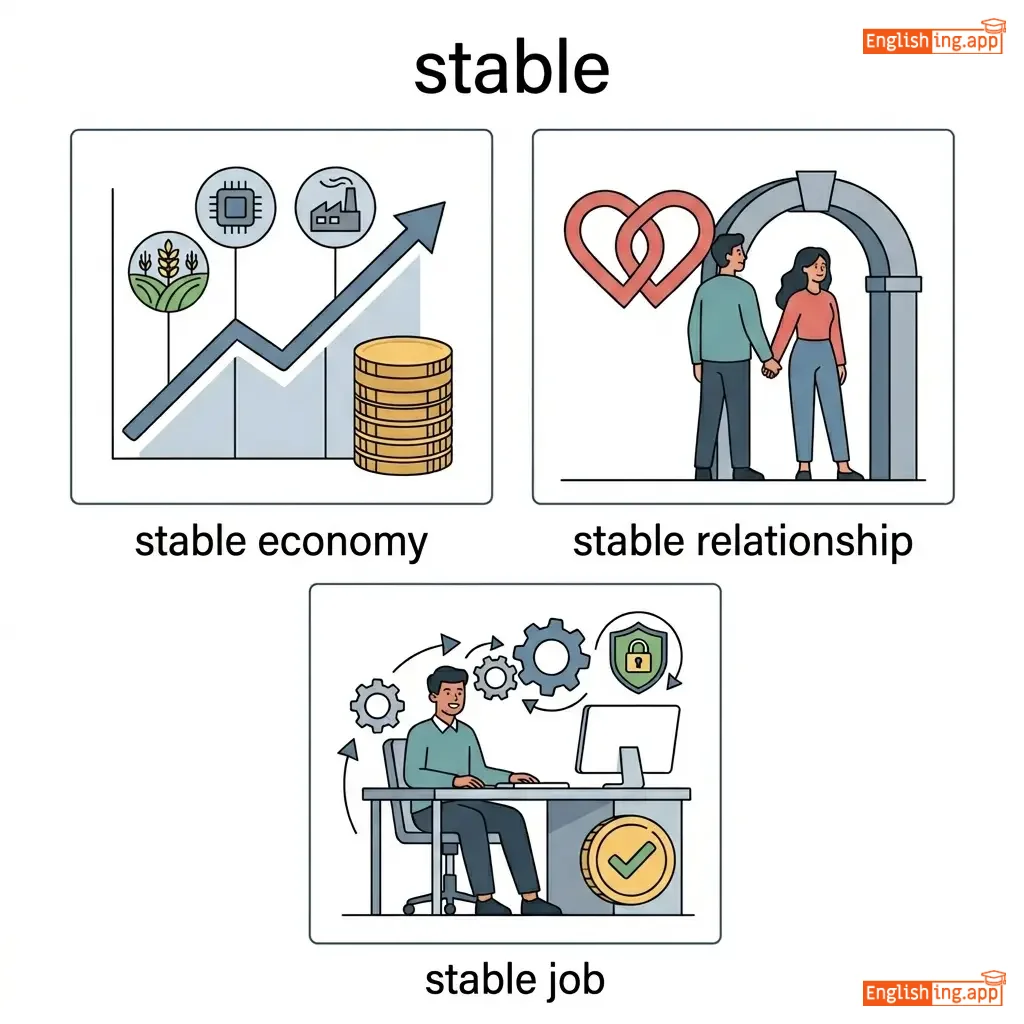
ˈsteɪbl
adjective
(स्थिर)
••••••
••••••
स्थिर
sthir
••••••
Not likely to change or fail; firmly established.
••••••

Strong nuclear force keeps the nucleus stable.

मजबूत परमाणु बल नाभिक को स्थिर बनाए रखता है।
••••••
मजबूत परमाणु बल नाभिक को स्थिर बनाए रखता है।
Mazboot paramanu bal naabhik ko sthir banaye rakhta hai.
••••••
steady, secure
••••••
unstable, volatile
••••••
स्थिर = जैसे मजबूत टेबल हमेशा अपनी जगह स्थिर रहती है।
••••••