The Strength of the Strong Force
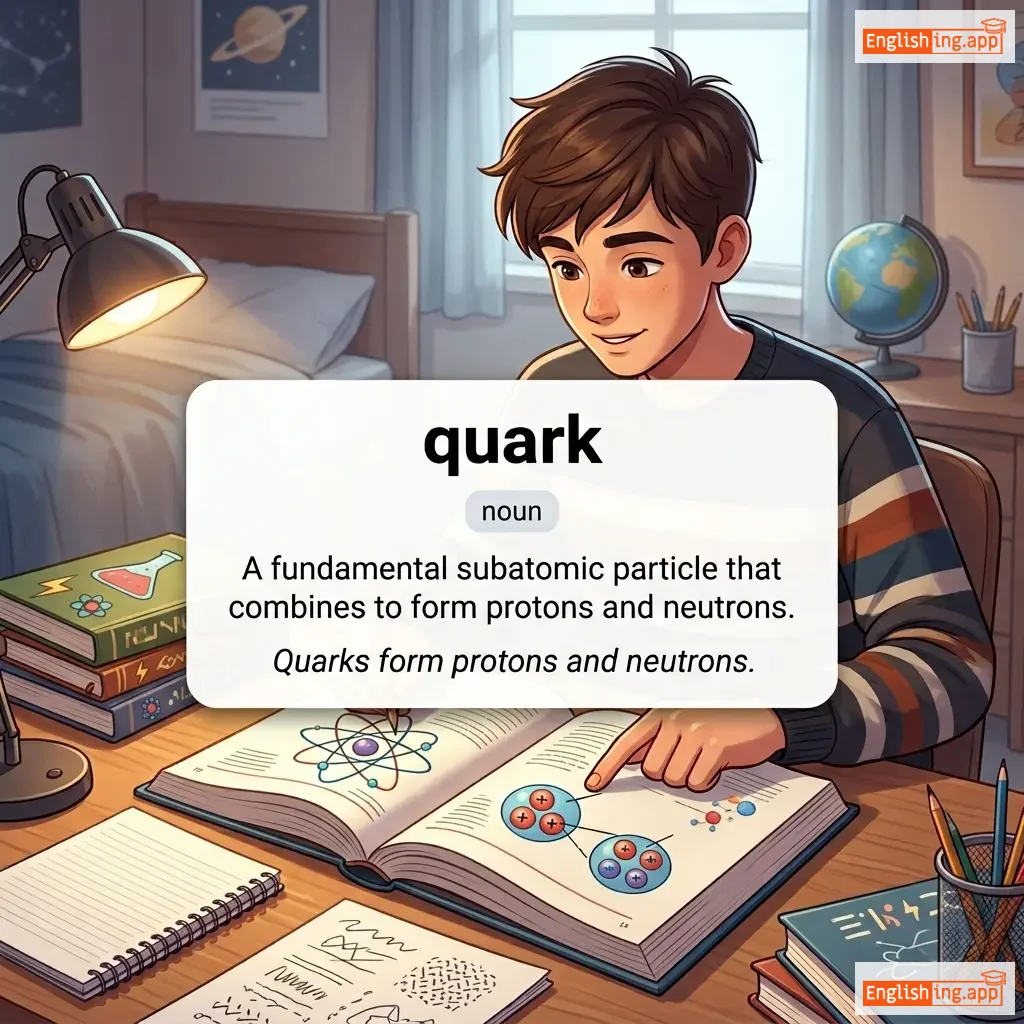
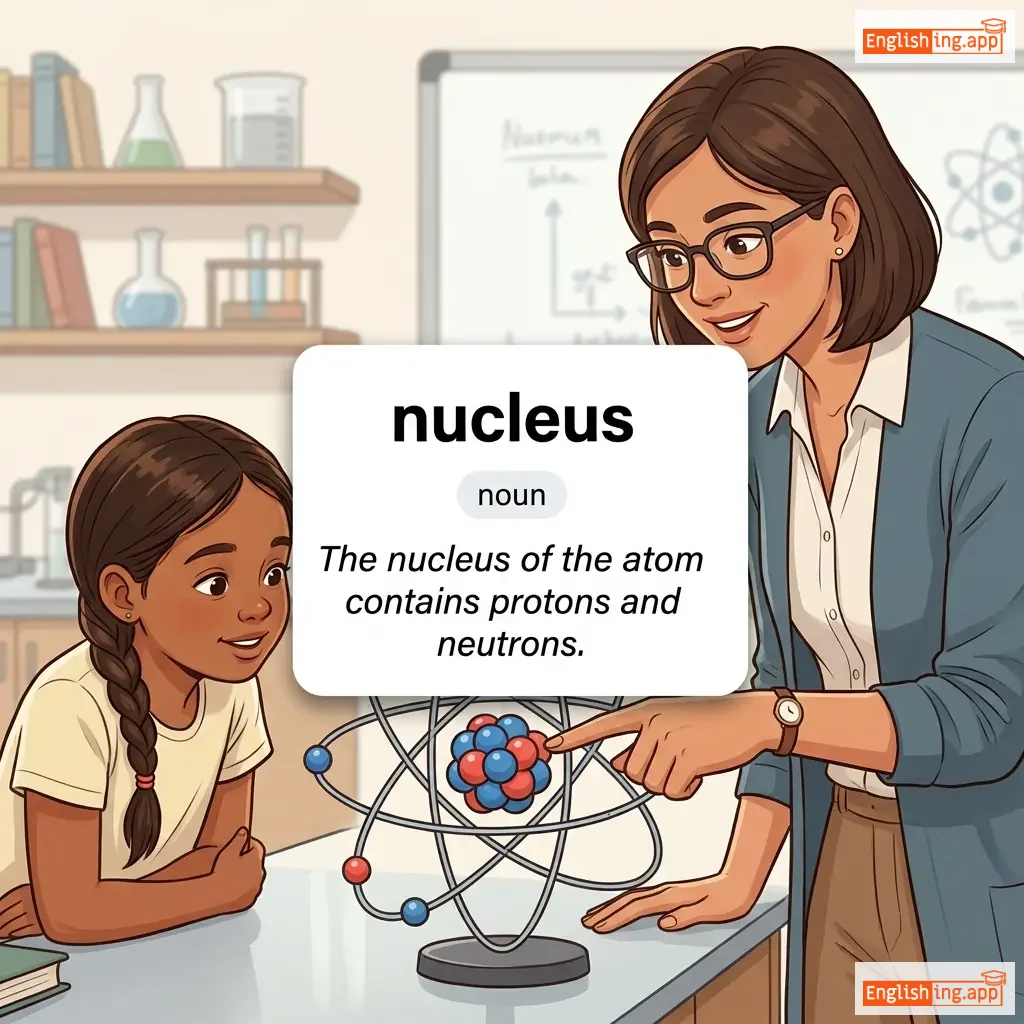
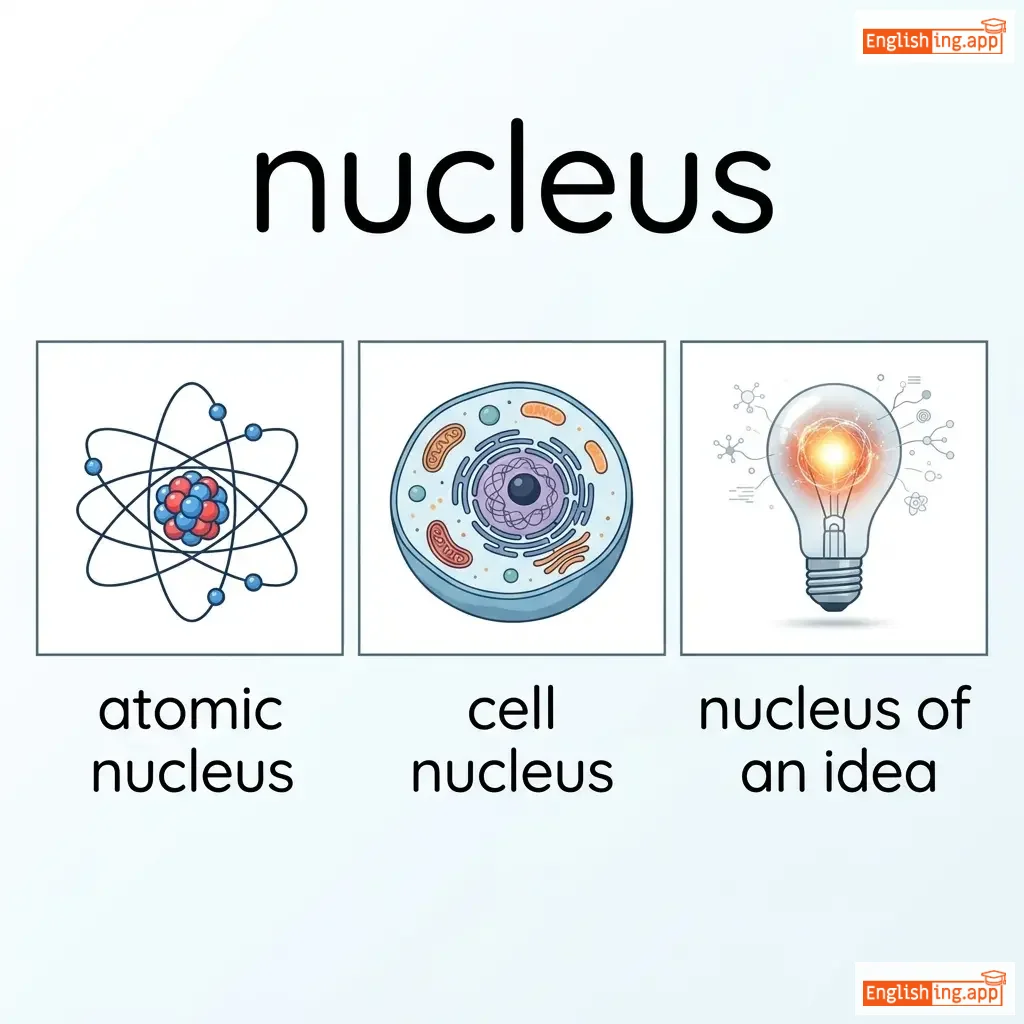
自然界の四つの力の中で、最も強力なものは strong nuclear force と呼ばれます。これはクォーク粒子を binds し、これらの quark particles は protons と neutrons を形成します。これらは compactly 結合して nucleus を作ります。
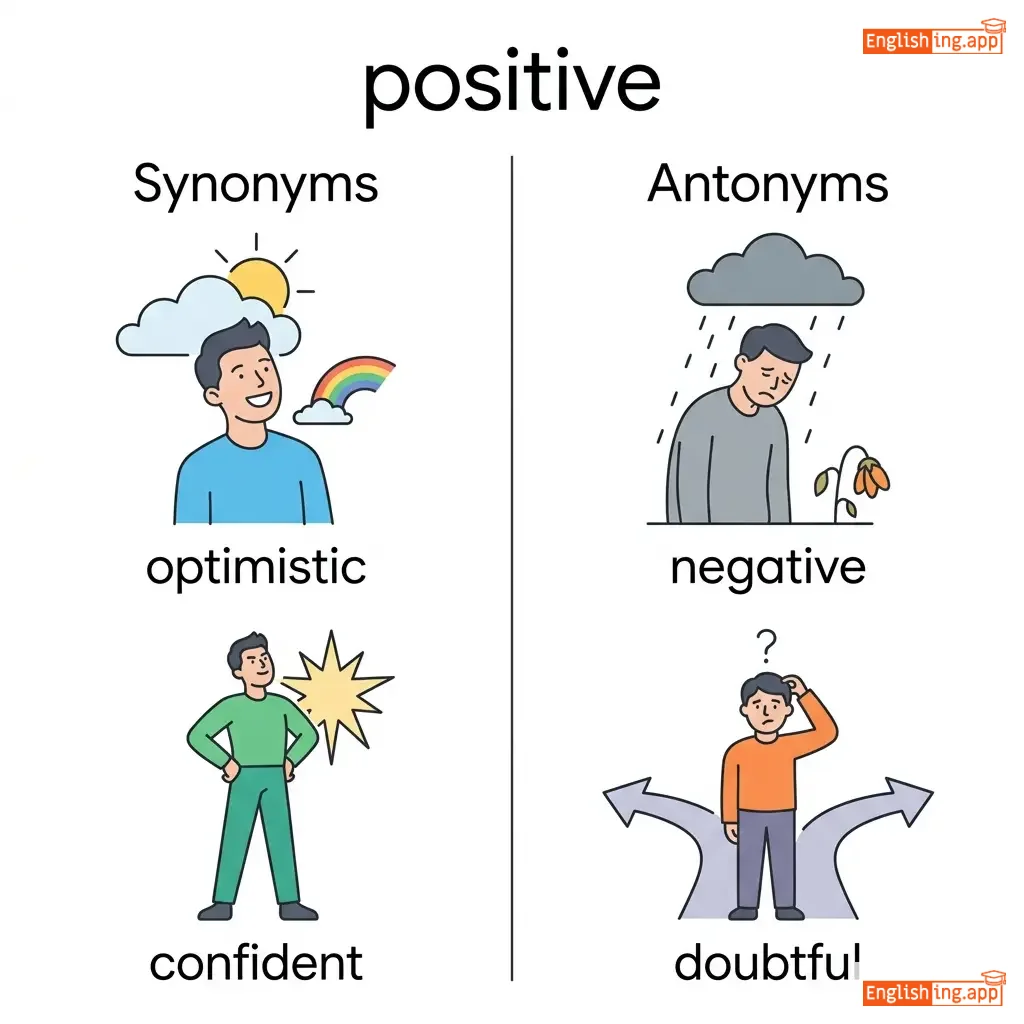
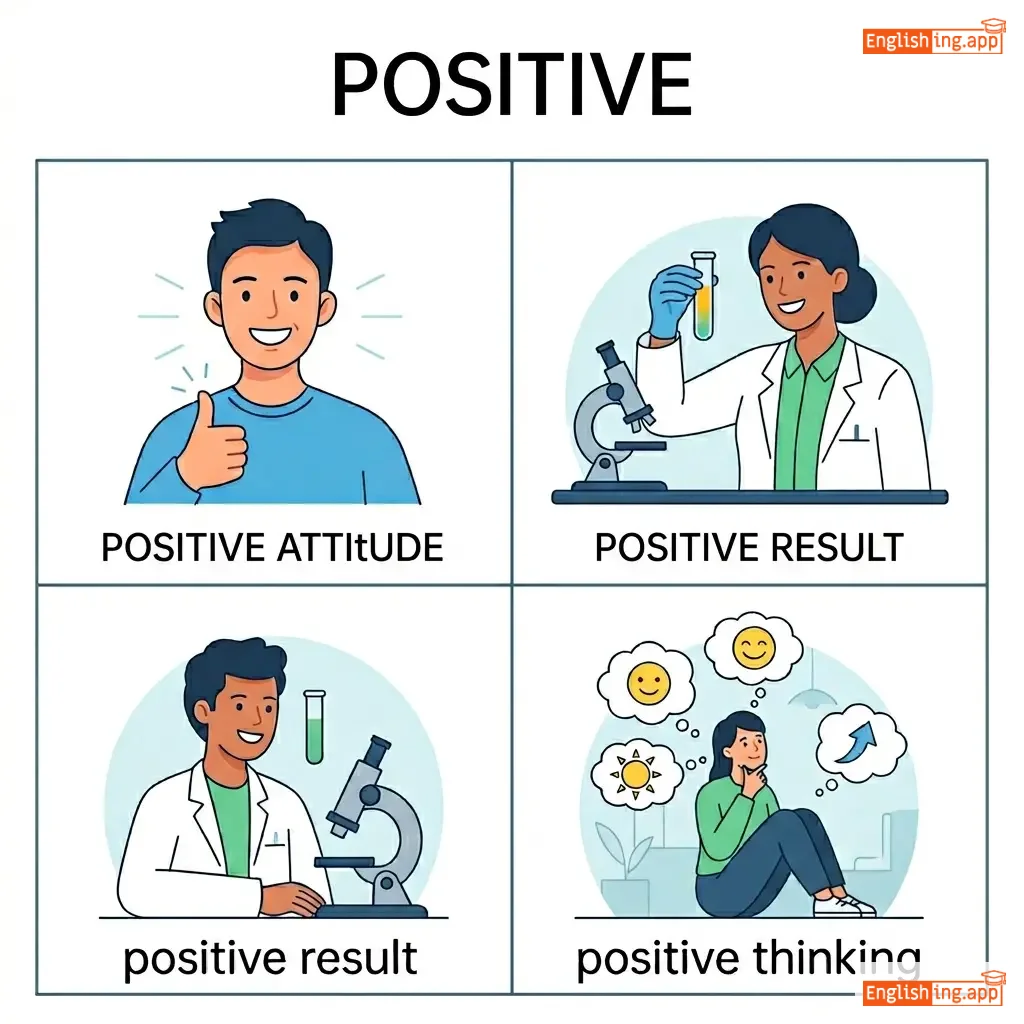
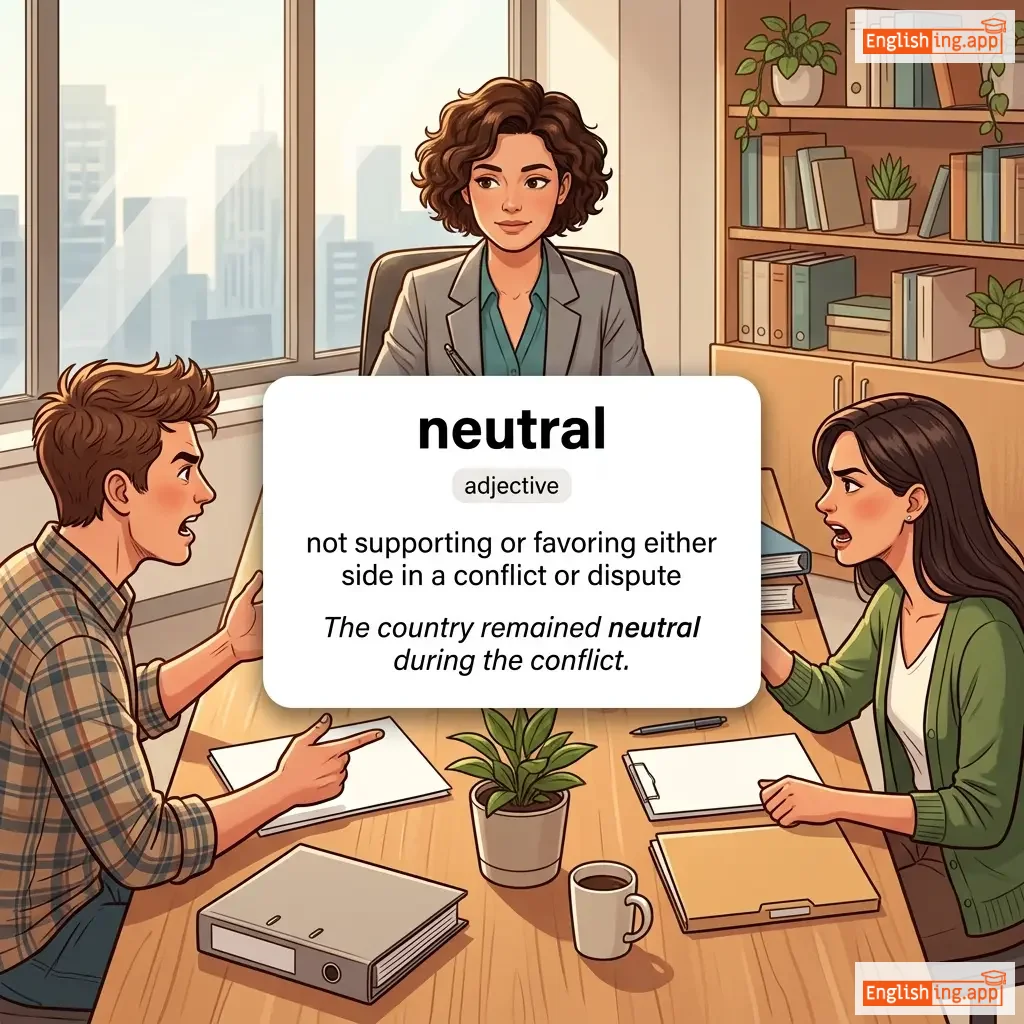
protons の電荷は positive、neutrons の電荷は neutral です。電荷を持つ protons は他の protons を repel します。したがって、nucleus 内の複数の protons の arrangement は複雑です。しかし、水素を除いて、他の元素では protons の数が増えます。例えば、helium nucleus には 2 つの protons があり、ウランには 92 の protons があります。
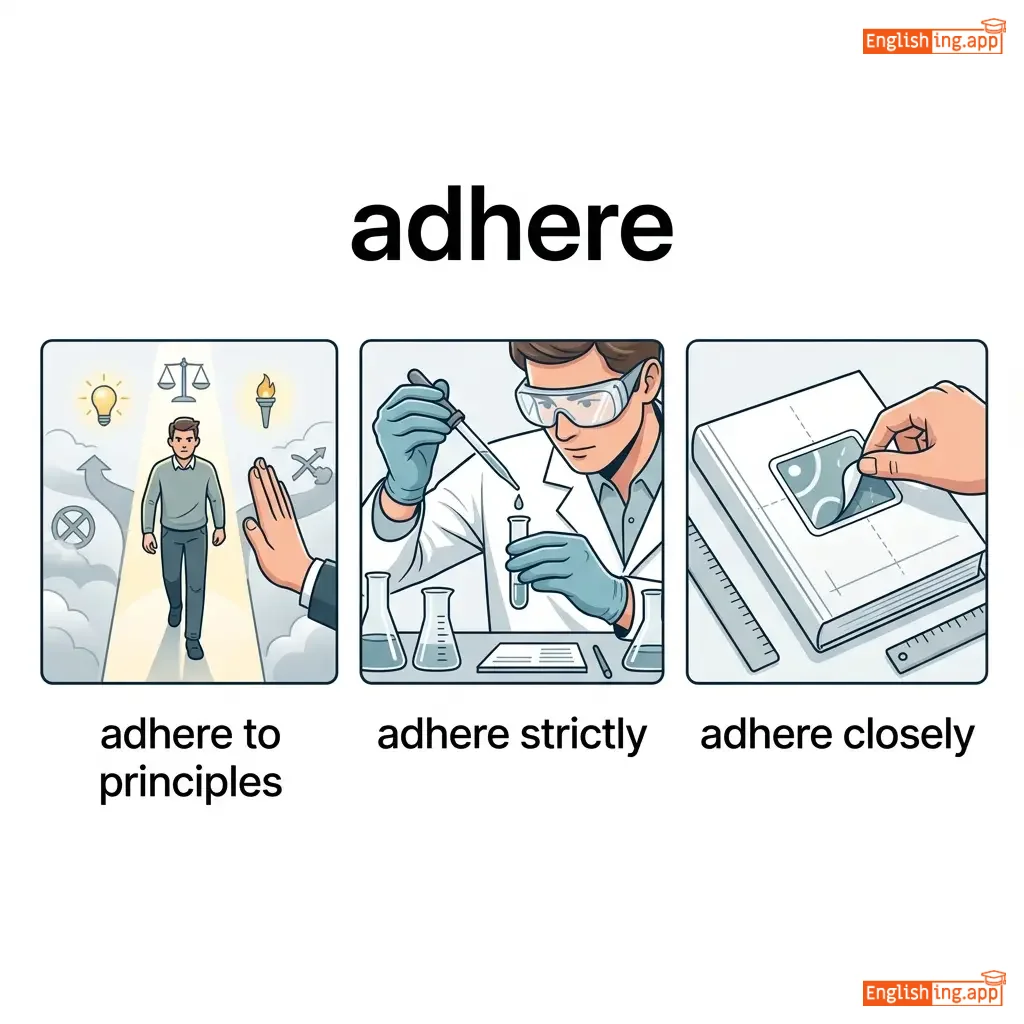
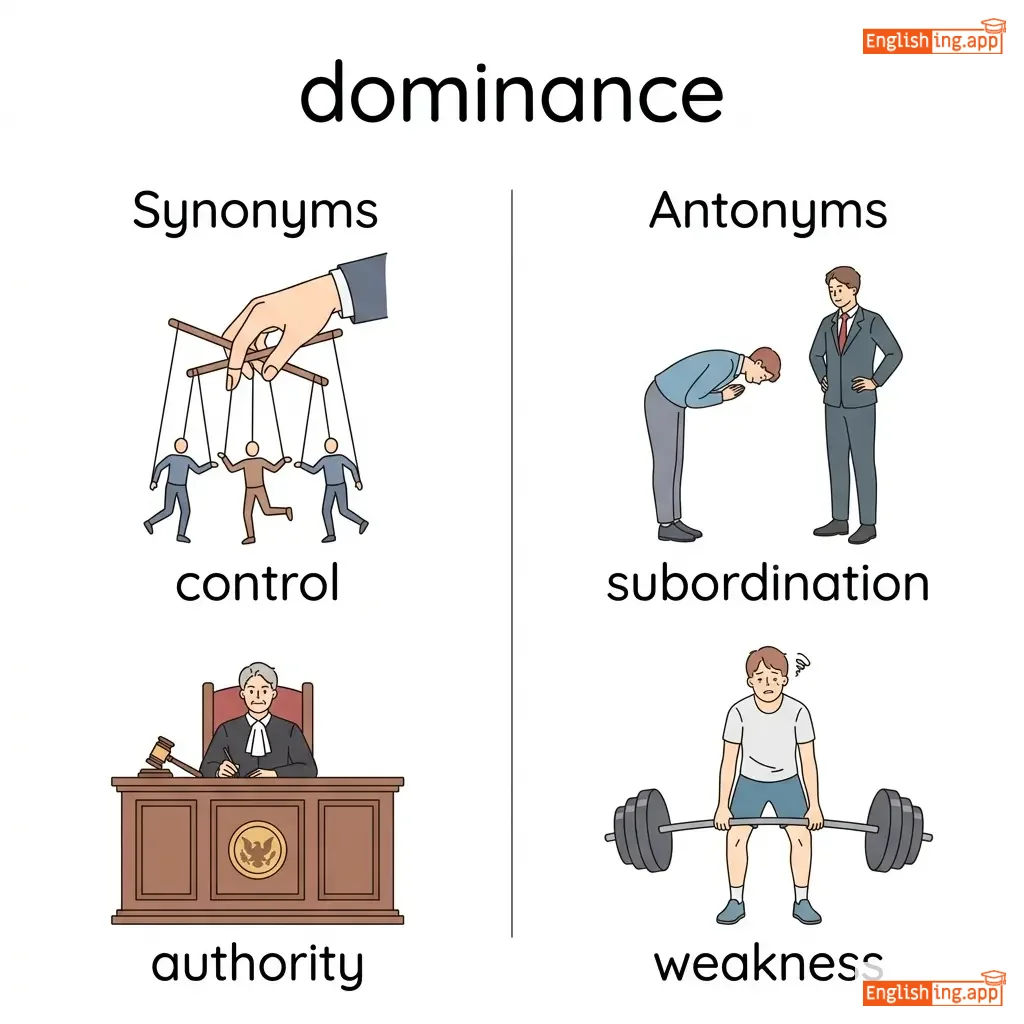
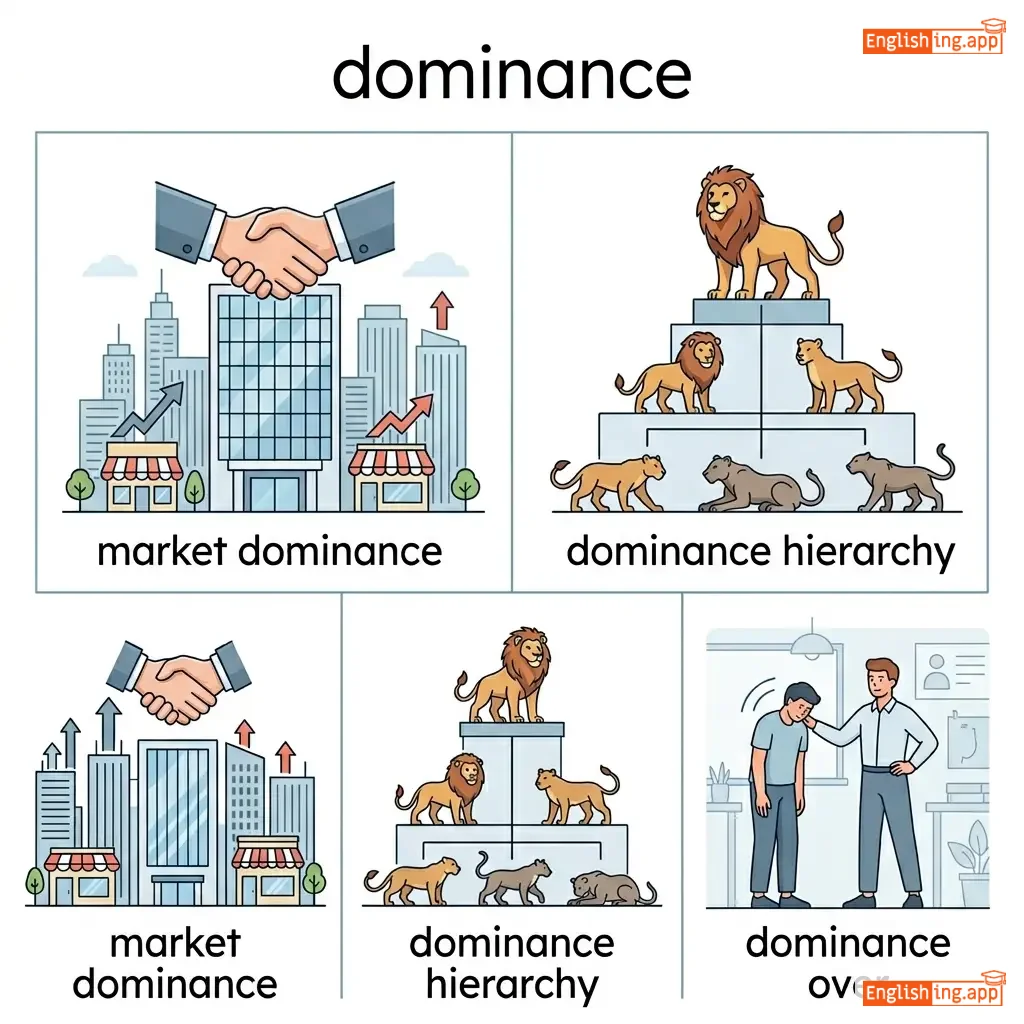
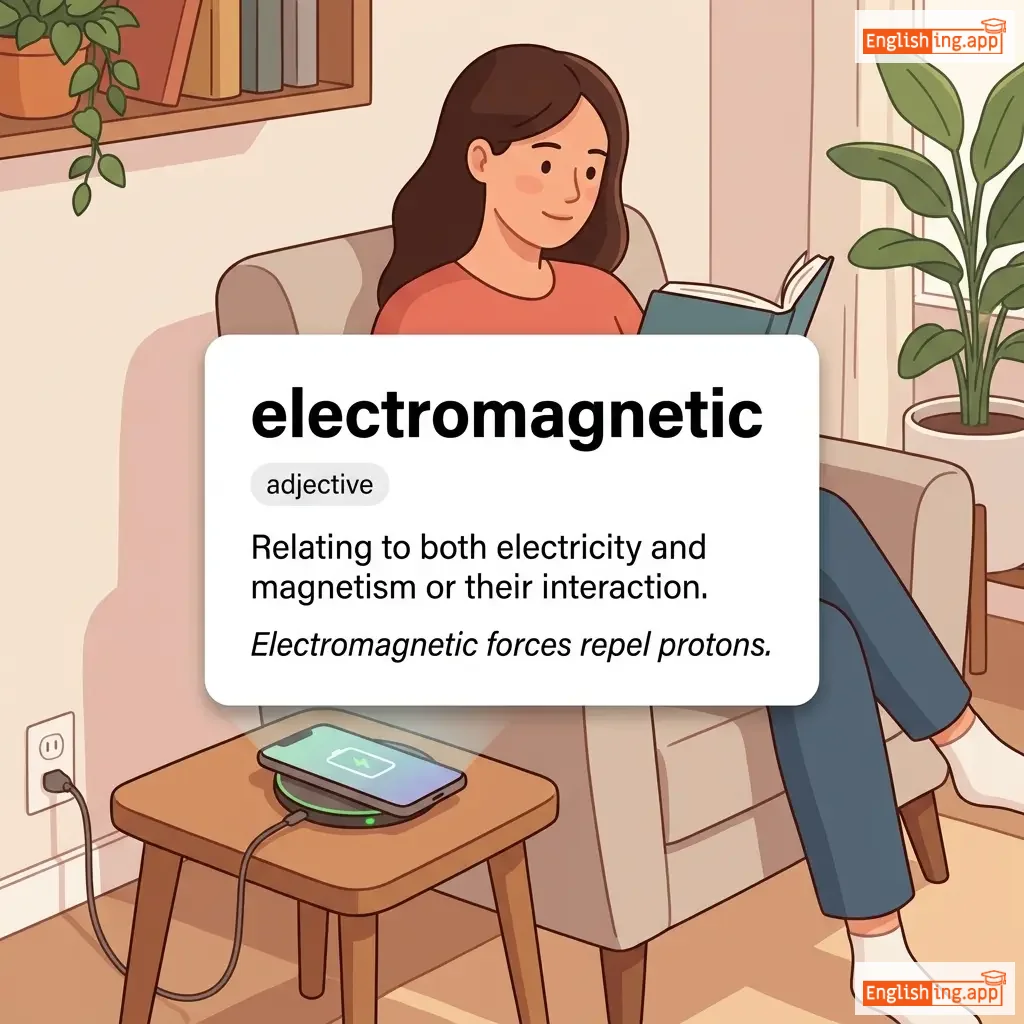
これらの protons と neutrons は、strong force を通してのみ互いに adhere することができます。protons の間で働く electromagnetic force は、strong force の dominance によって打ち消されます。だからそれは strong nuclear force と呼ばれます。
|
絵文字
|
単語 | Images | 意味 | 例文 | 同義語 | 対義語 |
|---|---|---|---|---|---|---|
|
#645
⚡
|
fɔːrs
noun
••••••
|
|
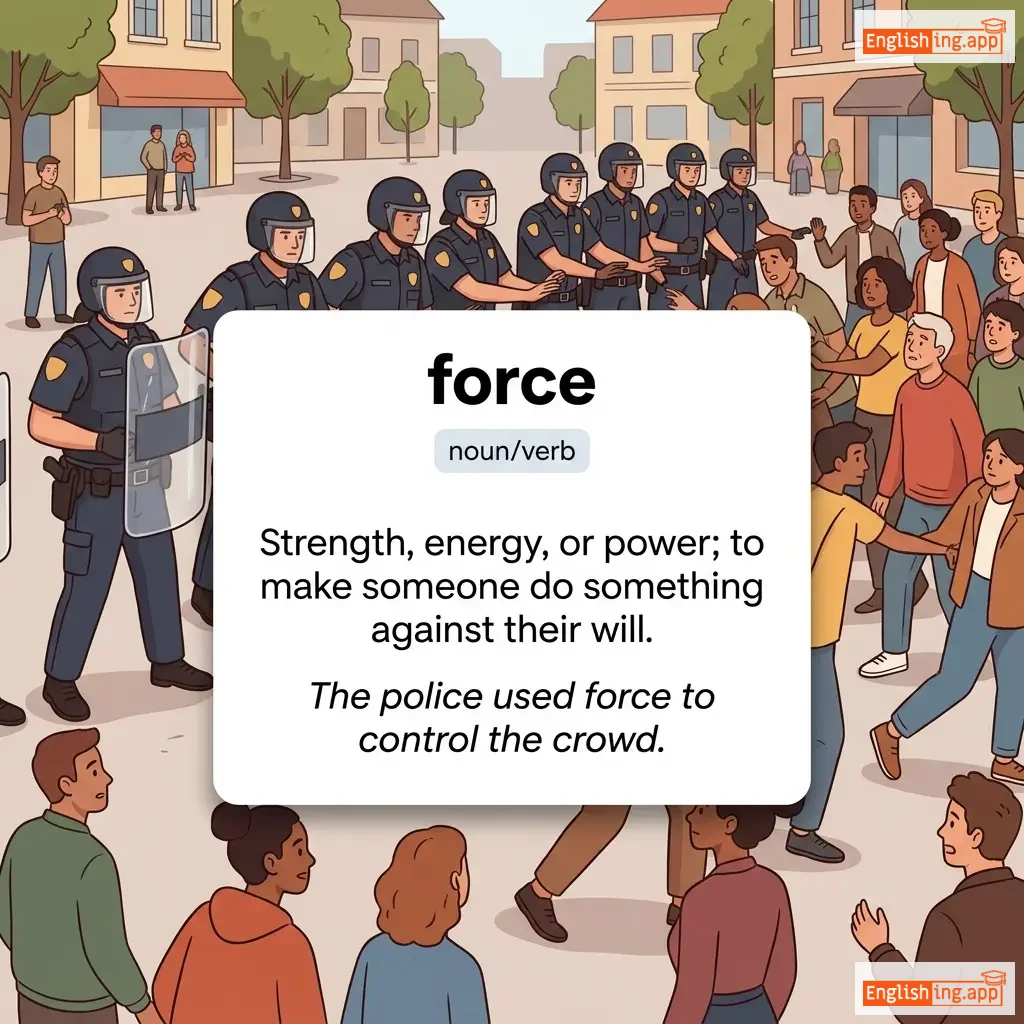
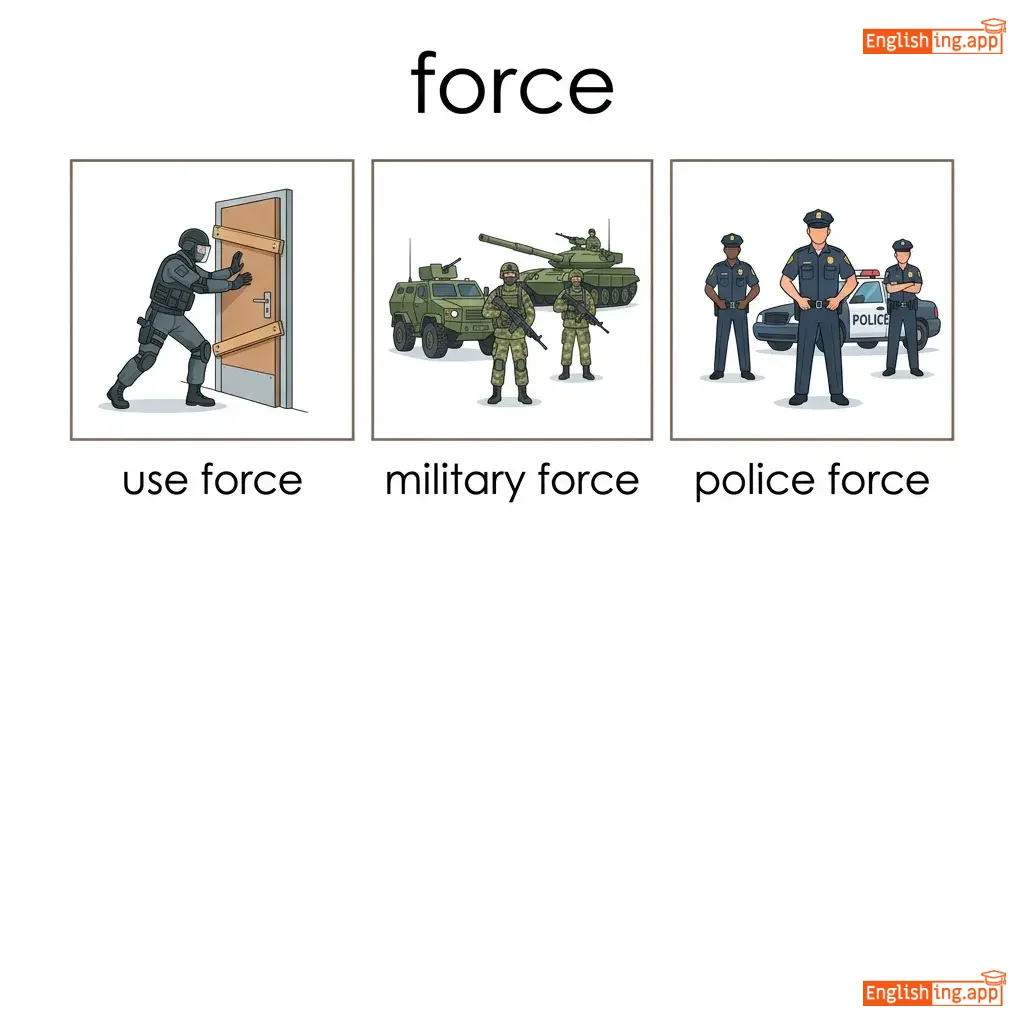
A physical power or energy that can cause movement, change, or influence.
••••••
|
Strong nuclear force binds particles. |
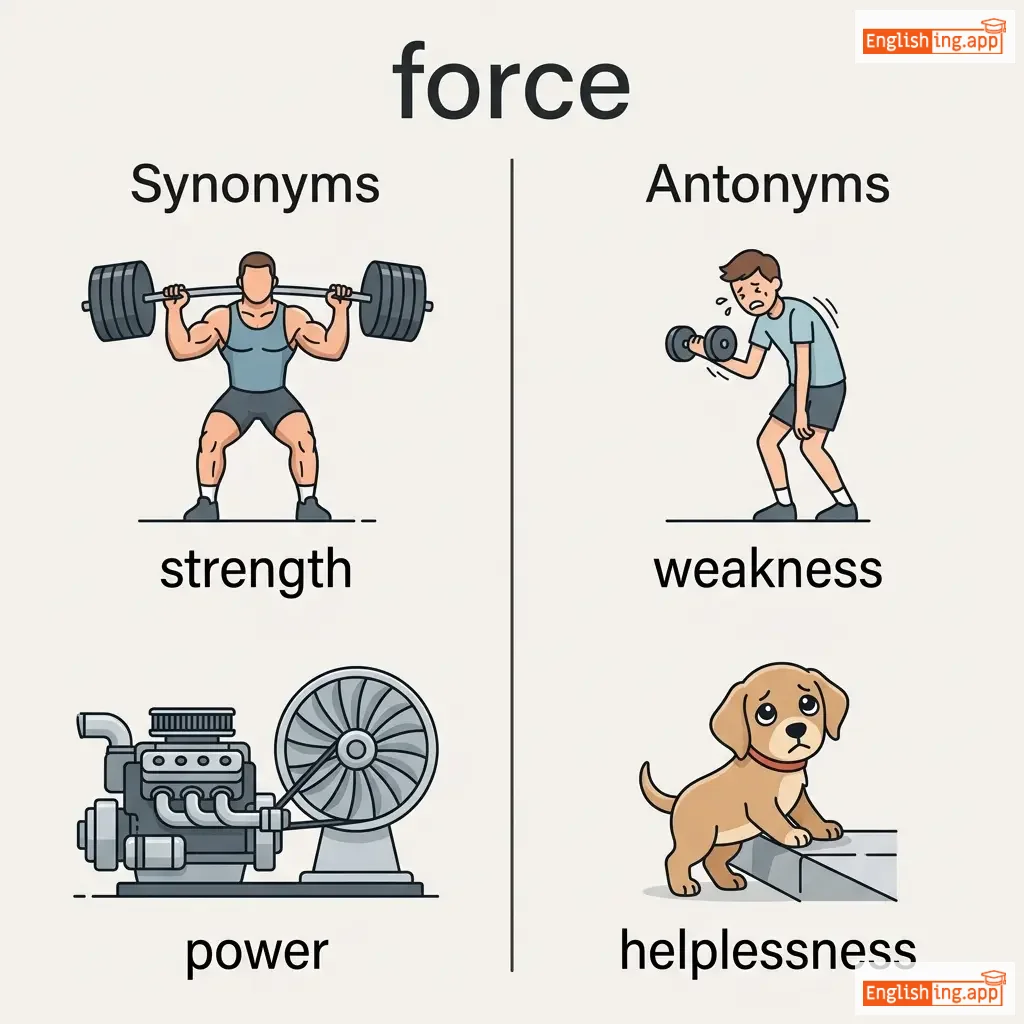
power, energy
••••••
|
weakness, fragility
••••••
|
|
#646
🔗
|
baɪnd
verb
••••••
|


|
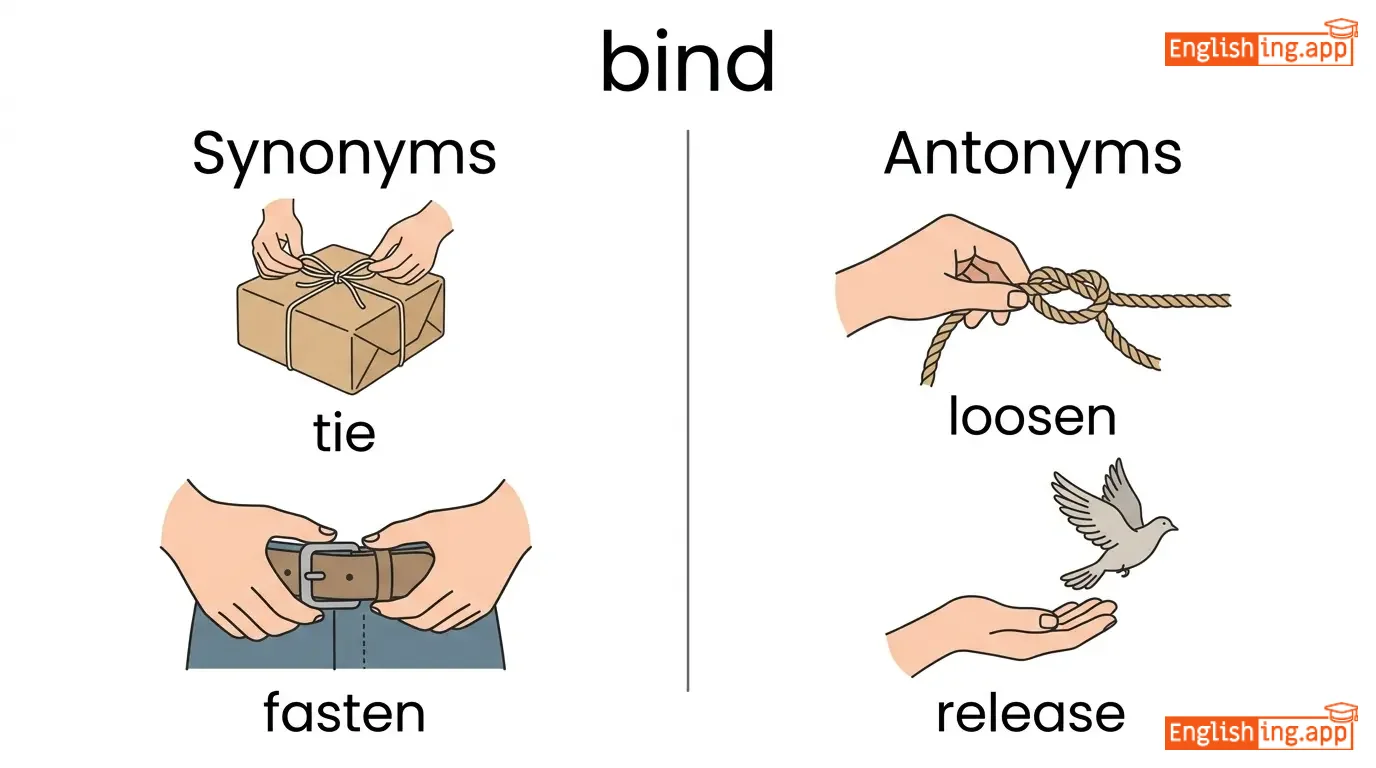
To tie, fasten, or hold together securely.
••••••
|
This force binds quarks together. |
tie, unite
••••••
|
separate, disconnect
••••••
|
|
#647
🔬
|
kwɔːrk
noun
••••••
|
|
A fundamental subatomic particle that combines to form protons and neutrons.
••••••
|
Quarks form protons and neutrons. |
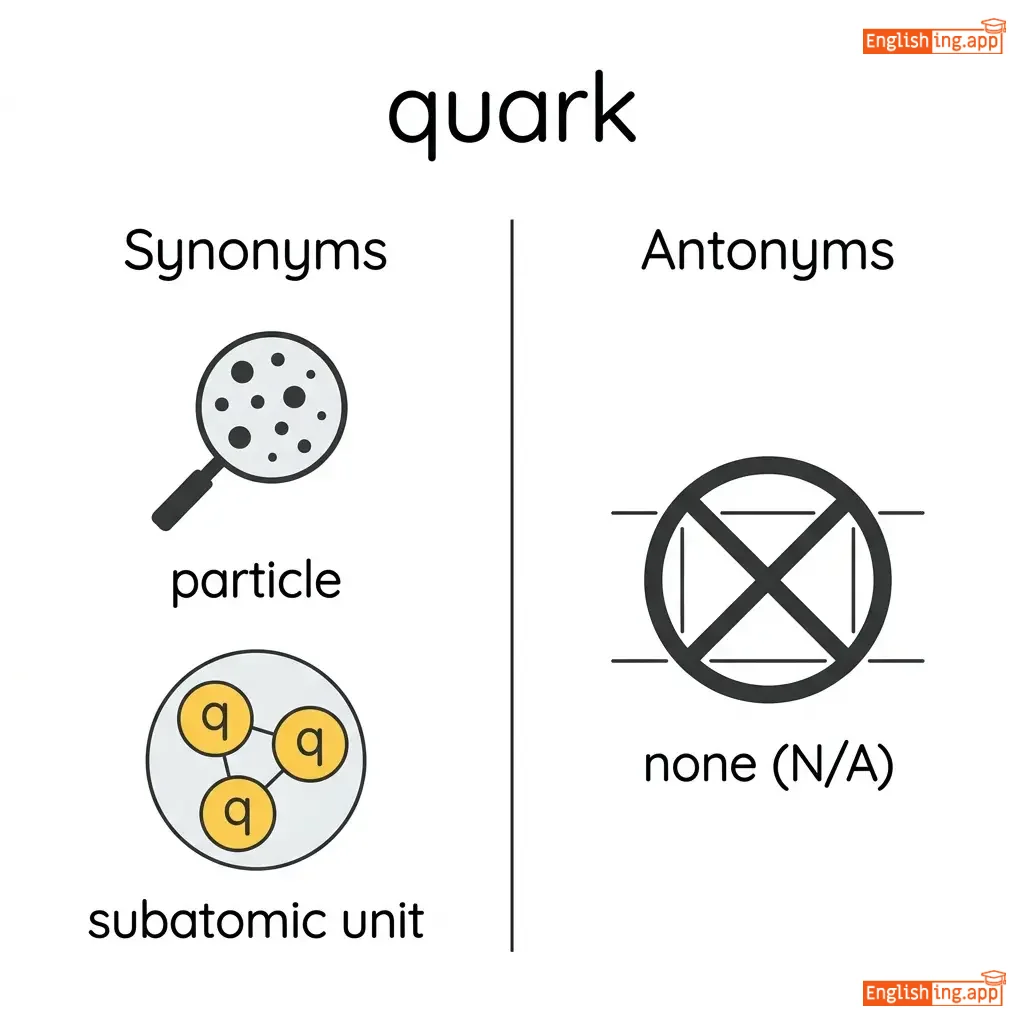
particle, subatomic unit
••••••
|
none (N/A)
••••••
|
|
#648
⚛️
|
ˈnuːkliəs
noun
••••••
|
|
The central core of an atom containing protons and neutrons.
••••••
|
The nucleus consists of protons. |
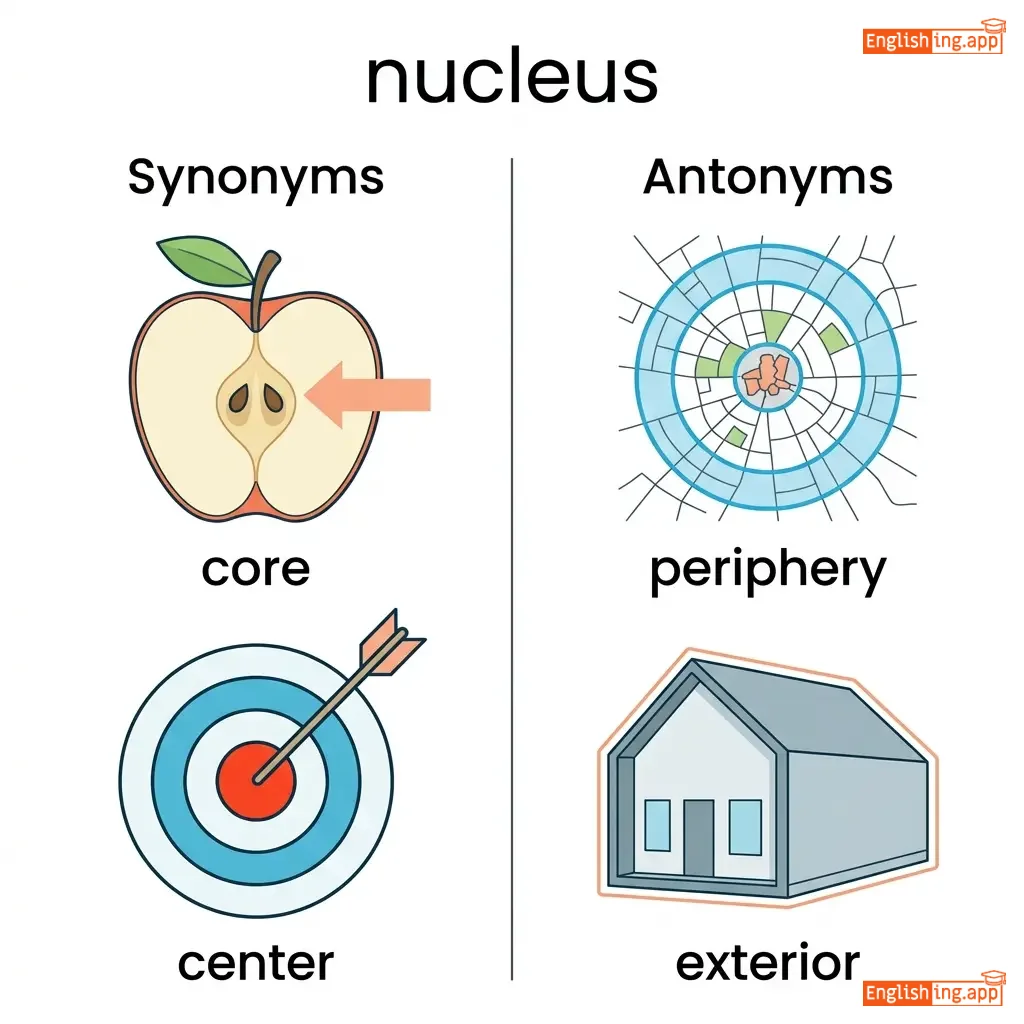
core, center
••••••
|
periphery, outside
••••••
|
|
#649
➕
|
ˈpɒzətɪv
adjective
••••••
|

|
Having an electric charge opposite to that of an electron.
••••••
|
Protons have a positive charge. |
affirmative, plus
••••••
|
negative, neutral
••••••
|
|
#650
⚖️
|
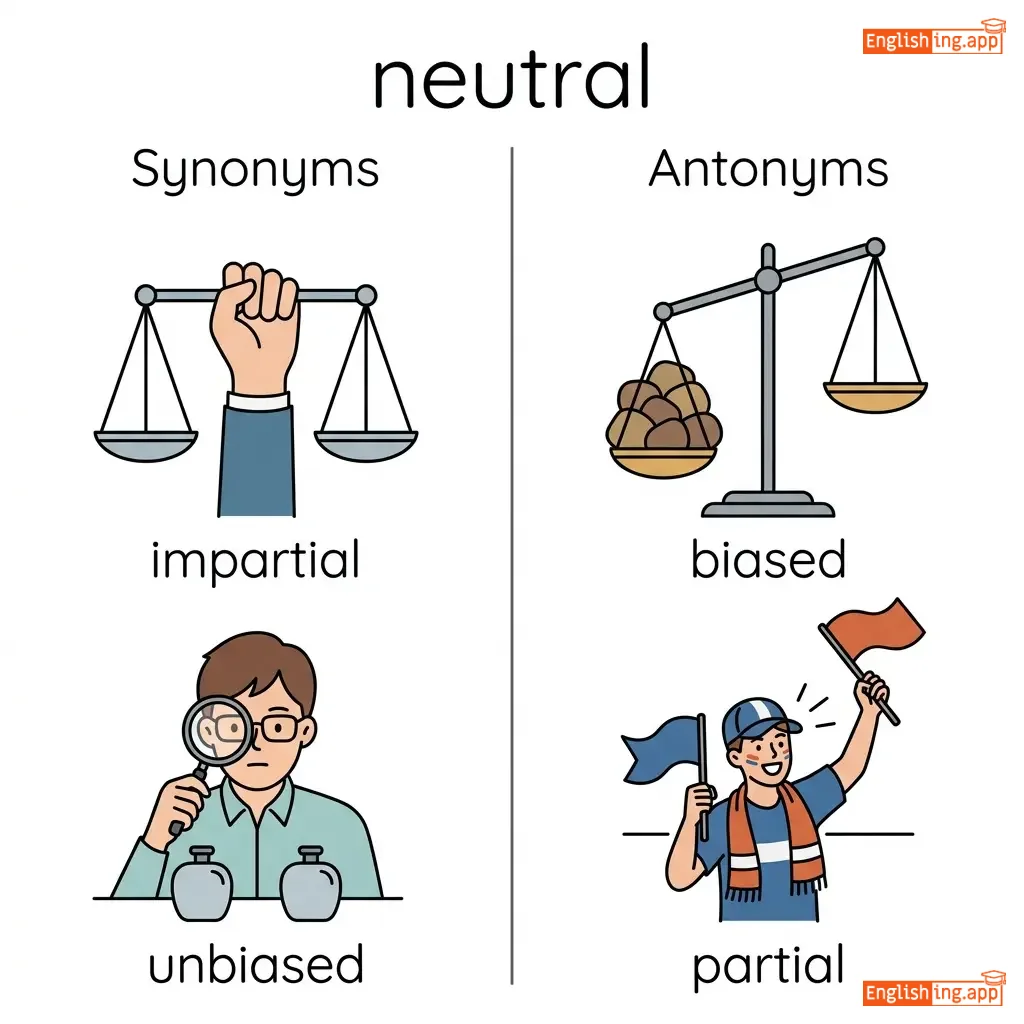
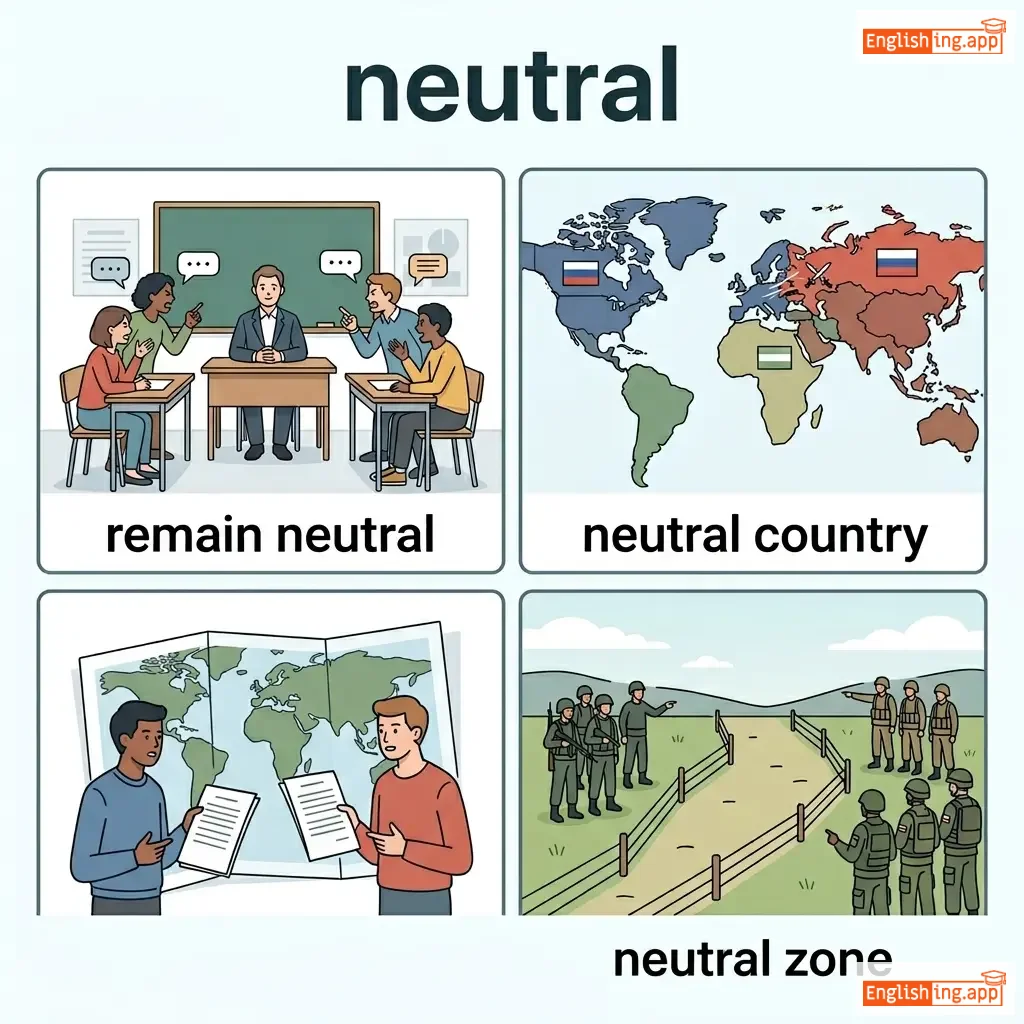
ˈnjuːtrəl
adjective
••••••
|
|
Having no electric charge; neither positive nor negative.
••••••
|
Neutrons are electrically neutral. |
unbiased, uncharged
••••••
|
charged, biased
••••••
|
|
#651
🔄
|
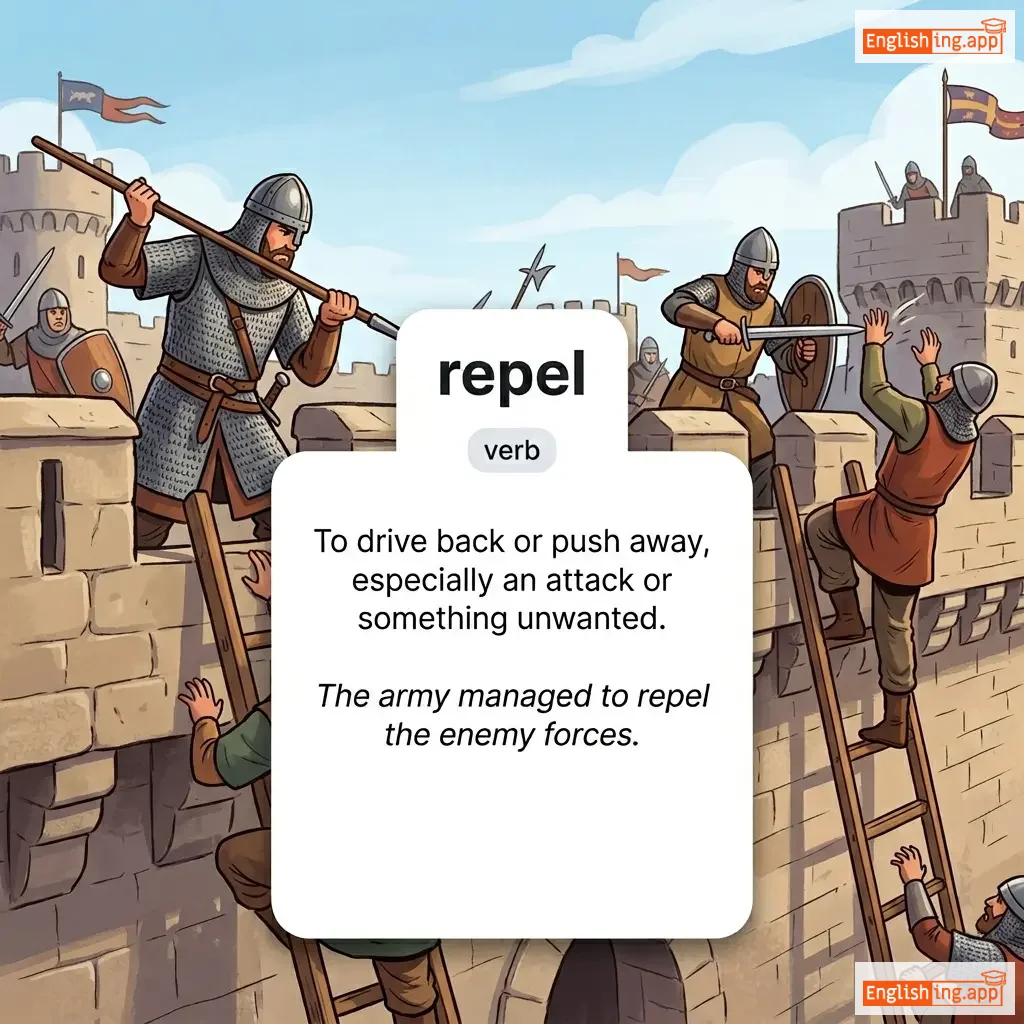
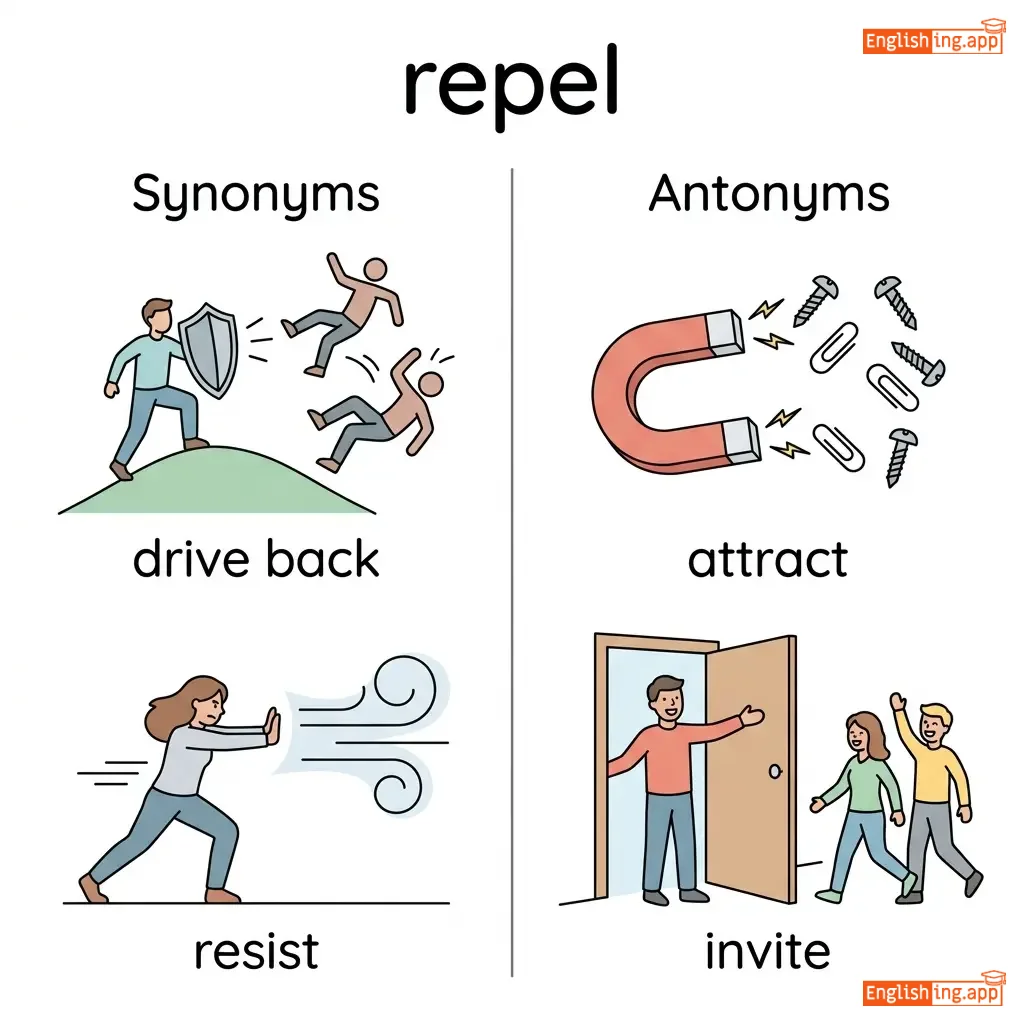
rɪˈpel
verb
••••••
|
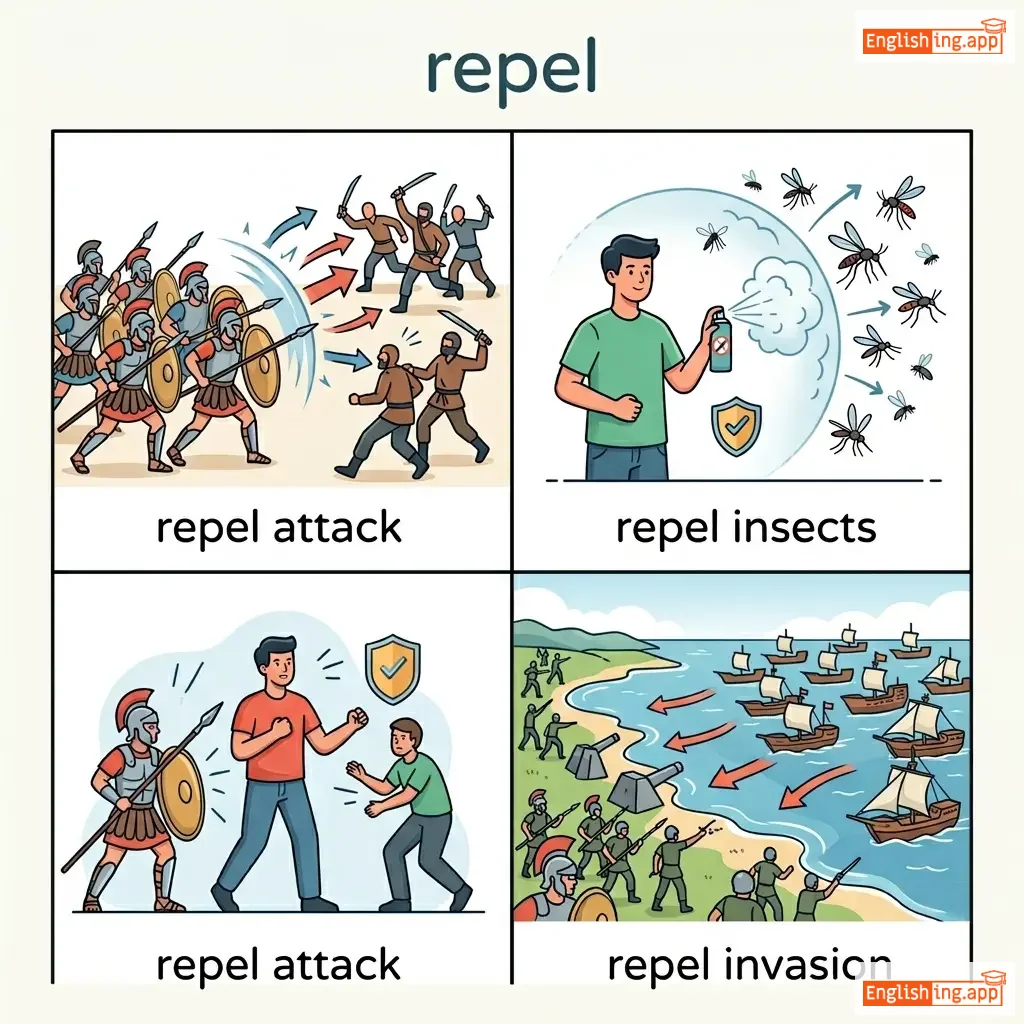
|
To push away or force apart due to similar charges or properties.
••••••
|
Protons repel each other. |
push away, reject
••••••
|
attract, pull
••••••
|
|
#652
📦
|
kəmˈpæktli
adverb
••••••
|
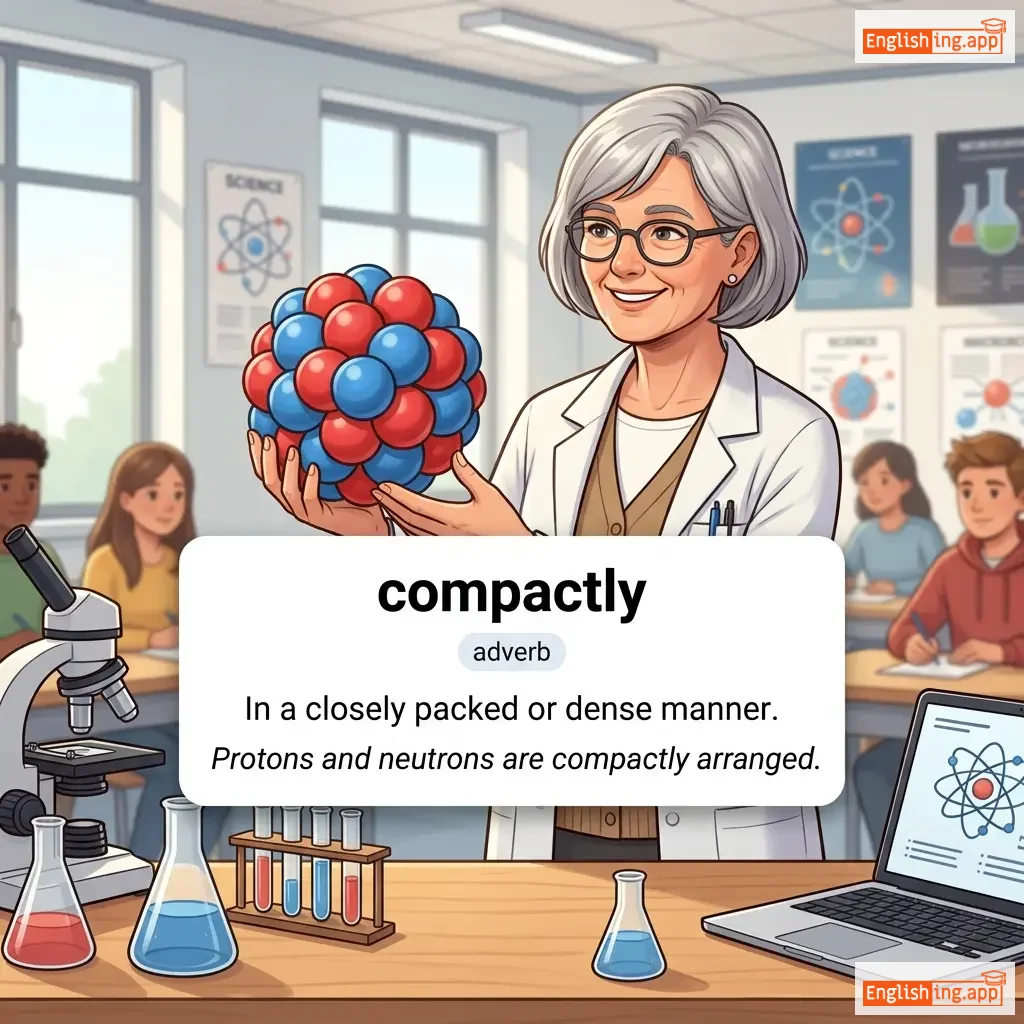
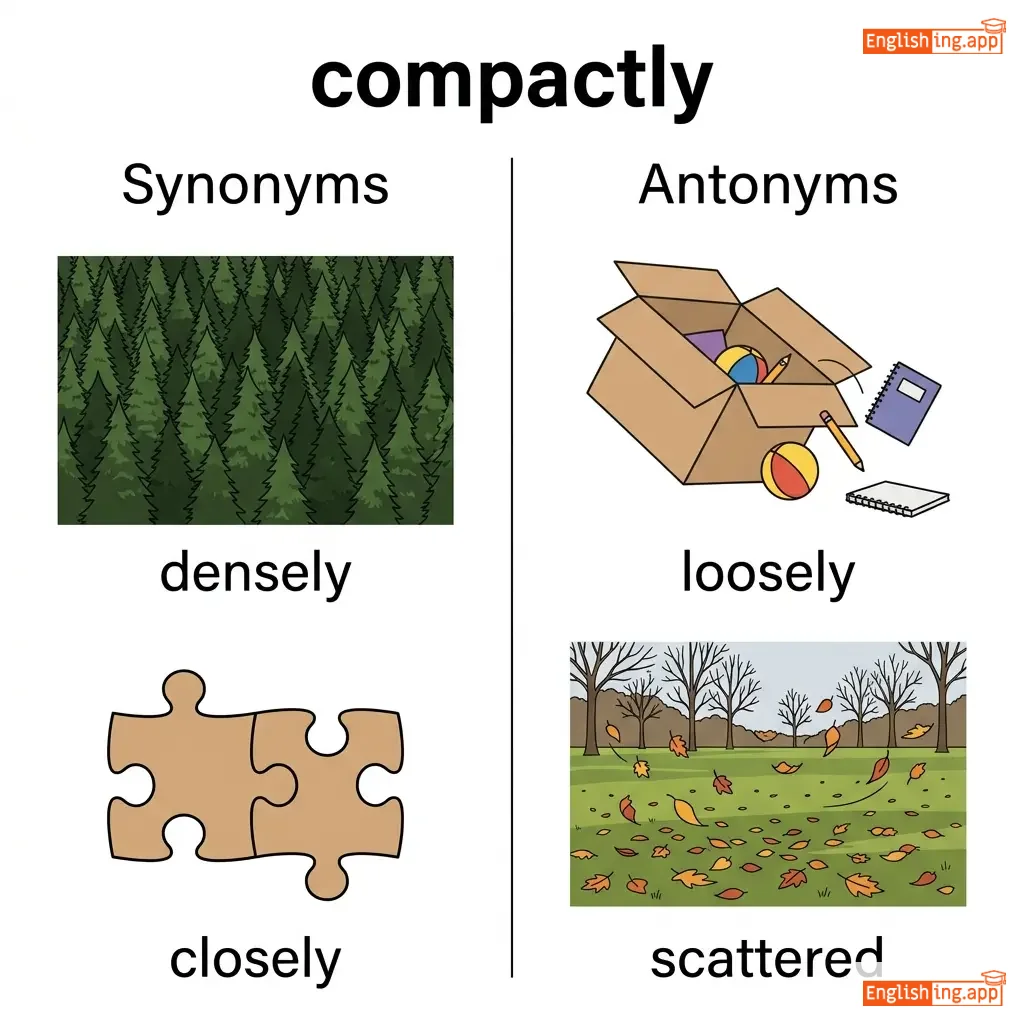
|
In a closely packed or dense manner.
••••••
|
Protons and neutrons are compactly arranged. |
densely, closely
••••••
|
loosely, scattered
••••••
|
|
#653
🤝
|
ədˈhɪər
verb
••••••
|

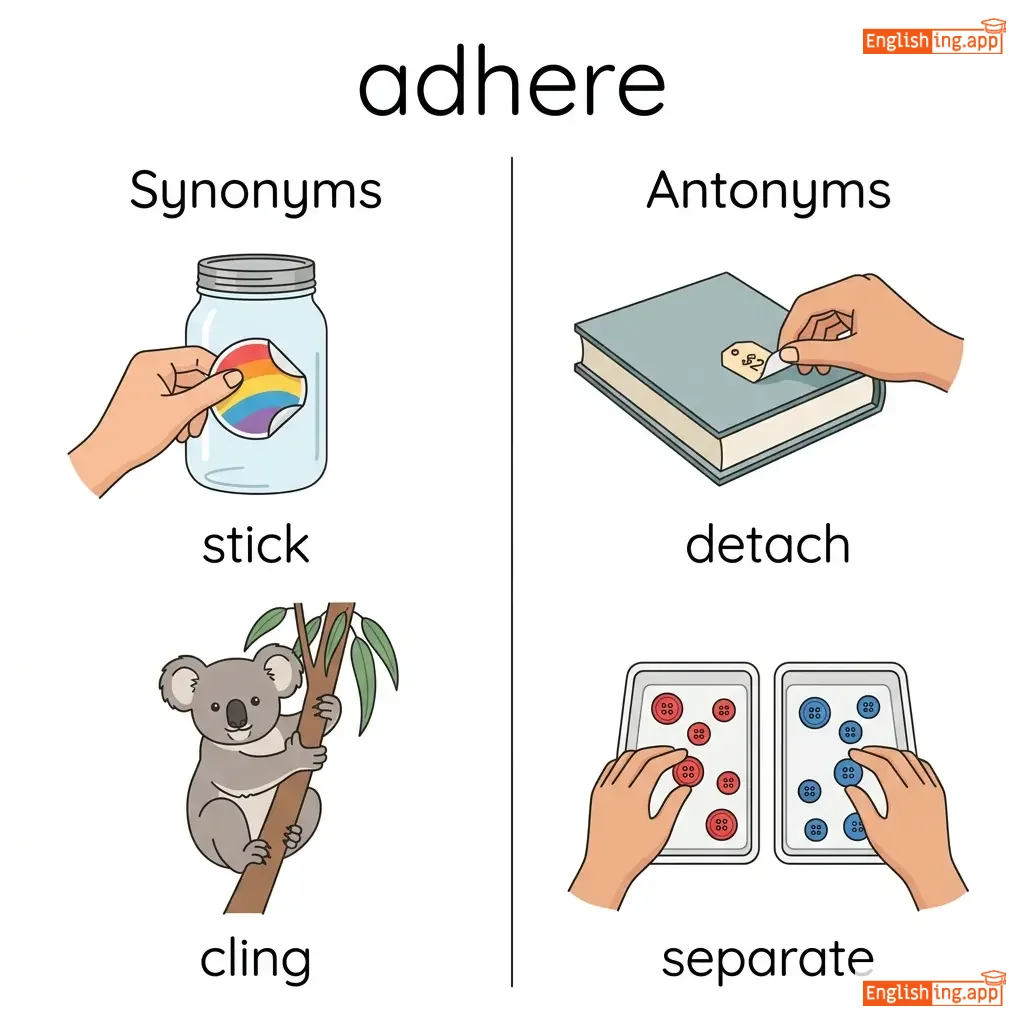
|
To stick firmly to something or stay attached.
••••••
|
Neutrons adhere to protons. |
stick, cling
••••••
|
detach, separate
••••••
|
|
#654
👑
|
ˈdɒmɪnəns
noun
••••••
|

|
The state of having power, control, or influence over others.
••••••
|
Strong force exerts dominance over other forces. |
supremacy, authority
••••••
|
inferiority, submission
••••••
|
|
#655
🧲
|
ɪˌlektrəʊmæɡˈnetɪk
adjective
••••••
|
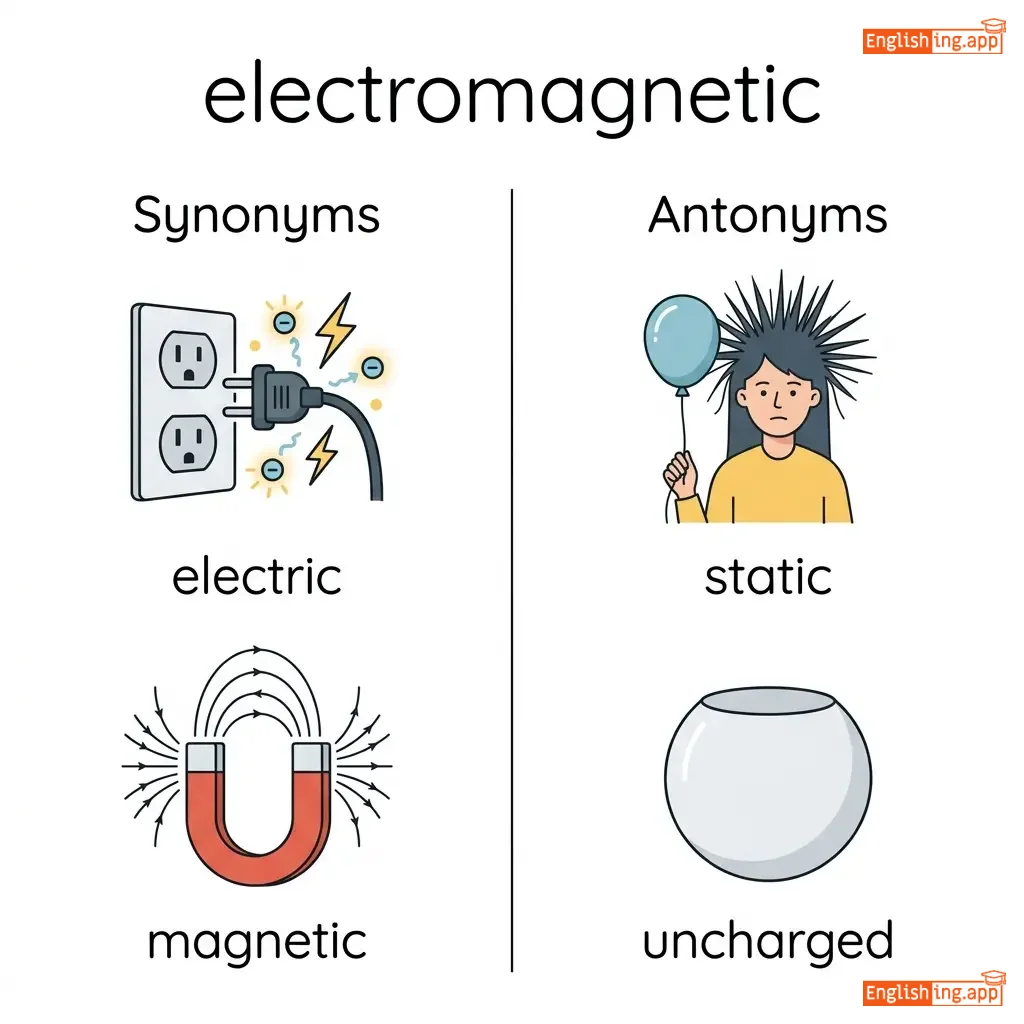
|
Relating to both electricity and magnetism or their interaction.
••••••
|
Electromagnetic forces repel protons. |
electric, magnetic
••••••
|
static, uncharged
••••••
|
|
#656
🏗️
|
əˈreɪndʒmənt
noun
••••••
|
|
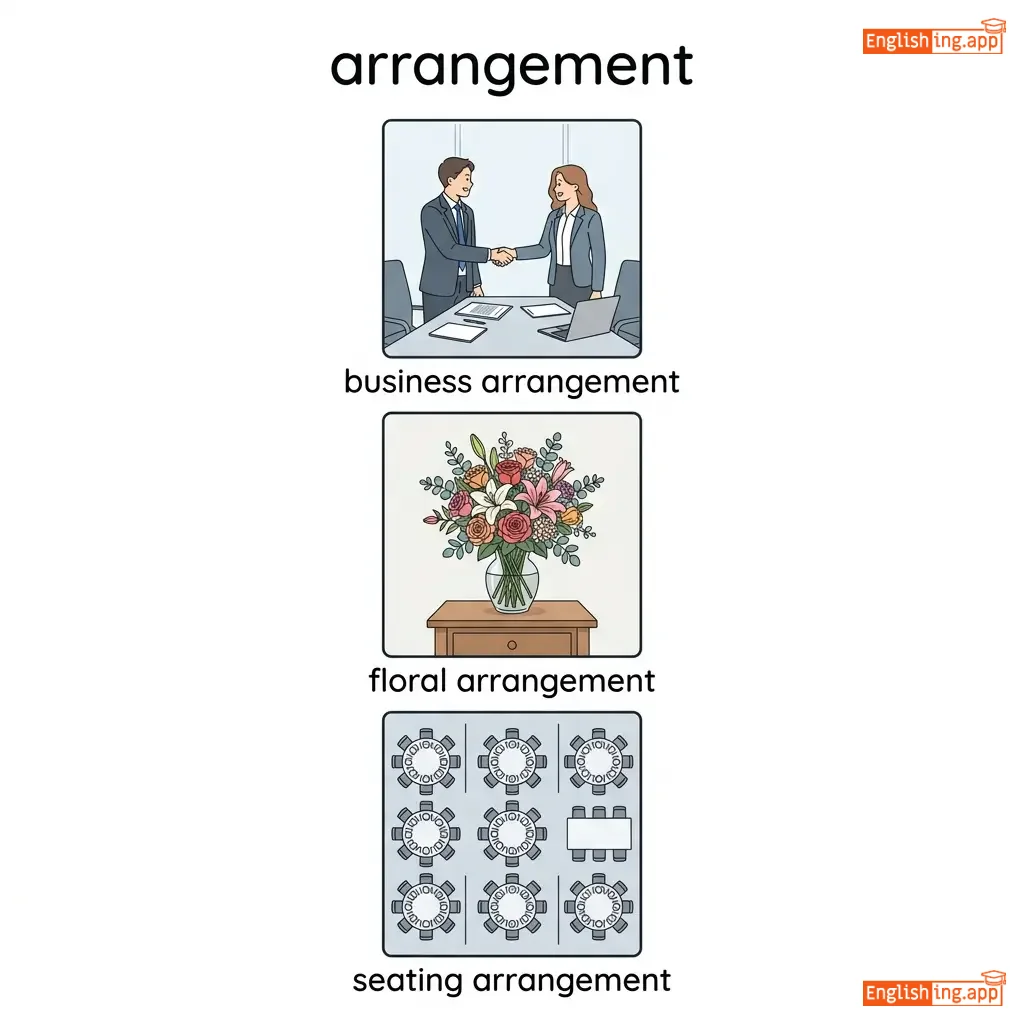
The way things are organized, positioned, or structured.
••••••
|
The arrangement of protons in the nucleus is critical. |
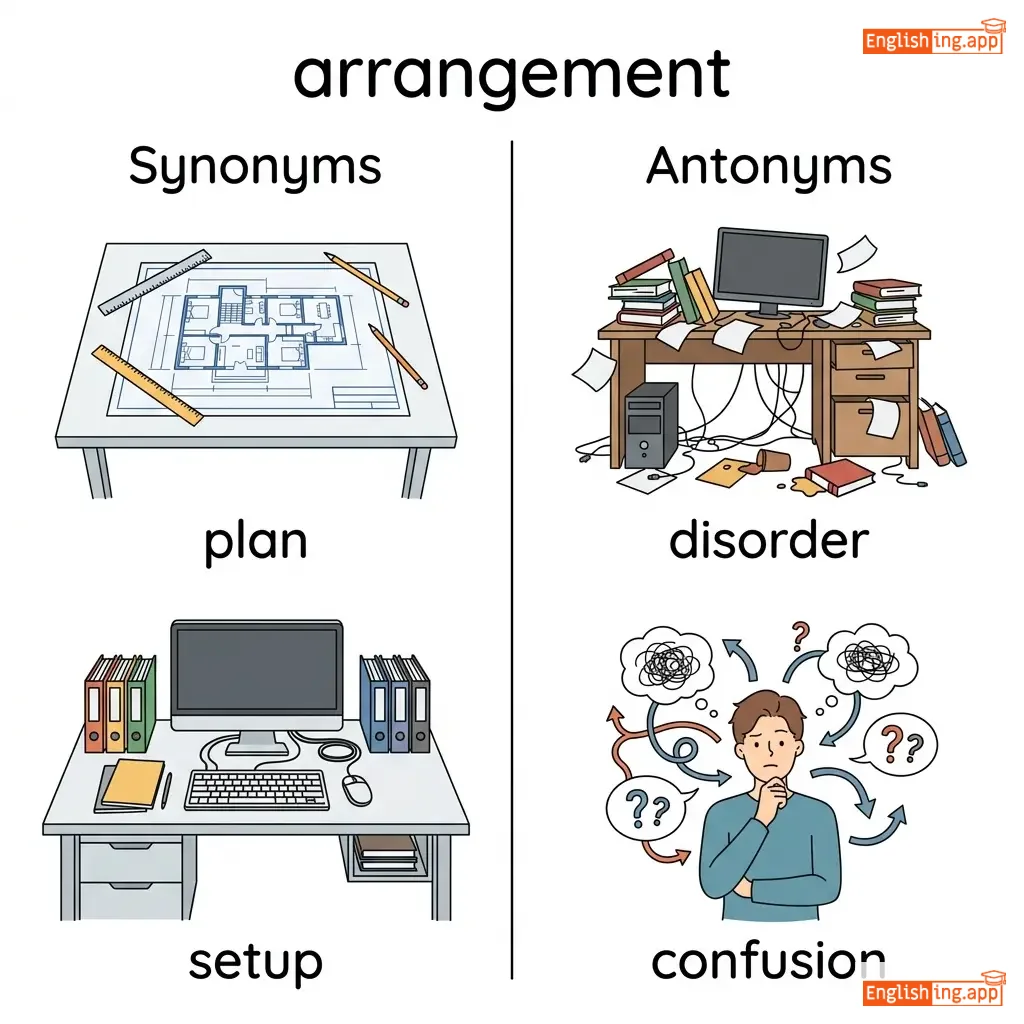
order, organization
••••••
|
disorder, chaos
••••••
|
|
#657
⚖️
|
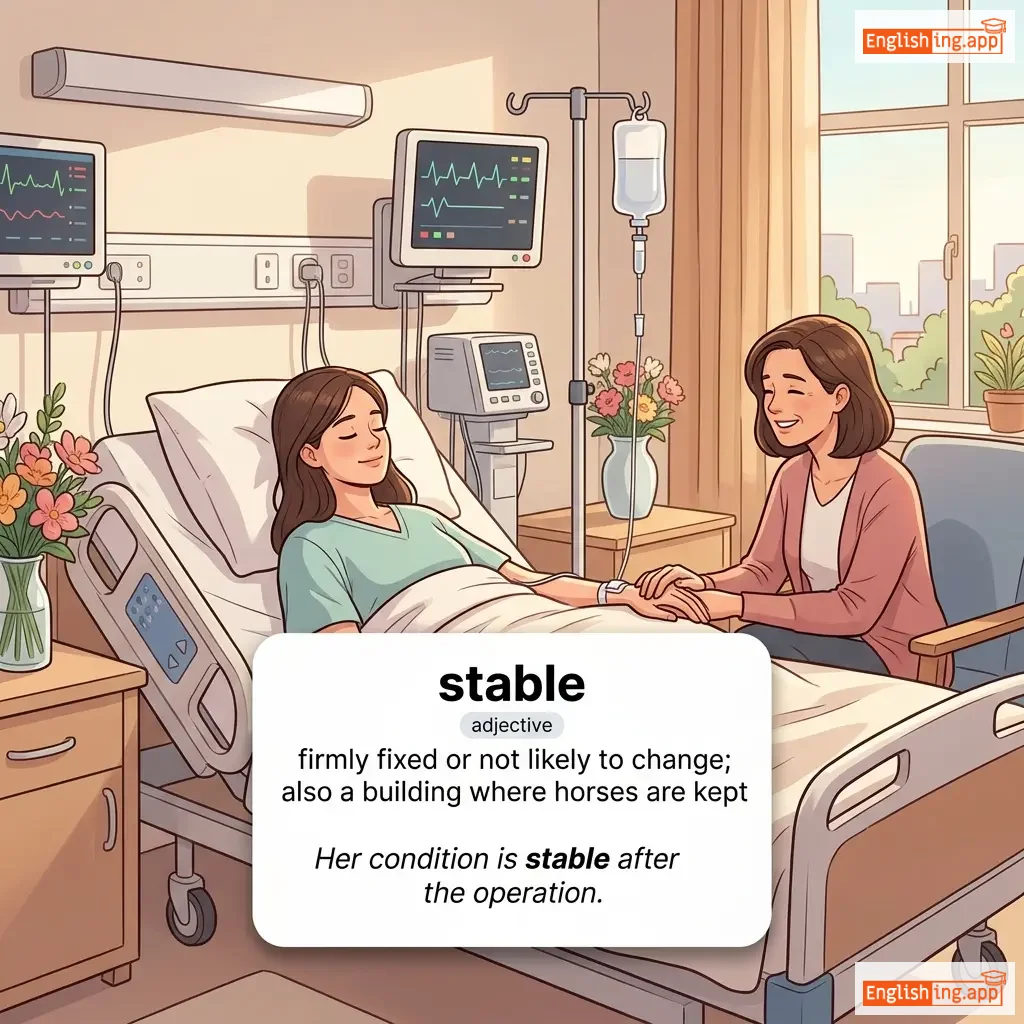
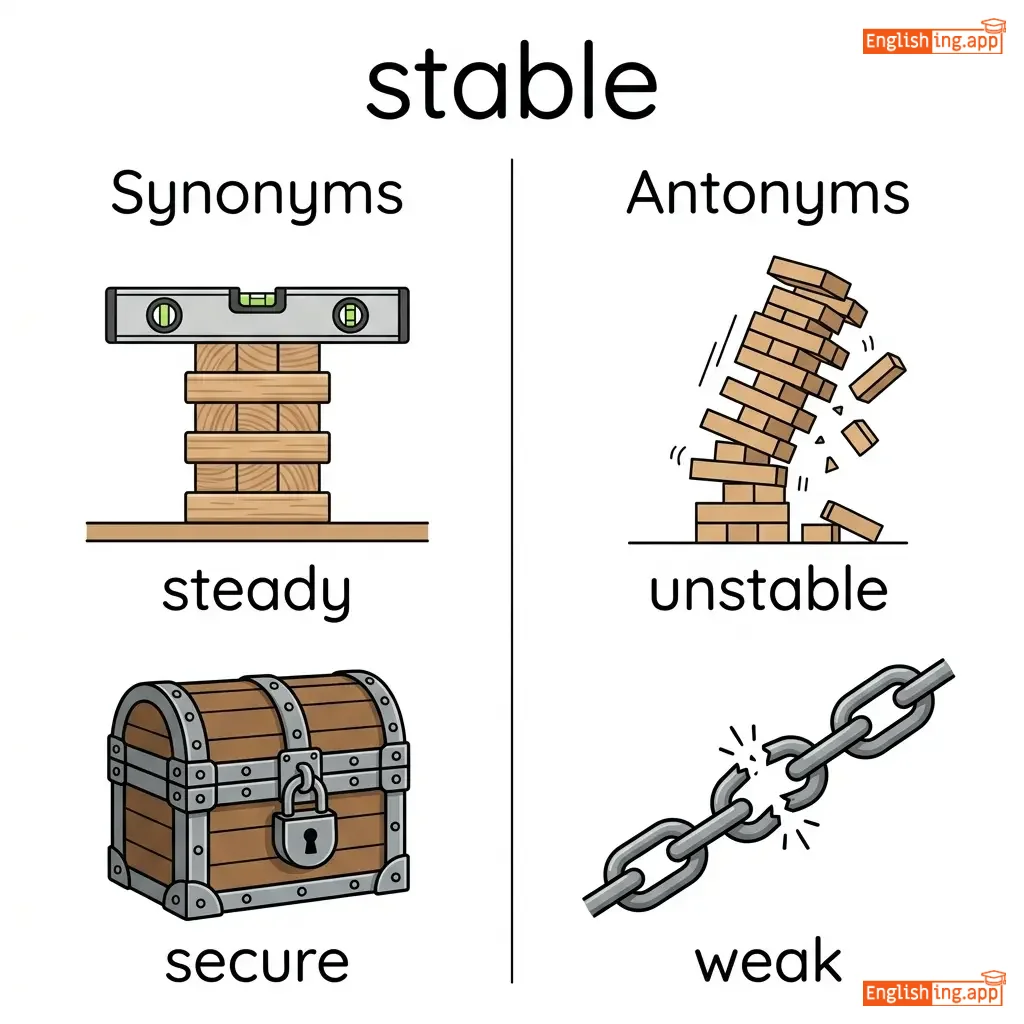
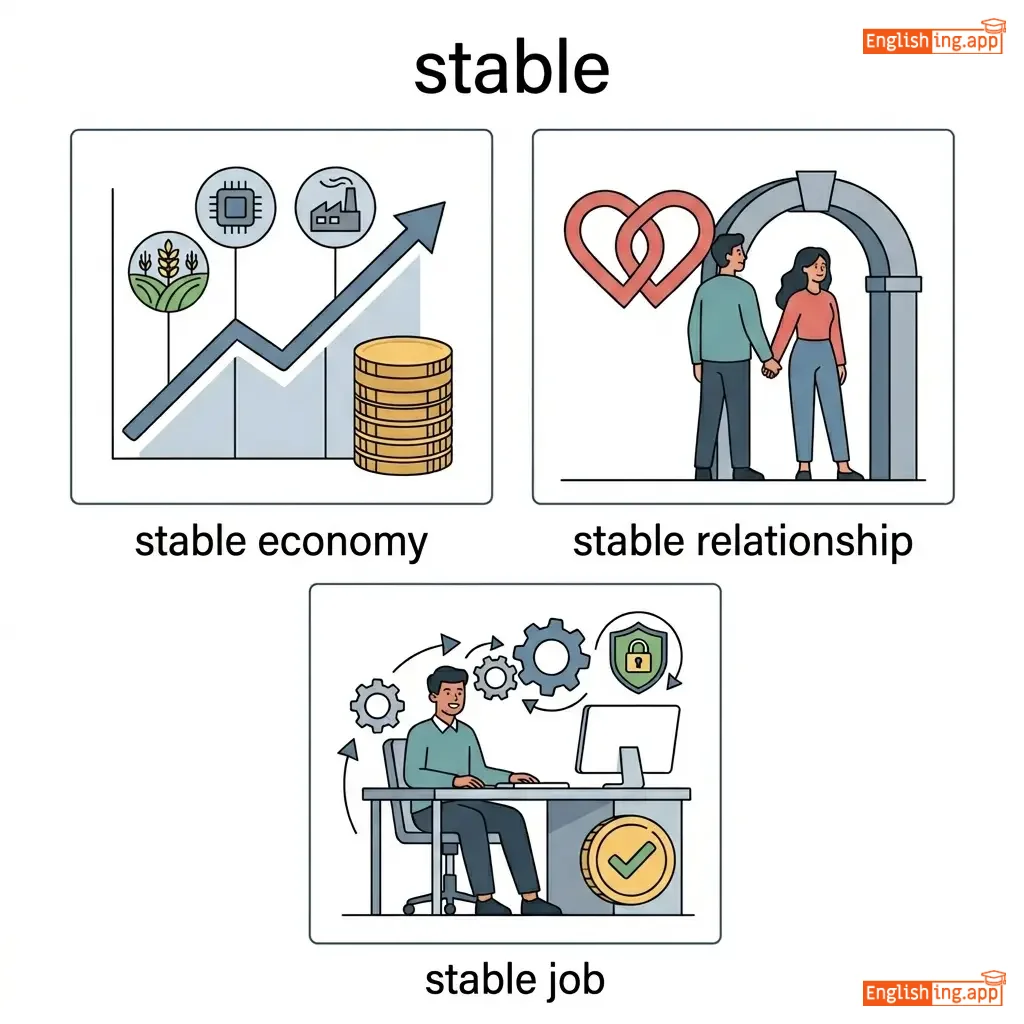
ˈsteɪbl
adjective
••••••
|
|
Not likely to change or fail; firmly established.
••••••
|
Strong nuclear force keeps the nucleus stable. |
steady, secure
••••••
|
unstable, volatile
••••••
|

