The Strength of the Strong Force
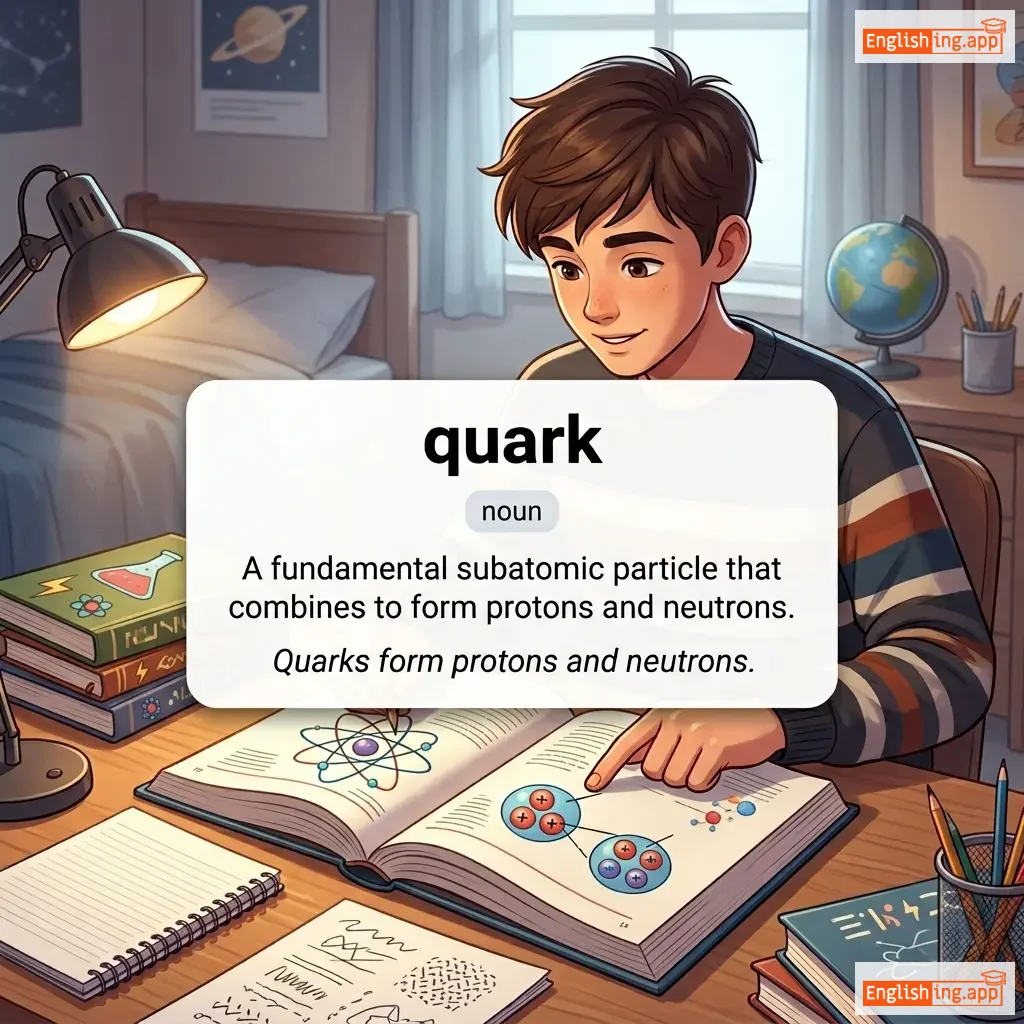
Среди четырёх сил природы самая мощная называется strong nuclear force. Она binds частицы кварков вместе, и эти quark particles образуют protons и neutrons. Они остаются вместе compactly, образуя nucleus.
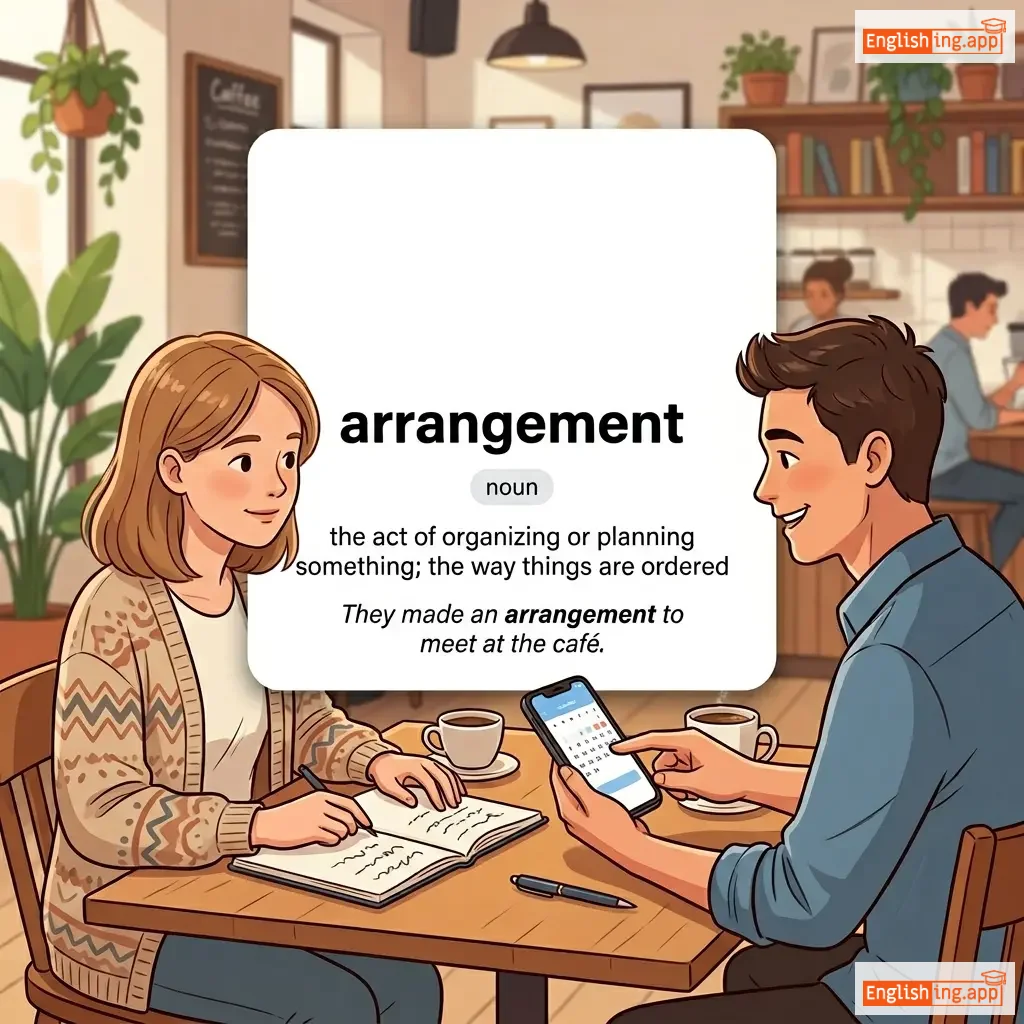
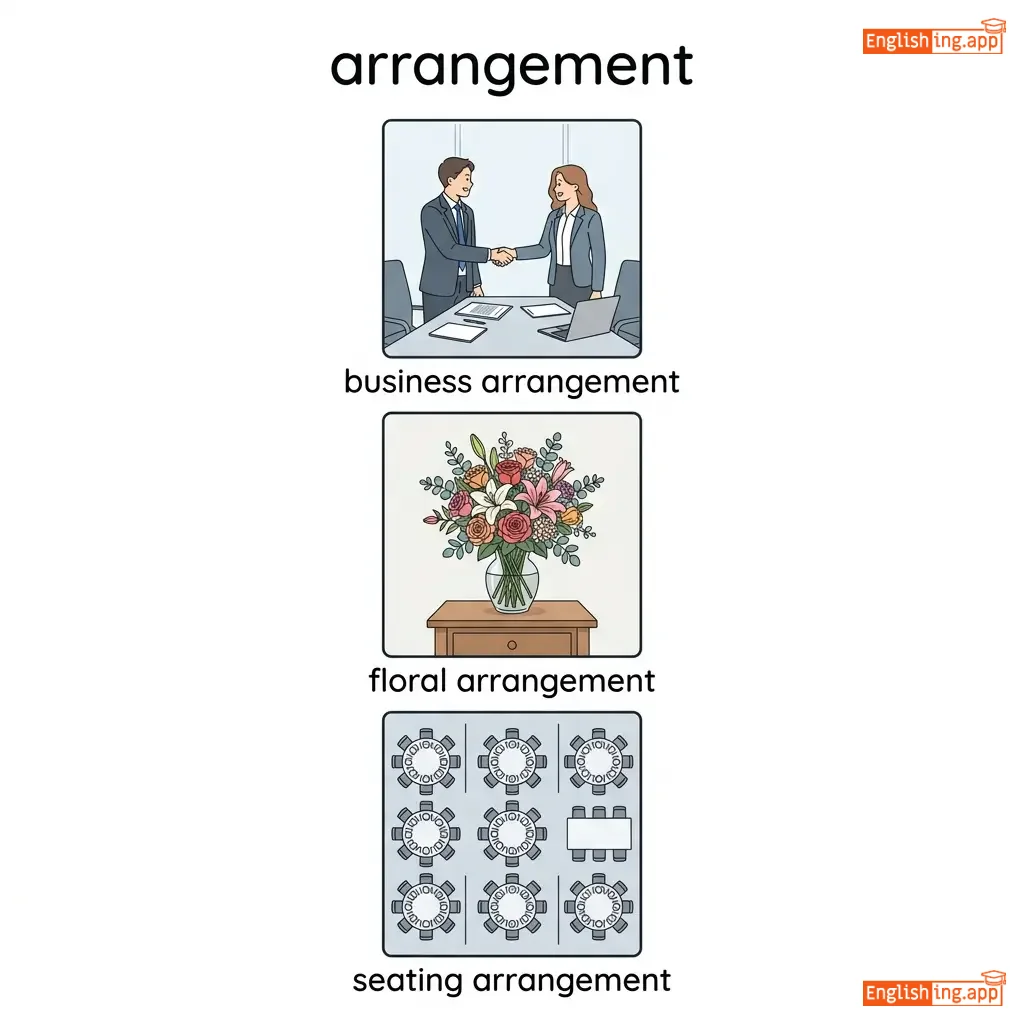
Заряд protons — positive, а заряд neutrons — neutral. Электрически заряженные protons repel другие protons. Поэтому arrangement нескольких protons в nucleus сложен. Однако, кроме водорода, количество protons увеличивается в других элементах. Например, helium nucleus имеет два protons, а уран — 92 protons.
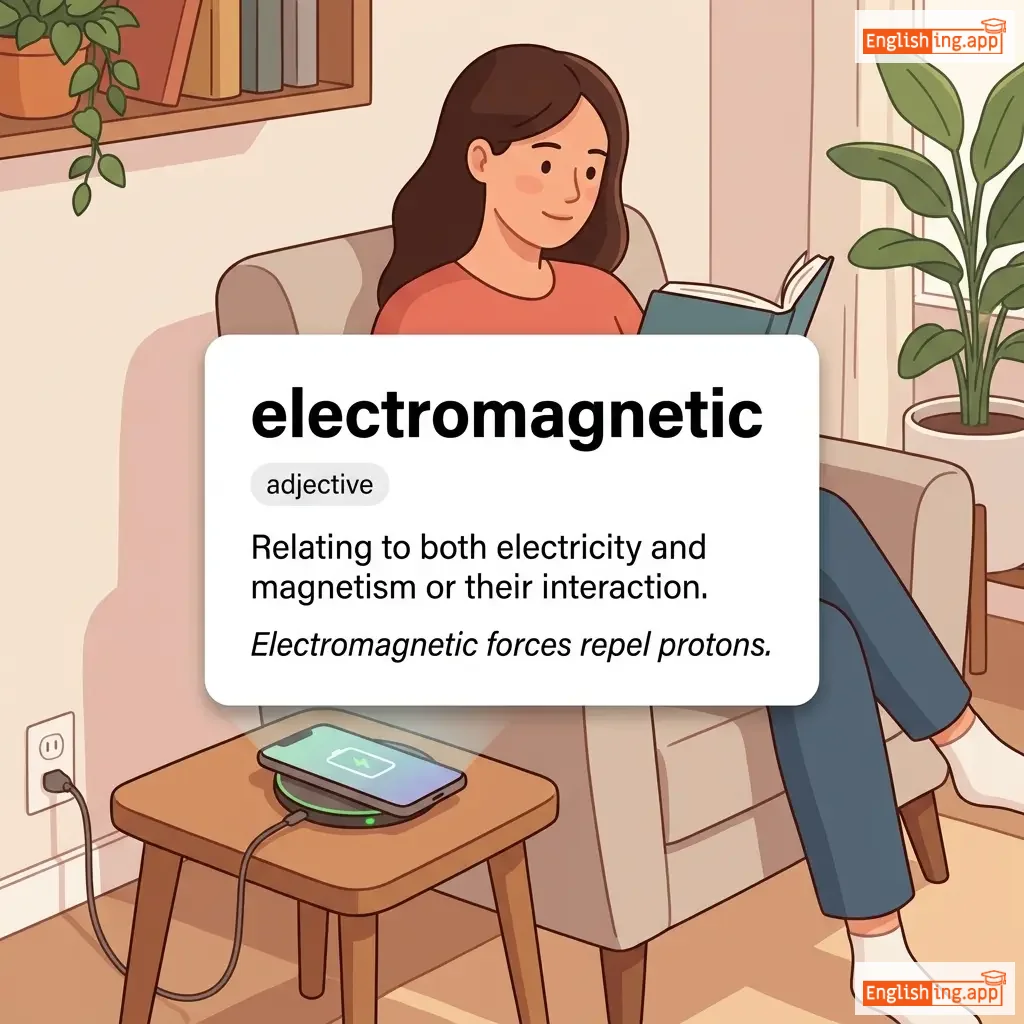
Эти protons и neutrons могут adhere друг к другу только через strong force. Electromagnetic force, действующая между protons, преодолевается за счёт dominance strong force. Поэтому она называется strong nuclear force.
Получите неограниченный доступ ко всем словам с подпиской Pro
Обновить до ProПолучите неограниченный доступ ко всем предложениям с подпиской Pro
Обновить до Pro|
Эмодзи
|
Слово | Images | Значение | Пример предложения | Синонимы | Антонимы |
|---|---|---|---|---|---|---|
|
#645
⚡
|
fɔːrs
noun
••••••
|
|
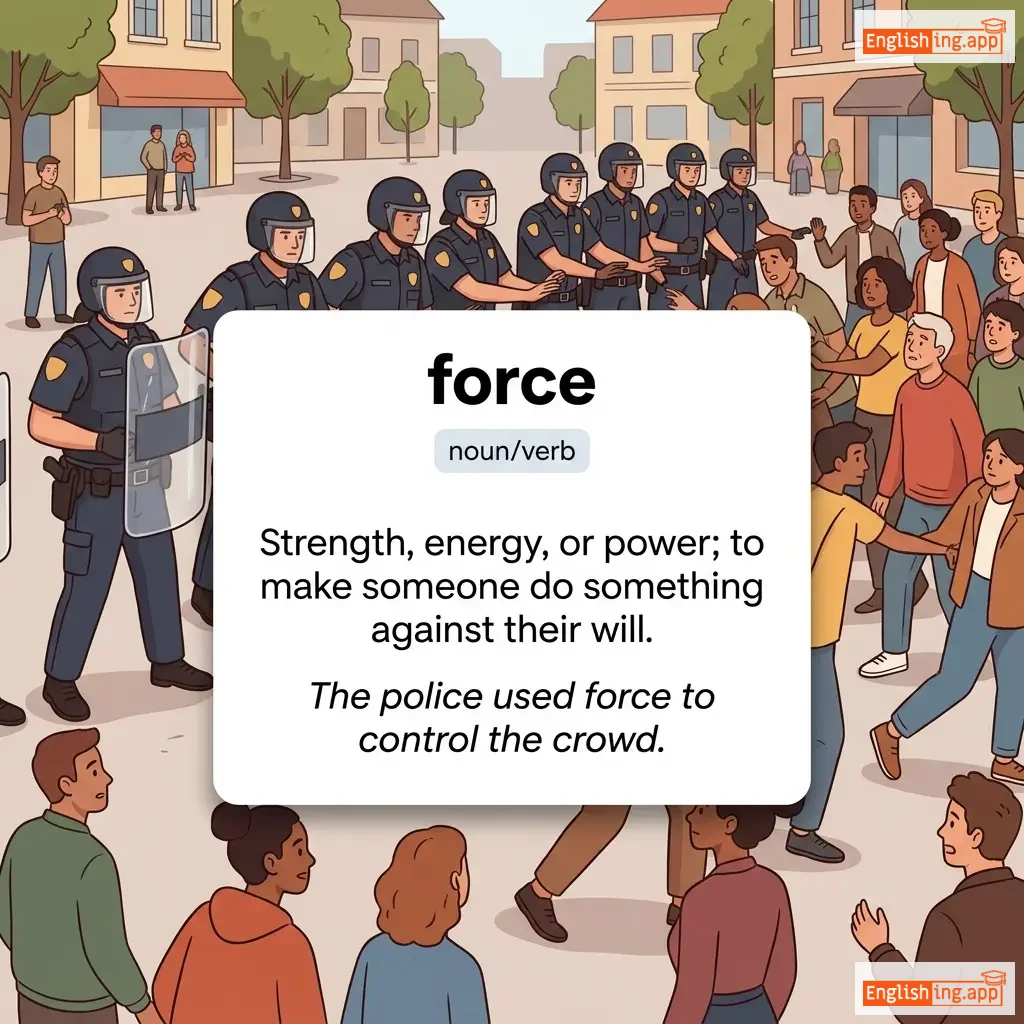
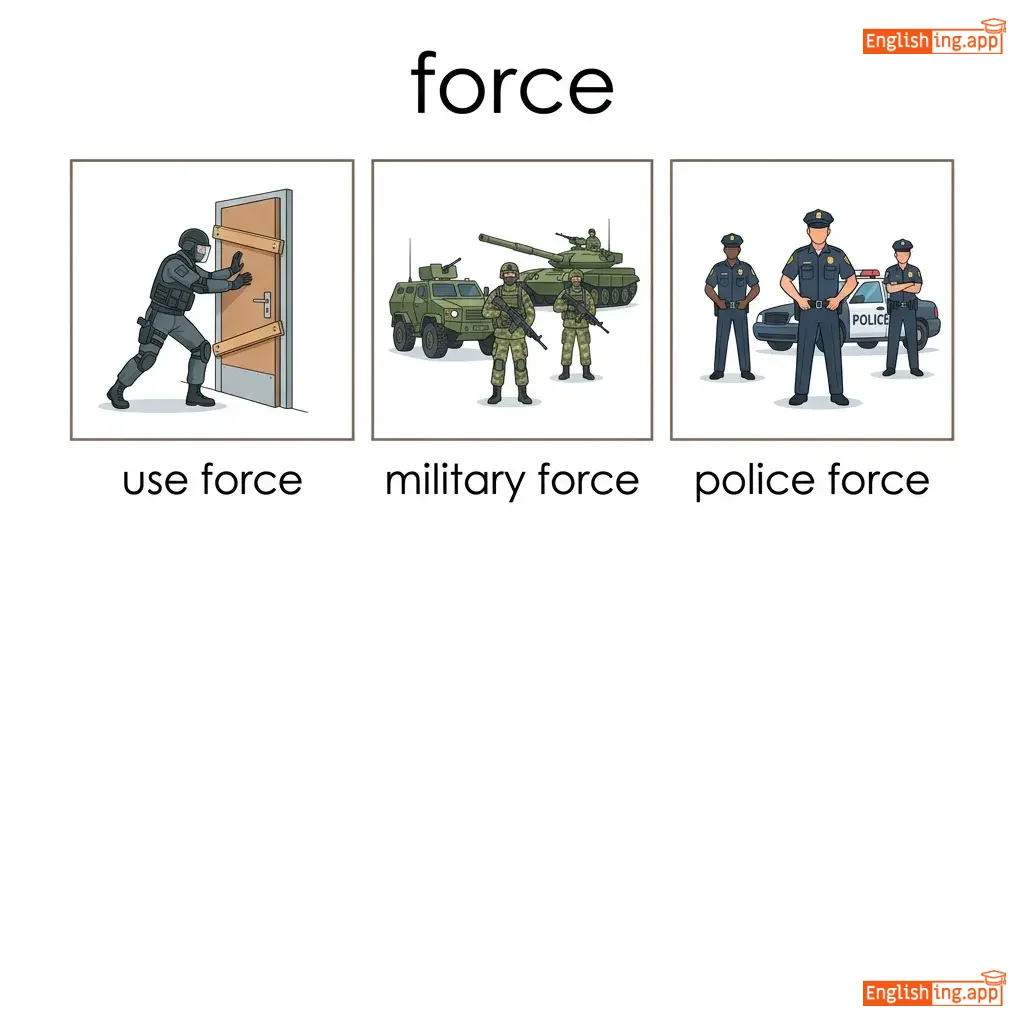
A physical power or energy that can cause movement, change, or influence.
••••••
|
Strong nuclear force binds particles. |
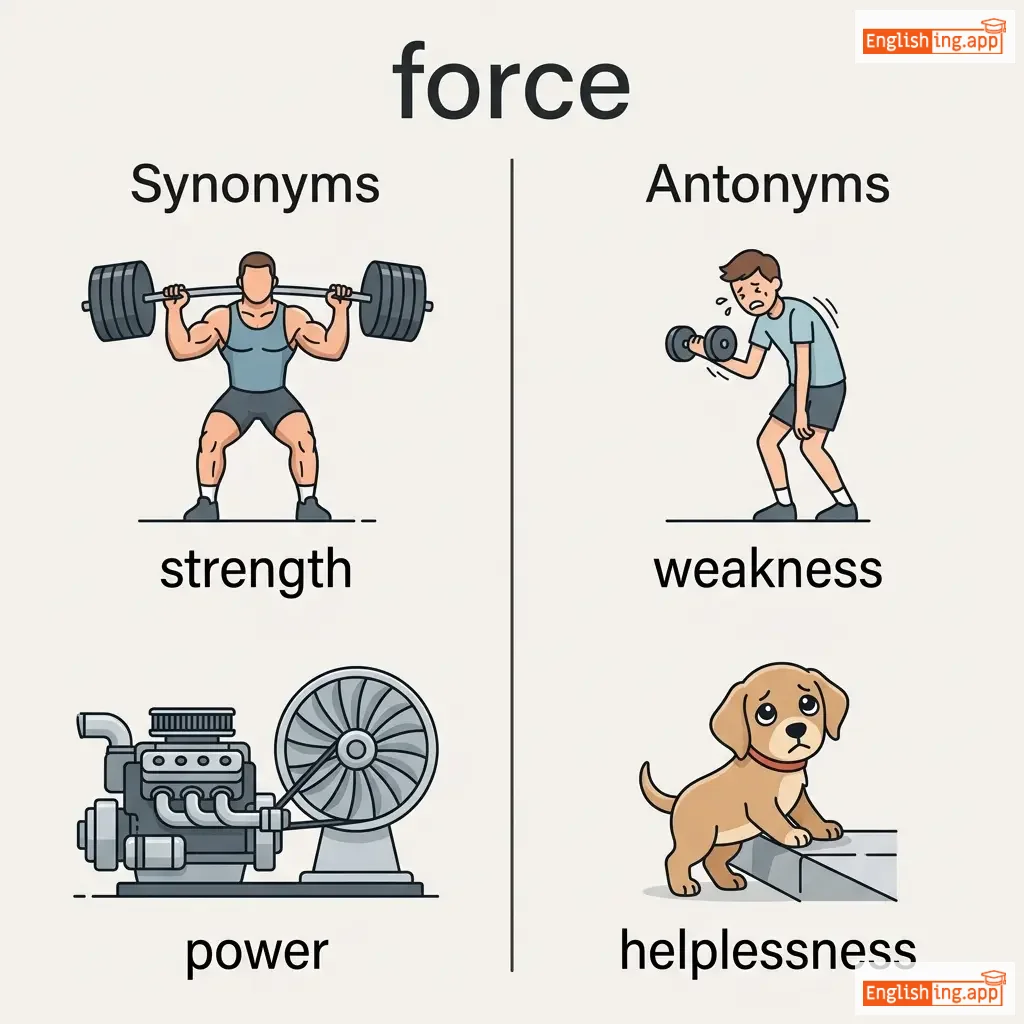
power, energy
••••••
|
weakness, fragility
••••••
|
|
#646
🔗
|
baɪnd
verb
••••••
|


|
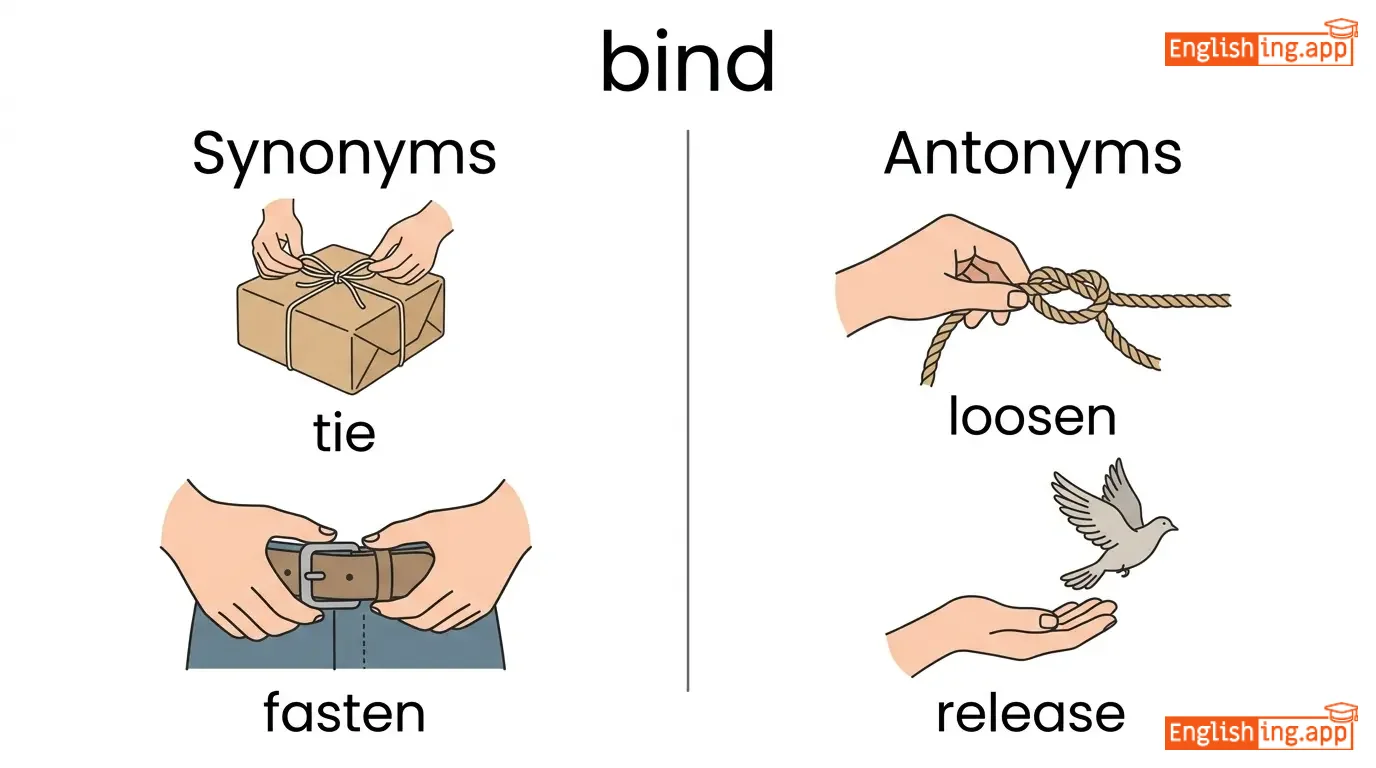
To tie, fasten, or hold together securely.
••••••
|
This force binds quarks together. |
tie, unite
••••••
|
separate, disconnect
••••••
|
|
#647
🔬
|
kwɔːrk
noun
••••••
|
|
A fundamental subatomic particle that combines to form protons and neutrons.
••••••
|
Quarks form protons and neutrons. |
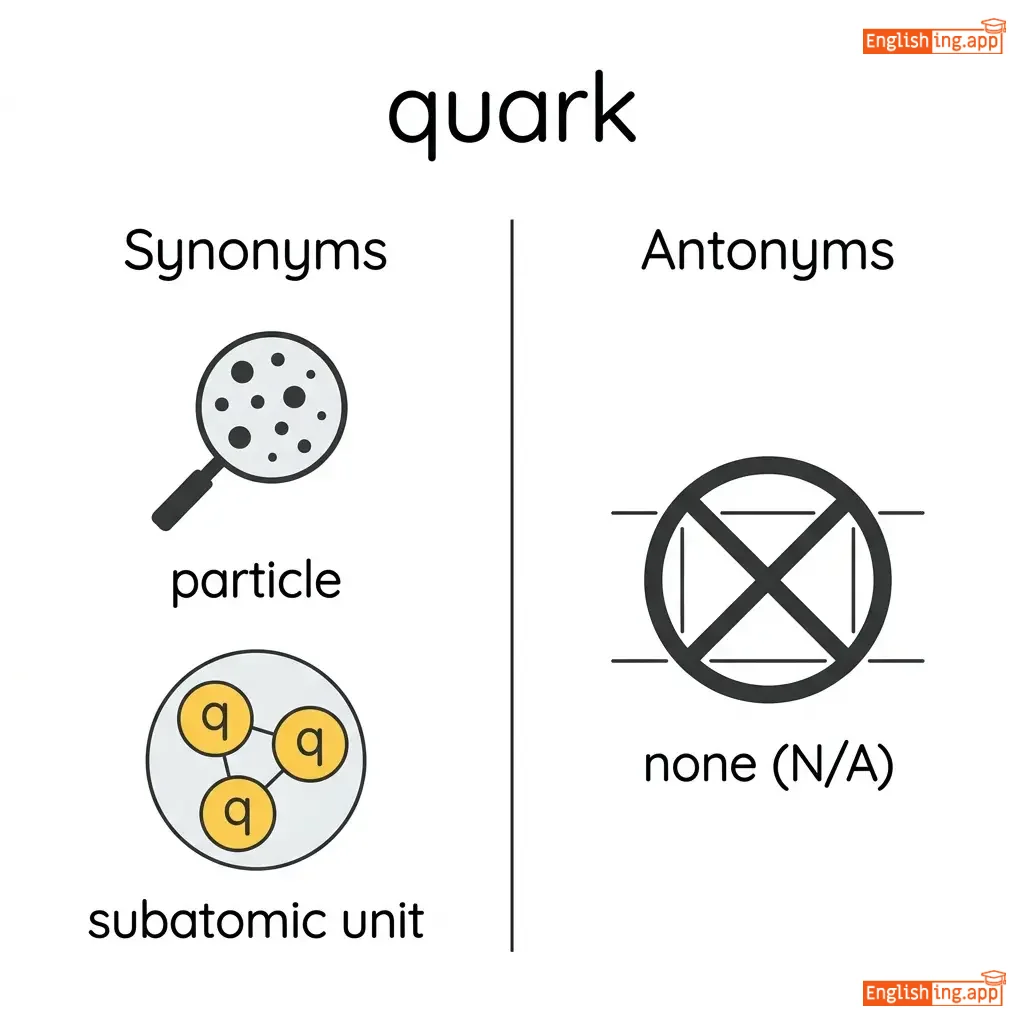
particle, subatomic unit
••••••
|
none (N/A)
••••••
|
|
#648
⚛️
|
ˈnuːkliəs
noun
••••••
|
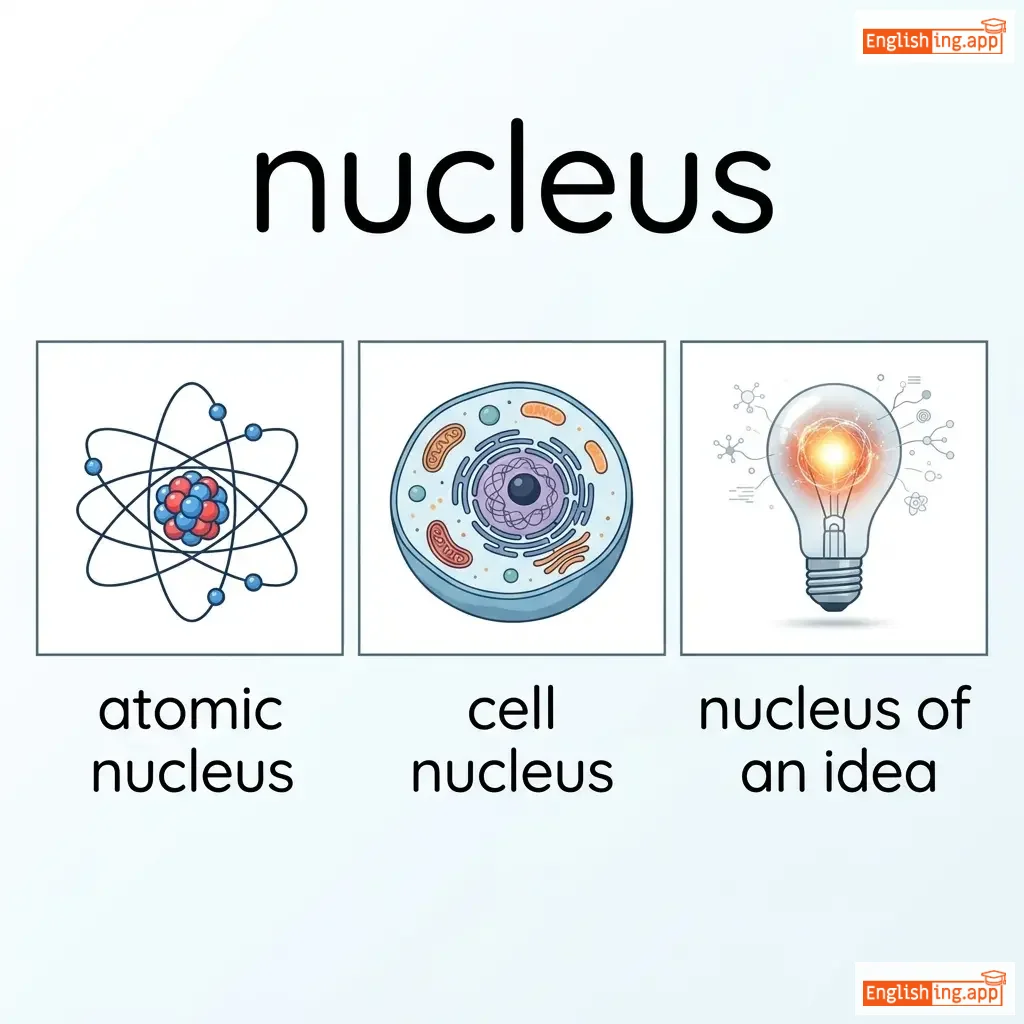
|
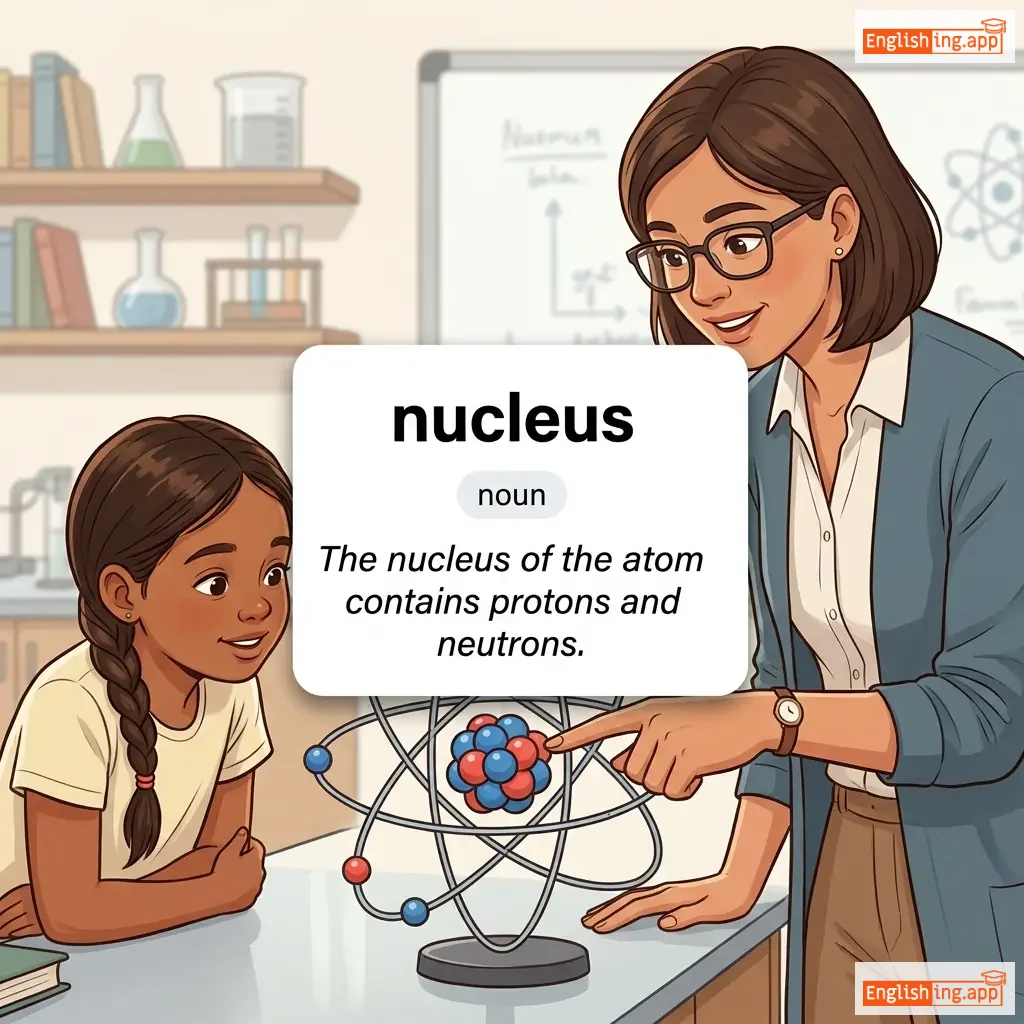
The central core of an atom containing protons and neutrons.
••••••
|
The nucleus consists of protons. |
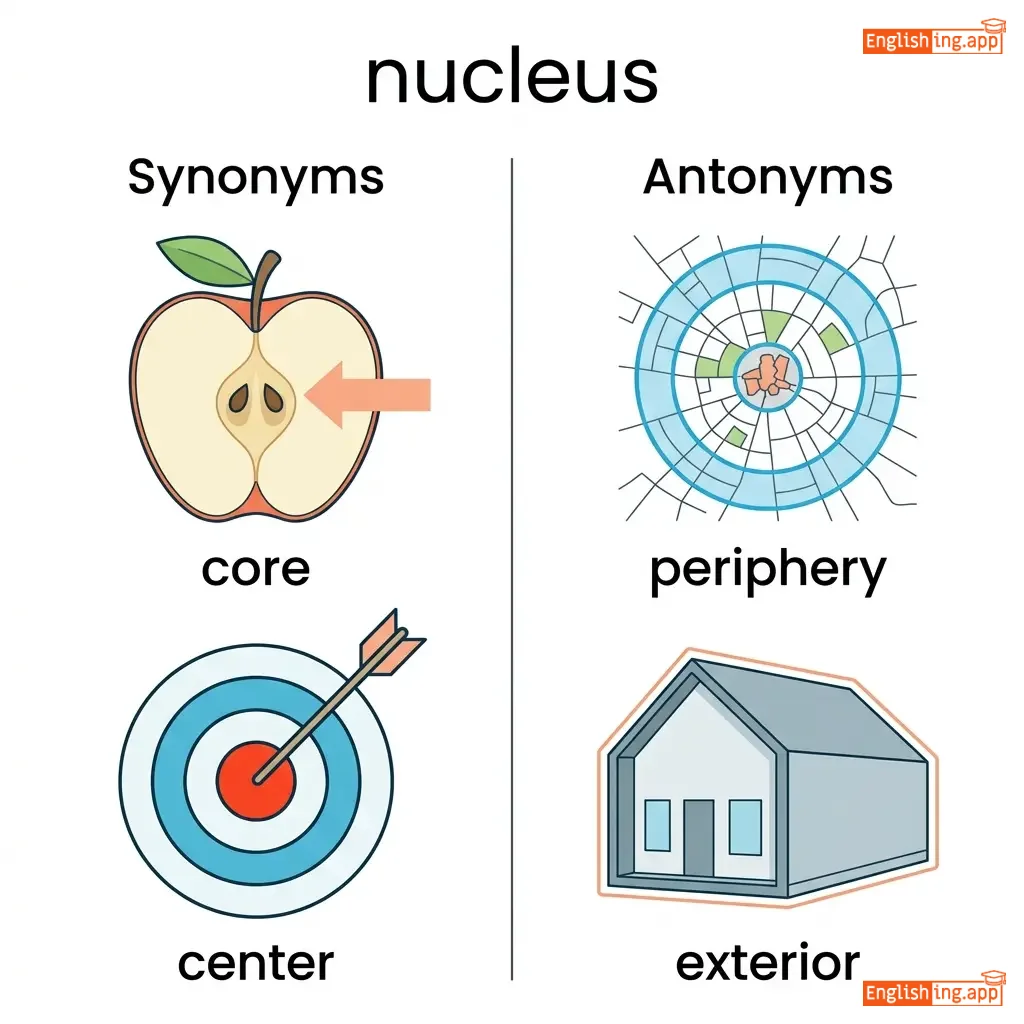
core, center
••••••
|
periphery, outside
••••••
|
|
#649
➕
|
ˈpɒzətɪv
adjective
••••••
|

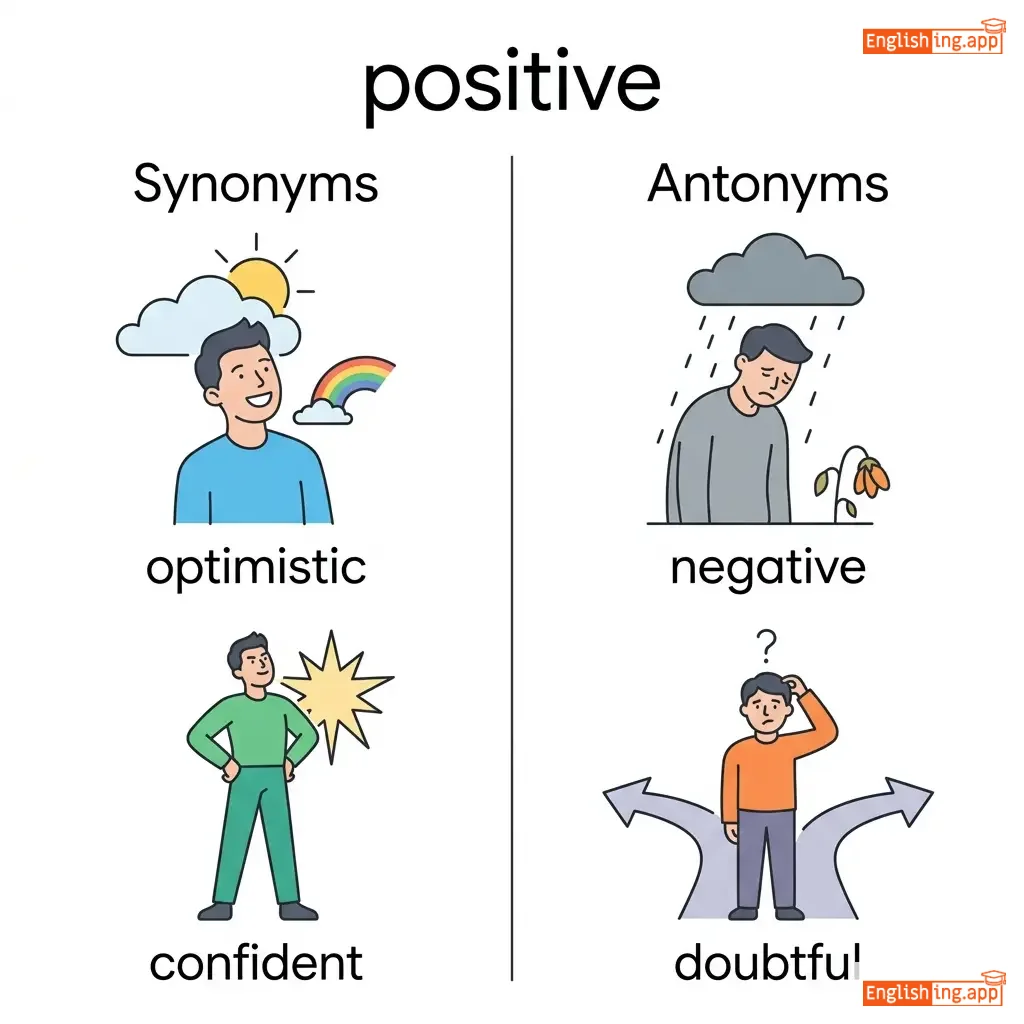
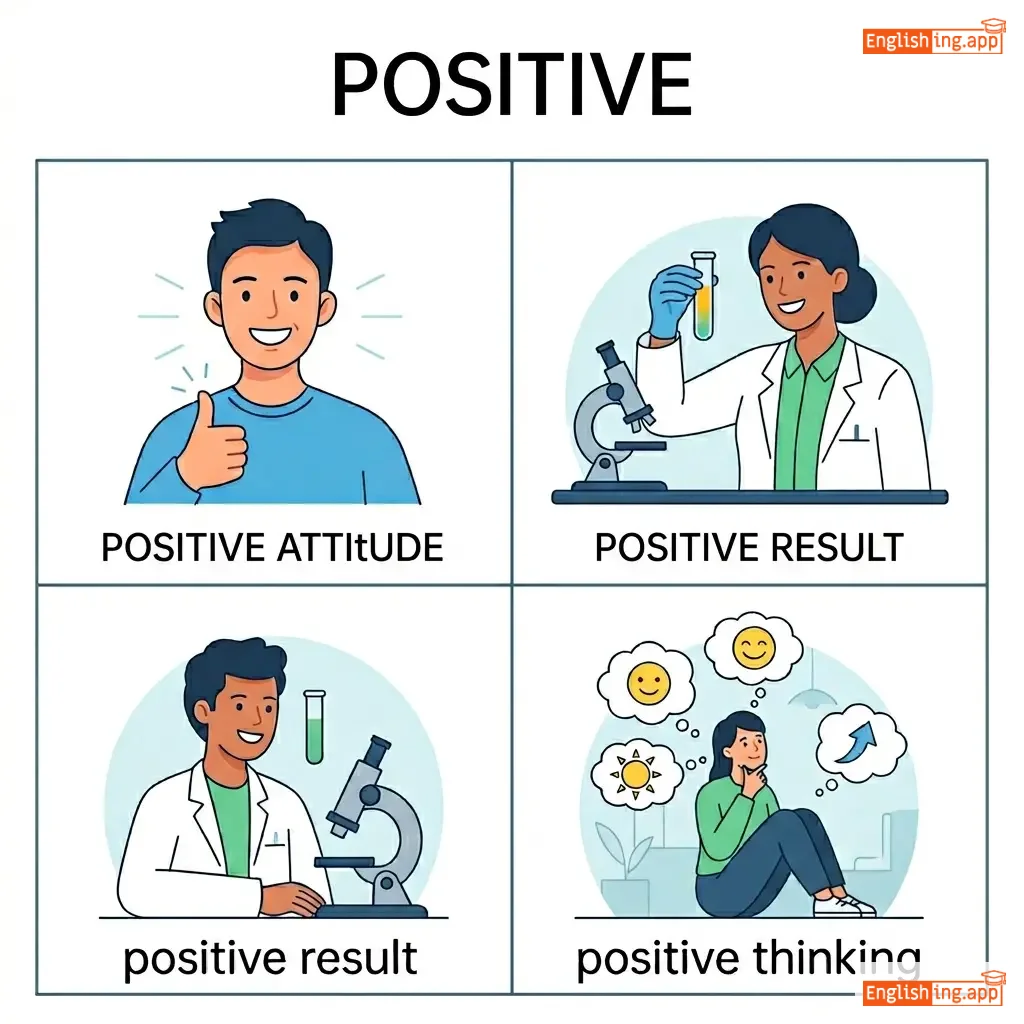
|
Having an electric charge opposite to that of an electron.
••••••
|
Protons have a positive charge. |
affirmative, plus
••••••
|
negative, neutral
••••••
|
|
#650
⚖️
|
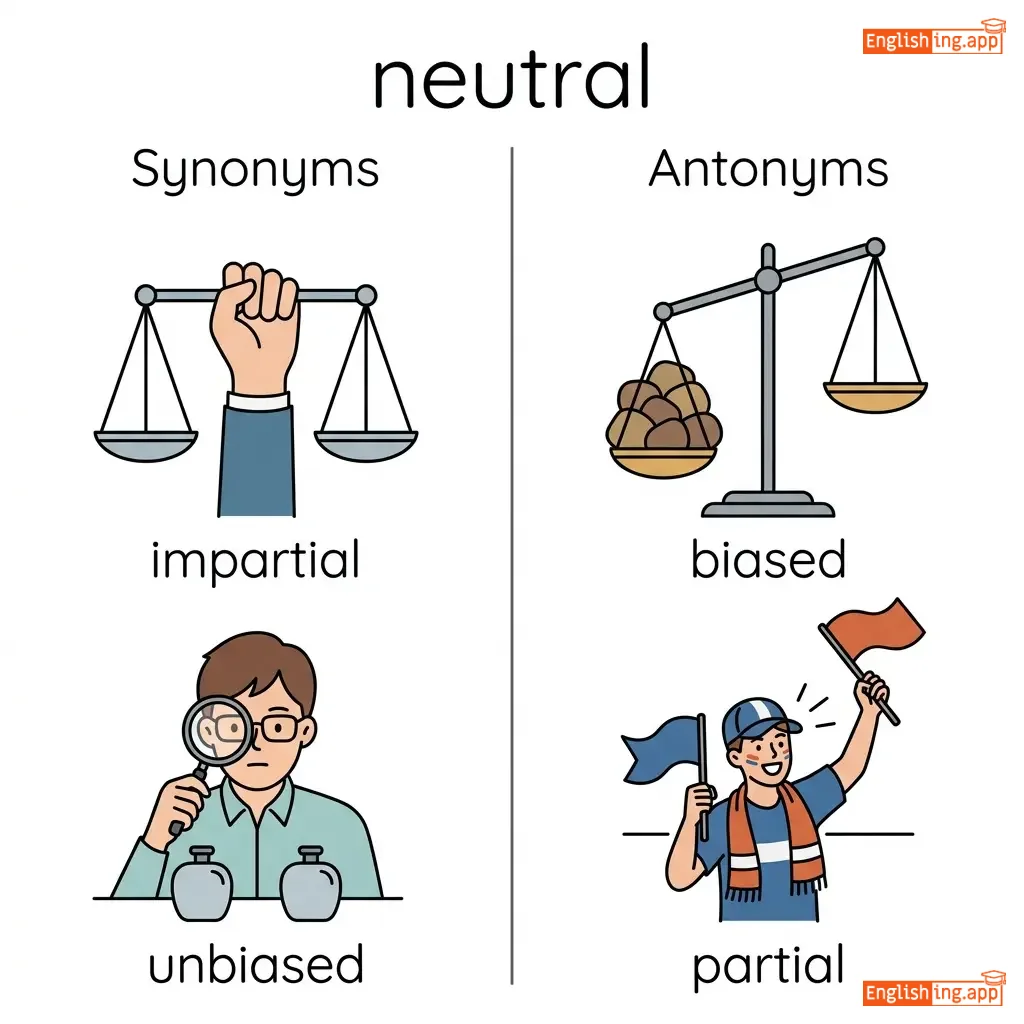
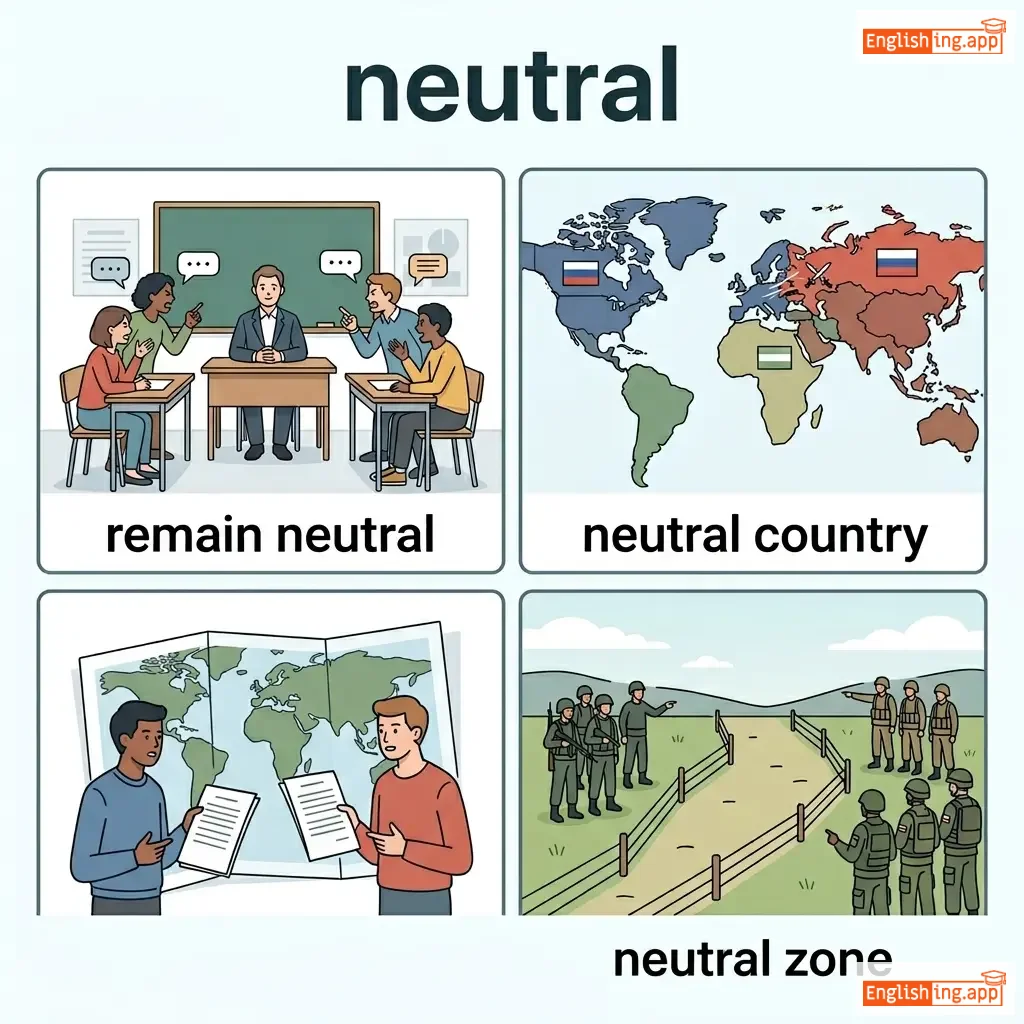
ˈnjuːtrəl
adjective
••••••
|
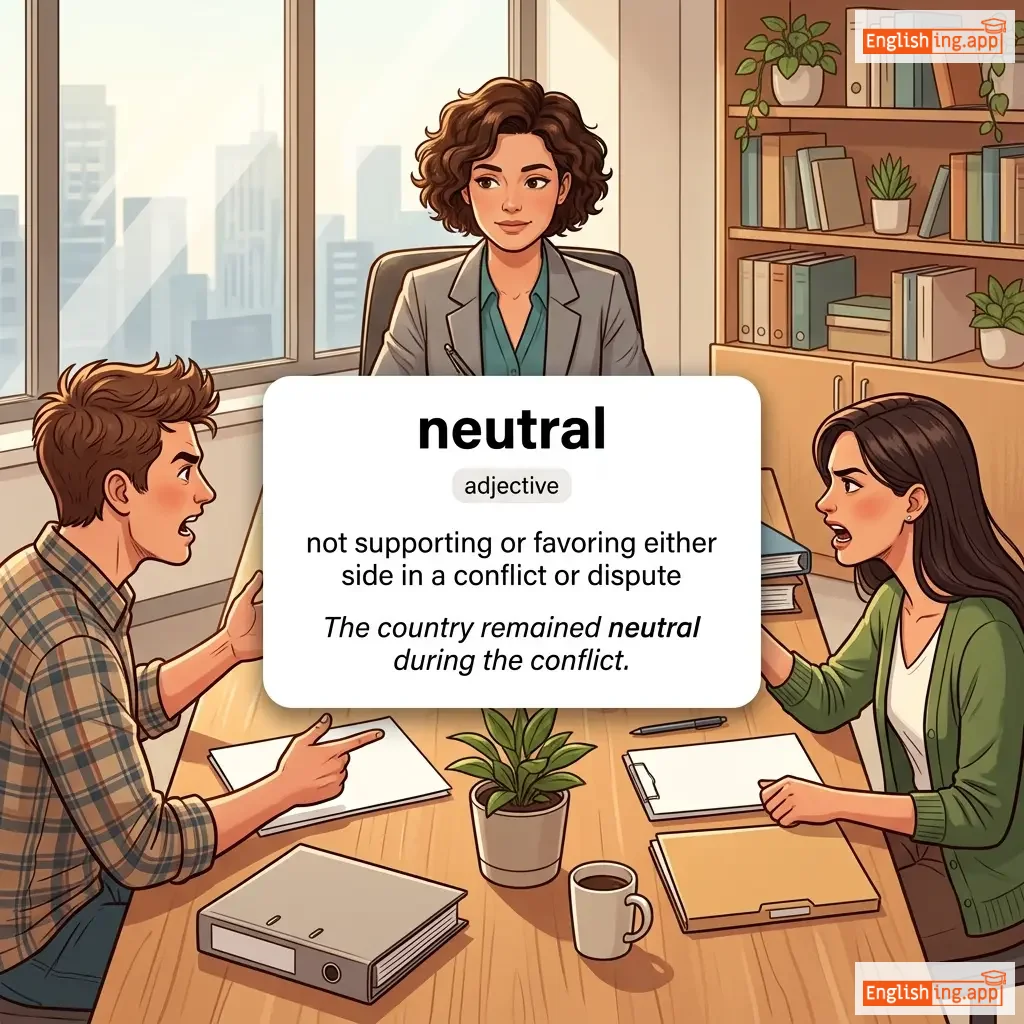
|
Having no electric charge; neither positive nor negative.
••••••
|
Neutrons are electrically neutral. |
unbiased, uncharged
••••••
|
charged, biased
••••••
|
|
#651
🔄
|
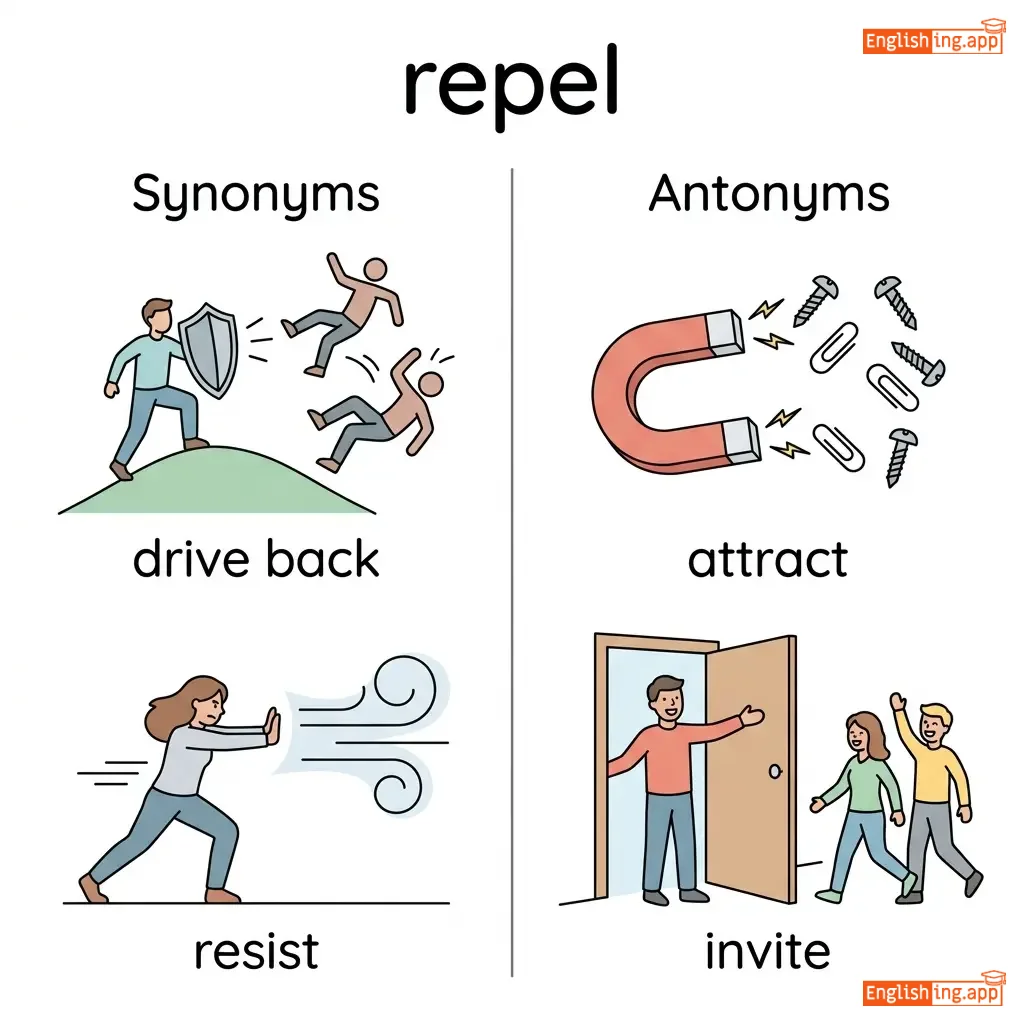
rɪˈpel
verb
••••••
|


|
To push away or force apart due to similar charges or properties.
••••••
|
Protons repel each other. |
push away, reject
••••••
|
attract, pull
••••••
|
|
#652
📦
|
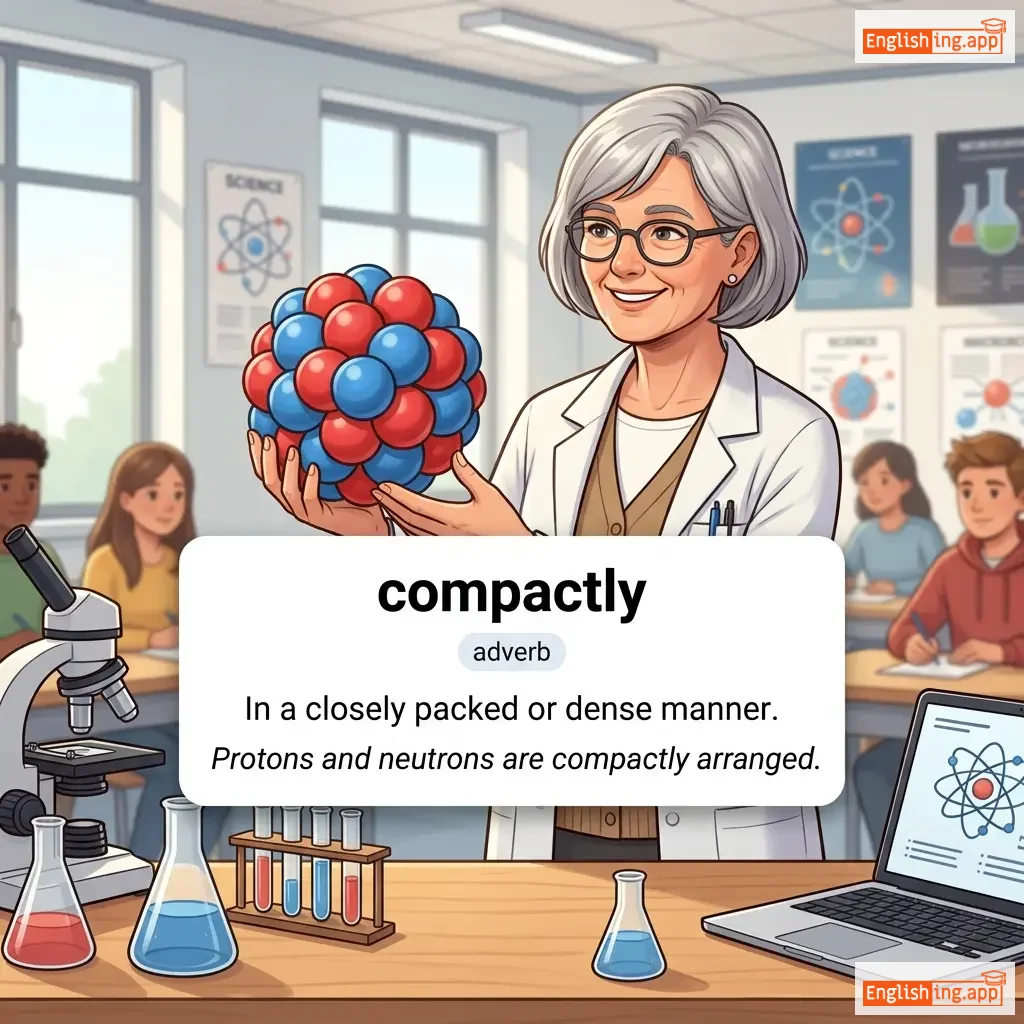
kəmˈpæktli
adverb
••••••
|
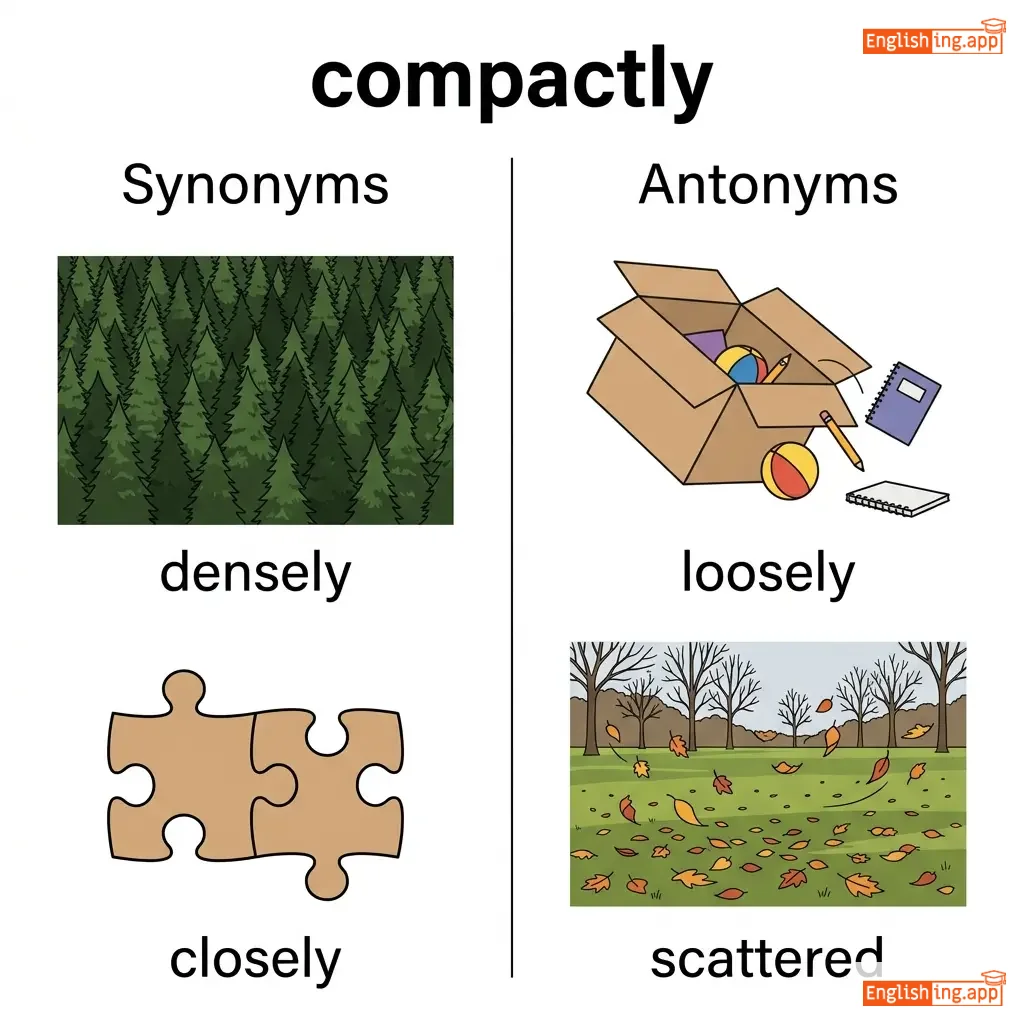
|
In a closely packed or dense manner.
••••••
|
Protons and neutrons are compactly arranged. |
densely, closely
••••••
|
loosely, scattered
••••••
|
|
#653
🤝
|
ədˈhɪər
verb
••••••
|

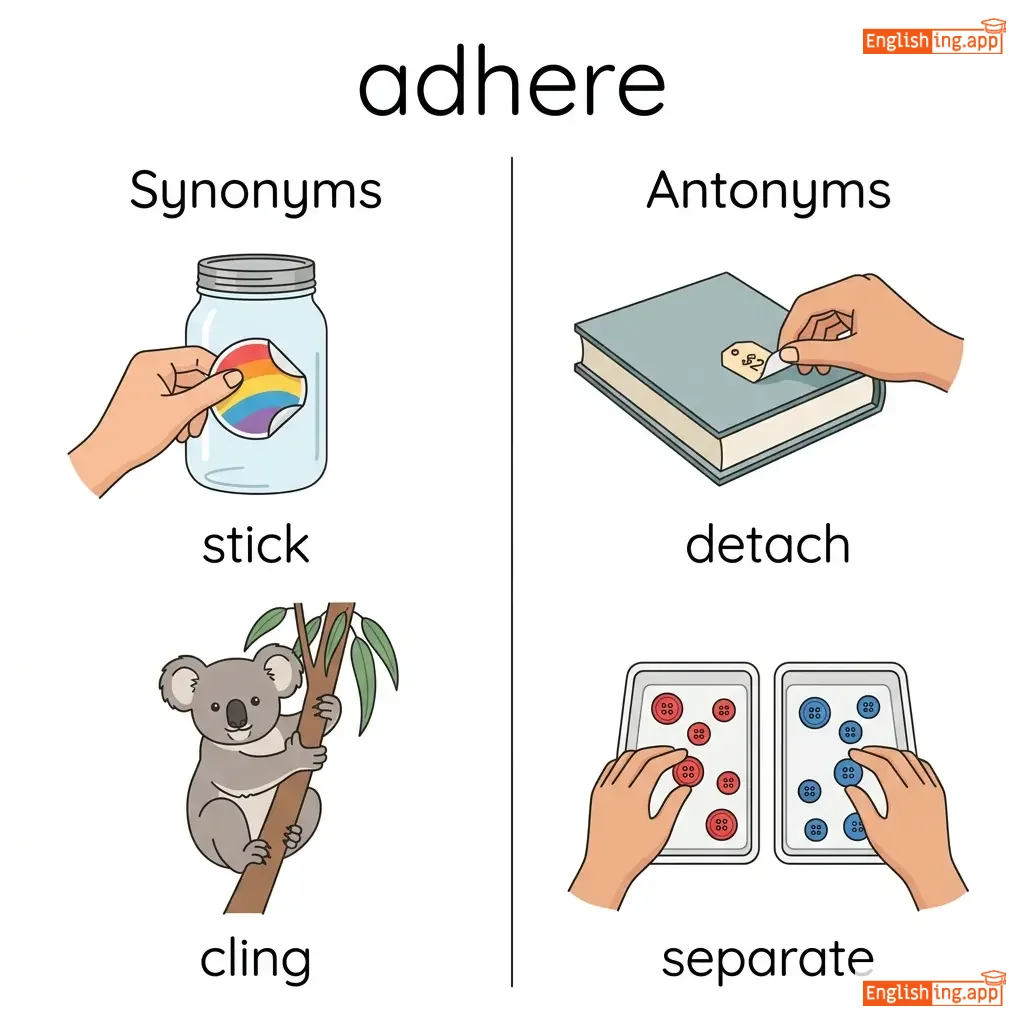
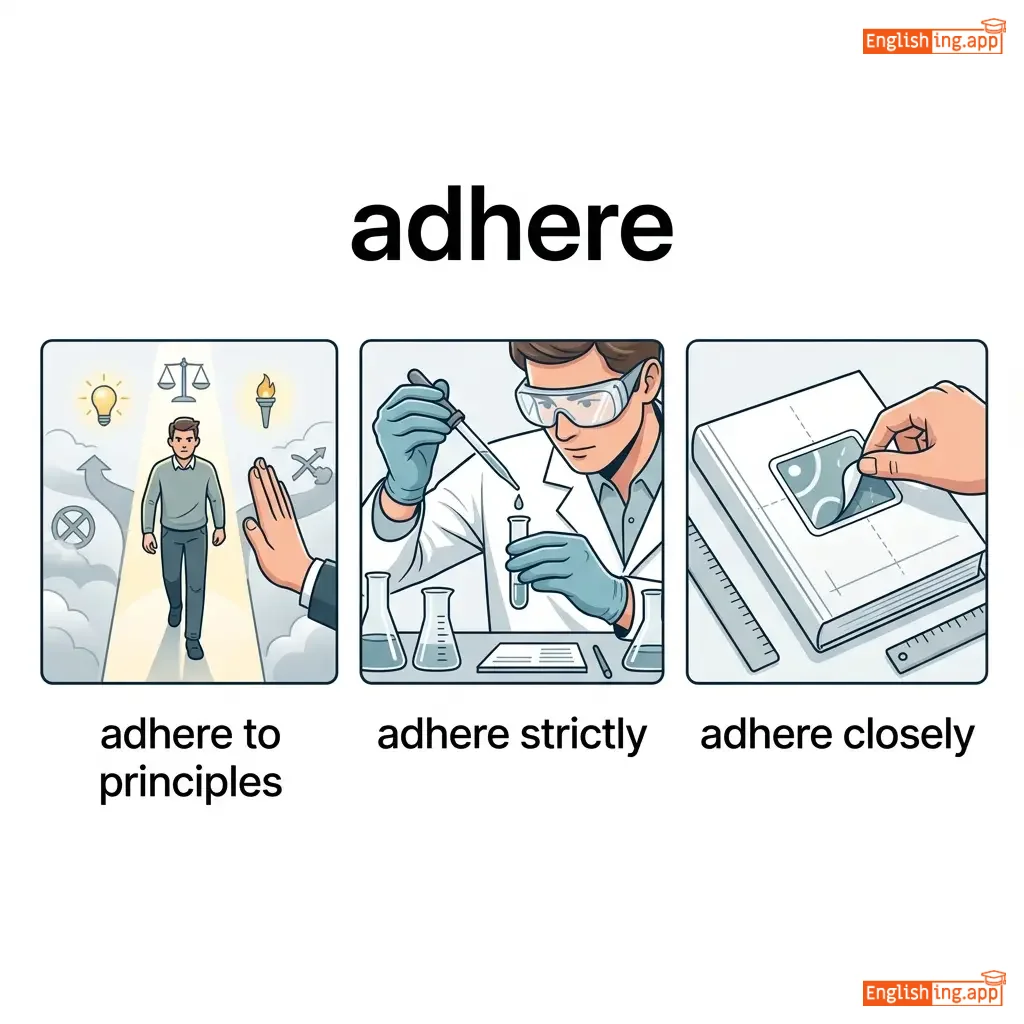
|
To stick firmly to something or stay attached.
••••••
|
Neutrons adhere to protons. |
stick, cling
••••••
|
detach, separate
••••••
|
|
#654
👑
|
ˈdɒmɪnəns
noun
••••••
|

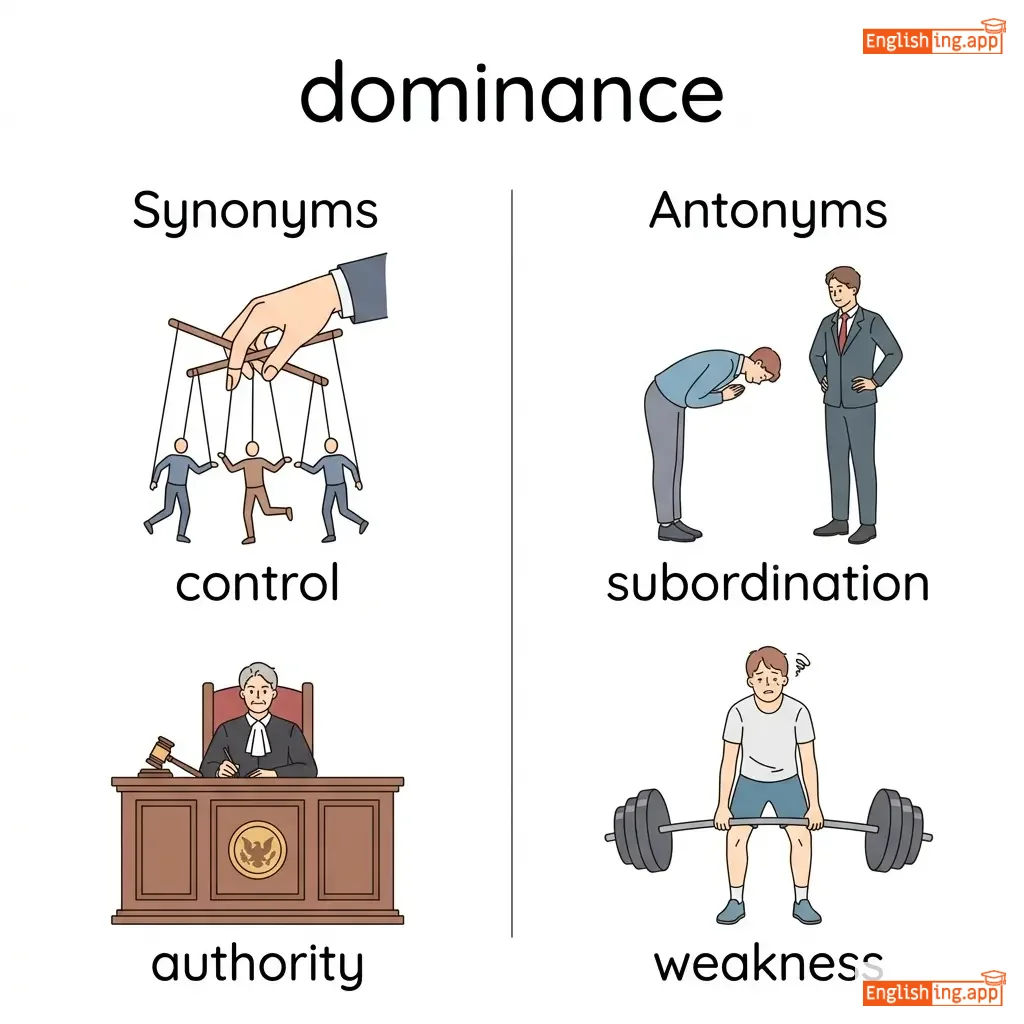

|
The state of having power, control, or influence over others.
••••••
|
Strong force exerts dominance over other forces. |
supremacy, authority
••••••
|
inferiority, submission
••••••
|
|
#655
🧲
|
ɪˌlektrəʊmæɡˈnetɪk
adjective
••••••
|
|
Relating to both electricity and magnetism or their interaction.
••••••
|
Electromagnetic forces repel protons. |
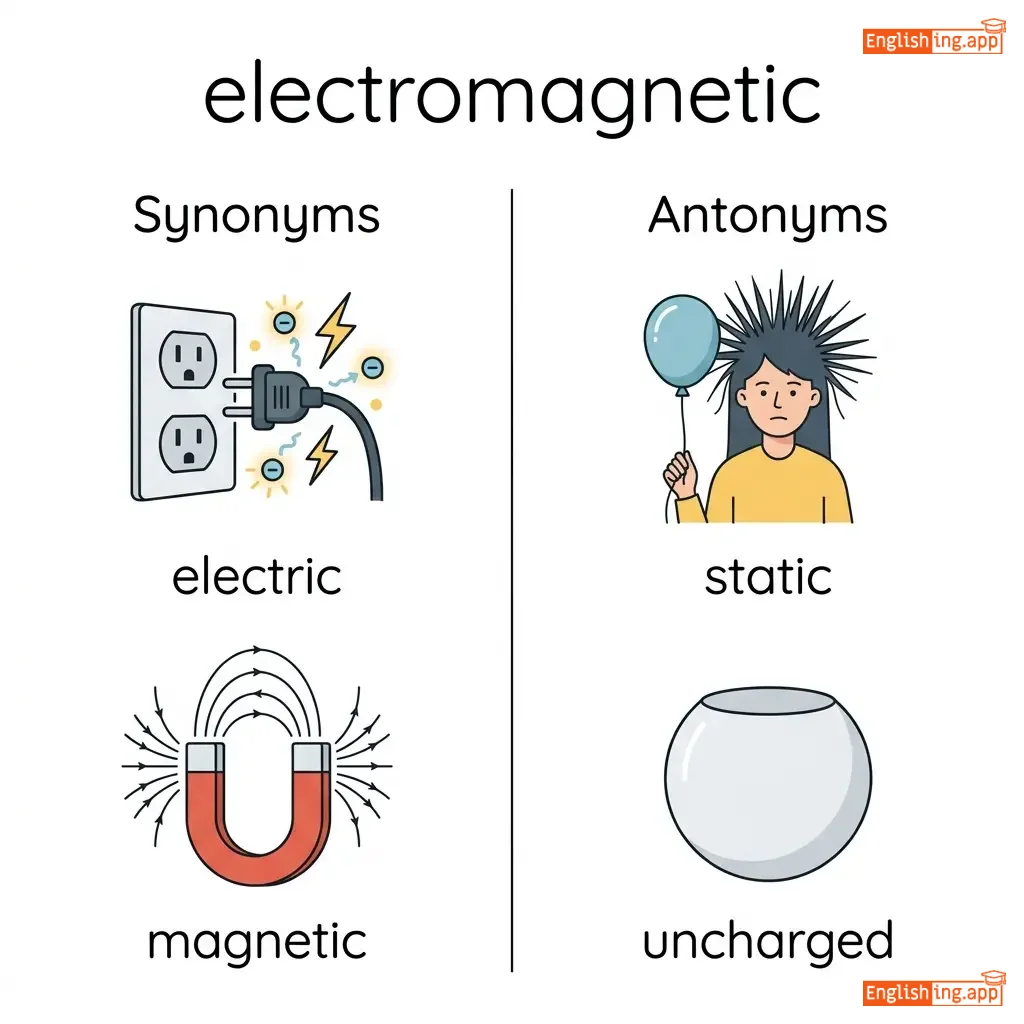
electric, magnetic
••••••
|
static, uncharged
••••••
|
|
#656
🏗️
|
əˈreɪndʒmənt
noun
••••••
|
|
The way things are organized, positioned, or structured.
••••••
|
The arrangement of protons in the nucleus is critical. |
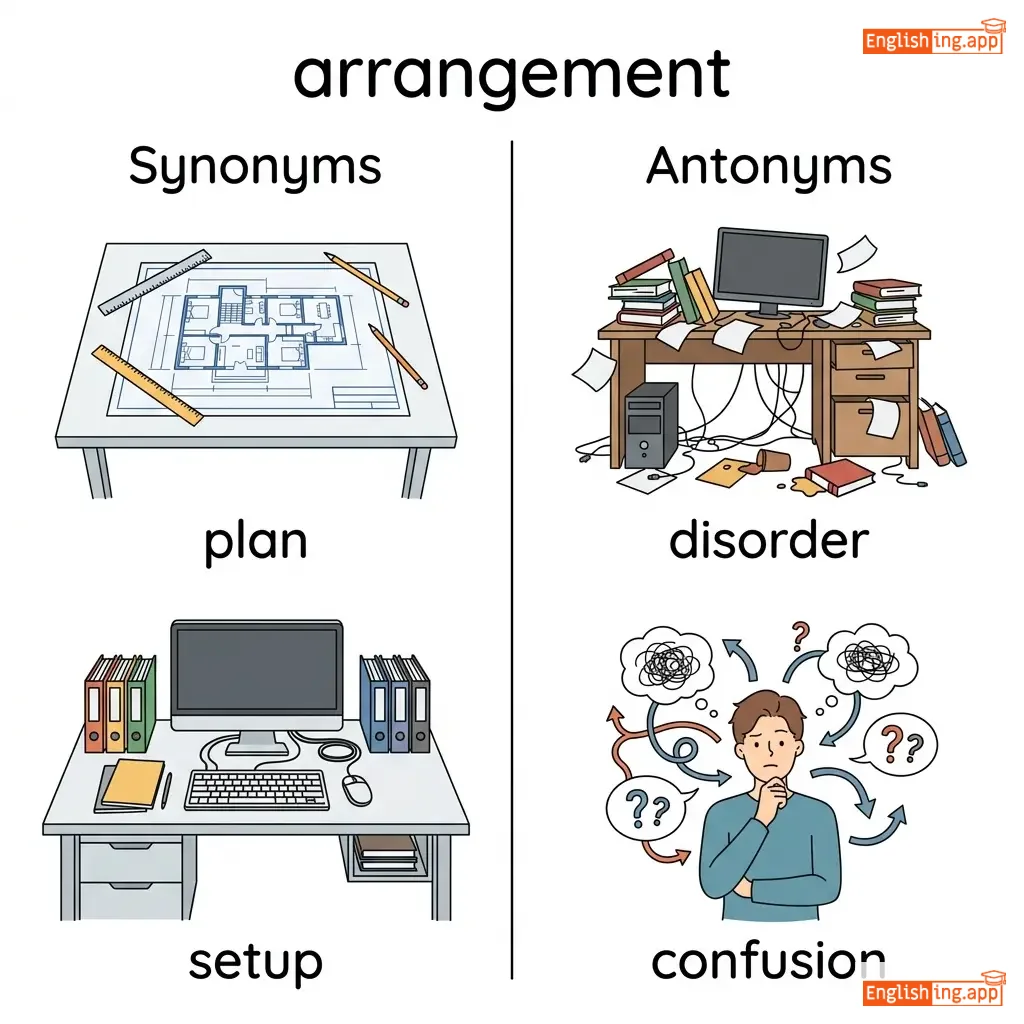
order, organization
••••••
|
disorder, chaos
••••••
|
|
#657
⚖️
|
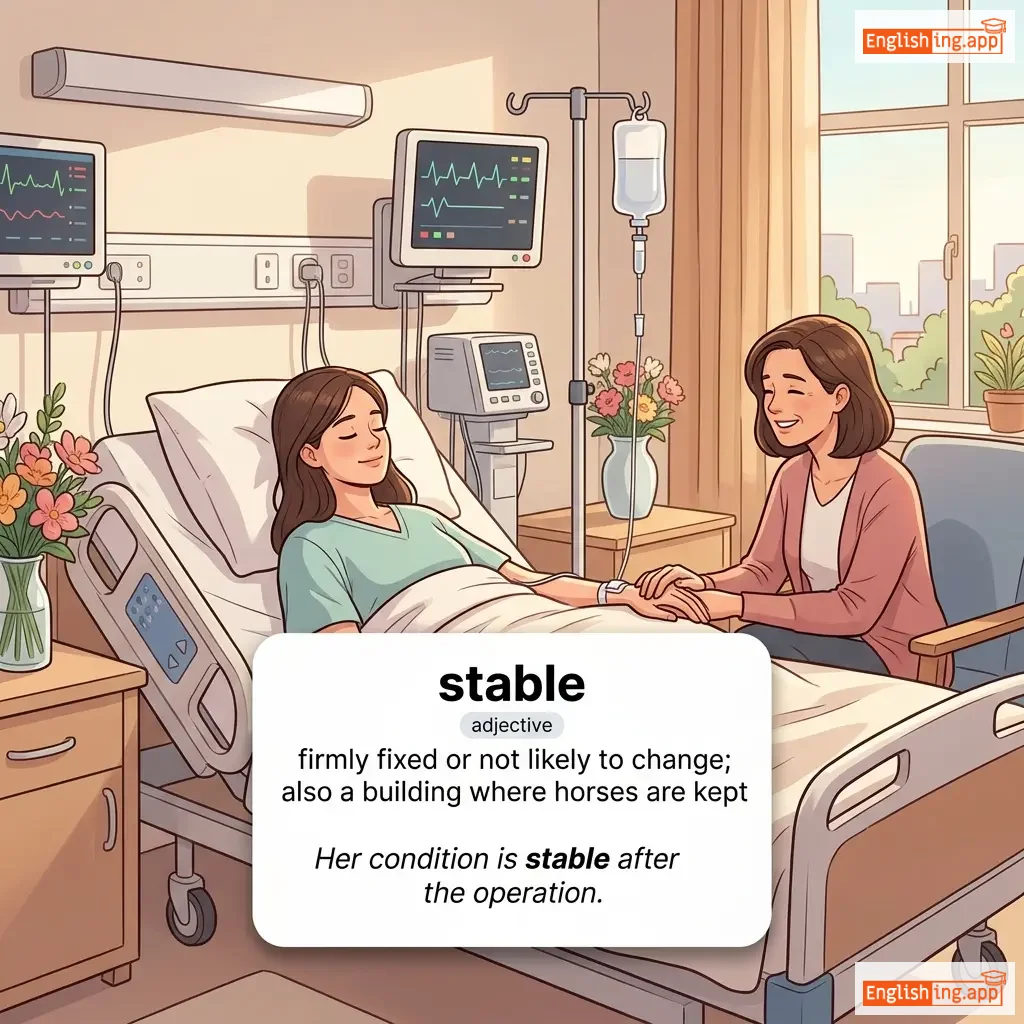
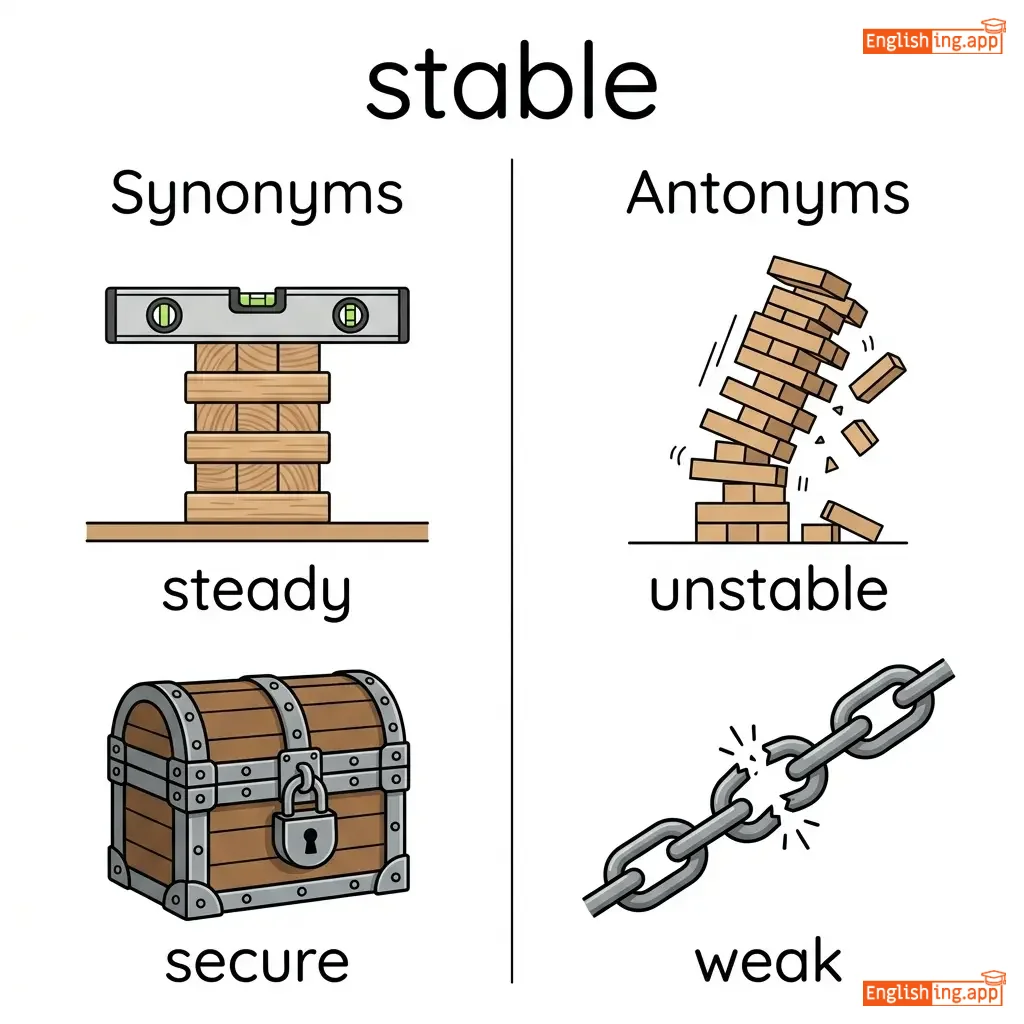
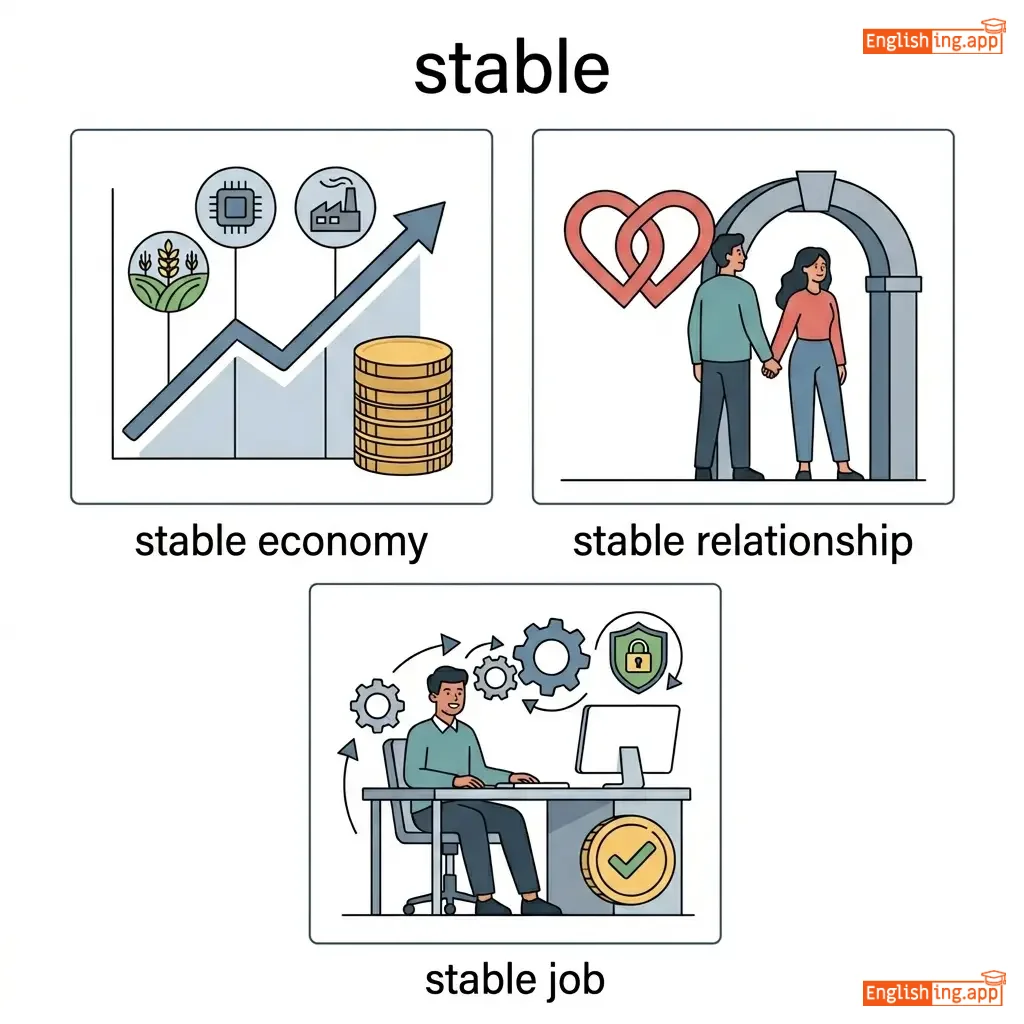
ˈsteɪbl
adjective
••••••
|
|
Not likely to change or fail; firmly established.
••••••
|
Strong nuclear force keeps the nucleus stable. |
steady, secure
••••••
|
unstable, volatile
••••••
|

