

La Grande Muraille de Chine
The Great Wall of China
La Grande Muraille de Chine est une longue structure faite de pierre et de terre. Elle a été construite et entretenue du Ve siècle av. J.-C. au XVIe siècle ap. J.-C. pour protéger la boundary nord de la Chine. De nombreuses fortifications similaires ont été construites, mais la barrier érigée par le premier empereur de Chine, Shi Huang Ti, entre 220 et 200 av. J.-C., est la plus célèbre. Elle se situe bien au nord du mur actuel, et très peu de remnants en subsistent. Le mur actuel a été construit sous la dynastie Ming.
La Grande Muraille de Chine est la plus grande architecture au monde faite de la main de l’homme. Sa hauteur varie entre 5 et 8 mètres, et sa longueur est de 8 851,8 kilomètres. Elle commence près de Shanghai et se termine à un endroit appelé Lopnur.
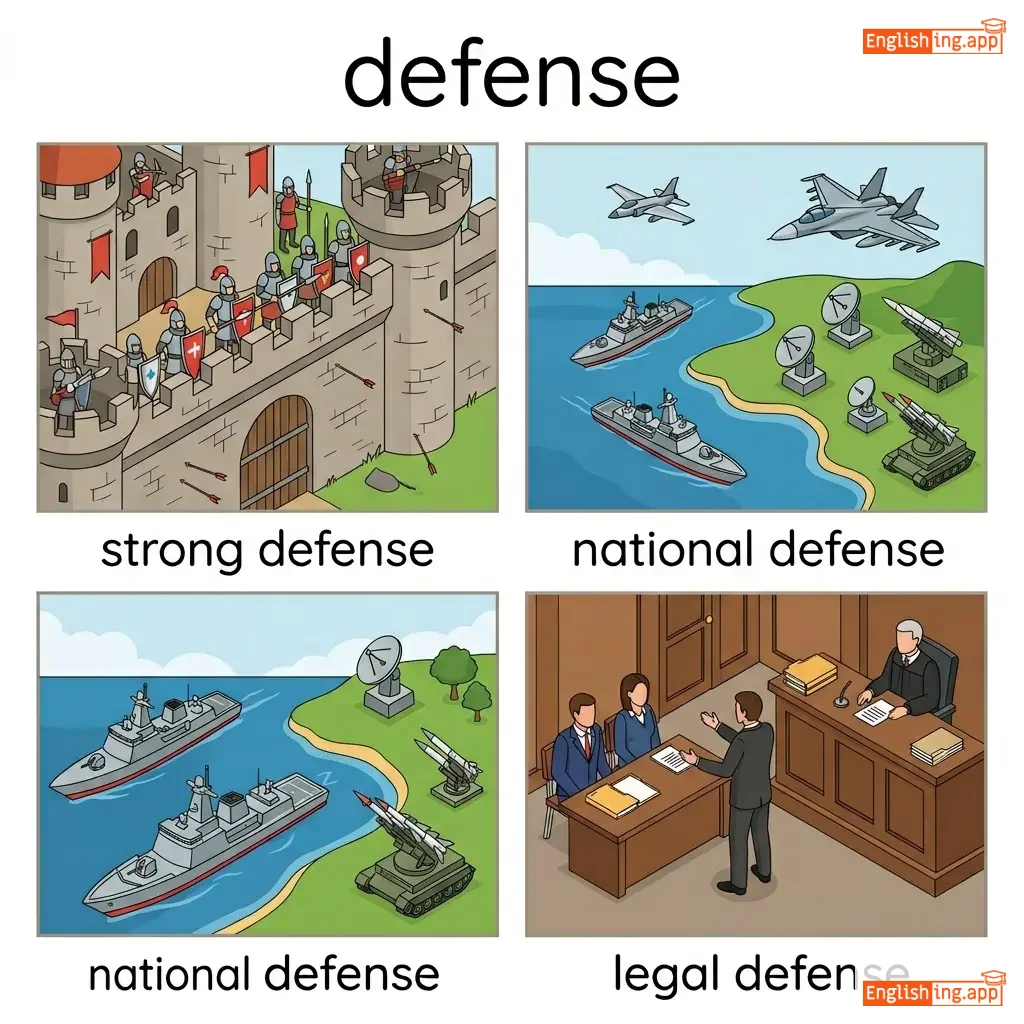
La construction de sa partie principale a commencé vers 208 av. J.-C. Les travaux furent lancés par les Chinois sous l’Empire Qin. Le premier empereur, Qin Shi Huang, l’a utilisée et prolongée pour protéger son territory des ennemis. Outre les barriers naturelles de la Chine, elle servait à garder d’autres zones et constituait la première ligne de defense contre les tribus du nord, les Xiongnu.
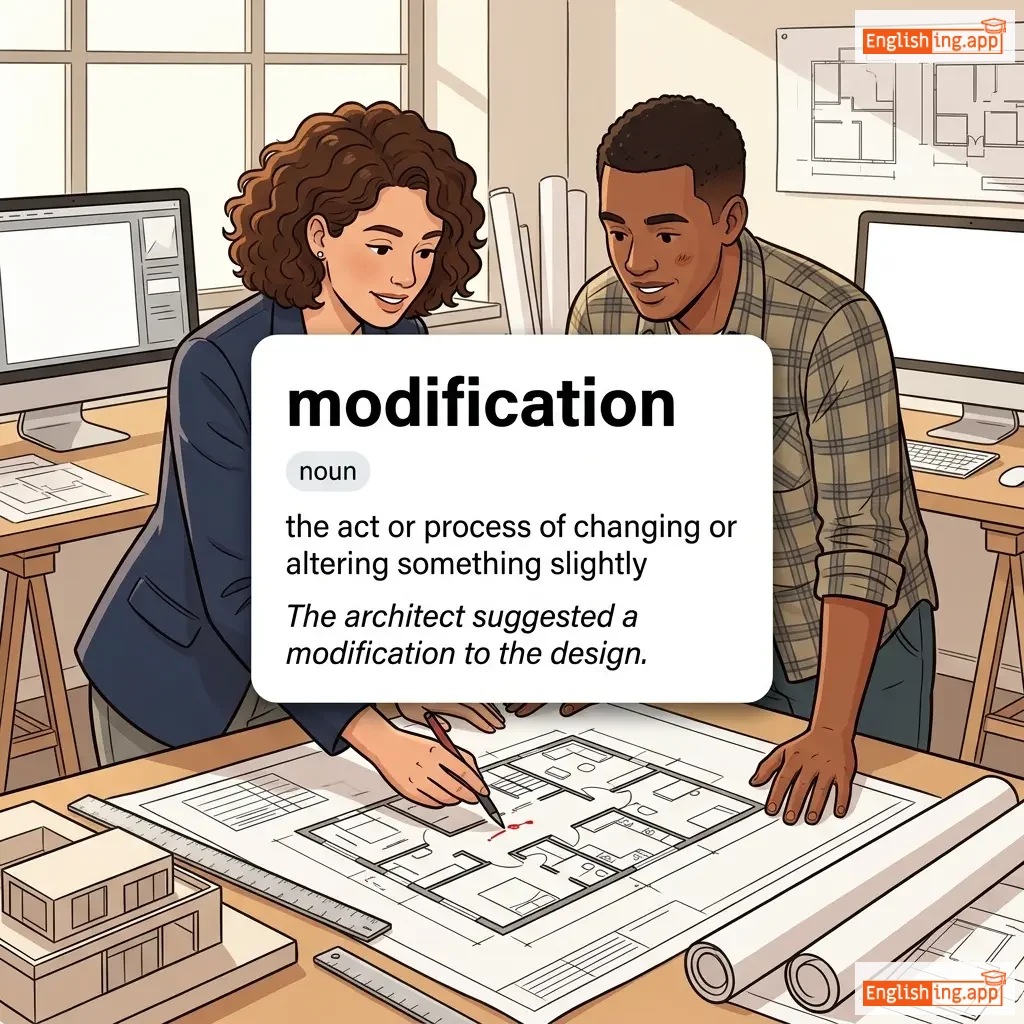
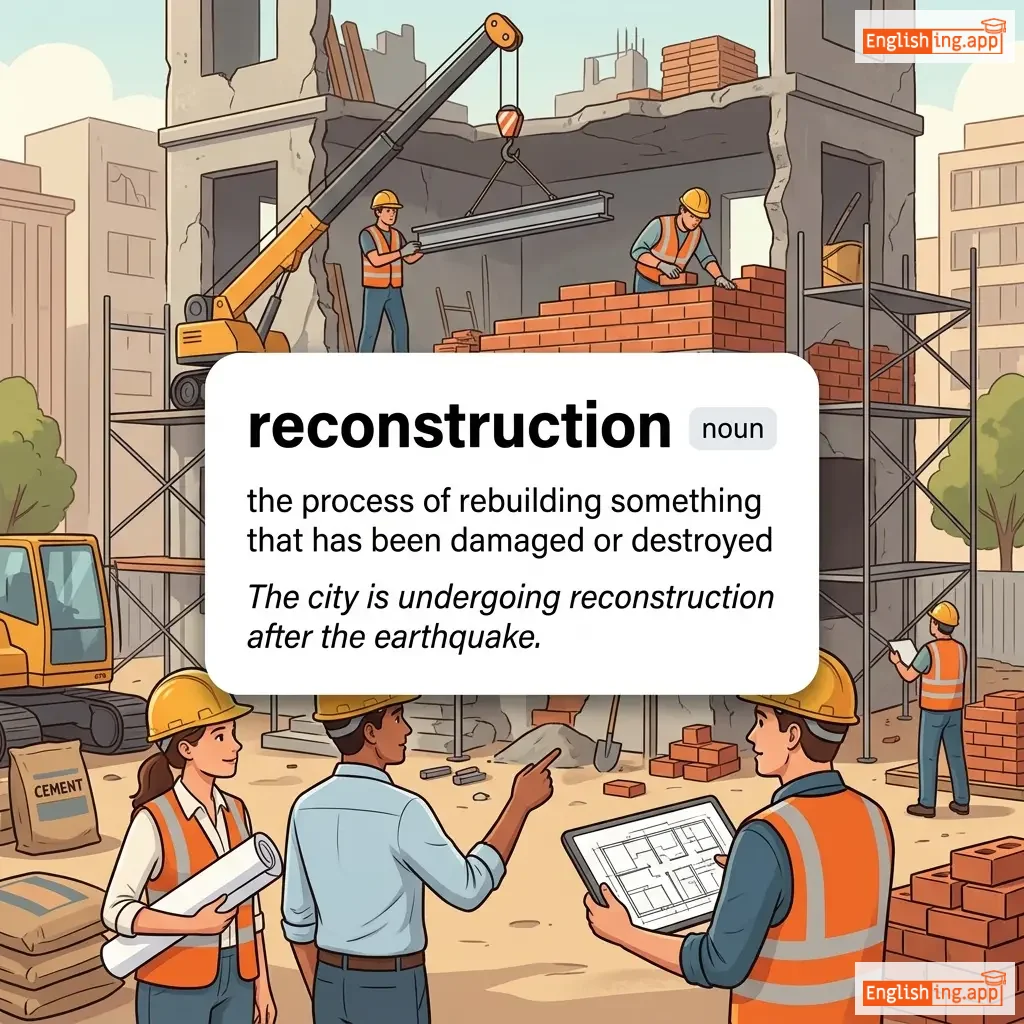
Dans l’histoire des empires Han, Sui, du Nord et Jin, on mentionne la modification, l’expansion et la reconstruction du mur chinois pour les mêmes raisons qu’à son origine.
Passez à la version Pro pour accéder à tout le vocabulaire
Message vocabulaire Pro
Passer à la version ProTraduction
Passé
Participe Passé
Troisième Personne du Singulier
Gérondif
Signification
Phrase d'Exemple
Traduction de la Phrase d'Exemple
Synonymes
Antonymes
Collocations
Mnémonique







Swipe left or right, or use the buttons. Tap image to zoom.
Passez à la version Pro pour accéder à toutes les phrases
Message phrases Pro
Passer à la version ProTraduction de la Phrase d'Exemple
Mot
The Great Wall of ChinaThe Great Wall of China - Basculement de Masque
|
Émoji
|
Mot | Images | Traduction | Signification | Phrase d'Exemple | Traduction de la Phrase d'Exemple | Synonymes | Antonymes | Mnémonique |
|---|---|---|---|---|---|---|---|---|---|
|
#586
🏗️
|
ˈstrʌktʃə(r)
noun
(estruktur)
••••••
|
|
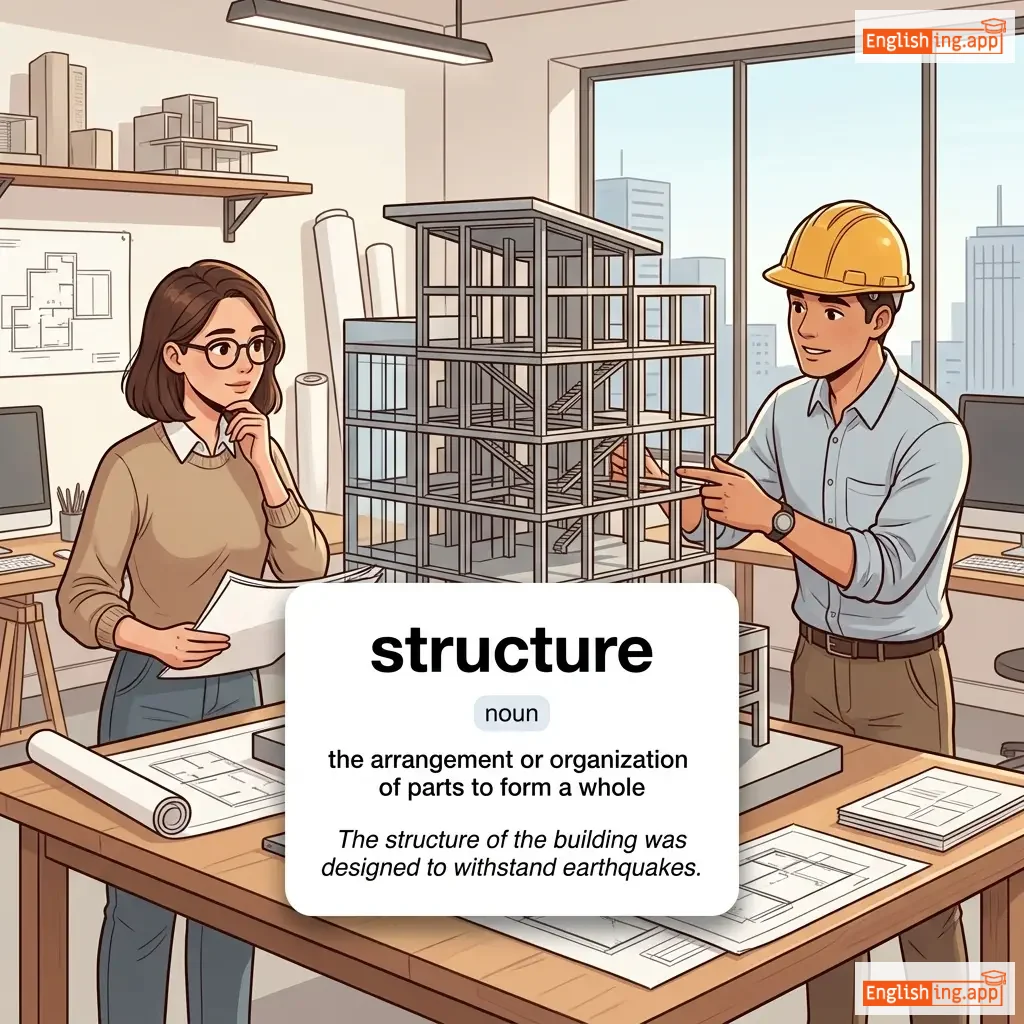
structure
structure
••••••
|
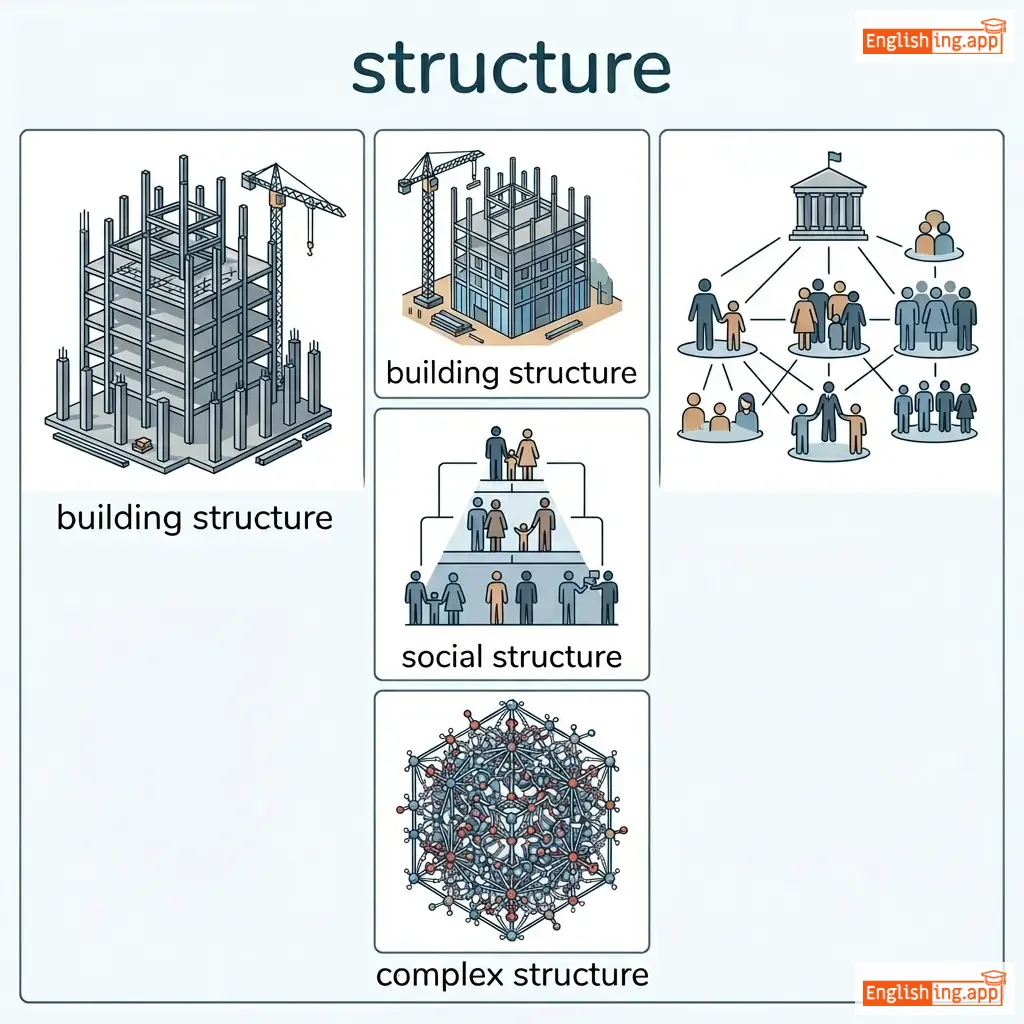
A building or other object constructed from several parts; the arrangement of and relations between the parts or elements of something complex.
••••••
|
The structure of the building was impressive. |
La structure du bâtiment était impressionnante.
La structure du bâtiment était impressionnante.
••••••
|
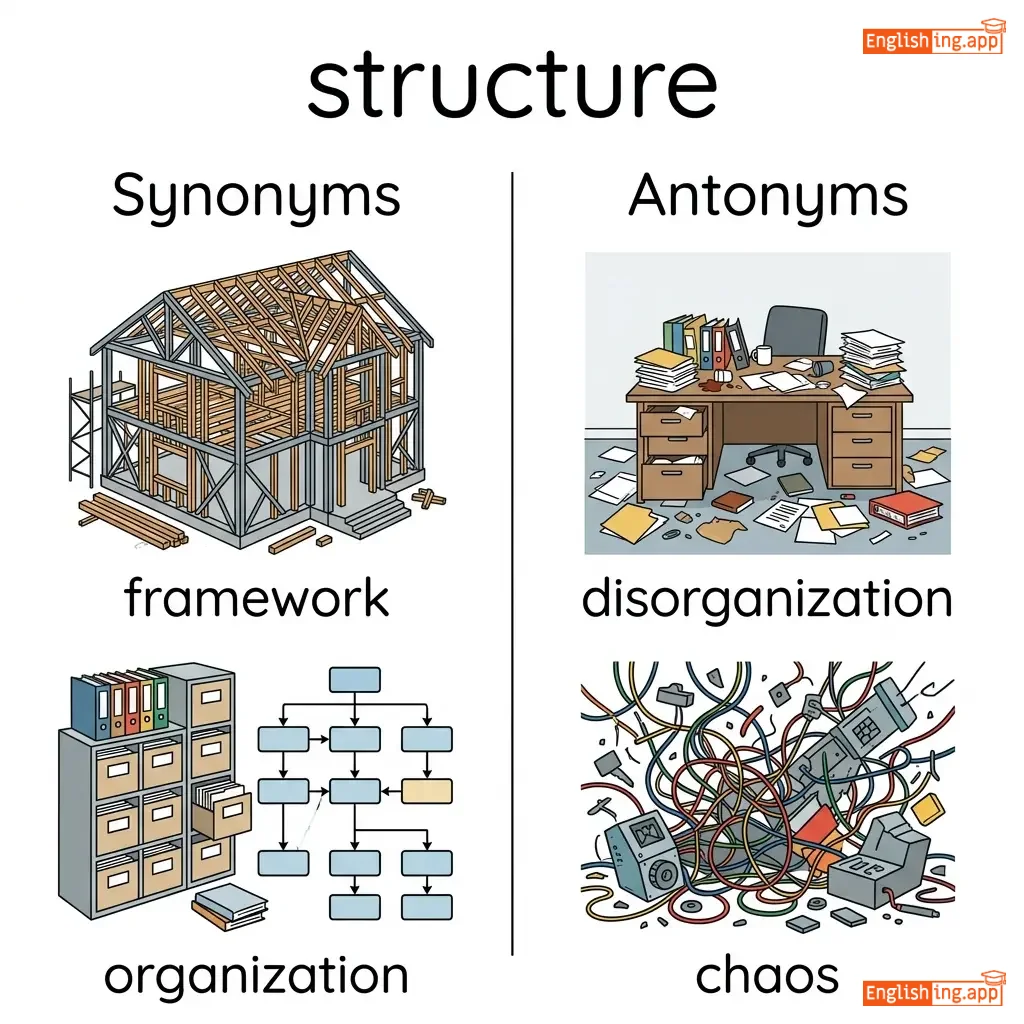
formation, framework
••••••
|
disorganization, chaos
••••••
|
Structure en français, tout comme en anglais, aide à rappeler l'idée d'un agencement bien organisé.
••••••
|
|
#587
🔲
|
ˈbaʊndəri
noun
(baʊndari)
••••••
|
|
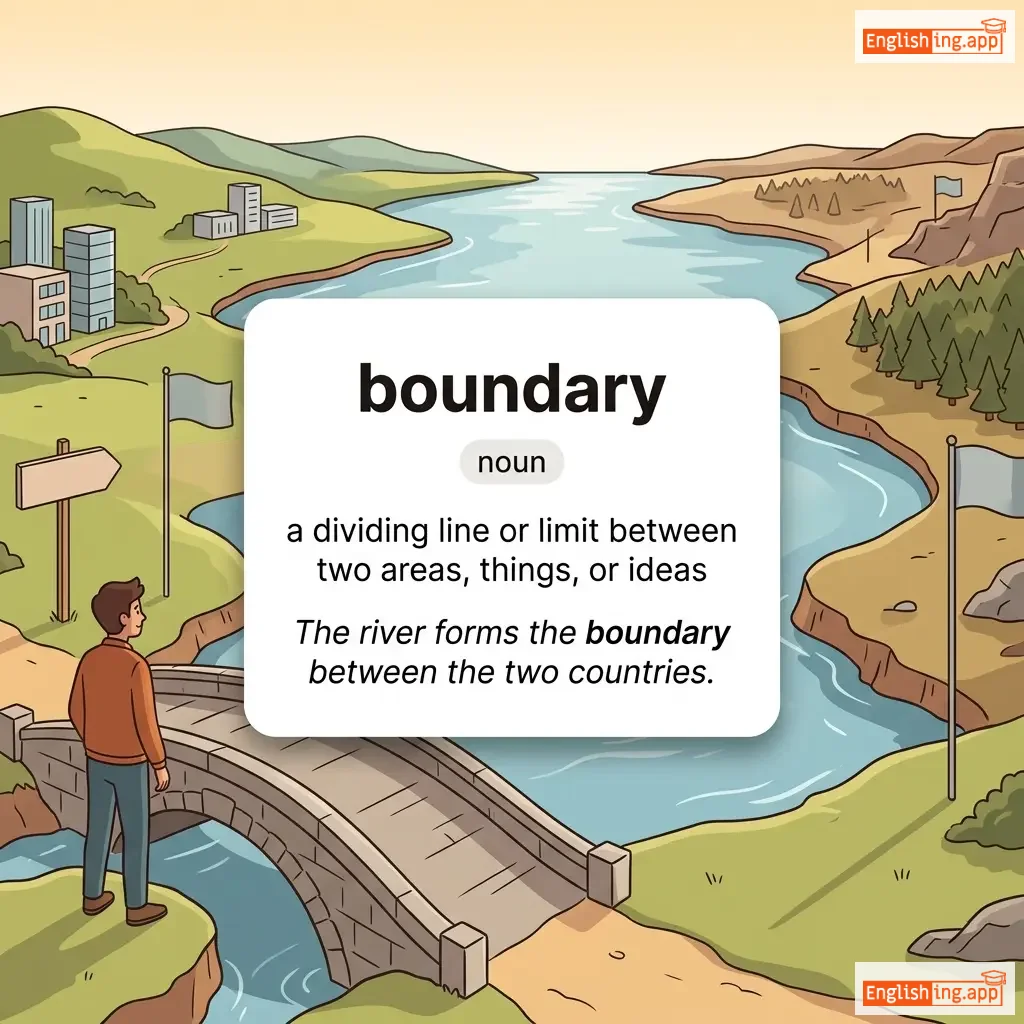
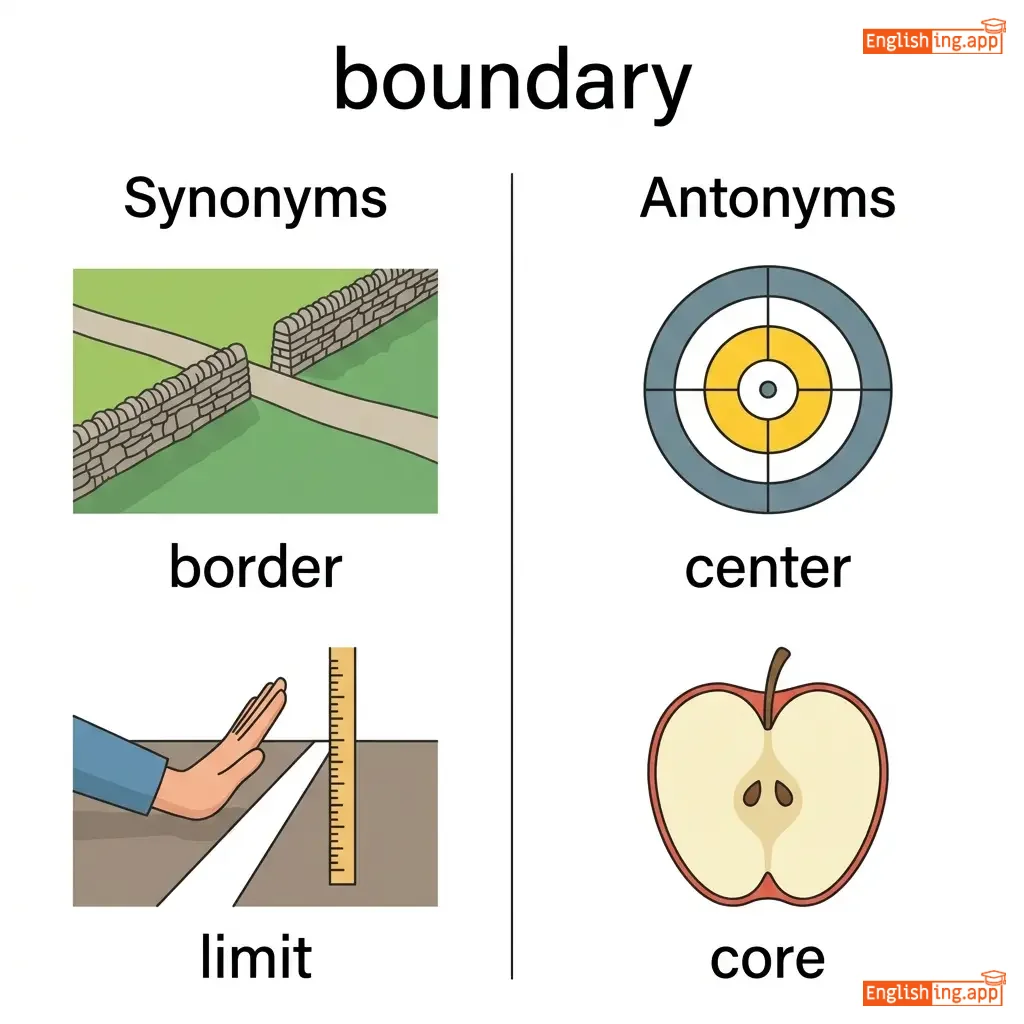
frontière
frontiere
••••••
|
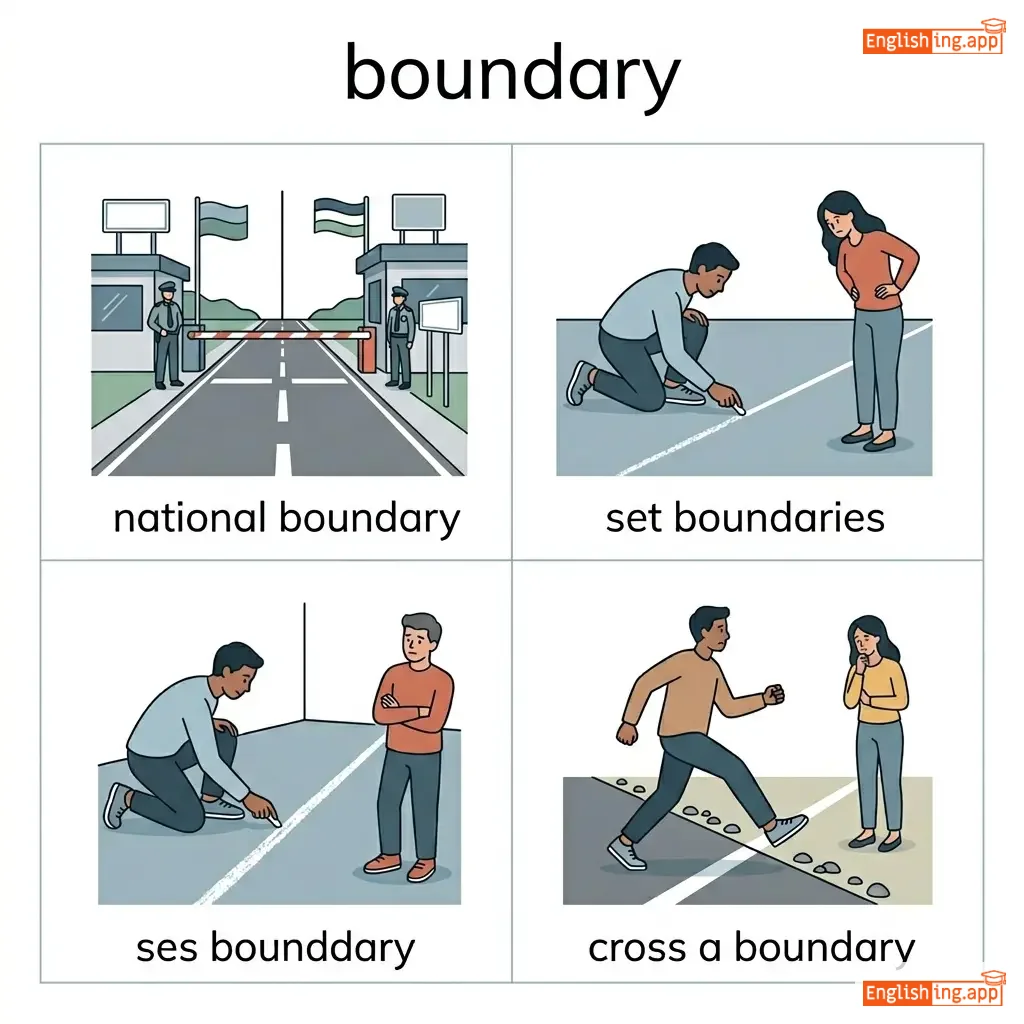
A line that marks the limits of an area; a dividing line.
••••••
|
The river marks the boundary. |
Le fleuve marque la frontière.
Le fleuve marque la frontiere.
••••••
|
border, limit
••••••
|
center, interior
••••••
|
In French, 'frontière' marks a boundary, much like the lines on a map.
••••••
|
|
#588
🏰
|
ˌfɔːtɪfɪˈkeɪʃn
noun
(fortification)
••••••
|
|
fortification
fortification
••••••
|
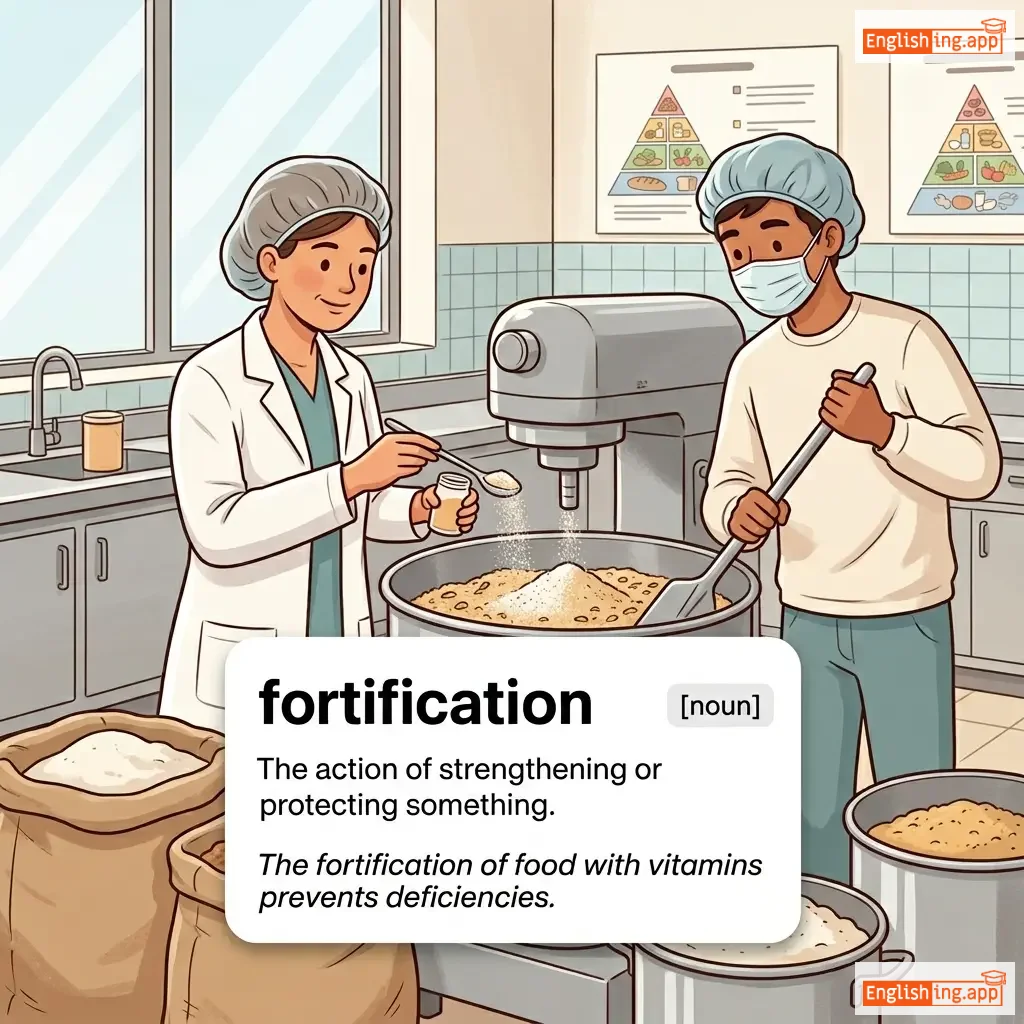
A defensive wall or other reinforcement built to strengthen a place against attack.
••••••
|
The fortifications protected the city.
Les fortifications ont protégé la ville.
••••••
|
Les fortifications ont protégé la ville.
Les fortifications ont protège la ville.
••••••
|
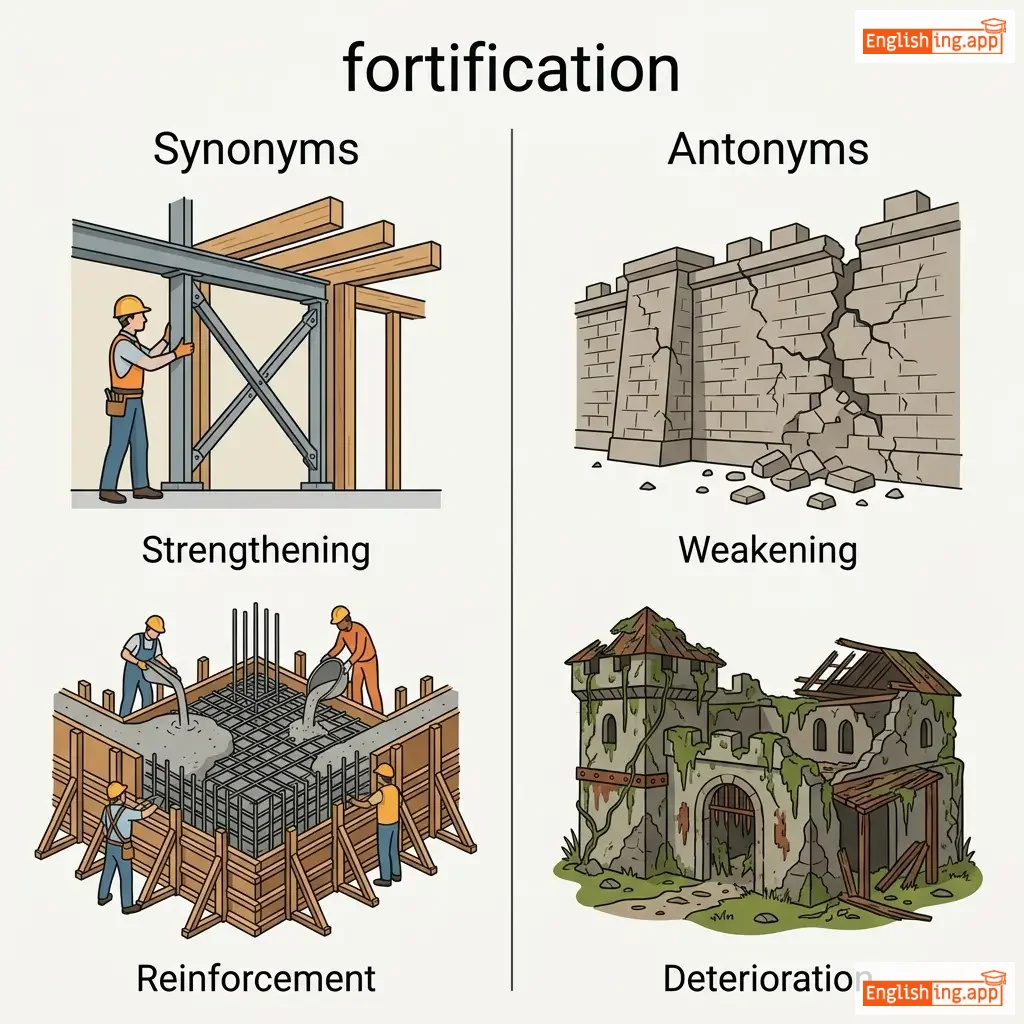
bastion, stronghold
••••••
|
weakness, vulnerability
••••••
|
Les fortifications sont comme les murs qui protègent les châteaux contre les attaques.
••••••
|
|
#589
🧱
|
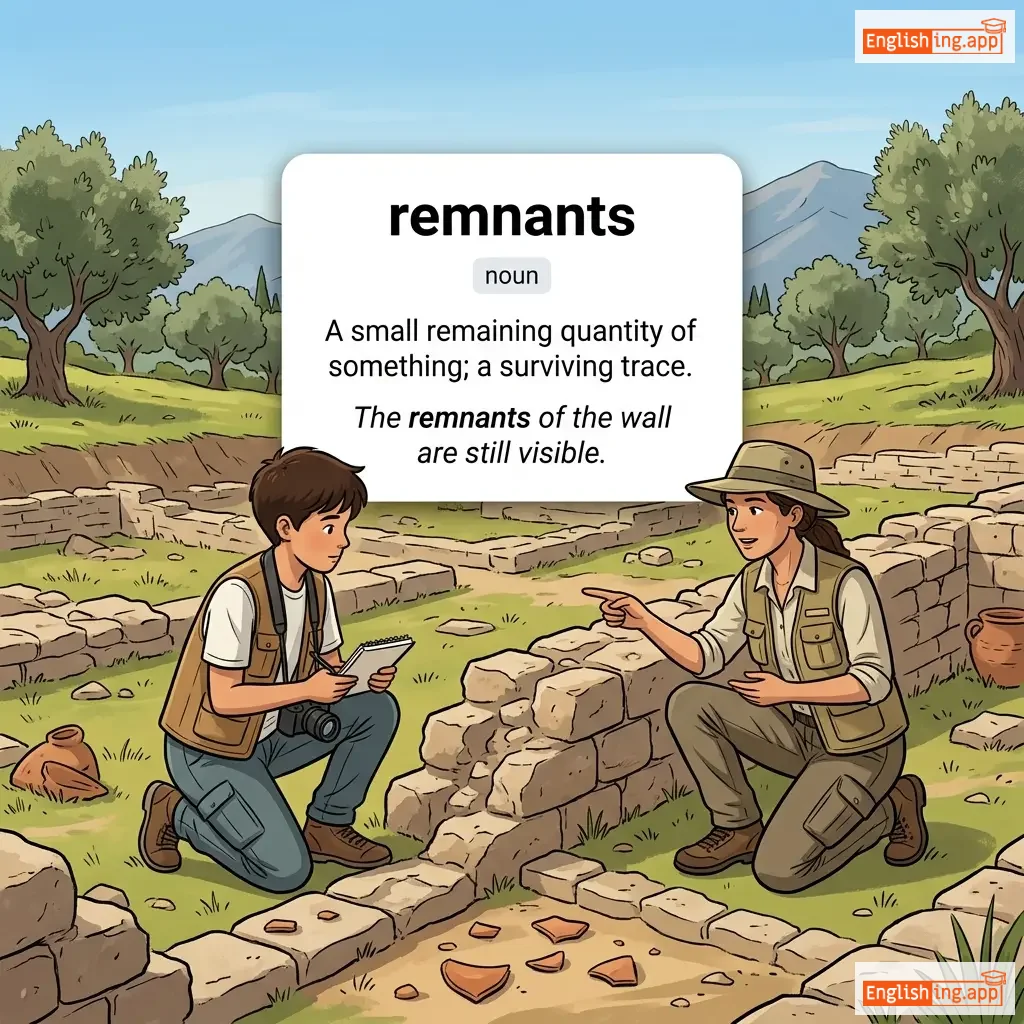
ˈremnənts
noun
(rémnants)
••••••
|
|
restes
restes
••••••
|
A small remaining quantity of something; a surviving trace.
••••••
|
The remnants of the wall are still visible. |
Les restes du mur sont toujours visibles.
Les restes du mur sont toujours visibles.
••••••
|
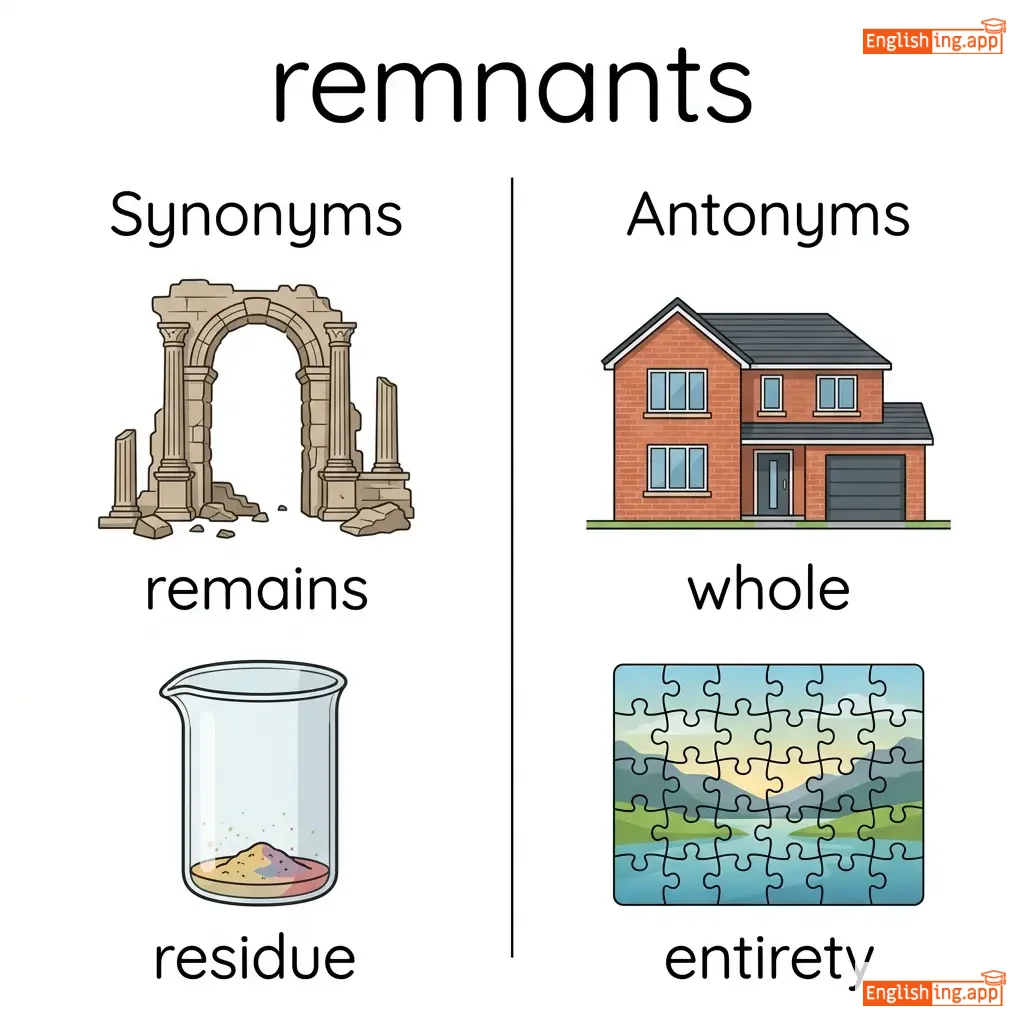
remains, residue
••••••
|
whole, entirety
••••••
|
Remnants = Restes (Rest in French)
••••••
|
|
#590
🏛️
|
ˈɑːkɪtektʃə(r)
noun
(architecture)
••••••
|
|
architecture
architecture
••••••
|
The art or science of designing and constructing buildings.
••••••
|
Ancient architecture is fascinating. |
L'architecture ancienne est fascinante.
L'architecture ancienne est fascinante.
••••••
|
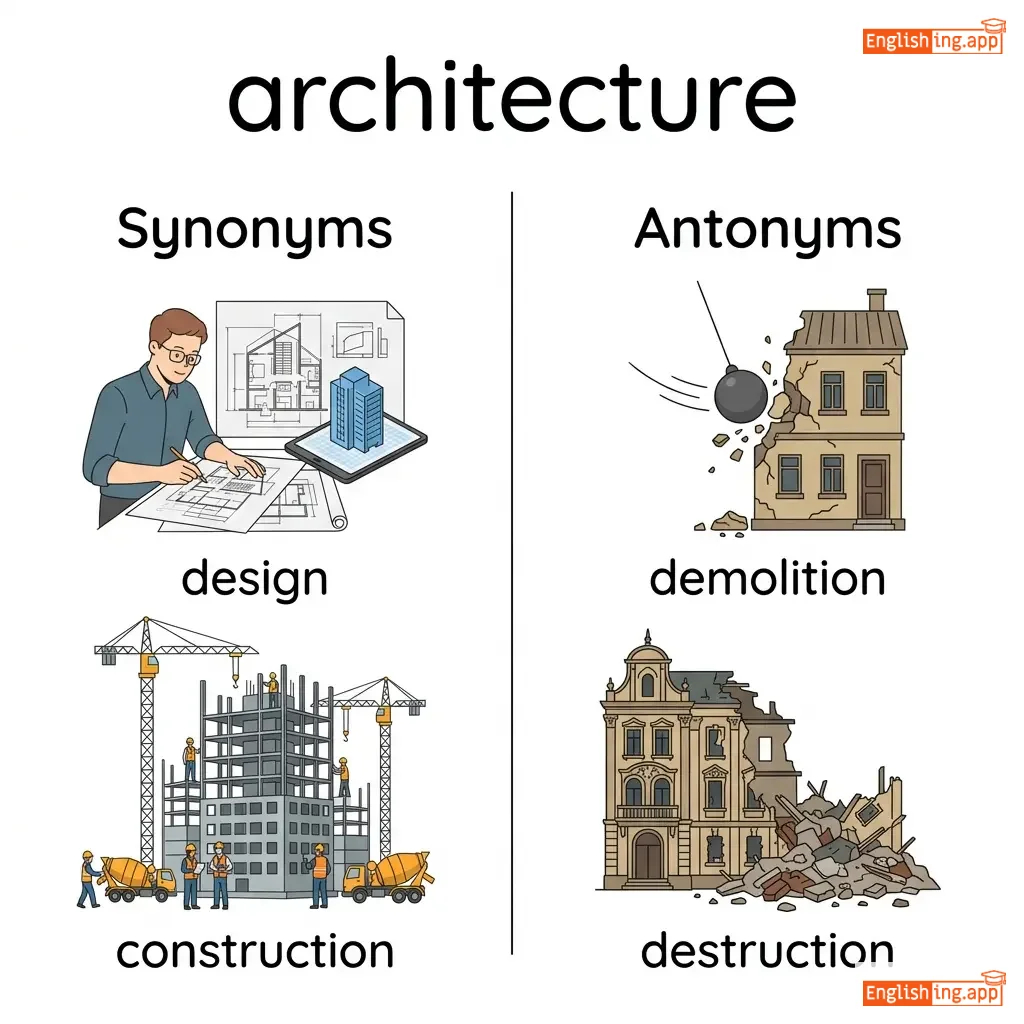
design, construction
••••••
|
demolition, deconstruction
••••••
|
Architecture = Art + Construction de bâtiments
••••••
|
|
#591
🗺️
|
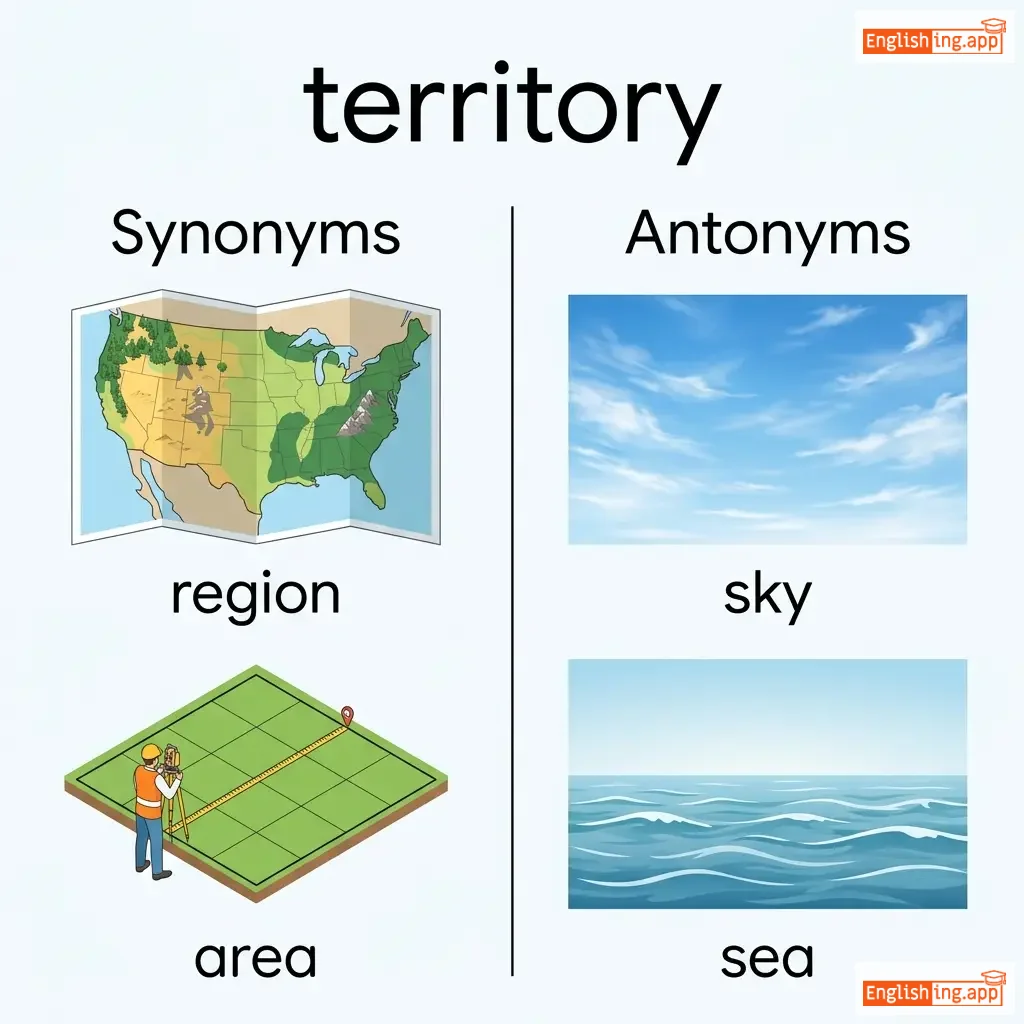
ˈterɪtəri
noun
(territoire)
••••••
|
|
territoire
territoire
••••••
|
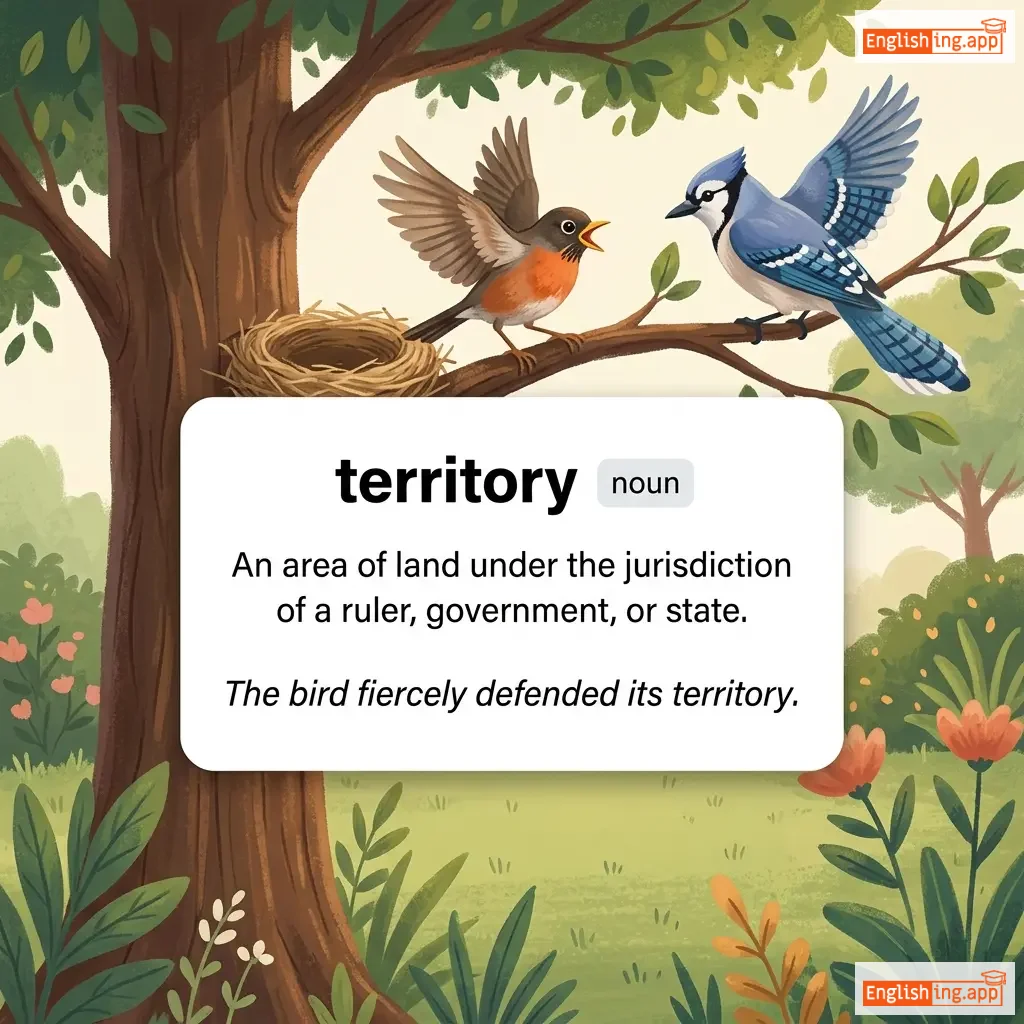
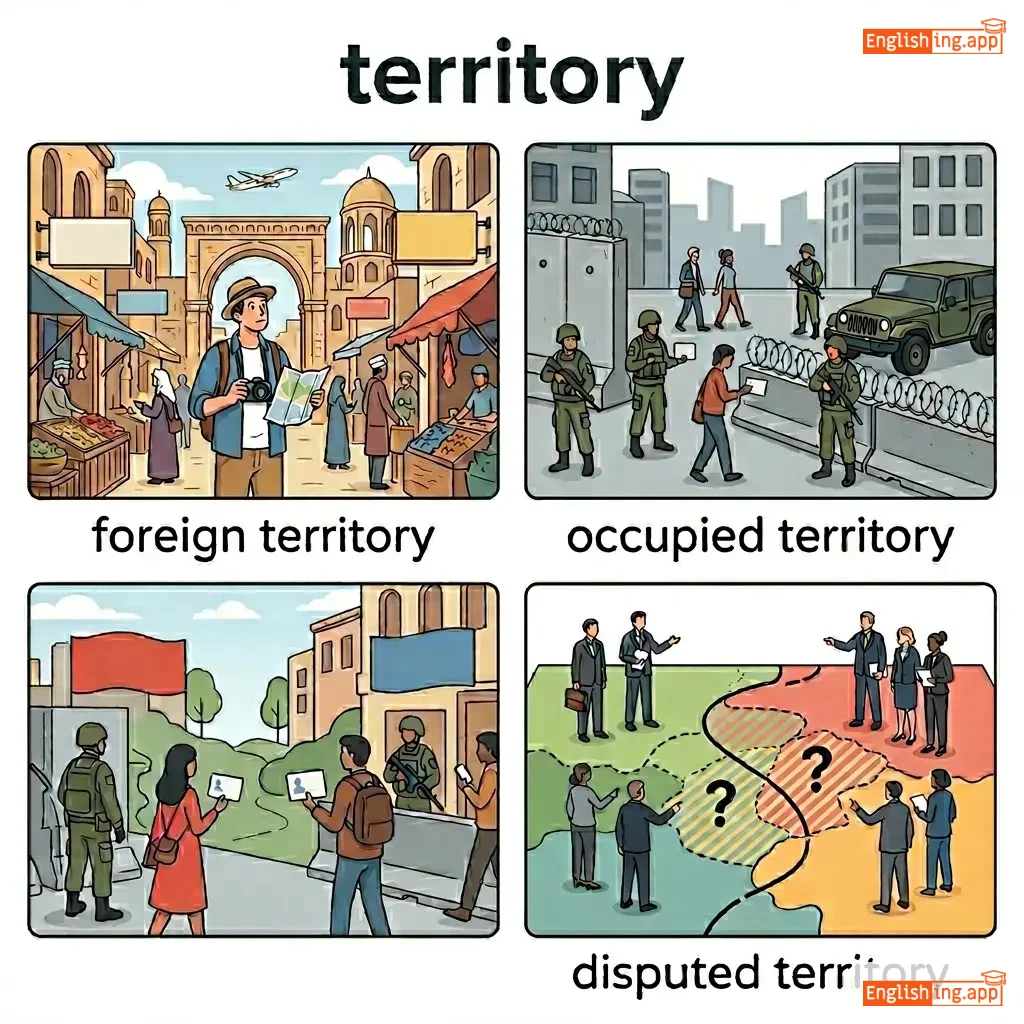
An area of land under the jurisdiction of a ruler or state.
••••••
|
The king expanded his territory. |
Le roi a étendu son territoire.
Le roi a etendu son territoire.
••••••
|
region, domain
••••••
|
foreign land, expanse
••••••
|
‘Territoire’ resembles ‘territory’, both meaning a land area.
••••••
|
|
#592
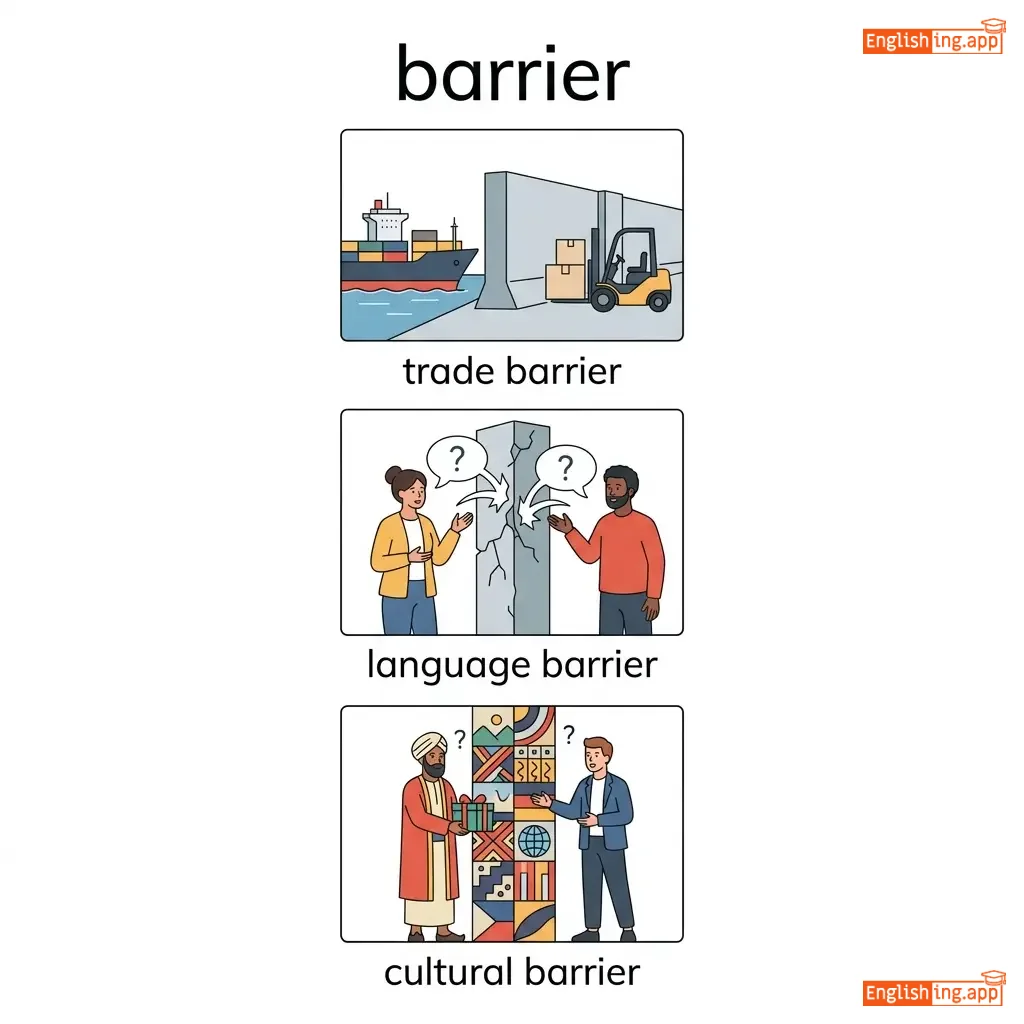
🚧
|
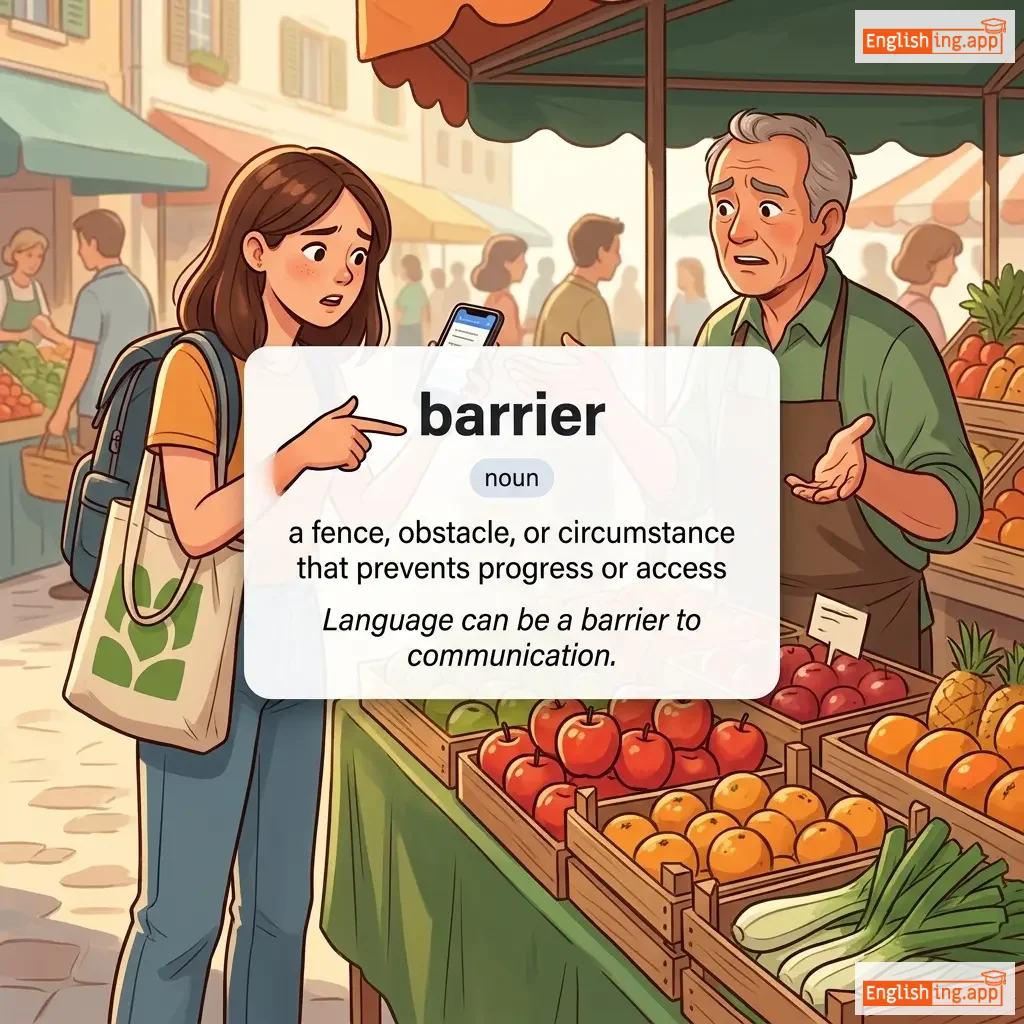
ˈbæriə(r)
noun
(barière)
••••••
|
|
barrière
barriere
••••••
|
A fence or other obstacle that prevents movement or access.
••••••
|
The barrier prevented entry.
la barrière a empêché l'entrée.
••••••
|
La barrière a empêché l'entrée.
La barrière a empêché l'entrée.
••••••
|
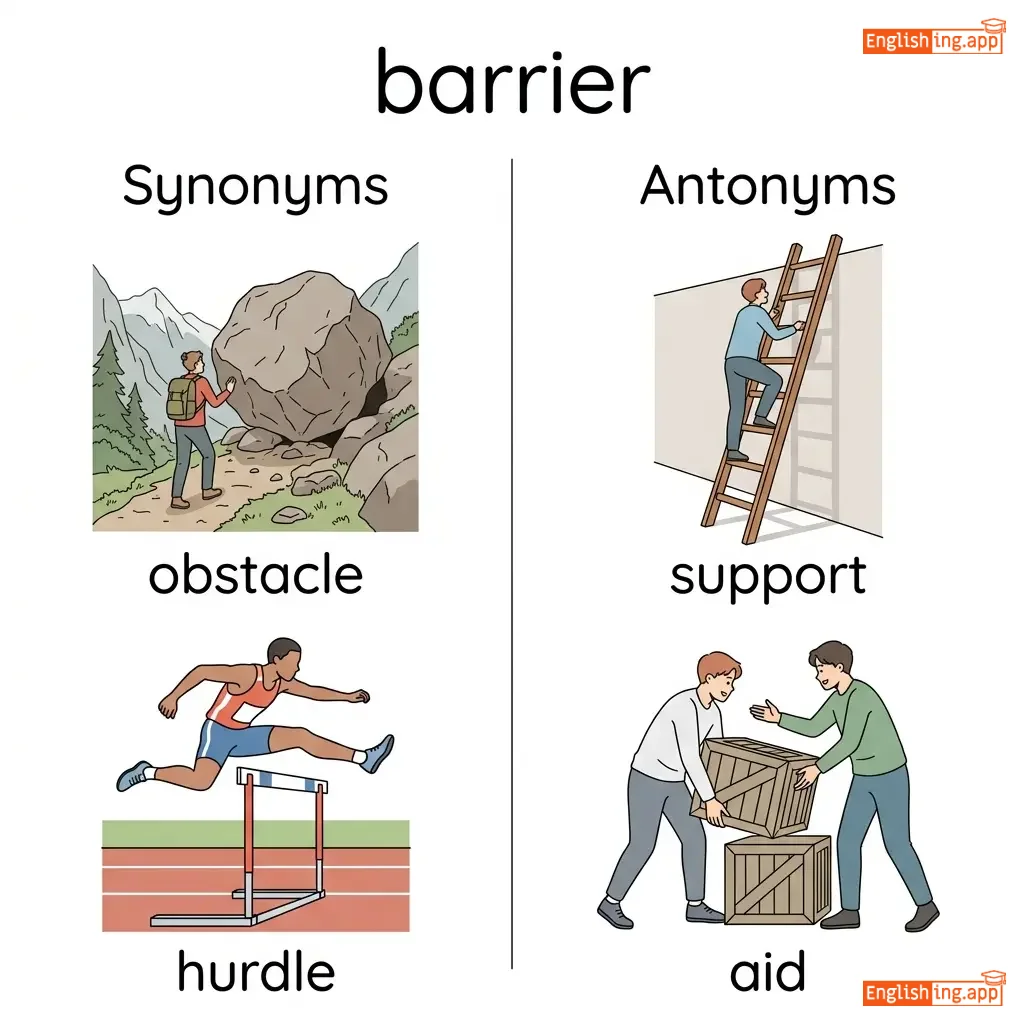
obstacle, hurdle
••••••
|
access, opening
••••••
|
A 'barrière' blocks movement or entry, just like a fence.
••••••
|
|
#593
🛡️
|
dɪˈfens
noun
(dɪˈfens)
••••••
|
|
défense
defense
••••••
|
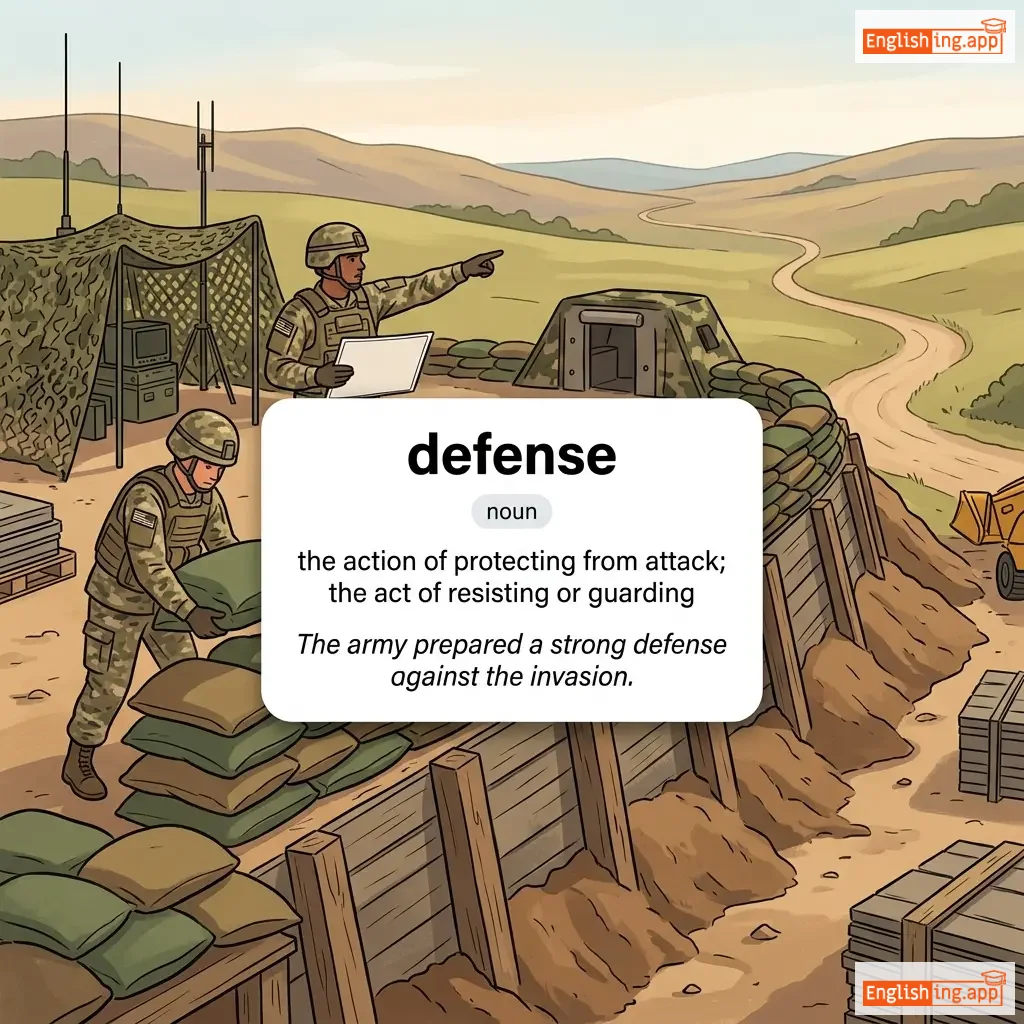
The action of defending from or resisting attack.
••••••
|
The defense strategy was effective. |
La stratégie de défense était efficace.
La strategie de defense etait efficace.
••••••
|
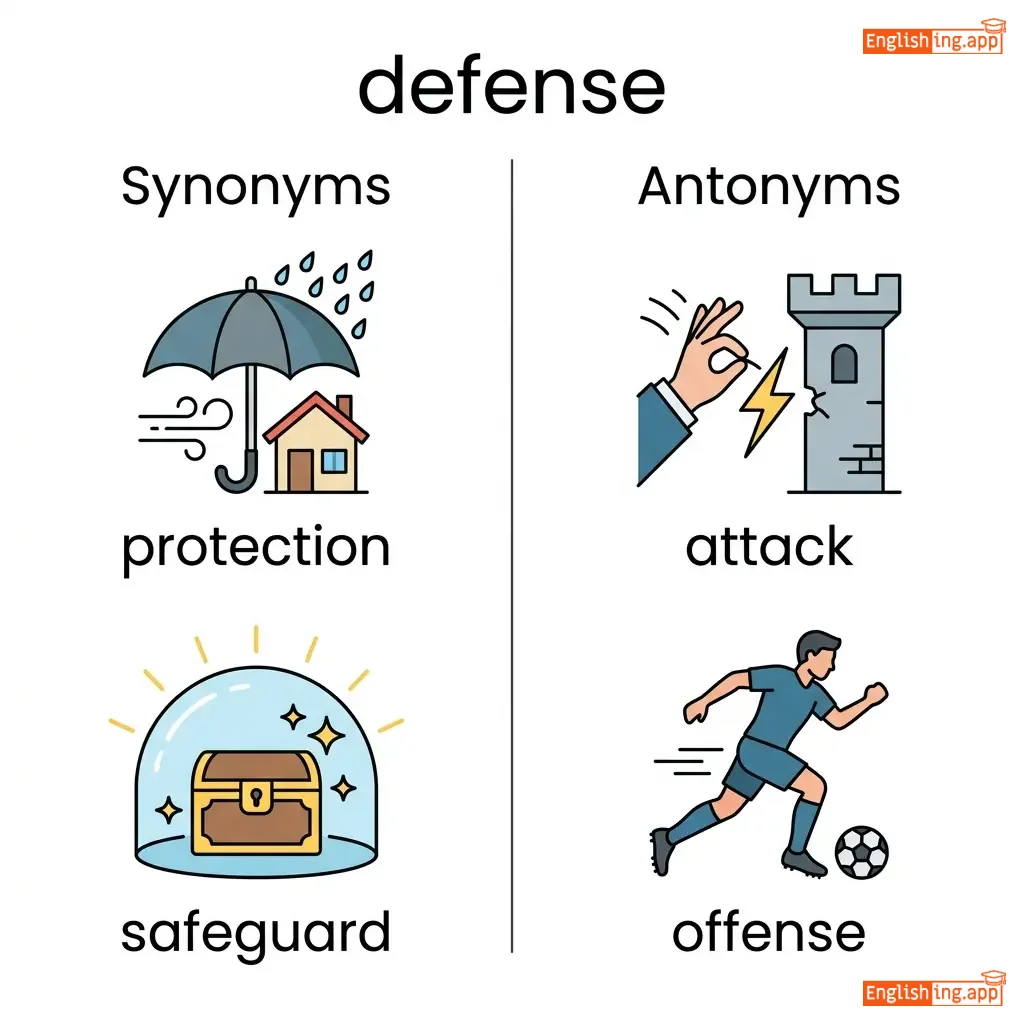
protection, security
••••••
|
attack, assault
••••••
|
La défense est ce qui protège, comme une barrière.
••••••
|
|
#594
🔧
|
ˌmɒdɪfɪˈkeɪʃn
noun
(modification)
••••••
|
|
modification
modification
••••••
|
The action of making changes to something.
••••••
|
The plan required modification.
Le plan a nécessité une modification.
••••••
|
Le plan a nécessité une modification.
Le plan a necessite une modification.
••••••
|
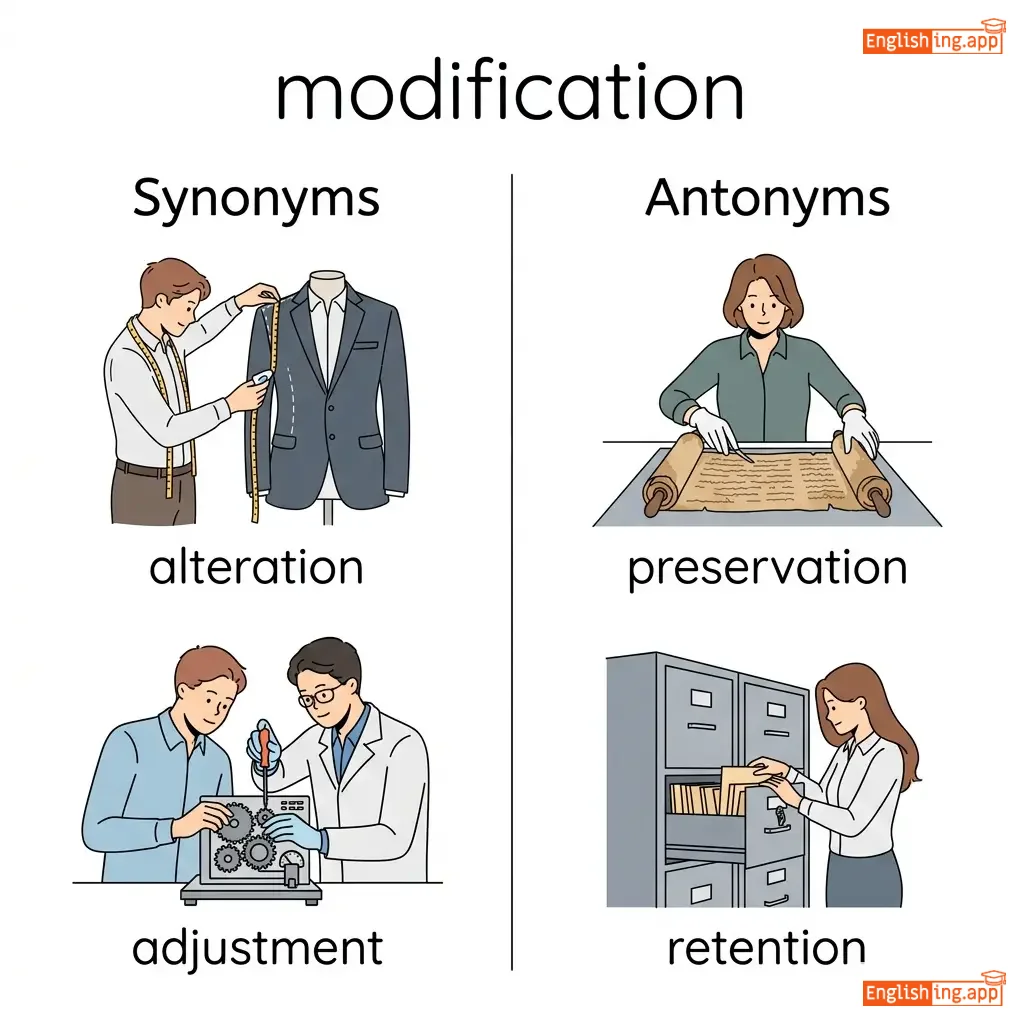
adjustment, alteration
••••••
|
preservation, constancy
••••••
|
Modification, comme 'modifier' pour ajuster.
••••••
|
|
#595
📈
|
ɪkˈspænʃn
noun
(expansion)
••••••
|
|
expansion
expansion
••••••
|
The action of becoming larger or more extensive.
••••••
|
Expansion of the wall was essential. |
L'expansion du mur était essentielle.
L'expansion du mur etait essentielle.
••••••
|
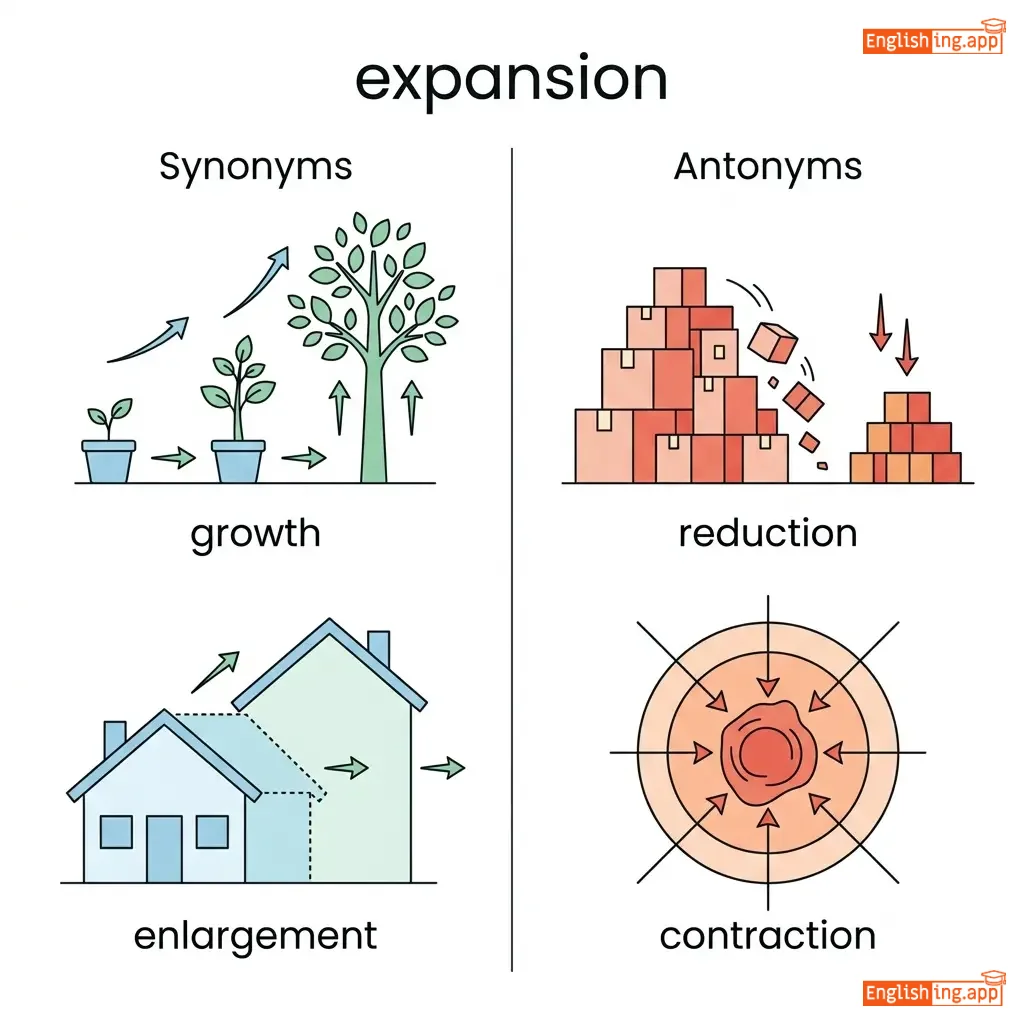
enlargement, growth
••••••
|
reduction, contraction
••••••
|
Expansion signifie quelque chose qui devient plus grand, comme l'expansion d'un mur.
••••••
|
|
#596
🔨
|
ˌriːkənˈstrʌkʃn
noun
(rikonstraksyon)
••••••
|
|
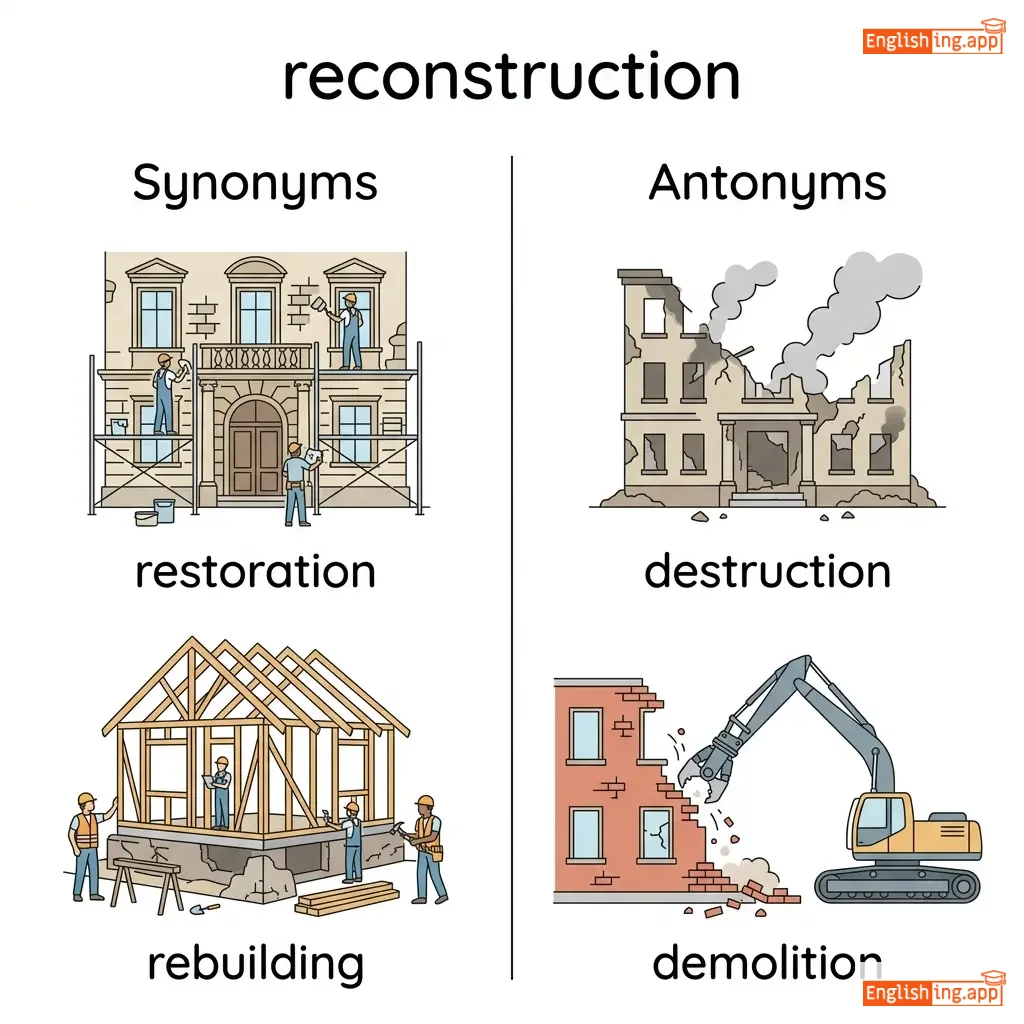
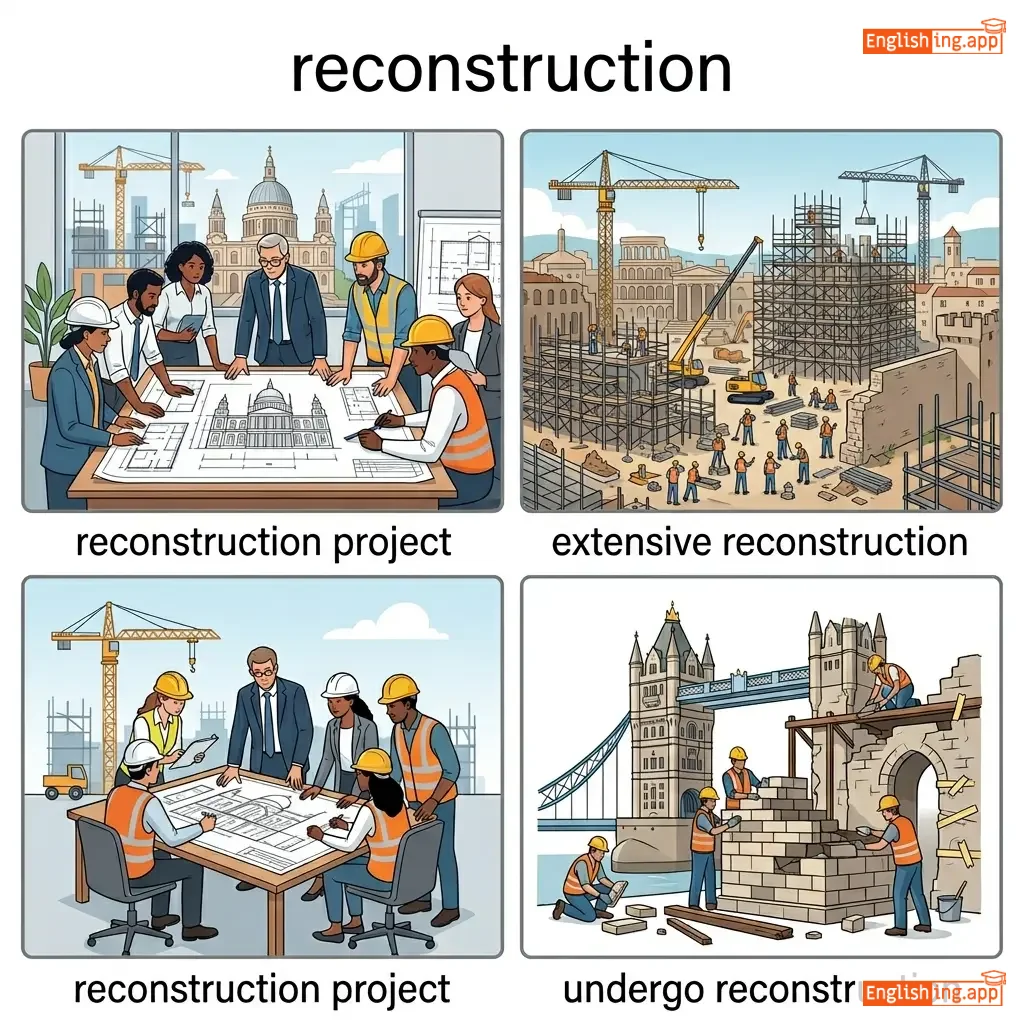
reconstruction
reconstruction
••••••
|
The action or process of reconstructing or being reconstructed.
••••••
|
The reconstruction project took years.
le projet de reconstruction a pris des années.
••••••
|
Le projet de reconstruction a pris des années.
Le projet de reconstruction a pris des annees.
••••••
|
rebuilding, renewal
••••••
|
destruction, ruin
••••••
|
Ré (re) + construction = Reconstruction d'un bâtiment.
••••••
|
|
#597
🎯
|
strəˈtiːdʒɪk
adjective
(stratégique)
••••••
|
|
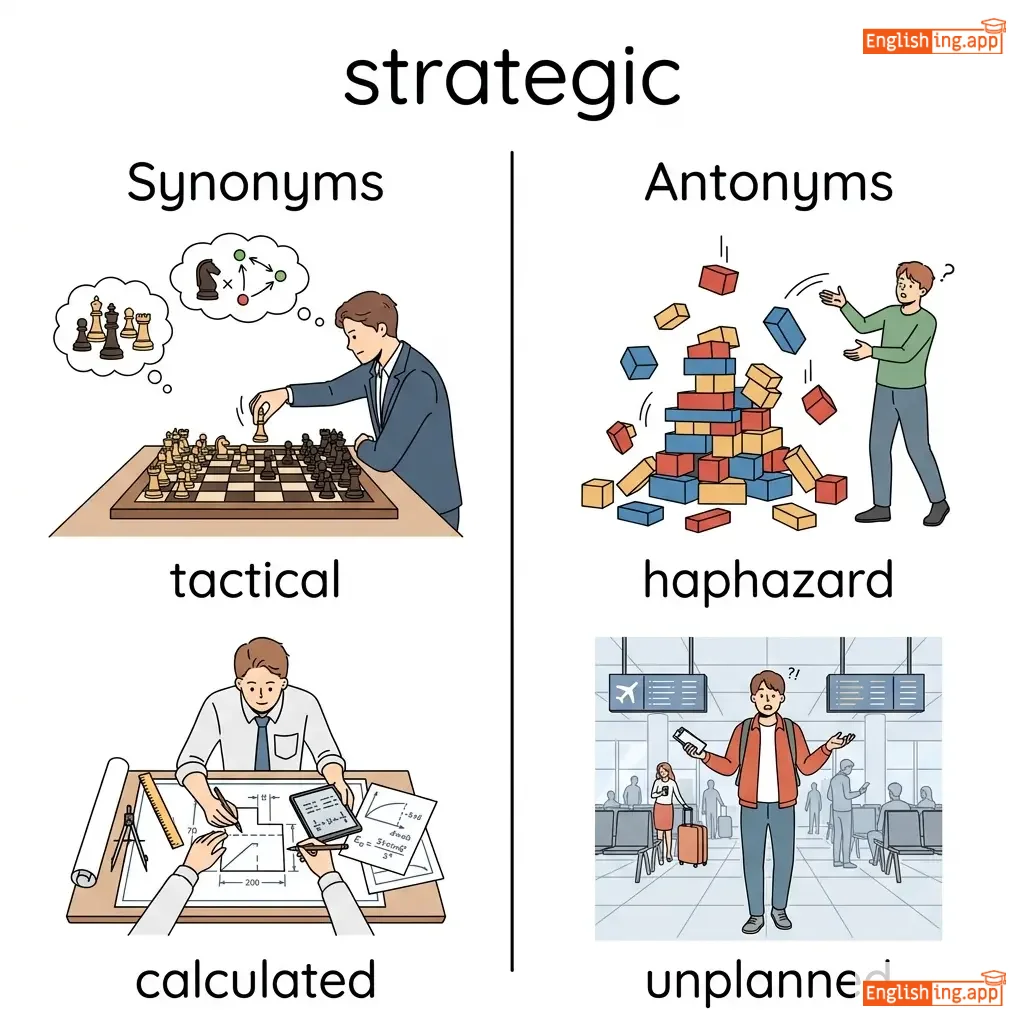
stratégique
strategique
••••••
|
Relating to the identification of long-term or overall aims and interests and the means of achieving them.
••••••
|
Strategic decisions are vital for growth.
Les décisions stratégiques sont essentielles pour la croissance.
••••••
|
Les décisions stratégiques sont essentielles pour la croissance.
Les décisions stratégiques sont essentielles pour la croissance.
••••••
|
tactical, planned
••••••
|
haphazard, unplanned
••••••
|
Strategic decisions are essential for growth.
••••••
|
Vocabulary Quiz
Test your vocabulary by matching words with their translations or meanings.
Login to take the quiz
Comments (0)
Share your thoughts and join the discussion.
Join the discussion by logging in
Login to CommentNo comments yet
Be the first to share your thoughts!