

The Great Wall of China
The Great Wall of China is a long structure made of stone and earth. It was built and maintained from the 5th century BC to the 16th century AD to protect China's northern boundary. Many such fortifications were built, but the barrier built by China's first emperor Shi Huang Ti between 220 BC and 200 BC is the most famous. It is located far north of the current wall and very few remnants of it remain. The current wall was built during the Ming Dynasty.
The Great Wall of China is the largest architecture on Earth made by human hands. The height of this wall is about 5 to 8 meters and the length is 8851.8 kilometers. It starts near Shanghai and ends at a place called Lopnur.
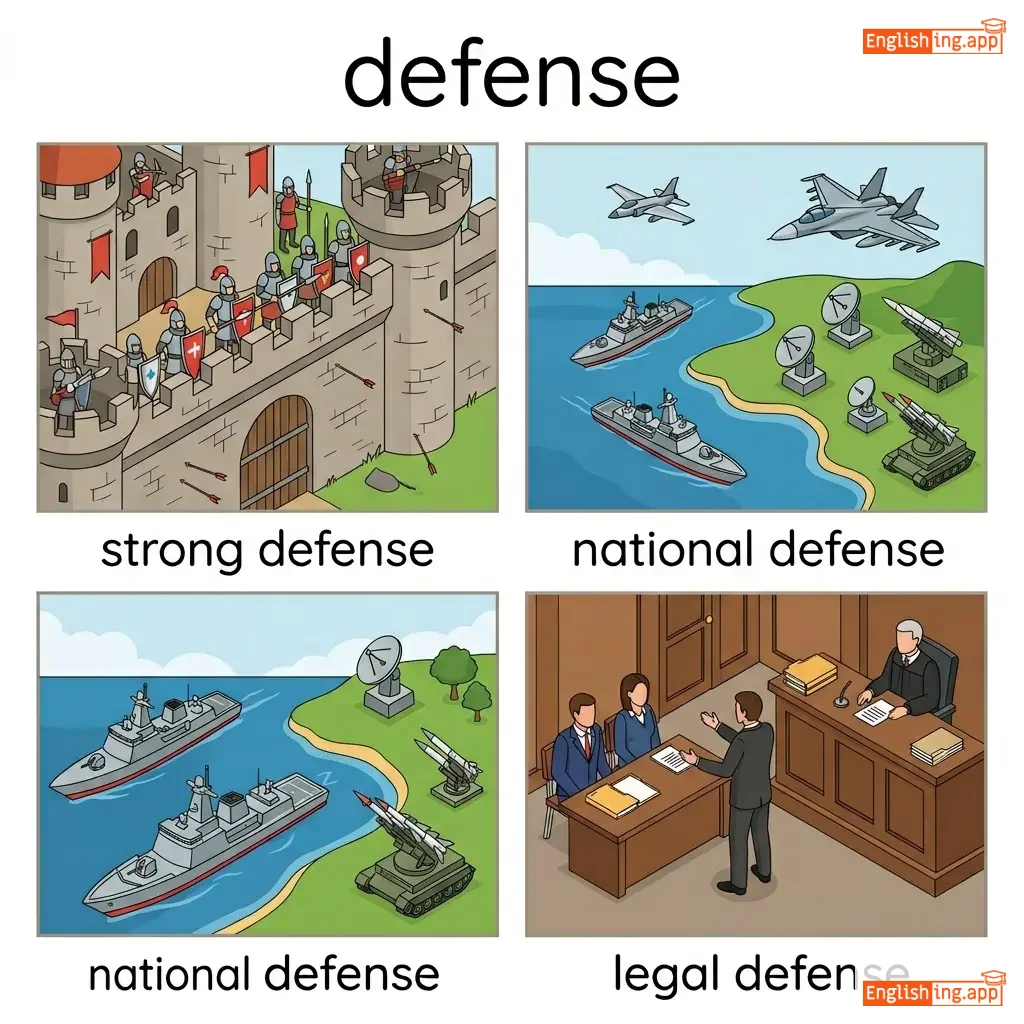
Construction of its main part began around 208 BC. The construction work was started by the Chinese or Chinese during the Qin Empire. China's first emperor Qin Shi Huang first used it and built it longer to protect his territory from enemies. Besides China's natural barriers, it was used for guarding other areas and was the first line of defense against the northern Chinese tribes Xiongnu.
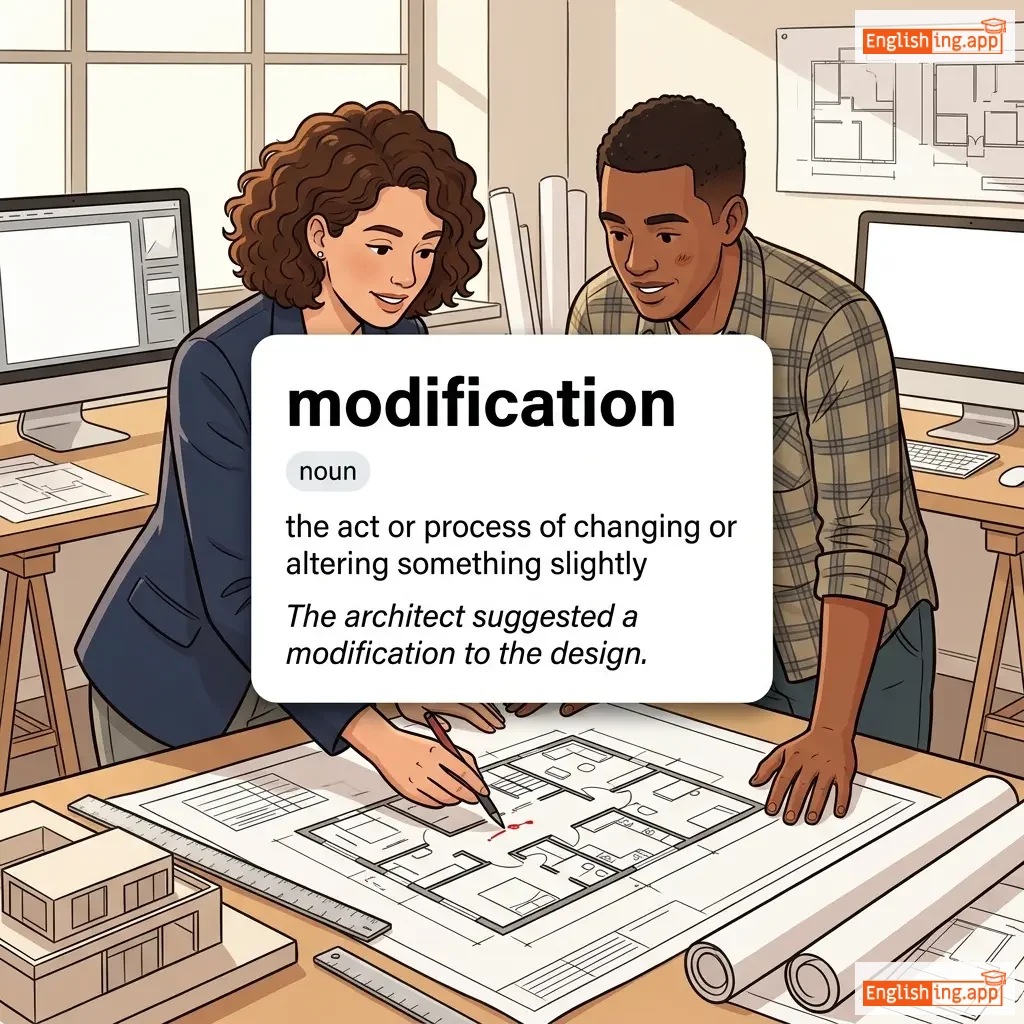
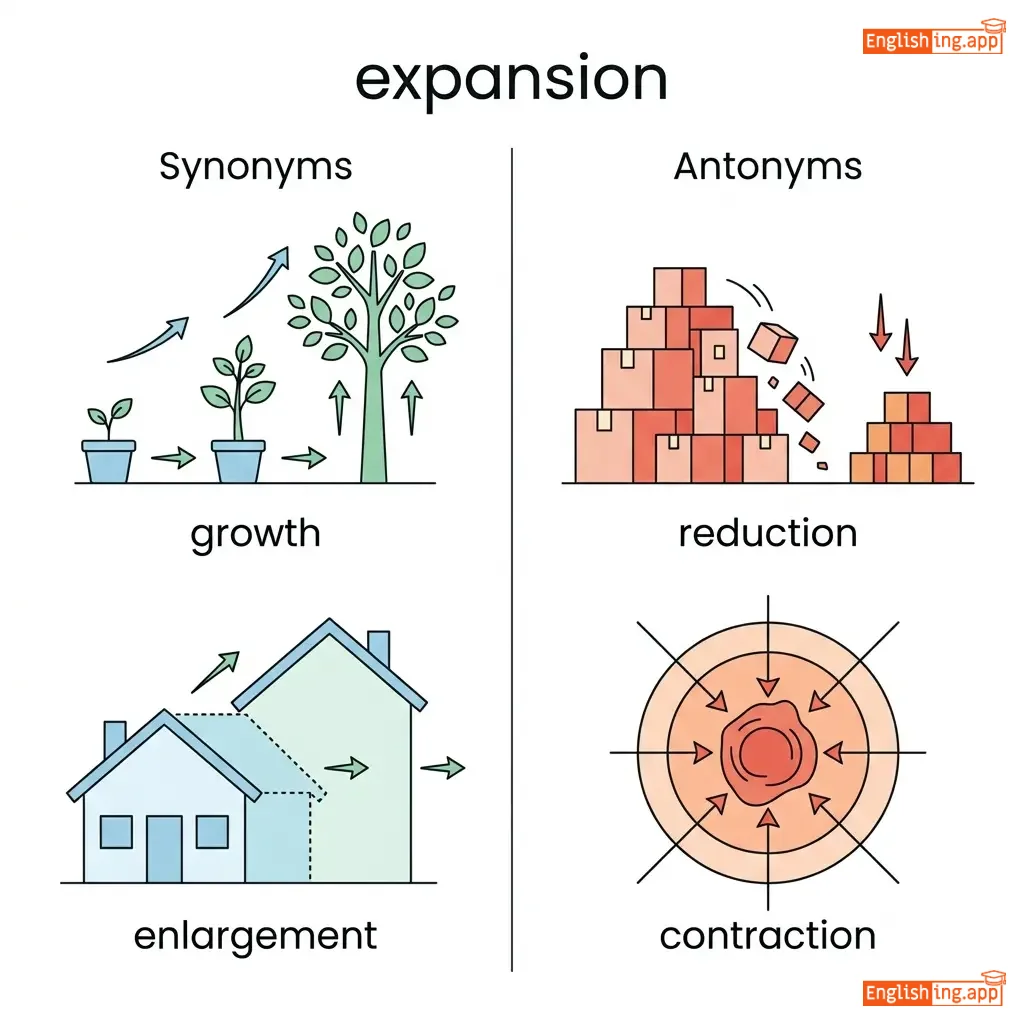
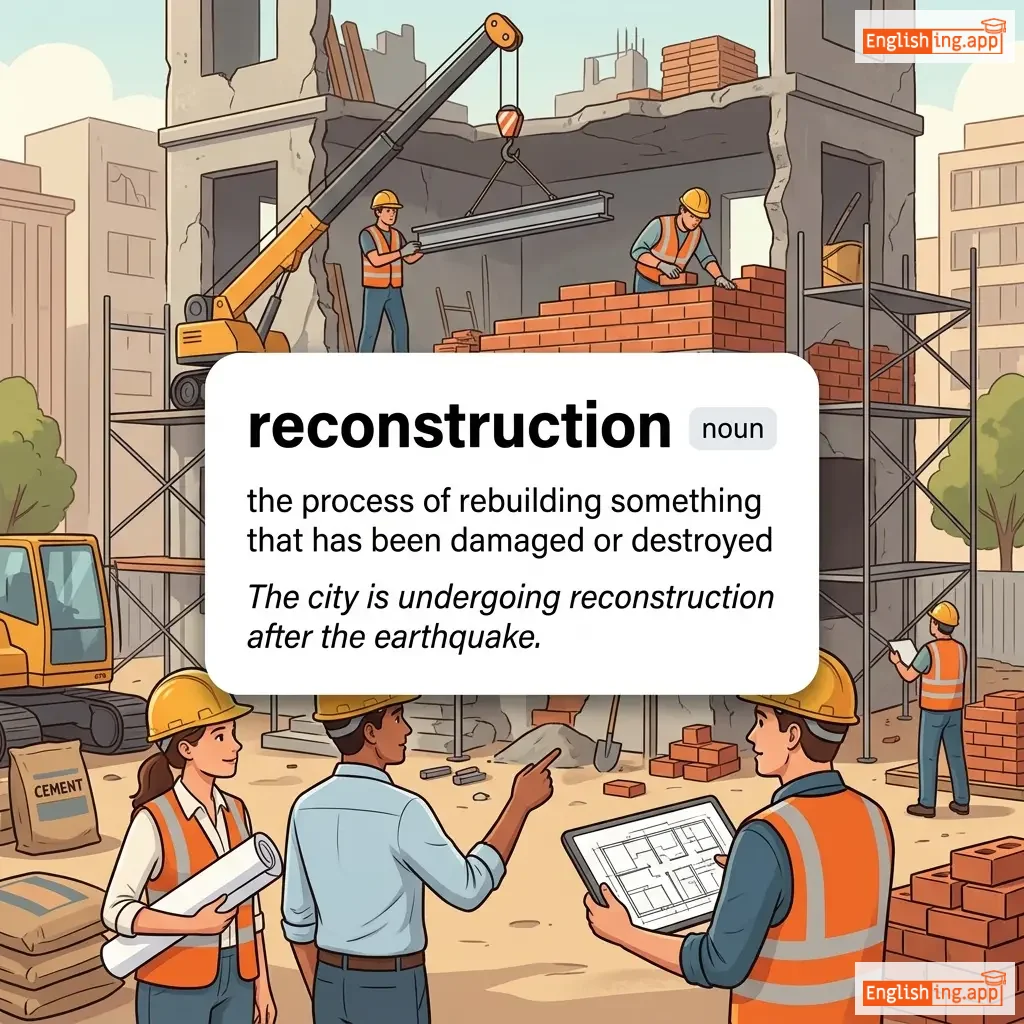
In the history of the Han, Sui, Northern and Jin empires, there are mentions of modification, expansion, and reconstruction of the Chinese wall for the same reason they built it.
Upgrade to Access All Vocabulary
Get unlimited access to all vocabulary items with Pro membership
Upgrade to ProTranslation
Past
Past Participle
Third Person Singular
Gerund
Meaning
Example Sentence
Example Sentence Translation
Synonyms
Antonyms
Collocations
Mnemonic






Swipe left or right, or use the buttons. Tap image to zoom.
Upgrade to Access All Sentences
Get unlimited access to all sentences with Pro membership
Upgrade to ProExample Sentence Translation
Word
The Great Wall of China - Mask Toggle
|
Emoji
|
Word | Images | Meaning | Example Sentence | Synonyms | Antonyms |
|---|---|---|---|---|---|---|
|
#586
🏗️
|
ˈstrʌktʃə(r)
noun
••••••
|
|
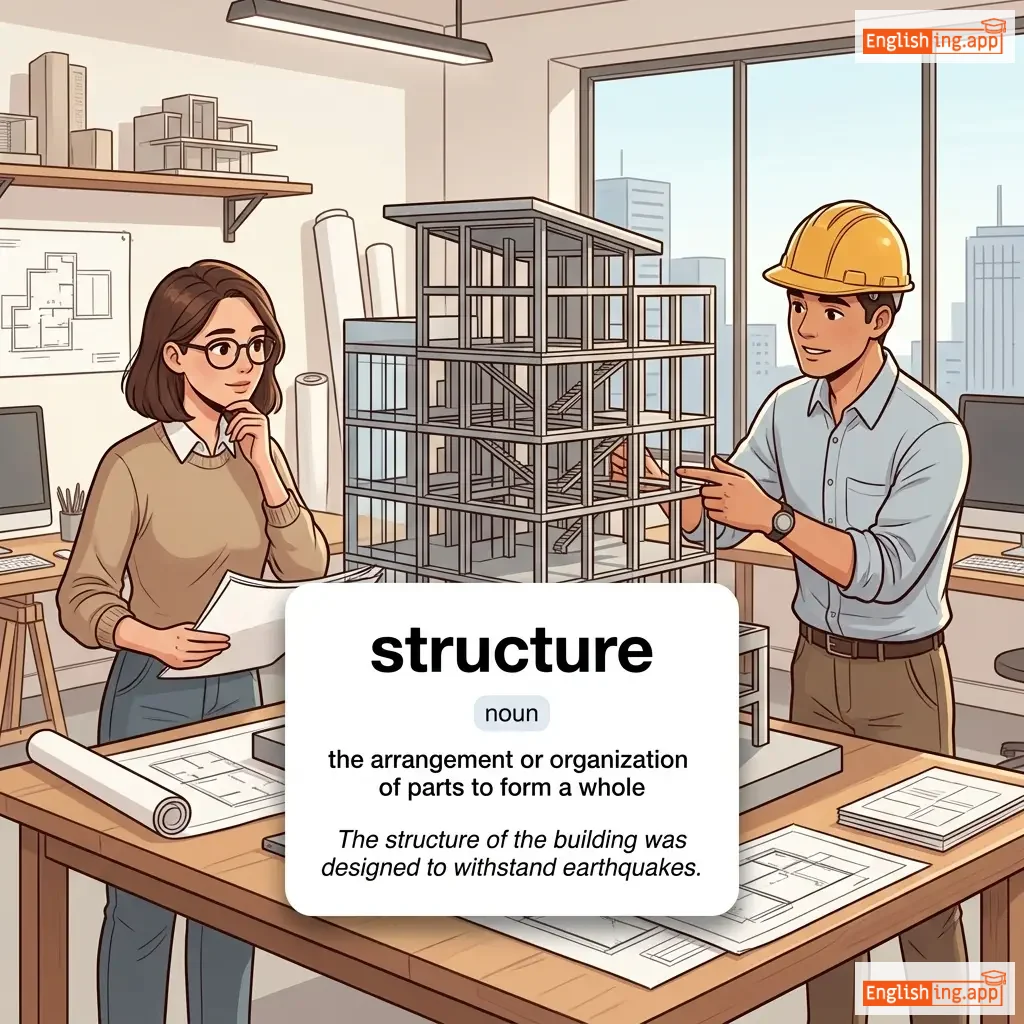
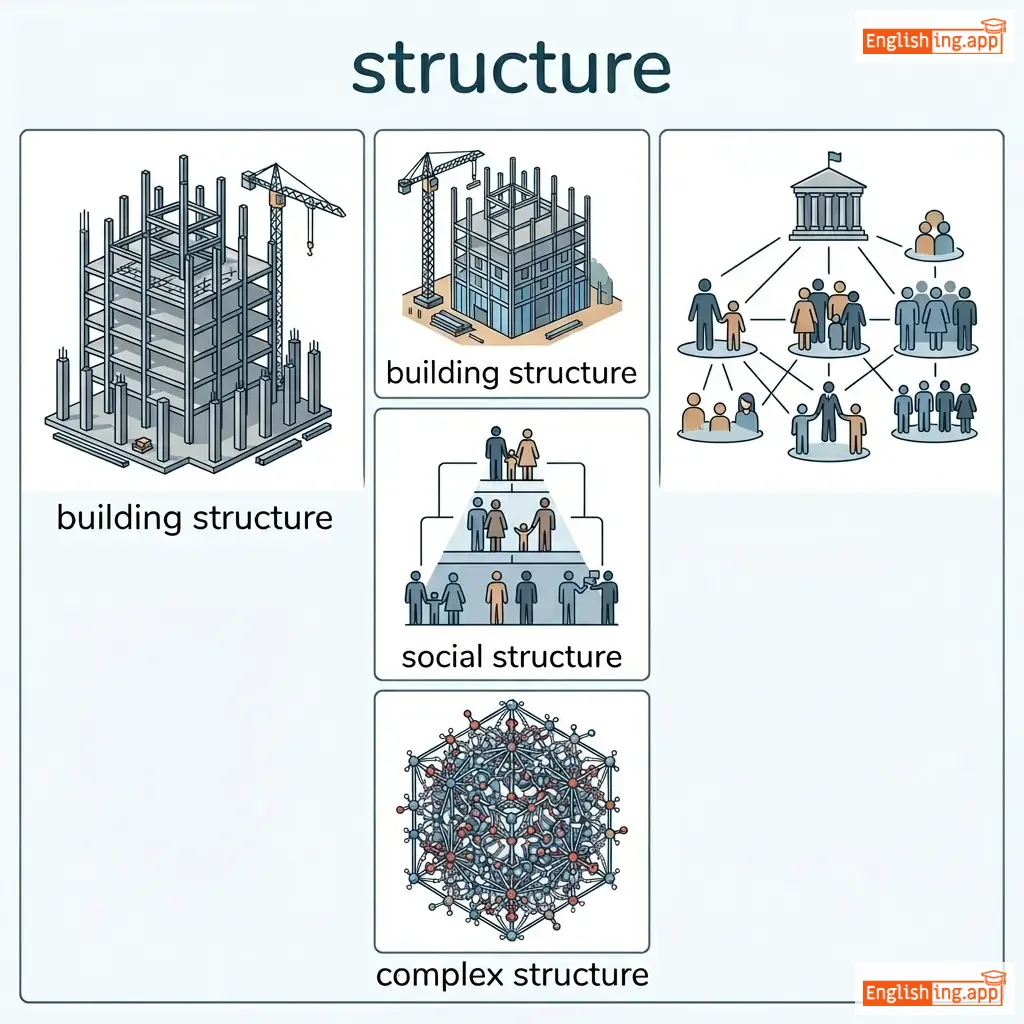
A building or other object constructed from several parts; the arrangement of and relations between the parts or elements of something complex.
••••••
|
The structure of the building was impressive. |
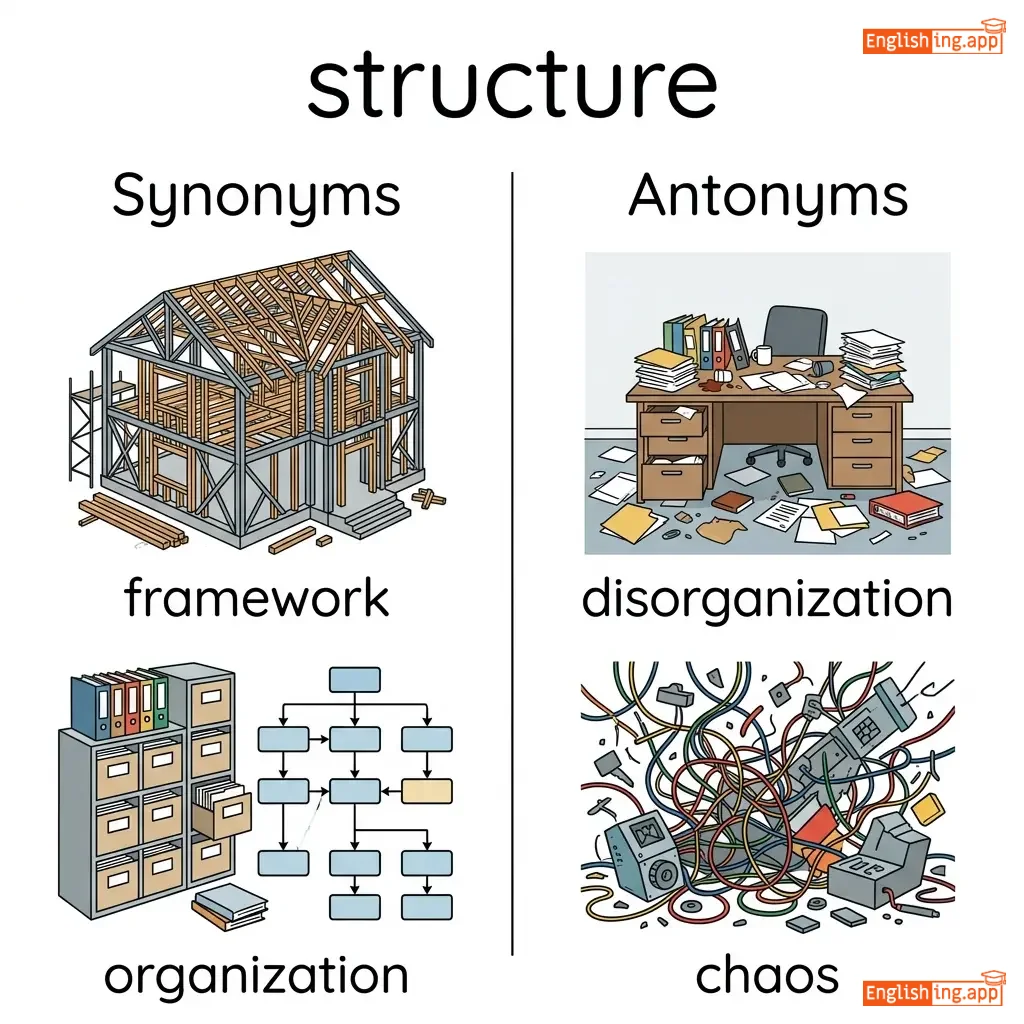
formation, framework
••••••
|
disorganization, chaos
••••••
|
|
#587
🔲
|
ˈbaʊndəri
noun
••••••
|
|
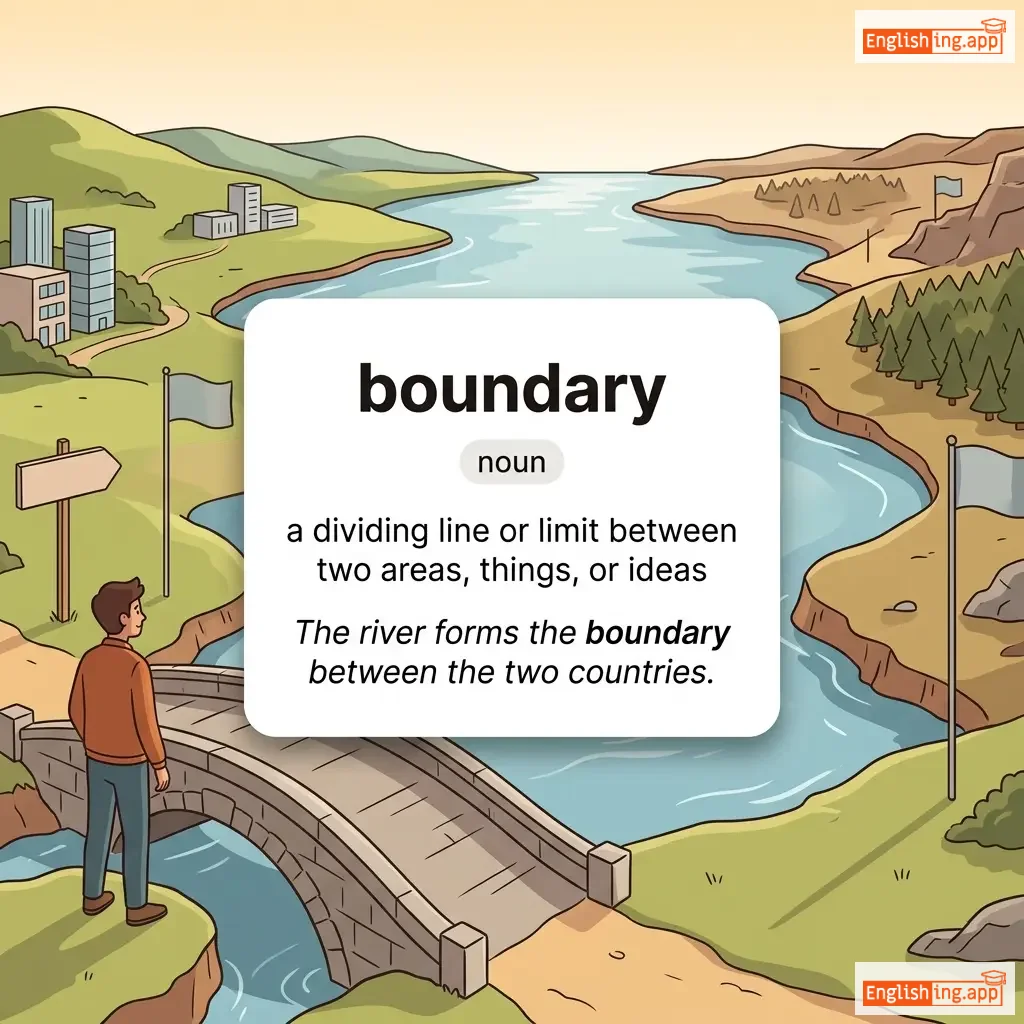
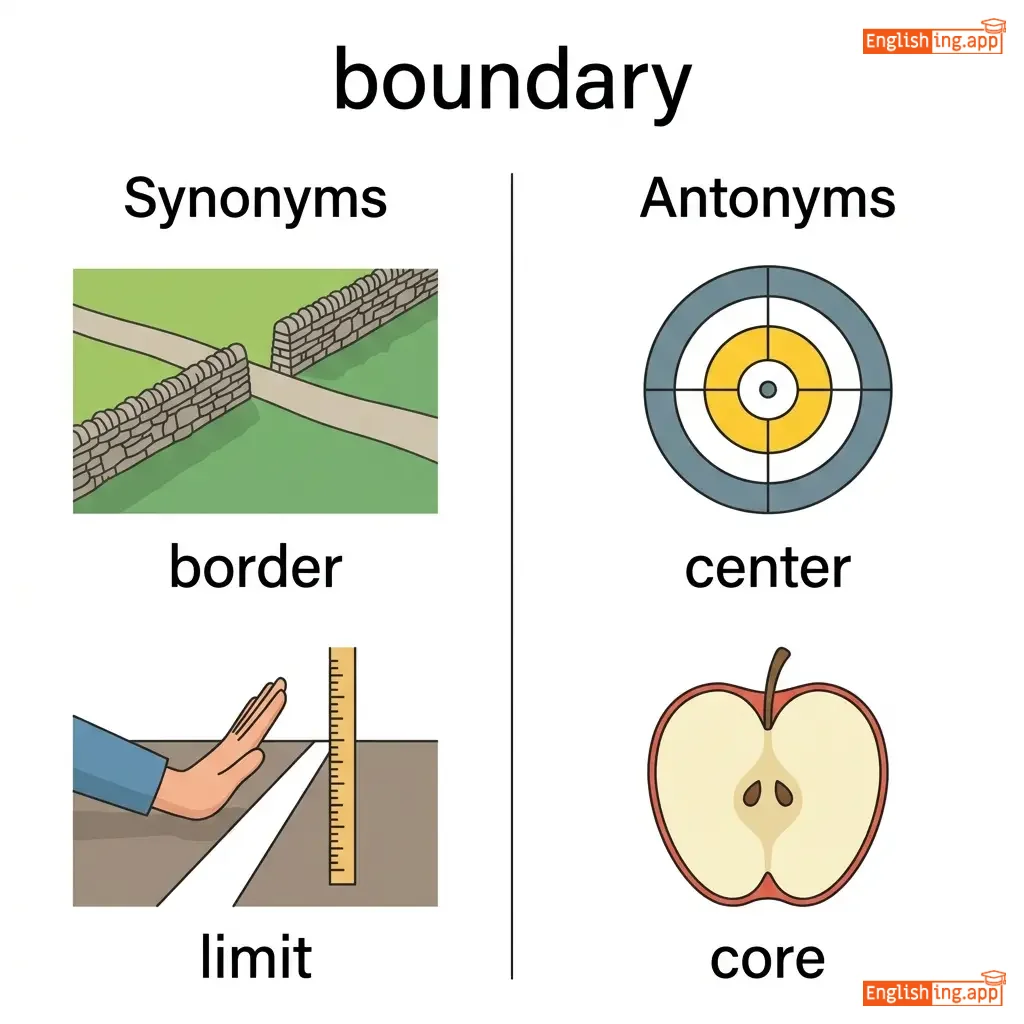
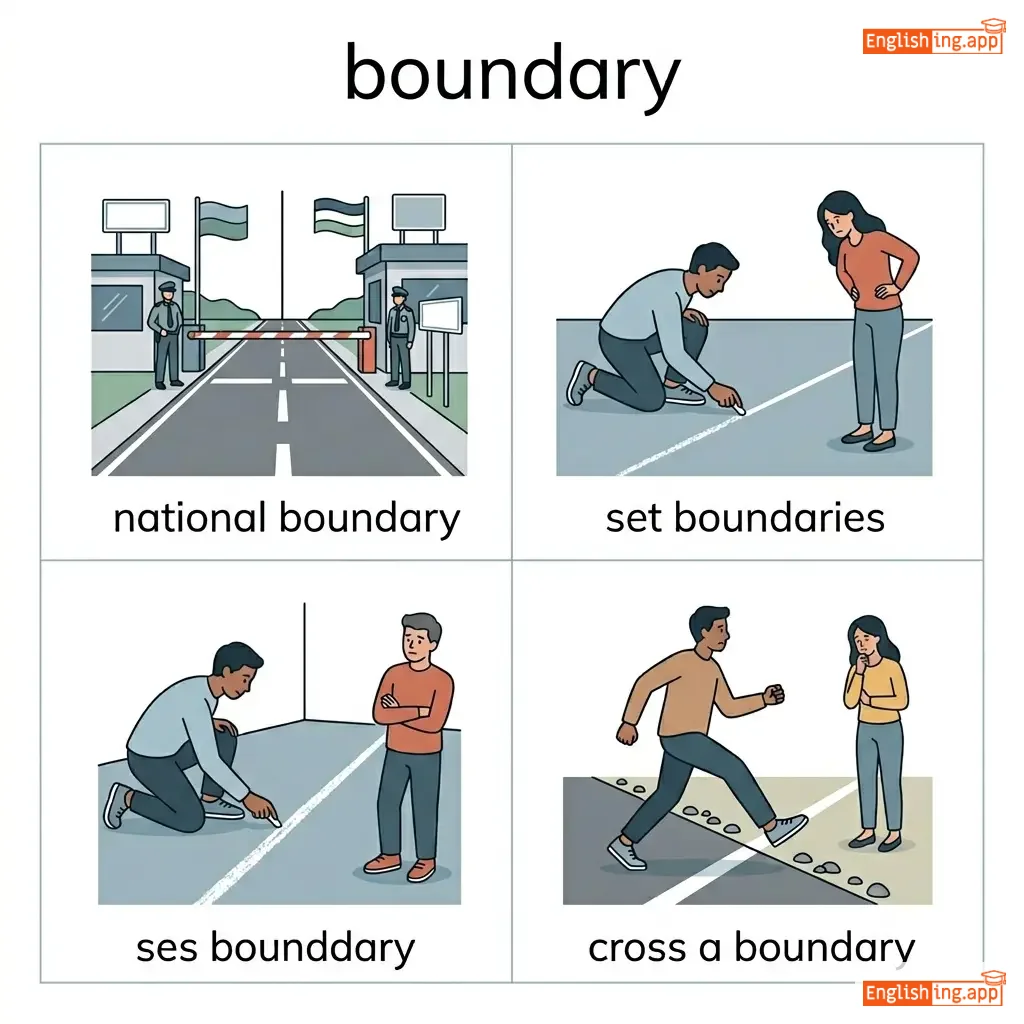
A line that marks the limits of an area; a dividing line.
••••••
|
The river marks the boundary. |
border, limit
••••••
|
center, interior
••••••
|
|
#588
🏰
|
ˌfɔːtɪfɪˈkeɪʃn
noun
••••••
|
|
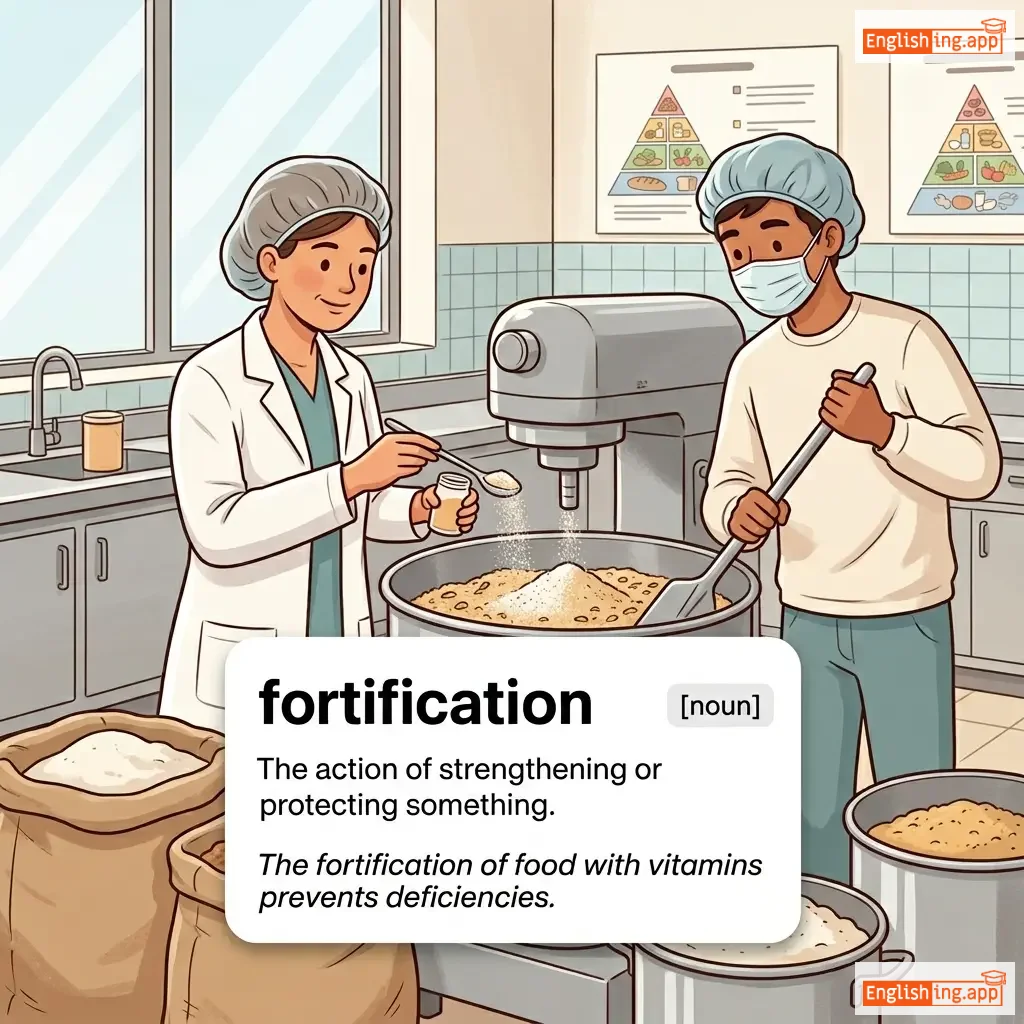
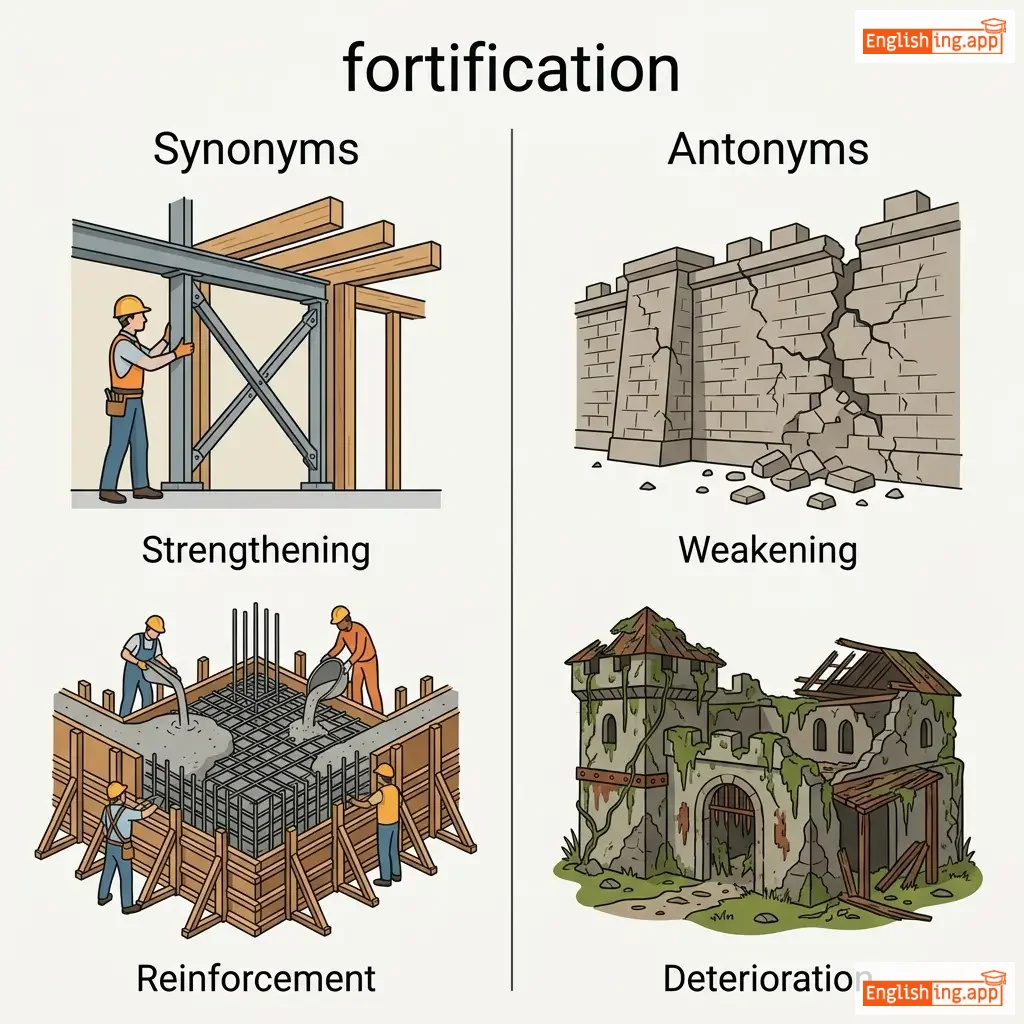
A defensive wall or other reinforcement built to strengthen a place against attack.
••••••
|
The fortifications protected the city. |
bastion, stronghold
••••••
|
weakness, vulnerability
••••••
|
|
#589
🧱
|
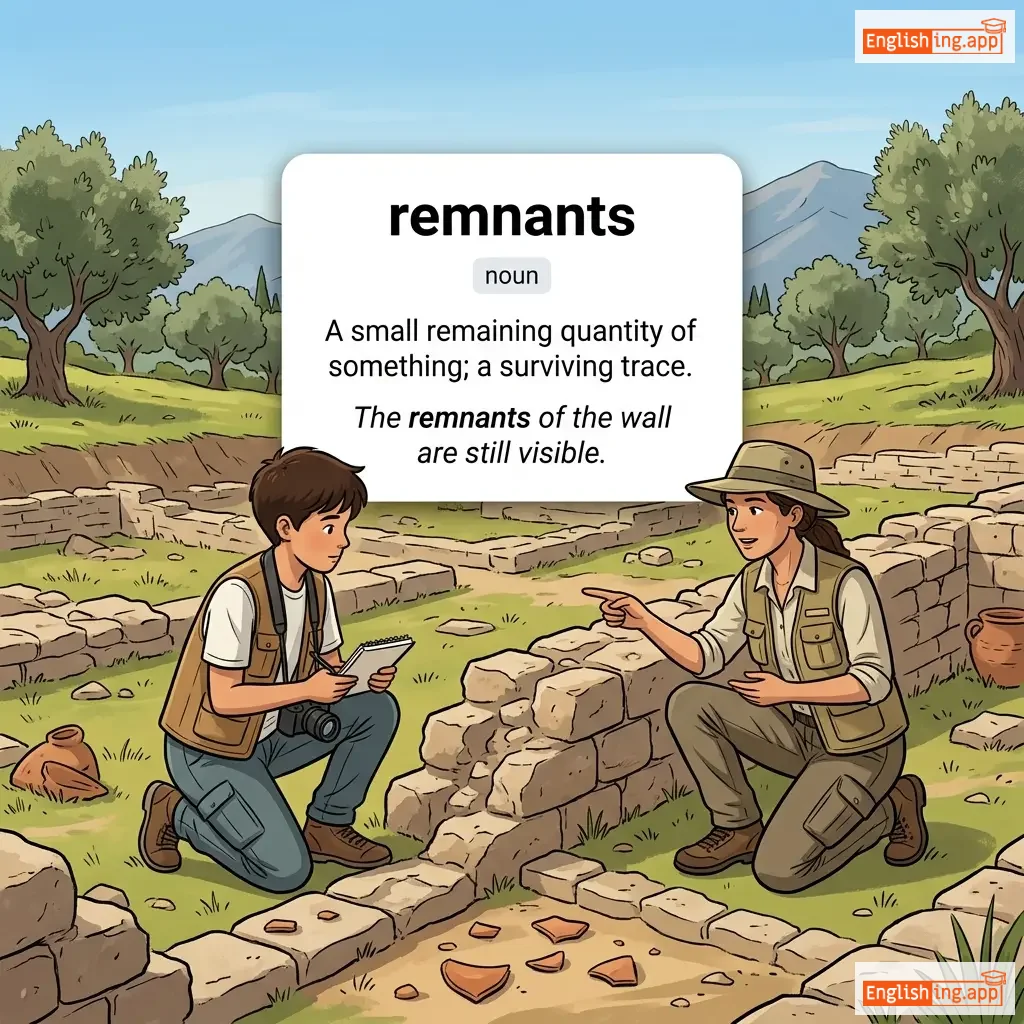
ˈremnənts
noun
••••••
|
|
A small remaining quantity of something; a surviving trace.
••••••
|
The remnants of the wall are still visible. |
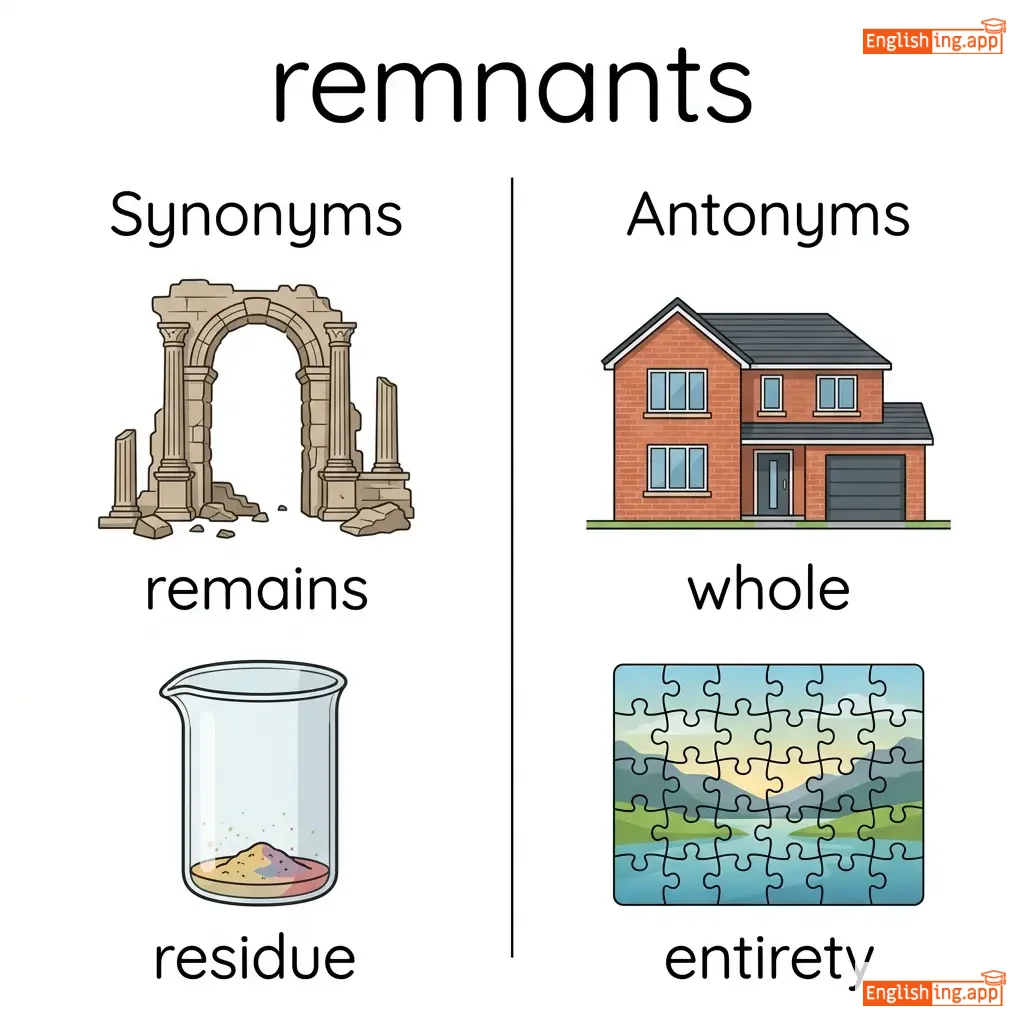
remains, residue
••••••
|
whole, entirety
••••••
|
|
#590
🏛️
|
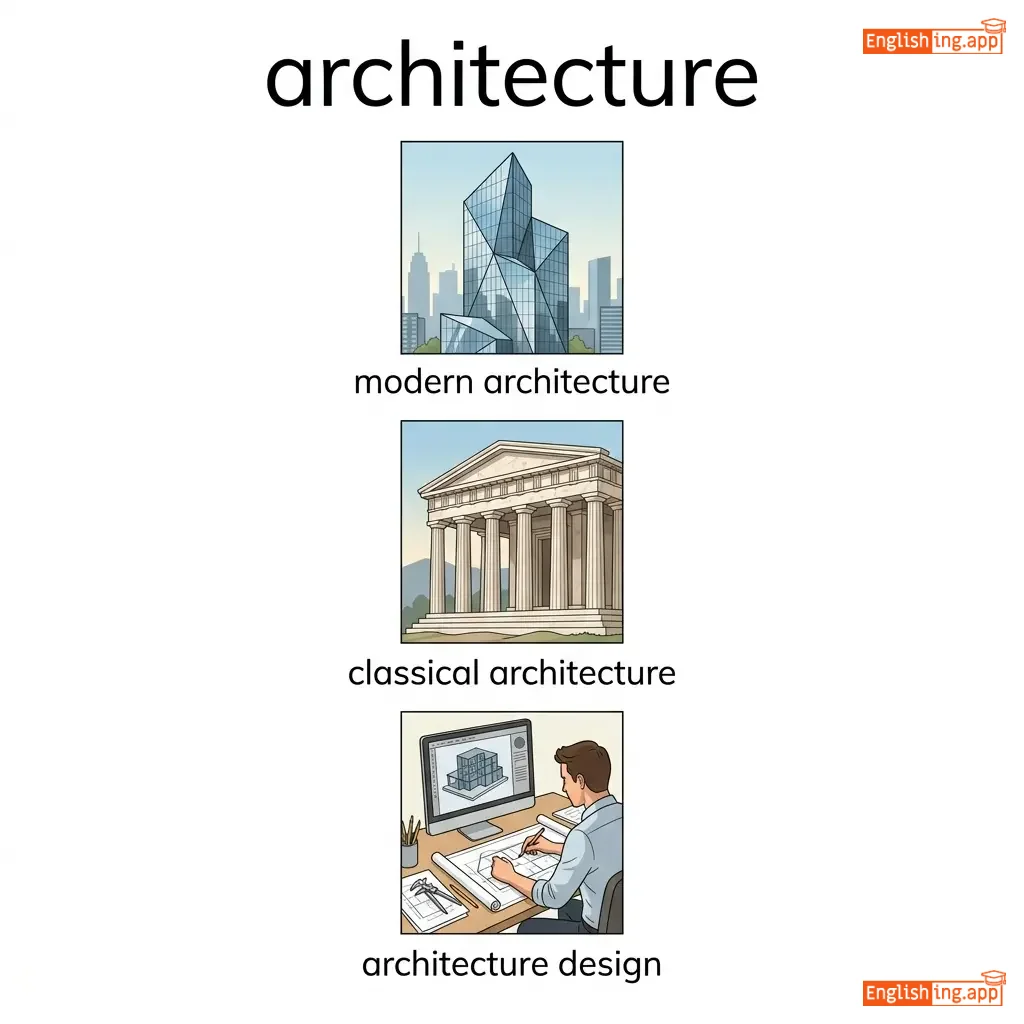
ˈɑːkɪtektʃə(r)
noun
••••••
|
|
The art or science of designing and constructing buildings.
••••••
|
Ancient architecture is fascinating. |
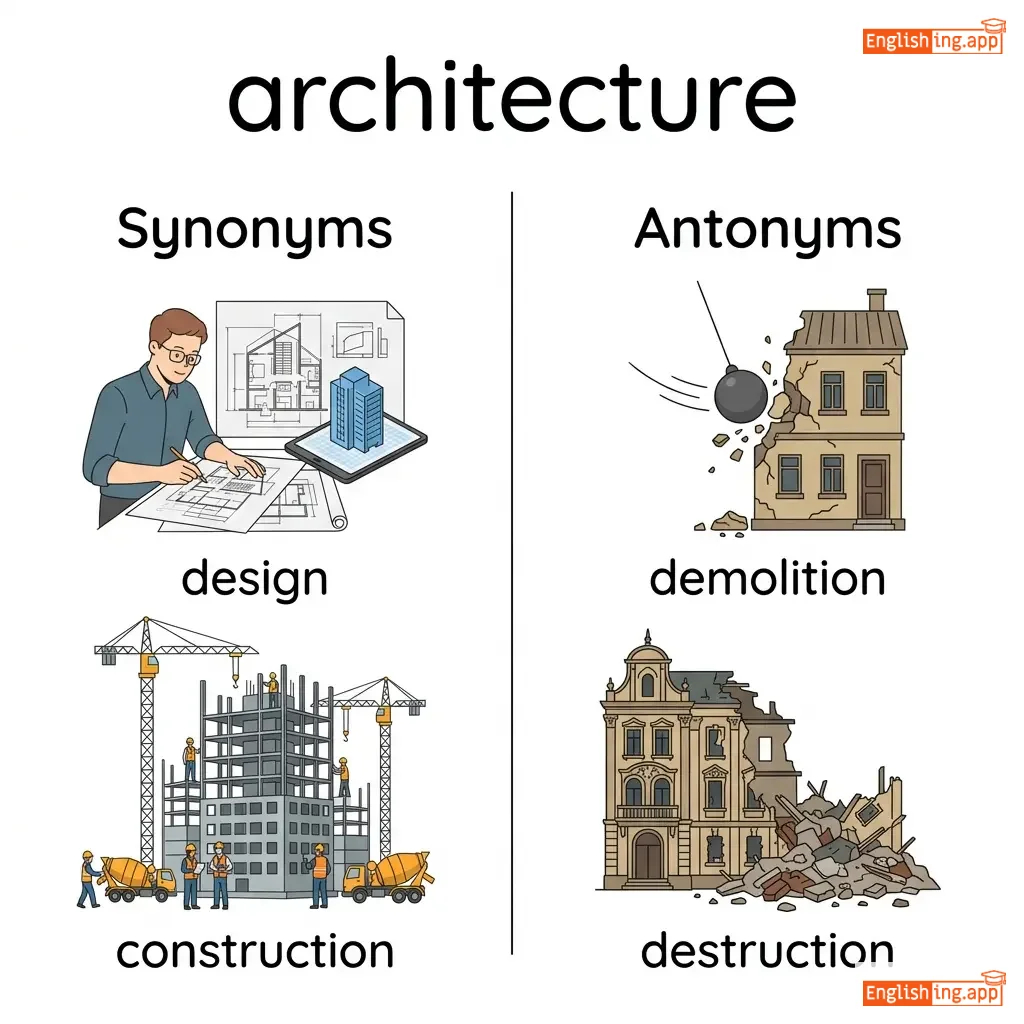
design, construction
••••••
|
demolition, deconstruction
••••••
|
|
#591
🗺️
|
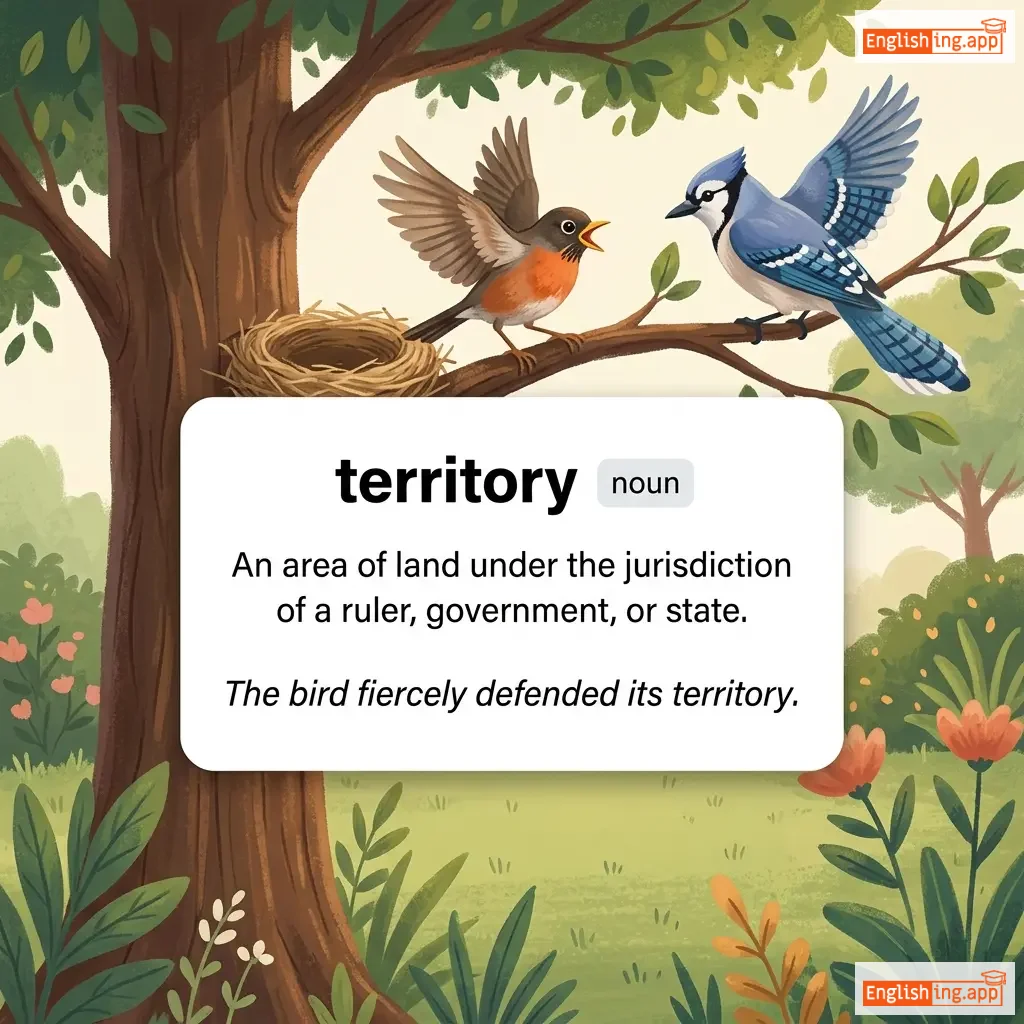
ˈterɪtəri
noun
••••••
|
|
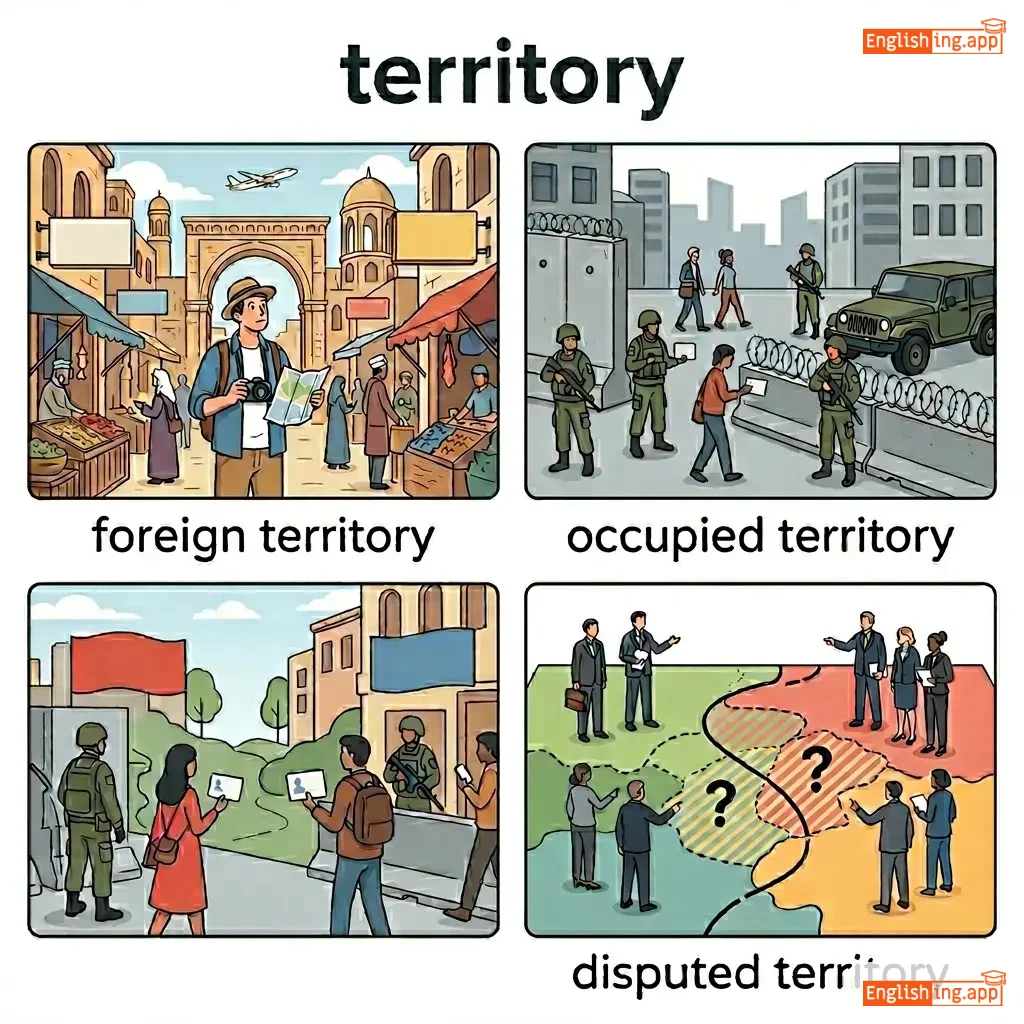
An area of land under the jurisdiction of a ruler or state.
••••••
|
The king expanded his territory. |
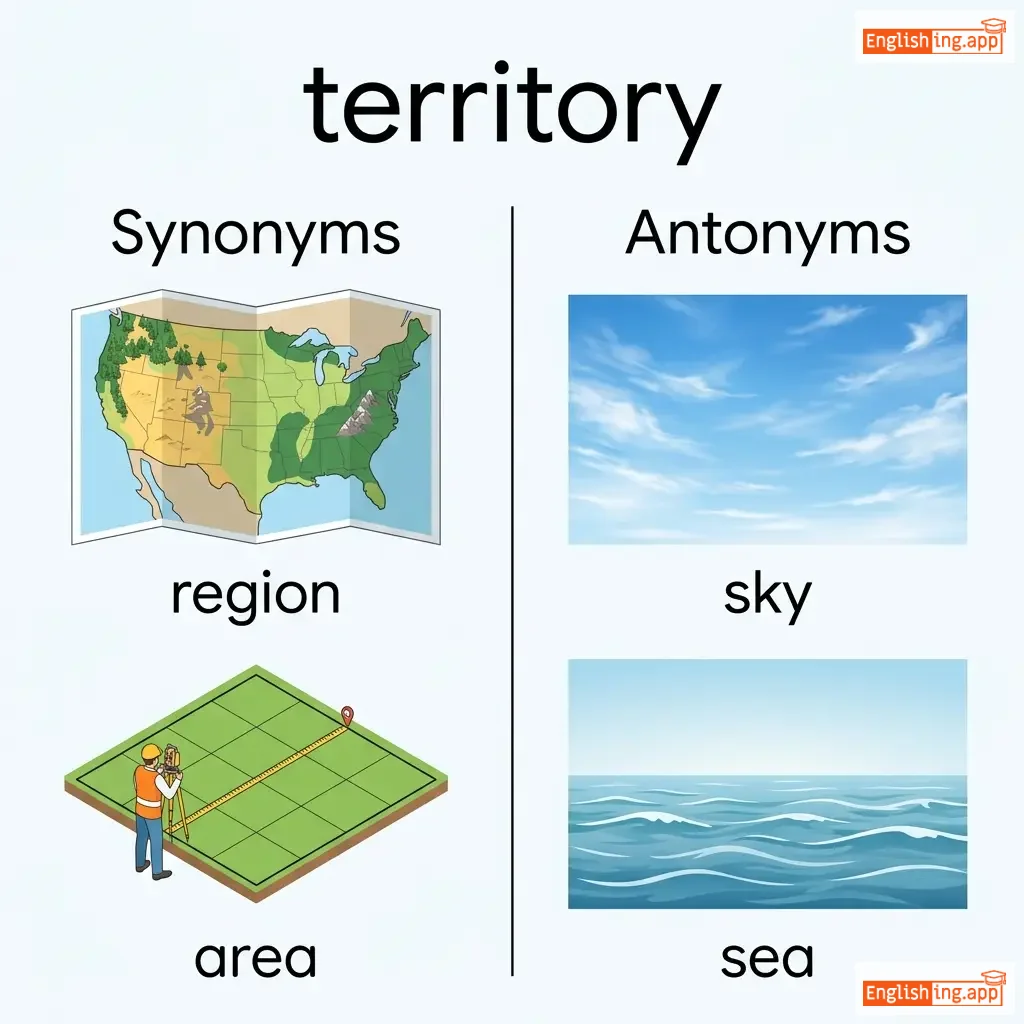
region, domain
••••••
|
foreign land, expanse
••••••
|
|
#592
🚧
|
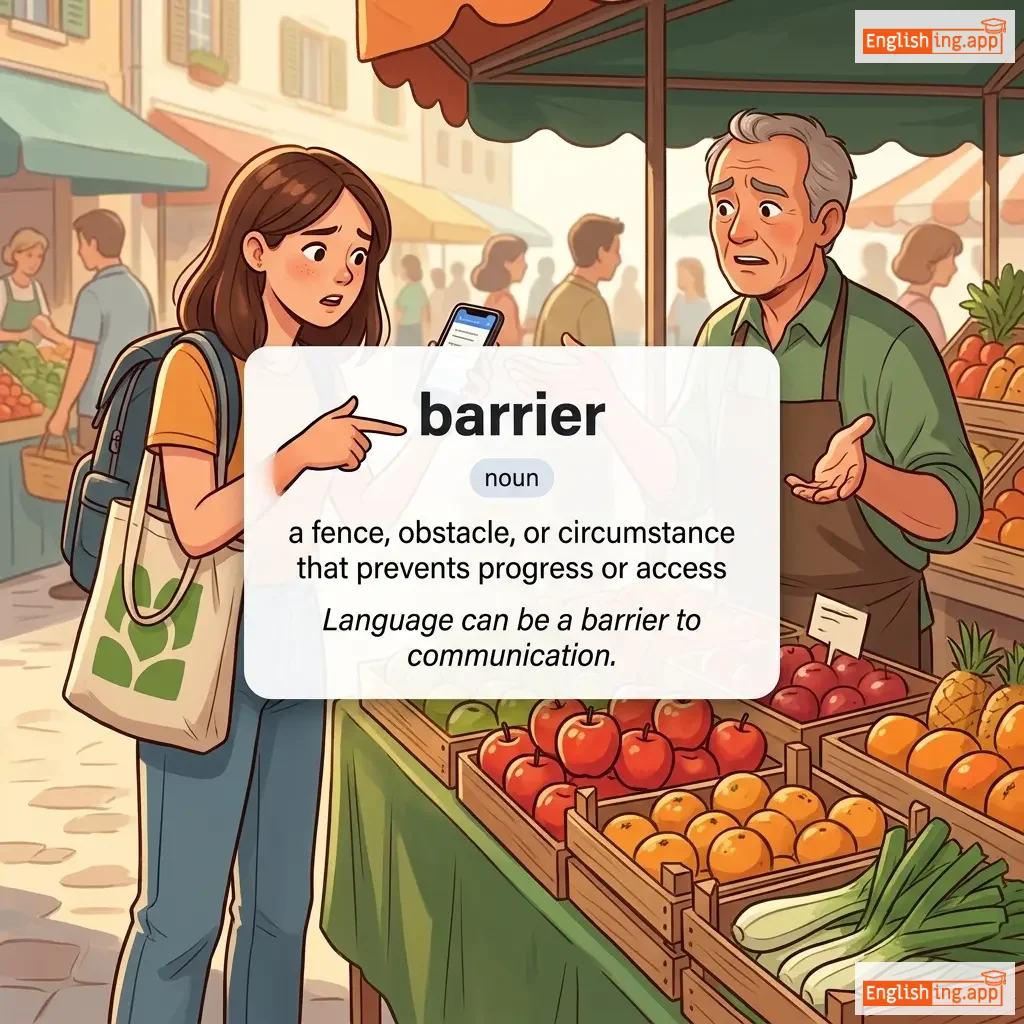
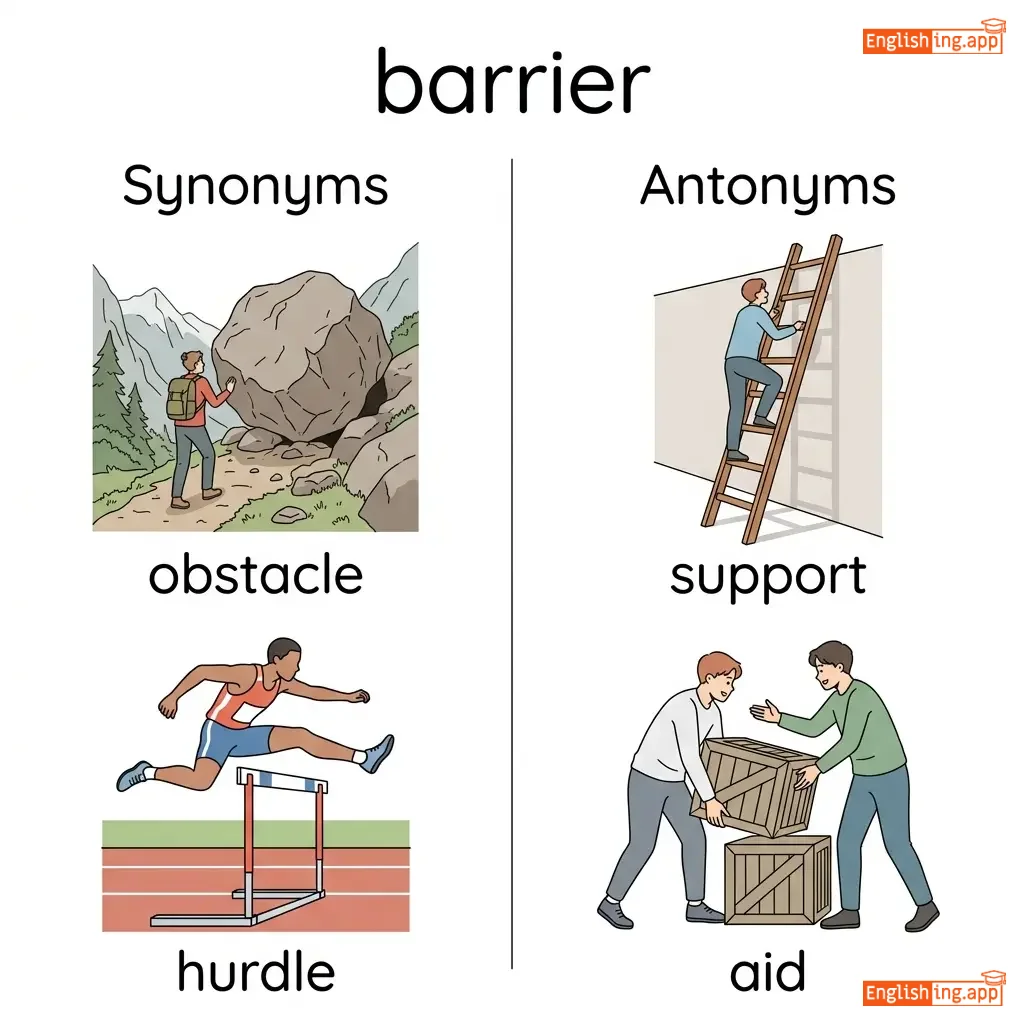
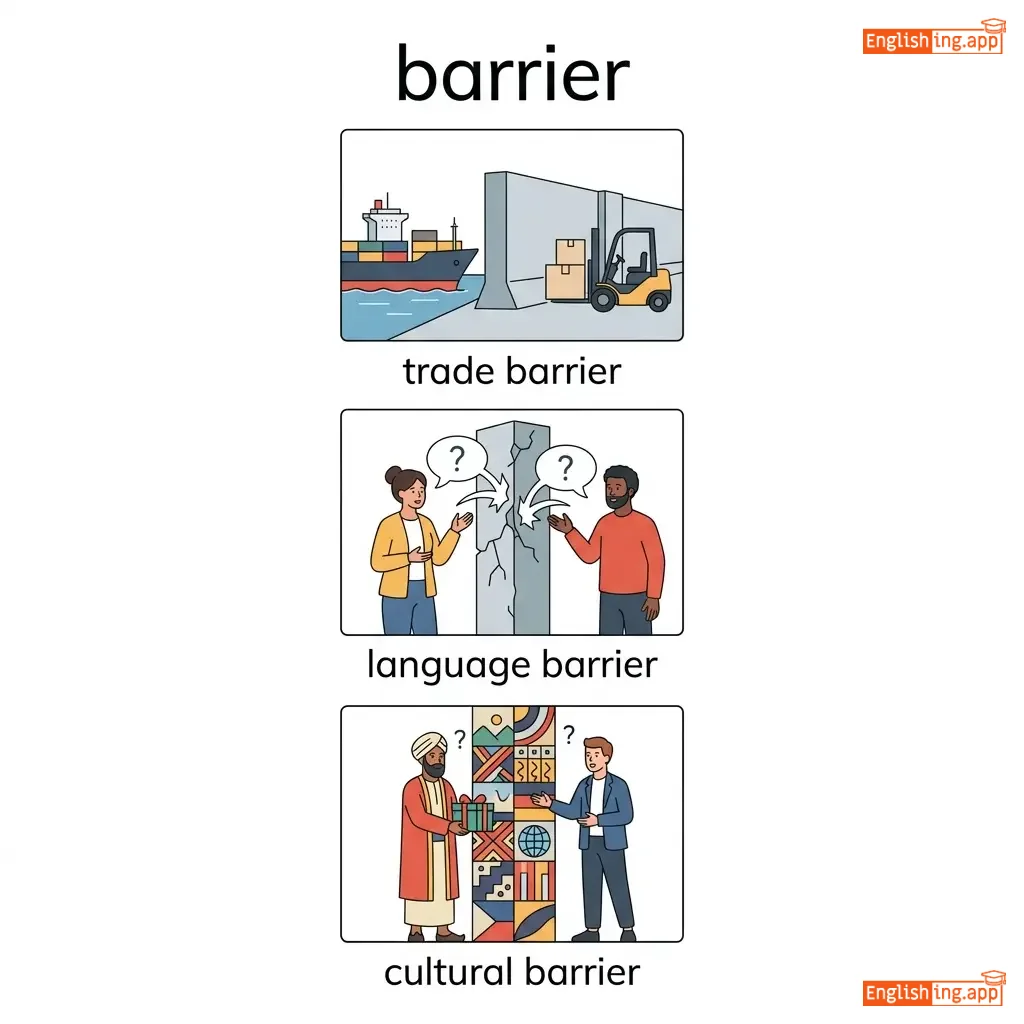
ˈbæriə(r)
noun
••••••
|
|
A fence or other obstacle that prevents movement or access.
••••••
|
The barrier prevented entry. |
obstacle, hurdle
••••••
|
access, opening
••••••
|
|
#593
🛡️
|
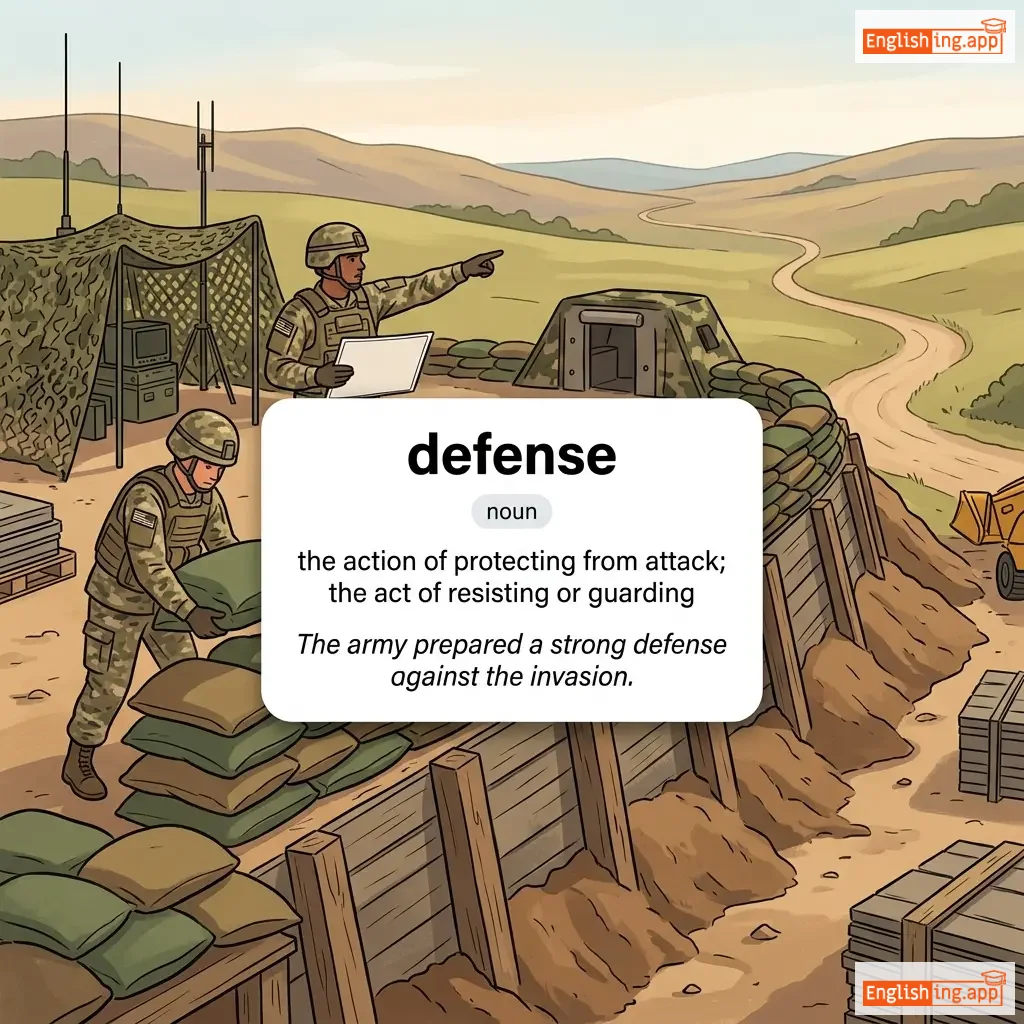
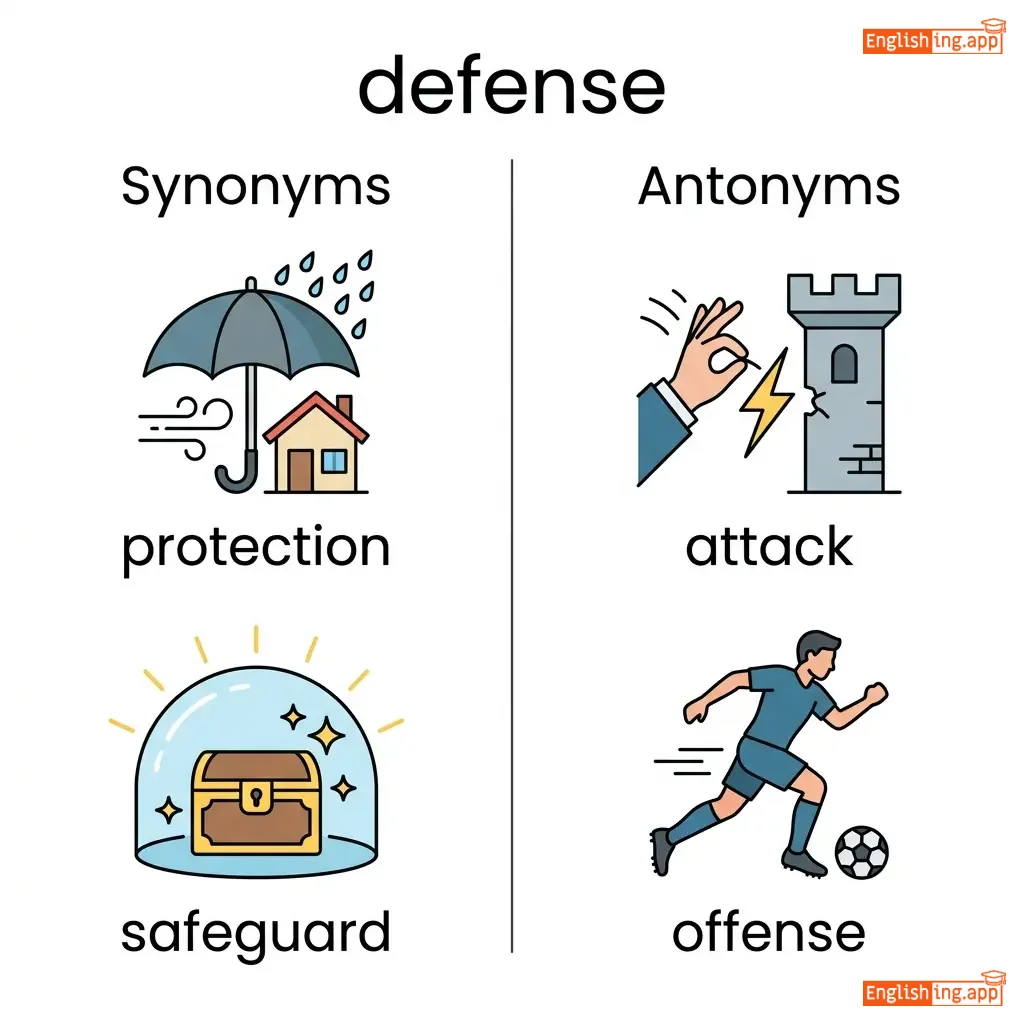
dɪˈfens
noun
••••••
|
|
The action of defending from or resisting attack.
••••••
|
The defense strategy was effective. |
protection, security
••••••
|
attack, assault
••••••
|
|
#594
🔧
|
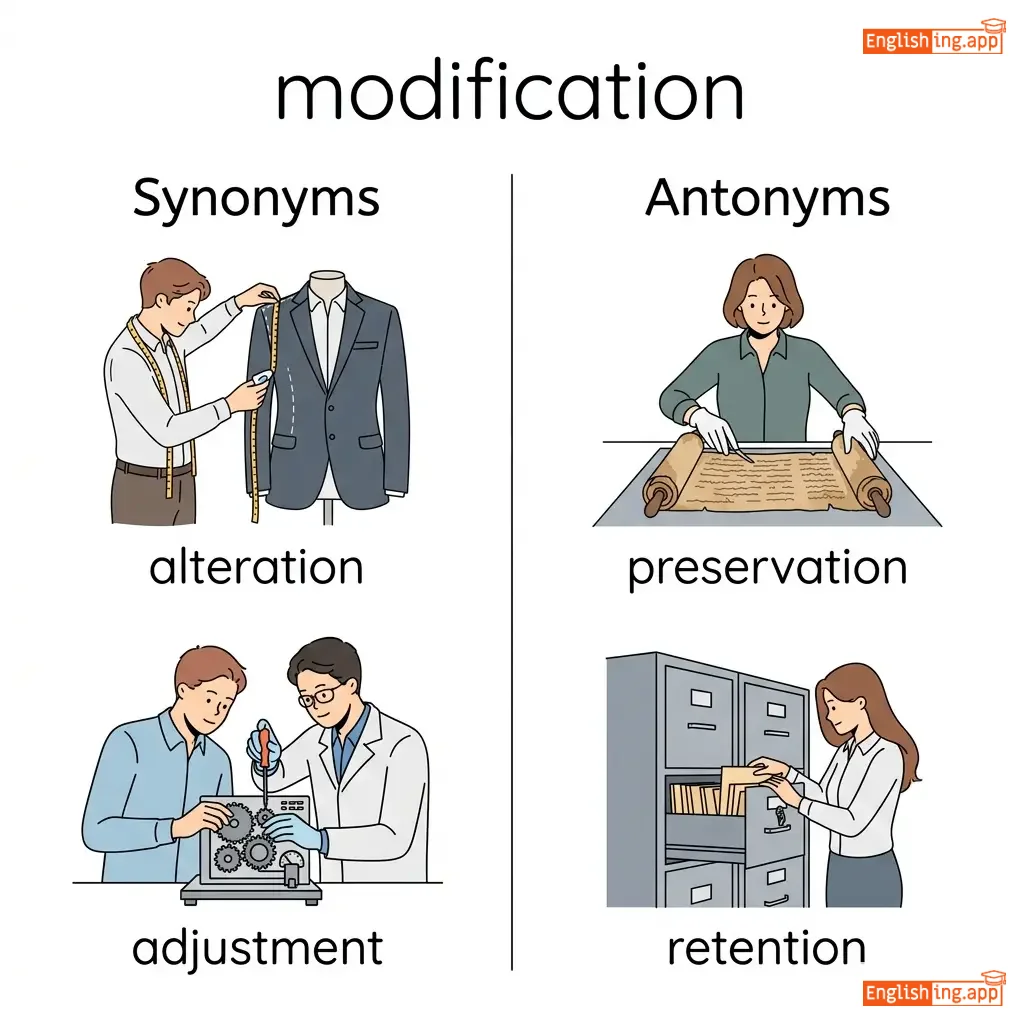
ˌmɒdɪfɪˈkeɪʃn
noun
••••••
|
|
The action of making changes to something.
••••••
|
The plan required modification. |
adjustment, alteration
••••••
|
preservation, constancy
••••••
|
|
#595
📈
|
ɪkˈspænʃn
noun
••••••
|
|
The action of becoming larger or more extensive.
••••••
|
Expansion of the wall was essential. |
enlargement, growth
••••••
|
reduction, contraction
••••••
|
|
#596
🔨
|
ˌriːkənˈstrʌkʃn
noun
••••••
|
|
The action or process of reconstructing or being reconstructed.
••••••
|
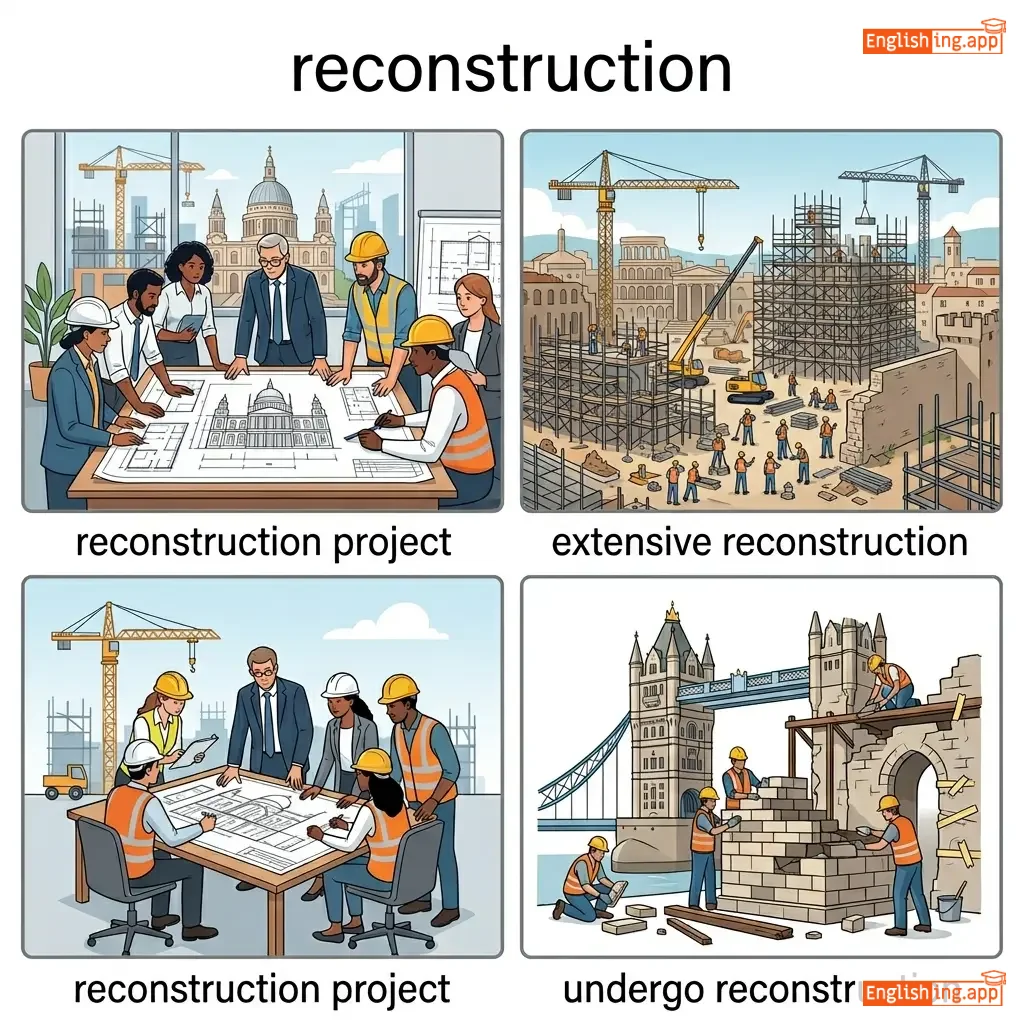
The reconstruction project took years. |
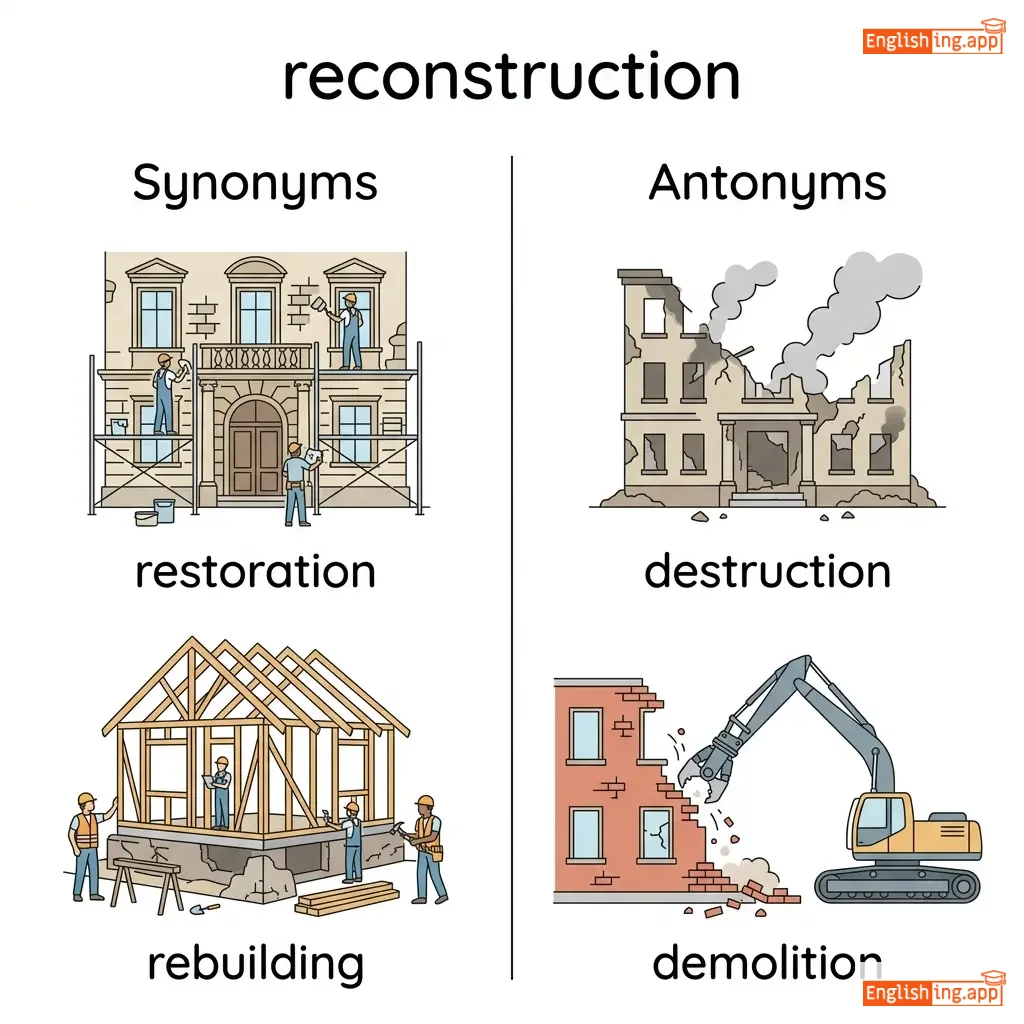
rebuilding, renewal
••••••
|
destruction, ruin
••••••
|
|
#597
🎯
|
strəˈtiːdʒɪk
adjective
••••••
|
|
Relating to the identification of long-term or overall aims and interests and the means of achieving them.
••••••
|
Strategic decisions are vital for growth. |
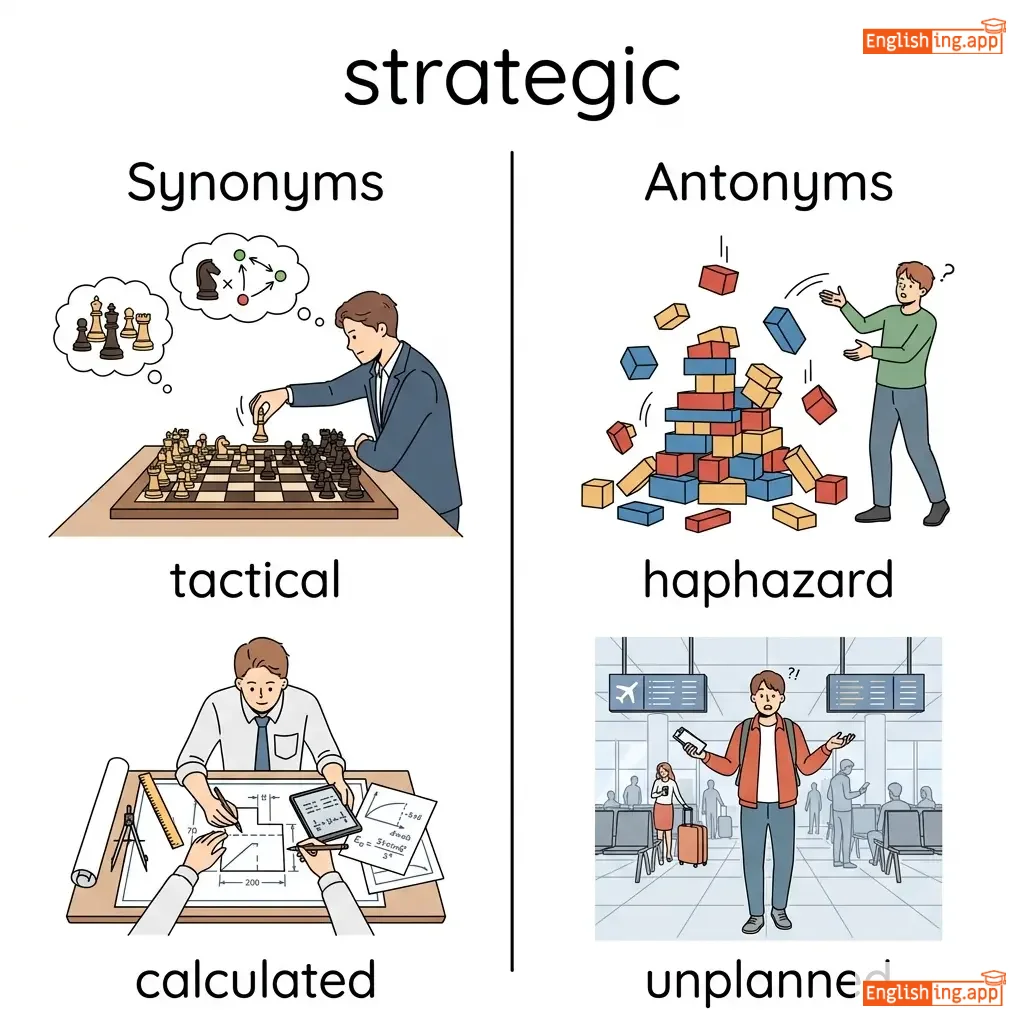
tactical, planned
••••••
|
haphazard, unplanned
••••••
|
Comments (0)
Share your thoughts and join the discussion.
Join the discussion by logging in
Login to CommentNo comments yet
Be the first to share your thoughts!