African Revolutions and Independence Movements
非洲见证了不同时间的各种革命和独立运动,结束了殖民统治。例如,在1952年,埃及的‘自由军官运动’废除了君主制并建立了共和国。
在阿尔及利亚,1954年开始了与法国的独立斗争,并在1962年确保了解放。
几内亚比绍在1956年开始了对葡萄牙统治的抵抗,并在1973年获得了主权。莫桑比克在1964年开始了类似的起义,并在1975年获得了独立。
津巴布韦在1980年经历了长期的武装冲突后获得独立。
在南非,种族隔离制度在1990年代结束,民主在纳尔逊·曼德拉的领导下建立。
这些革命和斗争在塑造非洲的政治、社会和经济框架方面发挥了重要作用。
|
表情符号
|
单词 | Images | 含义 | 例句 | 同义词 | 反义词 |
|---|---|---|---|---|---|---|
|
#213
⚡
|
ˌrev.əˈluː.ʃənz
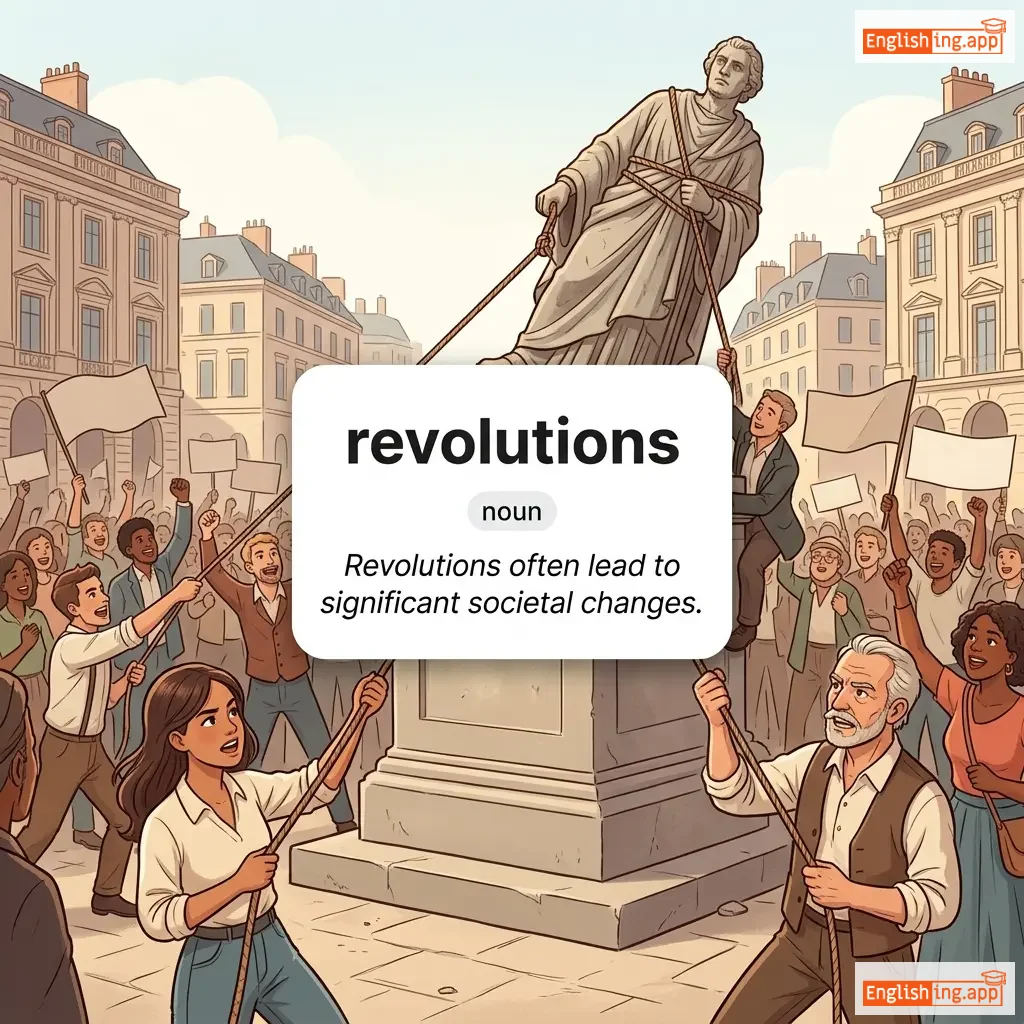
noun
••••••
|
|
Dramatic and wide-reaching changes in political, social, or economic systems, often involving the overthrow of a government or social order.
••••••
|
Revolutions often lead to significant societal changes. |
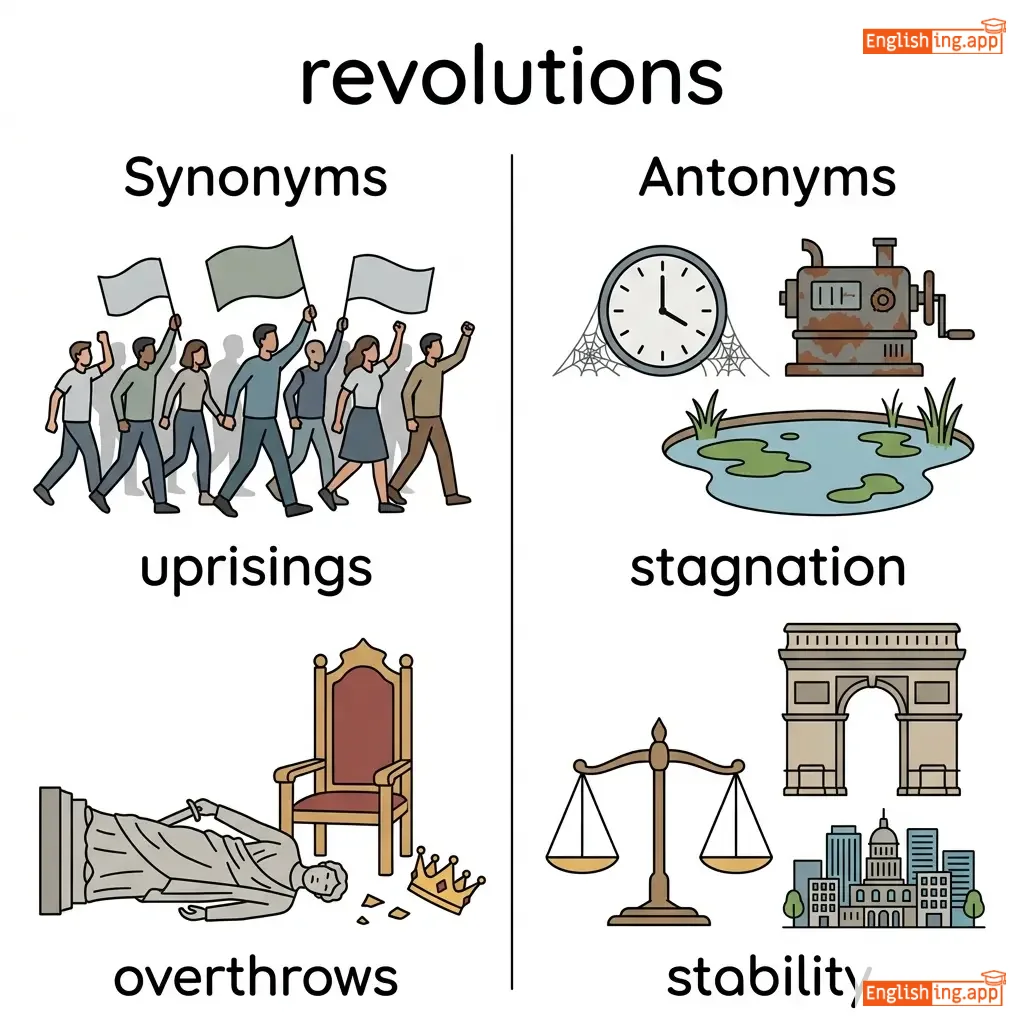
uprisings, overthrows, rebellions, coups
••••••
|
stagnation, stability, conservation, order
••••••
|
|
#214
✊
|
ˈmuːv.mənts
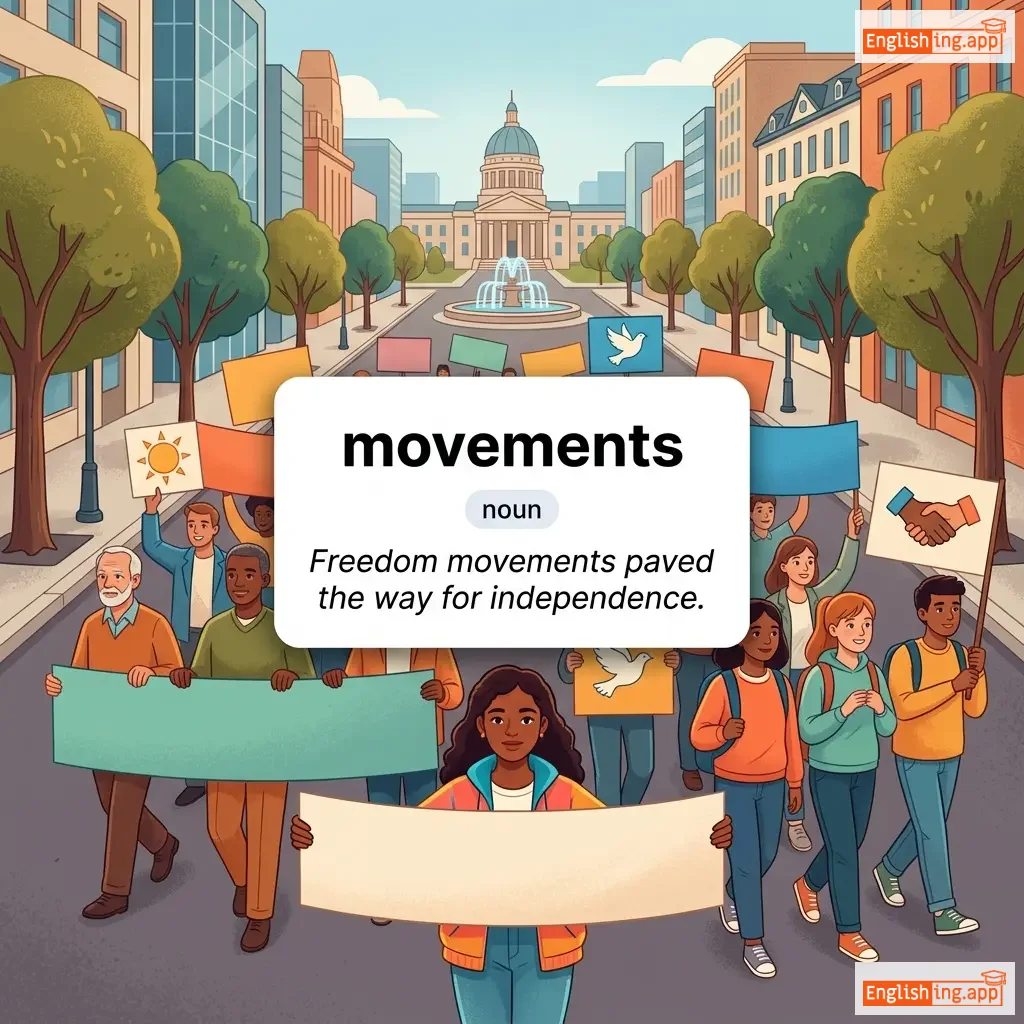
noun
••••••
|
|
Organized efforts by groups of people working together to advance their shared political, social, or artistic ideas.
••••••
|
Freedom movements paved the way for independence. |
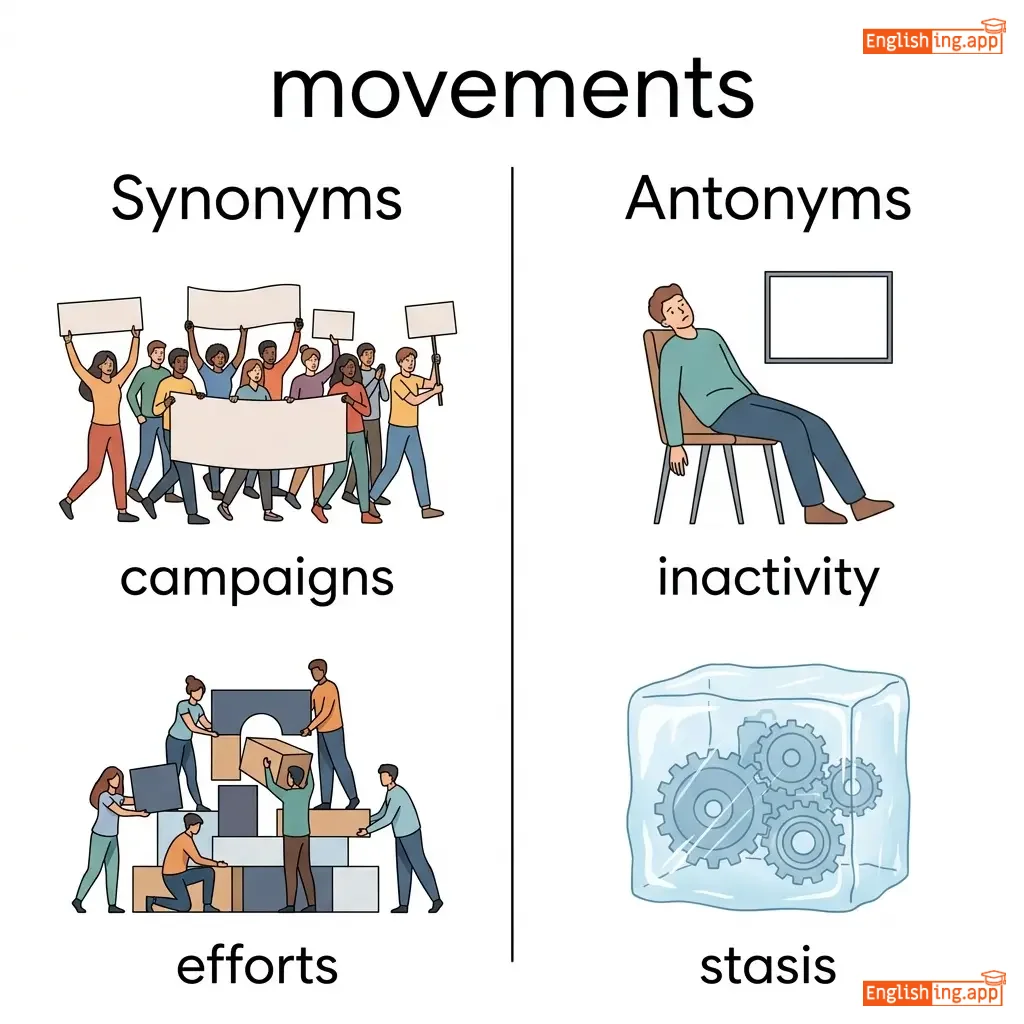
campaigns, efforts, initiatives, crusades
••••••
|
inactivity, stasis, passivity, stillness
••••••
|
|
#215
🏛️
|
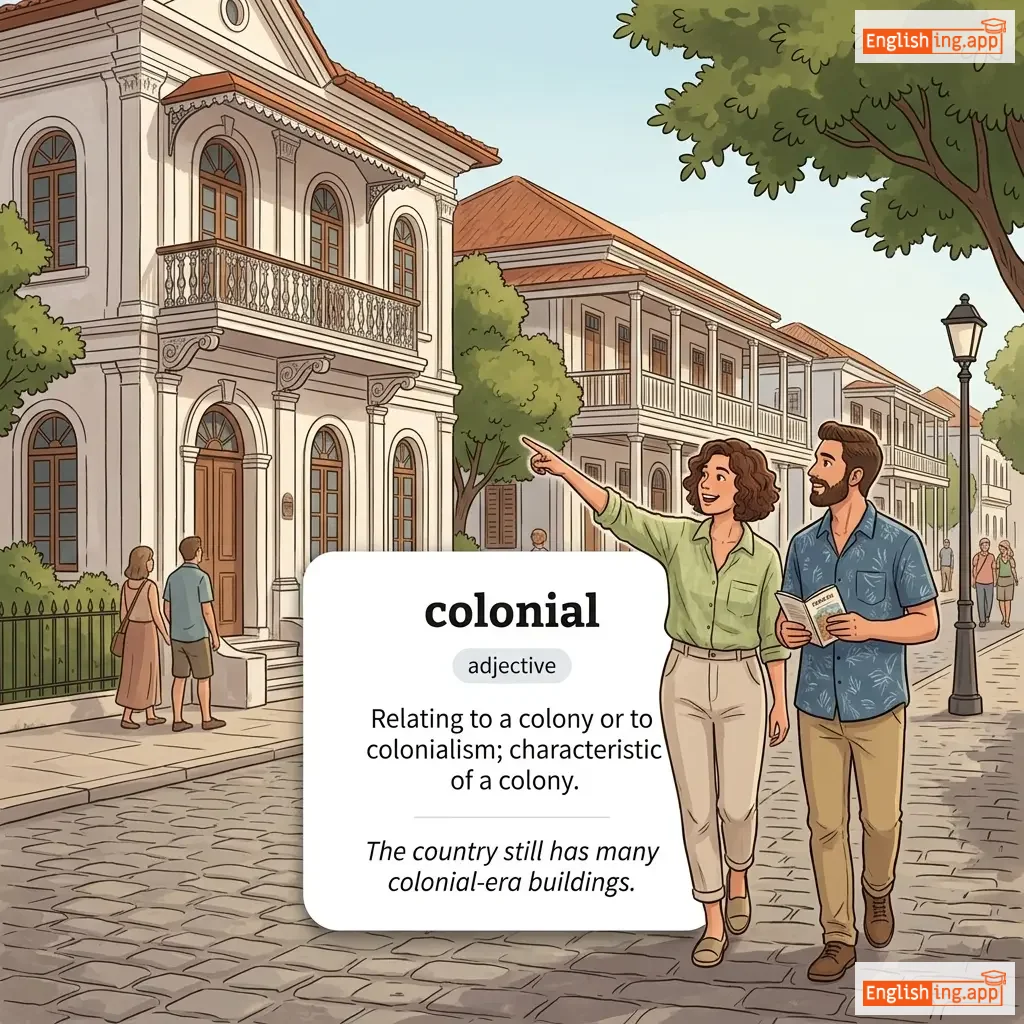
kəˈləʊ.ni.əl
adjective
••••••
|
|
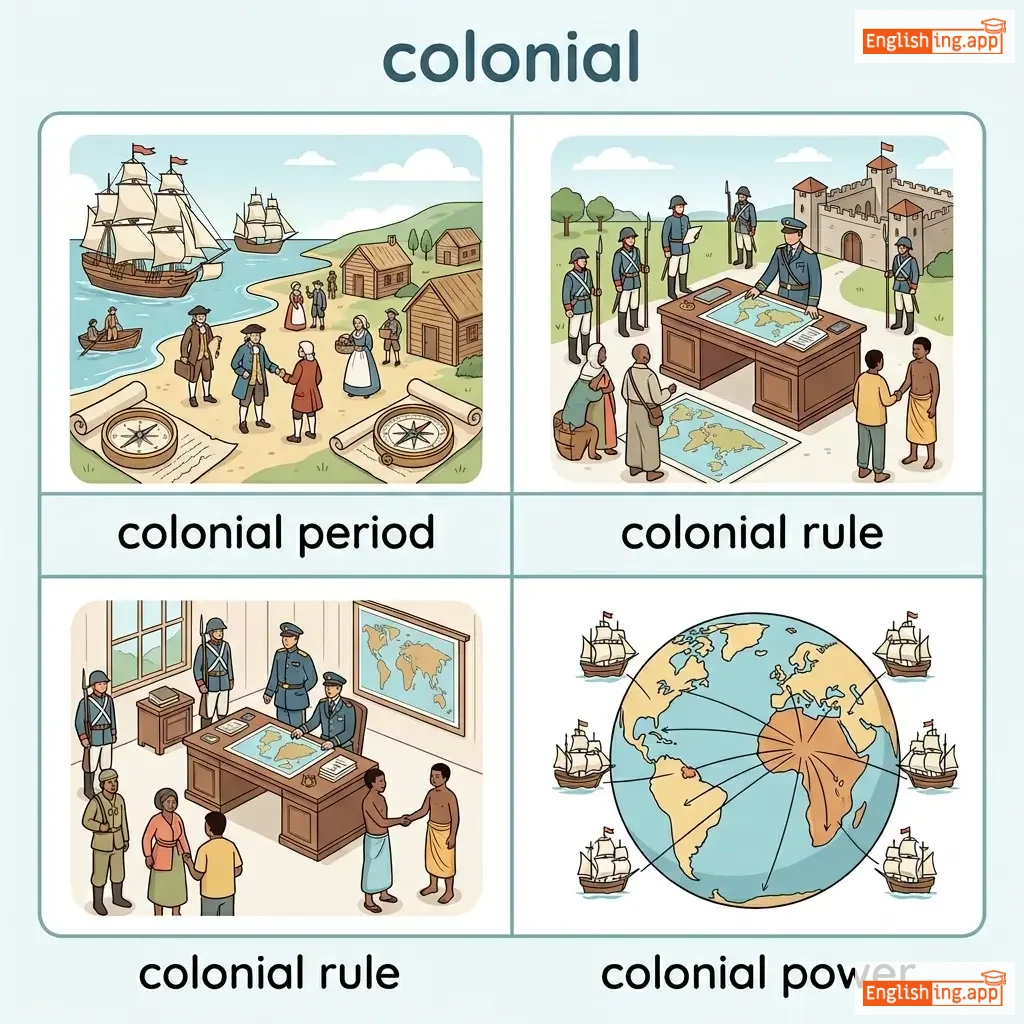
Relating to or characteristic of a colony or colonialism, especially involving the control of one country by another.
••••••
|
Colonial rule suppressed local governance. |
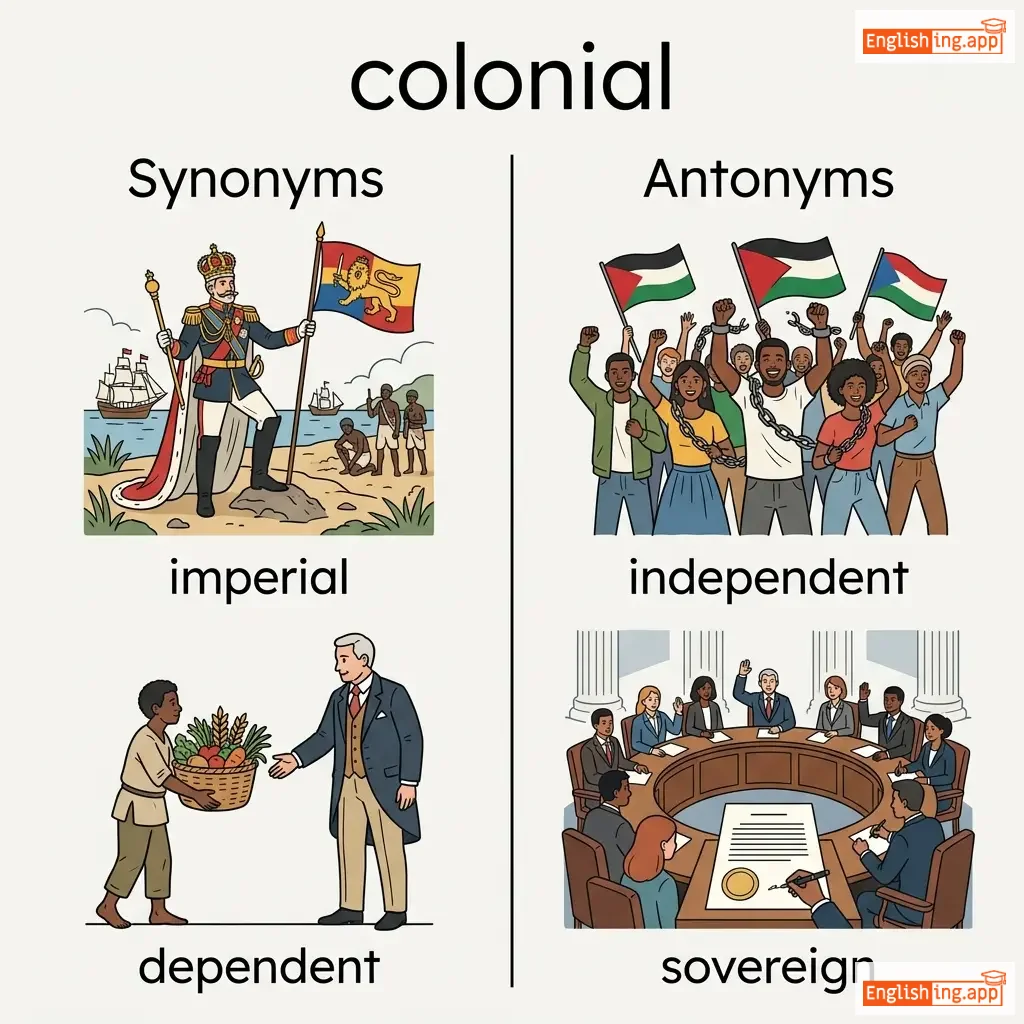
imperial, occupying, dominating, controlling
••••••
|
independent, sovereign, autonomous, free
••••••
|
|
#216
👑
|
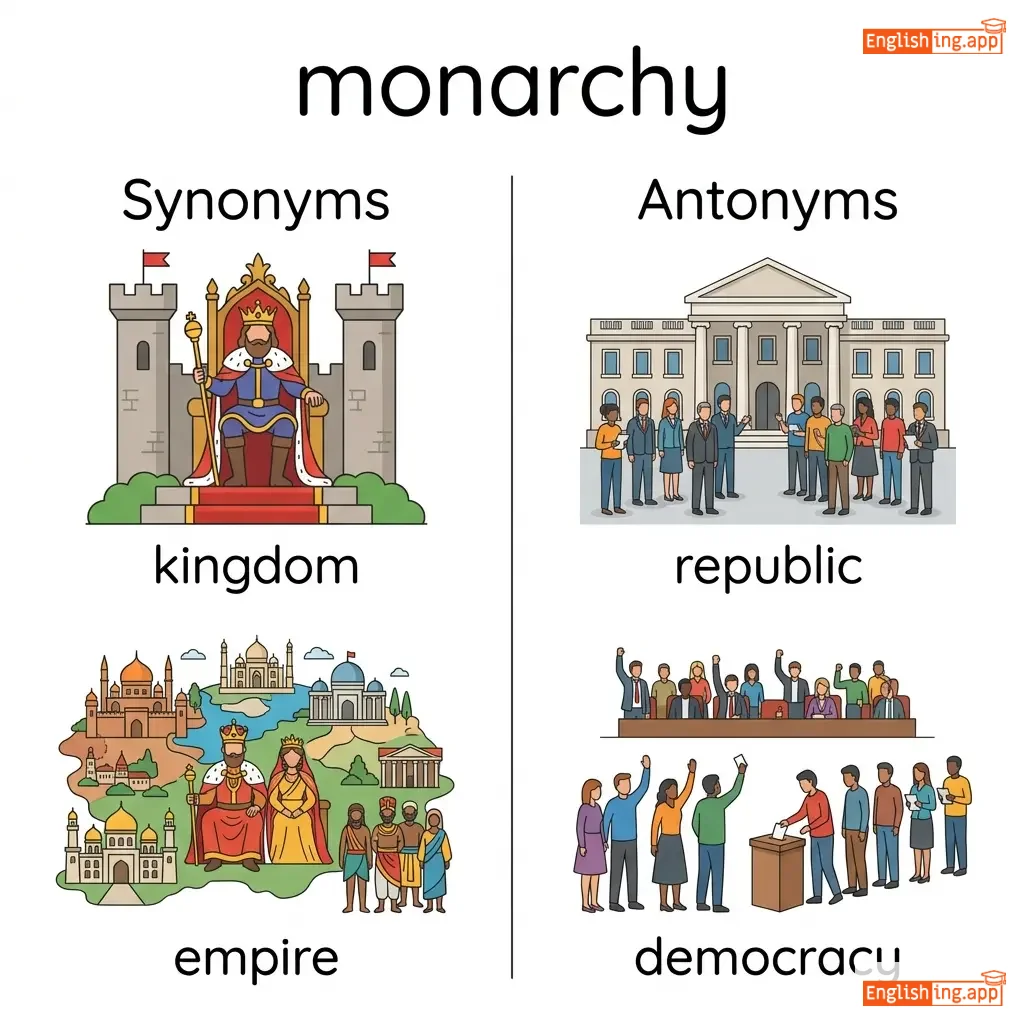
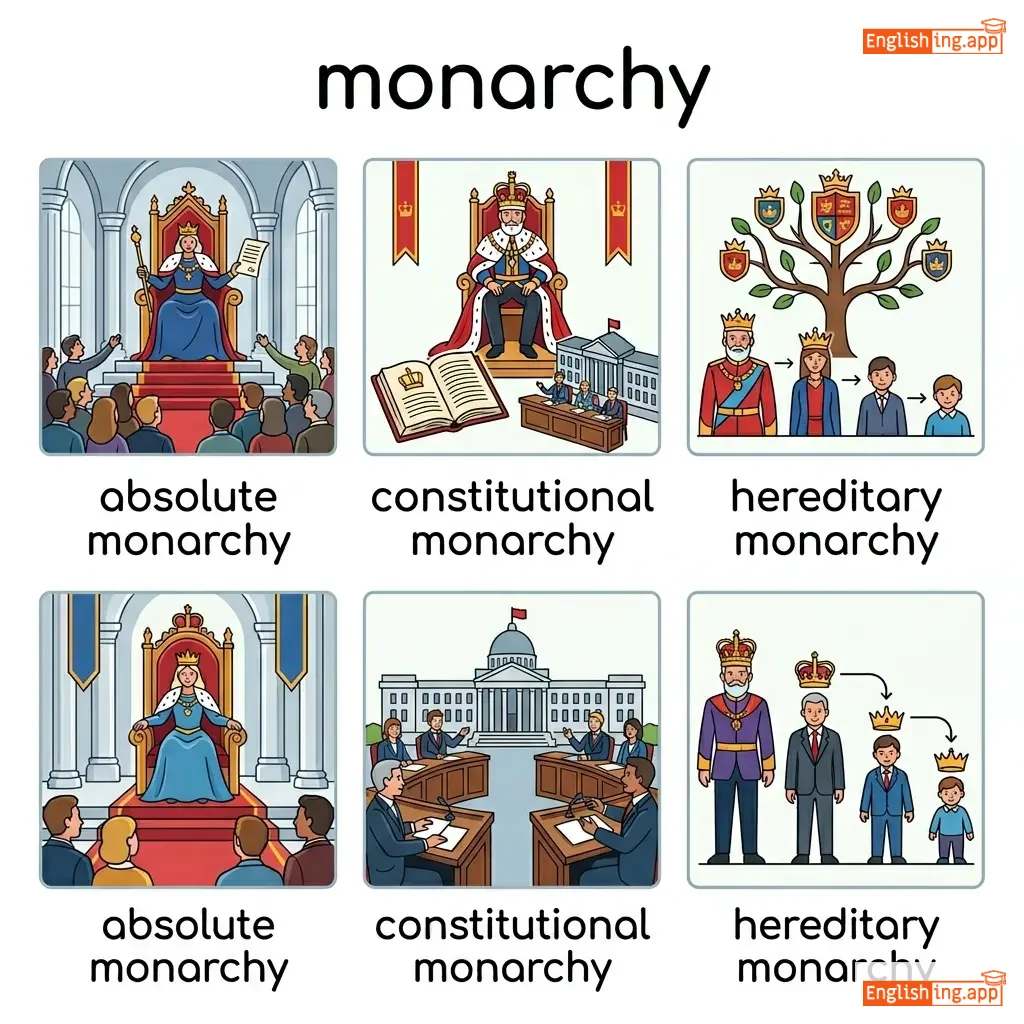
ˈmɒn.ə.ki
noun
••••••
|
|
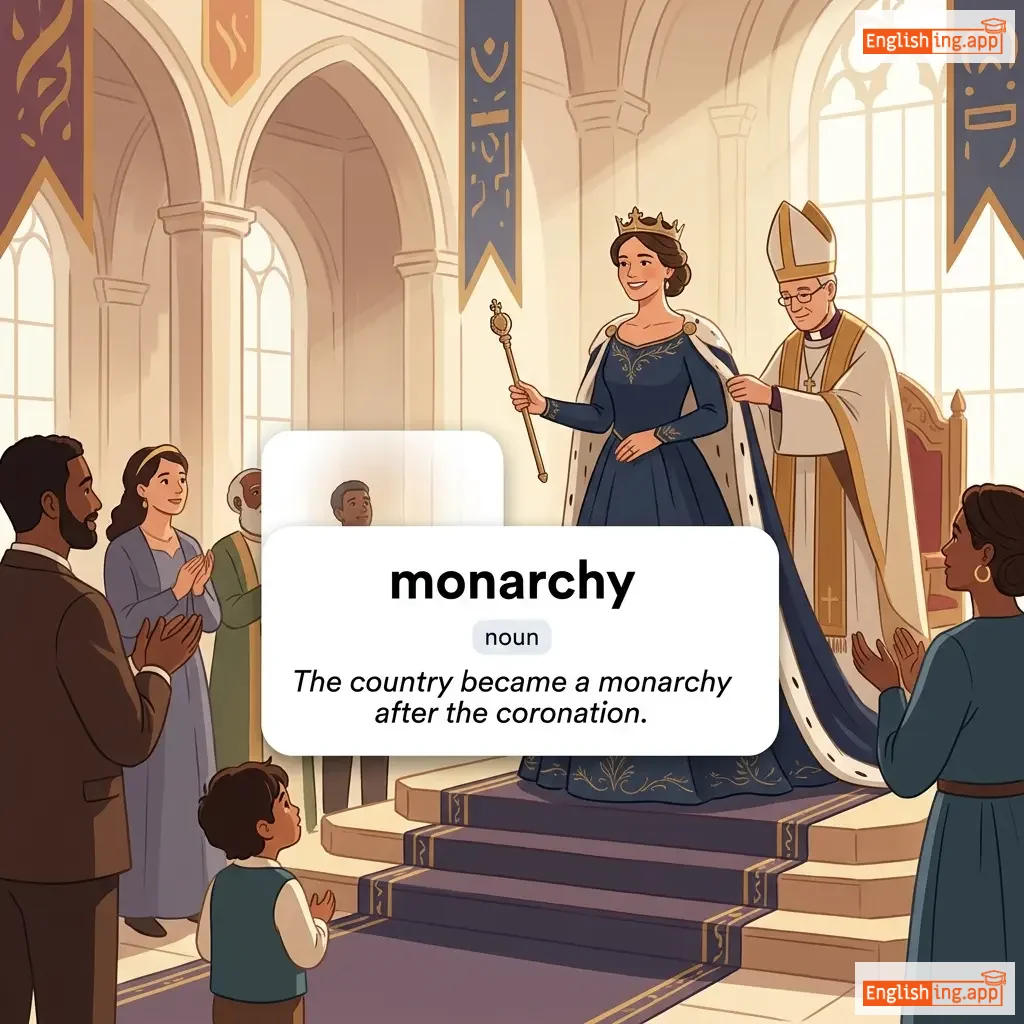
A form of government with a monarch at the head, where supreme power is held by a single person such as a king or queen.
••••••
|
The monarchy was abolished during the revolution. |
kingship, sovereignty, royal rule, crown
••••••
|
republic, democracy, anarchism, communism
••••••
|
|
#217
🏛️
|
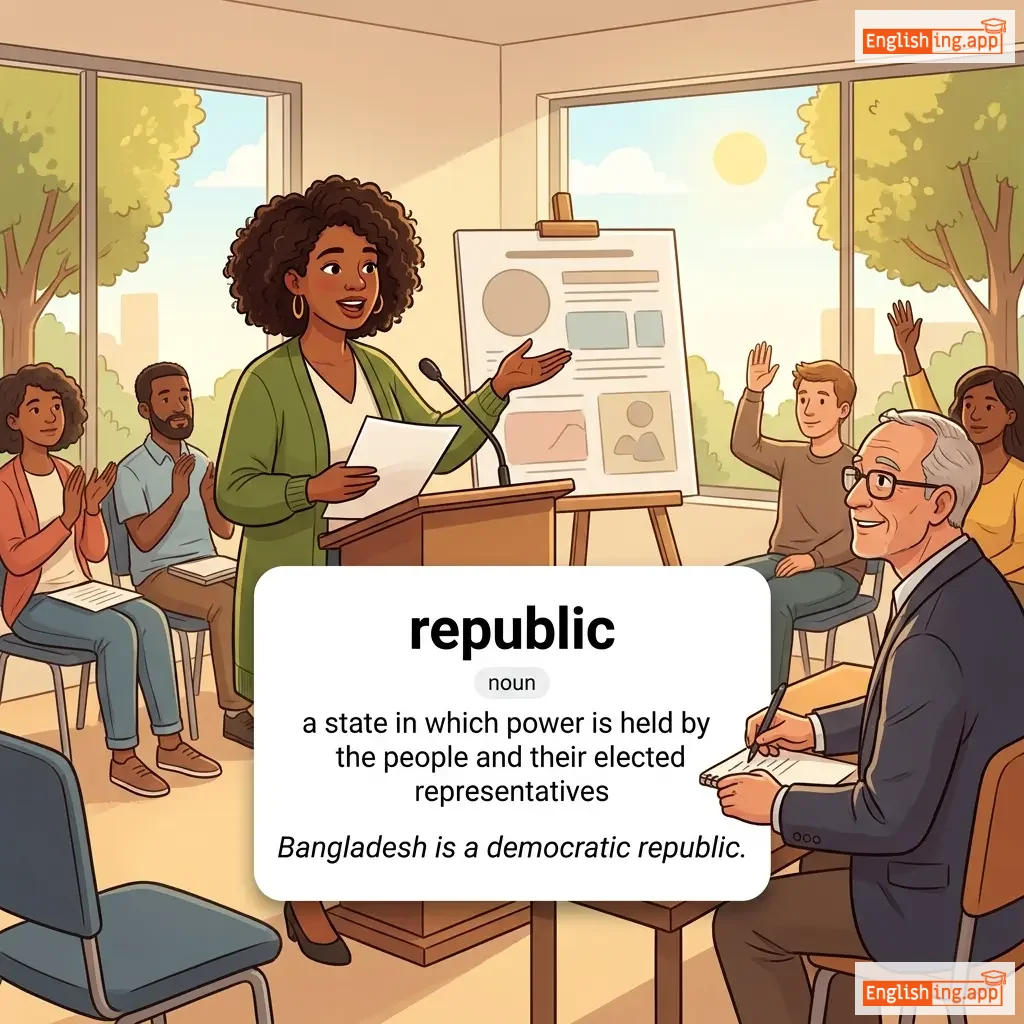
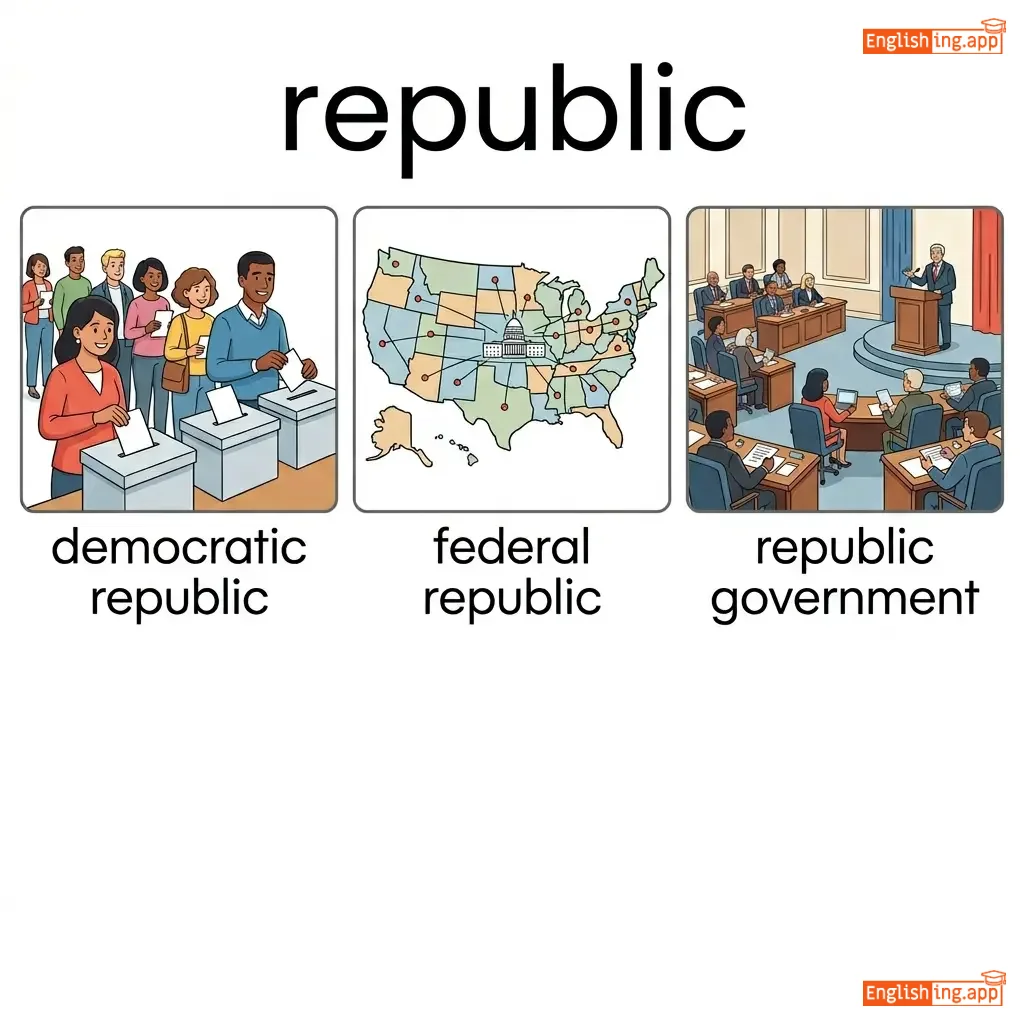
rɪˈpʌb.lɪk
noun
••••••
|
|
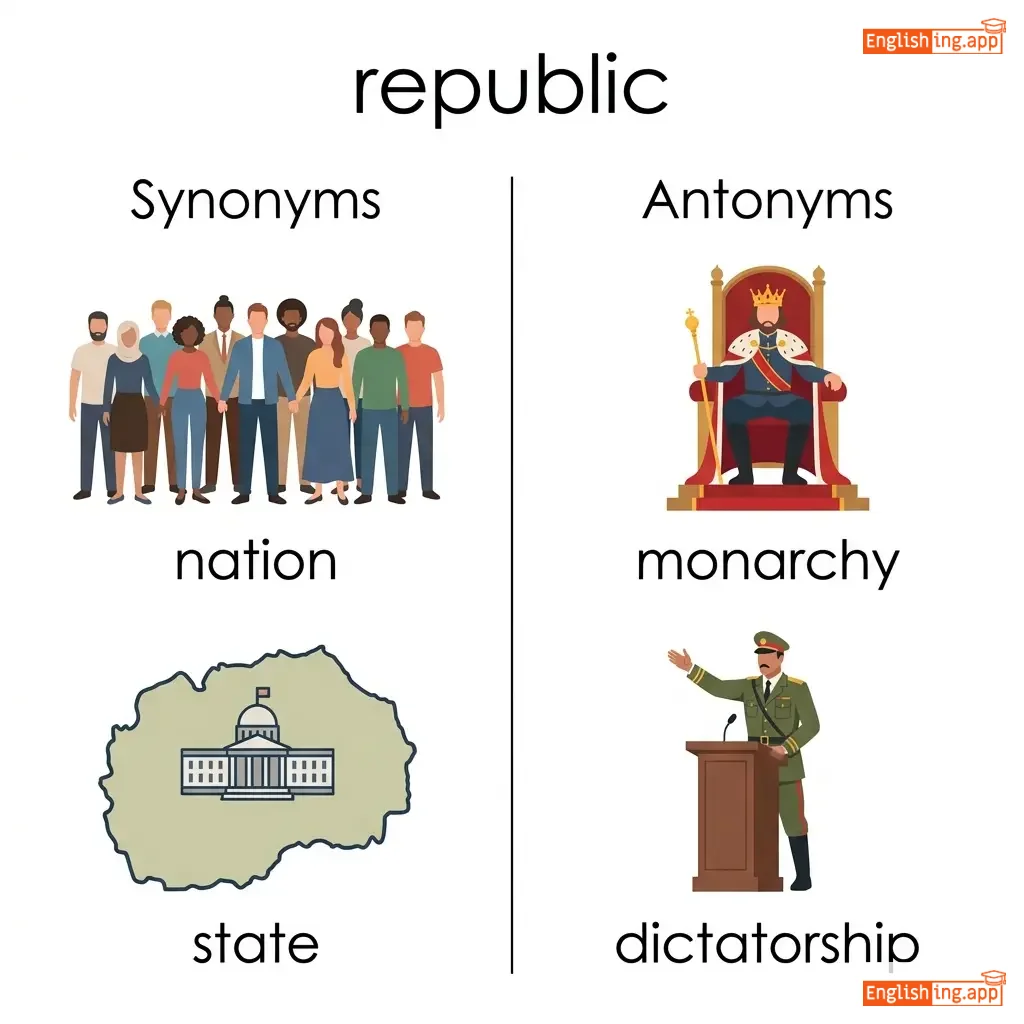
A state in which supreme power is held by the people and their elected representatives, with an elected or nominated president rather than a monarch.
••••••
|
A republic is governed by representatives of the people. |
democracy, state, commonwealth, federation
••••••
|
monarchy, autocracy, dictatorship, tyranny
••••••
|
|
#218
💪
|
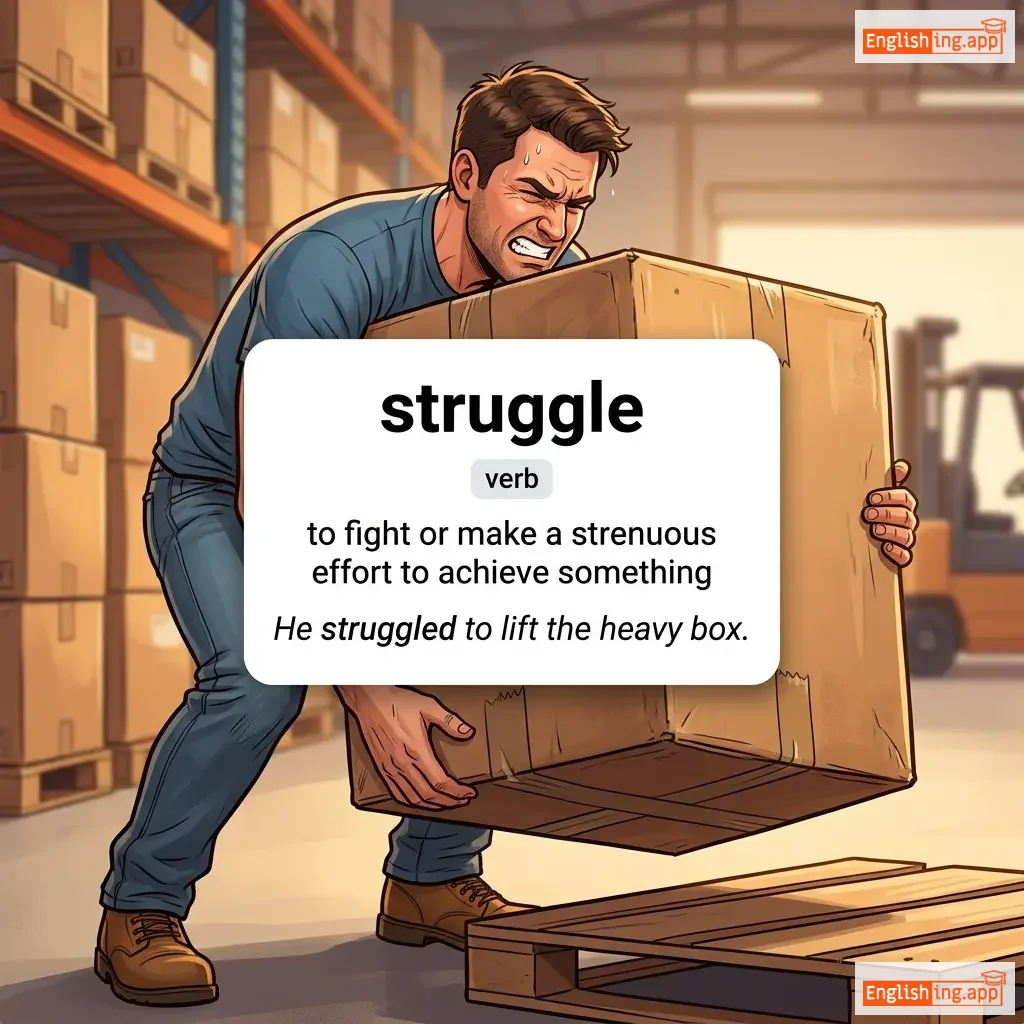
ˈstrʌɡ.əl
noun
••••••
|
|
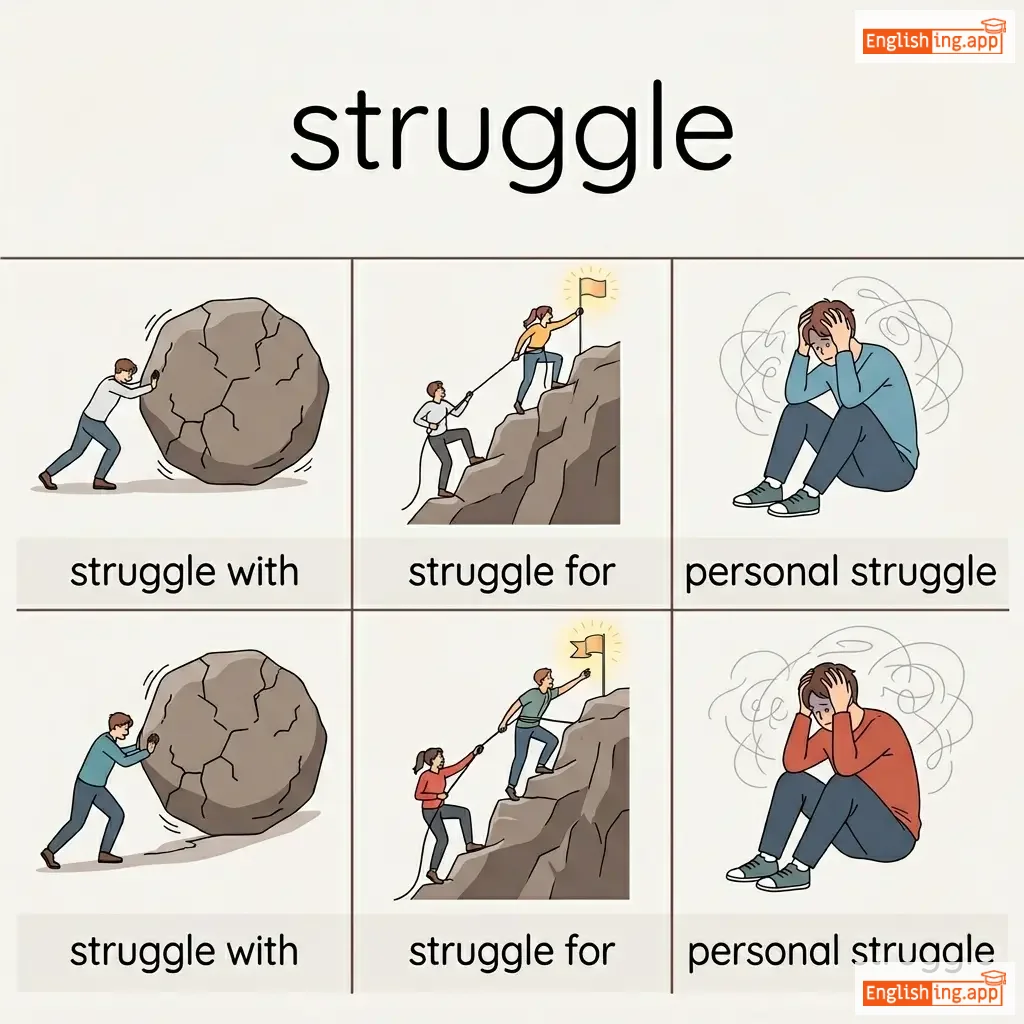
A forceful or violent effort to get free of restraint or resist attack; a determined effort under difficult circumstances.
••••••
|
The struggle for independence united the nation. |
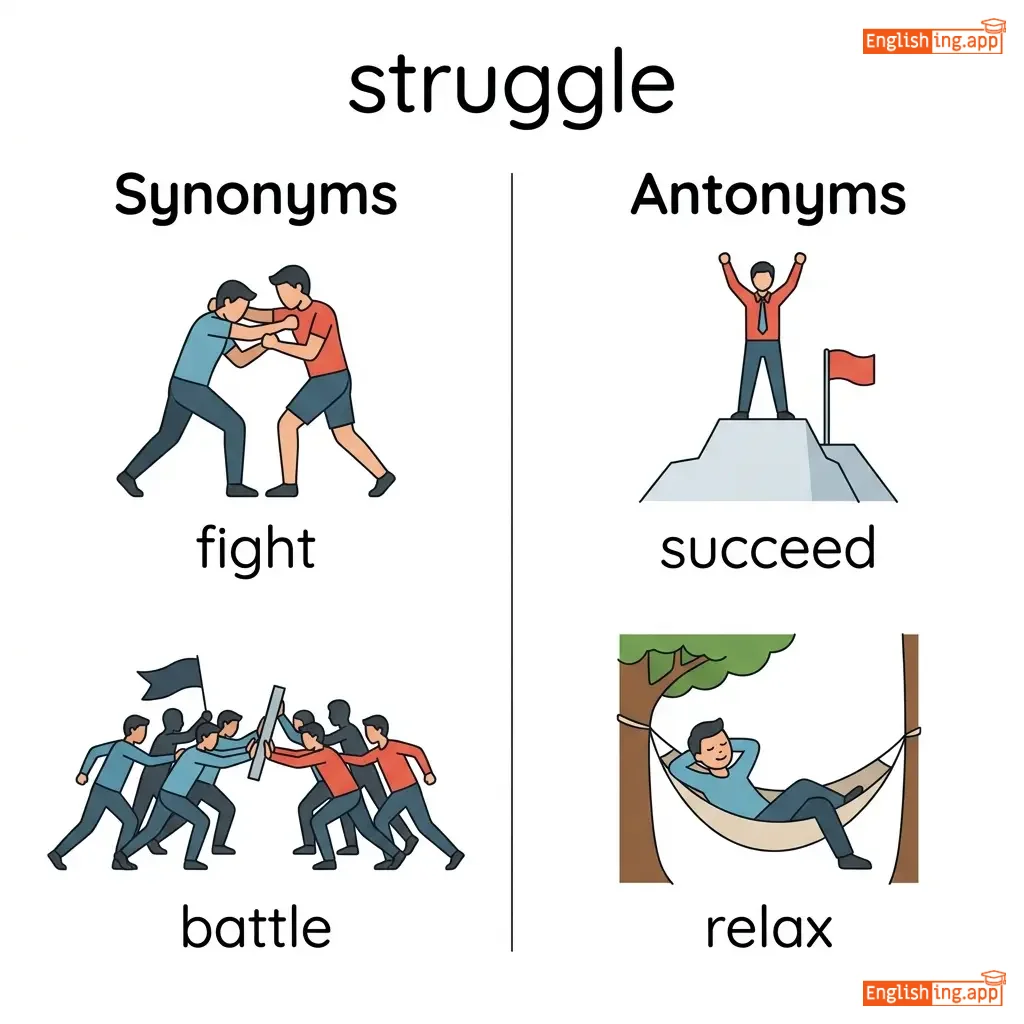
battle, conflict, fight, effort
••••••
|
peace, harmony, ease, surrender
••••••
|
|
#219
🕊️
|
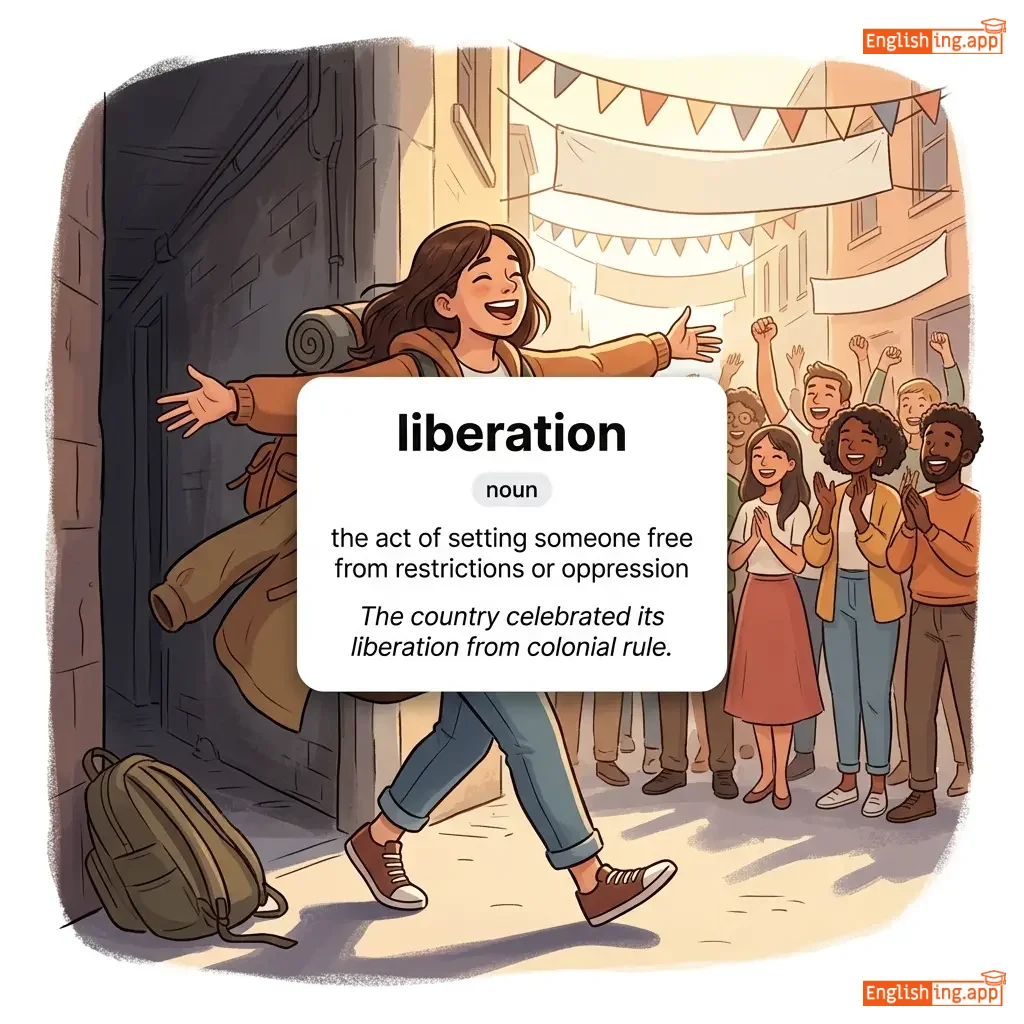
ˌlɪb.ərˈeɪ.ʃən
noun
••••••
|
|
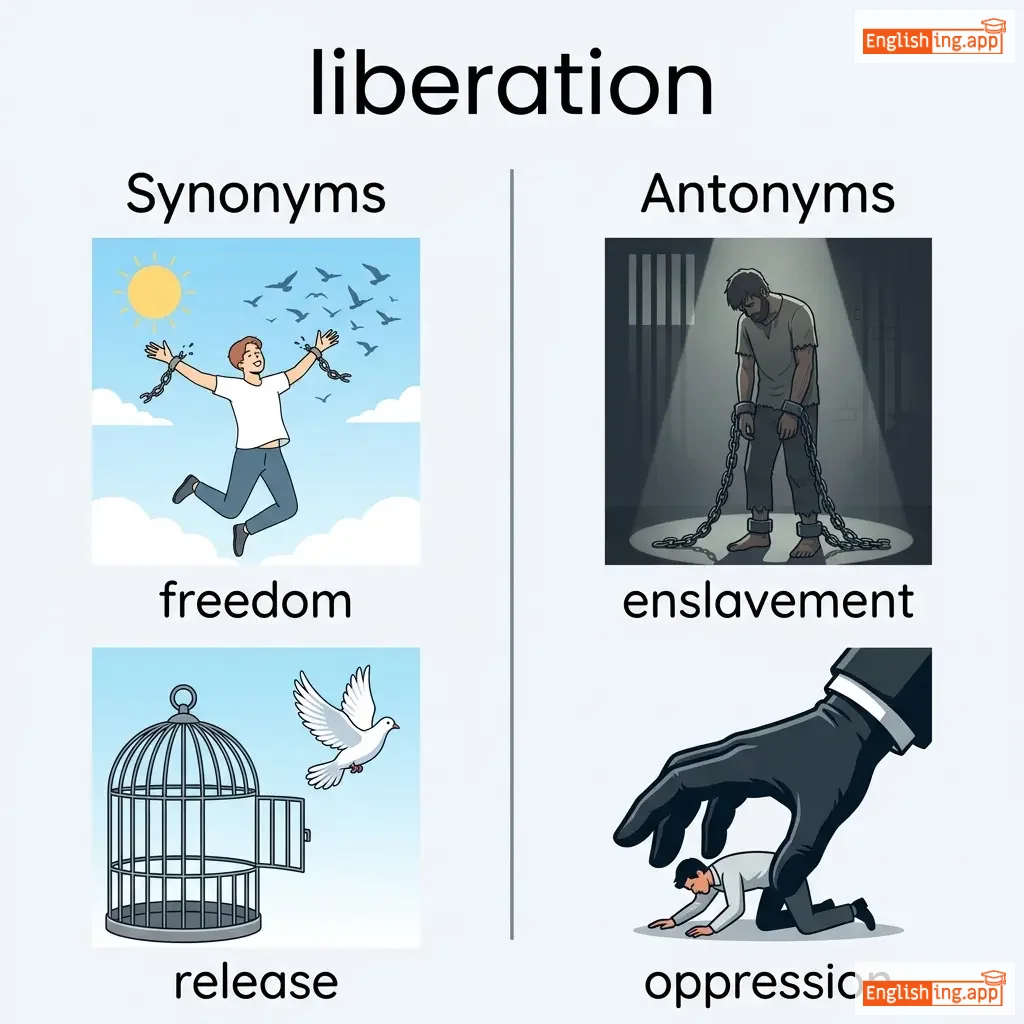
The action of setting someone free from imprisonment, slavery, or oppression; release.
••••••
|
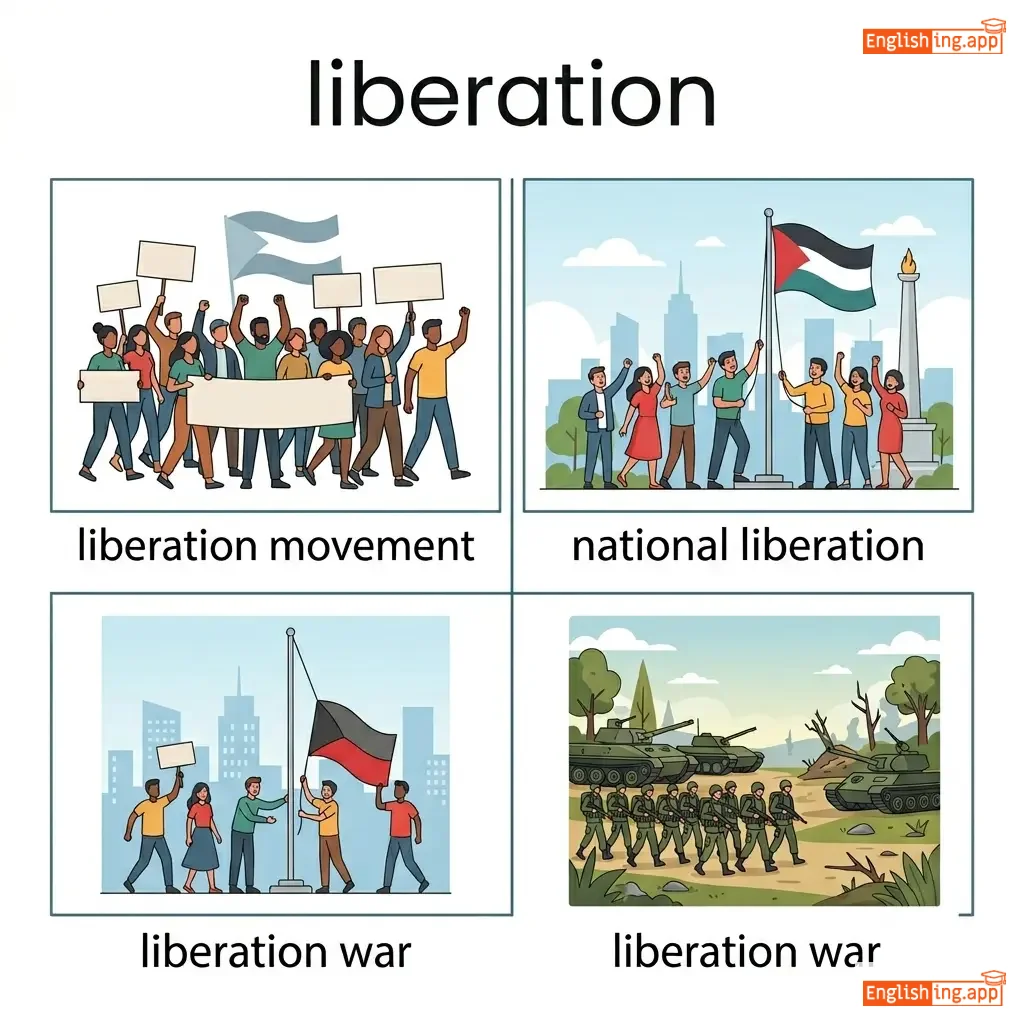
Liberation movements inspired many countries. |
emancipation, freedom, release, deliverance
••••••
|
captivity, subjugation, imprisonment, bondage
••••••
|
|
#220
🛡️
|
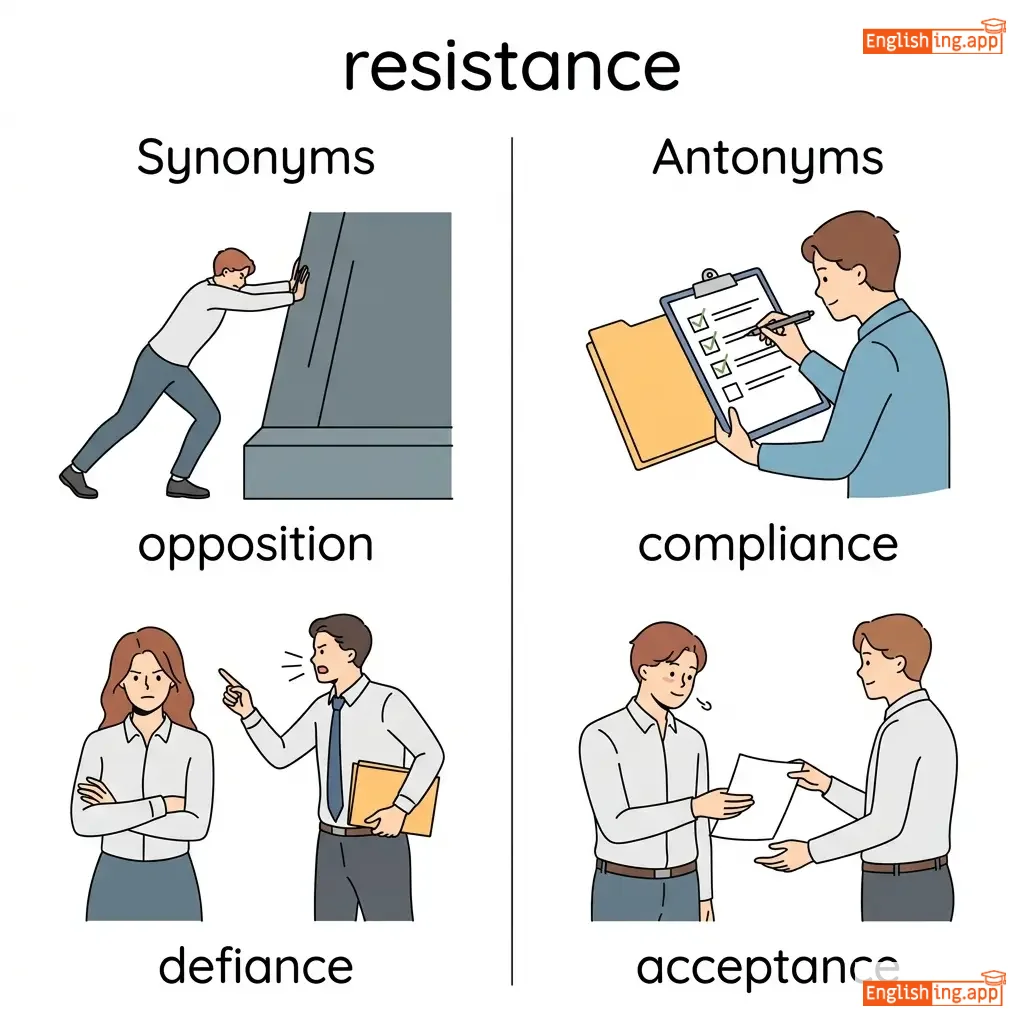
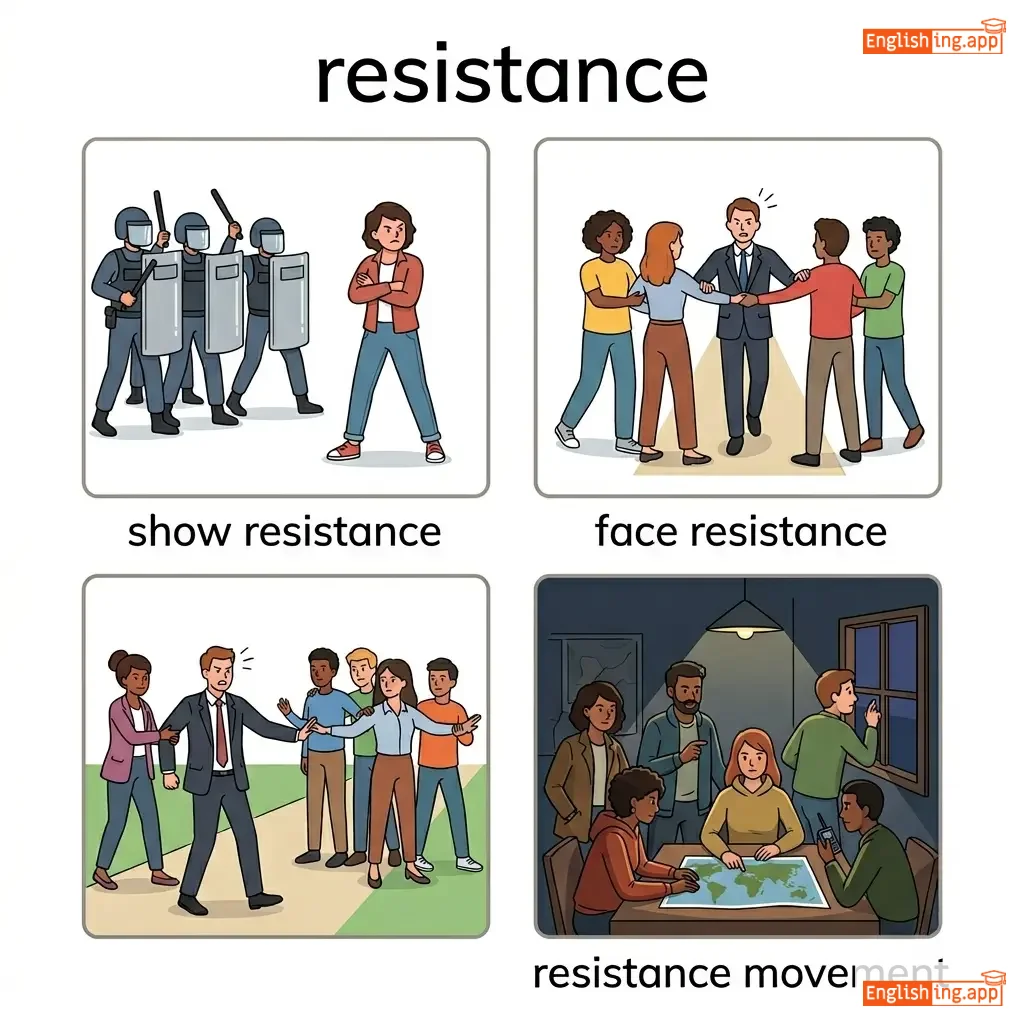
rɪˈzɪs.təns
noun
••••••
|
|
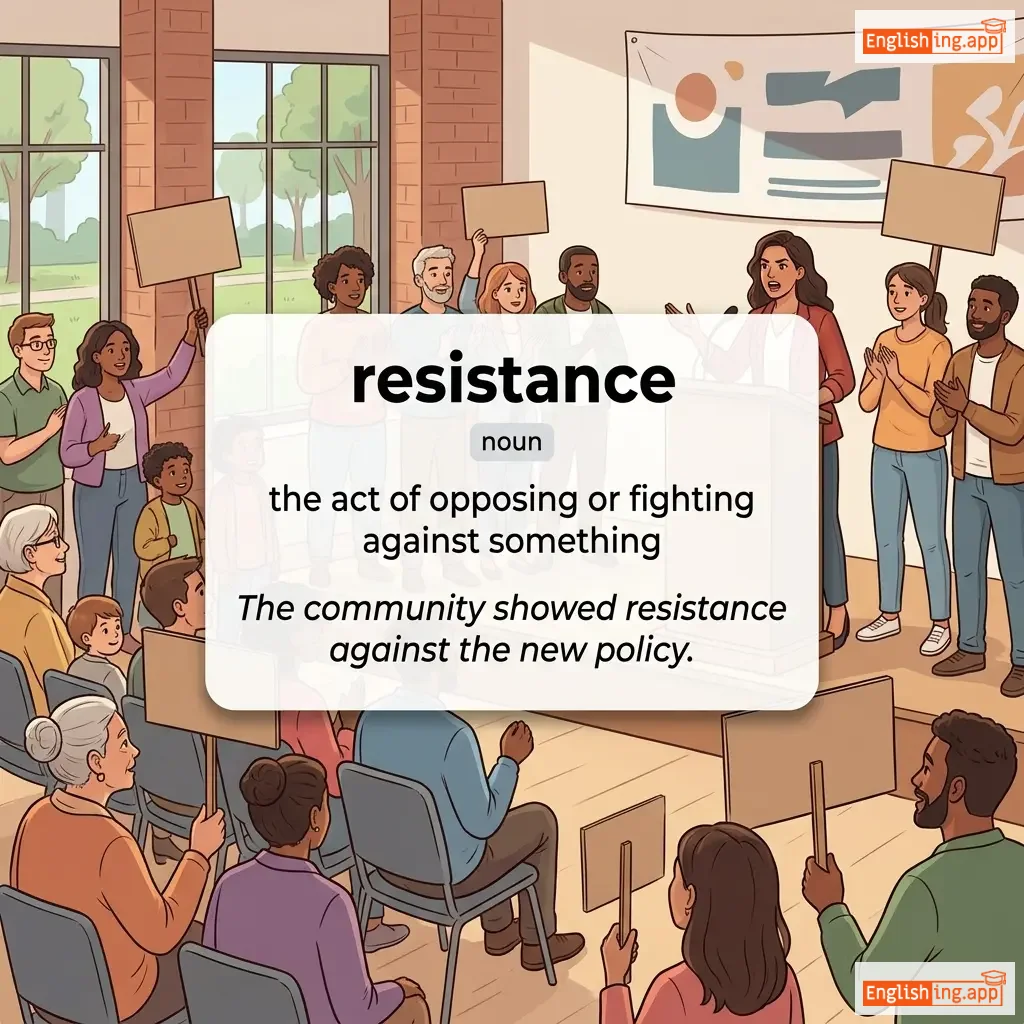
The refusal to accept or comply with something; the attempt to prevent something by action or argument.
••••••
|
The resistance fought bravely against colonial forces. |
opposition, defiance, revolt, rebellion
••••••
|
submission, compliance, surrender, acceptance
••••••
|
|
#221
🏆
|
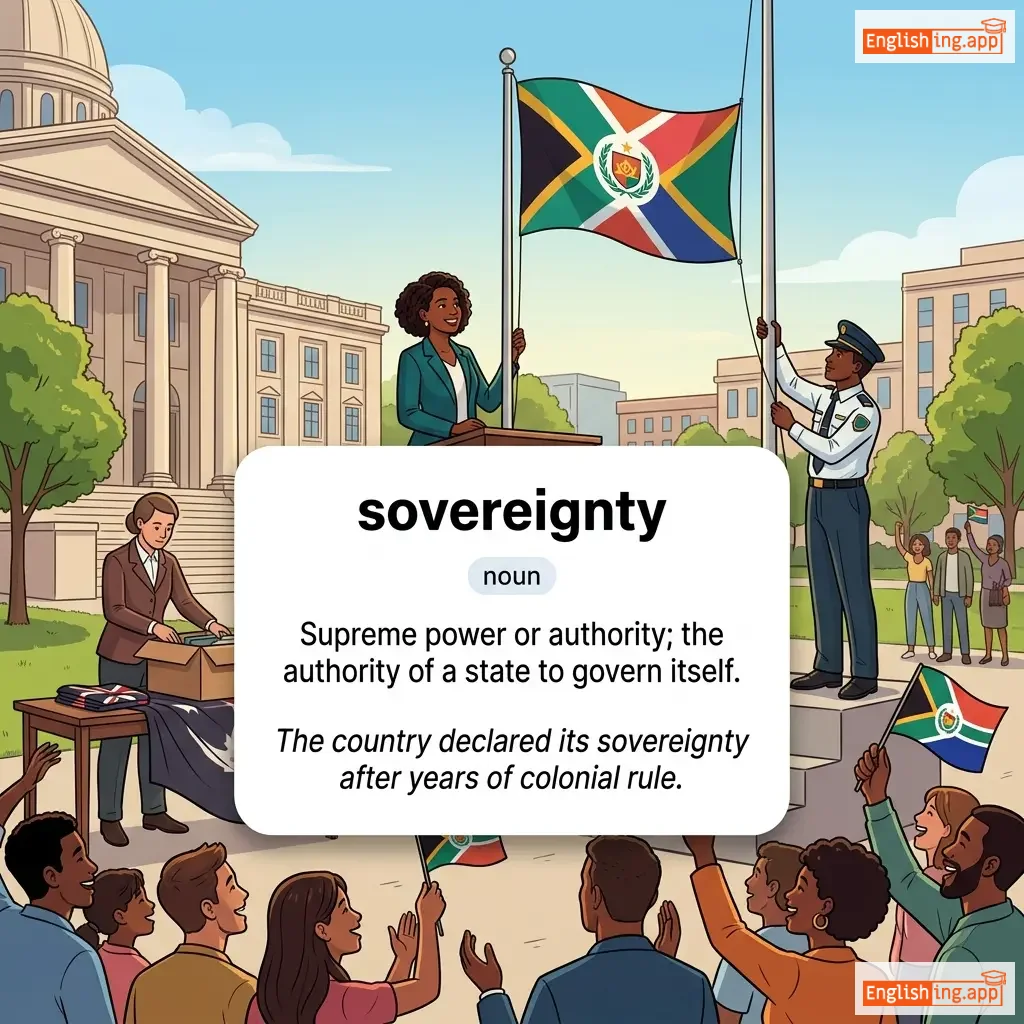
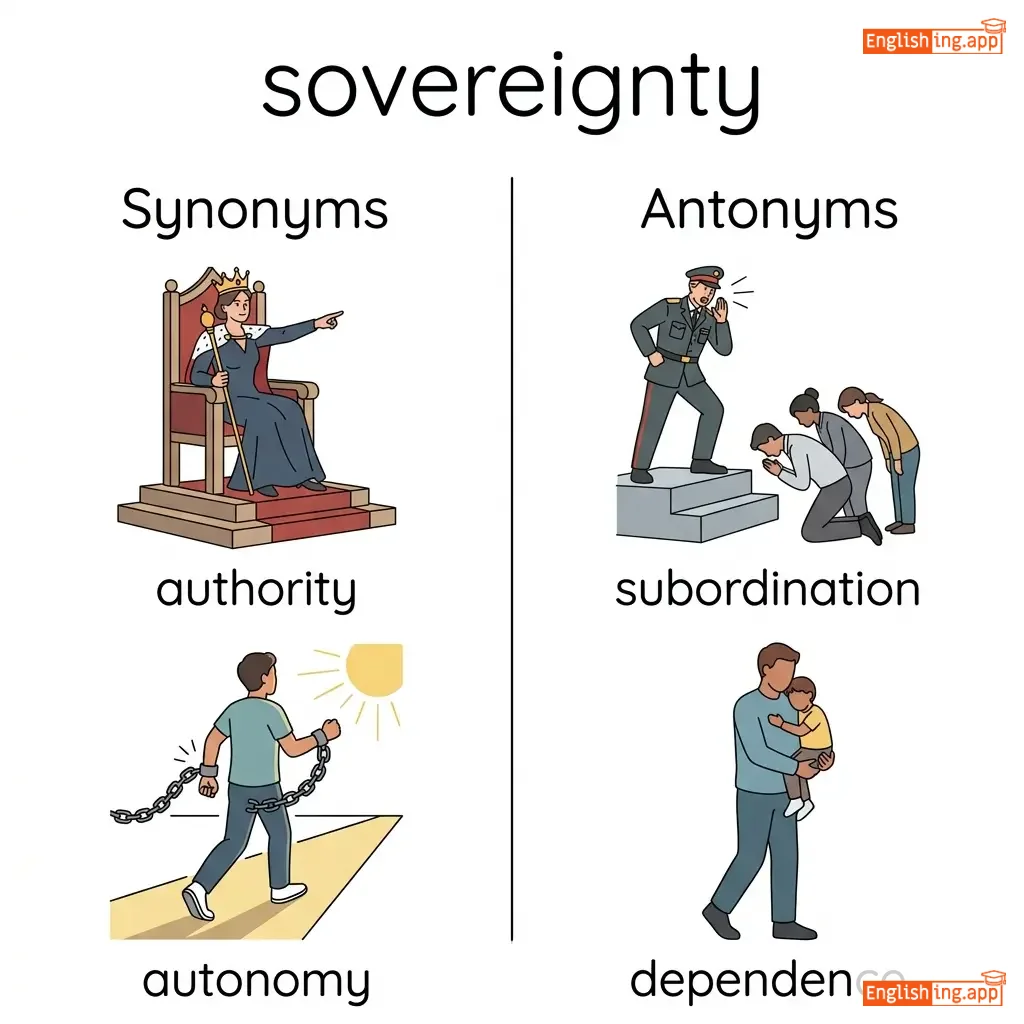
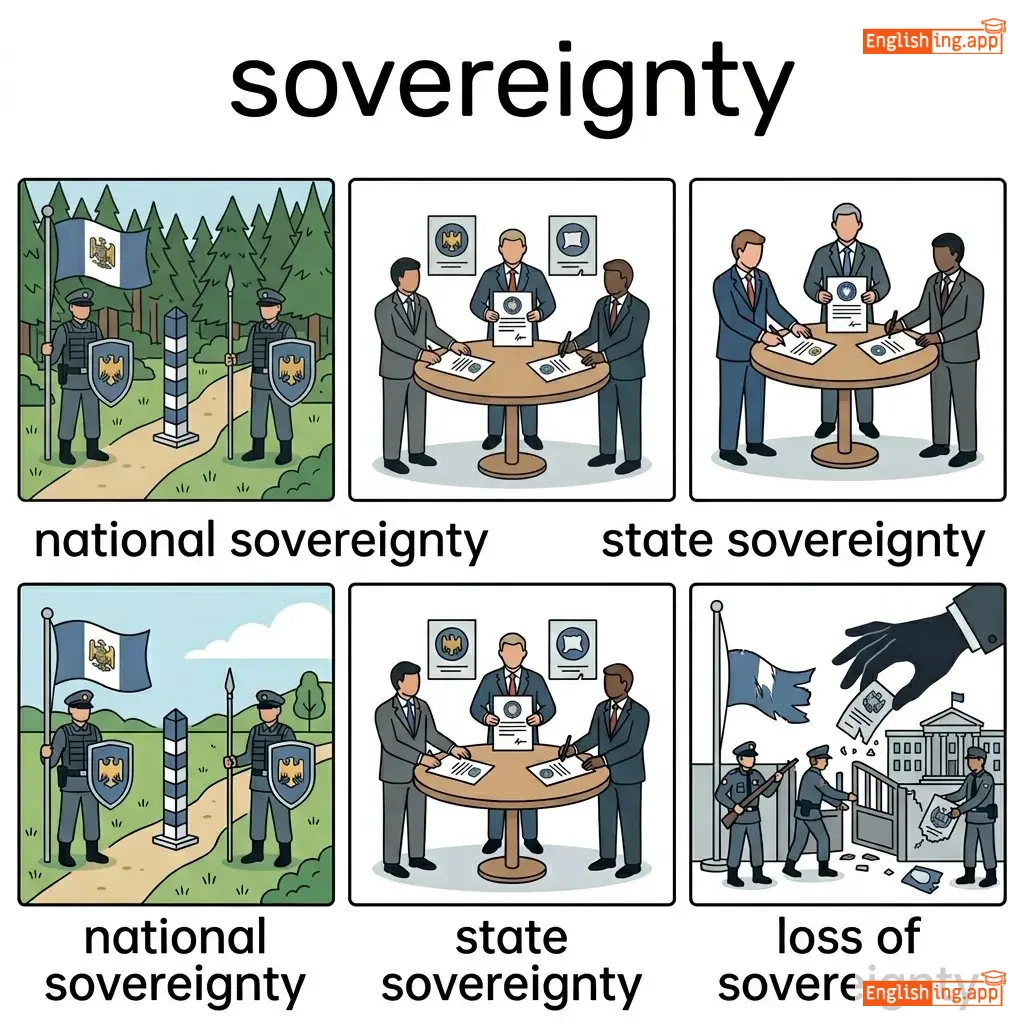
ˈsɒv.rɪn.ti
noun
••••••
|
|
The authority of a state to govern itself or another state; supreme power or authority.
••••••
|
Sovereignty is essential for a nation's identity. |
autonomy, independence, self-rule, supremacy
••••••
|
dependence, subjugation, subordination, vassalage
••••••
|
|
#222
🔥
|
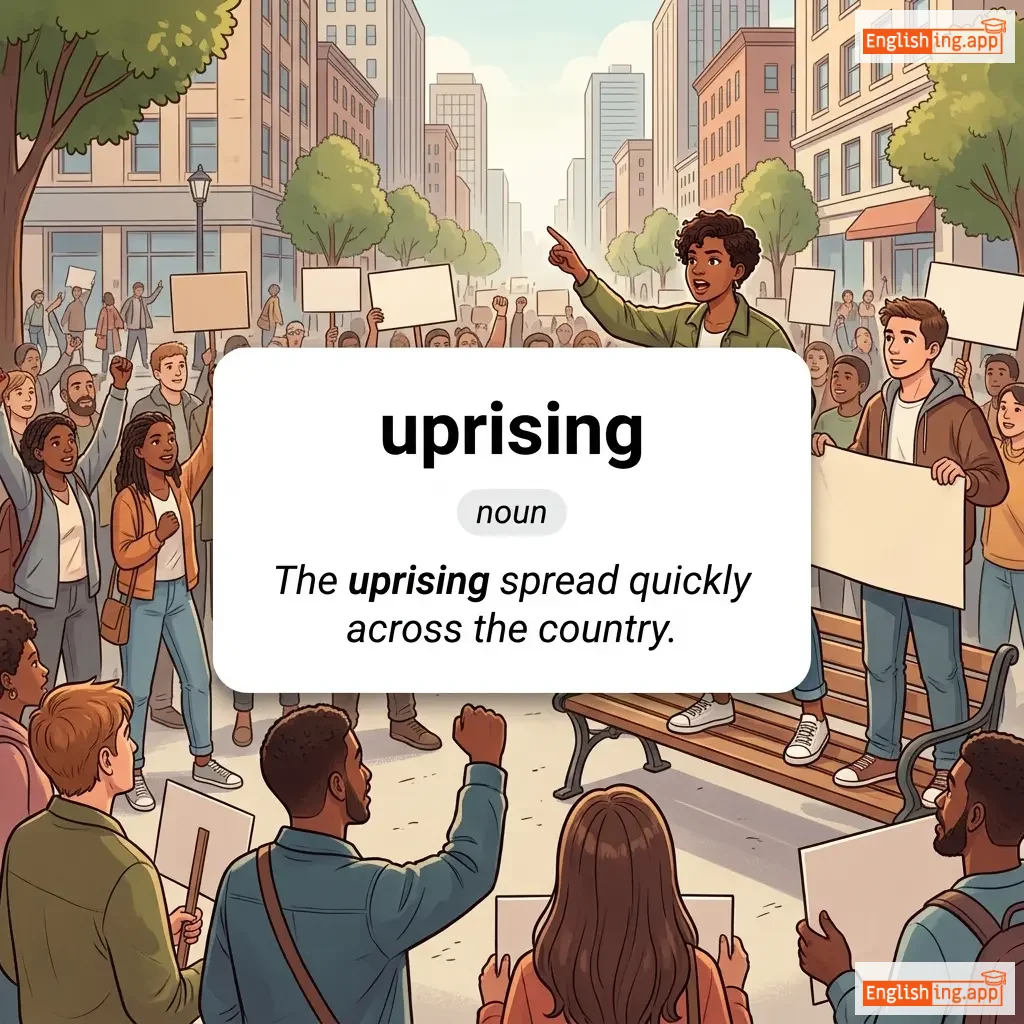
ˈʌp.raɪ.zɪŋ
noun
••••••
|
|
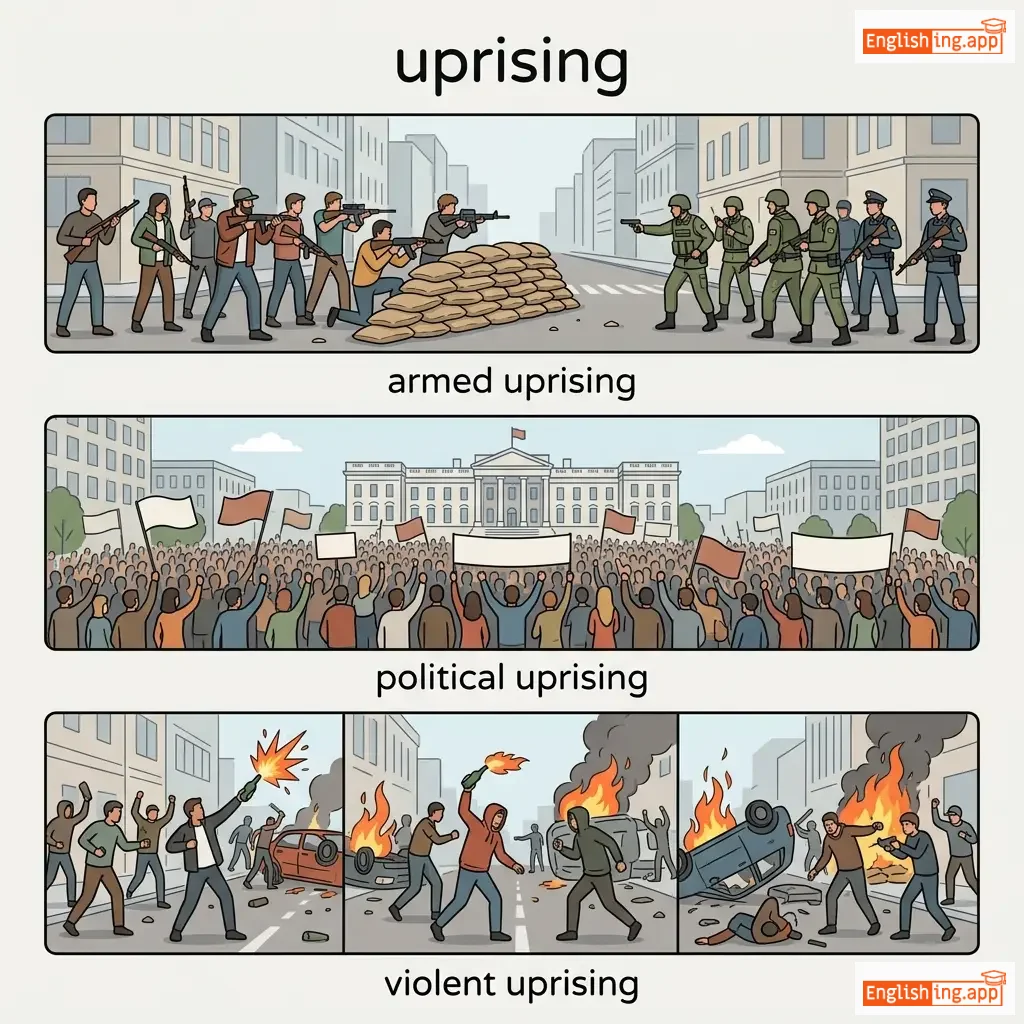
An act of resistance or rebellion; a revolt against an authority or government.
••••••
|
The uprising marked the beginning of the revolution. |
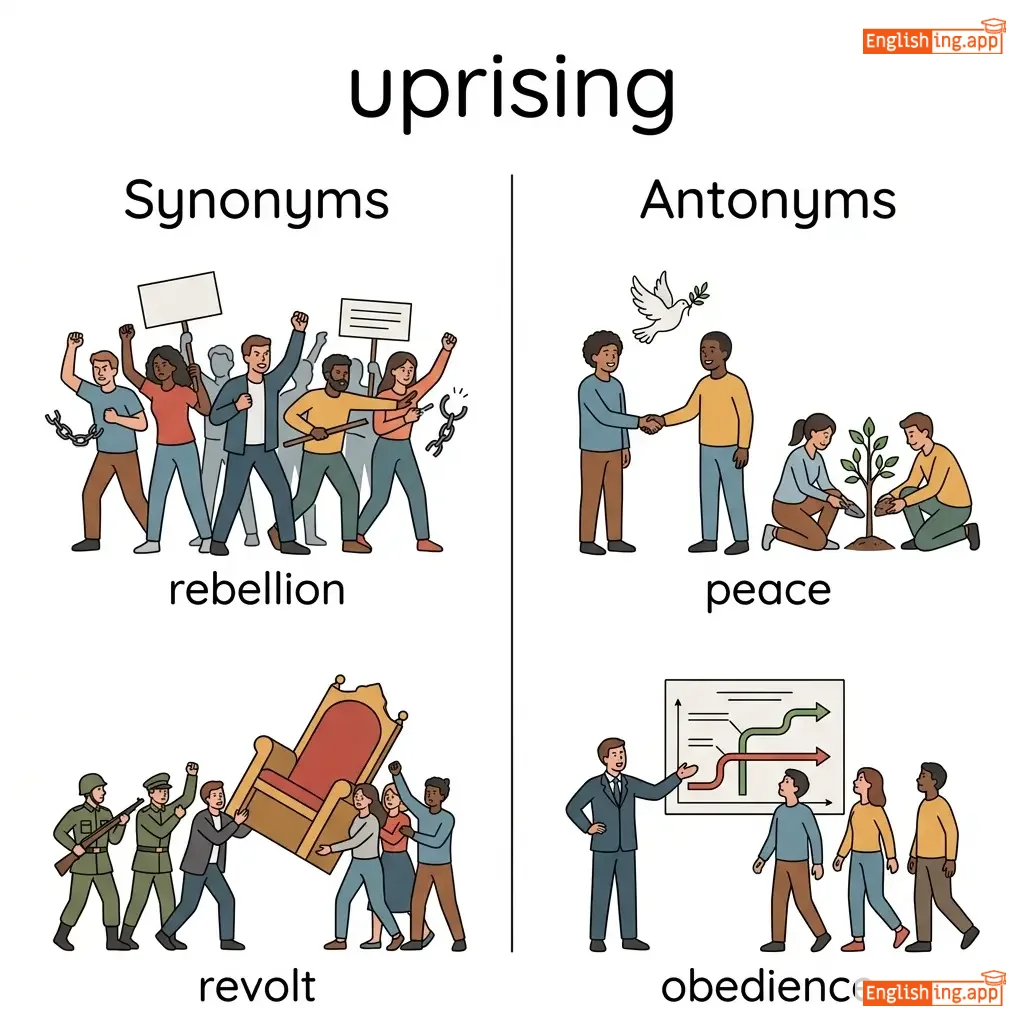
revolt, rebellion, insurrection, mutiny
••••••
|
obedience, peace, submission, compliance
••••••
|
|
#223
⚔️
|
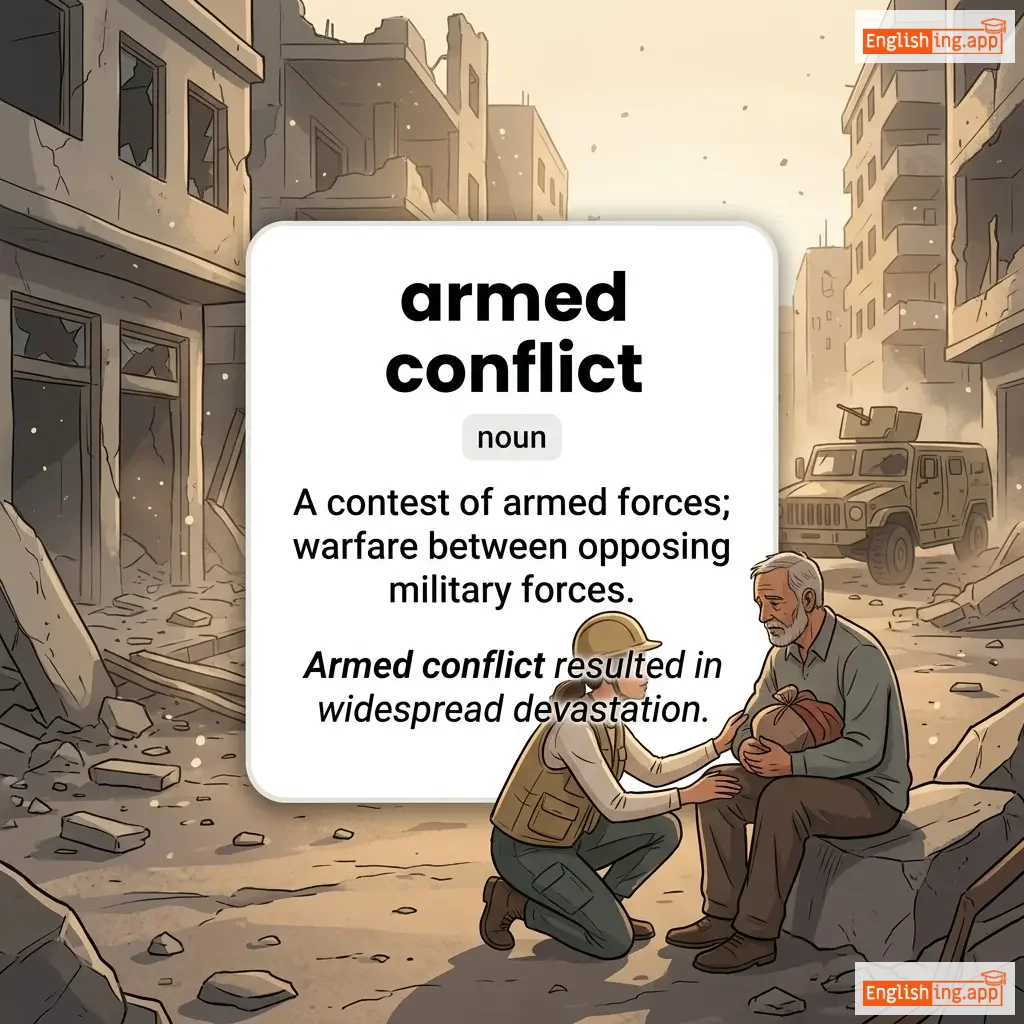
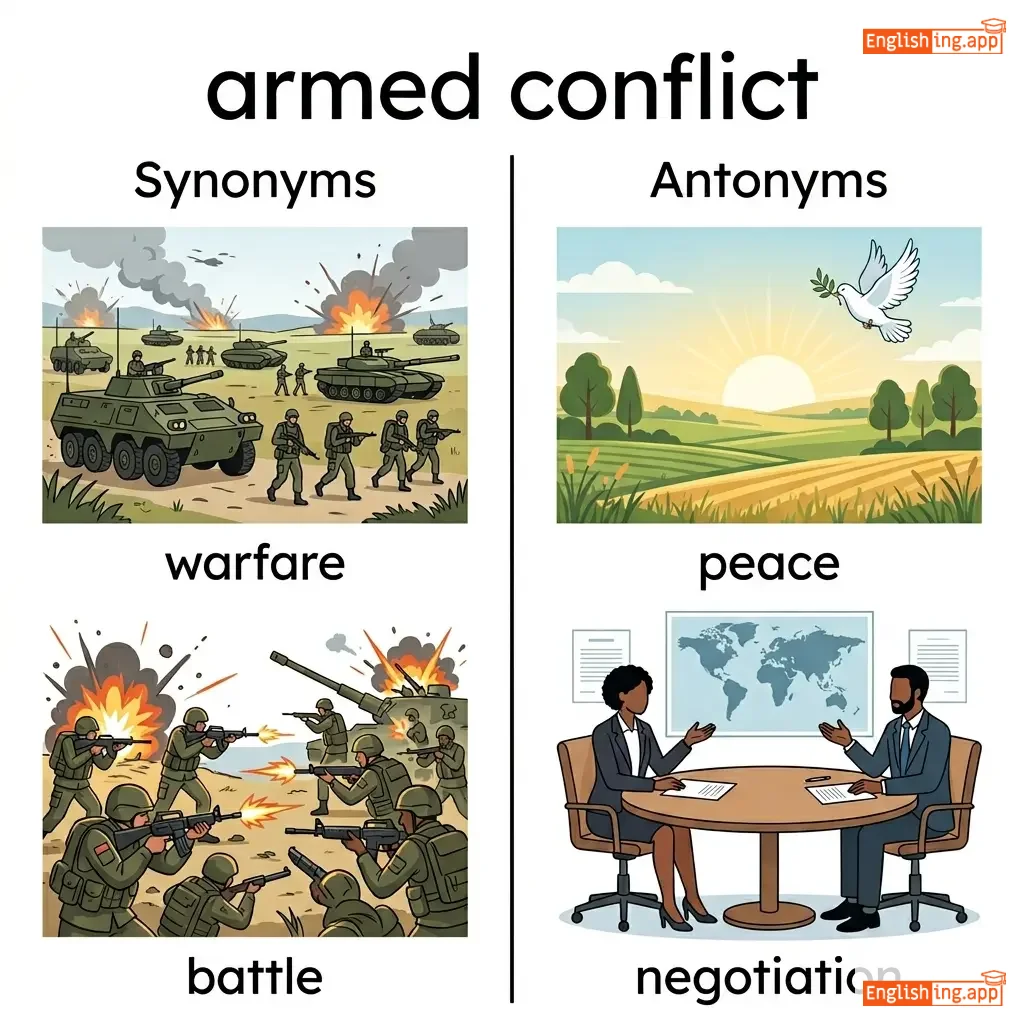
ɑːmd ˈkɒn.flɪkt
noun
••••••
|
|
A contest of armed forces; warfare between opposing military forces.
••••••
|
Armed conflict resulted in widespread devastation. |
warfare, battle, combat, hostilities
••••••
|
peace, negotiation, diplomacy, ceasefire
••••••
|
|
#224
🗳️
|
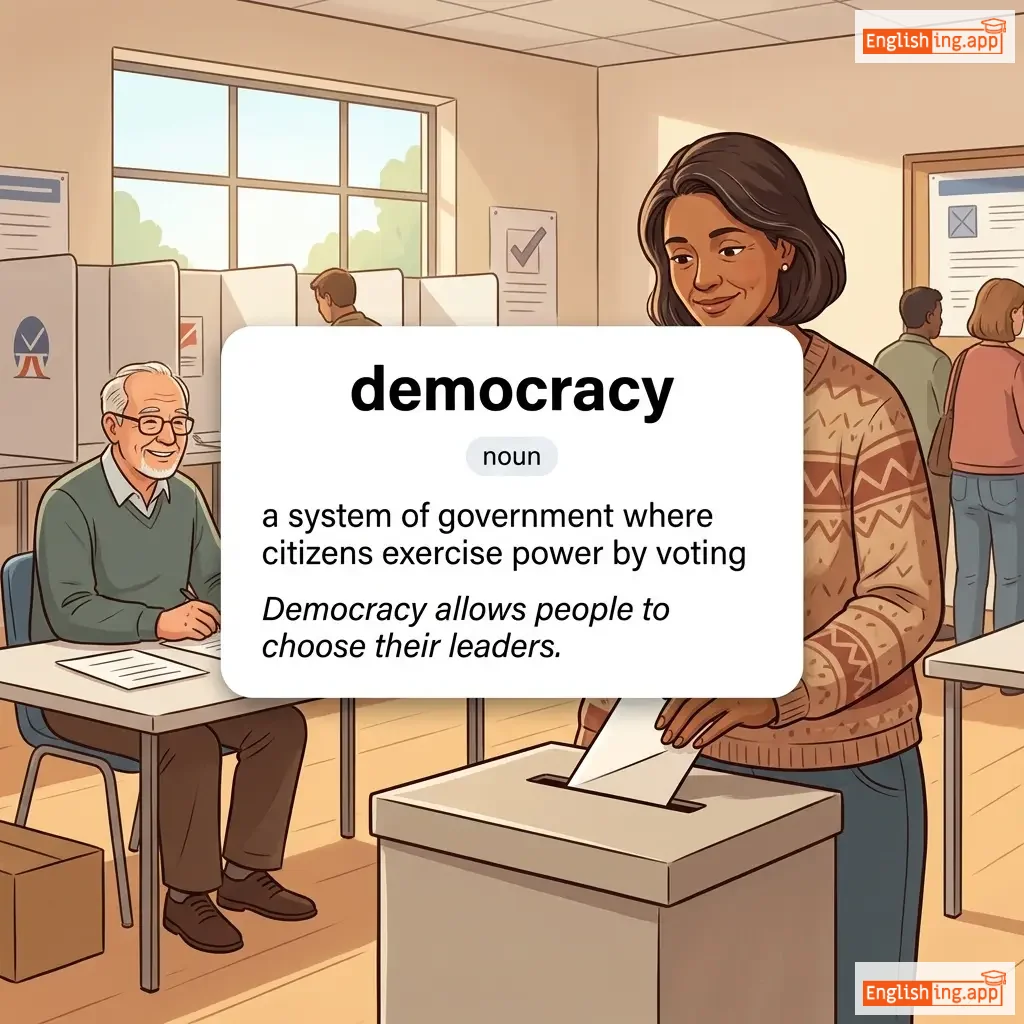
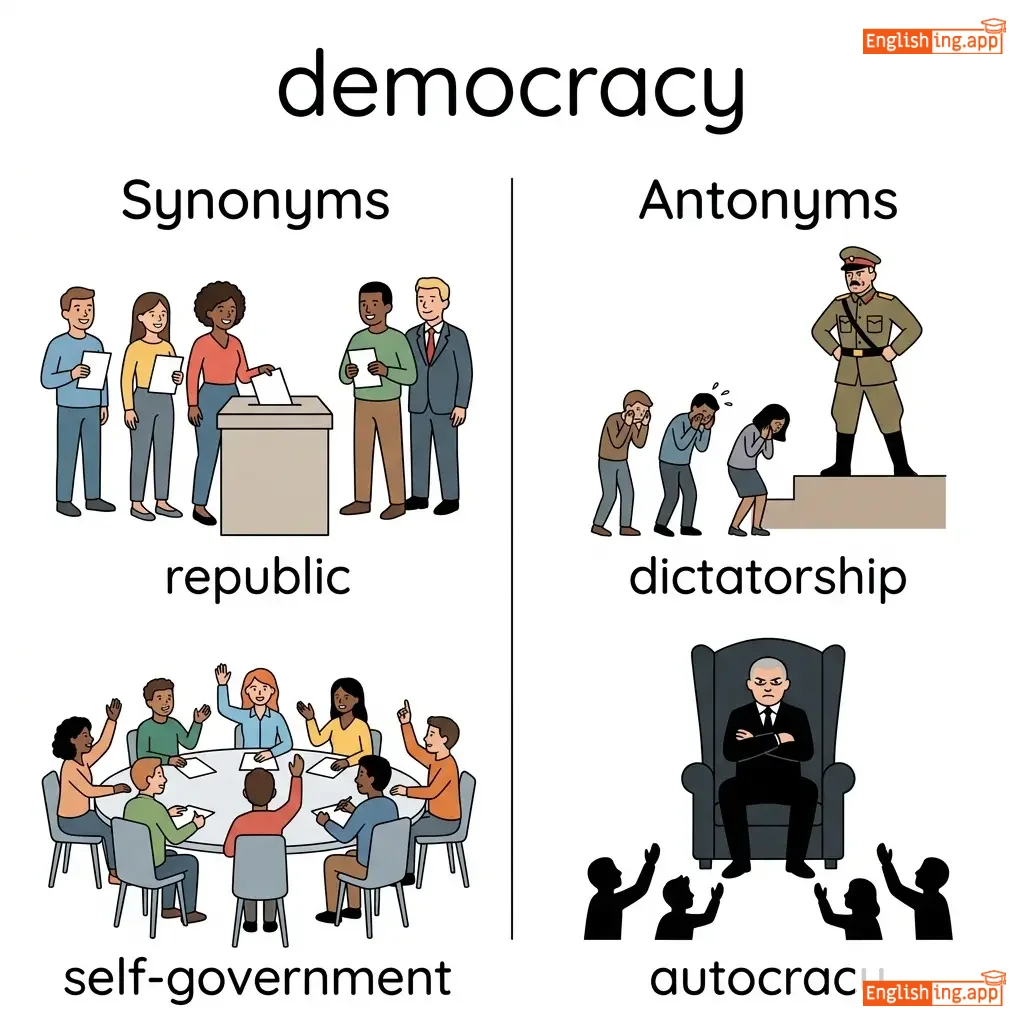
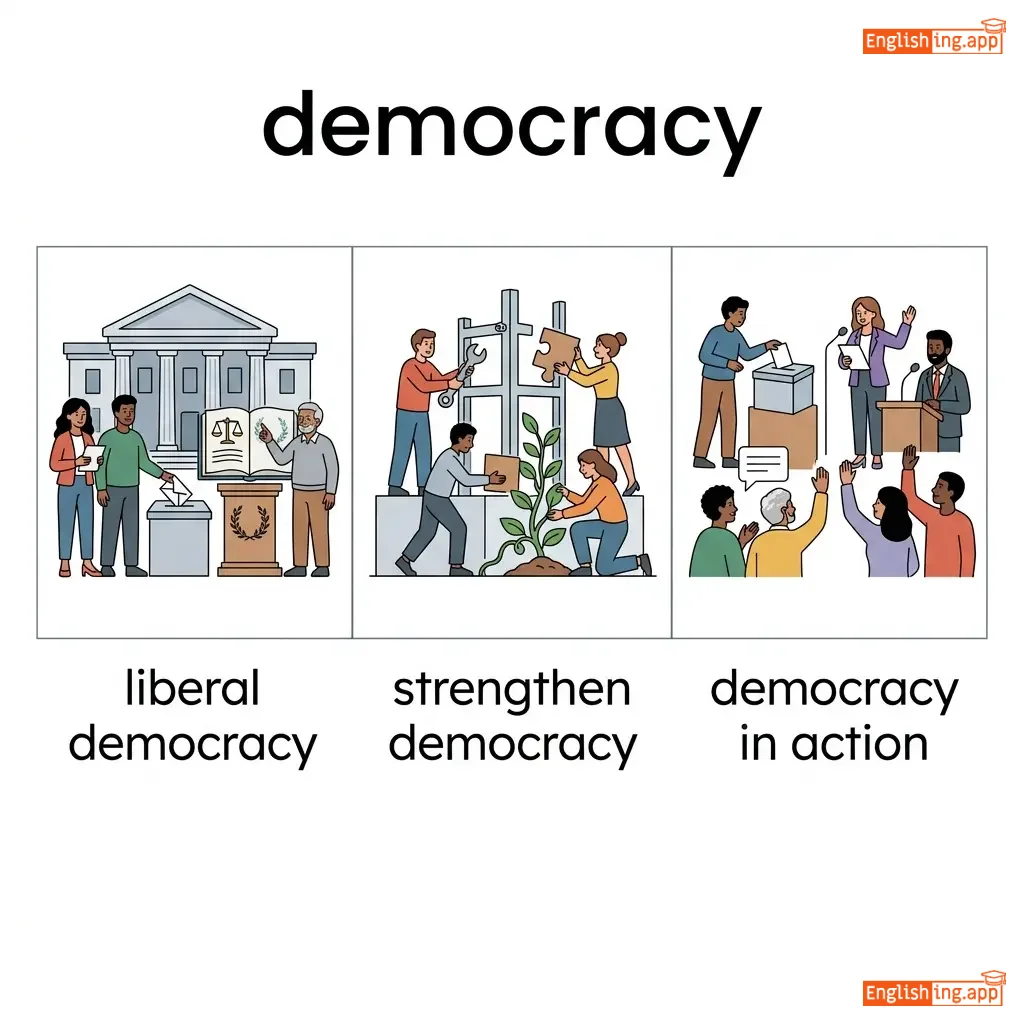
dɪˈmɒk.rə.si
noun
••••••
|
|
A system of government by the whole population or all the eligible members of a state, typically through elected representatives.
••••••
|
Democracy ensures equal rights for all citizens. |
republic, self-government, representative government, popular rule
••••••
|
autocracy, dictatorship, tyranny, authoritarianism
••••••
|
|
#225
🏗️
|
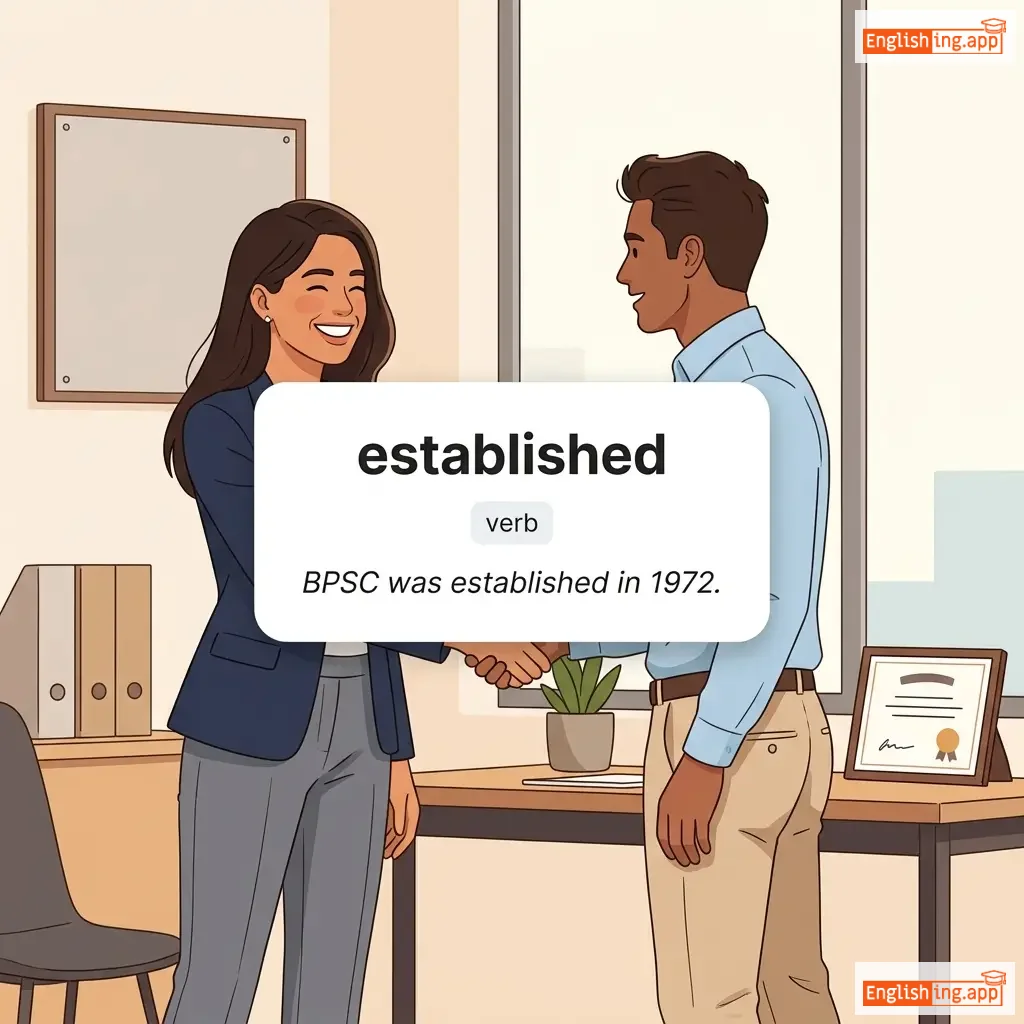
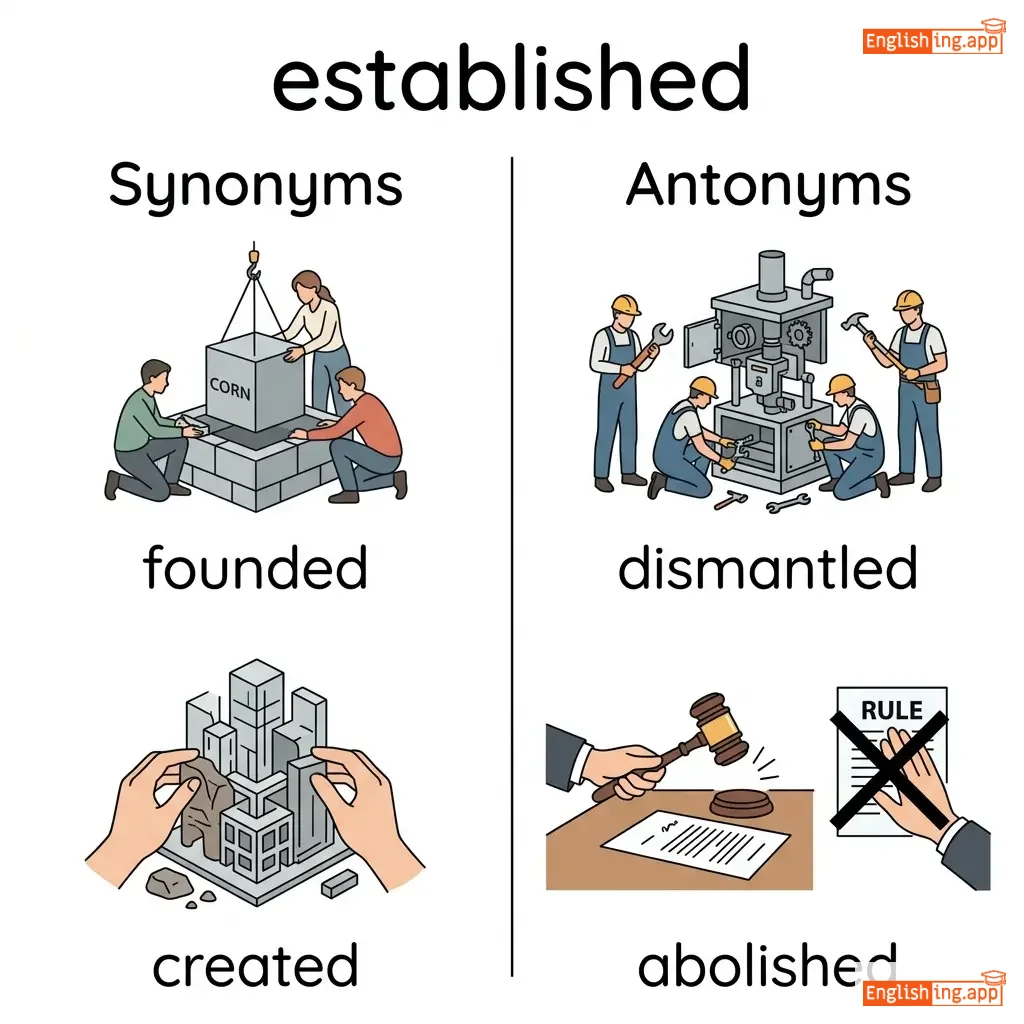
ɪˈstæb.lɪʃt
adjective
••••••
|
|
Having been in existence for a long time and therefore recognized and generally accepted; set up on a firm or permanent basis.
••••••
|
Democracy was established under strong leadership. |
founded, set up, instituted, created
••••••
|
abolished, destroyed, dismantled, eliminated
••••••
|
|
#226
🏗️
|
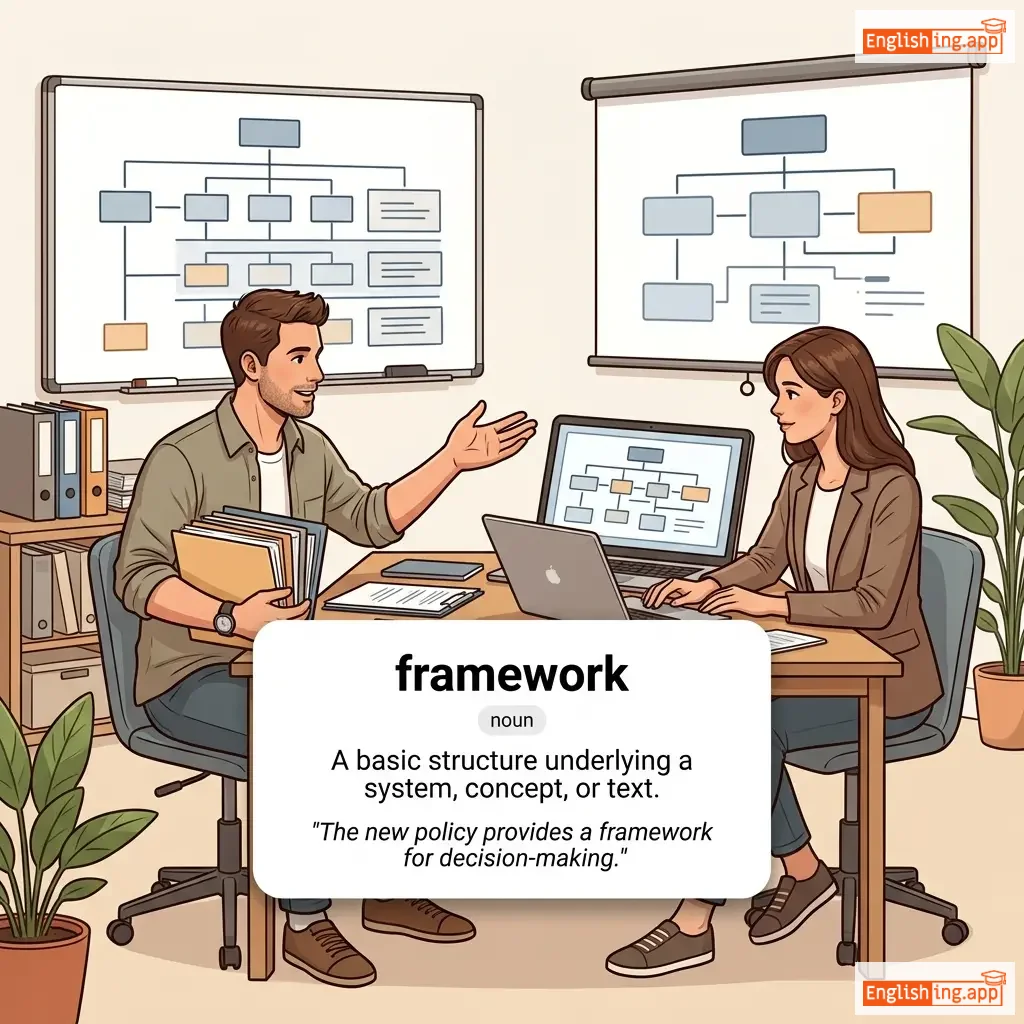
ˈfreɪm.wɜːk
noun
••••••
|
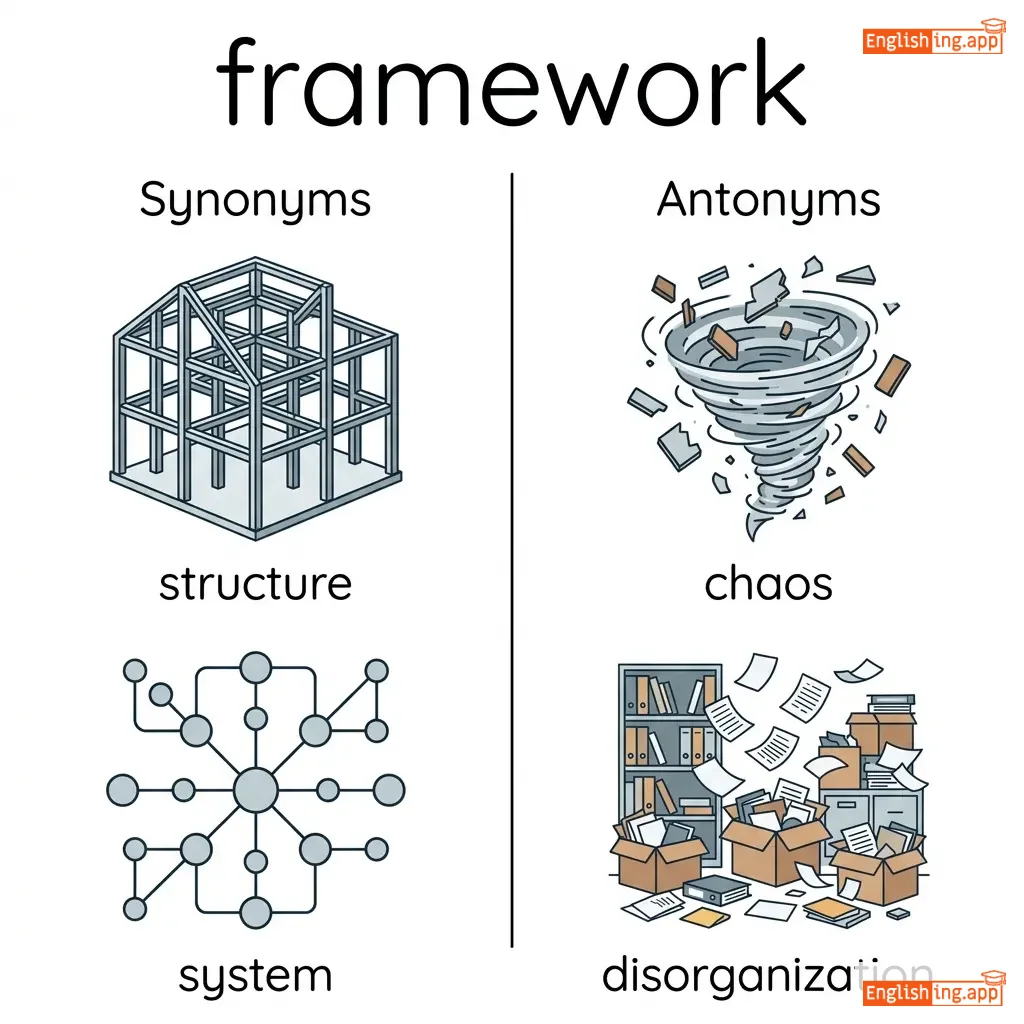
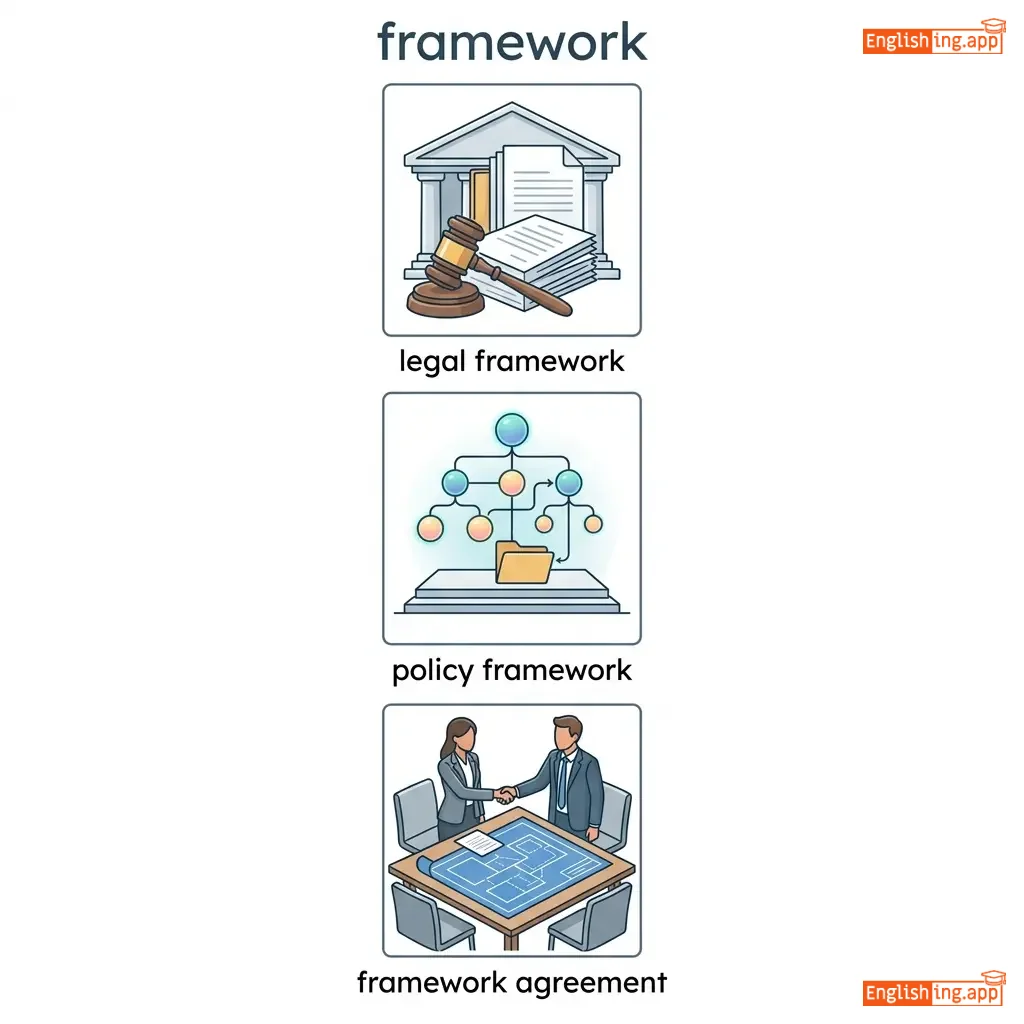
|
An essential supporting structure of a building, vehicle, or object; a basic structure underlying a system, concept, or text.
••••••
|
A strong framework is vital for governance. |
structure, system, organization, foundation
••••••
|
chaos, disorganization, disorder, anarchy
••••••
|

