

The Evolution of Human Civilization
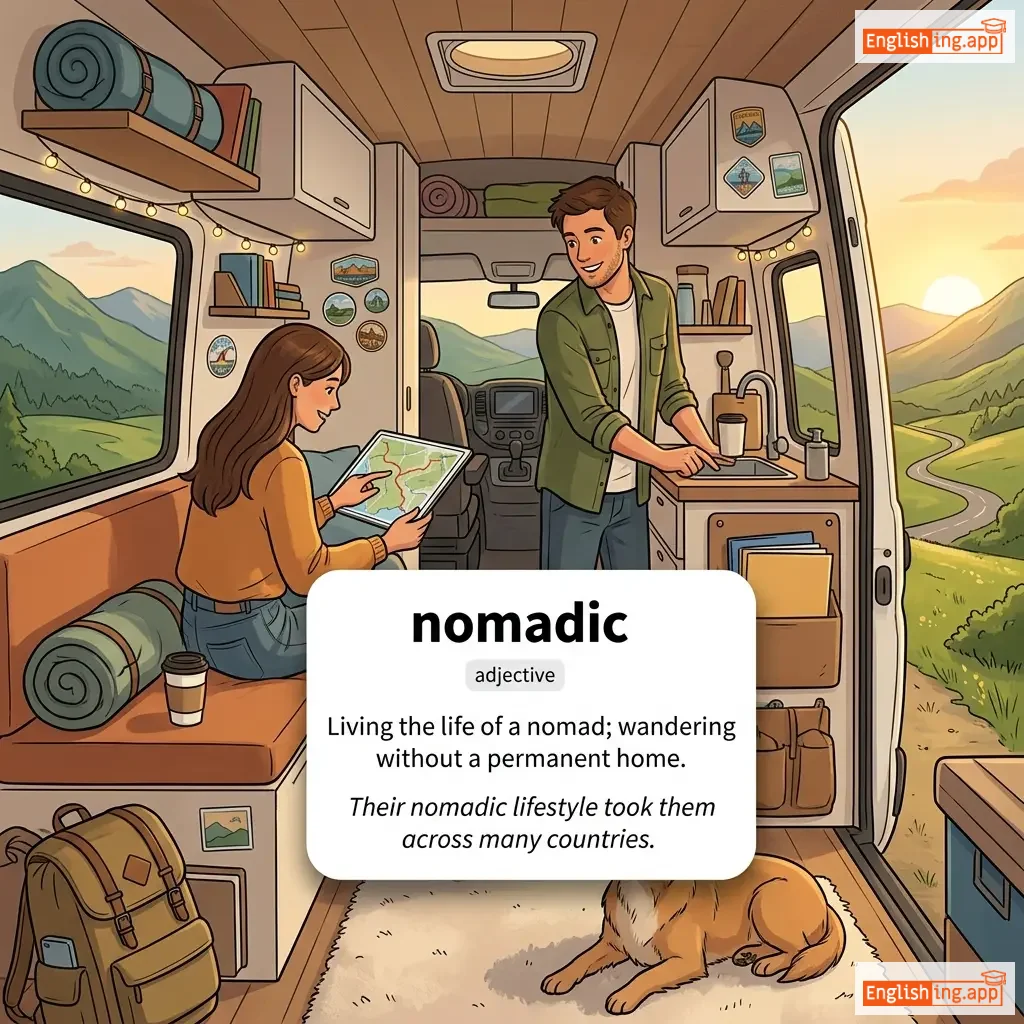
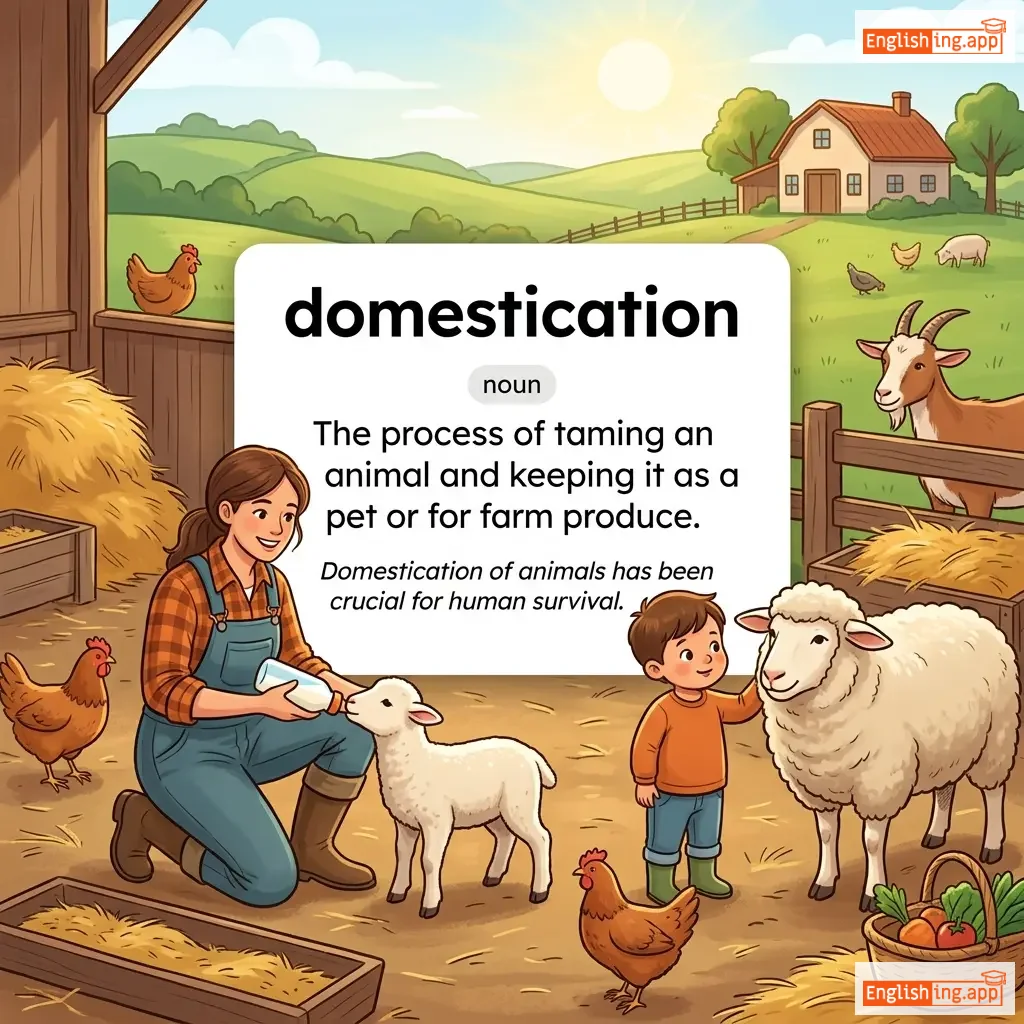
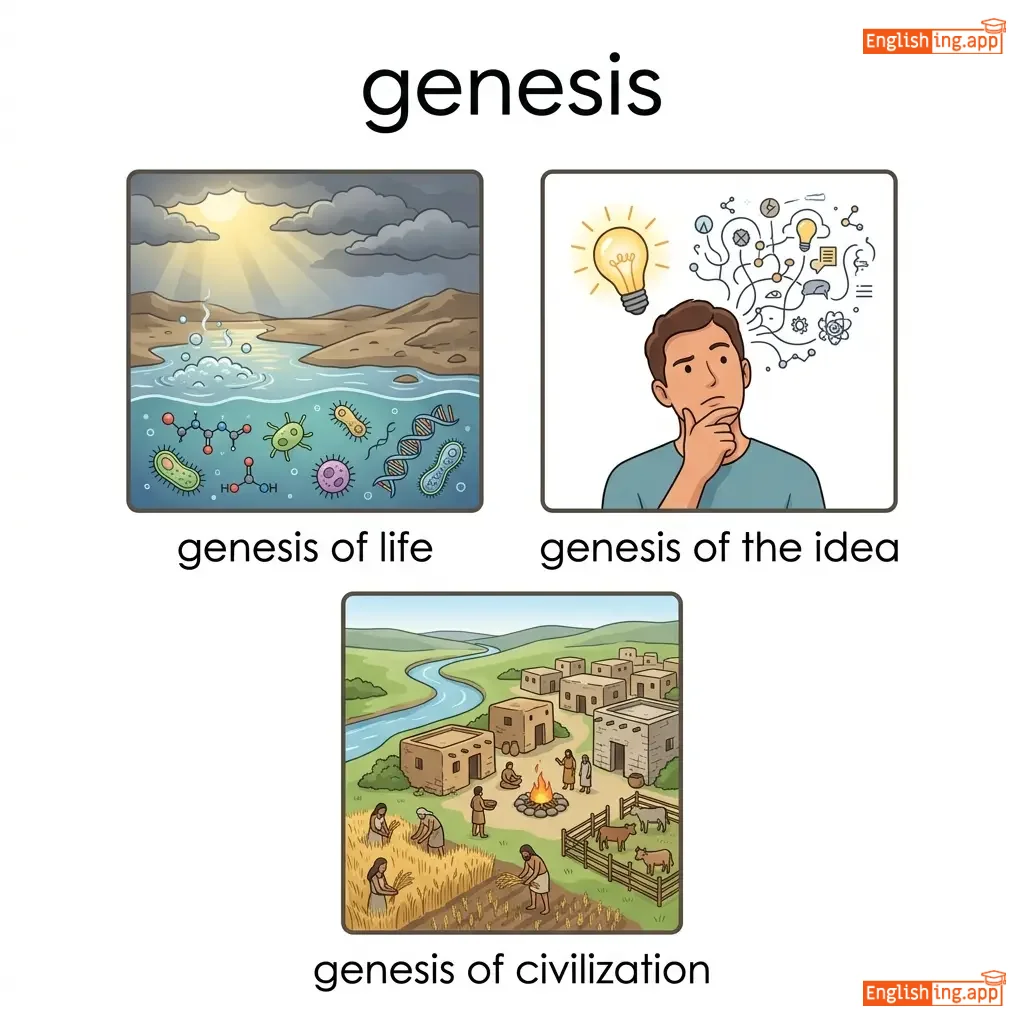
The evolutionary path of human civilization has been a long and complex process. In prehistoric times, humans were nomadic, moving from place to place in search of food. However, the discovery of domestication and agricultural technology brought about the genesis of civilization.
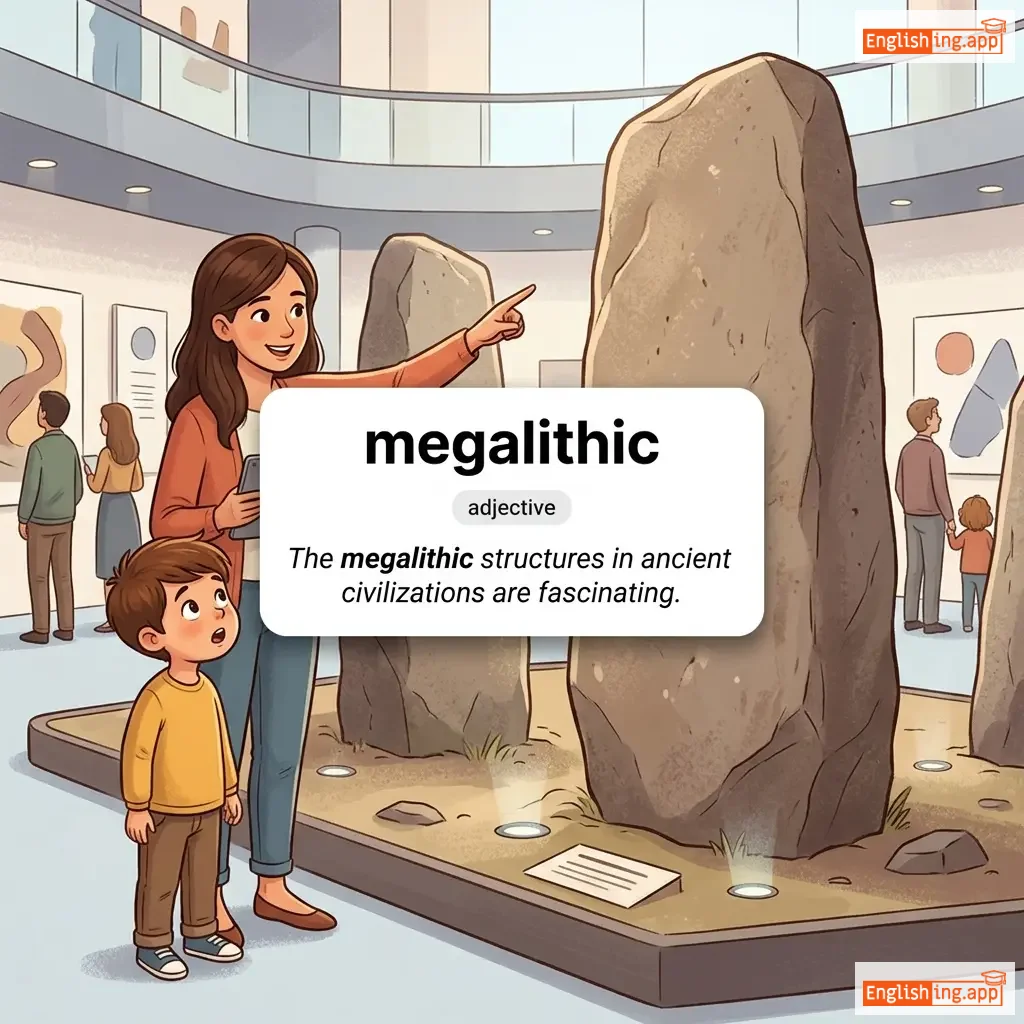
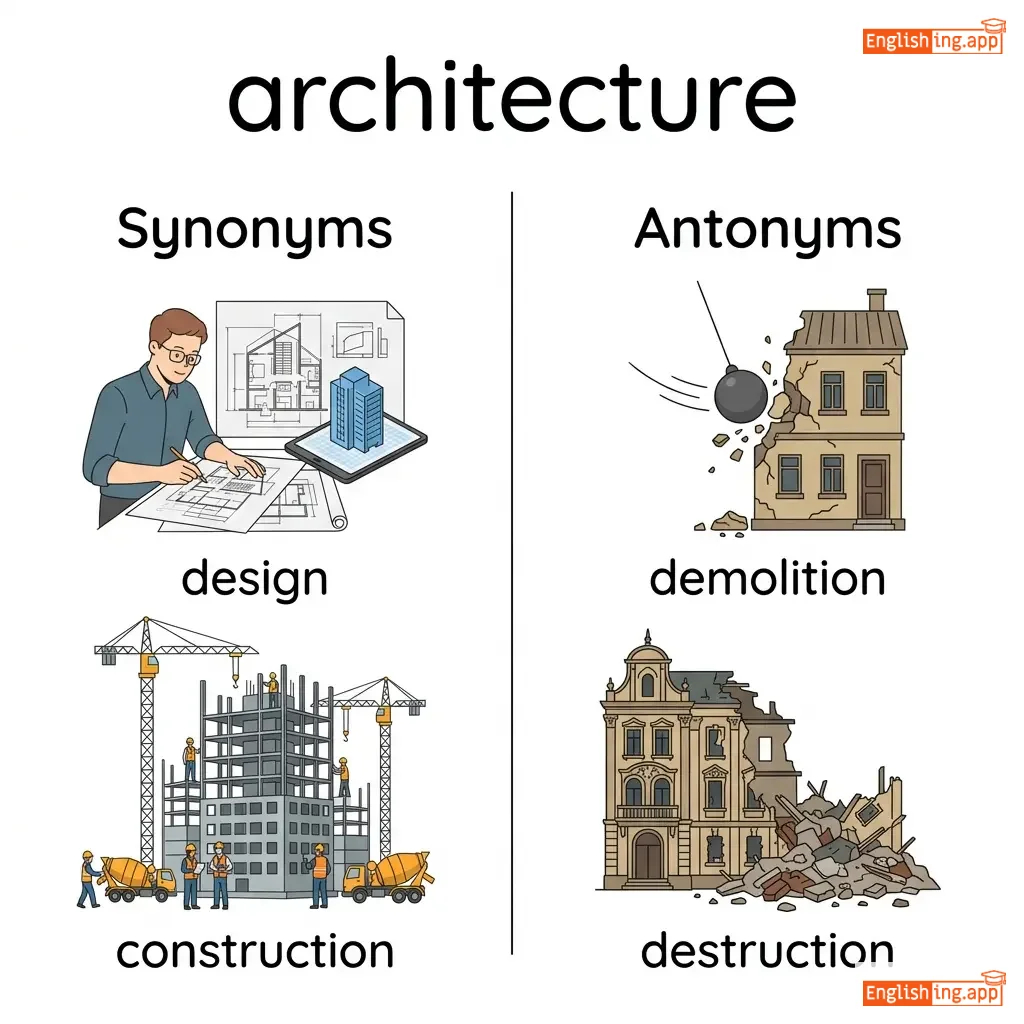
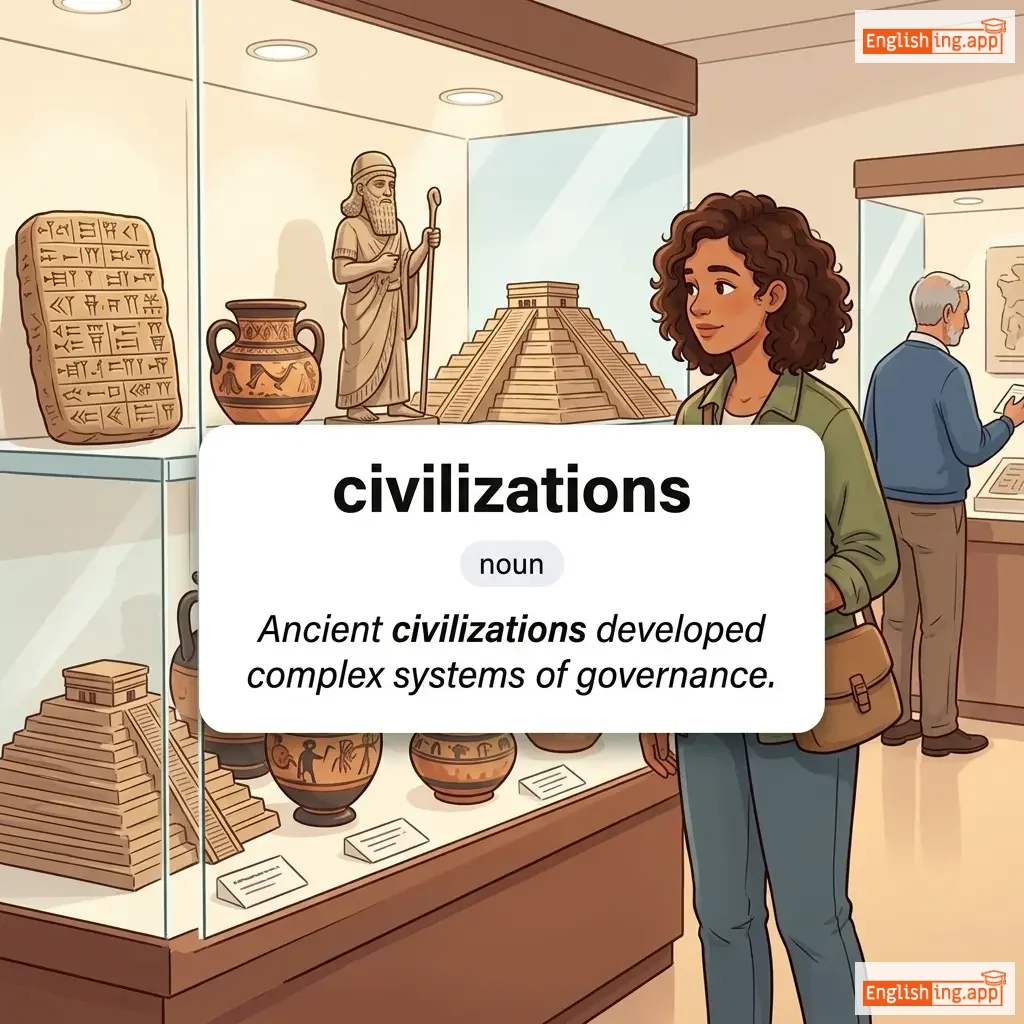
At that time, the cultural foundation of human society was established, and humans began to move toward an organized society. Through megalithic architecture and ancient civilizations, they created concepts and histories of their lives.
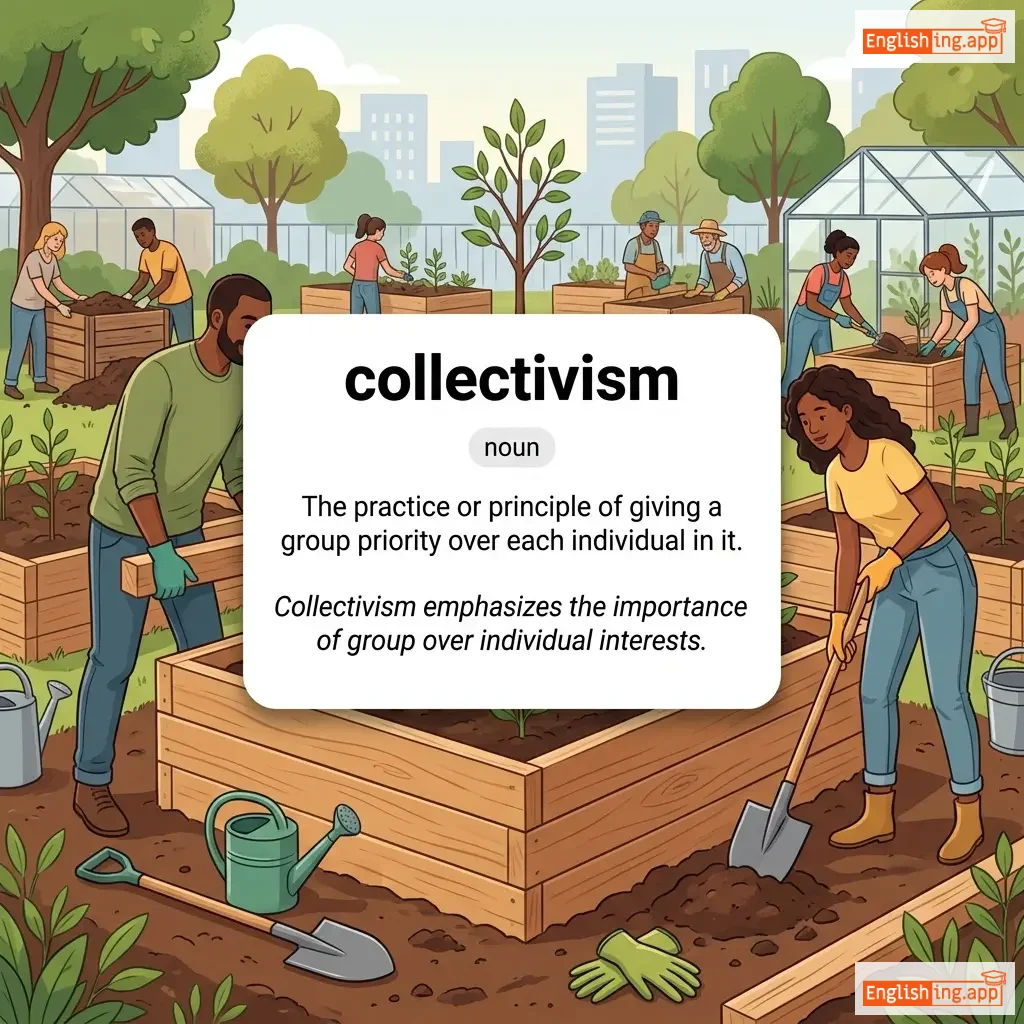
Industrialization and urbanization further advanced civilization, where technological progress and sociopolitical changes connected the entire world. However, within these changes, integration and collectivism are needed so that people at all levels of society benefit.
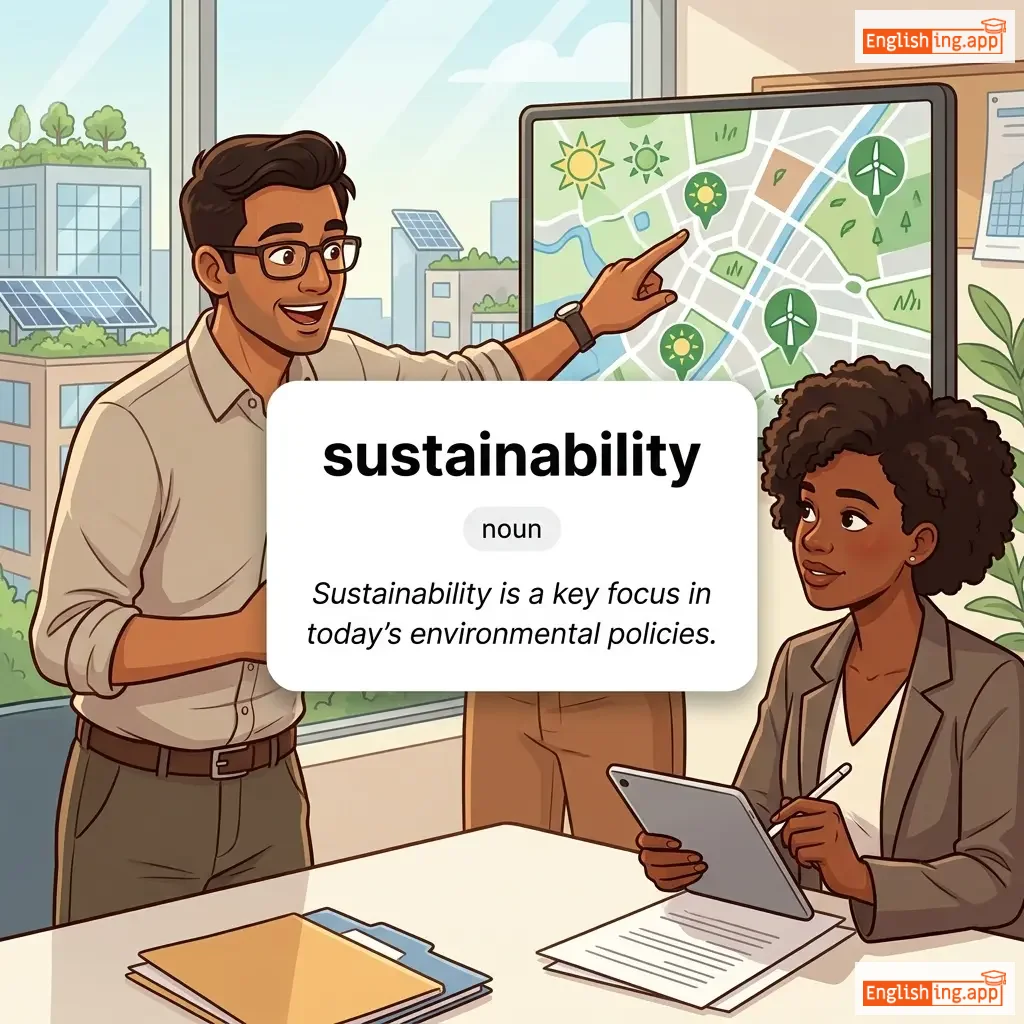
Today, sustainability and environmental responsibility are opening new directions for the progress of human civilization.
Upgrade to Access All Vocabulary
Get unlimited access to all vocabulary items with Pro membership
Upgrade to ProTranslation
Past
Past Participle
Third Person Singular
Gerund
Meaning
Example Sentence
Example Sentence Translation
Synonyms
Antonyms
Collocations
Mnemonic





Swipe left or right, or use the buttons. Tap image to zoom.
Upgrade to Access All Sentences
Get unlimited access to all sentences with Pro membership
Upgrade to ProExample Sentence Translation
Word
The Evolution of Human Civilization - Mask Toggle
|
Emoji
|
Word | Images | Meaning | Example Sentence | Synonyms | Antonyms |
|---|---|---|---|---|---|---|
|
#3109
🧬
|
ˌiːvəˈluːʃənəri
adjective
••••••
|
|
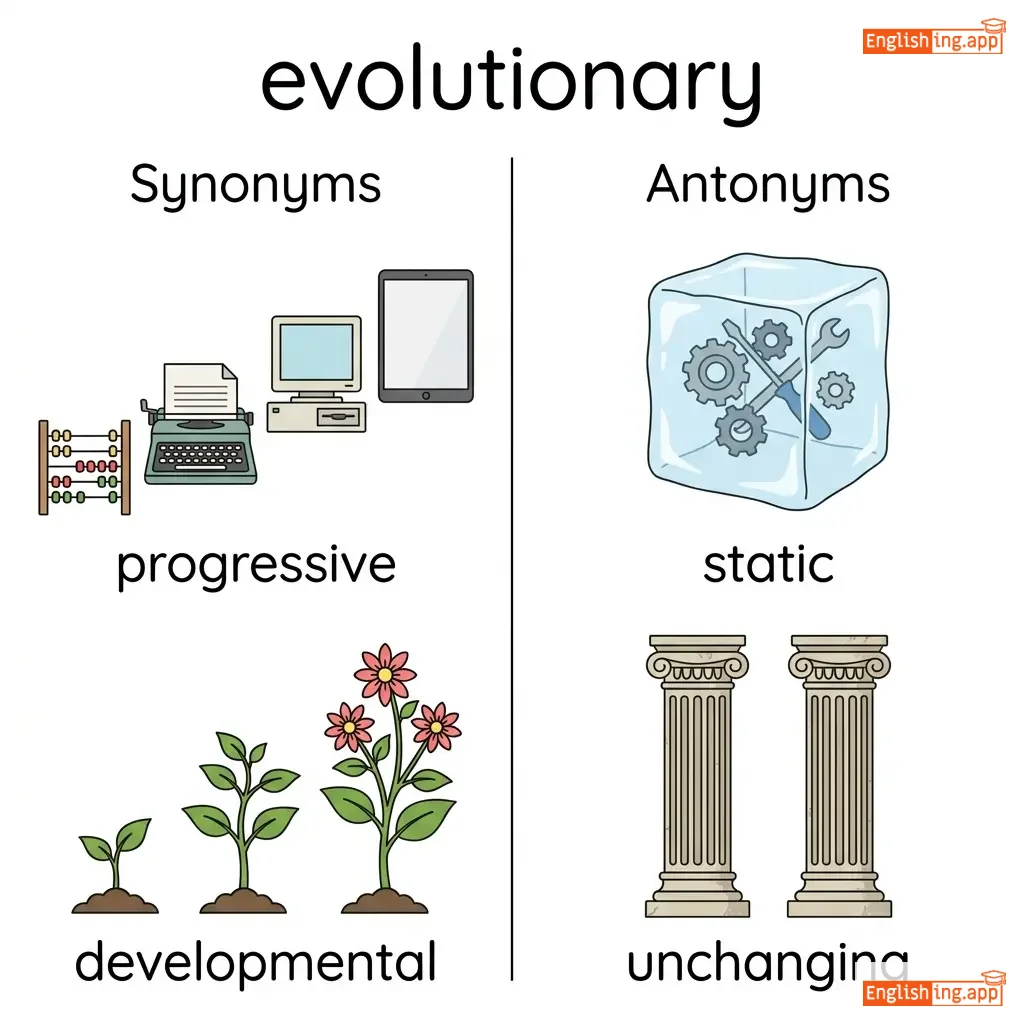
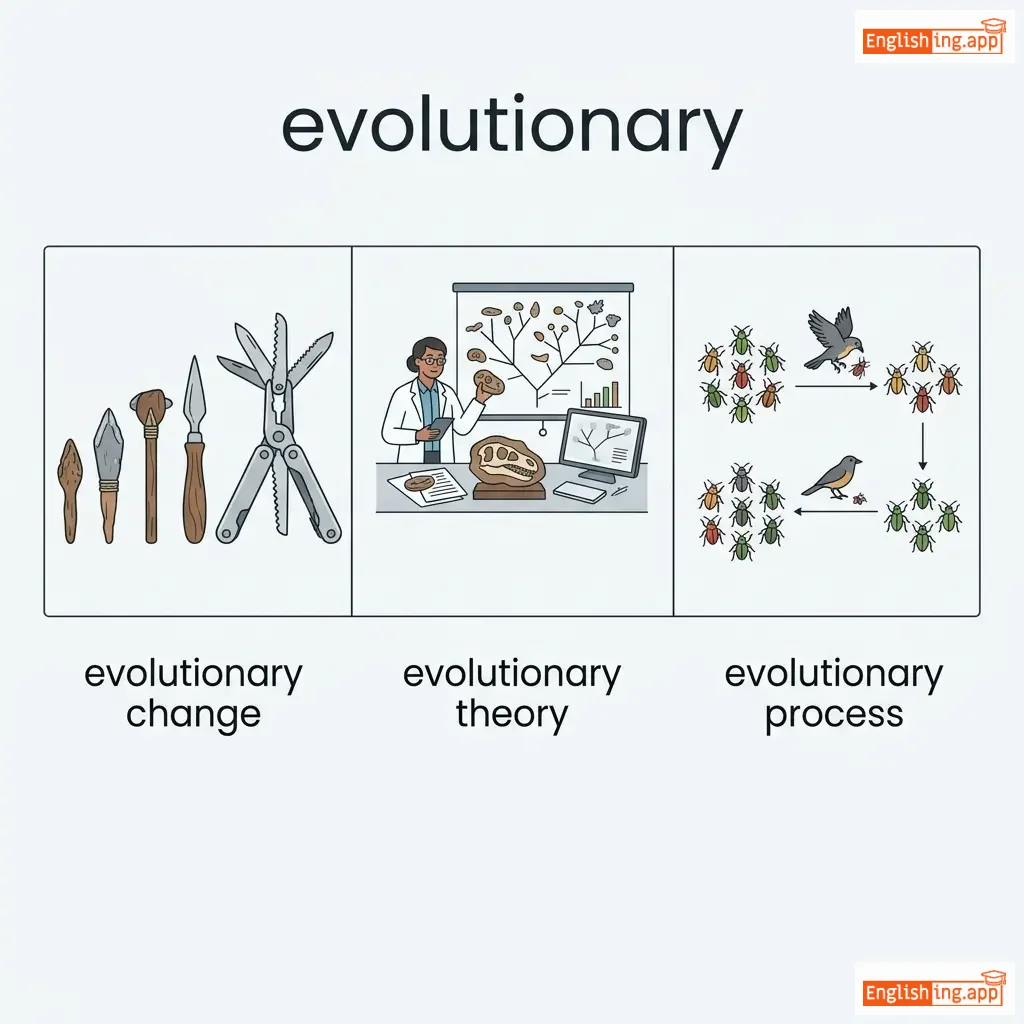
Relating to or denoting the gradual development of something, especially from a simple to a more complex form.
••••••
|
The evolutionary changes in species are fascinating. |
progressive, developmental
••••••
|
static, unchanging
••••••
|
|
#3110
🦴
|
ˌpriːhɪˈstɒrɪk
adjective
••••••
|
|
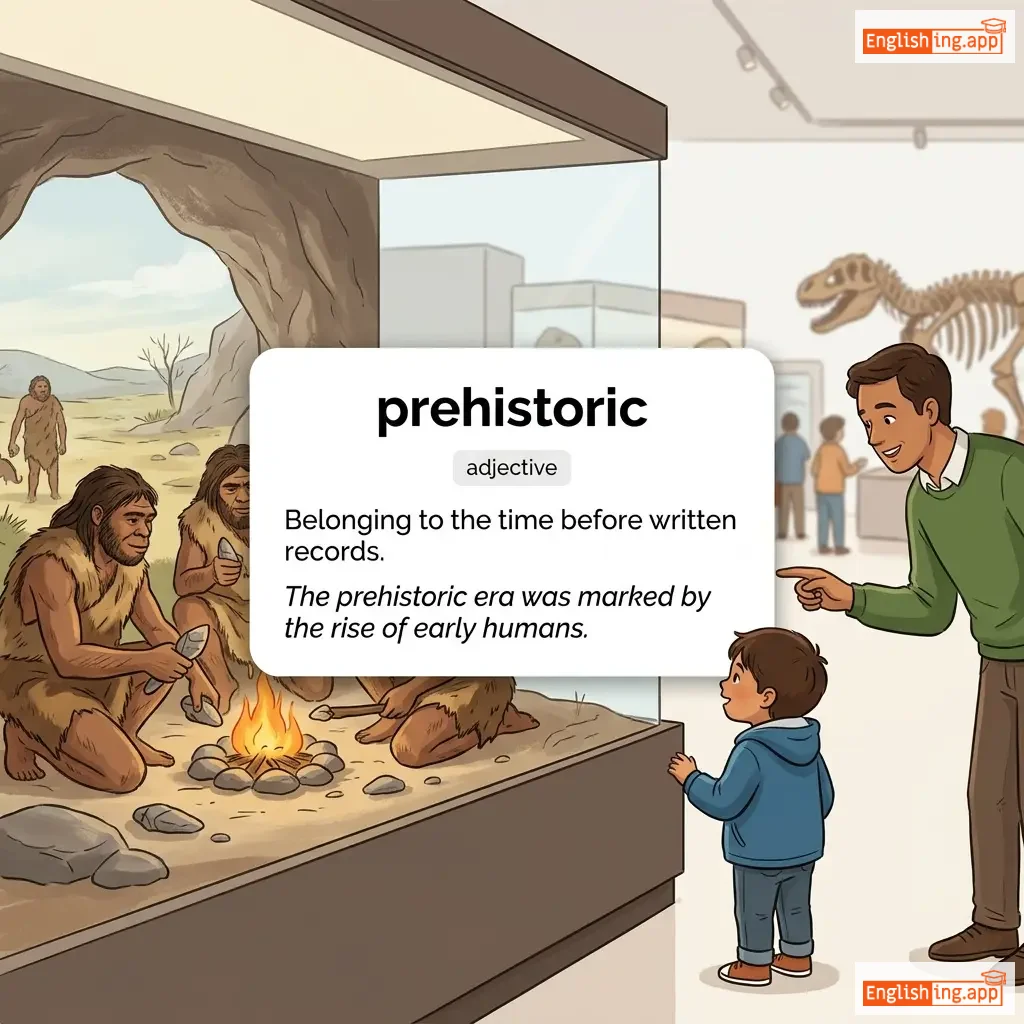
Belonging to the time before written records.
••••••
|
The prehistoric era was marked by the rise of early humans. |
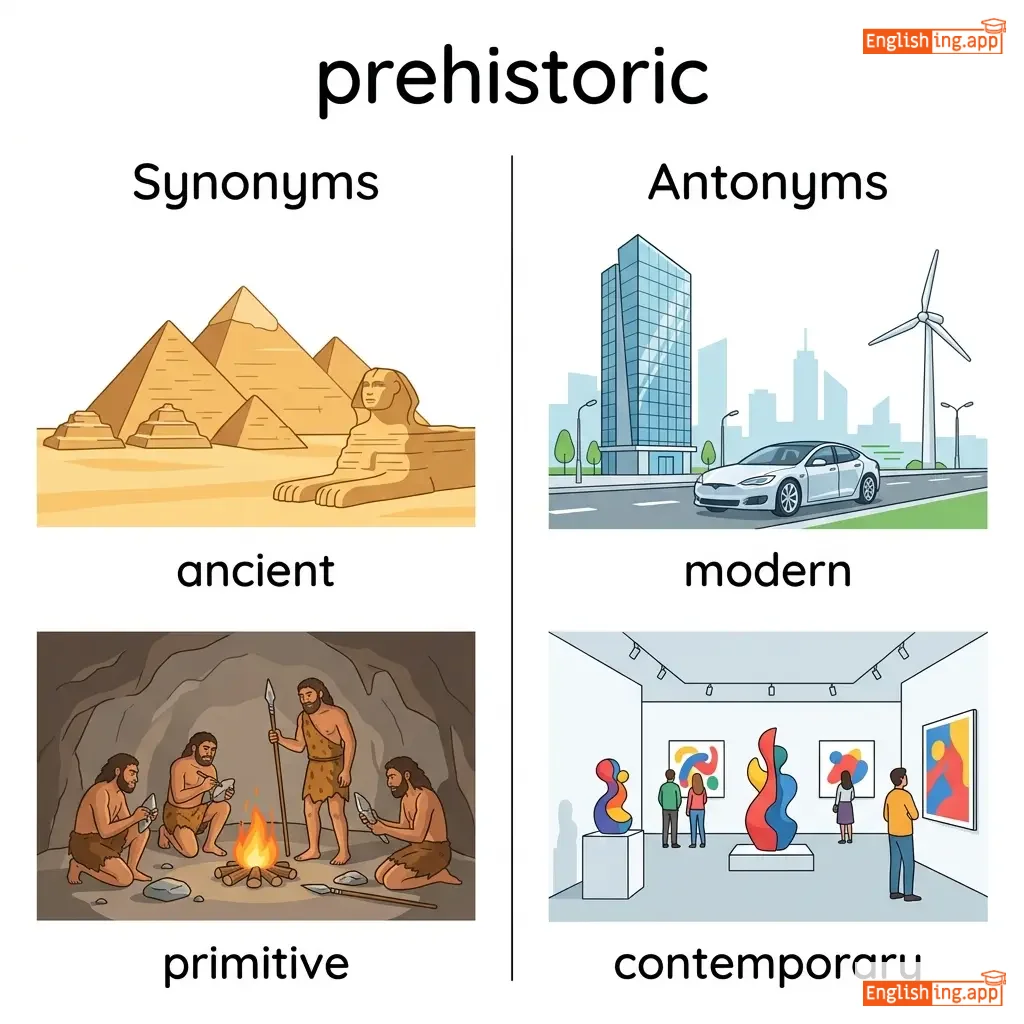
ancient, primitive
••••••
|
modern, contemporary
••••••
|
|
#3111
🏕️
|
nəʊˈmædɪk
adjective
••••••
|
|
Living the life of a nomad; wandering.
••••••
|
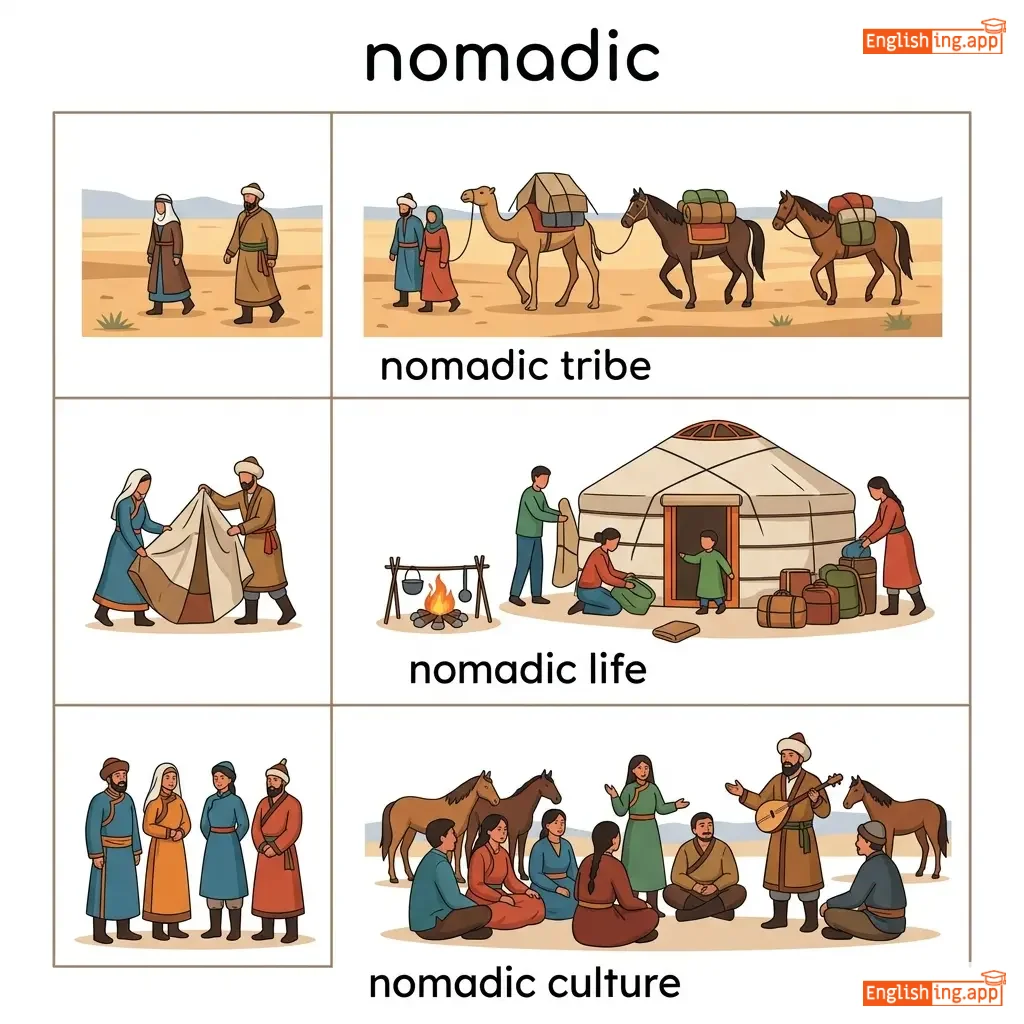
The nomadic tribes moved from place to place in search of resources. |
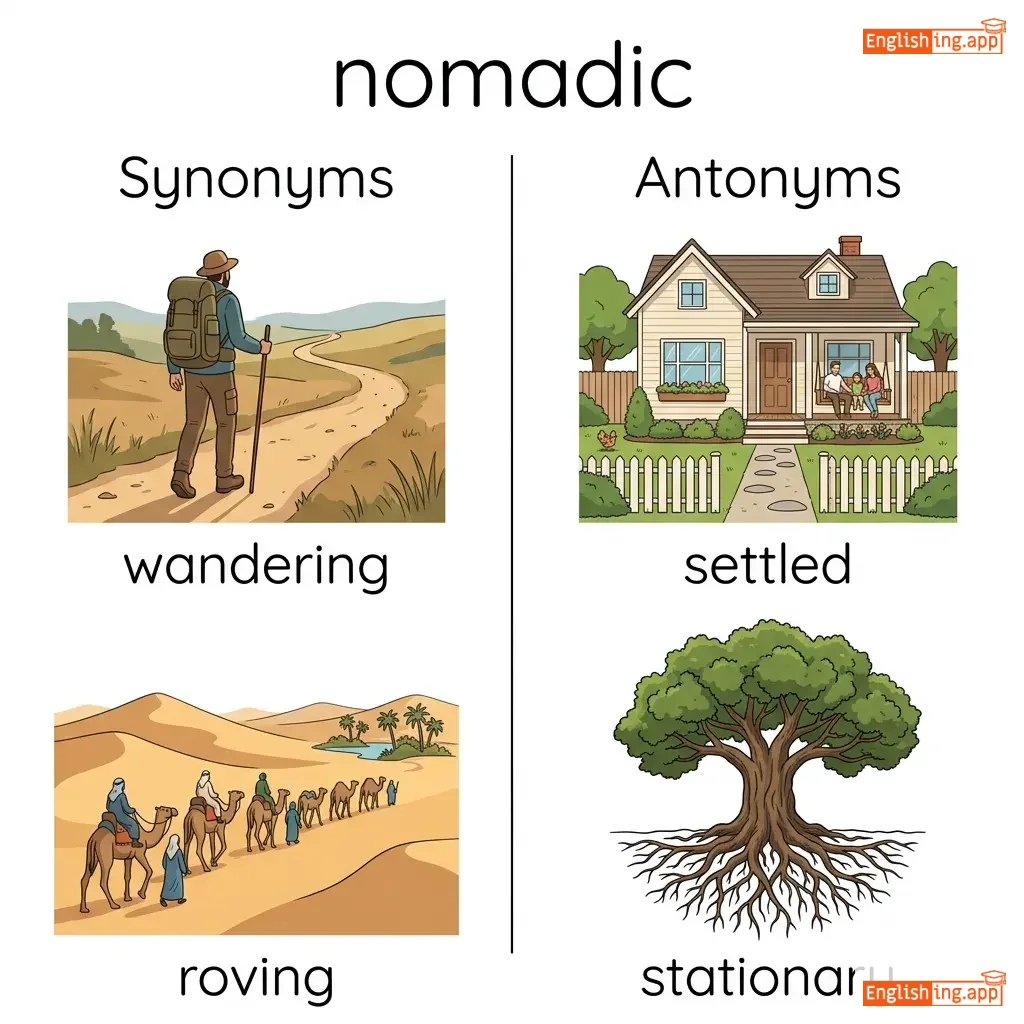
itinerant, migratory
••••••
|
settled, stationary
••••••
|
|
#3112
🐄
|
dəˌmɛstɪˈkeɪʃən
noun
••••••
|
|
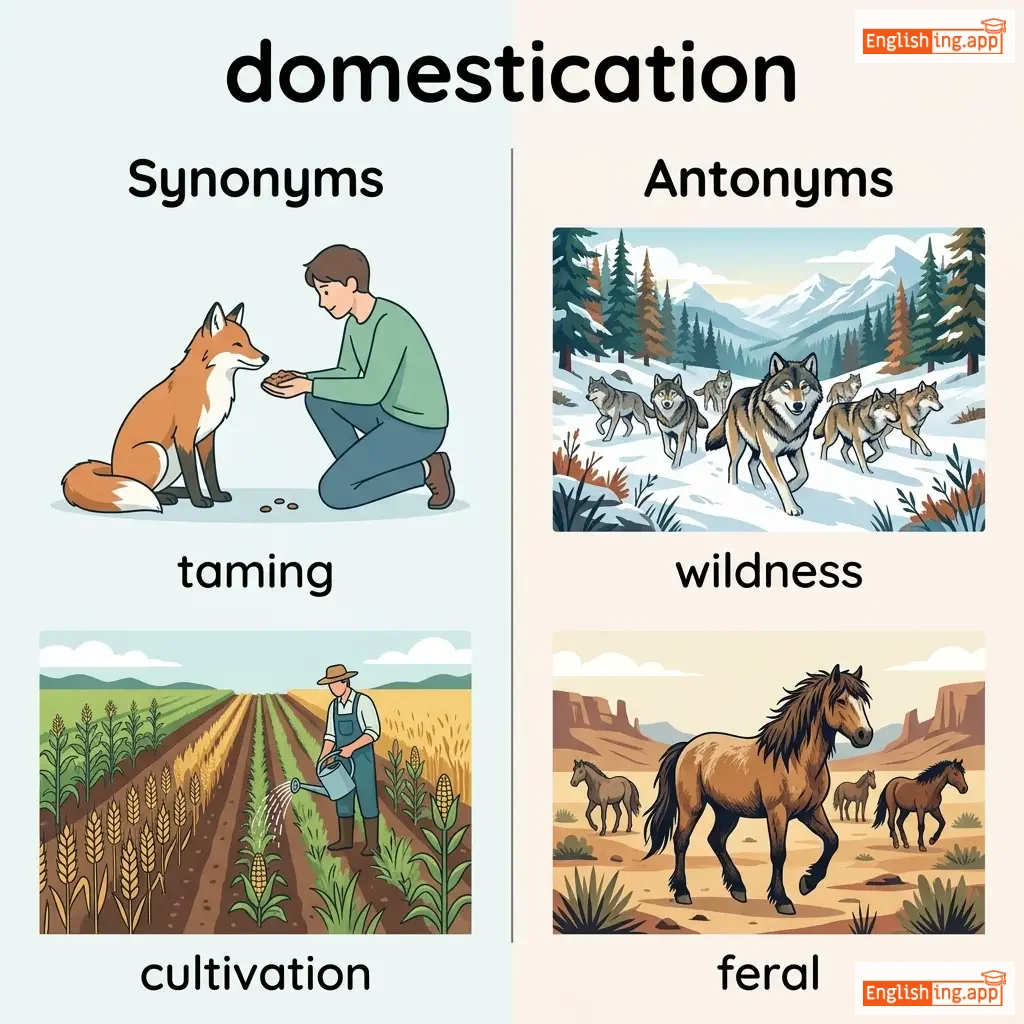
The process of taming an animal and keeping it as a pet or for farm produce.
••••••
|
Domestication of animals has been crucial for human survival. |
taming, cultivation
••••••
|
wildness, feral
••••••
|
|
#3113
🌾
|
ˌæɡrɪˈkʌltʃərəl
adjective
••••••
|
|
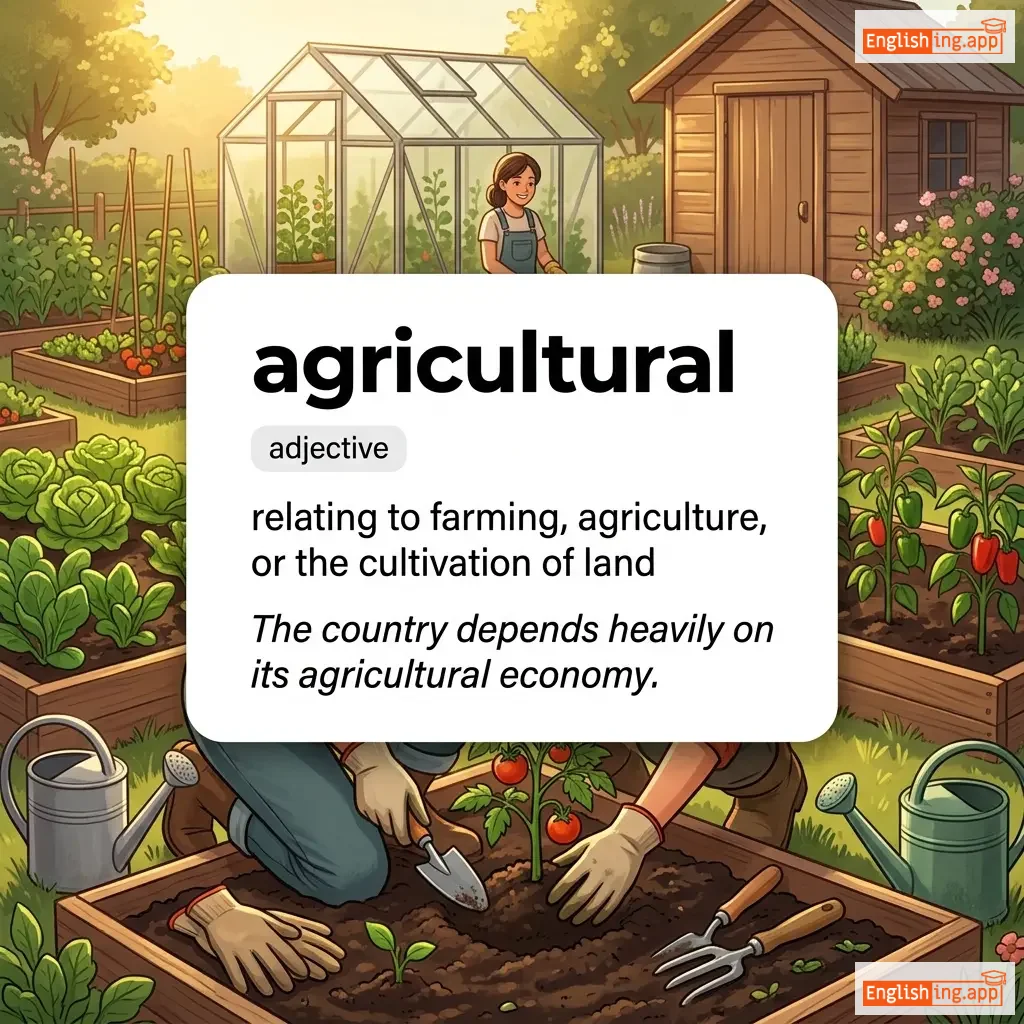
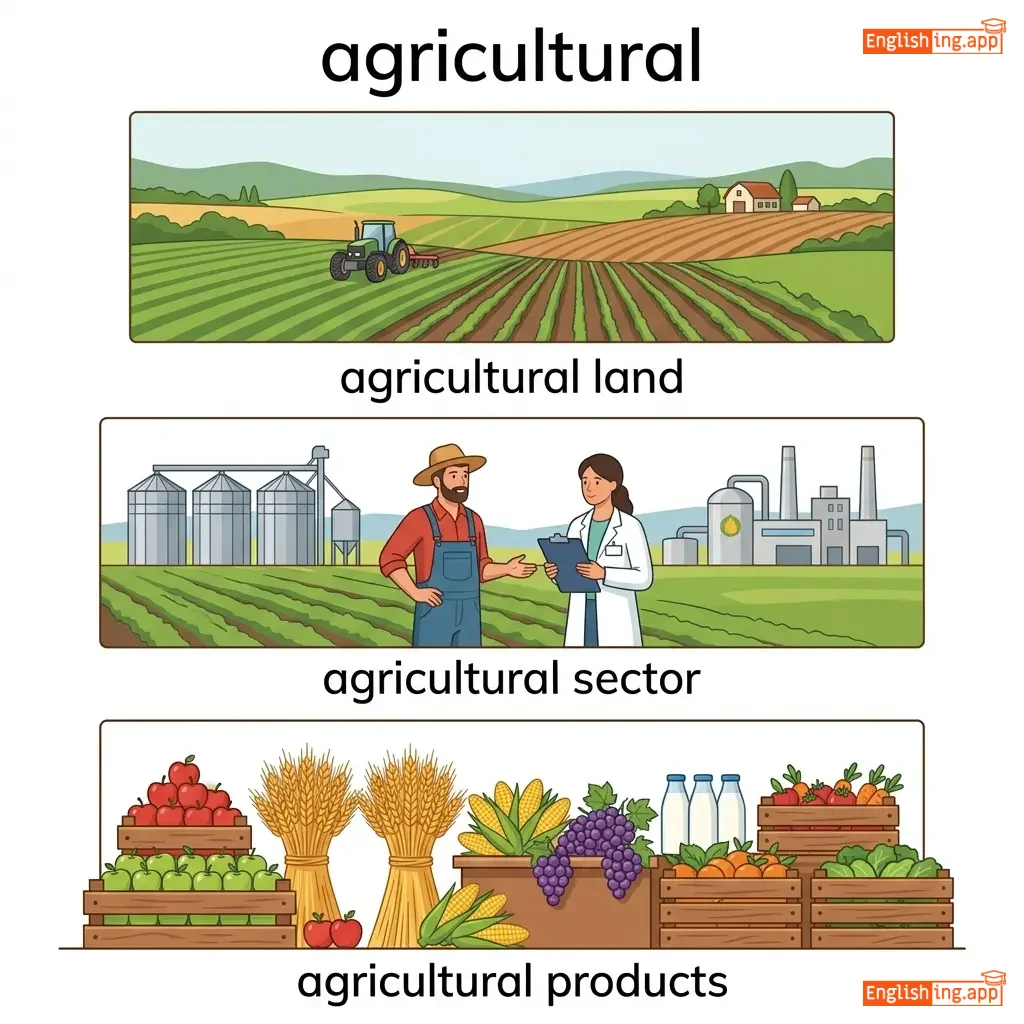
Connected with farming.
••••••
|
Agricultural practices have evolved over centuries. |
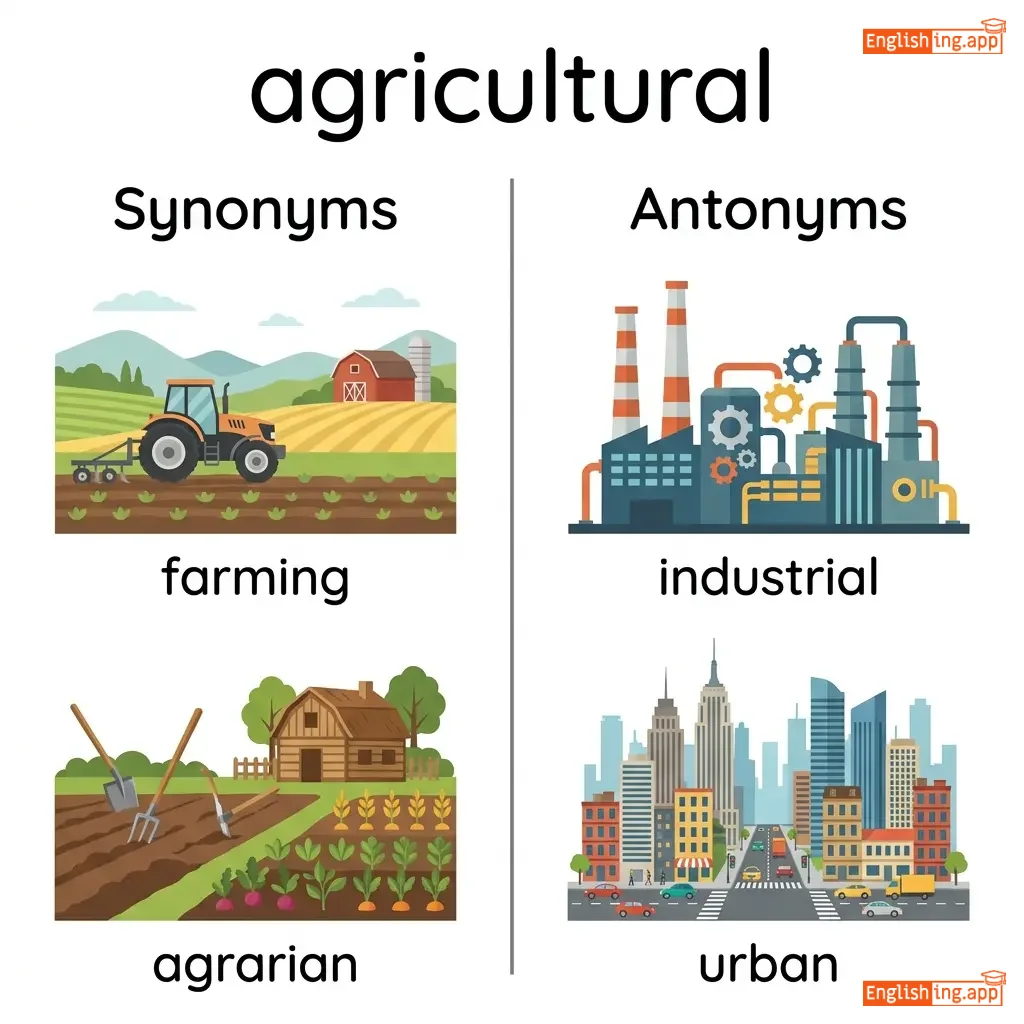
farming, cultivational
••••••
|
industrial, non-agricultural
••••••
|
|
#3114
🌱
|
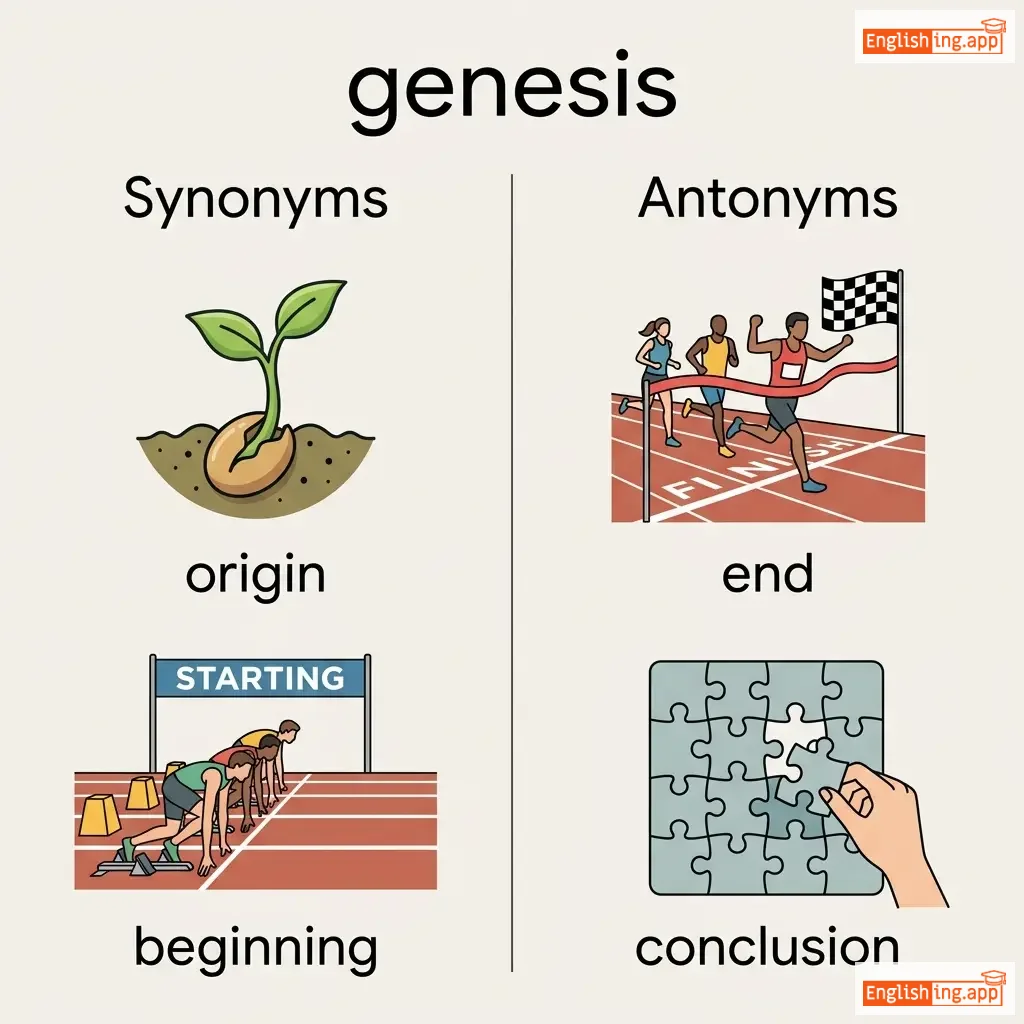
ˈdʒɛnɪsɪs
noun
••••••
|
|
The origin or mode of formation of something.
••••••
|
The genesis of the internet changed the world forever. |
origin, beginning
••••••
|
end, termination
••••••
|
|
#3115
🎭
|
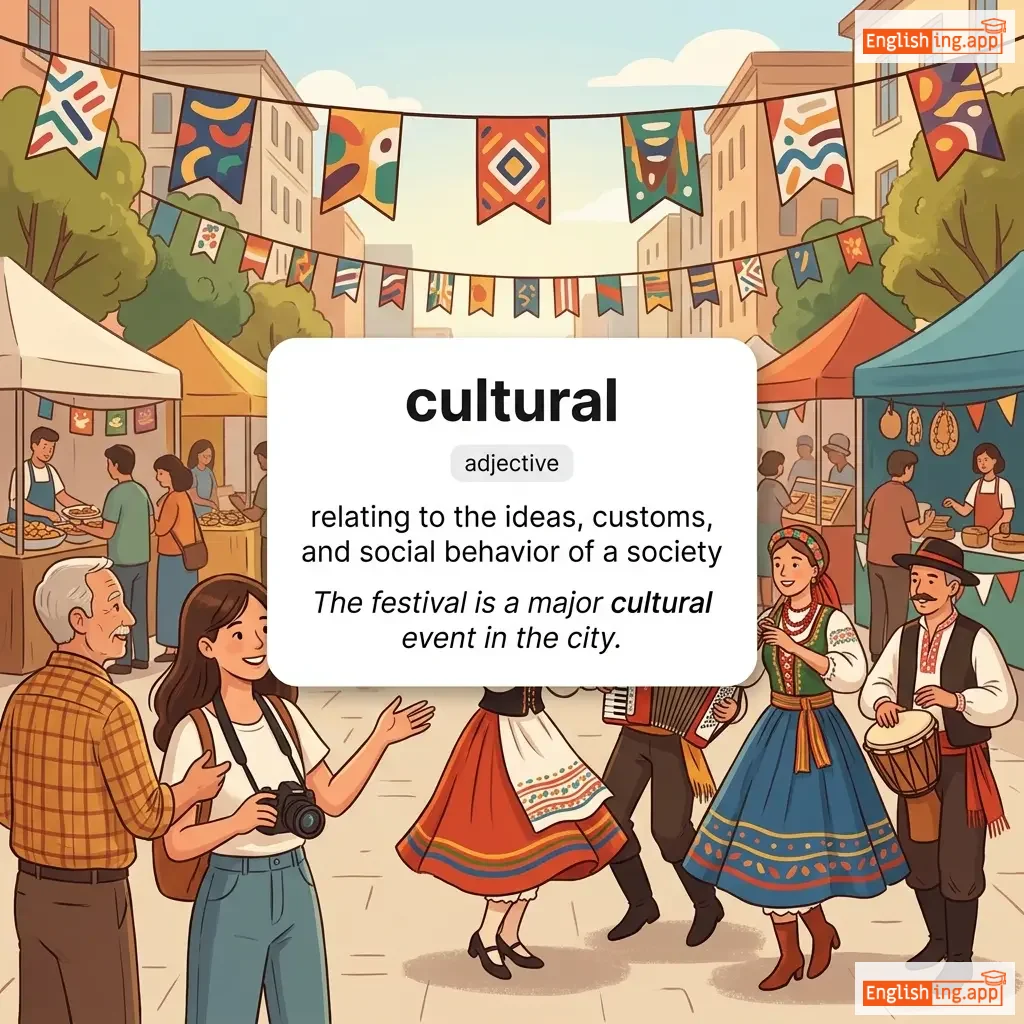
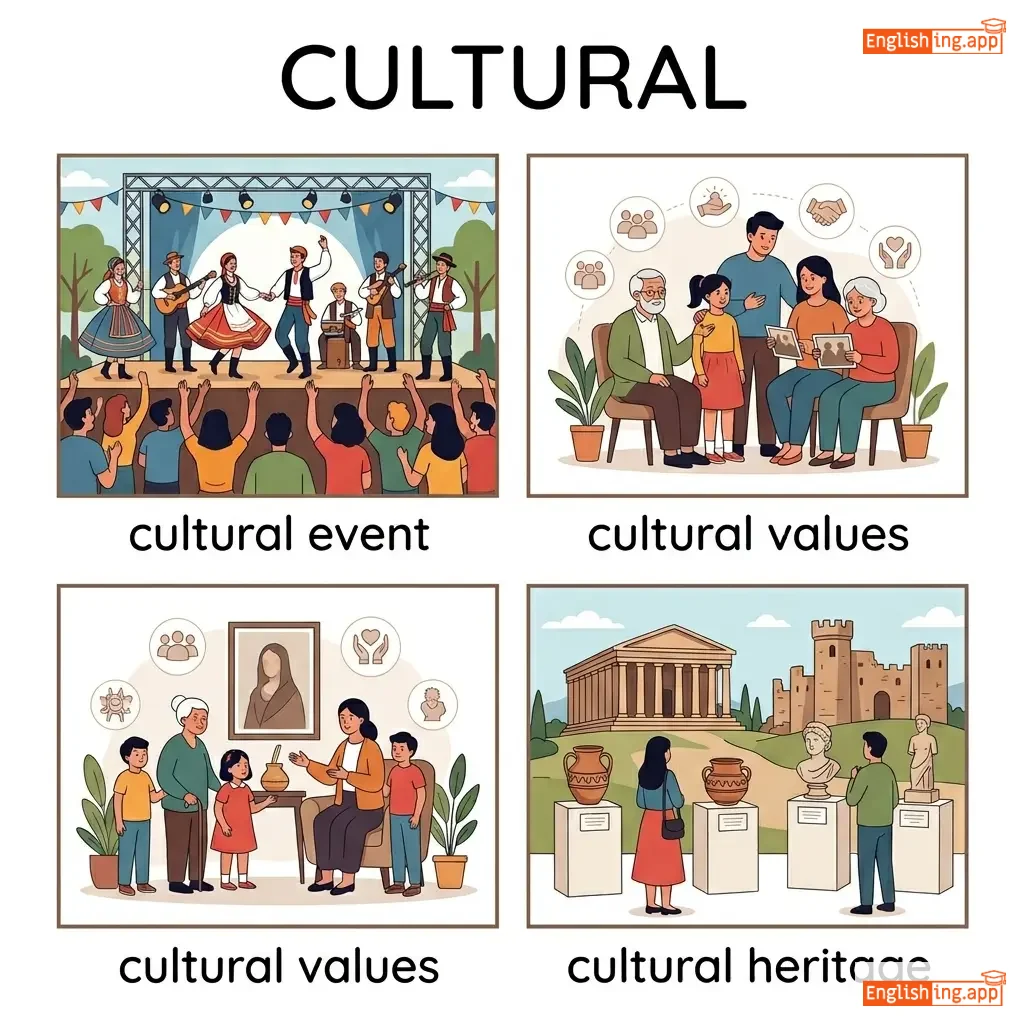
ˈkʌltʃərəl
adjective
••••••
|
|
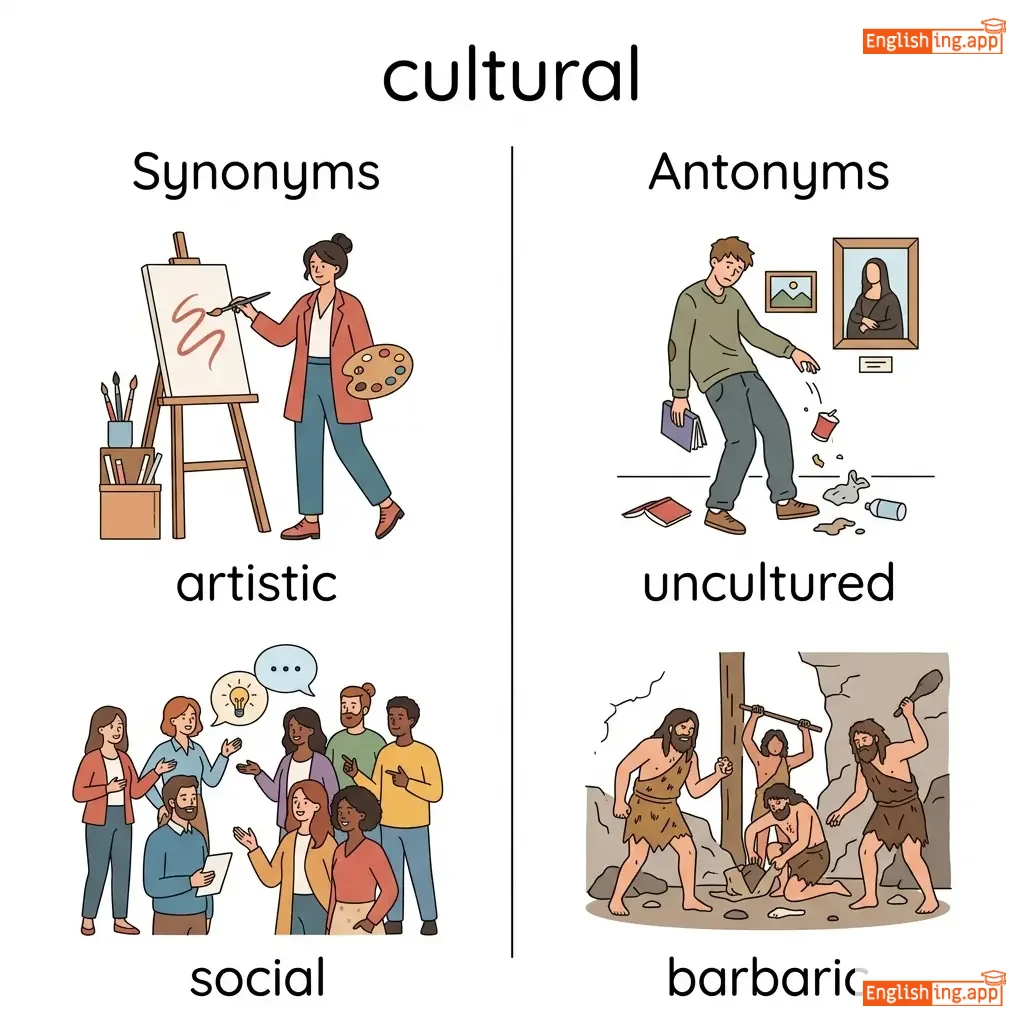
Relating to the arts and to intellectual achievements.
••••••
|
Cultural diversity enriches society and promotes tolerance. |
social, artistic
••••••
|
uncultural, non-cultural
••••••
|
|
#3116
👥
|
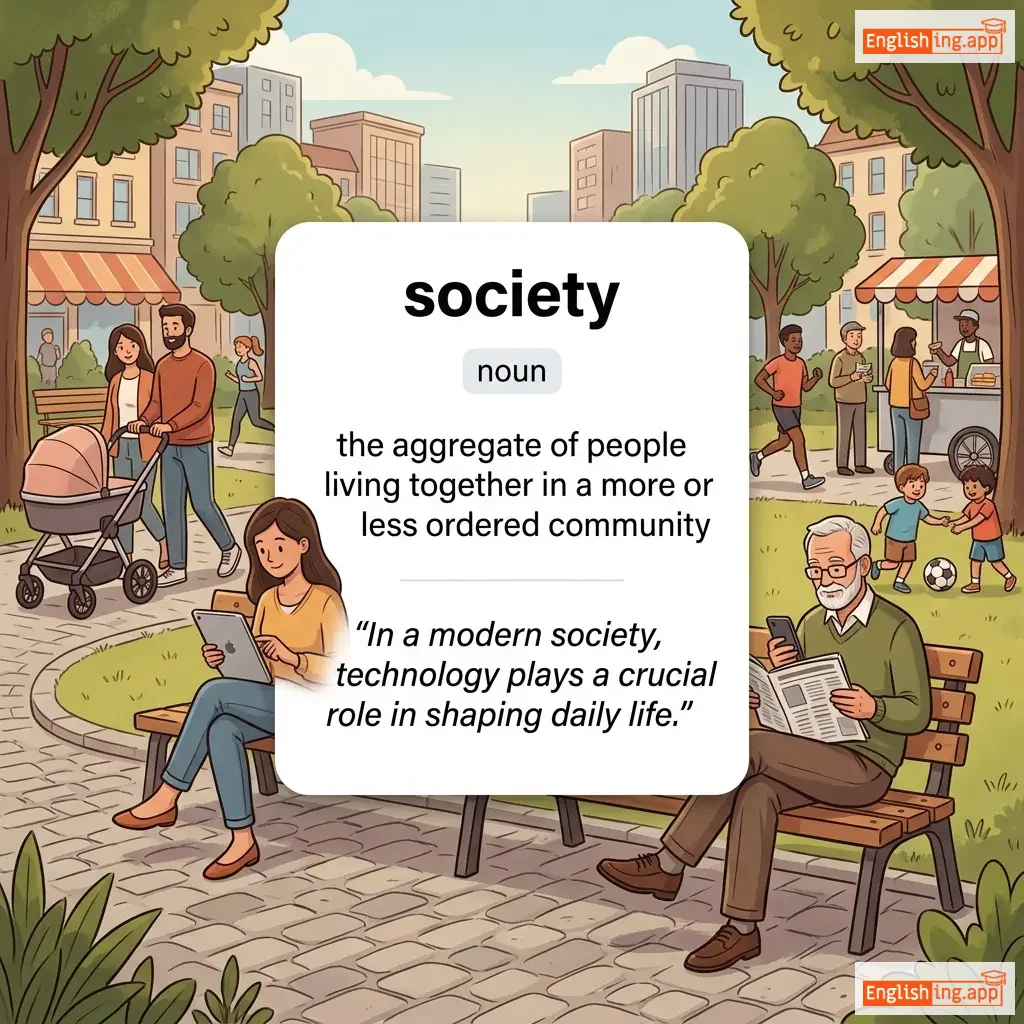
səˈsaɪəti
noun
••••••
|
|
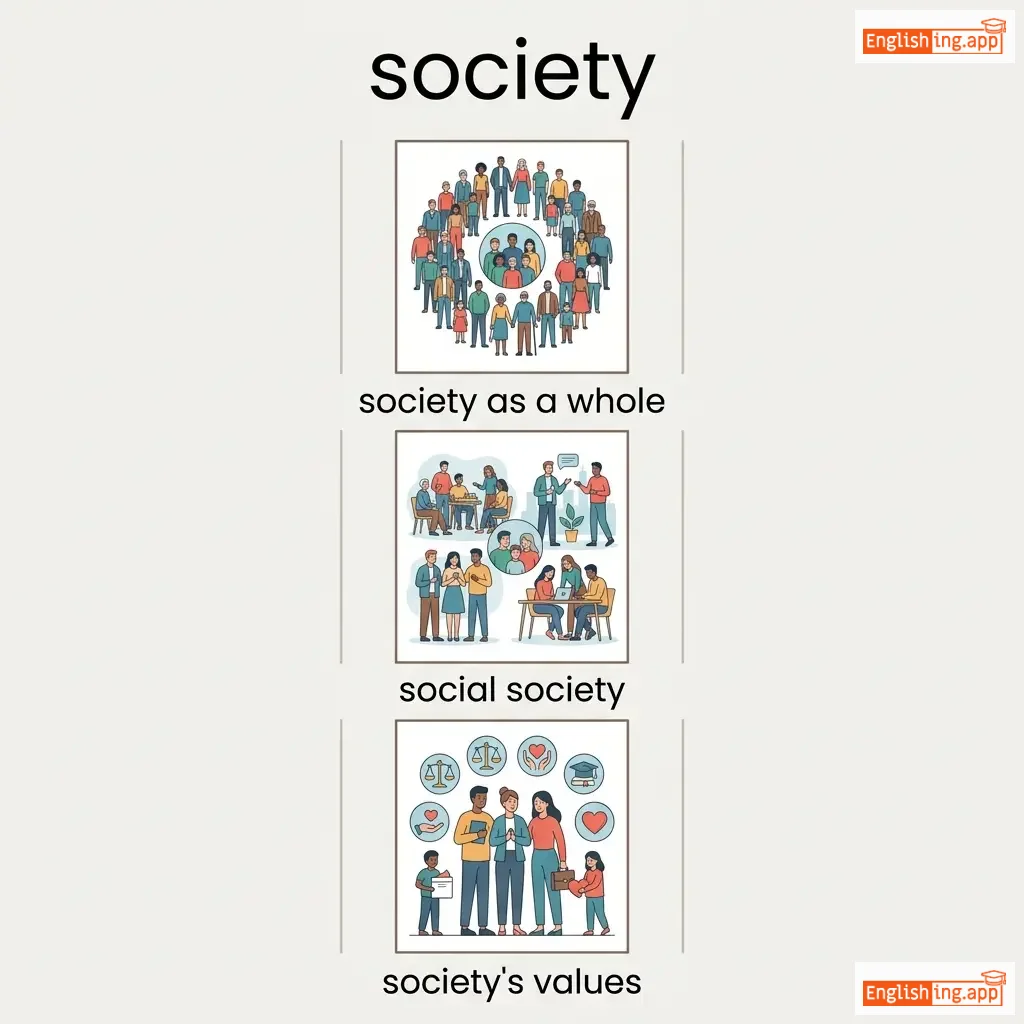
The aggregate of people living together in a more or less ordered community.
••••••
|
Society plays a pivotal role in shaping an individual's values. |
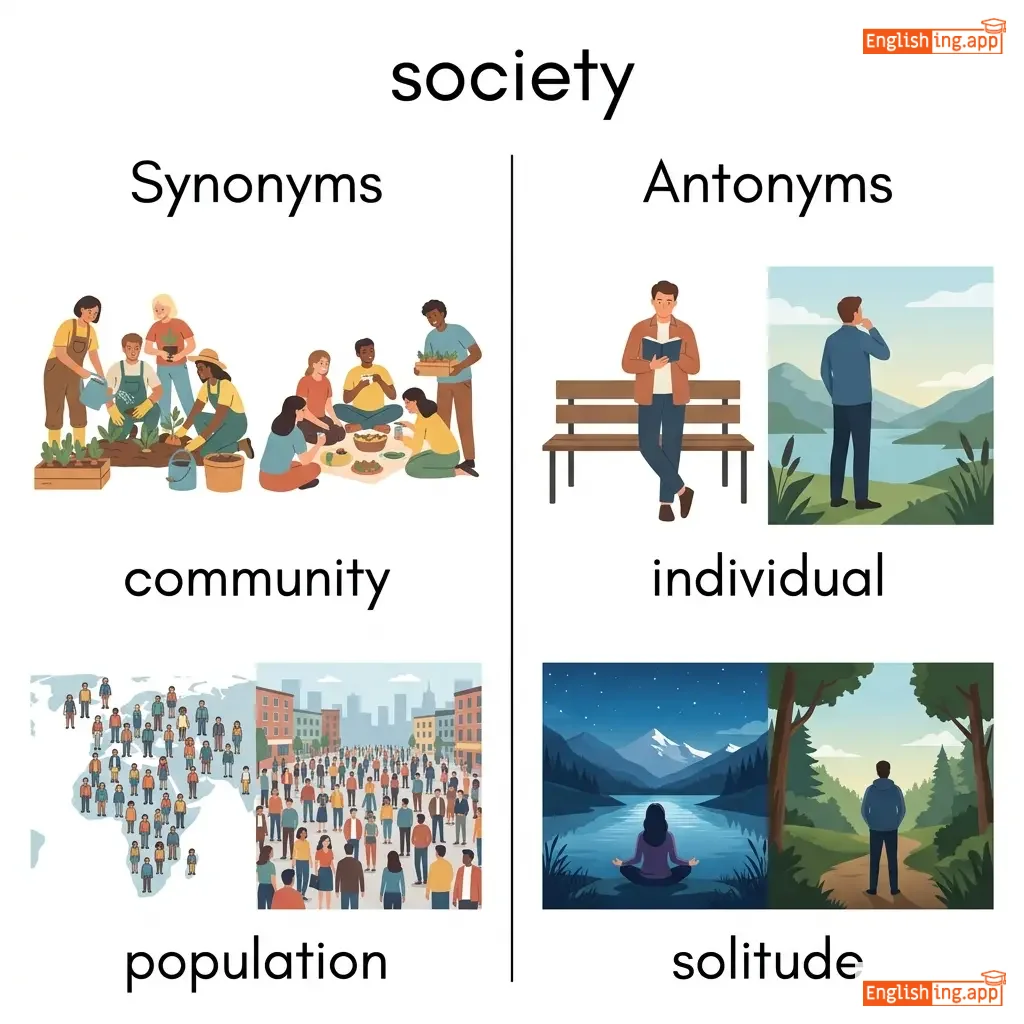
community, population
••••••
|
individualism, solitude
••••••
|
|
#3117
🗿
|
ˌmɛɡəˈlɪθɪk
adjective
••••••
|
|
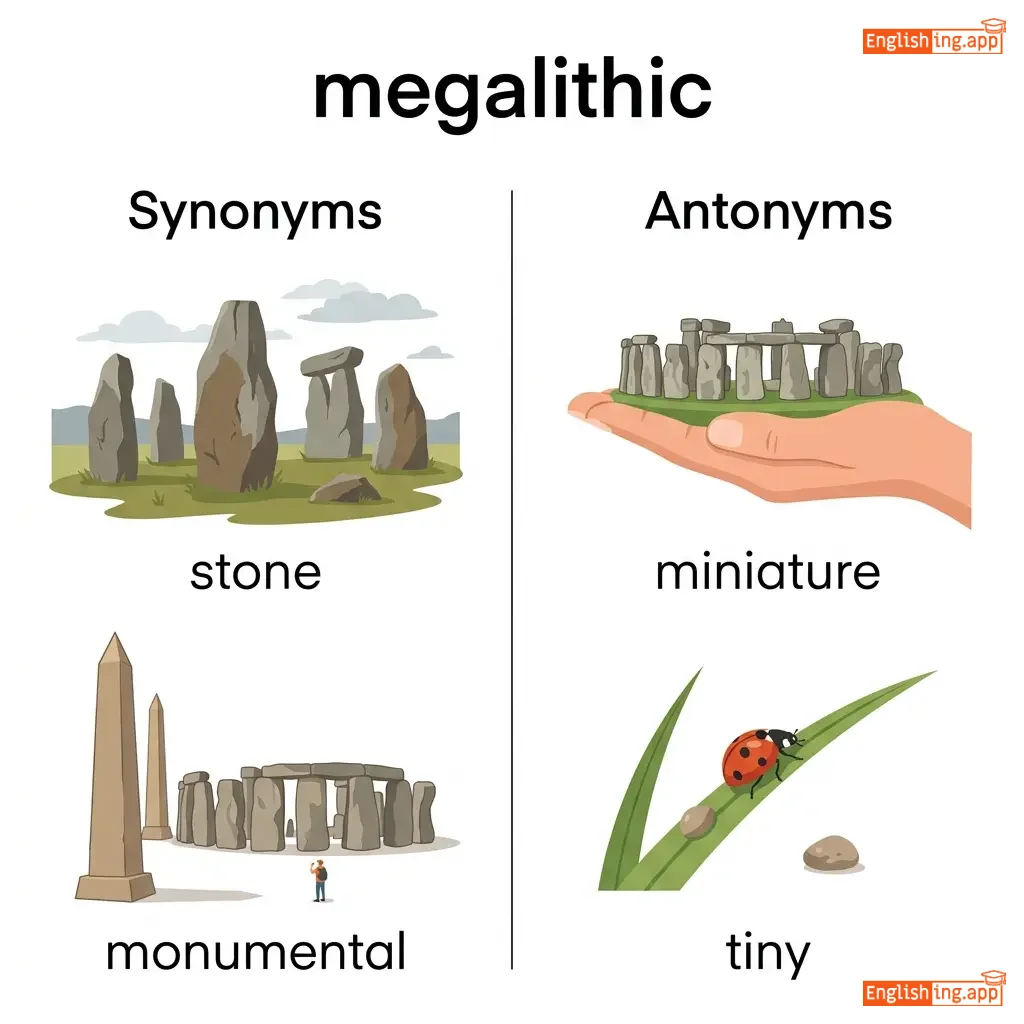
Relating to or denoting prehistoric monuments made of or containing large stones.
••••••
|
The megalithic structures in ancient civilizations are fascinating. |
stone, monumental
••••••
|
miniature, tiny
••••••
|
|
#3118
🏛️
|
ˈɑːkɪtɛktʃər
noun
••••••
|
|
The art or science of designing and constructing buildings.
••••••
|
The architecture of ancient temples reflects the culture of the time. |
design, construction
••••••
|
destruction, demolition
••••••
|
|
#3119
🏺
|
sɪvɪˈlɪzeɪʃənz
noun
••••••
|
|
The stage of human social development and organization that is considered most advanced.
••••••
|
Ancient civilizations developed complex systems of governance. |
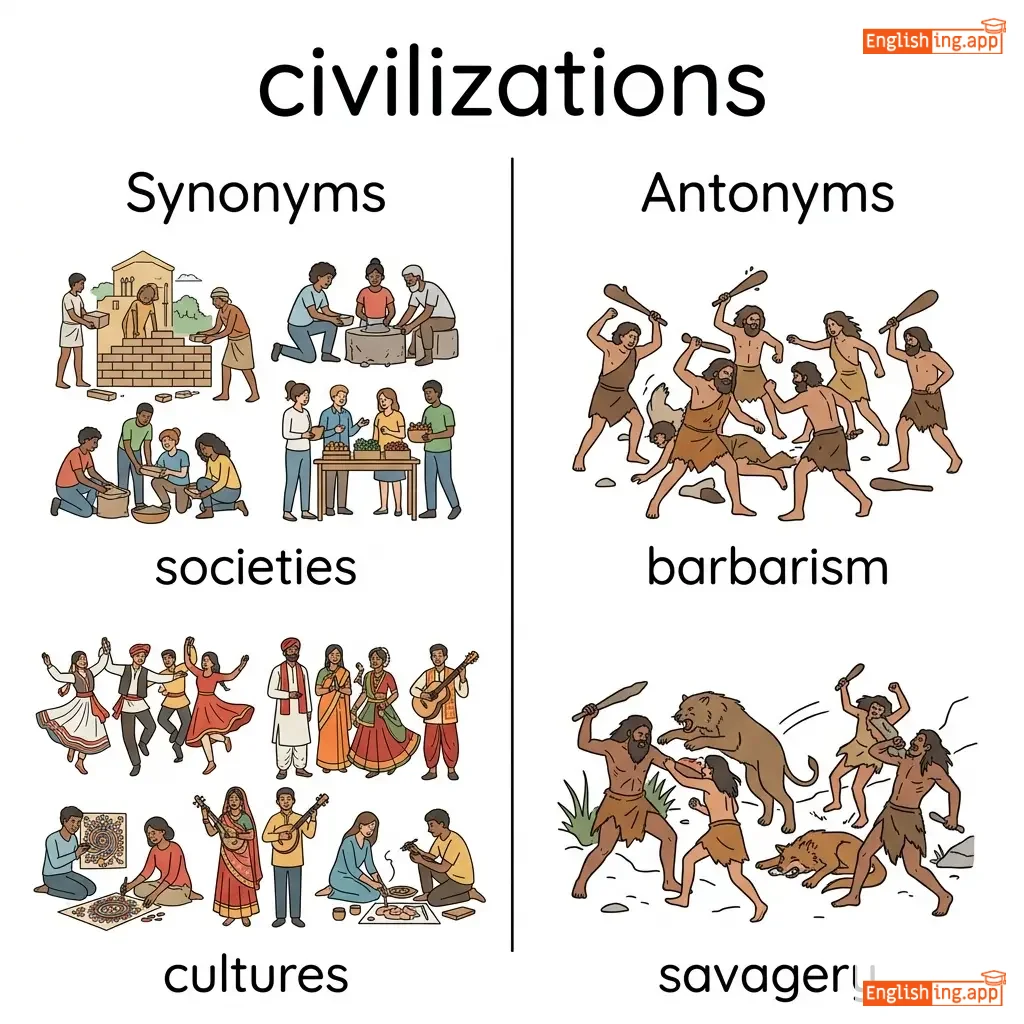
societies, cultures
••••••
|
barbarism, savagery
••••••
|
|
#3120
🏭
|
ɪnˌdʌstrɪəlaɪˈzeɪʃən
noun
••••••
|
|
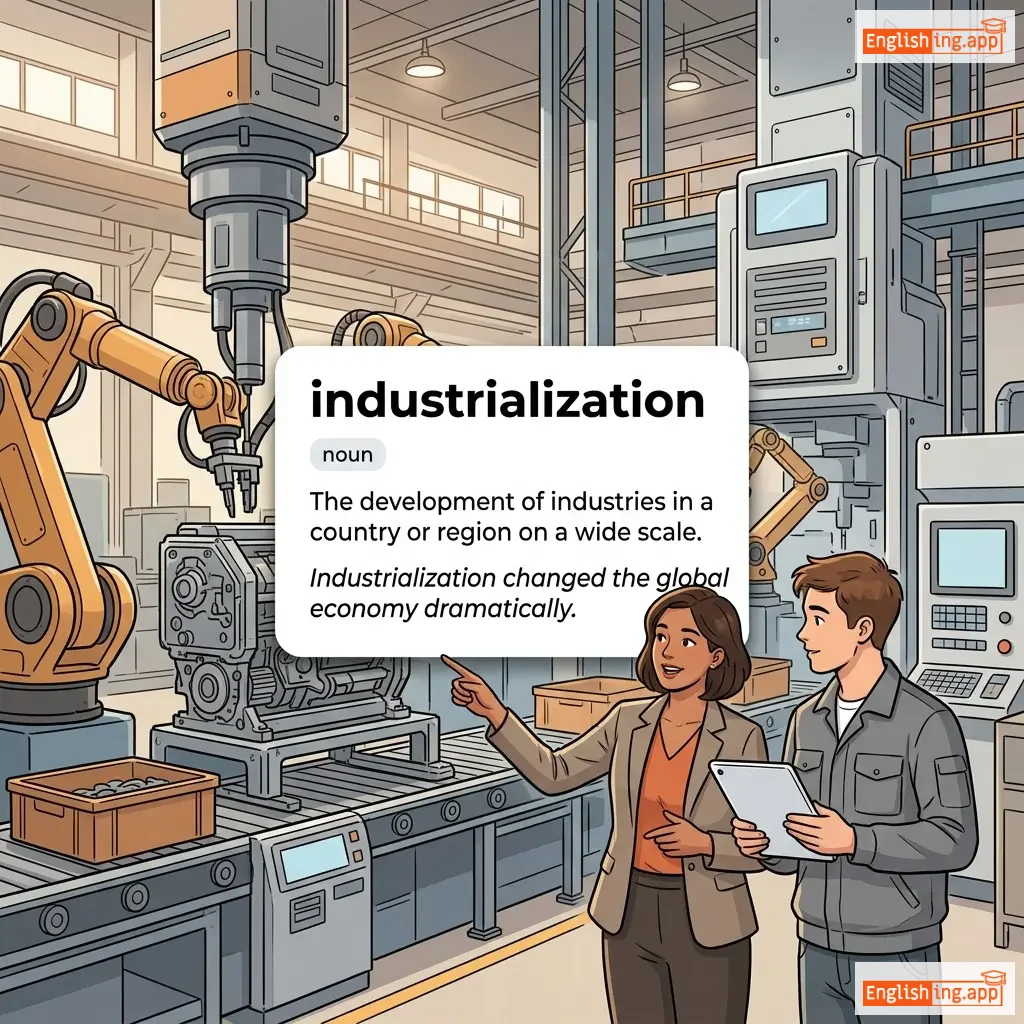
The development of industries in a country or region on a wide scale.
••••••
|
Industrialization changed the global economy dramatically. |
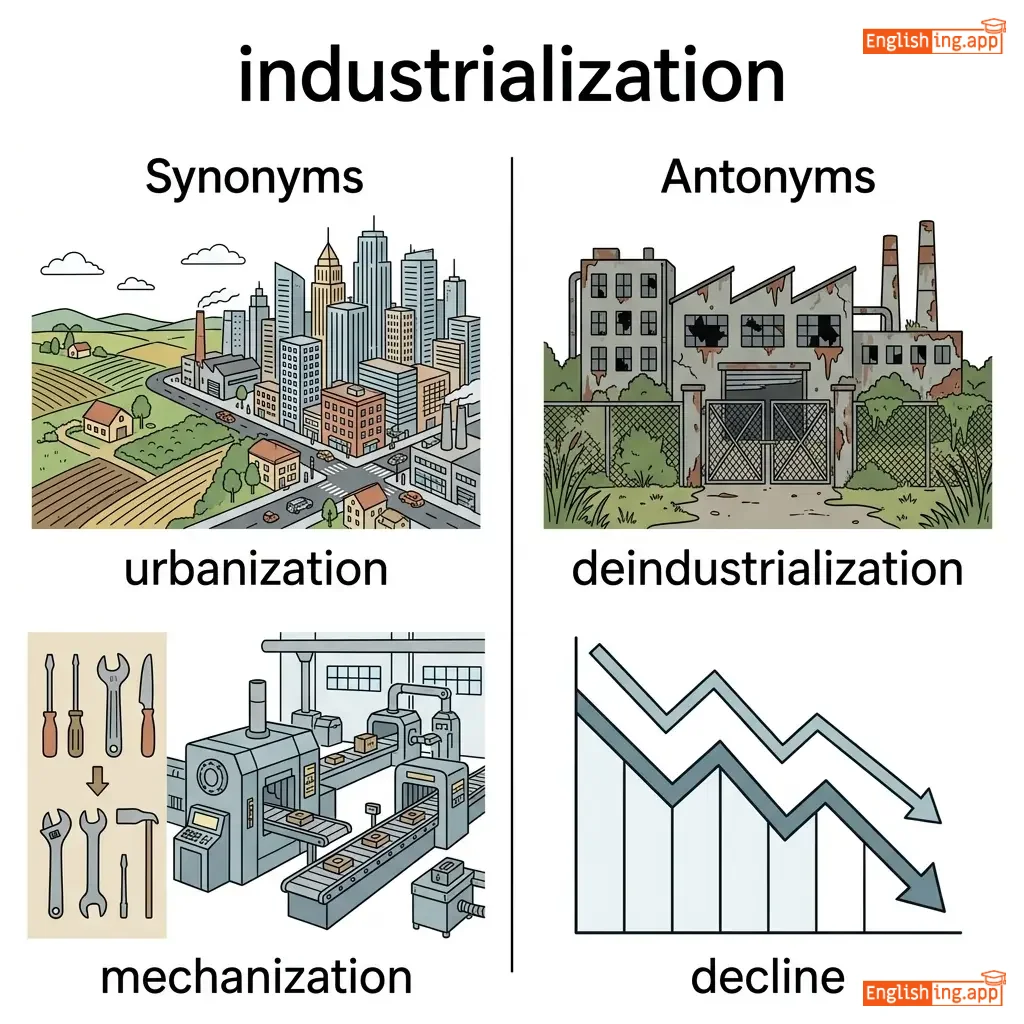
urbanization, mechanization
••••••
|
deindustrialization, decline
••••••
|
|
#3121
🏙️
|
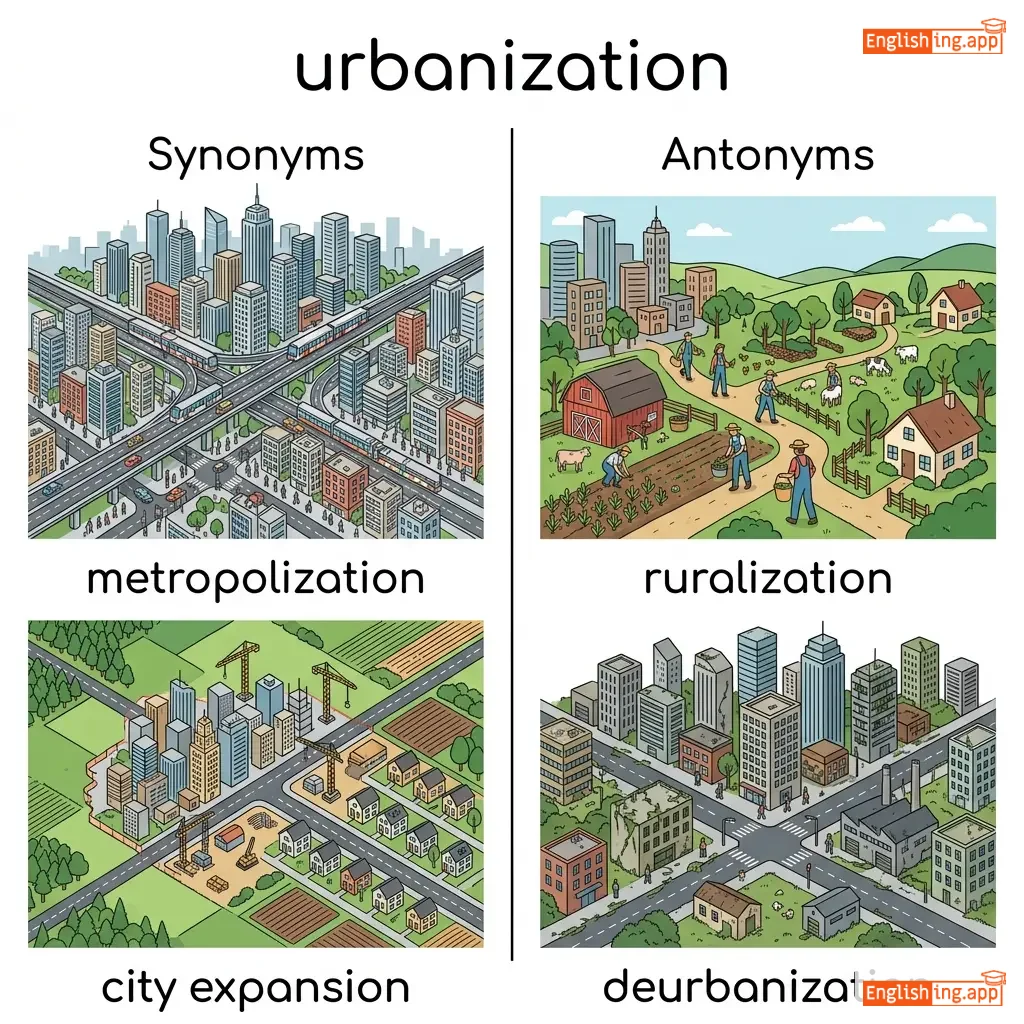
ˌɜːbənaɪˈzeɪʃən
noun
••••••
|
|
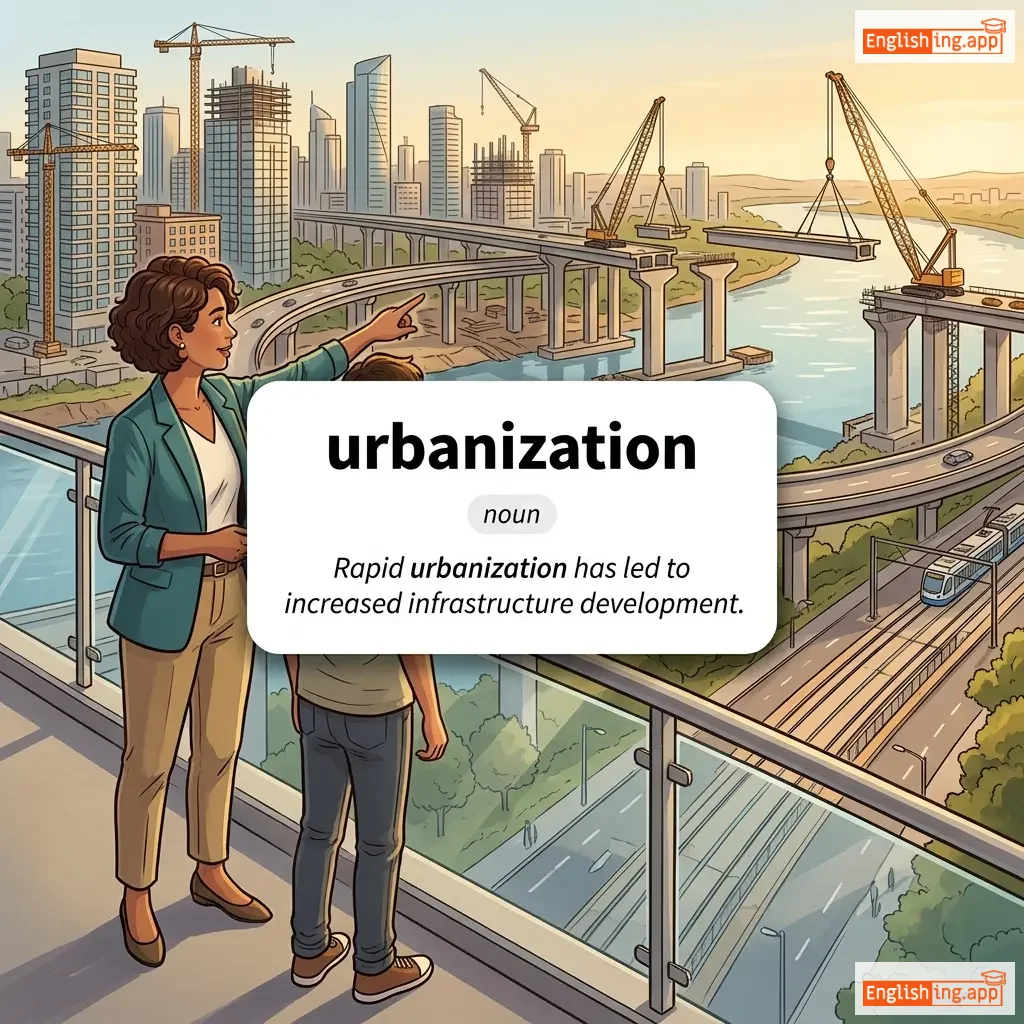
The process by which towns and cities are formed and become larger as more people begin living and working in central areas.
••••••
|
Urbanization leads to more developed infrastructure. |
city development, metropolization
••••••
|
ruralization, suburbanization
••••••
|
|
#3122
💻
|
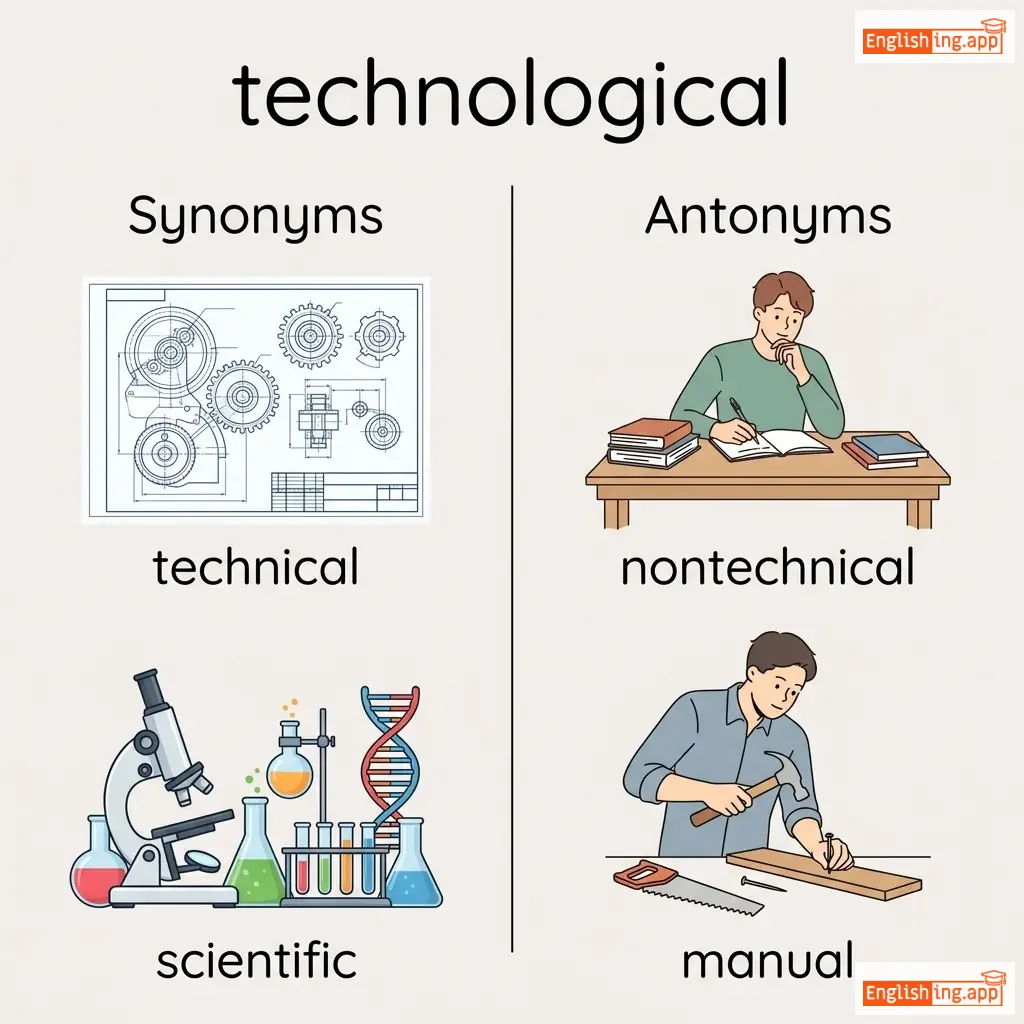
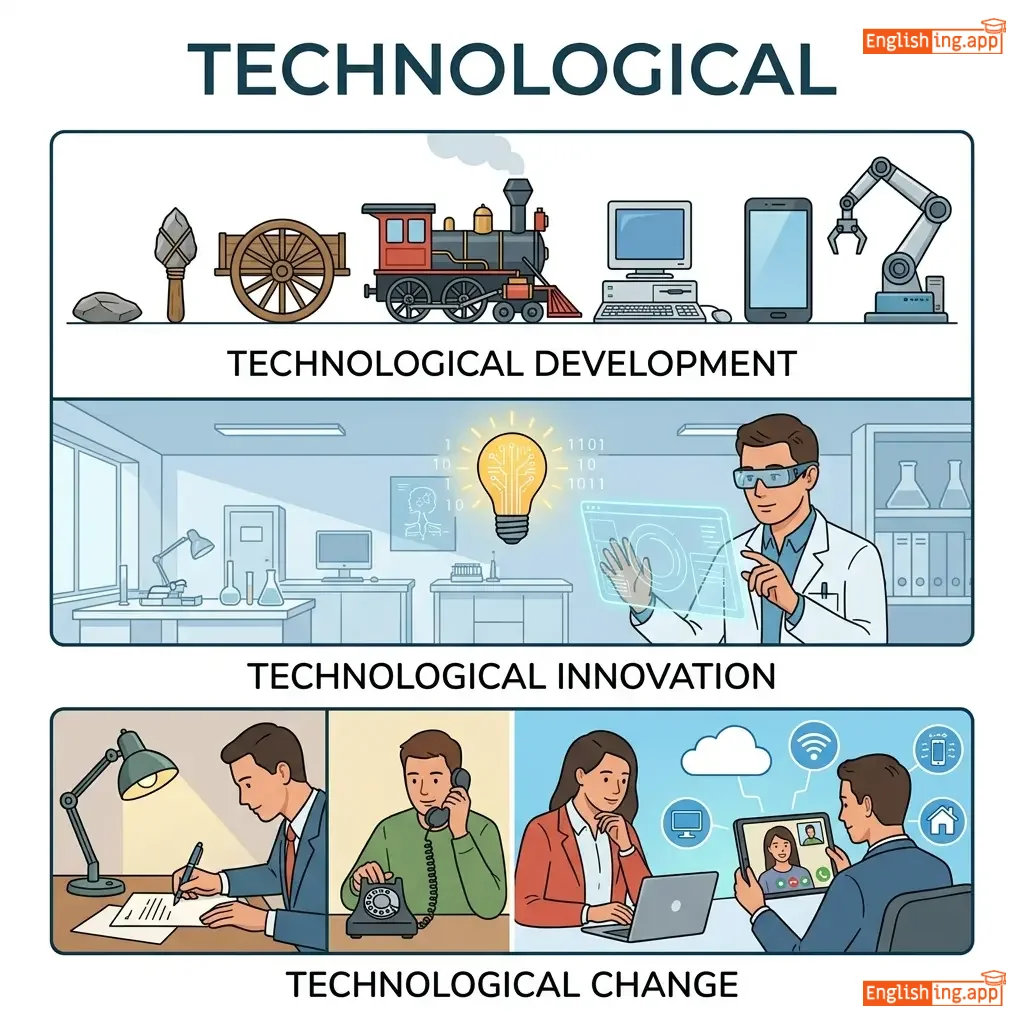
ˌtɛkˈnɒlədʒɪkəl
adjective
••••••
|
|
Relating to or involving the application of technology.
••••••
|
Technological advancements are reshaping industries worldwide. |
digital, scientific
••••••
|
non-technical, primitive
••••••
|
|
#3123
⚖️
|
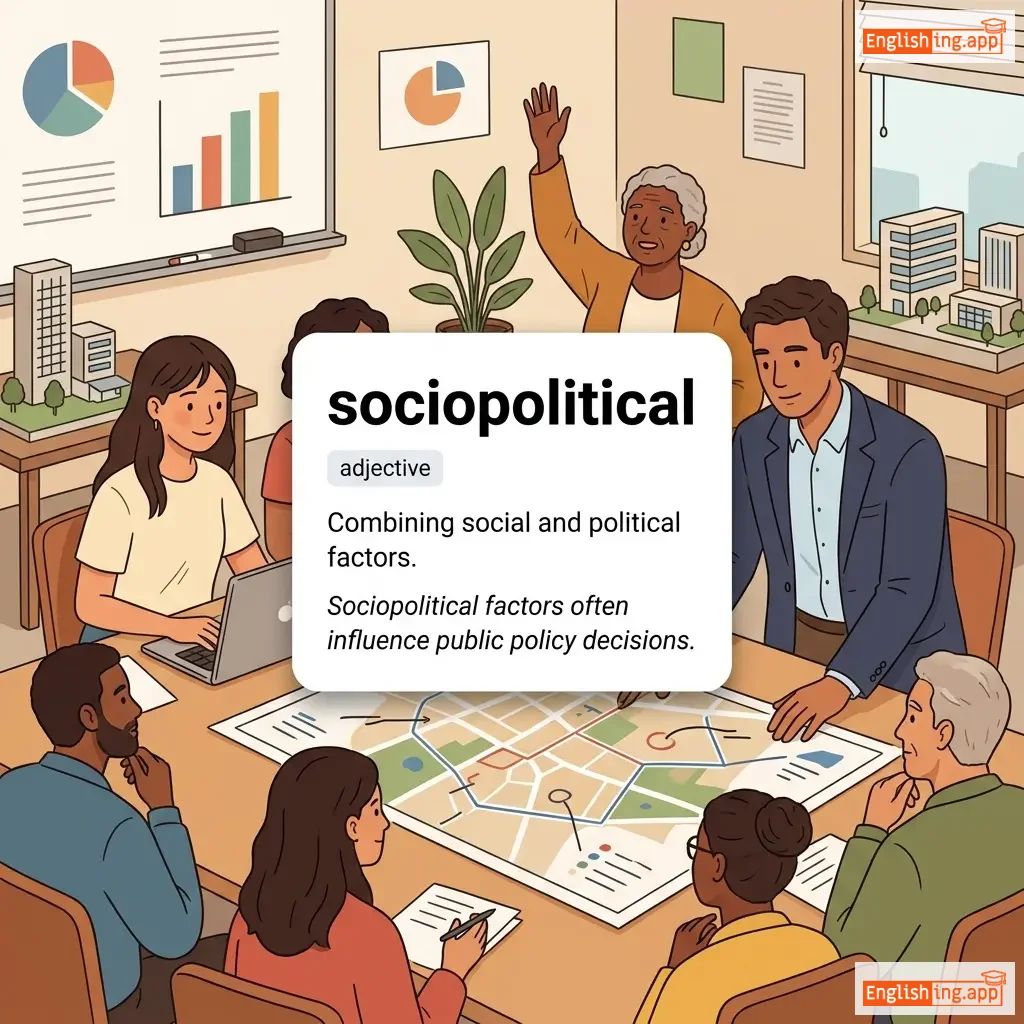
ˌsəʊsɪəʊpəˈlɪtɪkəl
adjective
••••••
|
|
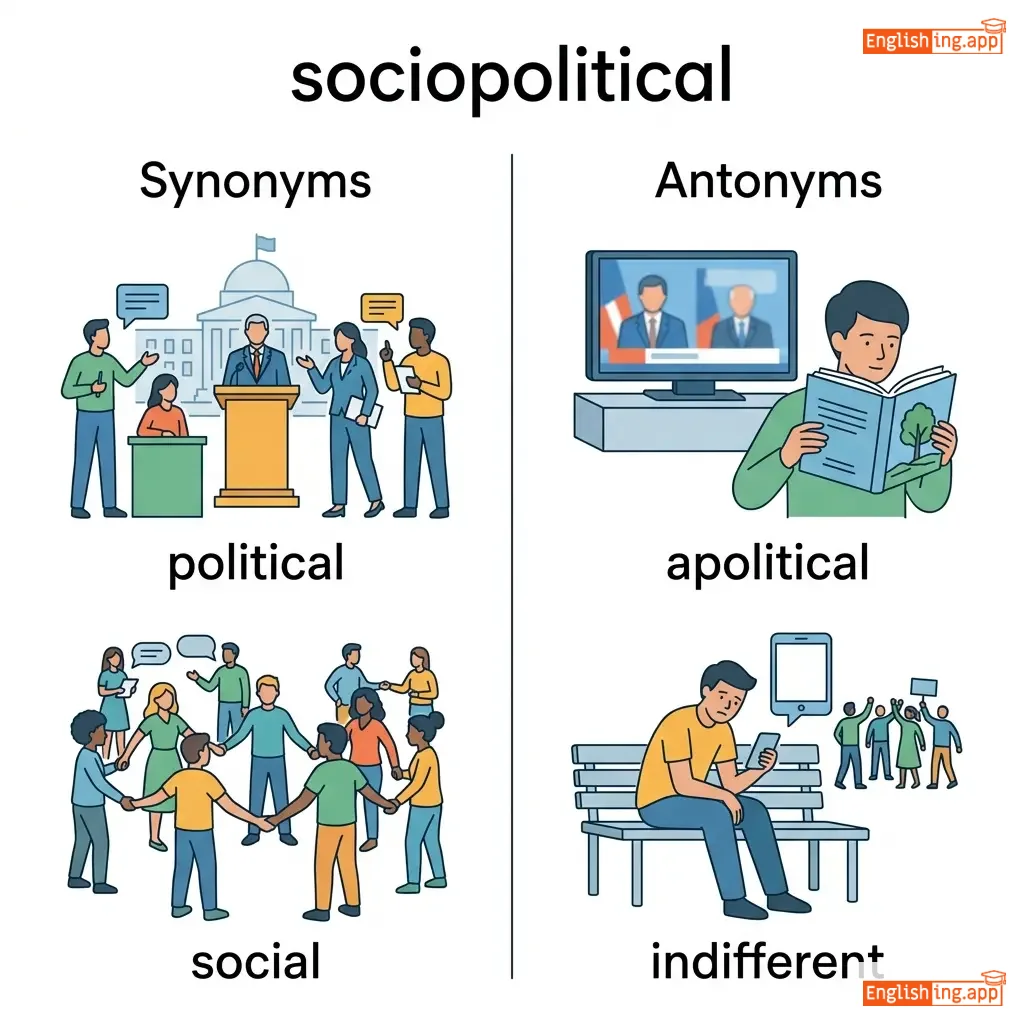
Combining social and political factors.
••••••
|
Sociopolitical factors often influence public policy decisions. |
political, social
••••••
|
apolitical, indifferent
••••••
|
|
#3124
🤝
|
ˌɪntɪˈɡreɪʃən
noun
••••••
|
|
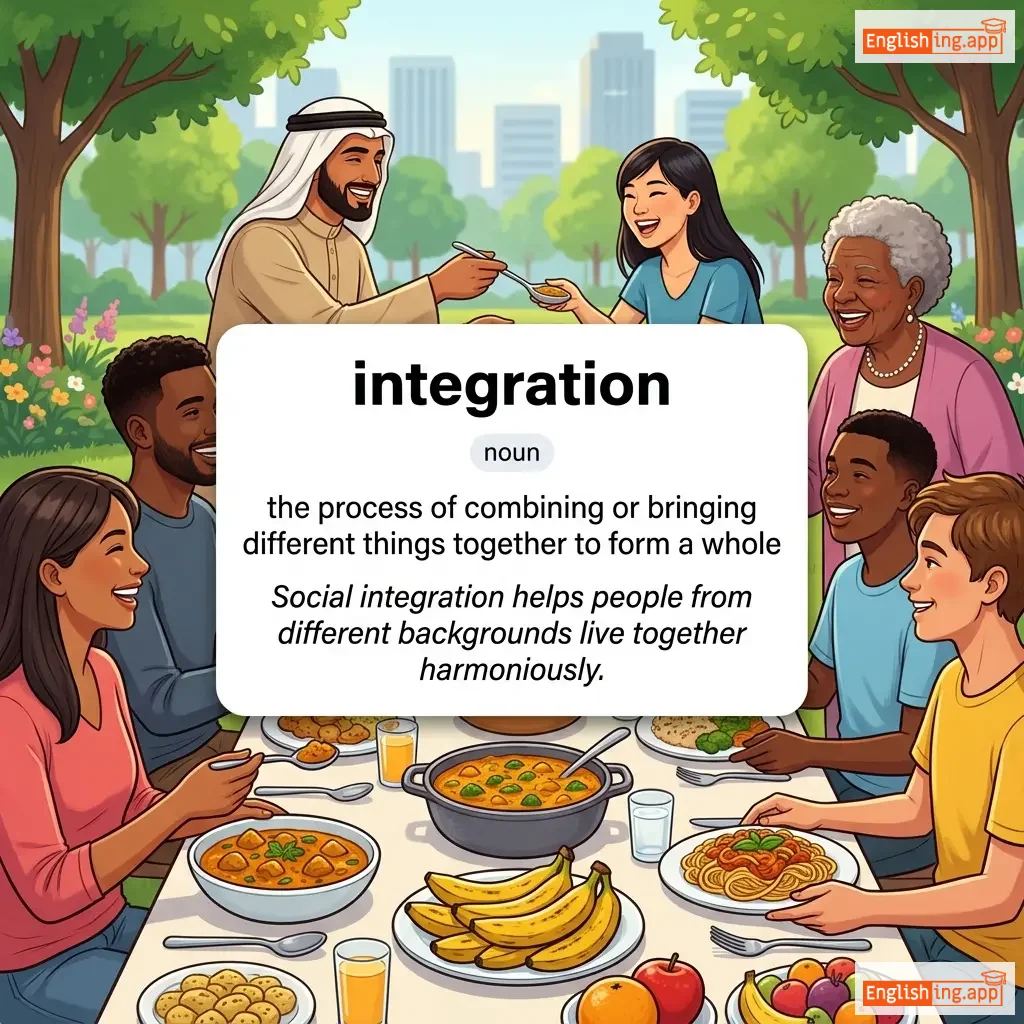
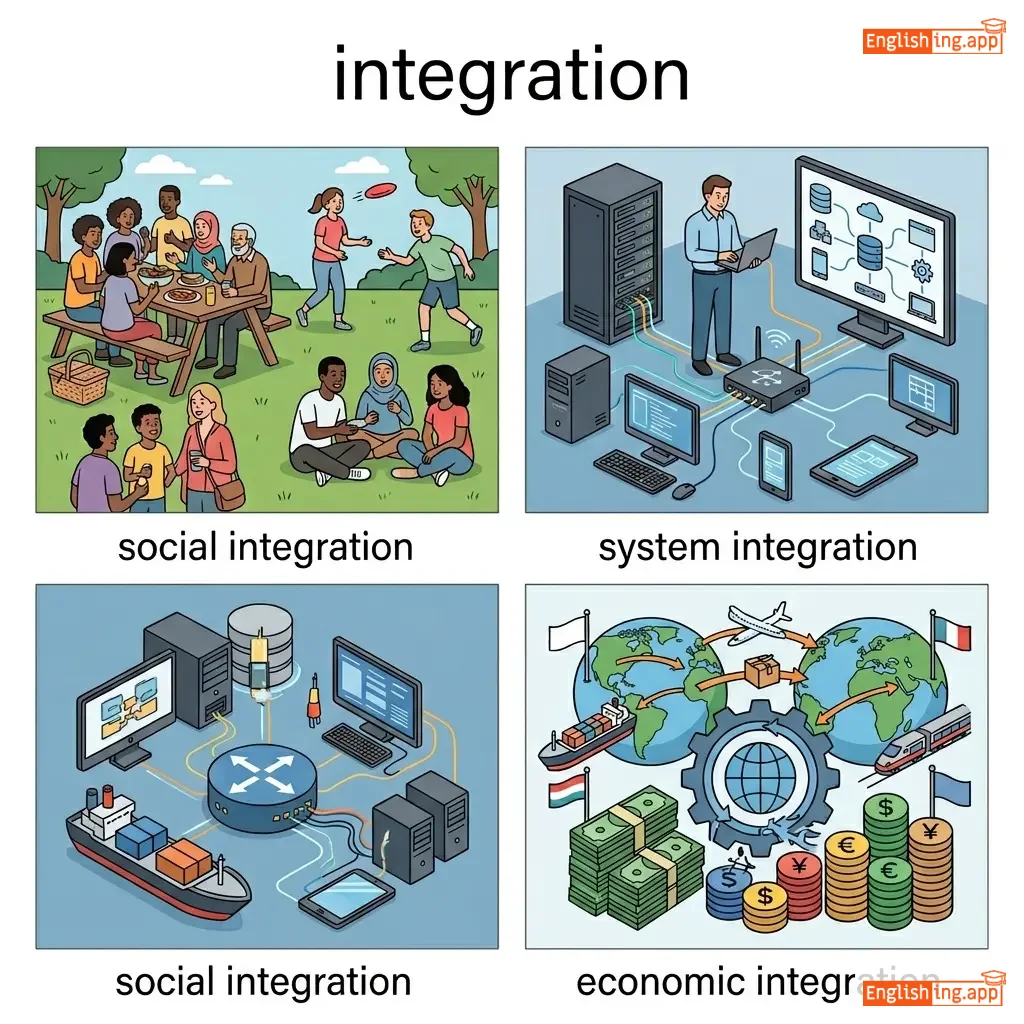
The action or process of integrating.
••••••
|
Integration of technology in education has improved learning outcomes. |
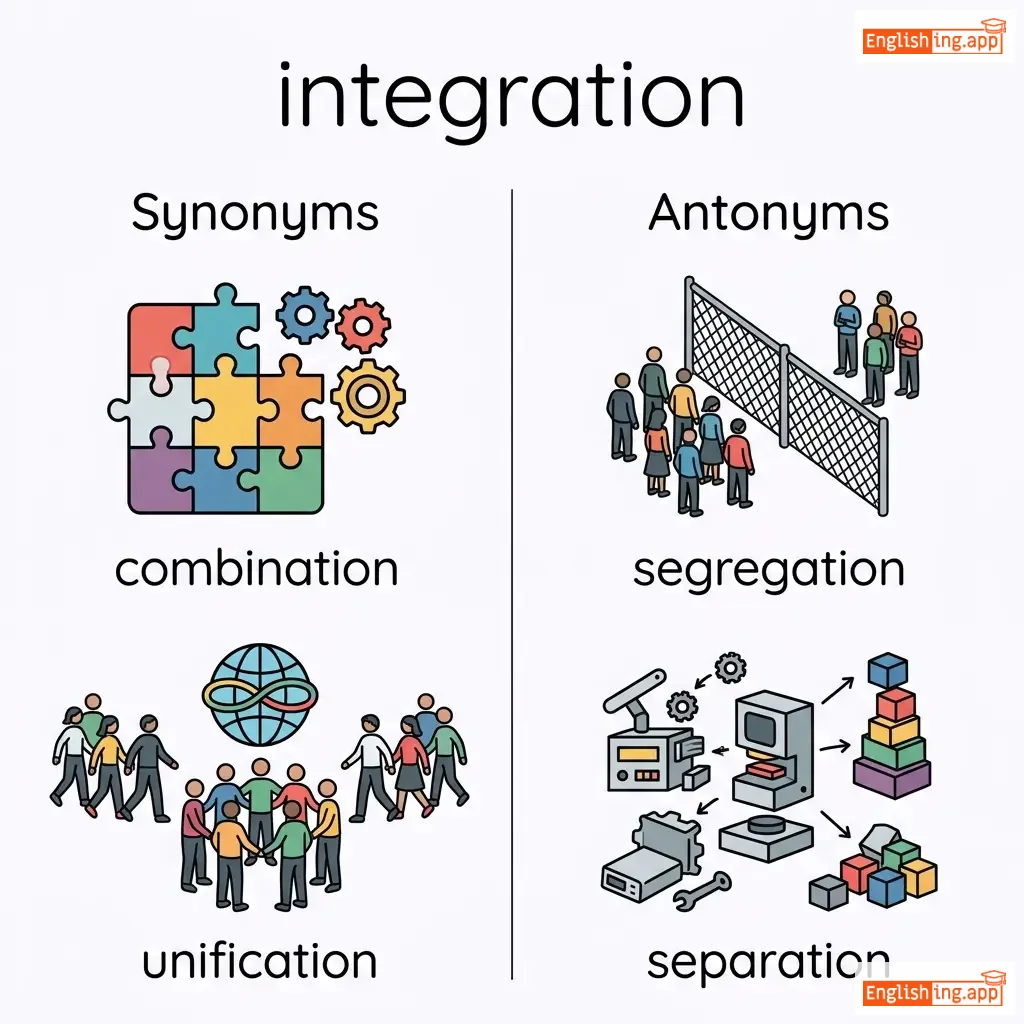
unification, combination
••••••
|
segregation, division
••••••
|
|
#3125
👫
|
kəˈlɛktɪvɪzəm
noun
••••••
|
|
The practice or principle of giving a group priority over each individual in it.
••••••
|
Collectivism emphasizes the importance of group over individual interests. |
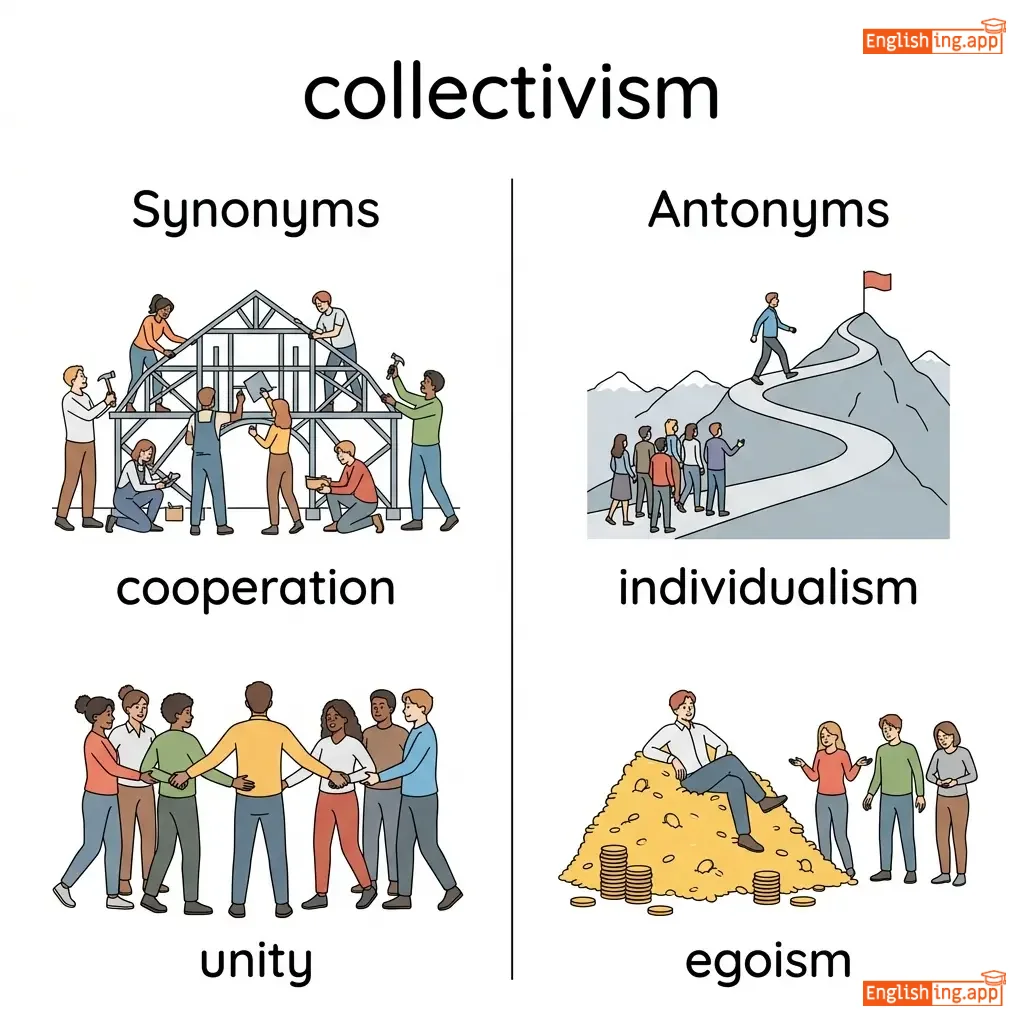
cooperation, unity
••••••
|
individualism, egoism
••••••
|
|
#3126
🌍
|
səˌsteɪnəˈbɪlɪti
noun
••••••
|
|
The ability to be maintained at a certain rate or level.
••••••
|
Sustainability is key to maintaining ecological balance. |
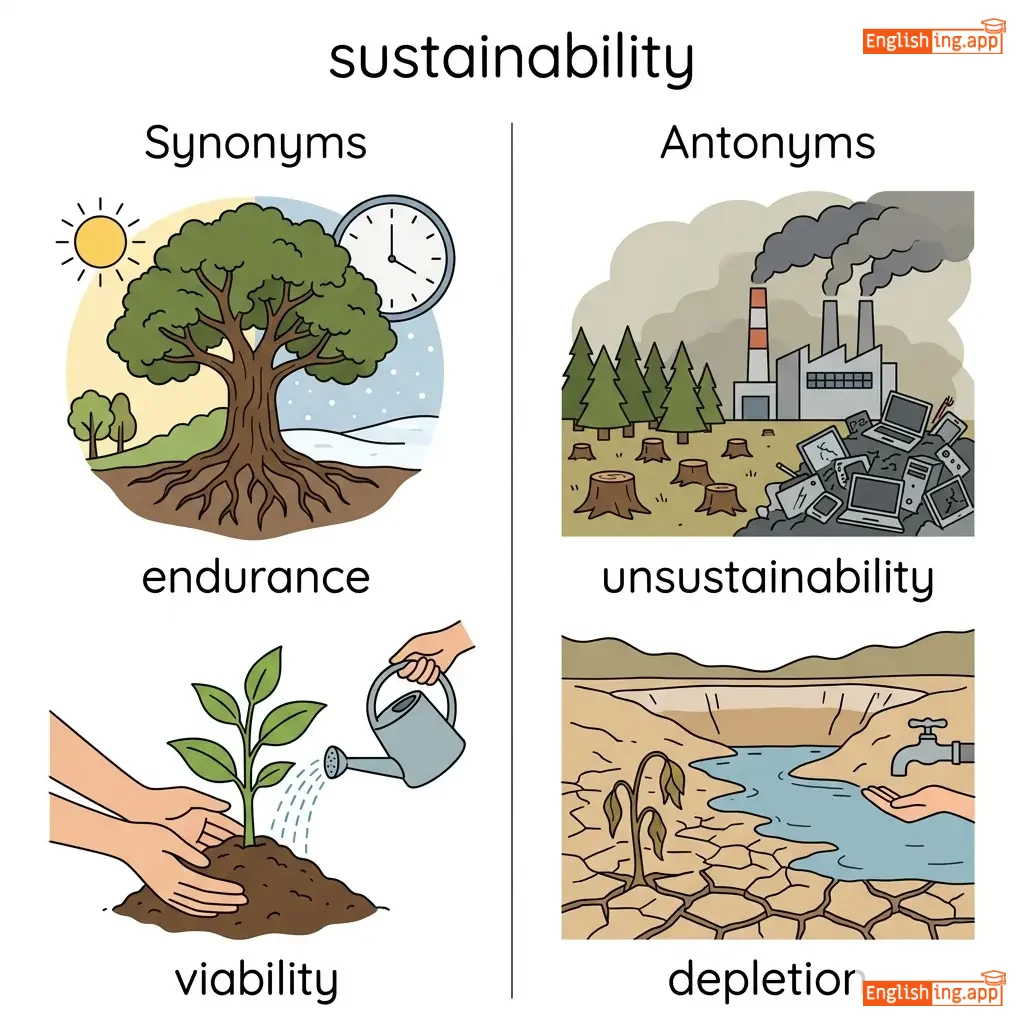
endurance, viability
••••••
|
unsustainability, fragility
••••••
|
|
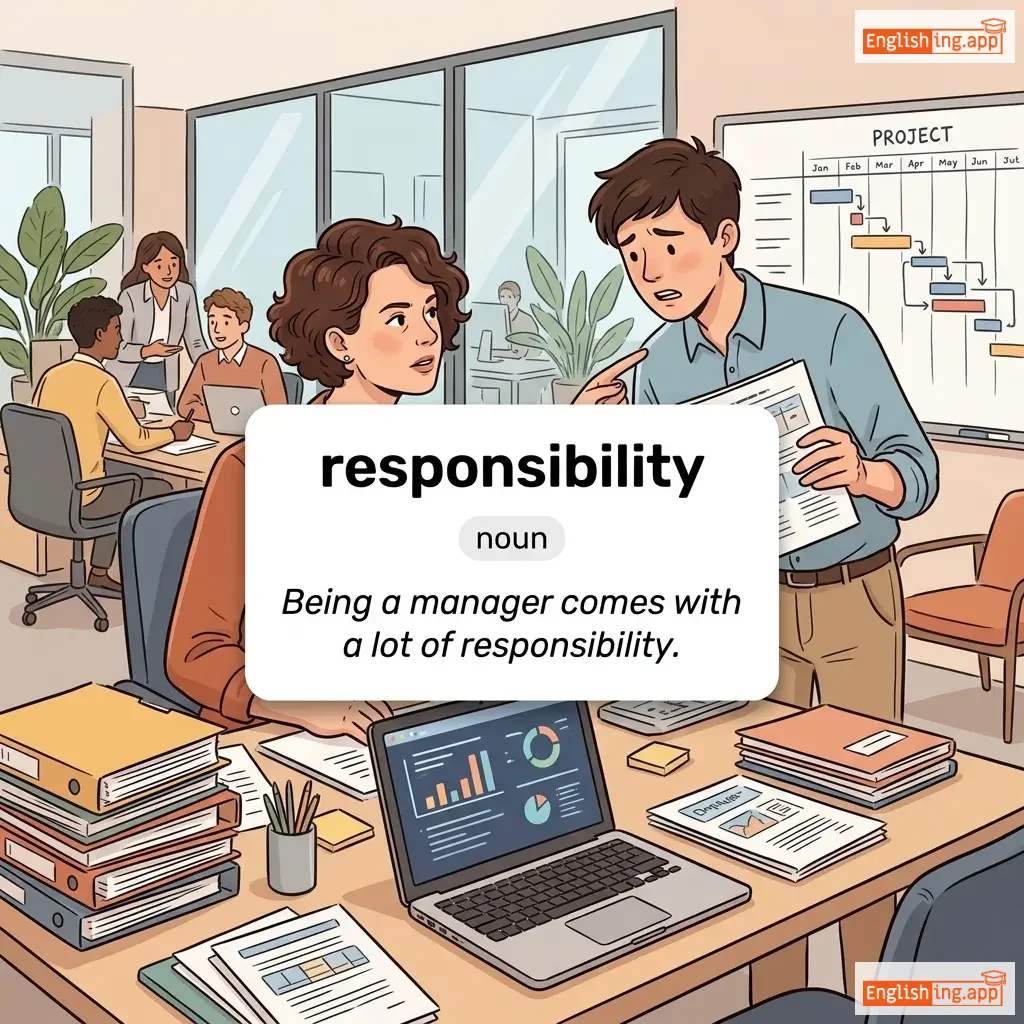
#3127
📋
|
rɪˌspɒnsəˈbɪlɪti
noun
••••••
|
|
The state or fact of having a duty to deal with something or of having control over someone.
••••••
|
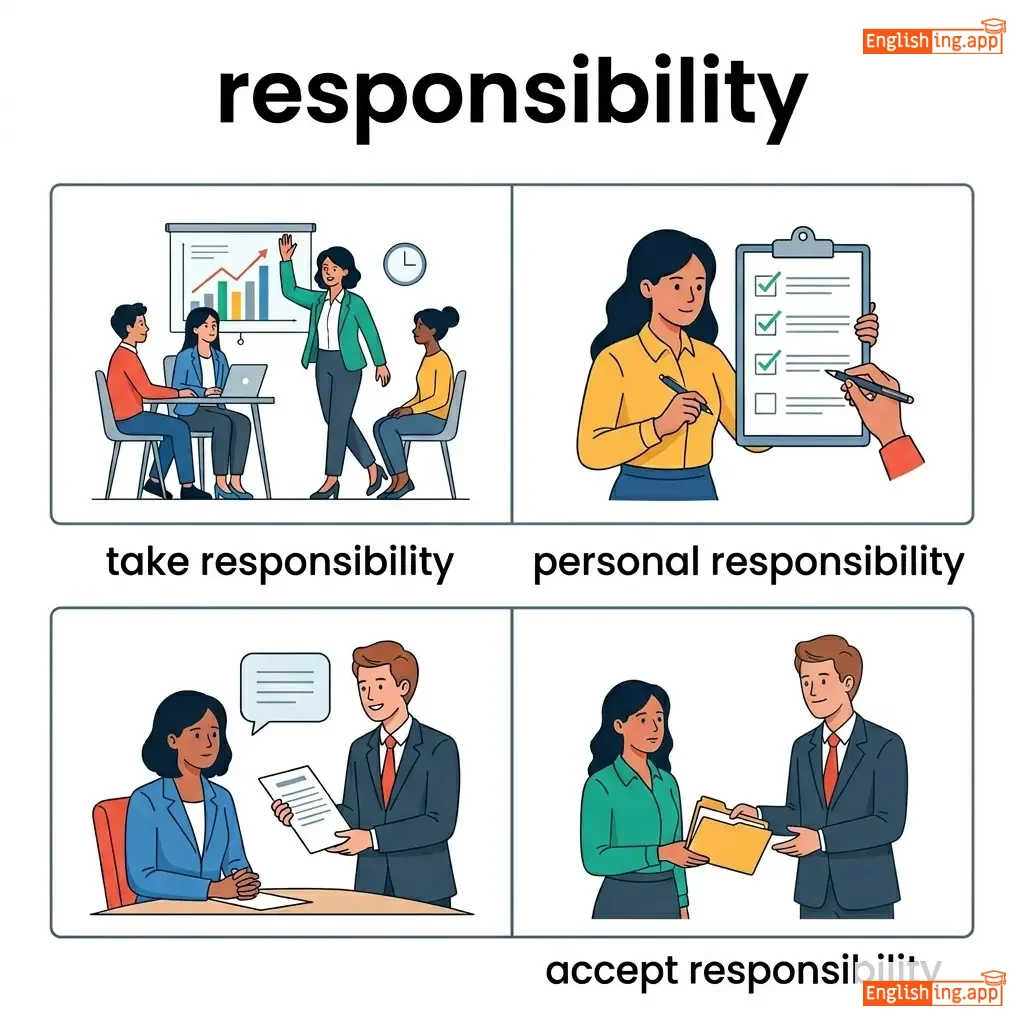
Taking responsibility for one's actions is a sign of maturity. |
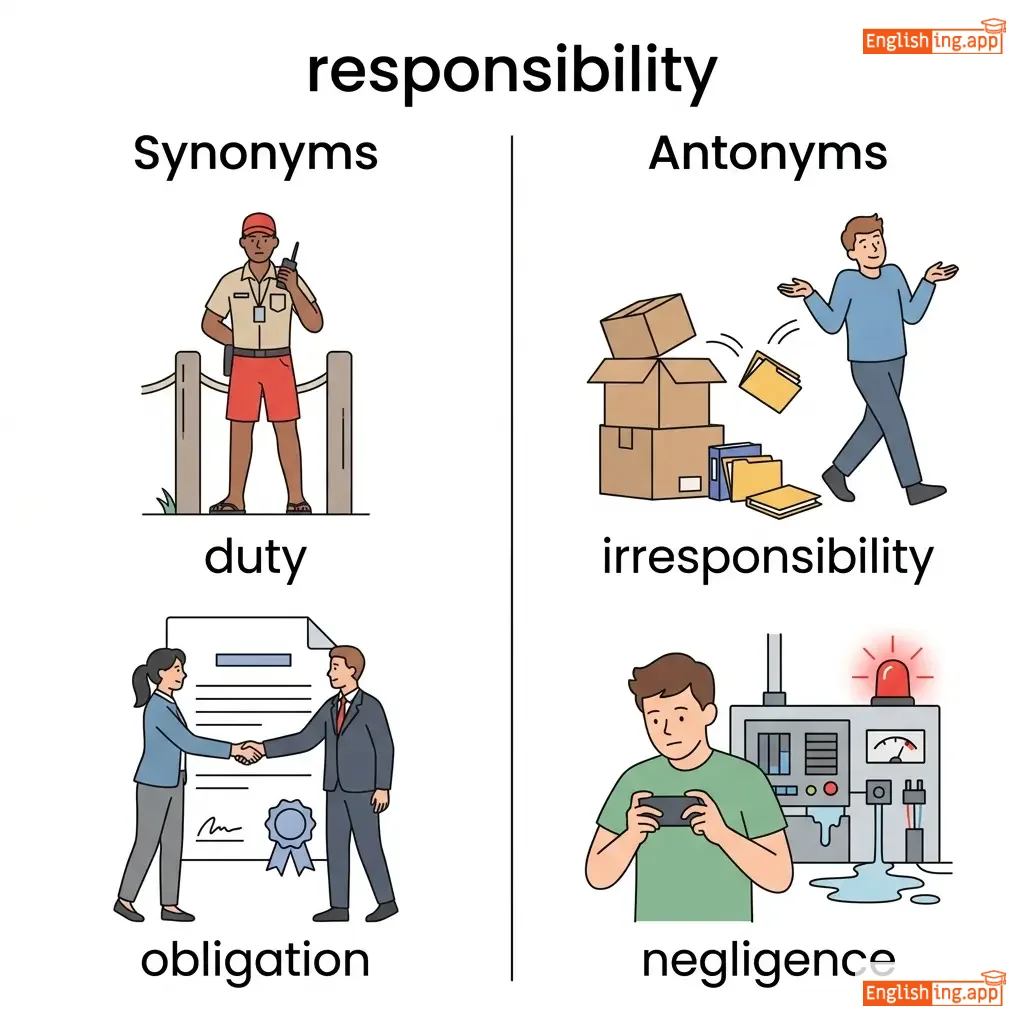
accountability, obligation
••••••
|
irresponsibility, neglect
••••••
|
Comments (0)
Share your thoughts and join the discussion.
Join the discussion by logging in
Login to CommentNo comments yet
Be the first to share your thoughts!